EP2917150B1 - Process for treating waste waters of olive oil mills by means of reforming reactions, and plant therefor - Google Patents
Process for treating waste waters of olive oil mills by means of reforming reactions, and plant therefor Download PDFInfo
- Publication number
- EP2917150B1 EP2917150B1 EP13829002.8A EP13829002A EP2917150B1 EP 2917150 B1 EP2917150 B1 EP 2917150B1 EP 13829002 A EP13829002 A EP 13829002A EP 2917150 B1 EP2917150 B1 EP 2917150B1
- Authority
- EP
- European Patent Office
- Prior art keywords
- waste waters
- reforming
- hydrogen
- per
- heat
- Prior art date
- Legal status (The legal status is an assumption and is not a legal conclusion. Google has not performed a legal analysis and makes no representation as to the accuracy of the status listed.)
- Active
Links
Images


Classifications
-
- B—PERFORMING OPERATIONS; TRANSPORTING
- B01—PHYSICAL OR CHEMICAL PROCESSES OR APPARATUS IN GENERAL
- B01D—SEPARATION
- B01D71/00—Semi-permeable membranes for separation processes or apparatus characterised by the material; Manufacturing processes specially adapted therefor
- B01D71/02—Inorganic material
- B01D71/022—Metals
-
- C—CHEMISTRY; METALLURGY
- C01—INORGANIC CHEMISTRY
- C01B—NON-METALLIC ELEMENTS; COMPOUNDS THEREOF; METALLOIDS OR COMPOUNDS THEREOF NOT COVERED BY SUBCLASS C01C
- C01B3/00—Hydrogen; Gaseous mixtures containing hydrogen; Separation of hydrogen from mixtures containing it; Purification of hydrogen; Reversible storage of hydrogen
- C01B3/02—Production of hydrogen; Production of gaseous mixtures containing hydrogen
- C01B3/32—Production of hydrogen; Production of gaseous mixtures containing hydrogen by reaction of gaseous or liquid organic compounds with gasifying agents, e.g. water, carbon dioxide or air
- C01B3/34—Production of hydrogen; Production of gaseous mixtures containing hydrogen by reaction of gaseous or liquid organic compounds with gasifying agents, e.g. water, carbon dioxide or air by reaction of hydrocarbons with gasifying agents
- C01B3/38—Production of hydrogen; Production of gaseous mixtures containing hydrogen by reaction of gaseous or liquid organic compounds with gasifying agents, e.g. water, carbon dioxide or air by reaction of hydrocarbons with gasifying agents using catalysts
- C01B3/384—Production of hydrogen; Production of gaseous mixtures containing hydrogen by reaction of gaseous or liquid organic compounds with gasifying agents, e.g. water, carbon dioxide or air by reaction of hydrocarbons with gasifying agents using catalysts with external heating of the catalyst
-
- C—CHEMISTRY; METALLURGY
- C01—INORGANIC CHEMISTRY
- C01B—NON-METALLIC ELEMENTS; COMPOUNDS THEREOF; METALLOIDS OR COMPOUNDS THEREOF NOT COVERED BY SUBCLASS C01C
- C01B3/00—Hydrogen; Gaseous mixtures containing hydrogen; Separation of hydrogen from mixtures containing it; Purification of hydrogen; Reversible storage of hydrogen
- C01B3/02—Production of hydrogen; Production of gaseous mixtures containing hydrogen
- C01B3/32—Production of hydrogen; Production of gaseous mixtures containing hydrogen by reaction of gaseous or liquid organic compounds with gasifying agents, e.g. water, carbon dioxide or air
- C01B3/34—Production of hydrogen; Production of gaseous mixtures containing hydrogen by reaction of gaseous or liquid organic compounds with gasifying agents, e.g. water, carbon dioxide or air by reaction of hydrocarbons with gasifying agents
- C01B3/38—Production of hydrogen; Production of gaseous mixtures containing hydrogen by reaction of gaseous or liquid organic compounds with gasifying agents, e.g. water, carbon dioxide or air by reaction of hydrocarbons with gasifying agents using catalysts
- C01B3/386—Catalytic partial combustion
-
- C—CHEMISTRY; METALLURGY
- C01—INORGANIC CHEMISTRY
- C01B—NON-METALLIC ELEMENTS; COMPOUNDS THEREOF; METALLOIDS OR COMPOUNDS THEREOF NOT COVERED BY SUBCLASS C01C
- C01B3/00—Hydrogen; Gaseous mixtures containing hydrogen; Separation of hydrogen from mixtures containing it; Purification of hydrogen; Reversible storage of hydrogen
- C01B3/50—Separation of hydrogen or hydrogen-containing gases from gaseous mixtures, e.g. purification
- C01B3/501—Separation of hydrogen or hydrogen-containing gases from gaseous mixtures, e.g. purification by diffusion
-
- C—CHEMISTRY; METALLURGY
- C01—INORGANIC CHEMISTRY
- C01B—NON-METALLIC ELEMENTS; COMPOUNDS THEREOF; METALLOIDS OR COMPOUNDS THEREOF NOT COVERED BY SUBCLASS C01C
- C01B3/00—Hydrogen; Gaseous mixtures containing hydrogen; Separation of hydrogen from mixtures containing it; Purification of hydrogen; Reversible storage of hydrogen
- C01B3/50—Separation of hydrogen or hydrogen-containing gases from gaseous mixtures, e.g. purification
- C01B3/501—Separation of hydrogen or hydrogen-containing gases from gaseous mixtures, e.g. purification by diffusion
- C01B3/503—Separation of hydrogen or hydrogen-containing gases from gaseous mixtures, e.g. purification by diffusion characterised by membranes
-
- C—CHEMISTRY; METALLURGY
- C01—INORGANIC CHEMISTRY
- C01B—NON-METALLIC ELEMENTS; COMPOUNDS THEREOF; METALLOIDS OR COMPOUNDS THEREOF NOT COVERED BY SUBCLASS C01C
- C01B3/00—Hydrogen; Gaseous mixtures containing hydrogen; Separation of hydrogen from mixtures containing it; Purification of hydrogen; Reversible storage of hydrogen
- C01B3/50—Separation of hydrogen or hydrogen-containing gases from gaseous mixtures, e.g. purification
- C01B3/501—Separation of hydrogen or hydrogen-containing gases from gaseous mixtures, e.g. purification by diffusion
- C01B3/503—Separation of hydrogen or hydrogen-containing gases from gaseous mixtures, e.g. purification by diffusion characterised by membranes
- C01B3/505—Membranes containing palladium
-
- C—CHEMISTRY; METALLURGY
- C02—TREATMENT OF WATER, WASTE WATER, SEWAGE, OR SLUDGE
- C02F—TREATMENT OF WATER, WASTE WATER, SEWAGE, OR SLUDGE
- C02F9/00—Multistage treatment of water, waste water or sewage
-
- C—CHEMISTRY; METALLURGY
- C01—INORGANIC CHEMISTRY
- C01B—NON-METALLIC ELEMENTS; COMPOUNDS THEREOF; METALLOIDS OR COMPOUNDS THEREOF NOT COVERED BY SUBCLASS C01C
- C01B2203/00—Integrated processes for the production of hydrogen or synthesis gas
- C01B2203/02—Processes for making hydrogen or synthesis gas
- C01B2203/0205—Processes for making hydrogen or synthesis gas containing a reforming step
- C01B2203/0227—Processes for making hydrogen or synthesis gas containing a reforming step containing a catalytic reforming step
- C01B2203/0233—Processes for making hydrogen or synthesis gas containing a reforming step containing a catalytic reforming step the reforming step being a steam reforming step
-
- C—CHEMISTRY; METALLURGY
- C01—INORGANIC CHEMISTRY
- C01B—NON-METALLIC ELEMENTS; COMPOUNDS THEREOF; METALLOIDS OR COMPOUNDS THEREOF NOT COVERED BY SUBCLASS C01C
- C01B2203/00—Integrated processes for the production of hydrogen or synthesis gas
- C01B2203/02—Processes for making hydrogen or synthesis gas
- C01B2203/025—Processes for making hydrogen or synthesis gas containing a partial oxidation step
- C01B2203/0261—Processes for making hydrogen or synthesis gas containing a partial oxidation step containing a catalytic partial oxidation step [CPO]
-
- C—CHEMISTRY; METALLURGY
- C01—INORGANIC CHEMISTRY
- C01B—NON-METALLIC ELEMENTS; COMPOUNDS THEREOF; METALLOIDS OR COMPOUNDS THEREOF NOT COVERED BY SUBCLASS C01C
- C01B2203/00—Integrated processes for the production of hydrogen or synthesis gas
- C01B2203/04—Integrated processes for the production of hydrogen or synthesis gas containing a purification step for the hydrogen or the synthesis gas
-
- C—CHEMISTRY; METALLURGY
- C01—INORGANIC CHEMISTRY
- C01B—NON-METALLIC ELEMENTS; COMPOUNDS THEREOF; METALLOIDS OR COMPOUNDS THEREOF NOT COVERED BY SUBCLASS C01C
- C01B2203/00—Integrated processes for the production of hydrogen or synthesis gas
- C01B2203/04—Integrated processes for the production of hydrogen or synthesis gas containing a purification step for the hydrogen or the synthesis gas
- C01B2203/0405—Purification by membrane separation
- C01B2203/041—In-situ membrane purification during hydrogen production
-
- C—CHEMISTRY; METALLURGY
- C01—INORGANIC CHEMISTRY
- C01B—NON-METALLIC ELEMENTS; COMPOUNDS THEREOF; METALLOIDS OR COMPOUNDS THEREOF NOT COVERED BY SUBCLASS C01C
- C01B2203/00—Integrated processes for the production of hydrogen or synthesis gas
- C01B2203/04—Integrated processes for the production of hydrogen or synthesis gas containing a purification step for the hydrogen or the synthesis gas
- C01B2203/0465—Composition of the impurity
- C01B2203/047—Composition of the impurity the impurity being carbon monoxide
-
- C—CHEMISTRY; METALLURGY
- C01—INORGANIC CHEMISTRY
- C01B—NON-METALLIC ELEMENTS; COMPOUNDS THEREOF; METALLOIDS OR COMPOUNDS THEREOF NOT COVERED BY SUBCLASS C01C
- C01B2203/00—Integrated processes for the production of hydrogen or synthesis gas
- C01B2203/04—Integrated processes for the production of hydrogen or synthesis gas containing a purification step for the hydrogen or the synthesis gas
- C01B2203/0465—Composition of the impurity
- C01B2203/0475—Composition of the impurity the impurity being carbon dioxide
-
- C—CHEMISTRY; METALLURGY
- C01—INORGANIC CHEMISTRY
- C01B—NON-METALLIC ELEMENTS; COMPOUNDS THEREOF; METALLOIDS OR COMPOUNDS THEREOF NOT COVERED BY SUBCLASS C01C
- C01B2203/00—Integrated processes for the production of hydrogen or synthesis gas
- C01B2203/04—Integrated processes for the production of hydrogen or synthesis gas containing a purification step for the hydrogen or the synthesis gas
- C01B2203/0465—Composition of the impurity
- C01B2203/048—Composition of the impurity the impurity being an organic compound
-
- C—CHEMISTRY; METALLURGY
- C01—INORGANIC CHEMISTRY
- C01B—NON-METALLIC ELEMENTS; COMPOUNDS THEREOF; METALLOIDS OR COMPOUNDS THEREOF NOT COVERED BY SUBCLASS C01C
- C01B2203/00—Integrated processes for the production of hydrogen or synthesis gas
- C01B2203/04—Integrated processes for the production of hydrogen or synthesis gas containing a purification step for the hydrogen or the synthesis gas
- C01B2203/0465—Composition of the impurity
- C01B2203/0495—Composition of the impurity the impurity being water
-
- C—CHEMISTRY; METALLURGY
- C01—INORGANIC CHEMISTRY
- C01B—NON-METALLIC ELEMENTS; COMPOUNDS THEREOF; METALLOIDS OR COMPOUNDS THEREOF NOT COVERED BY SUBCLASS C01C
- C01B2203/00—Integrated processes for the production of hydrogen or synthesis gas
- C01B2203/08—Methods of heating or cooling
- C01B2203/0805—Methods of heating the process for making hydrogen or synthesis gas
-
- C—CHEMISTRY; METALLURGY
- C01—INORGANIC CHEMISTRY
- C01B—NON-METALLIC ELEMENTS; COMPOUNDS THEREOF; METALLOIDS OR COMPOUNDS THEREOF NOT COVERED BY SUBCLASS C01C
- C01B2203/00—Integrated processes for the production of hydrogen or synthesis gas
- C01B2203/08—Methods of heating or cooling
- C01B2203/0805—Methods of heating the process for making hydrogen or synthesis gas
- C01B2203/0811—Methods of heating the process for making hydrogen or synthesis gas by combustion of fuel
-
- C—CHEMISTRY; METALLURGY
- C01—INORGANIC CHEMISTRY
- C01B—NON-METALLIC ELEMENTS; COMPOUNDS THEREOF; METALLOIDS OR COMPOUNDS THEREOF NOT COVERED BY SUBCLASS C01C
- C01B2203/00—Integrated processes for the production of hydrogen or synthesis gas
- C01B2203/08—Methods of heating or cooling
- C01B2203/0805—Methods of heating the process for making hydrogen or synthesis gas
- C01B2203/0866—Methods of heating the process for making hydrogen or synthesis gas by combination of different heating methods
-
- C—CHEMISTRY; METALLURGY
- C01—INORGANIC CHEMISTRY
- C01B—NON-METALLIC ELEMENTS; COMPOUNDS THEREOF; METALLOIDS OR COMPOUNDS THEREOF NOT COVERED BY SUBCLASS C01C
- C01B2203/00—Integrated processes for the production of hydrogen or synthesis gas
- C01B2203/08—Methods of heating or cooling
- C01B2203/0872—Methods of cooling
- C01B2203/0883—Methods of cooling by indirect heat exchange
-
- C—CHEMISTRY; METALLURGY
- C01—INORGANIC CHEMISTRY
- C01B—NON-METALLIC ELEMENTS; COMPOUNDS THEREOF; METALLOIDS OR COMPOUNDS THEREOF NOT COVERED BY SUBCLASS C01C
- C01B2203/00—Integrated processes for the production of hydrogen or synthesis gas
- C01B2203/12—Feeding the process for making hydrogen or synthesis gas
- C01B2203/1205—Composition of the feed
-
- C—CHEMISTRY; METALLURGY
- C01—INORGANIC CHEMISTRY
- C01B—NON-METALLIC ELEMENTS; COMPOUNDS THEREOF; METALLOIDS OR COMPOUNDS THEREOF NOT COVERED BY SUBCLASS C01C
- C01B2203/00—Integrated processes for the production of hydrogen or synthesis gas
- C01B2203/12—Feeding the process for making hydrogen or synthesis gas
- C01B2203/1258—Pre-treatment of the feed
-
- C—CHEMISTRY; METALLURGY
- C01—INORGANIC CHEMISTRY
- C01B—NON-METALLIC ELEMENTS; COMPOUNDS THEREOF; METALLOIDS OR COMPOUNDS THEREOF NOT COVERED BY SUBCLASS C01C
- C01B2203/00—Integrated processes for the production of hydrogen or synthesis gas
- C01B2203/12—Feeding the process for making hydrogen or synthesis gas
- C01B2203/1288—Evaporation of one or more of the different feed components
-
- C—CHEMISTRY; METALLURGY
- C02—TREATMENT OF WATER, WASTE WATER, SEWAGE, OR SLUDGE
- C02F—TREATMENT OF WATER, WASTE WATER, SEWAGE, OR SLUDGE
- C02F1/00—Treatment of water, waste water, or sewage
- C02F1/02—Treatment of water, waste water, or sewage by heating
- C02F1/04—Treatment of water, waste water, or sewage by heating by distillation or evaporation
- C02F1/048—Purification of waste water by evaporation
-
- C—CHEMISTRY; METALLURGY
- C02—TREATMENT OF WATER, WASTE WATER, SEWAGE, OR SLUDGE
- C02F—TREATMENT OF WATER, WASTE WATER, SEWAGE, OR SLUDGE
- C02F2101/00—Nature of the contaminant
- C02F2101/30—Organic compounds
- C02F2101/34—Organic compounds containing oxygen
- C02F2101/345—Phenols
-
- C—CHEMISTRY; METALLURGY
- C02—TREATMENT OF WATER, WASTE WATER, SEWAGE, OR SLUDGE
- C02F—TREATMENT OF WATER, WASTE WATER, SEWAGE, OR SLUDGE
- C02F2103/00—Nature of the water, waste water, sewage or sludge to be treated
- C02F2103/32—Nature of the water, waste water, sewage or sludge to be treated from the food or foodstuff industry, e.g. brewery waste waters
- C02F2103/322—Nature of the water, waste water, sewage or sludge to be treated from the food or foodstuff industry, e.g. brewery waste waters from vegetable oil production, e.g. olive oil production
-
- C—CHEMISTRY; METALLURGY
- C02—TREATMENT OF WATER, WASTE WATER, SEWAGE, OR SLUDGE
- C02F—TREATMENT OF WATER, WASTE WATER, SEWAGE, OR SLUDGE
- C02F2303/00—Specific treatment goals
- C02F2303/10—Energy recovery
-
- Y—GENERAL TAGGING OF NEW TECHNOLOGICAL DEVELOPMENTS; GENERAL TAGGING OF CROSS-SECTIONAL TECHNOLOGIES SPANNING OVER SEVERAL SECTIONS OF THE IPC; TECHNICAL SUBJECTS COVERED BY FORMER USPC CROSS-REFERENCE ART COLLECTIONS [XRACs] AND DIGESTS
- Y02—TECHNOLOGIES OR APPLICATIONS FOR MITIGATION OR ADAPTATION AGAINST CLIMATE CHANGE
- Y02P—CLIMATE CHANGE MITIGATION TECHNOLOGIES IN THE PRODUCTION OR PROCESSING OF GOODS
- Y02P20/00—Technologies relating to chemical industry
- Y02P20/10—Process efficiency
- Y02P20/129—Energy recovery, e.g. by cogeneration, H2recovery or pressure recovery turbines
-
- Y—GENERAL TAGGING OF NEW TECHNOLOGICAL DEVELOPMENTS; GENERAL TAGGING OF CROSS-SECTIONAL TECHNOLOGIES SPANNING OVER SEVERAL SECTIONS OF THE IPC; TECHNICAL SUBJECTS COVERED BY FORMER USPC CROSS-REFERENCE ART COLLECTIONS [XRACs] AND DIGESTS
- Y02—TECHNOLOGIES OR APPLICATIONS FOR MITIGATION OR ADAPTATION AGAINST CLIMATE CHANGE
- Y02W—CLIMATE CHANGE MITIGATION TECHNOLOGIES RELATED TO WASTEWATER TREATMENT OR WASTE MANAGEMENT
- Y02W10/00—Technologies for wastewater treatment
- Y02W10/30—Wastewater or sewage treatment systems using renewable energies
Definitions
- Forming the subject of the present invention is a process, and corresponding plant, for treating the waste waters of olive oil mills by means of reforming reactions in order to produce a gaseous current rich in hydrogen, CO 2 , methane, CO, and other gases. In this way, it is possible to avoid the cost of disposal of the olive mill waste waters and moreover to produce a current of gas that can be used for energy purposes.
- this process uses membrane reactors that are able to produce ultrapure hydrogen through reforming of the waste waters.
- the energy consumption of the process which mostly affects the running costs, may be considerably abated or reduced to zero by envisaging appropriate heat recovery, using heat coming from combustion of the pomaces and from combustion of the gaseous current produced by the reformer and, finally, using electrical energy obtained from the use of the gases produced by the reformer.
- This process may moreover be integrated with other processes for treating the olive mill waste waters that produce waste constituted by water with fair amounts of organic compounds.
- the by-products of the olive oil industry are mainly constituted by olive mill waste waters, pomaces, and olive kernel.
- the yearly production of olives is around 15 million tonnes, and that of olive oil is around 2.5 million tonnes, to which there corresponds an amount olive mill wastewater of 10-30 million cubic metres.
- the surface cultivated with olives is approximately 1,141,000 hectares with a yearly production of 3.79 million tonnes of olives (1998 Istat data) [1].
- the yearly amounts of oil produced range between 500 and 700 thousand tonnes.
- Olive mill waste waters present a high content of organic substance and are very polluting. Their composition varies a lot from case to case. Merely by way of example, appearing in Table 1 is the composition of olive mill waste waters for (traditional) pressure-extraction systems and for the continuous system (of the centrifugation type) [1].
- the pH of the waste water is acidic as a consequence of the presence of organic acids.
- the other components of the organic substance there are sugars, fatty substances, and above all phenolic compounds, which, with their antimicrobial action, markedly reduce the biodegradability of the olive mill waste waters (BOD/COD ratio of 0.25-0.30).
- the amount of waste waters produced depends upon the extraction process adopted (traditional pressure system or else continuous system) and, more in particular, upon the amount of water used both by the process itself and by the centrifugal separation of the oil from the olive mill waste waters.
- traditional pressure process during the step of centrifugal separation, water is added in an amount ranging from 10 to 40 litres per hundred kilograms of olives: the waste waters constitute approximately 45-50% of the mass of olives processed.
- the amount of waste waters produced may vary a lot from high values (for the traditional three-step process) to lower values (in modern two-step systems).
- the organic part is approximately 45 g/l and approximately 25 g/l in the case of the traditional process and in the case of the continuous process, respectively.
- the toxicity of the olive mill waste waters is also due to the content of solids and heavy metals [2, 3].
- the processes for treating waste waters from oil mills currently studied consist in chemico-physical processes (dilution, evaporation, sedimentation, filtration, and centrifugation), biological processes (anaerobic digestion, aerobic digestion, combined biological processes, composting) and oxidation processes [4, 5].
- some recent applications of olive mill waste waters regard the treatment in anaerobic-digestion plants for the production of biogases.
- STC Science Technology Consulting srl
- Brindisi the wastewaters are treated for extracting the biogas and the phenolic fraction, which is recovered and valorized for uses in the nutraceutical and pharmaceutical sectors.
- the amounts of wastewaters that can be released over the period of one year range from 50 m 3 ha -1 (for waters from traditional oil mills) to 80 m 3 ha -1 (in the case of continuous-cycle oil mills).
- the cost of spreading has been estimated at between 3 and 5 €/m 3 [9].
- the main advantages of spreading on the land are represented by the low cost (and by the costs avoided for depuration and other treatments) and by the fertilizing (and herbicidal) effect, while among the negative aspects there may be highlighted the cytotoxicity are the risk of pollution of aquifers (and/or rilling) and the difficulty in observing the relevant norms [10].
- Oxidative reforming results from a combination of the two previous reactions (steam reforming and partial oxidation) and has the purpose of reducing the amount of heat necessary to sustain the reaction.
- autothermal When oxidative reforming is conducted in such a way as to operate with enthalpic exchange close to zero, it is referred to as "autothermal".
- the reforming reactions can be conducted also with alcohols (for example, methanol, ethanol) and other organic compounds (for example, acetic acid): in these cases, the stoichiometry of the reactions (1) and (2) must be appropriately modified.
- the present invention discloses a process and a plant for treating olive mill waste waters according to any of claims 1 to 14.
- the waste waters of olive oil mills contain an organic component constituted principally by oils, sugars, and polyphenols.
- it is a mixture of water with organic compounds, which, appropriately treated with the purpose of eliminating the fixed residue and part of the water, can be used for feeding a reformer, with the dual advantage of avoiding disposal of the waste waters of oil mills and of producing a gaseous mixture rich in hydrogen.
- the olive mill waste waters are first treated with the purpose of eliminating the fixed residue (for example, via filtration F) and part of the water (in a concentration stage C).
- this concentration process must take into account the amount of water present in the olive mill waste waters (this amount depending principally upon the milling process used) and the value of excess of water with respect to the stoichiometric values to be used in the reforming process (this value depending upon the characteristics of the catalyst used, the reaction yields required, and the other operating conditions, such as, for example, reaction pressure and temperature).
- the excess of water with respect to the stoichiometric values has a positive effect both on the thermodynamics and on the kinetics of the reaction and thus enables an increase of the yield in hydrogen of the reforming process.
- the excess of water enables both an increase in the reaction conversion according to le Chatelier's principle (excess of one of the reagents) and a reduction, or even prevention, of formation of carbon on the catalyst (positively affecting the speed of reaction).
- the excess of water increases the amount of heat necessary for vaporization of the supply current to the reformer and hence could reduce the energy yield of the process.
- the value of excess of water applied in reforming processes is determined according to the optimization of the criteria set forth above (yield in hydrogen, energy yield, duration of the catalyst and of its possible regeneration cycles, etc.) [19].
- reformers can be supplied with diluted aqueous solutions: this means that, in the reforming processes, it is not necessary to carry out a marked concentration of the waste waters of olive oil mills.
- the waste waters of the mills of a pressure type present an amount of organic compounds of approximately 50 g/l (see Table 1), whilst the steam reforming can be conducted effectively with supply currents having an organic fraction of approximately 100 g/l, as shown in the experimental activities appearing hereinafter in EXAMPLE 1.
- the waste waters used have been concentrated by approximately 50%.
- the waste waters thus treated are heated and vaporized (for this operation RV an amount of heat Q 1 is required) before being sent into the reformer RE.
- This preferably consists of a reactor with catalytic bed and operates for the reactions of steam reforming or oxidative (autothermal) reforming, together with the water-gas shift reaction.
- the reactions that take place in the reformer RE are those indicated by expressions (1-3) in the case of hydrocarbons or else the same expressions appropriately modified for the case of reforming of other organic compounds.
- the current leaving the reformer is cooled, with recovery of the heat Q 3 (operation RT): in fact, the reforming reactor operates at a high temperature (500-800°C). Instead, the subsequent process of separation of the water (for example, via condensation) (operation SA) occurs at lower temperatures. Together with the water, other condensable liquid compounds coming from the reforming reactions can be separated.
- the gaseous current separated from the water is principally made up of hydrogen and CO 2 , whereas methane (by-product of parallel reactions) and CO may be present in variable amounts.
- the hydrogen can be separated from the other compounds (principally CO 2 , methane, and CO) through the process of pressure-swing adsorption (PSA) or membrane processes.
- PSA pressure-swing adsorption
- the majority of the hydrogen currently produced (approximately, 70%) is obtained from methane-reforming reactions.
- the main reactions that take place are those described by expressions (4-6): in this case, however, the reaction water is constituted by the wastewaters themselves, which also contain a part of organic compounds that in turn contribute to the reforming reactions according to expressions (1-3) and their modifications.
- the reaction water is constituted by the wastewaters themselves, which also contain a part of organic compounds that in turn contribute to the reforming reactions according to expressions (1-3) and their modifications.
- a greater amount of hydrogen is produced (which comes from the reforming of the organic fraction contained in the olive mill waste waters).
- the block diagram of Figure 2 differs from the general case described previously in that the reformer RE is supplied with methane and with the olive mill waste waters (in addition possibly to air or oxygen in the case of autothermal reforming), the concentration process C not being necessary.
- membrane reactors that use permeators made of palladium alloy can operate at temperatures significantly lower than those of traditional reactors, in any case achieving high reaction yields.
- the two processes for treating wastewaters described above may be modified by bringing about reforming in a membrane reactor that carries out simultaneously the reactions of reforming and separation of the hydrogen produced.
- a membrane reactor REM for treating wastewaters through the general process and through the methane-reforming process is described in the block diagrams of Figure 3 and 4 , respectively.
- the wastewaters used in this study came from an oil mill of a traditional pressure type present in the township of Frascati and were collected in October 2011.
- the olive mill waste waters were concentrated by distillation conducted at atmospheric pressure and in the temperature range of 250-325°C. Distillation enabled separation of approximately 50% as distillate, whilst the remaining 50% was constituted by a very dense liquid residue (approximately 10% of the total) and by the losses due to evaporation (approximately 40% of the total).
- concentration of organic fraction passed from approximately 50 g/l (since the olive mill waste waters in question came from a pressure plant) to approximately 100 g/l, namely, approximately 10 wt%.
- This membrane reactor was constituted by a pipe made of Pd-Ag alloy (with 20-25 wt% of silver) having a diameter of 10 mm, a length of 143.7 mm, and a wall thickness of 0.150 mm.
- the permeator pipe was filled with 10 g of catalyst BASF SP-01 T (1.5 mm x 1.5 mm) with a Pt base.
- the distillate of the waste waters was vaporized and then supplied in the lumen of the permeator pipe that housed the Pt-based catalyst.
- the reforming reactions take place, which produce hydrogen that permeates selectively through the permeator pipe and is collected in the shell of the membrane reactor, where it is gathered by a flushing nitrogen current.
- the process described can be applied directly to all oil mills, both to medium-to-small-scale mills and to industrial-scale mills.
- energy consumption of the process which mostly affects running costs, can be considerably abated or reduced to zero by envisaging appropriate heat recovery, using in particular heat coming from combustion of the pomaces.
- the waste waters were treated by steam reforming (stage STRE), according to the block diagram of Figure 6 .
- stage STRE steam reforming
- this diagram as compared to the general diagram of Figure 1 , there is no supply of oxygen (air) to the reformer, since in this case it is a steam-reforming process, and, moreover, it is envisaged that heating and vaporization of the waste waters are conducted using the heat coming from combustion of the pomaces in an appropriate boiler CD. In this way, the process proposed does not present significant energy consumption levels.
- the excess heat (18000 kcal) may be used, for example, to supply part of the heat (Q 2 ) necessary for the steam-reforming reaction (which is markedly endothermic), whilst the recovery of heat (Q 3 ) at output from the reformer STRE can be used, also in part, for the process of concentration conducted via distillation (Q 4 ).
- the processes proposed may also be used for treating olive mill waste waters that have already been treated at other plants.
- An example may be constituted by the integration with the process forming the subject of the patent No. 1.351.673 (Inventors: Pizzichini and Russo ) [8], which uses membrane filtration systems for recovering phenols from the waste waters of olive oil mills.
- the retentate currents of the Pizzichini-Russo process still contain an organic fraction that can be treated according to the process schemes set forth in the present invention.
- the fraction of the gases separated from hydrogen can be used to supply (even only in part) the heat necessary for the other process apparatuses.
- the gaseous current produced by the reforming reactions can be used for producing electrical energy through thermal engines and alternators or else, in the case of use of membrane reformers that produce ultrapure hydrogen, the electrical energy can be produced with high yields by means of fuel cells of a polymeric type.
Landscapes
- Chemical & Material Sciences (AREA)
- Organic Chemistry (AREA)
- Chemical Kinetics & Catalysis (AREA)
- Inorganic Chemistry (AREA)
- Engineering & Computer Science (AREA)
- Combustion & Propulsion (AREA)
- Health & Medical Sciences (AREA)
- General Health & Medical Sciences (AREA)
- Life Sciences & Earth Sciences (AREA)
- Hydrology & Water Resources (AREA)
- Environmental & Geological Engineering (AREA)
- Water Supply & Treatment (AREA)
- Separation Using Semi-Permeable Membranes (AREA)
- Compounds Of Unknown Constitution (AREA)
- Hydroponics (AREA)
- Production Of Liquid Hydrocarbon Mixture For Refining Petroleum (AREA)
- Fats And Perfumes (AREA)
- Physical Or Chemical Processes And Apparatus (AREA)
Description
- Forming the subject of the present invention is a process, and corresponding plant, for treating the waste waters of olive oil mills by means of reforming reactions in order to produce a gaseous current rich in hydrogen, CO2, methane, CO, and other gases. In this way, it is possible to avoid the cost of disposal of the olive mill waste waters and moreover to produce a current of gas that can be used for energy purposes.
- In a preferred variant, this process uses membrane reactors that are able to produce ultrapure hydrogen through reforming of the waste waters.
- The energy consumption of the process, which mostly affects the running costs, may be considerably abated or reduced to zero by envisaging appropriate heat recovery, using heat coming from combustion of the pomaces and from combustion of the gaseous current produced by the reformer and, finally, using electrical energy obtained from the use of the gases produced by the reformer.
- This process may moreover be integrated with other processes for treating the olive mill waste waters that produce waste constituted by water with fair amounts of organic compounds.
- As is widely known, the by-products of the olive oil industry are mainly constituted by olive mill waste waters, pomaces, and olive kernel. On a worldwide scale the yearly production of olives is around 15 million tonnes, and that of olive oil is around 2.5 million tonnes, to which there corresponds an amount olive mill wastewater of 10-30 million cubic metres. In Italy the surface cultivated with olives is approximately 1,141,000 hectares with a yearly production of 3.79 million tonnes of olives (1998 Istat data) [1]. The yearly amounts of oil produced range between 500 and 700 thousand tonnes.
- Currently, the processes for recovery and valorization of by-products deriving from processing of olives regard above all pomaces which are used for extracting second-grade oil by extraction with solvent and subsequent distillation. Said process is becoming less widespread following upon recent standards, which render marketing of pomace oil less economically advantageous. Pomaces are hence used as fuel for the production of heat (2800-3500 kcal/kg), for the production of biofuel (biogas), and, to a lesser extent, as fertilizer.
- Olive mill waste waters present a high content of organic substance and are very polluting. Their composition varies a lot from case to case. Merely by way of example, appearing in Table 1 is the composition of olive mill waste waters for (traditional) pressure-extraction systems and for the continuous system (of the centrifugation type) [1]. The pH of the waste water is acidic as a consequence of the presence of organic acids. Amongst the other components of the organic substance there are sugars, fatty substances, and above all phenolic compounds, which, with their antimicrobial action, markedly reduce the biodegradability of the olive mill waste waters (BOD/COD ratio of 0.25-0.30). The amount of waste waters produced depends upon the extraction process adopted (traditional pressure system or else continuous system) and, more in particular, upon the amount of water used both by the process itself and by the centrifugal separation of the oil from the olive mill waste waters. In the traditional pressure process, during the step of centrifugal separation, water is added in an amount ranging from 10 to 40 litres per hundred kilograms of olives: the waste waters constitute approximately 45-50% of the mass of olives processed. In continuous processes, the amount of waste waters produced may vary a lot from high values (for the traditional three-step process) to lower values (in modern two-step systems).
- In Table 1, the organic part is approximately 45 g/l and approximately 25 g/l in the case of the traditional process and in the case of the continuous process, respectively. The toxicity of the olive mill waste waters is also due to the content of solids and heavy metals [2, 3].
Table 1 - Chemico-physical characteristics of wastewaters [1] Extraction system Pressure Centrifugation pH 5.27 5.23 Dry extract (g l-1) 129.7 61.1 Specific weight 1.049 1.020 Oil (g l-1) 2.26 5.78 Reducing sugars (g l-1) 35.8 15.9 Total polyphenols (g l-1) 6.2 2.7 Ashes (g l-1) 20.1 6.4 COD (g O2 l-1) 146 85.7 BOD5 (g O2 l-1)* 90.2 28.7 - In general, the processes for treating waste waters from oil mills currently studied consist in chemico-physical processes (dilution, evaporation, sedimentation, filtration, and centrifugation), biological processes (anaerobic digestion, aerobic digestion, combined biological processes, composting) and oxidation processes [4, 5]. For example, some recent applications of olive mill waste waters regard the treatment in anaerobic-digestion plants for the production of biogases. In the process patented by STC (Science Technology Consulting srl), based in Brindisi, the wastewaters are treated for extracting the biogas and the phenolic fraction, which is recovered and valorized for uses in the nutraceutical and pharmaceutical sectors.
- Another study has regarded a process of anaerobic digestion through a bioreactor for the production of methane [6]. The study has highlighted the greater effectiveness of processes with dilution of wastewaters without removal of solids. However, the applications with bioreactors regard small-scale plants and are limited by the toxic effects of the compounds present in the wastewaters as compared to treatments using micro-organisms [7].
- A recent patent filed in name of the present applicant, which regards the treatment of olive mill waste waters, is based upon the use of separation technologies by means of membranes. Filtration processes are applied, which enable recovery of the polyphenolic molecules, such as hydroxytyrosol, with a high degree of purity with no contamination from organic solvents or other chemical substances [8]. Furthermore, the concentrated residue present in the retentate of this process can be used for the production of fertilizers and possibly biogas, whilst there is obtained as by-product also a highly purified aqueous current that can be used as base for beverages. Ekin Kipçak et al. in The Journal of Supercritical Fluids volume 57 (2011), pages 50-57 and volume 69 (2012), pages 57-63 disclose the gasification of olive mill waste waters as biomass source in supercritical water.
- In practice, in Italy, for the most part, the olive mill waste waters are spread on the land and only in part are treated in depuration plants. Spreading on the land is regulated by the Act No. 574 of November 11, 1996, containing standards regarding the agronomic use of olive mill and of waste from oil mills, and by the Ministerial Decree of July 6, 2005 that establishes the criteria and general technical standards for the agronomic utilization of waste waters and of damp pomaces. According to this law, the damp pomaces and the waste waters resulting from mechanical processing of olives that have not undergone any treatment or received any additive may be used for agronomic purposes through controlled spreading on agricultural land. The amounts of wastewaters that can be released over the period of one year range from 50 m3 ha-1 (for waters from traditional oil mills) to 80 m3 ha-1 (in the case of continuous-cycle oil mills). The cost of spreading has been estimated at between 3 and 5 €/m3 [9].
- To sum up, the main advantages of spreading on the land are represented by the low cost (and by the costs avoided for depuration and other treatments) and by the fertilizing (and herbicidal) effect, while among the negative aspects there may be highlighted the cytotoxicity are the risk of pollution of aquifers (and/or rilling) and the difficulty in observing the relevant norms [10].
- At a world level, the majority of hydrogen is produced starting from hydrocarbons through three main processes: steam reforming, partial oxidation, and autothermal steam reforming.
- The general reaction for steam reforming of a hydrocarbon is markedly endothermic and is given by CnHm + n H2O ⇔ n CO + (n+m/2) H2

CnHm + n/2 O2 ⇔ n CO + m/2 H2

- Oxidative reforming results from a combination of the two previous reactions (steam reforming and partial oxidation) and has the purpose of reducing the amount of heat necessary to sustain the reaction. When oxidative reforming is conducted in such a way as to operate with enthalpic exchange close to zero, it is referred to as "autothermal". The reforming reactions can be conducted also with alcohols (for example, methanol, ethanol) and other organic compounds (for example, acetic acid): in these cases, the stoichiometry of the reactions (1) and (2) must be appropriately modified.
- All the processes set forth above are completed by the conversion of CO into CO2 through the water-gas shift reaction, which produces further hydrogen

- Basically, through a combination of the reactions set forth above, one or more hydrocarbons and/or alcohols react with water vapour to produce principally hydrogen and carbon dioxide. Other secondary reactions can lead to the formation of by-products, such as mainly methane. Finally, these reactions envisage purification of the hydrogen produced through separation processes, such as, for example, pressure-swing adsorption (PSA).
- Steam reforming of methane is currently a process widely used and supplies approximately 70% of the hydrogen produced at a world level

- Also in this case the water-gas shift reaction is carried out to complete conversion of CO into CO2, thus obtaining the global reaction

- Also in this case, by combining with partial oxidation, it is possible to operate with a ΔH 298K ≈ 0: an example of reaction that approaches autothermal conditions is, for example,

- In general, the processes of steam reforming and autothermal reforming are conducted with an excess of water with respect to the stoichiometric values in order to increase the reaction yields and reduce the formation of carbon, which reduces the stability of the catalysts.
- In the applicant's Frascati laboratories, a technology of production of membranes for separation of ultrapure hydrogen has been developed. These membranes constituted by pipes made of Pd-Ag alloy selectively permeable to hydrogen have been characterized in long-duration tests showing high permeation flows and excellent stability [11-14]. The same membranes have been used for producing membrane reactors, which are devices that are able to carry out simultaneously a reaction of dehydrogenation and separation of the hydrogen produced. The simultaneous subtraction of one of the products of reaction through the membrane enables shifting of the equilibrium of reaction towards the right and obtaining reaction conversions higher than those of traditional reactors (not membrane reactors) that operate in the same pressure and temperature conditions (the so-called "shift effect" of the membrane). In particular, in membrane reactors the reaction conversions may even exceed the values of thermodynamic equilibrium. Numerous processes that use ENEA membranes have been studied and developed for the production of ultrapure hydrogen by means of reforming of methane, ethanol, acetic acid, etc. [15-18].
- In the light of the prior art and of the experience acquired, the present applicant has recognized the need to provide a unitary solution to two problems: avoiding the costs of disposal of olive mill waste waters of oil mills; and producing a gaseous current rich in hydrogen, CO2, methane, CO, and other gases, which can be used for energy purposes.
- Following upon research carried out at ENEA's Frascati laboratories, it has been surprisingly discovered that olive mill waste waters, if appropriately pretreated, can be used in reforming reactions, obtaining the dual advantage of reducing the environmental impact of olive processing and of producing a gaseous mixture rich in hydrogen.
- There has moreover been developed, as a particular case, the use of special reformers that employ membranes made of Pd alloy, which are able to increase further the yields in hydrogen as compared to traditional reactors and to obtain ultrapure hydrogen without any need for further depuration treatment.
- The present invention discloses a process and a plant for treating olive mill waste waters according to any of claims 1 to 14.
- The specific characteristics of the process will be more readily understood with reference to the attached plates of drawings, which illustrate, purely by way of non-limiting example, some preferred embodiments. In the plates:
-
Figure 1 is a general block diagram of the process of disposal of wastewaters from olive oil mills with the production of a gaseous current rich in hydrogen, according to the invention; -
Figure 2 is a block diagram of the process of disposal of wastewaters from olive oil mills in the case of methane reforming; -
Figure 3 is a general block diagram of the process of disposal of wastewaters from olive oil mills with the production of hydrogen by means of reforming reactions with the use of a membrane reactor; -
Figure 4 is a block diagram of the process of disposal of wastewaters from olive oil mills in the particular case of reforming of methane with the use of a membrane reactor; -
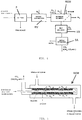
Figure 5 is a schematic representation of the membrane reactor used for the tests of steam reforming of olive mill waste waters; and -
Figure 6 is a block diagram of the process of disposal of wastewaters from olive oil mills by steam reforming, with the use of a boiler for combustion of the pomaces. - As has already been noted, the waste waters of olive oil mills contain an organic component constituted principally by oils, sugars, and polyphenols. In practice, it is a mixture of water with organic compounds, which, appropriately treated with the purpose of eliminating the fixed residue and part of the water, can be used for feeding a reformer, with the dual advantage of avoiding disposal of the waste waters of oil mills and of producing a gaseous mixture rich in hydrogen.
- The new process, in the more general form, is described schematically in
Figure 1 . - The olive mill waste waters are first treated with the purpose of eliminating the fixed residue (for example, via filtration F) and part of the water (in a concentration stage C).
- According to a characteristic of the invention, this concentration process must take into account the amount of water present in the olive mill waste waters (this amount depending principally upon the milling process used) and the value of excess of water with respect to the stoichiometric values to be used in the reforming process (this value depending upon the characteristics of the catalyst used, the reaction yields required, and the other operating conditions, such as, for example, reaction pressure and temperature). In general, the excess of water with respect to the stoichiometric values has a positive effect both on the thermodynamics and on the kinetics of the reaction and thus enables an increase of the yield in hydrogen of the reforming process. In fact, the excess of water enables both an increase in the reaction conversion according to le Chatelier's principle (excess of one of the reagents) and a reduction, or even prevention, of formation of carbon on the catalyst (positively affecting the speed of reaction). However, the excess of water increases the amount of heat necessary for vaporization of the supply current to the reformer and hence could reduce the energy yield of the process. Accordingly, the value of excess of water applied in reforming processes is determined according to the optimization of the criteria set forth above (yield in hydrogen, energy yield, duration of the catalyst and of its possible regeneration cycles, etc.) [19]. Hence, reformers can be supplied with diluted aqueous solutions: this means that, in the reforming processes, it is not necessary to carry out a marked concentration of the waste waters of olive oil mills. For example, the waste waters of the mills of a pressure type present an amount of organic compounds of approximately 50 g/l (see Table 1), whilst the steam reforming can be conducted effectively with supply currents having an organic fraction of approximately 100 g/l, as shown in the experimental activities appearing hereinafter in EXAMPLE 1. In this case, the waste waters used have been concentrated by approximately 50%.
- Hence, the waste waters thus treated are heated and vaporized (for this operation RV an amount of heat Q1 is required) before being sent into the reformer RE. This preferably consists of a reactor with catalytic bed and operates for the reactions of steam reforming or oxidative (autothermal) reforming, together with the water-gas shift reaction.
- The reactions that take place in the reformer RE are those indicated by expressions (1-3) in the case of hydrocarbons or else the same expressions appropriately modified for the case of reforming of other organic compounds.
- In the case of steam reforming (endothermic process), it is necessary to supply the reaction heat Q2, whereas in the case of autothermal reforming no thermal exchange in the reformer becomes necessary. In the case of autothermal reforming, however, the addition of air (or oxygen) to the reformer RE becomes necessary.
- The current leaving the reformer is cooled, with recovery of the heat Q3 (operation RT): in fact, the reforming reactor operates at a high temperature (500-800°C). Instead, the subsequent process of separation of the water (for example, via condensation) (operation SA) occurs at lower temperatures. Together with the water, other condensable liquid compounds coming from the reforming reactions can be separated.
- The gaseous current separated from the water is principally made up of hydrogen and CO2, whereas methane (by-product of parallel reactions) and CO may be present in variable amounts.
- Finally, the hydrogen can be separated from the other compounds (principally CO2, methane, and CO) through the process of pressure-swing adsorption (PSA) or membrane processes.
- In a variant to the general process described previously, illustrated in Figure the olive mill waste waters can be used for carrying out the operation of methane reforming, as appears in the block diagram of
Figure 2 . - As indicated in the introduction, the majority of the hydrogen currently produced (approximately, 70%) is obtained from methane-reforming reactions.
- The main reactions that take place are those described by expressions (4-6): in this case, however, the reaction water is constituted by the wastewaters themselves, which also contain a part of organic compounds that in turn contribute to the reforming reactions according to expressions (1-3) and their modifications. In this way, as compared to the case of a methane-reforming process conducted with pure water, a greater amount of hydrogen is produced (which comes from the reforming of the organic fraction contained in the olive mill waste waters). Furthermore, as compared to the general case of
Figure 1 , it is not necessary to concentrate the wastewaters, which will thus be sent into the reformer immediately after filtration. In detail, the block diagram ofFigure 2 differs from the general case described previously in that the reformer RE is supplied with methane and with the olive mill waste waters (in addition possibly to air or oxygen in the case of autothermal reforming), the concentration process C not being necessary. - The technological development in the field of membranes has rendered widespread the use of these devices in the separation processes. As mentioned in the introduction, at ENEA's Frascati laboratories, technologies for the production of dense metal membranes have been developed that are capable of selectively separating hydrogen from mixtures in the gaseous phase. An important application of the membranes consists of the construction of membrane reactors, devices that integrate a membrane with a chemical reactor. Membrane reactors reduce the number of process apparatuses (a single apparatus replaces the reactor and the separator) and enable operation with reaction yields higher than those of traditional reactors: thus, the costs are reduced by increasing efficiency and reliability.
- In the case of reforming processes, it has been shown that membrane reactors that use permeators made of palladium alloy can operate at temperatures significantly lower than those of traditional reactors, in any case achieving high reaction yields.
- In this perspective, the two processes for treating wastewaters described above (general process and the methane-reforming process) may be modified by bringing about reforming in a membrane reactor that carries out simultaneously the reactions of reforming and separation of the hydrogen produced. The use of a membrane reactor REM for treating wastewaters through the general process and through the methane-reforming process is described in the block diagrams of
Figure 3 and4 , respectively. - Illustrated hereinafter are some experimental results obtained at ENEA's Frascati laboratories, where tests of reforming of wastewaters from olive oil mills have been conducted through the use of a membrane reactor according to the block diagram of
Figure 3 . - The wastewaters used in this study came from an oil mill of a traditional pressure type present in the township of Frascati and were collected in October 2011.
- Before being subjected to reforming the olive mill waste waters were filtered in the laboratory: after this operation, the waters presented a pH of 4.7 and a density of 1.005 g cm-3
- After filtration, the olive mill waste waters were concentrated by distillation conducted at atmospheric pressure and in the temperature range of 250-325°C. Distillation enabled separation of approximately 50% as distillate, whilst the remaining 50% was constituted by a very dense liquid residue (approximately 10% of the total) and by the losses due to evaporation (approximately 40% of the total). To a first approximation, we can estimate that, in the sample treated in the laboratory by means of distillation, the concentration of organic fraction passed from approximately 50 g/l (since the olive mill waste waters in question came from a pressure plant) to approximately 100 g/l, namely, approximately 10 wt%.
- The distillate thus obtained was used as current for supply to the membrane reactor described in the block diagram of
Figure 4 . This membrane reactor was constituted by a pipe made of Pd-Ag alloy (with 20-25 wt% of silver) having a diameter of 10 mm, a length of 143.7 mm, and a wall thickness of 0.150 mm. The permeator pipe was filled with 10 g of catalyst BASF SP-01 T (1.5 mm x 1.5 mm) with a Pt base. - The distillate of the waste waters was vaporized and then supplied in the lumen of the permeator pipe that housed the Pt-based catalyst. Here, the reforming reactions take place, which produce hydrogen that permeates selectively through the permeator pipe and is collected in the shell of the membrane reactor, where it is gathered by a flushing nitrogen current.
- The operating conditions of the tests conducted were the following:
- reaction temperature: 450°C,
- vaporization temperature: 250°C,
- reaction pressure : 100-500 kPa,
- pressure in the shell of the reactor: 100 kPa,
- rate of supply constituted by 10 g/l of distillate obtained as described above and by 50 Ncm3/min of nitrogen used as carrier gas,
- flowrate of nitrogen for flushing in the shell of the reactor: 500 Ncm3/min.
- The tests carried out at ENEA's Frascati laboratories highlighted that the amount of hydrogen produced and collected in the shell of the reactor increases as the reaction pressure increases. In particular, operating at the pressure of 500 kPa, approximately 6 Ncm3/min of hydrogen were produced at a supply rate of 10 g/h.
- In general, we can state that this process is able to extract 36 Nm3 of ultrapure hydrogen starting from 1 m3 of wastewaters previously distilled, with a yield of approximately 50%, as described above. In other words, from 1 m3 of waste waters it is possible to obtain approximately 18 Nm3 of hydrogen.
- The process described can be applied directly to all oil mills, both to medium-to-small-scale mills and to industrial-scale mills.
- According to a further characteristic of the invention, as has been said previously, energy consumption of the process, which mostly affects running costs, can be considerably abated or reduced to zero by envisaging appropriate heat recovery, using in particular heat coming from combustion of the pomaces.
- With reference to
Figure 6 , described hereinafter is a plant for treating waste waters that is equipped with a boiler for the combustion of pomaces. - Taken into consideration by way of illustration herein is an olive-milling plant of the traditional (pressure) type of medium-to-small dimensions (i.e., able of treat 2000 kg/h of olives). It is assumed that approximately 20 kg of oil, 50 1 of wastewaters, and 30 kg of pomaces are produced for 100 kg of olives milled.
- In this example, the waste waters were treated by steam reforming (stage STRE), according to the block diagram of
Figure 6 . In this diagram, as compared to the general diagram ofFigure 1 , there is no supply of oxygen (air) to the reformer, since in this case it is a steam-reforming process, and, moreover, it is envisaged that heating and vaporization of the waste waters are conducted using the heat coming from combustion of the pomaces in an appropriate boiler CD. In this way, the process proposed does not present significant energy consumption levels. - The hypothesis of using combustion of pomaces can be verified with a simple thermal balance that refers to treatment of 100 kg of olives. For heating from room temperature to 500°C and subsequent vaporization of 50 1 of waste waters, approximately 54 000 kcal are necessary (Q1). Assuming for 30 kg of pomaces a calorific value of 3000 kcal/kg and an efficiency in combustion thereof of 80%, it is possible to calculate an amount of heat obtained of 72 000 kcal. The excess heat (18000 kcal) may be used, for example, to supply part of the heat (Q2) necessary for the steam-reforming reaction (which is markedly endothermic), whilst the recovery of heat (Q3) at output from the reformer STRE can be used, also in part, for the process of concentration conducted via distillation (Q4).
- The processes proposed may also be used for treating olive mill waste waters that have already been treated at other plants. An example may be constituted by the integration with the process forming the subject of the patent No.
1.351.673 (Inventors: Pizzichini and Russo - An integrated system obtained by combining the Pizzichini-Russo process with one of the processes described in this patent application would enable both recovery of the valuable phenolic compounds and complete abatement of the waste waters, with production of a mixture of fuel gases rich in hydrogen. In addition, as further optimization of the process schemes illustrated in
Figures 1 and 2 , the use of the current of fuel gases rich in hydrogen may be proposed to supply (even partially) heat necessary for the other process equipment, thus rendering these processes completely self-sufficient from the energy standpoint and hence reducing the running costs. - In the case of use of membrane reactors (diagrams of
Figure 3 and4 ), the fraction of the gases separated from hydrogen (principally methane and CO) can be used to supply (even only in part) the heat necessary for the other process apparatuses. - Finally, the gaseous current produced by the reforming reactions can be used for producing electrical energy through thermal engines and alternators or else, in the case of use of membrane reformers that produce ultrapure hydrogen, the electrical energy can be produced with high yields by means of fuel cells of a polymeric type.
- From the foregoing description and taking into account that the amounts of olive mill waste waters produced annually at a world level are of the order of 10-30 million cubic metres (the Italian market represents approximately one quarter of the world market), it may be appreciated how the process according to the invention is able to achieve the following targets successfully:
- it enables abatement of the olive mill waste waters that are very polluting, and production of a current of fuel gases that can be used for producing heat or electrical energy;
- the yield of the process in terms of fuel gases produced or in terms of heat or electrical energy made available depends upon the quality of the olive mill waste waters available (i.e., the concentration of water and organic compounds), upon the type of reforming process envisaged (steam reforming or oxidative/autothermal reforming), and upon the heat recovery envisaged between the various steps of the process itself;
- it uses components and technologies that are extensively applied and that present contained costs: hence, the construction costs can be considered as not being high;
- in any case, since said running costs are linked above all to the energy consumption levels, they can be reduced or eliminated altogether by envisaging appropriate heat-recovery processes, using heat coming from the combustion of pomaces and from the combustion of the gaseous current produced by the reformer and, finally, using the electrical energy produced by employing the gases produced by the reformer in thermal engines and alternators;
- by utilizing membrane reformers that enable production of ultrapure hydrogen, in addition to a gaseous current rich in CO2, methane, CO, and other gases to a lesser extent, laboratory tests have shown the possibility of producing approximately 18 Nm3 of ultrapure hydrogen per cubic metre of olive mill waste waters; considering a price of hydrogen of 3 €/kg, there is obtained a value of hydrogen produced of 4 € per cubic metre of olive mill waste waters, to which there is to be added approximately a further 4 € per cubic metre of olive mill waters as costs avoided for spreading on the land; globally, this process in its present embodiment enables a gain of approximately 8 € per cubic metre of olive mill waste waters, as sum of the gains deriving from the hydrogen produced and the costs avoided; and
-
- [1] E. Bonari; N. Silvestri, L. Ercoli, Acque di vegetazione dei frantoi oleari, Utilizzazione agronomica dei reflui agro-alimentari (Waste waters of oil mills, Agronomic use of waste coming from the agricultural and foodstuff industry) - ETS, (2008), pp. 65-80 (2008)
- [2] C. Amaral, M.S. Lucas, J. Coutinho, A.L. Crespi, M.dR. Anjos, C. Pais, Microbiological and physicochemical characterization of olive mill wastewaters from a continuous olive mill in Northeastern Portugal, Bioresource Technology 99 (2008), pp. 7215-7223
- [3] A. Coz, M. Villegas, A. Andres, J.R. Viguri, D. Mantzavinos and N.P. Xekoukoulotakis, Management scenarios for olive oil mill waste based on characterization and leaching tests, J. Chem. Technol. Biotechnol. (2011) (wileyonlinelibrary.com) DOI 10.1002/jctb.2677
- [4] P. Paraskeva and E. Diamadopoulos, Technologies for olive mill wastewater (OMW) treatment: a review, J. Chem. Technol. Biotechnol. 81: 1475-1485 (2006) M. Hamdi, J. L. Garcia and R. Ellouz, Integrated biological process for olive mill wastewater treatment, Bioprocess Engineering 8 (1992), pp. 79-84
- [5] M. Taccari, Utilizzazione dei Reflui Oleari Bioconversioni mediante Fermentazione e Compostaggio di Acque di Vegetazione per la produzione di Bio-Fertilizzanti (Use of Oil Waste - Bioconversions by Fermentation and Composting of Waste Waters for the Production of Bio-Fertilizers), Doctorate Thesis (2008), Università Politecnica delle Marche
- [6] P.S. Blika, K. Stamatelatou, M. Kornados, G. Lyberatos, Anaerobic digestion of olive mill wastewater, Global NEST Journal, Vol. 11, No. 3, pp. 364-372, 2009
- [7] C.C. Anastasiou, P. Christou, A. Michael; D. Nicolaides and T.P. Lambrou, Approaches to Olive Mill Wastewater Treatment and Disposal in Cyprus, Environmental Research Journal 5 (2): 49-58, 2011
- [8] M. Pizzichini, C. Russo, Procedimento di Recupero Integrale di Componenti Chimiche delle Acque di Vegetazione con Tecnologie di Membrana (Process for Integral Recovery of Chemical Components of Waste Waters using Membrane Technologies), Patent No.
1,351,673 - June 16, 2004 - [9] A. Chiesura, Verso la sostenibilita di filiera: recupero e valorizzazione dei reflui oleari (Towards supply-chain sustainability: recovery and valorization of oil wastes), L'Officina GBS Soc. Cooperativa, Study funded by Unasco, Reg. (CE) 1331/2004 - Settore 1: Sorveglianza e gestione amministrativa del settore e del mercato dell'olio d'oliva e delle olive da tavola - 1.b Studi di fattibilita (Sector 1: Surveillance and administrative management of the sector and market of olive oil and table olives - 1.b Feasability studies)
- [10] L.R. N. 37/99: Usi economicamente sostenibili degli scarti e dei sottoprodotti della lavorazione delle olive - Seconda Relazione sull'attivita svolta e risultati ottenuti I anno di progetto (giugno 2007 / maggio 2008) (Economically sustainable uses of waste and by-products of olive processing - Second Report on activity carried out and results obtained - 1st year of project (June 2007 / May 2008)), Università Politecnica delle Marche
- [11] S. Tosti, L. Bettinali, D. Lecci, F. Marini, V. Violante, Method of bonding thin foils made of metal alloys selectively permeable to hydrogen, particularly providing membrane devices, and apparatus for carrying out the same, European Patent No.
EP 1184125 (European patent application No.01830465.9 of July 12, 2001 - [12] S. Tosti, A. Basile, D. Lecci, C. Rizzello, Membrane process for hydrogen production from reforming of organic products, such as hydrocarbons or alcohols, European Patent No.
EP1829821 - [13] S. Tosti, A. Basile, L. Bettinali, D. Lecci, C. Rizzello, Dispositivo a membrana a fascio tubiero per la produzione di idrogeno ultrapuro (Tube-nest membrane device for the production of ultrapure hydrogen), Patent application for industrial invention No.
RM2005A000399 of July 26, 2005 - Patent certificate No.00013359558 of March 24, 2009 - [14] S. Tosti, A. Basile, L. Bettinali, F. Borgognoni, F. Chiaravalloti, F. Gallucci, Long-term tests of Pd-Ag thin wall permeator tube, Journal of Membrane Science 284 (2006), pp. 393-397
- [15] S. Tosti, A. Basile, F. Borgognoni, V. Capaldo, S. Cordiner, S. Di Cave, F. Gallucci, C. Rizzello, A. Santucci, E. Traversa, Low temperature ethanol steam reforming in a Pd-Ag membrane reactor - Part 1: Ru-based catalyst, Journal of Membrane Science 308 (2008), pp. 250-257
- [16] S. Tosti, A. Basile, F. Borgognoni, V. Capaldo, S. Cordiner, S. Di Cave, F. Gallucci, C. Rizzello, A. Santucci, E. Traversa, Low-temperature ethanol steam reforming in a Pd-Ag membrane reactor -
- [17] S. Tosti, A. Basile, L. Bettinali, F. Borgognoni, F. Gallucci, C. Rizzello, Design and process study of Pd membrane reactors, International Journal of Hydrogen Energy 33 (2008), pp. 5098-5105
- [18] S. Tosti, Overview of Pd-based membranes for producing pure hydrogen and state of art at ENEA laboratories, International Journal of Hydrogen Energy 35 (2010), pp. 12650-12659
- [19] Diogo Mendes, Silvano Tosti, Fabio Borgognoni, Adélio Mendes, Luis M. Madeira, Integrated analysis of a membrane-based process for hydrogen production from ethanol steam reforming, Catalysis Today 156 (2010), pp. 107-117
Claims (14)
- A process for treating waste waters of olive oil mills, characterized in that it comprises the following steps:- filtering of the waste waters for removal of the fixed residue;- concentration of the waste waters thus treated to eliminate part of the water present;- heating and evaporation of the waste waters thus treated;- reforming on a catalytic-bed reformer of said waste waters;- separation via condensation of the water from the current leaving the reformer; and- possible heat recovery;obtaining at output a gaseous current constituted by hydrogen, CO2, methane, CO, and other compounds.
- The process as per Claim 1, characterized in that the reforming reactions take place in a membrane reformer that carries out simultaneously the reforming reactions and the separation of the hydrogen produced, thereby obtaining, after separation via condensation of the water from the current leaving the reformer, a hydrogen-free gaseous current.
- The process as per Claim 2, characterized in that said membrane reactor uses dense metal membranes capable of selectively separating hydrogen from mixtures in the gaseous phase.
- The process for treating waste waters of olive oil mills as per Claim 1, characterized in that the reforming reactions take place in a reformer supplied by methane, where the reaction water is constituted by the waste waters themselves that are sent to the reformer immediately after filtration, the operation of concentration not being necessary.
- The process as to the preceding claims, characterized in that it envisages the use of a boiler for the combustion of the pomaces produced by the oil mill in order to integrate the heat thus produced in the heat-recovery stages of the process.
- The process as per Claim 5, characterized in that the heat produced by the combustion of the pomaces is used for heating and vaporization of the waste waters and also partially to sustain the reforming reaction in the case of steam reforming and for the step of concentration of the waste waters.
- The process as per Claim 1, characterized in that the gaseous current constituted by hydrogen, CO2, methane, CO, and other compounds is used to supply heat to the process equipment.
- The process as per Claim 1, characterized in that the gaseous current constituted by hydrogen, CO2, methane, CO, and other compounds is used for producing electrical energy.
- The process as per Claim 2, characterized in that the gaseous current constituted by CO2, methane, CO, and other compounds is used to supply heat to the process equipment.
- The process as per Claim 2, characterized in that the gaseous current constituted by CO2, methane, CO, and other compounds is used for producing electrical energy.
- The process as to any one of the preceding claims, characterized in that the waste waters usable as supply current is constituted by waste waters already treated according to other processes.
- A plant for treating waste waters of olive oil mills, characterized in that it comprises:a station for filtering the waste waters for removal of the fixed residue;an apparatus for concentration of the waste waters, once filtered, in order to obtain an aqueous solution with concentrated organic fraction usable as supply current;a device for heating and vaporizing said supply current;a reactor with catalytic bed that carries out reactions of steam reforming or oxidative reforming together with the water-gas-shift reaction;a heat exchanger for recovering the heat of the gaseous current leaving the catalytic-bed reactor; anda condensation apparatus for separating the water from the gaseous current leaving the heat exchanger.
- The plant for treating waste waters of olive oil mills as per Claim 12, characterized in that, when the catalytic-bed reactor is replaced by a membrane reactor, said plant comprises:a station for filtering the waste waters for removal of the fixed residue;an apparatus for concentration of the waste waters, once filtered, in order to obtain an aqueous solution with concentrated organic fraction usable as supply current;a device for vaporizing said supply current;said membrane reactor, which carries out simultaneously the reforming reactions and the separation of the hydrogen produced;a heat exchanger for recovering the heat of the hydrogen-free gaseous current leaving the membrane reactor; anda condensation apparatus for separating the water from the gaseous current leaving the heat exchanger.
- The plant for treating waste waters of olive oil mills as per Claim 12, characterized in that, in the case where the reforming of methane takes place in the catalytic-bed reactor, means are provided to send the waste waters directly to the reformer after the filtering station.
Priority Applications (3)
| Application Number | Priority Date | Filing Date | Title |
|---|---|---|---|
| HRP20170708TT HRP20170708T1 (en) | 2012-11-09 | 2013-11-08 | THE PROCESS OF TREATMENT OF WASTE WATER FROM MILLS FOR OLIVE OIL WITH REFORMATION REACTIONS AND THE PLANT FOR THE PROCEDURE |
| SI201330646A SI2917150T1 (en) | 2012-11-09 | 2013-11-08 | Process for treating waste waters of olive oil mills by means of reforming reactions, and plant therefor |
| SM20170244T SMT201700244T1 (en) | 2012-11-09 | 2013-11-08 | Process for treating waste waters of olive oil mills by means of reforming reactions, and plant therefor |
Applications Claiming Priority (2)
| Application Number | Priority Date | Filing Date | Title |
|---|---|---|---|
| IT000548A ITRM20120548A1 (en) | 2012-11-09 | 2012-11-09 | "PROCESS OF TREATMENT OF WATERS OF VEGETATION OF FRANTOI OLEARI BY REFORMING REACTIONS, AND ITS RELATION" |
| PCT/IT2013/000310 WO2014073014A1 (en) | 2012-11-09 | 2013-11-08 | A process for treating waste waters of oil mills by means of reforming reactions, and plant therefor |
Publications (2)
| Publication Number | Publication Date |
|---|---|
| EP2917150A1 EP2917150A1 (en) | 2015-09-16 |
| EP2917150B1 true EP2917150B1 (en) | 2017-02-15 |
Family
ID=47633330
Family Applications (1)
| Application Number | Title | Priority Date | Filing Date |
|---|---|---|---|
| EP13829002.8A Active EP2917150B1 (en) | 2012-11-09 | 2013-11-08 | Process for treating waste waters of olive oil mills by means of reforming reactions, and plant therefor |
Country Status (9)
| Country | Link |
|---|---|
| EP (1) | EP2917150B1 (en) |
| CY (1) | CY1119033T1 (en) |
| ES (1) | ES2628320T3 (en) |
| HR (1) | HRP20170708T1 (en) |
| IT (1) | ITRM20120548A1 (en) |
| PT (1) | PT2917150T (en) |
| SI (1) | SI2917150T1 (en) |
| SM (1) | SMT201700244T1 (en) |
| WO (1) | WO2014073014A1 (en) |
Families Citing this family (4)
| Publication number | Priority date | Publication date | Assignee | Title |
|---|---|---|---|---|
| CN108862792A (en) * | 2018-07-11 | 2018-11-23 | 北京鼎翰科技有限公司 | Cooling-water treatment apparatus is used in a kind of steel-making of environment-friendly type |
| CN109516662B (en) * | 2018-10-24 | 2021-10-08 | 付万菊 | Water conservancy that can get rid of clod removes silt equipment |
| WO2023137067A1 (en) * | 2022-01-11 | 2023-07-20 | Chevron U.S.A. Inc. | Green and blue hydrogen alternatives to produced water management and beneficial reuse |
| CN116216641B (en) * | 2023-05-06 | 2023-08-11 | 浙江百能科技有限公司 | System and method for preparing hydrogen by using waste water in grading manner through high-temperature catalytic coal |
Family Cites Families (3)
| Publication number | Priority date | Publication date | Assignee | Title |
|---|---|---|---|---|
| DE19681320C2 (en) * | 1995-03-31 | 2000-06-29 | Univ Hawaii Honolulu | Process for supercritical catalytic gasification of wet biomass |
| DE19829673C2 (en) * | 1998-07-03 | 2003-02-27 | Michael Knobloch | Process and plant for the treatment of wastewater from oilseed and grain processing |
| US8241605B2 (en) * | 2008-01-31 | 2012-08-14 | Battelle Memorial Institute | Methods and apparatus for catalytic hydrothermal gasification of biomass |
-
2012
- 2012-11-09 IT IT000548A patent/ITRM20120548A1/en unknown
-
2013
- 2013-11-08 ES ES13829002.8T patent/ES2628320T3/en active Active
- 2013-11-08 WO PCT/IT2013/000310 patent/WO2014073014A1/en not_active Ceased
- 2013-11-08 HR HRP20170708TT patent/HRP20170708T1/en unknown
- 2013-11-08 SI SI201330646A patent/SI2917150T1/en unknown
- 2013-11-08 SM SM20170244T patent/SMT201700244T1/en unknown
- 2013-11-08 PT PT138290028T patent/PT2917150T/en unknown
- 2013-11-08 EP EP13829002.8A patent/EP2917150B1/en active Active
-
2017
- 2017-05-12 CY CY20171100506T patent/CY1119033T1/en unknown
Non-Patent Citations (1)
| Title |
|---|
| None * |
Also Published As
| Publication number | Publication date |
|---|---|
| ES2628320T3 (en) | 2017-08-02 |
| ITRM20120548A1 (en) | 2014-05-10 |
| CY1119033T1 (en) | 2018-01-10 |
| WO2014073014A1 (en) | 2014-05-15 |
| SI2917150T1 (en) | 2017-07-31 |
| SMT201700244T1 (en) | 2017-07-18 |
| PT2917150T (en) | 2017-05-25 |
| EP2917150A1 (en) | 2015-09-16 |
| HRP20170708T1 (en) | 2017-07-14 |
Similar Documents
| Publication | Publication Date | Title |
|---|---|---|
| Parente et al. | Hydrogen and/or syngas production through combined dry and steam reforming of biogas in a membrane reactor: A thermodynamic study | |
| Iulianelli et al. | H2 production by low pressure methane steam reforming in a Pd–Ag membrane reactor over a Ni-based catalyst: experimental and modeling | |
| Nielsen et al. | Hydrogen production from organic waste | |
| Tosti et al. | Reforming of olive mill wastewater through a Pd-membrane reactor | |
| AU2011349523B2 (en) | A fermentation method | |
| EA024474B1 (en) | Method for the production of hydrocarbon products | |
| Tosti et al. | Production of hydrogen in a Pd-membrane reactor via catalytic reforming of olive mill wastewater | |
| Iulianelli et al. | Methanol steam reforming in a dense Pd–Ag membrane reactor: the pressure and WHSV effects on CO-free H2 production | |
| JP7696009B2 (en) | Method for controlling a gas fermentation platform for improved carbon dioxide conversion to products - Patents.com | |
| Lee et al. | Hydrogen production by supercritical water gasification of valine over Ni/activated charcoal catalyst modified with Y, Pt, and Pd | |
| US9327975B2 (en) | Method for obtaining dinitrogen oxide | |
| Gapp et al. | Membrane reactors for hydrogen production from renewable energy sources | |
| CA3052504A1 (en) | Production of liquid hydrocarbons, biofuels and uncontaminated co2 from gaseous feedstock | |
| KR102675423B1 (en) | Flexible fermentation platform for improved conversion of carbon dioxide to products | |
| EP2917150A1 (en) | A process for treating waste waters of oil mills by means of reforming reactions, and plant therefor | |
| CN117157409A (en) | Integrated fermentation and electrolysis process for improving carbon capture efficiency | |
| KR101953550B1 (en) | An Hydrogen Manufacturing Apparatus and a Method of Producing Hydrogen using Thereof | |
| Verma et al. | Overview of biogas reforming technologies for hydrogen production: advantages and challenges | |
| JP2024535409A (en) | Gas fermentation conversion of carbon dioxide to products | |
| AU2022253950B2 (en) | Process and apparatus for providing a feedstock | |
| Jazani et al. | Hydrogen production via biogas reforming reaction in tubular Pd/YSZ membrane reactor | |
| Gallucci et al. | Membrane reactors using metallic membranes | |
| Gupta et al. | Hydrogen production and carbon sequestration for biofuels and biomaterials | |
| Ibrahim et al. | Obtaining Bio-Hydrogen from Palm Oil Mill Effluent (POME)-A Preliminary Evaluation | |
| JP2026009079A (en) | Hydrocarbon compound manufacturing method, hydrocarbon compound manufacturing apparatus, and hydrocarbon compound manufacturing system |
Legal Events
| Date | Code | Title | Description |
|---|---|---|---|
| PUAI | Public reference made under article 153(3) epc to a published international application that has entered the european phase |
Free format text: ORIGINAL CODE: 0009012 |
|
| 17P | Request for examination filed |
Effective date: 20150605 |
|
| AK | Designated contracting states |
Kind code of ref document: A1 Designated state(s): AL AT BE BG CH CY CZ DE DK EE ES FI FR GB GR HR HU IE IS IT LI LT LU LV MC MK MT NL NO PL PT RO RS SE SI SK SM TR |
|
| AX | Request for extension of the european patent |
Extension state: BA ME |
|
| RAP1 | Party data changed (applicant data changed or rights of an application transferred) |
Owner name: ENEA-AGENZIA NAZIONALE PER LE NUOVE TECNOLOGIE, L' |
|
| DAX | Request for extension of the european patent (deleted) | ||
| GRAJ | Information related to disapproval of communication of intention to grant by the applicant or resumption of examination proceedings by the epo deleted |
Free format text: ORIGINAL CODE: EPIDOSDIGR1 |
|
| GRAP | Despatch of communication of intention to grant a patent |
Free format text: ORIGINAL CODE: EPIDOSNIGR1 |
|
| INTG | Intention to grant announced |
Effective date: 20160627 |
|
| GRAJ | Information related to disapproval of communication of intention to grant by the applicant or resumption of examination proceedings by the epo deleted |
Free format text: ORIGINAL CODE: EPIDOSDIGR1 |
|
| GRAP | Despatch of communication of intention to grant a patent |
Free format text: ORIGINAL CODE: EPIDOSNIGR1 |
|
| INTC | Intention to grant announced (deleted) | ||
| INTG | Intention to grant announced |
Effective date: 20161125 |
|
| GRAS | Grant fee paid |
Free format text: ORIGINAL CODE: EPIDOSNIGR3 |
|
| GRAA | (expected) grant |
Free format text: ORIGINAL CODE: 0009210 |
|
| AK | Designated contracting states |
Kind code of ref document: B1 Designated state(s): AL AT BE BG CH CY CZ DE DK EE ES FI FR GB GR HR HU IE IS IT LI LT LU LV MC MK MT NL NO PL PT RO RS SE SI SK SM TR |
|
| REG | Reference to a national code |
Ref country code: CH Ref legal event code: EP Ref country code: GB Ref legal event code: FG4D |
|
| REG | Reference to a national code |
Ref country code: IE Ref legal event code: FG4D |
|
| REG | Reference to a national code |
Ref country code: AT Ref legal event code: REF Ref document number: 867770 Country of ref document: AT Kind code of ref document: T Effective date: 20170315 |
|
| REG | Reference to a national code |
Ref country code: DE Ref legal event code: R096 Ref document number: 602013017574 Country of ref document: DE |
|
| REG | Reference to a national code |
Ref country code: HR Ref legal event code: TUEP Ref document number: P20170708 Country of ref document: HR |
|
| REG | Reference to a national code |
Ref country code: PT Ref legal event code: SC4A Ref document number: 2917150 Country of ref document: PT Date of ref document: 20170525 Kind code of ref document: T Free format text: AVAILABILITY OF NATIONAL TRANSLATION Effective date: 20170515 |
|
| REG | Reference to a national code |
Ref country code: NL Ref legal event code: MP Effective date: 20170215 |
|
| REG | Reference to a national code |
Ref country code: LT Ref legal event code: MG4D |
|
| REG | Reference to a national code |
Ref country code: HR Ref legal event code: T1PR Ref document number: P20170708 Country of ref document: HR |
|
| REG | Reference to a national code |
Ref country code: AT Ref legal event code: MK05 Ref document number: 867770 Country of ref document: AT Kind code of ref document: T Effective date: 20170215 |
|
| PG25 | Lapsed in a contracting state [announced via postgrant information from national office to epo] |
Ref country code: NO Free format text: LAPSE BECAUSE OF FAILURE TO SUBMIT A TRANSLATION OF THE DESCRIPTION OR TO PAY THE FEE WITHIN THE PRESCRIBED TIME-LIMIT Effective date: 20170515 Ref country code: FI Free format text: LAPSE BECAUSE OF FAILURE TO SUBMIT A TRANSLATION OF THE DESCRIPTION OR TO PAY THE FEE WITHIN THE PRESCRIBED TIME-LIMIT Effective date: 20170215 Ref country code: LT Free format text: LAPSE BECAUSE OF FAILURE TO SUBMIT A TRANSLATION OF THE DESCRIPTION OR TO PAY THE FEE WITHIN THE PRESCRIBED TIME-LIMIT Effective date: 20170215 |
|
| REG | Reference to a national code |
Ref country code: ES Ref legal event code: FG2A Ref document number: 2628320 Country of ref document: ES Kind code of ref document: T3 Effective date: 20170802 |
|
| PG25 | Lapsed in a contracting state [announced via postgrant information from national office to epo] |
Ref country code: RS Free format text: LAPSE BECAUSE OF FAILURE TO SUBMIT A TRANSLATION OF THE DESCRIPTION OR TO PAY THE FEE WITHIN THE PRESCRIBED TIME-LIMIT Effective date: 20170215 Ref country code: LV Free format text: LAPSE BECAUSE OF FAILURE TO SUBMIT A TRANSLATION OF THE DESCRIPTION OR TO PAY THE FEE WITHIN THE PRESCRIBED TIME-LIMIT Effective date: 20170215 Ref country code: BG Free format text: LAPSE BECAUSE OF FAILURE TO SUBMIT A TRANSLATION OF THE DESCRIPTION OR TO PAY THE FEE WITHIN THE PRESCRIBED TIME-LIMIT Effective date: 20170515 Ref country code: SE Free format text: LAPSE BECAUSE OF FAILURE TO SUBMIT A TRANSLATION OF THE DESCRIPTION OR TO PAY THE FEE WITHIN THE PRESCRIBED TIME-LIMIT Effective date: 20170215 Ref country code: NL Free format text: LAPSE BECAUSE OF NON-PAYMENT OF DUE FEES Effective date: 20170215 Ref country code: AT Free format text: LAPSE BECAUSE OF FAILURE TO SUBMIT A TRANSLATION OF THE DESCRIPTION OR TO PAY THE FEE WITHIN THE PRESCRIBED TIME-LIMIT Effective date: 20170215 |
|
| PG25 | Lapsed in a contracting state [announced via postgrant information from national office to epo] |
Ref country code: SK Free format text: LAPSE BECAUSE OF FAILURE TO SUBMIT A TRANSLATION OF THE DESCRIPTION OR TO PAY THE FEE WITHIN THE PRESCRIBED TIME-LIMIT Effective date: 20170215 Ref country code: EE Free format text: LAPSE BECAUSE OF FAILURE TO SUBMIT A TRANSLATION OF THE DESCRIPTION OR TO PAY THE FEE WITHIN THE PRESCRIBED TIME-LIMIT Effective date: 20170215 Ref country code: RO Free format text: LAPSE BECAUSE OF FAILURE TO SUBMIT A TRANSLATION OF THE DESCRIPTION OR TO PAY THE FEE WITHIN THE PRESCRIBED TIME-LIMIT Effective date: 20170215 Ref country code: CZ Free format text: LAPSE BECAUSE OF FAILURE TO SUBMIT A TRANSLATION OF THE DESCRIPTION OR TO PAY THE FEE WITHIN THE PRESCRIBED TIME-LIMIT Effective date: 20170215 |
|
| REG | Reference to a national code |
Ref country code: GR Ref legal event code: EP Ref document number: 20170401338 Country of ref document: GR Effective date: 20171023 |
|
| REG | Reference to a national code |
Ref country code: FR Ref legal event code: PLFP Year of fee payment: 5 |
|
| REG | Reference to a national code |
Ref country code: DE Ref legal event code: R097 Ref document number: 602013017574 Country of ref document: DE |
|
| PG25 | Lapsed in a contracting state [announced via postgrant information from national office to epo] |
Ref country code: DK Free format text: LAPSE BECAUSE OF FAILURE TO SUBMIT A TRANSLATION OF THE DESCRIPTION OR TO PAY THE FEE WITHIN THE PRESCRIBED TIME-LIMIT Effective date: 20170215 Ref country code: PL Free format text: LAPSE BECAUSE OF FAILURE TO SUBMIT A TRANSLATION OF THE DESCRIPTION OR TO PAY THE FEE WITHIN THE PRESCRIBED TIME-LIMIT Effective date: 20170215 |
|
| PLBE | No opposition filed within time limit |
Free format text: ORIGINAL CODE: 0009261 |
|
| STAA | Information on the status of an ep patent application or granted ep patent |
Free format text: STATUS: NO OPPOSITION FILED WITHIN TIME LIMIT |
|
| 26N | No opposition filed |
Effective date: 20171116 |
|
| REG | Reference to a national code |
Ref country code: DE Ref legal event code: R119 Ref document number: 602013017574 Country of ref document: DE |
|
| PG25 | Lapsed in a contracting state [announced via postgrant information from national office to epo] |
Ref country code: MC Free format text: LAPSE BECAUSE OF FAILURE TO SUBMIT A TRANSLATION OF THE DESCRIPTION OR TO PAY THE FEE WITHIN THE PRESCRIBED TIME-LIMIT Effective date: 20170215 |
|
| GBPC | Gb: european patent ceased through non-payment of renewal fee |
Effective date: 20171108 |
|
| PG25 | Lapsed in a contracting state [announced via postgrant information from national office to epo] |
Ref country code: LI Free format text: LAPSE BECAUSE OF NON-PAYMENT OF DUE FEES Effective date: 20171130 Ref country code: CH Free format text: LAPSE BECAUSE OF NON-PAYMENT OF DUE FEES Effective date: 20171130 |
|
| PG25 | Lapsed in a contracting state [announced via postgrant information from national office to epo] |
Ref country code: LU Free format text: LAPSE BECAUSE OF NON-PAYMENT OF DUE FEES Effective date: 20171108 |
|
| REG | Reference to a national code |
Ref country code: BE Ref legal event code: MM Effective date: 20171130 |
|
| REG | Reference to a national code |
Ref country code: IE Ref legal event code: MM4A |
|
| PG25 | Lapsed in a contracting state [announced via postgrant information from national office to epo] |
Ref country code: MT Free format text: LAPSE BECAUSE OF NON-PAYMENT OF DUE FEES Effective date: 20171108 |
|
| PG25 | Lapsed in a contracting state [announced via postgrant information from national office to epo] |
Ref country code: DE Free format text: LAPSE BECAUSE OF NON-PAYMENT OF DUE FEES Effective date: 20180602 Ref country code: IE Free format text: LAPSE BECAUSE OF NON-PAYMENT OF DUE FEES Effective date: 20171108 |
|
| REG | Reference to a national code |
Ref country code: HR Ref legal event code: ODRP Ref document number: P20170708 Country of ref document: HR Payment date: 20181026 Year of fee payment: 6 |
|
| PG25 | Lapsed in a contracting state [announced via postgrant information from national office to epo] |
Ref country code: BE Free format text: LAPSE BECAUSE OF NON-PAYMENT OF DUE FEES Effective date: 20171130 Ref country code: GB Free format text: LAPSE BECAUSE OF NON-PAYMENT OF DUE FEES Effective date: 20171108 |
|
| PG25 | Lapsed in a contracting state [announced via postgrant information from national office to epo] |
Ref country code: HU Free format text: LAPSE BECAUSE OF FAILURE TO SUBMIT A TRANSLATION OF THE DESCRIPTION OR TO PAY THE FEE WITHIN THE PRESCRIBED TIME-LIMIT; INVALID AB INITIO Effective date: 20131108 |
|
| REG | Reference to a national code |
Ref country code: HR Ref legal event code: ODRP Ref document number: P20170708 Country of ref document: HR Payment date: 20191025 Year of fee payment: 7 |
|
| PG25 | Lapsed in a contracting state [announced via postgrant information from national office to epo] |
Ref country code: MK Free format text: LAPSE BECAUSE OF FAILURE TO SUBMIT A TRANSLATION OF THE DESCRIPTION OR TO PAY THE FEE WITHIN THE PRESCRIBED TIME-LIMIT Effective date: 20170215 |
|
| PG25 | Lapsed in a contracting state [announced via postgrant information from national office to epo] |
Ref country code: IS Free format text: LAPSE BECAUSE OF FAILURE TO SUBMIT A TRANSLATION OF THE DESCRIPTION OR TO PAY THE FEE WITHIN THE PRESCRIBED TIME-LIMIT Effective date: 20170615 |
|
| REG | Reference to a national code |
Ref country code: HR Ref legal event code: ODRP Ref document number: P20170708 Country of ref document: HR Payment date: 20201014 Year of fee payment: 8 |
|
| PGFP | Annual fee paid to national office [announced via postgrant information from national office to epo] |
Ref country code: TR Payment date: 20201021 Year of fee payment: 8 |
|
| PGFP | Annual fee paid to national office [announced via postgrant information from national office to epo] |
Ref country code: FR Payment date: 20201111 Year of fee payment: 8 Ref country code: SM Payment date: 20201119 Year of fee payment: 8 Ref country code: PT Payment date: 20201015 Year of fee payment: 8 Ref country code: HR Payment date: 20201014 Year of fee payment: 8 Ref country code: CY Payment date: 20201105 Year of fee payment: 8 |
|
| PGFP | Annual fee paid to national office [announced via postgrant information from national office to epo] |
Ref country code: SI Payment date: 20201020 Year of fee payment: 8 |
|
| PGFP | Annual fee paid to national office [announced via postgrant information from national office to epo] |
Ref country code: AL Payment date: 20201015 Year of fee payment: 8 |
|
| REG | Reference to a national code |
Ref country code: HR Ref legal event code: PBON Ref document number: P20170708 Country of ref document: HR Effective date: 20211108 |
|
| PG25 | Lapsed in a contracting state [announced via postgrant information from national office to epo] |
Ref country code: SM Free format text: LAPSE BECAUSE OF NON-PAYMENT OF DUE FEES Effective date: 20220609 Ref country code: PT Free format text: LAPSE BECAUSE OF NON-PAYMENT OF DUE FEES Effective date: 20220509 Ref country code: HR Free format text: LAPSE BECAUSE OF NON-PAYMENT OF DUE FEES Effective date: 20211108 Ref country code: CY Free format text: LAPSE BECAUSE OF NON-PAYMENT OF DUE FEES Effective date: 20211108 |
|
| PG25 | Lapsed in a contracting state [announced via postgrant information from national office to epo] |
Ref country code: SI Free format text: LAPSE BECAUSE OF NON-PAYMENT OF DUE FEES Effective date: 20211109 |
|
| REG | Reference to a national code |
Ref country code: SI Ref legal event code: KO00 Effective date: 20220707 |
|
| PG25 | Lapsed in a contracting state [announced via postgrant information from national office to epo] |
Ref country code: FR Free format text: LAPSE BECAUSE OF NON-PAYMENT OF DUE FEES Effective date: 20211130 |
|
| PGFP | Annual fee paid to national office [announced via postgrant information from national office to epo] |
Ref country code: ES Payment date: 20221201 Year of fee payment: 10 |
|
| PGFP | Annual fee paid to national office [announced via postgrant information from national office to epo] |
Ref country code: GR Payment date: 20221111 Year of fee payment: 10 |
|
| PG25 | Lapsed in a contracting state [announced via postgrant information from national office to epo] |
Ref country code: GR Free format text: LAPSE BECAUSE OF NON-PAYMENT OF DUE FEES Effective date: 20240610 |
|
| PG25 | Lapsed in a contracting state [announced via postgrant information from national office to epo] |
Ref country code: GR Free format text: LAPSE BECAUSE OF NON-PAYMENT OF DUE FEES Effective date: 20240610 |
|
| PG25 | Lapsed in a contracting state [announced via postgrant information from national office to epo] |
Ref country code: TR Free format text: LAPSE BECAUSE OF NON-PAYMENT OF DUE FEES Effective date: 20211108 Ref country code: AL Free format text: LAPSE BECAUSE OF NON-PAYMENT OF DUE FEES Effective date: 20211108 |
|
| REG | Reference to a national code |
Ref country code: ES Ref legal event code: FD2A Effective date: 20250102 |
|
| PG25 | Lapsed in a contracting state [announced via postgrant information from national office to epo] |
Ref country code: ES Free format text: LAPSE BECAUSE OF NON-PAYMENT OF DUE FEES Effective date: 20231109 |
|
| PGFP | Annual fee paid to national office [announced via postgrant information from national office to epo] |
Ref country code: IT Payment date: 20241125 Year of fee payment: 12 |
|
| PG25 | Lapsed in a contracting state [announced via postgrant information from national office to epo] |
Ref country code: ES Free format text: LAPSE BECAUSE OF NON-PAYMENT OF DUE FEES Effective date: 20231109 |