EP2916515A1 - Method and device for managing certificates - Google Patents
Method and device for managing certificates Download PDFInfo
- Publication number
- EP2916515A1 EP2916515A1 EP15154750.2A EP15154750A EP2916515A1 EP 2916515 A1 EP2916515 A1 EP 2916515A1 EP 15154750 A EP15154750 A EP 15154750A EP 2916515 A1 EP2916515 A1 EP 2916515A1
- Authority
- EP
- European Patent Office
- Prior art keywords
- certificate
- root node
- key
- revoked
- node
- Prior art date
- Legal status (The legal status is an assumption and is not a legal conclusion. Google has not performed a legal analysis and makes no representation as to the accuracy of the status listed.)
- Granted
Links
Images


Classifications
-
- H—ELECTRICITY
- H04—ELECTRIC COMMUNICATION TECHNIQUE
- H04L—TRANSMISSION OF DIGITAL INFORMATION, e.g. TELEGRAPHIC COMMUNICATION
- H04L9/00—Cryptographic mechanisms or cryptographic arrangements for secret or secure communications; Network security protocols
- H04L9/32—Cryptographic mechanisms or cryptographic arrangements for secret or secure communications; Network security protocols including means for verifying the identity or authority of a user of the system or for message authentication, e.g. authorization, entity authentication, data integrity or data verification, non-repudiation, key authentication or verification of credentials
- H04L9/3263—Cryptographic mechanisms or cryptographic arrangements for secret or secure communications; Network security protocols including means for verifying the identity or authority of a user of the system or for message authentication, e.g. authorization, entity authentication, data integrity or data verification, non-repudiation, key authentication or verification of credentials involving certificates, e.g. public key certificate [PKC] or attribute certificate [AC]; Public key infrastructure [PKI] arrangements
- H04L9/3268—Cryptographic mechanisms or cryptographic arrangements for secret or secure communications; Network security protocols including means for verifying the identity or authority of a user of the system or for message authentication, e.g. authorization, entity authentication, data integrity or data verification, non-repudiation, key authentication or verification of credentials involving certificates, e.g. public key certificate [PKC] or attribute certificate [AC]; Public key infrastructure [PKI] arrangements using certificate validation, registration, distribution or revocation, e.g. certificate revocation list [CRL]
-
- H—ELECTRICITY
- H04—ELECTRIC COMMUNICATION TECHNIQUE
- H04L—TRANSMISSION OF DIGITAL INFORMATION, e.g. TELEGRAPHIC COMMUNICATION
- H04L63/00—Network architectures or network communication protocols for network security
- H04L63/08—Network architectures or network communication protocols for network security for authentication of entities
- H04L63/0823—Network architectures or network communication protocols for network security for authentication of entities using certificates
-
- H—ELECTRICITY
- H04—ELECTRIC COMMUNICATION TECHNIQUE
- H04L—TRANSMISSION OF DIGITAL INFORMATION, e.g. TELEGRAPHIC COMMUNICATION
- H04L9/00—Cryptographic mechanisms or cryptographic arrangements for secret or secure communications; Network security protocols
- H04L9/08—Key distribution or management, e.g. generation, sharing or updating, of cryptographic keys or passwords
- H04L9/0861—Generation of secret information including derivation or calculation of cryptographic keys or passwords
-
- H—ELECTRICITY
- H04—ELECTRIC COMMUNICATION TECHNIQUE
- H04L—TRANSMISSION OF DIGITAL INFORMATION, e.g. TELEGRAPHIC COMMUNICATION
- H04L9/00—Cryptographic mechanisms or cryptographic arrangements for secret or secure communications; Network security protocols
- H04L9/32—Cryptographic mechanisms or cryptographic arrangements for secret or secure communications; Network security protocols including means for verifying the identity or authority of a user of the system or for message authentication, e.g. authorization, entity authentication, data integrity or data verification, non-repudiation, key authentication or verification of credentials
- H04L9/3236—Cryptographic mechanisms or cryptographic arrangements for secret or secure communications; Network security protocols including means for verifying the identity or authority of a user of the system or for message authentication, e.g. authorization, entity authentication, data integrity or data verification, non-repudiation, key authentication or verification of credentials using cryptographic hash functions
-
- H—ELECTRICITY
- H04—ELECTRIC COMMUNICATION TECHNIQUE
- H04L—TRANSMISSION OF DIGITAL INFORMATION, e.g. TELEGRAPHIC COMMUNICATION
- H04L9/00—Cryptographic mechanisms or cryptographic arrangements for secret or secure communications; Network security protocols
- H04L9/32—Cryptographic mechanisms or cryptographic arrangements for secret or secure communications; Network security protocols including means for verifying the identity or authority of a user of the system or for message authentication, e.g. authorization, entity authentication, data integrity or data verification, non-repudiation, key authentication or verification of credentials
- H04L9/3263—Cryptographic mechanisms or cryptographic arrangements for secret or secure communications; Network security protocols including means for verifying the identity or authority of a user of the system or for message authentication, e.g. authorization, entity authentication, data integrity or data verification, non-repudiation, key authentication or verification of credentials involving certificates, e.g. public key certificate [PKC] or attribute certificate [AC]; Public key infrastructure [PKI] arrangements
- H04L9/3265—Cryptographic mechanisms or cryptographic arrangements for secret or secure communications; Network security protocols including means for verifying the identity or authority of a user of the system or for message authentication, e.g. authorization, entity authentication, data integrity or data verification, non-repudiation, key authentication or verification of credentials involving certificates, e.g. public key certificate [PKC] or attribute certificate [AC]; Public key infrastructure [PKI] arrangements using certificate chains, trees or paths; Hierarchical trust model
Definitions
- the disclosure relates to a method and a device for managing certificates.
- an entity confirms the reliability of information through utilizing a certificate from a certificate authority.
- the entity attaches the certificate to the information and sends them to another entity.
- the certificate authority needs to revoke the certificate before the certificate expires.
- the certificate authority utilizes a certificate revocation list (CRL) including a value of the certificate to be revoked and provides the certificate revocation list to the entity, whereby the certificate can be verified.
- CTL certificate revocation list
- the certificate authority produces ten millions of certificates to the entity, and the entity can switch the in-use certificate at a frequent basis. Therefore, the privacy and identifiability of the entity can be protected.
- the certificate revocation list needs to list the ten millions of certificates to the entity when a certificate of the entity needs to be revoked. Therefore, the certificate revocation list becomes long and results in a procedural burden to the entity.
- the disclosure provides a certificate management method.
- the certificate management method may include the following steps. First, at least a first certificate may be determined to be revoked. All certificates including the at least one first certificate recorded in a key tree may be related to an entity. Then, whether a first root node covers one first certificate and one other revoked certificate in the key tree may be determined. When the first root node covers one first certificate and one other revoked certificate, information about the first root node may be added into a certificate revocation list. Finally, the certificate revocation list may be sent to at least other entity.
- the disclosure provides a certificate management device.
- the certificate management device may include a key collection computing unit, a certificate revocation unit, and a certificate revocation list broadcast unit.
- the key collection computing unit may maintain a key tree, and all certificates recorded in the key tree may be related to an entity.
- the certificate revocation unit may couple with the key collection computing unit, receive a certificate revocation request for at least a first certificate in the key tree, and determine whether a first root node covers one first certificate and one other revoked certificate in the key tree. When the first root node covers one first certificate and one other revoked certificate, information about the first root node may be added into a certificate revocation list.
- the certificate revocation list broadcast unit may couple with the certificate revocation unit and send the certificate revocation list to another entity.
- the certificate revocation list it is unnecessary for the certificate revocation list to record all revoked certificates. Rather, since the certificate revocation list suitably provides some information about the root node, another entity may be able to recover all revoked certificates after receiving the certificate revocation list. In this way, the quantity of data of the certificate revocation list may be reduced efficiently.
- FIG. 1 is a block diagram of a certificate management device according to an embodiment of the disclosure.
- a certificate management device 1 may at least include a key collection computing unit 100, a certificate revocation unit 102, and a certificate revocation list broadcast unit 104, thereby managing and updating a certificate revocation list.
- the certificate management device 1 may further include a public-and-private-key generation unit 106, a certificate generation unit 108, and a private value agreement unit 110, thereby performing more functions. Moreover, any one of the public-and-private-key generation unit 106, the certificate generation unit 108 and the private value agreement unit 110 may selectively disposed in the certificate management device 1 by a user who has ordinary skills in the art. In practice, the certificate management device 1 may be a certificate authority.
- the disclosure may demonstrate an exemplary embodiment to produce a key tree and certificates, and then demonstrate an exemplary embodiment for the certificate management.
- the certificate management device 1 may receive a certificate generation request from an entity. Then, the public-and-private-key generation unit 106 may produce public-and-private key pairs for the entity sending out the certificate generation request and transmit the public-and-private key pairs to the certificate generation unit 108. Therefore, the private value agreement unit 110 may determine a private value related to the certificate management device 1 and the entity. In this embodiment, the private value may be symbolized by K. After the private value agreement unit 110 may send the private value K to the key collection computing unit 100, the key collection computing unit 100 may establish a key tree related to the private value K and provide the certificate generation unit 108 with the key tree for reference. Therefore, the certificate generation unit 108 may authorize one or more certificates to the entity.
- the certificate generation unit 108 may utilize the public-and-private key pairs and the above key tree to produce the one or more certificates for the entity.
- the certificate may include a derived key of a leaf node of the key tree, a node index, the mentioned public key of the entity, and a signature for the certificate management device 1.
- the certificate management device 1 may send a series of the certificates to the entity, thereby ensuring and confirming purposes of the above information. Only the certificate management device 1 and the above entity may be able to obtain the identification information hided in these certificates, other entities except the certificate management device 1 and the above entity may not be able to join/integrate these certificates together and track the identification information about the above entity according to these certificates.
- the certificate management device 1 may receive a command for revoking one or more entities' unexpired certificates to produce one or more certificate revocation requests and may provide the certificate revocation unit 102 with the one or more certificate revocation requests.
- the certificate revocation unit 102 may determine one or more certificates to be revoked, and the key collection computing unit 100 may determine the location of certificate to be revoked in the key tree.
- the certificate revocation unit 102 may, through the key tree maintained by the key collection computing unit 100, collect one or more certificates to be revoked and one or more revoked certificates, and record or add them into a certificate revocation list for updating.
- the certificate revocation unit 102 may provide the updated certificate revocation list to the certificate revocation list broadcast unit 104 such that the certificate revocation list broadcast unit 104 may periodically send the certificate revocation list to one or more entities in a network. In this way, the one or more entities may determine whether a received certificate is revoked or not, in response to the certificate revocation list.
- FIG. 2 is a schematic diagram of a key tree according to an embodiment of the disclosure.
- the certificate management device 1 and an entity may communicate with each other to determine a private value K for generating a certificate. Then, the certificate management device 1 may perform some operations to establish a key tree whose root node has a private value K. During the process of generating certificates, the certificate authority may be able to use a derived key of a leaf node in the key tree.
- the certificate authority may use two one-way hash functions to one or more child nodes of each parent node to establish a binary key tree.
- the certificate management device 1 may substitute the value of the parent node into a first one-way hash function to produce a child node at the left side of the parent node, and may substitute the value of the parent node into a second one-way hash function to produce a son node at the right side of the parent node.
- more than two one-way hash functions may be utilized to establish other type key trees.
- three one-way hash functions may be utilized to produce child nodes of each parent node to establish a ternary key tree.
- n pieces of one-way hash functions may be utilized to produce child nodes of each parent node to establish a N-ary key tree, where N is a natural number.
- the certificate management device 1 may use eight certificates following the root node 1 corresponding to the private value K to establish the key tree.
- the root node 1 may be the root node covering the most root node levels (as referred as the largest root node hierarchy).
- the private value K (or referred as a root value) may be substituted into a first one-way hash function h1( ) to calculate a derived value K1 for a left child node 2, and the private value K may also be substituted into a second one-way hash function h2( ) to calculate a derived value K2 for a right child node 3.
- the root nodes 2 and 3 may cover two root node levels.
- the value K1 of the node 2 may be substituted into the first one-way hash function h1( ) to calculate a derived value K11 for a left child node 4 of the node 2, and the value K1 of the node 2 may be substituted into the second one-way hash function h2( ) to calculate a derived value K12 for a right child node 5 of the node 2.
- the nodes 4 and 5 may cover a single root node level. Therefore, for a person who has ordinary skills in the art, the node 2 may be a root node of the nodes 4 and 5, and the nodes 4 and 5 may be leaf nodes of the node 2.
- the value K11 of the node 4 may be substituted into the first one-way hash function h1( ) to calculate a derived value K111 (also referred as a derived key) for a left child node 8 of the node 4, and the value K11 of the node 4 may also be substituted into the second one-way hash function h2( ) to calculate a derived value K112 for a right child node 9 of the node 4.
- the node 4 may be a root node of the nodes 8 and 9, and the nodes 8 and 9 may be leaf nodes of the node 4.
- the derived value K111 may be utilized to produce a certificate Cert1
- the derived value K112 may be utilized to produce a certificate Cert2.
- the generation of other certificates Cert 3 to Cert 8 may be similar to the generation of the certificate Cert1 and Cert2 and thus, will not be repeated hereinafter.
- the certificate Cert1 may include a derived key (K111), a node index 8, a public key, and a signature of the certificate management device 1. In view of the above one or more embodiments, it is difficult to derive the original private value K from the derived key.
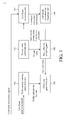
- FIG. 3 is a flow chart of a certificate management method according to an embodiment of the disclosure.
- the certificate management device 1 may receive a certificate revocation request to revoke a first certificate such as the certificate Cert 1 shown in FIG. 2 .
- the first certificate may be recorded in the key tree in FIG. 2 .
- All certificates in the key tree may be associated with an entity, e.g. an on-board unit (OBU) in a vehicle.
- OBU on-board unit
- one or more unrevoked certificates i.e. the at least one first certificate
- the certificate revocation unit 102 may determine whether a root node exists in the key tree, where the root node may cover one first certificate and one or more other revoked certificates.
- the certificate to be revoked is the certificate Cert 1 in FIG. 2 and the certificate Cert 2 has been revoked
- the certificate Cert 3 may still be a valid certificate.
- the root node may be the node 4.
- the root node may be the node 2.
- the node 4 seems to match the definition of the root node, i.e. covering one first certificate and one other revoked certificate.
- the certificate revocation unit 102 may select the node capable of covering the most root node levels and set it as a root node. While the node 2 may covers two root node levels, the node 4 may cover one root node level. Even if the nodes 2 and 4 may match the definition of the root node, the certificate revocation unit 102 may select the node 2.
- step S304 if the first root node covers one first certificate and one or more other revoked certificates, the certificate revocation unit 102 may add the information about the first root node into the certificate revocation list.
- step S306 if the certificate revocation unit 102 can find out any suitable root node in the key tree, the first certificate to be revoked may be recorded into the certificate revocation list.
- step S308 the certificate revocation list broadcast unit 104 may send the certificate revocation list to at least another entity after receiving the certificate revocation list.
- the certificate revocation unit 102 may record the information, such as the node index (2), the derived key (K1), and the root node level (2), into the certificate revocation list. Even if the certificate revocation list records the derived key (K1), the private value K will not be able to be deduced from the derived key (K1), thereby preventing the revealing of the private value (K) and meanwhile maintaining the confidentiality of the original entity's identification.
- the another entity may substitute the derived key (K1) into the first one-way hash function h1( ) and the second one-way hash function h2( ) respectively and then determine four children certificates with respect to the root node level (2). Therefore, another entity may know the location of the derived key (K1) in the key tree according to the node index (2) and then produce the certificates Cert 1 to Cert 4.
- the certificate revocation list it is unnecessary for the certificate revocation list to record all revoked certificates. Rather, since the certificate revocation list suitably provides some information about the root node, another entity may be able to recover all revoked certificates after receiving the certificate revocation list. In this way, the quantity of data of the certificate revocation list may be reduced efficiently.
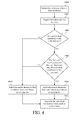
- FIG. 4 is a flow chart of a certificate management method according to another embodiment of the disclosure. Similar to the embodiment illustrated in FIG. 3 , in step S400, when receiving a certificate revocation request for the first certificate (e.g. the certificate Cert 1 in FIG. 2 ), the certificate management device 1 may determine to revoke the first certificate. Then, as shown in step S402, the certificate management device 1 may read information about the key tree shown in FIG. 2 . Next, as shown in step S404, the certificate management device 1 may check whether there is other revoked certificate in the key tree.
- a certificate revocation request for the first certificate e.g. the certificate Cert 1 in FIG. 2
- the certificate management device 1 may read information about the key tree shown in FIG. 2 .
- step S404 the certificate management device 1 may check whether there is other revoked certificate in the key tree.
- the certificate revocation unit 102 may not need to collect other one or more certificates and may directly add the revocation information about the certificate Cert 1 into the certificate revocation list, as shown in step S410. Otherwise, if there is other revoked certificate in the key tree, the certificate management device 1 may determine whether the first root node covers one first certificate (i.e. the certificate Cert 1) and one other revoked certificate, as shown in step S406.
- step S406 The certificates Cert 2 to Cert 4 in FIG. 2 have been revoked, and the node 2 only covers the certificate Cert 1 and the revoked certificates Cert 2 to Cert 4. Since the certificate Cert 5 is not a revoked certificate and the node 1 covers not only the certificate Cert 1 and the revoked certificates Cert 2 to Cert 4 but also the unrevoked certificate Cert 5, the node 1 will not be regarded as the first root node. In another exemplary embodiment, if the certificates Cert 2 to Cert 8 are the certificates to be revoked, the node 1 may be selected and regarded as the first root node.
- the certificate management device 1 may not obtain any root node merely covering the certificate Cert 1 and one other revoked certificate in the key tree such that the certificate revocation unit 102 may directly add the revocation information about the certificate Cert 1 into the certificate revocation list, as shown in step S410.
- step S408 if a root node merely covering the certificate Cert 1 and one other revoked certificate is successfully obtained, the information about the first root node may be added into the certificate revocation list, as described in FIG. 3 .
- step S412 the certificate revocation list broadcast unit 104 may send the certificate revocation list to at least another entity after receiving the certificate revocation list.
Landscapes
- Engineering & Computer Science (AREA)
- Computer Security & Cryptography (AREA)
- Computer Networks & Wireless Communication (AREA)
- Signal Processing (AREA)
- Computer Hardware Design (AREA)
- Computing Systems (AREA)
- General Engineering & Computer Science (AREA)
- Management, Administration, Business Operations System, And Electronic Commerce (AREA)
- Storage Device Security (AREA)
- Alarm Systems (AREA)
- Mobile Radio Communication Systems (AREA)
Abstract
Description
- The disclosure relates to a method and a device for managing certificates.
- Under a public key code system, an entity confirms the reliability of information through utilizing a certificate from a certificate authority. The entity attaches the certificate to the information and sends them to another entity.
- If a private key of an entity is exposed, or an entity malfunctions, or the access authority of an entity is revoked, the certificate authority needs to revoke the certificate before the certificate expires. To revoke the certificate, the certificate authority utilizes a certificate revocation list (CRL) including a value of the certificate to be revoked and provides the certificate revocation list to the entity, whereby the certificate can be verified.
- In some networks, for example, a vehicular network, the certificate authority produces ten millions of certificates to the entity, and the entity can switch the in-use certificate at a frequent basis. Therefore, the privacy and identifiability of the entity can be protected. In such networks, the certificate revocation list needs to list the ten millions of certificates to the entity when a certificate of the entity needs to be revoked. Therefore, the certificate revocation list becomes long and results in a procedural burden to the entity.
- According to one or more embodiments, the disclosure provides a certificate management method. The certificate management method may include the following steps. First, at least a first certificate may be determined to be revoked. All certificates including the at least one first certificate recorded in a key tree may be related to an entity. Then, whether a first root node covers one first certificate and one other revoked certificate in the key tree may be determined. When the first root node covers one first certificate and one other revoked certificate, information about the first root node may be added into a certificate revocation list. Finally, the certificate revocation list may be sent to at least other entity.
- According to one or more embodiments, the disclosure provides a certificate management device. In one embodiment, the certificate management device may include a key collection computing unit, a certificate revocation unit, and a certificate revocation list broadcast unit. The key collection computing unit may maintain a key tree, and all certificates recorded in the key tree may be related to an entity. The certificate revocation unit may couple with the key collection computing unit, receive a certificate revocation request for at least a first certificate in the key tree, and determine whether a first root node covers one first certificate and one other revoked certificate in the key tree. When the first root node covers one first certificate and one other revoked certificate, information about the first root node may be added into a certificate revocation list. The certificate revocation list broadcast unit may couple with the certificate revocation unit and send the certificate revocation list to another entity.
- Accordingly, it is unnecessary for the certificate revocation list to record all revoked certificates. Rather, since the certificate revocation list suitably provides some information about the root node, another entity may be able to recover all revoked certificates after receiving the certificate revocation list. In this way, the quantity of data of the certificate revocation list may be reduced efficiently.
- The present disclosure will become more fully understood of the detailed description given herein below for illustration only and thus does not limit the present disclosure, wherein:
-
FIG. 1 is a block diagram of a certificate management device according to an embodiment of the disclosure; -
FIG. 2 is a schematic diagram of a key tree according to an embodiment of the disclosure; -
FIG. 3 is a flow chart of a certificate management method according to an embodiment of the disclosure; and -
FIG. 4 is a flow chart of a certificate management method according to another embodiment of the disclosure. - In the following detailed description, for purposes of explanation, numerous specific details are set forth in order to provide a thorough understanding of the disclosure embodiments. It will be apparent, however, that one or more embodiments may be practiced without these specific details. In other instances, well-known structures and devices are schematically shown in order to simplify the drawing. Elements which are similar or equal to each other are identified with the same label in the disclosure.
-
FIG. 1 is a block diagram of a certificate management device according to an embodiment of the disclosure. Acertificate management device 1, as shown inFIG. 1 , may at least include a keycollection computing unit 100, acertificate revocation unit 102, and a certificate revocationlist broadcast unit 104, thereby managing and updating a certificate revocation list. - In this or some embodiments, the
certificate management device 1 may further include a public-and-private-key generation unit 106, acertificate generation unit 108, and a privatevalue agreement unit 110, thereby performing more functions. Moreover, any one of the public-and-private-key generation unit 106, thecertificate generation unit 108 and the privatevalue agreement unit 110 may selectively disposed in thecertificate management device 1 by a user who has ordinary skills in the art. In practice, thecertificate management device 1 may be a certificate authority. - In order to clearly describe the process of certificate management and the relative device thereof, the disclosure may demonstrate an exemplary embodiment to produce a key tree and certificates, and then demonstrate an exemplary embodiment for the certificate management.
- In some embodiments, the
certificate management device 1 may receive a certificate generation request from an entity. Then, the public-and-private-key generation unit 106 may produce public-and-private key pairs for the entity sending out the certificate generation request and transmit the public-and-private key pairs to thecertificate generation unit 108. Therefore, the privatevalue agreement unit 110 may determine a private value related to thecertificate management device 1 and the entity. In this embodiment, the private value may be symbolized by K. After the privatevalue agreement unit 110 may send the private value K to the keycollection computing unit 100, the keycollection computing unit 100 may establish a key tree related to the private value K and provide thecertificate generation unit 108 with the key tree for reference. Therefore, thecertificate generation unit 108 may authorize one or more certificates to the entity. - Next, the
certificate generation unit 108 may utilize the public-and-private key pairs and the above key tree to produce the one or more certificates for the entity. In one or more exemplary embodiments, the certificate may include a derived key of a leaf node of the key tree, a node index, the mentioned public key of the entity, and a signature for thecertificate management device 1. - Then, the
certificate management device 1 may send a series of the certificates to the entity, thereby ensuring and confirming purposes of the above information. Only thecertificate management device 1 and the above entity may be able to obtain the identification information hided in these certificates, other entities except thecertificate management device 1 and the above entity may not be able to join/integrate these certificates together and track the identification information about the above entity according to these certificates. - In one embodiment, the
certificate management device 1 may receive a command for revoking one or more entities' unexpired certificates to produce one or more certificate revocation requests and may provide thecertificate revocation unit 102 with the one or more certificate revocation requests. Thecertificate revocation unit 102 may determine one or more certificates to be revoked, and the keycollection computing unit 100 may determine the location of certificate to be revoked in the key tree. Thecertificate revocation unit 102 may, through the key tree maintained by the keycollection computing unit 100, collect one or more certificates to be revoked and one or more revoked certificates, and record or add them into a certificate revocation list for updating. Next, thecertificate revocation unit 102 may provide the updated certificate revocation list to the certificate revocationlist broadcast unit 104 such that the certificate revocationlist broadcast unit 104 may periodically send the certificate revocation list to one or more entities in a network. In this way, the one or more entities may determine whether a received certificate is revoked or not, in response to the certificate revocation list. -
FIG. 2 is a schematic diagram of a key tree according to an embodiment of the disclosure. Thecertificate management device 1 and an entity may communicate with each other to determine a private value K for generating a certificate. Then, thecertificate management device 1 may perform some operations to establish a key tree whose root node has a private value K. During the process of generating certificates, the certificate authority may be able to use a derived key of a leaf node in the key tree. - In one or more exemplary embodiments, the certificate authority may use two one-way hash functions to one or more child nodes of each parent node to establish a binary key tree. In one exemplary embodiment, the
certificate management device 1 may substitute the value of the parent node into a first one-way hash function to produce a child node at the left side of the parent node, and may substitute the value of the parent node into a second one-way hash function to produce a son node at the right side of the parent node. In other exemplary embodiment, more than two one-way hash functions may be utilized to establish other type key trees. In one exemplary embodiment, three one-way hash functions may be utilized to produce child nodes of each parent node to establish a ternary key tree. In one exemplary embodiment, n pieces of one-way hash functions may be utilized to produce child nodes of each parent node to establish a N-ary key tree, where N is a natural number. - In the case shown in
FIG. 2 , thecertificate management device 1 may use eight certificates following theroot node 1 corresponding to the private value K to establish the key tree. Theroot node 1 may be the root node covering the most root node levels (as referred as the largest root node hierarchy). Then, the private value K (or referred as a root value) may be substituted into a first one-way hash function h1( ) to calculate a derived value K1 for aleft child node 2, and the private value K may also be substituted into a second one-way hash function h2( ) to calculate a derived value K2 for aright child node 3. Theroot nodes - Further, the value K1 of the
node 2 may be substituted into the first one-way hash function h1( ) to calculate a derived value K11 for aleft child node 4 of thenode 2, and the value K1 of thenode 2 may be substituted into the second one-way hash function h2( ) to calculate a derived value K12 for aright child node 5 of thenode 2. Thenodes node 2 may be a root node of thenodes nodes node 2. - Similarly, the value K11 of the
node 4 may be substituted into the first one-way hash function h1( ) to calculate a derived value K111 (also referred as a derived key) for aleft child node 8 of thenode 4, and the value K11 of thenode 4 may also be substituted into the second one-way hash function h2( ) to calculate a derived value K112 for aright child node 9 of thenode 4. In other words, thenode 4 may be a root node of thenodes nodes node 4. The derived value K111 may be utilized to produce a certificate Cert1, and the derived value K112 may be utilized to produce a certificate Cert2. The generation ofother certificates Cert 3 toCert 8 may be similar to the generation of the certificate Cert1 and Cert2 and thus, will not be repeated hereinafter. The certificate Cert1 may include a derived key (K111), anode index 8, a public key, and a signature of thecertificate management device 1. In view of the above one or more embodiments, it is difficult to derive the original private value K from the derived key. - Following the description about the exemplary producing of the key tree and certificates, the exemplary embodiment for the certificate management will be described hereinafter by referring
FIG. 1 andFIG. 3. FIG. 3 is a flow chart of a certificate management method according to an embodiment of the disclosure. As shown in step S300, thecertificate management device 1 may receive a certificate revocation request to revoke a first certificate such as thecertificate Cert 1 shown inFIG. 2 . The first certificate may be recorded in the key tree inFIG. 2 . All certificates in the key tree may be associated with an entity, e.g. an on-board unit (OBU) in a vehicle. In practice, one or more unrevoked certificates (i.e. the at least one first certificate) may be revoked once. - Then, as shown in step S302, the
certificate revocation unit 102 may determine whether a root node exists in the key tree, where the root node may cover one first certificate and one or more other revoked certificates. - For example, while the certificate to be revoked is the
certificate Cert 1 inFIG. 2 and thecertificate Cert 2 has been revoked, thecertificate Cert 3 may still be a valid certificate. Herein, the root node may be thenode 4. - For example, while the certificate to be revoked is the
certificate Cert 1 inFIG. 2 and thecertificates Cert 2 toCert 4 have been revoked, thecertificate Cert 5 is still valid. Herein, the root node may be thenode 2. In this case, maybe thenode 4 seems to match the definition of the root node, i.e. covering one first certificate and one other revoked certificate. However, thecertificate revocation unit 102 may select the node capable of covering the most root node levels and set it as a root node. While thenode 2 may covers two root node levels, thenode 4 may cover one root node level. Even if thenodes certificate revocation unit 102 may select thenode 2. - Next, as shown in step S304, if the first root node covers one first certificate and one or more other revoked certificates, the
certificate revocation unit 102 may add the information about the first root node into the certificate revocation list. In contrast, as shown in step S306, if thecertificate revocation unit 102 can find out any suitable root node in the key tree, the first certificate to be revoked may be recorded into the certificate revocation list. Finally, as shown in step S308, the certificate revocationlist broadcast unit 104 may send the certificate revocation list to at least another entity after receiving the certificate revocation list. - For example, after the
suitable root node 2 is selected, thecertificate revocation unit 102 may record the information, such as the node index (2), the derived key (K1), and the root node level (2), into the certificate revocation list. Even if the certificate revocation list records the derived key (K1), the private value K will not be able to be deduced from the derived key (K1), thereby preventing the reveling of the private value (K) and meanwhile maintaining the confidentiality of the original entity's identification. - On the other hand, after the another entity receives this new certificate revocation list, the another entity may substitute the derived key (K1) into the first one-way hash function h1( ) and the second one-way hash function h2( ) respectively and then determine four children certificates with respect to the root node level (2). Therefore, another entity may know the location of the derived key (K1) in the key tree according to the node index (2) and then produce the
certificates Cert 1 toCert 4. - Accordingly, it is unnecessary for the certificate revocation list to record all revoked certificates. Rather, since the certificate revocation list suitably provides some information about the root node, another entity may be able to recover all revoked certificates after receiving the certificate revocation list. In this way, the quantity of data of the certificate revocation list may be reduced efficiently.
- In the following one or more embodiments, another certificate management method may further determine whether to collect certificates, as shown in
FIG. 1 andFIG. 4. FIG. 4 is a flow chart of a certificate management method according to another embodiment of the disclosure. Similar to the embodiment illustrated inFIG. 3 , in step S400, when receiving a certificate revocation request for the first certificate (e.g. thecertificate Cert 1 inFIG. 2 ), thecertificate management device 1 may determine to revoke the first certificate. Then, as shown in step S402, thecertificate management device 1 may read information about the key tree shown inFIG. 2 . Next, as shown in step S404, thecertificate management device 1 may check whether there is other revoked certificate in the key tree. - If there is not other revoked certificate, the
certificate revocation unit 102 may not need to collect other one or more certificates and may directly add the revocation information about thecertificate Cert 1 into the certificate revocation list, as shown in step S410. Otherwise, if there is other revoked certificate in the key tree, thecertificate management device 1 may determine whether the first root node covers one first certificate (i.e. the certificate Cert 1) and one other revoked certificate, as shown in step S406. - Take an exemplary embodiment to illustrate step S406. The
certificates Cert 2 toCert 4 inFIG. 2 have been revoked, and thenode 2 only covers thecertificate Cert 1 and the revokedcertificates Cert 2 toCert 4. Since thecertificate Cert 5 is not a revoked certificate and thenode 1 covers not only thecertificate Cert 1 and the revokedcertificates Cert 2 toCert 4 but also theunrevoked certificate Cert 5, thenode 1 will not be regarded as the first root node. In another exemplary embodiment, if thecertificates Cert 2 toCert 8 are the certificates to be revoked, thenode 1 may be selected and regarded as the first root node. - On the other hand, if the
certificate Cert 2 inFIG. 2 is unrevoked certificate, thecertificate management device 1 may not obtain any root node merely covering thecertificate Cert 1 and one other revoked certificate in the key tree such that thecertificate revocation unit 102 may directly add the revocation information about thecertificate Cert 1 into the certificate revocation list, as shown in step S410. - In addition, as shown in step S408, if a root node merely covering the
certificate Cert 1 and one other revoked certificate is successfully obtained, the information about the first root node may be added into the certificate revocation list, as described inFIG. 3 . Finally, as shown in step S412, the certificate revocationlist broadcast unit 104 may send the certificate revocation list to at least another entity after receiving the certificate revocation list.
Claims (14)
- A certificate management method, characterized by comprising:determining to revoke at least a first certificate in certificates that are recorded in a key tree and related to an entity;determining whether a first root node covers one first certificate and one other revoked certificate in the key tree;when the first root node covers one first certificate and one other revoked certificate, adding information about the first root node to a certificate revocation list; andtransmitting the certificate revocation list to another entity at least.
- The certificate management method according to claim 1, wherein when the information about the first root node is added to the certificate revocation list, the certificate revocation list records the information about the first root node, and the information about the first root node includes a node index, a derived key, and a root node hierarchy.
- The certificate management method according to claim 2, wherein the node index is related to a number of the first root node in the key tree.
- The certificate management method according to claim 2, wherein the derived key is related to a public key corresponding to the first root node.
- The certificate management method according to claim 2, wherein the root node hierarchy is related to a derivation path from the first root node to a certificate of the first root node.
- The certificate management method according to claim 2, wherein the step of determining whether the first root node covers one first certificate and one other revoked certificate comprises choosing the first root node in the root node hierarchy which is the largest.
- The certificate management method according to claim 2, further comprising:determining whether another revoked certificate exists in the key tree before the step of determining whether the first root node covers one first certificate and one other revoked certificate is performed.
- A certificate management device (1), characterized by comprising:a key collection computing unit (100) for maintaining a key tree recording certificates related to an entity;a certificate revocation unit (102) coupling with the key collection computing unit, for receiving a certificate revocation request which is related to a first certificate in the key tree, and for determining whether a first root node covers one first certificate and one other revoked certificate in the key tree, and adding information about the first root node to a certificate revocation list when the first root node covers one first certificate and one other revoked certificate; anda certificate revocation list broadcast unit (104) coupling with the certificate revocation unit, for transmitting the certificate revocation list to another entity at least.
- The certificate management device according to claim 8, wherein the certificate revocation list records the information about the first root node, and the information about the first root node comprises a node index, a derived key, and a root node hierarchy.
- The certificate management device according to claim 9, wherein the node index is related to a number of the first root node in the key tree.
- The certificate management device according to claim 9, wherein the derived key is related to a public key corresponding to the first root node.
- The certificate management device according to claim 9, wherein the root node hierarchy is related to a derivation path from the first root node to a certificate of the first root node.
- The certificate management device according to claim 9, wherein the certificate revocation unit chooses the first root node in the root node hierarchy which is the largest when the certificate revocation unit determines whether the first root node covers one first certificate and one other revoked certificate.
- The certificate management device according to claim 9, wherein the certificate revocation unit further determines whether another revoked certificate exists in the key tree before the certificate revocation unit determines whether the first root node covers one first certificate and one other revoked certificate.
Applications Claiming Priority (1)
| Application Number | Priority Date | Filing Date | Title |
|---|---|---|---|
| TW103107517 | 2014-03-05 |
Publications (2)
| Publication Number | Publication Date |
|---|---|
| EP2916515A1 true EP2916515A1 (en) | 2015-09-09 |
| EP2916515B1 EP2916515B1 (en) | 2018-08-22 |
Family
ID=52469659
Family Applications (1)
| Application Number | Title | Priority Date | Filing Date |
|---|---|---|---|
| EP15154750.2A Active EP2916515B1 (en) | 2014-03-05 | 2015-02-11 | Method and device for managing certificates |
Country Status (4)
| Country | Link |
|---|---|
| US (2) | US9473311B2 (en) |
| EP (1) | EP2916515B1 (en) |
| CN (1) | CN104901931B (en) |
| TW (1) | TWI529561B (en) |
Cited By (1)
| Publication number | Priority date | Publication date | Assignee | Title |
|---|---|---|---|---|
| CN114866262A (en) * | 2022-07-07 | 2022-08-05 | 万商云集(成都)科技股份有限公司 | Storage access method, device, equipment and medium for data certificate file |
Families Citing this family (38)
| Publication number | Priority date | Publication date | Assignee | Title |
|---|---|---|---|---|
| WO2016138931A1 (en) * | 2015-03-02 | 2016-09-09 | Nokia Solutions And Networks Oy | Future certificate revocation using crl |
| DE102015208293A1 (en) * | 2015-05-05 | 2016-11-10 | Robert Bosch Gmbh | A method for excluding a subscriber from a group with authorized communication |
| KR102871871B1 (en) | 2016-02-23 | 2025-10-15 | 엔체인 라이센싱 아게 | Method and system for securing computer software using a distributed hash table and blockchain |
| EP3268914B1 (en) | 2016-02-23 | 2018-06-20 | Nchain Holdings Limited | Determining a common secret for the secure exchange of information and hierarchical, deterministic cryptographic keys |
| JP6799061B2 (en) | 2016-02-23 | 2020-12-09 | エヌチェーン ホールディングス リミテッドNchain Holdings Limited | Secure multi-party loss resistant storage and transfer of cryptographic keys for blockchain-based systems combined with wallet management systems |
| KR102890466B1 (en) | 2016-02-23 | 2025-11-21 | 엔체인 라이센싱 아게 | Encryption method and system for secure extraction of data from blockchain |
| SG11201806781SA (en) | 2016-02-23 | 2018-09-27 | Nchain Holdings Ltd | Registry and automated management method for blockchain-enforced smart contracts |
| KR102753027B1 (en) | 2016-02-23 | 2025-01-14 | 엔체인 홀딩스 리미티드 | Method and system for secure transfer of entities on blockchain |
| BR112018016782A2 (en) | 2016-02-23 | 2018-12-26 | Nchain Holdings Ltd | computer-implemented system and method configured to control a blockchain transfer |
| EP3748903A1 (en) | 2016-02-23 | 2020-12-09 | Nchain Holdings Limited | Universal tokenisation system for blockchain-based cryptocurrencies |
| JP6528008B2 (en) | 2016-02-23 | 2019-06-12 | エヌチェーン ホールディングス リミテッドNchain Holdings Limited | Personal Device Security Using Elliptic Curve Cryptography for Secret Sharing |
| CN109314637B (en) | 2016-02-23 | 2021-09-10 | 区块链控股有限公司 | Method and apparatus for efficient transfer of cryptocurrency over a blockchain |
| US11347838B2 (en) | 2016-02-23 | 2022-05-31 | Nchain Holdings Ltd. | Blockchain implemented counting system and method for use in secure voting and distribution |
| GB2571367A (en) | 2016-02-23 | 2019-08-28 | Nchain Holdings Ltd | Tokenisation method and system for implementing exchanges on a blockchain |
| US20190073646A1 (en) * | 2016-02-23 | 2019-03-07 | nChain Holdings Limited | Consolidated blockchain-based data transfer control method and system |
| JP6869250B2 (en) | 2016-02-23 | 2021-05-12 | エヌチェーン ホールディングス リミテッドNchain Holdings Limited | Methods and systems for efficient transfer of entities in peer-to-peer distributed ledgers using blockchain |
| KR102777896B1 (en) | 2016-02-23 | 2025-03-10 | 엔체인 홀딩스 리미티드 | Blockchain-based exchange method using tokenization |
| EP3420674B1 (en) | 2016-02-23 | 2021-03-24 | Nchain Holdings Limited | Blockchain-implemented method for control and distribution of digital content |
| TWI600334B (en) * | 2016-03-23 | 2017-09-21 | 財團法人工業技術研究院 | Security certificate management method for a vehicular network node and vehicular network node applying the same |
| US11025607B2 (en) * | 2016-12-15 | 2021-06-01 | At&T Mobility Ii Llc | V2X certificate management |
| CN112865982A (en) * | 2017-07-26 | 2021-05-28 | 创新先进技术有限公司 | Digital certificate management method and device and electronic equipment |
| CN107911222B (en) * | 2017-11-21 | 2020-08-28 | 沃通电子认证服务有限公司 | Digital signature generating method, digital signature verifying method, digital signature generating apparatus, digital signature verifying apparatus, and storage medium storing digital signature verifying program |
| EP3750277A4 (en) * | 2018-02-05 | 2021-12-08 | Lg Electronics Inc. | CRYPTOGRAPHIC PROCEDURES AND SYSTEMS THAT USE BLINDED ACTIVATION CODES FOR REVOCATION OF DIGITAL CERTIFICATES |
| KR102011042B1 (en) * | 2018-06-11 | 2019-08-14 | 한국과학기술연구원 | Certificated quantum cryptosystem amd method |
| CN109656600B (en) * | 2019-01-02 | 2022-03-22 | 延锋伟世通电子科技(上海)有限公司 | Vehicle-mounted software upgrading method, system, device and medium |
| US11361660B2 (en) | 2019-03-25 | 2022-06-14 | Micron Technology, Inc. | Verifying identity of an emergency vehicle during operation |
| US11323275B2 (en) | 2019-03-25 | 2022-05-03 | Micron Technology, Inc. | Verification of identity using a secret key |
| US11218330B2 (en) | 2019-03-25 | 2022-01-04 | Micron Technology, Inc. | Generating an identity for a computing device using a physical unclonable function |
| US11233650B2 (en) | 2019-03-25 | 2022-01-25 | Micron Technology, Inc. | Verifying identity of a vehicle entering a trust zone |
| TWI706662B (en) | 2019-04-24 | 2020-10-01 | 國際信任機器股份有限公司 | Method and apparatus for chaining data |
| TWI783441B (en) * | 2019-04-24 | 2022-11-11 | 國際信任機器股份有限公司 | Data processing method and apparatus for cooperation with blockchain |
| US11838429B2 (en) * | 2019-07-18 | 2023-12-05 | Itron, Inc. | Certificate chain compression to extend node operational lifetime |
| CN111177685B (en) * | 2019-12-26 | 2022-12-16 | 深圳供电局有限公司 | Certificate management method, device, computer equipment and storage medium |
| EP3851923B1 (en) * | 2020-01-14 | 2023-07-12 | Siemens Aktiengesellschaft | Control system for technical installations with certificate management |
| CN113038465B (en) * | 2021-02-25 | 2022-05-17 | 安徽农业大学 | Revocable certificateless condition privacy protection authentication method in self-organizing network |
| CN113079006B (en) * | 2021-03-29 | 2021-11-30 | 上海纬百科技有限公司 | Information processing method for key, electronic device and storage medium |
| US11968233B2 (en) * | 2021-05-28 | 2024-04-23 | International Business Machines Corporation | Service management in distributed system |
| CN115706938A (en) * | 2021-08-05 | 2023-02-17 | 中兴通讯股份有限公司 | Data processing method based on vehicle-road cooperation, certificate application method and device |
Citations (1)
| Publication number | Priority date | Publication date | Assignee | Title |
|---|---|---|---|---|
| WO2006026737A2 (en) * | 2004-08-31 | 2006-03-09 | Ntt Docomo Inc. | Revocation of cryptographic digital certificates |
Family Cites Families (35)
| Publication number | Priority date | Publication date | Assignee | Title |
|---|---|---|---|---|
| US8015597B2 (en) | 1995-10-02 | 2011-09-06 | Corestreet, Ltd. | Disseminating additional data used for controlling access |
| US6097811A (en) | 1995-11-02 | 2000-08-01 | Micali; Silvio | Tree-based certificate revocation system |
| US5903651A (en) * | 1996-05-14 | 1999-05-11 | Valicert, Inc. | Apparatus and method for demonstrating and confirming the status of a digital certificates and other data |
| US6397329B1 (en) | 1997-11-21 | 2002-05-28 | Telcordia Technologies, Inc. | Method for efficiently revoking digital identities |
| US7088822B2 (en) * | 2001-02-13 | 2006-08-08 | Sony Corporation | Information playback device, information recording device, information playback method, information recording method, and information recording medium and program storage medium used therewith |
| US20020154782A1 (en) * | 2001-03-23 | 2002-10-24 | Chow Richard T. | System and method for key distribution to maintain secure communication |
| US7404080B2 (en) | 2001-04-16 | 2008-07-22 | Bjorn Markus Jakobsson | Methods and apparatus for efficient computation of one-way chains in cryptographic applications |
| US7120793B2 (en) * | 2001-09-28 | 2006-10-10 | Globalcerts, Lc | System and method for electronic certificate revocation |
| US7257711B2 (en) | 2001-11-08 | 2007-08-14 | The Johns Hopkins University | Efficient authenticated dictionaries with skip lists and commutative hashing |
| KR20040104723A (en) * | 2002-05-09 | 2004-12-10 | 마츠시타 덴끼 산교 가부시키가이샤 | Public key certificate revocation list generation apparatus, revocation judgement apparatus, and authentication system |
| JP4699368B2 (en) | 2003-09-19 | 2011-06-08 | 株式会社エヌ・ティ・ティ・ドコモ | Method and apparatus for efficiently revoking certificates |
| KR101092543B1 (en) * | 2004-11-12 | 2011-12-14 | 삼성전자주식회사 | How to Manage User Keys for Broadcast Encryption |
| US7315941B2 (en) * | 2004-12-17 | 2008-01-01 | Ntt Docomo Inc. | Multi-certificate revocation using encrypted proof data for proving certificate's validity or invalidity |
| KR100636228B1 (en) * | 2005-02-07 | 2006-10-19 | 삼성전자주식회사 | Method for key-managing using hierarchical node topology and method for registering/deregistering a user using the same |
| KR100717005B1 (en) | 2005-04-06 | 2007-05-10 | 삼성전자주식회사 | Method and apparatus for determining revocation key, and method and apparatus for decrypting thereby |
| US7571228B2 (en) | 2005-04-22 | 2009-08-04 | Microsoft Corporation | Contact management in a serverless peer-to-peer system |
| US9626667B2 (en) | 2005-10-18 | 2017-04-18 | Intertrust Technologies Corporation | Digital rights management engine systems and methods |
| US7523304B2 (en) * | 2005-11-22 | 2009-04-21 | Ntt Docomo, Inc. | Generation of set coverings with free riders, and generation of ordered sets of meeting points, in systems which include, but are not limited to, systems for broadcast encryption and systems for certificate revocation |
| TWI317597B (en) | 2006-07-07 | 2009-11-21 | Formosoft Internat Inc | System of key authority in the xkms (xml key management specification) |
| CN1921383A (en) * | 2006-07-21 | 2007-02-28 | 北京理工大学 | Method for realizing key management based on threshold CA and X.509 public key certificate |
| US8468339B2 (en) * | 2006-11-30 | 2013-06-18 | Red Hat, Inc. | Efficient security information distribution |
| US7814315B2 (en) | 2006-11-30 | 2010-10-12 | Red Hat, Inc. | Propagation of certificate revocation information |
| US8171283B2 (en) | 2007-03-19 | 2012-05-01 | Telcordia Technologies, Inc. | Vehicle segment certificate management using short-lived, unlinked certificate schemes |
| US8090949B2 (en) | 2008-03-13 | 2012-01-03 | GM Global Technology Operations LLC | Certificate assignment strategies for efficient operation of the PKI-based security architecture in a vehicular network |
| US8230215B2 (en) | 2008-04-11 | 2012-07-24 | Toyota Motor Engineering & Manufacturing North America, Inc. | Method for allocating multiple authentication certificates to vehicles in a vehicle-to-vehicle communication network |
| EP2293490A1 (en) * | 2008-06-23 | 2011-03-09 | Panasonic Corporation | Information processing device, encryption key management method, computer program and integrated circuit |
| US8145520B2 (en) * | 2008-07-31 | 2012-03-27 | International Business Machines Corporation | Method and system for verifying election results |
| US8315395B2 (en) * | 2008-12-10 | 2012-11-20 | Oracle America, Inc. | Nearly-stateless key escrow service |
| US9178702B2 (en) * | 2011-04-22 | 2015-11-03 | Panasonic Corporation | Revocation list generation device, revocation list generation method, and content management system |
| US9509506B2 (en) * | 2011-09-30 | 2016-11-29 | Los Alamos National Security, Llc | Quantum key management |
| WO2013190372A1 (en) * | 2012-06-22 | 2013-12-27 | Ologn Technologies Ag | Systems, methods and apparatuses for securing root certificates |
| US9397982B2 (en) | 2012-06-28 | 2016-07-19 | Ologn Technologies Ag | Secure key storage systems, methods and apparatuses |
| US20140281502A1 (en) * | 2013-03-15 | 2014-09-18 | General Instrument Corporation | Method and apparatus for embedding secret information in digital certificates |
| US9425967B2 (en) | 2013-03-20 | 2016-08-23 | Industrial Technology Research Institute | Method for certificate generation and revocation with privacy preservation |
| US9769151B2 (en) * | 2013-12-23 | 2017-09-19 | Symantec Corporation | Multi-algorithm key generation and certificate install |
-
2014
- 2014-06-16 CN CN201410267396.6A patent/CN104901931B/en active Active
-
2015
- 2015-01-27 US US14/606,585 patent/US9473311B2/en active Active
- 2015-02-11 EP EP15154750.2A patent/EP2916515B1/en active Active
- 2015-02-17 US US14/623,499 patent/US10069634B2/en active Active
- 2015-03-04 TW TW104106828A patent/TWI529561B/en active
Patent Citations (1)
| Publication number | Priority date | Publication date | Assignee | Title |
|---|---|---|---|---|
| WO2006026737A2 (en) * | 2004-08-31 | 2006-03-09 | Ntt Docomo Inc. | Revocation of cryptographic digital certificates |
Non-Patent Citations (1)
| Title |
|---|
| KOCHER P C: "ON CERTIFICATE REVOCATION AND VALIDATION", FINANCIAL CRYPTOGRAPHY. INTERNATIONAL CONFERENCE, XX, XX, 1 January 1998 (1998-01-01), pages 172 - 177, XP000997209 * |
Cited By (1)
| Publication number | Priority date | Publication date | Assignee | Title |
|---|---|---|---|---|
| CN114866262A (en) * | 2022-07-07 | 2022-08-05 | 万商云集(成都)科技股份有限公司 | Storage access method, device, equipment and medium for data certificate file |
Also Published As
| Publication number | Publication date |
|---|---|
| US20150256346A1 (en) | 2015-09-10 |
| CN104901931B (en) | 2018-10-12 |
| US10069634B2 (en) | 2018-09-04 |
| EP2916515B1 (en) | 2018-08-22 |
| TW201535146A (en) | 2015-09-16 |
| US20150256347A1 (en) | 2015-09-10 |
| US9473311B2 (en) | 2016-10-18 |
| TWI529561B (en) | 2016-04-11 |
| CN104901931A (en) | 2015-09-09 |
Similar Documents
| Publication | Publication Date | Title |
|---|---|---|
| EP2916515B1 (en) | Method and device for managing certificates | |
| US9876640B2 (en) | Information processing apparatus, server apparatus, and computer program product | |
| CA2502480C (en) | Certificate renewal in a certificate authority infrastructure | |
| CN104145445B (en) | Method, device and computer readable storage medium for securely accessing social networking data | |
| Förster et al. | PUCA: A pseudonym scheme with user-controlled anonymity for vehicular ad-hoc networks (VANET) | |
| US9425967B2 (en) | Method for certificate generation and revocation with privacy preservation | |
| CN112039870A (en) | Privacy protection-oriented vehicle-mounted network authentication method and system based on block chain | |
| CN114205091B (en) | Network authentication and key negotiation method for automatic driving vehicle based on chaotic mapping | |
| CN109194702B (en) | Medical data recording method, system, computer device and storage medium | |
| EP4415306A2 (en) | Cryptographic methods and systems using activation codes for digital certificate revocation | |
| CN107070644A (en) | A kind of decentralization public key management method and management system based on trust network | |
| CN102017514A (en) | Authentication information management method and device in home network | |
| CN103929744B (en) | A kind of key management method of wireless sensor network | |
| CN103490881A (en) | Authentication service system, user authentication method, and authentication information processing method and system | |
| CN110191153A (en) | Social communication method based on block chain | |
| US20170012785A1 (en) | Authentication system and authentication method | |
| He et al. | Blockchain-based key management and security decisions in internet of vehicles | |
| CN108632037B (en) | Public key processing method and device for public key infrastructure | |
| US20150295721A1 (en) | Device authentication system and authentication method | |
| Bao et al. | A pseudonym certificate management scheme based on blockchain for internet of vehicles | |
| CN117792631A (en) | Quantum key cross-domain distribution method, transmission gateway equipment and system | |
| CN115001723B (en) | Group communication method and system based on tree structure and asymmetric key pool | |
| Almulla et al. | An efficient k‐Means authentication scheme for digital certificates revocation validation in vehicular ad hoc networks | |
| CN208924259U (en) | An information security and confidentiality system for train control system | |
| CN109936453B (en) | Method, apparatus, device, and medium for maintaining certificate revocation list based on block chain |
Legal Events
| Date | Code | Title | Description |
|---|---|---|---|
| PUAI | Public reference made under article 153(3) epc to a published international application that has entered the european phase |
Free format text: ORIGINAL CODE: 0009012 |
|
| AK | Designated contracting states |
Kind code of ref document: A1 Designated state(s): AL AT BE BG CH CY CZ DE DK EE ES FI FR GB GR HR HU IE IS IT LI LT LU LV MC MK MT NL NO PL PT RO RS SE SI SK SM TR |
|
| AX | Request for extension of the european patent |
Extension state: BA ME |
|
| 17P | Request for examination filed |
Effective date: 20151222 |
|
| RBV | Designated contracting states (corrected) |
Designated state(s): AL AT BE BG CH CY CZ DE DK EE ES FI FR GB GR HR HU IE IS IT LI LT LU LV MC MK MT NL NO PL PT RO RS SE SI SK SM TR |
|
| GRAP | Despatch of communication of intention to grant a patent |
Free format text: ORIGINAL CODE: EPIDOSNIGR1 |
|
| STAA | Information on the status of an ep patent application or granted ep patent |
Free format text: STATUS: GRANT OF PATENT IS INTENDED |
|
| INTG | Intention to grant announced |
Effective date: 20180412 |
|
| GRAS | Grant fee paid |
Free format text: ORIGINAL CODE: EPIDOSNIGR3 |
|
| GRAA | (expected) grant |
Free format text: ORIGINAL CODE: 0009210 |
|
| STAA | Information on the status of an ep patent application or granted ep patent |
Free format text: STATUS: THE PATENT HAS BEEN GRANTED |
|
| AK | Designated contracting states |
Kind code of ref document: B1 Designated state(s): AL AT BE BG CH CY CZ DE DK EE ES FI FR GB GR HR HU IE IS IT LI LT LU LV MC MK MT NL NO PL PT RO RS SE SI SK SM TR |
|
| REG | Reference to a national code |
Ref country code: GB Ref legal event code: FG4D |
|
| REG | Reference to a national code |
Ref country code: CH Ref legal event code: EP |
|
| REG | Reference to a national code |
Ref country code: AT Ref legal event code: REF Ref document number: 1033800 Country of ref document: AT Kind code of ref document: T Effective date: 20180915 |
|
| REG | Reference to a national code |
Ref country code: IE Ref legal event code: FG4D |
|
| REG | Reference to a national code |
Ref country code: DE Ref legal event code: R096 Ref document number: 602015014990 Country of ref document: DE |
|
| REG | Reference to a national code |
Ref country code: NL Ref legal event code: MP Effective date: 20180822 |
|
| REG | Reference to a national code |
Ref country code: LT Ref legal event code: MG4D |
|
| PG25 | Lapsed in a contracting state [announced via postgrant information from national office to epo] |
Ref country code: FI Free format text: LAPSE BECAUSE OF FAILURE TO SUBMIT A TRANSLATION OF THE DESCRIPTION OR TO PAY THE FEE WITHIN THE PRESCRIBED TIME-LIMIT Effective date: 20180822 Ref country code: NL Free format text: LAPSE BECAUSE OF FAILURE TO SUBMIT A TRANSLATION OF THE DESCRIPTION OR TO PAY THE FEE WITHIN THE PRESCRIBED TIME-LIMIT Effective date: 20180822 Ref country code: BG Free format text: LAPSE BECAUSE OF FAILURE TO SUBMIT A TRANSLATION OF THE DESCRIPTION OR TO PAY THE FEE WITHIN THE PRESCRIBED TIME-LIMIT Effective date: 20181122 Ref country code: IS Free format text: LAPSE BECAUSE OF FAILURE TO SUBMIT A TRANSLATION OF THE DESCRIPTION OR TO PAY THE FEE WITHIN THE PRESCRIBED TIME-LIMIT Effective date: 20181222 Ref country code: SE Free format text: LAPSE BECAUSE OF FAILURE TO SUBMIT A TRANSLATION OF THE DESCRIPTION OR TO PAY THE FEE WITHIN THE PRESCRIBED TIME-LIMIT Effective date: 20180822 Ref country code: NO Free format text: LAPSE BECAUSE OF FAILURE TO SUBMIT A TRANSLATION OF THE DESCRIPTION OR TO PAY THE FEE WITHIN THE PRESCRIBED TIME-LIMIT Effective date: 20181122 Ref country code: LT Free format text: LAPSE BECAUSE OF FAILURE TO SUBMIT A TRANSLATION OF THE DESCRIPTION OR TO PAY THE FEE WITHIN THE PRESCRIBED TIME-LIMIT Effective date: 20180822 Ref country code: GR Free format text: LAPSE BECAUSE OF FAILURE TO SUBMIT A TRANSLATION OF THE DESCRIPTION OR TO PAY THE FEE WITHIN THE PRESCRIBED TIME-LIMIT Effective date: 20181123 Ref country code: RS Free format text: LAPSE BECAUSE OF FAILURE TO SUBMIT A TRANSLATION OF THE DESCRIPTION OR TO PAY THE FEE WITHIN THE PRESCRIBED TIME-LIMIT Effective date: 20180822 |
|
| REG | Reference to a national code |
Ref country code: AT Ref legal event code: MK05 Ref document number: 1033800 Country of ref document: AT Kind code of ref document: T Effective date: 20180822 |
|
| PG25 | Lapsed in a contracting state [announced via postgrant information from national office to epo] |
Ref country code: AL Free format text: LAPSE BECAUSE OF FAILURE TO SUBMIT A TRANSLATION OF THE DESCRIPTION OR TO PAY THE FEE WITHIN THE PRESCRIBED TIME-LIMIT Effective date: 20180822 Ref country code: LV Free format text: LAPSE BECAUSE OF FAILURE TO SUBMIT A TRANSLATION OF THE DESCRIPTION OR TO PAY THE FEE WITHIN THE PRESCRIBED TIME-LIMIT Effective date: 20180822 Ref country code: HR Free format text: LAPSE BECAUSE OF FAILURE TO SUBMIT A TRANSLATION OF THE DESCRIPTION OR TO PAY THE FEE WITHIN THE PRESCRIBED TIME-LIMIT Effective date: 20180822 |
|
| PG25 | Lapsed in a contracting state [announced via postgrant information from national office to epo] |
Ref country code: ES Free format text: LAPSE BECAUSE OF FAILURE TO SUBMIT A TRANSLATION OF THE DESCRIPTION OR TO PAY THE FEE WITHIN THE PRESCRIBED TIME-LIMIT Effective date: 20180822 Ref country code: AT Free format text: LAPSE BECAUSE OF FAILURE TO SUBMIT A TRANSLATION OF THE DESCRIPTION OR TO PAY THE FEE WITHIN THE PRESCRIBED TIME-LIMIT Effective date: 20180822 Ref country code: PL Free format text: LAPSE BECAUSE OF FAILURE TO SUBMIT A TRANSLATION OF THE DESCRIPTION OR TO PAY THE FEE WITHIN THE PRESCRIBED TIME-LIMIT Effective date: 20180822 Ref country code: IT Free format text: LAPSE BECAUSE OF FAILURE TO SUBMIT A TRANSLATION OF THE DESCRIPTION OR TO PAY THE FEE WITHIN THE PRESCRIBED TIME-LIMIT Effective date: 20180822 Ref country code: EE Free format text: LAPSE BECAUSE OF FAILURE TO SUBMIT A TRANSLATION OF THE DESCRIPTION OR TO PAY THE FEE WITHIN THE PRESCRIBED TIME-LIMIT Effective date: 20180822 Ref country code: CZ Free format text: LAPSE BECAUSE OF FAILURE TO SUBMIT A TRANSLATION OF THE DESCRIPTION OR TO PAY THE FEE WITHIN THE PRESCRIBED TIME-LIMIT Effective date: 20180822 Ref country code: RO Free format text: LAPSE BECAUSE OF FAILURE TO SUBMIT A TRANSLATION OF THE DESCRIPTION OR TO PAY THE FEE WITHIN THE PRESCRIBED TIME-LIMIT Effective date: 20180822 |
|
| REG | Reference to a national code |
Ref country code: DE Ref legal event code: R097 Ref document number: 602015014990 Country of ref document: DE |
|
| PG25 | Lapsed in a contracting state [announced via postgrant information from national office to epo] |
Ref country code: SM Free format text: LAPSE BECAUSE OF FAILURE TO SUBMIT A TRANSLATION OF THE DESCRIPTION OR TO PAY THE FEE WITHIN THE PRESCRIBED TIME-LIMIT Effective date: 20180822 Ref country code: DK Free format text: LAPSE BECAUSE OF FAILURE TO SUBMIT A TRANSLATION OF THE DESCRIPTION OR TO PAY THE FEE WITHIN THE PRESCRIBED TIME-LIMIT Effective date: 20180822 Ref country code: SK Free format text: LAPSE BECAUSE OF FAILURE TO SUBMIT A TRANSLATION OF THE DESCRIPTION OR TO PAY THE FEE WITHIN THE PRESCRIBED TIME-LIMIT Effective date: 20180822 |
|
| PLBE | No opposition filed within time limit |
Free format text: ORIGINAL CODE: 0009261 |
|
| STAA | Information on the status of an ep patent application or granted ep patent |
Free format text: STATUS: NO OPPOSITION FILED WITHIN TIME LIMIT |
|
| 26N | No opposition filed |
Effective date: 20190523 |
|
| PG25 | Lapsed in a contracting state [announced via postgrant information from national office to epo] |
Ref country code: SI Free format text: LAPSE BECAUSE OF FAILURE TO SUBMIT A TRANSLATION OF THE DESCRIPTION OR TO PAY THE FEE WITHIN THE PRESCRIBED TIME-LIMIT Effective date: 20180822 |
|
| REG | Reference to a national code |
Ref country code: CH Ref legal event code: PL |
|
| GBPC | Gb: european patent ceased through non-payment of renewal fee |
Effective date: 20190211 |
|
| PG25 | Lapsed in a contracting state [announced via postgrant information from national office to epo] |
Ref country code: MC Free format text: LAPSE BECAUSE OF FAILURE TO SUBMIT A TRANSLATION OF THE DESCRIPTION OR TO PAY THE FEE WITHIN THE PRESCRIBED TIME-LIMIT Effective date: 20180822 Ref country code: LU Free format text: LAPSE BECAUSE OF NON-PAYMENT OF DUE FEES Effective date: 20190211 |
|
| REG | Reference to a national code |
Ref country code: BE Ref legal event code: MM Effective date: 20190228 |
|
| REG | Reference to a national code |
Ref country code: IE Ref legal event code: MM4A |
|
| PG25 | Lapsed in a contracting state [announced via postgrant information from national office to epo] |
Ref country code: CH Free format text: LAPSE BECAUSE OF NON-PAYMENT OF DUE FEES Effective date: 20190228 Ref country code: LI Free format text: LAPSE BECAUSE OF NON-PAYMENT OF DUE FEES Effective date: 20190228 |
|
| PG25 | Lapsed in a contracting state [announced via postgrant information from national office to epo] |
Ref country code: GB Free format text: LAPSE BECAUSE OF NON-PAYMENT OF DUE FEES Effective date: 20190211 Ref country code: IE Free format text: LAPSE BECAUSE OF NON-PAYMENT OF DUE FEES Effective date: 20190211 |
|
| PG25 | Lapsed in a contracting state [announced via postgrant information from national office to epo] |
Ref country code: BE Free format text: LAPSE BECAUSE OF NON-PAYMENT OF DUE FEES Effective date: 20190228 |
|
| PG25 | Lapsed in a contracting state [announced via postgrant information from national office to epo] |
Ref country code: TR Free format text: LAPSE BECAUSE OF FAILURE TO SUBMIT A TRANSLATION OF THE DESCRIPTION OR TO PAY THE FEE WITHIN THE PRESCRIBED TIME-LIMIT Effective date: 20180822 |
|
| PG25 | Lapsed in a contracting state [announced via postgrant information from national office to epo] |
Ref country code: MT Free format text: LAPSE BECAUSE OF NON-PAYMENT OF DUE FEES Effective date: 20190211 Ref country code: PT Free format text: LAPSE BECAUSE OF FAILURE TO SUBMIT A TRANSLATION OF THE DESCRIPTION OR TO PAY THE FEE WITHIN THE PRESCRIBED TIME-LIMIT Effective date: 20181222 |
|
| PG25 | Lapsed in a contracting state [announced via postgrant information from national office to epo] |
Ref country code: CY Free format text: LAPSE BECAUSE OF FAILURE TO SUBMIT A TRANSLATION OF THE DESCRIPTION OR TO PAY THE FEE WITHIN THE PRESCRIBED TIME-LIMIT Effective date: 20180822 |
|
| PG25 | Lapsed in a contracting state [announced via postgrant information from national office to epo] |
Ref country code: HU Free format text: LAPSE BECAUSE OF FAILURE TO SUBMIT A TRANSLATION OF THE DESCRIPTION OR TO PAY THE FEE WITHIN THE PRESCRIBED TIME-LIMIT; INVALID AB INITIO Effective date: 20150211 |
|
| REG | Reference to a national code |
Ref country code: DE Ref legal event code: R079 Ref document number: 602015014990 Country of ref document: DE Free format text: PREVIOUS MAIN CLASS: H04L0029060000 Ipc: H04L0065000000 |
|
| PG25 | Lapsed in a contracting state [announced via postgrant information from national office to epo] |
Ref country code: MK Free format text: LAPSE BECAUSE OF FAILURE TO SUBMIT A TRANSLATION OF THE DESCRIPTION OR TO PAY THE FEE WITHIN THE PRESCRIBED TIME-LIMIT Effective date: 20180822 |
|
| PGFP | Annual fee paid to national office [announced via postgrant information from national office to epo] |
Ref country code: DE Payment date: 20260227 Year of fee payment: 12 |
|
| PGFP | Annual fee paid to national office [announced via postgrant information from national office to epo] |
Ref country code: FR Payment date: 20260225 Year of fee payment: 12 |