EP2915311B1 - Apparatus and method of content containment - Google Patents
Apparatus and method of content containment Download PDFInfo
- Publication number
- EP2915311B1 EP2915311B1 EP13709640.0A EP13709640A EP2915311B1 EP 2915311 B1 EP2915311 B1 EP 2915311B1 EP 13709640 A EP13709640 A EP 13709640A EP 2915311 B1 EP2915311 B1 EP 2915311B1
- Authority
- EP
- European Patent Office
- Prior art keywords
- content
- visualization
- user content
- container
- content request
- Prior art date
- Legal status (The legal status is an assumption and is not a legal conclusion. Google has not performed a legal analysis and makes no representation as to the accuracy of the status listed.)
- Active
Links
Images


Classifications
-
- H—ELECTRICITY
- H04—ELECTRIC COMMUNICATION TECHNIQUE
- H04L—TRANSMISSION OF DIGITAL INFORMATION, e.g. TELEGRAPHIC COMMUNICATION
- H04L67/00—Network arrangements or protocols for supporting network services or applications
- H04L67/01—Protocols
- H04L67/10—Protocols in which an application is distributed across nodes in the network
-
- H—ELECTRICITY
- H04—ELECTRIC COMMUNICATION TECHNIQUE
- H04L—TRANSMISSION OF DIGITAL INFORMATION, e.g. TELEGRAPHIC COMMUNICATION
- H04L67/00—Network arrangements or protocols for supporting network services or applications
- H04L67/34—Network arrangements or protocols for supporting network services or applications involving the movement of software or configuration parameters
-
- G—PHYSICS
- G06—COMPUTING OR CALCULATING; COUNTING
- G06F—ELECTRIC DIGITAL DATA PROCESSING
- G06F3/00—Input arrangements for transferring data to be processed into a form capable of being handled by the computer; Output arrangements for transferring data from processing unit to output unit, e.g. interface arrangements
- G06F3/01—Input arrangements or combined input and output arrangements for interaction between user and computer
- G06F3/048—Interaction techniques based on graphical user interfaces [GUI]
- G06F3/0481—Interaction techniques based on graphical user interfaces [GUI] based on specific properties of the displayed interaction object or a metaphor-based environment, e.g. interaction with desktop elements like windows or icons, or assisted by a cursor's changing behaviour or appearance
- G06F3/04817—Interaction techniques based on graphical user interfaces [GUI] based on specific properties of the displayed interaction object or a metaphor-based environment, e.g. interaction with desktop elements like windows or icons, or assisted by a cursor's changing behaviour or appearance using icons
-
- G—PHYSICS
- G06—COMPUTING OR CALCULATING; COUNTING
- G06F—ELECTRIC DIGITAL DATA PROCESSING
- G06F3/00—Input arrangements for transferring data to be processed into a form capable of being handled by the computer; Output arrangements for transferring data from processing unit to output unit, e.g. interface arrangements
- G06F3/01—Input arrangements or combined input and output arrangements for interaction between user and computer
- G06F3/048—Interaction techniques based on graphical user interfaces [GUI]
- G06F3/0484—Interaction techniques based on graphical user interfaces [GUI] for the control of specific functions or operations, e.g. selecting or manipulating an object, an image or a displayed text element, setting a parameter value or selecting a range
- G06F3/04842—Selection of displayed objects or displayed text elements
-
- G—PHYSICS
- G06—COMPUTING OR CALCULATING; COUNTING
- G06F—ELECTRIC DIGITAL DATA PROCESSING
- G06F3/00—Input arrangements for transferring data to be processed into a form capable of being handled by the computer; Output arrangements for transferring data from processing unit to output unit, e.g. interface arrangements
- G06F3/14—Digital output to display device ; Cooperation and interconnection of the display device with other functional units
-
- H—ELECTRICITY
- H04—ELECTRIC COMMUNICATION TECHNIQUE
- H04L—TRANSMISSION OF DIGITAL INFORMATION, e.g. TELEGRAPHIC COMMUNICATION
- H04L41/00—Arrangements for maintenance, administration or management of data switching networks, e.g. of packet switching networks
- H04L41/22—Arrangements for maintenance, administration or management of data switching networks, e.g. of packet switching networks comprising specially adapted graphical user interfaces [GUI]
Definitions
- the subject matter disclosed herein relates to organizing and storing content within an application.
- the document US2012/0260161 discloses a user interface which is configured to present a plurality of user-selectable icons.
- the user-selectable icons are presented in a digital container wherein the container is configured to display contents of the container within a defined area on the user interface such as a Web page.
- a container encapsulates all content.
- encapsulate it is meant that all program logic, visualization components, and functionality needed to support visualizations resides within the application that hosts the container. This approach still allows for server-side components to provide necessary functionality to content, but the visualization and background application level logic or functionality resides in the application itself (e.g., an application that resides on a mobile device).
- the container provides for general features required by content as well as navigability within an application. In other approaches, the container provides necessary mechanisms to contain any type of desired content.
- Content containment may be provided within a mobile or web application and can provide for the ability to distribute and demonstrate a single main application. Additionally, approaches allow users to decide whether the wish to provide custom content and protect the content by making it accessible only from a particular computer system. Additionally, different applications, content, and visualizations, can share information such as state information.
- a first user content request from a first visualization and a second user content request from a second visualization are received.
- the first user content request and the second user content request are analyzed. Based upon the analysis, access is provided to a set of common functions to the first user content request and to the second user content request. State information is also shared between the first visualization and the second visualization.
- a selected one of the set of common functions includes sizing graphical display icons.
- the selected one of the set of common functions may additionally include the graphical display icons on a status bar of the user content.
- a selected one of the set of common functions includes security-related functions.
- the selected one of the set of common functions comprises logging on to a server.
- the state information includes dynamic information relating to an object or asset.
- the first visualization includes a web page.
- an apparatus for interfacing user content to actions includes an interface and a controller.
- the interface has an input and output and is configured to receive at the input a first user content request from a first visualization and a second user content request from a second visualization.
- the controller is coupled to the interface.
- the controller is configured to analyze the first user content request and the second user content request.
- the controller is further configured to, based upon the analysis, provide access to a set of common functions to the first user content request and the second user content request.
- the controller is configured to share state information between the first visualization and the second visualization at the output.
- a single wrapper application that includes a content container with a device interface, context sharing, and interoperability interfaces is provided.
- the approaches provided herein eliminate or substantially reduce unneeded operations and free the domain experts to provide content that will run inside or be supported by the container. Interoperability is easily enabled through the container allowing new content to inter operate with existing content, and existing content to inter operate with content that had not yet been implemented at the time of its creation.
- a system in one example, includes a single container, which serves to encapsulate all content.
- the container provides for several general features required by content such as access to common context sensitive information; device, session, and hardware information; and user, application, and system context information.
- the container additionally provides for a complete set of navigability within an application and access to providing the availability of custom and dynamic actions based on context.
- the container provides all the mechanisms necessary to contain any type of content desired to provide additional visualizations and/or functionality to an application.
- Content includes any visualization component or components combined with both background functionality as well as server-side components necessary to provide for either extensions to existing content or additional distinctly different content.
- the container acts as a top level master mechanism for providing access to common functionality, allowing for information and context sharing as well as providing for the necessary functionality needed to contain, host, and cause to be executed and displayed those components referred to as content.
- Static hosting of content is accomplished by including all program logic, visualization components, and functionality within the application that hosts the container itself. This approach still allows for server-side component to provide necessary functionality to content, but the visualization and background application level logic resides in the application itself (e.g., an application that resides on a mobile device).
- dynamic hosting of content is provided and allows for visualization components and logic to exist outside of the application either on a server or elsewhere in a cloud computing environment. Availability of new content is discovered via queries through existing server-side functionality and the necessary content components would be streamed into the application container and loaded when needed.
- the container can be made the controller of network requests, notifying content when data needs to be updated or refreshed and controlling key properties that affect sized of data retrievals such as time ranges and data set sizes and maximum sizes.
- Common program flow and shared context can be used via shared navigation context. If a set of context sensitive information is modified by a given piece of content, upon switching to other content the container can be made to provide this updated set of contextual information to the newly loaded content thus ensuring common program flow and ease of use.
- provision of a high level container provides for an ideal location to manage specific implementations of functionality such as dynamic actions. These dynamic actions could also have been implemented by some other root level type singleton object in the absence of the container. However, in the presence of the container and with all content already having access and understanding of a container, the concepts from the actions system can easily be incorporated here. This is also true of any future functionality or concepts which might span an entire system or multiple separate piece of content or functionality.
- the approaches described herein substantially reduce (or eliminate) the amount of time and effort that domain experts need to configure content, thereby allowing them to provide content within their domain expertise.
- Another advantage to the approaches described herein is the ability to distribute and demonstrate a single main application. Specific content available within the application can be added at various times and can even be individually licensed. Customers will not have to struggle to determine which app to load. Instead, they will load a single application and navigate to the content in which they are interested.
- Still another advantage of the present approaches relates to the advanced container functionality that seeks to allow dynamic streaming or loading of content off of a server or cloud based environment.
- Customers or system integrators can decide to provide custom content and protect by making it accessible only from a particular customer's server of only that particular integrator's cloud solution.
- the container 102 includes an actions module 104, an error logging module 106, a parameters passing module 108, parameters 110, an authentication module 112, and a data updates module 114.
- the container 102 is disposed within a single application and this application may itself be disposed on a mobile device such as a cellular phone, personal computer, pager, or personal digital assistant. Other examples of mobile devices are possible.
- the container 102 is a common system level component that acts as a top level master mechanism for providing access to common functionality, allowing for information and context sharing between content (visualizations) as well as providing for the necessary functionality needed to contain, host, and cause to be executed and displayed those components referred to as content (or visualizations).
- the actions module 104 receives user content 115 and processes that information. Various types of functions are supported. To take one example, the actions module 104 receives content or requests from the content, and determines an icon 116 that is to be placed on the action bar of the content 115.
- the content 115 is a visualization of information that is presented to a user, for example, displayed on a graphic display. The content 115 can be one piece of content but may also be broken into multiple content pieces. In this example, the actions module 104 determines a type of icon for display, correctly sizes the icon, and passes the icon back to the content. If multiple pieces of content exist, information (e.g., state information) can be shared between the multiple pieces of content.
- the error logging module 106 receives the content and logs errors associated with the content 115.
- the parameters passing module 108 receives various parameters 110 and these can be passed between the content 115 and the server 124 (via the authentication module 112, the interface 120, and the network 122.
- Parameters may be configured, initialized, or updated and this information may be passed to the content 115 either when the content is a single piece of content or to the individual pieces (fragments) of content when the content 115 includes multiple fragments.
- the parameters 110 are values that may be associated with the content 115. Examples of parameters include logged-in user, the server name, and permission/claims.
- the authentication module 112 authenticates access between the content 115 and the server 124. In these regards, it verifies that the content can access the server 124 and uses any known security protocol to achieve this result.
- the data updates module 114 allows data updates to be made between the content 115 and the server 124. Examples of data updates might include new information from the server 124 that is used to update the content 115.
- the content 115 does not need to know the details of the operation of the modules within the container 102.
- the user can change content, add content, and share information without concern for implementation details all within a single application that can, for example, reside on a mobile device.
- the container couples to an interface 120.
- the interface 120 is any combination of programmed software or hardware that allows communication between the network 122 and the container 102.
- the interface 120 couples to a network 122.
- the network 122 is any network such as the Internet, a cellular phone network, a data network, or any combinations of these networks.
- the network 122 couples to a server 124.
- the server 124 is any combination of programmed software or hardware that provides server or server-side functions as known to those skilled in the art.
- the container 102 (via the modules described above) provides functionality required by content such as access to common context sensitive information; device, session, and hardware information; and user, application, and system context information.
- the container 102 additionally provides for a complete set of navigability within an application and access to providing the availability of custom and dynamic actions based on context.
- the container 102 provides all the mechanisms necessary to contain any type of content 115 desired to provide additional visualizations and/or functionality to an application.
- the content 115 is a visualization component or components combined with both background functionality as well as server-side components necessary to provide for either extensions to existing content or additional distinctly different content.
- Static hosting of content 115 by the container 102 is accomplished by including all program logic, visualization components and functionality within the application that hosts the container 102. This approach still allows for any server-side component (e.g., server 124) to provide necessary functionality to the content 115, but the visualization and background application level logic resides in the application in which the container 102 resides.
- server-side component e.g., server 124
- Dynamic hosting of content by the container 102 allows for visualization components and logic to exist outside of the application either on the server 124 or elsewhere in a cloud computing environment (e.g., at the network 122). Availability of new content is discovered via queries through existing server-side functionality and the necessary content components would be streamed into the container 102 and loaded when needed.
- the container 102 can be made the controller of network requests notifying the content 115 when data needs to be updated or refreshed and controlling key properties that affect sized of data retrievals such as time ranges and data set sizes and maximum sizes.
- Common program flow and shared context can also be used via shared navigation context. If a set of context sensitive information is modified by the content 115, upon switching to other content the content 115 can be made to provide this updated set of contextual information to the newly loaded content thus ensuring common program flow and ease of use.
- the container 220 communicates with the content 222.
- the content 222 may be any type of. visualization (e.g., a web page) that can be presented to a user on any type of display.
- a set of predefined parameters are sent to or initialized by the container 220. These parameters are a set of parameters provided by the container and will be available to all hosted contents and will be provided upon request.
- a "parameter changed" message is sent from the container 220 to the content 222.
- some or all of the applications context parameters are requested by the content 222 to be sent by the container 220.
- a response is sent including the requested (changed) parameters.
- a container 320 communicates with a first visual fragment 322 and a second visual fragment 324.
- the fragments 332 and 334 may be any type of visualizations (e.g., portions of web pages) that can be presented to a user on any type of display.
- the container 330 sends a "parameter changed" event message and both fragments 332 and 334 respond to this event.
- the fragment that modified the parameter also responds to the event.
- this fragment could simply ignore the event.
- the first hosted content changes a parameter.
- a "parameter change” message is sent that a parameter changed event occurs. This is sent from the container 330 to both fragments 332 and 334.
- a message is sent from the first fragment 332 either to fetch the application's content or all context parameters by the first fragment 332.
- the requested information is sent to the first fragment 332.
- a request is made by the second fragment 334 to fetch the application's content or all context parameters.
- the requested information is sent to the second fragment 334.
- state information is sent from the first fragment 332 to the container 330.
- this state information is sent to the second fragment 334.
- a first user content request from a first visualization (or fragment) and a second user content request from a second visualization (or fragment) are received.
- the visualizations are distinct pieces of content that may be displayed together (or may not be displayed together) in one example.
- the first user content request and the second user content request are analyzed at step 404. The analysis determines the nature of the request and the action needed.
- step 406 access is provided to a set of common functions to the first user content request and the second user content request.
- the common set of functions is in a container and the detailed functionality for these actions is not seen by the different content.
- both visualizations have access to these functions.
- these visualizations also have access to and utilize this common functionality.
- state information is shared between the first visualization and the second visualization.
- This state information may include dynamic information.
- state information may include current context (selected asset), key performance indicator (KPI), and alarm information (e.g., state, severity, or source) for items of interest. Other examples of state information are possible.
- the apparatus 500 includes an interface 502 and a controller 504.
- the interface 502 has an input 506 and output 508 and is configured to receive at the input 506 a first user content request 510 from a first visualization and a second user content request 512 from a second visualization.
- the apparatus 500 may be implemented as combinations of hardware and software.
- the apparatus 500 may be part of an application, for example, an application that resides on a mobile device, such as a cellular phone or a personal computer.
- the apparatus 500 may have its functionality split across different physical locations.
- the controller 504 is coupled to the interface 502.
- the controller 504 is configured to analyze the first user content request 510 and the second user content request 512.
- the controller 504 is further configured to, based upon the analysis, provide access to a set of common functions 514 to the first user content request and the second user content request.
- the controller 504 is configured to share state information 516 between the first visualization and the second visualization at the output 508.
Landscapes
- Engineering & Computer Science (AREA)
- Theoretical Computer Science (AREA)
- General Engineering & Computer Science (AREA)
- Human Computer Interaction (AREA)
- Physics & Mathematics (AREA)
- General Physics & Mathematics (AREA)
- Computer Networks & Wireless Communication (AREA)
- Signal Processing (AREA)
- Information Transfer Between Computers (AREA)
Description
- The subject matter disclosed herein relates to organizing and storing content within an application.
- Mobile application, or "app" development is still a relatively immature technical field. More specifically, platforms are varied and have changed very frequently. This platform volatility also means that the applications that are supported by the platforms are volatile as well.
- Most internet websites have their own apps that do little more than mirror the website. In many situations, multiple and separate apps are deployed, where each of the apps performs only a small amount of functionality. Thus, these approaches are often wasteful of system resources.
- As for mobile applications, the prevailing approach is the creation of a separate application for each individual piece of functionality. However, this is also wasteful of system resources.
- Domain experts also exist and they frequently fully understand their domain. Consequently, these domain experts are capable of providing new content that makes use of their domain knowledge and existing context sensitive information as well as the context from their domain. Unfortunately, these domain experts spend unnecessary time learning, building, compiling, and deploying entire applications. Further, most applications provide for no interoperability across to other apps even when the applications are from the same author.
- Unfortunately, these shortcomings have mostly gone unaddressed in previous systems and user inconvenience and dissatisfaction has resulted with respect to these previous approaches.
- The document
US2012/0260161 discloses a user interface which is configured to present a plurality of user-selectable icons. The user-selectable icons are presented in a digital container wherein the container is configured to display contents of the container within a defined area on the user interface such as a Web page. - Approaches for content containment within a mobile or web application are provided. More specifically, many embodiments described herein provide a single wrapper application that includes a content container with device interface, context sharing, and interoperability interface.
- In one approach for content containment within a mobile or web application, a container encapsulates all content. By "encapsulate," it is meant that all program logic, visualization components, and functionality needed to support visualizations resides within the application that hosts the container. This approach still allows for server-side components to provide necessary functionality to content, but the visualization and background application level logic or functionality resides in the application itself (e.g., an application that resides on a mobile device).
- These approaches also support dynamic hosting of content, which allows for visualization components and logic to exist outside of the application either on a server or elsewhere in a cloud computing environment. In this case, availability of new content is discovered via queries through existing server-side functionality and the necessary content components may be streamed into the application container and loaded when needed.
- In some approaches, the container provides for general features required by content as well as navigability within an application. In other approaches, the container provides necessary mechanisms to contain any type of desired content.
- Content containment may be provided within a mobile or web application and can provide for the ability to distribute and demonstrate a single main application. Additionally, approaches allow users to decide whether the wish to provide custom content and protect the content by making it accessible only from a particular computer system. Additionally, different applications, content, and visualizations, can share information such as state information.
- In many of these embodiments, a first user content request from a first visualization and a second user content request from a second visualization are received. The first user content request and the second user content request are analyzed. Based upon the analysis, access is provided to a set of common functions to the first user content request and to the second user content request. State information is also shared between the first visualization and the second visualization.
- In other aspects, a selected one of the set of common functions includes sizing graphical display icons. The selected one of the set of common functions may additionally include the graphical display icons on a status bar of the user content.
- In yet other aspects, a selected one of the set of common functions includes security-related functions. In other aspects, the selected one of the set of common functions comprises logging on to a server.
- In still other examples, the state information includes dynamic information relating to an object or asset. In some other examples, the first visualization includes a web page.
- In others of these embodiments, an apparatus for interfacing user content to actions includes an interface and a controller. The interface has an input and output and is configured to receive at the input a first user content request from a first visualization and a second user content request from a second visualization.
- The controller is coupled to the interface. The controller is configured to analyze the first user content request and the second user content request. The controller is further configured to, based upon the analysis, provide access to a set of common functions to the first user content request and the second user content request. The controller is configured to share state information between the first visualization and the second visualization at the output.
- For a more complete understanding of the disclosure, reference should be made to the following detailed description and accompanying drawings wherein:
-
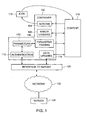
FIG. 1 comprises a block diagram of a container-based system according to various embodiments of the present invention; -
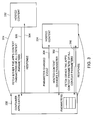
FIG. 2 comprises a flow chart of one example of operating a container-based system according to various embodiments of the present invention; -
FIG. 3 comprises a flow chart of another example of operating a container-based system according to various according to various embodiments of the present invention; -
FIG. 4 comprises a flowchart showing the operation of a container according to various embodiments of the present invention; -
FIG. 5 comprises a block diagram of an apparatus for providing access to common functionality and the sharing of information between visualizations according to various embodiments of the present invention. - Skilled artisans will appreciate that elements in the figures are illustrated for simplicity and clarity. It will further be appreciated that certain actions and/or steps may be described or depicted in a particular order of occurrence while those skilled in the art will understand that such specificity with respect to sequence is not actually required. It will also be understood that the terms and expressions used herein have the ordinary meaning as is accorded to such terms and expressions with respect to their corresponding respective areas of inquiry and study except where specific meanings have otherwise been set forth herein.
- A single wrapper application that includes a content container with a device interface, context sharing, and interoperability interfaces is provided. The approaches provided herein eliminate or substantially reduce unneeded operations and free the domain experts to provide content that will run inside or be supported by the container. Interoperability is easily enabled through the container allowing new content to inter operate with existing content, and existing content to inter operate with content that had not yet been implemented at the time of its creation.
- In one example, a system is provided that includes a single container, which serves to encapsulate all content. The container provides for several general features required by content such as access to common context sensitive information; device, session, and hardware information; and user, application, and system context information. The container additionally provides for a complete set of navigability within an application and access to providing the availability of custom and dynamic actions based on context. Finally, the container provides all the mechanisms necessary to contain any type of content desired to provide additional visualizations and/or functionality to an application. Content includes any visualization component or components combined with both background functionality as well as server-side components necessary to provide for either extensions to existing content or additional distinctly different content.
- In these respects, the container acts as a top level master mechanism for providing access to common functionality, allowing for information and context sharing as well as providing for the necessary functionality needed to contain, host, and cause to be executed and displayed those components referred to as content.
- Static hosting of content is accomplished by including all program logic, visualization components, and functionality within the application that hosts the container itself. This approach still allows for server-side component to provide necessary functionality to content, but the visualization and background application level logic resides in the application itself (e.g., an application that resides on a mobile device).
- In addition, dynamic hosting of content is provided and allows for visualization components and logic to exist outside of the application either on a server or elsewhere in a cloud computing environment. Availability of new content is discovered via queries through existing server-side functionality and the necessary content components would be streamed into the application container and loaded when needed.
- When all content is being hosted (encapsulated) within a container, this creates a common access point for which context sensitive information can be stored and shared. Additionally, via provision of specific access mechanisms program, data flow can be controlled and made common. For mobile applications, where network traffic, both frequency and size, may be an issue, the container can be made the controller of network requests, notifying content when data needs to be updated or refreshed and controlling key properties that affect sized of data retrievals such as time ranges and data set sizes and maximum sizes.
- Common program flow and shared context can be used via shared navigation context. If a set of context sensitive information is modified by a given piece of content, upon switching to other content the container can be made to provide this updated set of contextual information to the newly loaded content thus ensuring common program flow and ease of use.
- Additionally, provision of a high level container provides for an ideal location to manage specific implementations of functionality such as dynamic actions. These dynamic actions could also have been implemented by some other root level type singleton object in the absence of the container. However, in the presence of the container and with all content already having access and understanding of a container, the concepts from the actions system can easily be incorporated here. This is also true of any future functionality or concepts which might span an entire system or multiple separate piece of content or functionality.
- The approaches described herein substantially reduce (or eliminate) the amount of time and effort that domain experts need to configure content, thereby allowing them to provide content within their domain expertise. Another advantage to the approaches described herein is the ability to distribute and demonstrate a single main application. Specific content available within the application can be added at various times and can even be individually licensed. Customers will not have to struggle to determine which app to load. Instead, they will load a single application and navigate to the content in which they are interested.
- Still another advantage of the present approaches relates to the advanced container functionality that seeks to allow dynamic streaming or loading of content off of a server or cloud based environment. Customers or system integrators can decide to provide custom content and protect by making it accessible only from a particular customer's server of only that particular integrator's cloud solution.
- Referring now to
FIG. 1 , one example of acontainer 102 is described. Thecontainer 102 includes anactions module 104, anerror logging module 106, aparameters passing module 108,parameters 110, anauthentication module 112, and adata updates module 114. - The
container 102 is disposed within a single application and this application may itself be disposed on a mobile device such as a cellular phone, personal computer, pager, or personal digital assistant. Other examples of mobile devices are possible. Thecontainer 102 is a common system level component that acts as a top level master mechanism for providing access to common functionality, allowing for information and context sharing between content (visualizations) as well as providing for the necessary functionality needed to contain, host, and cause to be executed and displayed those components referred to as content (or visualizations). - The
actions module 104 receivesuser content 115 and processes that information. Various types of functions are supported. To take one example, theactions module 104 receives content or requests from the content, and determines anicon 116 that is to be placed on the action bar of thecontent 115. Thecontent 115 is a visualization of information that is presented to a user, for example, displayed on a graphic display. Thecontent 115 can be one piece of content but may also be broken into multiple content pieces. In this example, theactions module 104 determines a type of icon for display, correctly sizes the icon, and passes the icon back to the content. If multiple pieces of content exist, information (e.g., state information) can be shared between the multiple pieces of content. - The
error logging module 106 receives the content and logs errors associated with thecontent 115. Theparameters passing module 108 receivesvarious parameters 110 and these can be passed between thecontent 115 and the server 124 (via theauthentication module 112, theinterface 120, and thenetwork 122. - Parameters may be configured, initialized, or updated and this information may be passed to the
content 115 either when the content is a single piece of content or to the individual pieces (fragments) of content when thecontent 115 includes multiple fragments. Theparameters 110 are values that may be associated with thecontent 115. Examples of parameters include logged-in user, the server name, and permission/claims. - The
authentication module 112 authenticates access between thecontent 115 and theserver 124. In these regards, it verifies that the content can access theserver 124 and uses any known security protocol to achieve this result. - The data updates
module 114 allows data updates to be made between thecontent 115 and theserver 124. Examples of data updates might include new information from theserver 124 that is used to update thecontent 115. - It will be appreciated that the
content 115 does not need to know the details of the operation of the modules within thecontainer 102. Thus, the user can change content, add content, and share information without concern for implementation details all within a single application that can, for example, reside on a mobile device. - The container couples to an
interface 120. Theinterface 120 is any combination of programmed software or hardware that allows communication between thenetwork 122 and thecontainer 102. Theinterface 120 couples to anetwork 122. Thenetwork 122 is any network such as the Internet, a cellular phone network, a data network, or any combinations of these networks. Thenetwork 122 couples to aserver 124. Theserver 124 is any combination of programmed software or hardware that provides server or server-side functions as known to those skilled in the art. - Generally speaking, the container 102 (via the modules described above) provides functionality required by content such as access to common context sensitive information; device, session, and hardware information; and user, application, and system context information. The
container 102 additionally provides for a complete set of navigability within an application and access to providing the availability of custom and dynamic actions based on context. Finally, thecontainer 102 provides all the mechanisms necessary to contain any type ofcontent 115 desired to provide additional visualizations and/or functionality to an application. In these regards, thecontent 115 is a visualization component or components combined with both background functionality as well as server-side components necessary to provide for either extensions to existing content or additional distinctly different content. - Static hosting of
content 115 by thecontainer 102 is accomplished by including all program logic, visualization components and functionality within the application that hosts thecontainer 102. This approach still allows for any server-side component (e.g., server 124) to provide necessary functionality to thecontent 115, but the visualization and background application level logic resides in the application in which thecontainer 102 resides. - Dynamic hosting of content by the
container 102 allows for visualization components and logic to exist outside of the application either on theserver 124 or elsewhere in a cloud computing environment (e.g., at the network 122). Availability of new content is discovered via queries through existing server-side functionality and the necessary content components would be streamed into thecontainer 102 and loaded when needed. - When all content is being hosted within the
container 102, this creates a common access point for which context sensitive information can be stored and shared amongst different content. Additionally, via provision of specific access mechanisms program and data flow can be controlled and made common. For mobile applications, where network traffic, both frequency and size, may be an issue, thecontainer 102 can be made the controller of network requests notifying thecontent 115 when data needs to be updated or refreshed and controlling key properties that affect sized of data retrievals such as time ranges and data set sizes and maximum sizes. - Common program flow and shared context can also be used via shared navigation context. If a set of context sensitive information is modified by the
content 115, upon switching to other content thecontent 115 can be made to provide this updated set of contextual information to the newly loaded content thus ensuring common program flow and ease of use. - Referring now to
FIG. 2 , one example of passing and receiving contextual information between acontainer 220 and hostedcontent 222 is described. In this case, thecontainer 220 communicates with thecontent 222. Thecontent 222 may be any type of. visualization (e.g., a web page) that can be presented to a user on any type of display. - At step 202, a set of predefined parameters are sent to or initialized by the
container 220. These parameters are a set of parameters provided by the container and will be available to all hosted contents and will be provided upon request. At step 204 a "parameter changed" message is sent from thecontainer 220 to thecontent 222. Atstep 206, some or all of the applications context parameters are requested by thecontent 222 to be sent by thecontainer 220. Atstep 208, a response is sent including the requested (changed) parameters. - Referring now to
FIG. 3 , a scenario where multiple visual fragments (or content) are hosted and a parameter modified by one of the fragments is described. In this case, a container 320 communicates with a first visual fragment 322 and a second visual fragment 324. Thefragments - In this case, the
container 330 sends a "parameter changed" event message and bothfragments - At
step 302, the first hosted content changes a parameter. Atsteps 304, a "parameter change" message is sent that a parameter changed event occurs. This is sent from thecontainer 330 to bothfragments - At
step 306, a message is sent from thefirst fragment 332 either to fetch the application's content or all context parameters by thefirst fragment 332. At step 308, the requested information is sent to thefirst fragment 332. - At
step 310, a request is made by thesecond fragment 334 to fetch the application's content or all context parameters. At step 312, the requested information is sent to thesecond fragment 334. - Various types of information can also be shared. For example, at
step 314 state information is sent from thefirst fragment 332 to thecontainer 330. At step 316, this state information is sent to thesecond fragment 334. - Referring now to
FIG. 4 , one example of an approach that allows content to share common functionality is described. Atstep 402, a first user content request from a first visualization (or fragment) and a second user content request from a second visualization (or fragment) are received. The visualizations are distinct pieces of content that may be displayed together (or may not be displayed together) in one example. The first user content request and the second user content request are analyzed atstep 404. The analysis determines the nature of the request and the action needed. - At
step 406 and based upon the analysis, access is provided to a set of common functions to the first user content request and the second user content request. The common set of functions is in a container and the detailed functionality for these actions is not seen by the different content. As such, both visualizations have access to these functions. Furthermore, as new visualizations are created, these visualizations also have access to and utilize this common functionality. Atstep 408, state information is shared between the first visualization and the second visualization. This state information may include dynamic information. To give some examples, state information may include current context (selected asset), key performance indicator (KPI), and alarm information (e.g., state, severity, or source) for items of interest. Other examples of state information are possible. - Referring now to
FIG. 5 , one example of an apparatus that provides common functionality and allows visualization fragments to share information is described. Theapparatus 500 includes aninterface 502 and acontroller 504. Theinterface 502 has aninput 506 andoutput 508 and is configured to receive at the input 506 a firstuser content request 510 from a first visualization and a seconduser content request 512 from a second visualization. - It will be understood that the
apparatus 500 may be implemented as combinations of hardware and software. Theapparatus 500 may be part of an application, for example, an application that resides on a mobile device, such as a cellular phone or a personal computer. Alternatively, theapparatus 500 may have its functionality split across different physical locations. - The
controller 504 is coupled to theinterface 502. Thecontroller 504 is configured to analyze the firstuser content request 510 and the seconduser content request 512. Thecontroller 504 is further configured to, based upon the analysis, provide access to a set ofcommon functions 514 to the first user content request and the second user content request. Thecontroller 504 is configured to sharestate information 516 between the first visualization and the second visualization at theoutput 508. - Preferred embodiments of this invention are described herein, including the best mode known to the inventors for carrying out the invention. It should be understood that the illustrated embodiments are exemplary only, and should not be taken as limiting the scope of the invention.
Claims (14)
- A method (400) of interfacing user content to actions, the method comprising:receiving (402) a first user content request (510) from a first visualization (332) and a second user content request (512) from a second visualization (334);analyzing (404) the first user content request (510) and the second user content request (512);based upon the analyzing, providing (406) access to a set of common functions (514) to the first user content request (510) and the second user content request (512);the method being further characterized by:sharing (408) state information (516) between the first visualization (332) and the second visualization (334).
- The method of claim 1, wherein a selected one of the set of common functions (514) comprises sizing graphical display icons.
- The method of claim 2, wherein the selected one of the set of common functions (514) further comprises placing the graphical display icons on a status bar.
- The method of any of claims 1 to 3, wherein a selected one of the set of common functions (514) comprises security-related functions.
- The method of any preceding claim, wherein the wherein the selected one of the set of common functions (514) comprises logging on to a server.
- The method of any preceding claim, wherein the state information (516) comprises dynamic information relating to an object or asset.
- The method of any preceding claim, wherein the first visualization (332) comprises a web page.
- An apparatus of interfacing user content to actions, the apparatus comprising:an interface (502) having an input (506) and output (508), the interface (502) configured to receive at the input a first user content request (510) from a first visualization (332) and a second user content request (512) from a second visualization (334);a controller (504), the controller (504) being coupled to the interface (502), the controller (504) configured to analyze the first user content request (510) and the second user content request (512), the controller (504) further configured to, based upon the analyzing, provide access to a set of common functions (514) to the first user content request (510) and the second user content request (512), the apparatus being further characterized by: the controller (504) configured to share state information (516) between the first visualization (332) and the second visualization (334) at the output (508).
- The apparatus of claim 8, wherein a selected one of the set of common functions (514) comprises sizing graphical display icons.
- The apparatus of claim 9, wherein the selected one of the set of common functions (514) further comprises placing the graphical display icons on a status bar.
- The apparatus of any of claims 8 to 10, wherein a selected one of the set of common functions (514) comprises security-related functions.
- The apparatus of any of claims 8 to 11, wherein the wherein the selected one of the set of common functions (514) comprises logging on to a server via the output.
- The apparatus of any of claims 8 to 12, wherein the state information (516) comprises dynamic information relating to an object or asset.
- The apparatus of any of claims 8 to 13, wherein the first visualization (332) comprises a web page.
Priority Applications (1)
| Application Number | Priority Date | Filing Date | Title |
|---|---|---|---|
| PL13709640T PL2915311T3 (en) | 2012-11-02 | 2013-02-25 | Apparatus and method of content containment |
Applications Claiming Priority (2)
| Application Number | Priority Date | Filing Date | Title |
|---|---|---|---|
| US201261721641P | 2012-11-02 | 2012-11-02 | |
| PCT/US2013/027571 WO2014070223A1 (en) | 2012-11-02 | 2013-02-25 | Apparatus and method of content containment |
Publications (2)
| Publication Number | Publication Date |
|---|---|
| EP2915311A1 EP2915311A1 (en) | 2015-09-09 |
| EP2915311B1 true EP2915311B1 (en) | 2016-11-16 |
Family
ID=47884534
Family Applications (1)
| Application Number | Title | Priority Date | Filing Date |
|---|---|---|---|
| EP13709640.0A Active EP2915311B1 (en) | 2012-11-02 | 2013-02-25 | Apparatus and method of content containment |
Country Status (6)
| Country | Link |
|---|---|
| US (1) | US20150295776A1 (en) |
| EP (1) | EP2915311B1 (en) |
| JP (1) | JP2016505912A (en) |
| CN (1) | CN104769917B (en) |
| PL (1) | PL2915311T3 (en) |
| WO (1) | WO2014070223A1 (en) |
Families Citing this family (1)
| Publication number | Priority date | Publication date | Assignee | Title |
|---|---|---|---|---|
| US9819509B2 (en) * | 2015-07-17 | 2017-11-14 | ARC Informatique | Systems and methods for location-based control of equipment and facility resources |
Family Cites Families (9)
| Publication number | Priority date | Publication date | Assignee | Title |
|---|---|---|---|---|
| JPH10124278A (en) * | 1996-05-17 | 1998-05-15 | Fujitsu Ltd | Information processing apparatus, information management method, and recording medium |
| US7240330B2 (en) * | 2002-02-01 | 2007-07-03 | John Fairweather | Use of ontologies for auto-generating and handling applications, their persistent storage, and user interfaces |
| US7761863B2 (en) * | 2004-06-08 | 2010-07-20 | Covia Labs, Inc. | Method system and data structure for content renditioning adaptation and interoperability segmentation model |
| JP4701651B2 (en) * | 2004-07-29 | 2011-06-15 | 富士通株式会社 | Program, server device, and control method |
| US8191005B2 (en) * | 2007-09-27 | 2012-05-29 | Rockwell Automation Technologies, Inc. | Dynamically generating visualizations in industrial automation environment as a function of context and state information |
| EP2272009A4 (en) * | 2008-04-24 | 2011-11-16 | Movideo Pty Ltd | System and method for tracking usage |
| JP4870809B2 (en) * | 2009-12-30 | 2012-02-08 | 株式会社Taggy | A method for classifying and organizing related web page contents and freely reconfiguring and displaying them |
| CA2819136A1 (en) * | 2010-12-02 | 2012-06-07 | Dayspark, Inc. | Systems, devices and methods for streaming multiple different media content in a digital container |
| US8543523B1 (en) * | 2012-06-01 | 2013-09-24 | Rentrak Corporation | Systems and methods for calibrating user and consumer data |
-
2013
- 2013-02-25 JP JP2015540654A patent/JP2016505912A/en active Pending
- 2013-02-25 CN CN201380057349.2A patent/CN104769917B/en active Active
- 2013-02-25 US US14/439,370 patent/US20150295776A1/en not_active Abandoned
- 2013-02-25 PL PL13709640T patent/PL2915311T3/en unknown
- 2013-02-25 EP EP13709640.0A patent/EP2915311B1/en active Active
- 2013-02-25 WO PCT/US2013/027571 patent/WO2014070223A1/en not_active Ceased
Also Published As
| Publication number | Publication date |
|---|---|
| CN104769917B (en) | 2018-03-27 |
| JP2016505912A (en) | 2016-02-25 |
| US20150295776A1 (en) | 2015-10-15 |
| PL2915311T3 (en) | 2017-07-31 |
| CN104769917A (en) | 2015-07-08 |
| EP2915311A1 (en) | 2015-09-09 |
| WO2014070223A1 (en) | 2014-05-08 |
Similar Documents
| Publication | Publication Date | Title |
|---|---|---|
| KR102224760B1 (en) | Automatic application updates | |
| US11640289B2 (en) | Microservices cloud-native architecture for ubiquitous simulation as a service | |
| US10659449B2 (en) | Application managed service instances | |
| EP3324293B1 (en) | Application managed service instances | |
| CN105917627B (en) | Method and system for customizing execution environment by cloud service | |
| US9262624B2 (en) | Device-tailored whitelists | |
| US10229283B2 (en) | Managing applications in non-cooperative environments | |
| JP6775013B2 (en) | Self-describing a configuration with support for sharing data tables | |
| US20130007895A1 (en) | Managing access control for a screen sharing session | |
| US20150207819A1 (en) | Methods for analyzing application privacy and devices thereof | |
| US8799355B2 (en) | Client server application manager | |
| US20140123020A1 (en) | Multiple user interface platform support for portal applications | |
| CN105051720A (en) | A virtual library that provides content accessibility regardless of content format and type | |
| US20180205618A1 (en) | Cloud Infrastructure Voting | |
| US20140337815A1 (en) | Entity-based cross-application navigation | |
| US11386214B2 (en) | Web application execution with secure element extension | |
| US9286054B2 (en) | Deployment of mobile enterprise application platform | |
| CN112088362A (en) | Notification updates for saved sites | |
| US10104200B2 (en) | Automatic service extensibility | |
| US11354025B1 (en) | Alternate presentation types for human workflow activities | |
| US9170716B1 (en) | System and method for a distributed graphical user interface | |
| US20150295776A1 (en) | Apparatus and method of content containment | |
| US20160078008A1 (en) | Integrating user interface experiences from multiple applications | |
| CN117056625A (en) | Display methods and related equipment | |
| CN120560697A (en) | Application program updating method, device, equipment, storage medium and program product |
Legal Events
| Date | Code | Title | Description |
|---|---|---|---|
| PUAI | Public reference made under article 153(3) epc to a published international application that has entered the european phase |
Free format text: ORIGINAL CODE: 0009012 |
|
| 17P | Request for examination filed |
Effective date: 20150602 |
|
| AK | Designated contracting states |
Kind code of ref document: A1 Designated state(s): AL AT BE BG CH CY CZ DE DK EE ES FI FR GB GR HR HU IE IS IT LI LT LU LV MC MK MT NL NO PL PT RO RS SE SI SK SM TR |
|
| AX | Request for extension of the european patent |
Extension state: BA ME |
|
| DAX | Request for extension of the european patent (deleted) | ||
| REG | Reference to a national code |
Ref country code: DE Ref legal event code: R079 Ref document number: 602013014081 Country of ref document: DE Free format text: PREVIOUS MAIN CLASS: H04L0029080000 Ipc: H04L0012240000 |
|
| RIC1 | Information provided on ipc code assigned before grant |
Ipc: G06F 3/0484 20130101ALI20160428BHEP Ipc: G06F 3/0481 20130101ALI20160428BHEP Ipc: H04L 12/24 20060101AFI20160428BHEP Ipc: H04L 29/08 20060101ALI20160428BHEP |
|
| GRAP | Despatch of communication of intention to grant a patent |
Free format text: ORIGINAL CODE: EPIDOSNIGR1 |
|
| INTG | Intention to grant announced |
Effective date: 20160603 |
|
| GRAS | Grant fee paid |
Free format text: ORIGINAL CODE: EPIDOSNIGR3 |
|
| GRAA | (expected) grant |
Free format text: ORIGINAL CODE: 0009210 |
|
| AK | Designated contracting states |
Kind code of ref document: B1 Designated state(s): AL AT BE BG CH CY CZ DE DK EE ES FI FR GB GR HR HU IE IS IT LI LT LU LV MC MK MT NL NO PL PT RO RS SE SI SK SM TR |
|
| REG | Reference to a national code |
Ref country code: GB Ref legal event code: FG4D |
|
| REG | Reference to a national code |
Ref country code: CH Ref legal event code: EP |
|
| REG | Reference to a national code |
Ref country code: IE Ref legal event code: FG4D |
|
| REG | Reference to a national code |
Ref country code: AT Ref legal event code: REF Ref document number: 846829 Country of ref document: AT Kind code of ref document: T Effective date: 20161215 |
|
| REG | Reference to a national code |
Ref country code: DE Ref legal event code: R096 Ref document number: 602013014081 Country of ref document: DE |
|
| REG | Reference to a national code |
Ref country code: FR Ref legal event code: PLFP Year of fee payment: 5 |
|
| PG25 | Lapsed in a contracting state [announced via postgrant information from national office to epo] |
Ref country code: LV Free format text: LAPSE BECAUSE OF FAILURE TO SUBMIT A TRANSLATION OF THE DESCRIPTION OR TO PAY THE FEE WITHIN THE PRESCRIBED TIME-LIMIT Effective date: 20161116 |
|
| REG | Reference to a national code |
Ref country code: NL Ref legal event code: MP Effective date: 20161116 |
|
| REG | Reference to a national code |
Ref country code: LT Ref legal event code: MG4D |
|
| REG | Reference to a national code |
Ref country code: AT Ref legal event code: MK05 Ref document number: 846829 Country of ref document: AT Kind code of ref document: T Effective date: 20161116 |
|
| PG25 | Lapsed in a contracting state [announced via postgrant information from national office to epo] |
Ref country code: NO Free format text: LAPSE BECAUSE OF FAILURE TO SUBMIT A TRANSLATION OF THE DESCRIPTION OR TO PAY THE FEE WITHIN THE PRESCRIBED TIME-LIMIT Effective date: 20170216 Ref country code: LT Free format text: LAPSE BECAUSE OF FAILURE TO SUBMIT A TRANSLATION OF THE DESCRIPTION OR TO PAY THE FEE WITHIN THE PRESCRIBED TIME-LIMIT Effective date: 20161116 Ref country code: SE Free format text: LAPSE BECAUSE OF FAILURE TO SUBMIT A TRANSLATION OF THE DESCRIPTION OR TO PAY THE FEE WITHIN THE PRESCRIBED TIME-LIMIT Effective date: 20161116 Ref country code: GR Free format text: LAPSE BECAUSE OF FAILURE TO SUBMIT A TRANSLATION OF THE DESCRIPTION OR TO PAY THE FEE WITHIN THE PRESCRIBED TIME-LIMIT Effective date: 20170217 Ref country code: NL Free format text: LAPSE BECAUSE OF FAILURE TO SUBMIT A TRANSLATION OF THE DESCRIPTION OR TO PAY THE FEE WITHIN THE PRESCRIBED TIME-LIMIT Effective date: 20161116 |
|
| PGFP | Annual fee paid to national office [announced via postgrant information from national office to epo] |
Ref country code: DE Payment date: 20170227 Year of fee payment: 5 |
|
| PG25 | Lapsed in a contracting state [announced via postgrant information from national office to epo] |
Ref country code: ES Free format text: LAPSE BECAUSE OF FAILURE TO SUBMIT A TRANSLATION OF THE DESCRIPTION OR TO PAY THE FEE WITHIN THE PRESCRIBED TIME-LIMIT Effective date: 20161116 Ref country code: AT Free format text: LAPSE BECAUSE OF FAILURE TO SUBMIT A TRANSLATION OF THE DESCRIPTION OR TO PAY THE FEE WITHIN THE PRESCRIBED TIME-LIMIT Effective date: 20161116 Ref country code: FI Free format text: LAPSE BECAUSE OF FAILURE TO SUBMIT A TRANSLATION OF THE DESCRIPTION OR TO PAY THE FEE WITHIN THE PRESCRIBED TIME-LIMIT Effective date: 20161116 Ref country code: PT Free format text: LAPSE BECAUSE OF FAILURE TO SUBMIT A TRANSLATION OF THE DESCRIPTION OR TO PAY THE FEE WITHIN THE PRESCRIBED TIME-LIMIT Effective date: 20170316 Ref country code: HR Free format text: LAPSE BECAUSE OF FAILURE TO SUBMIT A TRANSLATION OF THE DESCRIPTION OR TO PAY THE FEE WITHIN THE PRESCRIBED TIME-LIMIT Effective date: 20161116 Ref country code: RS Free format text: LAPSE BECAUSE OF FAILURE TO SUBMIT A TRANSLATION OF THE DESCRIPTION OR TO PAY THE FEE WITHIN THE PRESCRIBED TIME-LIMIT Effective date: 20161116 Ref country code: BE Free format text: LAPSE BECAUSE OF NON-PAYMENT OF DUE FEES Effective date: 20170228 |
|
| PG25 | Lapsed in a contracting state [announced via postgrant information from national office to epo] |
Ref country code: DK Free format text: LAPSE BECAUSE OF FAILURE TO SUBMIT A TRANSLATION OF THE DESCRIPTION OR TO PAY THE FEE WITHIN THE PRESCRIBED TIME-LIMIT Effective date: 20161116 Ref country code: RO Free format text: LAPSE BECAUSE OF FAILURE TO SUBMIT A TRANSLATION OF THE DESCRIPTION OR TO PAY THE FEE WITHIN THE PRESCRIBED TIME-LIMIT Effective date: 20161116 Ref country code: CZ Free format text: LAPSE BECAUSE OF FAILURE TO SUBMIT A TRANSLATION OF THE DESCRIPTION OR TO PAY THE FEE WITHIN THE PRESCRIBED TIME-LIMIT Effective date: 20161116 Ref country code: EE Free format text: LAPSE BECAUSE OF FAILURE TO SUBMIT A TRANSLATION OF THE DESCRIPTION OR TO PAY THE FEE WITHIN THE PRESCRIBED TIME-LIMIT Effective date: 20161116 Ref country code: SK Free format text: LAPSE BECAUSE OF FAILURE TO SUBMIT A TRANSLATION OF THE DESCRIPTION OR TO PAY THE FEE WITHIN THE PRESCRIBED TIME-LIMIT Effective date: 20161116 |
|
| REG | Reference to a national code |
Ref country code: DE Ref legal event code: R097 Ref document number: 602013014081 Country of ref document: DE |
|
| PG25 | Lapsed in a contracting state [announced via postgrant information from national office to epo] |
Ref country code: BE Free format text: LAPSE BECAUSE OF FAILURE TO SUBMIT A TRANSLATION OF THE DESCRIPTION OR TO PAY THE FEE WITHIN THE PRESCRIBED TIME-LIMIT Effective date: 20161116 Ref country code: IT Free format text: LAPSE BECAUSE OF FAILURE TO SUBMIT A TRANSLATION OF THE DESCRIPTION OR TO PAY THE FEE WITHIN THE PRESCRIBED TIME-LIMIT Effective date: 20161116 Ref country code: SM Free format text: LAPSE BECAUSE OF FAILURE TO SUBMIT A TRANSLATION OF THE DESCRIPTION OR TO PAY THE FEE WITHIN THE PRESCRIBED TIME-LIMIT Effective date: 20161116 Ref country code: BG Free format text: LAPSE BECAUSE OF FAILURE TO SUBMIT A TRANSLATION OF THE DESCRIPTION OR TO PAY THE FEE WITHIN THE PRESCRIBED TIME-LIMIT Effective date: 20170216 |
|
| PGFP | Annual fee paid to national office [announced via postgrant information from national office to epo] |
Ref country code: PL Payment date: 20170222 Year of fee payment: 5 |
|
| PLBE | No opposition filed within time limit |
Free format text: ORIGINAL CODE: 0009261 |
|
| STAA | Information on the status of an ep patent application or granted ep patent |
Free format text: STATUS: NO OPPOSITION FILED WITHIN TIME LIMIT |
|
| PG25 | Lapsed in a contracting state [announced via postgrant information from national office to epo] |
Ref country code: MC Free format text: LAPSE BECAUSE OF FAILURE TO SUBMIT A TRANSLATION OF THE DESCRIPTION OR TO PAY THE FEE WITHIN THE PRESCRIBED TIME-LIMIT Effective date: 20161116 |
|
| REG | Reference to a national code |
Ref country code: CH Ref legal event code: PL |
|
| 26N | No opposition filed |
Effective date: 20170817 |
|
| GBPC | Gb: european patent ceased through non-payment of renewal fee |
Effective date: 20170225 |
|
| PG25 | Lapsed in a contracting state [announced via postgrant information from national office to epo] |
Ref country code: CH Free format text: LAPSE BECAUSE OF NON-PAYMENT OF DUE FEES Effective date: 20170228 Ref country code: LI Free format text: LAPSE BECAUSE OF NON-PAYMENT OF DUE FEES Effective date: 20170228 |
|
| REG | Reference to a national code |
Ref country code: IE Ref legal event code: MM4A |
|
| PG25 | Lapsed in a contracting state [announced via postgrant information from national office to epo] |
Ref country code: SI Free format text: LAPSE BECAUSE OF FAILURE TO SUBMIT A TRANSLATION OF THE DESCRIPTION OR TO PAY THE FEE WITHIN THE PRESCRIBED TIME-LIMIT Effective date: 20161116 |
|
| PG25 | Lapsed in a contracting state [announced via postgrant information from national office to epo] |
Ref country code: LU Free format text: LAPSE BECAUSE OF NON-PAYMENT OF DUE FEES Effective date: 20170225 |
|
| REG | Reference to a national code |
Ref country code: FR Ref legal event code: PLFP Year of fee payment: 6 |
|
| PG25 | Lapsed in a contracting state [announced via postgrant information from national office to epo] |
Ref country code: IE Free format text: LAPSE BECAUSE OF NON-PAYMENT OF DUE FEES Effective date: 20170225 Ref country code: GB Free format text: LAPSE BECAUSE OF NON-PAYMENT OF DUE FEES Effective date: 20170225 |
|
| REG | Reference to a national code |
Ref country code: DE Ref legal event code: R119 Ref document number: 602013014081 Country of ref document: DE |
|
| PG25 | Lapsed in a contracting state [announced via postgrant information from national office to epo] |
Ref country code: MT Free format text: LAPSE BECAUSE OF NON-PAYMENT OF DUE FEES Effective date: 20170225 |
|
| PG25 | Lapsed in a contracting state [announced via postgrant information from national office to epo] |
Ref country code: DE Free format text: LAPSE BECAUSE OF NON-PAYMENT OF DUE FEES Effective date: 20180901 |
|
| PG25 | Lapsed in a contracting state [announced via postgrant information from national office to epo] |
Ref country code: HU Free format text: LAPSE BECAUSE OF FAILURE TO SUBMIT A TRANSLATION OF THE DESCRIPTION OR TO PAY THE FEE WITHIN THE PRESCRIBED TIME-LIMIT; INVALID AB INITIO Effective date: 20130225 |
|
| PG25 | Lapsed in a contracting state [announced via postgrant information from national office to epo] |
Ref country code: CY Free format text: LAPSE BECAUSE OF FAILURE TO SUBMIT A TRANSLATION OF THE DESCRIPTION OR TO PAY THE FEE WITHIN THE PRESCRIBED TIME-LIMIT Effective date: 20161116 |
|
| PG25 | Lapsed in a contracting state [announced via postgrant information from national office to epo] |
Ref country code: PL Free format text: LAPSE BECAUSE OF NON-PAYMENT OF DUE FEES Effective date: 20180225 Ref country code: MK Free format text: LAPSE BECAUSE OF FAILURE TO SUBMIT A TRANSLATION OF THE DESCRIPTION OR TO PAY THE FEE WITHIN THE PRESCRIBED TIME-LIMIT Effective date: 20161116 |
|
| PG25 | Lapsed in a contracting state [announced via postgrant information from national office to epo] |
Ref country code: TR Free format text: LAPSE BECAUSE OF FAILURE TO SUBMIT A TRANSLATION OF THE DESCRIPTION OR TO PAY THE FEE WITHIN THE PRESCRIBED TIME-LIMIT Effective date: 20161116 |
|
| PG25 | Lapsed in a contracting state [announced via postgrant information from national office to epo] |
Ref country code: AL Free format text: LAPSE BECAUSE OF FAILURE TO SUBMIT A TRANSLATION OF THE DESCRIPTION OR TO PAY THE FEE WITHIN THE PRESCRIBED TIME-LIMIT Effective date: 20161116 Ref country code: IS Free format text: LAPSE BECAUSE OF FAILURE TO SUBMIT A TRANSLATION OF THE DESCRIPTION OR TO PAY THE FEE WITHIN THE PRESCRIBED TIME-LIMIT Effective date: 20170316 |
|
| PGFP | Annual fee paid to national office [announced via postgrant information from national office to epo] |
Ref country code: FR Payment date: 20260121 Year of fee payment: 14 |