EP2914435B1 - A method and apparatus for controlling lightness in colored inkjet inks by means of a transparent white ink composition - Google Patents
A method and apparatus for controlling lightness in colored inkjet inks by means of a transparent white ink composition Download PDFInfo
- Publication number
- EP2914435B1 EP2914435B1 EP13851919.4A EP13851919A EP2914435B1 EP 2914435 B1 EP2914435 B1 EP 2914435B1 EP 13851919 A EP13851919 A EP 13851919A EP 2914435 B1 EP2914435 B1 EP 2914435B1
- Authority
- EP
- European Patent Office
- Prior art keywords
- curable inkjet
- inkjet ink
- amount
- composition
- primary color
- Prior art date
- Legal status (The legal status is an assumption and is not a legal conclusion. Google has not performed a legal analysis and makes no representation as to the accuracy of the status listed.)
- Active
Links
Images



Classifications
-
- C—CHEMISTRY; METALLURGY
- C09—DYES; PAINTS; POLISHES; NATURAL RESINS; ADHESIVES; COMPOSITIONS NOT OTHERWISE PROVIDED FOR; APPLICATIONS OF MATERIALS NOT OTHERWISE PROVIDED FOR
- C09D—COATING COMPOSITIONS, e.g. PAINTS, VARNISHES OR LACQUERS; FILLING PASTES; CHEMICAL PAINT OR INK REMOVERS; INKS; CORRECTING FLUIDS; WOODSTAINS; PASTES OR SOLIDS FOR COLOURING OR PRINTING; USE OF MATERIALS THEREFOR
- C09D11/00—Inks
- C09D11/30—Inkjet printing inks
- C09D11/40—Ink-sets specially adapted for multi-colour inkjet printing
-
- B—PERFORMING OPERATIONS; TRANSPORTING
- B41—PRINTING; LINING MACHINES; TYPEWRITERS; STAMPS
- B41J—TYPEWRITERS; SELECTIVE PRINTING MECHANISMS, i.e. MECHANISMS PRINTING OTHERWISE THAN FROM A FORME; CORRECTION OF TYPOGRAPHICAL ERRORS
- B41J11/00—Devices or arrangements of selective printing mechanisms, e.g. ink-jet printers or thermal printers, for supporting or handling copy material in sheet or web form
- B41J11/0015—Devices or arrangements of selective printing mechanisms, e.g. ink-jet printers or thermal printers, for supporting or handling copy material in sheet or web form for treating before, during or after printing or for uniform coating or laminating the copy material before or after printing
- B41J11/002—Curing or drying the ink on the copy materials, e.g. by heating or irradiating
- B41J11/0021—Curing or drying the ink on the copy materials, e.g. by heating or irradiating using irradiation
-
- B—PERFORMING OPERATIONS; TRANSPORTING
- B41—PRINTING; LINING MACHINES; TYPEWRITERS; STAMPS
- B41J—TYPEWRITERS; SELECTIVE PRINTING MECHANISMS, i.e. MECHANISMS PRINTING OTHERWISE THAN FROM A FORME; CORRECTION OF TYPOGRAPHICAL ERRORS
- B41J2/00—Typewriters or selective printing mechanisms characterised by the printing or marking process for which they are designed
- B41J2/005—Typewriters or selective printing mechanisms characterised by the printing or marking process for which they are designed characterised by bringing liquid or particles selectively into contact with a printing material
- B41J2/01—Ink jet
- B41J2/21—Ink jet for multi-colour printing
-
- B—PERFORMING OPERATIONS; TRANSPORTING
- B41—PRINTING; LINING MACHINES; TYPEWRITERS; STAMPS
- B41J—TYPEWRITERS; SELECTIVE PRINTING MECHANISMS, i.e. MECHANISMS PRINTING OTHERWISE THAN FROM A FORME; CORRECTION OF TYPOGRAPHICAL ERRORS
- B41J2/00—Typewriters or selective printing mechanisms characterised by the printing or marking process for which they are designed
- B41J2/005—Typewriters or selective printing mechanisms characterised by the printing or marking process for which they are designed characterised by bringing liquid or particles selectively into contact with a printing material
- B41J2/01—Ink jet
- B41J2/21—Ink jet for multi-colour printing
- B41J2/2107—Ink jet for multi-colour printing characterised by the ink properties
-
- C—CHEMISTRY; METALLURGY
- C09—DYES; PAINTS; POLISHES; NATURAL RESINS; ADHESIVES; COMPOSITIONS NOT OTHERWISE PROVIDED FOR; APPLICATIONS OF MATERIALS NOT OTHERWISE PROVIDED FOR
- C09D—COATING COMPOSITIONS, e.g. PAINTS, VARNISHES OR LACQUERS; FILLING PASTES; CHEMICAL PAINT OR INK REMOVERS; INKS; CORRECTING FLUIDS; WOODSTAINS; PASTES OR SOLIDS FOR COLOURING OR PRINTING; USE OF MATERIALS THEREFOR
- C09D11/00—Inks
- C09D11/02—Printing inks
- C09D11/10—Printing inks based on artificial resins
- C09D11/101—Inks specially adapted for printing processes involving curing by wave energy or particle radiation, e.g. with UV-curing following the printing
-
- C—CHEMISTRY; METALLURGY
- C09—DYES; PAINTS; POLISHES; NATURAL RESINS; ADHESIVES; COMPOSITIONS NOT OTHERWISE PROVIDED FOR; APPLICATIONS OF MATERIALS NOT OTHERWISE PROVIDED FOR
- C09D—COATING COMPOSITIONS, e.g. PAINTS, VARNISHES OR LACQUERS; FILLING PASTES; CHEMICAL PAINT OR INK REMOVERS; INKS; CORRECTING FLUIDS; WOODSTAINS; PASTES OR SOLIDS FOR COLOURING OR PRINTING; USE OF MATERIALS THEREFOR
- C09D11/00—Inks
- C09D11/30—Inkjet printing inks
- C09D11/32—Inkjet printing inks characterised by colouring agents
- C09D11/322—Pigment inks
Definitions
- the invention relates to the field of inkjet printing. More particularly, the invention relates to a method and apparatus for controlling lightness in colored inkjet inks by means of a transparent white ink composition.
- the printer in color inkjet printing, the printer must print several of the printer's dots for each pixel of an image.
- Inkjet printers may print only a few colors: for example, cyan, magenta, yellow and black. Rendering each pixel of an image into various colors, shades, and intensities requires that the image be dithered, meaning that the printer creates patterns of dots in multiple colors in order to simulate the color of each pixel in the image. Additionally, some inkjet printers also print lighter values of the same four colors. Thus, conventional inkjet printers now typically use eight colors: cyan, light cyan, magenta, light magenta yellow, light yellow, black and light black.
- an inkjet printer's ability to output these eight different colors requires an inkjet set that includes at least eight separate inks, with a separate channel devoted to each ink.
- modern inkjet printers must have at least eight print channels.
- the cost to own and operate a conventional inkjet printer reflects the manufacturing cost of providing a separate channel for each of the colors.
- Inkjet printing methods wherein inkjet inks are mixed with colorless liquids just prior to jetting in order to control color density are known. Additionally, it is known to produce a white inkjet ink having improved dispersion stability by mixing a white inkjet ink having a predetermined refractive index with at least one colorless liquid, such as a dispersant, a photo-initiator or a solvent.
- WO 2008/048533 discloses a rapid radiation curable ink composition that can cure at speeds that are greater than the speeds at which other commercial available ink compositions used to cure.
- EP 2053099 A1 discloses a color inkjet ink set comprising a white ink comprising a pigment with a refractive index greater than 1.60 and at least one color inkjet ink.
- CN 101153127 A discloses a white composition capable of solidifying by ultraviolet light.
- US 2011/045199 A1 discloses radiation curable ink compositions.
- US 4,630,076 A discloses an ink-on-demand color inkjet system printer.
- WO 01/29517 A1 discloses a method for printing using semitransparent inks.
- either of a print head array or a carriage may include curing stations attached to sides of the carriage or print head array to cure or dry fluids deposited by the print heads on the substrate during printing.
- the curing stations may include UV lamp systems, cold UV lamp systems, UV-LED lamp systems, infrared heat sources, e-beam lamp systems, hot air convection systems or other similar systems for curing or drying.
- compositing light colors from a transparent white ink and primary color inks reduces the overall number of print channels required in a full-color inkjet printer. While the extra channels may be used to deliver additional liquids and ink colors, an embodiment eliminates the unneeded channels completely, allowing a significant reduction in design and manufacturing costs of an inkjet printer, with the result being a simpler print apparatus that is easier and less expensive to manufacture. Typically, the cost saving is achieved from elimination of the additional ink jet print heads, electronics supply systems and other hardware required to support the customary number of ink channels. The reduction in manufacturing cost may, of course, be ultimately passed on to end users. Thus, the cost to acquire and own an inkjet print apparatus that has the capability to render light primary colors using transparent white ink is significantly reduced.
- the ink compositions further comprise an additive component.
- additives can be included in the ink compositions, including a surfactant, a leveling additive, or a stabilizer, and so on.
Landscapes
- Chemical & Material Sciences (AREA)
- Life Sciences & Earth Sciences (AREA)
- Engineering & Computer Science (AREA)
- Materials Engineering (AREA)
- Wood Science & Technology (AREA)
- Organic Chemistry (AREA)
- Health & Medical Sciences (AREA)
- General Health & Medical Sciences (AREA)
- Toxicology (AREA)
- Ink Jet (AREA)
- Inks, Pencil-Leads, Or Crayons (AREA)
- Ink Jet Recording Methods And Recording Media Thereof (AREA)
Description
- In general the invention relates to the field of inkjet printing. More particularly, the invention relates to a method and apparatus for controlling lightness in colored inkjet inks by means of a transparent white ink composition.
- Conventionally, in color inkjet printing, the printer must print several of the printer's dots for each pixel of an image. Inkjet printers may print only a few colors: for example, cyan, magenta, yellow and black. Rendering each pixel of an image into various colors, shades, and intensities requires that the image be dithered, meaning that the printer creates patterns of dots in multiple colors in order to simulate the color of each pixel in the image. Additionally, some inkjet printers also print lighter values of the same four colors. Thus, conventional inkjet printers now typically use eight colors: cyan, light cyan, magenta, light magenta yellow, light yellow, black and light black. Currently, an inkjet printer's ability to output these eight different colors requires an inkjet set that includes at least eight separate inks, with a separate channel devoted to each ink. Thus, modern inkjet printers must have at least eight print channels. The cost to own and operate a conventional inkjet printer reflects the manufacturing cost of providing a separate channel for each of the colors.
- Additionally, large-format or grand-format UV inkjet printers that are capable of printing with UV-curable white ink are becoming increasingly common. The white-ink printing capability, requiring at least one additional print channel, adds to the design complexity and the manufacturing cost of such inkjet printers.
- Inkjet printing methods wherein inkjet inks are mixed with colorless liquids just prior to jetting in order to control color density are known. Additionally, it is known to produce a white inkjet ink having improved dispersion stability by mixing a white inkjet ink having a predetermined refractive index with at least one colorless liquid, such as a dispersant, a photo-initiator or a solvent.
-
WO 2008/048533 discloses a rapid radiation curable ink composition that can cure at speeds that are greater than the speeds at which other commercial available ink compositions used to cure. -
EP 2053099 A1 discloses a color inkjet ink set comprising a white ink comprising a pigment with a refractive index greater than 1.60 and at least one color inkjet ink. -
CN 101153127 A discloses a white composition capable of solidifying by ultraviolet light. -
US 2011/045199 A1 discloses radiation curable ink compositions. -
US 4,630,076 A discloses an ink-on-demand color inkjet system printer. -
US 2006/158481 A1 discloses a method for multi-channel inkjet printing. -
WO 01/29517 A1 - The invention is defined in the independent claims. Suitable embodiments are defined in the dependent claims.
- According to an aspect, a transparent white ink composition is formulated to brighten, lighten and or dilute full-tone primary inkjet colors: cyan; magenta; yellow and black, eliminating the need for 'light ink' primary color inks. The transparent white ink is jetted concurrently with reduced amounts of full-tone inks in lighter tonal areas conventionally supported by 'light ink' primary inks. Printing 'light ink' primary colors using a transparent white ink composition may reduce the number of print channels needed to print all four primary colors and the four 'light ink' primary colors. Embodiments of the transparent white ink composition may be solvent- or water-based, drying by evaporation of the carrier fluid. Radiation-curable ink compositions are used. An inkjet printer includes print carriage and print head assemblies configured for jetting a primary color ink and the transparent white ink in the same pass in correct proportions to achieve a desired effect.
-
-
Fig. 1 provides an illustration of an inkjet printer from a system for controlling lightness in colored inkjet inks; -
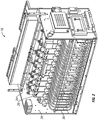
Fig. 2 provides an isometric drawing of a carriage from the printer ofFig. 1 -
Fig. 3 provides a schematic diagram of the carriage ofFig. 2 -
Fig. 4 provides a schematic of the carriage ofFigs. 2 and3 engaged in the operation of jetting a composite light primary-color ink onto a substrate; -
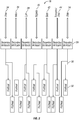
Fig. 5 provides a block diagram of a system for controlling lightness in colored inkjet inks by means of a transparent white ink composition; and -
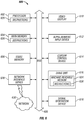
Fig. 6 provides a diagram of a machine in the exemplary form of a computer system within which a set of instructions, for causing the machine to perform any one of the methodologies discussed herein below, may be executed. - A transparent white ink composition is formulated to brighten, lighten and or dilute full-tone primary inkjet colors: cyan; magenta; yellow and black, eliminating the need for 'light ink' primary color inks. The transparent white ink is jetted concurrently with reduced amounts of full-tone inks in lighter tonal areas conventionally supported by 'light ink' primary inks. Printing 'light ink' primary colors using a transparent white ink composition may reduce the number of print channels needed to print all four primary colors and the four 'light ink' primary colors. Embodiments of the transparent white ink composition may be solvent- or water-based, drying by evaporation of the carrier fluid. Radiation-curable ink compositions are used. An inkjet printer includes print carriage and print head assemblies configured for jetting a primary color ink and the transparent white ink in the same pass in correct proportions to achieve a desired effect.
- In an embodiment, a conventional inkjet printer may be used in the compositing of transparent white ink with primary color inks to produce light primary color inks. For example, United States patent no.
7,600,867 describes a grand format hybrid printer with which the principles described herein may be implemented. As in the '867 patent,Fig. 1 of the present application shows aprinting system 10 adapted for printing images on a variety of substrates. Typical substrates are polyvinyl chloride (PVC) and reinforced vinyl which can be provided with peal-off backings to expose pressure sensitive adhesive. Theprinting system 10 is able to print on flexible as well as on non-flexible substrates, for example, metals, glass, and plastics. The ink deposited on the substrate may be water or solvent based and is UV curable. That is, the inks may contain binders and colorants, as well as photo-initiators and surfactants. The surfactants are present in the ink to ensure that the ink is stable when in the liquid state. The binder generally consists of a blend of monomers and oligomers, and the photo-initiators are used to catalyze the polymerization reaction during which the monomers and/or oligomers are joined together to be become a polymeric binder. The polymerization generally occurs through a free-radical reaction process. When the energy from a UV source activates the photo-initiator, the photo-initiator generates free radicals which attack the double bonds in the monomer or oligomer to initiate polymerization to form a polymer chain. At this point, the binder is now a solid film of polymers that hold the colorant, which consists of pigments and/or dyes, to the substrate. - The
printing system 10 may include abase 12, atransport belt 14 which moves the substrate through the printing system, arail system 16 attached to thebase 12, and acarriage 18 coupled to therail system 16. Thecarriage 18 holds a series ofinkjet print heads 20 and one or more radiation sources, such as UV radiation sources, and may be attached to abelt 22 which wraps around a pair of pulleys (not shown) positioned on either end of therail system 16. A carriage motor is coupled to one of the pulleys and rotates the pulley during the printing process. As such, when the carriage motor causes the pulley to rotate, the carriage moves linearly back and forth along therail system 16. - United States Patent no.
7,090,327 includes one or more carriages, each of which holds a series of one or more print heads. The series of print heads receives one or more colored inks from a set of secondary ink containers which is also mounted to the carriage. In addition, a set of primary ink containers supply the inks to the secondary ink containers. In an embodiment, the series of print heads may actually be, for example, eight pairs of print heads, with each pair associated with one of the colored inks black (K), light black (LK), yellow (Y), light yellow (LY), cyan (C), light cyan (LC), magenta (M), and light magenta (LM). In other embodiments, the print heads may be associated with any colored ink. Additionally, there can be fewer than or more than 16 print heads. A primary ink container and a secondary ink container may supply a respective ink to only one print head or more than two print heads. - United States patent no.
7,673,965 describes an inkjet printer that includes one or more print head arrays that may be used to produce light primary colors that are composites of the transparent white ink and full-color primary color inks. As described in the '965 patent, an inkjet printer may include at least one print head array containing one or more print heads, each of which includes inkjet nozzles that may be individually controlled to eject a fluid onto a substrate. Fluids may be delivered to the print heads from a fluid reservoir system via conventional tubing systems, via channels that couple the print heads to the fluid reservoir system, or by other similar systems. Exemplary fluids that may be ejected by inkjet nozzles include colored inks, such as cyan, magenta, yellow or black ("CMYK") inks, as are commonly used in the printing industry. Colored inks also may include light cyan, light magenta, light yellow and light black - In view of the foregoing, it will be readily understand that a color channel includes at least primary and secondary ink containers, or other ink reservoirs, supply lines and print heads for delivering a single color to a substrate. For example, in a carriage that includes a pair of print heads for each color, a single color channel may include the pair of print heads for the color, the secondary and primary ink containers for the color and the tubing and plumbing required to deliver the ink to the print head and then to the substrate from the ink containers.
- Because the use of the transparent white ink to print light primary colors permits a significant reduction in the number of color channels required to render the light primary colors, it therefore frees a number of the channels in a carriage or a print head array for other uses. Thus, in one embodiment, the unused channels may be used for any combination of additional supporting colors or fluids such as clear gloss, clear matte, and an adhesion promoter. Additional colors may include one or more of red, blue, green, orange, white, gray, spot colors, and other similar colored inks. The inks may be solvent-based inks, dye sublimation inks, cationic inks, e-beam curable inks, or other similar inks. The inks are UV curable inks.
- In an embodiment, either of a print head array or a carriage may include curing stations attached to sides of the carriage or print head array to cure or dry fluids deposited by the print heads on the substrate during printing. The curing stations may include UV lamp systems, cold UV lamp systems, UV-LED lamp systems, infrared heat sources, e-beam lamp systems, hot air convection systems or other similar systems for curing or drying.
- As above, compositing light colors from a transparent white ink and primary color inks reduces the overall number of print channels required in a full-color inkjet printer. While the extra channels may be used to deliver additional liquids and ink colors, an embodiment eliminates the unneeded channels completely, allowing a significant reduction in design and manufacturing costs of an inkjet printer, with the result being a simpler print apparatus that is easier and less expensive to manufacture. Typically, the cost saving is achieved from elimination of the additional ink jet print heads, electronics supply systems and other hardware required to support the customary number of ink channels. The reduction in manufacturing cost may, of course, be ultimately passed on to end users. Thus, the cost to acquire and own an inkjet print apparatus that has the capability to render light primary colors using transparent white ink is significantly reduced.
- Additionally, the reduction in the number of ink channels may be achieved without sacrificing smooth color transitions, thus maintaining quality of final, printed image.
- Compositing light primary colors from transparent white ink provides a number of other advantages;
- The end user need inventory a smaller number of inks, for example, five inks instead of eight;
- Printing cost per surface unit is reduced, thus allowing the end user to compete more effectively with others in the same line of business;
- A broader range of colors is attainable. The use of the transparent white allows for the use of stronger saturated primary colors. With the use of stronger saturated primary inks in combination with the transparent white, the color gamut can be expanded into currently unattainable saturated areas as well as very light, clean-hue areas;
- In an embodiment, a user may "field upgrade" a printer equipped to print with the four primary colors and transparent white to a device having eight or more channels some time after initial purchase, allowing him or her to buy in at lower cost and upgrade to enhance print capabilities by using some combination of: orange, green, blue violet, red, blue, white, metallics, clear gloss, clear matte, adhesion promoter, and so on.
- As above a
print system 10 may include one ormore carriages 18, each carriage including a number of print heads 32. Referring now toFig. 2 , shown is a more detailed representation of thecarriage 18 shown inFig. 1 . In an embodiment, for each color channel, thecarriage 18 may have installed therein, at least onesecondary ink reservoir 26. Each secondary ink reservoir is in fluid communication with a primary ink reservoir (not shown) by means of at least onesolenoid valve 24. In turn, each secondary ink reservoir is in fluid communication with at least oneprint head 32 by means of at least onesecond solenoid valve 28 and at least oneliquid line 30. It will be appreciated that thecarriage 18 may provide as few as five color channels or up to ten, or even more channels.Fig. 3 , for example, shows an embodiment wherein thecarriage 18 includes a total of seven channels: two for opaque white 34, and one each for yellow 36,cyan 38,magenta 40, black 42 and transparent white 44. A fuller description of the carriage may be found in United States patent no.7,396,119 . - A transparent white ink is formulated to brighten, lighten and or dilute full-tone primary inkjet colors (cyan-magenta-yellow-black). An embodiment of a transparent white ink composition may be formulated according to methods and formulae described in United States patent application pub. no.
2011/0045199 . As described in the '199 publication, a radiation curable ink composition may comprise one or more of: - a dendritic or hyperbranched polyester acrylate component;
- an oligomer component;
- a monomer component;
- a photo-initiator component;
- a colorant component; and
- an additive component.
- In embodiments, the dendritic or hyperbranched polyester acrylate component may comprise 10-45% by weight of the ink compositions. In a further embodiment, the dendritic or hyperbranched polyester acrylate component may comprises 10-30% by weight of the ink compositions. In a still further embodiment, the dendritic or hyperbranched polyester acrylate component comprises 10-25% by weight of the ink compositions.
- In an embodiment, the dendritic or hyperbranched polyester acrylate in the component has a functionality of greater than 5. In other embodiments, the dendritic or hyperbranched polyester acrylate in the component has a functionality in the range of 6-12.
- The ink compositions comprise an oligomer component. In an embodiment, the amount of the oligomer component in the ink compositions may be 1-15% by weight, In an embodiment, the amount of the oligomer component may be 5-10% by weight. In an embodiment, the oligomer component may comprise at least one of:
- an acrylic oligomer;
- a urethane (meth)acrylate oligomer;
- a polyester based (meth)acrylate oligomer; and
- a polyether based (meth)acrylate oligomer and
- an epoxy (meth)acrylate oligomer.
- One of more embodiments use an oligomer component of low viscosity, low volatility, high reactivity, low glass transition temperature, and good adhesion to multiple substrates in the ink compositions. In an embodiment, the functionality of the oligomer component is not greater than 3. In an embodiment, the functionality of the oligomer component is not greater than 2. The low functionality contributes to more flexible ink compositions. An oligomer component combined with a hyperbranched polyester acrylate component can significantly improve ink adhesion to a wide range of substrates, including substrates that are difficult for radiation curable inkjet inks to adhere to, such as polyolefins.
- The ink composition may also comprise a monomer component. The amount of the monomer component in the ink composition may be 30-80% by weight in one embodiment. In one embodiment, the monomer component may be 30-60% by weight of the ink composition. The type and amount of monomer component is selected to offer good solvency to the dendritic or hyperbranched polyester acrylate component and the oligomer component in ink formulations, which dilutes the ink to a low viscosity. In an embodiment, the monomer component may have low glass transition temperature, which contributes to the flexibility of ink after curing. In an embodiment, the functionality of the monomer does not exceed 2 to create more flexible ink compositions.
- In one embodiment, the monomer component comprises both monofunctional and difunctional monomers.
- Examples of suitable mono-functional monomers include, but are not limited to, tetrahydrofurfuryl acrylate, tetrahydrofurfuryl methacrylate, vinyl caprolatam, isobornyl acrylate, isobornyl methacrylate, 2-phenoxyethyl acrylate, 2-phenoxyethyl methacrylate, 2-(2-ethoxyethoxy)ethyl acrylate, isooctyl acrylate, isodecyl acrylate, isodecyl methacrylate, lauryl acrylate, lauryl methacrylate, stearyl acrylate, stearyl methacrylate, cyclic trimethylolpropane formal acrylate, 3,3,5-trimethylcyclohexane acrylate, and monofunctional methoxylated PEG (350) acrylate, etc.
- Examples of suitable di-functional monomers include, but not are limited to, diacrylates or dimethacrylates of diols and polyetherdiols, such as propoxylated neopentyl glycol diacrylate, 1,6-hexanediol diacrylate, 1,6-hexanediol dimethacrylate, 1,3-butylene glycol diacrylate, 1,3-butylene glycol dimethacrylate 1,4-butanediol diacrylate, 1,4-butanediol dimethacrylate, alkoxylated aliphatic diacrylate (e.g. SR9209A from Sartomer®.), diethylene glycol diacrylate, diethylene glycol dimethacrylate, dipropylene glycol diacrylate, tripropylene glycol diacrylate, triethylene glycol dimethacrylate, and alkoxylated hexandiol diacrylates, e.g SR562, SR563, SR564 from Sartomer®.
- The ink composition may comprise a photo-initiator component. In the radiation curing process, the photo-initiator component initiates the curing in response to incident radiation. The amount of a photo-initiator component in the ink compositions may be 1-20% by weight. In an embodiment, the amount of photo-initiator component may be 5-15% by weight. The selection of the type of photo-initiator component in the ink compositions is generally dependent on the wavelength of curing radiation and the colorant employed in the ink compositions. In an embodiment, the peak absorption wavelengths of selected photo-initiator vary with the range of wavelength of curing radiation to effectively utilize radiation energy, especially using ultraviolet light as radiation.
- Examples of suitable photo-initiators include, but are not limited to, 1-hydroxycyclohexylphenyl ketone, 4-isopropylphenyl-2-hydroxy-2-methyl propan-1-one, 1-[4-(2-hydroxyethoxy)-phenyl]-2-hydroxy-2-methyl-1-propan-1-one, 2,2-dimethyl-2-hydroxy-acetophenone, 2,2-dimethoxy-2-phenylacetophenone, 2-hydroxy-2-methylpropionphenone, Diphenyl (2,4,6-trimethylbenzoyl) phosphine oxide, bis(2,6-dimethoxy-benzoyl)-2,4,6 trimethyl phenyl phosphine oxide, 2-methyl-1-1[4-(methylthio)phenyl]-2-morpholino-propan-1-one, 3,6-bis(2-methyl-2-morpholino-propionyl)-9-n-octylcarbazole, 2-benzyl-2-(dimethylamino)-1-(4-morpholinyl)phenyl)-1-butanone, benzophenone, 2,4,6-trimethylbenzophenone, isopropyl thioxanthone. Suitable blends of photo-initiators commercially available include, but are not limited to, those under the designations of Darocur 4265, Irgacure 2022, Irgacure 2100 from Ciba ® Specialty Chemicals; and Esacure KT37, Esacure KT55, Esacure KTO046 from Lamberti®.
- The photo-initiator component may further comprise a co-initiator. The amount of co-initiator component may be 0-15% by weight of the ink compositions, or, in at least one embodiment, 0-10% by weight of the ink compositions, or, in at least one embodiment, preferably 2-7% by weight of ink compositions. The co-initiator component is used to activate photo-initiators to initiate polymerization or is used to improve the surface curing of ink by mitigating oxygen inhibition to free radicals generated by photo-initiators. Examples of suitable co-initiators include, but are not limited to, those under the designations of CN386, CN384, and CN383 from Sartomer® and Ebecryl 7100 from Cytec® Surface Specialty.
- In an embodiment, the ink compositions further comprise an additive component. Various additives can be included in the ink compositions, including a surfactant, a leveling additive, or a stabilizer, and so on.
- A surfactant may be used to reduce the surface tension of the ink compositions to improve wetting property of the inks on substrates. The amount of surfactant in the ink compositions is 0.01-2% by weight, and preferably 0.05-0.5% by weight. It is preferred that the surfactant comprises at least one polysiloxane acrylate, also known as a silicone acrylate, which participates in the radiation curing process to be part of cured ink. Examples of a suitable surfactant include, but are not limited to, those under the designations of Tegorad 2200N, Tegorad 2100, and Tegorad 2300 from Goldschmidt® Chemical Corp., and BYK 377, BYK 3510, BYK 307, and BYK 330 from BYK Chemie®.
- A leveling additive may be used to improve the flowing property of ink to produce a more uniform surface of ink film. The amount of leveling agent in the in compositions is 0.1-2% by weight. Examples of suitable leveling agents include, but are not limited to, those under the designation of BYK 361N, BYK 353, and BYK 354 etc. from BYK Chemie®.
- A stabilizer may be used to improve shelf life and photolytic stability of ink compositions. Stabilizers in the ink compositions can include an ultraviolet light stabilizer, a free radical scavenger stabilizer, etc. Examples of ultraviolet light stabilizers include ultraviolet absorber stabilizer and hindered amine light stabilizer. These stabilizers are used to improve the outdoor durability and weatherability of cured ink. Commercially available ultraviolet light stabilizers include, but are not limited to, those under the designation of Tinuvin 460, Tinuvin 479, Tinuvin171, Tinuvin 928, Tinuvin123, and Tinuvin 292 from Ciba® Specialty Chemicals, etc. They can be present in the ink compositions in amounts of 0.01% -2% by weight, and more specifically 0.1%-1% by weight.
- A free radical scavenger stabilizer may be used to improve the stability of ink against heat. Examples of a free radical scavenger include, but are not limited to, hydroquinone, 4-methoxyphenol, hindered phenol, etc. The amount of free radial scavenger stabilizer can be present in ink compositions in 0.05-1% by weight, and more specifically 0.1-0.75% by weight. A small amount is preferably used in the ink compositions to minimize their interference with the radiation curing process.
- An exemplary opaque white ink formulation may contain a colorant component comprising a titanium dioxide based pigment in an amount at 5% by weight. An embodiment of the transparent white ink formulation may contain colorant at the amount 2.5% by weight, or less. In an embodiment, the colorant component may constitute 1.5% or less by weight.
- One skilled in the art will readily understand that the transparent character of the transparent white ink formulation is achieved through degrees of dilution of the colorant.
- In an embodiment, zinc oxide-based pigment is used instead of titanium dioxide. The zinc-oxide pigment offers the advantage of being inherently more transparent than the titanium-based pigment. The optical characteristics of the zinc oxide-based pigment allow formulation of the transparent white ink composition with greater amounts of colorant than with titanium dioxide-based pigment, thereby providing a salutary effect on the stability of the transparent white ink composition. During storage and during use, it is desirable to circulate the ink regularly in order to keep the colorant component in suspension.
- In an embodiment, the transparent white inkjet ink is jetted in the
same pass 50 of thecarriage 18 as the primary colors are jetted, as shown inFig. 4 . When being jetted with the transparentwhite ink 54, the amount of full-toneprimary ink 52 is reduced. The transparentwhite ink 54 is only jetted onto thesubstrate 46 concurrently with the full-toneprimary ink 52 in lighter tonal areas conventionally supported by light primary inkjet inks: light cyan; light magenta; light yellow and light black. - In an embodiment the
primary color 52 and the transparent white 54 are jetted onto the same area conventionally supported by light primary inkjet inks in succession, but with no curing in between the application of the two inks. As shown inFig. 4 , an embodiment of thecarriage 18 may include one ormore cure lamps 48. In an embodiment, theprimary color 52 is applied first. In a further embodiment, the transparent white 54 is applied first. - The end result of jetting of the primary 52 and transparent white 54 inks without curing between application of each is the mixing of the two inks on the
substrate 46 to produce a composite light primary color ink. - Following application of the two inks, the composite ink is cured or dried by means of a
cure lamp 48. - In an embodiment, the foregoing principles may be applied to the production of any sort of composite ink by jetting at least two inks onto the same region of the substrate without curing in between application of each ink. Application of the inks may either by concurrent or it the inks may be applied in rapid succession. The result of apply multiple inks to the same region of the substrate without curing in between application of each ink is that the inks combine on the substrate, blending to form a single, composite ink. Following application of the separate inks, the resulting composite ink may be cured as described herein above. Additionally, at least one of the substances may be a liquid other than an ink, such as a solvent, a surfactant or a drier.
- It is to be appreciated that the operations involved in compositing of transparent white ink and primary color inks to produce composite light primary color inks immediately upon the substrate are performed under the direction of a control means such as a raster image processor (RIP).
- As shown in
Fig. 5 , the system may include aprinting device 10 and acontroller 52. In an embodiment, thecontroller 56 may be a raster image processor (RIP) such as the FIERY raster image processor produced by ELECTRONICS FOR IMAGING, Inc. (Foster City, CA). In an embodiment, the RIP may be implemented as a firmware program executed on a processing element, such as a microprocessor, integrated with theinkjet printing device 10. In an embodiment, the RIP may be a stand-alone hardware RIP. In a still further embodiment, the RIP may be a software program operating on a server or a workstation, for example, a color management server, within a network of computing devices as described herein below in connection withFig. 6 . - Referring now to
Fig. 6 , shown is a diagrammatic representation of a machine in the exemplary form of acomputer system 600 within which a set of instructions for causing the machine to perform any one of the methodologies discussed herein may be executed. In alternative embodiments, the machine may comprise a network router, a network switch, a network bridge, personal digital assistant (PDA), a cellular telephone, a web appliance or any machine capable of executing a sequence of instructions that specify actions to be taken by that machine. - The
computer system 600 includes aprocessor 602, amain memory 604 and astatic memory 606, which communicate with each other via abus 608. Thecomputer system 600 may further include adisplay unit 610, for example, a liquid crystal display (LCD) or a cathode ray tube (CRT). Thecomputer system 600 also includes analphanumeric input device 612, for example, a keyboard; acursor control device 614, for example, a mouse; adisk drive unit 616, asignal generation device 618, for example, a speaker, and anetwork interface device 628. - The
disk drive unit 616 includes a non-transitory machine-readable medium 624 on which is stored a set of executable instructions, i.e. software, 626 embodying any one, or all, of the methodologies described herein. Thesoftware 626 is also shown to reside, completely or at least partially, within themain memory 604 and/or within theprocessor 602. Thesoftware 626 may further be transmitted or received over anetwork 630 by means of anetwork interface device 628. - In contrast to the
system 600 discussed above, a different embodiment uses logic circuitry instead of computer-executed instructions to implement processing the various methodologies herein described. Depending upon the particular requirements of the application in the areas of speed, expense, tooling costs, and the like, this logic may be implemented by constructing an application-specific integrated circuit (ASIC) having thousands of tiny integrated transistors. Such an ASIC may be implemented with CMOS (complimentary metal oxide semiconductor), TTL (transistor-transistor logic), VLSI (very large scale integration), or another suitable construction. Other alternatives include a digital signal processing chip (DSP), discrete circuitry (such as resistors, capacitors, diodes, inductors, and transistors), field programmable gate array (FPGA), programmable logic array (PLA), programmable logic device (PLD), and the like. - It is to be understood that embodiments of this invention may be used as or to support software programs executed upon some form of processing core (such as the Central Processing Unit of a computer) or otherwise implemented or realized upon or within a machine or computer readable medium. A machine-readable medium includes any mechanism for storing or transmitting information in a form readable by a machine, e.g. a computer. For example, a machine readable medium includes read-only memory (ROM); random access memory (RAM); magnetic disk storage media; optical storage media; flash memory devices; electrical, optical, acoustical or other form of propagated signals, for example, carrier waves, infrared signals, digital signals, etc.; or any other type of media suitable for storing or transmitting information.
- In the foregoing specification, the invention has been described with reference to specific exemplary embodiments thereof. It will, however, be evident that various modifications and changes may be made thereto without departing from the scope of the invention as set forth in the appended claims. The specification and drawings are, accordingly, to be regarded in an illustrative sense rather than a restrictive sense
Claims (14)
- An ultraviolet, UV, curable inkjet ink composition for delivery with a second UV curable inkjet ink, said UV curable inkjet ink composition comprising:one or more of:a dendritic or hyperbranched polyester acrylate component present in said UV curable inkjet ink composition in an amount of 10% to 45% by weight of said composition;an oligomer component present in said composition in an amount of 1% to 15% by weight of said UV curable inkjet ink composition;a monomer component present in said composition in an amount of 30% to 60% by weight of said UV curable inkjet ink composition; anda photo-initiator component present in said composition in an amount of 1% to 20% by weight of said UV curable inkjet ink composition; anda colorant component present in said UV curable inkjet ink composition in an amount of no greater than 5% by weight of said UV curable inkjet ink composition, said colorant comprising a white pigment, wherein the white pigment comprises zinc oxide;wherein said UV curable inkjet ink composition is configured for concurrent delivery and blending with said second UV curable inkjet ink before subsequent UV curing.
- The UV curable inkjet ink composition of Claim 1, further comprising an additive component, said additive component including at least one selected from a group comprising:at least one surfactant present in said UV curable inkjet ink composition in an amount of 0.01% to 2% by weight of said composition;at least one leveling additive present in said UV curable inkjet ink composition in an amount of 0.01% to 2% by weight of said composition; andat least one stabilizer present in said UV curable inkjet ink composition in an amount of 0.01% to 2% by weight of said composition.
- The UV curable inkjet ink composition of Claim 1, further comprising a co-initiator component present in said UV curable inkjet ink composition in an amount no greater than 15% by weight of said UV curable inkjet ink composition.
- A method for producing a composite lightened primary color UV curable inkjet ink comprising:jetting an amount of a first UV curable inkjet ink onto a predetermined region of a substrate;while said first UV curable inkjet ink remains uncured, jetting an amount of a second UV curable inkjet ink onto said predetermined region of said substrate;wherein said first UV curable inkjet ink is selected from a group comprising a primary color UV curable inkjet ink and a transparent white UV curable inkjet ink, said transparent white UV curable inkjet ink comprising one or more of:a dendritic or hyperbranched polyester acrylate component present in said UV curable inkjet ink composition in an amount of 10% to 45% by weight of said UV curable inkjet ink composition;an oligomer component present in said UV curable inkjet ink composition in an amount of 1% to 15% by weight of said UV curable inkjet ink composition;a monomer component present in said UV curable inkjet ink composition in an amount of 30% to 60% by weight of said UV curable inkjet ink composition;a photo-initiator component present in said UV curable inkjet ink composition in an amount of 1% to 20% by weight of said UV curable inkjet ink composition; anda colorant component present in said UV curable inkjet ink composition in an amount of no greater than 5% by weight of said UV curable inkjet ink composition, said colorant comprising a white pigment; andwherein said second UV curable inkjet ink comprises the remaining inkjet ink in said group after selection of said first UV curable inkjet ink; andwith a UV light source, curing said amounts of said first and second UV curable inkjet inks jetted onto said predetermined region;wherein blending of said first and second UV curable inkjet inks on said predetermined region in their uncured state produces a composite lightened primary color UV curable inkjet ink.
- The method of Claim 4, wherein said first UV curable inkjet ink comprises said primary color UV curable inkjet ink and wherein said second UV curable inkjet ink comprises said transparent white UV curable inkjet ink.
- The method of Claim 4, wherein said first UV curable inkjet ink comprises said transparent white UV curable inkjet ink and said second UV curable inkjet ink comprises said primary color UV curable inkjet ink.
- The method of Claim 4, wherein said primary color UV curable inkjet ink is selected from a group consisting of cyan, magenta, yellow and black UV curable inkjet inks.
- The method of Claim 4, wherein said amount of said transparent white UV curable inkjet ink is selected to lighten said primary color UV curable inkjet ink by a predetermined amount.
- The method of Claim 4, wherein said lightened primary color UV curable inkjet ink comprises a replacement for a pre-formulated light primary color UV curable inkjet ink.
- A method for producing a lightened primary color ultraviolet, UV, curable inkjet ink comprising:blending a primary color UV curable inkjet ink, and a transparent white UV curable inkjet ink as in any of Claims 1, 3, or 4, by jetting both UV curable inkjet inks onto a predetermined area of a substrate so that the two UV curable inkjet inks blend with each other in the predetermined area of the substrate, wherein said blended UV curable inkjet inks comprise a lightened primary color UV curable inkjet ink; andwith a UV light source, curing said blended UV curable inkjet inks.
- A system for producing a composite lightened primary color ultraviolet, UV, curable inkjet ink comprising:a plurality of UV curable inkjet inks, each of a different primary color;a transparent white UV curable inkjet ink as in any of Claims 1, 3, or 4;an inkjet printer (10) having a UV light source and a plurality of color channels;a controller (56) for said inkjet printer (10); andprogram code (626) for controlling said inkjet printer (10), which when executed by said controller (56) causes said inkjet printer (10) to perform computer-implemented operations including:allocating one of said plurality of color channels for delivery of said transparent white UV curable inkjet ink to a substrate;responsive to instructions from a page description to deliver a pre-formulated light UV curable inkjet ink of a predetermined primary color to a predetermined region of said substrate:jetting an amount of a first UV curable inkjet ink onto said predetermined region;while said first UV curable inkjet ink remains uncured, jetting an amount of a second UV curable inkjet ink onto said predetermined region of said substrate;wherein said UV curable first inkjet ink is selected from a group comprising the primary color UV curable inkjet ink specified by said page description and the transparent white UV curable inkjet ink and wherein said second UV curable inkjet ink comprises the remaining inkjet UV curable inkjet ink in said group after selection of said first UV curable inkjet ink; andwith said UV light source, curing said amounts of said first and second UV curable inkjet inks jetted onto said predetermined region;wherein blending of said first and second UV curable inkjet inks on said predetermined region in their uncured state produces a lightened primary color UV curable inkjet ink that replaces said pre-formulated light UV curable inkjet ink specified by said page description.
- The system of Claim 11, wherein said first UV curable inkjet ink comprises said primary color UV curable inkjet ink and wherein said second UV curable inkjet ink comprises said transparent white UV curable inkjet ink.
- The system of Claim 11, wherein said first UV curable inkjet ink comprises said transparent white inkjet ink and said second UV curable inkjet ink comprises said primary color UV curable inkjet ink.
- The system of Claim 11, wherein said amount of said transparent white UV curable inkjet ink is selected to lighten said amount of primary color UV curable inkjet ink to a lightness equal to that of said pre-formulated light UV curable inkjet ink specified by said page description.
Applications Claiming Priority (2)
| Application Number | Priority Date | Filing Date | Title |
|---|---|---|---|
| US13/667,621 US9228104B2 (en) | 2012-11-02 | 2012-11-02 | Method and apparatus for controlling lightness in colored inkjet inks by means of a transparent white ink composition |
| PCT/US2013/067520 WO2014070899A1 (en) | 2012-11-02 | 2013-10-30 | A method and apparatus for controlling lightness in colored inkjet inks by means of a transparent white ink composition |
Publications (3)
| Publication Number | Publication Date |
|---|---|
| EP2914435A1 EP2914435A1 (en) | 2015-09-09 |
| EP2914435A4 EP2914435A4 (en) | 2016-06-22 |
| EP2914435B1 true EP2914435B1 (en) | 2021-04-14 |
Family
ID=50621951
Family Applications (1)
| Application Number | Title | Priority Date | Filing Date |
|---|---|---|---|
| EP13851919.4A Active EP2914435B1 (en) | 2012-11-02 | 2013-10-30 | A method and apparatus for controlling lightness in colored inkjet inks by means of a transparent white ink composition |
Country Status (5)
| Country | Link |
|---|---|
| US (4) | US9228104B2 (en) |
| EP (1) | EP2914435B1 (en) |
| CN (1) | CN104884262B (en) |
| BR (1) | BR112015009695B1 (en) |
| WO (1) | WO2014070899A1 (en) |
Families Citing this family (21)
| Publication number | Priority date | Publication date | Assignee | Title |
|---|---|---|---|---|
| US9336473B2 (en) | 2014-09-11 | 2016-05-10 | Electronics For Imaging, Inc. | Virtual ink channels |
| US9751326B2 (en) * | 2015-02-12 | 2017-09-05 | Xerox Corporation | Hyperbranched ink compositions for controlled dimensional change and low energy curing |
| JP2016215440A (en) * | 2015-05-18 | 2016-12-22 | 東洋インキScホールディングス株式会社 | Printing method, manufacturing method of printed matter, printed mater, and ink set |
| PL3769965T3 (en) | 2015-08-14 | 2024-12-16 | M&R Printing Equipment, Inc. | HYBRID PRINTING MACHINE FOR SCREEN PRINTING AND DIRECT PRINTING ON GARMENTS |
| WO2017064514A1 (en) | 2015-10-16 | 2017-04-20 | Oxford University Innovation Limited | Microfluidic arrangements |
| GB201518392D0 (en) * | 2015-10-16 | 2015-12-02 | Isis Innovation | Microfluidic arrangements |
| GB201614150D0 (en) | 2016-08-18 | 2016-10-05 | Univ Oxford Innovation Ltd | Microfluidic arrangements |
| ES2632992B1 (en) * | 2016-03-15 | 2018-06-08 | Kao Corporation | Procedure for manufacturing an inkjet digital printing ink and inkjet digital printing ink obtained |
| WO2017160740A1 (en) * | 2016-03-17 | 2017-09-21 | Avery Dennison Corporation | Ink jet print method with integrated spot color and process color |
| AU2017299466B2 (en) | 2016-07-18 | 2022-07-14 | Merit Medical Systems, Inc. | Inflatable radial artery compression device |
| EP3481309A4 (en) * | 2016-09-15 | 2020-04-01 | Merit Medical Systems, Inc. | Method of manufacturing an inflatable compression device |
| JP7458319B2 (en) | 2017-11-03 | 2024-03-29 | メリット・メディカル・システムズ・インコーポレイテッド | Hemostatic devices and methods of use |
| CN108559370B (en) * | 2017-12-26 | 2021-04-13 | 杭州科望特种油墨有限公司 | UV curing coating with formaldehyde removing function, formaldehyde removing product produced by using UV curing coating and method |
| JP2021515654A (en) | 2018-03-09 | 2021-06-24 | メリット・メディカル・システムズ・インコーポレイテッドMerit Medical Systems,Inc. | Ultrasound-compatible inflatable vascular compression and related systems and methods |
| EP3748943A1 (en) * | 2019-06-07 | 2020-12-09 | Jesús Francisco Barberan Latorre | Method and machine for digital printing with neutral colors |
| CN112677658A (en) * | 2019-10-17 | 2021-04-20 | 星云电脑股份有限公司 | Ink jet device capable of switching position |
| US11077676B2 (en) | 2019-10-18 | 2021-08-03 | M&R Printing Equipment, Inc. | Digital-to-garment inkjet printing machine |
| US12330438B2 (en) | 2019-10-18 | 2025-06-17 | M&R Printing Equipment, Inc. | Digital-to-garment inkjet printing machine |
| CN111560779A (en) * | 2020-06-22 | 2020-08-21 | 深圳诚拓数码设备有限公司 | Ink-jet printing method |
| CN114566558A (en) * | 2021-03-22 | 2022-05-31 | 北京劲吾新能源科技有限公司 | Manufacturing method for controlling color depth of color photovoltaic module |
| US12049075B2 (en) | 2021-12-10 | 2024-07-30 | Electronics For Imaging, Inc. | Thermal transformative variable gloss control |
Family Cites Families (24)
| Publication number | Priority date | Publication date | Assignee | Title |
|---|---|---|---|---|
| JPS59115853A (en) | 1982-12-23 | 1984-07-04 | Sharp Corp | Ink jet recording apparatus |
| EP1152017A4 (en) * | 1999-05-25 | 2004-12-15 | Seiko Epson Corp | WATER REPELLENT, INK, REACTIVE LIQUID, AND METHOD FOR INK JET PRINTING WITH TWO LIQUIDS |
| AU8025200A (en) | 1999-10-15 | 2001-04-30 | Cv Us, Inc. | Method and system for printing using semi-transparent inks |
| US7073901B2 (en) | 2001-04-13 | 2006-07-11 | Electronics For Imaging, Inc. | Radiation treatment for ink jet fluids |
| WO2003057787A1 (en) * | 2002-01-08 | 2003-07-17 | Ricoh Company Ltd. | Ink set, ink-jet recording method, and recorder |
| JP4214729B2 (en) * | 2002-07-25 | 2009-01-28 | コニカミノルタホールディングス株式会社 | Curable white ink composition |
| US7090327B1 (en) | 2002-10-03 | 2006-08-15 | Electronics For Imaging, Inc. | Water-based ink jet printer |
| JP4561031B2 (en) * | 2002-11-27 | 2010-10-13 | コニカミノルタホールディングス株式会社 | Actinic ray curable inkjet solventless ink and image forming method |
| JP2005288886A (en) * | 2004-03-31 | 2005-10-20 | Mitsubishi Paper Mills Ltd | Inkjet recording material |
| EP1617326A1 (en) | 2004-07-14 | 2006-01-18 | Sap Ag | Technique for handling hierarchical application data |
| US20060158481A1 (en) * | 2005-01-19 | 2006-07-20 | Vutek, Incorporated | Method and system for multi-channel ink-jet printing |
| JP4715275B2 (en) * | 2005-03-30 | 2011-07-06 | セイコーエプソン株式会社 | Method for producing white pigment for aqueous ink, white pigment for aqueous ink |
| US7673965B2 (en) | 2006-06-22 | 2010-03-09 | Electronics For Imaging, Inc. | Apparatus and methods for full-width wide format inkjet printing |
| US20080090929A1 (en) | 2006-10-13 | 2008-04-17 | Hexion Specialty Chemicals, Inc. | Ink compositions and methods of use thereof |
| DE602006013855D1 (en) | 2006-12-21 | 2010-06-02 | Agfa Graphics Nv | Inkjet printing processes and ink sets |
| CN101153127A (en) * | 2007-09-06 | 2008-04-02 | 湖南阳光新材料有限公司 | White composition capable of solidifying by ultraviolet light |
| ES2400839T3 (en) * | 2007-10-24 | 2013-04-12 | Agfa Graphics Nv | Enhanced white injection ink for dispersion stability |
| JP2009269397A (en) * | 2008-02-29 | 2009-11-19 | Seiko Epson Corp | Method of forming opaque layer, recording method, ink set, ink cartridge, and recording apparatus |
| JP5064277B2 (en) * | 2008-03-25 | 2012-10-31 | 富士フイルム株式会社 | Image forming method and image forming apparatus |
| JP5434015B2 (en) * | 2008-08-27 | 2014-03-05 | セイコーエプソン株式会社 | Printing device |
| US8380639B2 (en) | 2009-07-06 | 2013-02-19 | Microsoft Corporation | One-way public relationships |
| US8889232B2 (en) | 2009-08-20 | 2014-11-18 | Electronics For Imaging, Inc. | Radiation curable ink compositions |
| JP2011219648A (en) * | 2010-04-12 | 2011-11-04 | Seiko Epson Corp | Photo-curable ink composition for inkjet recording, and inkjet recording method and recorded matter |
| US8939536B2 (en) * | 2012-05-02 | 2015-01-27 | Xerox Corporation | Method and system for aligning printheads that eject clear ink in an inkjet printer |
-
2012
- 2012-11-02 US US13/667,621 patent/US9228104B2/en active Active
-
2013
- 2013-10-30 WO PCT/US2013/067520 patent/WO2014070899A1/en not_active Ceased
- 2013-10-30 EP EP13851919.4A patent/EP2914435B1/en active Active
- 2013-10-30 BR BR112015009695-6A patent/BR112015009695B1/en active IP Right Grant
- 2013-10-30 CN CN201380069172.8A patent/CN104884262B/en not_active Expired - Fee Related
-
2015
- 2015-12-31 US US14/986,087 patent/US20160194510A1/en not_active Abandoned
-
2018
- 2018-01-26 US US15/881,657 patent/US10570303B2/en active Active
-
2020
- 2020-02-10 US US16/786,869 patent/US20200248025A1/en not_active Abandoned
Non-Patent Citations (1)
| Title |
|---|
| None * |
Also Published As
| Publication number | Publication date |
|---|---|
| BR112015009695B1 (en) | 2022-02-22 |
| US20200248025A1 (en) | 2020-08-06 |
| US10570303B2 (en) | 2020-02-25 |
| US20180148592A1 (en) | 2018-05-31 |
| US9228104B2 (en) | 2016-01-05 |
| BR112015009695A2 (en) | 2017-07-04 |
| EP2914435A1 (en) | 2015-09-09 |
| WO2014070899A1 (en) | 2014-05-08 |
| CN104884262B (en) | 2017-11-03 |
| WO2014070899A4 (en) | 2014-07-03 |
| US20140125718A1 (en) | 2014-05-08 |
| CN104884262A (en) | 2015-09-02 |
| US20160194510A1 (en) | 2016-07-07 |
| EP2914435A4 (en) | 2016-06-22 |
Similar Documents
| Publication | Publication Date | Title |
|---|---|---|
| US10570303B2 (en) | Method and apparatus for controlling lightness in colored inkjet inks by means of a transparent white ink composition | |
| EP2568020B1 (en) | Ink set for forming multiple layers, ink jet recording method, and printed material | |
| EP2636709B1 (en) | Actinic radiation-curing type ink set, inkjet recording method, and printed material | |
| JP5425241B2 (en) | Multi-layer forming ink set, inkjet recording method, and printed matter | |
| EP2445722B2 (en) | Printing method | |
| EP2772519A1 (en) | Ink for active energy ray-curable inkjet recording | |
| JP6126378B2 (en) | UV-LED photocurable ink composition for inkjet printing | |
| JP4967310B2 (en) | Active energy ray-curable ink jet recording ink | |
| US10081210B2 (en) | Multi-pass ink-jet printing method wherein ink is exposed to actinic radiation in a specific order | |
| EP3124560B1 (en) | Active energy ray-curable inkjet ink composition | |
| US7064153B2 (en) | UV cure ink jet ink with low monofunctional monomer content | |
| WO2009111731A1 (en) | Ink jet printing on a nonabsorbent substrate | |
| EP4061895B1 (en) | Printing ink | |
| JP2017206005A (en) | Liquid discharge device, treatment method, and control program of liquid discharge device | |
| US7105585B2 (en) | UV cure ink jet ink for nonporous substrates | |
| US12359082B2 (en) | Method of inkjet printing | |
| GB2569628A (en) | A printing ink |
Legal Events
| Date | Code | Title | Description |
|---|---|---|---|
| PUAI | Public reference made under article 153(3) epc to a published international application that has entered the european phase |
Free format text: ORIGINAL CODE: 0009012 |
|
| 17P | Request for examination filed |
Effective date: 20150430 |
|
| AK | Designated contracting states |
Kind code of ref document: A1 Designated state(s): AL AT BE BG CH CY CZ DE DK EE ES FI FR GB GR HR HU IE IS IT LI LT LU LV MC MK MT NL NO PL PT RO RS SE SI SK SM TR |
|
| AX | Request for extension of the european patent |
Extension state: BA ME |
|
| DAX | Request for extension of the european patent (deleted) | ||
| RA4 | Supplementary search report drawn up and despatched (corrected) |
Effective date: 20160523 |
|
| RIC1 | Information provided on ipc code assigned before grant |
Ipc: C09D 11/322 20140101ALI20160517BHEP Ipc: C09D 11/40 20140101ALI20160517BHEP Ipc: C09D 11/101 20140101ALI20160517BHEP Ipc: B41J 2/21 20060101AFI20160517BHEP |
|
| STAA | Information on the status of an ep patent application or granted ep patent |
Free format text: STATUS: EXAMINATION IS IN PROGRESS |
|
| 17Q | First examination report despatched |
Effective date: 20180906 |
|
| GRAP | Despatch of communication of intention to grant a patent |
Free format text: ORIGINAL CODE: EPIDOSNIGR1 |
|
| STAA | Information on the status of an ep patent application or granted ep patent |
Free format text: STATUS: GRANT OF PATENT IS INTENDED |
|
| INTG | Intention to grant announced |
Effective date: 20201028 |
|
| GRAS | Grant fee paid |
Free format text: ORIGINAL CODE: EPIDOSNIGR3 |
|
| GRAA | (expected) grant |
Free format text: ORIGINAL CODE: 0009210 |
|
| STAA | Information on the status of an ep patent application or granted ep patent |
Free format text: STATUS: THE PATENT HAS BEEN GRANTED |
|
| AK | Designated contracting states |
Kind code of ref document: B1 Designated state(s): AL AT BE BG CH CY CZ DE DK EE ES FI FR GB GR HR HU IE IS IT LI LT LU LV MC MK MT NL NO PL PT RO RS SE SI SK SM TR |
|
| REG | Reference to a national code |
Ref country code: GB Ref legal event code: FG4D |
|
| REG | Reference to a national code |
Ref country code: CH Ref legal event code: EP |
|
| REG | Reference to a national code |
Ref country code: DE Ref legal event code: R096 Ref document number: 602013076930 Country of ref document: DE |
|
| REG | Reference to a national code |
Ref country code: IE Ref legal event code: FG4D |
|
| REG | Reference to a national code |
Ref country code: AT Ref legal event code: REF Ref document number: 1382002 Country of ref document: AT Kind code of ref document: T Effective date: 20210515 |
|
| REG | Reference to a national code |
Ref country code: LT Ref legal event code: MG9D |
|
| REG | Reference to a national code |
Ref country code: AT Ref legal event code: MK05 Ref document number: 1382002 Country of ref document: AT Kind code of ref document: T Effective date: 20210414 |
|
| REG | Reference to a national code |
Ref country code: NL Ref legal event code: MP Effective date: 20210414 |
|
| PG25 | Lapsed in a contracting state [announced via postgrant information from national office to epo] |
Ref country code: NL Free format text: LAPSE BECAUSE OF FAILURE TO SUBMIT A TRANSLATION OF THE DESCRIPTION OR TO PAY THE FEE WITHIN THE PRESCRIBED TIME-LIMIT Effective date: 20210414 Ref country code: LT Free format text: LAPSE BECAUSE OF FAILURE TO SUBMIT A TRANSLATION OF THE DESCRIPTION OR TO PAY THE FEE WITHIN THE PRESCRIBED TIME-LIMIT Effective date: 20210414 Ref country code: FI Free format text: LAPSE BECAUSE OF FAILURE TO SUBMIT A TRANSLATION OF THE DESCRIPTION OR TO PAY THE FEE WITHIN THE PRESCRIBED TIME-LIMIT Effective date: 20210414 Ref country code: AT Free format text: LAPSE BECAUSE OF FAILURE TO SUBMIT A TRANSLATION OF THE DESCRIPTION OR TO PAY THE FEE WITHIN THE PRESCRIBED TIME-LIMIT Effective date: 20210414 Ref country code: BG Free format text: LAPSE BECAUSE OF FAILURE TO SUBMIT A TRANSLATION OF THE DESCRIPTION OR TO PAY THE FEE WITHIN THE PRESCRIBED TIME-LIMIT Effective date: 20210714 Ref country code: HR Free format text: LAPSE BECAUSE OF FAILURE TO SUBMIT A TRANSLATION OF THE DESCRIPTION OR TO PAY THE FEE WITHIN THE PRESCRIBED TIME-LIMIT Effective date: 20210414 |
|
| PG25 | Lapsed in a contracting state [announced via postgrant information from national office to epo] |
Ref country code: LV Free format text: LAPSE BECAUSE OF FAILURE TO SUBMIT A TRANSLATION OF THE DESCRIPTION OR TO PAY THE FEE WITHIN THE PRESCRIBED TIME-LIMIT Effective date: 20210414 Ref country code: GR Free format text: LAPSE BECAUSE OF FAILURE TO SUBMIT A TRANSLATION OF THE DESCRIPTION OR TO PAY THE FEE WITHIN THE PRESCRIBED TIME-LIMIT Effective date: 20210715 Ref country code: IS Free format text: LAPSE BECAUSE OF FAILURE TO SUBMIT A TRANSLATION OF THE DESCRIPTION OR TO PAY THE FEE WITHIN THE PRESCRIBED TIME-LIMIT Effective date: 20210814 Ref country code: RS Free format text: LAPSE BECAUSE OF FAILURE TO SUBMIT A TRANSLATION OF THE DESCRIPTION OR TO PAY THE FEE WITHIN THE PRESCRIBED TIME-LIMIT Effective date: 20210414 Ref country code: SE Free format text: LAPSE BECAUSE OF FAILURE TO SUBMIT A TRANSLATION OF THE DESCRIPTION OR TO PAY THE FEE WITHIN THE PRESCRIBED TIME-LIMIT Effective date: 20210414 Ref country code: NO Free format text: LAPSE BECAUSE OF FAILURE TO SUBMIT A TRANSLATION OF THE DESCRIPTION OR TO PAY THE FEE WITHIN THE PRESCRIBED TIME-LIMIT Effective date: 20210714 Ref country code: PT Free format text: LAPSE BECAUSE OF FAILURE TO SUBMIT A TRANSLATION OF THE DESCRIPTION OR TO PAY THE FEE WITHIN THE PRESCRIBED TIME-LIMIT Effective date: 20210816 Ref country code: PL Free format text: LAPSE BECAUSE OF FAILURE TO SUBMIT A TRANSLATION OF THE DESCRIPTION OR TO PAY THE FEE WITHIN THE PRESCRIBED TIME-LIMIT Effective date: 20210414 Ref country code: ES Free format text: LAPSE BECAUSE OF FAILURE TO SUBMIT A TRANSLATION OF THE DESCRIPTION OR TO PAY THE FEE WITHIN THE PRESCRIBED TIME-LIMIT Effective date: 20210414 |
|
| REG | Reference to a national code |
Ref country code: DE Ref legal event code: R097 Ref document number: 602013076930 Country of ref document: DE |
|
| PG25 | Lapsed in a contracting state [announced via postgrant information from national office to epo] |
Ref country code: RO Free format text: LAPSE BECAUSE OF FAILURE TO SUBMIT A TRANSLATION OF THE DESCRIPTION OR TO PAY THE FEE WITHIN THE PRESCRIBED TIME-LIMIT Effective date: 20210414 Ref country code: SM Free format text: LAPSE BECAUSE OF FAILURE TO SUBMIT A TRANSLATION OF THE DESCRIPTION OR TO PAY THE FEE WITHIN THE PRESCRIBED TIME-LIMIT Effective date: 20210414 Ref country code: SK Free format text: LAPSE BECAUSE OF FAILURE TO SUBMIT A TRANSLATION OF THE DESCRIPTION OR TO PAY THE FEE WITHIN THE PRESCRIBED TIME-LIMIT Effective date: 20210414 Ref country code: DK Free format text: LAPSE BECAUSE OF FAILURE TO SUBMIT A TRANSLATION OF THE DESCRIPTION OR TO PAY THE FEE WITHIN THE PRESCRIBED TIME-LIMIT Effective date: 20210414 Ref country code: CZ Free format text: LAPSE BECAUSE OF FAILURE TO SUBMIT A TRANSLATION OF THE DESCRIPTION OR TO PAY THE FEE WITHIN THE PRESCRIBED TIME-LIMIT Effective date: 20210414 Ref country code: EE Free format text: LAPSE BECAUSE OF FAILURE TO SUBMIT A TRANSLATION OF THE DESCRIPTION OR TO PAY THE FEE WITHIN THE PRESCRIBED TIME-LIMIT Effective date: 20210414 |
|
| PLBE | No opposition filed within time limit |
Free format text: ORIGINAL CODE: 0009261 |
|
| STAA | Information on the status of an ep patent application or granted ep patent |
Free format text: STATUS: NO OPPOSITION FILED WITHIN TIME LIMIT |
|
| 26N | No opposition filed |
Effective date: 20220117 |
|
| REG | Reference to a national code |
Ref country code: DE Ref legal event code: R081 Ref document number: 602013076930 Country of ref document: DE Owner name: ELECTRONICS FOR IMAGING, INC., FREMONT, US Free format text: FORMER OWNER: ELECTRONICS FOR IMAGING, INC., FREMONT, CALIF., US |
|
| REG | Reference to a national code |
Ref country code: CH Ref legal event code: PL |
|
| PG25 | Lapsed in a contracting state [announced via postgrant information from national office to epo] |
Ref country code: IS Free format text: LAPSE BECAUSE OF FAILURE TO SUBMIT A TRANSLATION OF THE DESCRIPTION OR TO PAY THE FEE WITHIN THE PRESCRIBED TIME-LIMIT Effective date: 20210814 Ref country code: AL Free format text: LAPSE BECAUSE OF FAILURE TO SUBMIT A TRANSLATION OF THE DESCRIPTION OR TO PAY THE FEE WITHIN THE PRESCRIBED TIME-LIMIT Effective date: 20210414 |
|
| REG | Reference to a national code |
Ref country code: BE Ref legal event code: MM Effective date: 20211031 |
|
| PG25 | Lapsed in a contracting state [announced via postgrant information from national office to epo] |
Ref country code: MC Free format text: LAPSE BECAUSE OF FAILURE TO SUBMIT A TRANSLATION OF THE DESCRIPTION OR TO PAY THE FEE WITHIN THE PRESCRIBED TIME-LIMIT Effective date: 20210414 |
|
| PG25 | Lapsed in a contracting state [announced via postgrant information from national office to epo] |
Ref country code: LU Free format text: LAPSE BECAUSE OF NON-PAYMENT OF DUE FEES Effective date: 20211030 Ref country code: IT Free format text: LAPSE BECAUSE OF FAILURE TO SUBMIT A TRANSLATION OF THE DESCRIPTION OR TO PAY THE FEE WITHIN THE PRESCRIBED TIME-LIMIT Effective date: 20210414 Ref country code: BE Free format text: LAPSE BECAUSE OF NON-PAYMENT OF DUE FEES Effective date: 20211031 |
|
| PG25 | Lapsed in a contracting state [announced via postgrant information from national office to epo] |
Ref country code: LI Free format text: LAPSE BECAUSE OF NON-PAYMENT OF DUE FEES Effective date: 20211031 Ref country code: CH Free format text: LAPSE BECAUSE OF NON-PAYMENT OF DUE FEES Effective date: 20211031 |
|
| PG25 | Lapsed in a contracting state [announced via postgrant information from national office to epo] |
Ref country code: FR Free format text: LAPSE BECAUSE OF NON-PAYMENT OF DUE FEES Effective date: 20211031 |
|
| PG25 | Lapsed in a contracting state [announced via postgrant information from national office to epo] |
Ref country code: IE Free format text: LAPSE BECAUSE OF NON-PAYMENT OF DUE FEES Effective date: 20211030 |
|
| PG25 | Lapsed in a contracting state [announced via postgrant information from national office to epo] |
Ref country code: HU Free format text: LAPSE BECAUSE OF FAILURE TO SUBMIT A TRANSLATION OF THE DESCRIPTION OR TO PAY THE FEE WITHIN THE PRESCRIBED TIME-LIMIT; INVALID AB INITIO Effective date: 20131030 |
|
| PG25 | Lapsed in a contracting state [announced via postgrant information from national office to epo] |
Ref country code: CY Free format text: LAPSE BECAUSE OF FAILURE TO SUBMIT A TRANSLATION OF THE DESCRIPTION OR TO PAY THE FEE WITHIN THE PRESCRIBED TIME-LIMIT Effective date: 20210414 |
|
| P01 | Opt-out of the competence of the unified patent court (upc) registered |
Effective date: 20230526 |
|
| PGFP | Annual fee paid to national office [announced via postgrant information from national office to epo] |
Ref country code: GB Payment date: 20230907 Year of fee payment: 11 |
|
| PGFP | Annual fee paid to national office [announced via postgrant information from national office to epo] |
Ref country code: DE Payment date: 20230906 Year of fee payment: 11 |
|
| PG25 | Lapsed in a contracting state [announced via postgrant information from national office to epo] |
Ref country code: MK Free format text: LAPSE BECAUSE OF FAILURE TO SUBMIT A TRANSLATION OF THE DESCRIPTION OR TO PAY THE FEE WITHIN THE PRESCRIBED TIME-LIMIT Effective date: 20210414 |
|
| PG25 | Lapsed in a contracting state [announced via postgrant information from national office to epo] |
Ref country code: TR Free format text: LAPSE BECAUSE OF FAILURE TO SUBMIT A TRANSLATION OF THE DESCRIPTION OR TO PAY THE FEE WITHIN THE PRESCRIBED TIME-LIMIT Effective date: 20210414 |
|
| PG25 | Lapsed in a contracting state [announced via postgrant information from national office to epo] |
Ref country code: MT Free format text: LAPSE BECAUSE OF FAILURE TO SUBMIT A TRANSLATION OF THE DESCRIPTION OR TO PAY THE FEE WITHIN THE PRESCRIBED TIME-LIMIT Effective date: 20210414 |
|
| REG | Reference to a national code |
Ref country code: DE Ref legal event code: R119 Ref document number: 602013076930 Country of ref document: DE |
|
| GBPC | Gb: european patent ceased through non-payment of renewal fee |
Effective date: 20241030 |
|
| PG25 | Lapsed in a contracting state [announced via postgrant information from national office to epo] |
Ref country code: DE Free format text: LAPSE BECAUSE OF NON-PAYMENT OF DUE FEES Effective date: 20250501 |
|
| PG25 | Lapsed in a contracting state [announced via postgrant information from national office to epo] |
Ref country code: GB Free format text: LAPSE BECAUSE OF NON-PAYMENT OF DUE FEES Effective date: 20241030 |