EP2914124B1 - Feed composition for fish - Google Patents
Feed composition for fish Download PDFInfo
- Publication number
- EP2914124B1 EP2914124B1 EP13803287.5A EP13803287A EP2914124B1 EP 2914124 B1 EP2914124 B1 EP 2914124B1 EP 13803287 A EP13803287 A EP 13803287A EP 2914124 B1 EP2914124 B1 EP 2914124B1
- Authority
- EP
- European Patent Office
- Prior art keywords
- fatty acids
- feed composition
- use according
- fish
- feed
- Prior art date
- Legal status (The legal status is an assumption and is not a legal conclusion. Google has not performed a legal analysis and makes no representation as to the accuracy of the status listed.)
- Active
Links
Images



Classifications
-
- A—HUMAN NECESSITIES
- A23—FOODS OR FOODSTUFFS; TREATMENT THEREOF, NOT COVERED BY OTHER CLASSES
- A23K—FODDER
- A23K10/00—Animal feeding-stuffs
- A23K10/20—Animal feeding-stuffs from material of animal origin
- A23K10/22—Animal feeding-stuffs from material of animal origin from fish
-
- A—HUMAN NECESSITIES
- A23—FOODS OR FOODSTUFFS; TREATMENT THEREOF, NOT COVERED BY OTHER CLASSES
- A23K—FODDER
- A23K50/00—Feeding-stuffs specially adapted for particular animals
- A23K50/80—Feeding-stuffs specially adapted for particular animals for aquatic animals, e.g. fish, crustaceans or molluscs
-
- A—HUMAN NECESSITIES
- A23—FOODS OR FOODSTUFFS; TREATMENT THEREOF, NOT COVERED BY OTHER CLASSES
- A23K—FODDER
- A23K20/00—Accessory food factors for animal feeding-stuffs
- A23K20/10—Organic substances
- A23K20/158—Fatty acids; Fats; Products containing oils or fats
-
- A—HUMAN NECESSITIES
- A61—MEDICAL OR VETERINARY SCIENCE; HYGIENE
- A61P—SPECIFIC THERAPEUTIC ACTIVITY OF CHEMICAL COMPOUNDS OR MEDICINAL PREPARATIONS
- A61P9/00—Drugs for disorders of the cardiovascular system
- A61P9/10—Drugs for disorders of the cardiovascular system for treating ischaemic or atherosclerotic diseases, e.g. antianginal drugs, coronary vasodilators, drugs for myocardial infarction, retinopathy, cerebrovascula insufficiency, renal arteriosclerosis
Definitions
- the present invention relates to a feed composition for fish comprising conventional feed ingredients such as proteins, lipids, vitamins, carbohydrates and minerals, for use in the prevention and/or treatment of Cardiomyopathy syndrome (CMS), Hepatic stenosis associated with CMS and/or to diseases caused by the Piscine Myocarditis Virus (PMCV).
- CMS Cardiomyopathy syndrome
- PMCV Piscine Myocarditis Virus
- CMS Cardiomyopathy syndrome
- PMCV piscine myocarditis virus
- CMS is characterized by severe inflammation and necrosis of the spongy myocardium of the atrium and ventricle, but liver may also be affected due to the circulatory disturbance associated with the heart lesions.
- Early stages of the disease have been reported in adult Atlantic salmon around 14 to 18 months after transfer to seawater. Mortality is usually moderate although, as this is a chronic disease developing over a period of several months, cumulative mortality can be relevant.
- the UK patent application GB2452363 describes an inactivated specific deposited virus that can be used in a vaccine against CMS.
- feed compositions that can alleviate, inhibit or treat CMS, liver steatosis and diseases caused by PMCV.
- feed compositions are normally termed functional feeds, and are defined as high-quality feeds that, beyond their nutritional composition, are formulated with health promoting features that could be beneficial in supporting disease resistance and mitigation of clinical disease symptoms.
- feed compositions for the prevention or the reduction of the symptoms caused by the Heart and Skeletal Muscle Inflammation (HSMI) disease in fish are known from WO 2011/031166 and WO 2009/108067 .
- an improved fatty acid profile i.e. an increased level of n-3 fatty acids in key tissues such as the heart may prevent and/or treat CMC, liver steatosis and diseases caused by PMCV. Further, we believe that reduced digestible energy and increased digestible protein will enhance the effects provided by the improved fatty acid profile.
- the present invention relates to a feed composition for fish for the prevention and/or treatment of Cardiomyopathy syndrome (CMS), liver steatosis or diseases caused by the Piscine Myocarditis Virus (PMCV) comprising conventional feed ingredients such as proteins, lipids, vitamins, carbohydrates and minerals, characterized in that the feed comprises fatty acids and that more than 20 % of the total fatty acids are n-3 fatty acids.
- CMS Cardiomyopathy syndrome
- PMCV Piscine Myocarditis Virus
- n-3 fatty acids In a preferred embodiment is more than 25% of the total fatty acids are n-3 fatty acids, and preferable more than 27% of the total fatty acids are n-3 fatty acids, preferable from 27 to 28%, more preferable from 27.5 to 27.8 %, of the total amount of fatty acids in the feed.
- I a preferred embodiment is the content of eicosapentaenoic acid 20:5 n-3 (EPA) more than about 7 % of the total fatty acids.
- eicosapentaenoic acid 20:5 n-3 EPA
- EPA eicosapentaenoic acid 20:5 n-3
- the proteins for more than 50 % (by weight) and the lipids account for less than 20 % (by weight, preferable about 18% of the feed composition.
- the protein:lipid ratio (w/w) in the feed higher than 2, preferably higher than 2.7, preferable at least2.8, and more preferable at least 2.9.
- n-6 fatty acids less than 8 % of the total fatty acids, preferably in the range of 6-8%, most preferably about 7%.
- n-3 fatty acids to n-6 fatty acids higher than 1.6, more preferable higher than 2.0, more preferable higher than 3.0, and most preferable in the range of 3.9 - 4.0.
- lipids South American Fish oil In a preferred embodiment is a portion of said lipids South American Fish oil.
- composition hydrolysed phospholipids.
- composition krill meal In a preferred embodiment comprises the composition krill meal.
- n-3 fatty acids is is substantially as indicated for CMS or CMS2 in table 1 or 2.
- eicosapentaenoic acid 20:5 n-3 is substantially as indicated for CMS or CMS2 in table 1 or 2.
- the fish a Salmonid, preferable Atlantic salmon (Salmo salar).
- the feed composition is for use in the prevention and/or treatment of Cardiomyopathy syndrome (CMS) in salmonids.
- CMS Cardiomyopathy syndrome
- the feed composition is for use in the prevention and/or treatment of liver steatosis in salmonids.
- the feed composition is for use in the prevention and/or treatment of diseases caused by the Piscine Myocarditis Virus (PMCV) is salmonids.
- PMCV Piscine Myocarditis Virus
- the feed composition according to any of above indicated features may be used in the manufacturing of a pharmaceutical composition and/or nutritional composition and/or functional feed for the prevention and/or treatment of Cardiomyopathy syndrome (CMS) or diseases caused by the Piscine Myocarditis Virus (PMCV) .
- CMS Cardiomyopathy syndrome
- PMCV Piscine Myocarditis Virus
- the fish a salmonid, flat fish or any other fish species suitable for aquaculture preferable the species Atlantic salmon (Salmo salar).
- CMS Cardiomyopathy syndrome
- PMCV Piscine Myocarditis Virus
- a preferred embodiment is the fish a Salmonid, preferable Atlantic salmon (Salmo salar).
- a preferred embodiment relates to the prevention and/or treatment of Cardiomyopathy syndrome (CMS) in salmonids.
- CMS Cardiomyopathy syndrome
- a preferred embodiment relates to the prevention and/or treatment of liver steatosis in salmonids.
- a preferred embodiment relates to the prevention and/or treatment of diseases caused by the Piscine Myocarditis Virus (PMCV) is salmonids.
- PMCV Piscine Myocarditis Virus
- Figure 1 shows the proportions of lipid classes in total lipid of heart tissue from fish fed the reference (REF) and functional (CMS 1 and CMS2) feeds at different times before (PreCh) and after (6, 8, 10, 12 and 14 weeks) infection with PMCV.
- PC phosphatidylcholine
- PE phosphatidylethanolamine
- PI phosphatidylinositol
- PS phosphatidylserine
- TAG triacylglycerol.
- Figure 2 shows the fatty acid compositions (percentage of total fatty acids) of total phospholipids of heart tissue from fish fed the reference (REF) and functional (CMS 1 and CMS2) feeds at different times before (PreCh) and after (6, 8, 10, 12 and 14 weeks) infection with PMCV.
- ARA arachidonic acid
- DHA docosahexaenoic acid
- EPA eicosapentaenoic acid
- PUFA polyunsaturated fatty acid.
- Figure 3 shows the average histoscores ( ⁇ SEM) of atrium and ventricle in the different dietary treatment groups at 6-, 8-, 10-, 12- and 14-weeks post-challenge
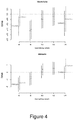
- Figure 4 shows the statistical analysis of the atrium and ventriculum histoscores. Estimated effects of CMS 1 and CMS2 diets in comparison to the REF diet by sampling weeks. Negative estimates mean there are lower scores and positive that there are higher scores than for the REF dietary group. Error bars denote approximate 95 % confidence limits.
- Figure 5 shows the statistical analysis of liver histoscores. Estimated effect of CMS1 and CMS2 diets in comparison to the REF diet by sampling weeks. Negative estimates means there are lower scores and positive that there are higher scores than for the REF dietary group. Error bars denote approximate 95 % confidence limits.
- the reference diet was essentially a standard, commercial formulation with 31 % lipid with the added oil being a blend of Northern hemisphere Fish oil (FO) and rapeseed oil.
- the two functional feeds (termed CMS 1 and CMS2) both contained high levels of the n-3 fatty acid EPA (almost 4%) and an n-3/n-6 PUFA ratio around 4, in comparison to the REF feed ( ⁇ 4 % EPA and an n-3/n-6 ratio of 1.4).
- the two functional feeds are termed CMS 1 and CMS2.
- the two functional feeds also contained a lower level of lipid (18 %) that was balanced by increased protein, provided by fishmeal and krill meal.
- the fish (non-vaccinated and HSMI-free) were transferred to challenge tanks (1 m 3 ) with the same rearing conditions as described above.
- challenge tanks (1 m 3 ) with the same rearing conditions as described above.
- a total of 576 fish, initial average weight 141.3 g ( ⁇ 3.30 g, standard error) were distributed into 12 tanks (4 tanks per dietary treatment with 48 fish/tank).
- the fish were acclimated for 2 weeks prior to challenge and were fed with the same diets during the acclimation period and throughout the period of the challenge (14 weeks) that they were fed prior to transfer. No previous diseases were described.
- the fish were sedated using Aqui-S at final concentration of 5 mg/L of isoeugenol, followed by anaesthesia in benzocaine (20 %, Benzoak ® ) using a final concentration of 30 ml/L.
- Two fish from each pre-challenge tank, 18 in total (n 6 per dietary treatment) were collected prior to challenge (0 time-point) and then 576 fish (as described above) were challenged by intramuscular injection of 0.1 ml PMCV inoculum on each side of the fish in the lateral muscle tissue beneath the dorsal fin (total, 0.2 ml per fish).
- the virus was originally isolated from heart tissue homogenate collected from a clinical outbreak of CMS and filtered through a 0.22- ⁇ m filter. Challenge of Atlantic salmon was performed using supernatant of GF-1 cell culture in which the virus was inoculated.
- Tank mean weights were determined at the start of the trial (day 0), challenge-day (day 92) and then at 6-, 8-, 10-, 12- and 14-weeks post-challenge.
- a linear mixed-effects model (multilevel model) was fitted between the response (weight) and predictor (diet) by allowing the intercepts and slopes of the time variable (day) to vary from tank to tank to account for the tank level correlations and variability in growth trajectories.
- the histological changes in heart were assessed as described. In brief, the inflammatory changes were evaluated separately for atrium and ventricle, and to the extent present, inflammatory scores of the epicardium were also recorded. Histological samples were collected to include atrium and ventricle in the same sample. Bulbus arteriosus was also included but was not assessed for histopathological changes. Samples were fixed in 10 % buffered formalin, embedded in paraffin wax and sectioned at 3 - 4 micron and stained with hematoxylin and eosin according to standard methods. All sections were evaluated randomly and without knowledge to which feeding group they belonged (double-blind).
- Liver steatosis scores were ranked according to a non-continuous score grade from 0 to 5 (Table 3). Briefly, a score of 0 indicated the formation of vacuoles in the cytoplasm, involving less than 10 % of the hepatocytes and including less than 25 % of the area of the individual hepatocytes. A score of 5 indicated formation of vacuoles in the cytoplasm, involving more than 90 % of the hepatocytes and including more than 80 % of the area of the individual hepatocytes. The initial "continuous" scores were converted to a fewer number of discrete scores (3 - 6 classes depending on the response).
- Scores were an ordinal response and a multilevel ordinal regression was used to analyse the effects of feeds on the scores. This was achieved with the ordinal package Sweave le processed by LATEX of the R language. Each of the scores was used as the response variable in separate analyses that had feed type (REF, CMS 1, CMS2) as the fixed effect term. Since multiple fish were examined from each replicate tank, a random effect of tank was added to the models. Table 3 Scoring system for liver steatosis in individual sections.
- vacuoles in the cytoplasm involving less than 10% of the hepatocytes and including less than 25% of the area of the individual hepatocytes 1 formation of vacuoles in the cytoplasm, involving less than 25% of the hepatocytes and including less than 25% of the area of the individual hepatocytes 2 formation of vacuoles in the cytoplasm, involving less than 50% of the hepatocytes and including less than 50% of the area of the individual hepatocytes 3 formation of vacuoles in the cytoplasm, involving less than 75% of the hepatocytes and including less than 75% of the area of the individual hepatocytes 4 formation of vacuoles in the cytoplasm, involving less than 90% of the hepatocytes and including less than 80% of the area of the individual hepatocytes 5 formation of vacuoles in the cytoplasm, involving more than 90% of the hepatocytes and including more than 80% of the area of the individual hepatocytes
- Lipid and fatty acid analyses were performed on the feeds and heart samples from all of the sampling points. Three pre-challenge heart samples per dietary treatment were randomly chosen for lipid analysis. Heart tissue from the post-challenge samples were pooled per tank so that heart tissue of five fish became a pool resulting in 4 pools/treatment/sampling point. Total lipid from each pool was extracted by homogenisation in chloroform/methanol (2:1, by volume) according to the method of Folch et al., and lipid content determined gravimetrically.
- Phospholipid (PL) fractions were prepared from 0.5 mg of total lipid by thin-layer chromatography. Samples were applied to a 20 x 20 cm silica gel 60 TLC plate (VWR, Lutterworth, Leics, UK), and developed in isohexane/diethyl ether/glacial acetic acid (80:20:1, by vol.). The plate was sprayed lightly with 2, 7, dichlorofluorescein (0.1 %, w/v) in 97 % methanol (v/v) and the PL band on the origin scraped from the plate.
- Fatty acid methyl esters were prepared by acid-catalysed transesterification directly on the silica by incubating in 2 ml of 1 % H 2 SO 4 in methanol at 50 °C overnight (Christie, 2003).
- the samples were neutralised with 2.5 ml of 2 % KHCO 3 and extracted twice with 5 ml isohexane/diethyl ether (1:1, v/v) + BHT and the combined extracts dried under a stream of oxygen-free nitrogen and resuspended in 0.3 ml isohexane prior to fatty acid analysis.
- FAME FAME were separated and quantified by GLC (Fisons 8160; Carlo Erba, Milan, Italy) using a 60 m x 0.32 mm x 0.25 ⁇ m film thickness capillary column (ZB-WAX; Phenomenex, Macclesfield, Cheshire, UK). Hydrogen was used as the carrier gas at a flow rate of 4.0 ml/min and the temperature programme was from 50 to 150 °C at 40 °C /min then to 195 °C at 2 °C /min and finally to 215 °C at 0.5 °C /min. Individual FAME were identified by comparison with well-characterised in-house standards as well as commercial FAME mixtures (Supelco TM FAME mix; Sigma-Aldrich Ltd, Gillingham, Dorset, UK).
- Tissue and diet lipid class compositions were determined by single-dimension double-development high-performance thin-layer chromatography (HPTLC) and densitometry as described previously (Bell et al., 1993). Significance of differences due to diet and time were determined by two-way ANOVA (p ⁇ 0.05) using the SPSS 19.0 statistical package (SPSS Inc., Chicago IL, USA).
- REF CMS1 CMS 2 PreCh 2.8 ⁇ 0.2 3.5 ⁇ 0.1 3.6 ⁇ 0.2 6-wpc 3.3 ⁇ 0.2 3.3 ⁇ 0.2 3.5 ⁇ 0.2 8-wpc 3.8 ⁇ 0.4 3.3 ⁇ 0.2 3.6 ⁇ 0.6 10-wpc 3.8 ⁇ 0.3 3.6 ⁇ 0.2 3.6 ⁇ 0.3 12-wpc 3.8 ⁇ 0.2 3.6 ⁇ 0.1 3.5 ⁇ 0.1 14-wpc 3.8 ⁇ 0.3 3.4 0.5 3.5 ⁇ 0.4
- PL total phospholipids
- PC phosphatidylcholine
- PE phosphatidylethanolamine
- TAG triacylglycerols
- the fatty acid compositions of total PL of heart tissue of fish fed the functional feeds were characterised by lower proportions of monoenes and n-6 PUFA, and higher proportions of saturated fatty acids, n-3 PUFA, LC-PUFA (ARA, EPA and DHA), and EPA/ARA ratio ( Figure 2 ).
- the two functional feeds presented similar levels in the relative proportions of the important LC-PUFA, ARA, EPA and DHA.
- heart tissue phospholipids showed proportions of the LC-PUFA relevant to eicosanoid pathways, and that could therefore potentially influence the immune response (Calder 2009b), that reflected the composition of the diets.
- liver histology scores based on the degree of steatosis were read as vacuole-formation in hepatocyte cytoplasm characterised by both micro- and macro-vesicular lesions. There were clear differences between the fish fed the functional feeds and fish fed the REF diet over all the samplings points post-challenge, with the latter group presenting higher micro- and macro-vesicular steatosis. Severity of the liver histopathology (based on the scoring system in Table 3) was significantly higher at the beginning of the infection and greater at the end of the challenge (12- and 14-wpc) in salmon fed the REF diet compared to fish fed the two functional feeds ( Figure 5 ).
- the PL class composition was also affected by the viral infection, with the main change being the significant decrease in the proportions of PI and PS as the infection progresses.
- the functional feeds in accordance with the present invention show a clear delay in the appearance of the histological changes associated with the progress of CMS heart pathology in fish.
- n-3 fatty acids are a family of unsaturated fatty acids that have in common a final carbon-carbon double bond in the n-3 position, which is the third bond from the methyl end of the fatty acid. These fatty acids are also known as omega 3 fatty acids.
- n-6 fatty acids are a family of unsaturated fatty acids that have in common a final carbon-carbon double bond in the n-6 position, which is the sixth bond from the methyl end of the fatty acid. These fatty acids are also known as omega 6 fatty acids.
- EPA is eicosapentaenoic acid 20:5 n-3.
- ARA is arachidonic acid 20:4 n-6.
- n-3/n-6 ratio is meant the ratio between fatty acids belonging to the n-3 family and those belonging to the n-6 family in the composition or diet.
- Protein/lipid ratio means the ratio between proteins and lipids comprised in the composition or diet (each of them related to the weight of the diet).
- CMS Cardiomyopathy syndrome
- PMCV is the abbreviation for Piscine Myocarditis Virus.
- conventional feed ingredients refers to ingredients which are commonly in fish feeds such as proteins, lipids, carbohydrates, vitamins, minerals, etc.
- the ingredients can be derived from marine, vegetable, animal by-products and/ or any other relevant sources and can be used in any suitable combination.
Landscapes
- Life Sciences & Earth Sciences (AREA)
- Chemical & Material Sciences (AREA)
- Polymers & Plastics (AREA)
- Engineering & Computer Science (AREA)
- Animal Husbandry (AREA)
- Zoology (AREA)
- Food Science & Technology (AREA)
- Health & Medical Sciences (AREA)
- Marine Sciences & Fisheries (AREA)
- Insects & Arthropods (AREA)
- Birds (AREA)
- Bioinformatics & Cheminformatics (AREA)
- Chemical Kinetics & Catalysis (AREA)
- General Health & Medical Sciences (AREA)
- Cardiology (AREA)
- Heart & Thoracic Surgery (AREA)
- Urology & Nephrology (AREA)
- General Chemical & Material Sciences (AREA)
- Medicinal Chemistry (AREA)
- Nuclear Medicine, Radiotherapy & Molecular Imaging (AREA)
- Organic Chemistry (AREA)
- Pharmacology & Pharmacy (AREA)
- Animal Behavior & Ethology (AREA)
- Vascular Medicine (AREA)
- Public Health (AREA)
- Veterinary Medicine (AREA)
- Biomedical Technology (AREA)
- Biotechnology (AREA)
- Molecular Biology (AREA)
- Physiology (AREA)
- Fodder In General (AREA)
- Feed For Specific Animals (AREA)
- Acyclic And Carbocyclic Compounds In Medicinal Compositions (AREA)
- Medicines Containing Material From Animals Or Micro-Organisms (AREA)
Description
- The present invention relates to a feed composition for fish comprising conventional feed ingredients such as proteins, lipids, vitamins, carbohydrates and minerals, for use in the prevention and/or treatment of Cardiomyopathy syndrome (CMS), Hepatic stenosis associated with CMS and/or to diseases caused by the Piscine Myocarditis Virus (PMCV).
- Cardiomyopathy syndrome (CMS) is a severe cardiac disease of farmed Atlantic salmon (Salmo salar) recently associated with a double-stranded RNA virus termed piscine myocarditis virus (PMCV). The disease was first described and diagnosed in Norway in 1985, and has since also been diagnosed in Scotland, the Faroe Islands and, possibly also Canada. Annual economic losses due to CMS are huge, and this disease has affected 75 to 85 per cent of Norwegian salmon farms each year over the last decade.
- Further information can be found in e.g., Haugland et al, Journal of Virology 2011; 85 (11): 5275-5286.
- Histopathologically, CMS is characterized by severe inflammation and necrosis of the spongy myocardium of the atrium and ventricle, but liver may also be affected due to the circulatory disturbance associated with the heart lesions. Early stages of the disease have been reported in adult Atlantic salmon around 14 to 18 months after transfer to seawater. Mortality is usually moderate although, as this is a chronic disease developing over a period of several months, cumulative mortality can be relevant.
- Clinical signs of CMS or infection by PMCV are typically severe inflammation and degeneration of the spongious part of the myocardium (ventricle) and with similar changes in the atrium. Myocyte degeneration and inflammatory changes are not frequently seen in the compact layer of the heart and always occur later than changes of the spongious parts. Circulatory disturbance with multifocal liver steatosis and necrosis may also occur.
- The UK patent application
GB2452363 - Presently, however, the lack of commercial vaccines to CMS makes the use of alternative therapies crucial, and it is an object of the present invention to provide alternative solutions for the prevention and/or treatment of CMS, liver steatosis and diseases caused by PMCV. Further, it is an object of the present invention to provide feed compositions that can alleviate, inhibit or treat CMS, liver steatosis and diseases caused by PMCV. Such feed compositions is a better alternative than vaccines for the prevention and/or treatment of CMS. Such feed compositions are normally termed functional feeds, and are defined as high-quality feeds that, beyond their nutritional composition, are formulated with health promoting features that could be beneficial in supporting disease resistance and mitigation of clinical disease symptoms. Thus clinical nutrition enables a shift away from vaccines, chemotherapeutic and antibiotic treatments, lowering the costs of disease treatment and management.
- In this context, feed compositions for the prevention or the reduction of the symptoms caused by the Heart and Skeletal Muscle Inflammation (HSMI) disease in fish are known from
WO 2011/031166 andWO 2009/108067 . - Without being bound by theory, we believe that an improved fatty acid profile, i.e. an increased level of n-3 fatty acids in key tissues such as the heart may prevent and/or treat CMC, liver steatosis and diseases caused by PMCV. Further, we believe that reduced digestible energy and increased digestible protein will enhance the effects provided by the improved fatty acid profile.
- The present invention relates to a feed composition for fish for the prevention and/or treatment of Cardiomyopathy syndrome (CMS), liver steatosis or diseases caused by the Piscine Myocarditis Virus (PMCV) comprising conventional feed ingredients such as proteins, lipids, vitamins, carbohydrates and minerals, characterized in that the feed comprises fatty acids and that more than 20 % of the total fatty acids are n-3 fatty acids.
- In a preferred embodiment is more than 25% of the total fatty acids are n-3 fatty acids, and preferable more than 27% of the total fatty acids are n-3 fatty acids, preferable from 27 to 28%, more preferable from 27.5 to 27.8 %, of the total amount of fatty acids in the feed.
- I a preferred embodiment is the content of eicosapentaenoic acid 20:5 n-3 (EPA) more than about 7 % of the total fatty acids.
- In a preferred embodiment is the content of eicosapentaenoic acid 20:5 n-3 (EPA) more than about 8 % of the total fatty acids, more preferable more than 9 %, more preferable more than 10 %, more preferable more than 11 %, more preferable more than 12 %, and most preferable more than 13%, more preferable from 13 to 14 %, preferable from 13.4 to 14.7%.
- In a preferred embodiment account the proteins for more than 50 % (by weight) and the lipids account for less than 20 % (by weight, preferable about 18% of the feed composition.
- In a preferred embodiment is the protein:lipid ratio (w/w) in the feed higher than 2, preferably higher than 2.7, preferable at least2.8, and more preferable at least 2.9.
- In a preferred embodiment is the content of n-6 fatty acids less than 8 % of the total fatty acids, preferably in the range of 6-8%, most preferably about 7%.
- In a preferred embodiment is the ratio of n-3 fatty acids to n-6 fatty acids higher than 1.6, more preferable higher than 2.0, more preferable higher than 3.0, and most preferable in the range of 3.9 - 4.0.
- In a preferred embodiment is a portion of said lipids South American Fish oil.
- In a preferred embodiment comprises the composition hydrolysed phospholipids.
- In a preferred embodiment comprises the composition krill meal.
- In a preferred embodiment is the amount of n-3 fatty acids is is substantially as indicated for CMS or CMS2 in table 1 or 2.
- In a preferred embodiment is the amount of eicosapentaenoic acid 20:5 n-3 (EPA)is is substantially as indicated for CMS or CMS2 in table 1 or 2.
- In a preferred embodiment is the composition substantially as indicated for CMS or CMS2 in table 1 or 2.
- In a preferred embodiment is the fish a Salmonid, preferable Atlantic salmon (Salmo salar).
- Preferable, the feed composition is for use in the prevention and/or treatment of Cardiomyopathy syndrome (CMS) in salmonids.
- Preferable, the feed composition is for use in the prevention and/or treatment of liver steatosis in salmonids.
- Preferable, the feed composition is for use in the prevention and/or treatment of diseases caused by the Piscine Myocarditis Virus (PMCV) is salmonids.
- The feed composition according to any of above indicated features, i.e. the features claimed in the claims 1-11, may be used in the manufacturing of a pharmaceutical composition and/or nutritional composition and/or functional feed for the prevention and/or treatment of Cardiomyopathy syndrome (CMS) or diseases caused by the Piscine Myocarditis Virus (PMCV) .
- In a preferred embodiment is the fish a salmonid, flat fish or any other fish species suitable for aquaculture, preferable the species Atlantic salmon (Salmo salar).
- In a preferred embodiment is the composition fed to a fish that is susceptible to Cardiomyopathy syndrome (CMS) or diseases caused by the Piscine Myocarditis Virus (PMCV) in a period previous to the challenge by an infection, during the infection or after the fish has been infected.
- In a preferred embodiment is the composition fed for a period of at least 8 weeks pre infection, more preferably of 10-16 weeks, most preferably of 16-20 weeks and 8-20 weeks post infection.
- In a preferred embodiment is the fish a Salmonid, preferable Atlantic salmon (Salmo salar). A preferred embodiment relates to the prevention and/or treatment of Cardiomyopathy syndrome (CMS) in salmonids.
- A preferred embodiment relates to the prevention and/or treatment of liver steatosis in salmonids.
- A preferred embodiment relates to the prevention and/or treatment of diseases caused by the Piscine Myocarditis Virus (PMCV) is salmonids.
- Further aspects of the invention relate to a feed composition or a feeding regime for a fish providing;
- Reduced digestible energy
- Increased digestible protein
- Improved fatty acid profile (preferable EPA, DHA). These fatty acids become functional when they are in polar form and present in the cell membranes of key tissues such as the heart
- Increased phospholipid / reduced triglyceride forms
- Inclusion of functional ingredients such as nucleotides.
- Embodiments of the invention will now be described, by the way of examples with reference to the following diagrams, wherein
-
Figure 1 shows the proportions of lipid classes in total lipid of heart tissue from fish fed the reference (REF) and functional (CMS 1 and CMS2) feeds at different times before (PreCh) and after (6, 8, 10, 12 and 14 weeks) infection with PMCV. PC, phosphatidylcholine; PE, phosphatidylethanolamine; PI, phosphatidylinositol; PS, phosphatidylserine; TAG, triacylglycerol. -
Figure 2 shows the fatty acid compositions (percentage of total fatty acids) of total phospholipids of heart tissue from fish fed the reference (REF) and functional (CMS 1 and CMS2) feeds at different times before (PreCh) and after (6, 8, 10, 12 and 14 weeks) infection with PMCV. ARA, arachidonic acid; DHA, docosahexaenoic acid (DHA); EPA, eicosapentaenoic acid; PUFA, polyunsaturated fatty acid. -
Figure 3 shows the average histoscores (± SEM) of atrium and ventricle in the different dietary treatment groups at 6-, 8-, 10-, 12- and 14-weeks post-challenge -
Figure 4 shows the statistical analysis of the atrium and ventriculum histoscores. Estimated effects ofCMS 1 and CMS2 diets in comparison to the REF diet by sampling weeks. Negative estimates mean there are lower scores and positive that there are higher scores than for the REF dietary group. Error bars denote approximate 95 % confidence limits. -
Figure 5 shows the statistical analysis of liver histoscores. Estimated effect of CMS1 and CMS2 diets in comparison to the REF diet by sampling weeks. Negative estimates means there are lower scores and positive that there are higher scores than for the REF dietary group. Error bars denote approximate 95 % confidence limits. - Three fishmeal-based diets were formulated and manufactured by EWOS Innovation (Dirdal, Norway) (Table 1). The formulations were based on small-scale commercial screening trials (unpublished). The reference diet (REF) was essentially a standard, commercial formulation with 31 % lipid with the added oil being a blend of Northern hemisphere Fish oil (FO) and rapeseed oil. The two functional feeds (termed
CMS 1 and CMS2) both contained high levels of the n-3 fatty acid EPA (almost 4%) and an n-3/n-6 PUFA ratio around 4, in comparison to the REF feed (< 4 % EPA and an n-3/n-6 ratio of 1.4). The two functional feeds are termedCMS 1 and CMS2. - The two functional feeds also contained a lower level of lipid (18 %) that was balanced by increased protein, provided by fishmeal and krill meal.
- The only major difference between the functional feeds was that
CMS 1 was supplemented with additional histidine. - A total of 675 Atlantic salmon (Salmo salar L.), SalmonBreed IPN svak strain (average weight ca.150 g), were distributed into nine tanks (1 m3) at the VESO facility, Vikan, Norway and fed one of the three feeds (3 tanks of 75 fish each per dietary treatment; 225 fish in total) for a period of 8 weeks prior to being transferred to the challenge tanks. Feeding ration was a maximum of 2 %. Seawater/ brackish water (ca. 25 ‰-35 ‰) delivery was flow-through, being sufficient to maintain oxygen-satiation in effluent water > 70 %. Water temperature was maintained at 12 ± 1 °C, and a photoperiod 24:0 h light/dark regime was followed. Stocking density of the tanks was a maximum of 60 Kg/m3.
Table 1. Formulation composition (percentage) of the reference (REF) and functional ( CMS 1 and CMS2) feedsComponent1 REF CMS1 CMS2 Crude protein 42.2 53.4 53.4 Moisture 6.5 6.5 6.5 Fat 31.0 18.0 18.0 Ash 6.2 7.7 7.7 Histidine (synthetic) 4.0 EPA (% total fatty acids) 3.7 13.7 13.4 n-3 (% of total fatty acids) 13.9 27.5 27.8 Digestible energy (MJ/kg) 20.8 18.9 18.9 Table 2. Fatty acid compositions (percentage of total fatty acids) of the reference (REF) and functional (CMS1 and CMS2) feeds. Fatty acid REF CMS1 CMS2 Saturated 16.5 26.6 25.8 Mounsaturated 59.1 36.4 36.1 18:2n-6 8.8 4.9 5.6 20:3n-6 0.2 0.3 0.3 20:4n-6 0.2 0.6 0.7 n-6 PUFA 9.8 6.9 7.2 18:3n-3 3.3 1.3 1.3 20:5n-3 3.7 13.7 13.4 22:6n-3 5.0 8.4 8.4 n-3 PUFA 13.9 27.5 27.8 PUFA 24.3 37.0 38.1 n-3 PUFA/n-6 PUFA 1.4 4.0 3.9 EPA/ARA 19.4 21.4 20.2 - After the pre-feeding period, the fish (non-vaccinated and HSMI-free) were transferred to challenge tanks (1 m3) with the same rearing conditions as described above. Of the available salmon, a total of 576 fish, initial average weight 141.3 g (± 3.30 g, standard error), were distributed into 12 tanks (4 tanks per dietary treatment with 48 fish/tank). The fish were acclimated for 2 weeks prior to challenge and were fed with the same diets during the acclimation period and throughout the period of the challenge (14 weeks) that they were fed prior to transfer. No previous diseases were described.
- For challenge, the fish were sedated using Aqui-S at final concentration of 5 mg/L of isoeugenol, followed by anaesthesia in benzocaine (20 %, Benzoak®) using a final concentration of 30 ml/L. Two fish from each pre-challenge tank, 18 in total (n = 6 per dietary treatment) were collected prior to challenge (0 time-point) and then 576 fish (as described above) were challenged by intramuscular injection of 0.1 ml PMCV inoculum on each side of the fish in the lateral muscle tissue beneath the dorsal fin (total, 0.2 ml per fish).
- Production of the PMCV inoculum has been described previously. Briefly, the virus was originally isolated from heart tissue homogenate collected from a clinical outbreak of CMS and filtered through a 0.22-µm filter. Challenge of Atlantic salmon was performed using supernatant of GF-1 cell culture in which the virus was inoculated.
- Ten fish from each tank (total of 40 per dietary treatment) were sampled at 6-, 8-, 10-, 12-and 14-weeks post-challenge. Fish were anaesthetized as above and killed by a blow to the head and liver and heart tissue collected for analyses. Liver tissue and a portion of each heart were transferred to 10% buffered formalin for histological analyses. Of the remaining portions of heart tissue, half were immediately transferred to RNAlater® (following manufacturers protocol) and stored at -20 °C prior to molecular analyses (i.e. 5 samples of heart tissue per tank, 20 per dietary treatment). The remaining samples of heart tissue were frozen in liquid N2 and stored at -80 °C prior to lipid analyses (five per tank, 20 per treatment).
- Growth performance of fish fed the three feeds was assessed using repeated measurements of tank mean weights. Tank mean weights were determined at the start of the trial (day 0), challenge-day (day 92) and then at 6-, 8-, 10-, 12- and 14-weeks post-challenge. A linear mixed-effects model (multilevel model) was fitted between the response (weight) and predictor (diet) by allowing the intercepts and slopes of the time variable (day) to vary from tank to tank to account for the tank level correlations and variability in growth trajectories. The model was estimated with the lmer function in the lme4 package of the R language (R Development Core Team, 2008). All treatment effects were based on posterior simulation (n = 2,500) with 95 % credible intervals. Ninety-five percent credible intervals were interpreted as statistical significant at p = 0.05 % level when the interval did not overlap the reference value in question.
- The histological changes in heart were assessed as described. In brief, the inflammatory changes were evaluated separately for atrium and ventricle, and to the extent present, inflammatory scores of the epicardium were also recorded. Histological samples were collected to include atrium and ventricle in the same sample. Bulbus arteriosus was also included but was not assessed for histopathological changes. Samples were fixed in 10 % buffered formalin, embedded in paraffin wax and sectioned at 3 - 4 micron and stained with hematoxylin and eosin according to standard methods. All sections were evaluated randomly and without knowledge to which feeding group they belonged (double-blind).
- Liver steatosis scores were ranked according to a non-continuous score grade from 0 to 5 (Table 3). Briefly, a score of 0 indicated the formation of vacuoles in the cytoplasm, involving less than 10 % of the hepatocytes and including less than 25 % of the area of the individual hepatocytes. A score of 5 indicated formation of vacuoles in the cytoplasm, involving more than 90 % of the hepatocytes and including more than 80 % of the area of the individual hepatocytes. The initial "continuous" scores were converted to a fewer number of discrete scores (3 - 6 classes depending on the response). Scores were an ordinal response and a multilevel ordinal regression was used to analyse the effects of feeds on the scores. This was achieved with the ordinal package Sweave le processed by LATEX of the R language. Each of the scores was used as the response variable in separate analyses that had feed type (REF,
CMS 1, CMS2) as the fixed effect term. Since multiple fish were examined from each replicate tank, a random effect of tank was added to the models.Table 3 Scoring system for liver steatosis in individual sections. 0 formation of vacuoles in the cytoplasm, involving less than 10% of the hepatocytes and including less than 25% of the area of the individual hepatocytes 1 formation of vacuoles in the cytoplasm, involving less than 25% of the hepatocytes and including less than 25% of the area of the individual hepatocytes 2 formation of vacuoles in the cytoplasm, involving less than 50% of the hepatocytes and including less than 50% of the area of the individual hepatocytes 3 formation of vacuoles in the cytoplasm, involving less than 75% of the hepatocytes and including less than 75% of the area of the individual hepatocytes 4 formation of vacuoles in the cytoplasm, involving less than 90% of the hepatocytes and including less than 80% of the area of the individual hepatocytes 5 formation of vacuoles in the cytoplasm, involving more than 90% of the hepatocytes and including more than 80% of the area of the individual hepatocytes - Lipid and fatty acid analyses were performed on the feeds and heart samples from all of the sampling points. Three pre-challenge heart samples per dietary treatment were randomly chosen for lipid analysis. Heart tissue from the post-challenge samples were pooled per tank so that heart tissue of five fish became a pool resulting in 4 pools/treatment/sampling point. Total lipid from each pool was extracted by homogenisation in chloroform/methanol (2:1, by volume) according to the method of Folch et al., and lipid content determined gravimetrically. Total lipid extracts were re-suspended in chloroform/methanol (2:1, v/v) + 0.1 % butylated hydroxytoluent (BHT), at a concentration of 10 mg lipid/ml and stored at -70 °C until analysed.
- Phospholipid (PL) fractions were prepared from 0.5 mg of total lipid by thin-layer chromatography. Samples were applied to a 20 x 20 cm silica gel 60 TLC plate (VWR, Lutterworth, Leics, UK), and developed in isohexane/diethyl ether/glacial acetic acid (80:20:1, by vol.). The plate was sprayed lightly with 2, 7, dichlorofluorescein (0.1 %, w/v) in 97 % methanol (v/v) and the PL band on the origin scraped from the plate. Fatty acid methyl esters (FAME) were prepared by acid-catalysed transesterification directly on the silica by incubating in 2 ml of 1 % H2SO4 in methanol at 50 °C overnight (Christie, 2003). The samples were neutralised with 2.5 ml of 2 % KHCO3 and extracted twice with 5 ml isohexane/diethyl ether (1:1, v/v) + BHT and the combined extracts dried under a stream of oxygen-free nitrogen and resuspended in 0.3 ml isohexane prior to fatty acid analysis.
- FAME were separated and quantified by GLC (Fisons 8160; Carlo Erba, Milan, Italy) using a 60 m x 0.32 mm x 0.25 µm film thickness capillary column (ZB-WAX; Phenomenex, Macclesfield, Cheshire, UK). Hydrogen was used as the carrier gas at a flow rate of 4.0 ml/min and the temperature programme was from 50 to 150 °C at 40 °C /min then to 195 °C at 2 °C /min and finally to 215 °C at 0.5 °C /min. Individual FAME were identified by comparison with well-characterised in-house standards as well as commercial FAME mixtures (Supelco ™ FAME mix; Sigma-Aldrich Ltd, Gillingham, Dorset, UK).
- Tissue and diet lipid class compositions were determined by single-dimension double-development high-performance thin-layer chromatography (HPTLC) and densitometry as described previously (Bell et al., 1993). Significance of differences due to diet and time were determined by two-way ANOVA (p<0.05) using the SPSS 19.0 statistical package (SPSS Inc., Chicago IL, USA).
- There were no significant differences overall between diets at the end of the trial (i.e. after 192 days) (data not shown).
- Total lipid content of heart tissue was similar irrespective of dietary treatment and did not show any significant changes over the course of infection (Table 4).
Table 4. Lipid contents (percentage of wet weight) of heart tissue of salmon fed the reference (REF) and functional ( CMS 1 and CMS2) feeds immediately prior to challenge with PMCV (PreCh) and at different weeks post-challenge (wpc).REF CMS1 CMS 2 PreCh 2.8 ± 0.2 3.5 ± 0.1 3.6 ± 0.2 6-wpc 3.3 ± 0.2 3.3 ± 0.2 3.5 ± 0.2 8-wpc 3.8 ± 0.4 3.3 ± 0.2 3.6 ± 0.6 10-wpc 3.8 ± 0.3 3.6 ± 0.2 3.6 ± 0.3 12-wpc 3.8 ± 0.2 3.6 ± 0.1 3.5 ± 0.1 14-wpc 3.8 ± 0.3 3.4 ± 0.5 3.5 ± 0.4 - There were no significant differences between time-points.
- Levels of total phospholipids (PL) and the major PL classes, phosphatidylcholine (PC) and phosphatidylethanolamine (PE), were significantly higher in heart tissue in fish fed the functional feeds (
Figure 1 ) compared with heart tissue of fish fed the REF diet (2-way ANOVA p-value diet, < 0.05). This was probably a consequence of the levels of triacylglycerols (TAG) being significantly higher in the REF group, with these differences being more obvious at the end of the initial feeding phase prior to infection with PMCV. After PMCV infection, PL levels generally decreased over the course of the infection with this effect being significant for phosphatidylinositol (PI) and phosphatidylserine (PS). - The fatty acid compositions of total PL of heart tissue of fish fed the functional feeds were characterised by lower proportions of monoenes and n-6 PUFA, and higher proportions of saturated fatty acids, n-3 PUFA, LC-PUFA (ARA, EPA and DHA), and EPA/ARA ratio (
Figure 2 ). The two functional feeds presented similar levels in the relative proportions of the important LC-PUFA, ARA, EPA and DHA. Thus, heart tissue phospholipids showed proportions of the LC-PUFA relevant to eicosanoid pathways, and that could therefore potentially influence the immune response (Calder 2009b), that reflected the composition of the diets. The proportions of EPA, ARA and the EPA/ARA ratio were significantly higher in fish fed the functional feeds compared to fish fed the REF diet (P value diet, <0.05). However, levels of DHA were similar between the different dietary groups, which are consistent with our previous study using similar feeds in which levels of DHA were more conserved despite differences in the composition of the diets (Martinez-Rubio et al., 2012b). - Changes in the proportions of the immune and inflammation-related LC-PUFA in heart total PL during the time course of the infection were similar between the three different groups (
Figure 2 ). The changes in ARA post-infection were not significant, but the proportions of EPA and DHA were significantly higher at 6-wpc compared with pre-challenge. After 6-wpc, levels of DHA progressively decreased during the time-course of the infection but proportions of EPA were significantly higher at 10-wpc. As a consequence of the latter, and the changes in ARA levels, the EPA/ARA ratio in heart total PL was also higher in all dietary treatments at 10-wpc. There were no differences in the EPA/ARA ratio in heart PL between fish fed the different diets in the later stages of the infection. - Histological changes were first observed in the atrium at 6-wpc (
Figure 3 ), characterised by focal infiltration of inflammatory cells dominated by lymphocytes. A degenerative process associated with the inflammatory changes was also observed in cardiomyocytes of the atrium. By 8-wpc the averages scores for atrium and ventricle had increased to 4.1 in fish fed the REF diet, and 3.5 for fish fed both functional feeds. The most marked increase in histopathological changes (from 6- to 8-wpc) was found in the ventricle with a 5.6-fold increase in the REF group, and 5.1- and 9.1-fold for the CMS1 and CMS2 dietary groups, respectively. These changes were typified by multifocal infiltration of inflammatory cells, dominated by lymphocytes and macrophages, and concomitant degeneration and necrosis of myocytes. Another typical finding was hyperplasia of endothelial cells in inflamed areas. Inflammatory changes were greatest in the atrium from 6- to 8-wpc and significantly (p < 0.01) higher for all groups at both time points. Both groups of fish fed with the functional diets showed significantly lower histoscores in the atrium (Figure 4 ) at both 6- and 8-wpc. Lesions in the ventricle were also significantly lower for the group of fish fed with the functional feeds. By 10-wpc, the inflammatory changes and myocyte necrosis had levelled off in all groups, and was not different from 8-wpc. At 12- and 14-wpc there was a moderate decline in inflammatory scores (Figure 3 ). There were no differences between dietary groups at 10- and 12-wpc in both parts of the heart. At the end of the trial, 14-wpc, lesions in the atrium were not significantly different between groups, although fish fed with the CMS2 have lower histoscores compare with the other groups. In ventricle, fish fed both functional feeds showed lower histoscores although they were not significant (Figure 4 ). - The liver histology scores, based on the degree of steatosis were read as vacuole-formation in hepatocyte cytoplasm characterised by both micro- and macro-vesicular lesions. There were clear differences between the fish fed the functional feeds and fish fed the REF diet over all the samplings points post-challenge, with the latter group presenting higher micro- and macro-vesicular steatosis. Severity of the liver histopathology (based on the scoring system in Table 3) was significantly higher at the beginning of the infection and greater at the end of the challenge (12- and 14-wpc) in salmon fed the REF diet compared to fish fed the two functional feeds (
Figure 5 ). - Functional feeds in accordance with the present invention were clearly beneficial for the liver pathology associated with CMS. Fish fed both functional feeds showed lower histoscores over the whole course of the infection compared to fish fed the REF diet.
- The potential bioavailability of EPA and ARA, and EPA's proportion relative to ARA was always higher over the time-course of the infection in fish fed the functional feeds compared with fish fed the REF diet.
- In addition to effects on fatty acid composition, the PL class composition was also affected by the viral infection, with the main change being the significant decrease in the proportions of PI and PS as the infection progresses.
- The functional feeds in accordance with the present invention show a clear delay in the appearance of the histological changes associated with the progress of CMS heart pathology in fish.
- As the CMS disease progressed the extent of lesions in the heart increased in both atrium and ventricle with the differences between the fish fed the functional feeds and fish fed the REF diet being most pronounced at 8-wpc. At this time-point, the fish fed the functional feeds, presented significantly lower histoscores in both atrium and ventricle compared with fish fed the REF diet.
- "FA" is the abbreviation used for "fatty acids"
"n-3 fatty acids" are a family of unsaturated fatty acids that have in common a final carbon-carbon double bond in the n-3 position, which is the third bond from the methyl end of the fatty acid. These fatty acids are also known asomega 3 fatty acids.
"n-6 fatty acids" are a family of unsaturated fatty acids that have in common a final carbon-carbon double bond in the n-6 position, which is the sixth bond from the methyl end of the fatty acid. These fatty acids are also known asomega 6 fatty acids. - EPA is eicosapentaenoic acid 20:5 n-3.
- ARA is arachidonic acid 20:4 n-6.
- By the term "n-3/n-6 ratio" is meant the ratio between fatty acids belonging to the n-3 family and those belonging to the n-6 family in the composition or diet.
- "Protein/lipid ratio" means the ratio between proteins and lipids comprised in the composition or diet (each of them related to the weight of the diet).
- "CMS" is the abbreviation used for "Cardiomyopathy syndrome".
- "PMCV" is the abbreviation for Piscine Myocarditis Virus.
- The term "conventional feed ingredients" refers to ingredients which are commonly in fish feeds such as proteins, lipids, carbohydrates, vitamins, minerals, etc. The ingredients can be derived from marine, vegetable, animal by-products and/ or any other relevant sources and can be used in any suitable combination.
Claims (17)
- A feed composition for fish for use in the prevention and/or treatment of diseases caused by the Piscine Myocarditis Virus (PMCV), including Cardiomyopathy syndrome (CMS) and liver steatosis caused by PMCV, comprising conventional feed ingredients such as proteins, lipids, vitamins, carbohydrates and minerals, characterized in that the feed comprises fatty acids and that more than 20 % of the total fatty acids are n-3 fatty acids.
- Feed composition for the use according to claim 1, wherein more than 25% of the total fatty acids are n-3 fatty acids, and preferably more than 27% of the total fatty acids are n-3 fatty acids.
- Feed composition for the use according to claim 1, wherein the amount of n-3 fatty acids are from 27 to 28%, more preferably from 27.5 to 27.8 %, of the total amount of fatty acids in the feed.
- Feed composition for the use according to any of the preceding claims, wherein the content of eicosapentaenoic acid 20:5 n-3 (EPA) is more than about 7 % of the total fatty acids.
- Feed composition for the use according to claim 3, wherein the content of eicosapentaenoic acid 20:5 n-3 (EPA) is more than about 8 % of the total fatty acids, more preferably more than 9 %, more preferably more than 10 %, more preferably more than 11 %, more preferably more than 12 %, and most preferably more than 13%.
- Feed composition for the use according to claim 1, wherein the content of eicosapentaenoic acid 20:5 n-3 (EPA) is from 13 to 14%, preferably from 13.4 to 14.7%.
- Feed composition for the use according to any of the preceding claims, wherein the proteins account for more than 50 % (by weight) and the lipids account for less than 20 % (by weight, preferably about 18% of the feed composition.
- Feed composition for the use to any of the preceding claims, wherein the protein:lipid ratio (w/w) in the feed is higher than 2, preferably higher than 2.7, preferably at least 2.8, and more preferably at least 2.9.
- A feed composition for the use according to any of the previous claim, wherein the content of n-6 fatty acids are less than 8 % of the total fatty acids, preferably in the range of 6-8%, most preferably about 7%.
- A feed composition for the use according to any of the preceding claims, wherein the ratio of n-3 fatty acids to n-6 fatty acids is higher than 1.6, more preferably higher than 2.0, more preferably higher than 3.0, and most preferably in the range of 3.9-4.0.
- A feed composition for the use according to any of the previous claims wherein a portion of said lipids is South American Fish oil.
- A feed composition for the use according to any of the previous claims wherein the composition comprises hydrolysed phospholipids.
- A feed composition for the use according to any of the previous claims wherein the composition comprises krill meal.
- Feed composition for the use according to any of the previous claims, wherein said fish is a Salmonid, preferably Atlantic salmon (Salmo salar).
- Feed composition for the use according to any of the claims 1-14, wherein said use is the prevention and/or treatment of Cardiomyopathy syndrome (CMS) in salmonids.
- Feed composition for the use according to any of the claims 1-14, wherein said use is the prevention and/or treatment of liver steatosis in salmonids.
- Feed composition for the use according to any of the claims 1-14, wherein said use is the prevention and/or treatment of diseases caused by the Piscine Myocarditis Virus (PMCV) in salmonids.
Applications Claiming Priority (2)
| Application Number | Priority Date | Filing Date | Title |
|---|---|---|---|
| NO20121283A NO347765B1 (en) | 2012-11-01 | 2012-11-01 | Feed composition for fish |
| PCT/NO2013/000050 WO2014070020A1 (en) | 2012-11-01 | 2013-11-01 | Feed composition for fish |
Publications (2)
| Publication Number | Publication Date |
|---|---|
| EP2914124A1 EP2914124A1 (en) | 2015-09-09 |
| EP2914124B1 true EP2914124B1 (en) | 2017-01-25 |
Family
ID=49759501
Family Applications (1)
| Application Number | Title | Priority Date | Filing Date |
|---|---|---|---|
| EP13803287.5A Active EP2914124B1 (en) | 2012-11-01 | 2013-11-01 | Feed composition for fish |
Country Status (5)
| Country | Link |
|---|---|
| EP (1) | EP2914124B1 (en) |
| CA (1) | CA2889712C (en) |
| CL (1) | CL2015001104A1 (en) |
| NO (1) | NO347765B1 (en) |
| WO (1) | WO2014070020A1 (en) |
Cited By (1)
| Publication number | Priority date | Publication date | Assignee | Title |
|---|---|---|---|---|
| US11419350B2 (en) | 2016-07-01 | 2022-08-23 | Corbion Biotech, Inc. | Feed ingredients comprising lysed microbial cells |
Families Citing this family (3)
| Publication number | Priority date | Publication date | Assignee | Title |
|---|---|---|---|---|
| CN104642772A (en) * | 2014-12-25 | 2015-05-27 | 苏州苏湘特种水产养殖场 | Cold water breeding feed |
| WO2017029558A2 (en) * | 2015-08-17 | 2017-02-23 | Aker Biomarine Antarctic As | Methods for improving health of farmed fish |
| WO2017195167A1 (en) * | 2016-05-13 | 2017-11-16 | Universidad Del Atlántico - Uniatlántico | Feed composition for aquatic organisms |
Citations (2)
| Publication number | Priority date | Publication date | Assignee | Title |
|---|---|---|---|---|
| EP0322114A2 (en) | 1987-12-21 | 1989-06-28 | Norsk Hydro A/S | Use of a feed additive and feed containing such additive |
| WO2011031166A2 (en) | 2009-09-14 | 2011-03-17 | Ewos Innovation As | Feed composition |
Family Cites Families (4)
| Publication number | Priority date | Publication date | Assignee | Title |
|---|---|---|---|---|
| US8697138B2 (en) * | 2007-03-28 | 2014-04-15 | Aker Biomarine As | Methods of using krill oil to treat risk factors for cardiovascular, metabolic, and inflammatory disorders |
| NO346433B1 (en) * | 2007-06-28 | 2022-08-08 | Pharmaq As | New fish pathogen |
| NO20081040L (en) * | 2008-02-27 | 2009-08-28 | Thia Medica As | Reduced HSMI mortality |
| WO2010027788A1 (en) * | 2008-08-26 | 2010-03-11 | Monsanto Technology Llc | Aquaculture feed, products, and methods comprising beneficial fatty acids |
-
2012
- 2012-11-01 NO NO20121283A patent/NO347765B1/en unknown
-
2013
- 2013-11-01 EP EP13803287.5A patent/EP2914124B1/en active Active
- 2013-11-01 WO PCT/NO2013/000050 patent/WO2014070020A1/en not_active Ceased
- 2013-11-01 CA CA2889712A patent/CA2889712C/en active Active
-
2015
- 2015-04-28 CL CL2015001104A patent/CL2015001104A1/en unknown
Patent Citations (2)
| Publication number | Priority date | Publication date | Assignee | Title |
|---|---|---|---|---|
| EP0322114A2 (en) | 1987-12-21 | 1989-06-28 | Norsk Hydro A/S | Use of a feed additive and feed containing such additive |
| WO2011031166A2 (en) | 2009-09-14 | 2011-03-17 | Ewos Innovation As | Feed composition |
Non-Patent Citations (9)
Cited By (2)
| Publication number | Priority date | Publication date | Assignee | Title |
|---|---|---|---|---|
| US11419350B2 (en) | 2016-07-01 | 2022-08-23 | Corbion Biotech, Inc. | Feed ingredients comprising lysed microbial cells |
| US12329183B2 (en) | 2016-07-01 | 2025-06-17 | Caravan Ingredients, Inc. | Feed ingredients comprising lysed microbial cells |
Also Published As
| Publication number | Publication date |
|---|---|
| NO347765B1 (en) | 2024-03-18 |
| CA2889712A1 (en) | 2014-05-08 |
| CA2889712C (en) | 2021-10-19 |
| CL2015001104A1 (en) | 2015-11-13 |
| WO2014070020A1 (en) | 2014-05-08 |
| NO20121283A1 (en) | 2014-05-02 |
| EP2914124A1 (en) | 2015-09-09 |
Similar Documents
| Publication | Publication Date | Title |
|---|---|---|
| Mourente et al. | Partial substitution of fish oil with rapeseed, linseed and olive oils in diets for European sea bass (Dicentrarchus labrax L.): effects on flesh fatty acid composition, plasma prostaglandins E2 and F2α, immune function and effectiveness of a fish oil finishing diet | |
| Takeuchi | Essential fatty acid requirements of aquatic animals with emphasis on fish larvae and fingerlings | |
| Torrecillas et al. | Enhanced intestinal epithelial barrier health status on European sea bass (Dicentrarchus labrax) fed mannan oligosaccharides | |
| Caballero et al. | Histological alterations in the liver of sea bream, Sparus aurata L., caused by short‐or long‐term feeding with vegetable oils. Recovery of normal morphology after feeding fish oil as the sole lipid source | |
| Olsen et al. | Lipid digestibility and ultrastructural changes in the enterocytes of Arctic char (Salvelinus alpinus L.) fed linseed oil and soybean lecithin | |
| Lee et al. | Effect of dietary essential fatty acids on growth, body composition and blood chemistry of juvenile starry flounder (Platichthys stellatus) | |
| Koven et al. | The effect of dietary arachidonic acid (20: 4n− 6) on growth, survival and resistance to handling stress in gilthead seabream (Sparus aurata) larvae | |
| Harari et al. | A 9-cis β-carotene–enriched diet inhibits atherogenesis and fatty liver formation in LDL receptor knockout mice | |
| US20020110582A1 (en) | Use of arachidonic acid for enhanced culturing of fish larvae and broodstock | |
| Watson et al. | Taurine supplementation of plant derived protein and n‐3 fatty acids are critical for optimal growth and development of Cobia, Rachycentron canadum | |
| JP2008506774A (en) | Composition comprising protein material and non-oxidizing fatty acid body | |
| Aguila et al. | Effects of long-term intake of edible oils on hypertension and myocardial and aortic remodelling in spontaneously hypertensive rats | |
| Xu et al. | Polyunsaturated fatty acid supplements could considerably promote the breeding performance of carp | |
| CA2889712C (en) | Feed composition for fish | |
| DÍAZ‐LÓPEZ et al. | Effect of dietary substitution of fish oil by Echium oil on growth, plasma parameters and body lipid composition in gilthead seabream (Sparus aurata L.) | |
| Rivero-Ramirez et al. | Effects of dietary arachidonic acid in European sea bass (Dicentrarchus labrax) distal intestine lipid classes and gut health | |
| Alhazzaa et al. | Up-regulated desaturase and elongase gene expression promoted accumulation of polyunsaturated fatty acid (PUFA) but not long-chain PUFA in Lates calcarifer, a tropical euryhaline fish, fed a stearidonic acid-and γ-linoleic acid-enriched diet | |
| Harel et al. | Enhanced absorption of docosahexaenoic acid (DHA, 22: 6n-3) in Artemia nauplii using a dietary combination of DHA-rich phospholipids and DHA-sodium salts | |
| Yasmin et al. | Effect of conjugated linoleic and docosahexaenoic acids on growth of juvenile tilapia Oreochromis niloticus | |
| WO2011031166A2 (en) | Feed composition | |
| Molnár et al. | Fatty acid profile of fillet, liver and mesenteric fat in tilapia (Oreochromis niloticus) fed vegetable oil supplementation in the finishing period of fattening | |
| El–Husseiny et al. | Effect of altering linoleic acid and linolenic acid dietary levels and ratios on the performance and tissue fatty acid profiles of Nile tilapia Oreochromis niloticus fry | |
| Jaya-Ram et al. | Echium oil increased the expression of a Δ4 Fads2 fatty acyl desaturase and the deposition of n-3 long-chain polyunsaturated fatty acid in comparison with linseed oil in striped snakehead (Channa striata) muscle | |
| Inui et al. | The effect of α-linolenic acid-rich emulsion on fatty acid metabolism and leukotriene generation of the colon in a rat model with inflammatory bowel disease | |
| Garcia et al. | Growth and lipid composition of Atlantic cod (Gadus morhua) larvae in response to differently enriched Artemia franciscana |
Legal Events
| Date | Code | Title | Description |
|---|---|---|---|
| PUAI | Public reference made under article 153(3) epc to a published international application that has entered the european phase |
Free format text: ORIGINAL CODE: 0009012 |
|
| 17P | Request for examination filed |
Effective date: 20150601 |
|
| AK | Designated contracting states |
Kind code of ref document: A1 Designated state(s): AL AT BE BG CH CY CZ DE DK EE ES FI FR GB GR HR HU IE IS IT LI LT LU LV MC MK MT NL NO PL PT RO RS SE SI SK SM TR |
|
| AX | Request for extension of the european patent |
Extension state: BA ME |
|
| DAX | Request for extension of the european patent (deleted) | ||
| REG | Reference to a national code |
Ref country code: DE Ref legal event code: R079 Ref document number: 602013016816 Country of ref document: DE Free format text: PREVIOUS MAIN CLASS: A23K0001160000 Ipc: A23K0050800000 |
|
| RIC1 | Information provided on ipc code assigned before grant |
Ipc: A23K 50/80 20160101AFI20160825BHEP Ipc: A61P 9/10 20060101ALN20160825BHEP Ipc: A23K 20/00 20160101ALI20160825BHEP |
|
| GRAP | Despatch of communication of intention to grant a patent |
Free format text: ORIGINAL CODE: EPIDOSNIGR1 |
|
| RIC1 | Information provided on ipc code assigned before grant |
Ipc: A61P 9/10 20060101ALN20160908BHEP Ipc: A23K 50/80 20160101AFI20160908BHEP Ipc: A23K 20/00 20160101ALI20160908BHEP |
|
| INTG | Intention to grant announced |
Effective date: 20160930 |
|
| STAA | Information on the status of an ep patent application or granted ep patent |
Free format text: STATUS: GRANT OF PATENT IS INTENDED |
|
| GRAS | Grant fee paid |
Free format text: ORIGINAL CODE: EPIDOSNIGR3 |
|
| GRAA | (expected) grant |
Free format text: ORIGINAL CODE: 0009210 |
|
| STAA | Information on the status of an ep patent application or granted ep patent |
Free format text: STATUS: THE PATENT HAS BEEN GRANTED |
|
| AK | Designated contracting states |
Kind code of ref document: B1 Designated state(s): AL AT BE BG CH CY CZ DE DK EE ES FI FR GB GR HR HU IE IS IT LI LT LU LV MC MK MT NL NO PL PT RO RS SE SI SK SM TR |
|
| REG | Reference to a national code |
Ref country code: GB Ref legal event code: FG4D |
|
| REG | Reference to a national code |
Ref country code: CH Ref legal event code: EP |
|
| REG | Reference to a national code |
Ref country code: AT Ref legal event code: REF Ref document number: 863586 Country of ref document: AT Kind code of ref document: T Effective date: 20170215 |
|
| REG | Reference to a national code |
Ref country code: IE Ref legal event code: FG4D |
|
| REG | Reference to a national code |
Ref country code: DE Ref legal event code: R096 Ref document number: 602013016816 Country of ref document: DE |
|
| REG | Reference to a national code |
Ref country code: NO Ref legal event code: T2 Effective date: 20170125 |
|
| REG | Reference to a national code |
Ref country code: LT Ref legal event code: MG4D |
|
| REG | Reference to a national code |
Ref country code: NL Ref legal event code: MP Effective date: 20170125 |
|
| REG | Reference to a national code |
Ref country code: AT Ref legal event code: MK05 Ref document number: 863586 Country of ref document: AT Kind code of ref document: T Effective date: 20170125 |
|
| PG25 | Lapsed in a contracting state [announced via postgrant information from national office to epo] |
Ref country code: NL Free format text: LAPSE BECAUSE OF FAILURE TO SUBMIT A TRANSLATION OF THE DESCRIPTION OR TO PAY THE FEE WITHIN THE PRESCRIBED TIME-LIMIT Effective date: 20170125 |
|
| PG25 | Lapsed in a contracting state [announced via postgrant information from national office to epo] |
Ref country code: IS Free format text: LAPSE BECAUSE OF FAILURE TO SUBMIT A TRANSLATION OF THE DESCRIPTION OR TO PAY THE FEE WITHIN THE PRESCRIBED TIME-LIMIT Effective date: 20170525 Ref country code: LT Free format text: LAPSE BECAUSE OF FAILURE TO SUBMIT A TRANSLATION OF THE DESCRIPTION OR TO PAY THE FEE WITHIN THE PRESCRIBED TIME-LIMIT Effective date: 20170125 Ref country code: FI Free format text: LAPSE BECAUSE OF FAILURE TO SUBMIT A TRANSLATION OF THE DESCRIPTION OR TO PAY THE FEE WITHIN THE PRESCRIBED TIME-LIMIT Effective date: 20170125 Ref country code: HR Free format text: LAPSE BECAUSE OF FAILURE TO SUBMIT A TRANSLATION OF THE DESCRIPTION OR TO PAY THE FEE WITHIN THE PRESCRIBED TIME-LIMIT Effective date: 20170125 Ref country code: GR Free format text: LAPSE BECAUSE OF FAILURE TO SUBMIT A TRANSLATION OF THE DESCRIPTION OR TO PAY THE FEE WITHIN THE PRESCRIBED TIME-LIMIT Effective date: 20170426 |
|
| PG25 | Lapsed in a contracting state [announced via postgrant information from national office to epo] |
Ref country code: LV Free format text: LAPSE BECAUSE OF FAILURE TO SUBMIT A TRANSLATION OF THE DESCRIPTION OR TO PAY THE FEE WITHIN THE PRESCRIBED TIME-LIMIT Effective date: 20170125 Ref country code: PT Free format text: LAPSE BECAUSE OF FAILURE TO SUBMIT A TRANSLATION OF THE DESCRIPTION OR TO PAY THE FEE WITHIN THE PRESCRIBED TIME-LIMIT Effective date: 20170525 Ref country code: AT Free format text: LAPSE BECAUSE OF FAILURE TO SUBMIT A TRANSLATION OF THE DESCRIPTION OR TO PAY THE FEE WITHIN THE PRESCRIBED TIME-LIMIT Effective date: 20170125 Ref country code: RS Free format text: LAPSE BECAUSE OF FAILURE TO SUBMIT A TRANSLATION OF THE DESCRIPTION OR TO PAY THE FEE WITHIN THE PRESCRIBED TIME-LIMIT Effective date: 20170125 Ref country code: ES Free format text: LAPSE BECAUSE OF FAILURE TO SUBMIT A TRANSLATION OF THE DESCRIPTION OR TO PAY THE FEE WITHIN THE PRESCRIBED TIME-LIMIT Effective date: 20170125 Ref country code: PL Free format text: LAPSE BECAUSE OF FAILURE TO SUBMIT A TRANSLATION OF THE DESCRIPTION OR TO PAY THE FEE WITHIN THE PRESCRIBED TIME-LIMIT Effective date: 20170125 Ref country code: SE Free format text: LAPSE BECAUSE OF FAILURE TO SUBMIT A TRANSLATION OF THE DESCRIPTION OR TO PAY THE FEE WITHIN THE PRESCRIBED TIME-LIMIT Effective date: 20170125 Ref country code: BG Free format text: LAPSE BECAUSE OF FAILURE TO SUBMIT A TRANSLATION OF THE DESCRIPTION OR TO PAY THE FEE WITHIN THE PRESCRIBED TIME-LIMIT Effective date: 20170425 |
|
| REG | Reference to a national code |
Ref country code: DE Ref legal event code: R026 Ref document number: 602013016816 Country of ref document: DE |
|
| PG25 | Lapsed in a contracting state [announced via postgrant information from national office to epo] |
Ref country code: CZ Free format text: LAPSE BECAUSE OF FAILURE TO SUBMIT A TRANSLATION OF THE DESCRIPTION OR TO PAY THE FEE WITHIN THE PRESCRIBED TIME-LIMIT Effective date: 20170125 Ref country code: RO Free format text: LAPSE BECAUSE OF FAILURE TO SUBMIT A TRANSLATION OF THE DESCRIPTION OR TO PAY THE FEE WITHIN THE PRESCRIBED TIME-LIMIT Effective date: 20170125 Ref country code: EE Free format text: LAPSE BECAUSE OF FAILURE TO SUBMIT A TRANSLATION OF THE DESCRIPTION OR TO PAY THE FEE WITHIN THE PRESCRIBED TIME-LIMIT Effective date: 20170125 Ref country code: SK Free format text: LAPSE BECAUSE OF FAILURE TO SUBMIT A TRANSLATION OF THE DESCRIPTION OR TO PAY THE FEE WITHIN THE PRESCRIBED TIME-LIMIT Effective date: 20170125 Ref country code: IT Free format text: LAPSE BECAUSE OF FAILURE TO SUBMIT A TRANSLATION OF THE DESCRIPTION OR TO PAY THE FEE WITHIN THE PRESCRIBED TIME-LIMIT Effective date: 20170125 |
|
| PLBI | Opposition filed |
Free format text: ORIGINAL CODE: 0009260 |
|
| PG25 | Lapsed in a contracting state [announced via postgrant information from national office to epo] |
Ref country code: SM Free format text: LAPSE BECAUSE OF FAILURE TO SUBMIT A TRANSLATION OF THE DESCRIPTION OR TO PAY THE FEE WITHIN THE PRESCRIBED TIME-LIMIT Effective date: 20170125 Ref country code: DK Free format text: LAPSE BECAUSE OF FAILURE TO SUBMIT A TRANSLATION OF THE DESCRIPTION OR TO PAY THE FEE WITHIN THE PRESCRIBED TIME-LIMIT Effective date: 20170125 |
|
| PLAX | Notice of opposition and request to file observation + time limit sent |
Free format text: ORIGINAL CODE: EPIDOSNOBS2 |
|
| 26 | Opposition filed |
Opponent name: NUTRECO IP ASSETS BV Effective date: 20171025 |
|
| PG25 | Lapsed in a contracting state [announced via postgrant information from national office to epo] |
Ref country code: SI Free format text: LAPSE BECAUSE OF FAILURE TO SUBMIT A TRANSLATION OF THE DESCRIPTION OR TO PAY THE FEE WITHIN THE PRESCRIBED TIME-LIMIT Effective date: 20170125 |
|
| PLBB | Reply of patent proprietor to notice(s) of opposition received |
Free format text: ORIGINAL CODE: EPIDOSNOBS3 |
|
| REG | Reference to a national code |
Ref country code: DE Ref legal event code: R119 Ref document number: 602013016816 Country of ref document: DE |
|
| PG25 | Lapsed in a contracting state [announced via postgrant information from national office to epo] |
Ref country code: MC Free format text: LAPSE BECAUSE OF FAILURE TO SUBMIT A TRANSLATION OF THE DESCRIPTION OR TO PAY THE FEE WITHIN THE PRESCRIBED TIME-LIMIT Effective date: 20170125 |
|
| PG25 | Lapsed in a contracting state [announced via postgrant information from national office to epo] |
Ref country code: CH Free format text: LAPSE BECAUSE OF NON-PAYMENT OF DUE FEES Effective date: 20171130 Ref country code: LI Free format text: LAPSE BECAUSE OF NON-PAYMENT OF DUE FEES Effective date: 20171130 |
|
| PG25 | Lapsed in a contracting state [announced via postgrant information from national office to epo] |
Ref country code: LU Free format text: LAPSE BECAUSE OF NON-PAYMENT OF DUE FEES Effective date: 20171101 |
|
| REG | Reference to a national code |
Ref country code: FR Ref legal event code: ST Effective date: 20180731 Ref country code: BE Ref legal event code: MM Effective date: 20171130 |
|
| REG | Reference to a national code |
Ref country code: IE Ref legal event code: MM4A |
|
| PG25 | Lapsed in a contracting state [announced via postgrant information from national office to epo] |
Ref country code: MT Free format text: LAPSE BECAUSE OF NON-PAYMENT OF DUE FEES Effective date: 20171101 |
|
| PG25 | Lapsed in a contracting state [announced via postgrant information from national office to epo] |
Ref country code: IE Free format text: LAPSE BECAUSE OF NON-PAYMENT OF DUE FEES Effective date: 20171101 Ref country code: DE Free format text: LAPSE BECAUSE OF NON-PAYMENT OF DUE FEES Effective date: 20180602 Ref country code: FR Free format text: LAPSE BECAUSE OF NON-PAYMENT OF DUE FEES Effective date: 20171130 |
|
| PG25 | Lapsed in a contracting state [announced via postgrant information from national office to epo] |
Ref country code: BE Free format text: LAPSE BECAUSE OF NON-PAYMENT OF DUE FEES Effective date: 20171130 |
|
| PLCK | Communication despatched that opposition was rejected |
Free format text: ORIGINAL CODE: EPIDOSNREJ1 |
|
| PLAB | Opposition data, opponent's data or that of the opponent's representative modified |
Free format text: ORIGINAL CODE: 0009299OPPO |
|
| APBM | Appeal reference recorded |
Free format text: ORIGINAL CODE: EPIDOSNREFNO |
|
| APBP | Date of receipt of notice of appeal recorded |
Free format text: ORIGINAL CODE: EPIDOSNNOA2O |
|
| APAH | Appeal reference modified |
Free format text: ORIGINAL CODE: EPIDOSCREFNO |
|
| R26 | Opposition filed (corrected) |
Opponent name: NUTRECO IP ASSETS BV Effective date: 20171025 |
|
| PG25 | Lapsed in a contracting state [announced via postgrant information from national office to epo] |
Ref country code: HU Free format text: LAPSE BECAUSE OF FAILURE TO SUBMIT A TRANSLATION OF THE DESCRIPTION OR TO PAY THE FEE WITHIN THE PRESCRIBED TIME-LIMIT; INVALID AB INITIO Effective date: 20131101 |
|
| APBQ | Date of receipt of statement of grounds of appeal recorded |
Free format text: ORIGINAL CODE: EPIDOSNNOA3O |
|
| PG25 | Lapsed in a contracting state [announced via postgrant information from national office to epo] |
Ref country code: CY Free format text: LAPSE BECAUSE OF FAILURE TO SUBMIT A TRANSLATION OF THE DESCRIPTION OR TO PAY THE FEE WITHIN THE PRESCRIBED TIME-LIMIT Effective date: 20170125 |
|
| PG25 | Lapsed in a contracting state [announced via postgrant information from national office to epo] |
Ref country code: MK Free format text: LAPSE BECAUSE OF FAILURE TO SUBMIT A TRANSLATION OF THE DESCRIPTION OR TO PAY THE FEE WITHIN THE PRESCRIBED TIME-LIMIT Effective date: 20170125 |
|
| PG25 | Lapsed in a contracting state [announced via postgrant information from national office to epo] |
Ref country code: TR Free format text: LAPSE BECAUSE OF FAILURE TO SUBMIT A TRANSLATION OF THE DESCRIPTION OR TO PAY THE FEE WITHIN THE PRESCRIBED TIME-LIMIT Effective date: 20170125 |
|
| PG25 | Lapsed in a contracting state [announced via postgrant information from national office to epo] |
Ref country code: AL Free format text: LAPSE BECAUSE OF FAILURE TO SUBMIT A TRANSLATION OF THE DESCRIPTION OR TO PAY THE FEE WITHIN THE PRESCRIBED TIME-LIMIT Effective date: 20170125 |
|
| REG | Reference to a national code |
Ref country code: DE Ref legal event code: R100 Ref document number: 602013016816 Country of ref document: DE |
|
| APBU | Appeal procedure closed |
Free format text: ORIGINAL CODE: EPIDOSNNOA9O |
|
| PLBN | Opposition rejected |
Free format text: ORIGINAL CODE: 0009273 |
|
| STAA | Information on the status of an ep patent application or granted ep patent |
Free format text: STATUS: OPPOSITION REJECTED |
|
| 27O | Opposition rejected |
Effective date: 20221109 |
|
| P01 | Opt-out of the competence of the unified patent court (upc) registered |
Effective date: 20230530 |
|
| PGFP | Annual fee paid to national office [announced via postgrant information from national office to epo] |
Ref country code: GB Payment date: 20251023 Year of fee payment: 13 |
|
| PGFP | Annual fee paid to national office [announced via postgrant information from national office to epo] |
Ref country code: NO Payment date: 20251024 Year of fee payment: 13 |