EP2909605B1 - Method for the detection and rapid quantification of atmospheric particulates in a sample and/or of the oxidative power - Google Patents
Method for the detection and rapid quantification of atmospheric particulates in a sample and/or of the oxidative power Download PDFInfo
- Publication number
- EP2909605B1 EP2909605B1 EP13801713.2A EP13801713A EP2909605B1 EP 2909605 B1 EP2909605 B1 EP 2909605B1 EP 13801713 A EP13801713 A EP 13801713A EP 2909605 B1 EP2909605 B1 EP 2909605B1
- Authority
- EP
- European Patent Office
- Prior art keywords
- sample
- variation
- reaction
- property
- particulate
- Prior art date
- Legal status (The legal status is an assumption and is not a legal conclusion. Google has not performed a legal analysis and makes no representation as to the accuracy of the status listed.)
- Not-in-force
Links
- 238000000034 method Methods 0.000 title claims description 58
- 230000001590 oxidative effect Effects 0.000 title claims description 53
- 238000001514 detection method Methods 0.000 title claims description 33
- 238000011002 quantification Methods 0.000 title claims description 11
- 102100030497 Cytochrome c Human genes 0.000 claims description 39
- 108010075031 Cytochromes c Proteins 0.000 claims description 39
- 238000005259 measurement Methods 0.000 claims description 30
- 238000006243 chemical reaction Methods 0.000 claims description 28
- VHJLVAABSRFDPM-QWWZWVQMSA-N dithiothreitol Chemical group SC[C@@H](O)[C@H](O)CS VHJLVAABSRFDPM-QWWZWVQMSA-N 0.000 claims description 27
- 239000000243 solution Substances 0.000 claims description 27
- 239000000126 substance Substances 0.000 claims description 25
- 238000002835 absorbance Methods 0.000 claims description 23
- IAZDPXIOMUYVGZ-UHFFFAOYSA-N dimethyl sulfoxide Natural products CS(C)=O IAZDPXIOMUYVGZ-UHFFFAOYSA-N 0.000 claims description 23
- 239000011541 reaction mixture Substances 0.000 claims description 23
- 239000013618 particulate matter Substances 0.000 claims description 22
- 239000003638 chemical reducing agent Substances 0.000 claims description 21
- 239000012429 reaction media Substances 0.000 claims description 17
- PZBFGYYEXUXCOF-UHFFFAOYSA-N TCEP Chemical compound OC(=O)CCP(CCC(O)=O)CCC(O)=O PZBFGYYEXUXCOF-UHFFFAOYSA-N 0.000 claims description 16
- 239000000725 suspension Substances 0.000 claims description 16
- 230000002596 correlated effect Effects 0.000 claims description 13
- 239000002245 particle Substances 0.000 claims description 13
- MHAJPDPJQMAIIY-UHFFFAOYSA-N Hydrogen peroxide Chemical compound OO MHAJPDPJQMAIIY-UHFFFAOYSA-N 0.000 claims description 12
- 239000003960 organic solvent Substances 0.000 claims description 12
- 238000011088 calibration curve Methods 0.000 claims description 11
- 239000011236 particulate material Substances 0.000 claims description 11
- WEVYAHXRMPXWCK-UHFFFAOYSA-N Acetonitrile Chemical compound CC#N WEVYAHXRMPXWCK-UHFFFAOYSA-N 0.000 claims description 9
- 239000000203 mixture Substances 0.000 claims description 9
- 239000007788 liquid Substances 0.000 claims description 8
- GWOLZNVIRIHJHB-UHFFFAOYSA-N 11-mercaptoundecanoic acid Chemical compound OC(=O)CCCCCCCCCCS GWOLZNVIRIHJHB-UHFFFAOYSA-N 0.000 claims description 7
- ULGGZAVAARQJCS-UHFFFAOYSA-N 11-sulfanylundecan-1-ol Chemical compound OCCCCCCCCCCCS ULGGZAVAARQJCS-UHFFFAOYSA-N 0.000 claims description 7
- 238000001069 Raman spectroscopy Methods 0.000 claims description 7
- 239000008277 atmospheric particulate matter Substances 0.000 claims description 7
- 239000002356 single layer Substances 0.000 claims description 7
- 239000007787 solid Substances 0.000 claims description 7
- 239000011248 coating agent Substances 0.000 claims description 6
- 238000000576 coating method Methods 0.000 claims description 6
- 239000010410 layer Substances 0.000 claims description 4
- 239000007800 oxidant agent Substances 0.000 claims description 4
- 238000000926 separation method Methods 0.000 claims description 4
- 239000004020 conductor Substances 0.000 claims description 3
- 230000003100 immobilizing effect Effects 0.000 claims description 3
- 230000003993 interaction Effects 0.000 claims description 3
- 239000000463 material Substances 0.000 claims 1
- 238000006479 redox reaction Methods 0.000 claims 1
- 238000012306 spectroscopic technique Methods 0.000 claims 1
- 239000000523 sample Substances 0.000 description 53
- 230000008859 change Effects 0.000 description 22
- 238000006722 reduction reaction Methods 0.000 description 22
- 230000009467 reduction Effects 0.000 description 21
- AZQWKYJCGOJGHM-UHFFFAOYSA-N 1,4-benzoquinone Chemical compound O=C1C=CC(=O)C=C1 AZQWKYJCGOJGHM-UHFFFAOYSA-N 0.000 description 13
- 241000894007 species Species 0.000 description 13
- 238000002798 spectrophotometry method Methods 0.000 description 11
- 238000004458 analytical method Methods 0.000 description 10
- 239000000284 extract Substances 0.000 description 9
- 150000004053 quinones Chemical class 0.000 description 9
- 239000003570 air Substances 0.000 description 8
- 230000004044 response Effects 0.000 description 8
- 238000002848 electrochemical method Methods 0.000 description 7
- 230000035945 sensitivity Effects 0.000 description 7
- 239000002904 solvent Substances 0.000 description 7
- LFQSCWFLJHTTHZ-UHFFFAOYSA-N Ethanol Chemical compound CCO LFQSCWFLJHTTHZ-UHFFFAOYSA-N 0.000 description 6
- 239000007853 buffer solution Substances 0.000 description 6
- 150000004059 quinone derivatives Chemical class 0.000 description 6
- 238000005070 sampling Methods 0.000 description 6
- QKNYBSVHEMOAJP-UHFFFAOYSA-N 2-amino-2-(hydroxymethyl)propane-1,3-diol;hydron;chloride Chemical compound Cl.OCC(N)(CO)CO QKNYBSVHEMOAJP-UHFFFAOYSA-N 0.000 description 5
- YYVYAPXYZVYDHN-UHFFFAOYSA-N 9,10-phenanthroquinone Chemical compound C1=CC=C2C(=O)C(=O)C3=CC=CC=C3C2=C1 YYVYAPXYZVYDHN-UHFFFAOYSA-N 0.000 description 5
- 238000005119 centrifugation Methods 0.000 description 4
- 230000000694 effects Effects 0.000 description 4
- 238000005406 washing Methods 0.000 description 4
- KETQAJRQOHHATG-UHFFFAOYSA-N 1,2-naphthoquinone Chemical compound C1=CC=C2C(=O)C(=O)C=CC2=C1 KETQAJRQOHHATG-UHFFFAOYSA-N 0.000 description 3
- 229940105324 1,2-naphthoquinone Drugs 0.000 description 3
- 241000283690 Bos taurus Species 0.000 description 3
- YMWUJEATGCHHMB-UHFFFAOYSA-N Dichloromethane Chemical compound ClCCl YMWUJEATGCHHMB-UHFFFAOYSA-N 0.000 description 3
- MYMOFIZGZYHOMD-UHFFFAOYSA-N Dioxygen Chemical compound O=O MYMOFIZGZYHOMD-UHFFFAOYSA-N 0.000 description 3
- 241000283073 Equus caballus Species 0.000 description 3
- 239000000443 aerosol Substances 0.000 description 3
- 238000003915 air pollution Methods 0.000 description 3
- 230000015572 biosynthetic process Effects 0.000 description 3
- 229910001882 dioxygen Inorganic materials 0.000 description 3
- 201000010099 disease Diseases 0.000 description 3
- 208000037265 diseases, disorders, signs and symptoms Diseases 0.000 description 3
- 210000003918 fraction a Anatomy 0.000 description 3
- 239000007789 gas Substances 0.000 description 3
- 238000011534 incubation Methods 0.000 description 3
- 230000033116 oxidation-reduction process Effects 0.000 description 3
- -1 quinone compound Chemical class 0.000 description 3
- 239000003642 reactive oxygen metabolite Substances 0.000 description 3
- 239000013074 reference sample Substances 0.000 description 3
- 150000003573 thiols Chemical class 0.000 description 3
- WGLLSSPDPJPLOR-UHFFFAOYSA-N 2,3-dimethylbut-2-ene Chemical compound CC(C)=C(C)C WGLLSSPDPJPLOR-UHFFFAOYSA-N 0.000 description 2
- KIUMMUBSPKGMOY-UHFFFAOYSA-N 3,3'-Dithiobis(6-nitrobenzoic acid) Chemical compound C1=C([N+]([O-])=O)C(C(=O)O)=CC(SSC=2C=C(C(=CC=2)[N+]([O-])=O)C(O)=O)=C1 KIUMMUBSPKGMOY-UHFFFAOYSA-N 0.000 description 2
- XQXPVVBIMDBYFF-UHFFFAOYSA-N 4-hydroxyphenylacetic acid Chemical compound OC(=O)CC1=CC=C(O)C=C1 XQXPVVBIMDBYFF-UHFFFAOYSA-N 0.000 description 2
- 230000005526 G1 to G0 transition Effects 0.000 description 2
- 239000004809 Teflon Substances 0.000 description 2
- 229920006362 Teflon® Polymers 0.000 description 2
- 238000011481 absorbance measurement Methods 0.000 description 2
- 230000008901 benefit Effects 0.000 description 2
- 238000004364 calculation method Methods 0.000 description 2
- 230000000875 corresponding effect Effects 0.000 description 2
- 238000000151 deposition Methods 0.000 description 2
- 238000010790 dilution Methods 0.000 description 2
- 239000012895 dilution Substances 0.000 description 2
- 239000000539 dimer Substances 0.000 description 2
- 230000007613 environmental effect Effects 0.000 description 2
- 238000001914 filtration Methods 0.000 description 2
- 210000002196 fr. b Anatomy 0.000 description 2
- 238000002290 gas chromatography-mass spectrometry Methods 0.000 description 2
- 230000036541 health Effects 0.000 description 2
- 229930195733 hydrocarbon Natural products 0.000 description 2
- 238000001727 in vivo Methods 0.000 description 2
- 238000002156 mixing Methods 0.000 description 2
- 238000012544 monitoring process Methods 0.000 description 2
- 229920000515 polycarbonate Polymers 0.000 description 2
- 239000004417 polycarbonate Substances 0.000 description 2
- 125000005575 polycyclic aromatic hydrocarbon group Chemical group 0.000 description 2
- 238000002360 preparation method Methods 0.000 description 2
- 239000012925 reference material Substances 0.000 description 2
- 238000011160 research Methods 0.000 description 2
- 238000012360 testing method Methods 0.000 description 2
- XLYOFNOQVPJJNP-UHFFFAOYSA-N water Substances O XLYOFNOQVPJJNP-UHFFFAOYSA-N 0.000 description 2
- 238000005303 weighing Methods 0.000 description 2
- 208000024172 Cardiovascular disease Diseases 0.000 description 1
- 108010052832 Cytochromes Proteins 0.000 description 1
- 102000018832 Cytochromes Human genes 0.000 description 1
- VGGSQFUCUMXWEO-UHFFFAOYSA-N Ethene Chemical compound C=C VGGSQFUCUMXWEO-UHFFFAOYSA-N 0.000 description 1
- 238000012404 In vitro experiment Methods 0.000 description 1
- 229930192627 Naphthoquinone Natural products 0.000 description 1
- 206010035664 Pneumonia Diseases 0.000 description 1
- 238000010521 absorption reaction Methods 0.000 description 1
- 238000000862 absorption spectrum Methods 0.000 description 1
- 230000004913 activation Effects 0.000 description 1
- 150000001336 alkenes Chemical class 0.000 description 1
- 239000012080 ambient air Substances 0.000 description 1
- 239000012491 analyte Substances 0.000 description 1
- 238000004873 anchoring Methods 0.000 description 1
- 206010003119 arrhythmia Diseases 0.000 description 1
- 230000006793 arrhythmia Effects 0.000 description 1
- 238000003556 assay Methods 0.000 description 1
- 208000006673 asthma Diseases 0.000 description 1
- QVGXLLKOCUKJST-UHFFFAOYSA-N atomic oxygen Chemical compound [O] QVGXLLKOCUKJST-UHFFFAOYSA-N 0.000 description 1
- 230000033228 biological regulation Effects 0.000 description 1
- 206010006451 bronchitis Diseases 0.000 description 1
- 230000000711 cancerogenic effect Effects 0.000 description 1
- 238000006555 catalytic reaction Methods 0.000 description 1
- 239000007795 chemical reaction product Substances 0.000 description 1
- 239000003153 chemical reaction reagent Substances 0.000 description 1
- 150000001875 compounds Chemical class 0.000 description 1
- 238000007796 conventional method Methods 0.000 description 1
- 230000001419 dependent effect Effects 0.000 description 1
- 230000008021 deposition Effects 0.000 description 1
- 238000001035 drying Methods 0.000 description 1
- 238000003487 electrochemical reaction Methods 0.000 description 1
- 239000008151 electrolyte solution Substances 0.000 description 1
- 230000008030 elimination Effects 0.000 description 1
- 238000003379 elimination reaction Methods 0.000 description 1
- 238000005516 engineering process Methods 0.000 description 1
- 238000011156 evaluation Methods 0.000 description 1
- 238000000605 extraction Methods 0.000 description 1
- PCHJSUWPFVWCPO-UHFFFAOYSA-N gold Chemical compound [Au] PCHJSUWPFVWCPO-UHFFFAOYSA-N 0.000 description 1
- 239000010931 gold Substances 0.000 description 1
- 229910052737 gold Inorganic materials 0.000 description 1
- 230000002209 hydrophobic effect Effects 0.000 description 1
- 239000000543 intermediate Substances 0.000 description 1
- 208000028867 ischemia Diseases 0.000 description 1
- 210000004072 lung Anatomy 0.000 description 1
- 238000004519 manufacturing process Methods 0.000 description 1
- 238000000691 measurement method Methods 0.000 description 1
- AFTXQFURROMMCP-UHFFFAOYSA-N naphthalene-1,2-dione phenanthrene-9,10-dione Chemical compound O=C1C=Cc2ccccc2C1=O.O=C1C(=O)c2ccccc2-c2ccccc12 AFTXQFURROMMCP-UHFFFAOYSA-N 0.000 description 1
- 150000002791 naphthoquinones Chemical class 0.000 description 1
- 239000001301 oxygen Substances 0.000 description 1
- 229910052760 oxygen Inorganic materials 0.000 description 1
- 238000005949 ozonolysis reaction Methods 0.000 description 1
- 150000002978 peroxides Chemical class 0.000 description 1
- 230000002265 prevention Effects 0.000 description 1
- 230000008569 process Effects 0.000 description 1
- 238000012545 processing Methods 0.000 description 1
- 230000000750 progressive effect Effects 0.000 description 1
- 238000003908 quality control method Methods 0.000 description 1
- 230000005855 radiation Effects 0.000 description 1
- 230000009257 reactivity Effects 0.000 description 1
- 230000010410 reperfusion Effects 0.000 description 1
- 208000023504 respiratory system disease Diseases 0.000 description 1
- 238000007086 side reaction Methods 0.000 description 1
- 238000004611 spectroscopical analysis Methods 0.000 description 1
- 238000003860 storage Methods 0.000 description 1
- 239000006228 supernatant Substances 0.000 description 1
- 230000002110 toxicologic effect Effects 0.000 description 1
- 231100000027 toxicology Toxicity 0.000 description 1
- IAQRGUVFOMOMEM-ONEGZZNKSA-N trans-but-2-ene Chemical compound C\C=C\C IAQRGUVFOMOMEM-ONEGZZNKSA-N 0.000 description 1
- 230000007704 transition Effects 0.000 description 1
Images




Classifications
-
- B—PERFORMING OPERATIONS; TRANSPORTING
- B82—NANOTECHNOLOGY
- B82Y—SPECIFIC USES OR APPLICATIONS OF NANOSTRUCTURES; MEASUREMENT OR ANALYSIS OF NANOSTRUCTURES; MANUFACTURE OR TREATMENT OF NANOSTRUCTURES
- B82Y30/00—Nanotechnology for materials or surface science, e.g. nanocomposites
-
- G—PHYSICS
- G01—MEASURING; TESTING
- G01N—INVESTIGATING OR ANALYSING MATERIALS BY DETERMINING THEIR CHEMICAL OR PHYSICAL PROPERTIES
- G01N15/00—Investigating characteristics of particles; Investigating permeability, pore-volume or surface-area of porous materials
- G01N15/06—Investigating concentration of particle suspensions
-
- G—PHYSICS
- G01—MEASURING; TESTING
- G01N—INVESTIGATING OR ANALYSING MATERIALS BY DETERMINING THEIR CHEMICAL OR PHYSICAL PROPERTIES
- G01N15/00—Investigating characteristics of particles; Investigating permeability, pore-volume or surface-area of porous materials
- G01N2015/0042—Investigating dispersion of solids
- G01N2015/0046—Investigating dispersion of solids in gas, e.g. smoke
Definitions
- the present invention relates to a method for detection and rapid quantification of atmospheric particulate and / or its oxidative potential in particular but not exclusively by means of a biosensor.
- the present invention also relates to a device and a kit of devices for the implementation of this method.
- airborne particulate also defined Particulate Matter
- Particulate Matter consists essentially of particles with defined size characteristics produced by human activities, mainly industrial and transportation activities, and are one of main responsible of air pollution.
- the particulate matter is normally designed under the symbol PMx - "Particulate Matter x" - which indicates atmospheric suspended particulate matter - aerosols - with an aerodynamic diameter less than x microns.
- the reference methodology concerning, for example, the determination of the mass concentration of particulate PM 10 is based on sampling representative samples of particulate material, on their collection on filters and the subsequent determination of their mass by a differential gravimetric technique of "double weighing" (determination of the mass of a filter before and after PM 10 sampling).
- Automatic instruments are often used in air quality control networks; these equipments are able to provide, almost in real time, an estimate of the average mass concentration of particulate matter in the period considered (typically average concentrations every 24 hours).
- Such instruments work accordingly to a variety of detection techniques such as the beta attenuation technique that is the measurement of the attenuation of a stream of beta radiation (emitted for example by a source of 14 C) crossing a homogeneous film of matter.
- samples of DEP are suspended in an organic solvent (DMSO) and then mixed with DTT, a reducing agent, to form oxidizing species in a predetermined incubation time.
- DTT organic solvent
- DTNB organic solvent
- the oxidative potential of the sample is determined by comparing the absorbance measures for the sample, which being dependent on the content of residual DTT will be also correlated to the concentration of oxidizing species in the reaction medium, with a scale of values for the oxidative potential of H 2 O 2 , such compound being taken as the reference standard.
- the methods described in the above documents entail an elevate number of steps for the preparation and processing of the samples since they require repeated steps of extraction of the reactive organic fraction sometimes complemented by sonification processes and/or filtration and/or drying steps of the sample, relatively long incubation times of the sample with DTT as well as a second reaction with DTNB to determine the residual DTT. Therefore, the above methods appear to be complex from the operational point of view as well as expensive to implement.
- fraction A is directly characterized by GC-MS, whereas another portion of fraction A is used in order to analyze the ability of quinones to generate reactive oxygen species (ROS), through DTT analysis.
- ROS reactive oxygen species
- Such an analysis causes the formation of H 2 O 2 after the reaction of dithiothreitol (DTT) with quinones.
- concentration of H 2 O 2 is determined by analyzing specific samples using a HPLC-fluorescence technique described in Alam S.
- Hasson et Al. "Production of stabilized Criegee intermediates and peroxides in the gas phase ozonolysis of alkenes: 1-ethene, trans-2-butene, and 2,3-dimethyl-2-butene", Journal of Geophysical Research, 2011, 106, 34131-34142 ), which involves an enzyme-catalyzed reaction of the oxidizing species (H 2 O 2 ) with para-hydroxy phenylacetic acid to produce a dimer, and envisages the measurement a fluorescence property correlated to the concentration of the dimer under alkaline conditions.
- the oxidizing species H 2 O 2
- the present invention is based on the ability of the quinone derivatives of some polycyclic aromatic hydrocarbons (PAHs) normally present in the fine fraction of atmospheric particulate matter to generate superoxide radicals from molecular oxygen in the presence of appropriate reducing agents. Then, by measuring an appropriate characteristic or property able to detect the formation of superoxide radicals as described in detail afterward, it is possible to determine (or at least to estimate) the amount of atmospheric particulates in the sample subjected to the analysis, comparing the unknown sample with samples of known concentration of particulate matter as well as comparing the oxidative potential of this sample with a substance having a known oxidizing ability, such as hydrogen peroxide.
- PAHs polycyclic aromatic hydrocarbons
- the sample to be analyzed can be obtained by collecting the particulate pollution on appropriate collection devices by means of per se conventional methods.
- the collecting device may be constituted for example by filters as known in the state of art which allow the passage of ambient air and retain the particulate material.
- the atmospheric particulate sampled is recovered from the collection device (e.g. a filter) by washing it with a suitable solvent as to obtain a solution or suspension.
- the collection device e.g. a filter
- the solvent is an organic solvent having a good affinity towards the quinone derivatives present in the atmospheric particulate matter where affinity means substantially the ability of the solvent to bring into
- the organic solvent is selected among dimethyl sulfoxide (DMSO), acetonitrile and their combinations.
- the washing of the collection device with the organic solvent allows obtaining the sample for the measurement of atmospheric particulate according to the method of the invention, such a sample being substantially in the form of a solution or suspension of the atmospheric particulate removed from the collection device in the chosen solvent.
- This sample may be used as such for the subsequent reaction steps and detection according to the method of the invention.
- Such separation can be performed in a per se conventional manner, for example by filtration or centrifugation of the suspension of particulate air matter in the organic solvent.
- the solid fraction containing the particulate material is discarded and the liquid fraction containing the quinone derivatives constitutes the sample to be analyzed in accordance with the invention.
- the separation of the particulate material can be done directly by washing the collection filter.
- the suspension of particulate matter in the organic solvent or the liquid fraction extracted from this suspension is reacted in the presence of molecular oxygen and a reducing agent in order to form superoxide radicals.
- the reducing agent itself is conventional and can be selected between dithiothreitol (DTT) and tris (2-carboxyethyl) phosphine (TCEP).
- DTT dithiothreitol
- TCEP tris (2-carboxyethyl) phosphine
- the use of TCEP is particularly preferred since it usually provides, for the same analyzed sample, a higher response (about 4-7 times) compared to DTT (used in the known methods), to all advantage of a greater sensitivity of the method according to the invention. Therefore, the use of TCEP as a reducing agent of samples of particulate matter in order to detect and quantify the particulate matter itself and/or its oxidative potential is innovative and advantageous with respect to the methods of the state of art mentioned above.
- the concentration of the reducing agent in the reaction mixture is preferably between 0.05 mM and 0.15 mM, in particular 0.1 mM.
- This interval is optimal for a time of reaction able to produce an adequate amount of oxidizing species to be subsequently detected with an appropriate sensitivity by the detecting device (as will be explained in more detail below), preventing or at least making negligible at the same time side reactions which might negatively affect the subsequent detection, such as the possible reaction between the reducing agent and the detecting means.
- reaction be conducted under conditions of controlled pH, preferably keeping it around the neutrality (7.0-7.5).
- the control of pH is important for maintaining the reducing potential and the stability of the reducing agent. This can be done by adding to the reaction mixture an appropriate buffer system (eg. TRIS-HCl) at predetermined concentrations such as to ensure a substantially constant pH.
- an appropriate buffer system eg. TRIS-HCl
- the concentration of superoxide radicals, which are formed in the reaction mixture is closely correlated to the concentration of the quinone derivatives of polycyclic aromatic hydrocarbons contained in the suspension or organic solution of atmospheric particulates or in its liquid fraction place under reaction.
- the concentration of the quinone derivatives of polycyclic aromatic hydrocarbons is closely correlated to the amount of particulate matter in the starting sample, so that the detection of the superoxide radicals formed in the reaction medium allows quantifying, or at least estimating the content of particulate matter in the test sample.
- the quantification of quinone derivatives present in atmospheric particulate through their ability to generate superoxide radicals in the given conditions of the method according to the invention represents a direct determination of the oxidative potential, and therefore of the potential harmfulness of the sample analyzed.
- the detection of superoxide radicals can be performed in various ways by measuring a property which can be correlated to the concentration of superoxide radicals formed in the reaction medium.
- the detection of superoxide radicals is carried out by the spectroscopic measurement of a variation of a spectroscopic property of a detection substance able to consume through a chemical reaction the superoxide radicals developed in the reaction medium.
- such a spectroscopic property is chosen between absorbance and Raman scattering.
- the detection substance can be any substance capable of consuming superoxide radicals formed in the reaction mixture and having at least one property measurable by spectroscopy (in particular absorbance or Raman scattering) which is variable with the variation of the concentration of superoxide radicals.
- such a substance can be an emo-protein capable of reacting with superoxide radicals according to a reaction of oxidation-reduction (redox) passing from an oxidized state to a reduced state.
- redox oxidation-reduction
- the variation of the spectroscopic property of the detection substance, measured in a predetermined period of time, is therefore directly proportional to the concentration of superoxide radicals formed in the reaction mixture, which in turn is directly proportional to the amount of reactive quinone species (and therefore to the content of atmospheric particulate matter and / or oxidative potential in the starting sample).
- the above emo-protein consists of cytochrome c.
- the detection of superoxide radicals is carried out by the electrochemical measurement of a variation of electric current that can be associated with the concentration of superoxide radicals.
- the measurement of the variation of electric current is carried by a sensor or biosensor comprising a measuring electrode, an auxiliary electrode (or counter electrode), and a reference electrode all made of conductive material, the measuring electrode having a measuring surface coated and activated with a layer of at least one organic and/or biological detection substance able to interact with superoxide radicals by providing an electrical signal proportional to the amount of said superoxide radicals formed in the reaction mixture (electrolyte solution) with which the electrode comes in contact.
- the coating of the measuring surface of the electrode is carried out by depositing a monolayer of at least one alkanethiol, preferably a mixture of alkanethiols.
- this mixture comprises 11-mercapto-1-undecanol (MU) and 11-mercaptoundecanoic acid (MUA).
- MU 11-mercapto-1-undecanol
- UAA 11-mercaptoundecanoic acid
- the deposition of the monolayer of at least an alkanethiol may be performed by methods conventional per se.
- the measuring electrode can be put into contact with a mixture of alkanethiols for a predetermined "activation" time adapted to allow the anchoring of the molecules of thiols on the surface of the electrode and then rinsed with an appropriate solvent (eg ethanol) to remove unbound thiols. It is then necessary to perform a final rinse with water which is also the solvent in which the electrode is immersed during storage.
- an appropriate solvent eg ethanol
- the coating of the electrode measurement is carried out by immobilizing an emo-protein, preferably cytochrome c, on the electrode surface.
- the immobilization procedure of the emo-protein, in particular cytochrome c is itself conventional and may be done, as known in the art, by a first immobilization of alkanethiols on the surface of the measuring electrode as explained above followed then by the immobilization of the emo-protein to alkanethiols.
- the cytochrome c in the oxidized state (Cyt c Fe 3+ ) reacts with superoxide radicals passing to its reduced state (Fe 2+ Cyt c) according to the following reaction scheme: cyt. c (Fe3+) + O 2 - ⁇ cyt. c (Fe2+) + O 2
- the cytochrome c in the reduced state may then be re-oxidized by electrochemical reaction according to the following reaction scheme: cyt. c (Fe2+) ⁇ cyt. c (Fe3+) + e-
- the electric current generated during this reaction is measured and it is directly proportional to the concentration of superoxide radicals formed in the reaction mixture, which is in turn directly proportional to the amount of reactive quinone species (and therefore the content of atmospheric particulates in the starting sample).
- the content of particulate matter in the analyzed sample, or in a fraction thereof, can be determined or estimated by comparing the value of the measured property (spectroscopic or electrical) in the reaction medium with at least one known value of the same property of at least one reference sample of atmospheric particulate.
- the amount of superoxide radicals generated in the reaction medium according to the method of the invention and the content of atmospheric particulate in the analyzed sample are directly proportional to each other according to a substantially linear relationship.
- This correlation is achieved regardless of the type of detection (for example, spectroscopic or electrochemical) used for the detection of superoxide radicals. Therefore, the method according to the invention allows quantifying in a precise manner and with high sensitivity the content of atmospheric particles in the analyzed sample by comparing the detection value of superoxide radicals with at least one reference standard, for example through a calibration curve.
- This standard can be advantageously constituted by reference particulate materials of known composition, for example derived from the exhaust gas of diesel engines (Diesel Exhaust Particles), as known in the art.
- the detection of the speed reduction of the emo-protein (in particular cytochrome c) by superoxide radicals formed in the reaction mixture, or in embodiments of the invention without emo-protein (cytochrome c), of the monolayer of mixed alkanethiols by superoxide radicals and/or other chemical oxidizing species formed in the reaction mixture constitutes a direct indication of the oxidative potential of the sample under analysis, when compared with a scale of values related to the oxidative potential of a substance or molecule known (reference) for its oxidant ability, such as hydrogen peroxide .
- cytochrome c both in the spectrophotometric measurements and in those with electrochemical electrode modified by immobilization of alkanethiols and cytochrome c, as well as the electrochemical measurements conducted in the absence of cytochrome c (i.e. with electrode modified by immobilization of only alkanethiols) advantageously allows a virtually immediate and not discontinuous (i.e. in real time) detection of the analyte.
- the sample preparation is very simple since it merely requires the suspension of the particulate sample in the organic solvent, possibly followed by a centrifugation in order to recover the fraction (supernatant) to be used as such for the detection phases.
- the method according to the invention thus appears to be operationally simpler and more immediate than the methods of the state of art cited above.
- the method uses a device for the detection and quantification of atmospheric particulate matter and / or its oxidative potential in a sample that implements the method illustrated above.
- this device comprises:
- the reaction unit includes the devices necessary to conduct and control the reaction of formation of superoxide radicals to be detected subsequently in the measuring unit such as the reagents as well as the instrumentation and the reaction vessels .
- the measuring unit is constituted by any measurement device capable of measuring a variation of a property correlated to the concentration of said superoxide radicals to be detected such as in particular a spectrophotometric or electrochemical (current change) property.
- the measuring unit can include a spectrophotometer for absorbance measurements or spectrophotometer for measuring Raman scattering.
- the measuring unit comprises a sensor or biosensor able to detect an electric current proportional to the amount of the superoxide radicals formed in the reaction medium.
- such a sensor or biosensor comprises a measuring electrode, an auxiliary electrode (or counter electrode), and a reference electrode all in conductive material.
- the measuring electrode may be constituted by a chip with a surface coated and activated by means of a layer of an organic and/or biological substance able to interact with said superoxide radicals producing an electric signal proportional to the quantity of said superoxide radicals formed in the reaction medium and with which the measuring electrode comes into contact.
- the surface coating of the measuring electrode is carried out by immobilizing a monolayer of at least one alkanethiol, preferably a mixture comprising 11-mercapto-1-undecanol (MU) and 11-mercaptoundecanoic acid (MUA).
- a monolayer of at least one alkanethiol preferably a mixture comprising 11-mercapto-1-undecanol (MU) and 11-mercaptoundecanoic acid (MUA).
- the surface coating of the measuring electrode can also have the immobilization of an emo-protein, preferably cytochrome c, on at least a monolayer of alkanethiol.
- reaction, measurement and calculation units can be included in a single device or alternatively constitute a kit of devices.
- the quinone compounds 1,2- naphthoquinone 9,10-phenanthrenequinone were in particular analyzed.
- reaction mixture was prepared, from a buffer solution 50 mM TRIS-HC1 (pH 7.5) containing 50 pM of bovine or equine heart cytochrome c, 100 pM of DTT (or TCEP) and a known predetermined quantity (concentration) of the quinone compound coming from a its solution in DMSO having a concentration of 10 ⁇ M or dilutions thereof.
- the reducing agent (DTT or TCEP) was added before the sample (quinone compound) in order to be able to quantitatively determine the rate of reduction of the cytochrome c, in terms of spectrophotometric response (change in absorbance over time), due only to the reducing agent. This value was then subtracted, for each measure, to the rate of reduction of cytochrome c observed in terms of spectrophotometric response (change in absorbance over time) measured after the addition of the sample.
- cytochrome c The spectroscopic properties of cytochrome c ( Figure 2 ) allow detecting the progressive reduction as change in absorbance at 550 nm over time ( ⁇ E 550 /min). At this wavelength an absorption peak appears, which is characteristic of the reduced form of cytochrome c. Therefore, the speed of reduction of cytochrome c per unit time, detected by absorbance measurements at 550 nm, can be correlated to the amount of quinone compound present in the reaction mixture: higher is the amount of reactive quinone compounds present in the mixture of reaction, the faster is the change in absorbance at 550 nm. In fact, during the reduction reaction of cytochrome ( Figure 1 ), only the reducing agent (DTT or TCEP) and cytochrome c in the oxidized form are consumed, while the quinone molecules and molecular oxygen are restored cyclically.
- DTT or TCEP reducing agent
- kinetic spectrophotometric measurements on the analyzed quinone compounds were performed by measuring the rate of reduction of cytochrome c as a change in absorbance at 550 nm over time ( ⁇ E 550 /min) by varying the concentration of the quinone compounds.
- the results of these spectrophotometric measurements are shown in the graph of Figure 3 with the respective magnification for 1,2-naphthoquinone and in the graph of Figure 4 for 9,10- phenanthrenequinone.
- SRM 1650B Standard Reference Material 1650B , Diesel Exhaust Particles
- reaction mixture was prepared, from a buffer solution, 50 mM TRIS-HCl (pH 7.5), containing 50 pM of bovine or equine heart cytochrome c, 100 pM DTT and a predetermined known quantity of the reference standard obtained by a solution thereof having a concentration of 1 mg/ml or its dilutions.
- the solution of the reference standard was obtained by suspending a known quantity of the standard in DMSO and briefly mixing the resulting solution.
- the solid fraction (particles) was then eliminated by centrifugation although the presence of the solid residue in the reaction mixture does not interfere with the quantification of the sample. The elimination of the solid fraction allows reducing the turbidity of the solution thus lowering the value of the initial absorbance.
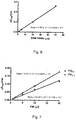
- the reducing agent (DTT or TCEP) was added before the sample (reference standard) as reported in Example 1, described above. Therefore kinetic spectrophotometric measurements were carried out for each reaction mixture analyzed by measuring the rate of cytochrome c reduction as the change in absorbance at 550 nm over time ( ⁇ E 550 /min) which is function of the concentration of the reference standard. The results of these spectrophotometric measurements are shown in the graph of Figure 5 .
- the example 2 was repeated using an organic extract of the reference material SRM 1650b instead of its solution in DMSO as previously described.
- the organic extract was obtained by re-suspending a known amount of the standard SRM 1650b in acetonitrile.
- the particulate fraction was removed by centrifugation and the liquid fraction obtained was placed under vacuum to remove the solvent.
- the extract thus obtained was resuspended in DMSO.
- Example 2 kinetic spectrophotometric measurements were carried out for each reaction mixture by measuring the rate of reduction of cytochrome c as a change in absorbance at 550 nm over time ( ⁇ E 550 /min) according to different concentrations of the reference standard. The results of these spectrophotometric measurements are shown in the graph of Figure 6 .
- the present invention it is possible to determine or at least estimate the particles content in atmospheric particulate samples of unknown content.
- the estimation or quantification is made by measuring the change in absorbance of these samples in the manner illustrated above and correlating these measurements with a calibration curve previously obtained by similar measures of absorbance change carried out on samples of reference particulate material with known content (for example, the calibration curve shown in Figure 6 )
- the sampling was carried out on polycarbonate filters for 24 hours at a site representative of urban traffic in Milan according to a per se conventional protocol.
- the quinone fraction of each particulate sample was obtained by washing the respective filter with a defined volume of DMSO, and collecting the resulting solution (i.e. the liquid fraction) in test tube.
- reaction mixture was prepared from a buffer solution of 50 mM TRIS-HCl (pH 7.5) containing 50 pM of bovine or equine heart cytochrome c, 100 ⁇ M DTT and a known volume of the solution obtained from the particulate sample to be analyzed.
- the reducing agent (DTT or TCEP) was added before the sample in each measurement in analogy with the Example 1 described above .
- these quantities may be determined or at least estimated in a conventional manner for example by constructing a calibration curve with known concentration of particulate matter of the same type.
- the measurements of Raman scattering can be used as alternative to the spectrophotometer ones to determine or at least estimate the particulate content in samples of atmospheric PM of unknown content.
- an apparatus comprising a sensor having a measuring electrode, an auxiliary electrode (counter electrode) and a reference electrode, the latter two being conventional per se, were used.
- the measuring electrode included a surface element in gold printed on chip. On the surface element a layer of alkanethiols was deposited by placing this element in contact with a solution of 5 mM MU/MUA in ethanol for 24 hours, and then rinsing with ethanol, to remove unbound thiols, and finally with water.
- reaction mixture was prepared from a buffer solution of 50 mM TRIS-HCl (pH 7.5) containing 0.4 mM TCEP and a predetermined known quantity of the reference standard from a solution of known concentration.
- the solution of the reference standard was obtained by suspending a known quantity of the standard in a defined volume of DMSO and shortly mixing the resulting solution.
- This reaction mixture was put in contact with the measuring electrode and the change in electric current over time was recorded.
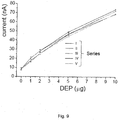
- Figures 8 and 9 The results are shown in Figures 8 and 9 .
- Figure 8 reports a graph showing the variation of current over time for each quantity of sample used
- Figure 9 shows a graph illustrating for each quantity of sample used the average value of current recorded in the last 50 seconds of the measurement (that is, in the stationary phase) with the relative deviation standard.
- Five series of current measurements were performed using for each series 0, 1, 2, 5 and 10 ⁇ g of sample.
- the DEP is expressed in micrograms related to the quantity of starting sample. It can be seen from Figure 8 that the value to be taken into consideration for the measurement is already reached after a few tens of seconds.
- the system sensitivity is 60 nA/decade of micrograms of DEP (SRM 1650b) and the minimum value in our experimental conditions is 1 microgram of original DEP (SRM 1650b).
- Example 6 To perform the electrochemical measurements the apparatus described above in Example 6 was used.
- the sampling was carried out on polycarbonate filters for 24 hours at a site representative of urban traffic of Milan according to a per se conventional protocol.
- the respective mass concentration of PM 10 was determined by using the differential gravimetric technique of "double weighing", namely by determining the mass of the filter medium before and after the sample collection.
- Each filter was then washed with a defined volume of DMSO thereby obtaining a respective solution (suspension) of PM 10 at known concentration.
- reaction mixture was prepared from a buffer solution of 50 mM TRIS-HCl (pH 7.5) containing 0.4 mM TCEP and a known amount of predetermined PM 10 resulting from a corresponding solution (suspension) of PMio at known concentration.
- This reaction mixture was put in contact with the measuring electrode and the change of electric current over time was recorded.
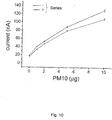
- Figures 10 and 11 show a graph illustrating for each quantity of sample used the average value of current recorded in the last 50 seconds of the measurement (that is, in its stationary phase) with the relative standard deviation. There are two series of current measurements using for each series 0, 1, 2, 5 and 10 ⁇ g of sample.
- Figure 11 shows instead a graph illustrating for each of the analyzed samples the averaged values of current recorded in the last 50 seconds of the measurement of two measurements with different electrodes both prepared as described in Example 6.
Landscapes
- Chemical & Material Sciences (AREA)
- Engineering & Computer Science (AREA)
- General Physics & Mathematics (AREA)
- Nanotechnology (AREA)
- Physics & Mathematics (AREA)
- Pathology (AREA)
- Composite Materials (AREA)
- General Health & Medical Sciences (AREA)
- Analytical Chemistry (AREA)
- Immunology (AREA)
- Life Sciences & Earth Sciences (AREA)
- Health & Medical Sciences (AREA)
- Biochemistry (AREA)
- Condensed Matter Physics & Semiconductors (AREA)
- Materials Engineering (AREA)
- Crystallography & Structural Chemistry (AREA)
- Dispersion Chemistry (AREA)
- Measuring Or Testing Involving Enzymes Or Micro-Organisms (AREA)
- Investigating Or Analyzing Non-Biological Materials By The Use Of Chemical Means (AREA)
- Investigating Or Analysing Materials By The Use Of Chemical Reactions (AREA)
Description
- The present invention relates to a method for detection and rapid quantification of atmospheric particulate and / or its oxidative potential in particular but not exclusively by means of a biosensor. The present invention also relates to a device and a kit of devices for the implementation of this method.
- It is well known that airborne particulate, also defined Particulate Matter, consists essentially of particles with defined size characteristics produced by human activities, mainly industrial and transportation activities, and are one of main responsible of air pollution. The particulate matter is normally designed under the symbol PMx - "Particulate Matter x" - which indicates atmospheric suspended particulate matter - aerosols - with an aerodynamic diameter less than x microns.
- Several epidemiological studies, as well as in vivo and in vitro experiments have now found a correlation between a (extended) exposure to particulate air pollution and the onset of certain diseases, especially respiratory diseases (such as bronchitis and asthma) and cardiovascular diseases; moreover a significant carcinogenic effect was demonstrated in in vivo studies which was induced by the exposure to particulate air pollution as well as to fine dusts generated by traffic emissions. In particular, the onset of these diseases appear to be correlated with the particles small size and the chemical composition of the particles constituting the particulate matter. The small size confers to the particles the ability to penetrate deeply into the lungs and an high oxidative potential thereby resulting the ones potentially with higher impact on human health.
- Therefore, the determination and quantification of particulate air matter and its oxidative potential is a fundamental need for the objective assessment of the state of air quality, the prevention of health risks and the consequent reduction of the corresponding social costs. This determination is also prescribed by the regulations in force at national and international level.
- The reference methodology concerning, for example, the determination of the mass concentration of particulate PM10 is based on sampling representative samples of particulate material, on their collection on filters and the subsequent determination of their mass by a differential gravimetric technique of "double weighing" (determination of the mass of a filter before and after PM10 sampling).
- However, although this method is adequate and applied extensively for air quality monitoring, it is quite complex at an operational level since it requires the use of highly specialized personnel for a relatively long time and the use of specific high-cost equipment and planning. In addition, the measurements made with this method does not provide an adequate quantification of the actual oxidative potential of particulate air matter samples, whose chemical composition may vary depending on the site and sampling time, regardless of the mass concentration of particulate matter detected.
- Automatic instruments are often used in air quality control networks; these equipments are able to provide, almost in real time, an estimate of the average mass concentration of particulate matter in the period considered (typically average concentrations every 24 hours).
- Such instruments work accordingly to a variety of detection techniques such as the beta attenuation technique that is the measurement of the attenuation of a stream of beta radiation (emitted for example by a source of 14C) crossing a homogeneous film of matter.
- However, at the state of the art, the performances of most of the automatic instruments are not entirely satisfactory, in particular as regards the reliability of the recorded data, that may significantly differ from the actual ones.
- The paper of Syunji Yokota et al. : " The effects of organic extract of diesel exhaust particles on ischemia / reperfusion - related arrhythmia and on pulmonary inflammation ," (Journal of Toxicological Sciences vol . 33 no . 1, 1st January 2008) demonstrates , reports a study on the effects of the organic extracts of particulates of the exhaust gas of diesel engines (DEP) in relation to the occurrence of certain diseases. This publication describes the sampling of the particulates (DEP), the phases of sample treatment as well as the measurement method of the samples oxidative potential. In this regard, samples of DEP are suspended in an organic solvent (DMSO) and then mixed with DTT, a reducing agent, to form oxidizing species in a predetermined incubation time. After incubation, an aliquot of this sample is mixed with DTNB, which reacts with the residual DTT developing a reaction product measurable by spectrophotometry with absorbance quantification. Then, the oxidative potential of the sample is determined by comparing the absorbance measures for the sample, which being dependent on the content of residual DTT will be also correlated to the concentration of oxidizing species in the reaction medium, with a scale of values for the oxidative potential of H2O2, such compound being taken as the reference standard.
- Similar methods to those shown above for oxidative potential determination in particulate air matter samples are also described in the following publications:
- WERUKA RATTANAVARAHA ET AL: "The reactive oxidant potential of different types of aged atmospheric particles: An outdor chamber study", Atmospheric Environment Pergamon GB, vol. 25 no. 23, 1 April 2011;
- VISHAL VERMA ET AL: "Contribution of water-soluble and Insoluble Components and their hydrophobic/hydrophilic subfractions to the reactive oxygen species-generating potential of fine ambient aerosols", Environmental Science & Technology vol. 46, no. 20, 16 October 2012; e
- EIGUREN-FERNANDEZ ET AL: "Redox and electrophilic properties of vapor- and particle-phase components of , Environmental Research Academic Press, San Diego, CA, US, vol. 110 n.3, 1 April 2010.
- However, the methods described in the above documents entail an elevate number of steps for the preparation and processing of the samples since they require repeated steps of extraction of the reactive organic fraction sometimes complemented by sonification processes and/or filtration and/or drying steps of the sample, relatively long incubation times of the sample with DTT as well as a second reaction with DTNB to determine the residual DTT. Therefore, the above methods appear to be complex from the operational point of view as well as expensive to implement.
- The publication of Yupaporn Sameenoi et al. "Microfluidic Electrochemical Sensor for On-line Monitoring of Aerosol Oxidative Activity", The Journal of the American Chemical Society , vol. 134 no . 25 , June 27, 2012 also reports also a method for the detection of the oxidative potential of samples of particulate matter that uses an assay with DDT as described above. However, unlike the method described in the publication by Syunji Yokota et al cited above, the publication of Yupaporn Sameenoi et al. proposes to determine the content of residual DTT, that is related to the concentration of oxidizing species formed in the reaction medium, through electrochemical measurements with electrodes selective for the reduced state of DTT.
- The publication Myeong Y. Chung et Al., "Aerosol-Borne Quinones and Reactive Oxygen Species Generation by Particulate Extracts", Environ. Sci. Tech., 2006, 40, 4880-4886, describes a study wherein atmospheric particulate samples, containing quinones, are collected on Teflon filters and analyzed. Teflon filters are cleaned with dichloromethane and, later, the so-obtained extract is divided in two fractions containing quinones: fraction A and fraction B. Quinones contained in fraction B are converted to their diacetylated derivatives and, then, characterized by GC-MS. Then, a portion of fraction A is directly characterized by GC-MS, whereas another portion of fraction A is used in order to analyze the ability of quinones to generate reactive oxygen species (ROS), through DTT analysis. Such an analysis causes the formation of H2O2 after the reaction of dithiothreitol (DTT) with quinones. The concentration of H2O2 is determined by analyzing specific samples using a HPLC-fluorescence technique described in Alam S. Hasson et Al., "Production of stabilized Criegee intermediates and peroxides in the gas phase ozonolysis of alkenes: 1-ethene, trans-2-butene, and 2,3-dimethyl-2-butene", Journal of Geophysical Research, 2011, 106, 34131-34142), which involves an enzyme-catalyzed reaction of the oxidizing species (H2O2) with para-hydroxy phenylacetic acid to produce a dimer, and envisages the measurement a fluorescence property correlated to the concentration of the dimer under alkaline conditions.
- This technical problem is solved by a method for the detection and quantification of atmospheric particulate and/or its oxidative potential in a sample, characterized by the following steps:
- collection of a sample of ambient particulate matter,
- treatment of such a sample with an organic solvent to obtain a solution or a suspension,
- reaction of said solution or said suspension or a fraction of them with a reducing agent in operating conditions such as to form an
oxidizing species, wherein said oxidizing species is constituted by superoxide radicals, - measurement of a variation of a property correlated to the concentration of said oxidizing species formed in the reaction medium, said variation of property resulting from the consumption by chemical reaction of said oxidizing species with a detection substance or resulting from the interaction of said oxidizing species with a detection substance,
- evaluation of the content of particulate air matter and/or the oxidative potential of said sample by correlating the measured value of said property in the reaction medium with at least one value of the same property in at least one reference sample or derivate thereof having a known content of particulate matter and/or with a scale of values related to the oxidative potential of a substance or a molecule known for its oxidant ability, such as hydrogen peroxide.
- The present invention is based on the ability of the quinone derivatives of some polycyclic aromatic hydrocarbons (PAHs) normally present in the fine fraction of atmospheric particulate matter to generate superoxide radicals from molecular oxygen in the presence of appropriate reducing agents. Then, by measuring an appropriate characteristic or property able to detect the formation of superoxide radicals as described in detail afterward, it is possible to determine (or at least to estimate) the amount of atmospheric particulates in the sample subjected to the analysis, comparing the unknown sample with samples of known concentration of particulate matter as well as comparing the oxidative potential of this sample with a substance having a known oxidizing ability, such as hydrogen peroxide.
- In the method according to the invention, the sample to be analyzed can be obtained by collecting the particulate pollution on appropriate collection devices by means of per se conventional methods. The collecting device may be constituted for example by filters as known in the state of art which allow the passage of ambient air and retain the particulate material.
- In accordance with the invention, the atmospheric particulate sampled is recovered from the collection device (e.g. a filter) by washing it with a suitable solvent as to obtain a solution or suspension.
- The solvent is an organic solvent having a good affinity towards the quinone derivatives present in the atmospheric particulate matter where affinity means substantially the ability of the solvent to bring into Preferably, the organic solvent is selected among dimethyl sulfoxide (DMSO), acetonitrile and their combinations.
- The washing of the collection device with the organic solvent allows obtaining the sample for the measurement of atmospheric particulate according to the method of the invention, such a sample being substantially in the form of a solution or suspension of the atmospheric particulate removed from the collection device in the chosen solvent.
- This sample may be used as such for the subsequent reaction steps and detection according to the method of the invention. However, in the case of the suspension, it may be preferable to previously separate the solid and liquid fractions to improve the detection sensitivity, also in relation to the detection system chosen for the measurement.
- Such separation can be performed in a per se conventional manner, for example by filtration or centrifugation of the suspension of particulate air matter in the organic solvent.
- At the end of the separation, the solid fraction containing the particulate material is discarded and the liquid fraction containing the quinone derivatives constitutes the sample to be analyzed in accordance with the invention.
- In case of collection of the atmospheric particulate on the filter, the separation of the particulate material (solid fraction) can be done directly by washing the collection filter.
- In the method according to the invention, the suspension of particulate matter in the organic solvent or the liquid fraction extracted from this suspension is reacted in the presence of molecular oxygen and a reducing agent in order to form superoxide radicals.
- The reducing agent itself is conventional and can be selected between dithiothreitol (DTT) and tris (2-carboxyethyl) phosphine (TCEP). The use of TCEP however, is particularly preferred since it usually provides, for the same analyzed sample, a higher response (about 4-7 times) compared to DTT (used in the known methods), to all advantage of a greater sensitivity of the method according to the invention. Therefore, the use of TCEP as a reducing agent of samples of particulate matter in order to detect and quantify the particulate matter itself and/or its oxidative potential is innovative and advantageous with respect to the methods of the state of art mentioned above.
- The concentration of the reducing agent in the reaction mixture is preferably between 0.05 mM and 0.15 mM, in particular 0.1 mM.
- This interval is optimal for a time of reaction able to produce an adequate amount of oxidizing species to be subsequently detected with an appropriate sensitivity by the detecting device (as will be explained in more detail below), preventing or at least making negligible at the same time side reactions which might negatively affect the subsequent detection, such as the possible reaction between the reducing agent and the detecting means.
- It is appropriate that the reaction be conducted under conditions of controlled pH, preferably keeping it around the neutrality (7.0-7.5). The control of pH is important for maintaining the reducing potential and the stability of the reducing agent. This can be done by adding to the reaction mixture an appropriate buffer system (eg. TRIS-HCl) at predetermined concentrations such as to ensure a substantially constant pH.
- It has been found that the concentration of superoxide radicals, which are formed in the reaction mixture is closely correlated to the concentration of the quinone derivatives of polycyclic aromatic hydrocarbons contained in the suspension or organic solution of atmospheric particulates or in its liquid fraction place under reaction. In turn, the concentration of the quinone derivatives of polycyclic aromatic hydrocarbons is closely correlated to the amount of particulate matter in the starting sample, so that the detection of the superoxide radicals formed in the reaction medium allows quantifying, or at least estimating the content of particulate matter in the test sample.
- Furthermore, regardless of the determination of the absolute amount of atmospheric particulates present in the sample under analysis, the quantification of quinone derivatives present in atmospheric particulate through their ability to generate superoxide radicals in the given conditions of the method according to the invention, represents a direct determination of the oxidative potential, and therefore of the potential harmfulness of the sample analyzed.
- In the method according to the invention, the detection of superoxide radicals can be performed in various ways by measuring a property which can be correlated to the concentration of superoxide radicals formed in the reaction medium.
- According to an embodiment of the invention, the detection of superoxide radicals is carried out by the spectroscopic measurement of a variation of a spectroscopic property of a detection substance able to consume through a chemical reaction the superoxide radicals developed in the reaction medium.
- Preferably, such a spectroscopic property is chosen between absorbance and Raman scattering.
- The detection substance can be any substance capable of consuming superoxide radicals formed in the reaction mixture and having at least one property measurable by spectroscopy (in particular absorbance or Raman scattering) which is variable with the variation of the concentration of superoxide radicals.
- In particular, such a substance can be an emo-protein capable of reacting with superoxide radicals according to a reaction of oxidation-reduction (redox) passing from an oxidized state to a reduced state. The variation of the spectroscopic property of the detection substance, measured in a predetermined period of time, is therefore directly proportional to the concentration of superoxide radicals formed in the reaction mixture, which in turn is directly proportional to the amount of reactive quinone species (and therefore to the content of atmospheric particulate matter and / or oxidative potential in the starting sample).
- Preferably, the above emo-protein consists of cytochrome c.
- According to another embodiment of the invention, particularly preferred, the detection of superoxide radicals is carried out by the electrochemical measurement of a variation of electric current that can be associated with the concentration of superoxide radicals.
- In accordance with the present invention, the measurement of the variation of electric current is carried by a sensor or biosensor comprising a measuring electrode, an auxiliary electrode (or counter electrode), and a reference electrode all made of conductive material, the measuring electrode having a measuring surface coated and activated with a layer of at least one organic and/or biological detection substance able to interact with superoxide radicals by providing an electrical signal proportional to the amount of said superoxide radicals formed in the reaction mixture (electrolyte solution) with which the electrode comes in contact.
- According to an embodiment of the invention, the coating of the measuring surface of the electrode is carried out by depositing a monolayer of at least one alkanethiol, preferably a mixture of alkanethiols.
- According to an embodiment of the invention, particularly preferred, this mixture comprises 11-mercapto-1-undecanol (MU) and 11-mercaptoundecanoic acid (MUA).
- However, it is also possible use other alkanethiols than those mentioned earlier.
- The deposition of the monolayer of at least an alkanethiol may be performed by methods conventional per se. For example, the measuring electrode can be put into contact with a mixture of alkanethiols for a predetermined "activation" time adapted to allow the anchoring of the molecules of thiols on the surface of the electrode and then rinsed with an appropriate solvent (eg ethanol) to remove unbound thiols. It is then necessary to perform a final rinse with water which is also the solvent in which the electrode is immersed during storage.
- According to another embodiment of the invention, the coating of the electrode measurement is carried out by immobilizing an emo-protein, preferably cytochrome c, on the electrode surface.
- The immobilization procedure of the emo-protein, in particular cytochrome c is itself conventional and may be done, as known in the art, by a first immobilization of alkanethiols on the surface of the measuring electrode as explained above followed then by the immobilization of the emo-protein to alkanethiols.
- The cytochrome c in the oxidized state (Cyt c Fe3+) reacts with superoxide radicals passing to its reduced state (Fe2+ Cyt c) according to the following reaction scheme:
cyt. c (Fe3+) + O2 - → cyt. c (Fe2+) + O2
- The cytochrome c in the reduced state may then be re-oxidized by electrochemical reaction according to the following reaction scheme:
cyt. c (Fe2+) → cyt. c (Fe3+) + e-
- The electric current generated during this reaction is measured and it is directly proportional to the concentration of superoxide radicals formed in the reaction mixture, which is in turn directly proportional to the amount of reactive quinone species (and therefore the content of atmospheric particulates in the starting sample).
- At this point, the content of particulate matter in the analyzed sample, or in a fraction thereof, can be determined or estimated by comparing the value of the measured property (spectroscopic or electrical) in the reaction medium with at least one known value of the same property of at least one reference sample of atmospheric particulate.
- It has been surprisingly found that the amount of superoxide radicals generated in the reaction medium according to the method of the invention and the content of atmospheric particulate in the analyzed sample are directly proportional to each other according to a substantially linear relationship. This correlation is achieved regardless of the type of detection (for example, spectroscopic or electrochemical) used for the detection of superoxide radicals. Therefore, the method according to the invention allows quantifying in a precise manner and with high sensitivity the content of atmospheric particles in the analyzed sample by comparing the detection value of superoxide radicals with at least one reference standard, for example through a calibration curve.
- This standard can be advantageously constituted by reference particulate materials of known composition, for example derived from the exhaust gas of diesel engines (Diesel Exhaust Particles), as known in the art.
- In addition, the detection of the speed reduction of the emo-protein (in particular cytochrome c) by superoxide radicals formed in the reaction mixture, or in embodiments of the invention without emo-protein (cytochrome c), of the monolayer of mixed alkanethiols by superoxide radicals and/or other chemical oxidizing species formed in the reaction mixture, constitutes a direct indication of the oxidative potential of the sample under analysis, when compared with a scale of values related to the oxidative potential of a substance or molecule known (reference) for its oxidant ability, such as hydrogen peroxide .
- It should also be noted that the use of cytochrome c, both in the spectrophotometric measurements and in those with electrochemical electrode modified by immobilization of alkanethiols and cytochrome c, as well as the electrochemical measurements conducted in the absence of cytochrome c (i.e. with electrode modified by immobilization of only alkanethiols) advantageously allows a virtually immediate and not discontinuous (i.e. in real time) detection of the analyte. Moreover, in the method according to the invention the sample preparation is very simple since it merely requires the suspension of the particulate sample in the organic solvent, possibly followed by a centrifugation in order to recover the fraction (supernatant) to be used as such for the detection phases. The method according to the invention thus appears to be operationally simpler and more immediate than the methods of the state of art cited above.
- The method uses a device for the detection and quantification of atmospheric particulate matter and / or its oxidative potential in a sample that implements the method illustrated above.
- In its most general aspect, this device comprises:
- a reaction unit for the reaction of a solution or a suspension obtained from a sample of atmospheric particulate in an organic solvent with a reducing agent in operating conditions in order to form superoxide radicals,
- a measurement unit for the variation of a property related to the concentration of the superoxide radicals formed in the reaction medium, this property variation resulting from the consumption by chemical reaction of said superoxide radicals by a detection substance or resulting from the interaction of said superoxide radicals with a detection substance, and
- a calculation unit for determining the content of particulate matter and / or the oxidative potential of said sample by comparing the value measured in the measuring unit with at least one known value of the same property from at least one reference sample having a known content of particulate matter and/or with a scale of values related to the oxidative potential of a substance or molecule known for its oxidizing properties.
- The reaction unit includes the devices necessary to conduct and control the reaction of formation of superoxide radicals to be detected subsequently in the measuring unit such as the reagents as well as the instrumentation and the reaction vessels .
- The measuring unit is constituted by any measurement device capable of measuring a variation of a property correlated to the concentration of said superoxide radicals to be detected such as in particular a spectrophotometric or electrochemical (current change) property. The measuring unit can include a spectrophotometer for absorbance measurements or spectrophotometer for measuring Raman scattering. Alternatively, the measuring unit comprises a sensor or biosensor able to detect an electric current proportional to the amount of the superoxide radicals formed in the reaction medium.
- Preferably, such a sensor or biosensor comprises a measuring electrode, an auxiliary electrode (or counter electrode), and a reference electrode all in conductive material. The measuring electrode may be constituted by a chip with a surface coated and activated by means of a layer of an organic and/or biological substance able to interact with said superoxide radicals producing an electric signal proportional to the quantity of said superoxide radicals formed in the reaction medium and with which the measuring electrode comes into contact.
- The surface coating of the measuring electrode is carried out by immobilizing a monolayer of at least one alkanethiol, preferably a mixture comprising 11-mercapto-1-undecanol (MU) and 11-mercaptoundecanoic acid (MUA).
- The surface coating of the measuring electrode can also have the immobilization of an emo-protein, preferably cytochrome c, on at least a monolayer of alkanethiol.
- The reaction, measurement and calculation units can be included in a single device or alternatively constitute a kit of devices.
- Further characteristics and advantages of the present invention will become more apparent from the following description of some preferred embodiments, given by way of non-limitative example, with reference to the accompanying figures, in which:
-
Figure 1 shows the reaction scheme for the reduction of cytochrome c in the presence of a reducing agent, such as DTT; -
Figure 2 shows the absorption spectra of cytochrome c in the oxidized form and in the reduced form ; -
Figure 3 shows a graph reporting the relationship between the speed of reduction of cytochrome c by the method of the invention, measured as change in absorbance, and the concentration of 1,2- naphthoquinone; -
Figure 4 shows a graph reporting the relationship between the speed of reduction of cytochrome c by the method of the invention, measured as change in absorbance, and the concentration of 9,10-phenanthrenequinone; -
Figure 5 shows a graph reporting the relationship between the speed of reduction of cytochrome c by the method of the invention, measured as change in absorbance, and the concentration of organic solutions of a particulate reference (SRM 1650b); -
Figure 6 shows a graph reporting the relationship between the speed of reduction of cytochrome c by the method of the invention, measured as change in absorbance, and the concentration of organic extracts of a particulate reference (SRM 1650b); -
Figure 7 shows a graph reporting the relationship between the speed of reduction of cytochrome c by the method of the invention, measured as change in absorbance, and the concentration of an organic solution of particulates sampled in environment (PM10, PM2.5) ; -
Figure 8 shows a graph reporting the variation of electric current over time relative to the oxidation- eduction alkanethiols immobilized on a measuring electrode by superoxide radicals according to the method of the invention, for a series of samples of known concentration of particulate standard (DEP) in organic solution; -
Figure 9 shows a graph reporting the average values of the current recorded in the last 50 seconds of the measures ofFigure 8 with the relative standard deviation; -
Figure 10 shows a graph reporting the averaged values of the current recorded in the last 50 seconds of electrochemical measurements chronoamperometric) carried out on samples of atmospheric particulates PM10) as function of the particulate content of these samples. -
Figure 11 shows a graph similar to that ofFigure 10 for electrochemical measurements performed on two different measuring electrodes. - It was determined the correlation between the spectrophotometric response relative to the reduction of cytochrome c by superoxide radicals and the concentration of pure quinone compounds (which are normally present in atmospheric particulate) according to the method of the present invention.
- The quinone compounds 1,2-
naphthoquinone 9,10-phenanthrenequinone were in particular analyzed. - For each analysis a reaction mixture was prepared, from a
buffer solution 50 mM TRIS-HC1 (pH 7.5) containing 50 pM of bovine or equine heart cytochrome c, 100 pM of DTT (or TCEP) and a known predetermined quantity (concentration) of the quinone compound coming from a its solution in DMSO having a concentration of 10 µM or dilutions thereof. - The reducing agent (DTT or TCEP) was added before the sample (quinone compound) in order to be able to quantitatively determine the rate of reduction of the cytochrome c, in terms of spectrophotometric response (change in absorbance over time), due only to the reducing agent. This value was then subtracted, for each measure, to the rate of reduction of cytochrome c observed in terms of spectrophotometric response (change in absorbance over time) measured after the addition of the sample.
- The spectroscopic properties of cytochrome c (
Figure 2 ) allow detecting the progressive reduction as change in absorbance at 550 nm over time (ΔE550/min). At this wavelength an absorption peak appears, which is characteristic of the reduced form of cytochrome c. Therefore, the speed of reduction of cytochrome c per unit time, detected by absorbance measurements at 550 nm, can be correlated to the amount of quinone compound present in the reaction mixture: higher is the amount of reactive quinone compounds present in the mixture of reaction, the faster is the change in absorbance at 550 nm. In fact, during the reduction reaction of cytochrome (Figure 1 ), only the reducing agent (DTT or TCEP) and cytochrome c in the oxidized form are consumed, while the quinone molecules and molecular oxygen are restored cyclically. - Then kinetic spectrophotometric measurements on the analyzed quinone compounds were performed by measuring the rate of reduction of cytochrome c as a change in absorbance at 550 nm over time (ΔE550/min) by varying the concentration of the quinone compounds. The results of these spectrophotometric measurements are shown in the graph of
Figure 3 with the respective magnification for 1,2-naphthoquinone and in the graph ofFigure 4 for 9,10- phenanthrenequinone. - As it can be seen, the relationship between the concentration of pure 1,2-naphthoquinone (
Figure 3 ) and9 ,10-phenanthrenequinone (figure 4 ) and the speed of reduction of cytochrome c appears to be linear for both molecules with a yield of signal almost double in the case of phenanthrenequinone compared to the naphthoquinone. The reactivity of the TCEP, as alternative to the reducing agent DTT, was determined using the phenanthrenequinone. In this case the ΔE550/min detected in the presence of TCEP is approx. 4.5 times greater than the DTT, at the same concentration of quinone. - The correlation between the spectrophotometric response for the reduction of cytochrome c by superoxide radicals and the concentration of a reference particulate material, called SRM 1650B (Standard Reference Material 1650B , Diesel Exhaust Particles) was determined.
- For each analysis a reaction mixture was prepared, from a buffer solution, 50 mM TRIS-HCl (pH 7.5), containing 50 pM of bovine or equine heart cytochrome c, 100 pM DTT and a predetermined known quantity of the reference standard obtained by a solution thereof having a concentration of 1 mg/ml or its dilutions.
- In particular, the solution of the reference standard was obtained by suspending a known quantity of the standard in DMSO and briefly mixing the resulting solution. The solid fraction (particles) was then eliminated by centrifugation although the presence of the solid residue in the reaction mixture does not interfere with the quantification of the sample. The elimination of the solid fraction allows reducing the turbidity of the solution thus lowering the value of the initial absorbance.
- The reducing agent (DTT or TCEP) was added before the sample (reference standard) as reported in Example 1, described above. Therefore kinetic spectrophotometric measurements were carried out for each reaction mixture analyzed by measuring the rate of cytochrome c reduction as the change in absorbance at 550 nm over time (ΔE550/min) which is function of the concentration of the reference standard. The results of these spectrophotometric measurements are shown in the graph of
Figure 5 . - As it can be seen also in this case a linear relation between the initial amount of SRM 1650B and the spectrophotometric signal in the presence of DTT was determined. The lower limit of sensitivity using the DTT is around 1-2 µg of initial SRM 1650B, while it is plausible that, employing the TCEP as a reducing agent, the sensitivity is greater.
- Therefore, in accordance with the present invention it is possible to determine or at least estimate the particulate content in atmospheric particulate samples of unknown content by measuring the change in absorbance of these samples in the manner illustrated above and correlating these measurements with a calibration curve previously obtained by similar measures of change in absorbance of samples of particulate material reference having known content (for example, the calibration curve shown in
Figure 5 ) . - The example 2 was repeated using an organic extract of the reference material SRM 1650b instead of its solution in DMSO as previously described.
- The organic extract was obtained by re-suspending a known amount of the standard SRM 1650b in acetonitrile. The particulate fraction was removed by centrifugation and the liquid fraction obtained was placed under vacuum to remove the solvent. The extract thus obtained was resuspended in DMSO.
- As in Example 2, kinetic spectrophotometric measurements were carried out for each reaction mixture by measuring the rate of reduction of cytochrome c as a change in absorbance at 550 nm over time (ΔE550/min) according to different concentrations of the reference standard. The results of these spectrophotometric measurements are shown in the graph of
Figure 6 . - As it can be seen also in this case a linear relation was determined between the amount of SRM 1650B in the organic extract and the spectrophotometric signal. From the slope of the line (
Figure 6 ) it can be seen that the yield of the signal is slightly higher than that obtained with the standard as such (figure 5 ), although this difference is not statistically significant. - Therefore, in accordance with the present invention it is possible to determine or at least estimate the particles content in atmospheric particulate samples of unknown content. The estimation or quantification is made by measuring the change in absorbance of these samples in the manner illustrated above and correlating these measurements with a calibration curve previously obtained by similar measures of absorbance change carried out on samples of reference particulate material with known content (for example, the calibration curve shown in
Figure 6 ) - The correlation between the response on the spectrophotometric reduction of cytochrome c by superoxide radicals and samples of atmospheric particulate matter (PM10 and PM2.5) sampled in the environment was determined.
- The sampling was carried out on polycarbonate filters for 24 hours at a site representative of urban traffic in Milan according to a per se conventional protocol. The quinone fraction of each particulate sample was obtained by washing the respective filter with a defined volume of DMSO, and collecting the resulting solution (i.e. the liquid fraction) in test tube.
- For each analysis a reaction mixture was prepared from a buffer solution of 50 mM TRIS-HCl (pH 7.5) containing 50 pM of bovine or equine heart cytochrome c, 100 µM DTT and a known volume of the solution obtained from the particulate sample to be analyzed.
- The reducing agent (DTT or TCEP) was added before the sample in each measurement in analogy with the Example 1 described above .
- Therefore kinetics spectrophotometric measurements of each reaction mixture were carried out by measuring the rate of reduction of cytochrome c as a change in absorbance at 550 nm over time (ΔE550/min) as a function of the volume of the solution obtained from the sampled particulate. The results of these spectrophotometric measurements are shown in the graph of
Figure 7 . - Even in this case a linear relation between the volume of solution added to the reaction mixture and the spectrophotometric signal was determined, although the absolute quantities in weight of each sample of PM are unknown.
- However, these quantities may be determined or at least estimated in a conventional manner for example by constructing a calibration curve with known concentration of particulate matter of the same type.
- The previous examples were repeated with the difference that the rate of reduction of cytochrome c was determined by measures of variation of Raman scattering. In fact, the conversion between oxidized and reduced form of cytochrome c also involves the vibrational transitions that can be detected by Raman spectroscopy. Even in this case it was found a linear correlation similar to that already shown by spectrophotometric measurements reported in the previous examples.
- Thus, the measurements of Raman scattering, can be used as alternative to the spectrophotometer ones to determine or at least estimate the particulate content in samples of atmospheric PM of unknown content.
- It was determined the correlation between the electrochemical response (variation of electric current) due to the oxidation-reduction of alkanethiols immobilized on the measuring electrode by superoxide radicals, according to the method of the invention, induced by the concentration of samples of standard particulate (Diesel Exhaust Particles SRM 1650b - hereinafter also referred to as DEP) .
- In order to perform the electrochemical measurements an apparatus comprising a sensor having a measuring electrode, an auxiliary electrode (counter electrode) and a reference electrode, the latter two being conventional per se, were used.
- The measuring electrode included a surface element in gold printed on chip. On the surface element a layer of alkanethiols was deposited by placing this element in contact with a solution of 5 mM MU/MUA in ethanol for 24 hours, and then rinsing with ethanol, to remove unbound thiols, and finally with water.
- For each analysis a reaction mixture was prepared from a buffer solution of 50 mM TRIS-HCl (pH 7.5) containing 0.4 mM TCEP and a predetermined known quantity of the reference standard from a solution of known concentration.
- The solution of the reference standard was obtained by suspending a known quantity of the standard in a defined volume of DMSO and shortly mixing the resulting solution.
- This reaction mixture was put in contact with the measuring electrode and the change in electric current over time was recorded.
- The results are shown in
Figures 8 and9 . In particular,Figure 8 reports a graph showing the variation of current over time for each quantity of sample used, whileFigure 9 shows a graph illustrating for each quantity of sample used the average value of current recorded in the last 50 seconds of the measurement (that is, in the stationary phase) with the relative deviation standard. Five series of current measurements were performed using for eachseries Figure 8 that the value to be taken into consideration for the measurement is already reached after a few tens of seconds. The system sensitivity is 60 nA/decade of micrograms of DEP (SRM 1650b) and the minimum value in our experimental conditions is 1 microgram of original DEP (SRM 1650b). - Furthermore, from the graph of
Figure 9 it can be noted that there is an almost linear correlation between the recorded electric current and the amount of particulate standard in the sample analyzed. Therefore, in accordance with the present invention it is possible to determine or at least estimate the particulate content in particulate atmospheric samples of unknown content not by measuring the change of electric current of such samples in the manner illustrated above and correlating these measurements with a calibration curve previously obtained by similar measures of variation of electric current carried out on samples of reference particulate material to known content (for example, the calibration curve shown infigure 9 ) . - It was determined the correlation among the electrochemical response (variation of electric current) due to the oxidation-reduction of alkanethiols immobilized on the measuring electrode by superoxide radicals according to the method of the invention and the content of particulate material from samples of atmospheric particulate PM10 collected in the environment.
- To perform the electrochemical measurements the apparatus described above in Example 6 was used.
- The sampling was carried out on polycarbonate filters for 24 hours at a site representative of urban traffic of Milan according to a per se conventional protocol.
- For each sample the respective mass concentration of PM10 was determined by using the differential gravimetric technique of "double weighing", namely by determining the mass of the filter medium before and after the sample collection.
- Each filter was then washed with a defined volume of DMSO thereby obtaining a respective solution (suspension) of PM10 at known concentration.
- For each analysis then a reaction mixture was prepared from a buffer solution of 50 mM TRIS-HCl (pH 7.5) containing 0.4 mM TCEP and a known amount of predetermined PM10 resulting from a corresponding solution (suspension) of PMio at known concentration.
- This reaction mixture was put in contact with the measuring electrode and the change of electric current over time was recorded.
- The results are shown in
Figures 10 and11 . In particular,Figure 10 shows a graph illustrating for each quantity of sample used the average value of current recorded in the last 50 seconds of the measurement (that is, in its stationary phase) with the relative standard deviation. There are two series of current measurements using for eachseries Figure 11 shows instead a graph illustrating for each of the analyzed samples the averaged values of current recorded in the last 50 seconds of the measurement of two measurements with different electrodes both prepared as described in Example 6. - It can be noted that also in this case an almost linear correlation was found between the recorded electric current and the amount of PM10 of the sample analyzed. Furthermore, for the same sample analyzed, the results of measurements of electric current does not vary significantly by performing the measurement with different electrodes as shown in
Figure 11 . - Therefore, in accordance with the present invention it is possible to determine or at least estimate the content of particulate matter (in the specific case PMio) in samples particulate of unknown content by measuring the change of electric current determined by these samples in the manner illustrated above and correlating these measurements with a calibration curve previously obtained by similar measures of electric current variation carried out on samples of known particulate content (for example, the calibration curve shown in
Figure 10 ).
Claims (11)
- Method for the detection and quantification of atmospheric particulates in a sample and/or of the oxidative potential of such a sample, the method comprising the following steps:- collection of a sample of ambient particulate air matter,- treatment of such a sample of atmospheric particulate matter with an organic solvent to obtain a solution or a suspension,- reaction of said solution or said suspension or a fraction thereof with a reducing agent in operating conditions in a manner to form an oxidizing species,- measurement of a variation of a property correlated to the concentration of said oxidizing species formed in the reaction medium, said variation of a property resulting from consumption by chemical reaction of said oxidizing species by a detecting substance or resulting from interaction of said oxidizing species with a detection substance,- determination of the content of atmospheric particulate matter and/or of the oxidative potential of said sample by comparing the measured value of said property variation in the reaction medium with at least one known value of the same property of at least one sample or derivative thereof having a known content of particulate material and/or with a scale of values related to the oxidative potential of a substance or molecule known for its oxidant ability, such as hydrogen peroxide,the method being characterized in that said oxidizing species is constituted by superoxide radicals.
- Method according to claim 1 wherein said organic solvent is selected from dimethyl sulfoxide (DMSO), acetonitrile, and combinations thereof.
- Method according to claim 1 or claim 2 wherein said sample suspension of particulate matter in the organic solvent is subjected to a separation step of solid and liquid fractions and said liquid fraction is subsequently subjected to reaction with said reducing agent in operating conditions such as to form said oxidizing species.
- Method according to any one of the preceding claims wherein said reducing agent is selected from dithiothreitol (DTT) and tris(2-carboxyethyl)phosphine (TCEP).
- Method according to any one of the preceding claims wherein the measurement of said variation in a property correlated to the concentration of said oxidizing species is carried out by spectroscopic technique by measuring a variation of a spectroscopic property, preferably absorbance or Raman scattering, of a detection substance able to consume by chemical reaction the superoxide radicals developed in the reaction medium.
- Method according to claim 5, wherein said detection substance comprises a emo-protein capable of reacting with superoxide radicals according to an oxidation-reduction reaction of, said emo-protein being constituted by cytochrome c.
- Method according to any one of claims 1 to 4, wherein the measurement of said variation in a property correlated to the concentration of said species is carried out by electrochemical technique by measuring a variation of electric current proportional to the concentration of said oxidizing species in the reaction medium.
- Method according to claim 7 wherein said measure of variation of electric current is carried out by a sensor or biosensor comprising a measuring electrode, an auxiliary electrode (or counter electrode), and a reference electrode all made of conductive material, the measuring electrode having a measuring surface coated and activated with a layer of at least one organic and/or biological detection substance capable of interacting with said oxidizing species providing an electrical signal proportional to the amount of said oxidizing species formed in the reaction mixture with which the measuring electrode comes into contact.
- Method according to claim 8 wherein the surface coating of said measuring electrode is carried out by immobilizing a monolayer of at least one alkanethiol, preferably a mixture comprising 11-mercapto-1-undecanol (MU) and 11-mercaptoundecanoic acid (MUA).
- Method according to claim 9, wherein the surface coating of said measuring electrode further provides for the immobilization of an emo-protein, preferably cytochrome c, on said monolayer of at least one alkanethiol.
- Method according to any one of the preceding claims wherein said measured value of said variation of property in the reaction medium is correlated with a calibration curve previously obtained from a plurality of values of the same property of the respective reference samples or derivatives thereof having a known content of particle material.
Applications Claiming Priority (2)
| Application Number | Priority Date | Filing Date | Title |
|---|---|---|---|
| IT001759A ITMI20121759A1 (en) | 2012-10-17 | 2012-10-17 | METHOD AND DEVICE FOR DETECTION AND RAPID QUANTIFICATION OF ATMOSPHERIC PARTICULATE AND / OR ITS OXIDATIVE POWER |
| PCT/IB2013/002312 WO2014060826A1 (en) | 2012-10-17 | 2013-10-15 | Method and device for the detection and rapid quantification of atmospheric particulates in a sample and/or of the oxidative power |
Publications (2)
| Publication Number | Publication Date |
|---|---|
| EP2909605A1 EP2909605A1 (en) | 2015-08-26 |
| EP2909605B1 true EP2909605B1 (en) | 2018-01-31 |
Family
ID=47425212
Family Applications (1)
| Application Number | Title | Priority Date | Filing Date |
|---|---|---|---|
| EP13801713.2A Not-in-force EP2909605B1 (en) | 2012-10-17 | 2013-10-15 | Method for the detection and rapid quantification of atmospheric particulates in a sample and/or of the oxidative power |
Country Status (3)
| Country | Link |
|---|---|
| EP (1) | EP2909605B1 (en) |
| IT (1) | ITMI20121759A1 (en) |
| WO (1) | WO2014060826A1 (en) |
Cited By (1)
| Publication number | Priority date | Publication date | Assignee | Title |
|---|---|---|---|---|
| US12270821B2 (en) | 2020-03-18 | 2025-04-08 | The Board Of Trustees Of The University Of Illinois | Device and method for assessing oxidative potential of ambient particulate matter |
Families Citing this family (2)
| Publication number | Priority date | Publication date | Assignee | Title |
|---|---|---|---|---|
| JP2020027046A (en) * | 2018-08-13 | 2020-02-20 | 国立研究開発法人産業技術総合研究所 | Apparatus and method for measuring oxidizing ability of particulate matter existing in air |
| FR3116122B1 (en) * | 2020-11-06 | 2024-09-27 | Centre Nat Rech Scient | METHOD FOR MEASURING THE OXIDIZING POTENTIAL OF SAMPLES, IN PARTICULAR AEROSOLS, THE APPARATUS FOR ITS IMPLEMENTATION AND ITS USE FOR ANALYZING AIR QUALITY |
-
2012
- 2012-10-17 IT IT001759A patent/ITMI20121759A1/en unknown
-
2013
- 2013-10-15 WO PCT/IB2013/002312 patent/WO2014060826A1/en not_active Ceased
- 2013-10-15 EP EP13801713.2A patent/EP2909605B1/en not_active Not-in-force
Cited By (1)
| Publication number | Priority date | Publication date | Assignee | Title |
|---|---|---|---|---|
| US12270821B2 (en) | 2020-03-18 | 2025-04-08 | The Board Of Trustees Of The University Of Illinois | Device and method for assessing oxidative potential of ambient particulate matter |
Also Published As
| Publication number | Publication date |
|---|---|
| ITMI20121759A1 (en) | 2014-04-18 |
| EP2909605A1 (en) | 2015-08-26 |
| WO2014060826A1 (en) | 2014-04-24 |
Similar Documents
| Publication | Publication Date | Title |
|---|---|---|
| Fang et al. | Oxidative potential of ambient water-soluble PM 2.5 in the southeastern United States: contrasts in sources and health associations between ascorbic acid (AA) and dithiothreitol (DTT) assays | |
| Duan et al. | TFBG-SPR DNA-biosensor for renewable ultra-trace detection of mercury ions | |
| Fritea et al. | A gold nanoparticles-Graphene based electrochemical sensor for sensitive determination of nitrazepam | |
| Shervedani et al. | Determination of dopamine in the presence of high concentration of ascorbic acid by using gold cysteamine self-assembled monolayers as a nanosensor | |
| Sameenoi et al. | Microfluidic electrochemical sensor for on-line monitoring of aerosol oxidative activity | |
| Sun et al. | Sensitive and selective electrochemical detection of heavy metal ions using amino-functionalized carbon microspheres | |
| Sarfo et al. | Molecular recognition and detection of Pb (II) ions in water by aminobenzo-18-crown-6 immobilised onto a nanostructured SERS substrate | |
| Rebelo et al. | Sarcosine oxidase composite screen-printed electrode for sarcosine determination in biological samples | |
| Dungchai et al. | Determination of aerosol oxidative activity using silver nanoparticle aggregation on paper-based analytical devices | |
| Mousazadeh et al. | Detection of hexanal gas as a volatile organic compound cancer biomarker using a nanocomposite of gold nanoparticles and selective polymers | |
| Chen et al. | Generalized ratiometric indicator based surface-enhanced Raman spectroscopy for the detection of Cd2+ in environmental water samples | |
| Palchoudhury et al. | Methods for measuring concentration (mass, surface area and number) of nanomaterials | |
| Tang et al. | Label-free potentiometric aptasensing platform for the detection of Pb2+ based on guanine quadruplex structure | |
| Macdonald et al. | Enhancing sensitivity of manganese detection in drinking water using nanomaterial AuNPs/GP | |
| Seanghirun et al. | Green electrochemical sensor for Zn (II) ions detection in human seminal fluid | |
| CN109187468B (en) | A method for the determination of hydrophosphine by aptamer-mediated nitrogen-doped carbon dots catalyzing the reaction of H2O2 and TMB by fluorescence spectrometry | |
| Park et al. | Ultrasensitive detection of 25-hydroxy vitamin D3 in real saliva using sandwich-type electrochemical aptasensor | |
| Ruslan et al. | Ultrasensitive electrochemical detection of metal ions using dicarboethoxycalixarene-based sensor | |
| Hasanzadeh et al. | The use of chitosan as a bioactive polysaccharide in non-invasive detection of malondialdehyde biomarker in human exhaled breath condensate: A new platform towards diagnosis of some lung disease | |
| Gong et al. | Sensing pH of individual microdroplet by combining SERS and indicator paper | |
| Kang et al. | A photoelectrochemical immunosensor for benzo [a] pyrene detection amplified by bifunctional gold nanoparticles | |
| CN109187470A (en) | A kind of mediated with aptamers mixes silver-colored carbon dots catalysis H2O2The method of fluorescence spectrometry lead is reacted with TMB | |
| Saeed et al. | Scalable synthesis of Ce-MOF derived CeO/C Hierarchical: Efficient electrochemical sensing of uric acid as potential biomarker in acute myeloid leukaemia patients | |
| Parkook et al. | Determination of ascorbic acid in biological samples using an electrochemical sensor modified with Au-Cu2O/MWCNTs nanocomposite | |
| CN104267013A (en) | Method for detecting potassium dichromate and ascorbic acid by using graphene quantum dot probe |
Legal Events
| Date | Code | Title | Description |
|---|---|---|---|
| PUAI | Public reference made under article 153(3) epc to a published international application that has entered the european phase |
Free format text: ORIGINAL CODE: 0009012 |
|
| 17P | Request for examination filed |
Effective date: 20150415 |
|
| AK | Designated contracting states |
Kind code of ref document: A1 Designated state(s): AL AT BE BG CH CY CZ DE DK EE ES FI FR GB GR HR HU IE IS IT LI LT LU LV MC MK MT NL NO PL PT RO RS SE SI SK SM TR |
|
| AX | Request for extension of the european patent |
Extension state: BA ME |
|
| DAX | Request for extension of the european patent (deleted) | ||
| 17Q | First examination report despatched |
Effective date: 20160331 |
|
| GRAP | Despatch of communication of intention to grant a patent |
Free format text: ORIGINAL CODE: EPIDOSNIGR1 |
|
| INTG | Intention to grant announced |
Effective date: 20170424 |
|
| INTG | Intention to grant announced |
Effective date: 20170428 |
|
| GRAS | Grant fee paid |
Free format text: ORIGINAL CODE: EPIDOSNIGR3 |
|
| GRAA | (expected) grant |
Free format text: ORIGINAL CODE: 0009210 |
|
| AK | Designated contracting states |
Kind code of ref document: B1 Designated state(s): AL AT BE BG CH CY CZ DE DK EE ES FI FR GB GR HR HU IE IS IT LI LT LU LV MC MK MT NL NO PL PT RO RS SE SI SK SM TR |
|
| REG | Reference to a national code |
Ref country code: GB Ref legal event code: FG4D Ref country code: CH Ref legal event code: EP |
|
| REG | Reference to a national code |
Ref country code: AT Ref legal event code: REF Ref document number: 967825 Country of ref document: AT Kind code of ref document: T Effective date: 20180215 |
|
| REG | Reference to a national code |
Ref country code: IE Ref legal event code: FG4D |
|
| REG | Reference to a national code |
Ref country code: DE Ref legal event code: R096 Ref document number: 602013032717 Country of ref document: DE |
|
| REG | Reference to a national code |
Ref country code: NL Ref legal event code: MP Effective date: 20180131 |
|
| REG | Reference to a national code |
Ref country code: LT Ref legal event code: MG4D |
|
| REG | Reference to a national code |
Ref country code: AT Ref legal event code: MK05 Ref document number: 967825 Country of ref document: AT Kind code of ref document: T Effective date: 20180131 |
|
| PG25 | Lapsed in a contracting state [announced via postgrant information from national office to epo] |
Ref country code: ES Free format text: LAPSE BECAUSE OF FAILURE TO SUBMIT A TRANSLATION OF THE DESCRIPTION OR TO PAY THE FEE WITHIN THE PRESCRIBED TIME-LIMIT Effective date: 20180131 Ref country code: NO Free format text: LAPSE BECAUSE OF FAILURE TO SUBMIT A TRANSLATION OF THE DESCRIPTION OR TO PAY THE FEE WITHIN THE PRESCRIBED TIME-LIMIT Effective date: 20180430 Ref country code: LT Free format text: LAPSE BECAUSE OF FAILURE TO SUBMIT A TRANSLATION OF THE DESCRIPTION OR TO PAY THE FEE WITHIN THE PRESCRIBED TIME-LIMIT Effective date: 20180131 Ref country code: NL Free format text: LAPSE BECAUSE OF FAILURE TO SUBMIT A TRANSLATION OF THE DESCRIPTION OR TO PAY THE FEE WITHIN THE PRESCRIBED TIME-LIMIT Effective date: 20180131 Ref country code: HR Free format text: LAPSE BECAUSE OF FAILURE TO SUBMIT A TRANSLATION OF THE DESCRIPTION OR TO PAY THE FEE WITHIN THE PRESCRIBED TIME-LIMIT Effective date: 20180131 Ref country code: FI Free format text: LAPSE BECAUSE OF FAILURE TO SUBMIT A TRANSLATION OF THE DESCRIPTION OR TO PAY THE FEE WITHIN THE PRESCRIBED TIME-LIMIT Effective date: 20180131 |
|
| PG25 | Lapsed in a contracting state [announced via postgrant information from national office to epo] |
Ref country code: BG Free format text: LAPSE BECAUSE OF FAILURE TO SUBMIT A TRANSLATION OF THE DESCRIPTION OR TO PAY THE FEE WITHIN THE PRESCRIBED TIME-LIMIT Effective date: 20180430 Ref country code: GR Free format text: LAPSE BECAUSE OF FAILURE TO SUBMIT A TRANSLATION OF THE DESCRIPTION OR TO PAY THE FEE WITHIN THE PRESCRIBED TIME-LIMIT Effective date: 20180501 Ref country code: PL Free format text: LAPSE BECAUSE OF FAILURE TO SUBMIT A TRANSLATION OF THE DESCRIPTION OR TO PAY THE FEE WITHIN THE PRESCRIBED TIME-LIMIT Effective date: 20180131 Ref country code: AT Free format text: LAPSE BECAUSE OF FAILURE TO SUBMIT A TRANSLATION OF THE DESCRIPTION OR TO PAY THE FEE WITHIN THE PRESCRIBED TIME-LIMIT Effective date: 20180131 Ref country code: SE Free format text: LAPSE BECAUSE OF FAILURE TO SUBMIT A TRANSLATION OF THE DESCRIPTION OR TO PAY THE FEE WITHIN THE PRESCRIBED TIME-LIMIT Effective date: 20180131 Ref country code: LV Free format text: LAPSE BECAUSE OF FAILURE TO SUBMIT A TRANSLATION OF THE DESCRIPTION OR TO PAY THE FEE WITHIN THE PRESCRIBED TIME-LIMIT Effective date: 20180131 Ref country code: IS Free format text: LAPSE BECAUSE OF FAILURE TO SUBMIT A TRANSLATION OF THE DESCRIPTION OR TO PAY THE FEE WITHIN THE PRESCRIBED TIME-LIMIT Effective date: 20180531 Ref country code: RS Free format text: LAPSE BECAUSE OF FAILURE TO SUBMIT A TRANSLATION OF THE DESCRIPTION OR TO PAY THE FEE WITHIN THE PRESCRIBED TIME-LIMIT Effective date: 20180131 |
|
| PG25 | Lapsed in a contracting state [announced via postgrant information from national office to epo] |
Ref country code: RO Free format text: LAPSE BECAUSE OF FAILURE TO SUBMIT A TRANSLATION OF THE DESCRIPTION OR TO PAY THE FEE WITHIN THE PRESCRIBED TIME-LIMIT Effective date: 20180131 Ref country code: IT Free format text: LAPSE BECAUSE OF FAILURE TO SUBMIT A TRANSLATION OF THE DESCRIPTION OR TO PAY THE FEE WITHIN THE PRESCRIBED TIME-LIMIT Effective date: 20180131 Ref country code: AL Free format text: LAPSE BECAUSE OF FAILURE TO SUBMIT A TRANSLATION OF THE DESCRIPTION OR TO PAY THE FEE WITHIN THE PRESCRIBED TIME-LIMIT Effective date: 20180131 Ref country code: EE Free format text: LAPSE BECAUSE OF FAILURE TO SUBMIT A TRANSLATION OF THE DESCRIPTION OR TO PAY THE FEE WITHIN THE PRESCRIBED TIME-LIMIT Effective date: 20180131 |
|
| REG | Reference to a national code |
Ref country code: DE Ref legal event code: R097 Ref document number: 602013032717 Country of ref document: DE |
|
| PG25 | Lapsed in a contracting state [announced via postgrant information from national office to epo] |
Ref country code: DK Free format text: LAPSE BECAUSE OF FAILURE TO SUBMIT A TRANSLATION OF THE DESCRIPTION OR TO PAY THE FEE WITHIN THE PRESCRIBED TIME-LIMIT Effective date: 20180131 Ref country code: SM Free format text: LAPSE BECAUSE OF FAILURE TO SUBMIT A TRANSLATION OF THE DESCRIPTION OR TO PAY THE FEE WITHIN THE PRESCRIBED TIME-LIMIT Effective date: 20180131 Ref country code: CZ Free format text: LAPSE BECAUSE OF FAILURE TO SUBMIT A TRANSLATION OF THE DESCRIPTION OR TO PAY THE FEE WITHIN THE PRESCRIBED TIME-LIMIT Effective date: 20180131 Ref country code: SK Free format text: LAPSE BECAUSE OF FAILURE TO SUBMIT A TRANSLATION OF THE DESCRIPTION OR TO PAY THE FEE WITHIN THE PRESCRIBED TIME-LIMIT Effective date: 20180131 |
|
| PLBE | No opposition filed within time limit |
Free format text: ORIGINAL CODE: 0009261 |
|
| STAA | Information on the status of an ep patent application or granted ep patent |
Free format text: STATUS: NO OPPOSITION FILED WITHIN TIME LIMIT |
|
| 26N | No opposition filed |
Effective date: 20181102 |
|
| PG25 | Lapsed in a contracting state [announced via postgrant information from national office to epo] |
Ref country code: SI Free format text: LAPSE BECAUSE OF FAILURE TO SUBMIT A TRANSLATION OF THE DESCRIPTION OR TO PAY THE FEE WITHIN THE PRESCRIBED TIME-LIMIT Effective date: 20180131 |
|
| REG | Reference to a national code |
Ref country code: DE Ref legal event code: R119 Ref document number: 602013032717 Country of ref document: DE |
|
| REG | Reference to a national code |
Ref country code: CH Ref legal event code: PL |
|
| GBPC | Gb: european patent ceased through non-payment of renewal fee |
Effective date: 20181015 |
|
| REG | Reference to a national code |
Ref country code: BE Ref legal event code: MM Effective date: 20181031 |
|
| PG25 | Lapsed in a contracting state [announced via postgrant information from national office to epo] |
Ref country code: MC Free format text: LAPSE BECAUSE OF FAILURE TO SUBMIT A TRANSLATION OF THE DESCRIPTION OR TO PAY THE FEE WITHIN THE PRESCRIBED TIME-LIMIT Effective date: 20180131 Ref country code: LU Free format text: LAPSE BECAUSE OF NON-PAYMENT OF DUE FEES Effective date: 20181015 |
|
| REG | Reference to a national code |
Ref country code: IE Ref legal event code: MM4A |
|
| PG25 | Lapsed in a contracting state [announced via postgrant information from national office to epo] |
Ref country code: DE Free format text: LAPSE BECAUSE OF NON-PAYMENT OF DUE FEES Effective date: 20190501 |
|
| PG25 | Lapsed in a contracting state [announced via postgrant information from national office to epo] |
Ref country code: LI Free format text: LAPSE BECAUSE OF NON-PAYMENT OF DUE FEES Effective date: 20181031 Ref country code: BE Free format text: LAPSE BECAUSE OF NON-PAYMENT OF DUE FEES Effective date: 20181031 Ref country code: FR Free format text: LAPSE BECAUSE OF NON-PAYMENT OF DUE FEES Effective date: 20181031 Ref country code: CH Free format text: LAPSE BECAUSE OF NON-PAYMENT OF DUE FEES Effective date: 20181031 |
|
| PG25 | Lapsed in a contracting state [announced via postgrant information from national office to epo] |
Ref country code: IE Free format text: LAPSE BECAUSE OF NON-PAYMENT OF DUE FEES Effective date: 20181015 Ref country code: GB Free format text: LAPSE BECAUSE OF NON-PAYMENT OF DUE FEES Effective date: 20181015 |
|
| PG25 | Lapsed in a contracting state [announced via postgrant information from national office to epo] |
Ref country code: MT Free format text: LAPSE BECAUSE OF NON-PAYMENT OF DUE FEES Effective date: 20181015 |
|
| PG25 | Lapsed in a contracting state [announced via postgrant information from national office to epo] |
Ref country code: TR Free format text: LAPSE BECAUSE OF FAILURE TO SUBMIT A TRANSLATION OF THE DESCRIPTION OR TO PAY THE FEE WITHIN THE PRESCRIBED TIME-LIMIT Effective date: 20180131 |
|
| PG25 | Lapsed in a contracting state [announced via postgrant information from national office to epo] |
Ref country code: PT Free format text: LAPSE BECAUSE OF FAILURE TO SUBMIT A TRANSLATION OF THE DESCRIPTION OR TO PAY THE FEE WITHIN THE PRESCRIBED TIME-LIMIT Effective date: 20180131 |
|
| PG25 | Lapsed in a contracting state [announced via postgrant information from national office to epo] |
Ref country code: MK Free format text: LAPSE BECAUSE OF NON-PAYMENT OF DUE FEES Effective date: 20180131 Ref country code: HU Free format text: LAPSE BECAUSE OF FAILURE TO SUBMIT A TRANSLATION OF THE DESCRIPTION OR TO PAY THE FEE WITHIN THE PRESCRIBED TIME-LIMIT; INVALID AB INITIO Effective date: 20131015 Ref country code: CY Free format text: LAPSE BECAUSE OF FAILURE TO SUBMIT A TRANSLATION OF THE DESCRIPTION OR TO PAY THE FEE WITHIN THE PRESCRIBED TIME-LIMIT Effective date: 20180131 |