EP2907520A1 - Composition for promoting wound healing - Google Patents
Composition for promoting wound healing Download PDFInfo
- Publication number
- EP2907520A1 EP2907520A1 EP14200696.4A EP14200696A EP2907520A1 EP 2907520 A1 EP2907520 A1 EP 2907520A1 EP 14200696 A EP14200696 A EP 14200696A EP 2907520 A1 EP2907520 A1 EP 2907520A1
- Authority
- EP
- European Patent Office
- Prior art keywords
- wound healing
- amino acid
- acid sequence
- composition
- seq
- Prior art date
- Legal status (The legal status is an assumption and is not a legal conclusion. Google has not performed a legal analysis and makes no representation as to the accuracy of the status listed.)
- Granted
Links
Images


Classifications
-
- A—HUMAN NECESSITIES
- A61—MEDICAL OR VETERINARY SCIENCE; HYGIENE
- A61K—PREPARATIONS FOR MEDICAL, DENTAL OR TOILETRY PURPOSES
- A61K38/00—Medicinal preparations containing peptides
- A61K38/04—Peptides having up to 20 amino acids in a fully defined sequence; Derivatives thereof
- A61K38/10—Peptides having 12 to 20 amino acids
-
- A—HUMAN NECESSITIES
- A61—MEDICAL OR VETERINARY SCIENCE; HYGIENE
- A61K—PREPARATIONS FOR MEDICAL, DENTAL OR TOILETRY PURPOSES
- A61K31/00—Medicinal preparations containing organic active ingredients
- A61K31/185—Acids; Anhydrides, halides or salts thereof, e.g. sulfur acids, imidic, hydrazonic or hydroximic acids
- A61K31/19—Carboxylic acids, e.g. valproic acid
-
- A—HUMAN NECESSITIES
- A61—MEDICAL OR VETERINARY SCIENCE; HYGIENE
- A61K—PREPARATIONS FOR MEDICAL, DENTAL OR TOILETRY PURPOSES
- A61K38/00—Medicinal preparations containing peptides
- A61K38/04—Peptides having up to 20 amino acids in a fully defined sequence; Derivatives thereof
- A61K38/08—Peptides having 5 to 11 amino acids
-
- A—HUMAN NECESSITIES
- A61—MEDICAL OR VETERINARY SCIENCE; HYGIENE
- A61K—PREPARATIONS FOR MEDICAL, DENTAL OR TOILETRY PURPOSES
- A61K38/00—Medicinal preparations containing peptides
- A61K38/16—Peptides having more than 20 amino acids; Gastrins; Somatostatins; Melanotropins; Derivatives thereof
-
- A—HUMAN NECESSITIES
- A61—MEDICAL OR VETERINARY SCIENCE; HYGIENE
- A61K—PREPARATIONS FOR MEDICAL, DENTAL OR TOILETRY PURPOSES
- A61K38/00—Medicinal preparations containing peptides
- A61K38/16—Peptides having more than 20 amino acids; Gastrins; Somatostatins; Melanotropins; Derivatives thereof
- A61K38/17—Peptides having more than 20 amino acids; Gastrins; Somatostatins; Melanotropins; Derivatives thereof from animals; from humans
-
- A—HUMAN NECESSITIES
- A61—MEDICAL OR VETERINARY SCIENCE; HYGIENE
- A61K—PREPARATIONS FOR MEDICAL, DENTAL OR TOILETRY PURPOSES
- A61K45/00—Medicinal preparations containing active ingredients not provided for in groups A61K31/00 - A61K41/00
- A61K45/06—Mixtures of active ingredients without chemical characterisation, e.g. antiphlogistics and cardiaca
-
- A—HUMAN NECESSITIES
- A61—MEDICAL OR VETERINARY SCIENCE; HYGIENE
- A61P—SPECIFIC THERAPEUTIC ACTIVITY OF CHEMICAL COMPOUNDS OR MEDICINAL PREPARATIONS
- A61P17/00—Drugs for dermatological disorders
- A61P17/02—Drugs for dermatological disorders for treating wounds, ulcers, burns, scars, keloids, or the like
-
- C—CHEMISTRY; METALLURGY
- C07—ORGANIC CHEMISTRY
- C07K—PEPTIDES
- C07K2319/00—Fusion polypeptide
-
- C—CHEMISTRY; METALLURGY
- C07—ORGANIC CHEMISTRY
- C07K—PEPTIDES
- C07K2319/00—Fusion polypeptide
- C07K2319/01—Fusion polypeptide containing a localisation/targetting motif
- C07K2319/10—Fusion polypeptide containing a localisation/targetting motif containing a tag for extracellular membrane crossing, e.g. TAT or VP22
Definitions
- the present disclosure relates to a composition for promoting wound healing that may be used as a pharmaceutical composition, a quasi-drug composition or a cosmetic composition for promoting wound healing.
- the human skin performs many functions. The most important function is the barrier function of protecting the body from outside.
- a wound is a state where the normal structure of the skin that performs the barrier function is damaged. If the skin is damaged, the wound site may be invaded by pathogens as it is exposed to outside. Accordingly, quick wound healing is necessary to prevent further infection and excessive inflammation resulting therefrom. Excessive inflammation not only slows wound healing but also leaves scars.
- Wound healing refers complete suture of the skin clinically. General wound except chronic wound heals completely approximately in 3-14 days. Wound healing is a complicated process wherein various types of cells such as keratinocytes, fibroblasts, endothelial cells, macrophages, platelets, etc. interact with each other.
- Dongkook Pharmaceutical's 'Madecassol' (marketed since 1985) and Dong Wha Pharm's 'Fucidin' (marketed since 1980) are available as wound care drugs in Korea.
- the two drugs are generally similar in efficacy, but Fucidin has a better advantage in antibacterial activity and Madecassol has a better advantage in reducing scars.
- the existing steroid ointment is effective in reducing inflammation, suppressing immunity and treating allergic diseases, it may cause unwanted pockmarks, skin wrinkles, folliculitis, etc. and is ineffective for fungal diseases such as athlete's foot.
- an antibiotic-containing ointment has the resistance problem and may cause many side effects when used for wound on children's soft skin.
- wound care drugs based on the wound healing mechanism are entering the Korean market to overcome the limitations of the steroid and antibiotic ointments.
- injuries more severe than minor skin wounds, deep wounds occurring after surgery of skin diseases such as melanoma, wounds associated with other diseases such as diabetes, or the like require longer time for healing and often leave scars.
- Daewoong Pharmaceutical marketed a wound care drug 'Easyef ointment' containing the epidermal growth factor (EGF) as an over-the-counter drug for the first time in Korea.
- the epidermal growth factor helps to prevent scar formation by promoting covering of the wound site (re-epithelialization) and formation of proud flesh (proliferation of granulation tissue).
- the epidermal growth factor protein costs a lot of costs and efforts for production.
- the present disclosure is directed to providing a composition for promoting wound healing, containing a peptide including a part of an amino acid sequence of the protein CXXC4 or CXXC5 existing in the body, which is a safe peptide that is free from rejection or side effects on administration and is degraded naturally with time, that can be used for pharmaceutical or cosmetic purposes.
- the present disclosure provides a pharmaceutical composition or a cosmetic composition for promoting wound healing, containing a polypeptide including an amino acid sequence of SEQ ID NO 1.
- the polypeptide may further include an amino acid sequence encoding a protein transduction domain (PTD) inserted to the amino acid sequence of SEQ ID NO 1 and the protein transduction domain (PTD) may be poly R 8 , HIV-Tat, HSV VP22, Antp or transportan.
- PTD protein transduction domain
- the polypeptide may further include a linker inserted between the amino acid sequence of SEQ ID NO 1 and the amino acid sequence encoding a PTD, which provides mobility to the functional peptide.
- the composition may further contain a Wnt ligand or a low-molecular-weight compound which activates the Wnt signal transduction pathway in order to maximize wound healing effect, such as valproic acid (VPA), indirubin derivatives such as 6-bromoindirubin-3'-oxime (BIO), 6-bromoindirubin acetoxime (BIA), indirubin 3'-oxime (IO), etc., lithium chloride (LiCl), etc.
- a Wnt ligand or a low-molecular-weight compound which activates the Wnt signal transduction pathway in order to maximize wound healing effect such as valproic acid (VPA), indirubin derivatives such as 6-bromoindirubin-3'-oxime (BIO), 6-bromoindirubin acetoxime (BIA), indirubin 3'-oxime (IO), etc., lithium chloride (LiCl), etc.
- VPA valproic acid
- indirubin derivatives such
- composition containing a polypeptide including an amino acid sequence of SEQ ID NO 1 can promote wound healing and may be usefully used as a pharmaceutical composition or a cosmetic composition. Accordingly, it can be used for a wound care drug or a wound care cosmetic product.
- the present disclosure relates to a composition for promoting wound healing, containing a polypeptide including an amino acid sequence of SEQ ID NO 1.
- the amino acid sequence of SEQ ID NO 1 corresponds to a DBM (Dvl minimal binding) peptide which is a part of the protein CXXC4 or CXXC5 existing in the body.
- the DBM peptide inhibits interaction between ldbf (inhibitor of Dvl and bone formation, CXXC5) and Dvl (dishevelled), thereby activating the Wnt/ß-catenin signal transduction pathway.
- polypeptide having an amino acid sequence of SEQ ID NO 1 with 8 arginine residues attached to the N-terminal to a mouse acute wound leads to quick re-epithelialization of the mouse wound and increase in wound healing markers such as ß-catenin, keratin 14, collagen I, etc.
- polypeptide including an amino acid sequence of SEQ ID NO 1 according to the present disclosure may be used as a pharmaceutical composition, a cosmetic composition, etc. for promoting wound healing.
- the polypeptide according to the present disclosure may further include an amino acid sequence encoding a protein transduction domain (PTD) inserted to the amino acid sequence of SEQ ID NO 1, so as to induce infiltration of the peptide having an amino acid sequence of SEQ ID NO 1 (DBM) into a cell through a cell membrane.
- PTD protein transduction domain
- the PTD usually consists of a basic amino acid such as arginine, lysine, etc.
- the PTD may be poly R 8 , HIV-Tat, HSV VP22, Antp or transportan.
- the poly R 8 may have an amino acid sequence of SEQ ID NO 2
- the HIV-Tat may have an amino acid sequence of SEQ ID NO 3
- the HSV VP22 may have an amino acid sequence of SEQ ID NO 4
- the Antp may have an amino acid sequence of SEQ ID NO 5
- the transportan may have an amino acid sequence of SEQ ID NO 6.
- the polypeptide according to the present disclosure may further include a linker inserted between the amino acid sequence of SEQ ID NO 1 and the amino acid sequence encoding a PTD.
- the linker inserted between the amino acid sequence of SEQ ID NO 1 and the amino acid sequence encoding a PTD may consist of 4-12 amino acids, specifically 4-8 glycines, and the polypeptide according to the present disclosure further having the linker inserted may have an amino acid sequence of SEQ ID NO 7.
- the keratinocytes found in the epidermis constitute the basal layer of the skin and form the horny layer (stratum corneum) through structural expansion and modification.
- the speed of wound healing is affected by the proliferation and migration speed of keratinocytes among other factors. It can be seen that the polypeptide according to the present disclosure is effective in wound healing since it infiltrates well into keratinocytes and increases ß-catenin.
- the composition for promoting wound healing may further contain a Wnt ligand or a low-molecular-weight compound which activates the Wnt signal transduction pathway in order to maximize wound healing effect.
- a Wnt ligand or a low-molecular-weight compound which activates the Wnt signal transduction pathway in order to maximize wound healing effect.
- it may further contain valproic acid (VPA), indirubin derivatives such as 6-bromoindirubin-3'-oxime (BIO), 6-bromoindirubin acetoxime (BIA) and indirubin 3'-oxime (IO), lithium chloride (LiCl), etc.
- VPA valproic acid
- indirubin derivatives such as 6-bromoindirubin-3'-oxime (BIO), 6-bromoindirubin acetoxime (BIA) and indirubin 3'-oxime (IO), lithium chloride (LiCl), etc.
- composition for promoting wound healing may be prepared into a formulation that can be administered to the skin wound through direct application, spraying, etc.
- it may be prepared as cream, lotion, ointment, aerosol, gel or pack.
- the ingredients suitable for each formulation or a method for preparing the same are well known in the art. Those skilled in the art can adequately select the ingredients commonly used to prepare formulations for external application to prepare the formulation.
- ingredients for ointment, cream, gel and lotion formulations include bases such as white vaseline, yellow vaseline, lanolin, white beeswax, cetanol, stearyl alcohol, stearic acid, hydrogenated oil, hydrocarbon gel, polyethylene glycol, liquid paraffin, squalane, etc.
- solvents and solubilizing agents such as oleic acid, isopropyl myristate, glyceryl triisooctanoate, crotamiton, diethyl sebacate, diisopropyl adipate, hexyl laurate, fatty acid, fatty acid ester, aliphatic alcohol, vegetable oil, etc., antioxidants such as tocopherol derivative, L-ascorbic acid, dibutylhydroxytoluene, butylhydroxyanisole, etc., antiseptics such as p-hydroxybenzoate, etc., moisturizers such as glycerin, propylene glycol, sodium hyaluronate, etc., surfactants such as polyoxyethylene derivatives, glycerin fatty acid ester, sucrose fatty acid ester, sorbitan fatty acid ester, propylene glycol fatty acid ester, lecithin, etc., thickeners such as carboxyvinyl polymer
- composition for promoting wound healing may be a pharmaceutical composition, a quasi-drug composition or a cosmetic composition.
- composition of the present disclosure When the composition of the present disclosure is a pharmaceutical composition, it may be administered parenterally or topically through topical application.
- An adequate administration dose of the pharmaceutical composition may vary depending on the patient's condition and body weight, degree of wound, type of the composition, route and period of administration, etc. and may be selected adequately by those skilled in the art.
- the pharmaceutical composition of the present disclosure when prepared as liquid, cream, lotion, gel or aerosol for topical application, it may contain commonly used suitable additives, e.g., preservatives, solvents aiding the infiltration of the composition, softeners in case of ointment or cream, or the like.
- the formulation for topical application may further contain a commonly used carrier, e.g., a cream or ointment base or ethanol or oleyl alcohol for lotion.
- the carrier may account for from about 1% to about 98%, more generally up to about 80%, of the formulation.
- composition of the present disclosure when the composition of the present disclosure is a cosmetic composition, it may be prepared into various formulations. For example, it may be prepared into emulsion (oil-in-water, water-in-oil or multi-phase), lotion, cream, solution, suspension (anhydrous or aqueous), anhydrous product (oil or glycol), gel, mask, pack, powder, etc.
- emulsion oil-in-water, water-in-oil or multi-phase
- lotion cream, solution, suspension
- suspension anhydrous or aqueous
- anhydrous product oil or glycol
- gel mask, pack, powder, etc.
- the cosmetic composition of the present disclosure may further contain a cosmetically acceptable carrier.
- a cosmetically acceptable carrier refers to a known compound or composition used in cosmetic formulations or a compound or composition to be developed, which is free from toxicity, instability or irritability upon contact with the skin, so that it can be used for human.
- the cosmetic composition of the present disclosure may contain the carrier in an amount of about 1-99.99 wt%, specifically about 90-99.99 wt%, based on the total weight of the composition.
- the content may vary depending on the formulation of the cosmetic composition of the present disclosure, the part to which it is applied (e.g., face, neck, etc.) or the desired application amount, the above-described range should not be construed as limiting the scope of the present disclosure by any means.
- the carrier may include alcohol, oil, surfactant, fatty acid, silicone oil, humectant, moisturizer, viscosity modifier, emulsifier, stabilizer, sunscreen, colorant, fragrance, etc.
- Compounds or compositions that may be used as the alcohol, oil, surfactant, fatty acid, silicone oil, humectant, moisturizer, viscosity modifier, emulsion, stabilizer, sunscreen, colorant, fragrance, etc. are known in the art and may be adequately selected by those skilled in the art.
- a PolyR 8 -DBM peptide wherein poly Rs (RRRRRRRR) and a polyglycine linker (GGGG) are attached to the N-terminal of SEQ ID NO 1 and lysine and a fluorescent dye FITC (fluorescein isothiocyanate) are attached to the C-terminal was synthesized.
- keratinocytes or fibroblasts were cultured on a 24-well plate and fixed in 4% paraformaldehyde for 15 minutes. After treating with 0.1% Triton X-100 for 15 minutes so that antibodies can permeate well and blocking with albumin so as to prevent nonspecific antigen-antibody reactions, antigen-antibody reactions were induced by treating with ß-catenin antibodies. Then, after inducing antigen-antibody reactions by treating with fluorescence-labeled secondary antibodies that can recognize the antibodies as antigens, the result was observed under a fluorescence microscope.
- Example 1 when the two types of cells that play important roles in wound healing (keratinocytes and fibroblasts) were treated with the composition according to the present disclosure, the peptide synthesized in Example 1 could effectively infiltrate into the cells and increased ß-catenin in a concentration-dependent manner.
- the PTD-DBM according to the present disclosure could quickly heal the acute wound in the mouse model and the effect of the PTD-DBM according to the present disclosure was synergically improved when it was used in combination with valproic acid (VPA).
- VPA valproic acid
- the H&E (hematoxylin and eosin) staining image shows that the PTD-DBM according to the present disclosure and VPA led to quick re-epithelialization of the acute wound.
- a synergistic effect was also achieved when the PTD-DBM and VPA were treated together with the wound healing markers such as ß-catenin, keratin 14, collagen I, etc.
- the wound healing effect of the PTD-DBM was excellent when compared with that of fibronectin.
- the wound tissue used in Test Example 2 was lysed with RIPA buffer and proteins were isolated on 10% SDS polyacrylamide gel and then transferred onto a membrane.
- the membrane was blocked using 5% nonfat dry skim milk and then incubated with ß-catenin (1:1000), ⁇ -SMA (1:1000), keratin 14 (1:1000) and collagen I (1:2000) antibodies. After inducing antigen-antibody reactions by adding enzyme-conjugated secondary antibodies that can recognize the antibodies as antigens, the result was observed using a LAS image analyzer.
- the western blotting result of the mouse acute wound treated with the PTD-DBM according to the present disclosure and VPA revealed that the wound healing markers such as ß-catenin, keratin 14, ⁇ -SMA or collagen I were increased as compared to the control and the wound healing markers increased synergistically when the wound was treated with the PTD-DBM and VPA together.
- the wound healing markers such as ß-catenin, keratin 14, ⁇ -SMA or collagen I were increased as compared to the control and the wound healing markers increased synergistically when the wound was treated with the PTD-DBM and VPA together.
Landscapes
- Health & Medical Sciences (AREA)
- Life Sciences & Earth Sciences (AREA)
- Chemical & Material Sciences (AREA)
- Medicinal Chemistry (AREA)
- Pharmacology & Pharmacy (AREA)
- Animal Behavior & Ethology (AREA)
- General Health & Medical Sciences (AREA)
- Public Health (AREA)
- Veterinary Medicine (AREA)
- Epidemiology (AREA)
- Bioinformatics & Cheminformatics (AREA)
- Engineering & Computer Science (AREA)
- Gastroenterology & Hepatology (AREA)
- Immunology (AREA)
- Proteomics, Peptides & Aminoacids (AREA)
- Zoology (AREA)
- Chemical Kinetics & Catalysis (AREA)
- Dermatology (AREA)
- General Chemical & Material Sciences (AREA)
- Nuclear Medicine, Radiotherapy & Molecular Imaging (AREA)
- Organic Chemistry (AREA)
- Medicines That Contain Protein Lipid Enzymes And Other Medicines (AREA)
- Pharmaceuticals Containing Other Organic And Inorganic Compounds (AREA)
- Medicinal Preparation (AREA)
- Cosmetics (AREA)
Abstract
Description
- This application claims priority under 35 U.S.C. §119 to Korean Patent Application No.
10-2014-0015791 filed on February 12, 2014 - The present disclosure relates to a composition for promoting wound healing that may be used as a pharmaceutical composition, a quasi-drug composition or a cosmetic composition for promoting wound healing.
- The human skin performs many functions. The most important function is the barrier function of protecting the body from outside. A wound is a state where the normal structure of the skin that performs the barrier function is damaged. If the skin is damaged, the wound site may be invaded by pathogens as it is exposed to outside. Accordingly, quick wound healing is necessary to prevent further infection and excessive inflammation resulting therefrom. Excessive inflammation not only slows wound healing but also leaves scars.
- Wound healing refers complete suture of the skin clinically. General wound except chronic wound heals completely approximately in 3-14 days. Wound healing is a complicated process wherein various types of cells such as keratinocytes, fibroblasts, endothelial cells, macrophages, platelets, etc. interact with each other.
- At present, Dongkook Pharmaceutical's 'Madecassol' (marketed since 1985) and Dong Wha Pharm's 'Fucidin' (marketed since 1980) are available as wound care drugs in Korea. The two drugs are generally similar in efficacy, but Fucidin has a better advantage in antibacterial activity and Madecassol has a better advantage in reducing scars.
- Although the existing steroid ointment is effective in reducing inflammation, suppressing immunity and treating allergic diseases, it may cause unwanted pockmarks, skin wrinkles, folliculitis, etc. and is ineffective for fungal diseases such as athlete's foot. Meanwhile, an antibiotic-containing ointment has the resistance problem and may cause many side effects when used for wound on children's soft skin. Thus, wound care drugs based on the wound healing mechanism are entering the Korean market to overcome the limitations of the steroid and antibiotic ointments. Also, injuries more severe than minor skin wounds, deep wounds occurring after surgery of skin diseases such as melanoma, wounds associated with other diseases such as diabetes, or the like require longer time for healing and often leave scars. Daewoong Pharmaceutical marketed a wound care drug 'Easyef ointment' containing the epidermal growth factor (EGF) as an over-the-counter drug for the first time in Korea. The epidermal growth factor helps to prevent scar formation by promoting covering of the wound site (re-epithelialization) and formation of proud flesh (proliferation of granulation tissue). However, the epidermal growth factor protein costs a lot of costs and efforts for production.
- The present disclosure is directed to providing a composition for promoting wound healing, containing a peptide including a part of an amino acid sequence of the protein CXXC4 or CXXC5 existing in the body, which is a safe peptide that is free from rejection or side effects on administration and is degraded naturally with time, that can be used for pharmaceutical or cosmetic purposes.
- In an aspect, the present disclosure provides a pharmaceutical composition or a cosmetic composition for promoting wound healing, containing a polypeptide including an amino acid sequence of
SEQ ID NO 1. In an exemplary embodiment of the present disclosure, the polypeptide may further include an amino acid sequence encoding a protein transduction domain (PTD) inserted to the amino acid sequence ofSEQ ID NO 1 and the protein transduction domain (PTD) may be poly R8, HIV-Tat, HSV VP22, Antp or transportan. - In an exemplary embodiment of the present disclosure, the polypeptide may further include a linker inserted between the amino acid sequence of
SEQ ID NO 1 and the amino acid sequence encoding a PTD, which provides mobility to the functional peptide. - In an exemplary embodiment of the present disclosure, the composition may further contain a Wnt ligand or a low-molecular-weight compound which activates the Wnt signal transduction pathway in order to maximize wound healing effect, such as valproic acid (VPA), indirubin derivatives such as 6-bromoindirubin-3'-oxime (BIO), 6-bromoindirubin acetoxime (BIA), indirubin 3'-oxime (IO), etc., lithium chloride (LiCl), etc.
- The composition containing a polypeptide including an amino acid sequence of
SEQ ID NO 1 according to the present disclosure can promote wound healing and may be usefully used as a pharmaceutical composition or a cosmetic composition. Accordingly, it can be used for a wound care drug or a wound care cosmetic product. -
-
FIG. 1 shows a result of immunocytochemical staining after treating keratinocytes and fibroblasts with a composition for promoting wound healing according to the present disclosure. -
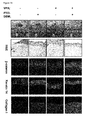
FIG. 2A shows a result showing that PTD-DBM according to the present disclosure can effectively heal acute wound in a mouse model. -
FIG. 2B shows a result of comparing the wound healing effect of PTD-DBM according to the present disclosure with that of fibronectin whose wound healing effect has been identified. -
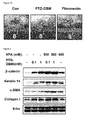
FIG. 3 shows a result of western blotting of a mouse wound treated with a composition for promoting wound healing according to the present disclosure. -
FIG. 4A shows a result of Masson's trichrome staining, picrosirius red staining and van Gieson staining of a mouse acute wound tissue treated with a composition for promoting wound healing according to the present disclosure. -
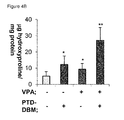
FIG. 4B shows a result of hydroxproline assay for quantitative measurement of collagen in a mouse acute wound tissue treated with a composition for promoting wound healing according to the present disclosure. - Hereinafter, the present disclosure is described in detail. The present disclosure relates to a composition for promoting wound healing, containing a polypeptide including an amino acid sequence of
SEQ ID NO 1. - The amino acid sequence of
SEQ ID NO 1 corresponds to a DBM (Dvl minimal binding) peptide which is a part of the protein CXXC4 or CXXC5 existing in the body. The DBM peptide inhibits interaction between ldbf (inhibitor of Dvl and bone formation, CXXC5) and Dvl (dishevelled), thereby activating the Wnt/ß-catenin signal transduction pathway. - As demonstrated in the following examples and figures, application of the polypeptide having an amino acid sequence of
SEQ ID NO 1 with 8 arginine residues attached to the N-terminal to a mouse acute wound leads to quick re-epithelialization of the mouse wound and increase in wound healing markers such as ß-catenin,keratin 14, collagen I, etc. - Accordingly, the polypeptide including an amino acid sequence of
SEQ ID NO 1 according to the present disclosure may be used as a pharmaceutical composition, a cosmetic composition, etc. for promoting wound healing. - The polypeptide according to the present disclosure may further include an amino acid sequence encoding a protein transduction domain (PTD) inserted to the amino acid sequence of
SEQ ID NO 1, so as to induce infiltration of the peptide having an amino acid sequence of SEQ ID NO 1 (DBM) into a cell through a cell membrane. - The PTD usually consists of a basic amino acid such as arginine, lysine, etc. By inserting the PTD at the N-terminal or C-terminal of the amino acid sequence of
SEQ ID NO 1, infiltration into a cell through a cell membrane may be induced. - In an exemplary embodiment, the PTD may be poly R8, HIV-Tat, HSV VP22, Antp or transportan. The poly R8 may have an amino acid sequence of
SEQ ID NO 2, the HIV-Tat may have an amino acid sequence of SEQ ID NO 3, the HSV VP22 may have an amino acid sequence of SEQ ID NO 4, the Antp may have an amino acid sequence of SEQ ID NO 5, and the transportan may have an amino acid sequence of SEQ ID NO 6. - The polypeptide according to the present disclosure may further include a linker inserted between the amino acid sequence of
SEQ ID NO 1 and the amino acid sequence encoding a PTD. In an exemplary embodiment, the linker inserted between the amino acid sequence ofSEQ ID NO 1 and the amino acid sequence encoding a PTD may consist of 4-12 amino acids, specifically 4-8 glycines, and the polypeptide according to the present disclosure further having the linker inserted may have an amino acid sequence of SEQ ID NO 7. - As seen from
FIG. 1 , when keratinocytes and fibroblasts which play an important role in wound healing were treated with a composition containing the polypeptide according to the present disclosure, it was confirmed that the peptide infiltrated into the cells well and increased ß-catenin in a concentration-dependent manner. - In particular, the keratinocytes found in the epidermis constitute the basal layer of the skin and form the horny layer (stratum corneum) through structural expansion and modification. The speed of wound healing is affected by the proliferation and migration speed of keratinocytes among other factors. It can be seen that the polypeptide according to the present disclosure is effective in wound healing since it infiltrates well into keratinocytes and increases ß-catenin.
- The composition for promoting wound healing according to the present disclosure may further contain a Wnt ligand or a low-molecular-weight compound which activates the Wnt signal transduction pathway in order to maximize wound healing effect. For example, it may further contain valproic acid (VPA), indirubin derivatives such as 6-bromoindirubin-3'-oxime (BIO), 6-bromoindirubin acetoxime (BIA) and indirubin 3'-oxime (IO), lithium chloride (LiCl), etc. As demonstrated in the following examples and figures, the Wnt ligand or low-molecular-weight compound accelerates re-epithelialization of acute wound and leads to increase in wound healing markers.
- The composition for promoting wound healing according to the present disclosure may be prepared into a formulation that can be administered to the skin wound through direct application, spraying, etc. For example, it may be prepared as cream, lotion, ointment, aerosol, gel or pack. The ingredients suitable for each formulation or a method for preparing the same are well known in the art. Those skilled in the art can adequately select the ingredients commonly used to prepare formulations for external application to prepare the formulation.
- Examples of such ingredients for ointment, cream, gel and lotion formulations include bases such as white vaseline, yellow vaseline, lanolin, white beeswax, cetanol, stearyl alcohol, stearic acid, hydrogenated oil, hydrocarbon gel, polyethylene glycol, liquid paraffin, squalane, etc. solvents and solubilizing agents such as oleic acid, isopropyl myristate, glyceryl triisooctanoate, crotamiton, diethyl sebacate, diisopropyl adipate, hexyl laurate, fatty acid, fatty acid ester, aliphatic alcohol, vegetable oil, etc., antioxidants such as tocopherol derivative, L-ascorbic acid, dibutylhydroxytoluene, butylhydroxyanisole, etc., antiseptics such as p-hydroxybenzoate, etc., moisturizers such as glycerin, propylene glycol, sodium hyaluronate, etc., surfactants such as polyoxyethylene derivatives, glycerin fatty acid ester, sucrose fatty acid ester, sorbitan fatty acid ester, propylene glycol fatty acid ester, lecithin, etc., thickeners such as carboxyvinyl polymer, xanthan gum, carboxymethyl cellulose, sodium carboxymethyl cellulose, hydroxypropyl cellulose, hydroxypropyl methylcellulose, etc., and so forth.
- For aerosol, in addition to the ingredients used for the preparation of ointment, cream, gel, suspension, emulsion, liquid, lotion, etc., various stabilizers, buffers, correctives, suspending agents, emulsifiers, flavoring agents, preservatives, solubilizing agents and other suitable additives may be added.
- The composition for promoting wound healing according to the present disclosure may be a pharmaceutical composition, a quasi-drug composition or a cosmetic composition.
- When the composition of the present disclosure is a pharmaceutical composition, it may be administered parenterally or topically through topical application. An adequate administration dose of the pharmaceutical composition may vary depending on the patient's condition and body weight, degree of wound, type of the composition, route and period of administration, etc. and may be selected adequately by those skilled in the art.
- In particular, when the pharmaceutical composition of the present disclosure is prepared as liquid, cream, lotion, gel or aerosol for topical application, it may contain commonly used suitable additives, e.g., preservatives, solvents aiding the infiltration of the composition, softeners in case of ointment or cream, or the like. The formulation for topical application may further contain a commonly used carrier, e.g., a cream or ointment base or ethanol or oleyl alcohol for lotion. The carrier may account for from about 1% to about 98%, more generally up to about 80%, of the formulation.
- When the composition of the present disclosure is a cosmetic composition, it may be prepared into various formulations. For example, it may be prepared into emulsion (oil-in-water, water-in-oil or multi-phase), lotion, cream, solution, suspension (anhydrous or aqueous), anhydrous product (oil or glycol), gel, mask, pack, powder, etc.
- The cosmetic composition of the present disclosure may further contain a cosmetically acceptable carrier. As used herein, the "cosmetically acceptable carrier" refers to a known compound or composition used in cosmetic formulations or a compound or composition to be developed, which is free from toxicity, instability or irritability upon contact with the skin, so that it can be used for human.
- The cosmetic composition of the present disclosure may contain the carrier in an amount of about 1-99.99 wt%, specifically about 90-99.99 wt%, based on the total weight of the composition. However, since the content may vary depending on the formulation of the cosmetic composition of the present disclosure, the part to which it is applied (e.g., face, neck, etc.) or the desired application amount, the above-described range should not be construed as limiting the scope of the present disclosure by any means.
- Examples of the carrier may include alcohol, oil, surfactant, fatty acid, silicone oil, humectant, moisturizer, viscosity modifier, emulsifier, stabilizer, sunscreen, colorant, fragrance, etc. Compounds or compositions that may be used as the alcohol, oil, surfactant, fatty acid, silicone oil, humectant, moisturizer, viscosity modifier, emulsion, stabilizer, sunscreen, colorant, fragrance, etc. are known in the art and may be adequately selected by those skilled in the art.
- Hereinafter, the present disclosure will be described in more detail through specific examples. However, the following examples are for illustrative purposes only and it will be apparent to those of ordinary skill in the art that the scope of the present disclosure is not limited by the examples.
- In order to confirm the effect of a polypeptide including an amino acid sequence of
SEQ ID NO 1, a PolyR8-DBM peptide wherein poly Rs (RRRRRRRR) and a polyglycine linker (GGGG) are attached to the N-terminal ofSEQ ID NO 1 and lysine and a fluorescent dye FITC (fluorescein isothiocyanate) are attached to the C-terminal was synthesized. PolyR8-DBM: RRRRRRRRGGGGRKTGHQICKFRKCK-(FITC) - For immunocytochemical staining, keratinocytes or fibroblasts were cultured on a 24-well plate and fixed in 4% paraformaldehyde for 15 minutes. After treating with 0.1% Triton X-100 for 15 minutes so that antibodies can permeate well and blocking with albumin so as to prevent nonspecific antigen-antibody reactions, antigen-antibody reactions were induced by treating with ß-catenin antibodies. Then, after inducing antigen-antibody reactions by treating with fluorescence-labeled secondary antibodies that can recognize the antibodies as antigens, the result was observed under a fluorescence microscope.
- As seen from
FIG. 1 , when the two types of cells that play important roles in wound healing (keratinocytes and fibroblasts) were treated with the composition according to the present disclosure, the peptide synthesized in Example 1 could effectively infiltrate into the cells and increased ß-catenin in a concentration-dependent manner. -
- (A) In order to confirm the wound healing promoting effect of the peptide synthesized in Example 1, hair was removed the back of a 7-week-old C3H mouse and a 1.5 cm x 1.5 cm sized wound was made. For a control group, 10 µL of a vehicle (50% ethanol, 20% propylene glycol, 30% water) was applied once a day for a period of 12 days. For test groups, 10 µL of the peptide or valproic acid (VPA) dissolved in the vehicle at concentrations of 100 µM and 500 mM, respectively, was applied. The skin tissue of the experimental mouse was fixed in 4% paraformaldehyde, embedded in paraffin and sliced with a thickness of 4 µm. The sliced tissue was deparaffinized, rehydrated and then stained with hematoxylin (violet) and eosin (pink) for observation of histological structure. For immunohistochemical staining, the skin tissue slice was deparaffinized, rehydrated and then incubated with 10 mM sodium citrate buffer at 121 °C for 15 minutes to recover antigenicity. The slice was blocked with albumin to prevent nonspecific antigen-antibody reactions and then antigen-antibody reactions were induced by treating with ß-catenin (1:100), keratin 14 (1:1000) and collagen I (1:500) antibodies used as wound healing markers. Subsequently, after inducing antigen-antibody reactions by treating the slice with fluorescence-labeled secondary antibodies that can recognize the antibodies as antigens, the result was observed using a fluorescence microscope.
- (B) In order to compare the wound healing promoting effect of the synthesized peptide with that of the existing drug, 10 uL of a vehicle (50% ethanol, 20% propylene glycol, 30% water), 100 µM PTD-DBM or 1.5 µM fibronectin was applied on a 1.5 cm x 1.5 cm sized wound of a 7-week-old C3H mouse once a day for a period of 12 days.
- As seen from
FIGS. 2A and2B , the PTD-DBM according to the present disclosure could quickly heal the acute wound in the mouse model and the effect of the PTD-DBM according to the present disclosure was synergically improved when it was used in combination with valproic acid (VPA). - Also, the H&E (hematoxylin and eosin) staining image shows that the PTD-DBM according to the present disclosure and VPA led to quick re-epithelialization of the acute wound. A synergistic effect was also achieved when the PTD-DBM and VPA were treated together with the wound healing markers such as ß-catenin,
keratin 14, collagen I, etc. - The wound healing effect of the PTD-DBM was excellent when compared with that of fibronectin.
- The wound tissue used in Test Example 2 was lysed with RIPA buffer and proteins were isolated on 10% SDS polyacrylamide gel and then transferred onto a membrane. The membrane was blocked using 5% nonfat dry skim milk and then incubated with ß-catenin (1:1000), α-SMA (1:1000), keratin 14 (1:1000) and collagen I (1:2000) antibodies. After inducing antigen-antibody reactions by adding enzyme-conjugated secondary antibodies that can recognize the antibodies as antigens, the result was observed using a LAS image analyzer.
- As seen from
FIG. 3 , the western blotting result of the mouse acute wound treated with the PTD-DBM according to the present disclosure and VPA revealed that the wound healing markers such as ß-catenin,keratin 14, α-SMA or collagen I were increased as compared to the control and the wound healing markers increased synergistically when the wound was treated with the PTD-DBM and VPA together. -
- (A) The mouse tissue used in Test Example 2 was fixed in 4% paraformaldehyde, embedded in paraffin and sliced with a thickness of 4 µm. The sliced tissue was deparaffinized, rehydrated and then subjected to van Gieson staining, Masson's trichrome staining and picrosirius red staining in order to evaluate the degree of collagen synthesis. Van Gieson staining was conducted by immersing the slide in Weigert's solution for 10 minutes and then in picro fuchsin solution for 2 minutes. Masson's trichrome staining was conducted by immersing the slide in Weigert's iron hematoxylin solution for 10 minutes and then in Biebrich scarlet/acid fuchsin and aniline blue for 5 minutes, respectively. Picrosirius red staining was conducted by immersing the slide in Weigert's solution for 8 minutes and then in picrosirius red for 1 hour.
- (B) The tissue used in Test Example 2 was dried in an incubator at 60 °C and then hydrolyzed at 110 °C with 6 N HCl. After adding chloramine T and Ehrlich's reagent to the hydrolyzed tissue, absorbance was measured at 550 nm using the FLUOstar OPTIMA luminometer.
- As seen from
FIGS. 4A and4B , increased collagen in the acute wound tissue treated with the PTD-DBM according to the present disclosure and VPA was confirmed by Masson's trichrome staining, picrosirius red staining and van Gieson staining. There was a synergistic effect in the increase of collagen synthesis when the wound was treated with the PTD-DBM and VPA together. This result was confirmed again by hydroxproline assay, which quantitatively measures collagen. -
- [SEQ ID NO 1]: RKTGHQICKFRKC
- [SEQ ID NO 2]: RRRRRRRR
- [SEQ ID NO 3]: YGRKKRRQRRR
- [SEQ ID NO 4]: DAATATRGRSAASRPTERPRAPARSASRPRRPVE
- [SEQ ID NO 5]: RQIKIWFQNRRMKWKK
- [SEQ ID NO 6]: AGYLLGKINLKALAALAKKIL
- [SEQ ID NO 7]: RRRRRRRRGGGGRKTGHQICKFRKC
Claims (12)
- A pharmaceutical composition for promoting wound healing, comprising a polypeptide comprising an amino acid sequence of SEQ ID NO 1.
- The pharmaceutical composition for promoting wound healing according to claim 1, wherein the polypeptide further comprises an amino acid sequence encoding a protein transduction domain (PTD) inserted to the amino acid sequence of SEQ ID NO 1.
- The pharmaceutical composition for promoting wound healing according to claim 2, wherein the protein transduction domain (PTD) comprises poly Rs, HIV-Tat, HSV VP22, Antp or transportan.
- The pharmaceutical composition for promoting wound healing according to claim 2, wherein the polypeptide further comprises a linker inserted between the amino acid sequence of SEQ ID NO 1 and the amino acid sequence encoding a PTD.
- The pharmaceutical composition for promoting wound healing according to claim 1, wherein the composition further comprises an activator of the Wnt signal transduction pathway.
- The pharmaceutical composition for promoting wound healing according to claim 5, wherein the activator of the Wnt signal transduction pathway is selected from the group consisting of valproic acid (VPA), 6-bromoindirubin-3'-oxime (BIO), 6-bromoindirubin acetoxime (BIA), indirubin 3'-oxime (IO), and lithium chloride (LiCl).
- A cosmetic composition for promoting wound healing, comprising a polypeptide comprising an amino acid sequence of SEQ ID NO 1.
- The cosmetic composition for promoting wound healing according to claim 7, wherein the polypeptide further comprises an amino acid sequence encoding a protein transduction domain (PTD) inserted to the amino acid sequence of SEQ ID NO 1.
- The cosmetic composition for promoting wound healing according to claim 8, wherein the protein transduction domain (PTD) comprises poly Rs, HIV-Tat, HSV VP22, Antp or transportan.
- The cosmetic composition for promoting wound healing according to claim 8, wherein the polypeptide further comprises a linker inserted between the amino acid sequence of SEQ ID NO 1 and the amino acid sequence encoding a PTD.
- The cosmetic composition for promoting wound healing according to claim 7, wherein the composition further comprises an activator of the Wnt signal transduction pathway.
- The cosmetic composition for promoting wound healing according to claim 11, wherein the activator of the Wnt signal transduction pathway is selected from the group consisting of valproic acid (VPA), 6-bromoindirubin-3'-oxime (BIO), 6-bromoindirubin acetoxime (BIA), indirubin 3'-oxime (IO), and lithium chloride (LiCl).
Applications Claiming Priority (1)
| Application Number | Priority Date | Filing Date | Title |
|---|---|---|---|
| KR1020140015791A KR101721028B1 (en) | 2014-02-12 | 2014-02-12 | Compsition for promotion of wound healing |
Publications (2)
| Publication Number | Publication Date |
|---|---|
| EP2907520A1 true EP2907520A1 (en) | 2015-08-19 |
| EP2907520B1 EP2907520B1 (en) | 2019-02-20 |
Family
ID=52292725
Family Applications (1)
| Application Number | Title | Priority Date | Filing Date |
|---|---|---|---|
| EP14200696.4A Active EP2907520B1 (en) | 2014-02-12 | 2014-12-31 | Composition for promoting wound healing |
Country Status (4)
| Country | Link |
|---|---|
| US (1) | US9763994B2 (en) |
| EP (1) | EP2907520B1 (en) |
| KR (1) | KR101721028B1 (en) |
| WO (1) | WO2015122592A1 (en) |
Families Citing this family (4)
| Publication number | Priority date | Publication date | Assignee | Title |
|---|---|---|---|---|
| US11028138B2 (en) * | 2016-07-02 | 2021-06-08 | Virongy L.L.C. | Compositions and methods for using actin-based peptides to modulate cellular bioactivity and cellular susceptibility to intracellular pathogens |
| WO2020009503A1 (en) | 2018-07-06 | 2020-01-09 | 주식회사 씨케이바이오텍 | Pharmaceutical composition comprising indirubin derivative as active ingredient |
| KR102247453B1 (en) * | 2019-07-03 | 2021-05-04 | 주식회사 씨케이바이오텍 | composition for preventing or treating for preventing or treating diabetic wound comprising Indirubin derivative compound |
| KR20240019910A (en) | 2022-08-05 | 2024-02-14 | 주식회사 씨케이리제온 | Hydrogel patches for wound healing or reducing scar |
Citations (3)
| Publication number | Priority date | Publication date | Assignee | Title |
|---|---|---|---|---|
| WO2009151337A2 (en) * | 2008-06-09 | 2009-12-17 | Bergen Teknologioverføring As | Novel retinoid inducible factor and uses thereof |
| US20110135652A1 (en) * | 2008-08-04 | 2011-06-09 | Industry-Academic Cooperation Foundation Yonsei University | Novel Use of Idbf |
| WO2014073919A1 (en) * | 2012-11-12 | 2014-05-15 | 연세대학교 산학협력단 | Composition for preventing, treating or reducing alopecia |
Family Cites Families (1)
| Publication number | Priority date | Publication date | Assignee | Title |
|---|---|---|---|---|
| KR101303950B1 (en) * | 2011-03-31 | 2013-09-05 | 연세대학교 산학협력단 | Composition for prevention and treatment of bone diseases comprising extract of zanthoxylum piperritum |
-
2014
- 2014-02-12 KR KR1020140015791A patent/KR101721028B1/en active Active
- 2014-10-27 WO PCT/KR2014/010102 patent/WO2015122592A1/en not_active Ceased
- 2014-12-11 US US14/567,268 patent/US9763994B2/en active Active
- 2014-12-31 EP EP14200696.4A patent/EP2907520B1/en active Active
Patent Citations (3)
| Publication number | Priority date | Publication date | Assignee | Title |
|---|---|---|---|---|
| WO2009151337A2 (en) * | 2008-06-09 | 2009-12-17 | Bergen Teknologioverføring As | Novel retinoid inducible factor and uses thereof |
| US20110135652A1 (en) * | 2008-08-04 | 2011-06-09 | Industry-Academic Cooperation Foundation Yonsei University | Novel Use of Idbf |
| WO2014073919A1 (en) * | 2012-11-12 | 2014-05-15 | 연세대학교 산학협력단 | Composition for preventing, treating or reducing alopecia |
Non-Patent Citations (1)
| Title |
|---|
| H.-Y. KIM ET AL: "CXXC5 is a transcriptional activator of Flk-1 and mediates bone morphogenic protein-induced endothelial cell differentiation and vessel formation", THE FASEB JOURNAL, vol. 28, no. 2, 17 October 2013 (2013-10-17), pages 615 - 626, XP055196463, ISSN: 0892-6638, DOI: 10.1096/fj.13-236216 * |
Also Published As
| Publication number | Publication date |
|---|---|
| KR20150094900A (en) | 2015-08-20 |
| US9763994B2 (en) | 2017-09-19 |
| KR101721028B1 (en) | 2017-03-29 |
| WO2015122592A1 (en) | 2015-08-20 |
| US20150224167A1 (en) | 2015-08-13 |
| EP2907520B1 (en) | 2019-02-20 |
Similar Documents
| Publication | Publication Date | Title |
|---|---|---|
| KR101715631B1 (en) | Compositions and methods for skin care | |
| JP3706615B2 (en) | Composition for preventing and reducing skin wrinkles | |
| EP3914279A1 (en) | Skin renewing and healing mixture of peptide components and its use | |
| EP3612274A1 (en) | Parenteral non-systemic administration of buffering agents for inhibiting metastasis of solid tumors, hyperpigmentation and gout | |
| KR20130130694A (en) | Compounds and methods for skin repair | |
| EP2907520B1 (en) | Composition for promoting wound healing | |
| KR101623375B1 (en) | Compositions for treating rosacea comprising chitosan and a dicarboxylic acid | |
| JP6580342B2 (en) | Tropoelastin expression promoter and elastin production promoter | |
| KR101885591B1 (en) | Pharmaceutical composition for wound healing containing Humanin or analogue thereof as an active ingredient | |
| EP3708574A1 (en) | Peptide for inhibiting skin inflammation and composition containing same for prevention or treatment of skin inflammation | |
| KR101769545B1 (en) | Composition for treating wound comprising daphnin and use thereof | |
| JP5923410B2 (en) | Collagen gel contraction promoter | |
| JP7695716B2 (en) | Peptides and compositions for use in cosmetics and pharmaceuticals | |
| KR20250101168A (en) | Composition for skin wound healing and regeneration comprising EDTA | |
| CN112334131B (en) | Pharmaceutical composition comprising indirubin derivative as active ingredient | |
| JP2021070661A (en) | Composition for inhibiting tslp gene expression, for inhibiting il-33 gene expression, or for promoting filaggrin production | |
| HK40026636A (en) | Peptide or composition containing it for inhibiting atopic dermatitis | |
| BR102015007993B1 (en) | cosmeceutical and / or dermatological composition, its production process and its use | |
| WO2018123002A1 (en) | Topical composition | |
| KR20150118394A (en) | Composition for improving skin conditions containing a combination of cytokines | |
| CZ104699A3 (en) | Method of influencing skin pigmentation and composition for making the same |
Legal Events
| Date | Code | Title | Description |
|---|---|---|---|
| PUAI | Public reference made under article 153(3) epc to a published international application that has entered the european phase |
Free format text: ORIGINAL CODE: 0009012 |
|
| 17P | Request for examination filed |
Effective date: 20141231 |
|
| AK | Designated contracting states |
Kind code of ref document: A1 Designated state(s): AL AT BE BG CH CY CZ DE DK EE ES FI FR GB GR HR HU IE IS IT LI LT LU LV MC MK MT NL NO PL PT RO RS SE SI SK SM TR |
|
| AX | Request for extension of the european patent |
Extension state: BA ME |
|
| RBV | Designated contracting states (corrected) |
Designated state(s): AL AT BE BG CH CY CZ DE DK EE ES FI FR GB GR HR HU IE IS IT LI LT LU LV MC MK MT NL NO PL PT RO RS SE SI SK SM TR |
|
| 17Q | First examination report despatched |
Effective date: 20160704 |
|
| STAA | Information on the status of an ep patent application or granted ep patent |
Free format text: STATUS: EXAMINATION IS IN PROGRESS |
|
| REG | Reference to a national code |
Ref country code: DE Ref legal event code: R079 Ref document number: 602014041214 Country of ref document: DE Free format text: PREVIOUS MAIN CLASS: A61K0038100000 Ipc: A61P0017020000 |
|
| RIC1 | Information provided on ipc code assigned before grant |
Ipc: A61P 17/02 20060101AFI20180723BHEP Ipc: A61K 38/10 20060101ALI20180723BHEP Ipc: A61K 38/17 20060101ALI20180723BHEP |
|
| GRAP | Despatch of communication of intention to grant a patent |
Free format text: ORIGINAL CODE: EPIDOSNIGR1 |
|
| STAA | Information on the status of an ep patent application or granted ep patent |
Free format text: STATUS: GRANT OF PATENT IS INTENDED |
|
| INTG | Intention to grant announced |
Effective date: 20180904 |
|
| GRAS | Grant fee paid |
Free format text: ORIGINAL CODE: EPIDOSNIGR3 |
|
| GRAA | (expected) grant |
Free format text: ORIGINAL CODE: 0009210 |
|
| STAA | Information on the status of an ep patent application or granted ep patent |
Free format text: STATUS: THE PATENT HAS BEEN GRANTED |
|
| AK | Designated contracting states |
Kind code of ref document: B1 Designated state(s): AL AT BE BG CH CY CZ DE DK EE ES FI FR GB GR HR HU IE IS IT LI LT LU LV MC MK MT NL NO PL PT RO RS SE SI SK SM TR |
|
| REG | Reference to a national code |
Ref country code: GB Ref legal event code: FG4D |
|
| REG | Reference to a national code |
Ref country code: CH Ref legal event code: EP |
|
| REG | Reference to a national code |
Ref country code: DE Ref legal event code: R096 Ref document number: 602014041214 Country of ref document: DE |
|
| REG | Reference to a national code |
Ref country code: AT Ref legal event code: REF Ref document number: 1097401 Country of ref document: AT Kind code of ref document: T Effective date: 20190315 |
|
| REG | Reference to a national code |
Ref country code: IE Ref legal event code: FG4D |
|
| REG | Reference to a national code |
Ref country code: NL Ref legal event code: MP Effective date: 20190220 |
|
| REG | Reference to a national code |
Ref country code: LT Ref legal event code: MG4D |
|
| PG25 | Lapsed in a contracting state [announced via postgrant information from national office to epo] |
Ref country code: FI Free format text: LAPSE BECAUSE OF FAILURE TO SUBMIT A TRANSLATION OF THE DESCRIPTION OR TO PAY THE FEE WITHIN THE PRESCRIBED TIME-LIMIT Effective date: 20190220 Ref country code: LT Free format text: LAPSE BECAUSE OF FAILURE TO SUBMIT A TRANSLATION OF THE DESCRIPTION OR TO PAY THE FEE WITHIN THE PRESCRIBED TIME-LIMIT Effective date: 20190220 Ref country code: SE Free format text: LAPSE BECAUSE OF FAILURE TO SUBMIT A TRANSLATION OF THE DESCRIPTION OR TO PAY THE FEE WITHIN THE PRESCRIBED TIME-LIMIT Effective date: 20190220 Ref country code: NL Free format text: LAPSE BECAUSE OF FAILURE TO SUBMIT A TRANSLATION OF THE DESCRIPTION OR TO PAY THE FEE WITHIN THE PRESCRIBED TIME-LIMIT Effective date: 20190220 Ref country code: PT Free format text: LAPSE BECAUSE OF FAILURE TO SUBMIT A TRANSLATION OF THE DESCRIPTION OR TO PAY THE FEE WITHIN THE PRESCRIBED TIME-LIMIT Effective date: 20190620 Ref country code: NO Free format text: LAPSE BECAUSE OF FAILURE TO SUBMIT A TRANSLATION OF THE DESCRIPTION OR TO PAY THE FEE WITHIN THE PRESCRIBED TIME-LIMIT Effective date: 20190520 |
|
| PG25 | Lapsed in a contracting state [announced via postgrant information from national office to epo] |
Ref country code: RS Free format text: LAPSE BECAUSE OF FAILURE TO SUBMIT A TRANSLATION OF THE DESCRIPTION OR TO PAY THE FEE WITHIN THE PRESCRIBED TIME-LIMIT Effective date: 20190220 Ref country code: LV Free format text: LAPSE BECAUSE OF FAILURE TO SUBMIT A TRANSLATION OF THE DESCRIPTION OR TO PAY THE FEE WITHIN THE PRESCRIBED TIME-LIMIT Effective date: 20190220 Ref country code: IS Free format text: LAPSE BECAUSE OF FAILURE TO SUBMIT A TRANSLATION OF THE DESCRIPTION OR TO PAY THE FEE WITHIN THE PRESCRIBED TIME-LIMIT Effective date: 20190620 Ref country code: HR Free format text: LAPSE BECAUSE OF FAILURE TO SUBMIT A TRANSLATION OF THE DESCRIPTION OR TO PAY THE FEE WITHIN THE PRESCRIBED TIME-LIMIT Effective date: 20190220 Ref country code: GR Free format text: LAPSE BECAUSE OF FAILURE TO SUBMIT A TRANSLATION OF THE DESCRIPTION OR TO PAY THE FEE WITHIN THE PRESCRIBED TIME-LIMIT Effective date: 20190521 Ref country code: BG Free format text: LAPSE BECAUSE OF FAILURE TO SUBMIT A TRANSLATION OF THE DESCRIPTION OR TO PAY THE FEE WITHIN THE PRESCRIBED TIME-LIMIT Effective date: 20190520 |
|
| REG | Reference to a national code |
Ref country code: AT Ref legal event code: MK05 Ref document number: 1097401 Country of ref document: AT Kind code of ref document: T Effective date: 20190220 |
|
| PG25 | Lapsed in a contracting state [announced via postgrant information from national office to epo] |
Ref country code: EE Free format text: LAPSE BECAUSE OF FAILURE TO SUBMIT A TRANSLATION OF THE DESCRIPTION OR TO PAY THE FEE WITHIN THE PRESCRIBED TIME-LIMIT Effective date: 20190220 Ref country code: RO Free format text: LAPSE BECAUSE OF FAILURE TO SUBMIT A TRANSLATION OF THE DESCRIPTION OR TO PAY THE FEE WITHIN THE PRESCRIBED TIME-LIMIT Effective date: 20190220 Ref country code: ES Free format text: LAPSE BECAUSE OF FAILURE TO SUBMIT A TRANSLATION OF THE DESCRIPTION OR TO PAY THE FEE WITHIN THE PRESCRIBED TIME-LIMIT Effective date: 20190220 Ref country code: CZ Free format text: LAPSE BECAUSE OF FAILURE TO SUBMIT A TRANSLATION OF THE DESCRIPTION OR TO PAY THE FEE WITHIN THE PRESCRIBED TIME-LIMIT Effective date: 20190220 Ref country code: AL Free format text: LAPSE BECAUSE OF FAILURE TO SUBMIT A TRANSLATION OF THE DESCRIPTION OR TO PAY THE FEE WITHIN THE PRESCRIBED TIME-LIMIT Effective date: 20190220 Ref country code: IT Free format text: LAPSE BECAUSE OF FAILURE TO SUBMIT A TRANSLATION OF THE DESCRIPTION OR TO PAY THE FEE WITHIN THE PRESCRIBED TIME-LIMIT Effective date: 20190220 Ref country code: DK Free format text: LAPSE BECAUSE OF FAILURE TO SUBMIT A TRANSLATION OF THE DESCRIPTION OR TO PAY THE FEE WITHIN THE PRESCRIBED TIME-LIMIT Effective date: 20190220 Ref country code: SK Free format text: LAPSE BECAUSE OF FAILURE TO SUBMIT A TRANSLATION OF THE DESCRIPTION OR TO PAY THE FEE WITHIN THE PRESCRIBED TIME-LIMIT Effective date: 20190220 |
|
| REG | Reference to a national code |
Ref country code: DE Ref legal event code: R097 Ref document number: 602014041214 Country of ref document: DE |
|
| PG25 | Lapsed in a contracting state [announced via postgrant information from national office to epo] |
Ref country code: PL Free format text: LAPSE BECAUSE OF FAILURE TO SUBMIT A TRANSLATION OF THE DESCRIPTION OR TO PAY THE FEE WITHIN THE PRESCRIBED TIME-LIMIT Effective date: 20190220 Ref country code: SM Free format text: LAPSE BECAUSE OF FAILURE TO SUBMIT A TRANSLATION OF THE DESCRIPTION OR TO PAY THE FEE WITHIN THE PRESCRIBED TIME-LIMIT Effective date: 20190220 |
|
| PLBE | No opposition filed within time limit |
Free format text: ORIGINAL CODE: 0009261 |
|
| STAA | Information on the status of an ep patent application or granted ep patent |
Free format text: STATUS: NO OPPOSITION FILED WITHIN TIME LIMIT |
|
| PG25 | Lapsed in a contracting state [announced via postgrant information from national office to epo] |
Ref country code: AT Free format text: LAPSE BECAUSE OF FAILURE TO SUBMIT A TRANSLATION OF THE DESCRIPTION OR TO PAY THE FEE WITHIN THE PRESCRIBED TIME-LIMIT Effective date: 20190220 |
|
| 26N | No opposition filed |
Effective date: 20191121 |
|
| PG25 | Lapsed in a contracting state [announced via postgrant information from national office to epo] |
Ref country code: SI Free format text: LAPSE BECAUSE OF FAILURE TO SUBMIT A TRANSLATION OF THE DESCRIPTION OR TO PAY THE FEE WITHIN THE PRESCRIBED TIME-LIMIT Effective date: 20190220 |
|
| REG | Reference to a national code |
Ref country code: GB Ref legal event code: 732E Free format text: REGISTERED BETWEEN 20200227 AND 20200304 |
|
| REG | Reference to a national code |
Ref country code: DE Ref legal event code: R081 Ref document number: 602014041214 Country of ref document: DE Owner name: CK BIOTECH CORP., KR Free format text: FORMER OWNER: INDUSTRY-ACADEMIC COOPERATION FOUNDATION, YONSEI UNIVERSITY, SEOUL, KR |
|
| PG25 | Lapsed in a contracting state [announced via postgrant information from national office to epo] |
Ref country code: TR Free format text: LAPSE BECAUSE OF FAILURE TO SUBMIT A TRANSLATION OF THE DESCRIPTION OR TO PAY THE FEE WITHIN THE PRESCRIBED TIME-LIMIT Effective date: 20190220 |
|
| REG | Reference to a national code |
Ref country code: CH Ref legal event code: PL |
|
| REG | Reference to a national code |
Ref country code: BE Ref legal event code: MM Effective date: 20191231 |
|
| PG25 | Lapsed in a contracting state [announced via postgrant information from national office to epo] |
Ref country code: MC Free format text: LAPSE BECAUSE OF FAILURE TO SUBMIT A TRANSLATION OF THE DESCRIPTION OR TO PAY THE FEE WITHIN THE PRESCRIBED TIME-LIMIT Effective date: 20190220 |
|
| PG25 | Lapsed in a contracting state [announced via postgrant information from national office to epo] |
Ref country code: IE Free format text: LAPSE BECAUSE OF NON-PAYMENT OF DUE FEES Effective date: 20191231 Ref country code: LU Free format text: LAPSE BECAUSE OF NON-PAYMENT OF DUE FEES Effective date: 20191231 |
|
| PG25 | Lapsed in a contracting state [announced via postgrant information from national office to epo] |
Ref country code: BE Free format text: LAPSE BECAUSE OF NON-PAYMENT OF DUE FEES Effective date: 20191231 Ref country code: CH Free format text: LAPSE BECAUSE OF NON-PAYMENT OF DUE FEES Effective date: 20191231 Ref country code: LI Free format text: LAPSE BECAUSE OF NON-PAYMENT OF DUE FEES Effective date: 20191231 |
|
| PG25 | Lapsed in a contracting state [announced via postgrant information from national office to epo] |
Ref country code: CY Free format text: LAPSE BECAUSE OF FAILURE TO SUBMIT A TRANSLATION OF THE DESCRIPTION OR TO PAY THE FEE WITHIN THE PRESCRIBED TIME-LIMIT Effective date: 20190220 |
|
| PG25 | Lapsed in a contracting state [announced via postgrant information from national office to epo] |
Ref country code: MT Free format text: LAPSE BECAUSE OF FAILURE TO SUBMIT A TRANSLATION OF THE DESCRIPTION OR TO PAY THE FEE WITHIN THE PRESCRIBED TIME-LIMIT Effective date: 20190220 Ref country code: HU Free format text: LAPSE BECAUSE OF FAILURE TO SUBMIT A TRANSLATION OF THE DESCRIPTION OR TO PAY THE FEE WITHIN THE PRESCRIBED TIME-LIMIT; INVALID AB INITIO Effective date: 20141231 |
|
| PG25 | Lapsed in a contracting state [announced via postgrant information from national office to epo] |
Ref country code: MK Free format text: LAPSE BECAUSE OF FAILURE TO SUBMIT A TRANSLATION OF THE DESCRIPTION OR TO PAY THE FEE WITHIN THE PRESCRIBED TIME-LIMIT Effective date: 20190220 |
|
| PGFP | Annual fee paid to national office [announced via postgrant information from national office to epo] |
Ref country code: DE Payment date: 20251211 Year of fee payment: 12 |
|
| PGFP | Annual fee paid to national office [announced via postgrant information from national office to epo] |
Ref country code: GB Payment date: 20251219 Year of fee payment: 12 |
|
| PGFP | Annual fee paid to national office [announced via postgrant information from national office to epo] |
Ref country code: FR Payment date: 20251223 Year of fee payment: 12 |