EP2905340A1 - Biological coproduction of 1,3-propanediol and n-butanol - Google Patents
Biological coproduction of 1,3-propanediol and n-butanol Download PDFInfo
- Publication number
- EP2905340A1 EP2905340A1 EP14305169.6A EP14305169A EP2905340A1 EP 2905340 A1 EP2905340 A1 EP 2905340A1 EP 14305169 A EP14305169 A EP 14305169A EP 2905340 A1 EP2905340 A1 EP 2905340A1
- Authority
- EP
- European Patent Office
- Prior art keywords
- butanol
- fermentation broth
- gas
- fermentation
- stripping
- Prior art date
- Legal status (The legal status is an assumption and is not a legal conclusion. Google has not performed a legal analysis and makes no representation as to the accuracy of the status listed.)
- Withdrawn
Links
- LRHPLDYGYMQRHN-UHFFFAOYSA-N N-Butanol Chemical compound CCCCO LRHPLDYGYMQRHN-UHFFFAOYSA-N 0.000 title claims abstract description 174
- 229920000166 polytrimethylene carbonate Polymers 0.000 title claims abstract description 17
- DNIAPMSPPWPWGF-VKHMYHEASA-N (+)-propylene glycol Chemical compound C[C@H](O)CO DNIAPMSPPWPWGF-VKHMYHEASA-N 0.000 title claims abstract description 15
- YPFDHNVEDLHUCE-UHFFFAOYSA-N 1,3-propanediol Substances OCCCO YPFDHNVEDLHUCE-UHFFFAOYSA-N 0.000 title claims abstract description 15
- 238000000855 fermentation Methods 0.000 claims abstract description 102
- 230000004151 fermentation Effects 0.000 claims abstract description 102
- PEDCQBHIVMGVHV-UHFFFAOYSA-N Glycerine Chemical compound OCC(O)CO PEDCQBHIVMGVHV-UHFFFAOYSA-N 0.000 claims abstract description 93
- 238000000034 method Methods 0.000 claims abstract description 31
- 239000000203 mixture Substances 0.000 claims abstract description 16
- 241000193403 Clostridium Species 0.000 claims abstract description 12
- 239000003638 chemical reducing agent Substances 0.000 claims abstract description 10
- OKTJSMMVPCPJKN-UHFFFAOYSA-N Carbon Chemical compound [C] OKTJSMMVPCPJKN-UHFFFAOYSA-N 0.000 claims abstract description 9
- 229910052799 carbon Inorganic materials 0.000 claims abstract description 7
- 238000012258 culturing Methods 0.000 claims abstract description 6
- 241000193469 Clostridium pasteurianum Species 0.000 claims description 9
- 239000001963 growth medium Substances 0.000 claims description 7
- 239000000110 cooling liquid Substances 0.000 claims description 5
- 238000004821 distillation Methods 0.000 claims description 5
- XUJNEKJLAYXESH-UHFFFAOYSA-N cysteine Natural products SCC(N)C(O)=O XUJNEKJLAYXESH-UHFFFAOYSA-N 0.000 claims description 4
- 241000193171 Clostridium butyricum Species 0.000 claims description 2
- 241000272479 Clostridium diolis Species 0.000 claims description 2
- 238000009833 condensation Methods 0.000 claims description 2
- 230000005494 condensation Effects 0.000 claims description 2
- 235000018417 cysteine Nutrition 0.000 claims description 2
- 125000000151 cysteine group Chemical group N[C@@H](CS)C(=O)* 0.000 claims 1
- 239000007789 gas Substances 0.000 description 70
- LFQSCWFLJHTTHZ-UHFFFAOYSA-N Ethanol Chemical compound CCO LFQSCWFLJHTTHZ-UHFFFAOYSA-N 0.000 description 18
- IJGRMHOSHXDMSA-UHFFFAOYSA-N Atomic nitrogen Chemical compound N#N IJGRMHOSHXDMSA-UHFFFAOYSA-N 0.000 description 12
- 238000004519 manufacturing process Methods 0.000 description 11
- 238000011065 in-situ storage Methods 0.000 description 8
- WQZGKKKJIJFFOK-GASJEMHNSA-N Glucose Natural products OC[C@H]1OC(O)[C@H](O)[C@@H](O)[C@@H]1O WQZGKKKJIJFFOK-GASJEMHNSA-N 0.000 description 7
- 239000008103 glucose Substances 0.000 description 7
- XLYOFNOQVPJJNP-UHFFFAOYSA-N water Substances O XLYOFNOQVPJJNP-UHFFFAOYSA-N 0.000 description 7
- 229910052757 nitrogen Inorganic materials 0.000 description 6
- 239000012071 phase Substances 0.000 description 6
- 230000008569 process Effects 0.000 description 6
- KWYUFKZDYYNOTN-UHFFFAOYSA-M Potassium hydroxide Chemical compound [OH-].[K+] KWYUFKZDYYNOTN-UHFFFAOYSA-M 0.000 description 5
- QGZKDVFQNNGYKY-UHFFFAOYSA-N Ammonia Chemical compound N QGZKDVFQNNGYKY-UHFFFAOYSA-N 0.000 description 4
- 241000894006 Bacteria Species 0.000 description 4
- FERIUCNNQQJTOY-UHFFFAOYSA-N Butyric acid Chemical compound CCCC(O)=O FERIUCNNQQJTOY-UHFFFAOYSA-N 0.000 description 4
- XEEYBQQBJWHFJM-UHFFFAOYSA-N Iron Chemical compound [Fe] XEEYBQQBJWHFJM-UHFFFAOYSA-N 0.000 description 4
- XSQUKJJJFZCRTK-UHFFFAOYSA-N Urea Chemical compound NC(N)=O XSQUKJJJFZCRTK-UHFFFAOYSA-N 0.000 description 4
- 238000000926 separation method Methods 0.000 description 4
- QTBSBXVTEAMEQO-UHFFFAOYSA-N Acetic acid Chemical compound CC(O)=O QTBSBXVTEAMEQO-UHFFFAOYSA-N 0.000 description 3
- CSCPPACGZOOCGX-UHFFFAOYSA-N Acetone Chemical compound CC(C)=O CSCPPACGZOOCGX-UHFFFAOYSA-N 0.000 description 3
- HEMHJVSKTPXQMS-UHFFFAOYSA-M Sodium hydroxide Chemical compound [OH-].[Na+] HEMHJVSKTPXQMS-UHFFFAOYSA-M 0.000 description 3
- 150000001875 compounds Chemical class 0.000 description 3
- 239000000446 fuel Substances 0.000 description 3
- 230000002401 inhibitory effect Effects 0.000 description 3
- 230000000813 microbial effect Effects 0.000 description 3
- 244000005700 microbiome Species 0.000 description 3
- 239000012074 organic phase Substances 0.000 description 3
- 239000000126 substance Substances 0.000 description 3
- 231100000419 toxicity Toxicity 0.000 description 3
- 230000001988 toxicity Effects 0.000 description 3
- WQRBJFZKPWPIJD-UHFFFAOYSA-N 1,1-dibutoxybutane Chemical compound CCCCOC(CCC)OCCCC WQRBJFZKPWPIJD-UHFFFAOYSA-N 0.000 description 2
- QLCJOAMJPCOIDI-UHFFFAOYSA-N 1-(butoxymethoxy)butane Chemical compound CCCCOCOCCCC QLCJOAMJPCOIDI-UHFFFAOYSA-N 0.000 description 2
- 239000002028 Biomass Substances 0.000 description 2
- 241001483585 Clostridium pasteurianum DSM 525 = ATCC 6013 Species 0.000 description 2
- 239000007836 KH2PO4 Substances 0.000 description 2
- 229910019142 PO4 Inorganic materials 0.000 description 2
- 229910021529 ammonia Inorganic materials 0.000 description 2
- 230000015572 biosynthetic process Effects 0.000 description 2
- 229940041514 candida albicans extract Drugs 0.000 description 2
- 239000004202 carbamide Substances 0.000 description 2
- ZPWVASYFFYYZEW-UHFFFAOYSA-L dipotassium hydrogen phosphate Chemical compound [K+].[K+].OP([O-])([O-])=O ZPWVASYFFYYZEW-UHFFFAOYSA-L 0.000 description 2
- 229910000396 dipotassium phosphate Inorganic materials 0.000 description 2
- 238000005516 engineering process Methods 0.000 description 2
- 238000002474 experimental method Methods 0.000 description 2
- 230000002349 favourable effect Effects 0.000 description 2
- 229910052742 iron Inorganic materials 0.000 description 2
- BAUYGSIQEAFULO-UHFFFAOYSA-L iron(2+) sulfate (anhydrous) Chemical compound [Fe+2].[O-]S([O-])(=O)=O BAUYGSIQEAFULO-UHFFFAOYSA-L 0.000 description 2
- 229910000359 iron(II) sulfate Inorganic materials 0.000 description 2
- 239000007788 liquid Substances 0.000 description 2
- 239000000463 material Substances 0.000 description 2
- 239000013028 medium composition Substances 0.000 description 2
- 229910000402 monopotassium phosphate Inorganic materials 0.000 description 2
- NBIIXXVUZAFLBC-UHFFFAOYSA-K phosphate Chemical compound [O-]P([O-])([O-])=O NBIIXXVUZAFLBC-UHFFFAOYSA-K 0.000 description 2
- 239000010452 phosphate Substances 0.000 description 2
- -1 polytrimethylene carbonate Polymers 0.000 description 2
- 229920002215 polytrimethylene terephthalate Polymers 0.000 description 2
- GNSKLFRGEWLPPA-UHFFFAOYSA-M potassium dihydrogen phosphate Chemical compound [K+].OP(O)([O-])=O GNSKLFRGEWLPPA-UHFFFAOYSA-M 0.000 description 2
- 238000004064 recycling Methods 0.000 description 2
- GEHJYWRUCIMESM-UHFFFAOYSA-L sodium sulfite Chemical compound [Na+].[Na+].[O-]S([O-])=O GEHJYWRUCIMESM-UHFFFAOYSA-L 0.000 description 2
- 238000000638 solvent extraction Methods 0.000 description 2
- 239000000758 substrate Substances 0.000 description 2
- 238000003786 synthesis reaction Methods 0.000 description 2
- 239000012138 yeast extract Substances 0.000 description 2
- CXBFTMAIVDLZLG-UHFFFAOYSA-N 1-(2-butoxypropan-2-yloxy)butane Chemical compound CCCCOC(C)(C)OCCCC CXBFTMAIVDLZLG-UHFFFAOYSA-N 0.000 description 1
- DKPFZGUDAPQIHT-UHFFFAOYSA-N Butyl acetate Natural products CCCCOC(C)=O DKPFZGUDAPQIHT-UHFFFAOYSA-N 0.000 description 1
- FFEARJCKVFRZRR-BYPYZUCNSA-N L-methionine Chemical compound CSCC[C@H](N)C(O)=O FFEARJCKVFRZRR-BYPYZUCNSA-N 0.000 description 1
- 239000002253 acid Substances 0.000 description 1
- 150000007513 acids Chemical class 0.000 description 1
- 230000009471 action Effects 0.000 description 1
- 239000000654 additive Substances 0.000 description 1
- BFNBIHQBYMNNAN-UHFFFAOYSA-N ammonium sulfate Chemical compound N.N.OS(O)(=O)=O BFNBIHQBYMNNAN-UHFFFAOYSA-N 0.000 description 1
- 229910052921 ammonium sulfate Inorganic materials 0.000 description 1
- WQZGKKKJIJFFOK-VFUOTHLCSA-N beta-D-glucose Chemical compound OC[C@H]1O[C@@H](O)[C@H](O)[C@@H](O)[C@@H]1O WQZGKKKJIJFFOK-VFUOTHLCSA-N 0.000 description 1
- 239000000872 buffer Substances 0.000 description 1
- 229940043232 butyl acetate Drugs 0.000 description 1
- CQEYYJKEWSMYFG-UHFFFAOYSA-N butyl acrylate Chemical compound CCCCOC(=O)C=C CQEYYJKEWSMYFG-UHFFFAOYSA-N 0.000 description 1
- LLSDKQJKOVVTOJ-UHFFFAOYSA-L calcium chloride dihydrate Chemical compound O.O.[Cl-].[Cl-].[Ca+2] LLSDKQJKOVVTOJ-UHFFFAOYSA-L 0.000 description 1
- 238000006243 chemical reaction Methods 0.000 description 1
- 230000000052 comparative effect Effects 0.000 description 1
- 239000000470 constituent Substances 0.000 description 1
- 239000002826 coolant Substances 0.000 description 1
- 230000001419 dependent effect Effects 0.000 description 1
- 238000013461 design Methods 0.000 description 1
- MTHSVFCYNBDYFN-UHFFFAOYSA-N diethylene glycol Chemical compound OCCOCCO MTHSVFCYNBDYFN-UHFFFAOYSA-N 0.000 description 1
- 238000011143 downstream manufacturing Methods 0.000 description 1
- 239000000835 fiber Substances 0.000 description 1
- 238000001914 filtration Methods 0.000 description 1
- 238000009472 formulation Methods 0.000 description 1
- FUZZWVXGSFPDMH-UHFFFAOYSA-N hexanoic acid Chemical compound CCCCCC(O)=O FUZZWVXGSFPDMH-UHFFFAOYSA-N 0.000 description 1
- 230000006872 improvement Effects 0.000 description 1
- 239000004434 industrial solvent Substances 0.000 description 1
- 229910010272 inorganic material Inorganic materials 0.000 description 1
- 239000011147 inorganic material Substances 0.000 description 1
- 229910052500 inorganic mineral Inorganic materials 0.000 description 1
- WRUGWIBCXHJTDG-UHFFFAOYSA-L magnesium sulfate heptahydrate Chemical compound O.O.O.O.O.O.O.[Mg+2].[O-]S([O-])(=O)=O WRUGWIBCXHJTDG-UHFFFAOYSA-L 0.000 description 1
- 239000002609 medium Substances 0.000 description 1
- 239000012528 membrane Substances 0.000 description 1
- 229930182817 methionine Natural products 0.000 description 1
- 239000011707 mineral Substances 0.000 description 1
- 238000012986 modification Methods 0.000 description 1
- 230000004048 modification Effects 0.000 description 1
- 239000000178 monomer Substances 0.000 description 1
- 231100000252 nontoxic Toxicity 0.000 description 1
- 230000003000 nontoxic effect Effects 0.000 description 1
- 229920000728 polyester Polymers 0.000 description 1
- 229920002635 polyurethane Polymers 0.000 description 1
- 239000004814 polyurethane Substances 0.000 description 1
- 230000035484 reaction time Effects 0.000 description 1
- 238000011160 research Methods 0.000 description 1
- 239000002002 slurry Substances 0.000 description 1
- 235000010265 sodium sulphite Nutrition 0.000 description 1
- 238000001228 spectrum Methods 0.000 description 1
- 238000003756 stirring Methods 0.000 description 1
- 239000004575 stone Substances 0.000 description 1
- 239000004753 textile Substances 0.000 description 1
- 238000012546 transfer Methods 0.000 description 1
Images


Classifications
-
- C—CHEMISTRY; METALLURGY
- C12—BIOCHEMISTRY; BEER; SPIRITS; WINE; VINEGAR; MICROBIOLOGY; ENZYMOLOGY; MUTATION OR GENETIC ENGINEERING
- C12P—FERMENTATION OR ENZYME-USING PROCESSES TO SYNTHESISE A DESIRED CHEMICAL COMPOUND OR COMPOSITION OR TO SEPARATE OPTICAL ISOMERS FROM A RACEMIC MIXTURE
- C12P7/00—Preparation of oxygen-containing organic compounds
- C12P7/02—Preparation of oxygen-containing organic compounds containing a hydroxy group
- C12P7/04—Preparation of oxygen-containing organic compounds containing a hydroxy group acyclic
- C12P7/16—Butanols
-
- C—CHEMISTRY; METALLURGY
- C12—BIOCHEMISTRY; BEER; SPIRITS; WINE; VINEGAR; MICROBIOLOGY; ENZYMOLOGY; MUTATION OR GENETIC ENGINEERING
- C12P—FERMENTATION OR ENZYME-USING PROCESSES TO SYNTHESISE A DESIRED CHEMICAL COMPOUND OR COMPOSITION OR TO SEPARATE OPTICAL ISOMERS FROM A RACEMIC MIXTURE
- C12P7/00—Preparation of oxygen-containing organic compounds
- C12P7/02—Preparation of oxygen-containing organic compounds containing a hydroxy group
- C12P7/04—Preparation of oxygen-containing organic compounds containing a hydroxy group acyclic
- C12P7/18—Preparation of oxygen-containing organic compounds containing a hydroxy group acyclic polyhydric
-
- Y—GENERAL TAGGING OF NEW TECHNOLOGICAL DEVELOPMENTS; GENERAL TAGGING OF CROSS-SECTIONAL TECHNOLOGIES SPANNING OVER SEVERAL SECTIONS OF THE IPC; TECHNICAL SUBJECTS COVERED BY FORMER USPC CROSS-REFERENCE ART COLLECTIONS [XRACs] AND DIGESTS
- Y02—TECHNOLOGIES OR APPLICATIONS FOR MITIGATION OR ADAPTATION AGAINST CLIMATE CHANGE
- Y02E—REDUCTION OF GREENHOUSE GAS [GHG] EMISSIONS, RELATED TO ENERGY GENERATION, TRANSMISSION OR DISTRIBUTION
- Y02E50/00—Technologies for the production of fuel of non-fossil origin
- Y02E50/10—Biofuels, e.g. bio-diesel
Definitions
- the present invention relates to a method for the anaerobic coproduction of 1,3-propanediol and n-butanol.
- n-butanol and 1,3-propanediol are two important chemicals.
- Butanol is an important industrial solvent and a bulk chemical used for the synthesis of various chemicals and is widely recognized as a better fuel than ethanol.
- Butanol has several advantages over ethanol for fuel. While it can be made from the same feedstocks as ethanol, unlike ethanol it is compatible with gasoline and diesel at any ratio. Butanol can also be used alone as a pure fuel in existing cars without modifications.
- 1-butanol also called n-butanol
- n-butanol is also a common chemical compound used in the synthesis of butylacrylate, butylacetate, 1,1-dibutoxybutane, 1,1-dibutoxymethane (butylal), acetone dibutyl acetal and glycol ether formulations for example.
- 1,3-propanediol is a monomer useful in the manufacture of polyester compounds, polyurethanes, polytrimethylene carbonate (PTMC) and polytrimethylene terephthalate (PTT), which may be used in the production of textile fibers.
- PTMC polytrimethylene carbonate
- PTT polytrimethylene terephthalate
- Jensen et al. have used activated carbon stone and mutant strain ( Jensen TO. et al., AMB Express. 2012 Aug 17;2(1):44 and Jensen TO. et al., J Ind Microbiol Biotechnol. 2012 May;39(5):709-17 ). Moreover, it has been shown that the inhibitory effect of butanol could be prevented either by using a genetically-modified bacteria ( US-8,236,994 ) or by gas stripping of butanol from the fermentor ( Jensen TO. et al., J Ind Microbiol Biotechnol. 2012 May;39(5):709-17 ).
- n-butanol In addition to the toxicity of n-butanol, this fermentation process is also very unstable, with large fluctuation of the product spectrum under different conditions, with n-butanol being the main product mostly.
- the maximum n-butanol concentration reached so far is 17 g/L
- the 1,3-PDO concentration is in the range of 2,5 g/L ( H. Biebl: J. Ind. Microbial Biotechnol. 2001, 27, 18-26 ).
- the applicants have found that the above needs can be satisfied by controlling the redox potential during the fermentation process.
- the redox potential can be maintained to an optimal level by adding a reducing agent to the fermentation broth and/or by sparging with a gas having a certain composition.
- the gas-sparging can be carried out from the beginning of the fermentation or after a certain time of fermentation in form of an in situ gas stripping or by combining both measures.
- the control of redox potential is thus favorable for an optimized coproduction of 1,3-PDO and n-butanol and leads to a reproducible and stable production process.
- a subject of the present invention is therefore a method for the anaerobic coproduction of 1,3-propanediol (1,3-PDO) and n-butanol comprising the successive steps of:
- This process allows maintaining the redox potential of the fermentation broth between -800mV and -100mV, preferably between -600 to -400 mV.
- the first step of the method according to the present invention comprises culturing a Clostridium species in a fermentor comprising at least glycerol as a source of carbon, under anaerobic conditions, thereby producing n-butanol and 1,3-propanediol.
- the method of the invention comprises a preliminary step of feeding the fermentor in which the culture is run with a culture medium.
- the culture medium comprises a source of carbon.
- the source of carbon comprises at least glycerol, which may be pure or crude glycerol, and optionally glucose or biomass hydrolysates
- the source of carbon is constituted of glycerol, as it was observed that the co-production of acids, such as butyric acid and acetic acid, is lowered in that case.
- the culture medium may comprise one or more reducing agents other than H 2 .
- the reducing agent may be for example cystein, methionine or sodium sulphite.
- the reducing agent is cystein.
- the culture medium may also comprise one or more additives, which may be selected from the group consisting of at least one source of iron, at least one source of phosphate, at least one source of nitrogen, one or more minerals, one or more buffers, one or more triggers, and their mixtures.
- the source of iron may be for example FeSO 4 .
- the source of phosphate may be for example KH 2 PO 4 and/or K 2 HPO 4 .
- the source of nitrogen may be for example a yeast extract, ammonia or urea.
- the method of the invention comprises a step of inoculating the Clostridium species into the fermentor.
- the Clostridium species is selected from the group consisting of a Clostridium pasteurianum, Clostridium butyricum and Clostridium diolis. More preferably, the Clostridium species is a Clostridium pasteurianum. Most preferably, the Clostridium species is a Clostridium pasteurianum DSM 525.
- a fermentation broth is thus obtained, which corresponds to the mixture of the culture medium, the bacteria, the products of fermentation and all the other constituents held in the fermentor in which the Clostridium strain is cultured.
- the anaerobic condition with a favourable redox potential is created by gassing the fermentor with a gas containing at least one gas selected from CO 2 , H 2 , N 2 and their mixtures, preferably with the fermentation gas.
- the fermentation gas is a gas produced by culturing the Clostridium species. Indeed, the fermentation leads to the production of gases, mainly CO 2 , and H 2 which may be used for sparging.
- N 2 may also be present due to the presence of air at the beginning of the fermentation, or may be added from an external air separation unit. Moreover, CO 2 may be added from another fermentor.
- This fermentation gas may be collected from a previous fermentation or from one or several neighbouring fermentor(s). During the fermentation, the fermentation gas may be the own gas produced by the fermentation.
- the required redox potential is obtained by sparging a a mixture of N 2 , H 2 and CO 2 into the fermentation broth. These gases may come at least partly from the fermentation, as explained above.
- the step of sparging the fermentation broth with a gas comprises a step of gas stripping in order to continuously remove butanol from the fermentation broth, as will be explained hereafter.
- "Stripping" as used herein means the action of transferring all or part of a volatile component from a liquid stream into a gaseous stream.
- the fermentation broth is sparged with a gas, preferably a gas collected from a previous fermentation, then, during the fermentation, the fermentation broth is sparged through gas stripping using own fermentation gas.
- the fermentation is run, preferably, at a temperature from 34°C to 65°C, more preferably from 34°C to 37°C, most preferably at 35°C.
- the pH of the fermentation broth is kept constant at a value comprised between 5 and 7, preferably from 5.5 to 6.5, more preferably 6.
- the pH may be kept by the addition of a base, preferably a strong base, for example KOH, ammonia, urea or NaOH, preferably KOH, more preferably KOH at 2.5M.
- the fermentation broth is usually kept under stirring.
- the n-butanol produced by the fermentation is separated from the fermentation broth.
- the step of recovering n-butanol is started when the concentration of n-butanol in the fermentation broth reaches a selected value comprised between 4 and 6 g/L, preferably 5 g/L. Starting the recovering of n-butanol not from the beginning of the fermentation, but at a later stage ensures a better growth of the bacteria through the whole process.
- n-butanol may be recovered from the fermentation broth for example by gas stripping, solvent extraction and other techniques well known to the skilled artisan. Preferably, n-butanol is recovered by passing a flow of stripping gas through the fermentation broth.
- This stripping gas may be any of the sparging gases and gas mixtures described previously.
- the fermentation gas is preferably used as a stripping gas.
- the n-butanol enriched gas thus formed is called herein a n-butanol enriched stripping gas or enriched stripping gas.
- n-butanol is directly removed from the fermentor; there is no need to transfer the fermentation broth to an additional unit in order to operate the gas stripping.
- In situ separation of butanol also facilitates down-stream processing. Gas stripping results in a pre-purified mixture of butanol and water which may be easily separated.
- the stripping gas flow rate can be adjusted in such a way as to keep the butanol in the fermentation broth below 5g/L.
- n-butanol enriched stripping gas which may also contain ethanol but is usually deprived of butyric acid and acetone.
- the n-butanol from the enriched stripping gas is recovered by condensation in a condenser.
- the condenser is cooled at from 0°C to room temperature, preferably from 0°C to 5°C, more preferably at 1°C by a cooling liquid such as a glycolic solution, or ice slurry.
- the n-butanol enriched stripping gas flows downwardly through the condenser.
- the n-butanol enriched stripping gas enters at or near the top of the condenser and exits at or near the bottom of the condenser.
- the cooling liquid flows counter-currently to the n-butanol enriched stripping gas.
- the cooling liquid flows upwardly through the condenser.
- the cooling liquid thus enters at or near the bottom of the condenser and exits at or near the top of the condenser.
- the gas may flow upwards, and the cooling medium downwards and the head of the condenser column may be equipped with a demister so as to avoid droplets falling back to the fermentor.
- the condensate is recovered in a condensate collector.
- the condensate recovered in the condensate collector comprises two phases: a water phase with a low concentration in n-butanol and an organic phase with a high concentration in n-butanol.
- the ratio between the 2 phases is strongly dependent on the temperature, the separation being more efficient at a lower temperature.
- the water phase in the condensate is distilled to recover the n-butanol of this low n-butanol concentrated phase.
- the organic phase from the condensate may also be distilled to recover the n-butanol.
- the n-butanol may be recovered from the condensate by other well-known means such as membrane separation technologies.
- the stripping gas which has been depleted in n-butanol is recycled to the fermentation broth.
- the recycling is continuous. This recycling of n-butanol depleted stripping gas allows maintaining anaerobiosis and possibly also adjusting the redox potential.
- the method of the invention further comprises a step of feeding the fermentation broth with some culture medium during the fermentation, especially to compensate for the loss of fermentation broth volume.
- This feeding may be continuous or sequential, since high glycerol amounts are not inhibitory.
- the feeding rate can be connected with the base consumption, which is a good indicator for 1,3-PDO production
- the 1,3-PDO is recovered from the fermentation broth.
- the step of recovering 1,3-PDO comprises a step of distillation of the fermentation broth.
- 1,3-PDO can be recovered after a filtration step to remove all microorganisms, and inorganic materials.
- a solvent extraction step can be designed to remove 1,3-PDO.
- the medium composition is disclosed in the table below.
- Glycerol as feedstock Compound g/L Pure glycerol 80 * Yeast extract 2 KH 2 PO 4 0.5 K 2 HPO 4 0.5 (NH 4 )2SO 4 5 MgSO 4 .7H 2 O 0.2 CaCl 2 .2H 2 O 0.02 Cysteine 0.5 FeSO 4 0.015 *start with 80 g/L.
- 200 g are fed in 3 equal portions, mixed with same amount of water.
- glycerol is replaced with a mixture of glycerol/glucose with a ratio 1:1.
- the fermentation with gas stripping has also a much higher 1,3-PDO yield in this case, i.e. 0.28 g 1,3-PDO/g glycerol.
- the overall yield was 0.10 g 1,3-PDO / g glycerol only.
- Example 2 Production of 1,3-PDO and n-butanol from glycerol:glucose blend (1:1)
- Glucose fermentation using natural microorganisms does not result in 1,3-PDO production.
- butanol up to 18 g/L with a yield of 0.26 g butanol /g glycerol
- PDO 5 g/L with a yield of 0.10 g 1,3-PDO / g glycerol
- Example 3 Use of fermentation gases for in situ gas stripping
Landscapes
- Organic Chemistry (AREA)
- Chemical & Material Sciences (AREA)
- Engineering & Computer Science (AREA)
- Zoology (AREA)
- Life Sciences & Earth Sciences (AREA)
- Wood Science & Technology (AREA)
- Chemical Kinetics & Catalysis (AREA)
- Microbiology (AREA)
- General Chemical & Material Sciences (AREA)
- Biotechnology (AREA)
- Health & Medical Sciences (AREA)
- Biochemistry (AREA)
- Bioinformatics & Cheminformatics (AREA)
- General Engineering & Computer Science (AREA)
- General Health & Medical Sciences (AREA)
- Genetics & Genomics (AREA)
- Preparation Of Compounds By Using Micro-Organisms (AREA)
Abstract
The present invention relates to a method for the anaerobic coproduction of 1,3-propanediol and n-butanol comprising the successive steps of culturing a Clostridium species strain in a fermentation broth comprising at least glycerol as a source of carbon, thereby producing n-butanol and 1,3-propanediol, recovering n-butanol and recovering 1,3-propanediol from the fermentation broth, characterized in that a reducing agent other than H2 is added to the fermentation broth and the fermentation broth is sparged with a gas selected from H2, N2, CO2 and their mixtures, or the fermentation broth is sparged with a gas comprising CO2, H2 and N2.
Description
- The research leading to these results has received funding from the European Union Seventh Framework Programme (FP7/2007-2013) under grant agreement n°241718 EuroBioRef.
- The present invention relates to a method for the anaerobic coproduction of 1,3-propanediol and n-butanol.
- n-butanol and 1,3-propanediol (1,3-PDO) are two important chemicals. Butanol is an important industrial solvent and a bulk chemical used for the synthesis of various chemicals and is widely recognized as a better fuel than ethanol. Butanol has several advantages over ethanol for fuel. While it can be made from the same feedstocks as ethanol, unlike ethanol it is compatible with gasoline and diesel at any ratio. Butanol can also be used alone as a pure fuel in existing cars without modifications. 1-butanol (also called n-butanol) is also a common chemical compound used in the synthesis of butylacrylate, butylacetate, 1,1-dibutoxybutane, 1,1-dibutoxymethane (butylal), acetone dibutyl acetal and glycol ether formulations for example. 1,3-propanediol is a monomer useful in the manufacture of polyester compounds, polyurethanes, polytrimethylene carbonate (PTMC) and polytrimethylene terephthalate (PTT), which may be used in the production of textile fibers.
Worldwide, there are large interests and efforts to produce n-butanol and 1,3-PDO from renewable biomass material by using dedicated fermentation technologies with microorganisms.
Both the microbial production processes for 1,3-PDO and n-butanol have been industrially realized and commercialized. Conventionally, one specific fermentation process is used to produce either 1,3-PDO or n-butanol.
A fermentation process using Clostridium pasteurianum for producing both 1,3-PDO and n-butanol from glycerol is known (H. Biebl: J. Ind. Microbial Biotechnol. 2001, 27, 18-26).
However, the yield of this kind of fermentation is limited by the toxicity of the substrate and/or by the inhibitory effect of butanol thus produced on the growth of the bacteria and thus on the production of 1,3-PDO. In order to reduce the toxicity of crude glycerol, Jensen et al. have used activated carbon stone and mutant strain (Jensen TO. et al., AMB Express. 2012 Aug 17;2(1):44 and Jensen TO. et al., J Ind Microbiol Biotechnol. 2012 May;39(5):709-17). Moreover, it has been shown that the inhibitory effect of butanol could be prevented either by using a genetically-modified bacteria (US-8,236,994 ) or by gas stripping of butanol from the fermentor (Jensen TO. et al., J Ind Microbiol Biotechnol. 2012 May;39(5):709-17).
In addition to the toxicity of n-butanol, this fermentation process is also very unstable, with large fluctuation of the product spectrum under different conditions, with n-butanol being the main product mostly. The maximum n-butanol concentration reached so far is 17 g/L, the 1,3-PDO concentration is in the range of 2,5 g/L (H. Biebl: J. Ind. Microbial Biotechnol. 2001, 27, 18-26). - In view of the foregoing, there is still a need to design a stable process reproducible on a large scale which may produce both n-butanol and 1,3-PDO with high yields, i.e. typically more than 15g/L each in a single run.
- Now, the applicants have found that the above needs can be satisfied by controlling the redox potential during the fermentation process.
Specifically, the redox potential can be maintained to an optimal level by adding a reducing agent to the fermentation broth and/or by sparging with a gas having a certain composition. The gas-sparging can be carried out from the beginning of the fermentation or after a certain time of fermentation in form of an in situ gas stripping or by combining both measures.
The control of redox potential is thus favorable for an optimized coproduction of 1,3-PDO and n-butanol and leads to a reproducible and stable production process. - A subject of the present invention is therefore a method for the anaerobic coproduction of 1,3-propanediol (1,3-PDO) and n-butanol comprising the successive steps of:
- (a) culturing a Clostridium species in a fermentation broth comprising at least glycerol as a source of carbon, thereby producing n-butanol and 1,3-propanediol,
- (b) recovering n-butanol and
- (c) recovering 1,3-propanediol from the fermentation broth, characterized in that:
- a reducing agent other than H2 is added to the fermentation broth and the fermentation broth is sparged with a gas selected from H2, N2, CO2 and their mixtures,
or - the fermentation broth is sparged with a gas comprising CO2, H2 and N2.
- a reducing agent other than H2 is added to the fermentation broth and the fermentation broth is sparged with a gas selected from H2, N2, CO2 and their mixtures,
- This process allows maintaining the redox potential of the fermentation broth between -800mV and -100mV, preferably between -600 to -400 mV.
- The first step of the method according to the present invention comprises culturing a Clostridium species in a fermentor comprising at least glycerol as a source of carbon, under anaerobic conditions, thereby producing n-butanol and 1,3-propanediol.
- In one embodiment, the method of the invention comprises a preliminary step of feeding the fermentor in which the culture is run with a culture medium.
The culture medium comprises a source of carbon.
The source of carbon comprises at least glycerol, which may be pure or crude glycerol, and optionally glucose or biomass hydrolysates
Preferably, the source of carbon is constituted of glycerol, as it was observed that the co-production of acids, such as butyric acid and acetic acid, is lowered in that case. - The culture medium may comprise one or more reducing agents other than H2. The reducing agent may be for example cystein, methionine or sodium sulphite. Preferably, the reducing agent is cystein.
The culture medium may also comprise one or more additives, which may be selected from the group consisting of at least one source of iron, at least one source of phosphate, at least one source of nitrogen, one or more minerals, one or more buffers, one or more triggers, and their mixtures.
The source of iron may be for example FeSO4.
The source of phosphate may be for example KH2PO4 and/or K2HPO4.
The source of nitrogen may be for example a yeast extract, ammonia or urea. - In one embodiment, the method of the invention comprises a step of inoculating the Clostridium species into the fermentor.
Preferably, the Clostridium species is selected from the group consisting of a Clostridium pasteurianum, Clostridium butyricum and Clostridium diolis. More preferably, the Clostridium species is a Clostridium pasteurianum. Most preferably, the Clostridium species is a Clostridium pasteurianum DSM 525. - A fermentation broth is thus obtained, which corresponds to the mixture of the culture medium, the bacteria, the products of fermentation and all the other constituents held in the fermentor in which the Clostridium strain is cultured.
In a first embodiment, wherein a reducing agent is present in the fermentation broth, the anaerobic condition with a favourable redox potential is created by gassing the fermentor with a gas containing at least one gas selected from CO2, H2, N2 and their mixtures, preferably with the fermentation gas.
As used therein, the fermentation gas is a gas produced by culturing the Clostridium species.
Indeed, the fermentation leads to the production of gases, mainly CO2, and H2 which may be used for sparging. N2 may also be present due to the presence of air at the beginning of the fermentation, or may be added from an external air separation unit. Moreover, CO2 may be added from another fermentor. The use of the gases from the fermentation for sparging reduces the cost of the method and leads to better fermentation behaviour.
At the beginning of the culture, this fermentation gas may be collected from a previous fermentation or from one or several neighbouring fermentor(s).
During the fermentation, the fermentation gas may be the own gas produced by the fermentation. - In a second embodiment, wherein a reducing agent is not present in the fermentation broth, the required redox potential is obtained by sparging a a mixture of N2, H2 and CO2 into the fermentation broth. These gases may come at least partly from the fermentation, as explained above.
- In a preferred embodiment, the step of sparging the fermentation broth with a gas comprises a step of gas stripping in order to continuously remove butanol from the fermentation broth, as will be explained hereafter.
"Stripping" as used herein means the action of transferring all or part of a volatile component from a liquid stream into a gaseous stream.
In one embodiment, at the beginning of the fermentation, the fermentation broth is sparged with a gas, preferably a gas collected from a previous fermentation, then, during the fermentation, the fermentation broth is sparged through gas stripping using own fermentation gas. - The fermentation is run, preferably, at a temperature from 34°C to 65°C, more preferably from 34°C to 37°C, most preferably at 35°C.
In one embodiment, the pH of the fermentation broth is kept constant at a value comprised between 5 and 7, preferably from 5.5 to 6.5, more preferably 6.
The pH may be kept by the addition of a base, preferably a strong base, for example KOH, ammonia, urea or NaOH, preferably KOH, more preferably KOH at 2.5M.
Moreover, the fermentation broth is usually kept under stirring. - In the second step of the method according to this invention, the n-butanol produced by the fermentation is separated from the fermentation broth. In one embodiment, the step of recovering n-butanol is started when the concentration of n-butanol in the fermentation broth reaches a selected value comprised between 4 and 6 g/L, preferably 5 g/L.
Starting the recovering of n-butanol not from the beginning of the fermentation, but at a later stage ensures a better growth of the bacteria through the whole process.
n-butanol may be recovered from the fermentation broth for example by gas stripping, solvent extraction and other techniques well known to the skilled artisan.
Preferably, n-butanol is recovered by passing a flow of stripping gas through the fermentation broth. This stripping gas may be any of the sparging gases and gas mixtures described previously. The fermentation gas is preferably used as a stripping gas. The n-butanol enriched gas thus formed is called herein a n-butanol enriched stripping gas or enriched stripping gas.
Thus, this in situ gas stripping allows the removal of n-butanol from the fermentation broth, in order to lower its concentration to a non-toxic level, and possibly also reducing the redox potential. - n-butanol is directly removed from the fermentor; there is no need to transfer the fermentation broth to an additional unit in order to operate the gas stripping. In situ separation of butanol also facilitates down-stream processing. Gas stripping results in a pre-purified mixture of butanol and water which may be easily separated.
The stripping gas flow rate can be adjusted in such a way as to keep the butanol in the fermentation broth below 5g/L. - The flow of stripping gas passes through the fermentation broth, thus forming a n-butanol enriched stripping gas, which may also contain ethanol but is usually deprived of butyric acid and acetone.
The n-butanol from the enriched stripping gas is recovered by condensation in a condenser.
In one embodiment, the condenser is cooled at from 0°C to room temperature, preferably from 0°C to 5°C, more preferably at 1°C by a cooling liquid such as a glycolic solution, or ice slurry. - In one embodiment, the n-butanol enriched stripping gas flows downwardly through the condenser. In this situation, the n-butanol enriched stripping gas enters at or near the top of the condenser and exits at or near the bottom of the condenser. Thus, there is a co-flow direction of the n-butanol enriched stripping gas with the condensate.
On the contrary, the cooling liquid flows counter-currently to the n-butanol enriched stripping gas. In the latter situation, the cooling liquid flows upwardly through the condenser. The cooling liquid thus enters at or near the bottom of the condenser and exits at or near the top of the condenser.
Alternatively the gas may flow upwards, and the cooling medium downwards and the head of the condenser column may be equipped with a demister so as to avoid droplets falling back to the fermentor. - In one embodiment, the condensate is recovered in a condensate collector.
- The condensate recovered in the condensate collector comprises two phases: a water phase with a low concentration in n-butanol and an organic phase with a high concentration in n-butanol. The ratio between the 2 phases is strongly dependent on the temperature, the separation being more efficient at a lower temperature.
In one embodiment, the water phase in the condensate is distilled to recover the n-butanol of this low n-butanol concentrated phase.
The organic phase from the condensate may also be distilled to recover the n-butanol.
Alternatively, the n-butanol may be recovered from the condensate by other well-known means such as membrane separation technologies.
In one embodiment, the stripping gas which has been depleted in n-butanol is recycled to the fermentation broth.
Preferably, the recycling is continuous.
This recycling of n-butanol depleted stripping gas allows maintaining anaerobiosis and possibly also adjusting the redox potential. - In one embodiment, the method of the invention further comprises a step of feeding the fermentation broth with some culture medium during the fermentation, especially to compensate for the loss of fermentation broth volume.
This feeding may be continuous or sequential, since high glycerol amounts are not inhibitory. The feeding rate can be connected with the base consumption, which is a good indicator for 1,3-PDO production - In a further step of the method according to this invention, the 1,3-PDO is recovered from the fermentation broth.
In one embodiment, the step of recovering 1,3-PDO comprises a step of distillation of the fermentation broth. - Alternatively 1,3-PDO can be recovered after a filtration step to remove all microorganisms, and inorganic materials. A solvent extraction step can be designed to remove 1,3-PDO.
- The invention will be further illustrated by the following figures and examples. However, these examples and figures should not be interpreted in any way as limiting the scope of the present invention.
-
-
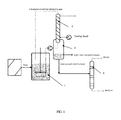
Figure 1 shows an apparatus for carrying out an embodiment of the invention. - This apparatus comprises a fermentor (1), a condenser (2), a condensate collector (3) and a distillation unit (4).
-
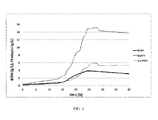
Figure 2 shows the fermentation of 1,3-PDO and n-butanol from pure glycerol with in situ gas stripping (0,8 L/ min. nitrogen, started at 25h). -
Figure 3 shows the fermentation of 1,3-PDO and n-butanol from pure glycerol without gas stripping. -
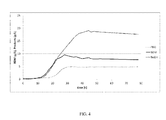
Figure 4 shows the fermentation of 1,3-PDO and n-butanol from a glycerol:glucose blend (1:1) with in situ gas stripping (0,8 L/ min. nitrogen, started at 25h). -
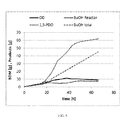
Figure 5 shows the fermentation of 1,3-PDO and n-butanol from pure glycerol with in situ gas stripping using the fermentation gases (10 L/min. nitrogen, started at 17h). Here the absolute amounts in [g] are given, resulting from 1,2 L fermentation broth. -
Figure 6 shows a comparison of products produced during simultaneous bioconversion of glycerol to butanol and 1,3-propanediol by C. pasteurianum by a conventional processes (on the left) or by the process of the invention (on the right). - The medium composition is disclosed in the table below.
Glycerol as feedstock Compound g/L Pure glycerol 80 * Yeast extract 2 KH2PO4 0.5 K2HPO4 0.5 (NH4) 2SO 45 MgSO4.7H2O 0.2 CaCl2.2H2O 0.02 Cysteine 0.5 FeSO4 0.015 *start with 80 g/L. Further 200 g are fed in 3 equal portions, mixed with same amount of water.
In example 2, glycerol is replaced with a mixture of glycerol/glucose with a ratio 1:1. - The steps involved in the production of n-butanol are:
- 1) N2 was sparged at the beginning of fermentation to maintain anaerobic conditions.
- 2) Cultures were kept as spores or at -80°C cryocultures. Inocula were prepared by transferring to minimal medium and after scaling up in different reactors, the cells were inoculated into the fermentor (5-10% of the total liquid volume in fermentor).
- 3) Fermentations were run at 35°C, pH was kept constant at 6 by adding 2.5 M KOH. Within fermentation, butanol is separated from the broth by internal gas stripping. Own fermentation gases (and N2 at the beginning) were used as stripping gases. Gas stripping was started, when BuOH concentration reached ∼5 g/L.
- 4) The condensate (water +butanol + some ethanol) was further purified by a distillation process for further product improvement. The butanol / water mixture formed an azeotrope. The water phase contained roughly 70 g/L, and the organic phase up to 700 g/L of butanol, which facilitated the distillation process and should be considered.
- 5) The fermentation broth was distilled to get the accumulated 1,3-PDO.
-
- 1) Reactor size: 2L, Working volume: 1.5L
- 2) Temperature: 35°C cultivation,
- 3) Reaction time: 66 h, incl. 50 h stripping
- 4) Gas flow for gas stripping ∼ 6.5 L / min per liter fermentation broth.
- In a glycerol fermentation with C. pasteurianum DSM 525 and N2 gas stripping, as high as 50
g 1,3-PDO/L and an accumulated concentration of 18 g/L butanol were reached in a single process (Fig.2 ). Such a high 1,3-PDO concentration can normally only be realized in fermentation processes producing only 1,3-PDO or a very small amount of butanol (<5 g/L). Without gas stripping, the C. pasteurianum strain produced less than 6 g/L 1,3-PDO and 14 g/L butanol under similar conditions (Fig.3 ). - The fermentation with gas stripping has also a much higher 1,3-PDO yield in this case, i.e. 0.28
g 1,3-PDO/g glycerol. In the comparative fermentation without gas stripping (Fig.3 ) the overall yield was 0.10g 1,3-PDO / g glycerol only. - Glucose fermentation using natural microorganisms does not result in 1,3-PDO production. In a fermentation with C. pasteurianum grown on glycerol:glucose blend (1:1) with gas stripping, butanol (up to 18 g/L with a yield of 0.26 g butanol /g glycerol), and PDO (5 g/L with a yield of 0.10
g 1,3-PDO / g glycerol) (seeFig 4 ) could be obtained simultaneously. - In this case, it was performed a glycerol fermentation with C. pasteurianum and internal gas stripping, using the fermentation gas (CO2, H2) itself as stripping gas. Here, as high as 54
g 1,3-PDO/L and an accumulated concentration of 39 g/L butanol has been reached. 7 g/L butanol remained in the fermentation broth, the remaining part was stripped out, giving a total amount of 46 g butanol produced in this 1.2 L batch (Fig.2 ). Compared to gas stripping with nitrogen, the overall yields could be further increased for butanol: to 0.19 g butanol/g glycerol. Compared to an experiment without gas stripping (Fig.3 ) (with an overall yield of both products of 0.38 g butanol+1,3-PDO /g glycerol) it was reached an overall yield of 0.45 g butanol+1,3-PDO /g glycerol in this example. This value could be further increased by the utilization of a combined substrate of glycerol and glucose. - Throughout this application, various references describe the state of the art to which this invention pertains. The disclosures of these references are hereby incorporated by reference into the present application.
- Jensen TO, Kvist T, Mikkelsen MJ, Westermann P. Production of 1,3-PDO and butanol by a mutant strain of Clostridium pasteurianum with increased tolerance towards crude glycerol. AMB Express. 2012 Aug 17;2(1):44.
Jensen TO, Kvist T, Mikkelsen MJ, Christensen PV, Westermann P. Fermentation of crude glycerol from biodiesel production by Clostridium pasteurianum. J Ind Microbiol Biotechnol. 2012 May;39(5):709-17.
Biebl H. Fermentation of glycerol by Clostridium pasteurianum--batch and continuous culture studies.J Ind Microbiol Biotechnol. 2001 Jul;27(1):18-26. Xue C, Zhao J, Lu C, Yang ST, Bai F, Tang IC. High-titer n-butanol production by clostridium acetobutylicum JB200 in fed-batch fermentation with intermittent gas stripping. Biotechnol Bioeng. 2012 Nov;109(11):2746-56.
Claims (13)
- A method for the anaerobic coproduction of 1,3-propanediol (1,3-PDO) and n-butanol comprising the successive steps of:(a) culturing a Clostridium species strain in a fermentation broth comprising at least glycerol as a source of carbon, thereby producing n-butanol and 1,3-propanediol,(b) recovering n-butanol and(c) recovering 1,3-propanediol from the fermentation broth, characterized in that:- a reducing agent other than H2 is added to the fermentation broth and the fermentation broth is sparged with a gas selected from H2, N2, CO2 and their mixtures, or- the fermentation broth is sparged with a gas comprising CO2, H2 and N2.
- The method according to claim 1 characterized in that the Clostridium species is selected from the group consisting of Clostridium pasteurianum, Clostridium butyricum and Clostridium diolis, preferably Clostridium pasteurianum.
- The method according to claim 1 or 2 characterized in that the reducing agent is cysteine.
- The method according to any one claims 1 to 3 characterized in that the step of sparging the fermentation broth with gas comprises a step of gas stripping.
- The method according to any one of claims 1 to 4 characterized in that the stripping gas used in the gas stripping step is the fermentation gas produced by culturing the Clostridium species.
- The method according to any one of claims 1 to 5 characterized in that the step of removing n-butanol from the fermentation broth is started when the concentration of n-butanol in the fermentation broth reaches a value comprised between 4 and 6 g/L, preferably 5 g/L.
- The method according to any one of claims 1 to 6 characterized in that the n-butanol is recovered by passing a flow of stripping gas through the fermentation broth so as to form a n-butanol enriched stripping gas.
- The method according to claim 7 characterized in that the n-butanol is recovered from the enriched stripping gas by condensation in a condenser (2).
- The method according to claim 8 characterized in that the condenser (2) is cooled from 0°C to room temperature, preferably from 0°C to 5°C, more preferably at 1°C by a cooling liquid.
- The method according to any one of claims 1 to 9 characterized in that the step of recovering 1,3-PDO comprises a step of distillation of the fermentation broth.
- The method according to any one of claims 1 to 10 characterized in that the pH of the fermentation broth is from 5 to 7, preferably from 5.5 to 6.5, more preferably 6.
- The method according to any one of claims 1 to 11 characterized in that it comprises a step of feeding the fermentation broth with some culture medium during the fermentation.
- The method according to any one of claims 1 to 12 characterized in that the fermentation broth is at a temperature from 34°C to 65°C, more preferably from 34°C to 37°C, most preferably at 35°C.
Priority Applications (2)
| Application Number | Priority Date | Filing Date | Title |
|---|---|---|---|
| EP14305169.6A EP2905340A1 (en) | 2014-02-07 | 2014-02-07 | Biological coproduction of 1,3-propanediol and n-butanol |
| PCT/EP2015/052219 WO2015117967A1 (en) | 2014-02-07 | 2015-02-03 | Biological coproduction of 1,3-propanediol and n-butanol |
Applications Claiming Priority (1)
| Application Number | Priority Date | Filing Date | Title |
|---|---|---|---|
| EP14305169.6A EP2905340A1 (en) | 2014-02-07 | 2014-02-07 | Biological coproduction of 1,3-propanediol and n-butanol |
Publications (1)
| Publication Number | Publication Date |
|---|---|
| EP2905340A1 true EP2905340A1 (en) | 2015-08-12 |
Family
ID=50115787
Family Applications (1)
| Application Number | Title | Priority Date | Filing Date |
|---|---|---|---|
| EP14305169.6A Withdrawn EP2905340A1 (en) | 2014-02-07 | 2014-02-07 | Biological coproduction of 1,3-propanediol and n-butanol |
Country Status (2)
| Country | Link |
|---|---|
| EP (1) | EP2905340A1 (en) |
| WO (1) | WO2015117967A1 (en) |
Citations (1)
| Publication number | Priority date | Publication date | Assignee | Title |
|---|---|---|---|---|
| WO2010031793A2 (en) * | 2008-09-16 | 2010-03-25 | Technical University Of Denmark | Thermophilic fermentative bacterium producing butanol and/or hydrogen from glycerol |
-
2014
- 2014-02-07 EP EP14305169.6A patent/EP2905340A1/en not_active Withdrawn
-
2015
- 2015-02-03 WO PCT/EP2015/052219 patent/WO2015117967A1/en not_active Ceased
Patent Citations (1)
| Publication number | Priority date | Publication date | Assignee | Title |
|---|---|---|---|---|
| WO2010031793A2 (en) * | 2008-09-16 | 2010-03-25 | Technical University Of Denmark | Thermophilic fermentative bacterium producing butanol and/or hydrogen from glycerol |
Non-Patent Citations (6)
| Title |
|---|
| BIEBL H: "Fermentation of glycerol by Clostridium pasteurianum: Batch and continuous culture studies", JOURNAL OF INDUSTRIAL MICROBIOLOGY AND BIOTECHNOLOGY, vol. 27, no. 1, July 2001 (2001-07-01), pages 18 - 26, XP002725671, ISSN: 1367-5435 * |
| JENSEN T O ET AL: "Fermentation of crude glycerol from biodiesel production by Clostridium pasteurianum", JOURNAL OF INDUSTRIAL MICROBIOLOGY AND BIOTECHNOLOGY 2012 SPRINGER VERLAG DEU, vol. 39, no. 5, May 2012 (2012-05-01), pages 709 - 717, XP002725669, ISSN: 1367-5435 * |
| KHANNA S. ET AL.: "EFFECT OF FERMENTATION PARAMETERS ON BIO-ALCOHOLS PRODUCTION FROM GLYCEROL USING IMMOBILIZED Clostridium pasteurianum: AN OPTIMIZATION STUDY", PREPARATIVE BIOCHEMISTRY & BIOTECHNOLOGY, vol. 43, no. 8, 17 November 2013 (2013-11-17), pages 828 - 847, XP008169829 * |
| PANITZ J C ET AL: "Isolation of a solventogenic Clostridium sp strain: Fermentation of glycerol to n-butanol, analysis of the bcs operon region and its potential regulatory elements", SYSTEMATIC AND APPLIED MICROBIOLOGY, vol. 37, no. 1, 1 February 2014 (2014-02-01), pages 1 - 9, XP002725670, ISSN: 0723-2020 * |
| SABRA WAEL ET AL: "Improved n-butanol production by a non-acetone producing Clostridium pasteurianum DSMZ 525 in mixed substrate fermentation.", APPLIED MICROBIOLOGY AND BIOTECHNOLOGY MAY 2014, vol. 98, no. 9, 2 March 2014 (2014-03-02), pages 4267 - 4276, XP002725685, ISSN: 1432-0614 * |
| TORBJØRN JENSEN ET AL: "Production of 1,3-PDO and butanol by a mutant strain of Clostridium pasteurianum with increased tolerance towards crude glycerol", AMB EXPRESS, vol. 2, no. 1, 1 January 2012 (2012-01-01), pages 44 - 44, XP055121995, ISSN: 2191-0855, DOI: 10.1002/bit.260440806 * |
Also Published As
| Publication number | Publication date |
|---|---|
| WO2015117967A1 (en) | 2015-08-13 |
Similar Documents
| Publication | Publication Date | Title |
|---|---|---|
| KR101375029B1 (en) | Novel bacteria and methods of use thereof | |
| CN111683731B (en) | Process for improving carbon conversion efficiency | |
| US8535919B2 (en) | Process for converting gas stream comprising CO, CO2 and H2 to liquid products by fermentation | |
| CN108603205B (en) | Low-pressure separator with internal separator and use thereof | |
| US11060118B2 (en) | Production of vanillin by fermentation | |
| KR101281847B1 (en) | Method for producing 1,3-propanediol using crude glycerol, a by-product from biodiesel production | |
| US20120142945A1 (en) | Recovery method of highly pure lactic acid and alkyl lactate | |
| CN106414750A (en) | Integrated processes for anaerobic conversion of hydrogen and carbon oxides to alcohol | |
| CN105452473A (en) | Method and control system for efficient anaerobic conversion of hydrogen and carbon oxides to alcohols for sulfur management | |
| CN102321680A (en) | Dihydric alcohol and organic acid co-production and separation method | |
| US20090325255A1 (en) | Process for over-production of hydrogen | |
| Choudhury et al. | Lactic acid fermentation in cell-recycle membrane bioreactor | |
| EP2890800B1 (en) | Continuous biotransformation of substituted aromatic carboxylic acids to their corresponding aldehydes and alcohols | |
| CN108795995B (en) | Integrated process for the bioconversion of syngas to oxygenated organic compound with sulfur supply | |
| WO2010024714A2 (en) | Process for production of organic solvents | |
| CN113969295B (en) | Regulation and control method for reducing impurity content in beta-phenethyl alcohol fermentation liquor | |
| WO2015117967A1 (en) | Biological coproduction of 1,3-propanediol and n-butanol | |
| US8852918B2 (en) | Bacteria and methods of use thereof | |
| CN101402973B (en) | Integrated approach for 2,3-butanediol production process and microbial biomass recycling | |
| JP2000032993A (en) | Production of erythritol by repeating fed batch fermentation | |
| WO2010095976A2 (en) | Process for production of organic solvents | |
| US20250019725A1 (en) | Method for producing syngas fermentation products using highly active microorganisms | |
| WO2019245895A1 (en) | Methods for the synthesis of carbon products from non-biosynthetic streams | |
| WO2010079500A2 (en) | Aerobic production of 1,3-propanediol from crude glycerol from biodiesel process. | |
| WO2025155675A2 (en) | A process for preparing a product |
Legal Events
| Date | Code | Title | Description |
|---|---|---|---|
| PUAI | Public reference made under article 153(3) epc to a published international application that has entered the european phase |
Free format text: ORIGINAL CODE: 0009012 |
|
| 17P | Request for examination filed |
Effective date: 20140207 |
|
| AK | Designated contracting states |
Kind code of ref document: A1 Designated state(s): AL AT BE BG CH CY CZ DE DK EE ES FI FR GB GR HR HU IE IS IT LI LT LU LV MC MK MT NL NO PL PT RO RS SE SI SK SM TR |
|
| AX | Request for extension of the european patent |
Extension state: BA ME |
|
| STAA | Information on the status of an ep patent application or granted ep patent |
Free format text: STATUS: THE APPLICATION IS DEEMED TO BE WITHDRAWN |
|
| 18D | Application deemed to be withdrawn |
Effective date: 20160213 |