EP2903338A1 - Mobile communication method - Google Patents
Mobile communication method Download PDFInfo
- Publication number
- EP2903338A1 EP2903338A1 EP13841924.7A EP13841924A EP2903338A1 EP 2903338 A1 EP2903338 A1 EP 2903338A1 EP 13841924 A EP13841924 A EP 13841924A EP 2903338 A1 EP2903338 A1 EP 2903338A1
- Authority
- EP
- European Patent Office
- Prior art keywords
- radio base
- base station
- user data
- mobile station
- mobile
- Prior art date
- Legal status (The legal status is an assumption and is not a legal conclusion. Google has not performed a legal analysis and makes no representation as to the accuracy of the status listed.)
- Withdrawn
Links
Images

Classifications
-
- H—ELECTRICITY
- H04—ELECTRIC COMMUNICATION TECHNIQUE
- H04W—WIRELESS COMMUNICATION NETWORKS
- H04W36/00—Hand-off or reselection arrangements
- H04W36/0005—Control or signalling for completing the hand-off
- H04W36/0055—Transmission or use of information for re-establishing the radio link
- H04W36/0069—Transmission or use of information for re-establishing the radio link in case of dual connectivity, e.g. decoupled uplink/downlink
-
- H—ELECTRICITY
- H04—ELECTRIC COMMUNICATION TECHNIQUE
- H04W—WIRELESS COMMUNICATION NETWORKS
- H04W36/00—Hand-off or reselection arrangements
- H04W36/08—Reselecting an access point
-
- H—ELECTRICITY
- H04—ELECTRIC COMMUNICATION TECHNIQUE
- H04W—WIRELESS COMMUNICATION NETWORKS
- H04W36/00—Hand-off or reselection arrangements
- H04W36/34—Reselection control
-
- H—ELECTRICITY
- H04—ELECTRIC COMMUNICATION TECHNIQUE
- H04W—WIRELESS COMMUNICATION NETWORKS
- H04W36/00—Hand-off or reselection arrangements
- H04W36/04—Reselecting a cell layer in multi-layered cells
Definitions
- the present invention relates to a mobile communication method.
- LTE Long Term Evolution
- introduction of a small cell has been studied to realize high-speed large-capacity communication that takes advantage of effective utilization of high frequencies (3.5 GHz or more) with poor propagation properties and broadband performance.
- Non-patent document 1 3GPP TS36.300
- a radio base station PhNB managing the above-mentioned small cell is functionally limited for a reason such as having no RRC (Radio Resource Control) layer function, as compared with a radio base station eNB managing a macro cell.
- RRC Radio Resource Control
- existing LTE has a problem that it is not studied how to delete a radio base station PhNB managing a small cell from a transmission path of a mobile station UE when the mobile station UE is in communication in this small cell.
- the present invention is made in view of the above-described problems. It is an objective of the present invention to provide a mobile communication method capable of changing a transmission path of a mobile station UE, while minimizing impact on a radio base station eNB and a radio base station PhNB, when adding or deleting the radio base station PhNB managing a small cell.
- a first feature of the present invention is summarized as a mobile communication method including the steps of: in a case where a mobile station is in communication in a macro cell managed by a first radio base station, and in a case where a second radio base station, which manages a small cell having a coverage including a location where the mobile station is present, is selected as a transmission path of user data of the mobile station, causing the first radio base station to start addition processing of adding the second radio base station to the transmission path of the user data of the mobile station; causing the second radio base station to reset header-compression related information, security setting information, and sequence-number management information in the addition processing; and causing the first radio base station to forward downlink user data destined for the mobile station, without forwarding uplink user data of the mobile station, to the second radio base station, in the addition processing.
- a second feature of the present invention is summarized as mobile communication method including the steps of: in a case where a transmission path of user data of a mobile station includes a first radio base station managing a macro cell and a second radio base station managing a small cell having a coverage including a location where the mobile station is present, and in a case where, when the mobile station is in communication in the small cell, use of the second radio base station as the transmission path of the user data of the mobile station is stopped, causing the first radio base station to start deletion processing of deleting the second radio base station from the transmission path of the user data of the mobile station; causing the first radio base station to reset header-compression related information, security setting information, and sequence-number management information, in the deletion processing; and causing the second radio base station to forward downlink user data destined for the mobile station, without forwarding uplink user data of the mobile station, to the first radio base station in the deletion processing.
- a mobile communication system according to a first embodiment of the present invention will be described with reference to Fig. 1 to Fig. 4 .
- the mobile communication system employs an LTE scheme, and includes a gateway device P-GW (PDN Gatewey)/S-GW (Serving Gateway), a mobility management node MME (Mobility Management Entity), a radio base station PhNB managing a small cell, and a radio base station eNB managing a macro cell, as illustrated in Fig. 1 .
- P-GW PDN Gatewey
- S-GW Serving Gateway
- MME Mobility Management Entity
- radio base station PhNB managing a small cell
- a radio base station eNB managing a macro cell as illustrated in Fig. 1 .
- a coverage area of the macro cell and a coverage area of the small cell are arranged to overlap each other at least partially.
- a mobile station UE is in communication in the macro cell managed by the radio base station eNB, and in a case where the radio base station PhNB, which manages the small cell having a coverage including a location where the mobile station UE is present, is selected as a transmission path of user data of the mobile station UE, the user data of the mobile station UE is then transmitted via a U-plane bearer established between the gateway device S-GW and the radio base station eNB, a U-plane bearer established between the radio base station eNB and the radio base station PhNB, and a U-plane bearer established between the radio base station PhNB and the mobile station UE, as illustrated in Fig. 1 .
- the transmission path of the user data of the mobile station UE changes from a path of the gateway device S-GW ⁇ .
- the radio base station PhNB is selected as the transmission path of the user data of the mobile station UE, when a coverage area of the radio base station eNB includes a coverage area of the radio base station PhNB, and the coverage area of the radio base station PhNB includes the location where the mobile station UE is present.
- the radio base station PhNB is stopped being used as the transmission path of the user data of the mobile station UE, the user data of the mobile station UE is transmitted via the U-plane bearer established between the gateway device S-GW and the radio base station eNB, and the U-plane bearer established between the radio base station eNB and the mobile station UE, as illustrated in Fig. 1 .
- the transmission path of the user data of the mobile station UE changes from the path of the gateway device S-GW ⁇ the radio base station eNB ⁇ the radio base station PhNB ⁇ the mobile station UE to the path of the gateway device S-GW ⁇ the radio base station eNB ⁇ the mobile station UE.
- the radio base station PhNB is stopped being used as the transmission path of the user data of the mobile station UE, when the mobile station UE leaves the coverage area of the radio base station PhNB.
- the radio base station PhNB is not required to establish a logical path for the gateway device S-GW, and only needs to ensure connection with the radio base station eNB. Therefore, it is possible to reduce processing load of the radio base station PhNB.
- the gateway device S-GW is not required to have a function of identifying the small cell, which can minimize impact on an existing architecture.
- the radio base station eNB includes a reception unit 11, a storage unit 12, a management unit 13 , and a transmission unit 14, as illustrated in Fig. 2 .
- the reception unit 11 is configured to receive various signals from the gateway device S-GW, the mobility management node MME, the radio base station PhNB, the mobile station UE, and the like.
- the reception unit 11 is configured to receive downlink user data destined for the mobile station UE from the gateway device S-GW, receive uplink user data of the mobile station from the radio base station PhNB or the mobile station UE, and receive "E-RAB setup response" from the radio base station PhNB.
- the storage unit 12 is configured to buffer the downlink user data destined for the mobile station UE and the uplink user data of the mobile station received by the reception unit 11, in a GTP (GPRS Tunnelling Protocol) layer or a PDCP (Packet Data Convergence Protocol) layer.
- GTP GPRS Tunnelling Protocol
- PDCP Packet Data Convergence Protocol
- the management unit 13 is configured to manage U-plane bearer related information, security setting information, PDCP-layer related information (PDCP Config), forward mode and transmission state related information (RoHC context), sequence-number management information, and the like.
- PDCP Config PDCP-layer related information
- RoHC context forward mode and transmission state related information
- sequence-number management information and the like.
- the U-plane bearer related information includes "E-RAB ID” and “QoS information (E-RAB Level QoS Parameters) ", and the like.
- the security setting information includes Security capability of UE (UE Security Capability) , information about Security of AS (AS Security Information), and the like.
- the PDCP-layer related information includes a sequence-number maximum length, header-compression related information, necessity of "PDCP Status Report", and the like.
- the header-compression related information includes "MAX_ID”, "PROFILES”, and the like.
- MAX_ID is a maximum value of a context ID provided to identify a flow
- PROFILES is information indicating which header is to be compressed.
- the transmission unit 14 is configured to transmit various signals to the gateway device S-GW, the mobility management node MME, the radio base station PhNB, the mobile station UE, and the like.
- the transmission unit 14 is configured to transmit the uplink user data of the mobile station UE to the gateway device S-GW, transmit the downlink user data destined for the mobile station to the radio base station PhNB and the mobile station UE, transmit "RRC Connection Reconfiguration" to the mobile station UE, and transmit "E-RAB setup request" to the radio base station PhNB.
- the transmission unit 14 is configured to transmit "E-RAB setup request" to the radio base station PhNB, thereby starting addition processing of adding the radio base station PhNB to the transmission path of the user data of the mobile station UE.
- the transmission unit 14 is configured to transmit "E-RAB release request" to the radio base station PhNB, thereby starting deletion processing of deleting the radio base station PhNB from the transmission path of the user data of the mobile station UE.
- the transmission unit 14 may be configured to forward the downlink user data destined for the mobile station UE, without forwarding the uplink user data of the mobile station UE, to the radio base station PhNB.
- the transmission unit 14 may be configured to forward the downlink user data, destined for the mobile station and buffered in the PDCP layer, to the radio base station PhNB by starting from downlink user data which is already transmitted to the mobile station UE but for which transmission confirmation information (ACK) is not yet received from the mobile station UE.
- ACK transmission confirmation information
- the transmission unit 14 may be configured to forward the downlink user data, destined for the mobile station UE and buffered in the PDCP layer, to the radio base station PhNB by starting from downlink user data that is not yet transmitted to the mobile station UE.
- the radio base station eNB may be configured to forward downlink user data destined for the mobile station UE, which is already transmitted from the gateway device S-GW via an S1-U Interface but is not yet buffered in the PDCP layer, to the radio base station PhNB.
- Fig. 4 operation of the mobile communication system according to the present embodiment in the following case will be described with reference to Fig. 4 .
- the mobile station UE is in communication in the macro cell managed by the radio base station eNB, and where the radio base station PhNB, which manages the small cell having the coverage including the location where the mobile station UE is present, is selected as the transmission path of the user data of the mobile station UE.
- a DRB Data Radio Bearer
- the radio base station eNB stops the transmission of the downlink user data destined for the mobile station UE, to the mobile station UE.
- the radio base station eNB transmits "E-RAB setup request" for requesting generation of the U-plane bearer between the radio base station eNB and the radio base station PhNB, to the radio base station PhNB.
- the radio base station eNB notifies the radio base station PhNB of the U-plane bearer related information, by using this "E-RAB setup request".
- the radio base station PhNB In response to this "E-RAB setup request", the radio base station PhNB generates the U-plane bearer between the radio base station eNB and the radio base station PhNB. At the same time, the radio base station PhNB resets the security setting information, the PDCP-layer related information (PDCP Config), the forward mode and transmission state related information (RoHC context), the sequence-number management information, and the like. In step S1002, the radio base station PhNB transmits "E-RAB setup response" to the radio base station eNB.
- PDCP Config the PDCP-layer related information
- RoHC context forward mode and transmission state related information
- step S1003 the radio base station eNB forwards the downlink user data destined for the mobile station UE that is buffered in the PDCP layer, to the radio base station PhNB.
- the radio base station eNB does not forward the uplink user data of the mobile station UE that is buffered in the PDCP layer, to the radio base station PhNB.
- the radio base station eNB is assumed to transmit the downlink user data destined for the mobile station UE to the mobile station UE (see step S1004), until transmission of "RRC Connection Reconfiguration" in step S1005 is completed, or until "RRC Connection Reconfiguration Complete” in step S1006 is received.
- step S1005 the radio base station eNB transmits "RRC Connection Reconfiguration" to the mobile station UE.
- the mobile station UE Upon receiving this "RRC Connection Reconfiguration", the mobile station UE stops the transmission of the uplink user data to the radio base station eNB.
- step S1006 the mobile station UE transmits "RRC Connection Reconfiguration Complete" to the radio base station eNB.
- the radio base station eNB stops the management of the U-plane bearer related information, the security setting information, the PDCP-layer related information (PDCP Config), the forward mode and transmission state related information (RoHC context), and the like.
- PDCP Config the PDCP-layer related information
- RoHC context the forward mode and transmission state related information
- a DRB is established between the radio base station PhNB and the mobile station UE.
- the mobile station UE sends the radio base station PhNB the uplink user data, which has a sequence number equal or subsequent to the sequence number of the uplink user data of which transmission to the radio base station eNB is completed.
- a DRB is established between the radio base station PhNB and the mobile station UE.
- the radio base station eNB stops the transmission of the downlink user data destined for the mobile station UE to the radio base station PhNB.
- the radio base station eNB transmits "E-RAB release request" for requesting release of the U-plane bearer between the radio base station eNB and the radio base station PhNB, to the radio base station PhNB.
- the radio base station PhNB releases the U-plane bearer between the radio base station eNB and the radio base station PhNB.
- the radio base station PhNB notifies the radio base station eNB of the U-plane bearer related information, by using "E-RAB release response".
- the radio base station eNB starts the management of the U-plane bearer related information and the like, and resets the security setting information, the PDCP-layer related information (PDCP Config), the forward mode and transmission state related information (RoHC context), the sequence-number management information, and the like.
- PDCP Config the PDCP-layer related information
- RoHC context the forward mode and transmission state related information
- sequence-number management information and the like.
- step S2003 the radio base station PhNB forwards the downlink user data destined for the mobile station UE that is buffered in the PDCP layer, to the radio base station eNB.
- the radio base station PhNB does not forward the uplink user data of the mobile station UE that is buffered in the PDCP layer, to the radio base station eNB.
- the radio base station PhNB is assumed to transmit the downlink user data destined for the mobile station UE to the mobile station UE (see step S2004), until transmission of "RRC Connection Reconfiguration" in step S2005 is completed, or until transmission of "RRC Connection Reconfiguration Complete” in step S2006 is completed.
- step S2005 the radio base station eNB transmits "RRC Connection Reconfiguration" to the mobile station UE.
- the mobile station UE Upon receiving this "RRC Connection Reconfiguration", the mobile station UE stops the transmission of the uplink user data to the radio base station PhNB.
- step S2006 the mobile station UE transmits "RRC Connection Reconfiguration Complete" to the radio base station eNB.
- the radio base station eNB stops the management of the U-plane bearer related information, the security setting information, the PDCP-layer related information (PDCP Config), the forward mode and transmission state related information (RoHC context), and the like.
- PDCP Config the PDCP-layer related information
- RoHC context the forward mode and transmission state related information
- a DRB is established between the radio base station eNB and the mobile station UE.
- the mobile station UE sends the radio base station eNB the uplink user data, which has a sequence number equal or subsequent to the sequence number of the uplink user data of which transmission to the radio base station PhNB is completed.
- a first feature of the present embodiment is summarized as a mobile communication method including the steps of: in a case where a mobile station UE is in communication in a macro cell managed by a radio base station eNB (first radio base station), and in a case where a radio base station PhNB (second radio base station), which manages a small cell having a coverage including a location where the mobile station UE is present, is selected as a transmission path of user data of the mobile station UE, causing the radio base station eNB to start addition processing of adding the radio base station PhNB to the transmission path of the user data of the mobile station UE; causing the radio base station PhNB to reset header-compression related information, security setting information, and sequence-number management information, in the addition processing; and causing the radio base station eNB to forward downlink user data destined for the mobile station UE, without forwarding uplink user data of the mobile station UE, to the radio base station PhNB, in the addition processing.
- the radio base station eNB may forward downlink user data destined for the mobile station and buffered in a PDCP layer to the radio base station PhNB by staring from downlink user data which is already transmitted to the mobile station UE but for which transmission confirmation information (ACK) is not yet received from the mobile station UE.
- ACK transmission confirmation information
- the radio base station eNB may forward downlink user data destined for the mobile station UE and buffered in a PDCP layer to the radio base station PhNB by starting from downlink user data that is not yet transmitted to the mobile station UE.
- receipt of the downlink user data destined for the mobile station UE may be repeated in the mobile station UE, but it is possible to avoid loss of the downlink user data destined for the mobile station UE.
- the radio base station eNB may forward downlink user data destined for the mobile station UE and not yet buffered in a PDCP layer to the radio base station PhNB.
- loss of the downlink user data destined for the mobile station UE may occur.
- the downlink user data to be transmitted from the radio base station PhNB to the mobile station UE is new, because the PDCP layer is reset. Therefore, it is possible to prevent a mismatch between the mobile station UE and the radio base station PhNB in terms of downlink user data, even in an upper layer.
- the mobile station UE may send the radio base station PhNB uplink user data which has a sequence number equal or subsequent to a sequence number of uplink user data of which transmission to the radio base station eNB is completed.
- the mobile station UE may reset the sequence number of the uplink user data to be transmitted to the radio base station PhNB, because the PDCP layer is reset.
- a second feature of the present embodiment is summarized as a mobile communication method including the steps of: in a case where a transmission path of user data of a mobile station UE includes a radio base station eNB managing a macro cell and a radio base station PhNB managing a small cell having a coverage including a location where the mobile station UE is present, and in a case where, when the mobile station UE is in communication in the small cell, use of the radio base station PhNB as the transmission path of the user data of the mobile station UE is stopped, causing the radio base station eNB to start deletion processing of deleting the radio base station PhNB from the transmission path of the user data of the mobile station UE; causing the radio base station eNB to reset header-compression related information, security setting information, and sequence-number management information, in the deletion processing; and causing the radio base station PhNB to forward downlink user data destined for the mobile station UE, without forwarding uplink user data of the mobile station UE, to the radio base station eNB in the deletion processing.
- the radio base station PhNB may forward downlink user data destined for the mobile station UE and buffered in a PDCP layer to the radio base station eNB by starting from downlink user data which is already transmitted to the mobile station UE but for which transmission confirmation information (ACK) is not yet received from the mobile station UE.
- ACK transmission confirmation information
- the radio base station PhNB may forward downlink user data destined for the mobile station UE and buffered in a PDCP layer to the radio base station eNB by starting from downlink user data that is not yet transmitted to the mobile station UE.
- receipt of the downlink user data destined for the mobile station UE may be repeated in the mobile station UE, but it is possible to avoid loss of the downlink user data destined for the mobile station UE.
- the radio base station PhNB may forward downlink user data destined for the mobile station UE and not yet buffered in a PDCP layer to the radio base station eNB.
- loss of the downlink user data destined for the mobile station UE may occur.
- the downlink user data to be transmitted from the radio base station eNB to the mobile station UE is new, because the PDCP layer is reset. Therefore, it is possible to prevent a mismatch between the mobile station UE and the radio base station eNB in terms of downlink user data, even in an upper layer.
- the mobile station UE may send the radio base station eNB uplink user data which has a sequence number equal or subsequent to a sequence number of uplink user data of which transmission to the radio base station PhNB is completed.
- the mobile station UE may reset the sequence number of the uplink user data to be transmitted to the radio base station eNB, because the PDCP layer is reset.
- the foregoing operations of the mobile stations UE, the radio base stations eNB/PhNB, the mobility management node MME, and the gateway device S-GW may be implemented by hardware, may be implemented by a software module executed by a processor, or may be implemented in combination of the two.
- the software module may be provided in a storage medium in any format, such as a RAM (Random Access Memory), a flash memory, a ROM (Read Only Memory), an EPROM (Erasable Programmable ROM), an EEPROM (Electronically Erasable and Programmable ROM), a register, a hard disk, a removable disk, or a CD-ROM.
- RAM Random Access Memory
- flash memory a ROM (Read Only Memory)
- EPROM Erasable Programmable ROM
- EEPROM Electrically Erasable and Programmable ROM
- register a hard disk, a removable disk, or a CD-ROM.
- the storage medium is connected to a processor so that the processor can read and write information from and to the storage medium.
- the storage medium may be integrated in a processor.
- the storage medium and the processor may be provided inside an ASIC.
- Such an ASIC may be provided in the mobile stations UE, the radio base stations eNB/PhNB, the mobility management node MME, and the gateway device S-GW.
- the storage medium and the processor may be provided as discrete components inside the mobile stations UE, the radio base stations eNB/PhNB, the mobility management node MME, and the gateway device S-GW.
- the present invention it is possible to provide a mobile communication method capable of changing the transmission path of the mobile station UE, while minimizing impact on the radio base station eNB and the radio base station PhNB, when adding or deleting the radio base station PhNB managing the small cell.
Landscapes
- Engineering & Computer Science (AREA)
- Computer Networks & Wireless Communication (AREA)
- Signal Processing (AREA)
- Mobile Radio Communication Systems (AREA)
Abstract
Description
- The present invention relates to a mobile communication method.
- In LTE (Long Term Evolution), introduction of a small cell (or a phantom cell) has been studied to realize high-speed large-capacity communication that takes advantage of effective utilization of high frequencies (3.5 GHz or more) with poor propagation properties and broadband performance.
- Non-patent document 1: 3GPP TS36.300
- A radio base station PhNB managing the above-mentioned small cell is functionally limited for a reason such as having no RRC (Radio Resource Control) layer function, as compared with a radio base station eNB managing a macro cell.
- Considering this point, it has been studied to introduce a way in which a mobile station UE even in communication in a small cell transmits user data (U-plane data) of the mobile station UE via a radio base station eNB.
- However, existing LTE has a problem that it is not studied how to add a radio base station PhNB to a transmission path of a mobile station UE when the mobile station UE is in communication in a macro cell.
- Similarly, existing LTE has a problem that it is not studied how to delete a radio base station PhNB managing a small cell from a transmission path of a mobile station UE when the mobile station UE is in communication in this small cell.
- The present invention is made in view of the above-described problems. It is an objective of the present invention to provide a mobile communication method capable of changing a transmission path of a mobile station UE, while minimizing impact on a radio base station eNB and a radio base station PhNB, when adding or deleting the radio base station PhNB managing a small cell.
- A first feature of the present invention is summarized as a mobile communication method including the steps of: in a case where a mobile station is in communication in a macro cell managed by a first radio base station, and in a case where a second radio base station, which manages a small cell having a coverage including a location where the mobile station is present, is selected as a transmission path of user data of the mobile station, causing the first radio base station to start addition processing of adding the second radio base station to the transmission path of the user data of the mobile station; causing the second radio base station to reset header-compression related information, security setting information, and sequence-number management information in the addition processing; and causing the first radio base station to forward downlink user data destined for the mobile station, without forwarding uplink user data of the mobile station, to the second radio base station, in the addition processing.
- A second feature of the present invention is summarized as mobile communication method including the steps of: in a case where a transmission path of user data of a mobile station includes a first radio base station managing a macro cell and a second radio base station managing a small cell having a coverage including a location where the mobile station is present, and in a case where, when the mobile station is in communication in the small cell, use of the second radio base station as the transmission path of the user data of the mobile station is stopped, causing the first radio base station to start deletion processing of deleting the second radio base station from the transmission path of the user data of the mobile station; causing the first radio base station to reset header-compression related information, security setting information, and sequence-number management information, in the deletion processing; and causing the second radio base station to forward downlink user data destined for the mobile station, without forwarding uplink user data of the mobile station, to the first radio base station in the deletion processing.
-
- [
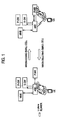
Fig. 1] Fig. 1 is an overall configuration view of a mobile communication system according to a first embodiment of the present invention. - [
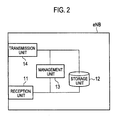
Fig. 2] Fig. 2 is a functional block diagram of a radio base station eNB according to the first embodiment of the present invention. - [
Fig. 3] Fig. 3 is a sequence diagram illustrating operation of the mobile communication system according to the first embodiment of the present invention. - [
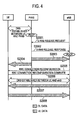
Fig. 4] Fig. 4 is a sequence diagram illustrating operation of the mobile communication system according to the first embodiment of the present invention. - A mobile communication system according to a first embodiment of the present invention will be described with reference to
Fig. 1 to Fig. 4 . - The mobile communication system according to the present embodiment employs an LTE scheme, and includes a gateway device P-GW (PDN Gatewey)/S-GW (Serving Gateway), a mobility management node MME (Mobility Management Entity), a radio base station PhNB managing a small cell, and a radio base station eNB managing a macro cell, as illustrated in
Fig. 1 . - Here, a coverage area of the macro cell and a coverage area of the small cell are arranged to overlap each other at least partially.
- In a case where a mobile station UE is in communication in the macro cell managed by the radio base station eNB, and in a case where the radio base station PhNB, which manages the small cell having a coverage including a location where the mobile station UE is present, is selected as a transmission path of user data of the mobile station UE, the user data of the mobile station UE is then transmitted via a U-plane bearer established between the gateway device S-GW and the radio base station eNB, a U-plane bearer established between the radio base station eNB and the radio base station PhNB, and a U-plane bearer established between the radio base station PhNB and the mobile station UE, as illustrated in
Fig. 1 . - In other words, in this case, the transmission path of the user data of the mobile station UE changes from a path of the gateway device S-GW ↔. the radio base station eNB ↔ the mobile station UE to a path of the gateway device S-GW ↔ the radio base station eNB ↔ the radio base station PhNB ↔ the mobile station UE.
- For example, the radio base station PhNB is selected as the transmission path of the user data of the mobile station UE, when a coverage area of the radio base station eNB includes a coverage area of the radio base station PhNB, and the coverage area of the radio base station PhNB includes the location where the mobile station UE is present.
- On the other hand, while the mobile station UE is in communication in the small cell managed by the radio base station PhNB, if the radio base station PhNB is stopped being used as the transmission path of the user data of the mobile station UE, the user data of the mobile station UE is transmitted via the U-plane bearer established between the gateway device S-GW and the radio base station eNB, and the U-plane bearer established between the radio base station eNB and the mobile station UE, as illustrated in
Fig. 1 . - In other words, in this case, the transmission path of the user data of the mobile station UE changes from the path of the gateway device S-GW ↔ the radio base station eNB↔ the radio base station PhNB ↔ the mobile station UE to the path of the gateway device S-GW ↔ the radio base station eNB ↔ the mobile station UE.
- For example, the radio base station PhNB is stopped being used as the transmission path of the user data of the mobile station UE, when the mobile station UE leaves the coverage area of the radio base station PhNB.
- In such a configuration, the radio base station PhNB is not required to establish a logical path for the gateway device S-GW, and only needs to ensure connection with the radio base station eNB. Therefore, it is possible to reduce processing load of the radio base station PhNB.
- Further, the gateway device S-GW is not required to have a function of identifying the small cell, which can minimize impact on an existing architecture.
- The radio base station eNB includes a
reception unit 11, astorage unit 12, amanagement unit 13 , and atransmission unit 14, as illustrated inFig. 2 . - The
reception unit 11 is configured to receive various signals from the gateway device S-GW, the mobility management node MME, the radio base station PhNB, the mobile station UE, and the like. - For example, the
reception unit 11 is configured to receive downlink user data destined for the mobile station UE from the gateway device S-GW, receive uplink user data of the mobile station from the radio base station PhNB or the mobile station UE, and receive "E-RAB setup response" from the radio base station PhNB. - The
storage unit 12 is configured to buffer the downlink user data destined for the mobile station UE and the uplink user data of the mobile station received by thereception unit 11, in a GTP (GPRS Tunnelling Protocol) layer or a PDCP (Packet Data Convergence Protocol) layer. - The
management unit 13 is configured to manage U-plane bearer related information, security setting information, PDCP-layer related information (PDCP Config), forward mode and transmission state related information (RoHC context), sequence-number management information, and the like. - Here, the U-plane bearer related information includes "E-RAB ID" and "QoS information (E-RAB Level QoS Parameters) ", and the like.
- Further, the security setting information includes Security capability of UE (UE Security Capability) , information about Security of AS (AS Security Information), and the like.
- Furthermore, the PDCP-layer related information includes a sequence-number maximum length, header-compression related information, necessity of "PDCP Status Report", and the like.
- Moreover, the header-compression related information includes "MAX_ID", "PROFILES", and the like.
- Here, "MAX_ID" is a maximum value of a context ID provided to identify a flow, and "PROFILES" is information indicating which header is to be compressed.
- The
transmission unit 14 is configured to transmit various signals to the gateway device S-GW, the mobility management node MME, the radio base station PhNB, the mobile station UE, and the like. - For example, the
transmission unit 14 is configured to transmit the uplink user data of the mobile station UE to the gateway device S-GW, transmit the downlink user data destined for the mobile station to the radio base station PhNB and the mobile station UE, transmit "RRC Connection Reconfiguration" to the mobile station UE, and transmit "E-RAB setup request" to the radio base station PhNB. - Here, in the case where the mobile station UE is in communication in the macro cell managed by the radio base station eNB, and in the case where the radio base station PhNB, which manages the small cell having the coverage including the location where the mobile station UE is present, is selected as the transmission path of the user data of the mobile station UE, the
transmission unit 14 is configured to transmit "E-RAB setup request" to the radio base station PhNB, thereby starting addition processing of adding the radio base station PhNB to the transmission path of the user data of the mobile station UE. - Further, in the case where the transmission path of the user data of the mobile station UE includes the radio base station eNB and the radio base station PhNB and the mobile station UE is in communication in the small cell, and in the case where use of the radio base station PhNB as the transmission path of the user data of the mobile station UE is stopped, the
transmission unit 14 is configured to transmit "E-RAB release request" to the radio base station PhNB, thereby starting deletion processing of deleting the radio base station PhNB from the transmission path of the user data of the mobile station UE. - Moreover, in the above-described addition processing, the
transmission unit 14 may be configured to forward the downlink user data destined for the mobile station UE, without forwarding the uplink user data of the mobile station UE, to the radio base station PhNB. - Here, the
transmission unit 14 may be configured to forward the downlink user data, destined for the mobile station and buffered in the PDCP layer, to the radio base station PhNB by starting from downlink user data which is already transmitted to the mobile station UE but for which transmission confirmation information (ACK) is not yet received from the mobile station UE. - Further, the
transmission unit 14 may be configured to forward the downlink user data, destined for the mobile station UE and buffered in the PDCP layer, to the radio base station PhNB by starting from downlink user data that is not yet transmitted to the mobile station UE. - Furthermore, the radio base station eNB may be configured to forward downlink user data destined for the mobile station UE, which is already transmitted from the gateway device S-GW via an S1-U Interface but is not yet buffered in the PDCP layer, to the radio base station PhNB.
- Operation of the mobile communication system according to the present embodiment will be described below with reference to
Fig. 3 andFig. 4 . - First, operation of the mobile communication system according to the present embodiment in the following case will be described with reference to
Fig. 4 . This is the case where the mobile station UE is in communication in the macro cell managed by the radio base station eNB, and where the radio base station PhNB, which manages the small cell having the coverage including the location where the mobile station UE is present, is selected as the transmission path of the user data of the mobile station UE. - As illustrated in
Fig. 3 , a DRB (Data Radio Bearer) is established between the radio base station eNB and the mobile station UE. In this state, when detecting selection of the radio base station PhNB as the transmission path of the user data of the mobile station UE, the radio base station eNB stops the transmission of the downlink user data destined for the mobile station UE, to the mobile station UE. In step S1001, the radio base station eNB transmits "E-RAB setup request" for requesting generation of the U-plane bearer between the radio base station eNB and the radio base station PhNB, to the radio base station PhNB. - Here, the radio base station eNB notifies the radio base station PhNB of the U-plane bearer related information, by using this "E-RAB setup request".
- In response to this "E-RAB setup request", the radio base station PhNB generates the U-plane bearer between the radio base station eNB and the radio base station PhNB. At the same time, the radio base station PhNB resets the security setting information, the PDCP-layer related information (PDCP Config), the forward mode and transmission state related information (RoHC context), the sequence-number management information, and the like. In step S1002, the radio base station PhNB transmits "E-RAB setup response" to the radio base station eNB.
- In step S1003, the radio base station eNB forwards the downlink user data destined for the mobile station UE that is buffered in the PDCP layer, to the radio base station PhNB.
- Here, the radio base station eNB does not forward the uplink user data of the mobile station UE that is buffered in the PDCP layer, to the radio base station PhNB.
- The radio base station eNB is assumed to transmit the downlink user data destined for the mobile station UE to the mobile station UE (see step S1004), until transmission of "RRC Connection Reconfiguration" in step S1005 is completed, or until "RRC Connection Reconfiguration Complete" in step S1006 is received.
- In step S1005, the radio base station eNB transmits "RRC Connection Reconfiguration" to the mobile station UE.
- Upon receiving this "RRC Connection Reconfiguration", the mobile station UE stops the transmission of the uplink user data to the radio base station eNB.
- In step S1006, the mobile station UE transmits "RRC Connection Reconfiguration Complete" to the radio base station eNB.
- In response to this "RRC Connection Reconfiguration Complete", the radio base station eNB stops the management of the U-plane bearer related information, the security setting information, the PDCP-layer related information (PDCP Config), the forward mode and transmission state related information (RoHC context), and the like.
- Here, a DRB is established between the radio base station PhNB and the mobile station UE. In step S1007, the radio base station PhNB reopens the transmission to the mobile station UE, starting from the downlink user data destined for the mobile station UE having "sequence number = 0". In step S1008, the mobile station UE sends the radio base station PhNB the uplink user data, which has a sequence number equal or subsequent to the sequence number of the uplink user data of which transmission to the radio base station eNB is completed.
- Second, operation of the mobile communication system according to the present embodiment in the following case will be described with reference to
Fig. 4 . This is the case where, when the mobile station UE is in communication in the small cell managed by the radio base station PhNB, the radio base station PhNB is stopped being used as the transmission path of the user data of the mobile station UE. - As illustrated in
Fig. 4 , a DRB is established between the radio base station PhNB and the mobile station UE. In this state, when detecting the radio base station PhNB stopped being used as the transmission path of the user data of the mobile station UE, the radio base station eNB stops the transmission of the downlink user data destined for the mobile station UE to the radio base station PhNB. In step S2001, the radio base station eNB transmits "E-RAB release request" for requesting release of the U-plane bearer between the radio base station eNB and the radio base station PhNB, to the radio base station PhNB. - In response to this "E-RAB release request", the radio base station PhNB releases the U-plane bearer between the radio base station eNB and the radio base station PhNB. In step S2002, the radio base station PhNB notifies the radio base station eNB of the U-plane bearer related information, by using "E-RAB release response".
- The radio base station eNB starts the management of the U-plane bearer related information and the like, and resets the security setting information, the PDCP-layer related information (PDCP Config), the forward mode and transmission state related information (RoHC context), the sequence-number management information, and the like.
- In step S2003, the radio base station PhNB forwards the downlink user data destined for the mobile station UE that is buffered in the PDCP layer, to the radio base station eNB.
- Here, the radio base station PhNB does not forward the uplink user data of the mobile station UE that is buffered in the PDCP layer, to the radio base station eNB.
- The radio base station PhNB is assumed to transmit the downlink user data destined for the mobile station UE to the mobile station UE (see step S2004), until transmission of "RRC Connection Reconfiguration" in step S2005 is completed, or until transmission of "RRC Connection Reconfiguration Complete" in step S2006 is completed.
- In step S2005, the radio base station eNB transmits "RRC Connection Reconfiguration" to the mobile station UE.
- Upon receiving this "RRC Connection Reconfiguration", the mobile station UE stops the transmission of the uplink user data to the radio base station PhNB.
- In step S2006, the mobile station UE transmits "RRC Connection Reconfiguration Complete" to the radio base station eNB.
- In response to this "RRC Connection Reconfiguration Complete", the radio base station eNB stops the management of the U-plane bearer related information, the security setting information, the PDCP-layer related information (PDCP Config), the forward mode and transmission state related information (RoHC context), and the like.
- Here, a DRB is established between the radio base station eNB and the mobile station UE. In step S2007, the radio base station eNB reopens the transmission to the mobile station UE, starting from the downlink user data destined for the mobile station UE having "sequence number = 0". In step S2008, the mobile station UE sends the radio base station eNB the uplink user data, which has a sequence number equal or subsequent to the sequence number of the uplink user data of which transmission to the radio base station PhNB is completed.
- The features of the present embodiment may also be expressed as follows.
- A first feature of the present embodiment is summarized as a mobile communication method including the steps of: in a case where a mobile station UE is in communication in a macro cell managed by a radio base station eNB (first radio base station), and in a case where a radio base station PhNB (second radio base station), which manages a small cell having a coverage including a location where the mobile station UE is present, is selected as a transmission path of user data of the mobile station UE, causing the radio base station eNB to start addition processing of adding the radio base station PhNB to the transmission path of the user data of the mobile station UE; causing the radio base station PhNB to reset header-compression related information, security setting information, and sequence-number management information, in the addition processing; and causing the radio base station eNB to forward downlink user data destined for the mobile station UE, without forwarding uplink user data of the mobile station UE, to the radio base station PhNB, in the addition processing.
- According to this configuration, at the time of adding the radio base station PhNB, data loss may occur, but it is possible to change the transmission path of the user data while simplifying the processing in the radio base station PhNB and the radio base station eNB.
- In the first feature of the present embodiment, the radio base station eNB may forward downlink user data destined for the mobile station and buffered in a PDCP layer to the radio base station PhNB by staring from downlink user data which is already transmitted to the mobile station UE but for which transmission confirmation information (ACK) is not yet received from the mobile station UE.
- According to this configuration, possibility of occurrence of data loss can be reduced by performing retransmission in the radio base station eNB until setting of the radio base station PhNB is completed.
- In the first feature of the present embodiment, the radio base station eNB may forward downlink user data destined for the mobile station UE and buffered in a PDCP layer to the radio base station PhNB by starting from downlink user data that is not yet transmitted to the mobile station UE.
- According to this configuration, receipt of the downlink user data destined for the mobile station UE may be repeated in the mobile station UE, but it is possible to avoid loss of the downlink user data destined for the mobile station UE.
- In the first feature of the present embodiment, the radio base station eNB may forward downlink user data destined for the mobile station UE and not yet buffered in a PDCP layer to the radio base station PhNB.
- According to this configuration, loss of the downlink user data destined for the mobile station UE may occur. However, the downlink user data to be transmitted from the radio base station PhNB to the mobile station UE is new, because the PDCP layer is reset. Therefore, it is possible to prevent a mismatch between the mobile station UE and the radio base station PhNB in terms of downlink user data, even in an upper layer.
- In the first feature of the present embodiment, the mobile station UE may send the radio base station PhNB uplink user data which has a sequence number equal or subsequent to a sequence number of uplink user data of which transmission to the radio base station eNB is completed.
- Further, in the first feature of the present embodiment, the mobile station UE may reset the sequence number of the uplink user data to be transmitted to the radio base station PhNB, because the PDCP layer is reset.
- According to this configuration, it is not necessary to exchange the management state of the sequence number of the uplink user data between the radio base station eNB and the radio base station PhNB, which allows simple processing.
- A second feature of the present embodiment is summarized as a mobile communication method including the steps of: in a case where a transmission path of user data of a mobile station UE includes a radio base station eNB managing a macro cell and a radio base station PhNB managing a small cell having a coverage including a location where the mobile station UE is present, and in a case where, when the mobile station UE is in communication in the small cell, use of the radio base station PhNB as the transmission path of the user data of the mobile station UE is stopped, causing the radio base station eNB to start deletion processing of deleting the radio base station PhNB from the transmission path of the user data of the mobile station UE; causing the radio base station eNB to reset header-compression related information, security setting information, and sequence-number management information, in the deletion processing; and causing the radio base station PhNB to forward downlink user data destined for the mobile station UE, without forwarding uplink user data of the mobile station UE, to the radio base station eNB in the deletion processing.
- According to this configuration, at the time of deleting the radio base station PhNB, data loss may occur, but it is possible to change the transmission path of the user data while simplifying the processing in the radio base station PhNB and the radio base station eNB.
- In the second feature of the present embodiment, the radio base station PhNB may forward downlink user data destined for the mobile station UE and buffered in a PDCP layer to the radio base station eNB by starting from downlink user data which is already transmitted to the mobile station UE but for which transmission confirmation information (ACK) is not yet received from the mobile station UE.
- According to this configuration, possibility of occurrence of data loss can be reduced by performing retransmission in the radio base station PhNB until setting of the radio base station eNB is completed.
- In the second feature of the present embodiment, the radio base station PhNB may forward downlink user data destined for the mobile station UE and buffered in a PDCP layer to the radio base station eNB by starting from downlink user data that is not yet transmitted to the mobile station UE.
- According to this configuration, receipt of the downlink user data destined for the mobile station UE may be repeated in the mobile station UE, but it is possible to avoid loss of the downlink user data destined for the mobile station UE.
- In the second feature of the present embodiment, the radio base station PhNB may forward downlink user data destined for the mobile station UE and not yet buffered in a PDCP layer to the radio base station eNB.
- According to this configuration, loss of the downlink user data destined for the mobile station UE may occur. However, the downlink user data to be transmitted from the radio base station eNB to the mobile station UE is new, because the PDCP layer is reset. Therefore, it is possible to prevent a mismatch between the mobile station UE and the radio base station eNB in terms of downlink user data, even in an upper layer.
- In the second feature of the present embodiment, the mobile station UE may send the radio base station eNB uplink user data which has a sequence number equal or subsequent to a sequence number of uplink user data of which transmission to the radio base station PhNB is completed.
- Further, in the second feature of the present embodiment, the mobile station UE may reset the sequence number of the uplink user data to be transmitted to the radio base station eNB, because the PDCP layer is reset.
- According to this configuration, it is not necessary to exchange the management state of the sequence number of the uplink user data between the radio base station eNB and the radio base station PhNB, which allows simple processing.
- It should be noted that the foregoing operations of the mobile stations UE, the radio base stations eNB/PhNB, the mobility management node MME, and the gateway device S-GW may be implemented by hardware, may be implemented by a software module executed by a processor, or may be implemented in combination of the two.
- The software module may be provided in a storage medium in any format, such as a RAM (Random Access Memory), a flash memory, a ROM (Read Only Memory), an EPROM (Erasable Programmable ROM), an EEPROM (Electronically Erasable and Programmable ROM), a register, a hard disk, a removable disk, or a CD-ROM.
- The storage medium is connected to a processor so that the processor can read and write information from and to the storage medium. Instead, the storage medium may be integrated in a processor. The storage medium and the processor may be provided inside an ASIC. Such an ASIC may be provided in the mobile stations UE, the radio base stations eNB/PhNB, the mobility management node MME, and the gateway device S-GW. Otherwise, the storage medium and the processor may be provided as discrete components inside the mobile stations UE, the radio base stations eNB/PhNB, the mobility management node MME, and the gateway device S-GW.
- Hereinabove, the present invention has been described in detail by use of the foregoing embodiments. However, it is apparent to those skilled in the art that the present invention should not be limited to the embodiments described in the specification. The present invention can be implemented as an altered or modified embodiment without departing from the spirit and scope of the present invention, which are determined by the description of the scope of claims. Therefore, the description of the specification is intended for illustrative explanation only and does not impose any limited interpretation on the present invention.
- Note that the entire content of Japanese Patent Application No.
2012-211018 (filed on September 25, 2012 - As described above, according to the present invention, it is possible to provide a mobile communication method capable of changing the transmission path of the mobile station UE, while minimizing impact on the radio base station eNB and the radio base station PhNB, when adding or deleting the radio base station PhNB managing the small cell.
-
- S-GW
- gateway device
- MME
- mobility management node
- eNB/PhNB
- radio base station
- UE
- mobile station
- 11
- reception unit
- 12
- storage unit
- 13
- management unit
- 14
- transmission unit
Claims (10)
- A mobile communication method comprising the steps of:in a case where a mobile station is in communication in a macro cell managed by a first radio base station, and in a case where a second radio base station, which manages a small cell having a coverage including a location where the mobile station is present, is selected as a transmission path of user data of the mobile station, causing the first radio base station to start addition processing of adding the second radio base station to the transmission path of the user data of the mobile station;causing the second radio base station to reset header-compression related information, security setting information, and sequence-number management information in the addition processing; andcausing the first radio base station to forward downlink user data destined for the mobile station, without forwarding uplink user data of the mobile station, to the second radio base station, in the addition processing.
- The mobile communication method according to claim 1, wherein the first radio base station forwards downlink user data, which is destined for the mobile station and buffered in a PDCP layer, to the second radio base station by staring from downlink user data which is already transmitted to the mobile station but for which transmission confirmation information is not yet received from the mobile station.
- The mobile communication method according to claim 1, wherein the first radio base station forwards downlink user data, which is destined for the mobile station and buffered in a PDCP layer, to the second radio base station by starting from downlink user data that is not yet transmitted to the mobile station.
- The mobile communication method according to claim 1, wherein the first radio base station forwards downlink user data, which is destined for the mobile station and not yet buffered in a PDCP layer, to the second radio base station.
- The mobile communication method according to any one of claims 1 to 4, wherein the mobile station sends the second radio base station uplink user data which has a sequence number equal or subsequent to a sequence number of uplink user data of which transmission to the first radio base station is completed.
- A mobile communication method comprising the steps of:in a case where a transmission path of user data of a mobile station includes a first radio base station managing a macro cell and a second radio base station managing a small cell having a coverage including a location where the mobile station is present, and in a case where, when the mobile station is in communication in the small cell, use of the second radio base station as the transmission path of the user data of the mobile station is stopped, causing the first radio base station to start deletion processing of deleting the second radio base station from the transmission path of the user data of the mobile station;causing the first radio base station to reset header-compression related information, security setting information, and sequence-number management information, in the deletion processing; andcausing the second radio base station to forward downlink user data destined for the mobile station, without forwarding uplink user data of the mobile station, to the first radio base station in the deletion processing.
- The mobile communication method according to claim 6, wherein the second radio base station forwards downlink user data, which is destined for the mobile station and buffered in a PDCP layer, to the first radio base station by starting from downlink user data which is already transmitted to the mobile station but for which transmission confirmation information is not yet received from the mobile station.
- The mobile communication method according to claim 6, wherein the second radio base station forwards downlink user data, which is destined for the mobile station and buffered in a PDCP layer, to the first radio base station by starting from downlink user data which is not yet transmitted to the mobile station.
- The mobile communication method according to claim 6, wherein the second radio base station forwards downlink user data, which is destined for the mobile station and not yet buffered in a PDCP layer, to the first radio base station.
- The mobile communication method according to any one of claims 6 to 9, wherein the mobile station sends the first radio base station uplink user data which has a sequence number equal or subsequent to a sequence number of uplink user data of which transmission to the second radio base station is completed.
Priority Applications (1)
| Application Number | Priority Date | Filing Date | Title |
|---|---|---|---|
| EP18190198.4A EP3442270B1 (en) | 2012-09-25 | 2013-09-24 | Mobile communication method |
Applications Claiming Priority (2)
| Application Number | Priority Date | Filing Date | Title |
|---|---|---|---|
| JP2012211018A JP6140960B2 (en) | 2012-09-25 | 2012-09-25 | Mobile communication method |
| PCT/JP2013/075680 WO2014050805A1 (en) | 2012-09-25 | 2013-09-24 | Mobile communication method |
Related Child Applications (1)
| Application Number | Title | Priority Date | Filing Date |
|---|---|---|---|
| EP18190198.4A Division EP3442270B1 (en) | 2012-09-25 | 2013-09-24 | Mobile communication method |
Publications (2)
| Publication Number | Publication Date |
|---|---|
| EP2903338A1 true EP2903338A1 (en) | 2015-08-05 |
| EP2903338A4 EP2903338A4 (en) | 2016-06-22 |
Family
ID=50388204
Family Applications (2)
| Application Number | Title | Priority Date | Filing Date |
|---|---|---|---|
| EP18190198.4A Active EP3442270B1 (en) | 2012-09-25 | 2013-09-24 | Mobile communication method |
| EP13841924.7A Withdrawn EP2903338A4 (en) | 2012-09-25 | 2013-09-24 | MOBILE COMMUNICATION METHOD |
Family Applications Before (1)
| Application Number | Title | Priority Date | Filing Date |
|---|---|---|---|
| EP18190198.4A Active EP3442270B1 (en) | 2012-09-25 | 2013-09-24 | Mobile communication method |
Country Status (5)
| Country | Link |
|---|---|
| US (1) | US20150249943A1 (en) |
| EP (2) | EP3442270B1 (en) |
| JP (1) | JP6140960B2 (en) |
| CN (1) | CN104662958B (en) |
| WO (1) | WO2014050805A1 (en) |
Families Citing this family (2)
| Publication number | Priority date | Publication date | Assignee | Title |
|---|---|---|---|---|
| CN109548090B (en) | 2016-05-24 | 2020-07-07 | 华为技术有限公司 | QoS control method and device |
| CN111108774B (en) * | 2018-08-28 | 2023-02-21 | 苹果公司 | Mobility enhancement for cellular communications |
Family Cites Families (31)
| Publication number | Priority date | Publication date | Assignee | Title |
|---|---|---|---|---|
| US6301479B1 (en) * | 1999-07-08 | 2001-10-09 | Telefonaktiebolaget Lm Ericsson | Technique for providing a secure link in a mobile communication system |
| US20040081128A1 (en) * | 2001-02-27 | 2004-04-29 | Bruno Fiter | Method for relocating the diversity point of a mobile station in a radio access network |
| DE60312432T2 (en) * | 2002-05-10 | 2008-01-17 | Innovative Sonic Ltd. | A method for specific triggering of a PDCP sequence number synchronization procedure |
| SE0400163D0 (en) * | 2004-01-28 | 2004-01-28 | Ericsson Telefon Ab L M | Method and systems of radio communications |
| KR101387475B1 (en) * | 2006-03-22 | 2014-04-22 | 엘지전자 주식회사 | method of processing data in mobile communication system having a plurality of network entities |
| JP4802804B2 (en) * | 2006-03-27 | 2011-10-26 | 日本電気株式会社 | Data transmission method and system in mobile communication system |
| JP4858690B2 (en) * | 2006-06-14 | 2012-01-18 | 日本電気株式会社 | Mobile communication system and data transmission method during handover |
| TW200803569A (en) * | 2006-06-19 | 2008-01-01 | Innovative Sonic Ltd | Method and apparatus for handling downlink data upon handover in a wireless communications |
| US20080240439A1 (en) * | 2007-03-15 | 2008-10-02 | Interdigital Technology Corporation | Methods and apparatus to facilitate data and security context transfer, and re-initialization during mobile device handover |
| JP4838181B2 (en) * | 2007-03-19 | 2011-12-14 | 株式会社エヌ・ティ・ティ・ドコモ | HANDOVER METHOD AND RADIO BASE STATION |
| ES2476374T3 (en) * | 2007-03-22 | 2014-07-14 | Fujitsu Limited | Base station, mobile station, communication system and their reordering method |
| MX2009011088A (en) * | 2007-04-25 | 2009-11-02 | Ericsson Telefon Ab L M | A method and apparatus for seamless handover in a wireless communication network. |
| US8830950B2 (en) * | 2007-06-18 | 2014-09-09 | Qualcomm Incorporated | Method and apparatus for PDCP reordering at handoff |
| US8320561B2 (en) * | 2007-08-08 | 2012-11-27 | Qualcomm Incorporated | Key identifier in packet data convergence protocol header |
| EP3160174B1 (en) * | 2007-09-28 | 2018-12-26 | Interdigital Patent Holdings, Inc. | Operation of control protocol data units in packet data convergence protocol |
| US8284734B2 (en) * | 2007-09-28 | 2012-10-09 | Qualcomm Incorporated | Methods for intra base station handover optimizations |
| JP4843660B2 (en) * | 2007-10-22 | 2011-12-21 | イノヴァティヴ ソニック リミテッド | Method and apparatus for encrypting data in the PDCP layer of a wireless communication system |
| US8208394B2 (en) * | 2007-10-30 | 2012-06-26 | Qualcomm Incorporated | Service data unit discard timers |
| KR101344400B1 (en) * | 2007-11-29 | 2014-02-17 | 삼성전자 주식회사 | Packet forwarding method in the case of the handover between base stations |
| KR20100048350A (en) * | 2008-10-31 | 2010-05-11 | 삼성전자주식회사 | Apparatus and method for operating small cell in wireless communication system |
| KR101635433B1 (en) * | 2008-11-04 | 2016-07-01 | 삼성전자 주식회사 | A method and apparatus for processing control message which requests retransmitting data |
| CN101925121B (en) * | 2009-06-10 | 2014-03-19 | 中兴通讯股份有限公司 | Packet data convergence protocol reconstruction method and device |
| US8320827B2 (en) * | 2009-06-17 | 2012-11-27 | Interdigital Patent Holdings, Inc. | Method and apparatus for performing handover with a relay node |
| CN102056226B (en) * | 2009-11-10 | 2016-03-02 | 中兴通讯股份有限公司 | The acquisition methods of PDCP status report and PDCP entity |
| JP5352513B2 (en) * | 2010-03-31 | 2013-11-27 | 株式会社日立製作所 | Wireless communication system and handover control method |
| KR101724371B1 (en) * | 2010-05-28 | 2017-04-10 | 삼성전자주식회사 | Apparatus and method for supporting mobility in heterogeneous wireless communication system |
| EP2636272B1 (en) * | 2010-11-04 | 2018-08-29 | LG Electronics Inc. | Method and apparatus for reconfiguring connection to base station at relay node in a wireless communication system |
| JP5505262B2 (en) * | 2010-11-05 | 2014-05-28 | 富士通株式会社 | Load balancing method, base station |
| WO2012134111A2 (en) * | 2011-03-25 | 2012-10-04 | Lg Electronics Inc. | Method and apparatus for releasing user equipment context in wireless communication system |
| JP5855377B2 (en) * | 2011-07-21 | 2016-02-09 | 株式会社Nttドコモ | Wireless communication system, wireless base station, and communication control method |
| WO2016021820A1 (en) * | 2014-08-08 | 2016-02-11 | Lg Electronics Inc. | Method for processing a packet data convergence protocol re-ordering function at a user equipment in a dual connectivity system and device therefor |
-
2012
- 2012-09-25 JP JP2012211018A patent/JP6140960B2/en active Active
-
2013
- 2013-09-24 WO PCT/JP2013/075680 patent/WO2014050805A1/en not_active Ceased
- 2013-09-24 EP EP18190198.4A patent/EP3442270B1/en active Active
- 2013-09-24 CN CN201380049880.5A patent/CN104662958B/en active Active
- 2013-09-24 EP EP13841924.7A patent/EP2903338A4/en not_active Withdrawn
- 2013-09-24 US US14/430,822 patent/US20150249943A1/en not_active Abandoned
Also Published As
| Publication number | Publication date |
|---|---|
| CN104662958B (en) | 2020-01-07 |
| JP6140960B2 (en) | 2017-06-07 |
| EP2903338A4 (en) | 2016-06-22 |
| US20150249943A1 (en) | 2015-09-03 |
| JP2014068129A (en) | 2014-04-17 |
| CN104662958A (en) | 2015-05-27 |
| WO2014050805A1 (en) | 2014-04-03 |
| EP3442270A1 (en) | 2019-02-13 |
| EP3442270B1 (en) | 2020-03-11 |
Similar Documents
| Publication | Publication Date | Title |
|---|---|---|
| KR101995144B1 (en) | Service-specific air-interface selection | |
| US11184886B2 (en) | Method, base station, and user equipment for implementing carrier aggregation | |
| EP3603195B1 (en) | User plane relocation techniques in wireless communication systems | |
| EP2947951B1 (en) | Double-connection implementation method and base station | |
| WO2016119109A1 (en) | Switching device and method | |
| CN104640165B (en) | A kind of data transmission method, equipment and system | |
| EP2892271B1 (en) | Mobile communications system, wireless base station, and mobile station | |
| EP3032912A1 (en) | Connection management method and access network element | |
| CN108781376A (en) | Data transmission method, user equipment and access network equipment | |
| WO2020078220A1 (en) | Data processing method and apparatus, and network device | |
| WO2019076347A1 (en) | Communication method and communication device | |
| EP3442270B1 (en) | Mobile communication method | |
| JP6023530B2 (en) | Mobile communication method | |
| JP6672445B2 (en) | Mobile communication system | |
| JP6456428B2 (en) | Mobile communication method | |
| JP2014068119A (en) | Mobile communication method and radio base station | |
| EP2903341B1 (en) | Mobile communication method |
Legal Events
| Date | Code | Title | Description |
|---|---|---|---|
| PUAI | Public reference made under article 153(3) epc to a published international application that has entered the european phase |
Free format text: ORIGINAL CODE: 0009012 |
|
| 17P | Request for examination filed |
Effective date: 20150417 |
|
| AK | Designated contracting states |
Kind code of ref document: A1 Designated state(s): AL AT BE BG CH CY CZ DE DK EE ES FI FR GB GR HR HU IE IS IT LI LT LU LV MC MK MT NL NO PL PT RO RS SE SI SK SM TR |
|
| AX | Request for extension of the european patent |
Extension state: BA ME |
|
| DAX | Request for extension of the european patent (deleted) | ||
| RA4 | Supplementary search report drawn up and despatched (corrected) |
Effective date: 20160524 |
|
| RIC1 | Information provided on ipc code assigned before grant |
Ipc: H04W 16/32 20090101ALI20160518BHEP Ipc: H04W 36/02 20090101AFI20160518BHEP Ipc: H04W 36/04 20090101ALI20160518BHEP |
|
| GRAP | Despatch of communication of intention to grant a patent |
Free format text: ORIGINAL CODE: EPIDOSNIGR1 |
|
| RIC1 | Information provided on ipc code assigned before grant |
Ipc: H04W 36/00 20090101AFI20180327BHEP Ipc: H04W 36/04 20090101ALN20180327BHEP |
|
| INTG | Intention to grant announced |
Effective date: 20180502 |
|
| RAP1 | Party data changed (applicant data changed or rights of an application transferred) |
Owner name: NTT DOCOMO, INC. |
|
| STAA | Information on the status of an ep patent application or granted ep patent |
Free format text: STATUS: THE APPLICATION IS DEEMED TO BE WITHDRAWN |
|
| 18D | Application deemed to be withdrawn |
Effective date: 20180913 |