EP2903317A1 - Method and system for controlling wireless access or authorized features of a mobile transceiver - Google Patents
Method and system for controlling wireless access or authorized features of a mobile transceiver Download PDFInfo
- Publication number
- EP2903317A1 EP2903317A1 EP15151491.6A EP15151491A EP2903317A1 EP 2903317 A1 EP2903317 A1 EP 2903317A1 EP 15151491 A EP15151491 A EP 15151491A EP 2903317 A1 EP2903317 A1 EP 2903317A1
- Authority
- EP
- European Patent Office
- Prior art keywords
- mobile
- mobile transceiver
- country code
- transceiver
- wireless network
- Prior art date
- Legal status (The legal status is an assumption and is not a legal conclusion. Google has not performed a legal analysis and makes no representation as to the accuracy of the status listed.)
- Withdrawn
Links
- 238000000034 method Methods 0.000 title claims description 60
- 238000004891 communication Methods 0.000 claims description 52
- 238000013475 authorization Methods 0.000 description 13
- 238000013500 data storage Methods 0.000 description 6
- 238000010586 diagram Methods 0.000 description 6
- 238000012545 processing Methods 0.000 description 6
- 230000005540 biological transmission Effects 0.000 description 5
- 238000012423 maintenance Methods 0.000 description 4
- 239000000969 carrier Substances 0.000 description 3
- 238000010295 mobile communication Methods 0.000 description 3
- 230000001960 triggered effect Effects 0.000 description 3
- 230000007704 transition Effects 0.000 description 2
- 230000001413 cellular effect Effects 0.000 description 1
- 238000010276 construction Methods 0.000 description 1
- 230000009977 dual effect Effects 0.000 description 1
- 238000012986 modification Methods 0.000 description 1
- 230000004048 modification Effects 0.000 description 1
- 239000002243 precursor Substances 0.000 description 1
Images






Classifications
-
- H—ELECTRICITY
- H04—ELECTRIC COMMUNICATION TECHNIQUE
- H04W—WIRELESS COMMUNICATION NETWORKS
- H04W48/00—Access restriction; Network selection; Access point selection
-
- H—ELECTRICITY
- H04—ELECTRIC COMMUNICATION TECHNIQUE
- H04W—WIRELESS COMMUNICATION NETWORKS
- H04W8/00—Network data management
- H04W8/02—Processing of mobility data, e.g. registration information at HLR [Home Location Register] or VLR [Visitor Location Register]; Transfer of mobility data, e.g. between HLR, VLR or external networks
- H04W8/08—Mobility data transfer
- H04W8/12—Mobility data transfer between location registers or mobility servers
-
- H—ELECTRICITY
- H04—ELECTRIC COMMUNICATION TECHNIQUE
- H04W—WIRELESS COMMUNICATION NETWORKS
- H04W8/00—Network data management
- H04W8/02—Processing of mobility data, e.g. registration information at HLR [Home Location Register] or VLR [Visitor Location Register]; Transfer of mobility data, e.g. between HLR, VLR or external networks
- H04W8/06—Registration at serving network Location Register, VLR or user mobility server
-
- H—ELECTRICITY
- H04—ELECTRIC COMMUNICATION TECHNIQUE
- H04W—WIRELESS COMMUNICATION NETWORKS
- H04W8/00—Network data management
- H04W8/18—Processing of user or subscriber data, e.g. subscribed services, user preferences or user profiles; Transfer of user or subscriber data
- H04W8/183—Processing at user equipment or user record carrier
-
- H—ELECTRICITY
- H04—ELECTRIC COMMUNICATION TECHNIQUE
- H04W—WIRELESS COMMUNICATION NETWORKS
- H04W48/00—Access restriction; Network selection; Access point selection
- H04W48/18—Selecting a network or a communication service
-
- H—ELECTRICITY
- H04—ELECTRIC COMMUNICATION TECHNIQUE
- H04W—WIRELESS COMMUNICATION NETWORKS
- H04W60/00—Affiliation to network, e.g. registration; Terminating affiliation with the network, e.g. de-registration
-
- H—ELECTRICITY
- H04—ELECTRIC COMMUNICATION TECHNIQUE
- H04W—WIRELESS COMMUNICATION NETWORKS
- H04W8/00—Network data management
- H04W8/02—Processing of mobility data, e.g. registration information at HLR [Home Location Register] or VLR [Visitor Location Register]; Transfer of mobility data, e.g. between HLR, VLR or external networks
- H04W8/08—Mobility data transfer
- H04W8/082—Mobility data transfer for traffic bypassing of mobility servers, e.g. location registers, home PLMNs or home agents
-
- H—ELECTRICITY
- H04—ELECTRIC COMMUNICATION TECHNIQUE
- H04W—WIRELESS COMMUNICATION NETWORKS
- H04W80/00—Wireless network protocols or protocol adaptations to wireless operation
-
- H—ELECTRICITY
- H04—ELECTRIC COMMUNICATION TECHNIQUE
- H04W—WIRELESS COMMUNICATION NETWORKS
- H04W84/00—Network topologies
- H04W84/02—Hierarchically pre-organised networks, e.g. paging networks, cellular networks, WLAN [Wireless Local Area Network] or WLL [Wireless Local Loop]
- H04W84/04—Large scale networks; Deep hierarchical networks
- H04W84/042—Public Land Mobile systems, e.g. cellular systems
Definitions
- This disclosure relates to a method and system for controlling wireless access or authorized features of a mobile transceiver.
- a visited network e.g., in a foreign country
- a mobile transceiver may have limited authorization (e.g., for a limited duration) or no authorization to operate in a roaming mode on the visited network via a first subscriber identity module. Accordingly, there is a need for the mobile transceiver to support an efficient transition from the first subscriber identity module to a second subscriber identity module, or to operate in accordance with applicable authorizations, regulations, or both.
- a method or system for controlling access of a mobile transceiver to a wireless network comprises a mobile transceiver for receiving a mobile station data message (e.g. Location Area Code (LAC) or country information).
- a mobile station data message e.g. Location Area Code (LAC) or country information.
- LAC Location Area Code
- the mobile transceiver reads an observed country code of a visited wireless network to determine a country of operation of the mobile transceiver.
- the mobile transceiver determines if the observed country code is equal to a stored country code in a subscriber identity module (e.g., first subscriber identity module) of the mobile transceiver.
- subscriber identity module e.g., first subscriber identity module
- the mobile transceiver transmits an inquiry data message to a central server (e.g., accessible via the Internet) via the wireless network to inquire as to whether or not the mobile transceiver is authorized to operate within the observed country (e.g., via the subscriber identity module).
- the mobile transceiver may receive (e.g., from the central server via the wireless network) mobile profile data.
- the mobile profile data may include one or more of the following data items: one or more of the authorized service providers, one or more authorized countries, one or more other mobile transceiver settings, or an authorized feature for the subscriber identity module and the mobile transceiver. If the observed country code equals the stored country code, the mobile transceiver uses or accesses the visited wireless network without transmitting the inquiry data message to the central server.
- FIG. 1 illustrates a block diagram of a system for controlling access of a mobile transceiver 36 to a wireless network (101 or 201).
- a mobile transceiver 36 can operate over or communicate via a first wireless network 101, a second wireless network 201, or both, contingent upon proper authorization of the carrier or service provider.
- the mobile transceiver 36 can send or receive, separately or simultaneously, wireless electromagnetic signals (e.g., a radio frequency or microwave signal) modulated with one or more data messages between the mobile transceiver 36 and the first wireless network 101, the second wireless network 201, or both.
- wireless electromagnetic signals e.g., a radio frequency or microwave signal
- the mobile transceiver 36 is mounted on a vehicle and may communicate diagnostic data, software updates, or other vehicular data between the mobile transceiver 36 and a central server 24.
- the vehicular data may be generated by a vehicle controller 93, a vehicle sensor 95, or an operator at the user interface or display 97.
- the first wireless network 101 may comprise a GSM (Global System for Mobile Communications), TDMA (Time-Division, Multiple-Access), CDMA (Code-Division, Multiple-Access) or other wireless communication system.
- the second wireless network 201 may comprise a GSM, TDMA, CDMA or other wireless communication system.
- the central server 24 may store, retrieve, modify, manage and process a mobile data profile 26 for each mobile transceiver 36 or a set of mobile transceivers 36.
- the mobile data profile 26 may comprise a first mobile data profile 126 through an Nth mobile data profile 426, where N is any positive whole number consistent with the set of mobile transceivers 36.
- the large dots between the first mobile data profile 126 and the Nth mobile data profile 426 indicate that a set of mobile profiles can be stored within the mobile profile data of the central server 24.
- multiple mobile transceivers can be located in Country X (61) and Country Y (63) and multiple corresponding mobile profiles can be stored as mobile profile data 26 in the central server 24.
- the central server 24 may be located in Country X (61), Country Y (63) or Country X, Y or Z (65) as indicated in FIG. 1 .
- the mobile transceiver 36 may comprise a cellular device or mobile unit.
- the mobile transceiver 36 may be located in Country X (63) or Country Y (65) as indicated by the dashed lines around the mobile transceiver 36 in FIG. 1 .
- the mobile transceiver 36 comprises a mobile unit controller 324 that may store one or more mobile settings, or feature information for operation of the mobile transceiver 36 in accordance with the mobile data profile 26, or a portion thereof.
- the first wireless system 101 or the second wireless system 201 can transmit a mobile station data message 53 (e.g., Location Area Code (LAC), Cell Global Identity (CGI), or other country information).
- a mobile station data message 53 e.g., Location Area Code (LAC), Cell Global Identity (CGI), or other country information.
- LAC Location Area Code
- CGI Cell Global Identity
- each base station (10 or 110 in FIG. 2 ) may regularly transmit the LAC to mobile transceivers 36 within its coverage area.
- the mobile station data message 53 has location data, a country code or other geographic data on the location of the mobile transceiver 36.
- the first wireless system 101 or the second wireless system 201, or portions thereof, may transmit a Temporary Mobile Subscriber Identity (TMSI) or an International Mobile Subscriber Identity (IMSI).
- TMSI may be generated in conjunction with the mobile transceiver 36 accessing (e.g., registering, requesting access or initializing on) the wireless system, changing locations (e.g., switching from one Visitor Location Register (VLR) or Mobile Switching Center (MSC) to another), or requesting a location update.
- VLR Visitor Location Register
- MSC Mobile Switching Center
- the TMSI is proprietary to the network carrier or service provider and may or may not contain an observed country code or other current, dynamically updated location data (e.g., VLR identification data or VLR location data) that pertains to the mobile transceiver 36.
- the IMSI is seldom used, except for paging of the mobile transceiver 36 prior to assignment of the TMSI, for instance.
- the mobile transceiver 36 can transmit an inquiry data message 51 from the mobile transceiver 36 via the air interface to the first wireless system 101 or the second wireless system 201.
- the first wireless system 101 or the second wireless system 201 transmits or forwards the inquiry data message 51 to the central server 24.
- central server 24 transmits or sends a mobile data profile 26, or a portion thereof, to the first wireless system 101 or the second wireless system 201.
- the first wireless system 101 or the second wireless system 201 transmits or forwards the response mobile data profile 26 or feature information (226, 326) to the corresponding mobile transceiver 36.
- the inquiry data message 51 promotes efficient use of the network resources (e.g., capacity, bandwidth, channels, throughput, and the frequency which data message are transmitted) of the first wireless system 101, the second wireless system 201, and the communications network 32 (e.g., Internet).
- the network resources e.g., capacity, bandwidth, channels, throughput, and the frequency which data message are transmitted.
- the first wireless communication system 101 is located in Country X (61) and the second wireless communication system 201 is located in Country Y (63).
- the first wireless communication system 101, the second wireless communication system 302, or both can communicate with the central server 24.
- Data communications between the central server 24 and the first wireless network 101 are supported via a first communications path 55, which may comprise any of the following: a dedicated transmission line, a wireless link, a microwave link, a circuit switched network, or a packet-switched network, or any other suitable communications path.
- a second communications path 57 which may comprise any of the following: a dedicated transmission line, a wireless link, a microwave link, a circuit switched network, or a packet-switched network, or any other suitable communications path.
- the mobile transceiver 36 may have a first set of authorized features (e.g., first feature information 226) stored in the data storage device 338 ( FIG. 3 ). However, if the mobile transceiver 36 is located within the second coverage area of the second wireless system 201 or within Country Y (63), the mobile transceiver 36 may have a second set of authorized features (e.g., second feature information 326) stored in the data storage device 338. As illustrated in FIG 1 , the first mobile profile data 126 has first feature information 226 (e.g., primary country-specific profile data) on Feature A and Feature B for the mobile transceiver 36.
- first feature information 226 e.g., primary country-specific profile data
- the first feature information 226 (e.g., primary country-specific profile data) for Country X (61) is indicated in a first row of the first mobile profile data 126, any data representation format or structure may be used for the mobile profile data (e.g., 126, 426).
- the mobile profile data 126 has second feature information 326 (e.g., secondary country-specific profile data) for country Y (63) on Feature A and Feature B for the mobile transceiver 36.
- the second feature information 326 is indicated in a second row of the first mobile profile data 126, any data representation format or structure may be used for the mobile profile data (126, 426).
- feature A relates to whether or not a second SIM 336 (e.g., additional SIM card) is required for the mobile transceiver 36 to operate in Country X (61) or Country Y (63).
- a first logic level e.g., logic level 1
- a second logic level e.g., logic level 0
- distinct from the first logic level may indicate that a second SIM 336 is not required for the mobile transceiver 36 to operate in Country Y (63).
- Feature B relates to a first maximum power level setting (e.g., 10) for Country X (61), and a second maximum power level setting (e.g., 20) for Country Y (63), where each maximum power level setting pertains to a maximum permitted transmitter power level of the mobile transceiver 36.
- first maximum power level setting e.g., 10
- second maximum power level setting e.g., 20
- each maximum power level setting pertains to a maximum permitted transmitter power level of the mobile transceiver 36.
- FIG. 2 illustrates one embodiment of a first wireless system 101, a second wireless system 201 and a central server 24.
- FIG. 2 represents one possible implementation of the system or configuration of FIG. 1 . Other implementations or system configurations fall within the scope of this disclosure.
- Like elements in FIG. 1 and FIG. 2 are indicated by like reference numbers.
- FIG. 2 illustrates a block diagram of a system for controlling wireless access to one or more wireless networks (101, 201) or authorized features of a mobile transceiver 36 on one or more wireless networks (101, 201).
- the system comprises two wireless networks, namely, a first wireless network 101 and a second wireless network 201.
- the first wireless network 101 comprises a visited wireless network
- the second wireless network 201 comprises a home wireless network or a motherland wireless network.
- the first wireless network 101 and the second wireless network 201 are separated by a political border 30, such as the border between states, countries, territories, geographic areas or jurisdictions.
- the first wireless network 101 comprises one or more first base transceiver stations (BTS's) 10 that communicate with a first base station controller 14.
- BSC first base station controller
- MSC mobile switching center
- a first visitor location register (VLR) 16 may be associated with the first mobile switching center 18.
- the first mobile switching center 18 is typically coupled to a public switched telephone network 20, although if the first mobile switching center 18 comprises a packet switching node, the packed-switched, first mobile switching center 18 may be coupled to a data packet network, such as the Internet.
- the first mobile switching center 18 is associated with a first communications interface 22 for accessing a communications network 32, such as the Internet.
- the home location register 28 can communicate with the first mobile switching center 18 of the first wireless network 101 or a second mobile switching center (MSC) 118 of the second wireless network 201. Similarly, the first mobile switching center 18, the second mobile switching center 118, or both, can communicate with the home location register 28.
- the first mobile switching center 18 and the second mobile switching center 118 support communications and the routing of data messages between the home location register 28 and the first visitor location register 16, between the home location register 28 and the second visitor location register 116, or both between the first visitor location register 16 and the second visitor location register 116.
- the second wireless network 201 comprises one or more second base transceiver stations 10 that communicate with a second base station controller 114.
- the second base station controller 114 is coupled to a second mobile switching center 118.
- a second visitor location register 116 may be associated with the second mobile switching center 118.
- the second mobile switching center 118 may be coupled to a public switched telephone network 20 (not shown), although if the second mobile switching center 118 comprises a packet switching node, the packed-switched, second mobile switching center 118 may be coupled to a data packet network, such as the Internet.
- the second mobile switching center 118 is associated with a second communications interface 122 for accessing a communications network 32, such as the Internet.
- the home location register 28 can communicate with the first mobile switching center 18, the first wireless network 101 or a second mobile switching center 118 of the second wireless network 201.
- the mobile transceiver 36 may be located within the radio frequency or microwave coverage area of the first base transceiver station 10 of the first wireless network 101 or within the radio frequency or microwave coverage area of the second base transceiver station 110 of the second wireless network 201.
- the mobile transceiver 36 is shown in dashed lines to indicate that it may be moved to or from the coverage area of the second wireless network 201.
- multiple transceivers 36 may be using the first wireless network 101 and the second wireless network 201.
- central server 24 is shown above the political border 30 on a side of the first wireless network 101, in one embodiment the central server 24 is not part of the first wireless network 101 or the second wireless network 201. Further, the central server 24 is distinct from the visitor location register (16, 116) and the home location register 28. The central server 24 is capable of communicating with the mobile transceiver 36 via the communications network 32 of FIG. 2 via a communications path between the mobile transceiver 36 and the communications network 32.
- the communications path may comprise a wireless communication or air interface between the mobile transceiver 36 and the first base transceiver station 10, communication between the first base transceiver station 10 and the first base station controller 14, communication between the first base station controller 14 and the first mobile switching center 18, communication between the first mobile switching center 18 and the first communications interface 22, and communication between the first communications interface 22 and the first communications network 32.
- the communications path may comprise a wireless communication or air interface between the mobile transceiver 36 and the second base transceiver station 110, communication between the second base transceiver station 110 and the second base station controller 114, communication between the second base station controller 114 and the second mobile switching center 118, communication between the second mobile switching center 118 and the second communication interfaces 122, and communication between the second communications interface 122 and the communications network 32.
- the central server 24 may be controlled, leased or owned by the service provider, or subsidiary or affiliate of the service provider, that controls the first wireless network 101 or the second wireless network 201, an independent service provider or separate service provider may control, lease, own or operate the central server 24.
- the independent service provider may provide one or more vehicle services for a vehicle owner or operator of a vehicle or a fleet of vehicles, particularly where the vehicles may be located in various jurisdictions throughout the world.
- a vehicle may comprise transportation equipment, trains, mass transit equipment, aircraft, watercraft, ground vehicles, heavy equipment, agricultural equipment, construction equipment, forestry equipment, mowing equipment, lawn care or turf care equipment, or other work vehicles, implements or equipment.
- the vehicle services, provided by the central server 24 (and the independent service provider) may include one or more of the following: providing machine diagnostic information, diagnostic trouble codes, predictive maintenance data, programming of control modules, updating, maintenance or downloading of vehicle software.
- the HLR 28 can be located within the first wireless network 101 or the second wireless network 201, or elsewhere.
- FIG. 3 provides a block diagram of the mobile transceiver 36.
- the mobile transceiver 36 comprises a radio frequency (RF) portion 300, a digital baseband portion 322 and a mobile unit controller 324.
- the RF portion 300 comprises an antenna that is coupled to an antenna interface 303.
- Analog receiver circuitry 301 receives a radio frequency signal via the antenna interface 303 and antenna from a base transceiver station (10, 110), whereas the analog transmitter circuitry 302 transmits a radio frequency signal over the antenna to a base transceiver station (10, 110).
- An output of analog receiver circuitry 301 is coupled to an analog-to-digital converter 305 (ADC 305).
- ADC 305 analog-to-digital converter
- An input of the analog transmitter circuitry 302 is coupled to an output of a digital-to- analog converter (DAC 306).
- the antenna interface 202 comprises a diplexer, a duplexer, combiner or an antenna switch, for example.
- the analog receiver circuitry 301 comprises a downconverter or mixer for down-converting the received signal to baseband or an intermediate frequency for processing by the digital baseband portion 322.
- An output of the analog-to-digital converter (ADC) 305 is coupled to the baseband interface 308 of the digital baseband portion 322. Meanwhile, an input of the DAC 306 is coupled to the baseband interface 308 portion.
- the digital baseband portion 322 comprises a baseband interface 308.
- the baseband interface 308 receives encoded data via a first processing path and the baseband interface 308 transmits data via a second processing path.
- the first processing path begins with the input of data to the input/output port of the data interface 314.
- the first output path of the digital baseband portion 322 comprises a demodulator 310 and a decoder 312.
- the demodulator 310 is coupled to the baseband interface 308, where the demodulator 310 provides demodulated data to the decoder 312 and where the decoder 312 provides decoded data to the data interface 314.
- the second output path of the digital baseband portion 322 comprises an encoder 318 and a modulator 316.
- the encoder 318 is coupled to the data interface 314, where the encoder 318 provides encoded data to the modulator 316 and where the modulator 316 provides modulated data to the baseband interface 308.
- the data input output/port 320 may be coupled to a vehicle data bus 91 of a vehicle for processing by the digital baseband portion 322.
- a vehicle controller 93, a vehicle sensor 95, and a display 97 are coupled to the vehicle data bus 91.
- the vehicle controller 93, vehicle sensor 95 and the display 97 are shown in dashed lines because they are optional.
- the display 97 may be used to display 97 data messages to a user or operator of the vehicle or the mobile transceiver 36 to alert the user of a need to insert or register a second SIM 336 (e.g., additional SIM) for operation in a certain country where the mobile transceiver 36 is located.
- a second SIM 336 e.g., additional SIM
- the mobile unit controller 324 comprises a mobile data bus 326 that supports communications between the mobile data bus 326 and the control interface 304 and communications between the mobile data bus 326 and the data interface 314.
- the mobile unit controller 324 comprises a data processor 328, a first SIM (subscriber identity module) interface 330, a second SIM interface 334, a first SIM 332, a second SIM 336, and a data storage device 338.
- the data processor 328, the first SIM interface 330, the second SIM interface 334 and the data storage device 338 are coupled to the mobile data bus 326 to facilitate or support communications between or among the above components of the mobile unit controller 324.
- a first SIM 332 may be an integral chip installed in the mobile receiver, whereas the second SIM 336 may be an optional or removal SIM card that can be installed or uninstalled by the operator of the mobile transceiver 36.
- the first SIM 332 may be authorized for to operate on a visited network (e.g., in foreign country) as a guest for a maximum or limited time, after which the carrier or service provider of the visited network may disable access of the visiting or roaming mobile transceiver 36 (e.g., with the first SIM 332) with or without warning.
- the customer may obtain, authenticate or register a SIM card that is authorized by or compatible with the carrier of the visited network.
- the first SIM 332 card may be disabled or inactive, except for emergencies (e.g., emergency call to police, fire or public safety, such as a 911 call in the U.S.), limited or restricted operation on the visited network.
- the restricted operation may comprise a limited active mode or pseudo-standby mode that is only active for country of service registration or emergency service.
- the data processor 328 or controller may generate a data message or warning for the user of the mobile transceiver 36 that can appear on the display 97 of the vehicle via the vehicle data bus 91 (e.g., Controller Area Network CAN bus or Ethernet bus) from the mobile transceiver 36.
- vehicle data bus 91 e.g., Controller Area Network CAN bus or Ethernet bus
- Each SIM (332, 336) is capable of storing the IMSI and TMSI along with other user settings of the mobile transceiver 36.
- a first SIM 332 may be authorized to operate with one or more first carriers and one or more first countries (e.g., U.S. and Argentina), whereas a second SIM 336 may be authorized to operate with one or second carriers and in one or more second countries (e.g., Brazil).
- the International Mobile Subscriber Identity (IMSI) includes the mobile country code of the mobile transceiver 36.
- the IMSI is stored on the SIM (332, 336) and does not provide an indication of the current or actual location of the mobile transceiver 36.
- the IMSI may include a Mobile Country Code, Mobile Network Code, and a Subscriber Number.
- the IMSI is stored in a subscriber identity module (SIM) (332, 336) of the mobile transceiver 36 and uniquely identifies the mobile transceiver 36.
- SIM subscriber identity module
- the Mobile Country Code and Mobile Network Code are related to the home network of the respective mobile transceiver 36, as opposed to the visited network.
- the SIM or second SIM 336 can be registered on-line via a Website, or the mobile transceiver 36 can be configured for access to a wireless network via the SIM (332, 336), by entering in the identification of the network (Access Point Name (APN)) and password, for example.
- the APN represents a node or interface that supports communication between a wireless network and the Internet.
- the TMSI is assigned by the wireless network or by the VLR (16, 116) to the mobile transceiver 36 and is transmitted to the mobile transceiver 36 upon registration and to prevent unwanted interception of the IMSI by a criminal or malicious hacker.
- the TMSI allows the subscriber to be uniquely identified as a substitute for the IMSI.
- the TMSI is valid for a corresponding VLR (16, 116) and is reassigned if the mobile transceiver 36 moves to a new VLR (16, 116).
- the TMSI can be stored in the SIM (332, 336) of the mobile transceiver 36 for comparison to the next received TMSI.
- the TMSI can be uniquely generated or proprietary to the network operator of the VLR (16, 116).
- the data storage device 338 is capable of storing, retrieving and accessing one or more of the following items: frequency setting 340, maximum power setting 342, service provider setting 344, configuration manager 346, and SIM card setting 347, among other possible settings and features.
- a control interface 305 provides an interface between the RF portion 300 and the mobile unit controller 324.
- the contral interface is coupled to the analog receiver circuitry 301, the analog transmitter circuitry 302, and the data bus 326 of the mobile unit controller 324.
- the control interface 305 may need to send a control signal or control data to control or implement the features or settings authorized or configured by the mobile unit controller 324 for a particular corresponding mobile transceiver 36.
- the mobile transceiver 36 may receive (e.g., from the central server 24 via the visited wireless network) an authorized service provider, country or mobile transceiver setting, or an authorized feature for a second subscriber identity module 336 and the mobile transceiver 36. Further, the mobile transceiver 36 may register or access the visited wireless network via the second subscriber identity module 336.
- FIG. 4 discloses a method of controlling access of a mobile transceiver 36 to a wireless network in accordance with any of the system or mobile transceiver 36 configurations set forth in FIG. 1 through FIG. 3 , inclusive, among other possibilities.
- the method of FIG. 4 begins in step S400.
- a mobile transceiver 36 or receiver receives a mobile station data message 53 at the mobile transceiver 36.
- a mobile transceiver 36 or receiver receives a Location Area Identification (LAC), Cell Global Identity (CGI), mobile location data message, location update message, or another mobile station data message 53 that contains embedded location data (on the observed location of the mobile transceiver 36 within a wireless system) (101, 201) for a corresponding mobile transceiver 36.
- the mobile transceiver 36 receives or detects the Location Area Code (LAC) or Cell Global Identity (CGI) of any wireless cell or BTS (10, 110) that it is assigned to.
- LAC Location Area Code
- CGI Cell Global Identity
- each base station (BTS)(10, 110) may transmit the LAC, a CGI, the mobile station data message or other location data at regular intervals for reception by any mobile transceivers 36 that are assigned to one or more channels, or within the coverage area, of the base station (10, 110).
- the mobile transceiver 36 may send a current location update or mobile station data message with its current location to the VLR (16, 116), or MSC (18, 118), which can forward the location data to the HLR 28.
- the mobile transceiver 36 sends the current location update (e.g., or at least a country code, which often remains fairly constant) or mobile station data message to the central server 24 for processing.
- the mobile transceiver 36 may send a mobile location update request that contains the previous LAC or CGI, or location of the cell, along with the previously assigned TMSI for the mobile transceiver 36.
- the Location Area Identification comprises an observed Mobile Country Code, a Mobile Network Code and Location Area Code of the mobile transceiver 36 unit. That is, the Location Area Identification provides an observed country of operation, the identity of the wireless network that the mobile transceiver 36 is operating on, and the observed location area of the mobile transceiver 36, where the codes or Location Area Code can be sent by the mobile transceiver 36 to the central server 24 for interpretation.
- the central server 24 can have a database, file, table, or records of corresponding Location Area Codes, or its components, and its or their physical assignments or meanings in the real world.
- the LAC, or portions thereof, can be stored as fields within the mobile profile data 26.
- the Cell Global Identity includes an observed Location Area Identification plus an observed Cell Identity of the respective mobile transceiver 36.
- the CGI, or portions thereof, can be stored as fields within the mobile profile data 26.
- the Location Area Identification, Cell Identity or other location data on the corresponding mobile transceiver 36 are stored an updated in the VLR (16, 116), the HLR (28), or both, which typically reside in one or more MSC's (18, 118).
- step S402 the mobile transceiver 36, a data processor 328 or mobile unit controller 324 reads an observed country code of a visited network, within the mobile station data message 53 (e.g., LAC, CGI or other country data or location data), to determine a country of operation of the mobile transceiver 36.
- an observed country code of a visited network within the mobile station data message 53 (e.g., LAC, CGI or other country data or location data), to determine a country of operation of the mobile transceiver 36.
- a data processor 328 or mobile unit controller 324 determines if the observed country code is equal to a stored country code in a subscriber identity module of the mobile transceiver 36. If the observed country code is equal to the stored country code, the method continues with step S408. However, if the observed country code is not equal to (or differs from) the stored country code, the method continues with step S406.
- Step S404 may be executed in accordance with various techniques that may be applied alternately or cumulatively.
- the data processor 328 or mobile unit controller 324 determines if the observed country code is equal to a stored country code upon the Nth initialization of the mobile subscriber, where N is any whole number greater or equal to 1.
- the data processor 328 or mobile unit controller 324 determines if the observed country code is equal to a stored country code regularly (e.g., periodically) upon the expiration of an interval.
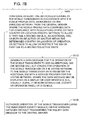
- step S406 if the observed country code differs from the stored country code, the data processor 328 or mobile unit controller 324 transmits an inquiry data message 51 to a central server 24, via the wireless network (101, 201) to inquire as to whether or not the mobile transceiver 36 is authorized to operate within the observed country; the data processor 328 or mobile unit controller 324 receives feature information or a stored mobile profile data (that is stored in the central server 24), from the central server 24, of one or more authorized service providers or countries for a corresponding subscriber identity module.
- the central server 24 may store a database, file, records or tables of country authorizations and corresponding SIM identifiers or mobile transceiver identifiers.
- the country authorizations and corresponding SIM identifiers may be expressed as rules.
- Mobile profile data 26, or portions thereof, stored at the central server 24 is delivered or sent to the mobile transceiver 36 upon its request in response to an inquiry data message 51.
- the inquiry data message 51 minimizes or efficiently uses the bandwidth or communications channel between the mobile transceiver 36 and the central server 24 because its transmission is only triggered where a mismatching location condition (e.g., of the observed country code and the stored country code) of S404 is satisfied.
- the central server 24 operates without communicating directly with home location registry (HLR 28) or a visitor location registry (VLR (16, 116)), and wherein the central server 24 is separate and distinct from wireless infrastructure of the wireless network (101, 201).
- HLR 28 home location registry
- VLR visitor location registry
- the service provider that offers vehicle diagnostics, predictive maintenance or other vehicle related service communications via the mobile transceiver 36 (and central server 24) can configure mobile transceivers 36 in accordance with regulations or location specific requirements of carriers in different countries without read access to the HLR, VLR or other wireless infrastructure of the carrier.
- the central server 24 receives observed location data from the mobile transceiver 36 can access a stored database, chart, files or records of codes of observed locations and corresponding country-specific or location specific settings or one or more authorized subscriber identity modules for a corresponding observed location of the mobile transceiver 36.
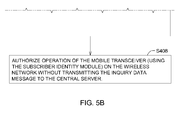
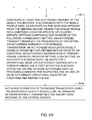
- step S408 if the observed country code equals the stored country code, the data processor 328 or the mobile unit controller 324 authorizes operation of the mobile transceiver 36 using the subscriber identity mobile on the wireless network without transmitting the inquiry data message 51 to the central server 24.
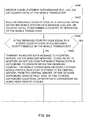
- FIG. 5 ( FIG. 5A and FIG. 5B , collectively) is similar to the method of FIG. 4 , except the method of FIG. further comprises step S409.
- Like reference numbers in FIG. 4 and FIG. 5 indicate like steps or procedures.
- Step S409 may be executed after step S406. In an alternate example, step S409 may be executed after S408 where the mobile transceiver 36 contains current or valid mobile profile data that was previously received by the mobile transceiver 36 from the central server 24.
- the data processor 328 or mobile unit controller 324 configures at least one authorized feature of the mobile transceiver 36 in accordance with the mobile profile data, or a portion thereof, as communicated or received via the wireless network from the central server 24.
- the mobile profile data comprises data for compliance with regulations or pre-defined or country or location specific settings to allow a first subscriber identity module (SIM), a second subscriber identity module (e.g., an additional SIM), or both to be active or inactive within the determined country or location of operation, or settings to allow or restrict the subscriber identity module or first subscriber identity module to a restricted active state.
- SIM subscriber identity module
- second subscriber identity module e.g., an additional SIM
- the data processor 328 or mobile unit controller 324 may restrict mobile-generated calls (e.g., mobile-generated data messages of end user originating data content for the central server 24), mobile-terminated calls (e.g., mobile-terminated data messages of end user originating data content for the central server 24), or both via the subscriber identity module in the observed country to limit operation of the mobile transceiver 36 or to establish the registration of a secondary subscriber module for the observed country code.
- mobile-generated calls e.g., mobile-generated data messages of end user originating data content for the central server 24
- mobile-terminated calls e.g., mobile-terminated data messages of end user originating data content for the central server 24
- Step S409 may be executed in accordance with various techniques that may be applied separately or cumulatively.
- the data processor 328 or mobile unit controller 324 configures at least one authorized feature of the mobile transceiver 36 in accordance with the mobile profile data, or a portion thereof, as communicated via the wireless network from the central server 24.
- the data processor 328 or mobile unit controller 324 configures at least one authorized feature of the mobile transceiver 36 in accordance with the mobile profile data, or a portion thereof, as communicated via the wireless network from the central server 24 to comply with regulations or pre-defined country or location specific-settings to allow the subscriber identity module (e.g., first SIM), a second subscriber identity module, or both to be active or inactive within the determined country or location of operation.
- the subscriber identity module e.g., first SIM
- a second subscriber identity module e.g., both to be active or inactive within the determined country or location of operation.
- the data processor 328 or mobile unit controller 324 configures at least one authorized feature of the mobile transceiver 36 in accordance with the mobile profile data, or a portion thereof, as communicated via the wireless network from the central server 24 to comply with regulations or pre-defined country or location specific-settings wherein the first subscriber identity module has a restricted active state, the restrictive active state allowing communications over the wireless network for the purpose of registration or authentication of the first subscriber identity module or a second subscriber identity module, or limiting operation of the mobile transceiver 36 to establishing the registration of a secondary subscriber module for the observed country code.
- the restricted mode may allow the receiver of the mobile transceiver 36 to listen or receive channel assignments, for example.
- the mobile transceiver 36 receives a data message in response to the inquiry data message 51 that the mobile transceiver 36 is not authorized to operate in the wireless network; the data processor 328 or the mobile unit controller 324 configures the mobile unit controller 324 in accordance with a mobile profile, an unauthorized mobile profile, or otherwise to restrict mobile-generated calls, mobile terminated calls, or both via the subscriber identity module in the observed country to limit operation of the mobile transceiver 36 or to establish the registration or authentication of a second subscriber module for the observed country code.
- FIG. 6 ( FIG. 6A and FIG. 6B , collectively) is similar to the method of FIG. 4 , except the method of FIG. 6 further comprises step S411.
- Like reference numbers in FIG. 4 and FIG. 5 indicate like steps or procedures.
- Step S411 may be executed after step S406.
- step S409 may be executed after S408 where the mobile transceiver 36 contains current or valid mobile profile data that was previously received from the central server 24.
- the data processor 328 or mobile unit controller 324 configures at least one authorized feature of the mobile transceiver 36 in accordance with the mobile profile data, or a portion thereof, as communicated or received via the wireless network from the central server 24.
- the mobile profile data comprises location-specific or country-specific settings of the mobile transceiver 36 as communicated via the wireless network from the central server 24 to comply with regulations or pre-defined or country or location specific settings comprising one or more of the following: a frequency setting 340, authorized transmit frequency or frequencies of operation, authorized receive frequency or frequencies, authorized bandwidth for wireless transmission, authorized modulation mode (e.g., Time-Division, Multiple- Access (TDMA), Global System for Mobile Communications (GSM), Code-Division, Multiple- Access (CDMA) or analog, phase or frequency modulation), a maximum power setting 342, authorized maximum mobile transmit power, a service provider setting 344, a subscriber identity module (SIM) setting (e.g., single SIM or dual SIM authorized per mobile transceiver 36), authorized
- SIM subscriber identity
- FIG. 7 ( FIG. 7A and FIG. 7B , collectively) is similar to the method of FIG. 4 , except the method of FIG. 7 further comprises step S427, S409, and S413.
- Like reference numbers in FIG. 4 and FIG. 7 indicate like steps or procedures.
- Step S427 follows step S406.
- the data processor 328 or the mobile unit controller 324 determines whether or not an additional subscriber identity module (SIM) (e.g., second SIM 336) is required to configure or operate the mobile transceiver.
- SIM subscriber identity module
- the data processor 328 or mobile unit controller 324 may obtain profile data, or a portion thereof (e.g., SIM card setting or authorization by country), from the central server 24, the data storage device 338 or both. If an additional SIM is not required, the method continues with step S409. However, if an additional SIM is required, the method continues with step S413.
- SIM subscriber identity module
- the data processor 328 or mobile unit controller 324 configures at least one authorized feature of the mobile transceiver 36 in accordance with the mobile profile data, or a portion thereof, as communicated or received via the wireless network from the central server 24.
- the mobile profile data comprises data for compliance with regulations or pre-defined or country or location specific settings to allow a first subscriber identity module (SIM), a second subscriber identity module (e.g., an additional SIM), or both to be active or inactive within the determined country or location of operation, or settings to allow or restrict the subscriber identity module or first subscriber identity module to a restricted active state.
- SIM subscriber identity module
- second subscriber identity module e.g., an additional SIM
- the data processor 328 or mobile unit controller 324 may restrict mobile-generated calls (e.g., mobile-generated data messages of end user originating data content for the central server 24), mobile-terminated calls (e.g., mobile-terminated data messages of end user originating data content for the central server 24), or both via the subscriber identity module in the observed country to limit operation of the mobile transceiver 36 or to establish the registration of a secondary subscriber module for the observed country code.
- mobile-generated calls e.g., mobile-generated data messages of end user originating data content for the central server 24
- mobile-terminated calls e.g., mobile-terminated data messages of end user originating data content for the central server 24
- Step S409 may be executed in accordance with various techniques that may be applied separately or cumulatively.
- the data processor 328 or mobile unit controller 324 configures at least one authorized feature of the mobile transceiver 36 in accordance with the mobile profile data, or a portion thereof, as communicated via the wireless network from the central server 24.
- the data processor 328 or mobile unit controller 324 configures at least one authorized feature of the mobile transceiver 36 in accordance with the mobile profile data, or a portion thereof, as communicated via the wireless network from the central server 24 to comply with regulations or pre-defined country or location specific-settings to allow the subscriber identity module (e.g., first SIM), a second subscriber identity module, or both to be active or inactive within the determined country or location of operation.
- the subscriber identity module e.g., first SIM
- a second subscriber identity module e.g., both to be active or inactive within the determined country or location of operation.
- the data processor 328 or mobile unit controller 324 configures at least one authorized feature of the mobile transceiver 36 in accordance with the mobile profile data, or a portion thereof, as communicated via the wireless network from the central server 24 to comply with regulations or pre-defined country or location specific-settings wherein the first subscriber identity module has a restricted active state, the restrictive active state allowing communications over the wireless network for the purpose of registration or authentication of the first subscriber identity module or a second subscriber identity module, or limiting operation of the mobile transceiver 36 to establishing the registration of a secondary subscriber module for the observed country code.
- the restricted mode may allow the receiver of the mobile transceiver 36 to listen or receive channel assignments, for example.
- the mobile transceiver 36 receives a data message in response to the inquiry data message 51 that the mobile transceiver 36 is not authorized to operate in the wireless network; the data processor 328 or the mobile unit controller 324 configures the mobile unit controller 324 in accordance with a mobile profile, an unauthorized mobile profile, or otherwise to restrict mobile-generated calls, mobile terminated calls, or both via the subscriber identity module in the observed country to limit operation of the mobile transceiver 36 or to establish the registration or authentication of a second subscriber module for the observed country code.
- step S413 the data processor 328 or mobile controller unit generates a data message for the operator or subscriber to add an additional subscriber identity module (e.g., second SIM 336) authorized for operation of the mobile transceiver 36 on the visited network to the mobile transceiver 36 or to register the additional subscriber identity module (e.g., second SIM 336) with a service provider for the visited network.
- the foregoing data message may be displayed on a display 97 or user interface (e.g., visually, aurally, or both within a cab, cockpit or operator panel) of a vehicle.
- Step S408 can follow S404 and was previously described in conjunction with FIG. 4 .
- the description of S408 in conjunction with FIG. 4 applies equally to the method of FIG. 7 as if fully set forth in this document.
- the method of FIG. 8 is similar to the method of FIG. 4 , except the method of FIG. 8 replaces steps S400, S402, and S404 with S800 and S802.
- steps S400, S402, and S404 with S800 and S802.
- Like reference numbers in FIG. 4 and FIG. 8 indicate like numbers.
- step S800 is the mobile transceiver 36 in or entering a failure mode in which the mobile transceiver 36 with the first SIM 332 is unauthorized or in which the authorization of the first SIM 332 is about to expire? If the mobile transceiver 36 is in or imminently entering failure mode or imminently expiring, the method continues with step S802. If the mobile transceiver 36 is not in or not imminently entering the failure mode, the method continues with step S408.
- step S800 the possible precursor step to S406, the inquiry data message 51 is not triggered based on the observed country code not equaling or matching the stored country code in the SIM. Instead, in step S800, the inquiry data message 51 may be triggered when the mobile transceiver 36 operating with the first SIM 332 enters into a failure mode, where outgoing communications between the wireless system and the mobile transceiver 36 via the first SIM 332 does not function because the carrier or wireless system changes the status of the mobile transceiver 36 to an unauthorized status, or the carrier, service provider, or wireless system ends a grace period or guest period for the mobile transceiver 36 to operate on the wireless system.
- step S802 if the mobile transceiver 36 is in the failure mode or if the first SIM authorization is about to expire, the mobile transceiver 36, mobile unit controller 324, or data processor 328 may revert to operation of the second SIM 336 card or may need to register a second SIM 336 card or additional SIM to execute step S406.
- the mobile transceiver 36 may be programmed to register a SIM or additional SIM card by contacting the APN via the wireless network and entering a password for the operator. Alternately, an operator may need to manually register the second SIM 336 or additional SIM card via a web-enabled device that has access to the APN of the wireless network.
- Step S406 follows step S802.
- a mobile transceiver may have limited authorization or no authorization to operate in a roaming mode on the visited network via a first subscriber identity module.
- the various embodiments of the system and methods of this disclosure are well suited to facilitate a mobile transceiver's efficient transition from a first subscriber identity module to a second subscriber identity module, or to facilitate a mobile transceiver's operation in accordance with applicable authorizations, regulations, or both.
- the central server is capable of storing, retrieving and managing profile data for subscribers to manage applicable authorizations of corresponding mobile transceivers, where the mobile transceiver is moved from one country or geographic area to another.
- the profile data can be added to leverage an existing server that provides diagnostic services, vehicle predictive maintenance, software maintenance or upgrading, or other services for vehicle owners or operations, where the mobile transceiver is installed on a vehicle for transmission of vehicle data.
Landscapes
- Engineering & Computer Science (AREA)
- Computer Networks & Wireless Communication (AREA)
- Signal Processing (AREA)
- Databases & Information Systems (AREA)
- Computer Security & Cryptography (AREA)
- Mobile Radio Communication Systems (AREA)
Abstract
Description
- This disclosure relates to a method and system for controlling wireless access or authorized features of a mobile transceiver.
- For a user of a mobile transceiver, a visited network (e.g., in a foreign country) may be motherland of the mobile transceiver. In certain geographic areas, a mobile transceiver may have limited authorization (e.g., for a limited duration) or no authorization to operate in a roaming mode on the visited network via a first subscriber identity module. Accordingly, there is a need for the mobile transceiver to support an efficient transition from the first subscriber identity module to a second subscriber identity module, or to operate in accordance with applicable authorizations, regulations, or both.
- In accordance with one embodiment, a method or system for controlling access of a mobile transceiver to a wireless network comprises a mobile transceiver for receiving a mobile station data message (e.g. Location Area Code (LAC) or country information). Within the mobile station data message, the mobile transceiver reads an observed country code of a visited wireless network to determine a country of operation of the mobile transceiver. The mobile transceiver determines if the observed country code is equal to a stored country code in a subscriber identity module (e.g., first subscriber identity module) of the mobile transceiver. If the observed country code differs from the stored country code, the mobile transceiver transmits an inquiry data message to a central server (e.g., accessible via the Internet) via the wireless network to inquire as to whether or not the mobile transceiver is authorized to operate within the observed country (e.g., via the subscriber identity module). In response to the inquiry, the mobile transceiver may receive (e.g., from the central server via the wireless network) mobile profile data. The mobile profile data may include one or more of the following data items: one or more of the authorized service providers, one or more authorized countries, one or more other mobile transceiver settings, or an authorized feature for the subscriber identity module and the mobile transceiver. If the observed country code equals the stored country code, the mobile transceiver uses or accesses the visited wireless network without transmitting the inquiry data message to the central server.
-
-
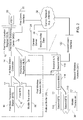
FIG. 1 is a block diagram of an embodiment of a system for controlling wireless access to one or more wireless networks or authorized features of a mobile transceiver on one or more wireless networks. -
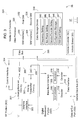
FIG. 2 is a block diagram a system for controlling wireless access or authorized features of a mobile transceiver, whereFIG. 2 shows illustrative wireless networks in greater detail thanFIG. 1 . -
FIG. 3 is a block diagram of an embodiment of a mobile transceiver of the system for controlling wireless access or authorized features a mobile transceiver, where the mobile transceiver is shown in greater detail than inFIG. 1 orFIG. 2 . -
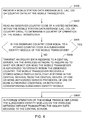
FIG. 4 is a flow chart of a first example of a method for controlling wireless access or authorized features of a mobile transceiver. -
FIG. 5 (FIG. 5A andFIG. 5B collectively) is a flow chart of a second example of a method for controlling wireless access or authorized features of a mobile transceiver. -
FIG. 6 (FIG. 6A andFIG. 6B collectively) is a flow chart of a third example of a method for controlling wireless access or authorized features of a mobile transceiver. -
FIG. 7 (FIG. 7A andFIG. 7B collectively) is a flow chart of a fourth example of a method for controlling wireless access or authorized features of a mobile transceiver. -
FIG. 8 is a flow chart of a fifth example of a method for controlling wireless access or authorized features of a mobile transceiver. - In accordance with one embodiment,
FIG. 1 illustrates a block diagram of a system for controlling access of amobile transceiver 36 to a wireless network (101 or 201). Amobile transceiver 36 can operate over or communicate via a firstwireless network 101, a secondwireless network 201, or both, contingent upon proper authorization of the carrier or service provider. Themobile transceiver 36 can send or receive, separately or simultaneously, wireless electromagnetic signals (e.g., a radio frequency or microwave signal) modulated with one or more data messages between themobile transceiver 36 and the firstwireless network 101, the secondwireless network 201, or both. In one embodiment, themobile transceiver 36 is mounted on a vehicle and may communicate diagnostic data, software updates, or other vehicular data between themobile transceiver 36 and acentral server 24. For example, the vehicular data may be generated by avehicle controller 93, avehicle sensor 95, or an operator at the user interface or display 97. - The first
wireless network 101 may comprise a GSM (Global System for Mobile Communications), TDMA (Time-Division, Multiple-Access), CDMA (Code-Division, Multiple-Access) or other wireless communication system. Similarly, the secondwireless network 201 may comprise a GSM, TDMA, CDMA or other wireless communication system. - The
central server 24 may store, retrieve, modify, manage and process amobile data profile 26 for eachmobile transceiver 36 or a set ofmobile transceivers 36. As shown, themobile data profile 26 may comprise a firstmobile data profile 126 through an Nthmobile data profile 426, where N is any positive whole number consistent with the set ofmobile transceivers 36. The large dots between the firstmobile data profile 126 and the Nthmobile data profile 426 indicate that a set of mobile profiles can be stored within the mobile profile data of thecentral server 24. In practice, multiple mobile transceivers can be located in Country X (61) and Country Y (63) and multiple corresponding mobile profiles can be stored asmobile profile data 26 in thecentral server 24. Thecentral server 24 may be located in Country X (61), Country Y (63) or Country X, Y or Z (65) as indicated inFIG. 1 . - The
mobile transceiver 36 may comprise a cellular device or mobile unit. Themobile transceiver 36 may be located in Country X (63) or Country Y (65) as indicated by the dashed lines around themobile transceiver 36 inFIG. 1 . Themobile transceiver 36 comprises amobile unit controller 324 that may store one or more mobile settings, or feature information for operation of themobile transceiver 36 in accordance with themobile data profile 26, or a portion thereof. - The first
wireless system 101 or the secondwireless system 201, or portions thereof, can transmit a mobile station data message 53 (e.g., Location Area Code (LAC), Cell Global Identity (CGI), or other country information). For example, in the firstwireless system 101 or secondwireless system 201, each base station (10 or 110 inFIG. 2 ) may regularly transmit the LAC tomobile transceivers 36 within its coverage area. The mobilestation data message 53 has location data, a country code or other geographic data on the location of themobile transceiver 36. - The first
wireless system 101 or the secondwireless system 201, or portions thereof, may transmit a Temporary Mobile Subscriber Identity (TMSI) or an International Mobile Subscriber Identity (IMSI). The TMSI may be generated in conjunction with themobile transceiver 36 accessing (e.g., registering, requesting access or initializing on) the wireless system, changing locations (e.g., switching from one Visitor Location Register (VLR) or Mobile Switching Center (MSC) to another), or requesting a location update. The TMSI is proprietary to the network carrier or service provider and may or may not contain an observed country code or other current, dynamically updated location data (e.g., VLR identification data or VLR location data) that pertains to themobile transceiver 36. The IMSI is seldom used, except for paging of themobile transceiver 36 prior to assignment of the TMSI, for instance. - The
mobile transceiver 36 can transmit aninquiry data message 51 from themobile transceiver 36 via the air interface to the firstwireless system 101 or the secondwireless system 201. In turn, the firstwireless system 101 or the secondwireless system 201 transmits or forwards theinquiry data message 51 to thecentral server 24. In response to theinquiry data message 51,central server 24 transmits or sends amobile data profile 26, or a portion thereof, to the firstwireless system 101 or the secondwireless system 201. In turn, the firstwireless system 101 or the secondwireless system 201 transmits or forwards the responsemobile data profile 26 or feature information (226, 326) to the correspondingmobile transceiver 36. Theinquiry data message 51 promotes efficient use of the network resources (e.g., capacity, bandwidth, channels, throughput, and the frequency which data message are transmitted) of the firstwireless system 101, the secondwireless system 201, and the communications network 32 (e.g., Internet). - As illustrated in the example of
FIG. 1 , the firstwireless communication system 101 is located in Country X (61) and the secondwireless communication system 201 is located in Country Y (63). The firstwireless communication system 101, the secondwireless communication system 302, or both can communicate with thecentral server 24. Data communications between thecentral server 24 and the firstwireless network 101 are supported via afirst communications path 55, which may comprise any of the following: a dedicated transmission line, a wireless link, a microwave link, a circuit switched network, or a packet-switched network, or any other suitable communications path. Data communications between thecentral server 24 and the secondwireless network 201 are supported via asecond communications path 57, which may comprise any of the following: a dedicated transmission line, a wireless link, a microwave link, a circuit switched network, or a packet-switched network, or any other suitable communications path. - If the
mobile transceiver 36 is located within the first coverage area of the firstwireless system 101 or within Country X (61), themobile transceiver 36 may have a first set of authorized features (e.g., first feature information 226) stored in the data storage device 338 (FIG. 3 ). However, if themobile transceiver 36 is located within the second coverage area of the secondwireless system 201 or within Country Y (63), themobile transceiver 36 may have a second set of authorized features (e.g., second feature information 326) stored in thedata storage device 338. As illustrated inFIG 1 , the firstmobile profile data 126 has first feature information 226 (e.g., primary country-specific profile data) on Feature A and Feature B for themobile transceiver 36. Although the first feature information 226 (e.g., primary country-specific profile data) for Country X (61) is indicated in a first row of the firstmobile profile data 126, any data representation format or structure may be used for the mobile profile data (e.g., 126, 426). Similarly, themobile profile data 126 has second feature information 326 (e.g., secondary country-specific profile data) for country Y (63) on Feature A and Feature B for themobile transceiver 36. Although thesecond feature information 326 is indicated in a second row of the firstmobile profile data 126, any data representation format or structure may be used for the mobile profile data (126, 426). - Here in the illustrative example of the first
mobile profile data 126 ofFIG. 1 , feature A relates to whether or not a second SIM 336 (e.g., additional SIM card) is required for themobile transceiver 36 to operate in Country X (61) or Country Y (63). A first logic level (e.g., logic level 1) may indicate that asecond SIM 336 is required for themobile transceiver 36 to operate in Country X (61), whereas a second logic level (e.g., logic level 0), distinct from the first logic level, may indicate that asecond SIM 336 is not required for themobile transceiver 36 to operate in Country Y (63). Here in the illustrative example ofFIG. 1 , Feature B relates to a first maximum power level setting (e.g., 10) for Country X (61), and a second maximum power level setting (e.g., 20) for Country Y (63), where each maximum power level setting pertains to a maximum permitted transmitter power level of themobile transceiver 36. -
FIG. 2 illustrates one embodiment of afirst wireless system 101, asecond wireless system 201 and acentral server 24.FIG. 2 represents one possible implementation of the system or configuration ofFIG. 1 . Other implementations or system configurations fall within the scope of this disclosure. Like elements inFIG. 1 andFIG. 2 are indicated by like reference numbers. - In accordance with one embodiment,
FIG. 2 illustrates a block diagram of a system for controlling wireless access to one or more wireless networks (101, 201) or authorized features of amobile transceiver 36 on one or more wireless networks (101, 201). The system comprises two wireless networks, namely, afirst wireless network 101 and asecond wireless network 201. In one embodiment, thefirst wireless network 101 comprises a visited wireless network, whereas thesecond wireless network 201 comprises a home wireless network or a motherland wireless network. As illustrated, thefirst wireless network 101 and thesecond wireless network 201 are separated by apolitical border 30, such as the border between states, countries, territories, geographic areas or jurisdictions. - In
FIG. 2 , thefirst wireless network 101 comprises one or more first base transceiver stations (BTS's) 10 that communicate with a firstbase station controller 14. In turn, the first base station controller (BSC) 14 is coupled to a first mobile switching center (MSC) 18. A first visitor location register (VLR) 16 may be associated with the firstmobile switching center 18. The firstmobile switching center 18 is typically coupled to a public switchedtelephone network 20, although if the firstmobile switching center 18 comprises a packet switching node, the packed-switched, firstmobile switching center 18 may be coupled to a data packet network, such as the Internet. As shown the firstmobile switching center 18 is associated with afirst communications interface 22 for accessing acommunications network 32, such as the Internet. The home location register 28 (HLR) can communicate with the firstmobile switching center 18 of thefirst wireless network 101 or a second mobile switching center (MSC) 118 of thesecond wireless network 201. Similarly, the firstmobile switching center 18, the secondmobile switching center 118, or both, can communicate with thehome location register 28. The firstmobile switching center 18 and the secondmobile switching center 118 support communications and the routing of data messages between thehome location register 28 and the firstvisitor location register 16, between thehome location register 28 and the secondvisitor location register 116, or both between the firstvisitor location register 16 and the secondvisitor location register 116. - In
FIG. 2 , thesecond wireless network 201 comprises one or more secondbase transceiver stations 10 that communicate with a secondbase station controller 114. In turn, the secondbase station controller 114 is coupled to a secondmobile switching center 118. A secondvisitor location register 116 may be associated with the secondmobile switching center 118. The secondmobile switching center 118 may be coupled to a public switched telephone network 20 (not shown), although if the secondmobile switching center 118 comprises a packet switching node, the packed-switched, secondmobile switching center 118 may be coupled to a data packet network, such as the Internet. As shown the secondmobile switching center 118 is associated with asecond communications interface 122 for accessing acommunications network 32, such as the Internet. Thehome location register 28 can communicate with the firstmobile switching center 18, thefirst wireless network 101 or a secondmobile switching center 118 of thesecond wireless network 201. - The
mobile transceiver 36 may be located within the radio frequency or microwave coverage area of the firstbase transceiver station 10 of thefirst wireless network 101 or within the radio frequency or microwave coverage area of the secondbase transceiver station 110 of thesecond wireless network 201. In thesecond wireless network 201, themobile transceiver 36 is shown in dashed lines to indicate that it may be moved to or from the coverage area of thesecond wireless network 201. In practice,multiple transceivers 36 may be using thefirst wireless network 101 and thesecond wireless network 201. - Although a
central server 24 is shown above thepolitical border 30 on a side of thefirst wireless network 101, in one embodiment thecentral server 24 is not part of thefirst wireless network 101 or thesecond wireless network 201. Further, thecentral server 24 is distinct from the visitor location register (16, 116) and thehome location register 28. Thecentral server 24 is capable of communicating with themobile transceiver 36 via thecommunications network 32 ofFIG. 2 via a communications path between themobile transceiver 36 and thecommunications network 32. In one example, if themobile transceiver 36 is operating within thefirst wireless network 101, the communications path may comprise a wireless communication or air interface between themobile transceiver 36 and the firstbase transceiver station 10, communication between the firstbase transceiver station 10 and the firstbase station controller 14, communication between the firstbase station controller 14 and the firstmobile switching center 18, communication between the firstmobile switching center 18 and thefirst communications interface 22, and communication between thefirst communications interface 22 and thefirst communications network 32. In another example, if themobile transceiver 36 is operating within thesecond wireless network 201, the communications path may comprise a wireless communication or air interface between themobile transceiver 36 and the secondbase transceiver station 110, communication between the secondbase transceiver station 110 and the secondbase station controller 114, communication between the secondbase station controller 114 and the secondmobile switching center 118, communication between the secondmobile switching center 118 and the second communication interfaces 122, and communication between thesecond communications interface 122 and thecommunications network 32. - Although the
central server 24 may be controlled, leased or owned by the service provider, or subsidiary or affiliate of the service provider, that controls thefirst wireless network 101 or thesecond wireless network 201, an independent service provider or separate service provider may control, lease, own or operate thecentral server 24. For example, the independent service provider may provide one or more vehicle services for a vehicle owner or operator of a vehicle or a fleet of vehicles, particularly where the vehicles may be located in various jurisdictions throughout the world. A vehicle may comprise transportation equipment, trains, mass transit equipment, aircraft, watercraft, ground vehicles, heavy equipment, agricultural equipment, construction equipment, forestry equipment, mowing equipment, lawn care or turf care equipment, or other work vehicles, implements or equipment. In one configuration, the vehicle services, provided by the central server 24 (and the independent service provider) may include one or more of the following: providing machine diagnostic information, diagnostic trouble codes, predictive maintenance data, programming of control modules, updating, maintenance or downloading of vehicle software. - Although the
first wireless network 101, thesecond wireless network 201, and themobile transceiver 36 ofFIG. 2 are described generally in the context of a Global System for Mobile Communications (GSM) wireless system or a Time-Division, Multiple-Access (TDMA) wireless system, the same concepts can be extended to a Code-Division, Multiple-Access communications system (CDMA), or other types of wireless communication systems. TheHLR 28 can be located within thefirst wireless network 101 or thesecond wireless network 201, or elsewhere. -
FIG. 3 provides a block diagram of themobile transceiver 36. Themobile transceiver 36 comprises a radio frequency (RF)portion 300, adigital baseband portion 322 and amobile unit controller 324. TheRF portion 300 comprises an antenna that is coupled to anantenna interface 303.Analog receiver circuitry 301 receives a radio frequency signal via theantenna interface 303 and antenna from a base transceiver station (10, 110), whereas theanalog transmitter circuitry 302 transmits a radio frequency signal over the antenna to a base transceiver station (10, 110). An output ofanalog receiver circuitry 301 is coupled to an analog-to-digital converter 305 (ADC 305). An input of theanalog transmitter circuitry 302 is coupled to an output of a digital-to- analog converter (DAC 306). The antenna interface 202 comprises a diplexer, a duplexer, combiner or an antenna switch, for example. Theanalog receiver circuitry 301 comprises a downconverter or mixer for down-converting the received signal to baseband or an intermediate frequency for processing by thedigital baseband portion 322. - An output of the analog-to-digital converter (ADC) 305 is coupled to the baseband interface 308 of the
digital baseband portion 322. Meanwhile, an input of theDAC 306 is coupled to the baseband interface 308 portion. Thedigital baseband portion 322 comprises a baseband interface 308. The baseband interface 308 receives encoded data via a first processing path and the baseband interface 308 transmits data via a second processing path. The first processing path begins with the input of data to the input/output port of thedata interface 314. The first output path of thedigital baseband portion 322 comprises a demodulator 310 and adecoder 312. The demodulator 310 is coupled to the baseband interface 308, where the demodulator 310 provides demodulated data to thedecoder 312 and where thedecoder 312 provides decoded data to thedata interface 314. The second output path of thedigital baseband portion 322 comprises anencoder 318 and amodulator 316. Theencoder 318 is coupled to thedata interface 314, where theencoder 318 provides encoded data to themodulator 316 and where themodulator 316 provides modulated data to the baseband interface 308. - For example, the data input output/
port 320 may be coupled to a vehicle data bus 91 of a vehicle for processing by thedigital baseband portion 322. In turn, avehicle controller 93, avehicle sensor 95, and adisplay 97 are coupled to the vehicle data bus 91. Thevehicle controller 93,vehicle sensor 95 and thedisplay 97 are shown in dashed lines because they are optional. In one example, thedisplay 97 may be used to display 97 data messages to a user or operator of the vehicle or themobile transceiver 36 to alert the user of a need to insert or register a second SIM 336 (e.g., additional SIM) for operation in a certain country where themobile transceiver 36 is located. - The
mobile unit controller 324 comprises amobile data bus 326 that supports communications between themobile data bus 326 and thecontrol interface 304 and communications between themobile data bus 326 and thedata interface 314. Themobile unit controller 324 comprises adata processor 328, a first SIM (subscriber identity module)interface 330, asecond SIM interface 334, afirst SIM 332, asecond SIM 336, and adata storage device 338. Thedata processor 328, thefirst SIM interface 330, thesecond SIM interface 334 and thedata storage device 338 are coupled to themobile data bus 326 to facilitate or support communications between or among the above components of themobile unit controller 324. - In one embodiment, a
first SIM 332 may be an integral chip installed in the mobile receiver, whereas thesecond SIM 336 may be an optional or removal SIM card that can be installed or uninstalled by the operator of themobile transceiver 36. Thefirst SIM 332 may be authorized for to operate on a visited network (e.g., in foreign country) as a guest for a maximum or limited time, after which the carrier or service provider of the visited network may disable access of the visiting or roaming mobile transceiver 36 (e.g., with the first SIM 332) with or without warning. To operate on the visited network, the customer may obtain, authenticate or register a SIM card that is authorized by or compatible with the carrier of the visited network. Once thesecond SIM 336 card is registered manually or electronically via temporary or restricted, authorized communications via thefirst SIM 332 over the visited network, thefirst SIM 332 card may be disabled or inactive, except for emergencies (e.g., emergency call to police, fire or public safety, such as a 911 call in the U.S.), limited or restricted operation on the visited network. The restricted operation may comprise a limited active mode or pseudo-standby mode that is only active for country of service registration or emergency service. As later described in the method ofFIG. 7 , thedata processor 328 or controller may generate a data message or warning for the user of themobile transceiver 36 that can appear on thedisplay 97 of the vehicle via the vehicle data bus 91 (e.g., Controller Area Network CAN bus or Ethernet bus) from themobile transceiver 36. - Each SIM (332, 336) is capable of storing the IMSI and TMSI along with other user settings of the
mobile transceiver 36. Afirst SIM 332 may be authorized to operate with one or more first carriers and one or more first countries (e.g., U.S. and Argentina), whereas asecond SIM 336 may be authorized to operate with one or second carriers and in one or more second countries (e.g., Brazil). The International Mobile Subscriber Identity (IMSI) includes the mobile country code of themobile transceiver 36. The IMSI is stored on the SIM (332, 336) and does not provide an indication of the current or actual location of themobile transceiver 36. In certain configurations, the IMSI may include a Mobile Country Code, Mobile Network Code, and a Subscriber Number. The IMSI is stored in a subscriber identity module (SIM) (332, 336) of themobile transceiver 36 and uniquely identifies themobile transceiver 36. In the IMSI, the Mobile Country Code and Mobile Network Code are related to the home network of the respectivemobile transceiver 36, as opposed to the visited network. In certain configurations, the SIM orsecond SIM 336 can be registered on-line via a Website, or themobile transceiver 36 can be configured for access to a wireless network via the SIM (332, 336), by entering in the identification of the network (Access Point Name (APN)) and password, for example. The APN represents a node or interface that supports communication between a wireless network and the Internet. - The TMSI is assigned by the wireless network or by the VLR (16, 116) to the
mobile transceiver 36 and is transmitted to themobile transceiver 36 upon registration and to prevent unwanted interception of the IMSI by a criminal or malicious hacker. The TMSI allows the subscriber to be uniquely identified as a substitute for the IMSI. The TMSI is valid for a corresponding VLR (16, 116) and is reassigned if themobile transceiver 36 moves to a new VLR (16, 116). The TMSI can be stored in the SIM (332, 336) of themobile transceiver 36 for comparison to the next received TMSI. The TMSI can be uniquely generated or proprietary to the network operator of the VLR (16, 116). - The
data storage device 338 is capable of storing, retrieving and accessing one or more of the following items: frequency setting 340, maximum power setting 342, service provider setting 344,configuration manager 346, and SIM card setting 347, among other possible settings and features. - A
control interface 305 provides an interface between theRF portion 300 and themobile unit controller 324. In one embodiment, the contral interface is coupled to theanalog receiver circuitry 301, theanalog transmitter circuitry 302, and thedata bus 326 of themobile unit controller 324. Thecontrol interface 305 may need to send a control signal or control data to control or implement the features or settings authorized or configured by themobile unit controller 324 for a particular correspondingmobile transceiver 36. - In an alternate embodiment, in response to the inquiry, the
mobile transceiver 36 may receive (e.g., from thecentral server 24 via the visited wireless network) an authorized service provider, country or mobile transceiver setting, or an authorized feature for a secondsubscriber identity module 336 and themobile transceiver 36. Further, themobile transceiver 36 may register or access the visited wireless network via the secondsubscriber identity module 336. -
FIG. 4 discloses a method of controlling access of amobile transceiver 36 to a wireless network in accordance with any of the system ormobile transceiver 36 configurations set forth inFIG. 1 through FIG. 3 , inclusive, among other possibilities. The method ofFIG. 4 begins in step S400. - In step S400, a
mobile transceiver 36 or receiver receives a mobilestation data message 53 at themobile transceiver 36. For example, amobile transceiver 36 or receiver receives a Location Area Identification (LAC), Cell Global Identity (CGI), mobile location data message, location update message, or another mobilestation data message 53 that contains embedded location data (on the observed location of themobile transceiver 36 within a wireless system) (101, 201) for a correspondingmobile transceiver 36. For example, themobile transceiver 36 receives or detects the Location Area Code (LAC) or Cell Global Identity (CGI) of any wireless cell or BTS (10, 110) that it is assigned to. In thefirst wireless system 101 or thesecond wireless system 201, or both, each base station (BTS)(10, 110) may transmit the LAC, a CGI, the mobile station data message or other location data at regular intervals for reception by anymobile transceivers 36 that are assigned to one or more channels, or within the coverage area, of the base station (10, 110). After receiving the LAC, CGI, mobile station data message or other location data, themobile transceiver 36 may send a current location update or mobile station data message with its current location to the VLR (16, 116), or MSC (18, 118), which can forward the location data to theHLR 28. Here, themobile transceiver 36 sends the current location update (e.g., or at least a country code, which often remains fairly constant) or mobile station data message to thecentral server 24 for processing. However, if the current location of themobile transceiver 36 is unknown or if themobile transceiver 36 has moved from one cell (e.g., BTS coverage area) to another, themobile transceiver 36 may send a mobile location update request that contains the previous LAC or CGI, or location of the cell, along with the previously assigned TMSI for themobile transceiver 36. - In one configuration, the Location Area Identification comprises an observed Mobile Country Code, a Mobile Network Code and Location Area Code of the
mobile transceiver 36 unit. That is, the Location Area Identification provides an observed country of operation, the identity of the wireless network that themobile transceiver 36 is operating on, and the observed location area of themobile transceiver 36, where the codes or Location Area Code can be sent by themobile transceiver 36 to thecentral server 24 for interpretation. Thecentral server 24 can have a database, file, table, or records of corresponding Location Area Codes, or its components, and its or their physical assignments or meanings in the real world. The LAC, or portions thereof, can be stored as fields within themobile profile data 26. The Cell Global Identity includes an observed Location Area Identification plus an observed Cell Identity of the respectivemobile transceiver 36. The CGI, or portions thereof, can be stored as fields within themobile profile data 26. The Location Area Identification, Cell Identity or other location data on the correspondingmobile transceiver 36 are stored an updated in the VLR (16, 116), the HLR (28), or both, which typically reside in one or more MSC's (18, 118). - In step S402, the
mobile transceiver 36, adata processor 328 ormobile unit controller 324 reads an observed country code of a visited network, within the mobile station data message 53 (e.g., LAC, CGI or other country data or location data), to determine a country of operation of themobile transceiver 36. - In step S404, a
data processor 328 ormobile unit controller 324 determines if the observed country code is equal to a stored country code in a subscriber identity module of themobile transceiver 36. If the observed country code is equal to the stored country code, the method continues with step S408. However, if the observed country code is not equal to (or differs from) the stored country code, the method continues with step S406. - Step S404, may be executed in accordance with various techniques that may be applied alternately or cumulatively. Under a first technique, the
data processor 328 ormobile unit controller 324 determines if the observed country code is equal to a stored country code upon the Nth initialization of the mobile subscriber, where N is any whole number greater or equal to 1. Under a second technique, thedata processor 328 ormobile unit controller 324 determines if the observed country code is equal to a stored country code regularly (e.g., periodically) upon the expiration of an interval. - In step S406, if the observed country code differs from the stored country code, the
data processor 328 ormobile unit controller 324 transmits aninquiry data message 51 to acentral server 24, via the wireless network (101, 201) to inquire as to whether or not themobile transceiver 36 is authorized to operate within the observed country; thedata processor 328 ormobile unit controller 324 receives feature information or a stored mobile profile data (that is stored in the central server 24), from thecentral server 24, of one or more authorized service providers or countries for a corresponding subscriber identity module. Thecentral server 24 may store a database, file, records or tables of country authorizations and corresponding SIM identifiers or mobile transceiver identifiers. The country authorizations and corresponding SIM identifiers may be expressed as rules.Mobile profile data 26, or portions thereof, stored at thecentral server 24 is delivered or sent to themobile transceiver 36 upon its request in response to aninquiry data message 51. Theinquiry data message 51 minimizes or efficiently uses the bandwidth or communications channel between themobile transceiver 36 and thecentral server 24 because its transmission is only triggered where a mismatching location condition (e.g., of the observed country code and the stored country code) of S404 is satisfied. - The
central server 24 operates without communicating directly with home location registry (HLR 28) or a visitor location registry (VLR (16, 116)), and wherein thecentral server 24 is separate and distinct from wireless infrastructure of the wireless network (101, 201). The service provider that offers vehicle diagnostics, predictive maintenance or other vehicle related service communications via the mobile transceiver 36 (and central server 24) can configuremobile transceivers 36 in accordance with regulations or location specific requirements of carriers in different countries without read access to the HLR, VLR or other wireless infrastructure of the carrier. Thecentral server 24 receives observed location data from themobile transceiver 36 can access a stored database, chart, files or records of codes of observed locations and corresponding country-specific or location specific settings or one or more authorized subscriber identity modules for a corresponding observed location of themobile transceiver 36. - In step S408, if the observed country code equals the stored country code, the
data processor 328 or themobile unit controller 324 authorizes operation of themobile transceiver 36 using the subscriber identity mobile on the wireless network without transmitting theinquiry data message 51 to thecentral server 24. - The method of
FIG. 5 (FIG. 5A andFIG. 5B , collectively) is similar to the method ofFIG. 4 , except the method of FIG. further comprises step S409. Like reference numbers inFIG. 4 andFIG. 5 indicate like steps or procedures. - Step S409 may be executed after step S406. In an alternate example, step S409 may be executed after S408 where the
mobile transceiver 36 contains current or valid mobile profile data that was previously received by themobile transceiver 36 from thecentral server 24. - In step S409, the
data processor 328 ormobile unit controller 324 configures at least one authorized feature of themobile transceiver 36 in accordance with the mobile profile data, or a portion thereof, as communicated or received via the wireless network from thecentral server 24. In one configuration, the mobile profile data comprises data for compliance with regulations or pre-defined or country or location specific settings to allow a first subscriber identity module (SIM), a second subscriber identity module (e.g., an additional SIM), or both to be active or inactive within the determined country or location of operation, or settings to allow or restrict the subscriber identity module or first subscriber identity module to a restricted active state. In the restricted active state, thedata processor 328 ormobile unit controller 324 may restrict mobile-generated calls (e.g., mobile-generated data messages of end user originating data content for the central server 24), mobile-terminated calls (e.g., mobile-terminated data messages of end user originating data content for the central server 24), or both via the subscriber identity module in the observed country to limit operation of themobile transceiver 36 or to establish the registration of a secondary subscriber module for the observed country code. - Step S409 may be executed in accordance with various techniques that may be applied separately or cumulatively. In accordance with a first technique for executing step S409, the
data processor 328 ormobile unit controller 324 configures at least one authorized feature of themobile transceiver 36 in accordance with the mobile profile data, or a portion thereof, as communicated via the wireless network from thecentral server 24. - In accordance with a second technique, the
data processor 328 ormobile unit controller 324 configures at least one authorized feature of themobile transceiver 36 in accordance with the mobile profile data, or a portion thereof, as communicated via the wireless network from thecentral server 24 to comply with regulations or pre-defined country or location specific-settings to allow the subscriber identity module (e.g., first SIM), a second subscriber identity module, or both to be active or inactive within the determined country or location of operation. - In accordance with a third technique, the
data processor 328 ormobile unit controller 324 configures at least one authorized feature of themobile transceiver 36 in accordance with the mobile profile data, or a portion thereof, as communicated via the wireless network from thecentral server 24 to comply with regulations or pre-defined country or location specific-settings wherein the first subscriber identity module has a restricted active state, the restrictive active state allowing communications over the wireless network for the purpose of registration or authentication of the first subscriber identity module or a second subscriber identity module, or limiting operation of themobile transceiver 36 to establishing the registration of a secondary subscriber module for the observed country code. In one embodiment, the restricted mode may allow the receiver of themobile transceiver 36 to listen or receive channel assignments, for example. - In accordance with a fourth technique, the
mobile transceiver 36 receives a data message in response to theinquiry data message 51 that themobile transceiver 36 is not authorized to operate in the wireless network; thedata processor 328 or themobile unit controller 324 configures themobile unit controller 324 in accordance with a mobile profile, an unauthorized mobile profile, or otherwise to restrict mobile-generated calls, mobile terminated calls, or both via the subscriber identity module in the observed country to limit operation of themobile transceiver 36 or to establish the registration or authentication of a second subscriber module for the observed country code. - The method of
FIG. 6 (FIG. 6A andFIG. 6B , collectively) is similar to the method ofFIG. 4 , except the method ofFIG. 6 further comprises step S411. Like reference numbers inFIG. 4 andFIG. 5 indicate like steps or procedures. - Step S411 may be executed after step S406. In an alternate example, step S409 may be executed after S408 where the
mobile transceiver 36 contains current or valid mobile profile data that was previously received from thecentral server 24. - In step S411, the
data processor 328 ormobile unit controller 324 configures at least one authorized feature of themobile transceiver 36 in accordance with the mobile profile data, or a portion thereof, as communicated or received via the wireless network from thecentral server 24. In one configuration, the mobile profile data comprises location-specific or country-specific settings of themobile transceiver 36 as communicated via the wireless network from thecentral server 24 to comply with regulations or pre-defined or country or location specific settings comprising one or more of the following: a frequency setting 340, authorized transmit frequency or frequencies of operation, authorized receive frequency or frequencies, authorized bandwidth for wireless transmission, authorized modulation mode (e.g., Time-Division, Multiple- Access (TDMA), Global System for Mobile Communications (GSM), Code-Division, Multiple- Access (CDMA) or analog, phase or frequency modulation), a maximum power setting 342, authorized maximum mobile transmit power, a service provider setting 344, a subscriber identity module (SIM) setting (e.g., single SIM or dual SIM authorized per mobile transceiver 36), authorized roaming mode, authorized operational mode (or authorized carrier) with a corresponding subscriber identity module (SIM), a first active subscriber identity module (SIM), a second active subscriber identity module (SIM), or authorized carrier or service provider per respective SIM. - The method of
FIG. 7 (FIG. 7A andFIG. 7B , collectively) is similar to the method ofFIG. 4 , except the method ofFIG. 7 further comprises step S427, S409, and S413. Like reference numbers inFIG. 4 andFIG. 7 indicate like steps or procedures. - Step S427 follows step S406. In step S427, the
data processor 328 or themobile unit controller 324 determines whether or not an additional subscriber identity module (SIM) (e.g., second SIM 336) is required to configure or operate the mobile transceiver. For example, thedata processor 328 ormobile unit controller 324 may obtain profile data, or a portion thereof (e.g., SIM card setting or authorization by country), from thecentral server 24, thedata storage device 338 or both. If an additional SIM is not required, the method continues with step S409. However, if an additional SIM is required, the method continues with step S413. In step S409, thedata processor 328 ormobile unit controller 324 configures at least one authorized feature of themobile transceiver 36 in accordance with the mobile profile data, or a portion thereof, as communicated or received via the wireless network from thecentral server 24. In one configuration, the mobile profile data comprises data for compliance with regulations or pre-defined or country or location specific settings to allow a first subscriber identity module (SIM), a second subscriber identity module (e.g., an additional SIM), or both to be active or inactive within the determined country or location of operation, or settings to allow or restrict the subscriber identity module or first subscriber identity module to a restricted active state. In the restricted active state, thedata processor 328 ormobile unit controller 324 may restrict mobile-generated calls (e.g., mobile-generated data messages of end user originating data content for the central server 24), mobile-terminated calls (e.g., mobile-terminated data messages of end user originating data content for the central server 24), or both via the subscriber identity module in the observed country to limit operation of themobile transceiver 36 or to establish the registration of a secondary subscriber module for the observed country code. - Step S409 may be executed in accordance with various techniques that may be applied separately or cumulatively. In accordance with a first technique for executing step S409, the
data processor 328 ormobile unit controller 324 configures at least one authorized feature of themobile transceiver 36 in accordance with the mobile profile data, or a portion thereof, as communicated via the wireless network from thecentral server 24. - In accordance with a second technique, the
data processor 328 ormobile unit controller 324 configures at least one authorized feature of themobile transceiver 36 in accordance with the mobile profile data, or a portion thereof, as communicated via the wireless network from thecentral server 24 to comply with regulations or pre-defined country or location specific-settings to allow the subscriber identity module (e.g., first SIM), a second subscriber identity module, or both to be active or inactive within the determined country or location of operation. - In accordance with a third technique, the
data processor 328 ormobile unit controller 324 configures at least one authorized feature of themobile transceiver 36 in accordance with the mobile profile data, or a portion thereof, as communicated via the wireless network from thecentral server 24 to comply with regulations or pre-defined country or location specific-settings wherein the first subscriber identity module has a restricted active state, the restrictive active state allowing communications over the wireless network for the purpose of registration or authentication of the first subscriber identity module or a second subscriber identity module, or limiting operation of themobile transceiver 36 to establishing the registration of a secondary subscriber module for the observed country code. In one embodiment, the restricted mode may allow the receiver of themobile transceiver 36 to listen or receive channel assignments, for example. - In accordance with a fourth technique, the
mobile transceiver 36 receives a data message in response to theinquiry data message 51 that themobile transceiver 36 is not authorized to operate in the wireless network; thedata processor 328 or themobile unit controller 324 configures themobile unit controller 324 in accordance with a mobile profile, an unauthorized mobile profile, or otherwise to restrict mobile-generated calls, mobile terminated calls, or both via the subscriber identity module in the observed country to limit operation of themobile transceiver 36 or to establish the registration or authentication of a second subscriber module for the observed country code. - In step S413, the
data processor 328 or mobile controller unit generates a data message for the operator or subscriber to add an additional subscriber identity module (e.g., second SIM 336) authorized for operation of themobile transceiver 36 on the visited network to themobile transceiver 36 or to register the additional subscriber identity module (e.g., second SIM 336) with a service provider for the visited network. The foregoing data message may be displayed on adisplay 97 or user interface (e.g., visually, aurally, or both within a cab, cockpit or operator panel) of a vehicle. - Step S408 can follow S404 and was previously described in conjunction with
FIG. 4 . The description of S408 in conjunction withFIG. 4 applies equally to the method ofFIG. 7 as if fully set forth in this document. - The method of
FIG. 8 is similar to the method ofFIG. 4 , except the method ofFIG. 8 replaces steps S400, S402, and S404 with S800 and S802. Like reference numbers inFIG. 4 andFIG. 8 indicate like numbers. - In step S800, is the
mobile transceiver 36 in or entering a failure mode in which themobile transceiver 36 with thefirst SIM 332 is unauthorized or in which the authorization of thefirst SIM 332 is about to expire? If themobile transceiver 36 is in or imminently entering failure mode or imminently expiring, the method continues with step S802. If themobile transceiver 36 is not in or not imminently entering the failure mode, the method continues with step S408. - In step S800, the possible precursor step to S406, the
inquiry data message 51 is not triggered based on the observed country code not equaling or matching the stored country code in the SIM. Instead, in step S800, theinquiry data message 51 may be triggered when themobile transceiver 36 operating with thefirst SIM 332 enters into a failure mode, where outgoing communications between the wireless system and themobile transceiver 36 via thefirst SIM 332 does not function because the carrier or wireless system changes the status of themobile transceiver 36 to an unauthorized status, or the carrier, service provider, or wireless system ends a grace period or guest period for themobile transceiver 36 to operate on the wireless system. - In step S802, if the
mobile transceiver 36 is in the failure mode or if the first SIM authorization is about to expire, themobile transceiver 36,mobile unit controller 324, ordata processor 328 may revert to operation of thesecond SIM 336 card or may need to register asecond SIM 336 card or additional SIM to execute step S406. Themobile transceiver 36 may be programmed to register a SIM or additional SIM card by contacting the APN via the wireless network and entering a password for the operator. Alternately, an operator may need to manually register thesecond SIM 336 or additional SIM card via a web-enabled device that has access to the APN of the wireless network. Step S406 follows step S802. - S406 and S408 were previously described in conjunction with
FIG. 4 and the description applies equally here toFIG. 8 , as if fully set forth herein. - In certain geographic areas, a mobile transceiver may have limited authorization or no authorization to operate in a roaming mode on the visited network via a first subscriber identity module. The various embodiments of the system and methods of this disclosure are well suited to facilitate a mobile transceiver's efficient transition from a first subscriber identity module to a second subscriber identity module, or to facilitate a mobile transceiver's operation in accordance with applicable authorizations, regulations, or both. The central server is capable of storing, retrieving and managing profile data for subscribers to manage applicable authorizations of corresponding mobile transceivers, where the mobile transceiver is moved from one country or geographic area to another. In one configuration, the profile data can be added to leverage an existing server that provides diagnostic services, vehicle predictive maintenance, software maintenance or upgrading, or other services for vehicle owners or operations, where the mobile transceiver is installed on a vehicle for transmission of vehicle data.
- Having described the preferred embodiment, it will become apparent that various modifications can be made without departing from the scope of the invention as defined in the accompanying claims.
Claims (15)
- A method of controlling access of a mobile transceiver to a wireless network, the method comprising:receiving a mobile station data message at the mobile transceiver;within the mobile station data message, reading an observed country code of a visited wireless network to determine a country of operation of the mobile transceiver;determining if the observed country code is equal to a stored country code in a subscriber identity module of the mobile transceiver;if the observed country code differs from the stored country code, transmitting an inquiry data message to a central server, via the wireless network to inquire as to whether or not the mobile transceiver is authorized to operate within the observed country, to receive mobile profile data of one or more authorized service providers or countries for a corresponding subscriber identity module; andif the observed country code equals the stored country code, authorize operation of the mobile transceiver using the subscriber identity mobile on the wireless network without transmitting the inquiry data message to the central server.
- The method according to claim 1 wherein the receiving the mobile station data message comprises receiving a Location Area Identification (LAC), Cell Global Identity (CGI), mobile location data message, a location update message, or another mobile station data message that contains embedded location data on the observed location of the mobile transceiver within a wireless system.
- The method according to claim 1 wherein the central server operates without communicating directly with home location registry (HLR) or a visitor location registry (VLR), and wherein the central server is separate and distinct from wireless infrastructure of the wireless network to allow an end user.
- The method according to claim 1 wherein the determining if the observed country code is equal to a stored country code occurs upon the Nth initialization of the mobile subscriber, where N is any whole number greater or equal to 1.
- The method according to claim 1 wherein determining if the observed country code is equal to a stored country code occurs upon regularly upon the expiration of an interval.
- The method according to claim 1 wherein the mobile data profile further comprises one or more of the following: a frequency setting, a maximum power setting, a service provider setting, and a subscriber identity module (SIM) card setting.
- The method according to claim 1 further comprising:generating a data message for the subscriber to add an additional subscriber identity module authorized for operation of the mobile transceiver on the visited network to the mobile transceiver or to register the additional subscriber identity module with a service provider for the visited network.
- The method according to claim 1 further comprising:configuring at least one authorized feature of the mobile transceiver in accordance with the mobile profile data as communicated via the wireless network from the central server.
- The method according to claim 1 further comprising:configuring at least one authorized feature of the mobile transceiver in accordance with the mobile profile data as communicated via the wireless network from the central server to comply with regulations or pre-defined country or location specific-settings to allow the subscriber identity module, a second subscriber identity module, or both to be active or inactive within the determined country or location of operation.
- The method according to claim 1 further comprising:configuring at least one authorized feature of the mobile transceiver in accordance with the mobile profile data as communicated via the wireless network from the central server to comply with regulations or pre-defined country or location specific-settings wherein the first subscriber identity module has a restricted active state, the restrictive active state allowing communications over the wireless network for the purpose of registration or authentication of the first subscriber identity module or a second subscriber identity module, or limiting operation of the mobile transceiver to establishing the registration of a secondary subscriber module for the observed country code
- The method according to claim 1 further comprising:receiving a data message in response to the inquiry data message that the mobile transceiver is not authorized to operate on the wireless network; andfor the mobile transceiver, restricting mobile-generated calls, mobile-terminated calls, or both via the subscriber identity module in the observed country to limit operation of the mobile transceiver to establish the registration of a secondary subscriber module for the observed country code.
- A system for controlling access of a mobile transceiver to a wireless network, the system comprising:a mobile receiver or transceiver for receiving a mobile station data message;a data processor adapted:to read an observed country code of a visited network, within the mobile station data message, to determine a country of operation of the mobile transceiver;to determine if the observed country code is equal to a stored country code in a subscriber identity module of the mobile transceiver;if the observed country code differs from the stored country code, to transmit an inquiry data message to a central server, via the wireless network to inquire as to whether or not the mobile transceiver is authorized to operate within the observed country, and to receive, from the central server, mobile profile data of one or more authorized service providers or countries for a corresponding subscriber identity module; andif the observed country code equals the stored country code, to authorize operation of the mobile transceiver using the subscriber identity mobile on the wireless network without transmitting the inquiry data message to the central server.
- The system according to claim 12 wherein mobile station data message comprises receiving a Location Area Identification (LAC), Cell Global Identity (CGI), mobile location data message, a location update message, or another mobile station data message that contains embedded location data on the observed location of the mobile transceiver within a wireless system.
- The system according to claim 12 wherein the central server operates without communicating directly with home location registry (HLR) or a visitor location registry (VLR), and wherein the central server is separate and distinct from wireless infrastructure of the wireless network.
- The system according to claim 12 wherein data processor is adapted to determine if the observed country code is equal to a stored country code occurs upon the Nth initialization of the mobile subscriber, where N is any whole number greater or equal to 1.
Applications Claiming Priority (1)
| Application Number | Priority Date | Filing Date | Title |
|---|---|---|---|
| US14/163,427 US9967735B2 (en) | 2014-01-24 | 2014-01-24 | Method and system for controlling wireless access or authorized features of a mobile transceiver |
Publications (1)
| Publication Number | Publication Date |
|---|---|
| EP2903317A1 true EP2903317A1 (en) | 2015-08-05 |
Family
ID=52396469
Family Applications (1)
| Application Number | Title | Priority Date | Filing Date |
|---|---|---|---|
| EP15151491.6A Withdrawn EP2903317A1 (en) | 2014-01-24 | 2015-01-16 | Method and system for controlling wireless access or authorized features of a mobile transceiver |
Country Status (5)
| Country | Link |
|---|---|
| US (1) | US9967735B2 (en) |
| EP (1) | EP2903317A1 (en) |
| AR (1) | AR099096A1 (en) |
| BR (1) | BR102015001408A2 (en) |
| CA (1) | CA2877261C (en) |
Cited By (1)
| Publication number | Priority date | Publication date | Assignee | Title |
|---|---|---|---|---|
| WO2018213496A1 (en) * | 2017-05-16 | 2018-11-22 | Qualcomm Incorporated | Regulatory domain security techniques for wireless devices |
Families Citing this family (17)
| Publication number | Priority date | Publication date | Assignee | Title |
|---|---|---|---|---|
| KR102170508B1 (en) * | 2013-08-30 | 2020-10-28 | 삼성전자주식회사 | Method for limiting an operation in specific location and an electronic device thereof |
| DE102013022029A1 (en) * | 2013-12-19 | 2015-06-25 | Giesecke & Devrient Gmbh | Methods and apparatus for managing subscriptions on a security element |
| MX365913B (en) * | 2014-03-04 | 2019-06-20 | Sirius Xm Radio Inc | Satellite provisioning of cell service. |
| US10096004B2 (en) * | 2014-10-10 | 2018-10-09 | At&T Intellectual Property I, L.P. | Predictive maintenance |
| JP6696964B2 (en) * | 2015-02-25 | 2020-05-20 | 京セラ株式会社 | Network device and user terminal |
| US10237722B2 (en) * | 2015-03-11 | 2019-03-19 | Futurewei Technologies, Inc. | System and method for multi-SIM profiles or embedded SIM |
| US10728911B2 (en) * | 2015-06-26 | 2020-07-28 | At&T Intellectual Property I, L.P. | Wireless communication device |
| US9699620B2 (en) * | 2015-09-25 | 2017-07-04 | Intel Corporation | Transceiver selection system |
| US9813976B2 (en) * | 2016-02-09 | 2017-11-07 | T-Mobile Usa, Inc. | Detection of a delinquent mobile device |
| US10142410B2 (en) * | 2016-04-29 | 2018-11-27 | Raytheon Company | Multi-mode remote collaboration |
| DE102016125294A1 (en) * | 2016-12-22 | 2018-06-28 | Dr. Ing. H.C. F. Porsche Aktiengesellschaft | Method and system for diagnosing or configuring a vehicle |
| CN108616870B (en) * | 2018-05-10 | 2021-09-07 | 中国联合网络通信集团有限公司 | Method and apparatus for identifying prioritized terminals |
| JP7183278B2 (en) * | 2018-08-24 | 2022-12-05 | 京セラ株式会社 | WIRELESS COMMUNICATION MODULE, WIRELESS TERMINAL, VEHICLE, AND CONTROL METHOD |
| US12001306B2 (en) * | 2019-04-23 | 2024-06-04 | Avanade Holdings Llc | Cross-jurisdictional microservice-based cloud platform deployment |
| US11096021B2 (en) * | 2019-09-24 | 2021-08-17 | T-Mobile Usa, Inc. | ESIM profile management by multiple business support systems |
| JP7322777B2 (en) * | 2020-03-26 | 2023-08-08 | トヨタ自動車株式会社 | Communication device, information processing method, and system |
| US11800596B2 (en) * | 2021-07-26 | 2023-10-24 | Verizon Patent And Licensing Inc. | Systems and methods for temporary service provisioning |
Citations (3)
| Publication number | Priority date | Publication date | Assignee | Title |
|---|---|---|---|---|
| EP1971163A2 (en) * | 2007-03-13 | 2008-09-17 | Samsung Electronics Co., Ltd. | Network parameter automatic configuration apparatus and method in portable terminal |
| CN102118736A (en) * | 2011-02-22 | 2011-07-06 | 中兴通讯股份有限公司 | Mobile terminal and self-adaptive method and system thereof |
| US20110195700A1 (en) * | 2010-02-11 | 2011-08-11 | Apple Inc. | Method and apparatus for using a wireless communication device with multiple service providers |
Family Cites Families (9)
| Publication number | Priority date | Publication date | Assignee | Title |
|---|---|---|---|---|
| US7167707B1 (en) | 2003-02-12 | 2007-01-23 | Cingular Wireless Ii, L.L.C. | Systems and methods for GSM selection |
| US7447502B2 (en) | 2005-01-14 | 2008-11-04 | Research In Motion Limited | Scheme for providing regulatory compliance in performing network selection in a foreign country |
| US8346214B2 (en) * | 2005-04-29 | 2013-01-01 | Jasper Wireless, Inc. | Self provisioning of wireless terminals in wireless networks |
| KR101585467B1 (en) | 2009-06-05 | 2016-01-15 | 엘지전자 주식회사 | Dual Sim Mobile Terminal Using Single Base Chipset and Its Operation Method |
| GB0916582D0 (en) * | 2009-09-22 | 2009-10-28 | Software Cellular Network Ltd | Subscriber identification management broker for fixed/mobile networks |
| US20120129513A1 (en) * | 2010-11-24 | 2012-05-24 | Frode Van Der Laak | Apparatus, systems and methods for programmable sim card using over the air communicated information |
| US8532674B2 (en) * | 2010-12-10 | 2013-09-10 | General Motors Llc | Method of intelligent vehicle dialing |
| CN102137389B (en) * | 2011-03-18 | 2014-07-30 | 惠州Tcl移动通信有限公司 | Multi-card mobile terminal and method for transferring data of SIM card |
| US8983447B2 (en) * | 2012-08-14 | 2015-03-17 | Qualcomm Incorporated | Methods, systems and devices for dynamic HPLMN configuration |
-
2014
- 2014-01-24 US US14/163,427 patent/US9967735B2/en active Active
-
2015
- 2015-01-12 CA CA2877261A patent/CA2877261C/en active Active
- 2015-01-14 AR ARP150100095A patent/AR099096A1/en active IP Right Grant
- 2015-01-16 EP EP15151491.6A patent/EP2903317A1/en not_active Withdrawn
- 2015-01-22 BR BR102015001408A patent/BR102015001408A2/en not_active Application Discontinuation
Patent Citations (3)
| Publication number | Priority date | Publication date | Assignee | Title |
|---|---|---|---|---|
| EP1971163A2 (en) * | 2007-03-13 | 2008-09-17 | Samsung Electronics Co., Ltd. | Network parameter automatic configuration apparatus and method in portable terminal |
| US20110195700A1 (en) * | 2010-02-11 | 2011-08-11 | Apple Inc. | Method and apparatus for using a wireless communication device with multiple service providers |
| CN102118736A (en) * | 2011-02-22 | 2011-07-06 | 中兴通讯股份有限公司 | Mobile terminal and self-adaptive method and system thereof |
Cited By (1)
| Publication number | Priority date | Publication date | Assignee | Title |
|---|---|---|---|---|
| WO2018213496A1 (en) * | 2017-05-16 | 2018-11-22 | Qualcomm Incorporated | Regulatory domain security techniques for wireless devices |
Also Published As
| Publication number | Publication date |
|---|---|
| BR102015001408A2 (en) | 2015-09-22 |
| US20150215844A1 (en) | 2015-07-30 |
| AR099096A1 (en) | 2016-06-29 |
| CA2877261A1 (en) | 2015-07-24 |
| CA2877261C (en) | 2022-06-28 |
| US9967735B2 (en) | 2018-05-08 |
Similar Documents
| Publication | Publication Date | Title |
|---|---|---|
| CA2877261C (en) | Method and system for controlling wireless access or authorized features of a mobile transceiver | |
| US12543229B2 (en) | Remote UE control information establishment at a core network | |
| US7099675B2 (en) | Location update procedure when roaming from a first communication service domain to a second communications service domain | |
| CN110166977A (en) | Communication method and device | |
| EP3497947B1 (en) | A system and methods for availing services in an international roaming by using proactive commands | |
| KR20010050356A (en) | Method and system for directing a data message in a wireless communication network including multiple wireless system | |
| US10904731B2 (en) | Method for remote provisioning of a user equipment in a cellular network | |
| JP2001510973A (en) | Subscriber system with user station with removable data storage | |
| WO2012035335A1 (en) | Authentication in a wireless telecommunications network | |
| US8948755B2 (en) | Method, public land mobile network, user equipment, and program | |
| US11954999B2 (en) | Method for assigning a system for controlling a remotely-controlled vehicle | |
| US11044602B2 (en) | User equipment and method of controlling subscriptions | |
| EP3202165B1 (en) | Communications bearer selection for a communications interface | |
| EP1424868A1 (en) | Method, apparatus and system for handling an authentication error of a mobile user roaming between a GSM and a WLAN network | |
| EP1360859A1 (en) | Procedure for handling location information in a core network with pooled servers | |
| WO2015088411A1 (en) | Methods and apparatuses for communicating in a communication system comprising a home communication network and visiting communication networks | |
| KR101537392B1 (en) | Minimizing the signaling traffic for home base stations | |
| US20180116002A1 (en) | Determining availability of a cellular connection between a vehicle and a vehicle backend system | |
| US20040235491A1 (en) | Method and an apparatus for reducing signalling traffic in a telecommunication system | |
| EP4496364B1 (en) | Operating a user equipment with a radio access network of a mobile communication network | |
| US20260136414A1 (en) | Remote ue control information establishment at a core network | |
| US20250220622A1 (en) | Information determination method, information sending method, communication system, apparatus, and device | |
| CN117158067A (en) | Parameter configuration method, device, equipment and storage medium | |
| JPH09200864A (en) | Radio communication system and method for hierarchical broad band mobile equipment management | |
| WO2000030389A1 (en) | Method and apparatus to provide roaming after activation without over the air programming |
Legal Events
| Date | Code | Title | Description |
|---|---|---|---|
| PUAI | Public reference made under article 153(3) epc to a published international application that has entered the european phase |
Free format text: ORIGINAL CODE: 0009012 |
|
| 17P | Request for examination filed |
Effective date: 20150116 |
|
| AK | Designated contracting states |
Kind code of ref document: A1 Designated state(s): AL AT BE BG CH CY CZ DE DK EE ES FI FR GB GR HR HU IE IS IT LI LT LU LV MC MK MT NL NO PL PT RO RS SE SI SK SM TR |
|
| AX | Request for extension of the european patent |
Extension state: BA ME |
|
| 17P | Request for examination filed |
Effective date: 20160205 |
|
| RBV | Designated contracting states (corrected) |
Designated state(s): AL AT BE BG CH CY CZ DE DK EE ES FI FR GB GR HR HU IE IS IT LI LT LU LV MC MK MT NL NO PL PT RO RS SE SI SK SM TR |
|
| STAA | Information on the status of an ep patent application or granted ep patent |
Free format text: STATUS: THE APPLICATION HAS BEEN WITHDRAWN |
|
| 17Q | First examination report despatched |
Effective date: 20170914 |
|
| 18W | Application withdrawn |
Effective date: 20171004 |