EP2902618A1 - Glow plug controller for internal combustion engine - Google Patents
Glow plug controller for internal combustion engine Download PDFInfo
- Publication number
- EP2902618A1 EP2902618A1 EP15159253.2A EP15159253A EP2902618A1 EP 2902618 A1 EP2902618 A1 EP 2902618A1 EP 15159253 A EP15159253 A EP 15159253A EP 2902618 A1 EP2902618 A1 EP 2902618A1
- Authority
- EP
- European Patent Office
- Prior art keywords
- glow plug
- engine
- target temperature
- glow plugs
- glow
- Prior art date
- Legal status (The legal status is an assumption and is not a legal conclusion. Google has not performed a legal analysis and makes no representation as to the accuracy of the status listed.)
- Granted
Links
- 238000002485 combustion reaction Methods 0.000 title claims abstract description 28
- 230000003247 decreasing effect Effects 0.000 claims abstract description 9
- 230000004913 activation Effects 0.000 claims description 48
- 230000007423 decrease Effects 0.000 claims description 20
- 238000000034 method Methods 0.000 claims description 19
- 239000003054 catalyst Substances 0.000 claims description 16
- 230000008569 process Effects 0.000 claims description 13
- 239000013618 particulate matter Substances 0.000 claims description 6
- 230000008929 regeneration Effects 0.000 claims description 5
- 238000011069 regeneration method Methods 0.000 claims description 5
- 238000010792 warming Methods 0.000 claims description 5
- 238000001994 activation Methods 0.000 description 50
- 230000009849 deactivation Effects 0.000 description 7
- 230000003213 activating effect Effects 0.000 description 5
- 239000000446 fuel Substances 0.000 description 5
- 239000007789 gas Substances 0.000 description 5
- 239000002826 coolant Substances 0.000 description 4
- 230000000630 rising effect Effects 0.000 description 4
- 238000002347 injection Methods 0.000 description 3
- 239000007924 injection Substances 0.000 description 3
- 230000001133 acceleration Effects 0.000 description 2
- 239000003570 air Substances 0.000 description 2
- 238000010586 diagram Methods 0.000 description 2
- 238000000746 purification Methods 0.000 description 2
- 239000007858 starting material Substances 0.000 description 2
- 239000012080 ambient air Substances 0.000 description 1
- XMQFTWRPUQYINF-UHFFFAOYSA-N bensulfuron-methyl Chemical class COC(=O)C1=CC=CC=C1CS(=O)(=O)NC(=O)NC1=NC(OC)=CC(OC)=N1 XMQFTWRPUQYINF-UHFFFAOYSA-N 0.000 description 1
- 239000000567 combustion gas Substances 0.000 description 1
- 230000000994 depressogenic effect Effects 0.000 description 1
- 239000000203 mixture Substances 0.000 description 1
- 230000004048 modification Effects 0.000 description 1
- 238000012986 modification Methods 0.000 description 1
- 239000000243 solution Substances 0.000 description 1
Images




Classifications
-
- F—MECHANICAL ENGINEERING; LIGHTING; HEATING; WEAPONS; BLASTING
- F02—COMBUSTION ENGINES; HOT-GAS OR COMBUSTION-PRODUCT ENGINE PLANTS
- F02P—IGNITION, OTHER THAN COMPRESSION IGNITION, FOR INTERNAL-COMBUSTION ENGINES; TESTING OF IGNITION TIMING IN COMPRESSION-IGNITION ENGINES
- F02P19/00—Incandescent ignition, e.g. during starting of internal combustion engines; Combination of incandescent and spark ignition
- F02P19/02—Incandescent ignition, e.g. during starting of internal combustion engines; Combination of incandescent and spark ignition electric, e.g. layout of circuits of apparatus having glowing plugs
-
- F—MECHANICAL ENGINEERING; LIGHTING; HEATING; WEAPONS; BLASTING
- F02—COMBUSTION ENGINES; HOT-GAS OR COMBUSTION-PRODUCT ENGINE PLANTS
- F02D—CONTROLLING COMBUSTION ENGINES
- F02D41/00—Electrical control of supply of combustible mixture or its constituents
- F02D41/02—Circuit arrangements for generating control signals
- F02D41/021—Introducing corrections for particular conditions exterior to the engine
- F02D41/0235—Introducing corrections for particular conditions exterior to the engine in relation with the state of the exhaust gas treating apparatus
- F02D41/027—Introducing corrections for particular conditions exterior to the engine in relation with the state of the exhaust gas treating apparatus to purge or regenerate the exhaust gas treating apparatus
- F02D41/029—Introducing corrections for particular conditions exterior to the engine in relation with the state of the exhaust gas treating apparatus to purge or regenerate the exhaust gas treating apparatus the exhaust gas treating apparatus being a particulate filter
-
- F—MECHANICAL ENGINEERING; LIGHTING; HEATING; WEAPONS; BLASTING
- F02—COMBUSTION ENGINES; HOT-GAS OR COMBUSTION-PRODUCT ENGINE PLANTS
- F02N—STARTING OF COMBUSTION ENGINES; STARTING AIDS FOR SUCH ENGINES, NOT OTHERWISE PROVIDED FOR
- F02N11/00—Starting of engines by means of electric motors
- F02N11/08—Circuits specially adapted for starting of engines
- F02N11/0814—Circuits specially adapted for starting of engines comprising means for controlling automatic idle-start-stop
Definitions
- the present invention relates to a controller for a glow plug arranged in an internal combustion engine that is automatically stopped and started.
- PTL 1 describes an example of a controller that controls glow plugs for internal combustion engines.
- An internal combustion engine includes an exhaust purification device that purifies exhaust, which is generated when the engine burns air-fuel mixture.
- the purification device includes a catalyst that is activated when the temperature becomes greater than or equal to a predetermined level.
- a technique for keeping glow plugs activated to raise the temperature of the exhaust and warm the catalyst has been proposed. When such control of the glow plugs is performed to warm the catalyst, the time from when the engine is started to when the catalyst becomes sufficiently warm (required time) is first determined, and the glow plug remains activated from when the engine is started until the required time elapses.
- the control of the glow plugs is effective for ensuring the starting of the engine and the warming of the catalyst.
- the application of such control to an internal combustion engine that is automatically stopped results in the drawback described below.
- the glow plugs When the engine is automatically stopped, the glow plugs remain activated until the required time elapses from when an ignition switch is operated and the engine is started.
- each glow plug when each glow plug remains activated in a state in which the engine is stopped due to automatic stopping, there is no flow of gas in the corresponding combustion chamber. Due to the absence of a gas flow, the temperature of the glow plug may become excessively high. This may lower the reliability of the glow plug.
- One aspect of the present invention is a glow plug controller for variably setting power supplied to a glow plug in an internal combustion engine that undergoes automatic stopping and automatic starting.
- the glow plug controller keeps the glow plug activated while decreasing the power supplied to the glow plug relative to the power supplied when the engine is operating.
- a further aspect of the present invention is a glow plug controller for controlling activation and deactivation of a glow plug with a relay in an internal combustion engine that undergoes automatic stopping and automatic starting.
- the glow plug controller deactivates the glow plug with the relay, restarts activation of the glow plug when the engine starts operating due to the automatic starting, and prohibits activation of the glow plug when the number of times the automatic stopping is performed exceeds a predetermined value during the period in which the activation is required.
- Fig. 1 is a schematic diagram showing the structure of an internal combustion engine that is used with a glow plug controller according to a first embodiment of the present invention.
- a glow plug controller for an internal combustion engine according to a first embodiment of the present invention will now be described with reference to Figs. 1 to 8 .
- a diesel engine 1 includes a cylinder block.
- a plurality of cylinders 10 are formed in the cylinder block.
- a cylinder head 11 is arranged on the cylinder block.
- the cylinder head 11 includes a fuel injection valve 12 and a glow plug 13 for each cylinder 10.
- An intake manifold 21, which sends ambient air into the cylinders 10, is coupled to the cylinder head 11.
- An intake passage 22 is coupled to the intake manifold 21.
- a throttle valve 23 is arranged in the intake passage 22 to adjust the amount of intake air.
- An exhaust manifold 31 is arranged on the cylinder head 11 to discharge combustion gas from the cylinders 10.
- An exhaust passage 32 is coupled to the exhaust manifold 31.
- a catalyst converter 40 which purifies exhaust components, is arranged at the downstream side of the exhaust passage 32.
- the diesel engine 1 includes an exhaust gas recirculation device 50, which draws some of the exhaust into the intake air to lower the combustion temperature in the cylinders 10 and reduce the generation amount of NOx.
- the EGR device 50 includes an EGR passage 51, which connects the intake manifold 21 and the exhaust manifold 31, an EGR valve 52, which is arranged in the EGR passage 51, and an EGR cooler. The opening of the EGR valve 52 is adjusted to adjust an EGR amount, which is the amount of exhaust drawn from the exhaust manifold 31 to the intake manifold 21.
- the EGR cooler lowers the temperature of the exhaust flowing through the EGR passage 51.
- An electronic control unit 90 controls the operation of the diesel engine 1 based on signal inputs from various sensors.
- the electronic control unit 90 for example controls the amount of fuel injected from the fuel injection valves 12, the open amount of the throttle valve 23, the open amount of the EGR valve 52, and the activation of the glow plugs 13.
- the electronic control unit 90 receives a signal indicating that a starter activation operation has been performed. In this case, the electronic control unit 90 produces rotation with the starter and starts the diesel engine 1.
- the electronic control unit 90 starts and stops the diesel engine 1 in accordance with the vehicle travel state.
- the starting of the diesel engine 1 by switching ON the ignition switch IG is referred to as "normal starting”.
- the starting of the diesel engine 1 that is not based on the operation of the ignition switch IG in a state in which the ignition switch IG is ON, that is, the starting of the diesel engine 1 based on whether automatic starting conditions are satisfied is referred to as “automatic starting”.
- the stopping of the diesel engine 1 when the ignition switch IG is ON that is, the stopping of the diesel engine 1 based on whether automatic stopping conditions are satisfied is referred to as "automatic stopping”.
- Examples of automatic stopping conditions include the speed of the vehicle being lower than a reference speed and the depression amount of the acceleration pedal being zero.
- Examples of automatic starting conditions include the acceleration pedal being depressed when the diesel engine 1 is automatically stopped.
- the electronic control unit 90 controls activation of the glow plugs 13.
- the glow plugs 13 are connected to the electronic control unit 90 by a power supply unit 100.
- the power supply unit 100 includes a relay 100a, which activates and deactivates the glow plugs 13, and a power regulator 100b, which varies the amount of power supplied to the glow plug 13 when activating the glow plugs 13 with the relay 100a.
- the power regulator 100b changes the duty ratio of the voltage applied to the glow plugs 13 to vary the power supplied to the glow plugs 13. That is, the power regulator 100b performs the so-called duty control.
- the glow plugs 13 are heated by the power supplied from the power supply unit 100. This raises the temperature in the combustion chambers and ensures the starting of the diesel engine 1 in a cold state. To warm the catalyst converter 40, the glow plugs 13 remain activated after the diesel engine 1 is started.
- Fig. 2 is a flowchart showing the procedures for processing a request for activating the glow plugs 13. This process is repeated in predetermined intervals by the electronic control unit 90.
- step S100 the electronic control unit 90 determines whether the ignition switch IG has been switched ON.
- step S200 the electronic control unit 90 performs a process for activating the glow plugs 13. The process for activating the glow plugs 13 will be descried later in detail.
- step S300 the electronic control unit 90 determines whether an activation time Tr of the glow plugs 13 has reached a required time Tx. Step S200 is repeated until the activation time exceeds the required time Tx.
- the activation time Tr is the total activation time of the glow plugs 13 after the diesel engine 1 is started.
- the required time Tx is set as a time that is sufficient for completion of the warming of the catalyst converter 40. Further, the required time Tx is set in a variable manner based on, for example, the engine coolant temperature when the engine is started and the temperature of the catalyst converter 40.
- step S400 the electronic control unit 90 deactivates the glow plugs 13.
- the glow plugs 13 are activated until the activation time Tr reaches the required time Tx.
- step S1200 when the electronic control unit 90 determines that the diesel engine 1 is being automatic stopped, in step S1210, the electronic control unit 90 sets an engine stop target temperature Tps.
- step S1240 the electronic control unit 90 proceeds to step S1240 and sets the engine operation target temperature Tpd.
- the engine stop target temperature Tps is a target temperature set for the glow plugs 13 when the diesel engine 1 is stopped.
- the operation target temperature Tpd is a target temperature for the glow plugs 13 when the diesel engine 1 is operating.
- the engine stop target temperature Tps is variably set based on the engine speed NE.
- the engine stop target temperature Tps decreases as the engine speed decreases.
- the electronic control unit 90 has determined in step S1200 that the diesel engine 1 is being automatically stopped.
- the engine speed NE is decreasing to "0" and ultimately becomes “0".
- the engine stop target temperature Tps is set to minimize power consumption while ensuring that the temperature of the glow plugs 13 rises to the engine operation target temperature Tpd when the diesel engine 1 is automatically started.
- the engine operation target temperature Tpd is variably set based on the engine speed NE and the engine load KL.
- the engine operation target temperature Tpd increases as the engine speed NE increases or the engine load KL increases.
- the fuel injection amount is used as a value indicating the engine load KL.
- the engine operation target temperature Tpd is set as a value that properly warms the catalyst converter 40 and is basically higher than the engine stop target temperature Tps.
- the electronic control unit 90 sets in step S1220 an engine stop duty ratio Ds that corresponds to the engine step target temperature Tps. As shown in Fig. 6 , the engine stop duty ratio Ds increases as the engine stop target temperature Tps increases or the battery voltage Bt decreases.
- the glow plugs 13 When the glow plugs 13 are activated in a state in which the diesel engine 1 is stopped, the flow of gas in the combustion chambers does not decrease the temperature of the glow plugs 13 as much when the diesel engine 1 is operating. Thus, even if the target temperature of the glow plugs 13 is the same, the power supplied in correspondence with the target temperature is less when the diesel engine 1 is stopped than when the diesel engine 1 is operating. Accordingly, even when the target temperature and the battery voltage are the same, the engine stop duty ratio Ds is set to be smaller than an engine operation duty ratio Dd, which will be described later. In other words, when the diesel engine 1 is automatically stopped, the duty ratio corresponding to the target temperature of the glow plug 13 is lower than the duty ratio set when the diesel engine 1 is operating.
- step S1240 the electronic control unit 90 sets in step S1250 the engine operation duty ratio Dd corresponding to the engine operation target temperature Tpd.
- the engine operation duty ratio Dd increases as the engine operation target temperature Tpd increases or the battery voltage Bt decreases.
- the electronic control unit 90 in step S1230 activates the glow plug 13 with the set duty ratio and then temporarily ends the present processing.
- Fig. 8 shows an example of the glow plug control performed in the present embodiment.
- the glow plugs 13 are activated until the required time Tx elapses, which is based on the coolant temperature or the like when the diesel engine 1 is started (time t1 to t6).
- the engine operation target temperature Tpd is calculated and the engine operation duty ratio Dd is set in correspondence with the engine operation target temperature Tpd (time t1 to t2 and time t4 to t6).
- the engine stop target temperature Tps is calculated and the engine operation duty ratio Ds is set in correspondence with the engine stop target temperature Tps (time t2 to t4).
- the engine stop duty ratio Ds is set in correspondence with the engine stop target temperature Tps (time t2 to t4).
- the target temperature of the glow plugs 13 is switched from the engine operation target temperature Tpd to the engine step target temperature Tps. This lowers the target temperature of the glow plugs 13 from time t2.
- the present embodiment decreases the engine stop target temperature Tps in accordance with the decrease in the engine speed NE. Accordingly, at time t2 to t3, when the engine speed NE is decreasing due to the automatic stopping, the engine stop target temperature Tps gradually decreases accordingly. This prevents undershooting in relation with the temperature of the glow plugs 13.
- the target temperature of the glow plugs 13 is switched from the engine stop target temperature Tps to the engine operation target temperature Tpd, and the target temperature of the glow plugs 13 is raised from time t4.
- the target temperature is suddenly increased, the temperature of the glow plugs 13 may rapidly increase and overshoot the target.
- the present embodiment increases the engine operation target temperature Tpd in accordance with the increase in the engine speed NE. Accordingly, at time t4 to t5, when the engine speed NE is increasing due to the automatic starting, the engine operation target temperature Tpd gradually increases accordingly. This prevents overshooting in relation with the temperature of the glow plugs 13.
- the present embodiment has the advantages described below.
- the target temperatures of the glow plugs 13 are set in accordance with the engine operation state (engine speed NE, and load KL, and the like). As the target temperature of the glow plugs 13 decreases, the duty ratio of the voltage supplied to the glow plugs 13 is lowered to decrease the supplied power. Further, the target temperature of the glow plugs 13 set when the diesel engine 1 stops operating due to automatic stopping is lower than the target temperature of the glow plugs 13 set when the diesel engine 1 is operating. Thus, the power supplied to the glow plugs 13 when the diesel engine 1 is stopped due to automatic stopping is lower than the power supplied to the glow plugs 13 when the diesel engine 1 is operating.
- the glow plugs 13 are activated when the diesel engine 1 is stopped, the flow of gas in the combustion chambers does not decrease the temperature of the glow plugs 13 as much when the diesel engine 1 is operating.
- the target temperature of the glow plugs 13 is the same, the power supplied in correspondence with the target temperature is less when the diesel engine 1 is stopped than when the diesel engine 1 is operating. Accordingly, when the diesel engine 1 is stopped due to automatic stopping, the power supplied in correspondence with the target temperature of the glow plugs 13 is set to be lower than the power supplied when the diesel engine 1 is operating. In this manner, the power supplied to the glow plugs 13 is appropriately set when the diesel engine is stopped.
- a glow plug controller for an internal combustion engine according to a second embodiment of the present invention will now be described with reference to Figs. 9 to 11 .
- step S200 of Fig. 2 a glow plug activation process that differs from that of the first embodiment is performed.
- the glow plug controller of the present embodiment will now be described centering on differences from the first embodiment.
- the electronic control unit 90 of the present embodiment also performs activation control of the glow plugs 13.
- the glow plugs 13 are connected by a relay 110 to the electronic control unit 90.
- the power supplied to the glow plugs 13 is changed by the ON/OFF operation of the relay 110.
- the electronic control unit 90 activates the relay 110, power is supplied to the glow plugs 13.
- the electronic control unit 90 deactivates the relay 110, the supply of power to the glow plugs 13 is stopped.
- the electronic control unit 90 first determines whether the diesel engine 1 has been automatically started, that is, whether the diesel engine 1 has just been switched from an automatically stopped state to an automatically started state (S2200).
- the electronic control unit 90 determines whether the diesel engine 1 is being automatically stopped (S2210). When the diesel engine 1 is not being automatically stopped (S2210: NO), the electronic control unit 90 activates the relay 110 to activate the glow plugs 13 (S2230). This ends the activation process.
- the relay 110 When determining that the diesel engine 1 is being automatically stopped (S2210: YES), the relay 110 is deactivated to deactivate the glow plugs 13 (S2220). Then, the electronic control unit 90 determines whether the present state is prior to the incrementing of an automatic stop frequency NS (S2240).
- the automatic stop frequency NS is the number of times automatic stopping has been performed when activation of the glow plugs 13 is required, that is, the number of times automatic stopping is executed from when the activation of the glow plugs 13 is started to when the required time Tx elapses.
- the electronic control unit 90 In a state that is not prior to incrementing of the automatic stop frequency NS (S2240: NO), the electronic control unit 90 temporarily terminates processing. In a state that is prior to the incrementing of the automatic stop frequency (S2240: YES), the electronic control unit 90 proceeds to step S2250 to increment the automatic stop frequency NS by "1" and then temporarily terminates processing.
- step S2200 When determining in step S2200 that automatic starting is being performed (S2200: YES), the electronic control unit 90 determines whether the automatic stop frequency NS is less than a predetermined determination value A (S2260).
- the determination value A is set to keep the number of times the relay 110 goes ON and OFF less than or equal to a predetermined number and takes into account the operational life of the relay 110 and an expected total number of times automatic stopping occurs.
- the electronic control unit 90 activates the relay 110 (S2270). This activates the glow plugs 13 during operation of the diesel engine 1 after the automatic starting.
- the relay 100a is deactivated (S2280) to deactivate the glow plugs 13 during operation of the diesel engine 1 after automatic starting. More specifically, even when the activation time Tr has not reached the required time Tx and activation of the glow plugs 13 is required, activation of the relay 110 is prohibited once the automatic stop frequency NS becomes greater than or equal to the determination value A.
- Fig. 11 shows an example of a process for controlling the glow plugs 13 in the present embodiment.
- the required time Tx is calculated based on the coolant temperature or the like when the diesel engine 1 is started. Further, the relay 110 is activated to start activation of the glow plugs 13. When the activation of the glow plugs 13 raises the temperature of the exhaust, the warming of the catalyst converter 40 is enhanced. Further, when the glow plugs 13 are activated, the activation time Tr increases (time t1 to t2, t3 to t4, and t5 to t6).
- the relay 110 is deactivated to deactivate the glow plugs 13 (time t2 to t3 and t4 to t5).
- the deactivation prevents the temperature of the glow plugs 13 from excessively rising when the diesel engine 1 is undergoing automatic stopping.
- the automatic stop frequency NS is incremented (time t2, t4, t5, and t6).
- the electronic control units activates the relay 110 to activate the glow plugs 13 if the diesel engine 1 is operating after automatic starting.
- the electronic control unit 90 deactivates the relay 110 (substantially keeps the relay deactivated when the diesel engine 1 is stopped) to prohibit activation of the relay 110. Accordingly, frequent activation and deactivation of the relay 110 is prevented if the diesel engine 1 is often automatically stopped and started when activation of the glow plugs 13 is required. This prevents the life of the relay 110 from being shortened.
- the present embodiment has the advantages described below.
- the glow plugs 13 are deactivated by the relay 110.
- the glow plugs 13 are reactivated. In this manner, the glow plugs 13 are deactivated when the diesel engine 1 is stopped by automatic stopping. This prevents the temperature of the glow plugs 13 from excessively rising when the diesel engine 1 is being automatically stopped.
- the relay 110 activates and deactivates the glow plugs 13
- the relay 110 deactivates the glow plugs 13 when the diesel engine 1 is automatically stopped and activates the glow plugs 13 when the diesel engine 1 is automatically started.
- the relay 110 frequently goes ON and OFF. This may shorten the life of the relay 110.
- the present embodiment prohibits activation of the relay 110 if the number of times automatic stopping has been performed during the period in which activation of the glow plugs 13 is required (automatic stop frequency NS) becomes greater than or equal to the determination value A.
- automatic stop frequency NS automatic stop frequency
- the power supplied to the glow plugs 13 is variably set by performing duty control but may be set through other methods. For example, current or voltage may be directly varied.
- the battery voltage BT when setting the duty ratio of the voltage applied to the glow plugs 13, the battery voltage BT is taken into account. However, this parameter (battery voltage BT) may be eliminated.
- the ignition switch IG of the vehicle including the internal combustion engine is required to be switched ON.
- the glow plugs 13 may be activated at the same time as when a regeneration process is performed on a filter, which is arranged in an exhaust passage of the internal combustion engine to capture particulate matter suspended in the exhaust. The regeneration process reduces the particulate matter captured in the filter.
- Fig. 12 shows an example of such a process.
- step S 100 of Fig. 2 which determines whether the ignition switch IG has been switched on, is replaced by step S500, which determines whether a regeneration process of the filter has been started.
- the glow plugs 13 are deactivated when the activation time Tr of the glow plugs 13 exceeds the required time Tx.
- the deactivation of the glow plugs 13 need not be based on such a condition.
- the temperature of the engine coolant or the temperature of the catalyst converter 40 may be used to determine deactivation of the glow plugs 13.
- the present invention is applied to a diesel engine.
- the present invention may be applied to any engine that includes glow plugs.
Landscapes
- Engineering & Computer Science (AREA)
- Chemical & Material Sciences (AREA)
- Combustion & Propulsion (AREA)
- Mechanical Engineering (AREA)
- General Engineering & Computer Science (AREA)
- Control Of Vehicle Engines Or Engines For Specific Uses (AREA)
- Combined Controls Of Internal Combustion Engines (AREA)
- Output Control And Ontrol Of Special Type Engine (AREA)
Abstract
Description
- The present invention relates to a controller for a glow plug arranged in an internal combustion engine that is automatically stopped and started.
-
PTL 1 describes an example of a controller that controls glow plugs for internal combustion engines. - An internal combustion engine includes an exhaust purification device that purifies exhaust, which is generated when the engine burns air-fuel mixture. The purification device includes a catalyst that is activated when the temperature becomes greater than or equal to a predetermined level. A technique for keeping glow plugs activated to raise the temperature of the exhaust and warm the catalyst has been proposed. When such control of the glow plugs is performed to warm the catalyst, the time from when the engine is started to when the catalyst becomes sufficiently warm (required time) is first determined, and the glow plug remains activated from when the engine is started until the required time elapses.
- PTL 1: Japanese Laid-Open Patent Publication No.
2006-046199 - The control of the glow plugs is effective for ensuring the starting of the engine and the warming of the catalyst. However, the application of such control to an internal combustion engine that is automatically stopped results in the drawback described below.
- When the engine is automatically stopped, the glow plugs remain activated until the required time elapses from when an ignition switch is operated and the engine is started.
- However, when each glow plug remains activated in a state in which the engine is stopped due to automatic stopping, there is no flow of gas in the corresponding combustion chamber. Due to the absence of a gas flow, the temperature of the glow plug may become excessively high. This may lower the reliability of the glow plug.
- It is an object of the present invention to provide a glow plug controller for an internal combustion engine that prevents the temperature of the glow plugs from excessively rising when the engine is automatically stopped.
- One aspect of the present invention is a glow plug controller for variably setting power supplied to a glow plug in an internal combustion engine that undergoes automatic stopping and automatic starting. When the engine is stopped due to the automatic stopping, the glow plug controller keeps the glow plug activated while decreasing the power supplied to the glow plug relative to the power supplied when the engine is operating.
- A further aspect of the present invention is a glow plug controller for controlling activation and deactivation of a glow plug with a relay in an internal combustion engine that undergoes automatic stopping and automatic starting. In a state in which the engine is stopped due to the automatic stopping during a period in which activation of the glow plug is required, the glow plug controller deactivates the glow plug with the relay, restarts activation of the glow plug when the engine starts operating due to the automatic starting, and prohibits activation of the glow plug when the number of times the automatic stopping is performed exceeds a predetermined value during the period in which the activation is required.
- [
fig.1]Fig. 1 is a schematic diagram showing the structure of an internal combustion engine that is used with a glow plug controller according to a first embodiment of the present invention. - [
fig.2]Fig. 2 is a flowchart showing the procedures for processing a request for activating glow plugs ofFig. 1 . - [
fig.3]Fig. 3 is a flowchart showing the procedures for processing activation of the glow plugs ofFig. 2 . - [
fig.4]Fig. 4 is a graph showing the relationship of an engine stop target temperature and engine speed used in the processing ofFig. 3 . - [
fig.5]Fig. 5 is a graph showing the relationship of the engine speed, engine load, and engine operation target temperature used in the processing ofFig. 3 . - [
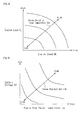
fig.6]Fig. 6 is a graph showing the relationship of the engine stop target temperature, battery voltage, and engine stop duty ratio used in the processing ofFig. 3 . - [
fig. 7] Fig. 7 is a graph showing the relationship of the engine operation target temperature, battery voltage, and engine operation duty ratio used in the operation ofFig. 3 used in the processing ofFig. 3 . - [
fig.8]Fig. 8 is a timing chart showing one example of a control process performed on the glow plug of the first embodiment. - [
fig.9]Fig. 9 is a schematic diagram showing the structure of an internal combustion engine that is used with a glow plug controller according to a second embodiment of the present invention. - [
fig.10]Fig. 10 is a flowchart showing the procedures for processing activation of glow plugs in the second embodiment. - [
fig.11]Fig. 11 is a timing chart showing one example of a control process performed on the glow plugs in the second embodiment. - [
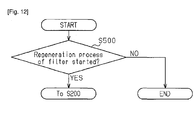
fig.12]Fig. 12 is a flowchart showing part of process for requesting activation of glow plugs in a modification of the first embodiment. - A glow plug controller for an internal combustion engine according to a first embodiment of the present invention will now be described with reference to
Figs. 1 to 8 . - As shown in
Fig. 1 , adiesel engine 1 includes a cylinder block. A plurality ofcylinders 10 are formed in the cylinder block. A cylinder head 11 is arranged on the cylinder block. - The cylinder head 11 includes a
fuel injection valve 12 and aglow plug 13 for eachcylinder 10. Anintake manifold 21, which sends ambient air into thecylinders 10, is coupled to the cylinder head 11. - An
intake passage 22 is coupled to theintake manifold 21. Athrottle valve 23 is arranged in theintake passage 22 to adjust the amount of intake air. Anexhaust manifold 31 is arranged on the cylinder head 11 to discharge combustion gas from thecylinders 10. - An
exhaust passage 32 is coupled to theexhaust manifold 31. Acatalyst converter 40, which purifies exhaust components, is arranged at the downstream side of theexhaust passage 32. - The
diesel engine 1 includes an exhaustgas recirculation device 50, which draws some of the exhaust into the intake air to lower the combustion temperature in thecylinders 10 and reduce the generation amount of NOx. The EGRdevice 50 includes anEGR passage 51, which connects theintake manifold 21 and theexhaust manifold 31, anEGR valve 52, which is arranged in theEGR passage 51, and an EGR cooler. The opening of theEGR valve 52 is adjusted to adjust an EGR amount, which is the amount of exhaust drawn from theexhaust manifold 31 to theintake manifold 21. The EGR cooler lowers the temperature of the exhaust flowing through the EGRpassage 51. - An
electronic control unit 90 controls the operation of thediesel engine 1 based on signal inputs from various sensors. Theelectronic control unit 90, for example controls the amount of fuel injected from thefuel injection valves 12, the open amount of thethrottle valve 23, the open amount of theEGR valve 52, and the activation of theglow plugs 13. - The
electronic control unit 90 receives a signal indicating that a starter activation operation has been performed. In this case, theelectronic control unit 90 produces rotation with the starter and starts thediesel engine 1. - In addition to starting and stopping the
diesel engine 1 based on the operation of an ignition switch IG, theelectronic control unit 90 starts and stops thediesel engine 1 in accordance with the vehicle travel state. The starting of thediesel engine 1 by switching ON the ignition switch IG is referred to as "normal starting". The starting of thediesel engine 1 that is not based on the operation of the ignition switch IG in a state in which the ignition switch IG is ON, that is, the starting of thediesel engine 1 based on whether automatic starting conditions are satisfied is referred to as "automatic starting". Further, the stopping of thediesel engine 1 when the ignition switch IG is ON, that is, the stopping of thediesel engine 1 based on whether automatic stopping conditions are satisfied is referred to as "automatic stopping". - Examples of automatic stopping conditions include the speed of the vehicle being lower than a reference speed and the depression amount of the acceleration pedal being zero. Examples of automatic starting conditions include the acceleration pedal being depressed when the
diesel engine 1 is automatically stopped. - The
electronic control unit 90 controls activation of theglow plugs 13. Theglow plugs 13 are connected to theelectronic control unit 90 by apower supply unit 100. Thepower supply unit 100 includes arelay 100a, which activates and deactivates theglow plugs 13, and apower regulator 100b, which varies the amount of power supplied to theglow plug 13 when activating theglow plugs 13 with therelay 100a. Thepower regulator 100b changes the duty ratio of the voltage applied to the glow plugs 13 to vary the power supplied to the glow plugs 13. That is, thepower regulator 100b performs the so-called duty control. - The glow plugs 13 are heated by the power supplied from the
power supply unit 100. This raises the temperature in the combustion chambers and ensures the starting of thediesel engine 1 in a cold state. To warm thecatalyst converter 40, the glow plugs 13 remain activated after thediesel engine 1 is started. -
Fig. 2 is a flowchart showing the procedures for processing a request for activating the glow plugs 13. This process is repeated in predetermined intervals by theelectronic control unit 90. - In step S100, the
electronic control unit 90 determines whether the ignition switch IG has been switched ON. When the ignition switch IG has been switched on, in step S200, theelectronic control unit 90 performs a process for activating the glow plugs 13. The process for activating the glow plugs 13 will be descried later in detail. - In step S300, the
electronic control unit 90 determines whether an activation time Tr of the glow plugs 13 has reached a required time Tx. Step S200 is repeated until the activation time exceeds the required time Tx. The activation time Tr is the total activation time of the glow plugs 13 after thediesel engine 1 is started. The required time Tx is set as a time that is sufficient for completion of the warming of thecatalyst converter 40. Further, the required time Tx is set in a variable manner based on, for example, the engine coolant temperature when the engine is started and the temperature of thecatalyst converter 40. - When the activation time Tr reaches the required time Tx, in step S400, the
electronic control unit 90 deactivates the glow plugs 13. - In this manner, in the present embodiment, after the ignition switch IG is switched ON, the glow plugs 13 are activated until the activation time Tr reaches the required time Tx.
- The activation process of the glow plugs 13 will now be described with reference to
Fig. 3 . - In step S1200, when the
electronic control unit 90 determines that thediesel engine 1 is being automatic stopped, in step S1210, theelectronic control unit 90 sets an engine stop target temperature Tps. When determining in step S1200 that thediesel engine 1 is not being automatically stopped, theelectronic control unit 90 proceeds to step S1240 and sets the engine operation target temperature Tpd. - The engine stop target temperature Tps is a target temperature set for the glow plugs 13 when the
diesel engine 1 is stopped. The operation target temperature Tpd is a target temperature for the glow plugs 13 when thediesel engine 1 is operating. - As shown in
Fig. 4 , the engine stop target temperature Tps is variably set based on the engine speed NE. The engine stop target temperature Tps decreases as the engine speed decreases. When setting the engine stop target temperature Tps in step S1210, theelectronic control unit 90 has determined in step S1200 that thediesel engine 1 is being automatically stopped. Thus, due to the automatic stopping, the engine speed NE is decreasing to "0" and ultimately becomes "0". Further, the engine stop target temperature Tps is set to minimize power consumption while ensuring that the temperature of the glow plugs 13 rises to the engine operation target temperature Tpd when thediesel engine 1 is automatically started. - As shown in
Fig. 5 , the engine operation target temperature Tpd is variably set based on the engine speed NE and the engine load KL. The engine operation target temperature Tpd increases as the engine speed NE increases or the engine load KL increases. In the present embodiment, the fuel injection amount is used as a value indicating the engine load KL. The engine operation target temperature Tpd is set as a value that properly warms thecatalyst converter 40 and is basically higher than the engine stop target temperature Tps. - When setting the engine stop target temperature Tps in step S1210, the
electronic control unit 90 sets in step S1220 an engine stop duty ratio Ds that corresponds to the engine step target temperature Tps. As shown inFig. 6 , the engine stop duty ratio Ds increases as the engine stop target temperature Tps increases or the battery voltage Bt decreases. - When the glow plugs 13 are activated in a state in which the
diesel engine 1 is stopped, the flow of gas in the combustion chambers does not decrease the temperature of the glow plugs 13 as much when thediesel engine 1 is operating. Thus, even if the target temperature of the glow plugs 13 is the same, the power supplied in correspondence with the target temperature is less when thediesel engine 1 is stopped than when thediesel engine 1 is operating. Accordingly, even when the target temperature and the battery voltage are the same, the engine stop duty ratio Ds is set to be smaller than an engine operation duty ratio Dd, which will be described later. In other words, when thediesel engine 1 is automatically stopped, the duty ratio corresponding to the target temperature of theglow plug 13 is lower than the duty ratio set when thediesel engine 1 is operating. - When the engine operation target temperature Tpd is set in step S1240, the
electronic control unit 90 sets in step S1250 the engine operation duty ratio Dd corresponding to the engine operation target temperature Tpd. As shown inFig. 7 , the engine operation duty ratio Dd increases as the engine operation target temperature Tpd increases or the battery voltage Bt decreases. - In this mariner, when the engine stop duty ratio Ds or the engine operation duty ratio Dd is set, the
electronic control unit 90 in step S1230 activates theglow plug 13 with the set duty ratio and then temporarily ends the present processing. -
Fig. 8 shows an example of the glow plug control performed in the present embodiment. - At time t1, when the ignition switch ID is switched ON, the glow plugs 13 are activated until the required time Tx elapses, which is based on the coolant temperature or the like when the
diesel engine 1 is started (time t1 to t6). During activation of the glow plugs 13, when automatic stopping is not being performed, the engine operation target temperature Tpd is calculated and the engine operation duty ratio Dd is set in correspondence with the engine operation target temperature Tpd (time t1 to t2 and time t4 to t6). When the glow plugs 13 are activated with the engine operation duty ratio Dd, the temperature of the exhaust rises, and the warming of thecatalyst converter 40 is enhanced. - If the
diesel engine 1 is automatically stopped when the glow plugs 13 are activated, the engine stop target temperature Tps is calculated and the engine operation duty ratio Ds is set in correspondence with the engine stop target temperature Tps (time t2 to t4). When thediesel engine 1 is automatically stopped and the glow plugs 13 are activated with the engine stop duty ratio Ds, an excessive increase is suppressed in the temperature of the glow plugs 13. Further, since the glow plugs 13 remain activated during the automatic stopping, the temperature of the glow plugs 13 does not decrease as much as compared to when the power supplied to the glow plugs 13 is zero during automatic stopping of thediesel engine 1. Accordingly, when automatic starting restarts engine operation, the temperature of the glow plugs 13 readily increases. This raises the temperature of the exhaust at an early stage. - When automatic stopping is performed at time t2, the target temperature of the glow plugs 13 is switched from the engine operation target temperature Tpd to the engine step target temperature Tps. This lowers the target temperature of the glow plugs 13 from time t2. When the target temperature is suddenly decreased, the temperature of the glow plugs 13 may rapidly decrease and overshoot the target. In this regard, the present embodiment decreases the engine stop target temperature Tps in accordance with the decrease in the engine speed NE. Accordingly, at time t2 to t3, when the engine speed NE is decreasing due to the automatic stopping, the engine stop target temperature Tps gradually decreases accordingly. This prevents undershooting in relation with the temperature of the glow plugs 13.
- In the same manner, when automatic starting of the
diesel engine 1 is performed at time t4, the target temperature of the glow plugs 13 is switched from the engine stop target temperature Tps to the engine operation target temperature Tpd, and the target temperature of the glow plugs 13 is raised from time t4. When the target temperature is suddenly increased, the temperature of the glow plugs 13 may rapidly increase and overshoot the target. In this regard, the present embodiment increases the engine operation target temperature Tpd in accordance with the increase in the engine speed NE. Accordingly, at time t4 to t5, when the engine speed NE is increasing due to the automatic starting, the engine operation target temperature Tpd gradually increases accordingly. This prevents overshooting in relation with the temperature of the glow plugs 13. - The present embodiment has the advantages described below.
- (1) When the
diesel engine 1 is stopped due to automatic stopping, the glow plugs 13 remain activated and the duty ratio of the voltage supplied to the glow plugs 13 is decreased relative to the duty ratio set for when thediesel engine 1 is operating. Thus, the power supplied to the glow plugs 13 when thediesel engine 1 is stopped due to automatic stopping is decreased relative to the power supplied when thediesel engine 1 is operating. This prevents the temperature of the glow plugs 13 from excessively rising when thediesel engine 1 is being automatically stopped. - (2) The glow plugs 13 remain activated when the
diesel engine 1 is stopped due to automatic stopping. Thus, in comparison to when the power supplied to the glow plugs 13 is zero when thediesel engine 1 is stopped due to automatic stopping, decrease in the temperature of the glow plugs 13 when thediesel engine 1 is stopped is suppressed. Accordingly, when the engine operation is restarted by automatic starting, the temperature of the glow plugs 13 is readily increased. This increases the temperature of the exhaust at an early stage. - (3) The target temperatures of the glow plugs 13 (engine stop target temperature Tps and engine operation target temperature Tpd) are set in accordance with the engine operation state (engine speed NE, and load KL, and the like). As the target temperature of the glow plugs 13 decreases, the duty ratio of the voltage supplied to the glow plugs 13 is lowered to decrease the supplied power. Further, the target temperature of the glow plugs 13 set when the
diesel engine 1 stops operating due to automatic stopping is lower than the target temperature of the glow plugs 13 set when thediesel engine 1 is operating. Thus, the power supplied to the glow plugs 13 when thediesel engine 1 is stopped due to automatic stopping is lower than the power supplied to the glow plugs 13 when thediesel engine 1 is operating. - (4) If the glow plugs 13 are activated when the
diesel engine 1 is stopped, the flow of gas in the combustion chambers does not decrease the temperature of the glow plugs 13 as much when thediesel engine 1 is operating. Thus, even if the target temperature of the glow plugs 13 is the same, the power supplied in correspondence with the target temperature is less when thediesel engine 1 is stopped than when thediesel engine 1 is operating. Accordingly, when thediesel engine 1 is stopped due to automatic stopping, the power supplied in correspondence with the target temperature of the glow plugs 13 is set to be lower than the power supplied when thediesel engine 1 is operating. In this manner, the power supplied to the glow plugs 13 is appropriately set when the diesel engine is stopped. - A glow plug controller for an internal combustion engine according to a second embodiment of the present invention will now be described with reference to
Figs. 9 to 11 . - In the present embodiment, instead of duty control, ON/OFF control is performed with a relay to control activation of the glow plugs 13. In step S200 of
Fig. 2 , a glow plug activation process that differs from that of the first embodiment is performed. The glow plug controller of the present embodiment will now be described centering on differences from the first embodiment. - As shown in
Fig. 9 , theelectronic control unit 90 of the present embodiment also performs activation control of the glow plugs 13. The glow plugs 13 are connected by arelay 110 to theelectronic control unit 90. The power supplied to the glow plugs 13 is changed by the ON/OFF operation of therelay 110. When theelectronic control unit 90 activates therelay 110, power is supplied to the glow plugs 13. When theelectronic control unit 90 deactivates therelay 110, the supply of power to the glow plugs 13 is stopped. - The activation process of the glow plugs 13 in the present embodiment will now be described with reference to
Fig. 10 . - When the activation process starts, the
electronic control unit 90 first determines whether thediesel engine 1 has been automatically started, that is, whether thediesel engine 1 has just been switched from an automatically stopped state to an automatically started state (S2200). - When determining that the
diesel engine 1 has not been automatically started (S2200: NO), theelectronic control unit 90 determines whether thediesel engine 1 is being automatically stopped (S2210). When thediesel engine 1 is not being automatically stopped (S2210: NO), theelectronic control unit 90 activates therelay 110 to activate the glow plugs 13 (S2230). This ends the activation process. - When determining that the
diesel engine 1 is being automatically stopped (S2210: YES), therelay 110 is deactivated to deactivate the glow plugs 13 (S2220). Then, theelectronic control unit 90 determines whether the present state is prior to the incrementing of an automatic stop frequency NS (S2240). The automatic stop frequency NS is the number of times automatic stopping has been performed when activation of the glow plugs 13 is required, that is, the number of times automatic stopping is executed from when the activation of the glow plugs 13 is started to when the required time Tx elapses. In a state that is not prior to incrementing of the automatic stop frequency NS (S2240: NO), theelectronic control unit 90 temporarily terminates processing. In a state that is prior to the incrementing of the automatic stop frequency (S2240: YES), theelectronic control unit 90 proceeds to step S2250 to increment the automatic stop frequency NS by "1" and then temporarily terminates processing. - When determining in step S2200 that automatic starting is being performed (S2200: YES), the
electronic control unit 90 determines whether the automatic stop frequency NS is less than a predetermined determination value A (S2260). The determination value A is set to keep the number of times therelay 110 goes ON and OFF less than or equal to a predetermined number and takes into account the operational life of therelay 110 and an expected total number of times automatic stopping occurs. - When the automatic stop frequency NS is less than the determination value A (S2260: YES), the
electronic control unit 90 activates the relay 110 (S2270). This activates the glow plugs 13 during operation of thediesel engine 1 after the automatic starting. - When the automatic stop frequency NS is greater than or equal to the determination value A (S2260: NO), the
relay 100a is deactivated (S2280) to deactivate the glow plugs 13 during operation of thediesel engine 1 after automatic starting. More specifically, even when the activation time Tr has not reached the required time Tx and activation of the glow plugs 13 is required, activation of therelay 110 is prohibited once the automatic stop frequency NS becomes greater than or equal to the determination value A. -
Fig. 11 shows an example of a process for controlling the glow plugs 13 in the present embodiment. - At time t1, when the ignition switch IG is switched ON, the required time Tx is calculated based on the coolant temperature or the like when the
diesel engine 1 is started. Further, therelay 110 is activated to start activation of the glow plugs 13. When the activation of the glow plugs 13 raises the temperature of the exhaust, the warming of thecatalyst converter 40 is enhanced. Further, when the glow plugs 13 are activated, the activation time Tr increases (time t1 to t2, t3 to t4, and t5 to t6). - When the activation of the glow plugs 13 is required, that is, during the period "activation time Tr < required time Tx" is satisfied from when the glow plugs 13 are activated, if the
diesel engine 1 is undergoing automatic stopping, therelay 110 is deactivated to deactivate the glow plugs 13 (time t2 to t3 and t4 to t5). The deactivation prevents the temperature of the glow plugs 13 from excessively rising when thediesel engine 1 is undergoing automatic stopping. - Whenever automatic stopping is performed, the automatic stop frequency NS is incremented (time t2, t4, t5, and t6). When determining during automatic starting that the automatic stop frequency NS is less than the determination value A, the electronic control units activates the
relay 110 to activate the glow plugs 13 if thediesel engine 1 is operating after automatic starting. - When determining during automatic starting that the automatic stop frequency NS is greater than or equal to the determination value A, the
electronic control unit 90 deactivates the relay 110 (substantially keeps the relay deactivated when thediesel engine 1 is stopped) to prohibit activation of therelay 110. Accordingly, frequent activation and deactivation of therelay 110 is prevented if thediesel engine 1 is often automatically stopped and started when activation of the glow plugs 13 is required. This prevents the life of therelay 110 from being shortened. - The present embodiment has the advantages described below.
- (5) If the
diesel engine 1 is stopped due to automatic stopping when activation of the glow plugs 13 is required, the glow plugs 13 are deactivated by therelay 110. When thediesel engine 1 is started by automatic starting, the glow plugs 13 are reactivated. In this manner, the glow plugs 13 are deactivated when thediesel engine 1 is stopped by automatic stopping. This prevents the temperature of the glow plugs 13 from excessively rising when thediesel engine 1 is being automatically stopped. - In a case in which the
relay 110 activates and deactivates the glow plugs 13, therelay 110 deactivates the glow plugs 13 when thediesel engine 1 is automatically stopped and activates the glow plugs 13 when thediesel engine 1 is automatically started. Thus, therelay 110 frequently goes ON and OFF. This may shorten the life of therelay 110. In this regard, the present embodiment prohibits activation of therelay 110 if the number of times automatic stopping has been performed during the period in which activation of the glow plugs 13 is required (automatic stop frequency NS) becomes greater than or equal to the determination value A. Thus, even if thediesel engine 1 is started, therelay 110 remains deactivated. This suppresses frequent activation and deactivation of therelay 110 and prevents the life of the relay from being shortened. - It should be apparent to those skilled in the art that the present invention may be embodied in many other specific forms without departing from the spirit or scope of the invention. Particularly, it should be understood that the present invention may be embodied in the following forms.
- In the first embodiment, the power supplied to the glow plugs 13 is variably set by performing duty control but may be set through other methods. For example, current or voltage may be directly varied.
- In the first embodiment, when setting the duty ratio of the voltage applied to the glow plugs 13, the battery voltage BT is taken into account. However, this parameter (battery voltage BT) may be eliminated.
- In the above embodiments, to activate the glow plugs 13, the ignition switch IG of the vehicle including the internal combustion engine is required to be switched ON. In addition, the glow plugs 13 may be activated at the same time as when a regeneration process is performed on a filter, which is arranged in an exhaust passage of the internal combustion engine to capture particulate matter suspended in the exhaust. The regeneration process reduces the particulate matter captured in the filter.
Fig. 12 shows an example of such a process. In particular,step S 100 ofFig. 2 , which determines whether the ignition switch IG has been switched on, is replaced by step S500, which determines whether a regeneration process of the filter has been started. - In the above embodiments, the glow plugs 13 are deactivated when the activation time Tr of the glow plugs 13 exceeds the required time Tx. However, the deactivation of the glow plugs 13 need not be based on such a condition. For example, the temperature of the engine coolant or the temperature of the
catalyst converter 40 may be used to determine deactivation of the glow plugs 13. - In each of the above embodiments, the present invention is applied to a diesel engine. However, the present invention may be applied to any engine that includes glow plugs.
- The present examples and embodiments are to be considered as illustrative and not restrictive, and the invention is not to be limited to the details given herein, but may be modified within the scope and equivalence of the appended claims.
- Claims of parent application:
- 1. A glow plug controller for variably setting power supplied to a glow plug in an internal combustion engine that undergoes automatic stopping and automatic starting, wherein when the engine is stopped due to the automatic stopping, the glow plug controller keeps the glow plug activated while decreasing the power supplied to the glow plug relative to the power supplied when the engine is operating.
- 2. The glow plug controller according to
claim 1, wherein the glow plug controller variably sets a target temperature for the glow plug in accordance with an engine operation state, decreases the supplied power as the target temperature decreases, and decreases the target temperature when the engine is stopped due to the automatic stopping relative to the target temperature of the engine operation state. - 3. The glow plug controller according to
claim 2, wherein when the engine is stopped due to the automatic stopping, the glow plug controller sets the power supplied in correspondence with the target temperature to be lower than the power supplied when the engine is operating. - 4. A glow plug controller for controlling activation and deactivation of a glow plug with a relay in an internal combustion engine that undergoes automatic stopping and automatic starting, wherein in a state in which the engine is stopped due to the automatic stopping during a period in which activation of the glow plug is required, the glow plug controller deactivates the glow plug with the relay, restarts activation of the glow plug when the engine starts operating due to the automatic starting, and prohibits activation of the glow plug when the number of times the automatic stopping is performed exceeds a predetermined value during the period in which the activation is required.
- 5. The glow plug controller according to any one of
claims 1 to 4, wherein the glow plug controller starts activation of the glow plug when an ignition switch, which is arranged in a vehicle including the internal combustion engine, is switched on. - 6. The glow plug controller according to any one of
claims 1 to 4, wherein the internal combustion engine includes an exhaust passage and a filter arranged in the exhaust passage, the filter captures particulate matter suspended in exhaust, and the glow plug controller starts activation of the glow plug when a regeneration process that reduces the particulate matter in the filter is performed.
Claims (5)
- A glow plug controller for variably setting power supplied to a glow plug in an internal combustion engine that undergoes automatic stopping and automatic starting, wherein
the internal combustion engine includes an exhaust passage and a catalyst convertor arranged in the exhaust passage, the catalyst convertor purifying exhaust components,
the glow plug controller continues to supply power to the glow plug until when an activation time of the glow plug after the glow plug controller started to supply power reaches a required time, the required time being set as a time required for completion of warming of the catalyst convertor, and
when the engine is stopped due to the automatic stopping, the glow plug controller keeps the glow plug activated while decreasing the power supplied to the glow plug relative to the power supplied when the engine is operating. - The glow plug controller according to claim 1, wherein the glow plug controller variably sets a target temperature for the glow plug in accordance with an engine operation state, decreases the supplied power as the target temperature decreases, and decreases the target temperature when the engine is stopped due to the automatic stopping relative to the target temperature of the engine operation state.
- The glow plug controller according to claim 2, wherein when the engine is stopped due to the automatic stopping, the glow plug controller sets the power supplied in correspondence with the target temperature to be lower than the power supplied when the engine is operating.
- The glow plug controller according to any one of claims 1 to 3, wherein the glow plug controller starts activation of the glow plug when an ignition switch, which is arranged in a vehicle including the internal combustion engine, is switched on.
- The glow plug controller according to any one of claims 1 to 3, wherein the internal combustion engine includes a filter arranged in the exhaust passage, the filter captures particulate matter suspended in exhaust, and the glow plug controller starts activation of the glow plug when a regeneration process that reduces the particulate matter in the filter is performed.
Applications Claiming Priority (2)
| Application Number | Priority Date | Filing Date | Title |
|---|---|---|---|
| JP2011022795A JP5899621B2 (en) | 2011-02-04 | 2011-02-04 | Glow plug control device for internal combustion engine |
| EP12702888.4A EP2670975B1 (en) | 2011-02-04 | 2012-01-19 | Glow plug controller for internal combustion engine |
Related Parent Applications (2)
| Application Number | Title | Priority Date | Filing Date |
|---|---|---|---|
| EP12702888.4A Division EP2670975B1 (en) | 2011-02-04 | 2012-01-19 | Glow plug controller for internal combustion engine |
| EP12702888.4A Division-Into EP2670975B1 (en) | 2011-02-04 | 2012-01-19 | Glow plug controller for internal combustion engine |
Publications (2)
| Publication Number | Publication Date |
|---|---|
| EP2902618A1 true EP2902618A1 (en) | 2015-08-05 |
| EP2902618B1 EP2902618B1 (en) | 2018-04-25 |
Family
ID=45567075
Family Applications (2)
| Application Number | Title | Priority Date | Filing Date |
|---|---|---|---|
| EP15159253.2A Not-in-force EP2902618B1 (en) | 2011-02-04 | 2012-01-19 | Glow plug controller for internal combustion engine |
| EP12702888.4A Not-in-force EP2670975B1 (en) | 2011-02-04 | 2012-01-19 | Glow plug controller for internal combustion engine |
Family Applications After (1)
| Application Number | Title | Priority Date | Filing Date |
|---|---|---|---|
| EP12702888.4A Not-in-force EP2670975B1 (en) | 2011-02-04 | 2012-01-19 | Glow plug controller for internal combustion engine |
Country Status (3)
| Country | Link |
|---|---|
| EP (2) | EP2902618B1 (en) |
| JP (1) | JP5899621B2 (en) |
| WO (1) | WO2012105173A1 (en) |
Families Citing this family (3)
| Publication number | Priority date | Publication date | Assignee | Title |
|---|---|---|---|---|
| JP5959464B2 (en) * | 2013-03-29 | 2016-08-02 | 株式会社クボタ | Engine exhaust treatment equipment |
| JP6434758B2 (en) * | 2013-10-22 | 2018-12-05 | 日本特殊陶業株式会社 | Glow plug control device and glow plug control method |
| JP2015101994A (en) * | 2013-11-22 | 2015-06-04 | トヨタ自動車株式会社 | Control device for internal combustion engine |
Citations (6)
| Publication number | Priority date | Publication date | Assignee | Title |
|---|---|---|---|---|
| EP1445438A1 (en) * | 2003-01-21 | 2004-08-11 | Isuzu Motors Limited | Exhaust gas purifying system |
| EP1500813A1 (en) * | 2003-07-24 | 2005-01-26 | Peugeot Citroen Automobiles S.A. | Method for managing an internal combustion engine |
| JP2005337087A (en) * | 2004-05-26 | 2005-12-08 | Isuzu Motors Ltd | Engine control device |
| JP2006046199A (en) | 2004-08-05 | 2006-02-16 | Toyota Motor Corp | Diesel engine start control device and method |
| JP2010203369A (en) * | 2009-03-04 | 2010-09-16 | Toyota Motor Corp | Warming-up controller for internal combustion engine |
| JP2010222986A (en) * | 2009-03-19 | 2010-10-07 | Toyota Motor Corp | Warm-up control device for internal combustion engine |
Family Cites Families (12)
| Publication number | Priority date | Publication date | Assignee | Title |
|---|---|---|---|---|
| JPS5447932A (en) * | 1977-09-22 | 1979-04-16 | Toyota Motor Corp | Ignition device for rotary piston engine |
| JPS61258945A (en) * | 1985-05-10 | 1986-11-17 | Toyota Motor Corp | Injection timing control method of diesel engine |
| JPH01119411A (en) * | 1987-10-31 | 1989-05-11 | Isuzu Motors Ltd | Energizing control device for glow plug |
| JP2001336468A (en) * | 2000-03-22 | 2001-12-07 | Ngk Spark Plug Co Ltd | Glow plug control device, glow plug, and method for detecting ions in combustion chamber of engine |
| JP2003065121A (en) * | 2001-08-30 | 2003-03-05 | Toyota Motor Corp | diesel engine |
| JP4352846B2 (en) * | 2003-10-10 | 2009-10-28 | 日産自動車株式会社 | Diesel engine control device |
| JP2005207319A (en) * | 2004-01-22 | 2005-08-04 | Toyota Industries Corp | Method and apparatus for regenerating exhaust gas purification filter for diesel engine |
| JP2008261236A (en) * | 2007-04-10 | 2008-10-30 | Denso Corp | Control device and control system for internal combustion engine |
| JP4952457B2 (en) * | 2007-09-10 | 2012-06-13 | マツダ株式会社 | Diesel engine control device |
| JP4905472B2 (en) * | 2008-03-11 | 2012-03-28 | 株式会社デンソー | Glow plug control device and glow plug control system |
| DE102008001403A1 (en) * | 2008-04-28 | 2009-10-29 | Robert Bosch Gmbh | Method, control unit and system for restarting an internal combustion engine |
| JP2010175116A (en) * | 2009-01-28 | 2010-08-12 | Autonetworks Technologies Ltd | Device and method for controlling current carrying of glow plug |
-
2011
- 2011-02-04 JP JP2011022795A patent/JP5899621B2/en active Active
-
2012
- 2012-01-19 EP EP15159253.2A patent/EP2902618B1/en not_active Not-in-force
- 2012-01-19 EP EP12702888.4A patent/EP2670975B1/en not_active Not-in-force
- 2012-01-19 WO PCT/JP2012/000322 patent/WO2012105173A1/en not_active Ceased
Patent Citations (6)
| Publication number | Priority date | Publication date | Assignee | Title |
|---|---|---|---|---|
| EP1445438A1 (en) * | 2003-01-21 | 2004-08-11 | Isuzu Motors Limited | Exhaust gas purifying system |
| EP1500813A1 (en) * | 2003-07-24 | 2005-01-26 | Peugeot Citroen Automobiles S.A. | Method for managing an internal combustion engine |
| JP2005337087A (en) * | 2004-05-26 | 2005-12-08 | Isuzu Motors Ltd | Engine control device |
| JP2006046199A (en) | 2004-08-05 | 2006-02-16 | Toyota Motor Corp | Diesel engine start control device and method |
| JP2010203369A (en) * | 2009-03-04 | 2010-09-16 | Toyota Motor Corp | Warming-up controller for internal combustion engine |
| JP2010222986A (en) * | 2009-03-19 | 2010-10-07 | Toyota Motor Corp | Warm-up control device for internal combustion engine |
Also Published As
| Publication number | Publication date |
|---|---|
| EP2902618B1 (en) | 2018-04-25 |
| JP2012163013A (en) | 2012-08-30 |
| WO2012105173A1 (en) | 2012-08-09 |
| EP2670975A1 (en) | 2013-12-11 |
| EP2670975B1 (en) | 2015-06-03 |
| JP5899621B2 (en) | 2016-04-06 |
Similar Documents
| Publication | Publication Date | Title |
|---|---|---|
| US8464522B2 (en) | Control apparatus for internal combustion engine | |
| JP5293897B2 (en) | Control device for internal combustion engine | |
| CN106979107B (en) | Gasoline particulate filter temperature control | |
| CN105041494B (en) | The control device of internal combustion engine | |
| JP5609828B2 (en) | Exhaust gas purification device for internal combustion engine | |
| US8443591B2 (en) | Exhaust gas oxygen concentration control system and method | |
| US8522532B2 (en) | Exhaust treatment device for a diesel engine | |
| JP2010019178A (en) | Engine control device | |
| JP2013002348A (en) | Variable valve timing control device | |
| EP2670975B1 (en) | Glow plug controller for internal combustion engine | |
| WO2019209668A1 (en) | Gasoline particulate filter filtration efficiency improvement with engine control | |
| CN105697165B (en) | Method and system for improving compressor recirculation valve operation | |
| JP2003343361A (en) | Abnormality determination method for exhaust gas recirculation control device | |
| CN1989320A (en) | Exhaust gas control apparatus for internal combustion engine | |
| JP2020153243A (en) | Internal combustion engine control device | |
| CN106460690B (en) | Control device for internal combustion engine | |
| JP4345389B2 (en) | Catalyst temperature raising device for internal combustion engine | |
| JP7505375B2 (en) | Vehicle control system and program | |
| JP7827036B2 (en) | Vehicle internal combustion engine control device | |
| JP4244658B2 (en) | Fuel injection control device for in-cylinder internal combustion engine and method for suppressing overheating of catalyst | |
| JP7690913B2 (en) | ENGINE CONTROL DEVICE, ENGINE CONTROL METHOD, AND ENGINE CONTROL PROGRAM | |
| JP5771911B2 (en) | Automatic stop / restart system for compression ignition internal combustion engine | |
| JP2007032320A (en) | Control device for internal combustion engine | |
| JP2005330864A (en) | Control method for internal combustion engine | |
| JP2024066135A (en) | Fuel injection control device for multi-cylinder engine |
Legal Events
| Date | Code | Title | Description |
|---|---|---|---|
| PUAI | Public reference made under article 153(3) epc to a published international application that has entered the european phase |
Free format text: ORIGINAL CODE: 0009012 |
|
| 17P | Request for examination filed |
Effective date: 20150316 |
|
| AC | Divisional application: reference to earlier application |
Ref document number: 2670975 Country of ref document: EP Kind code of ref document: P |
|
| AK | Designated contracting states |
Kind code of ref document: A1 Designated state(s): AL AT BE BG CH CY CZ DE DK EE ES FI FR GB GR HR HU IE IS IT LI LT LU LV MC MK MT NL NO PL PT RO RS SE SI SK SM TR |
|
| 17P | Request for examination filed |
Effective date: 20160204 |
|
| RBV | Designated contracting states (corrected) |
Designated state(s): AL AT BE BG CH CY CZ DE DK EE ES FI FR GB GR HR HU IE IS IT LI LT LU LV MC MK MT NL NO PL PT RO RS SE SI SK SM TR |
|
| RIC1 | Information provided on ipc code assigned before grant |
Ipc: F02N 11/08 20060101ALN20171130BHEP Ipc: F02P 19/02 20060101AFI20171130BHEP Ipc: F01N 3/023 20060101ALN20171130BHEP |
|
| GRAP | Despatch of communication of intention to grant a patent |
Free format text: ORIGINAL CODE: EPIDOSNIGR1 |
|
| STAA | Information on the status of an ep patent application or granted ep patent |
Free format text: STATUS: GRANT OF PATENT IS INTENDED |
|
| INTG | Intention to grant announced |
Effective date: 20180123 |
|
| GRAS | Grant fee paid |
Free format text: ORIGINAL CODE: EPIDOSNIGR3 |
|
| GRAA | (expected) grant |
Free format text: ORIGINAL CODE: 0009210 |
|
| STAA | Information on the status of an ep patent application or granted ep patent |
Free format text: STATUS: THE PATENT HAS BEEN GRANTED |
|
| AC | Divisional application: reference to earlier application |
Ref document number: 2670975 Country of ref document: EP Kind code of ref document: P |
|
| AK | Designated contracting states |
Kind code of ref document: B1 Designated state(s): AL AT BE BG CH CY CZ DE DK EE ES FI FR GB GR HR HU IE IS IT LI LT LU LV MC MK MT NL NO PL PT RO RS SE SI SK SM TR |
|
| REG | Reference to a national code |
Ref country code: GB Ref legal event code: FG4D |
|
| REG | Reference to a national code |
Ref country code: CH Ref legal event code: EP |
|
| REG | Reference to a national code |
Ref country code: AT Ref legal event code: REF Ref document number: 993199 Country of ref document: AT Kind code of ref document: T Effective date: 20180515 |
|
| REG | Reference to a national code |
Ref country code: IE Ref legal event code: FG4D |
|
| REG | Reference to a national code |
Ref country code: DE Ref legal event code: R096 Ref document number: 602012045789 Country of ref document: DE |
|
| REG | Reference to a national code |
Ref country code: NL Ref legal event code: MP Effective date: 20180425 |
|
| REG | Reference to a national code |
Ref country code: LT Ref legal event code: MG4D |
|
| PG25 | Lapsed in a contracting state [announced via postgrant information from national office to epo] |
Ref country code: NL Free format text: LAPSE BECAUSE OF FAILURE TO SUBMIT A TRANSLATION OF THE DESCRIPTION OR TO PAY THE FEE WITHIN THE PRESCRIBED TIME-LIMIT Effective date: 20180425 |
|
| REG | Reference to a national code |
Ref country code: DE Ref legal event code: R084 Ref document number: 602012045789 Country of ref document: DE |
|
| PG25 | Lapsed in a contracting state [announced via postgrant information from national office to epo] |
Ref country code: BG Free format text: LAPSE BECAUSE OF FAILURE TO SUBMIT A TRANSLATION OF THE DESCRIPTION OR TO PAY THE FEE WITHIN THE PRESCRIBED TIME-LIMIT Effective date: 20180725 Ref country code: FI Free format text: LAPSE BECAUSE OF FAILURE TO SUBMIT A TRANSLATION OF THE DESCRIPTION OR TO PAY THE FEE WITHIN THE PRESCRIBED TIME-LIMIT Effective date: 20180425 Ref country code: LT Free format text: LAPSE BECAUSE OF FAILURE TO SUBMIT A TRANSLATION OF THE DESCRIPTION OR TO PAY THE FEE WITHIN THE PRESCRIBED TIME-LIMIT Effective date: 20180425 Ref country code: ES Free format text: LAPSE BECAUSE OF FAILURE TO SUBMIT A TRANSLATION OF THE DESCRIPTION OR TO PAY THE FEE WITHIN THE PRESCRIBED TIME-LIMIT Effective date: 20180425 Ref country code: PL Free format text: LAPSE BECAUSE OF FAILURE TO SUBMIT A TRANSLATION OF THE DESCRIPTION OR TO PAY THE FEE WITHIN THE PRESCRIBED TIME-LIMIT Effective date: 20180425 Ref country code: SE Free format text: LAPSE BECAUSE OF FAILURE TO SUBMIT A TRANSLATION OF THE DESCRIPTION OR TO PAY THE FEE WITHIN THE PRESCRIBED TIME-LIMIT Effective date: 20180425 Ref country code: NO Free format text: LAPSE BECAUSE OF FAILURE TO SUBMIT A TRANSLATION OF THE DESCRIPTION OR TO PAY THE FEE WITHIN THE PRESCRIBED TIME-LIMIT Effective date: 20180725 |
|
| PG25 | Lapsed in a contracting state [announced via postgrant information from national office to epo] |
Ref country code: RS Free format text: LAPSE BECAUSE OF FAILURE TO SUBMIT A TRANSLATION OF THE DESCRIPTION OR TO PAY THE FEE WITHIN THE PRESCRIBED TIME-LIMIT Effective date: 20180425 Ref country code: HR Free format text: LAPSE BECAUSE OF FAILURE TO SUBMIT A TRANSLATION OF THE DESCRIPTION OR TO PAY THE FEE WITHIN THE PRESCRIBED TIME-LIMIT Effective date: 20180425 Ref country code: GR Free format text: LAPSE BECAUSE OF FAILURE TO SUBMIT A TRANSLATION OF THE DESCRIPTION OR TO PAY THE FEE WITHIN THE PRESCRIBED TIME-LIMIT Effective date: 20180726 Ref country code: LV Free format text: LAPSE BECAUSE OF FAILURE TO SUBMIT A TRANSLATION OF THE DESCRIPTION OR TO PAY THE FEE WITHIN THE PRESCRIBED TIME-LIMIT Effective date: 20180425 |
|
| REG | Reference to a national code |
Ref country code: AT Ref legal event code: MK05 Ref document number: 993199 Country of ref document: AT Kind code of ref document: T Effective date: 20180425 |
|
| PG25 | Lapsed in a contracting state [announced via postgrant information from national office to epo] |
Ref country code: PT Free format text: LAPSE BECAUSE OF FAILURE TO SUBMIT A TRANSLATION OF THE DESCRIPTION OR TO PAY THE FEE WITHIN THE PRESCRIBED TIME-LIMIT Effective date: 20180827 |
|
| REG | Reference to a national code |
Ref country code: DE Ref legal event code: R097 Ref document number: 602012045789 Country of ref document: DE |
|
| PG25 | Lapsed in a contracting state [announced via postgrant information from national office to epo] |
Ref country code: EE Free format text: LAPSE BECAUSE OF FAILURE TO SUBMIT A TRANSLATION OF THE DESCRIPTION OR TO PAY THE FEE WITHIN THE PRESCRIBED TIME-LIMIT Effective date: 20180425 Ref country code: CZ Free format text: LAPSE BECAUSE OF FAILURE TO SUBMIT A TRANSLATION OF THE DESCRIPTION OR TO PAY THE FEE WITHIN THE PRESCRIBED TIME-LIMIT Effective date: 20180425 Ref country code: RO Free format text: LAPSE BECAUSE OF FAILURE TO SUBMIT A TRANSLATION OF THE DESCRIPTION OR TO PAY THE FEE WITHIN THE PRESCRIBED TIME-LIMIT Effective date: 20180425 Ref country code: SK Free format text: LAPSE BECAUSE OF FAILURE TO SUBMIT A TRANSLATION OF THE DESCRIPTION OR TO PAY THE FEE WITHIN THE PRESCRIBED TIME-LIMIT Effective date: 20180425 Ref country code: AT Free format text: LAPSE BECAUSE OF FAILURE TO SUBMIT A TRANSLATION OF THE DESCRIPTION OR TO PAY THE FEE WITHIN THE PRESCRIBED TIME-LIMIT Effective date: 20180425 Ref country code: DK Free format text: LAPSE BECAUSE OF FAILURE TO SUBMIT A TRANSLATION OF THE DESCRIPTION OR TO PAY THE FEE WITHIN THE PRESCRIBED TIME-LIMIT Effective date: 20180425 |
|
| PG25 | Lapsed in a contracting state [announced via postgrant information from national office to epo] |
Ref country code: SM Free format text: LAPSE BECAUSE OF FAILURE TO SUBMIT A TRANSLATION OF THE DESCRIPTION OR TO PAY THE FEE WITHIN THE PRESCRIBED TIME-LIMIT Effective date: 20180425 Ref country code: IT Free format text: LAPSE BECAUSE OF FAILURE TO SUBMIT A TRANSLATION OF THE DESCRIPTION OR TO PAY THE FEE WITHIN THE PRESCRIBED TIME-LIMIT Effective date: 20180425 |
|
| PLBE | No opposition filed within time limit |
Free format text: ORIGINAL CODE: 0009261 |
|
| STAA | Information on the status of an ep patent application or granted ep patent |
Free format text: STATUS: NO OPPOSITION FILED WITHIN TIME LIMIT |
|
| 26N | No opposition filed |
Effective date: 20190128 |
|
| PG25 | Lapsed in a contracting state [announced via postgrant information from national office to epo] |
Ref country code: SI Free format text: LAPSE BECAUSE OF FAILURE TO SUBMIT A TRANSLATION OF THE DESCRIPTION OR TO PAY THE FEE WITHIN THE PRESCRIBED TIME-LIMIT Effective date: 20180425 |
|
| PG25 | Lapsed in a contracting state [announced via postgrant information from national office to epo] |
Ref country code: MC Free format text: LAPSE BECAUSE OF FAILURE TO SUBMIT A TRANSLATION OF THE DESCRIPTION OR TO PAY THE FEE WITHIN THE PRESCRIBED TIME-LIMIT Effective date: 20180425 |
|
| REG | Reference to a national code |
Ref country code: CH Ref legal event code: PL |
|
| GBPC | Gb: european patent ceased through non-payment of renewal fee |
Effective date: 20190119 |
|
| PG25 | Lapsed in a contracting state [announced via postgrant information from national office to epo] |
Ref country code: LU Free format text: LAPSE BECAUSE OF NON-PAYMENT OF DUE FEES Effective date: 20190119 |
|
| REG | Reference to a national code |
Ref country code: BE Ref legal event code: MM Effective date: 20190131 |
|
| REG | Reference to a national code |
Ref country code: IE Ref legal event code: MM4A |
|
| PG25 | Lapsed in a contracting state [announced via postgrant information from national office to epo] |
Ref country code: FR Free format text: LAPSE BECAUSE OF NON-PAYMENT OF DUE FEES Effective date: 20190131 |
|
| PG25 | Lapsed in a contracting state [announced via postgrant information from national office to epo] |
Ref country code: BE Free format text: LAPSE BECAUSE OF NON-PAYMENT OF DUE FEES Effective date: 20190131 Ref country code: AL Free format text: LAPSE BECAUSE OF FAILURE TO SUBMIT A TRANSLATION OF THE DESCRIPTION OR TO PAY THE FEE WITHIN THE PRESCRIBED TIME-LIMIT Effective date: 20180425 |
|
| PG25 | Lapsed in a contracting state [announced via postgrant information from national office to epo] |
Ref country code: GB Free format text: LAPSE BECAUSE OF NON-PAYMENT OF DUE FEES Effective date: 20190119 Ref country code: LI Free format text: LAPSE BECAUSE OF NON-PAYMENT OF DUE FEES Effective date: 20190131 Ref country code: CH Free format text: LAPSE BECAUSE OF NON-PAYMENT OF DUE FEES Effective date: 20190131 |
|
| PG25 | Lapsed in a contracting state [announced via postgrant information from national office to epo] |
Ref country code: IE Free format text: LAPSE BECAUSE OF NON-PAYMENT OF DUE FEES Effective date: 20190119 |
|
| PG25 | Lapsed in a contracting state [announced via postgrant information from national office to epo] |
Ref country code: TR Free format text: LAPSE BECAUSE OF FAILURE TO SUBMIT A TRANSLATION OF THE DESCRIPTION OR TO PAY THE FEE WITHIN THE PRESCRIBED TIME-LIMIT Effective date: 20180425 |
|
| PG25 | Lapsed in a contracting state [announced via postgrant information from national office to epo] |
Ref country code: MT Free format text: LAPSE BECAUSE OF NON-PAYMENT OF DUE FEES Effective date: 20190119 |
|
| PG25 | Lapsed in a contracting state [announced via postgrant information from national office to epo] |
Ref country code: CY Free format text: LAPSE BECAUSE OF FAILURE TO SUBMIT A TRANSLATION OF THE DESCRIPTION OR TO PAY THE FEE WITHIN THE PRESCRIBED TIME-LIMIT Effective date: 20180425 |
|
| PG25 | Lapsed in a contracting state [announced via postgrant information from national office to epo] |
Ref country code: IS Free format text: LAPSE BECAUSE OF FAILURE TO SUBMIT A TRANSLATION OF THE DESCRIPTION OR TO PAY THE FEE WITHIN THE PRESCRIBED TIME-LIMIT Effective date: 20180825 |
|
| PG25 | Lapsed in a contracting state [announced via postgrant information from national office to epo] |
Ref country code: HU Free format text: LAPSE BECAUSE OF FAILURE TO SUBMIT A TRANSLATION OF THE DESCRIPTION OR TO PAY THE FEE WITHIN THE PRESCRIBED TIME-LIMIT; INVALID AB INITIO Effective date: 20120119 |
|
| PGFP | Annual fee paid to national office [announced via postgrant information from national office to epo] |
Ref country code: DE Payment date: 20211130 Year of fee payment: 11 |
|
| PG25 | Lapsed in a contracting state [announced via postgrant information from national office to epo] |
Ref country code: MK Free format text: LAPSE BECAUSE OF FAILURE TO SUBMIT A TRANSLATION OF THE DESCRIPTION OR TO PAY THE FEE WITHIN THE PRESCRIBED TIME-LIMIT Effective date: 20180425 |
|
| REG | Reference to a national code |
Ref country code: DE Ref legal event code: R119 Ref document number: 602012045789 Country of ref document: DE |
|
| PG25 | Lapsed in a contracting state [announced via postgrant information from national office to epo] |
Ref country code: DE Free format text: LAPSE BECAUSE OF NON-PAYMENT OF DUE FEES Effective date: 20230801 |