EP2894588A1 - Data processing device, method for executing an application and computer program product - Google Patents
Data processing device, method for executing an application and computer program product Download PDFInfo
- Publication number
- EP2894588A1 EP2894588A1 EP14150876.2A EP14150876A EP2894588A1 EP 2894588 A1 EP2894588 A1 EP 2894588A1 EP 14150876 A EP14150876 A EP 14150876A EP 2894588 A1 EP2894588 A1 EP 2894588A1
- Authority
- EP
- European Patent Office
- Prior art keywords
- processing unit
- application
- user interface
- access
- secure element
- Prior art date
- Legal status (The legal status is an assumption and is not a legal conclusion. Google has not performed a legal analysis and makes no representation as to the accuracy of the status listed.)
- Granted
Links
Images

Classifications
-
- G—PHYSICS
- G06—COMPUTING OR CALCULATING; COUNTING
- G06F—ELECTRIC DIGITAL DATA PROCESSING
- G06F21/00—Security arrangements for protecting computers, components thereof, programs or data against unauthorised activity
- G06F21/60—Protecting data
- G06F21/62—Protecting access to data via a platform, e.g. using keys or access control rules
- G06F21/629—Protecting access to data via a platform, e.g. using keys or access control rules to features or functions of an application
-
- G—PHYSICS
- G06—COMPUTING OR CALCULATING; COUNTING
- G06F—ELECTRIC DIGITAL DATA PROCESSING
- G06F21/00—Security arrangements for protecting computers, components thereof, programs or data against unauthorised activity
- G06F21/50—Monitoring users, programs or devices to maintain the integrity of platforms, e.g. of processors, firmware or operating systems
- G06F21/52—Monitoring users, programs or devices to maintain the integrity of platforms, e.g. of processors, firmware or operating systems during program execution, e.g. stack integrity ; Preventing unwanted data erasure; Buffer overflow
- G06F21/53—Monitoring users, programs or devices to maintain the integrity of platforms, e.g. of processors, firmware or operating systems during program execution, e.g. stack integrity ; Preventing unwanted data erasure; Buffer overflow by executing in a restricted environment, e.g. sandbox or secure virtual machine
-
- G—PHYSICS
- G06—COMPUTING OR CALCULATING; COUNTING
- G06F—ELECTRIC DIGITAL DATA PROCESSING
- G06F21/00—Security arrangements for protecting computers, components thereof, programs or data against unauthorised activity
- G06F21/70—Protecting specific internal or peripheral components, in which the protection of a component leads to protection of the entire computer
- G06F21/71—Protecting specific internal or peripheral components, in which the protection of a component leads to protection of the entire computer to assure secure computing or processing of information
- G06F21/74—Protecting specific internal or peripheral components, in which the protection of a component leads to protection of the entire computer to assure secure computing or processing of information operating in dual or compartmented mode, i.e. at least one secure mode
-
- G—PHYSICS
- G06—COMPUTING OR CALCULATING; COUNTING
- G06Q—INFORMATION AND COMMUNICATION TECHNOLOGY [ICT] SPECIALLY ADAPTED FOR ADMINISTRATIVE, COMMERCIAL, FINANCIAL, MANAGERIAL OR SUPERVISORY PURPOSES; SYSTEMS OR METHODS SPECIALLY ADAPTED FOR ADMINISTRATIVE, COMMERCIAL, FINANCIAL, MANAGERIAL OR SUPERVISORY PURPOSES, NOT OTHERWISE PROVIDED FOR
- G06Q20/00—Payment architectures, schemes or protocols
- G06Q20/30—Payment architectures, schemes or protocols characterised by the use of specific devices or networks
- G06Q20/32—Payment architectures, schemes or protocols characterised by the use of specific devices or networks using wireless devices
- G06Q20/322—Aspects of commerce using mobile devices [M-devices]
- G06Q20/3227—Aspects of commerce using mobile devices [M-devices] using secure elements embedded in M-devices
-
- G—PHYSICS
- G06—COMPUTING OR CALCULATING; COUNTING
- G06F—ELECTRIC DIGITAL DATA PROCESSING
- G06F2221/00—Indexing scheme relating to security arrangements for protecting computers, components thereof, programs or data against unauthorised activity
- G06F2221/03—Indexing scheme relating to G06F21/50, monitoring users, programs or devices to maintain the integrity of platforms
- G06F2221/031—Protect user input by software means
-
- G—PHYSICS
- G06—COMPUTING OR CALCULATING; COUNTING
- G06F—ELECTRIC DIGITAL DATA PROCESSING
- G06F2221/00—Indexing scheme relating to security arrangements for protecting computers, components thereof, programs or data against unauthorised activity
- G06F2221/03—Indexing scheme relating to G06F21/50, monitoring users, programs or devices to maintain the integrity of platforms
- G06F2221/032—Protect output to user by software means
Definitions
- NFC near field communication
- RF radio frequency
- a secure element is often implemented as an embedded chip, more specifically as a tamper-resistant integrated circuit with (pre-) installed smart-card-grade applications, for instance payment applications, which have a prescribed functionality and a prescribed level of security.
- secure elements are the integrated circuits of the so-called SmartMX TM or SmartMX2 TM series of IC's produced by NXP Semiconductors.
- SIM's Subscriber Identity Modules
- USIM's Universal Subscriber Identity Modules
- secure elements such as traditional SD cards or micro-SD cards, may be used as secure elements.
- the processing unit provides user interface access control by means of at least one of hardware and a control program installed in the processing unit, and wherein the secure element is further arranged to verify the integrity of the user interface access control.
- the secure element further causes the processing unit to revoke the restriction of the access after the application has been executed.
- the application controller may contain more than one TrustZone control register, which allows for a more detailed control of specific TrustZone functions, for example.
- the secure element may set the value of the TrustZone control register of the application controller directly via dedicated hardware-based control signals which cannot be interrupted or changed by the application processor. This establishes that the secure element may effectively behave as a master device during the execution of the application. In particular, if the application has been installed in the secure element and the secure element executes said application and controls its input and/or output in accordance with the present disclosure, a relatively large security improvement may be achieved.
Landscapes
- Engineering & Computer Science (AREA)
- Theoretical Computer Science (AREA)
- Computer Security & Cryptography (AREA)
- Physics & Mathematics (AREA)
- Software Systems (AREA)
- Computer Hardware Design (AREA)
- General Physics & Mathematics (AREA)
- General Engineering & Computer Science (AREA)
- Business, Economics & Management (AREA)
- Mathematical Physics (AREA)
- Bioethics (AREA)
- General Health & Medical Sciences (AREA)
- Computer Networks & Wireless Communication (AREA)
- Health & Medical Sciences (AREA)
- Accounting & Taxation (AREA)
- Strategic Management (AREA)
- General Business, Economics & Management (AREA)
- Storage Device Security (AREA)
Abstract
Description
- The present disclosure relates to a data processing device for executing an application. Furthermore, the present disclosure relates to a method for executing an application in a data processing device. Furthermore, the present disclosure relates to a corresponding computer program product.
- Today, security plays an important role in many electronic devices and computing environments. For example, conventional mobile electronic devices may be used for payment transactions which require that sensitive payment-related data, such as user credentials, are input and/or stored on said devices. Such mobile electronic devices may for instance be equipped with a near field communication (NFC) interface based on radio frequency (RF) technology, in order to exchange payment-related data with a terminal device at a point-of-sale (POS).
- Traditionally, sensitive payment-related data have been incorporated into dedicated security tokens such as smart cards, in which the data are inherently confined to a relatively trusted environment. However, with the advent of integrated solutions, in particular the integration of so-called secure elements (SE's) in mobile devices, payment-related data are often exposed to a potentially hostile environment, and therefore the confidentiality of these data may be at stake.
- A secure element is often implemented as an embedded chip, more specifically as a tamper-resistant integrated circuit with (pre-) installed smart-card-grade applications, for instance payment applications, which have a prescribed functionality and a prescribed level of security. Examples of such secure elements are the integrated circuits of the so-called SmartMX™ or SmartMX2™ series of IC's produced by NXP Semiconductors. Alternatively, so-called Subscriber Identity Modules (SIM's) or Universal Subscriber Identity Modules (USIM's) may be used as secure elements. Furthermore, secure digital (SD) cards, such as traditional SD cards or micro-SD cards, may be used as secure elements. A secure element may be embedded in a mobile device or another host device, for example as a small outline package soldered directly on a printed circuit board. Alternatively, a secure element may be comprised in said mobile device as a removable component (e.g. a SIM or an SD card).
- Although a secure element offers a relatively secure environment for executing applications, the execution of these applications typically requires that user input data, e.g. a personal identification number (PIN) or transaction confirmation data, are fed to the secure element via a user interface of a host device, e.g. via a physical or virtual keypad of a mobile phone in which the secure element is embedded. Furthermore, the execution of these applications may require that output data are presented to a user via a user interface of said host device, e.g. a display. It is evident that both the input data and the output data must remain secret, because these data may be sensitive in nature. However, since the user interface is typically driven by a central processing unit of the host device, these input data and output data may be acquired and manipulated relatively easily by an attacker.
- Nowadays high-end mobile device architectures are advanced, compact computer systems which normally contain an application processor and a baseband processor. The baseband processor (or modem processor) controls radio interfaces such GSM, GPS, Bluetooth and Wi-Fi interfaces. The application processor is the main or central processing unit of the mobile device, which executes many different applications. This implies that the input data for the secure element and output data from the secure element may be exposed to many different components and processes of the mobile device.
-
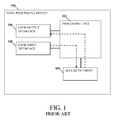
Fig. 1 shows a conventional data processing device, for example a mobile device, of the kind set forth. Thedata processing device 100 comprises a main orcentral processing unit 102, asecure element 104, auser output interface 106, and auser input interface 108. In operation, theprocessing unit 102 may execute applications and rely on thesecure element 104 for certain functions, such as verifying user credentials and performing cryptographic operations. Alternatively, thesecure element 104 may securely execute specific applications, such as the above-mentioned payment applications, instead of thecentral processing unit 102. In other words, for applications that require a high level of security, thesecure element 104 may take the role of thecentral processing unit 102 insofar as the execution of the applications is concerned. However, as can be seen inFig. 1 , thesecure element 104 may still require input data captured by theuser input interface 108. Furthermore, thesecure element 104 may still need to present output data to a user via theuser output interface 106. Unfortunately, theuser input interface 108 anduser output interface 106 are driven by thecentral processing unit 102, which is exposed to many other components and processes of thedata processing device 100. This poses a security threat to the executed applications. - In order to adequately protect payment transactions, dedicated standards have been developed by service providers (e.g. EuroCard, MasterCard and Visa) for both credit cards and debit cards. These cards, and thus the transactions executed with them, are typically protected by user credentials authorized or unlocked by a 4-digit secret PIN. The secret PIN must be protected against any attack; otherwise an attacker, who is able to acquire said PIN and other user data, may be able to execute transactions in the name of the user. Nowadays, transactions are normally carried out via so-called trusted terminals, so that the user may rely on the correct functioning of the display and the keyboard without fearing that, for example, a Trojan-horse attack reveals the user's input on the keyboard and/or manipulates the display during a transaction.
- In mobile phone architectures several attempts have been made to provide a reasonably good security level for transactions of the kind set forth. For example, the so-called ARM TrustZone offers a mechanism for isolating a so-called secure world within a computing architecture, i.e. a secure sub-environment supported by hardware features. The ARM TrustZone mechanism has been described in "ARM Security Technology: Building a Secure System using TrustZone® Technology", published by ARM Limited, ©2005-2009, document number PRD29-GENC-009492C. However, the ARM TrustZone mechanism requires context switching between the secure world and the non-secure world, and since the switch mechanism itself is at least partly controlled by elements of the non-secure world, attack points are offered to the whole system. Furthermore, mobile phones are vulnerable to so-called jail-break attacks which allow updating the complete Flash memory of the mobile phones by the attacker. Therefore, today's mobile phone platforms must still be regarded as relatively insecure.
- As mentioned above, secure elements which are introduced into the mobile phone architecture, for example in combination with NFC technology, provide a relatively high level of security for storing and processing user credentials and keys, and thus they may be regarded as a trust anchor or root-of-trust in any such architecture. However, the trust-anchor feature of a secure element in current implementations cannot be fully exploited, because the secure element is to a certain extent still used as a slave device from an application perspective. Another strong feature of a secure element is its capability to establish an end-to-end secure channel for any application for which the required keys have been pre-installed on the secure element in a secure environment.
- In view of the above, it is desirable to further increase the security of electronic devices and computing environments in which secure elements are used to facilitate the secure execution of applications. More specifically, it is desirable to better exploit the capabilities of secure elements in these electronic devices and computing environments.
- There is disclosed a data processing device for executing an application, the data processing device comprising a processing unit for controlling access to at least one user interface comprised in the data processing device, and a secure element for facilitating secure execution of the application, wherein executing the application comprises receiving input data from and/or sending output data to the user interface, and wherein the secure element is arranged to cause the processing unit to restrict the access to the user interface during execution of the application.
- According to an illustrative embodiment of the data processing device, restricting the access to the user interface comprises restricting the access to the user interface to instructions comprised in said application.
- According to a further illustrative embodiment of the data processing device, the access to the user interface is restricted to the instructions comprised in said application by setting at least one control register in the processing unit to a value indicative of a secure access mode.
- According to a further illustrative embodiment of the data processing device, the control register is comprised in an application controller of the processing unit.
- According to a further illustrative embodiment of the data processing device, the secure element comprises an integrated circuit in which the application has been installed.
- According to a further illustrative embodiment of the data processing device, the secure element is further arranged to cause the processing unit to revoke the restriction of the access after the application has been executed.
- According to a further illustrative embodiment of the data processing device, the processing unit provides user interface access control by means of at least one of hardware and a control program installed in the processing unit, and wherein the secure element is further arranged to verify the integrity of the user interface access control.
- According to a further illustrative embodiment of the data processing device, the secure element is further arranged to load a user interface access control program into the processing unit.
- According to a further illustrative embodiment of the data processing device, the secure element is integrated into the processing unit.
- Furthermore, there is disclosed a method for executing an application in a data processing device, the data processing device comprising a processing unit for controlling access to at least one user interface comprised in the data processing device, and a secure element for facilitating secure execution of the application, the method comprising the secure element causing the processing unit to restrict the access to the user interface during execution of the application, and receiving input data from and/or sending output data to the user interface.
- According to an illustrative embodiment of the method, restricting the access to the user interface comprises restricting the access to the user interface to instructions comprised in said application.
- According to a further illustrative embodiment of the method, the access to the user interface is restricted to the instructions comprised in said application by setting at least one control register in the processing unit to a value indicative of a secure access mode.
- According to a further illustrative embodiment of the method, the secure element further causes the processing unit to revoke the restriction of the access after the application has been executed.
- According to a further illustrative embodiment of the method, the processing unit provides user interface access control by means of at least one of hardware and a control program installed in the processing unit, and wherein the secure element further verifies the integrity of the user interface access control.
- Furthermore, there is disclosed a computer program product comprising program elements executable by a processing unit or a secure element, wherein each program element comprises program instructions which, when being executed by the processing unit or the secure element, cause said processing unit and secure element to carry out or control respective steps of a method of the kind set forth.
- Embodiments will be described in more detail with reference to the appended drawings, in which:
-
Fig. 1 shows a conventional data processing device; -
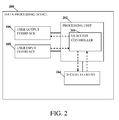
Fig. 2 shows an illustrative embodiment of a data processing device; -
Fig. 3 shows an illustrative embodiment of a system architecture. - In accordance with the present disclosure, a data processing device, e.g. a mobile phone, for executing an application is provided. This data processing device comprises a processing unit for controlling access to at least one user interface comprised in the data processing device, and a secure element for facilitating secure execution of the application. The application may, for example, be executed by the secure element, but the secure element may have to rely on the processing unit to handle the input to and the output of the application. Alternatively, the processing unit may execute the application, but the processing unit may have to rely on the secure element for certain functions, for example for comparing input data with user credentials stored in the secure element or for cryptographic functions based on keys stored in the secure element. In either case, executing the application comprises receiving input data from and/or sending output data to the user interface. Furthermore, the secure element is arranged to cause the processing unit to restrict the access to the user interface during execution of the application. In this way, the secure element's intrinsic capability to establish an end-to-end secure channel may be better exploited, and consequently it may be that the application may be executed more securely.
-
Fig. 2 shows an illustrative embodiment of a data processing device. Thedata processing device 200 comprises thesecure element 104, theuser output interface 106 and theuser input interface 108 as shown inFig. 1 . Furthermore, thedata processing device 200 comprises aprocessing unit 202 which includes a userinterface access controller 204 which controls the access to theuser output interface 106 and theuser input interface 108. The userinterface access controller 200 may, for example, be implemented using the above-mentioned ARM TrustZone technology. The TrustZone mechanism may then assure that the input/output channels reside in the so-called secure world within the computing environment. The skilled person will appreciate that the manner in which the TrustZone mechanism provides this assurance is known as such. Thus, a restricted access to the user interface is realized during execution of the application. More specifically, the access to the user interface may be restricted to instructions comprised in said application. Thus, no other applications may use the input/output channels within the computing environment during the execution of said application. Thereby, the risk that input data and/or output data are compromised may be further reduced. It is noted that the execution of the application may be performed in a time-sliced manner. In that case, in accordance with the present disclosure, it may be realized either that no other applications may use the input/output channels during the entire period in which the application is open, or that no other applications may use the input/output channels only during the time slots in which the application is being executed. - In accordance with the present disclosure, the
secure element 104 may control the userinterface access controller 204 in such a way that the latter activates a secure access mode in which said restricted access is enabled. For example, the userinterface access controller 204 may contain a control register whose value may be set, by thesecure element 104, to a value indicative of the secure access mode. The userinterface access controller 204 then enables the restricted access to the user interfaces by means of techniques which are known as such, for example by means of the above-mentioned TrustZone mechanism. It is noted that the userinterface access controller 204 does not need to be implemented as a separate entity within the processing unit; it may also consist of a designated set of software and/or hardware resources, e.g. a part of an ARM Trustzone allocated to the processing of user input and/or output. Furthermore, it is noted that, although thesecure element 104 has been shown inFig. 2 as being external to theprocessing unit 202, thesecure element 104 may also be integrated into theprocessing unit 202. In this way, a more economic design may be achieved. -
Fig. 3 shows an illustrative embodiment of a system architecture. Thesystem 300 may for example be embedded in a mobile phone. Thesystem 300 comprises a processing unit, i.e. an application processor, and a secure element. The secure element may set, via aTrustZone control unit 304, a TrustZone control register 302 in a system control coprocessor 316 (i.e. an application controller) to a value indicative of a secure access mode. In this secure access mode, the TrustZone mechanism assures that the access to the user interfaces through the system peripherals unit is restricted. - In prior art systems, the TrustZone control is typically performed by a TrustZone driver residing in a part of the application controller that belongs to the non-secure world. In accordance with the present disclosure, the
TrustZone control unit 304 effectively performs the function of the TrustZone driver, i.e. it effectively controls the TrustZone by setting the TrustZone control register 302 to an appropriate value, i.e. a value indicative of the secure access mode. If theTrustZone control register 302 is set to such a value, then the application controller is effectively switched from the non-secure world into the secure world. That is to say, the application controller is effectively switched from the non-secure world into the secure world under the control of the secure element. Since the TrustZone driver function, or at least all security-critical parts thereof, reside in the secure element, they are adequately protected, and consequently it may be prevented that said TrustZone driver function or its security-critical parts are manipulated in order to open doors for attacks. The TrustZone driver function may for example be embodied as a computer program that resides in a non-volatile memory unit of the secure element. In the secure access mode, I/O transactions over the so-called Advanced Peripheral Bus 326 (APB) may for instance be rejected by the application controller if they are initiated by instructions that are not comprised in an application which is being executed or supported by the secure element. - It is noted that the application controller may contain more than one TrustZone control register, which allows for a more detailed control of specific TrustZone functions, for example. Furthermore, the secure element may set the value of the TrustZone control register of the application controller directly via dedicated hardware-based control signals which cannot be interrupted or changed by the application processor. This establishes that the secure element may effectively behave as a master device during the execution of the application. In particular, if the application has been installed in the secure element and the secure element executes said application and controls its input and/or output in accordance with the present disclosure, a relatively large security improvement may be achieved.
- As soon as the application has been executed, e.g. as soon as a payment transaction has been carried out, the secure element may release the Trustzone control register and give back control to the application controller. In this way, a negative impact of the presently disclosed access control function on the processing speed of the whole system may be minimized.
- Furthermore, any software used in the secure access mode, in particular the user interface control program, may be checked by the secure element in advance of a switch-over to said mode, in order to prevent execution of compromised code. Alternatively or in addition, the secure element may upload software, in particular the user interface control program, to the application controller before switching the application controller to the secure access mode. Both measures may further improve the security of the system. Furthermore, the secure element may verify the integrity of the user interface access control hardware comprised in the processing unit.
- The skilled person will appreciate that, although the above-described embodiments have been illustrated with reference to the ARM TrustZone technology, similar technologies may equally well be used to implement the embodiments. For example, the principles underlying the above-described embodiments may equally be applied to data processing devices based on an Intel® architecture comprising so-called Software Guard Extensions (SGX), which allow an application to instantiate a protected container, referred to as an enclave. It is therefore envisaged that, in accordance with the present disclosure, the restricted access to the user interface may also be realized by activating a secure access mode based on an Intel® SGX mechanism, which mechanism subsequently assures said restricted access.
- It is noted that the drawings are schematic. In different drawings, similar or identical elements are provided with the same reference signs. Furthermore, it is noted that in an effort to provide a concise description of the illustrative embodiments, implementation details which fall into the customary practice of the skilled person may not have been described. It should be appreciated that in the development of any such implementation, as in any engineering or design project, numerous implementation-specific decisions must be made in order to achieve the developers' specific goals, such as compliance with system-related and business-related constraints, which may vary from one implementation to another. Moreover, it should be appreciated that such a development effort might be complex and time consuming, but would nevertheless be a routine undertaking of design, fabrication, and manufacture for those of ordinary skill.
- Finally, it is noted that the skilled person will be able to design many alternative embodiments without departing from the scope of the appended claims. In the claims, any reference sign placed between parentheses shall not be construed as limiting the claim. The word "comprise(s)" or "comprising" does not exclude the presence of elements or steps other than those listed in a claim. The word "a" or "an" preceding an element does not exclude the presence of a plurality of such elements. Measures recited in the claims may be implemented by means of hardware comprising several distinct elements and/or by means of a suitably programmed processor. In a device claim enumerating several means, several of these means may be embodied by one and the same item of hardware. The mere fact that certain measures are recited in mutually different dependent claims does not indicate that a combination of these measures cannot be used to advantage.
-
- 100
- data processing device
- 102
- processing unit
- 104
- secure element
- 106
- user output interface
- 108
- user input interface
- 200
- data processing device
- 202
- processing unit
- 204
- user interface access controller
- 300
- system architecture
- 302
- TrustZone control register
- 304
- TrustZone control unit
- 306
- application processor
- 308
- ARM central processing unit
- 310
- AXI (Advanced extensible Interface)
- 312
- system peripherals
- 314
- memory controller
- 316
- system control coprocessor
- 318
- generic interrupt controller
- 320
- connection to display/touchpad
- 322
- connection to Flash/DRAM/SRAM
- 324
- interface, for example SPI or S2C
- 326
- APB (Advanced Peripheral Bus)
- 328
- interrupt
- 330
- TrustZone-register control bus
- 332
- secure element
- 334
- secure central processing unit
- 336
- memory management unit
- 338
- AHB bus matrix
- 340
- APB bridge
- 342
- peripherals
- 344
- random access memory
- 346
- Flash memory
- 348
- read-only memory
- 350
- analogue system components and references
Claims (15)
- A data processing device for executing an application, the data processing device comprising:- a processing unit for controlling access to at least one user interface comprised in the data processing device;- a secure element for facilitating secure execution of the application;
wherein executing the application comprises receiving input data from and/or sending output data to the user interface; and
wherein the secure element is arranged to cause the processing unit to restrict the access to the user interface during execution of the application. - A data processing device as claimed in claim 1, wherein restricting the access to the user interface comprises restricting the access to the user interface to instructions comprised in said application.
- A data processing device as claimed in claim 2, wherein the access to the user interface is restricted to the instructions comprised in said application by setting at least one control register in the processing unit to a value indicative of a secure access mode.
- A data processing device as claimed in claim 3, wherein the control register is comprised in an application controller of the processing unit.
- A data processing unit as claimed in any preceding claim, wherein the secure element comprises an integrated circuit in which the application has been installed.
- A data processing unit as claimed in any preceding claim, wherein the secure element is further arranged to cause the processing unit to revoke the restriction of the access after the application has been executed.
- A data processing device as claimed in any preceding claim, wherein the processing unit provides user interface access control by means of at least one of hardware and a control program installed in the processing unit, and wherein the secure element is further arranged to verify the integrity of the user interface access control.
- A data processing device as claimed in any preceding claim, wherein the secure element is further arranged to load a user interface access control program into the processing unit.
- A data processing device as claimed in any preceding claim, wherein the secure element is integrated into the processing unit.
- A method for executing an application in a data processing device, the data processing device comprising:- a processing unit for controlling access to at least one user interface comprised in the data processing device; and- a secure element for facilitating secure execution of the application;
the method comprising the secure element causing the processing unit to restrict the access to the user interface during execution of the application, and receiving input data from and/or sending output data to the user interface. - A method as claimed in claim 10, wherein restricting the access to the user interface comprises restricting the access to the user interface to instructions comprised in said application.
- A method as claimed in claim 11, wherein the access to the user interface is restricted to the instructions comprised in said application by setting at least one control register in the processing unit to a value indicative of a secure access mode.
- A method as claimed in any one of claims 10 to 12, wherein the secure element further causes the processing unit to revoke the restriction of the access after the application has been executed.
- A method as claimed in any one of claims 10 to 13, wherein the processing unit provides user interface access control by means of at least one of hardware and a control program installed in the processing unit, and wherein the secure element further verifies the integrity of the user interface access control.
- A computer program product comprising program elements executable by a processing unit or a secure element, wherein each program element comprises program instructions which, when being executed by the processing unit or the secure element, cause said processing unit and secure element to carry out or control respective steps of a method as claimed in any one of claims 10 to 14.
Priority Applications (3)
| Application Number | Priority Date | Filing Date | Title |
|---|---|---|---|
| EP14150876.2A EP2894588B1 (en) | 2014-01-13 | 2014-01-13 | Data processing device, method for executing an application and computer program product |
| CN201510011534.9A CN104778401B (en) | 2014-01-13 | 2015-01-09 | Data processing equipment and method for executing application |
| US14/596,165 US10853520B2 (en) | 2014-01-13 | 2015-01-13 | Data processing device, method for executing an application and computer program product |
Applications Claiming Priority (1)
| Application Number | Priority Date | Filing Date | Title |
|---|---|---|---|
| EP14150876.2A EP2894588B1 (en) | 2014-01-13 | 2014-01-13 | Data processing device, method for executing an application and computer program product |
Publications (2)
| Publication Number | Publication Date |
|---|---|
| EP2894588A1 true EP2894588A1 (en) | 2015-07-15 |
| EP2894588B1 EP2894588B1 (en) | 2018-08-15 |
Family
ID=49958258
Family Applications (1)
| Application Number | Title | Priority Date | Filing Date |
|---|---|---|---|
| EP14150876.2A Active EP2894588B1 (en) | 2014-01-13 | 2014-01-13 | Data processing device, method for executing an application and computer program product |
Country Status (3)
| Country | Link |
|---|---|
| US (1) | US10853520B2 (en) |
| EP (1) | EP2894588B1 (en) |
| CN (1) | CN104778401B (en) |
Families Citing this family (18)
| Publication number | Priority date | Publication date | Assignee | Title |
|---|---|---|---|---|
| US10044695B1 (en) | 2014-09-02 | 2018-08-07 | Amazon Technologies, Inc. | Application instances authenticated by secure measurements |
| US10079681B1 (en) * | 2014-09-03 | 2018-09-18 | Amazon Technologies, Inc. | Securing service layer on third party hardware |
| US10061915B1 (en) | 2014-09-03 | 2018-08-28 | Amazon Technologies, Inc. | Posture assessment in a secure execution environment |
| US9442752B1 (en) | 2014-09-03 | 2016-09-13 | Amazon Technologies, Inc. | Virtual secure execution environments |
| US9246690B1 (en) * | 2014-09-03 | 2016-01-26 | Amazon Technologies, Inc. | Secure execution environment services |
| US9577829B1 (en) | 2014-09-03 | 2017-02-21 | Amazon Technologies, Inc. | Multi-party computation services |
| US9584517B1 (en) | 2014-09-03 | 2017-02-28 | Amazon Technologies, Inc. | Transforms within secure execution environments |
| US9491111B1 (en) * | 2014-09-03 | 2016-11-08 | Amazon Technologies, Inc. | Securing service control on third party hardware |
| US9754116B1 (en) | 2014-09-03 | 2017-09-05 | Amazon Technologies, Inc. | Web services in secure execution environments |
| US10664179B2 (en) * | 2015-09-25 | 2020-05-26 | Intel Corporation | Processors, methods and systems to allow secure communications between protected container memory and input/output devices |
| CN107562689A (en) * | 2016-07-01 | 2018-01-09 | 华为技术有限公司 | A kind of system level chip and terminal |
| CN108270910A (en) * | 2016-12-30 | 2018-07-10 | 展讯通信(上海)有限公司 | Mobile terminal |
| US11036875B2 (en) * | 2017-01-24 | 2021-06-15 | Microsoft Technology Licensing, Llc | Dependent enclave binaries |
| CN107544918B (en) * | 2017-08-17 | 2021-01-15 | 海光信息技术股份有限公司 | Memory page sharing method |
| KR102605461B1 (en) * | 2018-09-20 | 2023-11-23 | 삼성전자주식회사 | Electronic device for providing service using secure element and operating method thereof |
| US20220004509A1 (en) * | 2019-03-26 | 2022-01-06 | Stmicroelectronics S.R.L. | Embedded secure element |
| CN112651018B (en) * | 2020-12-18 | 2022-08-02 | 卓尔智联(武汉)研究院有限公司 | SGX-based trusted input and output control method, device, equipment and storage medium |
| US12224055B2 (en) | 2021-06-17 | 2025-02-11 | Akili Interactive Labs, Inc. | System and method for adaptive configuration of computerized cognitive training programs |
Citations (4)
| Publication number | Priority date | Publication date | Assignee | Title |
|---|---|---|---|---|
| GB2421610A (en) * | 2004-12-23 | 2006-06-28 | Infineon Technologies Ag | Data processing device with a second processor for security-related data |
| EP2192520A1 (en) * | 2008-12-01 | 2010-06-02 | Research In Motion Limited | Simplified Multi-Factor Authentication |
| US20130275306A1 (en) * | 2012-04-13 | 2013-10-17 | Sergey Ignatchenko | Apparatuses, methods and systems for computer-based secure transactions |
| US20140013406A1 (en) * | 2012-07-09 | 2014-01-09 | Christophe TREMLET | Embedded secure element for authentication, storage and transaction within a mobile terminal |
Family Cites Families (19)
| Publication number | Priority date | Publication date | Assignee | Title |
|---|---|---|---|---|
| US5432934A (en) * | 1993-07-26 | 1995-07-11 | Gensym Corporation | Access restrictions as a means of configuring a user interface and making an application secure |
| US5892900A (en) * | 1996-08-30 | 1999-04-06 | Intertrust Technologies Corp. | Systems and methods for secure transaction management and electronic rights protection |
| AU7174700A (en) * | 2000-05-04 | 2001-11-08 | Vasu Tech Limited | Configurable electronic controller |
| NZ508052A (en) * | 2000-11-09 | 2003-06-30 | Derek Ward | Programmable controller |
| US7003676B1 (en) * | 2001-05-10 | 2006-02-21 | Advanced Micro Devices, Inc. | Locking mechanism override and disable for personal computer ROM access protection |
| US7149854B2 (en) * | 2001-05-10 | 2006-12-12 | Advanced Micro Devices, Inc. | External locking mechanism for personal computer memory locations |
| US20030204560A1 (en) * | 2002-04-26 | 2003-10-30 | Chen Thomas C.H. | Programmable Logic Controller with embedded Intelligent Web Server |
| US7636844B2 (en) * | 2003-11-17 | 2009-12-22 | Intel Corporation | Method and system to provide a trusted channel within a computer system for a SIM device |
| US8028164B2 (en) * | 2004-03-19 | 2011-09-27 | Nokia Corporation | Practical and secure storage encryption |
| KR20070096093A (en) * | 2005-12-16 | 2007-10-02 | 삼성전자주식회사 | Mobile communication terminal and method thereof for faster internet access and management of access information |
| KR101297776B1 (en) * | 2007-05-11 | 2013-08-20 | 삼성전자주식회사 | Method and Mobile Terminal for changing of communication mode |
| US7895426B2 (en) * | 2007-08-24 | 2011-02-22 | International Business Machines Corporation | Secure power-on reset engine |
| EP2201475B1 (en) * | 2007-10-10 | 2020-07-29 | Gilbarco Inc. | System and method for controlling secure and non-secure content at dispenser or retail device |
| US9256734B2 (en) * | 2012-04-27 | 2016-02-09 | Broadcom Corporation | Security controlled multi-processor system |
| US9792439B2 (en) | 2012-09-19 | 2017-10-17 | Nxp B.V. | Method and system for securely updating firmware in a computing device |
| US10147090B2 (en) | 2012-10-01 | 2018-12-04 | Nxp B.V. | Validating a transaction with a secure input without requiring pin code entry |
| US20140095387A1 (en) | 2012-10-01 | 2014-04-03 | Nxp B.V. | Validating a transaction with a secure input and a non-secure output |
| US9495524B2 (en) | 2012-10-01 | 2016-11-15 | Nxp B.V. | Secure user authentication using a master secure element |
| US10147086B2 (en) | 2012-12-19 | 2018-12-04 | Nxp B.V. | Digital wallet device for virtual wallet |
-
2014
- 2014-01-13 EP EP14150876.2A patent/EP2894588B1/en active Active
-
2015
- 2015-01-09 CN CN201510011534.9A patent/CN104778401B/en active Active
- 2015-01-13 US US14/596,165 patent/US10853520B2/en active Active
Patent Citations (4)
| Publication number | Priority date | Publication date | Assignee | Title |
|---|---|---|---|---|
| GB2421610A (en) * | 2004-12-23 | 2006-06-28 | Infineon Technologies Ag | Data processing device with a second processor for security-related data |
| EP2192520A1 (en) * | 2008-12-01 | 2010-06-02 | Research In Motion Limited | Simplified Multi-Factor Authentication |
| US20130275306A1 (en) * | 2012-04-13 | 2013-10-17 | Sergey Ignatchenko | Apparatuses, methods and systems for computer-based secure transactions |
| US20140013406A1 (en) * | 2012-07-09 | 2014-01-09 | Christophe TREMLET | Embedded secure element for authentication, storage and transaction within a mobile terminal |
Also Published As
| Publication number | Publication date |
|---|---|
| CN104778401B (en) | 2019-03-12 |
| EP2894588B1 (en) | 2018-08-15 |
| US10853520B2 (en) | 2020-12-01 |
| CN104778401A (en) | 2015-07-15 |
| US20150199509A1 (en) | 2015-07-16 |
Similar Documents
| Publication | Publication Date | Title |
|---|---|---|
| US10853520B2 (en) | Data processing device, method for executing an application and computer program product | |
| US10931712B2 (en) | Protection against rerouting a communication channel of a telecommunication device having an NFC circuit and a secure data circuit | |
| US10440575B2 (en) | Protection of a security element coupled to an NFC circuit | |
| US8322610B2 (en) | Secure access module for integrated circuit card applications | |
| EP2884692B1 (en) | Updating software on a secure element | |
| US20140096222A1 (en) | Secure user authentication using a master secure element | |
| CN1886747B (en) | Method and apparatus for controlling installation of applications using operator root certificate | |
| US9875366B2 (en) | Microprocessor system with secured runtime environment | |
| CN110378097B (en) | Ensuring sensor data security | |
| US9219745B2 (en) | Assessing the resistance of a security module against attacks by communication pipe diversion | |
| CN105590201A (en) | Mobile payment device and mobile payment system | |
| US10880739B2 (en) | Protection of a communication channel between a security module and an NFC circuit | |
| US9179301B2 (en) | Protection of a communication channel of a telecommunication device coupled to an NFC circuit against misrouting | |
| EP2930641A1 (en) | Method of Programming a Smart Card, Computer Program Product and Programmable Smart Card | |
| US12019717B2 (en) | Method for the secure interaction of a user with a mobile terminal and a further entity | |
| CN102667800A (en) | Method for secure interaction with a secure element | |
| CN107562689A (en) | A kind of system level chip and terminal | |
| Lepojevic et al. | Implementing NFC service security—SE VS TEE VS HCE | |
| EP4738159A1 (en) | Secure element and method of operating the same | |
| US12022294B2 (en) | Access control for Near Field Communication functions | |
| US20260129441A1 (en) | Secure element and method of operating the same | |
| EP3761205A1 (en) | System-on-chip arrangement | |
| CN118246039A (en) | Protection of electronic devices | |
| CN118246040A (en) | Protection of electronic devices | |
| HK1224783A1 (en) | Mobile payment device and mobile payment system |
Legal Events
| Date | Code | Title | Description |
|---|---|---|---|
| PUAI | Public reference made under article 153(3) epc to a published international application that has entered the european phase |
Free format text: ORIGINAL CODE: 0009012 |
|
| 17P | Request for examination filed |
Effective date: 20140326 |
|
| AK | Designated contracting states |
Kind code of ref document: A1 Designated state(s): AL AT BE BG CH CY CZ DE DK EE ES FI FR GB GR HR HU IE IS IT LI LT LU LV MC MK MT NL NO PL PT RO RS SE SI SK SM TR |
|
| AX | Request for extension of the european patent |
Extension state: BA ME |
|
| RBV | Designated contracting states (corrected) |
Designated state(s): AL AT BE BG CH CY CZ DE DK EE ES FI FR GB GR HR HU IE IS IT LI LT LU LV MC MK MT NL NO PL PT RO RS SE SI SK SM TR |
|
| STAA | Information on the status of an ep patent application or granted ep patent |
Free format text: STATUS: EXAMINATION IS IN PROGRESS |
|
| 17Q | First examination report despatched |
Effective date: 20161221 |
|
| GRAP | Despatch of communication of intention to grant a patent |
Free format text: ORIGINAL CODE: EPIDOSNIGR1 |
|
| STAA | Information on the status of an ep patent application or granted ep patent |
Free format text: STATUS: GRANT OF PATENT IS INTENDED |
|
| GRAJ | Information related to disapproval of communication of intention to grant by the applicant or resumption of examination proceedings by the epo deleted |
Free format text: ORIGINAL CODE: EPIDOSDIGR1 |
|
| STAA | Information on the status of an ep patent application or granted ep patent |
Free format text: STATUS: EXAMINATION IS IN PROGRESS |
|
| RIC1 | Information provided on ipc code assigned before grant |
Ipc: G06F 21/83 20130101ALN20180223BHEP Ipc: G06F 21/53 20130101ALI20180223BHEP Ipc: G06F 21/74 20130101AFI20180223BHEP Ipc: G06Q 20/32 20120101ALN20180223BHEP Ipc: G06F 21/31 20130101ALN20180223BHEP Ipc: G06F 21/62 20130101ALI20180223BHEP |
|
| INTG | Intention to grant announced |
Effective date: 20180315 |
|
| RIN1 | Information on inventor provided before grant (corrected) |
Inventor name: WILLE, THOMAS E.F. |
|
| GRAP | Despatch of communication of intention to grant a patent |
Free format text: ORIGINAL CODE: EPIDOSNIGR1 |
|
| STAA | Information on the status of an ep patent application or granted ep patent |
Free format text: STATUS: GRANT OF PATENT IS INTENDED |
|
| INTC | Intention to grant announced (deleted) | ||
| RIC1 | Information provided on ipc code assigned before grant |
Ipc: G06F 21/31 20130101ALN20180410BHEP Ipc: G06F 21/62 20130101ALI20180410BHEP Ipc: G06F 21/53 20130101ALI20180410BHEP Ipc: G06Q 20/32 20120101ALN20180410BHEP Ipc: G06F 21/74 20130101AFI20180410BHEP Ipc: G06F 21/83 20130101ALN20180410BHEP |
|
| INTG | Intention to grant announced |
Effective date: 20180423 |
|
| GRAJ | Information related to disapproval of communication of intention to grant by the applicant or resumption of examination proceedings by the epo deleted |
Free format text: ORIGINAL CODE: EPIDOSDIGR1 |
|
| STAA | Information on the status of an ep patent application or granted ep patent |
Free format text: STATUS: EXAMINATION IS IN PROGRESS |
|
| GRAP | Despatch of communication of intention to grant a patent |
Free format text: ORIGINAL CODE: EPIDOSNIGR1 |
|
| STAA | Information on the status of an ep patent application or granted ep patent |
Free format text: STATUS: GRANT OF PATENT IS INTENDED |
|
| GRAS | Grant fee paid |
Free format text: ORIGINAL CODE: EPIDOSNIGR3 |
|
| GRAA | (expected) grant |
Free format text: ORIGINAL CODE: 0009210 |
|
| STAA | Information on the status of an ep patent application or granted ep patent |
Free format text: STATUS: THE PATENT HAS BEEN GRANTED |
|
| INTC | Intention to grant announced (deleted) | ||
| RIC1 | Information provided on ipc code assigned before grant |
Ipc: G06F 21/74 20130101AFI20180621BHEP Ipc: G06Q 20/32 20120101ALN20180621BHEP Ipc: G06F 21/53 20130101ALI20180621BHEP Ipc: G06F 21/62 20130101ALI20180621BHEP Ipc: G06F 21/83 20130101ALN20180621BHEP Ipc: G06F 21/31 20130101ALN20180621BHEP |
|
| INTG | Intention to grant announced |
Effective date: 20180705 |
|
| AK | Designated contracting states |
Kind code of ref document: B1 Designated state(s): AL AT BE BG CH CY CZ DE DK EE ES FI FR GB GR HR HU IE IS IT LI LT LU LV MC MK MT NL NO PL PT RO RS SE SI SK SM TR |
|
| REG | Reference to a national code |
Ref country code: CH Ref legal event code: EP Ref country code: GB Ref legal event code: FG4D Ref country code: AT Ref legal event code: REF Ref document number: 1030612 Country of ref document: AT Kind code of ref document: T Effective date: 20180815 |
|
| REG | Reference to a national code |
Ref country code: IE Ref legal event code: FG4D |
|
| REG | Reference to a national code |
Ref country code: DE Ref legal event code: R096 Ref document number: 602014030288 Country of ref document: DE |
|
| REG | Reference to a national code |
Ref country code: NL Ref legal event code: MP Effective date: 20180815 |
|
| REG | Reference to a national code |
Ref country code: LT Ref legal event code: MG4D |
|
| REG | Reference to a national code |
Ref country code: AT Ref legal event code: MK05 Ref document number: 1030612 Country of ref document: AT Kind code of ref document: T Effective date: 20180815 |
|
| PG25 | Lapsed in a contracting state [announced via postgrant information from national office to epo] |
Ref country code: GR Free format text: LAPSE BECAUSE OF FAILURE TO SUBMIT A TRANSLATION OF THE DESCRIPTION OR TO PAY THE FEE WITHIN THE PRESCRIBED TIME-LIMIT Effective date: 20181116 Ref country code: NL Free format text: LAPSE BECAUSE OF FAILURE TO SUBMIT A TRANSLATION OF THE DESCRIPTION OR TO PAY THE FEE WITHIN THE PRESCRIBED TIME-LIMIT Effective date: 20180815 Ref country code: BG Free format text: LAPSE BECAUSE OF FAILURE TO SUBMIT A TRANSLATION OF THE DESCRIPTION OR TO PAY THE FEE WITHIN THE PRESCRIBED TIME-LIMIT Effective date: 20181115 Ref country code: RS Free format text: LAPSE BECAUSE OF FAILURE TO SUBMIT A TRANSLATION OF THE DESCRIPTION OR TO PAY THE FEE WITHIN THE PRESCRIBED TIME-LIMIT Effective date: 20180815 Ref country code: NO Free format text: LAPSE BECAUSE OF FAILURE TO SUBMIT A TRANSLATION OF THE DESCRIPTION OR TO PAY THE FEE WITHIN THE PRESCRIBED TIME-LIMIT Effective date: 20181115 Ref country code: IS Free format text: LAPSE BECAUSE OF FAILURE TO SUBMIT A TRANSLATION OF THE DESCRIPTION OR TO PAY THE FEE WITHIN THE PRESCRIBED TIME-LIMIT Effective date: 20181215 Ref country code: AT Free format text: LAPSE BECAUSE OF FAILURE TO SUBMIT A TRANSLATION OF THE DESCRIPTION OR TO PAY THE FEE WITHIN THE PRESCRIBED TIME-LIMIT Effective date: 20180815 Ref country code: LT Free format text: LAPSE BECAUSE OF FAILURE TO SUBMIT A TRANSLATION OF THE DESCRIPTION OR TO PAY THE FEE WITHIN THE PRESCRIBED TIME-LIMIT Effective date: 20180815 Ref country code: FI Free format text: LAPSE BECAUSE OF FAILURE TO SUBMIT A TRANSLATION OF THE DESCRIPTION OR TO PAY THE FEE WITHIN THE PRESCRIBED TIME-LIMIT Effective date: 20180815 Ref country code: SE Free format text: LAPSE BECAUSE OF FAILURE TO SUBMIT A TRANSLATION OF THE DESCRIPTION OR TO PAY THE FEE WITHIN THE PRESCRIBED TIME-LIMIT Effective date: 20180815 |
|
| PG25 | Lapsed in a contracting state [announced via postgrant information from national office to epo] |
Ref country code: AL Free format text: LAPSE BECAUSE OF FAILURE TO SUBMIT A TRANSLATION OF THE DESCRIPTION OR TO PAY THE FEE WITHIN THE PRESCRIBED TIME-LIMIT Effective date: 20180815 Ref country code: LV Free format text: LAPSE BECAUSE OF FAILURE TO SUBMIT A TRANSLATION OF THE DESCRIPTION OR TO PAY THE FEE WITHIN THE PRESCRIBED TIME-LIMIT Effective date: 20180815 Ref country code: HR Free format text: LAPSE BECAUSE OF FAILURE TO SUBMIT A TRANSLATION OF THE DESCRIPTION OR TO PAY THE FEE WITHIN THE PRESCRIBED TIME-LIMIT Effective date: 20180815 |
|
| PG25 | Lapsed in a contracting state [announced via postgrant information from national office to epo] |
Ref country code: EE Free format text: LAPSE BECAUSE OF FAILURE TO SUBMIT A TRANSLATION OF THE DESCRIPTION OR TO PAY THE FEE WITHIN THE PRESCRIBED TIME-LIMIT Effective date: 20180815 Ref country code: PL Free format text: LAPSE BECAUSE OF FAILURE TO SUBMIT A TRANSLATION OF THE DESCRIPTION OR TO PAY THE FEE WITHIN THE PRESCRIBED TIME-LIMIT Effective date: 20180815 Ref country code: CZ Free format text: LAPSE BECAUSE OF FAILURE TO SUBMIT A TRANSLATION OF THE DESCRIPTION OR TO PAY THE FEE WITHIN THE PRESCRIBED TIME-LIMIT Effective date: 20180815 Ref country code: ES Free format text: LAPSE BECAUSE OF FAILURE TO SUBMIT A TRANSLATION OF THE DESCRIPTION OR TO PAY THE FEE WITHIN THE PRESCRIBED TIME-LIMIT Effective date: 20180815 Ref country code: RO Free format text: LAPSE BECAUSE OF FAILURE TO SUBMIT A TRANSLATION OF THE DESCRIPTION OR TO PAY THE FEE WITHIN THE PRESCRIBED TIME-LIMIT Effective date: 20180815 Ref country code: IT Free format text: LAPSE BECAUSE OF FAILURE TO SUBMIT A TRANSLATION OF THE DESCRIPTION OR TO PAY THE FEE WITHIN THE PRESCRIBED TIME-LIMIT Effective date: 20180815 |
|
| REG | Reference to a national code |
Ref country code: DE Ref legal event code: R097 Ref document number: 602014030288 Country of ref document: DE |
|
| PG25 | Lapsed in a contracting state [announced via postgrant information from national office to epo] |
Ref country code: SK Free format text: LAPSE BECAUSE OF FAILURE TO SUBMIT A TRANSLATION OF THE DESCRIPTION OR TO PAY THE FEE WITHIN THE PRESCRIBED TIME-LIMIT Effective date: 20180815 Ref country code: SM Free format text: LAPSE BECAUSE OF FAILURE TO SUBMIT A TRANSLATION OF THE DESCRIPTION OR TO PAY THE FEE WITHIN THE PRESCRIBED TIME-LIMIT Effective date: 20180815 Ref country code: DK Free format text: LAPSE BECAUSE OF FAILURE TO SUBMIT A TRANSLATION OF THE DESCRIPTION OR TO PAY THE FEE WITHIN THE PRESCRIBED TIME-LIMIT Effective date: 20180815 |
|
| PLBE | No opposition filed within time limit |
Free format text: ORIGINAL CODE: 0009261 |
|
| STAA | Information on the status of an ep patent application or granted ep patent |
Free format text: STATUS: NO OPPOSITION FILED WITHIN TIME LIMIT |
|
| 26N | No opposition filed |
Effective date: 20190516 |
|
| PG25 | Lapsed in a contracting state [announced via postgrant information from national office to epo] |
Ref country code: SI Free format text: LAPSE BECAUSE OF FAILURE TO SUBMIT A TRANSLATION OF THE DESCRIPTION OR TO PAY THE FEE WITHIN THE PRESCRIBED TIME-LIMIT Effective date: 20180815 Ref country code: MC Free format text: LAPSE BECAUSE OF FAILURE TO SUBMIT A TRANSLATION OF THE DESCRIPTION OR TO PAY THE FEE WITHIN THE PRESCRIBED TIME-LIMIT Effective date: 20180815 |
|
| REG | Reference to a national code |
Ref country code: CH Ref legal event code: PL |
|
| GBPC | Gb: european patent ceased through non-payment of renewal fee |
Effective date: 20190113 |
|
| PG25 | Lapsed in a contracting state [announced via postgrant information from national office to epo] |
Ref country code: LU Free format text: LAPSE BECAUSE OF NON-PAYMENT OF DUE FEES Effective date: 20190113 |
|
| REG | Reference to a national code |
Ref country code: BE Ref legal event code: MM Effective date: 20190131 |
|
| REG | Reference to a national code |
Ref country code: IE Ref legal event code: MM4A |
|
| PG25 | Lapsed in a contracting state [announced via postgrant information from national office to epo] |
Ref country code: BE Free format text: LAPSE BECAUSE OF NON-PAYMENT OF DUE FEES Effective date: 20190131 |
|
| PG25 | Lapsed in a contracting state [announced via postgrant information from national office to epo] |
Ref country code: CH Free format text: LAPSE BECAUSE OF NON-PAYMENT OF DUE FEES Effective date: 20190131 Ref country code: LI Free format text: LAPSE BECAUSE OF NON-PAYMENT OF DUE FEES Effective date: 20190131 Ref country code: GB Free format text: LAPSE BECAUSE OF NON-PAYMENT OF DUE FEES Effective date: 20190113 |
|
| PG25 | Lapsed in a contracting state [announced via postgrant information from national office to epo] |
Ref country code: IE Free format text: LAPSE BECAUSE OF NON-PAYMENT OF DUE FEES Effective date: 20190113 |
|
| PG25 | Lapsed in a contracting state [announced via postgrant information from national office to epo] |
Ref country code: TR Free format text: LAPSE BECAUSE OF FAILURE TO SUBMIT A TRANSLATION OF THE DESCRIPTION OR TO PAY THE FEE WITHIN THE PRESCRIBED TIME-LIMIT Effective date: 20180815 |
|
| PG25 | Lapsed in a contracting state [announced via postgrant information from national office to epo] |
Ref country code: MT Free format text: LAPSE BECAUSE OF NON-PAYMENT OF DUE FEES Effective date: 20190113 Ref country code: PT Free format text: LAPSE BECAUSE OF FAILURE TO SUBMIT A TRANSLATION OF THE DESCRIPTION OR TO PAY THE FEE WITHIN THE PRESCRIBED TIME-LIMIT Effective date: 20181215 |
|
| PG25 | Lapsed in a contracting state [announced via postgrant information from national office to epo] |
Ref country code: CY Free format text: LAPSE BECAUSE OF FAILURE TO SUBMIT A TRANSLATION OF THE DESCRIPTION OR TO PAY THE FEE WITHIN THE PRESCRIBED TIME-LIMIT Effective date: 20180815 |
|
| PG25 | Lapsed in a contracting state [announced via postgrant information from national office to epo] |
Ref country code: HU Free format text: LAPSE BECAUSE OF FAILURE TO SUBMIT A TRANSLATION OF THE DESCRIPTION OR TO PAY THE FEE WITHIN THE PRESCRIBED TIME-LIMIT; INVALID AB INITIO Effective date: 20140113 |
|
| PG25 | Lapsed in a contracting state [announced via postgrant information from national office to epo] |
Ref country code: MK Free format text: LAPSE BECAUSE OF FAILURE TO SUBMIT A TRANSLATION OF THE DESCRIPTION OR TO PAY THE FEE WITHIN THE PRESCRIBED TIME-LIMIT Effective date: 20180815 |
|
| P01 | Opt-out of the competence of the unified patent court (upc) registered |
Effective date: 20230725 |
|
| PGFP | Annual fee paid to national office [announced via postgrant information from national office to epo] |
Ref country code: FR Payment date: 20251217 Year of fee payment: 13 |
|
| PGFP | Annual fee paid to national office [announced via postgrant information from national office to epo] |
Ref country code: DE Payment date: 20251217 Year of fee payment: 13 |