EP2894156A1 - Crystal of dispiropyrrolidine derivative - Google Patents
Crystal of dispiropyrrolidine derivative Download PDFInfo
- Publication number
- EP2894156A1 EP2894156A1 EP13835941.9A EP13835941A EP2894156A1 EP 2894156 A1 EP2894156 A1 EP 2894156A1 EP 13835941 A EP13835941 A EP 13835941A EP 2894156 A1 EP2894156 A1 EP 2894156A1
- Authority
- EP
- European Patent Office
- Prior art keywords
- crystal
- diffraction pattern
- ray powder
- powder diffraction
- angstroms
- Prior art date
- Legal status (The legal status is an assumption and is not a legal conclusion. Google has not performed a legal analysis and makes no representation as to the accuracy of the status listed.)
- Granted
Links
- RYAYYVTWKAOAJF-QISPRATLSA-N CC(C)(CC1)CCC1([C@@]([C@H]1c(ccnc2Cl)c2F)(c(ccc(Cl)c2)c2N2)C2=O)N[C@H]1C(N[C@H](CC1)CO[C@@H]1C(N)=O)=O Chemical compound CC(C)(CC1)CCC1([C@@]([C@H]1c(ccnc2Cl)c2F)(c(ccc(Cl)c2)c2N2)C2=O)N[C@H]1C(N[C@H](CC1)CO[C@@H]1C(N)=O)=O RYAYYVTWKAOAJF-QISPRATLSA-N 0.000 description 1
Images





Classifications
-
- C—CHEMISTRY; METALLURGY
- C07—ORGANIC CHEMISTRY
- C07D—HETEROCYCLIC COMPOUNDS
- C07D487/00—Heterocyclic compounds containing nitrogen atoms as the only ring hetero atoms in the condensed system, not provided for by groups C07D451/00 - C07D477/00
- C07D487/02—Heterocyclic compounds containing nitrogen atoms as the only ring hetero atoms in the condensed system, not provided for by groups C07D451/00 - C07D477/00 in which the condensed system contains two hetero rings
- C07D487/10—Spiro-condensed systems
-
- A—HUMAN NECESSITIES
- A61—MEDICAL OR VETERINARY SCIENCE; HYGIENE
- A61K—PREPARATIONS FOR MEDICAL, DENTAL OR TOILETRY PURPOSES
- A61K31/00—Medicinal preparations containing organic active ingredients
- A61K31/33—Heterocyclic compounds
- A61K31/395—Heterocyclic compounds having nitrogen as a ring hetero atom, e.g. guanethidine or rifamycins
- A61K31/435—Heterocyclic compounds having nitrogen as a ring hetero atom, e.g. guanethidine or rifamycins having six-membered rings with one nitrogen as the only ring hetero atom
- A61K31/44—Non condensed pyridines; Hydrogenated derivatives thereof
- A61K31/4427—Non condensed pyridines; Hydrogenated derivatives thereof containing further heterocyclic ring systems
- A61K31/4439—Non condensed pyridines; Hydrogenated derivatives thereof containing further heterocyclic ring systems containing a five-membered ring with nitrogen as a ring hetero atom, e.g. omeprazole
-
- A—HUMAN NECESSITIES
- A61—MEDICAL OR VETERINARY SCIENCE; HYGIENE
- A61P—SPECIFIC THERAPEUTIC ACTIVITY OF CHEMICAL COMPOUNDS OR MEDICINAL PREPARATIONS
- A61P35/00—Antineoplastic agents
-
- C—CHEMISTRY; METALLURGY
- C07—ORGANIC CHEMISTRY
- C07B—GENERAL METHODS OF ORGANIC CHEMISTRY; APPARATUS THEREFOR
- C07B2200/00—Indexing scheme relating to specific properties of organic compounds
- C07B2200/13—Crystalline forms, e.g. polymorphs
Definitions
- Mdm2 inhibitors targeting the Mdm2-p53 binding site include spirooxindole derivatives (Patent Documents 1-15, Non Patent Documents 1-3), indole derivatives (Patent Document 16), pyrrolidine-2-carboxamide derivatives (Patent Document 17), pyrrolidinone derivatives (Patent Document 18) and isoindolinone derivatives (Patent Document 19, Non Patent Document 4).
- a dispiropyrrolidine derivative exhibits excellent Mdm2 inhibiting activity and is thus expected to be used as a medicament, particularly, as an anticancer agent. In addition, it is of industrially significant importance to find crystals of the derivative.
- the present invention relates to [1] to [14] given below.
- Examples of a salt of the compound (1) include any of those described in the Examples.
- the compound (1) or the salt thereof may be present in a free or solvate form.
- the compound (1) or the salt thereof may be present in a hydrate form, for example, by absorbing moisture in the air.
- the solvate is not particularly limited so long as it is pharmaceutically acceptable. Specific examples thereof include a hydrate, an ethanol solvate, and a 2-propanol solvate.
- a crystal of the present invention may be used in combination with an additional anti-tumor agent.
- additional anti-tumor agent examples include anti-tumor antibiotics, anti-tumor plant constituents, BRMs (biological response modifiers), hormones, vitamins, anti-tumor antibodies, molecular target drugs, and other anti-tumor agents.
- RINT-TTR III reflection-type X-ray powder diffraction apparatus
- TG/DTA The thermal analysis (TG/DTA) employed TG/DTA6200 manufactured by SII Nanotechnology Inc. (rate of temperature rise: 10°C/min, ambient gas: nitrogen, nitrogen gas flow rate: 200 mL/min).
- the crystal can also be obtained using 2-butanone.
- the X-ray powder diffraction pattern is shown in Figure 2
- the adsorption-desorption isotherms are shown in Figure 11
- the thermal analysis data (TG/DTA) are shown in Figure 18 .
- Peak of X-ray powder diffraction pattern (relative intensity of 14 or more) Peak number 2 ⁇ d value Relative intensity Peak number 2 ⁇ d value Relative intensity 1 7.62 11.59 100 4 17.22 5.14 27 2 13.06 6.77 14 5 21.98 4.04 19 3 15.10 5.86 47
- Methanesulfonic acid (0.026 ml, 0.39 mmol) was added to a 2-propanol (3 ml) solution of the compound (221 mg, 0.36 mmol) obtained in Example 1 and then the resulting mixture was stirred at room temperature for 16 hours.
- the X-ray powder diffraction pattern of the title crystal is shown in Figure 8
- the adsorption-desorption isotherms thereof are shown in Figure 15
- the thermal analysis data (TG/DTA) thereof are shown in Figure 23 .
- Peak of X-ray powder diffraction pattern (relative intensity of 16 or more) Peak number 2 ⁇ d value Relative intensity Peak number 2 ⁇ d value Relative intensity 1 6.22 14.20 25 7 15.56 5.69 22 2 7.34 12.03 100 8 18.86 4.70 16 3 7.90 11.18 50 9 19.04 4.66 16 4 12.46 7.10 18 10 19.52 4.54 19 5 13.60 6.51 16 11 19.72 4.50 23 6 14.22 6.22 16 12 20.54 4.32 20
- N,N-Diisopropylethylamine (0.46 ml, 2.63 mmol) was added to a methanol (130 ml) solution of 6-chloro-1,3-dihydro-2H-indol-2-one (2.20 g, 13.11 mmol) and 2-chloro-3-fluoroisonicotinaldehyde (2.20 g, 13.8 mmol) and the resulting mixture was heated to reflux for 16 hours. After cooling, the precipitate was collected by filtration, washed with cold methanol and dried to give 3.37 g (83%) of the title compound as a solid. MS (APCI) m/z: 309 (M+H) + .
- a boron trifluoride-diethyl ether complex (0.15 ml, 1.20 mmol) and 4A molecular sieves (powder) (3 g) were added to a tetrahydrofuran (30 ml) solution of the compound (1.86 g, 6.00 mmol) obtained in Step 1, (5R,6S)-5,6-diphenylmorpholin-2-one (1.67 g, 6.60 mmol), and 4,4-dimethylcyclohexanone (0.83 g, 6.60 mmol) under a nitrogen atmosphere and the resulting mixture was stirred under heating at 70°C for 7 days.
- the compound (630 mg, 0.94 mmol) obtained in Step 2 was dissolved in acetonitrile (10 ml) and water (4 ml), potassium carbonate (130 mg, 0.94 mmol) was added and the resulting mixture was heated to reflux at 85°C for 16 hours. After cooling, anhydrous magnesium sulfate (113 mg, 0.94 mmol) was added and the resulting mixture was stirred at room temperature for 15 minutes. After extraction with ethyl acetate, the organic layer was washed with brine and dried over anhydrous magnesium sulfate.
- Methyl 2,6-anhydro-3,4,5-trideoxy-5-(dibenzylamino)-L-erythro-hexonate (1.60 g, 4.70 mmol) was dissolved in methanol (30 ml), 1N sodium hydroxide solution (10 ml) was gradually added under ice cooling and then the resulting mixture was stirred at room temperature for 3 hours.
- Dowex 50W-X8 was added to the reaction mixture to adjust its pH to 5 to 6, insoluble matter was removed by filtration and then the filtrate was concentrated under reduced pressure to give 1.7 g (100%) of the title compound as a solid.
- reaction mixture was diluted with ethyl acetate and the organic layer was washed with saturated sodium bicarbonate solution and brine in this order and dried over anhydrous sodium sulfate. The solvent was evaporated under reduced pressure to give 495 mg (57%) of the title compound as a solid.
- a protein dilution containing 6.25 nM each of His-p53 (fusion protein of a p53 partial protein having p53 amino acids at positions 1 to 132, with a histidine protein) and GST-Mdm2 (fusion protein of a Mdm2 partial protein, having Mdm2 amino acids at positions 25 to 108 with leucine residue 33 substituted by glutamic acid, with glutathione transferase) proteins was prepared using a protein buffer solution (20 mM HEPES pH 7.4, 150 mM NaCl, 0.1% BSA). This protein dilution was added in an amount of 8 ⁇ L/well to a 384-well plate (384-well low volume NBC, Corning Inc., catalog No: 3676).
- test compound was diluted with DMSO to produce protein buffer solution containing 10% dilution, and this buffer solution was added in an amount of 4 ⁇ L/well to the plate.
- a solution containing an XL665-labeled anti-His antibody (HTRF monoclonal anti-6HIS antibody labeled with XL665 (catalog No: 61HISXLB), Schering/Cisbio Bioassays) and a europium (Eu)-labeled anti-GST antibody (HTRF monoclonal anti-GST antibody labeled with europium cryptate, Schering/Cisbio Bioassays, catalog No: 61GSTKLB) at concentrations of 2.5 ⁇ g/mL and 0.325 ⁇ g/mL, respectively, was prepared using an antibody diluting buffer solution (20 mM HEPES pH 7.4, 150 mM NaCl, 0.1% BSA, 0.5 M KF). These dilutions were added in an amount of 8 ⁇ L/well (total reaction solution volume: 20 ⁇ l/well). Then, the plate was left at 25°C for 1 hour.
- the R value calculated from the well supplemented with His-p53, GST-Mdm2, the test compound, and each antibody was defined as R (sample).
- the R value calculated from the well supplemented with His-p53, GST-Mdm2, and each antibody but without the test compound was defined as R (control).
- the R value calculated from the well supplemented with GST-Mdm2, the test compound, and each antibody but without His-p53 was defined as R (background).
- T/C was calculated from the formula shown below.
- An IC 50 value for Mdm2/p53 binding was calculated by sigmoid fitting. The results are shown in Table 1.
- T / C R sample - R background / R control - R background
- the compound (1) exhibited an IC 50 value of 0.1 ⁇ M or lower.
- a cell growth inhibition assay was conducted using human lung cancer-derived cell line NCI-H460 having wild-type p53.
- NCI-H460 cells were suspended in a medium (RPMI1640 medium containing 10% fetal bovine serum) and the suspension was inoculated in an amount of 500 cells/150 ⁇ L/well to a 96-well multiwell plate.
- a test compound was dissolved in DMSO and this solution was diluted with medium to prepare a sample solution (DMSO concentration: 1% or lower).
- DMSO concentration 1% or lower.
- medium nonsupplemented with the test compound or the sample solution was added in an amount of 50 ⁇ L/well.
- the MTT assay was conducted immediately after the medium was added in an amount of 50 ⁇ L on the next day of cell inoculation, and after the sample solution or the medium was added to cells followed by culturing at 37°C for 3 days in a 5% CO 2 atmosphere.
- the MTT assay was conducted as shown below.
- MTT (3-(4,5-dimethylthiazol-2-yl)-2,5-diphenyltetrazolium bromide, Sigma-Aldrich Co., M-2128) solution was prepared using a phosphate buffer solution (Dulbecco's Phosphate-buffered Saline). This MTT solution was added in an amount of 20 ⁇ L/well. Then, the plate was cultured at 37°C for 4 hours in a 5% CO 2 atmosphere. The plate was centrifuged at 1200 rpm for 5 minutes and then the culture supernatant was removed by aspiration using a dispenser. DMSO was added in an amount of 150 ⁇ L/well to dissolve generated formazan.
- the plate was stirred using a plate mixer for uniform color development from each well.
- the absorbance of each well was measured under conditions of OD 540 nm and reference 660 nm using a plate reader (SpectraMax PLUS384, Molecular Devices, CA, USA).
- the OD value measured on the day of adding the sample solution was defined as S.
- the OD value measured three days after addition of the sample solution was defined as T.
- the OD value measured three days after addition of the DMSO dilution was defined as C.
- T/C (%) was determined at each concentration according to the calculation formula shown below to prepare a dose response curve, from which 50% growth inhibition concentration (GI 50 value) was calculated.
- T / C % T - S / C - S ⁇ 100
- the compound (1) exhibited a cell growth inhibiting effect of GI 50 ( ⁇ M) ⁇ 0.1.
- Methylcellulose is dispersed and dissolved in purified water to prepare a dispersion medium.
- a crystal obtained in the Examples is weighed into a mortar.
- the dispersion medium is added in small portions to the crystal while the mixture is well kneaded.
- Purified water is added to prepare 100 g of suspension.
Landscapes
- Chemical & Material Sciences (AREA)
- Health & Medical Sciences (AREA)
- Organic Chemistry (AREA)
- Veterinary Medicine (AREA)
- Medicinal Chemistry (AREA)
- Pharmacology & Pharmacy (AREA)
- Life Sciences & Earth Sciences (AREA)
- Animal Behavior & Ethology (AREA)
- General Health & Medical Sciences (AREA)
- Public Health (AREA)
- Epidemiology (AREA)
- General Chemical & Material Sciences (AREA)
- Nuclear Medicine, Radiotherapy & Molecular Imaging (AREA)
- Chemical Kinetics & Catalysis (AREA)
- Pharmaceuticals Containing Other Organic And Inorganic Compounds (AREA)
- Nitrogen Condensed Heterocyclic Rings (AREA)
Abstract
Description
- The present invention relates to crystals of a dispiropyrrolidine compound having anti-tumor activity by inhibition of murine double minute 2 (Mdm2) or a salt thereof.
- p53 is known as an important factor for inhibiting canceration of cells. p53 is a transcription factor that induces the expression of genes involved in the cell cycle and cellular apoptosis in response to various stresses. p53 is thought to inhibit canceration of cells by a transcription regulating function thereof. In fact, deletion or mutation of the p53 gene is observed in about half of human cancer cases.
- Meanwhile, overexpression of murine double minute 2 (Mdm2), a type of E3 ubiquitin ligase, is known as a factor for canceration of cells that are cancerated in spite of the presence of normal p53. Mdm2 is a protein of which expression is induced by p53. Mdm2 negatively regulates p53 by mediating degradation of p53 by binding to the transcription activity domain of p53 to decrease the transcription activity of p53, exporting p53 out of the nucleus, and further acting as a ubiquitination ligase against p53. Therefore, it is thought that inactivation of functions of and degradation of p53 are promoted in cells in which Mdm2 is overexpressed, resulting in canceration (Non Patent Document 1).
- Paying attention to such functions of Mdm2, many approaches have been attempted using substances that inhibit the suppression of p53 functions by Mdm2, as candidate anti-tumor agents. Examples of the Mdm2 inhibitors targeting the Mdm2-p53 binding site have been reported, which include spirooxindole derivatives (Patent Documents 1-15, Non Patent Documents 1-3), indole derivatives (Patent Document 16), pyrrolidine-2-carboxamide derivatives (Patent Document 17), pyrrolidinone derivatives (Patent Document 18) and isoindolinone derivatives (Patent Document 19, Non Patent Document 4).
-
- Patent Document 1:
WO2006/091646 - Patent Document 2:
WO2006/136606 - Patent Document 3:
WO2007/104664 - Patent Document 4:
WO2007/104714 - Patent Document 5:
WO2008/034736 - Patent Document 6:
WO2008/036168 - Patent Document 7:
WO2008/055812 - Patent Document 8:
WO2008/141917 - Patent Document 9:
WO2008/141975 - Patent Document 10:
WO2009/077357 - Patent Document 11:
WO2009/080488 - Patent Document 12:
WO2010/084097 - Patent Document 13:
WO2010/091979 - Patent Document 14:
WO2010/094622 - Patent Document 15:
WO2010/121995 - Patent Document 16:
WO2008/119741 - Patent Document 17:
WO2010/031713 - Patent Document 18:
WO2010/028862 - Patent Document 19:
WO2006/024837 -
- Non Patent Document 1: J. Am. Chem. Soc., 2005, 127, 10130-10131
- Non Patent Document 2: J. Med. Chem., 2006, 49, 3432-3435
- Non Patent Document 3: J. Med. Chem., 2009, 52, 7970-7973
- Non Patent Document 4: J. Med. Chem., 2006, 49, 6209-6221
- A dispiropyrrolidine derivative exhibits excellent Mdm2 inhibiting activity and is thus expected to be used as a medicament, particularly, as an anticancer agent. In addition, it is of industrially significant importance to find crystals of the derivative.
- The present inventors have conducted extensive studies to enhance the medical usefulness of a dispiropyrrolidine derivative that exhibits Mdm2 inhibiting activity and has anti-tumor activity and to improve its solid state properties for this purpose. As a result, the present inventors have found crystals of a dispiropyrrolidine derivative represented by the following formula (1) or a salt thereof.
- More specifically, the present invention relates to [1] to [14] given below.
- [1] A crystal of (3'R, 4'S, 5'R)-N-[(3R, 6S)-6-carbamoyltetrahydro-2H-pyran-3-yl]-6"-chloro-4'-(2-chloro-3-fluoropyridin-4-yl)-4, 4-dimethyl-2"-oxo-1", 2"-dihydrodispiro[cyclohexane-1, 2'-pyrrolidine-3', 3"-indole]-5'-carboxamide represented by the following formula (1) or a salt thereof:

- [2] A crystal of a compound as defined in [1] having an X-ray diffraction pattern as shown in
Figure 1 as an X-ray powder diffraction pattern obtained by copper Kα radiation (wavelength λ = 1.54 angstroms). - [3] A crystal of a compound as defined in [1] having an X-ray diffraction pattern as shown in
Figure 2 as an X-ray powder diffraction pattern obtained by copper Kα radiation (wavelength λ = 1.54 angstroms). - [4] A crystal of a compound as defined in [1] having an X-ray diffraction pattern as shown in
Figure 3 as an X-ray powder diffraction pattern obtained by copper Kα radiation (wavelength λ = 1.54 angstroms). - [5] A crystal of a hydrochloride of a compound as defined in [1] having an X-ray diffraction pattern as shown in
Figure 4 as an X-ray powder diffraction pattern obtained by copper Kα radiation (wavelength λ = 1.54 angstroms). - [6] A crystal of a methanesulfonate of a compound as defined in [1] having an X-ray diffraction pattern as shown in
Figure 6 as an X-ray powder diffraction pattern obtained by copper Kα radiation (wavelength λ = 1.54 angstroms). - [7] A crystal of an ethanesulfonate of a compound as defined in [1] having an X-ray diffraction pattern as shown in
Figure 7 as an X-ray powder diffraction pattern obtained by copper Kα radiation (wavelength λ = 1.54 angstroms). - [8] A crystal of a benzenesulfonate of a compound as defined in [1] having an X-ray diffraction pattern as shown in
Figure 8 as an X-ray powder diffraction pattern obtained by copper Kα radiation (wavelength λ = 1.54 angstroms). - [9] A crystal of a toluenesulfonate of a compound as defined in [1] having an X-ray diffraction pattern as shown in
Figure 9 as an X-ray powder diffraction pattern obtained by copper Kα radiation (wavelength λ = 1.54 angstroms). - [10] A crystal according to [2] exhibiting characteristic peaks at diffraction angles 2θ = 7.78, 9.14, 10.06, 10.78, 12.18, 13.42, 14.34, 15.50, 16.62, 17.06, 17.66, 18.18, 18.74, 20.18, 22.46, 24.90, 25.54, 26.94, 27.58, and 28.90 in an X-ray powder diffraction pattern obtained by copper Kα radiation (wavelength λ = 1.54 angstroms).
- [11] A crystal according to [3] exhibiting characteristic peaks at diffraction angles 2θ = 7.62, 13.06, 15.10, 17.22, and 21.98 in an X-ray powder diffraction pattern obtained by copper Kα radiation (wavelength λ = 1.54 angstroms).
- [12] A crystal according to [4] exhibiting characteristic peaks at diffraction angles 2θ = 9.18, 12.18, 15.58, 16.22, 17.22, 18.42, 18.82, and 19.86 in an X-ray powder diffraction pattern obtained by copper Kα radiation (wavelength λ = 1.54 angstroms).
- [13] A crystal according to [5] exhibiting characteristic peaks at diffraction angles 2θ = 6.46, 7.86, 9.12, 13.00, 14.42, 19.32, 20.34, 20.42, and 21.98 in an X-ray powder diffraction pattern obtained by copper Kα radiation (wavelength λ = 1.54 angstroms).
- [14] A crystal according to [6] exhibiting characteristic peaks at diffraction angles 2θ = 7.56, 8.26, 14.00, 16.26, 16.78, 17.72, 18.42, 18.62, 20.28, and 23.06 in an X-ray powder diffraction pattern obtained by copper Kα radiation (wavelength λ = 1.54 angstroms).
- [15] A crystal according to [7] exhibiting characteristic peaks at diffraction angles 2θ = 6.28, 7.72, 12.62, 14.06, 15.50, 16.62, 16.96, 19.68, 21.18, and 25.82 in an X-ray powder diffraction pattern obtained by copper Kα radiation (wavelength λ = 1.54 angstroms).
- [16] A crystal according to [8] exhibiting characteristic peaks at diffraction angles 2θ = 6.22, 7.34, 7.90, 12.46, 13.60, 14.22, 15.56, 18.86, 19.04, 19.52, 19.72, and 20.54 in an X-ray powder diffraction pattern obtained by copper Kα radiation (wavelength λ = 1.54 angstroms).
- [17] A crystal according to [9] exhibiting characteristic peaks at diffraction angles 2θ = 6.16, 7.18, 7.88, 12.38, 13.50, 13.88, 15.46, 18.46, 19.10, 19.28, 19.66, 20.28, 21.88, and 24.68 in an X-ray powder diffraction pattern obtained by copper Kα radiation (wavelength λ = 1.54 angstroms).
- [18] A medicament comprising a crystal according to any one of [1] to [17].
- The present invention provides crystals of (3'R,4'S,5'R)-N-[(3R,6S)-6-carbamoyltetrahydro-2H-pyran-3-yl]-6"-chloro-4'-(2-chloro-3-fluoropyridin-4-yl)-4,4-dimethyl-2"-oxo-1",2"-dihydrodispiro[cyclohexane-1,2'-pyrrolidine-3',3"-indole]-5'-carboxamide or a salt thereof having Mdm2 inhibiting activity. The crystals of the present invention have excellent physicochemical properties in solid state and are useful as anti-tumor agents.
-
- [
Figure 1] Figure 1 shows an X-ray powder diffraction pattern of the crystal (free form) obtained in Example 1-1. In the drawing, the vertical axis represents diffraction intensity indicated in counts/second (cps) units, and the horizontal axis represents diffraction angle indicated in 2θ values. - [
Figure 2] Figure 2 shows an X-ray powder diffraction pattern of the crystal (free form) obtained in Example 1-2. In the drawing, the vertical axis represents diffraction intensity indicated in counts/second (cps) units, and the horizontal axis represents diffraction angle indicated in 2θ values. - [
Figure 3] Figure 3 shows an X-ray powder diffraction pattern of the crystal (free form) obtained in Example 1-3. In the drawing, the vertical axis represents diffraction intensity indicated in counts/second (cps) units, and the horizontal axis represents diffraction angle indicated in 2θ values. - [
Figure 4] Figure 4 shows an X-ray powder diffraction pattern of the crystal (hydrochloride) obtained in Example 2. In the drawing, the vertical axis represents diffraction intensity indicated in counts/second (cps) units, and the horizontal axis represents diffraction angle indicated in 2θ values. - [
Figure 5] Figure 5 shows an X-ray powder diffraction pattern of the compound (sulfate) obtained in Example 3. In the drawing, the vertical axis represents diffraction intensity indicated in counts/second (cps) units, and the horizontal axis represents diffraction angle indicated in 2θ values. - [
Figure 6] Figure 6 shows an X-ray powder diffraction pattern of the crystal (methanesulfonate) obtained in Example 4. In the drawing, the vertical axis represents diffraction intensity indicated in counts/second (cps) units, and the horizontal axis represents diffraction angle indicated in 2θ values. - [
Figure 7] Figure 7 shows an X-ray powder diffraction pattern of the crystal (ethanesulfonate) obtained in Example 5. In the drawing, the vertical axis represents diffraction intensity indicated in counts/second (cps) units, and the horizontal axis represents diffraction angle indicated in 2θ values. - [
Figure 8] Figure 8 shows an X-ray powder diffraction pattern of the crystal (benzenesulfonate) obtained in Example 6. In the drawing, the vertical axis represents diffraction intensity indicated in counts/second (cps) units, and the horizontal axis represents diffraction angle indicated in 2θ values. - [
Figure 9] Figure 9 shows an X-ray powder diffraction pattern of the crystal (toluenesulfonate) obtained in Example 7. In the drawing, the vertical axis represents diffraction intensity indicated in counts/second (cps) units, and the horizontal axis represents diffraction angle indicated in 2θ values. - [
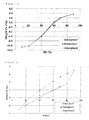
Figure 10] Figure 10 shows adsorption-desorption isotherms of the crystal (free form) obtained in Example 1-1. In the drawing, the vertical axis represents change (%) in the weight of the compound, and the horizontal axis represents humidity (%RH). - [
Figure 11] Figure 11 shows adsorption-desorption isotherms of the crystal (free form) obtained in Example 1-2. In the drawing, the vertical axis represents change (%) in the weight of the compound, and the horizontal axis represents humidity (%RH). - [
Figure 12] Figure 12 shows adsorption-desorption isotherms of the crystal (hydrochloride) obtained in Example 2. In the drawing, the vertical axis represents change (%) in the weight of the compound, and the horizontal axis represents humidity (%RH). - [
Figure 13] Figure 13 shows adsorption-desorption isotherms of the crystal (methanesulfonate) obtained in Example 4. In the drawing, the vertical axis represents change (%) in the weight of the compound, and the horizontal axis represents humidity (%RH). - [
Figure 14] Figure 14 shows adsorption-desorption isotherms of the crystal (ethanesulfonate) obtained in Example 5. In the drawing, the vertical axis represents change (%) in the weight of the compound, and the horizontal axis represents humidity (%RH). - [
Figure 15] Figure 15 shows adsorption-desorption isotherms of the crystal (benzenesulfonate) obtained in Example 6. In the drawing, the vertical axis represents change (%) in the weight of the compound, and the horizontal axis represents humidity (%RH). - [
Figure 16] Figure 16 shows adsorption-desorption isotherms of the crystal (toluenesulfonate) obtained in Example 7. In the drawing, the vertical axis represents change (%) in the weight of the compound, and the horizontal axis represents humidity (%RH). - [
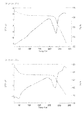
Figure 17] Figure 17 is a diagram showing the thermal analysis data of the crystal (free form) obtained in Example 1-1. In the drawing, the vertical axis represents temperature difference (DTA) and weight change (TG), and the horizontal axis represents temperature (°C). The solid line depicts a DTA curve, and the broken line depicts a TG curve. - [
Figure 18] Figure 18 is a diagram showing the thermal analysis data of the crystal (free form) obtained in Example 1-2. In the drawing, the vertical axis represents temperature difference (DTA) and weight change (TG), and the horizontal axis represents temperature (°C). The solid line depicts a DTA curve, and the broken line depicts a TG curve. - [
Figure 19] Figure 19 is a diagram showing the thermal analysis data of the crystal (free form) obtained in Example 1-3. In the drawing, the vertical axis represents temperature difference (DTA) and weight change (TG), and the horizontal axis represents temperature (°C). The solid line depicts a DTA curve, and the broken line depicts a TG curve. - [
Figure 20] Figure 20 is a diagram showing the thermal analysis data of the crystal (hydrochloride) obtained in Example 2. In the drawing, the vertical axis represents temperature difference (DTA) and weight change (TG), and the horizontal axis represents temperature (°C). The solid line depicts a DTA curve, and the broken line depicts a TG curve. - [
Figure 21] Figure 21 is a diagram showing the thermal analysis data of the crystal (methanesulfonate) obtained in Example 4. In the drawing, the vertical axis represents temperature difference (DTA) and weight change (TG), and the horizontal axis represents temperature (°C). The solid line depicts a DTA curve, and the broken line depicts a TG curve. - [
Figure 22] Figure 22 is a diagram showing the thermal analysis data of the crystal (ethanesulfonate) obtained in Example 5. In the drawing, the vertical axis represents temperature difference (DTA) and weight change (TG), and the horizontal axis represents temperature (°C). The solid line depicts a DTA curve, and the broken line depicts a TG curve. - [
Figure 23] Figure 23 is a diagram showing the thermal analysis data of the crystal (benzenesulfonate) obtained in Example 6. In the drawing, the vertical axis represents temperature difference (DTA) and weight change (TG), and the horizontal axis represents temperature (°C). The solid line depicts a DTA curve, and the broken line depicts a TG curve. - [
Figure 24] Figure 24 is a diagram showing the thermal analysis data of the crystal (toluenesulfonate) obtained in Example 7. In the drawing, the vertical axis represents temperature difference (DTA) and weight change (TG), and the horizontal axis represents temperature (°C). The solid line depicts a DTA curve, and the broken line depicts a TG curve. - The present invention relates to crystals of (3'R,4'S,5'R)-N-[(3R,6S)-6-carbamoyltetrahydro-2H-pyran-3-yl]-6"-chloro-4'-(2-chloro-3-fluoropyridin-4-yl)-4,4-dimethyl-2"-oxo-1",2"-dihydrodispiro[cyclohexane-1,2'-pyrrolidine-3',3"-indole]-5'-carboxamide represented by the following formula (1):

- Examples of a salt of the compound (1) include any of those described in the Examples. The compound (1) or the salt thereof may be present in a free or solvate form. The compound (1) or the salt thereof may be present in a hydrate form, for example, by absorbing moisture in the air. The solvate is not particularly limited so long as it is pharmaceutically acceptable. Specific examples thereof include a hydrate, an ethanol solvate, and a 2-propanol solvate.
- Even crystals derived from the same compound may be generated as a plurality of crystals (crystal polymorphs) differing in internal structure and physicochemical properties depending on crystallization conditions. The crystals of the present invention may be any of these crystal polymorphs or may be a mixture of two or more crystal polymorphs.
- The crystals of the present invention may have attached water as a result of absorbing moisture when left in the air, or may form a hydrate, for example, by heating to 25 to 150°C under ordinary atmospheric conditions. In addition, the crystals of the present invention may also have an attached residual solvent or contain a solvent used in crystallization in their solvate.
- In the present specification, the crystals of the present invention may be defined on the basis of X-ray powder diffraction data. The X-ray powder diffraction can be carried out by measurement and analysis approaches usually used in the art, and can be performed, for example, by a method described in Examples. In general, hydrates or dehydrates may vary in their lattice constants through the adsorption or desorption of crystal water to cause changes in diffraction angle (2θ) in the X-ray powder diffraction. Also, peak intensity may be changed depending on, for example, difference in crystal growth face or the like (crystal habit). Accordingly, in the case where the crystals of the present invention are defined on the basis of X-ray powder diffraction data, crystals that match therewith in terms of diffraction angles of peaks in the X-ray powder diffraction and X-ray powder diffraction patterns as well as hydrates and dehydrates obtained therefrom are also included in the scope of the present invention.
- In a preferred embodiment, a crystal of the present invention is a crystal (free form) having the X-ray powder diffraction pattern shown in
Figure 1 as an X-ray powder diffraction pattern obtained by copper Kα radiation (wavelength λ = 1.54 angstroms). Also, the crystal is a crystal exhibiting characteristic peaks at diffraction angles 2θ = 7.78, 9.14, 10.06, 10.78, 12.18, 13.42, 14.34, 15.50, 16.62, 17.06, 17.66, 18.18, 18.74, 20.18, 22.46, 24.90, 25.54, 26.94, 27.58, and 28.90 in an X-ray powder diffraction pattern obtained by copper Kα radiation (wavelength λ = 1.54 angstroms). - In another preferred embodiment, a crystal of the present invention is a crystal (free form) having the X-ray powder diffraction pattern shown in
Figure 2 as an X-ray powder diffraction pattern obtained by copper Kα radiation (wavelength λ = 1.54 angstroms). Also, the crystal is a crystal exhibiting characteristic peaks at diffraction angles 2θ = 7.62, 13.06, 15.10, 17.22, and 21.98 in an X-ray powder diffraction pattern obtained by copper Kα radiation (wavelength λ = 1.54 angstroms). - In another preferred embodiment, a crystal of the present invention is a crystal (free form) having the X-ray powder diffraction pattern shown in
Figure 3 as an X-ray powder diffraction pattern obtained by copper Kα radiation (wavelength λ = 1.54 angstroms). Also, the crystal is a crystal exhibiting characteristic peaks at diffraction angles 2θ = 9.18, 12.18, 15.58, 16.22, 17.22, 18.42, 18.82, and 19.86 in an X-ray powder diffraction pattern obtained by copper Kα radiation (wavelength λ = 1.54 angstroms). - In another preferred embodiment, a crystal of the present invention is a crystal (hydrochloride) having the X-ray powder diffraction pattern shown in
Figure 4 as an X-ray powder diffraction pattern obtained by copper Kα radiation (wavelength λ = 1.54 angstroms). Also, the crystal is a crystal exhibiting characteristic peaks at diffraction angles 2θ = 6.46, 7.86, 9.12, 13.00, 14.42, 19.32, 20.34, 20.42, and 21.98 in an X-ray powder diffraction pattern obtained by copper Kα radiation (wavelength λ = 1.54 angstroms). - In another preferred embodiment, a crystal of the present invention is a crystal (methanesulfonate) having the X-ray powder diffraction pattern shown in
Figure 6 as an X-ray powder diffraction pattern obtained by copper Kα radiation (wavelength λ = 1.54 angstroms). Also, the crystal is a crystal exhibiting characteristic peaks at diffraction angles 2θ = 7.56, 8.26, 14.00, 16.26, 16.78, 17.72, 18.42, 18.62, 20.28, and 23.06 in an X-ray powder diffraction pattern obtained by copper Kα radiation (wavelength λ = 1.54 angstroms). - In another preferred embodiment, a crystal of the present invention is a crystal (ethanesulfonate) having the X-ray powder diffraction pattern shown in
Figure 7 as an X-ray powder diffraction pattern obtained by copper Kα radiation (wavelength λ = 1.54 angstroms). Also, the crystal is a crystal exhibiting characteristic peaks at diffraction angles 2θ = 6.28, 7.72, 12.62, 14.06, 15.50, 16.62, 16.96.19.68.21.18, and 25.82 in an X-ray powder diffraction pattern obtained by copper Kα radiation (wavelength λ = 1.54 angstroms). - In another preferred embodiment, a crystal of the present invention is a crystal (benzenesulfonate) having the X-ray powder diffraction pattern shown in
Figure 8 as an X-ray powder diffraction pattern obtained by copper Kα radiation (wavelength λ = 1.54 angstroms). Also, the crystal is a crystal exhibiting characteristic peaks at diffraction angles 2θ = 6.22, 7.34, 7.90, 12.46, 13.60, 14.22, 15.56, 18.86, 19.04, 19.52, 19.72, and 20.54 in an X-ray powder diffraction pattern obtained by copper Kα radiation (wavelength λ = 1.54 angstroms). - In another preferred embodiment, a crystal of the present invention is a crystal (toluenesulfonate) having the X-ray powder diffraction pattern shown in
Figure 9 as an X-ray powder diffraction pattern obtained by copper Kα radiation (wavelength λ = 1.54 angstroms). Also, the crystal is a crystal exhibiting characteristic peaks at diffraction angles 2θ = 6.16, 7.18, 7.88, 12.38, 13.50, 13.88, 15.46, 18.46, 19.10, 19.28, 19.66, 20.28, 21.88, and 24.68 in an X-ray powder diffraction pattern obtained by copper Kα radiation (wavelength λ = 1.54 angstroms). - According to another aspect, the present invention relates to a medicament comprising a crystal of the present invention as an active ingredient.
- The medicament comprising a crystal of the present invention as an active ingredient is preferably provided in the form of a pharmaceutical composition comprising a crystal of the present invention and one or two or more pharmaceutically acceptable carriers. The medicament of the present invention is not particularly limited by dosage form and can be administered orally or parenterally. Preferably, the medicament of the present invention is orally administered.
- The pharmaceutical composition of the present invention comprises a crystal of the present invention as at least a portion of the compound (I). The pharmaceutical composition may contain a crystal form of the compound (I) other than the crystals of the present invention. The content of a crystal of the present invention in the pharmaceutical composition can be in the range from 0.01% by weight to 99.9% by weight with respect to the whole compound (I) in the pharmaceutical composition, for example, 0.01% by weight or larger, 0.05% by weight or larger, 0.1% by weight or larger, 0.5% by weight or larger, 1% by weight or larger, 2% by weight or larger, 3% by weight or larger, 4% by weight or larger, 5% by weight or larger, 10% by weight or larger, 20% by weight or larger, 30% by weight or larger, 40% by weight or larger, 50% by weight or larger, 60% by weight or larger, 70% by weight or larger, 80% by weight or larger, 90% by weight or larger, 95% by weight or larger, 96% by weight or larger, 97% by weight or larger, 98% by weight or larger, 99% by weight or larger, 99.5% by weight or larger, 99.6% by weight or larger, 99.7% by weight or larger, 99.8% by weight or larger, or 99.9% by weight or larger. The presence or absence of a crystal of the present invention in the pharmaceutical composition can be confirmed by an instrumental analysis method (e.g., X-ray powder diffraction, thermal analysis, or infrared absorption spectra) described in the present specification.
- The crystals of the present invention can be used as an inhibitor of Mdm2 and can be used as a medicament, particularly preferably an anticancer agent, comprising the crystals of the present invention.
- In one embodiment of the present invention, a crystal of the present invention can be used as a p53-Mdm2 binding inhibitor and/or an Mdm2 ubiquitin ligase inhibitor because the compound (1) inhibits the binding of p53 with Mdm2 and the ubiquitination of p53 by Mdm2.
- The condition of the p53-Mdm2 binding can be examined by a method conventionally used by those skilled in the art to examine binding conditions between proteins (for example, immunological techniques, surface plasmon resonance techniques, etc.). Examples of methods for examining the condition of the Mdm2-p53 binding using an immunological technique include an immuno-sedimentation method and enzyme-linked-immuno-sorbent assay (ELISA). An antibody used in such immunological techniques may be an anti-Mdm2 antibody and/or an anti-p53 antibody that can directly detect Mdm2 and/or p53. When Mdm2 and/or p53 is labeled with a tag (for example, a GST tag or a histidine tag) or the like, an antibody suitable for labeling (for example, an anti-GST antibody or an anti-histidine antibody) can be used. Methods for examining the condition of the Mdm2-p53 binding using an immunological technique are described in, for example,
WO2003/51359 WO2003/51360 U.S. Patent Application Publication No. 2004/259867 or2004/259884 , andWO2005/110996 . Methods for examining the condition of the Mdm2-p53 binding using a surface plasmon resonance technique are described in, for example, Science, vol. 303, p. 844-848, 2004. - Ubiquitin ligase activity of Mdm2 against p53 can be examined by an ubiquitin ligase assay conventionally used by those skilled in the art. The ubiquitin ligase activity can be detected by, for example, comparing ubiquitination of p53 by ubiquitin activation enzyme (E1), ubiquitin binding enzyme (E2), and ubiquitin ligase (E3) (Mdm2) in the presence and absence of a test compound (for example, refer to
WO2001/75145 WO2003/76608 - In another embodiment, a crystal of the present invention can be used as an inhibitor of suppression of the p53 transcription activity because the compound (1) restores functions of p53 as a transcription factor that is suppressed by Mdm2 by inhibiting the binding of Mdm2 to the p53 transcription activation domain. The inhibitor of suppression of the p53 transcription activity can be obtained by, for example, measuring the mRNA level or the protein level of a protein whose transcription is regulated by p53 (for example,
p21Waf1/Cip1) in the presence or absence of a test compound by an mRNA measuring method (for example, Northern blot) or a protein measuring method (for example, Western blot) conventionally used by those skilled in the art and selecting the test compound as an inhibitor of suppression of the p53 transcription activity when the mRNA level or the protein level is increased in the presence of the test compound as compared with that in the absence of the test compound. Furthermore, the inhibitor of suppression of the p53 transcription activity can also be identified by a reporter assay using the reporter activity of a reporter gene including a p53 responsive element as an indicator. - In another embodiment, a crystal of the present invention can be used as a p53 degradation inhibitor because the compound (1) inhibits ubiquitination of p53 by Mdm2 and thereby prevents the degradation of p53 in proteasomes. The p53 degradation inhibitor can be obtained by, for example, measuring the protein level of p53 in the presence or absence of a test compound by a protein measuring method (for example, Western blot) conventionally used by those skilled in the art and selecting the test compound as a p53 degradation inhibitor when the protein level is increased in the presence of the test compound as compared with that in the absence of the test compound.
- In another embodiment, a crystal of the present invention can be used as an anti-tumor agent because the compound (1) normalizes functions of p53 as a cancer-restraining gene by inhibition of the Mdm2-p53 binding and/or ubiquitination of p53 by Mdm2.
- Cellular growth inhibiting activity can be examined by methods for testing growth inhibition conventionally used by those skilled in the art. The cell growth inhibition activity can be determined by, for example, comparing the levels of cellular growth (for example, tumor cells) in the presence or absence of a test compound as described in the following Test Example 2. The levels of cellular growth can be examined by using, for example, a test system for measuring living cells. Examples of the method for measuring living cells include the [3H]-thymidine uptake test, the BrdU method, the MTT assay, and so forth.
- Moreover, in vivo anti-tumor activity can be examined by methods for testing anti-tumor activity conventionally used by those skilled in the art. The in vivo anti-tumor activity of the present invention can be confirmed by, for example, transplanting various tumor cells to mice, rats, or the like; after confirming the engraftment of the transplanted cells, orally or intravenously administering the compound of the present invention to the animals; a few days or a few weeks later, comparing tumor growth in a drug-non-administered group with that in the compound-administered group.
- A crystal of the present invention can be used for the treatment of tumors or cancers, for example, lung cancer, digestive system cancer, ovary cancer, uterine cancer, breast cancer, prostate cancer, liver cancer, head/neck region cancer, blood cancer, renal cancer, skin cancer (malignant melanoma, etc.), retinoblastoma, testicular tumors, and sarcoma, more preferably lung cancer, breast cancer, prostate cancer, colon cancer, acute myeloid leukemia, malignant lymphoma, malignant melanoma, retinoblastoma, neuroblastoma, and sarcoma. However, the present invention is not limited to these cancers.
- A medicament of the present invention can contain a crystal of the present invention and a pharmaceutically acceptable carrier and can be administered as various injections such as intravenous injection, intramuscular injection, and subcutaneous injection or by various methods such as oral administration or percutaneous administration. Pharmaceutically acceptable carrier means a pharmacologically acceptable material (for example, an excipient, a diluent, an additive, a solvent, etc.) that is involved in transport of a composition containing a crystal of the present invention from a given organ to another organ.
- A formulation can be prepared by selecting a suitable formulation form (for example, oral formulation or injection) depending on the administration method and using various conventionally used methods for preparing a formulation. Examples of oral formulations include tablets, powders, granules, capsules, pills, lozenges, solutions, syrups, elixirs, emulsions, oily or aqueous suspensions, and so forth. In oral administration, the free compound or a salt form may be used. An aqueous formulation can be prepared by forming an acid adduct with a pharmacologically acceptable acid or by forming an alkali metal salt such as sodium. As an injection, a stabilizer, a preservative, a dissolving aid, and the like can be used in the formulation. After filling a solution that may contain these aids and the like in a vessel, a formulation for use may be prepared as a solid formulation by lyophilization or the like. Furthermore, one dose may be filled in one vessel, or two or more doses may be filled in a vessel.
- Examples of solid formulations include tablets, powders, granules, capsules, pills, and lozenges. These solid formulations may contain pharmaceutically acceptable additives together with a crystal of the present invention. Examples of additives include fillers, extenders, binders, disintegrating agents, dissolution promoting agents, skin wetting agents, and lubricants, and these can be selected and mixed as required to prepare a formulation.
- Examples of liquid formulations include solutions, syrups, elixirs, emulsions, and suspensions. These liquid formulations may contain pharmaceutically acceptable additives together with a crystal of the present invention. Examples of additives include suspending agents and emulsifiers, and these are selected and mixed as required to prepare a formulation.
- A crystal of the present invention can be used in cancer treatment of mammals, in particular, humans. The dose and the administration interval can be suitably selected depending on the site of the disease, the patient's height, body weight, sex, or medical history, according to a physician's judgment. When the compound of the present invention is administered to a human, the dose range is approx. 0.01 to 500 mg/kg body weight per day, preferably, approx. 0.1 to 100 mg/kg body weight. Preferably, the compound of the present invention is administered to a human once a day, or the dose is divided two to four times, and administration is repeated at an appropriate interval. Furthermore, the daily dose may exceed the above-mentioned dose at a physician's discretion, if necessary.
- A crystal of the present invention may be used in combination with an additional anti-tumor agent. Examples thereof include anti-tumor antibiotics, anti-tumor plant constituents, BRMs (biological response modifiers), hormones, vitamins, anti-tumor antibodies, molecular target drugs, and other anti-tumor agents.
- More specifically, examples of alkylating agents include: alkylating agents such as nitrogen mustard, nitrogen mustard N-oxide, and chlorambucil; aziridine alkylating agents such as carboquone and thiotepa; epoxide alkylating agents such as dibromomannitol and dibromodulcitol; nitrosourea alkylating agents such as carmustine, lomustine, semustine, nimustine hydrochloride, streptozocin, chlorozotocin, and ranimustine; and busulfan, improsulfan tosylate, and dacarbazine.
- Examples of various metabolic antagonists include: purine metabolic antagonists such as 6-mercaptopurine, 6-thioguanine, and thioinosine; pyrimidine metabolic antagonists such as fluorouracil, tegafur, tegafur-uracil, carmofur, doxifluridine, broxuridine, cytarabine, and enocitabine; and folic acid metabolic antagonists such as methotrexate and trimetrexate.
- Examples of anti-tumor antibiotics include: anti-tumor anthracycline antibiotics such as mitomycin C, bleomycin, peplomycin, daunorubicin, aclarubicin, doxorubicin, pirarubicin, THP-adriamycin, 4'-epidoxorubicin, and epirubicin; and chromomycin A3 and actinomycin D.
- Examples of anti-tumor plant constituents include: vinca alkaloids such as vindesine, vincristine, and vinblastine; taxanes such as paclitaxel and docetaxel; and epipodophyllotoxins such as etoposide and teniposide.
- Examples of BRMs include tumor necrosis factors and indomethacin.
- Examples of hormones include hydrocortisone, dexamethasone, methylprednisolone, prednisolone, prasterone, betamethasone, triamcinolone, oxymetholone, nandrolone, metenolone, fosfestrol, ethinylestradiol, chlormadinone, and medroxyprogesterone.
- Examples of vitamins include vitamin C and vitamin A.
- Examples of anti-tumor antibodies and molecular target drugs include trastuzumab, rituximab, cetuximab, nimotuzumab, denosumab, bevacizumab, infliximab, imatinib mesylate, gefitinib, erlotinib, sunitinib, lapatinib, and sorafenib.
- Examples of other anti-tumor agents include cisplatin, carboplatin, oxaliplatin, tamoxifen, camptothecin, ifosfamide, cyclophosphamide, melphalan, L-asparaginase, aceglatone, sizofiran, picibanil, procarbazine, pipobroman, neocarzinostatin, hydroxyurea, ubenimex, and krestin.
- The present invention also includes a method for preventing and/or treating cancer, comprising administering a crystal of the present invention.
- The starting material (3'R,4'S,5'R)-N-[(3R,6S)-6-carbamoyltetrahydro-2H-pyran-3-yl]-6"-chloro-4'-(2-chloro-3-fluoropyridin-4-yl)-4,4-dimethyl-2"-oxo-1",2"-dihydrodispiro[cyclohexane-1,2'-pyrrolidine-3',3"-indole]-5'-carboxamide or a salt thereof for the crystals of the present invention can be produced, for example, according to Examples mentioned below.
- The X-ray powder diffraction measurement was carried out in Example 1 at a Cu Kα wavelength of λ = 1.54 angstroms by a transmission method using D8 Discover with GADDS CST (Bruker Axs K.K.) (tube voltage: 40 kV, tube current: 40 mA, scanning range: 2 to 40, scanning rate: 20°/min). The X-ray powder diffraction measurement was carried out in the other Examples at a Cu Kα wavelength of λ = 1.54 angstroms using a reflection-type X-ray powder diffraction apparatus (RINT-TTR III, manufactured by Rigaku Corp.) and a reflection-free sample holder for samples (tube voltage: 50 kV, tube current: 300 mA, scanning range: 2 to 40°, scanning rate: 20°/min, sampling width: 0.02°, rotational speed: 120 rpm).
- The adsorption and desorption measurement apparatuses used were TA instruments SGA-CX (Examples 2, 6, and 7) and TA instruments VTI-SA (Examples 1, 4, and 5) (temperature: 25°C, humidity: 40, 60, 70, 80, 90, 80, 70, 60, 40, 20, 10, 20, 40, 60, 70%RH).
- The thermal analysis (TG/DTA) employed TG/DTA6200 manufactured by SII Nanotechnology Inc. (rate of temperature rise: 10°C/min, ambient gas: nitrogen, nitrogen gas flow rate: 200 mL/min).
-

- The compound (35 mg, 0.24 mmol) obtained in
Step 3 of Reference Example 2, triethylamine (0.04 ml, 0.30 mmol), 1-hydroxybenzotriazole (27 mg, 0.20 mmol), and 1-ethyl-3-(3-dimethylaminopropyl)carbodiimide hydrochloride (46 mg, 0.24 mmol) were added to a N,N-dimethylformamide (4 ml) solution of the compound (100 mg, 0.20 mmol) obtained inStep 3 of Reference Example 1 and the resulting mixture was stirred at 50°C for 1 hour. After cooling, the reaction mixture was diluted with ethyl acetate, washed with water, saturated sodium bicarbonate solution, and brine in this order and then dried over anhydrous sodium sulfate. The solvent was evaporated under reduced pressure, then the residue was purified by NH-silica gel column chromatography [chloroform:methanol = 50:1 (v/v)] and the purified product obtained was dissolved in methanol (10 ml) and stirred at 60°C for 24 hours. The solvent was evaporated under reduced pressure to give 94 mg (76%) of the title compound as a solid. 1H-NMR (400 MHz, CDCl3) δ: 0.68 (3H, s), 0.95 (3H, s), 1.11-1.27 (2H, m), 1.35-1.81 (8H, m), 2.10-2.17 (1H, m), 2.25-2.32 (1H, m), 3.15 (1H, t, J=10.5 Hz), 3.27 (1H, br s), 3.80 (1H, dd, J=11.0, 2.3 Hz), 3.85-3.95 (1H, m), 4.13 (1H, ddd, J=10.8, 4.5, 1.3 Hz), 4.44 (1H, d, J=9.2 Hz), 4.64 (1H, d, J=9.2 Hz), 5.46 (1H, d, J=3.7 Hz), 6.49 (1H, d, J=3.7 Hz), 6.74 (1H, d, J=1.8 Hz), 7.07 (1H, dd, J=8.2, 1.8 Hz), 7.31 (1H, dd, J=8.2, 2.3 Hz), 7.48-7.52 (2H, m), 7.62 (1H, s), 8.05 (1H, d, J=5.5 Hz). MS (ESI) m/z: 618 (M+H)+. - A trichloroethylene/ethanol mixture (95/5) (4.75 ml) was added to the compound (302 mg, 0.49 mmol) obtained in Example 1 and then the resulting mixture was heated to approximately 50°C for dissolution. The reaction mixture was left standing at room temperature to precipitate a crystal. The precipitated crystal was collected by filtration and dried at room temperature to give a crystal. The crystal was subjected to the measurement of X-ray powder diffraction, simultaneous thermogravimetry and differential thermal analysis (TG/DTA), and adsorption and desorption behaviors.
- Alternatively, the crystal can also be obtained using ethyl formate and acetonitrile.
- The X-ray powder diffraction pattern is shown in
Figure 1 , the adsorption-desorption isotherms are shown inFigure 10 , and the thermal analysis data (TG/DTA) are shown inFigure 17 .[Table 1] Peak of X-ray powder diffraction pattern (relative intensity of 22 or more) Peak number 2θ d value Relative intensity Peak number 2θ d value Relative intensity 1 7.78 11.35 28 11 17.66 5.02 28 2 9.14 9.66 72 12 18.18 4.87 77 3 10.06 8.78 22 13 18.74 4.73 100 4 10.78 8.20 39 14 20.18 4.40 72 5 12.18 7.26 67 15 22.46 3.95 30 6 13.42 6.59 26 16 24.90 3.57 34 7 14.34 6.17 23 17 25.54 3.48 33 8 15.50 5.71 43 18 26.94 3.31 25 9 16.62 5.33 24 19 27.58 3.23 27 10 17.06 5.19 32 20 28.90 3.09 27 - Methanol (3.6 ml) was added to the compound (301 mg, 0.49 mmol) obtained in Example 1 and then the resulting mixture was heated to approximately 50°C for dissolution. The reaction mixture was left standing at room temperature to precipitate a crystal. The precipitated crystal was collected by filtration and dried at room temperature to give a crystal. The crystal was subjected to the measurement of X-ray powder diffraction, TG/DTA, and adsorption and desorption behaviors.
- Alternatively, the crystal can also be obtained using 2-butanone.
- The X-ray powder diffraction pattern is shown in
Figure 2 , the adsorption-desorption isotherms are shown inFigure 11 , and the thermal analysis data (TG/DTA) are shown inFigure 18 .[Table 2] Peak of X-ray powder diffraction pattern (relative intensity of 14 or more) Peak number 2θ d value Relative intensity Peak number 2θ d value Relative intensity 1 7.62 11.59 100 4 17.22 5.14 27 2 13.06 6.77 14 5 21.98 4.04 19 3 15.10 5.86 47 - Trichloroethylene (1.5 ml) was added to the compound (100 mg, 0.16 mmol) obtained in Example 1 and then the resulting mixture was heated to approximately 50°C for dissolution. The reaction mixture was left standing at room temperature to precipitate a crystal. The precipitated crystal was collected by filtration and dried at room temperature to give a crystal. The crystal was subjected to the measurement of X-ray powder diffraction and TG/DTA.
- The X-ray powder diffraction pattern is shown in
Figure 3 , and the thermal analysis data (TG/DTA) are shown inFigure 19 .[Table 3] Peak of X-ray powder diffraction pattern (relative intensity of 44 or more) Peak number 2θ d value Relative intensity Peak number 2θ d value Relative intensity 1 9.18 9.62 100 5 17.22 5.14 54 2 12.18 7.26 58 6 18.42 4.81 73 3 15.58 5.68 44 7 18.82 4.71 66 4 16.22 5.46 48 8 19.86 4.47 49 - A crystal of (3'R,4'S,5'R)-N-[(3R,6S)-6-carbamoyltetrahydro-2H-pyran-3-yl]-6"-chloro-4'-(2-chloro-3-fluoropyridin-4-yl)-4,4-dimethyl-2"-oxo-1",2"-dihydrodispiro[cyclohexane-1,2'-pyrrolidine-3',3"-indole]-5'-carboxamide hydrochloride water/2-propanol (IPA) solvate
- Concentrated hydrochloric acid (0.026 ml, 0.31 mmol) was added to a 2-propanol (2.0 ml) solution of the compound (192 mg, 0.31 mmol) obtained in Example 1 and then the resulting mixture was stirred at room temperature for 18 hours. The precipitate was collected by filtration to give 173 mg (85%) of the title crystal. 1H-NMR (500 MHz, DMSO-d6) δ: 0.62 (3H, s), 0.92 (3H, s), 1.09-1.58 (6H, m), 1.65-2.07 (5H, m), 2.53-2.94 (1H, m), 3.29-3.73 (5H, m), 4.56-4.76 (1H, m), 4.85-5.23 (1H, m), 6.80 (1H, s), 7.01-7.13 (2H, m), 7.14-7.20 (1H, m), 7.49-7.74 (2H, m), 8.19-8.42 (1H, m), 8.61-9.08 (1H, m), 10.41 (1H, br s), 11.25 (1H, br s).
Anal. Calcd for C30H34Cl2FN5O4·HCl·0.75H2O·IPA: C, 54.48; H, 6.03; N, 9.63. Found: C, 54.47; H, 6.14; N, 9.65. - The X-ray powder diffraction pattern of the title crystal is shown in
Figure 4 , the adsorption-desorption isotherms thereof are shown inFigure 12 , and the thermal analysis data (TG/DTA) thereof are shown inFigure 20 .[Table 4] Peak of X-ray powder diffraction pattern (relative intensity of 15 or more) Peak number 2θ d value Relative intensity Peak number 2θ d value Relative intensity 1 6.46 13.67 35 6 19.32 4.59 17 2 7.86 11.24 100 7 20.34 4.36 29 3 9.12 9.69 17 8 20.42 4.35 28 4 13.00 6.80 15 9 21.98 4.04 16 5 14.42 6.14 29 - Concentrated sulfuric acid (0.005 ml, 0.08 mmol) was added to a 2-propanol (0.5 ml) solution of the compound (52 mg, 0.08 mmol) obtained in Example 1 and then the resulting mixture was stirred at room temperature for 2 days. The precipitate was collected by filtration to give 20 mg (34%) of the title compound as a solid. 1H-NMR (500 MHz, DMSO-d6) δ: 0.62 (3H, s), 0.92 (3H, s), 1.13-1.61 (6H, m), 1.67-2.09 (5H, m), 2.45-2.88 (1H, m), 3.47-4.01 (5H, m), 4.58-4.77 (1H, m), 4.83-5.11 (1H, m), 6.79 (1H, s), 6.98-7.25 (3H, m), 7.51-7.73 (2H, m), 8.20-8.41 (1H, m), 8.51-8.73 (1H, m), 8.79-9.05 (1H, m), 10.35 (1H, br s), 11.18 (1H, br s).
Anal. Calcd for C30H34Cl2FN5O4·H2SO4·0.25H2O·IPA: C, 49.94; H, 5.71; N, 8.82. Found: C, 49.74; H, 5.71; N, 8.85. - The X-ray powder diffraction pattern of the title compound is shown in
Figure 5 . - Methanesulfonic acid (0.026 ml, 0.39 mmol) was added to a 2-propanol (3 ml) solution of the compound (221 mg, 0.36 mmol) obtained in Example 1 and then the resulting mixture was stirred at room temperature for 16 hours.
- The precipitate was collected by filtration to give 48 mg (19%) of the title crystal.
1H-NMR (400 MHz, DMSO-d6) δ: 0.62 (3H, s), 0.92 (3H, s), 1.03-2.01 (11H, m), 2.30 (3H, s), 2.47-2.56 (1H, m), 3.72-3.65 (4H, m), 4.62-4.75 (1H, m), 5.95-5.09 (1H, m), 6.73-6.85 (1H, m), 7.04-7.20 (3H, m), 7.54-7.73 (2H, m), 8.23-8.36 (1H, m), 8.60-8.75 (1H, m), 8.83-8.98 (1H, m), 10.83 (1H, br s), 11.22 (1H, br s).
Anal. Calcd for C30H34Cl2FN5O4·CH3SO3H·2H2O: C, 49.60; H, 5.64; N, 9.33. Found: C, 49.63; H, 5.45; N, 9.30. - The X-ray powder diffraction pattern of the title crystal is shown in
Figure 6 , the adsorption-desorption isotherms thereof are shown inFigure 13 , and the thermal analysis data (TG/DTA) thereof are shown inFigure 21 .[Table 5] Peak of X-ray powder diffraction pattern (relative intensity of 31 or more) Peak number 2θ d value Relative intensity Peak number 2θ d value Relative intensity 1 7.56 11.68 48 6 17.72 5.00 65 2 8.26 10.70 31 7 18.42 4.81 42 3 14.00 6.32 100 8 18.62 4.76 42 4 16.26 5.45 47 9 20.28 4.38 94 5 16.78 5.28 67 10 23.06 3.85 37 - Ethanesulfonic acid (0.032 ml, 0.39 mmol) was added to a 2-propanol (3 ml) solution of the compound (221 mg, 0.36 mmol) obtained in Example 1 and then the resulting mixture was stirred at room temperature for 23 hours. The precipitate was collected by filtration to give 128 mg (49%) of the title crystal.
1H-NMR (400 MHz, DMSO-d6) δ: 0.62 (3H, s), 0.92 (3H, s), 1.05 (3H, t, J=7.4 Hz), 1.09-1.59 (6H, m), 1.62-2.06 (5H, m), 2.38 (2H, q, J=7.4 Hz), 2.59-3.07 (1H, m), 3.27-3.79 (5H, m), 4.53-4.76 (1H, m), 4.78-5.16 (1H, m), 6.79 (1H, s), 7.00-7.23 (3H, m), 7.51-7.75 (2H, m), 8.21-8.41 (1H, m), 8.48-9.07 (1H, m), 10.35 (1H, br s), 11.19 (1H, br s). Anal. Calcd for C30H34Cl2FN5O4·C2H5SO3H·4H2O: C, 48.00; H, 6.04; N, 8.75. Found: C, 47.97; H, 5.93; N, 8.56. - The X-ray powder diffraction pattern of the title crystal is shown in
Figure 7 , the adsorption-desorption isotherms thereof are shown inFigure 14 , and the thermal analysis data (TG/DTA) thereof are shown inFigure 22 .[Table 6] Peak of X-ray powder diffraction pattern (relative intensity of 23 or more) Peak number 2θ d value Relative intensity Peak number 2θ d value Relative intensity 1 6.28 14.06 100 6 16.62 5.33 28 2 7.72 11.44 39 7 16.96 5.22 32 3 12.62 7.01 39 8 19.68 4.51 36 4 14.06 6.29 36 9 21.18 4.19 38 5 15.50 5.71 23 10 25.82 3.45 24 - Benzenesulfonic acid monohydrate (30 mg, 0.17 mmol) was added to a 2-propanol (1 ml) solution of the compound (104 mg, 0.17 mmol) obtained in Example 1 and then the resulting mixture was stirred at room temperature for 24 hours. The precipitate was collected by filtration to give 116 mg (89%) of the title crystal.
1H-NMR (400 MHz, CDCl3) δ: 0.69 (3H, s), 0.88 (3H, s), 1.09-1.85 (7H, m), 1.88-2.19 (4H, m), 2.53-2.77 (1H, m), 2.95-3.10 (1H, m), 3.53-3.69 (1H, m), 3.71-3.89 (2H, m), 4.68-4.85 (1H, m), 5.47-5.80 (2H, m), 6.52 (1H, s), 6.77-6.90 (1H, m), 7.03-7.11 (1H, m), 7.24-7.44 (5H, m), 7.63-7.98 (4H, m), 8.09-8.43 (1H, m), 10.16 (1H, br s), 10.96 (1H, br s).
Anal. Calcd for C30H34Cl2FN5O4·C6H5SO3H·1.5H2O: C, 53.80; H, 5.39; N, 8.71. Found: C, 53.89; H, 5.40; N, 8.80. - The X-ray powder diffraction pattern of the title crystal is shown in
Figure 8 , the adsorption-desorption isotherms thereof are shown inFigure 15 , and the thermal analysis data (TG/DTA) thereof are shown inFigure 23 .[Table 7] Peak of X-ray powder diffraction pattern (relative intensity of 16 or more) Peak number 2θ d value Relative intensity Peak number 2θ d value Relative intensity 1 6.22 14.20 25 7 15.56 5.69 22 2 7.34 12.03 100 8 18.86 4.70 16 3 7.90 11.18 50 9 19.04 4.66 16 4 12.46 7.10 18 10 19.52 4.54 19 5 13.60 6.51 16 11 19.72 4.50 23 6 14.22 6.22 16 12 20.54 4.32 20 - An acetonitrile (4 ml) solution of p-toluenesulfonic acid monohydrate (85 mg, 0.45 mmol) was added to an acetonitrile (4 ml) suspension of the compound (300 mg, 0.50 mmol) obtained in Example 1 and then the resulting mixture was heated at approximately 50°C for dissolution. The reaction mixture was stirred at room temperature for 1 day. The precipitate was collected by filtration to give 255 mg (66%) of the title crystal.
1H-NMR (400 MHz, DMSO-d6) δ: 0.63 (3H, s), 0.92 (3H, s), 1.09-1.59 (6H, m), 1.66-2.03 (5H, m), 2.29 (3H, s), 2.70-2.91 (1H, m), 3.34-3.74 (5H, m), 4.67 (1H, d, J=10.1 Hz), 4.80-5.11 (1H, m), 6.80 (1H, s), 7.02-7.22 (5H, m), 7.43-7.52 (2H, m), 7.55-7.70 (2H, m), 8.23-8.39 (1H, m), 8.45-8.74 (1H, m), 10.33 (1H, br s), 11.14 (1H, br s).
Anal. Calcd for C30H34Cl2FN5O4·C6H4CH3SO3H·1.5H2O: C, 54.34; H, 5.55; N, 8.56. Found: C, 54.06; H, 5.45; N, 8.50. - The X-ray powder diffraction pattern of the title crystal is shown in
Figure 9 , the adsorption-desorption isotherms thereof are shown inFigure 16 , and the thermal analysis data (TG/DTA) thereof are shown inFigure 24 .[Table 8] Peak of X-ray powder diffraction pattern (relative intensity of 17 or more) Peak number 2θ d value Relative intensity Peak number 2θ d value Relative intensity 1 6.16 14.34 23 8 18.46 4.80 21 2 7.18 12.30 100 9 19.10 4.64 27 3 7.88 11.21 48 10 19.28 4.60 19 4 12.38 7.14 18 11 19.66 4.51 22 5 13.50 6.55 22 12 20.28 4.38 32 6 13.88 6.37 23 13 21.88 4.06 17 7 15.46 5.73 25 14 24.68 3.60 19 -

- N,N-Diisopropylethylamine (0.46 ml, 2.63 mmol) was added to a methanol (130 ml) solution of 6-chloro-1,3-dihydro-2H-indol-2-one (2.20 g, 13.11 mmol) and 2-chloro-3-fluoroisonicotinaldehyde (2.20 g, 13.8 mmol) and the resulting mixture was heated to reflux for 16 hours. After cooling, the precipitate was collected by filtration, washed with cold methanol and dried to give 3.37 g (83%) of the title compound as a solid.
MS (APCI) m/z: 309 (M+H)+. - A boron trifluoride-diethyl ether complex (0.15 ml, 1.20 mmol) and 4A molecular sieves (powder) (3 g) were added to a tetrahydrofuran (30 ml) solution of the compound (1.86 g, 6.00 mmol) obtained in
Step 1, (5R,6S)-5,6-diphenylmorpholin-2-one (1.67 g, 6.60 mmol), and 4,4-dimethylcyclohexanone (0.83 g, 6.60 mmol) under a nitrogen atmosphere and the resulting mixture was stirred under heating at 70°C for 7 days. After cooling, insoluble matter was removed by filtration through celite and the filtrate was washed with brine and then dried over anhydrous sodium sulfate. The solvent was evaporated under reduced pressure and the residue was purified by silica gel column chromatography [n-hexane:ethyl acetate = 4:1 → 1:1 (v/v)] to give 3.39 g (84%) of the title compound as a solid.
1H-NMR (400 MHz, CDCl3) δ: 0.21 (3H, s), 0.53 (3H, s), 0.89-1.08 (3H, m), 1.28-1.43 (3H, m), 1.73-1.81 (1H, m), 2.23-2.33 (1H, m), 4.58 (1H, d, J=11.0 Hz), 4.86 (1H, d, J=3.2 Hz), 5.31 (1H, d, J=11.0 Hz), 6.25 (1H, d, J=8.3 Hz), 6.67 (1H, dd, J=8.3, 1.8 Hz), 6.72-6.77 (2H, m), 6.93 (1H, d, J=1.8 Hz), 7.04-7.17 (6H, m), 7.18-7.25 (3H, m), 7.79 (1H, t, J=4.6 Hz), 7.99 (1H, s), 8.29 (1H, d, J=5.0 Hz).
MS (APCI) m/z: 670 (M+H)+. - The compound (630 mg, 0.94 mmol) obtained in
Step 2 was dissolved in acetonitrile (10 ml) and water (4 ml), potassium carbonate (130 mg, 0.94 mmol) was added and the resulting mixture was heated to reflux at 85°C for 16 hours. After cooling, anhydrous magnesium sulfate (113 mg, 0.94 mmol) was added and the resulting mixture was stirred at room temperature for 15 minutes. After extraction with ethyl acetate, the organic layer was washed with brine and dried over anhydrous magnesium sulfate. The solvent was evaporated under reduced pressure to give (4'S,5'R)-6"-chloro-4'-(2-chloro-3-fluoropyridin-4-yl)-1'-[(1R,2S)-2-hydroxy-1,2-diphenylethyl]-4,4-dimethyl-2"-oxo-1",2"-dihydrodispiro[cyclohexane-1,2'-pyrrolidine-3',3"-indole]-5'-carboxylic acid (650 mg, 100%) as a solid [MS (ESI) m/z: 688 (M+H)+]. The carboxylic acid (650 mg, 0.94 mmol) obtained was dissolved in methanol (30 ml) and water (8 ml), cerium (IV) diammonium nitrate (1.55 g, 2.82 mmol) was added under ice cooling and the resulting mixture was stirred at the same temperature for 30 minutes. Potassium carbonate (780 mg, 5.64 mmol) was added under ice cooling and the resulting mixture was stirred at the same temperature for 1 hour. Insoluble matter was removed by filtration through celite, then the filtrate was concentrated under reduced pressure and water was added to the residue obtained, followed by extraction with ethyl acetate. The organic layer was washed with brine and dried over anhydrous sodium sulfate. The solvent was evaporated under reduced pressure and the residue obtained was purified by silica gel column chromatography [chloroform:methanol = 20:1 → 4:1 (v/v)] to give 152 mg (33%) of the title compound as a solid. 1H-NMR (500 MHz, CD3OD) δ: 0.74 (3H, s), 0.9 (3H, s), 1.29-1.44 (2H, m), 1.48-1.58 (2H, m), 1.64-1.76 (1H, m), 1.94-2.02 (1H, m), 2.11 (1H, ddd, J=14.0, 14.0, 4.0 Hz), 2.43-2.53 (1H, m), 5.07 (1H, d, J=10.3 Hz), 5.32 (1H, d, J=10.3 Hz), 6.84 (1H, d, J=1.7 Hz), 7.16 (1H, dd, J=8.3, 2.0 Hz), 7.63 (1H, dd, J=8.0, 2.3 Hz), 7.75 (1H, t, J=5.2 Hz), 8.15 (1H, d, J=5.2 Hz).
MS (ESI) m/z: 492 (M+H)+. -

-
Methyl 2,6-anhydro-3,4,5-trideoxy-5-(dibenzylamino)-L-erythro-hexonate Methyl 2,6-anhydro-3,4,5-trideoxy-5-(dibenzylamino)-L-erythro-hexonate (1.60 g, 4.70 mmol) was dissolved in methanol (30 ml), 1N sodium hydroxide solution (10 ml) was gradually added under ice cooling and then the resulting mixture was stirred at room temperature for 3 hours. Dowex 50W-X8 was added to the reaction mixture to adjust its pH to 5 to 6, insoluble matter was removed by filtration and then the filtrate was concentrated under reduced pressure to give 1.7 g (100%) of the title compound as a solid.
1H-NMR (400 MHz, CDCl3) δ: 1.18-1.26 (1H, m), 1.36-1.48 (1H, m), 1.79-1.97 (2H, m), 2.62 (1H, t, J=11.0 Hz), 3.18 (1H, t, J=10.4 Hz), 3.40 (1H, d, J=11.5 Hz), 3.51-3.61 (4H, m), 3.90-3.99 (1H, m), 7.12-7.38 (10H, m).
MS (ESI) m/z: 326 (M+H)+. - The compound (870 mg, 2.67 mmol) obtained in
Step 1 above was dissolved in N,N-dimethylformamide (30 ml), 1-hydroxybenzotriazole (361 mg, 2.67 mmol) and 1-ethyl-3-(3-dimethylaminopropyl)carbodiimide hydrochloride (614 mg, 3.20 mmol) were added and the resulting mixture was stirred at room temperature for 15 minutes. Ammonium chloride (285 mg, 5.44 mmol) and N,N-diisopropylethylamine (1.86 ml, 10.7 mmol) were added and the resulting mixture was stirred at room temperature for 8 hours. The reaction mixture was diluted with ethyl acetate and the organic layer was washed with saturated sodium bicarbonate solution and brine in this order and dried over anhydrous sodium sulfate. The solvent was evaporated under reduced pressure to give 495 mg (57%) of the title compound as a solid.
1H-NMR (400 MHz, CDCl3) δ: 1.35-1.45 (1H, m), 1.60-1.70 (1H, m), 2.10-2.18 (1H, m), 2.21-2.28 (1H, m), 2.76 (1H, tt, J=11.4, 4.0 Hz), 3.44 (1H, t, J=10.9 Hz), 3.67 (4H, q, J=14.2 Hz), 3.71-3.73 (1H, m), 4.04 (1H, dq, J=11.0, 2.1 Hz), 5.35 (1H, s), 6.40 (1H, s), 7.21-7.36 (10H, m).
MS (ESI) m/z: 325 (M+H)+. - The compound (490 mg, 1.51 mmol) obtained in
Step 2 above was dissolved in ethanol (10 ml), 20% palladium hydroxide (100 mg) was added and the resulting mixture was stirred at room temperature for 16 hours under a hydrogen atmosphere. The catalyst was removed by filtration through celite, then the solvent in the filtrate was evaporated under reduced pressure and the residue was dried to give 215 mg (99%) of the title compound as a solid.
1H-NMR (400 MHz, DMSO-d6) δ: 1.11-1.22 (1H, m), 1.25-1.35 (1H, m), 1.83-1.91 (2H, m), 2.51-2.60 (1H, m), 2.90 (1H, t, J=10.5 Hz), 3.52 (1H, d, J=11.9 Hz), 3.78-3.84 (1H, m), 6.99 (1H, br s), 7.09 (1H, br s).
MS (ESI) m/z: 145 (M+H)+. - A protein dilution containing 6.25 nM each of His-p53 (fusion protein of a p53 partial protein having p53 amino acids at
positions 1 to 132, with a histidine protein) and GST-Mdm2 (fusion protein of a Mdm2 partial protein, having Mdm2 amino acids atpositions 25 to 108 with leucine residue 33 substituted by glutamic acid, with glutathione transferase) proteins was prepared using a protein buffer solution (20 mM HEPES pH 7.4, 150 mM NaCl, 0.1% BSA). This protein dilution was added in an amount of 8 µL/well to a 384-well plate (384-well low volume NBC, Corning Inc., catalog No: 3676). - Next, a test compound was diluted with DMSO to produce protein buffer solution containing 10% dilution, and this buffer solution was added in an amount of 4 µL/well to the plate.
- Subsequently, a solution containing an XL665-labeled anti-His antibody (HTRF monoclonal anti-6HIS antibody labeled with XL665 (catalog No: 61HISXLB), Schering/Cisbio Bioassays) and a europium (Eu)-labeled anti-GST antibody (HTRF monoclonal anti-GST antibody labeled with europium cryptate, Schering/Cisbio Bioassays, catalog No: 61GSTKLB) at concentrations of 2.5 µg/mL and 0.325 µg/mL, respectively, was prepared using an antibody diluting buffer solution (20 mM HEPES pH 7.4, 150 mM NaCl, 0.1% BSA, 0.5 M KF). These dilutions were added in an amount of 8 µL/well (total reaction solution volume: 20 µl/well). Then, the plate was left at 25°C for 1 hour.
- Time-resolved fluorescence at 620 and 665 nm was measured at an excitation wavelength of 320 nm using a plate reader (ARVOsx, PerkinElmer Co., Ltd. or PHERAstar, BMG LABTECH). Ratio (R) was calculated using the measured values (RFU 620 nm and RFU 665 nm) according to the following formula:

BI: measured value at 665 nm of reaction solution (only each buffer solution) nonsupplemented with each protein, the compound, and the antibodies
C (correction factor) = (A-BI)/D
A and D: each measured value at 665 nm and 620 nm of reaction solution supplemented with only Eu-labeled anti-GST antibody solution. - The R value calculated from the well supplemented with His-p53, GST-Mdm2, the test compound, and each antibody was defined as R (sample). The R value calculated from the well supplemented with His-p53, GST-Mdm2, and each antibody but without the test compound was defined as R (control). The R value calculated from the well supplemented with GST-Mdm2, the test compound, and each antibody but without His-p53 was defined as R (background). T/C was calculated from the formula shown below. An IC50 value for Mdm2/p53 binding was calculated by sigmoid fitting. The results are shown in Table 1.

- A cell growth inhibition assay was conducted using human lung cancer-derived cell line NCI-H460 having wild-type p53.
- NCI-H460 cells were suspended in a medium (RPMI1640 medium containing 10% fetal bovine serum) and the suspension was inoculated in an amount of 500 cells/150 µL/well to a 96-well multiwell plate. A test compound was dissolved in DMSO and this solution was diluted with medium to prepare a sample solution (DMSO concentration: 1% or lower). On the next day of inoculation, medium nonsupplemented with the test compound or the sample solution was added in an amount of 50 µL/well. The MTT assay was conducted immediately after the medium was added in an amount of 50 µL on the next day of cell inoculation, and after the sample solution or the medium was added to cells followed by culturing at 37°C for 3 days in a 5% CO2 atmosphere. The MTT assay was conducted as shown below.
- A 5 mg/mL MTT (3-(4,5-dimethylthiazol-2-yl)-2,5-diphenyltetrazolium bromide, Sigma-Aldrich Co., M-2128) solution was prepared using a phosphate buffer solution (Dulbecco's Phosphate-buffered Saline). This MTT solution was added in an amount of 20 µL/well. Then, the plate was cultured at 37°C for 4 hours in a 5% CO2 atmosphere. The plate was centrifuged at 1200 rpm for 5 minutes and then the culture supernatant was removed by aspiration using a dispenser. DMSO was added in an amount of 150 µL/well to dissolve generated formazan. The plate was stirred using a plate mixer for uniform color development from each well. The absorbance of each well was measured under conditions of OD 540 nm and reference 660 nm using a plate reader (SpectraMax PLUS384, Molecular Devices, CA, USA).
- The OD value measured on the day of adding the sample solution was defined as S. The OD value measured three days after addition of the sample solution was defined as T. The OD value measured three days after addition of the DMSO dilution was defined as C. T/C (%) was determined at each concentration according to the calculation formula shown below to prepare a dose response curve, from which 50% growth inhibition concentration (GI50 value) was calculated.

- 5 g of a crystal obtained in the Examples, 115 g of lactose, 58 g of corn starch, and 2 g of magnesium stearate can be mixed using a V-mixer and then filled in an amount of 180 mg/shell into No. 3 capsule shells to give capsules.
- 5 g of a crystal obtained in the Examples, 90 g of lactose, 34 g of corn starch, 20 g of crystalline cellulose, and 1 g of magnesium stearate can be mixed using a V-mixer and then compressed in a tableting machine in a mass of 150mg/tablet to give tablets.
- Methylcellulose is dispersed and dissolved in purified water to prepare a dispersion medium. A crystal obtained in the Examples is weighed into a mortar. The dispersion medium is added in small portions to the crystal while the mixture is well kneaded. Purified water is added to prepare 100 g of suspension.
Claims (18)
- A crystal of (3'R,4'S,5'R)-N-[(3R,6S)-6-carbamoyltetrahydro-2H-pyran-3-yl]-6"-chloro-4'-(2-chloro-3-fluoropyridin-4-yl)-4,4-dimethyl-2"-oxo-1",2"-dihydrodispiro[cyclohexane-1,2'-pyrrolidine-3',3"-indole]-5'-carboxamide represented by the following formula (1) or a salt thereof:

- A crystal of a compound as defined in claim 1 having an X-ray diffraction pattern as shown in Figure 1 as an X-ray powder diffraction pattern obtained by copper Kα radiation (wavelength λ = 1.54 angstroms).
- A crystal of a compound as defined in claim 1 having an X-ray diffraction pattern as shown in Figure 2 as an X-ray powder diffraction pattern obtained by copper Kα radiation (wavelength λ = 1.54 angstroms).
- A crystal of a compound as defined in claim 1 having an X-ray diffraction pattern as shown in Figure 3 as an X-ray powder diffraction pattern obtained by copper Kα radiation (wavelength λ = 1.54 angstroms).
- A crystal of a hydrochloride of a compound as defined in claim 1 having an X-ray diffraction pattern as shown in Figure 4 as an X-ray powder diffraction pattern obtained by copper Kα radiation (wavelength λ = 1.54 angstroms).
- A crystal of a methanesulfonate of a compound as defined in claim 1 having an X-ray diffraction pattern as shown in Figure 6 as an X-ray powder diffraction pattern obtained by copper Kα radiation (wavelength λ = 1.54 angstroms).
- A crystal of an ethanesulfonate of a compound as defined in claim 1 having an X-ray diffraction pattern as shown in Figure 7 as an X-ray powder diffraction pattern obtained by copper Kα radiation (wavelength λ = 1.54 angstroms).
- A crystal of a benzenesulfonate of a compound as defined in claim 1 having an X-ray diffraction pattern as shown in Figure 8 as an X-ray powder diffraction pattern obtained by copper Kα radiation (wavelength λ = 1.54 angstroms).
- A crystal of a toluenesulfonate of a compound as defined in claim 1 having an X-ray diffraction pattern as shown in Figure 9 as an X-ray powder diffraction pattern obtained by copper Kα radiation (wavelength λ = 1.54 angstroms).
- A crystal according to claim 2 exhibiting characteristic peaks at diffraction angles 2θ = 7.78, 9.14, 10.06, 10.78, 12.18, 13.42, 14.34, 15.50, 16.62, 17.06, 17.66, 18.18, 18.74, 20.18, 22.46, 24.90, 25.54, 26.94, 27.58, and 28.90 in an X-ray powder diffraction pattern obtained by copper Kα radiation (wavelength λ = 1.54 angstroms).
- A crystal according to claim 3 exhibiting characteristic peaks at diffraction angles 2θ = 7.62, 13.06, 15.10, 17.22, and 21.98 in an X-ray powder diffraction pattern obtained by copper Kα radiation (wavelength λ = 1.54 angstroms).
- A crystal according to claim 4 exhibiting characteristic peaks at diffraction angles 2θ = 9.18, 12.18, 15.58, 16.22, 17.22, 18.42, 18.82, and 19.86 in an X-ray powder diffraction pattern obtained by copper Kα radiation (wavelength λ = 1.54 angstroms).
- A crystal according to claim 5 exhibiting characteristic peaks at diffraction angles 2θ = 6.46, 7.86, 9.12, 13.00, 14.42, 19.32, 20.34, 20.42, and 21.98 in an X-ray powder diffraction pattern obtained by copper Kα radiation (wavelength λ = 1.54 angstroms).
- A crystal according to claim 6 exhibiting characteristic peaks at diffraction angles 2θ = 7.56, 8.26, 14.00, 16.26, 16.78, 17.72, 18.42, 18.62, 20.28, and 23.06 in an X-ray powder diffraction pattern obtained by copper Kα radiation (wavelength λ = 1.54 angstroms).
- A crystal according to claim 7 exhibiting characteristic peaks at diffraction angles 2θ = 6.28, 7.72, 12.62, 14.06, 15.50, 16.62, 16.96, 19.68, 21.18, and 25.82 in an X-ray powder diffraction pattern obtained by copper Kα radiation (wavelength λ = 1.54 angstroms).
- A crystal according to claim 8 exhibiting characteristic peaks at diffraction angles 2θ = 6.22, 7.34, 7.90, 12.46, 13.60, 14.22, 15.56, 18.86, 19.04, 19.52, 19.72, and 20.54 in an X-ray powder diffraction pattern obtained by copper Kα radiation (wavelength λ = 1.54 angstroms).
- A crystal according to claim 9 exhibiting characteristic peaks at diffraction angles 2θ = 6.16, 7.18, 7.88, 12.38, 13.50, 13.88, 15.46, 18.46, 19.10, 19.28, 19.66, 20.28, 21.88, and 24.68 in an X-ray powder diffraction pattern obtained by copper Kα radiation (wavelength λ = 1.54 angstroms).
- A medicament comprising a crystal according to any one of claims 1 to 17.
Applications Claiming Priority (2)
| Application Number | Priority Date | Filing Date | Title |
|---|---|---|---|
| JP2012195761 | 2012-09-06 | ||
| PCT/JP2013/073865 WO2014038606A1 (en) | 2012-09-06 | 2013-09-05 | Crystal of dispiropyrrolidine derivative |
Publications (3)
| Publication Number | Publication Date |
|---|---|
| EP2894156A1 true EP2894156A1 (en) | 2015-07-15 |
| EP2894156A4 EP2894156A4 (en) | 2016-03-23 |
| EP2894156B1 EP2894156B1 (en) | 2017-05-17 |
Family
ID=50237214
Family Applications (1)
| Application Number | Title | Priority Date | Filing Date |
|---|---|---|---|
| EP13835941.9A Active EP2894156B1 (en) | 2012-09-06 | 2013-09-05 | Crystal of dispiropyrrolidine derivative |
Country Status (12)
| Country | Link |
|---|---|
| US (8) | US9359368B2 (en) |
| EP (1) | EP2894156B1 (en) |
| JP (1) | JP6016284B2 (en) |
| KR (1) | KR102217410B1 (en) |
| CN (1) | CN104812757B (en) |
| BR (1) | BR112015004816B1 (en) |
| CA (1) | CA2884238C (en) |
| ES (1) | ES2637150T3 (en) |
| IN (1) | IN2015MN00464A (en) |
| RU (1) | RU2647840C2 (en) |
| TW (1) | TWI586668B (en) |
| WO (1) | WO2014038606A1 (en) |
Cited By (2)
| Publication number | Priority date | Publication date | Assignee | Title |
|---|---|---|---|---|
| WO2017069289A1 (en) * | 2015-10-23 | 2017-04-27 | Daiichi Sankyo Company, Limited | Dosage regimen of mdm2 inhibitor for treating cancers |
| US12545685B2 (en) | 2011-03-10 | 2026-02-10 | Daiichi Sankyo Company, Limited | Dispiropyrrolidine derivatives |
Families Citing this family (33)
| Publication number | Priority date | Publication date | Assignee | Title |
|---|---|---|---|---|
| TWI586668B (en) | 2012-09-06 | 2017-06-11 | 第一三共股份有限公司 | Crystals of dispiropyrrolidine derivative |
| WO2014100065A1 (en) | 2012-12-20 | 2014-06-26 | Merck Sharp & Dohme Corp. | Substituted imidazopyridines as hdm2 inhibitors |
| GB201311891D0 (en) | 2013-07-03 | 2013-08-14 | Glaxosmithkline Ip Dev Ltd | Novel compound |
| GB201311888D0 (en) | 2013-07-03 | 2013-08-14 | Glaxosmithkline Ip Dev Ltd | Novel compounds |
| US20180228907A1 (en) | 2014-04-14 | 2018-08-16 | Arvinas, Inc. | Cereblon ligands and bifunctional compounds comprising the same |
| JP6817962B2 (en) | 2015-01-20 | 2021-01-20 | アルビナス・オペレーションズ・インコーポレイテッドArvinas Operations, Inc. | Compounds and methods for targeted androgen receptor degradation |
| US12312316B2 (en) | 2015-01-20 | 2025-05-27 | Arvinas Operations, Inc. | Compounds and methods for the targeted degradation of androgen receptor |
| JP6564449B2 (en) * | 2015-02-20 | 2019-08-21 | 第一三共株式会社 | Combination therapy for cancer |
| KR20170134462A (en) * | 2015-04-13 | 2017-12-06 | 다이이찌 산쿄 가부시키가이샤 | Treatment method combining mdm2 inhibitor and btk inhibitor |
| WO2016197114A1 (en) | 2015-06-05 | 2016-12-08 | Arvinas, Inc. | Tank-binding kinase-1 protacs and associated methods of use |
| EP3319944A4 (en) | 2015-07-10 | 2019-04-24 | Arvinas, Inc. | MDM2-BASED PROTEASE MODULATORS AND METHODS OF USE THEREOF |
| EP3337476A4 (en) | 2015-08-19 | 2019-09-04 | Arvinas, Inc. | COMPOUNDS AND METHODS FOR THE TARGETED REMOVAL OF BROMO-DOMAIN-CONTAINING PROTEINS |
| EP3364966A1 (en) * | 2015-10-23 | 2018-08-29 | Daiichi Sankyo Company, Limited | Pharmaceutical composition for use in treating aml and method of treating aml in a subject in need thereof |
| CN109152843A (en) | 2016-05-20 | 2019-01-04 | 豪夫迈·罗氏有限公司 | PROTAC antibody conjugates and methods of using the same |
| MX2019005007A (en) | 2016-11-01 | 2019-07-18 | Arvinas Inc | PROTAC TARGETED AT TAU PROTEIN AND ASSOCIATED METHODS OF USE. |
| IL266842B (en) | 2016-12-01 | 2022-09-01 | Arvinas Operations Inc | Tetrahydronaphthalene and tetrahydroisoquinoline derivatives as estrogen receptor degraders |
| US10806737B2 (en) | 2016-12-23 | 2020-10-20 | Arvinas Operations, Inc. | Compounds and methods for the targeted degradation of fetal liver kinase polypeptides |
| CN110753693A (en) | 2016-12-23 | 2020-02-04 | 阿尔维纳斯运营股份有限公司 | EGFR Proteolytic Targeting Chimeric Molecules and Related Methods of Use |
| US11173211B2 (en) | 2016-12-23 | 2021-11-16 | Arvinas Operations, Inc. | Compounds and methods for the targeted degradation of rapidly accelerated Fibrosarcoma polypeptides |
| IL325835A (en) | 2016-12-23 | 2026-03-01 | Univ Yale | Compounds and methods for the targeted reduction of rapidly accelerating polypeptide fibrosarcoma |
| US11191741B2 (en) | 2016-12-24 | 2021-12-07 | Arvinas Operations, Inc. | Compounds and methods for the targeted degradation of enhancer of zeste homolog 2 polypeptide |
| IL300417A (en) | 2017-01-26 | 2023-04-01 | Arvinas Operations Inc | Bifunctional benzthiophene compounds, compositions comprisng them and their use in treatment |
| US11065231B2 (en) | 2017-11-17 | 2021-07-20 | Arvinas Operations, Inc. | Compounds and methods for the targeted degradation of interleukin-1 receptor- associated kinase 4 polypeptides |
| BR112020020307A2 (en) | 2018-04-04 | 2021-01-12 | Arvinas Operations, Inc. | PROTEOLYSIS MODULATORS AND ASSOCIATED METHODS OF USE |
| US11707452B2 (en) | 2018-08-20 | 2023-07-25 | Arvinas Operations, Inc. | Modulators of alpha-synuclein proteolysis and associated methods of use |
| WO2021041348A1 (en) | 2019-08-26 | 2021-03-04 | Arvinas Operations, Inc. | Methods of treating breast cancer with tetrahydronaphthalene derivatives as estrogen receptor degraders |
| WO2022047145A1 (en) | 2020-08-28 | 2022-03-03 | Arvinas Operations, Inc. | Rapidly accelerating fibrosarcoma protein degrading compounds and associated methods of use |
| AU2021342287A1 (en) | 2020-09-14 | 2023-04-13 | Arvinas Operations, Inc. | Crystalline forms of a compound for the targeted degradation of estrogen receptor |
| WO2022183006A1 (en) | 2021-02-25 | 2022-09-01 | Mayo Foundation For Medical Education And Research | Compounds for programmable protein degradation and methods of use for the disease treatment |
| WO2023056069A1 (en) | 2021-09-30 | 2023-04-06 | Angiex, Inc. | Degrader-antibody conjugates and methods of using same |
| EP4584258A1 (en) | 2022-09-07 | 2025-07-16 | Arvinas Operations, Inc. | Rapidly accelerated fibrosarcoma (raf) degrading compounds and associated methods of use |
| PE20260006A1 (en) | 2023-01-26 | 2026-01-06 | Arvinas Operations Inc | Cereblon-based KRAS degraders and related uses |
| WO2024240858A1 (en) | 2023-05-23 | 2024-11-28 | Valerio Therapeutics | Protac molecules directed against dna damage repair system and uses thereof |
Family Cites Families (46)
| Publication number | Priority date | Publication date | Assignee | Title |
|---|---|---|---|---|
| US6740495B1 (en) | 2000-04-03 | 2004-05-25 | Rigel Pharmaceuticals, Inc. | Ubiquitin ligase assay |
| US6979551B2 (en) | 2000-04-03 | 2005-12-27 | Rigel Pharmaceuticals, Inc. | Assays for identifying ubiquitin agents and for identifying agents that modify the activity of ubiquitin agents |
| JP4361798B2 (en) | 2001-12-18 | 2009-11-11 | エフ.ホフマン−ラ ロシュ アーゲー | Cis-imidazoline as an MDM2 inhibitor |
| KR100650966B1 (en) | 2001-12-18 | 2006-11-30 | 에프. 호프만-라 로슈 아게 | Cis-2,4,5-triphenyl-imidazoline and its use in tumor treatment |
| US7132421B2 (en) | 2003-06-17 | 2006-11-07 | Hoffmann-La Roche Inc. | CIS-imidazoles |
| US7425638B2 (en) | 2003-06-17 | 2008-09-16 | Hoffmann-La Roche Inc. | Cis-imidazolines |
| KR20080027969A (en) | 2004-05-18 | 2008-03-28 | 에프. 호프만-라 로슈 아게 | New CIS-imidazolines |
| GB0419481D0 (en) | 2004-09-02 | 2004-10-06 | Cancer Rec Tech Ltd | Isoindolin-1-one derivatives |
| AU2006216780B8 (en) * | 2005-02-22 | 2010-04-22 | The Regents Of The University Of Michigan | Small molecule inhibitors of MDM2 and uses thereof |
| US7576082B2 (en) | 2005-06-24 | 2009-08-18 | Hoffman-La Roche Inc. | Oxindole derivatives |
| AR059265A1 (en) * | 2006-02-07 | 2008-03-19 | Astrazeneca Ab | ESPIRO COMPOUNDS CONDENSED WITH INHIBITORY ACTIVITY IN THE VANILOID RECEIVER1 (VR1) |
| US20070213341A1 (en) | 2006-03-13 | 2007-09-13 | Li Chen | Spiroindolinone derivatives |
| DE602007011902D1 (en) | 2006-03-13 | 2011-02-24 | Hoffmann La Roche | SPIROINDOLINON DERIVATIVES |
| CA2661354C (en) | 2006-08-30 | 2012-12-18 | The Regents Of The University Of Michigan | New small molecule inhibitors of mdm2 and the uses thereof |
| ATE467413T1 (en) | 2006-09-21 | 2010-05-15 | Hoffmann La Roche | OXINDOL DERIVATIVES AS ANTICANCER AGENTS |
| US7638548B2 (en) | 2006-11-09 | 2009-12-29 | Hoffmann-La Roche Inc. | Spiroindolinone derivatives |
| BRPI0810082A2 (en) | 2007-03-29 | 2014-10-21 | Novartis Ag | 3-IMIDAZOLIL-INDOS FOR TREATMENT OF PROLIFERATIVE DISEASES |
| US7553833B2 (en) | 2007-05-17 | 2009-06-30 | Hoffmann-La Roche Inc. | 3,3-spiroindolinone derivatives |
| US7834179B2 (en) | 2007-05-23 | 2010-11-16 | Hoffmann-La Roche Inc. | Spiroindolinone derivatives |
| US8134001B2 (en) | 2007-12-14 | 2012-03-13 | Hoffmann-La Roche Inc. | Spiroindolinone derivatives |
| US7776875B2 (en) | 2007-12-19 | 2010-08-17 | Hoffman-La Roche Inc. | Spiroindolinone derivatives |
| US7723372B2 (en) | 2008-03-19 | 2010-05-25 | Hoffman-La Roche Inc. | Spiroindolinone derivatives |
| AR073578A1 (en) | 2008-09-15 | 2010-11-17 | Priaxon Ag | PIRROLIDIN-2-ONAS |
| CA2734363C (en) | 2008-09-18 | 2016-10-25 | F. Hoffmann-La Roche Ag | Substituted pyrrolidine-2-carboxamides |
| US8354444B2 (en) | 2008-09-18 | 2013-01-15 | Hoffmann-La Roche Inc. | Substituted pyrrolidine-2-carboxamides |
| ES2463820T3 (en) | 2009-01-16 | 2014-05-29 | Daiichi Sankyo Company, Limited | Imidazothiazole derivative that has a proline ring structure |
| US20100190814A1 (en) | 2009-01-26 | 2010-07-29 | Li Chen | Spiroindolinone derivative prodrugs |
| US7928233B2 (en) | 2009-02-10 | 2011-04-19 | Hoffmann-La Roche Inc. | Spiroindolinone pyridine derivatives |
| US8217051B2 (en) | 2009-02-17 | 2012-07-10 | Hoffmann-La Roche Inc. | Spiroindolinone derivatives |
| US8076482B2 (en) | 2009-04-23 | 2011-12-13 | Hoffmann-La Roche Inc. | 3,3′-spiroindolinone derivatives |
| US8017607B2 (en) | 2009-10-14 | 2011-09-13 | Hoffmann-La Roche Inc. | N-substituted-pyrrolidines as inhibitors of MDM2-P-53 interactions |
| CN104876938A (en) | 2009-11-12 | 2015-09-02 | 密歇根大学董事会 | Spiro-oxindole MDM2 antagonists |
| US20110118283A1 (en) | 2009-11-17 | 2011-05-19 | Qingjie Ding | Substituted Pyrrolidine-2-Carboxamides |
| US8088815B2 (en) | 2009-12-02 | 2012-01-03 | Hoffman-La Roche Inc. | Spiroindolinone pyrrolidines |
| US8288431B2 (en) | 2010-02-17 | 2012-10-16 | Hoffmann-La Roche Inc. | Substituted spiroindolinones |
| AU2011237782A1 (en) | 2010-04-09 | 2012-10-25 | The Regents Of The University Of Michigan | Biomarkers for MDM2 inhibitors for use in treating disease |
| US8217044B2 (en) | 2010-04-28 | 2012-07-10 | Hoffmann-La Roche Inc. | Spiroindolinone pyrrolidines |
| US20120010235A1 (en) | 2010-07-12 | 2012-01-12 | Xin-Jie Chu | N-substituted pyrrolidines |
| US20120046306A1 (en) | 2010-08-18 | 2012-02-23 | David Joseph Bartkovitz | Substituted Heteroaryl Spiropyrrolidine MDM2 Antagonists |
| WO2012032466A1 (en) | 2010-09-08 | 2012-03-15 | Basf Se | Aqueous polishing compositions containing n-substituted diazenium dioxides and/or n'-hydroxy-diazenium oxide salts |
| US20120065210A1 (en) | 2010-09-15 | 2012-03-15 | Xin-Jie Chu | Substituted hexahydropyrrolo[1,2-c]imidazolones |
| US20120071499A1 (en) * | 2010-09-20 | 2012-03-22 | Xin-Jie Chu | Substituted Spiro[3H-Indole-3,6'(5'H)-[1H]Pyrrolo[1,2c]Imidazole-1',2(1H,2'H)-diones |
| WO2012076513A1 (en) | 2010-12-09 | 2012-06-14 | F. Hoffmann-La Roche Ag | 3-cyano-1-hydroxymethyl-2-phenylpyrrolidine derivatives as inhibitors of mdm2-p53 interactions useful for the treatment of cancer |
| TR201807311T4 (en) * | 2011-03-10 | 2018-06-21 | Daiichi Sankyo Co Ltd | Dispiropyrrolidine derivative. |
| MX346375B (en) * | 2011-05-11 | 2017-03-16 | Univ Michigan Regents | Spiro-oxindole mdm2 antagonists. |
| TWI586668B (en) | 2012-09-06 | 2017-06-11 | 第一三共股份有限公司 | Crystals of dispiropyrrolidine derivative |
-
2013
- 2013-09-04 TW TW102131754A patent/TWI586668B/en active
- 2013-09-05 JP JP2014534398A patent/JP6016284B2/en active Active
- 2013-09-05 CN CN201380057995.9A patent/CN104812757B/en active Active
- 2013-09-05 CA CA2884238A patent/CA2884238C/en active Active
- 2013-09-05 US US14/426,630 patent/US9359368B2/en active Active
- 2013-09-05 BR BR112015004816-1A patent/BR112015004816B1/en active IP Right Grant
- 2013-09-05 RU RU2015112098A patent/RU2647840C2/en active
- 2013-09-05 KR KR1020157005386A patent/KR102217410B1/en active Active
- 2013-09-05 IN IN464MUN2015 patent/IN2015MN00464A/en unknown
- 2013-09-05 WO PCT/JP2013/073865 patent/WO2014038606A1/en not_active Ceased
- 2013-09-05 ES ES13835941.9T patent/ES2637150T3/en active Active
- 2013-09-05 EP EP13835941.9A patent/EP2894156B1/en active Active
-
2016
- 2016-05-02 US US15/144,485 patent/US9540386B2/en active Active
- 2016-12-06 US US15/370,292 patent/US9718830B2/en active Active
- 2016-12-06 US US15/370,618 patent/US9745315B2/en active Active
- 2016-12-06 US US15/370,160 patent/US9884871B2/en active Active
- 2016-12-06 US US15/370,380 patent/US9718831B2/en active Active
-
2018
- 2018-02-02 US US15/887,648 patent/US10030030B2/en active Active
- 2018-02-02 US US15/887,444 patent/US10023578B2/en active Active
Cited By (6)
| Publication number | Priority date | Publication date | Assignee | Title |
|---|---|---|---|---|
| US12545685B2 (en) | 2011-03-10 | 2026-02-10 | Daiichi Sankyo Company, Limited | Dispiropyrrolidine derivatives |
| WO2017069289A1 (en) * | 2015-10-23 | 2017-04-27 | Daiichi Sankyo Company, Limited | Dosage regimen of mdm2 inhibitor for treating cancers |
| JP2018531273A (en) * | 2015-10-23 | 2018-10-25 | 第一三共株式会社 | Administration plan of MDM2 inhibitor to treat cancer |
| JP2021098750A (en) * | 2015-10-23 | 2021-07-01 | 第一三共株式会社 | Dosage regimen of mdm2 inhibitor for treating cancers |
| US11058673B2 (en) | 2015-10-23 | 2021-07-13 | Daiichi Sankyo Company, Limited | Dosage regimen of MDM2 inhibitor for treating cancers |
| JP2023025214A (en) * | 2015-10-23 | 2023-02-21 | 第一三共株式会社 | Dosage regimen of mdm2 inhibitor for treating cancers |
Also Published As
Similar Documents
| Publication | Publication Date | Title |
|---|---|---|
| EP2894156B1 (en) | Crystal of dispiropyrrolidine derivative | |
| CN103635473B (en) | Disspiropyrrolidine Derivatives | |
| KR20250060956A (en) | Heterocyclic compounds and their uses | |
| WO2023141300A1 (en) | Heterocyclic compounds and uses thereof | |
| CA3024180A1 (en) | Inhibitors of the menin-mll interaction | |
| EP3091020A2 (en) | Hydrochloride salt of ((1s,2s,4r)-4-{4-[(1s)-2,3-dihydro-1h-inden-1-ylamino]-7h-pyrrolo[2,3-d]pyrimidin-7-yl}-2-hydroxycyclopentyl)methyl sulfamate | |
| EP3347351B1 (en) | Salts of a pim kinase inhibitor | |
| KR20120113760A (en) | Purified pyrroloquinolinyl-pyrrolidine-2,5-dione compositions and methods for preparing and using same | |
| CN115448874B (en) | Cyclin-dependent kinase 9 inhibitors in solid form and uses thereof | |
| HK1210172B (en) | Crystal of dispiropyrrolidine derivative | |
| EP2610259A1 (en) | Free crystal of tricyclic pyrazolopyrimidine derivative | |
| HK1193818B (en) | Dispiropyrrolidine derivative | |
| HK1193818A (en) | Dispiropyrrolidine derivative | |
| HK1185606A (en) | Crystal of tricyclic pyrazolopyrimidine derivative |
Legal Events
| Date | Code | Title | Description |
|---|---|---|---|
| PUAI | Public reference made under article 153(3) epc to a published international application that has entered the european phase |
Free format text: ORIGINAL CODE: 0009012 |
|
| 17P | Request for examination filed |
Effective date: 20150224 |
|
| AK | Designated contracting states |
Kind code of ref document: A1 Designated state(s): AL AT BE BG CH CY CZ DE DK EE ES FI FR GB GR HR HU IE IS IT LI LT LU LV MC MK MT NL NO PL PT RO RS SE SI SK SM TR |
|
| AX | Request for extension of the european patent |
Extension state: BA ME |
|
| DAX | Request for extension of the european patent (deleted) | ||
| RA4 | Supplementary search report drawn up and despatched (corrected) |
Effective date: 20160224 |
|
| RIC1 | Information provided on ipc code assigned before grant |
Ipc: A61P 35/00 20060101ALI20160218BHEP Ipc: C07D 487/10 20060101AFI20160218BHEP Ipc: A61K 31/4439 20060101ALI20160218BHEP |
|
| REG | Reference to a national code |
Ref country code: HK Ref legal event code: DE Ref document number: 1210172 Country of ref document: HK |
|
| GRAP | Despatch of communication of intention to grant a patent |
Free format text: ORIGINAL CODE: EPIDOSNIGR1 |
|
| GRAJ | Information related to disapproval of communication of intention to grant by the applicant or resumption of examination proceedings by the epo deleted |
Free format text: ORIGINAL CODE: EPIDOSDIGR1 |
|
| GRAP | Despatch of communication of intention to grant a patent |
Free format text: ORIGINAL CODE: EPIDOSNIGR1 |
|
| INTG | Intention to grant announced |
Effective date: 20161110 |
|
| INTG | Intention to grant announced |
Effective date: 20161130 |
|
| GRAS | Grant fee paid |
Free format text: ORIGINAL CODE: EPIDOSNIGR3 |
|
| GRAA | (expected) grant |
Free format text: ORIGINAL CODE: 0009210 |
|
| AK | Designated contracting states |
Kind code of ref document: B1 Designated state(s): AL AT BE BG CH CY CZ DE DK EE ES FI FR GB GR HR HU IE IS IT LI LT LU LV MC MK MT NL NO PL PT RO RS SE SI SK SM TR |
|
| REG | Reference to a national code |
Ref country code: GB Ref legal event code: FG4D |
|
| REG | Reference to a national code |
Ref country code: CH Ref legal event code: EP |
|
| REG | Reference to a national code |
Ref country code: IE Ref legal event code: FG4D |
|
| REG | Reference to a national code |
Ref country code: AT Ref legal event code: REF Ref document number: 894360 Country of ref document: AT Kind code of ref document: T Effective date: 20170615 |
|
| REG | Reference to a national code |
Ref country code: DE Ref legal event code: R096 Ref document number: 602013021411 Country of ref document: DE |
|
| REG | Reference to a national code |
Ref country code: FR Ref legal event code: PLFP Year of fee payment: 5 |
|
| REG | Reference to a national code |
Ref country code: NL Ref legal event code: MP Effective date: 20170517 |
|
| REG | Reference to a national code |
Ref country code: LT Ref legal event code: MG4D |
|
| REG | Reference to a national code |
Ref country code: ES Ref legal event code: FG2A Ref document number: 2637150 Country of ref document: ES Kind code of ref document: T3 Effective date: 20171011 |
|
| REG | Reference to a national code |
Ref country code: AT Ref legal event code: MK05 Ref document number: 894360 Country of ref document: AT Kind code of ref document: T Effective date: 20170517 |
|
| PG25 | Lapsed in a contracting state [announced via postgrant information from national office to epo] |
Ref country code: NO Free format text: LAPSE BECAUSE OF FAILURE TO SUBMIT A TRANSLATION OF THE DESCRIPTION OR TO PAY THE FEE WITHIN THE PRESCRIBED TIME-LIMIT Effective date: 20170817 Ref country code: FI Free format text: LAPSE BECAUSE OF FAILURE TO SUBMIT A TRANSLATION OF THE DESCRIPTION OR TO PAY THE FEE WITHIN THE PRESCRIBED TIME-LIMIT Effective date: 20170517 Ref country code: AT Free format text: LAPSE BECAUSE OF FAILURE TO SUBMIT A TRANSLATION OF THE DESCRIPTION OR TO PAY THE FEE WITHIN THE PRESCRIBED TIME-LIMIT Effective date: 20170517 Ref country code: LT Free format text: LAPSE BECAUSE OF FAILURE TO SUBMIT A TRANSLATION OF THE DESCRIPTION OR TO PAY THE FEE WITHIN THE PRESCRIBED TIME-LIMIT Effective date: 20170517 Ref country code: HR Free format text: LAPSE BECAUSE OF FAILURE TO SUBMIT A TRANSLATION OF THE DESCRIPTION OR TO PAY THE FEE WITHIN THE PRESCRIBED TIME-LIMIT Effective date: 20170517 Ref country code: GR Free format text: LAPSE BECAUSE OF FAILURE TO SUBMIT A TRANSLATION OF THE DESCRIPTION OR TO PAY THE FEE WITHIN THE PRESCRIBED TIME-LIMIT Effective date: 20170818 |
|
| PG25 | Lapsed in a contracting state [announced via postgrant information from national office to epo] |
Ref country code: RS Free format text: LAPSE BECAUSE OF FAILURE TO SUBMIT A TRANSLATION OF THE DESCRIPTION OR TO PAY THE FEE WITHIN THE PRESCRIBED TIME-LIMIT Effective date: 20170517 Ref country code: PL Free format text: LAPSE BECAUSE OF FAILURE TO SUBMIT A TRANSLATION OF THE DESCRIPTION OR TO PAY THE FEE WITHIN THE PRESCRIBED TIME-LIMIT Effective date: 20170517 Ref country code: LV Free format text: LAPSE BECAUSE OF FAILURE TO SUBMIT A TRANSLATION OF THE DESCRIPTION OR TO PAY THE FEE WITHIN THE PRESCRIBED TIME-LIMIT Effective date: 20170517 Ref country code: IS Free format text: LAPSE BECAUSE OF FAILURE TO SUBMIT A TRANSLATION OF THE DESCRIPTION OR TO PAY THE FEE WITHIN THE PRESCRIBED TIME-LIMIT Effective date: 20170917 Ref country code: NL Free format text: LAPSE BECAUSE OF FAILURE TO SUBMIT A TRANSLATION OF THE DESCRIPTION OR TO PAY THE FEE WITHIN THE PRESCRIBED TIME-LIMIT Effective date: 20170517 Ref country code: SE Free format text: LAPSE BECAUSE OF FAILURE TO SUBMIT A TRANSLATION OF THE DESCRIPTION OR TO PAY THE FEE WITHIN THE PRESCRIBED TIME-LIMIT Effective date: 20170517 Ref country code: BG Free format text: LAPSE BECAUSE OF FAILURE TO SUBMIT A TRANSLATION OF THE DESCRIPTION OR TO PAY THE FEE WITHIN THE PRESCRIBED TIME-LIMIT Effective date: 20170817 |
|
| PG25 | Lapsed in a contracting state [announced via postgrant information from national office to epo] |
Ref country code: RO Free format text: LAPSE BECAUSE OF FAILURE TO SUBMIT A TRANSLATION OF THE DESCRIPTION OR TO PAY THE FEE WITHIN THE PRESCRIBED TIME-LIMIT Effective date: 20170517 Ref country code: EE Free format text: LAPSE BECAUSE OF FAILURE TO SUBMIT A TRANSLATION OF THE DESCRIPTION OR TO PAY THE FEE WITHIN THE PRESCRIBED TIME-LIMIT Effective date: 20170517 Ref country code: CZ Free format text: LAPSE BECAUSE OF FAILURE TO SUBMIT A TRANSLATION OF THE DESCRIPTION OR TO PAY THE FEE WITHIN THE PRESCRIBED TIME-LIMIT Effective date: 20170517 Ref country code: DK Free format text: LAPSE BECAUSE OF FAILURE TO SUBMIT A TRANSLATION OF THE DESCRIPTION OR TO PAY THE FEE WITHIN THE PRESCRIBED TIME-LIMIT Effective date: 20170517 Ref country code: SK Free format text: LAPSE BECAUSE OF FAILURE TO SUBMIT A TRANSLATION OF THE DESCRIPTION OR TO PAY THE FEE WITHIN THE PRESCRIBED TIME-LIMIT Effective date: 20170517 |
|
| REG | Reference to a national code |
Ref country code: HK Ref legal event code: GR Ref document number: 1210172 Country of ref document: HK |
|
| REG | Reference to a national code |
Ref country code: DE Ref legal event code: R097 Ref document number: 602013021411 Country of ref document: DE |
|
| PG25 | Lapsed in a contracting state [announced via postgrant information from national office to epo] |
Ref country code: SM Free format text: LAPSE BECAUSE OF FAILURE TO SUBMIT A TRANSLATION OF THE DESCRIPTION OR TO PAY THE FEE WITHIN THE PRESCRIBED TIME-LIMIT Effective date: 20170517 |
|
| PLBE | No opposition filed within time limit |
Free format text: ORIGINAL CODE: 0009261 |
|
| STAA | Information on the status of an ep patent application or granted ep patent |
Free format text: STATUS: NO OPPOSITION FILED WITHIN TIME LIMIT |
|
| 26N | No opposition filed |
Effective date: 20180220 |
|
| REG | Reference to a national code |
Ref country code: CH Ref legal event code: PL |
|
| PG25 | Lapsed in a contracting state [announced via postgrant information from national office to epo] |
Ref country code: MC Free format text: LAPSE BECAUSE OF FAILURE TO SUBMIT A TRANSLATION OF THE DESCRIPTION OR TO PAY THE FEE WITHIN THE PRESCRIBED TIME-LIMIT Effective date: 20170517 Ref country code: SI Free format text: LAPSE BECAUSE OF FAILURE TO SUBMIT A TRANSLATION OF THE DESCRIPTION OR TO PAY THE FEE WITHIN THE PRESCRIBED TIME-LIMIT Effective date: 20170517 |
|
| REG | Reference to a national code |
Ref country code: IE Ref legal event code: MM4A |
|
| REG | Reference to a national code |
Ref country code: BE Ref legal event code: MM Effective date: 20170930 |
|
| PG25 | Lapsed in a contracting state [announced via postgrant information from national office to epo] |
Ref country code: LU Free format text: LAPSE BECAUSE OF NON-PAYMENT OF DUE FEES Effective date: 20170905 |
|
| PG25 | Lapsed in a contracting state [announced via postgrant information from national office to epo] |
Ref country code: IE Free format text: LAPSE BECAUSE OF NON-PAYMENT OF DUE FEES Effective date: 20170905 Ref country code: LI Free format text: LAPSE BECAUSE OF NON-PAYMENT OF DUE FEES Effective date: 20170930 Ref country code: CH Free format text: LAPSE BECAUSE OF NON-PAYMENT OF DUE FEES Effective date: 20170930 |
|
| REG | Reference to a national code |
Ref country code: FR Ref legal event code: PLFP Year of fee payment: 6 |
|
| PG25 | Lapsed in a contracting state [announced via postgrant information from national office to epo] |
Ref country code: BE Free format text: LAPSE BECAUSE OF NON-PAYMENT OF DUE FEES Effective date: 20170930 |
|
| PG25 | Lapsed in a contracting state [announced via postgrant information from national office to epo] |
Ref country code: MT Free format text: LAPSE BECAUSE OF NON-PAYMENT OF DUE FEES Effective date: 20170905 |
|
| PG25 | Lapsed in a contracting state [announced via postgrant information from national office to epo] |
Ref country code: HU Free format text: LAPSE BECAUSE OF FAILURE TO SUBMIT A TRANSLATION OF THE DESCRIPTION OR TO PAY THE FEE WITHIN THE PRESCRIBED TIME-LIMIT; INVALID AB INITIO Effective date: 20130905 |
|
| PG25 | Lapsed in a contracting state [announced via postgrant information from national office to epo] |
Ref country code: CY Free format text: LAPSE BECAUSE OF FAILURE TO SUBMIT A TRANSLATION OF THE DESCRIPTION OR TO PAY THE FEE WITHIN THE PRESCRIBED TIME-LIMIT Effective date: 20170517 |
|
| PG25 | Lapsed in a contracting state [announced via postgrant information from national office to epo] |
Ref country code: MK Free format text: LAPSE BECAUSE OF FAILURE TO SUBMIT A TRANSLATION OF THE DESCRIPTION OR TO PAY THE FEE WITHIN THE PRESCRIBED TIME-LIMIT Effective date: 20170517 |
|
| PG25 | Lapsed in a contracting state [announced via postgrant information from national office to epo] |
Ref country code: TR Free format text: LAPSE BECAUSE OF FAILURE TO SUBMIT A TRANSLATION OF THE DESCRIPTION OR TO PAY THE FEE WITHIN THE PRESCRIBED TIME-LIMIT Effective date: 20170517 |
|
| PG25 | Lapsed in a contracting state [announced via postgrant information from national office to epo] |
Ref country code: PT Free format text: LAPSE BECAUSE OF FAILURE TO SUBMIT A TRANSLATION OF THE DESCRIPTION OR TO PAY THE FEE WITHIN THE PRESCRIBED TIME-LIMIT Effective date: 20170517 |
|
| PG25 | Lapsed in a contracting state [announced via postgrant information from national office to epo] |
Ref country code: AL Free format text: LAPSE BECAUSE OF FAILURE TO SUBMIT A TRANSLATION OF THE DESCRIPTION OR TO PAY THE FEE WITHIN THE PRESCRIBED TIME-LIMIT Effective date: 20170517 |
|
| P01 | Opt-out of the competence of the unified patent court (upc) registered |
Effective date: 20230523 |
|
| PGFP | Annual fee paid to national office [announced via postgrant information from national office to epo] |
Ref country code: DE Payment date: 20250929 Year of fee payment: 13 |
|
| PGFP | Annual fee paid to national office [announced via postgrant information from national office to epo] |
Ref country code: IT Payment date: 20250919 Year of fee payment: 13 |
|
| PGFP | Annual fee paid to national office [announced via postgrant information from national office to epo] |
Ref country code: GB Payment date: 20250929 Year of fee payment: 13 |
|
| PGFP | Annual fee paid to national office [announced via postgrant information from national office to epo] |
Ref country code: FR Payment date: 20250925 Year of fee payment: 13 |
|
| PGFP | Annual fee paid to national office [announced via postgrant information from national office to epo] |
Ref country code: ES Payment date: 20251001 Year of fee payment: 13 |