EP2894152A1 - Method for producing sulfonyl amidine compound - Google Patents
Method for producing sulfonyl amidine compound Download PDFInfo
- Publication number
- EP2894152A1 EP2894152A1 EP13835562.3A EP13835562A EP2894152A1 EP 2894152 A1 EP2894152 A1 EP 2894152A1 EP 13835562 A EP13835562 A EP 13835562A EP 2894152 A1 EP2894152 A1 EP 2894152A1
- Authority
- EP
- European Patent Office
- Prior art keywords
- compound
- crystal
- salt
- followed
- inner temperature
- Prior art date
- Legal status (The legal status is an assumption and is not a legal conclusion. Google has not performed a legal analysis and makes no representation as to the accuracy of the status listed.)
- Withdrawn
Links
Images


Classifications
-
- C—CHEMISTRY; METALLURGY
- C07—ORGANIC CHEMISTRY
- C07D—HETEROCYCLIC COMPOUNDS
- C07D235/00—Heterocyclic compounds containing 1,3-diazole or hydrogenated 1,3-diazole rings, condensed with other rings
- C07D235/02—Heterocyclic compounds containing 1,3-diazole or hydrogenated 1,3-diazole rings, condensed with other rings condensed with carbocyclic rings or ring systems
- C07D235/04—Benzimidazoles; Hydrogenated benzimidazoles
- C07D235/06—Benzimidazoles; Hydrogenated benzimidazoles with only hydrogen atoms, hydrocarbon or substituted hydrocarbon radicals, directly attached in position 2
- C07D235/12—Radicals substituted by oxygen atoms
-
- C—CHEMISTRY; METALLURGY
- C07—ORGANIC CHEMISTRY
- C07D—HETEROCYCLIC COMPOUNDS
- C07D235/00—Heterocyclic compounds containing 1,3-diazole or hydrogenated 1,3-diazole rings, condensed with other rings
- C07D235/02—Heterocyclic compounds containing 1,3-diazole or hydrogenated 1,3-diazole rings, condensed with other rings condensed with carbocyclic rings or ring systems
- C07D235/04—Benzimidazoles; Hydrogenated benzimidazoles
- C07D235/06—Benzimidazoles; Hydrogenated benzimidazoles with only hydrogen atoms, hydrocarbon or substituted hydrocarbon radicals, directly attached in position 2
- C07D235/14—Radicals substituted by nitrogen atoms
-
- C—CHEMISTRY; METALLURGY
- C07—ORGANIC CHEMISTRY
- C07D—HETEROCYCLIC COMPOUNDS
- C07D309/00—Heterocyclic compounds containing six-membered rings having one oxygen atom as the only ring hetero atom, not condensed with other rings
- C07D309/02—Heterocyclic compounds containing six-membered rings having one oxygen atom as the only ring hetero atom, not condensed with other rings having no double bonds between ring members or between ring members and non-ring members
- C07D309/04—Heterocyclic compounds containing six-membered rings having one oxygen atom as the only ring hetero atom, not condensed with other rings having no double bonds between ring members or between ring members and non-ring members with only hydrogen atoms, hydrocarbon or substituted hydrocarbon radicals, directly attached to ring carbon atoms
- C07D309/06—Radicals substituted by oxygen atoms
-
- C—CHEMISTRY; METALLURGY
- C07—ORGANIC CHEMISTRY
- C07D—HETEROCYCLIC COMPOUNDS
- C07D309/00—Heterocyclic compounds containing six-membered rings having one oxygen atom as the only ring hetero atom, not condensed with other rings
- C07D309/02—Heterocyclic compounds containing six-membered rings having one oxygen atom as the only ring hetero atom, not condensed with other rings having no double bonds between ring members or between ring members and non-ring members
- C07D309/08—Heterocyclic compounds containing six-membered rings having one oxygen atom as the only ring hetero atom, not condensed with other rings having no double bonds between ring members or between ring members and non-ring members with hetero atoms or with carbon atoms having three bonds to hetero atoms with at the most one bond to halogen, e.g. ester or nitrile radicals, directly attached to ring carbon atoms
- C07D309/10—Oxygen atoms
- C07D309/12—Oxygen atoms only hydrogen atoms and one oxygen atom directly attached to ring carbon atoms, e.g. tetrahydropyranyl ethers
-
- C—CHEMISTRY; METALLURGY
- C07—ORGANIC CHEMISTRY
- C07D—HETEROCYCLIC COMPOUNDS
- C07D405/00—Heterocyclic compounds containing both one or more hetero rings having oxygen atoms as the only ring hetero atoms, and one or more rings having nitrogen as the only ring hetero atom
- C07D405/02—Heterocyclic compounds containing both one or more hetero rings having oxygen atoms as the only ring hetero atoms, and one or more rings having nitrogen as the only ring hetero atom containing two hetero rings
- C07D405/12—Heterocyclic compounds containing both one or more hetero rings having oxygen atoms as the only ring hetero atoms, and one or more rings having nitrogen as the only ring hetero atom containing two hetero rings linked by a chain containing hetero atoms as chain links
-
- C—CHEMISTRY; METALLURGY
- C07—ORGANIC CHEMISTRY
- C07B—GENERAL METHODS OF ORGANIC CHEMISTRY; APPARATUS THEREFOR
- C07B2200/00—Indexing scheme relating to specific properties of organic compounds
- C07B2200/13—Crystalline forms, e.g. polymorphs
Definitions
- the present invention relates to a method for producing (2R)-N-( ⁇ 5-[3-(2,5-difluorophenyl)-2-(1,3-dihydro-2H-benzoimidazol-2-ylidene)-3-oxopropanoyl]-2-fluorophenyl ⁇ sulfonyl)-2-hydroxypropanimidamide (hereinafter referred to as a "compound A” or "a compound of the formula (I)” in some cases), or a synthesis intermediate in the production method.
- the present invention further relates to a crystal of the compound of the formula (I).
- the compound A has an excellent gonadotropin releasing hormone (GnRH) receptor antagonistic action and is useful as a therapeutic agent for gonadotropin-dependent diseases (for example, prostate cancer, breast cancer, endometriosis, uterine fibroid, prostatic hyperplasia, or the like) (Patent Document 1).
- GnRH gonadotropin releasing hormone
- Example 726 the compound A is disclosed in Example 726 and it is described that the compound A is produced by the same method as the compound of Example 696.
- the compound of Example 696 is produced by subjecting (2R)-2-hydroxypropanimidamide hydrochloride to a sulfonyl amidination reaction with 5-[2-(1,3-dihydro-2H-benzoimidazol-2-ylidene)-3-(3-fluorophenyl)-3-oxopropanoyl]-2-fluorobenzenesulfonyl chloride in the presence of sodium hydride, in tetrahydrofuran, followed by a liquid separation operation and purification with columns.
- this production method requires purification with columns so as to remove the impurities and thus, it has been desired to establish a production method for obtaining a compound A at a high purity, which is suitable for industrial production, without carrying out purification with columns.
- Patent Document 1 Pamphlet of WO 2006/106812
- the present inventors have investigated a production method for obtaining a compound A with a high purity, which is suitable for industrial production, without carrying out purification with columns, and first, they have further conducted tests on the production method described in Patent Document 1 (sulfonyl amidination).
- Patent Document 1 sulfuronyl amidination
- the present invention relates to the following.
- a production method for obtaining a compound A or a salt thereof with a high purity, which is suitable for industrial production, and a synthesis intermediate in the production method are provided. Further, a crystal of the compound A is provided.
- Steps 1 to 3 The production methods (Steps 1 to 3) for the compound of the formula (I) (compound A) or a salt thereof of the present invention are shown in the schemes below and embodiments of the respective steps will be described. Further, in the schemes below, Me means a methyl group, THP means a 2-tetrahydropyranyl group, and HCl means that the compound is a hydrochloride salt.
- the present step is a step of obtaining (2R)-2-(tetrahydro-2H-pyran-2-yloxy)propanimidamide hydrochloride (2) by 2-tetrahydropyranylation of a hydroxyl group of (2R)-2-hydroxypropanimidamide hydrochloride (1).
- the compound (1) and 3,4-dihydro-2H-pyran (DHP) are used in equivalent amounts, or either thereof in an excess amount, and a mixture thereof is stirred in a solvent which is inert to the reaction, in a range from cooling to heating, preferably from ice-cooling to 40°C, in the presence of a catalytic amount of an acid, usually for 1 hour to 2 days.
- Examples of the solvent used herein are not particularly limited as long as the compound (1) is dissolved therein, but in one embodiment, examples of the solvent include N,N-dimethylformamide (DMF), N,N-dimethylacetamide, 1,3-dimethyl-2-imidazolidinone (DMI), and N-methyl-2-pyrrolidone (NMP).
- Examples of the acid are not particularly limited, but in one embodiment, include p-toluenesulfonic acid monohydrate, pyridinium p-toluenesulfonate, and methanesulfonic acid.
- the compound (2) may be isolated and then used in the next reaction, or may be used to perform the next reaction without being isolated.
- the present step is a step of obtaining (2R)-N-( ⁇ 5-[3-(2,5-difluorophenyl)-2-(1,3-dihydro-2H-benzoimidazol-2-ylidene)-3-oxopropanoyl]-2-fluorophenyl ⁇ sulfonyl)-2-(tetrahydro-2H-pyran-2-yloxy)propanimidamide (4) by reacting (2R)-2-(tetrahydro-2H-pyran-2-yloxy)propanimidamide hydrochloride (2) obtained in Step 1 with 5-[3-(2,5-difluorophenyl)-2-(1,3-dihydro-2H-benzoimidazol-2-ylidene)-3-oxopropanoyl]-2-fluorobenzenesulfonyl chloride (3).
- the compound (2) and the compound (3) are used in equivalent amounts, or either thereof in an excess amount, and a mixture thereof is stirred in a solvent which is inert to the reaction, in a range from cooling to heating, preferably from ice-cooling to 40°C, in the presence of a base, usually for 1 hour to 2 days.
- examples of the solvent used herein are not particularly limited, but in one embodiment, examples of the solvent include DMF, DMI, NMP, tetrahydrofuran (THF), isopropyl acetate (AcOiPr), ethyl acetate (AcOEt), dimethoxyethane, acetonitrile (MeCN), acetone, toluene, and a mixed solvent thereof. It may sometimes be advantageous to carry out a bi-phase reaction by further adding water to the mixture.
- examples of the solvent include DMF, DMI, NMP, tetrahydrofuran (THF), isopropyl acetate (AcOiPr), ethyl acetate (AcOEt), dimethoxyethane, acetonitrile (MeCN), acetone, toluene, and a mixed solvent thereof. It may sometimes be advantageous to carry out a bi-phase reaction by further adding water to the mixture.
- the base examples include organic bases such as triethylamine, diisopropylethylamine, N-methylmorpholine and the like, or inorganic bases such as potassium carbonate, sodium carbonate, sodium hydrogen carbonate, cesium carbonate and the like, but in one embodiment, triethylamine.
- organic bases such as triethylamine, diisopropylethylamine, N-methylmorpholine and the like
- inorganic bases such as potassium carbonate, sodium carbonate, sodium hydrogen carbonate, cesium carbonate and the like, but in one embodiment, triethylamine.
- the compound (4) may be isolated and then used in the next reaction, or may be used to perform the next reaction without being isolated.
- the present step is a step of obtaining the compound of the formula (I) (compound A) or a salt thereof by deprotecting (2R)-N-( ⁇ 5-[3-(2,5-difluorophenyl)-2-(1,3-dihydro-2H-benzoimidazol-2-ylidene)-3-oxopropanoyl]-2-fluorophenyl ⁇ sulfonyl)-2-(tetrahydro-2H-pyran-2-yloxy)propanimidamide (4) obtained in Step 2.
- the compound (4) is dissolved in a suitable solvent, followed by addition of an acid and stirring in a range from cooling to heating, preferably from ice-cooling to 40°C, usually for 1 hour to 2 days.
- a suitable solvent examples include esters such as AcOEt, AcOiPr and the like; alcohols such as methanol (MeOH), ethanol (EtOH), isopropanol (IPA) and the like; ethers such as THF, dioxane and the like; or a mixed solvent thereof, and it may sometimes be advantageous to carry out a reaction by further adding water to the mixture.
- the acid examples include pyridinium p-toluenesulfonate, hydrogen chloride, hydrochloric acid, formic acid, and acetic acid, and the acetic acid can be used as a solvent as well as an acid in the present step.
- the compound of the formula (I) (compound A) or a salt thereof can also be prepared by subjecting a free form of the compound of the formula (I) to a conventional salt forming reaction.
- the term "about” included in the description of an endothermal peak (°C) in the differential scanning calorimetry (DSC analysis) and a diffraction angle (2 ⁇ (°)) in the powder X-ray diffraction spectrum is meant to include a usually acceptable error range in the data measurement method, and typically means a value of the endothermal peak and the diffraction angle.
- the error range is, in one embodiment, ⁇ 2°C in the DSC analysis, and is, in one embodiment, ⁇ 0.2°C in the powder X-ray diffraction.
- crystal lattice intervals and the overall patterns are important for identification of crystals in terms of the properties of the data, and since the relative intensity may vary slightly depending on the direction of crystal growth, the particle size, and the measurement conditions, it should not be strictly construed.
- the compound disclosed in the specification may be a free form or may form a salt unless otherwise specified, and in one embodiment of a salt of the compound, and specific examples thereof include acid addition salts with inorganic acids such as hydrochloric acid, hydrobromic acid, hydroiodic acid, sulfuric acid, nitric acid, and phosphoric acid, and with organic acids such as formic acid, acetic acid, propionic acid, oxalic acid, malonic acid, succinic acid, fumaric acid, maleic acid, lactic acid, malic acid, mandelic acid, tartaric acid, dibenzoyltartaric acid, ditoluoyl tartaric acid, citric acid, methanesulfonic acid, ethanesulfonic acid, benzenesulfonic acid, p-toluenesulfonic acid, aspartic acid, and glutamic acid, and salts with inorganic bases such as sodium, potassium, magnesium, calcium, and aluminum, or organic bases such as
- the compound disclosed in the present specification may be any of various hydrates or solvates of a free form or a salt thereof unless otherwise specified, and for the synthesis intermediate, a production method using the same is also included in the present invention. Further, the compound disclosed in the present specification may be any compound labeled with various radioactive or non-radioactive isotopes, and for the synthesis intermediate, a production method using the same is also included in the present invention.
- the compounds disclosed in the present specification may exist in the form of tautomers or geometrical isomers in some cases.
- the compounds having the tautomers or geometrical isomers shall be described in only one form of isomer, yet the present invention may also include other tautomers or geometrical isomers thereof, isolated forms of the tautomers or geometrical isomers, or a mixture thereof.
- the compounds disclosed in the present specification may have asymmetric carbon atoms or axial asymmetry in some cases, and correspondingly, they may exist in the form of steromers based on the asymmetric carbon atoms or axial asymmetry.
- the present specification for example, there are compounds that exist in the form of steromers based on the asymmetric carbon atom at the second position of a 2-tetrahydropyranyl group, and the present invention includes both an isolated form of the steromers of the compounds or a mixture thereof.
- the compounds disclosed in the present specification are isolated and purified as a free compound, a salt, a hydrate, or a solvate thereof.
- Salt of the compounds disclosed in the present specification may also be prepared by subjecting a free form to a conventional salt forming reaction.
- Isolation and purification are carried out by employing ordinary chemical operations such as extraction, fractional crystallization, various types of fractional chromatography, and the like.
- test results obtained from a production method for the compound of the formula (I) (compound A) described in Patent Document 1 and the results obtained when a protective group other than the 2-tetrahydropyranyl group of the present invention is used as a protective group for the hydroxyl group of (2R)-2-hydroxypropanimidamide hydrochloride (1) are shown as Comparative Examples.
- DSC analysis differential scanning calorimetry analysis
- powder X-ray diffraction spectrum are carried out in the following manner.
- the differential scanning calorimetry analysis was measured using DSC7020 (SII) under the conditions of 30°C to 500°C (10°C/min), N 2 (40 mL/min), and using a stainless steel sample pan with a seal.
- the powder X-ray diffraction was measured using Miniflex under the conditions of a tube of Cu, a tube current of 15 mA, a tube voltage of 30 kV, a sampling width of 0.010°, a scanning speed of 2.0°/min, a wavelength of 1.541841 angstroms, and a measurement diffraction angle (2 ⁇ ) of 3° to 35°.
- a concentration mol/l is expressed as M.
- a 2 M aqueous hydrogen chloride solution means a 2 mol/l aqueous hydrogen chloride/IPA solution.
- the organic layer was collected by filtration, and washed sequentially with 30 mL of a 5% aqueous sodium hydrogen carbonate solution and 30 mL of a 20% aqueous sodium chloride solution (at an inner temperature of 20°C to 30°C).
- the organic layer was concentrated to about 24 mL under reduced pressure and then 60 mL of EtOH was added thereto.
- the mixture was concentrated to about 24 mL under reduced pressure and 30 mL of EtOH was further added thereto, followed by concentrating to about 24 mL under reduced pressure (at an outer temperature of 30°C to 40°C).
- the numbers in the Table represent HPLC area percentages (%).
- the numbers in the Table represent HPLC area percentages (%).
- Example 4 (Production-1 of Y Type Crystal of Compound A: Examples not Using Seed Crystal)
- Example 5 (Production-2 of Y Type Crystal of Compound A: Examples Using Seed Crystal)
- reaction liquid A Under a nitrogen atmosphere, to a solution of 1.11 g of(2R)-2-hydroxypropanimidamide hydrochloride (1) in NMP (8 mL) were added 3.07 g of 3,4-dihydro-2H-pyran and 0.05 g of methanesulfonic acid at an inner temperature of 20°C to 30°C, followed by stirring at the same temperature for 19 hours. To the reaction mixture were added 2 mL of AcOEt and 2.71 g of triethylamine at an inner temperature of 15°C to 30°C, followed by stirring at an inner temperature of 0°C to 10°C for 5 minutes or longer (reaction liquid A).
- the reaction mixture was subjected to liquid separation at an inner temperature of 20°C to 30°C, and the organic layer was washed sequentially with 16 mL of a 5% aqueous sodium hydrogen carbonate solution and 12 mL of a 20% aqueous sodium chloride solution.
- the obtained organic layer was concentrated to about 12 mL under reduced pressure, and 40 mL of AcOEt was added thereto, followed by concentrating to about 12 mL under reduced pressure (at an outer temperature of 40°C). 4 mL of AcOEt and 40 mL of IPA were added thereto, followed by dropwise addition of 0.81 mL of a 2 M hydrogen chloride/IPA solution at an inner temperature of 20°C to 30°C.
- the mixture was stirred at the same temperature for 7 hours and cooled to an inner temperature of 0°C to 10°C.
- the reaction solution was added dropwise to a mixed liquid of 32 mL of AcOEt and 40 mL of a 2.5% aqueous sodium hydrogen carbonate solution at an inner temperature of 0°C to 10°C, and washed with 8 mL of AcOEt.
- the organic layer was collected by filtration, and washed sequentially with 20 mL of a 5% aqueous sodium hydrogen carbonate solution and 20 mL of a 20% aqueous sodium chloride solution (at an inner temperature of 20°C to 30°C).
- the organic layer was concentrated to about 12 mL under reduced pressure, and then 40 mL of EtOH was added thereto, followed concentrating to about 16 mL under reduced pressure. 40 mL of EtOH was further added thereto, followed by concentrating to about 16 mL under reduced pressure (at an outer temperature of 40°C, the insoluble materials were precipitated). 32 mL of EtOH and 6 mL of water were added thereto at an inner temperature of 40°C or lower, followed by warming to an inner temperature of 55°C to 75°C to dissolve the insoluble materials. 2 mg of Z type crystal of the compound A as a seed crystal was added thereto at an inner temperature of 45°C to 55°C, followed by stirring at an inner temperature of 40°C to 50°C for 2 hours.
- the numbers in the Table represent HPLC area percentages (%).
- the numbers in the Table represent HPLC area percentages (%).
- the obtained crystal was suspended in 25 mL of MeCN and 50 mL of water, followed stirring at an inner temperature of 40°C to 50°C for 30 minutes and then stirring at an inner temperature of 20°C to 30°C for 1 hour.
- the crystal was collected by filtration, then washed with 25 mL of an MeCN/water mixed solution (17/33 (v/v)) and dried at 60°C overnight under reduced pressure to obtain 9.66 g of 1-(2,5-difluorophenyl)-2-(1,3-dihydro-2H-benzoimidazol-2-ylidene)ethanone as a crystal.
- the obtained residue was dissolved in 80 mL of THF, and 10.0 g of 1-(2,5-difluorophenyl)-2-(1,3-dihydro-2H-benzoimidazol-2-ylidene)ethanone and 3.72 g of N-methylmorpholine were sequentially added thereto at an inner temperature of 30°C or lower, followed by stirring at an inner temperature of 55°C to 65°C for 3 hours.
- reaction liquid were sequentially added 80 mL of methylisobutylketone and 140 mL of a 5% aqueous sodium hydrogen carbonate solution at an inner temperature of 5°C to 15°C, followed by stirring at the same temperature for 1 hour and then carrying out liquid separation.
- organic layer was added 140 mL of a 5% aqueous sodium hydrogen carbonate solution at an inner temperature of 5°C to 15°C, followed by stirring at the same temperature for 15 hours and then carrying out liquid separation.
- the organic layer was washed with 60 mL of a 20% aqueous sodium chloride solution and then concentrated to about 50 mL at an outer temperature of 30°C to 40°C under reduced pressure.
- Example 3 the racemization rate of the compound A obtained using a trimethylsilyl (TMS) group, a tert-butyldimethylsilyl (TBDMS) group, a tert-butyldiphenylsilyl (TBDPS) group, a dimethylphenylsilyl (DMPS) group, and a triisopropylsilyl (TIPS) group, which are representative protective groups for a hydroxyl group instead of a 2-tetrahydropyranyl group, as a protective group for a hydroxyl group of (2R)-2-hydroxypropanimidamide hydrochloride (1) in dichloromethane was investigated.
- TMS trimethylsilyl
- TDMS tert-butyldimethylsilyl
- TDPS tert-butyldiphenylsilyl
- DMPS dimethylphenylsilyl
- TIPS triisopropylsilyl
- the compound (1) was reacted with 1.05 to 1.2 equivalents of the corresponding silyl chloride in the presence of 2.1 to 2.5 equivalents of triethylamine and 0.05 equivalents of 4-dimethylaminopyridine at room temperature, and then water was added thereto to carry out a liquid separation operation.
- the organic layer was concentrated under reduced pressure.
- the obtained residue was reacted with the compound (3) at room temperature and post-treated similarly to the Example 3.
- the organic layer was concentrated under reduced pressure.
- the obtained residue was treated with 1.2 equivalents of tetrabutylammonium fluoride and 1.2 equivalents of acetate at 0°C in THF, and then water and AcOEt were added thereto to carry out a liquid separation operation.
- the organic layer was concentrated under reduced pressure, the obtained residue was analyzed by HPLC under the same conditions as in Examples 3 and 7, and the racemization rate of the obtained compound A was calculated from the HPLC area percentage.
- the racemization rate of the obtained compound A was each 4.16% to 4.22%, 0.60% to 0.65%, and 0.56% to 0.57%, the respectively, in the case of using a TBDMS group, a TBDPS group, and a TIPS group.
- the TMS-protection of a hydroxyl group of the compound (1) becomes complicated in the reaction system, and thus, a DMPS-protection did not proceed and in any case, a compound having a desired hydroxyl group protected could not be obtained.
- a production method for obtaining a compound of the formula (I) or a salt thereof at a high purity which is suitable for industrial production. Further, a synthesis intermediate and a crystal of the compound of the formula (I), which are each useful in the production method, are provided.
Landscapes
- Chemical & Material Sciences (AREA)
- Organic Chemistry (AREA)
- Pharmaceuticals Containing Other Organic And Inorganic Compounds (AREA)
- Plural Heterocyclic Compounds (AREA)
- Steroid Compounds (AREA)
- Pyrane Compounds (AREA)
Abstract
Description
- The present invention relates to a method for producing (2R)-N-({5-[3-(2,5-difluorophenyl)-2-(1,3-dihydro-2H-benzoimidazol-2-ylidene)-3-oxopropanoyl]-2-fluorophenyl}sulfonyl)-2-hydroxypropanimidamide (hereinafter referred to as a "compound A" or "a compound of the formula (I)" in some cases), or a synthesis intermediate in the production method. The present invention further relates to a crystal of the compound of the formula (I).
- It is known that the compound A has an excellent gonadotropin releasing hormone (GnRH) receptor antagonistic action and is useful as a therapeutic agent for gonadotropin-dependent diseases (for example, prostate cancer, breast cancer, endometriosis, uterine fibroid, prostatic hyperplasia, or the like) (Patent Document 1).
- In Patent Document 1, the compound A is disclosed in Example 726 and it is described that the compound A is produced by the same method as the compound of Example 696. Here, it is described that the compound of Example 696 is produced by subjecting (2R)-2-hydroxypropanimidamide hydrochloride to a sulfonyl amidination reaction with 5-[2-(1,3-dihydro-2H-benzoimidazol-2-ylidene)-3-(3-fluorophenyl)-3-oxopropanoyl]-2-fluorobenzenesulfonyl chloride in the presence of sodium hydride, in tetrahydrofuran, followed by a liquid separation operation and purification with columns. However, this production method requires purification with columns so as to remove the impurities and thus, it has been desired to establish a production method for obtaining a compound A at a high purity, which is suitable for industrial production, without carrying out purification with columns.
- Patent Document 1: Pamphlet of
WO 2006/106812 - It is an object of the present invention to provide a production method for obtaining a compound A with a high purity, which is suitable for industrial production, without carrying out purification with columns.
- The present inventors have investigated a production method for obtaining a compound A with a high purity, which is suitable for industrial production, without carrying out purification with columns, and first, they have further conducted tests on the production method described in Patent Document 1 (sulfonyl amidination). As a result, it has been proven that in the production method, the compound A that is a target product is obtained with a purity of 80.27%, but a compound B shown below is contained as a by-product in the amount of 7.49%, which is hardly removed if the purification is not carried out with colums and, further, the compound A is slightly racemized (for details, refer to Comparative Example as described later).

- Accordingly, as a result of investigation of an approach to control the by-product of the compound B, it has been conceived to provide a step of protecting-deprotecting a hydroxyl group of (2R)-2-hydroxypropanimidamide hydrochloride in the sulfonyl amidination, and various protective groups have been investigated. As a result, it has been unexpectedly found that in the case of employing a 2-tetrahydropyranyl group as the protective group, a by-product of the compound B which is hardly removed without purification with columns is controlled, and further, racemization of the compound A is also remarkably controlled. Based on these findings, a production method for obtaining a compound A with a high purity, which is suitable for industrial production, without carrying out purification with columns, is established, thereby completing the present invention.
- That is, the present invention relates to the following.
- [1] A method for producing a compound of the formula (I) or a salt thereof through deprotection of a 2-tetrahydropyranyl group from a compound (4) or a salt thereof:

- [2] A method for producing the compound (4) or a salt thereof described in [1], in which a compound (2) is subjected to sulfonyl amidination with a compound (3):

- [3] The method as described in [1], in which the compound (4) or a salt thereof is a compound (4) or a salt thereof produced by the method as described in [2].
- [4] The method as described in [3], in which a compound (2) produced by 2-tetrahydropyranylation of the compound (1) is used:

- [5] (2R)-2-(Tetrahydro-2H-pyran-2-yloxy)propanimidamide or a salt thereof.
- [6] (2R)-N-({5-[3-(2,5-Difluorophenyl)-2-(1,3-dihydro-2H-benzoimidazol-2-ylidene)-3-oxopropanoyl]-2-fluorophenyl}sulfonyl)-2-(tetrahydro-2H-pyran-2-yloxy)propanimidamide or a salt thereof.
- [7] A crystal of the compound of the formula (I), which has peaks at 2θ (°) = about 5.7, about 11.4, about 13.0, about 16.1, and about 18.5 in the powder X-ray diffraction using Cu as a radiation source.
- [8] A crystal of the compound of the formula (I), which has peaks at 2θ (°) = about 9.3, about 11.6, about 20.6, about 23.4, and about 29.4 in the powder X-ray diffraction using Cu as a radiation source.
- According to the present invention, a production method for obtaining a compound A or a salt thereof with a high purity, which is suitable for industrial production, and a synthesis intermediate in the production method are provided. Further, a crystal of the compound A is provided.
-
-
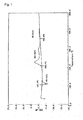
Fig. 1 is a chart showing the results of differential scanning calorimetry (DSC analysis) of a crystal (X type crystal) of the compound A obtained in Example 3. -
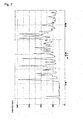
Fig. 2 is a chart of a powder X-ray diffraction spectrum of a crystal (X type crystal) of the compound A obtained in Example 3, in which the vertical axis represents the intensity and the horizontal axis represents a diffraction angle (2θ (°)). -
Fig. 3 is a chart showing the results of differential scanning calorimetry (DSC analysis) of a crystal (Y type crystal) of the compound A obtained in Example 5. -
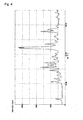
Fig. 4 is a chart of a powder X-ray diffraction spectrum of a crystal (Y type crystal) of the compound A obtained in Example 5, in which the vertical axis represents the intensity and the horizontal axis represents a diffraction angle (2θ (°)). -
Fig. 5 is a chart showing the results of differential scanning calorimetry (DSC analysis) of a crystal (Z type crystal) of the compound A obtained in Example 6. -
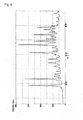
Fig. 6 is a chart of a powder X-ray diffraction spectrum of a crystal (Z type crystal) of the compound A obtained in Example 6, in which the vertical axis represents the intensity and the horizontal axis represents a diffraction angle (2θ (°)). - Hereinafter, the present invention will be described in detail.
- The production methods (Steps 1 to 3) for the compound of the formula (I) (compound A) or a salt thereof of the present invention are shown in the schemes below and embodiments of the respective steps will be described. Further, in the schemes below, Me means a methyl group, THP means a 2-tetrahydropyranyl group, and HCl means that the compound is a hydrochloride salt.

- The present step is a step of obtaining (2R)-2-(tetrahydro-2H-pyran-2-yloxy)propanimidamide hydrochloride (2) by 2-tetrahydropyranylation of a hydroxyl group of (2R)-2-hydroxypropanimidamide hydrochloride (1). In this reaction, the compound (1) and 3,4-dihydro-2H-pyran (DHP) are used in equivalent amounts, or either thereof in an excess amount, and a mixture thereof is stirred in a solvent which is inert to the reaction, in a range from cooling to heating, preferably from ice-cooling to 40°C, in the presence of a catalytic amount of an acid, usually for 1 hour to 2 days. Examples of the solvent used herein are not particularly limited as long as the compound (1) is dissolved therein, but in one embodiment, examples of the solvent include N,N-dimethylformamide (DMF), N,N-dimethylacetamide, 1,3-dimethyl-2-imidazolidinone (DMI), and N-methyl-2-pyrrolidone (NMP). Examples of the acid are not particularly limited, but in one embodiment, include p-toluenesulfonic acid monohydrate, pyridinium p-toluenesulfonate, and methanesulfonic acid. Further, the compound (2) may be isolated and then used in the next reaction, or may be used to perform the next reaction without being isolated.
- The present step is a step of obtaining (2R)-N-({5-[3-(2,5-difluorophenyl)-2-(1,3-dihydro-2H-benzoimidazol-2-ylidene)-3-oxopropanoyl]-2-fluorophenyl}sulfonyl)-2-(tetrahydro-2H-pyran-2-yloxy)propanimidamide (4) by reacting (2R)-2-(tetrahydro-2H-pyran-2-yloxy)propanimidamide hydrochloride (2) obtained in Step 1 with 5-[3-(2,5-difluorophenyl)-2-(1,3-dihydro-2H-benzoimidazol-2-ylidene)-3-oxopropanoyl]-2-fluorobenzenesulfonyl chloride (3). In this reaction, the compound (2) and the compound (3) are used in equivalent amounts, or either thereof in an excess amount, and a mixture thereof is stirred in a solvent which is inert to the reaction, in a range from cooling to heating, preferably from ice-cooling to 40°C, in the presence of a base, usually for 1 hour to 2 days. Examples of the solvent used herein are not particularly limited, but in one embodiment, examples of the solvent include DMF, DMI, NMP, tetrahydrofuran (THF), isopropyl acetate (AcOiPr), ethyl acetate (AcOEt), dimethoxyethane, acetonitrile (MeCN), acetone, toluene, and a mixed solvent thereof. It may sometimes be advantageous to carry out a bi-phase reaction by further adding water to the mixture. Examples of the base include organic bases such as triethylamine, diisopropylethylamine, N-methylmorpholine and the like, or inorganic bases such as potassium carbonate, sodium carbonate, sodium hydrogen carbonate, cesium carbonate and the like, but in one embodiment, triethylamine. Further, the compound (4) may be isolated and then used in the next reaction, or may be used to perform the next reaction without being isolated.
- The present step is a step of obtaining the compound of the formula (I) (compound A) or a salt thereof by deprotecting (2R)-N-({5-[3-(2,5-difluorophenyl)-2-(1,3-dihydro-2H-benzoimidazol-2-ylidene)-3-oxopropanoyl]-2-fluorophenyl}sulfonyl)-2-(tetrahydro-2H-pyran-2-yloxy)propanimidamide (4) obtained in Step 2. In this reaction, the compound (4) is dissolved in a suitable solvent, followed by addition of an acid and stirring in a range from cooling to heating, preferably from ice-cooling to 40°C, usually for 1 hour to 2 days. Examples of the solvent used herein are not particularly limited, but in one embodiment, examples of the solvent include esters such as AcOEt, AcOiPr and the like; alcohols such as methanol (MeOH), ethanol (EtOH), isopropanol (IPA) and the like; ethers such as THF, dioxane and the like; or a mixed solvent thereof, and it may sometimes be advantageous to carry out a reaction by further adding water to the mixture. Examples of the acid include pyridinium p-toluenesulfonate, hydrogen chloride, hydrochloric acid, formic acid, and acetic acid, and the acetic acid can be used as a solvent as well as an acid in the present step. Further, the compound of the formula (I) (compound A) or a salt thereof can also be prepared by subjecting a free form of the compound of the formula (I) to a conventional salt forming reaction.
- In the present specification, the term "about" included in the description of an endothermal peak (°C) in the differential scanning calorimetry (DSC analysis) and a diffraction angle (2θ (°)) in the powder X-ray diffraction spectrum is meant to include a usually acceptable error range in the data measurement method, and typically means a value of the endothermal peak and the diffraction angle. The error range is, in one embodiment, ±2°C in the DSC analysis, and is, in one embodiment, ±0.2°C in the powder X-ray diffraction.
- Furthermore, with the powder X-ray diffraction spectrum, crystal lattice intervals and the overall patterns are important for identification of crystals in terms of the properties of the data, and since the relative intensity may vary slightly depending on the direction of crystal growth, the particle size, and the measurement conditions, it should not be strictly construed.
- The compound disclosed in the specification may be a free form or may form a salt unless otherwise specified, and in one embodiment of a salt of the compound, and specific examples thereof include acid addition salts with inorganic acids such as hydrochloric acid, hydrobromic acid, hydroiodic acid, sulfuric acid, nitric acid, and phosphoric acid, and with organic acids such as formic acid, acetic acid, propionic acid, oxalic acid, malonic acid, succinic acid, fumaric acid, maleic acid, lactic acid, malic acid, mandelic acid, tartaric acid, dibenzoyltartaric acid, ditoluoyl tartaric acid, citric acid, methanesulfonic acid, ethanesulfonic acid, benzenesulfonic acid, p-toluenesulfonic acid, aspartic acid, and glutamic acid, and salts with inorganic bases such as sodium, potassium, magnesium, calcium, and aluminum, or organic bases such as methylamine, ethylamine, ethanolamine, lysine, and ornithine, salts with various amino acids or amino acid derivatives such as acetylleucine, ammonium salts, and the like.
- Moreover, the compound disclosed in the present specification may be any of various hydrates or solvates of a free form or a salt thereof unless otherwise specified, and for the synthesis intermediate, a production method using the same is also included in the present invention. Further, the compound disclosed in the present specification may be any compound labeled with various radioactive or non-radioactive isotopes, and for the synthesis intermediate, a production method using the same is also included in the present invention.
- Further, the compounds disclosed in the present specification may exist in the form of tautomers or geometrical isomers in some cases. In the present specification, the compounds having the tautomers or geometrical isomers shall be described in only one form of isomer, yet the present invention may also include other tautomers or geometrical isomers thereof, isolated forms of the tautomers or geometrical isomers, or a mixture thereof.
- In addition, the compounds disclosed in the present specification may have asymmetric carbon atoms or axial asymmetry in some cases, and correspondingly, they may exist in the form of steromers based on the asymmetric carbon atoms or axial asymmetry. In the present specification, for example, there are compounds that exist in the form of steromers based on the asymmetric carbon atom at the second position of a 2-tetrahydropyranyl group, and the present invention includes both an isolated form of the steromers of the compounds or a mixture thereof.
- The compounds disclosed in the present specification are isolated and purified as a free compound, a salt, a hydrate, or a solvate thereof. Salt of the compounds disclosed in the present specification may also be prepared by subjecting a free form to a conventional salt forming reaction.
- Isolation and purification are carried out by employing ordinary chemical operations such as extraction, fractional crystallization, various types of fractional chromatography, and the like.
- Hereinafter, the present invention will be described in more detail with reference to Examples, but the present invention is not limited to Examples. Further, a production method for 5-[3-(2,5-difluorophenyl)-2-(1,3-dihydro-2H-benzoimidazol-2-ylidene)-3-oxopropanoyl]-2-fluorobenzenesulfonyl chloride (3) which is a starting compound will be shown as Preparation Examples. Further, the test results obtained from a production method for the compound of the formula (I) (compound A) described in Patent Document 1, and the results obtained when a protective group other than the 2-tetrahydropyranyl group of the present invention is used as a protective group for the hydroxyl group of (2R)-2-hydroxypropanimidamide hydrochloride (1) are shown as Comparative Examples.
- Further, the measurement using differential scanning calorimetry analysis (DSC analysis) and powder X-ray diffraction spectrum are carried out in the following manner.
- The differential scanning calorimetry analysis was measured using DSC7020 (SII) under the conditions of 30°C to 500°C (10°C/min), N2 (40 mL/min), and using a stainless steel sample pan with a seal.
- The powder X-ray diffraction was measured using Miniflex under the conditions of a tube of Cu, a tube current of 15 mA, a tube voltage of 30 kV, a sampling width of 0.010°, a scanning speed of 2.0°/min, a wavelength of 1.541841 angstroms, and a measurement diffraction angle (2θ) of 3° to 35°.
- In addition, the purity of the compound was confirmed using high performance liquid chromatography (HPLC).
- Furthermore, for the sake of convenience, a concentration mol/l is expressed as M. For example, a 2 M aqueous hydrogen chloride solution means a 2 mol/l aqueous hydrogen chloride/IPA solution.
- Under a nitrogen atmosphere, to a solution of 3.0 g of (2R)-2-hydroxypropanimidamide hydrochloride (1) in NMP (21.6 mL) were added 8.31 g of 3,4-dihydro-2H-pyran and 139 mg of methanesulfonic acid at an inner temperature of 20°C to 30°C, followed by stirring at the same temperature for 22 hours. To the reaction mixture was added 90 mL of diisopropyl ether, followed by stirring for 1 hour and 40 minutes. The precipitated crystal was collected by filtration and washed with 30 mL of AcOiPr. To the obtained crystal was added 90 mL of AcOiPr, followed by stirring at room temperature for 30 minutes. The mixture was filtered, washed with 30 mL of AcOiPr, and then dried at 40°C overnight under reduced pressure to obtain 4.89 g of (2R)-2-(tetrahydro-2H-pyran-2-yloxy)propanimidamide hydrochloride (2) as a crystal.
- The physicochemical data of the compound (2) are shown below.
- 1H-NMR (DMSO-d6, 400 MHz): δ (ppm)=1.33-1.82 (6H, m), 1.38 (1.2H, d, J=6.8Hz), 1.42 (1.8H, d, J=6.8Hz), 3.42-3.52 (1H, m), 3.69-3.78 (1H, m), 4.44 (0.4H, q, J=6.8Hz), 4.53-4.55 (0.6H, br), 4.58 (0.6H, q, J=6.8Hz), 4.73 (0.4H, dd, J=2.4,4.8Hz), 8.98-9.14 (3H, m)
- ESI-MS: m/z = 173 ([M+H]+)
- Under a nitrogen atmosphere, to a solution of 1.39 g of (2R)-2-hydroxypropanimidamide hydrochloride (1) in DMI (10 mL) were added 3.41 g of 3,4-dihydro-2H-pyran and 58.5 mg of methanesulfonic acid at an inner temperature of 20°C to 30°C, followed by stirring at the same temperature for 40 hours. To the reaction mixture were added 25 mL of AcOiPr and 3.39 g of triethylamine at an inner temperature of 20°C to 30°C, followed by stirring at the same temperature for 15 minutes. Then, 5.0 g of 5-[3-(2,5-difluorophenyl)-2-(1,3-dihydro-2H-benzoimidazol-2-ylidene)-3-oxopropanoyl]-2-fluorobenzenesulfonyl chloride (3) was added thereto at an inner temperature of 24°C to 33°C, followed by stirring at the same temperature for 1 hour. To the reaction mixture was added 20 mL of water at an inner temperature of 20°C to 30°C, and the organic layer was washed with 18.5 mL of a 5% aqueous sodium hydrogen carbonate solution twice and 15 mL of a 20% aqueous sodium chloride solution once. The organic layer was concentrated under reduced pressure (at an outer temperature of 30°C to 40°C), and the HPLC analysis results of the obtained residue are shown below.
-
- Column: YMC-Pack ODS-A, AA12S05-1546WT (manufactured by YMC Co., Ltd.)
- Particle diameter of 5 µm, inner diameter of 4.6 mm, length of 150 mm
- Column temperature: a constant temperature of around 30°C
- Mobile phase: 0.01 M aqueous potassium hydrogen diphosphate solution/MeCN = 4/6
- Flow rate: 1.0 mL/min
- Measurement wavelength: 235 nm
- Under the conditions above, a peak having a retention time of about 5.4 minutes and a peak having a retention time of about 5.7 minutes were found, and the HPLC area percentages were 48.23% and 40.62%, respectively.
- Furthermore, a part of the obtained residue was purified by silica gel chromatography (eluent: AcOEt/heptane) and in the HPLC analysis above, the peak having a retention time of about 5.4 minutes and the peak having a retention time of about 5.7 minutes were isolated together to obtain (2R)-N-({5-[3-(2,5-difluorophenyl)-2-(1,3-dihydro-2H-benzoimidazol-2-ylidene)-3-oxopropanoyl]-2-fluorophenyl}sulfonyl)-2-(tetrahydro-2H-pyran-2-yloxy)propanimidamide (4) as an amorphous material.
- The physicochemical data of the compound (4) are shown below.
- 1H-NMR (DMSO-d6,400 MHz): δ (ppm)=1.20 (1.2H, d, J=6.8Hz), 1.25 (1.8H, d, J=6.8Hz), 1.30-1.78 (6H, m), 3.25-3.40 (1H, m), 3.58-3.72 (1H, m), 4.15 (0.4H, q, J=6.8Hz), 4.28 (0.6H, q, J=6.8Hz), 4.40 (0.6H, br), 4.63 (0.4H, br), 6.70-6.80 (1H, m), 6.88-6.97 (1H, m), 6.97-7.04 (1H, m), 7.06-7.14 (1H, m), 7.25-7.33 (2H, m), 7.50-7.60 (1H, m), 7.68-7.78 (3H, m), 8.14 (0.4H, s), 8.17 (0.6H, s), 8.24 (0.4H, s), 8.50 (0.6H, s), 13.18 (2H, s)
- ESI-MS: m/z = 629 ([M+H]+)
- From the physicochemical data above, it was believed that in the HPLC analysis above, a peak having a retention time of about 5.4 minutes and a peak having a retention time of about 5.7 minutes correspond to two kinds of diastereomers based on the asymmetric carbon at the 2 position of the tetrahydropyran ring of the compound (4), respectively.
- Under a nitrogen atmosphere, to a solution of 1.67 g of (2R)-2-hydroxypropanimidamide hydrochloride (1) in NMP (12 mL) were added 4.61 g of 3,4-dihydro-2H-pyran and 70.2 mg of methanesulfonic acid at an inner temperature of 20°C to 30°C, followed by stirring at the same temperature for 15 hours. To the reaction mixture were added 36 mL of THF and 4.07 g of triethylamine at an inner temperature of 15°C to 30°C, followed by stirring at the same temperature for 15 minutes. Then, 6.0 g of 5-[3-(2,5-difluorophenyl)-2-(1,3-dihydro-2H-benzoimidazol-2-ylidene)-3-oxopropanoyl]-2-fluorobenzenesulfonyl chloride (3) was added thereto at an inner temperature of 15°C to 30°C, followed by stirring at an inner temperature of 20°C to 30°C for 30 minutes. To the reaction mixture were added 36 mL of AcOEt and 24 mL of water, followed by carrying out liquid separation at an inner temperature of 20°C to 30°C, and the organic layer was washed with 24 mL of a 5% aqueous sodium hydrogen carbonate solution twice and 18 mL of a 20% aqueous sodium chloride solution once. The obtained organic layer was concentrated to about 18 mL under reduced pressure, and then 60 mL of AcOEt was added thereto, followed by concentrating to about 18 mL under reduced pressure (at an outer temperature of 30°C to 40°C). 6 mL of AcOEt and 60 mL of IPA were added thereto, followed by dropwise addition of 1.2 mL of a 2 M hydrogen chloride/IPA solution at an inner temperature of 20°C to 30°C, stirring at the same temperature for 6 hours, and then cooling to an inner temperature of 0°C to 10°C. The reaction solution was added dropwise to a mixed liquid of 48 mL of AcOEt and 60 mL of a 2.5% aqueous sodium hydrogen carbonate solution at an inner temperature of 0°C to 10°C, followed by washing with 12 mL of AcOEt. The organic layer was collected by filtration, and washed sequentially with 30 mL of a 5% aqueous sodium hydrogen carbonate solution and 30 mL of a 20% aqueous sodium chloride solution (at an inner temperature of 20°C to 30°C). The organic layer was concentrated to about 24 mL under reduced pressure and then 60 mL of EtOH was added thereto. The mixture was concentrated to about 24 mL under reduced pressure and 30 mL of EtOH was further added thereto, followed by concentrating to about 24 mL under reduced pressure (at an outer temperature of 30°C to 40°C). 18 mL of EtOH and 12 mL of water were added to the mixture at an inner temperature of 40°C or lower to afford a homogeneous solution, and 15 mL of water was added dropwise thereto at an inner temperature of 20°C to 30°C for 1 hour, followed by stirring for 1 hour. Thereafter, the mixture was cooled to an inner temperature of 0°C to 10°C for 1 hour and stirred at the same temperature for 12 hours, and the precipitated crystal was collected by filtration, washed with 12 mL of a EtOH/water mixed solution (1/1 (v/v)), and dried at 60°C overnight under reduced pressure to obtain 5.93 g of the compound A as a crystal.
- Here, the physicochemical data of the crystal of the obtained compound A are shown below.
- 1H-NMR (DMSO-d6,400 MHz): δ (ppm)=1.07 (0.9H, t, J=7.2Hz), 1.23 (3H, d, J=6.8Hz), 3.45 (0.6H, dq, J=5.2Hz, 7.2Hz), 4.16 (1H, dq, J=4.8Hz, 6.8Hz), 4.36 (0.3H, t, J=5.2Hz), 5.94 (1H, d, J=4.8Hz), 6.77-6.83 (1H, m), 6.95-7.02 (1H, m), 7.04-7.09 (1H, m), 7.12-7.17 (1H, m), 7.32-7.37 (2H, m), 7.59-7.63 (1H, m), 7.76-7.81 (3H, m), 8.19 (1H, brs), 8.32 (1H, brs), 13.23 (2H, s)
- ESI-MS: m/z = 545 ([M+H]+)
- From the 1H-NMR data above, it was thus demonstrated that the crystal of the obtained compound A contains EtOH at a molar ratio of 3/10. The chart showing the results of the differential scanning calorimetry analysis (DSC analysis) and the chart of the powder X-ray diffraction spectrum of this crystal are shown in
Figs. 1 and2 , respectively. - The crystal (X type crystal) of the compound A is a crystal which has peaks at 2θ (°) = around 5.7, about 11.4, about 13.0, about 16.1, and about 18.5 in the powder X-ray diffraction using Cu as a radiation source. Further, this crystal (X type crystal) of the compound A absorbed heat at around 107°C in the differential scanning calorimetry analysis (DSC analysis).
- Furthermore, the HPLC analysis results of the reaction mixture before crystallization of the compound A and/or the X type crystal of the compound A obtained after crystallization are shown in Tables 1 and 2, respectively.
[Table 1] [Chemical Purity] Reaction mixture before crystallization X type crystal of the compound A obtained after crystallization Compound A
(retention time: about 11.1 minutes)93.72% 97.76% One diastereomer of compound (4) (retention time: about 21.6 minutes) 0.33% 0.26% The other diastereomer of compound (4) (retention time: about 22.1 minutes) 0.23% 0.21% Compound B
(retention time: about 27.8 minutes)0.31% 0.32% - The numbers in the Table represent HPLC area percentages (%).
-
- Column: YMC-Pack ODS-A, AA12S05-1546WT (manufactured by YMC Co., Ltd.)
- Particle diameter of 5 µm, inner diameter of 4.6 mm, length of 150 mm
- Column temperature: a constant temperature of around 30°C
- Mobile phase:
- Liquid A: 0.01 M aqueous potassium dihydrogen phosphate solution
- Liquid B: MeCN
- Gradient conditions:
- 0 min to 10 min: A/B = 63/37
- 10 min to 20 min: A/B = 63/37 → A/B = 40/60
- 20 min to 40 min: A/B = 40/60
- Flow rate: 1.0 mL/min
- Measurement wavelength: 235nm
- From Table 1, it was confirmed that in the present production process, the by-production of the compound B can be controlled to about 1/300 or less relative to the compound A.
[Table 2] [Optical Purity] X type crystal of the compound A obtained after crystallization Compound A
(retention time: about 27.1 minutes)98.56% Enantiomer of compound A (retention time: about 19.1 minutes) 0.07% - The numbers in the Table represent HPLC area percentages (%).
-
- Column: CHIRALCEL OJ-RH (manufactured by Daicel Chemical Industries, Ltd.)
- Particle diameter of 5 µm, inner diameter of 4.6 mm, length of 150 mm
- Column temperature: a constant temperature of around 40°C
- Mobile phase: MeCN/water = 3/7
- Flow rate: about 0.5 mL/min
- Measurement wavelength: 322 nm
- From Table 2, it was confirmed that the racemization rate of the compound A is about 0.07%.
- Under a nitrogen atmosphere, to a solution of 1.0 g of the X type crystal of the compound A in acetone (5 mL) was added dropwise 3.3 mL of heptane at an inner temperature of 45°C to 55°C, followed by stirring at the same temperature for 4 hours. Further, 4.7 mL of heptane was added dropwise thereto at the same temperature for 1 hour, followed by cooling to an inner temperature of 20°C to 30°C and stirring at the same temperature for 16 hours. The precipitated crystal was collected by filtration and washed with 2.6 mL of an acetone/heptane mixed solution (1/1.6 (v/v)) and dried overnight at 60°C under reduced pressure to obtain 0.89 g of the compound A as a crystal.
- It was confirmed that the crystal of the compound A thus obtained is the same crystal as the crystal of the compound A obtained in Example 5 as described later from a chart of the powder X-ray diffraction spectrum.
- Under a nitrogen atmosphere, a solution of 5.0 g of the X type crystal of the compound A in acetone (17.5 mL) was clarifying-filtered at an inner temperature of 20°C to 40°C and then washed with 7.5 mL of acetone. To the obtained filtrate was added dropwise 16.5 mL of heptane at an inner temperature of 45°C to 55°C for 10 minutes and then 10 mg of a Y type crystal of the compound A as a seed crystal was added thereto, followed by stirring at the same temperature for 2 hours. Subsequently, 23.5 mL of heptane was added dropwise thereto 1 hour, followed by stirring at the same temperature for 1 hour, and then cooling to an inner temperature of 20°C to 30°C, and stirring at the same temperature for 12 hours. The precipitated crystal was collected by filtration and washed with 13 mL of an acetone/heptane mixed solution (5/8 (v/v)), washed, and then dried at 60°C overnight under reduced pressure to obtain 4.42 g of the compound A as a crystal.
- Here, the physicochemical data of the crystal of the obtained compound A are shown below.
- 1H-NMR (DMSO-d6, 400 MHz): δ (ppm)=1.22 (3H, d, J=6.8Hz), 4.15 (1H, dq, J=4.8Hz, 6.8Hz), 5.93 (1H, d, J=4.8Hz), 6.76-6.83 (1H, m), 6.94-7.01 (1H, m), 7.03-7.08 (1H, m), 7.11-7.16 (1H, m), 7.31-7.37 (2H, m), 7.58-7.63 (1H, m), 7.75-7.81 (3H, m), 8.18 (1H, brs), 8.38 (1H, brs), 13.23 (2H, s)
- ESI-MS: m/z = 545 ([M+H]+)
- Furthermore, the chart showing the results of the differential scanning calorimetry analysis (DSC analysis) and the chart of the powder X-ray diffraction spectrum of this crystal are shown in
Figs. 3 and4 , respectively. - The crystal (Y type crystal) of the compound A is a crystal which has peaks at 2θ (°) = around 4.8, around 10.7, around 14.5, around 16.3, and around 22.0 in the powder X-ray diffraction using Cu as a radiation source. Further, this crystal (Y type crystal) of the compound A absorbed heat at around 227°C in the differential scanning calorimetry analysis (DSC analysis).
- Under a nitrogen atmosphere, 1.0 g of the Y type crystal of the compound A was dissolved in 14 mL of EtOH and 2 mL of water, and 1 mg of the X type crystal of the compound A as a seed crystal was added thereto at an inner temperature of 40°C to 50°C, followed by stirring at the same temperature for 1 hour. Subsequently, 7 mL of water was added dropwise thereto for 30 minutes, followed by further stirring at the same temperature for 1 hour, then cooling to an inner temperature of 0°C to 10°C, and stirring at the same temperature overnight. The precipitated crystal was collected by filtration, washed with 5 mL of an EtOH/water mixed solution (1/1 (v/v)), and dried at 60°C overnight under reduced pressure to obtain 1.06 g of the compound A as a crystal.
- Here, the physicochemical data of the crystal of the obtained compound A are shown below.
- 1H-NMR (DMSO-d6, 400 MHz): δ (ppm)=1.06 (2.4H, t, J=7.2Hz), 1.23 (3H, d, J=7.2Hz), 3.45 (1.6H, dq, J=5.2Hz, 7.2Hz), 4.16 (1H, dq, J=4.4Hz, 7.2Hz), 4.36 (0.8H, t, J=5.2Hz), 5.93 (1H, d, J=4.4Hz), 6.76-6.83 (1H, m), 6.94-7.01 (1H, m), 7.03-7.08 (1H, m), 7.11-7.16 (1H, m), 7.31-7.37 (2H, m), 7.58-7.63 (1H, m), 7.75-7.81 (3H, m), 8.19 (1H, brs), 8.32 (1H, brs), 13.23 (2H, s)
- ESI-MS: m/z = 545 ([M+H]+)
- From the 1H-NMR data above, it was thus demonstrated that the crystal of the obtained compound A contains EtOH at a molar ratio of 8/10. The chart showing the results of the differential scanning calorimetry analysis (DSC analysis) and the chart of the powder X-ray diffraction spectrum of this crystal are shown in
Figs. 5 and6 , respectively. - The crystal (Z type crystal) of the compound A is a crystal which has peaks at 2θ (°) = about 9.3, about 11.6, about 20.6, about 23.4, and about 29.4 in the powder X-ray diffraction using Cu as a radiation source. Further, this crystal (Z type crystal) of the compound A absorbed heat at around 102°C in the differential scanning calorimetry analysis (DSC analysis).
- Under a nitrogen atmosphere, to a solution of 1.11 g of(2R)-2-hydroxypropanimidamide hydrochloride (1) in NMP (8 mL) were added 3.07 g of 3,4-dihydro-2H-pyran and 0.05 g of methanesulfonic acid at an inner temperature of 20°C to 30°C, followed by stirring at the same temperature for 19 hours. To the reaction mixture were added 2 mL of AcOEt and 2.71 g of triethylamine at an inner temperature of 15°C to 30°C, followed by stirring at an inner temperature of 0°C to 10°C for 5 minutes or longer (reaction liquid A). Under a nitrogen atmosphere, into another reaction vessel were added 4.00 g of 5-[3-(2,5-difluorophenyl)-2-(1,3-dihydro-2H-benzoimidazol-2-ylidene)-3-oxopropanoyl]-2-fluorobenzenesulfonyl chloride (3), 20 mL of AcOEt, and 22 mL of water, followed by stirring. The reaction liquid A as prepared earlier was added thereto at an inner temperature of 0°C to 10°C, followed by washing with 2 mL of AcOEt and 2 mL of water, and stirring at an inner temperature of 20°C to 30°C for 1.5 hours. The reaction mixture was subjected to liquid separation at an inner temperature of 20°C to 30°C, and the organic layer was washed sequentially with 16 mL of a 5% aqueous sodium hydrogen carbonate solution and 12 mL of a 20% aqueous sodium chloride solution. The obtained organic layer was concentrated to about 12 mL under reduced pressure, and 40 mL of AcOEt was added thereto, followed by concentrating to about 12 mL under reduced pressure (at an outer temperature of 40°C). 4 mL of AcOEt and 40 mL of IPA were added thereto, followed by dropwise addition of 0.81 mL of a 2 M hydrogen chloride/IPA solution at an inner temperature of 20°C to 30°C. The mixture was stirred at the same temperature for 7 hours and cooled to an inner temperature of 0°C to 10°C. The reaction solution was added dropwise to a mixed liquid of 32 mL of AcOEt and 40 mL of a 2.5% aqueous sodium hydrogen carbonate solution at an inner temperature of 0°C to 10°C, and washed with 8 mL of AcOEt. The organic layer was collected by filtration, and washed sequentially with 20 mL of a 5% aqueous sodium hydrogen carbonate solution and 20 mL of a 20% aqueous sodium chloride solution (at an inner temperature of 20°C to 30°C). The organic layer was concentrated to about 12 mL under reduced pressure, and then 40 mL of EtOH was added thereto, followed concentrating to about 16 mL under reduced pressure. 40 mL of EtOH was further added thereto, followed by concentrating to about 16 mL under reduced pressure (at an outer temperature of 40°C, the insoluble materials were precipitated). 32 mL of EtOH and 6 mL of water were added thereto at an inner temperature of 40°C or lower, followed by warming to an inner temperature of 55°C to 75°C to dissolve the insoluble materials. 2 mg of Z type crystal of the compound A as a seed crystal was added thereto at an inner temperature of 45°C to 55°C, followed by stirring at an inner temperature of 40°C to 50°C for 2 hours. 26 mL of water was added dropwise thereto at the same temperature for 1 hour, followed by stirring for 2 hours. Thereafter, the mixture was cooled to an inner temperature of 0°C to 10°C for 2 hours and stirred at the same temperature for 15 hours, and the precipitated crystal was collected by filtration, then washed with 20 mL of an EtOH/water mixed solution (1/1 (v/v)), and dried at 60°C overnight under reduced pressure to obtain 3.92 g of the compound A as a crystal.
- From the chart of the powder X-ray diffraction spectrum, it was confirmed that the crystal of the compound A thus obtained is of the same crystal type as the crystal of the compound A obtained Example 6 as described above.
- Furthermore, the HPLC analysis results of the reaction mixture before crystallization of the compound A and/or the Z type crystal of the compound A obtained after crystallization are shown in Tables 3 and 4, respectively.
[Table 3] [Chemical Purity] Reaction mixture before crystallization Z type crystal of the compound A obtained after crystallization Compound A
(retention time: about 11.1 minutes)95.64% 98.28% One diastereomer of compound (4) (retention time: about 21.6 minutes) 0.34% 0.31% The other diastereomer of compound (4) (retention time: about 22.1 minutes) 0.23% 0.23% Compound B
(retention time: about 27.8 minutes)0.08% 0.08% - The numbers in the Table represent HPLC area percentages (%).
- The conditions are the same as in Example 3.
- From Table 3, it was confirmed that in the present production process, the by-production of the compound B can be controlled to about 1/1200 or less relative to the compound A.
[Table 4] [Optical Purity] Z type crystal of the compound A obtained after crystallization Compound A
(retention time: about 27.1 minutes)99.64% Enantiomer of compound A (retention time: about 19.1 minutes) 0.05% - The numbers in the Table represent HPLC area percentages (%).
- The conditions are the same as in Example 3.
- From Table 4, it was confirmed that the racemization rate of the compound A is about 0.05%.
- Under a nitrogen atmosphere, to a solution of 5.0 g of 2-methyl-1H-benzoimidazole and 12.44 g of triethylamine in THF (60 mL) was added 21.37 g of 2,5-difluorobenzoyl chloride at an inner temperature of 50°C or lower, followed by stirring at an inner temperature of 60°C to 70°C for 3 hours. The reaction mixture was cooled to an inner temperature of 20°C to 30°C, and then 6.92 g of morpholine was added thereto at an inner temperature of 20°C to 50°C, followed by stirring at an inner temperature of 60°C to 70°C for 2 hours. 90 mL of water and 60 mL of MeCN were each added dropwise thereto over 30 minutes at an inner temperature of 40°C to 50°C, followed by stirring at the same temperature for 1 hour. Thereafter, the mixture was cooled to an inner temperature of 0°C to 10°C for 1 hour or longer and stirred at the same temperature for 12 hours, and then the precipitated crystal was collected by filtration and washed sequentially with 15 mL of an MeCN/water mixed solution (2/1 (v/v)) and 25 mL of water.
- The obtained crystal was suspended in 25 mL of MeCN and 50 mL of water, followed stirring at an inner temperature of 40°C to 50°C for 30 minutes and then stirring at an inner temperature of 20°C to 30°C for 1 hour. The crystal was collected by filtration, then washed with 25 mL of an MeCN/water mixed solution (17/33 (v/v)) and dried at 60°C overnight under reduced pressure to obtain 9.66 g of 1-(2,5-difluorophenyl)-2-(1,3-dihydro-2H-benzoimidazol-2-ylidene)ethanone as a crystal.
- The physicochemical data of the obtained compound are shown below.
- 1H-NMR (DMSO-d6, 400 MHz): δ (ppm)=5.91 (1H, s), 7.11-7.16 (2H, m), 7.21-7.38 (4H, m), 7.53 (1H, brs), 7.55-7.61 (1H, m), 12.29 (1H, brs)
- ESI-MS: m/z = 273 ([M+H]+)
- Under a nitrogen atmosphere, to a solution of 17.53 g of 3-(chlorosulfonyl)-4-fluorobenzoic acid in AcOiPr (90 mL) were added dropwise 12.24 g of thionyl chloride and 0.2 mL of DMF at an inner temperature of 50°C or lower, followed by stirring at an inner temperature of 60°C to 70°C for 3 hours. The reaction mixture was concentrated under reduced pressure until the solvent was not evaporated any longer, and then azeotroped with 44 mL of AcOiPr twice (at an outer temperature of 30°C to 40°C).
- The obtained residue was dissolved in 80 mL of THF, and 10.0 g of 1-(2,5-difluorophenyl)-2-(1,3-dihydro-2H-benzoimidazol-2-ylidene)ethanone and 3.72 g of N-methylmorpholine were sequentially added thereto at an inner temperature of 30°C or lower, followed by stirring at an inner temperature of 55°C to 65°C for 3 hours.
- To the reaction liquid were sequentially added 80 mL of methylisobutylketone and 140 mL of a 5% aqueous sodium hydrogen carbonate solution at an inner temperature of 5°C to 15°C, followed by stirring at the same temperature for 1 hour and then carrying out liquid separation. To the organic layer was added 140 mL of a 5% aqueous sodium hydrogen carbonate solution at an inner temperature of 5°C to 15°C, followed by stirring at the same temperature for 15 hours and then carrying out liquid separation. The organic layer was washed with 60 mL of a 20% aqueous sodium chloride solution and then concentrated to about 50 mL at an outer temperature of 30°C to 40°C under reduced pressure. 20 mL of toluene and 10.0 mg of a seed crystal of 5-[3-(2,5-difluorophenyl)-2-(1,3-dihydro-2H-benzoimidazol-2-ylidene)-3-oxopropanoyl]-2-fluorobenzenesulfonyl chloride (the compound of Reference Example 282 in Patent Document 1, which can be produced by the production method described in the document) were sequentially added thereto at an inner temperature of 20°C to 30°C, followed by stirring at the same temperature for 4 hours. 100 mL of heptane was added dropwise at an inner temperature of 20°C to 30°C for 1 hour or longer, followed by stirring for 1 hour, then cooling to an inner temperature of -5°C to 5°C, and stirring for 12 hours. The precipitated crystal was collected by filtration, then washed with 30 mL of a toluene/heptane mixed solution (1/1 (v/v)), and dried at 50°C overnight under reduced pressure to obtain 16.12 g of 5-[3-(2,5-difluorophenyl)-2-(1,3-dihydro-2H-benzoimidazol-2-ylidene)-3-oxopropanoyl]-2-fluorobenzenesulfonyl chloride (3) as a crystal.
- The physicochemical data of the compound (3) are shown below.
- 1H-NMR (DMSO-d6, 400 MHz): δ (ppm)=6.68-6.78 (2H, m), 6.84-6.91 (1H, m), 6.92-6.97 (1H, m), 7.24-7.30 (3H, m), 7.68-7.74 (3H, m), 13.12 (2H, s)
- ESI-MS: m/z = 493 ([M+H]+)
- According to the production process of Example 696 in Patent Document 1, (2R)-2-hydroxypropanimidamide hydrochloride was reacted with 5-[3-(2,5-difluorophenyl)-2-(1,3-dihydro-2H-benzoimidazol-2-ylidene)-3-oxopropanoyl]-2-fluorobenzenesulfonyl chloride. To the reaction liquid were added water and AcOEt to carry out a liquid separation operation, the organic layer was washed with a saturated aqueous sodium chloride solution, and then the solvent was evaporated under reduced pressure. The HPLC analysis results of the residue thus obtained in an amorphous state are shown below.
- The conditions are the same as in Example 3.
- Under the conditions above, it was demonstrated that the HPLC area percentages of the peak of the compound A and the peak of the compound B were 80.27% and 7.49%, respectively, and the compound B which is hardly removed without purification with columns was by-produced at a ratio of about 1/11 relative to the compound A.
- The conditions are the same as in Example 3.
- Under the conditions above, it was demonstrated that the HPLC area percentages of the peak of the compound A and the peak of the enantiomer of the compound A were 90.15% and 1.44%, respectively, and the racemization rate of the compound A was 1.58%.
- Further, the physicochemical data of the compound B are shown below.
- 1H-NMR (DMSO-d6,400 MHz): δ (ppm)=1.30 (3H, d, J=6.4Hz), 4.87 (1H, q, J=6.4Hz), 6.69-6.81 (2H, m), 6.86-6.92 (1H, m), 6.93-7.01 (2H, m), 7.02-7.12 (2H, m), 7.23-7.31 (5H, m), 7.53-7.60 (1H, m), 7.69-7.80 (7H, m), 8.24 (1H, s), 8.90 (1H, s), 13.19 (2H, s), 13.21 (2H, s)
- ESI-MS: m/z = 1001 ([M+H]+)
- From the results of Examples 3 and 7, and Comparative Example 1 (Supportive Tests of Production Methods described in Patent Document 1), it can be seen that in the production method of the present invention, the by-production of the compound B which is hardly removed without purification with columns is remarkably controlled, and the racemization of the compound A is also controlled. Accordingly, it is thought that the production method of the present invention is a production method suitable for industrial production required not to include a purification step by columns from the viewpoints of operability or cost.
- In Example 3, the racemization rate of the compound A obtained using a trimethylsilyl (TMS) group, a tert-butyldimethylsilyl (TBDMS) group, a tert-butyldiphenylsilyl (TBDPS) group, a dimethylphenylsilyl (DMPS) group, and a triisopropylsilyl (TIPS) group, which are representative protective groups for a hydroxyl group instead of a 2-tetrahydropyranyl group, as a protective group for a hydroxyl group of (2R)-2-hydroxypropanimidamide hydrochloride (1) in dichloromethane was investigated. Specifically, the compound (1) was reacted with 1.05 to 1.2 equivalents of the corresponding silyl chloride in the presence of 2.1 to 2.5 equivalents of triethylamine and 0.05 equivalents of 4-dimethylaminopyridine at room temperature, and then water was added thereto to carry out a liquid separation operation. The organic layer was concentrated under reduced pressure. The obtained residue was reacted with the compound (3) at room temperature and post-treated similarly to the Example 3. The organic layer was concentrated under reduced pressure. The obtained residue was treated with 1.2 equivalents of tetrabutylammonium fluoride and 1.2 equivalents of acetate at 0°C in THF, and then water and AcOEt were added thereto to carry out a liquid separation operation. The organic layer was concentrated under reduced pressure, the obtained residue was analyzed by HPLC under the same conditions as in Examples 3 and 7, and the racemization rate of the obtained compound A was calculated from the HPLC area percentage. As a result, the racemization rate of the obtained compound A was each 4.16% to 4.22%, 0.60% to 0.65%, and 0.56% to 0.57%, the respectively, in the case of using a TBDMS group, a TBDPS group, and a TIPS group. Further, the TMS-protection of a hydroxyl group of the compound (1) becomes complicated in the reaction system, and thus, a DMPS-protection did not proceed and in any case, a compound having a desired hydroxyl group protected could not be obtained.
- From the results of Examples 3 and 7 and Comparative Example 2, it can be seen that as a protective group for the hydroxyl group of the compound (1), the 2-tetrahydropyranyl group of the production method of the present invention is excellent from the viewpoint of control of racemization of the compound A.
- According to the present invention, a production method for obtaining a compound of the formula (I) or a salt thereof at a high purity, which is suitable for industrial production. Further, a synthesis intermediate and a crystal of the compound of the formula (I), which are each useful in the production method, are provided.
Claims (8)
- A method for producing a compound of the formula (I) or a salt thereof through deprotection of a 2-tetrahydropyranyl group from a compound (4) or a salt thereof:

- A method for producing the compound (4) or a salt thereof described in claim 1, wherein a compound (2) is subjected to sulfonyl amidination with a compound (3):

- The method according to claim 1, wherein the compound (4) or a salt thereof is a compound (4) or a salt thereof produced by the method according to claim 2.
- The method according to claim 3, wherein a compound (2) produced by 2-tetrahydropyranylation of the compound (1) is used:

- (2R)-2-(Tetrahydro-2H-pyran-2-yloxy)propanimidamide or a salt thereof.
- (2R)-N-({5-[3-(2,5-Difluorophenyl)-2-(1,3-dihydro-2H-benzoimidazol-2-ylidene)-3-oxopropanoyl]-2-fluorophenyl}sulfonyl)-2-(tetrahydro-2H-pyran-2-yloxy)propanimidamide or a salt thereof.
- A crystal of the compound of the formula (I), which has peaks at 2θ (°) = about 5.7, about 11.4, about 13.0, about 16.1, and about 18.5 in the powder X-ray diffraction using Cu as a radiation source.
- A crystal of the compound of the formula (I), which has peaks at 2θ (°) = about 9.3, about 11.6, about 20.6, about 23.4, and about 29.4 in the powder X-ray diffraction using Cu as a radiation source.
Applications Claiming Priority (2)
| Application Number | Priority Date | Filing Date | Title |
|---|---|---|---|
| JP2012197914 | 2012-09-07 | ||
| PCT/JP2013/074076 WO2014038663A1 (en) | 2012-09-07 | 2013-09-06 | Method for producing sulfonyl amidine compound |
Publications (2)
| Publication Number | Publication Date |
|---|---|
| EP2894152A1 true EP2894152A1 (en) | 2015-07-15 |
| EP2894152A4 EP2894152A4 (en) | 2016-03-09 |
Family
ID=50237268
Family Applications (1)
| Application Number | Title | Priority Date | Filing Date |
|---|---|---|---|
| EP13835562.3A Withdrawn EP2894152A4 (en) | 2012-09-07 | 2013-09-06 | PROCESS FOR THE PRODUCTION OF SUFONYLAMIDINE COMPOUND |
Country Status (8)
| Country | Link |
|---|---|
| US (1) | US9527818B2 (en) |
| EP (1) | EP2894152A4 (en) |
| JP (1) | JP6222094B2 (en) |
| KR (1) | KR20150048762A (en) |
| CN (1) | CN104603114B (en) |
| CA (1) | CA2883126A1 (en) |
| MX (1) | MX351307B (en) |
| WO (1) | WO2014038663A1 (en) |
Families Citing this family (2)
| Publication number | Priority date | Publication date | Assignee | Title |
|---|---|---|---|---|
| TW201613579A (en) | 2014-06-24 | 2016-04-16 | Astellas Pharma Inc | Pharmaceutical composition for oral administration |
| EA201992612A1 (en) | 2017-06-05 | 2020-05-20 | Обсева С.А. | DIAGRAMS OF APPLICATION OF THE GONADOTROPINE-RELAXING HORMONE ANTAGONIST FOR THE TREATMENT OF ENDOMETRIOSIS |
Family Cites Families (4)
| Publication number | Priority date | Publication date | Assignee | Title |
|---|---|---|---|---|
| MXPA06014131A (en) | 2004-06-04 | 2007-03-07 | Astellas Pharma Inc | Propane-1,3-dione derivative or its salt. |
| SI1864976T1 (en) * | 2005-03-31 | 2012-12-31 | Astellas Pharma Inc. | Propane-1,3-dion derivative or salt thereof |
| ZA200708264B (en) * | 2005-03-31 | 2008-12-31 | Astellas Pharma Inc | Propane-1,3-dione derivative or salt thereof |
| JP2014051470A (en) * | 2012-09-07 | 2014-03-20 | Astellas Pharma Inc | Crystal of sulfonyl amidine compound |
-
2013
- 2013-09-06 CN CN201380046596.2A patent/CN104603114B/en not_active Expired - Fee Related
- 2013-09-06 EP EP13835562.3A patent/EP2894152A4/en not_active Withdrawn
- 2013-09-06 JP JP2014534421A patent/JP6222094B2/en not_active Expired - Fee Related
- 2013-09-06 CA CA2883126A patent/CA2883126A1/en not_active Abandoned
- 2013-09-06 MX MX2015002961A patent/MX351307B/en active IP Right Grant
- 2013-09-06 KR KR1020157005708A patent/KR20150048762A/en not_active Withdrawn
- 2013-09-06 WO PCT/JP2013/074076 patent/WO2014038663A1/en not_active Ceased
- 2013-09-06 US US14/425,196 patent/US9527818B2/en not_active Expired - Fee Related
Also Published As
| Publication number | Publication date |
|---|---|
| MX351307B (en) | 2017-10-10 |
| WO2014038663A1 (en) | 2014-03-13 |
| CA2883126A1 (en) | 2014-03-13 |
| US9527818B2 (en) | 2016-12-27 |
| CN104603114A (en) | 2015-05-06 |
| KR20150048762A (en) | 2015-05-07 |
| MX2015002961A (en) | 2015-09-24 |
| JP6222094B2 (en) | 2017-11-01 |
| CN104603114B (en) | 2017-06-20 |
| EP2894152A4 (en) | 2016-03-09 |
| US20150259299A1 (en) | 2015-09-17 |
| JPWO2014038663A1 (en) | 2016-08-12 |
Similar Documents
| Publication | Publication Date | Title |
|---|---|---|
| EP2970123B1 (en) | Salt of omecamtiv mecarbil and process for preparing salt | |
| EP2985277B1 (en) | Method for preparing an atropisomer of a pyrrole derivative | |
| BR112020018562A2 (en) | PREPARATIVE PROCESS | |
| EP3089976B1 (en) | Crystalline forms of afatinib dimaleate | |
| US20200190119A1 (en) | Solid state forms of ixazomib citrate | |
| US9527818B2 (en) | Method for producing sulfonyl amidine compound | |
| JP2024511348A (en) | Crystal forms of heterocyclic compounds as protein kinase inhibitors | |
| EP2563757A2 (en) | Method for preparing ritodrine hydrochloride | |
| JP5752420B2 (en) | Method for producing quinazoline derivative | |
| JP2020535193A (en) | Process for the preparation of crystalline linagliptin intermediates and linagliptin | |
| EP3181545B1 (en) | Process for the preparation of ospemifene | |
| EP3109236B1 (en) | Scalable process for the preparation of sorafenib tosylate ethanol solvate and sorafenib tosylate form iii | |
| JP6961595B2 (en) | Method for producing 4-alkoxy-3-trifluoromethylbenzyl alcohol | |
| EP4136075B1 (en) | Process for the synthesis of lofexidine | |
| EP3687987A1 (en) | Crystalline forms of lenalidomide | |
| US12252483B2 (en) | Method for producing optically active 1, 4-benzothiazepine-1-oxide derivative | |
| EP2275410A1 (en) | Process for production of compound having antagonistic activity on npyy5 receptor, and useful crystal | |
| EP4711367A1 (en) | Pyrazolopyrazine compound and method for preparing crystal form thereof | |
| WO2021162647A1 (en) | A novel process for preparation of pazopanib hydrochloride | |
| HK40035144B (en) | Preparation process of two compounds | |
| US20090062546A1 (en) | Dolasetron trifluoroacetate, polymorphs of dolasetron trifluoroacetate and process for preparation thereof | |
| BR112020001457B1 (en) | Useful intermediates for the synthesis of a selective protein kinase inhibitor and processes for preparing them. | |
| JP2018172309A (en) | Method for producing optically active cyclic amine derivative or salt thereof |
Legal Events
| Date | Code | Title | Description |
|---|---|---|---|
| PUAI | Public reference made under article 153(3) epc to a published international application that has entered the european phase |
Free format text: ORIGINAL CODE: 0009012 |
|
| 17P | Request for examination filed |
Effective date: 20150306 |
|
| AK | Designated contracting states |
Kind code of ref document: A1 Designated state(s): AL AT BE BG CH CY CZ DE DK EE ES FI FR GB GR HR HU IE IS IT LI LT LU LV MC MK MT NL NO PL PT RO RS SE SI SK SM TR |
|
| AX | Request for extension of the european patent |
Extension state: BA ME |
|
| DAX | Request for extension of the european patent (deleted) | ||
| RA4 | Supplementary search report drawn up and despatched (corrected) |
Effective date: 20160208 |
|
| RIC1 | Information provided on ipc code assigned before grant |
Ipc: C07D 235/12 20060101AFI20160202BHEP Ipc: C07D 309/12 20060101ALI20160202BHEP Ipc: C07D 405/12 20060101ALI20160202BHEP Ipc: C07D 309/06 20060101ALI20160202BHEP |
|
| 17Q | First examination report despatched |
Effective date: 20171023 |
|
| RIC1 | Information provided on ipc code assigned before grant |
Ipc: C07D 235/14 20060101AFI20171220BHEP Ipc: C07D 235/12 20060101ALI20171220BHEP Ipc: C07D 405/12 20060101ALI20171220BHEP Ipc: C07D 309/12 20060101ALI20171220BHEP Ipc: C07D 309/06 20060101ALI20171220BHEP |
|
| GRAP | Despatch of communication of intention to grant a patent |
Free format text: ORIGINAL CODE: EPIDOSNIGR1 |
|
| INTG | Intention to grant announced |
Effective date: 20180130 |
|
| GRAJ | Information related to disapproval of communication of intention to grant by the applicant or resumption of examination proceedings by the epo deleted |
Free format text: ORIGINAL CODE: EPIDOSDIGR1 |
|
| GRAP | Despatch of communication of intention to grant a patent |
Free format text: ORIGINAL CODE: EPIDOSNIGR1 |
|
| INTC | Intention to grant announced (deleted) | ||
| INTG | Intention to grant announced |
Effective date: 20181017 |
|
| STAA | Information on the status of an ep patent application or granted ep patent |
Free format text: STATUS: THE APPLICATION IS DEEMED TO BE WITHDRAWN |
|
| 18D | Application deemed to be withdrawn |
Effective date: 20190228 |