EP2892272A1 - Mobile communications method and mobile station - Google Patents
Mobile communications method and mobile station Download PDFInfo
- Publication number
- EP2892272A1 EP2892272A1 EP13834009.6A EP13834009A EP2892272A1 EP 2892272 A1 EP2892272 A1 EP 2892272A1 EP 13834009 A EP13834009 A EP 13834009A EP 2892272 A1 EP2892272 A1 EP 2892272A1
- Authority
- EP
- European Patent Office
- Prior art keywords
- control signal
- mobile station
- radio base
- identifier included
- cell
- Prior art date
- Legal status (The legal status is an assumption and is not a legal conclusion. Google has not performed a legal analysis and makes no representation as to the accuracy of the status listed.)
- Withdrawn
Links
Images




Classifications
-
- H—ELECTRICITY
- H04—ELECTRIC COMMUNICATION TECHNIQUE
- H04W—WIRELESS COMMUNICATION NETWORKS
- H04W8/00—Network data management
- H04W8/26—Network addressing or numbering for mobility support
-
- H—ELECTRICITY
- H04—ELECTRIC COMMUNICATION TECHNIQUE
- H04W—WIRELESS COMMUNICATION NETWORKS
- H04W72/00—Local resource management
- H04W72/20—Control channels or signalling for resource management
- H04W72/23—Control channels or signalling for resource management in the downlink direction of a wireless link, i.e. towards a terminal
-
- H—ELECTRICITY
- H04—ELECTRIC COMMUNICATION TECHNIQUE
- H04L—TRANSMISSION OF DIGITAL INFORMATION, e.g. TELEGRAPHIC COMMUNICATION
- H04L61/00—Network arrangements, protocols or services for addressing or naming
- H04L61/50—Address allocation
- H04L61/5046—Resolving address allocation conflicts; Testing of addresses
-
- H—ELECTRICITY
- H04—ELECTRIC COMMUNICATION TECHNIQUE
- H04W—WIRELESS COMMUNICATION NETWORKS
- H04W16/00—Network planning, e.g. coverage or traffic planning tools; Network deployment, e.g. resource partitioning or cells structures
- H04W16/24—Cell structures
- H04W16/32—Hierarchical cell structures
-
- H—ELECTRICITY
- H04—ELECTRIC COMMUNICATION TECHNIQUE
- H04W—WIRELESS COMMUNICATION NETWORKS
- H04W76/00—Connection management
- H04W76/10—Connection setup
- H04W76/11—Allocation or use of connection identifiers
-
- H—ELECTRICITY
- H04—ELECTRIC COMMUNICATION TECHNIQUE
- H04L—TRANSMISSION OF DIGITAL INFORMATION, e.g. TELEGRAPHIC COMMUNICATION
- H04L2101/00—Indexing scheme associated with group H04L61/00
- H04L2101/60—Types of network addresses
- H04L2101/618—Details of network addresses
- H04L2101/622—Layer-2 addresses, e.g. medium access control [MAC] addresses
-
- H—ELECTRICITY
- H04—ELECTRIC COMMUNICATION TECHNIQUE
- H04L—TRANSMISSION OF DIGITAL INFORMATION, e.g. TELEGRAPHIC COMMUNICATION
- H04L61/00—Network arrangements, protocols or services for addressing or naming
- H04L61/50—Address allocation
- H04L61/5038—Address allocation for local use, e.g. in LAN or USB networks, or in a controller area network [CAN]
-
- H—ELECTRICITY
- H04—ELECTRIC COMMUNICATION TECHNIQUE
- H04W—WIRELESS COMMUNICATION NETWORKS
- H04W74/00—Wireless channel access
- H04W74/08—Non-scheduled access, e.g. ALOHA
- H04W74/0833—Random access procedures, e.g. with 4-step access
Definitions
- the present invention relates to a mobile communication method and a mobile station.
- a radio base station eNB is configured to transmit/receive data to and from a mobile station UE performing communications in a cell under the control thereof, with a C-RNTI (Cell-Radio Network Temporary Identify) allocated to the mobile station UE as illustrated in Fig. 6 (see, patent document 1).
- C-RNTI Cell-Radio Network Temporary Identify
- the C-RNTI is allocated on a cell-by-cell basis.
- a same C-RNTI cannot be allocated to a mobile station UE#1 and a mobile station UE#2 which perform communications in a same cell #A
- a same C-RNTI can be allocated to a mobile station UE#1 (or a mobile station UE#2) and a mobile station UE#3 which perform communications in different cells #A/#B.
- the C-RNTI is allocated in "Contention based RA (Random Access) Procedure” or a handover procedure.
- the radio base station eNB is configured to assign resources for transmitting downlink data or uplink data by using the C-RNTI allocated to the mobile station UE.
- a phantom cell can cover a wider area by linking many "small cells" to form one large cell.
- Non-patent document 1 3GPP TS36.300
- C-RNTIs are managed in each cell (a macro cell and a phantom cell), and one C-RNTI has to be allocated to each mobile station UE.
- the coverage area of the phantom cell becomes wider, the number of mobile stations UE performing communications in the phantom cell increases. Accordingly, envisaged is a problem of causing a case in which the phantom cell may run out of C-RNTIs allocatable to the mobile stations UE.
- one C-RNTI is allocated to each mobile station UE in a macro cell, while one C-RNTI is allocated to multiple mobile stations UE in a phantom cell (in other words, one C-RNTI is shared between the multiple mobile stations UE).
- execution of the above-described operation entails a problem that mobile stations UE to which the same C-RNTI is allocated in the same cell may collide with each other.
- a mobile station UE which is not intended by the radio base station eNB may wrongly receive allocation information for a correct mobile station UE.
- an objective of the present invention is to provide a mobile communication method and a mobile station capable of, even when a same C-RNTI is allocated to multiple mobile stations UE#A to UE#D in a phantom cell, avoiding a collision between the mobile stations UE#A to UE#D to which the same C-RNTI is allocated.
- a first feature of the present invention is summarized as a mobile communication method, including the steps of: transmitting a first control signal including an identifier different from a cell-specific identifier to a mobile station through a physical downlink control channel by a first radio base station managing a phantom cell formed by linking multiple small cells; transmitting a second control signal including the identifier to the mobile station through a physical downlink control channel by a second radio base station managing a macro cell having a coverage area overlapping with a coverage area of the phantom cell; and regarding the first control signal as valid by the mobile station, when the mobile station determines that the identifier included in the first control signal and the identifier included in the second control signal match each other.
- a second feature of the present invention is summarized as a mobile station capable of communicating with a first radio base station managing a phantom cell formed by linking multiple small cells and a second radio base station managing a macro cell having a coverage area overlapping with a coverage area of the phantom cell, the mobile station including: a reception unit configured to receive a first control signal including an identifier different from a cell-specific identifier from the first radio base station through a physical downlink control channel and receive a second control signal including the identifier from the second radio base station through a physical downlink control channel; and a determination unit configured to regard the first control signal as valid when determining that the identifier included in the first control signal and the identifier included in the second control signal match each other.
- a mobile communication system according to a first embodiment of the present invention will be described with reference to Figs. 1 to 5 .
- a mobile communication system is an LTE mobile communication system, which includes a radio base station PhNB#10 configured to manage a cell #10, a radio base station eNB#1 configured to manage a cell #1, a radio base station eNB#2 configured to manage a cell #2, and a radio base station eNB#3 configured to manage a cell #3.
- the cell #10 is a phantom cell formed by linking multiple small cells and the cells #1 to #3 are macro cells.
- a coverage area of the cell #10 and coverage areas of the cells #1 to #3 are deployed to at least partially overlap each other.
- the radio base station PhNB#10 includes an allocation unit 11, a reception unit 12, and a transmission unit 13.
- the allocation unit 11 is configured to allocate a same C-RNTI ph to the mobile stations UE#A to UE#D in the cell #10.
- the allocation unit 11 may allocate a same C-RNTI ph to a predetermined number of the mobile stations UE#A to UE#D in the cell #10.
- the allocation unit 11 allocates an identifier different from a C-RNTI to each of the mobile stations UE#A to UE#D in the cell #10.
- Such an identifier can identify each of the mobile stations UE#A to UE#D and be used in place of a UE-ID.
- the reception unit 12 is configured to receive various kinds of signals from the mobile stations UE#A to UE#D in the cell #10 and the radio base stations eNB#1 to eNB#3.
- the transmission unit 13 is configured to transmit various kinds of signals to the mobile stations UE#A to UE#D in the cell #10 and the radio base stations eNB#1 to eNB#3.
- the transmission unit 13 notifies each of the mobile stations UE#A to UE#D in the cell #10 of a C-RNTI ph or an identifier, which is allocated by the allocation unit 11.
- the transmission unit 13 may notify the radio base stations eNB#1 to eNB#3 of the identifier allocated to each of the mobile stations UE#A to UE#D in the cell #10.
- the transmission unit 13 transmits a first control signal including a C-RNTI and identifier for each of the mobile stations UE#A to UE#D to each of the mobile stations UE#A to UE#D in the cell #10 through a PDCCH (Physical Downlink Control Channel).
- a PDCCH Physical Downlink Control Channel
- the transmission unit 13 may transmit the first control signal including the C-RNTI and identifier for each of the mobile stations UE#A to UE#D through an ePDCCH (enhanced Physical Downlink Control Channel).
- ePDCCH enhanced Physical Downlink Control Channel
- the configurations of the radio base stations eNB#1 to eNB#3 according to the present embodiment are basically same, and the description will be mainly given below to the configuration of the radio base station eNB#1.
- the radio base station eNB#1 includes a reception unit 21, a management unit 22, and a transmission unit 23.
- the reception unit 21 is configured to receive various kinds of signals from the mobile stations UE#A to UE#D and the radio base station PhNB#10.
- the reception unit 21 receives identifiers for the mobile stations UE#A to UE#D in the cell #10 from the radio base station PhNB#10.
- the management unit 22 is configured to manage identifiers for the mobile stations UE#A to UE#D in the cell #10 which are received by the reception unit 21.
- the transmission unit 23 is configured to transmit various kinds of signals to the mobile stations UE#A to UE#D and the radio base station PhNB#10.
- the transmission unit 23 transmits a second control signal including an identifier for each of the mobile stations UE#A to UE#D to each of the mobile stations UE#A to UE#D in the cell #10 through the PDCCH.
- the second control signal may be a dummy control signal only for transmitting an identifier for each of the mobile stations UE#A to UE#D without allocation information and the like.
- the configurations of the mobile stations UE#A to UE#D according to the present embodiment are basically same, and the description will be mainly given below to the configuration of the mobile station UE#A.
- the mobile station UE#A includes a reception unit 31, a determination unit 32, and a transmission unit 33.
- the reception unit 31 is configured to receive various kinds of signals from the radio base stations PhNB#10/eNB#1/eNB#2/eNB#3.
- the transmission unit 33 is configured to transmit various kinds of signals to the radio base stations PhNB#10/eNB#1/eNB#2/eNB#3.
- the reception unit 31 receives a C-RNTI ph or identifier which is allocated to the mobile station UE through a dedicated signal from the radio base station PhNB#10.
- the reception unit 31 may receive a first control signal (for example, scheduling information) including an identifier for the mobile station UE through the PDCCH using the C-RNTI ph for the mobile station UE#A from the mobile station PhNB#10.
- a first control signal for example, scheduling information
- the reception unit 31 may receive a second control signal including the identifier for the mobile station UE#A through the PDCCH using the C-RNTI ph for the mobile station UE#A from the radio base stations eNB#1 to eNB#3.
- the determination unit 32 is configured to determine whether or not the identifier included in the first control signal and the identifier included in the second control signal match each other or whether or not the second control signal corresponding to the first control signal is received.
- the description "the identifiers match each other" may mean that the same identifier is received or may be intended to mean that the identifiers associated with each other in advance are received.
- the determination unit 32 regards the first control signal as valid.
- the transmission unit 33 transmits a data signal to the radio base station PhNB#10 through the PUSCH based on the first control information (scheduling information) received by the reception unit 31 (or may activate a random access procedure or the like instructed through the PDCCH).
- the reception unit 31 may receive data transmitted through the PDSCH based on the firs control information (scheduling information).
- the determination unit 32 may discard or ignore the first control signal when determining that the identifier included in the first control signal and the identifier included in the second control signal do not match each other.
- the determination unit 32 may discard or ignore the second control signal.
- the determination unit 32 may discard or ignore the first control signal when the second control signal is not received after the first control signal is received.
- the transmission unit 33 does not transmit a data signal to the radio base station PhNB#10 through the PUSCH or does not activate a procedure (for example, random access procedure) instructed by the first control information.
- the reception unit 31 does not receive a data signal transmitted from the radio base station PhNB#10 through the PDSCH based on the first control information (scheduling information).
- the determination unit 32 does not regard the second control signal received by the reception unit 31 as valid regardless of whether or not the identifier included in the first control signal and the identifier included in the second control signal match each other.
- the transmission unit 33 does not transmit a data signal to the radio base station PhNB#10 through the PUSCH or does not activate a procedure (for example, random access procedure) instructed by the first control information, based on the second control information received by the reception unit 31.
- the reception unit 31 does not receive the data signal transmitted from the radio base station PhNB#10 through the PDSCH based on the second control information.
- the mobile station UE#A determines that an identifier X included in the first control signal received from the radio base station PhNB#10 and an identifier X included in the second control signal received from the radio base station eNB#1 match each other and regards the first control signal as valid.
- the mobile station UE#B determines that an identifier X included in the first control signal received from the radio base station PhNB#10 and an identifier X included in the second control signal received from the radio base station eNB#1 do not match each other, and discards the first control signal without regarding it as valid.
- a first feature of the present embodiment is summarized as a mobile communication method, including the steps of: transmitting a first control signal including an identifier different from a C-RNTI (cell-specific identifier) to a mobile station UE#A through a PDCCH (physical downlink control channel) by a radio base station PhNB#10 (first radio base station) managing a cell #10 (phantom cell) formed by linking multiple small cells; transmitting a second control signal including the identifier to the mobile station UE through a PDCCH (physical downlink control channel) by a radio base station eNB#1 (second radio base station) managing a cell #1 (macro cell) having a coverage area overlapping with a coverage area of the cell #10; and regarding the first control signal as valid by the mobile station UE, when the mobile station UE determines that the identifier included in the first control signal and the identifier included in the second control signal match each other.
- each of the mobile stations UE#A to UE#D can determine whether or not the control signal is addressed to the mobile station UE itself by using the identifiers transmitted from the radio base station PhNB#10 and the radio base station eNB#1.
- the mobile communication method may include the step of discarding or ignoring at least one of the first control signal and the second control signal by the mobile station UE, when the mobile station UE determines that the identifier included in the first control signal and the identifier included in the second control signal do not match each other.
- each of the mobile stations UE#A to UE#D discards the control signal when determining that the control signal is not addressed to the mobile station UE itself.
- the radio base station PhNB#10 can transmit the control signal to a proper one of the mobile stations UE#A to UE#D.
- the mobile communication method may include the step of discarding the first control signal by the mobile station UE, when the mobile station UE does not receive the first control signal or the second control signal including the identifier included in the first control signal.
- the mobile station UE does not have to regard the second control signal as valid, regardless of whether or not the identifier included in the first control signal and the identifier included in the second control signal match each other.
- the radio base station eNB#1 can notify each of the mobile stations UE#A to UE#D in the cell #10 of the identifier with a minimum data amount without notifying needless information.
- the mobile station UE may determine whether or not the identifier included in the first control signal and the identifier included in the second control signal match each other when there is an instruction from the radio base station eNB.
- the mobile station UE may receive the first control signal or the second control signal including the identifier included in the first control signal in a cell designated by the radio base station eNB.
- a second feature of the present embodiment is summarized as a mobile station UE capable of communicating with a radio base station PhNB#10 managing a cell #10 formed by linking multiple small cells and a radio base station eNB#1 managing a cell #1 having a coverage area overlapping with a coverage area of the cell #10, the mobile station UE including: a reception unit 31 configured to receive a first control signal including an identifier different from a C-RNTI from the radio base station PhNB#10 through a PDCCH and receive a second control signal including the identifier from the radio base station eNB#1 through a PDCCH; and a determination unit 32 configured to regard the first control signal as valid when determining that the identifier included in the first control signal and the identifier included in the second control signal match each other.
- each of the mobile stations UE#A to UE#D can determine whether or not the control signal is addressed to the mobile station UE itself, by using the identifiers transmitted from the radio base station PhNB#10 and the radio base station eNB#1.
- the determination unit 32 may discard or ignore at least one of the first control signal and the second control signal when determining the identifier included in the first control signal and the identifier included in the second control signal do not match each other.
- each of the mobile stations UE#A to UE#D discards the control signal, when determining that the control signal is not addressed to the mobile stations UE itself.
- the radio base station PhNB#10 can transmit the control signal to a proper one of the mobile stations UE#A to UE#D.
- the determination unit 32 may discard the first control signal when the first control signal or the second control signal including the identifier included in the first control signal is not received.
- the determination unit 32 does not have to regard the second control signal as valid regardless of whether or not the identifier included in the first control signal and the identifier included in the second control signal match each other.
- the radio base station eNB#1 can notify each of the mobile stations UE#A to UE#D in the cell #10 of the identifier with a minimum data amount without notifying needless information.
- the determination unit 32 may determine whether or not the identifier included in the first control signal and the identifier included in the second control signal match each other when there is an instruction from the radio base station eNB.
- the determination unit 32 may receive the first control signal or the second control signal including the identifier included in the first control signal in a cell designated by the radio base station eNB.
- the collision avoiding control described above needs to be performed only when assignment is simultaneously made (the scheduling information is transmitted) to the mobile stations UE to which the same identifier is allocated in the same cell, and does not need to be always performed.
- the mobile station UE may perform the collision avoiding control as described above only when an instruction to perform such control is issued by the radio base station eNB.
- the designation may be performed in any layer of the RRC layer, PDCP layer, RLC layer, MAC layer, and physical layer. In particular, the designation may be notified together with the first control signal or may be notified together with the second control signal.
- a cell to transmit the second control signal is described as a macro cell, but the second control signal may be received by any cell in which a mobile station UE is set.
- the foregoing operations of the mobile stations UE#A to UE#D and the radio base stations eNB#1/eNB#2/eNB#3/PhNB#10 may be implemented by hardware, may be implemented by a software module executed by a processor, or may be implemented in combination of the two.
- the software module may be provided in a storage medium in any format, such as a RAM (Random Access Memory), a flash memory, a ROM (Read Only Memory), an EPROM (Erasable Programmable ROM), an EEPROM (Electronically Erasable and Programmable ROM), a register, a hard disk, a removable disk, or a CD-ROM.
- RAM Random Access Memory
- flash memory a ROM (Read Only Memory)
- EPROM Erasable Programmable ROM
- EEPROM Electrically Erasable and Programmable ROM
- register a hard disk, a removable disk, or a CD-ROM.
- the storage medium is connected to a processor so that the processor can read and write information from and to the storage medium.
- the storage medium may be integrated in a processor.
- the storage medium and the processor may be provided inside an ASIC. Such an ASIC may be provided in the mobile stations UE#A to UE#D and the radio base stations eNB#1/eNB#2/eNB#3/PhNB#10. Otherwise, the storage medium and the processor may be provided as discrete components inside the mobile stations UE#A to UE#D and the radio base stations eNB#1/eNB#2/eNB#3/PhNB#10.
- the present invention can provide a mobile communication method and a mobile station, in which a collision between mobile stations UE#A to UE#D to which a same C-RNTI is allocated can be avoided even when the same C-RNTI is allocated to the multiple mobile stations UE#A to UE#D in a phantom cell.
Landscapes
- Engineering & Computer Science (AREA)
- Computer Networks & Wireless Communication (AREA)
- Signal Processing (AREA)
- Databases & Information Systems (AREA)
- Mobile Radio Communication Systems (AREA)
Abstract
Description
- The present invention relates to a mobile communication method and a mobile station.
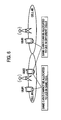
- In LTE (Long Term Evolution), a radio base station eNB is configured to transmit/receive data to and from a mobile station UE performing communications in a cell under the control thereof, with a C-RNTI (Cell-Radio Network Temporary Identify) allocated to the mobile station UE as illustrated in
Fig. 6 (see, patent document 1). - The C-RNTI is allocated on a cell-by-cell basis. In LTE, as illustrated in
Fig. 6 , a same C-RNTI cannot be allocated to a mobile station UE#1 and a mobile station UE#2 which perform communications in a same cell #A, and a same C-RNTI can be allocated to a mobile station UE#1 (or a mobile station UE#2) and a mobile station UE#3 which perform communications in different cells #A/#B. - Here, the C-RNTI is allocated in "Contention based RA (Random Access) Procedure" or a handover procedure.
- In addition, the radio base station eNB is configured to assign resources for transmitting downlink data or uplink data by using the C-RNTI allocated to the mobile station UE.
- Meanwhile, in the "Rel-12 workshop" of the 3GPP, many proposals on "Small cell enhancement" have been made as topics of FRA (Future Radio Access).
- In such proposals, a concept of "Phantom cell" has been discussed.
- As illustrated in
Fig. 7 , unlike a conventional macro cell, a phantom cell can cover a wider area by linking many "small cells" to form one large cell. - Non-patent document 1: 3GPP TS36.300
- However, as illustrated in
Fig. 8 , 65535 C-RNTIs are managed in each cell (a macro cell and a phantom cell), and one C-RNTI has to be allocated to each mobile station UE. - Here, when the coverage area of the phantom cell becomes wider, the number of mobile stations UE performing communications in the phantom cell increases. Accordingly, envisaged is a problem of causing a case in which the phantom cell may run out of C-RNTIs allocatable to the mobile stations UE.
- In a conceivable operation for solving the above-described problem, as illustrated in
Fig. 9 , one C-RNTI is allocated to each mobile station UE in a macro cell, while one C-RNTI is allocated to multiple mobile stations UE in a phantom cell (in other words, one C-RNTI is shared between the multiple mobile stations UE). - However, execution of the above-described operation entails a problem that mobile stations UE to which the same C-RNTI is allocated in the same cell may collide with each other. Here, when such a collision occurs, a mobile station UE which is not intended by the radio base station eNB may wrongly receive allocation information for a correct mobile station UE.
- For this reason, the present invention is made in view of the above-described problem. Accordingly, an objective of the present invention is to provide a mobile communication method and a mobile station capable of, even when a same C-RNTI is allocated to multiple mobile stations UE#A to UE#D in a phantom cell, avoiding a collision between the mobile stations UE#A to UE#D to which the same C-RNTI is allocated.
- A first feature of the present invention is summarized as a mobile communication method, including the steps of: transmitting a first control signal including an identifier different from a cell-specific identifier to a mobile station through a physical downlink control channel by a first radio base station managing a phantom cell formed by linking multiple small cells; transmitting a second control signal including the identifier to the mobile station through a physical downlink control channel by a second radio base station managing a macro cell having a coverage area overlapping with a coverage area of the phantom cell; and regarding the first control signal as valid by the mobile station, when the mobile station determines that the identifier included in the first control signal and the identifier included in the second control signal match each other.
- A second feature of the present invention is summarized as a mobile station capable of communicating with a first radio base station managing a phantom cell formed by linking multiple small cells and a second radio base station managing a macro cell having a coverage area overlapping with a coverage area of the phantom cell, the mobile station including: a reception unit configured to receive a first control signal including an identifier different from a cell-specific identifier from the first radio base station through a physical downlink control channel and receive a second control signal including the identifier from the second radio base station through a physical downlink control channel; and a determination unit configured to regard the first control signal as valid when determining that the identifier included in the first control signal and the identifier included in the second control signal match each other.
-
- [
Fig. 1] Fig. 1 is an entire configuration diagram of a mobile communication system according to a first embodiment of the present invention. - [
Fig. 2] Fig. 2 is a functional block diagram of a radio base station PhNB#10 according to the first embodiment of the present invention. - [
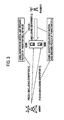
Fig. 3] Fig. 3 is a diagram for illustrating operations of radio base stations PhNB#10/eNB#1 and mobile stations UE#A/UE#B according to the first embodiment of the present invention. - [
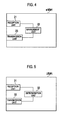
Fig. 4] Fig. 4 is a functional block diagram of the radio base station eNB#1 according to the first embodiment of the present invention. - [
Fig. 5] Fig. 5 is a functional block diagram of a mobile station UE according to the first embodiment of the present invention. - [
Fig. 6] Fig. 6 is a diagram for illustrating a conventional technology. - [
Fig. 7] Fig. 7 is a diagram for illustrating the conventional technology. - [
Fig. 8] Fig. 8 is a diagram for illustrating the conventional technology. - [
Fig. 9] Fig. 9 is a diagram for illustrating the conventional technology. - A mobile communication system according to a first embodiment of the present invention will be described with reference to
Figs. 1 to 5 . - As illustrated in
Fig. 1 , a mobile communication system according to the present embodiment is an LTE mobile communication system, which includes a radio base station PhNB#10 configured to manage acell # 10, a radio base station eNB#1 configured to manage acell # 1, a radio base station eNB#2 configured to manage acell # 2, and a radio base station eNB#3 configured to manage acell # 3. - Here, the
cell # 10 is a phantom cell formed by linking multiple small cells and thecells # 1 to #3 are macro cells. - As illustrated in
Fig. 1 , a coverage area of thecell # 10 and coverage areas of thecells # 1 to #3 are deployed to at least partially overlap each other. - As illustrated in
Fig. 2 , the radio base station PhNB#10 according to the present embodiment includes an allocation unit 11, areception unit 12, and atransmission unit 13. - The allocation unit 11 is configured to allocate a same C-RNTIph to the mobile stations UE#A to UE#D in the
cell # 10. - Here, the allocation unit 11 may allocate a same C-RNTIph to a predetermined number of the mobile stations UE#A to UE#D in the
cell # 10. - In addition, the allocation unit 11 allocates an identifier different from a C-RNTI to each of the mobile stations UE#A to UE#D in the
cell # 10. - Such an identifier can identify each of the mobile stations UE#A to UE#D and be used in place of a UE-ID.
- The
reception unit 12 is configured to receive various kinds of signals from the mobile stations UE#A to UE#D in thecell # 10 and the radio base stations eNB#1 to eNB#3. Thetransmission unit 13 is configured to transmit various kinds of signals to the mobile stations UE#A to UE#D in thecell # 10 and the radio base stations eNB#1 to eNB#3. - Here, the
transmission unit 13 notifies each of the mobile stations UE#A to UE#D in thecell # 10 of a C-RNTIph or an identifier, which is allocated by the allocation unit 11. - Also, the
transmission unit 13 may notify the radio base stations eNB#1 to eNB#3 of the identifier allocated to each of the mobile stations UE#A to UE#D in thecell # 10. - In addition, as illustrated in
Fig. 3 , thetransmission unit 13 transmits a first control signal including a C-RNTI and identifier for each of the mobile stations UE#A to UE#D to each of the mobile stations UE#A to UE#D in thecell # 10 through a PDCCH (Physical Downlink Control Channel). - Instead, the
transmission unit 13 may transmit the first control signal including the C-RNTI and identifier for each of the mobile stations UE#A to UE#D through an ePDCCH (enhanced Physical Downlink Control Channel). - The configurations of the radio base stations eNB#1 to eNB#3 according to the present embodiment are basically same, and the description will be mainly given below to the configuration of the radio base station eNB#1.
- As illustrated in
Fig. 4 , the radio base station eNB#1 according to the present embodiment includes areception unit 21, amanagement unit 22, and atransmission unit 23. - The
reception unit 21 is configured to receive various kinds of signals from the mobile stations UE#A to UE#D and the radio base station PhNB#10. - For example, the
reception unit 21 receives identifiers for the mobile stations UE#A to UE#D in thecell # 10 from the radio base station PhNB#10. - The
management unit 22 is configured to manage identifiers for the mobile stations UE#A to UE#D in thecell # 10 which are received by thereception unit 21. - The
transmission unit 23 is configured to transmit various kinds of signals to the mobile stations UE#A to UE#D and the radio base station PhNB#10. - For example, as illustrated in
Fig. 3 , thetransmission unit 23 transmits a second control signal including an identifier for each of the mobile stations UE#A to UE#D to each of the mobile stations UE#A to UE#D in thecell # 10 through the PDCCH. - Here, the second control signal may be a dummy control signal only for transmitting an identifier for each of the mobile stations UE#A to UE#D without allocation information and the like.
- The configurations of the mobile stations UE#A to UE#D according to the present embodiment are basically same, and the description will be mainly given below to the configuration of the mobile station UE#A.
- As illustrated in
Fig. 5 , the mobile station UE#A according to the present embodiment includes areception unit 31, adetermination unit 32, and atransmission unit 33. - The
reception unit 31 is configured to receive various kinds of signals from the radio base stations PhNB#10/eNB#1/eNB#2/eNB#3. Thetransmission unit 33 is configured to transmit various kinds of signals to the radio base stations PhNB#10/eNB#1/eNB#2/eNB#3. - For example, the
reception unit 31 receives a C-RNTIph or identifier which is allocated to the mobile station UE through a dedicated signal from the radio base station PhNB#10. - Also, the
reception unit 31 may receive a first control signal (for example, scheduling information) including an identifier for the mobile station UE through the PDCCH using the C-RNTIph for the mobile station UE#A from the mobile station PhNB#10. - Furthermore, the
reception unit 31 may receive a second control signal including the identifier for the mobile station UE#A through the PDCCH using the C-RNTIph for the mobile station UE#A from the radio base stations eNB#1 to eNB#3. - The
determination unit 32 is configured to determine whether or not the identifier included in the first control signal and the identifier included in the second control signal match each other or whether or not the second control signal corresponding to the first control signal is received. - Here, the description "the identifiers match each other" may mean that the same identifier is received or may be intended to mean that the identifiers associated with each other in advance are received.
- Here, when determining that the identifier included in the first control signal and the identifier included in the second control signal match each other, the
determination unit 32 regards the first control signal as valid. - In other words, in such a case, the
transmission unit 33 transmits a data signal to the radio basestation PhNB# 10 through the PUSCH based on the first control information (scheduling information) received by the reception unit 31 (or may activate a random access procedure or the like instructed through the PDCCH). - Instead, in such a case, the
reception unit 31 may receive data transmitted through the PDSCH based on the firs control information (scheduling information). - On the other hand, the
determination unit 32 may discard or ignore the first control signal when determining that the identifier included in the first control signal and the identifier included in the second control signal do not match each other. - In addition, in such a case, the
determination unit 32 may discard or ignore the second control signal. - Alternately, the
determination unit 32 may discard or ignore the first control signal when the second control signal is not received after the first control signal is received. - In other words, in such a case, based on the first control information (scheduling information) received by the
reception unit 31, thetransmission unit 33 does not transmit a data signal to the radio basestation PhNB# 10 through the PUSCH or does not activate a procedure (for example, random access procedure) instructed by the first control information. - Also, in such a case, the
reception unit 31 does not receive a data signal transmitted from the radio basestation PhNB# 10 through the PDSCH based on the first control information (scheduling information). - Furthermore, the
determination unit 32 does not regard the second control signal received by thereception unit 31 as valid regardless of whether or not the identifier included in the first control signal and the identifier included in the second control signal match each other. - In other words, the
transmission unit 33 does not transmit a data signal to the radio basestation PhNB# 10 through the PUSCH or does not activate a procedure (for example, random access procedure) instructed by the first control information, based on the second control information received by thereception unit 31. - Also, in such a case, the
reception unit 31 does not receive the data signal transmitted from the radio basestation PhNB# 10 through the PDSCH based on the second control information. - In the example of
Fig. 3 , the mobile station UE#A determines that an identifier X included in the first control signal received from the radio basestation PhNB# 10 and an identifier X included in the second control signal received from the radio basestation eNB# 1 match each other and regards the first control signal as valid. - On the other hand, the mobile station UE#B determines that an identifier X included in the first control signal received from the radio base
station PhNB# 10 and an identifier X included in the second control signal received from the radio basestation eNB# 1 do not match each other, and discards the first control signal without regarding it as valid. - The features of the present embodiment may also be expressed as follows.
- A first feature of the present embodiment is summarized as a mobile communication method, including the steps of: transmitting a first control signal including an identifier different from a C-RNTI (cell-specific identifier) to a mobile station UE#A through a PDCCH (physical downlink control channel) by a radio base station PhNB#10 (first radio base station) managing a cell #10 (phantom cell) formed by linking multiple small cells; transmitting a second control signal including the identifier to the mobile station UE through a PDCCH (physical downlink control channel) by a radio base station eNB#1 (second radio base station) managing a cell #1 (macro cell) having a coverage area overlapping with a coverage area of the
cell # 10; and regarding the first control signal as valid by the mobile station UE, when the mobile station UE determines that the identifier included in the first control signal and the identifier included in the second control signal match each other. - With the above-described configuration, even when a same C-RNTIph is allocated to the multiple mobile stations UE#A to UE#D in the
cell # 10, each of the mobile stations UE#A to UE#D can determine whether or not the control signal is addressed to the mobile station UE itself by using the identifiers transmitted from the radio basestation PhNB# 10 and the radio basestation eNB# 1. - In the first feature of the present embodiment, the mobile communication method may include the step of discarding or ignoring at least one of the first control signal and the second control signal by the mobile station UE, when the mobile station UE determines that the identifier included in the first control signal and the identifier included in the second control signal do not match each other.
- With the above-described configuration, each of the mobile stations UE#A to UE#D discards the control signal when determining that the control signal is not addressed to the mobile station UE itself. Thus, even when the same C-RNTIph is allocated to the multiple mobile stations UE#A to UE#D in the
cell # 10, the radio basestation PhNB# 10 can transmit the control signal to a proper one of the mobile stations UE#A to UE#D. - In the first feature of the present embodiment, the mobile communication method may include the step of discarding the first control signal by the mobile station UE, when the mobile station UE does not receive the first control signal or the second control signal including the identifier included in the first control signal.
- In the first feature of the present embodiment, the mobile station UE does not have to regard the second control signal as valid, regardless of whether or not the identifier included in the first control signal and the identifier included in the second control signal match each other.
- With the above-described configuration, the radio base
station eNB# 1 can notify each of the mobile stations UE#A to UE#D in thecell # 10 of the identifier with a minimum data amount without notifying needless information. - In the first feature of the present embodiment, the mobile station UE may determine whether or not the identifier included in the first control signal and the identifier included in the second control signal match each other when there is an instruction from the radio base station eNB.
- In the first feature of the present embodiment, the mobile station UE may receive the first control signal or the second control signal including the identifier included in the first control signal in a cell designated by the radio base station eNB.
- A second feature of the present embodiment is summarized as a mobile station UE capable of communicating with a radio base
station PhNB# 10 managing acell # 10 formed by linking multiple small cells and a radio basestation eNB# 1 managing acell # 1 having a coverage area overlapping with a coverage area of thecell # 10, the mobile station UE including: areception unit 31 configured to receive a first control signal including an identifier different from a C-RNTI from the radio basestation PhNB# 10 through a PDCCH and receive a second control signal including the identifier from the radio basestation eNB# 1 through a PDCCH; and adetermination unit 32 configured to regard the first control signal as valid when determining that the identifier included in the first control signal and the identifier included in the second control signal match each other. - With the above-described configuration, even when the same C-RNTIph is allocated to the multiple mobile stations UE#A to UE#D in the
cell # 10, each of the mobile stations UE#A to UE#D can determine whether or not the control signal is addressed to the mobile station UE itself, by using the identifiers transmitted from the radio basestation PhNB# 10 and the radio basestation eNB# 1. - In the second feature of the present embodiment, the
determination unit 32 may discard or ignore at least one of the first control signal and the second control signal when determining the identifier included in the first control signal and the identifier included in the second control signal do not match each other. - With the above-described configuration, each of the mobile stations UE#A to UE#D discards the control signal, when determining that the control signal is not addressed to the mobile stations UE itself. Thus, even when the same C-RNTIph is allocated to the multiple mobile stations UE#A to UE#D in the
cell # 10, the radio basestation PhNB# 10 can transmit the control signal to a proper one of the mobile stations UE#A to UE#D. - In the second feature of the present embodiment, the
determination unit 32 may discard the first control signal when the first control signal or the second control signal including the identifier included in the first control signal is not received. - In the second feature of the present embodiment, the
determination unit 32 does not have to regard the second control signal as valid regardless of whether or not the identifier included in the first control signal and the identifier included in the second control signal match each other. - With the above-described configuration, the radio base
station eNB# 1 can notify each of the mobile stations UE#A to UE#D in thecell # 10 of the identifier with a minimum data amount without notifying needless information. - In the second feature of the present embodiment, the
determination unit 32 may determine whether or not the identifier included in the first control signal and the identifier included in the second control signal match each other when there is an instruction from the radio base station eNB. - In the second feature of the present embodiment, the
determination unit 32 may receive the first control signal or the second control signal including the identifier included in the first control signal in a cell designated by the radio base station eNB. - Also, the collision avoiding control described above needs to be performed only when assignment is simultaneously made (the scheduling information is transmitted) to the mobile stations UE to which the same identifier is allocated in the same cell, and does not need to be always performed.
- In other words, the mobile station UE may perform the collision avoiding control as described above only when an instruction to perform such control is issued by the radio base station eNB.
- The designation may be performed in any layer of the RRC layer, PDCP layer, RLC layer, MAC layer, and physical layer. In particular, the designation may be notified together with the first control signal or may be notified together with the second control signal.
- Furthermore, in the above description, a cell to transmit the second control signal is described as a macro cell, but the second control signal may be received by any cell in which a mobile station UE is set.
- It should be noted that the foregoing operations of the mobile stations UE#A to UE#D and the radio base
stations eNB# 1/eNB# 2/eNB# 3/PhNB# 10 may be implemented by hardware, may be implemented by a software module executed by a processor, or may be implemented in combination of the two. - The software module may be provided in a storage medium in any format, such as a RAM (Random Access Memory), a flash memory, a ROM (Read Only Memory), an EPROM (Erasable Programmable ROM), an EEPROM (Electronically Erasable and Programmable ROM), a register, a hard disk, a removable disk, or a CD-ROM.
- The storage medium is connected to a processor so that the processor can read and write information from and to the storage medium. Instead, the storage medium may be integrated in a processor. The storage medium and the processor may be provided inside an ASIC. Such an ASIC may be provided in the mobile stations UE#A to UE#D and the radio base
stations eNB# 1/eNB# 2/eNB# 3/PhNB# 10. Otherwise, the storage medium and the processor may be provided as discrete components inside the mobile stations UE#A to UE#D and the radio basestations eNB# 1/eNB# 2/eNB# 3/PhNB# 10. - Hereinabove, the present invention has been described in detail by use of the foregoing embodiments. However, it is apparent to those skilled in the art that the present invention should not be limited to the embodiments described in the specification. The present invention can be implemented as an altered or modified embodiment without departing from the spirit and scope of the present invention, which are determined by the description of the scope of claims. Therefore, the description of the specification is intended for illustrative explanation only and does not impose any limited interpretation on the present invention.
- Note that the entire content of Japanese Patent Application No.
2012-188687 (filed on August 29, 2012 - As described above, the present invention can provide a mobile communication method and a mobile station, in which a collision between mobile stations UE#A to UE#D to which a same C-RNTI is allocated can be avoided even when the same C-RNTI is allocated to the multiple mobile stations UE#A to UE#D in a phantom cell.
-
-
eNB# 1,eNB# 2,eNB# 3,PhNB# 10 radio base station - 11 allocation unit
- 12, 21, 31 reception unit
- 13, 23, 33 transmission unit
- 22 management unit
- 32 determination unit
Claims (12)
- A mobile communication method, comprising the steps of:transmitting a first control signal including an identifier different from a cell-specific identifier to a mobile station through a physical downlink control channel by a first radio base station managing a phantom cell formed by linking a plurality of small cells;transmitting a second control signal including the identifier to the mobile station through a physical downlink control channel by a second radio base station managing a macro cell having a coverage area overlapping with a coverage area of the phantom cell; andregarding the first control signal as valid by the mobile station, when the mobile station determines that the identifier included in the first control signal and the identifier included in the second control signal match each other.
- The mobile communication method according to claim 1, comprising the step of discarding at least one of the first control signal and the second control signal by the mobile station, when the mobile station determines that the identifier included in the first control signal and the identifier included in the second control signal do not match each other.
- The mobile communication method according to claim 1, further comprising the step of discarding the first control signal by the mobile station, when the mobile station does not receive the first control signal or the second control signal including the identifier included in the first control signal.
- The mobile communication method according to claim 1 or 2, wherein the mobile station does not regard the second control signal as valid, regardless of whether or not the identifier included in the first control signal and the identifier included in the second control signal match each other.
- The mobile communication method according to any one of claims 1 to 4, wherein the mobile station determines whether or not the identifier included in the first control signal and the identifier included in the second control signal match each other when there is an instruction from the radio base station.
- The mobile communication method according to any one of claims 1 to 5, wherein the mobile station receives the first control signal or the second control signal including the identifier included in the first control signal in a cell designated by the radio base station.
- A mobile station capable of communicating with a first radio base station managing a phantom cell formed by linking a plurality of small cells and a second radio base station managing a macro cell having a coverage area overlapping with a coverage area of the phantom cell, the mobile station comprising:a reception unit configured to receive a first control signal including an identifier different from a cell-specific identifier from the first radio base station through a physical downlink control channel and receive a second control signal including the identifier from the second radio base station through a physical downlink control channel; anda determination unit configured to regard the first control signal as valid when determining that the identifier included in the first control signal and the identifier included in the second control signal match each other.
- The mobile station according to claim 7, wherein the determination unit discards at least one of the first control signal and the second control signal when determining the identifier included in the first control signal and the identifier included in the second control signal do not match each other.
- The mobile station according to claim 7, wherein the determination unit discards the first control signal when the first control signal or the second control signal including the identifier included in the first control signal is not received.
- The mobile station according to claim 7 or 8, wherein the determination unit does not regard the second control signal as valid regardless of whether or not the identifier included in the first control signal and the identifier included in the second control signal match each other.
- The mobile station according to any one of claims 7 to 10, wherein the determination unit determines whether or not the identifier included in the first control signal and the identifier included in the second control signal match each other when there is an instruction from the radio base station.
- The mobile station according to any one of claims 7 to 11, wherein the determination unit receives the first control signal or the second control signal including the identifier included in the first control signal in a cell designated by the radio base station.
Priority Applications (1)
| Application Number | Priority Date | Filing Date | Title |
|---|---|---|---|
| EP17170797.9A EP3223548A1 (en) | 2012-08-29 | 2013-08-19 | Mobile communication method and mobile station |
Applications Claiming Priority (2)
| Application Number | Priority Date | Filing Date | Title |
|---|---|---|---|
| JP2012188687A JP6061562B2 (en) | 2012-08-29 | 2012-08-29 | Mobile communication method and mobile station |
| PCT/JP2013/072049 WO2014034453A1 (en) | 2012-08-29 | 2013-08-19 | Mobile communications method and mobile station |
Related Child Applications (1)
| Application Number | Title | Priority Date | Filing Date |
|---|---|---|---|
| EP17170797.9A Division EP3223548A1 (en) | 2012-08-29 | 2013-08-19 | Mobile communication method and mobile station |
Publications (2)
| Publication Number | Publication Date |
|---|---|
| EP2892272A1 true EP2892272A1 (en) | 2015-07-08 |
| EP2892272A4 EP2892272A4 (en) | 2016-04-13 |
Family
ID=50183268
Family Applications (2)
| Application Number | Title | Priority Date | Filing Date |
|---|---|---|---|
| EP17170797.9A Withdrawn EP3223548A1 (en) | 2012-08-29 | 2013-08-19 | Mobile communication method and mobile station |
| EP13834009.6A Withdrawn EP2892272A4 (en) | 2012-08-29 | 2013-08-19 | MOBILE COMMUNICATION METHOD AND MOBILE STATION |
Family Applications Before (1)
| Application Number | Title | Priority Date | Filing Date |
|---|---|---|---|
| EP17170797.9A Withdrawn EP3223548A1 (en) | 2012-08-29 | 2013-08-19 | Mobile communication method and mobile station |
Country Status (4)
| Country | Link |
|---|---|
| US (2) | US9549401B2 (en) |
| EP (2) | EP3223548A1 (en) |
| JP (1) | JP6061562B2 (en) |
| WO (1) | WO2014034453A1 (en) |
Families Citing this family (4)
| Publication number | Priority date | Publication date | Assignee | Title |
|---|---|---|---|---|
| JP5758352B2 (en) * | 2012-06-22 | 2015-08-05 | 株式会社Nttドコモ | Wireless communication system and base station |
| JP6061562B2 (en) * | 2012-08-29 | 2017-01-18 | 株式会社Nttドコモ | Mobile communication method and mobile station |
| CN107409389A (en) * | 2015-04-10 | 2017-11-28 | 富士通株式会社 | Distribution method, device and the communication system of Cell Radio Network Temporary Identifier/Identity, Cell-RNTI |
| WO2017214983A1 (en) * | 2016-06-17 | 2017-12-21 | 华为技术有限公司 | Identification management method, device, and system |
Family Cites Families (15)
| Publication number | Priority date | Publication date | Assignee | Title |
|---|---|---|---|---|
| JP2010041652A (en) | 2008-08-08 | 2010-02-18 | Fujitsu Ltd | Terminal apparatus, base station apparatus detection method, wireless communication system, and base station apparatus |
| WO2010082285A2 (en) | 2009-01-15 | 2010-07-22 | シャープ株式会社 | Wireless communication system, mobile communication terminal and communication connection method |
| CN104768194B (en) * | 2009-02-13 | 2020-12-08 | 三星电子株式会社 | Handover method and apparatus in wireless communication system including femtocell |
| JP4975070B2 (en) * | 2009-08-17 | 2012-07-11 | 株式会社エヌ・ティ・ティ・ドコモ | Mobile communication method, radio base station, and mobile station |
| KR20110051082A (en) * | 2009-11-09 | 2011-05-17 | 주식회사 팬택 | Method and apparatus for transmitting control information in heterogeneous wireless network environment |
| US9717074B2 (en) * | 2010-04-01 | 2017-07-25 | Hon Hai Precision Industry Co., Ltd. | Relay user equipment device and status announcement method thereof |
| US8873483B2 (en) * | 2010-06-03 | 2014-10-28 | Htc Corporation | Method of handling semi-persistent scheduling cell radio network temporary identifier and related communication device |
| US20110319066A1 (en) * | 2010-06-24 | 2011-12-29 | Industrial Technology Research Institute | Apparatus and method for relaying content between a macrocell and a femtocell |
| CN102469557B (en) * | 2010-11-15 | 2014-08-13 | 华为技术有限公司 | Method for accessing base station, base station and user equipment |
| CN104126281B (en) * | 2012-01-11 | 2018-06-15 | 诺基亚通信公司 | Method and device for secondary cell preparation for inter-site carrier aggregation |
| US20130308475A1 (en) * | 2012-05-21 | 2013-11-21 | Qualcomm Incorporated | Method and system for controlling uplink interference in heterogeneous networks |
| JP6061562B2 (en) * | 2012-08-29 | 2017-01-18 | 株式会社Nttドコモ | Mobile communication method and mobile station |
| US9622170B2 (en) * | 2012-11-02 | 2017-04-11 | Blackberry Limited | Wireless communication in heterogeneous networks |
| US9674369B2 (en) * | 2013-01-30 | 2017-06-06 | Sony Corporation | Communication control apparatus, communication control method, program, and terminal apparatus |
| US9386619B2 (en) * | 2013-02-22 | 2016-07-05 | Htc Corporation | Method of handling a cell addition for dual connectivity and related communication device |
-
2012
- 2012-08-29 JP JP2012188687A patent/JP6061562B2/en not_active Expired - Fee Related
-
2013
- 2013-08-19 EP EP17170797.9A patent/EP3223548A1/en not_active Withdrawn
- 2013-08-19 US US14/420,907 patent/US9549401B2/en not_active Expired - Fee Related
- 2013-08-19 WO PCT/JP2013/072049 patent/WO2014034453A1/en not_active Ceased
- 2013-08-19 EP EP13834009.6A patent/EP2892272A4/en not_active Withdrawn
-
2016
- 2016-12-07 US US15/371,861 patent/US20170094645A1/en not_active Abandoned
Also Published As
| Publication number | Publication date |
|---|---|
| EP2892272A4 (en) | 2016-04-13 |
| US20150208393A1 (en) | 2015-07-23 |
| JP2014049794A (en) | 2014-03-17 |
| WO2014034453A1 (en) | 2014-03-06 |
| US9549401B2 (en) | 2017-01-17 |
| EP3223548A1 (en) | 2017-09-27 |
| JP6061562B2 (en) | 2017-01-18 |
| US20170094645A1 (en) | 2017-03-30 |
Similar Documents
| Publication | Publication Date | Title |
|---|---|---|
| JP5097142B2 (en) | Mobile communication method and radio base station | |
| JP5318151B2 (en) | Mobile communication method, radio base station, and mobile station | |
| US20170094645A1 (en) | Mobile communication method and mobile station | |
| US9549422B2 (en) | Radio base station | |
| EP2892263B1 (en) | Radio base station and mobile station | |
| US9883536B2 (en) | Radio base station and mobile station | |
| EP2892261B1 (en) | Mobile communication method, radio base station, and mobile station | |
| US9655146B2 (en) | Mobile communication method and mobile station | |
| JP5784252B2 (en) | Mobile communication method, radio base station, and mobile station | |
| JP6336021B2 (en) | Mobile communication method and mobile station | |
| JP2017028741A (en) | Radio base station |
Legal Events
| Date | Code | Title | Description |
|---|---|---|---|
| PUAI | Public reference made under article 153(3) epc to a published international application that has entered the european phase |
Free format text: ORIGINAL CODE: 0009012 |
|
| 17P | Request for examination filed |
Effective date: 20150302 |
|
| AK | Designated contracting states |
Kind code of ref document: A1 Designated state(s): AL AT BE BG CH CY CZ DE DK EE ES FI FR GB GR HR HU IE IS IT LI LT LU LV MC MK MT NL NO PL PT RO RS SE SI SK SM TR |
|
| AX | Request for extension of the european patent |
Extension state: BA ME |
|
| DAX | Request for extension of the european patent (deleted) | ||
| RA4 | Supplementary search report drawn up and despatched (corrected) |
Effective date: 20160310 |
|
| RIC1 | Information provided on ipc code assigned before grant |
Ipc: H04W 8/26 20090101AFI20160304BHEP Ipc: H04W 74/08 20090101ALI20160304BHEP |
|
| GRAP | Despatch of communication of intention to grant a patent |
Free format text: ORIGINAL CODE: EPIDOSNIGR1 |
|
| INTG | Intention to grant announced |
Effective date: 20170130 |
|
| STAA | Information on the status of an ep patent application or granted ep patent |
Free format text: STATUS: THE APPLICATION IS DEEMED TO BE WITHDRAWN |
|
| 18D | Application deemed to be withdrawn |
Effective date: 20170610 |