EP2890785B1 - Pcsk9 peptide vaccine - Google Patents
Pcsk9 peptide vaccine Download PDFInfo
- Publication number
- EP2890785B1 EP2890785B1 EP13756108.0A EP13756108A EP2890785B1 EP 2890785 B1 EP2890785 B1 EP 2890785B1 EP 13756108 A EP13756108 A EP 13756108A EP 2890785 B1 EP2890785 B1 EP 2890785B1
- Authority
- EP
- European Patent Office
- Prior art keywords
- artificial sequence
- vaccine
- prt
- mimotope
- seq
- Prior art date
- Legal status (The legal status is an assumption and is not a legal conclusion. Google has not performed a legal analysis and makes no representation as to the accuracy of the status listed.)
- Active
Links
Images





Classifications
-
- C—CHEMISTRY; METALLURGY
- C12—BIOCHEMISTRY; BEER; SPIRITS; WINE; VINEGAR; MICROBIOLOGY; ENZYMOLOGY; MUTATION OR GENETIC ENGINEERING
- C12N—MICROORGANISMS OR ENZYMES; COMPOSITIONS THEREOF; PROPAGATING, PRESERVING, OR MAINTAINING MICROORGANISMS; MUTATION OR GENETIC ENGINEERING; CULTURE MEDIA
- C12N9/00—Enzymes; Proenzymes; Compositions thereof; Processes for preparing, activating, inhibiting, separating or purifying enzymes
- C12N9/14—Hydrolases (3)
- C12N9/48—Hydrolases (3) acting on peptide bonds (3.4)
- C12N9/50—Proteinases, e.g. Endopeptidases (3.4.21-3.4.25)
- C12N9/64—Proteinases, e.g. Endopeptidases (3.4.21-3.4.25) derived from animal tissue
-
- A—HUMAN NECESSITIES
- A61—MEDICAL OR VETERINARY SCIENCE; HYGIENE
- A61K—PREPARATIONS FOR MEDICAL, DENTAL OR TOILETRY PURPOSES
- A61K39/00—Medicinal preparations containing antigens or antibodies
- A61K39/0005—Vertebrate antigens
-
- A—HUMAN NECESSITIES
- A61—MEDICAL OR VETERINARY SCIENCE; HYGIENE
- A61K—PREPARATIONS FOR MEDICAL, DENTAL OR TOILETRY PURPOSES
- A61K39/00—Medicinal preparations containing antigens or antibodies
-
- A—HUMAN NECESSITIES
- A61—MEDICAL OR VETERINARY SCIENCE; HYGIENE
- A61K—PREPARATIONS FOR MEDICAL, DENTAL OR TOILETRY PURPOSES
- A61K39/00—Medicinal preparations containing antigens or antibodies
- A61K39/385—Haptens or antigens, bound to carriers
-
- A—HUMAN NECESSITIES
- A61—MEDICAL OR VETERINARY SCIENCE; HYGIENE
- A61K—PREPARATIONS FOR MEDICAL, DENTAL OR TOILETRY PURPOSES
- A61K39/00—Medicinal preparations containing antigens or antibodies
- A61K39/39—Medicinal preparations containing antigens or antibodies characterised by the immunostimulating additives, e.g. chemical adjuvants
-
- A—HUMAN NECESSITIES
- A61—MEDICAL OR VETERINARY SCIENCE; HYGIENE
- A61K—PREPARATIONS FOR MEDICAL, DENTAL OR TOILETRY PURPOSES
- A61K47/00—Medicinal preparations characterised by the non-active ingredients used, e.g. carriers or inert additives; Targeting or modifying agents chemically bound to the active ingredient
- A61K47/50—Medicinal preparations characterised by the non-active ingredients used, e.g. carriers or inert additives; Targeting or modifying agents chemically bound to the active ingredient the non-active ingredient being chemically bound to the active ingredient, e.g. polymer-drug conjugates
- A61K47/51—Medicinal preparations characterised by the non-active ingredients used, e.g. carriers or inert additives; Targeting or modifying agents chemically bound to the active ingredient the non-active ingredient being chemically bound to the active ingredient, e.g. polymer-drug conjugates the non-active ingredient being a modifying agent
- A61K47/62—Medicinal preparations characterised by the non-active ingredients used, e.g. carriers or inert additives; Targeting or modifying agents chemically bound to the active ingredient the non-active ingredient being chemically bound to the active ingredient, e.g. polymer-drug conjugates the non-active ingredient being a modifying agent the modifying agent being a protein, peptide or polyamino acid
- A61K47/64—Drug-peptide, drug-protein or drug-polyamino acid conjugates, i.e. the modifying agent being a peptide, protein or polyamino acid which is covalently bonded or complexed to a therapeutically active agent
- A61K47/6415—Toxins or lectins, e.g. clostridial toxins or Pseudomonas exotoxins
-
- A—HUMAN NECESSITIES
- A61—MEDICAL OR VETERINARY SCIENCE; HYGIENE
- A61K—PREPARATIONS FOR MEDICAL, DENTAL OR TOILETRY PURPOSES
- A61K47/00—Medicinal preparations characterised by the non-active ingredients used, e.g. carriers or inert additives; Targeting or modifying agents chemically bound to the active ingredient
- A61K47/50—Medicinal preparations characterised by the non-active ingredients used, e.g. carriers or inert additives; Targeting or modifying agents chemically bound to the active ingredient the non-active ingredient being chemically bound to the active ingredient, e.g. polymer-drug conjugates
- A61K47/51—Medicinal preparations characterised by the non-active ingredients used, e.g. carriers or inert additives; Targeting or modifying agents chemically bound to the active ingredient the non-active ingredient being chemically bound to the active ingredient, e.g. polymer-drug conjugates the non-active ingredient being a modifying agent
- A61K47/62—Medicinal preparations characterised by the non-active ingredients used, e.g. carriers or inert additives; Targeting or modifying agents chemically bound to the active ingredient the non-active ingredient being chemically bound to the active ingredient, e.g. polymer-drug conjugates the non-active ingredient being a modifying agent the modifying agent being a protein, peptide or polyamino acid
- A61K47/64—Drug-peptide, drug-protein or drug-polyamino acid conjugates, i.e. the modifying agent being a peptide, protein or polyamino acid which is covalently bonded or complexed to a therapeutically active agent
- A61K47/643—Albumins, e.g. HSA, BSA, ovalbumin or a Keyhole Limpet Hemocyanin [KHL]
-
- A—HUMAN NECESSITIES
- A61—MEDICAL OR VETERINARY SCIENCE; HYGIENE
- A61K—PREPARATIONS FOR MEDICAL, DENTAL OR TOILETRY PURPOSES
- A61K47/00—Medicinal preparations characterised by the non-active ingredients used, e.g. carriers or inert additives; Targeting or modifying agents chemically bound to the active ingredient
- A61K47/50—Medicinal preparations characterised by the non-active ingredients used, e.g. carriers or inert additives; Targeting or modifying agents chemically bound to the active ingredient the non-active ingredient being chemically bound to the active ingredient, e.g. polymer-drug conjugates
- A61K47/51—Medicinal preparations characterised by the non-active ingredients used, e.g. carriers or inert additives; Targeting or modifying agents chemically bound to the active ingredient the non-active ingredient being chemically bound to the active ingredient, e.g. polymer-drug conjugates the non-active ingredient being a modifying agent
- A61K47/62—Medicinal preparations characterised by the non-active ingredients used, e.g. carriers or inert additives; Targeting or modifying agents chemically bound to the active ingredient the non-active ingredient being chemically bound to the active ingredient, e.g. polymer-drug conjugates the non-active ingredient being a modifying agent the modifying agent being a protein, peptide or polyamino acid
- A61K47/64—Drug-peptide, drug-protein or drug-polyamino acid conjugates, i.e. the modifying agent being a peptide, protein or polyamino acid which is covalently bonded or complexed to a therapeutically active agent
- A61K47/646—Drug-peptide, drug-protein or drug-polyamino acid conjugates, i.e. the modifying agent being a peptide, protein or polyamino acid which is covalently bonded or complexed to a therapeutically active agent the entire peptide or protein drug conjugate elicits an immune response, e.g. conjugate vaccines
-
- A—HUMAN NECESSITIES
- A61—MEDICAL OR VETERINARY SCIENCE; HYGIENE
- A61P—SPECIFIC THERAPEUTIC ACTIVITY OF CHEMICAL COMPOUNDS OR MEDICINAL PREPARATIONS
- A61P3/00—Drugs for disorders of the metabolism
- A61P3/06—Antihyperlipidemics
-
- A—HUMAN NECESSITIES
- A61—MEDICAL OR VETERINARY SCIENCE; HYGIENE
- A61P—SPECIFIC THERAPEUTIC ACTIVITY OF CHEMICAL COMPOUNDS OR MEDICINAL PREPARATIONS
- A61P9/00—Drugs for disorders of the cardiovascular system
-
- A—HUMAN NECESSITIES
- A61—MEDICAL OR VETERINARY SCIENCE; HYGIENE
- A61P—SPECIFIC THERAPEUTIC ACTIVITY OF CHEMICAL COMPOUNDS OR MEDICINAL PREPARATIONS
- A61P9/00—Drugs for disorders of the cardiovascular system
- A61P9/10—Drugs for disorders of the cardiovascular system for treating ischaemic or atherosclerotic diseases, e.g. antianginal drugs, coronary vasodilators, drugs for myocardial infarction, retinopathy, cerebrovascula insufficiency, renal arteriosclerosis
-
- A—HUMAN NECESSITIES
- A61—MEDICAL OR VETERINARY SCIENCE; HYGIENE
- A61P—SPECIFIC THERAPEUTIC ACTIVITY OF CHEMICAL COMPOUNDS OR MEDICINAL PREPARATIONS
- A61P9/00—Drugs for disorders of the cardiovascular system
- A61P9/14—Vasoprotectives; Antihaemorrhoidals; Drugs for varicose therapy; Capillary stabilisers
-
- C—CHEMISTRY; METALLURGY
- C07—ORGANIC CHEMISTRY
- C07K—PEPTIDES
- C07K16/00—Immunoglobulins [IG], e.g. monoclonal or polyclonal antibodies
- C07K16/40—Immunoglobulins [IG], e.g. monoclonal or polyclonal antibodies against enzymes
-
- C—CHEMISTRY; METALLURGY
- C12—BIOCHEMISTRY; BEER; SPIRITS; WINE; VINEGAR; MICROBIOLOGY; ENZYMOLOGY; MUTATION OR GENETIC ENGINEERING
- C12N—MICROORGANISMS OR ENZYMES; COMPOSITIONS THEREOF; PROPAGATING, PRESERVING, OR MAINTAINING MICROORGANISMS; MUTATION OR GENETIC ENGINEERING; CULTURE MEDIA
- C12N9/00—Enzymes; Proenzymes; Compositions thereof; Processes for preparing, activating, inhibiting, separating or purifying enzymes
- C12N9/14—Hydrolases (3)
- C12N9/48—Hydrolases (3) acting on peptide bonds (3.4)
- C12N9/50—Proteinases, e.g. Endopeptidases (3.4.21-3.4.25)
- C12N9/64—Proteinases, e.g. Endopeptidases (3.4.21-3.4.25) derived from animal tissue
- C12N9/6421—Proteinases, e.g. Endopeptidases (3.4.21-3.4.25) derived from animal tissue from mammals
- C12N9/6424—Serine endopeptidases (3.4.21)
-
- C—CHEMISTRY; METALLURGY
- C12—BIOCHEMISTRY; BEER; SPIRITS; WINE; VINEGAR; MICROBIOLOGY; ENZYMOLOGY; MUTATION OR GENETIC ENGINEERING
- C12N—MICROORGANISMS OR ENZYMES; COMPOSITIONS THEREOF; PROPAGATING, PRESERVING, OR MAINTAINING MICROORGANISMS; MUTATION OR GENETIC ENGINEERING; CULTURE MEDIA
- C12N9/00—Enzymes; Proenzymes; Compositions thereof; Processes for preparing, activating, inhibiting, separating or purifying enzymes
- C12N9/14—Hydrolases (3)
- C12N9/48—Hydrolases (3) acting on peptide bonds (3.4)
- C12N9/50—Proteinases, e.g. Endopeptidases (3.4.21-3.4.25)
- C12N9/64—Proteinases, e.g. Endopeptidases (3.4.21-3.4.25) derived from animal tissue
- C12N9/6421—Proteinases, e.g. Endopeptidases (3.4.21-3.4.25) derived from animal tissue from mammals
- C12N9/6424—Serine endopeptidases (3.4.21)
- C12N9/6454—Dibasic site splicing serine proteases, e.g. kexin (3.4.21.61); furin (3.4.21.75) and other proprotein convertases
-
- C—CHEMISTRY; METALLURGY
- C12—BIOCHEMISTRY; BEER; SPIRITS; WINE; VINEGAR; MICROBIOLOGY; ENZYMOLOGY; MUTATION OR GENETIC ENGINEERING
- C12Y—ENZYMES
- C12Y304/00—Hydrolases acting on peptide bonds, i.e. peptidases (3.4)
- C12Y304/21—Serine endopeptidases (3.4.21)
- C12Y304/21061—Kexin (3.4.21.61), i.e. proprotein convertase subtilisin/kexin type 9
-
- A—HUMAN NECESSITIES
- A61—MEDICAL OR VETERINARY SCIENCE; HYGIENE
- A61K—PREPARATIONS FOR MEDICAL, DENTAL OR TOILETRY PURPOSES
- A61K39/00—Medicinal preparations containing antigens or antibodies
- A61K2039/555—Medicinal preparations containing antigens or antibodies characterised by a specific combination antigen/adjuvant
- A61K2039/55505—Inorganic adjuvants
-
- A—HUMAN NECESSITIES
- A61—MEDICAL OR VETERINARY SCIENCE; HYGIENE
- A61K—PREPARATIONS FOR MEDICAL, DENTAL OR TOILETRY PURPOSES
- A61K39/00—Medicinal preparations containing antigens or antibodies
- A61K2039/60—Medicinal preparations containing antigens or antibodies characteristics by the carrier linked to the antigen
- A61K2039/6031—Proteins
- A61K2039/6081—Albumin; Keyhole limpet haemocyanin [KLH]
Definitions
- the present invention relates to a vaccine capable to induce the formation of antibodies directed to PCSK9 in vivo.
- the present invention relates to novel peptides which are able to influence the Proprotein Convertase Subtilisin/Kexin Type 9 (PCSK9)-mediated degradation of the Low Density Lipoprotein (LDL) receptor (LDLR).
- PCSK9 Proprotein Convertase Subtilisin/Kexin Type 9
- LDLR Low Density Lipoprotein receptor
- the peptides are coupled to an immunogenic carrier and formulated to a vaccine for the prevention and/or treatment of PCSK9-related health disorders caused by hyperlipidemia, hypercholesterolemia, or atherosclerosis.
- CVD cardiovascular disease
- Factors such as hyperlipidemia, hypercholesterolemia, hypertension and atherosclerosis are linked to those diseases.
- LDLc High LDL cholesterol (LDLc) levels constitute a high cardiovascular risk, and are directly correlating with increased risk for atherosclerosis.
- the LDLR mainly hepatic LDLR, is the primary pathway for removal of LDLc from plasma. Circulating LDLc binds to the LDLR and the formed complex is internalized by clathrin-mediated endocytosis. Subsequently, while LDLc is proceeded for degradation, the LDLR is recycled back to the cell surface.
- PCSK9 is a secreted serine protease that binds to and promotes degradation of the LDLR. It was discovered in 2003 as the third gene locus associated with autosomal dominant hypercholesterolemia (ADH). "Gain of function mutations” (GOF) of PCSK9 enhance its interaction with the LDLR and result in a decrease of LDLR levels and markedly higher LDLc levels. Consequently, GOF are associated with hypercholesterolemia and predisposition to atherosclerosis. Conversely, “Loss of function mutations” (LOF) lead to increased LDLR levels and dramatically reduced LDLc with a subsequent reduction of the risk for coronary heart disease (CHD). Human PCSK9 is mainly expressed in liver, intestine, and kidney. It is synthesized as a ⁇ 72 kDa protein which undergoes autocatalytic cleavage before it is secreted as a ⁇ 65 kDa mature protein.
- ADH autosomal dominant hypercholesterolemia
- Circulating PCSK9 binds specifically to the EGF-A domain of LDLR.
- the complex is internalized by endocytosis, and instead of recycling of the LDLR back to the cell surface, LDLR is consequently degraded in the lysosomes.
- the net effect of the PCSK9-LDLR interaction is the reduction of LDLR available for clearance of LDLc from plasma, indicating the importance of PCSK9 as a regulator of LDLR and thus LDLc metabolism.
- PCSK9 As a regulator of LDLc levels. Adenoviral overexpression of PCSK9 in mice led to a significant increase of circulating LDLc. In contrast, PCSK9-/- mice show a 2.8 fold increase in the levels of LDLR and a reduction of LDLc to ⁇ 50% compared to wild type animals.
- GOF and LOF mutations indicate the important role of PCSK9 in regulating LDL metabolism in humans, making PCSK9 an attractive target for pharmaceutical intervention.
- humans heterozygous for LOF mutations in PCSK9 seem to be healthy and have a normal life-span.
- a compound heterozygote with two inactivating mutations in PCSK9 and no circulating PCSK9 has been reported to be a healthy 31-year-old African-American mother with very low levels of LDLc (14-34 mg/dl).
- WO 2013/037889 A2 disclose fragments of the PCSK9 polypeptide as vaccines.
- Li et al. (Rec. Pat. DNA & Gene Seq. 3 (2009), 201-212 ), Genest (http://www.acclakelouise.com/downloads/slides/2012/1_Sunday/Sun day_03_Genest_New_Lipids_Rx.pdf) and Wierzbicki et al. (Exp. Op. Invest. Drugs 21 (2012), 667-676 ) report about recent developments regarding inhibition of PCSK9 for the treatment of hyperlipidaemia.
- PCSK9 is a major regulator of LDLR, and thus LDLc levels.
- statins represent the first line of intervention for cholesterol management, statins are not sufficient or appropriate in certain subjects to achieve the goals.
- PCSK9 was found to be upregulated by statins, counteracting their pharmacologic effect. Accordingly, the identification of additional or alternative medications to control LDLc levels is of great importance. Inhibition of PCSK9 is expected to lower plasma LDLc as monotherapy, but also to augment the cholesterol lowering effect of statins or other substances (such as for example fibrates or nicotinic acid).
- An object of the present invention is to provide means and methods for reducing LDLc in an individual. This object can be achieved by providing peptides which mimic the respective native sequence, so-called mimotopes. Such mimotopes are able to induce antibodies that specifically bind to human PCSK9 and inhibit the PCSK9-mediated degradation of LDLR.
- a vaccine, vaccine composition or composition comprising at least one peptide consisting of 9 to 25 amino acid residues having the amino acid sequence X 1 X 2 X 3 WX 4 X 5 X 6 RX 7 (X 8 ) m (X 9 ) n , (SEQ ID No. 1) wherein
- the vaccination of individuals with the peptides of the present invention leads to the production of polyclonal antibodies which bind to PCSK9. Such antibodies are able to compete with the LDLR binding. As a consequence, hepatic LDLR levels are increased and plasma LDLc and total cholesterol is decreased. Therefore, the administration of a vaccine according to the present invention allows treating or preventing diseases caused by hyperlipidemia, hypercholesterolemia and/or atherosclerosis.
- the peptides of the present invention are so-called mimotopes.
- Mimotopes have an amino acid sequence which is different from the original protein/peptide sequence from which they are derived. Those mimotopes are considered as foreign by the immune system and therefore do not need to break self-tolerance.
- the peptides of the present invention are variants (amino acid exchanges and optional truncations) of the PCSK9 fragment having amino acid sequence SIPWNLERITPPR (SEQ ID No. 2). It turned surprisingly out that a modification (e.g. mutation) of the tryptophan residue at position 4 of SEQ ID No. 2 and the arginine residue at position 8 of SEQ ID No. 2 results in the formation of antibodies which cannot bind sufficiently to PCKS9.
- novel peptide sequences according to the present invention if coupled or fused to a pharmaceutically acceptable carrier and formulated as vaccines, are able to induce the formation of antibodies directed to PCSK9 and therefore beneficially modifying the PCSK9-mediated LDLR degradation and thus subsequently reduce plasma LDLc levels.
- the peptides defined with the present invention also achieve surprisingly superior results in reducing the levels of total cholesterol compared to the native PCSK9 sequences, even compared to the ones disclosed in WO 2012/059573 A1 and WO 2011/027257 A2 . This is further shown in the example section of the present application by using a representative animal model.
- a vaccine comprising at least one, at least 2, at least 3, at least 4, at least 5 or at least 10 peptides having amino acid sequence SEQ ID No. 1 as defined herein.
- the vaccine according to the present invention may comprise a combination of two or more peptides as disclosed herein.
- a vaccine as disclosed herein comprises one or more peptides disclosed herein, such as according to SEQ ID No. 1 and as defined herein also other peptides such as mimotopes (i.e. mutants of PCSK9 fragments) or fragments of PCSK9 (see e.g. WO 2011/027257 ).
- fragments of PCSK9 are fragments of SIPWNLERITPPRYRADEYQPPDGGSLVEV, in particular SIPWNLERIT, SIPWNLERI, SIPWNLERITPPR, SIPWNLERITPP or SIPWNLERITP.
- the peptides of the present invention can be chemically synthesized by methods which are well known in the art. Of course it is also possible to produce the peptides of the present invention using recombinant methods.
- the peptides can be produced in microorganisms such as bacteria, yeast or fungi, in eukaryotic cells such as mammalian or insect cells, or in a recombinant virus vector such as adenovirus, poxvirus, herpes virus, Simliki forest virus, baculovirus, bacteriophage, Sindbis virus or Sendai virus.
- Suitable bacteria for producing the peptides include E. coli, B. subtilis or any other bacterium that is capable of expressing such peptides.
- Suitable yeast cells for expressing the peptides of the present invention include Saccharomyces cerevisiae, Schizosaccharomyces pombe, Candida, Pichia pastoris or any other yeast capable of expressing peptides.
- Corresponding means and methods are well known in the art.
- methods for isolating and purifying recombinantly produced peptides are well known in the art and include e.g. gel filtration, affinity chromatography, ion exchange chromatography etc.
- fusion polypeptides may be made wherein the peptides are translationally fused (covalently linked) to a heterologous polypeptide which enables isolation by affinity chromatography.
- Typical heterologous polypeptides are His-Tag (e.g. His6; 6 histidine residues), GST-Tag (Glutathione-S-transferase) etc.
- His-Tag e.g. His6; 6 histidine residues
- GST-Tag Glutathione-S-transferase
- the fusion polypeptide may comprise a cleavage site at the junction between the peptide and the heterologous polypeptide.
- the cleavage site may consist of an amino acid sequence that is cleaved with an enzyme specific for the amino acid sequence at the site (e.g. proteases).
- the vaccine and peptides of the present invention can be administered to any kind of mammal including humans. It is however preferred to administer the vaccine and peptides of the present invention to humans.
- X 1 is valine, serine, threonine or alanine, preferably valine.
- X 2 is valine, alanine, isoleucine or glutamine, preferably valine.
- X 3 is proline, threonine, alanine or valine.
- X 4 of SEQ ID No. 1 is preferably serine or asparagine, preferably serine.
- X 6 is glutamic acid.
- X 7 is preferably leucine, isoleucine or threonine, preferably threonine.
- X 8 is preferably glutamine, threonine or leucine.
- X 1 X 2 X 3 is selected from the group consisting of TIP, VIP, AIP, SVP, SQP, SAP, SGP, SIT, SIA, SIV and VQP.
- X 4 X 5 X 6 is selected from the group consisting of SLE, ALE, QLE, DLE, NAE, NGE, NYE, NDE, NFE, NVE and NLD.
- X 7 (X 8 )m, m being 1, is preferably selected from the group consisting of LT, TT, AT, IL, IQ, IA, IS, TL, LQ and LL.
- X 9 is selected from the group consisting of PPR, PP, P, APR, SPR, PAR, PVR, PTR, PNR, PPA, PPK, PPS and PPL.
- the at least one peptide is selected from the group consisting of TIPWNLERIT, TIPWNLERITPPR, VIPWNLERIT, VIPWNLERITPPR, AIPWNLERIT, AIPWNLERITPPR, SVPWNLERIT, SVPWNLERITPPR, SQPWNLERIT, SQPWNLERITPPR, SAPWNLERIT, SAPWNLERITPPR, SGPWNLERITPPR, SGPWNLERIT, SITWNLERIT, SITWNLERITPPR, SIAWNLERIT, SIAWNLERITPPR, SIVWNLERITPPR, SIVWNLERIT, SIPWSLERIT, SIPWSLERITPPR, SIPWALERIT, SIPWALERITPPR, SIPWQLERITPPR, SIPWQLERIT, SIPWDLERITPPR, SIPWDLERIT, SIPWNAERIT, SIPWNAERITPPR, SIPWNGERIT, SIPWNGERITPPR, SIPWNY
- At least one peptide (SEQ ID No. 1) comprised in the vaccine of the present invention comprises at its N- and/or C-terminus at least one cysteine residue bound directly or via a spacer sequence thereto.
- This cysteine residue may serve as a reactive group in order to bind the peptide to another molecule or a carrier. For instance, this group may be used to bind the peptide to a carrier protein.
- the cysteine residue can be bound directly to the peptides of the present invention or via a spacer sequence.
- the spacer sequence comprises preferably at least one, preferably at least two, more preferably at least three, even more preferably at least four, and optionally a maximum of ten, preferably a minimum of five small non-polar amino acid residues such as glycines.
- the carrier is selected from the group consisting of keyhole limpet haemocyanin (KLH), CRM (preferably CRM197), tetanus toxoid (TT), diphtheria toxin (DT), protein D or any other protein or peptide containing helper T-cell epitopes.
- KLH keyhole limpet haemocyanin
- CRM preferably CRM197
- TT tetanus toxoid
- DT diphtheria toxin
- protein D protein D or any other protein or peptide containing helper T-cell epitopes.
- the peptides SEQ ID NO. 21, 55 and 60 are coupled or fused to a pharmaceutically acceptable carrier, preferably KLH (Keyhole Limpet Hemocyanin), CRM, tetanus toxoid, albumin-binding protein, bovine serum albumin, a dendrimer, peptide linkers (or flanking regions) and may contain adjuvant substances described in Singh et al. ( Singh et al., Nat. Biotech. 17, (1999): 1075-1081 (in particular those in Table 1 of that document)), and O'Hagan et al.
- KLH Keyhole Limpet Hemocyanin
- CRM Keyhole Limpet Hemocyanin
- tetanus toxoid albumin-binding protein
- bovine serum albumin bovine serum albumin
- a dendrimer peptide linkers (or flanking regions)
- adjuvant substances described in Singh et al. Singh et al., Nat. Biotech. 17, (1999)
- conjugation chemistry e.g. via heterobifunctional compounds such as GMBS and of course also others as described in "Bioconjugate Techniques", Greg T. Hermanson
- conjugation chemistry can be selected from reactions known to the skilled man in the art.
- a protein carrier by methods known in the art.
- proteins comprise a peptide as described herein together with an unrelated immunogenic protein.
- the immunogenic protein is capable of eliciting a recall response.
- proteins include tetanus, tuberculosis, hepatitis proteins and protein D, a surface protein of the gram-negative bacterium Haemophilus influenza B ( WO 91/18926 ).
- a protein D derivative is used which comprises approximately the first third of the protein (e.g., the first N-terminal 100-110 amino acids) and which may be lipidated.
- LYTA protein known as LYTA
- LYTA is derived from Streptococcus pneumoniae, which synthesizes an N-acetyl-L-alanine amidase known as amidase LYTA (encoded by the LytA gene; Gene 43; (1986):265-292 ).
- LYTA is an autolysin that specifically degrades certain bonds in the peptidoglycan backbone.
- a repeat portion of LYTA may be incorporated into a fusion protein. A repeat portion is found in the C-terminal region starting at residue 178. A particularly preferred repeat portion incorporates residues 188-305.
- the peptides according to the present invention are formulated with an adjuvant, preferably adsorbed to aluminium hydroxide.
- the vaccine according to the present invention may be formulated with an adjuvant, preferably a low soluble aluminum composition, in particular aluminum hydroxide.
- adjuvants like MF59, aluminum phosphate, calcium phosphate, cytokines (e.g. IL-2, IL-12, GM-CSF), saponins (e.g. QS21), MDP derivatives, CpG oligonucleotides, LPS, MPL, polyphosphazenes, emulsions (e.g.
- liposomes e.g. LTK63 and LTR72
- iscoms cochleates, PLG microparticles, poloxamer particles, virus-like particles, heat-labile enterotoxin (LT), cholera toxin (CT), mutant toxins (e.g. LTK63 and LTR72), microparticles and/or polymerized liposomes may be used.
- LT heat-labile enterotoxin
- CT cholera toxin
- mutant toxins e.g. LTK63 and LTR72
- microparticles and/or polymerized liposomes may be used.
- Suitable adjuvants are commercially available as, for example, AS01B, AS02A, AS15, AS-2 and derivatives thereof (GlaxoSmithKline, Philadelphia, PA); CWS, TDM, Leif, aluminum salts such as aluminum hydroxide gel (alum) or aluminum phosphate; salts of calcium, iron or zinc; an insoluble suspension of acylated tyrosine; acylated sugars; cationically or anionically derivatized polysaccharides; polyphosphazenes; biodegradable microspheres; monophosphoryl lipid A and quil A. Cytokines, such as GM-CSF or interleukin-2, -7 or -12 may also be used as adjuvants.
- Cytokines such as GM-CSF or interleukin-2, -7 or -12 may also be used as adjuvants.
- Preferred adjuvants for use in eliciting a predominantly Th1-type response include, for example, a combination of monophosphoryl lipid A, preferably 3-O-deacylated monophosphoryl lipid A (3D-MPL), optionally with an aluminum salt (see, for example, Ribi et al., Immunology and Immunopharmacology of Bacterial Endotoxins, Plenum Publ. Corp., NY, (1986): 407-419 ; GB 2122204B ; GB 2220211 ; and US 4,912,094 ).
- a preferred form of 3D-MPL is an emulsion having a small particle size less than 0.2 mm in diameter, and its method of manufacture is disclosed in WO 94/21292 .
- Aqueous formulations comprising monophosphoryl lipid A and a surfactant have been described in WO 98/43670 .
- Exemplified preferred adjuvants include AS01B (MPL and QS21 in a liposome formulation), 3D-MPL and QS21 in a liposome formulation, AS02A (MPL and QS21 and an oil-in-water emulsion), 3D-MPL and QS21 and an oil-in-water emulsion, and AS 15.
- MPL adjuvants are disclosed e.g. in US 4,436,727 ; US 4,877,611 ; US 4,866,034 and US 4,912,094 .
- CpG-containing oligonucleotides (in which the CpG dinucleotide is unmethylated) also induce a predominantly Th1 response.
- CpG is an abbreviation for cytosine-guanosine dinucleotide motifs present in DNA.
- Such oligonucleotides are well known and are described, for example, in WO 96/02555 , WO 99/33488 , US 6,008,200 and US 5,856,462 .
- Immunostimulatory DNA sequences are also described, for example, by Sato et al., Science 273; (1996):352 .
- CpG when formulated into vaccines is generally administered in free solution together with free antigen ( WO 96/02555 ; McCluskie and Davis, supra) or covalently conjugated to an antigen ( WO 98/16247 ), or formulated with a carrier such as aluminium hydroxide ((Hepatitis surface antigen) Davis et al., supra; Brazolot-Millan et al., PNAS USA, 95(26), (1998):15553-8 ).
- a carrier such as aluminium hydroxide
- CpG is known in the art as being an adjuvant that can be administered by both systemic and mucosal routes ( WO 96/02555 , EP 0 468 520 , Davis et al., J.lmmunol, 160(2), (1998):870-876 ; McCluskie and Davis, J.Immunol., 161(9), (1998) :4463-6 ).
- Another preferred adjuvant is a saponin or saponin mimetics or derivatives, preferably QS21 (Aquila Biopharmaceuticals Inc.), which may be used alone or in combination with other adjuvants.
- QS21 Amla Biopharmaceuticals Inc.
- an enhanced system involves the combination of a monophosphoryl lipid A and saponin derivative, such as the combination of QS21 and 3D-MPL as described in WO 94/00153 , or a less reactogenic composition where the QS21 is quenched with cholesterol as described in WO 96/33739 .
- Other preferred formulations comprise an oil-in-water emulsion and tocopherol.
- a particularly potent adjuvant formulation involving QS21, 3D-MPL and tocopherol in an oil-in-water emulsion is described in WO 95/17210 .
- Additional saponin adjuvants of use in the present invention include QS7 (described in WO 96/33739 and WO 96/11711 ) and QS17 (described in US 5,057,540 and EP 0 362 279 B1 ).
- adjuvants include Montanide ISA 720 (Seppic, France), SAF (Chiron, California, United States), ISCOMS (CSL), MF-59 (Chiron), the SBAS series of adjuvants (e.g., SBAS-2, AS2', AS2, SBAS-4, or SBAS6, available from GlaxoSmithKline), Detox (Corixa), RC-529 (Corixa, Hamilton, MT) and other aminoalkyl glucosaminide 4-phosphates (AGPs).
- Further example adjuvants include synthetic MPL and adjuvants based on Shiga toxin B subunit (see WO 2005/112991 ). It is particularly preferred to use aluminium hydroxide as adjuvant.
- the vaccine of the present invention may be administered subcutaneously, intramuscularly, intradermally, intravenously (see e.g. " Handbook of Pharmaceutical Manufacturing Formulations", Sarfaraz Niazi, CRC Press Inc, 2004 ).
- the medicament may comprise respective carriers, adjuvants, and/or excipients.
- a vaccine which comprises a peptide of the present invention and the pharmaceutically acceptable carrier may be administered by any suitable mode of application, e.g. intradermally (i.d.), intraperitoneally (i.p.), intramuscularly (i.m.), intranasally, orally, subcutaneously (s.c.), etc. and in any suitable delivery device ( O'Hagan et al., Nature Reviews, Drug Discovery 2 (9), (2003), 727-735 ).
- the peptides of the present invention are preferably formulated for intradermal, subcutaneous or intramuscular administration. Means and methods for obtaining respective formulations are known to the person skilled in the art (see e.g. " Handbook of Pharmaceutical Manufacturing Formulations", Sarfaraz Niazi, CRC Press Inc, 2004 ).
- the vaccine is used in the treatment and/or prevention of disorders caused by hyperlipidemia, hypercholesterolemia and/or atherosclerosis, preferably cardiovascular diseases, stroke or peripheral vascular diseases in particular in mammals, preferably in humans.
- the peptides of the present invention are able to induce the formation of antibodies which are able to bind specifically PCSK9.
- the interaction of the antibodies with PCSK9 leads to the increase of low density lipoprotein receptor in liver hepatocytes in vivo, increased plasma cholesterol uptake and subsequent reduction of the plasma LDL cholesterol levels and thus the overall cholesterol levels.
- the disease associated with atherosclerosis is preferably selected from the group consisting of peripheral arterial occlusive disease, coronary heart disease, apoplectic cerebral insultus and stroke.
- diseases associated with hyperlipidemia, hypercholesterolemia and/or atherosclerosis and “disorders caused by hyperlipidemia, hypercholesterolemia and/or atherosclerosis” refer to diseases which are a consequence of hyperlipidemia, hypercholesterolemia and atherosclerosis. These diseases include among others peripheral arterial occlusive disease, coronary heart disease and apoplectic cerebral insultus (see e.g. Steinberg, D. J Lipid Res 46(2005):179-190 and Steinberg, D. J Lipid Res 47 (2006) :1339-1351 ) .
- the peptides of the present invention are administered to a mammal or an individual in an amount of 0.1 ng to 10 mg, preferably of 0.5 to 500 ⁇ g, more preferably 1 to 100 ⁇ g, per immunization. In a preferred embodiment these amounts refer to all peptides (if more than one peptide is used in the vaccine) present in the vaccine. In another preferred embodiment these amounts refer to each single fragment present in the vaccine. It is of course possible to provide a vaccine in which the peptides are present in different or equal amounts. However, the peptide of the present invention may alternatively be administered to a mammal or an individual in an amount of 0.1 ng to 10 mg, preferably 10 ng to 1 mg, in particular 100 ng to 300 ⁇ g/kg body weight.
- the amount of peptides that may be combined with the carrier materials to produce a single dosage form will vary depending upon the host treated and the particular mode of administration.
- the dose of the vaccine may vary according to factors such as the disease state, age, sex and weight of the mammal or individual, and the ability of antibody to elicit a desired response in the individual. Dosage regime may be adjusted to provide the optimum therapeutic response. For example, several divided doses may be administered daily or the dose may be proportionally reduced as indicated by the exigencies of the therapeutic situation.
- the dose of the vaccine may also be varied to provide optimum preventative dose response depending upon the circumstances. For instance, the peptides and vaccine of the present invention may be administered to an individual at intervals of several days, one or two weeks or even months or years depending always on the level of antibodies directed to PCSK9.
- the peptide/vaccine is applied between 2 and 10, preferably between 2 and 7, even more preferably up to 5 and most preferably up to 4 times. This number of immunizations may lead to a basic immunisation.
- the time interval between the subsequent vaccinations is chosen to be between 2 weeks and 5 years, preferably between 1 month and up to 3 years, more preferably between 2 months and 1.5 years.
- An exemplified vaccination schedule may comprise 3 to 4 initial vaccinations over a period of 6 to 8 weeks and up to 6 months. Thereafter the vaccination may be repeated every two to ten years. The repeated administration of the peptide/vaccine of the present invention may maximize the final effect of a therapeutic vaccination.
- the vaccine of the present invention may also comprise antigens derived from other proteins which are also involved in the regulation of the LDL and/or HDL levels within a human body.
- the PCSK9 fragments of the present invention may be combined with epitopes derived from human CETP protein.
- the vaccine of the present invention may also comprise antigens derived from a different epitope of the PCSK9 protein.
- the vaccine contains the peptides of the present invention in an amount of 0.5 to 500 ⁇ g, preferably 1 to 100 ⁇ g and alternatively from 0.1 ng to 10 mg, preferably 10 ng to 1 mg, in particular 100 ng to 100 ⁇ g, or, alternatively, e.g. 100 fmol to 10 ⁇ mol, preferably 10 pmol to 1 ⁇ mol, in particular 100 pmol to 100 nmol.
- the vaccine may also contain auxiliary substances, e.g. buffers, stabilizers etc.
- Yet another aspect of the present disclosure relates to a method for treating an individual suffering or at risk to suffer from atherosclerosis or a disease associated with atherosclerosis in the course of which a peptide or vaccine according to the present invention is administered to said individual.
- the individual to be treated may receive also other active ingredients known to influence the LDL and/or HDL levels in humans and mammals such as statins, fibrates, nicotinic acid, cholesterol uptake inhibitor (e.g. ezetimibe), ApoA1 Milano, delipidated HDL, plant sterols. It is particularly preferred to administers to an individual the vaccine of the present invention together (i.e. at the same time, consecutively etc.) with statins.
- the vaccine of the present invention can also be combined with methods like LDL apheresis.
- LDL apheresis is a form of apheresis to eliminate the cholesterol-containing particle low-density lipoprotein (LDL) from the bloodstream.
- LDL apheresis works by leading venous blood through a column coated with antibodies to apolipoprotein B (the main protein of LDL particles), dextran sulfate or polyacrylate, or by precipitating LDL with heparin at low pH.
- apolipoprotein B the main protein of LDL particles
- dextran sulfate or polyacrylate or by precipitating LDL with heparin at low pH.
- preventing covers measures not only to prevent the occurrence of disease, such as risk factor reduction, but also to arrest its progress and reduce its consequences once established.
- treatment encompasses the improvement and/or reversal of the symptoms of disease.
- a compound which causes an improvement in any parameter associated with disease when used in the screening methods of the instant invention may thereby be identified as a therapeutic compound.
- treatment refers to both therapeutic treatment and prophylactic or preventative measures.
- those who may benefit from treatment with compositions and methods of the present invention include those already with a disease and/or disorder as well as those in which a disease and/or disorder is to be prevented (e.g., using a prophylactic treatment of the present invention).
- Another aspect of the present invention relates to a peptide consisting of an amino acid sequence X 1 X 2 X 3 WX 4 X 5 X 6 RX 7 (X 8 ) m (X 9 ) n (SEQ ID No. 1) as defined above.
- the peptides were conjugated via the heterobifunctional linker GMBS (4-Maleimidobutyric acid N-hydroxysuccinimide ester) to KLH (Keyhole Limpet Hemocyanin).
- GMBS 4-Maleimidobutyric acid N-hydroxysuccinimide ester
- mice were subcutaneously immunized. Mice had access to food and water ad libitum and were kept under a 12 h light/dark cycle. The age of mice at the beginning of experiments was 8 to 10 weeks.
- mice were injected four times in 2 week intervals with 15 ⁇ g of net peptide coupled to KLH and adsorbed to Alhydrogel as adjuvant in a volume of 1 ml in total.
- Mimotopes diminishing >20% subsequent binding of the polyclonal antibodies from the sera to the original human PCSK9 epitope (aa 153-162 or 153-165: SEQ ID No.3) coated on the ELISA plates were considered as competing mimotopes and as good candidates.
- Mimotopes were coated on ELISA plates at a concentration of 1 ⁇ mol/mL. After blocking unspecific binding (1% BSA in PBS) appropriate dilutions of sera from mice injected with the original human PCSK9 sequence aa 153-162 or aa 153-165 (SEQ ID No.3) were added and incubated for approximately 1 hour. Subsequently, detection with anti-mouse IgG antibodies was performed. ABTS was used as substrate. OD measurements were performed at 405 nm and titers were defined as the dilution of the serum where 50% of the ODmax is reached.
- ELISA plates were coated with recombinantly expressed human PCSK9 protein. Unspecific binding was blocked by incubation with blocking buffer (1% BSA in PBS). Appropriate serum dilutions were added to the wells, serially diluted 1:2 fold and incubated for approximately 1 hour. Bound antibodies were detected by incubation with anti-mouse IgG antibod, ABTS was added as substrate and the OD at 405 nm was measured. As negative control sera from the control group injected with an irrelevant peptide were analyzed. The titers were defined as the dilution of the serum where 50% of the ODmax in the assay is reached.
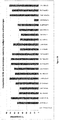
- Example 1 List of sequences and median antibody titers against original human PCSK9 sequence (See Fig. 1A and Fig. 1B) and competition capacity (in percent) of the mimotopes, compared to the negative control group (See Fig. 2A and Fig. 2B).
- the peptides may comprise a cysteine residue as a linker at the C-terminus.
- mice For this purpose mice have been immunized with HPLC purified peptides coupled to KLH and formulated with an adjuvant (Alum) as vaccines (Sequence-KLH/Alum).
- Alum adjuvant
- mice In the first experiment, a direct comparison between the original PCSK9 sequence and the novel sequence SIPWSLERIT has been performed.
- mice have been immunized with irrelevant peptide vaccine (irrelevant peptide-KLH/Alum) as a negative control group, original PCSK9 sequence vaccine (SIPWNLERIT- KLH/Alum) and the novel sequence vaccine (SIPWSLERIT-KLH/Alum).
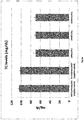
- mice upon vaccination with the novel sequence vaccine (SIPWSLERIT-KLH/Alum), mice show a significant reduction of total cholesterol, compared not only to the negative control group but in fact, compared also to the group injected with vaccines containing the original PCSK9 sequence SIPWNLERIT ( Figure 5a and Figure 5b ).
- mice have been immunized with irrelevant peptide as a negative control group and all the three novel sequences SIPWSLERIT, VIPWNLERIL and SVPWNLERIQ, all coupled to KLH and formulated as vaccines.
- the mice immunized with the novel sequence SIPWSLERIT-KLH/Alum have been used as a bridging group between the experiments.
- the bridging group injected with the novel sequence (SIPWSLERIT-KLH/Alum) is behaving in a similar way in both experiments ( Figure 5a, 5b , 6a and 6b ) and most importantly, all three groups immunized with vaccines containing one of the sequences SIPWSLERIT, VIPWNLERIL or SVPWNLERIQ behave in a very similar way in terms of reduction of plasma total cholesterol levels ( Figure 6a and Figure 6b ).
- the present data confirm the significant efficiency of the vaccines according to the present invention, i.e. the peptide vaccines containing the sequences SEQ ID No.21 SIPWSLERIT, SEQ ID No. 55 VIPWNLERIL and SEQ ID No. 60 SVPWNLERIQ, to induce functional antibodies that are able not only strongly to decrease the levels of plasma TC compared to the irrelevant negative control, but also to significantly reduce the total cholesterol levels in comparison to a vaccine containing the original PCSK9 sequence (SIPWNLERIT-KLH/Alum).
- Figure 5a shows the plasma mean values in mg/dl upon immunization with vaccine containing the novel sequence SIPWSLERIT, compared to immunization with vaccine containing the original PCSK9 sequence SIPWNLERIT and to the irrelevant (negative) control group (SEQ ID No. 2 ERTKSDPGAQHREF).
- Figure 5b provides the % decrease of TC of the groups, compared to the irrelevant (negative) control group.
- Figure 6a shows the plasma mean values in mg/dl upon immunization with vaccines containing the novel sequences SIPWSLERIT, VIPWNLERIL and SVPWNLERIQ, compared to the irrelevant (negative) control group (SEQ ID No. 2 ERTKSDPGAQHREF).
- Figure 6b provides the % decrease of TC of the groups injected with SIPWSLERIT, VIPWNLERIL and SVPWNLERIQ, compared to the irrelevant (negative) control group.
- the vaccines according to the present invention i.e. the peptide vaccines comprising the sequences SEQ ID No.21 SIPWSLERIT, SEQ ID No. 55 VIPWNLERIL and SEQ ID No. 60 SVPWNLERIQ show an unexpected and surprisingly advantageous effect compared to the vaccines presented in the prior art.
Landscapes
- Health & Medical Sciences (AREA)
- Life Sciences & Earth Sciences (AREA)
- Chemical & Material Sciences (AREA)
- Engineering & Computer Science (AREA)
- Bioinformatics & Cheminformatics (AREA)
- General Health & Medical Sciences (AREA)
- Medicinal Chemistry (AREA)
- Organic Chemistry (AREA)
- Animal Behavior & Ethology (AREA)
- Pharmacology & Pharmacy (AREA)
- Public Health (AREA)
- Veterinary Medicine (AREA)
- Genetics & Genomics (AREA)
- Wood Science & Technology (AREA)
- Zoology (AREA)
- Molecular Biology (AREA)
- Microbiology (AREA)
- Epidemiology (AREA)
- Biomedical Technology (AREA)
- Proteomics, Peptides & Aminoacids (AREA)
- Immunology (AREA)
- Biochemistry (AREA)
- General Engineering & Computer Science (AREA)
- Mycology (AREA)
- Biotechnology (AREA)
- Chemical Kinetics & Catalysis (AREA)
- General Chemical & Material Sciences (AREA)
- Nuclear Medicine, Radiotherapy & Molecular Imaging (AREA)
- Heart & Thoracic Surgery (AREA)
- Cardiology (AREA)
- Virology (AREA)
- Toxicology (AREA)
- Vascular Medicine (AREA)
- Biophysics (AREA)
- Urology & Nephrology (AREA)
- Obesity (AREA)
- Hematology (AREA)
- Diabetes (AREA)
- Peptides Or Proteins (AREA)
- Medicines Containing Antibodies Or Antigens For Use As Internal Diagnostic Agents (AREA)
Description
- The present invention relates to a vaccine capable to induce the formation of antibodies directed to PCSK9 in vivo.
- The present invention relates to novel peptides which are able to influence the Proprotein Convertase Subtilisin/Kexin Type 9 (PCSK9)-mediated degradation of the Low Density Lipoprotein (LDL) receptor (LDLR). The peptides are coupled to an immunogenic carrier and formulated to a vaccine for the prevention and/or treatment of PCSK9-related health disorders caused by hyperlipidemia, hypercholesterolemia, or atherosclerosis.
- One of the major leading causes of death worldwide is cardiovascular disease (CVD). Factors such as hyperlipidemia, hypercholesterolemia, hypertension and atherosclerosis are linked to those diseases. In comprehensive epidemiologic studies, a positive correlation between the level of the serum cholesterol and the occurrence of CVD could be demonstrated. High LDL cholesterol (LDLc) levels constitute a high cardiovascular risk, and are directly correlating with increased risk for atherosclerosis.
- The LDLR, mainly hepatic LDLR, is the primary pathway for removal of LDLc from plasma. Circulating LDLc binds to the LDLR and the formed complex is internalized by clathrin-mediated endocytosis. Subsequently, while LDLc is proceeded for degradation, the LDLR is recycled back to the cell surface.
- PCSK9 is a secreted serine protease that binds to and promotes degradation of the LDLR. It was discovered in 2003 as the third gene locus associated with autosomal dominant hypercholesterolemia (ADH). "Gain of function mutations" (GOF) of PCSK9 enhance its interaction with the LDLR and result in a decrease of LDLR levels and markedly higher LDLc levels. Consequently, GOF are associated with hypercholesterolemia and predisposition to atherosclerosis. Conversely, "Loss of function mutations" (LOF) lead to increased LDLR levels and dramatically reduced LDLc with a subsequent reduction of the risk for coronary heart disease (CHD). Human PCSK9 is mainly expressed in liver, intestine, and kidney. It is synthesized as a ∼72 kDa protein which undergoes autocatalytic cleavage before it is secreted as a ∼65 kDa mature protein.
- Circulating PCSK9 binds specifically to the EGF-A domain of LDLR. The complex is internalized by endocytosis, and instead of recycling of the LDLR back to the cell surface, LDLR is consequently degraded in the lysosomes. The net effect of the PCSK9-LDLR interaction is the reduction of LDLR available for clearance of LDLc from plasma, indicating the importance of PCSK9 as a regulator of LDLR and thus LDLc metabolism.
- Several animal studies substantiate the essential role of PCSK9 as a regulator of LDLc levels. Adenoviral overexpression of PCSK9 in mice led to a significant increase of circulating LDLc. In contrast, PCSK9-/- mice show a 2.8 fold increase in the levels of LDLR and a reduction of LDLc to ∼50% compared to wild type animals. GOF and LOF mutations indicate the important role of PCSK9 in regulating LDL metabolism in humans, making PCSK9 an attractive target for pharmaceutical intervention. Notably, humans heterozygous for LOF mutations in PCSK9 seem to be healthy and have a normal life-span. Moreover, a compound heterozygote with two inactivating mutations in PCSK9 and no circulating PCSK9 has been reported to be a healthy 31-year-old African-American mother with very low levels of LDLc (14-34 mg/dl).
- Several compounds reducing the amount of circulating PCSK9 or inhibiting its interaction with the LDLR were successfully tested pre-clinically and clinically (such as monoclonal antibodies, antisense-oligonucleotides or inhibitors of autocatalysis). Although PCSK9 acts intracellularly and extracellularly on LDLR, targeting circulating PCSK9 is a valuable approach for LDLc lowering therapeutics. Parabiosis experiments in mice as well as administration of recombinant protein have indicated that extracellular PCSK9 is sufficient to reduce the number of hepatic LDLR. More importantly, results from human clinical studies with PCSK9-specific monoclonal antibodies (mAbs) indicate that targeting PCSK9 enables efficient and safe reduction of LDLc. In addition, several clinical trials to evaluate the safety and efficacy of targeting PCSK9 were recently successfully finalized.
-
WO 2013/037889 A2 ,WO 2012/059573 A1 andWO 2011/027257 A2 disclose fragments of the PCSK9 polypeptide as vaccines. Li et al. (Rec. Pat. DNA & Gene Seq. 3 (2009), 201-212), Genest (http://www.acclakelouise.com/downloads/slides/2012/1_Sunday/Sun day_03_Genest_New_Lipids_Rx.pdf) and Wierzbicki et al. (Exp. Op. Invest. Drugs 21 (2012), 667-676) report about recent developments regarding inhibition of PCSK9 for the treatment of hyperlipidaemia. - In summary, PCSK9 is a major regulator of LDLR, and thus LDLc levels. Although statins represent the first line of intervention for cholesterol management, statins are not sufficient or appropriate in certain subjects to achieve the goals. Moreover, PCSK9 was found to be upregulated by statins, counteracting their pharmacologic effect. Accordingly, the identification of additional or alternative medications to control LDLc levels is of great importance. Inhibition of PCSK9 is expected to lower plasma LDLc as monotherapy, but also to augment the cholesterol lowering effect of statins or other substances (such as for example fibrates or nicotinic acid).
- An object of the present invention is to provide means and methods for reducing LDLc in an individual. This object can be achieved by providing peptides which mimic the respective native sequence, so-called mimotopes. Such mimotopes are able to induce antibodies that specifically bind to human PCSK9 and inhibit the PCSK9-mediated degradation of LDLR.
- Therefore, the present invention is defined as in the claims.
- Disclosed is also a vaccine, vaccine composition or composition comprising at least one peptide consisting of 9 to 25 amino acid residues having the amino acid sequence
X1X2X3WX4X5X6RX7 (X8)m(X9)n, (SEQ ID No. 1)
wherein - X1 is an amino acid residue selected from the group of uncharged amino acid residues, preferably selected from the group consisting of serine, threonine, valine and alanine,
- X2 is an amino acid residue selected from the group of uncharged amino acid residues, preferably selected from the group of isoleucine, valine, glycine, glutamine and alanine, more preferably isoleucine, valine, glutamine and alanine.
- X3 is an amino acid residue selected from the group of uncharged amino acid residues, preferably selected from the group consisting of proline, threonine, alanine and valine, more preferably proline,
- X4 is an amino acid residue selected from the group consisting of asparagine, serine, alanine, glutamine and aspartic acid,
- X5 is an amino acid residue selected from the group consisting of leucine, glycine, alanine, tyrosine, aspartic acid, phenylalanine and valine, preferably leucine,
- X6 is an amino acid residue selected from the group of hydrophilic, negatively charged amino acid residue, preferably an amino acid residue selected from the group consisting of glutamic acid and aspartic acid,
- X7 is an amino acid residue selected from the group of uncharged amino acid residues, preferably selected from the group consisting of isoleucine, leucine, alanine and threonine,
- X8 is an amino acid residue selected from the group of uncharged amino acid residues selected from the group consisting of threonine, leucine, glutamine, alanine and serine,
- X9 is X10X11X12 or a C-terminal truncated fragment thereof consisting of 1 or 2 amino acid residues,
- X10 is any amino acid residue, preferably an amino acid residue selected from the group of uncharged amino acid residues, preferably selected from the group consisting of proline, alanine and serine,
- X11 is any amino acid residue, preferably an amino acid residue selected from the group of uncharged amino acid residues, preferably selected from the group consisting of proline, alanine, valine, threonine and asparagine,
- X12 is any amino acid residue, preferably an amino acid residue selected from the group consisting of arginine, alanine, lysine, serine, and leucine,
- m is 0 or 1,
- n is 0 or 1, and
- SEQ ID No. 1 is not SIPWNLERITPPR or a C-terminal truncated fragment thereof,
- wherein said at least one peptide is coupled or fused to a pharmaceutically acceptable carrier.
- The vaccination of individuals with the peptides of the present invention leads to the production of polyclonal antibodies which bind to PCSK9. Such antibodies are able to compete with the LDLR binding. As a consequence, hepatic LDLR levels are increased and plasma LDLc and total cholesterol is decreased. Therefore, the administration of a vaccine according to the present invention allows treating or preventing diseases caused by hyperlipidemia, hypercholesterolemia and/or atherosclerosis.
- The peptides of the present invention are so-called mimotopes. Mimotopes have an amino acid sequence which is different from the original protein/peptide sequence from which they are derived. Those mimotopes are considered as foreign by the immune system and therefore do not need to break self-tolerance.
- The peptides of the present invention are variants (amino acid exchanges and optional truncations) of the PCSK9 fragment having amino acid sequence SIPWNLERITPPR (SEQ ID No. 2). It turned surprisingly out that a modification (e.g. mutation) of the tryptophan residue at
position 4 of SEQ ID No. 2 and the arginine residue atposition 8 of SEQ ID No. 2 results in the formation of antibodies which cannot bind sufficiently to PCKS9. - The novel peptide sequences according to the present invention, if coupled or fused to a pharmaceutically acceptable carrier and formulated as vaccines, are able to induce the formation of antibodies directed to PCSK9 and therefore beneficially modifying the PCSK9-mediated LDLR degradation and thus subsequently reduce plasma LDLc levels. The peptides defined with the present invention also achieve surprisingly superior results in reducing the levels of total cholesterol compared to the native PCSK9 sequences, even compared to the ones disclosed in
WO 2012/059573 A1 andWO 2011/027257 A2 . This is further shown in the example section of the present application by using a representative animal model. - Disclosed is also a peptide according to SEQ ID No. 1 with a length of 9 to 13 amino acid residues (i.e. wherein no X12 is present and wherein m=1; or wherein m=0 and X10 is proline, alanine and serine, and X11 is proline, alanine, valine, threonine and asparagine and X12 is arginine, alanine, lysine, serine and leucine).
- Disclosed is also a vaccine comprising at least one, at least 2, at least 3, at least 4, at least 5 or at least 10 peptides having amino acid sequence SEQ ID No. 1 as defined herein. The vaccine according to the present invention may comprise a combination of two or more peptides as disclosed herein. However, it is also possible that a vaccine as disclosed herein comprises one or more peptides disclosed herein, such as according to SEQ ID No. 1 and as defined herein also other peptides such as mimotopes (i.e. mutants of PCSK9 fragments) or fragments of PCSK9 (see e.g.
WO 2011/027257 ). Particularly preferred fragments of PCSK9 are fragments of SIPWNLERITPPRYRADEYQPPDGGSLVEV, in particular SIPWNLERIT, SIPWNLERI, SIPWNLERITPPR, SIPWNLERITPP or SIPWNLERITP. - The peptides of the present invention can be chemically synthesized by methods which are well known in the art. Of course it is also possible to produce the peptides of the present invention using recombinant methods. The peptides can be produced in microorganisms such as bacteria, yeast or fungi, in eukaryotic cells such as mammalian or insect cells, or in a recombinant virus vector such as adenovirus, poxvirus, herpes virus, Simliki forest virus, baculovirus, bacteriophage, sindbis virus or Sendai virus. Suitable bacteria for producing the peptides include E. coli, B. subtilis or any other bacterium that is capable of expressing such peptides. Suitable yeast cells for expressing the peptides of the present invention include Saccharomyces cerevisiae, Schizosaccharomyces pombe, Candida, Pichia pastoris or any other yeast capable of expressing peptides. Corresponding means and methods are well known in the art. Also methods for isolating and purifying recombinantly produced peptides are well known in the art and include e.g. gel filtration, affinity chromatography, ion exchange chromatography etc.
- To facilitate isolation of the peptides of the present invention, fusion polypeptides may be made wherein the peptides are translationally fused (covalently linked) to a heterologous polypeptide which enables isolation by affinity chromatography. Typical heterologous polypeptides are His-Tag (e.g. His6; 6 histidine residues), GST-Tag (Glutathione-S-transferase) etc. The fusion polypeptide facilitates not only the purification of the peptides but can also prevent the degradation of the peptides during the purification steps. If it is desired to remove the heterologous polypeptide after purification the fusion polypeptide may comprise a cleavage site at the junction between the peptide and the heterologous polypeptide. The cleavage site may consist of an amino acid sequence that is cleaved with an enzyme specific for the amino acid sequence at the site (e.g. proteases).
- The vaccine and peptides of the present invention can be administered to any kind of mammal including humans. It is however preferred to administer the vaccine and peptides of the present invention to humans.
- According to a preferred embodiment of SEQ ID NO. 1, X1 is valine, serine, threonine or alanine, preferably valine.
- According to a further preferred embodiment of SEQ ID NO. 1, X2 is valine, alanine, isoleucine or glutamine, preferably valine.
- According to a preferred embodiment of SEQ ID NO. 1, X3 is proline, threonine, alanine or valine.
- X4 of SEQ ID No. 1 is preferably serine or asparagine, preferably serine.
- According to a preferred embodiment of SEQ ID NO. 1, X6 is glutamic acid.
- X7 is preferably leucine, isoleucine or threonine, preferably threonine.
- X8 is preferably glutamine, threonine or leucine.
- According to a preferred embodiment of SEQ ID NO. 1, X1X2X3 is selected from the group consisting of TIP, VIP, AIP, SVP, SQP, SAP, SGP, SIT, SIA, SIV and VQP.
- According to a further preferred embodiment of SEQ ID NO. 1, X4X5X6 is selected from the group consisting of SLE, ALE, QLE, DLE, NAE, NGE, NYE, NDE, NFE, NVE and NLD.
- X7(X8)m, m being 1, is preferably selected from the group consisting of LT, TT, AT, IL, IQ, IA, IS, TL, LQ and LL.
- According to a preferred embodiment of SEQ ID NO. 1, X9 is selected from the group consisting of PPR, PP, P, APR, SPR, PAR, PVR, PTR, PNR, PPA, PPK, PPS and PPL.
- According to a particularly preferred embodiment of SEQ ID NO. 1, the at least one peptide is selected from the group consisting of TIPWNLERIT, TIPWNLERITPPR, VIPWNLERIT, VIPWNLERITPPR, AIPWNLERIT, AIPWNLERITPPR, SVPWNLERIT, SVPWNLERITPPR, SQPWNLERIT, SQPWNLERITPPR, SAPWNLERIT, SAPWNLERITPPR, SGPWNLERITPPR, SGPWNLERIT, SITWNLERIT, SITWNLERITPPR, SIAWNLERIT, SIAWNLERITPPR, SIVWNLERITPPR, SIVWNLERIT, SIPWSLERIT, SIPWSLERITPPR, SIPWALERIT, SIPWALERITPPR, SIPWQLERITPPR, SIPWQLERIT, SIPWDLERITPPR, SIPWDLERIT, SIPWNAERIT, SIPWNAERITPPR, SIPWNGERIT, SIPWNGERITPPR, SIPWNYERIT, SIPWNYERITPPR, SIPWNDERIT, SIPWNDERITPPR, SIPWNFERITPPR, SIPWNVERITPPR, SIPWNLDRITPPR, SIPWNFERIT, SIPWNVERIT, SIPWNLDRIT, SIPWNLERLT, SIPWNLERLTPPR, SIPWNLERTT, SIPWNLERTTPPR, SIPWNLERAT, SIPWNLERATPPR, SIPWNLERIL, SIPWNLERILPPR, SIPWNLERIQ, SIPWNLERIQPPR, SIPWNLERIA, SIPWNLERIAPPR, SIPWNLERISPPR, SIPWNLERIS, SIPWNLERITAPR, SIPWNLERITSPR, SIPWNLERITPAR, SIPWNLERITPVR, SIPWNLERITPTR, SIPWNLERITPNR, SIPWNLERITPPA, SIPWNLERITPPK, SIPWNLERITPPS, SIPWNLERITPPL, VIPWNLERLT, VIPWNLERLTPPR, VIPWNLERTT, VIPWNLERTTPPR, VIPWNLERIL, VIPWNLERILPPR, VIPWNLERIQ, VIPWNLERIQPPR, SVPWNLERLT, SVPWNLERLTPPR, SVPWNLERTT, SVPWNLERTTPPR, SVPWNLERIL, SVPWNLERILPPR, SVPWNLERIQ, SVPWNLERIQPPR, SIPWSLERTTPPR, SQPWNLERLT, SQPWNLERLTPPR, SQPWNLERIL, SQPWNLERILPPR, SQPWNLERIQ, SQPWNLERIQPPR, SIPWSLERLT, SIPWSLERLTPPR, SIPWSLERTT, SIPWSLERIL, SIPWSLERILPPR, SIPWSLERIQ, SIPWSLERIQPPR, VQPWSLERTL, VQPWSLERTLPPR, SQPWSLERTL, SQPWSLERTLPPR, VQPWNLERLQ, VQPWNLERLQPPR, VQPWSLERLL, VQPWSLERLLPPR, SVPWSLERLT and SVPWSLERLTPPR.
Table A: Amino acid residues Amino acid Three letter code One letter code alanine ala A arginine arg R asparagine asn N aspartic acid asp D cysteine cys C glutamic acid glu E glutamine gln Q glycine gly G histidine his H isoleucine ile I leucine leu L lysine lys K methionine met M phenylalanine phe F proline pro P serine ser S threonine thr T tryptophan trp W tyrosine tyr Y valine val V - According to a particularly preferred embodiment at least one peptide (SEQ ID No. 1) comprised in the vaccine of the present invention comprises at its N- and/or C-terminus at least one cysteine residue bound directly or via a spacer sequence thereto.
- This cysteine residue may serve as a reactive group in order to bind the peptide to another molecule or a carrier. For instance, this group may be used to bind the peptide to a carrier protein. The cysteine residue can be bound directly to the peptides of the present invention or via a spacer sequence. The spacer sequence comprises preferably at least one, preferably at least two, more preferably at least three, even more preferably at least four, and optionally a maximum of ten, preferably a minimum of five small non-polar amino acid residues such as glycines.
- According to a preferred embodiment of the present invention the carrier is selected from the group consisting of keyhole limpet haemocyanin (KLH), CRM (preferably CRM197), tetanus toxoid (TT), diphtheria toxin (DT), protein D or any other protein or peptide containing helper T-cell epitopes.
- According to the present invention the peptides SEQ ID NO. 21, 55 and 60 are coupled or fused to a pharmaceutically acceptable carrier, preferably KLH (Keyhole Limpet Hemocyanin), CRM, tetanus toxoid, albumin-binding protein, bovine serum albumin, a dendrimer, peptide linkers (or flanking regions) and may contain adjuvant substances described in Singh et al. (Singh et al., Nat. Biotech. 17, (1999): 1075-1081 (in particular those in Table 1 of that document)), and O'Hagan et al. (O'Hagan and Valiante, Nature Reviews, Drug Discovery 2 (9); (2003): 727-735 (in particular the endogenous immuno-potentiating compounds and delivery systems described therein)), or mixtures thereof. The conjugation chemistry (e.g. via heterobifunctional compounds such as GMBS and of course also others as described in "Bioconjugate Techniques", Greg T. Hermanson) in this context can be selected from reactions known to the skilled man in the art.
- Alternatively it is also possible to fuse the at least one peptide of the present invention to a protein carrier by methods known in the art. Such proteins comprise a peptide as described herein together with an unrelated immunogenic protein. Preferably the immunogenic protein is capable of eliciting a recall response. Examples of such proteins include tetanus, tuberculosis, hepatitis proteins and protein D, a surface protein of the gram-negative bacterium Haemophilus influenza B (
WO 91/18926 - According to a preferred embodiment of the present invention the peptides according to the present invention (SEQ ID NO. 21, 55 and 60) are formulated with an adjuvant, preferably adsorbed to aluminium hydroxide.
- The vaccine according to the present invention may be formulated with an adjuvant, preferably a low soluble aluminum composition, in particular aluminum hydroxide. Of course, also adjuvants like MF59, aluminum phosphate, calcium phosphate, cytokines (e.g. IL-2, IL-12, GM-CSF), saponins (e.g. QS21), MDP derivatives, CpG oligonucleotides, LPS, MPL, polyphosphazenes, emulsions (e.g. Freund's, SAF), liposomes, virosomes, iscoms, cochleates, PLG microparticles, poloxamer particles, virus-like particles, heat-labile enterotoxin (LT), cholera toxin (CT), mutant toxins (e.g. LTK63 and LTR72), microparticles and/or polymerized liposomes may be used.
- Suitable adjuvants are commercially available as, for example, AS01B, AS02A, AS15, AS-2 and derivatives thereof (GlaxoSmithKline, Philadelphia, PA); CWS, TDM, Leif, aluminum salts such as aluminum hydroxide gel (alum) or aluminum phosphate; salts of calcium, iron or zinc; an insoluble suspension of acylated tyrosine; acylated sugars; cationically or anionically derivatized polysaccharides; polyphosphazenes; biodegradable microspheres; monophosphoryl lipid A and quil A. Cytokines, such as GM-CSF or interleukin-2, -7 or -12 may also be used as adjuvants.
- Preferred adjuvants for use in eliciting a predominantly Th1-type response include, for example, a combination of monophosphoryl lipid A, preferably 3-O-deacylated monophosphoryl lipid A (3D-MPL), optionally with an aluminum salt (see, for example, Ribi et al., Immunology and Immunopharmacology of Bacterial Endotoxins, Plenum Publ. Corp., NY, (1986): 407-419;
GB 2122204B GB 2220211 US 4,912,094 ). A preferred form of 3D-MPL is an emulsion having a small particle size less than 0.2 mm in diameter, and its method of manufacture is disclosed inWO 94/21292 WO 98/43670 US 4,436,727 ;US 4,877,611 ;US 4,866,034 andUS 4,912,094 . - CpG-containing oligonucleotides (in which the CpG dinucleotide is unmethylated) also induce a predominantly Th1 response. CpG is an abbreviation for cytosine-guanosine dinucleotide motifs present in DNA. Such oligonucleotides are well known and are described, for example, in
WO 96/02555 WO 99/33488 US 6,008,200 andUS 5,856,462 . Immunostimulatory DNA sequences are also described, for example, by Sato et al., Science 273; (1996):352. CpG when formulated into vaccines is generally administered in free solution together with free antigen (WO 96/02555 WO 98/16247 WO 96/02555 EP 0 468 520 - Another preferred adjuvant is a saponin or saponin mimetics or derivatives, preferably QS21 (Aquila Biopharmaceuticals Inc.), which may be used alone or in combination with other adjuvants. For example, an enhanced system involves the combination of a monophosphoryl lipid A and saponin derivative, such as the combination of QS21 and 3D-MPL as described in
WO 94/00153 WO 96/33739 WO 95/17210 WO 96/33739 WO 96/11711 US 5,057,540 andEP 0 362 279 B1 - Other preferred adjuvants include Montanide ISA 720 (Seppic, France), SAF (Chiron, California, United States), ISCOMS (CSL), MF-59 (Chiron), the SBAS series of adjuvants (e.g., SBAS-2, AS2', AS2, SBAS-4, or SBAS6, available from GlaxoSmithKline), Detox (Corixa), RC-529 (Corixa, Hamilton, MT) and other aminoalkyl glucosaminide 4-phosphates (AGPs). Further example adjuvants include synthetic MPL and adjuvants based on Shiga toxin B subunit (see
WO 2005/112991 ). It is particularly preferred to use aluminium hydroxide as adjuvant. - The vaccine of the present invention may be administered subcutaneously, intramuscularly, intradermally, intravenously (see e.g. "Handbook of Pharmaceutical Manufacturing Formulations", Sarfaraz Niazi, CRC Press Inc, 2004). Depending on the route of administration, the medicament may comprise respective carriers, adjuvants, and/or excipients.
- A vaccine which comprises a peptide of the present invention and the pharmaceutically acceptable carrier may be administered by any suitable mode of application, e.g. intradermally (i.d.), intraperitoneally (i.p.), intramuscularly (i.m.), intranasally, orally, subcutaneously (s.c.), etc. and in any suitable delivery device (O'Hagan et al., Nature Reviews, Drug Discovery 2 (9), (2003), 727-735). The peptides of the present invention are preferably formulated for intradermal, subcutaneous or intramuscular administration. Means and methods for obtaining respective formulations are known to the person skilled in the art (see e.g. "Handbook of Pharmaceutical Manufacturing Formulations", Sarfaraz Niazi, CRC Press Inc, 2004).
- According to a preferred embodiment of the present invention the vaccine is used in the treatment and/or prevention of disorders caused by hyperlipidemia, hypercholesterolemia and/or atherosclerosis, preferably cardiovascular diseases, stroke or peripheral vascular diseases in particular in mammals, preferably in humans.
- As outlined, the peptides of the present invention are able to induce the formation of antibodies which are able to bind specifically PCSK9. The interaction of the antibodies with PCSK9 leads to the increase of low density lipoprotein receptor in liver hepatocytes in vivo, increased plasma cholesterol uptake and subsequent reduction of the plasma LDL cholesterol levels and thus the overall cholesterol levels.
- The disease associated with atherosclerosis is preferably selected from the group consisting of peripheral arterial occlusive disease, coronary heart disease, apoplectic cerebral insultus and stroke.
- The terms "diseases associated with hyperlipidemia, hypercholesterolemia and/or atherosclerosis" and "disorders caused by hyperlipidemia, hypercholesterolemia and/or atherosclerosis" refer to diseases which are a consequence of hyperlipidemia, hypercholesterolemia and atherosclerosis. These diseases include among others peripheral arterial occlusive disease, coronary heart disease and apoplectic cerebral insultus (see e.g. Steinberg, D. J Lipid Res 46(2005):179-190 and Steinberg, D. J Lipid Res 47 (2006) :1339-1351) .
- According to a preferred embodiment of the present invention the peptides of the present invention are administered to a mammal or an individual in an amount of 0.1 ng to 10 mg, preferably of 0.5 to 500 µg, more preferably 1 to 100 µg, per immunization. In a preferred embodiment these amounts refer to all peptides (if more than one peptide is used in the vaccine) present in the vaccine. In another preferred embodiment these amounts refer to each single fragment present in the vaccine. It is of course possible to provide a vaccine in which the peptides are present in different or equal amounts. However, the peptide of the present invention may alternatively be administered to a mammal or an individual in an amount of 0.1 ng to 10 mg, preferably 10 ng to 1 mg, in particular 100 ng to 300 µg/kg body weight.
- The amount of peptides that may be combined with the carrier materials to produce a single dosage form will vary depending upon the host treated and the particular mode of administration. The dose of the vaccine may vary according to factors such as the disease state, age, sex and weight of the mammal or individual, and the ability of antibody to elicit a desired response in the individual. Dosage regime may be adjusted to provide the optimum therapeutic response. For example, several divided doses may be administered daily or the dose may be proportionally reduced as indicated by the exigencies of the therapeutic situation. The dose of the vaccine may also be varied to provide optimum preventative dose response depending upon the circumstances. For instance, the peptides and vaccine of the present invention may be administered to an individual at intervals of several days, one or two weeks or even months or years depending always on the level of antibodies directed to PCSK9.
- In a preferred embodiment of the present invention the peptide/vaccine is applied between 2 and 10, preferably between 2 and 7, even more preferably up to 5 and most preferably up to 4 times. This number of immunizations may lead to a basic immunisation. In a particularly preferred embodiment the time interval between the subsequent vaccinations is chosen to be between 2 weeks and 5 years, preferably between 1 month and up to 3 years, more preferably between 2 months and 1.5 years. An exemplified vaccination schedule may comprise 3 to 4 initial vaccinations over a period of 6 to 8 weeks and up to 6 months. Thereafter the vaccination may be repeated every two to ten years. The repeated administration of the peptide/vaccine of the present invention may maximize the final effect of a therapeutic vaccination.
- The vaccine of the present invention may also comprise antigens derived from other proteins which are also involved in the regulation of the LDL and/or HDL levels within a human body. For instance, the PCSK9 fragments of the present invention may be combined with epitopes derived from human CETP protein. The vaccine of the present invention may also comprise antigens derived from a different epitope of the PCSK9 protein.
- Typically, the vaccine contains the peptides of the present invention in an amount of 0.5 to 500 µg, preferably 1 to 100 µg and alternatively from 0.1 ng to 10 mg, preferably 10 ng to 1 mg, in particular 100 ng to 100 µg, or, alternatively, e.g. 100 fmol to 10 µmol, preferably 10 pmol to 1 µmol, in particular 100 pmol to 100 nmol. Typically, the vaccine may also contain auxiliary substances, e.g. buffers, stabilizers etc.
- Yet another aspect of the present disclosure relates to a method for treating an individual suffering or at risk to suffer from atherosclerosis or a disease associated with atherosclerosis in the course of which a peptide or vaccine according to the present invention is administered to said individual.
- Next to the vaccine of the present invention, the individual to be treated may receive also other active ingredients known to influence the LDL and/or HDL levels in humans and mammals such as statins, fibrates, nicotinic acid, cholesterol uptake inhibitor (e.g. ezetimibe), ApoA1 Milano, delipidated HDL, plant sterols. It is particularly preferred to administers to an individual the vaccine of the present invention together (i.e. at the same time, consecutively etc.) with statins. The vaccine of the present invention can also be combined with methods like LDL apheresis. LDL apheresis is a form of apheresis to eliminate the cholesterol-containing particle low-density lipoprotein (LDL) from the bloodstream. Typically LDL apheresis works by leading venous blood through a column coated with antibodies to apolipoprotein B (the main protein of LDL particles), dextran sulfate or polyacrylate, or by precipitating LDL with heparin at low pH. Respective methods are known to a person skilled in the art.
- The term "preventing", as used herein, covers measures not only to prevent the occurrence of disease, such as risk factor reduction, but also to arrest its progress and reduce its consequences once established.
- As used herein, the term "treatment" or grammatical equivalents encompasses the improvement and/or reversal of the symptoms of disease. A compound which causes an improvement in any parameter associated with disease when used in the screening methods of the instant invention may thereby be identified as a therapeutic compound. The term "treatment" refers to both therapeutic treatment and prophylactic or preventative measures. For example, those who may benefit from treatment with compositions and methods of the present invention include those already with a disease and/or disorder as well as those in which a disease and/or disorder is to be prevented (e.g., using a prophylactic treatment of the present invention).
- Another aspect of the present invention relates to a peptide consisting of an amino acid sequence X1X2X3WX4X5X6RX7(X8)m(X9)n (SEQ ID No. 1) as defined above.
- The present invention is further illustrated by the following embodiments, figures and example, however, without being restricted thereto.
-
Fig. 1 Binding ELISA
Figure 1 shows detection of PCSK9 mimotopes sequences by mouse sera containing polyclonal antibodies specific for human PCSK9 aa 153-162 or aa 153-165- A) Mimotopes containing single exchanges
- B) Mimotopes containing multiple exchanges
The graphs display median titers from all mimotopes compared to the irrelevant negative control. As a positive control the original human PCSK9 sequence is included: aa 153-162 or aa 153-165. Mimotopes with values over 1:50.000 are considered as good candidates. -
Fig. 2 Competition ELISA
Figure 2 shows the ability of PCSK9 mimotopes to compete with the original PCSK9 sequence (aa 153-162 or aa 153-165) for binding polyclonal antibodies in mouse sera raised specifically against the latter.
All mimotopes are compared to the negative group (0% competition by an irrelevant peptide). As a positive control for each competition ELISA the original PCSK9 sequences were used (aa 153-162 or aa 153-165).- A) Mimotopes containing single exchanges
- B) Mimotopes containing multiple exchanges
The graphs display the ability (in percent) of the mimotopes to compete with the original PCSK9 sequence (aa 153-162 or aa 153-165) for binding polyclonal antibodies raised against the latter.
Mimotopes with competition ability over 20% are considered as good candidates. -
Fig. 3 Protein ELISA
Figure 3 shows comparison of the median titers (n=5 mice/group) against human PCSK9 protein induced by the indicated sequences. The data reveal the ability of the mimotopes to induce antibodies cross-reacting with human PCSK9 protein. Antibodies raised by irrelevant peptide do not recognize the protein. -
Fig. 4 Total Cholesterol (% compared to control group)
Figure 4 shows comparison of the mean (n=5 mice/group) total cholesterol levels of mice immunized with mimotopes in comparison to a control group immunized with irrelevant peptide. The data reveal the ability of the mimotopes to substantially lower the levels of total cholesterol in mice up to approximately 30%. -
Fig. 5 Total cholesterol (TC) levels upon vaccination
Figure 5 shows total cholesterol (TC) levels upon vaccination with original PCSK9 sequence SIPWNLERIT and novel sequence SIPWSLERIT (direct comparison). -
Fig. 6 Total cholesterol (TC) levels upon immunization
Figure 6 shows total cholesterol (TC) levels upon immunization with vaccines containing the novel sequences SIPWSLERIT, VIPWNLERIL and SVPWNLERIQ. - The peptides were conjugated via the heterobifunctional linker GMBS (4-Maleimidobutyric acid N-hydroxysuccinimide ester) to KLH (Keyhole Limpet Hemocyanin).
- 5 Balb/c mice were subcutaneously immunized. Mice had access to food and water ad libitum and were kept under a 12 h light/dark cycle. The age of mice at the beginning of experiments was 8 to 10 weeks.
- Mice were injected four times in 2 week intervals with 15 µg of net peptide coupled to KLH and adsorbed to Alhydrogel as adjuvant in a volume of 1 ml in total.
- Blood was taken approximately 2 weeks after the final injection.
- 20 µg of each indicated peptide was incubated with sera from mice injected with original PCSK9 sequence (aa 153-162 or aa 153-165: SEQ ID No. 2). Sera were then incubated on ELISA plates coated with the original PCSK9 sequence (aa 153-162 or aa 153-165: SEQ ID No. 2). Detection was performed with anti-mouse IgG antibodies, ABTS was used as a chromogenic substrate and optical density (OD) was measured at 405 nm.
- Mimotopes diminishing >20% subsequent binding of the polyclonal antibodies from the sera to the original human PCSK9 epitope (aa 153-162 or 153-165: SEQ ID No.3) coated on the ELISA plates were considered as competing mimotopes and as good candidates.
- Mimotopes were coated on ELISA plates at a concentration of 1 µmol/mL. After blocking unspecific binding (1% BSA in PBS) appropriate dilutions of sera from mice injected with the original human PCSK9 sequence aa 153-162 or aa 153-165 (SEQ ID No.3) were added and incubated for approximately 1 hour. Subsequently, detection with anti-mouse IgG antibodies was performed. ABTS was used as substrate. OD measurements were performed at 405 nm and titers were defined as the dilution of the serum where 50% of the ODmax is reached.
- To determine the immunogenicity of the vaccines, ELISA plates were coated with recombinantly expressed human PCSK9 protein. Unspecific binding was blocked by incubation with blocking buffer (1% BSA in PBS). Appropriate serum dilutions were added to the wells, serially diluted 1:2 fold and incubated for approximately 1 hour. Bound antibodies were detected by incubation with anti-mouse IgG antibod, ABTS was added as substrate and the OD at 405 nm was measured. As negative control sera from the control group injected with an irrelevant peptide were analyzed. The titers were defined as the dilution of the serum where 50% of the ODmax in the assay is reached.
- Total cholesterol was measured with the LabAssay™ Cholesterol Kit (Wako).
-
Seq ID Sequence Median Titer Binding ELISA (ODmax/2) % Competition compared to the related control group 1 X1X2X3WX4X5X6RX7(X8)m(X9)n 2 SIPWNLERITPPR 3 ERTKSDPGAQHREF (negative control) 0 4 ITELSRWPNI (negative control) 0 5 TIPWNLERIT 198,000 52 6 VIPWNLERIT 152,000 51 7 AIPWNLERIT 199,000 83 8 SVPWNLERIT 197,000 62 9 SQPWNLERIT 149,000 30 10 SAPWNLERIT 131,000 76 11 SGPWNLERITPPR 81,000 54 12 SITWNLERIT 124,000 62 13 SIAWNLERIT 147,000 78 14 SIVWNLERITPPR 146,000 78 15 SIPFNLERIT 42,000 15 16 SIPANLERIT 22,000 8 17 SIPGNLERIT 21,000 0 18 SIPHNLERIT 23,000 0 19 SIPDNLERIT 23,000 3 20 SIPSNLERIT 22,000 7 21 SIPWSLERIT 147,000 73 22 SIPWALERIT 157,000 75 23 SIPWQLERITPPR 224,000 79 24 SIPWDLERITPPR 231,000 74 25 SIPWNAERIT 156,000 73 26 SIPWNGERIT 56,000 52 27 SIPWNYERIT 115,000 76 28 SIPWNDERIT 131,000 71 29 SIPWNFERITPPR 186,000 79 30 SIPWNVERITPPR 197,000 78 31 SIPWNLARIT 34,000 13 32 SIPWNLDRITPPR 151,000 53 33 SIPWNLEKIT 59,000 19 34 SIPWNLEAIT 54,000 15 35 SIPWNLEDIT 48,000 13 36 SIPWNLERLT 192,000 76 37 SIPWNLERTT 177,000 73 38 SIPWNLERAT 149,000 77 39 SIPWNLERIL 168,000 56 40 SIPWNLERIQ 181,000 64 41 SIPWNLERIA 189,000 80 42 SIPWNLERISPPR 219,000 79 43 SIPWNLERITAPR 226,000 70 44 SIPWNLERITSPR 153,000 68 45 SIPWNLERITPAR 184,000 74 46 SIPWNLERITPVR 265,000 75 47 SIPWNLERITPTR 155,000 73 48 SIPWNLERITPNR 186,000 70 49 SIPWNLERITPPA 163,000 65 50 SIPWNLERITPPK 158,000 66 51 SIPWNLERITPPS 149,000 66 52 SIPWNLERITPPL 139,000 66 53 VIPWNLERLT 191,000 54 54 VIPWNLERTT 162,000 69 55 VIPWNLERIL 173,000 49 56 VIPWNLERIQ 166,000 47 57 SVPWNLERLT 154,000 57 58 SVPWNLERTT 116,000 73 59 SVPWNLERIL 188,000 59 60 SVPWNLERIQ 222,000 61 61 SQPWNLERLT 200,000 69 62 SQPWNLERIL 196,000 69 63 SQPWNLERIQ 167,000 66 64 SIPWSLERLT 164,000 46 65 SIPWSLERTT 147,000 64 66 SIPWSLERIL 199,000 46 67 SIPWSLERIQ 223,000 44 68 VQPWSLERTL 95,000 48 69 SQPWSLERTL 98,000 53 70 SVPWNLEKLT 47,000 11 71 VQPWNLERLQ 184,000 72 72 VQPWSLERLL 166,000 66 73 SVPWSLERLT 251,000 74 - In a further experiment, the functionality of the antibodies raised upon immunization with the peptide vaccines according to the present invention is investigated. In the present experiment, the highly significant functionality of the antibodies raised upon immunization with vaccines containing the novel sequences (SEQ ID No.21 SIPWSLERIT, SEQ ID No. 55 VIPWNLERIL and SEQ ID No. 60 SVPWNLERIQ) is demonstrated in comparison to the antibodies raised upon vaccination with vaccines containing the original PCSK9 sequence (SIPWNLERIT) and a negative control sequence - all coupled to the same carrier KLH (
Figure 5 andFigure 6 ). - For this purpose mice have been immunized with HPLC purified peptides coupled to KLH and formulated with an adjuvant (Alum) as vaccines (Sequence-KLH/Alum). In the first experiment, a direct comparison between the original PCSK9 sequence and the novel sequence SIPWSLERIT has been performed. Here, mice have been immunized with irrelevant peptide vaccine (irrelevant peptide-KLH/Alum) as a negative control group, original PCSK9 sequence vaccine (SIPWNLERIT- KLH/Alum) and the novel sequence vaccine (SIPWSLERIT-KLH/Alum). The latter group (SIPWSLERIT-KLH/Alum) has been used not only to compare its functionality of the induced antibodies to the functionality of the antibodies generated using the original PCSK9 sequence vaccine (SIPWNLERIT-KLH/Alum), but also as a bridging group between different experiments. As it is shown, both vaccines - the original PCSK9 sequence vaccine (SIPWNLERIT- KLH/Alum) and the novel sequence vaccine (SIPWSLERIT-KLH/Alum) are able to strongly reduce the levels of total cholesterol in comparison to the negative control group (
Figure 5a and 5b ). However interestingly, upon vaccination with the novel sequence vaccine (SIPWSLERIT-KLH/Alum), mice show a significant reduction of total cholesterol, compared not only to the negative control group but in fact, compared also to the group injected with vaccines containing the original PCSK9 sequence SIPWNLERIT (Figure 5a and Figure 5b ). - Subsequently, a second experiment has been performed wherein mice have been immunized with irrelevant peptide as a negative control group and all the three novel sequences SIPWSLERIT, VIPWNLERIL and SVPWNLERIQ, all coupled to KLH and formulated as vaccines. As it has been already mentioned above, the mice immunized with the novel sequence (SIPWSLERIT-KLH/Alum) have been used as a bridging group between the experiments. In fact, the bridging group injected with the novel sequence (SIPWSLERIT-KLH/Alum) is behaving in a similar way in both experiments (
Figure 5a, 5b ,6a and6b ) and most importantly, all three groups immunized with vaccines containing one of the sequences SIPWSLERIT, VIPWNLERIL or SVPWNLERIQ behave in a very similar way in terms of reduction of plasma total cholesterol levels (Figure 6a andFigure 6b ). - Thus, the present data confirm the significant efficiency of the vaccines according to the present invention, i.e. the peptide vaccines containing the sequences SEQ ID No.21 SIPWSLERIT, SEQ ID No. 55 VIPWNLERIL and SEQ ID No. 60 SVPWNLERIQ, to induce functional antibodies that are able not only strongly to decrease the levels of plasma TC compared to the irrelevant negative control, but also to significantly reduce the total cholesterol levels in comparison to a vaccine containing the original PCSK9 sequence (SIPWNLERIT-KLH/Alum).
-
Figure 5a shows the plasma mean values in mg/dl upon immunization with vaccine containing the novel sequence SIPWSLERIT, compared to immunization with vaccine containing the original PCSK9 sequence SIPWNLERIT and to the irrelevant (negative) control group (SEQ ID No. 2 ERTKSDPGAQHREF). The highly significant reduction of the TC levels in the group immunized with vaccine containing the novel sequence SIPWSLERIT, compared on one side to vaccine containing the original PCSK9 sequence SIPWNLERIT and on the other side to the negative control group, is evident from this figure.Figure 5b provides the % decrease of TC of the groups, compared to the irrelevant (negative) control group. Specific attention should be given to the ∼20% reduction of TC upon vaccination with the original PCSK9 sequence (SIPWNLERIT-KLH/Alum), compared to the irrelevant negative control and the very strong up to 35-40% reduction in TC levels upon vaccination with the novel sequence (SIPWSLERIT-KLH/Alum). -
Figure 6a shows the plasma mean values in mg/dl upon immunization with vaccines containing the novel sequences SIPWSLERIT, VIPWNLERIL and SVPWNLERIQ, compared to the irrelevant (negative) control group (SEQ ID No. 2 ERTKSDPGAQHREF). The highly significant reduction of the TC levels in all three groups immunized with the novel sequences in comparison to the negative control group, is evident from this figure.Figure 6b provides the % decrease of TC of the groups injected with SIPWSLERIT, VIPWNLERIL and SVPWNLERIQ, compared to the irrelevant (negative) control group. Specific attention should be given to the significantly strong - up to 40% reduction of TC upon vaccination with all three novel sequences SIPWSLERIT, VIPWNLERIL and SVPWNLERIQ. In fact, the group immunized with vaccine containing the novel sequence SIPWSLERIT (bridging group between experiments) has behaved in a similar way in both experiments (seefigure 5a and 5b ), confirming the significantly higher functionality of the antibodies generated upon immunizations with vaccines containing the novel sequences SIPWSLERIT, VIPWNLERIL and SVPWNLERIQ, in comparison to vaccines containing the original PCSK9 sequence SIPWNLERIT. - From these data it is evident that the vaccines according to the present invention, i.e. the peptide vaccines comprising the sequences SEQ ID No.21 SIPWSLERIT, SEQ ID No. 55 VIPWNLERIL and SEQ ID No. 60 SVPWNLERIQ show an unexpected and surprisingly advantageous effect compared to the vaccines presented in the prior art.
-
- <110> Affiris AG
- <120> Vaccine
- <130> R 64465
- <150>
EP 12182241.5
<151> 29.08.2012 - <160> 118
- <170> PatentIn version 3.5
- <210> 1
<211> 11
<212> PRT
<213> Artificial Sequence - <220>
<223> Artificial Sequence, Mimotope - <220>
<221> MISC_FEATURE
<222> (1)..(1)
<223> Xaa is an amino acid residue selected from the group of uncharged amino acid residues, preferably selected from the group consisting of serine, threonine, valine and alanine - <220>
<221> MISC_FEATURE
<222> (2)..(2)
<223> Xaa is an amino acid residue selected from the group of uncharged amino acid residues, preferably selected from the group of isoleucine, valine, glycine, glutamine and alanine, more preferably isoleucine, valine, glutamine and alanine - <220>
<221> MISC_FEATURE
<222> (3)..(3)
<223> Xaa is an amino acid residue selected from the group of uncharged amino acid residues, preferably selected from the group consisting of proline, threonine, alanine and valine, more preferably proline - <220>
<221> MISC_FEATURE
<222> (5)..(5)
<223> Xaa is an amino acid residue selected from the group consisting of asparagine, serine, alanine, glutamine and aspartic acid - <220>
<221> MISC_FEATURE
<222> (6)..(6)
<223> Xaa is an amino acid residue selected from the group consisting of leucine, glycine, alanine, tyrosine, aspartic acid, phe-nylalanine and valine, preferably leucine - <220>
<221> MISC_FEATURE
<222> (7)..(7)
<223> Xaa is an amino acid residue selected from the group of hy-drophilic, negatively charged amino acid residue, preferably an amino acid residue selected from the group consisting of glutamic acid and aspartic acid - <220>
<221> MISC_FEATURE
<222> (9)..(9)
<223> Xaa is an amino acid residue selected from the group of uncharged amino acid residues, preferably selected from the group consisting of isoleucine, leucine, alanine and threonine - <220>
<221> MISC_FEATURE
<222> (10)..(10)
<223> Xaa is an amino acid residue selected from the group of uncharged amino acid residues, preferably selected from the group consisting of threonine, leucine, glutamine, alanine and serine or nil - <220>
<221> MISC_FEATURE
<222> (11)..(11)
<223> Xaa is X10X11X12 as defined in the patent application as filed or a C-terminal truncated fragment thereof consisting of 1 or 2 amino acid residues or nil - <400> 1

- <210> 2
<211> 13
<212> PRT
<213> Artificial Sequence - <220>
<223> PCSK9 fragment - <400> 2

- <210> 3
<211> 14
<212> PRT
<213> Artificial Sequence - <220>
<223> Artificial Sequence - <400> 3

- <210> 4
<211> 10
<212> PRT
<213> Artificial Sequence - <220>
<223> Artificial Sequence - <400> 4

- <210> 5
<211> 10
<212> PRT
<213> Artificial Sequence - <220>
<223> Artificial Sequence, Mimotope - <400> 5

- <210> 6
<211> 10
<212> PRT
<213> Artificial Sequence - <220>
<223> Artificial Sequence, Mimotope - <400> 6

- <210> 7
<211> 10
<212> PRT
<213> Artificial Sequence - <220>
<223> Artificial Sequence, Mimotope - <400> 7

- <210> 8
<211> 10
<212> PRT
<213> Artificial Sequence - <220>
<223> Artificial Sequence, Mimotope - <400> 8

- <210> 9
<211> 10
<212> PRT
<213> Artificial Sequence - <220>
<223> Artificial Sequence, Mimotope - <400> 9

- <210> 10
<211> 10
<212> PRT
<213> Artificial Sequence - <220>
<223> Artificial Sequence, Mimotope - <400> 10

- <210> 11
<211> 13
<212> PRT
<213> Artificial Sequence - <220>
<223> Artificial Sequence, Mimotope - <400> 11

- <210> 12
<211> 10
<212> PRT
<213> Artificial Sequence - <220>
<223> Artificial Sequence, Mimotope - <400> 12

- <210> 13
<211> 10
<212> PRT
<213> Artificial Sequence - <220>
<223> Artificial Sequence, Mimotope - <400> 13

- <210> 14
<211> 13
<212> PRT
<213> Artificial Sequence - <220>
<223> Artificial Sequence, Mimotope - <400> 14

- <210> 15
<211> 10
<212> PRT
<213> Artificial Sequence - <220>
<223> Artificial Sequence, Mimotope - <400> 15

- <210> 16
<211> 10
<212> PRT
<213> Artificial Sequence - <220>
<223> Artificial Sequence, Mimotope - <400> 16

- <210> 17
<211> 10
<212> PRT
<213> Artificial Sequence - <220>
<223> Artificial Sequence, Mimotope - <400> 17

- <210> 18
<211> 10
<212> PRT
<213> Artificial Sequence - <220>
<223> Artificial Sequence, Mimotope - <400> 18

- <210> 19
<211> 10
<212> PRT
<213> Artificial Sequence - <220>
<223> Artificial Sequence, Mimotope - <400> 19

- <210> 20
<211> 10
<212> PRT
<213> Artificial Sequence - <220>
<223> Artificial Sequence, Mimotope - <400> 20

- <210> 21
<211> 10
<212> PRT
<213> Artificial Sequence - <220>
<223> Artificial Sequence, Mimotope - <400> 21

- <210> 22
<211> 10
<212> PRT
<213> Artificial Sequence - <220>
<223> Artificial Sequence, Mimotope - <400> 22

- <210> 23
<211> 13
<212> PRT
<213> Artificial Sequence - <220>
<223> Artificial Sequence, Mimotope - <400> 23

- <210> 24
<211> 13
<212> PRT
<213> Artificial Sequence - <220>
<223> Artificial Sequence, Mimotope - <400> 24

- <210> 25
<211> 10
<212> PRT
<213> Artificial Sequence - <220>
<223> Artificial Sequence, Mimotope - <400> 25

- <210> 26
<211> 10
<212> PRT
<213> Artificial Sequence - <220>
<223> Artificial Sequence, Mimotope - <400> 26

- <210> 27
<211> 10
<212> PRT
<213> Artificial Sequence - <220>
<223> Artificial Sequence, Mimotope - <400> 27

- <210> 28
<211> 10
<212> PRT
<213> Artificial Sequence - <220>
<223> Artificial Sequence, Mimotope - <400> 28

- <210> 29
<211> 13
<212> PRT
<213> Artificial Sequence - <220>
<223> Artificial Sequence, Mimotope - <400> 29

- <210> 30
<211> 13
<212> PRT
<213> Artificial Sequence - <220>
<223> Artificial Sequence, Mimotope - <400> 30

- <210> 31
<211> 10
<212> PRT
<213> Artificial Sequence - <220>
<223> Artificial Sequence, Mimotope - <400> 31

- <210> 32
<211> 13
<212> PRT
<213> Artificial Sequence - <220>
<223> Artificial Sequence, Mimotope - <400> 32

- <210> 33
<211> 10
<212> PRT
<213> Artificial Sequence - <220>
<223> Artificial Sequence, Mimotope - <400> 33

- <210> 34
<211> 10
<212> PRT
<213> Artificial Sequence - <220>
<223> Artificial Sequence, Mimotope - <400> 34

- <210> 35
<211> 10
<212> PRT
<213> Artificial Sequence - <220>
<223> Artificial Sequence, Mimotope - <400> 35

- <210> 36
<211> 10
<212> PRT
<213> Artificial Sequence - <220>
<223> Artificial Sequence, Mimotope - <400> 36

- <210> 37
<211> 10
<212> PRT
<213> Artificial Sequence - <220>
<223> Artificial Sequence, Mimotope - <400> 37

- <210> 38
<211> 10
<212> PRT
<213> Artificial Sequence - <220>
<223> Artificial Sequence, Mimotope - <400> 38

- <210> 39
<211> 10
<212> PRT
<213> Artificial Sequence - <220>
<223> Artificial Sequence, Mimotope - <400> 39

- <210> 40
<211> 10
<212> PRT
<213> Artificial Sequence - <220>
<223> Artificial Sequence, Mimotope - <400> 40

- <210> 41
<211> 10
<212> PRT
<213> Artificial Sequence - <220>
<223> Artificial Sequence, Mimotope - <400> 41

- <210> 42
<211> 13
<212> PRT
<213> Artificial Sequence - <220>
<223> Artificial Sequence, Mimotope - <400> 42

- <210> 43
<211> 13
<212> PRT
<213> Artificial Sequence - <220>
<223> Artificial Sequence, Mimotope - <400> 43

- <210> 44
<211> 13
<212> PRT
<213> Artificial Sequence - <220>
<223> Artificial Sequence, Mimotope - <400> 44

- <210> 45
<211> 13
<212> PRT
<213> Artificial Sequence - <220>
<223> Artificial Sequence, Mimotope - <400> 45

- <210> 46
<211> 13
<212> PRT
<213> Artificial Sequence - <220>
<223> Artificial Sequence, Mimotope - <400> 46

- <210> 47
<211> 13
<212> PRT
<213> Artificial Sequence - <220>
<223> Artificial Sequence, Mimotope - <400> 47

- <210> 48
<211> 13
<212> PRT
<213> Artificial Sequence - <220>
<223> Artificial Sequence, Mimotope - <400> 48

- <210> 49
<211> 13
<212> PRT
<213> Artificial Sequence - <220>
<223> Artificial Sequence, Mimotope - <400> 49

- <210> 50
<211> 13
<212> PRT
<213> Artificial Sequence - <220>
<223> Artificial Sequence, Mimotope - <400> 50

- <210> 51
<211> 13
<212> PRT
<213> Artificial Sequence - <220>
<223> Artificial Sequence, Mimotope - <400> 51

- <210> 52
<211> 13
<212> PRT
<213> Artificial Sequence - <220>
<223> Artificial Sequence, Mimotope - <400> 52

- <210> 53
<211> 10
<212> PRT
<213> Artificial Sequence - <220>
<223> Artificial Sequence, Mimotope - <400> 53

- <210> 54
<211> 10
<212> PRT
<213> Artificial Sequence - <220>
<223> Artificial Sequence, Mimotope - <400> 54

- <210> 55
<211> 10
<212> PRT
<213> Artificial Sequence - <220>
<223> Artificial Sequence, Mimotope - <400> 55

- <210> 56
<211> 10
<212> PRT
<213> Artificial Sequence - <220>
<223> Artificial Sequence, Mimotope - <400> 56

- <210> 57
<211> 10
<212> PRT
<213> Artificial Sequence - <220>
<223> Artificial Sequence, Mimotope - <400> 57

- <210> 58
<211> 10
<212> PRT
<213> Artificial Sequence - <220>
<223> Artificial Sequence, Mimotope - <400> 58

- <210> 59
<211> 10
<212> PRT
<213> Artificial Sequence - <220>
<223> Artificial Sequence, Mimotope - <400> 59

- <210> 60
<211> 10
<212> PRT
<213> Artificial Sequence - <220>
<223> Artificial Sequence, Mimotope - <400> 60

- <210> 61
<211> 10
<212> PRT
<213> Artificial Sequence - <220>
<223> Artificial Sequence, Mimotope - <400> 61

- <210> 62
<211> 10
<212> PRT
<213> Artificial Sequence - <220>
<223> Artificial Sequence, Mimotope - <400> 62

- <210> 63
<211> 10
<212> PRT
<213> Artificial Sequence - <220>
<223> Artificial Sequence, Mimotope - <400> 63

- <210> 64
<211> 10
<212> PRT
<213> Artificial Sequence - <220>
<223> Artificial Sequence, Mimotope - <400> 64

- <210> 65
<211> 10
<212> PRT
<213> Artificial Sequence - <220>
<223> Artificial Sequence, Mimotope - <400> 65

- <210> 66
<211> 10
<212> PRT
<213> Artificial Sequence - <220>
<223> Artificial Sequence, Mimotope - <400> 66

- <210> 67
<211> 10
<212> PRT
<213> Artificial Sequence - <220>
<223> Artificial Sequence, Mimotope - <400> 67

- <210> 68
<211> 10
<212> PRT
<213> Artificial Sequence - <220>
<223> Artificial Sequence, Mimotope - <400> 68

- <210> 69
<211> 10
<212> PRT
<213> Artificial Sequence - <220>
<223> Artificial Sequence, Mimotope - <400> 69

- <210> 70
<211> 10
<212> PRT
<213> Artificial Sequence - <220>
<223> Artificial Sequence, Mimotope - <400> 70

- <210> 71
<211> 10
<212> PRT
<213> Artificial Sequence - <220>
<223> Artificial Sequence, Mimotope - <400> 71

- <210> 72
<211> 10
<212> PRT
<213> Artificial Sequence - <220>
<223> Artificial Sequence, Mimotope - <400> 72

- <210> 73
<211> 10
<212> PRT
<213> Artificial Sequence - <220>
<223> Artificial Sequence, Mimotope - <400> 73

- <210> 74
<211> 30
<212> PRT
<213> Artificial Sequence - <220>
<223> Artificial Sequence, Mimotope - <400> 74

- <210> 75
<211> 10
<212> PRT
<213> Artificial Sequence - <220>
<223> Artificial Sequence, Mimotope - <400> 75

- <210> 76
<211> 9
<212> PRT
<213> Artificial Sequence - <220>
<223> Artificial Sequence, Mimotope - <400> 76

- <210> 77
<211> 12
<212> PRT
<213> Artificial Sequence - <220>
<223> Artificial Sequence, Mimotope - <400> 77

- <210> 78
<211> 11
<212> PRT
<213> Artificial Sequence - <220>
<223> Artificial Sequence, Mimotope - <400> 78

- <210> 79
<211> 13
<212> PRT
<213> Artificial Sequence - <220>
<223> Artificial Sequence, Mimotope - <400> 79

- <210> 80
<211> 13
<212> PRT
<213> Artificial Sequence - <220>
<223> Artificial Sequence, Mimotope - <400> 80

- <210> 81
<211> 13
<212> PRT
<213> Artificial Sequence - <220>
<223> Artificial Sequence, Mimotope - <400> 81

- <210> 82
<211> 13
<212> PRT
<213> Artificial Sequence - <220>
<223> Artificial Sequence, Mimotope - <400> 82

- <210> 83
<211> 13
<212> PRT
<213> Artificial Sequence - <220>
<223> Artificial Sequence, Mimotope - <400> 83

- <210> 84
<211> 13
<212> PRT
<213> Artificial Sequence - <220>
<223> Artificial Sequence, Mimotope - <400> 84

- <210> 85
<211> 13
<212> PRT
<213> Artificial Sequence - <220>
<223> Artificial Sequence, Mimotope - <400> 85

- <210> 86
<211> 13
<212> PRT
<213> Artificial Sequence - <220>
<223> Artificial Sequence, Mimotope - <400> 86

- <210> 87
<211> 13
<212> PRT
<213> Artificial Sequence - <220>
<223> Artificial Sequence, Mimotope - <400> 87

- <210> 88
<211> 13
<212> PRT
<213> Artificial Sequence - <220>
<223> Artificial Sequence, Mimotope - <400> 88

- <210> 89
<211> 13
<212> PRT
<213> Artificial Sequence - <220>
<223> Artificial Sequence, Mimotope - <400> 89

- <210> 90
<211> 13
<212> PRT
<213> Artificial Sequence - <220>
<223> Artificial Sequence, Mimotope - <400> 90

- <210> 91
<211> 13
<212> PRT
<213> Artificial Sequence - <220>
<223> Artificial Sequence, Mimotope - <400> 91

- <210> 92
<211> 13
<212> PRT
<213> Artificial Sequence - <220>
<223> Artificial Sequence, Mimotope - <400> 92

- <210> 93
<211> 13
<212> PRT
<213> Artificial Sequence - <220>
<223> Artificial Sequence, Mimotope - <400> 93

- <210> 94
<211> 13
<212> PRT
<213> Artificial Sequence - <220>
<223> Artificial Sequence, Mimotope - <400> 94

- <210> 95
<211> 13
<212> PRT
<213> Artificial Sequence - <220>
<223> Artificial Sequence, Mimotope - <400> 95

- <210> 96
<211> 13
<212> PRT
<213> Artificial Sequence - <220>
<223> Artificial Sequence, Mimotope - <400> 96

- <210> 97
<211> 13
<212> PRT
<213> Artificial Sequence - <220>
<223> Artificial Sequence, Mimotope - <400> 97

- <210> 98
<211> 13
<212> PRT
<213> Artificial Sequence - <220>
<223> Artificial Sequence, Mimotope - <400> 98

- <210> 99
<211> 13
<212> PRT
<213> Artificial Sequence - <220>
<223> Artificial Sequence, Mimotope - <400> 99

- <210> 100
<211> 13
<212> PRT
<213> Artificial Sequence - <220>
<223> Artificial Sequence, Mimotope - <400> 100

- <210> 101
<211> 13
<212> PRT
<213> Artificial Sequence - <220>
<223> Artificial Sequence, Mimotope - <400> 101

- <210> 102
<211> 13
<212> PRT
<213> Artificial Sequence - <220>
<223> Artificial Sequence, Mimotope - <400> 102

- <210> 103
<211> 13
<212> PRT
<213> Artificial Sequence - <220>
<223> Artificial Sequence, Mimotope - <400> 103

- <210> 104
<211> 13
<212> PRT
<213> Artificial Sequence - <220>
<223> Artificial Sequence, Mimotope - <400> 104

- <210> 105
<211> 13
<212> PRT
<213> Artificial Sequence - <220>
<223> Artificial Sequence, Mimotope - <400> 105

- <210> 106
<211> 13
<212> PRT
<213> Artificial Sequence - <220>
<223> Artificial Sequence, Mimotope - <400> 106

- <210> 107
<211> 13
<212> PRT
<213> Artificial Sequence - <220>
<223> Artificial Sequence, Mimotope - <400> 107

- <210> 108
<211> 13
<212> PRT
<213> Artificial Sequence - <220>
<223> Artificial Sequence, Mimotope - <400> 108

- <210> 109
<211> 13
<212> PRT
<213> Artificial Sequence - <220>
<223> Artificial Sequence, Mimotope - <400> 109

- <210> 110
<211> 13
<212> PRT
<213> Artificial Sequence - <220>
<223> Artificial Sequence, Mimotope - <400> 110

- <210> 111
<211> 13
<212> PRT
<213> Artificial Sequence - <220>
<223> Artificial Sequence, Mimotope - <400> 111

- <210> 112
<211> 13
<212> PRT
<213> Artificial Sequence - <220>
<223> Artificial Sequence, Mimotope - <400> 112

- <210> 113
<211> 13
<212> PRT
<213> Artificial Sequence - <220>
<223> Artificial Sequence, Mimotope - <400> 113

- <210> 114
<211> 13
<212> PRT
<213> Artificial Sequence - <220>
<223> Artificial Sequence, Mimotope - <400> 114

- <210> 115
<211> 13
<212> PRT
<213> Artificial Sequence - <220>
<223> Artificial Sequence, Mimotope - <400> 115

- <210> 116
<211> 13
<212> PRT
<213> Artificial Sequence - <220>
<223> Artificial Sequence, Mimotope - <400> 116

- <210> 117
<211> 13
<212> PRT
<213> Artificial Sequence - <220>
<223> Artificial Sequence, Mimotope - <400> 117

- <210> 118
<211> 13
<212> PRT
<213> Artificial Sequence - <220>
<223> Artificial Sequence, Mimotope - <400> 118

Claims (10)
- Vaccine comprising at least one peptide selected from the group SIPWSLERIT (SEQ ID No. 21), VIPWNLERIL (SEQ ID No. 55) and SVPWNLERIQ (SEQ ID No. 60), wherein said at least one peptide is coupled or fused to a pharmaceutically acceptable carrier.
- Vaccine according to claim 1, wherein the at least one peptide comprises at its N- and/or C-terminus at least one cysteine residue bound directly or via a spacer sequence thereto.
- Vaccine according to claim 1 or 2, wherein the pharmaceutically acceptable carrier is a protein carrier.
- Vaccine according to claim 3, wherein the protein carrier is selected from the group consisting of keyhole limpet haemocyanin (KLH), tetanus toxoid (TT), protein D or diphtheria toxin (DT), preferably a mutated diphtheria toxin, more preferably CRM197.
- Vaccine according to any one of claims 1 to 4, wherein the vaccine is formulated with an adjuvant, preferably adsorbed to Alhydrogel.
- Vaccine according to any one of claims 1 to 5 for use in a method for treating and/or preventing disorders caused by hyperlipidemia, hypercholesterolemia and/or atherosclerosis, preferably cardiovascular diseases, stroke or peripheral vascular diseases.
- Vaccine consisting of an amino acid sequence selected from the group SIPWSLERIT (SEQ ID No. 21), VIPWNLERIL (SEQ ID No. 55) and SVPWNLERIQ (SEQ ID No. 60).
- Vaccine for use according to claim 6, wherein the peptides are adminstered to a mammal or an individual in an amount of 0.1 ng to 10 mg, preferably of 0.5 to 500 µg, more preferably 1 to 100 µg, per immunization.
- Vaccine for use according to claim 6 or 8, wherein the vaccine is applied between 2 and 10, preferably between 2 and 7, even more preferably up to 5 and most preferably up to 4 times.
- Vaccine for use according to any one of claims 6, 8 or 9, wherein the vaccine contains the peptides in an amount of 0.5 to 500 µg, preferably 1 to 100 µg, or, alternatively of 100 fmol to 10 µmol, preferably 10 pmol to 1 µmol, especially 100 pmol to 100 nmol.
Priority Applications (6)
| Application Number | Priority Date | Filing Date | Title |
|---|---|---|---|
| EP13756108.0A EP2890785B1 (en) | 2012-08-29 | 2013-08-28 | Pcsk9 peptide vaccine |
| EP18179778.8A EP3409770A3 (en) | 2012-08-29 | 2013-08-28 | Vaccine |
| PL13756108T PL2890785T3 (en) | 2012-08-29 | 2013-08-28 | Pcsk9 peptide vaccine |
| SI201331240T SI2890785T1 (en) | 2012-08-29 | 2013-08-28 | Pcsk9 peptide vaccine |
| HRP20181782TT HRP20181782T2 (en) | 2012-08-29 | 2013-08-28 | Pcsk9 peptide vaccine |
| CY181101153T CY1121067T1 (en) | 2012-08-29 | 2018-11-05 | PCSK9 PEPTIDE VACCINE |
Applications Claiming Priority (3)
| Application Number | Priority Date | Filing Date | Title |
|---|---|---|---|
| EP12182241.5A EP2703483A1 (en) | 2012-08-29 | 2012-08-29 | PCSK9 peptide vaccine |
| EP13756108.0A EP2890785B1 (en) | 2012-08-29 | 2013-08-28 | Pcsk9 peptide vaccine |
| PCT/EP2013/067797 WO2014033158A2 (en) | 2012-08-29 | 2013-08-28 | Vaccine |
Related Child Applications (2)
| Application Number | Title | Priority Date | Filing Date |
|---|---|---|---|
| EP18179778.8A Division-Into EP3409770A3 (en) | 2012-08-29 | 2013-08-28 | Vaccine |
| EP18179778.8A Division EP3409770A3 (en) | 2012-08-29 | 2013-08-28 | Vaccine |
Publications (2)
| Publication Number | Publication Date |
|---|---|
| EP2890785A2 EP2890785A2 (en) | 2015-07-08 |
| EP2890785B1 true EP2890785B1 (en) | 2018-08-08 |
Family
ID=46785271
Family Applications (3)
| Application Number | Title | Priority Date | Filing Date |
|---|---|---|---|
| EP12182241.5A Withdrawn EP2703483A1 (en) | 2012-08-29 | 2012-08-29 | PCSK9 peptide vaccine |
| EP13756108.0A Active EP2890785B1 (en) | 2012-08-29 | 2013-08-28 | Pcsk9 peptide vaccine |
| EP18179778.8A Pending EP3409770A3 (en) | 2012-08-29 | 2013-08-28 | Vaccine |
Family Applications Before (1)
| Application Number | Title | Priority Date | Filing Date |
|---|---|---|---|
| EP12182241.5A Withdrawn EP2703483A1 (en) | 2012-08-29 | 2012-08-29 | PCSK9 peptide vaccine |
Family Applications After (1)
| Application Number | Title | Priority Date | Filing Date |
|---|---|---|---|
| EP18179778.8A Pending EP3409770A3 (en) | 2012-08-29 | 2013-08-28 | Vaccine |
Country Status (21)
| Country | Link |
|---|---|
| US (5) | US9533030B2 (en) |
| EP (3) | EP2703483A1 (en) |
| JP (2) | JP6298820B2 (en) |
| KR (1) | KR102101201B1 (en) |
| CN (2) | CN107837392A (en) |
| AR (2) | AR092377A1 (en) |
| AU (2) | AU2013307319B2 (en) |
| CA (1) | CA2881318C (en) |
| CY (1) | CY1121067T1 (en) |
| DK (1) | DK2890785T3 (en) |
| ES (1) | ES2693572T3 (en) |
| HK (1) | HK1249859A1 (en) |
| HR (1) | HRP20181782T2 (en) |
| HU (1) | HUE040469T2 (en) |
| LT (1) | LT2890785T (en) |
| PL (1) | PL2890785T3 (en) |
| PT (1) | PT2890785T (en) |
| SI (1) | SI2890785T1 (en) |
| TR (1) | TR201815497T4 (en) |
| TW (1) | TWI615148B (en) |
| WO (1) | WO2014033158A2 (en) |
Families Citing this family (6)
| Publication number | Priority date | Publication date | Assignee | Title |
|---|---|---|---|---|
| EP2703483A1 (en) * | 2012-08-29 | 2014-03-05 | Affiris AG | PCSK9 peptide vaccine |
| KR102857456B1 (en) * | 2015-11-03 | 2025-09-08 | 에이씨 이뮨 에스에이 | Methods for immunization against autoantigens in human patients |
| CN106822881A (en) * | 2016-12-09 | 2017-06-13 | 四川大学 | A kind of hyperlipoproteinemia vaccine for PCSK9 |
| BR112019020148A2 (en) * | 2017-04-13 | 2020-05-05 | Cadila Healthcare Limited | peptide |
| MX2022009320A (en) * | 2020-01-28 | 2022-09-19 | United Biomedical Inc | Peptide immunogens targeting pcsk9 and formulations thereof for prevention and treatment of pcsk9-mediated disorders. |
| CN114672476A (en) * | 2022-01-14 | 2022-06-28 | 复旦大学附属中山医院 | Dominant conformational epitopes of human PCSK9 protein and their applications |
Family Cites Families (28)
| Publication number | Priority date | Publication date | Assignee | Title |
|---|---|---|---|---|
| US4866034A (en) | 1982-05-26 | 1989-09-12 | Ribi Immunochem Research Inc. | Refined detoxified endotoxin |
| US4436727A (en) | 1982-05-26 | 1984-03-13 | Ribi Immunochem Research, Inc. | Refined detoxified endotoxin product |
| US4877611A (en) | 1986-04-15 | 1989-10-31 | Ribi Immunochem Research Inc. | Vaccine containing tumor antigens and adjuvants |
| CA1331443C (en) | 1987-05-29 | 1994-08-16 | Charlotte A. Kensil | Saponin adjuvant |
| US5057540A (en) | 1987-05-29 | 1991-10-15 | Cambridge Biotech Corporation | Saponin adjuvant |
| US4912094B1 (en) | 1988-06-29 | 1994-02-15 | Ribi Immunochem Research Inc. | Modified lipopolysaccharides and process of preparation |
| SE466259B (en) | 1990-05-31 | 1992-01-20 | Arne Forsgren | PROTEIN D - AN IGD BINDING PROTEIN FROM HAEMOPHILUS INFLUENZAE, AND THE USE OF THIS FOR ANALYSIS, VACCINES AND PURPOSE |
| EP0468520A3 (en) | 1990-07-27 | 1992-07-01 | Mitsui Toatsu Chemicals, Inc. | Immunostimulatory remedies containing palindromic dna sequences |
| CA2138997C (en) | 1992-06-25 | 2003-06-03 | Jean-Paul Prieels | Vaccine composition containing adjuvants |
| SG48309A1 (en) | 1993-03-23 | 1998-04-17 | Smithkline Beecham Biolog | Vaccine compositions containing 3-0 deacylated monophosphoryl lipid a |
| GB9326253D0 (en) | 1993-12-23 | 1994-02-23 | Smithkline Beecham Biolog | Vaccines |
| WO1996002555A1 (en) | 1994-07-15 | 1996-02-01 | The University Of Iowa Research Foundation | Immunomodulatory oligonucleotides |
| AUPM873294A0 (en) | 1994-10-12 | 1994-11-03 | Csl Limited | Saponin preparations and use thereof in iscoms |
| UA56132C2 (en) | 1995-04-25 | 2003-05-15 | Смітклайн Бічем Байолоджікалс С.А. | Vaccine composition (variants), method for stabilizing qs21 providing resistance against hydrolysis (variants), method for manufacturing vaccine |
| DK0832107T3 (en) | 1995-06-07 | 2001-11-19 | Dlo Inst Voor Dierhouderij En | Enhanced peptide, immunogenic composition and vaccine or medical preparation, method of immunizing animals against the hormone LHRH as well as analogues of the LHRH tandem peptide repeat peptide and their use as a vaccine |
| US5856462A (en) | 1996-09-10 | 1999-01-05 | Hybridon Incorporated | Oligonucleotides having modified CpG dinucleosides |
| JP4111403B2 (en) | 1996-10-11 | 2008-07-02 | ザ リージェンツ オブ ザ ユニバーシティー オブ カリフォルニア | Immunostimulatory polynucleotide / immunomodulatory molecule complex |
| ES2227825T3 (en) | 1997-04-01 | 2005-04-01 | Corixa Corporation | WATERPROOF ADVANCING IMMUNOLOGICAL COMPOSITIONS OF MONOFOSFORIL LIPIDO |
| GB9727262D0 (en) | 1997-12-24 | 1998-02-25 | Smithkline Beecham Biolog | Vaccine |
| AUPR593101A0 (en) | 2001-06-26 | 2001-07-19 | Council Of The Queensland Institute Of Medical Research, The | Cytomegalovirus t cell epitopes |
| EP1548028B1 (en) | 2002-09-20 | 2009-09-09 | International Institute of Cancer Immunology, Inc. | Substituted type peptides of wt1 |
| GB0411411D0 (en) | 2004-05-21 | 2004-06-23 | Glaxosmithkline Biolog Sa | Vaccines |
| BRPI0810551A2 (en) * | 2007-04-13 | 2019-09-03 | Novartis Ag | molecules and methods for modulating subtilisin / quexin type 9 pro-protein convertase (pcsk9) |
| WO2009109428A2 (en) * | 2008-02-01 | 2009-09-11 | Alpha-O Peptides Ag | Self-assembling peptide nanoparticles useful as vaccines |
| DK2473605T3 (en) * | 2009-09-03 | 2018-05-28 | Pfizer Vaccines Llc | PCSK9-VACCINE |
| EP2450382A1 (en) * | 2010-11-04 | 2012-05-09 | Affiris AG | Immunogenic peptide |
| ES2565757T3 (en) * | 2011-09-13 | 2016-04-06 | Affiris Ag | PCSK9 vaccine |
| EP2703483A1 (en) * | 2012-08-29 | 2014-03-05 | Affiris AG | PCSK9 peptide vaccine |
-
2012
- 2012-08-29 EP EP12182241.5A patent/EP2703483A1/en not_active Withdrawn
-
2013
- 2013-08-26 TW TW102130502A patent/TWI615148B/en not_active IP Right Cessation
- 2013-08-28 WO PCT/EP2013/067797 patent/WO2014033158A2/en not_active Ceased
- 2013-08-28 LT LTEP13756108.0T patent/LT2890785T/en unknown
- 2013-08-28 DK DK13756108.0T patent/DK2890785T3/en active
- 2013-08-28 ES ES13756108.0T patent/ES2693572T3/en active Active
- 2013-08-28 JP JP2015529001A patent/JP6298820B2/en not_active Expired - Fee Related
- 2013-08-28 HR HRP20181782TT patent/HRP20181782T2/en unknown
- 2013-08-28 HU HUE13756108A patent/HUE040469T2/en unknown
- 2013-08-28 SI SI201331240T patent/SI2890785T1/en unknown
- 2013-08-28 EP EP13756108.0A patent/EP2890785B1/en active Active
- 2013-08-28 CN CN201711057619.6A patent/CN107837392A/en active Pending
- 2013-08-28 AU AU2013307319A patent/AU2013307319B2/en not_active Ceased
- 2013-08-28 PL PL13756108T patent/PL2890785T3/en unknown
- 2013-08-28 PT PT13756108T patent/PT2890785T/en unknown
- 2013-08-28 CA CA2881318A patent/CA2881318C/en active Active
- 2013-08-28 KR KR1020157008006A patent/KR102101201B1/en not_active Expired - Fee Related
- 2013-08-28 US US14/418,139 patent/US9533030B2/en active Active
- 2013-08-28 EP EP18179778.8A patent/EP3409770A3/en active Pending
- 2013-08-28 TR TR2018/15497T patent/TR201815497T4/en unknown
- 2013-08-28 CN CN201380040051.0A patent/CN104685053B/en active Active
- 2013-08-29 AR ARP130103067A patent/AR092377A1/en not_active Application Discontinuation
-
2016
- 2016-12-02 US US15/367,711 patent/US9999659B2/en active Active
-
2017
- 2017-10-25 JP JP2017206158A patent/JP2018048177A/en active Pending
-
2018
- 2018-05-21 US US15/984,800 patent/US10933123B2/en active Active
- 2018-07-19 HK HK18109348.0A patent/HK1249859A1/en unknown
- 2018-11-05 CY CY181101153T patent/CY1121067T1/en unknown
- 2018-12-13 AU AU2018278933A patent/AU2018278933A1/en not_active Abandoned
-
2021
- 2021-01-11 US US17/145,571 patent/US11980657B2/en active Active
-
2023
- 2023-01-31 AR ARP230100224A patent/AR128395A2/en unknown
-
2024
- 2024-02-28 US US18/589,494 patent/US20240197844A1/en active Pending
Non-Patent Citations (3)
| Title |
|---|
| GENEST J: "Novel (Potential) Therapeutic Approaches, PCSK9", INTERNET CITATION, pages 1 - 50, XP002696435, Retrieved from the Internet <URL:http://www.acclakelouise.com/downloads/slides/2012/1_Sunday/Sunday_03_Genest_New_Lipids_Rx.pdf> [retrieved on 20130502] * |
| LI HAI ET AL: "Recent patents on PCSK9: a new target for treating hypercholesterolemia", RECENT PATENTS ON DNA & GENE SEQUENCES, BENTHAM SCIENCE PUBLISHERS LTD, NL, vol. 3, no. 3, 1 November 2009 (2009-11-01), pages 201 - 212, XP002619049, ISSN: 1872-2156, DOI: 10.2174/187221509789318388 * |
| WIERZBICKI ANTHONY S ET AL: "Inhibition of pro-protein convertase subtilisin kexin 9 [corrected] (PCSK-9) as a treatment for hyperlipidaemia", EXPERT OPINION ON INVESTIGATIONAL D, INFORMA HEALTHCARE, UNITED KINGDOM, vol. 21, no. 5, 1 May 2012 (2012-05-01), pages 667 - 676, XP009169248, ISSN: 1744-7658, DOI: 10.1517/13543784.2012.679340 * |
Also Published As
Similar Documents
| Publication | Publication Date | Title |
|---|---|---|
| US11980657B2 (en) | Peptide vaccines for hypercholesterolemia related diseases | |
| EP3110439B1 (en) | Pcsk9 vaccines | |
| NZ722918B2 (en) | PCSK9 Vaccines | |
| JP2023511619A (en) | Peptide immunogens targeting PCSK9 and formulations thereof for preventing and treating PCSK9-mediated disorders |
Legal Events
| Date | Code | Title | Description |
|---|---|---|---|
| PUAI | Public reference made under article 153(3) epc to a published international application that has entered the european phase |
Free format text: ORIGINAL CODE: 0009012 |
|
| 17P | Request for examination filed |
Effective date: 20150326 |
|
| AK | Designated contracting states |
Kind code of ref document: A2 Designated state(s): AL AT BE BG CH CY CZ DE DK EE ES FI FR GB GR HR HU IE IS IT LI LT LU LV MC MK MT NL NO PL PT RO RS SE SI SK SM TR |
|
| AX | Request for extension of the european patent |
Extension state: BA ME |
|
| DAX | Request for extension of the european patent (deleted) | ||
| 17Q | First examination report despatched |
Effective date: 20160202 |
|
| STAA | Information on the status of an ep patent application or granted ep patent |
Free format text: STATUS: EXAMINATION IS IN PROGRESS |
|
| STAA | Information on the status of an ep patent application or granted ep patent |
Free format text: STATUS: REQUEST FOR EXAMINATION WAS MADE |
|
| PUAG | Search results despatched under rule 164(2) epc together with communication from examining division |
Free format text: ORIGINAL CODE: 0009017 |
|
| STAA | Information on the status of an ep patent application or granted ep patent |
Free format text: STATUS: EXAMINATION IS IN PROGRESS |
|
| 17Q | First examination report despatched |
Effective date: 20170927 |
|
| B565 | Issuance of search results under rule 164(2) epc |
Effective date: 20170927 |
|
| REG | Reference to a national code |
Ref country code: DE Ref legal event code: R079 Ref document number: 602013041670 Country of ref document: DE Free format text: PREVIOUS MAIN CLASS: C12N0009640000 Ipc: A61K0047640000 |
|
| GRAP | Despatch of communication of intention to grant a patent |
Free format text: ORIGINAL CODE: EPIDOSNIGR1 |
|
| STAA | Information on the status of an ep patent application or granted ep patent |
Free format text: STATUS: GRANT OF PATENT IS INTENDED |
|
| RIC1 | Information provided on ipc code assigned before grant |
Ipc: C07K 16/40 20060101ALI20180205BHEP Ipc: A61K 39/00 20060101ALI20180205BHEP Ipc: A61K 47/64 20170101AFI20180205BHEP Ipc: C12N 9/64 20060101ALI20180205BHEP |
|
| INTG | Intention to grant announced |
Effective date: 20180308 |
|
| GRAS | Grant fee paid |
Free format text: ORIGINAL CODE: EPIDOSNIGR3 |
|
| GRAA | (expected) grant |
Free format text: ORIGINAL CODE: 0009210 |
|
| STAA | Information on the status of an ep patent application or granted ep patent |
Free format text: STATUS: THE PATENT HAS BEEN GRANTED |
|
| AK | Designated contracting states |
Kind code of ref document: B1 Designated state(s): AL AT BE BG CH CY CZ DE DK EE ES FI FR GB GR HR HU IE IS IT LI LT LU LV MC MK MT NL NO PL PT RO RS SE SI SK SM TR |
|
| REG | Reference to a national code |
Ref country code: GB Ref legal event code: FG4D |
|
| REG | Reference to a national code |
Ref country code: AT Ref legal event code: REF Ref document number: 1026247 Country of ref document: AT Kind code of ref document: T Effective date: 20180815 Ref country code: CH Ref legal event code: EP |
|
| REG | Reference to a national code |
Ref country code: IE Ref legal event code: FG4D |
|
| REG | Reference to a national code |
Ref country code: DE Ref legal event code: R096 Ref document number: 602013041670 Country of ref document: DE |
|
| REG | Reference to a national code |
Ref country code: FR Ref legal event code: PLFP Year of fee payment: 6 |
|
| REG | Reference to a national code |
Ref country code: NL Ref legal event code: FP |
|
| REG | Reference to a national code |
Ref country code: HR Ref legal event code: TUEP Ref document number: P20181782 Country of ref document: HR |
|
| REG | Reference to a national code |
Ref country code: DK Ref legal event code: T3 Effective date: 20181022 |
|
| REG | Reference to a national code |
Ref country code: PT Ref legal event code: SC4A Ref document number: 2890785 Country of ref document: PT Date of ref document: 20181109 Kind code of ref document: T Free format text: AVAILABILITY OF NATIONAL TRANSLATION Effective date: 20181017 Ref country code: RO Ref legal event code: EPE |
|
| REG | Reference to a national code |
Ref country code: CH Ref legal event code: NV Representative=s name: SPIERENBURG AND PARTNER AG, PATENT- UND MARKEN, CH |
|
| REG | Reference to a national code |
Ref country code: NO Ref legal event code: T2 Effective date: 20180808 |
|
| REG | Reference to a national code |
Ref country code: SE Ref legal event code: TRGR |
|
| REG | Reference to a national code |
Ref country code: ES Ref legal event code: FG2A Ref document number: 2693572 Country of ref document: ES Kind code of ref document: T3 Effective date: 20181212 |
|
| REG | Reference to a national code |
Ref country code: EE Ref legal event code: FG4A Ref document number: E016218 Country of ref document: EE Effective date: 20181026 |
|
| PG25 | Lapsed in a contracting state [announced via postgrant information from national office to epo] |
Ref country code: RS Free format text: LAPSE BECAUSE OF FAILURE TO SUBMIT A TRANSLATION OF THE DESCRIPTION OR TO PAY THE FEE WITHIN THE PRESCRIBED TIME-LIMIT Effective date: 20180808 |
|
| REG | Reference to a national code |
Ref country code: HR Ref legal event code: T1PR Ref document number: P20181782 Country of ref document: HR |
|
| PG25 | Lapsed in a contracting state [announced via postgrant information from national office to epo] |
Ref country code: AL Free format text: LAPSE BECAUSE OF FAILURE TO SUBMIT A TRANSLATION OF THE DESCRIPTION OR TO PAY THE FEE WITHIN THE PRESCRIBED TIME-LIMIT Effective date: 20180808 |
|
| REG | Reference to a national code |
Ref country code: SK Ref legal event code: T3 Ref document number: E 28986 Country of ref document: SK |
|
| REG | Reference to a national code |
Ref country code: GR Ref legal event code: EP Ref document number: 20180403136 Country of ref document: GR Effective date: 20190225 |
|
| REG | Reference to a national code |
Ref country code: HU Ref legal event code: AG4A Ref document number: E040469 Country of ref document: HU |
|
| REG | Reference to a national code |
Ref country code: DE Ref legal event code: R097 Ref document number: 602013041670 Country of ref document: DE |
|
| PG25 | Lapsed in a contracting state [announced via postgrant information from national office to epo] |
Ref country code: SM Free format text: LAPSE BECAUSE OF FAILURE TO SUBMIT A TRANSLATION OF THE DESCRIPTION OR TO PAY THE FEE WITHIN THE PRESCRIBED TIME-LIMIT Effective date: 20180808 |
|
| PLBE | No opposition filed within time limit |
Free format text: ORIGINAL CODE: 0009261 |
|
| STAA | Information on the status of an ep patent application or granted ep patent |
Free format text: STATUS: NO OPPOSITION FILED WITHIN TIME LIMIT |
|
| PG25 | Lapsed in a contracting state [announced via postgrant information from national office to epo] |
Ref country code: MC Free format text: LAPSE BECAUSE OF FAILURE TO SUBMIT A TRANSLATION OF THE DESCRIPTION OR TO PAY THE FEE WITHIN THE PRESCRIBED TIME-LIMIT Effective date: 20180808 |
|
| 26N | No opposition filed |
Effective date: 20190509 |
|
| REG | Reference to a national code |
Ref country code: HR Ref legal event code: ODRP Ref document number: P20181782 Country of ref document: HR Payment date: 20190712 Year of fee payment: 7 |
|
| REG | Reference to a national code |
Ref country code: AT Ref legal event code: UEP Ref document number: 1026247 Country of ref document: AT Kind code of ref document: T Effective date: 20180808 |
|
| PG25 | Lapsed in a contracting state [announced via postgrant information from national office to epo] |
Ref country code: MK Free format text: LAPSE BECAUSE OF NON-PAYMENT OF DUE FEES Effective date: 20180808 |
|
| REG | Reference to a national code |
Ref country code: HR Ref legal event code: ODRP Ref document number: P20181782 Country of ref document: HR Payment date: 20200814 Year of fee payment: 8 |
|
| REG | Reference to a national code |
Ref country code: HR Ref legal event code: ODRP Ref document number: P20181782 Country of ref document: HR Payment date: 20210823 Year of fee payment: 9 |
|
| REG | Reference to a national code |
Ref country code: FI Ref legal event code: PCE Owner name: AFFIRIS CVD GMBH |
|
| REG | Reference to a national code |
Ref country code: LU Ref legal event code: PD Owner name: AFFIRIS CVD GMBH; AT Free format text: FORMER OWNER: AFFIRIS AG Effective date: 20220425 |
|
| REG | Reference to a national code |
Ref country code: NO Ref legal event code: CHAD Owner name: AFFIRIS CVD GMBH, AT |
|
| REG | Reference to a national code |
Ref country code: NL Ref legal event code: PD Owner name: AFFIRIS CVD GMBH; AT Free format text: DETAILS ASSIGNMENT: CHANGE OF OWNER(S), ASSIGNMENT; FORMER OWNER NAME: AFFIRIS AG Effective date: 20220503 |
|
| REG | Reference to a national code |
Ref country code: EE Ref legal event code: GB1A Ref document number: E016218 Country of ref document: EE |
|
| REG | Reference to a national code |
Ref country code: DE Ref legal event code: R081 Ref document number: 602013041670 Country of ref document: DE Owner name: AFFIRIS CVD GMBH, AT Free format text: FORMER OWNER: AFFIRIS AG, WIEN, AT Ref country code: HR Ref legal event code: PPPP Ref document number: P20181782 Country of ref document: HR Owner name: AFFIRIS CVD GMBH, AT |
|
| REG | Reference to a national code |
Ref country code: ES Ref legal event code: PC2A Owner name: AFFIRIS CVD GMBH Effective date: 20220517 |
|
| REG | Reference to a national code |
Ref country code: HU Ref legal event code: GB9C Owner name: AFFIRIS CVD GMBH, AT Free format text: FORMER OWNER(S): AFFIRIS AG, AT Ref country code: HU Ref legal event code: FH1C Free format text: FORMER REPRESENTATIVE(S): SBGK SZABADALMI UEGYVIVOEI IRODA, HU Representative=s name: SBGK SZABADALMI UEGYVIVOEI IRODA, HU |
|
| REG | Reference to a national code |
Ref country code: BE Ref legal event code: PD Owner name: AFFIRIS CVD GMBH; AT Free format text: DETAILS ASSIGNMENT: CHANGE OF OWNER(S), ASSIGNMENT; FORMER OWNER NAME: AFFIRIS AG Effective date: 20220427 |
|
| REG | Reference to a national code |
Ref country code: GB Ref legal event code: 732E Free format text: REGISTERED BETWEEN 20220526 AND 20220601 |
|
| REG | Reference to a national code |
Ref country code: SI Ref legal event code: SP73 Owner name: AFFIRIS CVD GMBH; AT Effective date: 20220517 Ref country code: SK Ref legal event code: PC4A Ref document number: E 28986 Country of ref document: SK Owner name: AFFIRIS CVD GMBH, VIENNA, AT Free format text: FORMER OWNER: AFFIRIS AG, VIENNA, AT Effective date: 20220603 |
|
| REG | Reference to a national code |
Ref country code: AT Ref legal event code: PC Ref document number: 1026247 Country of ref document: AT Kind code of ref document: T Owner name: AFFIRIS CVD GMBH, AT Effective date: 20220530 |
|
| REG | Reference to a national code |
Ref country code: HR Ref legal event code: ODRP Ref document number: P20181782 Country of ref document: HR Payment date: 20220818 Year of fee payment: 10 |
|
| P01 | Opt-out of the competence of the unified patent court (upc) registered |
Effective date: 20230522 |
|
| P02 | Opt-out of the competence of the unified patent court (upc) changed |
Effective date: 20230531 |
|
| REG | Reference to a national code |
Ref country code: HR Ref legal event code: ODRP Ref document number: P20181782 Country of ref document: HR Payment date: 20230816 Year of fee payment: 11 |
|
| REG | Reference to a national code |
Ref country code: HR Ref legal event code: T2IS Ref document number: P20181782 Country of ref document: HR |
|
| REG | Reference to a national code |
Ref country code: HR Ref legal event code: ODRP Ref document number: P20181782 Country of ref document: HR Payment date: 20240820 Year of fee payment: 12 |
|
| PGFP | Annual fee paid to national office [announced via postgrant information from national office to epo] |
Ref country code: LU Payment date: 20240820 Year of fee payment: 12 |
|
| PGFP | Annual fee paid to national office [announced via postgrant information from national office to epo] |
Ref country code: NL Payment date: 20240821 Year of fee payment: 12 |
|
| PGFP | Annual fee paid to national office [announced via postgrant information from national office to epo] |
Ref country code: IS Payment date: 20240815 Year of fee payment: 12 |
|
| PGFP | Annual fee paid to national office [announced via postgrant information from national office to epo] |
Ref country code: BG Payment date: 20240815 Year of fee payment: 12 |
|
| PGFP | Annual fee paid to national office [announced via postgrant information from national office to epo] |
Ref country code: HR Payment date: 20240820 Year of fee payment: 12 Ref country code: FI Payment date: 20240820 Year of fee payment: 12 Ref country code: DE Payment date: 20240819 Year of fee payment: 12 Ref country code: LT Payment date: 20240814 Year of fee payment: 12 Ref country code: IE Payment date: 20240816 Year of fee payment: 12 |
|
| PGFP | Annual fee paid to national office [announced via postgrant information from national office to epo] |
Ref country code: GR Payment date: 20240819 Year of fee payment: 12 Ref country code: DK Payment date: 20240822 Year of fee payment: 12 |
|
| PGFP | Annual fee paid to national office [announced via postgrant information from national office to epo] |
Ref country code: GB Payment date: 20240822 Year of fee payment: 12 Ref country code: PT Payment date: 20240828 Year of fee payment: 12 |
|
| PGFP | Annual fee paid to national office [announced via postgrant information from national office to epo] |
Ref country code: BE Payment date: 20240820 Year of fee payment: 12 |
|
| PGFP | Annual fee paid to national office [announced via postgrant information from national office to epo] |
Ref country code: FR Payment date: 20240823 Year of fee payment: 12 |
|
| PGFP | Annual fee paid to national office [announced via postgrant information from national office to epo] |
Ref country code: ES Payment date: 20240918 Year of fee payment: 12 Ref country code: CH Payment date: 20240901 Year of fee payment: 12 |
|
| PGFP | Annual fee paid to national office [announced via postgrant information from national office to epo] |
Ref country code: CZ Payment date: 20240815 Year of fee payment: 12 Ref country code: EE Payment date: 20240815 Year of fee payment: 12 |
|
| PGFP | Annual fee paid to national office [announced via postgrant information from national office to epo] |
Ref country code: AT Payment date: 20240807 Year of fee payment: 12 |
|
| PGFP | Annual fee paid to national office [announced via postgrant information from national office to epo] |
Ref country code: PL Payment date: 20240820 Year of fee payment: 12 |
|
| PGFP | Annual fee paid to national office [announced via postgrant information from national office to epo] |
Ref country code: SK Payment date: 20240822 Year of fee payment: 12 Ref country code: HU Payment date: 20240827 Year of fee payment: 12 Ref country code: SI Payment date: 20240816 Year of fee payment: 12 |
|
| PGFP | Annual fee paid to national office [announced via postgrant information from national office to epo] |
Ref country code: LV Payment date: 20240815 Year of fee payment: 12 |
|
| PGFP | Annual fee paid to national office [announced via postgrant information from national office to epo] |
Ref country code: RO Payment date: 20240820 Year of fee payment: 12 Ref country code: NO Payment date: 20240820 Year of fee payment: 12 Ref country code: SE Payment date: 20240821 Year of fee payment: 12 Ref country code: IT Payment date: 20240830 Year of fee payment: 12 |
|
| PGFP | Annual fee paid to national office [announced via postgrant information from national office to epo] |
Ref country code: TR Payment date: 20240820 Year of fee payment: 12 Ref country code: MT Payment date: 20240822 Year of fee payment: 12 |
|
| PGFP | Annual fee paid to national office [announced via postgrant information from national office to epo] |
Ref country code: CY Payment date: 20240821 Year of fee payment: 12 |
|
| REG | Reference to a national code |
Ref country code: DE Ref legal event code: R119 Ref document number: 602013041670 Country of ref document: DE |
|
| REG | Reference to a national code |
Ref country code: HR Ref legal event code: PBON Ref document number: P20181782 Country of ref document: HR Effective date: 20250828 |
|
| REG | Reference to a national code |
Ref country code: DK Ref legal event code: EBP Effective date: 20250831 |
|
| REG | Reference to a national code |
Ref country code: CH Ref legal event code: H13 Free format text: ST27 STATUS EVENT CODE: U-0-0-H10-H13 (AS PROVIDED BY THE NATIONAL OFFICE) Effective date: 20260324 |
|
| REG | Reference to a national code |
Ref country code: LT Ref legal event code: MM4D Effective date: 20250828 |
|
| REG | Reference to a national code |
Ref country code: NL Ref legal event code: MM Effective date: 20250901 |
|
| PG25 | Lapsed in a contracting state [announced via postgrant information from national office to epo] |
Ref country code: LT Free format text: LAPSE BECAUSE OF NON-PAYMENT OF DUE FEES Effective date: 20250828 |
|
| PG25 | Lapsed in a contracting state [announced via postgrant information from national office to epo] |
Ref country code: NO Free format text: LAPSE BECAUSE OF NON-PAYMENT OF DUE FEES Effective date: 20250831 |
|
| PG25 | Lapsed in a contracting state [announced via postgrant information from national office to epo] |
Ref country code: AT Free format text: LAPSE BECAUSE OF NON-PAYMENT OF DUE FEES Effective date: 20250828 Ref country code: FI Free format text: LAPSE BECAUSE OF NON-PAYMENT OF DUE FEES Effective date: 20250828 Ref country code: HR Free format text: LAPSE BECAUSE OF NON-PAYMENT OF DUE FEES Effective date: 20250828 |
|
| PG25 | Lapsed in a contracting state [announced via postgrant information from national office to epo] |
Ref country code: RO Free format text: LAPSE BECAUSE OF NON-PAYMENT OF DUE FEES Effective date: 20250828 Ref country code: LU Free format text: LAPSE BECAUSE OF NON-PAYMENT OF DUE FEES Effective date: 20250828 |
|
| REG | Reference to a national code |
Ref country code: SK Ref legal event code: MM4A Ref document number: E 28986 Country of ref document: SK Effective date: 20250828 Ref country code: AT Ref legal event code: MM01 Ref document number: 1026247 Country of ref document: AT Kind code of ref document: T Effective date: 20250828 |
|
| PG25 | Lapsed in a contracting state [announced via postgrant information from national office to epo] |
Ref country code: HU Free format text: LAPSE BECAUSE OF NON-PAYMENT OF DUE FEES Effective date: 20250829 |
|
| PG25 | Lapsed in a contracting state [announced via postgrant information from national office to epo] |
Ref country code: PT Free format text: LAPSE BECAUSE OF NON-PAYMENT OF DUE FEES Effective date: 20260302 Ref country code: CH Free format text: LAPSE BECAUSE OF NON-PAYMENT OF DUE FEES Effective date: 20250831 Ref country code: CZ Free format text: LAPSE BECAUSE OF NON-PAYMENT OF DUE FEES Effective date: 20250828 |
|
| PG25 | Lapsed in a contracting state [announced via postgrant information from national office to epo] |
Ref country code: GR Free format text: LAPSE BECAUSE OF NON-PAYMENT OF DUE FEES Effective date: 20260309 Ref country code: CY Free format text: LAPSE BECAUSE OF NON-PAYMENT OF DUE FEES Effective date: 20250828 |
|
| PG25 | Lapsed in a contracting state [announced via postgrant information from national office to epo] |
Ref country code: SK Free format text: LAPSE BECAUSE OF NON-PAYMENT OF DUE FEES Effective date: 20250828 Ref country code: LV Free format text: LAPSE BECAUSE OF NON-PAYMENT OF DUE FEES Effective date: 20250828 Ref country code: EE Free format text: LAPSE BECAUSE OF NON-PAYMENT OF DUE FEES Effective date: 20250831 |
|
| GBPC | Gb: european patent ceased through non-payment of renewal fee |
Effective date: 20250828 |
|
| PG25 | Lapsed in a contracting state [announced via postgrant information from national office to epo] |
Ref country code: BG Free format text: LAPSE BECAUSE OF NON-PAYMENT OF DUE FEES Effective date: 20250828 |