EP2890081A2 - Aggregated adaptive bit rate streaming - Google Patents
Aggregated adaptive bit rate streaming Download PDFInfo
- Publication number
- EP2890081A2 EP2890081A2 EP14200132.0A EP14200132A EP2890081A2 EP 2890081 A2 EP2890081 A2 EP 2890081A2 EP 14200132 A EP14200132 A EP 14200132A EP 2890081 A2 EP2890081 A2 EP 2890081A2
- Authority
- EP
- European Patent Office
- Prior art keywords
- node
- link
- content
- bandwidth
- shared
- Prior art date
- Legal status (The legal status is an assumption and is not a legal conclusion. Google has not performed a legal analysis and makes no representation as to the accuracy of the status listed.)
- Granted
Links
Images


Classifications
-
- H—ELECTRICITY
- H04—ELECTRIC COMMUNICATION TECHNIQUE
- H04L—TRANSMISSION OF DIGITAL INFORMATION, e.g. TELEGRAPHIC COMMUNICATION
- H04L47/00—Traffic control in data switching networks
- H04L47/70—Admission control; Resource allocation
- H04L47/78—Architectures of resource allocation
-
- H—ELECTRICITY
- H04—ELECTRIC COMMUNICATION TECHNIQUE
- H04L—TRANSMISSION OF DIGITAL INFORMATION, e.g. TELEGRAPHIC COMMUNICATION
- H04L12/00—Data switching networks
- H04L12/66—Arrangements for connecting between networks having differing types of switching systems, e.g. gateways
-
- H—ELECTRICITY
- H04—ELECTRIC COMMUNICATION TECHNIQUE
- H04L—TRANSMISSION OF DIGITAL INFORMATION, e.g. TELEGRAPHIC COMMUNICATION
- H04L65/00—Network arrangements, protocols or services for supporting real-time applications in data packet communication
- H04L65/1066—Session management
- H04L65/1083—In-session procedures
- H04L65/1089—In-session procedures by adding media; by removing media
-
- H—ELECTRICITY
- H04—ELECTRIC COMMUNICATION TECHNIQUE
- H04L—TRANSMISSION OF DIGITAL INFORMATION, e.g. TELEGRAPHIC COMMUNICATION
- H04L65/00—Network arrangements, protocols or services for supporting real-time applications in data packet communication
- H04L65/60—Network streaming of media packets
- H04L65/75—Media network packet handling
- H04L65/762—Media network packet handling at the source
-
- H—ELECTRICITY
- H04—ELECTRIC COMMUNICATION TECHNIQUE
- H04L—TRANSMISSION OF DIGITAL INFORMATION, e.g. TELEGRAPHIC COMMUNICATION
- H04L65/00—Network arrangements, protocols or services for supporting real-time applications in data packet communication
- H04L65/80—Responding to QoS
Definitions
- the present disclosure generally relates media streaming, and more particularly relates to systems, devices and methods for efficient aggregation of streaming media content.
- Streaming media is commonly used to deliver television programs, movies and other digital media content over the Internet and other networks.
- VOD video-on-demand
- Media streams are also used to deliver other types of media content including live and pre-recorded broadcast television, so-called “Internet (or IP) television", stored media content (e.g., content stored in a remote storage digital video recorder (RSDVR)), placeshifted media content and many others.
- IP Internet
- stored media content e.g., content stored in a remote storage digital video recorder (RSDVR)
- RSS remote storage digital video recorder
- streaming content can consume a large amount of bandwidth, particularly on a satellite, mobile telephone or similar network that has relatively limited bandwidth.
- the links can easily become stressed, if not overloaded.
- Multiple users simultaneously viewing a television broadcast, for example, can quickly consume available bandwidth.
- unicasts 205 and 209 are considered to be duplicates in that they provide essentially the same content 108 at essentially the same time, albeit to different recipients of broadcast 117. Transmitting both unicasts 205 and 209 on broadcast 117 consumes more bandwidth than would be required if clients 102A and 102B were able to simultaneously receive the same requested content 108.
- multiple timeslots could be assigned to the same data stream, thereby allowing additional bandwidth on broadcast 117 to be assigned to the shared content. This could allow, for example, segments 106 from higher quality sets 107 of the same content 108 to be delivered in place of the lower quality segments 106 requested by the clients 102A-B. Some or all of the bandwidth conserved by sharing, then, could be re-allocated to providing improved quality. Alternatively, excess bandwidth could be used for other purposes. Adaptive media client programs may then adapt their subsequent requests for future segments based upon the additional bandwidth, as appropriate.
Landscapes
- Engineering & Computer Science (AREA)
- Multimedia (AREA)
- Computer Networks & Wireless Communication (AREA)
- Signal Processing (AREA)
- Business, Economics & Management (AREA)
- General Business, Economics & Management (AREA)
- Two-Way Televisions, Distribution Of Moving Picture Or The Like (AREA)
- Mobile Radio Communication Systems (AREA)
- Radio Relay Systems (AREA)
Abstract
Description
- The present disclosure generally relates media streaming, and more particularly relates to systems, devices and methods for efficient aggregation of streaming media content.
- Streaming media is commonly used to deliver television programs, movies and other digital media content over the Internet and other networks. At present, a variety of streaming audio, video and/or other media content is available to consumers from any number of diverse sources. A large amount of video-on-demand (VOD) content, for example, is now available for network streaming from many different sources. Media streams are also used to deliver other types of media content including live and pre-recorded broadcast television, so-called "Internet (or IP) television", stored media content (e.g., content stored in a remote storage digital video recorder (RSDVR)), placeshifted media content and many others.
- As customers watch more and more content that is streamed from an on demand or other remote source, various challenges can arise. In particular, streaming content can consume a large amount of bandwidth, particularly on a satellite, mobile telephone or similar network that has relatively limited bandwidth. As multiple users attempt to stream audio and/or video content over the same network links, the links can easily become stressed, if not overloaded. Multiple users simultaneously viewing a television broadcast, for example, can quickly consume available bandwidth.
- It is therefore desirable to efficiently deliver streaming media content from a video-on-demand, RSDVR or other source to various types of remote media devices over limited bandwidth connections. These and other desirable features and characteristics will become apparent from the subsequent detailed description and the appended claims, taken in conjunction with the accompanying drawings and this background section.
- The object of the present invention is solved by the subject-matter of the independent claims, wherein further embodiments are incorporated in the dependent claims.
- Systems, methods and devices provide efficient bandwidth allocation on a satellite, mobile telephone or other data connection by allowing nodes to share bandwidth for commonly-requested data. A transmission center, uplink or other gateway suitably recognizes when content requests from multiple different nodes are simultaneously requesting delivery of the same content. When the same content is recognized, the gateway device allocates shared bandwidth on the data transmission link for the requested content that is accessible to both the first and second nodes. In some embodiments, the shared bandwidth is greater than the bandwidth that would otherwise be allocated to either individual node so that higher quality content can be delivered to the nodes using the shared bandwidth, if desired.
- Various embodiments provide a method executable by a gateway device that communicates via a data transmission link. The method suitably comprises processing a first request for content from a first node on the data transmission link; processing a second request for content from a second node on the data transmission link, wherein the second node is different from the first node; recognizing, by the gateway device, that the first request from the first node and the second request from the second node are requesting the same content; and, when the same content is recognized, the gateway device allocating shared bandwidth on the data transmission link for the requested same content, wherein the shared bandwidth is accessible to both the first node and the second node.
- Other embodiments provide a gateway device that communicates via a satellite, mobile telephone or other shared communication link, the device comprising a processor, a memory, and an interface to communicate via the communication link, wherein the processor is configured to process a first request for content from a first node on the shared transmission link; process a second request for content from a second node on the data transmission link, wherein the second node is different from the first node; recognize that the first request from the first node and the second request from the second node are requesting the same content; and, when the same content is recognized, allocate shared bandwidth on the data transmission link for the requested same content, wherein the shared bandwidth is accessible to both the first node and the second node.
- Other embodiments provide a method executable by a satellite gateway device that controls access to a satellite communications link. The method suitably comprises recognizing, by the satellite gateway device, that a first node communicating on the satellite communications link and a second node also communicating on the satellite communications link are requesting the same content; and, when the same content is recognized, the satellite gateway device allocating shared bandwidth on the satellite communications link for the same content, wherein the shared bandwidth on the satellite communications link is accessible to both the first node and the second node.
- Other embodiments could provide systems, devices, gateways, remote devices, content sources, processes, methods and/or the like that perform these or other functions. Various embodiments, aspects and features are described in detail below.
- According to the present invention, also the following embodiments are provided, which are numbered for easier reference.
- 1. A method executable by a gateway device that communicates via a data transmission link, the method comprising:
- processing a first request for content from a first node on the data transmission link;
- processing a second request for content from a second node on the data transmission link, wherein the second node is different from the first node;
- recognizing, by the gateway device, that the first request from the first node and the second request from the second node are requesting the same content; and
when the same content is recognized, the gateway device allocating shared bandwidth on the data transmission link for the requested same content, wherein the shared bandwidth is accessible to both the first node and the second node.
- 2. The method of
embodiment 1, further comprising notifying the first and second nodes of the allocated shared bandwidth for the requested same content. - 3. The method of
embodiment 2, further comprising processing subsequent requests for the same content from the first and second nodes by the gateway device using the shared bandwidth. - 4. The method of
embodiment 1, wherein an amount of the shared bandwidth is allocated to be greater than an amount of bandwidth allocated to unshared data. - In a further example, an embodiment of the previous method is provided as a method of one of the proceeding embodiments.
- 5. The method of
embodiment 1, wherein the data transmission link is a satellite link and wherein the shared bandwidth is broadcast to both the first node and the second node in a shared beam of the satellite link. - In a further example, an embodiment of the previous method is provided as a method of one of the proceeding embodiments.
- 6. The method of
embodiment 1, wherein the data transmission link is a time multiplexed link having a plurality of timeslots, and wherein the shared bandwidth comprises at least one timeslot on the time multiplexed link having greater bandwidth than the timeslots allocated to unshared data. - In a further example, an embodiment of the previous method is provided as a method of one of the proceeding embodiments.
- 7. The method of
embodiment 1, wherein the data transmission link is a time multiplexed link, and wherein the shared bandwidth comprises a plurality of timeslots accessible to both the first node and the second node. - In a further example, an embodiment of the previous method is provided as a method of one of the proceeding embodiments.
- 8. The method of
embodiment 1, wherein the data transmission link is a time multiplexed link having a plurality of timeslots, and wherein one of the timeslots represents the shared bandwidth to provide the requested content to both the first node and the second node and wherein another of the timeslots provides subsequent content that follows the requested content to both the first and second nodes. - In a further example, an embodiment of the previous method is provided as a method of one of the proceeding embodiments.
- 9. A gateway device that communicates via a communication link, the device comprising a processor, a memory, and an interface to communicate via the communication link, wherein the processor is configured to:
- process a first request for content from a first node on the data transmission link;
- process a second request for content from a second node on the data transmission link, wherein the second node is different from the first node;
- recognize that the first request from the first node and the second request from the second node are requesting the same content; and
when the same content is recognized, allocate shared bandwidth on the data transmission link for the requested same content, wherein the shared bandwidth is accessible to both the first node and the second node.
- 10. The gateway device of embodiment 9, wherein the processor is further configured to notify the first and second nodes of the allocated shared bandwidth for the requested same content.
- 11. The gateway device of embodiment 10, wherein the processor is further configured to process subsequent requests for the same content from the first and second nodes by the gateway device using the shared bandwidth.
- 12. The gateway device of embodiment 9, wherein an amount of the shared bandwidth is allocated to be greater than an amount of bandwidth allocated to unshared data.
- In a further example, an embodiment of the previous device is provided as a device of one of the proceeding embodiments.
- 13. The gateway device of embodiment 9, wherein the data transmission link is a satellite link and wherein the shared bandwidth is broadcast to both the first node and the second node in a shared beam of the satellite link.
- In a further example, an embodiment of the previous device is provided as a device of one of the proceeding embodiments.
- 14. The gateway device of embodiment 9, wherein the data transmission link is a time multiplexed link having a plurality of timeslots, and wherein the shared bandwidth comprises at least one timeslot on the time multiplexed link having greater bandwidth than the timeslots allocated to unshared data.
- In a further example, an embodiment of the previous device is provided as a device of one of the proceeding embodiments.
- 15. The gateway device of embodiment 9, wherein the data transmission link is a time multiplexed link, and wherein the shared bandwidth comprises a plurality of timeslots accessible to both the first node and the second node.
- In a further example, an embodiment of the previous device is provided as a device of one of the proceeding embodiments.
- 16. The gateway device of embodiment 9, wherein the data transmission link is a time multiplexed link having a plurality of timeslots, and wherein one of the timeslots represents the shared bandwidth to provide the requested content to both the first node and the second node and wherein another of the timeslots provides subsequent content that follows the requested content to both the first and second nodes.
- In a further example, an embodiment of the previous gateway is provided as a gateway of one of the proceeding embodiments.
- 17. A method executable by a satellite gateway device that controls access to a satellite communications link, the method comprising:
- recognizing, by the satellite gateway device, that a first node communicating on the satellite communications link and a second node also communicating on the satellite communications link are requesting the same content; and
- 18. The method of embodiment 17, wherein the allocating comprises allocating a shared timeslot of time multiplexed bandwidth of the satellite communications link to the shared same content.
- 19. The method of embodiment 18, further comprising transmitting a notification message to the first and second nodes that identifies the shared timeslot to the first and second nodes.
- 20. The method of embodiment 19, wherein the notification message is an out-of-band message.
- Exemplary embodiments will hereinafter be described in conjunction with the following drawing figures, wherein like numerals denote like elements, and
-
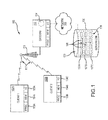
FIG. 1 is a block diagram of an exemplary system for media streams from a content source over a satellite, mobile phone or other network with limited bandwidth; -
FIG. 2 is a data flow diagram showing an example of a process for delivering a media streams over shared bandwidth; and -
FIG. 3 is a timing diagram showing an exemplary technique for sharing timeslots of a time multiplexed transmission scheme. - The following detailed description of the invention is merely exemplary in nature and is not intended to limit the invention or the application and uses of the invention. Furthermore, there is no intention to be bound by any theory presented in the preceding background or the following detailed description.
- In many network environments, bandwidth that is available to individual nodes and/or users can be limited. In a satellite or mobile telephone environment, for example, the total bandwidth of a communication link is shared between many different users, thereby limiting the amount of bandwidth available to any particular user. These limits, in turn, can restrict the quality of the user experience. A user attempting to obtain streaming video over a shared communication link, for example, may not be able to obtain the best video quality that would otherwise be possible if a larger share of the link's bandwidth were available to that user.
- According to various embodiments, multiple nodes that simultaneously receive the same content over a bandwidth-limited data connection can be encouraged to share bandwidth for more efficient allocation and/or to obtain better quality data. If multiple users of a data connection are simultaneously requesting unicasts of the same video content, for example, then the unicasts could be efficiently replaced with a broadcast of the same content that is accessible to all of the users requesting the common data. Moreover, the broadcast could provide a better quality copy of the content than would otherwise be available since the total bandwidth is being conserved through sharing. Put another way, some or all of the bandwidth that is conserved through sharing of common data can be re-allocated to improving the quality of the shared content, if desired. Additional details are presented below.
- Turning to the drawing figures and with initial reference to
FIG. 1 , anexemplary system 100 allows one ormore clients 102A-B to request and obtain adaptive ornon-adaptive content 108 from aremote content source 120 via acommunications link 116. Agateway device 110 suitably recognizes whenmultiple client devices 102A-B are simultaneously requesting thesame content 108, and dynamically assigns a shared portion ofbroadcast 117 to the shared content. This allows all of the media players 102 that are receiving common content to share at least a portion of thebroadcast 117, thereby potentially freeing excess bandwidth for other purposes. In some embodiments,gateway 110 apportions some or all of the excess bandwidth to the sharedmedia content 108 so that client devices 102 that use the shared bandwidth are able to obtainbetter quality content 108, as appropriate. - Communications link 116 may represent, for example, a satellite link, a cellular or other telephone link, a wired or wireless networking link, or the like. In many embodiments,
communication link 116 communicates with therelevant client devices 102A-B via a common spot beam orother broadcast 117 that is simultaneously received by themultiple client devices 102A-B. Typically, broadcast 117 multiplexes the various data streams that are intended for thevarious devices 102A-B using any sort of time, phase, frequency, code or other modulation techniques, as desired. Communications link 116 may support bi-directional communications with theclient devices 102A-B in some embodiments; in other embodiments (e.g., in a direct broadcast satellite (DBS) television implementation),communication link 116 may support only uni-directional broadcasts from thegateway 110 to theclient devices 102A-B. In such cases theclients 102A-B would typically communicate with the gateway and/orcontent source 108 via a separate "back channel", such as a telephone or broadband network connection. -
Clients 102A-B represent any number of client devices each capable of receivingcontent 108 via communications link 116. In various embodiments,clients 102A-C represent computer systems, mobile telephones, tablet computers, game playing devices, home entertainment components or any other devices capable of receiving communications vialink 116. To that end,client devices 102A-B typically include one or more processors 103, memories 104 and input/output features 105 that would be typically found in conventional electronic and computing devices. In some embodiments,clients 102A-B may include receiving devices such as wireless or satellite modems that receive and distribute content to other devices on a local area network (LAN) or the like. -
Gateway system 110 is a computer system that controls communications onlink 116. In various embodiments,gateway 110 is incorporated within uplink controller for a satellite connection or within a cell controller for a cellular telephone system. Other embodiments may implementgateway 110 within any sort of router, access point or other network control device as appropriate.Gateway system 110 typically includes one or more processors 113, memory 114 and input/output features 115 to support the various functions associated withcontrolling link 116. In various embodiments, asoftware module 124 executing withingateway system 110 assigns timeslots or other bandwidth onbroadcasts 117.Software application 124 typically resides within memory 114 and/or in mass storage available via interfaces 115 for execution on processor 115. Additional detail about various functions carried out bysoftware 124 is provided below. -
FIG. 1 showsgateway 110 providing an interface betweenlink 116 and the internet or anothernetwork 122. In various embodiments,connection 116 allowsclients 102A-B to interact seamlessly withnetwork 122 to request and obtain streaming media, web pages, messages and/or other content as desired. - Communications over
broadcast 117 may be established and maintained in any manner. In the example ofFIG. 1 ,client devices 102A-B eachrequest media content 108 from acontent source 120.Media content 108 may represent, for example, live broadcasts of television programming (e.g., IPTV), television programs stored in a remote storage digital video recorder (RSDVR) or the like, video-on-demand (VOD) content, or other media content as desired. To that end,content source 120 represents any sort of VOD, RSDVR, IPTV, placeshifting and/or other server that provides media content onnetwork 122. Various embodiments may distribute themedia content 108 using a content delivery network (CDN) or the like. In some embodiments,content source 120 may be configured as a passive file server device, such as an HTTP server. In other embodiments, thecontent source 120 may be configured with the ability to enforce business rules and open connections with other devices on the network, such as to push content tomedia clients 102A-B. - Media content transmitted from
content source 120 toremote devices 102A-B may be formatted and structured in any manner, including any number of proprietary or non-proprietary formats. In various embodiments,media programs 108 are encoded into an adaptive streaming format that allows eachclient 102A-B to adapt the content stream in response to changing network conditions, processing resources, and/or any number of other factors. Other embodiments may use non-adaptive streams, placeshifting streams, or any other media streaming techniques as desired. In some implementations,content 108 is transferred overlink 116 using TCP or UDP structures that facilitate conventional HTTP "get" and "put" instructions to be processed bycontent source 120. Alternatively, content may be transferred using remote streaming transport protocol (RSTP) sessions, video streaming sessions, and/or any other standard or proprietary connections as desired. - The example illustrated in
FIG. 1 showsmedia content 108 represented as a series ofseparate segments 106 organized into multiple segment sets 105A-C. Sets 105A-C ofsegments 106 may be encoded to each represent thesame media program 108 in its entirety, but with different bit rates, frame rates, resolution and/or other levels of quality. Typically, each set 105A-C is made up ofsmaller segments 106 that each represent a small portion of the program content with a single data file. Sets 105A-C are typically encoded so thatsegments 106 of thedifferent sets 105A-C are interchangeable with each other, often using a common timing index. This allows a client media player to mix and matchsegments 106 fromdifferent sets 105A-C to create a media stream that effectively adapts as network conditions or other conditions change. Several examples of adaptive streaming systems, devices and techniques are described inUS Patent Publication No. 2008/0195743 . Other embodiments could use different encoding structures or techniques, including non-adaptive techniques, as desired. - In conventional adaptive streaming, a media player application executing on one or
more client devices 102A-B contains intelligent logic to selectappropriate segments 106 as needed to obtain and playback themedia program 108. As noted above,segments 106 may be interchangeable betweensets 105A-C so thathigher quality segments 106 may be seamlessly intermixed withlower quality segments 106 to reflect changing network or other conditions. In some implementations, themedia client 102A-B initially obtains a digest or other description of theavailable segments 106 so that the client itself can select and request theparticular segments 106 that are desired. Since thesegments 106 are typically stored as separate files, segment requests may take the form of conventional hypertext transport protocol (HTTP) constructs (e.g., HTTP "get" instructions) or the like. Such constructs are readily routable on data networks and can be served by conventional CDN or other web-type servers 110, thereby providing a convenient mechanism for distributing adaptive media streams to a variety ofdifferent client devices 102A-B. However, in other embodiments, a media file may not be segmented prior to distribution, and instead, a media client 102 may be configured to request particular memory locations or other resources from a source device. Other embodiments may be formulated as well. - In various embodiments,
software 124 executing ingateway 110 is able to recognize whenmultiple clients 102A-B receiving thesame broadcast 117 fromlink 116 are simultaneously requesting thesame content 108.Clients 102A-B may be each requesting thesame segments 106 of a live television broadcast stream, for example. In such cases,gateway 110 may be able to conserve bandwidth withinbroadcast 117 by allocating shared time to the commonly-requested content. Commonly-requestedsegments 106, for example, could be placed in a timeslot or other location withinbroadcast 117 that is available to all of the clients 102 requesting thatsegment 106. A particular time or code slot of a satellite or cellular transmission, for example, could be shared between multiple recipients 102 as desired. Additional detail about various embodiments is provided below. -
FIG. 2 provides additional detail about anexemplary process 200 to allocate shared bandwidth onbroadcast 117.FIG. 2 illustrates several examples of functions that may be performed by the various devices insystem 100, as well as examples of messages that may be passed between devices as desired. Theexemplary process 200 illustrated inFIG. 2 may be supplemented or modified to create any number of equivalent implementations. - As shown in
FIG. 2 ,client 102A initially sends arequest 202 forcontent 108 onsource 120. Therequest 202 may identify aparticular segment 106 of a video stream 107, for example, that corresponds to a portion ofcontent 108 encoded at a particular quality. In some embodiments,gateway 110 receives therequest 202 and forwards it to contentsource 120 asrequest 203, as appropriate.Content source 108 suitably receives therequest 203 and provides the requestedsegment 106 or other content in aresponse 204. This response may be initially returned as a unicast 205 acrosslink 116, as appropriate. - In the example of
FIG. 2 ,client 102B placesrequests 206 for thesame content 108 at essentially the same time asclient 102A. In a conventional implementation,gateway 110 may forward therequest 206 asrequest 207 and process anyreplies 208 fromsource 120 as aseparate unicast 209.FIG. 2 showsgateway 110 acting as an intermediary to receiverequests link 116 and to forwardrequests 203, 207 (respectively) onnetwork 122. Alternately, therequests clients 102A-B to contentsource 108 vialink 116, or via any appropriate backchannel as desired, without additional processing bygateway 110. - In the example above,
unicasts same content 108 at essentially the same time, albeit to different recipients ofbroadcast 117. Transmitting bothunicasts broadcast 117 consumes more bandwidth than would be required ifclients content 108. - Various embodiments of
gateway 110 therefore recognize thatmultiple clients 102A-B are simultaneously requesting the same media segments or other content (function 210). Note that the requests do not need to be perfectly simultaneous; variances of a few seconds or more may be permissible, depending upon the application and environment. Moreover, theparticular segments 106 ofcontent 108 do not need to be exactly the same in all instances. Some embodiments may recognize simultaneous requests for the same time portions ofcontent 108 even if the encoding quality of thevarious segments 106 requested is not exactly the same. Simultaneous requests for the same content may be recognized in any manner. In various embodiments,segments 106 may be identified with an identification code that can be tracked withingateway 110; these segment identifiers may be contained insegment requests response packets duplicate requests responses same media content 108 may be particularly common for live television broadcasts, wherein users ofmultiple clients 102A-B are simultaneously tuned in to the same program at the same time. - When
gateway 110 recognizes multiple requests for the same content,gateway 110 may responsively allocate a shared portion ofbroadcast 117 to the common content (function 212). This shared portion could, in turn, be commonly received by bothclients 102A-B that requested the common content rather than eachclient 102A-B receiving a separate copy of the same content. Shared bandwidth could be allocated in any manner. All recipients of a particular content stream could be assigned to the same time slot of a time domain multiplexed signal, for example, or the same code of a code multiplexed signal. - In various embodiments, multiple timeslots could be assigned to the same data stream, thereby allowing additional bandwidth on
broadcast 117 to be assigned to the shared content. This could allow, for example,segments 106 from higher quality sets 107 of thesame content 108 to be delivered in place of thelower quality segments 106 requested by theclients 102A-B. Some or all of the bandwidth conserved by sharing, then, could be re-allocated to providing improved quality. Alternatively, excess bandwidth could be used for other purposes. Adaptive media client programs may then adapt their subsequent requests for future segments based upon the additional bandwidth, as appropriate. -
Gateway 110 notifiesclients clients 102A-B are each able to locate and receive the shared content inbroadcast 216.Notifications link 116. An in-band notification appropriate recipient 102A-B oncommunication link 116. An out-of-band notification could be provide via a separate control channel or slot oflink 116, or in any other manner (including a separate telephone or other backchannel, as desired).Notifications link 116, in some embodiments, so that other clients 102 could also tune in to the shared broadcast if desired. - With continued reference to
FIG. 2 ,clients 102A-B submitsubsequent requests segments 106 of thecontent 108 as desired. In various embodiments,clients 102A-B may request higher-quality segments 106 of the content than were previously requested due to the improved bandwidth utilization onbroadcast 117. These bandwidth improvements may be automatically recognized by themedia clients 102A-B in some implementations, or the quality may be expressly increased in response tonotifications - In various embodiments,
gateway 110 recognizes therequests gateway 110 to place multiple requests for thesame segment 106, for example. To the contrary,gateway 110 places asingle request 219 for the newly-received content; this request is returned by thecontent source 120 inresponse 220, and the received content is placed in the shared slot ofbroadcast 222 for reception by all of theclients 102A-B receiving the common data, as appropriate. -
FIG. 3 shows an exemplarytime multiplexing scheme 300 in which one or more timeslots 301-304 are shared by multiple recipients. As noted above, in-band or out-of-band signaling fromgateway 110 would indicate a timeslot 301-304 to be used by eachrecipient client device 102A-B receiving thebroadcast 117. Conventional time domain multiplexing (TDM) would typically assign one timeslot to each receiving node. By assigning a shared timeslot (e.g., slot 301) to multiple recipients, however, shared content could be delivered within the slot, thereby eliminating the need to repeat the same transmission in multiple timeslots. - Further, multiple timeslots could be allocated to multiple recipients.
FIG. 3 showsslots multiple clients 102A-B; that is,multiple clients 102A-B could receive data onmultiple timeslots scheme 300, thereby effectively creating alarger timeslot 305 for shared content. Thislarger timeslot 305 could be used to deliver larger segments 106 (i.e., segments having higher encoding quality), for example, or for any other purpose. In other embodiments, one of the shared timeslots (e.g., slot 301) could be used for previously-requested data, and one or more additional timeslots (e.g., slot 302) could be used for predictive data (e.g.,future segments 106 of thesame sets 107A-C as previously requested segments 106).Clients 102A-B may be able to receive and process thesepredictive segments 106, thereby reducing the number ofrequests content source 120. - The foregoing discussion therefore considers various systems, devices and methods to efficiently deliver common media content to multiple nodes by using shared bandwidth on a communications link. Various benefits and advantages may be realized from the different embodiments described herein.
- The general concepts set forth herein may be adapted to any number of equivalent embodiments. Although the discussion herein frequently considers
communication link 116 to be a satellite, mobile telephone or similar link, for example, equivalent concepts could be applied to other public/private/hybrid networks, including the Internet, any public or private data network, and/or the like. Further, although certain adaptive streaming techniques are frequently used as examples herein, it is not necessary to use these specific techniques in all implementations. Many other adaptive or non-adaptive streaming techniques could be equivalently used. Additionally, other techniques for sharing bandwidth between multiple nodes on a broadcast-type network could be formulated in additional to those expressly set forth herein. Many other enhancements, modifications and other changes could be made to the examples presented herein to create a wide array of alternate but equivalent embodiments. - The term "exemplary" is used herein to refer to an example, instance or illustration that may have any number of alternates. Any implementation described herein as exemplary is not necessarily to be construed as preferred or advantageous over other implementations, nor is it intended to represent a model that must necessarily be duplicated. While several "exemplary embodiments" have been presented in the foregoing detailed description, it should be appreciated that a vast number of alternate but equivalent variations exist, and the examples presented herein are not intended to limit the scope, applicability, or configuration of the invention in any way. To the contrary, various changes may be made in the function and arrangement of elements described without departing from the scope of the claims and their legal equivalents.
Claims (15)
- A method executable by a gateway device that communicates via a data transmission link, the method comprising:processing a first request for content from a first node on the data transmission link;processing a second request for content from a second node on the data transmission link, wherein the second node is different from the first node;recognizing, by the gateway device, that the first request from the first node and the second request from the second node are requesting the same content; andwhen the same content is recognized, the gateway device allocating shared bandwidth on the data transmission link for the requested same content, wherein the shared bandwidth is accessible to both the first node and the second node.
- The method of claim 1, further comprising notifying the first and second nodes of the allocated shared bandwidth for the requested same content.
- The method of claim 2, further comprising processing subsequent requests for the same content from the first and second nodes by the gateway device using the shared bandwidth.
- The method of one of the preceding claims, wherein an amount of the shared bandwidth is allocated to be greater than an amount of bandwidth allocated to unshared data.
- The method of one of the preceding claims, wherein the data transmission link is a satellite link and wherein the shared bandwidth is broadcast to both the first node and the second node in a shared beam of the satellite link.
- The method of one of the preceding claims, wherein the data transmission link is a time multiplexed link having a plurality of timeslots, and wherein the shared bandwidth comprises at least one timeslot on the time multiplexed link having greater bandwidth than the timeslots allocated to unshared data.
- The method of one of the preceding claims, wherein the data transmission link is a time multiplexed link, and wherein the shared bandwidth comprises a plurality of timeslots accessible to both the first node and the second node.
- The method of one of the preceding claims, wherein the data transmission link is a time multiplexed link having a plurality of timeslots, and wherein one of the timeslots represents the shared bandwidth to provide the requested content to both the first node and the second node and wherein another of the timeslots provides subsequent content that follows the requested content to both the first and second nodes.
- The method of one of the preceding claims, wherein the method is executable by a satellite gateway device that controls access to a satellite communications link, and wherein it is provided:the recognizing is performed by the satellite gateway device, and it is recognized that the first node is communicating on the satellite communications link and the second node is also communicating on the satellite communications link, and that the firat and second node are requesting the same content; and
when the same content is recognized, the satellite gateway device is allocating shared bandwidth on the satellite communications link for the same content, wherein the shared bandwidth on the satellite communications link is accessible to both the first node and the second node. - A gateway device that communicates via a communication link, the device comprising a processor, a memory, and an interface to communicate via the communication link, wherein the processor is configured to:process a first request for content from a first node on the data transmission link;process a second request for content from a second node on the data transmission link, wherein the second node is different from the first node;recognize that the first request from the first node and the second request from the second node are requesting the same content; andwhen the same content is recognized, allocate shared bandwidth on the data transmission link for the requested same content, wherein the shared bandwidth is accessible to both the first node and the second node.
- The gateway device of claim 10, wherein the processor is further configured to:i) notify the first and second nodes of the allocated shared bandwidth for the requested same content; and/orii) process subsequent requests for the same content from the first and second nodes by the gateway device using the shared bandwidth.
- The gateway device of claim 10 or 11, wherein the data transmission link is:- a satellite link and wherein the shared bandwidth is broadcast to both the first node and the second node in a shared beam of the satellite link; and/or- a time multiplexed link having a plurality of timeslots, and wherein the shared bandwidth comprises at least one timeslot on the time multiplexed link having greater bandwidth than the timeslots allocated to unshared data; and/or- a time multiplexed link, and wherein the shared bandwidth comprises a plurality of timeslots accessible to both the first node and the second node; and/or- a time multiplexed link having a plurality of timeslots, and wherein one of the timeslots represents the shared bandwidth to provide the requested content to both the first node and the second node and wherein another of the timeslots provides subsequent content that follows the requested content to both the first and second nodes.
- A method executable by a satellite gateway device that controls access to a satellite communications link, the method comprising:recognizing, by the satellite gateway device, that a first node communicating on the satellite communications link and a second node also communicating on the satellite communications link are requesting the same content; andwhen the same content is recognized, the satellite gateway device allocating shared bandwidth on the satellite communications link for the same content, wherein the shared bandwidth on the satellite communications link is accessible to both the first node and the second node.
- The method of claim 13, wherein the allocating comprises allocating a shared timeslot of time multiplexed bandwidth of the satellite communications link to the shared same content.
- The method of claim 14, further comprising transmitting a notification message to the first and second nodes that identifies the shared timeslot to the first and second nodes; and
wherein, preferably, the notification message is an out-of-band message.
Applications Claiming Priority (1)
| Application Number | Priority Date | Filing Date | Title |
|---|---|---|---|
| US14/144,711 US9716668B2 (en) | 2013-12-31 | 2013-12-31 | Aggregated adaptive bit rate streaming |
Publications (3)
| Publication Number | Publication Date |
|---|---|
| EP2890081A2 true EP2890081A2 (en) | 2015-07-01 |
| EP2890081A3 EP2890081A3 (en) | 2015-07-15 |
| EP2890081B1 EP2890081B1 (en) | 2018-08-29 |
Family
ID=52282530
Family Applications (1)
| Application Number | Title | Priority Date | Filing Date |
|---|---|---|---|
| EP14200132.0A Active EP2890081B1 (en) | 2013-12-31 | 2014-12-23 | Aggregated adaptive bit rate streaming |
Country Status (2)
| Country | Link |
|---|---|
| US (6) | US9716668B2 (en) |
| EP (1) | EP2890081B1 (en) |
Cited By (2)
| Publication number | Priority date | Publication date | Assignee | Title |
|---|---|---|---|---|
| US9716668B2 (en) | 2013-12-31 | 2017-07-25 | Echostar Technologies L.L.C. | Aggregated adaptive bit rate streaming |
| WO2017201536A1 (en) * | 2016-05-20 | 2017-11-23 | Hughes Network Systems, Llc | Multicast aggregation of multiple streaming connections |
Families Citing this family (3)
| Publication number | Priority date | Publication date | Assignee | Title |
|---|---|---|---|---|
| EP2922266A1 (en) * | 2014-03-20 | 2015-09-23 | Thomson Licensing | Method for operating a cache arranged along a transmission path between client terminals and at least one server, and corresponding cache. |
| CN111585877B (en) * | 2020-04-22 | 2021-02-23 | 菱亚能源科技(深圳)股份有限公司 | Intelligent power grid gateway based on optical carrier |
| US20260089110A1 (en) * | 2024-09-26 | 2026-03-26 | Hughes Network Systems, Llc | On-demand uplink bandwidth allocation |
Citations (1)
| Publication number | Priority date | Publication date | Assignee | Title |
|---|---|---|---|---|
| US20080195743A1 (en) | 2004-04-30 | 2008-08-14 | Brueck David F | Apparatus, system, and method for multi-bitrate content streaming |
Family Cites Families (7)
| Publication number | Priority date | Publication date | Assignee | Title |
|---|---|---|---|---|
| US8051145B2 (en) * | 2007-03-30 | 2011-11-01 | Hong Kong Applied Science and Technology Research Institute Company Limited | Method of simultaneously providing data to two or more devices on the same network |
| US8838735B2 (en) * | 2011-06-28 | 2014-09-16 | At&T Intellectual Property I, L.P. | Methods, systems, and products for address translation in residential networks |
| US8819264B2 (en) * | 2011-07-18 | 2014-08-26 | Verizon Patent And Licensing Inc. | Systems and methods for dynamically switching between unicast and multicast delivery of media content in a wireless network |
| US9596095B2 (en) * | 2011-07-29 | 2017-03-14 | Telefonaktiebolaget L M Ericsson (Publ) | Optimized near-simultaneous distribution of multimedia content |
| US9282354B2 (en) * | 2011-10-28 | 2016-03-08 | Qualcomm Incorporated | Method and apparatus to detect a demand for and to establish demand-based multimedia broadcast multicast service |
| US8432808B1 (en) | 2012-06-15 | 2013-04-30 | Viasat Inc. | Opportunistically delayed delivery in a satellite network |
| US9716668B2 (en) | 2013-12-31 | 2017-07-25 | Echostar Technologies L.L.C. | Aggregated adaptive bit rate streaming |
-
2013
- 2013-12-31 US US14/144,711 patent/US9716668B2/en active Active
-
2014
- 2014-12-23 EP EP14200132.0A patent/EP2890081B1/en active Active
-
2017
- 2017-07-13 US US15/649,165 patent/US10270708B2/en active Active
-
2019
- 2019-04-12 US US16/382,426 patent/US10601730B2/en active Active
-
2020
- 2020-03-24 US US16/827,849 patent/US11201833B2/en active Active
-
2021
- 2021-11-18 US US17/455,433 patent/US12095674B2/en active Active
-
2024
- 2024-08-26 US US18/815,000 patent/US20240422108A1/en active Pending
Patent Citations (1)
| Publication number | Priority date | Publication date | Assignee | Title |
|---|---|---|---|---|
| US20080195743A1 (en) | 2004-04-30 | 2008-08-14 | Brueck David F | Apparatus, system, and method for multi-bitrate content streaming |
Cited By (6)
| Publication number | Priority date | Publication date | Assignee | Title |
|---|---|---|---|---|
| US9716668B2 (en) | 2013-12-31 | 2017-07-25 | Echostar Technologies L.L.C. | Aggregated adaptive bit rate streaming |
| US10270708B2 (en) | 2013-12-31 | 2019-04-23 | DISH Technologies L.L.C. | Aggregated adaptive bit rate streaming |
| US11201833B2 (en) | 2013-12-31 | 2021-12-14 | DISH Technologies L.L.C. | Aggregated adaptive bit rate streaming |
| US12095674B2 (en) | 2013-12-31 | 2024-09-17 | DISH Technologies L.L.C. | Aggregated adaptive bit rate streaming |
| WO2017201536A1 (en) * | 2016-05-20 | 2017-11-23 | Hughes Network Systems, Llc | Multicast aggregation of multiple streaming connections |
| US10389775B2 (en) | 2016-05-20 | 2019-08-20 | Hughes Network Systems, Llc | Multicast aggregation of multiple streaming connections |
Also Published As
| Publication number | Publication date |
|---|---|
| US9716668B2 (en) | 2017-07-25 |
| US20240422108A1 (en) | 2024-12-19 |
| US11201833B2 (en) | 2021-12-14 |
| US12095674B2 (en) | 2024-09-17 |
| US20170310606A1 (en) | 2017-10-26 |
| EP2890081B1 (en) | 2018-08-29 |
| US10601730B2 (en) | 2020-03-24 |
| US20220078132A1 (en) | 2022-03-10 |
| EP2890081A3 (en) | 2015-07-15 |
| US20150188841A1 (en) | 2015-07-02 |
| US20200228459A1 (en) | 2020-07-16 |
| US20190238479A1 (en) | 2019-08-01 |
| US10270708B2 (en) | 2019-04-23 |
Similar Documents
| Publication | Publication Date | Title |
|---|---|---|
| US12095674B2 (en) | Aggregated adaptive bit rate streaming | |
| US10412464B2 (en) | Adaptive multicast delivery of media streams | |
| US9544628B2 (en) | Method and apparatus for network based adaptive streaming | |
| JP5800872B2 (en) | Packet level prioritization in interconnected networks | |
| US9462018B2 (en) | Multiway peer-to-peer media streaming | |
| US20150263916A1 (en) | Bandwidth management in a content distribution network | |
| EP2817971B1 (en) | Network controlled streaming | |
| US10085123B2 (en) | Information processing apparatus and method, program, and content supply system | |
| JP2003521067A (en) | System and method for rewriting a media resource request and / or response between an origin server and a client | |
| US8627390B2 (en) | Method and device for providing programs to multiple end user devices | |
| US10833944B2 (en) | Distribution of bandwidth in a network | |
| EP4175259A1 (en) | Method and apparatus for processing multicast signal | |
| US20150043580A1 (en) | Method and system for managing the delivery of over-the-top streams | |
| CN108063911B (en) | Video conference capacity expansion method | |
| CN105493513B (en) | Content providing device, content providing method, terminal device, content providing system, and storage medium | |
| US11546398B1 (en) | Real-time transport (RTC) with low latency and high scalability | |
| CN113994644A (en) | A communication entity and method for transmitting video data stream | |
| WO2015045917A1 (en) | Content supply device, content supply method, program, terminal device, and content supply system | |
| CN113396597B (en) | Adaptive bit rate data broadcasting | |
| JPWO2018180572A1 (en) | Information processing apparatus, receiving apparatus, and information processing method | |
| US20210204018A1 (en) | Content distribution system using broadcast network | |
| WO2026107058A1 (en) | Systems and methods for configuring an overlay network | |
| EP4736398A1 (en) | Bandwidth optimization through aggregated multi-casting of media streams | |
| WO2015029768A1 (en) | Content provision device, content provision method, program, terminal device, and content provision system | |
| WO2011053115A2 (en) | Unified and flexible multicast announcement and method thereof |
Legal Events
| Date | Code | Title | Description |
|---|---|---|---|
| PUAL | Search report despatched |
Free format text: ORIGINAL CODE: 0009013 |
|
| PUAI | Public reference made under article 153(3) epc to a published international application that has entered the european phase |
Free format text: ORIGINAL CODE: 0009012 |
|
| 17P | Request for examination filed |
Effective date: 20141223 |
|
| AK | Designated contracting states |
Kind code of ref document: A2 Designated state(s): AL AT BE BG CH CY CZ DE DK EE ES FI FR GB GR HR HU IE IS IT LI LT LU LV MC MK MT NL NO PL PT RO RS SE SI SK SM TR |
|
| AX | Request for extension of the european patent |
Extension state: BA ME |
|
| AK | Designated contracting states |
Kind code of ref document: A3 Designated state(s): AL AT BE BG CH CY CZ DE DK EE ES FI FR GB GR HR HU IE IS IT LI LT LU LV MC MK MT NL NO PL PT RO RS SE SI SK SM TR |
|
| AX | Request for extension of the european patent |
Extension state: BA ME |
|
| RIC1 | Information provided on ipc code assigned before grant |
Ipc: H04L 29/06 20060101AFI20150608BHEP |
|
| R17P | Request for examination filed (corrected) |
Effective date: 20160115 |
|
| RBV | Designated contracting states (corrected) |
Designated state(s): AL AT BE BG CH CY CZ DE DK EE ES FI FR GB GR HR HU IE IS IT LI LT LU LV MC MK MT NL NO PL PT RO RS SE SI SK SM TR |
|
| GRAP | Despatch of communication of intention to grant a patent |
Free format text: ORIGINAL CODE: EPIDOSNIGR1 |
|
| STAA | Information on the status of an ep patent application or granted ep patent |
Free format text: STATUS: GRANT OF PATENT IS INTENDED |
|
| INTG | Intention to grant announced |
Effective date: 20180315 |
|
| GRAS | Grant fee paid |
Free format text: ORIGINAL CODE: EPIDOSNIGR3 |
|
| GRAA | (expected) grant |
Free format text: ORIGINAL CODE: 0009210 |
|
| STAA | Information on the status of an ep patent application or granted ep patent |
Free format text: STATUS: THE PATENT HAS BEEN GRANTED |
|
| AK | Designated contracting states |
Kind code of ref document: B1 Designated state(s): AL AT BE BG CH CY CZ DE DK EE ES FI FR GB GR HR HU IE IS IT LI LT LU LV MC MK MT NL NO PL PT RO RS SE SI SK SM TR |
|
| REG | Reference to a national code |
Ref country code: GB Ref legal event code: FG4D |
|
| REG | Reference to a national code |
Ref country code: CH Ref legal event code: EP |
|
| REG | Reference to a national code |
Ref country code: AT Ref legal event code: REF Ref document number: 1036508 Country of ref document: AT Kind code of ref document: T Effective date: 20180915 |
|
| REG | Reference to a national code |
Ref country code: IE Ref legal event code: FG4D |
|
| REG | Reference to a national code |
Ref country code: DE Ref legal event code: R096 Ref document number: 602014031245 Country of ref document: DE |
|
| REG | Reference to a national code |
Ref country code: NL Ref legal event code: FP |
|
| REG | Reference to a national code |
Ref country code: LT Ref legal event code: MG4D |
|
| PG25 | Lapsed in a contracting state [announced via postgrant information from national office to epo] |
Ref country code: NO Free format text: LAPSE BECAUSE OF FAILURE TO SUBMIT A TRANSLATION OF THE DESCRIPTION OR TO PAY THE FEE WITHIN THE PRESCRIBED TIME-LIMIT Effective date: 20181129 Ref country code: FI Free format text: LAPSE BECAUSE OF FAILURE TO SUBMIT A TRANSLATION OF THE DESCRIPTION OR TO PAY THE FEE WITHIN THE PRESCRIBED TIME-LIMIT Effective date: 20180829 Ref country code: IS Free format text: LAPSE BECAUSE OF FAILURE TO SUBMIT A TRANSLATION OF THE DESCRIPTION OR TO PAY THE FEE WITHIN THE PRESCRIBED TIME-LIMIT Effective date: 20181229 Ref country code: LT Free format text: LAPSE BECAUSE OF FAILURE TO SUBMIT A TRANSLATION OF THE DESCRIPTION OR TO PAY THE FEE WITHIN THE PRESCRIBED TIME-LIMIT Effective date: 20180829 Ref country code: RS Free format text: LAPSE BECAUSE OF FAILURE TO SUBMIT A TRANSLATION OF THE DESCRIPTION OR TO PAY THE FEE WITHIN THE PRESCRIBED TIME-LIMIT Effective date: 20180829 Ref country code: SE Free format text: LAPSE BECAUSE OF FAILURE TO SUBMIT A TRANSLATION OF THE DESCRIPTION OR TO PAY THE FEE WITHIN THE PRESCRIBED TIME-LIMIT Effective date: 20180829 Ref country code: BG Free format text: LAPSE BECAUSE OF FAILURE TO SUBMIT A TRANSLATION OF THE DESCRIPTION OR TO PAY THE FEE WITHIN THE PRESCRIBED TIME-LIMIT Effective date: 20181129 Ref country code: GR Free format text: LAPSE BECAUSE OF FAILURE TO SUBMIT A TRANSLATION OF THE DESCRIPTION OR TO PAY THE FEE WITHIN THE PRESCRIBED TIME-LIMIT Effective date: 20181130 |
|
| REG | Reference to a national code |
Ref country code: AT Ref legal event code: MK05 Ref document number: 1036508 Country of ref document: AT Kind code of ref document: T Effective date: 20180829 |
|
| PG25 | Lapsed in a contracting state [announced via postgrant information from national office to epo] |
Ref country code: AL Free format text: LAPSE BECAUSE OF FAILURE TO SUBMIT A TRANSLATION OF THE DESCRIPTION OR TO PAY THE FEE WITHIN THE PRESCRIBED TIME-LIMIT Effective date: 20180829 Ref country code: HR Free format text: LAPSE BECAUSE OF FAILURE TO SUBMIT A TRANSLATION OF THE DESCRIPTION OR TO PAY THE FEE WITHIN THE PRESCRIBED TIME-LIMIT Effective date: 20180829 Ref country code: LV Free format text: LAPSE BECAUSE OF FAILURE TO SUBMIT A TRANSLATION OF THE DESCRIPTION OR TO PAY THE FEE WITHIN THE PRESCRIBED TIME-LIMIT Effective date: 20180829 |
|
| PG25 | Lapsed in a contracting state [announced via postgrant information from national office to epo] |
Ref country code: AT Free format text: LAPSE BECAUSE OF FAILURE TO SUBMIT A TRANSLATION OF THE DESCRIPTION OR TO PAY THE FEE WITHIN THE PRESCRIBED TIME-LIMIT Effective date: 20180829 Ref country code: ES Free format text: LAPSE BECAUSE OF FAILURE TO SUBMIT A TRANSLATION OF THE DESCRIPTION OR TO PAY THE FEE WITHIN THE PRESCRIBED TIME-LIMIT Effective date: 20180829 Ref country code: PL Free format text: LAPSE BECAUSE OF FAILURE TO SUBMIT A TRANSLATION OF THE DESCRIPTION OR TO PAY THE FEE WITHIN THE PRESCRIBED TIME-LIMIT Effective date: 20180829 Ref country code: IT Free format text: LAPSE BECAUSE OF FAILURE TO SUBMIT A TRANSLATION OF THE DESCRIPTION OR TO PAY THE FEE WITHIN THE PRESCRIBED TIME-LIMIT Effective date: 20180829 Ref country code: RO Free format text: LAPSE BECAUSE OF FAILURE TO SUBMIT A TRANSLATION OF THE DESCRIPTION OR TO PAY THE FEE WITHIN THE PRESCRIBED TIME-LIMIT Effective date: 20180829 Ref country code: CZ Free format text: LAPSE BECAUSE OF FAILURE TO SUBMIT A TRANSLATION OF THE DESCRIPTION OR TO PAY THE FEE WITHIN THE PRESCRIBED TIME-LIMIT Effective date: 20180829 Ref country code: EE Free format text: LAPSE BECAUSE OF FAILURE TO SUBMIT A TRANSLATION OF THE DESCRIPTION OR TO PAY THE FEE WITHIN THE PRESCRIBED TIME-LIMIT Effective date: 20180829 |
|
| PG25 | Lapsed in a contracting state [announced via postgrant information from national office to epo] |
Ref country code: DK Free format text: LAPSE BECAUSE OF FAILURE TO SUBMIT A TRANSLATION OF THE DESCRIPTION OR TO PAY THE FEE WITHIN THE PRESCRIBED TIME-LIMIT Effective date: 20180829 Ref country code: SM Free format text: LAPSE BECAUSE OF FAILURE TO SUBMIT A TRANSLATION OF THE DESCRIPTION OR TO PAY THE FEE WITHIN THE PRESCRIBED TIME-LIMIT Effective date: 20180829 Ref country code: SK Free format text: LAPSE BECAUSE OF FAILURE TO SUBMIT A TRANSLATION OF THE DESCRIPTION OR TO PAY THE FEE WITHIN THE PRESCRIBED TIME-LIMIT Effective date: 20180829 |
|
| REG | Reference to a national code |
Ref country code: DE Ref legal event code: R097 Ref document number: 602014031245 Country of ref document: DE |
|
| PLBE | No opposition filed within time limit |
Free format text: ORIGINAL CODE: 0009261 |
|
| STAA | Information on the status of an ep patent application or granted ep patent |
Free format text: STATUS: NO OPPOSITION FILED WITHIN TIME LIMIT |
|
| REG | Reference to a national code |
Ref country code: CH Ref legal event code: PL |
|
| 26N | No opposition filed |
Effective date: 20190531 |
|
| PG25 | Lapsed in a contracting state [announced via postgrant information from national office to epo] |
Ref country code: SI Free format text: LAPSE BECAUSE OF FAILURE TO SUBMIT A TRANSLATION OF THE DESCRIPTION OR TO PAY THE FEE WITHIN THE PRESCRIBED TIME-LIMIT Effective date: 20180829 Ref country code: MC Free format text: LAPSE BECAUSE OF FAILURE TO SUBMIT A TRANSLATION OF THE DESCRIPTION OR TO PAY THE FEE WITHIN THE PRESCRIBED TIME-LIMIT Effective date: 20180829 Ref country code: LU Free format text: LAPSE BECAUSE OF NON-PAYMENT OF DUE FEES Effective date: 20181223 |
|
| REG | Reference to a national code |
Ref country code: NL Ref legal event code: HC Owner name: DISH TECHNOLOGIES L.L.C.; US Free format text: DETAILS ASSIGNMENT: CHANGE OF OWNER(S), CHANGE OF OWNER(S) NAME; FORMER OWNER NAME: ECHOSTAR TECHNOLOGIES L.L.C. Effective date: 20190829 |
|
| REG | Reference to a national code |
Ref country code: IE Ref legal event code: MM4A |
|
| REG | Reference to a national code |
Ref country code: BE Ref legal event code: MM Effective date: 20181231 |
|
| PG25 | Lapsed in a contracting state [announced via postgrant information from national office to epo] |
Ref country code: IE Free format text: LAPSE BECAUSE OF NON-PAYMENT OF DUE FEES Effective date: 20181223 |
|
| PG25 | Lapsed in a contracting state [announced via postgrant information from national office to epo] |
Ref country code: BE Free format text: LAPSE BECAUSE OF NON-PAYMENT OF DUE FEES Effective date: 20181231 |
|
| PG25 | Lapsed in a contracting state [announced via postgrant information from national office to epo] |
Ref country code: CH Free format text: LAPSE BECAUSE OF NON-PAYMENT OF DUE FEES Effective date: 20181231 Ref country code: LI Free format text: LAPSE BECAUSE OF NON-PAYMENT OF DUE FEES Effective date: 20181231 |
|
| PG25 | Lapsed in a contracting state [announced via postgrant information from national office to epo] |
Ref country code: MT Free format text: LAPSE BECAUSE OF NON-PAYMENT OF DUE FEES Effective date: 20181223 |
|
| PG25 | Lapsed in a contracting state [announced via postgrant information from national office to epo] |
Ref country code: TR Free format text: LAPSE BECAUSE OF FAILURE TO SUBMIT A TRANSLATION OF THE DESCRIPTION OR TO PAY THE FEE WITHIN THE PRESCRIBED TIME-LIMIT Effective date: 20180829 |
|
| PG25 | Lapsed in a contracting state [announced via postgrant information from national office to epo] |
Ref country code: PT Free format text: LAPSE BECAUSE OF FAILURE TO SUBMIT A TRANSLATION OF THE DESCRIPTION OR TO PAY THE FEE WITHIN THE PRESCRIBED TIME-LIMIT Effective date: 20180829 |
|
| PG25 | Lapsed in a contracting state [announced via postgrant information from national office to epo] |
Ref country code: MK Free format text: LAPSE BECAUSE OF NON-PAYMENT OF DUE FEES Effective date: 20180829 Ref country code: CY Free format text: LAPSE BECAUSE OF FAILURE TO SUBMIT A TRANSLATION OF THE DESCRIPTION OR TO PAY THE FEE WITHIN THE PRESCRIBED TIME-LIMIT Effective date: 20180829 Ref country code: HU Free format text: LAPSE BECAUSE OF FAILURE TO SUBMIT A TRANSLATION OF THE DESCRIPTION OR TO PAY THE FEE WITHIN THE PRESCRIBED TIME-LIMIT; INVALID AB INITIO Effective date: 20141223 |
|
| REG | Reference to a national code |
Ref country code: DE Ref legal event code: R079 Ref document number: 602014031245 Country of ref document: DE Free format text: PREVIOUS MAIN CLASS: H04L0029060000 Ipc: H04L0065000000 |
|
| P01 | Opt-out of the competence of the unified patent court (upc) registered |
Effective date: 20230529 |
|
| REG | Reference to a national code |
Ref country code: DE Ref legal event code: R081 Ref document number: 602014031245 Country of ref document: DE Owner name: DISH TECHNOLOGIES L.L.C. (N.D.GES.D. STAATES T, US Free format text: FORMER OWNER: ECHOSTAR TECHNOLOGIES L.L.C., ENGLEWOOD, COL., US |
|
| PGFP | Annual fee paid to national office [announced via postgrant information from national office to epo] |
Ref country code: NL Payment date: 20251003 Year of fee payment: 12 |
|
| PGFP | Annual fee paid to national office [announced via postgrant information from national office to epo] |
Ref country code: DE Payment date: 20250930 Year of fee payment: 12 |
|
| PGFP | Annual fee paid to national office [announced via postgrant information from national office to epo] |
Ref country code: GB Payment date: 20251001 Year of fee payment: 12 |
|
| PGFP | Annual fee paid to national office [announced via postgrant information from national office to epo] |
Ref country code: FR Payment date: 20251110 Year of fee payment: 12 |