EP2889311A1 - Opsonic and protective monoclonal antibodies against gram-positive pathogens - Google Patents
Opsonic and protective monoclonal antibodies against gram-positive pathogens Download PDFInfo
- Publication number
- EP2889311A1 EP2889311A1 EP13199849.4A EP13199849A EP2889311A1 EP 2889311 A1 EP2889311 A1 EP 2889311A1 EP 13199849 A EP13199849 A EP 13199849A EP 2889311 A1 EP2889311 A1 EP 2889311A1
- Authority
- EP
- European Patent Office
- Prior art keywords
- monoclonal antibody
- gram
- antibodies
- antibody according
- seq
- Prior art date
- Legal status (The legal status is an assumption and is not a legal conclusion. Google has not performed a legal analysis and makes no representation as to the accuracy of the status listed.)
- Granted
Links
Images


Classifications
-
- C—CHEMISTRY; METALLURGY
- C07—ORGANIC CHEMISTRY
- C07K—PEPTIDES
- C07K16/00—Immunoglobulins [IG], e.g. monoclonal or polyclonal antibodies
- C07K16/12—Immunoglobulins [IG], e.g. monoclonal or polyclonal antibodies against material from bacteria
- C07K16/1267—Gram-positive bacteria
- C07K16/1271—Micrococcaceae (F); Staphylococcaceae (F), e.g. Staphylococcus (G)
-
- A—HUMAN NECESSITIES
- A61—MEDICAL OR VETERINARY SCIENCE; HYGIENE
- A61P—SPECIFIC THERAPEUTIC ACTIVITY OF CHEMICAL COMPOUNDS OR MEDICINAL PREPARATIONS
- A61P31/00—Antiinfectives, i.e. antibiotics, antiseptics, chemotherapeutics
- A61P31/04—Antibacterial agents
-
- C—CHEMISTRY; METALLURGY
- C07—ORGANIC CHEMISTRY
- C07K—PEPTIDES
- C07K16/00—Immunoglobulins [IG], e.g. monoclonal or polyclonal antibodies
- C07K16/12—Immunoglobulins [IG], e.g. monoclonal or polyclonal antibodies against material from bacteria
- C07K16/1267—Gram-positive bacteria
-
- G—PHYSICS
- G01—MEASURING; TESTING
- G01N—INVESTIGATING OR ANALYSING MATERIALS BY DETERMINING THEIR CHEMICAL OR PHYSICAL PROPERTIES
- G01N33/00—Investigating or analysing materials by specific methods not covered by groups G01N1/00 - G01N31/00
- G01N33/48—Biological material, e.g. blood, urine; Haemocytometers
- G01N33/50—Chemical analysis of biological material, e.g. blood, urine; Testing involving biospecific ligand binding methods; Immunological testing
- G01N33/53—Immunoassay; Biospecific binding assay; Materials therefor
- G01N33/569—Immunoassay; Biospecific binding assay; Materials therefor for microorganisms, e.g. protozoa, bacteria, viruses
- G01N33/56911—Bacteria
-
- G—PHYSICS
- G01—MEASURING; TESTING
- G01N—INVESTIGATING OR ANALYSING MATERIALS BY DETERMINING THEIR CHEMICAL OR PHYSICAL PROPERTIES
- G01N33/00—Investigating or analysing materials by specific methods not covered by groups G01N1/00 - G01N31/00
- G01N33/48—Biological material, e.g. blood, urine; Haemocytometers
- G01N33/50—Chemical analysis of biological material, e.g. blood, urine; Testing involving biospecific ligand binding methods; Immunological testing
- G01N33/53—Immunoassay; Biospecific binding assay; Materials therefor
- G01N33/569—Immunoassay; Biospecific binding assay; Materials therefor for microorganisms, e.g. protozoa, bacteria, viruses
- G01N33/56911—Bacteria
- G01N33/56938—Staphylococcus
-
- A—HUMAN NECESSITIES
- A61—MEDICAL OR VETERINARY SCIENCE; HYGIENE
- A61K—PREPARATIONS FOR MEDICAL, DENTAL OR TOILETRY PURPOSES
- A61K39/00—Medicinal preparations containing antigens or antibodies
- A61K2039/505—Medicinal preparations containing antigens or antibodies comprising antibodies
-
- C—CHEMISTRY; METALLURGY
- C07—ORGANIC CHEMISTRY
- C07K—PEPTIDES
- C07K2317/00—Immunoglobulins specific features
- C07K2317/20—Immunoglobulins specific features characterized by taxonomic origin
- C07K2317/21—Immunoglobulins specific features characterized by taxonomic origin from primates, e.g. man
-
- C—CHEMISTRY; METALLURGY
- C07—ORGANIC CHEMISTRY
- C07K—PEPTIDES
- C07K2317/00—Immunoglobulins specific features
- C07K2317/20—Immunoglobulins specific features characterized by taxonomic origin
- C07K2317/24—Immunoglobulins specific features characterized by taxonomic origin containing regions, domains or residues from different species, e.g. chimeric, humanized or veneered
-
- C—CHEMISTRY; METALLURGY
- C07—ORGANIC CHEMISTRY
- C07K—PEPTIDES
- C07K2317/00—Immunoglobulins specific features
- C07K2317/30—Immunoglobulins specific features characterized by aspects of specificity or valency
- C07K2317/33—Crossreactivity, e.g. for species or epitope, or lack of said crossreactivity
-
- C—CHEMISTRY; METALLURGY
- C07—ORGANIC CHEMISTRY
- C07K—PEPTIDES
- C07K2317/00—Immunoglobulins specific features
- C07K2317/50—Immunoglobulins specific features characterized by immunoglobulin fragments
- C07K2317/51—Complete heavy chain or Fd fragment, i.e. VH + CH1
-
- C—CHEMISTRY; METALLURGY
- C07—ORGANIC CHEMISTRY
- C07K—PEPTIDES
- C07K2317/00—Immunoglobulins specific features
- C07K2317/50—Immunoglobulins specific features characterized by immunoglobulin fragments
- C07K2317/515—Complete light chain, i.e. VL + CL
-
- C—CHEMISTRY; METALLURGY
- C07—ORGANIC CHEMISTRY
- C07K—PEPTIDES
- C07K2317/00—Immunoglobulins specific features
- C07K2317/50—Immunoglobulins specific features characterized by immunoglobulin fragments
- C07K2317/54—F(ab')2
-
- C—CHEMISTRY; METALLURGY
- C07—ORGANIC CHEMISTRY
- C07K—PEPTIDES
- C07K2317/00—Immunoglobulins specific features
- C07K2317/50—Immunoglobulins specific features characterized by immunoglobulin fragments
- C07K2317/55—Fab or Fab'
-
- C—CHEMISTRY; METALLURGY
- C07—ORGANIC CHEMISTRY
- C07K—PEPTIDES
- C07K2317/00—Immunoglobulins specific features
- C07K2317/50—Immunoglobulins specific features characterized by immunoglobulin fragments
- C07K2317/56—Immunoglobulins specific features characterized by immunoglobulin fragments variable (Fv) region, i.e. VH and/or VL
-
- C—CHEMISTRY; METALLURGY
- C07—ORGANIC CHEMISTRY
- C07K—PEPTIDES
- C07K2317/00—Immunoglobulins specific features
- C07K2317/60—Immunoglobulins specific features characterized by non-natural combinations of immunoglobulin fragments
- C07K2317/62—Immunoglobulins specific features characterized by non-natural combinations of immunoglobulin fragments comprising only variable region components
- C07K2317/622—Single chain antibody (scFv)
-
- C—CHEMISTRY; METALLURGY
- C07—ORGANIC CHEMISTRY
- C07K—PEPTIDES
- C07K2317/00—Immunoglobulins specific features
- C07K2317/70—Immunoglobulins specific features characterized by effect upon binding to a cell or to an antigen
- C07K2317/76—Antagonist effect on antigen, e.g. neutralization or inhibition of binding
-
- G—PHYSICS
- G01—MEASURING; TESTING
- G01N—INVESTIGATING OR ANALYSING MATERIALS BY DETERMINING THEIR CHEMICAL OR PHYSICAL PROPERTIES
- G01N2333/00—Assays involving biological materials from specific organisms or of a specific nature
- G01N2333/195—Assays involving biological materials from specific organisms or of a specific nature from bacteria
- G01N2333/305—Assays involving biological materials from specific organisms or of a specific nature from bacteria from Micrococcaceae (F)
- G01N2333/31—Assays involving biological materials from specific organisms or of a specific nature from bacteria from Micrococcaceae (F) from Staphylococcus (G)
-
- G—PHYSICS
- G01—MEASURING; TESTING
- G01N—INVESTIGATING OR ANALYSING MATERIALS BY DETERMINING THEIR CHEMICAL OR PHYSICAL PROPERTIES
- G01N2333/00—Assays involving biological materials from specific organisms or of a specific nature
- G01N2333/195—Assays involving biological materials from specific organisms or of a specific nature from bacteria
- G01N2333/315—Assays involving biological materials from specific organisms or of a specific nature from bacteria from Streptococcus (G), e.g. Enterococci
-
- G—PHYSICS
- G01—MEASURING; TESTING
- G01N—INVESTIGATING OR ANALYSING MATERIALS BY DETERMINING THEIR CHEMICAL OR PHYSICAL PROPERTIES
- G01N2469/00—Immunoassays for the detection of microorganisms
- G01N2469/10—Detection of antigens from microorganism in sample from host
Definitions
- the present invention in the fields of immunology and infectious diseases relates to opsonic and protective antibodies that are specific for Gram-positive bacteria, particularly to carbohydrate structures exposed on the surface of the bacteria.
- the invention includes monoclonal and chimeric antibodies, as well as fragments, regions and derivatives thereof.
- This invention also relates to the epitope to which the antibodies of the invention bind as well as the sequences, fragments, and regions of the epitopes. Both the antibodies and peptides that encompass the epitope, and regions and fragments thereof, may be used for diagnostic, prophylactic and therapeutic applications.
- Gram-positive multiresistant bacteria such as Staphylococcus aureus and Enterococci, are among the major nosocomial pathogens and are responsible for numerous deaths and extended hospital stays of patients.
- the cell walls of Gram-positive bacteria contain three major components: peptidoglycan, capsular polysaccharides, and teichoic acids plus additional carbohydrates, glycoconjugates and proteins depending on the species.
- Staphylococcus Of the Gram-positive bacteria, one of the most common genera is Staphylococcus. Staphylococci commonly colonize humans and animals and are an important cause of human morbidity and mortality, particularly in hospitalized patients. Staphylococci are prevalent on the skin and mucosal linings and, accordingly, are ideally situated to produce both localized and systemic infections.
- Staphylococcal infections are difficult to treat for a variety of reasons. Resistance to antibiotics is common and becoming more so, due to transferrable methicillin and multidrug resistance. In addition, host resistance to Staphylococcal infections is still not clearly understood.
- Opsonic antibodies have been proposed to prevent or treat Staphylococcal infections. See, for example, U.S. Patent No. 5,571,511 .
- Enterococci are Gram-positive cocci that often occur in pairs ("diplococcus") or short chains, and are difficult to distinguish from "Streptococcus” on physical characteristics alone.
- Two species are common commensal organisms in the intestines of humans: E. faecalis (90-95%) and E. faecium (5-10%).
- Enterococcus Important clinical infections caused by Enterococcus include urinary tract infections, bacteremia, bacterial endocarditis, diverticulitis, and meningitis. From a medical standpoint, an important feature of this genus is the high level of intrinsic antibiotic resistance. Some enterococci are intrinsically resistant to ⁇ -lactam-based antibiotics (penicillins, cephalosporins, carbapenems), as well as many aminoglycosides. In the last two decades, particularly virulent strains of Enterococcus that are resistant to vancomycin (vancomycin-resistant Enterococcus, or VRE) have emerged in nosocomial infections of hospitalized patients, especially in the US.
- vancomycin-resistant Enterococcus vancomycin
- U.S. Patent No. 4,578,458 describes a method of inducing an immune response against multiple strains of (the Gram-negative bacterium) Pseudomonas aeruginosa which comprises administering to a human or animal an amount of mucoid exopolysaccharide from Pseudomonas aeruginosa 2192 sufficient to induce an immune response in the human or animal is disclosed along with the microorganism which produces this antigen and a method of separating the antigen from the crude bacterial slime.
- a vaccine capable of inducing an immune response against multiple strains of Pseudomonas aeruginosa is provided.
- a minimum preferred amount is the amount required to elicit antibody formation to a concentration at least 4 times that which existed prior to administration.
- U.S. Patent No. 7,230,087 further describes peptides, particularly human monoclonal antibodies, that bind specifically to Pseudomonas aeruginosa mucoid exopolysaccharide.
- the invention further provides methods for using these peptides in the diagnosis, prophylaxis and therapy of Pseudomonas aeruginosa infection and related disorders (e.g., cystic fibrosis).
- Some antibodies of the invention enhance opsonophagocytic killing of multiple mucoid strains of Pseudomonas aeruginosa.
- Compositions of these peptides, including pharmaceutical compositions, are also provided, as are functionally equivalent variants of such peptides.
- U.S. Patent No. 5,233,024 describes an anti-idiotypic monoclonal antibody, which is opsonic for mucoid Pseudomonas aeruginosa.
- the anti-idiotypic monoclonal antibody is produced by a cell line designated C9F5 and having ATCC accession No. HB10715.
- the anti-idiotypic monoclonal antibody is useful as a vaccine and for diagnostic purposes.
- WO 1998/57994 describes monoclonal and chimeric antibodies that bind to lipoteichoic acid of Gram-positive bacteria.
- the antibodies also bind to whole bacteria and enhance phagocytosis and killing of the bacteria in vitro and enhance protection from lethal infection in vivo.
- a mouse monoclonal antibody that has been humanized is described.
- the publication also encompasses a peptide mimic of the lipoteichoic acid epitope binding site defined by the monoclonal antibody.
- WO 2003/059260 discloses monoclonal antibodies that bind to lipoteichoic acid LTA of Gram-positive bacteria.
- the antibodies also bind to whole bacteria and enhance phagocytosis and killing of the bacteria in vitro. Described are also antibodies having human sequences chimeric, humanized and human antibodies.
- the present invention provides opsonic and protective monoclonal and chimeric antibodies that bind to Gram-positive bacteria.
- the antibodies also bind to whole bacteria and enhance phagocytosis and killing of the bacteria in vitro and enhance protection from prospectively lethal infection in vivo.
- the invention provides broadly reactive and opsonic antibodies for the diagnosis, prevention, and/or treatment of bacterial infections caused by Gram-positive bacteria.
- the antibodies of the invention are broadly reactive with Gram-positive bacteria, meaning that they selectively recognize and bind to Gram-positive bacteria. Any conventional binding assay can be used to assess this binding, including for example, an enzyme linked immunosorbent assay.
- An important characteristic of the antibodies and antibody fragments provided by the invention is their ability to enhance opsonization and phagocytosis (i.e., opsonophagocytosis) of Gram-positive bacteria.
- the invention provides an opsonic monoclonal antibody specific for Gram-positive bacteria, comprising at least one light chain and at least one heavy chain, wherein said at least one light chain comprises a polypeptide comprising an amino acid sequence having at least 80% identity with a light chain variable region selected from SEQ ID NO: 1, and wherein said at least one heavy chain comprises a polypeptide comprising an amino acid sequence having at least 80% identity with a heavy chain variable region selected from SEQ ID NOs: 3, 5, 7, and 9.
- the isolated peptide comprises an amino acid sequence of a heavy or light chain variable region of an antibody disclosed herein.
- the amino acid sequences are selected from the group consisting of the light chain variable region selected from SEQ ID NO: 1
- the heavy chain variable region comprises a polypeptide comprising an amino acid sequence selected from SEQ ID NOs: 3, 5, 7, and 9.
- VH2, VH3, VH4E, and VH8, respectively are preferred.
- the peptides of the invention have particular utility in the detection of Gram-positive bacteria, the diagnosis of Gram-positive infection and the prevention and treatment of such infections and the disorders with which they are associated.
- opsonic and protective antibodies from a healthy individual were identified in order to target multiresistant pathogens.
- a pre-screen of a donor pool using an opsonophagocytic assay (OPA) with E. faecalis 12030 was used to identify the donor with the highest titers of opsonic antibodies.
- OPA opsonophagocytic assay
- Whole blood was taken from that donor, and the B-cells were immortalized by infection with EBV. The immortalized B-cells were cultured until sufficient numbers for RNA preparations were achieved. The supernatant of each well was collected and used in an OPA against E. faecalis 12030 to identify the well resulting in the highest killing. B-cells from this well were in tissue culture wells.
- variable domains (VH and VL) of the rearranged immunoglobulin genes were amplified by PCR and cloned into a gram-positive expression vector containing the constant domain of a human IgG1 and human lambda constant domain for the light chain.
- the plasmid containing the identified variable domain sequences were than transfected into chinese hamster ovary (CHO) cells and culture supernatants were collected, precipitated with ammonium sulfate, dialyzed and the concentration of antibody measured.
- the recombinant monoclonal antibody was tested by OPA against several E. faecalis, E. faecium and S . aureus strains. At concentrations of about 500-600 pg/ml, opsonic killing was between 40 and 70%.
- a mouse sepsis model was used to assess protective efficacy and 4 ⁇ g/kg per mouse resulted in a statistically significant protection.
- the monoclonal antibody according to the present invention which, at concentrations of about 500-600 pg/ml, induces opsonic killing at between 40 and 70%, more preferably at between 60 and 70%.
- the monoclonal antibody according to the present invention which in a mouse sepsis model provides statistically significant protection at 4 ⁇ g/kg per mouse, more preferably at between 3 and 2 ⁇ g/kg per mouse.
- the monoclonal antibody according to the present invention wherein the percentages identity are at least 90%, more preferably at least 95%, such as, for example, 98%.
- the variable regions of the monoclonal antibody according to the present invention consist of an amino acid sequence according to SEQ ID NO: 1, and an amino acid sequence selected from SEQ ID NOs: 3, 5, 7, and 9.
- variable regions of said antibody comprise and/or consist of an amino acid sequence according to SEQ ID NO: 1 (derived from DNA SEQ ID NO:2, wherein the percentages identity is at least 90%, more preferably at least 95%, such as, for example, 98%), and an amino acid sequence selected from SEQ ID NOs: 3, 5, 7, and 9, (derived from DNA SEQs ID NO:4, 6, 8, and 10, wherein the percentages identity are at least 90%, more preferably at least 95%, such as, for example, 98%) wherein some of the amino acids are modified because of post-translational modifications.
- modifications include, for example, incomplete disulfide bond formation, glycosylation, N-terminal pyroglutamine cyclization, C-terminal lysine processing, deamidation, isomerization, and oxidation, and less common ones such as modification of the N-terminal amino acids by maleuric acid and amidation of the C-terminal amino acid.
- Modifications can be introduced in vitro and/or in vivo.
- these modified antibodies still enhance phagocytosis and killing of the bacteria in vitro and enhance protection from prospectively lethal infection in vivo.
- an alternative embodiment is the monoclonal antibody according to the present invention, wherein at least one light chain, at least one heavy chain, or both are chimeric as described herein. More preferably, the monoclonal antibody according to the present invention comprises a heavy chain constant region, wherein said constant region comprises human IgG (all subtypes thereof), IgA, IgM, or IgD sequence, and/or comprises a light chain constant region comprising human kappa or lambda sequence.
- the isolated antibody or antibody fragment according to the present invention may be an isolated intact soluble monoclonal antibody.
- the isolated antibody or antibody fragment may be an isolated monoclonal antibody fragment selected from the group consisting of a Fab, Fab', F(ab')2, Fv, SFv, or scFv.
- the antibodies of the present invention exhibit very strong binding (and thus have a high affinity), i.e., O.D.s of around twice background in an enzyme-linked immunosorbent assay against a test strain.
- the level of high binding is equal to or greater than five times background. In other embodiments, the level of high binding is equal to or greater than 10 times background.
- any meaningful increase over background (the level observed when all the reagents other than the antibody being tested) will be recognized by skilled persons in the art as high binding and therefore within the scope of the invention. Also as described in the state of the art, high binding has been found to correlate with opsonic activity.
- the isolated antibody or antibody fragment according to the present invention enhances opsonophagocytosis of Gram-positive bacteria, such as Staphylococcus and/or Enterococcus.
- an antibody or antibody fragment is referred to herein as "an opsonic antibody or antibody fragment”.
- the antibodies of the invention are opsonic, or exhibit opsonic activity, for Gram positive bacteria.
- opsonic activity refers to the ability of an opsonin (generally either an antibody or the serum factor C3b) to bind to an antigen to promote attachment of the antigen to the phagocyte and thereby enhance phagocytosis.
- an opsonin generally either an antibody or the serum factor C3b
- Certain bacteria, especially encapsulated bacteria which resist phagocytosis due to the presence of the capsule become extremely attractive to phagocytes such as neutrophils and macrophages when coated with an opsonic antibody and their rate of clearance from the bloodstream is strikingly enhanced.
- Opsonic activity may be measured in any conventional manner as described below, for example as described by Theilacker et al. (see below).
- An opsonization assay can be a colorimetric assay, a chemiluminescent assay, a fluorescent or radiolabel uptake assay, a cell-mediated bactericidal assay, or any other appropriate assay known in the art which measures the opsonic potential of a substance and identifies broadly reactive immunoglobulin.
- an opsonization assay the following are incubated together: an infectious agent, a eukaryotic cell, and the opsonizing substance to be tested, or an opsonizing substance plus a purported opsonizing enhancing substance.
- the opsonization assay is a cell-mediated bactericidal assay.
- the opsonic ability is determined by measuring the numbers of viable organisms before and after incubation. A reduced number of bacteria after incubation in the presence of immunoglobulin indicates a positive opsonizing ability. In the cell-mediated bactericidal assay, positive opsonization is determined by culturing the incubation mixture under appropriate bacterial growth conditions. Any significant reduction in the number of viable bacteria comparing pre- and post-incubation samples, or between samples which contain immunoglobulin and those that do not, is a positive reaction.
- Another preferred method of identifying agents for the treatment or prevention of an infection by Gram-positive bacteria employs animal models of sepsis or bacteremia that measure clearance and protection.
- Such agents can be immunoglobulin or other antimicrobial substances.
- a particularly useful animal model comprises administering an antibody and a Gram-positive organism to an immunocompromised (e.g., an immature) animal, followed by evaluating whether the antibody reduces mortality of the animal or enhances clearance of the organism from the animal.
- This assay may use any immature animal, including the rabbit, the guinea pig, the mouse, the rat, or any other suitable laboratory animal.
- Clearance is evaluated by determining whether the pharmaceutical composition enhances clearance of the infectious agent from the animal. This is typically determined from a sample of biological fluid, such as blood, peritoneal fluid, or cerebrospinal fluid, or organs such as liver, spleen or kidney.
- the infectious agent is cultured from the biological fluid or organ in a manner suitable for growth or identification of the surviving infectious agent. From samples of fluid taken over a period of time after treatment, one skilled in the art can determine the effect of the pharmaceutical composition on the ability of the animal to clear the infectious agent. Further data may be obtained by measuring over a period of time, preferably a period of days, survival of animals to which the pharmaceutical composition is administered. Typically, both sets of data are utilized.
- Results are considered positive if the pharmaceutical composition enhances clearance or decreases mortality. In situations in which there is enhanced organism clearance, but the test animals still perish, a positive result is still indicated.
- an antibody should enhance phagocytosis and cell killing of both coagulase-negative and coagulase-positive staphylococci.
- the term "enhanced” refers to activity that measurably exceeds background at a valuable level.
- the level deemed valuable may well vary depending on the specific circumstances of the infection, including the type of bacteria and the severity of the infection.
- an enhanced response is equal to or greater than 75% over background.
- the enhanced response is equal to or greater than 80% over background.
- the enhanced response is equal to or greater than 90% over background.
- the antibody shown to be opsonic, would be protective in vivo, it was assessed in an infection model in mice and an endocarditis model in rats. As set forth in the Examples, the antibodies markedly enhance the clearance of bacteria from the blood stream and from internal organs (such as liver, kidneys, and spleen) and from cardiac vegetations.
- antibodies of the present invention include polyclonal antibodies as well as monoclonal antibodies, as well as other monoclonal antibodies, fragments and regions thereof, as well as derivatives thereof.
- the strength of the binding may range from twice above background, to five- and ten-times above background.
- the antibodies, fragments, regions, and derivatives of the present invention are capable of enhancing the opsonization of such bacteria, at rates ranging from 75% and up.
- the "fragments" of the antibodies of the invention include, for example, Fab, Fab', F(ab')2, and scFv. These fragments are produced from intact antibodies using methods well known in the art such as, for example, proteolytic cleavage with enzymes such as papain (to produce Fab fragments) or pepsin (to produce F(ab')2).
- the regions include at least one heavy chain variable region or a light chain variable region which binds a Gram-positive bacterium.
- these two variable regions can be linked together as a single chain antibody. While a full length heavy chain may be critical for opsonic activity and enhance anti-cytokine (antiinflammatory) activity, the antibody fragments encompassing the variable regions may be suitable for inhibition of bacterial binding to epithelial cells and may also be antiinflammatory.
- the antibody is a recombinant human antibody made up of regions from the antibodies of the invention together with constant regions of human antibodies (IgG).
- an H chain can comprise the antigen-binding region of the heavy chain variable region of an antibody of the invention linked to at least a portion of a human heavy chain constant region.
- This humanized or chimeric heavy chain may be combined with a chimeric L chain that comprises the antigen binding region of the light chain variable region of the antibody linked to at least a portion of the human light chain constant region.
- the recombinant antibodies of the invention may be monovalent, divalent, or polyvalent immunoglobulins.
- a monovalent antibody is a dimer (HL) formed by an H chain associated through disulfide bridges with an L chain, as noted above.
- a divalent antibody is a tetramer formed by two HL dimers associated through at least one disulfide bridge.
- a polyvalent antibody is based on an aggregation of chains.
- antibodies of the invention comprise i) a light chain comprising a sequence according to SEQ ID No: 1, and a heavy chain comprising a sequence according to SEQ ID No: 3, ii) a light chain comprising a sequence according to SEQ ID No: 1, and a heavy chain comprising a sequence according to SEQ ID No: 5, iii) a light chain comprising a sequence according to SEQ ID No: 1, and a heavy chain comprising a sequence according to SEQ ID No: 7, and iv) a light chain comprising a sequence according to SEQ ID No: 1, and a heavy chain comprising a sequence according to SEQ ID No: 9.
- the heavy chain constant region can be an IgG2, IgG3, IgG4, IgM or IgA antibody.
- the Gram-positive bacterial infection to be treated or prevented can be selected from the group consisting of Staphylococcus epidermidis, Staphylococcus hemolyticus, Staphylococcus hominus, Staphylococcus aureus, Streptococcus mutans, Enterococcus faecalis or Enterococcus faecium, and Streptococcus pyogenes or Streptococcus pneumoniae.
- Another aspect of the monoclonal antibody according to the present invention relates to an antibody, wherein said monoclonal antibody or antigen-binding fragment thereof is conjugated to a detectable label.
- Labels suitable for use in detection of a complex between an epitope, bacterium and an antibody or antigen-binding fragment of the invention include, for example, a radioisotope, an epitope label (tag), an affinity label (e.g., biotin, avidin), a spin label, an enzyme, a toxin, or a fluorescent group or a chemiluminescent group.
- the invention also encompasses an isolated nucleic acid encoding for monoclonal antibody or a fragment thereof as described above.
- the nucleic acid can be selected from RNA, DNA, PNA, and/or cDNA.
- the nucleic acid(s) of the invention can be isolated and/or cloned in vectors, such as plasmids, for example expression vectors.
- the present invention also encompasses the DNA sequence of the gene coding for the antibodies as well as the peptides encoded by said DNA.
- DNA and peptide sequences are set forth in the Figures and the attached sequence listing, in particular in SEQ ID NO: 1, 3, 5, 7, and 9 (for peptides), and SEQ ID NO: 2, 4, 6, 8, and 10 (for nucleic acids), describing the variable regions of both the heavy and light chains of preferred antibodies, including the Complementarity Determining Regions ("CDR"), the hypervariable amino acid sequences within antibody variable regions which interact with amino acids on the complementary antigen.
- CDR Complementarity Determining Regions
- the invention includes these DNA and peptide sequences as well as DNA and peptide sequences that are homologous (share identity) to these sequences.
- these sequences are 80 % homologous although other preferred embodiments include sequences that are 85%, 90%, and 95% homologous. Determining these levels of homology for both the DNA and peptide sequence is well within the routine skill of those in the art.
- DNA sequences of the invention can be identified, isolated, cloned, and transferred to a prokaryotic or eukaryotic cell for expression by procedures well-known in the art. Such procedures are generally described in Sambrook et al., supra, as well as Current Protocols in Molecular Biology (Ausubel et al., eds., John Wiley & Sons ), incorporated by reference.
- DNA and peptide sequences of the antibodies of the invention may form the basis of antibody "derivatives", which include, for example, the proteins or peptides encoded by truncated or modified genes. Such proteins or peptides may function similarly to the antibodies of the invention. Other modifications, such as the addition of other sequences that may enhance the effector function, which includes phagocytosis and/or killing of the bacteria, are also within the present invention.
- the invention also encompasses a hybridoma cell line expressing a monoclonal antibody according to the present invention.
- a hybridoma is produced by fusing a suitable immortal cell line (e.g., a myeloma cell line) with antibody-producing cells.
- Antibody-producing cells can be obtained from the peripheral blood or, preferably the spleen or lymph nodes, of humans or other suitable animals immunized with the antigen of interest.
- the fused cells can be isolated using selective culture conditions, and cloned by limiting dilution.
- Cells that produce antibodies with the desired specificity can be selected by a suitable assay (e.g., ELISA).
- the present invention also discloses a pharmaceutical composition
- a pharmaceutical composition comprising an antibody of the invention, monoclonal or chimeric, as well as fragments, regions, and derivatives thereof, together with a pharmaceutically acceptable carrier.
- Pharmaceutically acceptable carriers can be sterile liquids, such as water, oils, including petroleum oil, animal oil, vegetable oil, peanut oil, soybean oil, mineral oil, sesame oil, and the like. With intravenous administration, water is a preferred carrier. Saline solutions, aqueous dextrose, and glycerol solutions can also be employed as liquid carriers, particularly for injectable solutions. Suitable pharmaceutical carriers are described in Remington's Pharmaceutical Sciences, 22nd Edition (2012 ), incorporated by reference.
- a pharmaceutical composition according to the present invention is for i.v., intraperitoneal (i.p.), or internasal administration.
- Administering the pharmaceutical composition can also be achieved by intravenous, intraperitoneal, intracorporeal injection, intra-articular, intraventricular, intrathecal, intramuscular, subcutaneous, intranasally, intravaginally, orally, or by any other effective method of administration.
- the composition may also be given locally, such as by injection to the particular area infected, either intramuscularly or subcutaneously.
- Administration can comprise administering the pharmaceutical composition by swabbing, immersing, soaking, or wiping directly to a patient.
- the pharmaceutical composition can also be applied to objects to be placed within a patient, such as dwelling catheters, cardiac values, cerebrospinal fluid shunts, joint prostheses, other implants into the body, or any other objects, instruments, or appliances at risk of becoming infected with a Gram-positive bacteria, or at risk of introducing such an infection into a patient.
- objects to be placed within a patient such as dwelling catheters, cardiac values, cerebrospinal fluid shunts, joint prostheses, other implants into the body, or any other objects, instruments, or appliances at risk of becoming infected with a Gram-positive bacteria, or at risk of introducing such an infection into a patient.
- the present invention provides methods for treating or preventing infections caused by Gram-positive bacteria comprising administering to the patient a therapeutically or prophylactically effective amount of the pharmaceutical composition according to the present invention, wherein the patient is infected with, or suspected of being infected with, a Gram-positive bacteria, such as a staphylococcal or enterococcal organism.
- the method comprises administering a therapeutically effective amount of a pharmaceutical composition comprising the monoclonal or chimeric antibody of the invention, including fragments, regions, and derivatives thereof, and a pharmaceutically acceptable carrier.
- a patient can be a human or other mammal, such as a dog, cat, cow, sheep, pig, or goat.
- the patient is preferably a human.
- a therapeutically effective amount is an amount reasonably believed to provide some measure of relief or assistance in the treatment of the infection.
- Such therapy as above or as described below may be primary or supplemental to additional treatment, such as antibiotic therapy, for a staphylococcal or enterococcal infection, an infection caused by a different agent, or an unrelated disease.
- additional treatment such as antibiotic therapy, for a staphylococcal or enterococcal infection, an infection caused by a different agent, or an unrelated disease.
- combination therapy with other antibodies is expressly contemplated within the invention.
- a prophylactically effective amount is an amount reasonably believed to provide some measure of prevention of infection by Gram-positive bacteria.
- Such therapy as above or as described below may be primary or supplemental to additional treatment, such as antibiotic therapy, for a staphylococcal infection, an infection caused by a different agent, or an unrelated disease. Indeed, combination therapy with other antibodies is expressly contemplated within the invention.
- the Gram positive bacterium to be treated or prevented is selected from the group consisting of Staphylococcus epidermidis, Staphylococcus hemolyticus, Staphylococcus hominus, Staphylococcus aureus, Streptococcus mutans, Enterococcus faecalis or Enterococcus feacium, and Streptococcus pyogenes, Streptococcus pneumoniae or Streptococcus agalactiae.
- the Gram-positive bacteria are antibiotic resistant, such as MRSA, VRSA, MDR or VRE.
- Yet another aspect of the invention relates to a method for detecting a Gram-positive bacterium in a subject comprising determining a test level of binding of the isolated anti-Gram positive monoclonal antibody according to the present invention, or an antigen-binding fragment thereof, to a sample from a subject, and comparing the test level of binding to a control, wherein a test level of binding that is greater than the control is indicative of the presence of a Gram-positive bacterium in the sample.
- the invention relates to a selection method for identifying of protective human monoclonal antibodies as well as the identification of four candidate-antibodies for the prophylaxis, therapy and diagnosis of enterococcal and staphylococcal infections.
- blood was taken from a group of healthy volunteers, and the serum was analyzed for opsonic activity. A donor having high opsonic killing was selected, blood was drawn, and the B-cells in the whole blood were immortalized using EBV. The immortalized B-cells were dispersed onto a cell culture plate, and cultured. The cell culture supernatants were analyzed by means of an opsonophagocytotic assay, and those wells were identified that showed the highest killing.
- a set of primers see reference 1
- the variable domains of the heavy and light antibody chains were amplified, and cloned into a eukaryotic expression vector. It was found that four different antibodies were present in the well, and that all antibodies had the same light chain (SEQ ID No: 1).
- the four constructs were transfected into CHO cells, and the recombinant human monocolonal antibodies were purified from the supernatant.
- Opsonic and protective antibodies from a healthy individual were identified to target multiresistant pathogens.
- a pre-screen of a donor pool using an opsonophagocytic assay (OPA) with E. faecalis 12030 was used to identify the donor with the highest titers of opsonic antibodies.
- OPA opsonophagocytic assay
- Ten milliliter of whole blood were taken from that donor and the B-cells were immortalized by infection with EBV.
- the immortalized B-cells were cultured in 48-well plates for ca. 8 weeks until sufficient numbers for RNA preparations were achieved.
- the supernatant of each well was collected and used in an OPA against E. faecalis 12030 to identify the well resulting in the highest killing.
- variable domains (VH and VL) of the rearranged immunoglobulin genes were amplified by PCR and cloned into a gram-positive expression vector containing the constant domain of a human IgG1 and human lambda constant domain for the light chain 1 .
- the plasmid containing the identified variable domain sequence was than transfected into CHO cells and culture supernatants were collected, precipitated with ammonium sulfate, dialyzed and the concentration of antibody measured.
- the recombinant monoclonal antibody was tested by OPA against several E. faecalis, E. faecium and S. aureus strains. At concentrations of about 500-600 pg/ml, opsonic killing was between 40 and 70%.
- a mouse sepsis model was used to assess protective efficacy and 4 ⁇ g/kg per mouse resulted in a statistically significant protection.
- Opsonophagocytic killing was measured as described by Theilacker et al. (1, 2) using 1.7% baby rabbit serum (Cedar Lane) as complement source and rabbit sera raised against purified lipoteichoic acid (LTA) from E. faecalis 12030 as positive control (3-5). Bacteria were incubated and grown to mid-exponential (OD 650nm ) phase. Equal volumes of bacterial suspension (2.5 x 10 7 per ml), leukocytes (2.5 x 10 7 per ml), complement source (1.7% final concentration), and heat-inactivated immune rabbit serum at the dilutions indicated were combined and incubated on a rotor rack at 37°C for 90 minutes.
- Percent of killing was calculated by comparing the colony counts at 90 min (t90) of a control not containing PMNs (PMN neg ) to the colony counts of a tube that contained all four components of the assay using the following formula: mean CFU PMN neg at t ⁇ 90 - mean CFU at t ⁇ 90 / mean CFU PMN neg at t ⁇ 90 ⁇ 100.
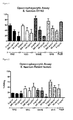
- Opsonophagocytic killing of bacteria by monoclonal antibodies VH2, VH3, VH4E and VH8 was evaluated.
- Monoclonal antibody F1428 was used as a control and targets alginate in Pseudomonas aeruginosa (Pier Preston JI 2004).
- Opsonophagocytic killing of 5 strains - E . faecalis 12030, E. faecium 1162 (VRE), E. faecium (patient isolate), S. aureus LAC (MRSA) and S . aureus (patient isolate) occurred in the presence of monoclonal antibodies in a dose-dependent manner, whereas the control monoclonal antibody F428, neutrophils and complement alone did not reduce viable counts.
- mice Eight female BALB/c mice 6-8 weeks old (Charles River Laboratories Germany GmbH) were infected by i.v. injection of E. faecalis 12030 (1.8 x 10 8 cfu) or S . aureus (5.0 x 10 7 cfu) via the tail vein.
- mice Fourty-eight hours after infection, mice were sacrificed and organs were aseptically removed, weighted and homogenized. Bacterial counts were enumerated by serial dilutions on TSA plates after overnight incubation. Statistical significance was assessed by Mann-Whitney test.
- Nonbacterial thrombotic endocarditis was caused by insertion of a small plastic catheter (polyethylene tubing; Intramedic PE 10) via the right carotid artery.
- the polyethylene catheter was introduced and advanced through the aortic valve into the left ventricle and proper placement was ensured via invasive pressure measurement through the catheter's lumen.
- the catheter was secured in place and distally ligated. Inoculation of bacteria followed 48 h after catheter placement via injection into the tail vein.
- Rats were assigned to two groups and challenged with E. faecalis 12030 (1.25 x 10 5 cfu per animal), while 4 animals received the monoclonal antibody VH4E and 4 received normal rabbit serum (NRS). Animals were sacrificed on postoperative day 6 and the correct placement of the catheter was verified. The extent of native valve endocarditis was assessed and graded macroscopically, and subsequently valve vegetations were removed aseptically. The primary evaluation criterion was the bacterial count in the vegetation (cfu per vegetation). The mean and standard deviation was calculated for each group.
Landscapes
- Health & Medical Sciences (AREA)
- Life Sciences & Earth Sciences (AREA)
- Chemical & Material Sciences (AREA)
- Immunology (AREA)
- Molecular Biology (AREA)
- Organic Chemistry (AREA)
- Engineering & Computer Science (AREA)
- Medicinal Chemistry (AREA)
- General Health & Medical Sciences (AREA)
- Biochemistry (AREA)
- Biomedical Technology (AREA)
- Hematology (AREA)
- Urology & Nephrology (AREA)
- Genetics & Genomics (AREA)
- Biophysics (AREA)
- Proteomics, Peptides & Aminoacids (AREA)
- Cell Biology (AREA)
- Analytical Chemistry (AREA)
- Pathology (AREA)
- General Physics & Mathematics (AREA)
- Physics & Mathematics (AREA)
- Tropical Medicine & Parasitology (AREA)
- Virology (AREA)
- Food Science & Technology (AREA)
- Biotechnology (AREA)
- Microbiology (AREA)
- Animal Behavior & Ethology (AREA)
- Oncology (AREA)
- Chemical Kinetics & Catalysis (AREA)
- Communicable Diseases (AREA)
- General Chemical & Material Sciences (AREA)
- Public Health (AREA)
- Veterinary Medicine (AREA)
- Nuclear Medicine, Radiotherapy & Molecular Imaging (AREA)
- Pharmacology & Pharmacy (AREA)
- Medicines Containing Antibodies Or Antigens For Use As Internal Diagnostic Agents (AREA)
- Peptides Or Proteins (AREA)
- Micro-Organisms Or Cultivation Processes Thereof (AREA)
Abstract
Description
- The present invention in the fields of immunology and infectious diseases relates to opsonic and protective antibodies that are specific for Gram-positive bacteria, particularly to carbohydrate structures exposed on the surface of the bacteria. The invention includes monoclonal and chimeric antibodies, as well as fragments, regions and derivatives thereof. This invention also relates to the epitope to which the antibodies of the invention bind as well as the sequences, fragments, and regions of the epitopes. Both the antibodies and peptides that encompass the epitope, and regions and fragments thereof, may be used for diagnostic, prophylactic and therapeutic applications.
- Before the discovery and development of antibiotics, death due to a bacterial infection was frequently rapid and inevitable. Gram-positive multiresistant bacteria, such as Staphylococcus aureus and Enterococci, are among the major nosocomial pathogens and are responsible for numerous deaths and extended hospital stays of patients.
- The cell walls of Gram-positive bacteria contain three major components: peptidoglycan, capsular polysaccharides, and teichoic acids plus additional carbohydrates, glycoconjugates and proteins depending on the species.
- Of the Gram-positive bacteria, one of the most common genera is Staphylococcus. Staphylococci commonly colonize humans and animals and are an important cause of human morbidity and mortality, particularly in hospitalized patients. Staphylococci are prevalent on the skin and mucosal linings and, accordingly, are ideally situated to produce both localized and systemic infections.
- Staphylococcal infections are difficult to treat for a variety of reasons. Resistance to antibiotics is common and becoming more so, due to transferrable methicillin and multidrug resistance. In addition, host resistance to Staphylococcal infections is still not clearly understood.
- Opsonic antibodies have been proposed to prevent or treat Staphylococcal infections. See, for example,
U.S. Patent No. 5,571,511 . - Enterococci are Gram-positive cocci that often occur in pairs ("diplococcus") or short chains, and are difficult to distinguish from "Streptococcus" on physical characteristics alone. Two species are common commensal organisms in the intestines of humans: E. faecalis (90-95%) and E. faecium (5-10%).
- Important clinical infections caused by Enterococcus include urinary tract infections, bacteremia, bacterial endocarditis, diverticulitis, and meningitis. From a medical standpoint, an important feature of this genus is the high level of intrinsic antibiotic resistance. Some enterococci are intrinsically resistant to β-lactam-based antibiotics (penicillins, cephalosporins, carbapenems), as well as many aminoglycosides. In the last two decades, particularly virulent strains of Enterococcus that are resistant to vancomycin (vancomycin-resistant Enterococcus, or VRE) have emerged in nosocomial infections of hospitalized patients, especially in the US.
-
U.S. Patent No. 4,578,458 describes a method of inducing an immune response against multiple strains of (the Gram-negative bacterium) Pseudomonas aeruginosa which comprises administering to a human or animal an amount of mucoid exopolysaccharide from Pseudomonas aeruginosa 2192 sufficient to induce an immune response in the human or animal is disclosed along with the microorganism which produces this antigen and a method of separating the antigen from the crude bacterial slime. Thus, a vaccine capable of inducing an immune response against multiple strains of Pseudomonas aeruginosa is provided. A minimum preferred amount is the amount required to elicit antibody formation to a concentration at least 4 times that which existed prior to administration. -
U.S. Patent No. 7,230,087 further describes peptides, particularly human monoclonal antibodies, that bind specifically to Pseudomonas aeruginosa mucoid exopolysaccharide. The invention further provides methods for using these peptides in the diagnosis, prophylaxis and therapy of Pseudomonas aeruginosa infection and related disorders (e.g., cystic fibrosis). Some antibodies of the invention enhance opsonophagocytic killing of multiple mucoid strains of Pseudomonas aeruginosa. Compositions of these peptides, including pharmaceutical compositions, are also provided, as are functionally equivalent variants of such peptides. -
U.S. Patent No. 5,233,024 describes an anti-idiotypic monoclonal antibody, which is opsonic for mucoid Pseudomonas aeruginosa. The anti-idiotypic monoclonal antibody is produced by a cell line designated C9F5 and having ATCC accession No. HB10715. The anti-idiotypic monoclonal antibody is useful as a vaccine and for diagnostic purposes. -
WO 1998/57994 -
WO 2003/059260 discloses monoclonal antibodies that bind to lipoteichoic acid LTA of Gram-positive bacteria. The antibodies also bind to whole bacteria and enhance phagocytosis and killing of the bacteria in vitro. Described are also antibodies having human sequences chimeric, humanized and human antibodies. - There is a need in the art to provide new and effective monoclonal antibodies that can bind to Staphylococcus with higher affinity, and that can enhance phagocytosis and killing of the bacteria and thereby enhance protection in vivo. There is a related need for humanized or other chimeric human/mouse monoclonal antibodies, and respective uses thereof in the treatment of Gram-positive infections.
- To address these needs in the art, the present invention provides opsonic and protective monoclonal and chimeric antibodies that bind to Gram-positive bacteria. The antibodies also bind to whole bacteria and enhance phagocytosis and killing of the bacteria in vitro and enhance protection from prospectively lethal infection in vivo.
- Accordingly, the invention provides broadly reactive and opsonic antibodies for the diagnosis, prevention, and/or treatment of bacterial infections caused by Gram-positive bacteria. The antibodies of the invention are broadly reactive with Gram-positive bacteria, meaning that they selectively recognize and bind to Gram-positive bacteria. Any conventional binding assay can be used to assess this binding, including for example, an enzyme linked immunosorbent assay. An important characteristic of the antibodies and antibody fragments provided by the invention is their ability to enhance opsonization and phagocytosis (i.e., opsonophagocytosis) of Gram-positive bacteria.
- In one aspect, the invention provides an opsonic monoclonal antibody specific for Gram-positive bacteria, comprising at least one light chain and at least one heavy chain, wherein said at least one light chain comprises a polypeptide comprising an amino acid sequence having at least 80% identity with a light chain variable region selected from SEQ ID NO: 1, and wherein said at least one heavy chain comprises a polypeptide comprising an amino acid sequence having at least 80% identity with a heavy chain variable region selected from SEQ ID NOs: 3, 5, 7, and 9.
- In one embodiment, the isolated peptide comprises an amino acid sequence of a heavy or light chain variable region of an antibody disclosed herein. In important embodiments, the amino acid sequences are selected from the group consisting of the light chain variable region selected from SEQ ID NO: 1, and the heavy chain variable region comprises a polypeptide comprising an amino acid sequence selected from SEQ ID NOs: 3, 5, 7, and 9.
- Preferred are the specific antibodies of the present invention herein designated as VH2, VH3, VH4E, and VH8, respectively (in accordance with their heavy chains).
- The peptides of the invention, including antibodies and antibody fragments, have particular utility in the detection of Gram-positive bacteria, the diagnosis of Gram-positive infection and the prevention and treatment of such infections and the disorders with which they are associated.
- In the context of the present invention, opsonic and protective antibodies from a healthy individual were identified in order to target multiresistant pathogens. A pre-screen of a donor pool using an opsonophagocytic assay (OPA) with
E. faecalis 12030 was used to identify the donor with the highest titers of opsonic antibodies. Whole blood was taken from that donor, and the B-cells were immortalized by infection with EBV. The immortalized B-cells were cultured until sufficient numbers for RNA preparations were achieved. The supernatant of each well was collected and used in an OPA againstE. faecalis 12030 to identify the well resulting in the highest killing. B-cells from this well were in tissue culture wells. Supernatants were again tested by OPA and again the cells of the well leading to the highest killing were distributed into a new microtiter culture plate. After 4 rounds, B-cells in the wells with the strongest response were lyzed and mRNA and cDNA was prepared. - Using a degenerated primer set, variable domains (VH and VL) of the rearranged immunoglobulin, genes were amplified by PCR and cloned into a gram-positive expression vector containing the constant domain of a human IgG1 and human lambda constant domain for the light chain.
- The plasmid containing the identified variable domain sequences were than transfected into chinese hamster ovary (CHO) cells and culture supernatants were collected, precipitated with ammonium sulfate, dialyzed and the concentration of antibody measured. The recombinant monoclonal antibody was tested by OPA against several E. faecalis, E. faecium and S. aureus strains. At concentrations of about 500-600 pg/ml, opsonic killing was between 40 and 70%.
- A mouse sepsis model was used to assess protective efficacy and 4 µg/kg per mouse resulted in a statistically significant protection.
- Preliminary experiments indicate that the antibodies specifically recognize non-proteinaceous and thus carbohydrate structures on the surface of the Gram-positive cells, which adds to their safety for use in the human patient.
- Thus, preferred is the monoclonal antibody according to the present invention, which, at concentrations of about 500-600 pg/ml, induces opsonic killing at between 40 and 70%, more preferably at between 60 and 70%.
- Further preferred is the monoclonal antibody according to the present invention, which in a mouse sepsis model provides statistically significant protection at 4 µg/kg per mouse, more preferably at between 3 and 2 µg/kg per mouse.
- Preferred is the monoclonal antibody according to the present invention, wherein the percentages identity are at least 90%, more preferably at least 95%, such as, for example, 98%. Most preferably, the variable regions of the monoclonal antibody according to the present invention consist of an amino acid sequence according to SEQ ID NO: 1, and an amino acid sequence selected from SEQ ID NOs: 3, 5, 7, and 9.
- Included in the invention are also antibodies, wherein the variable regions of said antibody comprise and/or consist of an amino acid sequence according to SEQ ID NO: 1 (derived from DNA SEQ ID NO:2, wherein the percentages identity is at least 90%, more preferably at least 95%, such as, for example, 98%), and an amino acid sequence selected from SEQ ID NOs: 3, 5, 7, and 9, (derived from DNA SEQs ID NO:4, 6, 8, and 10, wherein the percentages identity are at least 90%, more preferably at least 95%, such as, for example, 98%) wherein some of the amino acids are modified because of post-translational modifications. These modifications include, for example, incomplete disulfide bond formation, glycosylation, N-terminal pyroglutamine cyclization, C-terminal lysine processing, deamidation, isomerization, and oxidation, and less common ones such as modification of the N-terminal amino acids by maleuric acid and amidation of the C-terminal amino acid. Modifications can be introduced in vitro and/or in vivo. Of course, according to the invention, these modified antibodies still enhance phagocytosis and killing of the bacteria in vitro and enhance protection from prospectively lethal infection in vivo.
- An alternative embodiment is the monoclonal antibody according to the present invention, wherein at least one light chain, at least one heavy chain, or both are chimeric as described herein. More preferably, the monoclonal antibody according to the present invention comprises a heavy chain constant region, wherein said constant region comprises human IgG (all subtypes thereof), IgA, IgM, or IgD sequence, and/or comprises a light chain constant region comprising human kappa or lambda sequence.
- In one embodiment, the isolated antibody or antibody fragment according to the present invention may be an isolated intact soluble monoclonal antibody. The isolated antibody or antibody fragment may be an isolated monoclonal antibody fragment selected from the group consisting of a Fab, Fab', F(ab')2, Fv, SFv, or scFv.
- The antibodies of the present invention exhibit very strong binding (and thus have a high affinity), i.e., O.D.s of around twice background in an enzyme-linked immunosorbent assay against a test strain. In a preferred embodiment, the level of high binding is equal to or greater than five times background. In other embodiments, the level of high binding is equal to or greater than 10 times background. Of course, any meaningful increase over background (the level observed when all the reagents other than the antibody being tested) will be recognized by skilled persons in the art as high binding and therefore within the scope of the invention. Also as described in the state of the art, high binding has been found to correlate with opsonic activity.
- The isolated antibody or antibody fragment according to the present invention enhances opsonophagocytosis of Gram-positive bacteria, such as Staphylococcus and/or Enterococcus. Such an antibody or antibody fragment is referred to herein as "an opsonic antibody or antibody fragment".
- The antibodies of the invention are opsonic, or exhibit opsonic activity, for Gram positive bacteria. As those in the art recognize, "opsonic activity" refers to the ability of an opsonin (generally either an antibody or the serum factor C3b) to bind to an antigen to promote attachment of the antigen to the phagocyte and thereby enhance phagocytosis. Certain bacteria, especially encapsulated bacteria which resist phagocytosis due to the presence of the capsule, become extremely attractive to phagocytes such as neutrophils and macrophages when coated with an opsonic antibody and their rate of clearance from the bloodstream is strikingly enhanced. Opsonic activity may be measured in any conventional manner as described below, for example as described by Theilacker et al. (see below).
- An opsonization assay can be a colorimetric assay, a chemiluminescent assay, a fluorescent or radiolabel uptake assay, a cell-mediated bactericidal assay, or any other appropriate assay known in the art which measures the opsonic potential of a substance and identifies broadly reactive immunoglobulin. In an opsonization assay, the following are incubated together: an infectious agent, a eukaryotic cell, and the opsonizing substance to be tested, or an opsonizing substance plus a purported opsonizing enhancing substance. Preferably, the opsonization assay is a cell-mediated bactericidal assay.
- Alternatively, the opsonic ability is determined by measuring the numbers of viable organisms before and after incubation. A reduced number of bacteria after incubation in the presence of immunoglobulin indicates a positive opsonizing ability. In the cell-mediated bactericidal assay, positive opsonization is determined by culturing the incubation mixture under appropriate bacterial growth conditions. Any significant reduction in the number of viable bacteria comparing pre- and post-incubation samples, or between samples which contain immunoglobulin and those that do not, is a positive reaction.
- Another preferred method of identifying agents for the treatment or prevention of an infection by Gram-positive bacteria employs animal models of sepsis or bacteremia that measure clearance and protection. Such agents can be immunoglobulin or other antimicrobial substances. A particularly useful animal model comprises administering an antibody and a Gram-positive organism to an immunocompromised (e.g., an immature) animal, followed by evaluating whether the antibody reduces mortality of the animal or enhances clearance of the organism from the animal. This assay may use any immature animal, including the rabbit, the guinea pig, the mouse, the rat, or any other suitable laboratory animal.
- Clearance is evaluated by determining whether the pharmaceutical composition enhances clearance of the infectious agent from the animal. This is typically determined from a sample of biological fluid, such as blood, peritoneal fluid, or cerebrospinal fluid, or organs such as liver, spleen or kidney. The infectious agent is cultured from the biological fluid or organ in a manner suitable for growth or identification of the surviving infectious agent. From samples of fluid taken over a period of time after treatment, one skilled in the art can determine the effect of the pharmaceutical composition on the ability of the animal to clear the infectious agent. Further data may be obtained by measuring over a period of time, preferably a period of days, survival of animals to which the pharmaceutical composition is administered. Typically, both sets of data are utilized.
- Results are considered positive if the pharmaceutical composition enhances clearance or decreases mortality. In situations in which there is enhanced organism clearance, but the test animals still perish, a positive result is still indicated.
- The ability of the antibodies of the invention to bind to and opsonize Gram-positive bacteria, and thereby enhance phagocytosis and cell killing in vitro and to enhance protection in vivo is unexpected.
- With this level of opsonic activity, an antibody should enhance phagocytosis and cell killing of both coagulase-negative and coagulase-positive staphylococci. The term "enhanced" refers to activity that measurably exceeds background at a valuable level. The level deemed valuable may well vary depending on the specific circumstances of the infection, including the type of bacteria and the severity of the infection. For example, for enhanced opsonic or phagocytic activity, in a preferred embodiment, an enhanced response is equal to or greater than 75% over background. In another preferred embodiment, the enhanced response is equal to or greater than 80% over background. In yet another embodiment, the enhanced response is equal to or greater than 90% over background.
- To confirm that the antibody, shown to be opsonic, would be protective in vivo, it was assessed in an infection model in mice and an endocarditis model in rats. As set forth in the Examples, the antibodies markedly enhance the clearance of bacteria from the blood stream and from internal organs (such as liver, kidneys, and spleen) and from cardiac vegetations.
- These antibodies of the present invention include polyclonal antibodies as well as monoclonal antibodies, as well as other monoclonal antibodies, fragments and regions thereof, as well as derivatives thereof. As set forth above, the strength of the binding may range from twice above background, to five- and ten-times above background.
- In addition, the antibodies, fragments, regions, and derivatives of the present invention are capable of enhancing the opsonization of such bacteria, at rates ranging from 75% and up. The "fragments" of the antibodies of the invention include, for example, Fab, Fab', F(ab')2, and scFv. These fragments are produced from intact antibodies using methods well known in the art such as, for example, proteolytic cleavage with enzymes such as papain (to produce Fab fragments) or pepsin (to produce F(ab')2).
- In a preferred aspect of the invention, the regions include at least one heavy chain variable region or a light chain variable region which binds a Gram-positive bacterium. In another embodiment, these two variable regions can be linked together as a single chain antibody. While a full length heavy chain may be critical for opsonic activity and enhance anti-cytokine (antiinflammatory) activity, the antibody fragments encompassing the variable regions may be suitable for inhibition of bacterial binding to epithelial cells and may also be antiinflammatory.
- In a particularly preferred aspect of the invention, the antibody is a recombinant human antibody made up of regions from the antibodies of the invention together with constant regions of human antibodies (IgG). For example, an H chain can comprise the antigen-binding region of the heavy chain variable region of an antibody of the invention linked to at least a portion of a human heavy chain constant region. This humanized or chimeric heavy chain may be combined with a chimeric L chain that comprises the antigen binding region of the light chain variable region of the antibody linked to at least a portion of the human light chain constant region.
- The recombinant antibodies of the invention may be monovalent, divalent, or polyvalent immunoglobulins. For example, a monovalent antibody is a dimer (HL) formed by an H chain associated through disulfide bridges with an L chain, as noted above. A divalent antibody is a tetramer formed by two HL dimers associated through at least one disulfide bridge. A polyvalent antibody is based on an aggregation of chains.
- Particularly preferred antibodies of the invention are described in the Examples, and comprise i) a light chain comprising a sequence according to SEQ ID No: 1, and a heavy chain comprising a sequence according to SEQ ID No: 3, ii) a light chain comprising a sequence according to SEQ ID No: 1, and a heavy chain comprising a sequence according to SEQ ID No: 5, iii) a light chain comprising a sequence according to SEQ ID No: 1, and a heavy chain comprising a sequence according to SEQ ID No: 7, and iv) a light chain comprising a sequence according to SEQ ID No: 1, and a heavy chain comprising a sequence according to SEQ ID No: 9.
- Of course, other recombinant antibodies composed of different sections of the antibodies of the invention are within the invention. In particular, the heavy chain constant region can be an IgG2, IgG3, IgG4, IgM or IgA antibody.
- The Gram-positive bacterial infection to be treated or prevented can be selected from the group consisting of Staphylococcus epidermidis, Staphylococcus hemolyticus, Staphylococcus hominus, Staphylococcus aureus, Streptococcus mutans, Enterococcus faecalis or Enterococcus faecium, and Streptococcus pyogenes or Streptococcus pneumoniae.
- Another aspect of the monoclonal antibody according to the present invention then relates to an antibody, wherein said monoclonal antibody or antigen-binding fragment thereof is conjugated to a detectable label. Labels suitable for use in detection of a complex between an epitope, bacterium and an antibody or antigen-binding fragment of the invention include, for example, a radioisotope, an epitope label (tag), an affinity label (e.g., biotin, avidin), a spin label, an enzyme, a toxin, or a fluorescent group or a chemiluminescent group.
- In another aspect of the invention, the invention also encompasses an isolated nucleic acid encoding for monoclonal antibody or a fragment thereof as described above. The nucleic acid can be selected from RNA, DNA, PNA, and/or cDNA. The nucleic acid(s) of the invention can be isolated and/or cloned in vectors, such as plasmids, for example expression vectors. Thus, in addition to the protein fragments and regions of the antibodies, the present invention also encompasses the DNA sequence of the gene coding for the antibodies as well as the peptides encoded by said DNA.
- Particularly preferred DNA and peptide sequences are set forth in the Figures and the attached sequence listing, in particular in SEQ ID NO: 1, 3, 5, 7, and 9 (for peptides), and SEQ ID NO: 2, 4, 6, 8, and 10 (for nucleic acids), describing the variable regions of both the heavy and light chains of preferred antibodies, including the Complementarity Determining Regions ("CDR"), the hypervariable amino acid sequences within antibody variable regions which interact with amino acids on the complementary antigen.
- The invention includes these DNA and peptide sequences as well as DNA and peptide sequences that are homologous (share identity) to these sequences. In a preferred embodiment, these sequences are 80 % homologous although other preferred embodiments include sequences that are 85%, 90%, and 95% homologous. Determining these levels of homology for both the DNA and peptide sequence is well within the routine skill of those in the art.
- The DNA sequences of the invention can be identified, isolated, cloned, and transferred to a prokaryotic or eukaryotic cell for expression by procedures well-known in the art. Such procedures are generally described in Sambrook et al., supra, as well as Current Protocols in Molecular Biology (Ausubel et al., eds., John Wiley & Sons), incorporated by reference.
- In addition, the DNA and peptide sequences of the antibodies of the invention, including both monoclonal and chimeric antibodies, may form the basis of antibody "derivatives", which include, for example, the proteins or peptides encoded by truncated or modified genes. Such proteins or peptides may function similarly to the antibodies of the invention. Other modifications, such as the addition of other sequences that may enhance the effector function, which includes phagocytosis and/or killing of the bacteria, are also within the present invention.
- In another aspect of the invention, the invention also encompasses a hybridoma cell line expressing a monoclonal antibody according to the present invention. Generally, a hybridoma is produced by fusing a suitable immortal cell line (e.g., a myeloma cell line) with antibody-producing cells. Antibody-producing cells can be obtained from the peripheral blood or, preferably the spleen or lymph nodes, of humans or other suitable animals immunized with the antigen of interest. The fused cells (hybridomas) can be isolated using selective culture conditions, and cloned by limiting dilution. Cells that produce antibodies with the desired specificity can be selected by a suitable assay (e.g., ELISA).
- The present invention also discloses a pharmaceutical composition comprising an antibody of the invention, monoclonal or chimeric, as well as fragments, regions, and derivatives thereof, together with a pharmaceutically acceptable carrier.
- Pharmaceutically acceptable carriers can be sterile liquids, such as water, oils, including petroleum oil, animal oil, vegetable oil, peanut oil, soybean oil, mineral oil, sesame oil, and the like. With intravenous administration, water is a preferred carrier. Saline solutions, aqueous dextrose, and glycerol solutions can also be employed as liquid carriers, particularly for injectable solutions. Suitable pharmaceutical carriers are described in Remington's Pharmaceutical Sciences, 22nd Edition (2012), incorporated by reference.
- Preferred is a pharmaceutical composition according to the present invention, which is for i.v., intraperitoneal (i.p.), or internasal administration. Administering the pharmaceutical composition (including antibodies) can also be achieved by intravenous, intraperitoneal, intracorporeal injection, intra-articular, intraventricular, intrathecal, intramuscular, subcutaneous, intranasally, intravaginally, orally, or by any other effective method of administration. The composition may also be given locally, such as by injection to the particular area infected, either intramuscularly or subcutaneously. Administration can comprise administering the pharmaceutical composition by swabbing, immersing, soaking, or wiping directly to a patient. The pharmaceutical composition can also be applied to objects to be placed within a patient, such as dwelling catheters, cardiac values, cerebrospinal fluid shunts, joint prostheses, other implants into the body, or any other objects, instruments, or appliances at risk of becoming infected with a Gram-positive bacteria, or at risk of introducing such an infection into a patient.
- Finally, the present invention provides methods for treating or preventing infections caused by Gram-positive bacteria comprising administering to the patient a therapeutically or prophylactically effective amount of the pharmaceutical composition according to the present invention, wherein the patient is infected with, or suspected of being infected with, a Gram-positive bacteria, such as a staphylococcal or enterococcal organism. The method comprises administering a therapeutically effective amount of a pharmaceutical composition comprising the monoclonal or chimeric antibody of the invention, including fragments, regions, and derivatives thereof, and a pharmaceutically acceptable carrier. A patient can be a human or other mammal, such as a dog, cat, cow, sheep, pig, or goat. The patient is preferably a human.
- A therapeutically effective amount is an amount reasonably believed to provide some measure of relief or assistance in the treatment of the infection. Such therapy as above or as described below may be primary or supplemental to additional treatment, such as antibiotic therapy, for a staphylococcal or enterococcal infection, an infection caused by a different agent, or an unrelated disease. Indeed, combination therapy with other antibodies is expressly contemplated within the invention.
- A prophylactically effective amount is an amount reasonably believed to provide some measure of prevention of infection by Gram-positive bacteria. Such therapy as above or as described below may be primary or supplemental to additional treatment, such as antibiotic therapy, for a staphylococcal infection, an infection caused by a different agent, or an unrelated disease. Indeed, combination therapy with other antibodies is expressly contemplated within the invention.
- The Gram positive bacterium to be treated or prevented is selected from the group consisting of Staphylococcus epidermidis, Staphylococcus hemolyticus, Staphylococcus hominus, Staphylococcus aureus, Streptococcus mutans, Enterococcus faecalis or Enterococcus feacium, and Streptococcus pyogenes, Streptococcus pneumoniae or Streptococcus agalactiae.
- In a preferred embodiment of the method of the invention, the Gram-positive bacteria are antibiotic resistant, such as MRSA, VRSA, MDR or VRE.
- Yet another aspect of the invention relates to a method for detecting a Gram-positive bacterium in a subject comprising determining a test level of binding of the isolated anti-Gram positive monoclonal antibody according to the present invention, or an antigen-binding fragment thereof, to a sample from a subject, and comparing the test level of binding to a control, wherein a test level of binding that is greater than the control is indicative of the presence of a Gram-positive bacterium in the sample.
- The invention relates to a selection method for identifying of protective human monoclonal antibodies as well as the identification of four candidate-antibodies for the prophylaxis, therapy and diagnosis of enterococcal and staphylococcal infections. For this, blood was taken from a group of healthy volunteers, and the serum was analyzed for opsonic activity. A donor having high opsonic killing was selected, blood was drawn, and the B-cells in the whole blood were immortalized using EBV. The immortalized B-cells were dispersed onto a cell culture plate, and cultured. The cell culture supernatants were analyzed by means of an opsonophagocytotic assay, and those wells were identified that showed the highest killing. All B-cells that grew in this well were then dispersed onto another microtiter plate, and again the well with the best killing was identified and re-seeded. After four rounds total RNA was isolated from the best well, and transcribed into cDNA. Using a set of primers (see reference 1) the variable domains of the heavy and light antibody chains were amplified, and cloned into a eukaryotic expression vector. It was found that four different antibodies were present in the well, and that all antibodies had the same light chain (SEQ ID No: 1). The four constructs were transfected into CHO cells, and the recombinant human monocolonal antibodies were purified from the supernatant. These antibodies were then tested in an opsonophagocytosis-assay, and exhibited killing in a concentration of 50-500 ng/ml, whereby a killing of the antibodies was found both against the tested several E. faecalis, E. faecium and S. aureus strains. Then, the antibodies were tested further in an in vivo mouse and rat model.
- The invention will now be further described in the following examples, of course, these are included only for purposes of illustration and are not intended to be limiting of the present invention. For the purposes of the present invention, all references as cited are herein incorporated by reference in their entireties. The Figures and the attached sequence listing show:
-
Figure 1 : The results of the opsophagocytotic assays using the antibodies according to the present invention with E. faecium E1162. F428 indicates the control using the P. aeruginosa mucoid exopolysaccharide specific binding antibody as described inUS 7,119,172 . -
Figure 2 : The results of the opsophagocytotic assays using the antibodies according to the present invention with the E. faecium patient isolate. F428 is as inFigure 1 . -
Figure 3 : The results of the opsophagocytotic assays using the antibodies according to the present invention with the S. aureus patient isolate. F428 is as inFigure 1 . -
Figure 4 : The results of the opsophagocytotic assays using the antibodies according to the present invention with the S. aureus LAC. F428 is as inFigure 1 . -
Figure 5 : The results of the opsophagocytotic assays using the antibodies according to the present invention withE. faecalis 12030. F428 is as inFigure 1 . -
Figure 6 : The results of the rat endocarditis test withE. faecalis 12030. -
Figure 7 : The results of a mouse bacteremia model displaying colony counts in the liver with S. aureus LAC. -
Figure 8 : The results of the mouse bacteremia model with E. faecalis E1162. - SEQ ID NO: 1: peptide sequence of the light chain of the antibodies as identified according to the present invention.
- SEQ ID NO: 3, 5, 7, and 9: peptide sequences of the heavy chains of the antibodies as identified according to the present invention.
- SEQ ID NO: 2: nucleotide sequence of the light chain of the antibodies as identified according to the present invention.
- SEQ ID NO: 4, 6, 8, and 10: nucleotide sequences of the heavy chains of the antibodies as identified according to the present invention.
- Opsonic and protective antibodies from a healthy individual were identified to target multiresistant pathogens. A pre-screen of a donor pool using an opsonophagocytic assay (OPA) with
E. faecalis 12030 was used to identify the donor with the highest titers of opsonic antibodies. Ten milliliter of whole blood were taken from that donor and the B-cells were immortalized by infection with EBV. The immortalized B-cells were cultured in 48-well plates for ca. 8 weeks until sufficient numbers for RNA preparations were achieved. The supernatant of each well was collected and used in an OPA against E. faecalis 12030 to identify the well resulting in the highest killing. B-cells from this well were distributed into a new 48-well tissue culture plate. Supernatants were again tested by OPA and again the cells of the well leading to the highest killing were distributed into a new 48-well plate. After 4 rounds, B-cells in the wells with the strongest response were lyzed and mRNA and cDNA was prepared. Using a degenerated primer set, variable domains (VH and VL) of the rearranged immunoglobulin, genes were amplified by PCR and cloned into a gram-positive expression vector containing the constant domain of a human IgG1 and human lambda constant domain for the light chain 1. The plasmid containing the identified variable domain sequence was than transfected into CHO cells and culture supernatants were collected, precipitated with ammonium sulfate, dialyzed and the concentration of antibody measured. The recombinant monoclonal antibody was tested by OPA against several E. faecalis, E. faecium and S. aureus strains. At concentrations of about 500-600 pg/ml, opsonic killing was between 40 and 70%. A mouse sepsis model was used to assess protective efficacy and 4 µg/kg per mouse resulted in a statistically significant protection. - Opsonophagocytic killing was measured as described by Theilacker et al. (1, 2) using 1.7% baby rabbit serum (Cedar Lane) as complement source and rabbit sera raised against purified lipoteichoic acid (LTA) from E. faecalis 12030 as positive control (3-5). Bacteria were incubated and grown to mid-exponential (OD650nm) phase. Equal volumes of bacterial suspension (2.5 x 10⁷ per ml), leukocytes (2.5 x 10⁷ per ml), complement source (1.7% final concentration), and heat-inactivated immune rabbit serum at the dilutions indicated were combined and incubated on a rotor rack at 37°C for 90 minutes. After incubation, live bacteria were quantified by agar culture of serial dilutions. Percent of killing was calculated by comparing the colony counts at 90 min (t90) of a control not containing PMNs (PMNneg) to the colony counts of a tube that contained all four components of the assay using the following formula:

- Opsonophagocytic killing of bacteria by monoclonal antibodies VH2, VH3, VH4E and VH8 was evaluated. Monoclonal antibody F1428 was used as a control and targets alginate in Pseudomonas aeruginosa (Pier Preston JI 2004). Opsonophagocytic killing of 5 strains -
E . faecalis 12030, E. faecium 1162 (VRE), E. faecium (patient isolate), S. aureus LAC (MRSA) and S. aureus (patient isolate) - occurred in the presence of monoclonal antibodies in a dose-dependent manner, whereas the control monoclonal antibody F428, neutrophils and complement alone did not reduce viable counts. - The protective efficacy of the monoclonal antibodies was tested against
E. faecalis 12030 and S. aureus LAC in a mouse bacteremia model as described previously (3). Eight female BALB/c mice 6-8 weeks old (Charles River Laboratories Germany GmbH) were infected by i.v. injection of E. faecalis 12030 (1.8 x 10⁸ cfu) or S. aureus (5.0 x 10⁷ cfu) via the tail vein. Fourty-eight hours after infection, mice were sacrificed and organs were aseptically removed, weighted and homogenized. Bacterial counts were enumerated by serial dilutions on TSA plates after overnight incubation. Statistical significance was assessed by Mann-Whitney test. - Passive immunization with monoclonal antibodies VH4E and VH8 promotes clearance of Enterococcus faecium E1162 and Staphylococcus aureus LAC from the bloodstream, whereas nonimmune rabbit sera (NRS) did not protect from bacterial bloodstream infection after 24 hours. A lipoteichoic acid-specific serum (αLTA T5) was used as a positive control because the inventors have shown previously that this serum is opsonic and protective against these strains (4).
- Female Wistar rats (Charles River Laboratories Germany GmbH), weighing 200 to 300g were used in a rat endocarditis model. The animals were anesthetized by subcutaneous application of 5.75 % ketamine and 0.2 % xylazine. Nonbacterial thrombotic endocarditis was caused by insertion of a small plastic catheter (polyethylene tubing; Intramedic PE 10) via the right carotid artery. The polyethylene catheter was introduced and advanced through the aortic valve into the left ventricle and proper placement was ensured via invasive pressure measurement through the catheter's lumen. The catheter was secured in place and distally ligated. Inoculation of bacteria followed 48 h after catheter placement via injection into the tail vein. Rats were assigned to two groups and challenged with E. faecalis 12030 (1.25 x 10⁵ cfu per animal), while 4 animals received the monoclonal antibody VH4E and 4 received normal rabbit serum (NRS). Animals were sacrificed on
postoperative day 6 and the correct placement of the catheter was verified. The extent of native valve endocarditis was assessed and graded macroscopically, and subsequently valve vegetations were removed aseptically. The primary evaluation criterion was the bacterial count in the vegetation (cfu per vegetation). The mean and standard deviation was calculated for each group. - Comparing monoclonal antibody VH4E with normal rabbit serum (NRS) the weight of the vegetations was significantly lower in the VH4E group. The total amount of bacteria in vegetations was also lower in the group receiving the monoclonal antibody.
- Sequences as identified:
- Light chain VL (SEQ ID NO: 1)

- DNA - Light chain VL (SEQ ID NO: 2)

- Heavy chain VH2 (SEQ ID NO: 3)

- DNA - Heavy chain VH2 (SEQ ID NO: 4)


- Heavy chain VH3 (SEQ ID NO: 5)

- DNA - Heavy chain VH3 (SEQ ID NO: 6)

- Heavy chain VH4E (SEQ ID NO: 7)

- DNA - Heavy chain VH4E (SEQ ID NO: 8)

- Heavy chain VH8 (SEQ ID NO: 9)

- DNA - Heavy chain VH8 (SEQ ID NO: 10)

-
- 1. Kelly-Quintos, C., Cavacini, L. A., Posner, M. R., Goldmann, D. A. & Pier, G. B. Characterization of the opsonic and protective activity against Staphylococcus aureus of fully human monoclonal antibodies specific for the bacterial surface polysaccharide poly-N-acetylglucosamine. Infect Immun 74, 2742-2750 (2006).
- 2. Theilacker, C. et al. Glycolipids are involved in biofilm accumulation and prolonged bacteraemia in Enterococcus faecalis. Mol Microbiol 71, 1055-1069 (2009).
- 3. Hufnagel, M., Koch, S., Creti, R., Baldassarri, L. & Huebner, J. A putative sugar-binding transcriptional regulator in a novel gene locus in Enterococcus faecalis contributes to production of biofilm and prolonged bacteremia in mice. J INFECT DIS 189, 420-430 (2004).
- 4. Theilacker, C. et al. Protection against Staphylococcus aureus by antibody to the polyglycerolphosphate backbone of heterologous lipoteichoic acid. J INFECT DIS 205, 1076-1085 (2012).
- 5. Theilacker, C. et al. Serodiversity of Opsonic Antibodies against Enterococcus faecalis-Glycans of the Cell Wall Revisited. PLoS ONE 6, e17839 (2011).


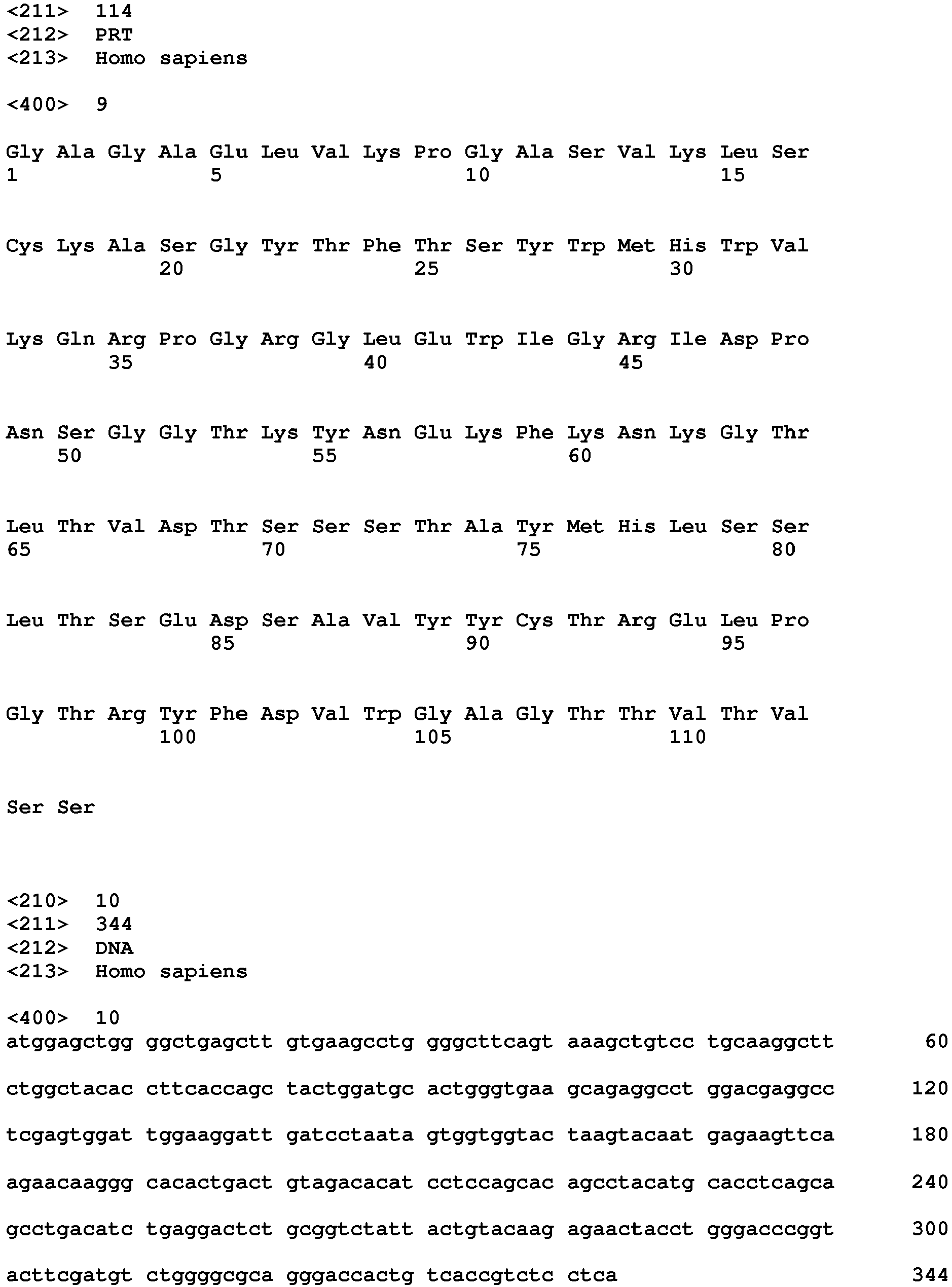
Claims (16)
- An opsonic monoclonal antibody specific for Gram-positive bacteria, comprising at least one light chain and at least one heavy chain, wherein said at least one light chain comprises a polypeptide comprising an amino acid sequence having at least 80% identity with a light chain variable region selected from SEQ ID NO: 1, and wherein said at least one heavy chain comprises a polypeptide comprising an amino acid sequence having at least 80% identity with a heavy chain variable region selected from SEQ ID NOs: 3, 5, 7, and 9.
- The monoclonal antibody according to claim 1, wherein the percentages identity are at least 90%, for example, at least 95%.
- The monoclonal antibody according to claim 1 or 2, wherein the at least one variable region consists of an amino acid sequence according to SEQ ID NO: 1 and an amino acid sequence selected from SEQ ID NOs: 3, 5, 7, and 9.
- The monoclonal antibody according to any of claims 1 to 3, wherein at least one light chain, at least one heavy chain, or both are chimeric.
- The monoclonal antibody according to any of claims 1 to 4, comprising a heavy chain constant region, wherein said constant region comprises human IgG of all subclasses, IgA, IgM, or IgD sequence.
- The monoclonal antibody according to any of claims 1 to 5, comprising a Fab, Fab', F(ab')2, Fv, SFv, or scFv.
- The monoclonal antibody according to any of claims 1 to 6, comprising a light chain constant region comprising human kappa or lambda sequence.
- The monoclonal antibody according to any of claims 1 to 7, wherein said monoclonal antibody or antigen-binding fragment thereof is conjugated to a detectable label.
- An isolated nucleic acid encoding for monoclonal antibody according to any of claims 1 to 7.
- A hybridoma cell line expressing a monoclonal antibody according to any of claims 1 to 7.
- A pharmaceutical composition comprising the antibody according to any of claims 1 to 8, and a pharmaceutically acceptable carrier.
- The pharmaceutical composition according to claim 11, which is for i.v. administration.
- A method for treating or preventing infections caused by a Gram-positive bacteria comprising administering to the patient a therapeutically or prophylactically effective amount of the pharmaceutical composition of claim 11 or 12.
- The method according to claim 13, wherein the Gram-positive bacteria is selected from the group consisting of Staphylococcus epidermidis, Staphylococcus hemolyticus, Staphylococcus hominus, Staphylococcus aureus, Streptococcus mutans, Enterococcus faecalis or E. faecium, and Streptococcus pyogenes or Streptococcus agalactiae or Streptococcus pneumoniae.
- The method according to claim 13 or 14, wherein the Gram-positive bacteria are antibiotic resistant.
- A method for detecting a Gram-positive bacterium in a subject comprising determining a test level of binding of the isolated anti-Gram positive monoclonal antibody according to any of claims 1 to 8, or an antigen-binding fragment thereof, to a sample from a subject, and comparing the test level of binding to a control, wherein a test level of binding that is greater than the control is indicative of the presence of a Gram-positive bacterium in the sample.
Priority Applications (5)
| Application Number | Priority Date | Filing Date | Title |
|---|---|---|---|
| EP13199849.4A EP2889311B1 (en) | 2013-12-30 | 2013-12-30 | Opsonic and protective monoclonal antibodies against gram-positive pathogens |
| PCT/EP2014/074797 WO2015101438A1 (en) | 2013-12-30 | 2014-11-17 | Opsonic and protective monoclonal antibodies against gram-positive pathogens |
| US15/108,398 US10100103B2 (en) | 2013-12-30 | 2014-11-17 | Opsonic and protective monoclonal antibodies against gram-positive pathogens |
| CA2935409A CA2935409A1 (en) | 2013-12-30 | 2014-11-17 | Opsonic and protective monoclonal antibodies against gram-positive pathogens |
| JP2016543621A JP2017506063A (en) | 2013-12-30 | 2014-11-17 | Opsonizing and protective monoclonal antibodies against Gram-positive pathogens |
Applications Claiming Priority (1)
| Application Number | Priority Date | Filing Date | Title |
|---|---|---|---|
| EP13199849.4A EP2889311B1 (en) | 2013-12-30 | 2013-12-30 | Opsonic and protective monoclonal antibodies against gram-positive pathogens |
Publications (2)
| Publication Number | Publication Date |
|---|---|
| EP2889311A1 true EP2889311A1 (en) | 2015-07-01 |
| EP2889311B1 EP2889311B1 (en) | 2018-03-21 |
Family
ID=49882968
Family Applications (1)
| Application Number | Title | Priority Date | Filing Date |
|---|---|---|---|
| EP13199849.4A Not-in-force EP2889311B1 (en) | 2013-12-30 | 2013-12-30 | Opsonic and protective monoclonal antibodies against gram-positive pathogens |
Country Status (5)
| Country | Link |
|---|---|
| US (1) | US10100103B2 (en) |
| EP (1) | EP2889311B1 (en) |
| JP (1) | JP2017506063A (en) |
| CA (1) | CA2935409A1 (en) |
| WO (1) | WO2015101438A1 (en) |
Families Citing this family (2)
| Publication number | Priority date | Publication date | Assignee | Title |
|---|---|---|---|---|
| CN111372603A (en) * | 2017-10-02 | 2020-07-03 | 阿瑞迪思医药品股份有限责任公司 | Compositions and methods for pseudomonas aeruginosa infection |
| CN115947855B (en) * | 2022-05-20 | 2023-10-27 | 杭州邦顺制药有限公司 | Preparation of anti-CD 24 antibodies and uses thereof |
Citations (4)
| Publication number | Priority date | Publication date | Assignee | Title |
|---|---|---|---|---|
| WO2005103084A2 (en) * | 2004-04-21 | 2005-11-03 | The Brigham And Women's Hospital, Inc. | Poly-n-acetyl glucosamine (pnag/dpnag)-binding peptides and methods of use thereof |
| US7230087B2 (en) * | 2001-05-21 | 2007-06-12 | Beth Israel Deaconess Medical Center, Inc. | P. aeruginosa mucoid exopolysaccharide specific binding peptides |
| WO2007141278A2 (en) * | 2006-06-06 | 2007-12-13 | Crucell Holland B.V. | Human binding molecules having killing activity against enterococci and staphylococcus aureus and uses thereof |
| EP2476702A1 (en) * | 2009-08-10 | 2012-07-18 | Fundação Oswaldo Cruz | Monoclonal antibodies against the pbp2-a protein and homologous sequences for the treatment of infections by and immunodiagnostics of bacteria of the firmicutes phylum |
-
2013
- 2013-12-30 EP EP13199849.4A patent/EP2889311B1/en not_active Not-in-force
-
2014
- 2014-11-17 US US15/108,398 patent/US10100103B2/en not_active Expired - Fee Related
- 2014-11-17 CA CA2935409A patent/CA2935409A1/en not_active Abandoned
- 2014-11-17 JP JP2016543621A patent/JP2017506063A/en active Pending
- 2014-11-17 WO PCT/EP2014/074797 patent/WO2015101438A1/en not_active Ceased
Patent Citations (4)
| Publication number | Priority date | Publication date | Assignee | Title |
|---|---|---|---|---|
| US7230087B2 (en) * | 2001-05-21 | 2007-06-12 | Beth Israel Deaconess Medical Center, Inc. | P. aeruginosa mucoid exopolysaccharide specific binding peptides |
| WO2005103084A2 (en) * | 2004-04-21 | 2005-11-03 | The Brigham And Women's Hospital, Inc. | Poly-n-acetyl glucosamine (pnag/dpnag)-binding peptides and methods of use thereof |
| WO2007141278A2 (en) * | 2006-06-06 | 2007-12-13 | Crucell Holland B.V. | Human binding molecules having killing activity against enterococci and staphylococcus aureus and uses thereof |
| EP2476702A1 (en) * | 2009-08-10 | 2012-07-18 | Fundação Oswaldo Cruz | Monoclonal antibodies against the pbp2-a protein and homologous sequences for the treatment of infections by and immunodiagnostics of bacteria of the firmicutes phylum |
Non-Patent Citations (1)
| Title |
|---|
| C. THEILACKER ET AL: "Protection Against Staphylococcus aureus by Antibody to the Polyglycerolphosphate Backbone of Heterologous Lipoteichoic Acid", THE JOURNAL OF INFECTIOUS DISEASES, vol. 205, no. 7, 23 February 2012 (2012-02-23), pages 1076 - 1085, XP055106511, ISSN: 0022-1899, DOI: 10.1093/infdis/jis022 * |
Also Published As
| Publication number | Publication date |
|---|---|
| CA2935409A1 (en) | 2015-07-09 |
| WO2015101438A1 (en) | 2015-07-09 |
| EP2889311B1 (en) | 2018-03-21 |
| US10100103B2 (en) | 2018-10-16 |
| US20160318997A1 (en) | 2016-11-03 |
| JP2017506063A (en) | 2017-03-02 |
Similar Documents
| Publication | Publication Date | Title |
|---|---|---|
| US11447543B2 (en) | Antibodies to S. aureus surface determinants | |
| US7777017B2 (en) | Nucleic acids encoding opsonic monoclonal and chimeric antibodies specific for lipoteichoic acid of gram positive bacteria | |
| JP4691225B2 (en) | Opsonic and protective monoclonal and chimeric antibodies specific for lipoteichoic acid of Gram-positive bacteria | |
| AU2009202762B2 (en) | Opsonic monoclonal and chimeric antibodies specific for lipoteichoic acid of Gram positive bacteria | |
| AU2009210372B2 (en) | Multifunctional monoclonal antibodies directed to peptidoglycan of gram-positive bacteria | |
| JP6371758B2 (en) | Anti-staphylococcal antibody, method for producing the same and use thereof | |
| US7169903B2 (en) | Multifunctional monoclonal antibodies directed to peptidoglycan of gram-positive bacteria | |
| JP2005514053A6 (en) | Opsonic monoclonal and chimeric antibodies specific for lipoteichoic acid of Gram-positive bacteria | |
| EP2889311B1 (en) | Opsonic and protective monoclonal antibodies against gram-positive pathogens | |
| TWI708784B (en) | Antibodies against infectious diseases | |
| CN101014621A (en) | Treatment of bacterial infections | |
| JP2018512866A (en) | S. Antibodies directed against Aureus immunoglobulin binding proteins | |
| AU2012254925B2 (en) | Opsonic monoclonal and chimeric antibodies specific for lipoteichoic acid of gram positive bacteria | |
| AU2012201369A1 (en) | Opsonic and protective monoclonal and chimeric antibodies specific for lipoteichoic acid of gram positive bacteria | |
| AU2006203322A1 (en) | Opsonic and protective monoclonal and chimeric antibodies specific for lipoteichoic acid of gram positive bacteria |
Legal Events
| Date | Code | Title | Description |
|---|---|---|---|
| PUAI | Public reference made under article 153(3) epc to a published international application that has entered the european phase |
Free format text: ORIGINAL CODE: 0009012 |
|
| 17P | Request for examination filed |
Effective date: 20131230 |
|
| AK | Designated contracting states |
Kind code of ref document: A1 Designated state(s): AL AT BE BG CH CY CZ DE DK EE ES FI FR GB GR HR HU IE IS IT LI LT LU LV MC MK MT NL NO PL PT RO RS SE SI SK SM TR |
|
| AX | Request for extension of the european patent |
Extension state: BA ME |
|
| R17P | Request for examination filed (corrected) |
Effective date: 20151228 |
|
| RBV | Designated contracting states (corrected) |
Designated state(s): AL AT BE BG CH CY CZ DE DK EE ES FI FR GB GR HR HU IE IS IT LI LT LU LV MC MK MT NL NO PL PT RO RS SE SI SK SM TR |
|
| 17Q | First examination report despatched |
Effective date: 20160517 |
|
| REG | Reference to a national code |
Ref country code: DE Ref legal event code: R079 Ref document number: 602013034646 Country of ref document: DE Free format text: PREVIOUS MAIN CLASS: C07K0016120000 Ipc: A61P0031040000 |
|
| GRAP | Despatch of communication of intention to grant a patent |
Free format text: ORIGINAL CODE: EPIDOSNIGR1 |
|
| RIC1 | Information provided on ipc code assigned before grant |
Ipc: C07K 16/12 20060101ALI20170905BHEP Ipc: A61P 31/04 20060101AFI20170905BHEP Ipc: A61K 39/00 20060101ALI20170905BHEP |
|
| INTG | Intention to grant announced |
Effective date: 20171005 |
|
| GRAS | Grant fee paid |
Free format text: ORIGINAL CODE: EPIDOSNIGR3 |
|
| GRAA | (expected) grant |
Free format text: ORIGINAL CODE: 0009210 |
|
| AK | Designated contracting states |
Kind code of ref document: B1 Designated state(s): AL AT BE BG CH CY CZ DE DK EE ES FI FR GB GR HR HU IE IS IT LI LT LU LV MC MK MT NL NO PL PT RO RS SE SI SK SM TR |
|
| REG | Reference to a national code |
Ref country code: GB Ref legal event code: FG4D |
|
| REG | Reference to a national code |
Ref country code: CH Ref legal event code: EP |
|
| REG | Reference to a national code |
Ref country code: AT Ref legal event code: REF Ref document number: 980460 Country of ref document: AT Kind code of ref document: T Effective date: 20180415 |
|
| REG | Reference to a national code |
Ref country code: IE Ref legal event code: FG4D |
|
| REG | Reference to a national code |
Ref country code: DE Ref legal event code: R096 Ref document number: 602013034646 Country of ref document: DE |
|
| REG | Reference to a national code |
Ref country code: NL Ref legal event code: MP Effective date: 20180321 |
|
| PG25 | Lapsed in a contracting state [announced via postgrant information from national office to epo] |
Ref country code: HR Free format text: LAPSE BECAUSE OF FAILURE TO SUBMIT A TRANSLATION OF THE DESCRIPTION OR TO PAY THE FEE WITHIN THE PRESCRIBED TIME-LIMIT Effective date: 20180321 Ref country code: NO Free format text: LAPSE BECAUSE OF FAILURE TO SUBMIT A TRANSLATION OF THE DESCRIPTION OR TO PAY THE FEE WITHIN THE PRESCRIBED TIME-LIMIT Effective date: 20180621 Ref country code: FI Free format text: LAPSE BECAUSE OF FAILURE TO SUBMIT A TRANSLATION OF THE DESCRIPTION OR TO PAY THE FEE WITHIN THE PRESCRIBED TIME-LIMIT Effective date: 20180321 Ref country code: CY Free format text: LAPSE BECAUSE OF FAILURE TO SUBMIT A TRANSLATION OF THE DESCRIPTION OR TO PAY THE FEE WITHIN THE PRESCRIBED TIME-LIMIT Effective date: 20180321 Ref country code: LT Free format text: LAPSE BECAUSE OF FAILURE TO SUBMIT A TRANSLATION OF THE DESCRIPTION OR TO PAY THE FEE WITHIN THE PRESCRIBED TIME-LIMIT Effective date: 20180321 |
|
| REG | Reference to a national code |
Ref country code: LT Ref legal event code: MG4D |
|
| REG | Reference to a national code |
Ref country code: AT Ref legal event code: MK05 Ref document number: 980460 Country of ref document: AT Kind code of ref document: T Effective date: 20180321 |
|
| PG25 | Lapsed in a contracting state [announced via postgrant information from national office to epo] |
Ref country code: RS Free format text: LAPSE BECAUSE OF FAILURE TO SUBMIT A TRANSLATION OF THE DESCRIPTION OR TO PAY THE FEE WITHIN THE PRESCRIBED TIME-LIMIT Effective date: 20180321 Ref country code: LV Free format text: LAPSE BECAUSE OF FAILURE TO SUBMIT A TRANSLATION OF THE DESCRIPTION OR TO PAY THE FEE WITHIN THE PRESCRIBED TIME-LIMIT Effective date: 20180321 Ref country code: SE Free format text: LAPSE BECAUSE OF FAILURE TO SUBMIT A TRANSLATION OF THE DESCRIPTION OR TO PAY THE FEE WITHIN THE PRESCRIBED TIME-LIMIT Effective date: 20180321 Ref country code: BG Free format text: LAPSE BECAUSE OF FAILURE TO SUBMIT A TRANSLATION OF THE DESCRIPTION OR TO PAY THE FEE WITHIN THE PRESCRIBED TIME-LIMIT Effective date: 20180621 Ref country code: GR Free format text: LAPSE BECAUSE OF FAILURE TO SUBMIT A TRANSLATION OF THE DESCRIPTION OR TO PAY THE FEE WITHIN THE PRESCRIBED TIME-LIMIT Effective date: 20180622 |
|
| PG25 | Lapsed in a contracting state [announced via postgrant information from national office to epo] |
Ref country code: AL Free format text: LAPSE BECAUSE OF FAILURE TO SUBMIT A TRANSLATION OF THE DESCRIPTION OR TO PAY THE FEE WITHIN THE PRESCRIBED TIME-LIMIT Effective date: 20180321 Ref country code: RO Free format text: LAPSE BECAUSE OF FAILURE TO SUBMIT A TRANSLATION OF THE DESCRIPTION OR TO PAY THE FEE WITHIN THE PRESCRIBED TIME-LIMIT Effective date: 20180321 Ref country code: IT Free format text: LAPSE BECAUSE OF FAILURE TO SUBMIT A TRANSLATION OF THE DESCRIPTION OR TO PAY THE FEE WITHIN THE PRESCRIBED TIME-LIMIT Effective date: 20180321 Ref country code: EE Free format text: LAPSE BECAUSE OF FAILURE TO SUBMIT A TRANSLATION OF THE DESCRIPTION OR TO PAY THE FEE WITHIN THE PRESCRIBED TIME-LIMIT Effective date: 20180321 Ref country code: PL Free format text: LAPSE BECAUSE OF FAILURE TO SUBMIT A TRANSLATION OF THE DESCRIPTION OR TO PAY THE FEE WITHIN THE PRESCRIBED TIME-LIMIT Effective date: 20180321 Ref country code: NL Free format text: LAPSE BECAUSE OF FAILURE TO SUBMIT A TRANSLATION OF THE DESCRIPTION OR TO PAY THE FEE WITHIN THE PRESCRIBED TIME-LIMIT Effective date: 20180321 Ref country code: ES Free format text: LAPSE BECAUSE OF FAILURE TO SUBMIT A TRANSLATION OF THE DESCRIPTION OR TO PAY THE FEE WITHIN THE PRESCRIBED TIME-LIMIT Effective date: 20180321 |
|
| PG25 | Lapsed in a contracting state [announced via postgrant information from national office to epo] |
Ref country code: SM Free format text: LAPSE BECAUSE OF FAILURE TO SUBMIT A TRANSLATION OF THE DESCRIPTION OR TO PAY THE FEE WITHIN THE PRESCRIBED TIME-LIMIT Effective date: 20180321 Ref country code: SK Free format text: LAPSE BECAUSE OF FAILURE TO SUBMIT A TRANSLATION OF THE DESCRIPTION OR TO PAY THE FEE WITHIN THE PRESCRIBED TIME-LIMIT Effective date: 20180321 Ref country code: CZ Free format text: LAPSE BECAUSE OF FAILURE TO SUBMIT A TRANSLATION OF THE DESCRIPTION OR TO PAY THE FEE WITHIN THE PRESCRIBED TIME-LIMIT Effective date: 20180321 Ref country code: AT Free format text: LAPSE BECAUSE OF FAILURE TO SUBMIT A TRANSLATION OF THE DESCRIPTION OR TO PAY THE FEE WITHIN THE PRESCRIBED TIME-LIMIT Effective date: 20180321 |
|
| PG25 | Lapsed in a contracting state [announced via postgrant information from national office to epo] |
Ref country code: PT Free format text: LAPSE BECAUSE OF FAILURE TO SUBMIT A TRANSLATION OF THE DESCRIPTION OR TO PAY THE FEE WITHIN THE PRESCRIBED TIME-LIMIT Effective date: 20180723 |
|
| REG | Reference to a national code |
Ref country code: DE Ref legal event code: R097 Ref document number: 602013034646 Country of ref document: DE |
|
| PLBE | No opposition filed within time limit |
Free format text: ORIGINAL CODE: 0009261 |
|
| STAA | Information on the status of an ep patent application or granted ep patent |
Free format text: STATUS: NO OPPOSITION FILED WITHIN TIME LIMIT |
|
| PG25 | Lapsed in a contracting state [announced via postgrant information from national office to epo] |
Ref country code: DK Free format text: LAPSE BECAUSE OF FAILURE TO SUBMIT A TRANSLATION OF THE DESCRIPTION OR TO PAY THE FEE WITHIN THE PRESCRIBED TIME-LIMIT Effective date: 20180321 |
|
| 26N | No opposition filed |
Effective date: 20190102 |
|
| PG25 | Lapsed in a contracting state [announced via postgrant information from national office to epo] |
Ref country code: SI Free format text: LAPSE BECAUSE OF FAILURE TO SUBMIT A TRANSLATION OF THE DESCRIPTION OR TO PAY THE FEE WITHIN THE PRESCRIBED TIME-LIMIT Effective date: 20180321 |
|
| PG25 | Lapsed in a contracting state [announced via postgrant information from national office to epo] |
Ref country code: LU Free format text: LAPSE BECAUSE OF NON-PAYMENT OF DUE FEES Effective date: 20181230 Ref country code: MC Free format text: LAPSE BECAUSE OF FAILURE TO SUBMIT A TRANSLATION OF THE DESCRIPTION OR TO PAY THE FEE WITHIN THE PRESCRIBED TIME-LIMIT Effective date: 20180321 |
|
| REG | Reference to a national code |
Ref country code: BE Ref legal event code: MM Effective date: 20181231 Ref country code: IE Ref legal event code: MM4A |
|
| PG25 | Lapsed in a contracting state [announced via postgrant information from national office to epo] |
Ref country code: IE Free format text: LAPSE BECAUSE OF NON-PAYMENT OF DUE FEES Effective date: 20181230 |
|
| PG25 | Lapsed in a contracting state [announced via postgrant information from national office to epo] |
Ref country code: BE Free format text: LAPSE BECAUSE OF NON-PAYMENT OF DUE FEES Effective date: 20181231 |
|
| PG25 | Lapsed in a contracting state [announced via postgrant information from national office to epo] |
Ref country code: MT Free format text: LAPSE BECAUSE OF NON-PAYMENT OF DUE FEES Effective date: 20181230 |
|
| PG25 | Lapsed in a contracting state [announced via postgrant information from national office to epo] |
Ref country code: TR Free format text: LAPSE BECAUSE OF FAILURE TO SUBMIT A TRANSLATION OF THE DESCRIPTION OR TO PAY THE FEE WITHIN THE PRESCRIBED TIME-LIMIT Effective date: 20180321 |
|
| PG25 | Lapsed in a contracting state [announced via postgrant information from national office to epo] |
Ref country code: MK Free format text: LAPSE BECAUSE OF NON-PAYMENT OF DUE FEES Effective date: 20180321 Ref country code: HU Free format text: LAPSE BECAUSE OF FAILURE TO SUBMIT A TRANSLATION OF THE DESCRIPTION OR TO PAY THE FEE WITHIN THE PRESCRIBED TIME-LIMIT; INVALID AB INITIO Effective date: 20131230 |
|
| PG25 | Lapsed in a contracting state [announced via postgrant information from national office to epo] |
Ref country code: IS Free format text: LAPSE BECAUSE OF FAILURE TO SUBMIT A TRANSLATION OF THE DESCRIPTION OR TO PAY THE FEE WITHIN THE PRESCRIBED TIME-LIMIT Effective date: 20180721 |
|
| PGFP | Annual fee paid to national office [announced via postgrant information from national office to epo] |
Ref country code: FR Payment date: 20201217 Year of fee payment: 8 Ref country code: GB Payment date: 20201222 Year of fee payment: 8 Ref country code: CH Payment date: 20201222 Year of fee payment: 8 |
|
| PGFP | Annual fee paid to national office [announced via postgrant information from national office to epo] |
Ref country code: DE Payment date: 20201211 Year of fee payment: 8 |
|
| REG | Reference to a national code |
Ref country code: DE Ref legal event code: R119 Ref document number: 602013034646 Country of ref document: DE |
|
| REG | Reference to a national code |
Ref country code: CH Ref legal event code: PL |
|
| GBPC | Gb: european patent ceased through non-payment of renewal fee |
Effective date: 20211230 |
|
| PG25 | Lapsed in a contracting state [announced via postgrant information from national office to epo] |
Ref country code: GB Free format text: LAPSE BECAUSE OF NON-PAYMENT OF DUE FEES Effective date: 20211230 Ref country code: DE Free format text: LAPSE BECAUSE OF NON-PAYMENT OF DUE FEES Effective date: 20220701 |
|
| PG25 | Lapsed in a contracting state [announced via postgrant information from national office to epo] |
Ref country code: FR Free format text: LAPSE BECAUSE OF NON-PAYMENT OF DUE FEES Effective date: 20211231 |
|
| PG25 | Lapsed in a contracting state [announced via postgrant information from national office to epo] |
Ref country code: LI Free format text: LAPSE BECAUSE OF NON-PAYMENT OF DUE FEES Effective date: 20211231 Ref country code: CH Free format text: LAPSE BECAUSE OF NON-PAYMENT OF DUE FEES Effective date: 20211231 |