EP2886647A1 - Polypeptides with diterpene synthase activity - Google Patents
Polypeptides with diterpene synthase activity Download PDFInfo
- Publication number
- EP2886647A1 EP2886647A1 EP13198756.2A EP13198756A EP2886647A1 EP 2886647 A1 EP2886647 A1 EP 2886647A1 EP 13198756 A EP13198756 A EP 13198756A EP 2886647 A1 EP2886647 A1 EP 2886647A1
- Authority
- EP
- European Patent Office
- Prior art keywords
- seq
- sequence
- polypeptide
- cell
- polynucleotide
- Prior art date
- Legal status (The legal status is an assumption and is not a legal conclusion. Google has not performed a legal analysis and makes no representation as to the accuracy of the status listed.)
- Withdrawn
Links
- 108090000765 processed proteins & peptides Proteins 0.000 title claims abstract description 134
- 102000004196 processed proteins & peptides Human genes 0.000 title claims abstract description 132
- 229920001184 polypeptide Polymers 0.000 title claims abstract description 130
- 101710118490 Copalyl diphosphate synthase Proteins 0.000 title claims abstract description 85
- 101710174833 Tuberculosinyl adenosine transferase Proteins 0.000 title claims abstract description 85
- 230000000694 effects Effects 0.000 title claims abstract description 47
- 102000040430 polynucleotide Human genes 0.000 claims abstract description 86
- 108091033319 polynucleotide Proteins 0.000 claims abstract description 86
- 239000002157 polynucleotide Substances 0.000 claims abstract description 86
- 239000013598 vector Substances 0.000 claims abstract description 65
- 230000014509 gene expression Effects 0.000 claims abstract description 19
- 210000004027 cell Anatomy 0.000 claims description 144
- 150000001413 amino acids Chemical class 0.000 claims description 51
- FWMNVWWHGCHHJJ-SKKKGAJSSA-N 4-amino-1-[(2r)-6-amino-2-[[(2r)-2-[[(2r)-2-[[(2r)-2-amino-3-phenylpropanoyl]amino]-3-phenylpropanoyl]amino]-4-methylpentanoyl]amino]hexanoyl]piperidine-4-carboxylic acid Chemical compound C([C@H](C(=O)N[C@H](CC(C)C)C(=O)N[C@H](CCCCN)C(=O)N1CCC(N)(CC1)C(O)=O)NC(=O)[C@H](N)CC=1C=CC=CC=1)C1=CC=CC=C1 FWMNVWWHGCHHJJ-SKKKGAJSSA-N 0.000 claims description 32
- 241000196324 Embryophyta Species 0.000 claims description 29
- 239000012634 fragment Substances 0.000 claims description 27
- 241000207746 Nicotiana benthamiana Species 0.000 claims description 23
- OINNEUNVOZHBOX-XBQSVVNOSA-N Geranylgeranyl diphosphate Natural products [P@](=O)(OP(=O)(O)O)(OC/C=C(\CC/C=C(\CC/C=C(\CC/C=C(\C)/C)/C)/C)/C)O OINNEUNVOZHBOX-XBQSVVNOSA-N 0.000 claims description 15
- 230000001580 bacterial effect Effects 0.000 claims description 15
- OINNEUNVOZHBOX-QIRCYJPOSA-K 2-trans,6-trans,10-trans-geranylgeranyl diphosphate(3-) Chemical compound CC(C)=CCC\C(C)=C\CC\C(C)=C\CC\C(C)=C\COP([O-])(=O)OP([O-])([O-])=O OINNEUNVOZHBOX-QIRCYJPOSA-K 0.000 claims description 13
- 230000004071 biological effect Effects 0.000 claims description 12
- 230000008685 targeting Effects 0.000 claims description 9
- 241000238631 Hexapoda Species 0.000 claims description 8
- 210000005253 yeast cell Anatomy 0.000 claims description 8
- 230000002538 fungal effect Effects 0.000 claims description 7
- 210000004962 mammalian cell Anatomy 0.000 claims description 7
- YPXGTKHZRCDZTL-KSFOROOFSA-N [(2r,3s)-2,3,4-trihydroxypentyl] dihydrogen phosphate Chemical compound CC(O)[C@H](O)[C@H](O)COP(O)(O)=O YPXGTKHZRCDZTL-KSFOROOFSA-N 0.000 claims description 6
- 239000013603 viral vector Substances 0.000 claims description 4
- 230000037361 pathway Effects 0.000 claims description 3
- 125000003275 alpha amino acid group Chemical group 0.000 claims 1
- OHCQJHSOBUTRHG-KGGHGJDLSA-N FORSKOLIN Chemical compound O=C([C@@]12O)C[C@](C)(C=C)O[C@]1(C)[C@@H](OC(=O)C)[C@@H](O)[C@@H]1[C@]2(C)[C@@H](O)CCC1(C)C OHCQJHSOBUTRHG-KGGHGJDLSA-N 0.000 description 51
- IGGWKHQYMAJOHK-UHFFFAOYSA-N Epimanoyloxid Natural products O1C(C)(C=C)CCC2C3(C)CCCC(C)(C)C3CCC21C IGGWKHQYMAJOHK-UHFFFAOYSA-N 0.000 description 43
- 241000131459 Plectranthus barbatus Species 0.000 description 40
- 235000001014 amino acid Nutrition 0.000 description 33
- 229940024606 amino acid Drugs 0.000 description 33
- SUZLHDUTVMZSEV-UHFFFAOYSA-N Deoxycoleonol Natural products C12C(=O)CC(C)(C=C)OC2(C)C(OC(=O)C)C(O)C2C1(C)C(O)CCC2(C)C SUZLHDUTVMZSEV-UHFFFAOYSA-N 0.000 description 26
- OHCQJHSOBUTRHG-UHFFFAOYSA-N colforsin Natural products OC12C(=O)CC(C)(C=C)OC1(C)C(OC(=O)C)C(O)C1C2(C)C(O)CCC1(C)C OHCQJHSOBUTRHG-UHFFFAOYSA-N 0.000 description 26
- 239000007799 cork Substances 0.000 description 26
- 210000001519 tissue Anatomy 0.000 description 26
- IGGWKHQYMAJOHK-CZKCSJLSSA-N (13R)-manoyl oxide Chemical class CC1(C)CCC[C@@]2(C)[C@H]1CC[C@@]1(C)O[C@](C)(CC[C@@H]21)C=C IGGWKHQYMAJOHK-CZKCSJLSSA-N 0.000 description 21
- 150000004141 diterpene derivatives Chemical class 0.000 description 20
- IGGWKHQYMAJOHK-HHUCQEJWSA-N (3r,4ar,6as,10as,10br)-3-ethenyl-3,4a,7,7,10a-pentamethyl-2,5,6,6a,8,9,10,10b-octahydro-1h-benzo[f]chromene Chemical compound O1[C@@](C)(C=C)CC[C@@H]2[C@@]3(C)CCCC(C)(C)[C@@H]3CC[C@]21C IGGWKHQYMAJOHK-HHUCQEJWSA-N 0.000 description 19
- 229930004069 diterpene Natural products 0.000 description 18
- 108090000623 proteins and genes Proteins 0.000 description 18
- 230000015572 biosynthetic process Effects 0.000 description 15
- 238000006243 chemical reaction Methods 0.000 description 15
- 238000002290 gas chromatography-mass spectrometry Methods 0.000 description 15
- 150000001875 compounds Chemical class 0.000 description 14
- 241000588724 Escherichia coli Species 0.000 description 10
- 238000003556 assay Methods 0.000 description 10
- 235000005320 Coleus barbatus Nutrition 0.000 description 9
- 241000195887 Physcomitrella patens Species 0.000 description 9
- BGVUIJDZTQIJIO-AZUAARDMSA-N miltiradiene Chemical compound CC1(C)CCC[C@]2(C)C(CC=C(C3)C(C)C)=C3CC[C@H]21 BGVUIJDZTQIJIO-AZUAARDMSA-N 0.000 description 9
- 230000010474 transient expression Effects 0.000 description 9
- 101710090965 Class I diterpene synthase Proteins 0.000 description 8
- 240000004808 Saccharomyces cerevisiae Species 0.000 description 8
- 235000014680 Saccharomyces cerevisiae Nutrition 0.000 description 8
- 239000000284 extract Substances 0.000 description 8
- 239000000203 mixture Substances 0.000 description 8
- VLKZOEOYAKHREP-UHFFFAOYSA-N n-Hexane Chemical compound CCCCCC VLKZOEOYAKHREP-UHFFFAOYSA-N 0.000 description 8
- 108091032973 (ribonucleotides)n+m Proteins 0.000 description 7
- HBAQYPYDRFILMT-UHFFFAOYSA-N 8-[3-(1-cyclopropylpyrazol-4-yl)-1H-pyrazolo[4,3-d]pyrimidin-5-yl]-3-methyl-3,8-diazabicyclo[3.2.1]octan-2-one Chemical class C1(CC1)N1N=CC(=C1)C1=NNC2=C1N=C(N=C2)N1C2C(N(CC1CC2)C)=O HBAQYPYDRFILMT-UHFFFAOYSA-N 0.000 description 7
- 102000004190 Enzymes Human genes 0.000 description 7
- 108090000790 Enzymes Proteins 0.000 description 7
- CKLJMWTZIZZHCS-REOHCLBHSA-N L-aspartic acid Chemical compound OC(=O)[C@@H](N)CC(O)=O CKLJMWTZIZZHCS-REOHCLBHSA-N 0.000 description 7
- 241000235347 Schizosaccharomyces pombe Species 0.000 description 7
- 238000004458 analytical method Methods 0.000 description 7
- 125000000567 diterpene group Chemical group 0.000 description 7
- 230000002255 enzymatic effect Effects 0.000 description 7
- 230000030279 gene silencing Effects 0.000 description 7
- 238000012226 gene silencing method Methods 0.000 description 7
- 238000000338 in vitro Methods 0.000 description 7
- 238000000034 method Methods 0.000 description 7
- 239000000047 product Substances 0.000 description 7
- 108020004414 DNA Proteins 0.000 description 6
- 102000053602 DNA Human genes 0.000 description 6
- 241000207923 Lamiaceae Species 0.000 description 6
- 235000003704 aspartic acid Nutrition 0.000 description 6
- OQFSQFPPLPISGP-UHFFFAOYSA-N beta-carboxyaspartic acid Natural products OC(=O)C(N)C(C(O)=O)C(O)=O OQFSQFPPLPISGP-UHFFFAOYSA-N 0.000 description 6
- 238000012512 characterization method Methods 0.000 description 6
- 239000001177 diphosphate Substances 0.000 description 6
- XPPKVPWEQAFLFU-UHFFFAOYSA-J diphosphate(4-) Chemical compound [O-]P([O-])(=O)OP([O-])([O-])=O XPPKVPWEQAFLFU-UHFFFAOYSA-J 0.000 description 6
- 235000011180 diphosphates Nutrition 0.000 description 6
- 238000000105 evaporative light scattering detection Methods 0.000 description 6
- 238000000099 in vitro assay Methods 0.000 description 6
- 239000000126 substance Substances 0.000 description 6
- BBPXZLJCPUPNGH-CMKODMSKSA-N (-)-Abietadiene Chemical compound CC1(C)CCC[C@]2(C)[C@@H](CCC(C(C)C)=C3)C3=CC[C@H]21 BBPXZLJCPUPNGH-CMKODMSKSA-N 0.000 description 5
- 102100024458 Cyclin-dependent kinase inhibitor 2A Human genes 0.000 description 5
- 238000011529 RT qPCR Methods 0.000 description 5
- 230000005595 deprotonation Effects 0.000 description 5
- 238000010537 deprotonation reaction Methods 0.000 description 5
- -1 diterpene olefins Chemical class 0.000 description 5
- 230000001939 inductive effect Effects 0.000 description 5
- 150000002500 ions Chemical class 0.000 description 5
- LEOHDQKUMQKLMP-NUKBDRAPSA-N labd-13-en-8,15-diol Chemical compound CC1(C)CCC[C@]2(C)[C@@H](CCC(/C)=C/CO)[C@](C)(O)CC[C@H]21 LEOHDQKUMQKLMP-NUKBDRAPSA-N 0.000 description 5
- LEWJAHURGICVRE-AISVETHESA-N labdane Chemical compound CC1(C)CCC[C@]2(C)[C@@H](CC[C@H](C)CC)[C@@H](C)CC[C@H]21 LEWJAHURGICVRE-AISVETHESA-N 0.000 description 5
- 150000002632 lipids Chemical class 0.000 description 5
- 238000001228 spectrum Methods 0.000 description 5
- 239000000758 substrate Substances 0.000 description 5
- 238000003786 synthesis reaction Methods 0.000 description 5
- XLYOFNOQVPJJNP-UHFFFAOYSA-N water Substances O XLYOFNOQVPJJNP-UHFFFAOYSA-N 0.000 description 5
- BBPXZLJCPUPNGH-UHFFFAOYSA-N Abietadien Natural products CC1(C)CCCC2(C)C(CCC(C(C)C)=C3)C3=CCC21 BBPXZLJCPUPNGH-UHFFFAOYSA-N 0.000 description 4
- 241000589155 Agrobacterium tumefaciens Species 0.000 description 4
- 108020004635 Complementary DNA Proteins 0.000 description 4
- TWRXJAOTZQYOKJ-UHFFFAOYSA-L Magnesium chloride Chemical compound [Mg+2].[Cl-].[Cl-] TWRXJAOTZQYOKJ-UHFFFAOYSA-L 0.000 description 4
- 229930014549 abietadiene Natural products 0.000 description 4
- 229930000074 abietane Natural products 0.000 description 4
- QUUCYKKMFLJLFS-AZUAARDMSA-N abietatriene Chemical compound CC1(C)CCC[C@]2(C)C3=CC=C(C(C)C)C=C3CC[C@H]21 QUUCYKKMFLJLFS-AZUAARDMSA-N 0.000 description 4
- 238000009825 accumulation Methods 0.000 description 4
- 239000003814 drug Substances 0.000 description 4
- 238000001952 enzyme assay Methods 0.000 description 4
- 238000004128 high performance liquid chromatography Methods 0.000 description 4
- 238000001819 mass spectrum Methods 0.000 description 4
- 102000004169 proteins and genes Human genes 0.000 description 4
- 238000000746 purification Methods 0.000 description 4
- 238000007363 ring formation reaction Methods 0.000 description 4
- OINNEUNVOZHBOX-QIRCYJPOSA-N 2-trans,6-trans,10-trans-geranylgeranyl diphosphate Chemical compound CC(C)=CCC\C(C)=C\CC\C(C)=C\CC\C(C)=C\COP(O)(=O)OP(O)(O)=O OINNEUNVOZHBOX-QIRCYJPOSA-N 0.000 description 3
- PEDCQBHIVMGVHV-UHFFFAOYSA-N Glycerine Chemical compound OCC(O)CO PEDCQBHIVMGVHV-UHFFFAOYSA-N 0.000 description 3
- COLNVLDHVKWLRT-QMMMGPOBSA-N L-phenylalanine Chemical compound OC(=O)[C@@H](N)CC1=CC=CC=C1 COLNVLDHVKWLRT-QMMMGPOBSA-N 0.000 description 3
- OKKJLVBELUTLKV-UHFFFAOYSA-N Methanol Chemical compound OC OKKJLVBELUTLKV-UHFFFAOYSA-N 0.000 description 3
- 108091028043 Nucleic acid sequence Proteins 0.000 description 3
- 244000182022 Salvia sclarea Species 0.000 description 3
- 241000710145 Tomato bushy stunt virus Species 0.000 description 3
- STIVVCHBLMGYSL-ZYNAIFEFSA-N abietane Chemical compound CC1(C)CCC[C@]2(C)[C@H]3CC[C@H](C(C)C)C[C@@H]3CC[C@H]21 STIVVCHBLMGYSL-ZYNAIFEFSA-N 0.000 description 3
- 210000004507 artificial chromosome Anatomy 0.000 description 3
- 230000001588 bifunctional effect Effects 0.000 description 3
- 238000010367 cloning Methods 0.000 description 3
- XPPKVPWEQAFLFU-UHFFFAOYSA-N diphosphoric acid Chemical group OP(O)(=O)OP(O)(O)=O XPPKVPWEQAFLFU-UHFFFAOYSA-N 0.000 description 3
- 229940079593 drug Drugs 0.000 description 3
- 238000000605 extraction Methods 0.000 description 3
- 239000002035 hexane extract Substances 0.000 description 3
- 238000001727 in vivo Methods 0.000 description 3
- 239000000543 intermediate Substances 0.000 description 3
- 229930002697 labdane diterpene Natural products 0.000 description 3
- 230000014759 maintenance of location Effects 0.000 description 3
- 238000004519 manufacturing process Methods 0.000 description 3
- 239000002207 metabolite Substances 0.000 description 3
- 230000007935 neutral effect Effects 0.000 description 3
- VOFUROIFQGPCGE-UHFFFAOYSA-N nile red Chemical compound C1=CC=C2C3=NC4=CC=C(N(CC)CC)C=C4OC3=CC(=O)C2=C1 VOFUROIFQGPCGE-UHFFFAOYSA-N 0.000 description 3
- COLNVLDHVKWLRT-UHFFFAOYSA-N phenylalanine Natural products OC(=O)C(N)CC1=CC=CC=C1 COLNVLDHVKWLRT-UHFFFAOYSA-N 0.000 description 3
- 239000013612 plasmid Substances 0.000 description 3
- 239000002243 precursor Substances 0.000 description 3
- 235000018102 proteins Nutrition 0.000 description 3
- 238000006462 rearrangement reaction Methods 0.000 description 3
- 239000006228 supernatant Substances 0.000 description 3
- 230000001052 transient effect Effects 0.000 description 3
- JKMHFZQWWAIEOD-UHFFFAOYSA-N 2-[4-(2-hydroxyethyl)piperazin-1-yl]ethanesulfonic acid Chemical compound OCC[NH+]1CCN(CCS([O-])(=O)=O)CC1 JKMHFZQWWAIEOD-UHFFFAOYSA-N 0.000 description 2
- JCAIWDXKLCEQEO-ATPOGHATSA-N 5alpha,9alpha,10beta-labda-8(20),13-dien-15-yl diphosphate Chemical compound CC1(C)CCC[C@]2(C)[C@@H](CCC(/C)=C/COP(O)(=O)OP(O)(O)=O)C(=C)CC[C@H]21 JCAIWDXKLCEQEO-ATPOGHATSA-N 0.000 description 2
- 241000894006 Bacteria Species 0.000 description 2
- 108020004705 Codon Proteins 0.000 description 2
- 241000218631 Coniferophyta Species 0.000 description 2
- JCAIWDXKLCEQEO-LXOWHHAPSA-N Copalyl diphosphate Natural products [P@@](=O)(OP(=O)(O)O)(OC/C=C(\CC[C@H]1C(=C)CC[C@H]2C(C)(C)CCC[C@@]12C)/C)O JCAIWDXKLCEQEO-LXOWHHAPSA-N 0.000 description 2
- IVOMOUWHDPKRLL-KQYNXXCUSA-N Cyclic adenosine monophosphate Chemical compound C([C@H]1O2)OP(O)(=O)O[C@H]1[C@@H](O)[C@@H]2N1C(N=CN=C2N)=C2N=C1 IVOMOUWHDPKRLL-KQYNXXCUSA-N 0.000 description 2
- 101100208241 Danio rerio thbs3a gene Proteins 0.000 description 2
- 240000001837 Euphorbia peplus Species 0.000 description 2
- 208000010412 Glaucoma Diseases 0.000 description 2
- 239000007995 HEPES buffer Substances 0.000 description 2
- 206010019280 Heart failures Diseases 0.000 description 2
- 101000795074 Homo sapiens Tryptase alpha/beta-1 Proteins 0.000 description 2
- 241000218922 Magnoliophyta Species 0.000 description 2
- SEQKRHFRPICQDD-UHFFFAOYSA-N N-tris(hydroxymethyl)methylglycine Chemical compound OCC(CO)(CO)[NH2+]CC([O-])=O SEQKRHFRPICQDD-UHFFFAOYSA-N 0.000 description 2
- 101000830822 Physarum polycephalum Terpene synthase 2 Proteins 0.000 description 2
- 101000610575 Physarum polycephalum Terpene synthase 4 Proteins 0.000 description 2
- 238000002123 RNA extraction Methods 0.000 description 2
- 102000007056 Recombinant Fusion Proteins Human genes 0.000 description 2
- 108010008281 Recombinant Fusion Proteins Proteins 0.000 description 2
- 235000002911 Salvia sclarea Nutrition 0.000 description 2
- 101000912650 Salvia sclarea Copal-8-ol diphosphate hydratase TPSSA9, chloroplastic Proteins 0.000 description 2
- 229930006000 Sucrose Natural products 0.000 description 2
- CZMRCDWAGMRECN-UGDNZRGBSA-N Sucrose Chemical compound O[C@H]1[C@H](O)[C@@H](CO)O[C@@]1(CO)O[C@@H]1[C@H](O)[C@@H](O)[C@H](O)[C@@H](CO)O1 CZMRCDWAGMRECN-UGDNZRGBSA-N 0.000 description 2
- 101150116166 Thbs3 gene Proteins 0.000 description 2
- 102100029524 Thrombospondin-3 Human genes 0.000 description 2
- 102100029637 Tryptase beta-2 Human genes 0.000 description 2
- 150000000150 abietanes Chemical class 0.000 description 2
- 125000000539 amino acid group Chemical group 0.000 description 2
- 230000003321 amplification Effects 0.000 description 2
- 125000002091 cationic group Chemical group 0.000 description 2
- 238000005119 centrifugation Methods 0.000 description 2
- 238000003776 cleavage reaction Methods 0.000 description 2
- 239000002299 complementary DNA Substances 0.000 description 2
- ZDGVATANBJCRHY-NUKBDRAPSA-N copal-8-ol diphosphate Chemical compound CC1(C)CCC[C@]2(C)[C@@H](CCC(/C)=C/COP(O)(=O)OP(O)(O)=O)[C@](C)(O)CC[C@H]21 ZDGVATANBJCRHY-NUKBDRAPSA-N 0.000 description 2
- 238000007366 cycloisomerization reaction Methods 0.000 description 2
- 230000030609 dephosphorylation Effects 0.000 description 2
- 238000006209 dephosphorylation reaction Methods 0.000 description 2
- 238000001514 detection method Methods 0.000 description 2
- 230000004069 differentiation Effects 0.000 description 2
- QXNWVJOHUAQHLM-AZUAARDMSA-N ferruginol Chemical compound CC([C@@H]1CC2)(C)CCC[C@]1(C)C1=C2C=C(C(C)C)C(O)=C1 QXNWVJOHUAQHLM-AZUAARDMSA-N 0.000 description 2
- HOJWCCXHGGCJQV-YLJYHZDGSA-N ferruginol Natural products CC(C)c1ccc2c(CC[C@@H]3C(C)(C)CCC[C@]23C)c1O HOJWCCXHGGCJQV-YLJYHZDGSA-N 0.000 description 2
- 230000004907 flux Effects 0.000 description 2
- 150000004160 forskolin derivatives Chemical class 0.000 description 2
- 230000006870 function Effects 0.000 description 2
- 239000011521 glass Substances 0.000 description 2
- 239000001963 growth medium Substances 0.000 description 2
- 238000002955 isolation Methods 0.000 description 2
- 150000001761 labdane diterpenoid derivatives Chemical class 0.000 description 2
- 125000001865 labdane diterpenoid group Chemical group 0.000 description 2
- 230000004807 localization Effects 0.000 description 2
- 229910001629 magnesium chloride Inorganic materials 0.000 description 2
- 239000000463 material Substances 0.000 description 2
- 239000011159 matrix material Substances 0.000 description 2
- 230000002503 metabolic effect Effects 0.000 description 2
- 230000004060 metabolic process Effects 0.000 description 2
- BDAGIHXWWSANSR-UHFFFAOYSA-N methanoic acid Natural products OC=O BDAGIHXWWSANSR-UHFFFAOYSA-N 0.000 description 2
- 239000000401 methanolic extract Substances 0.000 description 2
- 238000000386 microscopy Methods 0.000 description 2
- 238000002887 multiple sequence alignment Methods 0.000 description 2
- VAMFXQBUQXONLZ-UHFFFAOYSA-N n-alpha-eicosene Natural products CCCCCCCCCCCCCCCCCCC=C VAMFXQBUQXONLZ-UHFFFAOYSA-N 0.000 description 2
- 238000003199 nucleic acid amplification method Methods 0.000 description 2
- 230000000144 pharmacologic effect Effects 0.000 description 2
- YBYRMVIVWMBXKQ-UHFFFAOYSA-N phenylmethanesulfonyl fluoride Chemical compound FS(=O)(=O)CC1=CC=CC=C1 YBYRMVIVWMBXKQ-UHFFFAOYSA-N 0.000 description 2
- 230000005588 protonation Effects 0.000 description 2
- 238000011002 quantification Methods 0.000 description 2
- 239000001691 salvia sclarea Substances 0.000 description 2
- 230000007017 scission Effects 0.000 description 2
- XVULBTBTFGYVRC-HHUCQEJWSA-N sclareol Chemical compound CC1(C)CCC[C@]2(C)[C@@H](CC[C@](O)(C)C=C)[C@](C)(O)CC[C@H]21 XVULBTBTFGYVRC-HHUCQEJWSA-N 0.000 description 2
- 238000000926 separation method Methods 0.000 description 2
- 239000000243 solution Substances 0.000 description 2
- 239000002904 solvent Substances 0.000 description 2
- 241000894007 species Species 0.000 description 2
- 239000001574 stearyl tartrate Substances 0.000 description 2
- 230000000707 stereoselective effect Effects 0.000 description 2
- 239000005720 sucrose Substances 0.000 description 2
- 238000004809 thin layer chromatography Methods 0.000 description 2
- 101150057676 tps8 gene Proteins 0.000 description 2
- 238000013518 transcription Methods 0.000 description 2
- 230000035897 transcription Effects 0.000 description 2
- 239000001226 triphosphate Substances 0.000 description 2
- 230000003612 virological effect Effects 0.000 description 2
- RSWGJHLUYNHPMX-UHFFFAOYSA-N 1,4a-dimethyl-7-propan-2-yl-2,3,4,4b,5,6,10,10a-octahydrophenanthrene-1-carboxylic acid Chemical compound C12CCC(C(C)C)=CC2=CCC2C1(C)CCCC2(C)C(O)=O RSWGJHLUYNHPMX-UHFFFAOYSA-N 0.000 description 1
- 229940106006 1-eicosene Drugs 0.000 description 1
- FIKTURVKRGQNQD-UHFFFAOYSA-N 1-eicosene Natural products CCCCCCCCCCCCCCCCCC=CC(O)=O FIKTURVKRGQNQD-UHFFFAOYSA-N 0.000 description 1
- OSWFIVFLDKOXQC-UHFFFAOYSA-N 4-(3-methoxyphenyl)aniline Chemical compound COC1=CC=CC(C=2C=CC(N)=CC=2)=C1 OSWFIVFLDKOXQC-UHFFFAOYSA-N 0.000 description 1
- 241000589158 Agrobacterium Species 0.000 description 1
- 102000002260 Alkaline Phosphatase Human genes 0.000 description 1
- 108020004774 Alkaline Phosphatase Proteins 0.000 description 1
- KXDHJXZQYSOELW-UHFFFAOYSA-N Carbamic acid Chemical compound NC(O)=O KXDHJXZQYSOELW-UHFFFAOYSA-N 0.000 description 1
- 241000088885 Chlorops Species 0.000 description 1
- 102000004163 DNA-directed RNA polymerases Human genes 0.000 description 1
- 108090000626 DNA-directed RNA polymerases Proteins 0.000 description 1
- 102000007260 Deoxyribonuclease I Human genes 0.000 description 1
- 108010008532 Deoxyribonuclease I Proteins 0.000 description 1
- 101100118093 Drosophila melanogaster eEF1alpha2 gene Proteins 0.000 description 1
- 108030000406 Ent-copalyl diphosphate synthases Proteins 0.000 description 1
- XVULBTBTFGYVRC-UHFFFAOYSA-N Episclareol Natural products CC1(C)CCCC2(C)C(CCC(O)(C)C=C)C(C)(O)CCC21 XVULBTBTFGYVRC-UHFFFAOYSA-N 0.000 description 1
- 241000672609 Escherichia coli BL21 Species 0.000 description 1
- SXRSQZLOMIGNAQ-UHFFFAOYSA-N Glutaraldehyde Chemical compound O=CCCCC=O SXRSQZLOMIGNAQ-UHFFFAOYSA-N 0.000 description 1
- 206010020772 Hypertension Diseases 0.000 description 1
- 102100024319 Intestinal-type alkaline phosphatase Human genes 0.000 description 1
- 101710184243 Intestinal-type alkaline phosphatase Proteins 0.000 description 1
- RRHGJUQNOFWUDK-UHFFFAOYSA-N Isoprene Chemical group CC(=C)C=C RRHGJUQNOFWUDK-UHFFFAOYSA-N 0.000 description 1
- LAEIZWJAQRGPDA-UHFFFAOYSA-N Manoyloxid Natural products CC1(C)CCCC2(C)C3CC=C(C)OC3(C)CCC21 LAEIZWJAQRGPDA-UHFFFAOYSA-N 0.000 description 1
- 238000005481 NMR spectroscopy Methods 0.000 description 1
- 108010038807 Oligopeptides Proteins 0.000 description 1
- 102000015636 Oligopeptides Human genes 0.000 description 1
- 238000012408 PCR amplification Methods 0.000 description 1
- 229930040373 Paraformaldehyde Natural products 0.000 description 1
- 102000005877 Peptide Initiation Factors Human genes 0.000 description 1
- 108010044843 Peptide Initiation Factors Proteins 0.000 description 1
- 241000218595 Picea sitchensis Species 0.000 description 1
- 238000010240 RT-PCR analysis Methods 0.000 description 1
- 241000304195 Salvia miltiorrhiza Species 0.000 description 1
- 235000011135 Salvia miltiorrhiza Nutrition 0.000 description 1
- UZMAPBJVXOGOFT-UHFFFAOYSA-N Syringetin Natural products COC1=C(O)C(OC)=CC(C2=C(C(=O)C3=C(O)C=C(O)C=C3O2)O)=C1 UZMAPBJVXOGOFT-UHFFFAOYSA-N 0.000 description 1
- 239000007997 Tricine buffer Substances 0.000 description 1
- 230000004913 activation Effects 0.000 description 1
- 102000030621 adenylate cyclase Human genes 0.000 description 1
- 108060000200 adenylate cyclase Proteins 0.000 description 1
- 230000002411 adverse Effects 0.000 description 1
- 150000001298 alcohols Chemical class 0.000 description 1
- 150000001336 alkenes Chemical class 0.000 description 1
- 230000000844 anti-bacterial effect Effects 0.000 description 1
- 230000001093 anti-cancer Effects 0.000 description 1
- NERNKRPBSOBEHC-UHFFFAOYSA-N anti-copalol Natural products CC1(C)CCCC2(C)C(CCC(C)=CCO)C(=C)CCC21 NERNKRPBSOBEHC-UHFFFAOYSA-N 0.000 description 1
- 230000036436 anti-hiv Effects 0.000 description 1
- 230000003110 anti-inflammatory effect Effects 0.000 description 1
- 230000000259 anti-tumor effect Effects 0.000 description 1
- 239000012131 assay buffer Substances 0.000 description 1
- 230000005540 biological transmission Effects 0.000 description 1
- 230000001851 biosynthetic effect Effects 0.000 description 1
- 239000006227 byproduct Substances 0.000 description 1
- 210000004899 c-terminal region Anatomy 0.000 description 1
- 238000010804 cDNA synthesis Methods 0.000 description 1
- 239000007978 cacodylate buffer Substances 0.000 description 1
- 244000309466 calf Species 0.000 description 1
- 125000004432 carbon atom Chemical group C* 0.000 description 1
- 238000007675 cardiac surgery Methods 0.000 description 1
- 238000006555 catalytic reaction Methods 0.000 description 1
- 239000013592 cell lysate Substances 0.000 description 1
- 230000001413 cellular effect Effects 0.000 description 1
- 230000008859 change Effects 0.000 description 1
- 239000007795 chemical reaction product Substances 0.000 description 1
- 230000004186 co-expression Effects 0.000 description 1
- VIRRLEDAYYYTOD-YHEOSNBFSA-N colforsin daropate hydrochloride Chemical compound Cl.O[C@H]([C@@]12C)CCC(C)(C)[C@@H]1[C@H](OC(=O)CCN(C)C)[C@H](OC(C)=O)[C@]1(C)[C@]2(O)C(=O)C[C@](C)(C=C)O1 VIRRLEDAYYYTOD-YHEOSNBFSA-N 0.000 description 1
- 238000010226 confocal imaging Methods 0.000 description 1
- 238000001218 confocal laser scanning microscopy Methods 0.000 description 1
- 239000000470 constituent Substances 0.000 description 1
- 230000007123 defense Effects 0.000 description 1
- 230000029087 digestion Effects 0.000 description 1
- KCFYHBSOLOXZIF-UHFFFAOYSA-N dihydrochrysin Natural products COC1=C(O)C(OC)=CC(C2OC3=CC(O)=CC(O)=C3C(=O)C2)=C1 KCFYHBSOLOXZIF-UHFFFAOYSA-N 0.000 description 1
- 208000037265 diseases, disorders, signs and symptoms Diseases 0.000 description 1
- 238000005516 engineering process Methods 0.000 description 1
- 150000004436 ent-kaurene derivatives Chemical class 0.000 description 1
- 108010064739 ent-kaurene synthetase B Proteins 0.000 description 1
- 238000006911 enzymatic reaction Methods 0.000 description 1
- 230000032050 esterification Effects 0.000 description 1
- 238000005886 esterification reaction Methods 0.000 description 1
- 238000002474 experimental method Methods 0.000 description 1
- 239000011536 extraction buffer Substances 0.000 description 1
- 239000003889 eye drop Substances 0.000 description 1
- 238000007667 floating Methods 0.000 description 1
- GNBHRKFJIUUOQI-UHFFFAOYSA-N fluorescein Chemical compound O1C(=O)C2=CC=CC=C2C21C1=CC=C(O)C=C1OC1=CC(O)=CC=C21 GNBHRKFJIUUOQI-UHFFFAOYSA-N 0.000 description 1
- 235000019253 formic acid Nutrition 0.000 description 1
- 238000007306 functionalization reaction Methods 0.000 description 1
- 238000001502 gel electrophoresis Methods 0.000 description 1
- 230000002068 genetic effect Effects 0.000 description 1
- 230000036541 health Effects 0.000 description 1
- 125000000623 heterocyclic group Chemical group 0.000 description 1
- 238000000589 high-performance liquid chromatography-mass spectrometry Methods 0.000 description 1
- 230000001744 histochemical effect Effects 0.000 description 1
- 239000012535 impurity Substances 0.000 description 1
- 238000000126 in silico method Methods 0.000 description 1
- 230000006698 induction Effects 0.000 description 1
- 230000000977 initiatory effect Effects 0.000 description 1
- 230000037041 intracellular level Effects 0.000 description 1
- 208000001286 intracranial vasospasm Diseases 0.000 description 1
- 238000005040 ion trap Methods 0.000 description 1
- 125000000741 isoleucyl group Chemical group [H]N([H])C(C(C([H])([H])[H])C([H])([H])C([H])([H])[H])C(=O)O* 0.000 description 1
- BPHPUYQFMNQIOC-NXRLNHOXSA-N isopropyl beta-D-thiogalactopyranoside Chemical compound CC(C)S[C@@H]1O[C@H](CO)[C@H](O)[C@H](O)[C@H]1O BPHPUYQFMNQIOC-NXRLNHOXSA-N 0.000 description 1
- 150000002634 lipophilic molecules Chemical class 0.000 description 1
- 238000004895 liquid chromatography mass spectrometry Methods 0.000 description 1
- 238000005259 measurement Methods 0.000 description 1
- 230000007721 medicinal effect Effects 0.000 description 1
- 239000002609 medium Substances 0.000 description 1
- 108020004999 messenger RNA Proteins 0.000 description 1
- 238000001000 micrograph Methods 0.000 description 1
- 238000005065 mining Methods 0.000 description 1
- 230000004048 modification Effects 0.000 description 1
- 238000012986 modification Methods 0.000 description 1
- 238000010606 normalization Methods 0.000 description 1
- 102000039446 nucleic acids Human genes 0.000 description 1
- 108020004707 nucleic acids Proteins 0.000 description 1
- 150000007523 nucleic acids Chemical class 0.000 description 1
- 239000002773 nucleotide Substances 0.000 description 1
- 125000003729 nucleotide group Chemical group 0.000 description 1
- 230000003647 oxidation Effects 0.000 description 1
- 238000007254 oxidation reaction Methods 0.000 description 1
- 229920002866 paraformaldehyde Polymers 0.000 description 1
- 239000002304 perfume Substances 0.000 description 1
- 238000013081 phylogenetic analysis Methods 0.000 description 1
- 230000000704 physical effect Effects 0.000 description 1
- 230000008635 plant growth Effects 0.000 description 1
- 210000002706 plastid Anatomy 0.000 description 1
- 230000004481 post-translational protein modification Effects 0.000 description 1
- 238000012545 processing Methods 0.000 description 1
- 230000000750 progressive effect Effects 0.000 description 1
- 239000011541 reaction mixture Substances 0.000 description 1
- 238000003753 real-time PCR Methods 0.000 description 1
- 230000010076 replication Effects 0.000 description 1
- 238000011160 research Methods 0.000 description 1
- 230000003248 secreting effect Effects 0.000 description 1
- 230000035945 sensitivity Effects 0.000 description 1
- IHQKEDIOMGYHEB-UHFFFAOYSA-M sodium dimethylarsinate Chemical compound [Na+].C[As](C)([O-])=O IHQKEDIOMGYHEB-UHFFFAOYSA-M 0.000 description 1
- 230000003595 spectral effect Effects 0.000 description 1
- 238000010561 standard procedure Methods 0.000 description 1
- 239000002344 surface layer Substances 0.000 description 1
- 230000009466 transformation Effects 0.000 description 1
- 230000014621 translational initiation Effects 0.000 description 1
- 229930195735 unsaturated hydrocarbon Natural products 0.000 description 1
Images







Classifications
-
- C—CHEMISTRY; METALLURGY
- C12—BIOCHEMISTRY; BEER; SPIRITS; WINE; VINEGAR; MICROBIOLOGY; ENZYMOLOGY; MUTATION OR GENETIC ENGINEERING
- C12N—MICROORGANISMS OR ENZYMES; COMPOSITIONS THEREOF; PROPAGATING, PRESERVING, OR MAINTAINING MICROORGANISMS; MUTATION OR GENETIC ENGINEERING; CULTURE MEDIA
- C12N9/00—Enzymes; Proenzymes; Compositions thereof; Processes for preparing, activating, inhibiting, separating or purifying enzymes
- C12N9/90—Isomerases (5.)
-
- C—CHEMISTRY; METALLURGY
- C12—BIOCHEMISTRY; BEER; SPIRITS; WINE; VINEGAR; MICROBIOLOGY; ENZYMOLOGY; MUTATION OR GENETIC ENGINEERING
- C12N—MICROORGANISMS OR ENZYMES; COMPOSITIONS THEREOF; PROPAGATING, PRESERVING, OR MAINTAINING MICROORGANISMS; MUTATION OR GENETIC ENGINEERING; CULTURE MEDIA
- C12N9/00—Enzymes; Proenzymes; Compositions thereof; Processes for preparing, activating, inhibiting, separating or purifying enzymes
- C12N9/88—Lyases (4.)
-
- C—CHEMISTRY; METALLURGY
- C12—BIOCHEMISTRY; BEER; SPIRITS; WINE; VINEGAR; MICROBIOLOGY; ENZYMOLOGY; MUTATION OR GENETIC ENGINEERING
- C12Y—ENZYMES
- C12Y402/00—Carbon-oxygen lyases (4.2)
- C12Y402/03—Carbon-oxygen lyases (4.2) acting on phosphates (4.2.3)
-
- C—CHEMISTRY; METALLURGY
- C12—BIOCHEMISTRY; BEER; SPIRITS; WINE; VINEGAR; MICROBIOLOGY; ENZYMOLOGY; MUTATION OR GENETIC ENGINEERING
- C12Y—ENZYMES
- C12Y505/00—Intramolecular lyases (5.5)
- C12Y505/01—Intramolecular lyases (5.5.1)
Definitions
- the present invention relates to polypeptides with diterpene synthase activity.
- the invention further relates to polynucleotides encoding such polypeptides.
- vectors for expression of the polypeptides and host cells expressing the polypeptides are also provided.
- Manoyl oxide is a compound which exhibits a number of important properties like antibacterial, anticancer and anti-inflammatory activities. Manoyl oxide has so far only been detected as a side product or artefact of some reactions, and was present in a racemic mixture. Manoyl oxide derivatives also present numerous attractive properties.
- the (13R)-manoyl oxide epimer is a putative precursor of forskolin, a labdane diterpenoid found in the root of Coleus forskohlii (family Lamiaceae ) which has received much attention for its broad range of pharmacological activities. However, despite extensive studies focusing on its medicinal properties, the biosynthesis of forskolin has not yet been conclusively elucidated.
- Coleus forskohlii (synonym: Plectranthus barbatus ) is a perennial medicinal shrub of the mint family (Lamiaceae) indigenous to the subtropical and temperate climate zones of India and south-east Asia. The plant has been used since ancient times in Malawi and Ayurvedic traditional medicine for treating a broad range of human health disorders.
- the main active compound of C. forskohlii is forskolin, a heterocyclic labdane type diterpene found in the roots of the plant.
- the diverse pharmaceutical known and potential applications for forskolin extend from alleviation of glaucoma, anti-HIV or antitumor activities to treatment of hypertension and heart failure.
- the efficacy of forskolin relies on activation of the adenylate cyclase enzyme leading to a marked increase of the intracellular level of cAMP (3'-5'-cyclic adenosine monophosphate) in mammalian in vitro and in vivo systems.
- the semi-synthetic forskolin derivative NKH477 has been approved for commercial use in Japan for treatment of cardiac surgery complications, heart failure, and cerebral vasospasm, while a forskolin eye drop solution was recently approved as an effective treatment for glaucoma.
- C . forskohlii has been well studied and a total of 68 different diterpenoids have been isolated and identified from different tissues of the plant, of which 25 belong to the class of abietanes and 43 to the class of labdanes. While the tricyclic abietane diterpenes have been reported to accumulate predominantly in the aerial parts, labdane diterpenoids with a bicyclic decalin core were detected primarily in the roots. Forskolin is a representative of an unusual series of tricyclic (8,13)-epoxy-labdanes, characteristic for this plant.
- Manoyl-oxide has to this date only been detected as experimental artefact (Zerbe et al., 2012; Günnewich et al., 2013). Enzymatic conversion leading to production of manoyl oxide has at present never been reported. Thus polypeptides capable of producing manoyl oxide are needed.
- the invention relates to polypeptides having a diterpene synthase (diTPS) activity.
- the invention further relates to polynucleotides encoding such polypeptides and to vectors comprising such polynucleotides.
- the invention finally relates to a host cell comprising such vectors and/or such polynucleotides.
- the polypeptides of the invention are relevant for catalysing enzymatic synthesis of manoyl oxide.
- the invention relates to polypeptides having a diterpene synthase activity and comprising:
- the invention relates to a polynucleotide encoding a polypeptide of the invention.
- the invention in another aspect, relates to a vector comprising at least one polynucleotide of the invention.
- the invention relates to a cell comprising a polynucleotide of the invention and/or a vector of the invention.
- the invention relates to polypeptides having a diterpene synthase (diTPS) activity.
- the invention further relates to polynucleotides encoding such polypeptides and to vectors comprising such polynucleotides.
- the invention finally relates to a host cell comprising such vectors and/or such polynucleotides.
- the polypeptides of the invention are relevant for catalysing enzymatic synthesis of manoyl oxide.
- the invention relates to polypeptides having a diterpene synthase activity and comprising:
- the invention relates to a polynucleotide encoding a polypeptide of the invention.
- the invention in another aspect, relates to a vector comprising at least one polynucleotide of the invention.
- the invention relates to a cell comprising a polynucleotide of the invention and/or a vector of the invention.
- Amino acid Any synthetic or naturally occurring amino carboxylic acid, including any amino acid occurring in peptides and polypeptides including proteins and enzymes synthesized in vivo thus including modifications of the amino acids.
- amino acid is herein used synonymously with the term “amino acid residue” which is meant to encompass amino acids as stated which have been reacted with at least one other species, such as 2, for example 3, such as more than 3 other species.
- amino acid comprises both natural and non-natural amino acids any of which may be in the "D" or "L" isomeric form.
- Diterpene synthases (diTPS) : Diterpene synthases (diTPS, EC 4.2.3.X) are enzymes capable of synthesising diterpene olefins and alcohols by sequential cycloisomerisation of the substrate geranylgeranyl-diphosphate (GGPP). DiTPS can be sorted in two classes, depending on the presence of a conserved motif. Class I diTPS contain an active site with a DDxxD motif, where D is an aspartic acid and x is any amino acid. Class II diTPS contain an active site with a DxDD motif, where D is an aspartic acid and x is any amino acid. Bifunctional classI/II diTPS contain two active sites, with a DDxxD and a DxDD motif, respectively.
- Diterpenoid As used herein, a diterpenoid is an unsaturated hydrocarbon based on the isoprene unit (C 5 H 8 ), and having a general formula C 5X H 8X .
- a diterpene contains a backbone of 20 carbon atoms, which can be decorated by additional groups, e.g. by esterification.
- a diterpenoid also is a type of diterpene.
- a diterpenoid can derive from geranylgeranyl pyrophosphate (GGPP).
- Diterpenoids include all types of molecules derived from GGPP with a very broad range of functionalization. Examples of diterpenoids are olefins and diterpene alcohols.
- Enantiomer An enantiomer or enantiomorph or epimer is one of two stereoisomers that are mirror images of each other that are non-superposable. In other words, an enantiomer is a chiral molecule having a non-superposable mirror image. Enantiomers have, when present in a symmetric environment, identical chemical and physical properties except for their ability to rotate plane-polarized light (+/-) by equal amounts but in opposite directions. Enantiomers of one compound often react differently with other substances that are also enantiomers. Since many molecules in the living organisms are enantiomers themselves, there is sometimes a marked difference in the effects of two enantiomers on these organisms.
- drugs for example, often only one of a drug's enantiomers is responsible for the desired physiologic effects, while the other enantiomer is less active, inactive, or sometimes even responsible for adverse effects.
- drugs composed of only one enantiomer can be developed to enhance the pharmacological efficacy and possibly dampen some side effects.
- Enantiomerically pure refers to samples having, within the limits of detection, molecules of only one chirality.
- Fragment is used to indicate a non-full length part of a polynucleotide or polypeptide.
- a fragment is itself also a polynucleotide or polypeptide, respectively.
- sequences such as polynucleotide sequences or amino acid sequences can be accomplished using a mathematical algorithm.
- a preferred, non-limiting example of a mathematical algorithm utilized for the comparison of two sequences is the algorithm of Karlin and Altschul (1990) Proc. Natl. Acad. Sci. USA 87:2264-2268 , modified as in Karlin and Altschul (1993) Proc. Natl. Acad. Sci. USA 90:5873-5877 .
- Such an algorithm is incorporated into the BLASTN and BLASTP programs of Altschul, et al. (1990) J. Mol. Biol. 215:403-410 .
- the "percent identity" of two polynucleotide sequences may be determined using the BLASTN algorithm [ Tatiana A. Tatusova, Thomas L. Madden: Blast 2 sequences - a new tool for comparing protein and nucleotide sequences; FEMS Microbiol. Lett. 1999 174 247-250 ], which is available from the National Center for Biotechnology Information (NCBI) web site (http://www.ncbi.nlm.nih.gov), and using the default settings suggested here (i.e.
- NCBI National Center for Biotechnology Information
- the BLASTN algorithm determines the % sequence identity in a range of overlap between two aligned nucleotide sequences.
- Another preferred, non-limiting example of a mathematical algorithm utilized for the comparison of sequences is the CLUSTAL W (1.7) alignment algorithm ( Thompson, J.D., Higgins, D.G. and Gibson, T.J. (1994) CLUSTAL W: improving the sensitivity of progressive multiple sequence alignment through sequence weighting, positions-specific gap penalties and weight matrix choice.
- CLUSTAL W can be used for multiple sequence alignment preferably using BLOSUM 62 as scoring matrix.
- CLUSTAL W includes any gaps made by the alignment in the length of the reference sequence. Sequence identities are calculated by dividing the number of matches by the length of the aligned sequences with gaps.
- An operative domain in relation to a class I or class II domain refers to a domain securing the biological processing of the polypeptide.
- Plastidial targeting signal A short sequence of amino acids that determines that a polypeptide should locate to the plastid in a plant cell.
- Polynucleotide A chain or sequence of nucleotides that convey genetic information.
- the polynucleotide is a deoxyribonucleic acid (DNA).
- Polypeptide Plurality of covalently linked amino acid residues defining a sequence and linked by amide bonds. The term is used analogously with oligopeptide and peptide. The natural and/or non-natural amino acids may be linked by peptide bonds or by non-peptide bonds.
- the term peptide also embraces post-translational modifications introduced by chemical or enzyme-catalyzed reactions, as are known in the art. The term can refer to a variant or fragment of a polypeptide.
- Promoter A binding site in a DNA chain at which RNA polymerase binds to initiate transcription of messenger RNA by one or more nearby structural genes.
- An inducible promoter refers to a promoter where initiation of transcription can be induced by e.g. addition of a compound to the growth medium or by changing the temperature.
- Racemic mixture contains equal parts of an optically active isomer and its enantiomer and has zero net rotation of plane-polarized light.
- substantially pure means sufficiently homogeneous to appear free of readily detectable impurities as determined by standard methods of analysis, such as thin layer chromatography (TLC), gel electrophoresis and high performance liquid chromatography (HPLC), gas-chromatography mass-spectrometry (GC-MS), used by those of skill in the art to assess such purity, or sufficiently pure such that further purification would not detectably alter the physical and chemical properties, such as enzymatic and biological activities, of the substance.
- TLC thin layer chromatography
- HPLC high performance liquid chromatography
- GC-MS gas-chromatography mass-spectrometry
- Transient expression refers to temporary expression of a polypeptide, for a limited period of time. Transient expression can be controlled by inducible and repressible promoters, agroinfiltration of plant cells with a bacterium such as Agrobacterium tumefaciens, and other methods known in the art.
- a 'variant' of a given reference polynucleotide or polypeptide refers to a polynucleotide or polypeptide that displays a certain degree of sequence homology/identity to said reference polynucleotide or polypeptide but is not identical to said reference polynucleotide or polypeptide.
- a vector is a DNA molecule or an organism comprising a DNA molecule used as a vehicle to artificially carry foreign genetic material into another cell, where the DNA molecule can be replicated and/or expressed.
- the vectors herein may be plasmids, viral vectors, cosmids, bacterial vectors and artificial chromosomes.
- polypeptides of the invention are particularly relevant for the enzymatic synthesis of manoyl oxide.
- the polypeptides of the invention are also relevant for the enzymatic synthesis of pure enantiomers of manoyl oxide.
- Manoyl oxide is a compound of general formula C 20 H 34 O. It has been detected as an experimental artefact in a racemic mixture of the (13R) epimer (I) and (13S) epimer (II).
- (13R)-manoyl oxide may be synthesised stereospecifically, i.e. in an enantiomerically pure form, by the following reaction: where GGPP is geranylgeranyl diphosphate, LPP is labd-13-en-8,15-diol diphosphate, and (13R) MO is (13R)-manoyl oxide.
- the first step of the reaction is catalysed by a diterpene synthase (diTPS) having a class II diTPS activity.
- the class II diTPS catalyses protonation-initiated cationic cycloisomerization of GGPP to LPP.
- the reaction is terminated either by deprotonation or by water capture of the diphosphate carbocation.
- Class II diTPS relevant for the invention are TPS2 from Coleus forskohlii (CfTPS2) and LPPS from Salvia sclarea (SsLPPS).
- the second step of the reaction is catalysed by a diTPS having a class I diTPS activity. It catalyzes cleavage of the diphosphate group of LPP and additional cyclization or rearrangement reactions on the resulting carbocation, yielding (13R)-manoyl oxide. As with the class II diTPSs, deprotonation or water capture terminate the class I diTPS reaction.
- Class I diTPS relevant for the invention are TSP3 and TPS4 from Coleus forskohlii (CfTPS3 and CfTPS4, respectively) and TPS8 from Euphorbia peplus (EpTPS8).
- the polypeptide of the invention has a diTPS activity.
- the polypeptide has a class I diTPS activity.
- Class I diTPS are capable of cleaving diphosphate groups and performing rearrangement reactions such as cyclization.
- Some polypeptides of the invention have a class I diTPS activity and catalyse cleavage of the diphosphate group of LPP and additional cyclization or rearrangement reactions on the resulting carbocation, yielding (13R)-manoyl oxide. Deprotonation or water capture terminate the class I diTPS reaction.
- Class I diTPS relevant for the invention are TSP3 and TPS4 from Coleus forskohlii (CfTPS3 and CfTPS4, respectively) and TPS8 from Euphorbia peplus (EpTPS8).
- the polypeptide comprises a biologically active sequence variant having an amino acid sequence at least 95% identical to SEQ ID NO: 2 [CfTPS3]. In another preferred embodiment, the polypeptide comprises an amino acid sequence 100% identical to SEQ ID NO: 2 [CfTPS3].
- the polypeptide of the invention may comprise a biologically active fragment of at least 50 contiguous amino acids of any of i) through ii), said fragment having at least 75% sequence identity to SEQ ID NO: 2 [CfTPS3] in a range of overlap of at least 50 amino acids, wherein the biological activity is diterpene synthase activity, preferably class I diterpene synthase activity.
- the polypeptide comprises a biologically active sequence variant having an amino acid sequence at least 95% identical to SEQ ID NO: 3 [CfTPS4]. In another preferred embodiment, the polypeptide comprises an amino acid sequence 100% identical to SEQ ID NO: 3 [CfTPS4].
- the polypeptide of the invention may comprise a biologically active fragment of at least 50 contiguous amino acids of any of i) through ii), said fragment having at least 75% sequence identity to SEQ ID NO: 3 [CfTPS4] in a range of overlap of at least 50 amino acids, wherein the biological activity is diterpene synthase activity, preferably class I diterpene synthase activity.
- polypeptide of the invention comprises:
- the polypeptide of the invention comprises an operative class I DDxxD (SEQ ID NO: 10) domain.
- the polypeptides of the invention or variants or fragments thereof as defined above comprise a DDxxD domain. This domain is found at positions 531-535 of SEQ ID NO: 3 [CfTPS4], 299-303 of SEQ ID NO: 2 [CfTPS3], 540-544 of SEQ ID NO: 4 [EpTPS8].
- Other important functional domains of the class I diTPS polypeptides of the invention are Mg 2+ -binding sites, active site lid residues and substrate binding pockets.
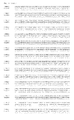
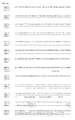
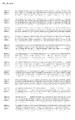
- SEQ ID NO: 2 [CfTPS3], SEQ ID NO: 3 [CfTPS4] and SEQ ID NO: 4 [EpTPS8] are listed in Table 1. Some embodiments of the invention concern polypeptides in which these residues or domains are not modified.
- the polypeptides of the invention comprise a plastidial target domain.
- the plastidial target domain is comprised in the domain ranging from positions 1 to 73 of SEQ ID NO: 3 [CfTPS4], 1 to 73 of SEQ ID NO: 2 [CfTPS3], 1 to 73 of SEQ ID NO: 4 [EpTPS8], respectively.
- preferred polypeptides comprise the plastidial target domain.
- Mg 2+ -binding sites for CfTPS3 (SEQ ID NO: 2) are found at positions 443 (N) and 451 (E).
- the polypeptide of the invention has a diTPS activity.
- the polypeptide has a class II diTPS activity.
- Class II diTPS are capable of catalysing protonation-initiated cationic cycloisomerization reactions. The reaction is terminated either by deprotonation or by water capture of the diphosphate carbocation.
- a class II diTPS relevant for the invention is TPS2 from Coleus forskohlii (CfTPS2), which can catalyse cycloisomerisation of GGPP to LPP. Deprotonation or water capture terminate the class II diTPS reaction.
- the polypeptide comprises a biologically active sequence variant having an amino acid sequence at least 95% identical to SEQ ID NO: 1 [CfTPS2]. In another preferred embodiment, the polypeptide comprises an amino acid sequence 100% identical to SEQ ID NO: 1 [CfTPS2].
- the polypeptide of the invention may comprise a biologically active fragment of at least 50 contiguous amino acids of any of i) through ii), said fragment having at least 75% sequence identity to SEQ ID NO: 1 [CfTPS2] in a range of overlap of at least 50 amino acids, wherein the biological activity is diterpene synthase activity, preferably class I diterpene synthase activity.
- the polypeptide of the invention comprises an operative class II DxDD domain.
- the polypeptides of the invention or variants or fragments thereof as defined above comprise a DxDD domain. This domain is found at positions 358-361 of SEQ ID NO: 1 [CfTPS2].
- the polypeptides of the invention comprise a plastidial target domain.
- the plastidial target domain is comprised in the domain ranging from positions 1 to 73 of SEQ ID NO: 1 [CfTPS2].
- the invention further relates to a polynucleotide encoding a polypeptide according to the invention.
- the polynucleotide has a sequence with at least 85% identity to a sequence selected from the group consisting of SEQ ID NO: 5 [CfTPS2], SEQ ID NO: 6 [CfTPS3], SEQ ID NO: 7 [CfTPS4] and SEQ ID NO: 8 [EpTPS8].
- the polynucleotide has a sequence with at least 85% identity, such as at least 90% identity, such as at least 95% identity, such as at least 96% identity, such as at least 97% identity, such as at least 98% identity, such as 99% identity, such as 100% identity to SEQ ID NO: 5 [CfTPS2].
- the polynucleotide has a sequence with at least 85% identity, such as at least 90% identity, such as at least 95% identity, such as at least 96% identity, such as at least 97% identity, such as at least 98% identity, such as 99% identity, such as 100% identity to SEQ ID NO: 6 [CfTPS3]. In other embodiments, the polynucleotide has a sequence with at least 85% identity, such as at least 90% identity, such as at least 95% identity, such as at least 96% identity, such as at least 97% identity, such as at least 98% identity, such as 99% identity, such as 100% identity to SEQ ID NO: 7 [CfTPS4].
- the polynucleotide has a sequence with at least 85% identity, such as at least 90% identity, such as at least 95% identity, such as at least 96% identity, such as at least 97% identity, such as at least 98% identity, such as 99% identity, such as 100% identity to SEQ ID NO: 8 [EpTPS8].
- identity such as at least 85% identity, such as at least 90% identity, such as at least 95% identity, such as at least 96% identity, such as at least 97% identity, such as at least 98% identity, such as 99% identity, such as 100% identity to SEQ ID NO: 8 [EpTPS8].
- the polynucleotide s of the invention encode polypeptides having a diTPS activity as described above.
- the polynucleotide comprises a sequence coding for an operative class I domain DDxxD.
- the DDxxD domain of the CfTPS3 diTPS is DDFFD, where D is an aspartic acid and F is a phenylalanine, and is found at positions 330 to 334 (SEQ ID NO: 2).
- the DDxxD domain of the CfTPS4 diTPS is DDFFD, where D is an aspartic acid and F is a phenylalanine, and is found at positions 331 to 335 (SEQ ID NO: 3).
- the DDxD domain of the EpTPS8 diTPS is DDFFD, where D is an aspartic acid and F is a phenylalanine, and is found at positions 540 to 544 (SEQ ID NO: 4).
- the polynucleotide comprises a sequence coding for an operative class II domain DxDD.
- the DxDD domain of the CfTPS2 diTPS is DIDD, where D is an aspartic acid and I is an isoleucine residue, and is found at positions 399 to 402 (SEQ ID NO: 1).
- Some polynucleotides of the invention may comprise a sequence coding for a plastidial targeting signal.
- the plastidial target domain is comprised in the corresponding polypeptides in the domains ranging from positions 1 to 50 of SEQ ID NO: 1 [CfTPS2], 1 to 33 of SEQ ID NO: 3 [CfTPS4], 1 to 3 of SEQ ID NO: 2 [CfTPS3], 1 to 5 of SEQ ID NO: 4 [EpTPS8], respectively.
- the polynucleotide may have a sequence that is codon-optimised. Codon optimisation methods are known in the art and allow optimised expression in a heterologous host organism or cell.
- the host cell may be selected from the group comprising bacterial cell, yeast cells, fungal cells, plant cells, mammalian cells and insect cells.
- the host cell may be selected from the group comprising Escherichia coli, Saccharomyces cerevisiae, Schizosaccharomyces pombe, Nicotiana benthamiana and Physcomitrella patens.
- the host cell is Escherichia coli.
- the host cell is Saccharomyces cerevisiae or Schizosaccharomyces pombe.
- the host cell is Nicotiana benthamiana.
- the host cell is Physcomitrella patens.
- the invention further relates to a vector comprising at least one polynucleotide as defined above.
- the invention relates to a vector suitable for expression of at least one polypeptide having a diTPS activity.
- the vector comprises a polynucleotide having a sequence with at least 85% identity to a sequence selected from the group consisting of SEQ ID NO: 5 [CfTPS2], SEQ ID NO: 6 [CfTPS3], SEQ ID NO: 7 [CfTPS4] and SEQ ID NO: 8 [EpTPS8].
- the vector comprises a polynucleotide having a sequence with at least 85% identity, such as at least 90% identity, such as at least 95% identity, such as at least 96% identity, such as at least 97% identity, such as at least 98% identity, such as 99% identity, such as 100% identity to SEQ ID NO: 5 [CfTPS2].
- the vector comprises a polynucleotide having a sequence with at least 85% identity, such as at least 90% identity, such as at least 95% identity, such as at least 96% identity, such as at least 97% identity, such as at least 98% identity, such as 99% identity, such as 100% identity to SEQ ID NO: 6 [CfTPS3].
- the vector comprises a polynucleotide having a sequence with at least 85% identity, such as at least 90% identity, such as at least 95% identity, such as at least 96% identity, such as at least 97% identity, such as at least 98% identity, such as 99% identity, such as 100% identity to SEQ ID NO: 7 [CfTPS4].
- the polynucleotide has a sequence with at least 85% identity, such as at least 90% identity, such as at least 95% identity, such as at least 96% identity, such as at least 97% identity, such as at least 98% identity, such as 99% identity, such as 100% identity to SEQ ID NO: 8 [EpTPS8].
- the vector comprises a first polynucleotide having a sequence with at least 85% identity to a sequence selected from the group consisting of SEQ ID NO: 5 [CfTPS2], SEQ ID NO: 6 [CfTPS3], SEQ ID NO: 7 [CfTPS4] and SEQ ID NO: 8 [EpTPS8] and a second polynucleotide having a sequence with at least 85% identity to a sequence selected from the group consisting of SEQ ID NO: 5 [CfTPS2], SEQ ID NO: 6 [CfTPS3], SEQ ID NO: 7 [CfTPS4] and SEQ ID NO: 8 [EpTPS8], where the second polynucleotide is different from the first polynucleotide.
- the vector comprises a first polynucleotide coding for a polypeptide with a class I diTPS activity and a second polynucleotide coding for a polypeptide with a class II diTPS activity.
- the first polynucleotide has a sequence with at least 85% identity to SEQ ID NO: 5 [CfTPS2]
- the second polynucleotide has a sequence with at least 85% identity to SEQ ID NO: 6 [CfTPS3], SEQ ID NO: 7 [CfTPS4] and SEQ ID NO: 8 [EpTPS8].
- Vectors of the invention comprise plasmids, cosmids, viral vectors, artificial chromosomes and bacterial vectors.
- the vector may be suitable for transient expression of the at least one polynucleotide.
- Such vectors are known in the art. For example, expression may be induced by addition of a compound to the growth medium.
- the vector may be a bacterial vector, such as Agrobacterium tumefaciens.
- the vector also encodes a viral suppressor of gene silencing, such as the p19 protein of tomato bushy stunt virus.
- the invention further relates to a host cell comprising a polynucleotide as defined above and/or a vector as defined above.
- the host cell is capable of producing (13R)-manoyl oxide.
- the host cell of the invention is capable of expressing:
- the host cell is capable of expressing a first polypeptide having a class I diTPS activity and a second polypeptide having a class II diTPS activity.
- the host cell is capable of expressing a first polypeptide having a sequence at least 70% identical to SEQ ID NO: 1 [CfTPS2] and a second polypeptide having a sequence at least 70% identical to SEQ ID NO: 2 [CfTPS3].
- the host cell is capable of expressing a first polypeptide having a sequence at least 70% identical to SEQ ID NO: 1 [CfTPS2] and a second polypeptide having a sequence at least 70% identical to SEQ ID NO: 3 [CfTPS4].
- the host cell is capable of expressing a first polypeptide having a sequence at least 70% identical to SEQ ID NO: 1 [CfTPS2] and a second polypeptide having a sequence at least 70% identical to SEQ ID NO: 4 [EpTPS8].
- the host cell may be selected from the group comprising bacterial cell, yeast cells, fungal cells, plant cells, mammalian cells and insect cells.
- the host cell may be selected from the group comprising Escherichia coli, Saccharomyces cerevisiae, Schizosaccharomyces pombe, Nicotiana benthamiana and Physcomitrella patens.
- the host cell is Escherichia coli.
- the host cell is Saccharomyces cerevisiae or Schizosaccharomyces pombe.
- the host cell is Nicotiana benthamiana.
- the host cell is Physcomitrella patens.
- first and second polypeptides are known in the art.
- One or both of the first and second polypeptides may be heterologously expressed from polynucleotide sequences cloned into the genome of the host cell or they may be comprised within a vector as described above.
- a first polynucleotide coding for the first polypeptide is cloned into the genome
- a second polynucleotide coding for the second polypeptide is comprised within a vector transformed or transfected into the host cell.
- the first polynucleotide is comprised within a first vector and the second polynucleotide is comprised within a second vector.
- the first and second vector may be one vector.
- Vectors suitable for expression of the first and second polypeptides are known in the art.
- Expression of the first and second polypeptides in the host cell may occur in a transient manner.
- an inducible promoter may be cloned as well to control expression of the polypeptides.
- inducible promoters are known in the art.
- genes coding for suppressors of gene silencing may also be cloned in the genome or into a vector transfected within the host cell.
- the host cell may be selected from the group comprising bacterial cell, yeast cells, fungal cells, plant cells, mammalian cells and insect cells.
- the host cell may be selected from the group comprising Escherichia coli, Saccharomyces cerevisiae, Schizosaccharomyces pombe, Nicotiana benthamiana and Physcomitrella patens.
- the host cell is Escherichia coli.
- the host cell is Saccharomyces cerevisiae or Schizosaccharomyces pombe.
- the host cell is Nicotiana benthamiana.
- the host cell is Physcomitrella patens.
- the host cell is transfected with a vector.
- the vector may be selected from the group comprising plasmids, cosmids, viral vectors, artificial chromosomes and bacterial vectors.
- the vector may be constructed so that transient expression of the first and/or second polynucleotide from the vector is transient. Transient expression from the vector may occur via induction of an inducible promoter as is known in the art.
- the host cell is a Nicotiana benthamiana cell, such as a leaf cell.
- the vector is the bacterial vector Agrobacterium tumefaciens.
- the vector also encodes a viral suppressor of gene silencing.
- the vector encodes the p19 protein from tomato bushy stunt virus.
- the host cell may naturally be capable of producing GGPP.
- the cell may be engineered so that it is capable of producing GGPP.
- the plastidial methylerythritol 4-phosphate (MEP) pathway may be cloned into the host cell.
- the host cell may be further engineered in order to redirect metabolic fluxes and optimise for the production of a specific compound.
- the host cell is capable of producing diterpenoids.
- the host cell may be capable of producing (13R)-manoyl oxide in a substantially pure enantiomeric form.
- Example 1 Identification of Coleus forskohlii diTPS genes.
- Forskolin is a representative of an unusual series of tricyclic (8,13)-epoxy-labdanes, characteristic for this plant. Given its importance as a pharmaceutical, we set out to discover genes involved in the biosynthesis of forskolin.
- Coleus forskohlii plants were grown in the greenhouse at the University of Copenhagen, Denmark, under ambient photoperiod and 24°C day/17°C night temperatures. Transverse sections of roots (diameter of approximately 1 to 5 mm) were prepared for histochemical analysis. Sections were observed unstained with a Leica DM 5000B or a Nikon Eclipse 80i light and fluorescence microscope.
- root samples were fixed in a solution containing 2.5% glutaraldehyde, 2% paraformaldehyde, and 0.1 M sodium cacodylate buffer, pH 7.2 for 24 h, thereafter surface sections and cross sections from the root cork were incubated in 0.1 ⁇ g/mL Nile Red for identification of lipid components. Images from intact cells were recorded in a Leica SP5X confocal laser scanning microscope (Leica Microsystems, Mannheim, Germany).
- Tissue was extracted.
- Cold methanol acidified with formic acid (0.125%) was added to ground and frozen tissue samples in a ratio of 3:1 (solvent:tissue).
- Samples were sonicated in an ultrasonic bath at 23°C for 15 min at 40 kHz (Branson, 3510), filtered using 96 well filter plates and analyzed by HPLC (High-Performance Liquid Chromatography) equipped with an evaporative light scattering detector (ELSD). All tissue types were extracted in triplicate.
- Forskolin was quantified by comparison to a standard series of forskolin (Sigma) which was prepared as per the tissue samples.
- RNA from C. forskohlii root cork was extracted according to Hamberger et al., 2011, and further purified using the Spectrum Plant Total RNA Kit (Sigma) while total RNA from leaves, flowers, stems and root cortex and stele was extracted using the Spectrum Plant Total RNA Kit (Sigma). RNA extraction was followed by on-column DNase I digestion. First-strand cDNAs were synthesized from 0.5 ⁇ g of total RNA. The resulting cDNA was diluted 10-fold for the qRT-PCR reactions.
- Quantitative real-time PCR reactions were performed with gene specific primers (SEQ ID NO: 41 to 60) and Maxima SYBR Green/Fluorescein qPCR Master Mix (Fermentas) on a Rotor-Gene Q cycler (Qiagen). TIF4a and EF1a were used as reference genes as they showed the lowest variation across different tissues. The results were normalized with TIF4a. Relative transcript abundance was calculated as the mean of three biological replications (three different plants), while the reactions were performed in three technical replicates. Amplification efficiency was calculated with the "Real Time PCR Miner" ( http://www.miner.ewindup.info/Version2 ). Efficiency-corrected ⁇ C T values were used to quantify relative differences in target gene transcript accumulation.
- CfTPS assays were performed by adding 15 ⁇ M GGPP and 100 ⁇ g purified CfTPS enzymes in 397 ⁇ L enzyme assay buffer (50 mM HEPES (pH 7.2), 7.5 mM MgCl 2 , 5% (v/v) glycerol, 5 mM DTT). Onto the reaction mix, 500 ⁇ L n-hexane (Fluka GC-MS grade) was gently added as an overlay. Assays were incubated for 60 min at 30°C and -70 rpm and the hexane overlay was subsequently removed for GC-MS analysis.
- enzyme assay buffer 50 mM HEPES (pH 7.2), 7.5 mM MgCl 2 , 5% (v/v) glycerol, 5 mM DTT.
- 500 ⁇ L n-hexane Fluka GC-MS grade
- CfTPS cDNAs were cloned into the agrobacterium binary vector for plant transformation pCAMBIA1300_35Su.
- Transient expression of CfTPSs with the gene silencing suppressor p19 protein in N. benthamiana leaves and extraction of diterpenes were performed as recently described.
- Hexane extracts of N. benthamiana expressing the gene silencing suppressor p19 protein alone were used as controls.
- Compounds of interest were identified by comparison of GC-MS total ion chromatogram (TIC) and extracted ion chromatograms (EIC) of 275 and 272 m/z from samples.
- TIC total ion chromatogram
- EIC extracted ion chromatograms
- the ion 275 m/z is characteristic of several labdane type diterpenes including manoyl oxide whereas 272 m/z is characteristic of several other non-labdane type diterpenes such as abietane like diterpenes. All extractions from N. benthamiana transiently expressing diTPSs were carried out in biological triplicates (different leaves/plants infiltrated with the same agrobacteria mixture).
- GC-MS gas chromatography-mass spectrometry
- Nucleotide sequences of characterized enzymes have been submitted to the GenBankTM/EBI Data Bank with accession numbers: CfTPS1, KF444506; CfTPS2, KF444507; CfTPS3, KF444508; CfTPS4, KF444509; CfTPS15, KF471011.
- Example 3 C . forskohlii diTPSs constitute a small gene family specific for Lamiaceae
- CfTPS1, CfTPS2, CfTPS3, CfTPS4, CfTPS14 and CfTPS15 which, with exception of CfTPS15, represented full-length cDNAs with predicted N-terminal plastidial transit peptides.
- CfTPS1, CfTPS2, and CfTPS15 contained the Asp-rich conserved motif DxDD characteristic of class II diTPS, while CfTPS3, CfTPS4 and CfTPS14 carried the DDxxD signature motif of class I diTPS.
- CfTPS1, CfTPS2, and CfTPS15 are phylogenetically related to class II diTPS and that CfTPS3 , CfTPS4 and CfTPS14 are phylogenetically related to class I diTPS.
- CfTPS1, CfTPS2 and CfTPS3 shared a similar pattern of transcript profiles across all tissues, showing high transcript accumulation in root cork cells, up to 1000-fold in comparison with all other tissues tested ( Fig. 5 ).
- CfTPS1 , CfTPS2 and CfTPS3 were implicated in the formation of specialized metabolites in the root cork.
- transcript levels of CfTPS4, CfTPS14 and CfTPS15 were relatively low across all tissues tested.
- CfTPS3 and CfTPS4 show surprisingly different expression patterns.
- CfTPS4 transcripts were mostly detected in the aerial parts of the plant, especially in the leaves, while its transcripts accumulate only to very low levels in the root.
- cDNAs were heterologously expressed in E. coli with a C-terminal 6xHis epitope tag.
- Purified recombinant proteins were tested individually in single or coupled in vitro assays, supplied with appropriate substrates and the reaction products were analyzed by GC-MS. Products of the in vitro assays with the class II diTSPs, CfTPS1 and CfTPS2, were treated with alkaline phosphatase before GC-MS analysis.
- Enzyme assays with CfTPS1 yielded a diterpene with a mass spectrum matching copal-15-ol (h), indicating that the primary product before dephosphorylation is copalyl diphosphate ( Fig. 6A ).
- Assays of CfTPS2 resulted in the formation of 13(16)-14-labdien-8-ol (f) and labd-13-en-8,15-diol (g) as major products ( Fig. 6B ), supporting a function as labda-13-en-8-ol (or copal-8-ol) diphosphate synthase, similar to the functions of previous reported similar enzymes.
- the CfTPSs were expressed in Nicotiana benthamiana leaves after agroinfiltration. GC-MS analyses of extracts from N. benthamiana leaves transiently expressing the individual class I CfTPS3, CfTPS4 and CfTPS14 did not result in detectable accumulation of additional metabolites compared to control plants (data not shown). Extracts from N. benthamiana expressing the class II CfTPS1 alone showed only trace amounts of additional diterpenes compared to the controls, none of which could be accurately identified ( Fig. 7B ).
Landscapes
- Chemical & Material Sciences (AREA)
- Organic Chemistry (AREA)
- Life Sciences & Earth Sciences (AREA)
- Health & Medical Sciences (AREA)
- Engineering & Computer Science (AREA)
- Bioinformatics & Cheminformatics (AREA)
- Zoology (AREA)
- Wood Science & Technology (AREA)
- Genetics & Genomics (AREA)
- Biochemistry (AREA)
- General Health & Medical Sciences (AREA)
- General Engineering & Computer Science (AREA)
- Medicinal Chemistry (AREA)
- Molecular Biology (AREA)
- Biomedical Technology (AREA)
- Biotechnology (AREA)
- Microbiology (AREA)
- Enzymes And Modification Thereof (AREA)
- Micro-Organisms Or Cultivation Processes Thereof (AREA)
Abstract
Description
- The present invention relates to polypeptides with diterpene synthase activity. The invention further relates to polynucleotides encoding such polypeptides. Also provided are vectors for expression of the polypeptides and host cells expressing the polypeptides.
- Manoyl oxide is a compound which exhibits a number of important properties like antibacterial, anticancer and anti-inflammatory activities. Manoyl oxide has so far only been detected as a side product or artefact of some reactions, and was present in a racemic mixture. Manoyl oxide derivatives also present numerous attractive properties. The (13R)-manoyl oxide epimer is a putative precursor of forskolin, a labdane diterpenoid found in the root of Coleus forskohlii (family Lamiaceae) which has received much attention for its broad range of pharmacological activities. However, despite extensive studies focusing on its medicinal properties, the biosynthesis of forskolin has not yet been conclusively elucidated.
- Coleus forskohlii (synonym: Plectranthus barbatus) is a perennial medicinal shrub of the mint family (Lamiaceae) indigenous to the subtropical and temperate climate zones of India and south-east Asia. The plant has been used since ancient times in Hindu and Ayurvedic traditional medicine for treating a broad range of human health disorders. The main active compound of C. forskohlii is forskolin, a heterocyclic labdane type diterpene found in the roots of the plant. The diverse pharmaceutical known and potential applications for forskolin extend from alleviation of glaucoma, anti-HIV or antitumor activities to treatment of hypertension and heart failure. The efficacy of forskolin relies on activation of the adenylate cyclase enzyme leading to a marked increase of the intracellular level of cAMP (3'-5'-cyclic adenosine monophosphate) in mammalian in vitro and in vivo systems. The semi-synthetic forskolin derivative NKH477 has been approved for commercial use in Japan for treatment of cardiac surgery complications, heart failure, and cerebral vasospasm, while a forskolin eye drop solution was recently approved as an effective treatment for glaucoma.
- The chemical complexity of C. forskohlii has been well studied and a total of 68 different diterpenoids have been isolated and identified from different tissues of the plant, of which 25 belong to the class of abietanes and 43 to the class of labdanes. While the tricyclic abietane diterpenes have been reported to accumulate predominantly in the aerial parts, labdane diterpenoids with a bicyclic decalin core were detected primarily in the roots. Forskolin is a representative of an unusual series of tricyclic (8,13)-epoxy-labdanes, characteristic for this plant.
- Manoyl-oxide has to this date only been detected as experimental artefact (Zerbe et al., 2012; Günnewich et al., 2013). Enzymatic conversion leading to production of manoyl oxide has at present never been reported. Thus polypeptides capable of producing manoyl oxide are needed.
- The invention relates to polypeptides having a diterpene synthase (diTPS) activity. The invention further relates to polynucleotides encoding such polypeptides and to vectors comprising such polynucleotides. The invention finally relates to a host cell comprising such vectors and/or such polynucleotides. The polypeptides of the invention are relevant for catalysing enzymatic synthesis of manoyl oxide.
- In one aspect, the invention relates to polypeptides having a diterpene synthase activity and comprising:
- i) an amino acid sequence selected from the group consisting of SEQ ID NO: 1 [CfTPS2], SEQ ID NO: 2 [CfTPS3], SEQ ID NO: 3 [CfTPS4] and SEQ ID NO: 4 [EpTPS8];
- ii) a biologically active sequence variant of said polypeptide, wherein the sequence variant has at least 75% sequence identity to said SEQ ID NO: 1 [CfTPS2], SEQ ID NO: 2 [CfTPS3], SEQ ID NO: 3 [CfTPS4] or SEQ ID NO: 4 [EpTPS8];
- iii) a biologically active fragment of at least at least 50 contiguous amino acids of any of i) through ii), said fragment having at least 75% sequence identity to SEQ ID NO: 1 [CfTPS2], SEQ ID NO: 2 [CfTPS3], SEQ ID NO: 3 [CfTPS4] or SEQ ID NO: 4 [EpTPS8] in a range of overlap of at least 50 amino acids,
wherein the biological activity is diterpene synthase activity. - In a further aspect, the invention relates to a polynucleotide encoding a polypeptide of the invention.
- In another aspect, the invention relates to a vector comprising at least one polynucleotide of the invention.
- In yet another aspect, the invention relates to a cell comprising a polynucleotide of the invention and/or a vector of the invention.
-
-
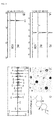
Figure 1 : Localization of oil bodies within the root cork of C. forskohlii. (A) Cross section of entire root with thick fissured cork. Lower right inset: the location of cork cells. (B) Rows of cork cells of different intensity, each with one prominent oil body. (C-F) Confocal imaging of Nile Red labeled oil bodies. (C) Cell with two oil bodies (same motif as D-F) seen in transmission channel. Discrimination between neutral lipids seen as bright deposits (D) and polar lipids seen in the magenta spectrum (E), also shown as overlay (F). The bar represents 200 µm (A) and 10 µm (B-F). -
Figure 2 : Forskolin content (mg g-1DW) as determined by HPLC-ELSD analysis from different tissues of C. forskohlii. (Ck), root cork; (CS), root stele and cortex; (FI), flowers; (St) stems and (Lv) leaves. Data are the mean ± SE of three independent biological replicates. The Y axis shows the forskolin content (mg/g dry weight). -
Figure 3 : Selected diterpenes detected in C. forskohlii oil bodies. FS: forskolin standard; RC: root cork; IOL: isolated oil bodies. (A) LC-MS analysis of forskolin (410 [forskolin]+23 [Na+]) in isolated oil bodies and in root cork tissue from C. forskohlii. The X axis shows the time in minutes. (B) GC-MS analysis of manoyl oxide in isolated oil bodies and in root cork tissue from C. forskohlii. The X axis shows the time in minutes. (C) Bright field microscope image of isolated C. forskohlii oil bodies. The bar represents 5 µm. (D) Molecular structure of (13R)-manoyl oxide. (E) Mass spectrum obtained from manoyl oxide identified in root cork tissue (top) and reference spectrum (bottom) from Wiley mass spectrum database. -
Figure 4 : Phylogenetic classification of C. forskohlii diterpene synthases with known class II (A) and class I (B) sequences. The phylograms are rooted with the bifunctional ent-copalyl diphosphate synthase/ent-kaurene synthase from the moss Physcomitrella patens. Asterisks indicate nodes supported by >80% bootstrap confidence and the scale bar indicates 0.1 amino acid changes. The numbers indicated at each enzyme are referred to the enzymatic products, the structures of which are given on the right. -
Figure 5 : Relative expression of CfTPS genes in C. forskohlii tissues. (Ck), root cork; (CS), root stele and cortex; (FI), flowers; (St), stems and (Lv), leaves. Transcript abundance of CfTPS genes expressed in arbitrary units was measured by qPCR using the translation initiation factor (TIF4a) for normalization. Each value represents the average of three biological replicates, each of which was performed in at least three technical replicates. -
Figure 6 : GC-MS analysis of in vitro assays with C. forskohlii diTPS. IS, internal standard (1ppm 1-eicosene). (A) In vitro assays with CfTPS2 alone and coupled assays with CfTPS2 and CfTPS3 and CfTPS4. Extracts of CfTPS2 assays were treated with calf intestinal alkaline phosphatase (CIP). The X axis shows the retention time (minutes). (B) In vitro assays with CfTPS1 and coupled with CfTPS3 and CfTPS4. Extracts of CfTPS1 were treated with CIP. The X axis shows the retention time (minutes). (a), (13R)-manoyl oxide; (b), (13S)-manoyl oxide; (g), labd-13-en-8,15-diol and (f), labden-8-ol; (d), miltiradiene and (h), copal-15-ol. (C) Mass spectra of compounds identified from assays. Structures tentatively identified as described in Materials and Methods. -
Figure 7 : GC-MS analysis of hexane extracts from N. benthamiana transiently expressing C. forskohlii diTPS. (A) Extracted ion chromatogram of EIC: 275 m/z. (a), (13R)-manoyl oxide and (b), (13S)-manoyl oxide. (B) Extracted ion chromatogram of EIC: 272 m/z. (c), dehydroabietadiene; (d), miltiradiene and trace amount of (e), abietadiene. -
Figure 8 : Scheme of the biosynthetic routes from GGPP to specialized and general diterpenoids of the abietane, labdane and ent-kaurene class. Dashed arrows indicate reactions without experimental evidence in C. forskohlii. 1Detection of (+)-ferruginol in C. forskohlii was reported earlier (Kelecom, 1983); 2CYP76AH1 from the close relative Salvia miltiorrhiza was shown to convert miltiradiene to ferruginol (Guo et al., 2013). A: universal precursor; B: diphosphate intermediates; C: diterpene backbone; D: representative functional diterpenoids. -
Figure 9 : Clustal alignment of the class II diTPS. The amino acid sequences of CfTPS2 and SsLPPS were aligned using the Clustal omega from the EMBL-EBI (http://www.ebi.ac.uk/Tools/msa/clustalo/help/). -
Figure 10 : Clustal alignment of the class I diTPS. The amino acid sequences of CfTPS3, CfTPS4 and EpTPS8 were aligned using the Clustal omega from the EMBL-EBI (http://www.ebi.ac.uk/Tools/msa/clustalo/help/). - The invention relates to polypeptides having a diterpene synthase (diTPS) activity. The invention further relates to polynucleotides encoding such polypeptides and to vectors comprising such polynucleotides. The invention finally relates to a host cell comprising such vectors and/or such polynucleotides. The polypeptides of the invention are relevant for catalysing enzymatic synthesis of manoyl oxide.
- In one aspect, the invention relates to polypeptides having a diterpene synthase activity and comprising:
- i) an amino acid sequence selected from the group consisting of SEQ ID NO: 1 [CfTPS2], SEQ ID NO: 2 [CfTPS3], SEQ ID NO: 3 [CfTPS4] and SEQ ID NO: 4 [EpTPS8];
- ii) a biologically active sequence variant of said polypeptide, wherein the sequence variant has at least 75% sequence identity to said SEQ ID NO: 1 [CfTPS2], SEQ ID NO: 2 [CfTPS3], SEQ ID NO: 3 [CfTPS4] or SEQ ID NO: 4 [EpTPS8];
- iii) a biologically active fragment of at least at least 50 contiguous amino acids of any of i) through ii), said fragment having at least 75% sequence identity to SEQ ID NO: 1 [CfTPS2], SEQ ID NO: 2 [CfTPS3], SEQ ID NO: 3 [CfTPS4] or SEQ ID NO: 4 [EpTPS8] in a range of overlap of at least 50 amino acids,
wherein the biological activity is diterpene synthase activity. - In a further aspect, the invention relates to a polynucleotide encoding a polypeptide of the invention.
- In another aspect, the invention relates to a vector comprising at least one polynucleotide of the invention.
- In yet another aspect, the invention relates to a cell comprising a polynucleotide of the invention and/or a vector of the invention.
- Amino acid: Any synthetic or naturally occurring amino carboxylic acid, including any amino acid occurring in peptides and polypeptides including proteins and enzymes synthesized in vivo thus including modifications of the amino acids. The term amino acid is herein used synonymously with the term "amino acid residue" which is meant to encompass amino acids as stated which have been reacted with at least one other species, such as 2, for example 3, such as more than 3 other species. The generic term amino acid comprises both natural and non-natural amino acids any of which may be in the "D" or "L" isomeric form.
- Diterpene synthases (diTPS): Diterpene synthases (diTPS, EC 4.2.3.X) are enzymes capable of synthesising diterpene olefins and alcohols by sequential cycloisomerisation of the substrate geranylgeranyl-diphosphate (GGPP). DiTPS can be sorted in two classes, depending on the presence of a conserved motif. Class I diTPS contain an active site with a DDxxD motif, where D is an aspartic acid and x is any amino acid. Class II diTPS contain an active site with a DxDD motif, where D is an aspartic acid and x is any amino acid. Bifunctional classI/II diTPS contain two active sites, with a DDxxD and a DxDD motif, respectively.
- Diterpenoid: As used herein, a diterpenoid is an unsaturated hydrocarbon based on the isoprene unit (C5H8), and having a general formula C5XH8X. A diterpene contains a backbone of 20 carbon atoms, which can be decorated by additional groups, e.g. by esterification. A diterpenoid also is a type of diterpene. A diterpenoid can derive from geranylgeranyl pyrophosphate (GGPP). Diterpenoids include all types of molecules derived from GGPP with a very broad range of functionalization. Examples of diterpenoids are olefins and diterpene alcohols.
- Enantiomer: An enantiomer or enantiomorph or epimer is one of two stereoisomers that are mirror images of each other that are non-superposable. In other words, an enantiomer is a chiral molecule having a non-superposable mirror image. Enantiomers have, when present in a symmetric environment, identical chemical and physical properties except for their ability to rotate plane-polarized light (+/-) by equal amounts but in opposite directions. Enantiomers of one compound often react differently with other substances that are also enantiomers. Since many molecules in the living organisms are enantiomers themselves, there is sometimes a marked difference in the effects of two enantiomers on these organisms. In drugs, for example, often only one of a drug's enantiomers is responsible for the desired physiologic effects, while the other enantiomer is less active, inactive, or sometimes even responsible for adverse effects. Thus drugs composed of only one enantiomer (enantiomerically pure) can be developed to enhance the pharmacological efficacy and possibly dampen some side effects.
- Enantiomerically pure: Enantiomerically pure, or enantiopure, refers to samples having, within the limits of detection, molecules of only one chirality.
- Fragment: is used to indicate a non-full length part of a polynucleotide or polypeptide. Thus, a fragment is itself also a polynucleotide or polypeptide, respectively.
- Identity: The determination of percent identity between sequences such as polynucleotide sequences or amino acid sequences can be accomplished using a mathematical algorithm. A preferred, non-limiting example of a mathematical algorithm utilized for the comparison of two sequences is the algorithm of Karlin and Altschul (1990) Proc. Natl. Acad. Sci. USA 87:2264-2268, modified as in Karlin and Altschul (1993) Proc. Natl. Acad. Sci. USA 90:5873-5877. Such an algorithm is incorporated into the BLASTN and BLASTP programs of Altschul, et al. (1990) J. Mol. Biol. 215:403-410. In order to characterize the identity, subject sequences are aligned so that the highest order homology (match) is obtained. Based on these general principles, the "percent identity" of two polynucleotide sequences may be determined using the BLASTN algorithm [Tatiana A. Tatusova, Thomas L. Madden: ], which is available from the National Center for Biotechnology Information (NCBI) web site (http://www.ncbi.nlm.nih.gov), and using the default settings suggested here (i.e. Reward for a match = 1; Penalty for a mismatch = -2; Strand option = both strands; Open gap = 5; Extension gap = 2; Penalties gap x_dropoff = 50; Expect = 10; Word size = 11; Filter on). The BLASTN algorithm determines the % sequence identity in a range of overlap between two aligned nucleotide sequences. Another preferred, non-limiting example of a mathematical algorithm utilized for the comparison of sequences is the CLUSTAL W (1.7) alignment algorithm (Thompson, J.D., Higgins, D.G. and Gibson, T.J. (1994) CLUSTAL W: improving the sensitivity of progressive multiple sequence alignment through sequence weighting, positions-specific gap penalties and weight matrix choice. Nucleic Acids Research, 22:4673-4680.). CLUSTAL W can be used for multiple sequence alignment preferably using BLOSUM 62 as scoring matrix. When calculating sequence identities, CLUSTAL W includes any gaps made by the alignment in the length of the reference sequence. Sequence identities are calculated by dividing the number of matches by the length of the aligned sequences with gaps.
- Operative: An operative domain in relation to a class I or class II domain refers to a domain securing the biological processing of the polypeptide.
- Plastidial targeting signal: A short sequence of amino acids that determines that a polypeptide should locate to the plastid in a plant cell.
- Polynucleotide: A chain or sequence of nucleotides that convey genetic information. In regards to the present invention the polynucleotide is a deoxyribonucleic acid (DNA). Polypeptide: Plurality of covalently linked amino acid residues defining a sequence and linked by amide bonds. The term is used analogously with oligopeptide and peptide. The natural and/or non-natural amino acids may be linked by peptide bonds or by non-peptide bonds. The term peptide also embraces post-translational modifications introduced by chemical or enzyme-catalyzed reactions, as are known in the art. The term can refer to a variant or fragment of a polypeptide.
- Promoter: A binding site in a DNA chain at which RNA polymerase binds to initiate transcription of messenger RNA by one or more nearby structural genes. An inducible promoter refers to a promoter where initiation of transcription can be induced by e.g. addition of a compound to the growth medium or by changing the temperature.
- Racemic mixture: A racemic mixture contains equal parts of an optically active isomer and its enantiomer and has zero net rotation of plane-polarized light.
- Substantially pure: As used herein, substantially pure means sufficiently homogeneous to appear free of readily detectable impurities as determined by standard methods of analysis, such as thin layer chromatography (TLC), gel electrophoresis and high performance liquid chromatography (HPLC), gas-chromatography mass-spectrometry (GC-MS), used by those of skill in the art to assess such purity, or sufficiently pure such that further purification would not detectably alter the physical and chemical properties, such as enzymatic and biological activities, of the substance. Methods for purification of the compounds to produce substantially chemically pure compounds are known to those of skill in the art. A substantially chemically pure compound can, however, be a mixture of stereoisomers or isomers. In such instances, further purification might increase the specific activity of the compound.
- Transient expression: Transient expression refers to temporary expression of a polypeptide, for a limited period of time. Transient expression can be controlled by inducible and repressible promoters, agroinfiltration of plant cells with a bacterium such as Agrobacterium tumefaciens, and other methods known in the art.
- Variant: a 'variant' of a given reference polynucleotide or polypeptide refers to a polynucleotide or polypeptide that displays a certain degree of sequence homology/identity to said reference polynucleotide or polypeptide but is not identical to said reference polynucleotide or polypeptide.
- Vector: A vector is a DNA molecule or an organism comprising a DNA molecule used as a vehicle to artificially carry foreign genetic material into another cell, where the DNA molecule can be replicated and/or expressed. The vectors herein may be plasmids, viral vectors, cosmids, bacterial vectors and artificial chromosomes.
- The polypeptides of the invention are particularly relevant for the enzymatic synthesis of manoyl oxide. The polypeptides of the invention are also relevant for the enzymatic synthesis of pure enantiomers of manoyl oxide.
- Manoyl oxide is a compound of general formula C20H34O. It has been detected as an experimental artefact in a racemic mixture of the (13R) epimer (I) and (13S) epimer (II).

- (13R) manoyl oxide has been hypothesised to be a precursor for the synthesis of forskolin.
- (13R)-manoyl oxide may be synthesised stereospecifically, i.e. in an enantiomerically pure form, by the following reaction:

- The first step of the reaction is catalysed by a diterpene synthase (diTPS) having a class II diTPS activity. The class II diTPS catalyses protonation-initiated cationic cycloisomerization of GGPP to LPP. The reaction is terminated either by deprotonation or by water capture of the diphosphate carbocation. Class II diTPS relevant for the invention are TPS2 from Coleus forskohlii (CfTPS2) and LPPS from Salvia sclarea (SsLPPS).
- The second step of the reaction is catalysed by a diTPS having a class I diTPS activity. It catalyzes cleavage of the diphosphate group of LPP and additional cyclization or rearrangement reactions on the resulting carbocation, yielding (13R)-manoyl oxide. As with the class II diTPSs, deprotonation or water capture terminate the class I diTPS reaction. Class I diTPS relevant for the invention are TSP3 and TPS4 from Coleus forskohlii (CfTPS3 and CfTPS4, respectively) and TPS8 from Euphorbia peplus (EpTPS8).
- The polypeptide of the invention has a diTPS activity. In some embodiments, the polypeptide has a class I diTPS activity. Class I diTPS are capable of cleaving diphosphate groups and performing rearrangement reactions such as cyclization.
- Some polypeptides of the invention have a class I diTPS activity and catalyse cleavage of the diphosphate group of LPP and additional cyclization or rearrangement reactions on the resulting carbocation, yielding (13R)-manoyl oxide. Deprotonation or water capture terminate the class I diTPS reaction. Class I diTPS relevant for the invention are TSP3 and TPS4 from Coleus forskohlii (CfTPS3 and CfTPS4, respectively) and TPS8 from Euphorbia peplus (EpTPS8).
- In one embodiment the polypeptide of the invention comprises:
- i) an amino acid sequence identical to SEQ ID NO: 2 [CfTPS3],
- ii) a biologically active sequence variant of said polypeptide, wherein the sequence variant is at least 75% identical to, such as at least 80% identical to, such as at least 85% identical to, such as at least 90% identical to, such as at least 95% identical to, such as at least 96% identical to, such as at least 97% identical to, such as at least 98% identical to, such as at least 99% identical to, such as 100% identical to SEQ ID NO: 2 [CfTPS3],
- iii) a biologically active fragment of at least 50 contiguous amino acids of any of i) through ii), said fragment having at least 75% sequence identity to SEQ ID NO: 2 [CfTPS3] in a range of overlap of at least 50 amino acids, wherein the biological activity is diterpene synthase activity, preferably class I diterpene synthase activity.
- In a preferred embodiment, the polypeptide comprises a biologically active sequence variant having an amino acid sequence at least 95% identical to SEQ ID NO: 2 [CfTPS3]. In another preferred embodiment, the polypeptide comprises an
amino acid sequence 100% identical to SEQ ID NO: 2 [CfTPS3]. The polypeptide of the invention may comprise a biologically active fragment of at least 50 contiguous amino acids of any of i) through ii), said fragment having at least 75% sequence identity to SEQ ID NO: 2 [CfTPS3] in a range of overlap of at least 50 amino acids, wherein the biological activity is diterpene synthase activity, preferably class I diterpene synthase activity. - In another embodiment the polypeptide of the invention comprises:
- i) an amino acid sequence identical to SEQ ID NO: 3 [CfTPS4],
- ii) a biologically active sequence variant of said polypeptide, wherein the sequence variant is at least 75% identical to, such as at least 80% identical to, such as at least 85% identical to, such as at least 90% identical to, such as at least 95% identical to, such as at least 96% identical to, such as at least 97% identical to, such as at least 98% identical to, such as at least 99% identical to, such as 100% identical to SEQ ID NO: 3 [CfTPS4],
- iii) a biologically active fragment of at least 50 contiguous amino acids of any of i) through ii), said fragment having at least 75% sequence identity to SEQ ID NO: 3 [CfTPS4] in a range of overlap of at least 50 amino acids, wherein the biological activity is diterpene synthase activity, preferably class I diterpene synthase activity.
- In a preferred embodiment, the polypeptide comprises a biologically active sequence variant having an amino acid sequence at least 95% identical to SEQ ID NO: 3 [CfTPS4]. In another preferred embodiment, the polypeptide comprises an
amino acid sequence 100% identical to SEQ ID NO: 3 [CfTPS4]. The polypeptide of the invention may comprise a biologically active fragment of at least 50 contiguous amino acids of any of i) through ii), said fragment having at least 75% sequence identity to SEQ ID NO: 3 [CfTPS4] in a range of overlap of at least 50 amino acids, wherein the biological activity is diterpene synthase activity, preferably class I diterpene synthase activity. - In yet another embodiment, embodiment the polypeptide of the invention comprises:
- i) an amino acid sequence identical to SEQ ID NO: 4 [EpTPS8],
- ii) a biologically active sequence variant of said polypeptide, wherein the sequence variant is at least 75% identical to, such as at least 80% identical to, such as at least 85% identical to, such as at least 90% identical to, such as at least 95% identical to, such as at least 96% identical to, such as at least 97% identical to, such as at least 98% identical to, such as at least 99% identical to, such as 100% identical to SEQ ID NO: 4 [EpTPS8],
- iii) a biologically active fragment of at least 50 contiguous amino acids of any of i) through ii), said fragment having at least 75% sequence identity to SEQ ID NO: 4 [EpTPS8] in a range of overlap of at least 50 amino acids, wherein the biological activity is diterpene synthase activity, preferably class I diterpene synthase activity.
- In some embodiments, the polypeptide of the invention comprises an operative class I DDxxD (SEQ ID NO: 10) domain. Preferably, the polypeptides of the invention or variants or fragments thereof as defined above comprise a DDxxD domain. This domain is found at positions 531-535 of SEQ ID NO: 3 [CfTPS4], 299-303 of SEQ ID NO: 2 [CfTPS3], 540-544 of SEQ ID NO: 4 [EpTPS8]. Other important functional domains of the class I diTPS polypeptides of the invention are Mg2+-binding sites, active site lid residues and substrate binding pockets. The relevant residues for each of SEQ ID NO: 2 [CfTPS3], SEQ ID NO: 3 [CfTPS4] and SEQ ID NO: 4 [EpTPS8] are listed in Table 1. Some embodiments of the invention concern polypeptides in which these residues or domains are not modified.
- In some embodiments, the polypeptides of the invention comprise a plastidial target domain. The plastidial target domain is comprised in the domain ranging from
positions 1 to 73 of SEQ ID NO: 3 [CfTPS4], 1 to 73 of SEQ ID NO: 2 [CfTPS3], 1 to 73 of SEQ ID NO: 4 [EpTPS8], respectively. Thus preferred polypeptides comprise the plastidial target domain. - Table 1. Important domains and residues for class I diTPS of the invention. The residues are indicated as Xn, where X is the one letter amino acid code and n the position of the residue in the relevant sequence, except for the plastidial targeting signal, where the two numbers indicate the positions of the first and last residue of the predicted domain.
Plastidial targeting signal Mg2+-binding sites Active site lid residues Substrate binding pockets CfTPS3 (SEQ ID NO: 2) 1-73 N443, E451 EKERKENTGNSV (449-460); GDEF (526-529) R262 L271 H292 V294 L295 T297 D300 D304 R440 L441 N443 D444 T446 E451 Y523 G526 F529 CfTPS4 (SEQ ID NO: 3) 1-73 N475, E483 EKERKENTGNSV (481-492); GDEF (559-562) R294 L303 H324 V326 L327 T329 D332 D336 R472 L473 N475 D476 T478 E483 Y556 G559 F562 EpTPS8 (SEQ ID NO: 4) 1-73 N684, E692 KRESAQGKLNGV (690-701); DDGF (536-538) R503 T512 N533 V535 F536 T538 D541 D545 R681 L682 N684 D685 T687 E692 Y764 D767 F770 - Mg2+-binding sites for CfTPS3 (SEQ ID NO: 2) are found at positions 443 (N) and 451 (E).
- The polypeptide of the invention has a diTPS activity. In some embodiments, the polypeptide has a class II diTPS activity. Class II diTPS are capable of catalysing protonation-initiated cationic cycloisomerization reactions. The reaction is terminated either by deprotonation or by water capture of the diphosphate carbocation. A class II diTPS relevant for the invention is TPS2 from Coleus forskohlii (CfTPS2), which can catalyse cycloisomerisation of GGPP to LPP. Deprotonation or water capture terminate the class II diTPS reaction.
- In one embodiment the polypeptide of the invention comprises:
- i) an amino acid sequence identical to SEQ ID NO: 1 [CfTPS2],
- ii) a biologically active sequence variant of said polypeptide, wherein the sequence variant is at least 75% identical to, such as at least 80% identical to, such as at least 85% identical to, such as at least 90% identical to, such as at least 95% identical to, such as at least 96% identical to, such as at least 97% identical to, such as at least 98% identical to, such as at least 99% identical to, such as 100% identical to SEQ ID NO: 1 [CfTPS2],
- iii) a biologically active fragment of at least 50 contiguous amino acids of any of i) through ii), said fragment having at least 75% sequence identity to SEQ ID NO: 1 [CfTPS2] in a range of overlap of at least 50 amino acids, wherein the biological activity is diterpene synthase activity, preferably class I diterpene synthase activity.
- In a preferred embodiment, the polypeptide comprises a biologically active sequence variant having an amino acid sequence at least 95% identical to SEQ ID NO: 1 [CfTPS2]. In another preferred embodiment, the polypeptide comprises an
amino acid sequence 100% identical to SEQ ID NO: 1 [CfTPS2]. The polypeptide of the invention may comprise a biologically active fragment of at least 50 contiguous amino acids of any of i) through ii), said fragment having at least 75% sequence identity to SEQ ID NO: 1 [CfTPS2] in a range of overlap of at least 50 amino acids, wherein the biological activity is diterpene synthase activity, preferably class I diterpene synthase activity. - In some embodiments, the polypeptide of the invention comprises an operative class II DxDD domain. Preferably, the polypeptides of the invention or variants or fragments thereof as defined above comprise a DxDD domain. This domain is found at positions 358-361 of SEQ ID NO: 1 [CfTPS2].
- In some embodiments, the polypeptides of the invention comprise a plastidial target domain. The plastidial target domain is comprised in the domain ranging from
positions 1 to 73 of SEQ ID NO: 1 [CfTPS2]. - The invention further relates to a polynucleotide encoding a polypeptide according to the invention.
- In some embodiments, the polynucleotide has a sequence with at least 85% identity to a sequence selected from the group consisting of SEQ ID NO: 5 [CfTPS2], SEQ ID NO: 6 [CfTPS3], SEQ ID NO: 7 [CfTPS4] and SEQ ID NO: 8 [EpTPS8]. In some embodiments, the polynucleotide has a sequence with at least 85% identity, such as at least 90% identity, such as at least 95% identity, such as at least 96% identity, such as at least 97% identity, such as at least 98% identity, such as 99% identity, such as 100% identity to SEQ ID NO: 5 [CfTPS2]. In other embodiments, the polynucleotide has a sequence with at least 85% identity, such as at least 90% identity, such as at least 95% identity, such as at least 96% identity, such as at least 97% identity, such as at least 98% identity, such as 99% identity, such as 100% identity to SEQ ID NO: 6 [CfTPS3]. In other embodiments, the polynucleotide has a sequence with at least 85% identity, such as at least 90% identity, such as at least 95% identity, such as at least 96% identity, such as at least 97% identity, such as at least 98% identity, such as 99% identity, such as 100% identity to SEQ ID NO: 7 [CfTPS4]. In other embodiments, the polynucleotide has a sequence with at least 85% identity, such as at least 90% identity, such as at least 95% identity, such as at least 96% identity, such as at least 97% identity, such as at least 98% identity, such as 99% identity, such as 100% identity to SEQ ID NO: 8 [EpTPS8]. Thus the polynucleotide s of the invention encode polypeptides having a diTPS activity as described above.
- Preferably, the polynucleotide comprises a sequence coding for an operative class I domain DDxxD. The DDxxD domain of the CfTPS3 diTPS is DDFFD, where D is an aspartic acid and F is a phenylalanine, and is found at positions 330 to 334 (SEQ ID NO: 2). The DDxxD domain of the CfTPS4 diTPS is DDFFD, where D is an aspartic acid and F is a phenylalanine, and is found at positions 331 to 335 (SEQ ID NO: 3). The DDxD domain of the EpTPS8 diTPS is DDFFD, where D is an aspartic acid and F is a phenylalanine, and is found at positions 540 to 544 (SEQ ID NO: 4).
- In another preferred embodiment, the polynucleotide comprises a sequence coding for an operative class II domain DxDD. The DxDD domain of the CfTPS2 diTPS is DIDD, where D is an aspartic acid and I is an isoleucine residue, and is found at positions 399 to 402 (SEQ ID NO: 1).
- Some polynucleotides of the invention may comprise a sequence coding for a plastidial targeting signal. The plastidial target domain is comprised in the corresponding polypeptides in the domains ranging from
positions 1 to 50 of SEQ ID NO: 1 [CfTPS2], 1 to 33 of SEQ ID NO: 3 [CfTPS4], 1 to 3 of SEQ ID NO: 2 [CfTPS3], 1 to 5 of SEQ ID NO: 4 [EpTPS8], respectively. - The polynucleotide may have a sequence that is codon-optimised. Codon optimisation methods are known in the art and allow optimised expression in a heterologous host organism or cell. The host cell may be selected from the group comprising bacterial cell, yeast cells, fungal cells, plant cells, mammalian cells and insect cells. The host cell may be selected from the group comprising Escherichia coli, Saccharomyces cerevisiae, Schizosaccharomyces pombe, Nicotiana benthamiana and Physcomitrella patens. Thus in one embodiment, the host cell is Escherichia coli. In another embodiment, the host cell is Saccharomyces cerevisiae or Schizosaccharomyces pombe. In another embodiment, the host cell is Nicotiana benthamiana. In another embodiment, the host cell is Physcomitrella patens.
- The invention further relates to a vector comprising at least one polynucleotide as defined above. Thus the invention relates to a vector suitable for expression of at least one polypeptide having a diTPS activity.
- In some embodiments, the vector comprises a polynucleotide having a sequence with at least 85% identity to a sequence selected from the group consisting of SEQ ID NO: 5 [CfTPS2], SEQ ID NO: 6 [CfTPS3], SEQ ID NO: 7 [CfTPS4] and SEQ ID NO: 8 [EpTPS8]. In some embodiments, the vector comprises a polynucleotide having a sequence with at least 85% identity, such as at least 90% identity, such as at least 95% identity, such as at least 96% identity, such as at least 97% identity, such as at least 98% identity, such as 99% identity, such as 100% identity to SEQ ID NO: 5 [CfTPS2]. In other embodiments, the vector comprises a polynucleotide having a sequence with at least 85% identity, such as at least 90% identity, such as at least 95% identity, such as at least 96% identity, such as at least 97% identity, such as at least 98% identity, such as 99% identity, such as 100% identity to SEQ ID NO: 6 [CfTPS3]. In other embodiments, the vector comprises a polynucleotide having a sequence with at least 85% identity, such as at least 90% identity, such as at least 95% identity, such as at least 96% identity, such as at least 97% identity, such as at least 98% identity, such as 99% identity, such as 100% identity to SEQ ID NO: 7 [CfTPS4]. In other embodiments, the polynucleotide has a sequence with at least 85% identity, such as at least 90% identity, such as at least 95% identity, such as at least 96% identity, such as at least 97% identity, such as at least 98% identity, such as 99% identity, such as 100% identity to SEQ ID NO: 8 [EpTPS8].
- In some embodiments, the vector comprises a first polynucleotide having a sequence with at least 85% identity to a sequence selected from the group consisting of SEQ ID NO: 5 [CfTPS2], SEQ ID NO: 6 [CfTPS3], SEQ ID NO: 7 [CfTPS4] and SEQ ID NO: 8 [EpTPS8] and a second polynucleotide having a sequence with at least 85% identity to a sequence selected from the group consisting of SEQ ID NO: 5 [CfTPS2], SEQ ID NO: 6 [CfTPS3], SEQ ID NO: 7 [CfTPS4] and SEQ ID NO: 8 [EpTPS8], where the second polynucleotide is different from the first polynucleotide. In preferred embodiments, the vector comprises a first polynucleotide coding for a polypeptide with a class I diTPS activity and a second polynucleotide coding for a polypeptide with a class II diTPS activity. In a preferred embodiment, the first polynucleotide has a sequence with at least 85% identity to SEQ ID NO: 5 [CfTPS2], and the second polynucleotide has a sequence with at least 85% identity to SEQ ID NO: 6 [CfTPS3], SEQ ID NO: 7 [CfTPS4] and SEQ ID NO: 8 [EpTPS8].
- Vectors of the invention comprise plasmids, cosmids, viral vectors, artificial chromosomes and bacterial vectors. The vector may be suitable for transient expression of the at least one polynucleotide. Such vectors are known in the art. For example, expression may be induced by addition of a compound to the growth medium. The vector may be a bacterial vector, such as Agrobacterium tumefaciens. In a preferred embodiment, the vector also encodes a viral suppressor of gene silencing, such as the p19 protein of tomato bushy stunt virus.
- The invention further relates to a host cell comprising a polynucleotide as defined above and/or a vector as defined above. In some embodiments, the host cell is capable of producing (13R)-manoyl oxide.
- The host cell of the invention is capable of expressing:
- (i) a first polypeptide having a sequence at least 70% identical to SEQ ID NO: 1 [CfTPS2]; and
- (ii) a second polypeptide having a sequence at least 70% identical to SEQ ID NO: 2 [CfTPS3], SEQ ID NO: 3 [CfTPS4], or SEQ ID NO: 4 [EpTPS8].
- In some embodiments, the host cell is capable of expressing a first polypeptide having a class I diTPS activity and a second polypeptide having a class II diTPS activity.
- Thus in some embodiments the host cell is capable of expressing a first polypeptide having a sequence at least 70% identical to SEQ ID NO: 1 [CfTPS2] and a second polypeptide having a sequence at least 70% identical to SEQ ID NO: 2 [CfTPS3].
- In other embodiments, the host cell is capable of expressing a first polypeptide having a sequence at least 70% identical to SEQ ID NO: 1 [CfTPS2] and a second polypeptide having a sequence at least 70% identical to SEQ ID NO: 3 [CfTPS4].
- In other embodiments, the host cell is capable of expressing a first polypeptide having a sequence at least 70% identical to SEQ ID NO: 1 [CfTPS2] and a second polypeptide having a sequence at least 70% identical to SEQ ID NO: 4 [EpTPS8].
- The host cell may be selected from the group comprising bacterial cell, yeast cells, fungal cells, plant cells, mammalian cells and insect cells. The host cell may be selected from the group comprising Escherichia coli, Saccharomyces cerevisiae, Schizosaccharomyces pombe, Nicotiana benthamiana and Physcomitrella patens. Thus in one embodiment, the host cell is Escherichia coli. In another embodiment, the host cell is Saccharomyces cerevisiae or Schizosaccharomyces pombe. In another embodiment, the host cell is Nicotiana benthamiana. In another embodiment, the host cell is Physcomitrella patens.
- Methods for expressing the first and second polypeptides in the host cell are known in the art. One or both of the first and second polypeptides may be heterologously expressed from polynucleotide sequences cloned into the genome of the host cell or they may be comprised within a vector as described above. For example, a first polynucleotide coding for the first polypeptide is cloned into the genome, and a second polynucleotide coding for the second polypeptide is comprised within a vector transformed or transfected into the host cell. Alternatively, the first polynucleotide is comprised within a first vector and the second polynucleotide is comprised within a second vector. The first and second vector may be one vector. Vectors suitable for expression of the first and second polypeptides are known in the art.
- Expression of the first and second polypeptides in the host cell may occur in a transient manner. When the polynucleotide encoding one of the polypeptides is cloned into the genome, an inducible promoter may be cloned as well to control expression of the polypeptides. Such inducible promoters are known in the art. Alternatively, genes coding for suppressors of gene silencing may also be cloned in the genome or into a vector transfected within the host cell.
- The host cell may be selected from the group comprising bacterial cell, yeast cells, fungal cells, plant cells, mammalian cells and insect cells. The host cell may be selected from the group comprising Escherichia coli, Saccharomyces cerevisiae, Schizosaccharomyces pombe, Nicotiana benthamiana and Physcomitrella patens. Thus in one embodiment, the host cell is Escherichia coli. In another embodiment, the host cell is Saccharomyces cerevisiae or Schizosaccharomyces pombe. In another embodiment, the host cell is Nicotiana benthamiana. In another embodiment, the host cell is Physcomitrella patens.
- In some embodiments, the host cell is transfected with a vector. The vector may be selected from the group comprising plasmids, cosmids, viral vectors, artificial chromosomes and bacterial vectors. The vector may be constructed so that transient expression of the first and/or second polynucleotide from the vector is transient. Transient expression from the vector may occur via induction of an inducible promoter as is known in the art. In a preferred embodiment, the host cell is a Nicotiana benthamiana cell, such as a leaf cell. In another preferred embodiment, the vector is the bacterial vector Agrobacterium tumefaciens. In a preferred embodiment, the vector also encodes a viral suppressor of gene silencing. In a most preferred embodiment, the vector encodes the p19 protein from tomato bushy stunt virus.
- The host cell may naturally be capable of producing GGPP. In other embodiments, the cell may be engineered so that it is capable of producing GGPP. For example, the plastidial methylerythritol 4-phosphate (MEP) pathway may be cloned into the host cell. The host cell may be further engineered in order to redirect metabolic fluxes and optimise for the production of a specific compound.
- In some embodiments, the host cell is capable of producing diterpenoids. The host cell may be capable of producing (13R)-manoyl oxide in a substantially pure enantiomeric form.
- Forskolin is a representative of an unusual series of tricyclic (8,13)-epoxy-labdanes, characteristic for this plant. Given its importance as a pharmaceutical, we set out to discover genes involved in the biosynthesis of forskolin.
- Coleus forskohlii (Lamiaceae) plants were grown in the greenhouse at the University of Copenhagen, Denmark, under ambient photoperiod and 24°C day/17°C night temperatures. Transverse sections of roots (diameter of approximately 1 to 5 mm) were prepared for histochemical analysis. Sections were observed unstained with a Leica DM 5000B or a Nikon Eclipse 80i light and fluorescence microscope.
- Additionally, root samples were fixed in a solution containing 2.5% glutaraldehyde, 2% paraformaldehyde, and 0.1 M sodium cacodylate buffer, pH 7.2 for 24 h, thereafter surface sections and cross sections from the root cork were incubated in 0.1 µg/mL Nile Red for identification of lipid components. Images from intact cells were recorded in a Leica SP5X confocal laser scanning microscope (Leica Microsystems, Mannheim, Germany).
- Tissue was extracted. Cold methanol acidified with formic acid (0.125%) was added to ground and frozen tissue samples in a ratio of 3:1 (solvent:tissue). Samples were sonicated in an ultrasonic bath at 23°C for 15 min at 40 kHz (Branson, 3510), filtered using 96 well filter plates and analyzed by HPLC (High-Performance Liquid Chromatography) equipped with an evaporative light scattering detector (ELSD). All tissue types were extracted in triplicate. Forskolin was quantified by comparison to a standard series of forskolin (Sigma) which was prepared as per the tissue samples.
- For the diterpene profiling of the root cork HPLC-MS, extracts were prepared as for forskolin quantification. Separation was carried out on an Agilent 1100 Series LC unit (Agilent Technology) with column and gradient as described above. The LC unit was coupled to either a Bruker microTOF mass spectrometer (Bruker Daltronics) for high resolution mass measurements or a Bruker HCT-Ultra ion trap mass spectrometer (Bruker Daltronics) for MSn experiments.
- For isolation of oil bodies from root cork tissue, approximately 15 g of tissue was gently ground in 100 mL extraction buffer (EB; 20 mM Tricine, 250 mM sucrose, 0.2 mM PMSF, pH 8.5); the homogenate was filtered through Miracloth (Calbiochem) and centrifuged at 3500 rpm for 10 min for separation of cellular debris. The supernatant was collected and transferred in centrifugation tubes. Buffer B (20% sucrose, 20 mM HEPES, 100 mM KCI, 2 mM MgCl2, pH 10.5) was overlaid (5 mL of B for 25 mL of supernatant) and samples were centrifuged for 40 min at 5000 g. The resulting floating oil bodies were collected carefully from the surface layer.
- Mining of the C. forskohlii databases was performed as previously described (Zerbe et al., 2013), using tBLASTn software and known angiosperm diTPSs as query (CPS and EKS) and guided full-length cloning of a number of putative class I and class II diTPS genes. Total RNA from C. forskohlii roots, extracted as previously described (Hamberger et al., 2011), was used for cDNA synthesis. Cloning of the putative diTPS genes was achieved after PCR amplification using gene specific primers amplification using gene specific primers (SEQ ID NO: 11 to 40) that were designed based on the in silico sequences of the identified CfTPS genes.
- Total RNA from C. forskohlii root cork was extracted according to Hamberger et al., 2011, and further purified using the Spectrum Plant Total RNA Kit (Sigma) while total RNA from leaves, flowers, stems and root cortex and stele was extracted using the Spectrum Plant Total RNA Kit (Sigma). RNA extraction was followed by on-column DNase I digestion. First-strand cDNAs were synthesized from 0.5 µg of total RNA. The resulting cDNA was diluted 10-fold for the qRT-PCR reactions. Quantitative real-time PCR reactions were performed with gene specific primers (SEQ ID NO: 41 to 60) and Maxima SYBR Green/Fluorescein qPCR Master Mix (Fermentas) on a Rotor-Gene Q cycler (Qiagen). TIF4a and EF1a were used as reference genes as they showed the lowest variation across different tissues. The results were normalized with TIF4a. Relative transcript abundance was calculated as the mean of three biological replications (three different plants), while the reactions were performed in three technical replicates. Amplification efficiency was calculated with the "Real Time PCR Miner" (http://www.miner.ewindup.info/Version2). Efficiency-corrected ΔCT values were used to quantify relative differences in target gene transcript accumulation.
- For the expression of CfTPS1, CfTPS2, CfTPS3, CfTPS4 and CfTPS14 in E. coli, pseudomature variants lacking predicted plastidial target sequences were cloned into the into pET28b+ vector. The software ChloroP was used for prediction of the plastidial target sequence (http://www.cbs.dtu.dk/services/ChloroP/). As the expression levels of the recombinant CfTPS3 were very poor, a codon optimized version was synthesized by GenScript USA Inc. and subsequently cloned into the same vector (SEQ ID NO: 61). pET28b+ constructs were transformed into E. coli BL-21 DE3-C41 cells and and grown in selection medium until the OD600 reached 0.3-0.4. Expression was induced at OD600 ∼0.6 with 0.2 mM IPTG. Expression was done overnight and cells were harvested by centrifugation and lysed. The cell lysates were centrifuged and the supernatant was subsequently used for purification of the recombinant proteins. CfTPS proteins were purified on 1 mL His SpinTrap™ columns (GE healthcare). In vitro CfTPS assays were performed by adding 15 µM GGPP and 100 µg purified CfTPS enzymes in 397 µL enzyme assay buffer (50 mM HEPES (pH 7.2), 7.5 mM MgCl2, 5% (v/v) glycerol, 5 mM DTT). Onto the reaction mix, 500 µL n-hexane (Fluka GC-MS grade) was gently added as an overlay. Assays were incubated for 60 min at 30°C and -70 rpm and the hexane overlay was subsequently removed for GC-MS analysis.
- Full length CfTPS cDNAs were cloned into the agrobacterium binary vector for plant transformation pCAMBIA1300_35Su. Transient expression of CfTPSs with the gene silencing suppressor p19 protein in N. benthamiana leaves and extraction of diterpenes were performed as recently described. Hexane extracts of N. benthamiana expressing the gene silencing suppressor p19 protein alone were used as controls. Compounds of interest were identified by comparison of GC-MS total ion chromatogram (TIC) and extracted ion chromatograms (EIC) of 275 and 272 m/z from samples. The ion 275 m/z is characteristic of several labdane type diterpenes including manoyl oxide whereas 272 m/z is characteristic of several other non-labdane type diterpenes such as abietane like diterpenes. All extractions from N. benthamiana transiently expressing diTPSs were carried out in biological triplicates (different leaves/plants infiltrated with the same agrobacteria mixture).
- For the gas chromatography-mass spectrometry (GC-MS) analysis of N. benthamiana leaves expressing the CfTPSs and specific C. forskohlii tissues, 500 µL GC-MS grade hexane was added to 2 leaf discs (0=3 cm) in a 1.5 mL glass vial. After extraction, the solvent was transferred into new 1.5 mL glass vials and stored at -20°C until GC-MS analysis. Compound identification was done by comparison to authentic standards (dehydroabietadiene, abietadiene), reference spectra from literature, databases and comparison of retention time (miltiradiene, manoyl oxide, copalol, labd-13-en-8,15-diol and 13(16)-14-labdien-8-ol) (Wiley Registry of Mass Spectral Data, 8th Edition, July 2006, John Wiley & Sons, ISBN: 978-0-470-04785-9). The differentiation of the C-13 epimers (13R) and (13S)-manoyl oxide was performed as previously described (Demetzos et al., 2002).
- Nucleotide sequences of characterized enzymes have been submitted to the GenBankTM/EBI Data Bank with accession numbers: CfTPS1, KF444506; CfTPS2, KF444507; CfTPS3, KF444508; CfTPS4, KF444509; CfTPS15, KF471011.
- When transverse sections of C. forskohlii root (
Fig. 1A ) were examined using light microscopy, we found that cells of the root cork contained oil body-like structures (hereafter termed oil bodies) with a typical distribution of one oil body per cell of the root cork (Fig. 1B ). Cells containing more than one oil body were occasionally seen in older tissue (Fig. 1 C) . Confocal laser scanning microscopy of C. forskohlii root cork stained with Nile Red indicated that the observed structures were indeed oil bodies and that the composition of the lipophilic content was heterogeneous, with both polar (Fig. 1 E) and neutral (Fig. 1D ) lipophilic compounds, which were non-uniformly distributed. Globules of neutral lipids dispersed in predominantly polar lipids were detected by the fluorescence (Fig. 1D-F ). - Separate methanol extracts of the root cork and the root stele and cortex were analysed by high-performance liquid chromatography (HPLC) using an evaporative light scattering detector (ELSD) and compared with flowers, leaves and stems. Forskolin was primarily detected in the root cork, and was not found in the root stele and cortex nor in the aerial parts of the plant (
Fig. 2 ). To further examine if forskolin was present specifically in the oil bodies, methanol extracts of isolated oil bodies (oil bodies purified to apparent homogeneity) were subjected to HPLC-ELSD analysis, targeting polar constituents, while non-polar hexane extracts were analyzed by gas chromatography-mass spectrometry (GC-MS) (Fig. 3 ). In addition to forskolin, which was present in the polar fraction, we detected (13R)-manoyl oxide in the non-polar fraction. - These results demonstrate that (13R)-manoyl oxide and forskolin are present in the oil bodies of C. forskohlii.
- We mined the root transcriptome of C. forskohlii for the identification of CfdiTPS candidates as described (Zerbe et al., 2013). A panel of six diterpene synthases was identified, CfTPS1, CfTPS2, CfTPS3, CfTPS4, CfTPS14 and CfTPS15 which, with exception of CfTPS15, represented full-length cDNAs with predicted N-terminal plastidial transit peptides. CfTPS1, CfTPS2, and CfTPS15 contained the Asp-rich conserved motif DxDD characteristic of class II diTPS, while CfTPS3, CfTPS4 and CfTPS14 carried the DDxxD signature motif of class I diTPS. We performed separate phylogenetic analyses of class II and class I CfTPSs including functionally characterized representatives from the Lamiaceae and other angiosperm species. Included in the phylogenies were representative gymnosperm class II and class I diTPSs [PgCPS and PgEKS] and the bifunctional diTPS from the moss Physcomitrella patens [PpCPS/EKS], as it is considered an ancestral archetype of plant diTPSs (
Fig. 4 ). - Thus we demonstrate that CfTPS1, CfTPS2, and CfTPS15 are phylogenetically related to class II diTPS and that CfTPS3, CfTPS4 and CfTPS14 are phylogenetically related to class I diTPS.
- To correlate the transcript levels of CfTPS genes with accumulation of forskolin related labdane-diterpenoids and abietane diterpenoids in C. forskohlii tissues, quantitative (q)RT-PCR analysis was performed using cDNA templates derived from the root cork (Ck), root cortex and stele (root without cork) (CS), leaves (Lv), stems (St) and flowers (FI) total RNA. CfTPS1, CfTPS2 and CfTPS3 shared a similar pattern of transcript profiles across all tissues, showing high transcript accumulation in root cork cells, up to 1000-fold in comparison with all other tissues tested (
Fig. 5 ). These data supported involvement of CfTPS1, CfTPS2 and CfTPS3 in the formation of specialized metabolites in the root cork. In contrast, the transcript levels of CfTPS4, CfTPS14 and CfTPS15 were relatively low across all tissues tested. Despite the close phylogenetic relation of CfTPS3 and CfTPS4 (Fig. 4 ), they show surprisingly different expression patterns. In contrast to CfTPS3, CfTPS4 transcripts were mostly detected in the aerial parts of the plant, especially in the leaves, while its transcripts accumulate only to very low levels in the root. - For the functional characterization of the CfTPSs described here (except for CfTPS15, for which no full length sequence could be retrieved), cDNAs were heterologously expressed in E. coli with a C-terminal 6xHis epitope tag. Purified recombinant proteins were tested individually in single or coupled in vitro assays, supplied with appropriate substrates and the reaction products were analyzed by GC-MS. Products of the in vitro assays with the class II diTSPs, CfTPS1 and CfTPS2, were treated with alkaline phosphatase before GC-MS analysis.
- Enzyme assays with CfTPS1 yielded a diterpene with a mass spectrum matching copal-15-ol (h), indicating that the primary product before dephosphorylation is copalyl diphosphate (
Fig. 6A ). Assays of CfTPS2 resulted in the formation of 13(16)-14-labdien-8-ol (f) and labd-13-en-8,15-diol (g) as major products (Fig. 6B ), supporting a function as labda-13-en-8-ol (or copal-8-ol) diphosphate synthase, similar to the functions of previous reported similar enzymes. We also detected the non-stereoselective formation of the (13R) and (13S) epimers of manoyl oxide, which were previously observed in in vitro reactions of similar class II diTPSs and were suggested to be the result of a non-enzymatic reaction (Caniard et al., 2012; Zerbe et al., 2013). These results indicate that CfTPS1 and CfTPS2 represent functionally distinct class II diTPSs, both necessary and sufficient to form the diphosphate intermediates required for the abietane and labdane classes of diterpenoids detected in C. forskohlii. - Assays of CfTPS1 coupled to either CfTPS3 or CfTPS4 resulted in formation of miltiradiene (d) (
Fig. 6A ), a labdane diterpene formed from a copalyl diphosphate intermediate (Gao et al., 2009) and is consistent with the results of the single enzyme assay of CfTPS1. Coupled assays with CfTPS2 and CfTPS3 showed the formation of the pure (13R) enantiomer of manoyl oxide (a) (Fig. 6B ). In coupled assays of CfTPS2 with CfTPS4, both (13R) and (13S)-manoyl oxide epimers were detected, albeit at a ratio different from the dephosphorylation product of CfTPS2 alone (Fig. 6B ). The (13R)-manoyl oxide epimer was produced stereospecifically in the combination of class II CfTPS2 and class I CfTPS3 enzymes. - These results demonstrate that the CfTPSs can be expressed heterologously in Escherichia coli. We further show that (13R)-manoyl oxide can be produced stereospecifically in a substantially pure enantiomeric form in an in vitro system.
- The CfTPSs were expressed in Nicotiana benthamiana leaves after agroinfiltration. GC-MS analyses of extracts from N. benthamiana leaves transiently expressing the individual class I CfTPS3, CfTPS4 and CfTPS14 did not result in detectable accumulation of additional metabolites compared to control plants (data not shown). Extracts from N. benthamiana expressing the class II CfTPS1 alone showed only trace amounts of additional diterpenes compared to the controls, none of which could be accurately identified (
Fig. 7B ). - Consistent with the in vitro enzyme assays, both (13R) and (13S) epimers of manoyl oxide were identified in the extracts from N. benthamiana expressing the class II CfTPS2 (
Fig. 7A ). Co-expression of CfTPS2 and CfTPS14 did not change the product profile compared to expression of CfTPS2 alone, suggesting that CfTPS14 does not accept the copal-8-ol diphosphate as substrate (Fig. 7A ). - In extracts of plants co-expressing CfTPS1 with CfTPS3 or CfTPS4 miltiradiene (d) was observed as the main product together with minor traces of dehydroabietadiene (c) and abietadiene (e) (
Fig. 7B ). All three diterpenes were subsequently identified in stem and root tissues of C. forskohlii. While dehydroabietadiene was found in both tissues, abietadiene was mainly detected in the root cork tissue, and miltiradiene in the stem and leaf tissue of C. forskohlii. - In extracts from N. benthamiana co-expressing CfTPS2 with CfTPS3 or CfTPS4, only the (13R) epimer of manoyl oxide (a) was identified (
Fig. 7A ), consistent with the stereochemical conformation of forskolin and the related series of labdane-type diterpenoids. This result suggests that the class I CfTPS3 and CfTPS4 can accept the copal-8-ol diphosphate synthesized by CfTPS2 and catalyze the stereospecific formation of (13R)-manoyl oxide. - These results demonstrate that the CfTPSs can be agroinfiltrated in a plant organism and that (13R)-manoyl oxide can be produced stereospecifically in a substantially pure enantiomeric form in an in vivo system.
-
- Caniard et al., 2012. Discovery and functional characterization of two diterpene synthases for sclareol biosynthesis in Salvia sclarea (L.) and their relevance for perfume manufacture. BMC Plant Biol. 12:119.
- Demetzos et al., 2002. A simple and rapid method for the differentiation of C-13 manoyl oxide epimers in biologically important samples using GC-MS analysis supported with NMR spectroscopy and computational chemistry results. Bioorg Med Chem Lett. 12(24):3605-9.
- Günnewich et al., 2013. A diterpene synthase from the clary sage Salvia sclarea catalyzes the cyclization of geranylgeranyl diphosphate to (8R)-hydroxy-copalyl diphosphate. Phytochemistry 91:93-9
- Hamberger et al., 2011. Evolution of diterpene metabolism: Sitka spruce CYP720B4 catalyzes multiple oxidations in resin acid biosynthesis of conifer defense against insects. Plant Physiol. 157(4):1677-95.
- Zerbe et al., 2013. Gene discovery of modular diterpene metabolism in nonmodel systems. Plant Physiol. 162(2):1073-91.
-
- 1. An isolated diterpene synthase (diTPS) polypeptide comprising:
- i) an amino acid sequence selected from the group consisting of SEQ ID NO: 1 [CfTPS2], SEQ ID NO: 2 [CfTPS3], SEQ ID NO: 3 [CfTPS4] and SEQ ID NO: 4 [EpTPS8];
- ii) a biologically active sequence variant of said polypeptide, wherein the sequence variant has at least 75% sequence identity to said SEQ ID NO: 1 [CfTPS2], SEQ ID NO: 2 [CfTPS3], SEQ ID NO: 3 [CfTPS4] or SEQ ID NO: 4 [EpTPS8]; or
- iii) a biologically active fragment of at least 50 contiguous amino acids of any of i) through ii), said fragment having at least 75% sequence identity to SEQ ID NO: 1 [CfTPS2], SEQ ID NO: 2 [CfTPS3], SEQ ID NO: 3 [CfTPS4] or SEQ ID NO: 4 [EpTPS8] in a range of overlap of at least 50 amino acids,
wherein the biological activity is diterpene synthase activity.
- 2. The polypeptide according to
item 1, wherein the polypeptide has a class I diTPS activity. - 3. The polypeptide according to any one of the preceding items, wherein the sequence is at least 75% identical to, such as at least 80% identical to, such as at least 85% identical to, such as at least 90% identical to, such as at least 95% identical to, such as at least 96% identical to, such as at least 97% identical to, such as at least 98% identical to, such as at least 99% identical to, such as 100% identical to SEQ ID NO: 2 [CfTPS3].
- 4. The polypeptide according to any one of the preceding items, wherein the sequence is at least 75% identical to, such as at least 80% identical to, such as at least 85% identical to, such as at least 90% identical to, such as at least 95% identical to, such as at least 96% identical to, such as at least 97% identical to, such as at least 98% identical to, such as at least 99% identical to, such as 100% identical to SEQ ID NO: 3 [CfTPS4].
- 5. The polypeptide according to any one of the preceding items, wherein the sequence is at least 75% identical to, such as at least 80% identical to, such as at least 85% identical to, such as at least 90% identical to, such as at least 95% identical to, such as at least 96% identical to, such as at least 97% identical to, such as at least 98% identical to, such as at least 99% identical to, such as 100% identical to SEQ ID NO: 4 [EpTPS8].
- 6. The polypeptide according to any one of the preceding items, comprising an operative class I DDxxD domain.
- 7. The polypeptide according to
item 1, wherein the polypeptide has a class II diTPS activity. - 8. The polypeptide according to
item 7, having a sequence at least 75% identical to, such as at least 80% identical to, such as at least 85% identical to, such as at least 90% identical to, such as at least 95% identical to, such as at least 96% identical to, such as at least 97% identical to, such as at least 98% identical to, such as at least 99% identical to, such as 100% identical to SEQ ID NO: 1 [CfTPS2]. - 9. The polypeptide according to any one of
items 7 to 8, comprising an operative class II DxDD domain. - 10. The polypeptide according to any one of the preceding items, further comprising a plastidial targeting signal.
- 11. A polynucleotide encoding a polypeptide as defined in any one of the preceding items.
- 12. The polynucleotide according to item 11, wherein the polynucleotide has a sequence with at least 85% identity to a sequence selected from the group consisting of SEQ ID NO: 5 [CfTPS2], SEQ ID NO: 6 [CfTPS3], SEQ ID NO: 7 [CfTPS4] and SEQ ID NO: 8 [EpTPS8].
- 13. The polynucleotide according to any one of items 11 to 12, wherein the polynucleotide has a sequence with at least 85% identity to SEQ ID NO: 5 [CfTPS2].
- 14. The polynucleotide according to any one of items 11 to 12, wherein the polynucleotide has a sequence with at least 85% identity to SEQ ID NO: 6 [CfTPS3].
- 15. The polynucleotide according to any one of items 11 to 12, wherein the polynucleotide has a sequence with at least 85% identity to SEQ ID NO: 7 [CfTPS4].
- 16. The polynucleotide according to any one of items 11 to 12, wherein the polynucleotide has a sequence with at least 85% identity to SEQ ID NO: 8 [EpTPS8].
- 17. The polynucleotide according to any one of items 11 to 16, further comprising a sequence coding for a plastidial targeting signal.
- 18. The polynucleotide according to any one of items 11 to 17, wherein the polynucleotide is codon-optimised for expression in a host cell.
- 19. The polynucleotide according to item 18, wherein the host cell is selected from the group comprising bacterial cell, yeast cells, fungal cells, plant cells, mammalian cells and insect cells.
- 20. A vector comprising at least one polynucleotide as defined in any one of items 11 to 19.
- 21. The vector according to
item 20, wherein the vector comprises one polynucleotide as defined in any one ofitems 14 to 16 and one polynucleotide as defined in item 13. - 22. A host cell comprising the polynucleotide according to any one of items 11 to19, and/or the vector according to any one of
items 20 to 21. - 23. The host cell according to item 22, capable of producing (13R)-manoyl oxide.
- 24. The cell according any one of items 22 to 23, wherein the cell expresses:
- (i) a first polypeptide having a sequence at least 70% identical to SEQ ID NO: 1 [CfTPS2]; and
- (ii) a second polypeptide having a sequence at least 70% identical to SEQ ID NO: 2 [CfTPS3], SEQ ID NO: 3 [CfTPS4], or SEQ ID NO: 4 [EpTPS8].
- 25. The cell according to item 24, wherein the first polypeptide has a sequence at least 70% identical to SEQ ID NO: 1 [CfTPS2] and the second polypeptide has a sequence at least 70% identical to SEQ ID NO: 2 [CfTPS3].
- 26. The cell according to item 24, wherein the first polypeptide has a sequence at least 70% identical to SEQ ID NO: 1 [CfTPS2] and the second polypeptide has a sequence at least 70% identical to SEQ ID NO: 3 [CfTPS4].
- 27. The cell according to item 24, wherein the first polypeptide has a sequence at least 70% identical to SEQ ID NO: 1 [CfTPS2] and the second polypeptide has a sequence at least 70% identical to SEQ ID NO: 4 [EpTPS8].
- 28. The cell according to any one of items 22 to 27, wherein the cell is selected from the group comprising bacterial cell, yeast cells, fungal cells, plant cells, mammalian cells and insect cells.
- 29. The cell according to item 28, wherein the cell is a bacterial cell.
- 30. The cell according to
item 29, wherein the bacteria is Escherichia coli. - 31. The cell according to item 28, wherein the cell is a yeast cell.
- 32. The cell according to
item 31, wherein the yeast is Saccharomyces cerevisiae or Schizosaccharomyces pombe. - 33. The cell according to any one of items 22 to 32, wherein the cell is capable of secreting (13R)-manoyl oxide.
- 34. The cell according to any one of items 22 to 33, wherein the cell is transfected with at least one vector for expressing the first and the second polypeptides.
- 35. The cell according to any one of items 22 to 34, wherein the cell is transfected with at least one vector according to any one of
items 20 to 21. - 36. The cell according to item 28, wherein the cell is a plant cell selected from the group consisting of Nicotiana benthamiana and Physcomitrella patens.
- 37. The cell according to item 36, wherein the cell is a Nicotiana benthamiana cell.
- 38. The cell according to item 37, wherein the Nicotiana benthamiana cell is a leaf cell.
- 39. The cell according to item 38, wherein the Nicotiana benthamiana leaf cell is transfected with at least one vector for expressing the first and the second polypeptides.
- 40. The cell according to item 39, wherein the at least one vector for expressing the first and the second polypeptides is a bacterial vector for transient expression.
- 41. The cell according to
item 40, wherein the bacterial vector is Agrobacterium tumefaciens. - 42. The cell according to any one of
items 40 to 41, wherein the first and second polypeptides are expressed in a transient manner. - 43. The cell according to item 42, wherein the vector also encodes a suppressor of gene silencing.
- 44. The cell according to item 43, wherein the suppressor of gene silencing is the p19 protein of tomato bushy stunt virus.
- 45. The cell according to any one of items 22 to 44, wherein the cell is further capable of producing GGPP.
- 46. The cell according to item 45, wherein GGPP is produced via the plastidial methylerythritol 4-phosphate (MEP) pathway.
- 47. The cell according to any one of items 22 to 46, wherein the cell is further engineered to direct metabolic fluxes.
- 48. The cell according to any one of items 22 to 47, wherein the (13R)-manoyl oxide is substantially pure.


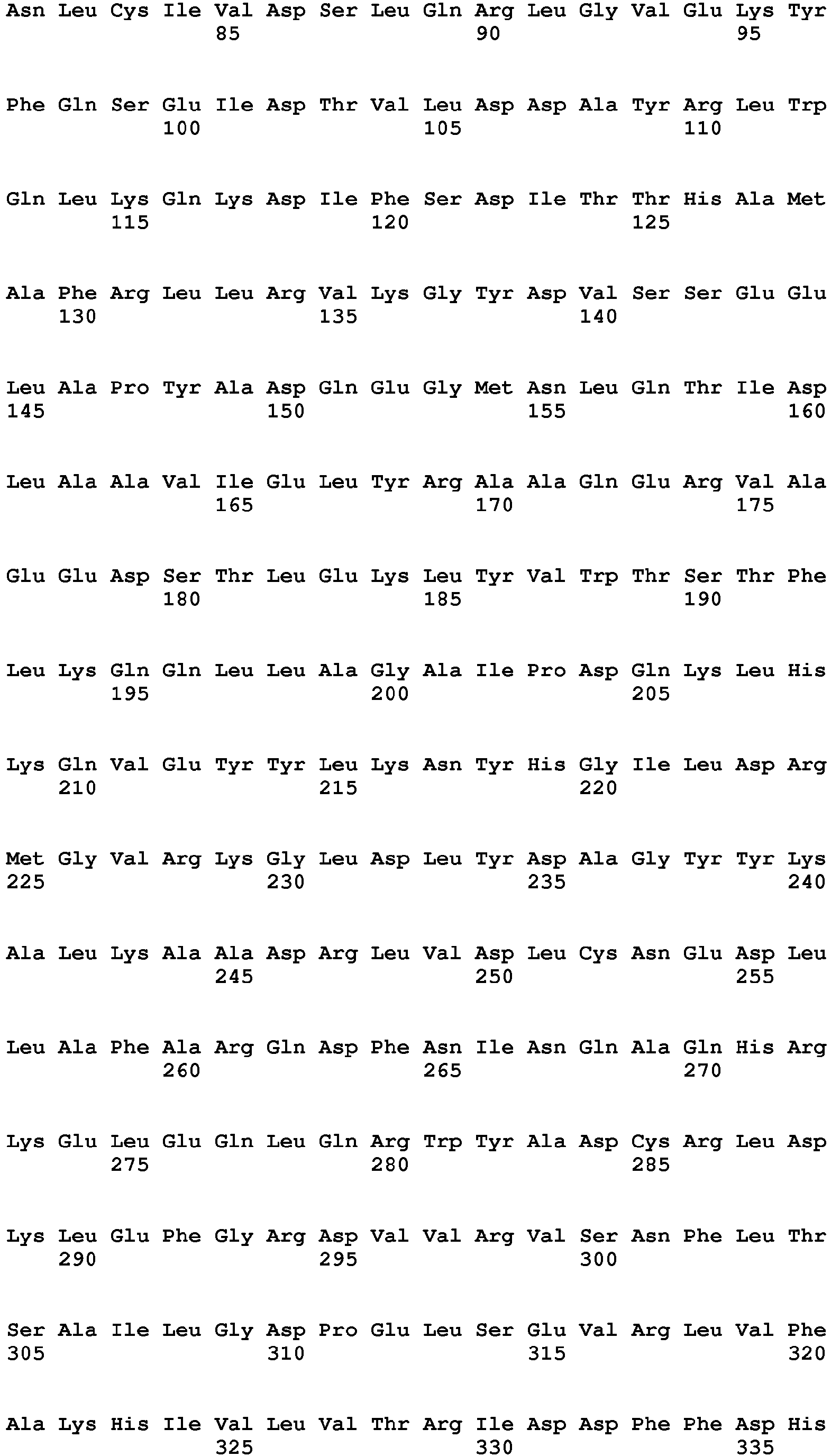


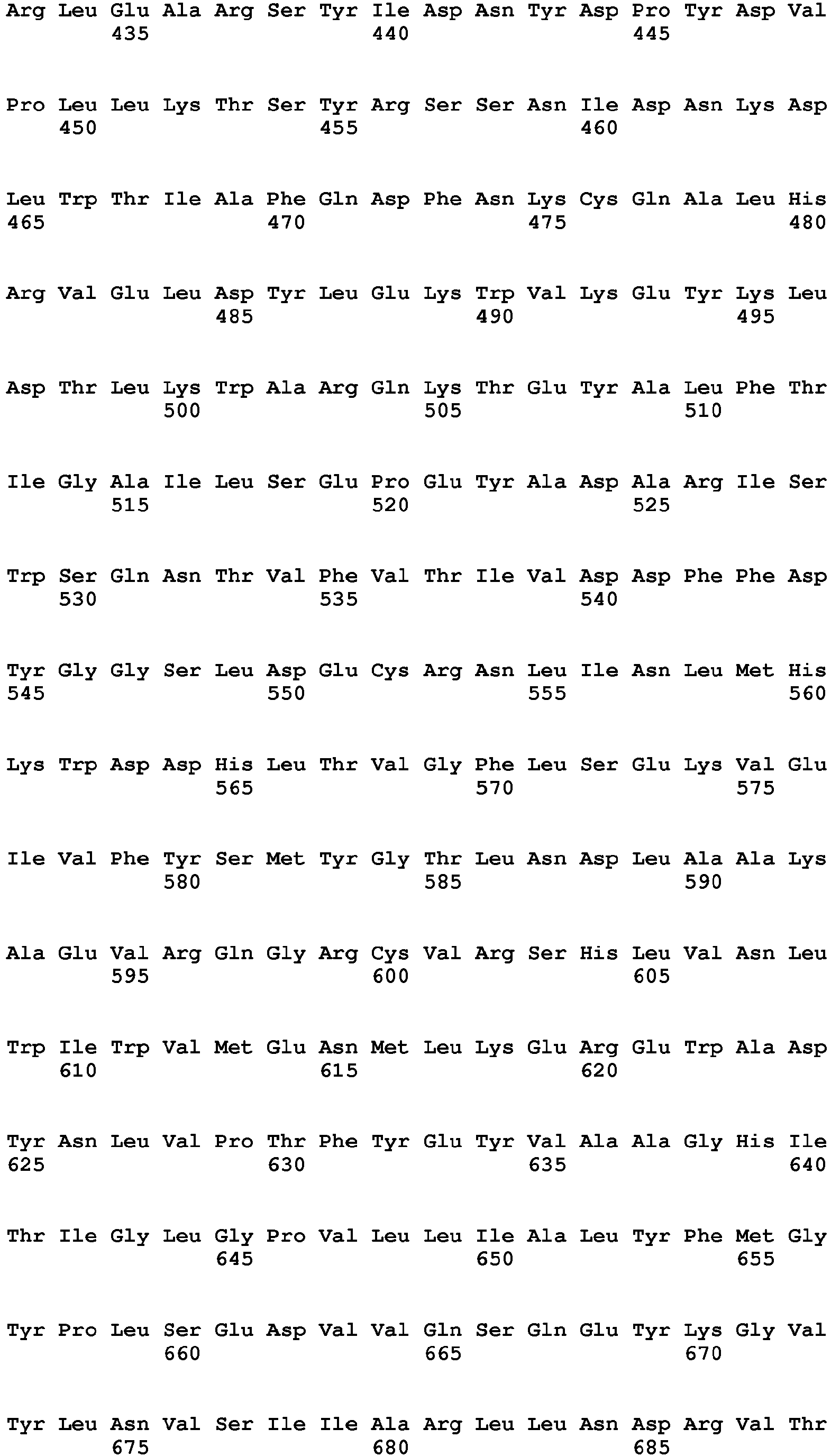


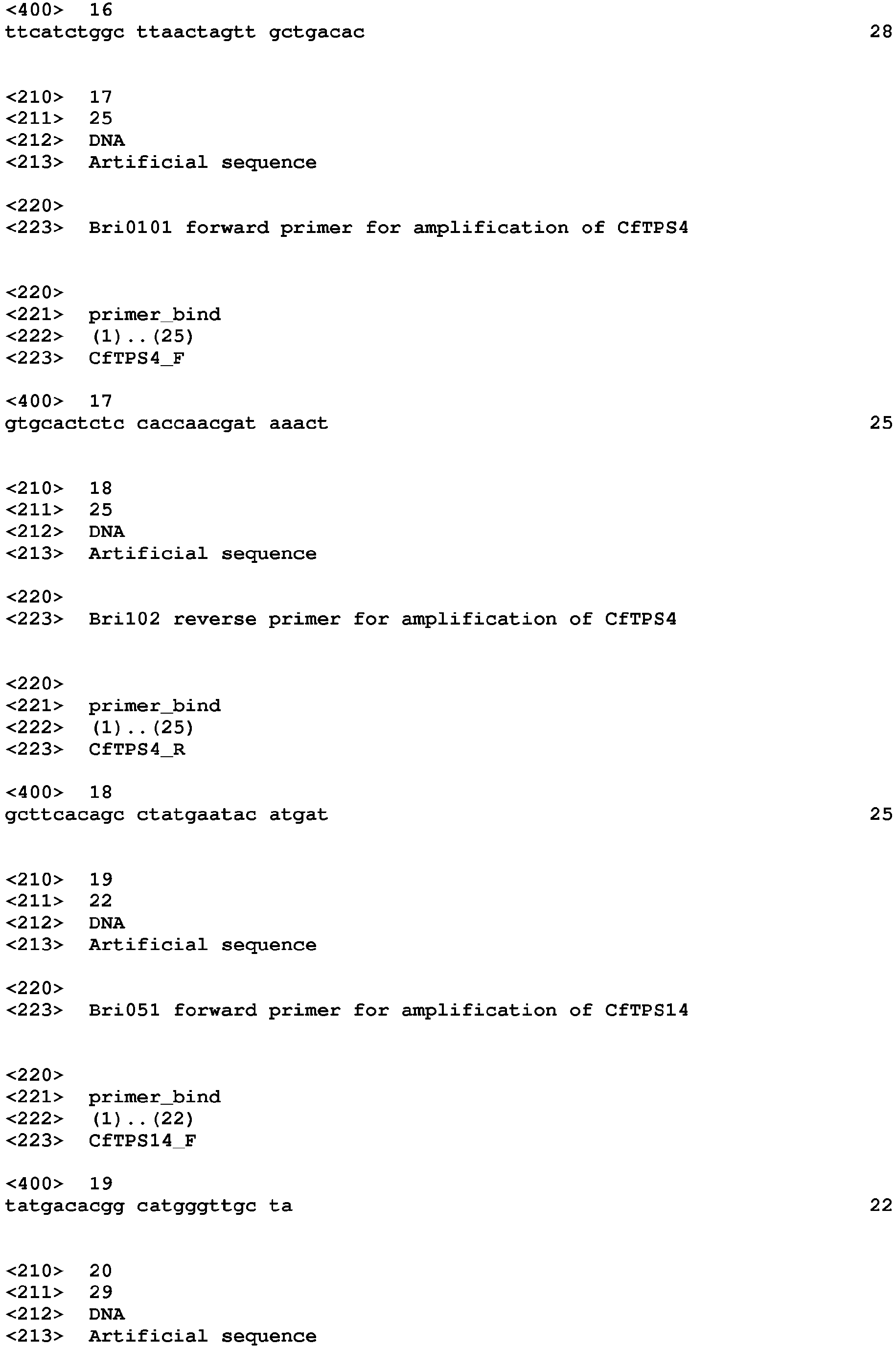


Claims (15)
- An isolated diterpene synthase (diTPS) polypeptide comprising:i) an amino acid sequence selected from the group consisting of SEQ ID NO: 1 [CfTPS2], SEQ ID NO: 2 [CfTPS3], SEQ ID NO: 3 [CfTPS4] and SEQ ID NO: 4 [EpTPS8];ii) a biologically active sequence variant of said polypeptide, wherein the sequence variant has at least 75% sequence identity to said SEQ ID NO: 1 [CfTPS2], SEQ ID NO: 2 [CfTPS3], SEQ ID NO: 3 [CfTPS4] or SEQ ID NO: 4 [EpTPS8]; oriii) a biologically active fragment of at least 50 contiguous amino acids of any of i) through ii), said fragment having at least 75% sequence identity to SEQ ID NO: 1 [CfTPS2], SEQ ID NO: 2 [CfTPS3], SEQ ID NO: 3 [CfTPS4] or SEQ ID NO: 4 [EpTPS8] in a range of overlap of at least 50 amino acids,
wherein the biological activity is diterpene synthase activity. - The polypeptide according to claim 1, wherein the polypeptide has a class I diTPS activity, and has a sequence at least 75% identical to, such as at least 80% identical to, such as at least 85% identical to, such as at least 90% identical to, such as at least 95% identical to, such as at least 96% identical to, such as at least 97% identical to, such as at least 98% identical to, such as at least 99% identical to, such as 100% identical to SEQ ID NO: 2 [CfTPS3], SEQ ID NO: 3 [CfTPS4] or SEQ ID NO: 4 [EpTPS8].
- The polypeptide according to any one of the preceding claims, comprising an operative class I DDxxD domain.
- The polypeptide according to claim 1, wherein the polypeptide has a class II diTPS activity, and has a sequence at least 75% identical to, such as at least 80% identical to, such as at least 85% identical to, such as at least 90% identical to, such as at least 95% identical to, such as at least 96% identical to, such as at least 97% identical to, such as at least 98% identical to, such as at least 99% identical to, such as 100% identical to SEQ ID NO: 1 [CfTPS2].
- The polypeptide according to claim 4, comprising an operative class II DxDD domain.
- The polypeptide according to any one of the preceding claims, further comprising a plastidial targeting signal.
- A polynucleotide encoding a polypeptide as defined in any one of the preceding claims.
- The polynucleotide according to claim 7, wherein the polynucleotide has a sequence with at least 85% identity to a sequence selected from the group consisting of SEQ ID NO: 5 [CfTPS2], SEQ ID NO: 6 [CfTPS3], SEQ ID NO: 7 [CfTPS4], SEQ ID NO: 8 [EpTPS8] and SEQ ID NO: 5 [CfTPS2].
- The polynucleotide according to any one of claims 7 to 8, further comprising a sequence coding for a plastidial targeting signal.
- The polynucleotide according to any one of claims 7 to 9, wherein the polynucleotide is codon-optimised for expression in a host cell selected from the group comprising bacterial cell, yeast cells, fungal cells, plant cells, mammalian cells and insect cells.
- A vector comprising at least one polynucleotide as defined in any one of claims 7 to 10.
- A host cell comprising the polynucleotide according to any one of claims 7 to 10, and/or the vector according to claim 11.
- The cell according to claim 12, wherein the cell expresses:(i) a first polypeptide having a sequence at least 70% identical to SEQ ID NO: 1 [CfTPS2]; and(ii) a second polypeptide having a sequence at least 70% identical to SEQ ID NO: 2 [CfTPS3], SEQ ID NO: 3 [CfTPS4], or SEQ ID NO: 4 [EpTPS8],
wherein the cell is selected from the group comprising bacterial cell, yeast cells, fungal cells, plant cells, mammalian cells and insect cells. - The cell according to claim 13, wherein the cell is a Nicotiana benthamiana cell transfected with at least one viral vector for transiently expressing the first and the second polypeptides.
- The cell according to any one of claims 12 to 14, wherein the cell is further naturally capable of producing or further engineered to produce GGPP via the plastidial methylerythritol 4-phosphate (MEP) pathway.
Priority Applications (5)
| Application Number | Priority Date | Filing Date | Title |
|---|---|---|---|
| EP13198756.2A EP2886647A1 (en) | 2013-12-20 | 2013-12-20 | Polypeptides with diterpene synthase activity |
| US15/103,838 US20160318893A1 (en) | 2013-12-20 | 2014-12-19 | Stereo-specific synthesis of (13r)-manoyl oxide |
| EP14816252.2A EP3083975B1 (en) | 2013-12-20 | 2014-12-19 | Stereo-specific synthesis of (13r)-manoyl oxide |
| DK14816252.2T DK3083975T3 (en) | 2013-12-20 | 2014-12-19 | Stereospecific synthesis of (13R) -manoyloxide |
| PCT/EP2014/078728 WO2015091943A1 (en) | 2013-12-20 | 2014-12-19 | Stereo-specific synthesis of (13r)-manoyl oxide |
Applications Claiming Priority (1)
| Application Number | Priority Date | Filing Date | Title |
|---|---|---|---|
| EP13198756.2A EP2886647A1 (en) | 2013-12-20 | 2013-12-20 | Polypeptides with diterpene synthase activity |
Publications (1)
| Publication Number | Publication Date |
|---|---|
| EP2886647A1 true EP2886647A1 (en) | 2015-06-24 |
Family
ID=49876442
Family Applications (1)
| Application Number | Title | Priority Date | Filing Date |
|---|---|---|---|
| EP13198756.2A Withdrawn EP2886647A1 (en) | 2013-12-20 | 2013-12-20 | Polypeptides with diterpene synthase activity |
Country Status (1)
| Country | Link |
|---|---|
| EP (1) | EP2886647A1 (en) |
Cited By (4)
| Publication number | Priority date | Publication date | Assignee | Title |
|---|---|---|---|---|
| CN105647879A (en) * | 2016-03-16 | 2016-06-08 | 武汉大学 | Diterpene compound variediene synthesizing gene Au13192 and application thereof |
| CN107746815A (en) * | 2017-09-11 | 2018-03-02 | 天津大学 | Produce recombinant Saccharomyces cerevisiae bacterium and its construction method of 13R manoyl oxides |
| CN114507657A (en) * | 2022-03-23 | 2022-05-17 | 湖北中医药大学 | Chrysanthemum nankingense monoterpene synthase gene CnTPS2 and application thereof |
| CN116445450A (en) * | 2023-06-01 | 2023-07-18 | 华东理工大学 | Diguanylate cyclase mutant, engineering bacterium and application thereof |
Citations (3)
| Publication number | Priority date | Publication date | Assignee | Title |
|---|---|---|---|---|
| WO2009044336A2 (en) * | 2007-10-05 | 2009-04-09 | Firmenich Sa | Method for producing diterpenes |
| WO2009101126A1 (en) * | 2008-02-15 | 2009-08-20 | Firmenich Sa | Method for producing sclareol |
| CN101538576A (en) * | 2008-07-10 | 2009-09-23 | 中国中医科学院中药研究所 | Gene for generating related diterpene synthase together with tanshinone type compound as well as encoding product and application thereof |
-
2013
- 2013-12-20 EP EP13198756.2A patent/EP2886647A1/en not_active Withdrawn
Patent Citations (3)
| Publication number | Priority date | Publication date | Assignee | Title |
|---|---|---|---|---|
| WO2009044336A2 (en) * | 2007-10-05 | 2009-04-09 | Firmenich Sa | Method for producing diterpenes |
| WO2009101126A1 (en) * | 2008-02-15 | 2009-08-20 | Firmenich Sa | Method for producing sclareol |
| CN101538576A (en) * | 2008-07-10 | 2009-09-23 | 中国中医科学院中药研究所 | Gene for generating related diterpene synthase together with tanshinone type compound as well as encoding product and application thereof |
Non-Patent Citations (21)
| Title |
|---|
| "Wiley Registry of Mass Spectral Data", July 2006, JOHN WILEY & SONS |
| AGNES P CHAN ET AL: "Draft genome sequence of the oilseed species Ricinus communis", vol. 28, no. 9, 1 September 2010 (2010-09-01), pages 951 - 959, XP002676754, ISSN: 1087-0156, Retrieved from the Internet <URL:http://www.nature.com/nbt/journal/v28/n9/full/nbt.1674.html> [retrieved on 20100822], DOI: 10.1038/NBT.1674 * |
| ALTSCHUL ET AL., J. MOL. BIOL., vol. 215, 1990, pages 403 - 410 |
| CANIARD ET AL.: "Discovery and functional characterization of two diterpene synthases for sclareol biosynthesis in Salvia sclarea (L.) and their relevance for perfume manufacture", BMC PLANT BIOL., vol. 12, 2012, pages 119 |
| CANIARD ET AL.: "Discovery and functional characterization of two diterpene synthases for sclareol biosynthesis in Salvia sclarea (L.) and their relevance for perfume manufacture", BMC PLANT BIOL., vol. 12, 2012, pages 119, XP021128059 * |
| DATABASE ENA [Online] 1 April 2012 (2012-04-01), "Malus x domestica ent-kaurene synthase (KS) mRNA, complete cds.", XP002724819, retrieved from EBI accession no. EM_STD:JQ281521 Database accession no. JQ281521 * |
| DATABASE Unisave [online] 24 March 2009 (2009-03-24), "SubName: Full=Ent-kaurene synthase B, chloroplast, putative; EC=4.2.3.19;", XP002724818, retrieved from EBI accession no. UNIPROT:B9SIM2 Database accession no. B9SIM2 * |
| DATABASE UniSave [online] 3 November 2009 (2009-11-03), "SubName: Full=Kaurene synthase;", XP002724817, retrieved from EBI accession no. UNIPROT:C8XPS0 Database accession no. C8XPS0 * |
| DEMETZOS ET AL.: "A simple and rapid method for the differentiation of C-13 manoyl oxide epimers in biologically important samples using GC-MS analysis supported with NMR spectroscopy and computational chemistry results", BIOORG MED CHEM LETT., vol. 12, no. 24, 2002, pages 3605 - 9 |
| DEMETZOS ET AL.: "A simple and rapid method for the differentiation of C-13 manoyl oxide epimers in biologically important samples using GC-MS analysis supported with NMR spectroscopy and computational chemistry results", BIOORG MED CHEM LETT., vol. 12, no. 24, 2002, pages 3605 - 9, XP055119178 * |
| GUANGHONG CUI ET AL: "Candidate genes involved in tanshinone biosynthesis in hairy roots ofrevealed by cDNA microarray", MOLECULAR BIOLOGY REPORTS ; AN INTERNATIONAL JOURNAL ON MOLECULAR AND CELLULAR BIOLOGY, KLUWER ACADEMIC PUBLISHERS, DO, vol. 38, no. 4, 17 November 2010 (2010-11-17), pages 2471 - 2478, XP019894184, ISSN: 1573-4978, DOI: 10.1007/S11033-010-0383-9 * |
| GUNNEWICH ET AL.: "A diterpene synthase from the clary sage Salvia sclarea catalyzes the cyclization of geranylgeranyl diphosphate to (8R)-hydroxy-copalyl diphosphate", PHYTOCHEMISTRY, vol. 91, 2013, pages 93 - 9 |
| GUNNEWICH ET AL.: "A diterpene synthase from the clary sage Salvia sclarea catalyzes the cyclization of geranylgeranyl diphosphate to (8R)-hydroxy-copalyl diphosphate", PHYTOCHEMISTRY, vol. 91, 2013, pages 93 - 9, XP002724040 * |
| HAMBERGER ET AL.: "Evolution of diterpene metabolism: Sitka spruce CYP720B4 catalyzes multiple oxidations in resin acid biosynthesis of conifer defense against insects", PLANT PHYSIOL., vol. 157, no. 4, 2011, pages 1677 - 95 |
| HAMBERGER ET AL.: "Evolution of diterpene metabolism: Sitka spruce CYP720B4 catalyzes multiple oxidations in resin acid biosynthesis of conifer defense against insects", PLANT PHYSIOL., vol. 157, no. 4, 2011, pages 1677 - 95, XP055119176 * |
| KARLIN; ALTSCHUL, PROC. NATL. ACAD. SCI. USA, vol. 87, 1990, pages 2264 - 2268 |
| KARLIN; ALTSCHUL, PROC. NATL. ACAD. SCI. USA, vol. 90, 1993, pages 5873 - 5877 |
| TATIANA A. TATUSOVA; THOMAS L. MADDEN: "Blast 2 sequences - a new tool for comparing protein and nucleotide sequences", FEMS MICROBIOL. LETT., vol. 174, 1999, pages 247 - 250 |
| THOMPSON, J.D.; HIGGINS, D.G.; GIBSON, T.J.: "CLUSTAL W: improving the sensitivity of progressive multiple sequence alignment through sequence weighting, positions-specific gap penalties and weight matrix choice", NUCLEIC ACIDS RESEARCH, vol. 22, 1994, pages 4673 - 4680 |
| ZERBE ET AL.: "Gene discovery of modular diterpene metabolism in nonmodel systems", PLANT PHYSIO/., vol. 162, no. 2, 2013, pages 1073 - 91 |
| ZERBE ET AL.: "Gene discovery of modular diterpene metabolism in nonmodel systems", PLANT PHYSIO/., vol. 162, no. 2, 2013, pages 1073 - 91, XP002724041 * |
Cited By (6)
| Publication number | Priority date | Publication date | Assignee | Title |
|---|---|---|---|---|
| CN105647879A (en) * | 2016-03-16 | 2016-06-08 | 武汉大学 | Diterpene compound variediene synthesizing gene Au13192 and application thereof |
| CN107746815A (en) * | 2017-09-11 | 2018-03-02 | 天津大学 | Produce recombinant Saccharomyces cerevisiae bacterium and its construction method of 13R manoyl oxides |
| CN114507657A (en) * | 2022-03-23 | 2022-05-17 | 湖北中医药大学 | Chrysanthemum nankingense monoterpene synthase gene CnTPS2 and application thereof |
| CN114507657B (en) * | 2022-03-23 | 2023-11-03 | 湖北中医药大学 | Chrysanthemum brain monoterpene synthase gene CnTPS2 and application thereof |
| CN116445450A (en) * | 2023-06-01 | 2023-07-18 | 华东理工大学 | Diguanylate cyclase mutant, engineering bacterium and application thereof |
| CN116445450B (en) * | 2023-06-01 | 2025-07-25 | 华东理工大学 | Diguanylate cyclase mutant, engineering bacterium and application thereof |
Similar Documents
| Publication | Publication Date | Title |
|---|---|---|
| Gulck et al. | Synthetic biology of cannabinoids and cannabinoid glucosides in Nicotiana benthamiana and Saccharomyces cerevisiae | |
| Pateraki et al. | Manoyl oxide (13R), the biosynthetic precursor of forskolin, is synthesized in specialized root cork cells in Coleus forskohlii | |
| Zi et al. | To gibberellins and beyond! Surveying the evolution of (di) terpenoid metabolism | |
| EP3083975B1 (en) | Stereo-specific synthesis of (13r)-manoyl oxide | |
| US8617860B2 (en) | Method for producing sclareol | |
| Liu et al. | A geranylfarnesyl diphosphate synthase provides the precursor for sesterterpenoid (C25) formation in the glandular trichomes of the mint species Leucosceptrum canum | |
| US8586328B2 (en) | Method for producing sclareol | |
| EP2772543B1 (en) | Enzymatic process for producing beta-santalene and the corresponding enzyme | |
| Li et al. | An extremely promiscuous terpenoid synthase from the Lamiaceae plant Colquhounia coccinea var. mollis catalyzes the formation of sester-/di-/sesqui-/mono-terpenoids | |
| Günnewich et al. | A diterpene synthase from the clary sage Salvia sclarea catalyzes the cyclization of geranylgeranyl diphosphate to (8R)-hydroxy-copalyl diphosphate | |
| Hua et al. | Molecular cloning and characterization of the promoter of SmGGPPs and its expression pattern in Salvia miltiorrhiza | |
| Li et al. | A new sesquiterpene synthase catalyzing the formation of (R)-β-bisabolene from medicinal plant Colquhounia coccinea var. mollis and its anti-adipogenic and antibacterial activities | |
| Rani et al. | Molecular regulation of santalol biosynthesis in Santalum album L. | |
| Luo et al. | Characterization of a sesquiterpene cyclase from the glandular trichomes of Leucosceptrum canum for sole production of cedrol in Escherichia coli and Nicotiana benthamiana | |
| Khemvong et al. | Molecular cloning and expression of a cDNA encoding 1-deoxy-d-xylulose-5-phosphate synthase from oil palm Elaeis guineensis Jacq. | |
| Sarker et al. | Cloning of a sesquiterpene synthase from Lavandula x intermedia glandular trichomes | |
| Shelton et al. | Isolation and partial characterisation of a putative monoterpene synthase from Melaleuca alternifolia | |
| Burse et al. | Deciphering the route to cyclic monoterpenes in Chrysomelina leaf beetles: source of new biocatalysts for industrial application? | |
| Kumar et al. | Isoprenyl diphosphate synthases of terpenoid biosynthesis in rose-scented geranium (Pelargonium graveolens) | |
| KR101735697B1 (en) | Production of (-)-alpha-bisabolol in heterologous systems | |
| Kiran et al. | Analysis of root volatiles and functional characterization of a root-specific germacrene A synthase in Artemisia pallens | |
| US20160002685A1 (en) | Primer for amplifying enone oxidoreductase from mango | |
| Nakagiri et al. | cDNA cloning, functional expression and characterization of ent-copalyl diphosphate synthase from Scoparia dulcis L. | |
| AU2015201051A1 (en) | Method for producing beta-santalene | |
| Pateraki et al. | Manoyl Oxide (13R), the Biosynthetic Precursor of Forskolin, Is Synthesized in Specialized Root |
Legal Events
| Date | Code | Title | Description |
|---|---|---|---|
| PUAI | Public reference made under article 153(3) epc to a published international application that has entered the european phase |
Free format text: ORIGINAL CODE: 0009012 |
|
| 17P | Request for examination filed |
Effective date: 20131220 |
|
| AK | Designated contracting states |
Kind code of ref document: A1 Designated state(s): AL AT BE BG CH CY CZ DE DK EE ES FI FR GB GR HR HU IE IS IT LI LT LU LV MC MK MT NL NO PL PT RO RS SE SI SK SM TR |
|
| AX | Request for extension of the european patent |
Extension state: BA ME |
|
| RAP1 | Party data changed (applicant data changed or rights of an application transferred) |
Owner name: UNIVERSITY OF COPENHAGEN Owner name: TECHNICAL UNIVERSITY OF DENMARK |
|
| STAA | Information on the status of an ep patent application or granted ep patent |
Free format text: STATUS: THE APPLICATION IS DEEMED TO BE WITHDRAWN |
|
| 18D | Application deemed to be withdrawn |
Effective date: 20160105 |