EP2885274B1 - Bixiamycins and sulfonylbixiamycins - Google Patents
Bixiamycins and sulfonylbixiamycins Download PDFInfo
- Publication number
- EP2885274B1 EP2885274B1 EP13750644.0A EP13750644A EP2885274B1 EP 2885274 B1 EP2885274 B1 EP 2885274B1 EP 13750644 A EP13750644 A EP 13750644A EP 2885274 B1 EP2885274 B1 EP 2885274B1
- Authority
- EP
- European Patent Office
- Prior art keywords
- nmr
- compound according
- mhz
- formula
- pharmaceutically acceptable
- Prior art date
- Legal status (The legal status is an assumption and is not a legal conclusion. Google has not performed a legal analysis and makes no representation as to the accuracy of the status listed.)
- Not-in-force
Links
- 0 C[C@@]1(CCC2)c3cc(-c4c(*5c6c(CC[C@@]7([C@]8(C)CC[C@@](*)[C@]7C(*)=O)I)c8cc-7c6*c6ccccc-76)cccc4)c5cc3CC[C@@]1(*)[C@]2(*1)C1=O Chemical compound C[C@@]1(CCC2)c3cc(-c4c(*5c6c(CC[C@@]7([C@]8(C)CC[C@@](*)[C@]7C(*)=O)I)c8cc-7c6*c6ccccc-76)cccc4)c5cc3CC[C@@]1(*)[C@]2(*1)C1=O 0.000 description 1
Images


Classifications
-
- C—CHEMISTRY; METALLURGY
- C07—ORGANIC CHEMISTRY
- C07D—HETEROCYCLIC COMPOUNDS
- C07D209/00—Heterocyclic compounds containing five-membered rings, condensed with other rings, with one nitrogen atom as the only ring hetero atom
- C07D209/56—Ring systems containing three or more rings
- C07D209/80—[b, c]- or [b, d]-condensed
- C07D209/82—Carbazoles; Hydrogenated carbazoles
- C07D209/86—Carbazoles; Hydrogenated carbazoles with only hydrogen atoms, hydrocarbon or substituted hydrocarbon radicals, directly attached to carbon atoms of the ring system
-
- A—HUMAN NECESSITIES
- A61—MEDICAL OR VETERINARY SCIENCE; HYGIENE
- A61P—SPECIFIC THERAPEUTIC ACTIVITY OF CHEMICAL COMPOUNDS OR MEDICINAL PREPARATIONS
- A61P31/00—Antiinfectives, i.e. antibiotics, antiseptics, chemotherapeutics
- A61P31/04—Antibacterial agents
-
- C—CHEMISTRY; METALLURGY
- C07—ORGANIC CHEMISTRY
- C07D—HETEROCYCLIC COMPOUNDS
- C07D209/00—Heterocyclic compounds containing five-membered rings, condensed with other rings, with one nitrogen atom as the only ring hetero atom
- C07D209/56—Ring systems containing three or more rings
- C07D209/80—[b, c]- or [b, d]-condensed
- C07D209/82—Carbazoles; Hydrogenated carbazoles
- C07D209/88—Carbazoles; Hydrogenated carbazoles with hetero atoms or with carbon atoms having three bonds to hetero atoms with at the most one bond to halogen, e.g. ester or nitrile radicals, directly attached to carbon atoms of the ring system
-
- C—CHEMISTRY; METALLURGY
- C12—BIOCHEMISTRY; BEER; SPIRITS; WINE; VINEGAR; MICROBIOLOGY; ENZYMOLOGY; MUTATION OR GENETIC ENGINEERING
- C12N—MICROORGANISMS OR ENZYMES; COMPOSITIONS THEREOF; PROPAGATING, PRESERVING, OR MAINTAINING MICROORGANISMS; MUTATION OR GENETIC ENGINEERING; CULTURE MEDIA
- C12N1/00—Microorganisms; Compositions thereof; Processes of propagating, maintaining or preserving microorganisms or compositions thereof; Processes of preparing or isolating a composition containing a microorganism; Culture media therefor
- C12N1/20—Bacteria; Culture media therefor
- C12N1/205—Bacterial isolates
-
- C—CHEMISTRY; METALLURGY
- C12—BIOCHEMISTRY; BEER; SPIRITS; WINE; VINEGAR; MICROBIOLOGY; ENZYMOLOGY; MUTATION OR GENETIC ENGINEERING
- C12P—FERMENTATION OR ENZYME-USING PROCESSES TO SYNTHESISE A DESIRED CHEMICAL COMPOUND OR COMPOSITION OR TO SEPARATE OPTICAL ISOMERS FROM A RACEMIC MIXTURE
- C12P11/00—Preparation of sulfur-containing organic compounds
-
- C—CHEMISTRY; METALLURGY
- C12—BIOCHEMISTRY; BEER; SPIRITS; WINE; VINEGAR; MICROBIOLOGY; ENZYMOLOGY; MUTATION OR GENETIC ENGINEERING
- C12P—FERMENTATION OR ENZYME-USING PROCESSES TO SYNTHESISE A DESIRED CHEMICAL COMPOUND OR COMPOSITION OR TO SEPARATE OPTICAL ISOMERS FROM A RACEMIC MIXTURE
- C12P17/00—Preparation of heterocyclic carbon compounds with only O, N, S, Se or Te as ring hetero atoms
- C12P17/10—Nitrogen as only ring hetero atom
-
- C—CHEMISTRY; METALLURGY
- C12—BIOCHEMISTRY; BEER; SPIRITS; WINE; VINEGAR; MICROBIOLOGY; ENZYMOLOGY; MUTATION OR GENETIC ENGINEERING
- C12P—FERMENTATION OR ENZYME-USING PROCESSES TO SYNTHESISE A DESIRED CHEMICAL COMPOUND OR COMPOSITION OR TO SEPARATE OPTICAL ISOMERS FROM A RACEMIC MIXTURE
- C12P17/00—Preparation of heterocyclic carbon compounds with only O, N, S, Se or Te as ring hetero atoms
- C12P17/16—Preparation of heterocyclic carbon compounds with only O, N, S, Se or Te as ring hetero atoms containing two or more hetero rings
- C12P17/165—Heterorings having nitrogen atoms as the only ring heteroatoms
-
- C—CHEMISTRY; METALLURGY
- C12—BIOCHEMISTRY; BEER; SPIRITS; WINE; VINEGAR; MICROBIOLOGY; ENZYMOLOGY; MUTATION OR GENETIC ENGINEERING
- C12R—INDEXING SCHEME ASSOCIATED WITH SUBCLASSES C12C - C12Q, RELATING TO MICROORGANISMS
- C12R2001/00—Microorganisms ; Processes using microorganisms
- C12R2001/01—Bacteria or Actinomycetales ; using bacteria or Actinomycetales
- C12R2001/465—Streptomyces
- C12R2001/47—Streptomyces albus
Definitions
- the present invention provides novel dimeric and sulfonyl dimeric indolosesquiterpenes having antibacterial activities. These compounds can e.g. be isolated from a mangrove endophyte.
- Indole terpenoids encompass a highly diverse group of natural products, including the anticancer agents vincristine and vinblastine, psychotropic agents such as lysergic acid derivatives, the aphrodisiac yohimbine, and the potassium channel blockers paxilline and lolitrem.
- Xiamycin (1) was produced by two Streptomyces endophytes (HKI0576 and HKI0595) of widespread mangrove trees, Bruguiera gymnorrhiza and Kandelia candel, respectively (Ding 2010, Ding 2011).
- the present invention provides a compound of formula (II) X-A-Y (II)
- Y is selected from the following structures:
- the present invention further provides pharmaceutical compositions comprising one or more compounds described herein or a pharmaceutically acceptable salt, solvate or hydrate thereof, optionally in combination with a pharmaceutically acceptable carrier.
- Examples of pharmacologically acceptable salts of sufficiently basic compounds are salts of physiologically acceptable mineral acids like hydrochloric, hydrobromic, sulfuric and phosphoric acid; or salts of organic acids like methanesulfonic, p-toluenesulfonic, lactic, acetic, trifluoroacetic, citric, succinic, fumaric, maleic and salicylic acid.
- a sufficiently acidic compound may form alkali or earth alkali metal salts, for example sodium, potassium, lithium, calcium or magnesium salts; ammonium salts; or organic base salts, for example methylamine, dimethylamine, trimethylamine, triethylamine, ethylenediamine, ethanolamine, choline hydroxide, meglumin, piperidine, morpholine, tris-(2-hydroxyethyl)amine, lysine or arginine salts; all of which are also further examples of salts of the compounds described herein.
- the compounds described herein may be solvated, especially hydrated. The hydratization/hydration may occur during the process of production or as a consequence of the hygroscopic nature of the initially water free compounds.
- the solvates and/or hydrates may e.g. be present in solid or liquid form.
- compositions according to the present invention comprise at least one compound described herein and, optionally, carrier substances and/or adjuvants.
- the pharmaceutical composition may optionally comprise one or more further antibacterial compounds or may be administered in combination with one or more further antibacterial compounds.
- therapeutically useful agents that contain compounds described herein, their solvates, salts or formulations are also comprised in the scope of the present invention.
- the compounds described herein will be administered by using the known and acceptable modes known in the art, either alone or in combination with any other therapeutic agent.
- such therapeutically useful agents can be administered by one of the following routes: oral, e.g. as tablets, dragees, coated tablets, pills, semisolids, soft or hard capsules, for example soft and hard gelatine capsules, aqueous or oily solutions, emulsions, suspensions or syrups, parenteral including intravenous, intramuscular and subcutaneous injection, e.g. as an injectable solution or suspension, rectal as suppositories, by inhalation or insufflation, e.g. as a powder formulation, as microcrystals or as a spray (e.g.
- liquid aerosol transdermal
- TDS transdermal delivery system
- the therapeutically useful product may be mixed with pharmaceutically inert, inorganic or organic excipients as are e.g. lactose, sucrose, glucose, gelatine, malt, silica gel, starch or derivatives thereof, talc, stearinic acid or their salts, dried skim milk, and the like.
- pharmaceutically inert, inorganic or organic excipients as are e.g. lactose, sucrose, glucose, gelatine, malt, silica gel, starch or derivatives thereof, talc, stearinic acid or their salts, dried skim milk, and the like.
- excipients as are e.g.
- excipients e.g. water, alcohols, aqueous saline, aqueous dextrose, polyols, glycerin, lipids, phospholipids, cyclodextrins, vegetable, petroleum, animal or synthetic oils.
- lipids and more preferred are phospholipids (preferred of natural origin; especially preferred with a particle size between 300 to 350 nm) preferred in phosphate buffered saline (pH 7 to 8, preferred 7.4).
- excipients as are e.g.
- the pharmaceutically useful agents may also contain additives for conservation, stabilization, e.g. UV stabilizers, emulsifiers, sweetener, aromatizers, salts to change the osmotic pressure, buffers, coating additives and antioxidants.
- stabilization e.g. UV stabilizers, emulsifiers, sweetener, aromatizers, salts to change the osmotic pressure, buffers, coating additives and antioxidants.
- the daily dosage can be administered as a single dose or in divided doses, or for parenteral administration, it may be given as continuous infusion or subcutaneous injection.
- Streptomyces albus carrying the xiamycin biosynthesis gene cluster was fermented in a large scale (50 L). Both mycelia and culture filtrate were extracted by ethyl acetate to afford a crude extract. After fractionation on flash chromatography on silica, followed by a Sephadex LH-20 column and final purification by HPLC, various dimers were obtained as pure substances. The NMR spectra of all dimers indicated that they have the xiamycin A backbone, yet according to HRESIMS data their molecular formula is C 46 H 48 N 2 O 6 ( 2a, 2b, 3a, 3b, and 4 ) and C 46 H 48 N 2 SO 8 ( 5, 6 and 7 ), respectively.
- the Streptomyces albus strain has been deposited at the DSMZ (Inhoffenstr. 7B, 38124 Braunschweig, Germany) by the Leibniz Institute for Natural Product Research and Infection Biology e.V. -Hans-Knöll-Institute (HKI) (Beutenbergstr. 11a, 07745 Jena, Germany) on 20.08.2012 with the deposition number of DSM26342.
- Reference compounds 2a/2b were a pair of atropoisomers. 13 C NMR spectra exhibited a highly conserved pattern as xiamycin. 1 H NMR spectrum exhibited twelve aromatic protons. However, there were some differences in the chemical shifts for all protons in the 1 H NMR spectrum. Based on the HRESIMS data, an only possibility is that 2a/2b were N-N coupled isomers. COSY and HMBC established the structure for the halve of the dimer.
- Compound 4 was another C-N dimer.
- the 1 H NMR spectra showed two sets of signals, indicating that the two halves of the molecular were not identical. Eleven aromatic signals were visible.
- COSY and HMBC spectra established the structures for both halves of the isomer.
- a N-C coupled isomer between N-2' and C-6 was proposed and fully established.
- HRESIMS of Compound 5, 6 and 7 indicated the presence of a sulfonyl group.
- a substitution of sulfonyl group in the aromatic chromophore was proposed.
- 1 H NMR spectrum of compound 5 exhibited eleven aomatic protons.
- Further analysis of COSY spectrum indicated a substitution at C-6.
- a sulfonyl group was located between N-2' and C-6.
- IR spectrum exhibited the characteristic absorption for sulfonyl group at 1244 and 1167 cm -1 , respectively.
- Compound 7 represents another sulfonyl bridged dimer of xiamycin as only ten aromatic protons were observed. Based on COSY and 1 H NMR spectra, a sulfonyl function was located between C-6 and H-21' and confirmed by HMBC correlations. IR spectrum exhibited the characteristic absorption for sulfonyl group at 1286 and 1121 cm -1 , respectively.
- NMR spectra were recorded on a Bruker Avance III 500 MHz or Avance III 600 MHz spectrometers.
- IR spectra were recorded on a Bruker FT-IR (IFS 55) spectrometer.
- UV spectra were recorded on a Cary 1 Bio UV-visible spectrophotometer (Variant).
- Optical rotation was recorded on a Propol digital automatic polarimeter (Dr. Wolfgang Kernchen GmbH, Seelze, Germany).
- CD spectra were recorded on a J-810-150s spectropolarimeter (JASCO, prof Umstadt, Germany).
- ESIMS data were obtained on a triple quadrupole mass spectrometer (Quattro; VG Biotech, Cheshire, UK).
- HRESIMS were recorded on a Finnigan TSQ Quantum Ultra AM Thermo Electron. Open column chromatography was performed on silica gel 60 (Merck, 0.04-0.063 mm, 230-400 mesh ASTM) and Sephadex LH-20 (Pharmacia). TLC analysis was performed on silica gel plates (Sil G/UV254, 0.20 mm, Macherey-Nagel). Preparative HPLC was performed on a Waters HPLC system using a Nucleosil 100-5 C 18 column (5 ⁇ m, 250 x 16 mm) with a UV detector.
- Fraction 9 was fractionated by HPLC (RP-C 18 , MeOH-H 2 O as gradient) to yield three dimers: 4 (23.1 mg), 5 (0.5 mg) and 6 (0.8 mg). Fraction 10 containing 7 (1.5 mg) was purified to afford a pure substance.
- MIC assays were carried out to test all dimers and xiamycin against five bacterial test strains, Bacillus subtilis ATCC 6633, Staphylococcus aureus SG511, Mycobacterium vaccae IMET 10670, Staphylococus aureus 134/94, and Enterococcus faecalis 1528 R10.
- the assay was carried out by the standardized broth microdilution method (Clinical and Laboratory Standards Institute, 2006). Results are shown in Table 1.
- Table 1 Antimicrobial activity of xiamcin, bixiamycins and sulfonylbixiamycins (MIC data, in ⁇ g mL -1 ).
- B. sub. Bacillus subtilis ATCC 6633; S.
- Antiproliferative and cytotoxic assays All compounds were assayed against L-929 mouse fibroblasts (DSM ACC 2) and K562 human chronic myeloid leukemia cells (DSM ACC 10) for their antiproliferative effects (GI 50 ), and against HeLa human cervix carcinoma cells (DSM ACC 57) for their cytotoxic (CC 50 ) effects. Inhibitory concentrations are provided as 50% inhibition of cell growth (GI 50 ; the concentration needed to reduce the growth of treated cells to half that of untreated cells) or 50% cytotoxic concentration (CC 50 ; the concentration that kills 50% of treated cells). No activity was observed for all compounds (GI 50 and CC 50 >30 ⁇ g/mL).
Landscapes
- Chemical & Material Sciences (AREA)
- Organic Chemistry (AREA)
- Life Sciences & Earth Sciences (AREA)
- Health & Medical Sciences (AREA)
- Engineering & Computer Science (AREA)
- Wood Science & Technology (AREA)
- Zoology (AREA)
- General Health & Medical Sciences (AREA)
- Bioinformatics & Cheminformatics (AREA)
- Genetics & Genomics (AREA)
- Biotechnology (AREA)
- General Chemical & Material Sciences (AREA)
- Biochemistry (AREA)
- Microbiology (AREA)
- Chemical Kinetics & Catalysis (AREA)
- General Engineering & Computer Science (AREA)
- Medicinal Chemistry (AREA)
- Nuclear Medicine, Radiotherapy & Molecular Imaging (AREA)
- Veterinary Medicine (AREA)
- Public Health (AREA)
- Animal Behavior & Ethology (AREA)
- Pharmacology & Pharmacy (AREA)
- Oncology (AREA)
- Communicable Diseases (AREA)
- Tropical Medicine & Parasitology (AREA)
- Virology (AREA)
- Biomedical Technology (AREA)
- Pharmaceuticals Containing Other Organic And Inorganic Compounds (AREA)
Description
- The present invention provides novel dimeric and sulfonyl dimeric indolosesquiterpenes having antibacterial activities. These compounds can e.g. be isolated from a mangrove endophyte.
- Indole terpenoids encompass a highly diverse group of natural products, including the anticancer agents vincristine and vinblastine, psychotropic agents such as lysergic acid derivatives, the aphrodisiac yohimbine, and the potassium channel blockers paxilline and lolitrem.
- In light of the impressive number of known eukaryotic indole terpene metabolites, it is remarkable that only recently the first representatives of this group derived from bacteria were discovered, including oridamycin, xiamycin, indosespene, and sespenine (Takada 2010, Ding 2010, Ding 2011). Xiamycin (1) was produced by two Streptomyces endophytes (HKI0576 and HKI0595) of widespread mangrove trees, Bruguiera gymnorrhiza and Kandelia candel, respectively (Ding 2010, Ding 2011).
- From the two strains, the dimers of xiamycin have now been detected. Heterologous expression of the xiamycin biosynthesis gene cluster (Li 2012) in S. albus, follow-up fermentation and isolation yielded various N-N, and C-N dimers as well as sulfonyl bridged dimers of xiamycins (2a, 2b, 3a, 3b, 4, 5, 6, and 7). They all exhibit antibacterial activities and no cytotoxic effects indicating their use as antibacterial agents.
Figure 1 shows the structures of xiamycin, bixiamycins and sulfonylbixiamycins. - The present invention provides a compound of formula (II)
X-A-Y (II)
- wherein A is a bond, a sulphur atom or a group of formula -SO- or -SO2-,
- wherein X is selected from the following structures:


- and wherein Y has the following structure of formula (I) wherein one hydrogen atom is replaced by the bond to A or X

- or a pharmaceutically acceptable salt, solvate or hydrate or a pharmaceutically acceptable formulation thereof.
- Preferably, Y is selected from the following structures:


- Especially preferred are the following compounds:


- The present invention further provides pharmaceutical compositions comprising one or more compounds described herein or a pharmaceutically acceptable salt, solvate or hydrate thereof, optionally in combination with a pharmaceutically acceptable carrier.
- It is a further object of the present invention to provide a compound as described herein or a pharmaceutical composition as defined herein for the preparation of a medicament for the treatment and/or prophylaxis of bacterial infections.
- Examples of pharmacologically acceptable salts of sufficiently basic compounds are salts of physiologically acceptable mineral acids like hydrochloric, hydrobromic, sulfuric and phosphoric acid; or salts of organic acids like methanesulfonic, p-toluenesulfonic, lactic, acetic, trifluoroacetic, citric, succinic, fumaric, maleic and salicylic acid. Further, a sufficiently acidic compound may form alkali or earth alkali metal salts, for example sodium, potassium, lithium, calcium or magnesium salts; ammonium salts; or organic base salts, for example methylamine, dimethylamine, trimethylamine, triethylamine, ethylenediamine, ethanolamine, choline hydroxide, meglumin, piperidine, morpholine, tris-(2-hydroxyethyl)amine, lysine or arginine salts; all of which are also further examples of salts of the compounds described herein. The compounds described herein may be solvated, especially hydrated. The hydratization/hydration may occur during the process of production or as a consequence of the hygroscopic nature of the initially water free compounds. The solvates and/or hydrates may e.g. be present in solid or liquid form.
- The therapeutic use of the compounds described herein, their pharmacologically acceptable salts, solvates and hydrates, respectively, as well as formulations and pharmaceutical compositions also lie within the scope of the present invention.
- The pharmaceutical compositions according to the present invention comprise at least one compound described herein and, optionally, carrier substances and/or adjuvants.
- The pharmaceutical composition may optionally comprise one or more further antibacterial compounds or may be administered in combination with one or more further antibacterial compounds.
- As mentioned above, therapeutically useful agents that contain compounds described herein, their solvates, salts or formulations are also comprised in the scope of the present invention. In general, the compounds described herein will be administered by using the known and acceptable modes known in the art, either alone or in combination with any other therapeutic agent.
- For oral administration such therapeutically useful agents can be administered by one of the following routes: oral, e.g. as tablets, dragees, coated tablets, pills, semisolids, soft or hard capsules, for example soft and hard gelatine capsules, aqueous or oily solutions, emulsions, suspensions or syrups, parenteral including intravenous, intramuscular and subcutaneous injection, e.g. as an injectable solution or suspension, rectal as suppositories, by inhalation or insufflation, e.g. as a powder formulation, as microcrystals or as a spray (e.g. liquid aerosol), transdermal, for example via an transdermal delivery system (TDS) such as a plaster containing the active ingredient or intranasal. For the production of such tablets, pills, semisolids, coated tablets, dragees and hard, e.g. gelatine, capsules the therapeutically useful product may be mixed with pharmaceutically inert, inorganic or organic excipients as are e.g. lactose, sucrose, glucose, gelatine, malt, silica gel, starch or derivatives thereof, talc, stearinic acid or their salts, dried skim milk, and the like. For the production of soft capsules one may use excipients as are e.g. vegetable, petroleum, animal or synthetic oils, wax, fat, polyols. For the production of liquid solutions, emulsions or suspensions or syrups one may use as excipients e.g. water, alcohols, aqueous saline, aqueous dextrose, polyols, glycerin, lipids, phospholipids, cyclodextrins, vegetable, petroleum, animal or synthetic oils. Especially preferred are lipids and more preferred are phospholipids (preferred of natural origin; especially preferred with a particle size between 300 to 350 nm) preferred in phosphate buffered saline (pH = 7 to 8, preferred 7.4). For suppositories one may use excipients as are e.g. vegetable, petroleum, animal or synthetic oils, wax, fat and polyols. For aerosol formulations one may use compressed gases suitable for this purpose, as are e.g. oxygen, nitrogen and carbon dioxide. The pharmaceutically useful agents may also contain additives for conservation, stabilization, e.g. UV stabilizers, emulsifiers, sweetener, aromatizers, salts to change the osmotic pressure, buffers, coating additives and antioxidants.
- In general, in the case of oral or parenteral administration to adult humans weighing approximately 80 kg, a daily dosage of about 1 mg to about 10,000 mg, preferably from about 5 mg to about 1,000 mg, should be appropriate, although the upper limit may be exceeded when indicated. The daily dosage can be administered as a single dose or in divided doses, or for parenteral administration, it may be given as continuous infusion or subcutaneous injection.
- Streptomyces albus carrying the xiamycin biosynthesis gene cluster was fermented in a large scale (50 L). Both mycelia and culture filtrate were extracted by ethyl acetate to afford a crude extract. After fractionation on flash chromatography on silica, followed by a Sephadex LH-20 column and final purification by HPLC, various dimers were obtained as pure substances. The NMR spectra of all dimers indicated that they have the xiamycin A backbone, yet according to HRESIMS data their molecular formula is C46H48N2O6 (2a, 2b, 3a, 3b, and 4) and C46H48N2SO8 (5, 6 and 7), respectively. Consequently, they are dimers and sulfonyl dimers of xiamycin, respectively. After examination of NMR spectra respecially COSY and HMBC correlations, their structures were established.
Figure 2 shows selected COSY and HMBC correlations for bixiamycins and sulfonylbixiamycins. - The Streptomyces albus strain has been deposited at the DSMZ (Inhoffenstr. 7B, 38124 Braunschweig, Germany) by the Leibniz Institute for Natural Product Research and Infection Biology e.V. -Hans-Knöll-Institute (HKI) (Beutenbergstr. 11a, 07745 Jena, Germany) on 20.08.2012 with the deposition number of DSM26342.
-
Reference compounds 2a/2b were a pair of atropoisomers. 13C NMR spectra exhibited a highly conserved pattern as xiamycin. 1H NMR spectrum exhibited twelve aromatic protons. However, there were some differences in the chemical shifts for all protons in the 1H NMR spectrum. Based on the HRESIMS data, an only possibility is that 2a/2b were N-N coupled isomers. COSY and HMBC established the structure for the halve of the dimer. -
Compounds 3a/3b were another pair of atropoisomers. Their 1H NMR spectra showed two sets of signals, indicating that the two halves of the molecular were not identical. Only eleven aromatic protons were visible in the 1H NMR spectrum. As only a signal for H-21 was visible whereas the counterpart of H-21' was missing in the 1H NMR spectrum, a N-C coupling between N-1 and C-21' was proposed. COSY and HMBC established the structure for the two halves of the dimers. -
Compound 4 was another C-N dimer. The 1H NMR spectra showed two sets of signals, indicating that the two halves of the molecular were not identical. Eleven aromatic signals were visible. COSY and HMBC spectra established the structures for both halves of the isomer. A N-C coupled isomer between N-2' and C-6 was proposed and fully established. - HRESIMS of
Compound compound 5 exhibited eleven aomatic protons. Further analysis of COSY spectrum indicated a substitution at C-6. Thus, a sulfonyl group was located between N-2' and C-6. IR spectrum exhibited the characteristic absorption for sulfonyl group at 1244 and 1167 cm-1, respectively. - Both 1H NMR and 13C NMR spectra from
compound 6 exhibited a similar pattern as xiamycin. However, only six aromatic protons (δ 8.82, 7.97, 7.93, 7.53, 7.05) were observed. Based on the coupling constant and COSY spectra, the connection between H-5 (δ 8.82, d, 1.5 Hz), H-7 (δ 7.97, dd, 8.6, 1.8 Hz) and H-8 (δ 7.53, d, 8.6 Hz) were confirmed. Two other singlets (δ 7.93, 7.05) were from the carbazole ring H-10 and H-21, respectively. Based on the HRESIMS, a sulfonyl group between C(6)-C(6') was proposed. HMBC correlations fully confirmed the structure. IR spectrum exhibited the characteristic absorption for sulfonyl group at 1286 and 1126 cm-1, respectively. -
Compound 7 represents another sulfonyl bridged dimer of xiamycin as only ten aromatic protons were observed. Based on COSY and 1H NMR spectra, a sulfonyl function was located between C-6 and H-21' and confirmed by HMBC correlations. IR spectrum exhibited the characteristic absorption for sulfonyl group at 1286 and 1121 cm-1, respectively. - General Experimental Procedures. NMR spectra were recorded on a Bruker Avance III 500 MHz or Avance III 600 MHz spectrometers. IR spectra were recorded on a Bruker FT-IR (IFS 55) spectrometer. UV spectra were recorded on a
Cary 1 Bio UV-visible spectrophotometer (Variant). Optical rotation was recorded on a Propol digital automatic polarimeter (Dr. Wolfgang Kernchen GmbH, Seelze, Germany). CD spectra were recorded on a J-810-150s spectropolarimeter (JASCO, Groß Umstadt, Germany). ESIMS data were obtained on a triple quadrupole mass spectrometer (Quattro; VG Biotech, Cheshire, UK). HRESIMS were recorded on a Finnigan TSQ Quantum Ultra AM Thermo Electron. Open column chromatography was performed on silica gel 60 (Merck, 0.04-0.063 mm, 230-400 mesh ASTM) and Sephadex LH-20 (Pharmacia). TLC analysis was performed on silica gel plates (Sil G/UV254, 0.20 mm, Macherey-Nagel). Preparative HPLC was performed on a Waters HPLC system using a Nucleosil 100-5 C18 column (5 µm, 250 x 16 mm) with a UV detector. - Fermentation and Isolation. S. albus carrying the xia gene cluster was fermented in a 50 L scale fermentor for five days. The fermentation broth was separated into culture filtrate and mycelia by centrifugation. Both were extracted by ethyl acetate, evaporated into dryness and combined into a crude extract. Separation of the crude extract by flash silica gel chromatography (column 50 × 3 cm, CH2Cl2-CH3OH (0-100%) gradient, yielding ten fractions 1-10. Fraction 8 was fractionated by HPLC (RP-C18, MeOH-H2O as gradient) to yield four dimers: 2a (10 mg), 2b (5 mg), 3a (3 mg) and 3b (1.0 mg). Fraction 9 was fractionated by HPLC (RP-C18, MeOH-H2O as gradient) to yield three dimers: 4 (23.1 mg), 5 (0.5 mg) and 6 (0.8 mg).
Fraction 10 containing 7 (1.5 mg) was purified to afford a pure substance. - MIC assays were carried out to test all dimers and xiamycin against five bacterial test strains, Bacillus subtilis ATCC 6633, Staphylococcus aureus SG511, Mycobacterium vaccae IMET 10670, Staphylococus aureus 134/94, and Enterococcus faecalis 1528 R10. The assay was carried out by the standardized broth microdilution method (Clinical and Laboratory Standards Institute, 2006). Results are shown in Table 1.
Table 1. Antimicrobial activity of xiamcin, bixiamycins and sulfonylbixiamycins (MIC data, in µg mL-1). B. sub.: Bacillus subtilis ATCC 6633; S. aur.: Staphylococus aureus SG511; MRSA: Staphylococus aureus 134/94; VRE: vancomycin-resistant Enterococcus faecalis 1528 R10; M. vac.: Mycobacterium vaccae IMET 10670; Cip: ciprofloxacin. Compound Test strain (MIC) B. sub S. aur MRSA VRE M. vac 1 >100 50 >100 >100 50 2a 12.5 0.4 0.2 3.12 25 2b 3.12 1.56 3.12 3.12 25 3a 50 25 50 50 25 3b 25 12.5 25 50 25 4 3.12 1.56 1.56 12.5 12.5 5 6.25 3.12 6.25 50 25 6 >100 100 100 >100 25 7 100 25 50 50 25 Cip <0.05 0.1 12.5 0.78 0.1 MeOH >100 >100 >100 >100 >100 - Antiproliferative and cytotoxic assays. All compounds were assayed against L-929 mouse fibroblasts (DSM ACC 2) and K562 human chronic myeloid leukemia cells (DSM ACC 10) for their antiproliferative effects (GI50), and against HeLa human cervix carcinoma cells (DSM ACC 57) for their cytotoxic (CC50) effects. Inhibitory concentrations are provided as 50% inhibition of cell growth (GI50; the concentration needed to reduce the growth of treated cells to half that of untreated cells) or 50% cytotoxic concentration (CC50; the concentration that kills 50% of treated cells). No activity was observed for all compounds (GI50 and CC50 >30 µg/mL).
1: pale yellow crystal;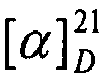
2a: pale yellow solid;
2b: pale yellow solid;
Table 2. NMR data for compounds Position 1H NMR δ (J in Hz) (600 MHz) 2a 1H NMR δ (J in Hz) (600 MHz) 2b 13C NMR δ (150 MHz) 2a 11C NMR δ (125 MHz) 2b 1/1' - - - - 2/2' - - 139.7 139.7 3/3' - - 122.1 121.4 4/4' - - 123.5 123.6 5/5' 8.01 (d, 7.7) 8.17 (d, 7.7) 121.8 121.8 6/6' 7.14 (t, 6.8) 7.27 (t, 6.8) 121.3 122.1 7/7' 7.12 (t, 6.8) 7.25 (t, 6.8) 127.2 127.2 8/8' 6.57 (d, 7.0) 6.73 (d, 6.8) 109.6 109.7 9/9' - - 144.4 144.5 10/10' 8.05 (s) 8.16 (s) 117.4 117.6 11/11' - - 141.4 141.6 12/12' - - 38.4 38.5 13/13' 2.54 (m); 1.71 (m) 2.69 (td, 13.1, 3.0); 1.80 (m) 38.8 38.9 14/14' 1.83 (m) 1.93 (m) 28.5 28.6 15/15' 4.04 (dd, 8.1, 8.1) 4.09 (dd, 8.6, 7.1) 76.2 76.2 16/16' - - 54.7 54.8 17/17' 2.02 (dd, 12.5, 2.2) 2.13 (dd, 12.5, 2.0) 47.5 47.7 18/18' 1.72 (m); 1.30 (m) 1.92 (m); 1.45 (m) 22.2 22.3 19/19' 2.56 (m); 2.48 (m) 2.86 (m); 2.83 (m) 31.6 31.8 20/20' - - 135.7 135.8 21/21' 6.32 (s) 6.45 (s) 109.1 109.1 22/22' 1.16 (s) 1.33 (s) 26.3 26.2 23/23' 1.13 (s) 1.22 (s) 11.3 11.4 24/24' - - 181.0 181.2
3a: pale yellow solid;
Table 3. NMR data for 3a (MeOD). Position 1H NMR δ (J in Hz) (600 MHz) part A 1H NMR δ (J in Hz) (600 MHz) part B 13C NMR δ (125 MHz) part A 13C NMR δ (125 MHz) part B 1/1' - - - - 2/2' - - 138.0 140.5 3/3' - - 124.7 123.4 4/4' - - 124.7 125.0 5/5' 8.05 (d, 7.8) 8.15 (d, 7.7) 120.8 121.1 6/6' 7.13 (t, 6.8) 7.19 (t, 7.0) 119.9 120.4 7/7' 7.26 (t, 6.8) 7.27 (t, 6.8) 126.6 126.6 8/8' 7.19 (d, 8.0) 6.79 (d, 8.0) 112.1 110.5 9/9' - - 142.1 142.2 10/10' 8.23 (s) 8.12 (s) 117.4 117.0 11/11' - - 143.0 143.1 12/12' - - 39.1 39.2 13/13' 2.69 (m); 1.77 (m) 2.74 (m); 1.95 (m) 38.4 38.6 14/14' 1.83 (m) 1.83 (m) 28.6 28.7 15/15' 4.07 (dd, 9.1, 7.3) 4.11 (dd, 9.1, 7.3) 76.3 76.2 16/16' - - 54.8 54.9 17/17' 2.12 (dd, 12.5, 2.1) 2.16 (dd, 12.5, 1.9) 47.6 47.9 18/18' 1.85 (m); 1.30 (m) 1.98 (m); 1.46 (m) 21.8 22.4 19/19' 2.42 (m); 2.37 (m) 2.94 (dd, 167, 6.4); 2.86 (m) 26.9 31.9 20/20' - - 133.2 135.0 21/21' - 6.53 (s) 118.7 109.7 22/22' 1.39 (s) 1.33 (s) 26.3 26.2 23/23' 1.23 (s) 1.19 (s) 11.3 11.4 24/24' - - 181.2 181.2
3b: pale yellow solid;
Table 4. NMR data for 3b (MeOD). Position 1H NMR δ (J in Hz) (500 MHz) part A 1H NMR δ (J in Hz) (500 MHz) part B 13C NMR δ (150 MHz) part A 13C NMR δ (150 MHz) part B 1/1' - - - - 2/2' - - 138.0 140.4 3/3' - - 124.7 123.3 4/4' - - 124.7 125.0 5/5' 8.09 (d, 7.8) 8.15 (d, 7.8) 120.8 121.0 6/6' 7.13 (t, 7.9) 7.20 (t, 7.0) 119.9 120.5 7/7' 7.26 (t, 6.8) 7.27 (t, 6.8) 126.6 126.7 8/8' 7.20 (d, 7.7) 6.80 (d, 8.1) 112.0 110.3 9/9' - - 142.1 142.3 10/10' 8.23 (s) 8.12 (s) 117.5 117.1 11/11' - - 143.2 142.9 12/12' - - 38.6 38.4 13/13' 2.76 (m); 1.95 (m) 2.69 (m); 1.85 (m) 39.0 39.2 14/14' 1.93 (m) 1.93 (m) 28.6 28.6 15/15' 4.11 (dd, 9.1, 7.5) 4.11 (dd, 9.1, 7.5) 76.3 76.2 16/16' - - 54.9 54.8 17/17' 2.16 (d, 12.5) 2.16 (d, 12.5) 47.5 47.8 18/18' 1.83 (m); 1.27 (m) 1.93 (m); 1.48 (m) 22.5 21.8 19/19' 2.37 (m) 2.92 (m) 26.7 32.0 20/20' - - 133.3 135.0 21/21' - 6.51 (s) 118.7 109.7 22/22' 1.40 (s) 1.31 (s) 26.4 26.3 23/23' 1.22 (s) 1.19 (s) 11.4 11.4 24/24' - - 181.5 181.5
4: pale yellow solid;
Table 5. NMR data for 4 (MeOD). Position 1H NMR δ (J in Hz) (600 MHz) part A 1H NMR δ (J in Hz) (600 MHz) part B 13C NMR δ (125 MHz) part A 13C NMR δ (125 MHz) part B 1/1' - - - - 2/2' - - 140.9 142.0 3/3' - - 122.7 122.9 4/4' - - 125.4 124.5 5/5' 7.97 (d, 2.0) 7.99 (d, 8.2) 120.2 120.7 6/6' - 7.08 (t, 7.8) 129.8 120.2 7/7' 7.21 (dd, 8.3, 2.0) 7.16 (t, 7.3) 125.6 126.4 8/8' 7.39 (d, 8.4) 7.11 (d, 8.0) 112.4 110.5 9/9' - - 140.7 143.7 10/10' 7.81 (s) 7.96 (s) 116.7 116.5 11/11' - - 142.2 142.5 12/12' - - 38.2 38.3 13/13' 2.29 (d, 11.4); 1.45 (m) 2.56 (d, 13.1); 1.65 (m) 38.7 38.9 14/14' 1.62 (m) 1.83 (m) 28.6 28.4 15/15' 3.96 (dd, 10.9, 4.8) 4.05 (dd, 8.2, 7.9) 76.2 76.2 16/16' - - 54.7 54.8 17/17' 2.06 (t, 14.2) 2.06 (t, 14.2) 47.6 47.7 18/18' 1.95 (m); 1.52 (m) 1.77 (m); 1.34(m) 22.4 22.4 19/19' 2.98 (m) 2.74 (m) 31.9 31.9 20/20' - - 134.9 134.5 21/21' 6.99 (s) 6.85 (s) 111.2 109.9 22/22' 1.08 (s) 1.18 (s) 26.2 26.3 23/23' 1.17 (s) 1.14 (s) 11.3 11.4 24/24' - - 181.2 181.3
5: pale yellow solid;
Table 6. NMR data for 5 (MeOD). Position 1H NMR δ (J in Hz) (500 MHz) part A 1H NMR δ (J in Hz) (500 MHz) part B 13C NMR δ (150 MHz) part A 13C NMR δ (150 MHz) part B 1/1' - - - - 2/2' - - 140.7 138.3 3/3' - - 122.2 126.2 4/4' - - 124.1 128.2 5/5' 8.56 (s) 7.89 (d, 8.6) 120.5 120.8 6/6' - 7.29 (t, 7.4) 127.8 124.9 7/7' 7.65 (d, 8.8) 7.45 (t, 7.4) 124.1 127.8 8/8' 7.89 (d, 7.6) 8.35 (d, 8.4) 111.7 116.3 9/9' - - 144.7 140.1 10/10' 7.82 (s) 7.82 (s) 116.8 116.9 11/11' - - 143.6 146.9 12/12' - - 38.3 38.3 13/13' 2.49 (m); 1.63 (m) 2.32 (m); 1.53 (m) 38.4 38.4 14/14' 1.82 (m) 1.75 (m) 28.4 28.4 15/15' 4.03 (m) 4.03 (m) 76.2 76.2 16/16' - - 54.8 54.8 17/17' 2.08 (m) 2.08 (m) 47.5 47.4 18/18' 1.92 (m); 1.53 (m) 1.92 (m); 1.53 (m) 22.4 22.4 19/19' 2.85 (m) 3.15 (m); 3.05 (m) 31.9 32.3 20/20' - - 136.2 136.3 21/21' 7.03 (s) 8.08 (s) 111.5 116.0 22/22' 1.14 (s) 1.14 (s) 26.0 26.0 23/23' 1.19 (s) 1.19 (s) 11.5 11.5 24/24' - - 181.7 181.7
6: pale yellow solid;
Table 7. NMR data for 6 (MeOD). Position 1H NMR δ (J in Hz) (600 MHz) 13C NMR δ (150 MHz) 1/1' - - 2/2' - 140.8 3/3' - 122.5 4/4' - 124.8 5/5' 8.82 (d, 1.5) 120.8 6/6' - 133.5 7/7' 7.97 (dd, 8.6, 1.8) 125.2 8/8' 7.47 (d, 8.6) 112.0 9/9' - 144.2 10/10' 7.93 (s) 117.1 11/11' - 143.4 12/12' - 38.3 13/13' 2.36 (m); 1.54 (m) 38.6 14/14' 1.82 (m) 28.5 15/15' 4.01 (dd, 11.4, 5.0) 76.3 16/16' - 54.8 17/17' 2.05 (dd, 12.5, 2.0) 47.6 18/18' 1.93 (m); 1.52(m) 22.4 19/19' 3.04 (dd, 16.7, 6.6); 2.96 (m) 31.9 20/20' - 135.7 21/21' 7.05 (s) 111.4 22/22' 1.07 (s) 26.0 23/23' 1.19 (s) 11.4 24/24' - 181.6
7: pale yellow solid;
Table 8. NMR data for 7 (MeOD). Position 1H NMR δ (J in Hz) (600 MHz) 1H NMR δ (J in Hz) (600 MHz) 11C NMR δ (150 MHz) 11C NMR δ (150 MHz) part A part B part A part B 1/1' - - - - 2/2' - - 140.9 138.2 3/3' - - 122.4 125.7 4/4' - - 124.3 123.2 5/5' 8.61 (d, 1.7) 8.12 (d, 8.9) 120.5 120.9 6/6' - 7.24 (dd, 7.8, 7.3) 132.9 120.8 7/7' 7.75 (dd, 8.7, 1.7) 7.45 (t, 7.3) 124.7 127.7 8/8' 7.43 (d, 8.7) 7.65 (d, 8.1) 111.8 112.5 9/9' - - 144.4 141.7 10/10' 8.00 (s) 8.42 (s) 117.2 123.4 11/11' - - 143.6 143.0 12/12' - - 38.8 39.2 13/13' 2.57 (m); 1.67 (m) 2.61 (m); 1.67 (m) 38.4 39.0 14/14' 1.84 (m) 1.84 (m) 28.5 28.5 15/15' 4.03 (dd, 8.9, 8.5) 4.05 (dd, 9.1, 7.3) 76.3 75.9 16/16' - - 54.7 54.6 17/17' 2.12 (dd, 11.5, 2.0) 1.92 (dd, 12.6, 1.5) 47.7 46.6 18/18' 2.00 (m); 1.55 (m) 1.79 (m); 1.45 (m) 22.4 21.8 19/19' 3.11 (dd, 6.6, 6.4); 3.03 (m) 3.49 (dd, 8.2, 7.9); 2.89 (m) 32.0 29.2 20/20' - - 136.1 134.5 21/21' 7.13(s) - 111.6 121.4 22/22' 1.25 (s) 1.24 (s) 26.0 26.2 23/23' 1.21 (s) 1.13 (s) 11.5 11.4 24/24' - - 181.6 181.6 -
- Takada K, Kajiwara H, Imamura N. Oridamycins A and B, anti-Saprolegnia parasitica indolosesquiterpenes isolated from Streptomyces sp. KS84. J Nat Prod. 2010 Apr 23;73(4):698-701.
- Ding L, Münch J, Goerls H, Maier A, Fiebig HH, Lin WH, Hertweck C. Xiamycin, a pentacyclic indolosesquiterpene with selective anti-HIV activity from a bacterial mangrove endophyte. Bioorg Med Chem Lett. 2010 Nov 15;20(22):6685-7. Epub 2010 Sep 9.
- Ding L, Maier A, Fiebig HH, Lin WH, Hertweck C.
A family of multicyclic indolosesquiterpenes from a bacterial endophyte.
Org Biomol Chem. 2011 .
Epub 2011 Apr 28. - Li H, Zhang Q, Li S, Zhu Y, Zhang G, Zhang H, Tian X, Zhang S, Ju J, Zhang C. Identification and characterization of xiamycin A and oxiamycin gene cluster reveals an oxidative cyclization strategy tailoring indolosesquiterpene biosynthesis. J Am Chem Soc. 2012 May 30;134(21):8996-9005. Epub 2012 May 16.
- Clinical and Laboratory Standards Institute. Methods for dilution antimicrobial susceptibility tests for bacteria that grow aerobically; Approved standard M7-A7; PA. 2006.
Claims (10)
- A compound of formula (II):
X-A-Y (II)
wherein A is a bond, a sulphur atom or a group of formula -SO- or -SO2-,wherein X is selected from the following structures
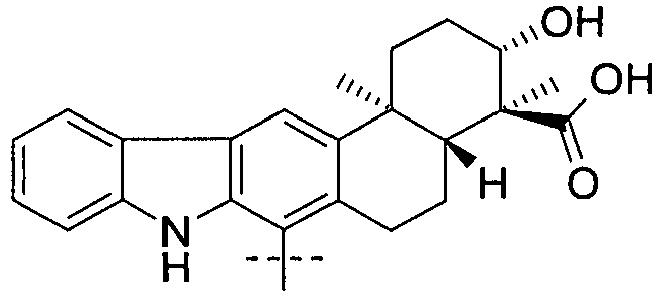 and wherein Y has the following formula (I) wherein one hydrogen atom is replaced by the bond to A or X
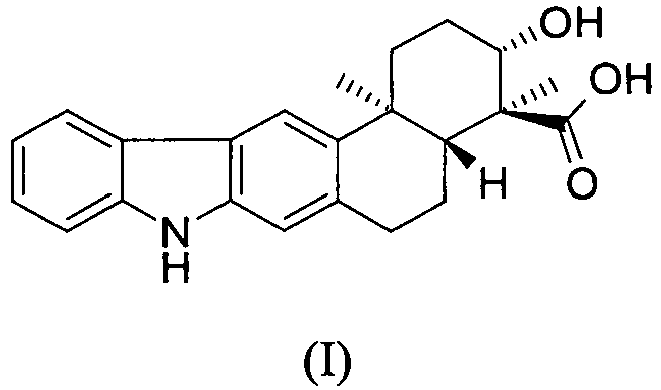 or a pharmaceutically acceptable salt, solvate or hydrate or a pharmaceutically acceptable formulation thereof.
 - A compound according claim 1, wherein Y is selected from the following structures:


- A compound according claim 1 or 2, wherein A is a bond.
- A compound according claim 1 or 2, wherein A is a group of formula -SO2-.
- A compound according claim 1 or 2, wherein A is a group of formula -SO-.
- A compound according claim 1 or 2, wherein A is a sulphur atom.
- A compound according to claim 1, selected from the following compounds:


- A pharmaceutical composition comprising a compound according to anyone of the preceding claims 1 to 7 or a pharmaceutically acceptable salt, solvate or hydrate thereof, optionally in combination with a pharmaceutically acceptable carrier.
- A compound according to anyone of claims 1 to 7 or a pharmaceutical composition according to claim 8 for use in the treatment of bacterial infections.
- Streptomyces albus strain which has been deposited at the DSMZ (Inhoffenstr. 7B, 38124 Braunschweig, Germany) by the Leibniz Institute for Natural Product Research and Infection Biology e.V. - Hans-Knöll-Institute (HKI) (Beutenbergstr. 11a, 07745 Jena, Germany) on 20.08.2012 with the deposition number of DSM26342.
Applications Claiming Priority (2)
| Application Number | Priority Date | Filing Date | Title |
|---|---|---|---|
| US201261684941P | 2012-08-20 | 2012-08-20 | |
| PCT/EP2013/002507 WO2014029498A1 (en) | 2012-08-20 | 2013-08-20 | Bixiamycins and sulfonylbixiamycins |
Publications (2)
| Publication Number | Publication Date |
|---|---|
| EP2885274A1 EP2885274A1 (en) | 2015-06-24 |
| EP2885274B1 true EP2885274B1 (en) | 2018-10-03 |
Family
ID=49000902
Family Applications (1)
| Application Number | Title | Priority Date | Filing Date |
|---|---|---|---|
| EP13750644.0A Not-in-force EP2885274B1 (en) | 2012-08-20 | 2013-08-20 | Bixiamycins and sulfonylbixiamycins |
Country Status (2)
| Country | Link |
|---|---|
| EP (1) | EP2885274B1 (en) |
| WO (1) | WO2014029498A1 (en) |
-
2013
- 2013-08-20 WO PCT/EP2013/002507 patent/WO2014029498A1/en not_active Ceased
- 2013-08-20 EP EP13750644.0A patent/EP2885274B1/en not_active Not-in-force
Non-Patent Citations (1)
| Title |
|---|
| MARTIN BAUNACH ET AL: "Regiodivergent NC and NN Aryl Coupling Reactions of Indoloterpenes and Cycloether Formation Mediated by a Single Bacterial Flavoenzyme", ANGEWANDTE CHEMIE INTERNATIONAL EDITION, vol. 52, no. 34, 19 August 2013 (2013-08-19), DE, pages 9040 - 9043, XP055262193, ISSN: 1433-7851, DOI: 10.1002/anie.201303733 * |
Also Published As
| Publication number | Publication date |
|---|---|
| EP2885274A1 (en) | 2015-06-24 |
| WO2014029498A1 (en) | 2014-02-27 |
Similar Documents
| Publication | Publication Date | Title |
|---|---|---|
| Kwon et al. | Complestatin exerts antibacterial activity by the inhibition of fatty acid synthesis | |
| US7186713B2 (en) | Farnesyl dibenzodiazepinones and methods of treating cancer using same | |
| KR100659680B1 (en) | Antibiotic Capprazamycins and Manufacturing Method Thereof | |
| ES2464723T3 (en) | Cyclic compound and salt thereof | |
| EP2010202B1 (en) | Antibacterial compounds | |
| KR101764349B1 (en) | A novel flavimycin compound having peptide deformylayse inhibition and antibacterial activity | |
| EP4219437A1 (en) | Bakuchiol derivative, pharmaceutically acceptable salt thereof, preparation method therefor and application thereof | |
| WO2014029498A1 (en) | Bixiamycins and sulfonylbixiamycins | |
| KR101344083B1 (en) | Antibacterial composition comprising polycyclic peptide compound and producing method thereof | |
| US20190127313A1 (en) | Antimicrobial agents | |
| EP3498714B1 (en) | Novel sorangicin antibiotic | |
| US7253206B2 (en) | Phenalenone derivatives, processes for preparation and use thereof | |
| WO2002072617A1 (en) | Thiopeptide compounds | |
| KR101435638B1 (en) | A novel hispidin-type compound having enoyl-ACP reductase inhibition and antibacterial activity | |
| KR101987853B1 (en) | Novel macrolide-based compounds, preparation method thereof, and pharmaceutical composition for preventing or treating malaria containing the same | |
| EP3404026B1 (en) | Pyrimido-isoquinolin-quinone derivative compounds, and pharmaceutically acceptable salts, isomers and tautomers thereof; pharmaceutical composition; preparation method; and use thereof in the treatment of diseases caused by bacteria and multidrug-resistant bacteria | |
| KR20170039152A (en) | Novel antibiotic | |
| JPWO2004078764A1 (en) | Antitumor effect potentiator comprising GM-95 substance, antitumor combination preparation and antitumor agent | |
| KR101372887B1 (en) | Anti-cancer composition comprising dipeptide isolated from microorganism | |
| MX2013013863A (en) | Novel antibiotics. | |
| KR101813112B1 (en) | Novel Sesquiterpenic derivative, preparation method thereof, and pharmaceutical composition for use in preventing or treating bone diseases containing the same as an active ingredient | |
| KR101987854B1 (en) | Cyclic hexapeptide-based compounds and uses thereof | |
| NZ571636A (en) | Novel antibacterial compounds comprising multiple thiazole rings isolated from Kocuria | |
| AU2005289317A1 (en) | Dibenzodiazepinone analogues, processes for their production and their use as pharmaceuticals | |
| CZ20032427A3 (en) | Medicament containing thiolutin-dioxide and derivatives thereof, process for preparing such compounds using a microorganism and the microorganism per se |
Legal Events
| Date | Code | Title | Description |
|---|---|---|---|
| PUAI | Public reference made under article 153(3) epc to a published international application that has entered the european phase |
Free format text: ORIGINAL CODE: 0009012 |
|
| 17P | Request for examination filed |
Effective date: 20150128 |
|
| AK | Designated contracting states |
Kind code of ref document: A1 Designated state(s): AL AT BE BG CH CY CZ DE DK EE ES FI FR GB GR HR HU IE IS IT LI LT LU LV MC MK MT NL NO PL PT RO RS SE SI SK SM TR |
|
| AX | Request for extension of the european patent |
Extension state: BA ME |
|
| DAX | Request for extension of the european patent (deleted) | ||
| 17Q | First examination report despatched |
Effective date: 20160412 |
|
| STAA | Information on the status of an ep patent application or granted ep patent |
Free format text: STATUS: EXAMINATION IS IN PROGRESS |
|
| GRAP | Despatch of communication of intention to grant a patent |
Free format text: ORIGINAL CODE: EPIDOSNIGR1 |
|
| STAA | Information on the status of an ep patent application or granted ep patent |
Free format text: STATUS: GRANT OF PATENT IS INTENDED |
|
| INTG | Intention to grant announced |
Effective date: 20180430 |
|
| RAP1 | Party data changed (applicant data changed or rights of an application transferred) |
Owner name: LEIBNIZ-INSTITUT FUER NATURSTOFF-FORSCHUNG UND INF |
|
| GRAS | Grant fee paid |
Free format text: ORIGINAL CODE: EPIDOSNIGR3 |
|
| GRAA | (expected) grant |
Free format text: ORIGINAL CODE: 0009210 |
|
| STAA | Information on the status of an ep patent application or granted ep patent |
Free format text: STATUS: THE PATENT HAS BEEN GRANTED |
|
| AK | Designated contracting states |
Kind code of ref document: B1 Designated state(s): AL AT BE BG CH CY CZ DE DK EE ES FI FR GB GR HR HU IE IS IT LI LT LU LV MC MK MT NL NO PL PT RO RS SE SI SK SM TR |
|
| REG | Reference to a national code |
Ref country code: GB Ref legal event code: FG4D |
|
| REG | Reference to a national code |
Ref country code: CH Ref legal event code: EP Ref country code: AT Ref legal event code: REF Ref document number: 1048431 Country of ref document: AT Kind code of ref document: T Effective date: 20181015 |
|
| REG | Reference to a national code |
Ref country code: IE Ref legal event code: FG4D Ref country code: DE Ref legal event code: R096 Ref document number: 602013044498 Country of ref document: DE |
|
| REG | Reference to a national code |
Ref country code: NL Ref legal event code: MP Effective date: 20181003 |
|
| REG | Reference to a national code |
Ref country code: LT Ref legal event code: MG4D |
|
| REG | Reference to a national code |
Ref country code: AT Ref legal event code: MK05 Ref document number: 1048431 Country of ref document: AT Kind code of ref document: T Effective date: 20181003 |
|
| PG25 | Lapsed in a contracting state [announced via postgrant information from national office to epo] |
Ref country code: NL Free format text: LAPSE BECAUSE OF FAILURE TO SUBMIT A TRANSLATION OF THE DESCRIPTION OR TO PAY THE FEE WITHIN THE PRESCRIBED TIME-LIMIT Effective date: 20181003 |
|
| PG25 | Lapsed in a contracting state [announced via postgrant information from national office to epo] |
Ref country code: ES Free format text: LAPSE BECAUSE OF FAILURE TO SUBMIT A TRANSLATION OF THE DESCRIPTION OR TO PAY THE FEE WITHIN THE PRESCRIBED TIME-LIMIT Effective date: 20181003 Ref country code: CZ Free format text: LAPSE BECAUSE OF FAILURE TO SUBMIT A TRANSLATION OF THE DESCRIPTION OR TO PAY THE FEE WITHIN THE PRESCRIBED TIME-LIMIT Effective date: 20181003 Ref country code: NO Free format text: LAPSE BECAUSE OF FAILURE TO SUBMIT A TRANSLATION OF THE DESCRIPTION OR TO PAY THE FEE WITHIN THE PRESCRIBED TIME-LIMIT Effective date: 20190103 Ref country code: AT Free format text: LAPSE BECAUSE OF FAILURE TO SUBMIT A TRANSLATION OF THE DESCRIPTION OR TO PAY THE FEE WITHIN THE PRESCRIBED TIME-LIMIT Effective date: 20181003 Ref country code: FI Free format text: LAPSE BECAUSE OF FAILURE TO SUBMIT A TRANSLATION OF THE DESCRIPTION OR TO PAY THE FEE WITHIN THE PRESCRIBED TIME-LIMIT Effective date: 20181003 Ref country code: IS Free format text: LAPSE BECAUSE OF FAILURE TO SUBMIT A TRANSLATION OF THE DESCRIPTION OR TO PAY THE FEE WITHIN THE PRESCRIBED TIME-LIMIT Effective date: 20190203 Ref country code: BG Free format text: LAPSE BECAUSE OF FAILURE TO SUBMIT A TRANSLATION OF THE DESCRIPTION OR TO PAY THE FEE WITHIN THE PRESCRIBED TIME-LIMIT Effective date: 20190103 Ref country code: LT Free format text: LAPSE BECAUSE OF FAILURE TO SUBMIT A TRANSLATION OF THE DESCRIPTION OR TO PAY THE FEE WITHIN THE PRESCRIBED TIME-LIMIT Effective date: 20181003 Ref country code: HR Free format text: LAPSE BECAUSE OF FAILURE TO SUBMIT A TRANSLATION OF THE DESCRIPTION OR TO PAY THE FEE WITHIN THE PRESCRIBED TIME-LIMIT Effective date: 20181003 Ref country code: PL Free format text: LAPSE BECAUSE OF FAILURE TO SUBMIT A TRANSLATION OF THE DESCRIPTION OR TO PAY THE FEE WITHIN THE PRESCRIBED TIME-LIMIT Effective date: 20181003 Ref country code: LV Free format text: LAPSE BECAUSE OF FAILURE TO SUBMIT A TRANSLATION OF THE DESCRIPTION OR TO PAY THE FEE WITHIN THE PRESCRIBED TIME-LIMIT Effective date: 20181003 |
|
| PG25 | Lapsed in a contracting state [announced via postgrant information from national office to epo] |
Ref country code: RS Free format text: LAPSE BECAUSE OF FAILURE TO SUBMIT A TRANSLATION OF THE DESCRIPTION OR TO PAY THE FEE WITHIN THE PRESCRIBED TIME-LIMIT Effective date: 20181003 Ref country code: SE Free format text: LAPSE BECAUSE OF FAILURE TO SUBMIT A TRANSLATION OF THE DESCRIPTION OR TO PAY THE FEE WITHIN THE PRESCRIBED TIME-LIMIT Effective date: 20181003 Ref country code: AL Free format text: LAPSE BECAUSE OF FAILURE TO SUBMIT A TRANSLATION OF THE DESCRIPTION OR TO PAY THE FEE WITHIN THE PRESCRIBED TIME-LIMIT Effective date: 20181003 Ref country code: PT Free format text: LAPSE BECAUSE OF FAILURE TO SUBMIT A TRANSLATION OF THE DESCRIPTION OR TO PAY THE FEE WITHIN THE PRESCRIBED TIME-LIMIT Effective date: 20190203 Ref country code: GR Free format text: LAPSE BECAUSE OF FAILURE TO SUBMIT A TRANSLATION OF THE DESCRIPTION OR TO PAY THE FEE WITHIN THE PRESCRIBED TIME-LIMIT Effective date: 20190104 |
|
| REG | Reference to a national code |
Ref country code: DE Ref legal event code: R097 Ref document number: 602013044498 Country of ref document: DE |
|
| PG25 | Lapsed in a contracting state [announced via postgrant information from national office to epo] |
Ref country code: DK Free format text: LAPSE BECAUSE OF FAILURE TO SUBMIT A TRANSLATION OF THE DESCRIPTION OR TO PAY THE FEE WITHIN THE PRESCRIBED TIME-LIMIT Effective date: 20181003 Ref country code: IT Free format text: LAPSE BECAUSE OF FAILURE TO SUBMIT A TRANSLATION OF THE DESCRIPTION OR TO PAY THE FEE WITHIN THE PRESCRIBED TIME-LIMIT Effective date: 20181003 |
|
| PLBE | No opposition filed within time limit |
Free format text: ORIGINAL CODE: 0009261 |
|
| STAA | Information on the status of an ep patent application or granted ep patent |
Free format text: STATUS: NO OPPOSITION FILED WITHIN TIME LIMIT |
|
| PG25 | Lapsed in a contracting state [announced via postgrant information from national office to epo] |
Ref country code: RO Free format text: LAPSE BECAUSE OF FAILURE TO SUBMIT A TRANSLATION OF THE DESCRIPTION OR TO PAY THE FEE WITHIN THE PRESCRIBED TIME-LIMIT Effective date: 20181003 Ref country code: EE Free format text: LAPSE BECAUSE OF FAILURE TO SUBMIT A TRANSLATION OF THE DESCRIPTION OR TO PAY THE FEE WITHIN THE PRESCRIBED TIME-LIMIT Effective date: 20181003 Ref country code: SM Free format text: LAPSE BECAUSE OF FAILURE TO SUBMIT A TRANSLATION OF THE DESCRIPTION OR TO PAY THE FEE WITHIN THE PRESCRIBED TIME-LIMIT Effective date: 20181003 Ref country code: SK Free format text: LAPSE BECAUSE OF FAILURE TO SUBMIT A TRANSLATION OF THE DESCRIPTION OR TO PAY THE FEE WITHIN THE PRESCRIBED TIME-LIMIT Effective date: 20181003 |
|
| 26N | No opposition filed |
Effective date: 20190704 |
|
| PG25 | Lapsed in a contracting state [announced via postgrant information from national office to epo] |
Ref country code: SI Free format text: LAPSE BECAUSE OF FAILURE TO SUBMIT A TRANSLATION OF THE DESCRIPTION OR TO PAY THE FEE WITHIN THE PRESCRIBED TIME-LIMIT Effective date: 20181003 |
|
| PG25 | Lapsed in a contracting state [announced via postgrant information from national office to epo] |
Ref country code: TR Free format text: LAPSE BECAUSE OF FAILURE TO SUBMIT A TRANSLATION OF THE DESCRIPTION OR TO PAY THE FEE WITHIN THE PRESCRIBED TIME-LIMIT Effective date: 20181003 |
|
| PG25 | Lapsed in a contracting state [announced via postgrant information from national office to epo] |
Ref country code: MC Free format text: LAPSE BECAUSE OF FAILURE TO SUBMIT A TRANSLATION OF THE DESCRIPTION OR TO PAY THE FEE WITHIN THE PRESCRIBED TIME-LIMIT Effective date: 20181003 Ref country code: LU Free format text: LAPSE BECAUSE OF NON-PAYMENT OF DUE FEES Effective date: 20190820 |
|
| REG | Reference to a national code |
Ref country code: BE Ref legal event code: MM Effective date: 20190831 |
|
| PG25 | Lapsed in a contracting state [announced via postgrant information from national office to epo] |
Ref country code: IE Free format text: LAPSE BECAUSE OF NON-PAYMENT OF DUE FEES Effective date: 20190820 |
|
| PG25 | Lapsed in a contracting state [announced via postgrant information from national office to epo] |
Ref country code: BE Free format text: LAPSE BECAUSE OF NON-PAYMENT OF DUE FEES Effective date: 20190831 |
|
| PG25 | Lapsed in a contracting state [announced via postgrant information from national office to epo] |
Ref country code: CY Free format text: LAPSE BECAUSE OF FAILURE TO SUBMIT A TRANSLATION OF THE DESCRIPTION OR TO PAY THE FEE WITHIN THE PRESCRIBED TIME-LIMIT Effective date: 20181003 |
|
| PG25 | Lapsed in a contracting state [announced via postgrant information from national office to epo] |
Ref country code: HU Free format text: LAPSE BECAUSE OF FAILURE TO SUBMIT A TRANSLATION OF THE DESCRIPTION OR TO PAY THE FEE WITHIN THE PRESCRIBED TIME-LIMIT; INVALID AB INITIO Effective date: 20130820 Ref country code: MT Free format text: LAPSE BECAUSE OF FAILURE TO SUBMIT A TRANSLATION OF THE DESCRIPTION OR TO PAY THE FEE WITHIN THE PRESCRIBED TIME-LIMIT Effective date: 20181003 |
|
| PGFP | Annual fee paid to national office [announced via postgrant information from national office to epo] |
Ref country code: CH Payment date: 20210923 Year of fee payment: 9 Ref country code: FR Payment date: 20210831 Year of fee payment: 9 |
|
| PGFP | Annual fee paid to national office [announced via postgrant information from national office to epo] |
Ref country code: DE Payment date: 20210907 Year of fee payment: 9 Ref country code: GB Payment date: 20210923 Year of fee payment: 9 |
|
| PG25 | Lapsed in a contracting state [announced via postgrant information from national office to epo] |
Ref country code: MK Free format text: LAPSE BECAUSE OF FAILURE TO SUBMIT A TRANSLATION OF THE DESCRIPTION OR TO PAY THE FEE WITHIN THE PRESCRIBED TIME-LIMIT Effective date: 20181003 |
|
| REG | Reference to a national code |
Ref country code: DE Ref legal event code: R119 Ref document number: 602013044498 Country of ref document: DE |
|
| REG | Reference to a national code |
Ref country code: CH Ref legal event code: PL |
|
| GBPC | Gb: european patent ceased through non-payment of renewal fee |
Effective date: 20220820 |
|
| PG25 | Lapsed in a contracting state [announced via postgrant information from national office to epo] |
Ref country code: LI Free format text: LAPSE BECAUSE OF NON-PAYMENT OF DUE FEES Effective date: 20220831 Ref country code: CH Free format text: LAPSE BECAUSE OF NON-PAYMENT OF DUE FEES Effective date: 20220831 |
|
| PG25 | Lapsed in a contracting state [announced via postgrant information from national office to epo] |
Ref country code: FR Free format text: LAPSE BECAUSE OF NON-PAYMENT OF DUE FEES Effective date: 20220831 Ref country code: DE Free format text: LAPSE BECAUSE OF NON-PAYMENT OF DUE FEES Effective date: 20230301 |
|
| PG25 | Lapsed in a contracting state [announced via postgrant information from national office to epo] |
Ref country code: GB Free format text: LAPSE BECAUSE OF NON-PAYMENT OF DUE FEES Effective date: 20220820 |