EP2882448B1 - KGF/FGF7 for use in the treatment of vaginal atrophy induced by chemotherapy - Google Patents
KGF/FGF7 for use in the treatment of vaginal atrophy induced by chemotherapy Download PDFInfo
- Publication number
- EP2882448B1 EP2882448B1 EP13750667.1A EP13750667A EP2882448B1 EP 2882448 B1 EP2882448 B1 EP 2882448B1 EP 13750667 A EP13750667 A EP 13750667A EP 2882448 B1 EP2882448 B1 EP 2882448B1
- Authority
- EP
- European Patent Office
- Prior art keywords
- kgf
- vaginal
- growth factor
- treatment
- keratinocyte growth
- Prior art date
- Legal status (The legal status is an assumption and is not a legal conclusion. Google has not performed a legal analysis and makes no representation as to the accuracy of the status listed.)
- Active
Links
Images








Classifications
-
- A—HUMAN NECESSITIES
- A61—MEDICAL OR VETERINARY SCIENCE; HYGIENE
- A61K—PREPARATIONS FOR MEDICAL, DENTAL OR TOILETRY PURPOSES
- A61K38/00—Medicinal preparations containing peptides
- A61K38/16—Peptides having more than 20 amino acids; Gastrins; Somatostatins; Melanotropins; Derivatives thereof
- A61K38/17—Peptides having more than 20 amino acids; Gastrins; Somatostatins; Melanotropins; Derivatives thereof from animals; from humans
- A61K38/18—Growth factors; Growth regulators
- A61K38/1825—Fibroblast growth factor [FGF]
-
- A—HUMAN NECESSITIES
- A61—MEDICAL OR VETERINARY SCIENCE; HYGIENE
- A61K—PREPARATIONS FOR MEDICAL, DENTAL OR TOILETRY PURPOSES
- A61K38/00—Medicinal preparations containing peptides
- A61K38/16—Peptides having more than 20 amino acids; Gastrins; Somatostatins; Melanotropins; Derivatives thereof
- A61K38/17—Peptides having more than 20 amino acids; Gastrins; Somatostatins; Melanotropins; Derivatives thereof from animals; from humans
- A61K38/18—Growth factors; Growth regulators
-
- A—HUMAN NECESSITIES
- A61—MEDICAL OR VETERINARY SCIENCE; HYGIENE
- A61K—PREPARATIONS FOR MEDICAL, DENTAL OR TOILETRY PURPOSES
- A61K47/00—Medicinal preparations characterised by the non-active ingredients used, e.g. carriers or inert additives; Targeting or modifying agents chemically bound to the active ingredient
- A61K47/30—Macromolecular organic or inorganic compounds, e.g. inorganic polyphosphates
- A61K47/34—Macromolecular compounds obtained otherwise than by reactions only involving carbon-to-carbon unsaturated bonds, e.g. polyesters, polyamino acids, polysiloxanes, polyphosphazines, copolymers of polyalkylene glycol or poloxamers
-
- A—HUMAN NECESSITIES
- A61—MEDICAL OR VETERINARY SCIENCE; HYGIENE
- A61P—SPECIFIC THERAPEUTIC ACTIVITY OF CHEMICAL COMPOUNDS OR MEDICINAL PREPARATIONS
- A61P15/00—Drugs for genital or sexual disorders; Contraceptives
- A61P15/02—Drugs for genital or sexual disorders; Contraceptives for disorders of the vagina
Definitions
- KGF/FGF7 keratinocyte growth factor
- pharmaceutical compositions thereof in the treatment of vaginal atrophy, dysuria, vaginal pain and/or vaginal dryness induced by a post-menopausal state, by surgical intervention, by illness and/or by chemotherapy or radiotherapy treatments.
- oestrogens in post-menopause causes alterations to the vaginal epithelium in more then 50 % of women aged between 50 and 60 years [Pandit et al, 1997]. These disorders are characterised by their chronicity and recurrence, sometimes also accompanied by consequent sexual dysfunction, and their significance easily surpasses their actual severity in as much as they reinforce the fear of a general decline [Rossin-Amar, 2000].
- the lack of oestrogens causes progressive atrophy of the vulva, which results in a gradual breakdown of the mucus, with 30-50 % reduction of vascularisation levels.
- vaginal atrophy can also occur in pre-menopausal women who have undergone a surgical intervention due to endometrial cancer, including pelvic cancer, or paraaortic lymphadenectomy and are treated with adjuvant vaginal brachytherapy (VBT) in order to reduce the risk of local relapses and to improve the survival rate of patients [Scholten 2005; Keys 2004; Lee 2006].
- VBT adjuvant vaginal brachytherapy
- HRT systemic hormone replacement therapy
- topical oestradiol is significantly absorbed and appears in the general circulation [Martin et al, 1979; Furuhjelm et al, 1980; Deutsch et al, 1981; Mandel et al, 1983; Ballag, 2005; Kendall et al, 2006; Kvorning and Jensen, in: Publication Presented at: International workshop, Copenhagen, 1986], thus confirming the exposure to the increased risk of breast cancer and endometrial cancer after local hormone treatment [Notelovitz et al, 2002; Rioux et al, 2000; Schiff et al, 1977].
- ER ⁇ oestrogen receptor alpha
- E2 17 ⁇ oestradiol
- E2 oestrogen response elements
- the genotropic signal mediated by ER ⁇ involves other transcription factors, such as the activator protein 1 (API), the specificity protein 1 (SP1), and NF- ⁇ B [Paech et al, 1997; Coleman and Smith, 2001; Porter et al, 1996; Cerillo et al, 1998], which in turn mediate the regulation of the transcription of their target genes.
- API activator protein 1
- SP1 specificity protein 1
- NF- ⁇ B NF- ⁇ B
- the genotropic signal mediated from ER ⁇ includes the activation of the membrane-associated receptor and the stimulation of cytoplasmic pathways, such as PI3K/AKT, ERK and the signalling cascade of p38 [Singh, 2001; Watters et al, 1997; Zhou et al, 1996]. It is interesting to note that the factors determining whether the signal mediated from ER passes via the classic pathway or via the non-classic pathway, remain virtually unknown.
- Keratinocyte growth factor (KGF/FGF7) (NCBI Reference Sequence NM_002009.3, GenBank amino acid sequence: CAG46799.1), a member of the family of fibroblast growth factors (FGFs), plays a fundamental role in the regulation of cell proliferation, migration and differentiation during development and in response to damage and repair of tissues [Finch and Rubin, 2004]. It acts by binding to the receptor tyrosine kinase FGFR2-IIIb/KGFR, generated by means of alternative splicing of the FGFR2 gene and expressed predominantly on the epithelial cells of various organs, playing a key role in the control of epithelial growth and differentiation [Zhang et al, 2006].
- KGF/KGFR pathway is essential to maintain the integrity and function of adult epithelial cells due to the cytoprotective and regenerative effect of KGF.
- the expression of KGF is strongly over-regulated after lesions in various epithelial tissues, such as skin, kidneys, bladder, pancreas, stomach and intestine [Werner et al, 1992; Marchese et al, 1995; Brauchle et al, 1996; Werner, 1998].
- KGF protects against lesions of the pulmonary epithelium and improves the distal repair of the airways, stimulating cell proliferation, inhibiting apoptosis and the free oxygen radicals, and mobilising epithelial progenitor cells [Gomperts et al, 2007].
- KGF palifermin
- the authors have investigated the cross-talk between oestrogen precursors and KGFR in order to clarify the mechanisms at the root of the effect of oestrogens that promotes growth and the potential role of growth factors in the development of new therapeutic strategies for mucosal atrophy.
- the authors have compared the in vivo efficacy of local treatment with oestrogens with topical administration of KGF, demonstrating that KGF can be used as alternative therapy for post-menopausal vaginal atrophy or other dysfunctions, such as those that occur in patients subjected to radiotherapy after surgery for endometrial cancer.
- vaginal atrophy is defined as a thinning and inflammation of the vaginal walls due to a decline in estrogen. Less circulating estrogen makes vaginal tissues thinner, drier, less elastic and more fragile. Moreover, genital function is closely related to urinary system function. In fact, vaginal atrophy symptoms include vaginal dryness, vaginal burning, burning with urination, urgency with urination, more urinary tract infections, urinary incontinence, light bleeding after intercourse, discomfort with intercourse and shortening and tightening of the vaginal canal. These symptoms which include dysuria and vaginal pain are closely and directly related to thinning of vaginal mucosa.
- the positive effect of KGF on vaginal epithelium trophism observed in the present invention represent a successfully treatment for these symptoms, in particular when they are subsequent to vaginal atrophy. It was unexpectedly found that KGF can successfully treat vaginal atrophy. In particular, the unexpected technical effect of KGF in the treatment of vaginal atrophy is observed after topical use and at very low doses (0.4 micrograms/ml and 1.2 micrograms/ml corresponding respectively to 10 ng/25 ul and 30 ng/25 ul).
- KGF in vivo effect is better than that of E2, since the same increase in epithelial thickness can be obtained by using KGF at 30 ng/25 ul and E2 at 1 ug/25 ul (see fig. 8B ).
- KGF was not only able to counteract vaginal thinning by stimulating epithelial cells proliferation but also to restore epithelium lubrication through stimulation of mucinous cells (see fig. 9B ).
- the invention therefore relates to keratinocyte growth factor (KGF/FGF7), orthologs and fragments thereof for use in the treatment of conditions selected from vaginal atrophy and/or vaginal atrophy related dysuria, and/or vaginal atrophy related pain and/or vaginal drying wherein such conditions are induced by a chemotherapy treatment wherein said orthologs, derivatives and fragments thereof possess the same therapeutic properties of the keratinocyte growth factor and wherein the chemotherapy is an anti-cancer compound belonging to the family of selective estrogen receptor modulators.
- KGF/FGF7 keratinocyte growth factor
- orthologs and fragments thereof for use in the treatment of conditions selected from vaginal atrophy and/or vaginal atrophy related dysuria, and/or vaginal atrophy related pain and/or vaginal drying wherein such conditions are induced by a chemotherapy treatment wherein said orthologs, derivatives and fragments thereof possess the same therapeutic properties of the keratinocyte growth factor and wherein the chemotherapy is an anti-cancer compound belonging
- Keratinocyte growth factor or "KGF/FGF7" or “KGF” means the entire wild protein KGF (NCBI reference Sequence: NM_002009.3 (SEQ ID No. 1):
- GenBank amino acid sequence: CAG46799.1 (SEQ ID No. 2): or human recombinant KGF (SwissProt amino acid sequence: P21781 # (SEQ ID No. 3): the human recombinant KGF palifermin (DrugBank: DB00039 (fragmented from aa. 56 to aa. 194 of SEQ ID No. 3): or their allelic or orthologous variants, fragments, mutants, derivatives or functional analogues.
- variants, fragments, mutants derivatives or functional analogues possess the same pharmacological activity as the KGF protein.
- the KGF variant or orthologs, derivatives and fragments thereof has at least one residue replaced by a different amino acid residue.
- the KGF variants of the present invention are mutant proteins, which differ from the amino acid sequence of the wild type KGF by the mutation of one or more single amino acid.
- only one amino acid replacement occurs on the sequence of the native protein.
- the native protein can be further optimised by replacement of a plurality, e.g two or more, of amino acid replacements.
- the variants can therefore differ from the wild type protein sequence by amino acid replacements on 1-10, preferably 1, 2, 3, 4, 5 and 6 different amino acid target positions.
- mutants or variants of the invention exhibit the same pharmacological activity as the wild type KGF protein.
- mutants or variants as used in the context of the present invention can be understood as substitution, deletion and/ or addition of single amino acid in the target sequence.
- the mutation of the target sequence in the present invention is a substitution.
- the substitution can occur with different genetically encoded amino acid or by non-genetically encoded amino acids.
- non-genetically encoded amino acids are homocystein, hydroxyproline, omithin, hydroxylysine, citrulline, carnitine, etc.
- the treatment comprises adjuvant vaginal brachytherapy.
- the chemotherapeutic agent is tamoxifen.
- the invention further relates to a pharmacological composition
- a pharmacological composition comprising pharmaceutically acceptable excipients (or carriers) and a compound for use in the treatment of conditions of vaginal atrophy, vaginal atrophy related dysuria, vaginal atrophy related pain and/or vaginal drying, wherein such conditions are induced by a chemotherapy treatments
- said compound is selected from the group consisting of:
- the pharmacological composition according to the invention preferably comprises a pharmaceutically effective amount of keratinocyte growth factor.
- the keratinocyte growth factor is at a concentration from 0.1 to 100 ⁇ g/ml, more preferably at a concentration of 0.1 to 10 ⁇ g/ml, still preferably 5 ⁇ g/ml.
- the pharmacological composition of the invention preferably also comprises a gelling agent. Said gelling agent is preferably Pluronic F127.
- compositions of the invention can be prepared by mixing the keratinocyte growth factor having the desired degree of purity with optional vectors, excipients or physiologically acceptable stabilisers ( Remington Pharmaceutical Sciences 16a edition, Osol, A. Ed., 1980 ) in the form of lyophilised formulations or aqueous solutions.
- Vectors, excipients or acceptable stabilisers are atoxic to the recipients at the doses and concentrations used and may include buffers, antioxidants, preservatives, peptides, proteins, hydrophilic polymers, chelating agents such as EDTA, sugars, salts forming counter ions such as sodium, metal complexes (for example Zn-protein complexes) and/or tested non-ionic surfactants such as TWEEN®, Pluronics® or polyethylene glycols (PEG).
- buffers antioxidants, preservatives, peptides, proteins, hydrophilic polymers, chelating agents such as EDTA, sugars, salts forming counter ions such as sodium, metal complexes (for example Zn-protein complexes) and/or tested non-ionic surfactants such as TWEEN®, Pluronics® or polyethylene glycols (PEG).
- Topical treatment with KGF is highly directed and specific to the local treatment of menopausal disorders and is therefore indicated in order to combat symptoms such as vaginal dryness and atrophy.
- KGF may therefore substitute the therapies already in use, such as formulations based on oestrogens.
- KGF vascular endothelial growth factor
- KGF is administered in a dose of 10-30 ng/day, thus ensuring that only the proportion introduced and released can act locally, without cross-reacting with other signalling pathways.
- composition herein described may be used for diagnostic or for therapeutic applications.
- the exact formulation, route of administration and dosage can be chosen by the individual physician in view of the patient's conditions. Administration may be achieved in a single dose or repeated doses at intervals. Dosage amount and interval may be adjusted individually in order to provide the therapeutic effect, which results in amelioration of symptoms or a prolongation of the survival in a patient.
- the actual amount of composition administered will, of course, be dependent on the subject being treated, on the subject's weight, the severity of the affliction, the manner of administration and the judgement of the prescribing physician.
- a suitable daily dosage will be between 0.001 to 10 mg/kg, particularly 0.1 to 5 mg/kg.
- the administration may be carried out by known methods, e.g.
- HMGB1 variants object of this invention can be reversibly immobilized and/or adsorbed on the surface and/or inside medical devices or drug release/vehicling systems (microspheres). Medical devices and microspheres can be reversibly loaded with the variants of this invention, through their binding, impregnation and/or adsorption on the surface of the medical device or of the microsphere or on a layer that coats its surface. When the medical device or the microsphere come into contact with biological fluids, the reversibly immobilized variant is released.
- the medical device and the microsphere act as drug-releasing tools that elute the molecule object of this invention in such a way that their release kinetics can be controlled, ensuring controlled or sustained release, as required by the treatment.
- the methods for coating/impregnating the medical devices and loading microspheres are well known by experts in these technologies.
- Said polypeptide is chosen from the group consisting of a homologue, a derivative, an equivalent, and a fragment of a polypeptide.
- the term "equivalent” will be understood to mean a peptide having at least one of the activities of the instant polypeptide.
- "Homologue” will be understood as a polypeptide exhibiting certain modifications compared with the natural polypeptide. These modifications can be a deletion, a truncation, an extension, a chimeric fusion, and/or a mutation. Among equivalent polypeptides, those who display more than 80% homology are preferred.
- Derivative refers to any polypeptides, eventually mutated, truncated, and/or extended, which have been chemically modified or contain unusual amino acids.
- polypeptide refers to a molecular chain of amino acids having therapeutic properties to treat conditions of vaginal atrophy, dysuria, vaginal pain and/or vaginal drying induced by a post-menopausal status, by a surgery, by a pathology and/or chemotherapy or radiotherapy treatments.
- This polypeptide if required, can be modified in vitro and/or in vivo, for example by glycosylation, myristoylation, amidation, carboxylation or phosphorylation, and may be obtained, for example, by synthetic or recombinant techniques known in the art.
- orthologs refers to proteins in different species than the proteins SEQ ID NO.1 in Homo sapiens that evolved from a common ancestral gene by speciation.
- orthologs one can cite the proteins corresponding to KGF in Mus musculus, Rattus norvegicus Gallus gallus, Xenopus laevis and Danio rerio.
- derivatives refers to polypeptides having a percentage of identity of at least 75% with SEQ ID NO. 1, or ortholog thereof, preferably of at least 85%, as an example of at least 90%, and more preferably of at least 95%.
- fragments refers to polypeptides having a length of at least 25 amino acids, preferably at least 50 amino acids, as an example at least 75 or 85 amino acids, and more preferably of at least 100 amino acids.
- fragments and derivatives possess therapeutic properties to treat conditions of vaginal atrophy, dysuria, vaginal pain and/or vaginal drying induced by a post-menopausal status, by a surgery, by a pathology and/or chemotherapy or radiotherapy treatments.
- percentage of identity between two amino acids sequences, means the percentage of identical amino-acids, between the two sequences to be compared, obtained with the best alignment of said sequences, this percentage being purely statistical and the differences between these two sequences being randomly spread over the amino acids sequences.
- best alignment or “optimal alignment” means the alignment for which the determined percentage of identity (see below) is the highest. Sequences comparison between two amino acids sequences are usually realized by comparing these sequences that have been previously align according to the best alignment; this comparison is realized on segments of comparison in order to identify and compared the local regions of similarity.
- the identity percentage between two sequences of amino acids is determined by comparing these two sequences optimally aligned, the amino acids sequences being able to comprise additions or deletions in respect to the reference sequence in order to get the optimal alignment between these two sequences.
- the percentage of identity is calculated by determining the number of identical position between these two sequences, and dividing this number by the total number of compared positions, and by multiplying the result obtained by 100 to get the percentage of identity between these two sequences.
- pharmaceutically acceptable refers to molecular entities and compositions that are physiologically tolerable and do not typically produce an allergic or similar untoward reaction, such as gastric upset, dizziness and the like, when administered to a human.
- pharmaceutically acceptable means approved by a regulatory agency of the Federal or a state government or listed in the U.S. Pharmacopeia or other generally recognized pharmacopeia for use in animals, and more particularly in humans.
- excipient or carrier refers to a diluent, adjuvant, excipient, or vehicle with which the compound is administered.
- Such pharmaceutical carriers can be sterile liquids, such as water and oils, including those of petroleum, animal, vegetable or synthetic origin, such as peanut oil, soybean oil, mineral oil, sesame oil and the like.
- Water or aqueous solution saline solutions and aqueous dextrose and glycerol solutions are preferably employed as carriers, particularly for injectable solutions. Suitable pharmaceutical carriers are described in "Remington's Pharmaceutical Sciences” by E.W. Martin.
- polynucleotide refers to RNA or DNA, preferably to DNA. Said DNA may be double-stranded or single-stranded.
- the polynucleotide comprises the sequence of SEQ ID No. 1,.
- the polynucleotide comprises a sequence which encodes the sequence of KGF (SEQ ID No. 2, or SEQ ID No. 3 or from aa 56 to aa 194 of SEQ ID No. 3).
- the polynucleotide of the invention may also include the coding sequence of the polypeptide defined previously, additional coding sequence such as leader sequence or a proprotein sequence, and/or additional non-coding sequence, such as introns or 5 'and/or 3' UTR sequences.
- vector refers to an expression vector, and may be for example in the form of a plasmid, a viral particle, a phage, etc.
- vectors may include bacterial plasmids, phage DNA, baculovirus, yeast plasmids, vectors derived from combinations of plasmids and phage DNA, viral DNA such as vaccinia, adenovirus, fowl pox virus, and pseudorabies. Large numbers of suitable vectors are known to those of skill in the art and are commercially available.
- Bacterial pQE70, pQE60, pQE-9 (QIAGEN), pbs, pDIO, phagescript, psiX174, pbluescript SK, pbsks, pNH8A, pNHl[beta]a, pNH18A, pNH46A (STRATAGENE), ptrc99a, pKK223-3, pKK233-3, pDR540, pRIT5 (PHARMACIA).
- Eukaryotic pWLNEO, pSV2CAT, pOG44, pXT1, pSG (STRATAGENE), pSVK3, pBPV, pMSG, pSVL (PHARMACIA).
- any other vector may be used as long as it is replicable and viable in the host.
- the polynucleotide sequence, preferably the DNA sequence in the vector is operatively linked to an appropriate expression control sequence(s) (promoter) to direct mRNA synthesis.
- prokaryotic or eukaryotic promoters such as CMV immediate early, HSV thymidine kinase, early and late SV40, LTRs from retrovirus, and mouse metallothionein-I.
- the expression vector also contains a ribosome binding site for translation initiation and a transcription vector.
- the vector may also include appropriate sequences for amplifying expression.
- the vectors preferably contain one or more selectable marker genes to provide a phenotypic trait for selection of transformed host cells such as dihydro folate reductase or neomycin resistance for eukaryotic cell culture, or such as tetracycline or ampicillin resistance in E. coli.
- host cell genetically engineered relates to host cells which have been transduced, transformed or transfected with the polynucleotide or with the vector described previously.
- bacterial cells such as E. coli, Streptomyces, Salmonella typhimurium, fungal cells such as yeast, insect cells such as Sf9, animal cells such as CHO or COS, plant cells, etc.
- fungal cells such as yeast
- insect cells such as Sf9
- animal cells such as CHO or COS, plant cells, etc.
- selection of an appropriate host is deemed to be within the scope of those skilled in the art from the teachings herein.
- said host cell is an animal cell, and most preferably a human cell.
- the introduction of the polynucleotide or of the vector described previously into the host cell can be effected by method well known from one of skill in the art such as calcium phosphate transfection, DEAE-Dextran mediated transfection, or electroporation.
- composition of the invention may comprise one or more additives (e.g., stabilizers, preservatives). See, generally, Ullmann's Encyclopedia of Industrial Chemistry, 6th Ed. (various editors, 1989-1998, Marcel Dekker ).
- additives e.g., stabilizers, preservatives. See, generally, Ullmann's Encyclopedia of Industrial Chemistry, 6th Ed. (various editors, 1989-1998, Marcel Dekker ).
- an "effective amount" of a composition is one which is sufficient to achieve a desired biological effect, in this case, the treatment of conditions of vaginal atrophy, dysuria, vaginal pain and/or vaginal drying induced by a post-menopausal status, by a surgery, by a pathology and/or chemotherapy or radiotherapy treatments.
- the effective dosage will be dependent upon the age, sex, health, and weight of the recipient, kind of concurrent treatment, if any, frequency of treatment, and the nature of the effect desired.
- the ranges of effective doses provided are not intended to limit the invention and represent preferred dose ranges. However, the preferred dosage can be tailored to the individual subject, as is understood and determinable by one of skill in the art, without undue experimentation.
- Said polypeptide, polynucleotide, vector, and host cell are as described previously.
- the oestrogen receptor ⁇ -positive MCF-7 human breast adenocarcinoma cell line acquired from American Type Culture Collection (no. HTB-22, ATCC-LGC Promochem, Teddington, UK), was cultured in Dulbecco's modified eagle's medium (DMEM; Invitrogen, Düsseldorf, Germany), supplemented with 10 % foetal bovine serum (FBS; Invitrogen) and antibiotics.
- DMEM Dulbecco's modified eagle's medium
- FBS foetal bovine serum
- Primary cultures of human oestrogen-sensitive keratinocytes (KCs) were established from 1 cm 2 full-thickness mucosal biopsy of the vaginal vestibule.
- the keratinocytes were seeded onto culture plates coated with collagen IV (10 mg/ml), as previously reported [Panici et al, 2007], and were maintained in basal medium of the keratinocytes (KBM, Lonza) supplemented with aliquots of KGM (Lonza), with medium change twice a week.
- KBM basal medium of the keratinocytes
- E2 17 ⁇ -oestradiol
- tamoxifen the MCF-7 cells were cultivated in DMEM without phenol red with 10 % FBS treated with dextran/carbon (Invitrogen), and the KCs were transferred to a steroid medium of reduced concentration (KGM without EGF and BPE).
- Both MCF-7 and KC were deprived of serum for 4 hours and then treated for 48 h with human recombinant KGF (Upstate Biotechnology, Lake Placid, NY), E2 (Sigma-Aldrich, Milan, Italy), tamoxifen (Sigma-Aldrich, 100 nM) or combinations thereof.
- dT oligo
- the abundance of KGFR in MCF-7 cells treated and untreated with E2 was quantified by Q-RT-PCR.
- specific personalised TaqMan® assays were developed (Applied Biosystems of Life Technologies, Carlsbad, CA, USA) (KGFR "forward”, 5'-GGCTCTGTTCAATGTGACCGA-3' SEQ ID NO. 4; KGFR "reverse”, 5'-GTTGGCCTGCCCTATATAATTGGA-3' SEQ ID NO. 5.
- TaqMan probe 5'-TTCCCCAGCATCCGCC-3' SEQ ID NO. 6
- a total of 2 ⁇ l/plate well was added to the sample wells along with Taqman Universal PCR master mix at a concentration of 1x and water to a volume of 25 ⁇ l/well.
- the assays were conducted in triplicate on an ABI 7500 Real Time instrument (Applied Biosystems) using the following conditions: 50 °C for 2 min, 95 °C for 10 min, and then 95 °C for 15 s and 60 °C for 1 min, repeated 40 times. Relative quantification was performed using mRNA 18s as an endogenous control. The data were expressed as a rise of mRNA of KGFR compared to the control.
- PBS phosphate-buffered saline
- Triton X-100 Triton X-100
- the primary antibody was visualised using Texas Red conjugated goat anti-rabbit IgG (1:100 in PBS; Jackson ImmunoResearch Laboratories, West Grove, PA).
- the nuclei were visualised using 4', 6-diamido-2-phenylindole dihydrochloride (DAPI) (1:10000 in PBS; Sigma-Aldrich). Fluorescence signals were analysed by recording stained images using a cooled CCD colour digital camera SPOT-2 (Diagnostic Instruments Incorporated, Sterling Heights, MI) and Axiovision software (Carl Zeiss Inc., Oberkochen, Germany).
- the percentage of Ki67-positive cells was evaluated by counting, for each treatment, a total of 500 cells, randomly taken from ten microscopic fields in three different experiments, expressed as mean value ⁇ 95 % CI and recorded as graphs.
- the cytoskeleton of actin was visualised using TRITC phalloidin (1:100 in PBS) and ER ⁇ was visualised using an anti-ER ⁇ monoclonal antibody (Santa Cruz) (1:100 in PBS).
- the stained single and combined images were captured using Zeiss Apotome® and AxioVision software (Carl Zeiss, Jena, Germany) using 40x lenses.
- the MCF-7 cells were treated as described above, fixed for 10 min in a solution of 10 % acetic acid - 10 % methanol, stained with crystal violet (1 % w/v) and photographed using a Power Shot G5 digital camera (Canon, Inc., Tokyo, Japan).
- MCF-7 cells untreated or treated with KGF or E2 were lysed in RIPA buffer.
- Total proteins (50-150 ⁇ g) were broken down under reducing conditions by 7 %-10 % SDS-PAGE and transferred to Immobilon-FL membranes (Millipore, Billerica, MA).
- the membranes were blocked in TBS containing 0.5 % Tween 20 (TBS-T) and 5 % milk for 1 hour at 25 °C and were then washed twice for 20 minutes in each case in TBS-T. The membranes were incubated overnight at 4 °C with the primary antibody.
- the primary antibodies used were as follows: antiphospho-p44/42 MAPK, antiphospho-Akt, anti-Akt, antiphospho-p38, anti-p38, antiphospho-ER ⁇ (Cell Signaling Technology, Inc., Danvers, MA, USA), anti ERK2, anti-Bek (C-17), anti-ER ⁇ , anti-lamin B (Santa Cruz Biotechnology, Santa Cruz, CA, USA), anti-tubulin (Sigma-Aldrich).
- the membranes were then incubated with secondary antibody conjugated with horseradish peroxidase (HRP) (Sigma-Aldrich) for 1 hour at 25 °C.
- HRP horseradish peroxidase
- the bound antibody was detected by enhanced chemiluminescence detection reagents (Pierce Biotechnology, Inc, Rockford, IL, USA), according to manufacturer's instructions.
- the tubulin was controlled so as to normalize. Densitometric analysis was performed using Quantity One Program (Bio-Rad Laboratories srl, Segrate, MI, Italy).
- the cells were harvested in PBS and centrifuged at 2000 rpm for 5 minutes to obtain a pellet, resuspended in cellular lysis buffer containing Hepes 10 mM pH 8, 50 mM NaCl, 1 mM EDTA pH 8, 0.2 % TritonX100, sucrose 500 mM and protease inhibitors, stirred, and placed in ice for 15 min. After centrifugation at 13000 rpm for 10 min at 4 °C, the supernatant represented the cytoplasmic fraction. The pellet was then washed twice with a nuclei washing buffer containing Hepes 10 mM pH 8, 50 mM NaCl, 0.1 mM EDTA pH 8 and 25 % glycerol.
- the nuclear protein fraction was obtained after centrifugation at 13000 rpm for 10 min at 4 °C and incubation of the pellet for 15 min at 4 °C with a buffer containing Hepes 10 mM pH 8, 350 mM NaCl, 0.1 mM EDTA pH 8 and 25 % glycerol.
- the efficiency of the fractionation was analysed by means of immunoblotting using an anti- ⁇ -tubulin antibody as cytoplasmic marker and an anti-lamin B antibody as nuclear marker.
- MCF-7 cells were seeded onto 24-well plates with a cell/well density of 2x15 5 and were co-transfected with 1 ⁇ g of the 3x ERE TATA LUC construct, a plasmid containing the reporter gene for firefly luciferase under the control of three DNA sequences to which the ER binds, called oestrogen response elements (EREs) (Addgene), and with 300 ng of control pRL-TK plasmid (renilla luciferase) for normalisation of the efficiency of the transfection process.
- the transfections were carried out using lipofectamine 2000 (Invitrogen) according to manufacturer's instructions. After 6 h, the cells were treated with KGF or E2.
- the luciferase activity was determined using a dual-luciferase reporter assay system (Promega) 24 h after the treatment, according to manufacturer's protocol. All the transfections were conducted in triplicate.
- Pluronic F127 (PEO 100 -PPO 65 -PEO 100 ) (PM ⁇ 12600) (cat. P2443, Sigma Aldrich, Milan, Italy), an amphiphilic synthetic polymer formed from polyethylene oxide and polypropylene oxide, when dissolved in water at high concentrations (> 15 %), has the characteristic of becoming liquid at temperatures less than 25 °C and acquires the consistency of a hydrogel at higher temperatures.
- myoglobin a hydrophilic protein of PM comparable to KGF
- prednisolone a lipophilic hormone characterised by a chemical structure similar to that of E2.
- 2 mL of loaded hydrogel containing 4 mg of myoglobin or prednisolone in a solution of 20 % Pluronic F127 w/v were introduced into a dialysis membrane bag (MWCO 3500 Da), and the dialysis bag sealed at the end was incubated in 60 mL of release medium (distilled water) at 37 °C and was stirred at a rate of 50 rpm. Saturation conditions were avoided by means of frequent substitution of fresh water.
- mice were held in a standard housing for laboratory animals with controlled lighting (12 h/day) and temperature (25 ⁇ 1 °C) and were provided with food and water ab libitum. All the experimental protocols concerning animals were in line with the Guidelines of Sapienza University for the care and use of laboratory animals and were approved by the Ethical Committee of the aforesaid institution. Forty female mice were subjected to an ovariectomy for the purpose of inducing vaginal atrophy and were administered a diet of Altromin C1000 without phytoestrogens (Altromin, Lü, Germany) for the duration of the experiments.
- mice were treated locally, introducing daily into the vaginal canal 25 ⁇ l of hydrogel loaded with KGF (10 or 30 ng/day) or with E2 (30 ng/day or 1 ⁇ g/day).
- a control group was treated only with hydrogel.
- the mice were killed and the vaginas were immediately explanted, fixed in formalin and processed for histological analysis.
- the concentrations of E2 and KGF in the serum of treated mice were measured using an ELISA standard kit (R & D Systems, Minneapolis, MN, USA). The sensitivity of the ELISA assay was ⁇ 10 pg / mL. Standard preparations of E2 or KGF were used as internal controls. The values are presented as mean ⁇ standard deviation.
- vaginal mucus cells of both groups were subjected to a pre-treatment with tamoxifen in order to verify the effect of this chemotherapy drug on the proliferation induced by KGF or oestrogens.
- KGF could be effective in the treatment of post-menopausal disorders even in oncological patients subjected to chemotherapy with tamoxifen in order to treat oestrogen-sensitive tumours, which implies in these patients an inefficacy of local treatment with oestrogens.
- oestrogens are primarily mediated by the bond and activation of ER ⁇ , ER beta and the receptor GPER. Era and ERb regulate transcription, interacting with the oestrogen response elements (EREs) localised inside the promoter of the target genes.
- EES oestrogen response elements
- EGFR epidermal growth factor receptor
- the genomic pathway instead ensures that ERalpha, once activated by its ligand E2, relocates in the nucleus, where it stimulates the transcription of its target genes by means of the binding to ERE sequences.
- KGF also stimulates the genomic pathway of oestrogens.
- the authors carried out nucleocytoplasmic fractionation experiments on lysates of MCF-7 cells treated with E2 or KGF at various times, followed by Western blot with anti-ER antibodies on both fractions. The purity of the two fractions was checked, using, as control, a protein expressed exclusively in the cytoplasm (tubulin) and a protein expressed in the nucleus (lamin B).
- the analysis carried out by marking the cellular cytoskeleton with phalloidin-TRITC, the nucleus with DAPI and the ER with a specific antibody followed by a secondary antibody FITC, has made it possible to evidence the movement of ER in the nucleus after treatment with E2 (confirming the nucleocytoplasmic fractionation data), but also to identify an unexpected localisation of ER on the plasmatic membrane after treatment with KGF ( Figure 4B ).
- KGF a direct contact between KGFR and ER at the plasmatic membrane, mediated by KGF is postulated. KGF would therefore act to drive ER toward the non-genomic pathway.
- KGF is as active as E2 in the stimulation of the proliferation of the vaginal epithelium, and in addition does not loose its efficacy in the case of co-treatment with tamoxifen. Finally it does not stimulate the genomic pathway of oestrogens, which is the main cause of the systemic effects of treatment with E2 primarily the rise in the incidence of tumours of the breast and endometrium.
- mice subject to an ovariectomy were then divided into groups of 8: one group received no treatment; one group received only the vehicle; one group received the vehicle + E2 30 ng/day; one group received the vehicle + E2 1 ⁇ g/day; one group received the vehicle + KGF 10 ng/day; and one group received the vehicle + KGF 30 ng/day.
- Pluronic F127 an amphiphilic synthetic block polymer formed from 2 blocks of polyethylene oxide (PEO) spaced by a block of propylene oxide (PPO). This polymer seemed to fit the objective perfectly in as much as it is able to release two different substances: a hydrophilic protein (KGF) and a lipophilic hormone (E2).
- KGF hydrophilic protein
- E2 lipophilic hormone
- the polymer which is already widely used in the biomedical field (healing of wounds, tissue engineering, anti-adhesive in a surgical context) thanks to its biocompatibility, solubilised in water at high concentrations (c ⁇ 15 % w/v) has the density of a liquid at low temperature, thus making it possible to dilute homogeneously the substances to be used for the treatments, but assumes the density of a hydrogel at greater temperatures (T > 25 °C), enabling local application.
- T > 25 °C the authors carried out a comparative study to verify that the vehicle effect of E2 and KFG, and also their release kinetics in in vivo treatment on the vaginas of mice, was comparable.
- the F127 sample 20 % is a solution at T less than 25 °C; between 25 and 28 °C there is a transition of the material, which little by little becomes more elastic before becoming a hydrogel at temperature greater than 28 °C. It is therefore possible to store the polymer solution in a refrigerator, to sample it comfortably using a pipette and to then apply it in situ, where it immediately becomes a gel at body temperature.
- myoglobin MGB
- prednisolone a lipophilic hormone characterised by a chemical structure similar to oestradiol ( Figure 6C ).
- the loaded hydrogels were prepared by solubilising at low temperature, in a 5 ml vial, an exact quantity of model molecule (approximately 4-5 mg) in 2ml of solution of F127 20 % w/v; the solution was then brought to the hydrogel state by placing the hermetically sealed vial at 37 °C.
- the release therefore occurred by means of diffusion from the upper surface of the gel to the dissolution medium.
- Periodically, aliquots of the medium (V 2ml) were removed and substituted with an equal volume of H 2 O.
- the release data took into consideration these effects of dilution.
- the release was almost identical for the two different molecules; this is indicated by the fact that the Pluronic allows the same release typology both for lipophilic molecules and for hydrophilic molecules ( Figure 6D ).
- the release of the model molecules was also almost total within a period of 24 hours.
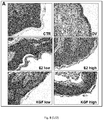
- Vaginal epithelium of the treated mice was analysed histologically by means of hematoxylin/eosin and was compared with the epithelium of the group of mice not subjected to ovariectomy ( Figures 7B and 8A ).
- the criteria adopted in order to determine the trophism of the vaginal mucus were the thickness (evidenced by counting the number of epithelial layers present and by measuring the thickness of the epithelium in ⁇ m and also by means of the ratio between area of the epithelial layer and length of the basal membrane) ( Figure 8B ) and the proliferative ability of the keratinocytes (determined by means of analyses of the expression of PCNA, a marker of cell proliferation) ( Figure 9 ).
- KGF is very effective both in vitro and in vivo in the stimulation of proliferation of the vaginal epithelium.
Landscapes
- Health & Medical Sciences (AREA)
- Life Sciences & Earth Sciences (AREA)
- Chemical & Material Sciences (AREA)
- Veterinary Medicine (AREA)
- Public Health (AREA)
- General Health & Medical Sciences (AREA)
- Animal Behavior & Ethology (AREA)
- Medicinal Chemistry (AREA)
- Pharmacology & Pharmacy (AREA)
- Epidemiology (AREA)
- Proteomics, Peptides & Aminoacids (AREA)
- Bioinformatics & Cheminformatics (AREA)
- Engineering & Computer Science (AREA)
- Immunology (AREA)
- Gastroenterology & Hepatology (AREA)
- Zoology (AREA)
- Inorganic Chemistry (AREA)
- Endocrinology (AREA)
- Gynecology & Obstetrics (AREA)
- Reproductive Health (AREA)
- Chemical Kinetics & Catalysis (AREA)
- General Chemical & Material Sciences (AREA)
- Nuclear Medicine, Radiotherapy & Molecular Imaging (AREA)
- Organic Chemistry (AREA)
- Medicines That Contain Protein Lipid Enzymes And Other Medicines (AREA)
- Steroid Compounds (AREA)
Description
- The present invention is defined in claims 1-11. Herein described is the use of keratinocyte growth factor (KGF/FGF7) and pharmaceutical compositions thereof in the treatment of vaginal atrophy, dysuria, vaginal pain and/or vaginal dryness induced by a post-menopausal state, by surgical intervention, by illness and/or by chemotherapy or radiotherapy treatments.
- The lack of oestrogens in post-menopause causes alterations to the vaginal epithelium in more then 50 % of women aged between 50 and 60 years [Pandit et al, 1997]. These disorders are characterised by their chronicity and recurrence, sometimes also accompanied by consequent sexual dysfunction, and their significance easily surpasses their actual severity in as much as they reinforce the fear of a general decline [Rossin-Amar, 2000]. The lack of oestrogens causes progressive atrophy of the vulva, which results in a gradual breakdown of the mucus, with 30-50 % reduction of vascularisation levels. The simultaneous reduction of glycogen, in particular in cells of the intermediate stratum, causes a change to the vaginal ecosystem, with a consequent increased risk of the presence of pathogenic agents responsible for recurrent vaginitides. In addition, vaginal atrophy can also occur in pre-menopausal women who have undergone a surgical intervention due to endometrial cancer, including pelvic cancer, or paraaortic lymphadenectomy and are treated with adjuvant vaginal brachytherapy (VBT) in order to reduce the risk of local relapses and to improve the survival rate of patients [Scholten 2005; Keys 2004; Lee 2006]. All of these treatments can give rise to adverse effects in a variable percentage of patients, including dysuria, vaginal pain, atrophy of the vaginal mucus, and vaginal dryness [Dickler 2010]. These symptoms can be considered a significant health problem for a considerable part of the global female population, since they are often linked to inflammation, dyspareunia and loss of sexual enjoyment.
- The loss of oestrogens is recognised as the most common cause of the symptoms of the menopause, often causing the treatment of post-menopausal vulvo-vaginal disorders with systemic hormone replacement therapy (HRT). However, the involvement of oestrogens in the genesis and progression of tumours of the endometrium, ovary and breast, even though the increased risk of cancer depends on the type of hormone replacement therapy, the duration of use, body mass and the period between menopause and the onset of the hormone replacement therapy, leads to scepticism among women and also to reluctance among some doctors to advise the adjuvant therapy [Hendrix et al, 2005; Grodstein et al, 2004], which has been placed seriously in doubt. Until now, no agreement has been reached in respect of the suitable therapy: HRT must be administered to women suffering from menopausal disorders in order to satisfy their individual needs, taking into account their individual risk profile and the general therapeutic objectives.
- For these reasons, formulations of intravaginal oestrogens have been introduced in order to avoid systemic exposure to oestrogens and have been preferred in women who have no other menopausal symptoms requiring systemic treatment [Johnston et al, 2004; Willhite and O'Connell, 2011]. However, it has been demonstrated that topical oestradiol is significantly absorbed and appears in the general circulation [Martin et al, 1979; Furuhjelm et al, 1980; Deutsch et al, 1981; Mandel et al, 1983; Ballag, 2005; Kendall et al, 2006; Kvorning and Jensen, in: Publication Presented at: International workshop, Copenhagen, 1986], thus confirming the exposure to the increased risk of breast cancer and endometrial cancer after local hormone treatment [Notelovitz et al, 2002; Rioux et al, 2000; Schiff et al, 1977]. In light of this consideration, non-hormonal preparations have been developed for the treatment of vaginal atrophy [Kendall et al, 2006; Berger et al, 2008], such as isoflavones derived from soy. However, the use of topical formulations based on soy isoflavones for the purpose of preventing post-menopausal symptoms has provided insufficient results in terms of efficacy [Levis et al, 2011].
- The oestrogen receptor alpha (ERα) performs its function predominantly via binding to its ligand, 17β oestradiol (E2), which induces conformational changes that allow the recruitment of coactivator molecules and the binding to oestrogen response elements (EREs) on the DNA to control the transcription of target genes ("classic" signal pathway of the ER). In the last decade, emerging tests have supported the importance of an alternative signal pathway of ERα (referred to as a "non-classic" path) in mediating the actions of oestrogens [Hall et al, 2001].
- This path can bring genotropic effects in target cells and is independent of the binding between ER and ERE. The genotropic signal mediated by ERα involves other transcription factors, such as the activator protein 1 (API), the specificity protein 1 (SP1), and NF-κB [Paech et al, 1997; Coleman and Smith, 2001; Porter et al, 1996; Cerillo et al, 1998], which in turn mediate the regulation of the transcription of their target genes. The genotropic signal mediated from ERα includes the activation of the membrane-associated receptor and the stimulation of cytoplasmic pathways, such as PI3K/AKT, ERK and the signalling cascade of p38 [Singh, 2001; Watters et al, 1997; Zhou et al, 1996]. It is interesting to note that the factors determining whether the signal mediated from ER passes via the classic pathway or via the non-classic pathway, remain virtually unknown.
- In recent years, it has been demonstrated that various growth factors play a role in the proliferation of cancerous cells of the breast, interacting with the pathway of the oestrogens, although the mechanisms and the effects of such interaction are not yet clear. A certain number of studies have produced suggestions of a cross-talk between the signalling of ER and the signalling of EGF/EGFR. In particular, it has been hypothesised that the development of resistance to tamoxifen in breast cancer cells can be correlated with the ER-mediated activation of EGFR, HER2/neu and IGFR.
- Keratinocyte growth factor (KGF/FGF7) (NCBI Reference Sequence NM_002009.3, GenBank amino acid sequence: CAG46799.1), a member of the family of fibroblast growth factors (FGFs), plays a fundamental role in the regulation of cell proliferation, migration and differentiation during development and in response to damage and repair of tissues [Finch and Rubin, 2004]. It acts by binding to the receptor tyrosine kinase FGFR2-IIIb/KGFR, generated by means of alternative splicing of the FGFR2 gene and expressed predominantly on the epithelial cells of various organs, playing a key role in the control of epithelial growth and differentiation [Zhang et al, 2006]. The KGF/KGFR pathway is essential to maintain the integrity and function of adult epithelial cells due to the cytoprotective and regenerative effect of KGF. In fact, the expression of KGF is strongly over-regulated after lesions in various epithelial tissues, such as skin, kidneys, bladder, pancreas, stomach and intestine [Werner et al, 1992; Marchese et al, 1995; Brauchle et al, 1996; Werner, 1998]. In addition, KGF protects against lesions of the pulmonary epithelium and improves the distal repair of the airways, stimulating cell proliferation, inhibiting apoptosis and the free oxygen radicals, and mobilising epithelial progenitor cells [Gomperts et al, 2007].
- It has been demonstrated that treatment with recombinant KGF (palifermin) is able to protect epithelial cells against a variety of lesions, including damage induced by radiation, and KGF has therefore been approved by the FDA for the treatment of severe oral mucositis resulting from the radiotherapy and/or chemotherapy of cancer in patients with haematological or head or neck tumours [Spielberger et al, 2004; Beaven and Shea, 2007; Brizel et al, 2008; Barash et al, 2009].
- On the other hand, the administration of KGF to mice with developing vaginas during the neonatal period results in oestrogen growth, independently of the vaginal epithelium, thus suggesting a potential link between treatment with oestrogens and activation of the signal of KGF/KGFR [Masui et al, 2004]. In addition, the authors have already carried out the first autologous transplant of vaginal tissue in a woman suffering from Mayer Rokitansky Kuster Hauser syndrome (MRKHS) by means of the use of autologous vaginal tissue cultivated in vitro [Panici et al, 2007], thus forming the ideal model in vitro to analyse the effect of oestrogens and KGF on the trophism of the vaginal mucus.
- International application
WO 2006/083087 describes that the N-terminal peptide AIMP1 is able to stimulate synthesis of collagen and/or expression of KGF. However, the ability of the peptide to pass through the epidermal layer and the plasma membrane and to therefore be truly effective in cutaneous treatments has not been demonstrated. As is instead known in literature, the protein substances do not pass through the epidermal layer in the presence of undamaged skin. - There is thus a need to provide a therapeutic agent able to locally treat menopausal disorders, including vaginal dryness and atrophy, substituting the therapies already in use (formulations based on oestrogens).
- The authors have investigated the cross-talk between oestrogen precursors and KGFR in order to clarify the mechanisms at the root of the effect of oestrogens that promotes growth and the potential role of growth factors in the development of new therapeutic strategies for mucosal atrophy. In addition, the authors have compared the in vivo efficacy of local treatment with oestrogens with topical administration of KGF, demonstrating that KGF can be used as alternative therapy for post-menopausal vaginal atrophy or other dysfunctions, such as those that occur in patients subjected to radiotherapy after surgery for endometrial cancer.
- It is indicated that vaginal atrophy (atrophic vaginitis) is defined as a thinning and inflammation of the vaginal walls due to a decline in estrogen. Less circulating estrogen makes vaginal tissues thinner, drier, less elastic and more fragile. Moreover, genital function is closely related to urinary system function. In fact, vaginal atrophy symptoms include vaginal dryness, vaginal burning, burning with urination, urgency with urination, more urinary tract infections, urinary incontinence, light bleeding after intercourse, discomfort with intercourse and shortening and tightening of the vaginal canal. These symptoms which include dysuria and vaginal pain are closely and directly related to thinning of vaginal mucosa. Therefore, the positive effect of KGF on vaginal epithelium trophism observed in the present invention represent a successfully treatment for these symptoms, in particular when they are subsequent to vaginal atrophy. It was unexpectedly found that KGF can successfully treat vaginal atrophy. In particular, the unexpected technical effect of KGF in the treatment of vaginal atrophy is observed after topical use and at very low doses (0.4 micrograms/ml and 1.2 micrograms/ml corresponding respectively to 10 ng/25 ul and 30 ng/25 ul). Moreover, the authors demonstrated that KGF in vivo effect is better than that of E2, since the same increase in epithelial thickness can be obtained by using KGF at 30 ng/25 ul and E2 at 1 ug/25 ul (see
fig. 8B ). Finally, they demonstrated that KGF was not only able to counteract vaginal thinning by stimulating epithelial cells proliferation but also to restore epithelium lubrication through stimulation of mucinous cells (seefig. 9B ). - The invention therefore relates to keratinocyte growth factor (KGF/FGF7), orthologs and fragments thereof for use in the treatment of conditions selected from vaginal atrophy and/or vaginal atrophy related dysuria, and/or vaginal atrophy related pain and/or vaginal drying wherein such conditions are induced by a chemotherapy treatment wherein said orthologs, derivatives and fragments thereof possess the same therapeutic properties of the keratinocyte growth factor and wherein the chemotherapy is an anti-cancer compound belonging to the family of selective estrogen receptor modulators.
- The term "keratinocyte growth factor" or "KGF/FGF7" or "KGF" means the entire wild protein KGF (NCBI reference Sequence: NM_002009.3 (SEQ ID No. 1):


- GenBank amino acid sequence: CAG46799.1 (SEQ ID No. 2):or human recombinant KGF (SwissProt amino acid sequence: P21781 # (SEQ ID No. 3):
 the human recombinant KGF palifermin (DrugBank: DB00039 (fragmented from aa. 56 to aa. 194 of SEQ ID No. 3):
 or their allelic or orthologous variants, fragments, mutants, derivatives or functional analogues.
- In the present invention, variants, fragments, mutants derivatives or functional analogues possess the same pharmacological activity as the KGF protein.
- Preferably the KGF variant or orthologs, derivatives and fragments thereof has at least one residue replaced by a different amino acid residue.
- The KGF variants of the present invention, obtained by technologies known in the art, are mutant proteins, which differ from the amino acid sequence of the wild type KGF by the mutation of one or more single amino acid. In a very preferred embodiment of the present invention, only one amino acid replacement occurs on the sequence of the native protein. It is, however, encompassed by the subject of the present invention that the native protein can be further optimised by replacement of a plurality, e.g two or more, of amino acid replacements. The variants can therefore differ from the wild type protein sequence by amino acid replacements on 1-10, preferably 1, 2, 3, 4, 5 and 6 different amino acid target positions.
- Moreover, the mutants or variants of the invention exhibit the same pharmacological activity as the wild type KGF protein.
- The term "mutation" or "variant" as used in the context of the present invention can be understood as substitution, deletion and/ or addition of single amino acid in the target sequence.
- Preferably, the mutation of the target sequence in the present invention is a substitution. The substitution can occur with different genetically encoded amino acid or by non-genetically encoded amino acids. Examples for non-genetically encoded amino acids are homocystein, hydroxyproline, omithin, hydroxylysine, citrulline, carnitine, etc.
- In a preferred embodiment, the treatment comprises adjuvant vaginal brachytherapy.
- In a preferred embodiment, the chemotherapeutic agent is tamoxifen.
- The invention further relates to a pharmacological composition comprising pharmaceutically acceptable excipients (or carriers) and a compound for use in the treatment of conditions of vaginal atrophy, vaginal atrophy related dysuria, vaginal atrophy related pain and/or vaginal drying, wherein such conditions are induced by a chemotherapy treatments wherein said compound is selected from the group consisting of:
- the keratinocyte growth factor (KGF/FGF7), orthologs and fragments thereof;
- a vector comprising said polynucleotide and
- a host cell genetically engineered expressing said polypeptide.
- The pharmacological composition according to the invention preferably comprises a pharmaceutically effective amount of keratinocyte growth factor.
- In a preferred embodiment, the keratinocyte growth factor is at a concentration from 0.1 to 100 µg/ml, more preferably at a concentration of 0.1 to 10 µg/ml, still preferably 5 µg/ml. The pharmacological composition of the invention preferably also comprises a gelling agent. Said gelling agent is preferably Pluronic F127.
- The pharmacological compositions of the invention can be prepared by mixing the keratinocyte growth factor having the desired degree of purity with optional vectors, excipients or physiologically acceptable stabilisers (Remington Pharmaceutical Sciences 16a edition, Osol, A. Ed., 1980) in the form of lyophilised formulations or aqueous solutions. Vectors, excipients or acceptable stabilisers are atoxic to the recipients at the doses and concentrations used and may include buffers, antioxidants, preservatives, peptides, proteins, hydrophilic polymers, chelating agents such as EDTA, sugars, salts forming counter ions such as sodium, metal complexes (for example Zn-protein complexes) and/or tested non-ionic surfactants such as TWEEN®, Pluronics® or polyethylene glycols (PEG).
- Topical treatment with KGF is highly directed and specific to the local treatment of menopausal disorders and is therefore indicated in order to combat symptoms such as vaginal dryness and atrophy. KGF may therefore substitute the therapies already in use, such as formulations based on oestrogens.
- The advantages provided by the use of KGF, as a result of its protein origin, are due to the impenetrability of the epithelial barrier and the physiological presence of its specific receptor in membrane, which allows to develop its function without passing through. In fact, by contrast with oestrogens, KGF does not passed into circulation (trans-cutaneous).
- In a preferred embodiment of the pharmacological composition of the invention, KGF is administered in a dose of 10-30 ng/day, thus ensuring that only the proportion introduced and released can act locally, without cross-reacting with other signalling pathways.
- The pharmaceutical composition herein described may be used for diagnostic or for therapeutic applications.
- The exact formulation, route of administration and dosage can be chosen by the individual physician in view of the patient's conditions. Administration may be achieved in a single dose or repeated doses at intervals. Dosage amount and interval may be adjusted individually in order to provide the therapeutic effect, which results in amelioration of symptoms or a prolongation of the survival in a patient. The actual amount of composition administered will, of course, be dependent on the subject being treated, on the subject's weight, the severity of the affliction, the manner of administration and the judgement of the prescribing physician. A suitable daily dosage will be between 0.001 to 10 mg/kg, particularly 0.1 to 5 mg/kg. The administration may be carried out by known methods, e.g. by injection, in particular by intravenous, intramuscular, transmucosal, subcutaneous or intraperitoneal injection and/or by oral, topical, nasal, inhalation, aerosol and/or rectal application, etc. The administration may be local or systemic. In addition, the HMGB1 variants object of this invention can be reversibly immobilized and/or adsorbed on the surface and/or inside medical devices or drug release/vehicling systems (microspheres). Medical devices and microspheres can be reversibly loaded with the variants of this invention, through their binding, impregnation and/or adsorption on the surface of the medical device or of the microsphere or on a layer that coats its surface. When the medical device or the microsphere come into contact with biological fluids, the reversibly immobilized variant is released.
- Therefore, the medical device and the microsphere act as drug-releasing tools that elute the molecule object of this invention in such a way that their release kinetics can be controlled, ensuring controlled or sustained release, as required by the treatment. The methods for coating/impregnating the medical devices and loading microspheres are well known by experts in these technologies. Herein described is a polypeptide comprising an amino acid sequence having at least 70 % identity with the sequence of SEQ ID No. 1. Said polypeptide is chosen from the group consisting of a homologue, a derivative, an equivalent, and a fragment of a polypeptide.
- As used herein, the term "equivalent" will be understood to mean a peptide having at least one of the activities of the instant polypeptide. "Homologue" will be understood as a polypeptide exhibiting certain modifications compared with the natural polypeptide. These modifications can be a deletion, a truncation, an extension, a chimeric fusion, and/or a mutation. Among equivalent polypeptides, those who display more than 80% homology are preferred.
- "Derivative" refers to any polypeptides, eventually mutated, truncated, and/or extended, which have been chemically modified or contain unusual amino acids.
- As used herein, the term "polypeptide" refers to a molecular chain of amino acids having therapeutic properties to treat conditions of vaginal atrophy, dysuria, vaginal pain and/or vaginal drying induced by a post-menopausal status, by a surgery, by a pathology and/or chemotherapy or radiotherapy treatments. This polypeptide, if required, can be modified in vitro and/or in vivo, for example by glycosylation, myristoylation, amidation, carboxylation or phosphorylation, and may be obtained, for example, by synthetic or recombinant techniques known in the art.
- As used herein, the term "orthologs" refers to proteins in different species than the proteins SEQ ID NO.1 in Homo sapiens that evolved from a common ancestral gene by speciation. As an example of such orthologs, one can cite the proteins corresponding to KGF in Mus musculus, Rattus norvegicus Gallus gallus, Xenopus laevis and Danio rerio.
- As used herein, the term "derivatives" refers to polypeptides having a percentage of identity of at least 75% with SEQ ID NO. 1, or ortholog thereof, preferably of at least 85%, as an example of at least 90%, and more preferably of at least 95%.
- As used herein "fragments" refers to polypeptides having a length of at least 25 amino acids, preferably at least 50 amino acids, as an example at least 75 or 85 amino acids, and more preferably of at least 100 amino acids. Herein described are fragments and derivatives possess therapeutic properties to treat conditions of vaginal atrophy, dysuria, vaginal pain and/or vaginal drying induced by a post-menopausal status, by a surgery, by a pathology and/or chemotherapy or radiotherapy treatments.
- As used herein, "percentage of identity" between two amino acids sequences, means the percentage of identical amino-acids, between the two sequences to be compared, obtained with the best alignment of said sequences, this percentage being purely statistical and the differences between these two sequences being randomly spread over the amino acids sequences. As used herein, "best alignment" or "optimal alignment", means the alignment for which the determined percentage of identity (see below) is the highest. Sequences comparison between two amino acids sequences are usually realized by comparing these sequences that have been previously align according to the best alignment; this comparison is realized on segments of comparison in order to identify and compared the local regions of similarity. The best sequences alignment to perform comparison can be realized, beside by a manual way, by using the global homology algorithm developed by SMITH and WATERMAN (Ad. App. Math., vol.2, p:482, 1981), by using the local homology algorithm developed by NEDDLEMAN and WUNSCH (J. MoI. Biol, vol.48, p:443, 1970), by using the method of similarities developed by PEARSON and LIPMAN (Proc. Natl. Acd. Sci. USA, vol.85, p:2444, 1988), by using computer softwares using such algorithms (GAP, BESTFIT, BLAST P, BLAST N, FASTA, TFASTA in the Wisconsin Genetics software Package, Genetics Computer Group, 575 Science Dr., Madison, WI USA), by using the MUSCLE multiple alignment algorithms (Edgar, Robert C, Nucleic Acids Research, vol. 32, p:1792, 2004). To get the best local alignment, one can preferably used BLAST software, with the BLOSUM 62 matrix, or the
PAM 30 matrix. The identity percentage between two sequences of amino acids is determined by comparing these two sequences optimally aligned, the amino acids sequences being able to comprise additions or deletions in respect to the reference sequence in order to get the optimal alignment between these two sequences. The percentage of identity is calculated by determining the number of identical position between these two sequences, and dividing this number by the total number of compared positions, and by multiplying the result obtained by 100 to get the percentage of identity between these two sequences. - The phrase "pharmaceutically acceptable" refers to molecular entities and compositions that are physiologically tolerable and do not typically produce an allergic or similar untoward reaction, such as gastric upset, dizziness and the like, when administered to a human. Preferably, as used herein, the term "pharmaceutically acceptable" means approved by a regulatory agency of the Federal or a state government or listed in the U.S. Pharmacopeia or other generally recognized pharmacopeia for use in animals, and more particularly in humans. The term "excipient or carrier" refers to a diluent, adjuvant, excipient, or vehicle with which the compound is administered. Such pharmaceutical carriers can be sterile liquids, such as water and oils, including those of petroleum, animal, vegetable or synthetic origin, such as peanut oil, soybean oil, mineral oil, sesame oil and the like. Water or aqueous solution saline solutions and aqueous dextrose and glycerol solutions are preferably employed as carriers, particularly for injectable solutions. Suitable pharmaceutical carriers are described in "Remington's Pharmaceutical Sciences" by E.W. Martin.
- As used herein, the term "polynucleotide" refers to RNA or DNA, preferably to DNA. Said DNA may be double-stranded or single-stranded.
- Preferably, the polynucleotide comprises the sequence of SEQ ID No. 1,. Preferably, the polynucleotide comprises a sequence which encodes the sequence of KGF (SEQ ID No. 2, or SEQ ID No. 3 or from aa 56 to aa 194 of SEQ ID No. 3).
- The polynucleotide of the invention may also include the coding sequence of the polypeptide defined previously, additional coding sequence such as leader sequence or a proprotein sequence, and/or additional non-coding sequence, such as introns or 5 'and/or 3' UTR sequences.
- As used herein, the term "vector" refers to an expression vector, and may be for example in the form of a plasmid, a viral particle, a phage, etc. Such vectors may include bacterial plasmids, phage DNA, baculovirus, yeast plasmids, vectors derived from combinations of plasmids and phage DNA, viral DNA such as vaccinia, adenovirus, fowl pox virus, and pseudorabies. Large numbers of suitable vectors are known to those of skill in the art and are commercially available.
- The following vectors are provided by way of example. Bacterial: pQE70, pQE60, pQE-9 (QIAGEN), pbs, pDIO, phagescript, psiX174, pbluescript SK, pbsks, pNH8A, pNHl[beta]a, pNH18A, pNH46A (STRATAGENE), ptrc99a, pKK223-3, pKK233-3, pDR540, pRIT5 (PHARMACIA). Eukaryotic: pWLNEO, pSV2CAT, pOG44, pXT1, pSG (STRATAGENE), pSVK3, pBPV, pMSG, pSVL (PHARMACIA). However, any other vector may be used as long as it is replicable and viable in the host. The polynucleotide sequence, preferably the DNA sequence in the vector is operatively linked to an appropriate expression control sequence(s) (promoter) to direct mRNA synthesis. As representative examples of such promoters, one can mentioned prokaryotic or eukaryotic promoters such as CMV immediate early, HSV thymidine kinase, early and late SV40, LTRs from retrovirus, and mouse metallothionein-I. The expression vector also contains a ribosome binding site for translation initiation and a transcription vector.
- The vector may also include appropriate sequences for amplifying expression.
- In addition, the vectors preferably contain one or more selectable marker genes to provide a phenotypic trait for selection of transformed host cells such as dihydro folate reductase or neomycin resistance for eukaryotic cell culture, or such as tetracycline or ampicillin resistance in E. coli.
- As used herein, the term "host cell genetically engineered" relates to host cells which have been transduced, transformed or transfected with the polynucleotide or with the vector described previously.
- As representative examples of appropriate host cells, one can cites bacterial cells, such as E. coli, Streptomyces, Salmonella typhimurium, fungal cells such as yeast, insect cells such as Sf9, animal cells such as CHO or COS, plant cells, etc. The selection of an appropriate host is deemed to be within the scope of those skilled in the art from the teachings herein.
- Preferably, said host cell is an animal cell, and most preferably a human cell.
- The introduction of the polynucleotide or of the vector described previously into the host cell can be effected by method well known from one of skill in the art such as calcium phosphate transfection, DEAE-Dextran mediated transfection, or electroporation.
- The composition of the invention may comprise one or more additives (e.g., stabilizers, preservatives). See, generally, Ullmann's Encyclopedia of Industrial Chemistry, 6th Ed. (various editors, 1989-1998, Marcel Dekker).
- According to the present invention, an "effective amount" of a composition is one which is sufficient to achieve a desired biological effect, in this case, the treatment of conditions of vaginal atrophy, dysuria, vaginal pain and/or vaginal drying induced by a post-menopausal status, by a surgery, by a pathology and/or chemotherapy or radiotherapy treatments. It is understood that the effective dosage will be dependent upon the age, sex, health, and weight of the recipient, kind of concurrent treatment, if any, frequency of treatment, and the nature of the effect desired. The ranges of effective doses provided are not intended to limit the invention and represent preferred dose ranges. However, the preferred dosage can be tailored to the individual subject, as is understood and determinable by one of skill in the art, without undue experimentation. Said polypeptide, polynucleotide, vector, and host cell are as described previously.
- The present invention will be described by non-limiting examples with reference to the following figures:
-
Figure 1 . Effect of the treatment with KGF and E2 on the proliferation of KC. (A) immunofluorescence analyses with a direct polyclonal antibody against Ki67 in untreated or treated KC with different concentrations of KGF or E2 (0.5-20 ng/ml) for 24h. (B) Assessment of the proliferation of the cells after treatment with KGF and E2 (20 ng/ml) in two different populations of KC, derived from biopsies taken from pre-menopausal or post-menopausal women respectively. (C) Assessment of the possible synergistic or additive effect of KGF and E2. KC cells were treated with KGF, E2 or a combination thereof and subjected to immunofluorescence with anti-Ki67 antibody. (D) Assessment of the proliferative effect of KGF and E2 in the presence of tamoxifen. KCs were treated with KGF, E2, tamoxifen (Tam, 100 nM), KGF then Tam or E2 then Tam for 24h. After 24 h, the cells were fixed and stained with crystal violet 1 % or subjected to immunofluorescence with anti-Ki67 antibody. The percentage of positive cells for Ki67 was determined by counting the number of Ki67-positive nuclei compared to the total number of nuclei in ten different areas selected at random from three different experiments. The error bars represent the standard deviation. -
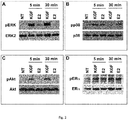
Figure 2 . Effect of KGF and E2 on the activation of the non-genomic pathways of ER-alpha. (A) MCF-7 cells were treated with KGF and E2 (20 ng/ml) for 5 or 30 minutes, and Western blot analysis of the phosphorylation state of ERK was carried out using a phosphospecific monoclonal ERK antibody (pERK). The levels of total ERK were assessed by "blotting" with an ERK2-specific antibody. (B) Western blot analysis of the phosphorylation state of MAPK p38 was carried out using a phosphospecific monoclonal p38 antibody (pp38). The levels of total p38 were assessed by "blotting" with a p38-specific antibody. (C) Western blot analysis of the state of phosphorylation of Akt was carried out using a phosphospecific monoclonal Akt antibody (pAkt). The levels of total Akt were assessed by "blotting" with an Akt-specific antibody. (D) Western blot analysis of the phosphorylation state of ERalpha was carried out using a phosphospecific monoclonal ERalpha antibody (pERa). The levels of total ERalpha were assessed by "blotting" with an ERa-specific antibody. -
Figure 3 . Assessment of the E2-mediated upregulation of KGFR. (A) MCF-7 cells were treated or untreated with E2 (20 ng/ml) for 24 h, and the quantity of KGFR protein was assessed by means of Western blot using a polyclonal anti-bek ERK antibody. Tubulin was used as a loading control. (B) The levels of expression of mRNA of KGFR were determined using real-time PCR and normalised for the levels of mRNA 18s. The quantity of mRNA of KGFR in cells treated with E2 was expressed as an increase in the level of mRNA of KGFR compared to untreated cells. -
Figure 4 . Cellular localisation of ERalpha after treatment with KGF or E2. (A) Sub-cellular fractionation of MCF-7 cells. The cytoplasmic and nuclear fractions were analysed with anti-ERalpha, anti-β-tubulin as control for the cytoplasmic fractionation and anti-lamin B as nuclear marker. (B) Immunofluorescence of MCF-7 treated or untreated with KGF, E2 or a combination thereof for 5 or 30 min. The cells were treated with primary anti-ERalpha antibodies followed by secondary antibodies conjugated with FITC (green). Microfilaments of actin were evidenced with Texas red conjugated to phalloidin (red). Merged images are shown. -
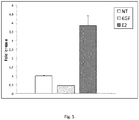
Figure 5 . Role of KGF in the stimulation of the genomic effects of ERalpha. The ERE-LUC construct was transfected into MCF-7 cells treated or untreated with KGF or E2 for 24 h, and the activity of luciferase was determined. Information concerning the luciferase reporter assay was expressed as a rise compared to the control (untreated cells) and represents the average of three separate experiments after the co-reaction for the differences in the efficiency of transfection by means of pRL-TK activity. The error bars represent the standard deviation. -
Figure 6 . Studies in vivo on a mouse model. (A) The strain of mouse CD1 used in this study was subjected to ovariectomy in order to induce vaginal atrophy and was therefore treated locally with 25 µl of hydrogel loaded with KGF (10 or 30 ng/day) or with E2 (30 ng/day or 1 uµ/day). (B) Rheological study on hydrogel of Pluronic F127. A solution of F127 (cP=20 % w/v in H2O) was heated at a rate of 2 °C/min from 10 to 40 °C, and the G' values (modulus of elasticity) and G" (modulus of loss) were measured during this rise in temperature and were recorded in the form of a graph. (C) Schematic diagram of the model molecules used for the in vitro release test with Pluronic F127. (D) Release test with Pluronic F127. Hydrogel loaded with the model molecules was introduced into a dialysis membrane bag and incubated in 60 ml of distilled water at 37 °C under stirring at a rate of 50 rpm. The release profiles of the loaded hydrogels were expressed in cumulative output percentages over time. -
Figure 7 . Assessment of the in vivo effect of KGF and E2 on the vaginal epithelium. (A) Serum concentrations of E2 and KGF in treated rats, measured using the standard ELISA kits for E2 and KGF. The values are expressed in pg/ml, with ND as insignificant average ± standard deviation (less than 10 pg/mL). (B) The sections of tissue from the vagina of control mice, mice subject to ovariectomy treated with the only vehicle, and mice treated with low doses and high doses of E2 or KGF were stained with hematoxylin and eosin. The vaginal mucus of control groups shows a stratified squamous epithelium with stratum corneum and the presence of a well-formed stratum lucidum. A significant induction of stratification of the vaginal epithelium and hyperkeratosis is observed in the vagina exposed both to E2 and to KGF (slightly more evident in the groups treated with high doses), but not in the group treated with the only vehicle, in which the vaginal mucus demonstrated a significant reduction of the epithelial thickness compared to the control group (20x enlargement compared to the original). -
Figure 8 . Quantification of the in vivo effect of KGF and E2 on vaginal epithelium. (A) The sections of tissue from the vagina of control mice, mice subject to ovariectomy and treated with the vehicle only, and mice treated with low and high doses of E2 or KGF were stained with hematoxylin and eosin. Cornificated vaginal epithelium was observed in the vagina exposed both to E2 and to KGF, but not in the group treated with the vehicle (40x enlargement compared to the original). (B) The number of epithelial layers, the thickness of the epithelium and the ratio between the epithelial surface and the length of the basal membrane were calculated for each treatment. In short, three animals per each group were treated and three images were captured for each animal. Average values were obtained from five measurements of each image. The vertical bars represent the standard errors. -
Figure 9 . Assessment of the basal proliferation of the vaginal epithelium after treatment with KGF and E2. (A) Sections of vaginal epithelium were subjected to immunohistochemistry with an anti-PCNA antibody in order to identify the proliferation of the stratum basale. The sections were counterstained with hematoxylin. Sections representative of each treatment group are shown (20x enlargement compared to the original). (B) Tissue sections were subjected to periodic acid-Schiff (PAS) staining procedures. Representative tissue sections for each treatment group are shown (10x enlargement compared to the original). A significant area in each panel is indicated by a square and an enlargement of this area is shown in the overlying panel (40x enlargement compared to the original). Arrows indicates PAS-positive cells. - The oestrogen receptor α-positive MCF-7 human breast adenocarcinoma cell line, acquired from American Type Culture Collection (no. HTB-22, ATCC-LGC Promochem, Teddington, UK), was cultured in Dulbecco's modified eagle's medium (DMEM; Invitrogen, Karlsruhe, Germany), supplemented with 10 % foetal bovine serum (FBS; Invitrogen) and antibiotics. Primary cultures of human oestrogen-sensitive keratinocytes (KCs) were established from 1 cm2 full-thickness mucosal biopsy of the vaginal vestibule. Following enzymatic dissociation, the keratinocytes were seeded onto culture plates coated with collagen IV (10 mg/ml), as previously reported [Panici et al, 2007], and were maintained in basal medium of the keratinocytes (KBM, Lonza) supplemented with aliquots of KGM (Lonza), with medium change twice a week. For all the experiments with 17β-oestradiol (E2) and tamoxifen, the MCF-7 cells were cultivated in DMEM without phenol red with 10 % FBS treated with dextran/carbon (Invitrogen), and the KCs were transferred to a steroid medium of reduced concentration (KGM without EGF and BPE). Both MCF-7 and KC were deprived of serum for 4 hours and then treated for 48 h with human recombinant KGF (Upstate Biotechnology, Lake Placid, NY), E2 (Sigma-Aldrich, Milan, Italy), tamoxifen (Sigma-Aldrich, 100 nM) or combinations thereof.
- The cells were harvested and the total RNA was extracted with the use of TRIzol reagent (Invitrogen). cDNA was generated with oligo (dT) from 1 µg of RNA using the SuperScript III reverse transcriptase kit (Invitrogen). After reverse transcription, the abundance of KGFR in MCF-7 cells treated and untreated with E2 was quantified by Q-RT-PCR. For KGFR, specific personalised TaqMan® assays were developed (Applied Biosystems of Life Technologies, Carlsbad, CA, USA) (KGFR "forward", 5'-GGCTCTGTTCAATGTGACCGA-3' SEQ ID NO. 4; KGFR "reverse", 5'-GTTGGCCTGCCCTATATAATTGGA-3' SEQ ID NO. 5. TaqMan probe, 5'-TTCCCCAGCATCCGCC-3' SEQ ID NO. 6), used as a concentration of 1x per well. A total of 2 µl/plate well was added to the sample wells along with Taqman Universal PCR master mix at a concentration of 1x and water to a volume of 25 µl/well. The assays were conducted in triplicate on an ABI 7500 Real Time instrument (Applied Biosystems) using the following conditions: 50 °C for 2 min, 95 °C for 10 min, and then 95 °C for 15 s and 60 °C for 1 min, repeated 40 times. Relative quantification was performed using mRNA 18s as an endogenous control. The data were expressed as a rise of mRNA of KGFR compared to the control.
- The cells, grown on glass coverslips, were treated as described above, then fixed in 4 % paraformaldehyde in phosphate-buffered saline (PBS) for 30 min at 25 °C, followed by treatment with 0.1 M glycine in PBS for 20 min at 25 °C and with 0.1 % Triton X-100 in PBS for an additional 5 min at 25 °C to allow permeabilisation. To assess cell proliferation, the cells were incubated with an anti-Ki67 rabbit polyclonal antibody (1:50 in PBS; Zymed Laboratories, San Francisco, CA), which identifies cycling cells. The primary antibody was visualised using Texas Red conjugated goat anti-rabbit IgG (1:100 in PBS; Jackson ImmunoResearch Laboratories, West Grove, PA). The nuclei were visualised using 4', 6-diamido-2-phenylindole dihydrochloride (DAPI) (1:10000 in PBS; Sigma-Aldrich). Fluorescence signals were analysed by recording stained images using a cooled CCD colour digital camera SPOT-2 (Diagnostic Instruments Incorporated, Sterling Heights, MI) and Axiovision software (Carl Zeiss Inc., Oberkochen, Germany).
- The percentage of Ki67-positive cells was evaluated by counting, for each treatment, a total of 500 cells, randomly taken from ten microscopic fields in three different experiments, expressed as mean value ± 95 % CI and recorded as graphs. For the experiments concerning localisation of ERα, the cytoskeleton of actin was visualised using TRITC phalloidin (1:100 in PBS) and ERα was visualised using an anti-ERα monoclonal antibody (Santa Cruz) (1:100 in PBS). The stained single and combined images were captured using Zeiss Apotome® and AxioVision software (Carl Zeiss, Jena, Germany) using 40x lenses.
- To evaluate the cytotoxicity of cells treated with tamoxifen, the MCF-7 cells were treated as described above, fixed for 10 min in a solution of 10 % acetic acid - 10 % methanol, stained with crystal violet (1 % w/v) and photographed using a Power Shot G5 digital camera (Canon, Inc., Tokyo, Japan).
- MCF-7 cells untreated or treated with KGF or E2 were lysed in RIPA buffer. Total proteins (50-150 µg) were broken down under reducing conditions by 7 %-10 % SDS-PAGE and transferred to Immobilon-FL membranes (Millipore, Billerica, MA). The membranes were blocked in TBS containing 0.5 % Tween 20 (TBS-T) and 5 % milk for 1 hour at 25 °C and were then washed twice for 20 minutes in each case in TBS-T. The membranes were incubated overnight at 4 °C with the primary antibody. The primary antibodies used were as follows: antiphospho-p44/42 MAPK, antiphospho-Akt, anti-Akt, antiphospho-p38, anti-p38, antiphospho-ERα (Cell Signaling Technology, Inc., Danvers, MA, USA), anti ERK2, anti-Bek (C-17), anti-ERα, anti-lamin B (Santa Cruz Biotechnology, Santa Cruz, CA, USA), anti-tubulin (Sigma-Aldrich). The membranes were then incubated with secondary antibody conjugated with horseradish peroxidase (HRP) (Sigma-Aldrich) for 1 hour at 25 °C. The bound antibody was detected by enhanced chemiluminescence detection reagents (Pierce Biotechnology, Inc, Rockford, IL, USA), according to manufacturer's instructions. The tubulin was controlled so as to normalize. Densitometric analysis was performed using Quantity One Program (Bio-Rad Laboratories srl, Segrate, MI, Italy).
- The cells were harvested in PBS and centrifuged at 2000 rpm for 5 minutes to obtain a pellet, resuspended in cellular lysis buffer containing Hepes 10
mM pH 8, 50 mM NaCl, 1 mM EDTA pH 8, 0.2 % TritonX100, sucrose 500 mM and protease inhibitors, stirred, and placed in ice for 15 min. After centrifugation at 13000 rpm for 10 min at 4 °C, the supernatant represented the cytoplasmic fraction. The pellet was then washed twice with a nuclei washing buffer containing Hepes 10mM pH 8, 50 mM NaCl, 0.1mM EDTA pH 8 and 25 % glycerol. The nuclear protein fraction was obtained after centrifugation at 13000 rpm for 10 min at 4 °C and incubation of the pellet for 15 min at 4 °C with a buffer containing Hepes 10 mM pH 8, 350 mM NaCl, 0.1mM EDTA pH 8 and 25 % glycerol. The efficiency of the fractionation was analysed by means of immunoblotting using an anti-β-tubulin antibody as cytoplasmic marker and an anti-lamin B antibody as nuclear marker. - MCF-7 cells were seeded onto 24-well plates with a cell/well density of 2x155 and were co-transfected with 1 µg of the 3x ERE TATA LUC construct, a plasmid containing the reporter gene for firefly luciferase under the control of three DNA sequences to which the ER binds, called oestrogen response elements (EREs) (Addgene), and with 300 ng of control pRL-TK plasmid (renilla luciferase) for normalisation of the efficiency of the transfection process. The transfections were carried out using lipofectamine 2000 (Invitrogen) according to manufacturer's instructions. After 6 h, the cells were treated with KGF or E2. The luciferase activity was determined using a dual-luciferase reporter assay system (Promega) 24 h after the treatment, according to manufacturer's protocol. All the transfections were conducted in triplicate.
- Pluronic F127 (PEO100-PPO65-PEO100) (PM ≈ 12600) (cat. P2443, Sigma Aldrich, Milan, Italy), an amphiphilic synthetic polymer formed from polyethylene oxide and polypropylene oxide, when dissolved in water at high concentrations (> 15 %), has the characteristic of becoming liquid at temperatures less than 25 °C and acquires the consistency of a hydrogel at higher temperatures. To demonstrate the solution-gel transition that occurs with the increase in temperature, a rheological study of a solution of F127 (cP=20 % w/v in H2O) was carried out, heating the solution at a rate of 1 °C/min from 10 to 40 °C and measuring, during this rise in temperature, the G' value (modulus of elasticity) and the G" value (modulus of loss): these parameters describe, respectively, the ability to accumulate and dissipate energy and describe the resilient or viscous nature of a material. Specifically, a substance in the liquid state is characterised by G" values greater than G' values, and, vice versa, a substance in gel form has G" values lower than G' values.
- For the in vitro release test, two model molecules were used: myoglobin, a hydrophilic protein of PM comparable to KGF, and prednisolone, a lipophilic hormone characterised by a chemical structure similar to that of E2. 2 mL of loaded hydrogel containing 4 mg of myoglobin or prednisolone in a solution of 20 % Pluronic F127 w/v were introduced into a dialysis membrane bag (MWCO 3500 Da), and the dialysis bag sealed at the end was incubated in 60 mL of release medium (distilled water) at 37 °C and was stirred at a rate of 50 rpm. Saturation conditions were avoided by means of frequent substitution of fresh water. At predetermined intervals, aliquots of 0.5 mL of release medium were removed and substituted with an equal volume of fresh solution. The release behaviour in vitro of hydrogel loaded with myoglobin was compared with that of hydrogel loaded with prednisolone. All the assays were conducted in triplicate. Release profiles were expressed in cumulative release percentages over time.
- The mouse strain CD1 was used in this study (Charles Rivers). The mice were held in a standard housing for laboratory animals with controlled lighting (12 h/day) and temperature (25 ± 1 °C) and were provided with food and water ab libitum. All the experimental protocols concerning animals were in line with the Guidelines of Sapienza University for the care and use of laboratory animals and were approved by the Ethical Committee of the aforesaid institution. Forty female mice were subjected to an ovariectomy for the purpose of inducing vaginal atrophy and were administered a diet of Altromin C1000 without phytoestrogens (Altromin, Lage, Germany) for the duration of the experiments. After 30 days, the mice were treated locally, introducing daily into the
vaginal canal 25 µl of hydrogel loaded with KGF (10 or 30 ng/day) or with E2 (30 ng/day or 1 µg/day). A control group was treated only with hydrogel. After 60 days of treatment, the mice were killed and the vaginas were immediately explanted, fixed in formalin and processed for histological analysis. - Serial sections of the vaginal mucus obtained from four groups of mice were stained with hematoxylin/eosin, placed permanently under a glass plate and analysed histologically. The thickness and the strata of epithelial cells of the vagina were then determined in three animals for each group, in three images for each animal (10x enlargement). Mean values were obtained from five measurements of each image. For the purpose of quantifying the thickness of the vaginal epithelium, the vertical distance between the lower surface of the cells in the stratum basale and the apical surface of the cells in the stratum superficiale was measured with the aid of NIH Image J v 1.56 (National Institutes of Health, Bethesda, MD), and denoted as thickness. To estimate the number of vaginal epithelial layers, the layer of cells covering five contiguous basal cells was counted in the sample.
- Serial sections of the vaginal mucus obtained from the four groups of mice were analysed for the expression of PCNA (Proliferating Cell Nuclear Antigen, a marker of cell proliferation) by means of immunohistochemistry. The sections were elaborated using the technique of avidin-biotin-peroxidase complex (DAKO, Glostrup, Denmark) and incubated with mouse anti-A-rat-PCNA monoclonal antibody (clone P10, 1:4000) (Abcam, Cambridge, UK), which recognises proliferant cells.
- The concentrations of E2 and KGF in the serum of treated mice were measured using an ELISA standard kit (R & D Systems, Minneapolis, MN, USA). The sensitivity of the ELISA assay was ≥ 10 pg / mL. Standard preparations of E2 or KGF were used as internal controls. The values are presented as mean ± standard deviation.
- Each series of experiments was repeated at least in triplicate, and the standard deviation values were calculated. The student's t-test was used for the statistical analysis, and the p-values less than 0.05 were considered statistically significant.
- For the purpose of verifying the possibility of using KGF as an alternative therapeutic medium compared to administration of oestrogens, the authors first compared the effect of KGF and E2 on vaginal epithelium reconstructed in vitro from a biopsy of the vaginal vestibule. The possibility of reconstructing in vitro strips of vaginal mucus derives from the experience, now consolidated of the authors, in the reconstruction of autologous neovagina in patients suffering from Mayer Rokitansky Kuster Hauser syndrome (MRKHS) (Panici et al, 2007). For the study, 20 pre-menopausal patients and 16 post-menopausal patients were enrolled and had undergone surgery for unrelated illnesses, from whom the authors were able to sample, after informed agreement, biopsies of vaginal mucus from which primary cell cultures were obtained. For each patient, the authors subjected the culture of vaginal mucus obtained in vitro to treatment with various doses of E2, KGF or a combination of the two, with the aim of comparing their effects in terms of cell proliferation (assessed by immunofluorescence techniques), determining the percentage of cells positive for the antigen Ki67, a marker of cycling cells. The proliferative capacity of KGF and that of E2 were compared by producing a dose-response curve (
Figure 1A ). The results obtained indicated a slightly greater efficacy in terms of cell proliferation of E2 (1.2 fold increase) compared to KGF, but only at low doses (0.5 ng/ml). At the doses used commonly in literature (20 ng/ml for KGF and 2.7 ng/ml for E2), the proliferative effect of KGF was absolutely comparable to that of the hormone. The data obtained from the two groups of patients (pre-menopausal and post-menopausal) were analysed separately to determine any differences in the efficacy of the treatment with E2 or KGF. In spite of a difference in the basal levels of proliferation (higher in the cells of young patients and lower in those of post-menopausal patients), the results indicate that, in both populations, KGF was able to stimulate proliferation of the vaginal epithelium in a manner comparable to that of oestradiol (figure 1B ). - In another set of experiments, the combined effect of both factors, KGF and E2, was analysed, but no synergistic or additive effect was demonstrated (
figure 1C ). - At the same time, vaginal mucus cells of both groups were subjected to a pre-treatment with tamoxifen in order to verify the effect of this chemotherapy drug on the proliferation induced by KGF or oestrogens. The data obtained, both via immunofluorescence with anti-Ki67 and via staining of the living cells with crystal violet, demonstrated that, whilst the proliferative effect of E2 is inhibited by the presence of tamoxifen, KGF is able to stimulate cell proliferation even in the presence of tamoxifen (
figure 1D ). Such evidence suggests that KGF could be effective in the treatment of post-menopausal disorders even in oncological patients subjected to chemotherapy with tamoxifen in order to treat oestrogen-sensitive tumours, which implies in these patients an inefficacy of local treatment with oestrogens. - Indications of the existence of a cross-talk between the signalling pathway of the oestrogen receptor and that of the receptor tyrosine kinase were already obtained for EGF/EGFR and for IGF-IR. The authors have therefore analysed, in a cellular model represented by the MCF-7 breast carcinoma cell line expressing both KGFR and the oestrogen receptor ER alpha, the potential cross-talk between the signalling pathway activated by oestrogens and the signalling pathway mediated by the KGF/KGFR bond. It is known that oestrogens are regulators of growth and differentiation in a wide range of target tissues, including reproductive organs, the mammary gland, the nervous system, the cardiovascular system, and the skeletal system. These are also involved in many pathological processes, in particular breast tumours and endometrial tumours. The biological effects of oestrogens are primarily mediated by the bond and activation of ERα, ER beta and the receptor GPER. Era and ERb regulate transcription, interacting with the oestrogen response elements (EREs) localised inside the promoter of the target genes. Apart from this defined "genomic" pathway or classic pathway, there has been growing proof in recent years that the biological responses to oestrogens can be mediated by signals initiated at membrane level, which trigger a rapid intracellular transduction, activating the signalling pathway such as that of MAPK or PI3K/Akt. Such signals are indicated as "non-genomic" pathways of the ER. In particular, this pathway is responsible for the rapid effects induced by oestrogens, including the transactivation of the epidermal growth factor receptor (EGFR) and the stimulation of the transcription of the gene for IGF-IR.
- To verify the level of activation of the signal pathways involved in the non-genomic pathway with regard to E2 and KGF, the authors investigated the activation of MAPK ERK1 and 2 in MCF-7 cells, in which they demonstrated the consistent and constant activation of MAPK induced by KGF after 5 and 30 minutes of treatment. By contrast, after treatment with E2, a less consistent rise in the levels of phosphorylation of ERK1 and 2 limited to 5 min of treatment was observed, whereas the activation of
ERK 1 and 2 was considerably reduced with longer times (30 min,Figure 2A ). The authors therefore proceeded to analyse the activation of another non-genomic pathway of oestrogens - that of p38. In this case too, it appears that both treatments were able to phosphorylate the protein p38 (Figure 2B ). The authors then carried out experiments aimed at enhancing the activation of the PI3K/Akt pathway after treatment with KGF or E2 for the purpose of verifying whether this pathway is also activated by both factors and can therefore represent a further point of contact between the pathway of oestrogens and that of KGFR. To this end, the phosphorylation of Akt was analysed. The results obtained demonstrated similar effect of KGF and E2 in the activation of Akt (Figure 2C ). This confirms that the cross-talk between the two pathways is upstream of the activation of these three signal pathways and seems to suggest a collaboration between the two signals at the plasma membrane. - The analyses of the ligand-independent activation of the oestrogen receptor following treatment with KGF, by means of Western blot with specific antibodies able to recognise the active form of the receptor (phosphorylated in Ser118), has also demonstrated that KGF is able to induce, equally to E2, phosphorylation of ER alpha, confirming a direct role of KGF in the non-genomic pathway of oestrogens (
Figure 2D ). - At the same time as the study of the transduction pathway of the signal, an analysis of the levels of expression of the KGFR receptor in MCF-7 cells treated with E2 was also carried out. The results obtained by means of Western blot clearly indicate a rise in the protein KGFR determined from the treatment with E2 (
Figure 3A ). The analysis of the cellular mRNA carried out by means of real time PCR also shows an over-regulation of the expression of KGFR after treatment with E2 (2.2 fold increase) (Figure 3B ), which, given the role of KGF/KGFR in the activation of the non-genomic pathway of ER, could represent an important mechanism for increasing the effect of oestrogens on the epithelial tissue. - The genomic pathway instead ensures that ERalpha, once activated by its ligand E2, relocates in the nucleus, where it stimulates the transcription of its target genes by means of the binding to ERE sequences. To verify whether KGF also stimulates the genomic pathway of oestrogens, the authors carried out nucleocytoplasmic fractionation experiments on lysates of MCF-7 cells treated with E2 or KGF at various times, followed by Western blot with anti-ER antibodies on both fractions. The purity of the two fractions was checked, using, as control, a protein expressed exclusively in the cytoplasm (tubulin) and a protein expressed in the nucleus (lamin B). The results demonstrated that, in the absence of treatment, ER is distributed uniformly in the two fractions, whereas after treatment with E2, even after 5 minutes, there is a dramatic redistribution of ER in the nucleus, with a considerable reduction of its quantity in the cytoplasmic fraction. Treatment with KGF instead, at the same doses and at the same times, does not appear able to induce any significant redistribution of the receptor in the nucleus (
Figure 4A ). To better understand such results and verify the effective localisation of the ER after treatment with KGF, immunofluorescence experiments with a specific antibody were carried out. The analysis was carried out by means of fluorescence microscopy with the Apotome module in order to obtain optical sections and in order to identify the localisation of additional signals. In particular, the analysis, carried out by marking the cellular cytoskeleton with phalloidin-TRITC, the nucleus with DAPI and the ER with a specific antibody followed by a secondary antibody FITC, has made it possible to evidence the movement of ER in the nucleus after treatment with E2 (confirming the nucleocytoplasmic fractionation data), but also to identify an unexpected localisation of ER on the plasmatic membrane after treatment with KGF (Figure 4B ). - A direct contact between KGFR and ER at the plasmatic membrane, mediated by KGF is postulated. KGF would therefore act to drive ER toward the non-genomic pathway.
- To confirm that KGF acts exclusively by means of the non-genomic pathway, the authors carried out an in vitro transactivation assay with a plasmid containing a sequence of three oestrogen response elements (EREs), DNA sequences to which the ER binds, present on the genes activated by the treatment with oestrogens and bonded to the gene for luciferase. This set of experiments shows that only E2, and not KGF, is able to determine the activation of such a construction, confirming the absence of stimulation of the genomic pathway of the oestrogens on the part of KGF (
Figure 5 ). - All the indications obtained regarding the in vitro models have therefore supported the initial hypothesis of a use of KGF as an alternative to hormone therapy. In fact, KGF is as active as E2 in the stimulation of the proliferation of the vaginal epithelium, and in addition does not loose its efficacy in the case of co-treatment with tamoxifen. Finally it does not stimulate the genomic pathway of oestrogens, which is the main cause of the systemic effects of treatment with E2 primarily the rise in the incidence of tumours of the breast and endometrium.
- The results obtained in vitro were then transferred in vivo by a study conducted on an animal model, in which the effect of local administration of KGF on vaginal atrophy was assessed. The protocol, which had the approval of the Ministry for Work, Health and Social Politics, Dep. of Public and Veterinary Health, Nutrition and Safety of Diets, Directorate-General of Animal Health and Veterinary Medication, following presentation of the research project for the use of animals in experiments pursuant to Legislative Decree 116/02, was conducted on a base strain CD1 of female mice. To this end, 10 untreated female mice two months old at fertile age were compared with 40 female mice of the same strain and at an age at which they had been subject to an ovariectomy (
Figure 6A ). - After 30 days following the ovariectomy, the values of circulating E2 were measured to verify that the were severely decreased in the 40 ovariectomized mice. All the animals enrolled in the study were fed with a special diet devoid of oestrogens (special altromin C1000 phytoestrogen-free diet). The mice subject to an ovariectomy were then divided into groups of 8: one group received no treatment; one group received only the vehicle; one group received the vehicle +
E2 30 ng/day; one group received the vehicle + E2 1 µg/day; one group received the vehicle +KGF 10 ng/day; and one group received the vehicle +KGF 30 ng/day. - With the aim of obtaining a single vehicle that allows the release of KGF and of E2, the matrix selected for the study was Pluronic F127, an amphiphilic synthetic block polymer formed from 2 blocks of polyethylene oxide (PEO) spaced by a block of propylene oxide (PPO). This polymer seemed to fit the objective perfectly in as much as it is able to release two different substances: a hydrophilic protein (KGF) and a lipophilic hormone (E2). The polymer, which is already widely used in the biomedical field (healing of wounds, tissue engineering, anti-adhesive in a surgical context) thanks to its biocompatibility, solubilised in water at high concentrations (c ≥ 15 % w/v) has the density of a liquid at low temperature, thus making it possible to dilute homogeneously the substances to be used for the treatments, but assumes the density of a hydrogel at greater temperatures (T > 25 °C), enabling local application. Before using this substance, the authors carried out a comparative study to verify that the vehicle effect of E2 and KFG, and also their release kinetics in in vivo treatment on the vaginas of mice, was comparable.
- To demonstrate the solution-gel transition that occurs with the increase in temperature, the authors carried out a rheological study of a solution of Pluronic F127 (20 % weight/volume in H2O), heating the solution at a rate of 2 °C/min from 10 to 40 °C and measuring, during this rise in temperature, the G' value (modulus of elasticity) and the G" value (modulus of loss): these parameters describe, respectively, the ability to accumulate and dissipate energy and therefore the resilient or viscous nature of a material. Specifically, a substance in the liquid state is characterised by G" values greater than G' values, and, vice versa, a substance in the gel state has G" values lower than G' values (
Figure 6B ). TheF127 sample 20 % is a solution at T less than 25 °C; between 25 and 28 °C there is a transition of the material, which little by little becomes more elastic before becoming a hydrogel at temperature greater than 28 °C. It is therefore possible to store the polymer solution in a refrigerator, to sample it comfortably using a pipette and to then apply it in situ, where it immediately becomes a gel at body temperature. - To compare the release kinetics of both the molecules (KGF and E2), two model molecules were used: myoglobin (MGB), a hydrophilic PM protein comparable to KGF (PMMGB=16700, PMKGF=19000) and prednisolone, a lipophilic hormone characterised by a chemical structure similar to oestradiol (
Figure 6C ). The loaded hydrogels were prepared by solubilising at low temperature, in a 5 ml vial, an exact quantity of model molecule (approximately 4-5 mg) in 2ml of solution ofF127 20 % w/v; the solution was then brought to the hydrogel state by placing the hermetically sealed vial at 37 °C. The vial, closed at the head with a perforated mesh, was then introduced into the release medium (60 ml bidistilled H2O, T = 37 °C) and held under constant and gentle stirring. The release therefore occurred by means of diffusion from the upper surface of the gel to the dissolution medium. Periodically, aliquots of the medium (V = 2ml) were removed and substituted with an equal volume of H2O. The release data took into consideration these effects of dilution. The release was almost identical for the two different molecules; this is indicated by the fact that the Pluronic allows the same release typology both for lipophilic molecules and for hydrophilic molecules (Figure 6D ). The release of the model molecules was also almost total within a period of 24 hours. - After daily treatment for 60 days, the animals were killed in order to assess the trophism of the vaginal epithelium after treatment. At the end of the treatment, samples of blood were taken from all the animals in order to assess the serum levels of E2 and KGF. The assessment via ELISA assay made it possible to verify that KGF, not passing the cellular membrane barrier, was not released into the bloodstream, by contrast to E2, which reached the bloodstream even after treatment at low doses (
Figure 7A ). - The animals were killed and the vaginas removed and immediately fixed in formalin and processed for histology. Vaginal epithelium of the treated mice was analysed histologically by means of hematoxylin/eosin and was compared with the epithelium of the group of mice not subjected to ovariectomy (
Figures 7B and8A ). The criteria adopted in order to determine the trophism of the vaginal mucus were the thickness (evidenced by counting the number of epithelial layers present and by measuring the thickness of the epithelium in µm and also by means of the ratio between area of the epithelial layer and length of the basal membrane) (Figure 8B ) and the proliferative ability of the keratinocytes (determined by means of analyses of the expression of PCNA, a marker of cell proliferation) (Figure 9 ). - In conclusion, KGF is very effective both in vitro and in vivo in the stimulation of proliferation of the vaginal epithelium. The authors therefore believe that KGF represents a new possible therapeutic strategy in the treatment of post-menopausal vaginal atrophy that still provides a level of efficacy equal to that of the hormone treatments currently in use, but with reduced risks associated with such treatments.
-
- 1. Pandit L, Ouslander JG 1997, Am J Med Sci 314:228-231
- 2. Rossin-Amar B 2000, Gynecol Obstet Fertil 28:245-249
- 3. Santoro N, Komi J 2009, J Sex Med 6:2133-2142
- 4. Farage M, Maibach H 2006, Arch Gynecol Obstet 273:195-202
- 5. Keys HM, et al., 2004, Gynecol Oncol 92:744-751
- 6. Scholten AN, et al., 2005, Int J Radiat Oncol Biol Phys 63:834-838
- 7. Lee CM, et al., 2006, JAMA 295:389-397
- 8. Dickler A, et al., 2010, Radiat Oncol 5:67
- 9. Grodstein F, et al., 2004, Obstet Gynecol 103:254-260
- 10. Hendrix SL, et al., 2005, JAMA 293:935-948
- 11. Colditz GA, et al., 1995, N Engl J Med 332:1589-1593
- 12. Ross RK, et al., 2000, J Natl Cancer Inst 92:328-332
- 13. Chlebowski RT, et al., 2010, JAMA 304:1684-1692
- 14. Trabert B, et al., 2013, Int J Cancer 132:417-426
- 15. Hall JM, Couse JF, Korach KS 2001, J Biol Chem 276:36869-36872
- 16. Porter W, Wang F, Wang W, Duan R, Safe S 1996, Mol Endocrinol 10:1371-1378
- 17. Paech K, et al., 1997, Science 277:1508-1510
- 18. Cerillo G, et al., 1998, J Steroid Biochem Mol Biol 67:79-88
- 19. Coleman KM, Smith CL 2001, Front Biosci 6:D1379-D1391
- 20. Zhou Y, Watters JJ, Dorsa DM 1996, Endocrinology 137:2163-2166
- 21. Watters JJ, et al., 1997, Endocrinology 138:4030-4033
- 22. Singh M 2001, Endocrine 14:407-415
- 23. Kahlert S, et al., 2000, J Biol Chem 275:18447-18453
- 24. Shou J, et al., 2004, J Natl Cancer Inst 96:926-935
- 25. Pancholi S, et al., 2008, Endocr Relat Cancer 15:985-1002
- 26. Santen RJ, et al., 2009, Steroids 74:586-594
- 27. Bartella V, et al., 2012, Cell Signal 24:1515-1521
- 28. Finch PW, Rubin JS 2004, Adv Cancer Res 91:69-136
- 29. Zhang X, et al., 2006, J Biol Chem 281:15694-15700
- 30. Werner S, et al., 1992, Proc Natl Acad Sci U S A 89:6896-6900
- 31. Marchese C, et al., 1995, J Exp Med 182:1369-1376
- 32. Brauchle M, et al., 1996, Am J Pathol 149:521-529
- 33. Werner S 1998, Cytokine Growth Factor Rev 9:153-165
- 34. Gomperts BN, et al., 2007, Am J Respir Cell Mol Biol 37:48-56
- 35. Spielberger R, et al., 2004, N Engl J Med 351:2590-2598
- 36. Beaven AW, Shea TC 2007, Support Cancer Ther 4:188-197
- 37. Brizel DM, et al., 2008, J Clin Oncol 26:2489-2496
- 38. Barasch A, Epstein J, Tilashalski K 2009, Biologics 3:111-116
- 39. Masui F, Matsuda M, Mori T 2004, Cell Tissue Res 318:591-598
- 40. Panici PB, et al., 2007 Hum Reprod 22:2025-2028
- 41. Hall JM, McDonnell DP 1999, Endocrinology 140:5566-5578
- 42. Chambliss KL, et al., 2010, J Clin Invest 120:2319-2330
- 43. Beral V, et al., 2011, J Natl Cancer Inst 103:296-305
- 44. Allen NE, et al., 2010, Am J Epidemiol 172:1394-1403
- 45. Tsilidis KK, et al., 2011, Cancer Causes Control 22:1075-1084.
- 46. Trabert B, et al., 2012, Br J Cancer 107:1181-1187
- 47. Furuhjelm M, Karlgren E, Carlström K 1980, Int J Gynaecol Obstet 17:335-339
- 48. Mattsson LA, Cullberg G, Eriksson O, Knutsson F 1989, Maturitas 11:217-222
- 49. Willhite LA, O'Connell MB 2001, Pharmacotherapy 21:464-480
- 50. Johnston SL, et al., 2004, J Obstet Gynaecol Can 26:503-515
- 51. Ballagh SA 2005, Semin Reprod Med 23:126-140
- 52. Schiff I, Tulchinsky D, Ryan KJ 1977, Fertil Steril 28:1063-1066
- 53. Martin PL, Yen SS, Burnier AM, Hermann H 1979, JAMA 242:2699-2700
- 54. Deutsch S, Ossowski R, Benjamin I 1981, Am J Obstet Gynecol 139:967-968
- 55. Mandel FP, et al., 1983, J Clin Endocrinol Metab 57:133-139
- 56. Kendall A, Dowsett M, Folkerd E, Smith I 2006 Ann Oncol 17:584-587
- 57. Bakken K, et al., 2011 Int J Cancer 128:144-156
- 58. Murkies AL, et al., 1995, Maturitas 21:189-195
- 59. Dalais FS, et al., 1998, Climacteric 1:124-129
- 60. Wuttke W, et al., 2002, J Steroid Biochem Mol Biol 83:133-147
- 61. Nikander E, et al., 2005, Fertil Steril 83:137-142
- 62. Kaari C, et al., 2006, Maturitas 53:49-58
- 63. Levis S, et al., 2011, Arch Intern Med 171:1363-1369
- 64. Kabanov AV, et al., 2002, Adv Drug Deliv Rev 54:223-233
- 65. Wang QG, Hughes N, Cartmell SH, Kuiper NJ 2010, Eur Cell Mater 19:86-95
- 66. Nie S, Hsiao WL, Pan W, Yang Z 2011, Int J Nanomedicine 6:151-166
- 67. Lee YH, et al., 2012, Exp Diabetes Res 2012:504693
- 68. Rotolo S, et al., 2008, PLoS One 3:e2528
- 69. Pandini G, et al., 2007, Cancer Res 67:8932-8941
- 70. Ignar-Trowbridge DM, et al., 1993, Mol Endocrinol 7:992-998
- 71. Kato S, et al., 1995, Science 270:1491-1494
- 72. Bunone G, Briand PA, Miksicek RJ, Picard D 1996, EMBO J 15:2174-2183
- 73. Harrington WR, et al., 2006, Mol Endocrinol 20:491-502
- 74. Madak-Erdogan Z, et al., 2008, Mol Endocrinol 22:2116-2127
- 75. Dai R, et al., 2008, Blood 112:4591-4597
- 76. Wickramasinghe NS, et al., 2009, Nucleic Acids Res 37:2584-2595
- 77. Murphy AJ, Guyre PM, Pioli PA 2010, J Immunol 184:5029-5037
- 78. Yu X, et al., 2012 BMC Cancer 12:29
- 79. He YQ, Sheng JQ, Ling XL, Yen L, Rao J 2012 Exp Mol Med 44:723-732
- 80. Xu N, et al., 2011, J Invest Dermatol 131:1521-1529
- 81. Ceccarelli S, et al., 2012, Expert Opin Ther Targets 16:377-393
-
- <110> Università degli Studi di Roma "La Sapienza"
MARCHESE, Cinzia
ANGELONI, Antonio
CECCARELLI, Simona - <120> USE OF KGF IN THE TREATMENT OF MENOPAUSAL DISORDERS
- <130> PCT 121035
- <150> RM2012A000404
<151> 2012-08-09 - <160> 6
- <170> PatentIn version 3.5
- <210> 1
<211> 3936
<212> DNA
<213> Homo sapiens - <400> 1


- <210> 2
<211> 194
<212> PRT
<213> Homo sapiens - <400> 2


- <210> 3
<211> 194
<212> PRT
<213> Homo sapiens - <400> 3


- <210> 4
<211> 21
<212> DNA
<213> Artificial Sequence - <220>
<223> synthetic primer - <400> 4
ggctctgttc aatgtgaccg a 21 - <210> 5
<211> 24
<212> DNA
<213> Artificial Sequence - <220>
<223> synthetic primer - <400> 5
gttggcctgc cctatataat tgga 24 - <210> 6
<211> 16
<212> DNA
<213> Artificial Sequence - <220>
<223> synthetic primer - <400> 6
ttccccagca tccgcc 16
Claims (11)
- The keratinocyte growth factor (KGF/FGF7), orthologs and fragments thereof for use in the treatment of conditions selected from vaginal atrophy and/or vaginal atrophy related dysuria, and/or vaginal atrophy related pain and/or vaginal drying wherein such conditions are induced by a chemotherapy treatment wherein said orthologs and fragments thereof possess the same therapeutic properties of the keratinocyte growth factor and wherein the chemotherapy is an anti-cancer compound belonging to the family of selective estrogen receptor inhibitors.
- The keratinocyte growth factor, orthologs and fragments thereof for use according to claim 1, wherein the keratinocyte growth factor stimulates the proliferation of vaginal epithelium.
- The keratinocyte growth factor, orthologs and fragments thereof for use according to any of claims 1-2, wherein the treatment comprises adjuvant vaginal brachytherapy.
- The keratinocyte growth factor, orthologs and fragments thereof for use according to any of previous claims, wherein the chemotherapy is tamoxifen.
- A pharmaceutical composition comprising pharmaceutically acceptable excipients and a compound for use in the treatment of conditions selected from vaginal atrophy, vaginal atrophy related dysuria, vaginal atrophy related pain and/or vaginal drying wherein such conditions are induced by a chemotherapy treatment, wherein said compound is selected from the group consisting of:- the keratinocyte growth factor (KGF/FGF7), orthologs and fragments thereof;- an expression vector comprising said polynucleotide and- a host cell genetically engineered expressing said keratinocyte growth factor,wherein said orthologs and fragments thereof possess the same therapeutic properties of the keratinocyte growth factor and wherein the chemotherapy is an anti-cancer compound belonging to the family of selective estrogen receptor inhibitors.
- The pharmaceutical composition for use according to claim 5 for topical administration.
- The pharmaceutical composition for use according to claim 5 or 6 wherein the keratinocyte growth factor is in a concentration from 0.1 to 100 µg/ml.
- The pharmaceutical composition for use according to claim 7 wherein the keratinocyte growth factor is in a concentration of 0.1 to 10 µg/ml.
- The pharmaceutical composition for use according to claim 8 wherein the keratinocyte growth factor is in a concentration of 5 µg/ml.
- The pharmaceutical composition for use according to any of claims 5-9 further comprising a gelling agent.
- The pharmaceutical composition for use according to claim 10, wherein the gelling agent is Pluronic F127.
Applications Claiming Priority (2)
| Application Number | Priority Date | Filing Date | Title |
|---|---|---|---|
| IT000404A ITRM20120404A1 (en) | 2012-08-09 | 2012-08-09 | USE OF KGF IN THE TREATMENT OF MENOPAUSE DISORDERS |
| PCT/EP2013/066560 WO2014023773A1 (en) | 2012-08-09 | 2013-08-07 | Use of kgf in the treatment of menopausal disorders |
Publications (2)
| Publication Number | Publication Date |
|---|---|
| EP2882448A1 EP2882448A1 (en) | 2015-06-17 |
| EP2882448B1 true EP2882448B1 (en) | 2017-11-01 |
Family
ID=47138074
Family Applications (1)
| Application Number | Title | Priority Date | Filing Date |
|---|---|---|---|
| EP13750667.1A Active EP2882448B1 (en) | 2012-08-09 | 2013-08-07 | KGF/FGF7 for use in the treatment of vaginal atrophy induced by chemotherapy |
Country Status (5)
| Country | Link |
|---|---|
| US (1) | US9827292B2 (en) |
| EP (1) | EP2882448B1 (en) |
| ES (1) | ES2657949T3 (en) |
| IT (1) | ITRM20120404A1 (en) |
| WO (1) | WO2014023773A1 (en) |
Families Citing this family (5)
| Publication number | Priority date | Publication date | Assignee | Title |
|---|---|---|---|---|
| US20160007906A1 (en) * | 2014-07-11 | 2016-01-14 | The Procter & Gamble Company | Methods for assessing vaginal atrophy |
| WO2016100086A1 (en) | 2014-12-15 | 2016-06-23 | The Johns Hopkins University | Cvs transplantation for treatment of bacterial vaginosis |
| JP6846351B2 (en) * | 2015-01-27 | 2021-03-24 | ザ・ジョンズ・ホプキンス・ユニバーシティー | Hypotonic hydrogel formulation for enhanced transport of active agents on mucosal surfaces |
| IT201900003115A1 (en) | 2019-03-04 | 2020-09-04 | Univ Degli Studi Roma La Sapienza | ENGINEERED LACTICOCK |
| KR102440312B1 (en) * | 2020-08-28 | 2022-09-05 | 한국해양과학기술원 | Thermally stable fgf7 polypeptide and use of the same |
Family Cites Families (2)
| Publication number | Priority date | Publication date | Assignee | Title |
|---|---|---|---|---|
| US6416779B1 (en) * | 1997-06-11 | 2002-07-09 | Umd, Inc. | Device and method for intravaginal or transvaginal treatment of fungal, bacterial, viral or parasitic infections |
| EP1848395A4 (en) | 2005-02-01 | 2012-06-06 | Atyr Pharma Inc | PROCESS FOR STIMULATING COLLAGEN SYNTHESIS AND / OR EXPRESSION OF KERATINOCYTE GROWTH FACTOR (KGF) |
-
2012
- 2012-08-09 IT IT000404A patent/ITRM20120404A1/en unknown
-
2013
- 2013-08-07 EP EP13750667.1A patent/EP2882448B1/en active Active
- 2013-08-07 ES ES13750667.1T patent/ES2657949T3/en active Active
- 2013-08-07 WO PCT/EP2013/066560 patent/WO2014023773A1/en not_active Ceased
- 2013-08-07 US US14/419,993 patent/US9827292B2/en active Active
Non-Patent Citations (1)
| Title |
|---|
| None * |
Also Published As
| Publication number | Publication date |
|---|---|
| WO2014023773A1 (en) | 2014-02-13 |
| US9827292B2 (en) | 2017-11-28 |
| US20150224172A1 (en) | 2015-08-13 |
| ITRM20120404A1 (en) | 2014-02-10 |
| EP2882448A1 (en) | 2015-06-17 |
| ES2657949T3 (en) | 2018-03-07 |
Similar Documents
| Publication | Publication Date | Title |
|---|---|---|
| Azeez et al. | New insights into the functions of progesterone receptor (PR) isoforms and progesterone signaling | |
| US9827292B2 (en) | Use of KGF in the treatment of menopausal disorders | |
| Lindsay et al. | ACTH Measured by Immunoradiometric Assay (IRMA) Offers Similar Diagnostic Accuracy Compared with Radioimmunoassay (RIA) During the Differential Diagnosis of Cushing's Syndrome | |
| Tao et al. | Apelin in plasma and vitreous and in fibrovascular retinal membranes of patients with proliferative diabetic retinopathy | |
| Wang et al. | Research progress on the etiology and treatment of premature ovarian insufficiency | |
| CN112088011A (en) | Composition for controlled ovarian stimulation | |
| CN119947743A (en) | Immunosuppressive drugs and treatments | |
| Ceccarelli et al. | Topical KGF treatment as a therapeutic strategy for vaginal atrophy in a model of ovariectomized mice | |
| Hoffmann et al. | Apelin abrogates the stimulatory effects of 17β-estradiol and insulin-like growth factor-1 on proliferation of epithelial and granulosa ovarian cancer cell lines via crosstalk between APLNR and ERα/IGF1R | |
| Yi et al. | Protective effects of Jiayan Kangtai granules on autoimmune thyroiditis in a rat model by modulating Th17/Treg cell balance | |
| ES2904787T3 (en) | Composition for controlled ovarian stimulation | |
| Tang et al. | Osteoprotegerin promotes islet β cell proliferation in intrauterine growth retardation rats through the PI3K/AKT/FoxO1 pathway | |
| Vanesa et al. | Neuroimmune aspects of Sjogren’s syndrome: role of VIP/VPAC system in immune and salivary gland epithelial cell function | |
| Du et al. | Cellular and molecular mechanisms of 17β-estradiol postconditioning protection against gastric mucosal injury induced by ischemia/reperfusion in rats | |
| Qi et al. | Expression patterns of claudin-5 and its related signals during luteal regression in pseudopregnant rats: The enhanced effect of additional PGF treatment | |
| Luo et al. | Mechanism of action of IHH in ameliorating thin endometrium | |
| Du et al. | Additive effects of combination treatment with anti-inflammatory and neuroprotective agents in experimental autoimmune encephalomyelitis | |
| Lu et al. | Therapeutic potential of super activated platelet lysate (sPL), and mesenchymal stem cells (MSCs) in a rat model with immune premature ovarian failure | |
| EP1386615B1 (en) | EG-VEGF/Prokineticin 2 receptor antagonists | |
| US7507716B2 (en) | Method for treating pain with prolactin antagonists | |
| Sutrisno et al. | Genistein Acts as an antiangiogenic and Inflammatory Modulator by Inhibits VEGFR2, TGF-β1, and COX-2 Levels in Peritoneal Endometriosis Lesion of Endometriosis Mice | |
| WO2021021774A1 (en) | Composition and method for promoting wound healing | |
| WO2019113806A1 (en) | Application of gpr1 target and antagonist thereof for use in infertility-related diseases | |
| US20250288614A1 (en) | Compositions and methods for treating endometrial tissue | |
| RU2359684C1 (en) | Way of endometriosis treatment |
Legal Events
| Date | Code | Title | Description |
|---|---|---|---|
| PUAI | Public reference made under article 153(3) epc to a published international application that has entered the european phase |
Free format text: ORIGINAL CODE: 0009012 |
|
| 17P | Request for examination filed |
Effective date: 20150218 |
|
| AK | Designated contracting states |
Kind code of ref document: A1 Designated state(s): AL AT BE BG CH CY CZ DE DK EE ES FI FR GB GR HR HU IE IS IT LI LT LU LV MC MK MT NL NO PL PT RO RS SE SI SK SM TR |
|
| AX | Request for extension of the european patent |
Extension state: BA ME |
|
| RIN1 | Information on inventor provided before grant (corrected) |
Inventor name: MARCHESE, CINZIA Inventor name: ANGELONI, ANTONIO Inventor name: CECCARELLI, SIMONA |
|
| DAX | Request for extension of the european patent (deleted) | ||
| 17Q | First examination report despatched |
Effective date: 20160321 |
|
| GRAP | Despatch of communication of intention to grant a patent |
Free format text: ORIGINAL CODE: EPIDOSNIGR1 |
|
| RIN1 | Information on inventor provided before grant (corrected) |
Inventor name: ANGELONI, ANTONIO Inventor name: CECCARELLI, SIMONA Inventor name: MARCHESE, CINZIA |
|
| INTG | Intention to grant announced |
Effective date: 20170403 |
|
| GRAJ | Information related to disapproval of communication of intention to grant by the applicant or resumption of examination proceedings by the epo deleted |
Free format text: ORIGINAL CODE: EPIDOSDIGR1 |
|
| GRAL | Information related to payment of fee for publishing/printing deleted |
Free format text: ORIGINAL CODE: EPIDOSDIGR3 |
|
| GRAS | Grant fee paid |
Free format text: ORIGINAL CODE: EPIDOSNIGR3 |
|
| INTC | Intention to grant announced (deleted) | ||
| GRAR | Information related to intention to grant a patent recorded |
Free format text: ORIGINAL CODE: EPIDOSNIGR71 |
|
| GRAA | (expected) grant |
Free format text: ORIGINAL CODE: 0009210 |
|
| AK | Designated contracting states |
Kind code of ref document: B1 Designated state(s): AL AT BE BG CH CY CZ DE DK EE ES FI FR GB GR HR HU IE IS IT LI LT LU LV MC MK MT NL NO PL PT RO RS SE SI SK SM TR |
|
| INTG | Intention to grant announced |
Effective date: 20170926 |
|
| REG | Reference to a national code |
Ref country code: GB Ref legal event code: FG4D |
|
| REG | Reference to a national code |
Ref country code: CH Ref legal event code: EP Ref country code: AT Ref legal event code: REF Ref document number: 941359 Country of ref document: AT Kind code of ref document: T Effective date: 20171115 |
|
| REG | Reference to a national code |
Ref country code: IE Ref legal event code: FG4D |
|
| REG | Reference to a national code |
Ref country code: DE Ref legal event code: R096 Ref document number: 602013028761 Country of ref document: DE |
|
| REG | Reference to a national code |
Ref country code: SE Ref legal event code: TRGR |
|
| REG | Reference to a national code |
Ref country code: ES Ref legal event code: FG2A Ref document number: 2657949 Country of ref document: ES Kind code of ref document: T3 Effective date: 20180307 Ref country code: NL Ref legal event code: MP Effective date: 20171101 |
|
| REG | Reference to a national code |
Ref country code: LT Ref legal event code: MG4D |
|
| REG | Reference to a national code |
Ref country code: AT Ref legal event code: MK05 Ref document number: 941359 Country of ref document: AT Kind code of ref document: T Effective date: 20171101 |
|
| PG25 | Lapsed in a contracting state [announced via postgrant information from national office to epo] |
Ref country code: NL Free format text: LAPSE BECAUSE OF FAILURE TO SUBMIT A TRANSLATION OF THE DESCRIPTION OR TO PAY THE FEE WITHIN THE PRESCRIBED TIME-LIMIT Effective date: 20171101 Ref country code: LT Free format text: LAPSE BECAUSE OF FAILURE TO SUBMIT A TRANSLATION OF THE DESCRIPTION OR TO PAY THE FEE WITHIN THE PRESCRIBED TIME-LIMIT Effective date: 20171101 Ref country code: NO Free format text: LAPSE BECAUSE OF FAILURE TO SUBMIT A TRANSLATION OF THE DESCRIPTION OR TO PAY THE FEE WITHIN THE PRESCRIBED TIME-LIMIT Effective date: 20180201 Ref country code: FI Free format text: LAPSE BECAUSE OF FAILURE TO SUBMIT A TRANSLATION OF THE DESCRIPTION OR TO PAY THE FEE WITHIN THE PRESCRIBED TIME-LIMIT Effective date: 20171101 |
|
| PG25 | Lapsed in a contracting state [announced via postgrant information from national office to epo] |
Ref country code: IS Free format text: LAPSE BECAUSE OF FAILURE TO SUBMIT A TRANSLATION OF THE DESCRIPTION OR TO PAY THE FEE WITHIN THE PRESCRIBED TIME-LIMIT Effective date: 20180301 Ref country code: HR Free format text: LAPSE BECAUSE OF FAILURE TO SUBMIT A TRANSLATION OF THE DESCRIPTION OR TO PAY THE FEE WITHIN THE PRESCRIBED TIME-LIMIT Effective date: 20171101 Ref country code: BG Free format text: LAPSE BECAUSE OF FAILURE TO SUBMIT A TRANSLATION OF THE DESCRIPTION OR TO PAY THE FEE WITHIN THE PRESCRIBED TIME-LIMIT Effective date: 20180201 Ref country code: GR Free format text: LAPSE BECAUSE OF FAILURE TO SUBMIT A TRANSLATION OF THE DESCRIPTION OR TO PAY THE FEE WITHIN THE PRESCRIBED TIME-LIMIT Effective date: 20180202 Ref country code: RS Free format text: LAPSE BECAUSE OF FAILURE TO SUBMIT A TRANSLATION OF THE DESCRIPTION OR TO PAY THE FEE WITHIN THE PRESCRIBED TIME-LIMIT Effective date: 20171101 Ref country code: LV Free format text: LAPSE BECAUSE OF FAILURE TO SUBMIT A TRANSLATION OF THE DESCRIPTION OR TO PAY THE FEE WITHIN THE PRESCRIBED TIME-LIMIT Effective date: 20171101 Ref country code: AT Free format text: LAPSE BECAUSE OF FAILURE TO SUBMIT A TRANSLATION OF THE DESCRIPTION OR TO PAY THE FEE WITHIN THE PRESCRIBED TIME-LIMIT Effective date: 20171101 |
|
| PG25 | Lapsed in a contracting state [announced via postgrant information from national office to epo] |
Ref country code: CZ Free format text: LAPSE BECAUSE OF FAILURE TO SUBMIT A TRANSLATION OF THE DESCRIPTION OR TO PAY THE FEE WITHIN THE PRESCRIBED TIME-LIMIT Effective date: 20171101 Ref country code: CY Free format text: LAPSE BECAUSE OF FAILURE TO SUBMIT A TRANSLATION OF THE DESCRIPTION OR TO PAY THE FEE WITHIN THE PRESCRIBED TIME-LIMIT Effective date: 20171101 Ref country code: EE Free format text: LAPSE BECAUSE OF FAILURE TO SUBMIT A TRANSLATION OF THE DESCRIPTION OR TO PAY THE FEE WITHIN THE PRESCRIBED TIME-LIMIT Effective date: 20171101 Ref country code: DK Free format text: LAPSE BECAUSE OF FAILURE TO SUBMIT A TRANSLATION OF THE DESCRIPTION OR TO PAY THE FEE WITHIN THE PRESCRIBED TIME-LIMIT Effective date: 20171101 Ref country code: SK Free format text: LAPSE BECAUSE OF FAILURE TO SUBMIT A TRANSLATION OF THE DESCRIPTION OR TO PAY THE FEE WITHIN THE PRESCRIBED TIME-LIMIT Effective date: 20171101 |
|
| REG | Reference to a national code |
Ref country code: DE Ref legal event code: R097 Ref document number: 602013028761 Country of ref document: DE |
|
| REG | Reference to a national code |
Ref country code: FR Ref legal event code: PLFP Year of fee payment: 6 |
|
| PG25 | Lapsed in a contracting state [announced via postgrant information from national office to epo] |
Ref country code: RO Free format text: LAPSE BECAUSE OF FAILURE TO SUBMIT A TRANSLATION OF THE DESCRIPTION OR TO PAY THE FEE WITHIN THE PRESCRIBED TIME-LIMIT Effective date: 20171101 Ref country code: SM Free format text: LAPSE BECAUSE OF FAILURE TO SUBMIT A TRANSLATION OF THE DESCRIPTION OR TO PAY THE FEE WITHIN THE PRESCRIBED TIME-LIMIT Effective date: 20171101 Ref country code: PL Free format text: LAPSE BECAUSE OF FAILURE TO SUBMIT A TRANSLATION OF THE DESCRIPTION OR TO PAY THE FEE WITHIN THE PRESCRIBED TIME-LIMIT Effective date: 20171101 |
|
| PLBE | No opposition filed within time limit |
Free format text: ORIGINAL CODE: 0009261 |
|
| STAA | Information on the status of an ep patent application or granted ep patent |
Free format text: STATUS: NO OPPOSITION FILED WITHIN TIME LIMIT |
|
| 26N | No opposition filed |
Effective date: 20180802 |
|
| PG25 | Lapsed in a contracting state [announced via postgrant information from national office to epo] |
Ref country code: SI Free format text: LAPSE BECAUSE OF FAILURE TO SUBMIT A TRANSLATION OF THE DESCRIPTION OR TO PAY THE FEE WITHIN THE PRESCRIBED TIME-LIMIT Effective date: 20171101 |
|
| PG25 | Lapsed in a contracting state [announced via postgrant information from national office to epo] |
Ref country code: MC Free format text: LAPSE BECAUSE OF FAILURE TO SUBMIT A TRANSLATION OF THE DESCRIPTION OR TO PAY THE FEE WITHIN THE PRESCRIBED TIME-LIMIT Effective date: 20171101 |
|
| PG25 | Lapsed in a contracting state [announced via postgrant information from national office to epo] |
Ref country code: LU Free format text: LAPSE BECAUSE OF NON-PAYMENT OF DUE FEES Effective date: 20180807 |
|
| REG | Reference to a national code |
Ref country code: BE Ref legal event code: MM Effective date: 20180831 |
|
| REG | Reference to a national code |
Ref country code: IE Ref legal event code: MM4A |
|
| PG25 | Lapsed in a contracting state [announced via postgrant information from national office to epo] |
Ref country code: IE Free format text: LAPSE BECAUSE OF NON-PAYMENT OF DUE FEES Effective date: 20180807 |
|
| PG25 | Lapsed in a contracting state [announced via postgrant information from national office to epo] |
Ref country code: BE Free format text: LAPSE BECAUSE OF NON-PAYMENT OF DUE FEES Effective date: 20180831 |
|
| PG25 | Lapsed in a contracting state [announced via postgrant information from national office to epo] |
Ref country code: MT Free format text: LAPSE BECAUSE OF NON-PAYMENT OF DUE FEES Effective date: 20180807 |
|
| PG25 | Lapsed in a contracting state [announced via postgrant information from national office to epo] |
Ref country code: TR Free format text: LAPSE BECAUSE OF FAILURE TO SUBMIT A TRANSLATION OF THE DESCRIPTION OR TO PAY THE FEE WITHIN THE PRESCRIBED TIME-LIMIT Effective date: 20171101 |
|
| PG25 | Lapsed in a contracting state [announced via postgrant information from national office to epo] |
Ref country code: PT Free format text: LAPSE BECAUSE OF FAILURE TO SUBMIT A TRANSLATION OF THE DESCRIPTION OR TO PAY THE FEE WITHIN THE PRESCRIBED TIME-LIMIT Effective date: 20171101 Ref country code: HU Free format text: LAPSE BECAUSE OF FAILURE TO SUBMIT A TRANSLATION OF THE DESCRIPTION OR TO PAY THE FEE WITHIN THE PRESCRIBED TIME-LIMIT; INVALID AB INITIO Effective date: 20130807 |
|
| PG25 | Lapsed in a contracting state [announced via postgrant information from national office to epo] |
Ref country code: MK Free format text: LAPSE BECAUSE OF NON-PAYMENT OF DUE FEES Effective date: 20171101 |
|
| PG25 | Lapsed in a contracting state [announced via postgrant information from national office to epo] |
Ref country code: AL Free format text: LAPSE BECAUSE OF FAILURE TO SUBMIT A TRANSLATION OF THE DESCRIPTION OR TO PAY THE FEE WITHIN THE PRESCRIBED TIME-LIMIT Effective date: 20171101 |
|
| REG | Reference to a national code |
Ref country code: DE Ref legal event code: R082 Ref document number: 602013028761 Country of ref document: DE Representative=s name: KRAUS & LEDERER PARTGMBB, DE |
|
| PGFP | Annual fee paid to national office [announced via postgrant information from national office to epo] |
Ref country code: ES Payment date: 20250926 Year of fee payment: 13 |
|
| PGFP | Annual fee paid to national office [announced via postgrant information from national office to epo] |
Ref country code: DE Payment date: 20250820 Year of fee payment: 13 |
|
| PGFP | Annual fee paid to national office [announced via postgrant information from national office to epo] |
Ref country code: IT Payment date: 20250617 Year of fee payment: 13 |
|
| PGFP | Annual fee paid to national office [announced via postgrant information from national office to epo] |
Ref country code: GB Payment date: 20250820 Year of fee payment: 13 |
|
| PGFP | Annual fee paid to national office [announced via postgrant information from national office to epo] |
Ref country code: FR Payment date: 20250829 Year of fee payment: 13 |
|
| PGFP | Annual fee paid to national office [announced via postgrant information from national office to epo] |
Ref country code: CH Payment date: 20250901 Year of fee payment: 13 Ref country code: SE Payment date: 20250820 Year of fee payment: 13 |