EP2880019B1 - Multicomponent crystalline system comprising deferasirox and isonicotinamide and a process for the preparation thereof - Google Patents
Multicomponent crystalline system comprising deferasirox and isonicotinamide and a process for the preparation thereof Download PDFInfo
- Publication number
- EP2880019B1 EP2880019B1 EP13750525.1A EP13750525A EP2880019B1 EP 2880019 B1 EP2880019 B1 EP 2880019B1 EP 13750525 A EP13750525 A EP 13750525A EP 2880019 B1 EP2880019 B1 EP 2880019B1
- Authority
- EP
- European Patent Office
- Prior art keywords
- compound
- formula
- deferasirox
- crystal
- isonicotinamide
- Prior art date
- Legal status (The legal status is an assumption and is not a legal conclusion. Google has not performed a legal analysis and makes no representation as to the accuracy of the status listed.)
- Not-in-force
Links
- FMSOAWSKCWYLBB-VBGLAJCLSA-N deferasirox Chemical compound C1=CC(C(=O)O)=CC=C1N(N\C(N\1)=C\2C(C=CC=C/2)=O)C/1=C\1C(=O)C=CC=C/1 FMSOAWSKCWYLBB-VBGLAJCLSA-N 0.000 title claims description 38
- 229960001489 deferasirox Drugs 0.000 title claims description 35
- VFQXVTODMYMSMJ-UHFFFAOYSA-N isonicotinamide Chemical compound NC(=O)C1=CC=NC=C1 VFQXVTODMYMSMJ-UHFFFAOYSA-N 0.000 title claims description 15
- 238000000034 method Methods 0.000 title claims description 11
- 238000002360 preparation method Methods 0.000 title description 2
- 239000013078 crystal Substances 0.000 claims description 44
- XLYOFNOQVPJJNP-UHFFFAOYSA-N water Substances O XLYOFNOQVPJJNP-UHFFFAOYSA-N 0.000 claims description 31
- 150000001875 compounds Chemical class 0.000 claims description 22
- 239000000203 mixture Substances 0.000 claims description 22
- LFQSCWFLJHTTHZ-UHFFFAOYSA-N Ethanol Chemical compound CCO LFQSCWFLJHTTHZ-UHFFFAOYSA-N 0.000 claims description 16
- 239000002904 solvent Substances 0.000 claims description 16
- 238000000634 powder X-ray diffraction Methods 0.000 claims description 15
- 239000000725 suspension Substances 0.000 claims description 14
- 206010065973 Iron Overload Diseases 0.000 claims description 11
- 239000007787 solid Substances 0.000 claims description 10
- 206010043391 Thalassaemia beta Diseases 0.000 claims description 9
- RTZKZFJDLAIYFH-UHFFFAOYSA-N Diethyl ether Chemical compound CCOCC RTZKZFJDLAIYFH-UHFFFAOYSA-N 0.000 claims description 8
- BOFQWVMAQOTZIW-UHFFFAOYSA-N deferasirox Chemical compound C1=CC(C(=O)O)=CC=C1N1C(C=2C(=CC=CC=2)O)=NC(C=2C(=CC=CC=2)O)=N1 BOFQWVMAQOTZIW-UHFFFAOYSA-N 0.000 claims description 7
- XEEYBQQBJWHFJM-UHFFFAOYSA-N Iron Chemical compound [Fe] XEEYBQQBJWHFJM-UHFFFAOYSA-N 0.000 claims description 6
- 239000008194 pharmaceutical composition Substances 0.000 claims description 6
- 208000007502 anemia Diseases 0.000 claims description 5
- 230000005855 radiation Effects 0.000 claims description 5
- 150000002576 ketones Chemical class 0.000 claims description 4
- 239000000546 pharmaceutical excipient Substances 0.000 claims description 4
- QTBSBXVTEAMEQO-UHFFFAOYSA-M Acetate Chemical compound CC([O-])=O QTBSBXVTEAMEQO-UHFFFAOYSA-M 0.000 claims description 3
- 208000018565 Hemochromatosis Diseases 0.000 claims description 3
- 208000002903 Thalassemia Diseases 0.000 claims description 3
- 229910052742 iron Inorganic materials 0.000 claims description 3
- 208000007056 sickle cell anemia Diseases 0.000 claims description 3
- 239000002244 precipitate Substances 0.000 claims description 2
- CSCPPACGZOOCGX-UHFFFAOYSA-N Acetone Chemical compound CC(C)=O CSCPPACGZOOCGX-UHFFFAOYSA-N 0.000 description 21
- OKKJLVBELUTLKV-UHFFFAOYSA-N Methanol Chemical compound OC OKKJLVBELUTLKV-UHFFFAOYSA-N 0.000 description 18
- WYURNTSHIVDZCO-UHFFFAOYSA-N Tetrahydrofuran Chemical compound C1CCOC1 WYURNTSHIVDZCO-UHFFFAOYSA-N 0.000 description 10
- PEDCQBHIVMGVHV-UHFFFAOYSA-N Glycerine Chemical compound OCC(O)CO PEDCQBHIVMGVHV-UHFFFAOYSA-N 0.000 description 9
- 239000008186 active pharmaceutical agent Substances 0.000 description 9
- 229940088679 drug related substance Drugs 0.000 description 9
- 238000001179 sorption measurement Methods 0.000 description 9
- 239000003826 tablet Substances 0.000 description 9
- 210000004369 blood Anatomy 0.000 description 8
- 239000008280 blood Substances 0.000 description 8
- 238000009472 formulation Methods 0.000 description 8
- 238000004128 high performance liquid chromatography Methods 0.000 description 8
- 239000000243 solution Substances 0.000 description 8
- 238000002411 thermogravimetry Methods 0.000 description 8
- -1 alkylene glycols Chemical class 0.000 description 7
- 239000000843 powder Substances 0.000 description 7
- 238000000576 coating method Methods 0.000 description 5
- 210000003743 erythrocyte Anatomy 0.000 description 5
- 238000005259 measurement Methods 0.000 description 5
- 238000005160 1H NMR spectroscopy Methods 0.000 description 4
- 108010010803 Gelatin Proteins 0.000 description 4
- LRHPLDYGYMQRHN-UHFFFAOYSA-N N-Butanol Chemical compound CCCCO LRHPLDYGYMQRHN-UHFFFAOYSA-N 0.000 description 4
- 239000004480 active ingredient Substances 0.000 description 4
- 239000002775 capsule Substances 0.000 description 4
- 239000007919 dispersible tablet Substances 0.000 description 4
- 150000002148 esters Chemical class 0.000 description 4
- 229940024583 exjade Drugs 0.000 description 4
- 229920000159 gelatin Polymers 0.000 description 4
- 239000008273 gelatin Substances 0.000 description 4
- 235000019322 gelatine Nutrition 0.000 description 4
- 235000011852 gelatine desserts Nutrition 0.000 description 4
- 239000000463 material Substances 0.000 description 4
- YLQBMQCUIZJEEH-UHFFFAOYSA-N tetrahydrofuran Natural products C=1C=COC=1 YLQBMQCUIZJEEH-UHFFFAOYSA-N 0.000 description 4
- WEVYAHXRMPXWCK-UHFFFAOYSA-N Acetonitrile Chemical compound CC#N WEVYAHXRMPXWCK-UHFFFAOYSA-N 0.000 description 3
- VYPSYNLAJGMNEJ-UHFFFAOYSA-N Silicium dioxide Chemical compound O=[Si]=O VYPSYNLAJGMNEJ-UHFFFAOYSA-N 0.000 description 3
- 239000011248 coating agent Substances 0.000 description 3
- 229920006237 degradable polymer Polymers 0.000 description 3
- 238000001514 detection method Methods 0.000 description 3
- 239000002245 particle Substances 0.000 description 3
- 239000006187 pill Substances 0.000 description 3
- 229920000642 polymer Polymers 0.000 description 3
- 239000011734 sodium Substances 0.000 description 3
- 239000004094 surface-active agent Substances 0.000 description 3
- IJGRMHOSHXDMSA-UHFFFAOYSA-N Atomic nitrogen Chemical compound N#N IJGRMHOSHXDMSA-UHFFFAOYSA-N 0.000 description 2
- UBQYURCVBFRUQT-UHFFFAOYSA-N N-benzoyl-Ferrioxamine B Chemical compound CC(=O)N(O)CCCCCNC(=O)CCC(=O)N(O)CCCCCNC(=O)CCC(=O)N(O)CCCCCN UBQYURCVBFRUQT-UHFFFAOYSA-N 0.000 description 2
- 238000005481 NMR spectroscopy Methods 0.000 description 2
- ISWSIDIOOBJBQZ-UHFFFAOYSA-N Phenol Chemical compound OC1=CC=CC=C1 ISWSIDIOOBJBQZ-UHFFFAOYSA-N 0.000 description 2
- 239000004372 Polyvinyl alcohol Substances 0.000 description 2
- FAPWRFPIFSIZLT-UHFFFAOYSA-M Sodium chloride Chemical compound [Na+].[Cl-] FAPWRFPIFSIZLT-UHFFFAOYSA-M 0.000 description 2
- PPBRXRYQALVLMV-UHFFFAOYSA-N Styrene Chemical compound C=CC1=CC=CC=C1 PPBRXRYQALVLMV-UHFFFAOYSA-N 0.000 description 2
- DTQVDTLACAAQTR-UHFFFAOYSA-N Trifluoroacetic acid Chemical compound OC(=O)C(F)(F)F DTQVDTLACAAQTR-UHFFFAOYSA-N 0.000 description 2
- 239000002671 adjuvant Substances 0.000 description 2
- 238000004458 analytical method Methods 0.000 description 2
- 239000011230 binding agent Substances 0.000 description 2
- 230000005540 biological transmission Effects 0.000 description 2
- 239000000969 carrier Substances 0.000 description 2
- OSASVXMJTNOKOY-UHFFFAOYSA-N chlorobutanol Chemical compound CC(C)(O)C(Cl)(Cl)Cl OSASVXMJTNOKOY-UHFFFAOYSA-N 0.000 description 2
- 239000002178 crystalline material Substances 0.000 description 2
- 229960000958 deferoxamine Drugs 0.000 description 2
- KXGVEGMKQFWNSR-UHFFFAOYSA-N deoxycholic acid Natural products C1CC2CC(O)CCC2(C)C2C1C1CCC(C(CCC(O)=O)C)C1(C)C(O)C2 KXGVEGMKQFWNSR-UHFFFAOYSA-N 0.000 description 2
- 150000001991 dicarboxylic acids Chemical class 0.000 description 2
- 235000014113 dietary fatty acids Nutrition 0.000 description 2
- 239000007884 disintegrant Substances 0.000 description 2
- 239000003814 drug Substances 0.000 description 2
- 239000003480 eluent Substances 0.000 description 2
- 239000002702 enteric coating Substances 0.000 description 2
- 238000009505 enteric coating Methods 0.000 description 2
- 239000000194 fatty acid Substances 0.000 description 2
- 229930195729 fatty acid Natural products 0.000 description 2
- 150000002191 fatty alcohols Chemical class 0.000 description 2
- 239000000796 flavoring agent Substances 0.000 description 2
- 235000013355 food flavoring agent Nutrition 0.000 description 2
- 239000008187 granular material Substances 0.000 description 2
- 238000010438 heat treatment Methods 0.000 description 2
- 239000004615 ingredient Substances 0.000 description 2
- 238000011835 investigation Methods 0.000 description 2
- VZCYOOQTPOCHFL-UPHRSURJSA-N maleic acid Chemical compound OC(=O)\C=C/C(O)=O VZCYOOQTPOCHFL-UPHRSURJSA-N 0.000 description 2
- 239000011976 maleic acid Substances 0.000 description 2
- 229920005615 natural polymer Polymers 0.000 description 2
- 239000003960 organic solvent Substances 0.000 description 2
- XNGIFLGASWRNHJ-UHFFFAOYSA-N phthalic acid Chemical compound OC(=O)C1=CC=CC=C1C(O)=O XNGIFLGASWRNHJ-UHFFFAOYSA-N 0.000 description 2
- 229920002451 polyvinyl alcohol Polymers 0.000 description 2
- 235000019422 polyvinyl alcohol Nutrition 0.000 description 2
- 239000003755 preservative agent Substances 0.000 description 2
- BDERNNFJNOPAEC-UHFFFAOYSA-N propan-1-ol Chemical compound CCCO BDERNNFJNOPAEC-UHFFFAOYSA-N 0.000 description 2
- 238000010992 reflux Methods 0.000 description 2
- 239000011343 solid material Substances 0.000 description 2
- 239000012453 solvate Substances 0.000 description 2
- 239000000126 substance Substances 0.000 description 2
- 235000000346 sugar Nutrition 0.000 description 2
- 229920001059 synthetic polymer Polymers 0.000 description 2
- 238000002560 therapeutic procedure Methods 0.000 description 2
- 239000002562 thickening agent Substances 0.000 description 2
- KIUKXJAPPMFGSW-DNGZLQJQSA-N (2S,3S,4S,5R,6R)-6-[(2S,3R,4R,5S,6R)-3-Acetamido-2-[(2S,3S,4R,5R,6R)-6-[(2R,3R,4R,5S,6R)-3-acetamido-2,5-dihydroxy-6-(hydroxymethyl)oxan-4-yl]oxy-2-carboxy-4,5-dihydroxyoxan-3-yl]oxy-5-hydroxy-6-(hydroxymethyl)oxan-4-yl]oxy-3,4,5-trihydroxyoxane-2-carboxylic acid Chemical compound CC(=O)N[C@H]1[C@H](O)O[C@H](CO)[C@@H](O)[C@@H]1O[C@H]1[C@H](O)[C@@H](O)[C@H](O[C@H]2[C@@H]([C@@H](O[C@H]3[C@@H]([C@@H](O)[C@H](O)[C@H](O3)C(O)=O)O)[C@H](O)[C@@H](CO)O2)NC(C)=O)[C@@H](C(O)=O)O1 KIUKXJAPPMFGSW-DNGZLQJQSA-N 0.000 description 1
- BHQCQFFYRZLCQQ-UHFFFAOYSA-N (3alpha,5alpha,7alpha,12alpha)-3,7,12-trihydroxy-cholan-24-oic acid Natural products OC1CC2CC(O)CCC2(C)C2C1C1CCC(C(CCC(O)=O)C)C1(C)C(O)C2 BHQCQFFYRZLCQQ-UHFFFAOYSA-N 0.000 description 1
- RKDVKSZUMVYZHH-UHFFFAOYSA-N 1,4-dioxane-2,5-dione Chemical compound O=C1COC(=O)CO1 RKDVKSZUMVYZHH-UHFFFAOYSA-N 0.000 description 1
- OSSNTDFYBPYIEC-UHFFFAOYSA-N 1-ethenylimidazole Chemical compound C=CN1C=CN=C1 OSSNTDFYBPYIEC-UHFFFAOYSA-N 0.000 description 1
- IIZPXYDJLKNOIY-JXPKJXOSSA-N 1-palmitoyl-2-arachidonoyl-sn-glycero-3-phosphocholine Chemical compound CCCCCCCCCCCCCCCC(=O)OC[C@H](COP([O-])(=O)OCC[N+](C)(C)C)OC(=O)CCC\C=C/C\C=C/C\C=C/C\C=C/CCCCC IIZPXYDJLKNOIY-JXPKJXOSSA-N 0.000 description 1
- PPQGKIDZESAVRG-UHFFFAOYSA-N 2-(decanoylamino)ethanesulfonic acid Chemical compound CCCCCCCCCC(=O)NCCS(O)(=O)=O PPQGKIDZESAVRG-UHFFFAOYSA-N 0.000 description 1
- GQIKWWYWUPOJPW-UHFFFAOYSA-N 2-(octanoylamino)ethanesulfonic acid Chemical compound CCCCCCCC(=O)NCCS(O)(=O)=O GQIKWWYWUPOJPW-UHFFFAOYSA-N 0.000 description 1
- GUBGYTABKSRVRQ-XLOQQCSPSA-N Alpha-Lactose Chemical compound O[C@@H]1[C@@H](O)[C@@H](O)[C@@H](CO)O[C@H]1O[C@@H]1[C@@H](CO)O[C@H](O)[C@H](O)[C@H]1O GUBGYTABKSRVRQ-XLOQQCSPSA-N 0.000 description 1
- 241000416162 Astragalus gummifer Species 0.000 description 1
- 241000167854 Bourreria succulenta Species 0.000 description 1
- 229920001661 Chitosan Polymers 0.000 description 1
- 239000004380 Cholic acid Substances 0.000 description 1
- 229920002785 Croscarmellose sodium Polymers 0.000 description 1
- IAZDPXIOMUYVGZ-UHFFFAOYSA-N DMSO Substances CS(C)=O IAZDPXIOMUYVGZ-UHFFFAOYSA-N 0.000 description 1
- 235000019739 Dicalciumphosphate Nutrition 0.000 description 1
- 229930091371 Fructose Natural products 0.000 description 1
- 239000005715 Fructose Substances 0.000 description 1
- RFSUNEUAIZKAJO-ARQDHWQXSA-N Fructose Chemical compound OC[C@H]1O[C@](O)(CO)[C@@H](O)[C@@H]1O RFSUNEUAIZKAJO-ARQDHWQXSA-N 0.000 description 1
- DGAQECJNVWCQMB-PUAWFVPOSA-M Ilexoside XXIX Chemical compound C[C@@H]1CC[C@@]2(CC[C@@]3(C(=CC[C@H]4[C@]3(CC[C@@H]5[C@@]4(CC[C@@H](C5(C)C)OS(=O)(=O)[O-])C)C)[C@@H]2[C@]1(C)O)C)C(=O)O[C@H]6[C@@H]([C@H]([C@@H]([C@H](O6)CO)O)O)O.[Na+] DGAQECJNVWCQMB-PUAWFVPOSA-M 0.000 description 1
- GUBGYTABKSRVRQ-QKKXKWKRSA-N Lactose Natural products OC[C@H]1O[C@@H](O[C@H]2[C@H](O)[C@@H](O)C(O)O[C@@H]2CO)[C@H](O)[C@@H](O)[C@H]1O GUBGYTABKSRVRQ-QKKXKWKRSA-N 0.000 description 1
- 235000010643 Leucaena leucocephala Nutrition 0.000 description 1
- 240000007472 Leucaena leucocephala Species 0.000 description 1
- 244000246386 Mentha pulegium Species 0.000 description 1
- 235000016257 Mentha pulegium Nutrition 0.000 description 1
- 235000004357 Mentha x piperita Nutrition 0.000 description 1
- VVQNEPGJFQJSBK-UHFFFAOYSA-N Methyl methacrylate Chemical compound COC(=O)C(C)=C VVQNEPGJFQJSBK-UHFFFAOYSA-N 0.000 description 1
- 229920000168 Microcrystalline cellulose Polymers 0.000 description 1
- WHNWPMSKXPGLAX-UHFFFAOYSA-N N-Vinyl-2-pyrrolidone Chemical compound C=CN1CCCC1=O WHNWPMSKXPGLAX-UHFFFAOYSA-N 0.000 description 1
- LPDJCYFKKSLKRO-UHFFFAOYSA-N N-hexadecanoyltaurine Chemical compound CCCCCCCCCCCCCCCC(=O)NCCS(O)(=O)=O LPDJCYFKKSLKRO-UHFFFAOYSA-N 0.000 description 1
- LMIJIHJZVURGQK-UHFFFAOYSA-N N-stearoyltaurine Chemical compound CCCCCCCCCCCCCCCCCC(=O)NCCS(O)(=O)=O LMIJIHJZVURGQK-UHFFFAOYSA-N 0.000 description 1
- XPZFMHCHEWYIGE-UHFFFAOYSA-N N-tetradecanoyltaurine Chemical compound CCCCCCCCCCCCCC(=O)NCCS(O)(=O)=O XPZFMHCHEWYIGE-UHFFFAOYSA-N 0.000 description 1
- SVJIQXGHQJABJI-UHFFFAOYSA-N NCC(c1ccncc1)=O Chemical compound NCC(c1ccncc1)=O SVJIQXGHQJABJI-UHFFFAOYSA-N 0.000 description 1
- 101100257626 Oryza sativa subsp. japonica SPS5 gene Proteins 0.000 description 1
- 229910019142 PO4 Inorganic materials 0.000 description 1
- 229920002732 Polyanhydride Polymers 0.000 description 1
- 229920001710 Polyorthoester Polymers 0.000 description 1
- OFOBLEOULBTSOW-UHFFFAOYSA-N Propanedioic acid Natural products OC(=O)CC(O)=O OFOBLEOULBTSOW-UHFFFAOYSA-N 0.000 description 1
- 229920001800 Shellac Polymers 0.000 description 1
- DBMJMQXJHONAFJ-UHFFFAOYSA-M Sodium laurylsulphate Chemical compound [Na+].CCCCCCCCCCCCOS([O-])(=O)=O DBMJMQXJHONAFJ-UHFFFAOYSA-M 0.000 description 1
- 239000004141 Sodium laurylsulphate Substances 0.000 description 1
- BCKXLBQYZLBQEK-KVVVOXFISA-M Sodium oleate Chemical compound [Na+].CCCCCCCC\C=C/CCCCCCCC([O-])=O BCKXLBQYZLBQEK-KVVVOXFISA-M 0.000 description 1
- 229920002472 Starch Polymers 0.000 description 1
- 229930006000 Sucrose Natural products 0.000 description 1
- CZMRCDWAGMRECN-UGDNZRGBSA-N Sucrose Chemical compound O[C@H]1[C@H](O)[C@@H](CO)O[C@@]1(CO)O[C@@H]1[C@H](O)[C@@H](O)[C@H](O)[C@@H](CO)O1 CZMRCDWAGMRECN-UGDNZRGBSA-N 0.000 description 1
- HVWGGPRWKSHASF-UHFFFAOYSA-N Sulfuric acid, monooctadecyl ester Chemical compound CCCCCCCCCCCCCCCCCCOS(O)(=O)=O HVWGGPRWKSHASF-UHFFFAOYSA-N 0.000 description 1
- WBWWGRHZICKQGZ-UHFFFAOYSA-N Taurocholic acid Natural products OC1CC2CC(O)CCC2(C)C2C1C1CCC(C(CCC(=O)NCCS(O)(=O)=O)C)C1(C)C(O)C2 WBWWGRHZICKQGZ-UHFFFAOYSA-N 0.000 description 1
- 229920001615 Tragacanth Polymers 0.000 description 1
- DPXJVFZANSGRMM-UHFFFAOYSA-N acetic acid;2,3,4,5,6-pentahydroxyhexanal;sodium Chemical compound [Na].CC(O)=O.OCC(O)C(O)C(O)C(O)C=O DPXJVFZANSGRMM-UHFFFAOYSA-N 0.000 description 1
- 150000003926 acrylamides Chemical class 0.000 description 1
- 235000010443 alginic acid Nutrition 0.000 description 1
- 239000000783 alginic acid Substances 0.000 description 1
- 229920000615 alginic acid Polymers 0.000 description 1
- 229960001126 alginic acid Drugs 0.000 description 1
- 150000004781 alginic acids Chemical class 0.000 description 1
- 125000005263 alkylenediamine group Chemical group 0.000 description 1
- XAGFODPZIPBFFR-UHFFFAOYSA-N aluminium Chemical compound [Al] XAGFODPZIPBFFR-UHFFFAOYSA-N 0.000 description 1
- 229910052782 aluminium Inorganic materials 0.000 description 1
- PNEYBMLMFCGWSK-UHFFFAOYSA-N aluminium oxide Inorganic materials [O-2].[O-2].[O-2].[Al+3].[Al+3] PNEYBMLMFCGWSK-UHFFFAOYSA-N 0.000 description 1
- 125000000129 anionic group Chemical group 0.000 description 1
- 239000004599 antimicrobial Substances 0.000 description 1
- 235000015197 apple juice Nutrition 0.000 description 1
- IAOZJIPTCAWIRG-QWRGUYRKSA-N aspartame Chemical compound OC(=O)C[C@H](N)C(=O)N[C@H](C(=O)OC)CC1=CC=CC=C1 IAOZJIPTCAWIRG-QWRGUYRKSA-N 0.000 description 1
- 238000013475 authorization Methods 0.000 description 1
- 239000003613 bile acid Substances 0.000 description 1
- 239000000872 buffer Substances 0.000 description 1
- 239000001506 calcium phosphate Substances 0.000 description 1
- 235000019438 castor oil Nutrition 0.000 description 1
- 239000004359 castor oil Substances 0.000 description 1
- 125000002091 cationic group Chemical group 0.000 description 1
- 229920002301 cellulose acetate Polymers 0.000 description 1
- OEUUFNIKLCFNLN-LLVKDONJSA-N chembl432481 Chemical compound OC(=O)[C@@]1(C)CSC(C=2C(=CC(O)=CC=2)O)=N1 OEUUFNIKLCFNLN-LLVKDONJSA-N 0.000 description 1
- 239000003795 chemical substances by application Substances 0.000 description 1
- 235000019693 cherries Nutrition 0.000 description 1
- 239000007958 cherry flavor Substances 0.000 description 1
- 229960004926 chlorobutanol Drugs 0.000 description 1
- 235000012000 cholesterol Nutrition 0.000 description 1
- 150000001841 cholesterols Chemical class 0.000 description 1
- 235000019416 cholic acid Nutrition 0.000 description 1
- BHQCQFFYRZLCQQ-OELDTZBJSA-N cholic acid Chemical compound C([C@H]1C[C@H]2O)[C@H](O)CC[C@]1(C)[C@@H]1[C@@H]2[C@@H]2CC[C@H]([C@@H](CCC(O)=O)C)[C@@]2(C)[C@@H](O)C1 BHQCQFFYRZLCQQ-OELDTZBJSA-N 0.000 description 1
- 229960002471 cholic acid Drugs 0.000 description 1
- 239000004927 clay Substances 0.000 description 1
- 229920006018 co-polyamide Polymers 0.000 description 1
- MRUAUOIMASANKQ-UHFFFAOYSA-N cocamidopropyl betaine Chemical compound CCCCCCCCCCCC(=O)NCCC[N+](C)(C)CC([O-])=O MRUAUOIMASANKQ-UHFFFAOYSA-N 0.000 description 1
- 229940073507 cocamidopropyl betaine Drugs 0.000 description 1
- 238000002648 combination therapy Methods 0.000 description 1
- 238000007906 compression Methods 0.000 description 1
- 230000006835 compression Effects 0.000 description 1
- 229920001577 copolymer Polymers 0.000 description 1
- 229960001681 croscarmellose sodium Drugs 0.000 description 1
- 229960000913 crospovidone Drugs 0.000 description 1
- 235000010947 crosslinked sodium carboxy methyl cellulose Nutrition 0.000 description 1
- GHVNFZFCNZKVNT-UHFFFAOYSA-M decanoate Chemical compound CCCCCCCCCC([O-])=O GHVNFZFCNZKVNT-UHFFFAOYSA-M 0.000 description 1
- CSMFSDCPJHNZRY-UHFFFAOYSA-M decyl sulfate Chemical compound CCCCCCCCCCOS([O-])(=O)=O CSMFSDCPJHNZRY-UHFFFAOYSA-M 0.000 description 1
- KXGVEGMKQFWNSR-LLQZFEROSA-N deoxycholic acid Chemical compound C([C@H]1CC2)[C@H](O)CC[C@]1(C)[C@@H]1[C@@H]2[C@@H]2CC[C@H]([C@@H](CCC(O)=O)C)[C@@]2(C)[C@@H](O)C1 KXGVEGMKQFWNSR-LLQZFEROSA-N 0.000 description 1
- 229960003964 deoxycholic acid Drugs 0.000 description 1
- 238000010586 diagram Methods 0.000 description 1
- NEFBYIFKOOEVPA-UHFFFAOYSA-K dicalcium phosphate Chemical compound [Ca+2].[Ca+2].[O-]P([O-])([O-])=O NEFBYIFKOOEVPA-UHFFFAOYSA-K 0.000 description 1
- 229940038472 dicalcium phosphate Drugs 0.000 description 1
- 229910000390 dicalcium phosphate Inorganic materials 0.000 description 1
- 235000019329 dioctyl sodium sulphosuccinate Nutrition 0.000 description 1
- YHAIUSTWZPMYGG-UHFFFAOYSA-L disodium;2,2-dioctyl-3-sulfobutanedioate Chemical compound [Na+].[Na+].CCCCCCCCC(C([O-])=O)(C(C([O-])=O)S(O)(=O)=O)CCCCCCCC YHAIUSTWZPMYGG-UHFFFAOYSA-L 0.000 description 1
- 238000004090 dissolution Methods 0.000 description 1
- 238000009826 distribution Methods 0.000 description 1
- MOTZDAYCYVMXPC-UHFFFAOYSA-N dodecyl hydrogen sulfate Chemical compound CCCCCCCCCCCCOS(O)(=O)=O MOTZDAYCYVMXPC-UHFFFAOYSA-N 0.000 description 1
- 229940043264 dodecyl sulfate Drugs 0.000 description 1
- 239000002552 dosage form Substances 0.000 description 1
- 230000035622 drinking Effects 0.000 description 1
- 239000000975 dye Substances 0.000 description 1
- 239000007911 effervescent powder Substances 0.000 description 1
- 239000007938 effervescent tablet Substances 0.000 description 1
- 238000011067 equilibration Methods 0.000 description 1
- BEFDCLMNVWHSGT-UHFFFAOYSA-N ethenylcyclopentane Chemical compound C=CC1CCCC1 BEFDCLMNVWHSGT-UHFFFAOYSA-N 0.000 description 1
- 238000002474 experimental method Methods 0.000 description 1
- 150000004665 fatty acids Chemical class 0.000 description 1
- 230000002349 favourable effect Effects 0.000 description 1
- 238000011049 filling Methods 0.000 description 1
- 238000001914 filtration Methods 0.000 description 1
- 239000011888 foil Substances 0.000 description 1
- 235000003599 food sweetener Nutrition 0.000 description 1
- 239000003205 fragrance Substances 0.000 description 1
- 239000008369 fruit flavor Substances 0.000 description 1
- 235000011389 fruit/vegetable juice Nutrition 0.000 description 1
- 239000011521 glass Substances 0.000 description 1
- ZEMPKEQAKRGZGQ-XOQCFJPHSA-N glycerol triricinoleate Natural products CCCCCC[C@@H](O)CC=CCCCCCCCC(=O)OC[C@@H](COC(=O)CCCCCCCC=CC[C@@H](O)CCCCCC)OC(=O)CCCCCCCC=CC[C@H](O)CCCCCC ZEMPKEQAKRGZGQ-XOQCFJPHSA-N 0.000 description 1
- 238000000227 grinding Methods 0.000 description 1
- LPTIRUACFKQDHZ-UHFFFAOYSA-N hexadecyl sulfate;hydron Chemical compound CCCCCCCCCCCCCCCCOS(O)(=O)=O LPTIRUACFKQDHZ-UHFFFAOYSA-N 0.000 description 1
- 229920006017 homo-polyamide Polymers 0.000 description 1
- 235000001050 hortel pimenta Nutrition 0.000 description 1
- 229920002674 hyaluronan Polymers 0.000 description 1
- 229960003160 hyaluronic acid Drugs 0.000 description 1
- 229940031704 hydroxypropyl methylcellulose phthalate Drugs 0.000 description 1
- 238000002347 injection Methods 0.000 description 1
- 239000007924 injection Substances 0.000 description 1
- 239000007951 isotonicity adjuster Substances 0.000 description 1
- 239000008101 lactose Substances 0.000 description 1
- 229940094506 lauryl betaine Drugs 0.000 description 1
- 235000010445 lecithin Nutrition 0.000 description 1
- 239000000787 lecithin Substances 0.000 description 1
- 229940067606 lecithin Drugs 0.000 description 1
- 239000007788 liquid Substances 0.000 description 1
- 239000006194 liquid suspension Substances 0.000 description 1
- 229940031703 low substituted hydroxypropyl cellulose Drugs 0.000 description 1
- 239000000314 lubricant Substances 0.000 description 1
- 229920003145 methacrylic acid copolymer Polymers 0.000 description 1
- 125000002496 methyl group Chemical group [H]C([H])([H])* 0.000 description 1
- 235000010270 methyl p-hydroxybenzoate Nutrition 0.000 description 1
- OSWPMRLSEDHDFF-UHFFFAOYSA-N methyl salicylate Chemical compound COC(=O)C1=CC=CC=C1O OSWPMRLSEDHDFF-UHFFFAOYSA-N 0.000 description 1
- 229940016286 microcrystalline cellulose Drugs 0.000 description 1
- 235000019813 microcrystalline cellulose Nutrition 0.000 description 1
- 239000008108 microcrystalline cellulose Substances 0.000 description 1
- 239000002808 molecular sieve Substances 0.000 description 1
- 239000004570 mortar (masonry) Substances 0.000 description 1
- DVEKCXOJTLDBFE-UHFFFAOYSA-N n-dodecyl-n,n-dimethylglycinate Chemical compound CCCCCCCCCCCC[N+](C)(C)CC([O-])=O DVEKCXOJTLDBFE-UHFFFAOYSA-N 0.000 description 1
- UZZYXUGECOQHPU-UHFFFAOYSA-M n-octyl sulfate Chemical compound CCCCCCCCOS([O-])(=O)=O UZZYXUGECOQHPU-UHFFFAOYSA-M 0.000 description 1
- 230000007935 neutral effect Effects 0.000 description 1
- 229910052757 nitrogen Inorganic materials 0.000 description 1
- 229940067739 octyl sulfate Drugs 0.000 description 1
- 229940049964 oleate Drugs 0.000 description 1
- ZQPPMHVWECSIRJ-KTKRTIGZSA-N oleic acid Chemical compound CCCCCCCC\C=C/CCCCCCCC(O)=O ZQPPMHVWECSIRJ-KTKRTIGZSA-N 0.000 description 1
- 239000007968 orange flavor Substances 0.000 description 1
- 235000015205 orange juice Nutrition 0.000 description 1
- 229960003742 phenol Drugs 0.000 description 1
- 235000021317 phosphate Nutrition 0.000 description 1
- 229940067631 phospholipid Drugs 0.000 description 1
- 150000003904 phospholipids Chemical class 0.000 description 1
- 150000003013 phosphoric acid derivatives Chemical class 0.000 description 1
- XNGIFLGASWRNHJ-UHFFFAOYSA-L phthalate(2-) Chemical compound [O-]C(=O)C1=CC=CC=C1C([O-])=O XNGIFLGASWRNHJ-UHFFFAOYSA-L 0.000 description 1
- 239000004014 plasticizer Substances 0.000 description 1
- 229920002627 poly(phosphazenes) Polymers 0.000 description 1
- 229920002401 polyacrylamide Polymers 0.000 description 1
- 239000004584 polyacrylic acid Substances 0.000 description 1
- 229920001515 polyalkylene glycol Polymers 0.000 description 1
- 229920000515 polycarbonate Polymers 0.000 description 1
- 239000004417 polycarbonate Substances 0.000 description 1
- 229920000728 polyester Polymers 0.000 description 1
- 239000004633 polyglycolic acid Substances 0.000 description 1
- 229950008885 polyglycolic acid Drugs 0.000 description 1
- 239000004626 polylactic acid Substances 0.000 description 1
- 229920000523 polyvinylpolypyrrolidone Polymers 0.000 description 1
- 235000013809 polyvinylpolypyrrolidone Nutrition 0.000 description 1
- 235000010232 propyl p-hydroxybenzoate Nutrition 0.000 description 1
- 238000000425 proton nuclear magnetic resonance spectrum Methods 0.000 description 1
- 239000008213 purified water Substances 0.000 description 1
- 150000003839 salts Chemical class 0.000 description 1
- 239000004208 shellac Substances 0.000 description 1
- 229940113147 shellac Drugs 0.000 description 1
- ZLGIYFNHBLSMPS-ATJNOEHPSA-N shellac Chemical compound OCCCCCC(O)C(O)CCCCCCCC(O)=O.C1C23[C@H](C(O)=O)CCC2[C@](C)(CO)[C@@H]1C(C(O)=O)=C[C@@H]3O ZLGIYFNHBLSMPS-ATJNOEHPSA-N 0.000 description 1
- 235000013874 shellac Nutrition 0.000 description 1
- 239000000377 silicon dioxide Substances 0.000 description 1
- 229940083542 sodium Drugs 0.000 description 1
- 229910052708 sodium Inorganic materials 0.000 description 1
- URGAHOPLAPQHLN-UHFFFAOYSA-N sodium aluminosilicate Chemical compound [Na+].[Al+3].[O-][Si]([O-])=O.[O-][Si]([O-])=O URGAHOPLAPQHLN-UHFFFAOYSA-N 0.000 description 1
- 239000011780 sodium chloride Substances 0.000 description 1
- BTURAGWYSMTVOW-UHFFFAOYSA-M sodium dodecanoate Chemical compound [Na+].CCCCCCCCCCCC([O-])=O BTURAGWYSMTVOW-UHFFFAOYSA-M 0.000 description 1
- 229940082004 sodium laurate Drugs 0.000 description 1
- 235000019333 sodium laurylsulphate Nutrition 0.000 description 1
- URLJMZWTXZTZRR-UHFFFAOYSA-N sodium myristyl sulfate Chemical compound CCCCCCCCCCCCCCOS(O)(=O)=O URLJMZWTXZTZRR-UHFFFAOYSA-N 0.000 description 1
- 239000008109 sodium starch glycolate Substances 0.000 description 1
- 229940079832 sodium starch glycolate Drugs 0.000 description 1
- 229920003109 sodium starch glycolate Polymers 0.000 description 1
- 229960000776 sodium tetradecyl sulfate Drugs 0.000 description 1
- FIWQZURFGYXCEO-UHFFFAOYSA-M sodium;decanoate Chemical compound [Na+].CCCCCCCCCC([O-])=O FIWQZURFGYXCEO-UHFFFAOYSA-M 0.000 description 1
- GGHPAKFFUZUEKL-UHFFFAOYSA-M sodium;hexadecyl sulfate Chemical compound [Na+].CCCCCCCCCCCCCCCCOS([O-])(=O)=O GGHPAKFFUZUEKL-UHFFFAOYSA-M 0.000 description 1
- 239000008247 solid mixture Substances 0.000 description 1
- 239000012265 solid product Substances 0.000 description 1
- 235000010199 sorbic acid Nutrition 0.000 description 1
- 239000004334 sorbic acid Substances 0.000 description 1
- 229940075582 sorbic acid Drugs 0.000 description 1
- 238000004611 spectroscopical analysis Methods 0.000 description 1
- 229940032147 starch Drugs 0.000 description 1
- 235000019698 starch Nutrition 0.000 description 1
- 239000008107 starch Substances 0.000 description 1
- 238000003756 stirring Methods 0.000 description 1
- 239000005720 sucrose Substances 0.000 description 1
- 150000008163 sugars Chemical class 0.000 description 1
- CSMFSDCPJHNZRY-UHFFFAOYSA-N sulfuric acid monodecyl ester Natural products CCCCCCCCCCOS(O)(=O)=O CSMFSDCPJHNZRY-UHFFFAOYSA-N 0.000 description 1
- UZZYXUGECOQHPU-UHFFFAOYSA-N sulfuric acid monooctyl ester Natural products CCCCCCCCOS(O)(=O)=O UZZYXUGECOQHPU-UHFFFAOYSA-N 0.000 description 1
- 239000003765 sweetening agent Substances 0.000 description 1
- 239000000454 talc Substances 0.000 description 1
- 229910052623 talc Inorganic materials 0.000 description 1
- WBWWGRHZICKQGZ-GIHLXUJPSA-N taurocholic acid Chemical compound C([C@@H]1C[C@H]2O)[C@@H](O)CC[C@]1(C)[C@@H]1[C@@H]2[C@@H]2CC[C@@H]([C@@H](CCC(=O)NCCS(O)(=O)=O)C)[C@@]2(C)[C@H](O)C1 WBWWGRHZICKQGZ-GIHLXUJPSA-N 0.000 description 1
- AWDRATDZQPNJFN-VAYUFCLWSA-N taurodeoxycholic acid Chemical compound C([C@H]1CC2)[C@H](O)CC[C@]1(C)[C@@H]1[C@@H]2[C@@H]2CC[C@H]([C@@H](CCC(=O)NCCS(O)(=O)=O)C)[C@@]2(C)[C@@H](O)C1 AWDRATDZQPNJFN-VAYUFCLWSA-N 0.000 description 1
- 229940124597 therapeutic agent Drugs 0.000 description 1
- RTKIYNMVFMVABJ-UHFFFAOYSA-L thimerosal Chemical compound [Na+].CC[Hg]SC1=CC=CC=C1C([O-])=O RTKIYNMVFMVABJ-UHFFFAOYSA-L 0.000 description 1
- 229940033663 thimerosal Drugs 0.000 description 1
- VZCYOOQTPOCHFL-UHFFFAOYSA-N trans-butenedioic acid Natural products OC(=O)C=CC(O)=O VZCYOOQTPOCHFL-UHFFFAOYSA-N 0.000 description 1
- 239000003643 water by type Substances 0.000 description 1
- 229920003169 water-soluble polymer Polymers 0.000 description 1
- 239000001993 wax Substances 0.000 description 1
- 239000009637 wintergreen oil Substances 0.000 description 1
Images

Classifications
-
- C—CHEMISTRY; METALLURGY
- C07—ORGANIC CHEMISTRY
- C07D—HETEROCYCLIC COMPOUNDS
- C07D213/00—Heterocyclic compounds containing six-membered rings, not condensed with other rings, with one nitrogen atom as the only ring hetero atom and three or more double bonds between ring members or between ring members and non-ring members
- C07D213/02—Heterocyclic compounds containing six-membered rings, not condensed with other rings, with one nitrogen atom as the only ring hetero atom and three or more double bonds between ring members or between ring members and non-ring members having three double bonds between ring members or between ring members and non-ring members
- C07D213/04—Heterocyclic compounds containing six-membered rings, not condensed with other rings, with one nitrogen atom as the only ring hetero atom and three or more double bonds between ring members or between ring members and non-ring members having three double bonds between ring members or between ring members and non-ring members having no bond between the ring nitrogen atom and a non-ring member or having only hydrogen or carbon atoms directly attached to the ring nitrogen atom
- C07D213/60—Heterocyclic compounds containing six-membered rings, not condensed with other rings, with one nitrogen atom as the only ring hetero atom and three or more double bonds between ring members or between ring members and non-ring members having three double bonds between ring members or between ring members and non-ring members having no bond between the ring nitrogen atom and a non-ring member or having only hydrogen or carbon atoms directly attached to the ring nitrogen atom with hetero atoms or with carbon atoms having three bonds to hetero atoms with at the most one bond to halogen, e.g. ester or nitrile radicals, directly attached to ring carbon atoms
- C07D213/78—Carbon atoms having three bonds to hetero atoms, with at the most one bond to halogen, e.g. ester or nitrile radicals
- C07D213/81—Amides; Imides
-
- A—HUMAN NECESSITIES
- A61—MEDICAL OR VETERINARY SCIENCE; HYGIENE
- A61P—SPECIFIC THERAPEUTIC ACTIVITY OF CHEMICAL COMPOUNDS OR MEDICINAL PREPARATIONS
- A61P7/00—Drugs for disorders of the blood or the extracellular fluid
-
- C—CHEMISTRY; METALLURGY
- C07—ORGANIC CHEMISTRY
- C07D—HETEROCYCLIC COMPOUNDS
- C07D249/00—Heterocyclic compounds containing five-membered rings having three nitrogen atoms as the only ring hetero atoms
- C07D249/02—Heterocyclic compounds containing five-membered rings having three nitrogen atoms as the only ring hetero atoms not condensed with other rings
- C07D249/08—1,2,4-Triazoles; Hydrogenated 1,2,4-triazoles
-
- C—CHEMISTRY; METALLURGY
- C07—ORGANIC CHEMISTRY
- C07B—GENERAL METHODS OF ORGANIC CHEMISTRY; APPARATUS THEREFOR
- C07B2200/00—Indexing scheme relating to specific properties of organic compounds
- C07B2200/13—Crystalline forms, e.g. polymorphs
Definitions
- Deferasirox (4-[3,5-bis(2-hydroxyphenyl)-1H-1,2,4-triazol-1-yl]benzoic acid) is an orally active iron chelator that is indicated in the treatment of iron overload in transfusion dependent anemias, in particular thalassemia major, thalassemia intermediate and in sickle cell disease to reduce iron-related morbidity and mortality. Deferasirox can also be used in the treatment of hemochromatosis.
- Deferasirox is sold under the trademark EXJADE® as dispersible tablet for oral administration and comprises Deferasirox free drug substance as active ingredient.
- EXJADE® is indicated for the treatment of chronic iron overload due to frequent blood transfusions (7 ml/kg/month of packed red blood cells) in patients with beta thalassaemia major aged 6 years and older.
- EXJADE® is also indicated for the treatment of chronic iron overload due to blood transfusions when deferoxamine therapy is contraindicated or inadequate in the following patient groups:
- EXJADE® is dispersed by stirring in a glass of water or orange or apple juice (100 to 200 ml) until a fine suspension is obtained. After the suspension has been swallowed, any residue must be resuspended in a small volume of water or juice and swallowed.
- Deferasirox as active ingredient has a very good solubility in water, which is not the case.
- a suspension is formed when the dispersible tablet is dispersed in water.
- a patient in need of Deferasirox does not take up the entire active ingredient being present in the dispersible tablet. It might be possible that a residue remains not being administered to the patient.
- WO 2008/065123 refers to several crystalline forms of Deferasirox. Several forms and in particular form A are characterized by XRPD. The solubility in water of the crystalline forms of Deferasirox disclosed is poor.
- a co-crystal comprising a compound of formula 1 (4-[3,5-Bis(2-hydroxyphenyl)-1H-1,2,4-triazol-1-yl]benzoic acid; INN: Deferasirox) and a compound of formula 2 (Isonicotinamide; pyridine-4-carboxamide) formula 2.
- Deferasirox is an achiral compound, since it does not bear a chiral center.
- the second compound isonicotinamide is also referred to as co-crystal former.
- isonicotinamide is a co-crystal former being solid at ambient temperature (in contrast to a solvate in which the second component would be liquid at ambient temperature).
- ambient temperature is room temperature, being preferably 20 to 30 °C and most preferably 20 to 25 °C.
- the present co-crystal exhibits a molar ratio of the compound of formula 1 and the compound of formula 2 is in the range of from 1:0.75 to 1:1.25. Even more preferred, the molar ratio of the compound of formula 1 and the compound of formula 2 is in the range of from 1:0.8 to 1:1.2, preferably of from 1:0.9 to 1:1.1 and most preferred approximately 1:1.
- the co-crystal according to the present invention has an XRPD pattern with at least one characteristic peak (expressed in 2 ⁇ ⁇ 0.2° 2 ⁇ (CuK ⁇ radiation)) at 9.6, 14.6, 15.6 and / or 24.4°, preferably showing all of these peaks.
- the co-crystal has an XRPD pattern with at least one characteristic peak (expressed in 2 ⁇ ⁇ 0.2° 2 ⁇ (CuK ⁇ radiation)) at 4.9, 9.6, 13.7, 14.6, 15.6, 24.4, 26.1 and / or 26.2°, preferably showing all of these peaks.
- a respective XRPD pattern is shown in figure 1 .
- the most important advantage of the co-crystals of this invention is the dramatically enhanced aqueous solubility.
- the aqueous solubility of the Deferasirox was determined under the same conditions and according to the same protocol as the solubility of the co-crystals.
- aqueous solubility of Deferasirox free drug substance and the co-crystal system of the present invention was determined in water at ambient temperature after about three days of suspension equilibration using HPLC for the determination of the concentration in the filtered solution.
- the solubility of Deferasirox free drug substance was found to be below the limit of detection which was estimated to about 1 microgram per ml, whereas the solubility of the Deferasirox - Isonicotinamide co-crystal was found to be about 32 microgram per ml.
- the solubility in water of the co-crystal of the present invention is significantly higher than the solubility of Deferasirox free drug substance.
- the higher solubility of the co-crystal is advantageous when formulated as disintegrating tablet.
- anhydrous Deferasirox converts to a hydrate form upon exposure to high relative humidity, therefore anhydrous Deferasirox is hygroscopic.
- the co-crystal described here is characterized in that it has good hygroscopic properties, i.e. absorb little water at high relative humidity. This is evident from table 1 below, which compares the water contents of the co-crystal and Deferasirox free drug substance at 50 % and 95% relative humidity.
- the data originate from dynamic water vapor adsorption measurements.
- the water vapor sorption measurement is a suitable method for investigating the hygroscopic properties of solid substances. Water vapor sorption measurements can be carried out in different ways.
- a small sample of ca. 10-30 mg is introduced into a microbalance in a suitable sample carrier.
- the sample is then exposed to different relative humidities in accordance with a defined program, the change in the sample mass being simultaneously recorded over the time.
- insights into the hygroscopic behavior of a substance can be obtained.
- co-crystal of the present invention and also Deferasirox free drug substance were investigated using this method and it was established that the Deferasirox free drug substance adsorbs significantly more water under identical measurement conditions and is thus more hygroscopic. It has been found that for example the co-crystal of the present invention at 50 % relative humidity contains only ca.
- the co-crystal of the present invention offers a profile of properties which is advantageous for use in medicaments and preferably in disintegrating tablets.
- a further aspect of the present invention is the co-crystal and the respective pharmaceutical composition for use in the treatment of iron overload in transfusion dependent anemias, in particular thalassemia major, thalassemia intermediate and/or in sickle cell disease to reduce iron-related morbidity and mortality and/or in the treatment of hemochromatosis.
- the co-crystal and the respective pharmaceutical composition can be used for the treatment of chronic iron overload due to frequent blood transfusions in patients with beta thalassaemia being preferably major aged 6 years and older.
- the co-crystal of the present invention and the respective pharmaceutical composition can also be used for the treatment of chronic iron overload due to blood transfusions when deferoxamine therapy is contraindicated or inadequate, preferably in the following patient groups:
- Another object of the present invention is a process for obtaining the co-crystal of the present invention comprising the steps of:
- the molar ratio of the compound of formula 1 in step a) and the compound of formula 2 in step b) is in the range from 1:0.75 to 1:5.
- the compound of formula 1 is provided in solid form, or as a solution in an ether, an alcohol, a ketone, an acetate, of mixture of solvents optionally containing water.
- the solvent used in step a) is an organic solvent such as an alcohol, ether or ketone (e.g. tetrahydrofuran, acetone, methanol, ethanol, propanol, butanol).
- the solvent is a mixture of tetrahydrofuran, ethanol, methanol and/or acetone.
- Solutions or suspension according to steps a) and/or b) preferably are concentrated solutions.
- the solvent is an organic solvent such as an alcohol, ether or ketone (e.g. tetrahydrofuran, acetone, methanol, ethanol, propanol, butanol the solvent is a mixture of tetrahydrofuran, ethanol, methanol and/or acetone.
- step d) and/or e) seed crystals are added.
- the herein described 2 co-crystal shows good kinetic and thermodynamic stability.
- the co-crystal is generally obtained as a fine powder with typical particle size distributions with the median size between 1 and 50 ⁇ m, preferably between 1 to 10 ⁇ m. This particle size range ensures a fast dissolution profile, while retaining the favorable handling properties in the formulation process.
- the most important advantage of the co-crystal of the present invention is the dramatically enhanced aqueous solubility.
- a further aspect of the present invention is a pharmaceutical composition
- a pharmaceutical composition comprising the co-crystal of the present invention and optionally one or more pharmaceutically acceptable excipients.
- Oral formulations may be solid formulations such as capsules, tablets, pills and troches, or a liquid suspension formulation.
- the crystalline composition according to the invention may be used directly as powders (micronized particles), granules, suspensions, or they may be combined together with other pharmaceutically acceptable ingredients in admixing the components and optionally finely divide them, and then filling capsules, composed for example from hard or soft gelatin, compressing tablets, pills or troches, or suspend in suspensions. Coatings may be applied after compression to form pills.
- Pharmaceutically acceptable ingredients are well known for the various types of formulation and may be for example binders such as natural or synthetic polymers, excipients, disintegrants, lubricants, surfactants, sweetening and other flavouring agents, coating materials, preservatives, dyes, thickeners, adjuvants, antimicrobial agents and carriers for the various formulation types.
- binders such as natural or synthetic polymers, excipients, disintegrants, lubricants, surfactants, sweetening and other flavouring agents, coating materials, preservatives, dyes, thickeners, adjuvants, antimicrobial agents and carriers for the various formulation types.
- binders are gum tragacanth, acacia, starch, gelatin, and biological degradable polymers such as homo- or co-polyesters of dicarboxylic acids, alkylene glycols, polyalkylene glycols and/or aliphatic hydroxyl carboxylic acids; homo- or co-polyamides of dicarboxylic acids, alkylene diamines, and/or aliphatic amino carboxylic acids; corresponding polyester-polyamideco-polymers, polyanhydrides, polyorthoesters, polyphosphazene and polycarbonates.
- the biological degradable polymers may be linear, branched or crosslinked.
- polymers are poly-glycolic acid, poly-lactic acid, and poly-d,l-lactide/glycolide.
- Other examples for polymers are water-soluble polymers such as polyoxaalkylenes (polyoxaethylene, polyoxapropylene and mixed polymers thereof, poly-acrylamides and hydroxylalkylated polyacrylamides, poly-maleic acid and esters or -amides thereof, poly-acrylic acid and esters or -amides thereof, polyvinylalcohol und esters or -ethers thereof, poly-vinylimidazole, poly-vinylpyrrolidon, und natural polymers like chitosan, carragenan or hyaluronic acid.
- excipients examples include phosphates such as dicalcium phosphate.
- disintegrants examples include croscarmellose sodium, crospovidone, low-substituted hydroxypropyl cellulose, sodium starch glycolate or alginic acid.
- Surfactants may be anionic, cationic, amphoteric or neutral.
- Examples for surfactants are lecithin, phospholipids, octyl sulfate, decyl sulfate, dodecyl sulfate, tetradecyl sulfate, hexadecyl sulfate and octadecyl sulfate, Na oleate or Na caprate, 1-acylaminoethane-2-sulfonic acids, such as 1-octanoylaminoethane-2-sulfonic acid, 1-decanoylaminoethane-2-sulfonic acid, 1dodecanoylaminoethane-2-sulfonic acid, 1-tetradecanoylaminoethane-2-sulfonic acid, 1hexadecanoylaminoethane-2-sulfonic acid, and 1-octadecanoy
- sweetening agents are sucrose, fructose, lactose or aspartam.
- flavouring agents are peppermint, oil of wintergreen or fruit flavours like cherry or orange flavour.
- coating materials are gelatin, wax, shellac, sugar or biological degradable polymers.
- preservatives examples include methyl or propylparabens, sorbic acid, chlorobutanol, phenol and thimerosal.
- Examples for adjuvants are fragrances.
- thickeners are synthetic polymers, fatty acids and fatty acid salts and esters and fatty alcohols.
- solid carriers examples include talc, clay, microcrystalline cellulose, silica, alumina and the like.
- the formulation according to the invention may also contain isotonic agents, such as sugars, buffers or sodium chloride.
- the pharmaceutical composition comprising the co-crystal is a dispersible tablet.
- the co-crystal of the present invention may also be formulated as effervescent tablet or powder, which can disintegrate in an aqueous environment to provide a drinking solution.
- the most preferred route is oral administration.
- the dosages may be conveniently presented in a unit dosage form and prepared by any of the methods well-known in the art of pharmacy
- Capsule dosages will contain the solid composition within a capsule which may be made of gelatin or other conventional encapsulating material.
- Tablets and powders may be coated. Tablets and powders may be coated with an enteric coating.
- the enteric coated powder forms may have coatings comprising phthalic acid cellulose acetate, hydroxypropylmethyl-cellulose phthalate, polyvinyl alcohol phthalate, carboxymethylethylcellulose, a copolymer of styrene and maleic acid, a copolymer of methacrylic acid and methyl methacrylate, and like materials, and if desired, they may be employed with suitable plasticizers and/or extending agents.
- a coated tablet may have a coating on the surface of the tablet or may be a tablet comprising a powder or granules with an enteric-coating.
- the co-crystal of the present invention and its formulations, respectively, can be also being administered in combination with other therapeutic agents being effective to treat a given condition and/or to provide a combination therapy.
- the measurements were carried out with a Stoe Stadi P with a Mythen 1K Detector and Cu-K ⁇ 1 radiation. Measurement conditions: transmission; 40 kV and 40 mA tube power; curved Ge monochromator; 0.02°2 ⁇ step size, 12 s step time, 1.5-50.5° in 2 ⁇ scanning range; detector mode: step scan; 1°2 ⁇ detector step; standard sample preparation: 10 to 20 mg sample was placed between two acetate foils; sample holder: Stoe transmission sample holder; the sample was rotated during the measurement.
- the 2 ⁇ values are accurate within an error of ⁇ 0.1-0.2°.
- the relative peak intensities can vary considerably for different samples of the same crystalline form because of different preferred orientations of the crystals.
- TGA was performed with a TA Instruments TGA Q5000 instrument at a heating rate of 10° per minute from 25 to 300°C.
- Solubility determinations were carried out in pure water at 25 ⁇ 2°C. Suspensions with about 50 mg the solid form, either the co-crystal of the present invention or deferasirox free drug substance in 7 mL water were prepared an equilibrated for three days before the solution phase was filtered off and tested by HPLC.
- HPLC HPLC was carried out on an Agilent 1100 HPLC chromatograph equipped with a UV-vis detection unit.
- the column type used was a Waters XTerra MS C18, 100 x 4.6 mm, 5 ⁇ m (FK-CC01 F).
- the applied flow rate was 1.0 mL per minute, the injection volume was 10 microliter and the detection wavelength was 254 nm.
- Dynamic water vapor adsorption measurements were carried out using an SPS11 100n instrument, manufactured by "Team Messtechnik” in Ulm, Germany. For this, ca. 20 mg of the sample were weighed into an aluminum support and this was inserted into the measurement chamber of the instrument. The sample was then subjected to preselected relative humidities in accordance with a defined program, the change in mass being determined over the time. The following measurement program was used: 50% r.h. constant for two hours, then changing the relative humidity to 0% r.h., then changing the relative humidity to 96% r.h., constant at 96% r.h. for four hours and then changing the relative humidity to 50% r.h. and then constant at 50% r.h. for one hour. The change rates set were in each case 5% per hour.
- Solvents For all experiments, Fluka or Sigma Aldrich grade solvents are used. Selected solvents are dried using 3 or 4 ⁇ molecular sieves.
- Thermogravimetric analysis shows no significant mass loss below 150°C and therefore we conclude that the co-crystal is neither a solvate nor a hydrate.
- Powder X-ray diffraction shows a XRPD pattern that is characteristic for the Deferasirox - Isonicotinamide co-crystal as depicted figure 1 and with peak locations as set out in table 2.
- the aqueous solubility at room temperature is tested by equilibrating a suspension of about 50 mg of the solid product in 7 ml purified water over three days. Then suspension is filtered and the concentration in the solution determined by HPLC.
- the solubility in water at 25 ⁇ 2°C is about 32 microgram per mL.
Landscapes
- Chemical & Material Sciences (AREA)
- Organic Chemistry (AREA)
- Health & Medical Sciences (AREA)
- Engineering & Computer Science (AREA)
- Bioinformatics & Cheminformatics (AREA)
- Diabetes (AREA)
- Hematology (AREA)
- Chemical Kinetics & Catalysis (AREA)
- General Chemical & Material Sciences (AREA)
- Medicinal Chemistry (AREA)
- Nuclear Medicine, Radiotherapy & Molecular Imaging (AREA)
- Pharmacology & Pharmacy (AREA)
- Life Sciences & Earth Sciences (AREA)
- Animal Behavior & Ethology (AREA)
- General Health & Medical Sciences (AREA)
- Public Health (AREA)
- Veterinary Medicine (AREA)
- Pharmaceuticals Containing Other Organic And Inorganic Compounds (AREA)
- Medicinal Preparation (AREA)
Description
- Deferasirox (4-[3,5-bis(2-hydroxyphenyl)-1H-1,2,4-triazol-1-yl]benzoic acid) is an orally active iron chelator that is indicated in the treatment of iron overload in transfusion dependent anemias, in particular thalassemia major, thalassemia intermediate and in sickle cell disease to reduce iron-related morbidity and mortality. Deferasirox can also be used in the treatment of hemochromatosis.
- The active ingredient Deferasirox is sold under the trademark EXJADE® as dispersible tablet for oral administration and comprises Deferasirox free drug substance as active ingredient.
- According to the marketing authorization EXJADE® is indicated for the treatment of chronic iron overload due to frequent blood transfusions (7 ml/kg/month of packed red blood cells) in patients with beta thalassaemia major aged 6 years and older.
- EXJADE® is also indicated for the treatment of chronic iron overload due to blood transfusions when deferoxamine therapy is contraindicated or inadequate in the following patient groups:
- in patients with beta thalassaemia major with iron overload due to frequent blood transfusions (≥7 ml/kg/month of packed red blood cells) aged 2 to 5 years,
- in patients with beta thalassaemia major with iron overload due to infrequent blood transfusions (<7 ml/kg/month of packed red blood cells) aged 2 years and older,
- in patients with other anaemias aged 2 years and older.
- EXJADE® is dispersed by stirring in a glass of water or orange or apple juice (100 to 200 ml) until a fine suspension is obtained. After the suspension has been swallowed, any residue must be resuspended in a small volume of water or juice and swallowed.
- Thus, it is important that Deferasirox as active ingredient has a very good solubility in water, which is not the case. A suspension is formed when the dispersible tablet is dispersed in water. Thus, it is possible that a patient in need of Deferasirox does not take up the entire active ingredient being present in the dispersible tablet. It might be possible that a residue remains not being administered to the patient.
-
WO 2008/065123 refers to several crystalline forms of Deferasirox. Several forms and in particular form A are characterized by XRPD. The solubility in water of the crystalline forms of Deferasirox disclosed is poor. - Thus, the technical problem arises to modify the prior art in order to find an administration form of Deferasirox having an improved solubility in water. However, said administration form must be stable in an environment having enhanced relative humidity like tropical countries.
- The technical problem underlying the present invention is solved by a co-crystal comprising a compound of formula 1 (4-[3,5-Bis(2-hydroxyphenyl)-1H-1,2,4-triazol-1-yl]benzoic acid; INN: Deferasirox)

- Deferasirox is an achiral compound, since it does not bear a chiral center. Moreover, the second compound isonicotinamide is also referred to as co-crystal former.
- In the context of the present invention isonicotinamide is a co-crystal former being solid at ambient temperature (in contrast to a solvate in which the second component would be liquid at ambient temperature).
- In the context of the present invention, ambient temperature is room temperature, being preferably 20 to 30 °C and most preferably 20 to 25 °C.
- Preferably, the present co-crystal exhibits a molar ratio of the compound of formula 1 and the compound of formula 2 is in the range of from 1:0.75 to 1:1.25. Even more preferred, the molar ratio of the compound of formula 1 and the compound of formula 2 is in the range of from 1:0.8 to 1:1.2, preferably of from 1:0.9 to 1:1.1 and most preferred approximately 1:1.
- Preferably, the co-crystal according to the present invention has an XRPD pattern with at least one characteristic peak (expressed in 2θ ± 0.2° 2θ (CuKα radiation)) at 9.6, 14.6, 15.6 and / or 24.4°, preferably showing all of these peaks. Even more preferred, the co-crystal has an XRPD pattern with at least one characteristic peak (expressed in 2θ ± 0.2° 2θ (CuKα radiation)) at 4.9, 9.6, 13.7, 14.6, 15.6, 24.4, 26.1 and / or 26.2°, preferably showing all of these peaks. A respective XRPD pattern is shown in
figure 1 . - However, the most important advantage of the co-crystals of this invention is the dramatically enhanced aqueous solubility. The aqueous solubility of the Deferasirox was determined under the same conditions and according to the same protocol as the solubility of the co-crystals.
- The aqueous solubility of Deferasirox free drug substance and the co-crystal system of the present invention (Deferasirox - Isonicotinamide co-crystal) was determined in water at ambient temperature after about three days of suspension equilibration using HPLC for the determination of the concentration in the filtered solution. The solubility of Deferasirox free drug substance was found to be below the limit of detection which was estimated to about 1 microgram per ml, whereas the solubility of the Deferasirox - Isonicotinamide co-crystal was found to be about 32 microgram per ml.
- Surprisingly, the solubility in water of the co-crystal of the present invention is significantly higher than the solubility of Deferasirox free drug substance. The higher solubility of the co-crystal is advantageous when formulated as disintegrating tablet.
- It is known that the anhydrous form A of Deferasirox converts to a hydrate form upon exposure to high relative humidity, therefore anhydrous Deferasirox is hygroscopic. The co-crystal described here is characterized in that it has good hygroscopic properties, i.e. absorb little water at high relative humidity. This is evident from table 1 below, which compares the water contents of the co-crystal and Deferasirox free drug substance at 50 % and 95% relative humidity. The data originate from dynamic water vapor adsorption measurements. The water vapor sorption measurement is a suitable method for investigating the hygroscopic properties of solid substances. Water vapor sorption measurements can be carried out in different ways. In general, in this connection, a small sample of ca. 10-30 mg is introduced into a microbalance in a suitable sample carrier. The sample is then exposed to different relative humidities in accordance with a defined program, the change in the sample mass being simultaneously recorded over the time. As a result, insights into the hygroscopic behavior of a substance can be obtained. Both co-crystal of the present invention and also Deferasirox free drug substance were investigated using this method and it was established that the Deferasirox free drug substance adsorbs significantly more water under identical measurement conditions and is thus more hygroscopic. It has been found that for example the co-crystal of the present invention at 50 % relative humidity contains only ca. 0.1 % water, and after four hours at 95 % relative humidity absorbs only just ca. 0.2% more water than at 50% relative humidity, the latter value corresponding approximately to the standard humidity conditions in central Europe.
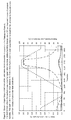
Figure 2 illustrates that, when measured under identical conditions, the Deferasirox Isonicotinamide co-crystal shows substantially improved properties with respect to its hygroscopicity, because it is much less prone to water uptake than the Deferasirox Form A when exposed to high relative humidity conditions.Table 1: Results of the water vapor sorption measurements H2O content at 50% r.h. H2O content at 95% r.h. multicomponent crystalline system of the present invention 0.1% 0.3% Deferasirox free drug substance 0.5% 3.6% - This result, in particular the combination of improved solubility and better hygroscopic properties, is unexpected for the person skilled in the art and cannot be deduced from the prior art. Consequently, the co-crystal of the present invention offers a profile of properties which is advantageous for use in medicaments and preferably in disintegrating tablets.
- A further aspect of the present invention is the co-crystal and the respective pharmaceutical composition for use in the treatment of iron overload in transfusion dependent anemias, in particular thalassemia major, thalassemia intermediate and/or in sickle cell disease to reduce iron-related morbidity and mortality and/or in the treatment of hemochromatosis.
- Preferably, the co-crystal and the respective pharmaceutical composition can be used for the treatment of chronic iron overload due to frequent blood transfusions in patients with beta thalassaemia being preferably major aged 6 years and older.
- The co-crystal of the present invention and the respective pharmaceutical composition can also be used for the treatment of chronic iron overload due to blood transfusions when deferoxamine therapy is contraindicated or inadequate, preferably in the following patient groups:
- in patients with beta thalassaemia major with iron overload due to frequent blood transfusions (≥7 ml/kg/month of packed red blood cells) aged 2 to 5 years,
- in patients with beta thalassaemia major with iron overload due to infrequent blood transfusions (<7 ml/kg/month of packed red blood cells) aged 2 years and older,
- in patients with other anaemias aged 2 years and older.
- Another object of the present invention is a process for obtaining the co-crystal of the present invention comprising the steps of:
- a) providing a compound of formula 1 (INN: Deferasirox)

- b) adding a compound of formula 2 (Isonicotinamide)

- c) optionally concentrating the composition of step b);
- d) crystallizing;
- e) optionally equilibrating the obtained suspension of step d); and
- f) isolating the obtained precipitate.
- Preferably, the molar ratio of the compound of formula 1 in step a) and the compound of formula 2 in step b) is in the range from 1:0.75 to 1:5.
- Preferably, in step b) the compound of formula 1 is provided in solid form, or as a solution in an ether, an alcohol, a ketone, an acetate, of mixture of solvents optionally containing water. Preferably, the solvent used in step a) is an organic solvent such as an alcohol, ether or ketone (e.g. tetrahydrofuran, acetone, methanol, ethanol, propanol, butanol). Preferably, the solvent is a mixture of tetrahydrofuran, ethanol, methanol and/or acetone.
- Solutions or suspension according to steps a) and/or b) preferably are concentrated solutions. Preferably, the solvent is an organic solvent such as an alcohol, ether or ketone (e.g. tetrahydrofuran, acetone, methanol, ethanol, propanol, butanol the solvent is a mixture of tetrahydrofuran, ethanol, methanol and/or acetone.
- In a further preferred embodiment, in step d) and/or e) seed crystals are added.
- The herein described 2 co-crystal shows good kinetic and thermodynamic stability.
- The co-crystal is generally obtained as a fine powder with typical particle size distributions with the median size between 1 and 50 µm, preferably between 1 to 10 µm. This particle size range ensures a fast dissolution profile, while retaining the favorable handling properties in the formulation process.
- However, the most important advantage of the co-crystal of the present invention is the dramatically enhanced aqueous solubility.
- A further aspect of the present invention is a pharmaceutical composition comprising the co-crystal of the present invention and optionally one or more pharmaceutically acceptable excipients.
- Oral formulations may be solid formulations such as capsules, tablets, pills and troches, or a liquid suspension formulation.
- The crystalline composition according to the invention may be used directly as powders (micronized particles), granules, suspensions, or they may be combined together with other pharmaceutically acceptable ingredients in admixing the components and optionally finely divide them, and then filling capsules, composed for example from hard or soft gelatin, compressing tablets, pills or troches, or suspend in suspensions. Coatings may be applied after compression to form pills.
- Pharmaceutically acceptable ingredients are well known for the various types of formulation and may be for example binders such as natural or synthetic polymers, excipients, disintegrants, lubricants, surfactants, sweetening and other flavouring agents, coating materials, preservatives, dyes, thickeners, adjuvants, antimicrobial agents and carriers for the various formulation types.
- Examples for binders are gum tragacanth, acacia, starch, gelatin, and biological degradable polymers such as homo- or co-polyesters of dicarboxylic acids, alkylene glycols, polyalkylene glycols and/or aliphatic hydroxyl carboxylic acids; homo- or co-polyamides of dicarboxylic acids, alkylene diamines, and/or aliphatic amino carboxylic acids; corresponding polyester-polyamideco-polymers, polyanhydrides, polyorthoesters, polyphosphazene and polycarbonates. The biological degradable polymers may be linear, branched or crosslinked. Specific examples are poly-glycolic acid, poly-lactic acid, and poly-d,l-lactide/glycolide. Other examples for polymers are water-soluble polymers such as polyoxaalkylenes (polyoxaethylene, polyoxapropylene and mixed polymers thereof, poly-acrylamides and hydroxylalkylated polyacrylamides, poly-maleic acid and esters or -amides thereof, poly-acrylic acid and esters or -amides thereof, polyvinylalcohol und esters or -ethers thereof, poly-vinylimidazole, poly-vinylpyrrolidon, und natural polymers like chitosan, carragenan or hyaluronic acid.
- Examples for excipients are phosphates such as dicalcium phosphate.
- Examples for disintegrants are croscarmellose sodium, crospovidone, low-substituted hydroxypropyl cellulose, sodium starch glycolate or alginic acid.
- Surfactants may be anionic, cationic, amphoteric or neutral. Examples for surfactants are lecithin, phospholipids, octyl sulfate, decyl sulfate, dodecyl sulfate, tetradecyl sulfate, hexadecyl sulfate and octadecyl sulfate, Na oleate or Na caprate, 1-acylaminoethane-2-sulfonic acids, such as 1-octanoylaminoethane-2-sulfonic acid, 1-decanoylaminoethane-2-sulfonic acid, 1dodecanoylaminoethane-2-sulfonic acid, 1-tetradecanoylaminoethane-2-sulfonic acid, 1hexadecanoylaminoethane-2-sulfonic acid, and 1-octadecanoylaminoethane-2-sulfonic acid, and taurocholic acid and taurodeoxycholic acid, bile acids and their salts, such as cholic acid, deoxycholic acid and sodium glycocholates, sodium caprate or sodium laurate, sodium oleate, sodium lauryl sulphate, sodium cetyl sulphate, sulfated castor oil and sodium dioctylsulfosuccinate, cocamidopropylbetaine and laurylbetaine, fatty alcohols, cholesterols, glycerol mono- or -distearate, glycerol mono- or -dioleate and glycerol mono- or -dipalmitate, and polyoxyethylene stearate.
- Examples for sweetening agents are sucrose, fructose, lactose or aspartam.
- Examples for flavouring agents are peppermint, oil of wintergreen or fruit flavours like cherry or orange flavour.
- Examples for coating materials are gelatin, wax, shellac, sugar or biological degradable polymers.
- Examples for preservatives are methyl or propylparabens, sorbic acid, chlorobutanol, phenol and thimerosal.
- Examples for adjuvants are fragrances.
- Examples for thickeners are synthetic polymers, fatty acids and fatty acid salts and esters and fatty alcohols.
- Examples for solid carriers are talc, clay, microcrystalline cellulose, silica, alumina and the like.
- The formulation according to the invention may also contain isotonic agents, such as sugars, buffers or sodium chloride.
- Preferably, the pharmaceutical composition comprising the co-crystal is a dispersible tablet. The co-crystal of the present invention may also be formulated as effervescent tablet or powder, which can disintegrate in an aqueous environment to provide a drinking solution.
- The most preferred route is oral administration. The dosages may be conveniently presented in a unit dosage form and prepared by any of the methods well-known in the art of pharmacy Capsule dosages, of course, will contain the solid composition within a capsule which may be made of gelatin or other conventional encapsulating material. Tablets and powders may be coated. Tablets and powders may be coated with an enteric coating. The enteric coated powder forms may have coatings comprising phthalic acid cellulose acetate, hydroxypropylmethyl-cellulose phthalate, polyvinyl alcohol phthalate, carboxymethylethylcellulose, a copolymer of styrene and maleic acid, a copolymer of methacrylic acid and methyl methacrylate, and like materials, and if desired, they may be employed with suitable plasticizers and/or extending agents. A coated tablet may have a coating on the surface of the tablet or may be a tablet comprising a powder or granules with an enteric-coating.
- The co-crystal of the present invention and its formulations, respectively, can be also being administered in combination with other therapeutic agents being effective to treat a given condition and/or to provide a combination therapy.
-
- HPLC
- high pressure liquid chromatography
- NMR
- nuclear magnetic resonance
- TGA
- thermogravimetric analysis
- r.h.
- relative humidity (air, if not indicated otherwise)
- v/v
- volume by volume
- XRPD
- X-ray powder diffraction
- DVS
- dynamic vapor sorption
- The measurements were carried out with a Stoe Stadi P with a Mythen 1K Detector and Cu-Kα1 radiation. Measurement conditions: transmission; 40 kV and 40 mA tube power; curved Ge monochromator; 0.02°2θ step size, 12 s step time, 1.5-50.5° in 2θ scanning range; detector mode: step scan; 1°2θ detector step; standard sample preparation: 10 to 20 mg sample was placed between two acetate foils; sample holder: Stoe transmission sample holder; the sample was rotated during the measurement.
- Generally, the 2θ values are accurate within an error of ±0.1-0.2°. The relative peak intensities can vary considerably for different samples of the same crystalline form because of different preferred orientations of the crystals.
- TGA was performed with a TA Instruments TGA Q5000 instrument at a heating rate of 10° per minute from 25 to 300°C.
- The 1 H-NMR spectra were recorded on a
Bruker DPX 300 spectrometer. Solvent: D6-DMSO - Solubility determinations were carried out in pure water at 25±2°C. Suspensions with about 50 mg the solid form, either the co-crystal of the present invention or deferasirox free drug substance in 7 mL water were prepared an equilibrated for three days before the solution phase was filtered off and tested by HPLC.
- HPLC was carried out on an Agilent 1100 HPLC chromatograph equipped with a UV-vis detection unit. The column type used was a Waters XTerra MS C18, 100 x 4.6 mm, 5 µm (FK-CC01 F). The applied gradient method with eluent A (water containing 1 % of trifluoroacetic acid) and eluent B (acetonitrile) was as follows: At t = 0 minutes: 95% A, 5% B, 20 minutes: 5% A, 95% B, 20.5 minutes: 95% A and 5% B, 25 minutes: 95% A, 5% B. The applied flow rate was 1.0 mL per minute, the injection volume was 10 microliter and the detection wavelength was 254 nm.
- Dynamic water vapor adsorption measurements were carried out using an SPS11 100n instrument, manufactured by "Projekt Messtechnik" in Ulm, Germany. For this, ca. 20 mg of the sample were weighed into an aluminum support and this was inserted into the measurement chamber of the instrument. The sample was then subjected to preselected relative humidities in accordance with a defined program, the change in mass being determined over the time. The following measurement program was used: 50% r.h. constant for two hours, then changing the relative humidity to 0% r.h., then changing the relative humidity to 96% r.h., constant at 96% r.h. for four hours and then changing the relative humidity to 50% r.h. and then constant at 50% r.h. for one hour. The change rates set were in each case 5% per hour.
- Solvents: For all experiments, Fluka or Sigma Aldrich grade solvents are used. Selected solvents are dried using 3 or 4 Å molecular sieves.
- The following examples illustrate the invention.
- To 51 mg isonicotinamide and 150 mg Deferasirox was added 100 µl methanol. This mixture was vigorously ground to dryness in an agate mortar. Then another 100 µl methanol was added and grinding was carried out. Investigation of the solid material by XRPD shows that an new solid form that is still containing some Deferasirox form A is obtained. The mixture of the multicomponent crystalline system with Deferasirox form A was further processed by addition of 4 ml of acetone. The resulting suspension was shortly heated to reflux temperature and then stirred at r.t in an open vial allowing about 3 ml of the solvent to evaporate before the solid was separated by filtration. Investigation of the resulting crystalline material by XRPD shows a powder pattern as shown in
Figure 1 with peak locations as provided in table 2. Further analysis by H-NMR reveals a molar ratio of about 1:1 of Deferasirox and Isonicotinamide. - 882 mg of Deferasirox and 290 mg of isonicotinamide are dissolved in a mixture of 15 ml acetone and 3 ml THF by shortly heating to reflux temperature. Let the solution cool to room temperature and evaporate the solvents under a flow of nitrogen with a flow rate about 50 ml per minute. To the dry residue 5 ml acetone is added and the resulting suspension is stirred at room temperature for two hours before the solid is filtered off. The obtained crystalline material is investigated by XRPD, TGA, H-NMR and dynamic vapor sorption analysis. H-NMR spectroscopy of the solid material indicates a molar ratio of Deferasirox to Isonicotinamide of about 1:1. Thermogravimetric analysis shows no significant mass loss below 150°C and therefore we conclude that the co-crystal is neither a solvate nor a hydrate. Powder X-ray diffraction shows a XRPD pattern that is characteristic for the Deferasirox - Isonicotinamide co-crystal as depicted
figure 1 and with peak locations as set out in table 2. The aqueous solubility at room temperature is tested by equilibrating a suspension of about 50 mg of the solid product in 7 ml purified water over three days. Then suspension is filtered and the concentration in the solution determined by HPLC. The solubility in water at 25±2°C is about 32 microgram per mL. The dynamic water vapor sorption diagram is exemplified infigure 2 and the water content at 50% and 95% relative humidity is given in table 1.Table 2: XRPD peak locations for the Deferasirox Isonictinamide co-crystal 2θ angle d-spacing Å Qualitative intensity 4.9 18.2 w 9.6 9.2 s 10.8 8.2 w 12.1 7.3 vw 12.8 6.9 vw 13.7 6.4 w 14.6 6.0 m 15.6 5.69 vs 16.0 5.53 m 16.2 5.45 m 17.5 5.05 m 17.9 4.95 m 19.4 4.58 w 19.8 4.47 w 21.2 4.19 w 21.7 4.09 w 22.7 3.91 w 24.4 3.65 s 25.5 3.49 m 25.9 3.44 m 26.1 3.41 s 26.2 3.40 s 26.6 3.35 vw 26.9 3.31 m 28.2 3.16 m 29.0 3.07 w 30.8 2.90 w 32.3 2.77 w 33.9 2.64 vw 35.4 2.53 w 38.1 2.36 vw Vs= very strong, s=strong, m=medium, w=weak, vw=very weak
Claims (10)
- A co-crystal comprising a compound of formula 1 (4-[3,5-Bis(2-hydroxyphenyl)-1 H-1,2,4-triazol-1-yl]benzoic acid; INN: Deferasirox)


- The co-crystal according to claim 1, characterized in that the molar ratio of the compound of formula 1 and the compound of formula 2 is in the range of from 1:0.75 to 1:1.25.
- The co-crystal according to claim 1 or 2, characterized in that it has an XRPD pattern with at least one characteristic peak (expressed in 2θ ± 0.2° 2θ (CuKα radiation)) at 9.6, 14.6, 15.6 and / or 24.4°.
- The co-crystal according to claim 3, characterized in that it has an XRPD pattern with at least one characteristic peak (expressed in 2θ ± 0.2° 2θ (CuKα radiation)) at 4.9, 9.6, 13.7, 14.6, 15.6, 24.4, 26.1 and / or 26.2°.
- The co-crystal according to at least on of claims 1 to 4 for use in the treatment of iron overload in transfusion dependent anemias, in particular thalassemia major, thalassemia intermediate and/or in sickle cell disease to reduce iron-related morbidity and mortality and/or in the treatment of hemochromatosis.
- A process for obtaining the co-crystal according to at least one of the claims 1 to 5 comprising the steps of:a) providing a compound of formula 1 (INN: Deferasirox)
 b) adding a compound of formula 2 (Isonicotinamide)
 c) optionally concentrating the composition of step b);d) crystallizing;e) optionally equilibrating the obtained suspension of step d); andf) isolating the obtained precipitate.
 - The process according to claim 6, characterized in that the molar ratio of the compound of formula 1 in step a) and the compound of formula 2 in step b) is in the range from 1:0.75 to 1:5.
- The process according to claim 6 or 7, characterized in that in step b) the compound of formula 1 is provided in solid form, or as a solution in an ether, an alcohol, a ketone, an acetate, of mixture of solvents optionally containing water.
- The process according to at least one of claims 6 to 8, characterized in that in step d) and/or e) seed crystals are added.
- A pharmaceutical composition comprising the co-crystal according to at least one of the claims 1 to 5 and optionally one or more pharmaceutically acceptable excipients.
Priority Applications (1)
| Application Number | Priority Date | Filing Date | Title |
|---|---|---|---|
| EP13750525.1A EP2880019B1 (en) | 2012-08-06 | 2013-08-05 | Multicomponent crystalline system comprising deferasirox and isonicotinamide and a process for the preparation thereof |
Applications Claiming Priority (4)
| Application Number | Priority Date | Filing Date | Title |
|---|---|---|---|
| US201261679800P | 2012-08-06 | 2012-08-06 | |
| EP12179346 | 2012-08-06 | ||
| PCT/EP2013/066360 WO2014023682A1 (en) | 2012-08-06 | 2013-08-05 | Multicomponent crystalline system comprising deferasirox and isonicotinamide and a process for the preparation thereof |
| EP13750525.1A EP2880019B1 (en) | 2012-08-06 | 2013-08-05 | Multicomponent crystalline system comprising deferasirox and isonicotinamide and a process for the preparation thereof |
Publications (2)
| Publication Number | Publication Date |
|---|---|
| EP2880019A1 EP2880019A1 (en) | 2015-06-10 |
| EP2880019B1 true EP2880019B1 (en) | 2016-07-13 |
Family
ID=50067439
Family Applications (1)
| Application Number | Title | Priority Date | Filing Date |
|---|---|---|---|
| EP13750525.1A Not-in-force EP2880019B1 (en) | 2012-08-06 | 2013-08-05 | Multicomponent crystalline system comprising deferasirox and isonicotinamide and a process for the preparation thereof |
Country Status (5)
| Country | Link |
|---|---|
| US (1) | US9290452B2 (en) |
| EP (1) | EP2880019B1 (en) |
| CA (1) | CA2879792A1 (en) |
| ES (1) | ES2598168T3 (en) |
| WO (1) | WO2014023682A1 (en) |
Families Citing this family (6)
| Publication number | Priority date | Publication date | Assignee | Title |
|---|---|---|---|---|
| CA2877030A1 (en) | 2012-06-22 | 2013-12-27 | Basf Se | Multicomponent crystals comprising imatinib mesilate and selected co-crystal formers |
| KR20150068483A (en) | 2012-10-19 | 2015-06-19 | 바스프 에스이 | Multicomponent crystalline system comprising nilotinib and selected co-crystal formers |
| JP6501773B2 (en) | 2013-07-25 | 2019-04-17 | ビーエーエスエフ ソシエタス・ヨーロピアBasf Se | Salt of dasatinib in crystalline form |
| CN105377842A (en) | 2013-07-25 | 2016-03-02 | 巴斯夫欧洲公司 | Salts of dasatinib in amorphous form |
| CN108689953A (en) * | 2018-07-01 | 2018-10-23 | 王新民 | A method of improving triazole type plant growth regulator paclobutrazol solubility |
| CN108997235A (en) * | 2018-07-01 | 2018-12-14 | 王新民 | A kind of high-dissolvability plant growth regulator and preparation method thereof |
Family Cites Families (9)
| Publication number | Priority date | Publication date | Assignee | Title |
|---|---|---|---|---|
| CA2670313C (en) | 2006-11-29 | 2013-02-12 | Novartis Ag | Polymorphic forms of deferasirox (icl670a) |
| EP2291360A2 (en) * | 2008-04-21 | 2011-03-09 | Actavis Group PTC ehf. | Solid state forms of deferasirox salts and process for the preparation thereof |
| GB201015132D0 (en) | 2010-09-10 | 2010-10-27 | Univ Bristol | Vaccine composition |
| US9249108B2 (en) | 2010-11-22 | 2016-02-02 | Basf Se | Multicomponent system of rosuvastatin calcium salt and sorbitol |
| WO2013014604A1 (en) | 2011-07-26 | 2013-01-31 | Basf Se | Multicomponent crystalline system of ezetimibe and proline |
| EP2788344A4 (en) | 2011-12-06 | 2015-06-24 | Basf Se | Multicomponent crystalline system of voriconazole with fumaric acid |
| CA2876539A1 (en) | 2012-06-15 | 2013-12-19 | Basf Se | Multicomponent crystals comprising dasatinib and selected co-crystal formers |
| CA2877030A1 (en) | 2012-06-22 | 2013-12-27 | Basf Se | Multicomponent crystals comprising imatinib mesilate and selected co-crystal formers |
| KR20150068483A (en) | 2012-10-19 | 2015-06-19 | 바스프 에스이 | Multicomponent crystalline system comprising nilotinib and selected co-crystal formers |
-
2013
- 2013-08-05 ES ES13750525.1T patent/ES2598168T3/en active Active
- 2013-08-05 CA CA2879792A patent/CA2879792A1/en not_active Abandoned
- 2013-08-05 EP EP13750525.1A patent/EP2880019B1/en not_active Not-in-force
- 2013-08-05 WO PCT/EP2013/066360 patent/WO2014023682A1/en not_active Ceased
- 2013-08-05 US US14/415,875 patent/US9290452B2/en not_active Expired - Fee Related
Also Published As
| Publication number | Publication date |
|---|---|
| CA2879792A1 (en) | 2014-02-13 |
| WO2014023682A1 (en) | 2014-02-13 |
| US20150175544A1 (en) | 2015-06-25 |
| US9290452B2 (en) | 2016-03-22 |
| ES2598168T3 (en) | 2017-01-25 |
| EP2880019A1 (en) | 2015-06-10 |
Similar Documents
| Publication | Publication Date | Title |
|---|---|---|
| EP2861589B1 (en) | Multicomponent crystals comprising dasatinib and selected cocrystal formers | |
| US9290452B2 (en) | Multicomponent crystalline system comprising deferasirox and isonicotinamide and a process for the preparation thereof | |
| US9884857B2 (en) | Salts of dasatinib in amorphous form | |
| EP3274332B1 (en) | Crystalline forms of cabozantinib phosphate and cabozantinib hydrochloride | |
| EP3502105A1 (en) | Polymorphic form of kinase inhibitor compound, pharmaceutical composition containing same, and preparation method therefor and use thereof | |
| EP4359410B1 (en) | Crystalline form of sotorasib | |
| US9556164B2 (en) | Salts of Dasatinib in crystalline form | |
| EP3080141A1 (en) | Solid form of abiraterone acetate | |
| EP3274333B1 (en) | Cabozantinib salts and their use as anti-cancer agents | |
| US10105355B2 (en) | Multi-component crystals of vismodegib and selected co-crystal formers or solvents | |
| CN110312705B (en) | Crystal form of GFT-505 and its preparation method and use | |
| US20240010646A1 (en) | Urea Co-Crystal of Apixaban, and Preparation Method Therefor | |
| EP4227305A1 (en) | Crystalline form of sotorasib | |
| KR102836470B1 (en) | Therapeutic co-crystal of 3-{[5-(azetidin-1-ylcarbonyl)pyrazin-2-yl]oxy}-5-{[(1S)-1-methyl-2-(methyloxy)ethyl]oxy)-N-(5-methylpyrazin-2-yl)benzamide | |
| EP4114835A1 (en) | Salts and polymorphic forms of 6-chloro-7-(4-(4-chlorobenzyl)piperazin-1-yl)-2-(1,3-dimethyl-1h-pyrazol-4-yl)-3h-imidazo[4,5-b]pyridine |
Legal Events
| Date | Code | Title | Description |
|---|---|---|---|
| PUAI | Public reference made under article 153(3) epc to a published international application that has entered the european phase |
Free format text: ORIGINAL CODE: 0009012 |
|
| 17P | Request for examination filed |
Effective date: 20150306 |
|
| AK | Designated contracting states |
Kind code of ref document: A1 Designated state(s): AL AT BE BG CH CY CZ DE DK EE ES FI FR GB GR HR HU IE IS IT LI LT LU LV MC MK MT NL NO PL PT RO RS SE SI SK SM TR |
|
| AX | Request for extension of the european patent |
Extension state: BA ME |
|
| DAX | Request for extension of the european patent (deleted) | ||
| REG | Reference to a national code |
Ref country code: DE Ref legal event code: R079 Ref document number: 602013009423 Country of ref document: DE Free format text: PREVIOUS MAIN CLASS: C07D0249080000 Ipc: C07D0213810000 |
|
| GRAP | Despatch of communication of intention to grant a patent |
Free format text: ORIGINAL CODE: EPIDOSNIGR1 |
|
| RIC1 | Information provided on ipc code assigned before grant |
Ipc: A61P 7/00 20060101ALI20160121BHEP Ipc: A61K 31/4196 20060101ALI20160121BHEP Ipc: C07D 249/08 20060101ALI20160121BHEP Ipc: C07D 213/81 20060101AFI20160121BHEP |
|
| INTG | Intention to grant announced |
Effective date: 20160225 |
|
| GRAS | Grant fee paid |
Free format text: ORIGINAL CODE: EPIDOSNIGR3 |
|
| GRAA | (expected) grant |
Free format text: ORIGINAL CODE: 0009210 |
|
| AK | Designated contracting states |
Kind code of ref document: B1 Designated state(s): AL AT BE BG CH CY CZ DE DK EE ES FI FR GB GR HR HU IE IS IT LI LT LU LV MC MK MT NL NO PL PT RO RS SE SI SK SM TR |
|
| REG | Reference to a national code |
Ref country code: GB Ref legal event code: FG4D |
|
| REG | Reference to a national code |
Ref country code: AT Ref legal event code: REF Ref document number: 812183 Country of ref document: AT Kind code of ref document: T Effective date: 20160715 Ref country code: CH Ref legal event code: EP |
|
| REG | Reference to a national code |
Ref country code: IE Ref legal event code: FG4D |
|
| REG | Reference to a national code |
Ref country code: DE Ref legal event code: R096 Ref document number: 602013009423 Country of ref document: DE |
|
| REG | Reference to a national code |
Ref country code: FR Ref legal event code: PLFP Year of fee payment: 4 |
|
| REG | Reference to a national code |
Ref country code: LT Ref legal event code: MG4D |
|
| REG | Reference to a national code |
Ref country code: NL Ref legal event code: MP Effective date: 20160713 |
|
| REG | Reference to a national code |
Ref country code: AT Ref legal event code: MK05 Ref document number: 812183 Country of ref document: AT Kind code of ref document: T Effective date: 20160713 |
|
| REG | Reference to a national code |
Ref country code: ES Ref legal event code: FG2A Ref document number: 2598168 Country of ref document: ES Kind code of ref document: T3 Effective date: 20170125 |
|
| PG25 | Lapsed in a contracting state [announced via postgrant information from national office to epo] |
Ref country code: NO Free format text: LAPSE BECAUSE OF FAILURE TO SUBMIT A TRANSLATION OF THE DESCRIPTION OR TO PAY THE FEE WITHIN THE PRESCRIBED TIME-LIMIT Effective date: 20161013 Ref country code: FI Free format text: LAPSE BECAUSE OF FAILURE TO SUBMIT A TRANSLATION OF THE DESCRIPTION OR TO PAY THE FEE WITHIN THE PRESCRIBED TIME-LIMIT Effective date: 20160713 Ref country code: LT Free format text: LAPSE BECAUSE OF FAILURE TO SUBMIT A TRANSLATION OF THE DESCRIPTION OR TO PAY THE FEE WITHIN THE PRESCRIBED TIME-LIMIT Effective date: 20160713 Ref country code: RS Free format text: LAPSE BECAUSE OF FAILURE TO SUBMIT A TRANSLATION OF THE DESCRIPTION OR TO PAY THE FEE WITHIN THE PRESCRIBED TIME-LIMIT Effective date: 20160713 Ref country code: HR Free format text: LAPSE BECAUSE OF FAILURE TO SUBMIT A TRANSLATION OF THE DESCRIPTION OR TO PAY THE FEE WITHIN THE PRESCRIBED TIME-LIMIT Effective date: 20160713 Ref country code: IS Free format text: LAPSE BECAUSE OF FAILURE TO SUBMIT A TRANSLATION OF THE DESCRIPTION OR TO PAY THE FEE WITHIN THE PRESCRIBED TIME-LIMIT Effective date: 20161113 Ref country code: NL Free format text: LAPSE BECAUSE OF FAILURE TO SUBMIT A TRANSLATION OF THE DESCRIPTION OR TO PAY THE FEE WITHIN THE PRESCRIBED TIME-LIMIT Effective date: 20160713 |
|
| PG25 | Lapsed in a contracting state [announced via postgrant information from national office to epo] |
Ref country code: LV Free format text: LAPSE BECAUSE OF FAILURE TO SUBMIT A TRANSLATION OF THE DESCRIPTION OR TO PAY THE FEE WITHIN THE PRESCRIBED TIME-LIMIT Effective date: 20160713 Ref country code: AT Free format text: LAPSE BECAUSE OF FAILURE TO SUBMIT A TRANSLATION OF THE DESCRIPTION OR TO PAY THE FEE WITHIN THE PRESCRIBED TIME-LIMIT Effective date: 20160713 Ref country code: SE Free format text: LAPSE BECAUSE OF FAILURE TO SUBMIT A TRANSLATION OF THE DESCRIPTION OR TO PAY THE FEE WITHIN THE PRESCRIBED TIME-LIMIT Effective date: 20160713 Ref country code: PL Free format text: LAPSE BECAUSE OF FAILURE TO SUBMIT A TRANSLATION OF THE DESCRIPTION OR TO PAY THE FEE WITHIN THE PRESCRIBED TIME-LIMIT Effective date: 20160713 Ref country code: GR Free format text: LAPSE BECAUSE OF FAILURE TO SUBMIT A TRANSLATION OF THE DESCRIPTION OR TO PAY THE FEE WITHIN THE PRESCRIBED TIME-LIMIT Effective date: 20161014 Ref country code: PT Free format text: LAPSE BECAUSE OF FAILURE TO SUBMIT A TRANSLATION OF THE DESCRIPTION OR TO PAY THE FEE WITHIN THE PRESCRIBED TIME-LIMIT Effective date: 20161114 |
|
| REG | Reference to a national code |
Ref country code: DE Ref legal event code: R097 Ref document number: 602013009423 Country of ref document: DE |
|
| PG25 | Lapsed in a contracting state [announced via postgrant information from national office to epo] |
Ref country code: RO Free format text: LAPSE BECAUSE OF FAILURE TO SUBMIT A TRANSLATION OF THE DESCRIPTION OR TO PAY THE FEE WITHIN THE PRESCRIBED TIME-LIMIT Effective date: 20160713 Ref country code: MC Free format text: LAPSE BECAUSE OF FAILURE TO SUBMIT A TRANSLATION OF THE DESCRIPTION OR TO PAY THE FEE WITHIN THE PRESCRIBED TIME-LIMIT Effective date: 20160713 Ref country code: EE Free format text: LAPSE BECAUSE OF FAILURE TO SUBMIT A TRANSLATION OF THE DESCRIPTION OR TO PAY THE FEE WITHIN THE PRESCRIBED TIME-LIMIT Effective date: 20160713 |
|
| PLBE | No opposition filed within time limit |
Free format text: ORIGINAL CODE: 0009261 |
|
| STAA | Information on the status of an ep patent application or granted ep patent |
Free format text: STATUS: NO OPPOSITION FILED WITHIN TIME LIMIT |
|
| PG25 | Lapsed in a contracting state [announced via postgrant information from national office to epo] |
Ref country code: BG Free format text: LAPSE BECAUSE OF FAILURE TO SUBMIT A TRANSLATION OF THE DESCRIPTION OR TO PAY THE FEE WITHIN THE PRESCRIBED TIME-LIMIT Effective date: 20161013 Ref country code: DK Free format text: LAPSE BECAUSE OF FAILURE TO SUBMIT A TRANSLATION OF THE DESCRIPTION OR TO PAY THE FEE WITHIN THE PRESCRIBED TIME-LIMIT Effective date: 20160713 Ref country code: SM Free format text: LAPSE BECAUSE OF FAILURE TO SUBMIT A TRANSLATION OF THE DESCRIPTION OR TO PAY THE FEE WITHIN THE PRESCRIBED TIME-LIMIT Effective date: 20160713 Ref country code: CZ Free format text: LAPSE BECAUSE OF FAILURE TO SUBMIT A TRANSLATION OF THE DESCRIPTION OR TO PAY THE FEE WITHIN THE PRESCRIBED TIME-LIMIT Effective date: 20160713 Ref country code: SK Free format text: LAPSE BECAUSE OF FAILURE TO SUBMIT A TRANSLATION OF THE DESCRIPTION OR TO PAY THE FEE WITHIN THE PRESCRIBED TIME-LIMIT Effective date: 20160713 |
|
| 26N | No opposition filed |
Effective date: 20170418 |
|
| REG | Reference to a national code |
Ref country code: FR Ref legal event code: PLFP Year of fee payment: 5 |
|
| PG25 | Lapsed in a contracting state [announced via postgrant information from national office to epo] |
Ref country code: SI Free format text: LAPSE BECAUSE OF FAILURE TO SUBMIT A TRANSLATION OF THE DESCRIPTION OR TO PAY THE FEE WITHIN THE PRESCRIBED TIME-LIMIT Effective date: 20160713 Ref country code: LU Free format text: LAPSE BECAUSE OF NON-PAYMENT OF DUE FEES Effective date: 20160805 |
|
| PG25 | Lapsed in a contracting state [announced via postgrant information from national office to epo] |
Ref country code: HU Free format text: LAPSE BECAUSE OF FAILURE TO SUBMIT A TRANSLATION OF THE DESCRIPTION OR TO PAY THE FEE WITHIN THE PRESCRIBED TIME-LIMIT; INVALID AB INITIO Effective date: 20130805 |
|
| PG25 | Lapsed in a contracting state [announced via postgrant information from national office to epo] |
Ref country code: MT Free format text: LAPSE BECAUSE OF NON-PAYMENT OF DUE FEES Effective date: 20160831 Ref country code: CY Free format text: LAPSE BECAUSE OF FAILURE TO SUBMIT A TRANSLATION OF THE DESCRIPTION OR TO PAY THE FEE WITHIN THE PRESCRIBED TIME-LIMIT Effective date: 20160713 Ref country code: MK Free format text: LAPSE BECAUSE OF FAILURE TO SUBMIT A TRANSLATION OF THE DESCRIPTION OR TO PAY THE FEE WITHIN THE PRESCRIBED TIME-LIMIT Effective date: 20160713 |
|
| REG | Reference to a national code |
Ref country code: FR Ref legal event code: PLFP Year of fee payment: 6 |
|
| PG25 | Lapsed in a contracting state [announced via postgrant information from national office to epo] |
Ref country code: AL Free format text: LAPSE BECAUSE OF FAILURE TO SUBMIT A TRANSLATION OF THE DESCRIPTION OR TO PAY THE FEE WITHIN THE PRESCRIBED TIME-LIMIT Effective date: 20160713 Ref country code: TR Free format text: LAPSE BECAUSE OF FAILURE TO SUBMIT A TRANSLATION OF THE DESCRIPTION OR TO PAY THE FEE WITHIN THE PRESCRIBED TIME-LIMIT Effective date: 20160713 |
|
| PGFP | Annual fee paid to national office [announced via postgrant information from national office to epo] |
Ref country code: IT Payment date: 20180823 Year of fee payment: 6 Ref country code: FR Payment date: 20180824 Year of fee payment: 6 Ref country code: IE Payment date: 20180822 Year of fee payment: 6 Ref country code: ES Payment date: 20180926 Year of fee payment: 6 |
|
| PGFP | Annual fee paid to national office [announced via postgrant information from national office to epo] |
Ref country code: BE Payment date: 20180824 Year of fee payment: 6 Ref country code: GB Payment date: 20180831 Year of fee payment: 6 Ref country code: CH Payment date: 20180824 Year of fee payment: 6 |
|
| PGFP | Annual fee paid to national office [announced via postgrant information from national office to epo] |
Ref country code: DE Payment date: 20181031 Year of fee payment: 6 |
|
| REG | Reference to a national code |
Ref country code: DE Ref legal event code: R119 Ref document number: 602013009423 Country of ref document: DE |
|
| GBPC | Gb: european patent ceased through non-payment of renewal fee |
Effective date: 20190805 |
|
| PG25 | Lapsed in a contracting state [announced via postgrant information from national office to epo] |
Ref country code: LI Free format text: LAPSE BECAUSE OF NON-PAYMENT OF DUE FEES Effective date: 20190831 Ref country code: CH Free format text: LAPSE BECAUSE OF NON-PAYMENT OF DUE FEES Effective date: 20190831 |
|
| REG | Reference to a national code |
Ref country code: BE Ref legal event code: MM Effective date: 20190831 |
|
| PG25 | Lapsed in a contracting state [announced via postgrant information from national office to epo] |
Ref country code: FR Free format text: LAPSE BECAUSE OF NON-PAYMENT OF DUE FEES Effective date: 20190831 Ref country code: DE Free format text: LAPSE BECAUSE OF NON-PAYMENT OF DUE FEES Effective date: 20200303 Ref country code: IE Free format text: LAPSE BECAUSE OF NON-PAYMENT OF DUE FEES Effective date: 20190805 |
|
| PG25 | Lapsed in a contracting state [announced via postgrant information from national office to epo] |
Ref country code: IT Free format text: LAPSE BECAUSE OF NON-PAYMENT OF DUE FEES Effective date: 20190805 Ref country code: GB Free format text: LAPSE BECAUSE OF NON-PAYMENT OF DUE FEES Effective date: 20190805 Ref country code: BE Free format text: LAPSE BECAUSE OF NON-PAYMENT OF DUE FEES Effective date: 20190831 |
|
| REG | Reference to a national code |
Ref country code: ES Ref legal event code: FD2A Effective date: 20210105 |
|
| PG25 | Lapsed in a contracting state [announced via postgrant information from national office to epo] |
Ref country code: ES Free format text: LAPSE BECAUSE OF NON-PAYMENT OF DUE FEES Effective date: 20190806 |