EP2879692B1 - Means for treating heart disease - Google Patents
Means for treating heart disease Download PDFInfo
- Publication number
- EP2879692B1 EP2879692B1 EP13753823.7A EP13753823A EP2879692B1 EP 2879692 B1 EP2879692 B1 EP 2879692B1 EP 13753823 A EP13753823 A EP 13753823A EP 2879692 B1 EP2879692 B1 EP 2879692B1
- Authority
- EP
- European Patent Office
- Prior art keywords
- car
- protein
- myocardial infarction
- cell
- fragment
- Prior art date
- Legal status (The legal status is an assumption and is not a legal conclusion. Google has not performed a legal analysis and makes no representation as to the accuracy of the status listed.)
- Active
Links
Images


Classifications
-
- C—CHEMISTRY; METALLURGY
- C07—ORGANIC CHEMISTRY
- C07K—PEPTIDES
- C07K14/00—Peptides having more than 20 amino acids; Gastrins; Somatostatins; Melanotropins; Derivatives thereof
- C07K14/435—Peptides having more than 20 amino acids; Gastrins; Somatostatins; Melanotropins; Derivatives thereof from animals; from humans
- C07K14/705—Receptors; Cell surface antigens; Cell surface determinants
-
- A—HUMAN NECESSITIES
- A61—MEDICAL OR VETERINARY SCIENCE; HYGIENE
- A61K—PREPARATIONS FOR MEDICAL, DENTAL OR TOILETRY PURPOSES
- A61K31/00—Medicinal preparations containing organic active ingredients
- A61K31/70—Carbohydrates; Sugars; Derivatives thereof
- A61K31/7088—Compounds having three or more nucleosides or nucleotides
-
- A—HUMAN NECESSITIES
- A61—MEDICAL OR VETERINARY SCIENCE; HYGIENE
- A61K—PREPARATIONS FOR MEDICAL, DENTAL OR TOILETRY PURPOSES
- A61K38/00—Medicinal preparations containing peptides
- A61K38/16—Peptides having more than 20 amino acids; Gastrins; Somatostatins; Melanotropins; Derivatives thereof
- A61K38/17—Peptides having more than 20 amino acids; Gastrins; Somatostatins; Melanotropins; Derivatives thereof from animals; from humans
-
- A—HUMAN NECESSITIES
- A61—MEDICAL OR VETERINARY SCIENCE; HYGIENE
- A61K—PREPARATIONS FOR MEDICAL, DENTAL OR TOILETRY PURPOSES
- A61K38/00—Medicinal preparations containing peptides
- A61K38/16—Peptides having more than 20 amino acids; Gastrins; Somatostatins; Melanotropins; Derivatives thereof
- A61K38/17—Peptides having more than 20 amino acids; Gastrins; Somatostatins; Melanotropins; Derivatives thereof from animals; from humans
- A61K38/177—Receptors; Cell surface antigens; Cell surface determinants
-
- A—HUMAN NECESSITIES
- A61—MEDICAL OR VETERINARY SCIENCE; HYGIENE
- A61K—PREPARATIONS FOR MEDICAL, DENTAL OR TOILETRY PURPOSES
- A61K38/00—Medicinal preparations containing peptides
- A61K38/16—Peptides having more than 20 amino acids; Gastrins; Somatostatins; Melanotropins; Derivatives thereof
- A61K38/17—Peptides having more than 20 amino acids; Gastrins; Somatostatins; Melanotropins; Derivatives thereof from animals; from humans
- A61K38/39—Connective tissue peptides, e.g. collagen, elastin, laminin, fibronectin, vitronectin, cold insoluble globulin [CIG]
-
- A—HUMAN NECESSITIES
- A61—MEDICAL OR VETERINARY SCIENCE; HYGIENE
- A61K—PREPARATIONS FOR MEDICAL, DENTAL OR TOILETRY PURPOSES
- A61K39/00—Medicinal preparations containing antigens or antibodies
- A61K39/395—Antibodies; Immunoglobulins; Immune serum, e.g. antilymphocytic serum
- A61K39/39533—Antibodies; Immunoglobulins; Immune serum, e.g. antilymphocytic serum against materials from animals
- A61K39/3955—Antibodies; Immunoglobulins; Immune serum, e.g. antilymphocytic serum against materials from animals against proteinaceous materials, e.g. enzymes, hormones, lymphokines
-
- A—HUMAN NECESSITIES
- A61—MEDICAL OR VETERINARY SCIENCE; HYGIENE
- A61K—PREPARATIONS FOR MEDICAL, DENTAL OR TOILETRY PURPOSES
- A61K45/00—Medicinal preparations containing active ingredients not provided for in groups A61K31/00 - A61K41/00
- A61K45/06—Mixtures of active ingredients without chemical characterisation, e.g. antiphlogistics and cardiaca
-
- A—HUMAN NECESSITIES
- A61—MEDICAL OR VETERINARY SCIENCE; HYGIENE
- A61K—PREPARATIONS FOR MEDICAL, DENTAL OR TOILETRY PURPOSES
- A61K47/00—Medicinal preparations characterised by the non-active ingredients used, e.g. carriers or inert additives; Targeting or modifying agents chemically bound to the active ingredient
- A61K47/50—Medicinal preparations characterised by the non-active ingredients used, e.g. carriers or inert additives; Targeting or modifying agents chemically bound to the active ingredient the non-active ingredient being chemically bound to the active ingredient, e.g. polymer-drug conjugates
- A61K47/51—Medicinal preparations characterised by the non-active ingredients used, e.g. carriers or inert additives; Targeting or modifying agents chemically bound to the active ingredient the non-active ingredient being chemically bound to the active ingredient, e.g. polymer-drug conjugates the non-active ingredient being a modifying agent
- A61K47/68—Medicinal preparations characterised by the non-active ingredients used, e.g. carriers or inert additives; Targeting or modifying agents chemically bound to the active ingredient the non-active ingredient being chemically bound to the active ingredient, e.g. polymer-drug conjugates the non-active ingredient being a modifying agent the modifying agent being an antibody, an immunoglobulin or a fragment thereof, e.g. an Fc-fragment
-
- A—HUMAN NECESSITIES
- A61—MEDICAL OR VETERINARY SCIENCE; HYGIENE
- A61K—PREPARATIONS FOR MEDICAL, DENTAL OR TOILETRY PURPOSES
- A61K48/00—Medicinal preparations containing genetic material which is inserted into cells of the living body to treat genetic diseases; Gene therapy
- A61K48/005—Medicinal preparations containing genetic material which is inserted into cells of the living body to treat genetic diseases; Gene therapy characterised by an aspect of the 'active' part of the composition delivered, i.e. the nucleic acid delivered
-
- A—HUMAN NECESSITIES
- A61—MEDICAL OR VETERINARY SCIENCE; HYGIENE
- A61P—SPECIFIC THERAPEUTIC ACTIVITY OF CHEMICAL COMPOUNDS OR MEDICINAL PREPARATIONS
- A61P9/00—Drugs for disorders of the cardiovascular system
- A61P9/10—Drugs for disorders of the cardiovascular system for treating ischaemic or atherosclerotic diseases, e.g. antianginal drugs, coronary vasodilators, drugs for myocardial infarction, retinopathy, cerebrovascula insufficiency, renal arteriosclerosis
-
- C—CHEMISTRY; METALLURGY
- C07—ORGANIC CHEMISTRY
- C07K—PEPTIDES
- C07K16/00—Immunoglobulins [IG], e.g. monoclonal or polyclonal antibodies
- C07K16/18—Immunoglobulins [IG], e.g. monoclonal or polyclonal antibodies against material from animals or humans
- C07K16/28—Immunoglobulins [IG], e.g. monoclonal or polyclonal antibodies against material from animals or humans against receptors, cell surface antigens or cell surface determinants
-
- C—CHEMISTRY; METALLURGY
- C12—BIOCHEMISTRY; BEER; SPIRITS; WINE; VINEGAR; MICROBIOLOGY; ENZYMOLOGY; MUTATION OR GENETIC ENGINEERING
- C12N—MICROORGANISMS OR ENZYMES; COMPOSITIONS THEREOF; PROPAGATING, PRESERVING, OR MAINTAINING MICROORGANISMS; MUTATION OR GENETIC ENGINEERING; CULTURE MEDIA
- C12N15/00—Mutation or genetic engineering; DNA or RNA concerning genetic engineering, vectors, e.g. plasmids, or their isolation, preparation or purification; Use of hosts therefor
- C12N15/09—Recombinant DNA-technology
- C12N15/11—DNA or RNA fragments; Modified forms thereof; Non-coding nucleic acids having a biological activity
- C12N15/113—Non-coding nucleic acids modulating the expression of genes, e.g. antisense oligonucleotides; Antisense DNA or RNA; Triplex- forming oligonucleotides; Catalytic nucleic acids, e.g. ribozymes; Nucleic acids used in co-suppression or gene silencing
- C12N15/1138—Non-coding nucleic acids modulating the expression of genes, e.g. antisense oligonucleotides; Antisense DNA or RNA; Triplex- forming oligonucleotides; Catalytic nucleic acids, e.g. ribozymes; Nucleic acids used in co-suppression or gene silencing against receptors or cell surface proteins
-
- G—PHYSICS
- G01—MEASURING; TESTING
- G01N—INVESTIGATING OR ANALYSING MATERIALS BY DETERMINING THEIR CHEMICAL OR PHYSICAL PROPERTIES
- G01N33/00—Investigating or analysing materials by specific methods not covered by groups G01N1/00 - G01N31/00
- G01N33/48—Biological material, e.g. blood, urine; Haemocytometers
- G01N33/50—Chemical analysis of biological material, e.g. blood, urine; Testing involving biospecific ligand binding methods; Immunological testing
- G01N33/68—Chemical analysis of biological material, e.g. blood, urine; Testing involving biospecific ligand binding methods; Immunological testing involving proteins, peptides or amino acids
- G01N33/6887—Chemical analysis of biological material, e.g. blood, urine; Testing involving biospecific ligand binding methods; Immunological testing involving proteins, peptides or amino acids from muscle, cartilage or connective tissue
-
- C—CHEMISTRY; METALLURGY
- C07—ORGANIC CHEMISTRY
- C07K—PEPTIDES
- C07K14/00—Peptides having more than 20 amino acids; Gastrins; Somatostatins; Melanotropins; Derivatives thereof
- C07K14/435—Peptides having more than 20 amino acids; Gastrins; Somatostatins; Melanotropins; Derivatives thereof from animals; from humans
- C07K14/78—Connective tissue peptides, e.g. collagen, elastin, laminin, fibronectin, vitronectin or cold insoluble globulin [CIG]
-
- C—CHEMISTRY; METALLURGY
- C07—ORGANIC CHEMISTRY
- C07K—PEPTIDES
- C07K2319/00—Fusion polypeptide
- C07K2319/30—Non-immunoglobulin-derived peptide or protein having an immunoglobulin constant or Fc region, or a fragment thereof, attached thereto
-
- C—CHEMISTRY; METALLURGY
- C12—BIOCHEMISTRY; BEER; SPIRITS; WINE; VINEGAR; MICROBIOLOGY; ENZYMOLOGY; MUTATION OR GENETIC ENGINEERING
- C12N—MICROORGANISMS OR ENZYMES; COMPOSITIONS THEREOF; PROPAGATING, PRESERVING, OR MAINTAINING MICROORGANISMS; MUTATION OR GENETIC ENGINEERING; CULTURE MEDIA
- C12N2310/00—Structure or type of the nucleic acid
- C12N2310/10—Type of nucleic acid
- C12N2310/11—Antisense
-
- C—CHEMISTRY; METALLURGY
- C12—BIOCHEMISTRY; BEER; SPIRITS; WINE; VINEGAR; MICROBIOLOGY; ENZYMOLOGY; MUTATION OR GENETIC ENGINEERING
- C12N—MICROORGANISMS OR ENZYMES; COMPOSITIONS THEREOF; PROPAGATING, PRESERVING, OR MAINTAINING MICROORGANISMS; MUTATION OR GENETIC ENGINEERING; CULTURE MEDIA
- C12N2310/00—Structure or type of the nucleic acid
- C12N2310/10—Type of nucleic acid
- C12N2310/14—Type of nucleic acid interfering nucleic acids [NA]
-
- C—CHEMISTRY; METALLURGY
- C12—BIOCHEMISTRY; BEER; SPIRITS; WINE; VINEGAR; MICROBIOLOGY; ENZYMOLOGY; MUTATION OR GENETIC ENGINEERING
- C12N—MICROORGANISMS OR ENZYMES; COMPOSITIONS THEREOF; PROPAGATING, PRESERVING, OR MAINTAINING MICROORGANISMS; MUTATION OR GENETIC ENGINEERING; CULTURE MEDIA
- C12N2310/00—Structure or type of the nucleic acid
- C12N2310/30—Chemical structure
- C12N2310/32—Chemical structure of the sugar
- C12N2310/323—Chemical structure of the sugar modified ring structure
- C12N2310/3233—Morpholino-type ring
-
- C—CHEMISTRY; METALLURGY
- C12—BIOCHEMISTRY; BEER; SPIRITS; WINE; VINEGAR; MICROBIOLOGY; ENZYMOLOGY; MUTATION OR GENETIC ENGINEERING
- C12N—MICROORGANISMS OR ENZYMES; COMPOSITIONS THEREOF; PROPAGATING, PRESERVING, OR MAINTAINING MICROORGANISMS; MUTATION OR GENETIC ENGINEERING; CULTURE MEDIA
- C12N2320/00—Applications; Uses
- C12N2320/30—Special therapeutic applications
- C12N2320/31—Combination therapy
-
- G—PHYSICS
- G01—MEASURING; TESTING
- G01N—INVESTIGATING OR ANALYSING MATERIALS BY DETERMINING THEIR CHEMICAL OR PHYSICAL PROPERTIES
- G01N2800/00—Detection or diagnosis of diseases
- G01N2800/32—Cardiovascular disorders
- G01N2800/324—Coronary artery diseases, e.g. angina pectoris, myocardial infarction
Definitions
- Heart diseases are the main cause of death in the developed countries and a major cause of disability. Common treatments of heart failure patients have proven benefit, but mortality and morbidity remain substantial.
- MI Myocardial infarction
- Ca + handling and myofilament protein phosphorylation that least to increased myofibrillar calcium sensitivity and lower cross-bridge cycling rates.
- Myocardial infarction can cause reversible or irreversible damage to the myocardial tissues. Damage initially includes a necrotic core surrounded by a border zone that will either recover or become irreversibly damaged, thus failing to generate tension during systole.
- the invention refers to the use of means that allow for a downregulation or inhibition (functional blockage) of CAR in the heart, in particular in a cardiac cell, for treating or possibly curing a patient who has suffered or is predisposed to suffering a myocardial infarction.
- downstreamregulation refers to a decrease or suppression of the transcription of the gene encoding for CAR reducing the expression of the CAR protein in cardiac cells.
- downstream regulation also refers to the reduction of the number of CAR molecules at the cell surface.
- CAR Coxsackie- and Adenovirus Receptor
- CAR is a type I transmembrane protein with two extracellular IG-domains that mediate cell adhesion to the extracellular matrix and adjacent cells as well as virus uptake.
- the cytoplasmic tail contains a motif that interacts with PDZ-domain proteins, which link to signal transduction and endocytosis.
- CAR is predominantly expressed in the developing heart and brain. It is re-induced upon cardiac remodeling such as in human dilated cardiomyopathy ( Noutsias, M. et al.
- SEQ ID NO 1 shows the mRNA sequence of human CAR
- SEQ ID NO 2 shows the protein sequence of human CAR.
- the genomic sequence of CAR is also known and can be retrieved from appropriate databases.
- the description refers to a means for downregulating, inhibiting and/or mislocalizing CAR in a cardiac cell for treating or curing a patient who has suffered or is predisposed to suffering a myocardial infarction.
- an antibody specifically binding to CAR, a CAR-Fc polypeptide, and/or CAR ligand e.g., a Coxsackievirus-like particle, Adenovirus fiber, ZO-1 and/or Mupp1 or a functional fragment thereof is introduced into a human subject in need thereof (patient).
- the introduced antibody, CAR-Fc polypeptide, CAR ligand or a functional fragment thereof inhibits the CAR mediated cell-to-cell interaction and is therefore suitable for treating or curing a patient who has suffered a myocardial infarction or for the prevention of myocardial infarction in a patient who is susceptible to myocardial infarction.
- Dosage levels preferably lie in the range of 0.001 to 100 mg/kg body weight, more preferably in the range of 0.1 to 50 mg/kg body weight of the patient to be treated. Appropriate dosage levels may be determined by any suitable method known to one skilled in the art. It will be understood, however, that the specific dose level for any particular patient will depend upon a variety of factors including the activity of the specific compound employed, the age, body weight, general health, sex, diet, time of administration, route of administration, rate of excretion, drug combination and the severity of the condition to be treated.
- the description also relates to a method for downregulating or functionally inhibiting the CAR protein that is expressed at the cell surface using inhibitory molecules.
- a method for downregulating or functionally inhibiting the CAR protein that is expressed at the cell surface using inhibitory molecules comprises, in one embodiment, the following:
- the inhibitory molecule subsequently binds to the CAR protein. This binding may break up cell-to-cell interactions and may prevent the formation of new cell-to-cell interactions. Thereby, CAR mediated cell-to-cell interactions are impeded and/or prevented.
- the invention refers to a pharmaceutical composition
- a pharmaceutical composition comprising a means for downregulating or inhibiting or mislocalizing CAR in the heart, in particular in a cardiac cell, as described above and herein, in particular for treating or curing a patient who has suffered a myocardial infarction (MI).
- the pharmaceutical composition of the invention may additionally comprise a pharmaceutically acceptable carrier, diluent, and/or adjuvant.
- the present invention therefore includes pharmaceutical formulations comprising the nucleic acids described herein, including pharmaceutically acceptable salts thereof, in pharmaceutically acceptable carriers for aerosol, oral and parenteral administration. Also, the present invention includes such compounds, or salts thereof, which have been lyophilized and which may be reconstituted to form pharmaceutically acceptable formulations for administration, as by intravenous, intramuscular, or subcutaneous injection. Administration may also be intradermal or transdermal.
- a nucleic acid described herein, and pharmaceutically acceptable salts thereof may be administered orally or through inhalation as a solid, or may be administered intramuscularly or intravenously as a solution, suspension or emulsion. Alternatively, the compounds or salts may also be administered by inhalation, intravenously or intramuscularly as a liposomal suspension.
- compositions are also provided which are suitable for administration as an aerosol, by inhalation. These formulations comprise a solution or suspension of the desired nucleic acid herein, or a salt thereof, or a plurality of solid particles of the compound or salt.
- the desired formulation may be placed in a small chamber and nebulized. Nebulization may be accomplished by compressed air or by ultrasonic energy to form a plurality of liquid droplets or solid particles comprising the compounds or salts.
- the liquid droplets or solid particles should have a particle size in the range of about 0.5 to about 5 ⁇ m.
- the solid particles can be obtained by processing the solid compound of any nucleic acid described herein, or a salt thereof, in any appropriate manner known in the art, such as by micronization. Most preferably, the size of the solid particles or droplets will be from about 1 ⁇ m to about 2 ⁇ m. In this respect, commercial nebulizers are available to achieve this purpose.
- the formulation when the pharmaceutical formulation suitable for administration as an aerosol is in the form of a liquid, the formulation will comprise a water-soluble compound of any nucleic acid described herein, or a salt thereof, in a carrier that comprises water.
- a surfactant may be present that lowers the surface tension of the formulation sufficiently to result in the formation of droplets within the desired size range when subjected to nebulization.
- compositions useful for attaining systemic delivery of the nucleic acids include sublingual, buccal and nasal dosage forms.
- Such compositions typically comprise one or more of soluble filler substances such as sucrose, sorbitol and mannitol; and binders such as acacia, microcrystalline cellulose, carboxymethyl cellulose and hydroxypropyl methyl cellulose.
- soluble filler substances such as sucrose, sorbitol and mannitol
- binders such as acacia, microcrystalline cellulose, carboxymethyl cellulose and hydroxypropyl methyl cellulose.
- Glidants, lubricants, sweeteners, colorants, antioxidants and flavoring agents disclosed above may also be included.
- the description also refers to a method for treating a subject suffering from MI, comprising decreasing the concentration of the CAR mRNA or of the CAR protein and mislocalizing CAR in a cardiac cell.
- the means to achieve this are the same as described above and herein.
- the description refers to a method for treating a subject suffering from MI, comprising decreasing the concentration of the CAR mRNA of SEQ ID NO 1 or of the CAR protein of SEQ ID NO 2 in a cardiac cell or comprising a CAR ligand, such as an antibody or a fragment thereof specifically binding to CAR or a CAR ligand, such as a Coxsackievirus-like particle or a fragment thereof, e.g., as described in the examples.
- the description refers to the use of CAR (either as a CAR protein or parts thereof, or as a nucleic acid encoding for the CAR protein or parts thereof) as a target for treating or curing a patient who has suffered or is predisposed to suffering a myocardial infarction or for preventing myocardial infarction.
- CAR either as a CAR protein or parts thereof, or as a nucleic acid encoding for the CAR protein or parts thereof
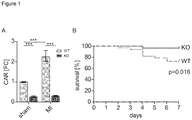
- CAR KO animals Lisewski, U. et al. The tight junction protein CAR regulates cardiac conduction and cell-cell communication. J Exp Med 205, 2369-79 (2008 ) were generated. After myocardial infarction, CAR is upregulated in the wildtype heart. Survival after myocardial infarction is greatly improved in the CAR deficient mouse ( figure 1 ). The survival is associated with improved remodeling as knockout hearts are not as enlarged, the fibrotic area is more contained and wall-thickness at the site of infarction is increased ( figure 2 ). This is expected to result in fewer ruptures of the ventricular wall post infarction.
- EF ejection fraction
- CAR KO cells perform better, possibly due to differences in migration and adhesion.
- the resulting animals were verified by PCR and Southern blot.
- the inventors used a transgenic mouse expressing the MerCreMer fusion protein.
- the inducible knockout mice (MerCreMer+ CARrecf/recf) survive to term and depletion of CAR was induced with tamoxifen injections (30 mg/kg B.W.) as described previously ( Lisewski, U. et al. The tight junction protein CAR regulates cardiac conduction and cell-cell communication. J Exp Med 205, 2369-79 (2008 ).).
- the inventors used the Vevo 770 system (Visual Sonics, Inc.) with a 45 MHz transducer mounted on an integrated rail system. Standard imaging planes, M-mode, Doppler and functional calculations were obtained according to American Society of Echocardiography guidelines.
- the LV parasternal long axis 4-chamber view was used to derive fractional shortening (%FS), ejection fraction (%EF), and ventricular dimensions and volumes.
- the subcostal long axis view from the left apex was used for Doppler imaging of mitral inflow and aortic ejection profiles.
- RNA and PCR Preparation of RNA and PCR has been described previously ( Lisewski, U. et al. The tight junction protein CAR regulates cardiac conduction and cell-cell communication. J Exp Med 205, 2369-79 (2008 )).
- the CAR-E6 morpholino sequence is 5'-GTCTAGTTTCACTGAATTACCTGAT-3', the standard control oligo sequence is 5'-CCTCTTACCTCAGTTACAATTTATA-3'
- the viral capsid proteins VP4, VP2, VP3 VP1 and the viral protease 2a were cloned under control of the Pph promoter in the pFastBacDual plasmid.
- the viral protease 3c was cloned under control of the Pp10 promoter.
- a variant with GFP fused to VP4 was generated to follow expression and localization of the resulting particle. Plasmids were verified by PCR and sequencing.
- the expression construct flanked by Tn7 elements was transposed to the bacmid bMon 14272. Transfection of Sf21 cells with the bacmid resulted in recombinant Baculovirus expressing the viral capsid proteins and the proteases 2a and 3c.
- Coxsackievirus-like particles For Coxsackievirus-like particles (CxVLP) production Sf21 cells were infected with a multiplicity of infection (MOI) of 5 and harvested 72 h after infection. Coxsackievirus-like particles from lysed cells were purified in a continuous sucrose gradient and dissolved in PBS.
- MOI multiplicity of infection
Landscapes
- Health & Medical Sciences (AREA)
- Life Sciences & Earth Sciences (AREA)
- Chemical & Material Sciences (AREA)
- Engineering & Computer Science (AREA)
- General Health & Medical Sciences (AREA)
- Medicinal Chemistry (AREA)
- Immunology (AREA)
- Bioinformatics & Cheminformatics (AREA)
- Pharmacology & Pharmacy (AREA)
- Veterinary Medicine (AREA)
- Public Health (AREA)
- Animal Behavior & Ethology (AREA)
- Molecular Biology (AREA)
- Epidemiology (AREA)
- Genetics & Genomics (AREA)
- Organic Chemistry (AREA)
- Biomedical Technology (AREA)
- Zoology (AREA)
- Proteomics, Peptides & Aminoacids (AREA)
- Biochemistry (AREA)
- Biotechnology (AREA)
- Gastroenterology & Hepatology (AREA)
- Biophysics (AREA)
- Cell Biology (AREA)
- Urology & Nephrology (AREA)
- Microbiology (AREA)
- Wood Science & Technology (AREA)
- General Engineering & Computer Science (AREA)
- Physics & Mathematics (AREA)
- Hematology (AREA)
- Toxicology (AREA)
- Plant Pathology (AREA)
- Heart & Thoracic Surgery (AREA)
- Pathology (AREA)
- General Chemical & Material Sciences (AREA)
- Food Science & Technology (AREA)
- Chemical Kinetics & Catalysis (AREA)
- General Physics & Mathematics (AREA)
- Analytical Chemistry (AREA)
- Nuclear Medicine, Radiotherapy & Molecular Imaging (AREA)
Description
- The invention pertains to means for downregulating or inhibiting the Coxsackievirus-Adenovirus Receptor (CAR) in the heart, in particular in a cardiac cell for treating and/or curing a patient who has suffered or is predisposed to suffering a myocardial infarction (MI).
- Heart diseases are the main cause of death in the developed countries and a major cause of disability. Common treatments of heart failure patients have proven benefit, but mortality and morbidity remain substantial.
- Myocardial infarction (MI) can cause contractile dysfunction, which often persists even after blood flow has been restored. MI is associated with loss of cardiac contractility, altered Ca+ handling and myofilament protein phosphorylation that least to increased myofibrillar calcium sensitivity and lower cross-bridge cycling rates.
- Myocardial infarction can cause reversible or irreversible damage to the myocardial tissues. Damage initially includes a necrotic core surrounded by a border zone that will either recover or become irreversibly damaged, thus failing to generate tension during systole.
- Myocardial infarction encompasses conditions that are caused by a sudden inadequate perfusion of the heart. This can occur through decrease of blood flow or increased demand to the heart. Symptoms can vary from crushing chest pain that radiates down the left art to nondescript jaw or back sensations.
- It was an object of the invention to provide a means for preventing or treating and/or curing a patient who has suffered or is predisposed to suffering a myocardial infarction.
- It should be understood that this invention is not limited to the particular methodology, protocols, and reagents, etc., described herein and as such may vary. The terminology used herein is for the purpose of describing particular embodiments only, and is not intended to limit the scope of the present invention.
- As used herein and in the claims, the singular forms include the plural reference and vice versa unless the context clearly indicates otherwise. Other than in the operating examples, or where otherwise indicated, all numbers expressing quantities of ingredients or reaction conditions used herein should be understood as modified in all instances by the term "about."
- Unless defined otherwise, all technical and scientific terms used herein have the same meaning as those commonly understood to one of ordinary skill in the art to which this invention pertains. Although any known methods, devices, and materials may be used in the practice or testing of the invention, the methods, devices, and materials in this regard are described herein.
- Treatment or treating, as used herein, refers to limiting tissue damage, ameliorating or lessening symptoms, enhancing the effect of other modalities of treating tissue toxicity, preventing tissue damage or preventing permanent tissue damage, or otherwise affecting or controlling a clinical indication in a positive fashion. The term "treating" refers to therapeutic treatment and prophylactic or preventative measures.
- The invention provides a way of treating the pathology associated with myocardial infarction (MI), in particular in vivo in a patient. The invention is based on the unexpected finding that the presence of the protein "Coxsackie- and Adenovirus Receptor" (CAR) in cardiomyocytes is associated with a worse outcome after myocardial infarction (MI). The decrease of CAR in cardiac cells greatly improves the prospects of patients with myocardial infarction.
- Accordingly, the invention refers to the use of means that allow for a downregulation or inhibition (functional blockage) of CAR in the heart, in particular in a cardiac cell, for treating or possibly curing a patient who has suffered or is predisposed to suffering a myocardial infarction.
- The term "myocardial infarction (MI)" refers to cardiac disease with evidence of myocardial necrosis in a clinical setting consistent with myocardial ischemia or elevated troponin levels in the blood (Thygesen et al., Eur Heart J. 2007 28(20): 2525-38). MI does not include a myocarditis. In a preferred embodiment, it does not include a myocarditis of viral origin.
- The term "decrease of CAR" refers to the reduction of CAR activity. The term also refers to blocking CAR function through CAR-binding molecules, interfering with localization or expression of functional CAR protein, the reduction of the number of molecules encoding for a functional CAR protein, such as DNA or RNA molecules (like genomic DNA or mRNA) in a cell, in particular in a cardiac cell.
- The term "downregulation" refers to a decrease or suppression of the transcription of the gene encoding for CAR reducing the expression of the CAR protein in cardiac cells. The term "downregulation" also refers to the reduction of the number of CAR molecules at the cell surface.
- The term "mislocalizing" refers to CAR proteins that do not reach their final destination at the cell surface of cardiac cells or that are oriented on the cell surface differently than wildtype CAR proteins, thereby impeding their normal function.
- The Coxsackie- and Adenovirus Receptor (CAR) is an important mediator in different diseases of the heart. In its role as a viral receptor, CAR mediates Coxsackievirus dependent myocarditis and in its physiological role as a cell-contact protein, CAR is important for cardiac development and remodeling.
- CAR was initially identified as the receptor for Coxsackie- and Adenoviruses (He, Y. et al. Interaction of coxsackievirus B3 with the full-length coxsackievirus-adenovirus receptor. Nat. Struct. Biol 8, 874-878 (2001); Bewley, M. C., Springer, K., Zhang, Y. B., Freimuth, P. & Flanagan, J. M. Structural analysis of the mechanism of adenovirus binding to its human cellular receptor, CAR. Science 286, 1579-1583 (1999)). It is a type I transmembrane protein with two extracellular IG-domains that mediate cell adhesion to the extracellular matrix and adjacent cells as well as virus uptake. The cytoplasmic tail contains a motif that interacts with PDZ-domain proteins, which link to signal transduction and endocytosis. CAR is predominantly expressed in the developing heart and brain. It is re-induced upon cardiac remodeling such as in human dilated cardiomyopathy (Noutsias, M. et al. Human coxsackie-adenovirus receptor is colocalized with integrins alpha(v)beta(3) and alpha(v)beta(5) on the cardiomyocyte sarcolemma and upregulated in dilated cardiomyopathy: implications for cardiotropic viral infections. Circulation 104, 275-280 (2001)) and after myocardial infarction in the rat (Fechner, H. et al. Induction of coxsackievirus-adenovirus-receptor expression during myocardial tissue formation and remodeling: identification of a cell-to-cell contact-dependent regulatory mechanism. Circulation 107, 876-882 (2003)).
- The CAR sequence is highly conserved between humans, mice, dogs, pigs, cattle and fish (Bergelson et al., (1997). Isolation of a common receptor for Coxsackie B viruses and ; Tomko et al., 1997, HCAR and MCAR: the human and mouse cellular receptors for subgroup C adenoviruses and group B coxsackieviruses. Proc Natl Acad Sci USA 94, 3352-3356; Bergelson et al., 1998, The murine CAR homolog is a receptor for coxsackie B viruses and adenoviruses. J Virol 72, 415-419; Fechner et al., 1999, Expression of coxsackie adenovirus receptor and alphav-integrin does not correlate with adenovector targeting in vivo indicating anatomical vector barriers. Gene Ther 6, 1520-1535; Fechner et al., 1999, Expression of coxsackie adenovirus receptor and alphav-integrin does not correlate with adenovector targeting in vivo indicating anatomical vector barriers. Gene Ther 6, 1520-1535; Thoelen et al., 2001, Characterization of a cDNA encoding the bovine coxsackie and adenovirus receptor. Biochem. Biophys. Res. Commun 288, 805-808; Petrella et al., 2002, A zebrafish coxsackievirus and adenovirus receptor homologue interacts with coxsackie B virus and adenovirus. J Virol 76, 10503-10506).
-
SEQ ID NO 1 shows the mRNA sequence of human CAR,SEQ ID NO 2 shows the protein sequence of human CAR. The genomic sequence of CAR is also known and can be retrieved from appropriate databases. - In one aspect, the description refers to a means for downregulating, inhibiting and/or mislocalizing CAR in a cardiac cell for treating or curing a patient who has suffered or is predisposed to suffering a myocardial infarction.
- In order to achieve downregulation, inhibition or mislocalization of CAR, several approaches can be taken, such as at least one or more of the following:
- 1. One approach is the functional inhibition of the CAR protein, which can be achieved via the extracellular and/or via the intracellular part of CAR. The functional inhibition via the extracellular part of CAR is preferred.
For example, inhibition of the CAR protein can be achieved using an antibody (or a specifically binding fragment thereof) capable of binding specifically to the CAR protein, or using a CAR-Fc-fusion protein, or any other CAR ligand (or a specifically binding fragment thereof) such as a Coxsackievirus or Coxsackievirus-like particle or fragment thereof, an adenovirus, or andenovirus-like particle or fragment thereof (e.g. the adenovirus fiber protein) or an extracellular matrix protein or a cytoplasmatic CAR binding protein such as ZO-1 or Mupp1 (reviewed in Fischer et al., J Mol Med 87(9): 879-8 (2009)). Binding can also be blocked by a small molecule that acts as a ligand replacing the function of Adenovirus Fiber, CAR-Fc or the Coxsackievirus-like particle.
A virus-like particle is a structure that contains virus surface proteins alone or in combination with other viral and/or non-viral molecules. The Coxsackievirus-like particle is in one embodiment generated by the expression of the precursor protein of the Coxsackievirus that contains all surface proteins (VP1-4) and the virus protease (3C) that cleaves the precursor into functional proteins. Expression in an insect cell system, which leads to properly processed surface-proteins that self-assemble is preferred and is described, e.g., in the methods section below.
CAR-Fc is, in one embodiment, generated by fusion of the extracellular domain of human CAR with the carboxy terminus of the human IgG1 Fc coding region. Subsequently, CAR-Fc coding sequence is inserted into a vector, e.g. an adenoviral shuttle plasmid that may contain improved elements of the Tet-On gene expression system in different configurations (Pinkert et al., Circulation 2009; 120; 2358-2366). An example for a CAR-Fc sequence is provided as SEQ ID NO 3 (cDNA) and 4 (protein).
A suitable antibody is, for example, the mouse-anti-human CAR antibody RcmB1 (He, Y. et al. Interaction of coxsackievirus B3 with the full length coxsackievirus-adenovirus receptor. Nat. )). A suitable fiber protein is described in Wang et al., J Virol. 2011; 85(13): 6390-402.
Means for downregulating or inhibiting CAR in the heart are, e.g., antibodies, such as anti-CAR antibodies. Antibodies, as used herein means refers to immunoglobulin molecules as well as portions, fragments, peptides and derivatives thereof such as, for example, Fab, Fab', F(ab')2, Fv, CDR regions, paratopes, or any portion or peptide sequence of an antibody that is capable of binding an antigen or epitope, and includes polyclonal antibodies, monoclonal antibodies, chimeric antibodies, fully humanized antibodies, recombinant antibodies, and monoclonal antibodies produced by transgenic animals or portions fragments, peptides and derivatives thereof. An antibody is said to be "capable of binding" a molecule if it is capable of specifically reacting with the molecule to thereby bind the molecule to the antibody. Numerous antibodies have been approved for use in humans. See, e.g., Walden, 9 Nat. Med. 269 (2004). - 2. Another approach is the removal or alteration of the genomic sequence encoding the CAR protein, such that CAR is not functionally expressed, e.g. through homologous recombination.
This can be done, for example, using the Cre/Lox system that is known in the art (Lisewski et al., J Ex Med 2008, 205(10): 2369-2379). In a preferred embodiment, a polynucleotide encoding CAR or a fragment thereof such asCAR exon 1, which contains the start-codon ATG, is introduced into the genome of cardiac cells of a subject to inhibit the transcription of the genomic DNA encoding for CAR fully or at least partially. This results in a loss of protein expression and/or in the loss of CAR function at the cell surface of cardiac cells. - 3. Another approach is the inhibition of CAR synthesis from an mRNA that encodes the CAR protein. For this purpose, RNA or siRNA or their chemical derivatives can be used, such as antisense RNA or morpholinos (PMOs, phosphorodiamidate morpholino oligo). In a preferred embodiment, a morpholino is used that targets expression of the protein (see, e.g. Raschperger et al., Dev Biol. 2008; 313(1): 455-64).
- 4. Another approach is the inhibition of CAR function by interfering with alternative splicing of CAR. Targeting any CAR exon leads to a truncated protein. Preferred is the interference with the exon encoding the transmembrane region, where loss results in expression of a soluble CAR isoform (see, e.g. Dörner et al., J Biol Chem. 2004; 279(18): 18497-503).
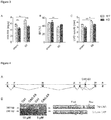
In one embodiment, a morpholino is used in the invention that is targeted at the 5' region ofExon 6 of CAR (compareFigure 4 ). The CAR-E6 morpholino sequence is 5'-GTCTAGTTTCACTGAATTACCTGAT-3'. - 5. Another approach is the inhibition of CAR function by mislocalizing CAR within the cell, preferably by using inhibitor molecules or chemical substances that interrupt or suppress the intracellular transport of CAR. Mislocalization can, for example, be achieved by adding a localization signal to the CAR coding sequence (such as a nuclear localization signal, e.g. PKKKRKV or KR[PAATKKAGQA]KKKK that targets the protein to a part of the cell where it usually does not appear or by removing the secretion signal, which prevents synthesis into the ER.
- In another aspect, the invention refers to a method (in vitro) for downregulating, inhibiting or mislocalizing CAR in a cardiac cell, in particular for treating or curing a patient who has suffered a myocardial infarction (MI). Any approach for targeting CAR as described above and herein can be used for this purpose.
- In another aspect, the description refers to the use of
- A polynucleotide encoding an antibody specifically binding to CAR or encoding a truncated or mutated form of CAR or CAR-Fc, a CAR ligand (e.g., a Coxsackie-like particle, Adenovirus-fiber, ZO-1 and/or Mupp1) or a functional fragment thereof, as described herein, and/or
- A truncated or mutated form of CAR or CAR-Fc polypeptide or a functional fragment thereof, as described herein, and/or
- A heterologous CAR binding protein or fragment thereof, as described herein. In one option the substances given above are used for treating MI. The description also refers to the use (in vitro or in vivo) of a vector comprising a polynucleotide encoding an antibody specifically binding to CAR or encoding a truncated or mutated form of CAR or a CAR fusion protein (as described herein), and their use in treating MI. In another aspect, the description refers to a vector encoding for a CAR ligand (e.g., a Coxsackievirus-like particle, Adenovirus-fiber, ZO-1 and/or Mupp1) or a functional fragment thereof.
- In another aspect, an antibody specifically binding to CAR, a CAR-Fc polypeptide, and/or CAR ligand (e.g., a Coxsackievirus-like particle, Adenovirus fiber, ZO-1 and/or Mupp1) or a functional fragment thereof is introduced into a human subject in need thereof (patient). The introduced antibody, CAR-Fc polypeptide, CAR ligand or a functional fragment thereof inhibits the CAR mediated cell-to-cell interaction and is therefore suitable for treating or curing a patient who has suffered a myocardial infarction or for the prevention of myocardial infarction in a patient who is susceptible to myocardial infarction.
- Dosage levels preferably lie in the range of 0.001 to 100 mg/kg body weight, more preferably in the range of 0.1 to 50 mg/kg body weight of the patient to be treated. Appropriate dosage levels may be determined by any suitable method known to one skilled in the art. It will be understood, however, that the specific dose level for any particular patient will depend upon a variety of factors including the activity of the specific compound employed, the age, body weight, general health, sex, diet, time of administration, route of administration, rate of excretion, drug combination and the severity of the condition to be treated.
- In another aspect, the description also relates to a method for downregulating or functionally inhibiting the CAR protein that is expressed at the cell surface using inhibitory molecules. Such a method comprises, in one embodiment, the following:
- First, an effective amount of the inhibitory molecule is administered to a subject in need thereof. The administration is preferably done into a blood vessel of the subject, but other routes of administration may also be appropriate.
- The inhibitory molecule subsequently binds to the CAR protein. This binding may break up cell-to-cell interactions and may prevent the formation of new cell-to-cell interactions. Thereby, CAR mediated cell-to-cell interactions are impeded and/or prevented.
- In a further aspect, the invention refers to a method (in vitro) for mislocalizing CAR protein (i.e., preferably, making the protein intracellular) using chemical compounds or molecules that interrupt the intracellular transport of the CAR protein, preferably comprising the steps of incubating living cardiac cells with said chemical compounds or molecules and interrupting the intracellular CAR protein transport (e.g. protein folding, chaperone binding or intracellular membrane transport). An example for such a molecule is CAR Exon6 morpholino (CAR-E6) (see
figure 4 and the description thereof). - In another aspect, the invention refers to a pharmaceutical composition comprising a means for downregulating or inhibiting or mislocalizing CAR in the heart, in particular in a cardiac cell, as described above and herein, in particular for treating or curing a patient who has suffered a myocardial infarction (MI). The pharmaceutical composition of the invention may additionally comprise a pharmaceutically acceptable carrier, diluent, and/or adjuvant.
- Liquid dosage forms for oral administration of the compounds of the invention include pharmaceutically acceptable emulsions, microemulsions, solutions, suspensions, syrups and elixirs. In addition to the active ingredient, the liquid dosage forms may contain inert diluents commonly used in the art, such as, for example, water or other solvents, solubilizing agents and emulsifiers, such as ethyl alcohol, isopropyl alcohol, ethyl carbonate, ethyl acetate, benzyl alcohol, benzyl benzoate, propylene glycol, 1,3-butylene glycol, oils (in particular, cottonseed, groundnut, corn, germ, olive, castor and sesame oils), glycerol, tetrahydrofuryl alcohol, polyethylene glycols and fatty acid esters of sorbitan, and mixtures thereof. Besides inert diluents, the oral compositions can also include adjuvants such as wetting agents, emulsifying and suspending agents, sweetening, flavoring, coloring, perfuming and preservative agents.
- Suspensions, in addition to the active compounds, may contain suspending agents as, for example, ethoxylated isostearyl alcohols, polyoxyethylene sorbitol and sorbitan esters, microcrystalline cellulose, aluminum metahydroxide, bentonite, agar-agar and tragacanth, and mixtures thereof.
- Powders can contain, in addition to a compound of this invention, excipients such as lactose, talc, silicic acid, aluminum hydroxide, calcium silicates and polyamide powder, or mixtures of these substances.
- These pharmaceutical compositions may also contain adjuvants such as preservatives, wetting agents, emulsifying agents and dispersing agents. Prevention of the action of microorganisms may be ensured by the inclusion of various antibacterial and antifungal agents, for example, paraben, chlorobutanol, phenol sorbic acid, and the like. It may also be desirable to include isotonic agents, such as sugars, sodium chloride, and the like into the compositions. In addition, prolonged absorption of the injectable pharmaceutical form may be brought about by the inclusion of agents that delay absorption such as aluminum monostearate and gelatin.
- The present invention therefore includes pharmaceutical formulations comprising the nucleic acids described herein, including pharmaceutically acceptable salts thereof, in pharmaceutically acceptable carriers for aerosol, oral and parenteral administration. Also, the present invention includes such compounds, or salts thereof, which have been lyophilized and which may be reconstituted to form pharmaceutically acceptable formulations for administration, as by intravenous, intramuscular, or subcutaneous injection. Administration may also be intradermal or transdermal.
- In accordance with the present invention, a nucleic acid described herein, and pharmaceutically acceptable salts thereof, may be administered orally or through inhalation as a solid, or may be administered intramuscularly or intravenously as a solution, suspension or emulsion. Alternatively, the compounds or salts may also be administered by inhalation, intravenously or intramuscularly as a liposomal suspension.
- Pharmaceutical formulations are also provided which are suitable for administration as an aerosol, by inhalation. These formulations comprise a solution or suspension of the desired nucleic acid herein, or a salt thereof, or a plurality of solid particles of the compound or salt. The desired formulation may be placed in a small chamber and nebulized. Nebulization may be accomplished by compressed air or by ultrasonic energy to form a plurality of liquid droplets or solid particles comprising the compounds or salts. The liquid droplets or solid particles should have a particle size in the range of about 0.5 to about 5 µm. The solid particles can be obtained by processing the solid compound of any nucleic acid described herein, or a salt thereof, in any appropriate manner known in the art, such as by micronization. Most preferably, the size of the solid particles or droplets will be from about 1 µm to about 2 µm. In this respect, commercial nebulizers are available to achieve this purpose.
- Preferably, when the pharmaceutical formulation suitable for administration as an aerosol is in the form of a liquid, the formulation will comprise a water-soluble compound of any nucleic acid described herein, or a salt thereof, in a carrier that comprises water. A surfactant may be present that lowers the surface tension of the formulation sufficiently to result in the formation of droplets within the desired size range when subjected to nebulization.
- Per-oral compositions also include liquid solutions, emulsions, suspensions, and the like. The pharmaceutically acceptable carriers suitable for preparation of such compositions are well known in the art. Typical components of carriers for syrups, elixirs, emulsions, and suspensions include ethanol, glycerol, propylene glycol, polyethylene glycol, liquid sucrose, sorbitol, and water. For a suspension, typical suspending agents include methyl cellulose, sodium carboxymethyl cellulose, tragacanth, and sodium alginate; typical wetting agents include lecithin and
polysorbate 80; and typical preservatives include methyl paraben and sodium benzoate. Peroral liquid compositions may also contain one or more components such as sweeteners, flavoring agents and colorants disclosed above. - Pharmaceutical compositions may also be coated by conventional methods, typically with pH or time-dependent coatings, such that the subject compound is released in the gastrointestinal tract in the vicinity of the desired topical application, or at various times to extend the desired action. Such dosage forms typically include, but are not limited to, one or more of cellulose acetate phthalate, polyvinylacetate phthalate, hydroxypropyl methyl cellulose phthalate, ethyl cellulose, waxes, and shellac.
- Other compositions useful for attaining systemic delivery of the nucleic acids include sublingual, buccal and nasal dosage forms. Such compositions typically comprise one or more of soluble filler substances such as sucrose, sorbitol and mannitol; and binders such as acacia, microcrystalline cellulose, carboxymethyl cellulose and hydroxypropyl methyl cellulose. Glidants, lubricants, sweeteners, colorants, antioxidants and flavoring agents disclosed above may also be included.
- Means of oral delivery of short interfering RNAs have been described, e.g., in Aouadi et al., Nature 458, 1180-1184, 2009.
- The description also refers to a method for treating a subject suffering from MI, comprising decreasing the concentration of the CAR mRNA or of the CAR protein and mislocalizing CAR in a cardiac cell. The means to achieve this are the same as described above and herein. Specifically, the description refers to a method for treating a subject suffering from MI, comprising decreasing the concentration of the CAR mRNA of
SEQ ID NO 1 or of the CAR protein ofSEQ ID NO 2 in a cardiac cell or comprising a CAR ligand, such as an antibody or a fragment thereof specifically binding to CAR or a CAR ligand, such as a Coxsackievirus-like particle or a fragment thereof, e.g., as described in the examples. - In a further aspect, the description refers to the use of CAR (either as a CAR protein or parts thereof, or as a nucleic acid encoding for the CAR protein or parts thereof) as a target for treating or curing a patient who has suffered or is predisposed to suffering a myocardial infarction or for preventing myocardial infarction.
- The invention is presented here with reference to human and mouse sequences. A person of skill in the art will be able to transfer the invention to other species based on the information known in the art and the information given herein.
- To investigate the role of CAR in differentiation and remodeling of the heart, CAR KO animals (Lisewski, U. et al. The tight junction protein CAR regulates cardiac conduction and cell-cell communication. J Exp Med 205, 2369-79 (2008)) were generated. After myocardial infarction, CAR is upregulated in the wildtype heart. Survival after myocardial infarction is greatly improved in the CAR deficient mouse (
figure 1 ). The survival is associated with improved remodeling as knockout hearts are not as enlarged, the fibrotic area is more contained and wall-thickness at the site of infarction is increased (figure 2 ). This is expected to result in fewer ruptures of the ventricular wall post infarction. - In CAR deficient animals, not only improved morphology is seen, but also improved function. The ejection fraction (EF), which reflects contractile function, is not depressed as much in the knockout heart after infarction and a pronounced compensatory hypertrophy is not seen (
figure 3 ). - Using coronary artery ligation, the inventors found a negative effect of CAR in myocardial infarction and subsequent remodeling. The negative effects on heart weight and -function are significantly smaller in CAR KO animals. In a cell transplantation following myocardial infarction, CAR KO cells perform better, possibly due to differences in migration and adhesion.
-
Figure 1 : CAR is important in MI response. CAR is upregulated in the heart after myocardial infarction (MI) as compared to the control (sham) only in wildtype animals (light grey) and not in CAR deficient animals (dark grey) (A). Survival of CAR KO animals after myocardial infarction was improved significantly (B). -
Figure 2 : Remodeling of the heart is regulated by CAR. Histology of the hearts 30 days after the infarction shows an increased left ventricular diameter only in the WT hearts (A). The left ventricular diameter was only increased in the wildtype after myocardial infarction (B). Infarct length (C) and collagen deposit in the infarcted area (D) as signs of pathology were reduced in the KO. -
Figure 3 : Functional analysis of the hearts. The negative effects on heart weight (A), ejection fraction (B), and left ventricular inner diameter (C) are more pronounced in WT animals. -
Figure 4 : Generation of soluble CAR with a morpholino directed against thetransmembrane exon 6. (A) Schematic of the CXADR gene encoding CAR withboxes representing exons 1 to 8 and the black line indicating the introns. The binding site for the CAR Exon6 morpholino (CAR-E6) is indicated above the horizontal line representing the gene (lighter (red) bar). Normal splicing is represented by the lighter (blue) line, the splicing pattern generating soluble CAR by the lighter (red) line (connectingexons 5 and 7). (B) RT PCR on mRNA from C2C12 cells treated with CAR Exon6 specific morpholino results in the appearance of a lower band that indicates theisoform lacking Exon 6. Control (Ctrl) was a non-targeting morpholino. The morpholino is efficient at both 5 and 10 µmol/l. Primers are indicated as arrows (for = forward; rev = reverse). The CAR-E6 morpholino sequence is 5'-GTCTAGTTTCACTGAATTACCTGAT-3' (SEQ ID NO. 7); the standard control oligo sequence is 5'-CCTCTTACCTCAGTTACAATTTATA-3' (SEQ ID NO. 8). -
Figure 5 : Virus-like particles inhibit CAR function
(A) Plasmid pFastBacDual with the Coxsackievirus B3 (CVB3) structural proteins VP4, 2, 3, 1 and theproteases proteases 2a and 3c. (C) Transfection of Sf21 cells with the recombinant GFP bacmid and validation of GFP expression (green). (D) Purification of Coxsackievirus-like particles (CxVLPs) in a continuous sucrose gradient. (E) Electron microscopy of Coxsackievirus-like particles. (F) Uptake of GPF tagged Coxsackievirus-like particles in endothelial rBCEC4 cells. Cells expressing CAR (red) mediate internalization of Coxsackievirus-like particles (green). - The generation of heart specific inducible CAR knockout animals has been published previously (Lisewski, U. et al. The tight junction protein CAR regulates cardiac conduction and cell-cell communication. J Exp Med 205, 2369-79 (2008).). In brief, the inventors used the Cre-lox recombination system and flanked the ATG containing
CAR exon 1 with lox sites. After homologous recombination blastocyst injection of targeted ES-cells was used to obtain knockout animals. The neomycin/flp resistance cassette was removed by germline expression of the FLP recombinase (Weinert et al, J Cell Biol. 2006 May 22; 173(4): 559-570). The resulting animals were verified by PCR and Southern blot. To generate the inducible heart specific CAR KO, the inventors used a transgenic mouse expressing the MerCreMer fusion protein. The inducible knockout mice (MerCreMer+ CARrecf/recf) survive to term and depletion of CAR was induced with tamoxifen injections (30 mg/kg B.W.) as described previously (Lisewski, U. et al. The tight junction protein CAR regulates cardiac conduction and cell-cell communication. J Exp Med 205, 2369-79 (2008).). - For echocardiography, the inventors used the Vevo 770 system (Visual Sonics, Inc.) with a 45 MHz transducer mounted on an integrated rail system. Standard imaging planes, M-mode, Doppler and functional calculations were obtained according to American Society of Echocardiography guidelines. The LV parasternal long axis 4-chamber view was used to derive fractional shortening (%FS), ejection fraction (%EF), and ventricular dimensions and volumes. The subcostal long axis view from the left apex was used for Doppler imaging of mitral inflow and aortic ejection profiles.
- After anesthesia with Xylazine/Ketamine (5 [mg/kg BW]/100 [mg/kg BW], i.m.), animals are intubated and respirated mechanically. For the surgery, the inventors followed the published procedure (Michael et al., Am J Physiol. 1995 Dec; 269(6 Pt 2):H2147-54.). In brief, after left thoracotomy, the pericardium was removed. The left coronary artery was ligated 1 to 2 mm below its origin. Successful ligation was monitored by evaluating the macroscopic changes and recording of ECGs. For control treatment, the suture was not closed.
- Samples of aseptically removed tissues were fixed for 12 hours in phosphate-buffered saline (pH 7.2) with 4 % paraformaldehyde and embedded in paraffin. Histological analysis was performed on deparaffinized 5 µm-thick tissue sections that were stained with H&E for gross anatomy. Masson's Trichrome stain was used to visualize the degree of fibrosis. For quantification, the inventors used ImageJ software.
- Cells at 80 % confluence were seeded onto 12 well plates. The media was replaced with fresh complete DMEM and cells were treated with 5 µmol/l CAR-E6 Morpholino by endocytosis-mediated entry using 4 µmol/l Endo Porter delivery reagent for 48 hrs. Preparation of RNA and PCR has been described previously (Lisewski, U. et al. The tight junction protein CAR regulates cardiac conduction and cell-cell communication. J Exp Med 205, 2369-79 (2008)). The CAR-E6 morpholino sequence is 5'-GTCTAGTTTCACTGAATTACCTGAT-3', the standard control oligo sequence is 5'-CCTCTTACCTCAGTTACAATTTATA-3'
- For statistical analysis, GraphPad Prism software was used. Results are expressed as means ± SEM. For hemodynamic data statistical significance between groups was determined using the Mann Whitney U test, for expression analysis, the inventors used an unpaired two-tailed t-test. The significance level was chosen as P=0.05.
- The viral capsid proteins VP4, VP2, VP3 VP1 and the
viral protease 2a were cloned under control of the Pph promoter in the pFastBacDual plasmid. Theviral protease 3c was cloned under control of the Pp10 promoter. A variant with GFP fused to VP4 was generated to follow expression and localization of the resulting particle. Plasmids were verified by PCR and sequencing. The expression construct flanked by Tn7 elements was transposed to the bacmid bMon 14272. Transfection of Sf21 cells with the bacmid resulted in recombinant Baculovirus expressing the viral capsid proteins and theproteases - Longest transcript, CCDS ID: CCDS33519.1
(http://www.ncbi.nlm.nih.gov/CCDS/CcdsBrowse.cgi?REQUEST=CCDS&GO=MainBrowse& DATA=CCDS33519.1) - Nucleotide Sequence (1098 nt; Underlined highlighting indicates alternate exons.), SEQ ID NO. 1:

- Translation (protein, 365 aa; Underlined highlighting indicates alternate exons. Bold highlighting indicates amino acids encoded across a splice junction.), SEQ ID NO. 2:

-
- Human CAR-Fc-cDNA (the sequence encoding CAR is underlined), SEQ ID NO. 3:

- Amino acid (the sequence encoding CAR is underlined), SEQ ID NO. 4:


-
- Mouse CAR-Fc-cDNA (the sequence encoding CAR is underlined), SEQ ID NO. 5:

- Amino acid (the sequence encoding CAR is underlined), SEQ ID NO. 6:


-
- CAR-E6 morpholino sequence, SEQ ID NO. 7:
GTCTAGTTTCACTGAATTACCTGAT - Standard control morpholino sequence, SEQ ID NO. 8:
CCTCTTACCTCAGTTACAATTTATA -
- CV83 P1 (VP4, VP2, VP3, VP1), 2A cDNA sequence (3000 nt,Underlined highlighting indicates alternate proteins.), SEQ ID NO. 9:


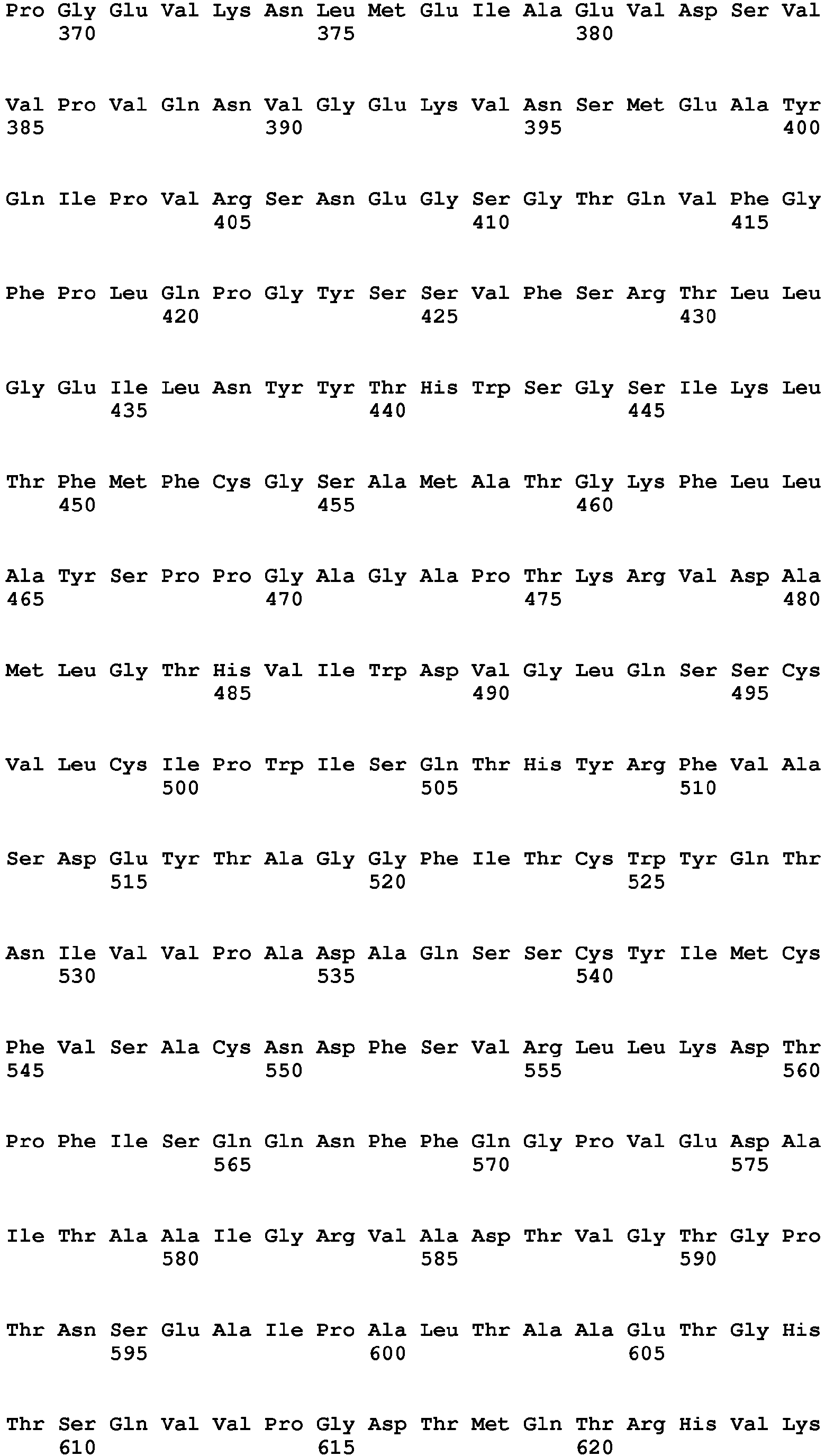
- CV83 P1 amino acid sequence (1001 aa), SEQ ID NO. 10:


-
CV83 3c protease cDNA sequence (549 nt), SEQ ID NO. 11:
-
CV83 3c protease amino acid sequence (protein, 180 aa), SEQ ID NO. 12:
-
GFP, CV83 P1, 2a fusion protein cDNA sequence (3717 nt; Underlined highlighting indicates alternate proteins.), SEQ ID NO. 13:


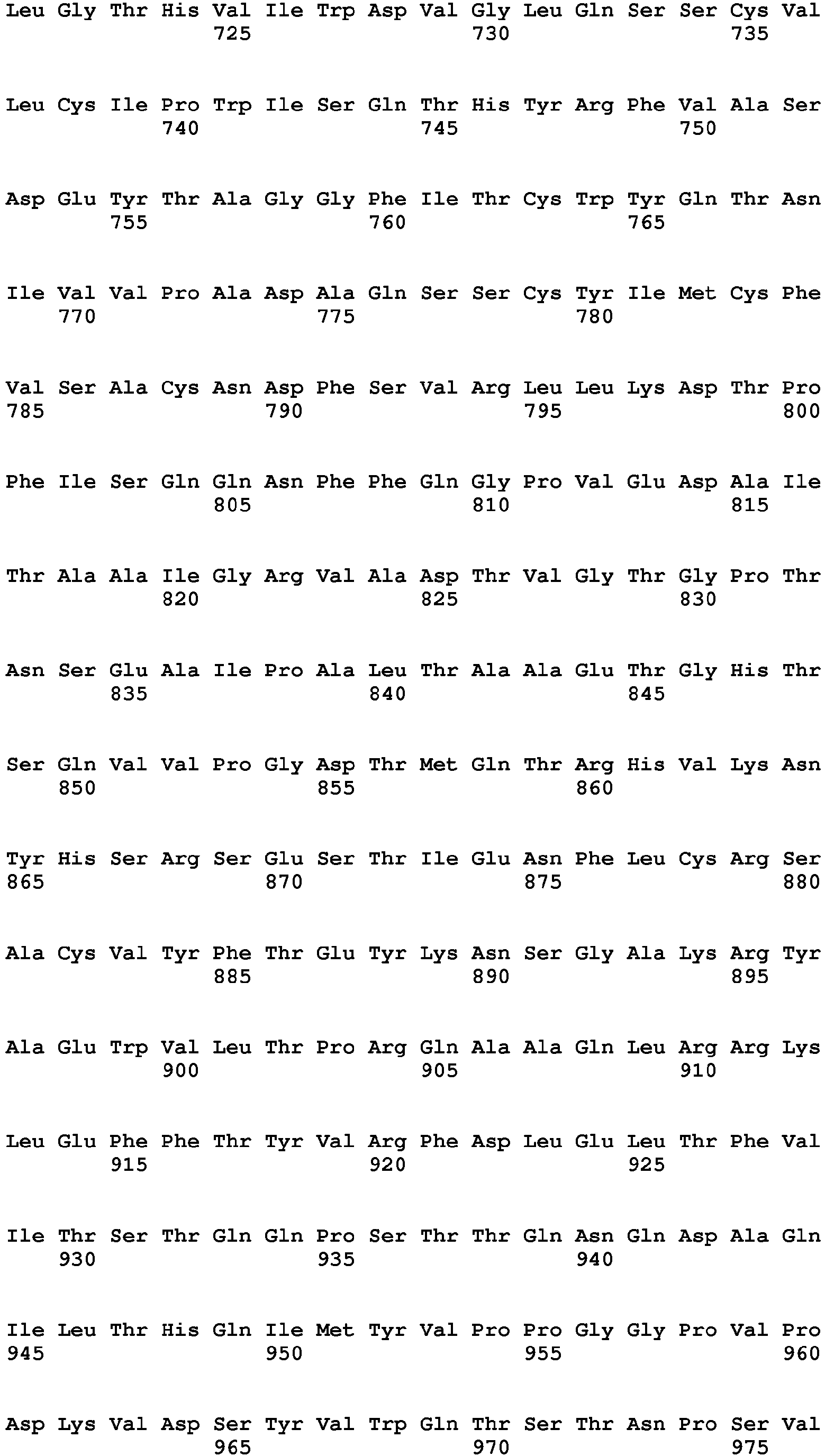
- GFP, CV83 P1, 2a fusion protein, amino acid sequence (1240 aa), SEQ ID NO. 14:


-
- Human Adenovirus C L5 capsid protein IV, cDNA sequence (1799 nt), SEQ ID NO. 15:
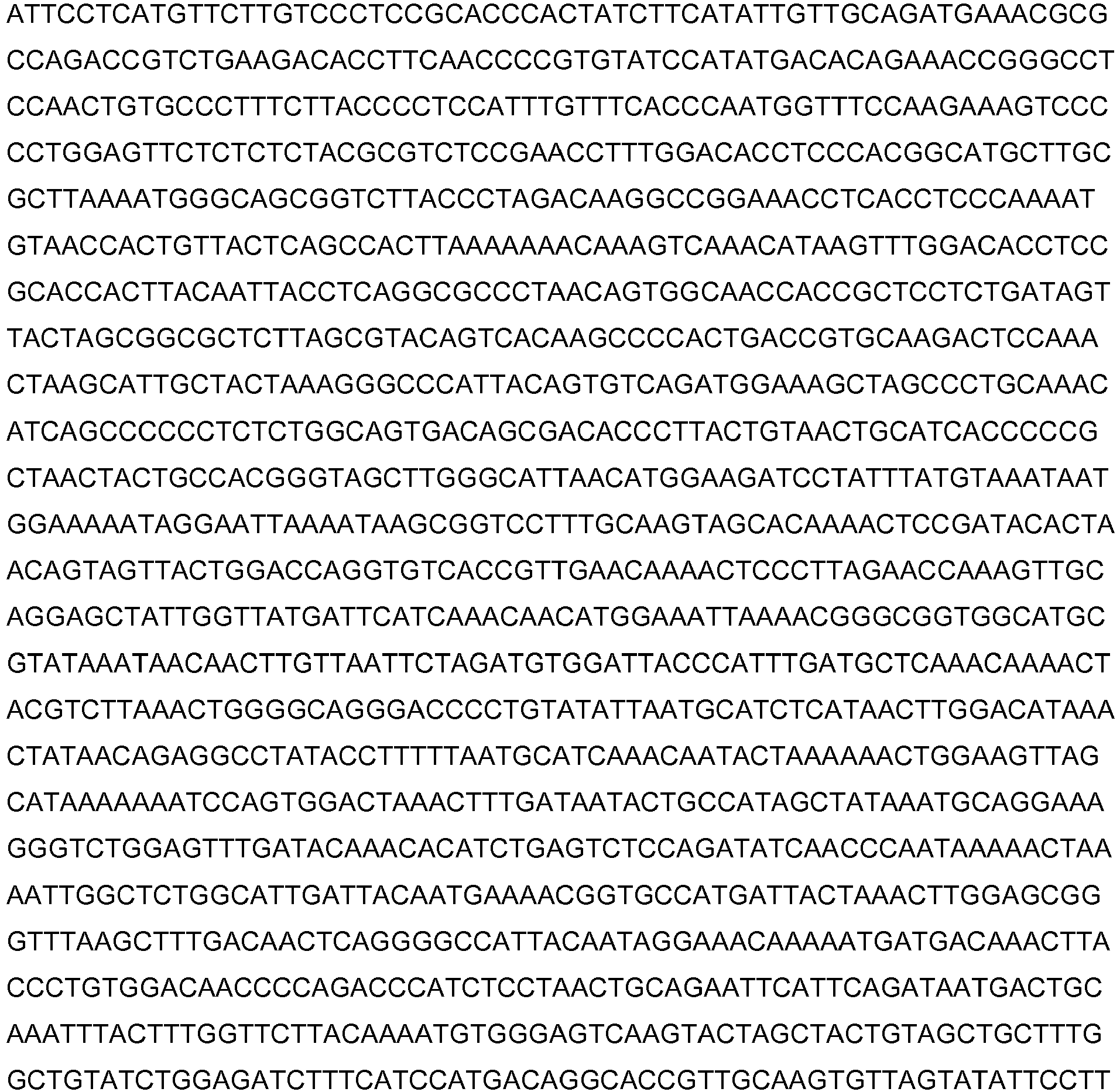

- Human Adenovirus C L5 capsid protein IV, amino acid sequence (582 aa), SEQ ID NO. 16:

-
- ZO1, nucleotide sequence (5247 nt), SEQ ID NO. 17:


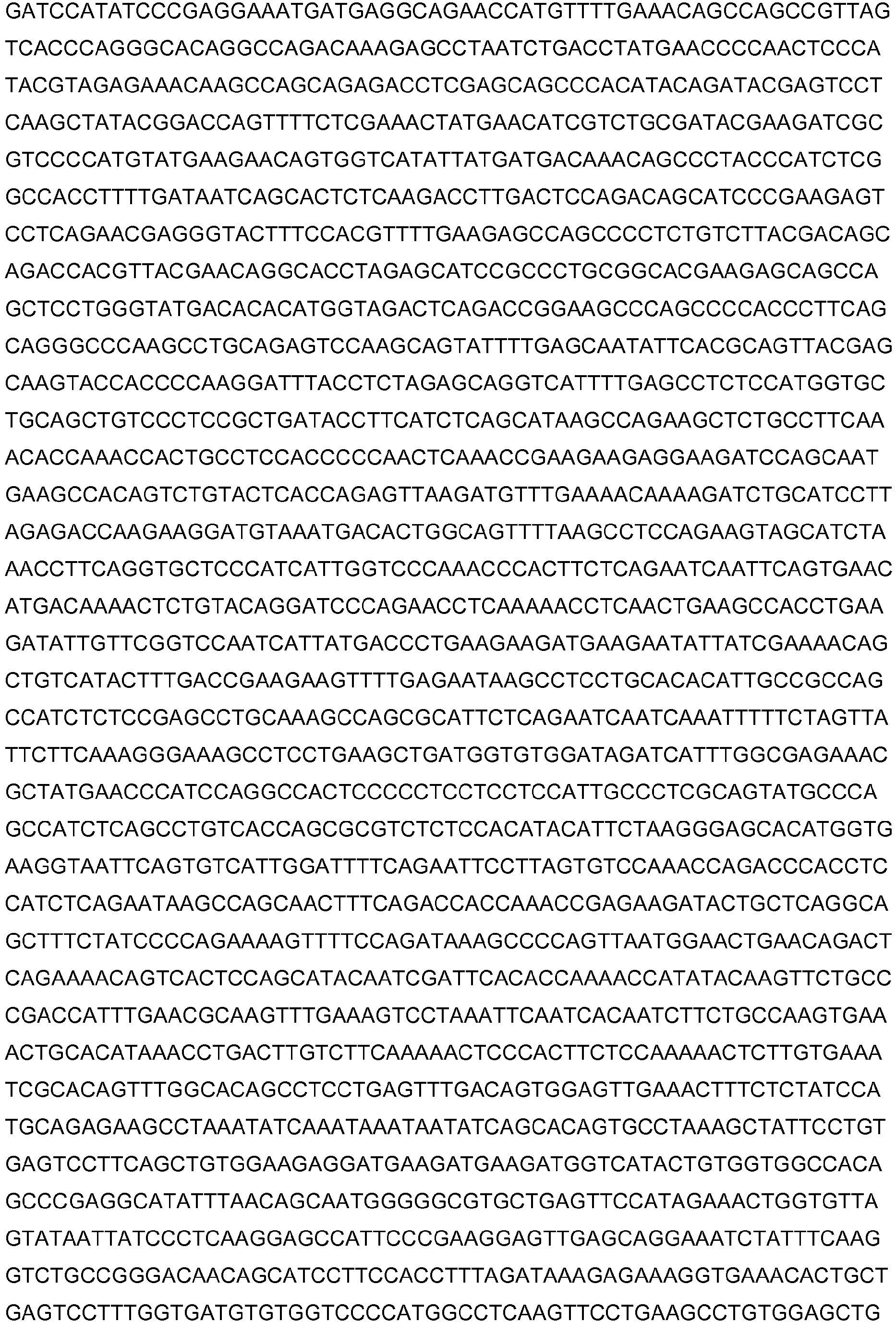

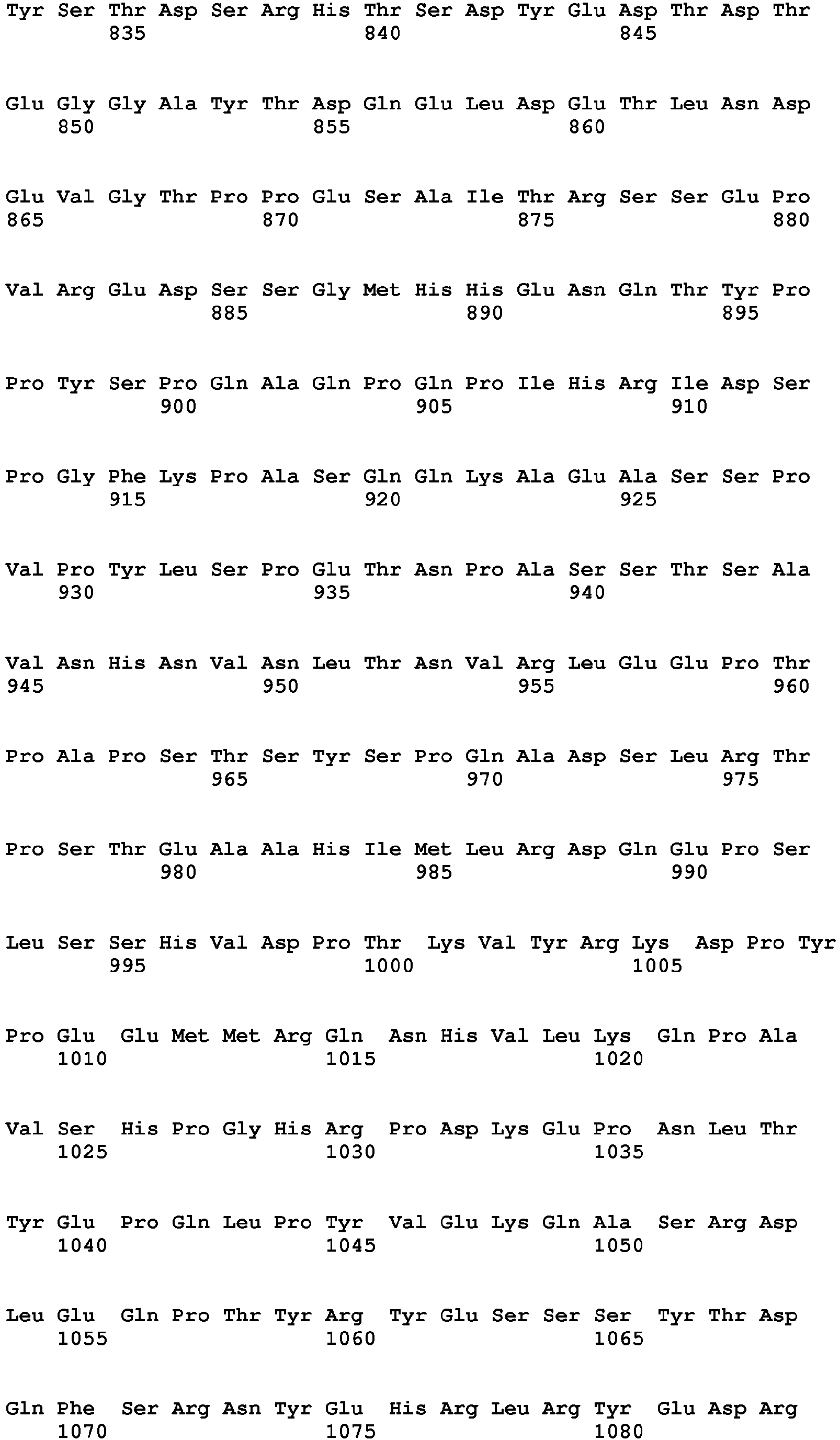
- ZO1, amino acid sequence (1748 aa), SEQ ID NO. 18:

-
- MUPP1, nucleotide sequence (6129 nt), SEQ ID NO. 19:


- MUPP1, amino acid sequence (2042 aa), SEQ ID NO. 20:


-
- <110> Max-Delbrück-Centrum (MDC) für molekulare Medizin Berlin-Buch
- <120> Means For Treating Heart Disease
- <130> MDC007WO
- <150>
EP12179295.6
<151> 2012-08-03 - <150>
EP13164109.4
<151> 2013-04-17 - <160> 20
- <170> PatentIn version 3.5
- <210> 1
<211> 1098
<212> DNA
<213> Homo sapiens - <400> 1

- <210> 2
<211> 365
<212> PRT
<213> Homo sapiens - <400> 2


- <210> 3
<211> 1422
<212> DNA
<213> Homo sapiens - <400> 3


- <210> 4
<211> 472
<212> PRT
<213> Homo sapiens - <400> 4


- <210> 5
<211> 1419
<212> DNA
<213> Mus musculus - <400> 5


- <210> 6
<211> 472
<212> PRT
<213> Mus musculus - <400> 6


- <210> 7
<211> 25
<212> DNA
<213> artificial - <220>
<223> morpholino - <400> 7
gtctagtttc actgaattac ctgat 25 - <210> 8
<211> 25
<212> DNA
<213> artificial - <220>
<223> morpholino - <400> 8
cctcttacct cagttacaat ttata 25 - <210> 9
<211> 3000
<212> DNA
<213> Coxsackievirus B - <400> 9


- <210> 10
<211> 1001
<212> PRT
<213> Coxsackievirus B - <400> 10




- <210> 11
<211> 549
<212> DNA
<213> Coxsackievirus B - <400> 11

- <210> 12
<211> 180
<212> PRT
<213> Coxsackievirus B - <400> 12

- <210> 13
<211> 3717
<212> DNA
<213> artificial - <220>
<223>CVB3 P1, 2a fusion protein cDNA sequence - <400> 13


- <210> 14
<211> 1240
<212> PRT
<213> artificial - <220>
<223> GFP CVB3 P1 2A fusion protein aa sequence - <400> 14




- <210> 15
<211> 1799
<212> DNA
<213> Adenovirus - <400> 15


- <210> 16
<211> 582
<212> PRT
<213> Adenovirus - <400> 16


- <210> 17
<211> 5247
<212> DNA
<213> Homo sapiens - <400> 17


- <210> 18
<211> 1748
<212> PRT
<213> Homo sapiens - <400> 18




- <210> 19
<211> 6129
<212> DNA
<213> Homo sapiens - <400> 19


- <210> 20
<211> 2042
<212> PRT
<213> Homo sapiens - <400> 20


Claims (4)
- A means for downregulating, inhibiting or mislocalizing Coxsackievirus Adenovirus Receptor (CAR) in the heart in a cardiac cell for use in treating or curing a patient who has suffered or is predisposed to suffering a myocardial infarction or for preventing myocardial infarction, wherein the means is- A CAR ligand or a CAR ligand fragment, a truncated or mutated form of CAR or a fragment thereof, a CAR fragment, a CAR fusion protein, or a fusion protein of any of the beforementioned proteins;- An antibody or a fragment thereof specifically binding CAR;- A nucleic acid, such as a RNA or DNA, encoding a truncated or mutated form of CAR, a CAR ligand, CAR-Fc, or a fragment of any of the beforementioned nucleic acids; and/or- An antisense RNA or siRNA directed against an RNA encoding CAR.
- An ex vivo method for downregulating, inhibiting or mislocalizing CAR in a cardiac cell, in particular for treating or curing a patient who has suffered or is predisposed to suffering a myocardial infarction or for preventing myocardial infarction, comprising a step chosen from the group consisting of- Functionally inhibiting the CAR protein;- Removing or altering the genomic sequence encoding the CAR protein, such that CAR is not expressed functionally;- Inhibiting CAR synthesis from an mRNA encoding CAR protein;- Inhibiting CAR function by interfering with alternative splicing of CAR; and- Inhibiting CAR function by mislocalizing CAR within the cell;wherein- the functional inhibition of the CAR protein is achieved using an antibody specifically binding to CAR or a specifically binding fragment thereof, or a CAR-Fc-fusion protein, or a CAR ligand or a CAR ligand fusion protein;- the removal or alteration of the genomic sequence encoding the CAR protein, such that CAR is not functionally expressed, is achieved through homologous recombination;- the inhibition of CAR synthesis from an mRNA encoding CAR protein is achieved using antisense RNA or siRNA;- the inhibition of CAR function by interfering with alternative splicing of CAR is achieved by interfering with a CAR exon such that a truncated protein is produced;- the inhibition of CAR function by mislocalizing CAR within the cell is achieved by adding a localization signal to the CAR coding sequence that targets the protein to a part of the cell where it usually does not appear or by removing the secretion signal, which prevents synthesis.
- A pharmaceutical composition for treating or curing a patient who has suffered or is predisposed to suffering a myocardial infarction or for preventing myocardial infarction in a patient comprising a means of claim 1.
- The pharmaceutical composition for treating or curing a patient according to claim 3, further comprising a pharmaceutically acceptable carrier, diluent, and/or adjuvant.
Priority Applications (1)
| Application Number | Priority Date | Filing Date | Title |
|---|---|---|---|
| EP13753823.7A EP2879692B1 (en) | 2012-08-03 | 2013-08-05 | Means for treating heart disease |
Applications Claiming Priority (4)
| Application Number | Priority Date | Filing Date | Title |
|---|---|---|---|
| EP12179295 | 2012-08-03 | ||
| EP20130164109 EP2692354A1 (en) | 2012-08-03 | 2013-04-17 | Means for treating heart disease |
| PCT/EP2013/066426 WO2014020184A1 (en) | 2012-08-03 | 2013-08-05 | Means for treating heart disease |
| EP13753823.7A EP2879692B1 (en) | 2012-08-03 | 2013-08-05 | Means for treating heart disease |
Publications (2)
| Publication Number | Publication Date |
|---|---|
| EP2879692A1 EP2879692A1 (en) | 2015-06-10 |
| EP2879692B1 true EP2879692B1 (en) | 2017-07-26 |
Family
ID=48092844
Family Applications (2)
| Application Number | Title | Priority Date | Filing Date |
|---|---|---|---|
| EP20130164109 Withdrawn EP2692354A1 (en) | 2012-08-03 | 2013-04-17 | Means for treating heart disease |
| EP13753823.7A Active EP2879692B1 (en) | 2012-08-03 | 2013-08-05 | Means for treating heart disease |
Family Applications Before (1)
| Application Number | Title | Priority Date | Filing Date |
|---|---|---|---|
| EP20130164109 Withdrawn EP2692354A1 (en) | 2012-08-03 | 2013-04-17 | Means for treating heart disease |
Country Status (3)
| Country | Link |
|---|---|
| US (1) | US10118957B2 (en) |
| EP (2) | EP2692354A1 (en) |
| WO (1) | WO2014020184A1 (en) |
Family Cites Families (7)
| Publication number | Priority date | Publication date | Assignee | Title |
|---|---|---|---|---|
| MXPA04006780A (en) * | 2002-01-11 | 2005-06-08 | Athpharma Ltd | Pravastatin pharmaceutical formulations and methods of their use. |
| US7842716B2 (en) * | 2004-03-29 | 2010-11-30 | HeartDrug Research, LLC | Treating vascular events with statins by inhibiting PAR-1 and PAR-4 |
| JP4635001B2 (en) * | 2004-04-28 | 2011-02-16 | エーザイ・アール・アンド・ディー・マネジメント株式会社 | Method for detecting Th1 cells |
| US20100311809A1 (en) * | 2007-10-26 | 2010-12-09 | Charite Universitaetsmedizin Berlin | Viral vector system, a composition comprising the viral vector system and its use |
| DE102009019460A1 (en) * | 2009-05-04 | 2010-12-16 | Krankenhausbetriebsgesellschaft Bad Oeynhausen Mbh | Use of 3-hydroxy-3-methylglutaryl-coenzyme A reductase inhibitor for treatment and/or prevention of coxsackievirus infection and adenoviral infection or diseases caused by coxsackievirus and/or adenovirus e.g. myocarditis and pericarditis |
| EA201200935A1 (en) * | 2009-12-23 | 2012-12-28 | Дефианте Фармасеутика С.А. | COMBINED COMPOSITION SUITABLE FOR THE TREATMENT OF CARDIOVASCULAR DISEASES |
| TR201009397A2 (en) * | 2010-11-11 | 2012-05-21 | Bi̇lgi̇ç Mahmut | Pharmaceutical compositions containing rosuvastatin. |
-
2013
- 2013-04-17 EP EP20130164109 patent/EP2692354A1/en not_active Withdrawn
- 2013-08-05 US US14/419,413 patent/US10118957B2/en active Active
- 2013-08-05 EP EP13753823.7A patent/EP2879692B1/en active Active
- 2013-08-05 WO PCT/EP2013/066426 patent/WO2014020184A1/en not_active Ceased
Also Published As
| Publication number | Publication date |
|---|---|
| WO2014020184A1 (en) | 2014-02-06 |
| US20150315261A1 (en) | 2015-11-05 |
| EP2692354A1 (en) | 2014-02-05 |
| EP2879692A1 (en) | 2015-06-10 |
| US10118957B2 (en) | 2018-11-06 |
Similar Documents
| Publication | Publication Date | Title |
|---|---|---|
| JP6726291B2 (en) | Pharmaceutical composition for the treatment of myocardial fibrosis | |
| Qu et al. | Targeting mechanosensitive MDM4 promotes lung fibrosis resolution in aged mice | |
| US8324182B2 (en) | Humanized model of membrane attack complex (MAC) formation on murine retina and compositions, kits and methods for treatment of macular degeneration | |
| HK1222884A1 (en) | Cycle adenosine monophosphate-incompetent adenylyl cyclase and compositions and methods for treating heart failure and increasing cardiac function | |
| AU2014221144A1 (en) | Inhibition of Sema3A in the prevention and treatment of ocular hyperpermeability | |
| US20100016221A1 (en) | Method of degrading protein by chaperone-mediated autophagy | |
| US7345158B2 (en) | Actin related cytoskeletal protein “LACS” | |
| US8877896B2 (en) | Compositions, methods and kits for modeling, diagnosing, and treating complement disorders | |
| US20130345130A1 (en) | Pharmaceutical composition for preventing or treating heart failure and method for screening agent for preventing or treating heart failure | |
| US10118957B2 (en) | Method for treating heart disease by inhibiting the Coxsackievirus-Adenovirus Receptor | |
| CN111542334B (en) | Pharmaceutical compositions for preventing or treating cardiac arrhythmias | |
| CN111465697B (en) | Pharmaceutical composition for preventing or treating heart failure | |
| KR20230074753A (en) | A strong binding agent for activation of the hedgehog signaling pathway | |
| RU2788124C2 (en) | Pharmaceutical composition for prevention or treatment of heart failure | |
| JPWO2003030936A1 (en) | Life-style related diseases or anorexia remedies and screening methods thereof | |
| US20240000885A1 (en) | Compositions and methods for targeting the interaction of host myo5b+d and coronavirus m proteins | |
| Kankanamge et al. | Nrf1 coordinates proteasome activity and autophagy to maintain cardiac proteostasis | |
| JP2025524525A (en) | Hippo signaling gene therapy improves cardiac function in clinically relevant models | |
| CN106540261A (en) | Application of the 1 type mechanical stress receptor perception site of Angiotensin II in the medicine for preparing treatment hypertension | |
| WO2015077334A2 (en) | Therapies for left ventricular non-compaction and dilated cardiomyopathy | |
| JP2004147642A (en) | Novel protein and its use | |
| Nakano et al. | Articles in PresS. Am J Physiol Heart Circ Physiol (October 5, 2007). doi: 10.1152/ajpheart. 00311.2007 | |
| US20110059094A1 (en) | Antitumor effects of insulin-responsive dna binding protein-1 (irdbp-1) |
Legal Events
| Date | Code | Title | Description |
|---|---|---|---|
| PUAI | Public reference made under article 153(3) epc to a published international application that has entered the european phase |
Free format text: ORIGINAL CODE: 0009012 |
|
| 17P | Request for examination filed |
Effective date: 20150216 |
|
| AK | Designated contracting states |
Kind code of ref document: A1 Designated state(s): AL AT BE BG CH CY CZ DE DK EE ES FI FR GB GR HR HU IE IS IT LI LT LU LV MC MK MT NL NO PL PT RO RS SE SI SK SM TR |
|
| AX | Request for extension of the european patent |
Extension state: BA ME |
|
| RIN1 | Information on inventor provided before grant (corrected) |
Inventor name: FREIBERG, FABIAN Inventor name: GOTTHARDT, MICHAEL |
|
| DAX | Request for extension of the european patent (deleted) | ||
| 17Q | First examination report despatched |
Effective date: 20160425 |
|
| GRAP | Despatch of communication of intention to grant a patent |
Free format text: ORIGINAL CODE: EPIDOSNIGR1 |
|
| RIC1 | Information provided on ipc code assigned before grant |
Ipc: A61K 31/7088 20060101ALI20170111BHEP Ipc: A61K 45/06 20060101ALI20170111BHEP Ipc: C12N 15/113 20100101ALI20170111BHEP Ipc: C07K 16/28 20060101ALI20170111BHEP Ipc: A61K 48/00 20060101ALI20170111BHEP Ipc: G01N 33/68 20060101ALI20170111BHEP Ipc: A61K 38/17 20060101AFI20170111BHEP Ipc: A61K 39/395 20060101ALI20170111BHEP Ipc: C07K 14/705 20060101ALI20170111BHEP Ipc: A61P 9/10 20060101ALI20170111BHEP |
|
| STAA | Information on the status of an ep patent application or granted ep patent |
Free format text: STATUS: GRANT OF PATENT IS INTENDED |
|
| INTG | Intention to grant announced |
Effective date: 20170216 |
|
| RAP1 | Party data changed (applicant data changed or rights of an application transferred) |
Owner name: MAX-DELBRUECK-CENTRUM FUER MOLEKULARE MEDIZIN IN D |
|
| GRAS | Grant fee paid |
Free format text: ORIGINAL CODE: EPIDOSNIGR3 |
|
| GRAA | (expected) grant |
Free format text: ORIGINAL CODE: 0009210 |
|
| STAA | Information on the status of an ep patent application or granted ep patent |
Free format text: STATUS: THE PATENT HAS BEEN GRANTED |
|
| AK | Designated contracting states |
Kind code of ref document: B1 Designated state(s): AL AT BE BG CH CY CZ DE DK EE ES FI FR GB GR HR HU IE IS IT LI LT LU LV MC MK MT NL NO PL PT RO RS SE SI SK SM TR |
|
| REG | Reference to a national code |
Ref country code: GB Ref legal event code: FG4D |
|
| REG | Reference to a national code |
Ref country code: CH Ref legal event code: EP |
|
| REG | Reference to a national code |
Ref country code: AT Ref legal event code: REF Ref document number: 911843 Country of ref document: AT Kind code of ref document: T Effective date: 20170815 |
|
| REG | Reference to a national code |
Ref country code: IE Ref legal event code: FG4D |
|
| REG | Reference to a national code |
Ref country code: DE Ref legal event code: R096 Ref document number: 602013024065 Country of ref document: DE |
|
| REG | Reference to a national code |
Ref country code: FR Ref legal event code: PLFP Year of fee payment: 5 |
|
| REG | Reference to a national code |
Ref country code: NL Ref legal event code: MP Effective date: 20170726 |
|
| REG | Reference to a national code |
Ref country code: LT Ref legal event code: MG4D |
|
| REG | Reference to a national code |
Ref country code: AT Ref legal event code: MK05 Ref document number: 911843 Country of ref document: AT Kind code of ref document: T Effective date: 20170726 |
|
| PG25 | Lapsed in a contracting state [announced via postgrant information from national office to epo] |
Ref country code: AT Free format text: LAPSE BECAUSE OF FAILURE TO SUBMIT A TRANSLATION OF THE DESCRIPTION OR TO PAY THE FEE WITHIN THE PRESCRIBED TIME-LIMIT Effective date: 20170726 Ref country code: NO Free format text: LAPSE BECAUSE OF FAILURE TO SUBMIT A TRANSLATION OF THE DESCRIPTION OR TO PAY THE FEE WITHIN THE PRESCRIBED TIME-LIMIT Effective date: 20171026 Ref country code: NL Free format text: LAPSE BECAUSE OF FAILURE TO SUBMIT A TRANSLATION OF THE DESCRIPTION OR TO PAY THE FEE WITHIN THE PRESCRIBED TIME-LIMIT Effective date: 20170726 Ref country code: HR Free format text: LAPSE BECAUSE OF FAILURE TO SUBMIT A TRANSLATION OF THE DESCRIPTION OR TO PAY THE FEE WITHIN THE PRESCRIBED TIME-LIMIT Effective date: 20170726 Ref country code: LT Free format text: LAPSE BECAUSE OF FAILURE TO SUBMIT A TRANSLATION OF THE DESCRIPTION OR TO PAY THE FEE WITHIN THE PRESCRIBED TIME-LIMIT Effective date: 20170726 Ref country code: SE Free format text: LAPSE BECAUSE OF FAILURE TO SUBMIT A TRANSLATION OF THE DESCRIPTION OR TO PAY THE FEE WITHIN THE PRESCRIBED TIME-LIMIT Effective date: 20170726 Ref country code: FI Free format text: LAPSE BECAUSE OF FAILURE TO SUBMIT A TRANSLATION OF THE DESCRIPTION OR TO PAY THE FEE WITHIN THE PRESCRIBED TIME-LIMIT Effective date: 20170726 |
|
| PG25 | Lapsed in a contracting state [announced via postgrant information from national office to epo] |
Ref country code: RS Free format text: LAPSE BECAUSE OF FAILURE TO SUBMIT A TRANSLATION OF THE DESCRIPTION OR TO PAY THE FEE WITHIN THE PRESCRIBED TIME-LIMIT Effective date: 20170726 Ref country code: PL Free format text: LAPSE BECAUSE OF FAILURE TO SUBMIT A TRANSLATION OF THE DESCRIPTION OR TO PAY THE FEE WITHIN THE PRESCRIBED TIME-LIMIT Effective date: 20170726 Ref country code: BG Free format text: LAPSE BECAUSE OF FAILURE TO SUBMIT A TRANSLATION OF THE DESCRIPTION OR TO PAY THE FEE WITHIN THE PRESCRIBED TIME-LIMIT Effective date: 20171026 Ref country code: GR Free format text: LAPSE BECAUSE OF FAILURE TO SUBMIT A TRANSLATION OF THE DESCRIPTION OR TO PAY THE FEE WITHIN THE PRESCRIBED TIME-LIMIT Effective date: 20171027 Ref country code: ES Free format text: LAPSE BECAUSE OF FAILURE TO SUBMIT A TRANSLATION OF THE DESCRIPTION OR TO PAY THE FEE WITHIN THE PRESCRIBED TIME-LIMIT Effective date: 20170726 Ref country code: IS Free format text: LAPSE BECAUSE OF FAILURE TO SUBMIT A TRANSLATION OF THE DESCRIPTION OR TO PAY THE FEE WITHIN THE PRESCRIBED TIME-LIMIT Effective date: 20171126 Ref country code: LV Free format text: LAPSE BECAUSE OF FAILURE TO SUBMIT A TRANSLATION OF THE DESCRIPTION OR TO PAY THE FEE WITHIN THE PRESCRIBED TIME-LIMIT Effective date: 20170726 |
|
| PG25 | Lapsed in a contracting state [announced via postgrant information from national office to epo] |
Ref country code: DK Free format text: LAPSE BECAUSE OF FAILURE TO SUBMIT A TRANSLATION OF THE DESCRIPTION OR TO PAY THE FEE WITHIN THE PRESCRIBED TIME-LIMIT Effective date: 20170726 Ref country code: RO Free format text: LAPSE BECAUSE OF FAILURE TO SUBMIT A TRANSLATION OF THE DESCRIPTION OR TO PAY THE FEE WITHIN THE PRESCRIBED TIME-LIMIT Effective date: 20170726 Ref country code: MC Free format text: LAPSE BECAUSE OF FAILURE TO SUBMIT A TRANSLATION OF THE DESCRIPTION OR TO PAY THE FEE WITHIN THE PRESCRIBED TIME-LIMIT Effective date: 20170726 Ref country code: CZ Free format text: LAPSE BECAUSE OF FAILURE TO SUBMIT A TRANSLATION OF THE DESCRIPTION OR TO PAY THE FEE WITHIN THE PRESCRIBED TIME-LIMIT Effective date: 20170726 |
|
| REG | Reference to a national code |
Ref country code: DE Ref legal event code: R097 Ref document number: 602013024065 Country of ref document: DE |
|
| REG | Reference to a national code |
Ref country code: IE Ref legal event code: MM4A |
|
| PG25 | Lapsed in a contracting state [announced via postgrant information from national office to epo] |
Ref country code: SM Free format text: LAPSE BECAUSE OF FAILURE TO SUBMIT A TRANSLATION OF THE DESCRIPTION OR TO PAY THE FEE WITHIN THE PRESCRIBED TIME-LIMIT Effective date: 20170726 Ref country code: EE Free format text: LAPSE BECAUSE OF FAILURE TO SUBMIT A TRANSLATION OF THE DESCRIPTION OR TO PAY THE FEE WITHIN THE PRESCRIBED TIME-LIMIT Effective date: 20170726 Ref country code: IT Free format text: LAPSE BECAUSE OF FAILURE TO SUBMIT A TRANSLATION OF THE DESCRIPTION OR TO PAY THE FEE WITHIN THE PRESCRIBED TIME-LIMIT Effective date: 20170726 Ref country code: SK Free format text: LAPSE BECAUSE OF FAILURE TO SUBMIT A TRANSLATION OF THE DESCRIPTION OR TO PAY THE FEE WITHIN THE PRESCRIBED TIME-LIMIT Effective date: 20170726 |
|
| PLBE | No opposition filed within time limit |
Free format text: ORIGINAL CODE: 0009261 |
|
| STAA | Information on the status of an ep patent application or granted ep patent |
Free format text: STATUS: NO OPPOSITION FILED WITHIN TIME LIMIT |
|
| REG | Reference to a national code |
Ref country code: BE Ref legal event code: MM Effective date: 20170831 |
|
| PG25 | Lapsed in a contracting state [announced via postgrant information from national office to epo] |
Ref country code: LU Free format text: LAPSE BECAUSE OF NON-PAYMENT OF DUE FEES Effective date: 20170805 |
|
| 26N | No opposition filed |
Effective date: 20180430 |
|
| PG25 | Lapsed in a contracting state [announced via postgrant information from national office to epo] |
Ref country code: IE Free format text: LAPSE BECAUSE OF NON-PAYMENT OF DUE FEES Effective date: 20170805 |
|
| REG | Reference to a national code |
Ref country code: FR Ref legal event code: PLFP Year of fee payment: 6 |
|
| PG25 | Lapsed in a contracting state [announced via postgrant information from national office to epo] |
Ref country code: BE Free format text: LAPSE BECAUSE OF NON-PAYMENT OF DUE FEES Effective date: 20170831 Ref country code: SI Free format text: LAPSE BECAUSE OF FAILURE TO SUBMIT A TRANSLATION OF THE DESCRIPTION OR TO PAY THE FEE WITHIN THE PRESCRIBED TIME-LIMIT Effective date: 20170726 |
|
| PG25 | Lapsed in a contracting state [announced via postgrant information from national office to epo] |
Ref country code: MT Free format text: LAPSE BECAUSE OF NON-PAYMENT OF DUE FEES Effective date: 20170805 |
|
| PG25 | Lapsed in a contracting state [announced via postgrant information from national office to epo] |
Ref country code: HU Free format text: LAPSE BECAUSE OF FAILURE TO SUBMIT A TRANSLATION OF THE DESCRIPTION OR TO PAY THE FEE WITHIN THE PRESCRIBED TIME-LIMIT; INVALID AB INITIO Effective date: 20130805 |
|
| PG25 | Lapsed in a contracting state [announced via postgrant information from national office to epo] |
Ref country code: CY Free format text: LAPSE BECAUSE OF FAILURE TO SUBMIT A TRANSLATION OF THE DESCRIPTION OR TO PAY THE FEE WITHIN THE PRESCRIBED TIME-LIMIT Effective date: 20170726 |
|
| PG25 | Lapsed in a contracting state [announced via postgrant information from national office to epo] |
Ref country code: MK Free format text: LAPSE BECAUSE OF FAILURE TO SUBMIT A TRANSLATION OF THE DESCRIPTION OR TO PAY THE FEE WITHIN THE PRESCRIBED TIME-LIMIT Effective date: 20170726 |
|
| PG25 | Lapsed in a contracting state [announced via postgrant information from national office to epo] |
Ref country code: TR Free format text: LAPSE BECAUSE OF FAILURE TO SUBMIT A TRANSLATION OF THE DESCRIPTION OR TO PAY THE FEE WITHIN THE PRESCRIBED TIME-LIMIT Effective date: 20170726 |
|
| PG25 | Lapsed in a contracting state [announced via postgrant information from national office to epo] |
Ref country code: PT Free format text: LAPSE BECAUSE OF FAILURE TO SUBMIT A TRANSLATION OF THE DESCRIPTION OR TO PAY THE FEE WITHIN THE PRESCRIBED TIME-LIMIT Effective date: 20170726 |
|
| PG25 | Lapsed in a contracting state [announced via postgrant information from national office to epo] |
Ref country code: AL Free format text: LAPSE BECAUSE OF FAILURE TO SUBMIT A TRANSLATION OF THE DESCRIPTION OR TO PAY THE FEE WITHIN THE PRESCRIBED TIME-LIMIT Effective date: 20170726 |
|
| PGFP | Annual fee paid to national office [announced via postgrant information from national office to epo] |
Ref country code: DE Payment date: 20240829 Year of fee payment: 12 |
|
| PGFP | Annual fee paid to national office [announced via postgrant information from national office to epo] |
Ref country code: GB Payment date: 20240923 Year of fee payment: 12 |
|
| PGFP | Annual fee paid to national office [announced via postgrant information from national office to epo] |
Ref country code: FR Payment date: 20240829 Year of fee payment: 12 |
|
| PGFP | Annual fee paid to national office [announced via postgrant information from national office to epo] |
Ref country code: CH Payment date: 20240923 Year of fee payment: 12 |
|
| REG | Reference to a national code |
Ref country code: DE Ref legal event code: R119 Ref document number: 602013024065 Country of ref document: DE |
|
| REG | Reference to a national code |
Ref country code: CH Ref legal event code: H13 Free format text: ST27 STATUS EVENT CODE: U-0-0-H10-H13 (AS PROVIDED BY THE NATIONAL OFFICE) Effective date: 20260324 |
|
| PG25 | Lapsed in a contracting state [announced via postgrant information from national office to epo] |
Ref country code: CH Free format text: LAPSE BECAUSE OF NON-PAYMENT OF DUE FEES Effective date: 20250831 |
|
| GBPC | Gb: european patent ceased through non-payment of renewal fee |
Effective date: 20250805 |
|
| PG25 | Lapsed in a contracting state [announced via postgrant information from national office to epo] |
Ref country code: GB Free format text: LAPSE BECAUSE OF NON-PAYMENT OF DUE FEES Effective date: 20250805 |
|
| PG25 | Lapsed in a contracting state [announced via postgrant information from national office to epo] |
Ref country code: DE Free format text: LAPSE BECAUSE OF NON-PAYMENT OF DUE FEES Effective date: 20260303 |
|
| PG25 | Lapsed in a contracting state [announced via postgrant information from national office to epo] |
Ref country code: FR Free format text: LAPSE BECAUSE OF NON-PAYMENT OF DUE FEES Effective date: 20250831 |