EP2874659B1 - Inhibitors of the cd95 signaling pathway for treatment of mds - Google Patents
Inhibitors of the cd95 signaling pathway for treatment of mds Download PDFInfo
- Publication number
- EP2874659B1 EP2874659B1 EP13739979.6A EP13739979A EP2874659B1 EP 2874659 B1 EP2874659 B1 EP 2874659B1 EP 13739979 A EP13739979 A EP 13739979A EP 2874659 B1 EP2874659 B1 EP 2874659B1
- Authority
- EP
- European Patent Office
- Prior art keywords
- inhibitor
- mds
- signalling pathway
- use according
- apg101
- Prior art date
- Legal status (The legal status is an assumption and is not a legal conclusion. Google has not performed a legal analysis and makes no representation as to the accuracy of the status listed.)
- Active
Links
Images







Classifications
-
- C—CHEMISTRY; METALLURGY
- C07—ORGANIC CHEMISTRY
- C07K—PEPTIDES
- C07K16/00—Immunoglobulins [IG], e.g. monoclonal or polyclonal antibodies
- C07K16/18—Immunoglobulins [IG], e.g. monoclonal or polyclonal antibodies against material from animals or humans
- C07K16/28—Immunoglobulins [IG], e.g. monoclonal or polyclonal antibodies against material from animals or humans against receptors, cell surface antigens or cell surface determinants
- C07K16/2875—Immunoglobulins [IG], e.g. monoclonal or polyclonal antibodies against material from animals or humans against receptors, cell surface antigens or cell surface determinants against the NGF/TNF superfamily, e.g. CD70, CD95L, CD153, CD154
-
- A—HUMAN NECESSITIES
- A61—MEDICAL OR VETERINARY SCIENCE; HYGIENE
- A61K—PREPARATIONS FOR MEDICAL, DENTAL OR TOILETRY PURPOSES
- A61K39/00—Medicinal preparations containing antigens or antibodies
- A61K39/395—Antibodies; Immunoglobulins; Immune serum, e.g. antilymphocytic serum
-
- A—HUMAN NECESSITIES
- A61—MEDICAL OR VETERINARY SCIENCE; HYGIENE
- A61K—PREPARATIONS FOR MEDICAL, DENTAL OR TOILETRY PURPOSES
- A61K38/00—Medicinal preparations containing peptides
- A61K38/16—Peptides having more than 20 amino acids; Gastrins; Somatostatins; Melanotropins; Derivatives thereof
- A61K38/17—Peptides having more than 20 amino acids; Gastrins; Somatostatins; Melanotropins; Derivatives thereof from animals; from humans
- A61K38/177—Receptors; Cell surface antigens; Cell surface determinants
-
- A—HUMAN NECESSITIES
- A61—MEDICAL OR VETERINARY SCIENCE; HYGIENE
- A61K—PREPARATIONS FOR MEDICAL, DENTAL OR TOILETRY PURPOSES
- A61K39/00—Medicinal preparations containing antigens or antibodies
- A61K39/395—Antibodies; Immunoglobulins; Immune serum, e.g. antilymphocytic serum
- A61K39/39533—Antibodies; Immunoglobulins; Immune serum, e.g. antilymphocytic serum against materials from animals
- A61K39/3955—Antibodies; Immunoglobulins; Immune serum, e.g. antilymphocytic serum against materials from animals against proteinaceous materials, e.g. enzymes, hormones, lymphokines
-
- A—HUMAN NECESSITIES
- A61—MEDICAL OR VETERINARY SCIENCE; HYGIENE
- A61K—PREPARATIONS FOR MEDICAL, DENTAL OR TOILETRY PURPOSES
- A61K45/00—Medicinal preparations containing active ingredients not provided for in groups A61K31/00 - A61K41/00
- A61K45/06—Mixtures of active ingredients without chemical characterisation, e.g. antiphlogistics and cardiaca
-
- A—HUMAN NECESSITIES
- A61—MEDICAL OR VETERINARY SCIENCE; HYGIENE
- A61P—SPECIFIC THERAPEUTIC ACTIVITY OF CHEMICAL COMPOUNDS OR MEDICINAL PREPARATIONS
- A61P35/00—Antineoplastic agents
-
- A—HUMAN NECESSITIES
- A61—MEDICAL OR VETERINARY SCIENCE; HYGIENE
- A61P—SPECIFIC THERAPEUTIC ACTIVITY OF CHEMICAL COMPOUNDS OR MEDICINAL PREPARATIONS
- A61P7/00—Drugs for disorders of the blood or the extracellular fluid
-
- A—HUMAN NECESSITIES
- A61—MEDICAL OR VETERINARY SCIENCE; HYGIENE
- A61P—SPECIFIC THERAPEUTIC ACTIVITY OF CHEMICAL COMPOUNDS OR MEDICINAL PREPARATIONS
- A61P7/00—Drugs for disorders of the blood or the extracellular fluid
- A61P7/06—Antianaemics
-
- C—CHEMISTRY; METALLURGY
- C07—ORGANIC CHEMISTRY
- C07K—PEPTIDES
- C07K14/00—Peptides having more than 20 amino acids; Gastrins; Somatostatins; Melanotropins; Derivatives thereof
- C07K14/435—Peptides having more than 20 amino acids; Gastrins; Somatostatins; Melanotropins; Derivatives thereof from animals; from humans
- C07K14/705—Receptors; Cell surface antigens; Cell surface determinants
- C07K14/70575—NGF/TNF-superfamily, e.g. CD70, CD95L, CD153, CD154
-
- C—CHEMISTRY; METALLURGY
- C07—ORGANIC CHEMISTRY
- C07K—PEPTIDES
- C07K14/00—Peptides having more than 20 amino acids; Gastrins; Somatostatins; Melanotropins; Derivatives thereof
- C07K14/435—Peptides having more than 20 amino acids; Gastrins; Somatostatins; Melanotropins; Derivatives thereof from animals; from humans
- C07K14/705—Receptors; Cell surface antigens; Cell surface determinants
- C07K14/70578—NGF-receptor/TNF-receptor superfamily, e.g. CD27, CD30, CD40, CD95
-
- C—CHEMISTRY; METALLURGY
- C07—ORGANIC CHEMISTRY
- C07K—PEPTIDES
- C07K16/00—Immunoglobulins [IG], e.g. monoclonal or polyclonal antibodies
- C07K16/18—Immunoglobulins [IG], e.g. monoclonal or polyclonal antibodies against material from animals or humans
- C07K16/28—Immunoglobulins [IG], e.g. monoclonal or polyclonal antibodies against material from animals or humans against receptors, cell surface antigens or cell surface determinants
- C07K16/2878—Immunoglobulins [IG], e.g. monoclonal or polyclonal antibodies against material from animals or humans against receptors, cell surface antigens or cell surface determinants against the NGF-receptor/TNF-receptor superfamily, e.g. CD27, CD30, CD40, CD95
-
- G—PHYSICS
- G01—MEASURING; TESTING
- G01N—INVESTIGATING OR ANALYSING MATERIALS BY DETERMINING THEIR CHEMICAL OR PHYSICAL PROPERTIES
- G01N33/00—Investigating or analysing materials by specific methods not covered by groups G01N1/00 - G01N31/00
- G01N33/48—Biological material, e.g. blood, urine; Haemocytometers
- G01N33/50—Chemical analysis of biological material, e.g. blood, urine; Testing involving biospecific ligand binding methods; Immunological testing
- G01N33/68—Chemical analysis of biological material, e.g. blood, urine; Testing involving biospecific ligand binding methods; Immunological testing involving proteins, peptides or amino acids
- G01N33/6863—Cytokines, i.e. immune system proteins modifying a biological response such as cell growth proliferation or differentiation, e.g. TNF, CNF, GM-CSF, lymphotoxin, MIF or their receptors
-
- C—CHEMISTRY; METALLURGY
- C07—ORGANIC CHEMISTRY
- C07K—PEPTIDES
- C07K2319/00—Fusion polypeptide
- C07K2319/30—Non-immunoglobulin-derived peptide or protein having an immunoglobulin constant or Fc region, or a fragment thereof, attached thereto
-
- C—CHEMISTRY; METALLURGY
- C07—ORGANIC CHEMISTRY
- C07K—PEPTIDES
- C07K2319/00—Fusion polypeptide
- C07K2319/32—Fusion polypeptide fusions with soluble part of a cell surface receptor, "decoy receptors"
-
- G—PHYSICS
- G01—MEASURING; TESTING
- G01N—INVESTIGATING OR ANALYSING MATERIALS BY DETERMINING THEIR CHEMICAL OR PHYSICAL PROPERTIES
- G01N2333/00—Assays involving biological materials from specific organisms or of a specific nature
- G01N2333/435—Assays involving biological materials from specific organisms or of a specific nature from animals; from humans
- G01N2333/705—Assays involving receptors, cell surface antigens or cell surface determinants
- G01N2333/70575—NGF/TNF-superfamily, e.g. CD70, CD95L, CD153 or CD154
-
- G—PHYSICS
- G01—MEASURING; TESTING
- G01N—INVESTIGATING OR ANALYSING MATERIALS BY DETERMINING THEIR CHEMICAL OR PHYSICAL PROPERTIES
- G01N2800/00—Detection or diagnosis of diseases
- G01N2800/22—Haematology
Definitions
- the present invention relates to inhibitors of the CD95 signaling pathway for the use in the treatment of Myelodysplastic Syndrom (MDS) wherein the MDS is selected from the IPSS low risk MDS subgroup and/or the IPSS intermediate-1 (int-1) risk MDS subgroup as well as a method for the diagnosis of MDS.
- MDS Myelodysplastic Syndrom
- MDS Myelodysplastic syndromes
- AML acute myeloid leukemia
- MDS may be characterized by defective erythroid progenitor growth.
- MDS are commonly classified based on morphology and blast cell percentage in blood and bone marrow (French American British (FAB) and WHO classifications) (Bennett et al, 1982; Vardiman et al, 2009).
- Erythropoiesis is controlled by a balance between positive and negative signals that implicate cell-cell interaction and soluble factors in the bone marrow erythroblastic islands.
- An overview on erythropoiesis is shown in Figure 1 .
- Commitment of the CD34 + hematopoietic stem cell (HSC) to the erythroid lineage is under the control of important transcription factor like GATA-1 and cytokines like the c-Kit ligand, stem cell factor (SCF).
- SCF stem cell factor
- the size of the erythroid compartment is upregulated by erythropoietin that stimulates the maturation of CFU-E and pro-erythroblasts and prevents their apoptosis.
- Erythroid cells acquire membrane CD71 (transferring receptor) expression followed by the glycophorin A (GPA) on the more mature cells ( Figure 1 ).
- the negative regulation of erythropoiesis depends on Fas/FasL that contributes to the apoptosis of immature erythroblasts that express Fas by interaction with FasL that is expressed on mature erythroid precursors (De Maria et al, 1999) and also by autoregulation of erythroblasts at the same stage of differentiation (Socolovski et al, 2008).
- the maturation of normal erythroid precursors requires the activation of caspase-3, although caspase-8 activity is not evidenced (De Maria et al, 1999; Zermati et al, 2001) Cleavage of caspase-3 substrates is limited.
- GATA-1 is a substrate for caspase-3 in conditions of erythropoietin deprivation, although in the presence of Epo, GATA-1 is protected from cleavage by interaction with Hsp70 that translocates from the cytosol to the nucleus (Ribeil et al, 2007).
- MDS dyserythropoiesis is associated with ectopic activation of caspase-8 downstream of Fas.
- the applicant's group and others have previously demonstrated that Fas is overexpressed at the surface of CD34+ immature progenitors and in erythroid committed progenitors. Fas expression increased along erythroid differentiation with the onset of Fas ligand expression in GPA-positive erythroid precursors resulting in ectopic activation of caspase-8 in the erythroid lineage. This was observed in fresh bone marrow cells (Bouscary et al, 1997) as well as in erythroid cells derived in a 2-step liquid culture (Claessens et al, 2002).
- Fas/FasL may contribute to prevent normal erythroid differentiation and induce apoptosis in MDS erythroid cells.
- MDS are rare diseases (incidence 3 to 5/100 000 persons/year) and predominate in the elderly (median age 65 to 70 years).
- ESAs erythropoiesis stimulating agents
- a first aspect of the invention relates to an inhibitor of the CD95 signalling pathway for use in the treatment of myelodysplastic syndrome (MDS), which is selected from the IPSS low-risk MDS subgroup and/or the IPSS intermediate (int-1 risk MDS subgroup).
- MDS myelodysplastic syndrome
- CD95, CD95R and CD95 -receptor may be used interchangeable.
- Further synonyms are Apo-1 or Fas which may be used interchangeable herein.
- CD95L, CD95-ligand and the corresponding synonyms FasL, Apo-1L, CD178 or TNF-SF6 may be used interchangeable.
- an “inhibitor of the CD95 signalling pathway” in terms of the present invention may be any compound which interferes or blocks at least partially the CD95 signalling pathway. According to a preferred embodiment an “inhibitor of the CD95 signalling pathway” blocks the CD95 signalling pathway.
- Methods for determining and/or assessing CD95 signal pathway activity are known to the person skilled in the art and are, for example, described by Lavrik et. al. (Cell Death Differ. 2012 Jan;19(1):36-41 Regulation of CD95/Fas signaling at the DISC).
- An inhibitor according to the disclosure may act on the protein level and/or the nucleic acid level.
- Inhibitors acting on the protein level may be selected from antibodies, proteins and/or small molecules.
- Inhibitors acting on the nucleic acid level are for example antisense molecules, RNAi molecules and/or ribozymes.
- the inhibitor binds to the CD95 receptor (CD95) and/or the CD95 ligand (CD95L).
- CD95 CD95 receptor
- CD95L CD95 ligand
- the CD95/CD95L interaction may be inhibited.
- the inhibitor according to the invention is an antibody or a functional fragment thereof.
- the inhibitor being an antibody may bind to CD95, but, of course, also to CD95L.
- An example for an antibody binding CD95L is Nok-1.
- the antibody may be, for example, a monoclonal antibody, a polyclonal antibody, a recombinant antibody, a humanized antibody, a human antibody, a chimeric antibody, a multi-specific antibody, or an antibody fragment thereof (e.g., a Fab fragment, a Fab' fragment, a F(ab')2 fragment, a Fv fragment, a diabody, or a single chain antibody molecule).
- the antibody can be of the IgG1-, IgG2-, IgG3- or IgG4-type.
- the antibody may be used with or without modification, and may be labelled, either covalently or non-covalently, with, for example, a reporter group or a effector group.
- an "antibody fragment” according to the invention presents essentially same epitope binding site as the corresponding antibody does and/or has substantially the same CD95 and/or CD95L inhibiting activity as the corresponding antibody has.
- CD95-ligand inhibitors may be selected from (a) an inhibitory anti-CD95 ligand-antibody or a fragment thereof as outlined above; (b) a soluble CD95 receptor molecule or a CD95 ligand-binding portion thereof; and (c) a CD95-ligand inhibitor selected from FLINT, DcR3 or fragments thereof.
- Soluble CD95 receptor molecules e.g. a soluble CD95 receptor molecule without transmembrane domain are described in EP-A-0 595 659 and EP-A-0 965 637 or CD95 receptor peptides as described in WO 99/65935
- the Fas ligand inhibitor FLINT or DcR3 or a fragment, e.g. soluble fragment thereof, for example the extracellular domain optionally fused to a heterologous polypeptide, particularly a Fc immunoglobulin molecule is described in WO 99/14330 or WO 99/50413 .
- FLINT and DcR3 are proteins which are capable of binding the CD95 ligand.
- the inhibitor is a fusion protein, in particular a fusion protein that binds to a CD95L.
- a CD95L inhibitor comprises an extracellular domain of the CD95R molecule, such as amino acids 1 to 172 (MLG ... SRS) of the mature CD95 sequence according to U.S. Pat. No. 5,891,434 .
- This extracellular domain of the CD95R molecule may be fused to a heterologous polypeptide domain, particularly a Fc immunoglobulin molecule including the hinge region e.g. from the human IgG1 molecule.
- a fusion protein comprising an extracellular CD95 domain and a human Fc domain is described in WO 95/27735 .
- the agent which binds to CD95L is a fusion protein comprising an extracellular CD95 domain and a Fc domain, in particular a human Fc domain.
- the agent that binds to CD95L is APG101 or functional fragments, isoforms and/or derivatives thereof.
- APG101 comprises the domains CD95R (amino acids 26-172; ECD extracellular domain) and IgG1-Fc (amino acids 172-400) of SEQ ID NO:1).
- APG101 and derivatives thereof are disclosed in WO95/27735 and WO2004/085478 .
- the inhibitor is a nucleic acid effector molecule.
- the nucleic acid effector molecule may be DNA; RNA, PNA or an DNA-RNA-hybrid. It may be single stranded or double stranded.
- Expression vectors derived from retroviruses, adenovirus, herpes or vaccina viruses or from various bacterial plasmids may be used for delivery of nucleotide sequences to the targeted organ, tissue or cell population. Such constructs may be used to introduce untranslatable sense or antisense sequences into a cell. Even in the absence of integration into the DNA, such vectors may continue to transcribe RNA molecules until they are disabled by endogenous nucleases. Transient expression may last for a month or more with a non-replicating vector and even longer if appropriate replication elements are part of the vector system.
- the nucleic acid effector molecule may be in particular selected from antisense molecules, RNAi molecules and ribozymes which are preferably capable of inhibiting the expression of the CD95R and/or CD95L gene.
- MDS Myelodysplastic Syndrom
- IVS International Prognostic Scoring System
- IMS IPSS intermediate-1
- the IPSS is well known to the person skilled in the art. Main prognostic factors of MDS for progression to AML and survival include the number and importance of cytopenias, the percent of marrow blasts and the bone marrow cytogenetic abnormalities. Each indicator is rated according to its severity and the ratings are combined into a "score", the IPSS.
- the IPSS distinguishes 4 subgroups with significantly different risk of progression to AML and survival: low, intermediate-1 (int-1), intermediate-2 (int-2) and high risk.
- low and int-1 risk subgroups are often grouped together as « favourable » or low-risk MDS, and int-2 and high risk subgroups are « unfavourable » or high-risk MDS (Greenberg et al, 1997).
- Low-risk MDS are characterized by increased apoptosis of marrow progenitors that lead to a large extent to cytopenias. In most patients, erythroid cell show impaired differentiation and increased apoptosis.
- a MDS subgroup to be treated according to the present invention i.e. with low risk or int-1 IPSS may be characterised by increased apoptosis during erythropoiesis.
- a MDS subgroup to be treated may be further characterised by a severe defect of erythropoiesis without excess of blast.
- Another characterising feature a MDS subgroup to be treated may be resistance to classical erythropoiesis stimulating agents (ESA) and/or colony stimulating factors.
- ESA erythropoiesis stimulating agent
- An erythropoiesis stimulating agent according to the invention may be any compound which stimulates red blood cell production.
- Examples for an ESA and/or colony stimulating factors comprise but are not limited to Erythropoietin (Epo), Epoetin alpha (Procrit/Epogen), Epoetin beta (NeoRecormon), Darbepoetin alfa (Aranesp), Methoxy polyethylene glycolepoetin beta (Mircera) and or some cytokines such IL-3 or II-9.
- the MDS subgroup to be treated may be characterised by a low burst forming unit-erythroid (BFU-E) value and/or a low colony-forming unit-erythroid (CFU-E) value.
- BFU-E burst forming unit-erythroid
- CFU-E colony-forming unit-erythroid
- a further embodiment of the invention relates to the use of inhibitors which increase the number of BFU-E and not affect colony-forming-unit-granulocyte monocytes (CFU-GM) and/or without increasing the risk of leukemic cell expansion.
- the inhibitor may be also compound which improves the growth of erythroid progenitors.
- An inhibitor of the CD95 signalling pathway used according to the present invention course may be provided as a pharmaceutical composition.
- This composition may comprise pharmaceutically acceptable carriers, diluents and/or adjuvants, etc.
- compositions utilized in this invention may be administered by any number of routes including, but not limited to, oral, intravenous, intramuscular, intra-arterial, intramedullary, intrathecal, intraventricular, transdermal, subcutaneous, intraperitoneal, intranasal, enteral, topical, sublingual or rectal means.
- compositions suitable for use in the invention include compositions wherein the active ingredients are contained in an effective amount to achieve the intended purpose.
- the determination of an effective dose is well within the capability of those skilled in the art.
- a therapeutically effective dose refers to that amount of active ingredient, for example a protein of the invention or an antibody, which is sufficient for treating a specific condition.
- the exact dosage will be determined by the practitioner, in light of factors related to the subject that requires treatment.
- Dosage and administration are adjusted to provide sufficient levels of the active moiety or to maintain the desired effect.
- a person skilled in the art is aware of further methods to provide sufficient levels of the active moiety and/or to maintain the desired effect.
- Factors which may be taken into account, include the severity of the disease state, general health of the subject, age, weight, and gender of the subject, diet, time and frequency of administration, drug combination(s), reaction sensitivities, and tolerance/response to therapy.
- the total amount of the inhibitor of the CD95 signalling pathway according to the present invention to be administered for a patient suffering from MDS is from about 50 to about 400 mg/week, more preferably about 100 to about 200 mg/week.
- the preferred weekly dose can be administered as a single dose or as several doses. Especially preferred is a single dose particularly from 100 to 200 mg/week which is administered intravenously as a single dose.
- the treatment can last for several weeks. In each individual case, the duration of the treatment is determined by the supervising doctor and is e.g. based on the success of the treatment, the occurance of side effects etc.
- this pharmaceutical composition may comprise at least one further active ingredient such as an agent commonly used for the treatment of MDS, such as 5-azacitidine, decitabine or Lenalidomide, an erythropoiesis-stimulating agent and/or an apoptosis-inhibiting agent.
- an agent commonly used for the treatment of MDS such as 5-azacitidine, decitabine or Lenalidomide, an erythropoiesis-stimulating agent and/or an apoptosis-inhibiting agent.
- Examples for apoptosis-inhibiting agents comprise caspase inhibitors such as xIAP, c-IAP-1, c-IAP2, Survivin, TNF- ⁇ -inhibiting compounds such as Revlimid, Pomalidomide, Bcl-2 family protein inhibitors etc.
- a further aspect of the present disclosure is a pharmaceutical composition
- a pharmaceutical composition comprising an inhibitor in terms of the present invention, further comprising an erythropoiesis-stimulating agent, in particular an erythropoiesis-stimulating agent as defined above.
- a further aspect of the disclosure relates to a method for the diagnosis of MDS, comprising the step determining CD95L expression in a sample, wherein CD95L overexpression is predictive of the disease.
- a further step of this inventive method might be inter alia the comparison of the determined CD95L expression value with a control value such as from a sample of a patient with anemia of other origin than MDS.
- the disclosed diagnosis method can be combined with known methods such as the IPSS system.
- CD95L-T4 Description Lot Supplier Stable purified trimer of CD95ligand (CD95L-T4) APG101 Apogenix Cytokines SCF, IGF-1 SCF 02630 IGF-1 Promega SIGMA Methylcellulose 04100 Stem Cell technologies Culture medium IDMD glutamax 31980-022 Invitrogen Fluorochrome-labelled antibodies and proteins CD95 clone UB2 IM1506 Beckman Coulter CD235a (GPA)clone 11E4B IM2212 CD71 clone YDJ1.2.2 IM0483
- Subpopulations of cells were identified by double labelling using monoclonal antibodies to CD71 (transferrin receptor) and glycophorin a (GPA CD235a). The different stages of maturation were CD71-/GPA-, CD71+/GPA-, CD71+/GPA+ and finally CD71-/GPA+ cells.
- Membrane Fas expression was quantified by CD95 labelling and expression as ratio of median fluorescence intensity to isotypic control (RFI).
- Receiver operating curve (ROC) analysis that is a graphical representation of the relationship between the true positive ratio and the false positive ratio for a range of cutoff values was used to compare 132 MDS to 25 controls demonstrated that the threshold of positivity was a RFI of 1.8.
- Apoptosis was measured by Annexin v/7-AAD labelling. Samples were analyzed on FC500 apparatus (Beckman Coulter).
- Bone marrow samples from patients and healthy control subjects were collected by sternal aspiration and CD34+ cells were purified (> 85% CD34+ cells) on MIDI-MACS immunoaffinity columns (Miltenyi Biotech, Bergisch Gladbach, Germany) (Claessens et al, 2002).
- DMEM Dulbecco modified Eagle medium
- BIT bovine serum albumin, insulin, holotransferrin
- appropriate cytokines 50 ng/mL stem cell factor (SCF), 1 IU/mL erythropoietin (Epo), 40 ng/mL insulin-like growth factor 1 (IGF-1), and 10 -6 M dexamethasone up to day 10 of culture, and 1 IU/mL Epo and 10 -6 M insulin thereafter.
- SCF stem cell factor
- Epo erythropoietin
- IGF-1 insulin-like growth factor 1
- the concentration of CD95L-T4 and APG101 to be tested in the culture were in the same range (0.01 to 10 ⁇ g/ml).
- Mononuclear cells isolated from the bone marrow aspirates after Ficoll gradient were seeded in 0.8% methylcellulose containing fetal calf serum, BSA and cytokines (IL3 0.1 Ul/ml, IL6 10 ng/ml, GM-CSF 5 ng/ml, EPO 1 Ul/ml, and SCF 20 ng/ml at a concentration of 10 6 cells/ml).
- CFU-E and CFU-L were counted at day 7 of the culture and BFU-E and CFU-GFM were counted at day 14. Increasing concentrations of APG101 were added.
- Biological data were analyzed as median values ⁇ standard error of the mean. Sensitivity and specificity of flow cytometry for Fas and FasL assays were evaluated with the Receiver Operating Curve (ROC) and the threshold value was deduced. Continuous variables were compared with the Student t-test (Excel 2003 software, Microsoft). The Kaplan-Meier estimator was used to evaluate the impact of Fas and FasL on overall survival over time, in two sub-groups of the population under study, and compared with the Log-Rank test. All statistical analyses were 2-sided and P-values less than 0.05 were considered to be significant. Statistical analyses were performed using the GraphPad software.
- FasL expression in a small cohort of patients was not predictive of the response to treatment.
- Fas and FasL were overexpressed in MDS, and FasL overexpression is predictive of MDS. Neither Fas-expression nor FasL-expression are prognostic parameters for overall survival.
- CD34+ bone marrow cells from MDS patient were isolated and seeded under "erythroid conditions" for commitment.
- Cells were harvested at day 5 of the liquid culture and then seeded in methylcellulose to evaluate the number of BFU-E and CFU-GM.
- the initial number of BFU-E was reduced in MDS compared to controls.
- APG101 induced a 3-fold increase of the number of BFU-E without reaching a normal level.
- CFU-GM were less severely impaired than BFU-E and were not affected by APG101.
- APG101 had no effect on erythroid cell differentiation, more importantly it did not block cell maturation ( Figure 10 ).
- Methylcellulose assays were re-analyzed according to initial clinical and biological characteristics. Methylcellulose assays were previously validated as a useful tool for predicting the response to Epo and correlated well with the quality of erythropoiesis (Frisan et al, 2010).
- FasL-positive MDS had a median fasL RFI of 3.7 and FasL-negative patients had a median FasL RFI of 2.2.
- the effect of APG101 did not differ between FasL-positive patients showing high-FasL-expression and FasL-negative patients showing low FasL-expression.
- APG101 more efficiently improved BFU-E growth in bone marrow cells from MDS patients with severe alteration of erythropoiesis at baseline than in patients with preserved erythropoiesis ( Figure 13 , right).
- FasL was predictive of the disease. However, neither Fas nor FasL expression was clearly demonstrated to have an impact on overall survival.
- Fas is one of the main actors of apoptotic cell death of hematopoietic precursor cells resulting in anemia
- Fas receptor i.e. APG1010
- APG101 rescues erythroid cell growth in the subgroup of MDS patients with a severe defect of erythropoiesis and without an excess of leukemic blasts.
- APG101 did not stimulate the growth of leukemic cells as assessed by counting CFU-L, however, APG101 was unable to rescue BFU-E growth in patients presenting with an excess of CFU-L at diagnosis.
- APG101 is effective in rescuing BFU-E growth in hematopoietic stem cells from patients with MDS with severe impairment of erythropoiesis at diagnosis and without excess of blasts.
- ESA erythropoiesis-stimulating agents
Landscapes
- Health & Medical Sciences (AREA)
- Life Sciences & Earth Sciences (AREA)
- Chemical & Material Sciences (AREA)
- Immunology (AREA)
- Medicinal Chemistry (AREA)
- Organic Chemistry (AREA)
- General Health & Medical Sciences (AREA)
- Molecular Biology (AREA)
- Proteomics, Peptides & Aminoacids (AREA)
- Engineering & Computer Science (AREA)
- Biochemistry (AREA)
- Cell Biology (AREA)
- Pharmacology & Pharmacy (AREA)
- Animal Behavior & Ethology (AREA)
- Public Health (AREA)
- Veterinary Medicine (AREA)
- Genetics & Genomics (AREA)
- Biophysics (AREA)
- Gastroenterology & Hepatology (AREA)
- Zoology (AREA)
- Epidemiology (AREA)
- Bioinformatics & Cheminformatics (AREA)
- Hematology (AREA)
- Toxicology (AREA)
- Microbiology (AREA)
- Biomedical Technology (AREA)
- Urology & Nephrology (AREA)
- Chemical Kinetics & Catalysis (AREA)
- Nuclear Medicine, Radiotherapy & Molecular Imaging (AREA)
- General Chemical & Material Sciences (AREA)
- Mycology (AREA)
- Biotechnology (AREA)
- Analytical Chemistry (AREA)
- Physics & Mathematics (AREA)
- Food Science & Technology (AREA)
- Pathology (AREA)
- General Physics & Mathematics (AREA)
- Diabetes (AREA)
- Endocrinology (AREA)
- Medicines That Contain Protein Lipid Enzymes And Other Medicines (AREA)
Description
- The present invention relates to inhibitors of the CD95 signaling pathway for the use in the treatment of Myelodysplastic Syndrom (MDS) wherein the MDS is selected from the IPSS low risk MDS subgroup and/or the IPSS intermediate-1 (int-1) risk MDS subgroup as well as a method for the diagnosis of MDS.
- Myelodysplastic syndromes (MDS) are clonal hematopoietic stem cell disorders characterized by ineffective hematopoiesis leading to blood cytopenias, especially anemia, and often evolving to acute myeloid leukemia (AML). In particular, MDS may be characterized by defective erythroid progenitor growth. Correspondingly, MDS are commonly classified based on morphology and blast cell percentage in blood and bone marrow (French American British (FAB) and WHO classifications) (Bennett et al, 1982; Vardiman et al, 2009).
- Erythropoiesis is controlled by a balance between positive and negative signals that implicate cell-cell interaction and soluble factors in the bone marrow erythroblastic islands. An overview on erythropoiesis is shown in
Figure 1 . Commitment of the CD34+ hematopoietic stem cell (HSC) to the erythroid lineage is under the control of important transcription factor like GATA-1 and cytokines like the c-Kit ligand, stem cell factor (SCF). The size of the erythroid compartment is upregulated by erythropoietin that stimulates the maturation of CFU-E and pro-erythroblasts and prevents their apoptosis. Erythroid cells acquire membrane CD71 (transferring receptor) expression followed by the glycophorin A (GPA) on the more mature cells (Figure 1 ). - The negative regulation of erythropoiesis depends on Fas/FasL that contributes to the apoptosis of immature erythroblasts that express Fas by interaction with FasL that is expressed on mature erythroid precursors (De Maria et al, 1999) and also by autoregulation of erythroblasts at the same stage of differentiation (Socolovski et al, 2008). The maturation of normal erythroid precursors requires the activation of caspase-3, although caspase-8 activity is not evidenced (De Maria et al, 1999; Zermati et al, 2001) Cleavage of caspase-3 substrates is limited. For instance, GATA-1 is a substrate for caspase-3 in conditions of erythropoietin deprivation, although in the presence of Epo, GATA-1 is protected from cleavage by interaction with Hsp70 that translocates from the cytosol to the nucleus (Ribeil et al, 2007).
- MDS dyserythropoiesis is associated with ectopic activation of caspase-8 downstream of Fas. The applicant's group and others have previously demonstrated that Fas is overexpressed at the surface of CD34+ immature progenitors and in erythroid committed progenitors. Fas expression increased along erythroid differentiation with the onset of Fas ligand expression in GPA-positive erythroid precursors resulting in ectopic activation of caspase-8 in the erythroid lineage. This was observed in fresh bone marrow cells (Bouscary et al, 1997) as well as in erythroid cells derived in a 2-step liquid culture (Claessens et al, 2002). Inhibition of Fas signalling by ectopic expression of a lentivirally expressed dominant negative mutant of the adaptor FADD, decreased caspase-8 activation, and inhibited apoptosis in MDS erythroid precursors (Claessens et al, 2005). Fas/FasL may contribute to prevent normal erythroid differentiation and induce apoptosis in MDS erythroid cells.
- Recent data demonstrated that erythroid cell maturation is severely impaired in low grade MDS. The erythroid cell precursors were quantified by CD71/GPA labelling described by Socolovski et al (2007). It was observed that the fraction of CD71high/GPAlow cells is increased and CD71int/GPAhigh is decreased in MDS cell cultures compared to normal cultures after 7 days. Transcriptomic studies of day-14 erythroid precursors demonstrated a 2-fold decreased expression of GYPA encoding the glycophorin A (GPA). In addition, several other erythroid genes were downregulated.
- MDS are rare diseases (incidence 3 to 5/100 000 persons/year) and predominate in the elderly (median age 65 to 70 years).
- Commonly MDS is treated by the administration of classical erythropoiesis stimulating agents (ESAs).
- Gupta, P. et al.:"Fas ligand expression in the bone arrow in myelodysplastic syndromes correlates with FAB subtype and anemia, and predicts survival", Leukemia (1999), 13:44-53 suggests the treatment of MDS by pharmacologically blocking the Fas-FasL pathway to ameliorate cytopenias in MDS.
- However, until the present invention MDS patients which are resistant to ESAs were difficult to treat.
- Thus, it was the object of the present invention to provide a new treatment option for MDS, in particular for the treatment of MDS patients which are resistant to ESA.
- A first aspect of the invention relates to an inhibitor of the CD95 signalling pathway for use in the treatment of myelodysplastic syndrome (MDS), which is selected from the IPSS low-risk MDS subgroup and/or the IPSS intermediate (int-1 risk MDS subgroup).
- According to the invention the terms CD95, CD95R and CD95 -receptor may be used interchangeable. Further synonyms are Apo-1 or Fas which may be used interchangeable herein. Further, the terms CD95L, CD95-ligand and the corresponding synonyms FasL, Apo-1L, CD178 or TNF-SF6 may be used interchangeable.
- An "inhibitor of the CD95 signalling pathway" in terms of the present invention may be any compound which interferes or blocks at least partially the CD95 signalling pathway. According to a preferred embodiment an "inhibitor of the CD95 signalling pathway" blocks the CD95 signalling pathway. Methods for determining and/or assessing CD95 signal pathway activity are known to the person skilled in the art and are, for example, described by Lavrik et. al. (Cell Death Differ. 2012 Jan;19(1):36-41 Regulation of CD95/Fas signaling at the DISC).
- An inhibitor according to the disclosure may act on the protein level and/or the nucleic acid level. Inhibitors acting on the protein level may be selected from antibodies, proteins and/or small molecules. Inhibitors acting on the nucleic acid level are for example antisense molecules, RNAi molecules and/or ribozymes.
- According to an especially preferred embodiment the inhibitor binds to the CD95 receptor (CD95) and/or the CD95 ligand (CD95L). In a further embodiment, the CD95/CD95L interaction may be inhibited.
- In one preferred embodiment, the inhibitor according to the invention is an antibody or a functional fragment thereof. The inhibitor being an antibody may bind to CD95, but, of course, also to CD95L. An example for an antibody binding CD95L is Nok-1.
- The antibody may be, for example, a monoclonal antibody, a polyclonal antibody, a recombinant antibody, a humanized antibody, a human antibody, a chimeric antibody, a multi-specific antibody, or an antibody fragment thereof (e.g., a Fab fragment, a Fab' fragment, a F(ab')2 fragment, a Fv fragment, a diabody, or a single chain antibody molecule). The antibody can be of the IgG1-, IgG2-, IgG3- or IgG4-type.
- The antibody may be used with or without modification, and may be labelled, either covalently or non-covalently, with, for example, a reporter group or a effector group.
- An "antibody fragment" according to the invention presents essentially same epitope binding site as the corresponding antibody does and/or has substantially the same CD95 and/or CD95L inhibiting activity as the corresponding antibody has.
- Methods for producing antibodies of the invention are known to the person skilled in the art.
- One kind of inhibitor encompassed by the present invention may be a CD95-ligand inhibitor. For example, CD95-ligand inhibitors may be selected from (a) an inhibitory anti-CD95 ligand-antibody or a fragment thereof as outlined above; (b) a soluble CD95 receptor molecule or a CD95 ligand-binding portion thereof; and (c) a CD95-ligand inhibitor selected from FLINT, DcR3 or fragments thereof.
- Soluble CD95 receptor molecules, e.g. a soluble CD95 receptor molecule without transmembrane domain are described in
EP-A-0 595 659 andEP-A-0 965 637 or CD95 receptor peptides as described inWO 99/65935 - The Fas ligand inhibitor FLINT or DcR3 or a fragment, e.g. soluble fragment thereof, for example the extracellular domain optionally fused to a heterologous polypeptide, particularly a Fc immunoglobulin molecule is described in
WO 99/14330 WO 99/50413 - In a further embodiment the inhibitor is a fusion protein, in particular a fusion protein that binds to a CD95L.
- In one embodiment, a CD95L inhibitor comprises an extracellular domain of the CD95R molecule, such as
amino acids 1 to 172 (MLG ... SRS) of the mature CD95 sequence according toU.S. Pat. No. 5,891,434 . This extracellular domain of the CD95R molecule may be fused to a heterologous polypeptide domain, particularly a Fc immunoglobulin molecule including the hinge region e.g. from the human IgG1 molecule. A fusion protein comprising an extracellular CD95 domain and a human Fc domain is described inWO 95/27735 - Thus, according to a preferred embodiment, the agent which binds to CD95L is a fusion protein comprising an extracellular CD95 domain and a Fc domain, in particular a human Fc domain.
- According to an especially preferred embodiment, the agent that binds to CD95L is APG101 or functional fragments, isoforms and/or derivatives thereof. APG101 comprises the domains CD95R (amino acids 26-172; ECD extracellular domain) and IgG1-Fc (amino acids 172-400) of SEQ ID NO:1). APG101 and derivatives thereof are disclosed in
WO95/27735 WO2004/085478 . - In still a further embodiment of the present disclosure the inhibitor is a nucleic acid effector molecule. The nucleic acid effector molecule may be DNA; RNA, PNA or an DNA-RNA-hybrid. It may be single stranded or double stranded. Expression vectors derived from retroviruses, adenovirus, herpes or vaccina viruses or from various bacterial plasmids may be used for delivery of nucleotide sequences to the targeted organ, tissue or cell population. Such constructs may be used to introduce untranslatable sense or antisense sequences into a cell. Even in the absence of integration into the DNA, such vectors may continue to transcribe RNA molecules until they are disabled by endogenous nucleases. Transient expression may last for a month or more with a non-replicating vector and even longer if appropriate replication elements are part of the vector system.
- The nucleic acid effector molecule may be in particular selected from antisense molecules, RNAi molecules and ribozymes which are preferably capable of inhibiting the expression of the CD95R and/or CD95L gene.
As outlined above, the present invention relates to the treatment of Myelodysplastic Syndrom (MDS) which is selected from the International Prognostic Scoring System (IPSS) low risk MDS subgroup and/or the IPSS intermediate-1 (int-1) risk MDS subgroup. - The IPSS is well known to the person skilled in the art. Main prognostic factors of MDS for progression to AML and survival include the number and importance of cytopenias, the percent of marrow blasts and the bone marrow cytogenetic abnormalities. Each indicator is rated according to its severity and the ratings are combined into a "score", the IPSS.
- The IPSS distinguishes 4 subgroups with significantly different risk of progression to AML and survival: low, intermediate-1 (int-1), intermediate-2 (int-2) and high risk. Low and int-1 risk subgroups are often grouped together as « favourable » or low-risk MDS, and int-2 and high risk subgroups are « unfavourable » or high-risk MDS (Greenberg et al, 1997).
- Low-risk MDS (with low or int-1 IPSS) are characterized by increased apoptosis of marrow progenitors that lead to a large extent to cytopenias. In most patients, erythroid cell show impaired differentiation and increased apoptosis.
- Thus, a MDS subgroup to be treated according to the present invention, i.e. with low risk or int-1 IPSS may be characterised by increased apoptosis during erythropoiesis.
- According to a further embodiment, a MDS subgroup to be treated may be further characterised by a severe defect of erythropoiesis without excess of blast.
- Another characterising feature a MDS subgroup to be treated may be resistance to classical erythropoiesis stimulating agents (ESA) and/or colony stimulating factors. An erythropoiesis stimulating agent according to the invention may be any compound which stimulates red blood cell production. Examples for an ESA and/or colony stimulating factors comprise but are not limited to Erythropoietin (Epo), Epoetin alpha (Procrit/Epogen), Epoetin beta (NeoRecormon), Darbepoetin alfa (Aranesp), Methoxy polyethylene glycolepoetin beta (Mircera) and or some cytokines such IL-3 or II-9.
- The MDS subgroup to be treated may be characterised by a low burst forming unit-erythroid (BFU-E) value and/or a low colony-forming unit-erythroid (CFU-E) value.
- Of course the characteristics discussed above may be combined in any possible combination to describe a MDS subgroup to be treated.
- Having a MDS subgroup as described above in mind, a further embodiment of the invention relates to the use of inhibitors which increase the number of BFU-E and not affect colony-forming-unit-granulocyte monocytes (CFU-GM) and/or without increasing the risk of leukemic cell expansion. Preferably, the inhibitor may be also compound which improves the growth of erythroid progenitors.
- An inhibitor of the CD95 signalling pathway used according to the present invention course may be provided as a pharmaceutical composition. This composition may comprise pharmaceutically acceptable carriers, diluents and/or adjuvants, etc.
- Further details on techniques for formulation and administration may be found in the latest edition of Remington's Pharmaceutical Sciences (Maack Publishing Co., Easton, Pa.).
- The pharmaceutical compositions utilized in this invention may be administered by any number of routes including, but not limited to, oral, intravenous, intramuscular, intra-arterial, intramedullary, intrathecal, intraventricular, transdermal, subcutaneous, intraperitoneal, intranasal, enteral, topical, sublingual or rectal means.
- Pharmaceutical compositions suitable for use in the invention include compositions wherein the active ingredients are contained in an effective amount to achieve the intended purpose. The determination of an effective dose is well within the capability of those skilled in the art. A therapeutically effective dose refers to that amount of active ingredient, for example a protein of the invention or an antibody, which is sufficient for treating a specific condition. The exact dosage will be determined by the practitioner, in light of factors related to the subject that requires treatment.
- Dosage and administration are adjusted to provide sufficient levels of the active moiety or to maintain the desired effect. A person skilled in the art is aware of further methods to provide sufficient levels of the active moiety and/or to maintain the desired effect. Factors, which may be taken into account, include the severity of the disease state, general health of the subject, age, weight, and gender of the subject, diet, time and frequency of administration, drug combination(s), reaction sensitivities, and tolerance/response to therapy. In a preferred embodiment the total amount of the inhibitor of the CD95 signalling pathway according to the present invention to be administered for a patient suffering from MDS is from about 50 to about 400 mg/week, more preferably about 100 to about 200 mg/week. The preferred weekly dose can be administered as a single dose or as several doses. Especially preferred is a single dose particularly from 100 to 200 mg/week which is administered intravenously as a single dose.
- The treatment can last for several weeks. In each individual case, the duration of the treatment is determined by the supervising doctor and is e.g. based on the success of the treatment, the occurance of side effects etc.
- According to a further aspect of the present invention this pharmaceutical composition may comprise at least one further active ingredient such as an agent commonly used for the treatment of MDS, such as 5-azacitidine, decitabine or Lenalidomide, an erythropoiesis-stimulating agent and/or an apoptosis-inhibiting agent.
- Examples for erythropoiesis-stimulating agents have been specified above.
- Examples for apoptosis-inhibiting agents comprise caspase inhibitors such as xIAP, c-IAP-1, c-IAP2, Survivin, TNF-α-inhibiting compounds such as Revlimid, Pomalidomide, Bcl-2 family protein inhibitors etc.
- A further aspect of the present disclosure is a pharmaceutical composition comprising an inhibitor in terms of the present invention, further comprising an erythropoiesis-stimulating agent, in particular an erythropoiesis-stimulating agent as defined above.
- A further aspect of the disclosure relates to a method for the diagnosis of MDS, comprising the step determining CD95L expression in a sample, wherein CD95L overexpression is predictive of the disease. A further step of this inventive method might be inter alia the comparison of the determined CD95L expression value with a control value such as from a sample of a patient with anemia of other origin than MDS.
- Of course, the disclosed diagnosis method can be combined with known methods such as the IPSS system.
-
- Figure 1:
- Overview of erythropoiesis. HSC: hematopoietic stem cell. BFU-E: burst forming unit-erythroid, CFU-E: colony forming unit-erythroid, PER: proerythroblast, ERB: basophilic erythroblast, ERP: polychromatophilic erythroblast, ERA: acidophilic erythroblast, reticulo: reticulocyte, RBC: red blood cell, SCF: stem cell factor, EPO: erythropoietin.
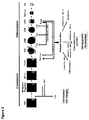
- Figure 2:
- Negative regulation of normal and MDS erythropoiesis. Normal erythropoiesis is controlled by a negative regulation of proliferation through Fas-dependent apoptosis of immature progenitors mediated by FasL-expressing mature cells (blue arrows). In MDS, Fas and FasL are overexpressed leading to excessive and inappropriate apoptosis (red arrows).
- Figure 3:
- Role / Concentration of Fas and FasL during erythropoiesis.
- Figure 4:
- FasL expression in MDS, sAML and controls. A. Distribution of FasL RFI. B. ROC analysis comparing MDS to controls.
- Figure 5:
- Impact of Fas expression on CD45lo/CD34+ cells at diagnosis on overall survival.
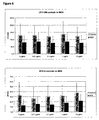
- Figure 6:
- Effect of APG101 on BFU-E and CFU-GM growth at
day 14 of the methylcellulose culture. - Figure 7:
- Effect of APG101 on CFU-E and CFU-L growth at
day 7 of the methylcellulose culture. - Figure 8:
- Effect of APG101 on BFU-E and CFU-GM deriving from liquid cultures at
day 5. - Figure 9:
- Effect of APG101 added at the differentiation phase in liquid culture of erythroid progenitors.
- Figure 10:
- Effect of APG101 on erythroid cell differentiation. Left: MGG coloured cytospins. Right: Flow cytometry analysis of CD71/GPA double labelling.
- Figure 11:
- Effect of APG101 on BFU-E growth. A comparison between Fas-positive and Fas-negative MDS.
- Figure 12:
- Effect of APG101 according to FasL expression on CD45low cells.
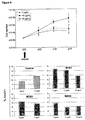
- Figure 13:
- Effect of APG101 on BFU-E growth according to CFU-L and BFU-E growth at baseline.
-
Description Lot Supplier Stable purified trimer of CD95ligand (CD95L-T4) APG101 Apogenix Cytokines SCF, IGF-1 SCF 02630 IGF-1 Promega SIGMA Methylcellulose 04100 Stem Cell technologies Culture medium IDMD glutamax 31980-022 Invitrogen Fluorochrome-labelled antibodies and proteins CD95 clone UB2 IM1506 Beckman Coulter CD235a (GPA)clone 11E4B IM2212 CD71 clone YDJ1.2.2 IM0483 - Normal and MDS bone marrow samples were collected from patients of the Cochin Hospital, Paris and from related departments that are associated to multicenter biological studies coordinated by Prof. M. Fontenay by sternal aspiration. Patients had given their informed consent for cellular biology and genetic studies before bone marrow aspiration according to the recommendations of the local ethics committee
-
Name Internal Identification Number MIDI Macs column Milteny Biotech FC 500 flow cytometer Beckman Coulter Incubators (5% CO2, 37°C) Jouan Microscope Zeiss - Current SOP in the lab are referred and validated in the Guide de Bonne Exécution des Analyses de Bioloige médicale by M. Fontenay and C. Lacombe in 2002.
SOP Nr. Release Date CD34+ cell isolation GBEA2v1 01/02/2002 Erythroid progenitor culture GBEA2v1 01/02/2002 Methylcellulose assays GBEA1v1 01/02/2002 -
- APG101 Fas-Fc chimera (Apogenix): an inhibitor of Fas-dependent apoptosis; provided by Apogenix GmbH.
- CD95L-T4: trimeric ligand for Fas provided by Apogenix
- Erythroid cell cultures were performed as described: Bone marrow CD34+ cells were isolated on MIDI Macs column and cultured in SCF, Epo, IGF-1 and dexamethasone to induce CD34+ cell commitment to the erythroid lineage and target erythroid cell proliferation. After 10 days, erythroid cell terminal maturation is obtained by switching cells to Epo and insulin containing medium.
- Flow cytometry was used to quantify erythroid cell maturation during in vitro liquid culture.
- Subpopulations of cells were identified by double labelling using monoclonal antibodies to CD71 (transferrin receptor) and glycophorin a (GPA CD235a). The different stages of maturation were CD71-/GPA-, CD71+/GPA-, CD71+/GPA+ and finally CD71-/GPA+ cells. Membrane Fas expression was quantified by CD95 labelling and expression as ratio of median fluorescence intensity to isotypic control (RFI). Receiver operating curve (ROC) analysis that is a graphical representation of the relationship between the true positive ratio and the false positive ratio for a range of cutoff values was used to compare 132 MDS to 25 controls demonstrated that the threshold of positivity was a RFI of 1.8. Apoptosis was measured by Annexin v/7-AAD labelling. Samples were analyzed on FC500 apparatus (Beckman Coulter).
- Bone marrow samples from patients and healthy control subjects were collected by sternal aspiration and CD34+ cells were purified (> 85% CD34+ cells) on MIDI-MACS immunoaffinity columns (Miltenyi Biotech, Bergisch Gladbach, Germany) (Claessens et al, 2002). Purified CD34+ cells were cultured in Dulbecco modified Eagle medium (DMEM) containing 20% BIT (bovine serum albumin, insulin, holotransferrin), and appropriate cytokines: 50 ng/mL stem cell factor (SCF), 1 IU/mL erythropoietin (Epo), 40 ng/mL insulin-like growth factor 1 (IGF-1), and 10-6 M dexamethasone up to
day 10 of culture, and 1 IU/mL Epo and 10-6 M insulin thereafter. An overview of the cultivation steps is shown inFigure 3 . The cells actively divided up today 10 and showed little erythroid maturation. After changing the cytokines, most cells were differentiated erythroblasts byday 14. - Normal erythroid cells were treated with increasing concentrations of CD95L-T4. At a given concentration, the impact of CD95L-T4 -added at early phase of erythroid cell commitment- on erythroid cell growth (BFU-E and overall amplification of erythroid precursors) was measured. The impact of CD95L-T4 -added before the onset of caspase-3 activation preceding erythroid maturation was tested. Caspase-3 and targets were followed by flow cytometry and Western blot analysis.
- Considering the 1/1 stoechiometry of the CD95L-T4 / APG101 complex with a 11 nM binding affinity in humans, the concentration of CD95L-T4 and APG101 to be tested in the culture were in the same range (0.01 to 10 µg/ml).
- Normal erythroid cells were pre-treated with APG101 at increasing concentration before treatment with the previously determined concentration of CD95L-T4 either at the early phase of erythroid cell amplification or at the late phase of differentiation or both). Importantly, CD95L-T4 addition was avoided in samples with high levels of apoptosis at baseline. Effects of APG101 were evaluated on overall erythroid cell amplification, BFU-E growth, apoptosis, caspase-3 activity, caspase-3 target cleavage, and differentiation (GPA, cytology).
- Increasing concentrations of APG101 (0.001 to 100 µg/ml) were tested
- on the number of BFU-E in clonogenic assays
- on the rate of amplification
- on apoptosis (caspase-3 activity, phosphatidylserine exposure, caspase-3 targets)
- on erythroid cell differentiation (GPA/CD71, cytological examination, erythroid gene expression in microarrays).
- It was previously shown that Fas is overexpressed on the bone marrow CD34+ cell fraction. Therefore a comparison was made between erythroid and granulocytic progenitor cells in MDS samples in specific culture conditions for each lineage. It was tested whether treatment with APG101 restores normal kinetics of caspase-3 activity and prevents caspase-3 target cleavage.
- Mononuclear cells isolated from the bone marrow aspirates after Ficoll gradient were seeded in 0.8% methylcellulose containing fetal calf serum, BSA and cytokines (IL3 0.1 Ul/ml,
IL6 10 ng/ml, GM-CSF 5 ng/ml,EPO 1 Ul/ml, andSCF 20 ng/ml at a concentration of 106 cells/ml). CFU-E and CFU-L were counted atday 7 of the culture and BFU-E and CFU-GFM were counted atday 14. Increasing concentrations of APG101 were added. - Biological data were analyzed as median values ± standard error of the mean. Sensitivity and specificity of flow cytometry for Fas and FasL assays were evaluated with the Receiver Operating Curve (ROC) and the threshold value was deduced. Continuous variables were compared with the Student t-test (Excel 2003 software, Microsoft). The Kaplan-Meier estimator was used to evaluate the impact of Fas and FasL on overall survival over time, in two sub-groups of the population under study, and compared with the Log-Rank test. All statistical analyses were 2-sided and P-values less than 0.05 were considered to be significant. Statistical analyses were performed using the GraphPad software.
- The expression of FasL was measured both in CD45low/CD34+ and CD71+ bone marrow cell populations in 84 MDS, 21 sAML and 17 controls. FasL was significantly more elevated in MDS than sAML or controls (
Figure 4A ) and according to ROC, the threshold of positivity was 6. When comparing MDS to controls, the predictive value of FasL expression to discriminate between MDS and controls was good (area under the curve:0.73; P=0.002;Figure 4B ). - Clinical information was collected for 166 MDS or sAML patients with known value of Fas expression at diagnosis and in 42 MDS/sAML patients with known value of FasL at diagnosis to analyze the impact of Fas or FasL expression on prognosis. In the group of 166 MDS patients, 41% were positive for Fas and did not demonstrate any difference in terms of age, sex, hemogram parameters, % bone marrow blasts, multilineage dysplasia, karyotype, IPSS and treatments. Fas expression had no impact on overall survival (
Figure 5 ). In addition, Fas expression was not predicitive of the response to EPO - In the group of 42 patients with MDS/sAML, 18 patients were positive for FasL (RFI≥5). Hb level and median of overall survival were equivalent in FasL-positive and FasL-negative patient (P=0.57 and P=0.97, respectively). In addition, FasL expression in a small cohort of patients (n=22) was not predictive of the response to treatment.
- In summary, these data show that Fas and FasL were overexpressed in MDS, and FasL overexpression is predictive of MDS. Neither Fas-expression nor FasL-expression are prognostic parameters for overall survival.
- Studies have shown that blocking FasL with an excess of soluble Fas (Fas: Fc) as well as the disruption of Fas signaling through ectopic expression of a dominant negative form of the adapter FADD rescued BFU-E growth. When analyzing the effect of increasing concentrations of APG101 (0, 0.01, 0.1, 1, 10 µg/ml) on erythroid and granulo-monocytic progenitors in methylecellulose assays it became evident that APG101 did not stimulate CFU-GM growth while a moderate positive effect was noticed on BFU-E growth (
Figure 6 ). - In addition the effect of APG101 on mature erythroid progenitor growth (CFU-E) and the response of leukemic blasts was analyzed by counting the number of CFU-L (non erythroid clusters of at least 50 cells) at
day 7 of the methylcellulose culture (Figure 7 ). It was found that APG101 did not rescue CFU-E growth and did not increase the number of CFU-L even in samples from RAEB2 patients (MDS with more than 10% blasts at diagnosis) suggesting that APG101 does not stimulate the growth of leukemic blasts. - To get further insight into the effect of APG101 on MDS erythropoiesis, CD34+ bone marrow cells from MDS patient were isolated and seeded under "erythroid conditions" for commitment. Cells were harvested at
day 5 of the liquid culture and then seeded in methylcellulose to evaluate the number of BFU-E and CFU-GM. As shown inFigure 7 , the initial number of BFU-E was reduced in MDS compared to controls. APG101 induced a 3-fold increase of the number of BFU-E without reaching a normal level. CFU-GM were less severely impaired than BFU-E and were not affected by APG101. These results suggest a specific effect of APG101 on the erythroid lineage. - To test the effect of APG101 on the differentiation of cells during erythropoiesis different concentrations of APG101 were added to the cell culture when the culture was switched to Epo & insulin, which coincidates with the onset of FasL expression. At
day 14 of the culture the overall cell number was increased by a mean of 60% and apoptosis appeared to be reduced up to 33% (Figure 9 ). - APG101 had no effect on erythroid cell differentiation, more importantly it did not block cell maturation (
Figure 10 ). - To delineate the group of patients that could benefit from the drug, data from methy-cellulose assays were re-analyzed according to initial clinical and biological characteristics. Methylcellulose assays were previously validated as a useful tool for predicting the response to Epo and correlated well with the quality of erythropoiesis (Frisan et al, 2010).
- First the clonogenic assays were analyzed according to the initial expression of Fas. As shown in
Figure 11 , the improvement of BFU-E growth in the presence of 10 µg/ml APG101 was not significantly different in Fas-positive and Fas-negative patients. - Next, the effect of APG101 was analyzed according to the expression of FasL on the CD71-positive population. In this series, the threshold of positivity was 2.8. FasL-positive MDS had a median fasL RFI of 3.7 and FasL-negative patients had a median FasL RFI of 2.2. The effect of APG101 did not differ between FasL-positive patients showing high-FasL-expression and FasL-negative patients showing low FasL-expression.
- Third, a possible correlation between the effect of APG101 on the BFU-E growth and the initial growth of CFU-L at diagnosis was sought. In patients with excess of leukemic clusters, APG101 failed to rescue BFU-E growth while it very efficiently increased the number of BFU-E in patients with low initial growth of CFU-L (
Figure 13 , left). - Finally, APG101 more efficiently improved BFU-E growth in bone marrow cells from MDS patients with severe alteration of erythropoiesis at baseline than in patients with preserved erythropoiesis (
Figure 13 , right). - It was demonstrated that in the in vitro culture of hematopoietic stem cells (CD34+ cells) from low and INT-1 grade MDS patients with severe impairment of erythropoiesis APG101 rescues erythroid cell growth. APG101 did not promote the growth of leukemic cells and thus did not increase the risk of leukemic cell expansion.
- Overexpression of FasL was predictive of the disease. However, neither Fas nor FasL expression was clearly demonstrated to have an impact on overall survival.
- Fas is one of the main actors of apoptotic cell death of hematopoietic precursor cells resulting in anemia Thus, inhibiting Fas and FasL interaction using soluble Fas receptor (i.e. APG1010) could rescue erythropoiesis in MDS patients.
- APG101 rescues erythroid cell growth in the subgroup of MDS patients with a severe defect of erythropoiesis and without an excess of leukemic blasts. APG101 did not stimulate the growth of leukemic cells as assessed by counting CFU-L, however, APG101 was unable to rescue BFU-E growth in patients presenting with an excess of CFU-L at diagnosis. Together, APG101 is effective in rescuing BFU-E growth in hematopoietic stem cells from patients with MDS with severe impairment of erythropoiesis at diagnosis and without excess of blasts. These patients were previously identified to be resistant to erythropoiesis-stimulating agents (ESA) in part due to overexpression of Fas and high level of apoptosis (Frisan et al, 2010).
-
- Bennett JM, Catovsky D, Daniel MT, Flandrin G, Galton DA, Gralnick HR, et al. Proposals for the classification of the myelodysplastic syndromes. Br. J. Haematol. 1982 Jun;51 (2):189-199.
- Bouscary D, De Vos J, Guesnu M, Jondeau K, Viguier F, Melle J, Picard F, Dreyfus F, Fontenay-Roupie M. Fas/Apo-1 (CD95) expression and apoptosis in patients with myelodysplastic syndromes. Leukemia. 1997 Jun;11 (6):839-45.
- Carlile GW, Smith DH, Wiedmann M. Caspase-3 has a nonapoptotic function in erythroid maturation. Blood. 2004 .
- Claessens YE, Bouscary D, Dupont JM, et al. In vitro proliferation and differentiation of erythroid progenitors from patients with myelodysplastic syndromes: evidence for Fas-dependent apoptosis. Blood. 2002; 99: 1594-1601.
- Claessens YE, Park S, Dubart-Kupperschmitt A, Mariot V, Garrido C, Chrétien S, Dreyfus F, Lacombe C, Mayeux P, Fontenay M. Rescue of early-stage myelodysplastic syndrome-deriving erythroid precursors by the ectopic expression of a dominant-negative form of FADD. Blood. 2005 May 15;105(10):4035-42.
- De Maria R, Zeuner A, Eramo A, Domenichelli C, Bonci D, Grignani F, Srinivasula SM, Alnemri ES, Testa U, Peschle C. Negative regulation of erythropoiesis by caspase-mediated cleavage of GATA-1. Nature. 1999 .
- Frisan E, Pawlikowska P, Pierre-Eugène C, Viallon V, Gibault L, Park S, Mayeux P, Dreyfus F, Porteu F, Fontenay M. p-ERK1/2 is a predictive factor of response to erythropoiesis-stimulating agents in low/int-1 myelodysplastic syndromes. Haematologica. 2010 Nov;95(11):1964-8.
- Greenberg P, Cox C, LeBeau MM, Fenaux P, Morel P, Sanz G, Sanz M, Vallespi T, Hamblin T, Oscier D, Ohyashiki K, Toyama K, Aul C, Mufti G, Bennett J. International scoring system for evaluating prognosis in myelodysplastic syndromes. Blood. 1997 .
- Liu Y, Pop R, Sadegh C, Brugnara C, Haase VH, Socolovsky M. Suppression of Fas-FasL. coexpression by erythropoietin mediates erythroblast expansion during the erythropoietic stress response in vivo. Blood. 2006 .
- Ribeil JA, Zermati Y, Vandekerckhove J, Cathelin S, Kersual J, Dussiot M, Coulon S, Moura IC, Zeuner A, Kirkegaard-Sørensen T, Varet B, Solary E, Garrido C, Hermine O. Hsp70 regulates erythropoiesis by preventing caspase-3-mediated cleavage of GATA-1. Nature. 2007 .
- Socolovsky M, Murrell M, Liu Y, Pop R, Porpiglia E, Levchenko A. Negative autoregulation by FAS mediates robust fetal erythropoiesis. PLoS Biol. 2007 Oct;5(10):e252.
- Tehranchi R, Fadeel B, Forsblom AM, et al. Granulocyte colony-stimulating factor inhibits spontaneous cytochrome c release and mitochondria-dependent apoptosis of myelodysplastic syndrome hematopoietic progenitors. Blood. 2003; 101: 1080-1086.
- Vardiman JW, Thiele J, Arber DA, Brunning RD, Borowitz MJ, Porwit A, Harris NL, Le Beau MM, Hellstrom-Lindberg E, Tefferi A, Bloomfield CD. The 2008 revision of the World Health Organization (WHO) classification of myeloid neoplasms and acute leukemia: rationale and important changes. Blood. 2009 .
- Zermati Y, Garrido C, Amsellem S, et al. Caspase activation is required for terminal erythroid differentiation. J Exp Med. 2001;1 93: 247-254.
-
- <110> Apogenix GmbH
- <120> Improved APG101 Drug and Substance Formulation
- <130> 51510P WO
- <160> 1
- <170> PatentIn version 3.5
- <210> 1
<211> 400
<212> PRT
<213> Artificial Sequence - <220>
<223> Recombinant fusion protein consisting of human CD95 extracellular domain with human IgG1 FC-part to its C-terminus - <220>
<221> SIGNAL
<222> (1)..(16)
<223> Variable cleavage sites - <220>
<221> SIGNAL
<222> (1)..(20)
<223> Variable cleavage sites - <220>
<221> SIGNAL
<222> (1)..(25)
<223> Variable cleavage sites - <220>
<221> DOMAIN
<222> (26)..(172)
<223> Human CD95 extracellular domain - <220>
<221> MOD_RES
<222> (26)..(26)
<223> PYRROLIDONE CARBOXYLIC ACID - <220>
<221> DISULFID
<222> (59)..(73) - <220>
<221> DISULFID
<222> (63)..(82) - <220>
<221> DISULFID
<222> (85)..(101) - <220>
<221> DISULFID
<222> (104)..(119) - <220>
<221> DISULFID
<222> (107)..(127) - <220>
<221> CARBOHYD
<222> (118)..(118)
<223> N-linked Glycosylation at Position N118 - <220>
<221> DISULFID
<222> (129)..(143) - <220>
<221> DISULFID
<222> (135)..(140) - <220>
<221> CARBOHYD
<222> (136)..(136)
<223> N-linked Glycosylation at Position N136 - <220>
<221> DISULFID
<222> (146)..(157) - <220>
<221> DISULFID
<222> (149)..(165) - <220>
<221> DOMAIN
<222> (172)..(400)
<223> Human IgG1-FC domain - <220>
<221> DISULFID
<222> (173)..(173)
<223> Interchain cystine forming residue of the APG101 homodimer. - <220>
<221> DISULFID
<222> (179)..(179)
<223> Interchain cystine forming residue of the APG101 homodimer. - <220>
<221> DISULFID
<222> (182)..(182)
<223> Interchain cystine forming residue of the APG101 homodimer. - <220>
<221> DISULFID
<222> (214)..(274) - <220>
<221> CARBOHYD
<222> (250)..(250)
<223> N-linked Glycosylation at Position N250 - <220>
<221> DISULFID
<222> (320)..(378) - <400> 1


Claims (13)
- Inhibitor of the CD95 signalling pathway for use in the treatment of Myelodysplasia Syndrom (MDS), wherein the MDS is selected from the IPSS low-risk MDS subgroup and the IPSS intermediate-1 (int- ) risk MDS subgroup, and wherein the inhibitor binds to CD95 receptor (CD95) and/or the CD95 ligand (CD95L).
- The inhibitor of the CD95 signalling pathway for the use according to claim 1, wherein the inhibitor is a compound which improves the growth of erythroid progenitors.
- The inhibitor of the CD95 signalling pathway for the use according to any of claims 1 or 2, wherein the inhibitor is an antibody, in particular an antibody or fragment thereof that binds CD95L.
- The inhibitor of the CD95 signalling pathway for the use according to claim 1 or 2, wherein the inhibitor is an CD95 receptor molecule or a CD95 ligand- binding portion thereof and/or CD95-ligand inhibitor.
- The inhibitor of the CD95 signalling pathway for the use according to claim 1 or 2, wherein the inhibitor is a fusion protein that binds to a CD95L.
- The inhibitor of the CD95 signalling pathway for the use according to claim 5, wherein the fusion protein comprises an extracellular domain or a functional fragment thereof and a human Fc domain or a functional fragment thereof.
- The inhibitor of the CD95 signalling pathway for the use according to claim 6, wherein the inhibitor is APG101 and/or a functional derivative thereof, wherein APG101 comprises the domains CD95R (amino acids 26-172) of SEQ ID NO: 1 and IgG1-Fc (amino acids 172-400) of SEQ ID NO: 1.
- The inhibitor of the CD95 signalling pathway for the use according to any of claims 1 to 7, wherein the MDS population is characterized by increased apoptosis during erythropoiesis.
- The inhibitor of the CD95 signalling pathway for the use according to any of claims 1 to 8, wherein the MDS population is characterized by a severe defect of erythropoiesis without an excess of blasts.
- The inhibitor of the CD95 signalling pathway for the use according to any of claims 1 to 9, wherein the MDS population is characterized by being resistant to erythropoiesis stimulating agents (ESA) and/or colony stimulating factors.
- The inhibitor of the CD95 signalling pathway for the use according to any of claims 1 to 10, which is provided as pharmaceutical composition comprising pharmaceutically acceptable carriers, diluents and/or adjuvants.
- The inhibitor of the CD95 signalling pathway for the use according to any of claims 1 to 11, which is provided as pharmaceutical composition comprising at least one further active ingredient such as an erythropoiesis stimulating agent and/or apoptosis inhibiting agent.
- The inhibitor of the CD95 signalling pathway for the use according to any of claims 1 to 12 which is to be administered at a total amount of 50 to 400 mg/week, preferably 100 to 200 mg/week.
Priority Applications (5)
| Application Number | Priority Date | Filing Date | Title |
|---|---|---|---|
| EP13739979.6A EP2874659B1 (en) | 2012-07-18 | 2013-07-18 | Inhibitors of the cd95 signaling pathway for treatment of mds |
| SI201330315A SI2874659T1 (en) | 2012-07-18 | 2013-07-18 | Inhibitors of the cd95 signaling pathway for treatment of mds |
| HRP20161164TT HRP20161164T1 (en) | 2012-07-18 | 2013-07-18 | Inhibitors of the cd95 signaling pathway for treatment of mds |
| EP16178598.5A EP3150224B1 (en) | 2012-07-18 | 2013-07-18 | Inhibitors of the cd95 signaling pathway for treatment of mds |
| CY20161100891T CY1117977T1 (en) | 2012-07-18 | 2016-09-08 | ANASTOLEIS TOU SIGNATURE CD95 FOR MDS TREATMENT |
Applications Claiming Priority (3)
| Application Number | Priority Date | Filing Date | Title |
|---|---|---|---|
| EP12176974 | 2012-07-18 | ||
| EP13739979.6A EP2874659B1 (en) | 2012-07-18 | 2013-07-18 | Inhibitors of the cd95 signaling pathway for treatment of mds |
| PCT/EP2013/065245 WO2014013036A1 (en) | 2012-07-18 | 2013-07-18 | Inhibitors of the cd95 signaling pathway for treatment of mds |
Related Child Applications (1)
| Application Number | Title | Priority Date | Filing Date |
|---|---|---|---|
| EP16178598.5A Division EP3150224B1 (en) | 2012-07-18 | 2013-07-18 | Inhibitors of the cd95 signaling pathway for treatment of mds |
Publications (2)
| Publication Number | Publication Date |
|---|---|
| EP2874659A1 EP2874659A1 (en) | 2015-05-27 |
| EP2874659B1 true EP2874659B1 (en) | 2016-07-13 |
Family
ID=48856609
Family Applications (2)
| Application Number | Title | Priority Date | Filing Date |
|---|---|---|---|
| EP13739979.6A Active EP2874659B1 (en) | 2012-07-18 | 2013-07-18 | Inhibitors of the cd95 signaling pathway for treatment of mds |
| EP16178598.5A Active EP3150224B1 (en) | 2012-07-18 | 2013-07-18 | Inhibitors of the cd95 signaling pathway for treatment of mds |
Family Applications After (1)
| Application Number | Title | Priority Date | Filing Date |
|---|---|---|---|
| EP16178598.5A Active EP3150224B1 (en) | 2012-07-18 | 2013-07-18 | Inhibitors of the cd95 signaling pathway for treatment of mds |
Country Status (21)
| Country | Link |
|---|---|
| US (2) | US9540431B2 (en) |
| EP (2) | EP2874659B1 (en) |
| JP (1) | JP6297552B2 (en) |
| KR (1) | KR102145999B1 (en) |
| CN (1) | CN104640568B (en) |
| AU (1) | AU2013291981B2 (en) |
| CA (1) | CA2876787C (en) |
| CY (1) | CY1117977T1 (en) |
| DK (1) | DK2874659T3 (en) |
| ES (2) | ES2589134T3 (en) |
| HR (1) | HRP20161164T1 (en) |
| HU (1) | HUE029571T2 (en) |
| IL (1) | IL236657A0 (en) |
| LT (1) | LT2874659T (en) |
| MX (1) | MX356388B (en) |
| PL (1) | PL2874659T3 (en) |
| PT (1) | PT2874659T (en) |
| RU (1) | RU2652348C2 (en) |
| SI (1) | SI2874659T1 (en) |
| UA (1) | UA116104C2 (en) |
| WO (1) | WO2014013036A1 (en) |
Families Citing this family (2)
| Publication number | Priority date | Publication date | Assignee | Title |
|---|---|---|---|---|
| US10441654B2 (en) | 2014-01-24 | 2019-10-15 | Children's Hospital Of Eastern Ontario Research Institute Inc. | SMC combination therapy for the treatment of cancer |
| US20230094423A1 (en) * | 2019-12-18 | 2023-03-30 | Cella Therapeutics, Llc | Drug delivery systems comprising a neurotrophic agent, an apoptosis signaling fragment inhibitor (fas) or fas ligand (fasl) inhibitor, a tumor necrosis factor-alpha (tnf-alpha) or tnf receptor inhibitor, a mitochondrial peptide, an oligonucleotide, a chemokine inhibitor, or a cysteine-aspartic protease inhibitor |
Family Cites Families (11)
| Publication number | Priority date | Publication date | Assignee | Title |
|---|---|---|---|---|
| US5891434A (en) | 1991-06-17 | 1999-04-06 | Centocor, Inc. | Monoclonal antibodies to the APO-1 antigen |
| MX9306682A (en) | 1992-10-30 | 1994-04-29 | Bristol Myers Squibb Co | LEAGUES OF THE RECEIVER OF THE EXTRACELLULAR MATRIX, WHICH MODULATE THE FUNCTION OF LEUKOCYTES. |
| DE4447484C2 (en) | 1994-04-08 | 1997-07-17 | Deutsches Krebsforsch | Apoptosis inhibitor |
| WO1997042319A1 (en) | 1996-05-02 | 1997-11-13 | Mochida Pharmaceutical Co., Ltd. | NOVEL Fas ANTIGEN DERIVATIVES |
| PT1015587E (en) | 1997-09-18 | 2008-07-31 | Genentech Inc | Dcr3 polypeptide, a tnfr homolog |
| IL138626A0 (en) | 1998-03-30 | 2001-10-31 | Lilly Co Eli | Therapeutic applications of mature flint (mflint) polypeptides or opg3, a member of the receptor superfamily |
| EP1087993B1 (en) | 1998-06-18 | 2008-04-02 | Imed Ab | Fas peptides and antibodies for modulating apoptosis |
| RU2212037C2 (en) * | 2000-06-01 | 2003-09-10 | Кировский НИИ гематологии и переливания крови | Method for determining immunodepressant therapy tactics in the cases of myelodysplastic syndrome |
| US20030170244A1 (en) * | 2001-12-21 | 2003-09-11 | Pluenneke John D. | Inhibition of Fas signaling |
| DK1606318T3 (en) | 2003-03-26 | 2009-11-02 | Apogenix Gmbh | Enhanced Fc fusion proteins |
| WO2006055302A2 (en) * | 2004-11-04 | 2006-05-26 | Scios Inc. | Method of treating myelodysplastic syndromes |
-
2013
- 2013-07-18 EP EP13739979.6A patent/EP2874659B1/en active Active
- 2013-07-18 UA UAA201500255A patent/UA116104C2/en unknown
- 2013-07-18 EP EP16178598.5A patent/EP3150224B1/en active Active
- 2013-07-18 MX MX2015000732A patent/MX356388B/en active IP Right Grant
- 2013-07-18 SI SI201330315A patent/SI2874659T1/en unknown
- 2013-07-18 PL PL13739979T patent/PL2874659T3/en unknown
- 2013-07-18 HU HUE13739979A patent/HUE029571T2/en unknown
- 2013-07-18 WO PCT/EP2013/065245 patent/WO2014013036A1/en not_active Ceased
- 2013-07-18 HR HRP20161164TT patent/HRP20161164T1/en unknown
- 2013-07-18 CN CN201380037895.XA patent/CN104640568B/en active Active
- 2013-07-18 LT LTEP13739979.6T patent/LT2874659T/en unknown
- 2013-07-18 DK DK13739979.6T patent/DK2874659T3/en active
- 2013-07-18 AU AU2013291981A patent/AU2013291981B2/en not_active Ceased
- 2013-07-18 KR KR1020157003970A patent/KR102145999B1/en active Active
- 2013-07-18 ES ES13739979.6T patent/ES2589134T3/en active Active
- 2013-07-18 ES ES16178598T patent/ES2716160T3/en active Active
- 2013-07-18 CA CA2876787A patent/CA2876787C/en active Active
- 2013-07-18 RU RU2015105329A patent/RU2652348C2/en active
- 2013-07-18 JP JP2015522105A patent/JP6297552B2/en active Active
- 2013-07-18 PT PT137399796T patent/PT2874659T/en unknown
- 2013-07-18 US US14/415,851 patent/US9540431B2/en active Active
-
2015
- 2015-01-11 IL IL236657A patent/IL236657A0/en active IP Right Grant
-
2016
- 2016-09-08 CY CY20161100891T patent/CY1117977T1/en unknown
- 2016-12-28 US US15/392,733 patent/US20170166648A1/en not_active Abandoned
Also Published As
Similar Documents
| Publication | Publication Date | Title |
|---|---|---|
| Claessens et al. | Rescue of early-stage myelodysplastic syndrome-deriving erythroid precursors by the ectopic expression of a dominant-negative form of FADD | |
| US20220162294A1 (en) | Humanized anti-DKK2 antibody and uses thereof | |
| US20200179510A1 (en) | Low density lipoprotein receptor related protein 5 inhibition suppresses tumor formation | |
| WO2023137447A1 (en) | Alk gene fusions and uses thereof | |
| CN112888446A (en) | Manipulation of ARID5B expression in immune cells to promote metabolism, survival and function | |
| WO2017139564A1 (en) | Compositions and methods for targeting activin signaling to treat cancer | |
| EP3150224B1 (en) | Inhibitors of the cd95 signaling pathway for treatment of mds | |
| KR20210035215A (en) | VISTA receptor | |
| KR20230165212A (en) | How to treat red blood cell disorders | |
| WO2022159720A2 (en) | Methods to quantify rate of clonal expansion and methods for treating clonal hematopoiesis and hematologic malignancies | |
| HK1207003B (en) | Inhibitors of the cd95 signaling pathway for treatment of mds | |
| Liu et al. | TNFRSF9 Inhibits Pancreatic Cancer Progression by Regulating PAX6-mediated Cell Proliferation, Migration, and Apoptosis | |
| 이상신 | Mitochondrial regulator CRIF1 deficiency induces Foxp3low inflammatory non-suppressive regulatory-T cells in tumors | |
| Gao et al. | Targeting CAR-T cell senescence through Mysm1-SSBP1 axis improves persistence and therapeutic efficacy | |
| HK40044945A (en) | Manipulating arid5b expression in immune cells to promote metabolism, survival, and function | |
| Cohen | The Molecular Mechanisms by Which CD74 Regulate Survival of Cells | |
| Momot et al. | Involvement of a T-cell receptor repertoire in the pathogenesis of myelodysplastic syndromes |
Legal Events
| Date | Code | Title | Description |
|---|---|---|---|
| PUAI | Public reference made under article 153(3) epc to a published international application that has entered the european phase |
Free format text: ORIGINAL CODE: 0009012 |
|
| 17P | Request for examination filed |
Effective date: 20150213 |
|
| AK | Designated contracting states |
Kind code of ref document: A1 Designated state(s): AL AT BE BG CH CY CZ DE DK EE ES FI FR GB GR HR HU IE IS IT LI LT LU LV MC MK MT NL NO PL PT RO RS SE SI SK SM TR |
|
| AX | Request for extension of the european patent |
Extension state: BA ME |
|
| RIN1 | Information on inventor provided before grant (corrected) |
Inventor name: FONTENAY, MICHAELA Inventor name: KUNZ, CLAUDIA Inventor name: FRICKE, HARALD |
|
| DAX | Request for extension of the european patent (deleted) | ||
| REG | Reference to a national code |
Ref country code: DE Ref legal event code: R079 Ref document number: 602013009410 Country of ref document: DE Free format text: PREVIOUS MAIN CLASS: A61K0039395000 Ipc: C07K0016280000 |
|
| GRAP | Despatch of communication of intention to grant a patent |
Free format text: ORIGINAL CODE: EPIDOSNIGR1 |
|
| RIC1 | Information provided on ipc code assigned before grant |
Ipc: A61K 38/17 20060101ALI20160225BHEP Ipc: C07K 16/28 20060101AFI20160225BHEP Ipc: A61K 39/395 20060101ALI20160225BHEP Ipc: C07K 14/705 20060101ALI20160225BHEP |
|
| INTG | Intention to grant announced |
Effective date: 20160309 |
|
| RAP1 | Party data changed (applicant data changed or rights of an application transferred) |
Owner name: APOGENIX AG |
|
| GRAS | Grant fee paid |
Free format text: ORIGINAL CODE: EPIDOSNIGR3 |
|
| GRAA | (expected) grant |
Free format text: ORIGINAL CODE: 0009210 |
|
| RIN1 | Information on inventor provided before grant (corrected) |
Inventor name: FRICKE, HARALD Inventor name: KUNZ, CLAUDIA Inventor name: FONTENAY, MICHAELA |
|
| AK | Designated contracting states |
Kind code of ref document: B1 Designated state(s): AL AT BE BG CH CY CZ DE DK EE ES FI FR GB GR HR HU IE IS IT LI LT LU LV MC MK MT NL NO PL PT RO RS SE SI SK SM TR |
|
| REG | Reference to a national code |
Ref country code: GB Ref legal event code: FG4D |
|
| REG | Reference to a national code |
Ref country code: AT Ref legal event code: REF Ref document number: 812258 Country of ref document: AT Kind code of ref document: T Effective date: 20160715 Ref country code: CH Ref legal event code: EP |
|
| REG | Reference to a national code |
Ref country code: IE Ref legal event code: FG4D |
|
| REG | Reference to a national code |
Ref country code: FR Ref legal event code: PLFP Year of fee payment: 4 |
|
| REG | Reference to a national code |
Ref country code: CH Ref legal event code: NV Representative=s name: E. BLUM AND CO. AG PATENT- UND MARKENANWAELTE , CH |
|
| REG | Reference to a national code |
Ref country code: DE Ref legal event code: R096 Ref document number: 602013009410 Country of ref document: DE |
|
| REG | Reference to a national code |
Ref country code: HR Ref legal event code: TUEP Ref document number: P20161164 Country of ref document: HR |
|
| REG | Reference to a national code |
Ref country code: RO Ref legal event code: EPE |
|
| REG | Reference to a national code |
Ref country code: PT Ref legal event code: SC4A Ref document number: 2874659 Country of ref document: PT Date of ref document: 20160919 Kind code of ref document: T Free format text: AVAILABILITY OF NATIONAL TRANSLATION Effective date: 20160909 |
|
| REG | Reference to a national code |
Ref country code: SE Ref legal event code: TRGR |
|
| REG | Reference to a national code |
Ref country code: NL Ref legal event code: FP |
|
| REG | Reference to a national code |
Ref country code: DK Ref legal event code: T3 Effective date: 20161021 |
|
| REG | Reference to a national code |
Ref country code: ES Ref legal event code: FG2A Ref document number: 2589134 Country of ref document: ES Kind code of ref document: T3 Effective date: 20161110 |
|
| REG | Reference to a national code |
Ref country code: EE Ref legal event code: FG4A Ref document number: E012505 Country of ref document: EE Effective date: 20160913 |
|
| REG | Reference to a national code |
Ref country code: NO Ref legal event code: T2 Effective date: 20160713 |
|
| REG | Reference to a national code |
Ref country code: HR Ref legal event code: T1PR Ref document number: P20161164 Country of ref document: HR |
|
| PG25 | Lapsed in a contracting state [announced via postgrant information from national office to epo] |
Ref country code: RS Free format text: LAPSE BECAUSE OF FAILURE TO SUBMIT A TRANSLATION OF THE DESCRIPTION OR TO PAY THE FEE WITHIN THE PRESCRIBED TIME-LIMIT Effective date: 20160713 |
|
| REG | Reference to a national code |
Ref country code: SK Ref legal event code: T3 Ref document number: E 22205 Country of ref document: SK Ref country code: GR Ref legal event code: EP Ref document number: 20160402093 Country of ref document: GR Effective date: 20161118 |
|
| REG | Reference to a national code |
Ref country code: HU Ref legal event code: AG4A Ref document number: E029571 Country of ref document: HU |
|
| REG | Reference to a national code |
Ref country code: DE Ref legal event code: R097 Ref document number: 602013009410 Country of ref document: DE |
|
| PLBE | No opposition filed within time limit |
Free format text: ORIGINAL CODE: 0009261 |
|
| STAA | Information on the status of an ep patent application or granted ep patent |
Free format text: STATUS: NO OPPOSITION FILED WITHIN TIME LIMIT |
|
| PG25 | Lapsed in a contracting state [announced via postgrant information from national office to epo] |
Ref country code: SM Free format text: LAPSE BECAUSE OF FAILURE TO SUBMIT A TRANSLATION OF THE DESCRIPTION OR TO PAY THE FEE WITHIN THE PRESCRIBED TIME-LIMIT Effective date: 20160713 |
|
| 26N | No opposition filed |
Effective date: 20170418 |
|
| REG | Reference to a national code |
Ref country code: FR Ref legal event code: PLFP Year of fee payment: 5 |
|
| PG25 | Lapsed in a contracting state [announced via postgrant information from national office to epo] |
Ref country code: MK Free format text: LAPSE BECAUSE OF FAILURE TO SUBMIT A TRANSLATION OF THE DESCRIPTION OR TO PAY THE FEE WITHIN THE PRESCRIBED TIME-LIMIT Effective date: 20160713 |
|
| REG | Reference to a national code |
Ref country code: FR Ref legal event code: PLFP Year of fee payment: 6 |
|
| PG25 | Lapsed in a contracting state [announced via postgrant information from national office to epo] |
Ref country code: AL Free format text: LAPSE BECAUSE OF FAILURE TO SUBMIT A TRANSLATION OF THE DESCRIPTION OR TO PAY THE FEE WITHIN THE PRESCRIBED TIME-LIMIT Effective date: 20160713 |
|
| REG | Reference to a national code |
Ref country code: HR Ref legal event code: ODRP Ref document number: P20161164 Country of ref document: HR Payment date: 20190702 Year of fee payment: 7 |
|
| REG | Reference to a national code |
Ref country code: AT Ref legal event code: UEP Ref document number: 812258 Country of ref document: AT Kind code of ref document: T Effective date: 20160713 |
|
| REG | Reference to a national code |
Ref country code: HR Ref legal event code: ODRP Ref document number: P20161164 Country of ref document: HR Payment date: 20200713 Year of fee payment: 8 |
|
| REG | Reference to a national code |
Ref country code: HR Ref legal event code: ODRP Ref document number: P20161164 Country of ref document: HR Payment date: 20210713 Year of fee payment: 9 |
|
| REG | Reference to a national code |
Ref country code: HR Ref legal event code: ODRP Ref document number: P20161164 Country of ref document: HR Payment date: 20220713 Year of fee payment: 10 |
|
| PGFP | Annual fee paid to national office [announced via postgrant information from national office to epo] |
Ref country code: SK Payment date: 20220715 Year of fee payment: 10 Ref country code: RO Payment date: 20220708 Year of fee payment: 10 Ref country code: PT Payment date: 20220707 Year of fee payment: 10 Ref country code: LT Payment date: 20220712 Year of fee payment: 10 Ref country code: HR Payment date: 20220713 Year of fee payment: 10 Ref country code: FI Payment date: 20220721 Year of fee payment: 10 Ref country code: EE Payment date: 20220720 Year of fee payment: 10 Ref country code: CZ Payment date: 20220715 Year of fee payment: 10 Ref country code: CY Payment date: 20220720 Year of fee payment: 10 Ref country code: BG Payment date: 20220722 Year of fee payment: 10 |
|
| PGFP | Annual fee paid to national office [announced via postgrant information from national office to epo] |
Ref country code: SI Payment date: 20220713 Year of fee payment: 10 Ref country code: PL Payment date: 20220707 Year of fee payment: 10 Ref country code: MC Payment date: 20220722 Year of fee payment: 10 Ref country code: LV Payment date: 20220718 Year of fee payment: 10 Ref country code: IS Payment date: 20220712 Year of fee payment: 10 Ref country code: HU Payment date: 20220720 Year of fee payment: 10 Ref country code: GR Payment date: 20220725 Year of fee payment: 10 |
|
| REG | Reference to a national code |
Ref country code: EE Ref legal event code: HC1A Ref document number: E012505 Country of ref document: EE |
|
| PGFP | Annual fee paid to national office [announced via postgrant information from national office to epo] |
Ref country code: MT Payment date: 20220718 Year of fee payment: 10 |
|
| P01 | Opt-out of the competence of the unified patent court (upc) registered |
Effective date: 20230522 |
|
| PGFP | Annual fee paid to national office [announced via postgrant information from national office to epo] |
Ref country code: TR Payment date: 20230717 Year of fee payment: 11 |
|
| REG | Reference to a national code |
Ref country code: HR Ref legal event code: PBON Ref document number: P20161164 Country of ref document: HR Effective date: 20230718 |
|
| REG | Reference to a national code |
Ref country code: LT Ref legal event code: MM4D Effective date: 20230718 |
|
| REG | Reference to a national code |
Ref country code: EE Ref legal event code: MM4A Ref document number: E012505 Country of ref document: EE Effective date: 20230731 |
|
| PG25 | Lapsed in a contracting state [announced via postgrant information from national office to epo] |
Ref country code: MC Free format text: LAPSE BECAUSE OF NON-PAYMENT OF DUE FEES Effective date: 20230731 |
|
| REG | Reference to a national code |
Ref country code: SK Ref legal event code: MM4A Ref document number: E 22205 Country of ref document: SK Effective date: 20230718 |
|
| PG25 | Lapsed in a contracting state [announced via postgrant information from national office to epo] |
Ref country code: MC Free format text: LAPSE BECAUSE OF NON-PAYMENT OF DUE FEES Effective date: 20230731 |
|
| PGFP | Annual fee paid to national office [announced via postgrant information from national office to epo] |
Ref country code: NL Payment date: 20240130 Year of fee payment: 11 |
|
| PGFP | Annual fee paid to national office [announced via postgrant information from national office to epo] |
Ref country code: LU Payment date: 20240126 Year of fee payment: 11 |
|
| PG25 | Lapsed in a contracting state [announced via postgrant information from national office to epo] |
Ref country code: GR Free format text: LAPSE BECAUSE OF NON-PAYMENT OF DUE FEES Effective date: 20240207 |
|
| PG25 | Lapsed in a contracting state [announced via postgrant information from national office to epo] |
Ref country code: LT Free format text: LAPSE BECAUSE OF NON-PAYMENT OF DUE FEES Effective date: 20230718 |
|
| PGFP | Annual fee paid to national office [announced via postgrant information from national office to epo] |
Ref country code: IE Payment date: 20240130 Year of fee payment: 11 |
|
| PGFP | Annual fee paid to national office [announced via postgrant information from national office to epo] |
Ref country code: AT Payment date: 20240131 Year of fee payment: 11 |
|
| PG25 | Lapsed in a contracting state [announced via postgrant information from national office to epo] |
Ref country code: RO Free format text: LAPSE BECAUSE OF NON-PAYMENT OF DUE FEES Effective date: 20230718 Ref country code: LT Free format text: LAPSE BECAUSE OF NON-PAYMENT OF DUE FEES Effective date: 20230718 Ref country code: HU Free format text: LAPSE BECAUSE OF NON-PAYMENT OF DUE FEES Effective date: 20230719 Ref country code: GR Free format text: LAPSE BECAUSE OF NON-PAYMENT OF DUE FEES Effective date: 20240207 Ref country code: FI Free format text: LAPSE BECAUSE OF NON-PAYMENT OF DUE FEES Effective date: 20230718 Ref country code: EE Free format text: LAPSE BECAUSE OF NON-PAYMENT OF DUE FEES Effective date: 20230731 Ref country code: CZ Free format text: LAPSE BECAUSE OF NON-PAYMENT OF DUE FEES Effective date: 20230718 Ref country code: CY Free format text: LAPSE BECAUSE OF NON-PAYMENT OF DUE FEES Effective date: 20230718 Ref country code: BG Free format text: LAPSE BECAUSE OF NON-PAYMENT OF DUE FEES Effective date: 20240131 Ref country code: PT Free format text: LAPSE BECAUSE OF NON-PAYMENT OF DUE FEES Effective date: 20240118 Ref country code: SK Free format text: LAPSE BECAUSE OF NON-PAYMENT OF DUE FEES Effective date: 20230718 |
|
| PG25 | Lapsed in a contracting state [announced via postgrant information from national office to epo] |
Ref country code: SI Free format text: LAPSE BECAUSE OF NON-PAYMENT OF DUE FEES Effective date: 20230719 |
|
| PG25 | Lapsed in a contracting state [announced via postgrant information from national office to epo] |
Ref country code: SI Free format text: LAPSE BECAUSE OF NON-PAYMENT OF DUE FEES Effective date: 20230719 Ref country code: LV Free format text: LAPSE BECAUSE OF NON-PAYMENT OF DUE FEES Effective date: 20230718 Ref country code: HR Free format text: LAPSE BECAUSE OF NON-PAYMENT OF DUE FEES Effective date: 20230718 |
|
| PGFP | Annual fee paid to national office [announced via postgrant information from national office to epo] |
Ref country code: SE Payment date: 20240130 Year of fee payment: 11 Ref country code: NO Payment date: 20240131 Year of fee payment: 11 Ref country code: DK Payment date: 20240130 Year of fee payment: 11 Ref country code: BE Payment date: 20240130 Year of fee payment: 11 |
|
| REG | Reference to a national code |
Ref country code: SI Ref legal event code: KO00 Effective date: 20240423 |
|
| PG25 | Lapsed in a contracting state [announced via postgrant information from national office to epo] |
Ref country code: PL Free format text: LAPSE BECAUSE OF NON-PAYMENT OF DUE FEES Effective date: 20230718 |
|
| PG25 | Lapsed in a contracting state [announced via postgrant information from national office to epo] |
Ref country code: PL Free format text: LAPSE BECAUSE OF NON-PAYMENT OF DUE FEES Effective date: 20230718 |
|
| REG | Reference to a national code |
Ref country code: DK Ref legal event code: EBP Effective date: 20240731 |
|
| REG | Reference to a national code |
Ref country code: SE Ref legal event code: EUG |
|
| REG | Reference to a national code |
Ref country code: NL Ref legal event code: MM Effective date: 20240801 |
|
| REG | Reference to a national code |
Ref country code: AT Ref legal event code: MM01 Ref document number: 812258 Country of ref document: AT Kind code of ref document: T Effective date: 20240718 |
|
| PG25 | Lapsed in a contracting state [announced via postgrant information from national office to epo] |
Ref country code: LU Free format text: LAPSE BECAUSE OF NON-PAYMENT OF DUE FEES Effective date: 20240718 |
|
| PG25 | Lapsed in a contracting state [announced via postgrant information from national office to epo] |
Ref country code: LU Free format text: LAPSE BECAUSE OF NON-PAYMENT OF DUE FEES Effective date: 20240718 |
|
| PG25 | Lapsed in a contracting state [announced via postgrant information from national office to epo] |
Ref country code: NL Free format text: LAPSE BECAUSE OF NON-PAYMENT OF DUE FEES Effective date: 20240801 |
|
| PG25 | Lapsed in a contracting state [announced via postgrant information from national office to epo] |
Ref country code: NO Free format text: LAPSE BECAUSE OF NON-PAYMENT OF DUE FEES Effective date: 20240731 |
|
| PG25 | Lapsed in a contracting state [announced via postgrant information from national office to epo] |
Ref country code: AT Free format text: LAPSE BECAUSE OF NON-PAYMENT OF DUE FEES Effective date: 20240718 Ref country code: BE Free format text: LAPSE BECAUSE OF NON-PAYMENT OF DUE FEES Effective date: 20240731 |
|
| REG | Reference to a national code |
Ref country code: BE Ref legal event code: MM Effective date: 20240731 |
|
| PG25 | Lapsed in a contracting state [announced via postgrant information from national office to epo] |
Ref country code: DK Free format text: LAPSE BECAUSE OF NON-PAYMENT OF DUE FEES Effective date: 20240731 |
|
| PG25 | Lapsed in a contracting state [announced via postgrant information from national office to epo] |
Ref country code: IE Free format text: LAPSE BECAUSE OF NON-PAYMENT OF DUE FEES Effective date: 20240718 |
|
| PG25 | Lapsed in a contracting state [announced via postgrant information from national office to epo] |
Ref country code: SE Free format text: LAPSE BECAUSE OF NON-PAYMENT OF DUE FEES Effective date: 20240719 |
|
| PGFP | Annual fee paid to national office [announced via postgrant information from national office to epo] |
Ref country code: IT Payment date: 20250929 Year of fee payment: 13 |
|
| REG | Reference to a national code |
Ref country code: CH Ref legal event code: U11 Free format text: ST27 STATUS EVENT CODE: U-0-0-U10-U11 (AS PROVIDED BY THE NATIONAL OFFICE) Effective date: 20251015 |
|
| PG25 | Lapsed in a contracting state [announced via postgrant information from national office to epo] |
Ref country code: IS Free format text: LAPSE BECAUSE OF NON-PAYMENT OF DUE FEES Effective date: 20240205 |
|
| PGFP | Annual fee paid to national office [announced via postgrant information from national office to epo] |
Ref country code: GB Payment date: 20250929 Year of fee payment: 13 |
|
| PGFP | Annual fee paid to national office [announced via postgrant information from national office to epo] |
Ref country code: FR Payment date: 20250929 Year of fee payment: 13 |
|
| PGFP | Annual fee paid to national office [announced via postgrant information from national office to epo] |
Ref country code: DE Payment date: 20250929 Year of fee payment: 13 |
|
| PGFP | Annual fee paid to national office [announced via postgrant information from national office to epo] |
Ref country code: CH Payment date: 20251015 Year of fee payment: 13 |
|
| PGFP | Annual fee paid to national office [announced via postgrant information from national office to epo] |
Ref country code: ES Payment date: 20251028 Year of fee payment: 13 |