EP2861226B1 - Nutritional product comprising decanoic acid and octanoic acid - Google Patents
Nutritional product comprising decanoic acid and octanoic acid Download PDFInfo
- Publication number
- EP2861226B1 EP2861226B1 EP13730925.8A EP13730925A EP2861226B1 EP 2861226 B1 EP2861226 B1 EP 2861226B1 EP 13730925 A EP13730925 A EP 13730925A EP 2861226 B1 EP2861226 B1 EP 2861226B1
- Authority
- EP
- European Patent Office
- Prior art keywords
- composition
- decanoic acid
- disease
- acid
- use according
- Prior art date
- Legal status (The legal status is an assumption and is not a legal conclusion. Google has not performed a legal analysis and makes no representation as to the accuracy of the status listed.)
- Active
Links
Images

Classifications
-
- A—HUMAN NECESSITIES
- A61—MEDICAL OR VETERINARY SCIENCE; HYGIENE
- A61K—PREPARATIONS FOR MEDICAL, DENTAL OR TOILETRY PURPOSES
- A61K31/00—Medicinal preparations containing organic active ingredients
- A61K31/185—Acids; Anhydrides, halides or salts thereof, e.g. sulfur acids, imidic, hydrazonic or hydroximic acids
- A61K31/19—Carboxylic acids, e.g. valproic acid
- A61K31/20—Carboxylic acids, e.g. valproic acid having a carboxyl group bound to a chain of seven or more carbon atoms, e.g. stearic, palmitic, arachidic acids
-
- A—HUMAN NECESSITIES
- A23—FOODS OR FOODSTUFFS; TREATMENT THEREOF, NOT COVERED BY OTHER CLASSES
- A23L—FOODS, FOODSTUFFS OR NON-ALCOHOLIC BEVERAGES, NOT OTHERWISE PROVIDED FOR; PREPARATION OR TREATMENT THEREOF
- A23L33/00—Modifying nutritive qualities of foods; Dietetic products; Preparation or treatment thereof
- A23L33/10—Modifying nutritive qualities of foods; Dietetic products; Preparation or treatment thereof using additives
- A23L33/115—Fatty acids or derivatives thereof; Fats or oils
- A23L33/12—Fatty acids or derivatives thereof
-
- A—HUMAN NECESSITIES
- A61—MEDICAL OR VETERINARY SCIENCE; HYGIENE
- A61K—PREPARATIONS FOR MEDICAL, DENTAL OR TOILETRY PURPOSES
- A61K31/00—Medicinal preparations containing organic active ingredients
- A61K31/185—Acids; Anhydrides, halides or salts thereof, e.g. sulfur acids, imidic, hydrazonic or hydroximic acids
- A61K31/19—Carboxylic acids, e.g. valproic acid
-
- A—HUMAN NECESSITIES
- A61—MEDICAL OR VETERINARY SCIENCE; HYGIENE
- A61K—PREPARATIONS FOR MEDICAL, DENTAL OR TOILETRY PURPOSES
- A61K31/00—Medicinal preparations containing organic active ingredients
- A61K31/70—Carbohydrates; Sugars; Derivatives thereof
-
- A—HUMAN NECESSITIES
- A61—MEDICAL OR VETERINARY SCIENCE; HYGIENE
- A61K—PREPARATIONS FOR MEDICAL, DENTAL OR TOILETRY PURPOSES
- A61K38/00—Medicinal preparations containing peptides
- A61K38/02—Peptides of undefined number of amino acids; Derivatives thereof
-
- A—HUMAN NECESSITIES
- A61—MEDICAL OR VETERINARY SCIENCE; HYGIENE
- A61P—SPECIFIC THERAPEUTIC ACTIVITY OF CHEMICAL COMPOUNDS OR MEDICINAL PREPARATIONS
- A61P25/00—Drugs for disorders of the nervous system
- A61P25/08—Antiepileptics; Anticonvulsants
-
- A—HUMAN NECESSITIES
- A61—MEDICAL OR VETERINARY SCIENCE; HYGIENE
- A61P—SPECIFIC THERAPEUTIC ACTIVITY OF CHEMICAL COMPOUNDS OR MEDICINAL PREPARATIONS
- A61P25/00—Drugs for disorders of the nervous system
- A61P25/14—Drugs for disorders of the nervous system for treating abnormal movements, e.g. chorea, dyskinesia
- A61P25/16—Anti-Parkinson drugs
-
- A—HUMAN NECESSITIES
- A61—MEDICAL OR VETERINARY SCIENCE; HYGIENE
- A61P—SPECIFIC THERAPEUTIC ACTIVITY OF CHEMICAL COMPOUNDS OR MEDICINAL PREPARATIONS
- A61P25/00—Drugs for disorders of the nervous system
- A61P25/28—Drugs for disorders of the nervous system for treating neurodegenerative disorders of the central nervous system, e.g. nootropic agents, cognition enhancers, drugs for treating Alzheimer's disease or other forms of dementia
-
- A—HUMAN NECESSITIES
- A61—MEDICAL OR VETERINARY SCIENCE; HYGIENE
- A61P—SPECIFIC THERAPEUTIC ACTIVITY OF CHEMICAL COMPOUNDS OR MEDICINAL PREPARATIONS
- A61P3/00—Drugs for disorders of the metabolism
- A61P3/08—Drugs for disorders of the metabolism for glucose homeostasis
- A61P3/10—Drugs for disorders of the metabolism for glucose homeostasis for hyperglycaemia, e.g. antidiabetics
-
- A—HUMAN NECESSITIES
- A61—MEDICAL OR VETERINARY SCIENCE; HYGIENE
- A61P—SPECIFIC THERAPEUTIC ACTIVITY OF CHEMICAL COMPOUNDS OR MEDICINAL PREPARATIONS
- A61P43/00—Drugs for specific purposes, not provided for in groups A61P1/00-A61P41/00
-
- A—HUMAN NECESSITIES
- A23—FOODS OR FOODSTUFFS; TREATMENT THEREOF, NOT COVERED BY OTHER CLASSES
- A23V—INDEXING SCHEME RELATING TO FOODS, FOODSTUFFS OR NON-ALCOHOLIC BEVERAGES AND LACTIC OR PROPIONIC ACID BACTERIA USED IN FOODSTUFFS OR FOOD PREPARATION
- A23V2002/00—Food compositions, function of food ingredients or processes for food or foodstuffs
Definitions
- the present invention generally relates to the field of dietary therapies for treating disorders associated with mitochondrial dysfunction, including epilepsy.
- Epilepsy covers a broad range of neurological disorders that are characterised by seizures. Seizures result from abnormal neuronal activity and manifest in a number of ways, including convulsions and loss of awareness. In many cases epilepsy can be managed by the use of anti-convulsive medication. However for a proportion of patients with epilepsy, treatment with conventional drugs can have minimal effect upon seizure activity. Although surgery is an option for treating patients suffering from certain seizures, for many individuals successful management can be achieved less invasively with the ketogenic diet.
- Ketogenic diets have a high fat and low carbohydrate content with sufficient protein for growth and repair; vitamin and mineral levels are typically inadequate and may be required to be provided as supplements. Ketogenic diets function by forcing the body to metabolise fat instead of carbohydrate as its energy source. Under low dietary carbohydrate conditions, fats are broken down into fatty acids and ketone bodies in the liver, and these compounds are utilised in further metabolic pathways for generating adenosine triphosphate (ATP) as a chemical energy source.
- ATP adenosine triphosphate
- ketogenic diet in treating intractable epilepsy in children and adults. Short-term trials have demonstrated that approximately half of those studied had at least a 50% reduction in seizures after 6 months, and approximately one third reached at least a 90% reduction. In certain cases, the ketogenic diet is sufficiently effective to enable a reduction in the levels of prescribed anti-epileptic medication and also to improve quality of life.
- Ketogenic diets must be strictly controlled to ensure effective seizure prevention whilst maintaining adequate nutritional value.
- the diets are developed and optimised on a case-by-case basis under medical supervision, and all food must be carefully measured and prepared. Deviation from the diet may result in the patient experiencing renewed seizures within a short period of time.
- ketogenic diets are difficult to manage in both children and adults.
- Current approaches to the ketogenic diet can be very restrictive and this can lead to poor compliance, particularly in adults.
- such diets can result in a number of side-effects (including problems of the digestive system, increased serum lipid levels, drowsiness, poor growth and increased risk of fractures), and are entirely unsuitable for certain patients.
- Identification of the active component(s) of the ketogenic diet responsible for supressing seizure activity therefore has the capability to dramatically simplify treatment and improve the quality of life for a significant number of patients with epilepsy.
- Ketones are the products of fat breakdown.
- the body normally burns glucose for energy.
- the body can use these ketones as a source of energy instead of glucose.
- Mitochondria are organelles present in almost every cell in the body. They play pivotal roles in a number of cellular processes, most prominently in energy metabolism. Provision of energy is achieved by the integrated function of the electron transport chain (ETC), which receives reducing equivalents from key metabolic pathways such as the tricarboxylic acid (TCA) cycle and fatty acid ⁇ -oxidation.
- ETC electron transport chain
- Compromised mitochondrial function may arise through inherited or acquired mutations in both nuclear and mitochondrial DNA, and may also be acquired as a result of exposure to environmental factors. Mitochondrial dysfunction is associated with a wide range of clinical conditions, which generally affect organs with high energy requirements such as muscle, liver, kidney and brain. A paucity of energy in the brain, in the form of ATP, leads to neurological impairment that can include seizures. Indeed, mitochondrial dysfunction has been linked to certain inherited and acquired epilepsies, although it is also associated with a number of other disease states, including diabetes, dementias including Alzheimer's disease, and Parkinson's disease.
- ketogenic diet increases mitochondrial function and biogenesis, and alleviation of epileptic seizures.
- ketogenic diet presents a number of challenges, products which target the same biological mechanisms are clearly highly desirable.
- JP 2012 097038 discloses an autoinducer-2 inhibitor comprising as an active ingredient at least one selected from the group consisting of decanoic acid, dodecanoic acid, and salts thereof.
- US 2010/204498 A1 discloses a pharmaceutical agent having high safety and a neurotrophic factor-like activity, which contains, as an active ingredient, any one compound included in fatty acids each having 8 carbon atoms (C8) or having 10 carbon atoms (C10) to 12 carbon atoms (C12) or fatty acid esters thereof, or salts thereof or prodrugs thereof.
- WO 2012/069790 A1 discloses a compound having the formula (I) R1-COOH wherein R1 is an alkyl or alkenyl group having a C7-11 backbone, or a pharmaceutically acceptable salt, amide or ester thereof, for use in the treatment or prevention of a disease or a biomedical condition selected from seizure-related disorders, bipolar disorders, mania, depression, migraine, attention deficit hyperactivity disorders, latent HIV infection, Alzheimer's disease, chorea, schizophrenia, ischemia, cancer and fatal blood loss.
- a disease or a biomedical condition selected from seizure-related disorders, bipolar disorders, mania, depression, migraine, attention deficit hyperactivity disorders, latent HIV infection, Alzheimer's disease, chorea, schizophrenia, ischemia, cancer and fatal blood loss.
- US 2007/135376 discloses methods for the reduction of mitochondrial oxidative damage and improved mitochondrial efficiency in an animal by administration of medium chain triglycerides or prodrug of medium chain triglycerides to the animal.
- WO 2011/040342 discloses a visceral fat reduction inhibitor for Parkinson's disease patients containing fats and oils obtained by transesterification of a medium-chain fatty acid triglyceride containing a saturated fatty acid having 8 and/or 10 carbon atoms as a constituent fatty acid and vegetable oil.
- EP2351491 A1 discloses a concentrated liquid diet having a total amount of a medium-chain fatty acid having 8 carbon atoms and a medium-chain fatty acid having 10 carbon atoms included as constitutive fatty acids of a triglyceride being 2.5 to 8.0 g per 100 kcal of the energy of the concentrated liquid diet, the concentrated liquid diet having in the total mass of the medium-chain fatty acid having 8 carbon atoms and the medium-chain fatty acid having 10 carbon atoms the rate of the medium-chain fatty acid having 10 carbon atoms being no less than 60% by mass, and the rate of the medium-chain fatty acid having 8 carbon atoms being no greater than 40% by mass.
- the ketogenic diet has a number of characteristic metabolic effects including increased ketone body formation and elevated plasma levels of medium chain fatty acids. There is no known correlation between ketone body levels and seizure control, and relatively little research has been carried out on the effects of the increased fatty acid concentrations.
- decanoic acid a medium chain fatty acid that increases in plasma concentration as a result of a ketogenic diet in which MCT forms a part, has a direct effect on mitochondrial function and availability in cells in vitro.
- decanoic acid may be beneficial for the treatment of epilepsy, particularly in patients who currently require a ketogenic diet; diseases associated with inherited mitochondrial dysfunction; and patients with acquired mitochondrial disorders, including those with diabetes, Parkinson's disease and dementias including Alzheimer's disease.
- a composition suitable for human consumption comprising decanoic acid and octanoic acid in a ratio of 2:1 wt/wt, in which the decanoic acid is greater than 50% of the total weight of fatty acid content, and optionally is substantially free from any other saturated fatty acid, for use in the treatment of a disease associated with mitochondria dysfunction, wherein the disease is epilepsy, diabetes, Parkinson's disease, or dementias including Alzheimer's disease.
- the decanoic acid to octanoic acid ratio is at least 3:1 wt/wt, at least 4:1 wt/wt, at least 5:1 wt/wt, at least 6:1 wt/wt, at least 9:1 wt/wt, at least 10:1 wt/wt, at least 15:1 wt/wt, at least 20:1 wt/wt, at least 30:1 wt/wt, at least 40:1 wt/wt, at least 50:1 wt/wt, at least 60:1 wt/wt, at least 70:1 wt/wt, at least 80:1 wt/wt, at least 85:1 wt/wt, at least 90:1 wt/wt, at least 95:1 wt/wt, at least 98:1 wt/wt or at least 99:1 wt/wt.
- the decanoic acid is greater than 51%, 52%, 53%, 54%, 55%, 56%, 57%, 58% or 59% of the total weight of fatty acid content, at least 60% of the total weight of fatty acid content, at least 65% of the total fatty acid content, at least 70% of the total weight of fatty acid content, at least 80% of the total weight of fatty acid content, at least 90% of the total weight of fatty acid content, or is at least 99% of the total weight of fatty acid content.
- the present invention also envisages a composition which is free from or substantially free from mono- or poly-unsaturated fatty acids.
- composition of the invention provides 2520 to 3780 kJ per 100 g dry mass. In another embodiment of the composition of the invention provides 2520 to 3180 kJ per 100 g dry mass.
- the weight amounts of lipid to the sum of proteins and carbohydrates is 1.0 to 1, 2.0 to 1, 5.0 to 1, or say 2.0-5.0 to 1, or 2.4-4.0 to 1, or 2.6-3.8 to 1.
- the composition is in the form of a human food stuff.
- the composition is in a form for delivering a dosage of at least about 5 g/l to 150 g/l decanoic acid per day.
- the dosage is about 5 g/l, 10 g/l, 15 g/l, 20 g/l, 30 g/l, 40 g/l, 50 g/l, 60 g/l, 70 g/l, 80 g/l, 90 g/l, 100 g/l, 110 g/l, 120 g/l, 130 g/l, 140 g/l, 150 g/l, 175 g/l, 200 g/l, 225 g/l, 250 g/l or 500 g/l decanoic acid per day.
- the composition is in the form of a complete nutritional product.
- the composition is in powdered form.
- the composition is in a spray dried form.
- the composition is in a form suitable for fortifying food or drink.
- the composition is in the form of a food stuff.
- the composition is in the form of an oil-in-water emulsion.
- compositions according the present invention may be in the form of an oil, mayonnaise, margarine, low fat spread, a dairy product including yoghurts, a cheese spread, processed cheese, a dairy dessert, a flavoured milk, cream, a fermented milk product, cheese, butter, a condensed milk product, an ice cream mix, a soya product, pasteurised liquid egg, a bakery product, a confectionary product, confectionary bar, chocolate bar, high fat bar, liquid emulsion, spray dried powder, freeze dried powder, UHT pudding, Pasteurised pudding, gel, jelly, yoghurt or a food with a fat-based or water-containing filling.
- a dairy product including yoghurts, a cheese spread, processed cheese, a dairy dessert, a flavoured milk, cream, a fermented milk product, cheese, butter, a condensed milk product, an ice cream mix, a soya product, pasteurised liquid egg, a bakery product, a confectionary product,
- decanoic acid administered in the form of a composition according to the first aspect of the invention for use in the treatment of a disease associated with mitochondria dysfunction.
- a composition according to the first aspect of the invention for use in the treatment of a disease associated with mitochondria dysfunction.
- a nutritional supplement or complete nutritional product for use in the treatment of a disease associated with mitochondria dysfunction.
- the disease associated with mitochondria dysfunction is epilepsy, diabetes, Parkinson's disease, dementias including Alzheimer's disease.
- decanoic acid for use in treating according to the present invention wherein the treatment of epilepsy includes the control of seizures.
- the use of the present invention provides a method of affecting the cellular content of mitochondria comprising administering decanoic acid to the cell.
- the use of the present invention provides a method of affecting the cellular function of mitochondria comprising administering decanoic acid to the cell.
- the use of the present invention provides a method of affecting the cellular availability of mitochondria comprising administering decanoic acid to the cell.
- the use of the present invention provides a method of modulating the cellular energy supply comprising administering decanoic acid to the cell.
- the disease associated with mitochondria dysfunction is epilepsy, diabetes, Parkinson's disease, dementias including Alzheimer's disease.
- the treatment of epilepsy includes the control of seizures.
- decanoic acid for use according to the first aspects of the invention wherein the decanoic acid is administered in the form of a composition according to the first aspect of the invention.
- a dosage of decanoic acid of at least about 5 g/l to 250 g/l or at least about 5 g/l to 500 g/l decanoic acid may be administered per day.
- Decanoic acid is also known as capric acid and is a saturated fatty acid of formula CH 3 (CH 2 ) 8 COOH. It is also referred to herein as "C10".
- ketogenic diets By elucidating the mechanism associated with the benefits of ketogenic diets we overcome some of the problems associated with prior compositions by providing a highly effective product which can be formulated to increase its palatability and deliver a specific level of C10. Moreover it allows diseases to be treated by the use of C10 outside of the strict confines of the classic ketogenic diet.
- the classical version of the ketogenic diet uses ratios to determine and describe fat content.
- the ketogenic ratio represents the relationship between the grams of fat and the combined grams of protein and carbohydrate. In a 4:1 ratio there are four times as many grams of fat for every 1 g of protein and carbohydrate combined. The ratio is traditionally intended to regulate the degree of ketosis, with higher ratios theoretically stimulating greater ketosis.
- the MCT version of the ketogenic diet uses percentage energy from fat to determine and describe fat content.
- the other two versions of the ketogenic diet are the so-called modified Atkins diet and the low glycaemic (Gl) index diet, which encourage people to ingest a lot of fat.
- the ratio or total fat content can be altered during therapy to achieve nutritional goals and to optimize clinical benefit.
- the ratio can be in the range of 1.0:1, 1.5:1, 2.0:1, 2.5:1, 3.0:1, 3.5:1, 4.0:1, 4.5:1 or 5.0:1.
- the ratio is 2.25:1 to 3.9:1. In another embodiment the ratio is 2.26 to 3.8:1 or 2.7-3.4:1. In further embodiments the ratio is 3.21:1, 3.23:1, 3.24:1, 3.25:1, 3.26:1, 3.27:1, 3.28:1 or 3.29:1.
- Decanoic acid occurs naturally in e.g. coconut oil and palm kernel oil and it can be envisaged that these products could form the key basis of the diet.
- decanoic acid forms around 5 to 8% of the fatty acid composition of coconut oil.
- the fatty acid composition comprises from about 5 to 8 % of decanoic acid.
- octanoic acid comprises around 4.6 to 10% of the fatty acid composition of coconut oil. Since the present invention has identified that C8 is less beneficial than C10, one can envisage a food composition which the fatty acid composition comprises less than 10%, ideally less than 4.6% of octanoic acid.
- the lipid fraction useful in the present invention can be in the form of triglycerides, diacyl-glycerides, monoacyl-glycerides, phospholipids, lyso-phospholipids, cholesterol and glycolipids, with triglycerides being generally preferred.
- the amount of saturated fatty acids utilised is relatively high. In particular it is preferably between 23 and 50, more preferably 25-45, and even more preferably 33-44 g per 100 g lipids, on fatty acid basis.
- the saturated fatty acids have 8 to 24 carbon atoms. It is preferred that a major part of the saturated fatty acids is decanoic acid (C10:0). Decanoic acid thus provides e.g. 15-50, preferably 18-45, more preferably 23-44 g per 100 g lipids.
- a particular embodiment comprises 30-37 g decanoic acid per 100 g lipids.
- coconut oil or palm oil is a preferred source for at least 50%, preferably between 70 and 90 of the lipid fraction.
- the remainder of the lipid fraction can be selected from e.g. medium-chain triglyceride sources such as fractionated coconut oil, macadamia oil, palm oil or palm kernel oil, or long-chain triglyceride sources such as safflower oil, sesame seed oil, soy oil (which may be obtained from soybean), sunflower oil, high oleic sunflower oil, corn oil, canola oil, walnut oil, evening primrose oil, peanut oil, cottonseed oil, rapeseed oil, olive oil, fish oil, palm olein or algal oil, or mixtures thereof, preferably soybean oil (preferably between 2 and 30), medium-chain triglycerides (with fatty acids having 8-12 carbon atoms; between 0 and 14), marine oils (preferably between 0 and 14 wt. %, more preferably between 2 and 12 wt. %), and phospholipids, mono- and
- the present invention preferably does not include mono-unsaturated and/or polyunsaturated fatty acids.
- the amount of mono-unsaturated fatty acids is suitably between 25 and 48, preferably 28-43, more preferably 30-40 g per 100 g lipids (fatty acid basis).
- the amount of polyunsaturated fatty acids (i.e. having two or more unsaturated bonds), to which the trans fatty acids have been excluded is 16-40, preferably 20-30 g per 100 g lipids.
- the lipid fraction also comprises omega.-3 polyunsaturated fatty.
- the polyunsaturated fatty acids comprise more than 0.5, preferably 1.0-10 wt. %.
- the amount of trans fatty acids is below 20, preferably 0-10, more preferably 0.2-4 g per 100 g lipids.
- MCT oil is a food grade oil generally comprising more than 90 wt% fatty acids. Traditionally these fatty acids have been made up of saturated fatty acids having 8, 10 or 12 carbon atoms. Whilst MCT oil may have application in the present invention, preferred is the use of MCT based oil in which the majority of the saturated fatty acids are decanoic acid.
- decanoic acid represents at least 51%, 55, 60, 65, 70, 75, 80, 85, 90, 95 or 100 wt% of the fatty acid content of the composition useful in the present invention.
- the ratio of the saturated fatty acids of C10 to C8 is 70:30, 75:25, 80:20, 85:15, 90:10, 95:5 or 100:0.
- LCT oil is defined as a food grade oil that comprises 15% of fatty acids having 20 or more carbon atoms.
- the present invention may utilise an LCT oil, but preferably at a level of 1%, 0.5% or 0.1% or less per 100 g.
- administration of the composition of C10 of the present invention may be by an oral route or another route into the gastro-intestinal tract or by parenteral routes.
- the forms for these modes of administration may include conventional forms, either as liquid solutions or suspensions, solid forms suitable for solution or suspension in liquid prior to injection, or as emulsions.
- composition of C10 of the present invention can be formulated in a suitable form, which may be a dosage form.
- the form is generally suitable for oral administration, but the invention is also applicable to gastric tube feeding.
- Suitable forms may include tablets, dragees, capsules, gel caps, powders, granules, solutions, emulsion, suspension, coated particles, spray-dried particles and pills, which contain the composition of C10 of the present invention, and optionally one or more suitable pharmaceutically acceptable carriers.
- the composition of C10 can be inserted or mixed into a food substance.
- the composition of C10 of the present invention is in the form of a nutritional product.
- nutritional product we generally refer to the situation where the substance intended to supplement a diet; although in the present situation the composition may be in a form such that it is intended to be the sole item or a meal or diet, i.e. a so-called "complete" nutritional product.
- the present invention may be administered to subjects in the form of nutritional supplements, foods, beverages.
- a preferred type of food is a medical food, e.g. a food which is in a formulation to be consumed under medical supervision and which is intended for the specific dietary management of a disease or condition, such as in the ketogenic diet referred to above.
- the present invention may be realised in the form of a product which is suitable for complete nourishment of human beings, or as an oil emulsion or supplement or any other convenient product form.
- the product may be suitable for infants, children and adults.
- the product as well as comprising a lipid fraction in accordance with the teachings of the present invention may optionally comprise a protein fraction, a fraction of digestible carbohydrates, available and/or nonavailable carbohydrates, a nitrogen fraction and optionally, a vitamin fraction, a mineral/trace element fraction or other components as may be appropriate to provide a nutritional supplement or complete nutritional product.
- the protein fraction comprises preferably peptides larger than 8 amino acids, which can make the product unsuitable for parenteral administration, due to potential allergic reactions. It is preferred to select proteins, which have strong emulgating properties, such as certain caseins. However, products usable for reconstitution in water or liquid formula should preferably contain lysolecithin, tartaric esters or combinations thereof as stabilization system in order to obtain a product that is suitable for drinking.
- the product may preferably be solid or semi-solid, such as a powder, bar, pudding, etcetera.
- a semi-solid product is understood to be a product having a solid content of more than 40 g per 100 g ready to use product. More preferably the semi-solids are supplied as powder, which can be reconstituted in water to be used as a single, complete food.
- the powder may comprise of primary particles, agglomerated primary particles or mixtures of particles of various size. Such powders can be manufactured using methods known in the art, such as spray drying. Spray drying is preferred when aids are used to improve flowing characteristics.
- the product may also be in the form of an oil which could be used for frying etc.
- the dry product may be at least partly soluble in water, so as to allow ready make-up of a liquid food, if desired.
- the amount of digestible carbohydrates is 0-9, preferably 3.2-9, more preferably 4-8.6, even more preferably 5-8.2 g per 100 g dry mass.
- the amount of protein is 5-20, preferably 13-20, more preferably 13-18, more preferably 13.8-17, even more preferably 14.2-16.2 g per 100 g dry mass.
- the amount of lipids is 0, 0.1-100 g per 100 g dry mass, but may be 60-80, 63-75, or 65-72 g per 100 g dry mass.
- alpha-lactalbumin or ingredients which comprise high amounts of protein are particularly suitable.
- the presence of more than 20 wt % alpha-lactalbumin in the protein fraction of the product results in easy compliance with the requirements for leucine, lysine, methionine and cysteine, excellent palatability and digestion properties.
- Preferably more than 20%, more preferably 40-80 wt % of the protein fraction consists of alpha-lactalbumin.
- the digestible carbohydrate fraction can comprise food grade ingredients such as glucose syrup, maltodextrins, lactose, sucrose, galactose, ribose, etc. Though excellent products can be obtained in terms of efficacy when several of the other technical features as disclosed in this description are applied, best results in terms of avoidance of side effects and efficacy are obtained if the digestible carbohydrate fraction takes a specific form. It appears beneficial if at least 20%, preferably 30-90% of the digestible carbohydrate fraction is formed by a source of galactose or ribose. Lactose is considered as suitable ingredient for this purpose. In particular oxidative stress will decrease, when such ketogenic formula is consumed, which comprises such non-glucose digestible carbohydrates. Digestibility is determined by applying the Englyst 1999 method.
- the proteins, lipids, and carbohydrates preferably originate from at least two different sources, for example, the proteins at least partly from animal, especially milk, source, but optionally also partly from plant source, the lipids at least partly from vegetal source, and the carbohydrates at least partly from milk source, or from a combination of milk (lactose) and plant (glucose, maltodextrins etc.).
- the energy requirement may be calculated according to an individual's energy requirements.
- Useful products for feeding patients particularly paediatric epileptic patients, have an energy density of 3.8-12.6 kJ/ml preferably 4.6-8.4 kJ/ml and more preferably 5.0-7.2 kJ/ml.
- An energy density of 5.4-6.7 kJ/ml appears particularly useful when nourishing completely with the product.
- the energy density of the liquid formula is 8.4-12.6 kJ/ml
- the product may also be useful for intermediate fortification of the patient.
- the product usefully is relatively energy dense. In some embodiments, it provides 2520-3780, or say 2520-3080, and preferably 2800-3040 kJ per 100 grams dry matter.
- the diet may provide 2500-3100 kJ per 100 grams dry matter, such as 2505, 2510, 2515, 2520, 2525, 2530, 2535 or 2540 to 3100, 3095, 3090, 3085 or 3080 kJ per 100 g.
- the diet comprises 2984, 2985, 2986, 2987, 2988, 2989 or 2990 kJ per 100 g.
- the product suitably after reconstitution to a liquid product, can be administered in an amount of between 50 and 200, preferably between 75 and 150 g per day, calculated as dry mass, for infants younger than 12 months, following general energy consumption recommendations, like has been described in the guidelines of the health authorities.
- the preferred daily amount calculated on dry mass is between 100 and 360, especially between 150 and 300 g.
- these amounts are 100-500, most preferably 150-340 g for providing most ketogenic potential, and at the same time a sufficient amount of essential amino acids, carbohydrate skeletons, and other nutrients and being well tolerated and safe.
- Mitochondrial enrichment was estimated by evaluation of citrate synthase activity (corrected for total cellular protein content). This enzyme is localised at the mitochondria, comprises part of the TCA cycle and is commonly used as a marker of mitochondrial enrichment.
- a human neuroblastoma cell line (SH-SY5Y) was utilised throughout this study, except where stated.
- cells were exposed to a range (50 - 300 ⁇ M, dissolved in 0.5% DMSO) of either octanoic or decanoic acid concentrations. After 6 days, the cells were harvested and citrate synthase activity was determined. Activity was expressed as nmol/min/mg of cellular protein.
- SH-SY5Y cells were prepared for electron microscopy (EM) analysis to assess mitochondrial density and morphology following treatment with decanoic acid.
- EM electron microscopy
- decanoic acid was validated in an independent cell line. Primary cultures of human fibroblasts were exposed to decanoic acid at a concentration of 250 ⁇ M for 6 days. Following the incubation, citrate synthase activity was again assessed.
- the electron microscopy study revealed increased numbers of mitochondria in cells treated with 250 ⁇ M decanoic acid ( FIG 4 ).
- the mitochondria are clearly visible in both images as dark circular and elongated organelles present in the cytoplasm.
- Treatment with decanoic acid also appears to alter the morphology of the mitochondria, with the more intense staining potentially resulting from more dense cristae within the organelles.
- decanoic acid may therefore prove to be of therapeutic benefit for those patients with epilepsies that are responsive to the ketogenic diet.
- decanoic acid may also be beneficial. With regards to acquired disorders, this could include diabetes and neurodegenerative conditions such as Parkinson's disease and dementias including Alzheimer's disease.
Landscapes
- Health & Medical Sciences (AREA)
- Life Sciences & Earth Sciences (AREA)
- Chemical & Material Sciences (AREA)
- Animal Behavior & Ethology (AREA)
- General Health & Medical Sciences (AREA)
- Public Health (AREA)
- Veterinary Medicine (AREA)
- Medicinal Chemistry (AREA)
- Pharmacology & Pharmacy (AREA)
- Engineering & Computer Science (AREA)
- Epidemiology (AREA)
- Bioinformatics & Cheminformatics (AREA)
- Neurology (AREA)
- Organic Chemistry (AREA)
- Biomedical Technology (AREA)
- Neurosurgery (AREA)
- Chemical Kinetics & Catalysis (AREA)
- General Chemical & Material Sciences (AREA)
- Nuclear Medicine, Radiotherapy & Molecular Imaging (AREA)
- Diabetes (AREA)
- Molecular Biology (AREA)
- Food Science & Technology (AREA)
- Polymers & Plastics (AREA)
- Oil, Petroleum & Natural Gas (AREA)
- Mycology (AREA)
- Nutrition Science (AREA)
- Immunology (AREA)
- Proteomics, Peptides & Aminoacids (AREA)
- Obesity (AREA)
- Hematology (AREA)
- Endocrinology (AREA)
- Emergency Medicine (AREA)
- Pain & Pain Management (AREA)
- Hospice & Palliative Care (AREA)
- Psychiatry (AREA)
- Psychology (AREA)
- Acyclic And Carbocyclic Compounds In Medicinal Compositions (AREA)
- Coloring Foods And Improving Nutritive Qualities (AREA)
- Edible Oils And Fats (AREA)
- General Preparation And Processing Of Foods (AREA)
Description
- The present invention generally relates to the field of dietary therapies for treating disorders associated with mitochondrial dysfunction, including epilepsy.
- Epilepsy covers a broad range of neurological disorders that are characterised by seizures. Seizures result from abnormal neuronal activity and manifest in a number of ways, including convulsions and loss of awareness. In many cases epilepsy can be managed by the use of anti-convulsive medication. However for a proportion of patients with epilepsy, treatment with conventional drugs can have minimal effect upon seizure activity. Although surgery is an option for treating patients suffering from certain seizures, for many individuals successful management can be achieved less invasively with the ketogenic diet.
- Ketogenic diets have a high fat and low carbohydrate content with sufficient protein for growth and repair; vitamin and mineral levels are typically inadequate and may be required to be provided as supplements. Ketogenic diets function by forcing the body to metabolise fat instead of carbohydrate as its energy source. Under low dietary carbohydrate conditions, fats are broken down into fatty acids and ketone bodies in the liver, and these compounds are utilised in further metabolic pathways for generating adenosine triphosphate (ATP) as a chemical energy source.
- Studies have shown a clear benefit of the ketogenic diet in treating intractable epilepsy in children and adults. Short-term trials have demonstrated that approximately half of those studied had at least a 50% reduction in seizures after 6 months, and approximately one third reached at least a 90% reduction. In certain cases, the ketogenic diet is sufficiently effective to enable a reduction in the levels of prescribed anti-epileptic medication and also to improve quality of life.
- Ketogenic diets must be strictly controlled to ensure effective seizure prevention whilst maintaining adequate nutritional value. The diets are developed and optimised on a case-by-case basis under medical supervision, and all food must be carefully measured and prepared. Deviation from the diet may result in the patient experiencing renewed seizures within a short period of time.
- Although clearly effective, ketogenic diets are difficult to manage in both children and adults. Current approaches to the ketogenic diet can be very restrictive and this can lead to poor compliance, particularly in adults. Furthermore, such diets can result in a number of side-effects (including problems of the digestive system, increased serum lipid levels, drowsiness, poor growth and increased risk of fractures), and are entirely unsuitable for certain patients. Identification of the active component(s) of the ketogenic diet responsible for supressing seizure activity therefore has the capability to dramatically simplify treatment and improve the quality of life for a significant number of patients with epilepsy.
- No one knows how the diet works. A metabolic change occurs in the body which affects brain chemistry. One theory attributes the anti-seizure effect of the diet to the ketones that the ketogenic diet produces. Ketones are the products of fat breakdown. The body normally burns glucose for energy. The body can use these ketones as a source of energy instead of glucose.
- Although the biochemical basis for the effectiveness of the ketogenic diet is unclear, a number of studies have highlighted a connection with altered mitochondrial function and increased mitochondrial biogenesis [Bough, K.J. et al. Ann. Neurol. 60, 223-235 (2006)].
- Mitochondria are organelles present in almost every cell in the body. They play pivotal roles in a number of cellular processes, most prominently in energy metabolism. Provision of energy is achieved by the integrated function of the electron transport chain (ETC), which receives reducing equivalents from key metabolic pathways such as the tricarboxylic acid (TCA) cycle and fatty acid β-oxidation.
- Compromised mitochondrial function may arise through inherited or acquired mutations in both nuclear and mitochondrial DNA, and may also be acquired as a result of exposure to environmental factors. Mitochondrial dysfunction is associated with a wide range of clinical conditions, which generally affect organs with high energy requirements such as muscle, liver, kidney and brain. A paucity of energy in the brain, in the form of ATP, leads to neurological impairment that can include seizures. Indeed, mitochondrial dysfunction has been linked to certain inherited and acquired epilepsies, although it is also associated with a number of other disease states, including diabetes, dementias including Alzheimer's disease, and Parkinson's disease.
- Multiple direct links exist therefore between the effects of the ketogenic diet, increased mitochondrial function and biogenesis, and alleviation of epileptic seizures. As implementation of the ketogenic diet presents a number of challenges, products which target the same biological mechanisms are clearly highly desirable.
- [Chang, P. et al. Dis. Model. Mech. 5, 115-124 (2012)] discloses two compounds (nonanoic acid and 4-methyloctanoic acid) that show around a threefold enhanced potency compared with valproic acid for protection in an in vitro acute rat seizure model.
- [Wlaz, P. et al. Neuropharmacology 62, 1882-1889 (2012)] evaluates the acute anticonvulsant effects of caprylic acid (octanoic acid), the main constituent of the medium-chain triglyceride ketogenic diet, in seizure tests typically used in screening for potential antiepileptic drugs in mice.
- [Alonso, L. et al. J. Dairy Sci. 82, 878-84 (1999)] studied the fatty acid composition of caprine milk fat using capillary gas chromatography. Milk was obtained from five goat herds belonging to different breeders in the Murcia region (Spain) and collected monthly (from November to May). The results showed significant differences among herds mainly in long-chain fatty acids (C16:0, C18:0, and C18:2).
-
JP 2012 097038 -
US 2010/204498 A1 discloses a pharmaceutical agent having high safety and a neurotrophic factor-like activity, which contains, as an active ingredient, any one compound included in fatty acids each having 8 carbon atoms (C8) or having 10 carbon atoms (C10) to 12 carbon atoms (C12) or fatty acid esters thereof, or salts thereof or prodrugs thereof. -
WO 2012/069790 A1 discloses a compound having the formula (I) R1-COOH wherein R1 is an alkyl or alkenyl group having a C7-11 backbone, or a pharmaceutically acceptable salt, amide or ester thereof, for use in the treatment or prevention of a disease or a biomedical condition selected from seizure-related disorders, bipolar disorders, mania, depression, migraine, attention deficit hyperactivity disorders, latent HIV infection, Alzheimer's disease, chorea, schizophrenia, ischemia, cancer and fatal blood loss. - [Sills, M. et al. Arch. Dis.Child. 61, 1173-1177 (1986)] discloses that for children fed an MCT diet, rich in octanoic and decanoic acid, serum concentrations of these acids as well as β hydroxybutyrate and acetoacetate rose as the diet was introduced and on full diet showed pronounced diurnal variation and low concentrations in the morning. No correlation between octanoic and decanoic acid concentrations and control of seizures was established.
-
US 2007/135376 discloses methods for the reduction of mitochondrial oxidative damage and improved mitochondrial efficiency in an animal by administration of medium chain triglycerides or prodrug of medium chain triglycerides to the animal. -
WO 2011/040342 discloses a visceral fat reduction inhibitor for Parkinson's disease patients containing fats and oils obtained by transesterification of a medium-chain fatty acid triglyceride containing a saturated fatty acid having 8 and/or 10 carbon atoms as a constituent fatty acid and vegetable oil. -
EP2351491 A1 discloses a concentrated liquid diet having a total amount of a medium-chain fatty acid having 8 carbon atoms and a medium-chain fatty acid having 10 carbon atoms included as constitutive fatty acids of a triglyceride being 2.5 to 8.0 g per 100 kcal of the energy of the concentrated liquid diet, the concentrated liquid diet having in the total mass of the medium-chain fatty acid having 8 carbon atoms and the medium-chain fatty acid having 10 carbon atoms the rate of the medium-chain fatty acid having 10 carbon atoms being no less than 60% by mass, and the rate of the medium-chain fatty acid having 8 carbon atoms being no greater than 40% by mass. - The ketogenic diet has a number of characteristic metabolic effects including increased ketone body formation and elevated plasma levels of medium chain fatty acids. There is no known correlation between ketone body levels and seizure control, and relatively little research has been carried out on the effects of the increased fatty acid concentrations.
- We have determined that decanoic acid, a medium chain fatty acid that increases in plasma concentration as a result of a ketogenic diet in which MCT forms a part, has a direct effect on mitochondrial function and availability in cells in vitro.
- Thus, decanoic acid may be beneficial for the treatment of epilepsy, particularly in patients who currently require a ketogenic diet; diseases associated with inherited mitochondrial dysfunction; and patients with acquired mitochondrial disorders, including those with diabetes, Parkinson's disease and dementias including Alzheimer's disease.
- According to a first aspect of the present invention there is provided a composition suitable for human consumption comprising decanoic acid and octanoic acid in a ratio of 2:1 wt/wt, in which the decanoic acid is greater than 50% of the total weight of fatty acid content, and optionally is substantially free from any other saturated fatty acid, for use in the treatment of a disease associated with mitochondria dysfunction, wherein the disease is epilepsy, diabetes, Parkinson's disease, or dementias including Alzheimer's disease.
- In other embodiments the decanoic acid to octanoic acid ratio is at least 3:1 wt/wt, at least 4:1 wt/wt, at least 5:1 wt/wt, at least 6:1 wt/wt, at least 9:1 wt/wt, at least 10:1 wt/wt, at least 15:1 wt/wt, at least 20:1 wt/wt, at least 30:1 wt/wt, at least 40:1 wt/wt, at least 50:1 wt/wt, at least 60:1 wt/wt, at least 70:1 wt/wt, at least 80:1 wt/wt, at least 85:1 wt/wt, at least 90:1 wt/wt, at least 95:1 wt/wt, at least 98:1 wt/wt or at least 99:1 wt/wt.
- In one embodiment the decanoic acid is greater than 51%, 52%, 53%, 54%, 55%, 56%, 57%, 58% or 59% of the total weight of fatty acid content, at least 60% of the total weight of fatty acid content, at least 65% of the total fatty acid content, at least 70% of the total weight of fatty acid content, at least 80% of the total weight of fatty acid content, at least 90% of the total weight of fatty acid content, or is at least 99% of the total weight of fatty acid content.
- Thus the present invention also envisages a composition which is free from or substantially free from mono- or poly-unsaturated fatty acids.
- In one embodiment of the composition of the invention provides 2520 to 3780 kJ per 100 g dry mass. In another embodiment of the composition of the invention provides 2520 to 3180 kJ per 100 g dry mass.
- In one embodiment of the compositions of the invention the weight amounts of lipid to the sum of proteins and carbohydrates is 1.0 to 1, 2.0 to 1, 5.0 to 1, or say 2.0-5.0 to 1, or 2.4-4.0 to 1, or 2.6-3.8 to 1.
- In one embodiment of the compositions of the invention, the composition is in the form of a human food stuff.
- In one embodiment of the compositions of the invention, the composition is in a form for delivering a dosage of at least about 5 g/l to 150 g/l decanoic acid per day. In alternative embodiments the dosage is about 5 g/l, 10 g/l, 15 g/l, 20 g/l, 30 g/l, 40 g/l, 50 g/l, 60 g/l, 70 g/l, 80 g/l, 90 g/l, 100 g/l, 110 g/l, 120 g/l, 130 g/l, 140 g/l, 150 g/l, 175 g/l, 200 g/l, 225 g/l, 250 g/l or 500 g/l decanoic acid per day.
- In one embodiment of the compositions of the invention, the composition is in the form of a complete nutritional product.
- In one embodiment of the compositions of the invention, the composition is in powdered form.
- In one embodiment of the compositions of the invention, the composition is in a spray dried form.
- In one embodiment of the compositions of the invention, the composition is in a form suitable for fortifying food or drink.
- In one embodiment of the compositions of the invention, the composition is in the form of a food stuff.
- In one embodiment of the compositions of the invention, the composition is in the form of an oil-in-water emulsion.
- The compositions according the present invention may be in the form of an oil, mayonnaise, margarine, low fat spread, a dairy product including yoghurts, a cheese spread, processed cheese, a dairy dessert, a flavoured milk, cream, a fermented milk product, cheese, butter, a condensed milk product, an ice cream mix, a soya product, pasteurised liquid egg, a bakery product, a confectionary product, confectionary bar, chocolate bar, high fat bar, liquid emulsion, spray dried powder, freeze dried powder, UHT pudding, Pasteurised pudding, gel, jelly, yoghurt or a food with a fat-based or water-containing filling.
- According to a second aspect of the present invention there is provided decanoic acid administered in the form of a composition according to the first aspect of the invention for use in the treatment of a disease associated with mitochondria dysfunction. For the avoidance of doubt we include any of the compositions of the present invention, including a nutritional supplement or complete nutritional product.
- According to the present invention, the disease associated with mitochondria dysfunction is epilepsy, diabetes, Parkinson's disease, dementias including Alzheimer's disease.
- Thus we also provide the decanoic acid for use in treating according to the present invention wherein the treatment of epilepsy includes the control of seizures.
- The use of the present invention provides a method of affecting the cellular content of mitochondria comprising administering decanoic acid to the cell.
- The use of the present invention provides a method of affecting the cellular function of mitochondria comprising administering decanoic acid to the cell.
- The use of the present invention provides a method of affecting the cellular availability of mitochondria comprising administering decanoic acid to the cell.
- The use of the present invention provides a method of modulating the cellular energy supply comprising administering decanoic acid to the cell.
- The disease associated with mitochondria dysfunction is epilepsy, diabetes, Parkinson's disease, dementias including Alzheimer's disease.
- In one embodiment the treatment of epilepsy includes the control of seizures.
- According to a second aspect of the present invention there is provided decanoic acid for use according to the first aspects of the invention wherein the decanoic acid is administered in the form of a composition according to the first aspect of the invention.
- A dosage of decanoic acid of at least about 5 g/l to 250 g/l or at least about 5 g/l to 500 g/l decanoic acid may be administered per day.
- In general terms therefore the present invention can be summarised by the claims.
- Decanoic acid is also known as capric acid and is a saturated fatty acid of formula CH3(CH2)8COOH. It is also referred to herein as "C10".
- By elucidating the mechanism associated with the benefits of ketogenic diets we overcome some of the problems associated with prior compositions by providing a highly effective product which can be formulated to increase its palatability and deliver a specific level of C10. Moreover it allows diseases to be treated by the use of C10 outside of the strict confines of the classic ketogenic diet.
- Briefly, the classical version of the ketogenic diet uses ratios to determine and describe fat content. Thus, the ketogenic ratio represents the relationship between the grams of fat and the combined grams of protein and carbohydrate. In a 4:1 ratio there are four times as many grams of fat for every 1 g of protein and carbohydrate combined. The ratio is traditionally intended to regulate the degree of ketosis, with higher ratios theoretically stimulating greater ketosis. The MCT version of the ketogenic diet uses percentage energy from fat to determine and describe fat content. The other two versions of the ketogenic diet are the so-called modified Atkins diet and the low glycaemic (Gl) index diet, which encourage people to ingest a lot of fat. In these two latter diets neither the ratio nor the percentage of fat is formally calculated although typically the ketogenic ratio is about 1:1. In all 4 versions of the ketogenic diet the percentage of total energy from fat ranges from 50 - 92% but is typically 70 - 90%. In any event whichever form of the diet one follows it is necessary to ingest a lot of fat to achieve efficacy and this can impact severely on patient compliance. However, following the teaching of the present invention it may be possible to arrive at a clinical benefit with a diet which is outside these traditional ratios provided that the fat content contains suitable levels of decanoic acid according to the present invention.
- If the invention is delivered as part of a ketogenic diet, the ratio or total fat content can be altered during therapy to achieve nutritional goals and to optimize clinical benefit. The ratio can be in the range of 1.0:1, 1.5:1, 2.0:1, 2.5:1, 3.0:1, 3.5:1, 4.0:1, 4.5:1 or 5.0:1.
- In one embodiment the ratio is 2.25:1 to 3.9:1. In another embodiment the ratio is 2.26 to 3.8:1 or 2.7-3.4:1. In further embodiments the ratio is 3.21:1, 3.23:1, 3.24:1, 3.25:1, 3.26:1, 3.27:1, 3.28:1 or 3.29:1.
- It should be borne in mind that two different individuals of the same age and weight may experience a different level of clinical benefit on the same ratio or quantity of fat. Thus a clinician may wish to alter the ratio to achieve the optimum clinical benefit. Thus fine tuning the ratio or total fat content and altering it at the start and end of therapy, and during the therapy, e.g. to increase compliance, is within the scope of the invention.
- Decanoic acid occurs naturally in e.g. coconut oil and palm kernel oil and it can be envisaged that these products could form the key basis of the diet. In general terms decanoic acid forms around 5 to 8% of the fatty acid composition of coconut oil. Thus one can envisage a food composition in which the fatty acid composition comprises from about 5 to 8 % of decanoic acid. Conversely octanoic acid comprises around 4.6 to 10% of the fatty acid composition of coconut oil. Since the present invention has identified that C8 is less beneficial than C10, one can envisage a food composition which the fatty acid composition comprises less than 10%, ideally less than 4.6% of octanoic acid.
- It will be appreciated that the lipid fraction useful in the present invention can be in the form of triglycerides, diacyl-glycerides, monoacyl-glycerides, phospholipids, lyso-phospholipids, cholesterol and glycolipids, with triglycerides being generally preferred.
- One can envisage the situation where the C10 is delivered to a patient as a blended product. In this case it will be appreciated that according to the present invention the amount of saturated fatty acids utilised is relatively high. In particular it is preferably between 23 and 50, more preferably 25-45, and even more preferably 33-44 g per 100 g lipids, on fatty acid basis. The saturated fatty acids have 8 to 24 carbon atoms. It is preferred that a major part of the saturated fatty acids is decanoic acid (C10:0). Decanoic acid thus provides e.g. 15-50, preferably 18-45, more preferably 23-44 g per 100 g lipids. A particular embodiment comprises 30-37 g decanoic acid per 100 g lipids. Coconut oil or palm oil is a preferred source for at least 50%, preferably between 70 and 90 of the lipid fraction. The remainder of the lipid fraction can be selected from e.g. medium-chain triglyceride sources such as fractionated coconut oil, macadamia oil, palm oil or palm kernel oil, or long-chain triglyceride sources such as safflower oil, sesame seed oil, soy oil (which may be obtained from soybean), sunflower oil, high oleic sunflower oil, corn oil, canola oil, walnut oil, evening primrose oil, peanut oil, cottonseed oil, rapeseed oil, olive oil, fish oil, palm olein or algal oil, or mixtures thereof, preferably soybean oil (preferably between 2 and 30), medium-chain triglycerides (with fatty acids having 8-12 carbon atoms; between 0 and 14), marine oils (preferably between 0 and 14 wt. %, more preferably between 2 and 12 wt. %), and phospholipids, mono- and di-glycerides.
- The present invention preferably does not include mono-unsaturated and/or polyunsaturated fatty acids. However, if present the amount of mono-unsaturated fatty acids is suitably between 25 and 48, preferably 28-43, more preferably 30-40 g per 100 g lipids (fatty acid basis). If present, the amount of polyunsaturated fatty acids (i.e. having two or more unsaturated bonds), to which the trans fatty acids have been excluded, is 16-40, preferably 20-30 g per 100 g lipids. It is preferred that the lipid fraction also comprises omega.-3 polyunsaturated fatty. In particular, the polyunsaturated fatty acids comprise more than 0.5, preferably 1.0-10 wt. %. The amount of trans fatty acids is below 20, preferably 0-10, more preferably 0.2-4 g per 100 g lipids.
- MCT oil is a food grade oil generally comprising more than 90 wt% fatty acids. Traditionally these fatty acids have been made up of saturated fatty acids having 8, 10 or 12 carbon atoms. Whilst MCT oil may have application in the present invention, preferred is the use of MCT based oil in which the majority of the saturated fatty acids are decanoic acid.
- Preferably decanoic acid represents at least 51%, 55, 60, 65, 70, 75, 80, 85, 90, 95 or 100 wt% of the fatty acid content of the composition useful in the present invention.
- In one embodiment of the composition useful in the present invention the ratio of the saturated fatty acids of C10 to C8 is 70:30, 75:25, 80:20, 85:15, 90:10, 95:5 or 100:0.
- LCT oil is defined as a food grade oil that comprises 15% of fatty acids having 20 or more carbon atoms. The present invention may utilise an LCT oil, but preferably at a level of 1%, 0.5% or 0.1% or less per 100 g.
- In general terms, administration of the composition of C10 of the present invention may be by an oral route or another route into the gastro-intestinal tract or by parenteral routes. The forms for these modes of administration may include conventional forms, either as liquid solutions or suspensions, solid forms suitable for solution or suspension in liquid prior to injection, or as emulsions.
- Thus, the composition of C10 of the present invention can be formulated in a suitable form, which may be a dosage form. The form is generally suitable for oral administration, but the invention is also applicable to gastric tube feeding. Suitable forms may include tablets, dragees, capsules, gel caps, powders, granules, solutions, emulsion, suspension, coated particles, spray-dried particles and pills, which contain the composition of C10 of the present invention, and optionally one or more suitable pharmaceutically acceptable carriers. In some embodiments the composition of C10 can be inserted or mixed into a food substance. In some embodiments the composition of C10 of the present invention is in the form of a nutritional product. By nutritional product we generally refer to the situation where the substance intended to supplement a diet; although in the present situation the composition may be in a form such that it is intended to be the sole item or a meal or diet, i.e. a so-called "complete" nutritional product. Thus, the present invention may be administered to subjects in the form of nutritional supplements, foods, beverages. A preferred type of food is a medical food, e.g. a food which is in a formulation to be consumed under medical supervision and which is intended for the specific dietary management of a disease or condition, such as in the ketogenic diet referred to above.
- As mentioned above, the present invention may be realised in the form of a product which is suitable for complete nourishment of human beings, or as an oil emulsion or supplement or any other convenient product form. The product may be suitable for infants, children and adults. The product as well as comprising a lipid fraction in accordance with the teachings of the present invention may optionally comprise a protein fraction, a fraction of digestible carbohydrates, available and/or nonavailable carbohydrates, a nitrogen fraction and optionally, a vitamin fraction, a mineral/trace element fraction or other components as may be appropriate to provide a nutritional supplement or complete nutritional product.
- The protein fraction comprises preferably peptides larger than 8 amino acids, which can make the product unsuitable for parenteral administration, due to potential allergic reactions. It is preferred to select proteins, which have strong emulgating properties, such as certain caseins. However, products usable for reconstitution in water or liquid formula should preferably contain lysolecithin, tartaric esters or combinations thereof as stabilization system in order to obtain a product that is suitable for drinking.
- The product may preferably be solid or semi-solid, such as a powder, bar, pudding, etcetera. A semi-solid product is understood to be a product having a solid content of more than 40 g per 100 g ready to use product. More preferably the semi-solids are supplied as powder, which can be reconstituted in water to be used as a single, complete food. The powder may comprise of primary particles, agglomerated primary particles or mixtures of particles of various size. Such powders can be manufactured using methods known in the art, such as spray drying. Spray drying is preferred when aids are used to improve flowing characteristics. The product may also be in the form of an oil which could be used for frying etc.
- The dry product may be at least partly soluble in water, so as to allow ready make-up of a liquid food, if desired. Preferably at least 50 wt %, more preferably at least 75 wt % of the dry mass is soluble when dissolved as 10% (w/v) in water at 20°C.
- The amount of digestible carbohydrates is 0-9, preferably 3.2-9, more preferably 4-8.6, even more preferably 5-8.2 g per 100 g dry mass. The amount of protein is 5-20, preferably 13-20, more preferably 13-18, more preferably 13.8-17, even more preferably 14.2-16.2 g per 100 g dry mass. The amount of lipids is 0, 0.1-100 g per 100 g dry mass, but may be 60-80, 63-75, or 65-72 g per 100 g dry mass.
- The inclusion of alpha-lactalbumin or ingredients which comprise high amounts of protein, are particularly suitable. The presence of more than 20 wt % alpha-lactalbumin in the protein fraction of the product results in easy compliance with the requirements for leucine, lysine, methionine and cysteine, excellent palatability and digestion properties. Preferably more than 20%, more preferably 40-80 wt % of the protein fraction consists of alpha-lactalbumin.
- The digestible carbohydrate fraction can comprise food grade ingredients such as glucose syrup, maltodextrins, lactose, sucrose, galactose, ribose, etc. Though excellent products can be obtained in terms of efficacy when several of the other technical features as disclosed in this description are applied, best results in terms of avoidance of side effects and efficacy are obtained if the digestible carbohydrate fraction takes a specific form. It appears beneficial if at least 20%, preferably 30-90% of the digestible carbohydrate fraction is formed by a source of galactose or ribose. Lactose is considered as suitable ingredient for this purpose. In particular oxidative stress will decrease, when such ketogenic formula is consumed, which comprises such non-glucose digestible carbohydrates. Digestibility is determined by applying the Englyst 1999 method.
- The proteins, lipids, and carbohydrates preferably originate from at least two different sources, for example, the proteins at least partly from animal, especially milk, source, but optionally also partly from plant source, the lipids at least partly from vegetal source, and the carbohydrates at least partly from milk source, or from a combination of milk (lactose) and plant (glucose, maltodextrins etc.).
- The amount of micro ingredients follow recommendations. However, increasing the amounts of several specific ingredients above recommendations improves efficacy and prevents side effects in paediatric epileptics.
- In order to maintain normal development and growth, the energy requirement may be calculated according to an individual's energy requirements. Useful products for feeding patients, particularly paediatric epileptic patients, have an energy density of 3.8-12.6 kJ/ml preferably 4.6-8.4 kJ/ml and more preferably 5.0-7.2 kJ/ml. An energy density of 5.4-6.7 kJ/ml appears particularly useful when nourishing completely with the product. When the energy density of the liquid formula is 8.4-12.6 kJ/ml, the product may also be useful for intermediate fortification of the patient.
- The product usefully is relatively energy dense. In some embodiments, it provides 2520-3780, or say 2520-3080, and preferably 2800-3040 kJ per 100 grams dry matter. The diet may provide 2500-3100 kJ per 100 grams dry matter, such as 2505, 2510, 2515, 2520, 2525, 2530, 2535 or 2540 to 3100, 3095, 3090, 3085 or 3080 kJ per 100 g. In a particularly preferred embodiment the diet comprises 2984, 2985, 2986, 2987, 2988, 2989 or 2990 kJ per 100 g.
- The product, suitably after reconstitution to a liquid product, can be administered in an amount of between 50 and 200, preferably between 75 and 150 g per day, calculated as dry mass, for infants younger than 12 months, following general energy consumption recommendations, like has been described in the guidelines of the health authorities. For older children, the preferred daily amount calculated on dry mass is between 100 and 360, especially between 150 and 300 g. For adults these amounts are 100-500, most preferably 150-340 g for providing most ketogenic potential, and at the same time a sufficient amount of essential amino acids, carbohydrate skeletons, and other nutrients and being well tolerated and safe.
- Examples of suitable products for use in the present invention are given below:
-
Nutrition Information per 100g Energy kj 2987 kcal 714 Protein g 16 Total carbohydrate g 7.0 sugars g 0.7 Total fat g 75 saturates g 75 monounsaturates g 0 polyunsaturates g 0 C10 g 74.9 Other lipids g 0.1 Linoleic acid mg 0 α-linolenic acid mg 0 Fibre g 0 -
Sodium mg 245 mmol 10.5 Potassium mg 1.7 mmol <0.1 Chloride mg 1.5 mmol <0.1 Calcium mg 8.8 mmol 0.2 Phosphorus mg 140 mmol 4.5 Magnesium mg 0.7 mmol 0.3 -
NUTRITIONAL INFORMATION per 100g per 100ml (25%) per 100g per 100ml (25%) Energy kJ 2508 627 Minerals kcal 600 150 Sodium mg 444 88.8 Protein g 22.0 5.5 mmol 19 3.8 Carbohydrate g 14.8 3.7 Potassium mg 600 120 Fat g 53.8 13.5 mmol 15 3 of which C10 g 36.0 9.0 Chloride mg 555 111 of which other lipids g 17.0 4.3 mmol 15.5 3.1 Fibre g 6.0 1.5 Calcium mg 480 96 Vitamins Phosphorus mg 444 88.8 Vitamin A µg 293 58.6 Phosphate mmol 14.2 2.84 Vitamin D µg 5.6 1.12 Magnesium mg 124 24.8 Vitamin E mg 5.6 1.12 mmol 5.1 1.02 Vitamin C mg 33.3 6.7 Trace Elements Vitamin K µg 37.7 7.5 Iron mg 5.55 1.11 Thiamin mg 0.44 0.09 Copper mg 0.44 0.088 Riboflavin mg 0.66 0.13 Zinc mg 4.4 0.88 Niacin mg 6.6 1.32 Manganese mg 0.74 0.148 Vitamin B6 mg 0.6 0.12 Iodine µg 55.5 11.1 Folic Acid µg 149 29.8 Molybdenum µg 26.4 5.32 Vitamin B12 µg 0.85 0.17 Selenium µg 27.4 5.48 Biotin µg 11.3 2.26 Chromium µg 13.2 2.64 Pantothenic acid mg 2.2 0.44 Choline mg 203 40.6 -
per 100g per 100ml (25%) Energy kj 2508 627 kcal 600 150 Protein g 30 7.5 Carbohydrate g 15 3.8 Fat g 48.6 12.2 of which MCT g 25.3 6.3 of which LCT g 23.3 5.8 Fibre g 0 0 Vitamins Vitamin A µg 93 58.6 Vitamin D µg 5.6 1.12 Vitamin E mg 5.6 1.12 Vitamin C mg 33.3 6.7 Vitamin K µg 37.7 7.5 Thiamin mg 0.44 0.09 Riboflavin mg 0.66 0.13 Niacin mg 6.6 1.32 Vitamin B6 mg 0.6 0.12 Folic Acid µg 149 29.8 Vitamin B12 µg 0.85 0.17 Biotin µg 11.3 2.26 Pantothenic acid mg 2.2 0.44 Choline mg 203 40.6 Minerals Sodium mg 444 88.8 mmol 19 3.8 Potassium mg 600 120 mmol 15 3.0 Chloride mg 555 111 mmol 15.5 3.1 Calcium mg 480 96 mmol 12 2.4 Phosphorus mg 444 88.8 mmol 14.2 2.84 Magnesium mg 124 24.8 mmol 5.1 1.02 Trace Elements Iron mg 5.55 1.11 Copper mg 0.44 0.088 Zinc mg 4.4 0.88 Manganese mg 0.74 0.148 Iodine µg 55.5 11.1 Molybdenum µg 26.6 5.32 Selenium µg 27.4 5.48 Chromium µg 13.2 2.64 -
per 100ml per carton (250ml) Energy kJ 848 2121 kcal 180 449 Total protein g 0 0 Carbohydrate g 0 0 Fat g 21.5 53.8 of which saturates g 21 52.5 of which monosaturates g 0.3 0.8 of which polyunsaturates g 0.2 0.5 of which other lipids g 1.5 3.8 of which C10 g 20 50 Vitamins Vitamin A µg <21 <53 Minerals Sodium mg mmol 39 1.7 97 4.3 Fatty Acids Linoleic Acid mg 140 350 Alpha Linolenic Acid (18:3) mg 60 150 -
Per 100ml per 250ml carton Energy kJ 1743 4358 kcal 415 1038 Protein g 0 0 Total Carbohydrate g 0 0 sugars g 0 0 Total Fat g 50 125 of which medium chain triglycerides g 50 125 of which long chain triglycerides g 0 0 - Mitochondrial enrichment was estimated by evaluation of citrate synthase activity (corrected for total cellular protein content). This enzyme is localised at the mitochondria, comprises part of the TCA cycle and is commonly used as a marker of mitochondrial enrichment.
- In order to gain further independent insight into mitochondrial function, the activity of the respiratory chain enzyme, Complex I, was also evaluated.
- A human neuroblastoma cell line (SH-SY5Y) was utilised throughout this study, except where stated. In brief, cells were exposed to a range (50 - 300 µM, dissolved in 0.5% DMSO) of either octanoic or decanoic acid concentrations. After 6 days, the cells were harvested and citrate synthase activity was determined. Activity was expressed as nmol/min/mg of cellular protein.
- In a second experiment, cells were exposed to decanoic acid (250 µM, dissolved in 0.5% DMSO) for 6 days. The cells were subsequently harvested, and the activity of Complex I was determined. Each experiment was repeated 5 times, and the activity was expressed as nmol/min/mg of cellular protein.
- Additionally, SH-SY5Y cells were prepared for electron microscopy (EM) analysis to assess mitochondrial density and morphology following treatment with decanoic acid.
- Finally, the effect of decanoic acid was validated in an independent cell line. Primary cultures of human fibroblasts were exposed to decanoic acid at a concentration of 250 µM for 6 days. Following the incubation, citrate synthase activity was again assessed.
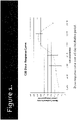
- Octanoic acid had no effect on the parameters studied. However, exposure of the SH-SY5Y cells to decanoic but not octanoic acid resulted in an increase in citrate synthase activity when compared to control cells (incubated with vehicle only). This effect was dose dependent (
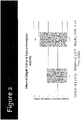
Fig 1 ), with a maximum, highly significant (p<0.001), 30% increase occurring at a concentration of 250 µM (expressed as nmol/min/mg cell protein):Control (n=8) Decanoic Acid (n=8) 105 ± 5 137 ± 5 - Determination of Complex I activity in SH-SY5Y cells also revealed a significant (p < 0.002) increase with respect to the control experiment, following treatment with decanoic acid (
Fig 2 ). A significant (p < 0.05) increase in Complex I activity was still apparent when the data were normalised against citrate synthase activity (Fig 3 ). Normalisation takes into account the mitochondrial enrichment following administration of decanoic acid. The Complex I:citrate synthase activity ratio therefore provides a more accurate demonstration of mitochondrial function independently of mitochondrial content. - In all cases, the addition of 0.5% DMSO was shown to have no effect on the parameters studied, i.e. when compared to untreated cells.
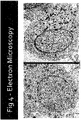
- The electron microscopy study revealed increased numbers of mitochondria in cells treated with 250 µM decanoic acid (
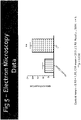
Fig 4 ). The mitochondria are clearly visible in both images as dark circular and elongated organelles present in the cytoplasm. Treatment with decanoic acid also appears to alter the morphology of the mitochondria, with the more intense staining potentially resulting from more dense cristae within the organelles. These observations are supported by a quantitative analysis (Fig 5 ) of the EM data, which reveals a significant (p < 0.002) increase in the number of mitochondria per cell. - Finally, the data were validated by the observation that primary human fibroblasts exposed to decanoic acid (250 µM) also revealed a 45% increase in citrate synthase activity.
- At a concentration relevant to that achieved in the plasma by patients on the ketogenic diet, decanoic acid exposure resulted in a marked increase in citrate synthase activity in treated SH-SY5Y neuroblastoma cells. Activity of this enzyme is known to correlate with cellular mitochondrial levels, therefore these findings raise the possibility that decanoic acid exposure leads to an alteration in cellular mitochondrial function, potentially by increasing mitochondrial content. This conclusion is further supported by independent data derived from EM-based direct observation of cellular mitochondrial content. Additionally, Complex I activity was observed to increase following administration of decanoic acid. This mitochondrial respiratory enzyme is a direct marker of mitochondrial function, therefore this data independently suggests an increase in mitochondrial function results from incubation with decanoic acid. Notably, these findings do not appear to be restricted to one cell type since a similar phenomenon, with regards to increased citrate synthase activity, was apparent in primary human fibroblast cells exposed to decanoic acid.
- This action of decanoic acid may therefore prove to be of therapeutic benefit for those patients with epilepsies that are responsive to the ketogenic diet. Similarly, for patients with inherited or acquired mitochondrial disorders, decanoic acid may also be beneficial. With regards to acquired disorders, this could include diabetes and neurodegenerative conditions such as Parkinson's disease and dementias including Alzheimer's disease.
- It will be appreciated that any of the ranges disclosed herein may be used in suitable combinations.
Claims (11)
- A composition suitable for human consumption comprising decanoic acid and octanoic acid in a ratio of at least 2:1 wt/wt, in which the decanoic acid is greater than 50% of the total weight of fatty acid content, and optionally is substantially free from any other saturated fatty acid, for use in the treatment of a disease associated with mitochondria dysfunction, wherein the disease is epilepsy, diabetes, Parkinson's disease, or dementias including Alzheimer's disease.
- The composition for use according to claim 1 in which the decanoic acid to octanoic acid ratio is at least 3:1 wt/wt, or at least 4:1 wt/wt, or at least 5:1 wt/wt, at least 6:1 wt/wt, or at least 9:1 wt/wt, or at least 10:1 wt/wt, or at least 20:1 wt/wt.
- The composition for use according to any one of claims 1 to 2 in which the decanoic acid is at least 60% of the total weight of fatty acid content, or at least 70% of the total weight of fatty acid content, or at least 80% of the total weight of fatty acid content, or at least 90% of the total weight of fatty acid content.
- The composition for use according to any one of claims 1 to 3 which is substantially free from mono- or poly-unsaturated fatty acids.
- The composition for use according to any one of claims 1 to 4 which provides 2520 to 3780 kJ per 100 g dry mass.
- The composition for use according to any one of claims 1 to 5 wherein the weight amounts of lipid to the sum of proteins and carbohydrates is 1.5-5.0 to 1, or the weight amounts of lipid to the sum of proteins and carbohydrates is 2.0-3.8 to 1.
- The composition for use according to any one of claims 1 to 6 in the form of a complete nutritional product, or in a form for fortifying food or drink.
- The composition for use according to any one of claims 1 to 7 in powdered form, a spray dried form, in the form of a food stuff, or in the form of an oil-in-water emulsion.
- The composition for use according to any one of claims 1 to 8 in the form of mayonnaise, margarine, low fat spread, a dairy product including yoghurts, a cheese spread, processed cheese, a dairy dessert, a flavoured milk, cream, a fermented milk product, cheese, butter, a condensed milk product, an ice cream mix, a soya product, pasteurised liquid egg, a bakery product, a confectionary product, confectionary bar, chocolate bar, high fat bar, liquid emulsion, spray dried powder, freeze dried powder, UHT pudding, Pasteurised pudding, gel, jelly, yoghurt or a food with a fat-based or water-containing filling.
- Decanoic acid administered in the form of a composition according to any one of claims 1 to 9 for use in the treatment of a disease associated with mitochondria dysfunction, wherein the disease is epilepsy, diabetes, Parkinson's disease, or dementias including Alzheimer's disease.
- The composition for use according to any one of claims 1 to 9 or decanoic acid for use according to claim 10, wherein a dosage of at least 5 g/L to 500 g/L decanoic acid is administered per day.
Priority Applications (4)
| Application Number | Priority Date | Filing Date | Title |
|---|---|---|---|
| DK22202824.3T DK4162934T3 (en) | 2012-06-15 | 2013-06-14 | FOOD PRODUCTS CONTAINING DECANONIC ACID AND OCTANOIC ACID |
| EP25214409.2A EP4667051A3 (en) | 2012-06-15 | 2013-06-14 | Composition suitable for human consumption comprising decanoic acid and octanoic acid |
| EP22202824.3A EP4162934B1 (en) | 2012-06-15 | 2013-06-14 | Nutritional product comprising decanonic acid and octanoic acid |
| EP24165887.1A EP4371612B1 (en) | 2012-06-15 | 2013-06-14 | Composition suitable for human consumption comprising decanoic acid and octanoic acid |
Applications Claiming Priority (3)
| Application Number | Priority Date | Filing Date | Title |
|---|---|---|---|
| GBGB1210699.3A GB201210699D0 (en) | 2012-06-15 | 2012-06-15 | Nutritional food |
| US201261704277P | 2012-09-21 | 2012-09-21 | |
| PCT/GB2013/051561 WO2013186570A1 (en) | 2012-06-15 | 2013-06-14 | Nutritional product |
Related Child Applications (3)
| Application Number | Title | Priority Date | Filing Date |
|---|---|---|---|
| EP24165887.1A Division EP4371612B1 (en) | 2012-06-15 | 2013-06-14 | Composition suitable for human consumption comprising decanoic acid and octanoic acid |
| EP25214409.2A Division EP4667051A3 (en) | 2012-06-15 | 2013-06-14 | Composition suitable for human consumption comprising decanoic acid and octanoic acid |
| EP22202824.3A Division EP4162934B1 (en) | 2012-06-15 | 2013-06-14 | Nutritional product comprising decanonic acid and octanoic acid |
Publications (2)
| Publication Number | Publication Date |
|---|---|
| EP2861226A1 EP2861226A1 (en) | 2015-04-22 |
| EP2861226B1 true EP2861226B1 (en) | 2022-11-02 |
Family
ID=46641031
Family Applications (4)
| Application Number | Title | Priority Date | Filing Date |
|---|---|---|---|
| EP25214409.2A Pending EP4667051A3 (en) | 2012-06-15 | 2013-06-14 | Composition suitable for human consumption comprising decanoic acid and octanoic acid |
| EP22202824.3A Active EP4162934B1 (en) | 2012-06-15 | 2013-06-14 | Nutritional product comprising decanonic acid and octanoic acid |
| EP24165887.1A Active EP4371612B1 (en) | 2012-06-15 | 2013-06-14 | Composition suitable for human consumption comprising decanoic acid and octanoic acid |
| EP13730925.8A Active EP2861226B1 (en) | 2012-06-15 | 2013-06-14 | Nutritional product comprising decanoic acid and octanoic acid |
Family Applications Before (3)
| Application Number | Title | Priority Date | Filing Date |
|---|---|---|---|
| EP25214409.2A Pending EP4667051A3 (en) | 2012-06-15 | 2013-06-14 | Composition suitable for human consumption comprising decanoic acid and octanoic acid |
| EP22202824.3A Active EP4162934B1 (en) | 2012-06-15 | 2013-06-14 | Nutritional product comprising decanonic acid and octanoic acid |
| EP24165887.1A Active EP4371612B1 (en) | 2012-06-15 | 2013-06-14 | Composition suitable for human consumption comprising decanoic acid and octanoic acid |
Country Status (13)
| Country | Link |
|---|---|
| US (3) | US11344522B2 (en) |
| EP (4) | EP4667051A3 (en) |
| JP (5) | JP2015522256A (en) |
| CN (2) | CN104519880A (en) |
| AU (6) | AU2013276254A1 (en) |
| BR (1) | BR112014031302A2 (en) |
| CA (1) | CA2876286C (en) |
| DK (2) | DK4162934T3 (en) |
| ES (3) | ES2933408T3 (en) |
| FI (1) | FI2861226T3 (en) |
| GB (1) | GB201210699D0 (en) |
| PL (1) | PL4162934T3 (en) |
| WO (1) | WO2013186570A1 (en) |
Families Citing this family (21)
| Publication number | Priority date | Publication date | Assignee | Title |
|---|---|---|---|---|
| GB201210699D0 (en) | 2012-06-15 | 2012-08-01 | Vitaflo Ltd | Nutritional food |
| US20160038456A1 (en) | 2013-03-14 | 2016-02-11 | University Of Florida Research Foundation, Incorporated | Regulation of cancer using natural compounds and/or diet |
| WO2015127320A2 (en) * | 2014-02-20 | 2015-08-27 | Iycus, Llc | Single serve beverage compositions |
| JP5881784B2 (en) * | 2014-07-17 | 2016-03-09 | 日清オイリオグループ株式会社 | Gel emulsion food |
| EP3170399B1 (en) * | 2014-07-17 | 2019-11-20 | The Nisshin OilliO Group, Ltd. | Baked confectionery that substantially includes no flour |
| JPWO2016010102A1 (en) * | 2014-07-17 | 2017-04-27 | 日清オイリオグループ株式会社 | Nutritional composition |
| JP6669761B2 (en) | 2015-02-20 | 2020-03-18 | ソシエテ・デ・プロデュイ・ネスレ・エス・アー | Medium-chain fatty acids and their triglycerides for treating anxiety |
| US11020372B2 (en) | 2015-03-24 | 2021-06-01 | University Of Florida Research Foundation, Incorporated | Dietary and natural product management of negative side effects of cancer treatment |
| JP2018518513A (en) * | 2015-06-26 | 2018-07-12 | ユニバーシティ オブ フロリダ リサーチ ファンデーション インコーポレーティッド | Method for treating inflammation using natural compounds and / or diet |
| EP4406603B1 (en) | 2015-12-04 | 2026-08-19 | Société des Produits Nestlé S.A. | Medium chain triglyceride compositions for use in the treatment or prevention of conditions associated with brain energy deficiency condition or disease and neurological conditions |
| US11826331B2 (en) | 2016-10-31 | 2023-11-28 | The Cleveland Clinic Foundation | Capric acid and myristic acid compositions for treating conditions |
| WO2018138620A1 (en) * | 2017-01-29 | 2018-08-02 | Gupta Samit | Ketogenic nutritional composition and preparation method thereof |
| CN110678173B (en) * | 2017-04-10 | 2023-03-28 | 维塔弗洛国际有限公司 | Composition for treating epilepsy |
| MX394531B (en) * | 2017-06-29 | 2025-03-24 | Vitaflo Int Ltd | COMBINATION INCLUDING DECANOIC ACID FOR THE TREATMENT OF EPILEPSY. |
| CA3088782A1 (en) | 2018-01-23 | 2019-08-01 | The General Hospital Corporation | Compositions and methods for improving mitochondrial function |
| KR102199688B1 (en) | 2018-11-20 | 2021-01-07 | (주)엠디웰아이엔씨 | Composition for preventing malnutrition or improving nutritional status of patents after surgical procedures |
| CN112006273B (en) * | 2020-06-05 | 2023-10-03 | 成都天一美膳营养食品有限公司 | A non-ketogenic healthy fat-reducing meal replacement powder and its preparation method |
| IT202100005009A1 (en) * | 2021-03-04 | 2022-09-04 | Dr Schaer S P A | LIQUID FOOD PRODUCT FOR KETOGENIC DIET MANAGEMENT |
| JP2022190205A (en) * | 2021-06-14 | 2022-12-26 | 日清オイリオグループ株式会社 | Mitochondrion activator, fat burning promoting composition, and anti-obesity composition |
| WO2025157899A1 (en) | 2024-01-26 | 2025-07-31 | Vitaflo International Ltd | Treatment of motor disorders in glucose transporter type 1 deficiency syndrome without inducing ketosis |
| WO2026107350A1 (en) * | 2024-11-14 | 2026-05-21 | Masterjohn Christopher | Nutrition evaluation and recommendation supported by mitochondrial enzyme testing |
Citations (11)
| Publication number | Priority date | Publication date | Assignee | Title |
|---|---|---|---|---|
| US3658555A (en) | 1968-03-07 | 1972-04-25 | Lever Brothers Ltd | Spreadable fats |
| US6835750B1 (en) | 2000-05-01 | 2004-12-28 | Accera, Inc. | Use of medium chain triglycerides for the treatment and prevention of alzheimer's disease and other diseases resulting from reduced neuronal metabolism II |
| WO2007001883A2 (en) | 2005-06-20 | 2007-01-04 | Accera, Inc. | Method to reduce oxidative damage and improve mitochondrial efficiency |
| US20080009467A1 (en) | 2000-05-01 | 2008-01-10 | Accera, Inc. | Combinations of medium chain triglycerides and therapeutic agents for the treatment and prevention of alzheimers disease and other diseases resulting from reduced neuronal metabolism |
| US20100204498A1 (en) * | 2007-09-19 | 2010-08-12 | Munekazu Iinuma | Agent having neurotrophic factor-like activity |
| WO2011040342A1 (en) * | 2009-09-30 | 2011-04-07 | 日清オイリオグループ株式会社 | Agent for inhibiting decrease of visceral fat in patient with parkinson's disease |
| US20110112010A1 (en) | 2008-02-15 | 2011-05-12 | The Government of the United States of America, as represented by The National Institutes of Health | Octanoic acid formulations and methods of treatment using the same |
| EP2351491A1 (en) * | 2008-11-06 | 2011-08-03 | The Nisshin OilliO Group, Ltd. | Concentrated liquid diet |
| JP2012097038A (en) | 2010-11-02 | 2012-05-24 | Kao Corp | Autoinducer-2 inhibitor |
| WO2012069790A1 (en) * | 2010-11-26 | 2012-05-31 | Royal Holloway And Bedford New College | Therapeutic use of compounds |
| WO2013186570A1 (en) | 2012-06-15 | 2013-12-19 | Vitaflo (International) Ltd | Nutritional product |
Family Cites Families (13)
| Publication number | Priority date | Publication date | Assignee | Title |
|---|---|---|---|---|
| US4164594A (en) | 1977-05-25 | 1979-08-14 | Carnation Company | Lecithin based wetting agent |
| US4384008A (en) | 1981-03-05 | 1983-05-17 | The Procter & Gamble Company | Butter-flavored oils |
| CA2361070C (en) | 1999-02-05 | 2012-04-17 | Baylor Research Institute | Nutritional supplement or pharmaceutical preparation comprising triglycerides with seven-carbon fatty acid |
| ES2752800T3 (en) | 2000-05-01 | 2020-04-06 | Cerecin Inc | Use of medium chain triglycerides for the treatment and prevention of Parkinson's disease resulting from reduced neuronal metabolism |
| EP1481675A4 (en) * | 2002-03-04 | 2006-01-25 | Nisshin Oillio Group Ltd | Body temperature elevating agents |
| AU2003261928A1 (en) * | 2002-09-05 | 2004-03-29 | The Nisshin Oillio Group, Ltd. | Agents, foods and drinks controlling lipid metabolism |
| DE10254584A1 (en) | 2002-11-22 | 2004-06-09 | HORST HEIRLER PROJEKTE für Ernährung, Medizin, Ökologie | Use of medium chain triglycerides (MCT) for nutritional optimization of the fatty acid spectrum in a dietetic food for diabetics |
| DK1765318T3 (en) | 2004-06-30 | 2014-11-03 | Nutrition Sciences N V S A | MIDDLE CHAIN FAT ACIDS USE AS ANTIMICROBIAL AGENTS |
| CN101166428B (en) | 2005-04-27 | 2015-03-04 | 努特里希亚公司 | Nutrients Containing Fats and Nondigestible Sugars |
| GB2438449C (en) | 2006-05-24 | 2018-05-30 | Sony Computer Entertainment Europe Ltd | Control of data processing |
| US20080089981A1 (en) | 2006-10-17 | 2008-04-17 | N.V. Nutricia | Ketogenic diet |
| CN105722399B (en) | 2013-11-15 | 2020-12-15 | 日清奥利友集团株式会社 | Improved soybean milk and method for producing the same |
| JPWO2016010102A1 (en) | 2014-07-17 | 2017-04-27 | 日清オイリオグループ株式会社 | Nutritional composition |
-
2012
- 2012-06-15 GB GBGB1210699.3A patent/GB201210699D0/en not_active Ceased
-
2013
- 2013-06-14 EP EP25214409.2A patent/EP4667051A3/en active Pending
- 2013-06-14 ES ES13730925T patent/ES2933408T3/en active Active
- 2013-06-14 EP EP22202824.3A patent/EP4162934B1/en active Active
- 2013-06-14 EP EP24165887.1A patent/EP4371612B1/en active Active
- 2013-06-14 US US14/406,957 patent/US11344522B2/en active Active
- 2013-06-14 FI FIEP13730925.8T patent/FI2861226T3/en active
- 2013-06-14 JP JP2015516688A patent/JP2015522256A/en active Pending
- 2013-06-14 CA CA2876286A patent/CA2876286C/en active Active
- 2013-06-14 ES ES22202824T patent/ES3007832T3/en active Active
- 2013-06-14 EP EP13730925.8A patent/EP2861226B1/en active Active
- 2013-06-14 CN CN201380031426.7A patent/CN104519880A/en active Pending
- 2013-06-14 CN CN201710710050.2A patent/CN107456450A/en active Pending
- 2013-06-14 PL PL22202824.3T patent/PL4162934T3/en unknown
- 2013-06-14 DK DK22202824.3T patent/DK4162934T3/en active
- 2013-06-14 WO PCT/GB2013/051561 patent/WO2013186570A1/en not_active Ceased
- 2013-06-14 DK DK13730925.8T patent/DK2861226T3/en active
- 2013-06-14 AU AU2013276254A patent/AU2013276254A1/en not_active Abandoned
- 2013-06-14 BR BR112014031302A patent/BR112014031302A2/en not_active Application Discontinuation
- 2013-06-14 ES ES24165887T patent/ES3059177T3/en active Active
-
2018
- 2018-01-18 AU AU2018200433A patent/AU2018200433A1/en not_active Abandoned
- 2018-02-28 JP JP2018035268A patent/JP2018121635A/en active Pending
-
2019
- 2019-09-09 AU AU2019226282A patent/AU2019226282A1/en not_active Abandoned
-
2021
- 2021-03-24 JP JP2021050443A patent/JP2021107394A/en active Pending
- 2021-04-22 AU AU2021202459A patent/AU2021202459C1/en active Active
-
2022
- 2022-05-17 US US17/746,250 patent/US12257222B2/en active Active
- 2022-10-17 AU AU2022253500A patent/AU2022253500B2/en active Active
-
2023
- 2023-04-13 JP JP2023065800A patent/JP2023100665A/en active Pending
-
2024
- 2024-07-30 AU AU2024205213A patent/AU2024205213B2/en active Active
- 2024-10-10 US US18/911,665 patent/US20250161253A1/en active Pending
-
2025
- 2025-05-28 JP JP2025088998A patent/JP2025128195A/en active Pending
Patent Citations (13)
| Publication number | Priority date | Publication date | Assignee | Title |
|---|---|---|---|---|
| US3658555A (en) | 1968-03-07 | 1972-04-25 | Lever Brothers Ltd | Spreadable fats |
| US6835750B1 (en) | 2000-05-01 | 2004-12-28 | Accera, Inc. | Use of medium chain triglycerides for the treatment and prevention of alzheimer's disease and other diseases resulting from reduced neuronal metabolism II |
| US20080009467A1 (en) | 2000-05-01 | 2008-01-10 | Accera, Inc. | Combinations of medium chain triglycerides and therapeutic agents for the treatment and prevention of alzheimers disease and other diseases resulting from reduced neuronal metabolism |
| WO2007001883A2 (en) | 2005-06-20 | 2007-01-04 | Accera, Inc. | Method to reduce oxidative damage and improve mitochondrial efficiency |
| US20070135376A1 (en) * | 2005-06-20 | 2007-06-14 | Accera, Inc. | Method to reduce oxidative damage and improve mitochondrial efficiency |
| US20100204498A1 (en) * | 2007-09-19 | 2010-08-12 | Munekazu Iinuma | Agent having neurotrophic factor-like activity |
| US20110112010A1 (en) | 2008-02-15 | 2011-05-12 | The Government of the United States of America, as represented by The National Institutes of Health | Octanoic acid formulations and methods of treatment using the same |
| EP2351491A1 (en) * | 2008-11-06 | 2011-08-03 | The Nisshin OilliO Group, Ltd. | Concentrated liquid diet |
| WO2011040342A1 (en) * | 2009-09-30 | 2011-04-07 | 日清オイリオグループ株式会社 | Agent for inhibiting decrease of visceral fat in patient with parkinson's disease |
| EP2484358A1 (en) | 2009-09-30 | 2012-08-08 | The Nisshin OilliO Group, Ltd. | Agent for inhibiting decrease of visceral fat in patient with parkinson's disease |
| JP2012097038A (en) | 2010-11-02 | 2012-05-24 | Kao Corp | Autoinducer-2 inhibitor |
| WO2012069790A1 (en) * | 2010-11-26 | 2012-05-31 | Royal Holloway And Bedford New College | Therapeutic use of compounds |
| WO2013186570A1 (en) | 2012-06-15 | 2013-12-19 | Vitaflo (International) Ltd | Nutritional product |
Non-Patent Citations (50)
| Title |
|---|
| ALAN R. GABY NULL: "Natural Approaches to Epilepsy", ALTERNATIVE MEDICINE REVIEW , vol. 12, 2007, pages 1 |
| ALONSO, L. ; FONTECHA, J. ; LOZADA, L. ; FRAGA, M.J. ; JUAREZ, M.: "Fatty Acid Composition of Caprine Milk: Major, Branched-Chain, and Trans Fatty Acids", JOURNAL OF DAIRY SCIENCE, vol. 82, no. 5, 1 May 1999 (1999-05-01), US , pages 878 - 884, XP026993413, ISSN: 0022-0302 |
| ANONYMOUS: "https://medlineplus.gov/genetics/condition/mitochondrial-complex-i-deficiency/#description", 1 November 2017 (2017-11-01), pages 1 - 6, XP093098727, Retrieved from the Internet <URL:https://medlineplus.gov/genetics/condition/mitochondrial-complex-i-deficiency/#description> [retrieved on 20231107] |
| ANONYMOUS: "New release of 3 types of "Enepurin", a food for the elderly that can quickly replenish energy", 9 May 2012 (2012-05-09), Internet, pages 1 - 2, XP055930081, Retrieved from the Internet <URL:https://www.nisshin-oillio.com/company/news/archive/2012/20120509_ 141941.shtml> * |
| BAHAR NAZARI: "Fatty acid analysis of Iranian junk food, dairy, and bakery products: Special attention to trans‑fats", JOURNAL OF RESEARCH IN MEDICAL SCIENCES, vol. 957, no. 17, 1 October 2012 (2012-10-01), pages 952 - 957, XP055075843 |
| BARTLETT KIM, EATON SIMON: "Mitochondrial beta-oxidation", EUROPEAN JOURNAL OF BIOCHEMISTRY, PUBLISHED BY SPRINGER-VERLAG ON BEHALF OF THE FEDERATION OF EUROPEAN BIOCHEMICAL SOCIETIES, HOBOKEN, USA, vol. 271, no. 3, 15 January 2004 (2004-01-15), Hoboken, USA, pages 462 - 469, XP093197045, ISSN: 0014-2956, DOI: 10.1046/j.1432-1033.2003.03947.x |
| BONSER ET AL.: "The Anticonvulsant Actions Of Octanoic And Decanoic Acids", BRITISH J PHARMACOLOGY, 1989 |
| BONSER J C, DEAN H G, J P GENT: "The Anticonsulsant Actions of Octanoic and Decanoic Acids", BRITISH J PHARMACOLOGY, 1 January 1989 (1989-01-01), pages P362 - P362, XP055961850 |
| CHANG P, ORABI B, DERANIEH R, DHAM M, HOELLER O, SHIMSHONI J, YAGEN B, BIALER M, GREENBERG M L, WALKER M C, WILLIAMS R S: "The antiepileptic drug valproic acid and other medium-chain fatty acids acutely reduce phosphoinositide levels independently of inositol in Dictyostelium.", DISEASE MODELS & MECHANISMS, vol. 5, no. 1, 18 January 2012 (2012-01-18), GB , pages 115 - 124, XP002667391, ISSN: 1754-8403, DOI: 10.1242/DMM.008029 |
| D HAIDUKEWYCH, W I FORSYTHE, M SILLS: "Monitoring Ocatonic and Decanoic Acids in Plasma from Children with Intractable Epilepsy Treated with Medium-Chain Triglyceride Diet", CLIN. CHEM, vol. 28, 1 April 1982 (1982-04-01), pages 642 - 645, XP009171987 |
| DE DEYN, P.P. ; D'HOOGE, R. ; MARESCAU, B. ; PEI, Y.-Q.: "Chemical models of epilepsy with some reference to their applicability in the development of anticonvulsants", EPILEPSY RESEARCH, ELSEVIER SCIENCE PUBLISHERS , AMSTERDAM, NL, vol. 12, no. 2, 1 July 1992 (1992-07-01), NL , pages 87 - 110, XP024394154, ISSN: 0920-1211, DOI: 10.1016/0920-1211(92)90030-W |
| DEAN H G, J C BONSER, J P GENT: "HPLC Analysis of Brain and Plasma for Octanoic and Decanoic Acids", CLIN CHEM ., vol. 35, no. 9, 1 September 1989 (1989-09-01), pages 1945 - 1948, XP055961847 |
| ERIC RAVUSSIN , STEVEN R SMITH: "Increased Fat Intake, Impaired Fat Oxidation, and Failure of Fat Cell Proliferation Result in Ectopic Fat Storage, Insulin Resistance, and Type 2 Diabetes Mellitus", ANNALS OF THE NEW YORK ACADEMY OF SCIENCES, vol. 967, no. 1, 24 January 2006 (2006-01-24), US , pages 363 - 378, XP071394636, ISSN: 0077-8923, DOI: 10.1111/j.1749-6632.2002.tb04292.x |
| GABY ALAN R: "Natural approaches to epilepsy", ALTERNATIVE MEDICINE REVIEW, vol. 12, no. 1, 1 March 2007 (2007-03-01), US , pages 9 - 24, XP093098710, ISSN: 1089-5159 |
| HAIDUKEWYCH DAN , FORSYTHE W. IAN , SILLS, MICHAEL: "Monitoring octanoic and decanoic acids in plasma from children with intractable epilepsy treated with medium-chain triglyceride diet", CLINICAL CHEMISTRY, vol. 28, no. 4, 1 April 1982 (1982-04-01), US , pages 642 - 645, XP009171987, ISSN: 0009-9147 |
| HARVEY DEAN ET AL.: "HPLC Analysis of Brain and Plasma for Octanoic and Decanoic Acids", CLIN. CHEM, vol. 35, 1989, XP055961847 |
| HUTTENLOCHER ET AL.: "Medium-chain triglycerides as a therapy for intractable childhood epilepsy", NEUROLOGY , vol. 21, 1971, XP009172447, DOI: 10.1212/WNL.21.11.1097 |
| HUTTENLOCHER PR, WILBOURN AJ, SIGNORE JM.: "Medium-chain triglycerides as a therapy for intractable childhood epilepsy", NEUROLOGY, vol. 21, no. 11, 1 November 1971 (1971-11-01), US , pages 1097 - 1103, XP009172447, ISSN: 0028-3878, DOI: 10.1212/WNL.21.11.1097 |
| JAMI MILAM ET AL.: "PPAR-y agonists inhibit profibrotic phenotypes in human lung fibroblasts and bleomycin-induced pulmonary fibrosis", AM. J. PHYSIOL. LUNG CELL MOL. PHYSIOL., vol. 294, 2008, XP055160001 |
| JANCOVSKI NIKOLA, BALDWIN TOMAS, ORFORD MICHAEL, LI MELODY, JONES GABRIEL DAVIS, BURBANO LISSETH ESTEFANIA, RUTHERFORD TRICIA, REI: "Protective effects of medium chain triglyceride diet in a mouse model of Dravet syndrome", EPILEPSIA, RAVEN PRESS LTD, NEW YORK , US, vol. 62, no. 12, 1 December 2021 (2021-12-01), New York , US , pages 3131 - 3142, XP093150463, ISSN: 0013-9580, DOI: 10.1111/epi.17101 |
| JONES PATRICIA M, BUTT YASMEEN, BENNETT MICHAEL J: "Accumulation of 3-Hydroxy-Fatty Acids in the Culture Medium of Long-Chain l-3-Hydroxyacyl CoA Dehydrogenase (LCHAD) and Mitochondrial Trifunctional Protein-Deficient Skin Fibroblasts: Implications for Medium Chain Triglyceride Dietary Treatment of LCHAD Deficiency", PEDIATRIC RESEARCH, LIPPINCOTT WILLIAMS & WILKINS, NEW YORK, US, vol. 53, no. 5, 1 May 2003 (2003-05-01), US , pages 783 - 787, XP093093455, ISSN: 0031-3998, DOI: 10.1203/01.PDR.0000059748.67987.1F |
| JUNZO NAKAMURA ET AL.: "Effect of straight chan fatty acids on seizures induced by picrotoxin and pentylenetetrazole in mice", J. PHARMACOBIO-DYN., vol. 13, 1990, XP002723393, DOI: 10.1248/bpb1978.13.76 |
| KRISTOPHER BOUGH NULL: "Mitochondrial Biogenesis in the Anticonvulsant Mechnanism of the Ketogenic Diet", ANNALS OF NEUROLOGY, vol. 60, 2006, pages 2, XP071638742, DOI: 10.1002/ana.20899 |
| LARSEN STEEN, NIELSEN JOACHIM, HANSEN CHRISTINA NEIGAARD, NIELSEN LARS BO, WIBRAND FLEMMING, STRIDE NIS, SCHRODER HENRIK DAA, BOUS: "Biomarkers of mitochondrial content in skeletal muscle of healthy young human subjects", THE JOURNAL OF PHYSIOLOGY,, vol. 590, no. 14, 1 July 2012 (2012-07-01), GB , pages 3349 - 3360, XP093098720, ISSN: 0022-3751, DOI: 10.1113/jphysiol.2012.230185 |
| LAURA CANEVARI , JOHN B. CLARK: "Alzheimer’s Disease and Cholesterol: The Fat Connection", NEUROCHEMICAL RESEARCH, vol. 32, no. 4-5, 27 December 2006 (2006-12-27), pages 739 - 750, XP019483222, ISSN: 1573-6903, DOI: 10.1007/s11064-006-9200-1 |
| LEWIS GARY F., CARPENTIER ANDRÉ, ADELI KHOSROW, GIACCA ADRIA: "Disordered Fat Storage and Mobilization in the Pathogenesis of Insulin Resistance and Type 2 Diabetes", ENDOCINE REVIEWS, vol. 23, no. 2, 1 April 2002 (2002-04-01), US , pages 201 - 229, XP093098723, ISSN: 0163-769X, DOI: 10.1210/edrv.23.2.0461 |
| LOPASCHUK GARY D, USSHER JOHN R, FOLMES CLIFFORD D L, JASWAL JAGDIP S, STANLEY WILLIAM C: "Myocardial Fatty Acid Metabolism in Health and Disease", PHYSIOL REV, vol. 90, 1 January 2010 (2010-01-01), pages 207 - 258, XP093197040, DOI: 10.1152/physrev.00015.2009 |
| M A SILLS ET AL: "Role of octanoic and decanoic acids in the control of seizures.", ARCHIVES OF DISEASE IN CHILDHOOD, vol. 61, no. 12, 1 December 1986 (1986-12-01), pages 1173 - 1177, XP055075892, ISSN: 0003-9888, DOI: 10.1136/adc.61.12.1173 * |
| M A SILLS, W I FORSYTHE, D HAIDUKEWYCH: "Role of octanoic and decanoic acids in the control of seizures.", ARCHIVES OF DISEASE IN CHILDHOOD, vol. 61, no. 12, 1 December 1986 (1986-12-01), pages 1173 - 1177, XP055075892, ISSN: 00039888, DOI: 10.1136/adc.61.12.1173 |
| M MULDER , R RAVID, D F SWAAB, E R DE KLOET, E D HAASDIJK, J JULK, J J VAN DER BOOM, L M HAVEKES: "Reduced levels of cholesterol, phospholipids, and fatty acids in cerebrospinal fluid of Alzheimer disease patients are not related to apolipoprotein E4", ALZHEIMER DIS ASSOC DISORD, vol. 12, no. 03, 1 January 1998 (1998-01-01), US , pages 198 - 203, XP001064487, ISSN: 0893-0341, DOI: 10.1097/00002093-199809000-00012 |
| MARCELO VIZONá LIBERATO, ALESSANDRO S. NASCIMENTO, STEVEN D. AYERS, JEAN Z. LIN, ALEKSANDRA CVORO, RODRIGO L. SILVEIRA, LEAND: "Medium Chain Fatty Acids Are Selective Peroxisome Proliferator Activated Receptor (PPAR) γ Activators and Pan-PPAR Partial Agonists", PLOS ONE, vol. 7, no. 5, pages e36297, XP055496779, DOI: 10.1371/journal.pone.0036297 |
| MIGLIO, G. ; ROSA, A.C. ; RATTAZZI, L. ; COLLINO, M. ; LOMBARDI, G. ; FANTOZZI, R.: "PPAR@c stimulation promotes mitochondrial biogenesis and prevents glucose deprivation-induced neuronal cell loss", NEUROCHEMISTRY INTERNATIONAL, ELSEVIER, AMSTERDAM, NL, vol. 55, no. 7, 1 December 2009 (2009-12-01), AMSTERDAM, NL , pages 496 - 504, XP026562414, ISSN: 0197-0186, DOI: 10.1016/j.neuint.2009.05.001 |
| PIECZENIK, S.R. NEUSTADT, J.: "Mitochondrial dysfunction and molecular pathways of disease", EXPERIMENTAL AND MOLECULAR PATHOLOGY., ACADEMIC PRESS., US, vol. 83, no. 1, 2 June 2007 (2007-06-02), US , pages 84 - 92, XP022103261, ISSN: 0014-4800, DOI: 10.1016/j.yexmp.2006.09.008 |
| PIOTR WLAZ ET AL.: "Anticonvulsant profile of caprylic acid, a main constituent of the medium-chain triglyceride (MCT) ketogenic diet, in mice", NEUROPHARMACOLOGY, vol. 62, 2012, XP055075889, DOI: 10.1016/j.neuropharm.2011.12.015 |
| PIOTR WLAŹ; KATARZYNA SOCAŁA; DOROTA NIEOCZYM; JAROGNIEW J ŁUSZCZKI; IWONA ŻARNOWSKA; TOMASZ ŻARNOWSKI; STANISŁAW J CZUCZWAR; MACI: "Anticonvulsant profile of caprylic acid, a main constituent of the medium-chain triglyceride (MCT) ketogenic diet, in mice", NEUROPHARMACOLOGY, vol. 62, no. 4, 1 March 2012 (2012-03-01), pages 1882 - 1889, XP055075889, ISSN: 0028-3908, DOI: 10.1016/j.neuropharm.2011.12.015 |
| PISHAN CHANG ET AL.: "The antiepileptic drug valproic acid and other medium-chain fatty acids acutely reduced phosphoinositide levels independently of inositol in Dictyostelium", DISEASE MODELS & MECHANISMS, vol. 5, 1 January 2012 (2012-01-01), XP002667391, DOI: 10.1242/DMM.008029 |
| PISHAN CHANG, NICOLE TERBACH, NICK PLANT, PHILIP E. CHEN, MATTHEW C. WALKER, ROBIN S.B. WILLIAMS: "Seizure control by ketogenic diet-associated medium chain fatty acids", NEUROPHARMACOLOGY, PERGAMON, vol. 69, 1 June 2013 (2013-06-01), pages 105 - 114, XP055075887, ISSN: 00283908, DOI: 10.1016/j.neuropharm.2012.11.004 |
| PISHAN CHANG, NICOLE TERBACH, NICK PLANT, PHILIP E. CHEN, MATTHEW C. WALKER, ROBIN S.B. WILLIAMS: "Seizure control by ketogenic diet-associated medium chain fatty acids", NEUROPHARMACOLOGY, PERGAMON, vol. 69, 1 June 2013 (2013-06-01), pages 105 - 114, XP055075887, ISSN: 0028-3908, DOI: 10.1016/j.neuropharm.2012.11.004 |
| PUJOL JULIEN, CHRISTINAT NICOLAS, RATINAUD YANN, SAVOIA CLAUDIA, MITCHELL SIOBHAN, DIOUM EL: "Coordination of GPR40 and Ketogenesis Signaling by Medium Chain Fatty Acids Regulates Beta Cell Function", NUTRIENTS, vol. 10, no. 4, 12 April 2018 (2018-04-12), pages 473, XP055970046, DOI: 10.3390/nu10040473 |
| R. R. V. MALAPAKA, ET AL: "Identification and Mechanism of 10-Carbon Fatty Acid as Modulating Ligand of Peroxisome Proliferator-activated Receptors", JOURNAL OF BIOLOGICAL CHEMISTRY, AMERICAN SOCIETY FOR BIOCHEMISTRY AND MOLECULAR BIOLOGY, US, vol. 287, no. 1, 2 January 2012 (2012-01-02), US , pages 183 - 195, XP055380112, ISSN: 0021-9258, DOI: 10.1074/jbc.M111.294785 |
| ROBERT S. FISHER; WALTER VAN EMDE BOAS; WARREN BLUME; CHRISTIAN ELGER; PIERRE GENTON; PHILLIP LEE; JEROME ENGEL: "Epileptic Seizures and Epilepsy: Definitions Proposed by the International League Against Epilepsy (ILAE) and the International Bureau for Epilepsy (IBE)", EPILEPSIA, RAVEN PRESS LTD, NEW YORK , US, vol. 46, no. 4, 29 March 2005 (2005-03-29), New York , US , pages 470 - 472, XP071208199, ISSN: 0013-9580, DOI: 10.1111/j.0013-9580.2005.66104.x |
| RONALD J. A. WANDERS ; JOS P. N. RUITER ; LODEWIJK IJLST ; HANS R. WATERHAM ; SANDER M. HOUTEN: "The enzymology of mitochondrial fatty acid beta-oxidation and its application to follow-up analysis of positive neonatal screening results", JOURNAL OF INHERITED METABOLIC DISEASE, KLUWER ACADEMIC PUBLISHERS, DO, vol. 33, no. 5, 20 May 2010 (2010-05-20), Do , pages 479 - 494, XP019814216, ISSN: 1573-2665 |
| SCHOELER NATASHA E, ORFORD MICHAEL, VIVEKANANDA UMESH, SIMPSON ZOE, VAN DE BOR BAHEERATHI, SMITH HANNAH, BALESTRINI SIMONA, RUTHER: "K.Vita: a feasibility study of a blend of medium chain triglycerides to manage drug-resistant epilepsy", BRAIN COMMUNICATIONS, OXFORD UNIVERSITY PRESS, vol. 3, no. 4, 21 July 2021 (2021-07-21), pages fcab160, XP093150464, ISSN: 2632-1297, DOI: 10.1093/braincomms/fcab160 |
| SEAN HUGHES ET AL.: "The ketogenic diet component decanoic acid increases mitochondrial citrate synthase and complex I activity in neuronal cells", JOURNAL OF NEUROCHEMISTRY, vol. 129, 2014, XP093037136, DOI: 10.1111/jnc.12646 |
| SELLEY, M.L.: "A metabolic link between S-adenosylhomocysteine and polyunsaturated fatty acid metabolism in Alzheimer's disease", NEUROBIOLOGY OF AGING, vol. 28, no. 12, 12 October 2007 (2007-10-12), US , pages 1834 - 1839, XP022295302, ISSN: 0197-4580, DOI: 10.1016/j.neurobiolaging.2006.08.003 |
| SILLS ET AL.: "Role of octanoic and decanoic acids in the controle of seizures", ARCHIVES OF DISEASE IN CHILDHOOD, vol. 61, 1986, XP055075892, DOI: 10.1136/adc.61.12.1173 |
| SILLS ET AL.: "The Medium Chain Triglyceride diet and intractable epilepsy", ARCHIVES OF DISEASE IN CHILDHOOD, 1986 |
| SILLS M A, FORSYTHE W I, HAIDUKEWYCH D, MACDONALD A, ROBINSON M: "The medium chain triglyceride diet and intractable epilepsy.", ARCHIVE OF DISEASE IN CHILDHOOD, vol. 61, no. 12, 1 December 1986 (1986-12-01), GB , pages 1168 - 1172, XP093098715, ISSN: 0003-9888, DOI: 10.1136/adc.61.12.1168 |
| TONIN, A.M. ; GRINGS, M. ; BUSANELLO, E.N.B. ; MOURA, A.P. ; FERREIRA, G.C. ; VIEGAS, C.M. ; FERNANDES, C.G. ; SCHUCK, P.F. ; WAJN: "Long-chain 3-hydroxy fatty acids accumulating in LCHAD and MTP deficiencies induce oxidative stress in rat brain", NEUROCHEMISTRY INTERNATIONAL, ELSEVIER, AMSTERDAM, NL, vol. 56, no. 8, 1 July 2010 (2010-07-01), AMSTERDAM, NL , pages 930 - 936, XP027050357, ISSN: 0197-0186 |
| YU JOE YUEZHOU, PEARL PHILLIP L.: "Metabolic Causes of Epileptic Encephalopathy", EPILEPSY RESEARCH AND TREATMENT, vol. 2013, 22 May 2013 (2013-05-22), pages 1 - 20, XP093093467, ISSN: 2090-1348, DOI: 10.1155/2013/124934 |
Also Published As
Similar Documents
| Publication | Publication Date | Title |
|---|---|---|
| AU2024205213B2 (en) | Nutritional product | |
| US9326956B2 (en) | Methods for improving brain development and cognitive function using beta-hydroxy-beta methylbutyrate | |
| CN103533921B (en) | Methods for treating neurological trauma | |
| CN107427485B (en) | Medium Chain Fatty Acids and Their Triglycerides for the Treatment of Anxiety Disorders | |
| CN105451730A (en) | Methods and compositions for enhancing cognitive performance | |
| HK1208367B (en) | Nutritional product comprising decanoic acid and octanoic acid |
Legal Events
| Date | Code | Title | Description |
|---|---|---|---|
| PUAI | Public reference made under article 153(3) epc to a published international application that has entered the european phase |
Free format text: ORIGINAL CODE: 0009012 |
|
| 17P | Request for examination filed |
Effective date: 20150115 |
|
| AK | Designated contracting states |
Kind code of ref document: A1 Designated state(s): AL AT BE BG CH CY CZ DE DK EE ES FI FR GB GR HR HU IE IS IT LI LT LU LV MC MK MT NL NO PL PT RO RS SE SI SK SM TR |
|
| AX | Request for extension of the european patent |
Extension state: BA ME |
|
| DAX | Request for extension of the european patent (deleted) | ||
| 17Q | First examination report despatched |
Effective date: 20151120 |
|
| REG | Reference to a national code |
Ref country code: HK Ref legal event code: DE Ref document number: 1208367 Country of ref document: HK |
|
| STAA | Information on the status of an ep patent application or granted ep patent |
Free format text: STATUS: EXAMINATION IS IN PROGRESS |
|
| TPAC | Observations filed by third parties |
Free format text: ORIGINAL CODE: EPIDOSNTIPA |
|
| TPAC | Observations filed by third parties |
Free format text: ORIGINAL CODE: EPIDOSNTIPA |
|
| TPAC | Observations filed by third parties |
Free format text: ORIGINAL CODE: EPIDOSNTIPA |
|
| REG | Reference to a national code |
Ref country code: DE Ref legal event code: R079 Ref document number: 602013082788 Country of ref document: DE Free format text: PREVIOUS MAIN CLASS: A61K0031190000 Ipc: A61K0031200000 |
|
| TPAC | Observations filed by third parties |
Free format text: ORIGINAL CODE: EPIDOSNTIPA |
|
| RIC1 | Information provided on ipc code assigned before grant |
Ipc: A61K 31/19 20060101ALI20220523BHEP Ipc: A61P 43/00 20060101ALI20220523BHEP Ipc: A61P 3/10 20060101ALI20220523BHEP Ipc: A61P 25/28 20060101ALI20220523BHEP Ipc: A61P 25/16 20060101ALI20220523BHEP Ipc: A61P 25/08 20060101ALI20220523BHEP Ipc: A23L 33/12 20160101ALI20220523BHEP Ipc: A61K 31/70 20060101ALI20220523BHEP Ipc: A61K 31/20 20060101AFI20220523BHEP |
|
| GRAP | Despatch of communication of intention to grant a patent |
Free format text: ORIGINAL CODE: EPIDOSNIGR1 |
|
| STAA | Information on the status of an ep patent application or granted ep patent |
Free format text: STATUS: GRANT OF PATENT IS INTENDED |
|
| GRAJ | Information related to disapproval of communication of intention to grant by the applicant or resumption of examination proceedings by the epo deleted |
Free format text: ORIGINAL CODE: EPIDOSDIGR1 |
|
| STAA | Information on the status of an ep patent application or granted ep patent |
Free format text: STATUS: EXAMINATION IS IN PROGRESS |
|
| TPAC | Observations filed by third parties |
Free format text: ORIGINAL CODE: EPIDOSNTIPA |
|
| GRAP | Despatch of communication of intention to grant a patent |
Free format text: ORIGINAL CODE: EPIDOSNIGR1 |
|
| STAA | Information on the status of an ep patent application or granted ep patent |
Free format text: STATUS: GRANT OF PATENT IS INTENDED |
|
| INTG | Intention to grant announced |
Effective date: 20220704 |
|
| INTC | Intention to grant announced (deleted) | ||
| GRAS | Grant fee paid |
Free format text: ORIGINAL CODE: EPIDOSNIGR3 |
|
| TPAC | Observations filed by third parties |
Free format text: ORIGINAL CODE: EPIDOSNTIPA |
|
| INTG | Intention to grant announced |
Effective date: 20220802 |
|
| TPAC | Observations filed by third parties |
Free format text: ORIGINAL CODE: EPIDOSNTIPA |
|
| GRAA | (expected) grant |
Free format text: ORIGINAL CODE: 0009210 |
|
| STAA | Information on the status of an ep patent application or granted ep patent |
Free format text: STATUS: THE PATENT HAS BEEN GRANTED |
|
| TPAC | Observations filed by third parties |
Free format text: ORIGINAL CODE: EPIDOSNTIPA |
|
| AK | Designated contracting states |
Kind code of ref document: B1 Designated state(s): AL AT BE BG CH CY CZ DE DK EE ES FI FR GB GR HR HU IE IS IT LI LT LU LV MC MK MT NL NO PL PT RO RS SE SI SK SM TR |
|
| REG | Reference to a national code |
Ref country code: GB Ref legal event code: FG4D |
|
| REG | Reference to a national code |
Ref country code: CH Ref legal event code: EP Ref country code: AT Ref legal event code: REF Ref document number: 1528245 Country of ref document: AT Kind code of ref document: T Effective date: 20221115 |
|
| REG | Reference to a national code |
Ref country code: DE Ref legal event code: R096 Ref document number: 602013082788 Country of ref document: DE |
|
| REG | Reference to a national code |
Ref country code: IE Ref legal event code: FG4D |
|
| REG | Reference to a national code |
Ref country code: NL Ref legal event code: FP |
|
| REG | Reference to a national code |
Ref country code: FI Ref legal event code: FGE |
|
| REG | Reference to a national code |
Ref country code: SE Ref legal event code: TRGR |
|
| REG | Reference to a national code |
Ref country code: DK Ref legal event code: T3 Effective date: 20230126 |
|
| REG | Reference to a national code |
Ref country code: ES Ref legal event code: FG2A Ref document number: 2933408 Country of ref document: ES Kind code of ref document: T3 Effective date: 20230208 |
|
| REG | Reference to a national code |
Ref country code: LT Ref legal event code: MG9D |
|
| REG | Reference to a national code |
Ref country code: NO Ref legal event code: T2 Effective date: 20221102 |
|
| REG | Reference to a national code |
Ref country code: FR Ref legal event code: PLFP Year of fee payment: 11 |
|
| PG25 | Lapsed in a contracting state [announced via postgrant information from national office to epo] |
Ref country code: PT Free format text: LAPSE BECAUSE OF FAILURE TO SUBMIT A TRANSLATION OF THE DESCRIPTION OR TO PAY THE FEE WITHIN THE PRESCRIBED TIME-LIMIT Effective date: 20230302 Ref country code: LT Free format text: LAPSE BECAUSE OF FAILURE TO SUBMIT A TRANSLATION OF THE DESCRIPTION OR TO PAY THE FEE WITHIN THE PRESCRIBED TIME-LIMIT Effective date: 20221102 |
|
| PG25 | Lapsed in a contracting state [announced via postgrant information from national office to epo] |
Ref country code: RS Free format text: LAPSE BECAUSE OF FAILURE TO SUBMIT A TRANSLATION OF THE DESCRIPTION OR TO PAY THE FEE WITHIN THE PRESCRIBED TIME-LIMIT Effective date: 20221102 Ref country code: PL Free format text: LAPSE BECAUSE OF FAILURE TO SUBMIT A TRANSLATION OF THE DESCRIPTION OR TO PAY THE FEE WITHIN THE PRESCRIBED TIME-LIMIT Effective date: 20221102 Ref country code: LV Free format text: LAPSE BECAUSE OF FAILURE TO SUBMIT A TRANSLATION OF THE DESCRIPTION OR TO PAY THE FEE WITHIN THE PRESCRIBED TIME-LIMIT Effective date: 20221102 Ref country code: HR Free format text: LAPSE BECAUSE OF FAILURE TO SUBMIT A TRANSLATION OF THE DESCRIPTION OR TO PAY THE FEE WITHIN THE PRESCRIBED TIME-LIMIT Effective date: 20221102 Ref country code: GR Free format text: LAPSE BECAUSE OF FAILURE TO SUBMIT A TRANSLATION OF THE DESCRIPTION OR TO PAY THE FEE WITHIN THE PRESCRIBED TIME-LIMIT Effective date: 20230203 |
|
| PG25 | Lapsed in a contracting state [announced via postgrant information from national office to epo] |
Ref country code: SM Free format text: LAPSE BECAUSE OF FAILURE TO SUBMIT A TRANSLATION OF THE DESCRIPTION OR TO PAY THE FEE WITHIN THE PRESCRIBED TIME-LIMIT Effective date: 20221102 Ref country code: RO Free format text: LAPSE BECAUSE OF FAILURE TO SUBMIT A TRANSLATION OF THE DESCRIPTION OR TO PAY THE FEE WITHIN THE PRESCRIBED TIME-LIMIT Effective date: 20221102 Ref country code: EE Free format text: LAPSE BECAUSE OF FAILURE TO SUBMIT A TRANSLATION OF THE DESCRIPTION OR TO PAY THE FEE WITHIN THE PRESCRIBED TIME-LIMIT Effective date: 20221102 Ref country code: CZ Free format text: LAPSE BECAUSE OF FAILURE TO SUBMIT A TRANSLATION OF THE DESCRIPTION OR TO PAY THE FEE WITHIN THE PRESCRIBED TIME-LIMIT Effective date: 20221102 |
|
| REG | Reference to a national code |
Ref country code: DE Ref legal event code: R026 Ref document number: 602013082788 Country of ref document: DE |
|
| PLBI | Opposition filed |
Free format text: ORIGINAL CODE: 0009260 |
|
| PLAX | Notice of opposition and request to file observation + time limit sent |
Free format text: ORIGINAL CODE: EPIDOSNOBS2 |
|
| PG25 | Lapsed in a contracting state [announced via postgrant information from national office to epo] |
Ref country code: SK Free format text: LAPSE BECAUSE OF FAILURE TO SUBMIT A TRANSLATION OF THE DESCRIPTION OR TO PAY THE FEE WITHIN THE PRESCRIBED TIME-LIMIT Effective date: 20221102 Ref country code: AL Free format text: LAPSE BECAUSE OF FAILURE TO SUBMIT A TRANSLATION OF THE DESCRIPTION OR TO PAY THE FEE WITHIN THE PRESCRIBED TIME-LIMIT Effective date: 20221102 |
|
| 26 | Opposition filed |
Opponent name: MOLNIA, DAVID Effective date: 20230802 Opponent name: N.V. NUTRICIA Effective date: 20230801 |
|
| PG25 | Lapsed in a contracting state [announced via postgrant information from national office to epo] |
Ref country code: SI Free format text: LAPSE BECAUSE OF FAILURE TO SUBMIT A TRANSLATION OF THE DESCRIPTION OR TO PAY THE FEE WITHIN THE PRESCRIBED TIME-LIMIT Effective date: 20221102 |
|
| PLBB | Reply of patent proprietor to notice(s) of opposition received |
Free format text: ORIGINAL CODE: EPIDOSNOBS3 |
|
| PG25 | Lapsed in a contracting state [announced via postgrant information from national office to epo] |
Ref country code: MC Free format text: LAPSE BECAUSE OF FAILURE TO SUBMIT A TRANSLATION OF THE DESCRIPTION OR TO PAY THE FEE WITHIN THE PRESCRIBED TIME-LIMIT Effective date: 20221102 |
|
| PG25 | Lapsed in a contracting state [announced via postgrant information from national office to epo] |
Ref country code: MC Free format text: LAPSE BECAUSE OF FAILURE TO SUBMIT A TRANSLATION OF THE DESCRIPTION OR TO PAY THE FEE WITHIN THE PRESCRIBED TIME-LIMIT Effective date: 20221102 |
|
| PG25 | Lapsed in a contracting state [announced via postgrant information from national office to epo] |
Ref country code: LU Free format text: LAPSE BECAUSE OF NON-PAYMENT OF DUE FEES Effective date: 20230614 |
|
| REG | Reference to a national code |
Ref country code: IE Ref legal event code: MM4A |
|
| PG25 | Lapsed in a contracting state [announced via postgrant information from national office to epo] |
Ref country code: LU Free format text: LAPSE BECAUSE OF NON-PAYMENT OF DUE FEES Effective date: 20230614 |
|
| PG25 | Lapsed in a contracting state [announced via postgrant information from national office to epo] |
Ref country code: IE Free format text: LAPSE BECAUSE OF NON-PAYMENT OF DUE FEES Effective date: 20230614 |
|
| PG25 | Lapsed in a contracting state [announced via postgrant information from national office to epo] |
Ref country code: IE Free format text: LAPSE BECAUSE OF NON-PAYMENT OF DUE FEES Effective date: 20230614 |
|
| PG25 | Lapsed in a contracting state [announced via postgrant information from national office to epo] |
Ref country code: BG Free format text: LAPSE BECAUSE OF FAILURE TO SUBMIT A TRANSLATION OF THE DESCRIPTION OR TO PAY THE FEE WITHIN THE PRESCRIBED TIME-LIMIT Effective date: 20221102 |
|
| PG25 | Lapsed in a contracting state [announced via postgrant information from national office to epo] |
Ref country code: BG Free format text: LAPSE BECAUSE OF FAILURE TO SUBMIT A TRANSLATION OF THE DESCRIPTION OR TO PAY THE FEE WITHIN THE PRESCRIBED TIME-LIMIT Effective date: 20221102 |
|
| REG | Reference to a national code |
Ref country code: AT Ref legal event code: UEP Ref document number: 1528245 Country of ref document: AT Kind code of ref document: T Effective date: 20221102 |
|
| RDAF | Communication despatched that patent is revoked |
Free format text: ORIGINAL CODE: EPIDOSNREV1 |
|
| APBP | Date of receipt of notice of appeal recorded |
Free format text: ORIGINAL CODE: EPIDOSNNOA2O |
|
| APAH | Appeal reference modified |
Free format text: ORIGINAL CODE: EPIDOSCREFNO |
|
| APAW | Appeal reference deleted |
Free format text: ORIGINAL CODE: EPIDOSDREFNO |
|
| PG25 | Lapsed in a contracting state [announced via postgrant information from national office to epo] |
Ref country code: CY Free format text: LAPSE BECAUSE OF FAILURE TO SUBMIT A TRANSLATION OF THE DESCRIPTION OR TO PAY THE FEE WITHIN THE PRESCRIBED TIME-LIMIT; INVALID AB INITIO Effective date: 20130614 |
|
| PG25 | Lapsed in a contracting state [announced via postgrant information from national office to epo] |
Ref country code: HU Free format text: LAPSE BECAUSE OF FAILURE TO SUBMIT A TRANSLATION OF THE DESCRIPTION OR TO PAY THE FEE WITHIN THE PRESCRIBED TIME-LIMIT; INVALID AB INITIO Effective date: 20130614 |
|
| APBQ | Date of receipt of statement of grounds of appeal recorded |
Free format text: ORIGINAL CODE: EPIDOSNNOA3O |
|
| PGFP | Annual fee paid to national office [announced via postgrant information from national office to epo] |
Ref country code: ES Payment date: 20250707 Year of fee payment: 13 |
|
| PGFP | Annual fee paid to national office [announced via postgrant information from national office to epo] |
Ref country code: CH Payment date: 20250701 Year of fee payment: 13 |
|
| PGFP | Annual fee paid to national office [announced via postgrant information from national office to epo] |
Ref country code: NL Payment date: 20260514 Year of fee payment: 14 |
|
| REG | Reference to a national code |
Ref country code: CH Ref legal event code: U11 Free format text: ST27 STATUS EVENT CODE: U-0-0-U10-U11 (AS PROVIDED BY THE NATIONAL OFFICE) Effective date: 20260701 |
|
| PGFP | Annual fee paid to national office [announced via postgrant information from national office to epo] |
Ref country code: DK Payment date: 20260611 Year of fee payment: 14 Ref country code: GB Payment date: 20260508 Year of fee payment: 14 |
|
| PGFP | Annual fee paid to national office [announced via postgrant information from national office to epo] |
Ref country code: IT Payment date: 20260522 Year of fee payment: 14 |
|
| PGFP | Annual fee paid to national office [announced via postgrant information from national office to epo] |
Ref country code: DE Payment date: 20260506 Year of fee payment: 14 |
|
| PGFP | Annual fee paid to national office [announced via postgrant information from national office to epo] |
Ref country code: NO Payment date: 20260610 Year of fee payment: 14 |
|
| PGFP | Annual fee paid to national office [announced via postgrant information from national office to epo] |
Ref country code: FI Payment date: 20260623 Year of fee payment: 14 Ref country code: AT Payment date: 20260527 Year of fee payment: 14 Ref country code: SE Payment date: 20260511 Year of fee payment: 14 |
|
| PGFP | Annual fee paid to national office [announced via postgrant information from national office to epo] |
Ref country code: BE Payment date: 20260514 Year of fee payment: 14 |
|
| PGFP | Annual fee paid to national office [announced via postgrant information from national office to epo] |
Ref country code: IS Payment date: 20260610 Year of fee payment: 14 |
|
| PGFP | Annual fee paid to national office [announced via postgrant information from national office to epo] |
Ref country code: TR Payment date: 20260610 Year of fee payment: 14 |
|
| PGFP | Annual fee paid to national office [announced via postgrant information from national office to epo] |
Ref country code: FR Payment date: 20260511 Year of fee payment: 14 |