EP2854860B1 - Nanoparticles with attached dna repair inhibitors and nuclear localisation signal elements - Google Patents
Nanoparticles with attached dna repair inhibitors and nuclear localisation signal elements Download PDFInfo
- Publication number
- EP2854860B1 EP2854860B1 EP13725472.8A EP13725472A EP2854860B1 EP 2854860 B1 EP2854860 B1 EP 2854860B1 EP 13725472 A EP13725472 A EP 13725472A EP 2854860 B1 EP2854860 B1 EP 2854860B1
- Authority
- EP
- European Patent Office
- Prior art keywords
- compound according
- nanoparticle
- dna
- cells
- dna repair
- Prior art date
- Legal status (The legal status is an assumption and is not a legal conclusion. Google has not performed a legal analysis and makes no representation as to the accuracy of the status listed.)
- Not-in-force
Links
- 239000002105 nanoparticle Substances 0.000 title claims description 89
- 239000003112 inhibitor Substances 0.000 title claims description 25
- 230000004807 localization Effects 0.000 title claims description 5
- 230000008439 repair process Effects 0.000 title description 16
- 229910052737 gold Inorganic materials 0.000 claims description 35
- 239000010931 gold Substances 0.000 claims description 35
- PCHJSUWPFVWCPO-UHFFFAOYSA-N gold Chemical group [Au] PCHJSUWPFVWCPO-UHFFFAOYSA-N 0.000 claims description 33
- 230000033616 DNA repair Effects 0.000 claims description 32
- 150000001875 compounds Chemical class 0.000 claims description 28
- BASFCYQUMIYNBI-UHFFFAOYSA-N platinum Chemical compound [Pt] BASFCYQUMIYNBI-UHFFFAOYSA-N 0.000 claims description 24
- 230000008685 targeting Effects 0.000 claims description 24
- 125000005647 linker group Chemical group 0.000 claims description 20
- 206010028980 Neoplasm Diseases 0.000 claims description 19
- 201000011510 cancer Diseases 0.000 claims description 15
- 229910052697 platinum Inorganic materials 0.000 claims description 13
- 239000003795 chemical substances by application Substances 0.000 claims description 11
- 239000002246 antineoplastic agent Substances 0.000 claims description 10
- 229940127089 cytotoxic agent Drugs 0.000 claims description 9
- AOJJSUZBOXZQNB-TZSSRYMLSA-N Doxorubicin Chemical compound O([C@H]1C[C@@](O)(CC=2C(O)=C3C(=O)C=4C=CC=C(C=4C(=O)C3=C(O)C=21)OC)C(=O)CO)[C@H]1C[C@H](N)[C@H](O)[C@H](C)O1 AOJJSUZBOXZQNB-TZSSRYMLSA-N 0.000 claims description 6
- 239000012634 fragment Substances 0.000 claims description 6
- OYVAGSVQBOHSSS-UAPAGMARSA-O bleomycin A2 Chemical group N([C@H](C(=O)N[C@H](C)[C@@H](O)[C@H](C)C(=O)N[C@@H]([C@H](O)C)C(=O)NCCC=1SC=C(N=1)C=1SC=C(N=1)C(=O)NCCC[S+](C)C)[C@@H](O[C@H]1[C@H]([C@@H](O)[C@H](O)[C@H](CO)O1)O[C@@H]1[C@H]([C@@H](OC(N)=O)[C@H](O)[C@@H](CO)O1)O)C=1N=CNC=1)C(=O)C1=NC([C@H](CC(N)=O)NC[C@H](N)C(N)=O)=NC(N)=C1C OYVAGSVQBOHSSS-UAPAGMARSA-O 0.000 claims description 5
- 239000003814 drug Substances 0.000 claims description 5
- 239000002082 metal nanoparticle Substances 0.000 claims description 5
- 108010006654 Bleomycin Proteins 0.000 claims description 4
- KLWPJMFMVPTNCC-UHFFFAOYSA-N Camptothecin Natural products CCC1(O)C(=O)OCC2=C1C=C3C4Nc5ccccc5C=C4CN3C2=O KLWPJMFMVPTNCC-UHFFFAOYSA-N 0.000 claims description 4
- KDLHZDBZIXYQEI-UHFFFAOYSA-N Palladium Chemical compound [Pd] KDLHZDBZIXYQEI-UHFFFAOYSA-N 0.000 claims description 4
- 102100023712 Poly [ADP-ribose] polymerase 1 Human genes 0.000 claims description 4
- 229960001561 bleomycin Drugs 0.000 claims description 4
- VSJKWCGYPAHWDS-FQEVSTJZSA-N camptothecin Chemical compound C1=CC=C2C=C(CN3C4=CC5=C(C3=O)COC(=O)[C@]5(O)CC)C4=NC2=C1 VSJKWCGYPAHWDS-FQEVSTJZSA-N 0.000 claims description 4
- 229940127093 camptothecin Drugs 0.000 claims description 4
- 239000003431 cross linking reagent Substances 0.000 claims description 4
- VSJKWCGYPAHWDS-UHFFFAOYSA-N dl-camptothecin Natural products C1=CC=C2C=C(CN3C4=CC5=C(C3=O)COC(=O)C5(O)CC)C4=NC2=C1 VSJKWCGYPAHWDS-UHFFFAOYSA-N 0.000 claims description 4
- RWSXRVCMGQZWBV-WDSKDSINSA-N glutathione Chemical compound OC(=O)[C@@H](N)CCC(=O)N[C@@H](CS)C(=O)NCC(O)=O RWSXRVCMGQZWBV-WDSKDSINSA-N 0.000 claims description 4
- 102000004169 proteins and genes Human genes 0.000 claims description 4
- 108090000623 proteins and genes Proteins 0.000 claims description 4
- 229940088594 vitamin Drugs 0.000 claims description 4
- 239000011782 vitamin Substances 0.000 claims description 4
- 235000013343 vitamin Nutrition 0.000 claims description 4
- 229930003231 vitamin Natural products 0.000 claims description 4
- 150000003722 vitamin derivatives Chemical class 0.000 claims description 4
- 108700005102 CALNN peptide Proteins 0.000 claims description 3
- 230000000970 DNA cross-linking effect Effects 0.000 claims description 3
- 102100036976 X-ray repair cross-complementing protein 6 Human genes 0.000 claims description 3
- 101710124907 X-ray repair cross-complementing protein 6 Proteins 0.000 claims description 3
- 229960004679 doxorubicin Drugs 0.000 claims description 3
- 239000012216 imaging agent Substances 0.000 claims description 3
- 229910052723 transition metal Inorganic materials 0.000 claims description 3
- 150000003624 transition metals Chemical class 0.000 claims description 3
- AGBQKNBQESQNJD-SSDOTTSWSA-N (R)-lipoic acid Chemical group OC(=O)CCCC[C@@H]1CCSS1 AGBQKNBQESQNJD-SSDOTTSWSA-N 0.000 claims description 2
- OBMZMSLWNNWEJA-XNCRXQDQSA-N C1=CC=2C(C[C@@H]3NC(=O)[C@@H](NC(=O)[C@H](NC(=O)N(CC#CCN(CCCC[C@H](NC(=O)[C@@H](CC4=CC=CC=C4)NC3=O)C(=O)N)CC=C)NC(=O)[C@@H](N)C)CC3=CNC4=C3C=CC=C4)C)=CNC=2C=C1 Chemical compound C1=CC=2C(C[C@@H]3NC(=O)[C@@H](NC(=O)[C@H](NC(=O)N(CC#CCN(CCCC[C@H](NC(=O)[C@@H](CC4=CC=CC=C4)NC3=O)C(=O)N)CC=C)NC(=O)[C@@H](N)C)CC3=CNC4=C3C=CC=C4)C)=CNC=2C=C1 OBMZMSLWNNWEJA-XNCRXQDQSA-N 0.000 claims description 2
- 108010024636 Glutathione Proteins 0.000 claims description 2
- 102100024403 Nibrin Human genes 0.000 claims description 2
- 101710176384 Peptide 1 Proteins 0.000 claims description 2
- AGBQKNBQESQNJD-UHFFFAOYSA-N alpha-Lipoic acid Natural products OC(=O)CCCCC1CCSS1 AGBQKNBQESQNJD-UHFFFAOYSA-N 0.000 claims description 2
- 239000003085 diluting agent Substances 0.000 claims description 2
- 230000012361 double-strand break repair Effects 0.000 claims description 2
- 239000003937 drug carrier Substances 0.000 claims description 2
- 229960003180 glutathione Drugs 0.000 claims description 2
- 230000002401 inhibitory effect Effects 0.000 claims description 2
- 235000019136 lipoic acid Nutrition 0.000 claims description 2
- 239000000203 mixture Substances 0.000 claims description 2
- 229910052763 palladium Inorganic materials 0.000 claims description 2
- 229960002663 thioctic acid Drugs 0.000 claims description 2
- 101001128138 Homo sapiens NACHT, LRR and PYD domains-containing protein 2 Proteins 0.000 claims 1
- 101000981336 Homo sapiens Nibrin Proteins 0.000 claims 1
- 229940122847 Phosphokinase inhibitor Drugs 0.000 claims 1
- 108010064218 Poly (ADP-Ribose) Polymerase-1 Proteins 0.000 claims 1
- 210000004027 cell Anatomy 0.000 description 111
- 108090000765 processed proteins & peptides Proteins 0.000 description 23
- LOKCTEFSRHRXRJ-UHFFFAOYSA-I dipotassium trisodium dihydrogen phosphate hydrogen phosphate dichloride Chemical compound P(=O)(O)(O)[O-].[K+].P(=O)(O)([O-])[O-].[Na+].[Na+].[Cl-].[K+].[Cl-].[Na+] LOKCTEFSRHRXRJ-UHFFFAOYSA-I 0.000 description 22
- 239000002953 phosphate buffered saline Substances 0.000 description 22
- 230000005855 radiation Effects 0.000 description 21
- 108020004414 DNA Proteins 0.000 description 16
- 210000003855 cell nucleus Anatomy 0.000 description 16
- 230000005764 inhibitory process Effects 0.000 description 15
- 238000004458 analytical method Methods 0.000 description 13
- 241000282414 Homo sapiens Species 0.000 description 12
- 230000000694 effects Effects 0.000 description 11
- 238000005119 centrifugation Methods 0.000 description 10
- 230000001965 increasing effect Effects 0.000 description 10
- 230000005782 double-strand break Effects 0.000 description 8
- 239000002609 medium Substances 0.000 description 8
- 230000005778 DNA damage Effects 0.000 description 7
- 231100000277 DNA damage Toxicity 0.000 description 7
- 239000006144 Dulbecco’s modified Eagle's medium Substances 0.000 description 7
- 239000012623 DNA damaging agent Substances 0.000 description 6
- 230000022534 cell killing Effects 0.000 description 6
- 238000003906 pulsed field gel electrophoresis Methods 0.000 description 6
- 229920000936 Agarose Polymers 0.000 description 5
- 108091003079 Bovine Serum Albumin Proteins 0.000 description 5
- 239000012091 fetal bovine serum Substances 0.000 description 5
- 210000002950 fibroblast Anatomy 0.000 description 5
- 239000000499 gel Substances 0.000 description 5
- 239000002245 particle Substances 0.000 description 5
- 230000004083 survival effect Effects 0.000 description 5
- 238000003556 assay Methods 0.000 description 4
- 229910052792 caesium Inorganic materials 0.000 description 4
- TVFDJXOCXUVLDH-UHFFFAOYSA-N caesium atom Chemical compound [Cs] TVFDJXOCXUVLDH-UHFFFAOYSA-N 0.000 description 4
- 210000002569 neuron Anatomy 0.000 description 4
- 210000004940 nucleus Anatomy 0.000 description 4
- 239000008188 pellet Substances 0.000 description 4
- 102000004196 processed proteins & peptides Human genes 0.000 description 4
- 238000001959 radiotherapy Methods 0.000 description 4
- 239000000243 solution Substances 0.000 description 4
- 231100000331 toxic Toxicity 0.000 description 4
- 230000002588 toxic effect Effects 0.000 description 4
- 210000004881 tumor cell Anatomy 0.000 description 4
- WOVKYSAHUYNSMH-RRKCRQDMSA-N 5-bromodeoxyuridine Chemical compound C1[C@H](O)[C@@H](CO)O[C@H]1N1C(=O)NC(=O)C(Br)=C1 WOVKYSAHUYNSMH-RRKCRQDMSA-N 0.000 description 3
- 208000010833 Chronic myeloid leukaemia Diseases 0.000 description 3
- 229940121863 DNA inhibitor Drugs 0.000 description 3
- KCXVZYZYPLLWCC-UHFFFAOYSA-N EDTA Chemical compound OC(=O)CN(CC(O)=O)CCN(CC(O)=O)CC(O)=O KCXVZYZYPLLWCC-UHFFFAOYSA-N 0.000 description 3
- 102100034533 Histone H2AX Human genes 0.000 description 3
- 108010033040 Histones Proteins 0.000 description 3
- OKKJLVBELUTLKV-UHFFFAOYSA-N Methanol Chemical compound OC OKKJLVBELUTLKV-UHFFFAOYSA-N 0.000 description 3
- 101710144588 Poly [ADP-ribose] polymerase 1 Proteins 0.000 description 3
- HCHKCACWOHOZIP-UHFFFAOYSA-N Zinc Chemical compound [Zn] HCHKCACWOHOZIP-UHFFFAOYSA-N 0.000 description 3
- 230000028600 axonogenesis Effects 0.000 description 3
- 230000008901 benefit Effects 0.000 description 3
- 230000000903 blocking effect Effects 0.000 description 3
- 230000022131 cell cycle Effects 0.000 description 3
- 238000002512 chemotherapy Methods 0.000 description 3
- 230000005025 clonogenic survival Effects 0.000 description 3
- 238000005516 engineering process Methods 0.000 description 3
- 238000002474 experimental method Methods 0.000 description 3
- 210000005260 human cell Anatomy 0.000 description 3
- 238000004519 manufacturing process Methods 0.000 description 3
- 239000006228 supernatant Substances 0.000 description 3
- 230000002195 synergetic effect Effects 0.000 description 3
- 229910052725 zinc Inorganic materials 0.000 description 3
- 239000011701 zinc Substances 0.000 description 3
- IJGRMHOSHXDMSA-UHFFFAOYSA-N Atomic nitrogen Chemical compound N#N IJGRMHOSHXDMSA-UHFFFAOYSA-N 0.000 description 2
- WOVKYSAHUYNSMH-UHFFFAOYSA-N BROMODEOXYURIDINE Natural products C1C(O)C(CO)OC1N1C(=O)NC(=O)C(Br)=C1 WOVKYSAHUYNSMH-UHFFFAOYSA-N 0.000 description 2
- 208000003174 Brain Neoplasms Diseases 0.000 description 2
- 206010059866 Drug resistance Diseases 0.000 description 2
- 108010067770 Endopeptidase K Proteins 0.000 description 2
- LFQSCWFLJHTTHZ-UHFFFAOYSA-N Ethanol Chemical compound CCO LFQSCWFLJHTTHZ-UHFFFAOYSA-N 0.000 description 2
- 101001067891 Homo sapiens Histone H2AX Proteins 0.000 description 2
- VEXZGXHMUGYJMC-UHFFFAOYSA-N Hydrochloric acid Chemical compound Cl VEXZGXHMUGYJMC-UHFFFAOYSA-N 0.000 description 2
- UQSXHKLRYXJYBZ-UHFFFAOYSA-N Iron oxide Chemical compound [Fe]=O UQSXHKLRYXJYBZ-UHFFFAOYSA-N 0.000 description 2
- 102000015335 Ku Autoantigen Human genes 0.000 description 2
- 108010025026 Ku Autoantigen Proteins 0.000 description 2
- TWRXJAOTZQYOKJ-UHFFFAOYSA-L Magnesium chloride Chemical compound [Mg+2].[Cl-].[Cl-] TWRXJAOTZQYOKJ-UHFFFAOYSA-L 0.000 description 2
- FAPWRFPIFSIZLT-UHFFFAOYSA-M Sodium chloride Chemical compound [Na+].[Cl-] FAPWRFPIFSIZLT-UHFFFAOYSA-M 0.000 description 2
- 239000007984 Tris EDTA buffer Substances 0.000 description 2
- 102100036973 X-ray repair cross-complementing protein 5 Human genes 0.000 description 2
- 101710124921 X-ray repair cross-complementing protein 5 Proteins 0.000 description 2
- 239000012298 atmosphere Substances 0.000 description 2
- 230000015572 biosynthetic process Effects 0.000 description 2
- 229950004398 broxuridine Drugs 0.000 description 2
- 230000006369 cell cycle progression Effects 0.000 description 2
- 230000009089 cytolysis Effects 0.000 description 2
- 231100000433 cytotoxic Toxicity 0.000 description 2
- 230000001472 cytotoxic effect Effects 0.000 description 2
- 230000003247 decreasing effect Effects 0.000 description 2
- 230000018109 developmental process Effects 0.000 description 2
- 238000010790 dilution Methods 0.000 description 2
- 239000012895 dilution Substances 0.000 description 2
- 238000009826 distribution Methods 0.000 description 2
- 238000001962 electrophoresis Methods 0.000 description 2
- 238000000684 flow cytometry Methods 0.000 description 2
- 229940014144 folate Drugs 0.000 description 2
- OVBPIULPVIDEAO-LBPRGKRZSA-N folic acid Chemical compound C=1N=C2NC(N)=NC(=O)C2=NC=1CNC1=CC=C(C(=O)N[C@@H](CCC(O)=O)C(O)=O)C=C1 OVBPIULPVIDEAO-LBPRGKRZSA-N 0.000 description 2
- 235000019152 folic acid Nutrition 0.000 description 2
- 239000011724 folic acid Substances 0.000 description 2
- 239000012737 fresh medium Substances 0.000 description 2
- 108020001507 fusion proteins Proteins 0.000 description 2
- 102000037865 fusion proteins Human genes 0.000 description 2
- 238000011534 incubation Methods 0.000 description 2
- 208000032839 leukemia Diseases 0.000 description 2
- 239000000463 material Substances 0.000 description 2
- 229910052751 metal Inorganic materials 0.000 description 2
- 239000002184 metal Substances 0.000 description 2
- 238000000034 method Methods 0.000 description 2
- 238000004445 quantitative analysis Methods 0.000 description 2
- 230000003439 radiotherapeutic effect Effects 0.000 description 2
- 230000005783 single-strand break Effects 0.000 description 2
- UCSJYZPVAKXKNQ-HZYVHMACSA-N streptomycin Chemical compound CN[C@H]1[C@H](O)[C@@H](O)[C@H](CO)O[C@H]1O[C@@H]1[C@](C=O)(O)[C@H](C)O[C@H]1O[C@@H]1[C@@H](NC(N)=N)[C@H](O)[C@@H](NC(N)=N)[C@H](O)[C@H]1O UCSJYZPVAKXKNQ-HZYVHMACSA-N 0.000 description 2
- 239000000725 suspension Substances 0.000 description 2
- 229940124597 therapeutic agent Drugs 0.000 description 2
- 230000001225 therapeutic effect Effects 0.000 description 2
- 210000001519 tissue Anatomy 0.000 description 2
- IQFYYKKMVGJFEH-OYDXRQHMSA-N 1-[(2r,4s,5s)-4-hydroxy-5-(hydroxymethyl)oxolan-2-yl]-5-methylpyrimidine-2,4-dione Chemical compound O=C1NC(=O)C(C)=CN1[C@@H]1O[C@H]([14CH2]O)[C@@H](O)C1 IQFYYKKMVGJFEH-OYDXRQHMSA-N 0.000 description 1
- IHPYMWDTONKSCO-UHFFFAOYSA-N 2,2'-piperazine-1,4-diylbisethanesulfonic acid Chemical compound OS(=O)(=O)CCN1CCN(CCS(O)(=O)=O)CC1 IHPYMWDTONKSCO-UHFFFAOYSA-N 0.000 description 1
- OSBLTNPMIGYQGY-UHFFFAOYSA-N 2-amino-2-(hydroxymethyl)propane-1,3-diol;2-[2-[bis(carboxymethyl)amino]ethyl-(carboxymethyl)amino]acetic acid;boric acid Chemical compound OB(O)O.OCC(N)(CO)CO.OC(=O)CN(CC(O)=O)CCN(CC(O)=O)CC(O)=O OSBLTNPMIGYQGY-UHFFFAOYSA-N 0.000 description 1
- QKNYBSVHEMOAJP-UHFFFAOYSA-N 2-amino-2-(hydroxymethyl)propane-1,3-diol;hydron;chloride Chemical compound Cl.OCC(N)(CO)CO QKNYBSVHEMOAJP-UHFFFAOYSA-N 0.000 description 1
- FWBHETKCLVMNFS-UHFFFAOYSA-N 4',6-Diamino-2-phenylindol Chemical compound C1=CC(C(=N)N)=CC=C1C1=CC2=CC=C(C(N)=N)C=C2N1 FWBHETKCLVMNFS-UHFFFAOYSA-N 0.000 description 1
- 208000010507 Adenocarcinoma of Lung Diseases 0.000 description 1
- 239000012103 Alexa Fluor 488 Substances 0.000 description 1
- 241001634822 Biston Species 0.000 description 1
- 241000283707 Capra Species 0.000 description 1
- 102000011724 DNA Repair Enzymes Human genes 0.000 description 1
- 108010076525 DNA Repair Enzymes Proteins 0.000 description 1
- 108090000323 DNA Topoisomerases Proteins 0.000 description 1
- 102000003915 DNA Topoisomerases Human genes 0.000 description 1
- 102100039116 DNA repair protein RAD50 Human genes 0.000 description 1
- 230000005526 G1 to G0 transition Effects 0.000 description 1
- 229910052688 Gadolinium Inorganic materials 0.000 description 1
- WQZGKKKJIJFFOK-GASJEMHNSA-N Glucose Natural products OC[C@H]1OC(O)[C@H](O)[C@@H](O)[C@@H]1O WQZGKKKJIJFFOK-GASJEMHNSA-N 0.000 description 1
- 101710195517 Histone H2AX Proteins 0.000 description 1
- 241000282412 Homo Species 0.000 description 1
- 101000743929 Homo sapiens DNA repair protein RAD50 Proteins 0.000 description 1
- 241000509400 Human adenovirus D37 Species 0.000 description 1
- ZDXPYRJPNDTMRX-VKHMYHEASA-N L-glutamine Chemical compound OC(=O)[C@@H](N)CCC(N)=O ZDXPYRJPNDTMRX-VKHMYHEASA-N 0.000 description 1
- 229930182816 L-glutamine Natural products 0.000 description 1
- 206010064912 Malignant transformation Diseases 0.000 description 1
- PWHULOQIROXLJO-UHFFFAOYSA-N Manganese Chemical compound [Mn] PWHULOQIROXLJO-UHFFFAOYSA-N 0.000 description 1
- 108050003990 Nibrin Proteins 0.000 description 1
- 208000004485 Nijmegen breakage syndrome Diseases 0.000 description 1
- 102000007999 Nuclear Proteins Human genes 0.000 description 1
- 108010089610 Nuclear Proteins Proteins 0.000 description 1
- 108091034117 Oligonucleotide Proteins 0.000 description 1
- 239000007990 PIPES buffer Substances 0.000 description 1
- 229930040373 Paraformaldehyde Natural products 0.000 description 1
- 229930182555 Penicillin Natural products 0.000 description 1
- JGSARLDLIJGVTE-MBNYWOFBSA-N Penicillin G Chemical compound N([C@H]1[C@H]2SC([C@@H](N2C1=O)C(O)=O)(C)C)C(=O)CC1=CC=CC=C1 JGSARLDLIJGVTE-MBNYWOFBSA-N 0.000 description 1
- 102000057297 Pepsin A Human genes 0.000 description 1
- 108090000284 Pepsin A Proteins 0.000 description 1
- OAICVXFJPJFONN-UHFFFAOYSA-N Phosphorus Chemical compound [P] OAICVXFJPJFONN-UHFFFAOYSA-N 0.000 description 1
- 229920001213 Polysorbate 20 Polymers 0.000 description 1
- LOUPRKONTZGTKE-WZBLMQSHSA-N Quinine Chemical compound C([C@H]([C@H](C1)C=C)C2)C[N@@]1[C@@H]2[C@H](O)C1=CC=NC2=CC=C(OC)C=C21 LOUPRKONTZGTKE-WZBLMQSHSA-N 0.000 description 1
- 241001147844 Streptomyces verticillus Species 0.000 description 1
- 229930006000 Sucrose Natural products 0.000 description 1
- CZMRCDWAGMRECN-UGDNZRGBSA-N Sucrose Chemical compound O[C@H]1[C@H](O)[C@@H](CO)O[C@@]1(CO)O[C@@H]1[C@H](O)[C@@H](O)[C@H](O)[C@@H](CO)O1 CZMRCDWAGMRECN-UGDNZRGBSA-N 0.000 description 1
- 239000008051 TBE buffer Substances 0.000 description 1
- BPEGJWRSRHCHSN-UHFFFAOYSA-N Temozolomide Chemical compound O=C1N(C)N=NC2=C(C(N)=O)N=CN21 BPEGJWRSRHCHSN-UHFFFAOYSA-N 0.000 description 1
- 241000906446 Theraps Species 0.000 description 1
- 239000007983 Tris buffer Substances 0.000 description 1
- 239000013504 Triton X-100 Substances 0.000 description 1
- 229920004890 Triton X-100 Polymers 0.000 description 1
- NBLHOLNNKJBEDC-XOGQCRKLSA-N [(2r,3s,4s,5r,6r)-2-[(2r,3s,4s,5s,6s)-2-[(1r,2s)-2-[[6-amino-2-[(1s)-3-amino-1-[[(2s)-2,3-diamino-3-oxopropyl]amino]-3-oxopropyl]-5-methylpyrimidine-4-carbonyl]amino]-3-[[(2r,3s,4s)-5-[[(2s,3r)-1-[2-[4-[4-[4-(diaminomethylideneamino)butylcarbamoyl]-1,3-th Chemical compound N([C@H](C(=O)N[C@H](C)[C@@H](O)[C@H](C)C(=O)N[C@@H]([C@H](O)C)C(=O)NCCC=1SC=C(N=1)C=1SC=C(N=1)C(=O)NCCCCN=C(N)N)[C@@H](O[C@H]1[C@H]([C@@H](O)[C@H](O)[C@H](CO)O1)O[C@@H]1[C@H]([C@@H](OC(N)=O)[C@H](O)[C@@H](CO)O1)O)C=1NC=NC=1)C(=O)C1=NC([C@H](CC(N)=O)NC[C@H](N)C(N)=O)=NC(N)=C1C NBLHOLNNKJBEDC-XOGQCRKLSA-N 0.000 description 1
- JLCPHMBAVCMARE-UHFFFAOYSA-N [3-[[3-[[3-[[3-[[3-[[3-[[3-[[3-[[3-[[3-[[3-[[5-(2-amino-6-oxo-1H-purin-9-yl)-3-[[3-[[3-[[3-[[3-[[3-[[5-(2-amino-6-oxo-1H-purin-9-yl)-3-[[5-(2-amino-6-oxo-1H-purin-9-yl)-3-hydroxyoxolan-2-yl]methoxy-hydroxyphosphoryl]oxyoxolan-2-yl]methoxy-hydroxyphosphoryl]oxy-5-(5-methyl-2,4-dioxopyrimidin-1-yl)oxolan-2-yl]methoxy-hydroxyphosphoryl]oxy-5-(6-aminopurin-9-yl)oxolan-2-yl]methoxy-hydroxyphosphoryl]oxy-5-(6-aminopurin-9-yl)oxolan-2-yl]methoxy-hydroxyphosphoryl]oxy-5-(6-aminopurin-9-yl)oxolan-2-yl]methoxy-hydroxyphosphoryl]oxy-5-(6-aminopurin-9-yl)oxolan-2-yl]methoxy-hydroxyphosphoryl]oxyoxolan-2-yl]methoxy-hydroxyphosphoryl]oxy-5-(5-methyl-2,4-dioxopyrimidin-1-yl)oxolan-2-yl]methoxy-hydroxyphosphoryl]oxy-5-(4-amino-2-oxopyrimidin-1-yl)oxolan-2-yl]methoxy-hydroxyphosphoryl]oxy-5-(5-methyl-2,4-dioxopyrimidin-1-yl)oxolan-2-yl]methoxy-hydroxyphosphoryl]oxy-5-(5-methyl-2,4-dioxopyrimidin-1-yl)oxolan-2-yl]methoxy-hydroxyphosphoryl]oxy-5-(6-aminopurin-9-yl)oxolan-2-yl]methoxy-hydroxyphosphoryl]oxy-5-(6-aminopurin-9-yl)oxolan-2-yl]methoxy-hydroxyphosphoryl]oxy-5-(4-amino-2-oxopyrimidin-1-yl)oxolan-2-yl]methoxy-hydroxyphosphoryl]oxy-5-(4-amino-2-oxopyrimidin-1-yl)oxolan-2-yl]methoxy-hydroxyphosphoryl]oxy-5-(4-amino-2-oxopyrimidin-1-yl)oxolan-2-yl]methoxy-hydroxyphosphoryl]oxy-5-(6-aminopurin-9-yl)oxolan-2-yl]methoxy-hydroxyphosphoryl]oxy-5-(4-amino-2-oxopyrimidin-1-yl)oxolan-2-yl]methyl [5-(6-aminopurin-9-yl)-2-(hydroxymethyl)oxolan-3-yl] hydrogen phosphate Polymers Cc1cn(C2CC(OP(O)(=O)OCC3OC(CC3OP(O)(=O)OCC3OC(CC3O)n3cnc4c3nc(N)[nH]c4=O)n3cnc4c3nc(N)[nH]c4=O)C(COP(O)(=O)OC3CC(OC3COP(O)(=O)OC3CC(OC3COP(O)(=O)OC3CC(OC3COP(O)(=O)OC3CC(OC3COP(O)(=O)OC3CC(OC3COP(O)(=O)OC3CC(OC3COP(O)(=O)OC3CC(OC3COP(O)(=O)OC3CC(OC3COP(O)(=O)OC3CC(OC3COP(O)(=O)OC3CC(OC3COP(O)(=O)OC3CC(OC3COP(O)(=O)OC3CC(OC3COP(O)(=O)OC3CC(OC3COP(O)(=O)OC3CC(OC3COP(O)(=O)OC3CC(OC3COP(O)(=O)OC3CC(OC3COP(O)(=O)OC3CC(OC3CO)n3cnc4c(N)ncnc34)n3ccc(N)nc3=O)n3cnc4c(N)ncnc34)n3ccc(N)nc3=O)n3ccc(N)nc3=O)n3ccc(N)nc3=O)n3cnc4c(N)ncnc34)n3cnc4c(N)ncnc34)n3cc(C)c(=O)[nH]c3=O)n3cc(C)c(=O)[nH]c3=O)n3ccc(N)nc3=O)n3cc(C)c(=O)[nH]c3=O)n3cnc4c3nc(N)[nH]c4=O)n3cnc4c(N)ncnc34)n3cnc4c(N)ncnc34)n3cnc4c(N)ncnc34)n3cnc4c(N)ncnc34)O2)c(=O)[nH]c1=O JLCPHMBAVCMARE-UHFFFAOYSA-N 0.000 description 1
- UIPMCPPCWSWWBJ-UHFFFAOYSA-K [Pt+3].C(CC(O)(C(=O)[O-])CC(=O)[O-])(=O)[O-] Chemical compound [Pt+3].C(CC(O)(C(=O)[O-])CC(=O)[O-])(=O)[O-] UIPMCPPCWSWWBJ-UHFFFAOYSA-K 0.000 description 1
- 238000010521 absorption reaction Methods 0.000 description 1
- 239000011543 agarose gel Substances 0.000 description 1
- 150000001413 amino acids Chemical class 0.000 description 1
- 239000003817 anthracycline antibiotic agent Substances 0.000 description 1
- 230000008512 biological response Effects 0.000 description 1
- 230000008499 blood brain barrier function Effects 0.000 description 1
- 210000001218 blood-brain barrier Anatomy 0.000 description 1
- KGBXLFKZBHKPEV-UHFFFAOYSA-N boric acid Chemical compound OB(O)O KGBXLFKZBHKPEV-UHFFFAOYSA-N 0.000 description 1
- 239000004327 boric acid Substances 0.000 description 1
- FFGPTBGBLSHEPO-UHFFFAOYSA-N carbamazepine Chemical compound C1=CC2=CC=CC=C2N(C(=O)N)C2=CC=CC=C21 FFGPTBGBLSHEPO-UHFFFAOYSA-N 0.000 description 1
- 238000001516 cell proliferation assay Methods 0.000 description 1
- 210000003169 central nervous system Anatomy 0.000 description 1
- 230000000973 chemotherapeutic effect Effects 0.000 description 1
- 230000002759 chromosomal effect Effects 0.000 description 1
- 238000011109 contamination Methods 0.000 description 1
- 239000013078 crystal Substances 0.000 description 1
- 230000001086 cytosolic effect Effects 0.000 description 1
- 230000006378 damage Effects 0.000 description 1
- 230000001419 dependent effect Effects 0.000 description 1
- 239000003599 detergent Substances 0.000 description 1
- 201000010099 disease Diseases 0.000 description 1
- 208000037265 diseases, disorders, signs and symptoms Diseases 0.000 description 1
- 229940079593 drug Drugs 0.000 description 1
- 239000003596 drug target Substances 0.000 description 1
- 239000003797 essential amino acid Substances 0.000 description 1
- 235000020776 essential amino acid Nutrition 0.000 description 1
- 238000011124 ex vivo culture Methods 0.000 description 1
- 239000011536 extraction buffer Substances 0.000 description 1
- GNBHRKFJIUUOQI-UHFFFAOYSA-N fluorescein Chemical compound O1C(=O)C2=CC=CC=C2C21C1=CC=C(O)C=C1OC1=CC(O)=CC=C21 GNBHRKFJIUUOQI-UHFFFAOYSA-N 0.000 description 1
- MHMNJMPURVTYEJ-UHFFFAOYSA-N fluorescein-5-isothiocyanate Chemical compound O1C(=O)C2=CC(N=C=S)=CC=C2C21C1=CC=C(O)C=C1OC1=CC(O)=CC=C21 MHMNJMPURVTYEJ-UHFFFAOYSA-N 0.000 description 1
- 239000007850 fluorescent dye Substances 0.000 description 1
- 102000006815 folate receptor Human genes 0.000 description 1
- 108020005243 folate receptor Proteins 0.000 description 1
- UIWYJDYFSGRHKR-UHFFFAOYSA-N gadolinium atom Chemical compound [Gd] UIWYJDYFSGRHKR-UHFFFAOYSA-N 0.000 description 1
- -1 gamma rays or x-rays Substances 0.000 description 1
- 238000009650 gentamicin protection assay Methods 0.000 description 1
- 239000011521 glass Substances 0.000 description 1
- 230000012010 growth Effects 0.000 description 1
- 238000003306 harvesting Methods 0.000 description 1
- 230000006801 homologous recombination Effects 0.000 description 1
- 238000002744 homologous recombination Methods 0.000 description 1
- 238000003384 imaging method Methods 0.000 description 1
- 238000010185 immunofluorescence analysis Methods 0.000 description 1
- 238000012744 immunostaining Methods 0.000 description 1
- 230000001939 inductive effect Effects 0.000 description 1
- 230000005865 ionizing radiation Effects 0.000 description 1
- 229960004768 irinotecan Drugs 0.000 description 1
- UWKQSNNFCGGAFS-XIFFEERXSA-N irinotecan Chemical compound C1=C2C(CC)=C3CN(C(C4=C([C@@](C(=O)OC4)(O)CC)C=4)=O)C=4C3=NC2=CC=C1OC(=O)N(CC1)CCC1N1CCCCC1 UWKQSNNFCGGAFS-XIFFEERXSA-N 0.000 description 1
- 238000005304 joining Methods 0.000 description 1
- 238000002372 labelling Methods 0.000 description 1
- 231100000518 lethal Toxicity 0.000 description 1
- 230000001665 lethal effect Effects 0.000 description 1
- 239000003446 ligand Substances 0.000 description 1
- 230000000670 limiting effect Effects 0.000 description 1
- 238000011068 loading method Methods 0.000 description 1
- 201000005249 lung adenocarcinoma Diseases 0.000 description 1
- 229910001629 magnesium chloride Inorganic materials 0.000 description 1
- 230000036212 malign transformation Effects 0.000 description 1
- 229910052748 manganese Inorganic materials 0.000 description 1
- 239000011572 manganese Substances 0.000 description 1
- 230000007246 mechanism Effects 0.000 description 1
- 230000001404 mediated effect Effects 0.000 description 1
- 238000002844 melting Methods 0.000 description 1
- 230000008018 melting Effects 0.000 description 1
- 230000011278 mitosis Effects 0.000 description 1
- 208000025113 myeloid leukemia Diseases 0.000 description 1
- 229910052757 nitrogen Inorganic materials 0.000 description 1
- 230000006780 non-homologous end joining Effects 0.000 description 1
- 231100000252 nontoxic Toxicity 0.000 description 1
- 230000003000 nontoxic effect Effects 0.000 description 1
- 238000010899 nucleation Methods 0.000 description 1
- 125000003729 nucleotide group Chemical group 0.000 description 1
- 229920002866 paraformaldehyde Polymers 0.000 description 1
- 230000005298 paramagnetic effect Effects 0.000 description 1
- 230000037361 pathway Effects 0.000 description 1
- 229940049954 penicillin Drugs 0.000 description 1
- 229940111202 pepsin Drugs 0.000 description 1
- 230000010412 perfusion Effects 0.000 description 1
- 230000002085 persistent effect Effects 0.000 description 1
- 238000003566 phosphorylation assay Methods 0.000 description 1
- 230000005731 poly ADP ribosylation Effects 0.000 description 1
- 239000000256 polyoxyethylene sorbitan monolaurate Substances 0.000 description 1
- 235000010486 polyoxyethylene sorbitan monolaurate Nutrition 0.000 description 1
- 239000003910 polypeptide antibiotic agent Substances 0.000 description 1
- 238000002360 preparation method Methods 0.000 description 1
- XJMOSONTPMZWPB-UHFFFAOYSA-M propidium iodide Chemical compound [I-].[I-].C12=CC(N)=CC=C2C2=CC=C(N)C=C2[N+](CCC[N+](C)(CC)CC)=C1C1=CC=CC=C1 XJMOSONTPMZWPB-UHFFFAOYSA-M 0.000 description 1
- 229930002341 quinoline alkaloid Natural products 0.000 description 1
- 230000008707 rearrangement Effects 0.000 description 1
- 230000010837 receptor-mediated endocytosis Effects 0.000 description 1
- 108020003175 receptors Proteins 0.000 description 1
- 102000005962 receptors Human genes 0.000 description 1
- 230000028617 response to DNA damage stimulus Effects 0.000 description 1
- 230000001235 sensitizing effect Effects 0.000 description 1
- 210000002966 serum Anatomy 0.000 description 1
- 230000003007 single stranded DNA break Effects 0.000 description 1
- 210000003625 skull Anatomy 0.000 description 1
- 239000011780 sodium chloride Substances 0.000 description 1
- 239000007790 solid phase Substances 0.000 description 1
- 210000001082 somatic cell Anatomy 0.000 description 1
- 238000003860 storage Methods 0.000 description 1
- 229960005322 streptomycin Drugs 0.000 description 1
- 239000005720 sucrose Substances 0.000 description 1
- 125000000446 sulfanediyl group Chemical group *S* 0.000 description 1
- 229960004964 temozolomide Drugs 0.000 description 1
- 229960000303 topotecan Drugs 0.000 description 1
- UCFGDBYHRUNTLO-QHCPKHFHSA-N topotecan Chemical compound C1=C(O)C(CN(C)C)=C2C=C(CN3C4=CC5=C(C3=O)COC(=O)[C@]5(O)CC)C4=NC2=C1 UCFGDBYHRUNTLO-QHCPKHFHSA-N 0.000 description 1
- 231100000419 toxicity Toxicity 0.000 description 1
- 230000001988 toxicity Effects 0.000 description 1
- LENZDBCJOHFCAS-UHFFFAOYSA-N tris Chemical compound OCC(N)(CO)CO LENZDBCJOHFCAS-UHFFFAOYSA-N 0.000 description 1
- 241000701161 unidentified adenovirus Species 0.000 description 1
- MYPYJXKWCTUITO-LYRMYLQWSA-N vancomycin Chemical compound O([C@@H]1[C@@H](O)[C@H](O)[C@@H](CO)O[C@H]1OC1=C2C=C3C=C1OC1=CC=C(C=C1Cl)[C@@H](O)[C@H](C(N[C@@H](CC(N)=O)C(=O)N[C@H]3C(=O)N[C@H]1C(=O)N[C@H](C(N[C@@H](C3=CC(O)=CC(O)=C3C=3C(O)=CC=C1C=3)C(O)=O)=O)[C@H](O)C1=CC=C(C(=C1)Cl)O2)=O)NC(=O)[C@@H](CC(C)C)NC)[C@H]1C[C@](C)(N)[C@H](O)[C@H](C)O1 MYPYJXKWCTUITO-LYRMYLQWSA-N 0.000 description 1
- 210000005166 vasculature Anatomy 0.000 description 1
- 102000035029 vitamin receptors Human genes 0.000 description 1
- 108091005463 vitamin receptors Proteins 0.000 description 1
- 238000005406 washing Methods 0.000 description 1
- XLYOFNOQVPJJNP-UHFFFAOYSA-N water Substances O XLYOFNOQVPJJNP-UHFFFAOYSA-N 0.000 description 1
- 238000004876 x-ray fluorescence Methods 0.000 description 1
Images










Classifications
-
- A—HUMAN NECESSITIES
- A61—MEDICAL OR VETERINARY SCIENCE; HYGIENE
- A61K—PREPARATIONS FOR MEDICAL, DENTAL OR TOILETRY PURPOSES
- A61K41/00—Medicinal preparations obtained by treating materials with wave energy or particle radiation ; Therapies using these preparations
- A61K41/0038—Radiosensitizing, i.e. administration of pharmaceutical agents that enhance the effect of radiotherapy
-
- A—HUMAN NECESSITIES
- A61—MEDICAL OR VETERINARY SCIENCE; HYGIENE
- A61K—PREPARATIONS FOR MEDICAL, DENTAL OR TOILETRY PURPOSES
- A61K38/00—Medicinal preparations containing peptides
- A61K38/16—Peptides having more than 20 amino acids; Gastrins; Somatostatins; Melanotropins; Derivatives thereof
-
- A—HUMAN NECESSITIES
- A61—MEDICAL OR VETERINARY SCIENCE; HYGIENE
- A61K—PREPARATIONS FOR MEDICAL, DENTAL OR TOILETRY PURPOSES
- A61K47/00—Medicinal preparations characterised by the non-active ingredients used, e.g. carriers or inert additives; Targeting or modifying agents chemically bound to the active ingredient
- A61K47/50—Medicinal preparations characterised by the non-active ingredients used, e.g. carriers or inert additives; Targeting or modifying agents chemically bound to the active ingredient the non-active ingredient being chemically bound to the active ingredient, e.g. polymer-drug conjugates
- A61K47/69—Medicinal preparations characterised by the non-active ingredients used, e.g. carriers or inert additives; Targeting or modifying agents chemically bound to the active ingredient the non-active ingredient being chemically bound to the active ingredient, e.g. polymer-drug conjugates the conjugate being characterised by physical or galenical forms, e.g. emulsion, particle, inclusion complex, stent or kit
- A61K47/6921—Medicinal preparations characterised by the non-active ingredients used, e.g. carriers or inert additives; Targeting or modifying agents chemically bound to the active ingredient the non-active ingredient being chemically bound to the active ingredient, e.g. polymer-drug conjugates the conjugate being characterised by physical or galenical forms, e.g. emulsion, particle, inclusion complex, stent or kit the form being a particulate, a powder, an adsorbate, a bead or a sphere
- A61K47/6923—Medicinal preparations characterised by the non-active ingredients used, e.g. carriers or inert additives; Targeting or modifying agents chemically bound to the active ingredient the non-active ingredient being chemically bound to the active ingredient, e.g. polymer-drug conjugates the conjugate being characterised by physical or galenical forms, e.g. emulsion, particle, inclusion complex, stent or kit the form being a particulate, a powder, an adsorbate, a bead or a sphere the form being an inorganic particle, e.g. ceramic particles, silica particles, ferrite or synsorb
-
- A—HUMAN NECESSITIES
- A61—MEDICAL OR VETERINARY SCIENCE; HYGIENE
- A61K—PREPARATIONS FOR MEDICAL, DENTAL OR TOILETRY PURPOSES
- A61K47/00—Medicinal preparations characterised by the non-active ingredients used, e.g. carriers or inert additives; Targeting or modifying agents chemically bound to the active ingredient
- A61K47/50—Medicinal preparations characterised by the non-active ingredients used, e.g. carriers or inert additives; Targeting or modifying agents chemically bound to the active ingredient the non-active ingredient being chemically bound to the active ingredient, e.g. polymer-drug conjugates
- A61K47/69—Medicinal preparations characterised by the non-active ingredients used, e.g. carriers or inert additives; Targeting or modifying agents chemically bound to the active ingredient the non-active ingredient being chemically bound to the active ingredient, e.g. polymer-drug conjugates the conjugate being characterised by physical or galenical forms, e.g. emulsion, particle, inclusion complex, stent or kit
- A61K47/6921—Medicinal preparations characterised by the non-active ingredients used, e.g. carriers or inert additives; Targeting or modifying agents chemically bound to the active ingredient the non-active ingredient being chemically bound to the active ingredient, e.g. polymer-drug conjugates the conjugate being characterised by physical or galenical forms, e.g. emulsion, particle, inclusion complex, stent or kit the form being a particulate, a powder, an adsorbate, a bead or a sphere
- A61K47/6927—Medicinal preparations characterised by the non-active ingredients used, e.g. carriers or inert additives; Targeting or modifying agents chemically bound to the active ingredient the non-active ingredient being chemically bound to the active ingredient, e.g. polymer-drug conjugates the conjugate being characterised by physical or galenical forms, e.g. emulsion, particle, inclusion complex, stent or kit the form being a particulate, a powder, an adsorbate, a bead or a sphere the form being a solid microparticle having no hollow or gas-filled cores
- A61K47/6929—Medicinal preparations characterised by the non-active ingredients used, e.g. carriers or inert additives; Targeting or modifying agents chemically bound to the active ingredient the non-active ingredient being chemically bound to the active ingredient, e.g. polymer-drug conjugates the conjugate being characterised by physical or galenical forms, e.g. emulsion, particle, inclusion complex, stent or kit the form being a particulate, a powder, an adsorbate, a bead or a sphere the form being a solid microparticle having no hollow or gas-filled cores the form being a nanoparticle, e.g. an immuno-nanoparticle
-
- A—HUMAN NECESSITIES
- A61—MEDICAL OR VETERINARY SCIENCE; HYGIENE
- A61N—ELECTROTHERAPY; MAGNETOTHERAPY; RADIATION THERAPY; ULTRASOUND THERAPY
- A61N5/00—Radiation therapy
- A61N5/10—X-ray therapy; Gamma-ray therapy; Particle-irradiation therapy
-
- A—HUMAN NECESSITIES
- A61—MEDICAL OR VETERINARY SCIENCE; HYGIENE
- A61P—SPECIFIC THERAPEUTIC ACTIVITY OF CHEMICAL COMPOUNDS OR MEDICINAL PREPARATIONS
- A61P35/00—Antineoplastic agents
-
- A—HUMAN NECESSITIES
- A61—MEDICAL OR VETERINARY SCIENCE; HYGIENE
- A61P—SPECIFIC THERAPEUTIC ACTIVITY OF CHEMICAL COMPOUNDS OR MEDICINAL PREPARATIONS
- A61P43/00—Drugs for specific purposes, not provided for in groups A61P1/00-A61P41/00
-
- C—CHEMISTRY; METALLURGY
- C07—ORGANIC CHEMISTRY
- C07K—PEPTIDES
- C07K14/00—Peptides having more than 20 amino acids; Gastrins; Somatostatins; Melanotropins; Derivatives thereof
- C07K14/435—Peptides having more than 20 amino acids; Gastrins; Somatostatins; Melanotropins; Derivatives thereof from animals; from humans
- C07K14/46—Peptides having more than 20 amino acids; Gastrins; Somatostatins; Melanotropins; Derivatives thereof from animals; from humans from vertebrates
- C07K14/47—Peptides having more than 20 amino acids; Gastrins; Somatostatins; Melanotropins; Derivatives thereof from animals; from humans from vertebrates from mammals
- C07K14/4701—Peptides having more than 20 amino acids; Gastrins; Somatostatins; Melanotropins; Derivatives thereof from animals; from humans from vertebrates from mammals not used
- C07K14/4702—Regulators; Modulating activity
-
- A—HUMAN NECESSITIES
- A61—MEDICAL OR VETERINARY SCIENCE; HYGIENE
- A61N—ELECTROTHERAPY; MAGNETOTHERAPY; RADIATION THERAPY; ULTRASOUND THERAPY
- A61N5/00—Radiation therapy
- A61N5/10—X-ray therapy; Gamma-ray therapy; Particle-irradiation therapy
- A61N2005/1092—Details
- A61N2005/1098—Enhancing the effect of the particle by an injected agent or implanted device
Definitions
- the invention relates to radio-or chemo-sensitising compounds comprising a nanoparticle comprising a transition metal and attached to the nanoparticle a DNA repair inhibitor and a nuclear localisation signal element (NLS).
- a DNA repair inhibitor and a nuclear localisation signal element (NLS).
- NLS nuclear localisation signal element
- Nanotechnology represents the area of science focused on the manipulation of atoms and molecules that leads to new structures in the nanometer scale range. These structures often gain unique and unexpected properties.
- cancer nanotechnology the focus is on development of nanoscale devices that can diagnose, deliver therapeutic agents, and monitor cancer treatment progress.
- any imaging or therapeutic system would be exclusively targeted to the tumour cell clusters or tumour cell vasculature, preferably with the ability to do so at early stages of malignant transformation.
- WO 2008/054726 describes sensitising cancer cells to radiotherapy and chemotherapy by introducing peptides having an inhibitory effect on DNA repair enzymes.
- Sanchez-Perez I Clinical and Translational Oncology (2006) 8(9) 642-646 describes DNA repair inhibitors.
- Nanoparticles can be used to introduce material into cells.
- the cells engulf and take the nanoparticles with any components attached to the particles.
- the invention therefore provides a radio- or chemo-sensitising compound comprising a nanoparticle comprising a transition metal, and attached to the nanoparticle; (i) a DNA repair inhibitor; and (ii) a nuclear localisation signal element (NLS); optionally attached to the nanoparticle via one or more linker moieties.
- a radio- or chemo-sensitising compound comprising a nanoparticle comprising a transition metal, and attached to the nanoparticle; (i) a DNA repair inhibitor; and (ii) a nuclear localisation signal element (NLS); optionally attached to the nanoparticle via one or more linker moieties.
- the nanoparticles are typically below 100 nm, typically 1-50 nm, 5-30 nm or 10-15 nm in diameter.
- the DNA repair inhibitor acts to sensitise the cell to a radio or chemo-therapeutic agent.
- the DNA repair inhibitor and NLS may be separately attached to the nanoparticle, optionally via a linker moiety. That is, the inhibitor and NLS may be attached to separate parts of the nanoparticle.
- the DNA inhibitor may be attached to the nanoparticle, for example, via a linker moiety, and the NLS may be attached to the DNA repair inhibitor (for example as a fusion protein/peptide) or attached to a different part of the linker moiety, for example as a pendant moiety.
- the NLS may be attached to the nanoparticle, for example via a linker moiety, and the DNA repair inhibitor may be attached to the NLS, or to the linker moiety (for example as a pendant moiety).
- Radio therapeutic agents such as gamma rays or x-rays, and chemotherapeutic agents (for example as a fusion protein such as bleomycin), damage targeted cells inducing strand breaks to the DNA.
- Single-strand breaks occur where one half of the DNA double helix is broken. Such single-strand breaks are relatively easy to repair by the DNA repair systems within the cell. Double-strand breaks, however, which occur potentially opposite one another on the two strands of the DNA helix, are more difficult to repair. They are particularly problematic to the cell because they can lead to genome rearrangement. Three mechanisms exist to repair double-strand breaks (DSBs); non-homologous end joining, microhomology-mediated end joining and homologous recombination. If a strand break is not correctly repaired or the DNA double-strand break is not repaired at all, a cell will often die in the next mitosis.
- DSBs Three mechanisms exist to repair double-strand breaks
- the DNA inhibitor may be NBS1 (Nijmegen Breakage Syndrome 1, Nibrin). This is a 754 amino acid protein identified as a member of the NBS1/hMre11/RAD50 double-strand DNA break repair complex. This complex recognises DNA damage and rapidly relocates to DSB sites and forms nuclear foci.
- a typical NBS1 sequence is KEESLADDL.
- the DNA inhibitor may be Ku70 or a fragment thereof.
- Ku70 is protein encoded by the XRCC6. Protein together with Ku80, make up the Ku heterodimer, which binds to DBS ends and is involved in DNA repair.
- a synthetic peptide mimicking the domain of the Ku80 protein may be used (EGGDVDDLDMI) Kim et al J. Pharmacol. Exp. Therap. (2002) 303:353 .
- PARP1 Poly [ADP-Ribose] Polymerase-1 modifies nuclear proteins by poly ADP-ribosylation. It is involved in DSB repair in conjunction with BRCA. Additionally, PARP1 is also involved in the repair of single-stranded DNA breaks. Alternatively, the main repair inhibitor may be H1x or a fragment thereof. A linker histone that is ubiquitously present in all somatic cells. See, for example, PCT/GB2011/051180 , WO/2011/161457 .
- DNA phosphokinase inhibitors may also be used.
- the NLS may be, for example, an adenoviral or SV40 NLS, or a synthetic sequence such as M4 targeting sequence.
- the M4 targeting sequence may be KKKKKKGGRGDMFG.
- the adenooviral NLS may be GGFSTSLRARKA.
- a synthetic NLS may also be used. Synthetic NLS are generally known in the art.
- the M4 targeting sequence from the above is a synthetic peptide, the Adenoviral NLS is a naturally occurring targeting sequence.
- the nanoparticles comprise a transitional metal. These include gold, platinum or palladium, or mixtures thereof.
- An advantage of, for example, platinum and gold is that such particles can enhance the effects of ionising radiation via production of photoelectrons and Auger electrons ( Zheng et al; Radiat. Res. (2008), 169:19 , Hainfeld et al; Phys. Med. Biol. (2004), 49:N309 , and Biston et al; Cancer Res. (2004), 64:2317 ).
- the ionising radiation may be tuned to allow the production of such electrons, thereby increasing the effect of the radiation on the cell targeted.
- the effect of the electrons produced by the radiation is dependent upon the close proximity to the DNA due to short predicted distances travelled by the secondary electrons responsible for the effects (Zheng et al (Supra) and Regulla et al (Rad. Res. (1998) 150:92 ).
- the presence of the NLS assists in targeting the nanoparticles to the nucleus of the cell, thereby assisting in localisation of the nanoparticles close to the DNA.
- the peptide based DNA repair inhibitors and/or NLS may be attached via generally known systems onto the nanoparticle.
- a linker moiety having affinity for the metal nanoparticle may be utilised.
- linker moieties include thio-containing linkers, such as thioctic acid, gold binding peptide 1 ( Brown et al, Nat. Biotech. (1997), 15:269 ), 3R-GBP1 which contains 3 repeat sequence of MHGKTQATSGTIQS ( Tamerler et al; Small (2006) 2:1372 ) which binds to both gold and platinum surfaces, CALNN peptide ( Lévy R, J. Am. Chem. Soc. (2004) 126(32), 10076-84 ) and glutathione.
- One or more additional moieties may also be attached to the compound.
- the additional moieties may be attached, for example, directly to the nanoparticle utilising, for example, a linker moiety as described above, or alternatively attached to the DNA repair inhibitor, NLS, and/or their linker moieties.
- the one or more additional moieties may be selected from, for example, a chemotherapeutic agent, a DNA cross-linking agent, an imaging agent, a contrasting agent and a surface targeting agent. Two or more additional types of moieties may be used.
- a chemotherapeutic agent may, for example, be an agent which induces DNA damage, such as DNA single or typically double-stranded breaks.
- Bleomycin for example, is a glycopeptide antibiotic produced by the bacterium Streptomyces verticillus. This is generally known as an anti-cancer agent, the chemotherapeutic forms being primarily bleomycin A 2 and B 2 . It works by causing breaks in DNA.
- the chemotherapeutic agent may also be doxorubicin.
- Doxorubicin is an anthracycline antibiotic which is commonly used in the treatment of a wide range of cancers, and intercalates into DNA.
- a still further chemotherapeutic agent may be Camptothecin.
- Camptothecin is a cytotoxic quinoline alkaloid which inhibits the DNA enzyme topoisomerase I. Camptothecin and two analogs (topotecan and irinotecan) have been used in cancer chemotherapy. Analogs of such compounds may also be used.
- Other agents include nitrogen mustards, temozolamide and cross-linking agents generally known in the art, including cis-platinins ( Brown et. al., J. Am. Soc. (2012) 132, 4676-84 ).
- the imaging agent may be a fluorescent dye, generally known in the art, such as fluorescein.
- the contrasting agent may be gadolinium, iron oxide, manganese or other paramagnetic contrasting agents. These allow the targeting of the compounds to the site of the cancer to be confirmed.
- the surface targeting agent may be a moiety that is capable of being specifically attached to a cancer cell. That moiety may, for example, be a ligand of a receptor found on the surface of the cancer cell.
- vitamin receptors such as folate receptors
- the cell surface targeting agent may, for example, be a vitamin, such as folate ( Leamon et al, J. Drug Target. (1999) 7:157 ).
- the advantages of being able to target the nanoparticles towards specific cells are that it assists in limiting toxic side effects to normal cells.
- vitamin-linked molecules may be internalised by receptor-mediated endocytosis.
- the uptake of generally known folate-delivered cytotoxic drugs has been shown and they have promising effects in pre-clinical studies.
- the vitamin such as folate may be conjugated to peptides, for example, by standard solid-phase chemistry.
- Compounds of the invention may be used in combination with one or more pharmaceutically acceptable carriers or diluents. It may be used as a medicament, for example for use in treating cancer.
- the compound may be administered intravenously, intramuscularly, intraperitoneally or orally.
- Brain tumours may be treated, for example, be perfusion through the skull beyond the blood-brain barrier.
- the subject may additionally be subjected to radiotherapy.
- the compound comprises a metal nanoparticle
- post administration of the compound the subject may be treated with radiotherapy from an ionising radiation source tuned to the absorption edge of the metal nanoparticle. This causes the nanoparticle to emit secondary electrons, as discussed above.
- the ionising radiation source may, for example, be an x-ray source or synchrotron source.
- the invention provides for example, the combination of a local increase in DNA damage by either DNA damaging agents attached to the same particle or by radiation via the metal of the nanoparticle itself. This is combined with local synergistic decrease in DNA repair in the same region of the nucleus damaged by the DNA damaging agents or radiation.
- 13nm gold and platinum citrate-coated nanoparticles were prepared following known procedures [ J. Phys. Chem. 90, 4765-4767 (1986 ), and Anal. Chem. 67, 735-743 (1995 )]. Nanoparticles were then functionalised with novel tripartite peptides [ Chem. Commun, 47, 6431-6433 (2011 )].
- DMEM Dulbecco's Modified Eagle Medium
- FBS fetal bovine serum
- PAA labs fetal bovine serum
- the cells were washed by centrifugation at 1500rpm for 3 minutes, resuspended in medium and counted in a haemocytometer. The cells were then plated into 6-well plates at the required density, and placed in an incubator at 37°C in a room-air atmosphere with 5% CO 2 . After 24 hours to allow for reattachment, the cells were then loaded with nanoparticles at 5x10 7 NPs/cell. Untreated cells served as controls. After 24-hours the treated cells were trypsinised, washed by centrifugation, resuspended in medium, and counted.
- MRC5VA normal human fibroblasts were grown attached to round cover slips in 24-well plates to almost confluent, and allowed to settle and reattach after seeding. After 24 hours, cells were treated with nanoparticles at 5x10 7 NPs/cell. Untreated cells served as controls. After 24 hours a single cover slip was removed for each construct to serve as an un-irradiated control. The remaining cover slips were placed on ice and irradiated to 5Gy using a 137 Cesium ⁇ -source, at a dose rate of approximately 2.5 Gy/min. After irradiation the cells were placed back into the incubator.
- cells were permeabilised in ice-cold pre-extraction buffer (10mM PIPES, pH 6.8, 300mM Sucrose, 20mM NaCl, 3mM MgCl 2 and 0.5% Triton X-100) for seven minutes on ice. After washing in ice-cold phosphate buffered saline (PBS), cells were then fixed in 4% ice-cold paraformaldehyde, on ice for 10 minutes. Fixed cells were stored in PBS at 4°C until all time points had been collected. Prior to immunostaining cells were washed in PBS, then incubated in blocking solution (10% FBS in PBS) at room temperature for 1 hour.
- PBS phosphate buffered saline
- the number of ⁇ H2AX foci were scored manually from stored images in a minimum of 50 nuclei, in triplicate. Cells with micronuclei were counted manually from the same images used for ⁇ H2AX foci analysis, at a minimum of 50 cells, in triplicate.
- MRC5VA cells were harvested, counted, and seeded into 25cm 2 culture flasks (Corning, USA) at the required density. After allowing 24 hours for cells to recover and attach cells were loaded with nanoparticles at 5x10 7 NPs/cell. Unloaded cells served as a control. After 24 hours cells were pulsed labelled with the nucleotide analogue Bromodeoxyuridine (BrDU) for 20 minutes. Old medium containing the nanoparticles was removed and replaced with fresh medium containing 20 ⁇ M BrDU and placed in the incubator. After pulse labelling, cells were harvested by trypsinisation, and washed by centrifugation.
- PrDU nucleotide analogue Bromodeoxyuridine
- the cell pellets were resuspended in complete DMEM, placed on ice, and irradiated to 5Gy using a 137 Cesium ⁇ -source, at a dose rate of approximately 2.5 Gy/min. After irradiation cells were re-distributed into 25cm 2 flasks for harvesting at the required time-points.
- the cells were then resuspended in 100 ⁇ l PNT containing anti-mouse Alexa Fluor 488 diluted at 1:50 (Life Technologies, UK), and incubated for 60 minutes at room temperature in the dark. Cells were washed in PBS by centrifugation once and resuspended in 0.5 ml PBS containing 10 ⁇ g/ml propidium iodide, and stored at 4°C overnight in the dark overnight. Flow cytometric analysis was performed on a FACScalibur instrument (Becton Dickson, USA), and cell cycle analysis performed using FlowJo software (Tree Star, USA).
- MRC5VA cells were harvested, counted, and seeded into 25cm 2 culture flasks (Corning, USA) at the required density. After allowing 24 hours for cells to recover and attach, the exponentially growing cells were radioactively labelled by replacement of the old medium with fresh, complete DMEM supplemented with 0.02 ⁇ Ci/ml 14 C-Thymidine (Perkin Elmer). After 24 hours, without changing the medium, cells were loaded with nanoparticles at 5x10 7 NPs/cell. Unloaded cells served as a control. After a further 24 hours cells in stationary phase had the medium replaced with fresh complete DMEM for a 2-hour chase period.
- each plug was cut with sterile glass cover slips into 3 inserts. Inserts were transferred to 20x volume of complete DMEM and incubated on ice for 30 minutes. Inserts, except non-irradiated controls, were then irradiated to 30Gy using a 137 Cesium ⁇ -source, at a dose rate of approximately 2.5 Gy/min. After irradiation, inserts were poured into 6-well plates with pre-warmed complete DMEM and incubated at 37°C in a room air atmosphere with 5% CO 2 .
- the cells were lysed, by replacing the medium with 15x volume of lysis solution (0.5M EDTA, 1% N-laurolysarcosine, 1mg/ml proteinase K), and incubating at 50°C for 48 hours.
- lysis solution 0.5M EDTA, 1% N-laurolysarcosine, 1mg/ml proteinase K
- DNA samples in agarose inserts were extensively washed 5 times in 500x volume of TE buffer, pH 8.0 (10mM Tris-HCl, 1mM EDTA) to avoid remaining proteinase K and detergent contamination. Washed plugs were then stored in 20x volume TE buffer at 4°C until electrophoresis.
- Pulse-field gel electrophoresis was carried out on a 0.8% ultrapure agarose gel (BioRad), cast with 0.5x TBE buffer (50mM Tris, 45mM Boric acid, 0.5mM EDTA) (BioRad).
- the agarose inserts containing the samples were gently placed into the wells of the gel and were pushed to the bottom of the well to avoid the formation of air bubbles. After loading, the inserts were sealed in the wells with 0.5% LMPA.
- the gel was then placed into the Bio-Rad CHEF-DR III apparatus. The gel was run for 48 hours at 1.5 volts/cm, with a switch time of 1800 seconds, an angle of 120°, in 0.5X TAE at 14°C.
- the gel was dried using a suitable gel dryer for approximately 6 hours at 50°C onto positively charged filter paper, exposed to a storage phosphor screen for 48 hours, and analysed using a suitable phosphorimager.
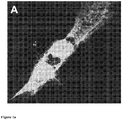
- Figure 1 shows that the targeted nanoparticles reach the cell nucleus. Non-targeted particles do not reach the cell nucleus.
- FIG 2 shows that targeted nanoparticles may be used in a variety of different cell populations.
- the particles enhance cell killing using radiation ( Figure 3 ).
- the targeted nanoparticles themselves do not appear to be toxic, per se, in the absence of the DNA damaging agent ( Figure 7 ) in all cell systems tested. This allows, for example, the nanoparticles to be administered and a focused area of cells to be targeted with, for example, a focused beam of ionizing radiation, with limited effects on surrounding cells. The nanoparticles appear to be non-toxic against neurons.
- the effects of the nanoparticles on the repair of DNA dsb is persistent and long-lived.
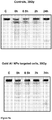
- the targeted nanoparticles increase the time taken to repair dsb ( Figure 9 ), thus increasing the likelihood that the targeted cells will die.
Landscapes
- Health & Medical Sciences (AREA)
- Chemical & Material Sciences (AREA)
- Life Sciences & Earth Sciences (AREA)
- General Health & Medical Sciences (AREA)
- Medicinal Chemistry (AREA)
- Engineering & Computer Science (AREA)
- Public Health (AREA)
- Veterinary Medicine (AREA)
- Animal Behavior & Ethology (AREA)
- Pharmacology & Pharmacy (AREA)
- Epidemiology (AREA)
- Bioinformatics & Cheminformatics (AREA)
- Organic Chemistry (AREA)
- Gastroenterology & Hepatology (AREA)
- Proteomics, Peptides & Aminoacids (AREA)
- Immunology (AREA)
- Nuclear Medicine, Radiotherapy & Molecular Imaging (AREA)
- Biomedical Technology (AREA)
- Inorganic Chemistry (AREA)
- Zoology (AREA)
- Molecular Biology (AREA)
- Genetics & Genomics (AREA)
- Biophysics (AREA)
- Biochemistry (AREA)
- Nanotechnology (AREA)
- Toxicology (AREA)
- Ceramic Engineering (AREA)
- General Chemical & Material Sciences (AREA)
- Chemical Kinetics & Catalysis (AREA)
- Pathology (AREA)
- Radiology & Medical Imaging (AREA)
- Medicines That Contain Protein Lipid Enzymes And Other Medicines (AREA)
- Pharmaceuticals Containing Other Organic And Inorganic Compounds (AREA)
- Peptides Or Proteins (AREA)
- Medicinal Preparation (AREA)
Description
- The invention relates to radio-or chemo-sensitising compounds comprising a nanoparticle comprising a transition metal and attached to the nanoparticle a DNA repair inhibitor and a nuclear localisation signal element (NLS). Such compounds are used in the treatment of diseases, such as cancers.
- Nanotechnology represents the area of science focused on the manipulation of atoms and molecules that leads to new structures in the nanometer scale range. These structures often gain unique and unexpected properties. In cancer nanotechnology the focus is on development of nanoscale devices that can diagnose, deliver therapeutic agents, and monitor cancer treatment progress. Ideally, any imaging or therapeutic system would be exclusively targeted to the tumour cell clusters or tumour cell vasculature, preferably with the ability to do so at early stages of malignant transformation. The past decades had seen outstanding progress in our understanding of fundamental cancer biology and DNA damage responses (Risinger and Groden; Cancer Cell, 6: 539, 2004; O'Driscoll and Jeggo; Nat Rev Genet; 7: 45, 2006, Girard, Kysela et al; Hum Mol Genet 13:1, 2004, Weller, Kysela, Roy et al; Science 297:5527, 2002) but this development was not accompanied by comparable advances in the clinic. For example radiation therapy in humans benefited much more from technical progress and computerization rather than from knowledge-based manipulation of the biological responses of cancer cells to therapeutic radiation (Begg et al, Radiother Oncol, 86:295, 2008).
-
WO 2008/054726 describes sensitising cancer cells to radiotherapy and chemotherapy by introducing peptides having an inhibitory effect on DNA repair enzymes. Sanchez-Perez I, Clinical and Translational Oncology (2006) 8(9) 642-646 describes DNA repair inhibitors. - Liu Y. et al, Bioconjugate Chemistry (2008) 19(1), 1009-1016 describes the production of gold nanoparticles carrying oligonucleotides which are targeted to the nucleus of cells. Tkachenko A. et al, JACS (2003, 125 (16), 4700-4701 describes multifunctional gold-nanoparticle-peptide complexes for nuclear targeting.
- Nanoparticles can be used to introduce material into cells. The cells engulf and take the nanoparticles with any components attached to the particles.
- The Applicants have recognised that this had the potential to promote the introduction of chemo-sensitising and radio-sensitising compounds into the cell. Many of these compounds need to be targeted at the cell nucleus to be effective. They therefore recognised that there was also a need to be able to target the compounds once they are within the cell to direct them to the cell nucleus.
- The invention therefore provides a radio- or chemo-sensitising compound comprising a nanoparticle comprising a transition metal, and attached to the nanoparticle; (i) a DNA repair inhibitor; and (ii) a nuclear localisation signal element (NLS); optionally attached to the nanoparticle via one or more linker moieties.
- The nanoparticles are typically below 100 nm, typically 1-50 nm, 5-30 nm or 10-15 nm in diameter.
- The DNA repair inhibitor acts to sensitise the cell to a radio or chemo-therapeutic agent.
- The DNA repair inhibitor and NLS may be separately attached to the nanoparticle, optionally via a linker moiety. That is, the inhibitor and NLS may be attached to separate parts of the nanoparticle. Alternatively the DNA inhibitor may be attached to the nanoparticle, for example, via a linker moiety, and the NLS may be attached to the DNA repair inhibitor (for example as a fusion protein/peptide) or attached to a different part of the linker moiety, for example as a pendant moiety. Alternatively the NLS may be attached to the nanoparticle, for example via a linker moiety, and the DNA repair inhibitor may be attached to the NLS, or to the linker moiety (for example as a pendant moiety).
- Many radio therapeutic agents, such as gamma rays or x-rays, and chemotherapeutic agents (for example as a fusion protein such as bleomycin), damage targeted cells inducing strand breaks to the DNA. Single-strand breaks occur where one half of the DNA double helix is broken. Such single-strand breaks are relatively easy to repair by the DNA repair systems within the cell. Double-strand breaks, however, which occur potentially opposite one another on the two strands of the DNA helix, are more difficult to repair. They are particularly problematic to the cell because they can lead to genome rearrangement. Three mechanisms exist to repair double-strand breaks (DSBs); non-homologous end joining, microhomology-mediated end joining and homologous recombination. If a strand break is not correctly repaired or the DNA double-strand break is not repaired at all, a cell will often die in the next mitosis.
- Repair inhibitors are generally known in the art. Typically the inhibitor will be an inhibitor of DNA double-strand break repair as DSBs, as discussed above, are likely to kill or disable the cell being targeted by the compound. The DNA inhibitor may be NBS1 (Nijmegen Breakage Syndrome 1, Nibrin). This is a 754 amino acid protein identified as a member of the NBS1/hMre11/RAD50 double-strand DNA break repair complex. This complex recognises DNA damage and rapidly relocates to DSB sites and forms nuclear foci. A typical NBS1 sequence is KEESLADDL.
- Fragments of this and indeed other DNA repair inhibitors, which still retain DNA repair inhibition activity, may also be used.
- The DNA inhibitor may be Ku70 or a fragment thereof. Ku70 is protein encoded by the XRCC6. Protein together with Ku80, make up the Ku heterodimer, which binds to DBS ends and is involved in DNA repair. A synthetic peptide mimicking the domain of the Ku80 protein may be used (EGGDVDDLDMI) Kim et al J. Pharmacol. Exp. Therap. (2002) 303:353.
- PARP1 (Poly [ADP-Ribose] Polymerase-1) modifies nuclear proteins by poly ADP-ribosylation. It is involved in DSB repair in conjunction with BRCA. Additionally, PARP1 is also involved in the repair of single-stranded DNA breaks. Alternatively, the main repair inhibitor may be H1x or a fragment thereof. A linker histone that is ubiquitously present in all somatic cells. See, for example,
PCT/GB2011/051180 WO/2011/161457 . - DNA phosphokinase inhibitors may also be used.
- The NLS may be, for example, an adenoviral or SV40 NLS, or a synthetic sequence such as M4 targeting sequence. The M4 targeting sequence may be KKKKKKGGRGDMFG. The adenooviral NLS may be GGFSTSLRARKA.
- A synthetic NLS may also be used. Synthetic NLS are generally known in the art. The M4 targeting sequence from the above is a synthetic peptide, the Adenoviral NLS is a naturally occurring targeting sequence.
- The nanoparticles comprise a transitional metal. These include gold, platinum or palladium, or mixtures thereof. An advantage of, for example, platinum and gold is that such particles can enhance the effects of ionising radiation via production of photoelectrons and Auger electrons (Zheng et al; Radiat. Res. (2008), 169:19, Hainfeld et al; Phys. Med. Biol. (2004), 49:N309, and Biston et al; Cancer Res. (2004), 64:2317). The ionising radiation may be tuned to allow the production of such electrons, thereby increasing the effect of the radiation on the cell targeted. The effect of the electrons produced by the radiation is dependent upon the close proximity to the DNA due to short predicted distances travelled by the secondary electrons responsible for the effects (Zheng et al (Supra) and Regulla et al (Rad. Res. (1998) 150:92). The presence of the NLS assists in targeting the nanoparticles to the nucleus of the cell, thereby assisting in localisation of the nanoparticles close to the DNA.
- The peptide based DNA repair inhibitors and/or NLS may be attached via generally known systems onto the nanoparticle. For example, a linker moiety having affinity for the metal nanoparticle may be utilised. Such linker moieties include thio-containing linkers, such as thioctic acid, gold binding peptide 1 (Brown et al, Nat. Biotech. (1997), 15:269), 3R-GBP1 which contains 3 repeat sequence of MHGKTQATSGTIQS (Tamerler et al; Small (2006) 2:1372) which binds to both gold and platinum surfaces, CALNN peptide (Lévy R, J. Am. Chem. Soc. (2004) 126(32), 10076-84) and glutathione.
- One or more additional moieties may also be attached to the compound. The additional moieties may be attached, for example, directly to the nanoparticle utilising, for example, a linker moiety as described above, or alternatively attached to the DNA repair inhibitor, NLS, and/or their linker moieties. The one or more additional moieties may be selected from, for example, a chemotherapeutic agent, a DNA cross-linking agent, an imaging agent, a contrasting agent and a surface targeting agent. Two or more additional types of moieties may be used.
- A chemotherapeutic agent may, for example, be an agent which induces DNA damage, such as DNA single or typically double-stranded breaks. Bleomycin, for example, is a glycopeptide antibiotic produced by the bacterium Streptomyces verticillus. This is generally known as an anti-cancer agent, the chemotherapeutic forms being primarily bleomycin A2 and B2. It works by causing breaks in DNA.
- The chemotherapeutic agent may also be doxorubicin. Doxorubicin is an anthracycline antibiotic which is commonly used in the treatment of a wide range of cancers, and intercalates into DNA.
- It may be used in combination with other chemotherapeutic agents, including bleomycin and calichaemycin. A still further chemotherapeutic agent may be Camptothecin. Camptothecin is a cytotoxic quinoline alkaloid which inhibits the DNA enzyme topoisomerase I. Camptothecin and two analogs (topotecan and irinotecan) have been used in cancer chemotherapy. Analogs of such compounds may also be used. Other agents include nitrogen mustards, temozolamide and cross-linking agents generally known in the art, including cis-platinins (Brown et. al., J. Am. Soc. (2012) 132, 4676-84).
- The imaging agent may be a fluorescent dye, generally known in the art, such as fluorescein.
- The contrasting agent may be gadolinium, iron oxide, manganese or other paramagnetic contrasting agents. These allow the targeting of the compounds to the site of the cancer to be confirmed.
- The surface targeting agent may be a moiety that is capable of being specifically attached to a cancer cell. That moiety may, for example, be a ligand of a receptor found on the surface of the cancer cell. For example, vitamin receptors, such as folate receptors, are commonly over-expressed in many cancer cells. Hence the cell surface targeting agent may, for example, be a vitamin, such as folate (Leamon et al, J. Drug Target. (1999) 7:157). The advantages of being able to target the nanoparticles towards specific cells are that it assists in limiting toxic side effects to normal cells. For example, vitamin-linked molecules may be internalised by receptor-mediated endocytosis. The uptake of generally known folate-delivered cytotoxic drugs has been shown and they have promising effects in pre-clinical studies. The vitamin such as folate may be conjugated to peptides, for example, by standard solid-phase chemistry. Compounds of the invention may be used in combination with one or more pharmaceutically acceptable carriers or diluents. It may be used as a medicament, for example for use in treating cancer.
- The compound may be administered intravenously, intramuscularly, intraperitoneally or orally. Brain tumours may be treated, for example, be perfusion through the skull beyond the blood-brain barrier.
- The subject may additionally be subjected to radiotherapy. For example, where the compound comprises a metal nanoparticle, post administration of the compound the subject may be treated with radiotherapy from an ionising radiation source tuned to the absorption edge of the metal nanoparticle. This causes the nanoparticle to emit secondary electrons, as discussed above.
- The ionising radiation source may, for example, be an x-ray source or synchrotron source.
- The invention provides for example, the combination of a local increase in DNA damage by either DNA damaging agents attached to the same particle or by radiation via the metal of the nanoparticle itself. This is combined with local synergistic decrease in DNA repair in the same region of the nucleus damaged by the DNA damaging agents or radiation.
- Further advantages of the invention, include the possible overcoming of drug resistance to chemotherapy in cancers, such as leukaemia. When leukaemia is treated, many patients have drug resistance due to blocking of the cell uptake pathway by the cancer cells. It is believed that utilising nanoparticles may assist in overcoming such resistance.
- The invention will now be described by way of example only by reference to the following figures:
-
Figure 1 : Targeted vs. non-targeted NPs delivery in MRC5 normal human fibroblasts. Panels A and C: The ESRF nanoimaging station zinc line provides essential microstructural information from which the cell nucleus and cytoplasmic regions can be easily distinguished in relation to gold (or platinum) X-ray fluorescence signals (also next figure). Panel B: Gold line signal in cells exposed to non-targeted NPs.
Panel D: Gold line signal in cells exposed to NPs targeted to the cell nucleus by a novel synthetic peptide consisting of gold attachment domain, nuclear targeting domain and DNA repair inhibition domain in tandem configuration - these results demonstrate that only targeted nanoparticles can reach cell nucleus. -
Figure 2 : Targeted NPs delivery in human tumour cell lines. Panels A and B: A549 lung adenocarcinoma cells, A: Zinc lines and B: Gold line. Panels C and D K562 human myeloid leukaemia suspension cell line, C: Zinc line and D: Gold line.
Panels B and D show the high presence of gold line signal in cells exposed to NPs targeted to the cell nucleus by a novel synthetic peptide consisting of gold attachment domain, nuclear targeting domain and DNA repair inhibition domain in tandem configuration - these results show that only targeted nanoparticles can reach cell nucleus and demonstrate the universality and high efficiency of payload delivery by the targeting peptide construct for both fibroblastoid and lymphoblastoid tumour cell populations. -
Figure 3 : Analysis of synergistic effect of targeted NPs and radiation on human cells. Panel A: Full clonogenic survival analysis of MRC5 normal human fibroblasts. Panel B: 2Gy survival fraction analysis in K562 human chronic myeloid leukaemia cells.
No enhancement of cell killing had been observed with non-targeting controls. These results demonstrate that only nanoparticles targeted to the cell nucleus by a novel synthetic peptide consisting of gold attachment domain, nuclear targeting domain and DNA repair inhibition domain in tandem configuration enhances the cell killing by radiation. -
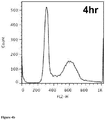
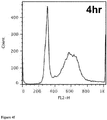
Figure 4 : Flow cytometry analysis of the impact of targeted NPs on the cell cycle distribution in MRC5 normal human fibroblasts. Top row: Time course of cell cycle progression in unexposed controls. Bottom row: Time course of the cell cycle progression in cells exposed to targeted NPs under conditions identical to cell survival experiments. No changes in the cell cycle distribution have been observed between cells exposed to nanoparticles targeted to the cell nucleus by a novel synthetic peptide consisting of gold attachment domain, nuclear targeting domain and DNA repair inhibition domain in tandem configuration and the control cells. These data strongly suggest that the enhancement in cell killing observed in the cell survival experiments is a result of increased DNA damage/decreased DNA repair effect caused by nucleus-targeted nanoparticles. -
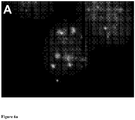
Figure 5 : γH2AXfoci analysis 24h after radiation with 5Gy. Panel A shows control MRC5 cells, Panel B shows MRC5 cell pre-treated with targeted gold NPs. Increased levels of phosphorylated histone variant H2AX are a surrogate measure of increased levels of DNA double-strand breaks caused by DNA damaging agents (e.g. ionising radiation). This result demonstrates that nanoparticles targeted to the cell nucleus by a novel synthetic peptide consisting of gold attachment domain, nuclear targeting domain and DNA repaid inhibition domain in tandem configuration enhance cell killing by increasing the proportion of unrepaired/unrepairable DNA damage caused by radiation. -
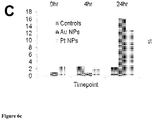
Figure 6 : Acentric chromosomal fragments (micronuclei)analysis 24h after radiation with 5Gy. Panel A shows control MRC5 cells, Panel B shows MRC5 cell pre-treated with targeted gold NPs, with 4 micronuclei clearly visible. Panel C summarises quantitative analysis based on 100 cells counted for each data set. The formation of micronuclei is indicative of higher levels of unrepairable DNA double-strand breaks. This result further demonstrates that nanoparticles targeted to the cell nucleus by a novel synthetic peptide consisting of gold attachment domain, nuclear targeting domain and DNA repair inhibition domain in tandem configuration enhance cell killing by increasing the proportion of unrepaired/unrepairable DNA damage caused by radiation. -
Figure 7 : Nanotoxocity analysis of targeted NPs as compared to synergistic effect with radiation on human cells. Panel A: Clonogenic survival analysis of K562 human chronic myeloid leukaemia cells exposed to targeted gold and platinum NPs. Panel B: 2Gy survival fraction analysis in K562 human chronic myeloid leukaemia cells exposed to targeted gold and platinum NPs followed by 2Gy of ionising radiation. These results demonstrate that nanoparticles targeted to the cell nucleus by a novel synthetic peptide consisting of gold attachment domain, nuclear targeting domain and DNA repair inhibition domain in tandem configuration are not toxic for the targeted cells per se in the absence of DNA damaging agent. -
Figure 8 : A nano-neurotoxocity analysis of targeted NPs employing inhibition of central nervous system axon growth assay Panel A: Immuno-fluorescence analysis of axon growth in control ex vivo culture (the axon growth identified by green FITC label in all panels). Panels B and C: Ex vivo neuron cultures exposed to gold (Panel B) and platinum (Panel C) targeted NPs. One of the clinically most relevant targets for using targeted nanoparticles are brain tumours, where the toxicity of the treatment to the healthy neuron tissues surrounding the tumour tissue is often a major problem. These results demonstrate that nanoparticles targeted to the cell nucleus by a novel synthetic peptide consisting of gold attachment domain, nuclear targeting domain and DNA repaid inhibition domain in tandem configuration are not toxic for the targeted neurons per se in the absence of DNA damaging agent. -
Figure 9 : Pulse field gel electrophoresis (PFGE) analysis of DSB repair kinetics in MRC5 human cells pre-treated with targeted gold and platinum nanoparticles (NPs) after irradiation with 30 Gy of γ-rays. Panel A: PFGE of irradiated control cells without NPs. Panel B: PFGE of irradiated MRC5 cells pre-treated with gold targeted NPs. Panel C: quantitative analysis of DSB rejoining by PFGE. After 24h repair time there is a highly significant increased in the percentage of unrepaired DSB in NPs treated cells compared to the controls following radiation (controls 12.03 ± 3.11, gold A1 targeted 37.06 ± 10.99, p≤0.01, gold A3 targeted 37.10 ± 11.53, p≤0.01, platinum A1 targeted 24.13 ± 4.03, p≤0.01, platinum A3 targeted 21.83 ± 1.58, p≤0.01). - Using the assay that directly measures "broken DNA" these results demonstrate that nanoparticles targeted to the cell nucleus by novel synthetic peptides consisting of gold attachment domain, nuclear targeting domain and DNA repair inhibition domain in tandem configuration have a profound effect on DSB repair after exposure to ionising radiation, with many breaks left unrepaired after extensive period of repair time.
- 13nm gold and platinum citrate-coated nanoparticles (13nmAuNPs, and 6nmPtNPs, respectively) were prepared following known procedures [J. Phys. Chem. 90, 4765-4767 (1986), and Anal. Chem. 67, 735-743 (1995)]. Nanoparticles were then functionalised with novel tripartite peptides [Chem. Commun, 47, 6431-6433 (2011)]. Samples produced are listed in the tables below:
Peptide Name Components Sequence A1 Attachment - M4-targetting - NBS1 inhibition CALNNKKKKKKGGRGDMFGKEESLADDL A3 Attachment - Adenoviral NLS - NBS1 inhibition CALNNGGFSTSLRARKAKEESLADDL Sample Name Nanoparticle type PDR_A1 13nm -gold nanoparticle - Peptide A1 PDR_A3 13nm -gold nanoparticle - Peptide A3 PDM_A1 6nm -platinum nanoparticle - Peptide A1 PDM_A3 6nm -platinum nanoparticle - Peptide A3 - Normal human fibroblast cells MRC5VAs were maintained and subcultured in complete Dulbecco's Modified Eagle Medium (DMEM) containing 4.5g/L D-Glucose, 2mM L-glutamine, 1% v/v Penicillin/Streptomycin, 10% fetal bovine serum (FBS) (PAA labs), and 1% v/v non-essential amino acids (Invitrogen, Life Technologies). For the assay cells were harvested with 1x trypsin-EDTA (PAA labs) during mid-logarithmic growth (40-60% confluence). After trypsinisation, the cells were washed by centrifugation at 1500rpm for 3 minutes, resuspended in medium and counted in a haemocytometer. The cells were then plated into 6-well plates at the required density, and placed in an incubator at 37°C in a room-air atmosphere with 5% CO2. After 24 hours to allow for reattachment, the cells were then loaded with nanoparticles at 5x10⁷ NPs/cell. Untreated cells served as controls. After 24-hours the treated cells were trypsinised, washed by centrifugation, resuspended in medium, and counted. Stocks of the required number of cells for each dose of irradiation were aliquoted into fresh media, and placed on ice. Cells were irradiated to the required dose using a 137Cesium γ-source, at a dose rate of approximately 2.5 Gy/min. After irradiation the required number of cells for each dose were plated in triplicate into pre-warmed medium in 6-well plates. The plates were kept in an incubator undisturbed for 14 days. After the 14-day incubation period, colonies were fixed and stained using a 0.5% w/v Crystal violet solution in 50% methanol with water, and colonies counted. All conditions were done in triplicate; the survival experiments for each construct were repeated three times.
- MRC5VA normal human fibroblasts were grown attached to round cover slips in 24-well plates to almost confluent, and allowed to settle and reattach after seeding. After 24 hours, cells were treated with nanoparticles at 5x10⁷ NPs/cell. Untreated cells served as controls. After 24 hours a single cover slip was removed for each construct to serve as an un-irradiated control. The remaining cover slips were placed on ice and irradiated to 5Gy using a 137Cesium γ-source, at a dose rate of approximately 2.5 Gy/min. After irradiation the cells were placed back into the incubator. At the relevant post-irradiation time-point, cells were permeabilised in ice-cold pre-extraction buffer (10mM PIPES, pH 6.8, 300mM Sucrose, 20mM NaCl, 3mM MgCl2 and 0.5% Triton X-100) for seven minutes on ice. After washing in ice-cold phosphate buffered saline (PBS), cells were then fixed in 4% ice-cold paraformaldehyde, on ice for 10 minutes. Fixed cells were stored in PBS at 4°C until all time points had been collected. Prior to immunostaining cells were washed in PBS, then incubated in blocking solution (10% FBS in PBS) at room temperature for 1 hour. After blocking cells were washed three times in PBS, before incubation with a 1:1000 dilution of mouse-anti γH2AX monoclonal (Millipore, UK) in 2% FBS in PBS for 1 hour at room temperature. Cells were washed three times in PBS before being incubated in a 1:1000 dilution of anti-mouse Alex Fluor 488 (Life Technologies) in 2% FBS in PBS for 1 hour at room temperature in the dark. Cells were washed in PBS and mounted in Vectashield with 4',6-diamidino-2-phenylindole (Vectorlabs, UK) and examined with a Zeiss microscope. The number of γH2AX foci were scored manually from stored images in a minimum of 50 nuclei, in triplicate. Cells with micronuclei were counted manually from the same images used for γH2AX foci analysis, at a minimum of 50 cells, in triplicate.
- For the assay MRC5VA cells were harvested, counted, and seeded into 25cm2 culture flasks (Corning, USA) at the required density. After allowing 24 hours for cells to recover and attach cells were loaded with nanoparticles at 5x10⁷ NPs/cell. Unloaded cells served as a control. After 24 hours cells were pulsed labelled with the nucleotide analogue Bromodeoxyuridine (BrDU) for 20 minutes. Old medium containing the nanoparticles was removed and replaced with fresh medium containing 20µM BrDU and placed in the incubator. After pulse labelling, cells were harvested by trypsinisation, and washed by centrifugation. The cell pellets were resuspended in complete DMEM, placed on ice, and irradiated to 5Gy using a 137Cesium γ-source, at a dose rate of approximately 2.5 Gy/min. After irradiation cells were re-distributed into 25cm2 flasks for harvesting at the required time-points.
- At the required time-point cells were trypsinised, and washed twice in PBS by centrifugation. After the final wash, the supernatant was discarded and the cell pellet resuspended in the remaining drop of PBS, to prevent cells from clumping. Cells were then vortexed as 2ml - 20°C 100% ethanol was added drip-wise. Fixed cells were stored at -20°C until all samples had been collected. To stain, cells were first washed twice in PBS by centrifugation at 2000rpm for 5 minutes. After the final wash cells were resuspended in 2ml 2M hydrochloric acid containing 0.1 mg/ml pepsin and incubated at room temperature for 20 minutes. Cells were then washed three times in PBS by centrifugation at 2000rpm for 5 minutes. After the final wash as much supernatant as possible was removed without disturbing the cell pellet. The cells were then resuspended in 100µl PBS containing 0.5% normal goat serum, 0.5% Tween-20 (PNT), and mouse anti-BrDU monoclonal diluted at 1:50 (Dako, UK), and incubated for one hour at room temperature. Cells were washed three times in PBS by centrifugation, after the third wash as much supernatant as possible was moved from the cell pellet. The cells were then resuspended in 100µl PNT containing anti-mouse Alexa Fluor 488 diluted at 1:50 (Life Technologies, UK), and incubated for 60 minutes at room temperature in the dark. Cells were washed in PBS by centrifugation once and resuspended in 0.5 ml PBS containing 10µg/ml propidium iodide, and stored at 4°C overnight in the dark overnight. Flow cytometric analysis was performed on a FACScalibur instrument (Becton Dickson, USA), and cell cycle analysis performed using FlowJo software (Tree Star, USA).
- MRC5VA cells were harvested, counted, and seeded into 25cm2 culture flasks (Corning, USA) at the required density. After allowing 24 hours for cells to recover and attach, the exponentially growing cells were radioactively labelled by replacement of the old medium with fresh, complete DMEM supplemented with 0.02µCi/ml 14C-Thymidine (Perkin Elmer). After 24 hours, without changing the medium, cells were loaded with nanoparticles at 5x10⁷ NPs/cell. Unloaded cells served as a control. After a further 24 hours cells in stationary phase had the medium replaced with fresh complete DMEM for a 2-hour chase period. Cells were then trypsinised, and washed in pre-warmed PBS by centrifugation at 1500rpm for 3 minutes. The supernantant was removed and the cells resuspended in 1ml pre-warmed PBS and counted. The required number of cells were then pelleted by centrifugation and resuspended to the required volume of pre-warmed PBS and mixed gently with an equal volume of a 1% solution of low melting point agarose in PBS (LMPA), at a final density of 2.5-3.0 x10⁶ cells/ml. The suspension of cells in agarose was pipetted into a reusable plug mould (Bio-Rad). The mould was then placed at 4°C for 15 minutes to solidify the agarose plugs. After setting, each plug was cut with sterile glass cover slips into 3 inserts. Inserts were transferred to 20x volume of complete DMEM and incubated on ice for 30 minutes. Inserts, except non-irradiated controls, were then irradiated to 30Gy using a 137Cesium γ-source, at a dose rate of approximately 2.5 Gy/min. After irradiation, inserts were poured into 6-well plates with pre-warmed complete DMEM and incubated at 37°C in a room air atmosphere with 5% CO2. At the required time-points the cells were lysed, by replacing the medium with 15x volume of lysis solution (0.5M EDTA, 1% N-laurolysarcosine, 1mg/ml proteinase K), and incubating at 50°C for 48 hours. After lysis, DNA samples in agarose inserts were extensively washed 5 times in 500x volume of TE buffer, pH 8.0 (10mM Tris-HCl, 1mM EDTA) to avoid remaining proteinase K and detergent contamination. Washed plugs were then stored in 20x volume TE buffer at 4°C until electrophoresis.
- Pulse-field gel electrophoresis was carried out on a 0.8% ultrapure agarose gel (BioRad), cast with 0.5x TBE buffer (50mM Tris, 45mM Boric acid, 0.5mM EDTA) (BioRad). The agarose inserts containing the samples were gently placed into the wells of the gel and were pushed to the bottom of the well to avoid the formation of air bubbles. After loading, the inserts were sealed in the wells with 0.5% LMPA. The gel was then placed into the Bio-Rad CHEF-DR III apparatus. The gel was run for 48 hours at 1.5 volts/cm, with a switch time of 1800 seconds, an angle of 120°, in 0.5X TAE at 14°C. After electrophoresis, the gel was dried using a suitable gel dryer for approximately 6 hours at 50°C onto positively charged filter paper, exposed to a storage phosphor screen for 48 hours, and analysed using a suitable phosphorimager.
-
Figure 1 shows that the targeted nanoparticles reach the cell nucleus. Non-targeted particles do not reach the cell nucleus. -
Figure 2 shows that targeted nanoparticles may be used in a variety of different cell populations. The particles enhance cell killing using radiation (Figure 3 ). - This appears to be due to decreased DNA repair and increased unrepaired DNA damage due to the nanoparticles as shown by
Figure 4 . This is confirmed by the observations of increased phosphorylated histone variant H2AX shown inFigure 5 . Higher level of DNA double strand breaks (dsb) were also observed using targeted nanoparticles (Figure 6 ). Dsbs are difficult to repair and are often lethal in cells. - The targeted nanoparticles themselves do not appear to be toxic, per se, in the absence of the DNA damaging agent (
Figure 7 ) in all cell systems tested. This allows, for example, the nanoparticles to be administered and a focused area of cells to be targeted with, for example, a focused beam of ionizing radiation, with limited effects on surrounding cells. The nanoparticles appear to be non-toxic against neurons. - The effects of the nanoparticles on the repair of DNA dsb is persistent and long-lived. The targeted nanoparticles increase the time taken to repair dsb (
Figure 9 ), thus increasing the likelihood that the targeted cells will die. -
- <110> The University of Birmingham
- <120> Nanoparticles
- <130> p338757pct
- <150>
GB1209517
<151> 2012-05-29 - <160> 8
- <170> PatentIn version 3.5
- <210> 1
<211> 9
<212> PRT
<213> Homo sapiens - <400> 1

- <210> 2
<211> 11
<212> PRT
<213> Homo sapiens - <400> 2

- <210> 3
<211> 14
<212> PRT
<213> Unknown - <220>
<223> M4 synthetic targeting sequence - <400> 3

- <210> 4
<211> 12
<212> PRT
<213> Adenovirus type 37 - <400> 4

- <210> 5
<211> 14
<212> PRT
<213> Unknown - <220>
<223> 3 repeat Gold Binding Peptide repeat sequence - <400> 5

- <210> 6
<211> 28
<212> PRT
<213> Unknown - <220>
<223> M4 targetting NBS1 inhibition - <400> 6

- <210> 7
<211> 26
<212> PRT
<213> Unknown - <220>
<223> Adenovirus NBS1 inhibition - <400> 7

- <210> 8
<211> 5
<212> PRT
<213> Unknown - <220>
<223> CALNN peptide - <400> 8

Claims (14)
- A radio-or chemo-sensitising compound comprising a nanoparticle, wherein the nanoparticle comprises a transition metal, and attached to the nanoparticle;(i) a DNA repair inhibitor; and(ii) a nuclear localisation signal element (NLS);optionally attached via one or more linker moieties.
- A compound according to claim 1, wherein the DNA repair inhibitor and NLS are separately attached to the nanoparticle, optionally via a linker moiety, or wherein the DNA repair inhibitor is attached to the nanoparticle, optionally via a linker moiety, and the NLS is attached to the DNA repair inhibitor or the linker moiety, or wherein the NLS is attached to the nanoparticle, optionally via a linker moiety, and the DNA repair inhibitor is attached to the NLS or the linker moiety.
- A compound according to claim 1 or 2, wherein the DNA repair inhibitor is an inhibitor of double-strand break repair.
- A compound according to any preceding claim, wherein the DNA repair inhibitor is NBS1, Ku70, PARP1, H1x, or other DNA repair protein or functional fragments thereof and DNA phosphokinase inhibitor or a fragment thereof capable of inhibiting DNA repair.
- A compound according to any preceding claim, wherein the NLS is an adenoviral or SV40 NLS, or a synthetic NLS.
- A compound according to any preceding claim, wherein the nanoparticle is a metal nanoparticle.
- A compound according to claim 6, wherein the nanoparticle is gold, platinum or palladium or mixtures thereof.
- A compound according to claims 6 or 7, wherein the linker has affinity for the metal nanoparticle.
- A compound according to any preceding claim, wherein the linker moiety is selected from thioctic acid, gold binding peptide 1 (GBP1), 3R-GBP1, CALNN peptide and glutathione.
- A compound according to any preceding claim, additionally comprising one or more moieties selected from a chemotherapeutic agent, a DNA cross-linking agent, an imaging agent, a contrasting agent and a surface targeting agent.
- A compound according to claim 10, wherein the chemotherapeutic agent is bleomycin, doxorubicin or camptothecin, or wherein the DNA cross-linking agent is cis-platinin, or wherein the surface targeting agent is a vitamin.
- A compound according to any preceding claim, in combination with one or more pharmaceutically acceptable carriers or diluents.
- A compound according to any preceding claim for use as a medicament.
- A compound according to claim 13, for use in treating cancer.
Applications Claiming Priority (2)
| Application Number | Priority Date | Filing Date | Title |
|---|---|---|---|
| GB201209517A GB201209517D0 (en) | 2012-05-29 | 2012-05-29 | Nanoparticles |
| PCT/GB2013/051401 WO2013179014A1 (en) | 2012-05-29 | 2013-05-28 | Nanoparticles with attached dna repair inhibitors and nuclear localisation signal elements |
Publications (2)
| Publication Number | Publication Date |
|---|---|
| EP2854860A1 EP2854860A1 (en) | 2015-04-08 |
| EP2854860B1 true EP2854860B1 (en) | 2017-11-22 |
Family
ID=46546117
Family Applications (1)
| Application Number | Title | Priority Date | Filing Date |
|---|---|---|---|
| EP13725472.8A Not-in-force EP2854860B1 (en) | 2012-05-29 | 2013-05-28 | Nanoparticles with attached dna repair inhibitors and nuclear localisation signal elements |
Country Status (7)
| Country | Link |
|---|---|
| US (1) | US9943598B2 (en) |
| EP (1) | EP2854860B1 (en) |
| JP (1) | JP2015521198A (en) |
| CN (1) | CN104540523A (en) |
| GB (1) | GB201209517D0 (en) |
| IN (1) | IN2014DN10124A (en) |
| WO (1) | WO2013179014A1 (en) |
Families Citing this family (4)
| Publication number | Priority date | Publication date | Assignee | Title |
|---|---|---|---|---|
| WO2017053268A1 (en) * | 2015-09-21 | 2017-03-30 | Serrano-Ojeda Pedro Anastacio | Glutamine-high z element compounds for treating cancer |
| WO2017035009A1 (en) * | 2015-08-21 | 2017-03-02 | The Methodist Hospital | Cationic liposomes for cancer immunotherapy |
| GB201608885D0 (en) * | 2016-05-20 | 2016-07-06 | Univ Birmingham | Treatment |
| US12245355B2 (en) | 2021-02-19 | 2025-03-04 | Mevion Medical Systems, Inc. | Gantry for a particle therapy system |
Family Cites Families (11)
| Publication number | Priority date | Publication date | Assignee | Title |
|---|---|---|---|---|
| WO2000006244A2 (en) * | 1998-07-30 | 2000-02-10 | Hainfeld James F | Loading metal particles into cell membrane vesicles and metal particle use for imaging and therapy |
| EP1100475A1 (en) * | 1999-06-02 | 2001-05-23 | Medinova Medical Consulting Gmbh | Use of drug-loaded nanoparticles for the treatment of cancers |
| WO2003051278A2 (en) * | 2001-07-10 | 2003-06-26 | North Carolina State University | Nanoparticle delivery vehicle |
| US20060216341A1 (en) * | 2003-04-02 | 2006-09-28 | Paul Tardi | Compositions for treating drug resistance |
| GB0321937D0 (en) * | 2003-09-19 | 2003-10-22 | Univ Liverpool | Nanoparticle conjugates and method of production thereof |
| US20070110756A1 (en) * | 2005-11-14 | 2007-05-17 | Reinberg Danny F | Method for modulating P53 activity via methylation |
| DE102006013531A1 (en) * | 2006-03-24 | 2007-09-27 | Lts Lohmann Therapie-Systeme Ag | Drug delivery system, useful for supplying active substance to central nervous system of a mammal over the blood-brain barrier, comprises: nanoparticles of poly(DL-lactide-co-glycolide) and pharmaceutical substance e.g. cytostatic agent |
| KR20090102744A (en) * | 2006-10-30 | 2009-09-30 | 써던 리서취 인스티튜트 | Targeting nbs1―atm interaction to sensitize cancer cells to radiotherapy and chemotherapy |
| WO2009075817A1 (en) * | 2007-12-06 | 2009-06-18 | Minerva Biotechnologies Corporation | Method for treating cancer using interference rna |
| EP2445532A1 (en) * | 2009-04-24 | 2012-05-02 | Socpra - Sciences Santé Et Humaines | Compositions comprising a radiosensitizer and an anti-cancer agent and methods of uses thereof |
| US9421194B2 (en) * | 2010-04-05 | 2016-08-23 | Rutgers, The State University Of New Jersey | Lung targeting dual drug delivery system |
-
2012
- 2012-05-29 GB GB201209517A patent/GB201209517D0/en not_active Ceased
-
2013
- 2013-05-28 JP JP2015514582A patent/JP2015521198A/en active Pending
- 2013-05-28 US US14/403,804 patent/US9943598B2/en active Active
- 2013-05-28 CN CN201380028733.XA patent/CN104540523A/en active Pending
- 2013-05-28 EP EP13725472.8A patent/EP2854860B1/en not_active Not-in-force
- 2013-05-28 WO PCT/GB2013/051401 patent/WO2013179014A1/en not_active Ceased
-
2014
- 2014-11-27 IN IN10124DEN2014 patent/IN2014DN10124A/en unknown
Also Published As
| Publication number | Publication date |
|---|---|
| GB201209517D0 (en) | 2012-07-11 |
| CN104540523A (en) | 2015-04-22 |
| IN2014DN10124A (en) | 2015-08-21 |
| JP2015521198A (en) | 2015-07-27 |
| WO2013179014A1 (en) | 2013-12-05 |
| US20150119624A1 (en) | 2015-04-30 |
| EP2854860A1 (en) | 2015-04-08 |
| US9943598B2 (en) | 2018-04-17 |
Similar Documents
| Publication | Publication Date | Title |
|---|---|---|
| Paez‐Ribes et al. | Targeting senescent cells in translational medicine | |
| Porcel et al. | Gadolinium-based nanoparticles to improve the hadrontherapy performances | |
| Deng et al. | Application of mitochondrially targeted nanoconstructs to neoadjuvant X-ray-induced photodynamic therapy for rectal cancer | |
| Štefančíková et al. | Effect of gadolinium-based nanoparticles on nuclear DNA damage and repair in glioblastoma tumor cells | |
| Liu et al. | Brain-targeted heptapeptide-loaded exosomes attenuated ischemia–reperfusion injury by promoting the transfer of healthy mitochondria from astrocytes to neurons | |
| WO2013059528A2 (en) | Encapsulated diagnostics and therapeutics in nanoparticles-conjugated to tropic cells and methods for their use | |
| KR102034875B1 (en) | Pharmaceutical composition for treating drug resistance cancer comprising exosomes extracted from stem cells which differentiate | |
| US9943598B2 (en) | Nanoparticles with attached DNA repair inhibitors and nuclear localisation signal elements | |
| WO2017199042A1 (en) | Treatment of neurological pathologies with inhibitors of dna damage repair | |
| Park et al. | Cisplatin induces primary necrosis through poly (ADP-ribose) polymerase 1 activation in kidney proximal tubular cells | |
| HK1202796A1 (en) | Delivery system for specifically targeting cancer cells and method of use thereof | |
| Feng et al. | The dynamic interactions between nanoparticles and macrophages impact their fate in brain tumors | |
| Yang et al. | Lithium-mediated protection of hippocampal cells involves enhancement of DNA-PK–dependent repair in mice | |
| Muradova et al. | Targeted-theranostic nanoparticles induce anti-tumor immune response in lung cancer | |
| Fu et al. | The applications of carbon dots in oral health: A scoping review | |
| Liu et al. | The radiation enhancement of 15 nm citrate-capped gold nanoparticles exposed to 70 keV/μm carbon ions | |
| CN101313219B (en) | A kind of diagnosis and Therapeutic Method and the reagent that used thereof | |
| TWI486341B (en) | Composition and method for inhibiting activation of ATR and FANCD2 | |
| JP2019019082A (en) | Treatment of cancer by inhibition of error-prone dna repair route | |
| Goulis | The role of nanoparticles in radiation therapy of glioblastoma multiforme (GBM) | |
| Granzotto et al. | DNA double-strand breaks repair and signaling of human gliomas and normal brain cells in response to radiation: Potential impact of the ATM-and BRCA1-dependent pathways | |
| CN116490215A (en) | Target-mediated endocytic drug delivery | |
| Wei et al. | Exosomes derived from bone mesenchymal stem cells repair traumatic spinal cord injury via suppressing the activation of A1 neurotoxic reactive astrocytes | |
| EP2908800B1 (en) | Composition and delivery vehicle for active agents and methods therefor | |
| US20240165140A1 (en) | Medication for inhibiting dna-pkcs |
Legal Events
| Date | Code | Title | Description |
|---|---|---|---|
| PUAI | Public reference made under article 153(3) epc to a published international application that has entered the european phase |
Free format text: ORIGINAL CODE: 0009012 |
|
| 17P | Request for examination filed |
Effective date: 20141119 |
|
| AK | Designated contracting states |
Kind code of ref document: A1 Designated state(s): AL AT BE BG CH CY CZ DE DK EE ES FI FR GB GR HR HU IE IS IT LI LT LU LV MC MK MT NL NO PL PT RO RS SE SI SK SM TR |
|
| AX | Request for extension of the european patent |
Extension state: BA ME |
|
| DAX | Request for extension of the european patent (deleted) | ||
| 17Q | First examination report despatched |
Effective date: 20160225 |
|
| GRAP | Despatch of communication of intention to grant a patent |
Free format text: ORIGINAL CODE: EPIDOSNIGR1 |
|
| STAA | Information on the status of an ep patent application or granted ep patent |
Free format text: STATUS: GRANT OF PATENT IS INTENDED |
|
| RIC1 | Information provided on ipc code assigned before grant |
Ipc: A61K 41/00 20060101ALI20161128BHEP Ipc: A61K 49/00 20060101ALI20161128BHEP Ipc: A61N 5/10 20060101ALI20161128BHEP Ipc: C07K 14/47 20060101ALI20161128BHEP Ipc: A61K 38/16 20060101ALI20161128BHEP Ipc: A61K 47/48 00000000AFI20161128BHEP |
|
| INTG | Intention to grant announced |
Effective date: 20170103 |
|
| RIN1 | Information on inventor provided before grant (corrected) |
Inventor name: KYSELA, BORIS |
|
| GRAS | Grant fee paid |
Free format text: ORIGINAL CODE: EPIDOSNIGR3 |
|
| REG | Reference to a national code |
Ref country code: DE Ref legal event code: R079 Ref document number: 602013029759 Country of ref document: DE Free format text: PREVIOUS MAIN CLASS: A61K0047480000 Ipc: A61K0047620000 |
|
| GRAA | (expected) grant |
Free format text: ORIGINAL CODE: 0009210 |
|
| STAA | Information on the status of an ep patent application or granted ep patent |
Free format text: STATUS: THE PATENT HAS BEEN GRANTED |
|
| RIC1 | Information provided on ipc code assigned before grant |
Ipc: A61K 47/62 20170101AFI20171012BHEP Ipc: A61K 49/00 20060101ALI20171012BHEP Ipc: A61K 41/00 20060101ALI20171012BHEP Ipc: A61N 5/10 20060101ALI20171012BHEP Ipc: A61K 38/16 20060101ALI20171012BHEP Ipc: C07K 14/47 20060101ALI20171012BHEP |
|
| AK | Designated contracting states |
Kind code of ref document: B1 Designated state(s): AL AT BE BG CH CY CZ DE DK EE ES FI FR GB GR HR HU IE IS IT LI LT LU LV MC MK MT NL NO PL PT RO RS SE SI SK SM TR |
|
| REG | Reference to a national code |
Ref country code: GB Ref legal event code: FG4D |
|
| REG | Reference to a national code |
Ref country code: CH Ref legal event code: EP |
|
| REG | Reference to a national code |
Ref country code: IE Ref legal event code: FG4D |
|
| REG | Reference to a national code |
Ref country code: AT Ref legal event code: REF Ref document number: 947802 Country of ref document: AT Kind code of ref document: T Effective date: 20171215 |
|
| REG | Reference to a national code |
Ref country code: DE Ref legal event code: R096 Ref document number: 602013029759 Country of ref document: DE |
|
| REG | Reference to a national code |
Ref country code: NL Ref legal event code: MP Effective date: 20171122 |
|
| REG | Reference to a national code |
Ref country code: LT Ref legal event code: MG4D |
|
| REG | Reference to a national code |
Ref country code: AT Ref legal event code: MK05 Ref document number: 947802 Country of ref document: AT Kind code of ref document: T Effective date: 20171122 |
|
| PG25 | Lapsed in a contracting state [announced via postgrant information from national office to epo] |
Ref country code: ES Free format text: LAPSE BECAUSE OF FAILURE TO SUBMIT A TRANSLATION OF THE DESCRIPTION OR TO PAY THE FEE WITHIN THE PRESCRIBED TIME-LIMIT Effective date: 20171122 Ref country code: FI Free format text: LAPSE BECAUSE OF FAILURE TO SUBMIT A TRANSLATION OF THE DESCRIPTION OR TO PAY THE FEE WITHIN THE PRESCRIBED TIME-LIMIT Effective date: 20171122 Ref country code: NL Free format text: LAPSE BECAUSE OF FAILURE TO SUBMIT A TRANSLATION OF THE DESCRIPTION OR TO PAY THE FEE WITHIN THE PRESCRIBED TIME-LIMIT Effective date: 20171122 Ref country code: LT Free format text: LAPSE BECAUSE OF FAILURE TO SUBMIT A TRANSLATION OF THE DESCRIPTION OR TO PAY THE FEE WITHIN THE PRESCRIBED TIME-LIMIT Effective date: 20171122 Ref country code: SE Free format text: LAPSE BECAUSE OF FAILURE TO SUBMIT A TRANSLATION OF THE DESCRIPTION OR TO PAY THE FEE WITHIN THE PRESCRIBED TIME-LIMIT Effective date: 20171122 Ref country code: NO Free format text: LAPSE BECAUSE OF FAILURE TO SUBMIT A TRANSLATION OF THE DESCRIPTION OR TO PAY THE FEE WITHIN THE PRESCRIBED TIME-LIMIT Effective date: 20180222 |
|
| PG25 | Lapsed in a contracting state [announced via postgrant information from national office to epo] |
Ref country code: BG Free format text: LAPSE BECAUSE OF FAILURE TO SUBMIT A TRANSLATION OF THE DESCRIPTION OR TO PAY THE FEE WITHIN THE PRESCRIBED TIME-LIMIT Effective date: 20180222 Ref country code: AT Free format text: LAPSE BECAUSE OF FAILURE TO SUBMIT A TRANSLATION OF THE DESCRIPTION OR TO PAY THE FEE WITHIN THE PRESCRIBED TIME-LIMIT Effective date: 20171122 Ref country code: LV Free format text: LAPSE BECAUSE OF FAILURE TO SUBMIT A TRANSLATION OF THE DESCRIPTION OR TO PAY THE FEE WITHIN THE PRESCRIBED TIME-LIMIT Effective date: 20171122 Ref country code: HR Free format text: LAPSE BECAUSE OF FAILURE TO SUBMIT A TRANSLATION OF THE DESCRIPTION OR TO PAY THE FEE WITHIN THE PRESCRIBED TIME-LIMIT Effective date: 20171122 Ref country code: GR Free format text: LAPSE BECAUSE OF FAILURE TO SUBMIT A TRANSLATION OF THE DESCRIPTION OR TO PAY THE FEE WITHIN THE PRESCRIBED TIME-LIMIT Effective date: 20180223 Ref country code: RS Free format text: LAPSE BECAUSE OF FAILURE TO SUBMIT A TRANSLATION OF THE DESCRIPTION OR TO PAY THE FEE WITHIN THE PRESCRIBED TIME-LIMIT Effective date: 20171122 |
|
| PG25 | Lapsed in a contracting state [announced via postgrant information from national office to epo] |
Ref country code: EE Free format text: LAPSE BECAUSE OF FAILURE TO SUBMIT A TRANSLATION OF THE DESCRIPTION OR TO PAY THE FEE WITHIN THE PRESCRIBED TIME-LIMIT Effective date: 20171122 Ref country code: CY Free format text: LAPSE BECAUSE OF FAILURE TO SUBMIT A TRANSLATION OF THE DESCRIPTION OR TO PAY THE FEE WITHIN THE PRESCRIBED TIME-LIMIT Effective date: 20171122 Ref country code: DK Free format text: LAPSE BECAUSE OF FAILURE TO SUBMIT A TRANSLATION OF THE DESCRIPTION OR TO PAY THE FEE WITHIN THE PRESCRIBED TIME-LIMIT Effective date: 20171122 Ref country code: SK Free format text: LAPSE BECAUSE OF FAILURE TO SUBMIT A TRANSLATION OF THE DESCRIPTION OR TO PAY THE FEE WITHIN THE PRESCRIBED TIME-LIMIT Effective date: 20171122 Ref country code: CZ Free format text: LAPSE BECAUSE OF FAILURE TO SUBMIT A TRANSLATION OF THE DESCRIPTION OR TO PAY THE FEE WITHIN THE PRESCRIBED TIME-LIMIT Effective date: 20171122 |
|
| REG | Reference to a national code |
Ref country code: DE Ref legal event code: R097 Ref document number: 602013029759 Country of ref document: DE |
|
| PG25 | Lapsed in a contracting state [announced via postgrant information from national office to epo] |
Ref country code: PL Free format text: LAPSE BECAUSE OF FAILURE TO SUBMIT A TRANSLATION OF THE DESCRIPTION OR TO PAY THE FEE WITHIN THE PRESCRIBED TIME-LIMIT Effective date: 20171122 Ref country code: IT Free format text: LAPSE BECAUSE OF FAILURE TO SUBMIT A TRANSLATION OF THE DESCRIPTION OR TO PAY THE FEE WITHIN THE PRESCRIBED TIME-LIMIT Effective date: 20171122 Ref country code: SM Free format text: LAPSE BECAUSE OF FAILURE TO SUBMIT A TRANSLATION OF THE DESCRIPTION OR TO PAY THE FEE WITHIN THE PRESCRIBED TIME-LIMIT Effective date: 20171122 Ref country code: RO Free format text: LAPSE BECAUSE OF FAILURE TO SUBMIT A TRANSLATION OF THE DESCRIPTION OR TO PAY THE FEE WITHIN THE PRESCRIBED TIME-LIMIT Effective date: 20171122 |
|
| PLBE | No opposition filed within time limit |
Free format text: ORIGINAL CODE: 0009261 |
|
| STAA | Information on the status of an ep patent application or granted ep patent |
Free format text: STATUS: NO OPPOSITION FILED WITHIN TIME LIMIT |
|
| 26N | No opposition filed |
Effective date: 20180823 |
|
| PG25 | Lapsed in a contracting state [announced via postgrant information from national office to epo] |
Ref country code: SI Free format text: LAPSE BECAUSE OF FAILURE TO SUBMIT A TRANSLATION OF THE DESCRIPTION OR TO PAY THE FEE WITHIN THE PRESCRIBED TIME-LIMIT Effective date: 20171122 |
|
| REG | Reference to a national code |
Ref country code: CH Ref legal event code: PL |
|
| REG | Reference to a national code |
Ref country code: BE Ref legal event code: MM Effective date: 20180531 |
|
| PG25 | Lapsed in a contracting state [announced via postgrant information from national office to epo] |
Ref country code: MC Free format text: LAPSE BECAUSE OF FAILURE TO SUBMIT A TRANSLATION OF THE DESCRIPTION OR TO PAY THE FEE WITHIN THE PRESCRIBED TIME-LIMIT Effective date: 20171122 |
|
| REG | Reference to a national code |
Ref country code: IE Ref legal event code: MM4A |
|
| PG25 | Lapsed in a contracting state [announced via postgrant information from national office to epo] |
Ref country code: CH Free format text: LAPSE BECAUSE OF NON-PAYMENT OF DUE FEES Effective date: 20180531 Ref country code: LI Free format text: LAPSE BECAUSE OF NON-PAYMENT OF DUE FEES Effective date: 20180531 |
|
| PG25 | Lapsed in a contracting state [announced via postgrant information from national office to epo] |
Ref country code: LU Free format text: LAPSE BECAUSE OF NON-PAYMENT OF DUE FEES Effective date: 20180528 |
|
| PG25 | Lapsed in a contracting state [announced via postgrant information from national office to epo] |
Ref country code: IE Free format text: LAPSE BECAUSE OF NON-PAYMENT OF DUE FEES Effective date: 20180528 |
|
| PG25 | Lapsed in a contracting state [announced via postgrant information from national office to epo] |
Ref country code: BE Free format text: LAPSE BECAUSE OF NON-PAYMENT OF DUE FEES Effective date: 20180531 |
|
| PG25 | Lapsed in a contracting state [announced via postgrant information from national office to epo] |
Ref country code: MT Free format text: LAPSE BECAUSE OF NON-PAYMENT OF DUE FEES Effective date: 20180528 |
|
| PG25 | Lapsed in a contracting state [announced via postgrant information from national office to epo] |
Ref country code: TR Free format text: LAPSE BECAUSE OF FAILURE TO SUBMIT A TRANSLATION OF THE DESCRIPTION OR TO PAY THE FEE WITHIN THE PRESCRIBED TIME-LIMIT Effective date: 20171122 |
|
| PG25 | Lapsed in a contracting state [announced via postgrant information from national office to epo] |
Ref country code: HU Free format text: LAPSE BECAUSE OF FAILURE TO SUBMIT A TRANSLATION OF THE DESCRIPTION OR TO PAY THE FEE WITHIN THE PRESCRIBED TIME-LIMIT; INVALID AB INITIO Effective date: 20130528 Ref country code: PT Free format text: LAPSE BECAUSE OF FAILURE TO SUBMIT A TRANSLATION OF THE DESCRIPTION OR TO PAY THE FEE WITHIN THE PRESCRIBED TIME-LIMIT Effective date: 20171122 |
|
| PG25 | Lapsed in a contracting state [announced via postgrant information from national office to epo] |
Ref country code: MK Free format text: LAPSE BECAUSE OF NON-PAYMENT OF DUE FEES Effective date: 20171122 |
|
| PG25 | Lapsed in a contracting state [announced via postgrant information from national office to epo] |
Ref country code: AL Free format text: LAPSE BECAUSE OF FAILURE TO SUBMIT A TRANSLATION OF THE DESCRIPTION OR TO PAY THE FEE WITHIN THE PRESCRIBED TIME-LIMIT Effective date: 20171122 Ref country code: IS Free format text: LAPSE BECAUSE OF FAILURE TO SUBMIT A TRANSLATION OF THE DESCRIPTION OR TO PAY THE FEE WITHIN THE PRESCRIBED TIME-LIMIT Effective date: 20180322 |
|
| PGFP | Annual fee paid to national office [announced via postgrant information from national office to epo] |
Ref country code: FR Payment date: 20201127 Year of fee payment: 8 Ref country code: DE Payment date: 20201127 Year of fee payment: 8 |
|
| PGFP | Annual fee paid to national office [announced via postgrant information from national office to epo] |
Ref country code: GB Payment date: 20210518 Year of fee payment: 9 |
|
| REG | Reference to a national code |
Ref country code: DE Ref legal event code: R119 Ref document number: 602013029759 Country of ref document: DE |
|
| PG25 | Lapsed in a contracting state [announced via postgrant information from national office to epo] |
Ref country code: DE Free format text: LAPSE BECAUSE OF NON-PAYMENT OF DUE FEES Effective date: 20211201 |
|
| PG25 | Lapsed in a contracting state [announced via postgrant information from national office to epo] |
Ref country code: FR Free format text: LAPSE BECAUSE OF NON-PAYMENT OF DUE FEES Effective date: 20210531 |
|
| GBPC | Gb: european patent ceased through non-payment of renewal fee |
Effective date: 20220528 |
|
| PG25 | Lapsed in a contracting state [announced via postgrant information from national office to epo] |
Ref country code: GB Free format text: LAPSE BECAUSE OF NON-PAYMENT OF DUE FEES Effective date: 20220528 |