EP2854816B1 - Solid dosage formulations of an orexin receptor antagonist - Google Patents
Solid dosage formulations of an orexin receptor antagonist Download PDFInfo
- Publication number
- EP2854816B1 EP2854816B1 EP13796870.7A EP13796870A EP2854816B1 EP 2854816 B1 EP2854816 B1 EP 2854816B1 EP 13796870 A EP13796870 A EP 13796870A EP 2854816 B1 EP2854816 B1 EP 2854816B1
- Authority
- EP
- European Patent Office
- Prior art keywords
- suvorexant
- polymer
- composition
- pharmaceutical composition
- present
- Prior art date
- Legal status (The legal status is an assumption and is not a legal conclusion. Google has not performed a legal analysis and makes no representation as to the accuracy of the status listed.)
- Active
Links
Images


Classifications
-
- A—HUMAN NECESSITIES
- A61—MEDICAL OR VETERINARY SCIENCE; HYGIENE
- A61K—PREPARATIONS FOR MEDICAL, DENTAL OR TOILETRY PURPOSES
- A61K31/00—Medicinal preparations containing organic active ingredients
- A61K31/33—Heterocyclic compounds
- A61K31/395—Heterocyclic compounds having nitrogen as a ring hetero atom, e.g. guanethidine or rifamycins
- A61K31/55—Heterocyclic compounds having nitrogen as a ring hetero atom, e.g. guanethidine or rifamycins having seven-membered rings, e.g. azelastine, pentylenetetrazole
- A61K31/551—Heterocyclic compounds having nitrogen as a ring hetero atom, e.g. guanethidine or rifamycins having seven-membered rings, e.g. azelastine, pentylenetetrazole having two nitrogen atoms, e.g. dilazep
-
- A—HUMAN NECESSITIES
- A61—MEDICAL OR VETERINARY SCIENCE; HYGIENE
- A61K—PREPARATIONS FOR MEDICAL, DENTAL OR TOILETRY PURPOSES
- A61K47/00—Medicinal preparations characterised by the non-active ingredients used, e.g. carriers or inert additives; Targeting or modifying agents chemically bound to the active ingredient
-
- A—HUMAN NECESSITIES
- A61—MEDICAL OR VETERINARY SCIENCE; HYGIENE
- A61K—PREPARATIONS FOR MEDICAL, DENTAL OR TOILETRY PURPOSES
- A61K47/00—Medicinal preparations characterised by the non-active ingredients used, e.g. carriers or inert additives; Targeting or modifying agents chemically bound to the active ingredient
- A61K47/30—Macromolecular organic or inorganic compounds, e.g. inorganic polyphosphates
- A61K47/32—Macromolecular compounds obtained by reactions only involving carbon-to-carbon unsaturated bonds, e.g. carbomers, poly(meth)acrylates, or polyvinyl pyrrolidone
-
- A—HUMAN NECESSITIES
- A61—MEDICAL OR VETERINARY SCIENCE; HYGIENE
- A61K—PREPARATIONS FOR MEDICAL, DENTAL OR TOILETRY PURPOSES
- A61K47/00—Medicinal preparations characterised by the non-active ingredients used, e.g. carriers or inert additives; Targeting or modifying agents chemically bound to the active ingredient
- A61K47/30—Macromolecular organic or inorganic compounds, e.g. inorganic polyphosphates
- A61K47/36—Polysaccharides; Derivatives thereof, e.g. gums, starch, alginate, dextrin, hyaluronic acid, chitosan, inulin, agar or pectin
- A61K47/38—Cellulose; Derivatives thereof
-
- A—HUMAN NECESSITIES
- A61—MEDICAL OR VETERINARY SCIENCE; HYGIENE
- A61K—PREPARATIONS FOR MEDICAL, DENTAL OR TOILETRY PURPOSES
- A61K9/00—Medicinal preparations characterised by special physical form
- A61K9/20—Pills, tablets, discs, rods
- A61K9/2004—Excipients; Inactive ingredients
- A61K9/2013—Organic compounds, e.g. phospholipids, fats
-
- A—HUMAN NECESSITIES
- A61—MEDICAL OR VETERINARY SCIENCE; HYGIENE
- A61K—PREPARATIONS FOR MEDICAL, DENTAL OR TOILETRY PURPOSES
- A61K9/00—Medicinal preparations characterised by special physical form
- A61K9/20—Pills, tablets, discs, rods
- A61K9/2004—Excipients; Inactive ingredients
- A61K9/2013—Organic compounds, e.g. phospholipids, fats
- A61K9/2018—Sugars, or sugar alcohols, e.g. lactose, mannitol; Derivatives thereof, e.g. polysorbates
-
- A—HUMAN NECESSITIES
- A61—MEDICAL OR VETERINARY SCIENCE; HYGIENE
- A61K—PREPARATIONS FOR MEDICAL, DENTAL OR TOILETRY PURPOSES
- A61K9/00—Medicinal preparations characterised by special physical form
- A61K9/20—Pills, tablets, discs, rods
- A61K9/2004—Excipients; Inactive ingredients
- A61K9/2022—Organic macromolecular compounds
- A61K9/2027—Organic macromolecular compounds obtained by reactions only involving carbon-to-carbon unsaturated bonds, e.g. polyvinyl pyrrolidone, poly(meth)acrylates
-
- A—HUMAN NECESSITIES
- A61—MEDICAL OR VETERINARY SCIENCE; HYGIENE
- A61K—PREPARATIONS FOR MEDICAL, DENTAL OR TOILETRY PURPOSES
- A61K9/00—Medicinal preparations characterised by special physical form
- A61K9/20—Pills, tablets, discs, rods
- A61K9/2004—Excipients; Inactive ingredients
- A61K9/2022—Organic macromolecular compounds
- A61K9/205—Polysaccharides, e.g. alginate, gums; Cyclodextrin
- A61K9/2054—Cellulose; Cellulose derivatives, e.g. hydroxypropyl methylcellulose
-
- A—HUMAN NECESSITIES
- A61—MEDICAL OR VETERINARY SCIENCE; HYGIENE
- A61P—SPECIFIC THERAPEUTIC ACTIVITY OF CHEMICAL COMPOUNDS OR MEDICINAL PREPARATIONS
- A61P1/00—Drugs for disorders of the alimentary tract or the digestive system
- A61P1/04—Drugs for disorders of the alimentary tract or the digestive system for ulcers, gastritis or reflux esophagitis, e.g. antacids, inhibitors of acid secretion, mucosal protectants
-
- A—HUMAN NECESSITIES
- A61—MEDICAL OR VETERINARY SCIENCE; HYGIENE
- A61P—SPECIFIC THERAPEUTIC ACTIVITY OF CHEMICAL COMPOUNDS OR MEDICINAL PREPARATIONS
- A61P1/00—Drugs for disorders of the alimentary tract or the digestive system
- A61P1/08—Drugs for disorders of the alimentary tract or the digestive system for nausea, cinetosis or vertigo; Antiemetics
-
- A—HUMAN NECESSITIES
- A61—MEDICAL OR VETERINARY SCIENCE; HYGIENE
- A61P—SPECIFIC THERAPEUTIC ACTIVITY OF CHEMICAL COMPOUNDS OR MEDICINAL PREPARATIONS
- A61P1/00—Drugs for disorders of the alimentary tract or the digestive system
- A61P1/14—Prodigestives, e.g. acids, enzymes, appetite stimulants, antidyspeptics, tonics, antiflatulents
-
- A—HUMAN NECESSITIES
- A61—MEDICAL OR VETERINARY SCIENCE; HYGIENE
- A61P—SPECIFIC THERAPEUTIC ACTIVITY OF CHEMICAL COMPOUNDS OR MEDICINAL PREPARATIONS
- A61P11/00—Drugs for disorders of the respiratory system
- A61P11/06—Antiasthmatics
-
- A—HUMAN NECESSITIES
- A61—MEDICAL OR VETERINARY SCIENCE; HYGIENE
- A61P—SPECIFIC THERAPEUTIC ACTIVITY OF CHEMICAL COMPOUNDS OR MEDICINAL PREPARATIONS
- A61P25/00—Drugs for disorders of the nervous system
-
- A—HUMAN NECESSITIES
- A61—MEDICAL OR VETERINARY SCIENCE; HYGIENE
- A61P—SPECIFIC THERAPEUTIC ACTIVITY OF CHEMICAL COMPOUNDS OR MEDICINAL PREPARATIONS
- A61P25/00—Drugs for disorders of the nervous system
- A61P25/06—Antimigraine agents
-
- A—HUMAN NECESSITIES
- A61—MEDICAL OR VETERINARY SCIENCE; HYGIENE
- A61P—SPECIFIC THERAPEUTIC ACTIVITY OF CHEMICAL COMPOUNDS OR MEDICINAL PREPARATIONS
- A61P25/00—Drugs for disorders of the nervous system
- A61P25/08—Antiepileptics; Anticonvulsants
-
- A—HUMAN NECESSITIES
- A61—MEDICAL OR VETERINARY SCIENCE; HYGIENE
- A61P—SPECIFIC THERAPEUTIC ACTIVITY OF CHEMICAL COMPOUNDS OR MEDICINAL PREPARATIONS
- A61P25/00—Drugs for disorders of the nervous system
- A61P25/14—Drugs for disorders of the nervous system for treating abnormal movements, e.g. chorea, dyskinesia
- A61P25/16—Anti-Parkinson drugs
-
- A—HUMAN NECESSITIES
- A61—MEDICAL OR VETERINARY SCIENCE; HYGIENE
- A61P—SPECIFIC THERAPEUTIC ACTIVITY OF CHEMICAL COMPOUNDS OR MEDICINAL PREPARATIONS
- A61P25/00—Drugs for disorders of the nervous system
- A61P25/18—Antipsychotics, i.e. neuroleptics; Drugs for mania or schizophrenia
-
- A—HUMAN NECESSITIES
- A61—MEDICAL OR VETERINARY SCIENCE; HYGIENE
- A61P—SPECIFIC THERAPEUTIC ACTIVITY OF CHEMICAL COMPOUNDS OR MEDICINAL PREPARATIONS
- A61P25/00—Drugs for disorders of the nervous system
- A61P25/20—Hypnotics; Sedatives
-
- A—HUMAN NECESSITIES
- A61—MEDICAL OR VETERINARY SCIENCE; HYGIENE
- A61P—SPECIFIC THERAPEUTIC ACTIVITY OF CHEMICAL COMPOUNDS OR MEDICINAL PREPARATIONS
- A61P25/00—Drugs for disorders of the nervous system
- A61P25/22—Anxiolytics
-
- A—HUMAN NECESSITIES
- A61—MEDICAL OR VETERINARY SCIENCE; HYGIENE
- A61P—SPECIFIC THERAPEUTIC ACTIVITY OF CHEMICAL COMPOUNDS OR MEDICINAL PREPARATIONS
- A61P25/00—Drugs for disorders of the nervous system
- A61P25/24—Antidepressants
-
- A—HUMAN NECESSITIES
- A61—MEDICAL OR VETERINARY SCIENCE; HYGIENE
- A61P—SPECIFIC THERAPEUTIC ACTIVITY OF CHEMICAL COMPOUNDS OR MEDICINAL PREPARATIONS
- A61P25/00—Drugs for disorders of the nervous system
- A61P25/28—Drugs for disorders of the nervous system for treating neurodegenerative disorders of the central nervous system, e.g. nootropic agents, cognition enhancers, drugs for treating Alzheimer's disease or other forms of dementia
-
- A—HUMAN NECESSITIES
- A61—MEDICAL OR VETERINARY SCIENCE; HYGIENE
- A61P—SPECIFIC THERAPEUTIC ACTIVITY OF CHEMICAL COMPOUNDS OR MEDICINAL PREPARATIONS
- A61P3/00—Drugs for disorders of the metabolism
- A61P3/04—Anorexiants; Antiobesity agents
-
- A—HUMAN NECESSITIES
- A61—MEDICAL OR VETERINARY SCIENCE; HYGIENE
- A61P—SPECIFIC THERAPEUTIC ACTIVITY OF CHEMICAL COMPOUNDS OR MEDICINAL PREPARATIONS
- A61P3/00—Drugs for disorders of the metabolism
- A61P3/08—Drugs for disorders of the metabolism for glucose homeostasis
- A61P3/10—Drugs for disorders of the metabolism for glucose homeostasis for hyperglycaemia, e.g. antidiabetics
-
- A—HUMAN NECESSITIES
- A61—MEDICAL OR VETERINARY SCIENCE; HYGIENE
- A61P—SPECIFIC THERAPEUTIC ACTIVITY OF CHEMICAL COMPOUNDS OR MEDICINAL PREPARATIONS
- A61P35/00—Antineoplastic agents
-
- A—HUMAN NECESSITIES
- A61—MEDICAL OR VETERINARY SCIENCE; HYGIENE
- A61P—SPECIFIC THERAPEUTIC ACTIVITY OF CHEMICAL COMPOUNDS OR MEDICINAL PREPARATIONS
- A61P5/00—Drugs for disorders of the endocrine system
- A61P5/02—Drugs for disorders of the endocrine system of the hypothalamic hormones, e.g. TRH, GnRH, CRH, GRH, somatostatin
-
- A—HUMAN NECESSITIES
- A61—MEDICAL OR VETERINARY SCIENCE; HYGIENE
- A61P—SPECIFIC THERAPEUTIC ACTIVITY OF CHEMICAL COMPOUNDS OR MEDICINAL PREPARATIONS
- A61P9/00—Drugs for disorders of the cardiovascular system
-
- A—HUMAN NECESSITIES
- A61—MEDICAL OR VETERINARY SCIENCE; HYGIENE
- A61P—SPECIFIC THERAPEUTIC ACTIVITY OF CHEMICAL COMPOUNDS OR MEDICINAL PREPARATIONS
- A61P9/00—Drugs for disorders of the cardiovascular system
- A61P9/12—Antihypertensives
Definitions
- the orexins comprise two neuropeptides produced in the hypothalamus: the orexin A (OX-A) (a 33 amino acid peptide) and the orexin B (OX-B) (a 28 amino acid peptide) ( Sakurai T. et al., Cell, 1998, 92, 573-585 ). Orexins are found to stimulate food consumption in rats suggesting a physiological role for these peptides as mediators in the central feedback mechanism that regulates feeding behavior ( Sakurai T. et al., Cell, 1998, 92, 573-585 ). Orexins regulate states of sleep and wakefulness opening potentially novel therapeutic approaches for narcoleptic or insomniac patients ( Chemelli R.M.
- Orexins have also been indicated as playing a role in arousal, reward, learning and memory ( Harris, et al., Trends Neurosci., 2006, 29 (10), 571-577 ).
- Two orexin receptors have been cloned and characterized in mammals. They belong to the super family of G-protein coupled receptors ( Sakurai T. et al., Cell, 1998, 92, 573-585 ): the orexin-1 receptor (OX or OX1R) is selective for OX-A and the orexin-2 receptor (OX2 or OX2R) is capable to bind OX-A as well as OX-B.
- the physiological actions in which orexins are presumed to participate are thought to be expressed via one or both of OX 1 receptor and OX 2 receptor as the two subtypes of orexin receptors.
- Orexin receptors are found in the mammalian brain and the scientific literature suggests that they may be involved in various pathologies such as depression; anxiety; addictions; obsessive compulsive disorder; affective neurosis; depressive neurosis; anxiety neurosis; dysthymic disorder; behaviour disorder; mood disorder; sexual dysfunction; psychosexual dysfunction; sex disorder; schizophrenia; manic depression; delirium; dementia; severe mental retardation and dyskinesias such as Huntington's disease and Tourette syndrome; eating disorders such as anorexia, bulimia, cachexia, and obesity; addictive feeding behaviors; binge/purge feeding behaviors; cardiovascular diseases; diabetes; appetite/taste disorders; emesis, vomiting, nausea; asthma; cancer; Parkinson's disease; Cushing's syndrome/disease; basophile adenoma; prolactinoma; hyperprolactinemia; hypophysis tumour/adenoma; hypothalamic diseases; inflammatory bowel disease; gastric diskinesia; gastric ulcers;
- HIV post-chemotherapy pain
- post-stroke pain post-operative pain
- neuralgia emesis, nausea, vomiting; conditions associated with visceral pain such as irritable bowel syndrome, and angina
- migraine urinary bladder incontinence e.g. urge incontinence
- tolerance to narcotics or withdrawal from narcotics sleep disorders; sleep apnea; narcolepsy; insomnia; parasomnia; jet lag syndrome; and neurodegenerative disorders including nosological entities such as disinhibition-dementia-parkinsonism-amyotrophy complex; pallido-ponto-nigral degeneration; epilepsy; seizure disorders and other diseases related to general orexin system dysfunction.
- This compound may be named as, e.g., "5-chloro-2- ⁇ (5R)-5-methyl-4-[5-methyl-2-(2H-1,2,3-triazol-2-yl)benzoyl]-1,4-diazepan-1 -yl ⁇ -1,3-benzoxazole,” "[(R)-4-(5-chloro-benzooxazol-2-yl)-7-methyl-[1,4]diazepan-1-yl]-(5-methyl-2-[1,2,3]triazol-2-yl-phenyl)-methanone" or " [(7R)-4-(5-chloro-1 ,3-benzoxazol-2-yl)-7-methyl-1,4-diazepan-1-yl][5-methyl-2-(2H-1,2,3-triazol-2-yl)phenyl]methanone.”
- compositions providing enhanced drug concentrations are disclosed in US 8,026,286 and US 2010/227903 .
- the present invention is directed to a pharmaceutical composition
- a pharmaceutical composition comprising the compound suvorexant, or a pharmaceutically acceptable salt thereof, a polymer, and optionally a pharmaceutically acceptable surfactant.
- the present invention is directed to a pharmaceutical composition
- a pharmaceutical composition comprising:
- the polymer forms an amorphous dispersion with suvorexant, that is insoluble or almost completely insoluble in water by (a) dissolving the suvorexant or (b) interacting with the suvorexant in such a way that the suvorexant does not form crystals or crystalline domains in the polymer.
- the polymer is water soluble or readily disperses in water, so that when the polymer is placed in water or an aqueous environment (e.g. fluids in the gastrointestinal (GI) tract or simulated GI fluids), the solubility and/or bioavailability of suvorexant is increased over the solubility or bioavailability in the absence of the polymer.
- GI gastrointestinal
- One class of polymers suitable for use with the present invention comprises the neutral non-cellulosic polymers polyvinylpyrrolidone and polyvinylpyrrolidinone-polyvinyl acetate copolymers.
- a representative copolymer is copovidone. These copolymers are often sold under the Kollidon VA64 or Plasdone S630 trademarks.
- a representative copolymer is polyvinyl caprolactam-polyvinly acetate-polyethylene glycol graft copolymer. This copolymer is often sold under the Soluplus trademark.
- Exemplary cellulosic polymers that are at least partially ionized at physiologically relevant pH's include: hydroxypropyl methyl cellulose acetate succinate. This is a cellulosic ionizable polymer that possesess a non-aromatic carboxylate substituent.
- the polymer is hydroxypropyl methyl cellulose acetate succinate (HPMCAS).
- the polymer is a polyvinylpyrrolidinone. In an embodiment of the present invention, the polymer is polyvinyl pyrrolidinone/vinyl acetate copolymer.
- polymer is intended to include blends of polymers in addition to a single species of polymer.
- the pharmaceutical composition of the present invention may optionally comprise one or more surfactants, which may be ionic or nonionic surfactants.
- the surfactants can increase the rate of dissolution by facilitating wetting, thereby increasing the maximum concentration of dissolved drug.
- the surfactants may also make the dispersion easier to process.
- Surfactants may also stabilize the amorphous dispersions by inhibiting crystallization or precipitation of the drug by interacting with the dissolved drug by such mechanisms as complexation, formation of inclusion complexes, formation of micelles, and adsorption to the surface of the solid drug.
- Suitable surfactants include cationic, anionic, and nonionic surfactants.
- fatty acids and alkyl sulfonates include for example fatty acids and alkyl sulfonates; cationic surfactants such as benzalkonium chloride (Hyamine 1622, available from Lonza, Inc., Fairlawn, New Jersey); anionic surfactants, such as dioctyl sodium sulfosuccinate (Docusate Sodium, available from Mallinckrodt Spec. Chem., St.
- sorbitan fatty acid esters sodium lauryl sulfate (sodium dodecyl sulfate); sorbitan fatty acid esters (SPAN series of surfactants); Vitamin E TPGS; polyoxyethylene sorbitan fatty acid esters (Tween series of surfactants, available from ICI Americas Inc., Wilmington, Delaware); polyoxyethylene castor oils and hydrogenated castor oils such as Cremophor RH-40 and Cremopher EL; Liposorb P-20, available from Lipochem Inc., Patterson New Jersey; Capmul POE-0, available from Abitec Corp., Janesville, Wisconsin), and natural surfactants such as sodium taurocholic acid, 1-palmitoyl-2-oleoyl-sn-glycero-3-phosphocholine, lecithin, and other phospholipids and mono- and diglycerides.
- sodium taurocholic acid 1-palmitoyl-2-oleoyl-sn-glycero-3-phosphocholine, le
- the pharmaceutical composition of the present invention may optionally comprise other excipients, such as one or more disintegrants, diluents or lubricants.
- Representative disintegrants may include croscarmellose sodium, sodium starch glycolate, crospovidone, and starch.
- Representative glidants may include silicon dioxide and talc.
- Representative lubricants may include magnesium stearate, stearic acid, and sodium stearyl fumarate.
- Representative diluents may include microcrystalline cellulose, lactose, and mannitol.
- An embodiment of the present invention is directed to a pharmaceutical composition that comprises a polymer and 4-40% of suvorexant, or a pharmaceutically acceptable salt thereof.
- An embodiment of the present invention is directed to a pharmaceutical composition that comprises a polymer and 6-20% of suvorexant, or a pharmaceutically acceptable salt thereof.
- An embodiment of the present invention is directed to a pharmaceutical composition that comprises a polymer and 8-15% of suvorexant, or a pharmaceutically acceptable salt thereof.
- formulations of copovidone with suvorexant and an optional surfactant may comprise 4% -40% suvorexant and 0-10% surfactant, with the balance of the formulation being copovidone.
- formulations of Kollidon VA64 with suvorexant and an optional surfactant may comprise 4% -40% suvorexant and 0-10% surfactant, with the balance of the formulation being Kollidon VA64.
- formulations of Soluplus with suvorexant and an optional surfactant may comprise 4% -40% suvorexant and 0-10% surfactant, with the balance of the formulation being Soluplus.
- formulations of HPMCAS with suvorexant and an optional surfactant may comprise 4% -40% suvorexant and 0-10% surfactant, with the balance of the formulation being HPMCAS.
- compositions of the present invention are prepared by processes that are suitable for causing a compound (the drug) to form a dispersion (also referred to as an amorphous dispersion) in the polymer such that the drug is generally amorphous or dissolved in the polymer or a component of the composition, such as a surfactant.
- the dispersions are stable, and the drug does not form crystals or other insoluble particles.
- Such methods include solution methods, such as spray drying, spray coating, freeze-drying, and evaporation of a co-solvent under vacuum or by heating a solution of polymer and drug.
- Such methods also include methods that blend the solid drug with the polymer in the molten state, such as hot melt extrusion, and methods of compounding the solid non-molten polymer and drug under heat and pressure to form a dispersion.
- Another aspect of the present invention is directed to a process for preparing a composition comprising suvorexant, or a pharmaceutically acceptable salt thereof molecularly dispersed in or dissolved in a polymer.
- the polymer used in a composition of the invention has the following properties: (i) suvorexant is soluble in the polymer; (ii) suvorexant forms a solution or dispersion behaving as a eutectic which has a melting point below the melting point of suvorexant; (iii) when suvorexant is admixed with the selected polymer(s) and heated it apparently acts as a fluxing agent to promote melting the polymer and promote dissolution of suvorexant into the polymer.
- the process for preparing a composition of the invention comprises: (i) forming a admixture of suvorexant and the selected polymer; (ii) forming a molten dispersion by heating the admixture to a temperature above about 60°C and below about 200°C, optionally with stirring of the molten dispersion; (iii) cooling the dispersion provided in Step (ii) to form a solid; and (iv) optionally forming a shaped mass from the dispersion either before or contemporaneously with Cooling Step (iii).
- Processes for making pharmaceutical compositions of suvorexant with a polymer include (a) hot melt extrusion and (b) spray drying.
- polymers for use in these processes are polyvinylpyrrolidinone, polyvinylpyrrolidinone-polyvinylacetate copolymers (for example copovidone), and HPMCAS.
- polymers for use in hot melt extrusion are polyvinylpyrrolidinone and polyvinylpyrrolidinone-polyvinylacetate copolymers (copovidone such as Kollidon VA64 or Plasdone S630).
- the polymer for use in hot melt extrusion is copovidone.
- the polymer for use in hot melt extrusion is Kollidon VA64.
- polymers for spray drying is HPMCAS.
- the polymer, active compound, and other optional ingredients are dissolved in a solvent and are then sprayed through a nozzle as a fine spray into a chamber where the solvent is evaporated quickly to make fine particles comprising polymer, drug, and optional other ingredients.
- the solvent is any solvent in which all of the components of the composition are soluble and which is readily evaporated in a spray drier.
- the solvent should also be suitable for use in preparing pharmaceutical compositions. Exemplary solvents are acetone, methanol and ethanol. Methanol and acetone are preferred.
- the polymer, drug, and optional surfactants are mixed together in a wet granulation process or other mixing process, and then the mixture of polymer, drug and surfactant are fed into the chamber of an extruder, preferably a twin screw extruder to obtain better mixing, and are then thoroughly melted and mixed to make an amorphous dispersion.
- an extruder preferably a twin screw extruder to obtain better mixing, and are then thoroughly melted and mixed to make an amorphous dispersion.
- chemical or physical foaming of the amorphous dispersion may be employed. Amorphous dispersion that has been subjected to foaming may improve milling performance and provide more rapid dissolution through increased surface area.
- a melt can be prepared in any convenient apparatus in which an admixture of suvorexant and polymer can be heated and optionally stirred. Solidification can be carried out by merely cooling the melt by any means convenient and in any container convenient. Once a solid is obtained, the solid can be further mechanically processed to provide a convenient form for incorporation into a medicament, for example, tablets or capsules.
- compositions of the invention may be prepared using an extruder.
- the material may be introduced into the extruder either in a pre-flux state, that is, as a dry admixture, or in a fluxed state, that is in a melted, plastic, or semi-solid state achieved after the application of sufficient heat to the admixture to cause the suvorexant to dissolve in the polymer, optionally when a fluxed charge is prepared, blending may be employed during heating to promote uniformity of the fluxed material.
- residence time in the extruder is selected to be just sufficient to insure homogeneity of the composition and the temperature is preferably maintained in the extruder at a level just sufficient to insure that the material maintains its plasticity so that it can be extruded into a conveniently shaped extrudate. If the material is introduced into an extruder in a pre-flux state, the extruder components, for example, the barrels and any mixing chamber present in the equipment, will be maintained at a temperature sufficient to promote fluxing of the admixture.
- Temperatures selected for use in processing a composition will also take into account that blending which occurs within the extruder equipment, for example, in a mixing section of the barrels, will also contribute to localized fluxing of the admixture by imparting shear-stresses that induce heating in the mixture. Additionally it will be appreciated that equipment temperatures and residence times will be selected to minimize the amount of time that the admixture placed into the extruder spends under conditions of heating and/or shear stress so as to minimize the amount of suvorexant which is decomposed during formation of the composition, as discussed above.
- extrusion processes in which heating is applied to the material extruded are termed "hot-melt/extrusion processes.”
- hot-melt/extrusion processes When compositions of the present invention are prepared using extruder equipment, the extrudate thus provided can be in any convenient shape, for example, noodles, cylinders, bars, or the like. If desired, the extrudate can be further processed, for example by milling, to provide a particulate form of the composition.
- the present invention is directed to an amorphous form of the compound suvorexant.
- the present invention is directed to an isolated amorphous form of the compound suvorexant.
- the pharmaceutical composition of suvorexant and concentration-enhancing polymer is prepared according to any known process which results in at least a major portion of suvorexant is present in the amorphous state relative to other morphological forms of suvorexant. These processes include mechanical processes, such as milling and extrusion; melt processes, such as high temperature fusion, hot melt extrusion, solvent modified fusion, and melt congealing processes; and solvent processes, including non-solvent precipitation processes, spray coating, and spray-drying. Although the dispersions of the present invention may be made by any of these processes, in an embodiment of the invention suvorexant in the pharmaceutical composition is substantially amorphous and is substantially homogeneously distributed throughout the polymer.
- the present invention is directed to suvorexant in a form which contains at least about 40 wt. % of the amorphous form relative to other morphological forms of suvorexant. In an alternate embodiment, the present invention is directed to suvorexant in a form which contains at least about 50 wt. % of the amorphous form relative to other morphological forms of suvorexant. In an alternate embodiment, the present invention is directed to suvorexant in a form which contains at least about 60 wt. % of the amorphous form relative to other morphological forms of suvorexant. In an alternate embodiment, the present invention is directed to suvorexant in a form which contains at least about 70 wt.
- the present invention is directed to suvorexant in a form which contains at least about 80 wt. % of the amorphous form relative to other morphological forms of suvorexant. In an alternate embodiment, the present invention is directed to suvorexant in a form which contains at least about 90 wt. % of the amorphous form relative to other morphological forms of suvorexant. In an alternate embodiment, the present invention is directed to suvorexant in a form which contains at least about 95 wt. % of the amorphous form relative to other morphological forms of suvorexant.
- the present invention is directed to suvorexant in a form which contains at least about 98 wt. % of the amorphous form relative to other morphological forms of suvorexant. In an alternate embodiment, the present invention is directed to suvorexant in a form which contains at least about 99 wt. % of the amorphous form relative to other morphological forms of suvorexant.
- the relative amounts of crystalline and amorphous suvorexant can be determined by several analytical methods, including differential scanning calorimetry (DSC), x-ray powder diffraction (XRPD) and Raman spectroscopy.
- the amorphous form of the compound suvorexant was prepared by dissolving a sample of suvorexant in acetone then removing the acetone.
- the amorphous form of the compound suvorexant was prepared by dissolving a sample of suvorexant in acetone, heating the solution to 60°C then removing the acetone on a rotary evaporator.
- the resultant solid was dried overnight in a vacuum oven at 40°C to remove any remaining solvent.
- the thermogram and the diffractogram of the resulting material indicated that it was amorphous.
- An embodiment of the present invention is directed to a process for the preparation of an amorphous form of the compound suvorexant which comprises dissolving a sample of suvorexant in acetone then removing the acetone.
- the amorphous form of the compound suvorexant may have benefits relative to other morphological forms of suvorexant such as greater solubility and/or a faster dissolution rate than crystalline forms of the compound, which may improve bioavailability of the compound, may facilitate a faster onset of therapeutic action, may reduce variability of therapeutic response among subjects, and may reduce any food effect.
- X-ray powder diffraction studies are widely used to characterize molecular structures, crystallinity, and polymorphism.
- the X-ray powder diffraction patterns were generated on a Philips Analytical X'Pert PRO X-ray Diffraction System with PW3040/60 console.
- a PW3373/00 ceramic Cu LEF X-ray tube K-Alpha radiation was used as the source.
- DSC data were acquired using TA Instruments DSC 2910 or equivalent instrumentation. A sample with a weight between 2 and 6 mg was weighed into a pan and the pan was crimped. This pan was placed in the sample position in the calorimeter cell. An empty pan was placed in the reference position. The calorimeter cell was closed and a flow of nitrogen is passed through the cell. The heating program was set to heat the sample at a heating rate of 10 °C/min to a temperature of approximately 200 °C. When the run was completed, the data were analyzed using the DSC analysis program in the system software. The observed endotherms were integrated between baseline temperature points that are above and below the temperature range over which the endotherm is observed. The data reported are the onset temperature, peak temperature and enthalpy.
- Raman spectroscopy is widely used to determine the composition and morphological character of samples of interest.
- FT-Raman Fastier transform Raman
- FT-Raman Fastier transform Raman
- the signal was averaged for 5-10 minutes at a resolution of 4 cm-1 and a laser power of 300-500 mW.
- the samples were presented to the laser using a spinning stage which that was rotated during the measurement to provide a large sampling volume.
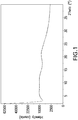
- FIGURE 1 shows an X-ray powder diffraction pattern of a hot melt extrusion formulation of suvorexant.
- the X-ray powder diffraction pattern indicates that the amorphous form of suvorexant is present.
- the absence of sharp reflections indicate the lack of crystallinity.
- FIGURE 2 shows the modulated differential scanning calorimetry (mDSC) thermogram of a hot melt extrusion formulation of suvorexant.
- mDSC modulated differential scanning calorimetry
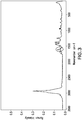
- FIGURE 3 shows the Raman spectrogram of a hot melt extrudate of suvorexant.
- a hot melt extrudate of suvorexant in the amorphous form is characterized by a Raman spectrogram peak at 1614cm-1.
- a hot melt extrudate of suvorexant in the amorphous form is alternatively characterized by a Raman spectrogram peak at 1590cm-1.
- a hot melt extrudate of suvorexant in the amorphous form is alternatively characterized by a Raman spectrogram peak at 1571cm-1.
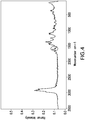
- FIGURE 4 shows the Raman spectrogram of a tablet formulation that comprises a hot melt extrudate of suvorexant.
- a tablet formulation that comprises a hot melt extrudate of suvorexant in the amorphous form is characterized by a Raman spectrogram peak at 1614 cm-1.
- a tablet formulation that comprises a hot melt extrudate of suvorexant in the amorphous form is alternatively characterized by a Raman spectrogram peak at 1590 cm-1.
- a tablet formulation that comprises a hot melt extrudate of suvorexant in the amorphous form is alternatively characterized by a Raman spectrogram peak at 1571 cm-1.
- a tablet formulation that comprises a hot melt extrudate of suvorexant in the amorphous form is alternatively characterized by Raman spectrogram peaks at 1614cm-1, 1590cm-1 and 1571 cm-1.
- FIGURE 5 shows the Raman spectrogram of a hot melt extrudate of suvorexant overlayed with the Raman spectrogram of a tablet formulation that comprises a hot melt extrudate of suvorexant, and further overlayed with the Raman spectrogram of individual excpients in such tablet formulation that comprises a hot melt extrudate of suvorexant.
- Suvorexant is disclosed as having activity in antagonizing the human orexin-1 (OX1) receptor with a Ki of 0.55 nM and in antagonizing the human orexin-2 (OX2) receptor with a Ki of 0.35 nM.
- the present invention may have benefits such as providing greater solubility of suvorexant and/or a faster dissolution rate than standard formulations of the compound, which may improve bioavailability of the compound, may facilitate a faster onset of therapeutic action, may reduce variability of therapeutic response among subjects, and may reduce any food effect.
- compositions comprising the concentration-enhancing polymer increase the concentration of suvorexant in an aqueous environment, such as water, the gastrointestinal (GI) tract, or a simulated GI fluid prepared for in vitro laboratory tests relative to a control composition comprising an equivalent amount of suvorexant without polymer.
- an aqueous environment such as water, the gastrointestinal (GI) tract, or a simulated GI fluid prepared for in vitro laboratory tests relative to a control composition comprising an equivalent amount of suvorexant without polymer.
- GI gastrointestinal
- suvorexant provides a higher maximum aqueous concentration of suvorexant relative to a control composition having the same concentration of suvorexant but without the concentration-enhancing polymer.
- An inert filler may be used in place of the polymer in the control to keep the suvorexant at the same concentration as in the composition comprising the polymer.
- the polymer increases the maximum concentration of suvorexant in an aqueous solution by at least 25%. In an embodiment of the present invention, the polymer increases the maximum concentration of suvorexant in an aqueous solution by at least 50%. In an embodiment of the present invention, the polymer increases the maximum concentration of suvorexant in an aqueous solution to at least double relative to a control composition. In an embodiment of the present invention, the polymer increases the maximum concentration of suvorexant in an aqueous solution to at least 5-times greater that than that of a control composition. In an embodiment of the present invention, the polymer increases the maximum concentration of suvorexant in an aqueous solution by at least 10-fold. Such large enhancements in concentration may be necessary in order for suvorexant to achieve effective blood levels through oral dosing. Such aqueous solutions are generally supersaturated solutions with respect to suvorexant.
- the compositions of the present invention exhibit an area under the concentration versus time curve (AUC) and a maximum concentration Cmax that is greater than that of a control composition comprising an equivalent quantity of the compound without the concentration-enhancing polymer.
- AUC concentration versus time curve
- the area under the concentration versus time curve (AUC) is at least 25% greater than that of a control composition.
- the AUC is at least 50% greater than that of a control composition containing the same amount of drug but without the polymer.
- the area under the AUC is at least double than that of a control composition containing the same amount of drug but without the polymer. In an embodiment of the present invention, the area under the AUC is at least 5-times greater than that of a control composition containing the same amount of drug but without the polymer. In an embodiment of the present invention, the area under the AUC is at least 10-fold greater than that of a control composition containing the same amount of drug but without the polymer. In an embodiment of the present invention, the area under the AUC is at least 15-fold greater than that of a control composition containing the same amount of drug but without the polymer. In an embodiment of the present invention, the area under the AUC is at least 20-fold greater than that of a control composition containing the same amount of drug but without the polymer.
- the Cmax is increased by at least 25% relative to a control composition without the concentration-enhancing polymer after it is administered to a test animal or patient. In an embodiment of the present invention, the Cmax is increased by at least 50% relative to a control composition without the polymer after it is administered to a test animal or patient. In an embodiment of the present invention, the Cmax is increased by at least double relative to a control composition without the polymer after it is administered to a test animal or patient. In an embodiment of the present invention, the Cmax is also increased by at least 5-times greater that than that of a control composition without the polymer after it is administered to a test animal or patient.
- the Cmax is also increased by at least 10 times greater than the drug concentration of a control composition without the polymer after it is administered to a test animal or patient. In an embodiment of the present invention, the Cmax is also increased by at least 20 times greater than the drug concentration of a control composition without the polymer after it is administered to a test animal or patient. In an embodiment of the present invention, the Cmax is also increased by at least 30 times greater than the drug concentration of a control composition without the polymer after it is administered to a test animal or patient. In an embodiment of the present invention, the Cmax is also increased by at least 40 times greater than the drug concentration of a control composition without the polymer after it is administered to a test animal or patient.
- compositions of the present invention exhibit improved in vivo bioavailability compared with formulations that do not have the concentration-enhancing polymer.
- the compound suvorexant is absorbed more rapidly after oral administration of these formulations.
- the AUC of the drug and the maximal concentration of the drug in the blood or serum are increased when the formulations are administered to a patient.
- compositions of the present invention that employ a concentration-enhancing polymer that is a pH-insensitive polymer may exhibit a time to peak concentration (Tmax) that is shorter than that of a composition comprising an equivalent quantity of the compound that employ a concentration-enhancing polymer that is not a pH-insensitive polymer. Accordingly, the use of a concentration-enhancing polymer that is a pH-insensitive polymer may help to reduce the food effect that otherwise delays the Tmax when a formulation of suvorexant is administered with food (such as a high fat meal).
- Oral administration of a pharmaceutical composition of the present invention surprisingly reduces the food effect, that is, oral administration of a formulation comprising a composition of the invention provides substantially the same suvorexant exposure and less variability in bioavailability across a patient population regardless of whether the formulation is administered under Fed Conditions or Fasted Conditions.
- oral administration of a formulation comprising a composition of the invention provides substantially the same suvorexant exposure and less variability in bioavailability across a patient population regardless of whether the formulation is administered under Fed Conditions or Fasted Conditions.
- the results of oral administration of a formulation comprising a composition of the invention are compared to those obtained after administration of an equivalent amount of suvorexant in the form of a conventional formulation, under either fed conditions or fasted conditions, the composition of the invention yields increased bioavailability, with lower variability in bioavailability across a population of subjects, and higher exposure levels (AUC) in healthy volunteers to whom it is administered.
- AUC exposure levels
- salts derived from inorganic bases include aluminum, ammonium, calcium, copper, ferric, ferrous, lithium, magnesium, manganic salts, manganous, potassium, sodium, zinc, and the like. Particular embodiments include the ammonium, calcium, magnesium, potassium, and sodium salts. Salts in the solid form may exist in more than one crystal structure, and may also be in the form of hydrates.
- Salts derived from pharmaceutically acceptable organic non-toxic bases include salts of primary, secondary, and tertiary amines, substituted amines including naturally occurring substituted amines, cyclic amines, and basic ion exchange resins, such as arginine, betaine, caffeine, choline, N,N'-dibenzylethylene-diamine, diethylamine, 2-diethylaminoethanol, 2-dimethylaminoethanol, ethanolamine, ethylenediamine, N-ethylmorpholine, N-ethylpiperidine, glucamine, glucosamine, histidine, hydrabamine, isopropylamine, lysine, methylglucamine, morpholine, piperazine, piperidine, polyamine resins, procaine, purines, theobromine, triethylamine, trimethylamine, tripropylamine, tromethamine, and the like.
- basic ion exchange resins such as
- salts may be prepared from pharmaceutically acceptable non-toxic acids, including inorganic and organic acids.
- acids include acetic, benzenesulfonic, benzoic, camphorsulfonic, citric, ethanesulfonic, fumaric, gluconic, glutamic, hydrobromic, hydrochloric, isethionic, lactic, maleic, malic, mandelic, methanesulfonic, mucic, nitric, pamoic, pantothenic, phosphoric, succinic, sulfuric, tartaric, p-toluenesulfonic acid, and the like.
- Particular embodiments include the citric, hydrobromic, hydrochloric, maleic, phosphoric, sulfuric, fumaric, and tartaric acids. It will be understood that, as used herein, references to suvorexant are meant to also include the pharmaceutically acceptable salts.
- Exemplifying the invention is the use of the formulations disclosed in the Examples and herein.
- Suvorexant or a pharmaceutically acceptable salt thereof is useful in antagonizing orexin receptor activity in a patient such as a mammal.
- the present invention is directed to the formulations of suvorexant or a pharmaceutically acceptable salt thereof for use as antagonists of orexin receptor activity.
- primates, especially humans it is possible that a variety of other mammals may be treated according to the method of the present invention.
- the subject treated by the present compositions is generally a mammal, such as a human being, male or female.
- the term "therapeutically effective amount” means the amount of the subject compound that will elicit the biological or medical response of a tissue, system, animal or human that is being sought by the researcher, veterinarian, medical doctor or other clinician. It is recognized that one skilled in the art may affect the neurological and psychiatric disorders by treating a patient presently afflicted with the disorders or by prophylactically treating a patient afflicted with the disorders with an effective amount of the compound of the present invention.
- treatment and “treating” refer to all processes wherein there may be a slowing, interrupting, arresting, controlling, or stopping of the progression of the neurological and psychiatric disorders described herein, but does not necessarily indicate a total elimination of all disorder symptoms, as well as the prophylactic therapy of the mentioned conditions, particularly in a patient who is predisposed to such disease or disorder.
- administration of' and or “administering a” compound should be understood to mean providing a compound of the invention or a prodrug of a compound of the invention to the individual in need thereof.
- composition as used herein is intended to encompass a product comprising the specified ingredients in the specified amounts, as well as any product which results, directly or indirectly, from combination of the specified ingredients in the specified amounts.
- Such term in relation to pharmaceutical composition is intended to encompass a product comprising the active ingredient(s), and the inert ingredient(s) that make up the carrier, as well as any product which results, directly or indirectly, from combination, complexation or aggregation of any two or more of the ingredients, or from dissociation of one or more of the ingredients, or from other types of reactions or interactions of one or more of the ingredients.
- the pharmaceutical compositions of the present invention encompass any composition made by admixing a compound of the present invention and a pharmaceutically acceptable carrier.
- pharmaceutically acceptable it is meant the carrier, diluent or excipient must be compatible with the other ingredients of the formulation and not deleterious to the recipient thereof.
- the formulations of suvorexant or a pharmaceutically acceptable salt thereof may have utility in treating, preventing, ameliorating, controlling or reducing the risk of neurological and psychiatric disorders associated with orexin receptors.
- the formulations of suvorexant or a pharmaceutically acceptable salt thereof may provide: treatments for preventing and treating sleep disorders and sleep disturbances; treating insomnia; enhancing the quality of sleep; augmenting sleep maintenance; increasing REM sleep; increasing stage 2 sleep; decreasing fragmentation of sleep patterns; treating insomnia; enhancing cognition; increasing memory retention; treating or controlling obesity; treating or controlling depression; in a mammalian patient.
- the formulations of suvorexant or a pharmaceutically acceptable salt thereof may also be useful in the prevention, treatment, control, amelioration, or reduction of risk of the diseases, disorders and conditions noted herein.
- the dosage of active ingredient in the compositions of this invention may be varied, however, it is necessary that the amount of the active ingredient be such that a suitable dosage form is obtained.
- the active ingredient may be administered to patients (animals and human) in need of such treatment in dosages that will provide optimal pharmaceutical efficacy. The selected dosage depends upon the desired therapeutic effect, on the route of administration, and on the duration of the treatment.
- the dose will vary from patient to patient depending upon the nature and severity of disease, the patient's weight, special diets then being followed by a patient, concurrent medication, and other factors which those skilled in the art will recognize.
- dosage levels of between 0.0001 to 10 mg/kg. of body weight daily are administered to the patient, e.g., humans and elderly humans, to obtain effective antagonism of orexin receptors.
- the dosage range will generally be about 0.5 mg to 1.0 g. per patient per day which may be administered in single or multiple doses. In one embodiment, the dosage range will be about 0.5 mg to 500 mg per patient per day; in another embodiment about 0.5 mg to 200 mg per patient per day; and in yet another embodiment about 5 mg to 50 mg per patient per day.
- compositions of the present invention may be provided in a solid dosage formulation such as comprising about 0.5 mg to 500 mg active ingredient, or comprising about 1 mg to 250 mg active ingredient.
- the pharmaceutical composition may be provided in a solid dosage formulation comprising about 1 mg, 5 mg, 10 mg, 15 mg, 20 mg, 25 mg, 30 mg, 40 mg, 50 mg, or 100 mg active ingredient.
- the pharmaceutical composition may be provided in a solid dosage formulation comprising about 10 mg, 15 mg, 20 mg, 30 mg, or 40 mg active ingredient.
- the compositions may be provided in the form of tablets containing 1.0 to 1000 milligrams of the active ingredient, such as 1, 5, 10, 15, 20, 25, 50, 75, 100, 150, 200, 250, 300, 400, 500, 600, 750, 800, 900, and 1000 milligrams of the active ingredient for the symptomatic adjustment of the dosage to the patient to be treated.
- the compound may be administered on a regimen of 1 to 4 times per day, such as once or twice per day. In an embodiment of the present invention, the compound may be administered in a regimen of once per day in the evening, such as prior to initiating sleep.
- Suvorexant or a pharmaceutically acceptable salt thereof that is employed in the present invention may be used in combination with one or more other drugs in the treatment, prevention, control, amelioration, or reduction of risk of diseases or conditions for which compounds of the present invention or the other drugs may have utility, where the combination of the drugs together are safer or more effective than either drug alone.
- Such other drug(s) may be administered, by a route and in an amount commonly used therefor, contemporaneously or sequentially with a compound of the present invention.
- a pharmaceutical composition in unit dosage form containing such other drugs and the compound of the present invention is contemplated.
- the combination therapy may also include therapies in which the compound of the present invention and one or more other drugs are administered on different overlapping schedules. It is also contemplated that when used in combination with one or more other active ingredients, the compounds of the present invention and the other active ingredients may be used in lower doses than when each is used singly. Accordingly, the pharmaceutical compositions of the present invention include those that contain one or more other active ingredients, in addition to a compound of the present invention. The above combinations include combinations of a compound of the present invention not only with one other active compound, but also with two or more other active compounds.
- suvorexant or a pharmaceutically acceptable salt thereof that is employed in the present invention may be used in combination with other drugs that are used in the prevention, treatment, control, amelioration, or reduction of risk of the diseases or conditions for which compounds of the present invention are useful.
- Such other drugs may be administered, by a route and in an amount commonly used therefor, contemporaneously or sequentially with a compound of the present invention.
- suvorexant or a pharmaceutically acceptable salt thereof is used contemporaneously with one or more other drugs
- a pharmaceutical composition containing such other drugs in addition to the compound of the present invention is contemplated.
- Such pharmaceutical compositions are prepared without undue experimentation in accordance with the methods described herein and known in the art. Accordingly, the pharmaceutical compositions of the present invention include those that also contain one or more other active ingredients, in addition to a compound of the present invention.
- the weight ratio of suvorexant or a pharmaceutically acceptable salt thereof to the second active ingredient may be varied and will depend upon the effective dose of each ingredient. Generally, an effective dose of each will be used. Thus, for example, when a compound of the present invention is combined with another agent, the weight ratio of the compound of the present invention to the other agent will generally range from about 1000:1 to about 1:1000, such as about 200:1 to about 1:200. Combinations of a compound of the present invention and other active ingredients will generally also be within the aforementioned range, but in each case, an effective dose of each active ingredient should be used. In such combinations the compound of the present invention and other active agents may be administered separately or in conjunction. In addition, the administration of one element may be prior to, concurrent to, or subsequent to the administration of other agent(s).
- compositions of this invention may conveniently be presented in dosage unit form and may be prepared by any of the methods well known in the art of pharmacy. All methods include the step of bringing the active ingredient into association with the carrier which constitutes one or more accessory ingredients.
- the pharmaceutical compositions are prepared by uniformly and intimately bringing the active ingredient into association with a liquid carrier or a finely divided solid carrier or both, and then, if necessary, shaping the product into the desired formulation.
- the active object compound is included in an amount sufficient to produce the desired effect upon the process or condition of diseases.
- composition is intended to encompass a product comprising the specified ingredients in the specified amounts, as well as any product which results, directly or indirectly, from combination of the specified ingredients in the specified amounts.
- compositions intended for oral use may be prepared in accordance with the methods described herein and other method known to the art for the manufacture of pharmaceutical compositions. Such compositions may further contain one or more agents selected from the group consisting of sweetening agents, flavoring agents, coloring agents and preserving agents in order to provide pharmaceutically elegant and palatable preparations. Tablets may contain the active ingredient in admixture with non-toxic pharmaceutically acceptable excipients which are suitable for the manufacture of tablets.
- excipients may be for example, inert diluents, such as calcium carbonate, sodium carbonate, lactose, calcium phosphate or sodium phosphate; granulating and disintegrating agents, for example, corn starch, or alginic acid; binding agents, for example starch, gelatin or acacia, and lubricating agents, for example magnesium stearate, stearic acid or talc.
- the tablets may be uncoated or they may be coated by known techniques to delay disintegration and absorption in the gastrointestinal tract and thereby provide a sustained action over a longer period.
- compositions for oral use may also be presented as hard gelatin capsules wherein the active ingredient is mixed with an inert solid diluent, for example, calcium carbonate, calcium phosphate or kaolin, or as soft gelatin capsules wherein the active ingredient is mixed with water or an oil medium, for example peanut oil, liquid paraffin, or olive oil.
- Aqueous suspensions contain the active materials in admixture with excipients suitable for the manufacture of aqueous suspensions.
- Dispersible powders and granules suitable for preparation of an aqueous suspension by the addition of water provide the active ingredient in admixture with a dispersing or wetting agent, suspending agent and one or more preservatives.
- Bioavailability is determined in vivo by dosing trial formulations and/or other formulations of suvorexant to Beagle dogs at a dose of 5 mg/kg of suvorexant and then measuring the amount of suvorexant in the serum or blood as a function of time. Comparisons are made with other formulations containing the same amount and same concentration of suvorexant, such as a solid formulation with conventional excipients. Dissolution of the formulations in water or simulated gastric fluid can be observed and measured to determine the concentration and rate of dissolution of suvorexant in the fluid using the formulations of this invention or other formulations, including formulations with conventional excipients as controls to determine the improvements in dissolution using the formulations of this invention.
- Spray dried formulations comprised: suvorexant (10-20% w/w); an optional surfactant, such as (1) 2-4% SDS (sodium dodecyl sulfate), (2) 2.5% Vitamin E TPGS, (3) 2% Tween 80, (4) 2% Span 80, or (5) 2% Cremophor EL, or a mixture of two or more of these surfactants; and the balance is either HPMCAS-L, HPMCAS-M, or HPMCAS-H (purchased as AQOAT from Shin Etsu).
- the components were dissolved or suspended in a solvent system, such as acetone, methanol, and mixtures of organic solvents with water (0.5-18% w/v solids), and then spray dried as described below.
- Suvorexant, optional surfactant or surfactants, and polymer were mixed with acetone, methanol, or mixtures of organic solvents with water as follows, yielding a solution (which may be a structured suspension).
- the drug, surfactant, and polymer were dissolved in the solvent.
- the polymer was slow to dissolve and was added to the solvent over an extended period of time with vigorous stirring, such as by using an impeller or magnetic stir bar and stir plate.
- the resulting solution/suspension was stirred for at least an additional 60 min prior to spray drying.
- Spray drying was carried out in a Niro SD Micro spray drier. Heated dry nitrogen and formulation solution were fed concurrently into a two-fluid nozzle and then discharged as a spray into the drying chamber, along with additional heated gas, resulting in rapid evaporation to form particles. The dried particles were carried by the processing gas into a cyclone and then into a bag filter chamber for collection. Three processing rates were controlled and monitored: 1) solution feed rate, 2) processing nitrogen flow rate, and 3) atomizing nitrogen flow rate. The solution feed rate was controlled by an external peristaltic pump, and is ⁇ 5-20 ml/min on a laboratory scale. The atomizing nitrogen rate and processing nitrogen rates were 2-3 kg/hr for atomizing nitrogen and 20-30 kg/hr for processing nitrogen.
- the targeted processing gas temperature at the drying chamber outlet was slightly below the boiling point of the solvent system, although temperatures in the range of 30 to 70 °C were demonstrated to be adequate, and the inlet chamber temperature (at the outlet of the nozzle) was adjusted to obtain the desired outlet temperature.
- An inlet temperature set point of 80-90 °C was typical. Residual solvent levels in the product was typically low ( ⁇ 1 % w/w).
- the processing configuration was similar to Process 1, except that spray drying was carried out in a Niro PSD-1 extended chamber spray drier equipped with a two-fluid nozzle with 1 mm orifice.
- the following processing conditions were controlled or monitored: formulation solution feed rate (2-7.6 kg/hr), processing gas flow rate (35-38 mm H 2 O), atomization ratio (ratio of atomization gas flow rate to feed rate) (0.9-2.8), atomization pressure (0.25-1.5 bar), outlet gas temperature (43-70 °C), and inlet gas temperature (61-134 °C)
- Typical mean particle sizes resulting from the Spray Drying Process 1 ranged from 1 to 30 ⁇ m, with individual particles measuring between ⁇ 1 ⁇ m and >100 ⁇ m, as sampled from the cyclone collection area.
- the majority of particles in the bag filter were 1 ⁇ m or less, although the particles were highly agglomerated.
- spray Drying Process 2 particles were harvested from the cyclone collection chamber only, and the typical mean particle size may be much larger, typically ranging between 5 to 70 ⁇ m.
- the spray dried particles were made into granules as follows.
- the particles were blended in a suitable blender (V or Bohle) with microcrystalline cellulose such as Avicel (a filler), lactose (a filler), croscarmellose sodium (a disintegrant), colloidal silicon dioxide (a glidant), and magnesium stearate (a lubricant).
- V or Bohle suitable blender
- microcrystalline cellulose such as Avicel (a filler), lactose (a filler), croscarmellose sodium (a disintegrant), colloidal silicon dioxide (a glidant), and magnesium stearate (a lubricant).
- the blended powders were then roller compacted into granules, subjected to extragranular lubrication, and filled into capsules.
- a formulation prepared as described above that comprised of 10% (w/w) suvorexant, 40% HPMCAS-LF, 42.5% lactose monohydrate, 6% croscarmellose sodium, 0.5% colloidal silicon dioxide, and 1% magnesium stearate was transferred to capsules, with each capsule containing 50 mg of suvorexant.
- the pharmacokinetic profile of this composition was tested in a panel of 3 fasted beagle dogs with a single dose of 1 mg/kg.
- AUC 0-24 is 52.3 ⁇ 19.1 ⁇ M*hr
- C max is 6.95 ⁇ 2.23 ⁇ M
- T max is 1.0 hr with a range of 1.0-2.0 hr.
- a formulation containing suvorexant without the polymer or spray drying process was made and tested, as follows.
- the non-polymer formulation contained 25% of suvorexant, 3% croscarmellose sodium, 1% magnesium stearate 35.5% microcrystalline cellulose, and 35.5% lactose, and was prepared by roller compaction and compressed into a tablet.
- the pharmacokinetic profile of this composition was measured by administering a single 5 mg/kg dose to a panel of 3 fasted beagle dogs and then measuring the amount of suvorexant in the blood of the dogs for a period of at least 24 hours.
- the pharmacokinetic data was as follows: AUC 0-24 is 3.04 ⁇ 1.40 ⁇ M*hr, C max is 0.34 ⁇ 0.10 ⁇ M, and T max is 2.0 hr with a range of 1.0-2.0 hr.
- the pharmacokinetics are not as good for the "conventional" formulation as for the polymer formulations.
- KollidonVA64 is a copolymer of polyvinylpyrrolidinone and polyvinyl acetate having a co-monomer ratio of about 1.2:1. It is also known as copovidone. It has a glass transition temperature (T g ) of about 110 °C.
- Formulation 1 was made by blending the two components, and then feeding the mixture into a twin screw extruder.
- the mixture was made by combining the KollidonVA64 polymer and suvorexant at room temperature in a Bohle bin blender equipped with a 2 liter bin.
- the pre-extrusion blend was fed into a Thermo Prism 16mm L/D 40:1 Hot Melt Twin Screw Extruder.
- the barrel of the extruder had 10 temperature zones numbered 1-10, with Zone 1 at the entry end of the barrel and Zone 10 just before the die. Zone 1 was not heated and has no temperature measurement. Zones 2-10 each have temperature control, and the temperatures of each of these zones were measured. The temperature of the die was not controlled but can be measured.
- the feed was introduced into Zone 2 through a feed throat. The screws were designed so that mixing occurred across Zones 4 and 5. The mixing ended immediately past the vent port.
- the pre-extrusion mixture was fed into the feed port of the extruder at about 10 g/min from a K-Tron twin-screw gravimetric feeder.
- Zones 2-10 The profile of temperature set points in the extruder for Zones 2-10 was: Zones 2-5, 20 °C; Zones 6-10, 130 °C. The actual temperatures in these zones were: Zone 2, 22-23 °C; Zone 4, 80 °C; Zones 6-10, 180 °C.
- Zone 10 was initially set at 190 °C to avoid pressure during startup, and then the temperature set point was lowered to 180 °C once the extrusion began.
- the temperature of the molten product exiting from the die was 200 °C. There was no appreciable buildup of die pressure.
- the extrudate was clear, and it appeared homogeneous.
- the solid extruded polymer was then milled using a Fitz Mill with a knife configuration, Impact forward, with a 1722-0033 screen at 7500 rpm.
- a formulation was made by blending the two components, and then feeding the mixture into a twin screw extruder.
- the mixture was made by combining the copovidone polymer and suvorexant at room temperature in a bin blender.
- the pre-extrusion blend was fed into a 40/1 L/D twin screw extruder.
- the extruder had 12 temperature zones numbered 1-12, with Zone 1 at the entry end of the barrel and Zone 10 the end of the barrel sections with zone 11 being an adaptor to change the flow regime to a single orifice and zone 12 being a die adaptor. Zone 1 was maintained at low temperatures by cooling water. Zones 2-12 each have temperature control, and the temperatures of each of these zones were measured.
- the feed was introduced into Zone 2 through a side stuffer.
- the screws were designed so that a melt seal was formed at zone 3 allowing moisture venting at zone 4. Mixing occurred across Zones 6 and 7 allowing further moisture venting at zone 8.
- the pre-extrusion mixture was fed into the feed port of the extruder from a twin-screw gravimetric feeder. The screw speed was 300 rpm.
- the profile of temperature set points in the extruder for Zones 2-12 was: Zone 2, 42 °C; Zone 3, 100°C; zone 4, 130°C Zones 5-12, 180 °C.
- the temperature of the molten product exiting from the die was 185 °C. There was no appreciable build-up of die pressure.
- the extrudate was clear, and it appeared homogeneous.
- the extruded material was fed through counter rotating rolls chilled to 10-12 °C to bring the melt below its glass transition temperature and form a brittle glass sheet, that was conveyed to a coarse mill, and broken up into small pieces.
- the extrudate was then further milled using an impact mill with a hammer configuration with a 0.84 mm screen at mill tip speed of 40-45 m/s.
- Formulation 2 was made using the same procedure as was used for Formulation 1.
- the extrusion was carried out under the same general conditions as the extrusion of Formulation 1. The only change was that the temperature of Zones 6-10 was set to 140 °C and Zone 10 was initially set at 150 °C, before lowering back to 140 °C. The temperature of the molten extrudate as it exited from the die was 140 °C. The die pressure was low. The extrudate was milled using the same method as was used for Formulation 1.
- compositions for making tablets containing 8% of suvorexant are shown in the following table.
- the compositions can be varied more broadly.
- suvorexant 0.5-40%; 5-30% copovidone (stabilizing polymer), 0.25-40%; microcrystalline cellulose (filler), 5-95%; lactose (filler), 5-95%; croscarmellose sodium (disintegrant), 1-10%; magnesium stearate (lubricant).
- Representative ranges of the amounts of suvorexant and copovidone are 1-40% and 5-90%, respectively.
- substitutes may be used in place of the polymers and excipients.
- stabilizing polymer - Eudragits acrylate-methacrylate copolymers
- PVP polymer - Eudragits
- HPC polymer - MEC
- HPMCP polymer - MCAS
- HPMCAS polymer CAS
- CAP CAP
- CAT surfactants - SDS, Cremophor (various grades), polysorbates (various grades), Solutol, Gelucires, Spans (various grades), PEG's
- fillers - dicalcium phosphate silicified microcrystalline cellulose, starch, mannitol
- disintegrants - crospovidone sodium starch glycolate, calcium silicate, starch
- optional colorants - red iron oxide, yellow iron oxide, black iron oxide, titanium dioxide, FD&C Blue #2 optional coating - Opadry I, Opadry II, Opadry II HP.
- a vent (or two vents) were located at barrel zones 7, 8, and/or 9. These were ambiently vented to remove water vapor. The remaining barrel sections were closed. All feeders are placed on load cells to continuously monitor changes in weight. The barrel temperature was at room temperature at zone 1, and the temperatures were at about 130 °C at Zone 3 or 4. Zones 5-10 were heated to about 180°C.
- a four hole strand die was used to extrude material onto a chilled roll unit made by ThermoElectron.
- the chilled roll unit used cool water to produce a brittle sheet of extrudate that was subsequently chopped up into particles by a "kibbler" (basically a rotor with perpendicular pegs that wacks at the brittle sheet that is conveyed to the rotor).
- the particles from the kibbler above were milled using a Fitz mill prior to downstream processing/tabletting.
- the milled extrudate was then blended in a suitable blender (V or Tote) with microcrystalline cellulose (e.g. Avicel) (a filler), lactose (a filler), and croscarmellose sodium (a disintegrant).
- the blend was then lubricated with magnesium stearate.
- the lubricated blend is compressed into tablets. The compressed tablets may optionally be coated.
- the pharmacokinetic profile of this composition of suvorexant was tested by administering a single dose of the formulation at a dose of 5 mg/kg to panels of 3 fasted beagle dogs and measuring the concentration of suvorexant in the blood for a period of at least 24 hours.
- the pharmacokinetic measurements of suvorexant were as follows: AUC0-24 ( ⁇ M-hr) 2.82 ⁇ 0.493; Cmax ( ⁇ M) 0.587 ⁇ 0.182; Tmax (hr) 1.0 (0.5-2.0).
- this composition of suvorexant helped to reduce the food effect when a formulation of suvorexant is administered with food (such as a high fat meal).
- a single, oral dose of this composition of suvorexant 40 mg was administered to 7 subjects in a fasted state (following an 8-hour fast), and a single, oral dose of this composition of suvorexant (40 mg) was administered to 7 different subjects following a standard high-fat breakfast.
- the 7 subjects in each treatment groups were crossed over and received the other treatment.
- AUC 0- ⁇ and C max for this composition of suvorexant remained unchanged after administration with a high fat breakfast compared to administration in a fasted state.
- the fed/fasted GMR and 90% confidence intervals for AUC 0-inf were 0.98 (0.90, 1.07).
- the fed/fasted GMR and 90% confidence intervals for C max were 1.09 (0.90, 1.33).
- Median T max was 3.0 hours after a high fat breakfast and 2.0 hours in a fasted state.
- Mean apparent terminal t 1 ⁇ 2 when administered after a high fat breakfast was largely unchanged compared to administration in a fasted state, with t 1 ⁇ 2 values of 11.8 and 10.9 hours respectively.
Landscapes
- Health & Medical Sciences (AREA)
- Life Sciences & Earth Sciences (AREA)
- Chemical & Material Sciences (AREA)
- Pharmacology & Pharmacy (AREA)
- Veterinary Medicine (AREA)
- Public Health (AREA)
- General Health & Medical Sciences (AREA)
- Medicinal Chemistry (AREA)
- Animal Behavior & Ethology (AREA)
- Engineering & Computer Science (AREA)
- Bioinformatics & Cheminformatics (AREA)
- Chemical Kinetics & Catalysis (AREA)
- Nuclear Medicine, Radiotherapy & Molecular Imaging (AREA)
- General Chemical & Material Sciences (AREA)
- Organic Chemistry (AREA)
- Epidemiology (AREA)
- Neurology (AREA)
- Neurosurgery (AREA)
- Biomedical Technology (AREA)
- Diabetes (AREA)
- Biophysics (AREA)
- Molecular Biology (AREA)
- Inorganic Chemistry (AREA)
- Pain & Pain Management (AREA)
- Psychiatry (AREA)
- Hematology (AREA)
- Endocrinology (AREA)
- Obesity (AREA)
- Hospice & Palliative Care (AREA)
- Cardiology (AREA)
- Anesthesiology (AREA)
- Heart & Thoracic Surgery (AREA)
- Pulmonology (AREA)
- Child & Adolescent Psychology (AREA)
- Nutrition Science (AREA)
- Emergency Medicine (AREA)
- Otolaryngology (AREA)
- Psychology (AREA)
- Pharmaceuticals Containing Other Organic And Inorganic Compounds (AREA)
- Medicinal Preparation (AREA)
Description
- The orexins (hypocretins) comprise two neuropeptides produced in the hypothalamus: the orexin A (OX-A) (a 33 amino acid peptide) and the orexin B (OX-B) (a 28 amino acid peptide) (Sakurai T. et al., Cell, 1998, 92, 573-585). Orexins are found to stimulate food consumption in rats suggesting a physiological role for these peptides as mediators in the central feedback mechanism that regulates feeding behavior (Sakurai T. et al., Cell, 1998, 92, 573-585). Orexins regulate states of sleep and wakefulness opening potentially novel therapeutic approaches for narcoleptic or insomniac patients (Chemelli R.M. et al., Cell, 1999, 98, 437-451). Orexins have also been indicated as playing a role in arousal, reward, learning and memory (Harris, et al., Trends Neurosci., 2006, 29 (10), 571-577). Two orexin receptors have been cloned and characterized in mammals. They belong to the super family of G-protein coupled receptors (Sakurai T. et al., Cell, 1998, 92, 573-585): the orexin-1 receptor (OX or OX1R) is selective for OX-A and the orexin-2 receptor (OX2 or OX2R) is capable to bind OX-A as well as OX-B. The physiological actions in which orexins are presumed to participate are thought to be expressed via one or both of
OX 1 receptor and OX 2 receptor as the two subtypes of orexin receptors. - Orexin receptors are found in the mammalian brain and the scientific literature suggests that they may be involved in various pathologies such as depression; anxiety; addictions; obsessive compulsive disorder; affective neurosis; depressive neurosis; anxiety neurosis; dysthymic disorder; behaviour disorder; mood disorder; sexual dysfunction; psychosexual dysfunction; sex disorder; schizophrenia; manic depression; delirium; dementia; severe mental retardation and dyskinesias such as Huntington's disease and Tourette syndrome; eating disorders such as anorexia, bulimia, cachexia, and obesity; addictive feeding behaviors; binge/purge feeding behaviors; cardiovascular diseases; diabetes; appetite/taste disorders; emesis, vomiting, nausea; asthma; cancer; Parkinson's disease; Cushing's syndrome/disease; basophile adenoma; prolactinoma; hyperprolactinemia; hypophysis tumour/adenoma; hypothalamic diseases; inflammatory bowel disease; gastric diskinesia; gastric ulcers; Froehlich's syndrome; adrenohypophysis disease; hypophysis disease; adrenohypophysis hypofunction; adrenohypophysis hyperfunction; hypothalamic hypogonadism; Kallman's syndrome (anosmia, hyposmia); functional or psychogenic amenorrhea; hypopituitarism; hypothalamic hypothyroidism; hypothalamic-adrenal dysfunction; idiopathic hyperprolactinemia; hypothalamic disorders of growth hormone deficiency; idiopathic growth deficiency; dwarfism; gigantism; acromegaly; disturbed biological and circadian rhythms; sleep disturbances associated with diseases such as neurological disorders, neuropathic pain and restless leg syndrome; heart and lung diseases, acute and congestive heart failure; hypotension; hypertension; urinary retention; osteoporosis; angina pectoris; myocardinal infarction; ischemic or haemorrhagic stroke; subarachnoid haemorrhage; ulcers; allergies; benign prostatic hypertrophy; chronic renal failure; renal disease; impaired glucose tolerance; migraine; hyperalgesia; pain; enhanced or exaggerated sensitivity to pain such as hyperalgesia, causalgia, and allodynia; acute pain; burn pain; atypical facial pain; neuropathic pain; back pain; complex regional pain syndrome I and II; arthritic pain; sports injury pain; pain related to infection e.g. HIV, post-chemotherapy pain; post-stroke pain; post-operative pain; neuralgia; emesis, nausea, vomiting; conditions associated with visceral pain such as irritable bowel syndrome, and angina; migraine; urinary bladder incontinence e.g. urge incontinence; tolerance to narcotics or withdrawal from narcotics; sleep disorders; sleep apnea; narcolepsy; insomnia; parasomnia; jet lag syndrome; and neurodegenerative disorders including nosological entities such as disinhibition-dementia-parkinsonism-amyotrophy complex; pallido-ponto-nigral degeneration; epilepsy; seizure disorders and other diseases related to general orexin system dysfunction.
- The compound of the formula I:

7,951,797 , US Patent Application PublicationUS 2008/0132490 ,PCT Patent Publication WO 2008/069997 , Cox et al., J. Med. Chem. 2010, 53, 5320-5332, Strotman et al., JACS, 2011, 133(21), 8362-8371, Baxter et al., Org. Process Res. & Dev., 2011, 15(2) 367-375. This compound may be named as, e.g., "5-chloro-2-{(5R)-5-methyl-4-[5-methyl-2-(2H-1,2,3-triazol-2-yl)benzoyl]-1,4-diazepan-1 -yl}-1,3-benzoxazole," "[(R)-4-(5-chloro-benzooxazol-2-yl)-7-methyl-[1,4]diazepan-1-yl]-(5-methyl-2-[1,2,3]triazol-2-yl-phenyl)-methanone" or " [(7R)-4-(5-chloro-1 ,3-benzoxazol-2-yl)-7-methyl-1,4-diazepan-1-yl][5-methyl-2-(2H-1,2,3-triazol-2-yl)phenyl]methanone." - Pharmaceutical compositions providing enhanced drug concentrations are disclosed in
US 8,026,286 andUS 2010/227903 . - The present invention is directed to a pharmaceutical composition comprising the compound suvorexant, or a pharmaceutically acceptable salt thereof, a polymer, and optionally a pharmaceutically acceptable surfactant.
-
-
FIG. 1 shows the X-ray powder diffraction (XRPD) pattern of a hot melt extrusion formulation of suvorexant. -
FIG. 2 shows the modulated differential scanning calorimetry (mDSC) thermogram of a hot melt extrusion formulation of suvorexant. -
FIG. 3 shows the Raman spectrogram of a hot melt extrudate of suvorexant. -
FIG. 4 shows the Raman spectrogram of a tablet formulation that comprises a hot melt extrudate of suvorexant. -
FIG. 5 shows the Raman spectrogram of a hot melt extrudate of suvorexant overlayed with the Raman spectrogram of a tablet formulation that comprises a hot melt extrudate of suvorexant, and further overlayed with the Raman spectrogram of individual excpients in such tablet formulation that comprises a hot melt extrudate of suvorexant. - The present invention is directed to a pharmaceutical composition comprising:
- (1) suvorexant, or a pharmaceutically acceptable salt thereof;
- (2) a polymer, selected from hydroxypropyl methyl cellulose acetate succinate (HPMCAS), polyvinylpyrrolidinone and polyvinylpyrrolidinone-polyvinylacetate copolymers; and
- (3) optionally one or more surfactants.
- The polymer forms an amorphous dispersion with suvorexant, that is insoluble or almost completely insoluble in water by (a) dissolving the suvorexant or (b) interacting with the suvorexant in such a way that the suvorexant does not form crystals or crystalline domains in the polymer. The polymer is water soluble or readily disperses in water, so that when the polymer is placed in water or an aqueous environment (e.g. fluids in the gastrointestinal (GI) tract or simulated GI fluids), the solubility and/or bioavailability of suvorexant is increased over the solubility or bioavailability in the absence of the polymer.
- One class of polymers suitable for use with the present invention comprises the neutral non-cellulosic polymers polyvinylpyrrolidone and polyvinylpyrrolidinone-polyvinyl acetate copolymers. A representative copolymer is copovidone. These copolymers are often sold under the Kollidon VA64 or Plasdone S630 trademarks. A representative copolymer is polyvinyl caprolactam-polyvinly acetate-polyethylene glycol graft copolymer. This copolymer is often sold under the Soluplus trademark.
- Exemplary cellulosic polymers that are at least partially ionized at physiologically relevant pH's include: hydroxypropyl methyl cellulose acetate succinate. This is a cellulosic ionizable polymer that possesess a non-aromatic carboxylate substituent.
- In an embodiment of the present invention, the polymer is hydroxypropyl methyl cellulose acetate succinate (HPMCAS).
- In an embodiment of the present invention, the polymer is a polyvinylpyrrolidinone. In an embodiment of the present invention, the polymer is polyvinyl pyrrolidinone/vinyl acetate copolymer.
- When specific polymers that are suitable for use in the compositions of the present invention are blended, the blends of such polymers may also be suitable. Thus, the term "polymer" is intended to include blends of polymers in addition to a single species of polymer.
- The pharmaceutical composition of the present invention may optionally comprise one or more surfactants, which may be ionic or nonionic surfactants. The surfactants can increase the rate of dissolution by facilitating wetting, thereby increasing the maximum concentration of dissolved drug. The surfactants may also make the dispersion easier to process. Surfactants may also stabilize the amorphous dispersions by inhibiting crystallization or precipitation of the drug by interacting with the dissolved drug by such mechanisms as complexation, formation of inclusion complexes, formation of micelles, and adsorption to the surface of the solid drug. Suitable surfactants include cationic, anionic, and nonionic surfactants. These include for example fatty acids and alkyl sulfonates; cationic surfactants such as benzalkonium chloride (Hyamine 1622, available from Lonza, Inc., Fairlawn, New Jersey); anionic surfactants, such as dioctyl sodium sulfosuccinate (Docusate Sodium, available from Mallinckrodt Spec. Chem., St. Louis, Missouri) and sodium lauryl sulfate (sodium dodecyl sulfate); sorbitan fatty acid esters (SPAN series of surfactants); Vitamin E TPGS; polyoxyethylene sorbitan fatty acid esters (Tween series of surfactants, available from ICI Americas Inc., Wilmington, Delaware); polyoxyethylene castor oils and hydrogenated castor oils such as Cremophor RH-40 and Cremopher EL; Liposorb P-20, available from Lipochem Inc., Patterson New Jersey; Capmul POE-0, available from Abitec Corp., Janesville, Wisconsin), and natural surfactants such as sodium taurocholic acid, 1-palmitoyl-2-oleoyl-sn-glycero-3-phosphocholine, lecithin, and other phospholipids and mono- and diglycerides.
- The pharmaceutical composition of the present invention may optionally comprise other excipients, such as one or more disintegrants, diluents or lubricants. Representative disintegrants may include croscarmellose sodium, sodium starch glycolate, crospovidone, and starch. Representative glidants may include silicon dioxide and talc. Representative lubricants may include magnesium stearate, stearic acid, and sodium stearyl fumarate. Representative diluents may include microcrystalline cellulose, lactose, and mannitol.
- An embodiment of the present invention is directed to a pharmaceutical composition that comprises a polymer and 4-40% of suvorexant, or a pharmaceutically acceptable salt thereof. An embodiment of the present invention is directed to a pharmaceutical composition that comprises a polymer and 6-20% of suvorexant, or a pharmaceutically acceptable salt thereof. An embodiment of the present invention is directed to a pharmaceutical composition that comprises a polymer and 8-15% of suvorexant, or a pharmaceutically acceptable salt thereof. In an embodiment of the present invention, formulations of copovidone with suvorexant and an optional surfactant may comprise 4% -40% suvorexant and 0-10% surfactant, with the balance of the formulation being copovidone. In an embodiment of the present invention, formulations of Kollidon VA64 with suvorexant and an optional surfactant may comprise 4% -40% suvorexant and 0-10% surfactant, with the balance of the formulation being Kollidon VA64. In an embodiment of the present invention, formulations of Soluplus with suvorexant and an optional surfactant may comprise 4% -40% suvorexant and 0-10% surfactant, with the balance of the formulation being Soluplus. In an embodiment of this invention, formulations of HPMCAS with suvorexant and an optional surfactant may comprise 4% -40% suvorexant and 0-10% surfactant, with the balance of the formulation being HPMCAS.
- The pharmaceutical compositions of the present invention are prepared by processes that are suitable for causing a compound (the drug) to form a dispersion (also referred to as an amorphous dispersion) in the polymer such that the drug is generally amorphous or dissolved in the polymer or a component of the composition, such as a surfactant. The dispersions are stable, and the drug does not form crystals or other insoluble particles. Such methods include solution methods, such as spray drying, spray coating, freeze-drying, and evaporation of a co-solvent under vacuum or by heating a solution of polymer and drug. Such methods also include methods that blend the solid drug with the polymer in the molten state, such as hot melt extrusion, and methods of compounding the solid non-molten polymer and drug under heat and pressure to form a dispersion.
- Another aspect of the present invention is directed to a process for preparing a composition comprising suvorexant, or a pharmaceutically acceptable salt thereof molecularly dispersed in or dissolved in a polymer. The polymer used in a composition of the invention has the following properties: (i) suvorexant is soluble in the polymer; (ii) suvorexant forms a solution or dispersion behaving as a eutectic which has a melting point below the melting point of suvorexant; (iii) when suvorexant is admixed with the selected polymer(s) and heated it apparently acts as a fluxing agent to promote melting the polymer and promote dissolution of suvorexant into the polymer. In some embodiments the process for preparing a composition of the invention comprises: (i) forming a admixture of suvorexant and the selected polymer; (ii) forming a molten dispersion by heating the admixture to a temperature above about 60°C and below about 200°C, optionally with stirring of the molten dispersion; (iii) cooling the dispersion provided in Step (ii) to form a solid; and (iv) optionally forming a shaped mass from the dispersion either before or contemporaneously with Cooling Step (iii).
- Processes for making pharmaceutical compositions of suvorexant with a polymer include (a) hot melt extrusion and (b) spray drying. In an embodiment of the present invention, polymers for use in these processes are polyvinylpyrrolidinone, polyvinylpyrrolidinone-polyvinylacetate copolymers (for example copovidone), and HPMCAS. In an embodiment of the present invention, polymers for use in hot melt extrusion are polyvinylpyrrolidinone and polyvinylpyrrolidinone-polyvinylacetate copolymers (copovidone such as Kollidon VA64 or Plasdone S630). In an embodiment of the present invention, the polymer for use in hot melt extrusion is copovidone. In an embodiment of the present invention, the polymer for use in hot melt extrusion is Kollidon VA64. In an embodiment of the present invention, polymers for spray drying is HPMCAS.
- Both of these processes are well known in the art. In spray drying, the polymer, active compound, and other optional ingredients, such as surfactants, are dissolved in a solvent and are then sprayed through a nozzle as a fine spray into a chamber where the solvent is evaporated quickly to make fine particles comprising polymer, drug, and optional other ingredients. The solvent is any solvent in which all of the components of the composition are soluble and which is readily evaporated in a spray drier. The solvent should also be suitable for use in preparing pharmaceutical compositions. Exemplary solvents are acetone, methanol and ethanol. Methanol and acetone are preferred. In hot melt extrusion, the polymer, drug, and optional surfactants are mixed together in a wet granulation process or other mixing process, and then the mixture of polymer, drug and surfactant are fed into the chamber of an extruder, preferably a twin screw extruder to obtain better mixing, and are then thoroughly melted and mixed to make an amorphous dispersion. In an embodiment of the present invention, chemical or physical foaming of the amorphous dispersion may be employed. Amorphous dispersion that has been subjected to foaming may improve milling performance and provide more rapid dissolution through increased surface area.
- In accordance with the present invention, a melt can be prepared in any convenient apparatus in which an admixture of suvorexant and polymer can be heated and optionally stirred. Solidification can be carried out by merely cooling the melt by any means convenient and in any container convenient. Once a solid is obtained, the solid can be further mechanically processed to provide a convenient form for incorporation into a medicament, for example, tablets or capsules.
- It will be appreciated that other methods of preparing a melt, solidifying it, and forming the solid into conveniently sized particles can be utilized without departing from the scope of the invention. For example, conveniently, compositions of the invention may be prepared using an extruder. When an extruder is employed to prepare compositions of the invention, conveniently, the material may be introduced into the extruder either in a pre-flux state, that is, as a dry admixture, or in a fluxed state, that is in a melted, plastic, or semi-solid state achieved after the application of sufficient heat to the admixture to cause the suvorexant to dissolve in the polymer, optionally when a fluxed charge is prepared, blending may be employed during heating to promote uniformity of the fluxed material.
- If the material is introduced to the extruder in a fluxed state, residence time in the extruder is selected to be just sufficient to insure homogeneity of the composition and the temperature is preferably maintained in the extruder at a level just sufficient to insure that the material maintains its plasticity so that it can be extruded into a conveniently shaped extrudate. If the material is introduced into an extruder in a pre-flux state, the extruder components, for example, the barrels and any mixing chamber present in the equipment, will be maintained at a temperature sufficient to promote fluxing of the admixture. Temperatures selected for use in processing a composition will also take into account that blending which occurs within the extruder equipment, for example, in a mixing section of the barrels, will also contribute to localized fluxing of the admixture by imparting shear-stresses that induce heating in the mixture. Additionally it will be appreciated that equipment temperatures and residence times will be selected to minimize the amount of time that the admixture placed into the extruder spends under conditions of heating and/or shear stress so as to minimize the amount of suvorexant which is decomposed during formation of the composition, as discussed above. In general, extrusion processes in which heating is applied to the material extruded are termed "hot-melt/extrusion processes." When compositions of the present invention are prepared using extruder equipment, the extrudate thus provided can be in any convenient shape, for example, noodles, cylinders, bars, or the like. If desired, the extrudate can be further processed, for example by milling, to provide a particulate form of the composition.
- In an alternate embodiment, the present invention is directed to an amorphous form of the compound suvorexant. In an alternate embodiment, the present invention is directed to an isolated amorphous form of the compound suvorexant. In an embodiment of the present invention, the pharmaceutical composition of suvorexant and concentration-enhancing polymer is prepared according to any known process which results in at least a major portion of suvorexant is present in the amorphous state relative to other morphological forms of suvorexant. These processes include mechanical processes, such as milling and extrusion; melt processes, such as high temperature fusion, hot melt extrusion, solvent modified fusion, and melt congealing processes; and solvent processes, including non-solvent precipitation processes, spray coating, and spray-drying. Although the dispersions of the present invention may be made by any of these processes, in an embodiment of the invention suvorexant in the pharmaceutical composition is substantially amorphous and is substantially homogeneously distributed throughout the polymer.
- In an alternate embodiment, the present invention is directed to suvorexant in a form which contains at least about 40 wt. % of the amorphous form relative to other morphological forms of suvorexant. In an alternate embodiment, the present invention is directed to suvorexant in a form which contains at least about 50 wt. % of the amorphous form relative to other morphological forms of suvorexant. In an alternate embodiment, the present invention is directed to suvorexant in a form which contains at least about 60 wt. % of the amorphous form relative to other morphological forms of suvorexant. In an alternate embodiment, the present invention is directed to suvorexant in a form which contains at least about 70 wt. % of the amorphous form relative to other morphological forms of suvorexant. In an alternate embodiment, the present invention is directed to suvorexant in a form which contains at least about 80 wt. % of the amorphous form relative to other morphological forms of suvorexant. In an alternate embodiment, the present invention is directed to suvorexant in a form which contains at least about 90 wt. % of the amorphous form relative to other morphological forms of suvorexant. In an alternate embodiment, the present invention is directed to suvorexant in a form which contains at least about 95 wt. % of the amorphous form relative to other morphological forms of suvorexant. In an alternate embodiment, the present invention is directed to suvorexant in a form which contains at least about 98 wt. % of the amorphous form relative to other morphological forms of suvorexant. In an alternate embodiment, the present invention is directed to suvorexant in a form which contains at least about 99 wt. % of the amorphous form relative to other morphological forms of suvorexant. The relative amounts of crystalline and amorphous suvorexant can be determined by several analytical methods, including differential scanning calorimetry (DSC), x-ray powder diffraction (XRPD) and Raman spectroscopy.
- The amorphous form of the compound suvorexant was prepared by dissolving a sample of suvorexant in acetone then removing the acetone. In particular, the amorphous form of the compound suvorexant was prepared by dissolving a sample of suvorexant in acetone, heating the solution to 60°C then removing the acetone on a rotary evaporator. The resultant solid was dried overnight in a vacuum oven at 40°C to remove any remaining solvent. The thermogram and the diffractogram of the resulting material indicated that it was amorphous.
- An embodiment of the present invention is directed to a process for the preparation of an amorphous form of the compound suvorexant which comprises dissolving a sample of suvorexant in acetone then removing the acetone.
- The amorphous form of the compound suvorexant may have benefits relative to other morphological forms of suvorexant such as greater solubility and/or a faster dissolution rate than crystalline forms of the compound, which may improve bioavailability of the compound, may facilitate a faster onset of therapeutic action, may reduce variability of therapeutic response among subjects, and may reduce any food effect.
- X-ray powder diffraction studies are widely used to characterize molecular structures, crystallinity, and polymorphism. The X-ray powder diffraction patterns were generated on a Philips Analytical X'Pert PRO X-ray Diffraction System with PW3040/60 console. A PW3373/00 ceramic Cu LEF X-ray tube K-Alpha radiation was used as the source.
- DSC data were acquired using TA Instruments DSC 2910 or equivalent instrumentation. A sample with a weight between 2 and 6 mg was weighed into a pan and the pan was crimped. This pan was placed in the sample position in the calorimeter cell. An empty pan was placed in the reference position. The calorimeter cell was closed and a flow of nitrogen is passed through the cell. The heating program was set to heat the sample at a heating rate of 10 °C/min to a temperature of approximately 200 °C. When the run was completed, the data were analyzed using the DSC analysis program in the system software. The observed endotherms were integrated between baseline temperature points that are above and below the temperature range over which the endotherm is observed. The data reported are the onset temperature, peak temperature and enthalpy.
- Raman spectroscopy is widely used to determine the composition and morphological character of samples of interest. FT-Raman (Fourier transform Raman) spectra were collected over the range of 50-4000 cm-1 with a Bruker IFS 66v/S system coupled with the FRA106/S Raman attachment. The signal was averaged for 5-10 minutes at a resolution of 4 cm-1 and a laser power of 300-500 mW. The samples were presented to the laser using a spinning stage which that was rotated during the measurement to provide a large sampling volume.
-
FIGURE 1 shows an X-ray powder diffraction pattern of a hot melt extrusion formulation of suvorexant. The X-ray powder diffraction pattern indicates that the amorphous form of suvorexant is present. The absence of sharp reflections indicate the lack of crystallinity. -
FIGURE 2 shows the modulated differential scanning calorimetry (mDSC) thermogram of a hot melt extrusion formulation of suvorexant. As noted by the thermogram, in hot melt extrusion formulations the compound suvorexant is present as an amorphous form that is characterized by a single glass transition temperature. This sample exhibited a single glass transition temperature of approximately 99°C. -
FIGURE 3 shows the Raman spectrogram of a hot melt extrudate of suvorexant. As noted by the spectrogram, a hot melt extrudate of suvorexant in the amorphous form is characterized by a Raman spectrogram peak at 1614cm-1. A hot melt extrudate of suvorexant in the amorphous form is alternatively characterized by a Raman spectrogram peak at 1590cm-1. A hot melt extrudate of suvorexant in the amorphous form is alternatively characterized by a Raman spectrogram peak at 1571cm-1. -
FIGURE 4 shows the Raman spectrogram of a tablet formulation that comprises a hot melt extrudate of suvorexant. As noted by the spectrogram, a tablet formulation that comprises a hot melt extrudate of suvorexant in the amorphous form is characterized by a Raman spectrogram peak at 1614 cm-1. A tablet formulation that comprises a hot melt extrudate of suvorexant in the amorphous form is alternatively characterized by a Raman spectrogram peak at 1590 cm-1. A tablet formulation that comprises a hot melt extrudate of suvorexant in the amorphous form is alternatively characterized by a Raman spectrogram peak at 1571 cm-1. A tablet formulation that comprises a hot melt extrudate of suvorexant in the amorphous form is alternatively characterized by Raman spectrogram peaks at 1614cm-1, 1590cm-1 and 1571 cm-1. -
FIGURE 5 shows the Raman spectrogram of a hot melt extrudate of suvorexant overlayed with the Raman spectrogram of a tablet formulation that comprises a hot melt extrudate of suvorexant, and further overlayed with the Raman spectrogram of individual excpients in such tablet formulation that comprises a hot melt extrudate of suvorexant. - Suvorexant is disclosed as having activity in antagonizing the human orexin-1 (OX1) receptor with a Ki of 0.55 nM and in antagonizing the human orexin-2 (OX2) receptor with a Ki of 0.35 nM. Relative to standard pharmaceutical formulations of suvorexant, the present invention may have benefits such as providing greater solubility of suvorexant and/or a faster dissolution rate than standard formulations of the compound, which may improve bioavailability of the compound, may facilitate a faster onset of therapeutic action, may reduce variability of therapeutic response among subjects, and may reduce any food effect.
- The compositions comprising the concentration-enhancing polymer increase the concentration of suvorexant in an aqueous environment, such as water, the gastrointestinal (GI) tract, or a simulated GI fluid prepared for in vitro laboratory tests relative to a control composition comprising an equivalent amount of suvorexant without polymer. Once the composition is introduced into an aqueous environment, the composition comprising the concentration-enhancing polymer and suvorexant provides a higher maximum aqueous concentration of suvorexant relative to a control composition having the same concentration of suvorexant but without the concentration-enhancing polymer. An inert filler may be used in place of the polymer in the control to keep the suvorexant at the same concentration as in the composition comprising the polymer. In an embodiment of the present invention, the polymer increases the maximum concentration of suvorexant in an aqueous solution by at least 25%. In an embodiment of the present invention, the polymer increases the maximum concentration of suvorexant in an aqueous solution by at least 50%. In an embodiment of the present invention, the polymer increases the maximum concentration of suvorexant in an aqueous solution to at least double relative to a control composition. In an embodiment of the present invention, the polymer increases the maximum concentration of suvorexant in an aqueous solution to at least 5-times greater that than that of a control composition. In an embodiment of the present invention, the polymer increases the maximum concentration of suvorexant in an aqueous solution by at least 10-fold. Such large enhancements in concentration may be necessary in order for suvorexant to achieve effective blood levels through oral dosing. Such aqueous solutions are generally supersaturated solutions with respect to suvorexant.
- In in vivo pharmacokinetics measurements in which the concentration of suvorexant is measured as a function of time in blood or serum after administration of the formulation to a test animal, the compositions of the present invention exhibit an area under the concentration versus time curve (AUC) and a maximum concentration Cmax that is greater than that of a control composition comprising an equivalent quantity of the compound without the concentration-enhancing polymer. In an embodiment of the present invention, the area under the concentration versus time curve (AUC) is at least 25% greater than that of a control composition. In an embodiment of the present invention, the AUC is at least 50% greater than that of a control composition containing the same amount of drug but without the polymer. In an embodiment of the present invention, the area under the AUC is at least double than that of a control composition containing the same amount of drug but without the polymer. In an embodiment of the present invention, the area under the AUC is at least 5-times greater than that of a control composition containing the same amount of drug but without the polymer. In an embodiment of the present invention, the area under the AUC is at least 10-fold greater than that of a control composition containing the same amount of drug but without the polymer. In an embodiment of the present invention, the area under the AUC is at least 15-fold greater than that of a control composition containing the same amount of drug but without the polymer. In an embodiment of the present invention, the area under the AUC is at least 20-fold greater than that of a control composition containing the same amount of drug but without the polymer.
- In an embodiment of the present invention, the Cmax is increased by at least 25% relative to a control composition without the concentration-enhancing polymer after it is administered to a test animal or patient. In an embodiment of the present invention, the Cmax is increased by at least 50% relative to a control composition without the polymer after it is administered to a test animal or patient. In an embodiment of the present invention, the Cmax is increased by at least double relative to a control composition without the polymer after it is administered to a test animal or patient. In an embodiment of the present invention, the Cmax is also increased by at least 5-times greater that than that of a control composition without the polymer after it is administered to a test animal or patient. In an embodiment of the present invention, the Cmax is also increased by at least 10 times greater than the drug concentration of a control composition without the polymer after it is administered to a test animal or patient. In an embodiment of the present invention, the Cmax is also increased by at least 20 times greater than the drug concentration of a control composition without the polymer after it is administered to a test animal or patient. In an embodiment of the present invention, the Cmax is also increased by at least 30 times greater than the drug concentration of a control composition without the polymer after it is administered to a test animal or patient. In an embodiment of the present invention, the Cmax is also increased by at least 40 times greater than the drug concentration of a control composition without the polymer after it is administered to a test animal or patient.
- The pharmaceutical compositions of the present invention exhibit improved in vivo bioavailability compared with formulations that do not have the concentration-enhancing polymer. The compound suvorexant is absorbed more rapidly after oral administration of these formulations. The AUC of the drug and the maximal concentration of the drug in the blood or serum are increased when the formulations are administered to a patient.
- In in vivo pharmacokinetics measurements in which the concentration of suvorexant is measured as a function of time in blood or serum after administration of the formulation to a test animal or human patient upon co-administration with food (such as a high fat meal), the compositions of the present invention that employ a concentration-enhancing polymer that is a pH-insensitive polymer may exhibit a time to peak concentration (Tmax) that is shorter than that of a composition comprising an equivalent quantity of the compound that employ a concentration-enhancing polymer that is not a pH-insensitive polymer. Accordingly, the use of a concentration-enhancing polymer that is a pH-insensitive polymer may help to reduce the food effect that otherwise delays the Tmax when a formulation of suvorexant is administered with food (such as a high fat meal).
- Oral administration of a pharmaceutical composition of the present invention surprisingly reduces the food effect, that is, oral administration of a formulation comprising a composition of the invention provides substantially the same suvorexant exposure and less variability in bioavailability across a patient population regardless of whether the formulation is administered under Fed Conditions or Fasted Conditions. Moreover, when the results of oral administration of a formulation comprising a composition of the invention are compared to those obtained after administration of an equivalent amount of suvorexant in the form of a conventional formulation, under either fed conditions or fasted conditions, the composition of the invention yields increased bioavailability, with lower variability in bioavailability across a population of subjects, and higher exposure levels (AUC) in healthy volunteers to whom it is administered. Moreover, it is believed that similar results are achieved in patients to whom formulation comprising a composition of the invention is administered.
- The term "pharmaceutically acceptable salts" refers to salts prepared from pharmaceutically acceptable non-toxic bases or acids including inorganic or organic bases and inorganic or organic acids. Salts derived from inorganic bases include aluminum, ammonium, calcium, copper, ferric, ferrous, lithium, magnesium, manganic salts, manganous, potassium, sodium, zinc, and the like. Particular embodiments include the ammonium, calcium, magnesium, potassium, and sodium salts. Salts in the solid form may exist in more than one crystal structure, and may also be in the form of hydrates. Salts derived from pharmaceutically acceptable organic non-toxic bases include salts of primary, secondary, and tertiary amines, substituted amines including naturally occurring substituted amines, cyclic amines, and basic ion exchange resins, such as arginine, betaine, caffeine, choline, N,N'-dibenzylethylene-diamine, diethylamine, 2-diethylaminoethanol, 2-dimethylaminoethanol, ethanolamine, ethylenediamine, N-ethylmorpholine, N-ethylpiperidine, glucamine, glucosamine, histidine, hydrabamine, isopropylamine, lysine, methylglucamine, morpholine, piperazine, piperidine, polyamine resins, procaine, purines, theobromine, triethylamine, trimethylamine, tripropylamine, tromethamine, and the like. When the compound employed in the present invention is basic, salts may be prepared from pharmaceutically acceptable non-toxic acids, including inorganic and organic acids. Such acids include acetic, benzenesulfonic, benzoic, camphorsulfonic, citric, ethanesulfonic, fumaric, gluconic, glutamic, hydrobromic, hydrochloric, isethionic, lactic, maleic, malic, mandelic, methanesulfonic, mucic, nitric, pamoic, pantothenic, phosphoric, succinic, sulfuric, tartaric, p-toluenesulfonic acid, and the like. Particular embodiments include the citric, hydrobromic, hydrochloric, maleic, phosphoric, sulfuric, fumaric, and tartaric acids. It will be understood that, as used herein, references to suvorexant are meant to also include the pharmaceutically acceptable salts.
- Exemplifying the invention is the use of the formulations disclosed in the Examples and herein. Suvorexant or a pharmaceutically acceptable salt thereof is useful in antagonizing orexin receptor activity in a patient such as a mammal. The present invention is directed to the formulations of suvorexant or a pharmaceutically acceptable salt thereof for use as antagonists of orexin receptor activity. In addition to primates, especially humans, it is possible that a variety of other mammals may be treated according to the method of the present invention.
- The subject treated by the present compositions is generally a mammal, such as a human being, male or female. The term "therapeutically effective amount" means the amount of the subject compound that will elicit the biological or medical response of a tissue, system, animal or human that is being sought by the researcher, veterinarian, medical doctor or other clinician. It is recognized that one skilled in the art may affect the neurological and psychiatric disorders by treating a patient presently afflicted with the disorders or by prophylactically treating a patient afflicted with the disorders with an effective amount of the compound of the present invention. As used herein, the terms "treatment" and "treating" refer to all processes wherein there may be a slowing, interrupting, arresting, controlling, or stopping of the progression of the neurological and psychiatric disorders described herein, but does not necessarily indicate a total elimination of all disorder symptoms, as well as the prophylactic therapy of the mentioned conditions, particularly in a patient who is predisposed to such disease or disorder. The terms "administration of' and or "administering a" compound should be understood to mean providing a compound of the invention or a prodrug of a compound of the invention to the individual in need thereof.
- The term "composition" as used herein is intended to encompass a product comprising the specified ingredients in the specified amounts, as well as any product which results, directly or indirectly, from combination of the specified ingredients in the specified amounts. Such term in relation to pharmaceutical composition, is intended to encompass a product comprising the active ingredient(s), and the inert ingredient(s) that make up the carrier, as well as any product which results, directly or indirectly, from combination, complexation or aggregation of any two or more of the ingredients, or from dissociation of one or more of the ingredients, or from other types of reactions or interactions of one or more of the ingredients. Accordingly, the pharmaceutical compositions of the present invention encompass any composition made by admixing a compound of the present invention and a pharmaceutically acceptable carrier. By "pharmaceutically acceptable" it is meant the carrier, diluent or excipient must be compatible with the other ingredients of the formulation and not deleterious to the recipient thereof.
- The scientific literature has implicated the orexin receptors in a wide range of biological functions. This has suggested a potential role for these receptors in a variety of disease processes in humans or other species. In accordance with the present invention, the formulations of suvorexant or a pharmaceutically acceptable salt thereof may have utility in treating, preventing, ameliorating, controlling or reducing the risk of neurological and psychiatric disorders associated with orexin receptors. In accordance with the present invention, the formulations of suvorexant or a pharmaceutically acceptable salt thereof may provide: treatments for preventing and treating sleep disorders and sleep disturbances; treating insomnia; enhancing the quality of sleep; augmenting sleep maintenance; increasing REM sleep; increasing stage 2 sleep; decreasing fragmentation of sleep patterns; treating insomnia; enhancing cognition; increasing memory retention; treating or controlling obesity; treating or controlling depression; in a mammalian patient.
- In accordance with the present invention, the formulations of suvorexant or a pharmaceutically acceptable salt thereof may also be useful in the prevention, treatment, control, amelioration, or reduction of risk of the diseases, disorders and conditions noted herein. The dosage of active ingredient in the compositions of this invention may be varied, however, it is necessary that the amount of the active ingredient be such that a suitable dosage form is obtained. The active ingredient may be administered to patients (animals and human) in need of such treatment in dosages that will provide optimal pharmaceutical efficacy. The selected dosage depends upon the desired therapeutic effect, on the route of administration, and on the duration of the treatment. The dose will vary from patient to patient depending upon the nature and severity of disease, the patient's weight, special diets then being followed by a patient, concurrent medication, and other factors which those skilled in the art will recognize. Generally, dosage levels of between 0.0001 to 10 mg/kg. of body weight daily are administered to the patient, e.g., humans and elderly humans, to obtain effective antagonism of orexin receptors. The dosage range will generally be about 0.5 mg to 1.0 g. per patient per day which may be administered in single or multiple doses. In one embodiment, the dosage range will be about 0.5 mg to 500 mg per patient per day; in another embodiment about 0.5 mg to 200 mg per patient per day; and in yet another embodiment about 5 mg to 50 mg per patient per day. Pharmaceutical compositions of the present invention may be provided in a solid dosage formulation such as comprising about 0.5 mg to 500 mg active ingredient, or comprising about 1 mg to 250 mg active ingredient. The pharmaceutical composition may be provided in a solid dosage formulation comprising about 1 mg, 5 mg, 10 mg, 15 mg, 20 mg, 25 mg, 30 mg, 40 mg, 50 mg, or 100 mg active ingredient. In specific embodiments, the pharmaceutical composition may be provided in a solid dosage formulation comprising about 10 mg, 15 mg, 20 mg, 30 mg, or 40 mg active ingredient. For oral administration, the compositions may be provided in the form of tablets containing 1.0 to 1000 milligrams of the active ingredient, such as 1, 5, 10, 15, 20, 25, 50, 75, 100, 150, 200, 250, 300, 400, 500, 600, 750, 800, 900, and 1000 milligrams of the active ingredient for the symptomatic adjustment of the dosage to the patient to be treated. The compound may be administered on a regimen of 1 to 4 times per day, such as once or twice per day. In an embodiment of the present invention, the compound may be administered in a regimen of once per day in the evening, such as prior to initiating sleep.
- Suvorexant or a pharmaceutically acceptable salt thereof that is employed in the present invention may be used in combination with one or more other drugs in the treatment, prevention, control, amelioration, or reduction of risk of diseases or conditions for which compounds of the present invention or the other drugs may have utility, where the combination of the drugs together are safer or more effective than either drug alone. Such other drug(s) may be administered, by a route and in an amount commonly used therefor, contemporaneously or sequentially with a compound of the present invention. When a compound of the present invention is used contemporaneously with one or more other drugs, a pharmaceutical composition in unit dosage form containing such other drugs and the compound of the present invention is contemplated. However, the combination therapy may also include therapies in which the compound of the present invention and one or more other drugs are administered on different overlapping schedules. It is also contemplated that when used in combination with one or more other active ingredients, the compounds of the present invention and the other active ingredients may be used in lower doses than when each is used singly. Accordingly, the pharmaceutical compositions of the present invention include those that contain one or more other active ingredients, in addition to a compound of the present invention. The above combinations include combinations of a compound of the present invention not only with one other active compound, but also with two or more other active compounds.
- Likewise, suvorexant or a pharmaceutically acceptable salt thereof that is employed in the present invention may be used in combination with other drugs that are used in the prevention, treatment, control, amelioration, or reduction of risk of the diseases or conditions for which compounds of the present invention are useful. Such other drugs may be administered, by a route and in an amount commonly used therefor, contemporaneously or sequentially with a compound of the present invention. When suvorexant or a pharmaceutically acceptable salt thereof is used contemporaneously with one or more other drugs, a pharmaceutical composition containing such other drugs in addition to the compound of the present invention is contemplated. Such pharmaceutical compositions are prepared without undue experimentation in accordance with the methods described herein and known in the art. Accordingly, the pharmaceutical compositions of the present invention include those that also contain one or more other active ingredients, in addition to a compound of the present invention.
- The weight ratio of suvorexant or a pharmaceutically acceptable salt thereof to the second active ingredient may be varied and will depend upon the effective dose of each ingredient. Generally, an effective dose of each will be used. Thus, for example, when a compound of the present invention is combined with another agent, the weight ratio of the compound of the present invention to the other agent will generally range from about 1000:1 to about 1:1000, such as about 200:1 to about 1:200. Combinations of a compound of the present invention and other active ingredients will generally also be within the aforementioned range, but in each case, an effective dose of each active ingredient should be used. In such combinations the compound of the present invention and other active agents may be administered separately or in conjunction. In addition, the administration of one element may be prior to, concurrent to, or subsequent to the administration of other agent(s).
- The pharmaceutical compositions of this invention may conveniently be presented in dosage unit form and may be prepared by any of the methods well known in the art of pharmacy. All methods include the step of bringing the active ingredient into association with the carrier which constitutes one or more accessory ingredients. In general, the pharmaceutical compositions are prepared by uniformly and intimately bringing the active ingredient into association with a liquid carrier or a finely divided solid carrier or both, and then, if necessary, shaping the product into the desired formulation. In the pharmaceutical composition the active object compound is included in an amount sufficient to produce the desired effect upon the process or condition of diseases. As used herein, the term "composition" is intended to encompass a product comprising the specified ingredients in the specified amounts, as well as any product which results, directly or indirectly, from combination of the specified ingredients in the specified amounts.
- Pharmaceutical compositions intended for oral use may be prepared in accordance with the methods described herein and other method known to the art for the manufacture of pharmaceutical compositions. Such compositions may further contain one or more agents selected from the group consisting of sweetening agents, flavoring agents, coloring agents and preserving agents in order to provide pharmaceutically elegant and palatable preparations. Tablets may contain the active ingredient in admixture with non-toxic pharmaceutically acceptable excipients which are suitable for the manufacture of tablets. These excipients may be for example, inert diluents, such as calcium carbonate, sodium carbonate, lactose, calcium phosphate or sodium phosphate; granulating and disintegrating agents, for example, corn starch, or alginic acid; binding agents, for example starch, gelatin or acacia, and lubricating agents, for example magnesium stearate, stearic acid or talc. The tablets may be uncoated or they may be coated by known techniques to delay disintegration and absorption in the gastrointestinal tract and thereby provide a sustained action over a longer period. Compositions for oral use may also be presented as hard gelatin capsules wherein the active ingredient is mixed with an inert solid diluent, for example, calcium carbonate, calcium phosphate or kaolin, or as soft gelatin capsules wherein the active ingredient is mixed with water or an oil medium, for example peanut oil, liquid paraffin, or olive oil. Aqueous suspensions contain the active materials in admixture with excipients suitable for the manufacture of aqueous suspensions. Dispersible powders and granules suitable for preparation of an aqueous suspension by the addition of water provide the active ingredient in admixture with a dispersing or wetting agent, suspending agent and one or more preservatives.
- Several methods for preparing the pharmaceutical formulations of this invention are illustrated in the following Examples. In some cases the order of carrying out the foregoing examples may be varied to facilitate the efficiency of the process or desired properties of the formulation. The following examples are provided so that the invention might be more fully understood.
- Examples of preparations of pharmaceutical formulations are provided below. Bioavailability is determined in vivo by dosing trial formulations and/or other formulations of suvorexant to Beagle dogs at a dose of 5 mg/kg of suvorexant and then measuring the amount of suvorexant in the serum or blood as a function of time. Comparisons are made with other formulations containing the same amount and same concentration of suvorexant, such as a solid formulation with conventional excipients. Dissolution of the formulations in water or simulated gastric fluid can be observed and measured to determine the concentration and rate of dissolution of suvorexant in the fluid using the formulations of this invention or other formulations, including formulations with conventional excipients as controls to determine the improvements in dissolution using the formulations of this invention.
- Spray dried formulations comprised: suvorexant (10-20% w/w); an optional surfactant, such as (1) 2-4% SDS (sodium dodecyl sulfate), (2) 2.5% Vitamin E TPGS, (3) 2% Tween 80, (4) 2% Span 80, or (5) 2% Cremophor EL, or a mixture of two or more of these surfactants; and the balance is either HPMCAS-L, HPMCAS-M, or HPMCAS-H (purchased as AQOAT from Shin Etsu). The components were dissolved or suspended in a solvent system, such as acetone, methanol, and mixtures of organic solvents with water (0.5-18% w/v solids), and then spray dried as described below.
- Suvorexant, optional surfactant or surfactants, and polymer were mixed with acetone, methanol, or mixtures of organic solvents with water as follows, yielding a solution (which may be a structured suspension). The drug, surfactant, and polymer were dissolved in the solvent. The polymer was slow to dissolve and was added to the solvent over an extended period of time with vigorous stirring, such as by using an impeller or magnetic stir bar and stir plate. The resulting solution/suspension was stirred for at least an additional 60 min prior to spray drying.
- Spray drying was carried out in a Niro SD Micro spray drier. Heated dry nitrogen and formulation solution were fed concurrently into a two-fluid nozzle and then discharged as a spray into the drying chamber, along with additional heated gas, resulting in rapid evaporation to form particles. The dried particles were carried by the processing gas into a cyclone and then into a bag filter chamber for collection. Three processing rates were controlled and monitored: 1) solution feed rate, 2) processing nitrogen flow rate, and 3) atomizing nitrogen flow rate. The solution feed rate was controlled by an external peristaltic pump, and is ∼5-20 ml/min on a laboratory scale. The atomizing nitrogen rate and processing nitrogen rates were 2-3 kg/hr for atomizing nitrogen and 20-30 kg/hr for processing nitrogen. The targeted processing gas temperature at the drying chamber outlet was slightly below the boiling point of the solvent system, although temperatures in the range of 30 to 70 °C were demonstrated to be adequate, and the inlet chamber temperature (at the outlet of the nozzle) was adjusted to obtain the desired outlet temperature. An inlet temperature set point of 80-90 °C was typical. Residual solvent levels in the product was typically low (<1 % w/w).
- The processing configuration was similar to
Process 1, except that spray drying was carried out in a Niro PSD-1 extended chamber spray drier equipped with a two-fluid nozzle with 1 mm orifice. The following processing conditions were controlled or monitored: formulation solution feed rate (2-7.6 kg/hr), processing gas flow rate (35-38 mm H2O), atomization ratio (ratio of atomization gas flow rate to feed rate) (0.9-2.8), atomization pressure (0.25-1.5 bar), outlet gas temperature (43-70 °C), and inlet gas temperature (61-134 °C) - At the smaller processing scale, material collection occurred in two areas, the cyclone and the bag filter chambers. Typical mean particle sizes resulting from the
Spray Drying Process 1 ranged from 1 to 30 µm, with individual particles measuring between <1 µm and >100 µm, as sampled from the cyclone collection area. The majority of particles in the bag filter were 1 µm or less, although the particles were highly agglomerated. Under Spray Drying Process 2 conditions, particles were harvested from the cyclone collection chamber only, and the typical mean particle size may be much larger, typically ranging between 5 to 70 µm. - The spray dried particles were made into granules as follows. The particles were blended in a suitable blender (V or Bohle) with microcrystalline cellulose such as Avicel (a filler), lactose (a filler), croscarmellose sodium (a disintegrant), colloidal silicon dioxide (a glidant), and magnesium stearate (a lubricant). The blended powders were then roller compacted into granules, subjected to extragranular lubrication, and filled into capsules.
- A formulation prepared as described above that comprised of 10% (w/w) suvorexant, 40% HPMCAS-LF, 42.5% lactose monohydrate, 6% croscarmellose sodium, 0.5% colloidal silicon dioxide, and 1% magnesium stearate was transferred to capsules, with each capsule containing 50 mg of suvorexant. The pharmacokinetic profile of this composition was tested in a panel of 3 fasted beagle dogs with a single dose of 1 mg/kg. The pharmacokinetic measurements of suvorexant in the blood for a period of 24 hours was as follows: AUC0-24 is 52.3 ± 19.1 µM*hr; Cmax is 6.95 ± 2.23 µM; and Tmax is 1.0 hr with a range of 1.0-2.0 hr.
- For comparison, a formulation containing suvorexant without the polymer or spray drying process was made and tested, as follows. The non-polymer formulation contained 25% of suvorexant, 3% croscarmellose sodium, 1% magnesium stearate 35.5% microcrystalline cellulose, and 35.5% lactose, and was prepared by roller compaction and compressed into a tablet. The pharmacokinetic profile of this composition was measured by administering a single 5 mg/kg dose to a panel of 3 fasted beagle dogs and then measuring the amount of suvorexant in the blood of the dogs for a period of at least 24 hours. The pharmacokinetic data was as follows: AUC0-24 is 3.04 ± 1.40 µM*hr, Cmax is 0.34 ± 0.10 µM, and Tmax is 2.0 hr with a range of 1.0-2.0 hr. The pharmacokinetics are not as good for the "conventional" formulation as for the polymer formulations.
- The following two formulations were made by hot melt extrusion. Amounts are expressed as weight %. KollidonVA64 is a copolymer of polyvinylpyrrolidinone and polyvinyl acetate having a co-monomer ratio of about 1.2:1. It is also known as copovidone. It has a glass transition temperature (Tg) of about 110 °C.
- (1) suvorexant, 20%; Kollidon VA64, 80%.
- (2) suvorexant, 20%; HPMCAS-LG, 80%
-
Formulation 1 was made by blending the two components, and then feeding the mixture into a twin screw extruder. The mixture was made by combining the KollidonVA64 polymer and suvorexant at room temperature in a Bohle bin blender equipped with a 2 liter bin. - The pre-extrusion blend was fed into a Thermo Prism 16mm L/D 40:1 Hot Melt Twin Screw Extruder. The barrel of the extruder had 10 temperature zones numbered 1-10, with
Zone 1 at the entry end of the barrel andZone 10 just before the die.Zone 1 was not heated and has no temperature measurement. Zones 2-10 each have temperature control, and the temperatures of each of these zones were measured. The temperature of the die was not controlled but can be measured. The feed was introduced into Zone 2 through a feed throat. The screws were designed so that mixing occurred acrossZones 4 and 5. The mixing ended immediately past the vent port. The pre-extrusion mixture was fed into the feed port of the extruder at about 10 g/min from a K-Tron twin-screw gravimetric feeder. The screw speed was 100 rpm. The profile of temperature set points in the extruder for Zones 2-10 was: Zones 2-5, 20 °C; Zones 6-10, 130 °C. The actual temperatures in these zones were: Zone 2, 22-23 °C; Zone 4, 80 °C; Zones 6-10, 180 °C. Zone 10 was initially set at 190 °C to avoid pressure during startup, and then the temperature set point was lowered to 180 °C once the extrusion began. The temperature of the molten product exiting from the die was 200 °C. There was no appreciable buildup of die pressure. The extrudate was clear, and it appeared homogeneous. The solid extruded polymer was then milled using a Fitz Mill with a knife configuration, Impact forward, with a 1722-0033 screen at 7500 rpm. - In an alternate procedure, a formulation was made by blending the two components, and then feeding the mixture into a twin screw extruder. The mixture was made by combining the copovidone polymer and suvorexant at room temperature in a bin blender. The pre-extrusion blend was fed into a 40/1 L/D twin screw extruder. The extruder had 12 temperature zones numbered 1-12, with
Zone 1 at the entry end of the barrel andZone 10 the end of the barrel sections with zone 11 being an adaptor to change the flow regime to a single orifice and zone 12 being a die adaptor.Zone 1 was maintained at low temperatures by cooling water. Zones 2-12 each have temperature control, and the temperatures of each of these zones were measured. The feed was introduced into Zone 2 through a side stuffer. The screws were designed so that a melt seal was formed at zone 3 allowing moisture venting at zone 4. Mixing occurred across Zones 6 and 7 allowing further moisture venting at zone 8. The pre-extrusion mixture was fed into the feed port of the extruder from a twin-screw gravimetric feeder. The screw speed was 300 rpm. The profile of temperature set points in the extruder for Zones 2-12 was: Zone 2, 42 °C;Zone 3, 100°C; zone 4, 130°C Zones 5-12, 180 °C. The temperature of the molten product exiting from the die was 185 °C. There was no appreciable build-up of die pressure. The extrudate was clear, and it appeared homogeneous. The extruded material was fed through counter rotating rolls chilled to 10-12 °C to bring the melt below its glass transition temperature and form a brittle glass sheet, that was conveyed to a coarse mill, and broken up into small pieces. The extrudate was then further milled using an impact mill with a hammer configuration with a 0.84 mm screen at mill tip speed of 40-45 m/s. - Formulation 2 was made using the same procedure as was used for
Formulation 1. The extrusion was carried out under the same general conditions as the extrusion ofFormulation 1. The only change was that the temperature of Zones 6-10 was set to 140 °C andZone 10 was initially set at 150 °C, before lowering back to 140 °C. The temperature of the molten extrudate as it exited from the die was 140 °C. The die pressure was low. The extrudate was milled using the same method as was used forFormulation 1. - The formulation composition for making tablets containing 8% of suvorexant are shown in the following table. In accordance with the present invention, the compositions can be varied more broadly.
Component Composition (% w/w) Suvorexant 8% Copovidone 32% Lactose monohydrate 16.5% Microcrystalline cellulose 33 % Croscarmellose sodium 10% Magnesium stearate 0.5% - Representative ranges of the amounts of the components that can be used and their function are as follows: suvorexant (API), 0.5-40%; 5-30% copovidone (stabilizing polymer), 0.25-40%; microcrystalline cellulose (filler), 5-95%; lactose (filler), 5-95%; croscarmellose sodium (disintegrant), 1-10%; magnesium stearate (lubricant). Representative ranges of the amounts of suvorexant and copovidone are 1-40% and 5-90%, respectively.
- In an embodiment of the present invention, substitutes may be used in place of the polymers and excipients. For example, where a trade name or brand name is used, the same materials having other brand or trade names may also be used: stabilizing polymer - Eudragits (acrylate-methacrylate copolymers), PVP, HPC, HPMC, HPMCP, HPMCAS, CAS, CAP, and CAT; Surfactants - SDS, Cremophor (various grades), polysorbates (various grades), Solutol, Gelucires, Spans (various grades), PEG's; fillers - dicalcium phosphate, silicified microcrystalline cellulose, starch, mannitol; disintegrants - crospovidone, sodium starch glycolate, calcium silicate, starch; optional colorants - red iron oxide, yellow iron oxide, black iron oxide, titanium dioxide, FD&C Blue #2; and optional coating - Opadry I, Opadry II, Opadry II HP.
Unit Strength = 10 mg Component mg/ tablet Suvorexant 10 Polyvinylpyrolidone/Vinyl Acetate Copolymer (Kollidon VA64) 40 Lactose monohydrate (316 Fast-Flo) 20.625 Microcrystalline cellulose (Avicel PH102) 41.25 Croscarmellose sodium 12.5 Magnesium stearate 0.625 (Core Tablet Weight 125 mg) Unit Strength = 30 mg Component mg/ tablet Suvorexant 30 Polyvinylpyrolidone/Vinyl Acetate Copolymer (Kollidon VA64) 120 Lactose monohydrate (316 Fast-Flo) 61.875 Microcrystalline cellulose (Avicel PH102) 123.75 Croscarmellose sodium 37.5 Magnesium stearate 1.875 (Core Tablet Weight 375 mg) - The formulations in the table above were made by hot melt extrusion by the following procedure. Suvorexant was fed using a Ktron K20 twin screw powder feeder at
extruder barrel zone 1 through the top feed port of the barrel section (2 kg/hr). Polymer (Kollidon VA64) was fed using a Ktron K20 twin screw powder feeder at extruder barrel zone 2 through a twin screw Leistritz side stuffer with top vent port in the barrel section (8 Kg/hr). - A vent (or two vents) were located at barrel zones 7, 8, and/or 9. These were ambiently vented to remove water vapor. The remaining barrel sections were closed. All feeders are placed on load cells to continuously monitor changes in weight. The barrel temperature was at room temperature at
zone 1, and the temperatures were at about 130 °C at Zone 3 or 4. Zones 5-10 were heated to about 180°C. - A four hole strand die was used to extrude material onto a chilled roll unit made by ThermoElectron. The chilled roll unit used cool water to produce a brittle sheet of extrudate that was subsequently chopped up into particles by a "kibbler" (basically a rotor with perpendicular pegs that wacks at the brittle sheet that is conveyed to the rotor).
- The particles from the kibbler above were milled using a Fitz mill prior to downstream processing/tabletting. The milled extrudate was then blended in a suitable blender (V or Tote) with microcrystalline cellulose (e.g. Avicel) (a filler), lactose (a filler), and croscarmellose sodium (a disintegrant). The blend was then lubricated with magnesium stearate. The lubricated blend is compressed into tablets. The compressed tablets may optionally be coated.
- The pharmacokinetic profile of this composition of suvorexant was tested by administering a single dose of the formulation at a dose of 5 mg/kg to panels of 3 fasted beagle dogs and measuring the concentration of suvorexant in the blood for a period of at least 24 hours. The pharmacokinetic measurements of suvorexant were as follows: AUC0-24 (µM-hr) 2.82 ± 0.493; Cmax (µM) 0.587 ± 0.182; Tmax (hr) 1.0 (0.5-2.0).
- The pharmacokinetic profile of this composition of suvorexant was also tested by administering a single dose of the formulation to healthy human men. In this study, this composition of suvorexant helped to reduce the food effect when a formulation of suvorexant is administered with food (such as a high fat meal). In the first treatment period of this clinical study, a single, oral dose of this composition of suvorexant (40 mg) was administered to 7 subjects in a fasted state (following an 8-hour fast), and a single, oral dose of this composition of suvorexant (40 mg) was administered to 7 different subjects following a standard high-fat breakfast. In the second period of this clinical study, the 7 subjects in each treatment groups were crossed over and received the other treatment.
- As shown in the following table, AUC0-∞ and Cmax for this composition of suvorexant remained unchanged after administration with a high fat breakfast compared to administration in a fasted state. The fed/fasted GMR and 90% confidence intervals for AUC0-inf were 0.98 (0.90, 1.07). The fed/fasted GMR and 90% confidence intervals for Cmax were 1.09 (0.90, 1.33). Median Tmax was 3.0 hours after a high fat breakfast and 2.0 hours in a fasted state. Mean apparent terminal t½ when administered after a high fat breakfast was largely unchanged compared to administration in a fasted state, with t½ values of 11.8 and 10.9 hours respectively.
Pharmacokinetic Parameter Suvorexant Fasted Suvorexant Fed (Suvorexant Fed/Suvorexant Fasted) N GM 95% CI N GM 95% CI GMR 90% CI AUC0-∞ (µM●hr) 12 13.2 (10.60, 16.42) 12 13.0 (10.43, 16.16) 0.98 (0.90, 1.07) Cmax (µM) 13 1.0 (0.79, 1.22) 13 1.1 (0.86, 1.34) 1.09 (0.90, 1.33) Tmax (hr) 13 2.0 1.0, 4.0 13 3.0 1.0, 6.0 1.5 (1.0,3.0) Apparent Terminal t1/2 (hr) 12 10.9 3.4 12 11.8 3.8 -- -- (GM: Geometric Mean, GMR: Geometric Mean ratio, CI: Confidence interval)
Claims (12)
- A pharmaceutical composition comprising:(1) suvorexant, or a pharmaceutically acceptable salt thereof;(2) a polymer, selected from hydroxypropyl methyl cellulose acetate succinate (HPMCAS), polyvinylpyrrolidinone and polyvinylpyrrolidinone-polyvinylacetate copolymers.
- The pharmaceutical composition of Claim 1, wherein the polymer is hydroxypropyl methyl cellulose acetate succinate (HPMCAS).
- The pharmaceutical composition of Claim 1, wherein the polymer is selected from the group consisting of polyvinylpyrrolidinone and polyvinylpyrrolidinone-polyvinylacetate copolymers.
- The pharmaceutical composition of Claim 3, wherein the polymer is a polyvinylpyrrolidinone-polyvinylacetate copolymer.
- The pharmaceutical composition of Claim 3, wherein the polymer is a copovidone copolymer.
- The pharmaceutical composition of Claim 1, wherein the composition optionally comprises one or more surfactants selected from the group consisting of anionic surfactants and nonionic surfactants.
- The pharmaceutical composition of Claim 6, wherein the composition optionally comprises one or more surfactants selected from sodium dodecyl sulfate and one or more nonionic surfactants selected from (a) sorbitan fatty acid esters, (b) polyoxyethylene sorbitan fatty acid esters, (c) polyoxyethylene castor oils, (d) polyoxyethylene hydrogenated castor oils, and (e) vitamin E TPGS; and mixtures thereof.
- The pharmaceutical composition of Claim 1, wherein the aqueous concentration of suvorexant is increased when the composition is placed into an aqueous environment when compared with a control composition comprising an equivalent amount of suvorexant without polymer.
- The pharmaceutical composition of Claim 8, wherein the aqueous concentration of suvorexant is increased by at least 25% when the composition is placed into an aqueous environment when compared with a control composition comprising an equivalent amount of the suvorexant without polymer.
- The pharmaceutical composition of Claim 1, wherein the composition is made by a process selected from: (1) spray drying of a solution comprising suvorexant or a pharmaceutically acceptable salt thereof, the polymer, the optional one or more surfactants, and one or more solvents; and (2) hot melt extrusion of a mixture comprising suvorexant or a pharmaceutically acceptable salt thereof, the polymer, and the optional one or more surfactants.
- The pharmaceutical composition of Claim 10, wherein the composition is made by the spray drying of a solution comprising suvorexant or a pharmaceutically acceptable salt thereof, the polymer, the optional one or more surfactants, and one or more solvents.
- The pharmaceutical composition of Claim 10, wherein the composition is made by hot melt extrusion of a mixture comprising suvorexant or a pharmaceutically acceptable salt thereof, the polymer, and optionally one or more surfactants.
Applications Claiming Priority (3)
| Application Number | Priority Date | Filing Date | Title |
|---|---|---|---|
| US201261653539P | 2012-05-31 | 2012-05-31 | |
| US201361787686P | 2013-03-15 | 2013-03-15 | |
| PCT/US2013/042959 WO2013181174A2 (en) | 2012-05-31 | 2013-05-29 | Solid dosage formulations of an orexin receptor antagonist |
Publications (3)
| Publication Number | Publication Date |
|---|---|
| EP2854816A2 EP2854816A2 (en) | 2015-04-08 |
| EP2854816A4 EP2854816A4 (en) | 2015-10-28 |
| EP2854816B1 true EP2854816B1 (en) | 2020-07-08 |
Family
ID=49674030
Family Applications (1)
| Application Number | Title | Priority Date | Filing Date |
|---|---|---|---|
| EP13796870.7A Active EP2854816B1 (en) | 2012-05-31 | 2013-05-29 | Solid dosage formulations of an orexin receptor antagonist |
Country Status (10)
| Country | Link |
|---|---|
| US (5) | US10098892B2 (en) |
| EP (1) | EP2854816B1 (en) |
| JP (1) | JP6263169B2 (en) |
| KR (1) | KR102123130B1 (en) |
| CN (2) | CN104321059A (en) |
| AU (2) | AU2013267613A1 (en) |
| BR (1) | BR112014025041B8 (en) |
| MX (1) | MX368859B (en) |
| RU (2) | RU2759837C2 (en) |
| WO (1) | WO2013181174A2 (en) |
Families Citing this family (14)
| Publication number | Priority date | Publication date | Assignee | Title |
|---|---|---|---|---|
| JP6263169B2 (en) | 2012-05-31 | 2018-01-17 | メルク・シャープ・アンド・ドーム・コーポレーションMerck Sharp & Dohme Corp. | Solid dosage form of orexin receptor antagonist |
| JP6737708B2 (en) * | 2014-04-17 | 2020-08-12 | サンド・アクチエンゲゼルシヤフト | Solid dispersion containing orexin receptor antagonist |
| WO2015164160A1 (en) * | 2014-04-21 | 2015-10-29 | Merck Sharp & Dohme Corp. | Pharmaceutical salts of an orexin receptor antagonist |
| WO2015180060A1 (en) * | 2014-05-28 | 2015-12-03 | 杭州普晒医药科技有限公司 | Salt of diazacycloheptane compound and crystal form and amorphous substance thereof |
| EP3223803A1 (en) * | 2014-11-24 | 2017-10-04 | INSERM (Institut National de la Santé et de la Recherche Médicale) | Use of ox1r antagonists for the treatment of inflammatory bowel diseases |
| CZ201587A3 (en) | 2015-02-10 | 2016-08-17 | Zentiva, K.S. | Amorphous solid form of suvorexant with sulfuric acid |
| WO2017001499A1 (en) | 2015-06-30 | 2017-01-05 | Hexal Ag | Liquid composition comprising suvorexant |
| WO2017072264A1 (en) | 2015-10-29 | 2017-05-04 | Hexal Ag | Solid composition comprising suvorexant |
| CN105886592A (en) * | 2016-03-02 | 2016-08-24 | 昆明理工大学 | Active pharmaceutical ingredient screening method based on orexin receptor 1 molecular probe |
| EP3454857A1 (en) * | 2016-05-10 | 2019-03-20 | INSERM (Institut National de la Santé et de la Recherche Médicale) | Methods and pharmaceutical compositions for the treatment of autoimmune inflammatory diseases |
| CA3045313A1 (en) * | 2016-12-19 | 2018-06-28 | Druggability Technologies Ip Holdco Limited | Pharmaceutical formulations of suvorexant |
| CA3061267A1 (en) | 2017-04-07 | 2018-10-11 | Maa Laboratories, Inc. | Methods of improving the solubility and bioavailability of therapeutic agents |
| DK3609464T3 (en) * | 2017-04-13 | 2021-08-30 | Jean Paul Remon | XANTHOHUMOL-BASED COMPOSITIONS |
| US11504327B1 (en) | 2019-01-21 | 2022-11-22 | Eric Morrison | Method of preparing nanoparticles by hot-melt extrusion |
Family Cites Families (21)
| Publication number | Priority date | Publication date | Assignee | Title |
|---|---|---|---|---|
| US3222359A (en) | 1965-12-07 | Process for preparing benzodiazepine compounds | ||
| YU43702A (en) * | 1999-12-23 | 2004-11-25 | Pfizer Products Inc. | Pharmaceutical compositions providing enhanced drug concentrations |
| EP1401503B1 (en) * | 2001-06-22 | 2007-05-09 | Pfizer Products Inc. | Pharmaceutical compositions containing a solid dispersion of a poorly-soluble drug and a solubility-enhancing polymer |
| EP1469830A2 (en) * | 2002-02-01 | 2004-10-27 | Pfizer Products Inc. | Method for making homogeneous spray-dried solid amorphous drug dispersions using pressure nozzles |
| WO2007056205A2 (en) | 2005-11-04 | 2007-05-18 | Eastman Chemical Company | Carboxyalkylcellulose esters for administration of poorly soluble pharmaceutically active agents |
| CN101378731B (en) * | 2006-02-09 | 2014-03-05 | 默沙东公司 | Polymer formulations of CETP inhibitors |
| JP2009531447A (en) | 2006-03-29 | 2009-09-03 | メルク エンド カムパニー インコーポレーテッド | Diazepan orexin receptor antagonist |
| PE20081229A1 (en) | 2006-12-01 | 2008-08-28 | Merck & Co Inc | DIAZEPAM OREXIN RECEPTOR ANTAGONISTS REPLACED |
| JP2010526848A (en) * | 2007-05-11 | 2010-08-05 | エフ.ホフマン−ラ ロシュ アーゲー | Pharmaceutical composition for poorly soluble drugs |
| AP2010005341A0 (en) * | 2008-01-11 | 2010-08-31 | Cipla Ltd | Solid pharmaceutical dosage form |
| US7902376B2 (en) | 2008-01-23 | 2011-03-08 | Merck Sharp & Dohme Corp. | Process for preparing chiral dipeptidyl peptidase-IV inhibitor intermediates |
| US20120165339A1 (en) * | 2010-12-22 | 2012-06-28 | Eisai R&D Management Co., Ltd. | Cyclopropane derivatives |
| WO2012148553A1 (en) * | 2011-03-03 | 2012-11-01 | Merck Sharp & Dohme Corp. | Process for the preparation of an orexin receptor antagonist |
| JP6263169B2 (en) * | 2012-05-31 | 2018-01-17 | メルク・シャープ・アンド・ドーム・コーポレーションMerck Sharp & Dohme Corp. | Solid dosage form of orexin receptor antagonist |
| AU2013343027A1 (en) | 2012-11-12 | 2015-06-18 | Dr. Reddy's Laboratories Limited | Polymorphic forms of suvoroxant |
| US20160168138A1 (en) | 2013-07-15 | 2016-06-16 | Dr. Reddy's Laboratories Limted | Process for the preparation of suvorexant and intermediates useful in the synthesis of suvorexant |
| EP3102188A4 (en) | 2014-02-05 | 2017-07-12 | Merck Sharp & Dohme Corp. | Novel disintegration systems for pharmaceutical dosage forms |
| CN103923068B (en) | 2014-02-13 | 2016-09-07 | 武汉珈瑜科技有限公司 | For compound preparing suvorexant and preparation method thereof |
| JP6737708B2 (en) | 2014-04-17 | 2020-08-12 | サンド・アクチエンゲゼルシヤフト | Solid dispersion containing orexin receptor antagonist |
| WO2015164160A1 (en) | 2014-04-21 | 2015-10-29 | Merck Sharp & Dohme Corp. | Pharmaceutical salts of an orexin receptor antagonist |
| WO2015180060A1 (en) | 2014-05-28 | 2015-12-03 | 杭州普晒医药科技有限公司 | Salt of diazacycloheptane compound and crystal form and amorphous substance thereof |
-
2013
- 2013-05-29 JP JP2015515118A patent/JP6263169B2/en active Active
- 2013-05-29 MX MX2014014644A patent/MX368859B/en active IP Right Grant
- 2013-05-29 WO PCT/US2013/042959 patent/WO2013181174A2/en not_active Ceased
- 2013-05-29 AU AU2013267613A patent/AU2013267613A1/en not_active Abandoned
- 2013-05-29 EP EP13796870.7A patent/EP2854816B1/en active Active
- 2013-05-29 KR KR1020147033238A patent/KR102123130B1/en active Active
- 2013-05-29 RU RU2019126797A patent/RU2759837C2/en active
- 2013-05-29 CN CN201380028103.2A patent/CN104321059A/en active Pending
- 2013-05-29 CN CN201811196847.6A patent/CN109078015A/en active Pending
- 2013-05-29 RU RU2014152031A patent/RU2699358C2/en active
- 2013-05-29 BR BR112014025041A patent/BR112014025041B8/en active IP Right Grant
- 2013-05-29 US US14/404,147 patent/US10098892B2/en active Active
-
2018
- 2018-02-22 AU AU2018201279A patent/AU2018201279B2/en active Active
- 2018-08-09 US US16/059,439 patent/US11160811B2/en active Active
-
2021
- 2021-09-14 US US17/474,322 patent/US11980623B2/en active Active
-
2024
- 2024-04-09 US US18/630,275 patent/US12599610B2/en active Active
-
2026
- 2026-03-18 US US19/570,259 patent/US20260207619A1/en active Pending
Non-Patent Citations (1)
| Title |
|---|
| None * |
Also Published As
| Publication number | Publication date |
|---|---|
| RU2699358C2 (en) | 2019-09-05 |
| US20240261299A1 (en) | 2024-08-08 |
| US20220062295A1 (en) | 2022-03-03 |
| WO2013181174A2 (en) | 2013-12-05 |
| US20190038635A1 (en) | 2019-02-07 |
| KR20150014940A (en) | 2015-02-09 |
| JP2015518867A (en) | 2015-07-06 |
| JP6263169B2 (en) | 2018-01-17 |
| AU2013267613A1 (en) | 2014-10-02 |
| EP2854816A4 (en) | 2015-10-28 |
| US20150190402A1 (en) | 2015-07-09 |
| RU2014152031A (en) | 2016-07-20 |
| MX2014014644A (en) | 2015-02-12 |
| RU2759837C2 (en) | 2021-11-18 |
| US11160811B2 (en) | 2021-11-02 |
| BR112014025041B8 (en) | 2023-04-18 |
| CN109078015A (en) | 2018-12-25 |
| US11980623B2 (en) | 2024-05-14 |
| RU2019126797A (en) | 2019-10-07 |
| US12599610B2 (en) | 2026-04-14 |
| RU2019126797A3 (en) | 2020-02-25 |
| WO2013181174A3 (en) | 2014-01-30 |
| AU2018201279B2 (en) | 2019-11-21 |
| US10098892B2 (en) | 2018-10-16 |
| BR112014025041B1 (en) | 2019-10-22 |
| EP2854816A2 (en) | 2015-04-08 |
| US20260207619A1 (en) | 2026-07-23 |
| KR102123130B1 (en) | 2020-06-15 |
| CN104321059A (en) | 2015-01-28 |
| AU2018201279A1 (en) | 2018-03-15 |
| MX368859B (en) | 2019-10-18 |
Similar Documents
| Publication | Publication Date | Title |
|---|---|---|
| US12599610B2 (en) | Solid dosage formulations of an orexin receptor antagonist | |
| EP1983966B1 (en) | Polymer formulations of cetp inhibitors | |
| AU2024216519B2 (en) | Pharmaceutical composition for oral administration comprising aminopyrimidine derivative or its salt | |
| CA2706536C (en) | Amorphous form of heterocyclic compound, solid dispersion and pharmaceutical preparation each comprising the same, and process for production of the same | |
| CN113490492A (en) | Amorphous solid dispersion of pyrazolylamide compound | |
| CA3029948C (en) | Antidiabetic solid pharmaceutical compositions | |
| CA2795550C (en) | Solid dosage formulations of an orexin receptor antagonist | |
| EP4137124B1 (en) | Solid pharmaceutical preparation, preparation method therefor and use thereof |
Legal Events
| Date | Code | Title | Description |
|---|---|---|---|
| PUAI | Public reference made under article 153(3) epc to a published international application that has entered the european phase |
Free format text: ORIGINAL CODE: 0009012 |
|
| 17P | Request for examination filed |
Effective date: 20150105 |
|
| AK | Designated contracting states |
Kind code of ref document: A2 Designated state(s): AL AT BE BG CH CY CZ DE DK EE ES FI FR GB GR HR HU IE IS IT LI LT LU LV MC MK MT NL NO PL PT RO RS SE SI SK SM TR |
|
| AX | Request for extension of the european patent |
Extension state: BA ME |
|
| DAX | Request for extension of the european patent (deleted) | ||
| A4 | Supplementary search report drawn up and despatched |
Effective date: 20150929 |
|
| RIC1 | Information provided on ipc code assigned before grant |
Ipc: A61K 31/551 20060101AFI20150923BHEP Ipc: A61K 9/20 20060101ALI20150923BHEP |
|
| STAA | Information on the status of an ep patent application or granted ep patent |
Free format text: STATUS: EXAMINATION IS IN PROGRESS |
|
| 17Q | First examination report despatched |
Effective date: 20181119 |
|
| GRAP | Despatch of communication of intention to grant a patent |
Free format text: ORIGINAL CODE: EPIDOSNIGR1 |
|
| STAA | Information on the status of an ep patent application or granted ep patent |
Free format text: STATUS: GRANT OF PATENT IS INTENDED |
|
| INTG | Intention to grant announced |
Effective date: 20200131 |
|
| GRAS | Grant fee paid |
Free format text: ORIGINAL CODE: EPIDOSNIGR3 |
|
| GRAA | (expected) grant |
Free format text: ORIGINAL CODE: 0009210 |
|
| STAA | Information on the status of an ep patent application or granted ep patent |
Free format text: STATUS: THE PATENT HAS BEEN GRANTED |
|
| AK | Designated contracting states |
Kind code of ref document: B1 Designated state(s): AL AT BE BG CH CY CZ DE DK EE ES FI FR GB GR HR HU IE IS IT LI LT LU LV MC MK MT NL NO PL PT RO RS SE SI SK SM TR |
|
| REG | Reference to a national code |
Ref country code: GB Ref legal event code: FG4D |
|
| REG | Reference to a national code |
Ref country code: CH Ref legal event code: EP Ref country code: AT Ref legal event code: REF Ref document number: 1287705 Country of ref document: AT Kind code of ref document: T Effective date: 20200715 |
|
| REG | Reference to a national code |
Ref country code: DE Ref legal event code: R096 Ref document number: 602013070542 Country of ref document: DE |
|
| REG | Reference to a national code |
Ref country code: IE Ref legal event code: FG4D |
|
| REG | Reference to a national code |
Ref country code: LT Ref legal event code: MG4D |
|
| REG | Reference to a national code |
Ref country code: AT Ref legal event code: MK05 Ref document number: 1287705 Country of ref document: AT Kind code of ref document: T Effective date: 20200708 |
|
| REG | Reference to a national code |
Ref country code: NL Ref legal event code: MP Effective date: 20200708 |
|
| PG25 | Lapsed in a contracting state [announced via postgrant information from national office to epo] |
Ref country code: SE Free format text: LAPSE BECAUSE OF FAILURE TO SUBMIT A TRANSLATION OF THE DESCRIPTION OR TO PAY THE FEE WITHIN THE PRESCRIBED TIME-LIMIT Effective date: 20200708 Ref country code: AT Free format text: LAPSE BECAUSE OF FAILURE TO SUBMIT A TRANSLATION OF THE DESCRIPTION OR TO PAY THE FEE WITHIN THE PRESCRIBED TIME-LIMIT Effective date: 20200708 Ref country code: NO Free format text: LAPSE BECAUSE OF FAILURE TO SUBMIT A TRANSLATION OF THE DESCRIPTION OR TO PAY THE FEE WITHIN THE PRESCRIBED TIME-LIMIT Effective date: 20201008 Ref country code: BG Free format text: LAPSE BECAUSE OF FAILURE TO SUBMIT A TRANSLATION OF THE DESCRIPTION OR TO PAY THE FEE WITHIN THE PRESCRIBED TIME-LIMIT Effective date: 20201008 Ref country code: GR Free format text: LAPSE BECAUSE OF FAILURE TO SUBMIT A TRANSLATION OF THE DESCRIPTION OR TO PAY THE FEE WITHIN THE PRESCRIBED TIME-LIMIT Effective date: 20201009 Ref country code: LT Free format text: LAPSE BECAUSE OF FAILURE TO SUBMIT A TRANSLATION OF THE DESCRIPTION OR TO PAY THE FEE WITHIN THE PRESCRIBED TIME-LIMIT Effective date: 20200708 Ref country code: ES Free format text: LAPSE BECAUSE OF FAILURE TO SUBMIT A TRANSLATION OF THE DESCRIPTION OR TO PAY THE FEE WITHIN THE PRESCRIBED TIME-LIMIT Effective date: 20200708 Ref country code: PT Free format text: LAPSE BECAUSE OF FAILURE TO SUBMIT A TRANSLATION OF THE DESCRIPTION OR TO PAY THE FEE WITHIN THE PRESCRIBED TIME-LIMIT Effective date: 20201109 Ref country code: FI Free format text: LAPSE BECAUSE OF FAILURE TO SUBMIT A TRANSLATION OF THE DESCRIPTION OR TO PAY THE FEE WITHIN THE PRESCRIBED TIME-LIMIT Effective date: 20200708 Ref country code: HR Free format text: LAPSE BECAUSE OF FAILURE TO SUBMIT A TRANSLATION OF THE DESCRIPTION OR TO PAY THE FEE WITHIN THE PRESCRIBED TIME-LIMIT Effective date: 20200708 |
|
| PG25 | Lapsed in a contracting state [announced via postgrant information from national office to epo] |
Ref country code: RS Free format text: LAPSE BECAUSE OF FAILURE TO SUBMIT A TRANSLATION OF THE DESCRIPTION OR TO PAY THE FEE WITHIN THE PRESCRIBED TIME-LIMIT Effective date: 20200708 Ref country code: LV Free format text: LAPSE BECAUSE OF FAILURE TO SUBMIT A TRANSLATION OF THE DESCRIPTION OR TO PAY THE FEE WITHIN THE PRESCRIBED TIME-LIMIT Effective date: 20200708 Ref country code: PL Free format text: LAPSE BECAUSE OF FAILURE TO SUBMIT A TRANSLATION OF THE DESCRIPTION OR TO PAY THE FEE WITHIN THE PRESCRIBED TIME-LIMIT Effective date: 20200708 Ref country code: IS Free format text: LAPSE BECAUSE OF FAILURE TO SUBMIT A TRANSLATION OF THE DESCRIPTION OR TO PAY THE FEE WITHIN THE PRESCRIBED TIME-LIMIT Effective date: 20201108 |
|
| PG25 | Lapsed in a contracting state [announced via postgrant information from national office to epo] |
Ref country code: NL Free format text: LAPSE BECAUSE OF FAILURE TO SUBMIT A TRANSLATION OF THE DESCRIPTION OR TO PAY THE FEE WITHIN THE PRESCRIBED TIME-LIMIT Effective date: 20200708 |
|
| REG | Reference to a national code |
Ref country code: DE Ref legal event code: R097 Ref document number: 602013070542 Country of ref document: DE |
|
| PG25 | Lapsed in a contracting state [announced via postgrant information from national office to epo] |
Ref country code: IT Free format text: LAPSE BECAUSE OF FAILURE TO SUBMIT A TRANSLATION OF THE DESCRIPTION OR TO PAY THE FEE WITHIN THE PRESCRIBED TIME-LIMIT Effective date: 20200708 Ref country code: CZ Free format text: LAPSE BECAUSE OF FAILURE TO SUBMIT A TRANSLATION OF THE DESCRIPTION OR TO PAY THE FEE WITHIN THE PRESCRIBED TIME-LIMIT Effective date: 20200708 Ref country code: DK Free format text: LAPSE BECAUSE OF FAILURE TO SUBMIT A TRANSLATION OF THE DESCRIPTION OR TO PAY THE FEE WITHIN THE PRESCRIBED TIME-LIMIT Effective date: 20200708 Ref country code: EE Free format text: LAPSE BECAUSE OF FAILURE TO SUBMIT A TRANSLATION OF THE DESCRIPTION OR TO PAY THE FEE WITHIN THE PRESCRIBED TIME-LIMIT Effective date: 20200708 Ref country code: RO Free format text: LAPSE BECAUSE OF FAILURE TO SUBMIT A TRANSLATION OF THE DESCRIPTION OR TO PAY THE FEE WITHIN THE PRESCRIBED TIME-LIMIT Effective date: 20200708 Ref country code: SM Free format text: LAPSE BECAUSE OF FAILURE TO SUBMIT A TRANSLATION OF THE DESCRIPTION OR TO PAY THE FEE WITHIN THE PRESCRIBED TIME-LIMIT Effective date: 20200708 |
|
| PLBE | No opposition filed within time limit |
Free format text: ORIGINAL CODE: 0009261 |
|
| STAA | Information on the status of an ep patent application or granted ep patent |
Free format text: STATUS: NO OPPOSITION FILED WITHIN TIME LIMIT |
|
| PG25 | Lapsed in a contracting state [announced via postgrant information from national office to epo] |
Ref country code: AL Free format text: LAPSE BECAUSE OF FAILURE TO SUBMIT A TRANSLATION OF THE DESCRIPTION OR TO PAY THE FEE WITHIN THE PRESCRIBED TIME-LIMIT Effective date: 20200708 |
|
| 26N | No opposition filed |
Effective date: 20210409 |
|
| PG25 | Lapsed in a contracting state [announced via postgrant information from national office to epo] |
Ref country code: SK Free format text: LAPSE BECAUSE OF FAILURE TO SUBMIT A TRANSLATION OF THE DESCRIPTION OR TO PAY THE FEE WITHIN THE PRESCRIBED TIME-LIMIT Effective date: 20200708 |
|
| PG25 | Lapsed in a contracting state [announced via postgrant information from national office to epo] |
Ref country code: SI Free format text: LAPSE BECAUSE OF FAILURE TO SUBMIT A TRANSLATION OF THE DESCRIPTION OR TO PAY THE FEE WITHIN THE PRESCRIBED TIME-LIMIT Effective date: 20200708 |
|
| REG | Reference to a national code |
Ref country code: CH Ref legal event code: PL |
|
| PG25 | Lapsed in a contracting state [announced via postgrant information from national office to epo] |
Ref country code: LI Free format text: LAPSE BECAUSE OF NON-PAYMENT OF DUE FEES Effective date: 20210531 Ref country code: LU Free format text: LAPSE BECAUSE OF NON-PAYMENT OF DUE FEES Effective date: 20210529 Ref country code: MC Free format text: LAPSE BECAUSE OF FAILURE TO SUBMIT A TRANSLATION OF THE DESCRIPTION OR TO PAY THE FEE WITHIN THE PRESCRIBED TIME-LIMIT Effective date: 20200708 Ref country code: CH Free format text: LAPSE BECAUSE OF NON-PAYMENT OF DUE FEES Effective date: 20210531 |
|
| REG | Reference to a national code |
Ref country code: BE Ref legal event code: MM Effective date: 20210531 |
|
| PG25 | Lapsed in a contracting state [announced via postgrant information from national office to epo] |
Ref country code: IE Free format text: LAPSE BECAUSE OF NON-PAYMENT OF DUE FEES Effective date: 20210529 |
|
| PG25 | Lapsed in a contracting state [announced via postgrant information from national office to epo] |
Ref country code: BE Free format text: LAPSE BECAUSE OF NON-PAYMENT OF DUE FEES Effective date: 20210531 |
|
| REG | Reference to a national code |
Ref country code: DE Ref legal event code: R081 Ref document number: 602013070542 Country of ref document: DE Owner name: MERCK SHARP & DOHME LLC, RAHWAY, US Free format text: FORMER OWNER: MERCK SHARP & DOHME CORP., RAHWAY, N.J., US |
|
| REG | Reference to a national code |
Ref country code: GB Ref legal event code: 732E Free format text: REGISTERED BETWEEN 20221013 AND 20221019 |
|
| REG | Reference to a national code |
Ref country code: FR Ref legal event code: PLFP Year of fee payment: 11 |
|
| PG25 | Lapsed in a contracting state [announced via postgrant information from national office to epo] |
Ref country code: HU Free format text: LAPSE BECAUSE OF FAILURE TO SUBMIT A TRANSLATION OF THE DESCRIPTION OR TO PAY THE FEE WITHIN THE PRESCRIBED TIME-LIMIT; INVALID AB INITIO Effective date: 20130529 |
|
| P01 | Opt-out of the competence of the unified patent court (upc) registered |
Effective date: 20230516 |
|
| PG25 | Lapsed in a contracting state [announced via postgrant information from national office to epo] |
Ref country code: CY Free format text: LAPSE BECAUSE OF FAILURE TO SUBMIT A TRANSLATION OF THE DESCRIPTION OR TO PAY THE FEE WITHIN THE PRESCRIBED TIME-LIMIT Effective date: 20200708 |
|
| PG25 | Lapsed in a contracting state [announced via postgrant information from national office to epo] |
Ref country code: MK Free format text: LAPSE BECAUSE OF FAILURE TO SUBMIT A TRANSLATION OF THE DESCRIPTION OR TO PAY THE FEE WITHIN THE PRESCRIBED TIME-LIMIT Effective date: 20200708 |
|
| PG25 | Lapsed in a contracting state [announced via postgrant information from national office to epo] |
Ref country code: MT Free format text: LAPSE BECAUSE OF FAILURE TO SUBMIT A TRANSLATION OF THE DESCRIPTION OR TO PAY THE FEE WITHIN THE PRESCRIBED TIME-LIMIT Effective date: 20200708 |
|
| PG25 | Lapsed in a contracting state [announced via postgrant information from national office to epo] |
Ref country code: TR Free format text: LAPSE BECAUSE OF FAILURE TO SUBMIT A TRANSLATION OF THE DESCRIPTION OR TO PAY THE FEE WITHIN THE PRESCRIBED TIME-LIMIT Effective date: 20200708 |
|
| PGFP | Annual fee paid to national office [announced via postgrant information from national office to epo] |
Ref country code: GB Payment date: 20260320 Year of fee payment: 14 |
|
| PGFP | Annual fee paid to national office [announced via postgrant information from national office to epo] |
Ref country code: DE Payment date: 20260414 Year of fee payment: 14 |
|
| PGFP | Annual fee paid to national office [announced via postgrant information from national office to epo] |
Ref country code: FR Payment date: 20260409 Year of fee payment: 14 |