EP2849719B1 - Protection of materials by sphingosine based compounds - Google Patents
Protection of materials by sphingosine based compounds Download PDFInfo
- Publication number
- EP2849719B1 EP2849719B1 EP13720618.1A EP13720618A EP2849719B1 EP 2849719 B1 EP2849719 B1 EP 2849719B1 EP 13720618 A EP13720618 A EP 13720618A EP 2849719 B1 EP2849719 B1 EP 2849719B1
- Authority
- EP
- European Patent Office
- Prior art keywords
- phs
- sphingosine
- hap
- compound
- disks
- Prior art date
- Legal status (The legal status is an assumption and is not a legal conclusion. Google has not performed a legal analysis and makes no representation as to the accuracy of the status listed.)
- Active
Links
Images


Classifications
-
- A—HUMAN NECESSITIES
- A61—MEDICAL OR VETERINARY SCIENCE; HYGIENE
- A61K—PREPARATIONS FOR MEDICAL, DENTAL OR TOILETRY PURPOSES
- A61K8/00—Cosmetics or similar toiletry preparations
- A61K8/18—Cosmetics or similar toiletry preparations characterised by the composition
- A61K8/30—Cosmetics or similar toiletry preparations characterised by the composition containing organic compounds
- A61K8/55—Phosphorus compounds
-
- A—HUMAN NECESSITIES
- A61—MEDICAL OR VETERINARY SCIENCE; HYGIENE
- A61K—PREPARATIONS FOR MEDICAL, DENTAL OR TOILETRY PURPOSES
- A61K8/00—Cosmetics or similar toiletry preparations
- A61K8/18—Cosmetics or similar toiletry preparations characterised by the composition
- A61K8/30—Cosmetics or similar toiletry preparations characterised by the composition containing organic compounds
- A61K8/40—Cosmetics or similar toiletry preparations characterised by the composition containing organic compounds containing nitrogen
- A61K8/41—Amines
-
- A—HUMAN NECESSITIES
- A23—FOODS OR FOODSTUFFS; TREATMENT THEREOF, NOT COVERED BY OTHER CLASSES
- A23L—FOODS, FOODSTUFFS OR NON-ALCOHOLIC BEVERAGES, NOT OTHERWISE PROVIDED FOR; PREPARATION OR TREATMENT THEREOF
- A23L33/00—Modifying nutritive qualities of foods; Dietetic products; Preparation or treatment thereof
- A23L33/10—Modifying nutritive qualities of foods; Dietetic products; Preparation or treatment thereof using additives
-
- A—HUMAN NECESSITIES
- A61—MEDICAL OR VETERINARY SCIENCE; HYGIENE
- A61C—DENTISTRY; APPARATUS OR METHODS FOR ORAL OR DENTAL HYGIENE
- A61C13/00—Dental prostheses; Making same
- A61C13/08—Artificial teeth; Making same
-
- A—HUMAN NECESSITIES
- A61—MEDICAL OR VETERINARY SCIENCE; HYGIENE
- A61K—PREPARATIONS FOR MEDICAL, DENTAL OR TOILETRY PURPOSES
- A61K8/00—Cosmetics or similar toiletry preparations
- A61K8/18—Cosmetics or similar toiletry preparations characterised by the composition
- A61K8/19—Cosmetics or similar toiletry preparations characterised by the composition containing inorganic ingredients
- A61K8/24—Phosphorous; Compounds thereof
-
- A—HUMAN NECESSITIES
- A61—MEDICAL OR VETERINARY SCIENCE; HYGIENE
- A61K—PREPARATIONS FOR MEDICAL, DENTAL OR TOILETRY PURPOSES
- A61K8/00—Cosmetics or similar toiletry preparations
- A61K8/18—Cosmetics or similar toiletry preparations characterised by the composition
- A61K8/30—Cosmetics or similar toiletry preparations characterised by the composition containing organic compounds
- A61K8/40—Cosmetics or similar toiletry preparations characterised by the composition containing organic compounds containing nitrogen
- A61K8/42—Amides
-
- A—HUMAN NECESSITIES
- A61—MEDICAL OR VETERINARY SCIENCE; HYGIENE
- A61K—PREPARATIONS FOR MEDICAL, DENTAL OR TOILETRY PURPOSES
- A61K8/00—Cosmetics or similar toiletry preparations
- A61K8/18—Cosmetics or similar toiletry preparations characterised by the composition
- A61K8/30—Cosmetics or similar toiletry preparations characterised by the composition containing organic compounds
- A61K8/68—Sphingolipids, e.g. ceramides, cerebrosides, gangliosides
-
- A—HUMAN NECESSITIES
- A61—MEDICAL OR VETERINARY SCIENCE; HYGIENE
- A61Q—SPECIFIC USE OF COSMETICS OR SIMILAR TOILETRY PREPARATIONS
- A61Q11/00—Preparations for care of the teeth, of the oral cavity or of dentures; Dentifrices, e.g. toothpastes; Mouth rinses
-
- A—HUMAN NECESSITIES
- A61—MEDICAL OR VETERINARY SCIENCE; HYGIENE
- A61Q—SPECIFIC USE OF COSMETICS OR SIMILAR TOILETRY PREPARATIONS
- A61Q11/00—Preparations for care of the teeth, of the oral cavity or of dentures; Dentifrices, e.g. toothpastes; Mouth rinses
- A61Q11/02—Preparations for deodorising, bleaching or disinfecting dentures
-
- A—HUMAN NECESSITIES
- A23—FOODS OR FOODSTUFFS; TREATMENT THEREOF, NOT COVERED BY OTHER CLASSES
- A23V—INDEXING SCHEME RELATING TO FOODS, FOODSTUFFS OR NON-ALCOHOLIC BEVERAGES AND LACTIC OR PROPIONIC ACID BACTERIA USED IN FOODSTUFFS OR FOOD PREPARATION
- A23V2002/00—Food compositions, function of food ingredients or processes for food or foodstuffs
Definitions
- the invention relates to the use of sphingosine based compounds, in particular phytosphingosine compounds, in the protection of surfaces and materials such as hydroxyapatite containing materials such as teeth and bone. Such compounds and are especially useful as protective layer of surfaces as in the treatment and prevention of dental caries, dental erosion, dentine hypersensitivity, and tartar formation.
- Compositions comprising sphingosine based compounds are also provided. Methods and devices are also provided for preventing biofilm formation using sphingosine based compounds.
- the main constituent of dental enamel is the basic mineral calcium hydroxyapatite (HAP), Ca 10 (PO 4 ) 6 (OH) 2 , which is inherently susceptible to the etching and dissolving action of acids.
- HAP basic mineral calcium hydroxyapatite
- Ca 10 (PO 4 ) 6 (OH) 2 which is inherently susceptible to the etching and dissolving action of acids.
- Examples of tooth decay that are caused by acids are dental caries and dental erosion.
- dental caries acidic end products of anaerobic bacterial metabolism in the dental plaque cause local dissolution of dental enamel, typically at sites which are difficultly accessible for dental hygiene.
- Dental erosion is the chemical dissolution of dental surfaces by acids from dietary or gastric origin, which, often in combination with mechanical wear (attrition and abrasion), can cause a widespread loss of superficial dental tissues.
- saliva Under normal conditions saliva protects partially the enamel against the detrimental effects of acidic attacks by the neutralizing action of its buffer systems and by depositing a tooth pellicle, which is a lubricative film of salivary (glyco)proteins that covers the dental surfaces.
- Current consumption behavior has mounted up the acidic attacks to a level that surpasses the protective capacity of saliva. Worldwide this has led to a burgeoning incidence of dental erosion.
- Dental enamel is also susceptible to tartar formation (dental calculus).
- Dental calculus refers to a build-up of hardened (mineralized) plaque on the teeth, formed by the presence of saliva, debris, and minerals.
- Dental calculus is a deposit of calcium phosphate salts on the surface of the teeth. It comprises a mixture of calcium phosphate minerals such as brushite, octacaclium phosphate, tricalciumphosphate and biological apatite.
- the disclosure provides sphingosine compounds having formula I, as defined in claim 1.
- the use of the compounds and the resulting coatings prevent or reduce tooth demineralization, a tooth demineralization disorder (preferably selected from dental erosion, dental caries, and dentine hypersensitivity), gum disease, and/or the formation of dental calculus.
- a tooth demineralization disorder preferably selected from dental erosion, dental caries, and dentine hypersensitivity
- said compounds are used to protect the tooth from the acid erosion associated with a tooth demineralization disorder.
- the compounds are used to prevent or reduce tooth demineralization or a tooth demineralization disorder (preferably selected from dental erosion, dental caries, and dentine hypersensitivity).
- the methods, uses, and treatments described herein further comprise the provision of hydroxyapatite nanoparticles.
- compositions comprising a sphingosine compound having formula I.
- the composition is an oral care composition, preferably selected from dentifrice (such as tooth powder and toothpaste), chewing gum, artificial saliva, and mouthwash.
- the composition is a food composition, preferably selected from include dairy products, processed food products, oils, food and/or vitamin supplements, snack products, and beverage products.
- the compositions further comprise hydroxyapatite nanoparticles.
- the disclosure provides a method for preventing or reducing dental calculus formation, xerostomia, tooth demineralization or a tooth demineralization disorder, comprising administering to a subject in need thereof an effective amount of a sphingosine compound as disclosed herein.
- said method reduces, prevents, or alleviates a symptom of xerostomia, dental erosion, dental caries, and/or dentine hypersensitivity and dental calculus.
- the sphingosine compound having formula is most preferably, phytosphingosine (PHS).
- formula I is
- X is an alkyl or alkenyl having 8-24 carbons, preferably 10 to 20 carbons, more preferably a linear alkyl;
- R 1 is H;
- R 2 is selected from H and OH, preferably R 2 is OH; and
- R 3 is selected from phosphate, OH or F, preferably OH.
- X is an alkyl or alkenyl having 8-24 carbons, preferably 10 to 20 carbons
- R 1 is H
- R 2 is OH
- R 3 is selected from phosphate, OH or F, preferably OH.
- X is an alkyl or alkenyl having 8-24 carbons, preferably 10 to 20 carbons
- R 1 is H
- R 2 is OH
- R 3 is selected from phosphate or OH.
- X is an alkyl or alkenyl having 8-24 carbons, preferably 10 to 20 carbons, R 1 is H; R 2 is OH; and R 3 is OH.
- the present disclosure demonstrates the protective effect of surfaces/materials by lipid-containing compounds based on the family of sphingosines.
- Treatment of hydroxyapatite, the acid-sensitive mineral phase of dental enamel, with a sphingosine compound provided more than 80% protection against dissolution by citric acid relative to untreated samples (see, e.g., Figures 1 and 8 ).
- methods are provided for protecting hydroxyapatite containing materials using a sphingosine compound. While not wishing to be bound by theory, it is believed that the sphingosine compounds adhere to hydroxyapatite forming a protective barrier. Said adherence renders these compounds useful in the protection against, e.g., acid erosion, biofilm formation, and tooth demineralization.
- formula I is
- X is an alkyl or alkenyl having 8-24 carbons, preferably 10 to 20 carbons, more preferably a linear alkyl;
- R 1 is H;
- R 2 is selected from H and OH, preferably R 2 is OH; and
- R 3 is selected from phosphate, OH or F, preferably OH.
- formula I is:
- the sphingosine compound is a phytosphingosine-based compound.
- Such compounds include N-tetracosanoyl phytosphingosine, N-stearoyl phytosphingosine, N-oleoyl phytsosphingosine, N-linoleoyl-phytosphingosine, N-(2-hydroxytetracosanoy-1), phytosphingosine, N-(2-hydroxyoctdecanoyl) phytosphingosine, N-phytosphingosine, 22(2hydroxyoctdecanoyl) hydroxyoctdecanoyl) phytosphingosine, N-(27-stearoyloxy- hepatoaconsanoyl) phtosphingosine, N_(27-oleoyloxheptacosanoyl)phytosphingosine, N (27-linoleoyoxyheptaconsa
- the sphingosine compound is a sphingolipid comprising a sphingoid base as described herein.
- the most preferred sphingosine compound is phytosphingosine.
- Also preferred compounds are phytosphingosine-phosphate and D-erythro-sphingosines, such as D-erythro-sphingosine C15.
- sphingosine compounds can prevent bacterial adherence to a surface. This makes them useful as agents to reduce or prevent biofilm formation. Such compounds can be used, e.g., as coatings on medical devices and surgical equipment. This effect also increases their usefulness in oral care and food compositions. The effect of the sphingosine compounds preventing bacterial adherence is separable from any effect as a bactericide. In the methods and compositions (e.g., oral care and food compositions) described herein, the sphingosine compounds are not used as antimicrobials but rather to prevent bacterial adherence.
- the sphingosine compound is selected from one or more of the following: PHS, PHS phosphate, stearoyl PHS, sphinganine, and sphingosine.
- PHS PHS phosphate
- stearoyl PHS stearoyl PHS
- sphinganine sphingosine
- Most preferred for the prevention of bacterial adherence is sphinganine.
- more than one sphingosine compound is used in the methods and compositions as described herein.
- PHS and sphinganine are used together in a method, composition, or coated on an article as described herein.
- the adherence of oral bacteria is reduced.
- the adherence of S. gordonii is reduced.
- the adherence of S. sanguinis is reduced.
- the adherence of S. mutans is reduced.
- the sphingosine compound may also be a conjugate of said compound, such as a sphingolipid.
- Sphingolipids comprise a complex range of lipids in which fatty acids are linked via amide bonds to a long-chain base or sphingoid. More precisely, sphingolipids consist of long-chain bases, linked by an amide bond to a fatty acid and via the terminal hydroxyl group to complex carbohydrate or phosphorus-containing moieties. Sphingoid bases include dihydrosphingosine (sphinganine), sphingosine, and phytosphingosine.
- Ceramides are a specific group of sphingolipids containing sphingosine, phytosphingosine or dihydrosphingosine as a base in amide linkage with a fatty acid.
- Sphingolipids suitable for the present invention have a sphingoid base having the formula of formula I as disclosed herein.
- Suitable conjugates of sphingosine compounds also comprise the compounds of formula I conjugated to a protein or peptide moiety. Said moiety may improve the production, delivery, HAP targeting, stability, or efficacy of the sphingosine compound.
- Preferred peptide moieties are HAP binding moieties. A number of such peptides are known in the art including statherin, salivary agglutinin, polyglutamate, and casein peptides.
- said peptide comprises the sequence DSpSpEEK (from statherin, wherein Sp is phorphorylated serine) or the HAP binding domain of salivary agglutinin. Conjugation of sphingosine compounds to proteins and peptides is well-known in the art and is described, e.g., in U.S. Patent No. 5543390 , which is hereby incorporated by reference.
- One aspect of the disclosure provides the use of a sphingosine compound for coating bone or tooth.
- the sphingosine compound acts as a protective barrier against, e.g., acid erosion and the formation of salt precipitation leading to tartar.
- Tooth enamel naturally undergoes a process of demineralization, which is increased by the presence of acid, e.g., from food, drinks, gastric acid, or produced by bacteria. Tooth demineralisation is the underlying process involved in the development of dental caries, dental erosion and dentine hypersensitivity (herein referred to as tooth demineralisation disorders).
- said tooth demineralization disorder is due to the presence of acid which has not been produced by bacteria, e.g., the disorder is from acidic food, acidic beverages, or gastric acid.
- said sphingosine compounds are used in methods for the preventing or treating tooth demineralisation disorders resulting from the consumption of acidic food or beverage or from gastric acid.
- Hydroxyapatite becomes soluble when exposed to acidic environments. Salts, such as calcium-phosphate salts, may also precipitate on hydroxyapatite. Accordingly, methods are provided for protecting a hydroxyapatite surface comprising contacting said surface with a sphingosine compound as described herein. In some embodiments, the surfaces are pretreated with the sphingosine compound. In some embodiments, the sphingosine compound is present in an acidic composition (e.g., in a carbonated beverage). The methods are especially useful for protecting hydroxyapatite containing materials from acid erosion and from the accumulation of precipitated salts. Hydroxyapatite surfaces include natural and prosthetic teeth and well and natural and prosthetic bone.
- a sphingosine compound is used together with hydroxyapatite (nano) particles.
- Hydroxyapatite adheres to the surfaces of teeth and promotes their recalcification and strengthening. It has been successfully used in a dental fine filling method for protecting and restoring pits, fissures and lesions in enamel.
- Hydroxyapatite has been used in toothpastes in Japan since 1980 and is commercially available under such names as, e.g., Apagard® nHAP toothpaste, Sangi Co., Japan, which provides 5% and 10% hydroxyapatite nanoparticle containing toothpaste.
- the average particle diameter of the hydroxyapatite particles is preferably in the range from 1 to 200 nm, more preferably from 5-100 nm.
- the basic building blocks of enamel are usually 20-40 nm of HAP.
- the hydroxyapatite particles used herein have an average particle diameter of between 15-50 nm. Most preferred are those have an average particle diameter of around 20 nm as described in Li et al. (J of Mater. Chem 2008 18, 4079-4084 ).
- the hydroxyapatite nanoparticles may be provided coated with one or more sphingosine compound as described herein. Such pre-coated particles may be used in oral care compositions or as coating for prostheses, e.g., prosthetic tooth.
- dental caries In dental caries, acidic end products of anaerobic bacterial metabolism in the dental plaque cause local dissolution of dental enamel, typically at sites which are difficultly accessible for dental hygiene.
- Dental caries include arrested dental caries, incipient dental caries, pit and fissure cavity, primary dental caries, secondary dental caries, smooth surface cavity.
- the tooth demineralization disorder is not dental caries.
- Dental erosion is the chemical dissolution of dental surfaces by acids from dietary or gastric origin.
- Dentine hypersensitivity is the pain or discomfort arising from exposed dentine.
- the compounds described herein are useful for preventing, treating or reducing acid erosion of the teeth, i.e., dental erosion. See US Patent Application No. 20100034750 for a discussion of the development of dental caries and erosion following demineralisation.
- Tooth demineralization and tartar formation can be reduced or prevented by the application of a sphingosine compound as described herein.
- Remineralization is a natural process resulting in the return of minerals to the tooth surface.
- the reduction or prevention of tooth demineralization refers to the slowing of the demineralization process such that the net effect of demineralization/mineralization process is such that demineralization is reduced or prevented.
- Use of a sphingosine compound or composition comprising said sphingosine compound as described herein reduces the net effect of demineralization by at least 5, at least 10, at least 20, at least 30, at least 50, at least 60, or at least 80% in comparison to controls.
- Use of a sphingosine compound or composition comprising said sphingosine compound as described herein also reduces the formation of tartar by least 5, at least 10, at least 20, at least 30, at least 50, at least 60, or at least 80% in comparison to controls.
- the sphingosine compounds are also useful in the treatment or prevention of xerostomia.
- Xerostomia also known as dry mouth, refers to the lack of saliva and can be caused by insufficient production of saliva. It may be a symptom of an underlying disease such as diabetes and auto-immune disorders or a side-effect of medication. It is also associated with old age, bodily dehydration, and anxiety.
- the sphingosine compounds may be provided in any composition disclosed herein, they are preferably provided in a chewing gum or artificial saliva product for this indication.
- the sphingosine compound may be used in a subject suffering from or at risk of suffering from, dental erosion, dental caries, tartar formation, dentine hypersensitivity, and xerostomia.
- the compound may reduce or prevent said disorders or alleviate a symptom thereof.
- the compound may be used prophylactically to prevent the risk of developing such a condition or to strengthen the teeth by reducing demineralization.
- the sphingosine compounds may be provided in any number of suitable compositions including a pharmaceutical composition, an oral care composition, and food compositions.
- said composition comprises, in particular when phytosphingosine-phosphate is used, a non-ionic, neutral detergent, such as Tween 80, Triton X-100, Triton X114, Brij 35, Brij 58, Nonidet P40, octylglycoside and ethoxylated stearyl alcohol.
- X114, Brij 35, Brij 58, Nonidet P40, octylglycoside and ethoxylated stearyl alcohol, and any non-ionic detergent as listed in Figure 19 are compatible.
- the sphingosine compound is provided in the form of an oral care composition as described herein.
- the dental enamel of a tooth surface is contacted with said compound or composition by, for example, brushing the teeth with a dentifrice (such as toothpaste or tooth powder), rinsing with a dentifrice slurry or mouthrinse, or chewing a gum product.
- a dentifrice such as toothpaste or tooth powder
- Other methods include contacting the topical oral gel, mouthspray, or other form such as strips or films with the subject's teeth and oral mucosa.
- the compound or composition may be applied directly to the teeth, gums, or other oral surface with a brush, a pen applicator, or with the fingers.
- Sphingosine compounds may also be provided in a food product.
- Food products include products for human and/or animal consumption and include both solid and liquid (beverage) products.
- the sphingosine compound is selected from one or more of the following: PHS, PHS phosphate, stearoyl PHS, sphinganine, and sphingosine.
- the composition includes PHS and at least one additional sphingosine compound, preferably selected from PHS phosphate, stearoyl PHS, sphinganine, and sphingosine.
- the composition comprises PHS and sphinganine.
- the sphingosine compounds and compositions comprising said compounds are also useful in cosmetic applications.
- the sphingosine compounds and compositions comprising said compounds are useful in both therapeutic applications (e.g., prevention and reduction of tooth caries) and non-therapeutic applications (e.g., cosmetic treatments which reduce tooth discoloration).
- tooth refers to a natural tooth as well as hydroxyapatite containing prosthetic teeth, including an inlay, a crown, dentures, and tooth implants.
- the sphingosine compounds may be used in any animal in need thereof, including livestock, household pets or other domestic animals, or animals kept in captivity. Pet care products such as chews and toys may be formulated to contain the present oral compositions. Preferably, the compounds are used in humans.
- the sphingosine compound is preferably provided to the teeth at least once per day, more preferably twice per day, e.g., once in the morning and once in the evening.
- the sphingosine compound is provided to the teeth regularly, or rather on a daily (or twice daily) basis, over the course of several days, weeks, or months.
- the sphingosine compound is provided in an oral care composition.
- oral care compositions are retained in the oral cavity for a time sufficient to contact the teeth and are not intentionally swallowed for purposes of systemic administration.
- Preferred oral care compositions include toothpaste, dentifrice, tooth powder, tooth gel, subgingival gel, mouthrinse, artificial saliva, denture product, mouthspray, lozenge, oral tablet, or chewing gum.
- Sphingosine compounds may also be incorporated onto strips or films for direct application or attachment to oral surfaces.
- sphingosine compounds are more effective when provided in a buffer not containing, or containing a minimal amount of, phosphate (e.g., sphinganine in Figure 8 ).
- the efficacy of these compounds may be improved by providing them in oral care compositions lacking phosphate (or comprising only minimal amounts).
- such compounds may be provided in a product that does not rely on saliva.
- a denture product which treats dentures outside the mouth would have no or minimal contact with saliva.
- the sphingosine compound is present in the oral care composition at a concentration of more than 5 ug/ml, preferably at least 10 ug/ml, more preferably at least 20 ug/ml, more preferably at least 50 ug/ml and most preferred at least 100 ug/ml.
- PHS is present at a concentration of at least 20 ug/ml.
- the sphingosine compound is present at a concentration of more than 2.5 ⁇ g/gram.
- the oral care composition further comprises hydroxyapatite particles as described herein.
- the composition comprises between 0.001-50 wt.%, more preferably between 2-20 wt.% of said particles.
- Hydroxyapatite nanoparticles are commercially available from, e.g., nanoXIM•CarePaste (Fluidinova, SA).
- the hydroxyapatite particles may be precoated with sphingosine compound. Such pre-coating may reduce the amounts of sphingosine compound needed to have an effect.
- compositions and means for preparing suitable oral care compositions are well-known in the art.
- the products are in the form of dentifrices, such as toothpastes, tooth gels and tooth powders.
- dentifrices such as toothpastes, tooth gels and tooth powders.
- a skilled person can select the appropriate components of the oral care composition based on the particular sphingosine compound used.
- Components of such toothpaste and tooth gels generally include one or more of a dental abrasive (from 5% to 50%), a surfactant (from 0.5% to 10%), a thickening agent (from 0.1% to 5%), a humectant (from 10% to 55%), a flavoring agent (from 0.04% to 2%), a sweetening agent (from 0.1% to 3%), a coloring agent (from 0.01% to 0.5%) and water (from 2% to 45%) as well as an anticaries agent (from 0.05% to 0.3% as fluoride ion) and preservatives.
- Tooth powders contain substantially all non-liquid components.
- Suitable components of the toothpaste disclosed herein include Carbomer 956, apolymer used for thickening and as an emulsion stabilizer; Carrageenan, a thickening agent; Carboxymethylcellulose sodium, also known as cellulose gum, is used as a thickener; Cocamidopropyl betaine, a foaming ingredient derived from coconut oil; D&C Yellow #10, FD&C Blue #1, and D&C Red #30, Synthetic dyes; Glycerin, to balance and maintain moisture levels; Hydrated silica, an abrasive; Mica, a mild abrasive to aid in polishing of the tooth surface; PEG-8 and PEG-12, humectants and solvents; Poloxamer 407, a surfactant; Propylene glycol, a humectant; PVM/MA Copolymer, a binder; Sodium benzoate, prevents the buildup of micro-organisms in the toothpaste; Sodium fluoride, strengthens enamel,
- the disclosure provides a toothpaste comprising a dental abrasive, a surfactant, a thickening agent, a humectant, and a sphingosine compound as described herein.
- Suitable dental abrasives include, for example, silicas including gels and precipitates, insoluble sodium polymetaphosphate, hydrated alumina, calcium carbonate, dicalcium orthophosphate dihydrate, calcium pyrophosphate, tricalcium phosphate, calcium polymetaphosphate, and resinous abrasive materials such as particulate condensation products of urea and formaldehyde.
- SDS sodium dodecyl sulfate
- SDS-free toothpastes are commercially available, in which, e.g., glycyrrhizin (Tom's of Maine Clean & Gentle Care ToothpasteTM) or Sodium Lauroyl Sarcosinate (Dr. Katz PerioTherapy Treatment GelTM) is substituted for SDS.
- the oral care composition is free of SDS, SLS, and glycyrrhizin.
- the surfactant is a non-ionic detergent such as Tween 20 (polyoxyethylene sorbitan monolaurate), Triton X-100, Tween 80, and other Tween detergents. Additional non-ionic detergents are listed in 19.
- the oral composition does not contain an ionic detergent.
- Suitable thickening agents include carboxyvinyl polymers, carrageenan, hydroxyethyl cellulose, laponite and water soluble salts of cellulose ethers such as sodium carboxymethylcellulose and sodium carboxymethyl hydroxyethyl cellulose, polyethyleneoxide, vora hyaluronic acid glucan, gum karaya, xanthan gum, and gum Arabic.
- Suitable humectants include edible polyhydric alcohols such as glycerin, sorbitol, xylitol, butylene glycol, polyethylene glycol, and propylene glycol, especially sorbitol and glycerine.
- Suitable flavoring agents include oil of wintergreen, oil of peppermint, oil of spearmint, clove bud oil, menthol, anethole, methyl salicylate, eucalyptol, cassia, 1-menthyl acetate, sage, and eugenol.
- An exemplary mouthwash composition includes e.g., ethanol (about 10% and about 20% by weight), propylene glycol (about 5% and about 15% by weight), glycerol (about 5% and about 20% by weight) and in lessor amounts, flavouring and coloring agents.
- the active ingredients of mouthwash compositions are usually alcohol, chlorhexidine gluconate, cetylpyridinium chloride, hexetidine, benzoic acid (acts as a buffer), methyl salicylate, benzalkonium chloride, methylparaben, hydrogen peroxide, domiphen bromide and sometimes fluoride, enzymes, and calcium. They can also include essential oils that have some antibacterial properties, like phenol, thymol, eugenol, eucalyptol] or menthol. Ingredients also include water, sweeteners such as sorbitol, sucralose, sodium saccharin, and xylitol (which doubles as a bacterial inhibitor). As described above, it is preferred that a non-ionic surfactant is included in the mouthwash.
- Chewing gum compositions typically include one or more of a gum base (from 50% to 99%), a flavoring agent (from 0.4% to 2%) and a sweetening agent (from 0.01% to 20%).
- Lozenges include breath mints, troches, pastilles, microcapsules, and compressed tablets.
- Artificial saliva also known as a saliva substitute such as OralubeTM, is a solution which simulates saliva. Artificial saliva normally contains water and electrolytes (e.g., potassium, sodium, calcium, chloride, phosphate) and may also contain enzymes, cellulose derivatives, and flavouring agents. Suitable formulations are known in the art and are described, e.g., in U.S. Pat. Nos. 5,541,165 and 5,128,132 , which are hereby incorporated by reference in their entirety.
- electrolytes e.g., potassium, sodium, calcium, chloride, phosphate
- Suitable formulations are known in the art and are described, e.g., in U.S. Pat. Nos. 5,541,165 and 5,128,132 , which are hereby incorporated by reference in their entirety.
- the sphingosine compound is provided in a food product supplemented with said compound.
- suitable food products include dairy products, processed food products, oils, food and/or vitamin supplements, snack products, and beverage products (such as, sport drinks).
- the sphingosine compound is provided in beverages supplemented with the said compound.
- suitable beverages include water, alcoholic drinks (such as beer, wine), soft drinks (such as cola, iced tea, lemonade, fruit punch, sparkling water), fruit juices (such as orange juice, tangerine juice, grapefruit juice, pineapple juice, applejuice, grapejuice, lime, and lemon juice), vegetable juice (such as carrot drink and tomato drink), hot drinks (such as coffee based beverages, tea, hot chocolate, gluhwein,).
- the sphingosine compound is provided in an acidic food composition, preferably said food composition has a pH of less than 7, less than 6, or preferably less than 5. The pH of soda pop is around 3.
- Food products also include animal chow (e.g., dog foods, cat foods) and supplements (e.g., biscuits, chews).
- animal chow e.g., dog foods, cat foods
- supplements e.g., biscuits, chews.
- Such products are well-known in the art and are described, e.g., in U.S. Pat. Nos. 5,405,836 ; 6,379,725 and U.S. patent application Publication Nos. 2002/0119241 and 20050123585 , all of which are hereby incorporated by reference in their entirety.
- the sphingosine compound is present in the food product at a concentration of more than 5 ug/ml, preferably at least 10 ug/ml, more preferably at least 20 ug/ml, more preferably at least 50 ug/ml and most preferred at least 100 ug/ml.
- the sphingosine compound is present at a concentration of at least 1 ⁇ g/gram, at least 2.5 ⁇ g/gram, at least 5 ⁇ g/gram, or at least 100 ⁇ g/gram.
- Dental enamel consists largely of hydroxyapatite crystals (Ca 10 (PO 4 ) 6 (OH) 2 .
- hydroxyapatite discs can be produced with physical characteristics (e.g. hardness and density) resembling those of enamel (Anderson et al, 2004), which can be used to determine erosive properties of solutions (Jensdottir et al, 2005) by measuring weight loss from hydroxyapatite after immersion in an erosive (acidic) solution.
- Hydroxyapatite discs, sintered at 1250 °C and with a relative density of 98% were obtained from Swerea, Sweden.
- HWS supernatant
- Pretreatment with PHS resulted in more than 80% protection against dissolution by citric acid relative to the control disks, which were pretreated with saliva buffer alone, or saliva buffer containing DMSO, which was used for preparing the PHS solution.
- pre-treatment of HAP disks with 1 mg/ml BSA or whole saliva gave little if any protection against a 30 minute lasting erosive attack.
- PHS dissolved in Tris-Tween This produced essentially the same protection, corroborating that the observed protection in saliva buffer was not due to precipitation of insoluble PHS aggregates onto the HAP surface. This suggests that PHS formed a protective coating on HAP which protected against acidic attacks by citric acid.
- sphingosine-phosphate Treatment of HAP disks with sphingosine-phosphate (200 ⁇ g/ml saliva buffer) did not afford protection against a subsequent erosive attack by citric acid. Treatment of HAP with sphinganine, which compared to phytosphingosine lacks one hydroxyl group at C 4 ( Fig 6 ), protected against citric acid when used in a Tris buffer ( Fig. 8 ), but not when used in a buffer containing phosphate ions.
- Tris-Tween Treatment with sphingosine, sphinganine and phytosphingosine-phosphate at 100 ⁇ g/ml in Tris-Tween produced a protection that was comparable to that by PHS.
- PHS pre-treatment protects against the erosive effects of citric acid.
- HA disks were pretreated with either buffer or 100 ug/ml PHS and then exposed to 0.1 M citric acid in the presence of 100 ug/ml PHS for 30 minutes ( Fig 15 , right two bars).
- PHS present in an erosive fluid protects against erosion even with untreated HAP disks. (PHS has no effect on the pH of citric acid.)
- sphingolipids including PHS, PHS phosphate, Sphingosine, Sphinganine, Stearoyl PHS and Sphingomyelin were tested for their antifouling properties against two primary colonizers i.e.- Streptococcus sanguinis and Streptococcus gordonii and a late colonizer, Streptococcus mutans.
- HA discs were incubated O/N with 100 ⁇ g/ml lipid at 37 °C. Subsequently, the discs were washed to remove unbound lipid. Then the lipid-coated HA discs were incubated for 2 hr with 1.5 ml of ⁇ 107 cells/ml. After washing, the adherent bacterial cells were desorbed by sonication and transferred to agar plates. After 48 hr CFUs were counted.
- Sphingomyelin showed reduction in bacterial adherence by 1 log value while Sphinganine exhibited reduction by 2 log value ( Fig. 2 ).
- Sphinganine exhibited reduction by 1.5 log values ( Fig. 3 ).
- Phytosphingosine (from Doosan Corporation, France) was a kind gift of Dr P. Ekhart (Innopact BV) Sphinganine, 4-hydroxysphinganine-1-phosphate, N-acetoyl 4-hydroxysphinganine , N-octanoyl 4-hydroxysphinganine, N-stearoyl 4-4-hydroxysphinganine (all from Saccharomyces cerevisiae ), sphingomyelin and sphingosine were obtained from Avanti Polar Lipids (Alabaster, Alabama). Di-myroistyl phosphatidylcholine was obtained from Sigma-Aldrich.
- Hydroxyapatite disks (diameter 15 mm, height 3 mm), sintered at 1250 °C and with a relative density of 98% were obtained from Swerea, (Stockholm, Sweden). HAP disks manufactured in this way have physical characteristics ( e.g. hardness and density) resembling those of enamel (Anderson et al, 2004) and can be used to determine erosive properties of solutions.
- Working solutions of PHS were prepared in saliva buffer (2 mM potassium phosphate, 50 mM KCl, 1 mM CaCl 2 , 0.1 mM MgCl 2 , pH 6.8) or in 20 mM Tris (pH 6.8) supplemented with 0.1% Tween 20 (Tris-Tween).
- HAP disks were placed in the wells of 12 well cell culture plates (Greiner bio-one, Frickenhausen, Germany), to which 1.5 ml of the lipid solutions was added and incubated under gentle shaking for 3 hours at 37 °C.
- saliva pellicle on HAP disks was achieved as follows: saliva was collected without conscious stimulation, as described previously (Navazesh et al., 1993). HAP disks were incubated with 4 ml human whole saliva (HWS) at 37 °C. After 3 hrs, disks were rinsed 3 times with distilled water to remove unbound protein. Subsequently, the protective effect of lipids on saliva-coated HAP was tested as described above for uncoated HAP disks. The study was approved by the Institutional Ethical Board of the Academic Hospital Vrije Universiteit at Amsterdam and informed consent was obtained from the donor.
- HWS human whole saliva
- PHS was dissolved in concentrations ranging from 0 to 500 ⁇ g/ml in 20 mM Tris buffer supplemented with 0.1 % Tween 20 (pH 6.8) (Tris-Tween). Tween 20 was added to keep PHS in solution. Disks were incubated with the PHS solutions for 18 h, and then rinsed with demin water (3 times) to remove unbound PHS. HAP bound PHS was extracted by incubation with 1.5 ml methanol for 90 minutes. Since nail polish dissolved in methanol, in the binding experiments HAP disks were used without nail polish. It was verified that no PHS was adsorbed to the plastic, by conducting control incubations without disks.
- HAP discs Adhesion of bacteria to HAP discs was investigated using the active attachment model, essentially as described previously (Exterkate et al., 2010). This model consists of a custom made stainless steel lid with 24 clamps that contained the PHS- and buffer-treated HAP discs as substratum for adhesion of S. mutans. HAP discs (diameter: 9.7 mm diameter; thickness: 1.7 mm Himed, NY, USA) were incubated overnight at 30 °C in 20 mM Tris, 0.1% Tween 20, pH 6.8, with or without 100 ⁇ g/ml PHS.
- HAP discs were washed three times by transferring the lid to a 24 well plate containing 1.6 ml of buffer and moved 10 times up and down to remove excess PHS.
- S mutans was cultured overnight in BHI medium and diluted 1:10 in half-strength BHI (18.5g BHI/l, 50 Mm/l PIPES, pH 7.0) to a final density of approximately 10 8 cells/ml.
- the lid with the HAP disks was placed on top of the 24 well plate containing 1.5 ml of diluted bacterial suspension and incubated anaerobically for 2 hr at 37°C.
- the HAP discs were washed twice by transferring the lid to plate containing 1.6 ml cysteine peptone water (CPW), to remove the non-adherent bacteria. Subsequently the discs were removed from the lid and transferred to 2 ml CPW and the attached layer of bacteria was dispersed by sonification for 2 min with 1 s pulses. The resulting suspension was plated in different dilutions on BHI plates and incubated anaerobically for 48 hr at 37°C before CFU were counted.
- CPW cysteine peptone water
Landscapes
- Health & Medical Sciences (AREA)
- Life Sciences & Earth Sciences (AREA)
- Animal Behavior & Ethology (AREA)
- General Health & Medical Sciences (AREA)
- Public Health (AREA)
- Veterinary Medicine (AREA)
- Epidemiology (AREA)
- Birds (AREA)
- Oral & Maxillofacial Surgery (AREA)
- Chemical & Material Sciences (AREA)
- Nutrition Science (AREA)
- Mycology (AREA)
- Molecular Biology (AREA)
- Biophysics (AREA)
- Engineering & Computer Science (AREA)
- Food Science & Technology (AREA)
- Polymers & Plastics (AREA)
- Inorganic Chemistry (AREA)
- Dentistry (AREA)
- Cosmetics (AREA)
- Coloring Foods And Improving Nutritive Qualities (AREA)
- Dental Tools And Instruments Or Auxiliary Dental Instruments (AREA)
- Confectionery (AREA)
- Organic Low-Molecular-Weight Compounds And Preparation Thereof (AREA)
- Acyclic And Carbocyclic Compounds In Medicinal Compositions (AREA)
Description
- The invention relates to the use of sphingosine based compounds, in particular phytosphingosine compounds, in the protection of surfaces and materials such as hydroxyapatite containing materials such as teeth and bone. Such compounds and are especially useful as protective layer of surfaces as in the treatment and prevention of dental caries, dental erosion, dentine hypersensitivity, and tartar formation. Compositions comprising sphingosine based compounds are also provided. Methods and devices are also provided for preventing biofilm formation using sphingosine based compounds.
- The main constituent of dental enamel is the basic mineral calcium hydroxyapatite (HAP), Ca10(PO4)6(OH)2, which is inherently susceptible to the etching and dissolving action of acids. Examples of tooth decay that are caused by acids are dental caries and dental erosion. In dental caries, acidic end products of anaerobic bacterial metabolism in the dental plaque cause local dissolution of dental enamel, typically at sites which are difficultly accessible for dental hygiene. Dental erosion is the chemical dissolution of dental surfaces by acids from dietary or gastric origin, which, often in combination with mechanical wear (attrition and abrasion), can cause a widespread loss of superficial dental tissues. Under normal conditions saliva protects partially the enamel against the detrimental effects of acidic attacks by the neutralizing action of its buffer systems and by depositing a tooth pellicle, which is a lubricative film of salivary (glyco)proteins that covers the dental surfaces. Current consumption behavior has mounted up the acidic attacks to a level that surpasses the protective capacity of saliva. Worldwide this has led to a burgeoning incidence of dental erosion.
- Dental enamel is also susceptible to tartar formation (dental calculus). Dental calculus refers to a build-up of hardened (mineralized) plaque on the teeth, formed by the presence of saliva, debris, and minerals. Dental calculus is a deposit of calcium phosphate salts on the surface of the teeth. It comprises a mixture of calcium phosphate minerals such as brushite, octacaclium phosphate, tricalciumphosphate and biological apatite.
- Conventional oral care compositions, such as toothpastes and mouthwashes, are particularly suited for prevention of caries and tartar formation. However, no formulation has yet successfully added significant protection against dental erosion. Therefore, new formulations to protect dental surfaces are urgently needed.
- In one aspect, the disclosure provides sphingosine compounds having formula I, as defined in
claim 1. - Preferably, the use of the compounds and the resulting coatings prevent or reduce tooth demineralization, a tooth demineralization disorder (preferably selected from dental erosion, dental caries, and dentine hypersensitivity), gum disease, and/or the formation of dental calculus. Preferably, said compounds are used to protect the tooth from the acid erosion associated with a tooth demineralization disorder. More preferably, the compounds are used to prevent or reduce tooth demineralization or a tooth demineralization disorder (preferably selected from dental erosion, dental caries, and dentine hypersensitivity).
- In one aspect, the methods, uses, and treatments described herein further comprise the provision of hydroxyapatite nanoparticles.
- The disclosure provides compositions comprising a sphingosine compound having formula I. The composition is an oral care composition, preferably selected from dentifrice (such as tooth powder and toothpaste), chewing gum, artificial saliva, and mouthwash. Preferably, the composition is a food composition, preferably selected from include dairy products, processed food products, oils, food and/or vitamin supplements, snack products, and beverage products. Preferably the compositions further comprise hydroxyapatite nanoparticles.
- In one aspect, the disclosure provides a method for preventing or reducing dental calculus formation, xerostomia, tooth demineralization or a tooth demineralization disorder, comprising administering to a subject in need thereof an effective amount of a sphingosine compound as disclosed herein. Preferably, said method reduces, prevents, or alleviates a symptom of xerostomia, dental erosion, dental caries, and/or dentine hypersensitivity and dental calculus.
- The sphingosine compound having formula is most preferably, phytosphingosine (PHS).
- Preferably, formula I is

- wherein X is an alkyl or alkenyl having 8-24 carbons, preferably 10 to 20 carbons, more preferably a linear alkyl;
- R1 is selected from H and C(=O)C1-20, preferably R1 is H;
- R2 is selected from H and OH, preferably R2 is OH; and
- R3 is selected from phosphate, OH or F, preferably OH. Preferably, X is a linear alkyl having 10 to 20 carbons, R1 is H, R2 is OH, and R3 is OH.
- More preferably, X is an alkyl or alkenyl having 8-24 carbons, preferably 10 to 20 carbons, more preferably a linear alkyl;
R1 is H;
R2 is selected from H and OH, preferably R2 is OH; and
R3 is selected from phosphate, OH or F, preferably OH. - Preferably, X is an alkyl or alkenyl having 8-24 carbons, preferably 10 to 20 carbons, R1 is H;
R2 is OH; and
R3 is selected from phosphate, OH or F, preferably OH. - Preferably, X is an alkyl or alkenyl having 8-24 carbons, preferably 10 to 20 carbons,
R1 is H;
R2 is OH; and
R3 is selected from phosphate or OH. - Preferably, X is an alkyl or alkenyl having 8-24 carbons, preferably 10 to 20 carbons,
R1 is H;
R2 is OH; and
R3 is OH. -
-
Figure 1 . HAP discs were coated with 1: saliva buffer; 2: saliva buffer supplemented with 1 % bovine serum albumin; 3: with human whole saliva; 4: with saliva buffer ((2 mM K2HPO4, 50mM KCl, 1mM CaCl2 & 0.1mM MgCl2, pH 6.8)) containing 10% DMSO; 5: 500 ug/ml phytosphingosine (PHS) in saliva buffer containing 10 % DMSO). After exposure to 0.1 M citric acid (pH 3.0) for 30 minutes, the discs were rinsed, dried and weighed. -
Figure 2 . Anti-erosive effects of PHS at different concentrations. Pre-weighed HAP discs were incubated with PHS at the indicated concentrations (0, 5, 50 and 500 µg/ml) in saliva buffer for 3 hr. Discs were subsequently exposed to 0.3 M citric acid for 30 minutes. After rinsing in demineralised water, discs were dried overnight and their weights determined. -
Figure 3 . Protection by PHS after exposure to citric acid for different periods. HAP discs (untreated and treated with 50 µg/ml PHS) were incubated with 0.1 M citric acid for the indicated times (15, 30 and 60 minutes, respectively). After rinsing with water, discs were dried and their weight determined. (White spotted bars represent the untreated disks, blocked bars represent the PHS treated disks.) -
Figure 4 . Effect of stock solution preparation on anti-erosive activity of PHS. Stock PHS solutions (5 mg/ml) were prepared in either DMSO or ethanol. These stock solutions were used for preparation of 200 µg/ml PHS solutions in saliva buffer, with or without sonication (son.) for 30 minutes. HAP discs were treated with the indicated solutions for 3 hours and then exposed to 0.1 M citric acid for 30 minutes. Discs were rinsed and dried and their weights determined. -
Figure 5 . Effect of the presence of a salivary pellicle on HAP on the protective effects of PHS. HAP disks were incubated with saliva (HWS) or saliva buffer (control) for 3 hrs. After rinsing disks were subsequently incubated for 3 hr with saliva buffer (saliva buffer-saliva buffer, HWS-saliva buffer), HWS (saliva buffer-HWS), or PHS (saliva buffer-PHS, HWS-PHS). Then disks were rinsed and exposed to 0.1 M citric acid (pH=3.0) for 30 minutes. Discs were rinsed with demineralised water and dried overnight and their weights determined. -
Figure 6 . Molecular structures of sphingosines used in the experiment ofFig 7 . -
Figure 7 . Effect of phytosphingosine-phosphate, sphinganine, and PHS (phytosphingosine) in saliva buffer. -
Figure 8 . Effect of buffer on protection by various sphingosines. Discs were treated with the various sphingosines (50 ug/ml in saliva buffer (+/- CaCl2) and 20 mM Tris (+/- CaCl2). Erosion was determined as described inFig 7 . -
Figure 9 . Protective effect of PHS on saliva coated HAP. HAP disks were incubated with either 20 mM Tris supplemented with 0.1% Tween 20 (TrisT), 20 mM Tris (Tris), saliva buffer (Sal buf) or cleared human whole saliva (CHWS). After 20 hrs disks were rinsed and incubated in either TrisT (left bars, TrisT) or TrisT supplemented with 100 µg/ml PHS (right bars, PHS) for 3 hrs. Disks were rinsed and exposed to 0.1 M citric acid for 30 minutes. After rinsing and drying, disks were weighed to determine the weight loss. Disks covered with a salivary pellicle (CHWS) were protected to the same extent as controls treated with TrisT, Tris or Salbuf. -
Figure 10 . Anti-erosive effects of different (sphingo)lipids. HAP disks were incubated in triplicate with 100 µg/ml of each lipid in Tris-Tween for 3 hrs. Disks were exposed to 0.1 M citric acid (pH=3.0) for 30 minutes, and weight loss determined. -
Figure 11 . Anti-adhesive effects of PHS-coating on HAP. Adhesion of bacteria to HAP discs was investigated using an active attachment model. HAP discs were incubated overnight at 30 °C in 20 mM Tris, 0.1% Tween 20, pH 6.8, without (CONTROL) with 100 µg/ml PHS (PHS coated). HAP discs were washed to remove unbound PHS. Streptococcus mutans was cultured overnight in BHI medium and diluted 1:10 in half-strength BHI (18.5g BHI/l, 50 Mm/l PIPES, pH 7.0) to a final density of approximately 108 cells/ml. The lid with the HAP disks was placed on top of the 24 well plate containing 1.5 ml of diluted bacterial suspension and incubated anaerobically for 2 hr at 37°C. The HAP discs were washed twice in cysteine peptone water (CPW), to remove the non-adherent bacteria. The attached layer of bacteria was dispersed by sonification for 2 min with 1 s pulses. The resulting suspension was plated in different dilutions on BHI plates and incubated anaerobically for 48 hr at 37°C before CFU were counted. PHS inhibited bacterial adhesion for more than 100-fold. -
Figure 12 . Time dependency of PHS adsorption to HAP. PHS was mixed with HAP disks and incubated for 0.5, 1.5, 5, 15, 30, 60, 120 and 180 minutes. Disks were rinsed, and adsorbed PHS was extracted with ethanol. After derivatization with OPA, PHS was determined by fluorimetry. Within 5 minutes > 65% of the maximal adsorption level was reached. -
Figure 13 . Adsorption (circles) and protection (squares) as function of PHS concentration. Different concentrations of PHS were incubated with HAP disks for 3 hrs. Amount of adsorbed PHS was determined after extraction and derivatization with OPA using fluorimetry. In a separate experiment PHS treated disks were exposed for 30 minutes to 0.1 M citric acid (pH 3.0) and weight loss determined. Already at submaximal binding levels (approximately 6 µg per disk) PHS maximally protects. -
Figure 14 . Binding of PHS to HAP. A. HAP disks were incubated with PHS in varying concentrations. After 3 hrs disks were extracted with methanol, and the amount of PHS adsorbed was determined fluorimetrically. B. HAP disks were incubated with 100 µg/ml PHS. At different time points disks were extracted with methanol and the adsorbed PHS was determined fluorimetrically. Incubations were conducted in triplicate. -
Figure 15 . Protective effects of sphingolipids when present in citric acid during the erosive attack. Left two bars: HA disks are pretreated with buffer or 100 ug/ml PHS for 3 hours followed with a treatment with 0.1 M citric acid (pH=3.0) for 30 minutes. Right two bars: HA disks are pretreated with either buffer or 100 ug/ml PHS and then exposed to 0.1 M citric acid in the presence of 100 ug/ml PHS for 30 minutes. -
Figure 16 . Antifouling activity of sphingolipids coated on HA discs against Streptococcus mutans -
Figure 17 . Antifouling activity of sphingolipids coated on HA discs against Streptococcus sanguinis -
Figure 18 . Antifouling activity of sphingolipids coated on HA discs against Streptococcus gordonii -
Figure 19 . Exemplary list of non-ionic detergents - The present disclosure demonstrates the protective effect of surfaces/materials by lipid-containing compounds based on the family of sphingosines. Treatment of hydroxyapatite, the acid-sensitive mineral phase of dental enamel, with a sphingosine compound provided more than 80% protection against dissolution by citric acid relative to untreated samples (see, e.g.,
Figures 1 and8 ). Accordingly, methods are provided for protecting hydroxyapatite containing materials using a sphingosine compound. While not wishing to be bound by theory, it is believed that the sphingosine compounds adhere to hydroxyapatite forming a protective barrier. Said adherence renders these compounds useful in the protection against, e.g., acid erosion, biofilm formation, and tooth demineralization. - Preferably, formula I is

- wherein X is an alkyl or alkenyl having 8-24 carbons, preferably 10 to 20 carbons, more preferably a linear alkyl;
- R1 is selected from H and C(=O)C1-20, preferably R1 is H;
- R2 is selected from H and OH, preferably R2 is OH; and
- R3 is selected from phosphate, OH or F, preferably OH. Preferably, X is a linear alkyl having 10 to 20 carbons, R1 is H, R2 is OH, and R3 is OH.
- More preferably, X is an alkyl or alkenyl having 8-24 carbons, preferably 10 to 20 carbons, more preferably a linear alkyl;
R1 is H;
R2 is selected from H and OH, preferably R2 is OH; and
R3 is selected from phosphate, OH or F, preferably OH. - Preferably formula I is:

- Preferably, the sphingosine compound is a phytosphingosine-based compound. Such compounds include N-tetracosanoyl phytosphingosine, N-stearoyl phytosphingosine, N-oleoyl phytsosphingosine, N-linoleoyl-phytosphingosine, N-(2-hydroxytetracosanoy-1), phytosphingosine, N-(2-hydroxyoctdecanoyl) phytosphingosine, N-phytosphingosine, 22(2hydroxyoctdecanoyl) hydroxyoctdecanoyl) phytosphingosine, N-(27-stearoyloxy- hepatoaconsanoyl) phtosphingosine, N_(27-oleoyloxheptacosanoyl)phytosphingosine, N (27-linoleoyoxyheptaconsa- noyl) phytosphingosine, N-(23-stearoyloxytricosanoyl) phytosphingosine, N-acetyl- phytosphingosine, N-hexadecanoyl-phytosphingosine, N-hexanoyl- phytosphingosine, N-octadecanoyl-phytosphingosine, and N-octanoyl- phytosphingosine maybe used. In preferred embodiments, the sphingosine compound is a sphingolipid comprising a sphingoid base as described herein. The most preferred sphingosine compound is phytosphingosine. Also preferred compounds are phytosphingosine-phosphate and D-erythro-sphingosines, such as D-erythro-sphingosine C15.
- Additionally, the present disclosure demonstrates that sphingosine compounds can prevent bacterial adherence to a surface. This makes them useful as agents to reduce or prevent biofilm formation. Such compounds can be used, e.g., as coatings on medical devices and surgical equipment. This effect also increases their usefulness in oral care and food compositions. The effect of the sphingosine compounds preventing bacterial adherence is separable from any effect as a bactericide. In the methods and compositions (e.g., oral care and food compositions) described herein, the sphingosine compounds are not used as antimicrobials but rather to prevent bacterial adherence. Preferably, for these applications and compositions the sphingosine compound is selected from one or more of the following: PHS, PHS phosphate, stearoyl PHS, sphinganine, and sphingosine. Most preferred for the prevention of bacterial adherence is sphinganine. Preferably, more than one sphingosine compound is used in the methods and compositions as described herein. Preferably, PHS and sphinganine are used together in a method, composition, or coated on an article as described herein. Preferably the adherence of oral bacteria is reduced. Preferably the adherence of S. gordonii is reduced. Preferably the adherence of S. sanguinis is reduced. More preferably, the adherence of S. mutans is reduced.
- The sphingosine compound may also be a conjugate of said compound, such as a sphingolipid. Sphingolipids comprise a complex range of lipids in which fatty acids are linked via amide bonds to a long-chain base or sphingoid. More precisely, sphingolipids consist of long-chain bases, linked by an amide bond to a fatty acid and via the terminal hydroxyl group to complex carbohydrate or phosphorus-containing moieties. Sphingoid bases include dihydrosphingosine (sphinganine), sphingosine, and phytosphingosine. Ceramides are a specific group of sphingolipids containing sphingosine, phytosphingosine or dihydrosphingosine as a base in amide linkage with a fatty acid. Sphingolipids suitable for the present invention have a sphingoid base having the formula of formula I as disclosed herein.
- Suitable conjugates of sphingosine compounds also comprise the compounds of formula I conjugated to a protein or peptide moiety. Said moiety may improve the production, delivery, HAP targeting, stability, or efficacy of the sphingosine compound. Preferred peptide moieties are HAP binding moieties. A number of such peptides are known in the art including statherin, salivary agglutinin, polyglutamate, and casein peptides. Preferably, said peptide comprises the sequence DSpSpEEK (from statherin, wherein Sp is phorphorylated serine) or the HAP binding domain of salivary agglutinin. Conjugation of sphingosine compounds to proteins and peptides is well-known in the art and is described, e.g., in
U.S. Patent No. 5543390 , which is hereby incorporated by reference. - One aspect of the disclosure provides the use of a sphingosine compound for coating bone or tooth. The sphingosine compound acts as a protective barrier against, e.g., acid erosion and the formation of salt precipitation leading to tartar.
- One aspect of the disclosure provides the use of a sphingosine compound for preventing or reducing tooth demineralisation. Tooth enamel naturally undergoes a process of demineralization, which is increased by the presence of acid, e.g., from food, drinks, gastric acid, or produced by bacteria. Tooth demineralisation is the underlying process involved in the development of dental caries, dental erosion and dentine hypersensitivity (herein referred to as tooth demineralisation disorders). Preferably, said tooth demineralization disorder is due to the presence of acid which has not been produced by bacteria, e.g., the disorder is from acidic food, acidic beverages, or gastric acid. Preferably, said sphingosine compounds are used in methods for the preventing or treating tooth demineralisation disorders resulting from the consumption of acidic food or beverage or from gastric acid.
- Hydroxyapatite becomes soluble when exposed to acidic environments. Salts, such as calcium-phosphate salts, may also precipitate on hydroxyapatite. Accordingly, methods are provided for protecting a hydroxyapatite surface comprising contacting said surface with a sphingosine compound as described herein. In some embodiments, the surfaces are pretreated with the sphingosine compound. In some embodiments, the sphingosine compound is present in an acidic composition (e.g., in a carbonated beverage). The methods are especially useful for protecting hydroxyapatite containing materials from acid erosion and from the accumulation of precipitated salts. Hydroxyapatite surfaces include natural and prosthetic teeth and well and natural and prosthetic bone.
- In preferred embodiments of the methods and products described herein, a sphingosine compound is used together with hydroxyapatite (nano) particles. Hydroxyapatite adheres to the surfaces of teeth and promotes their recalcification and strengthening. It has been successfully used in a dental fine filling method for protecting and restoring pits, fissures and lesions in enamel.
- Hydroxyapatite has been used in toothpastes in Japan since 1980 and is commercially available under such names as, e.g., Apagard® nHAP toothpaste, Sangi Co., Japan, which provides 5% and 10% hydroxyapatite nanoparticle containing toothpaste.
- The average particle diameter of the hydroxyapatite particles is preferably in the range from 1 to 200 nm, more preferably from 5-100 nm. The basic building blocks of enamel are usually 20-40 nm of HAP. Preferably, the hydroxyapatite particles used herein have an average particle diameter of between 15-50 nm. Most preferred are those have an average particle diameter of around 20 nm as described in Li et al. (J of Mater. Chem 2008 18, 4079-4084).
- The hydroxyapatite nanoparticles may be provided coated with one or more sphingosine compound as described herein. Such pre-coated particles may be used in oral care compositions or as coating for prostheses, e.g., prosthetic tooth.
- In dental caries, acidic end products of anaerobic bacterial metabolism in the dental plaque cause local dissolution of dental enamel, typically at sites which are difficultly accessible for dental hygiene. Dental caries include arrested dental caries, incipient dental caries, pit and fissure cavity, primary dental caries, secondary dental caries, smooth surface cavity. In some embodiments, the tooth demineralization disorder is not dental caries. Dental erosion is the chemical dissolution of dental surfaces by acids from dietary or gastric origin. Dentine hypersensitivity is the pain or discomfort arising from exposed dentine. In preferred embodiments, the compounds described herein are useful for preventing, treating or reducing acid erosion of the teeth, i.e., dental erosion. See
US Patent Application No. 20100034750 for a discussion of the development of dental caries and erosion following demineralisation. - Tooth demineralization and tartar formation can be reduced or prevented by the application of a sphingosine compound as described herein. Remineralization is a natural process resulting in the return of minerals to the tooth surface. The reduction or prevention of tooth demineralization, as used herein, refers to the slowing of the demineralization process such that the net effect of demineralization/mineralization process is such that demineralization is reduced or prevented. Use of a sphingosine compound or composition comprising said sphingosine compound as described herein reduces the net effect of demineralization by at least 5, at least 10, at least 20, at least 30, at least 50, at least 60, or at least 80% in comparison to controls. Use of a sphingosine compound or composition comprising said sphingosine compound as described herein also reduces the formation of tartar by least 5, at least 10, at least 20, at least 30, at least 50, at least 60, or at least 80% in comparison to controls.
- The sphingosine compounds are also useful in the treatment or prevention of xerostomia. Xerostomia, also known as dry mouth, refers to the lack of saliva and can be caused by insufficient production of saliva. It may be a symptom of an underlying disease such as diabetes and auto-immune disorders or a side-effect of medication. It is also associated with old age, bodily dehydration, and anxiety. Although the sphingosine compounds may be provided in any composition disclosed herein, they are preferably provided in a chewing gum or artificial saliva product for this indication.
- The sphingosine compound may be used in a subject suffering from or at risk of suffering from, dental erosion, dental caries, tartar formation, dentine hypersensitivity, and xerostomia. The compound may reduce or prevent said disorders or alleviate a symptom thereof. Alternatively, the compound may be used prophylactically to prevent the risk of developing such a condition or to strengthen the teeth by reducing demineralization.
- The sphingosine compounds may be provided in any number of suitable compositions including a pharmaceutical composition, an oral care composition, and food compositions. Preferably, said composition comprises, in particular when phytosphingosine-phosphate is used, a non-ionic, neutral detergent, such as
Tween 80, Triton X-100, Triton X114,Brij 35,Brij 58, Nonidet P40, octylglycoside and ethoxylated stearyl alcohol.
X114,Brij 35,Brij 58, Nonidet P40, octylglycoside and ethoxylated stearyl alcohol, and any non-ionic detergent as listed inFigure 19 are compatible. - Preferably, the sphingosine compound is provided in the form of an oral care composition as described herein. The dental enamel of a tooth surface is contacted with said compound or composition by, for example, brushing the teeth with a dentifrice (such as toothpaste or tooth powder), rinsing with a dentifrice slurry or mouthrinse, or chewing a gum product. Other methods include contacting the topical oral gel, mouthspray, or other form such as strips or films with the subject's teeth and oral mucosa. The compound or composition may be applied directly to the teeth, gums, or other oral surface with a brush, a pen applicator, or with the fingers. Sphingosine compounds may also be provided in a food product. Food products include products for human and/or animal consumption and include both solid and liquid (beverage) products. Preferably, the sphingosine compound is selected from one or more of the following: PHS, PHS phosphate, stearoyl PHS, sphinganine, and sphingosine. Preferable the composition includes PHS and at least one additional sphingosine compound, preferably selected from PHS phosphate, stearoyl PHS, sphinganine, and sphingosine. Preferably the composition comprises PHS and sphinganine.
- The sphingosine compounds and compositions comprising said compounds are also useful in cosmetic applications.
- The sphingosine compounds and compositions comprising said compounds are useful in both therapeutic applications (e.g., prevention and reduction of tooth caries) and non-therapeutic applications (e.g., cosmetic treatments which reduce tooth discoloration).
- As used herein, "tooth" refers to a natural tooth as well as hydroxyapatite containing prosthetic teeth, including an inlay, a crown, dentures, and tooth implants.
- The sphingosine compounds may be used in any animal in need thereof, including livestock, household pets or other domestic animals, or animals kept in captivity. Pet care products such as chews and toys may be formulated to contain the present oral compositions. Preferably, the compounds are used in humans.
- The sphingosine compound is preferably provided to the teeth at least once per day, more preferably twice per day, e.g., once in the morning and once in the evening. Preferably, the sphingosine compound is provided to the teeth regularly, or rather on a daily (or twice daily) basis, over the course of several days, weeks, or months.
- Preferably, the sphingosine compound is provided in an oral care composition. Such compositions must therefore be suitable for use in humans and animals. As used herein, oral care compositions are retained in the oral cavity for a time sufficient to contact the teeth and are not intentionally swallowed for purposes of systemic administration. Preferred oral care compositions include toothpaste, dentifrice, tooth powder, tooth gel, subgingival gel, mouthrinse, artificial saliva, denture product, mouthspray, lozenge, oral tablet, or chewing gum. Sphingosine compounds may also be incorporated onto strips or films for direct application or attachment to oral surfaces. Some sphingosine compounds are more effective when provided in a buffer not containing, or containing a minimal amount of, phosphate (e.g., sphinganine in
Figure 8 ). The efficacy of these compounds may be improved by providing them in oral care compositions lacking phosphate (or comprising only minimal amounts). Alternatively, or in addition to, such compounds may be provided in a product that does not rely on saliva. For example, a denture product which treats dentures outside the mouth (such as when placed in a cup) would have no or minimal contact with saliva. - Preferably, the sphingosine compound is present in the oral care composition at a concentration of more than 5 ug/ml, preferably at least 10 ug/ml, more preferably at least 20 ug/ml, more preferably at least 50 ug/ml and most preferred at least 100 ug/ml. Preferably, PHS is present at a concentration of at least 20 ug/ml. In the case of a solid oral care composition the sphingosine compound is present at a concentration of more than 2.5 µg/gram.
- Preferably the oral care composition further comprises hydroxyapatite particles as described herein. Preferably, the composition comprises between 0.001-50 wt.%, more preferably between 2-20 wt.% of said particles. Hydroxyapatite nanoparticles are commercially available from, e.g., nanoXIM•CarePaste (Fluidinova, SA). The hydroxyapatite particles may be precoated with sphingosine compound. Such pre-coating may reduce the amounts of sphingosine compound needed to have an effect.
- The composition and means for preparing suitable oral care compositions are well-known in the art. In some embodiments, the products are in the form of dentifrices, such as toothpastes, tooth gels and tooth powders. A skilled person can select the appropriate components of the oral care composition based on the particular sphingosine compound used.
- Components of such toothpaste and tooth gels generally include one or more of a dental abrasive (from 5% to 50%), a surfactant (from 0.5% to 10%), a thickening agent (from 0.1% to 5%), a humectant (from 10% to 55%), a flavoring agent (from 0.04% to 2%), a sweetening agent (from 0.1% to 3%), a coloring agent (from 0.01% to 0.5%) and water (from 2% to 45%) as well as an anticaries agent (from 0.05% to 0.3% as fluoride ion) and preservatives. Tooth powders, of course, contain substantially all non-liquid components.
- Suitable components of the toothpaste disclosed herein include Carbomer 956, apolymer used for thickening and as an emulsion stabilizer; Carrageenan, a thickening agent; Carboxymethylcellulose sodium, also known as cellulose gum, is used as a thickener; Cocamidopropyl betaine, a foaming ingredient derived from coconut oil;
D&C Yellow # 10,FD&C Blue # 1, andD&C Red # 30, Synthetic dyes; Glycerin, to balance and maintain moisture levels; Hydrated silica, an abrasive; Mica, a mild abrasive to aid in polishing of the tooth surface; PEG-8 and PEG-12, humectants and solvents; Poloxamer 407, a surfactant; Propylene glycol, a humectant; PVM/MA Copolymer, a binder; Sodium benzoate, prevents the buildup of micro-organisms in the toothpaste; Sodium fluoride, strengthens enamel, prevents cavities and fights plaque; Sodium hydroxide, to neutralize the pH of other ingredients; Sodium saccharin; artificial sweetener; Sorbitol, a sugar alcohol and a humectant and texturizing agent; Titanium dioxide, it gives non-gel toothpastes their bright whiteness; Triclosan, to fight gingivitis; and Xanthan gum, a viscosity agent. - The disclosure provides a toothpaste comprising a dental abrasive, a surfactant, a thickening agent, a humectant, and a sphingosine compound as described herein.
- Suitable dental abrasives include, for example, silicas including gels and precipitates, insoluble sodium polymetaphosphate, hydrated alumina, calcium carbonate, dicalcium orthophosphate dihydrate, calcium pyrophosphate, tricalcium phosphate, calcium polymetaphosphate, and resinous abrasive materials such as particulate condensation products of urea and formaldehyde.
- The most common surfactant currently used in toothpastes is sodium dodecyl sulfate (SDS). We have found that SDS greatly reduces the protective effects of the sphingosine compounds. Therefore, SDS should preferably not be used in the oral care compositions, in particular when phytosphingosine is the sphingosine compound. SDS-free toothpastes are commercially available, in which, e.g., glycyrrhizin (Tom's of Maine Clean & Gentle Care Toothpaste™) or Sodium Lauroyl Sarcosinate (Dr. Katz PerioTherapy Treatment Gel™) is substituted for SDS. More preferably, the oral care composition is free of SDS, SLS, and glycyrrhizin. Preferably, the surfactant is a non-ionic detergent such as Tween 20 (polyoxyethylene sorbitan monolaurate), Triton X-100,
Tween 80, and other Tween detergents. Additional non-ionic detergents are listed in 19. Preferably, the oral composition does not contain an ionic detergent. - Suitable thickening agents include carboxyvinyl polymers, carrageenan, hydroxyethyl cellulose, laponite and water soluble salts of cellulose ethers such as sodium carboxymethylcellulose and sodium carboxymethyl hydroxyethyl cellulose, polyethyleneoxide, vora hyaluronic acid glucan, gum karaya, xanthan gum, and gum Arabic.
- Suitable humectants include edible polyhydric alcohols such as glycerin, sorbitol, xylitol, butylene glycol, polyethylene glycol, and propylene glycol, especially sorbitol and glycerine.
- Suitable flavoring agents include oil of wintergreen, oil of peppermint, oil of spearmint, clove bud oil, menthol, anethole, methyl salicylate, eucalyptol, cassia, 1-menthyl acetate, sage, and eugenol.
- An exemplary mouthwash composition includes e.g., ethanol (about 10% and about 20% by weight), propylene glycol (about 5% and about 15% by weight), glycerol (about 5% and about 20% by weight) and in lessor amounts, flavouring and coloring agents.
- The active ingredients of mouthwash compositions are usually alcohol, chlorhexidine gluconate, cetylpyridinium chloride, hexetidine, benzoic acid (acts as a buffer), methyl salicylate, benzalkonium chloride, methylparaben, hydrogen peroxide, domiphen bromide and sometimes fluoride, enzymes, and calcium. They can also include essential oils that have some antibacterial properties, like phenol, thymol, eugenol, eucalyptol] or menthol. Ingredients also include water, sweeteners such as sorbitol, sucralose, sodium saccharin, and xylitol (which doubles as a bacterial inhibitor). As described above, it is preferred that a non-ionic surfactant is included in the mouthwash.
- Chewing gum compositions typically include one or more of a gum base (from 50% to 99%), a flavoring agent (from 0.4% to 2%) and a sweetening agent (from 0.01% to 20%).
- Lozenges include breath mints, troches, pastilles, microcapsules, and compressed tablets.
- Artificial saliva, also known as a saliva substitute such as Oralube™, is a solution which simulates saliva. Artificial saliva normally contains water and electrolytes (e.g., potassium, sodium, calcium, chloride, phosphate) and may also contain enzymes, cellulose derivatives, and flavouring agents. Suitable formulations are known in the art and are described, e.g., in
U.S. Pat. Nos. 5,541,165 and5,128,132 , which are hereby incorporated by reference in their entirety. - Preferably, the sphingosine compound is provided in a food product supplemented with said compound. Suitable food products include dairy products, processed food products, oils, food and/or vitamin supplements, snack products, and beverage products (such as, sport drinks).
- Preferably, the sphingosine compound is provided in beverages supplemented with the said compound. Suitable beverages include water, alcoholic drinks (such as beer, wine), soft drinks (such as cola, iced tea, lemonade, fruit punch, sparkling water), fruit juices (such as orange juice, tangerine juice, grapefruit juice, pineapple juice, applejuice, grapejuice, lime, and lemon juice), vegetable juice (such as carrot drink and tomato drink), hot drinks (such as coffee based beverages, tea, hot chocolate, gluhwein,). Preferably, the sphingosine compound is provided in an acidic food composition, preferably said food composition has a pH of less than 7, less than 6, or preferably less than 5. The pH of soda pop is around 3.
- Food products also include animal chow (e.g., dog foods, cat foods) and supplements (e.g., biscuits, chews). Such products are well-known in the art and are described, e.g., in
U.S. Pat. Nos. 5,405,836 ;6,379,725 andU.S. patent application Publication Nos. 2002/0119241 and20050123585 , all of which are hereby incorporated by reference in their entirety. - Preferably, the sphingosine compound is present in the food product at a concentration of more than 5 ug/ml, preferably at least 10 ug/ml, more preferably at least 20 ug/ml, more preferably at least 50 ug/ml and most preferred at least 100 ug/ml. In the case of a solid food product the sphingosine compound is present at a concentration of at least 1µg/gram, at least 2.5 µg/gram, at least 5µg/gram, or at least 100µg/gram.
-
- As used herein, "to comprise" and its conjugations is used in its non-limiting sense to mean that items following the word are included, but items not specifically mentioned are not excluded. In addition the verb "to consist" may be replaced by "to consist essentially of" meaning that a compound or adjunct compound as defined herein may comprise additional component(s) than the ones specifically identified, said additional component(s) not altering the unique characteristic of the invention.
- The articles "a" and "an" are used herein to refer to one or to more than one (i.e., to at least one) of the grammatical object of the article. By way of example, "an element" means one element or more than one element.
- The word "approximately" or "about" when used in association with a numerical value (approximately 10, about 10) preferably means that the value may be the given value of 10 more or less 1% of the value.
- The invention is further explained in the following examples. These examples do not limit the scope of the invention, but merely serve to clarify the invention.
-
- Anderson P, Bollet-Quivogne FRG, Dowker SEP, Elliott JC. Demineralization in enamel and hydroxyapatite aggregates at increasing ionic strengths. Arch Oral Biol 2004;49:199-207.
- Jensdottir T, Arnadottir IB, Thorsdottir I, et al. Relationship between dental erosion, soft drink consumption, and gastroesophageal reflux among Icelanders. Clin Oral Investig 2004;8:91-96.
- Veerman ECI, Valentijn-Benz M, van 't Hof W, Nazmi K, van Marle J, Nieuw Amerongen AV. Phytosphingosine kills Candida albicans by disrupting its cell membrane. Biol. Chem 2010;391:65-71.
- Navazesh M, Mulligan RA, Kipnis V, Denny PA, Denny PC. Comparison of whole saliva flow rates and mucin concentration in healthy Caucasian young and aged adults. J Dent Res; 1992; 71:1275-1278.
- Dental enamel consists largely of hydroxyapatite crystals (Ca10(PO4)6(OH)2. Sintered at high temperatures, hydroxyapatite discs can be produced with physical characteristics (e.g. hardness and density) resembling those of enamel (Anderson et al, 2004), which can be used to determine erosive properties of solutions (Jensdottir et al, 2005) by measuring weight loss from hydroxyapatite after immersion in an erosive (acidic) solution. Hydroxyapatite discs, sintered at 1250 °C and with a relative density of 98% were obtained from Swerea, Stockholm, Sweden. The lateral and bottom surfaces of the discs were covered with nail polish so that one side remained uncoated. Next, discs were cleaned by sanding with sand paper (3M734 P600) rinsed with demineralised water, dried at 37 °C overnight and weighed to determine the initial mass. Hydroxyapatite discs were placed in the wells of 12 well cell culture plates (Greiner bio-one, Frickenhausen, Germany), to which was added 1.5 ml of phytosphingosine (PHS in various concentrations dissolved in saliva buffer (2 mM potassium phosphate, 50 mM KCl, 1 mM CaCl2, 0.1 mM MgCl2, pH 6.8) under gently shaking for 3 hours at 37 °C. After three times rinsing with 4 ml saliva buffer to remove unbound PHS, discs were placed in new wells with 4 ml of 0.1 M citric acid (pH = 3.0). After 30 minutes citric acid was pipetted off and discs were rinsed 3 times with 4 ml demineralized water, dried overnight at 37 °C and weighted. The difference in weight before and after the erosive treatment was taken as a measure for erosion. The experiments were conducted in triplicate and were repeated at least two times. Formation of saliva pellicle on HAP discs was achieved as follows: saliva was collected without conscious stimulation, as described previously (Navazesh, 1993). Saliva was cleared from cellular debris by centrifugation at 10,000 g for 10 minutes. The supernatant (HWS) was collected and used for coating HAP disks with a salivary pellicle. For this purpose, HAP disks were incubated with 4 ml HWS at 37 °C. After 3 hrs, disks were rinsed 3 times with distilled water to remove unbound protein. Subsequently, the protective effect of PHS on saliva-coated HAP was tested as described above for bare HAP.
- We predicted that PHS adsorption onto HAP may give rise to the formation of a protective film that impedes diffusion of polar compounds and modulates microbial adherence. We first verified if PHS indeed binds to HAP. For this, sintered HAP disks, as a model for dental enamel, were treated with PHS at concentrations between 0 and 500 µg/ml. Since PHS is moderately soluble in water, we conducted the binding experiments in Tris-Tween. PHS is completely soluble in Tris-Tween as was verified by determination of the PHS concentration before and after a 10 minutes centrifugation step at 10,000 g. Maximal adsorption occurred at concentrations of 60 µg/ml PHS and higher. Under these conditions approximately 12 µg PHS was adsorbed onto the surface of the disk. After overnight incubation of HAP disks with saliva, followed by incubation with PHS, even higher amounts of PHS adsorbed compared to the control (HAP disks incubated with saliva buffer) (
Fig 14B ).Figure 12 shows the adsorption over time at a fixed PHS concentration. Within one minute already a substantial amount of PHS was adsorbed. Overall, binding followed a biphasic time course, with an initial fast phase reaching equilibrium within 1 hr, followed by a gradual increase over the next 15 hrs. - HAP discs, after treatment with a variety of agents (see
Figure 1 ) were exposed to an erosive challenge of 0.1 M citric acid (pH = 3) for 30 minutes. Pretreatment of discs with either bovine serum albumin or with saliva did not result in significant protection. Despite the fact that PHS is poorly soluble in saliva buffer (Veerman et al., 2010) incubation with HAP disks still resulted in substantial protection (70 - 80% less weight loss compared to the untreated control disks) against a subsequent erosive challenge. Pretreatment with PHS resulted in more than 80% protection against dissolution by citric acid relative to the control disks, which were pretreated with saliva buffer alone, or saliva buffer containing DMSO, which was used for preparing the PHS solution. On the other hand, pre-treatment of HAP disks with 1 mg/ml BSA or whole saliva gave little if any protection against a 30 minute lasting erosive attack. To examine if the protective effects were caused by precipitation of insoluble PHS aggregates onto the HAP disks, we repeated the experiment with PHS dissolved in Tris-Tween. This produced essentially the same protection, corroborating that the observed protection in saliva buffer was not due to precipitation of insoluble PHS aggregates onto the HAP surface. This suggests that PHS formed a protective coating on HAP which protected against acidic attacks by citric acid. - Next, we tested the minimal concentration at which PHS afforded protection (
Fig 2 and13 ). This revealed comparable protection at 500 and 50 µg/ml. At PHS concentrations > 20 pg/ml, virtually maximal protection was achieved. Further lowering the PHS concentration to 5 ug/ml, which is approximately the critical micelle concentration of PHS (Veerman et al, 2007), resulted in a steep decrease in protection. Next we tested the duration of the effect (Fig 3 ). This showed that after 1 hour exposure to citric acid, PHS still protected. Pretreatment of discs with the anionic detergent SDS (1%), a compound which is commonly found in toothpastes, did not protect against subsequent exposure to citric acid (not shown), indicating that the protection was caused by the specific molecular properties of PHS. - To examine the effect of the solvent used for preparation of the PHS stock solution, PHS was dissolved in DMSO and ethanol to a concentration of 5 mg/ml. These stock solutions were 10-fold diluted in saliva buffer, with or without sonication. Subsequently HAP disks were incubated for 3 hr with the resultant working solutions, rinsed and exposed to citric acid. No difference between the various conditions used for preparation of the stock solutions were found (
Figure 4 ). Since dental enamel in situ is covered with a coating of saliva proteins, we tested to which extent this might influence the protection by PHS. We therefore tested the protective effect of PHS on HAP disks that had been preincubated with human saliva, to produce a film of tightly adhering salivary proteins (the salivary pellicle) on the surface of the disks. This revealed that PHS protected saliva-coated HAP to the same extent as it protected uncoated HAP (Fig 5 ). - To further explore the structural requirements of the observed effects, protection by two other structurally related sphingosines were tested, sphingosine-phosphate and sphinganine (
Fig. 6 ). Treatment of HAP disks with sphingosine-phosphate (200 µg/ml saliva buffer) did not afford protection against a subsequent erosive attack by citric acid. Treatment of HAP with sphinganine, which compared to phytosphingosine lacks one hydroxyl group at C4 (Fig 6 ), protected against citric acid when used in a Tris buffer (Fig. 8 ), but not when used in a buffer containing phosphate ions. Treatment with sphingosine, sphinganine and phytosphingosine-phosphate at 100 µg/ml in Tris-Tween produced a protection that was comparable to that by PHS. The other lipids tested, including sphingomyelin, phosphatidylcholine and various N-alkyl sphingosines, did not protect HAP. - We further tested the effect of PHS on the initial bacterial adherence to HAP disks in vitro with S. mutans as a model organism. PHS-coated disks and control disks were submerged in a suspension of S. mutans and after 2 hrs the number of adhered bacteria was determined by plating. This revealed a >100-fold decrease in number of adhered bacteria to PHS-coated HAP, compared to base HAP (
Figure 11 )). - HA disks were pretreated with buffer or 100 ug/ml PHS for 3 hours (
Fig 15 , left two bars) followed with a treatment with 0.1 M citric acid (pH=3.0) for 30 minutes. PHS pre-treatment protects against the erosive effects of citric acid. HA disks were pretreated with either buffer or 100 ug/ml PHS and then exposed to 0.1 M citric acid in the presence of 100 ug/ml PHS for 30 minutes (Fig 15 , right two bars). PHS present in an erosive fluid protects against erosion even with untreated HAP disks. (PHS has no effect on the pH of citric acid.) - Six different sphingolipids including PHS, PHS phosphate, Sphingosine, Sphinganine, Stearoyl PHS and Sphingomyelin were tested for their antifouling properties against two primary colonizers i.e.- Streptococcus sanguinis and Streptococcus gordonii and a late colonizer, Streptococcus mutans.
- HA discs were incubated O/N with 100 µg/ml lipid at 37 °C. Subsequently, the discs were washed to remove unbound lipid. Then the lipid-coated HA discs were incubated for 2 hr with 1.5 ml of ∼ 107 cells/ml. After washing, the adherent bacterial cells were desorbed by sonication and transferred to agar plates. After 48 hr CFUs were counted.
- For S. mutans PHS phosphate and Stearoyl PHS showed clear antifouling activity by almost 2 log CFU/ml. Sphinganine showed a 3 log reduction (
Fig. 1 ). - For S. sanguinis, Sphingomyelin showed reduction in bacterial adherence by 1 log value while Sphinganine exhibited reduction by 2 log value (
Fig. 2 ). In case of S. gordonii, PHS phosphate and Sphinganine showed reduction by 1.5 log values (Fig. 3 ). - Phytosphingosine (from Doosan Corporation, France) was a kind gift of Dr P. Ekhart (Innopact BV) Sphinganine, 4-hydroxysphinganine-1-phosphate, N-acetoyl 4-hydroxysphinganine , N-octanoyl 4-hydroxysphinganine, N-stearoyl 4-4-hydroxysphinganine (all from Saccharomyces cerevisiae), sphingomyelin and sphingosine were obtained from Avanti Polar Lipids (Alabaster, Alabama). Di-myroistyl phosphatidylcholine was obtained from Sigma-Aldrich. Hydroxyapatite disks (
diameter 15 mm,height 3 mm), sintered at 1250 °C and with a relative density of 98% were obtained from Swerea, (Stockholm, Sweden). HAP disks manufactured in this way have physical characteristics (e.g. hardness and density) resembling those of enamel (Anderson et al, 2004) and can be used to determine erosive properties of solutions. - Protection of HAP against erosion was determined essentially as described by Jensdottir et al, (2005), by measuring weight loss from HAP disks before and after immersion in an erosive (acidic) solution using a Sartorius GD503 analytical precision scale. For the erosion experiments, the lateral and bottom surfaces of the disks were covered with nail polish leaving the circular upper surface uncoated. Next, disks were cleaned by sanding with fine sand paper (3M734 P600), rinsed with demineralised water, dried at 37 °C overnight and weighed to determine the initial mass. Stock solutions of lipids were prepared in ethanol to a concentration of 5 mg/ml. These stock solutions were diluted further to the desired concentration in the working buffer. Working solutions of PHS were prepared in saliva buffer (2 mM potassium phosphate, 50 mM KCl, 1 mM CaCl2, 0.1 mM MgCl2, pH 6.8) or in 20 mM Tris (pH 6.8) supplemented with 0.1% Tween 20 (Tris-Tween). HAP disks were placed in the wells of 12 well cell culture plates (Greiner bio-one, Frickenhausen, Germany), to which 1.5 ml of the lipid solutions was added and incubated under gentle shaking for 3 hours at 37 °C. After three times rinsing with 4 ml of the incubation buffer to remove unbound lipid, disks were incubated with 4 ml of 0.1 M citric acid (pH = 3.0). After 30 minutes incubation at 37 °C under gentle shaking, citric acid was pipetted off and disks were rinsed 3 times with 4 ml demineralized water, dried overnight at 37 °C and weighed. The difference in weight before and after the erosive treatment was taken as a measure for erosion. All incubations were conducted in triplicate and each experiment was repeated at least two times.
- Formation of saliva pellicle on HAP disks was achieved as follows: saliva was collected without conscious stimulation, as described previously (Navazesh et al., 1993). HAP disks were incubated with 4 ml human whole saliva (HWS) at 37 °C. After 3 hrs, disks were rinsed 3 times with distilled water to remove unbound protein. Subsequently, the protective effect of lipids on saliva-coated HAP was tested as described above for uncoated HAP disks. The study was approved by the Institutional Ethical Board of the Academic Hospital Vrije Universiteit at Amsterdam and informed consent was obtained from the donor.
- PHS was dissolved in concentrations ranging from 0 to 500 µg/ml in 20 mM Tris buffer supplemented with 0.1 % Tween 20 (pH 6.8) (Tris-Tween).
Tween 20 was added to keep PHS in solution. Disks were incubated with the PHS solutions for 18 h, and then rinsed with demin water (3 times) to remove unbound PHS. HAP bound PHS was extracted by incubation with 1.5 ml methanol for 90 minutes. Since nail polish dissolved in methanol, in the binding experiments HAP disks were used without nail polish. It was verified that no PHS was adsorbed to the plastic, by conducting control incubations without disks. After evaporation, the residue was dissolved in 250 µl of methanol. To 100 µl of this solution 25µl ortho-phtaldialdehyde reagent (OPA, Sigma-Aldrich) to enable fluorimetric quantification of bound PHS. Fluorescence was measured on a Fluostar microplate reader at excitation/emission wavelengths of 380 nm/ 450 nm. Absolute quantities were determined by reference to a standard curve of PHS. All incubations were conducted in triplicate and the experiment was repeated two times. - Adhesion of bacteria to HAP discs was investigated using the active attachment model, essentially as described previously (Exterkate et al., 2010). This model consists of a custom made stainless steel lid with 24 clamps that contained the PHS- and buffer-treated HAP discs as substratum for adhesion of S. mutans. HAP discs (diameter: 9.7 mm diameter; thickness: 1.7 mm Himed, NY, USA) were incubated overnight at 30 °C in 20 mM Tris, 0.1
% Tween 20, pH 6.8, with or without 100 µg/ml PHS. Subsequently the HAP discs were washed three times by transferring the lid to a 24 well plate containing 1.6 ml of buffer and moved 10 times up and down to remove excess PHS. S mutans was cultured overnight in BHI medium and diluted 1:10 in half-strength BHI (18.5g BHI/l, 50 Mm/l PIPES, pH 7.0) to a final density of approximately 108 cells/ml. The lid with the HAP disks was placed on top of the 24 well plate containing 1.5 ml of diluted bacterial suspension and incubated anaerobically for 2 hr at 37°C. The HAP discs were washed twice by transferring the lid to plate containing 1.6 ml cysteine peptone water (CPW), to remove the non-adherent bacteria. Subsequently the discs were removed from the lid and transferred to 2 ml CPW and the attached layer of bacteria was dispersed by sonification for 2 min with 1 s pulses. The resulting suspension was plated in different dilutions on BHI plates and incubated anaerobically for 48 hr at 37°C before CFU were counted.
Claims (7)
- A(a) sphingosine compound having formula I:
 wherein X is an alkyl or alkenyl having 8-24 carbons, preferably 10 to 20 carbons, more preferably a linear alkyl;R1 is selected from H and C(=O)C1-20, preferably R1 is H;R2 is selected from H and OH, preferably R2 is OH; andR3 is selected from phosphate, OH or F, preferably OH,(b) a conjugate of said compound, or(c) an oral care composition comprising said compound;
for use in the treatment, reduction, or prevention of dental erosion or dentine hypersensitivity. - The sphingosine compound for use according to claim 1, wherein the sphingosine compound is phytosphingosine.
- An oral care composition comprising a sphingosine compound having formula I:
 wherein X is a alkyl or alkenyl having 8-24 carbons, preferably 10 to 20 carbons, more preferably a linear alkyl;R1 is selected from H and C(=O)C1-20, preferably R1 is H;R2 is selected from H and OH, preferably R2 is OH; andR3 is selected from phosphate, OH or F, preferably OH,or a conjugate of said compound, wherein the composition is a toothpaste comprising a dental abrasive, a non-ionic surfactant, a thickening agent, and a humectant, wherein the toothpaste does not comprise an ionic detergent.
 - The oral care composition of claim 3, wherein the sphingosine compound is phytosphingosine.
- The oral care composition of claim 3 or 4, wherein said composition further comprises hydroxyapatite nanoparticles.
- The oral care composition of any one of claims 3-5 for use in the prevention or reduction of dental erosion or dentine hypersensitivity.
- A food composition comprising a) a sphingosine compound having formula I:
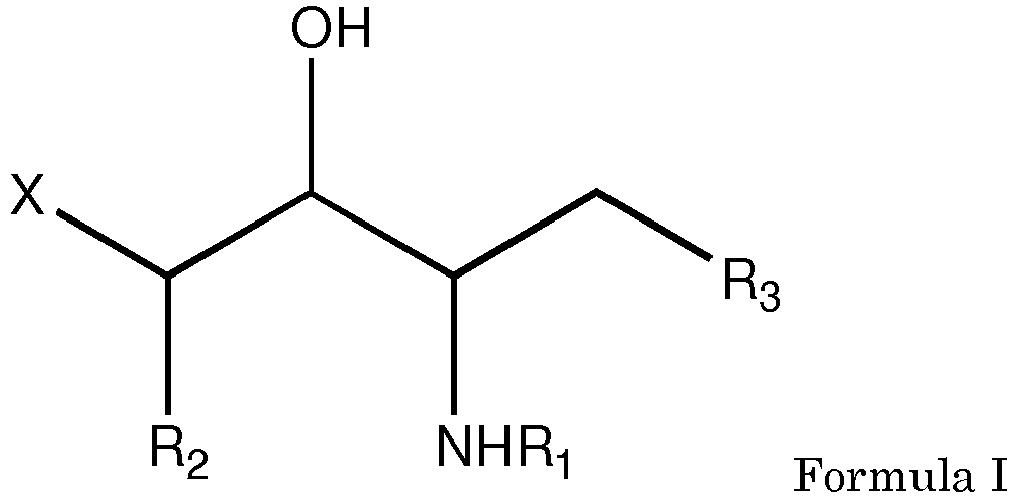 wherein X is an alkyl or alkenyl having 8-24 carbons, preferably 10 to 20 carbons, more preferably a linear alkyl;R1 is selected from H and C(=O)C1-20, preferably R1 is H;R2 is selected from H and OH, preferably R2 is OH; andR3 is selected from phosphate, OH or F, preferably OH,or a conjugate of said compound and b) hydroxyapatite nanoparticles.
Priority Applications (2)
| Application Number | Priority Date | Filing Date | Title |
|---|---|---|---|
| EP13720618.1A EP2849719B1 (en) | 2012-04-27 | 2013-04-26 | Protection of materials by sphingosine based compounds |
| EP20175481.9A EP3721863B1 (en) | 2012-04-27 | 2013-04-26 | Dental discolouration treatment with a sphingosine compound |
Applications Claiming Priority (4)
| Application Number | Priority Date | Filing Date | Title |
|---|---|---|---|
| EP12166050 | 2012-04-27 | ||
| EP12187985 | 2012-10-10 | ||
| PCT/NL2013/050314 WO2013162366A1 (en) | 2012-04-27 | 2013-04-26 | Protection of materials by sphingosine based compounds |
| EP13720618.1A EP2849719B1 (en) | 2012-04-27 | 2013-04-26 | Protection of materials by sphingosine based compounds |
Related Child Applications (1)
| Application Number | Title | Priority Date | Filing Date |
|---|---|---|---|
| EP20175481.9A Division EP3721863B1 (en) | 2012-04-27 | 2013-04-26 | Dental discolouration treatment with a sphingosine compound |
Publications (2)
| Publication Number | Publication Date |
|---|---|
| EP2849719A1 EP2849719A1 (en) | 2015-03-25 |
| EP2849719B1 true EP2849719B1 (en) | 2020-06-17 |
Family
ID=48289586
Family Applications (2)
| Application Number | Title | Priority Date | Filing Date |
|---|---|---|---|
| EP20175481.9A Active EP3721863B1 (en) | 2012-04-27 | 2013-04-26 | Dental discolouration treatment with a sphingosine compound |
| EP13720618.1A Active EP2849719B1 (en) | 2012-04-27 | 2013-04-26 | Protection of materials by sphingosine based compounds |
Family Applications Before (1)
| Application Number | Title | Priority Date | Filing Date |
|---|---|---|---|
| EP20175481.9A Active EP3721863B1 (en) | 2012-04-27 | 2013-04-26 | Dental discolouration treatment with a sphingosine compound |
Country Status (5)
| Country | Link |
|---|---|
| US (2) | US11273113B2 (en) |
| EP (2) | EP3721863B1 (en) |
| JP (2) | JP6604848B2 (en) |
| ES (1) | ES2804060T3 (en) |
| WO (1) | WO2013162366A1 (en) |
Families Citing this family (4)
| Publication number | Priority date | Publication date | Assignee | Title |
|---|---|---|---|---|
| WO2017100580A1 (en) * | 2015-12-10 | 2017-06-15 | Aaron Seitz | Sphingolipid coatings and process for manufacturing sphingolipid coatings effective for inhibiting biofilm formation |
| JP2023033269A (en) * | 2021-08-28 | 2023-03-10 | ブルネエズ株式会社 | external composition |
| CN115969738B (en) * | 2022-02-25 | 2025-05-16 | 华熙生物科技股份有限公司 | A composition containing phytosphingosine and an oral care product |
| CN118217180B (en) * | 2024-05-20 | 2024-09-17 | 广州舒客实业有限公司 | Sustained-release plant protease composition and application thereof in toothpaste |
Family Cites Families (31)
| Publication number | Priority date | Publication date | Assignee | Title |
|---|---|---|---|---|
| US3839796A (en) * | 1972-03-16 | 1974-10-08 | J Hazar | Prosthetic denture and method |
| US5128132A (en) | 1988-11-22 | 1992-07-07 | Parnell Pharmaceuticals, Inc. | Eriodictyon compositions and methods for treating internal mucous membranes |
| JPH03210271A (en) | 1990-01-12 | 1991-09-13 | Asahi Optical Co Ltd | Production of biomaterial of calcium phosphate system |
| US5543390A (en) | 1990-11-01 | 1996-08-06 | State Of Oregon, Acting By And Through The Oregon State Board Of Higher Education, Acting For And On Behalf Of The Oregon Health Sciences University | Covalent microparticle-drug conjugates for biological targeting |
| US5405836A (en) | 1993-03-02 | 1995-04-11 | Nabisco, Inc. | Pet foods with water-soluble zinc compound coating for controlling malodorous breath |
| JPH08507715A (en) * | 1993-03-18 | 1996-08-20 | シーダーズ サイナイ メディカル センター | Drug-inducing and releasable polymeric coatings for bioartificial components |
| US5541165A (en) | 1994-09-27 | 1996-07-30 | Turgeon; Jean A. | Saliva substitute |
| JP3414008B2 (en) | 1994-11-18 | 2003-06-09 | 花王株式会社 | Composite powders and composite powder-containing cosmetics |
| ES2210767T3 (en) * | 1997-05-02 | 2004-07-01 | Cosmoferm B.V. | ANTIMICROBIAL COMPOSITIONS FOR TOPICAL USE. |
| US6379725B1 (en) | 1998-05-05 | 2002-04-30 | Natural Polymer International Corporation | Protein-based chewable pet toy |
| KR100557925B1 (en) | 1999-06-29 | 2006-03-10 | 주식회사 하이닉스반도체 | Refresh Counter Circuit |
| JP2003511110A (en) | 1999-10-06 | 2003-03-25 | ザ ペン ステイト リサーチ ファンデーション | System and device for preventing restenosis in body vessels |
| KR100314789B1 (en) * | 1999-11-05 | 2001-11-17 | 김현준 | Toothpaste Composition for Curing Dental Caries and Inflammation of Oral Cavity |
| US20040146466A1 (en) * | 1999-11-12 | 2004-07-29 | The Procter & Gamble Company | Method of protecting teeth against erosion |
| JP2001158735A (en) * | 1999-11-30 | 2001-06-12 | Snow Brand Milk Prod Co Ltd | Agent for preventing and improving periodontal disease |
| KR100827937B1 (en) | 2000-07-19 | 2008-05-09 | 유니티카 가부시끼가이샤 | Physiologically functional foods or cosmetics containing sphingoglycolipids and methods for preparing the same |
| US20020119241A1 (en) | 2001-02-28 | 2002-08-29 | Speck Donald R. | Method and composition for extruded pet food product |
| US9827314B2 (en) | 2003-12-08 | 2017-11-28 | Mars, Incorporated | Edible compositions which are adapted for use by a companion animal |
| JP4965063B2 (en) | 2004-05-07 | 2012-07-04 | 雪印メグミルク株式会社 | Oral flora improving agent, antibacterial agent and growth promoter. |
| US7118732B2 (en) | 2004-05-10 | 2006-10-10 | Colgate-Palmolive Company | Tooth-whitening compositions comprising silicone polymer and methods therefor |
| US8691273B2 (en) * | 2005-07-21 | 2014-04-08 | Lisopharm Ag | Method for producing hydroxyapatite particles |
| JP4788903B2 (en) | 2006-04-19 | 2011-10-05 | ライオン株式会社 | Copolymer and composition containing the same |
| GB0625678D0 (en) | 2006-12-21 | 2007-01-31 | Lux Biotechnology Ltd | Composition and method for detection of demineralisation |
| WO2008087705A1 (en) | 2007-01-16 | 2008-07-24 | Mizkan Group Corporation | Composition for inhibiting muscle damage |
| JP5241249B2 (en) * | 2008-01-17 | 2013-07-17 | 正治 加藤 | Caries treatment kit |
| EP2092834A1 (en) | 2008-02-19 | 2009-08-26 | Innopact B.V. | Methods and compositions of sphingolipid for preventing treating microbial infections |
| US8632843B2 (en) * | 2008-11-24 | 2014-01-21 | Promimic Ab | Methods and systems of controlled coating of nanoparticles onto micro-rough implant surfaces and associated implants |
| FR2940092B1 (en) | 2008-12-19 | 2011-02-18 | Oreal | KERATIN FIBER OXIDATION DYE COMPOSITION COMPRISING AN AMIDE OR ESTER FATTY BODY |
| IT1396436B1 (en) | 2009-11-16 | 2012-11-23 | Icf Srl | COMPOSITION FOR THE PREVENTION AND TREATMENT OF ODONTOSTOMATOLOGICAL DISORDERS OF ANIMALS AND RELATED USES. |
| JP2011207825A (en) | 2010-03-30 | 2011-10-20 | Toyobo Co Ltd | Skin care preparation for external use |
| JP2011140527A (en) | 2011-04-20 | 2011-07-21 | Acusphere Inc | Dosage formulation of ultrasound contrast agent |
-
2013
- 2013-04-26 ES ES13720618T patent/ES2804060T3/en active Active
- 2013-04-26 WO PCT/NL2013/050314 patent/WO2013162366A1/en not_active Ceased
- 2013-04-26 EP EP20175481.9A patent/EP3721863B1/en active Active
- 2013-04-26 JP JP2015508890A patent/JP6604848B2/en active Active
- 2013-04-26 EP EP13720618.1A patent/EP2849719B1/en active Active
- 2013-04-26 US US14/397,016 patent/US11273113B2/en active Active
-
2019
- 2019-08-22 JP JP2019152331A patent/JP7053542B2/en active Active
-
2022
- 2022-02-03 US US17/592,162 patent/US11944701B2/en active Active
Non-Patent Citations (1)
| Title |
|---|
| None * |
Also Published As
| Publication number | Publication date |
|---|---|
| JP2019218378A (en) | 2019-12-26 |
| JP7053542B2 (en) | 2022-04-12 |
| EP3721863C0 (en) | 2025-07-23 |
| US11944701B2 (en) | 2024-04-02 |
| ES2804060T3 (en) | 2021-02-02 |
| WO2013162366A1 (en) | 2013-10-31 |
| EP3721863A2 (en) | 2020-10-14 |
| US20150147361A1 (en) | 2015-05-28 |
| EP3721863A3 (en) | 2020-12-09 |
| JP6604848B2 (en) | 2019-11-13 |
| EP2849719A1 (en) | 2015-03-25 |
| JP2015516982A (en) | 2015-06-18 |
| EP3721863B1 (en) | 2025-07-23 |
| US20220151900A1 (en) | 2022-05-19 |
| US11273113B2 (en) | 2022-03-15 |
Similar Documents
| Publication | Publication Date | Title |
|---|---|---|
| US11944701B2 (en) | Protection of materials by sphingosine based compounds | |
| RU2505280C2 (en) | Oral compositions containing polyguanidine compounds, and methods for preparing and using them | |
| RU2517332C2 (en) | Composition for teeth care and method of treatment and prevention of damage to tooth surface | |
| AU2011359108B2 (en) | Dentifrice composition | |
| AU2016346191B2 (en) | Oral care products and methods | |
| CN101677918A (en) | Novel use | |
| RU2687558C1 (en) | Oral care composition containing sulphon and at least zinc salt | |
| HUE025221T2 (en) | Alkyl sulfate free and orthophosphate free dentifrice composition comprising a fluoride source and a silica dental abrasive | |
| AU2011359109B2 (en) | Mouthrinse composition | |
| EP3972557A1 (en) | Oral compositions and methods of use | |
| EP3972698B1 (en) | Oral compositions and methods of use | |
| RU2384321C2 (en) | Composition for inhibiting dental erosion, containing hydrofluoric acid |
Legal Events
| Date | Code | Title | Description |
|---|---|---|---|
| PUAI | Public reference made under article 153(3) epc to a published international application that has entered the european phase |
Free format text: ORIGINAL CODE: 0009012 |
|
| 17P | Request for examination filed |
Effective date: 20141127 |
|
| AK | Designated contracting states |
Kind code of ref document: A1 Designated state(s): AL AT BE BG CH CY CZ DE DK EE ES FI FR GB GR HR HU IE IS IT LI LT LU LV MC MK MT NL NO PL PT RO RS SE SI SK SM TR |
|
| AX | Request for extension of the european patent |
Extension state: BA ME |
|
| DAX | Request for extension of the european patent (deleted) | ||
| 17Q | First examination report despatched |
Effective date: 20160912 |
|
| STAA | Information on the status of an ep patent application or granted ep patent |
Free format text: STATUS: EXAMINATION IS IN PROGRESS |
|
| RAP1 | Party data changed (applicant data changed or rights of an application transferred) |
Owner name: STICHTING VU |
|
| TPAC | Observations filed by third parties |
Free format text: ORIGINAL CODE: EPIDOSNTIPA |
|
| GRAP | Despatch of communication of intention to grant a patent |
Free format text: ORIGINAL CODE: EPIDOSNIGR1 |
|
| STAA | Information on the status of an ep patent application or granted ep patent |
Free format text: STATUS: GRANT OF PATENT IS INTENDED |
|
| RIC1 | Information provided on ipc code assigned before grant |
Ipc: A61Q 11/00 20060101ALI20200203BHEP Ipc: A61K 8/41 20060101AFI20200203BHEP Ipc: A23L 33/10 20160101ALI20200203BHEP Ipc: A61K 8/68 20060101ALI20200203BHEP |
|
| INTG | Intention to grant announced |
Effective date: 20200311 |
|
| GRAJ | Information related to disapproval of communication of intention to grant by the applicant or resumption of examination proceedings by the epo deleted |
Free format text: ORIGINAL CODE: EPIDOSDIGR1 |
|
| STAA | Information on the status of an ep patent application or granted ep patent |
Free format text: STATUS: EXAMINATION IS IN PROGRESS |
|
| GRAR | Information related to intention to grant a patent recorded |
Free format text: ORIGINAL CODE: EPIDOSNIGR71 |
|
| GRAS | Grant fee paid |
Free format text: ORIGINAL CODE: EPIDOSNIGR3 |
|
| STAA | Information on the status of an ep patent application or granted ep patent |
Free format text: STATUS: GRANT OF PATENT IS INTENDED |
|
| GRAA | (expected) grant |
Free format text: ORIGINAL CODE: 0009210 |
|
| STAA | Information on the status of an ep patent application or granted ep patent |
Free format text: STATUS: THE PATENT HAS BEEN GRANTED |
|
| INTC | Intention to grant announced (deleted) | ||
| AK | Designated contracting states |
Kind code of ref document: B1 Designated state(s): AL AT BE BG CH CY CZ DE DK EE ES FI FR GB GR HR HU IE IS IT LI LT LU LV MC MK MT NL NO PL PT RO RS SE SI SK SM TR |
|
| INTG | Intention to grant announced |
Effective date: 20200512 |
|
| REG | Reference to a national code |
Ref country code: GB Ref legal event code: FG4D |
|
| REG | Reference to a national code |
Ref country code: CH Ref legal event code: EP |
|
| REG | Reference to a national code |
Ref country code: DE Ref legal event code: R096 Ref document number: 602013069906 Country of ref document: DE |
|
| REG | Reference to a national code |
Ref country code: IE Ref legal event code: FG4D |
|
| REG | Reference to a national code |
Ref country code: AT Ref legal event code: REF Ref document number: 1280477 Country of ref document: AT Kind code of ref document: T Effective date: 20200715 |
|
| REG | Reference to a national code |
Ref country code: SE Ref legal event code: TRGR |
|
| REG | Reference to a national code |
Ref country code: NL Ref legal event code: FP |
|
| PG25 | Lapsed in a contracting state [announced via postgrant information from national office to epo] |
Ref country code: FI Free format text: LAPSE BECAUSE OF FAILURE TO SUBMIT A TRANSLATION OF THE DESCRIPTION OR TO PAY THE FEE WITHIN THE PRESCRIBED TIME-LIMIT Effective date: 20200617 Ref country code: GR Free format text: LAPSE BECAUSE OF FAILURE TO SUBMIT A TRANSLATION OF THE DESCRIPTION OR TO PAY THE FEE WITHIN THE PRESCRIBED TIME-LIMIT Effective date: 20200918 Ref country code: NO Free format text: LAPSE BECAUSE OF FAILURE TO SUBMIT A TRANSLATION OF THE DESCRIPTION OR TO PAY THE FEE WITHIN THE PRESCRIBED TIME-LIMIT Effective date: 20200917 Ref country code: LT Free format text: LAPSE BECAUSE OF FAILURE TO SUBMIT A TRANSLATION OF THE DESCRIPTION OR TO PAY THE FEE WITHIN THE PRESCRIBED TIME-LIMIT Effective date: 20200617 |
|
| REG | Reference to a national code |
Ref country code: LT Ref legal event code: MG4D |
|
| PG25 | Lapsed in a contracting state [announced via postgrant information from national office to epo] |
Ref country code: LV Free format text: LAPSE BECAUSE OF FAILURE TO SUBMIT A TRANSLATION OF THE DESCRIPTION OR TO PAY THE FEE WITHIN THE PRESCRIBED TIME-LIMIT Effective date: 20200617 Ref country code: RS Free format text: LAPSE BECAUSE OF FAILURE TO SUBMIT A TRANSLATION OF THE DESCRIPTION OR TO PAY THE FEE WITHIN THE PRESCRIBED TIME-LIMIT Effective date: 20200617 Ref country code: BG Free format text: LAPSE BECAUSE OF FAILURE TO SUBMIT A TRANSLATION OF THE DESCRIPTION OR TO PAY THE FEE WITHIN THE PRESCRIBED TIME-LIMIT Effective date: 20200917 Ref country code: HR Free format text: LAPSE BECAUSE OF FAILURE TO SUBMIT A TRANSLATION OF THE DESCRIPTION OR TO PAY THE FEE WITHIN THE PRESCRIBED TIME-LIMIT Effective date: 20200617 |
|
| REG | Reference to a national code |
Ref country code: AT Ref legal event code: MK05 Ref document number: 1280477 Country of ref document: AT Kind code of ref document: T Effective date: 20200617 |
|
| PG25 | Lapsed in a contracting state [announced via postgrant information from national office to epo] |
Ref country code: AL Free format text: LAPSE BECAUSE OF FAILURE TO SUBMIT A TRANSLATION OF THE DESCRIPTION OR TO PAY THE FEE WITHIN THE PRESCRIBED TIME-LIMIT Effective date: 20200617 |
|
| PG25 | Lapsed in a contracting state [announced via postgrant information from national office to epo] |
Ref country code: CZ Free format text: LAPSE BECAUSE OF FAILURE TO SUBMIT A TRANSLATION OF THE DESCRIPTION OR TO PAY THE FEE WITHIN THE PRESCRIBED TIME-LIMIT Effective date: 20200617 Ref country code: RO Free format text: LAPSE BECAUSE OF FAILURE TO SUBMIT A TRANSLATION OF THE DESCRIPTION OR TO PAY THE FEE WITHIN THE PRESCRIBED TIME-LIMIT Effective date: 20200617 Ref country code: SM Free format text: LAPSE BECAUSE OF FAILURE TO SUBMIT A TRANSLATION OF THE DESCRIPTION OR TO PAY THE FEE WITHIN THE PRESCRIBED TIME-LIMIT Effective date: 20200617 Ref country code: EE Free format text: LAPSE BECAUSE OF FAILURE TO SUBMIT A TRANSLATION OF THE DESCRIPTION OR TO PAY THE FEE WITHIN THE PRESCRIBED TIME-LIMIT Effective date: 20200617 Ref country code: AT Free format text: LAPSE BECAUSE OF FAILURE TO SUBMIT A TRANSLATION OF THE DESCRIPTION OR TO PAY THE FEE WITHIN THE PRESCRIBED TIME-LIMIT Effective date: 20200617 Ref country code: PT Free format text: LAPSE BECAUSE OF FAILURE TO SUBMIT A TRANSLATION OF THE DESCRIPTION OR TO PAY THE FEE WITHIN THE PRESCRIBED TIME-LIMIT Effective date: 20201019 |
|
| REG | Reference to a national code |
Ref country code: ES Ref legal event code: FG2A Ref document number: 2804060 Country of ref document: ES Kind code of ref document: T3 Effective date: 20210202 |
|
| PG25 | Lapsed in a contracting state [announced via postgrant information from national office to epo] |
Ref country code: SK Free format text: LAPSE BECAUSE OF FAILURE TO SUBMIT A TRANSLATION OF THE DESCRIPTION OR TO PAY THE FEE WITHIN THE PRESCRIBED TIME-LIMIT Effective date: 20200617 Ref country code: PL Free format text: LAPSE BECAUSE OF FAILURE TO SUBMIT A TRANSLATION OF THE DESCRIPTION OR TO PAY THE FEE WITHIN THE PRESCRIBED TIME-LIMIT Effective date: 20200617 Ref country code: IS Free format text: LAPSE BECAUSE OF FAILURE TO SUBMIT A TRANSLATION OF THE DESCRIPTION OR TO PAY THE FEE WITHIN THE PRESCRIBED TIME-LIMIT Effective date: 20201017 |
|
| REG | Reference to a national code |
Ref country code: DE Ref legal event code: R097 Ref document number: 602013069906 Country of ref document: DE |
|
| PLBE | No opposition filed within time limit |
Free format text: ORIGINAL CODE: 0009261 |
|
| STAA | Information on the status of an ep patent application or granted ep patent |
Free format text: STATUS: NO OPPOSITION FILED WITHIN TIME LIMIT |
|
| PG25 | Lapsed in a contracting state [announced via postgrant information from national office to epo] |
Ref country code: DK Free format text: LAPSE BECAUSE OF FAILURE TO SUBMIT A TRANSLATION OF THE DESCRIPTION OR TO PAY THE FEE WITHIN THE PRESCRIBED TIME-LIMIT Effective date: 20200617 |
|
| 26N | No opposition filed |
Effective date: 20210318 |
|
| PG25 | Lapsed in a contracting state [announced via postgrant information from national office to epo] |
Ref country code: SI Free format text: LAPSE BECAUSE OF FAILURE TO SUBMIT A TRANSLATION OF THE DESCRIPTION OR TO PAY THE FEE WITHIN THE PRESCRIBED TIME-LIMIT Effective date: 20200617 |
|
| PG25 | Lapsed in a contracting state [announced via postgrant information from national office to epo] |
Ref country code: MC Free format text: LAPSE BECAUSE OF FAILURE TO SUBMIT A TRANSLATION OF THE DESCRIPTION OR TO PAY THE FEE WITHIN THE PRESCRIBED TIME-LIMIT Effective date: 20200617 |
|
| PG25 | Lapsed in a contracting state [announced via postgrant information from national office to epo] |
Ref country code: LU Free format text: LAPSE BECAUSE OF NON-PAYMENT OF DUE FEES Effective date: 20210426 |
|
| REG | Reference to a national code |
Ref country code: BE Ref legal event code: MM Effective date: 20210430 |
|
| PG25 | Lapsed in a contracting state [announced via postgrant information from national office to epo] |
Ref country code: CH Free format text: LAPSE BECAUSE OF NON-PAYMENT OF DUE FEES Effective date: 20210430 Ref country code: LI Free format text: LAPSE BECAUSE OF NON-PAYMENT OF DUE FEES Effective date: 20210430 |
|
| PG25 | Lapsed in a contracting state [announced via postgrant information from national office to epo] |
Ref country code: IE Free format text: LAPSE BECAUSE OF NON-PAYMENT OF DUE FEES Effective date: 20210426 |
|
| PG25 | Lapsed in a contracting state [announced via postgrant information from national office to epo] |
Ref country code: IS Free format text: LAPSE BECAUSE OF FAILURE TO SUBMIT A TRANSLATION OF THE DESCRIPTION OR TO PAY THE FEE WITHIN THE PRESCRIBED TIME-LIMIT Effective date: 20201017 |
|
| PG25 | Lapsed in a contracting state [announced via postgrant information from national office to epo] |
Ref country code: BE Free format text: LAPSE BECAUSE OF NON-PAYMENT OF DUE FEES Effective date: 20210430 |
|
| PG25 | Lapsed in a contracting state [announced via postgrant information from national office to epo] |
Ref country code: HU Free format text: LAPSE BECAUSE OF FAILURE TO SUBMIT A TRANSLATION OF THE DESCRIPTION OR TO PAY THE FEE WITHIN THE PRESCRIBED TIME-LIMIT; INVALID AB INITIO Effective date: 20130426 |
|
| PG25 | Lapsed in a contracting state [announced via postgrant information from national office to epo] |
Ref country code: CY Free format text: LAPSE BECAUSE OF FAILURE TO SUBMIT A TRANSLATION OF THE DESCRIPTION OR TO PAY THE FEE WITHIN THE PRESCRIBED TIME-LIMIT Effective date: 20200617 |
|
| PG25 | Lapsed in a contracting state [announced via postgrant information from national office to epo] |
Ref country code: MK Free format text: LAPSE BECAUSE OF FAILURE TO SUBMIT A TRANSLATION OF THE DESCRIPTION OR TO PAY THE FEE WITHIN THE PRESCRIBED TIME-LIMIT Effective date: 20200617 |
|
| PG25 | Lapsed in a contracting state [announced via postgrant information from national office to epo] |
Ref country code: MT Free format text: LAPSE BECAUSE OF FAILURE TO SUBMIT A TRANSLATION OF THE DESCRIPTION OR TO PAY THE FEE WITHIN THE PRESCRIBED TIME-LIMIT Effective date: 20200617 |
|
| PGFP | Annual fee paid to national office [announced via postgrant information from national office to epo] |
Ref country code: NL Payment date: 20250311 Year of fee payment: 13 |
|
| PGFP | Annual fee paid to national office [announced via postgrant information from national office to epo] |
Ref country code: DE Payment date: 20250422 Year of fee payment: 13 |
|
| PGFP | Annual fee paid to national office [announced via postgrant information from national office to epo] |
Ref country code: ES Payment date: 20250529 Year of fee payment: 13 |
|
| PGFP | Annual fee paid to national office [announced via postgrant information from national office to epo] |
Ref country code: IT Payment date: 20250424 Year of fee payment: 13 |
|
| PGFP | Annual fee paid to national office [announced via postgrant information from national office to epo] |
Ref country code: FR Payment date: 20250425 Year of fee payment: 13 |
|
| PGFP | Annual fee paid to national office [announced via postgrant information from national office to epo] |
Ref country code: SE Payment date: 20250429 Year of fee payment: 13 |
|
| PG25 | Lapsed in a contracting state [announced via postgrant information from national office to epo] |
Ref country code: TR Free format text: LAPSE BECAUSE OF FAILURE TO SUBMIT A TRANSLATION OF THE DESCRIPTION OR TO PAY THE FEE WITHIN THE PRESCRIBED TIME-LIMIT Effective date: 20200617 |
|
| PGFP | Annual fee paid to national office [announced via postgrant information from national office to epo] |
Ref country code: GB Payment date: 20260324 Year of fee payment: 14 |