EP2849495A1 - Mobile station - Google Patents
Mobile station Download PDFInfo
- Publication number
- EP2849495A1 EP2849495A1 EP20130788638 EP13788638A EP2849495A1 EP 2849495 A1 EP2849495 A1 EP 2849495A1 EP 20130788638 EP20130788638 EP 20130788638 EP 13788638 A EP13788638 A EP 13788638A EP 2849495 A1 EP2849495 A1 EP 2849495A1
- Authority
- EP
- European Patent Office
- Prior art keywords
- function
- specific application
- call
- originating
- ims
- Prior art date
- Legal status (The legal status is an assumption and is not a legal conclusion. Google has not performed a legal analysis and makes no representation as to the accuracy of the status listed.)
- Withdrawn
Links
Images




Classifications
-
- H—ELECTRICITY
- H04—ELECTRIC COMMUNICATION TECHNIQUE
- H04W—WIRELESS COMMUNICATION NETWORKS
- H04W48/00—Access restriction; Network selection; Access point selection
- H04W48/02—Access restriction performed under specific conditions
-
- H—ELECTRICITY
- H04—ELECTRIC COMMUNICATION TECHNIQUE
- H04W—WIRELESS COMMUNICATION NETWORKS
- H04W8/00—Network data management
- H04W8/22—Processing or transfer of terminal data, e.g. status or physical capabilities
Definitions
- the present invention relates to a mobile station.
- a mobile station UE of the LTE is capable of restricting an IMS (IP Multimedia Subsystem) related call originating signal (hereinafter referred to as originating signal) by using SSAC (Service Specific Access Control).
- IMS IP Multimedia Subsystem
- SSAC Service Specific Access Control
- the IMS-related originating signal includes originating signals for an IMS service call, i.e., an originating signal for a voice call and an originating signal for a packet call (for example, a videophone call).
- a voice call in the LTE is referred to as a VoLTE call
- a videophone call in the LTE is referred to as a MMTEL video call.
- Non-patent document 1 3GPP TS36.331
- the conventional LTE is configured to perform restriction control of determining whether or not to restrict transmission of an IMS-related originating signal by using SSAC.
- the conventional LTE is configured to perform restriction control of determining whether or not to restrict transmission of a packet call by using ACB (Access Class Barring).
- the SSAC is a restriction control in the IMS specified by LTE (release 9)
- the ACB is a restriction control in the AS (Access Stratum) specified by LTE (Release 8).
- the AS function of the mobile station UE receives, at Step S5001, broadcast information containing SSAC restriction information and ACB restriction information transmitted by the radio base station eNB, and transmits, at Step S5002, the SSAC restriction information contained in the received broadcast information to the IMS function.
- the IMS function Upon receiving a SIP (Session Initiation Protocol) signal as an originating signal for establishing an IMS service call (hereinafter, referred to as an IMS-related originating signal) at Step S5003, the IMS function determines whether or not to permit transmission of the SIP signal according to the SSAC restriction information at Step S5004.
- SIP Session Initiation Protocol
- the IMS service call includes an IMS voice call (VoLTE call) and an IMS video call.
- the SIP signal as an IMS-related originating signal includes "REGISTER (IMS Registration”, “INVITE (originating signal of IMS service call)”, “MESSAGE (SMS)”, “OPTION (setting system signal)”, etc.
- the IMS function When determining to permit transmission of the SIP signal, the IMS function transmits an originating request to the NAS (Non-Access Stratum) function at Step S5005, and the NAS function transmits an originating request to the AS function at Step S5006.
- NAS Non-Access Stratum
- the NAS function assigns a call type indicating MO-Data in response to the originating request by the SIP signal, and transmits the originating request to the AS function.
- the AS function recognizes that the call type of the SIP signal is MO-Data according to the ACB restriction information, and determines whether or not to permit transmission of the SIP signal.
- the SSAC is configured to determine whether or not to permit transmission of the originating signal of the IMS service call according to the SSAC restriction information.
- the ACB is configured to determine whether or not to permit transmission of any originating signals of all packet calls (including IMS service calls and other packet calls) by using the ACB restriction information.
- the IMS service call whose transmission is once permitted by the SSAC is further processed through determination by the ACB on whether or not to permit the transmission thereof. That is, an originating signal of an IMS service call whose transmission is once permitted according to the restriction control of SSAC may be restricted by the ACB.
- the conventional restriction control in the LTE cannot provide a control of restricting transmission of an originating signal of a packet call, while not restricting transmission of an originating signal of a VoLTE call.
- the present invention has been made in view of such circumstances and has an objective of providing a mobile station capable of performing restriction control independently from a packet call and a voice call.
- a first feature of the present invention is summarized as a mobile station including: a specific application function; a NAS function; and an AS function.
- the specific application function is configured to perform restriction control of determining whether or not to permit transmission of an originating signal relating to a specific application according to specific application restriction information broadcasted.
- the specific application function is configured to notify the NAS function of an originating request containing an identifier indicating an originating signal relating to a specific application, when determining to permit transmission of the originating signal relating to the specific application.
- the NAS function is configured to notify the AS function of an originating request containing an identifier indicating an originating signal relating to a specific application.
- the AS function is configured not to perform restriction control of determining whether or not to permit transmission of the originating signal relating to the specific application, in response to the notified originating request containing the identifier.
- a second feature of the present invention is summarized as a mobile station including: a specific application function; a NAS function; and an AS function.
- the specific application function is configured to perform restriction control of determining whether or not to permit transmission of an originating signal of a specific service call in a specific application according to specific application restriction information broadcasted.
- the specific application function is configured to notify the NAS function of an originating request containing an identifier indicating an originating signal of a specific service call in a specific application, when determining to permit transmission of the originating signal of the specific service call.
- the NAS function is configured to transmit, to the AS function, an originating request containing an identifier indicating an originating signal of a specific service call in a specific application.
- the AS function is configured not to perform restriction control of determining whether or not to permit transmission of the originating signal of the specific service call, in response to the notified originating request containing the identifier.
- a third feature of the present invention is summarized as a mobile station including: a specific application function; and an AS function.
- the specific application function is configured not to perform restriction control of determining whether or not to permit transmission of an originating signal of a specific application call or a specific service call in a specific application
- the AS function is configured to perform restriction control of determining whether or not to permit transmission of the originating signal of the specific application call or the specific service call according to the AS restriction information.
- the specific application restriction information indicating performing no restriction is broadcast, the specific application function and the AS function are configured not to perform the restriction control even when the AS restriction information is broadcast.
- a fourth feature of the present invention is summarized as a mobile station including: a specific application function; and an AS function.
- specific application restriction information is not broadcast, AS restriction information is broadcast, and a radio access network is notified to support a restriction control for a specific application call and a specific service call in a specific application
- the specific application function and the AS function are configured not to perform restriction control of determining whether or not to permit transmission of an originating signal of the specific application call and the specific service call.
- the specific application restriction information is not broadcast, the AS restriction information is broadcast, and the radio access network is not notified to support restriction control for the specific application call and the specific service call, the specific application function is configured not to perform the restriction control, and the AS function is configured to perform the restriction control.
- the mobile communication system according to the first embodiment of the present invention is described with reference to FIGs. 1 to 8 .
- the mobile communication system according to this embodiment supports the LTE.
- a radio base station eNB in the mobile communication system is configured to transmit broadcast information such as MIB (Master Information Block), SIB (Master Information Block), etc., in cells under control thereof.
- MIB Master Information Block
- SIB Master Information Block
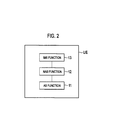
- a mobile station UE supports the LTE Release 11 and later versions, and comprises an AS function 11, a NAS function 12, and an IMS function 13, as shown in FIG. 2 .
- the AS function 11 is configured to perform various processing in an AS layer.
- the NAS function 12 is configured to perform various processing in a NAS layer.
- the IMS function 13 is configured to perform various processing in an IMS layer.
- the AS function 11 is configured to perform ACB according to the ACB restriction information at a timing when "RRC Connection Request” or "Service Request” is transmitted.
- the IMS function 13 is configured to perform SSAC according to the SSAC restriction information.
- restriction control in the mobile communication system according to this embodiment is described with reference to FIGs. 3 to 8 .
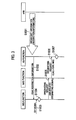
- a first example of the restriction control in the mobile communication system according to this embodiment is shown in FIG. 3
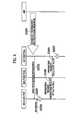
- a second example of the restriction control in the mobile communication system according to this embodiment is shown in FIG. 4 .
- the AS function 11 of the mobile station UE receives, at Step S1001, broadcast information transmitted by the radio base station eNB, and transmits, at Step S1002, SSAC restriction information contained in the received broadcast information to the IMS function 13.
- the IMS function 13 Upon receiving the SIP signal as an IMS-related originating signal at Step S1003, the IMS function 13 determines whether or not to permit transmission of the SIP signal as the IMS-related originating signal according to the SSAC restriction information at Step S1004.
- the IMS function 13 When determining to permit transmission of the IMS-related originating signal, the IMS function 13 transmits, at Step S1005, an originating request containing an identifier indicating the IMS-related originating signal to the NAS function 12.
- the NAS function 12 transmits an originating request containing "Call-Type: IMS" as an identifier indicating the IMS-related originating signal to the AS function 11.
- Step S1007 if the received originating request contains "Call-Type: IMS", the AS function 11 transmits the IMS-related originating signal without performing ACB thereon.
- the NAS function 12 may use a predetermined bit set to "1" as the above identifier in place of "Call-Type: IMS".
- the AS function 11 of the mobile station UE receives, at Step S2001, broadcast information transmitted by the radio base station eNB, and transmits, at Step S2002, SSAC restriction information for a specific service call in the IMS contained in the received broadcast information to the IMS function 13.
- the specific service call is supposed to be a VoLTE call, a videophone call, a SMS over IP/RCS (presence service) call, etc.
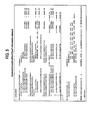
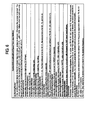
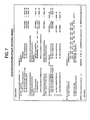
- the SSAC restriction information for a specific service call may be configured, as shown in FIGs. 5 and 6 , so as to be set in an information element "ssac-BarringForIMS-r11" newly defined in the SIB2, or in an existing information element in the SIB2 such as "ssac-BarringForMMTEL-Video” and "ssac-BarringForMMTEL-Voice", as shown in FIGs. 7 and 8 .
- the IMS function 13 Upon receiving the originating signal of the above specific service call such as, for example, "INVITE" as an originating signal for the VoLTE call at Step S2003, the IMS function 13 determines whether or not to permit transmission of the "INVITE" according to the SSAC restriction information for the above specific service call at Step S2004.
- the IMS function 13 When determining to permit transmission of the "INVITE", the IMS function 13 transmits, to the NAS function 12 at Step S2005, an originating request containing an identifier indicating an originating signal for a specific service call in the IMS, such as, for example, an originating signal of the VoLTE call.
- the NAS function 12 transmits an originating request containing "Call-Type: VoLTE" as an identifier indicating the originating signal of the VoLTE call to the AS function 11.
- Step S2007 when the received originating request contains "Call-Type: VoLTE", the AS function 11 transmits the "INVITE" without performing ACB to the originating signal of the VoLTE call.
- the NAS function 12 may use a predetermined bit set to "1" as the above identifier in place of "Call-Type: VoLTE".
- the AS function 11 may transmit an IMS-related originating signal whose transmission is permitted by the IMS function 13, without performing ACB.
- restriction control of a voice call such as the packet call and the VoLTE call can be performed independently. This enables control of restricting transmission of the packet call can be restricted while not restricting transmission of a voice call such as the VoLTE call.
- the mobile communication system according to the second embodiment of the present invention is described with reference to FIGs. 9 to 13 .
- the mobile communication system according to the second embodiment of the present invention is described by focusing on differences thereof from the mobile communication system according to the first embodiment described above.
- the AS function 11 and the IMS function 13 of the mobile station UE determine whether or not SSAC restriction information is contained in broadcast information (specifically, SIB2) received from the radio base station eNB.
- SIB2 broadcast information
- the IMS function 13 performs SSAC according to the SSAC restriction information, and the AS function 11 performs no ACS even when the ACB restriction information is broadcast.
- the IMS function 13 performs no SSAC.
- the AS function 11 and the IMS function 13 determine that the SSAC restriction information indicates “performing no restriction", or that the SSAC restriction ratio is "0%”.
- the AS function 11 and the IMS function 13 determine that the SSAC restriction information indicates that "performing no restriction", or that the SSAC restriction ratio is "0%”.
- the AS function 11 determines whether or not the ACB restriction information is contained in the broadcast information (specifically, SIB2) received from the radio base station eNB.
- step S104 If "YES”, the operation proceeds to the step S104. If "NO”, the operation proceeds to the step S105.
- the AS function 11 performs ACB according to the ACB restriction information.
- both the IMS function 13 and the AS function 11 perform no restriction control.
- the mobile station UE can perform restriction control independently from a voice call such as the packet call and the VoLTE call even when a radio access network of the LTE Release 10 or older and a radio access network of the LTE Release 11 or later co-exist. This enables the mobile station UE to perform control of restricting transmission of the packet call while not restricting transmission of a voice call such as the VoLTE call.
- the SSAC restriction information for a voice call such as the VoLTE call cannot be transmitted in a radio access network of the LTE Release 10 or older, and the SSAC restriction information for a voice call such the VoLTE call is always transmitted in a radio access network of the LTE Release 11 or later.
- the mobile communication system according to the third embodiment of the present invention is described with reference to FIGs. 14 to 16 .
- the mobile communication system according to the third embodiment of the present invention is described by focusing on differences thereof from mobile communication systems according to the first and second embodiments described above.
- the AS function 11 and the IMS function 13 of the mobile station UE determine whether or not SSAC restriction information is contained in broadcast information (specifically, SIB2) received from the radio base station eNB.
- SIB2 broadcast information
- Step S202 the IMS function 13 performs SSAC according to the SSAC restriction information, and the AS function 11 performs no ACB even when the ACB restriction information is broadcast.
- the AS function 11 determines whether or not the ACB restriction information is contained in the broadcast information (specifically, SIB2) received from the radio base station eNB.
- both the IMS function 13 and the AS function 11 perform no restriction control.
- the AS function 11 determines whether or not the radio access network is notified to support SSAC for a voice call such as the VoLTE call.
- the AS function 11 may determine that the radio access network supports SSAC for a voice call such as the VoLTE call, and when “true” is not set to the information element "acdc-NWsupport" in SIB2, the AS function 11 may determine that the radio access network does not support a voice call such as the VoLTE call.
- the above SSAC restriction information or the SSAC restriction ratio may be configured to indicate "0%”.
- both the IMS function 13 and the AS function 11 perform no restriction control.
- the AS function 11 performs ACB according to the ACB restriction information.
- the mobile station UE can perform restriction control independently from a voice call such as the packet call and the VoLTE call even when a radio access network of a LTE Release 10 or older and a radio access network of a LTE Release 11 or later co-exist. This enables the mobile station UE to perform control of restricting transmission of the packet call, while not restricting transmission of a voice call such as the VoLTE call.
- a radio access network of a LTE Release 10 or older does not support SSAC for a voice call such as the VoLTE call and provides no notification as to whether it supports SSAC for a voice call such as the VoLTE call, and a radio access network of a LTE Release 11 or later provides notification as to whether it supports SSAC for a voice call such as the VoLTE call.
- a first feature of the present invention is summarized as a mobile station UE including: an IMS function 13 (a specific application function); a NAS function 12; and an AS function 11.
- the IMS function 13 is configured to perform SSAC (restriction control) of determining whether or not to permit transmission of an IMS-related originating signal (an originating signal relating to a specific application) according to SSAC restriction information (specific application restriction information) broadcasted.
- the IMS function 13 is configured to notify the NAS function 12 of an originating request containing an identifier indicating an IMS-related originating signal, when determining to permit transmission of the IMS-related originating signal.
- the NAS function 12 is configured to notify the AS function 11 of an originating request containing an identifier indicating an IMS-related originating signal.
- the AS function 11 is configured not to perform ACB (restriction control) of determining whether or not to permit transmission of the IMS-related originating signal, in response to the notified originating request containing the identifier.
- a second feature of the present invention is summarized as a mobile station UE including: an IMS function 13; a NAS function 12; and an AS function 11.
- the IMS function 13 is configured to perform SSAC of determining whether or not to permit transmission of an originating signal of a VoLTE (a specific service) call in an IMS according to SSAC restriction information broadcasted.
- the IMS function 13 is configured to notify the NAS function 12 of an originating request containing an identifier indicating an originating signal of a VoLTE call, when determining to permit transmission of the originating signal of the VoLTE call.
- the NAS function 12 is configured to transmit, to the AS function 11, an originating request containing an identifier indicating an originating signal of a VoLTE call.
- the AS function 11 is configured not to perform ACB of determining whether or not to permit transmission of the originating signal of the VoLTE call, in response to the notified originating request containing the identifier.
- a third feature of the present invention is summarized as a mobile station UE including: an IMS function 13; and an AS function 11.
- the IMS function 13 is configured not to perform SSAC of determining whether or not to permit transmission of an originating signal of an IMS service call or a VoLTE call
- the AS function 11 is configured to perform ACB of determining whether or not to permit transmission of the originating signal of the IMS service call (specific application call) or the VoLTE call according to the ACB restriction information.
- the IMS function 13 and the AS function 11 are configured not to perform SSAC and ACB even when the ACB restriction information is broadcast.
- a fourth feature of the present invention is summarized as a mobile station UE including: an IMS function 13; and an AS function 11.
- SSAC restriction information is not broadcast
- ACB restriction information is broadcast
- a radio access network is notified to support SSAC for a voice call such as the VoLTE call
- the IMS function 13 and the AS function 11 are configured not to perform SSAC and ACB of determining whether or not to permit transmission of an originating signal of an IMS service call or the VoLTE service call.
- the SSAC restriction information is not broadcast, the ACB restriction information is broadcast, and the radio access network is not notified to support SSAC for the voice call such as the VoLTE call, the IMS function 13 is configured not to perform SSAC, and the AS function 11 is configured to perform ACB.
- the foregoing operations of the mobile station UE and the radio base station eNB may be implemented by hardware, may be implemented by a software module executed by a processor, or may be implemented in combination of the two.
- the software module may be provided in a storage medium in any format, such as a RAM (Random Access Memory), a flash memory, a ROM (Read Only Memory), an EPROM (Erasable Programmable ROM), an EEPROM (Electronically Erasable and Programmable ROM), a register, a hard disk, a removable disk, or a CD-ROM.
- RAM Random Access Memory
- flash memory a ROM (Read Only Memory)
- EPROM Erasable Programmable ROM
- EEPROM Electrically Erasable and Programmable ROM
- register a hard disk, a removable disk, or a CD-ROM.
- the storage medium is connected to a processor so that the processor can read and write information from and to the storage medium.
- the storage medium may be integrated in a processor.
- the storage medium and the processor may be provided inside an ASIC. Such an ASIC may be provided in the mobile station UE and the radio base station eNB. Otherwise, the storage medium and the processor may be provided as discrete components inside the mobile station UE and the radio base station eNB.
- the present invention provides a mobile station capable of independently performing restriction control on a packet call and a voice call.
Landscapes
- Engineering & Computer Science (AREA)
- Computer Networks & Wireless Communication (AREA)
- Signal Processing (AREA)
- Computer Security & Cryptography (AREA)
- Databases & Information Systems (AREA)
- Mobile Radio Communication Systems (AREA)
- Telephone Function (AREA)
- Telephonic Communication Services (AREA)
Abstract
Description
- The present invention relates to a mobile station.
- A mobile station UE of the LTE (Long Term Evolution) is capable of restricting an IMS (IP Multimedia Subsystem) related call originating signal (hereinafter referred to as originating signal) by using SSAC (Service Specific Access Control).
- For example, the IMS-related originating signal includes originating signals for an IMS service call, i.e., an originating signal for a voice call and an originating signal for a packet call (for example, a videophone call). A voice call in the LTE is referred to as a VoLTE call, and a videophone call in the LTE is referred to as a MMTEL video call.
- Non-patent document 1: 3GPP TS36.331
- However, the conventional LTE is configured to perform restriction control of determining whether or not to restrict transmission of an IMS-related originating signal by using SSAC.
- Additionally, the conventional LTE is configured to perform restriction control of determining whether or not to restrict transmission of a packet call by using ACB (Access Class Barring).
- Here, the SSAC is a restriction control in the IMS specified by LTE (release 9), and the ACB is a restriction control in the AS (Access Stratum) specified by LTE (Release 8).
- Hereinafter, a restriction control according to the conventional LTE is described with reference to
FIG. 17 . - As shown in
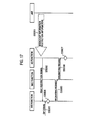
FIG. 17 , the AS function of the mobile station UE receives, at Step S5001, broadcast information containing SSAC restriction information and ACB restriction information transmitted by the radio base station eNB, and transmits, at Step S5002, the SSAC restriction information contained in the received broadcast information to the IMS function. - Upon receiving a SIP (Session Initiation Protocol) signal as an originating signal for establishing an IMS service call (hereinafter, referred to as an IMS-related originating signal) at Step S5003, the IMS function determines whether or not to permit transmission of the SIP signal according to the SSAC restriction information at Step S5004.
- Here, the IMS service call includes an IMS voice call (VoLTE call) and an IMS video call.
- Also, the SIP signal as an IMS-related originating signal includes "REGISTER (IMS Registration", "INVITE (originating signal of IMS service call)", "MESSAGE (SMS)", "OPTION (setting system signal)", etc.
- When determining to permit transmission of the SIP signal, the IMS function transmits an originating request to the NAS (Non-Access Stratum) function at Step S5005, and the NAS function transmits an originating request to the AS function at Step S5006.
- Here, the NAS function assigns a call type indicating MO-Data in response to the originating request by the SIP signal, and transmits the originating request to the AS function.
- At Step S5007, the AS function recognizes that the call type of the SIP signal is MO-Data according to the ACB restriction information, and determines whether or not to permit transmission of the SIP signal.
- Here, the SSAC is configured to determine whether or not to permit transmission of the originating signal of the IMS service call according to the SSAC restriction information.
- On the other hand, the ACB is configured to determine whether or not to permit transmission of any originating signals of all packet calls (including IMS service calls and other packet calls) by using the ACB restriction information.
- In this way, the IMS service call whose transmission is once permitted by the SSAC is further processed through determination by the ACB on whether or not to permit the transmission thereof. That is, an originating signal of an IMS service call whose transmission is once permitted according to the restriction control of SSAC may be restricted by the ACB.
- Probability of transmission permission by the ACB is configured to be specified by "ac-BarringFactor". However, "100%" cannot be set to "ac-BarringFactor".
- In view of disaster situations in recent years, it is necessary to enable the voice call even by restricting the packet call.
- As described above, however, the conventional restriction control in the LTE cannot provide a control of restricting transmission of an originating signal of a packet call, while not restricting transmission of an originating signal of a VoLTE call.
- Thus, the present invention has been made in view of such circumstances and has an objective of providing a mobile station capable of performing restriction control independently from a packet call and a voice call.
- A first feature of the present invention is summarized as a mobile station including: a specific application function; a NAS function; and an AS function. Here, the specific application function is configured to perform restriction control of determining whether or not to permit transmission of an originating signal relating to a specific application according to specific application restriction information broadcasted. The specific application function is configured to notify the NAS function of an originating request containing an identifier indicating an originating signal relating to a specific application, when determining to permit transmission of the originating signal relating to the specific application. The NAS function is configured to notify the AS function of an originating request containing an identifier indicating an originating signal relating to a specific application. The AS function is configured not to perform restriction control of determining whether or not to permit transmission of the originating signal relating to the specific application, in response to the notified originating request containing the identifier.
- A second feature of the present invention is summarized as a mobile station including: a specific application function; a NAS function; and an AS function. The specific application function is configured to perform restriction control of determining whether or not to permit transmission of an originating signal of a specific service call in a specific application according to specific application restriction information broadcasted. The specific application function is configured to notify the NAS function of an originating request containing an identifier indicating an originating signal of a specific service call in a specific application, when determining to permit transmission of the originating signal of the specific service call. The NAS function is configured to transmit, to the AS function, an originating request containing an identifier indicating an originating signal of a specific service call in a specific application. The AS function is configured not to perform restriction control of determining whether or not to permit transmission of the originating signal of the specific service call, in response to the notified originating request containing the identifier.
- A third feature of the present invention is summarized as a mobile station including: a specific application function; and an AS function. Here, when specific application restriction information is not broadcast and AS restriction information is broadcast, the specific application function is configured not to perform restriction control of determining whether or not to permit transmission of an originating signal of a specific application call or a specific service call in a specific application, and the AS function is configured to perform restriction control of determining whether or not to permit transmission of the originating signal of the specific application call or the specific service call according to the AS restriction information. When the specific application restriction information indicating performing no restriction is broadcast, the specific application function and the AS function are configured not to perform the restriction control even when the AS restriction information is broadcast.
- A fourth feature of the present invention is summarized as a mobile station including: a specific application function; and an AS function. Here, when specific application restriction information is not broadcast, AS restriction information is broadcast, and a radio access network is notified to support a restriction control for a specific application call and a specific service call in a specific application, the specific application function and the AS function are configured not to perform restriction control of determining whether or not to permit transmission of an originating signal of the specific application call and the specific service call. When the specific application restriction information is not broadcast, the AS restriction information is broadcast, and the radio access network is not notified to support restriction control for the specific application call and the specific service call, the specific application function is configured not to perform the restriction control, and the AS function is configured to perform the restriction control.
-
- [
FIG. 1] FIG. 1 is an overall configuration diagram of a mobile communication system according to a first embodiment of the present invention. - [
FIG. 2] FIG. 2 is a functional block diagram of a mobile station according to the first embodiment of the present invention. - [
FIG. 3] FIG. 3 is a sequence diagram showing the operation of the mobile communication system according to the first embodiment of the present invention. - [
FIG. 4] FIG. 4 is a sequence diagram showing the operation of the mobile communication system according to the first embodiment of the present invention. - [
FIG. 5] FIG. 5 is a diagram showing an example of a SIB2 used in the mobile communication system according to the first embodiment of the present invention. - [
FIG. 6] FIG. 6 is a diagram showing an example of the SIB2 used in the mobile communication system according to the first embodiment of the present invention. - [
FIG. 7] FIG. 7 is a diagram showing an example of the SIB2 used in the mobile communication system according to the first embodiment of the present invention. - [
FIG. 8] FIG. 8 is a diagram showing an example of the SIB2 used in the mobile communication system according to the first embodiment of the present invention. - [
FIG. 9] FIG. 9 is a flowchart showing the operation of a mobile station according to a second embodiment of the present invention. - [
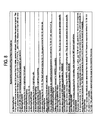
FIG. 10] FIG. 10 is a diagram showing an example of a SIB2 used in a mobile communication system according to the second embodiment of the present invention. - [
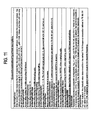
FIG. 11] FIG. 11 is diagram showing an example of the SIB2 used in the mobile communication system according to the second embodiment of the present invention. - [
FIG. 12] FIG. 12 is a diagram showing an example of the SIB2 used in the mobile communication system according to the second embodiment of the present invention. - [
FIG. 13] FIG. 13 is a diagram showing an example of the SIB2 used in the mobile communication system according to the second embodiment of the present invention. - [
FIG. 14] FIG. 14 is a flowchart showing the operation of a mobile station according to a third embodiment of the present invention. - [
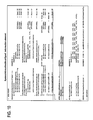
FIG. 15] FIG. 15 is a diagram showing an example of a SIB2 used in the mobile communication system according to the third embodiment of the present invention. - [
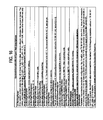
FIG. 16] FIG. 16 is a diagram showing an example of the SIB2 used in the mobile communication system according to the third embodiment of the present invention. - [
FIG. 17] FIG. 17 is a sequence diagram showing the operation of a conventional mobile communication system. - The mobile communication system according to the first embodiment of the present invention is described with reference to
FIGs. 1 to 8 . The mobile communication system according to this embodiment supports the LTE. - As shown in
FIG. 1 , a radio base station eNB in the mobile communication system according to this embodiment is configured to transmit broadcast information such as MIB (Master Information Block), SIB (Master Information Block), etc., in cells under control thereof. - A mobile station UE according to this embodiment supports the
LTE Release 11 and later versions, and comprises anAS function 11, aNAS function 12, and anIMS function 13, as shown inFIG. 2 . - The
AS function 11 is configured to perform various processing in an AS layer. TheNAS function 12 is configured to perform various processing in a NAS layer. TheIMS function 13 is configured to perform various processing in an IMS layer. - Although this specification describes about a scenario in which the
IMS function 13 is used as a specific application function, the present invention also can be applied to scenarios where other application functions are used as a specific application function. - Here, the
AS function 11 is configured to perform ACB according to the ACB restriction information at a timing when "RRC Connection Request" or "Service Request" is transmitted. - Similarly, the
IMS function 13 is configured to perform SSAC according to the SSAC restriction information. - Hereinafter, restriction control in the mobile communication system according to this embodiment is described with reference to
FIGs. 3 to 8 . Specifically, a first example of the restriction control in the mobile communication system according to this embodiment is shown inFIG. 3 , and a second example of the restriction control in the mobile communication system according to this embodiment is shown inFIG. 4 . - Firstly, as shown in
FIG. 3 , theAS function 11 of the mobile station UE receives, at Step S1001, broadcast information transmitted by the radio base station eNB, and transmits, at Step S1002, SSAC restriction information contained in the received broadcast information to theIMS function 13. - Upon receiving the SIP signal as an IMS-related originating signal at Step S1003, the
IMS function 13 determines whether or not to permit transmission of the SIP signal as the IMS-related originating signal according to the SSAC restriction information at Step S1004. - When determining to permit transmission of the IMS-related originating signal, the
IMS function 13 transmits, at Step S1005, an originating request containing an identifier indicating the IMS-related originating signal to theNAS function 12. - At Step S1006, the
NAS function 12 transmits an originating request containing "Call-Type: IMS" as an identifier indicating the IMS-related originating signal to theAS function 11. - At Step S1007, if the received originating request contains "Call-Type: IMS", the
AS function 11 transmits the IMS-related originating signal without performing ACB thereon. - Here, the
NAS function 12 may use a predetermined bit set to "1" as the above identifier in place of "Call-Type: IMS". - Secondly, as shown in
FIG. 4 , theAS function 11 of the mobile station UE receives, at Step S2001, broadcast information transmitted by the radio base station eNB, and transmits, at Step S2002, SSAC restriction information for a specific service call in the IMS contained in the received broadcast information to theIMS function 13. - Here, the specific service call is supposed to be a VoLTE call, a videophone call, a SMS over IP/RCS (presence service) call, etc.
- The SSAC restriction information for a specific service call may be configured, as shown in
FIGs. 5 and6 , so as to be set in an information element "ssac-BarringForIMS-r11" newly defined in the SIB2, or in an existing information element in the SIB2 such as "ssac-BarringForMMTEL-Video" and "ssac-BarringForMMTEL-Voice", as shown inFIGs. 7 and8 . - Upon receiving the originating signal of the above specific service call such as, for example, "INVITE" as an originating signal for the VoLTE call at Step S2003, the
IMS function 13 determines whether or not to permit transmission of the "INVITE" according to the SSAC restriction information for the above specific service call at Step S2004. - When determining to permit transmission of the "INVITE", the
IMS function 13 transmits, to theNAS function 12 at Step S2005, an originating request containing an identifier indicating an originating signal for a specific service call in the IMS, such as, for example, an originating signal of the VoLTE call. - At Step S2006, the
NAS function 12 transmits an originating request containing "Call-Type: VoLTE" as an identifier indicating the originating signal of the VoLTE call to theAS function 11. - At Step S2007, when the received originating request contains "Call-Type: VoLTE", the
AS function 11 transmits the "INVITE" without performing ACB to the originating signal of the VoLTE call. - Here, the
NAS function 12 may use a predetermined bit set to "1" as the above identifier in place of "Call-Type: VoLTE". - According to an aspect of this embodiment, the
AS function 11 may transmit an IMS-related originating signal whose transmission is permitted by theIMS function 13, without performing ACB. - As a result, restriction control of a voice call such as the packet call and the VoLTE call can be performed independently. This enables control of restricting transmission of the packet call can be restricted while not restricting transmission of a voice call such as the VoLTE call.
- The mobile communication system according to the second embodiment of the present invention is described with reference to
FIGs. 9 to 13 . Hereinafter, the mobile communication system according to the second embodiment of the present invention is described by focusing on differences thereof from the mobile communication system according to the first embodiment described above. - As shown in
FIG. 9 , at Step S101, theAS function 11 and theIMS function 13 of the mobile station UE determine whether or not SSAC restriction information is contained in broadcast information (specifically, SIB2) received from the radio base station eNB. - If "YES", the operation proceeds to the step S102. If "NO", the operation proceeds to the step S103.
- At Step S102, the
IMS function 13 performs SSAC according to the SSAC restriction information, and theAS function 11 performs no ACS even when the ACB restriction information is broadcast. - Here, when the SSAC restriction information indicates "performing no restriction", or when the SSAC restriction ratio is "0%", the
IMS function 13 performs no SSAC. - For example, as shown in
FIGs. 10 and11 , when "true" is set to "no barring" in an information element "ACDC-BarringConfig-r11" established in an information element "acdc-BarringForIMS-r11" newly defined in SIB2, theAS function 11 and theIMS function 13 determine that the SSAC restriction information indicates "performing no restriction", or that the SSAC restriction ratio is "0%". - Alternatively, as shown in
FIGs. 12 and13 , when "true" is set to the information element "acdc-NoBarring-r11" in SIB2, theAS function 11 and theIMS function 13 determine that the SSAC restriction information indicates that "performing no restriction", or that the SSAC restriction ratio is "0%". - At Step S103, the
AS function 11 determines whether or not the ACB restriction information is contained in the broadcast information (specifically, SIB2) received from the radio base station eNB. - If "YES", the operation proceeds to the step S104. If "NO", the operation proceeds to the step S105.
- At Step S104, the
AS function 11 performs ACB according to the ACB restriction information. - At Step S105, both the
IMS function 13 and theAS function 11 perform no restriction control. - In the mobile communication system according to this embodiment, the mobile station UE can perform restriction control independently from a voice call such as the packet call and the VoLTE call even when a radio access network of the LTE Release 10 or older and a radio access network of the
LTE Release 11 or later co-exist. This enables the mobile station UE to perform control of restricting transmission of the packet call while not restricting transmission of a voice call such as the VoLTE call. - It is assumed that the SSAC restriction information for a voice call such as the VoLTE call cannot be transmitted in a radio access network of the LTE Release 10 or older, and the SSAC restriction information for a voice call such the VoLTE call is always transmitted in a radio access network of the
LTE Release 11 or later. - The mobile communication system according to the third embodiment of the present invention is described with reference to
FIGs. 14 to 16 . Hereinafter, the mobile communication system according to the third embodiment of the present invention is described by focusing on differences thereof from mobile communication systems according to the first and second embodiments described above. - As shown in
FIG. 14 , at Step S201, theAS function 11 and theIMS function 13 of the mobile station UE determine whether or not SSAC restriction information is contained in broadcast information (specifically, SIB2) received from the radio base station eNB. - If "YES", the operation proceeds to the step S202. If "NO", the operation proceeds to the step S203.
- At Step S202, the
IMS function 13 performs SSAC according to the SSAC restriction information, and theAS function 11 performs no ACB even when the ACB restriction information is broadcast. - At Step S203, the
AS function 11 determines whether or not the ACB restriction information is contained in the broadcast information (specifically, SIB2) received from the radio base station eNB. - If "YES", the operation proceeds to the step S205. If "NO", the operation proceeds to the step S204.
- At Step S204, both the
IMS function 13 and theAS function 11 perform no restriction control. - At Step S205, the
AS function 11 determines whether or not the radio access network is notified to support SSAC for a voice call such as the VoLTE call. - For example, as shown in
FIGs. 15 and16 , when "true" is set to an information element "acdc-NWsupport" in SIB2, theAS function 11 may determine that the radio access network supports SSAC for a voice call such as the VoLTE call, and when "true" is not set to the information element "acdc-NWsupport" in SIB2, theAS function 11 may determine that the radio access network does not support a voice call such as the VoLTE call. - Here, when "true" is set to the information element "acdc-NWsupport" in SIB2, but not to "acdc-BarringForIMS-r11", or "ssac-BarringForMMTEL-Voice-r9", or "ssac-BarringForMMTEL-Video-r9", the above SSAC restriction information or the SSAC restriction ratio may be configured to indicate "0%".
- If "YES", the operation proceeds to the step S206. If "NO", the operation proceeds to the step S207.
- At Step S206, both the
IMS function 13 and theAS function 11 perform no restriction control. - At Step S207, the
AS function 11 performs ACB according to the ACB restriction information. - In the mobile communication system according to this embodiment, the mobile station UE can perform restriction control independently from a voice call such as the packet call and the VoLTE call even when a radio access network of a LTE Release 10 or older and a radio access network of a
LTE Release 11 or later co-exist. This enables the mobile station UE to perform control of restricting transmission of the packet call, while not restricting transmission of a voice call such as the VoLTE call. - It is assumed that a radio access network of a LTE Release 10 or older does not support SSAC for a voice call such as the VoLTE call and provides no notification as to whether it supports SSAC for a voice call such as the VoLTE call, and a radio access network of a
LTE Release 11 or later provides notification as to whether it supports SSAC for a voice call such as the VoLTE call. - The features of the present invention may also be expressed as follows.
- A first feature of the present invention is summarized as a mobile station UE including: an IMS function 13 (a specific application function); a
NAS function 12; and anAS function 11. Here, theIMS function 13 is configured to perform SSAC (restriction control) of determining whether or not to permit transmission of an IMS-related originating signal (an originating signal relating to a specific application) according to SSAC restriction information (specific application restriction information) broadcasted. TheIMS function 13 is configured to notify theNAS function 12 of an originating request containing an identifier indicating an IMS-related originating signal, when determining to permit transmission of the IMS-related originating signal. TheNAS function 12 is configured to notify theAS function 11 of an originating request containing an identifier indicating an IMS-related originating signal. TheAS function 11 is configured not to perform ACB (restriction control) of determining whether or not to permit transmission of the IMS-related originating signal, in response to the notified originating request containing the identifier. - A second feature of the present invention is summarized as a mobile station UE including: an
IMS function 13; aNAS function 12; and anAS function 11. Here, theIMS function 13 is configured to perform SSAC of determining whether or not to permit transmission of an originating signal of a VoLTE (a specific service) call in an IMS according to SSAC restriction information broadcasted. TheIMS function 13 is configured to notify theNAS function 12 of an originating request containing an identifier indicating an originating signal of a VoLTE call, when determining to permit transmission of the originating signal of the VoLTE call. TheNAS function 12 is configured to transmit, to theAS function 11, an originating request containing an identifier indicating an originating signal of a VoLTE call. TheAS function 11 is configured not to perform ACB of determining whether or not to permit transmission of the originating signal of the VoLTE call, in response to the notified originating request containing the identifier. - A third feature of the present invention is summarized as a mobile station UE including: an
IMS function 13; and anAS function 11. When SSAC restriction information is not broadcast and ACB restriction information (AS restriction information) is broadcast, theIMS function 13 is configured not to perform SSAC of determining whether or not to permit transmission of an originating signal of an IMS service call or a VoLTE call, and theAS function 11 is configured to perform ACB of determining whether or not to permit transmission of the originating signal of the IMS service call (specific application call) or the VoLTE call according to the ACB restriction information. When the SSAC restriction information indicating performing no restriction is broadcast, theIMS function 13 and theAS function 11 are configured not to perform SSAC and ACB even when the ACB restriction information is broadcast. - A fourth feature of the present invention is summarized as a mobile station UE including: an
IMS function 13; and anAS function 11. Here, when SSAC restriction information is not broadcast, ACB restriction information is broadcast, and a radio access network is notified to support SSAC for a voice call such as the VoLTE call, theIMS function 13 and theAS function 11 are configured not to perform SSAC and ACB of determining whether or not to permit transmission of an originating signal of an IMS service call or the VoLTE service call. When the SSAC restriction information is not broadcast, the ACB restriction information is broadcast, and the radio access network is not notified to support SSAC for the voice call such as the VoLTE call, theIMS function 13 is configured not to perform SSAC, and theAS function 11 is configured to perform ACB. - It should be noted that the foregoing operations of the mobile station UE and the radio base station eNB may be implemented by hardware, may be implemented by a software module executed by a processor, or may be implemented in combination of the two.
- The software module may be provided in a storage medium in any format, such as a RAM (Random Access Memory), a flash memory, a ROM (Read Only Memory), an EPROM (Erasable Programmable ROM), an EEPROM (Electronically Erasable and Programmable ROM), a register, a hard disk, a removable disk, or a CD-ROM.
- The storage medium is connected to a processor so that the processor can read and write information from and to the storage medium. Instead, the storage medium may be integrated in a processor. The storage medium and the processor may be provided inside an ASIC. Such an ASIC may be provided in the mobile station UE and the radio base station eNB. Otherwise, the storage medium and the processor may be provided as discrete components inside the mobile station UE and the radio base station eNB.
- Hereinabove, the present invention has been described in detail by use of the foregoing embodiments. However, it is apparent to those skilled in the art that the present invention should not be limited to the embodiments described in the specification. The present invention can be implemented as an altered or modified embodiment without departing from the spirit and scope of the present invention, which are determined by the description of the scope of claims. Therefore, the description of the specification is intended for illustrative explanation only and does not impose any limited interpretation on the present invention.
- Note that the entire content of Japanese Patent Application No.
2012-106010 (filed on May 7, 2012 - As described above, the present invention provides a mobile station capable of independently performing restriction control on a packet call and a voice call.
-
- UE
- mobile station
- 11
- AS function
- 12
- NAS function
- 13
- IMS function
Claims (4)
- A mobile station comprising:a specific application function;a NAS (Non-Access Stratum) function; andan AS (Access Stratum) function, whereinthe specific application function is configured to perform restriction control of determining whether or not to permit transmission of an originating signal relating to a specific application according to specific application restriction information broadcasted;the specific application function is configured to notify the NAS function of an originating request containing an identifier indicating an originating signal relating to a specific application, when determining to permit transmission of the originating signal relating to the specific application;the NAS function is configured to notify the AS function of an originating request containing an identifier indicating an originating signal relating to a specific application; andwherein the AS function is configured not to perform restriction control of determining whether or not to permit transmission of the originating signal relating to the specific application, in response to the notified originating request containing the identifier.
- A mobile station comprising:a specific application function;a NAS (Non-Access Stratum) function; andan AS (Access Stratum) function, whereinthe specific application function is configured to perform restriction control of determining whether or not to permit transmission of an originating signal of a specific service call in a specific application according to specific application restriction information broadcasted;the specific application function is configured to notify the NAS function of an originating request containing an identifier indicating an originating signal of a specific service call in a specific application, when determining to permit transmission of the originating signal of the specific service call;the NAS function is configured to transmit, to the AS function, an originating request containing an identifier indicating an originating signal of a specific service call in a specific application; andthe AS function is configured not to perform restriction control of determining whether or not to permit transmission of the originating signal of the specific service call, in response to the notified originating request containing the identifier.
- A mobile station comprising:a specific application function; andan AS (Access Stratum) function, whereinwhen specific application restriction information is not broadcast and AS restriction information is broadcast, the specific application function is configured not to perform restriction control of determining whether or not to permit transmission of an originating signal of a specific application call or a specific service call in a specific application, and the AS function is configured to perform restriction control of determining whether or not to permit transmission of the originating signal of the specific application call or the specific service call according to the AS restriction information; andwhen the specific application restriction information indicating performing no restriction is broadcast, the specific application function and the AS function are configured not to perform the restriction control even when the AS restriction information is broadcast.
- A mobile station comprising:a specific application function; andan AS (Access Stratum) function, whereinwhen specific application restriction information is not broadcast, AS restriction information is broadcast, and a radio access network is notified to support a restriction control for a specific application call and a specific service call in a specific application, the specific application function and the AS function are configured not to perform restriction control of determining whether or not to permit transmission of an originating signal of the specific application call and the specific service call; andwhen the specific application restriction information is not broadcast, the AS restriction information is broadcast, and the radio access network is not notified to support restriction control for the specific application call and the specific service call, the specific application function is configured not to perform the restriction control, and the AS function is configured to perform the restriction control.
Applications Claiming Priority (2)
| Application Number | Priority Date | Filing Date | Title |
|---|---|---|---|
| JP2012106010A JP5936435B2 (en) | 2012-05-07 | 2012-05-07 | Mobile station |
| PCT/JP2013/062833 WO2013168700A1 (en) | 2012-05-07 | 2013-05-07 | Mobile station |
Publications (2)
| Publication Number | Publication Date |
|---|---|
| EP2849495A1 true EP2849495A1 (en) | 2015-03-18 |
| EP2849495A4 EP2849495A4 (en) | 2016-05-25 |
Family
ID=49550735
Family Applications (1)
| Application Number | Title | Priority Date | Filing Date |
|---|---|---|---|
| EP13788638.8A Withdrawn EP2849495A4 (en) | 2012-05-07 | 2013-05-07 | MOBILE STATION |
Country Status (4)
| Country | Link |
|---|---|
| US (1) | US9769649B2 (en) |
| EP (1) | EP2849495A4 (en) |
| JP (1) | JP5936435B2 (en) |
| WO (1) | WO2013168700A1 (en) |
Cited By (5)
| Publication number | Priority date | Publication date | Assignee | Title |
|---|---|---|---|---|
| EP3028422A4 (en) * | 2014-03-06 | 2017-03-15 | MediaTek Inc. | Smart congestion control for rrc idle mode in lte advanced systems |
| EP3092850A4 (en) * | 2014-01-06 | 2017-06-28 | Intel IP Corporation | Systems, methods, and devices for application aware access control for communication on a mobile network |
| EP3096560A4 (en) * | 2014-11-10 | 2017-11-15 | LG Electronics Inc. | Method and user equipment for blocking network access by acdc |
| EP3122145A4 (en) * | 2014-03-19 | 2017-11-15 | LG Electronics Inc. | Execution method and user equipment for service request procedure |
| US9867049B2 (en) | 2012-05-14 | 2018-01-09 | Ntt Docomo, Inc. | Mobile station performing access control with NAS restriction information sent from radio base station |
Families Citing this family (12)
| Publication number | Priority date | Publication date | Assignee | Title |
|---|---|---|---|---|
| US20140315548A1 (en) * | 2013-04-22 | 2014-10-23 | Qualcomm Incorporated | Methods and apparatus for access class barring for voip calls |
| US9445304B2 (en) * | 2013-08-19 | 2016-09-13 | Telefonaktiebolaget Lm Ericsson (Publ) | Inverse service specific access control (SSAC) |
| CN111586596B (en) * | 2013-10-30 | 2022-11-04 | 交互数字专利控股公司 | System and method for handling priority service congestion |
| JP6507425B2 (en) * | 2014-01-24 | 2019-05-08 | シャープ株式会社 | Terminal device, access control method and integrated circuit |
| JP2015142293A (en) * | 2014-01-29 | 2015-08-03 | 株式会社Nttドコモ | Call restriction control method, mobile station device and base station device |
| US9392531B2 (en) * | 2014-01-30 | 2016-07-12 | Intel IP Corporation | Application specific congestion control in a wireless network |
| US9775011B2 (en) * | 2014-01-31 | 2017-09-26 | Intel Corporation | Implementations of application specific access class barring skip functionality in a wireless network |
| EP3163947B1 (en) | 2014-06-30 | 2019-09-04 | LG Electronics Inc. | Method for barring network access for each application, and user equipment |
| JP6436547B2 (en) * | 2014-09-25 | 2018-12-12 | インテル アイピー コーポレーション | NETWORK NODE, USER EQUIPMENT, COMPUTER PROGRAM, AND DEVICE SUPPORTING ACCESS CONTROL MECHANISMS FOR D2D DETECTION AND COMMUNICATION |
| US10972960B2 (en) | 2014-11-10 | 2021-04-06 | Lg Electronics Inc. | Method and user equipment for blocking network access by ACDC |
| US9894598B2 (en) * | 2015-07-09 | 2018-02-13 | Verizon Patent And Licensing Inc. | Network override of device volte setting |
| KR102501927B1 (en) * | 2015-08-24 | 2023-02-21 | 삼성전자 주식회사 | Method and apparatus for wireless communication in wireless communication system |
Family Cites Families (7)
| Publication number | Priority date | Publication date | Assignee | Title |
|---|---|---|---|---|
| JP2001078260A (en) * | 1999-09-06 | 2001-03-23 | Yrp Kokino Idotai Tsushin Kenkyusho:Kk | Congestion control method in mobile communication system, mobile terminal and base station |
| BRPI1006629B1 (en) | 2009-04-17 | 2021-07-20 | Nec Corporation | MOBILE COMMUNICATION SYSTEM, GATEWAY APPLIANCE, BASIC NETWORK APPLIANCE AND COMMUNICATION METHOD |
| JP4941515B2 (en) | 2009-07-02 | 2012-05-30 | 富士通株式会社 | Reception circuit, offset adjustment method, and transmission / reception system |
| JP4713670B2 (en) * | 2009-10-05 | 2011-06-29 | 株式会社エヌ・ティ・ティ・ドコモ | Mobile station |
| JP2011151843A (en) * | 2009-10-05 | 2011-08-04 | Ntt Docomo Inc | Mobile station |
| US9398517B2 (en) * | 2010-01-11 | 2016-07-19 | Blackberry Limited | System and method for enabling discovery of local service availability in local cellular coverage |
| US9369944B2 (en) * | 2011-08-05 | 2016-06-14 | Telefonaktiebolaget Lm Ericsson (Publ) | Methods of modifying communication network access and related network nodes, and wireless terminals |
-
2012
- 2012-05-07 JP JP2012106010A patent/JP5936435B2/en not_active Expired - Fee Related
-
2013
- 2013-05-07 WO PCT/JP2013/062833 patent/WO2013168700A1/en not_active Ceased
- 2013-05-07 US US14/399,552 patent/US9769649B2/en not_active Expired - Fee Related
- 2013-05-07 EP EP13788638.8A patent/EP2849495A4/en not_active Withdrawn
Cited By (9)
| Publication number | Priority date | Publication date | Assignee | Title |
|---|---|---|---|---|
| US9867049B2 (en) | 2012-05-14 | 2018-01-09 | Ntt Docomo, Inc. | Mobile station performing access control with NAS restriction information sent from radio base station |
| EP2852241B1 (en) * | 2012-05-14 | 2018-07-04 | Ntt Docomo, Inc. | Mobile station |
| EP3092850A4 (en) * | 2014-01-06 | 2017-06-28 | Intel IP Corporation | Systems, methods, and devices for application aware access control for communication on a mobile network |
| US10003972B2 (en) | 2014-01-06 | 2018-06-19 | Intel IP Corporation | Systems, methods, and devices for application aware access control for communication on a mobile network |
| EP3028422A4 (en) * | 2014-03-06 | 2017-03-15 | MediaTek Inc. | Smart congestion control for rrc idle mode in lte advanced systems |
| US9949271B2 (en) | 2014-03-06 | 2018-04-17 | Mediatek Inc. | Smart congestion control for RRC idle mode in LTE systems |
| EP3122145A4 (en) * | 2014-03-19 | 2017-11-15 | LG Electronics Inc. | Execution method and user equipment for service request procedure |
| EP3096560A4 (en) * | 2014-11-10 | 2017-11-15 | LG Electronics Inc. | Method and user equipment for blocking network access by acdc |
| US10517036B2 (en) | 2014-11-10 | 2019-12-24 | Lg Electronics Inc. | Method and user equipment for blocking network access by ACDC |
Also Published As
| Publication number | Publication date |
|---|---|
| US20150111556A1 (en) | 2015-04-23 |
| JP2013236169A (en) | 2013-11-21 |
| WO2013168700A1 (en) | 2013-11-14 |
| JP5936435B2 (en) | 2016-06-22 |
| EP2849495A4 (en) | 2016-05-25 |
| US9769649B2 (en) | 2017-09-19 |
Similar Documents
| Publication | Publication Date | Title |
|---|---|---|
| EP2849495A1 (en) | Mobile station | |
| US10757612B2 (en) | Controlling fallback procedures for different user groups or device groups | |
| EP2296339B1 (en) | Method of handling call origination and related communication device | |
| US9826370B2 (en) | Location identifiers in mobile messaging | |
| RU2517389C2 (en) | Mobile communication method and mobility management node | |
| JP4713670B2 (en) | Mobile station | |
| US20110009130A1 (en) | Method of Handling Location Service and Related Communication Device | |
| EP2536103A1 (en) | Retreiving location, assigning a temporary identity and receiving verified information for establishing a (emergency) call | |
| US9661482B2 (en) | Mobile communication method, radio base station and mobility management node | |
| US20100273511A1 (en) | Method of handling validity of paging and related communication device | |
| WO2014013919A1 (en) | Mobile communication method | |
| EP2563072A1 (en) | Mobile communications method, exchange station, and mobile station | |
| US20080161012A1 (en) | Inter-Working Location Gateway For Heterogeneous Networks | |
| EP2708049B1 (en) | Home network roaming management for ecall-only subscribers | |
| US12439229B2 (en) | Technique for providing content via a mobile communications network | |
| EP2920919B1 (en) | System and method for providing selective voiceover4g call blocking | |
| US9351327B2 (en) | Communication system, phonebook server, radio communication terminal, and communication method | |
| US20140010160A1 (en) | Mobile communication method, service control network apparatus and mobility management node | |
| US20150126152A1 (en) | Mobile station | |
| JP6129628B2 (en) | Mobile communication method and mobile communication terminal | |
| JP2011082976A (en) | Mobile communication method, mobility management node, and mobile station | |
| WO2020112406A1 (en) | Controlling fallback procedures for different user groups or device groups |
Legal Events
| Date | Code | Title | Description |
|---|---|---|---|
| PUAI | Public reference made under article 153(3) epc to a published international application that has entered the european phase |
Free format text: ORIGINAL CODE: 0009012 |
|
| 17P | Request for examination filed |
Effective date: 20141117 |
|
| AK | Designated contracting states |
Kind code of ref document: A1 Designated state(s): AL AT BE BG CH CY CZ DE DK EE ES FI FR GB GR HR HU IE IS IT LI LT LU LV MC MK MT NL NO PL PT RO RS SE SI SK SM TR |
|
| AX | Request for extension of the european patent |
Extension state: BA ME |
|
| DAX | Request for extension of the european patent (deleted) | ||
| RIC1 | Information provided on ipc code assigned before grant |
Ipc: H04W 48/02 20090101ALI20151221BHEP Ipc: H04W 48/10 20090101AFI20151221BHEP Ipc: H04W 8/22 20090101ALI20151221BHEP |
|
| RA4 | Supplementary search report drawn up and despatched (corrected) |
Effective date: 20160421 |
|
| RIC1 | Information provided on ipc code assigned before grant |
Ipc: H04W 8/22 20090101ALI20160415BHEP Ipc: H04W 48/10 20090101AFI20160415BHEP Ipc: H04W 48/02 20090101ALI20160415BHEP |
|
| STAA | Information on the status of an ep patent application or granted ep patent |
Free format text: STATUS: THE APPLICATION HAS BEEN WITHDRAWN |
|
| 18W | Application withdrawn |
Effective date: 20180803 |