EP2847223B2 - Anti-b7-h6 antibody, fusion proteins, and methods of using the same - Google Patents
Anti-b7-h6 antibody, fusion proteins, and methods of using the same Download PDFInfo
- Publication number
- EP2847223B2 EP2847223B2 EP13787935.9A EP13787935A EP2847223B2 EP 2847223 B2 EP2847223 B2 EP 2847223B2 EP 13787935 A EP13787935 A EP 13787935A EP 2847223 B2 EP2847223 B2 EP 2847223B2
- Authority
- EP
- European Patent Office
- Prior art keywords
- seq
- antibody
- cell
- cells
- chimeric antigen
- Prior art date
- Legal status (The legal status is an assumption and is not a legal conclusion. Google has not performed a legal analysis and makes no representation as to the accuracy of the status listed.)
- Active
Links
Images



Classifications
-
- C—CHEMISTRY; METALLURGY
- C07—ORGANIC CHEMISTRY
- C07K—PEPTIDES
- C07K16/00—Immunoglobulins [IG], e.g. monoclonal or polyclonal antibodies
- C07K16/18—Immunoglobulins [IG], e.g. monoclonal or polyclonal antibodies against material from animals or humans
- C07K16/28—Immunoglobulins [IG], e.g. monoclonal or polyclonal antibodies against material from animals or humans against receptors, cell surface antigens or cell surface determinants
- C07K16/2803—Immunoglobulins [IG], e.g. monoclonal or polyclonal antibodies against material from animals or humans against receptors, cell surface antigens or cell surface determinants against the immunoglobulin superfamily
- C07K16/2827—Immunoglobulins [IG], e.g. monoclonal or polyclonal antibodies against material from animals or humans against receptors, cell surface antigens or cell surface determinants against the immunoglobulin superfamily against B7 molecules, e.g. CD80, CD86
-
- A—HUMAN NECESSITIES
- A61—MEDICAL OR VETERINARY SCIENCE; HYGIENE
- A61K—PREPARATIONS FOR MEDICAL, DENTAL OR TOILETRY PURPOSES
- A61K39/00—Medicinal preparations containing antigens or antibodies
- A61K39/395—Antibodies; Immunoglobulins; Immune serum, e.g. antilymphocytic serum
- A61K39/39533—Antibodies; Immunoglobulins; Immune serum, e.g. antilymphocytic serum against materials from animals
- A61K39/3955—Antibodies; Immunoglobulins; Immune serum, e.g. antilymphocytic serum against materials from animals against proteinaceous materials, e.g. enzymes, hormones, lymphokines
-
- A—HUMAN NECESSITIES
- A61—MEDICAL OR VETERINARY SCIENCE; HYGIENE
- A61P—SPECIFIC THERAPEUTIC ACTIVITY OF CHEMICAL COMPOUNDS OR MEDICINAL PREPARATIONS
- A61P35/00—Antineoplastic agents
-
- A—HUMAN NECESSITIES
- A61—MEDICAL OR VETERINARY SCIENCE; HYGIENE
- A61P—SPECIFIC THERAPEUTIC ACTIVITY OF CHEMICAL COMPOUNDS OR MEDICINAL PREPARATIONS
- A61P35/00—Antineoplastic agents
- A61P35/02—Antineoplastic agents specific for leukemia
-
- A—HUMAN NECESSITIES
- A61—MEDICAL OR VETERINARY SCIENCE; HYGIENE
- A61P—SPECIFIC THERAPEUTIC ACTIVITY OF CHEMICAL COMPOUNDS OR MEDICINAL PREPARATIONS
- A61P43/00—Drugs for specific purposes, not provided for in groups A61P1/00-A61P41/00
-
- C—CHEMISTRY; METALLURGY
- C07—ORGANIC CHEMISTRY
- C07K—PEPTIDES
- C07K14/00—Peptides having more than 20 amino acids; Gastrins; Somatostatins; Melanotropins; Derivatives thereof
- C07K14/435—Peptides having more than 20 amino acids; Gastrins; Somatostatins; Melanotropins; Derivatives thereof from animals; from humans
- C07K14/705—Receptors; Cell surface antigens; Cell surface determinants
- C07K14/70503—Immunoglobulin superfamily
- C07K14/7051—T-cell receptor (TcR)-CD3 complex
-
- C—CHEMISTRY; METALLURGY
- C07—ORGANIC CHEMISTRY
- C07K—PEPTIDES
- C07K14/00—Peptides having more than 20 amino acids; Gastrins; Somatostatins; Melanotropins; Derivatives thereof
- C07K14/435—Peptides having more than 20 amino acids; Gastrins; Somatostatins; Melanotropins; Derivatives thereof from animals; from humans
- C07K14/705—Receptors; Cell surface antigens; Cell surface determinants
- C07K14/70503—Immunoglobulin superfamily
- C07K14/70521—CD28, CD152
-
- C—CHEMISTRY; METALLURGY
- C07—ORGANIC CHEMISTRY
- C07K—PEPTIDES
- C07K16/00—Immunoglobulins [IG], e.g. monoclonal or polyclonal antibodies
- C07K16/18—Immunoglobulins [IG], e.g. monoclonal or polyclonal antibodies against material from animals or humans
- C07K16/28—Immunoglobulins [IG], e.g. monoclonal or polyclonal antibodies against material from animals or humans against receptors, cell surface antigens or cell surface determinants
- C07K16/2803—Immunoglobulins [IG], e.g. monoclonal or polyclonal antibodies against material from animals or humans against receptors, cell surface antigens or cell surface determinants against the immunoglobulin superfamily
- C07K16/2809—Immunoglobulins [IG], e.g. monoclonal or polyclonal antibodies against material from animals or humans against receptors, cell surface antigens or cell surface determinants against the immunoglobulin superfamily against the T-cell receptor (TcR)-CD3 complex
-
- C—CHEMISTRY; METALLURGY
- C07—ORGANIC CHEMISTRY
- C07K—PEPTIDES
- C07K2317/00—Immunoglobulins specific features
- C07K2317/20—Immunoglobulins specific features characterized by taxonomic origin
- C07K2317/24—Immunoglobulins specific features characterized by taxonomic origin containing regions, domains or residues from different species, e.g. chimeric, humanized or veneered
-
- C—CHEMISTRY; METALLURGY
- C07—ORGANIC CHEMISTRY
- C07K—PEPTIDES
- C07K2317/00—Immunoglobulins specific features
- C07K2317/30—Immunoglobulins specific features characterized by aspects of specificity or valency
- C07K2317/31—Immunoglobulins specific features characterized by aspects of specificity or valency multispecific
-
- C—CHEMISTRY; METALLURGY
- C07—ORGANIC CHEMISTRY
- C07K—PEPTIDES
- C07K2317/00—Immunoglobulins specific features
- C07K2317/60—Immunoglobulins specific features characterized by non-natural combinations of immunoglobulin fragments
- C07K2317/62—Immunoglobulins specific features characterized by non-natural combinations of immunoglobulin fragments comprising only variable region components
- C07K2317/622—Single chain antibody (scFv)
-
- C—CHEMISTRY; METALLURGY
- C07—ORGANIC CHEMISTRY
- C07K—PEPTIDES
- C07K2319/00—Fusion polypeptide
-
- C—CHEMISTRY; METALLURGY
- C07—ORGANIC CHEMISTRY
- C07K—PEPTIDES
- C07K2319/00—Fusion polypeptide
- C07K2319/33—Fusion polypeptide fusions for targeting to specific cell types, e.g. tissue specific targeting, targeting of a bacterial subspecies
Definitions
- NK cells are lymphocytes of the innate immune system that participate in the elimination of tumor cells.
- the activating natural cytotoxicity receptors (NCRs) NKp30, NKp44, and NKp46 play a major role in NK cell-mediated tumor cell lysis.
- NKp30 recognizes B7-H6, a member of the B7 family.
- B7-H6 includes two Ig domains with adjacent phase 1 introns in the extracellular region.
- B7-H6 is not detected in normal human tissues but is selectively expressed on a variety of human tumor cell lines, including T and B lymphomas, melanomas, and carcinomas ( Brandt, et al. (2009) J. Exp. Med.
- B7-H6 expression on tumor cells triggers NKp30-specific NK cell cytotoxicity and cytokine secretion.
- B7-H6 functions as a tumor-induced self-molecule that alerts innate immunity to cellular transformation via its interaction with the activating receptor NKp30 (Brandt, et al. (2009) supra ).
- WO 2011/070443 A1 describes monoclonal antibodies that bind B7H6 and uses thereof.
- the invention is a chimeric antigen receptor, which includes an antigen binding fragment of an antibody that specifically binds to B7 homolog 6, a transmembrane region, and an intracellular T-cell receptor signaling domain.
- the transmembrane region and intracellular T-cell receptor signaling domain are obtained from CD3 zeta.
- the chimeric antigen receptor further includes an intracellular signaling domain of a costimulatory protein receptor.
- the invention further provides a bi-specific T-cell engager as described in Claim 5.
- the invention also provides a pharmaceutical composition
- a pharmaceutical composition comprising the chimeric antigen receptor as described above and a pharmaceutically acceptable carrier.
- the present invention provides the chimeric antigen receptor as described above for use as a medicament.
- the present invention provides a pharmaceutical composition comprising an effective amount of the chimeric antigen receptor as described above for use in killing or inhibiting the growth of cells expressing B7 homolog 6 in a subject.
- the present invention provides a pharmaceutical composition comprising an effective amount of the chimeric antigen receptor as described above for use in treating a disease or condition associated with elevated expression of B7 homolog 6.
- mAb mouse-derived monoclonal antibodies
- Both clones were of the mouse IgG2a subclass.
- the genes encoding the heavy and light chains of mAb clone 47.39 were isolated.
- the nucleotide and deduced amino acid were determined.
- a chimeric antigen receptor (CAR) was generated, which included the variable portions of heavy (VH) and light (VL) chains of mAb 47.39.
- the anti-B7-H6 CAR included a single chain variable fragment (scFv) which recognized B7-H6, followed by a portion of CD28 molecule (including the hinge, transmembrane and cytoplasmic domains) and the cytoplasmic region of CD3zeta ( Figure 1 ). Using flow cytometry, it was confirmed that this CAR could recognize the B7-H6 molecule.
- scFv single chain variable fragment
- T-cells expressing the anti-B7-H6 CAR produced high levels of IFN gamma in response to stimulation by B7-H6-positive cells, i.e ., K562 myelogenous leukemia cells and RMA cells that expresses B7-H6 ( Figure 2A ), whereas autologous PBMCs and iDCs did not respond to anti-B7-H6 CAR ( Figure 2B ).
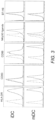
- Flow cytometry data showed that dendritic cells (DC) do not express B7-H6 on the cell surface ( Figure 3 ), whereas cancer cell lines such as K562, U937, A375, Hela, T47D, and Panc-1 do express B7-H6 ( Figure 4 ) and said expression is correlated with NKp30 expression.
- the anti-B7H6 CAR exhibited no reactivity against autologous dendritic cells.
- anti-B7H6 CAR was shown to redirect T cells to specifically lyse B7H6-positive tumor cells but not B7H6-negative tumor cells.
- an anti-B7H6/anti-CD3 BiTE (bi-specific T-cell engager) was generated ( Figure 6A ).
- Human and mouse versions of the anti-B7H6 BiTE i.e ., huBiTE1 and muBiTE1, respectively
- Figures 6B , 8A and 8B both the human and mouse versions of the anti-B7H6 BiTE triggered IFN- ⁇ secretion in a T cell and tumor cell co-culture.
- this description provides an antibody having specificity for B7-H6, wherein the antibody has a heavy chain encoded by the nucleotide sequence of SEQ ID NO:1 and a light chain encoded by the nucleotide sequence of SEQ ID NO:2. Moreover, the description provides an antibody having specificity for B7-H6, wherein the antibody has a heavy chain amino acid sequence of SEQ ID NO:3 and a light chain amino acid sequence of SEQ ID NO:4.
- the description provides an antibody that specifically binds B7-H6, wherein the heavy chain variable region of the antibody has a CDR1 sequence of Gly-Tyr-Thr-Phe-Thr-Gly-Tyr-Trp (SEQ ID NO:5), CDR2 sequence of Ile-Leu-Pro-Gly-Thr-Gly-Ser-Thr (SEQ ID NO:6), and CDR3 sequence of Ala-Ile-Pro-Gly-Pro-Met-Asp-Tyr (SEQ ID NO:7); and the light chain variable region of the antibody has a CDR1 sequence of Gln-Asp-Ile-Asn-Ser-Tyr (SEQ ID NO:8), CDR2 sequence of Arg-Ala-Asn (SEQ ID NO:9) and CDR3 sequence of Leu-Gln-Tyr-Asp-Glu-Phe-Pro-Tyr-Thr (SEQ ID NO:10).
- the heavy chain variable region of the antibody has
- the antibody can include a heavy chain of SEQ ID NO:3 in combination with any suitable light chain, such as those described in US 2004/0152105 , PCT/US2000/030039 (published as WO 01/34768 A2 ) and PCT/IB2010/003411 (published as WO 2011/070443 A1 ).
- the antibody can include a light chain of SEQ ID NO:4 in combination with any suitable heavy chain, such as those described in US 2004/0152105 , PCT/US2000/030039 (published as WO 01/34768 A2 ) and PCT/IB2010/003411 (published as WO 2011/070443 A1 ).
- the antibody can be an isolated antibody having specificity for human B7-H6 and can be a full length antibody or an antibody fragment.
- the antibody can be polyclonal, monoclonal, recombinant, chimeric, or humanized.
- the antibody can be of any isotype including without limitation IgA, IgD, IgE, IgG, or IgM.
- the antibody can be any IgA such as IgA1 or IgA2, or any IgG such as IgG1, IgG2, IgG3, IgG4, or synthetic IgG.
- the antibody can also be any antibody fragment having specificity for B7-H6, such as F(ab) 2 , Fv, scFv, F(ab') 2 , F(ab), VL, VH, dsFv, Fv, scFv-Fc, (scFv) 2 , a diabody, and a bivalent antibody.
- the antibody can be any modified or synthetic antibody, including, but not limited to, non-depleting IgG antibodies, T-bodies, or other Fc or Fab variants of antibodies.
- the antibody of the description further include a light chain selected from a Fab library using sequential naive chain shuffling.
- the antibody of the description can further include a heavy chain selected from a Fab library using sequential naive chain shuffling.
- the description provides an antibody with avidity for B7-H6 of about 10 ⁇ M or less, 5 ⁇ M or less, 2 ⁇ M or less, 1 ⁇ M or less, 500 nM or less, 400 nM or less, 300 nM or less, or 200 nM or less.
- the description also provides an antibody with avidity for B7-H6 of about 100 nM or less, about 75 nM or less, about 50 nM or less, about 25 nM or less, about 10 nM or less, or about 5 nM or less.
- Avidity can be measured using art-known techniques, such as ELISA or BIACORE.
- the antibody of the description can be produced by any suitable technique, for example, using any suitable eukaryotic or non-eukaryotic expression system.
- the antibody is produced using a mammalian expression system.
- the heavy chain can be encoded by a DNA sequence such as SEQ ID NO:1, while the light chain can be encoded by a DNA sequence such as SEQ ID NO:2.
- the antibody of the description can be produced using a suitable non-eukaryotic expression system such as a bacterial expression system.
- Bacterial expression systems can be used to produce fragments such as a F(ab) 2 , Fv, scFv, F(ab') 2 , F(ab), VL, VH, dsFv, Fv, scFv-Fc, (scFv) 2 , and diabodies. Techniques for altering DNA coding sequences to produce such fragments are known in the art.
- the antibody of the description can be conjugated to a synthetic molecule using any type of suitable conjugation.
- Recombinant engineering and incorporated selenocysteine e.g ., as described in WO 2008/122039
- Other methods of conjugation can include covalent coupling to native or engineered lysine side-chain amines or cysteine side-chain thiols. See, e.g., Wu, et al. (2005) Nat. Biotechnol. 23:1137-1146 .
- the synthetic molecule can be any molecule such as one targeting a tumor.
- the synthetic molecule also can be a protein or an antibody, wherein the resulting fusion protein can be produced by conventional recombinant protein expression systems and methods.
- CARs also known as artificial T cell receptor , chimeric T cell receptors, or chimeric immunoreceptors, are engineered receptors, which graft an arbitrary specificity onto an immune effector cell.
- these receptors are used to graft the specificity of a monoclonal antibody onto a T cell, e.g ., via retroviral vector expression.
- the most common form of these molecules are fusions of scFv derived from monoclonal antibodies, fused to CD3-zeta transmembrane and endodomain, i.e ., an intracellular T-cell receptor (TCR) signaling domain.
- TCR intracellular T-cell receptor
- First-generation CARs typically have the intracellular domain from the CD3 zeta-chain, which is the primary transmitter of signals from endogenous TCRs.
- “Second-generation” CARs add intracellular signaling domains from various costimulatory protein receptors (e.g ., CD28, 41BB, ICOS) to the cytoplasmic tail of the CAR to provide additional signals to the T cell (see Figure 1A).
- costimulatory protein receptors e.g ., CD28, 41BB, ICOS
- the anti-B7-H6 scFv fragment is included in a CAR.
- CARs of this invention can be prepared using standard recombinant protein techniques using sequences of CD3-zeta and other costimulatory molecules known in the art.
- the human CD3-zeta sequence is available under GENBANK accession number NP_932170
- the human CD28 sequence is available under GENBANK accession number NP_006130
- the human OX40 sequence is available under GENBANK accession number NP_003318
- the human CD19 sequence is available under GENBANK accession number AAA69966.
- the CAR of this invention includes a human CD3 ⁇ cytoplasmic domain (amino acids 52-164; SEQ ID NO:11), human CD28 hinge-transmembrane-cytoplasmic domains (amino acids 135-220; SEQ ID NO:12), and optionally a portion of CD19 (amino acids 1-327; SEQ ID NO:13).
- a cytotoxic agent can be a plant, fungal, or bacterial molecule ( e.g ., a protein toxin).
- a therapeutic agent can be a maytansinoid (e.g ., maytansinol or DM1 maytansinoid), a taxane, or a calicheamicin.
- Therapeutic agents include vincristine and prednisone.
- a therapeutic agent can be an antimetabolite (e.g., an antifolate such as methotrexate, a fluoropyrimidine such as 5-fluorouracil, cytosine arabinoside, or an analogue of purine or adenosine); an intercalating agent (for example, an anthracycline such as doxorubicin, daunomycin, epirubicin, idarubicin, mitomycin-C, dactinomycin, or mithramycin); a platinum derivative ( e.g., cisplatin or carboplatin); an alkylating agent ( e.g ., nitrogen mustard, melphalan, chlorambucil, busulphan, cyclophosphamide, ifosfamide nitrosoureas or thiotepa); an antimitotic agent (e.g ., a vinca alkaloid like vincristine or taxoid such as paclitaxe
- a therapeutic agent can be a proteosome inhibitor or a topoisomerase inhibitor such as bortezomib, amsacrine, etoposide, etoposide phosphate, teniposide, or doxorubicin.
- Therapeutic radioisotopes include yttrium ( 90 Y), lutetium ( 177 Lu), actinium ( 225 Ac), praseodymium, astatine ( 211 At) rhenium ( 186 Re), bismuth ( 212 Bi or 213 Bi), and rhodium ( 188 Rh).
- Antiangiogenic agents include linomide, bevacuzimab, angiostatin, and razoxane.
- the synthetic molecule can be another antibody such as rituximab or bevacuzimab.
- a synthetic molecule can also be a label. Labels can be useful in diagnostic applications and can include, for example, contrast agents.
- a contrast agent can be a radioisotope label such as iodine ( 131 I or 125 I) indium ( 111 In), technetium ( 99 Tc), phosphorus ( 32 P), carbon ( 14 C), tritium ( 3 H), other radioisotope ( e.g., a radioactive ion) or a therapeutic radioisotope listed above.
- contrast agents can include radiopaque materials, magnetic resonance imaging (MRI) agents, ultrasound imaging agents, and any other contrast agents suitable for detection by a device that images an animal body.
- a synthetic molecule can also be a fluorescent label, a biologically active enzyme label, a luminescent label, or a chromophore label.
- a synthetic molecule can also be a magnetic nanoparticle, a controlled release polymer nanoparticle or lipid composition.
- Magnetic nanoparticles include, but are not limited to iron (e.g ., Fe 3 O 4 or Fe 2 O 4 ), cobalt, zinc, cadmium, nickel, gadolinium, chromium, copper, manganese, terbium, europium, gold, silver, platinum, or alloys thereof.
- Controlled release polymer nanoparticles can be produced using conventional methods from biodegradable or nonbiodegradable polymers, e.g ., poly(lactic acid), derivatives of poly(lactic acid), PEGylated poly(lactic acid), poly(lactic-co-glycolic acid), derivatives of poly(lactic-co-glycolic acid), PEGylated poly(lactic-co-glycolic acid), a polyanhydride, poly(ortho esters), derivatives of poly(ortho esters), PEGylated poly(ortho esters), poly(caprolactone), derivatives of poly(caprolactone), PEGylated poly(caprolactone), poly(acrylic acid), derivatives of poly(acrylic acid), poly(urethane), derivatives of poly(urethane), or combinations thereof).
- lipid composition e.g ., liposomes, solid lipid nanoparticles and the like
- lipid composition can be produced using conventional methods and conjugated to an antibody of this description.
- the antibody can be engineered to have specificity for B7-H6 and an antigen that promotes activation or targeting of other cells, such as cytotoxic effector cells or T cells. Accordingly, the invention also includes BiTES (bi-specific T-cell engagers) as defined herein in the claims.
- BiTES bi-specific T-cell engagers
- a BiTE refers to a single polypeptide chain molecule that having two antigen binding domains, one of which binds to a T-cell antigen (e.g., CD3) and the second of which binds to an antigen present on the surface of a target cell ( WO 05/061547 ; Baeuerle, et al. (2008) Drugs of the Future 33:137-147 ; Bargou, et al. (2008) Science 321:974-977 ).
- T-cell antigen e.g., CD3
- BiTE antibodies have been constructed to various target antigens including CD19, EpCAM, Her2/neu, EGFR, CD66e (or CEA, CEACAM5), CD33, EphA2, and MCSP (or HMW-MAA) ( Baeuerle, et al. (2009) Curr. Opin. Mol. Ther. 11:22-30 ).
- Key hallmarks of BiTE antibodies that, in their combination, distinguish them from other bispecific antibody constructs, include a high potency of redirected lysis with EC 50 values ranging from 0.1 to 50 pmol/L (2-1,000 pg/mL) (Baeuerle, et al. (2009) supra ); strict target cell-dependent activation of T cells ( Brischwein, et al. (2007) J.
- an anti-B7-H6 antibody fragment (a scFv) is a component of a BiTE.
- the BiTE of this invention is composed of an anti-B7-H6 scFv antibody fragment and an anti-CD3 scFv antibody fragment fused together by a linker, e.g., the (G 4 S) 3 linker.
- the anti-CD3 antibody fragment includes a heavy chain variable region having a CDR1 sequence of Ser-Gly-Tyr-Thr-Phe-Thr-Arg-Tyr-Thr-Met-His (SEQ ID NO:15), CDR2 sequence of Tyr-Ile-Asn-Pro-Ser-Arg-Gly-Tyr-Thr-Asn-Tyr-Asn-Gln-Lys-Phe-Lys-Asp (SEQ ID NO:16), and CDR3 sequence of Tyr-Tyr-Asp-Asp-His-Tyr-Cys-Leu (SEQ ID NO:17); and a light chain variable region having a CDR1 sequence of Ser-Ala-Ser-Ser-Ser-Val-Ser-Tyr-Met-Asn (SEQ ID NO:18), CDR2 sequence of Asp-Thr-Ser-Lys-Leu-Ala-Ser (SEQ ID NO:19)
- a DART refers to an immunoglobulin molecule that includes at least two polypeptide chains that associate (especially through a covalent interaction) to form at least two epitope binding sites, which may recognize the same or different epitopes.
- Each of the polypeptide chains of a DART include an immunoglobulin light chain variable region and an immunoglobulin heavy chain variable region, but these regions do not interact to form an epitope binding site. Rather, the immunoglobulin heavy chain variable region of one ( e.g., the first) of the DART polypeptide chains interacts with the immunoglobulin light chain variable region of a different ( e.g ., the second) DART polypeptide chain to form an epitope binding site.
- the immunoglobulin light chain variable region of one (e.g ., the first) of the DART polypeptide chains interacts with the immunoglobulin heavy chain variable region of a different (e.g ., the second) DART polypeptide chain to form an epitope binding site.
- DARTs may be monospecific, bispecific, trispecific, etc., thus being able to simultaneously bind one, two, three or more different epitopes (which may be of the same or of different antigens).
- DARTs may additionally be monovalent, bivalent, trivalent, tetravalent, pentavalent, hexavelent, etc., thus being able to simultaneously bind one, two, three, four, five, six or more molecules.
- DARTs i.e ., degree of specificity and valency may be combined, for example to produce bispecific antibodies ( i.e ., capable of binding two epitopes) that are tetravalent ( i.e ., capable of binding four sets of epitopes), etc.
- the construction of DART molecules is disclosed in WO 2006/113665 , WO 2008/157379 , and WO 2010/080538 . Accordingly, in another example of this description, an anti-B7-H6 antibody fragment is included in a DART.
- the description further provides eukaryotic or non-eukaryotic cells that have been recombinantly engineered to produce an antibody of the description.
- the eukaryotic or non-eukaryotic cells can be used as an expression system to produce the antibody of the description.
- the description provides B7-H6 targeted immune cells that are engineered to recombinantly express a B7-H6 specific antibody of the description.
- the description provides a T-cell engineered to express an antibody of the description (e.g., an scFv, scFv-Fc, (scFv) 2 ), which is linked to a synthetic molecule with the following domains: a spacer or hinge region (e.g., a CD28 or IgG hinge), a transmembrane region (e.g., a transmembrane canonical domain), and an intracellular T-cell receptor (TCR) signaling domain, thereby forming a CAR.
- an antibody of the description e.g., an scFv, scFv-Fc, (scFv) 2
- a synthetic molecule with the following domains: a spacer or hinge region (e.g., a CD28 or IgG hinge), a transmembrane region (e.g., a transmembrane canonical domain), and an intracellular T-cell receptor (TCR) signaling domain, thereby
- Intracellular TCR signaling domains that can be included in a CAR include, but are not limited to, CD3zeta, FcR-gamma and Syk-PTK signaling domains as well as the CD28, 4-1BB, and CD134 co-signaling domains.
- Methods for constructing T-cells expressing a CAR are known in the art. See, e.g., Marcu-Malina, et al. (2009) Exp. Opin. Biol. Ther. 9:579-91 .
- the description provides a method of inhibiting cells that express B7-H6 (B7-H6 cells) by contacting the cells with an antibody, antibody fragment or fusion protein (e.g ., BiTE) of the description.
- the antibody can be a naked (unconjugated) antibody or an antibody conjugated to a synthetic molecule, e.g., a cytotoxic, cytostatic, or anti-angiogenic agent or a radioisotope.
- the method can be used to inhibit B7-H6 cells in vitro or in a subject ( i.e ., in vivo ).
- the contacted B7-H6 cells can be in, for example, a cell culture or animal model of a disorder associated with aberrant expression or levels of B7-H6.
- the method is useful, for example, to measure and/or rank (relative to another antibody) the antibody's inhibitory activity for a specific B7-H6 cell type.
- Inhibiting B7-H6 cells can include blocking or reducing the activity or growth of B7-H6-positive cells (i.e ., cells that express B7-H6). Inhibiting can also include the killing of B7-H6-positive cells.
- Cytotoxicity of an antibody, antibody fragment or fusion protein (e.g ., BiTE) of the description can be assessed using any conventional assay including, e.g ., a lactate dehydrogenase cytotoxicity assay such as the CYTOTOX 96 non-radioactive cytotoxicity assay commercially available from PROMEGA.
- the description also provides a method of treating a subject that has, is suspected to have, or is at risk for a disorder associated with aberrant levels of B7-H6.
- the term "aberrant" is intended to include increased or decreased B7-H6 expression as compared to expression of B7-H6 in normal or healthy cells.
- the method of treatment includes administering a therapeutically effective amount of an isolated antibody, antibody fragment or fusion protein of the description to the subject.
- the antibody can be any anti-B7-H6 antibody described herein.
- the antibody can be chimeric, humanized, synthetic, F(ab) 2 , Fv, scFv, F(ab') 2 , F(ab), VL, VH, dsFv, Fv, or (scFv) 2 .
- the method includes administering an IgG, an scFv, a dsFv, a F(ab') 2 , a diabody, a bivalent antibody, a CAR, a BITE or a DART.
- the administered antibody can be conjugated to a synthetic molecule described above, e.g ., a cytotoxic, cytostatic, or anti-angiogenic agent or a therapeutic radioisotope.
- An exemplary cytotoxic agent is Pseudomonas exotoxin A (PE38).
- Disorders that can be treated include, for example, lymphomas, leukemia, melanomas, and sarcomas.
- Particular disorders associated with elevated B7-H6 that can be treated include myeloid leukemia (e.g., acute myeloid leukemia), acute nonlymphocytic leukemia, T-cell acute lymphoblastic leukemia, T- or B- cell lymphoma, cervical cancer, gastric sarcoma, breast cancer, pancreatic cancer, melanoma, or prostate cancer.
- myeloid leukemia e.g., acute myeloid leukemia
- acute nonlymphocytic leukemia e.g., acute nonlymphocytic leukemia
- T-cell acute lymphoblastic leukemia T- or B- cell lymphoma
- cervical cancer gastric sarcoma
- breast cancer pancreatic cancer
- the description also provides a method of treating a subject that has, is suspected to have, or is at risk for a disorder associated with elevated levels of B7-H6 by adoptive transfer of the recombinant host cells, e.g ., T-cells described herein, which express an antibody of the description as a CAR or BiTE that selectively binds B7-H6.
- Recombinant technology can be used to introduce CAR- or BiTE-encoding genetic material into any suitable T-cells, e.g ., effector memory T-cells from the subject to be treated.
- the T-cells carrying the genetic material can be expanded ( e.g ., in the presence of cytokines).
- the recombinant T-cells are transferred, typically by infusion, to the patient.
- the transferred T-cells of the description can then mount an immune response against B7-H6 expressing cells in the subject.
- the adoptive transfer method can be used, for example, to treat subjects that have or are suspected to have myeloid leukemia, acute nonlymphocytic leukemia, T-cell acute lymphoblastic leukemia, T- or B-cell lymphoma, cervical cancer, gastric sarcoma (e.g., colon cancer), breast cancer, pancreatic cancer, melanoma, or prostate cancer.
- the foregoing methods of treatment can further include co-administering a second therapeutic agent for the disorder associated with elevated B7-H6.
- a second therapeutic agent for the disorder associated with elevated B7-H6 for example, when the disorder to be treated involves a B7-H6-expressing cancer, the method can further include co-administration of a cytotoxic, cystostatic, or anti-angiogenic agent suitable for treating the cancer. If the cancer is a B-cell lymphoma, the method can further include, for example, co-administration of rituximab, alemtuzumab, or a CHOP chemotherapeutic regimen.
- inventive method can provide any amount of any level of treatment.
- treatment provided by the inventive method can include the treatment of one or more conditions or symptoms of the disease being treated.
- compositions can be prepared from any of the antibodies described herein.
- An exemplary composition includes a chimeric antibody having SEQ ID NO:3 (heavy chain) and/or SEQ ID NO:4 (light chain).
- Another exemplary composition includes a humanized antibody having one, two, three, four, five, or six CDRs selected from the group of SEQ ID NO:5, SEQ ID NO:6, SEQ ID NO:7, SEQ ID NO:8, SEQ ID NO:9, and SEQ ID NO:10.
- Yet another exemplary pharmaceutical composition includes anti-B7-h6 scFv fused to the hinge, transmembrane and intracellular domains of CD28 and the intracellular domain of CD3zeta ( i.e ., a CAR).
- composition of the description can include a carrier for the antibody, desirably a pharmaceutically acceptable carrier.
- the pharmaceutically acceptable carrier can be any suitable pharmaceutically acceptable carrier.
- pharmaceutically acceptable carrier means one or more compatible solid or liquid fillers, diluents, other excipients, or encapsulating substances, which are suitable for administration into a human or veterinary patient (e.g., a physiologically acceptable carrier or a pharmacologically acceptable carrier).
- carrier denotes an organic or inorganic ingredient, natural or synthetic, with which the active ingredient is combined to facilitate the application.
- the pharmaceutically acceptable carrier can be co-mingled with one or more of the active components, e.g., a hybrid molecule, and with each other, when more than one pharmaceutically acceptable carrier is present in the composition in a manner so as not to substantially impair the desired pharmaceutical efficacy.
- “Pharmaceutically acceptable” materials typically are capable of administration to a patient without the production of significant undesirable physiological effects such as nausea, dizziness, rash, or gastric upset. It is, for example, desirable for a composition comprising a pharmaceutically acceptable carrier not to be immunogenic when administered to a human patient for therapeutic purposes.
- the pharmaceutical composition can contain suitable buffering agents, including, for example, acetic acid in a salt, citric acid in a salt, boric acid in a salt, and phosphoric acid in a salt.
- suitable buffering agents including, for example, acetic acid in a salt, citric acid in a salt, boric acid in a salt, and phosphoric acid in a salt.
- suitable preservatives such as benzalkonium chloride, chlorobutanol, parabens, and thimerosal.
- the pharmaceutical composition can be presented in unit dosage form and can be prepared by any suitable method, many of which are well-known in the pharmaceutical arts. Such methods include the step of bringing the antibody of the description into association with a carrier that constitutes one or more accessory ingredients. In general, the composition is prepared by uniformly and intimately bringing the active agent into association with a liquid carrier, a finely divided solid carrier, or both, and then, if necessary, shaping the product.
- a composition suitable for parenteral administration conveniently includes a sterile aqueous preparation of the inventive composition, which preferably is isotonic with the blood of the recipient.
- This aqueous preparation can be formulated according to known methods using suitable dispersing or wetting agents and suspending agents.
- the sterile injectable preparation also can be a sterile injectable solution or suspension in a non-toxic parenterally-acceptable diluent or solvent, for example, as a solution in 1,3-butane diol.
- the acceptable vehicles and solvents that can be employed are water, Ringer's solution, and isotonic sodium chloride solution.
- sterile, fixed oils are conventionally employed as a solvent or suspending medium.
- any bland, fixed oil can be employed, such as synthetic mono-or di-glycerides.
- fatty acids such as oleic acid can be used in the preparation of injectables.
- Carrier formulations suitable for oral, subcutaneous, intravenous, intramuscular, etc. administrations can be found in Remington's Pharmaceutical Sciences, Mack Publishing Co., Easton, PA .
- the delivery systems useful in the context of the invention include time-released, delayed release, and sustained release delivery systems such that the delivery of the inventive composition occurs prior to, and with sufficient time to cause, sensitization of the site to be treated.
- the inventive composition can be used in conjunction with other therapeutic agents or therapies. Such systems can avoid repeated administrations of the inventive composition, thereby increasing convenience to the subject and the physician, and may be particularly suitable for certain compositions of the invention.
- release delivery systems include polymer base systems such as poly(lactide-glycolide), copolyoxalates, polycaprolactones, polyesteramides, polyorthoesters, polyhydroxybutyric acid, and polyanhydrides.
- polymer base systems such as poly(lactide-glycolide), copolyoxalates, polycaprolactones, polyesteramides, polyorthoesters, polyhydroxybutyric acid, and polyanhydrides.
- Microcapsules of the foregoing polymers containing drugs are described in, for example, US 5,075,109 .
- Delivery systems also include non-polymer systems that are lipids including sterols such as cholesterol, cholesterol esters, and fatty acids or neutral fats such as mono-di-and tri-glycerides; hydrogel release systems; sylastic systems; peptide based systems; wax coatings; compressed tablets using conventional binders and excipients; partially fused implants; and the like.
- lipids including sterols such as cholesterol, cholesterol esters, and fatty acids or neutral fats such as mono-di-and tri-glycerides
- hydrogel release systems such as sterols such as cholesterol, cholesterol esters, and fatty acids or neutral fats such as mono-di-and tri-glycerides
- sylastic systems such as cholesterol, cholesterol esters, and fatty acids or neutral fats such as mono-di-and tri-glycerides
- peptide based systems such as fatty acids or neutral fats such as mono-di-and tri-glycerides
- wax coatings such as
- erosional systems in which the active composition is contained in a form within a matrix such as those described in US 4,452,775 , US 4,667,014 , US 4,748,034 , and US 5,239,660 ; and diffusional systems in which an active component permeates at a controlled rate from a polymer such as described in US 3,832,253 and US 3,854,480 .
- pump-based hardware delivery systems can be used, some of which are adapted for implantation.
- Animal subjects include, but are not limited to, animal models, such as, mammalian models of conditions or disorders associated with elevated B7-H6 expression such as myeloid leukemia, acute nonlymphocytic leukemia, T-cell acute lymphoblastic leukemia, T- or B- cell lymphoma, cervical cancer, gastric sarcoma (e.g ., colon cancer), breast cancer, pancreatic cancer, melanoma, or prostate cancer.
- animal models such as, mammalian models of conditions or disorders associated with elevated B7-H6 expression such as myeloid leukemia, acute nonlymphocytic leukemia, T-cell acute lymphoblastic leukemia, T- or B- cell lymphoma, cervical cancer, gastric sarcoma (e.g ., colon cancer), breast cancer, pancreatic cancer, melanoma, or prostate cancer.
- the description provides use of the antibodies of the description to detect in a test sample an altered amount of B7-H6 (e.g., cell surface B7-H6), for example, relative to a control.
- a test sample can be from a cell culture or from a test subject, e.g ., a plasma or a tissue sample from a subject that has, is suspected to have, or is at risk for a disease or condition associated with aberrant expression of B7-H6 in a subject.
- a control amount desirably corresponds to the B7-H6 amount detected using the same antibody in a corresponding sample (s) from one or more control cultures or subjects.
- Methods of using the antibody of the description to determine B7-H6 amounts can include any immunoassay such as immuno- (western) blot, enzyme-linked immunosorbent assay (ELISA), and flow cytometry, e.g ., fluorescence-activated cell sorting (FACS) analysis.
- immunoassay such as immuno- (western) blot, enzyme-linked immunosorbent assay (ELISA), and flow cytometry, e.g ., fluorescence-activated cell sorting (FACS) analysis.
- B7-H6 detection can be used to monitor the progress of a disorder associated with B7-H6 expression. Amounts of B7-H6 that are significantly elevated or decreased relative to control indicate that the subject's disorder is deteriorating or improving, respectively.
- the foregoing screens can be used to identify the presence or to monitor the progress of disorders including, for example, myeloid leukemia, acute nonlymphocytic leukemia, T-cell acute lymphoblastic leukemia, T- or B-cell lymphoma, cervical cancer, gastric sarcoma (e.g ., colon cancer), breast cancer, pancreatic cancer, melanoma, or prostate cancer.
- myeloid leukemia acute nonlymphocytic leukemia
- T-cell acute lymphoblastic leukemia T- or B-cell lymphoma
- cervical cancer gastric sarcoma (e.g ., colon cancer)
- breast cancer pancreatic cancer
- melanoma or prostate cancer.
- kits suitable for carrying out the methods of the description typically includes two or more components required for performing a therapeutic or detection method of the description.
- Kit components include, but are not limited to, one or more antibody of the description, appropriate reagents, and/or equipment.
- a kit can include an antibody of the description and an immunoassay buffer suitable for detecting B7-H6 (e.g ., by ELISA or FACS).
- the kit may also contain one or more microliter plates, standards, assay diluents, wash buffers, adhesive plate covers, and/or instructions for carrying out a method of the description using the kit.
- the kit can include an antibody of the description bound to a substrate ( e.g ., a multi-well plate or a chip), which is suitably packaged and useful to detect B7-H6.
- the kit includes an antibody of the description that is conjugated to a label, such as, a fluorescent label, a biologically active enzyme label, a luminescent label, or a chromophore label.
- the kit can further include reagents for visualizing the conjugated antibody, e.g., a substrate for the enzyme.
- the kit includes an antibody of the description that is conjugated to a contrast agent and, optionally, one or more reagents or pieces of equipment useful for imaging the antibody in a subject.
- Kit components can be provided as concentrates (including lyophilized compositions), which may be further diluted prior to use or they can be provided at the concentration of use.
- single dosages may be provided in sterilized containers having the desired amount and concentration of agents.
- Anti-B7H6 CAR was constructed by fusing single change variable fragment (scFv) of anti-B7H6 hybridoma clone 47.39 to human CD28 hinge-transmembrane-cytoplasmic domains (residues 135-220) and CD3 zeta cytoplasmic domain (residues 52-164).
- scFv single change variable fragment
- anti-B7H6 scFv was done by fusing variable region of heavy chain (V H ) and light chains (V L ) with a 15 amino acid glycine (G)-serine (S) linker ((G 4 S) 3 linker; 3 repeats of GGGGS (SEQ ID NO:14)).
- Anti-B7H6 construct was then cloned into a retroviral vector pFB-neo (Stratagene, Palo Alto, CA).
- Anti-B7H6 CART2A-tCD19 construct was made by fusing anti-B7H6 CAR to T2A sequence, followed by truncated human CD19 (residues 1-327). All PCRs were done by using high-fidelity DNA polymerase Phusion (New England BioLabs, Ipswich, MA).
- Retroviral Transduction Transduction of murine primary T cells was conducted using ecotropic viruses collected from vector-transduced GP+E86 cells, whereas dualtropic retroviral viruses generated from vector-transduced PT67 cells were used to infect human primary T cells.
- Primary T cells from spleens of B6 mice were infected 18 ⁇ 24 hours after concanavalin A (ConA, 1 ⁇ g/ml) stimulation.
- ConA concanavalin A
- transduced primary T cells 0.5 ⁇ 1x10 6 /ml
- Viable cells were isolated using HISTOPAQUE-1083 (Sigma, St.
- Anti-B7H6 BiTE Construction of an Anti-B7H6 BiTE.
- Anti-B7H6 scFv was fused via a flexible linker to an anti-OKT3 scFv ( i . e , anti-CD3 scFv; Arakawa, et al. (1996) J. Biochem. 120:657-62 ; US 5,929,212 ,
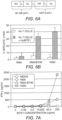
- FIG. 6A The resulting human BiTE protein (huBiTE) was expressed in retroviral vector-stably transfected PT67 packaging cells. The resulting cells were then cultured in serum-free media. Supernatants were collected and tumor cell cytotoxicity of the anti-B7H6 BiTE was assessed using a conventional lactate dehydrogenase assay ( Figure 6B ). This analysis showed that the anti-B7H6 BiTE could specifically lyse B7H6 + tumor cells.
- OKT3-activated T cells were co-cultured with tumor cells (RMA, RMA-B7H6, and K562) with or without anti-B7H6 BiTE for 24 hours. Amounts of IFN- ⁇ in supernatants were analyzed with ELISA. This analysis indicated that the anti-B7H6 BiTE induced IFN- ⁇ secretion into the medium of T cells co-cultured with tumor cells expressing B7H6, i . e ., RMA-B7H6, and K562 ( Figures 7A and 7B ).
- a mouse anti-B7H6 BiTE (MuBiTE1) was added to a co-culture of ConA-activated splenocytes and tumor cells and shown to trigger robust IFN- ⁇ secretion in the T cell and tumor cell co-culture system ( Figure 7C ).
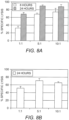
- MuBiTE specifically activated T cells to kill B7H6+ tumor cells ( Figures 8A and 8B ).
Landscapes
- Health & Medical Sciences (AREA)
- Chemical & Material Sciences (AREA)
- Immunology (AREA)
- Life Sciences & Earth Sciences (AREA)
- Organic Chemistry (AREA)
- Medicinal Chemistry (AREA)
- General Health & Medical Sciences (AREA)
- Biophysics (AREA)
- Biochemistry (AREA)
- Proteomics, Peptides & Aminoacids (AREA)
- Molecular Biology (AREA)
- Genetics & Genomics (AREA)
- Cell Biology (AREA)
- Toxicology (AREA)
- Gastroenterology & Hepatology (AREA)
- Zoology (AREA)
- Public Health (AREA)
- Veterinary Medicine (AREA)
- Animal Behavior & Ethology (AREA)
- Pharmacology & Pharmacy (AREA)
- General Chemical & Material Sciences (AREA)
- Nuclear Medicine, Radiotherapy & Molecular Imaging (AREA)
- Chemical Kinetics & Catalysis (AREA)
- Bioinformatics & Cheminformatics (AREA)
- Engineering & Computer Science (AREA)
- Endocrinology (AREA)
- Epidemiology (AREA)
- Mycology (AREA)
- Microbiology (AREA)
- Hematology (AREA)
- Oncology (AREA)
- Peptides Or Proteins (AREA)
- Medicines Containing Antibodies Or Antigens For Use As Internal Diagnostic Agents (AREA)
- Medicines That Contain Protein Lipid Enzymes And Other Medicines (AREA)
- Medicinal Preparation (AREA)
- Micro-Organisms Or Cultivation Processes Thereof (AREA)
Description
- Natural killer (NK) cells are lymphocytes of the innate immune system that participate in the elimination of tumor cells. In humans, the activating natural cytotoxicity receptors (NCRs) NKp30, NKp44, and NKp46 play a major role in NK cell-mediated tumor cell lysis. NKp30 recognizes B7-H6, a member of the B7 family. Like all known B7 family members, B7-H6 includes two Ig domains with
adjacent phase 1 introns in the extracellular region. Importantly, B7-H6 is not detected in normal human tissues but is selectively expressed on a variety of human tumor cell lines, including T and B lymphomas, melanomas, and carcinomas (Brandt, et al. (2009) J. Exp. Med. 206:1495-1503). Furthermore, B7-H6 expression on tumor cells triggers NKp30-specific NK cell cytotoxicity and cytokine secretion. Thus, B7-H6 functions as a tumor-induced self-molecule that alerts innate immunity to cellular transformation via its interaction with the activating receptor NKp30 (Brandt, et al. (2009) supra). -
WO 2011/070443 A1 describes monoclonal antibodies that bind B7H6 and uses thereof. - Ramos et al., disclose 'Chimeric Antigen Receptor (CAR) - Engineered Lymphocytes for Cancer Therapy' (Expert Opinion on Biological Therapy, vol. 11, no. 7, 1 July 2011, pages 855-873).
- The invention is a chimeric antigen receptor, which includes an antigen binding fragment of an antibody that specifically binds to B7 homolog 6, a transmembrane region, and an intracellular T-cell receptor signaling domain. In some embodiments, the transmembrane region and intracellular T-cell receptor signaling domain are obtained from CD3 zeta. In other embodiments, the chimeric antigen receptor further includes an intracellular signaling domain of a costimulatory protein receptor.
- The invention further provides a bi-specific T-cell engager as described in
Claim 5. - The invention also provides a pharmaceutical composition comprising the chimeric antigen receptor as described above and a pharmaceutically acceptable carrier.
- Still further, the present invention provides the chimeric antigen receptor as described above for use as a medicament.
- In a further aspect the present invention provides a pharmaceutical composition comprising an effective amount of the chimeric antigen receptor as described above for use in killing or inhibiting the growth of cells expressing B7 homolog 6 in a subject.
- In a still further aspect the present invention provides a pharmaceutical composition comprising an effective amount of the chimeric antigen receptor as described above for use in treating a disease or condition associated with elevated expression of B7 homolog 6.
-
-
Figure 1 shows the structure of an anti-B7H6 CAR. -
Figure 2 shows that NKp30 Chimeric Antigen Receptor (CAR) and anti-B7H6 CAR-modified T cells respond to NKp30 ligand positive cells by producing IFN-γ. T-cells expressing wild type B7-H6 (WT), anti-B7-H6 CAR (aB7H6-28-z), or a NKp30-CD28-CD3 zeta fusion protein (30-28-z) were contacted with media, RMA cells, RMA cells that express B7-H6 or K562 cells (105 cells) (Figure 2A ), or with peripheral blood mononuclear cells (PBMCs, 105 cells) or immature DCs (iDCs, 2x10⁴ cells)(Figure 2B ) for 24 hours and the level of IFN gamma production was measured with ELISA. Results are shown in mean + SD. -
Figure 3 shows the expression of HLA-DR, CD83, CD86, NKp30 ligands, and B7-H6 on immature dendritic cells (iDC) and mature dendritic cells (mDC). -
Figure 4 shows the expression of B7H6 (using anti-B7H6 monoclonal antibodies) and NKp30 ligands (using soluble NKp30-Ig) on various human cell lines and mouse RMA and RMA-B7H6 cells compared to isotype control staining. -
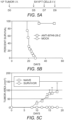
Figure 5 shows that anti-B7H6 CAR modified T cell increase survival of RMA/B7H6 lymphoma-bearing mice after in vivo treatment. B6 mice were inoculated with RMA/B7H6 (105 cells, i.v., day 0). Mock-transduced or anti-B7H6 CAR-modified T cells were administered (5x10⁶, i.v.,day Figure 5A )). Data were presented in Kaplan-Meier survival curves. Data shown were pools of two independent experiments (Figure 5B ). Naive and surviving mice (fromFigure 5B ) were rechallenged with 104 RMA subcutaneously (no B7H6 expression), and tumor area was measured every other day (Figure 5C ). These data show that the surviving mice after CAR therapy were resistant to the same tumor, which indicates induction of an immune response against other tumor antigens because the RMA cells do not express B7H6. -
Figure 6 shows the structure and activity of an anti-B7H6 BiTE.Figure 6A depicts the fusion between the scFv of an anti-B7H6 antibody and the scFv of an anti-CD3 antibody (OKT3). VH, variable region heavy chain; VL, variable region light chain; and L, linker.Figure 6B shows that conditioned media containing this BiTE triggers robust killing of B7H6+ tumor cells by human T cells against tumor cells that express B7H6 (RMA-B7H6, K562) but not against tumor cells that do not (RMA). OKT3-activated PBMCs were co-cultured with tumor cell lines at a E:T ratio (Effector Cell to Target Cell ratio) of 5:1 in a 1 to 4 diluted conditioned media containing the anti-B7H6 BiTE or control media. Five hours after co-culturing, cell supernatants were harvested and cytotoxicity was determined by lactate dehydrogenase (LDH) release assay. -
Figure 7 provides data, which shows that anti-B7H6 BiTE proteins trigger IFN-γ secretion.Figure 7A , OKT3-activated human T cells were co-cultured with tumor cells at E:T=1:1 ratio (105:105) under various concentrations of huBiTE1. Supernatants were collected after 24 hours and IFN-γ concentrations were determined by ELISA.Figure 7B , OKT3-activated T cells were cultured with tumor cells at E:T ratios of 4:1, 1:1, or 0.25:1. HuBiTE1 was added to the co-culture at a concentration of 250 ng/mL. Culture supernatants were collected after 24 hours. IFN-γ concentrations were measured by ELISA.Figure 7C shows that conditioned media containing an anti-B7H6 BiTE that activates mouse T cells triggers robust IFN-γ from mouse T cells when co-cultured with mouse tumor cells expressing B7H6. ConA-activated mouse splenocytes were co-cultured with tumor cell lines at a E:T ratio 5:1 (for B16F10 and B16F10/B7H6, 105:2x10⁴) or 1:1 (for K562, 105:105) in a 1 to 4 diluted conditioned media from 293F cells transfected with mouse Bitel plasmid or control supernatant. After co-culturing (24 hours), supernatants were collected and IFN-γ concentrations were determined by ELISA. -
Figure 8 shows that mouse BiTE1 (anti-B7H6 BiTE) specifically activated mouse T cells to kill B7H6+ tumor cells. ConA-activated mouse splenocytes were co-cultured with a RMA (pre-labeled with 0.1 µM CSFE) and RMA-B7H6 (pre-labeled with 1 µM CSFE) mixture (50%RMA+50%RMA-B7H6;Figure 8A ) or B16F10 and B16F10-B7H6 mixture (50%B16F10+50%B16F10-B7H6;Figure 8B ) at E:T ratio 1:1, 5:1, and 10:1. Eight hours and 24 hours later, cells were harvested and the identity of live cells was determined by flow cytometry. Specific lysis of the B7H6+ cells was calculated based on the control group normalized ratio of RMA:RMA-B7H6 or B16F10:B16F10-B7H6 ratio of each experimental group. - To target B7-H6 in the treatment of cancer, two mouse-derived monoclonal antibodies (mAb) that specifically recognize B7-H6 were generated. Both clones were of the mouse IgG2a subclass. The genes encoding the heavy and light chains of mAb clone 47.39 were isolated. The nucleotide and deduced amino acid were determined. Using these sequences, a chimeric antigen receptor (CAR) was generated, which included the variable portions of heavy (VH) and light (VL) chains of mAb 47.39. Specifically, the anti-B7-H6 CAR included a single chain variable fragment (scFv) which recognized B7-H6, followed by a portion of CD28 molecule (including the hinge, transmembrane and cytoplasmic domains) and the cytoplasmic region of CD3zeta (
Figure 1 ). Using flow cytometry, it was confirmed that this CAR could recognize the B7-H6 molecule. Furthermore, it was found that T-cells expressing the anti-B7-H6 CAR produced high levels of IFN gamma in response to stimulation by B7-H6-positive cells, i.e., K562 myelogenous leukemia cells and RMA cells that expresses B7-H6 (Figure 2A ), whereas autologous PBMCs and iDCs did not respond to anti-B7-H6 CAR (Figure 2B ). Flow cytometry data showed that dendritic cells (DC) do not express B7-H6 on the cell surface (Figure 3 ), whereas cancer cell lines such as K562, U937, A375, Hela, T47D, and Panc-1 do express B7-H6 (Figure 4 ) and said expression is correlated with NKp30 expression. In this respect, unlike a NKp30-based CAR, the anti-B7H6 CAR exhibited no reactivity against autologous dendritic cells. Furthermore, anti-B7H6 CAR was shown to redirect T cells to specifically lyse B7H6-positive tumor cells but not B7H6-negative tumor cells. Adoptive transfer of murine T cells expressing the B7H6-specific CAR resulted in improved survival in C57BL/6 mice that had been infused five days earlier with B7H6+ lymphoma cells (Figures 5A and 5B ). Moreover, mice that survived the first challenge with B7H6+ lymphoma cells demonstrated immunity upon rechallenge with B7H6+ lymphoma cells (Figure 5C ). Thus, this demonstrates the use of a B7H6-specific CAR for adoptive T cell immunotherapy against B7H6+ tumors. - In addition to an anti-B7H6 CAR, an anti-B7H6/anti-CD3 BiTE (bi-specific T-cell engager) was generated (
Figure 6A ). Human and mouse versions of the anti-B7H6 BiTE (i.e., huBiTE1 and muBiTE1, respectively) were produced and both were capable of specifically lysing B7H6+ tumors (Figures 6B ,8A and 8B ). Moreover, both the human and mouse versions of the anti-B7H6 BiTE triggered IFN-γ secretion in a T cell and tumor cell co-culture (Figures 7A-7C ). - Therefore, this description provides an antibody having specificity for B7-H6, wherein the antibody has a heavy chain encoded by the nucleotide sequence of SEQ ID NO:1 and a light chain encoded by the nucleotide sequence of SEQ ID NO:2. Moreover, the description provides an antibody having specificity for B7-H6, wherein the antibody has a heavy chain amino acid sequence of SEQ ID NO:3 and a light chain amino acid sequence of SEQ ID NO:4. More particularly, the description provides an antibody that specifically binds B7-H6, wherein the heavy chain variable region of the antibody has a CDR1 sequence of Gly-Tyr-Thr-Phe-Thr-Gly-Tyr-Trp (SEQ ID NO:5), CDR2 sequence of Ile-Leu-Pro-Gly-Thr-Gly-Ser-Thr (SEQ ID NO:6), and CDR3 sequence of Ala-Ile-Pro-Gly-Pro-Met-Asp-Tyr (SEQ ID NO:7); and the light chain variable region of the antibody has a CDR1 sequence of Gln-Asp-Ile-Asn-Ser-Tyr (SEQ ID NO:8), CDR2 sequence of Arg-Ala-Asn (SEQ ID NO:9) and CDR3 sequence of Leu-Gln-Tyr-Asp-Glu-Phe-Pro-Tyr-Thr (SEQ ID NO:10). In some examples, the antibody can include a heavy chain of SEQ ID NO:3 in combination with any suitable light chain, such as those described in
US 2004/0152105 ,PCT/US2000/030039 (published asWO 01/34768 A2 PCT/IB2010/003411 WO 2011/070443 A1 ). Likewise, the antibody can include a light chain of SEQ ID NO:4 in combination with any suitable heavy chain, such as those described inUS 2004/0152105 ,PCT/US2000/030039 (published asWO 01/34768 A2 PCT/IB2010/003411 WO 2011/070443 A1 ). - The antibody can be an isolated antibody having specificity for human B7-H6 and can be a full length antibody or an antibody fragment. The antibody can be polyclonal, monoclonal, recombinant, chimeric, or humanized. Furthermore, the antibody can be of any isotype including without limitation IgA, IgD, IgE, IgG, or IgM. Thus, for example, the antibody can be any IgA such as IgA1 or IgA2, or any IgG such as IgG1, IgG2, IgG3, IgG4, or synthetic IgG. The antibody can also be any antibody fragment having specificity for B7-H6, such as F(ab)2, Fv, scFv, F(ab')2, F(ab), VL, VH, dsFv, Fv, scFv-Fc, (scFv)2, a diabody, and a bivalent antibody. The antibody can be any modified or synthetic antibody, including, but not limited to, non-depleting IgG antibodies, T-bodies, or other Fc or Fab variants of antibodies.
- In addition to a heavy chain of SEQ ID NO:3, the antibody of the description further include a light chain selected from a Fab library using sequential naive chain shuffling. Likewise, in addition to a light chain of SEQ ID NO:4, the antibody of the description can further include a heavy chain selected from a Fab library using sequential naive chain shuffling.
- In some examples, the description provides an antibody with avidity for B7-H6 of about 10 µM or less, 5 µM or less, 2 µM or less, 1 µM or less, 500 nM or less, 400 nM or less, 300 nM or less, or 200 nM or less. The description also provides an antibody with avidity for B7-H6 of about 100 nM or less, about 75 nM or less, about 50 nM or less, about 25 nM or less, about 10 nM or less, or about 5 nM or less. Avidity can be measured using art-known techniques, such as ELISA or BIACORE.
- The antibody of the description can be produced by any suitable technique, for example, using any suitable eukaryotic or non-eukaryotic expression system. In certain examples, the antibody is produced using a mammalian expression system. In some examples, the heavy chain can be encoded by a DNA sequence such as SEQ ID NO:1, while the light chain can be encoded by a DNA sequence such as SEQ ID NO:2.
- The antibody of the description can be produced using a suitable non-eukaryotic expression system such as a bacterial expression system. Bacterial expression systems can be used to produce fragments such as a F(ab)2, Fv, scFv, F(ab')2, F(ab), VL, VH, dsFv, Fv, scFv-Fc, (scFv)2, and diabodies. Techniques for altering DNA coding sequences to produce such fragments are known in the art.
- The antibody of the description can be conjugated to a synthetic molecule using any type of suitable conjugation. Recombinant engineering and incorporated selenocysteine (e.g., as described in
WO 2008/122039 ) can be used to conjugate a synthetic molecule. Other methods of conjugation can include covalent coupling to native or engineered lysine side-chain amines or cysteine side-chain thiols. See, e.g., Wu, et al. (2005) Nat. Biotechnol. 23:1137-1146. The synthetic molecule can be any molecule such as one targeting a tumor. Of course, it will be understood that the synthetic molecule also can be a protein or an antibody, wherein the resulting fusion protein can be produced by conventional recombinant protein expression systems and methods. - In this respect, one aspect of the invention provides a chimeric antigen receptor (CAR). CARs, also known as artificial T cell receptor , chimeric T cell receptors, or chimeric immunoreceptors, are engineered receptors, which graft an arbitrary specificity onto an immune effector cell. Typically, these receptors are used to graft the specificity of a monoclonal antibody onto a T cell, e.g., via retroviral vector expression. The most common form of these molecules are fusions of scFv derived from monoclonal antibodies, fused to CD3-zeta transmembrane and endodomain, i.e., an intracellular T-cell receptor (TCR) signaling domain. Such molecules result in the transmission of a zeta signal in response to recognition by the scFv of its target. "First-generation" CARs typically have the intracellular domain from the CD3 zeta-chain, which is the primary transmitter of signals from endogenous TCRs. "Second-generation" CARs add intracellular signaling domains from various costimulatory protein receptors (e.g., CD28, 41BB, ICOS) to the cytoplasmic tail of the CAR to provide additional signals to the T cell (see Figure 1A). Preclinical studies have indicated that the second generation of CAR designs improves the antitumor activity of T cells (Maher, et al. (2002) Nat. Biotechnol. 20:70-75; Kowolik, et al. (2006) Cancer Res. 66:10995-11004). More recent, "third-generation" CARs combine multiple signaling domains, such as CD3z-CD28-41BB or CD3z-CD28-OX40, to further augment potency (Zhao, et al. (2009) J. Immunol. 183:5563-5574; Pule, et al. (2005) Mol. Ther. 12:933-941; Zhong, et al. (2010) Mol. Ther. 18:413-420). Accordingly, in one embodiment of this invention, the anti-B7-H6 scFv fragment is included in a CAR.
- CARs of this invention can be prepared using standard recombinant protein techniques using sequences of CD3-zeta and other costimulatory molecules known in the art. For example, the human CD3-zeta sequence is available under GENBANK accession number NP_932170, the human CD28 sequence is available under GENBANK accession number NP_006130, the human OX40 sequence is available under GENBANK accession number NP_003318, and the human CD19 sequence is available under GENBANK accession number AAA69966. In particular embodiments, the CAR of this invention includes a human CD3ζ cytoplasmic domain (amino acids 52-164; SEQ ID NO:11), human CD28 hinge-transmembrane-cytoplasmic domains (amino acids 135-220; SEQ ID NO:12), and optionally a portion of CD19 (amino acids 1-327; SEQ ID NO:13).
- Other synthetic molecules include therapeutic agents such as cytotoxic, cytostatic, or anti-angiogenic agents and radioisotopes. A cytotoxic agent can be a plant, fungal, or bacterial molecule (e.g., a protein toxin). A therapeutic agent can be a maytansinoid (e.g., maytansinol or DM1 maytansinoid), a taxane, or a calicheamicin. Therapeutic agents include vincristine and prednisone. A therapeutic agent can be an antimetabolite (e.g., an antifolate such as methotrexate, a fluoropyrimidine such as 5-fluorouracil, cytosine arabinoside, or an analogue of purine or adenosine); an intercalating agent (for example, an anthracycline such as doxorubicin, daunomycin, epirubicin, idarubicin, mitomycin-C, dactinomycin, or mithramycin); a platinum derivative (e.g., cisplatin or carboplatin); an alkylating agent (e.g., nitrogen mustard, melphalan, chlorambucil, busulphan, cyclophosphamide, ifosfamide nitrosoureas or thiotepa); an antimitotic agent (e.g., a vinca alkaloid like vincristine or taxoid such as paclitaxel or docetaxel); a topoisomerase inhibitor (for example, etoposide and teniposide, amsacrine, topotecan); a cell cycle inhibitor (for example, a flavopyridol); or a microbtubule agent (e.g., an epothilone, discodermolide analog, or eleutherobin analog). A therapeutic agent can be a proteosome inhibitor or a topoisomerase inhibitor such as bortezomib, amsacrine, etoposide, etoposide phosphate, teniposide, or doxorubicin. Therapeutic radioisotopes include yttrium (90Y), lutetium (177Lu), actinium (225Ac), praseodymium, astatine (211At) rhenium (186Re), bismuth (212Bi or 213Bi), and rhodium (188Rh). Antiangiogenic agents include linomide, bevacuzimab, angiostatin, and razoxane. The synthetic molecule can be another antibody such as rituximab or bevacuzimab.
- A synthetic molecule can also be a label. Labels can be useful in diagnostic applications and can include, for example, contrast agents. A contrast agent can be a radioisotope label such as iodine (131I or 125I) indium (111In), technetium (99Tc), phosphorus (32P), carbon (14C), tritium (3H), other radioisotope (e.g., a radioactive ion) or a therapeutic radioisotope listed above. Additionally, contrast agents can include radiopaque materials, magnetic resonance imaging (MRI) agents, ultrasound imaging agents, and any other contrast agents suitable for detection by a device that images an animal body. A synthetic molecule can also be a fluorescent label, a biologically active enzyme label, a luminescent label, or a chromophore label.
- Moreover, a synthetic molecule can also be a magnetic nanoparticle, a controlled release polymer nanoparticle or lipid composition. Magnetic nanoparticles include, but are not limited to iron (e.g., Fe3O4 or Fe2O4), cobalt, zinc, cadmium, nickel, gadolinium, chromium, copper, manganese, terbium, europium, gold, silver, platinum, or alloys thereof. Controlled release polymer nanoparticles can be produced using conventional methods from biodegradable or nonbiodegradable polymers, e.g., poly(lactic acid), derivatives of poly(lactic acid), PEGylated poly(lactic acid), poly(lactic-co-glycolic acid), derivatives of poly(lactic-co-glycolic acid), PEGylated poly(lactic-co-glycolic acid), a polyanhydride, poly(ortho esters), derivatives of poly(ortho esters), PEGylated poly(ortho esters), poly(caprolactone), derivatives of poly(caprolactone), PEGylated poly(caprolactone), poly(acrylic acid), derivatives of poly(acrylic acid), poly(urethane), derivatives of poly(urethane), or combinations thereof). Similarly, lipid composition (e.g., liposomes, solid lipid nanoparticles and the like) can be produced using conventional methods and conjugated to an antibody of this description.
- In some examples, the antibody can be engineered to have specificity for B7-H6 and an antigen that promotes activation or targeting of other cells, such as cytotoxic effector cells or T cells. Accordingly, the invention also includes BiTES (bi-specific T-cell engagers) as defined herein in the claims.
- As is known in the art, a BiTE refers to a single polypeptide chain molecule that having two antigen binding domains, one of which binds to a T-cell antigen (e.g., CD3) and the second of which binds to an antigen present on the surface of a target cell (
WO 05/061547
* The BiTE of this invention is composed of an anti-B7-H6 scFv antibody fragment and an anti-CD3 scFv - A DART refers to an immunoglobulin molecule that includes at least two polypeptide chains that associate (especially through a covalent interaction) to form at least two epitope binding sites, which may recognize the same or different epitopes. Each of the polypeptide chains of a DART include an immunoglobulin light chain variable region and an immunoglobulin heavy chain variable region, but these regions do not interact to form an epitope binding site. Rather, the immunoglobulin heavy chain variable region of one (e.g., the first) of the DART polypeptide chains interacts with the immunoglobulin light chain variable region of a different (e.g., the second) DART polypeptide chain to form an epitope binding site. Similarly, the immunoglobulin light chain variable region of one (e.g., the first) of the DART polypeptide chains interacts with the immunoglobulin heavy chain variable region of a different (e.g., the second) DART polypeptide chain to form an epitope binding site. DARTs may be monospecific, bispecific, trispecific, etc., thus being able to simultaneously bind one, two, three or more different epitopes (which may be of the same or of different antigens). DARTs may additionally be monovalent, bivalent, trivalent, tetravalent, pentavalent, hexavelent, etc., thus being able to simultaneously bind one, two, three, four, five, six or more molecules. These two attributes of DARTs (i.e., degree of specificity and valency may be combined, for example to produce bispecific antibodies (i.e., capable of binding two epitopes) that are tetravalent (i.e., capable of binding four sets of epitopes), etc. The construction of DART molecules is disclosed in
WO 2006/113665 ,WO 2008/157379 , andWO 2010/080538 . Accordingly, in another example of this description, an anti-B7-H6 antibody fragment is included in a DART. - The description further provides eukaryotic or non-eukaryotic cells that have been recombinantly engineered to produce an antibody of the description. The eukaryotic or non-eukaryotic cells can be used as an expression system to produce the antibody of the description. In another example, the description provides B7-H6 targeted immune cells that are engineered to recombinantly express a B7-H6 specific antibody of the description. For example, the description provides a T-cell engineered to express an antibody of the description (e.g., an scFv, scFv-Fc, (scFv)2), which is linked to a synthetic molecule with the following domains: a spacer or hinge region (e.g., a CD28 or IgG hinge), a transmembrane region (e.g., a transmembrane canonical domain), and an intracellular T-cell receptor (TCR) signaling domain, thereby forming a CAR. Intracellular TCR signaling domains that can be included in a CAR include, but are not limited to, CD3zeta, FcR-gamma and Syk-PTK signaling domains as well as the CD28, 4-1BB, and CD134 co-signaling domains. Methods for constructing T-cells expressing a CAR are known in the art. See, e.g., Marcu-Malina, et al. (2009) Exp. Opin. Biol. Ther. 9:579-91.
- The description provides a method of inhibiting cells that express B7-H6 (B7-H6 cells) by contacting the cells with an antibody, antibody fragment or fusion protein (e.g., BiTE) of the description. The antibody can be a naked (unconjugated) antibody or an antibody conjugated to a synthetic molecule, e.g., a cytotoxic, cytostatic, or anti-angiogenic agent or a radioisotope. The method can be used to inhibit B7-H6 cells in vitro or in a subject (i.e., in vivo). The contacted B7-H6 cells can be in, for example, a cell culture or animal model of a disorder associated with aberrant expression or levels of B7-H6. The method is useful, for example, to measure and/or rank (relative to another antibody) the antibody's inhibitory activity for a specific B7-H6 cell type. Inhibiting B7-H6 cells can include blocking or reducing the activity or growth of B7-H6-positive cells (i.e., cells that express B7-H6). Inhibiting can also include the killing of B7-H6-positive cells. Cytotoxicity of an antibody, antibody fragment or fusion protein (e.g., BiTE) of the description can be assessed using any conventional assay including, e.g., a lactate dehydrogenase cytotoxicity assay such as the CYTOTOX 96 non-radioactive cytotoxicity assay commercially available from PROMEGA.
- The description also provides a method of treating a subject that has, is suspected to have, or is at risk for a disorder associated with aberrant levels of B7-H6. As used in the context of the present description, the term "aberrant" is intended to include increased or decreased B7-H6 expression as compared to expression of B7-H6 in normal or healthy cells. In this respect, wherein a normal cell does not express B7-H6 and a diseased cell B7-H6, the diseased cell exhibits aberrant expression of B7-H6. Generally, the method of treatment includes administering a therapeutically effective amount of an isolated antibody, antibody fragment or fusion protein of the description to the subject. The antibody can be any anti-B7-H6 antibody described herein. Thus, the antibody can be chimeric, humanized, synthetic, F(ab)2, Fv, scFv, F(ab')2, F(ab), VL, VH, dsFv, Fv, or (scFv)2. In some examples, the method includes administering an IgG, an scFv, a dsFv, a F(ab')2, a diabody, a bivalent antibody, a CAR, a BITE or a DART. In other examples, the administered antibody can be conjugated to a synthetic molecule described above, e.g., a cytotoxic, cytostatic, or anti-angiogenic agent or a therapeutic radioisotope. An exemplary cytotoxic agent is Pseudomonas exotoxin A (PE38). Disorders that can be treated include, for example, lymphomas, leukemia, melanomas, and sarcomas. Particular disorders associated with elevated B7-H6 that can be treated include myeloid leukemia (e.g., acute myeloid leukemia), acute nonlymphocytic leukemia, T-cell acute lymphoblastic leukemia, T- or B- cell lymphoma, cervical cancer, gastric sarcoma, breast cancer, pancreatic cancer, melanoma, or prostate cancer.
- The description also provides a method of treating a subject that has, is suspected to have, or is at risk for a disorder associated with elevated levels of B7-H6 by adoptive transfer of the recombinant host cells, e.g., T-cells described herein, which express an antibody of the description as a CAR or BiTE that selectively binds B7-H6. Recombinant technology can be used to introduce CAR- or BiTE-encoding genetic material into any suitable T-cells, e.g., effector memory T-cells from the subject to be treated. The T-cells carrying the genetic material can be expanded (e.g., in the presence of cytokines). The recombinant T-cells are transferred, typically by infusion, to the patient. The transferred T-cells of the description can then mount an immune response against B7-H6 expressing cells in the subject. The adoptive transfer method can be used, for example, to treat subjects that have or are suspected to have myeloid leukemia, acute nonlymphocytic leukemia, T-cell acute lymphoblastic leukemia, T- or B-cell lymphoma, cervical cancer, gastric sarcoma (e.g., colon cancer), breast cancer, pancreatic cancer, melanoma, or prostate cancer.
- In some examples, the foregoing methods of treatment can further include co-administering a second therapeutic agent for the disorder associated with elevated B7-H6. For example, when the disorder to be treated involves a B7-H6-expressing cancer, the method can further include co-administration of a cytotoxic, cystostatic, or anti-angiogenic agent suitable for treating the cancer. If the cancer is a B-cell lymphoma, the method can further include, for example, co-administration of rituximab, alemtuzumab, or a CHOP chemotherapeutic regimen.
- The terms "treat," "treating," "treatment," and "therapeutically effective" used herein do not necessarily imply 100% or complete treatment. Rather, there are varying degrees of treatment of which one of ordinary skill in the art recognizes as having a potential benefit or therapeutic effect. In this respect, the inventive method can provide any amount of any level of treatment. Furthermore, the treatment provided by the inventive method can include the treatment of one or more conditions or symptoms of the disease being treated.
- For use in treatment, the description also provides a pharmaceutical composition containing a CAR described herein and a pharmaceutically acceptable carrier. Pharmaceutical compositions can be prepared from any of the antibodies described herein. An exemplary composition includes a chimeric antibody having SEQ ID NO:3 (heavy chain) and/or SEQ ID NO:4 (light chain). Another exemplary composition includes a humanized antibody having one, two, three, four, five, or six CDRs selected from the group of SEQ ID NO:5, SEQ ID NO:6, SEQ ID NO:7, SEQ ID NO:8, SEQ ID NO:9, and SEQ ID NO:10. Yet another exemplary pharmaceutical composition includes anti-B7-h6 scFv fused to the hinge, transmembrane and intracellular domains of CD28 and the intracellular domain of CD3zeta (i.e., a CAR).
- The composition of the description can include a carrier for the antibody, desirably a pharmaceutically acceptable carrier. The pharmaceutically acceptable carrier can be any suitable pharmaceutically acceptable carrier. The term "pharmaceutically acceptable carrier," as used herein, means one or more compatible solid or liquid fillers, diluents, other excipients, or encapsulating substances, which are suitable for administration into a human or veterinary patient (e.g., a physiologically acceptable carrier or a pharmacologically acceptable carrier). The term "carrier" denotes an organic or inorganic ingredient, natural or synthetic, with which the active ingredient is combined to facilitate the application. The pharmaceutically acceptable carrier can be co-mingled with one or more of the active components, e.g., a hybrid molecule, and with each other, when more than one pharmaceutically acceptable carrier is present in the composition in a manner so as not to substantially impair the desired pharmaceutical efficacy. "Pharmaceutically acceptable" materials typically are capable of administration to a patient without the production of significant undesirable physiological effects such as nausea, dizziness, rash, or gastric upset. It is, for example, desirable for a composition comprising a pharmaceutically acceptable carrier not to be immunogenic when administered to a human patient for therapeutic purposes.
- The pharmaceutical composition can contain suitable buffering agents, including, for example, acetic acid in a salt, citric acid in a salt, boric acid in a salt, and phosphoric acid in a salt. The pharmaceutical compositions also optionally can contain suitable preservatives, such as benzalkonium chloride, chlorobutanol, parabens, and thimerosal.
- The pharmaceutical composition can be presented in unit dosage form and can be prepared by any suitable method, many of which are well-known in the pharmaceutical arts. Such methods include the step of bringing the antibody of the description into association with a carrier that constitutes one or more accessory ingredients. In general, the composition is prepared by uniformly and intimately bringing the active agent into association with a liquid carrier, a finely divided solid carrier, or both, and then, if necessary, shaping the product.
- A composition suitable for parenteral administration conveniently includes a sterile aqueous preparation of the inventive composition, which preferably is isotonic with the blood of the recipient. This aqueous preparation can be formulated according to known methods using suitable dispersing or wetting agents and suspending agents. The sterile injectable preparation also can be a sterile injectable solution or suspension in a non-toxic parenterally-acceptable diluent or solvent, for example, as a solution in 1,3-butane diol. Among the acceptable vehicles and solvents that can be employed are water, Ringer's solution, and isotonic sodium chloride solution. In addition, sterile, fixed oils are conventionally employed as a solvent or suspending medium. For this purpose any bland, fixed oil can be employed, such as synthetic mono-or di-glycerides. In addition, fatty acids such as oleic acid can be used in the preparation of injectables. Carrier formulations suitable for oral, subcutaneous, intravenous, intramuscular, etc. administrations can be found in Remington's Pharmaceutical Sciences, Mack Publishing Co., Easton, PA.
- The delivery systems useful in the context of the invention include time-released, delayed release, and sustained release delivery systems such that the delivery of the inventive composition occurs prior to, and with sufficient time to cause, sensitization of the site to be treated. The inventive composition can be used in conjunction with other therapeutic agents or therapies. Such systems can avoid repeated administrations of the inventive composition, thereby increasing convenience to the subject and the physician, and may be particularly suitable for certain compositions of the invention.
- Many types of release delivery systems are available and known to those of ordinary skill in the art. Suitable release delivery systems include polymer base systems such as poly(lactide-glycolide), copolyoxalates, polycaprolactones, polyesteramides, polyorthoesters, polyhydroxybutyric acid, and polyanhydrides. Microcapsules of the foregoing polymers containing drugs are described in, for example,
US 5,075,109 . Delivery systems also include non-polymer systems that are lipids including sterols such as cholesterol, cholesterol esters, and fatty acids or neutral fats such as mono-di-and tri-glycerides; hydrogel release systems; sylastic systems; peptide based systems; wax coatings; compressed tablets using conventional binders and excipients; partially fused implants; and the like. Specific examples include, but are not limited to: erosional systems in which the active composition is contained in a form within a matrix such as those described inUS 4,452,775 ,US 4,667,014 ,US 4,748,034 , andUS 5,239,660 ; and diffusional systems in which an active component permeates at a controlled rate from a polymer such as described inUS 3,832,253 andUS 3,854,480 . In addition, pump-based hardware delivery systems can be used, some of which are adapted for implantation. - The term "subject" is used herein, for example, in connection with therapeutic and diagnostic methods, to refer to human or animal subjects. Animal subjects include, but are not limited to, animal models, such as, mammalian models of conditions or disorders associated with elevated B7-H6 expression such as myeloid leukemia, acute nonlymphocytic leukemia, T-cell acute lymphoblastic leukemia, T- or B- cell lymphoma, cervical cancer, gastric sarcoma (e.g., colon cancer), breast cancer, pancreatic cancer, melanoma, or prostate cancer.
- In another example, the description provides use of the antibodies of the description to detect in a test sample an altered amount of B7-H6 (e.g., cell surface B7-H6), for example, relative to a control. A test sample can be from a cell culture or from a test subject, e.g., a plasma or a tissue sample from a subject that has, is suspected to have, or is at risk for a disease or condition associated with aberrant expression of B7-H6 in a subject. A control amount desirably corresponds to the B7-H6 amount detected using the same antibody in a corresponding sample (s) from one or more control cultures or subjects. Methods of using the antibody of the description to determine B7-H6 amounts can include any immunoassay such as immuno- (western) blot, enzyme-linked immunosorbent assay (ELISA), and flow cytometry, e.g., fluorescence-activated cell sorting (FACS) analysis.
- Additionally, B7-H6 detection can be used to monitor the progress of a disorder associated with B7-H6 expression. Amounts of B7-H6 that are significantly elevated or decreased relative to control indicate that the subject's disorder is deteriorating or improving, respectively.
- The foregoing screens can be used to identify the presence or to monitor the progress of disorders including, for example, myeloid leukemia, acute nonlymphocytic leukemia, T-cell acute lymphoblastic leukemia, T- or B-cell lymphoma, cervical cancer, gastric sarcoma (e.g., colon cancer), breast cancer, pancreatic cancer, melanoma, or prostate cancer.
- The description also provides kits suitable for carrying out the methods of the description. Typically, a kit includes two or more components required for performing a therapeutic or detection method of the description. Kit components include, but are not limited to, one or more antibody of the description, appropriate reagents, and/or equipment.
- A kit can include an antibody of the description and an immunoassay buffer suitable for detecting B7-H6 (e.g., by ELISA or FACS). The kit may also contain one or more microliter plates, standards, assay diluents, wash buffers, adhesive plate covers, and/or instructions for carrying out a method of the description using the kit. The kit can include an antibody of the description bound to a substrate (e.g., a multi-well plate or a chip), which is suitably packaged and useful to detect B7-H6. In some examples, the kit includes an antibody of the description that is conjugated to a label, such as, a fluorescent label, a biologically active enzyme label, a luminescent label, or a chromophore label. The kit can further include reagents for visualizing the conjugated antibody, e.g., a substrate for the enzyme. In some examples, the kit includes an antibody of the description that is conjugated to a contrast agent and, optionally, one or more reagents or pieces of equipment useful for imaging the antibody in a subject.
- Generally the antibody of the description in a kit is suitably packaged, e.g., in a vial, pouch, ampoule, and/or any container appropriate for a therapeutic or detection method. Kit components can be provided as concentrates (including lyophilized compositions), which may be further diluted prior to use or they can be provided at the concentration of use. When the antibody of the description for use in vivo, single dosages may be provided in sterilized containers having the desired amount and concentration of agents.
- The invention is described in greater detail by the following non-limiting examples.
- Construction of an Anti-B7H6 Chimeric Antigen Receptor. Anti-B7H6 CAR was constructed by fusing single change variable fragment (scFv) of anti-B7H6 hybridoma clone 47.39 to human CD28 hinge-transmembrane-cytoplasmic domains (residues 135-220) and CD3 zeta cytoplasmic domain (residues 52-164). The construction of anti-B7H6 scFv was done by fusing variable region of heavy chain (VH) and light chains (VL) with a 15 amino acid glycine (G)-serine (S) linker ((G4S)3 linker; 3 repeats of GGGGS (SEQ ID NO:14)). Anti-B7H6 construct was then cloned into a retroviral vector pFB-neo (Stratagene, Palo Alto, CA). Anti-B7H6 CART2A-tCD19 construct was made by fusing anti-B7H6 CAR to T2A sequence, followed by truncated human CD19 (residues 1-327). All PCRs were done by using high-fidelity DNA polymerase Phusion (New England BioLabs, Ipswich, MA).
- Retroviral Transduction. Transduction of murine primary T cells was conducted using ecotropic viruses collected from vector-transduced GP+E86 cells, whereas dualtropic retroviral viruses generated from vector-transduced PT67 cells were used to infect human primary T cells. Primary T cells from spleens of B6 mice were infected 18~24 hours after concanavalin A (ConA, 1 µg/ml) stimulation. Two days after infection, transduced primary T cells (0.5∼1x10⁶/ml) were selected in RPMI-10 media containing G418 (1 mg/ml) plus 25 U/ml rHuIL-2 for additional 3 days. Viable cells were isolated using HISTOPAQUE-1083 (Sigma, St. Louise, MO), washed extensively, and expanded for 2 days without G418 before functional analyses or intravenous injection. Primary human T cells from cell clones were activated with anti-CD3 mAb OKT3 (40 ng/mL; eBioscience) plus IL-2 (50 U/mL) for 3 days before transduction. G418 selection and T cell expansion were done following similar procedures for culturing mouse T cells.
- Construction of an Anti-B7H6 BiTE. Anti-B7H6 scFv was fused via a flexible linker to an anti-OKT3 scFv (i.e, anti-CD3 scFv; Arakawa, et al. (1996) J. Biochem. 120:657-62;
US 5,929,212 , - (
Figure 6A ). The resulting human BiTE protein (huBiTE) was expressed in retroviral vector-stably transfected PT67 packaging cells. The resulting cells were then cultured in serum-free media. Supernatants were collected and tumor cell cytotoxicity of the anti-B7H6 BiTE was assessed using a conventional lactate dehydrogenase assay (Figure 6B ). This analysis showed that the anti-B7H6 BiTE could specifically lyse B7H6+ tumor cells. - To determine whether anti-B7H6 BiTE could engage both T cells and tumor cells and lead to T cell activation, OKT3-activated T cells were co-cultured with tumor cells (RMA, RMA-B7H6, and K562) with or without anti-B7H6 BiTE for 24 hours. Amounts of IFN-γ in supernatants were analyzed with ELISA. This analysis indicated that the anti-B7H6 BiTE induced IFN-γ secretion into the medium of T cells co-cultured with tumor cells expressing B7H6, i.e., RMA-B7H6, and K562 (
Figures 7A and7B ). Similarly, a mouse anti-B7H6 BiTE (MuBiTE1) was added to a co-culture of ConA-activated splenocytes and tumor cells and shown to trigger robust IFN-γ secretion in the T cell and tumor cell co-culture system (Figure 7C ). Moreover, like the huBiTE, muBiTE specifically activated T cells to kill B7H6+ tumor cells (Figures 8A and 8B ). -
- <110> Trustees of Dartmouth College Sentman, Charles L. Zhang, Tong
- <120> ANTI-B7-H6 ANTIBODY, FUSION PROTEINS, AND METHODS OF USING THE SAME
- <130> DC0509WO
- <150>
US 61/643,456
<151> 2012-05-07 - <150>
US 61/705,227
<151> 2012-09-25 - <160> 20
- <170> PatentIn version 3.5
- <210> 1
<211> 1418
<212> DNA
<213> Artificial sequence - <220>
<223> Synthetic heavy chain sequence - <400> 1


- <210> 2
<211> 719
<212> DNA
<213> Artificial sequence - <220>
<223> Synthetic light chain sequence - <400> 2

- <210> 3
<211> 121
<212> PRT
<213> Artificial sequence - <220>
<223> Synthetic heavy chain sequence - <400> 3

- <210> 4
<211> 116
<212> PRT
<213> Artificial sequence - <220>
<223> Synthetic light chain sequence - <400> 4

- <210> 5
<211> 8
<212> PRT
<213> Artificial sequence - <220>
<223> Synthetic heavy chain variable region CDR1 - <400> 5

- <210> 6
<211> 8
<212> PRT
<213> Artificial sequence - <220>
<223> Synthetic heavy chain variable region CDR2 - <400> 6

- <210> 7
<211> 8
<212> PRT - <213> Artificial sequence
- <220>
<223> Synthetic heavy chain variable region CDR3 - <400> 7

- <210> 8
<211> 6
<212> PRT
<213> Artificial sequence - <220>
<223> Synthetic light chain variable region CDR1 - <400> 8

- <210> 9
<211> 3
<212> PRT
<213> Artificial sequence - <220>
<223> Synthetic light chain variable region CDR2 - <400> 9

- <210> 10
<211> 9
<212> PRT
<213> Artificial sequence - <220>
<223> Synthetic light chain variable region CDR3 - <400> 10

- <210> 11
<211> 113
<212> PRT
<213> Artificial sequence - <220>
<223> Synthetic CD3 zeta cytoplasmic domain - <400> 11

- <210> 12
<211> 86
<212> PRT
<213> Artificial sequence - <220>
<223> Synthetic CD28 hinge-transmembrane-cytoplasmic domains - <400> 12

- <210> 13
<211> 327
<212> PRT
<213> Artificial sequence - <220>
<223> Synthetic CD19 - <400> 13


- <210> 14
<211> 15
<212> PRT
<213> Artificial sequence - <220>
<223> Synthetic linker peptide - <400> 14

- <210> 15
<211> 11
<212> PRT
<213> Artificial sequence - <220>
<223> Synthetic CD3 HCVR CDR1 - <400> 15

- <210> 16
<211> 17
<212> PRT
<213> Artificial sequence - <220>
<223> Synthetic CD3 HCVR CDR2 - <400> 16

- <210> 17
<211> 8
<212> PRT
<213> Artificial sequence - <220>
<223> Synthetic CD3 HCVR CDR3 - <400> 17

- <210> 18
<211> 10
<212> PRT
<213> Artificial sequence - <220>
<223> Synthetic CD3 LCVR CDR1 - <400> 18

- <210> 19
<211> 7
<212> PRT
<213> Artificial sequence - <220>
<223> Synthetic CD3 LCVR CDR2 - <400> 19

- <210> 20
<211> 8
<212> PRT
<213> Artificial sequence - <220>
<223> Synthetic CD3 LCVR CDR3 - <400> 20

Claims (12)
- A chimeric antigen receptor comprising:(a) an antigen binding fragment of an antibody that specifically binds to B7 homolog 6,(b) a transmembrane region, and(c) an intracellular T-cell receptor signaling domain.
- The chimeric antigen receptor of claim 1, wherein(i) the transmembrane region and intracellular T-cell receptor signaling domain are from CD3 zeta; or(ii) the chimeric antigen receptor further comprises (a) a transmembrane domain or an intracellular signaling domain of a costimulatory protein receptor, or (b) a hinge region or spacer region to create flexibility or increased intercellular spacing.
- The chimeric antigen receptor of claim 1 or 2, wherein the antigen binding fragment of the antibody that specifically binds to B7 homolog 6 comprises:(a) a heavy chain variable region comprising,(i) a CDR1 of SEQ ID NO: 5,(ii) a CDR2 of SEQ ID NO: 6, and(iii) a CDR3 of SEQ ID NO: 7; and(b) a light chain variable region comprising,(i) a CDR1 of SEQ ID NO: 8,(ii) a CDR2 of SEQ ID NO: 9, and(iii) a CDR3 of SEQ ID NO: 10.
- A recombinant T cell comprising the chimeric antigen receptor of any one of claims 1 to 3.
- A bi-specific T-cell engager consists of:(i) an antigen binding fragment of an antibody that specifically binds to B7 homolog 6, and(ii) an antigen binding domain which binds to a T-cell antigen; and(iii) a linkerwherein the antigen binding fragment of (i) is a anti-B7H6 scFv and wherein the antigen binding domain of (ii) is an anti-CD3 scFv, andwherein the anti-B7H6 scFv and the anti-CD3 scFv are fused together by the linker.
- The bi-specific T-cell engager of claim 5, wherein the antigen binding fragment of the antibody that specifically binds to B7 homolog 6 comprises:(a) a heavy chain variable region comprising,(i) a CDR1 of SEQ ID NO: 5,(ii) a CDR2 of SEQ ID NO: 6, and(iii) a CDR3 of SEQ ID NO: 7; and(b) a light chain variable region comprising,(i) a CDR1 of SEQ ID NO: 8,(ii) a CDR2 of SEQ ID NO: 9, and(iii) a CDR3 of SEQ ID NO: 10.
- The bi-specific T-cell engager of claim 6, wherein
the antibody fragment that specifically binds CD3 comprises (a) a heavy chain variable region comprising (a)(i) a CDR1 of SEQ ID NO: 15, (a)(ii) a CDR2 of SEQ ID NO: 16, and (a)(iii) a CDR3 of SEQ ID NO: 17; and (b) a light chain variable region comprising, (b)(i) a CDR1 of SEQ ID NO: 18, (b)(ii) a CDR2 of SEQ ID NO: 19, and (b)(iii) a CDR3 of SEQ ID NO:20. - A pharmaceutical composition comprising the chimeric antigen receptor of any one of claims 1 to 3 and a pharmaceutically acceptable carrier.
- The chimeric antigen receptor of any one of claims 1 to 3 for use as a medicament.
- A pharmaceutical composition comprising an effective amount of the chimeric antigen receptor of any one of claims 1 to 3 for use in killing or inhibiting the growth of cells expressing B7 homolog 6 in a subject.
- A pharmaceutical composition comprising an effective amount of the chimeric antigen receptor of any one of claims 1 to 3 for use in treating a disease or condition associated with elevated expression of B7 homolog 6.
- The pharmaceutical composition of claim 10 or 11, wherein
the disease or condition is myeloid leukemia, acute nonlymphocytic leukemia, T-cell acute lymphoblastic leukemia, T-cell lymphoma, B-cell lymphoma, cervical cancer, gastric sarcoma, breast cancer, pancreatic cancer, melanoma, or prostate cancer.
Priority Applications (1)
| Application Number | Priority Date | Filing Date | Title |
|---|---|---|---|
| EP19156773.4A EP3505537A1 (en) | 2012-05-07 | 2013-05-07 | Anti-b7-h6 antibody, fusion proteins, and methods of using the same |
Applications Claiming Priority (3)
| Application Number | Priority Date | Filing Date | Title |
|---|---|---|---|
| US201261643456P | 2012-05-07 | 2012-05-07 | |
| US201261705227P | 2012-09-25 | 2012-09-25 | |
| PCT/US2013/039812 WO2013169691A1 (en) | 2012-05-07 | 2013-05-07 | Anti-b7-h6 antibody, fusion proteins, and methods of using the same |
Related Child Applications (2)
| Application Number | Title | Priority Date | Filing Date |
|---|---|---|---|
| EP19156773.4A Division EP3505537A1 (en) | 2012-05-07 | 2013-05-07 | Anti-b7-h6 antibody, fusion proteins, and methods of using the same |
| EP19156773.4A Division-Into EP3505537A1 (en) | 2012-05-07 | 2013-05-07 | Anti-b7-h6 antibody, fusion proteins, and methods of using the same |
Publications (4)
| Publication Number | Publication Date |
|---|---|
| EP2847223A1 EP2847223A1 (en) | 2015-03-18 |
| EP2847223A4 EP2847223A4 (en) | 2016-01-20 |
| EP2847223B1 EP2847223B1 (en) | 2019-03-27 |
| EP2847223B2 true EP2847223B2 (en) | 2025-04-09 |
Family
ID=49551199
Family Applications (2)
| Application Number | Title | Priority Date | Filing Date |
|---|---|---|---|
| EP19156773.4A Pending EP3505537A1 (en) | 2012-05-07 | 2013-05-07 | Anti-b7-h6 antibody, fusion proteins, and methods of using the same |
| EP13787935.9A Active EP2847223B2 (en) | 2012-05-07 | 2013-05-07 | Anti-b7-h6 antibody, fusion proteins, and methods of using the same |
Family Applications Before (1)
| Application Number | Title | Priority Date | Filing Date |
|---|---|---|---|
| EP19156773.4A Pending EP3505537A1 (en) | 2012-05-07 | 2013-05-07 | Anti-b7-h6 antibody, fusion proteins, and methods of using the same |
Country Status (6)
| Country | Link |
|---|---|
| US (4) | US9790278B2 (en) |
| EP (2) | EP3505537A1 (en) |
| JP (1) | JP6389166B2 (en) |
| CN (2) | CN104395344B (en) |
| ES (1) | ES2719495T5 (en) |
| WO (1) | WO2013169691A1 (en) |
Families Citing this family (47)
| Publication number | Priority date | Publication date | Assignee | Title |
|---|---|---|---|---|
| CN104395344B (en) | 2012-05-07 | 2019-08-13 | 达特茅斯大学理事会 | Anti-B7-H6 antibodies, fusion proteins and methods of use thereof |
| EP2934532B1 (en) | 2012-12-20 | 2019-10-23 | Purdue Research Foundation | Chimeric antigen receptor-expressing t cells as anti-cancer therapeutics |
| RU2744046C2 (en) | 2014-03-05 | 2021-03-02 | Отолус Лимитед | CHIMERIC ANTIGEN RECEPTOR (CAR) WITH ANTIGEN-BINDING DOMAINS TO THE T-CELL RECEPTOR β- CONSTANT REGION |
| EP3217989B1 (en) | 2014-10-31 | 2022-01-05 | The Trustees of the University of Pennsylvania | Compositions and methods of stimulating and expanding t cells |
| CA2977106A1 (en) * | 2015-02-27 | 2016-09-01 | Icell Gene Therapeutics Llc | Chimeric antigen receptors (cars) targeting hematologic malignancies, compositions and methods of use thereof |
| CN107849102B (en) * | 2015-05-15 | 2022-05-13 | 希望之城 | Chimeric antigen receptor compositions |
| EP3298035A4 (en) * | 2015-05-22 | 2018-12-12 | The Regents of the University of California | Methods and compositions related to antigen presenting proteins |
| CA3039910A1 (en) | 2016-03-28 | 2017-10-05 | The Regents Of The University Of California | Anti-ryk antibodies and methods of using the same |
| NZ746700A (en) | 2016-04-01 | 2023-04-28 | Kite Pharma Inc | Bcma binding molecules and methods of use thereof |
| KR102427334B1 (en) * | 2016-04-01 | 2022-08-03 | 카이트 파마 인코포레이티드 | Chimeric antigens and T cell receptors and methods of use |
| CA3019835A1 (en) | 2016-04-08 | 2017-10-12 | Purdue Research Foundation | Methods and compositions for car t cell therapy |
| CN114634569B (en) * | 2016-04-15 | 2024-08-20 | 达特茅斯大学理事会 | High affinity B7-H6 antibodies and antibody fragments |
| CN109923204A (en) | 2016-07-21 | 2019-06-21 | 塞尔艾德 | Method and apparatus for automated independent parallel batch processing of cells |
| WO2018128486A1 (en) * | 2017-01-05 | 2018-07-12 | 한국생명공학연구원 | Anti-ceacam6 chimeric antigen receptor specifically binding to ceacam6 |
| AU2018219226B2 (en) | 2017-02-07 | 2024-12-19 | Seattle Children's Hospital (dba Seattle Children's Research Institute) | Phospholipid ether (PLE) CAR T cell tumor targeting (CTCT) agents |
| CN110582288B (en) | 2017-02-28 | 2024-09-20 | 恩多塞特公司 | Compositions and methods for CAR T cell therapy |
| JP2020517259A (en) | 2017-04-19 | 2020-06-18 | ボード・オブ・リージエンツ,ザ・ユニバーシテイ・オブ・テキサス・システム | Immune cells expressing engineered antigen receptors |
| CA3076337A1 (en) | 2017-09-19 | 2019-03-28 | Massachusetts Institute Of Technology | Compositions for chimeric antigen receptor t cell therapy and uses thereof |
| WO2019144095A1 (en) | 2018-01-22 | 2019-07-25 | Seattle Children's Hospital (dba Seattle Children's Research Institute) | Methods of use for car t cells |
| AU2019218729B2 (en) | 2018-02-06 | 2025-12-04 | Seattle Children's Hospital (dba Seattle Children's Research Institute) | Fluorescein-specific CARs exhibiting optimal T cell function against FL-PLE labelled tumors |
| WO2019165121A1 (en) | 2018-02-21 | 2019-08-29 | Board Of Regents, The University Of Texas System | Methods for activation and expansion of natural killer cells and uses therof |
| JP7568224B2 (en) | 2018-02-23 | 2024-10-16 | エンドサイト・インコーポレイテッド | Sequencing methods for CAR T cell therapy |
| CN108864288A (en) * | 2018-04-26 | 2018-11-23 | 上海怡豪生物科技有限公司 | The double target spot CAR-T therapy vectors and its construction method of breast cancer and application |
| SG11202100935TA (en) | 2018-09-28 | 2021-02-25 | Massachusetts Inst Technology | Collagen-localized immunomodulatory molecules and methods thereof |
| CN111217912B (en) * | 2018-11-26 | 2022-11-08 | 东莞市朋志生物科技有限公司 | Antibody against PG II and application thereof |
| CN109734813B (en) * | 2019-01-28 | 2022-06-17 | 广东昭泰体内生物医药科技有限公司 | Chimeric antigen receptor and application thereof |
| JP2022538974A (en) | 2019-06-26 | 2022-09-07 | マサチューセッツ インスチテュート オブ テクノロジー | Immunomodulatory fusion protein-metal hydroxide complexes and methods thereof |
| WO2021061648A1 (en) | 2019-09-23 | 2021-04-01 | Massachusetts Institute Of Technology | Methods and compositions for stimulation of endogenous t cell responses |
| TWI878355B (en) | 2019-10-02 | 2025-04-01 | 德商百靈佳殷格翰國際股份有限公司 | Multi-specific binding proteins for cancer treatment |
| CA3164182A1 (en) * | 2020-01-17 | 2021-07-22 | Liu XUE | Anti-nkp30 antibodies and methods of use |
| IL295063A (en) | 2020-02-04 | 2022-09-01 | Seattle Childrens Hospital Dba Seattle Childrens Res Inst | Anti-dinitrophenol chimeric antigen receptors |
| IL296242A (en) | 2020-03-10 | 2022-11-01 | Massachusetts Inst Technology | Methods for producing engineered memory-like nk cells and preparations containing them |
| US11896619B2 (en) | 2020-03-10 | 2024-02-13 | Massachusetts Institute Of Technology | Compositions and methods for immunotherapy of NPM1c-positive cancer |
| US12433954B2 (en) | 2020-05-01 | 2025-10-07 | Massachusetts Institute Of Technology | Methods of activating anti-CD19 chimeric antigen receptor (CAR) T cells using amphiphilic ligand conjugates comprising CAR-targeting protein sequence motifs |
| US20210340524A1 (en) | 2020-05-01 | 2021-11-04 | Massachusetts Institute Of Technology | Methods for identifying chimeric antigen receptor-targeting ligands and uses thereof |
| CN117321087A (en) | 2021-03-26 | 2023-12-29 | 先天制药公司 | Multispecific protein containing nkp46 binding site and cancer antigen binding site fused to cytokines for NK cell engagement |
| CN117616050A (en) | 2021-06-09 | 2024-02-27 | 先天制药公司 | Multispecific protein that binds NKP46, cytokine receptors, tumor antigens, and CD16A |
| WO2022258691A1 (en) | 2021-06-09 | 2022-12-15 | Innate Pharma | Multispecific proteins binding to nkg2d, a cytokine receptor, a tumour antigen and cd16a |
| WO2022258678A1 (en) | 2021-06-09 | 2022-12-15 | Innate Pharma | Multispecific proteins binding to nkp30, a cytokine receptor, a tumour antigen and cd16a |
| US20260083848A1 (en) | 2021-11-03 | 2026-03-26 | Viracta Therapeutics, Inc. | Combination of car t-cell therapy with btk inhibitors and methods of use thereof |
| CN114395045B (en) * | 2021-12-07 | 2023-06-09 | 合肥天港免疫药物有限公司 | B7H6 antibody and application thereof |
| CN114395047B (en) * | 2021-12-07 | 2023-11-07 | 合肥天港免疫药物有限公司 | Bispecific antibodies and uses thereof |
| CN114395043B (en) * | 2021-12-07 | 2023-07-11 | 合肥天港免疫药物有限公司 | NCR3LG1 antibody and application thereof |
| CN114634574B (en) * | 2022-04-18 | 2022-12-20 | 先进生物(苏州)有限公司 | Anti-B7H6 scFv antibody, its encoding gene and its application |
| CN120265755A (en) * | 2022-11-16 | 2025-07-04 | 德国癌症研究公共权益基金会 | T cell-NK cell interaction inhibitors for disease treatment |
| CN116284397B (en) * | 2022-12-27 | 2026-06-12 | 合肥天港免疫药物有限公司 | Anti-B7H6 antibodies and their applications |
| WO2024208818A1 (en) | 2023-04-04 | 2024-10-10 | Innate Pharma | Modular chimeric antigen receptor |
Citations (1)
| Publication number | Priority date | Publication date | Assignee | Title |
|---|---|---|---|---|
| WO2012162067A2 (en) † | 2011-05-21 | 2012-11-29 | Macrogenics, Inc. | Cd3-binding molecules capable of binding to human and non-human cd3 |
Family Cites Families (142)
| Publication number | Priority date | Publication date | Assignee | Title |
|---|---|---|---|---|
| US3854480A (en) | 1969-04-01 | 1974-12-17 | Alza Corp | Drug-delivery system |
| US3832253A (en) | 1973-03-21 | 1974-08-27 | Baxter Laboratories Inc | Method of making an inflatable balloon catheter |
| US4667014A (en) | 1983-03-07 | 1987-05-19 | Syntex (U.S.A.) Inc. | Nonapeptide and decapeptide analogs of LHRH, useful as LHRH antagonists |
| US4452775A (en) | 1982-12-03 | 1984-06-05 | Syntex (U.S.A.) Inc. | Cholesterol matrix delivery system for sustained release of macromolecules |
| CA1200416A (en) | 1983-05-13 | 1986-02-11 | Societe Des Produits Nestle S.A. | Food process |
| US6133433A (en) | 1984-07-27 | 2000-10-17 | City Of Hope | Method for detection and prevention of human cytomegalovirus infection |
| US6242567B1 (en) | 1984-07-27 | 2001-06-05 | City Of Hope | Method for detection and prevention of human cytomegalovirus infection |
| US5075109A (en) | 1986-10-24 | 1991-12-24 | Southern Research Institute | Method of potentiating an immune response |
| US5667967A (en) | 1990-05-01 | 1997-09-16 | The Board Of Trustees Of The Leland Stanford Junior University | T-cell receptor varible transcripts as disease related markers |
| IL86278A (en) | 1988-05-04 | 2003-06-24 | Yeda Res & Dev | Endowing cells with antibody specificity using chimeric t cell receptor |
| US6464978B1 (en) | 1989-03-21 | 2002-10-15 | The Immune Response Corporation | Vaccination and methods against multiple sclerosis resulting from pathogenic responses by specific T cell populations |
| US5415874A (en) | 1989-10-31 | 1995-05-16 | The Board Of Trustees Of The Leland Stanford Junior University | Natural killer cell lines and clones with antigen specificity |
| GB8928874D0 (en) | 1989-12-21 | 1990-02-28 | Celltech Ltd | Humanised antibodies |
| US6416971B1 (en) | 1990-05-15 | 2002-07-09 | E.R. Squibb & Sons, Inc. | Soluble single chain T cell receptors |
| JPH04167172A (en) | 1990-10-31 | 1992-06-15 | Nec Corp | Vector processor |
| US6407221B1 (en) | 1990-12-14 | 2002-06-18 | Cell Genesys, Inc. | Chimeric chains for receptor-associated signal transduction pathways |
| FR2672901B1 (en) | 1991-02-15 | 1994-09-30 | Immunotech Sa | NOVEL RECOMBINANT DNA MOLECULES ENCODING A RECEPTOR CHAIN FOR THE T CELL ANTIGEN, PREPARATION METHOD, ANTIBODIES AND MEDICINAL PRODUCTS CONTAINING THEM. |
| US5851828A (en) | 1991-03-07 | 1998-12-22 | The General Hospital Corporation | Targeted cytolysis of HIV-infected cells by chimeric CD4 receptor-bearing cells |
| US7049136B2 (en) | 1991-03-07 | 2006-05-23 | The General Hospital Corporation | Redirection of cellular immunity by receptor chimeras |
| IE920716A1 (en) | 1991-03-07 | 1992-09-09 | Gen Hospital Corp | Redirection of cellular immunity by receptor chimeras |
| US6753162B1 (en) | 1991-03-07 | 2004-06-22 | The General Hospital Corporation | Targeted cytolysis of HIV-infected cells by chimeric CD4 receptor-bearing cells |
| JP3238447B2 (en) | 1991-12-31 | 2001-12-17 | 株式会社エスアールエル | Human leukocyte cell line |
| US8211422B2 (en) | 1992-03-18 | 2012-07-03 | The United States Of America, As Represented By The Secretary, Department Of Health And Human Services | Chimeric receptor genes and cells transformed therewith |
| CA2159813A1 (en) | 1993-04-09 | 1994-10-27 | Jeffrey Herbert Hanke | A human t-cell receptor of the g-protein coupled receptor family |
| US5419900A (en) | 1993-05-19 | 1995-05-30 | The United States Of America As Represented By The Department Of Of Health And Human Services | Immunologic enhancement with intermittent interleukin-2 therapy |
| US5552300A (en) | 1994-01-13 | 1996-09-03 | T Cell Sciences, Inc. | T cell antigen receptor V region proteins and methods of preparation thereof |
| DE4408999A1 (en) | 1994-03-16 | 1995-09-28 | Braun Melsungen Ag | Human T cell receptors for diagnostic and therapeutic use in autoimmune diabetes mellitus |
| ES2185705T3 (en) | 1994-05-02 | 2003-05-01 | Bernd Groner | BIFUNCTIONAL PROTEIN, PREPARATION AND USE. |
| AU685693B2 (en) | 1994-11-01 | 1998-01-22 | Targeted Genetics Corporation | Chimeric receptors for the generation of selectively-activatable TH-independent cytotoxic T cells |
| GB9423085D0 (en) | 1994-11-16 | 1995-01-04 | Stringer Bradley M J | Targeted T lymphocytes |
| US5712149A (en) | 1995-02-03 | 1998-01-27 | Cell Genesys, Inc. | Chimeric receptor molecules for delivery of co-stimulatory signals |
| US6103521A (en) | 1995-02-06 | 2000-08-15 | Cell Genesys, Inc. | Multispecific chimeric receptors |
| AU708339B2 (en) | 1995-02-24 | 1999-08-05 | General Hospital Corporation, The | Redirection of cellular immunity by receptor chimeras |
| US5830755A (en) | 1995-03-27 | 1998-11-03 | The United States Of America As Represented By The Secretary Of The Department Of Health And Human Services | T-cell receptors and their use in therapeutic and diagnostic methods |
| DE19540515C1 (en) | 1995-10-31 | 1997-02-06 | Boehringer Ingelheim Int | Tumor therapy through adoptive transfer of CD44v-specific cytotoxic T lymphocytes |
| GB9526131D0 (en) | 1995-12-21 | 1996-02-21 | Celltech Therapeutics Ltd | Recombinant chimeric receptors |
| EP0910409A4 (en) | 1996-03-05 | 2003-03-19 | Scripps Research Inst | RECOMBINANT ELEMENTS ENCODING FOR T-LYMPHOCYTE RECEPTORS SPECIFIC TO HLA HUMAN BOUNDARY TUMOR ANTIGENS |
| DE19625191A1 (en) | 1996-06-24 | 1998-01-02 | Boehringer Mannheim Gmbh | Renal carcinoma-specific T cells |
| EP0937095A4 (en) | 1996-10-25 | 1999-12-22 | Cell Genesys Inc | Targeted cytolysis of cancer cells |
| WO2001034768A2 (en) | 1999-11-09 | 2001-05-17 | Human Genome Sciences, Inc. | 15 human secreted proteins |
| WO1998041613A1 (en) | 1997-03-14 | 1998-09-24 | Otten Gillis R | Targeted cytolysis of cancer cells |
| US20030060444A1 (en) | 1997-06-25 | 2003-03-27 | Celltech Therapeutics, Ltd. | Cell activation process and reagents therefor |
| US6759243B2 (en) | 1998-01-20 | 2004-07-06 | Board Of Trustees Of The University Of Illinois | High affinity TCR proteins and methods |
| GB9809658D0 (en) | 1998-05-06 | 1998-07-01 | Celltech Therapeutics Ltd | Biological products |
| WO2000014257A1 (en) | 1998-09-04 | 2000-03-16 | Sloan-Kettering Institute For Cancer Research | Fusion receptors specific for prostate-specific membrane antigen and uses thereof |
| AU2472400A (en) | 1998-10-20 | 2000-05-08 | City Of Hope | CD20-specific redirected T cells and their use in cellular immunotherapy of CD20+ malignancies |
| IL127142A0 (en) | 1998-11-19 | 1999-09-22 | Yeda Res & Dev | Immune cells having predefined biological specificity |
| CA2357035A1 (en) | 1998-12-29 | 2000-07-06 | University Of Vermont And State Agricultural College | Use of cd40 engagement to alter t cell receptor usage |
| JP2002541845A (en) | 1999-04-16 | 2002-12-10 | セルテック セラピューティックス リミテッド | Synthetic transmembrane component |
| GB9925848D0 (en) | 1999-11-01 | 1999-12-29 | Celltech Therapeutics Ltd | Biological products |
| EP1118661A1 (en) | 2000-01-13 | 2001-07-25 | Het Nederlands Kanker Instituut | T cell receptor libraries |
| US6770749B2 (en) | 2000-02-22 | 2004-08-03 | City Of Hope | P53-specific T cell receptor for adoptive immunotherapy |
| IL136459A0 (en) | 2000-05-30 | 2001-06-14 | Galim Galil Immunology Ltd | Antibody library |
| EP1188825A1 (en) | 2000-09-18 | 2002-03-20 | Universiteit Leiden | T cell receptor transfer into a candidate effector cell or a precursor thereof |
| GB0025307D0 (en) | 2000-10-16 | 2000-11-29 | Celltech Chiroscience Ltd | Biological products |
| US7446179B2 (en) | 2000-11-07 | 2008-11-04 | City Of Hope | CD19-specific chimeric T cell receptor |
| DK1409646T3 (en) | 2000-12-19 | 2012-08-06 | Altor Bioscience Corp | Transgenic animals comprising a humanized immune system |
| IL141539A0 (en) | 2001-02-20 | 2002-03-10 | Yeda Res & Dev | Dna molecules and cells transfected therewith |
| US20040115198A1 (en) | 2001-02-28 | 2004-06-17 | Fred Hutchinson Cancer Research Center | Activation of lymphocyte populations expressing NKG2D using anti-NKG2D antibodies and ligand derivatives |
| US7070995B2 (en) | 2001-04-11 | 2006-07-04 | City Of Hope | CE7-specific redirected immune cells |
| US7514537B2 (en) | 2001-04-30 | 2009-04-07 | City Of Hope | Chimeric immunoreceptor useful in treating human gliomas |
| US7630836B2 (en) | 2001-05-30 | 2009-12-08 | The Kitasato Institute | Polynucleotides |
| WO2004018619A2 (en) | 2001-06-05 | 2004-03-04 | Altor Bioscience Corporation | P53 binding t cell receptor molecules and uses thereof |
| JP2004538331A (en) | 2001-08-17 | 2004-12-24 | ロジャー ウィリアムス ホスピタル | In situ immunization |
| US7939059B2 (en) | 2001-12-10 | 2011-05-10 | California Institute Of Technology | Method for the generation of antigen-specific lymphocytes |
| AU2003232075A1 (en) | 2002-05-07 | 2003-11-11 | The Children's Medical Center Corporation | Modified t lymphocytes and uses therefor |
| US7446190B2 (en) | 2002-05-28 | 2008-11-04 | Sloan-Kettering Institute For Cancer Research | Nucleic acids encoding chimeric T cell receptors |
| AU2003270063A1 (en) | 2002-09-04 | 2004-03-29 | The Trustees Of The University Of Pennsylvania | Immune cell receptor ligand and immune cell receptor |
| US20040152105A1 (en) | 2002-09-06 | 2004-08-05 | Cytos Biotechnology Ag. | Immune modulatory compounds and methods |
| DE10244457A1 (en) | 2002-09-24 | 2004-04-01 | Johannes-Gutenberg-Universität Mainz | Process for the rational mutagenesis of alpha / beta T-cell receptors and corresponding mutated MDM2 protein-specific alpha / beta T-cell receptors |
| DE10259713A1 (en) | 2002-12-19 | 2004-07-08 | Johannes-Gutenberg-Universität Mainz | Process for the stabilization of expression and improvement of the specific effector function of single chain antigen-recognizing genetic constructs (scARC) and corresponding mutated MDM2 protein specific scT cell receptors |
| US20050129671A1 (en) | 2003-03-11 | 2005-06-16 | City Of Hope | Mammalian antigen-presenting T cells and bi-specific T cells |
| US20070066802A1 (en) | 2003-08-20 | 2007-03-22 | Geiger Terrance L | Chimeric receptors with disrupted dileucine motifs |
| US7435596B2 (en) | 2004-11-04 | 2008-10-14 | St. Jude Children's Research Hospital, Inc. | Modified cell line and method for expansion of NK cell |
| US20050113564A1 (en) | 2003-11-05 | 2005-05-26 | St. Jude Children's Research Hospital | Chimeric receptors with 4-1BB stimulatory signaling domain |
| US20130266551A1 (en) | 2003-11-05 | 2013-10-10 | St. Jude Children's Research Hospital, Inc. | Chimeric receptors with 4-1bb stimulatory signaling domain |
| US7235641B2 (en) * | 2003-12-22 | 2007-06-26 | Micromet Ag | Bispecific antibodies |
| US20050238626A1 (en) | 2004-04-01 | 2005-10-27 | Lili Yang | Antigen specific T cell therapy |
| NZ550815A (en) | 2004-05-19 | 2009-04-30 | Immunocore Ltd | Method of improving T cell receptors |
| WO2005113595A2 (en) | 2004-05-19 | 2005-12-01 | Avidex Ltd | High affinity ny-eso t cell receptor |
| EP1791865B1 (en) | 2004-06-29 | 2010-07-28 | Immunocore Ltd. | Cells expressing a modified t cell receptor |
| ES2678094T3 (en) | 2004-07-10 | 2018-08-08 | Fox Chase Cancer Center | Genetically modified natural killer cell lines |
| WO2006031221A1 (en) | 2004-09-13 | 2006-03-23 | Government Of The United States Of America, Represented By The Secretary, Department Of Health And Human Services | Compositions comprising t cell receptors and methods of use thereof |
| WO2006036445A2 (en) | 2004-09-24 | 2006-04-06 | Trustees Of Dartmouth College | Chimeric nk receptor and methods for treating cancer |
| WO2007044033A2 (en) | 2004-12-07 | 2007-04-19 | University Of Pittsburgh Of The Commonwealth System Of Higher Education | Therapeutic and diagnostic cloned mhc-unrestricted receptor specific for the muc1 tumor associated antigen |
| EP3530321A1 (en) * | 2004-12-10 | 2019-08-28 | Peter MacCallum Cancer Institute | Methods and compositions for adoptive immunotherapy |
| CN105461802A (en) | 2005-04-01 | 2016-04-06 | 英美偌科有限公司 | High affinity HIV T cell receptors |
| JP5838021B2 (en) | 2005-04-15 | 2015-12-24 | マクロジェニクス,インコーポレーテッド | Covalently bonded diabody and its use |
| US8231872B2 (en) * | 2005-04-25 | 2012-07-31 | The Trustees Of Dartmouth College | Regulatory T cell mediator proteins and uses thereof |
| GB0524477D0 (en) | 2005-11-30 | 2006-01-11 | Avidex Ltd | Isolated T cell receptors which specifically bind to vygfvracl-hla-24 |
| GB0511124D0 (en) | 2005-06-01 | 2005-07-06 | Avidex Ltd | High affinity melan-a t cell receptors |
| HUE038833T2 (en) | 2005-08-05 | 2018-11-28 | Helmholtz Zentrum Muenchen Deutsches Forschungszentrum Gesundheit & Umwelt Gmbh | Generation of antigen-specific T cells |
| CN101287831B (en) | 2005-09-13 | 2013-05-15 | 国立大学法人三重大学 | T cell receptor and nucleic acid encoding the receptor |
| EP1795599A1 (en) | 2005-12-09 | 2007-06-13 | Schuler, Gerold, Prof. Dr. | Methods for generating antigen-specific effector T cells |
| US7820174B2 (en) | 2006-02-24 | 2010-10-26 | The United States Of America As Represented By The Department Of Health And Human Services | T cell receptors and related materials and methods of use |
| US20090304657A1 (en) | 2006-05-03 | 2009-12-10 | The United States Of America, As Represented By The Secretary, Dept. Of Health And Human Services | Chimeric t cell receptors and related materials and methods of use |
| EP1870418A1 (en) | 2006-06-20 | 2007-12-26 | GSF-Forschungszentrum für Umwelt und Gesundheit GmbH | Allorestricted peptide-specific T cells |
| AT503861B1 (en) | 2006-07-05 | 2008-06-15 | F Star Biotech Forsch & Entw | METHOD FOR MANIPULATING T-CELL RECEPTORS |
| EP1878744A1 (en) | 2006-07-13 | 2008-01-16 | Max-Delbrück-Centrum für Molekulare Medizin (MDC) | Epitope-tag for surface-expressed T-cell receptor proteins, uses thereof and method of selecting host cells expressing them |
| DE102006041455B4 (en) | 2006-09-04 | 2011-07-28 | Johannes-Gutenberg-Universität Mainz, 55122 | A method of producing a cell line stabilized functionalized single-chain human antigen-recognizing TCR (scTCR) expressing cell line, stabilized TAA-specific scTCR, uses thereof, and pharmaceutical compositions containing them |
| WO2008042814A2 (en) | 2006-09-29 | 2008-04-10 | California Institute Of Technology | Mart-1 t cell receptors |
| US20100105136A1 (en) | 2006-10-09 | 2010-04-29 | The General Hospital Corporation | Chimeric t-cell receptors and t-cells targeting egfrviii on tumors |
| EP1932537A1 (en) | 2006-12-12 | 2008-06-18 | Helmholtz Zentrum München Deutsches Forschungszentrum für Gesundheit und Umwelt (GmbH) | Expression of transgenic T cell receptors in LAK-T cells |
| CA2674445C (en) | 2007-01-12 | 2016-06-07 | Government Of The United States Of America, Represented By The Secretary, Department Of Health And Human Services | Gp100-specific t cell receptors and related materials and methods of use |
| PT2126054T (en) | 2007-01-31 | 2016-10-12 | Yeda Res & Dev | GENETICALLY MODIFIED, REDIRECTED REGULATORY T-CELLS AND THEIR USE IN THE SUPPRESSION OF INFLAMMATORY AND AUTOIMMUNITY DISEASES |
| US8389282B2 (en) | 2007-03-30 | 2013-03-05 | Memorial Sloan-Kettering Cancer Center | Constitutive expression of costimulatory ligands on adoptively transferred T lymphocytes |
| WO2008122039A2 (en) | 2007-04-02 | 2008-10-09 | The Government Of The United States Of America, As Represented By The Secretary, Department Of Health And Human Services | Selenocysteine mediated hybrid antibody molecules |
| US20110213288A1 (en) | 2007-04-23 | 2011-09-01 | The Board Of Regents, The University Of Texas System | Device And Method For Transfecting Cells For Therapeutic Uses |
| EP3031916B1 (en) | 2007-06-11 | 2017-06-07 | Takara Bio Inc. | Method for expression of specific gene |
| EP2158221B1 (en) | 2007-06-21 | 2018-08-29 | MacroGenics, Inc. | Covalent diabodies and uses thereof |
| US7858759B2 (en) | 2007-10-04 | 2010-12-28 | Zymogenetics, Inc. | Anti-zB7H6 antibody-drug conjugates |
| GB0721686D0 (en) | 2007-11-05 | 2007-12-12 | Medinnova As | Polypeptides |
| WO2009091826A2 (en) * | 2008-01-14 | 2009-07-23 | The Board Of Regents Of The University Of Texas System | Compositions and methods related to a human cd19-specific chimeric antigen receptor (h-car) |
| EP2318434A1 (en) | 2008-07-31 | 2011-05-11 | Helmholtz Zentrum München Deutsches Forschungszentrum für Gesundheit und Umwelt (GmbH) | Her2/neu specific t cell receptors |
| CA2735456C (en) | 2008-08-26 | 2021-11-16 | City Of Hope | Method and compositions for enhanced anti-tumor effector functioning of t cells |
| WO2010037395A2 (en) | 2008-10-01 | 2010-04-08 | Dako Denmark A/S | Mhc multimers in cancer vaccines and immune monitoring |
| WO2010054141A2 (en) | 2008-11-06 | 2010-05-14 | The Trustees Of Columbia University In The City Of New York | Polynucleotides encoding a human trim-cyp fusion polypeptide, compositions thereof, and methods of using same |
| EP2186825A1 (en) | 2008-11-13 | 2010-05-19 | Max-Delbrück-Centrum für Molekulare Medizin (MDC) | Human-derived T cell receptors |
| CN102272153B (en) | 2008-11-24 | 2015-04-15 | 德国慕尼黑亥姆霍兹研究中心健康和环境有限公司 | High affinity t cell receptor and use thereof |
| JP5734201B2 (en) | 2008-12-19 | 2015-06-17 | マクロジェニクス,インコーポレーテッド | Covalently bonded diabody and use thereof |
| US8785601B2 (en) | 2009-01-28 | 2014-07-22 | The United States Of America, As Represented By The Secretary, Department Of Health And Human Services | T cell receptors and related materials and methods of use |
| WO2010107400A1 (en) | 2009-03-20 | 2010-09-23 | Agency For Science, Technology And Research | Genetically modified animal and method of obtaining the same |
| GB0911566D0 (en) | 2009-07-03 | 2009-08-12 | Immunocore Ltd | T cell receptors |
| JP5934099B2 (en) * | 2009-10-01 | 2016-06-15 | アメリカ合衆国 | Anti-vascular endothelial growth factor receptor-2 chimeric antigen receptor and its use for the treatment of cancer |
| WO2011044186A1 (en) | 2009-10-06 | 2011-04-14 | The Board Of Trustees Of The University Of Illinois | Human single-chain t cell receptors |
| US9273283B2 (en) | 2009-10-29 | 2016-03-01 | The Trustees Of Dartmouth College | Method of producing T cell receptor-deficient T cells expressing a chimeric receptor |
| WO2011059836A2 (en) | 2009-10-29 | 2011-05-19 | Trustees Of Dartmouth College | T cell receptor-deficient t cell compositions |
| US8956828B2 (en) | 2009-11-10 | 2015-02-17 | Sangamo Biosciences, Inc. | Targeted disruption of T cell receptor genes using engineered zinc finger protein nucleases |
| EP2504358B1 (en) | 2009-11-24 | 2016-10-19 | ChronTech Pharma AB | T cell receptors specific for immunodominant ctl epitopes of hcv |
| MX2012006443A (en) * | 2009-12-09 | 2012-06-28 | Inst Nat Sante Rech Med | Monoclonal antibodies that bind b7h6 and uses thereof. |
| US20120294857A1 (en) | 2010-01-11 | 2012-11-22 | Trustees Of Dartmouth College | Monomeric Bi-Specific Fusion Protein |
| US8609095B2 (en) * | 2010-03-04 | 2013-12-17 | Symphogen A/S | Anti-HER2 antibodies and compositions |
| CA2805442C (en) | 2010-07-21 | 2020-05-12 | Sangamo Biosciences, Inc. | Methods and compositions for modification of an hla locus |
| JP2013535199A (en) | 2010-07-28 | 2013-09-12 | イムノコア リミテッド | T cell receptor |
| EP2614143B1 (en) | 2010-09-08 | 2018-11-07 | Baylor College Of Medicine | Immunotherapy of non-small lung cancer using genetically engineered gd2-specific t cells |
| WO2012050374A2 (en) | 2010-10-13 | 2012-04-19 | Innocell, Inc. | Immunotherapy for solid tumors |
| CA2816379A1 (en) | 2010-10-27 | 2012-05-03 | Baylor College Of Medicine | Chimeric cd27 receptors for redirecting t cells to cd70-positive malignancies |
| US9777332B2 (en) | 2011-03-31 | 2017-10-03 | St. Jude Children's Research Hospital | Methods and compositions for identifying minimal residual disease in acute lymphoblastic leukemia |
| US9833476B2 (en) * | 2011-08-31 | 2017-12-05 | The Trustees Of Dartmouth College | NKP30 receptor targeted therapeutics |
| CN104395344B (en) | 2012-05-07 | 2019-08-13 | 达特茅斯大学理事会 | Anti-B7-H6 antibodies, fusion proteins and methods of use thereof |
| EP3027755B1 (en) | 2013-08-02 | 2019-10-09 | The Regents of The University of California | Engineering antiviral t cell immunity through stem cells and chimeric antigen receptors |
| US10144770B2 (en) * | 2013-10-17 | 2018-12-04 | National University Of Singapore | Chimeric receptors and uses thereof in immune therapy |
-
2013
- 2013-05-07 CN CN201380034592.2A patent/CN104395344B/en active Active
- 2013-05-07 EP EP19156773.4A patent/EP3505537A1/en active Pending
- 2013-05-07 ES ES13787935T patent/ES2719495T5/en active Active
- 2013-05-07 US US14/399,835 patent/US9790278B2/en active Active
- 2013-05-07 EP EP13787935.9A patent/EP2847223B2/en active Active
- 2013-05-07 WO PCT/US2013/039812 patent/WO2013169691A1/en not_active Ceased
- 2013-05-07 JP JP2015511590A patent/JP6389166B2/en active Active
- 2013-05-07 CN CN201910720847.XA patent/CN110511278B/en active Active
-
2017
- 2017-10-16 US US15/784,342 patent/US11034766B2/en active Active
-
2021
- 2021-01-12 US US17/146,814 patent/US12065492B2/en active Active
-
2024
- 2024-07-09 US US18/767,080 patent/US20250002584A1/en active Pending
Patent Citations (1)
| Publication number | Priority date | Publication date | Assignee | Title |
|---|---|---|---|---|
| WO2012162067A2 (en) † | 2011-05-21 | 2012-11-29 | Macrogenics, Inc. | Cd3-binding molecules capable of binding to human and non-human cd3 |
Non-Patent Citations (1)
| Title |
|---|
| BAEUERLE ET AL.: "Bispecific T-cell engaging antibodies for cancer therapy", CANCER RES, vol. 69, no. 12, 9 June 2009 (2009-06-09), pages 4941 - 4944, XP002665118 † |
Also Published As
| Publication number | Publication date |
|---|---|
| EP2847223A1 (en) | 2015-03-18 |
| HK1208476A1 (en) | 2016-03-04 |
| US20250002584A1 (en) | 2025-01-02 |
| ES2719495T3 (en) | 2019-07-10 |
| ES2719495T5 (en) | 2025-09-10 |
| EP3505537A1 (en) | 2019-07-03 |
| JP6389166B2 (en) | 2018-09-12 |
| US9790278B2 (en) | 2017-10-17 |
| US20210206858A1 (en) | 2021-07-08 |
| US20150152181A1 (en) | 2015-06-04 |
| JP2015519337A (en) | 2015-07-09 |
| US20180066059A1 (en) | 2018-03-08 |
| US12065492B2 (en) | 2024-08-20 |
| CN104395344A (en) | 2015-03-04 |
| EP2847223A4 (en) | 2016-01-20 |
| CN110511278B (en) | 2024-08-09 |
| CN110511278A (en) | 2019-11-29 |
| CN104395344B (en) | 2019-08-13 |
| US11034766B2 (en) | 2021-06-15 |
| WO2013169691A1 (en) | 2013-11-14 |
| EP2847223B1 (en) | 2019-03-27 |
Similar Documents
| Publication | Publication Date | Title |
|---|---|---|
| US20250002584A1 (en) | Anti-b7-h6 antibody, fusion proteins, and methods of using the same | |
| US11952425B2 (en) | High affinity B7-H6 antibodies and antibody fragments | |
| US11167029B2 (en) | Combination of a CD30XCD16 antibody with a PD-1 antagonist for therapy | |
| JP2019506867A (en) | CLEC9A binding substance | |
| JP2022513778A (en) | Chimeric antigen receptor and T cell receptor and how to use | |
| US12098201B2 (en) | Anti-TIM3 monoclonal antibodies and chimeric antigen receptors | |
| US20250145679A1 (en) | Heterodimeric polypeptide complexes comprising il-15 variants and uses thereof | |
| WO2022126084A1 (en) | Dual chimeric antigen receptor targeting epcam and icam-1 | |
| KR20230121114A (en) | Multispecific antibodies for the treatment of cancer | |
| CA3186777A1 (en) | Anti-ctla4 monoclonal antibodies and chimeric antigen receptors | |
| HK1208476B (en) | Anti-b7-h6 antibody, fusion proteins, and methods of using the same | |
| US11814436B2 (en) | Anti-CD30 monoclonal antibodies and chimeric antigen receptors | |
| HK40118068A (en) | Kir3dl3 inhibitors and immune cell activating agents | |
| HK40004147B (en) | High affinity b7-h6 antibodies and antibody fragments |
Legal Events
| Date | Code | Title | Description |
|---|---|---|---|
| PUAI | Public reference made under article 153(3) epc to a published international application that has entered the european phase |
Free format text: ORIGINAL CODE: 0009012 |
|
| 17P | Request for examination filed |
Effective date: 20141203 |
|
| AK | Designated contracting states |
Kind code of ref document: A1 Designated state(s): AL AT BE BG CH CY CZ DE DK EE ES FI FR GB GR HR HU IE IS IT LI LT LU LV MC MK MT NL NO PL PT RO RS SE SI SK SM TR |
|
| AX | Request for extension of the european patent |
Extension state: BA ME |
|
| DAX | Request for extension of the european patent (deleted) | ||
| RA4 | Supplementary search report drawn up and despatched (corrected) |
Effective date: 20151221 |
|
| RIC1 | Information provided on ipc code assigned before grant |
Ipc: C07K 16/28 20060101AFI20151215BHEP Ipc: C07K 14/725 20060101ALI20151215BHEP |
|
| REG | Reference to a national code |
Ref country code: HK Ref legal event code: DE Ref document number: 1208476 Country of ref document: HK |
|
| STAA | Information on the status of an ep patent application or granted ep patent |
Free format text: STATUS: EXAMINATION IS IN PROGRESS |
|
| 17Q | First examination report despatched |
Effective date: 20180118 |
|
| GRAP | Despatch of communication of intention to grant a patent |
Free format text: ORIGINAL CODE: EPIDOSNIGR1 |
|
| STAA | Information on the status of an ep patent application or granted ep patent |
Free format text: STATUS: GRANT OF PATENT IS INTENDED |
|
| INTG | Intention to grant announced |
Effective date: 20181009 |
|
| TPAC | Observations filed by third parties |
Free format text: ORIGINAL CODE: EPIDOSNTIPA |
|
| GRAS | Grant fee paid |
Free format text: ORIGINAL CODE: EPIDOSNIGR3 |
|
| GRAA | (expected) grant |
Free format text: ORIGINAL CODE: 0009210 |
|
| STAA | Information on the status of an ep patent application or granted ep patent |
Free format text: STATUS: THE PATENT HAS BEEN GRANTED |
|
| AK | Designated contracting states |
Kind code of ref document: B1 Designated state(s): AL AT BE BG CH CY CZ DE DK EE ES FI FR GB GR HR HU IE IS IT LI LT LU LV MC MK MT NL NO PL PT RO RS SE SI SK SM TR |
|
| REG | Reference to a national code |
Ref country code: GB Ref legal event code: FG4D |
|
| REG | Reference to a national code |
Ref country code: CH Ref legal event code: EP |
|
| REG | Reference to a national code |
Ref country code: AT Ref legal event code: REF Ref document number: 1112958 Country of ref document: AT Kind code of ref document: T Effective date: 20190415 |
|
| REG | Reference to a national code |
Ref country code: IE Ref legal event code: FG4D |
|
| REG | Reference to a national code |
Ref country code: DE Ref legal event code: R096 Ref document number: 602013053003 Country of ref document: DE |
|
| REG | Reference to a national code |
Ref country code: NL Ref legal event code: FP |
|
| REG | Reference to a national code |
Ref country code: CH Ref legal event code: NV Representative=s name: BOVARD AG PATENT- UND MARKENANWAELTE, CH |
|
| REG | Reference to a national code |
Ref country code: ES Ref legal event code: FG2A Ref document number: 2719495 Country of ref document: ES Kind code of ref document: T3 Effective date: 20190710 |
|
| PG25 | Lapsed in a contracting state [announced via postgrant information from national office to epo] |
Ref country code: FI Free format text: LAPSE BECAUSE OF FAILURE TO SUBMIT A TRANSLATION OF THE DESCRIPTION OR TO PAY THE FEE WITHIN THE PRESCRIBED TIME-LIMIT Effective date: 20190327 Ref country code: LT Free format text: LAPSE BECAUSE OF FAILURE TO SUBMIT A TRANSLATION OF THE DESCRIPTION OR TO PAY THE FEE WITHIN THE PRESCRIBED TIME-LIMIT Effective date: 20190327 Ref country code: SE Free format text: LAPSE BECAUSE OF FAILURE TO SUBMIT A TRANSLATION OF THE DESCRIPTION OR TO PAY THE FEE WITHIN THE PRESCRIBED TIME-LIMIT Effective date: 20190327 Ref country code: NO Free format text: LAPSE BECAUSE OF FAILURE TO SUBMIT A TRANSLATION OF THE DESCRIPTION OR TO PAY THE FEE WITHIN THE PRESCRIBED TIME-LIMIT Effective date: 20190627 |
|
| PG25 | Lapsed in a contracting state [announced via postgrant information from national office to epo] |
Ref country code: BG Free format text: LAPSE BECAUSE OF FAILURE TO SUBMIT A TRANSLATION OF THE DESCRIPTION OR TO PAY THE FEE WITHIN THE PRESCRIBED TIME-LIMIT Effective date: 20190627 Ref country code: GR Free format text: LAPSE BECAUSE OF FAILURE TO SUBMIT A TRANSLATION OF THE DESCRIPTION OR TO PAY THE FEE WITHIN THE PRESCRIBED TIME-LIMIT Effective date: 20190628 Ref country code: RS Free format text: LAPSE BECAUSE OF FAILURE TO SUBMIT A TRANSLATION OF THE DESCRIPTION OR TO PAY THE FEE WITHIN THE PRESCRIBED TIME-LIMIT Effective date: 20190327 Ref country code: HR Free format text: LAPSE BECAUSE OF FAILURE TO SUBMIT A TRANSLATION OF THE DESCRIPTION OR TO PAY THE FEE WITHIN THE PRESCRIBED TIME-LIMIT Effective date: 20190327 Ref country code: LV Free format text: LAPSE BECAUSE OF FAILURE TO SUBMIT A TRANSLATION OF THE DESCRIPTION OR TO PAY THE FEE WITHIN THE PRESCRIBED TIME-LIMIT Effective date: 20190327 |
|
| REG | Reference to a national code |
Ref country code: AT Ref legal event code: MK05 Ref document number: 1112958 Country of ref document: AT Kind code of ref document: T Effective date: 20190327 |
|
| PG25 | Lapsed in a contracting state [announced via postgrant information from national office to epo] |
Ref country code: RO Free format text: LAPSE BECAUSE OF FAILURE TO SUBMIT A TRANSLATION OF THE DESCRIPTION OR TO PAY THE FEE WITHIN THE PRESCRIBED TIME-LIMIT Effective date: 20190327 Ref country code: CZ Free format text: LAPSE BECAUSE OF FAILURE TO SUBMIT A TRANSLATION OF THE DESCRIPTION OR TO PAY THE FEE WITHIN THE PRESCRIBED TIME-LIMIT Effective date: 20190327 Ref country code: SK Free format text: LAPSE BECAUSE OF FAILURE TO SUBMIT A TRANSLATION OF THE DESCRIPTION OR TO PAY THE FEE WITHIN THE PRESCRIBED TIME-LIMIT Effective date: 20190327 Ref country code: PT Free format text: LAPSE BECAUSE OF FAILURE TO SUBMIT A TRANSLATION OF THE DESCRIPTION OR TO PAY THE FEE WITHIN THE PRESCRIBED TIME-LIMIT Effective date: 20190727 Ref country code: AL Free format text: LAPSE BECAUSE OF FAILURE TO SUBMIT A TRANSLATION OF THE DESCRIPTION OR TO PAY THE FEE WITHIN THE PRESCRIBED TIME-LIMIT Effective date: 20190327 Ref country code: EE Free format text: LAPSE BECAUSE OF FAILURE TO SUBMIT A TRANSLATION OF THE DESCRIPTION OR TO PAY THE FEE WITHIN THE PRESCRIBED TIME-LIMIT Effective date: 20190327 |
|
| PG25 | Lapsed in a contracting state [announced via postgrant information from national office to epo] |
Ref country code: SM Free format text: LAPSE BECAUSE OF FAILURE TO SUBMIT A TRANSLATION OF THE DESCRIPTION OR TO PAY THE FEE WITHIN THE PRESCRIBED TIME-LIMIT Effective date: 20190327 Ref country code: PL Free format text: LAPSE BECAUSE OF FAILURE TO SUBMIT A TRANSLATION OF THE DESCRIPTION OR TO PAY THE FEE WITHIN THE PRESCRIBED TIME-LIMIT Effective date: 20190327 |
|
| REG | Reference to a national code |
Ref country code: DE Ref legal event code: R026 Ref document number: 602013053003 Country of ref document: DE |
|
| PG25 | Lapsed in a contracting state [announced via postgrant information from national office to epo] |
Ref country code: IS Free format text: LAPSE BECAUSE OF FAILURE TO SUBMIT A TRANSLATION OF THE DESCRIPTION OR TO PAY THE FEE WITHIN THE PRESCRIBED TIME-LIMIT Effective date: 20190727 Ref country code: AT Free format text: LAPSE BECAUSE OF FAILURE TO SUBMIT A TRANSLATION OF THE DESCRIPTION OR TO PAY THE FEE WITHIN THE PRESCRIBED TIME-LIMIT Effective date: 20190327 |
|
| PLBI | Opposition filed |
Free format text: ORIGINAL CODE: 0009260 |
|
| PLAX | Notice of opposition and request to file observation + time limit sent |
Free format text: ORIGINAL CODE: EPIDOSNOBS2 |
|
| PG25 | Lapsed in a contracting state [announced via postgrant information from national office to epo] |
Ref country code: MC Free format text: LAPSE BECAUSE OF FAILURE TO SUBMIT A TRANSLATION OF THE DESCRIPTION OR TO PAY THE FEE WITHIN THE PRESCRIBED TIME-LIMIT Effective date: 20190327 Ref country code: DK Free format text: LAPSE BECAUSE OF FAILURE TO SUBMIT A TRANSLATION OF THE DESCRIPTION OR TO PAY THE FEE WITHIN THE PRESCRIBED TIME-LIMIT Effective date: 20190327 |
|
| 26 | Opposition filed |
Opponent name: BOEHRINGER INGELHEIM RCV GMBH & CO KG / BOEHRINGER INGELHEIM INTERNATIONAL GMBH Effective date: 20191220 |
|
| PG25 | Lapsed in a contracting state [announced via postgrant information from national office to epo] |
Ref country code: LU Free format text: LAPSE BECAUSE OF NON-PAYMENT OF DUE FEES Effective date: 20190507 Ref country code: SI Free format text: LAPSE BECAUSE OF FAILURE TO SUBMIT A TRANSLATION OF THE DESCRIPTION OR TO PAY THE FEE WITHIN THE PRESCRIBED TIME-LIMIT Effective date: 20190327 |
|
| PG25 | Lapsed in a contracting state [announced via postgrant information from national office to epo] |
Ref country code: TR Free format text: LAPSE BECAUSE OF FAILURE TO SUBMIT A TRANSLATION OF THE DESCRIPTION OR TO PAY THE FEE WITHIN THE PRESCRIBED TIME-LIMIT Effective date: 20190327 |
|
| PLAF | Information modified related to communication of a notice of opposition and request to file observations + time limit |
Free format text: ORIGINAL CODE: EPIDOSCOBS2 |
|
| PLBB | Reply of patent proprietor to notice(s) of opposition received |
Free format text: ORIGINAL CODE: EPIDOSNOBS3 |
|
| PG25 | Lapsed in a contracting state [announced via postgrant information from national office to epo] |
Ref country code: CY Free format text: LAPSE BECAUSE OF FAILURE TO SUBMIT A TRANSLATION OF THE DESCRIPTION OR TO PAY THE FEE WITHIN THE PRESCRIBED TIME-LIMIT Effective date: 20190327 |
|
| PG25 | Lapsed in a contracting state [announced via postgrant information from national office to epo] |
Ref country code: MT Free format text: LAPSE BECAUSE OF FAILURE TO SUBMIT A TRANSLATION OF THE DESCRIPTION OR TO PAY THE FEE WITHIN THE PRESCRIBED TIME-LIMIT Effective date: 20190327 Ref country code: HU Free format text: LAPSE BECAUSE OF FAILURE TO SUBMIT A TRANSLATION OF THE DESCRIPTION OR TO PAY THE FEE WITHIN THE PRESCRIBED TIME-LIMIT; INVALID AB INITIO Effective date: 20130507 |
|
| APAH | Appeal reference modified |
Free format text: ORIGINAL CODE: EPIDOSCREFNO |
|
| APBM | Appeal reference recorded |
Free format text: ORIGINAL CODE: EPIDOSNREFNO |
|
| APBP | Date of receipt of notice of appeal recorded |
Free format text: ORIGINAL CODE: EPIDOSNNOA2O |
|
| APBQ | Date of receipt of statement of grounds of appeal recorded |
Free format text: ORIGINAL CODE: EPIDOSNNOA3O |
|
| PG25 | Lapsed in a contracting state [announced via postgrant information from national office to epo] |
Ref country code: MK Free format text: LAPSE BECAUSE OF FAILURE TO SUBMIT A TRANSLATION OF THE DESCRIPTION OR TO PAY THE FEE WITHIN THE PRESCRIBED TIME-LIMIT Effective date: 20190327 |
|
| P01 | Opt-out of the competence of the unified patent court (upc) registered |
Effective date: 20230525 |
|
| APBU | Appeal procedure closed |
Free format text: ORIGINAL CODE: EPIDOSNNOA9O |
|
| PUAH | Patent maintained in amended form |
Free format text: ORIGINAL CODE: 0009272 |
|
| STAA | Information on the status of an ep patent application or granted ep patent |
Free format text: STATUS: PATENT MAINTAINED AS AMENDED |
|
| 27A | Patent maintained in amended form |
Effective date: 20250409 |
|
| AK | Designated contracting states |
Kind code of ref document: B2 Designated state(s): AL AT BE BG CH CY CZ DE DK EE ES FI FR GB GR HR HU IE IS IT LI LT LU LV MC MK MT NL NO PL PT RO RS SE SI SK SM TR |
|
| REG | Reference to a national code |
Ref country code: DE Ref legal event code: R102 Ref document number: 602013053003 Country of ref document: DE |
|
| PGFP | Annual fee paid to national office [announced via postgrant information from national office to epo] |
Ref country code: ES Payment date: 20250627 Year of fee payment: 13 |
|
| REG | Reference to a national code |
Ref country code: NL Ref legal event code: FP |
|
| REG | Reference to a national code |
Ref country code: ES Ref legal event code: DC2A Ref document number: 2719495 Country of ref document: ES Kind code of ref document: T5 Effective date: 20250910 |
|
| REG | Reference to a national code |
Ref country code: DE Ref legal event code: R082 Ref document number: 602013053003 Country of ref document: DE Representative=s name: WESTPHAL, MUSSGNUG & PARTNER PATENTANWAELTE MI, DE |
|
| REG | Reference to a national code |
Ref country code: CH Ref legal event code: U11 Free format text: ST27 STATUS EVENT CODE: U-0-0-U10-U11 (AS PROVIDED BY THE NATIONAL OFFICE) Effective date: 20260601 |
|
| PGFP | Annual fee paid to national office [announced via postgrant information from national office to epo] |
Ref country code: NL Payment date: 20260520 Year of fee payment: 14 |
|
| PGFP | Annual fee paid to national office [announced via postgrant information from national office to epo] |
Ref country code: GB Payment date: 20260522 Year of fee payment: 14 |
|
| PGFP | Annual fee paid to national office [announced via postgrant information from national office to epo] |
Ref country code: IT Payment date: 20260525 Year of fee payment: 14 |
|
| PGFP | Annual fee paid to national office [announced via postgrant information from national office to epo] |
Ref country code: DE Payment date: 20260522 Year of fee payment: 14 |
|
| PGFP | Annual fee paid to national office [announced via postgrant information from national office to epo] |
Ref country code: BE Payment date: 20260520 Year of fee payment: 14 Ref country code: IE Payment date: 20260522 Year of fee payment: 14 Ref country code: CH Payment date: 20260601 Year of fee payment: 14 |
|
| PGFP | Annual fee paid to national office [announced via postgrant information from national office to epo] |
Ref country code: FR Payment date: 20260526 Year of fee payment: 14 |