EP2844021A1 - Extension system, extension server, and communication method - Google Patents
Extension system, extension server, and communication method Download PDFInfo
- Publication number
- EP2844021A1 EP2844021A1 EP13780600.6A EP13780600A EP2844021A1 EP 2844021 A1 EP2844021 A1 EP 2844021A1 EP 13780600 A EP13780600 A EP 13780600A EP 2844021 A1 EP2844021 A1 EP 2844021A1
- Authority
- EP
- European Patent Office
- Prior art keywords
- direct communication
- private branch
- branch exchange
- communication
- exchange server
- Prior art date
- Legal status (The legal status is an assumption and is not a legal conclusion. Google has not performed a legal analysis and makes no representation as to the accuracy of the status listed.)
- Granted
Links
Images



Classifications
-
- H—ELECTRICITY
- H04—ELECTRIC COMMUNICATION TECHNIQUE
- H04W—WIRELESS COMMUNICATION NETWORKS
- H04W4/00—Services specially adapted for wireless communication networks; Facilities therefor
- H04W4/70—Services for machine-to-machine communication [M2M] or machine type communication [MTC]
-
- H—ELECTRICITY
- H04—ELECTRIC COMMUNICATION TECHNIQUE
- H04W—WIRELESS COMMUNICATION NETWORKS
- H04W4/00—Services specially adapted for wireless communication networks; Facilities therefor
- H04W4/20—Services signaling; Auxiliary data signalling, i.e. transmitting data via a non-traffic channel
-
- H—ELECTRICITY
- H04—ELECTRIC COMMUNICATION TECHNIQUE
- H04W—WIRELESS COMMUNICATION NETWORKS
- H04W28/00—Network traffic management; Network resource management
- H04W28/02—Traffic management, e.g. flow control or congestion control
- H04W28/0289—Congestion control
-
- H—ELECTRICITY
- H04—ELECTRIC COMMUNICATION TECHNIQUE
- H04W—WIRELESS COMMUNICATION NETWORKS
- H04W4/00—Services specially adapted for wireless communication networks; Facilities therefor
- H04W4/06—Selective distribution of broadcast services, e.g. multimedia broadcast multicast service [MBMS]; Services to user groups; One-way selective calling services
- H04W4/08—User group management
-
- H—ELECTRICITY
- H04—ELECTRIC COMMUNICATION TECHNIQUE
- H04W—WIRELESS COMMUNICATION NETWORKS
- H04W76/00—Connection management
- H04W76/10—Connection setup
- H04W76/14—Direct-mode setup
Definitions
- the operation system 200 performs operation and maintenance of a radio access network including the radio base station 100 and of a core network connected to the radio access network.
- the operation system 200 detects congestion in the radio access network, the core network, or the private branch exchange server 300, and notifies the private branch exchange server 300 of occurrence of congestion influential on an extension service.
- the terminal 400A and the terminal 400B are each a User Equipment (UE) configured to perform radio communication conforming to a radio access technology such as LTE.
- UE User Equipment
- the terminals 400A, 400B belong to an extension group, and perform extension as controlled by the private branch exchange server 300.
- the operation system 200 monitors the status of the radio access network, and detects whether there is congestion influential on extension communication or not (S10).
- Congestion influential on extension communication is, for example, a state such as where network congestion or failure occurs between the private branch exchange server 300 and an area of an extension group managed by the private branch exchange server 300, and origination and termination of calls are restricted at both points.
- the operation system 200 Upon detection of congestion or failure influential on extension communication, the operation system 200 sends a congestion notification to the private branch exchange server 300 (S20).
- terminals in the same extension group are concentrated in a particular area (an office of the company) and are therefore likely to be located in an area where direct communication is possible. For this reason, in cases such as where a radio access network, a core network, or the private branch exchange server 300 is congested or has a failure or where a core network between a particular area and the private branch exchange server 300 is congested, a particular extension group can be permitted for D2D communication.
- control can be made as to whether D2D communication can be executed between terminals belonging to the extension group or not.
- a first feature of the present invention is summarized as a private branch exchange system including: a terminal 400A (a radio communication terminal) capable of executing direct communication with a terminal 400B (another radio communication terminal) without involving a radio access network; and a private branch exchange server 300 configured to provide a communication service via the radio access network to the radio communication terminal belonging to an extension group.
- a terminal 400A a radio communication terminal
- a terminal 400B another radio communication terminal
- a private branch exchange system capable of enabling radio communication terminals belonging to an extension group to perform device-to-device direct communication (D2D communication) by using a radio access network such as LTE.
- D2D communication device-to-device direct communication
Landscapes
- Engineering & Computer Science (AREA)
- Computer Networks & Wireless Communication (AREA)
- Signal Processing (AREA)
- Multimedia (AREA)
- Mobile Radio Communication Systems (AREA)
- Telephonic Communication Services (AREA)
- Sub-Exchange Stations And Push- Button Telephones (AREA)
- Databases & Information Systems (AREA)
Abstract
Description
- The present invention relates to a private branch exchange system, a private branch exchange server, and a communication method for providing a communication service to a radio communication terminal which is capable of executing direct communication with another radio communication terminal without involving a radio access network and which belongs to an extension group.
- There is conventionally known a method of using a radio access network (e.g., UTRA (3G), E-UTRA (LTE), or GERAN (2G)) managed by a telecommunications carrier to provide a so-called extension service which is a communication service between radio communication terminals (sometimes abbreviated as terminals hereinbelow) belonging to a particular entity such as a company (e.g., Non-patent document 1). Such an extension service enables terminals belonging to a particular entity, i.e., an extension group, to communicate with each other via a private branch exchange (PBX) server deployed on a network connected to the radio access network.
- Further, in recent years, so-called Device-to-Device (D2D) communication is being discussed by 3GPP. In D2D communication, a radio communication terminal performs direct communication with another communication terminal without involving a radio base station (for example, Non-patent document 2). Such D2D communication does not involve a radio base station or a network apparatus, and therefore can enhance the possibility that the terminal can communicate even in a case where the above private branch exchange server has a failure or congestion.
-
- Non-patent document 1: "Office Link," 2012, NTT DOCOMO, Internet URL: http://www.docomo.biz/html/service/officelink/
- Non-patent document 2: "Key drivers for LTE success: Services Evolution," September 2011, 3GPP, Internet URL: http://www.3gpp.org/ftp/Information/presentations/presentat ions_2011/2011_09_LTE_Asia/2011_LTE-Asia_3GPP_Service_evolu tion.pdf
- However, the conventional extension service described above has the following problem. Specifically, even in a case where multiple terminals belonging to the same extension group are located within a certain distance and are capable of D2D communication, normal communication within the extension group always involve the private branch exchange server. For this reason, the extension cannot be used if the private branch exchange server has a failure or congestion.
- Thus, the present invention has been made in view of such circumstances, and has an objective of providing a private branch exchange system, a private branch exchange server, and a communication method capable of enabling radio communication terminals belonging to an extension group to perform device-to-device direct communication (D2D communication) by using a radio access network such as LTE.
- A first feature of the present invention is summarized as a private branch exchange system including: a radio communication terminal capable of executing direct communication with another radio communication terminal without involving a radio access network; and a private branch exchange server configured to provide a communication service via the radio access network to the radio communication terminal belonging to an extension group. Here, the private branch exchange server includes a transition trigger detection unit configured to detect a trigger for a transition to the direct communication, a list retention unit configured to retain an extension group list containing an identifier of the radio communication terminal belonging to the extension group, a subgroup selection unit configured to select a certain subgroup from the extension group list, and a direct communication command unit configured to send permission information on the direct communication and configuration information on a communication environment necessary for the direct communication to the radio communication terminal contained in the subgroup selected by the subgroup selection unit. And, the radio communication terminal includes a direct communication execution unit configured to execute the direct communication based on the permission information and the configuration information received from the private branch exchange server.
- A second feature of the present invention is summarized as a private branch exchange server configured to provide a communication service to a radio communication terminal being capable of executing direct communication with another radio communication terminal without involving a radio access network and belonging to an extension group, the private branch exchange server including: a transition trigger detection unit configured to detect a trigger for a transition to the direct communication; a list retention unit configured to retain an extension group list containing an identifier of the radio communication terminal belonging to the extension group; a subgroup selection unit configured to select a certain subgroup from the extension group list; and a direct communication command unit configured to send permission information on the direct communication and configuration information on a communication environment necessary for the direct communication to the radio communication terminal contained in the subgroup selected by the subgroup selection unit.
- A third feature of the present invention is summarized as a communication method using a radio communication terminal capable of executing direct communication with another radio communication terminal without involving a radio access network, and a private branch exchange server configured to provide a communication service to the radio communication terminal belonging to an extension group via the radio access network, the method including the steps of: the private branch exchange server detecting a trigger for a transition to the direct communication; the private branch exchange server selecting a certain subgroup from an extension group list containing an identifier of the radio communication terminal belonging to the extension group; the private branch exchange server sending permission information on the direct communication and configuration information on a communication environment necessary for the direct communication to the radio communication terminal contained in the selected subgroup, and the radio communication terminal executing the direct communication based on the permission information and the configuration information received from the private branch exchange server.
-
- [
Fig. 1] Fig. 1 is an overall schematic configuration diagram of aradio communication system 10 according to an embodiment of the present invention. - [
Fig. 2] Fig. 2 is a functional block configuration diagram of a privatebranch exchange server 300 according to the embodiment of the present invention. - [
Fig. 3] Fig. 3 is a functional block configuration diagram of aterminal 400A according to the embodiment of the present invention. - [
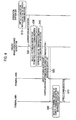
Fig. 4] Fig. 4 is a diagram showing a communication sequence in which theterminal 400A and a terminal 400B start direct communication based on a command from the privatebranch exchange server 300, according to the embodiment of the present invention. - [
Fig. 5] Fig. 5 is a diagram showing an example of an extension group list according to the embodiment of the present invention. - Next, an embodiment of the present invention will be described. Note that, in the following description of the drawings, same or similar reference signs denote same or similar elements and portions. In addition, it should be noted that the drawings are schematic and ratios of dimensions and the like are different from actual ones.
- Therefore, specific dimensions and the like should be determined in consideration of the following description. Moreover, the drawings also include portions having different dimensional relationships and ratios from each other.
-
Fig. 1 is an overall schematic configuration diagram of aradio communication system 10 according to this embodiment. As shown inFig. 1 , theradio communication system 10 includes aradio base station 100, anoperation system 200, a private branch exchange (PBX)server 300, and multipleradio communication terminals terminals - The
radio base station 100 performs operation conforming to a radio access technology (RAT) standardized by 3GPP, e.g., Long Term Evolution (LTE). In this embodiment, theradio base station 100 controls direct communication between theterminals radio base station 100 controls the direct communication by causing theradio base station 100 to transmit broadcast information indicating whether or not to permit communication to be performed between theterminal 400A and theterminal 400B without involving theradio base station 100, i.e., without involving the radio access network. Note that the broadcast information for controlling direct communication between theterminal 400A and theterminal 400B may be broadcasted separately from multiple radio base stations, e.g., theradio base station 100 and another radio base station (not shown). - In this way, in the
radio communication system 10, direct communication between theterminal 400A and theterminal 400B is permitted based on the broadcast information from the radio access network side. In addition, when it is based on broadcast information from another radio base station (not shown), for example, direct communication may be permitted based on the broadcast information from the other radio base station even in an area not covered by theradio base station 100. - The
operation system 200 performs operation and maintenance of a radio access network including theradio base station 100 and of a core network connected to the radio access network. In this embodiment particularly, theoperation system 200 detects congestion in the radio access network, the core network, or the privatebranch exchange server 300, and notifies the privatebranch exchange server 300 of occurrence of congestion influential on an extension service. - The private
branch exchange server 300, which is operated by a telecommunication carrier, manages terminals belonging to an extension group. Specifically, the privatebranch exchange server 300 controls communication between terminals belonging to an extension group. In particular, the privatebranch exchange server 300 can control direct communication which a terminal (e.g., theterminal 400A) and another radio communication terminal (theterminal 400B) belonging to an extension group perform with each other without involving the radio access network and the privatebranch exchange server 300. In this embodiment, theterminals branch exchange server 300 configure a private branch exchange system. - The private
branch exchange server 300 may include functional elements such as, for example, a mobility control apparatus (MME), a policy control apparatus (PCRF), and a subscriber management server (HSS). Alternatively, the mobility control apparatus (MME), the policy control apparatus (PCRF), or the subscriber management server (HSS) may include the functionality of the privatebranch exchange server 300. - The
terminal 400A and theterminal 400B are each a User Equipment (UE) configured to perform radio communication conforming to a radio access technology such as LTE. Theterminals branch exchange server 300. - Further, the
terminal 400A (400B) can communicate with theterminal 400B (400A) via theradio base station 100 and can directly communicate with theterminal 400B (400A) without involving theradio base station 100. Specifically, theterminals radio base station 100 whether direct communication can be performed or not, and perform direct communication at a predetermined timing or any timing. Note that, for this determination, information notified of by the private branch exchange server 300 (e.g., direct-communication permission notification) may be added as an element of determination. - Next, a functional block configuration of the
radio communication system 10 is described. Specifically, functional block configurations of the privatebranch exchange server 300 and theterminal 400A (400B) are described.Fig. 2 is a functional block configuration diagram of the privatebranch exchange server 300, andFig. 3 is a functional block configuration diagram of theterminal 400A. - As shown in
Fig. 2 , the privatebranch exchange server 300 includes a transitiontrigger detection unit 310, an extension grouplist retention unit 320, asubgroup selection unit 330, and a directcommunication command unit 340. - The transition
trigger detection unit 310 detects a trigger for theterminals branch exchange server 300 to direct communication not involving theradio base station 100. Specifically, the transitiontrigger detection unit 310 extracts an extension group capable of direct communication, upon receipt of a notification of congestion of the radio access network or the like from theoperation system 200. The transitiontrigger detection unit 310 determines that terminals belonging to the extracted extension group should transition to direct communication from extension communication involving the privatebranch exchange server 300, which is currently taking place or takes place after the above trigger detection. - Note that the transition
trigger detection unit 310 may determine that a transition should be made from extension communication to direct communication based not only on the congestion notification from theoperation system 200, but also on other trigger. For example, the transitiontrigger detection unit 310 can determine that a transition should be made to direct communication when a predetermined time comes or when a failure is detected in a device constituting the radio access network. - The extension group
list retention unit 320 retains an extension group list containing identifiers of terminals belonging to the extension group. Specifically, the extension grouplist retention unit 320 retains an extension group list like the one shown inFigs. 5(a) and 5(b) . -
Figs. 5 (a) and 5 (b) show an example of an extension group list.Fig. 5 (a) shows a list constituted by multiple subgroups (Tokyo head office, Osaka branch office, Hiroshima branch office, and Fukuoka branch office) of the same extension group (e.g., the same company). These subgroups are groups determined by logical conditions (offices of a company in the example shown inFig. 5(a) ). -
Fig. 5(b) shows a list constituted by identifies (such as telephone numbers) of terminals belonging to the above extension group. This list is constituted by user names and identifiers (telephone numbers) of the terminals. Note that the identifiers of the terminals may be, besides the telephone numbers, URIs (email addresses, SIP URIs), IMEIs (terminal identification numbers), IMSIs (subscriber identification numbers), S-TMSIs (temporary subscriber identification numbers), or other information which can be used to uniquely identify the terminals. - The
subgroup selection unit 330 selects a certain subgroup from the extension group list. Specifically, thesubgroup selection unit 330 selects a subgroup which is to transition to direct communication. Thesubgroup selection unit 330 may select any subgroup (e.g., Fukuoka branch office) or a particular subgroup according to a predetermined condition (such as a priority level). - The direct
communication command unit 340 sends permission information on direct communication and configuration information on a communication environment necessary for direct communication to the terminals contained in the subgroup selected by thesubgroup selection unit 330. The configuration information can contain a radio frequency band used for direct communication or a radio field intensity for sending radio signals, an identifier (a telephone number, a terminal identifier, and a subscriber identifier) of a counterpart (terminating) terminal, and the like. Note that the above information can be sent to the terminals on an individual or subgroup basis or can be broadcasted to a particular area, targeting only terminals capable of direct communication. - The direct
communication command unit 340 may include, in the permission information on direct communication, identifiers or the like of the terminals (users) belonging to the same subgroup. - As shown in
Fig. 3 , theterminal 400A includes a direct communicationcommand reception unit 410 and a directcommunication execution unit 420. Note that the terminal 400B has a similar functional block configuration to that of the terminal 400A. - The direct communication
command reception unit 410 receives a direct communication command sent by the privatebranch exchange server 300, or specifically, the permission information on direct communication and the configuration information on direct communication. - The direct
communication execution unit 420 executes direct communication with the terminal 400B based on the direct communication command received by the direct communicationcommand reception unit 410. Specifically, the directcommunication execution unit 420 starts direct communication with the terminal 400B by sending radio signals at predetermined transmission power (radio field intensity) in a predetermined frequency band based on the configuration information on direct communication. - Next, operation of the above-described
radio communication system 10 is described. Specifically, a description is given of operation where the terminal 400A executes direct communication with the terminal 400B based on a direct communication command from the privatebranch exchange server 300. -
Fig. 4 shows a communication sequence in which theterminal 400A starts direct communication with the terminal 400B based on a direct communication command from the privatebranch exchange server 300. - As shown in
Fig. 4 , theoperation system 200 monitors the status of the radio access network, and detects whether there is congestion influential on extension communication or not (S10). Congestion influential on extension communication is, for example, a state such as where network congestion or failure occurs between the privatebranch exchange server 300 and an area of an extension group managed by the privatebranch exchange server 300, and origination and termination of calls are restricted at both points. Upon detection of congestion or failure influential on extension communication, theoperation system 200 sends a congestion notification to the private branch exchange server 300 (S20). - Based on the congestion notification from the
operation system 200, the privatebranch exchange server 300 determines that a transition should be made from extension communication to direct communication to mitigate the congestion in the radio access network, and selects an extension group (or one or more subgroups in an extension group) permitted for direct communication (S30). Note that, as described above, a trigger for the transition from extension communication to direct communication is not limited to the congestion notification from theoperation system 200. - The private
branch exchange server 300 generates a list (extension group list) of terminals contained in the selected extension group (or one or more subgroups in an extension group) (S40). For instance, the privatebranch exchange server 300 selects "Fukuoka branch office" as the extension group (subgroup), and generates a list of terminals belonging to this subgroup (seeFig. 5(b) ). - The private
branch exchange server 300 sends a direct communication bit (direct communication permission notification) indicating permission for direct communication, configuration information on direct communication, and the extension group list to theterminals radio base station 100 or other network (such as a wireless LAN) (S50). In S50, the privatebranch exchange server 300 may also notify of a condition for starting direct communication (such as, e.g., three-time failure in extension communication involving the network). - The terminal 400A detects a terminal capable of direct communication based on the extension group list received (S60). Specifically, in order to start communication with the terminal 400B, the
terminal 400A determines whether or not the terminal 400B is in the extension group list received. - The terminal 400A sends radio signals at predetermined transmission power (radio field intensity) in a predetermined frequency band based on the configuration information on direct communication received and starts direct communication with the terminal 400B (S70).
- According to the
radio communication system 10, the privatebranch exchange server 300 sends permission information on direct communication and configuration information on direct communication to theterminals terminal 400A executes direct communication with the terminal 400B based on the permission information on direct communication and the configuration information on direct communication received from the privatebranch exchange server 300. - For this reason, terminals belonging to an extension group can perform device-to-device direct communication (D2D communication) by using a radio access network such as LTE. D2D communication can be effectively used particularly when terminals belonging to an extension group preferentially use D2D communication or when the private
branch exchange server 300 has a failure or is congested. - More specifically, when a company uses an extension service, terminals in the same extension group (trigger) are concentrated in a particular area (an office of the company) and are therefore likely to be located in an area where direct communication is possible. For this reason, in cases such as where a radio access network, a core network, or the private
branch exchange server 300 is congested or has a failure or where a core network between a particular area and the privatebranch exchange server 300 is congested, a particular extension group can be permitted for D2D communication. Thus, under the initiative of a telecommunications carrier, control can be made as to whether D2D communication can be executed between terminals belonging to the extension group or not. - As described above, the details of the present invention have been disclosed by using the embodiment of the present invention. However, it should not be understood that the description and drawings which constitute part of this disclosure limit the present invention. From this disclosure, various alternative embodiments will be easily found by those skilled in the art.
- For example, although the private
branch exchange server 300 sends the configuration information on direct communication in the above embodiment, theradio base station 100 may send the configuration information. - In addition, although the
operation system 200 detects congestion of the radio access network and the core network in the above embodiment, direct communication may be permitted when the privatebranch exchange server 300 detects the congestion of the privatebranch exchange server 300 itself. - As described above, the present invention naturally includes various embodiments which are not described herein. Accordingly, the technical scope of the present invention should be determined only by the matters to define the invention in the scope of claims regarded as appropriate based on the description.
- The features of the present invention may also be expressed as follows. A first feature of the present invention is summarized as a private branch exchange system including: a terminal 400A (a radio communication terminal) capable of executing direct communication with a terminal 400B (another radio communication terminal) without involving a radio access network; and a private
branch exchange server 300 configured to provide a communication service via the radio access network to the radio communication terminal belonging to an extension group. Here, the private branch exchange server includes a transitiontrigger detection unit 310 configured to detect a trigger for a transition to the direct communication, an extension grouplist retention unit 320 configured to retain an extension group list containing an identifier of the radio communication terminal belonging to the extension group, asubgroup selection unit 330 configured to select a certain subgroup from the extension group list, and a directcommunication command unit 340 configured to send permission information on the direct communication and configuration information on a communication environment necessary for the direct communication to the radio communication terminal contained in the subgroup selected by the subgroup selection unit. And the radio communication terminal includes a directcommunication execution unit 420 configured to execute the direct communication based on the permission information and the configuration information received from the private branch exchange server. - A second feature of the present invention is summarized as a private branch exchange server configured to provide a communication service to a radio communication terminal being capable of executing direct communication with another radio communication terminal without involving a radio access network and belonging to an extension group, the private branch exchange server including: a transition trigger detection unit configured to detect a trigger for a transition to the direct communication; a list retention unit configured to retain an extension group list containing an identifier of the radio communication terminal belonging to the extension group; a subgroup selection unit configured to select a certain subgroup from the extension group list; and a direct communication command unit configured to send permission information on the direct communication and configuration information on a communication environment necessary for the direct communication to the radio communication terminal contained in the subgroup selected by the subgroup selection unit.
- In the second feature of the present invention, from the extension group, the subgroup selection unit may select a subgroup containing the radio communication terminal capable of the direct communication.
- In the second feature of the present invention, the transition trigger detection unit may detect congestion of the private branch exchange server or a network between the private branch exchange server and the radio communication terminal, and may detect a trigger for a transition to the direct communication when the congestion is occurring.
- A third feature of the present invention is summarized as a communication method using a radio communication terminal capable of executing direct communication with another radio communication terminal without involving a radio access network, and a private branch exchange server configured to provide a communication service to the radio communication terminal belonging to an extension group via the radio access network, the method including the steps of: the private branch exchange server detecting a trigger for a transition to the direct communication; the private branch exchange server selecting a certain subgroup from an extension group list containing an identifier of the radio communication terminal belonging to the extension group; the private branch exchange server sending permission information on the direct communication and configuration information on a communication environment necessary for the direct communication to the radio communication terminal contained in the selected subgroup, and the radio communication terminal executing the direct communication based on the permission information and the configuration information received from the private branch exchange server.
- Note that the entire content of Japanese Patent Application No.
2012-100276 (filed on April 25, 2012 - According to aspects of the present invention, what can be provided are a private branch exchange system, a private branch exchange server, and a communication method capable of enabling radio communication terminals belonging to an extension group to perform device-to-device direct communication (D2D communication) by using a radio access network such as LTE.
-
- 10
- radio communication system
- 100
- radio base station
- 200
- operation system
- 300
- private branch exchange server
- 310
- transition trigger detection unit
- 320
- extension group list retention unit
- 330
- subgroup selection unit
- 340
- direct communication command unit
- 400A, 400B
- terminal
- 410
- direct communication command reception unit
- 420
- direct communication execution unit
Claims (5)
- A private branch exchange system comprising:a radio communication terminal capable of executing direct communication with another radio communication terminal without involving a radio access network; anda private branch exchange server configured to provide a communication service via the radio access network to the radio communication terminal belonging to an extension group, whereinthe private branch exchange server includesa transition trigger detection unit configured to detect a trigger for a transition to the direct communication,a list retention unit configured to retain an extension group list containing an identifier of the radio communication terminal belonging to the extension group,a subgroup selection unit configured to select a certain subgroup from the extension group list, anda direct communication command unit configured to send permission information on the direct communication and configuration information on a communication environment necessary for the direct communication to the radio communication terminal contained in the subgroup selected by the subgroup selection unit, andthe radio communication terminal includes a direct communication execution unit configured to execute the direct communication based on the permission information and the configuration information received from the private branch exchange server.
- A private branch exchange server configured to provide a communication service to a radio communication terminal being capable of executing direct communication with another radio communication terminal without involving a radio access network and belonging to an extension group, the private branch exchange server comprising:a transition trigger detection unit configured to detect a trigger for a transition to the direct communication;a list retention unit configured to retain an extension group list containing an identifier of the radio communication terminal belonging to the extension group;a subgroup selection unit configured to select a certain subgroup from the extension group list; anda direct communication command unit configured to send permission information on the direct communication and configuration information on a communication environment necessary for the direct communication to the radio communication terminal contained in the subgroup selected by the subgroup selection unit.
- The private branch exchange server according to claim 2, wherein
from the extension group, the subgroup selection unit selects a subgroup containing the radio communication terminal capable of the direct communication. - The private branch exchange server according to claim 2, wherein
the transition trigger detection unit detects congestion of the private branch exchange server or a network between the private branch exchange server and the radio communication terminal, and detects a trigger for a transition to the direct communication when the congestion is occurring. - A communication method using
a radio communication terminal capable of executing direct communication with another radio communication terminal without involving a radio access network, and
a private branch exchange server configured to provide a communication service to the radio communication terminal belonging to an extension group via the radio access network, the method comprising the steps of:the private branch exchange server detecting a trigger for a transition to the direct communication;the private branch exchange server selecting a certain subgroup from an extension group list containing an identifier of the radio communication terminal belonging to the extension group;the private branch exchange server sending permission information on the direct communication and configuration information on a communication environment necessary for the direct communication to the radio communication terminal contained in the selected subgroup, andthe radio communication terminal executing the direct communication based on the permission information and the configuration information received from the private branch exchange server.
Applications Claiming Priority (2)
| Application Number | Priority Date | Filing Date | Title |
|---|---|---|---|
| JP2012100276A JP5849012B2 (en) | 2012-04-25 | 2012-04-25 | Extension system, extension server, and communication method |
| PCT/JP2013/061511 WO2013161671A1 (en) | 2012-04-25 | 2013-04-18 | Extension system, extension server, and communication method |
Publications (3)
| Publication Number | Publication Date |
|---|---|
| EP2844021A1 true EP2844021A1 (en) | 2015-03-04 |
| EP2844021A4 EP2844021A4 (en) | 2016-01-06 |
| EP2844021B1 EP2844021B1 (en) | 2016-12-14 |
Family
ID=49482992
Family Applications (1)
| Application Number | Title | Priority Date | Filing Date |
|---|---|---|---|
| EP13780600.6A Not-in-force EP2844021B1 (en) | 2012-04-25 | 2013-04-18 | Extension system, extension server, and communication method |
Country Status (4)
| Country | Link |
|---|---|
| US (1) | US9219976B2 (en) |
| EP (1) | EP2844021B1 (en) |
| JP (1) | JP5849012B2 (en) |
| WO (1) | WO2013161671A1 (en) |
Cited By (2)
| Publication number | Priority date | Publication date | Assignee | Title |
|---|---|---|---|---|
| GB2532903A (en) * | 2013-12-12 | 2016-06-01 | Good Tech Corp | Secure communication channels |
| WO2017068062A1 (en) * | 2015-10-22 | 2017-04-27 | Koninklijke Kpn N.V. | Method for enabling establishment of a direct connection |
Families Citing this family (3)
| Publication number | Priority date | Publication date | Assignee | Title |
|---|---|---|---|---|
| JPWO2016056152A1 (en) | 2014-10-07 | 2017-07-27 | 日本電気株式会社 | Control apparatus and method for direct communication between terminals |
| CN105991720B (en) | 2015-02-13 | 2019-06-18 | 阿里巴巴集团控股有限公司 | Configuration change method, equipment and system |
| US12250548B2 (en) * | 2021-11-09 | 2025-03-11 | At&T Mobility Ii Llc | Configurable extension of private mobile network access |
Family Cites Families (4)
| Publication number | Priority date | Publication date | Assignee | Title |
|---|---|---|---|---|
| US7016673B2 (en) * | 2002-10-01 | 2006-03-21 | Interdigital Technology Corporation | Wireless communication method and system with controlled WTRU peer-to-peer communications |
| EP1602201A2 (en) * | 2003-03-12 | 2005-12-07 | Persona Software, Inc. | Extension of a local area phone system to a wide area network with handoff |
| US8537829B2 (en) * | 2010-09-15 | 2013-09-17 | Cisco Technology, Inc. | Paging control in communication networks |
| US8782269B2 (en) * | 2010-12-22 | 2014-07-15 | Verizon Patent And Licensing Inc. | Auto-discovery of home and out-of-franchise networks |
-
2012
- 2012-04-25 JP JP2012100276A patent/JP5849012B2/en not_active Expired - Fee Related
-
2013
- 2013-04-18 WO PCT/JP2013/061511 patent/WO2013161671A1/en not_active Ceased
- 2013-04-18 US US14/394,746 patent/US9219976B2/en not_active Expired - Fee Related
- 2013-04-18 EP EP13780600.6A patent/EP2844021B1/en not_active Not-in-force
Cited By (4)
| Publication number | Priority date | Publication date | Assignee | Title |
|---|---|---|---|---|
| GB2532903A (en) * | 2013-12-12 | 2016-06-01 | Good Tech Corp | Secure communication channels |
| GB2532903B (en) * | 2013-12-12 | 2018-04-18 | Good Tech Holdings Limited | Secure communication channels |
| WO2017068062A1 (en) * | 2015-10-22 | 2017-04-27 | Koninklijke Kpn N.V. | Method for enabling establishment of a direct connection |
| US11171927B2 (en) | 2015-10-22 | 2021-11-09 | Koninklijke Kpn N.V. | Method for enabling establishment of a direct connection |
Also Published As
| Publication number | Publication date |
|---|---|
| JP5849012B2 (en) | 2016-01-27 |
| US20150072695A1 (en) | 2015-03-12 |
| EP2844021A4 (en) | 2016-01-06 |
| WO2013161671A1 (en) | 2013-10-31 |
| US9219976B2 (en) | 2015-12-22 |
| JP2013229747A (en) | 2013-11-07 |
| EP2844021B1 (en) | 2016-12-14 |
Similar Documents
| Publication | Publication Date | Title |
|---|---|---|
| US10027821B2 (en) | Billing system, billing apparatus, and billing method | |
| US20200374950A1 (en) | Method, Telecommunications Node and Telecommunications Terminal | |
| US20220361133A1 (en) | Method and apparatus for reporting multi-usim ue capability supporting different operators | |
| EP3179777B1 (en) | Mobile station, base station, restriction control method, and broadcast-information transmission method | |
| CN104221468B (en) | Wireless communication system, communication control unit and communication control method | |
| CN103650629B (en) | Communication system, base station device, gateway device, method for controlling base station device, and method for controlling gateway device | |
| US9219976B2 (en) | Private branch exchange system, private branch exchange server, and communication method | |
| US20150245191A1 (en) | Method, device, and system for device-to-device communication | |
| EP3048782A1 (en) | Mobile communication system, user equipment, mobile switching center, and mobile communication method | |
| KR102233595B1 (en) | Method and device for proximity discovery among ues | |
| US8880033B2 (en) | Scalable addressing of machine-to-machine terminals in communication networks | |
| JP5997487B2 (en) | Wireless communication terminal, communication control apparatus, and communication control method | |
| JP6506298B2 (en) | Method and apparatus for enhancing video call service quality | |
| US10694476B2 (en) | Method for enabling lawful interception in a telecommunications network, user equipment for enabling lawful interception in a telecommunications network, base transceiver station for enabling lawful interception in a telecommunications network, program and computer program product | |
| CN104221463A (en) | Apparatus and method for autonomously performing implicit detach operations | |
| JP6062653B2 (en) | Communication system, telephone directory server, wireless communication terminal, and communication method | |
| CN115715029B (en) | Calling methods, devices, and storage media for terminal equipment | |
| US20180270626A1 (en) | Apparatus, Systems and Methods for Enhancing Short Message Service Over Internet Protocol | |
| GB2637146A (en) | UPF handling and reporting of user plane headers in both UL and DL directions | |
| KR20100043809A (en) | Method, apparatus, terminal and system for providing mobile communication using multi-paging | |
| JP5953170B2 (en) | Communication method and communication system |
Legal Events
| Date | Code | Title | Description |
|---|---|---|---|
| PUAI | Public reference made under article 153(3) epc to a published international application that has entered the european phase |
Free format text: ORIGINAL CODE: 0009012 |
|
| 17P | Request for examination filed |
Effective date: 20141028 |
|
| AK | Designated contracting states |
Kind code of ref document: A1 Designated state(s): AL AT BE BG CH CY CZ DE DK EE ES FI FR GB GR HR HU IE IS IT LI LT LU LV MC MK MT NL NO PL PT RO RS SE SI SK SM TR |
|
| AX | Request for extension of the european patent |
Extension state: BA ME |
|
| DAX | Request for extension of the european patent (deleted) | ||
| RA4 | Supplementary search report drawn up and despatched (corrected) |
Effective date: 20151204 |
|
| RIC1 | Information provided on ipc code assigned before grant |
Ipc: H04W 76/02 20090101AFI20151130BHEP Ipc: H04W 92/18 20090101ALI20151130BHEP Ipc: H04W 4/06 20090101ALI20151130BHEP |
|
| REG | Reference to a national code |
Ref country code: DE Ref legal event code: R079 Ref document number: 602013015411 Country of ref document: DE Free format text: PREVIOUS MAIN CLASS: H04W0076020000 Ipc: H04W0004080000 |
|
| RIC1 | Information provided on ipc code assigned before grant |
Ipc: H04W 76/02 20090101ALI20160531BHEP Ipc: H04W 4/20 20090101ALI20160531BHEP Ipc: H04W 4/08 20090101AFI20160531BHEP |
|
| GRAP | Despatch of communication of intention to grant a patent |
Free format text: ORIGINAL CODE: EPIDOSNIGR1 |
|
| INTG | Intention to grant announced |
Effective date: 20160715 |
|
| GRAS | Grant fee paid |
Free format text: ORIGINAL CODE: EPIDOSNIGR3 |
|
| GRAA | (expected) grant |
Free format text: ORIGINAL CODE: 0009210 |
|
| AK | Designated contracting states |
Kind code of ref document: B1 Designated state(s): AL AT BE BG CH CY CZ DE DK EE ES FI FR GB GR HR HU IE IS IT LI LT LU LV MC MK MT NL NO PL PT RO RS SE SI SK SM TR |
|
| REG | Reference to a national code |
Ref country code: GB Ref legal event code: FG4D |
|
| REG | Reference to a national code |
Ref country code: CH Ref legal event code: EP |
|
| REG | Reference to a national code |
Ref country code: IE Ref legal event code: FG4D |
|
| REG | Reference to a national code |
Ref country code: AT Ref legal event code: REF Ref document number: 854536 Country of ref document: AT Kind code of ref document: T Effective date: 20170115 |
|
| REG | Reference to a national code |
Ref country code: DE Ref legal event code: R096 Ref document number: 602013015411 Country of ref document: DE |
|
| PG25 | Lapsed in a contracting state [announced via postgrant information from national office to epo] |
Ref country code: LV Free format text: LAPSE BECAUSE OF FAILURE TO SUBMIT A TRANSLATION OF THE DESCRIPTION OR TO PAY THE FEE WITHIN THE PRESCRIBED TIME-LIMIT Effective date: 20161214 |
|
| REG | Reference to a national code |
Ref country code: LT Ref legal event code: MG4D |
|
| REG | Reference to a national code |
Ref country code: NL Ref legal event code: MP Effective date: 20161214 |
|
| PG25 | Lapsed in a contracting state [announced via postgrant information from national office to epo] |
Ref country code: NO Free format text: LAPSE BECAUSE OF FAILURE TO SUBMIT A TRANSLATION OF THE DESCRIPTION OR TO PAY THE FEE WITHIN THE PRESCRIBED TIME-LIMIT Effective date: 20170314 Ref country code: LT Free format text: LAPSE BECAUSE OF FAILURE TO SUBMIT A TRANSLATION OF THE DESCRIPTION OR TO PAY THE FEE WITHIN THE PRESCRIBED TIME-LIMIT Effective date: 20161214 Ref country code: SE Free format text: LAPSE BECAUSE OF FAILURE TO SUBMIT A TRANSLATION OF THE DESCRIPTION OR TO PAY THE FEE WITHIN THE PRESCRIBED TIME-LIMIT Effective date: 20161214 Ref country code: GR Free format text: LAPSE BECAUSE OF FAILURE TO SUBMIT A TRANSLATION OF THE DESCRIPTION OR TO PAY THE FEE WITHIN THE PRESCRIBED TIME-LIMIT Effective date: 20170315 |
|
| REG | Reference to a national code |
Ref country code: AT Ref legal event code: MK05 Ref document number: 854536 Country of ref document: AT Kind code of ref document: T Effective date: 20161214 |
|
| PG25 | Lapsed in a contracting state [announced via postgrant information from national office to epo] |
Ref country code: HR Free format text: LAPSE BECAUSE OF FAILURE TO SUBMIT A TRANSLATION OF THE DESCRIPTION OR TO PAY THE FEE WITHIN THE PRESCRIBED TIME-LIMIT Effective date: 20161214 Ref country code: FI Free format text: LAPSE BECAUSE OF FAILURE TO SUBMIT A TRANSLATION OF THE DESCRIPTION OR TO PAY THE FEE WITHIN THE PRESCRIBED TIME-LIMIT Effective date: 20161214 Ref country code: RS Free format text: LAPSE BECAUSE OF FAILURE TO SUBMIT A TRANSLATION OF THE DESCRIPTION OR TO PAY THE FEE WITHIN THE PRESCRIBED TIME-LIMIT Effective date: 20161214 |
|
| PG25 | Lapsed in a contracting state [announced via postgrant information from national office to epo] |
Ref country code: NL Free format text: LAPSE BECAUSE OF FAILURE TO SUBMIT A TRANSLATION OF THE DESCRIPTION OR TO PAY THE FEE WITHIN THE PRESCRIBED TIME-LIMIT Effective date: 20161214 |
|
| PG25 | Lapsed in a contracting state [announced via postgrant information from national office to epo] |
Ref country code: CZ Free format text: LAPSE BECAUSE OF FAILURE TO SUBMIT A TRANSLATION OF THE DESCRIPTION OR TO PAY THE FEE WITHIN THE PRESCRIBED TIME-LIMIT Effective date: 20161214 Ref country code: SK Free format text: LAPSE BECAUSE OF FAILURE TO SUBMIT A TRANSLATION OF THE DESCRIPTION OR TO PAY THE FEE WITHIN THE PRESCRIBED TIME-LIMIT Effective date: 20161214 Ref country code: IS Free format text: LAPSE BECAUSE OF FAILURE TO SUBMIT A TRANSLATION OF THE DESCRIPTION OR TO PAY THE FEE WITHIN THE PRESCRIBED TIME-LIMIT Effective date: 20170414 Ref country code: RO Free format text: LAPSE BECAUSE OF FAILURE TO SUBMIT A TRANSLATION OF THE DESCRIPTION OR TO PAY THE FEE WITHIN THE PRESCRIBED TIME-LIMIT Effective date: 20161214 Ref country code: EE Free format text: LAPSE BECAUSE OF FAILURE TO SUBMIT A TRANSLATION OF THE DESCRIPTION OR TO PAY THE FEE WITHIN THE PRESCRIBED TIME-LIMIT Effective date: 20161214 |
|
| PG25 | Lapsed in a contracting state [announced via postgrant information from national office to epo] |
Ref country code: IT Free format text: LAPSE BECAUSE OF FAILURE TO SUBMIT A TRANSLATION OF THE DESCRIPTION OR TO PAY THE FEE WITHIN THE PRESCRIBED TIME-LIMIT Effective date: 20161214 Ref country code: SM Free format text: LAPSE BECAUSE OF FAILURE TO SUBMIT A TRANSLATION OF THE DESCRIPTION OR TO PAY THE FEE WITHIN THE PRESCRIBED TIME-LIMIT Effective date: 20161214 Ref country code: BG Free format text: LAPSE BECAUSE OF FAILURE TO SUBMIT A TRANSLATION OF THE DESCRIPTION OR TO PAY THE FEE WITHIN THE PRESCRIBED TIME-LIMIT Effective date: 20170314 Ref country code: PT Free format text: LAPSE BECAUSE OF FAILURE TO SUBMIT A TRANSLATION OF THE DESCRIPTION OR TO PAY THE FEE WITHIN THE PRESCRIBED TIME-LIMIT Effective date: 20170414 Ref country code: AT Free format text: LAPSE BECAUSE OF FAILURE TO SUBMIT A TRANSLATION OF THE DESCRIPTION OR TO PAY THE FEE WITHIN THE PRESCRIBED TIME-LIMIT Effective date: 20161214 Ref country code: BE Free format text: LAPSE BECAUSE OF FAILURE TO SUBMIT A TRANSLATION OF THE DESCRIPTION OR TO PAY THE FEE WITHIN THE PRESCRIBED TIME-LIMIT Effective date: 20161214 Ref country code: ES Free format text: LAPSE BECAUSE OF FAILURE TO SUBMIT A TRANSLATION OF THE DESCRIPTION OR TO PAY THE FEE WITHIN THE PRESCRIBED TIME-LIMIT Effective date: 20161214 Ref country code: PL Free format text: LAPSE BECAUSE OF FAILURE TO SUBMIT A TRANSLATION OF THE DESCRIPTION OR TO PAY THE FEE WITHIN THE PRESCRIBED TIME-LIMIT Effective date: 20161214 |
|
| REG | Reference to a national code |
Ref country code: DE Ref legal event code: R097 Ref document number: 602013015411 Country of ref document: DE |
|
| PLBE | No opposition filed within time limit |
Free format text: ORIGINAL CODE: 0009261 |
|
| STAA | Information on the status of an ep patent application or granted ep patent |
Free format text: STATUS: NO OPPOSITION FILED WITHIN TIME LIMIT |
|
| REG | Reference to a national code |
Ref country code: DE Ref legal event code: R119 Ref document number: 602013015411 Country of ref document: DE |
|
| 26N | No opposition filed |
Effective date: 20170915 |
|
| PG25 | Lapsed in a contracting state [announced via postgrant information from national office to epo] |
Ref country code: DK Free format text: LAPSE BECAUSE OF FAILURE TO SUBMIT A TRANSLATION OF THE DESCRIPTION OR TO PAY THE FEE WITHIN THE PRESCRIBED TIME-LIMIT Effective date: 20161214 |
|
| REG | Reference to a national code |
Ref country code: CH Ref legal event code: PL |
|
| REG | Reference to a national code |
Ref country code: IE Ref legal event code: MM4A |
|
| REG | Reference to a national code |
Ref country code: FR Ref legal event code: ST Effective date: 20171229 |
|
| PG25 | Lapsed in a contracting state [announced via postgrant information from national office to epo] |
Ref country code: MC Free format text: LAPSE BECAUSE OF FAILURE TO SUBMIT A TRANSLATION OF THE DESCRIPTION OR TO PAY THE FEE WITHIN THE PRESCRIBED TIME-LIMIT Effective date: 20161214 Ref country code: DE Free format text: LAPSE BECAUSE OF NON-PAYMENT OF DUE FEES Effective date: 20171103 Ref country code: FR Free format text: LAPSE BECAUSE OF NON-PAYMENT OF DUE FEES Effective date: 20170502 |
|
| PG25 | Lapsed in a contracting state [announced via postgrant information from national office to epo] |
Ref country code: SI Free format text: LAPSE BECAUSE OF FAILURE TO SUBMIT A TRANSLATION OF THE DESCRIPTION OR TO PAY THE FEE WITHIN THE PRESCRIBED TIME-LIMIT Effective date: 20161214 Ref country code: LI Free format text: LAPSE BECAUSE OF NON-PAYMENT OF DUE FEES Effective date: 20170430 Ref country code: LU Free format text: LAPSE BECAUSE OF NON-PAYMENT OF DUE FEES Effective date: 20170418 Ref country code: CH Free format text: LAPSE BECAUSE OF NON-PAYMENT OF DUE FEES Effective date: 20170430 |
|
| PG25 | Lapsed in a contracting state [announced via postgrant information from national office to epo] |
Ref country code: IE Free format text: LAPSE BECAUSE OF NON-PAYMENT OF DUE FEES Effective date: 20170418 |
|
| PGFP | Annual fee paid to national office [announced via postgrant information from national office to epo] |
Ref country code: GB Payment date: 20180329 Year of fee payment: 6 |
|
| PG25 | Lapsed in a contracting state [announced via postgrant information from national office to epo] |
Ref country code: MT Free format text: LAPSE BECAUSE OF NON-PAYMENT OF DUE FEES Effective date: 20170418 |
|
| PG25 | Lapsed in a contracting state [announced via postgrant information from national office to epo] |
Ref country code: HU Free format text: LAPSE BECAUSE OF FAILURE TO SUBMIT A TRANSLATION OF THE DESCRIPTION OR TO PAY THE FEE WITHIN THE PRESCRIBED TIME-LIMIT; INVALID AB INITIO Effective date: 20130418 |
|
| PG25 | Lapsed in a contracting state [announced via postgrant information from national office to epo] |
Ref country code: CY Free format text: LAPSE BECAUSE OF FAILURE TO SUBMIT A TRANSLATION OF THE DESCRIPTION OR TO PAY THE FEE WITHIN THE PRESCRIBED TIME-LIMIT Effective date: 20161214 |
|
| PG25 | Lapsed in a contracting state [announced via postgrant information from national office to epo] |
Ref country code: MK Free format text: LAPSE BECAUSE OF FAILURE TO SUBMIT A TRANSLATION OF THE DESCRIPTION OR TO PAY THE FEE WITHIN THE PRESCRIBED TIME-LIMIT Effective date: 20161214 |
|
| GBPC | Gb: european patent ceased through non-payment of renewal fee |
Effective date: 20190418 |
|
| PG25 | Lapsed in a contracting state [announced via postgrant information from national office to epo] |
Ref country code: GB Free format text: LAPSE BECAUSE OF NON-PAYMENT OF DUE FEES Effective date: 20190418 |
|
| PG25 | Lapsed in a contracting state [announced via postgrant information from national office to epo] |
Ref country code: TR Free format text: LAPSE BECAUSE OF FAILURE TO SUBMIT A TRANSLATION OF THE DESCRIPTION OR TO PAY THE FEE WITHIN THE PRESCRIBED TIME-LIMIT Effective date: 20161214 |
|
| PG25 | Lapsed in a contracting state [announced via postgrant information from national office to epo] |
Ref country code: AL Free format text: LAPSE BECAUSE OF FAILURE TO SUBMIT A TRANSLATION OF THE DESCRIPTION OR TO PAY THE FEE WITHIN THE PRESCRIBED TIME-LIMIT Effective date: 20161214 |