EP2842940A1 - Sulforaphane-derived compounds, production method thereof and the medical, food and cosmetic use of same - Google Patents
Sulforaphane-derived compounds, production method thereof and the medical, food and cosmetic use of same Download PDFInfo
- Publication number
- EP2842940A1 EP2842940A1 EP20130757087 EP13757087A EP2842940A1 EP 2842940 A1 EP2842940 A1 EP 2842940A1 EP 20130757087 EP20130757087 EP 20130757087 EP 13757087 A EP13757087 A EP 13757087A EP 2842940 A1 EP2842940 A1 EP 2842940A1
- Authority
- EP
- European Patent Office
- Prior art keywords
- compound
- formula
- group
- composition
- organic solvent
- Prior art date
- Legal status (The legal status is an assumption and is not a legal conclusion. Google has not performed a legal analysis and makes no representation as to the accuracy of the status listed.)
- Granted
Links
- 0 CC[S@](*)(CCOCCN=C=S)O Chemical compound CC[S@](*)(CCOCCN=C=S)O 0.000 description 6
- VSAZMISZGOMRDQ-LLVKDONJSA-N C/[S@@](/O)=C/COCCN=C=S Chemical compound C/[S@@](/O)=C/COCCN=C=S VSAZMISZGOMRDQ-LLVKDONJSA-N 0.000 description 1
Images
Classifications
-
- C—CHEMISTRY; METALLURGY
- C07—ORGANIC CHEMISTRY
- C07C—ACYCLIC OR CARBOCYCLIC COMPOUNDS
- C07C331/00—Derivatives of thiocyanic acid or of isothiocyanic acid
- C07C331/16—Isothiocyanates
- C07C331/18—Isothiocyanates having isothiocyanate groups bound to acyclic carbon atoms
- C07C331/20—Isothiocyanates having isothiocyanate groups bound to acyclic carbon atoms of a saturated carbon skeleton
-
- A—HUMAN NECESSITIES
- A61—MEDICAL OR VETERINARY SCIENCE; HYGIENE
- A61K—PREPARATIONS FOR MEDICAL, DENTAL OR TOILETRY PURPOSES
- A61K31/00—Medicinal preparations containing organic active ingredients
- A61K31/21—Esters, e.g. nitroglycerine, selenocyanates
- A61K31/26—Cyanate or isocyanate esters; Thiocyanate or isothiocyanate esters
-
- A—HUMAN NECESSITIES
- A61—MEDICAL OR VETERINARY SCIENCE; HYGIENE
- A61K—PREPARATIONS FOR MEDICAL, DENTAL OR TOILETRY PURPOSES
- A61K31/00—Medicinal preparations containing organic active ingredients
- A61K31/74—Synthetic polymeric materials
- A61K31/795—Polymers containing sulfur
-
- A—HUMAN NECESSITIES
- A61—MEDICAL OR VETERINARY SCIENCE; HYGIENE
- A61K—PREPARATIONS FOR MEDICAL, DENTAL OR TOILETRY PURPOSES
- A61K45/00—Medicinal preparations containing active ingredients not provided for in groups A61K31/00 - A61K41/00
- A61K45/06—Mixtures of active ingredients without chemical characterisation, e.g. antiphlogistics and cardiaca
-
- A—HUMAN NECESSITIES
- A61—MEDICAL OR VETERINARY SCIENCE; HYGIENE
- A61P—SPECIFIC THERAPEUTIC ACTIVITY OF CHEMICAL COMPOUNDS OR MEDICINAL PREPARATIONS
- A61P1/00—Drugs for disorders of the alimentary tract or the digestive system
- A61P1/10—Laxatives
-
- A—HUMAN NECESSITIES
- A61—MEDICAL OR VETERINARY SCIENCE; HYGIENE
- A61P—SPECIFIC THERAPEUTIC ACTIVITY OF CHEMICAL COMPOUNDS OR MEDICINAL PREPARATIONS
- A61P1/00—Drugs for disorders of the alimentary tract or the digestive system
- A61P1/16—Drugs for disorders of the alimentary tract or the digestive system for liver or gallbladder disorders, e.g. hepatoprotective agents, cholagogues, litholytics
-
- A—HUMAN NECESSITIES
- A61—MEDICAL OR VETERINARY SCIENCE; HYGIENE
- A61P—SPECIFIC THERAPEUTIC ACTIVITY OF CHEMICAL COMPOUNDS OR MEDICINAL PREPARATIONS
- A61P11/00—Drugs for disorders of the respiratory system
-
- A—HUMAN NECESSITIES
- A61—MEDICAL OR VETERINARY SCIENCE; HYGIENE
- A61P—SPECIFIC THERAPEUTIC ACTIVITY OF CHEMICAL COMPOUNDS OR MEDICINAL PREPARATIONS
- A61P11/00—Drugs for disorders of the respiratory system
- A61P11/02—Nasal agents, e.g. decongestants
-
- A—HUMAN NECESSITIES
- A61—MEDICAL OR VETERINARY SCIENCE; HYGIENE
- A61P—SPECIFIC THERAPEUTIC ACTIVITY OF CHEMICAL COMPOUNDS OR MEDICINAL PREPARATIONS
- A61P11/00—Drugs for disorders of the respiratory system
- A61P11/06—Antiasthmatics
-
- A—HUMAN NECESSITIES
- A61—MEDICAL OR VETERINARY SCIENCE; HYGIENE
- A61P—SPECIFIC THERAPEUTIC ACTIVITY OF CHEMICAL COMPOUNDS OR MEDICINAL PREPARATIONS
- A61P17/00—Drugs for dermatological disorders
-
- A—HUMAN NECESSITIES
- A61—MEDICAL OR VETERINARY SCIENCE; HYGIENE
- A61P—SPECIFIC THERAPEUTIC ACTIVITY OF CHEMICAL COMPOUNDS OR MEDICINAL PREPARATIONS
- A61P25/00—Drugs for disorders of the nervous system
- A61P25/14—Drugs for disorders of the nervous system for treating abnormal movements, e.g. chorea, dyskinesia
- A61P25/16—Anti-Parkinson drugs
-
- A—HUMAN NECESSITIES
- A61—MEDICAL OR VETERINARY SCIENCE; HYGIENE
- A61P—SPECIFIC THERAPEUTIC ACTIVITY OF CHEMICAL COMPOUNDS OR MEDICINAL PREPARATIONS
- A61P27/00—Drugs for disorders of the senses
- A61P27/02—Ophthalmic agents
-
- A—HUMAN NECESSITIES
- A61—MEDICAL OR VETERINARY SCIENCE; HYGIENE
- A61P—SPECIFIC THERAPEUTIC ACTIVITY OF CHEMICAL COMPOUNDS OR MEDICINAL PREPARATIONS
- A61P27/00—Drugs for disorders of the senses
- A61P27/02—Ophthalmic agents
- A61P27/12—Ophthalmic agents for cataracts
-
- A—HUMAN NECESSITIES
- A61—MEDICAL OR VETERINARY SCIENCE; HYGIENE
- A61P—SPECIFIC THERAPEUTIC ACTIVITY OF CHEMICAL COMPOUNDS OR MEDICINAL PREPARATIONS
- A61P27/00—Drugs for disorders of the senses
- A61P27/02—Ophthalmic agents
- A61P27/14—Decongestants or antiallergics
-
- A—HUMAN NECESSITIES
- A61—MEDICAL OR VETERINARY SCIENCE; HYGIENE
- A61P—SPECIFIC THERAPEUTIC ACTIVITY OF CHEMICAL COMPOUNDS OR MEDICINAL PREPARATIONS
- A61P3/00—Drugs for disorders of the metabolism
- A61P3/04—Anorexiants; Antiobesity agents
-
- A—HUMAN NECESSITIES
- A61—MEDICAL OR VETERINARY SCIENCE; HYGIENE
- A61P—SPECIFIC THERAPEUTIC ACTIVITY OF CHEMICAL COMPOUNDS OR MEDICINAL PREPARATIONS
- A61P3/00—Drugs for disorders of the metabolism
- A61P3/08—Drugs for disorders of the metabolism for glucose homeostasis
- A61P3/10—Drugs for disorders of the metabolism for glucose homeostasis for hyperglycaemia, e.g. antidiabetics
-
- A—HUMAN NECESSITIES
- A61—MEDICAL OR VETERINARY SCIENCE; HYGIENE
- A61P—SPECIFIC THERAPEUTIC ACTIVITY OF CHEMICAL COMPOUNDS OR MEDICINAL PREPARATIONS
- A61P31/00—Antiinfectives, i.e. antibiotics, antiseptics, chemotherapeutics
- A61P31/04—Antibacterial agents
-
- A—HUMAN NECESSITIES
- A61—MEDICAL OR VETERINARY SCIENCE; HYGIENE
- A61P—SPECIFIC THERAPEUTIC ACTIVITY OF CHEMICAL COMPOUNDS OR MEDICINAL PREPARATIONS
- A61P35/00—Antineoplastic agents
-
- A—HUMAN NECESSITIES
- A61—MEDICAL OR VETERINARY SCIENCE; HYGIENE
- A61P—SPECIFIC THERAPEUTIC ACTIVITY OF CHEMICAL COMPOUNDS OR MEDICINAL PREPARATIONS
- A61P37/00—Drugs for immunological or allergic disorders
-
- A—HUMAN NECESSITIES
- A61—MEDICAL OR VETERINARY SCIENCE; HYGIENE
- A61P—SPECIFIC THERAPEUTIC ACTIVITY OF CHEMICAL COMPOUNDS OR MEDICINAL PREPARATIONS
- A61P37/00—Drugs for immunological or allergic disorders
- A61P37/08—Antiallergic agents
-
- A—HUMAN NECESSITIES
- A61—MEDICAL OR VETERINARY SCIENCE; HYGIENE
- A61P—SPECIFIC THERAPEUTIC ACTIVITY OF CHEMICAL COMPOUNDS OR MEDICINAL PREPARATIONS
- A61P7/00—Drugs for disorders of the blood or the extracellular fluid
- A61P7/02—Antithrombotic agents; Anticoagulants; Platelet aggregation inhibitors
-
- A—HUMAN NECESSITIES
- A61—MEDICAL OR VETERINARY SCIENCE; HYGIENE
- A61P—SPECIFIC THERAPEUTIC ACTIVITY OF CHEMICAL COMPOUNDS OR MEDICINAL PREPARATIONS
- A61P7/00—Drugs for disorders of the blood or the extracellular fluid
- A61P7/06—Antianaemics
-
- A—HUMAN NECESSITIES
- A61—MEDICAL OR VETERINARY SCIENCE; HYGIENE
- A61P—SPECIFIC THERAPEUTIC ACTIVITY OF CHEMICAL COMPOUNDS OR MEDICINAL PREPARATIONS
- A61P7/00—Drugs for disorders of the blood or the extracellular fluid
- A61P7/10—Antioedematous agents; Diuretics
-
- A—HUMAN NECESSITIES
- A61—MEDICAL OR VETERINARY SCIENCE; HYGIENE
- A61P—SPECIFIC THERAPEUTIC ACTIVITY OF CHEMICAL COMPOUNDS OR MEDICINAL PREPARATIONS
- A61P9/00—Drugs for disorders of the cardiovascular system
Definitions
- the present invention mainly relates to the pharmaceutical sector with applications intended for the prevention and/or treatment of diseases and any types of disorder or complaint that involve an oxidative process, or which, even though not being implicated in this process, proceed via the Nrf2 transcription factor.
- the invention is also applicable to any industrial sector with nutritional, homeopathic, phytotherapeutic, dietetic and/or cosmetic application.
- Sulphoraphane helps to prevent colon cancer, and acts as a preventive dietary agent against the development of stomach cancer caused by the action of Helicobacter pylori. Recent clinical and preclinical studies confirm this same chemopreventive activity in women at risk for breast cancer.
- sulphoraphane and certain analogues have confirmed in human cell lines that they are effective in the treatment of various types of cancers that are already established, such as colon cancer and pancreatic cancer, among others.
- This anticancer activity is due in part to the fact that they are able to induce cellular apoptosis owing to the presence of the isothiocyanate group (Min Jung Kim; So Hee Kim; Soo-Jeong Lim. Anticancer Research. 2010, 30, 3611-3619 ).
- ( R )-sulphoraphane inhibits the growth of human prostate cancer cells both in vitro and in vivo and slows the development of this type of cancer in transgenic mouse models.
- sulphoraphane provides protection against ultraviolet radiation, thus avoiding sun damage, degeneration caused by ROS (Reactive oxygen. species ) and the development of skin cancer ( Talalay P.; Fahey J.W.; Healy Z.R.; Wehage S.L.; Benedict A.L.; Min C.; Dinkova-Kostova A.T. PNAS. 2007, 104, 17500-17505 ). It also protects against respiratory inflammation that causes diseases such as asthma, allergic rhinitis and chronic obstructive pulmonary disease (COPD) ( Riedl M.A.; Saxon A.; D ⁇ az-Sánchez D. Clinical Immunology. 2009, 130, 244-251 ).
- COPD chronic obstructive pulmonary disease
- this phytochemical is capable of inhibiting mast cell degranulation, and can therefore be used as medicinal products, natural foods and cosmetics for treating atopic diseases, including atopic rhinitis, conjunctivitis and dermatitis (Japanese patent application No. JP 2006301959 ).
- Another property that is attributed to these sulphoraphane-derived isothiocyanates is antimicrobial activity against Gram-positive and Gram-negative bacteria, and yeasts. Moreover, it has been demonstrated that these derivatives exert a protective action against Parkinson's disease (in a mouse model) and they also have diuretic, anti-anaemic and laxative properties, among others. Investigation of the molecular basis of the mechanism of action of sulphoraphane indicates that this product acts indirectly as an antioxidant, by stimulation of the phase 2 detoxifying enzymes. Concretely, it activates the Nrf2 cytoprotective transcription factor.
- Nrf2 is a transcription factor that regulates the expression of many detoxifying and antioxidant enzymes.
- the KEAP1 protein is a cytoplasmic repressor of Nrf2 that inhibits its capacity for translocation to the nucleus, where it stimulates gene expression of the phase 2 detoxifying enzymes.
- Nrf2 interacts with the KEAP1 protein via the glycine-rich domain of the latter and the hydrophilic region in the NEH2 domain of Nrf2.
- KEAP1 contains many cysteine residues, therefore the phase 2 enzyme inducers and/or the pro-oxidants can oxidize or covalently modify these cysteine residues.
- Nrf2 separates from KEAP1 and translocates to the nucleus.
- Nrf2 combines with the small MAF protein (term derived from musculo-aponeurotic-fibrosarcoma virus).
- Nrf2/MAF form a heterodimer that binds to the antioxidant response element (ARE) and presents as target the genes coding for phase 2 detoxifying enzymes or antioxidant enzymes such as glutathione S-transferase 2 (GSTA2), quinone oxidoreductase NADP (H) (NQO1), -glutamate-cysteine ligase ( -GCLC and -GCLM) and haemo-oxygenase-1 (HO-1).
- GSTA2 glutathione S-transferase 2
- H quinone oxidoreductase NADP
- NQO1 quinone oxidoreductase NADP
- -GCLC and -GCLM haemo-oxygenase-1
- Sulphoraphane interacts directly with KEAP by a covalent bond via its thiol groups.
- 6-(Methylsulphinyl)hexyl isocyanate (6-HITC) a sulphorane similar to that of Japanese wasabi horseradish, stimulates translocation of Nrf2, which then activates ARE.
- Nrf2 plays an important role in growth factor regulation, signalling and tissue repair, concretely regeneration of the liver induced by oxidative stress ( Beyer T.; Xu W.; Teupser D.; Keller U.; Bugnon P.; Hildt E.; Thiery J.; Yuet Wai K.; Werner S. The EMBO Journal. 2008, 27, 212-223 ).
- sulphoraphane derivatives or analogues are synthesized that are more water-soluble than those known hitherto, bearing in mind that greater hydrophilicity may endow them with better bioavailability.
- a methodology is used that was developed in the research group that includes the inventors, for the synthesis, for the first time, of both optical isomers or enantiomers of hydrophilic analogues of sulphoraphane in an efficient, enantiodivergent manner (enantiopure synthesis).
- this method uses just a single chiral alcohol (DAG) for the synthesis of two epimeric sulphinates on the sulphinyl sulphur, owing to a stereodirecting effect of the achiral base used in the process. Additionally, this methodology involves dynamic kinetic resolution of the starting sulphinyl chlorides. That is to say, this methodology provides access to both enantiomers selectively.
- the analogues synthesized showed excellent characteristics as activators of the Nrf2 transcription factor and chiral discrimination in the activation of certain phase 2 detoxifying enzymes.
- the invention relates to a compound for use as a pharmaceutical, homeopathic, phytotherapeutic, nutritional, dietetic or cosmetic composition mainly intended for the prevention or treatment of diseases and any types of disorder or damage that are associated with an oxidative process, or which, although not implicated in this process, go via the Nrf2 transcription factor.
- the invention relates to a compound of general formula (I): where:
- the compounds of formula (I) described are derivatives (or analogues) of sulphoraphane, belonging to the family of isothiocyanates and isoselenocyanates. These compounds constitute new water-soluble analogues of sulphoraphane, which display high bioavailability, better than that of the compounds known hitherto owing to their greater hydrophilicity. These compounds, like sulphoraphane, have a chiral sulphinyl group in their structure, therefore they exist in two enantiomeric forms. Accordingly, the present invention makes it possible, for the first time, to obtain selectively both enantiomers of each compound derived from sulphoraphane, both those of the R configuration and those of S stereochemistry with respect to sulphur.
- a compound of formula (I) as described covers the case where X is an oxygen atom when Y is an electron pair, or Y is an oxygen atom when X is an electron pair, giving rise to the compounds of general formula (Ia) and (Ib) respectively: where R, Z, X 1 , m and n are defined as in claim 1.
- Z is a sulphur atom, giving rise to the compounds of general formula (Ia') and (Ib'):
- X 1 is oxygen
- R is a linear, branched, cyclic, heterocyclic, aromatic cyclic, aromatic heterocyclic, saturated, or unsaturated chain or a secondary amine.
- R is a linear or branched alkyl chain. In another even more preferred embodiment, the alkyl chain is saturated.
- n is equal to m, more preferably n and m are equal and are between 1 and p, and even more preferably between 1 and 3, inclusive. In an even more preferred case, n and m are equal to 1.
- p is between 1 and 3.
- An even more preferred embodiment of the invention comprises the compound of formula Ia' and Ib' in which X 1 is oxygen, n and m are equal to 1 and p is equal to 1, giving rise to the compounds of formula Ia' (1) and Ib' (1):
- Another preferred embodiment of the invention comprises the compound of formula Ia' and Ib' in which X 1 is oxygen, n and m are equal to 1 and p is 2, giving rise to the compounds of formula Ia' (2) and Ib' (2):
- Another preferred embodiment of the invention comprises the compound of formula Ia' and Ib' in which X 1 is oxygen, n and m are 1 and p is equal to 3, giving rise to the compounds of formula Ia' (3) and Ib' (3):
- R is a methyl group
- linear chain refers in the present invention to a chain formed by a number of carbon atoms between 1 and 15, joined together by C-C covalent bonds, its structure being supplemented with hydrogen bonds.
- branched chain refers in the present invention to a carbon chain, in which there is at least 1 additional carbon atom bound to one of the atoms that constitute said chain.
- cyclic chain refers in the present invention to a chain formed by a number of carbon atoms between 3 and 8 with a ring structure, which may be regarded as the result of removing a hydrogen from the end carbon of a linear chain and joining it to the first carbon of the chain.
- heterocyclic chain refers in the present invention to a stable monocyclic, bicyclic or tricyclic chain with 3 to 15 members that consists of carbon atoms and at least one heteroatom selected from the group consisting of nitrogen, oxygen or sulphur, and which is unsaturated, saturated or partially saturated. Preferably it has from 4 to 8 members with one or more heteroatoms and more preferably from 5 to 6 members with one or more heteroatoms, and even more preferably with 1 or 2 heteroatoms.
- the heterocycle may be a monocyclic, bicyclic or tricyclic system, which may include fused rings.
- the nitrogen, carbon and sulphur atoms of the heterocyclic radical may optionally be oxidized; the nitrogen atoms may optionally be quaternized and the heterocyclic radical may be partially or fully saturated or may be aromatic.
- heterocycles may be, non-exhaustively: tetrahydrofuran, dioxane, and piperidine.
- aromatic cyclic chain refers in the present invention to carbon chains consisting of monocyclic or polycyclic systems of an aromatic nature.
- aromatic heterocyclic chain refers in the present invention to aromatic cyclic chains in which one or more atoms of the ring consist of heteroatoms of N, O or S.
- saturated chain refers in the present invention to a carbon chain in which there is no double or triple bond.
- saturated chain refers in the present invention to carbon chains in which there is at least one double or triple C-C bond.
- the present invention relates to the method of obtaining an isothiocyanate or isoselenocyanate of formula (I) as described above, in any variants thereof, that comprises the following steps:
- halide means an element selected from those making up group 17 of the periodic table (halogens).
- step (1) first just one hydroxyl group of the compound of formula (II) may be transformed into a good leaving group, said group then being substituted with an azide by reaction with sodium azide, and finally the other hydroxyl group that remains is transformed into another good leaving group, in the same way as is done for the first.
- the compound of formula (V) would be obtained as follows:
- step (1) the two hydroxyls of compound (II) are transformed simultaneously into two good leaving groups, just one of them then being substituted with an azide using sodium azide.
- the compound of formula (V) would be obtained as follows:
- n and m are equal to 1, p is equal to 1, 2 or 3, X 1 is oxygen.
- Y 1 is mesylate.
- R' is diacetone-D-glucose in compound VIII and in compound VIIIa.
- R is methyl in compound (IX) and (IXa), (X) and (Xa), (XI) and (XIa), (XII) and (XIIa) and (XIII) and (XIIIa).
- the sterically hindered base for obtaining an enantiomer in step (4) is a trialkylamine, preferably selected from the group consisting of triethylamine, diisopropylethylamine (DIPEA), collidine and dimethylaniline, and more preferably it is triethylamine.
- the base that is not sterically hindered for obtaining an enantiomer in step (4) it is preferably an aromatic amine, preferably selected from the group consisting of pyridine, dimethylaminopyridine (DMAP) and imidazole, and more preferably it is pyridine.
- a third aspect of the present invention consists of a composition that comprises in its formulation at least one compound as described above, in any variants thereof.
- This composition may be of the pharmaceutical, nutritional, cosmetic, homeopathic, dietetic and/or phytotherapeutic type, depending on the components that accompany the compound of formula (I).
- the composition may, for example, comprise in its turn at least one additive or pharmaceutically acceptable vehicle, and/or at least another pharmaceutically acceptable active principle or another excipient known in this field in addition to the compound of formula (I), to give rise to a pharmaceutical composition or medicinal product that may be ingested by an individual.
- Preparation of said pharmaceutical composition may be carried out by conventional methods known by a person skilled in the art.
- the compounds of formula (I) will preferably be in a pharmaceutical composition or pharmaceutically acceptable or substantially pure form, i.e. having a pharmaceutically acceptable level of purity excluding the usual pharmaceutical additives such as diluents and carriers, and not including material considered toxic at normal dosage levels.
- the levels of purity for the active principle are preferably above 50%, more preferably above 70%, and even more preferably above 90%. In a preferred embodiment, they are above 95% of the compound of formula (I).
- compositions are the additives and vehicles known by a person skilled in the art and usually employed in the production of therapeutic compositions.
- the compounds described in the present invention, as well as the pharmaceutical compositions that contain them, may be used together with other additional drugs, or active principles, to provide a combination therapy.
- Said additional drugs may form part of the same pharmaceutical composition or, alternatively, may be supplied in the form of a separate composition for administration that is simultaneous or non-simultaneous with administration of the pharmaceutical composition that comprises a compound of formula (I).
- said pharmaceutical composition is prepared in the form of a solid form or aqueous suspension, in a pharmaceutically acceptable diluent.
- the therapeutic composition provided by this invention may be administered by any suitable route of administration, therefore said composition will be formulated in a pharmaceutical form appropriate to the route of administration selected.
- administration of the therapeutic composition supplied by this invention is carried out by the oral, topical, rectal or parenteral route (including subcutaneous, intraperitoneal, intradermic, intramuscular, intravenous, etc.).
- the nutritional compositions that comprise the sulphoraphane derivative of formula (I) may include, as biologically active components, those commonly used in the fortification of a food for the composition of a functional food or drink. Fortification is to be understood as the operation of adding exogenous nutrients to a food or drink that is liquid or in powder form to be reconstituted (such as water, herbal teas, juices, jellies) for fulfilling a specific function, such as to improve health and reduce the risk of contracting diseases.
- the herbal teas encompass infusions, macerations, concoctions, etc.
- compositions that comprise the sulphoraphane derivative of formula (I) are selected from creams, lotions, liquids or emulsions, compacted or loose powders, dry bars, gels and oils, masks, soaps and sunscreens ( water-resistant and waterproof ).
- a fourth aspect of the present invention is the use of the compound of formula (I) described here, in any of its embodiments and alternatives, and of the compositions that comprise it, in medicine. It is to be understood from the present invention that any of these uses in the context of medicine also relate, analogously, to a compound of general formula (I) as described here for use in medicine, as well as to a method, such as of administration, of the compound for the prevention and treatment of diseases. Also, this invention encompasses the use of a compound of general formula (I) for preparing a composition for use in medicine, in any of the cases that have just been discussed. For these uses, the compounds of general formula (I) may be used alone or encapsulated in cyclodextrins, which improves their stability, their solubility in water and their bioavailability.
- said compound and said compositions are used for preventing and treating diseases and disorders that involve (i.e. take place or are associated with) an oxidative process.
- said compound and said compositions are used for preventing and treating diseases and disorders associated with activation of the Nrf2 transcription factor; in this case, there may also be an oxidative process as mentioned above.
- said compound and said compositions are used in the prevention and treatment of cancer, more preferably of cancer selected from the group comprising breast cancer, skin cancer, cancer of the gastrointestinal tract and respiratory tract, colon cancer, stomach cancer, cancer of the oesophagus, lung cancer, cancer of the oral cavity, of the pharynx, of the endometrium and of the pancreas. More preferably, it is used for preventing and treating pancreatic cancer, colon cancer and/or stomach cancer caused by the action of Helicobacter pylori.
- the compound of formula (I) and the compositions that comprise it are used for preventing and treating atopic diseases, more preferably a disease selected from the group comprising atopic rhinitis, conjunctivitis, dermatitis and asthma.
- said compound and said compositions are used as antimicrobials, preferably for bacteria selected from the group comprising Gram-positive and Gram-negative bacteria, and yeasts.
- said compound and said compositions are used as a pharmaceutical composition selected from a diuretic, laxative, or anti-anaemic composition, a composition for protection against age-related macular degeneration, for protection against respiratory inflammation caused by asthma, for protection against allergic rhinitis, for protection against chronic obstructive pulmonary disease (COPD) and for protection against Parkinson's disease and degeneration caused by ROS ( Reactive Oxygen Species ) .
- a pharmaceutical composition selected from a diuretic, laxative, or anti-anaemic composition, a composition for protection against age-related macular degeneration, for protection against respiratory inflammation caused by asthma, for protection against allergic rhinitis, for protection against chronic obstructive pulmonary disease (COPD) and for protection against Parkinson's disease and degeneration caused by ROS ( Reactive Oxygen Species ) .
- the present invention relates to the use of these compounds of general formula (I) and the compositions that comprise them in the prevention and treatment of a disease selected from the group comprising cardiovascular disease, diabetes, cerebral thrombosis, obesity, diverticulosis and cataracts. Moreover, they are able to reduce the risk for cardiac ailments, preferably in diabetic patients, and to contribute to the proper functioning of the immune system.
- GCLC catalytic subunit
- GCLM glutamate-cysteine ligase
- NQO1 quinone oxidoreductase
- Fig. 4 Diagram showing the values of relative expression of luciferase activity for three different concentrations (50nM, 0.5 and 5.0 M) of the 15 S s , 15 R s and 16 R s analogues, in comparison with the Sigma-Aldrich® sulphoraphane and the sulphoraphane synthesized in our research group, in a luciferase test.
- Fig. 5 Diagram showing the values of relative expression of luciferase activity for three different concentrations (50nM, 0.5 and 5.0 M) of the 15 S s , 15 R s and 16 R s analogues, in comparison with the Sigma-Aldrich® sulphoraphane and the sulphoraphane synthesized in our research group, in a luciferase test.
- Fig. 5 Diagram showing the values of relative expression of luciferase activity for three different concentrations (50nM, 0.5 and 5.0 M) of the 15 S s
- the t -test indicates whether two values have a significant difference from the statistical standpoint.
- a p -value above 0.05 is not regarded as statistically significant and is not represented by any symbol
- a p -value below 0.05 indicates statistical significance and is indicated with an asterisk (*)
- Example 1 Method for obtaining compounds of formula (V) by selective transformation of one of the two hydroxyl groups into a good leaving group, then formation of the monoazide and final transformation of the second hydroxyl into a good leaving group.
- Methanesulphonyl chloride is added dropwise (1 equiv.) to a solution of the corresponding ethylene glycol (1 equiv.) and NEt 3 (0.8 mol equiv.) in THF (100 mL) under an argon atmosphere and at 0°C. After 1 h at 0°C, the reaction mixture is treated with saturated solution of NH 4 Cl and is extracted with CH 2 Cl 2 . The organic residues are dried over anhydrous Na 2 SO 4 with vacuum evaporation. The residue obtained is purified by column chromatography, using CH 2 Cl 2 /MeOH in 20:1 ratio as eluent.
- Methanesulphonyl chloride (1.5 equiv.) is added dropwise to a solution of the corresponding azide (1 equiv.) and NEt 3 (1.2 equiv.) in THF under an argon atmosphere and at 0°C. After 5h at room temperature, the reaction mixture is neutralized with NH 4 Cl, it is extracted with CH 2 Cl 2 and is washed with saturated NaCl solution. The residue obtained by removing the solvent from the organic phase is purified by column chromatography using EtOAc/hexane 1:1 mixture.
- Example 2 Method for obtaining compounds of formula (V) by one-step transformation of the two hydroxyl groups into good leaving groups, and subsequent formation of the monoazide
- Methanesulphonyl chloride (2.1 equiv.) is added dropwise to a solution of the corresponding ethylene glycol (1 equiv.) and NEt 3 (2.1 mol equiv.) in THF, under an argon atmosphere and at 0°C. After 1 h at 0°C, the reaction mixture is treated with saturated solution of NH 4 Cl and is extracted with CH 2 Cl 2 . The organic residues are dried over anhydrous Na 2 SO 4 , with vacuum evaporation.
- Acetic anhydride (1 equiv.) and sulphuryl chloride (2 equiv.) are added to a solution of the corresponding thioacetate (1 equiv.) in CH 2 Cl 2 under an argon atmosphere at - 20°C.
- the reaction mixture is stirred for 1h at -5°C, and at the end of this time the solvent is evaporated and the residue is dried under vacuum.
- the crude sulphinyl chloride obtained is put under an argon atmosphere and is used immediately for preparing the sulphinic ester.
- Example 5 Method of diastereoselective synthesis of DAG sulphinates of S configuration with respect to sulphur
- the corresponding sulphinyl chloride (3.5 equiv.) is added to a solution of 1,2:5,6-di- O -isopropylidene- -D-glucofuranose (DAG) (1 equiv.) and diisopropyl ethylamine (DIPEA) (3.6 equiv.) in anhydrous toluene, at -78°C, under an argon atmosphere. After stirring for 2h at this same temperature, 1M HCl is added to the reaction mixture and it is extracted with CH 2 Cl 2 . the organic extracts are washed successively with saturated NaHCO 3 solution and saturated NaCl solution and are dried over anhydrous Na 2 SO 4 .
- DAG 1,2:5,6-di- O -isopropylidene- -D-glucofuranose
- DIPEA diisopropyl ethylamine
- Methyl magnesium chloride in 1.4M THF (1.5 equiv.) is added to a solution of the corresponding sulphinate of DAG (1 equiv.) in anhydrous toluene (10 mL) at 0°C.
- the reaction mixture is stirred for 2h at this same temperature.
- the mixture is neutralized with saturated aqueous solution of NH 4 Cl.
- the aqueous phase is extracted with CH 2 Cl 2 .
- the organic extracts are dried over Na 2 SO 4 and are concentrated.
- the residue obtained is purified by column chromatography with EtOAc/MeOH 9:1 solvent mixture.
- This product has the same spectroscopic characteristics as its 15- S s enantiomer.
- Triphenylphosphine (1.9 equiv.) is added to a solution of the corresponding azidoalkylmethyl sulphoxide (1 equiv.) in ether. After heating for 3h under reflux, the solvent is evaporated. Carbon disulphide is added to this residue and it is heated under reflux for 1h. At the end of this time, the solvent is evaporated under vacuum. The crude product obtained is purified by column chromatography, using a mixture of solvents EtOAc/MeOH 10:1 as eluent.
- This product has the same spectroscopic characteristics as its 17 S s enantiomer.
- HaCaT cells human keratinocytes
- luciferase genes that code for luciferase are inserted into immortal cells of human keratinocytes (HaCaT cells). These transfected cells that contain the luciferase gene under the control of a promoter of interest emit light as a result of reaction of the enzyme luciferase with luciferin, which is measured with a luminometer, relating said emission to the antioxidant activity of the sulphoraphane molecule and analogues thereof.
- This test uses HaCaT cells transfected with a plasmid ("reporter gene") that contains a 31-bp fragment of the rat promoter Nqo1 that includes ARE (pGL3-rNQ01 ARE) ( Favreau, L. V.; Pickett, C. B. J. Biol. Chem. 1995, 270, 24468 ), and the countercurrent SV40 promoter of the luciferase gene.
- reporter gene contains a 31-bp fragment of the rat promoter Nqo1 that includes ARE (pGL3-rNQ01 ARE) ( Favreau, L. V.; Pickett, C. B. J. Biol. Chem. 1995, 270, 24468 ), and the countercurrent SV40 promoter of the luciferase gene.
- transfection mixture Once the transfection mixture has been added to the cells, after 24h they are incubated with fresh culture medium that contains various concentrations of sulphoraphane and its analogues (50nm, 0.5 ⁇ M, 5 ⁇ M, 50 ⁇ M, 500 ⁇ M) or DMSO as negative control.
- fresh culture medium that contains various concentrations of sulphoraphane and its analogues (50nm, 0.5 ⁇ M, 5 ⁇ M, 50 ⁇ M, 500 ⁇ M) or DMSO as negative control.
- the luciferase activity is determined with the MicroLumatPlus LB96V luminometer (EG&G Berthold), expressing the results as activation of X times in comparison with the cells treated with DMSO.
- the results correlate with the activity of the Nrf2 transcription factor ( Fig. 3 ).
- the concentrations of 50 and 500 ⁇ M proved toxic for the cells (data not included in the figure).
- Example 10 Encapsulation of the compounds of general formula (I) in cyclodextrins (CD). Investigation of stability, solubility in water and bioavailability.
- the inclusion complexes were prepared by physical mixing of host and guest, and both confirmation of formation of the complex and its stoichiometry, association constant ( K as ) and degree of degradation were determined by NMR spectroscopy.
- association constants of the complex formed by inclusion of the compound 16- R s in -cyclodextrins (16- R S - CD) were measured by experiments for evaluation by 1 H NMR in D 2 O.
- the association constants ( K as , M -1 ) at 298 K were determined experimentally by measuring the changes in chemical shift ( , ppm) of the 1 H NMR signals using fixed solutions of the analogues versus increasing concentrations of the CDs.
- a 4.16 mM solution of the analogue in D 2 O was prepared, a 500- ⁇ L aliquot was transferred to the NMR tube and the initial spectrum was recorded.
- proton nuclear magnetic resonance was also employed for verifying the state of the sulphoraphane analogues in aqueous solution with the passage of time at room temperature in the presence and in the absence of cyclodextrins.
Landscapes
- Health & Medical Sciences (AREA)
- Chemical & Material Sciences (AREA)
- Organic Chemistry (AREA)
- Public Health (AREA)
- Life Sciences & Earth Sciences (AREA)
- Veterinary Medicine (AREA)
- General Health & Medical Sciences (AREA)
- Pharmacology & Pharmacy (AREA)
- Medicinal Chemistry (AREA)
- Animal Behavior & Ethology (AREA)
- Nuclear Medicine, Radiotherapy & Molecular Imaging (AREA)
- General Chemical & Material Sciences (AREA)
- Chemical Kinetics & Catalysis (AREA)
- Engineering & Computer Science (AREA)
- Bioinformatics & Cheminformatics (AREA)
- Diabetes (AREA)
- Epidemiology (AREA)
- Hematology (AREA)
- Pulmonology (AREA)
- Ophthalmology & Optometry (AREA)
- Emergency Medicine (AREA)
- Neurosurgery (AREA)
- Obesity (AREA)
- Immunology (AREA)
- Biomedical Technology (AREA)
- Neurology (AREA)
- Oncology (AREA)
- Gastroenterology & Hepatology (AREA)
- Cardiology (AREA)
- Child & Adolescent Psychology (AREA)
- Communicable Diseases (AREA)
- Endocrinology (AREA)
- Heart & Thoracic Surgery (AREA)
- Psychology (AREA)
- Dermatology (AREA)
- Otolaryngology (AREA)
- Pharmaceuticals Containing Other Organic And Inorganic Compounds (AREA)
- Medicinal Preparation (AREA)
- Cosmetics (AREA)
- Organic Low-Molecular-Weight Compounds And Preparation Thereof (AREA)
Abstract
Description
- The present invention mainly relates to the pharmaceutical sector with applications intended for the prevention and/or treatment of diseases and any types of disorder or complaint that involve an oxidative process, or which, even though not being implicated in this process, proceed via the Nrf2 transcription factor. The invention is also applicable to any industrial sector with nutritional, homeopathic, phytotherapeutic, dietetic and/or cosmetic application.
- Epidemiological and clinical studies have provided conclusive evidence showing that populations with a diet rich in crucifers such as broccoli, cauliflower, red cabbage, Brussels sprouts or cabbage are less prone to develop certain types of cancers, such as cancers of the gastrointestinal tract and of the respiratory tract. The prevention of chemical carcinogenesis and the chemo-therapeutic effect that diets of this type provide have been attributed to the high content of phytochemical compounds that are characterized structurally in that they contain a functional group of the isothiocyanate type (Conaway, C. C.; Yang, Y. M. Curr. Drug Metab. 2002, 3, 233).
- Sulphoraphane [(R s)-1-isothiocyanato-4-(methylsulphinyl)-butane] was isolated for the first time, from extracts of broccoli, in 1992. This chiral molecule, characterized in that it contains the functional groups isothiocyanate and sulphoxide, is one of the principal inducers of the phase 2 detoxifying enzymes and its high activity as a chemopreventive agent is extensively documented. Accordingly, the interest of the scientific community in compounds of this type and other similar compounds that may improve the therapeutic and pharmacological properties thereof has increased enormously in the last decade.
- Sulphoraphane helps to prevent colon cancer, and acts as a preventive dietary agent against the development of stomach cancer caused by the action of Helicobacter pylori. Recent clinical and preclinical studies confirm this same chemopreventive activity in women at risk for breast cancer.
- In addition to the effects on prevention, sulphoraphane and certain analogues have confirmed in human cell lines that they are effective in the treatment of various types of cancers that are already established, such as colon cancer and pancreatic cancer, among others. This anticancer activity is due in part to the fact that they are able to induce cellular apoptosis owing to the presence of the isothiocyanate group (Min Jung Kim; So Hee Kim; Soo-Jeong Lim. Anticancer Research. 2010, 30, 3611-3619). Thus, (R)-sulphoraphane inhibits the growth of human prostate cancer cells both in vitro and in vivo and slows the development of this type of cancer in transgenic mouse models.
- It was demonstrated recently that sulphoraphane provides protection against ultraviolet radiation, thus avoiding sun damage, degeneration caused by ROS (Reactive oxygen. species) and the development of skin cancer (Talalay P.; Fahey J.W.; Healy Z.R.; Wehage S.L.; Benedict A.L.; Min C.; Dinkova-Kostova A.T. PNAS. 2007, 104, 17500-17505). It also protects against respiratory inflammation that causes diseases such as asthma, allergic rhinitis and chronic obstructive pulmonary disease (COPD) (Riedl M.A.; Saxon A.; Díaz-Sánchez D. Clinical Immunology. 2009, 130, 244-251).
- It should be pointed out that this phytochemical is capable of inhibiting mast cell degranulation, and can therefore be used as medicinal products, natural foods and cosmetics for treating atopic diseases, including atopic rhinitis, conjunctivitis and dermatitis (Japanese patent application No.
JP 2006301959 - Another property that is attributed to these sulphoraphane-derived isothiocyanates is antimicrobial activity against Gram-positive and Gram-negative bacteria, and yeasts. Moreover, it has been demonstrated that these derivatives exert a protective action against Parkinson's disease (in a mouse model) and they also have diuretic, anti-anaemic and laxative properties, among others. Investigation of the molecular basis of the mechanism of action of sulphoraphane indicates that this product acts indirectly as an antioxidant, by stimulation of the phase 2 detoxifying enzymes. Concretely, it activates the Nrf2 cytoprotective transcription factor.
- Nrf2 is a transcription factor that regulates the expression of many detoxifying and antioxidant enzymes. The KEAP1 protein is a cytoplasmic repressor of Nrf2 that inhibits its capacity for translocation to the nucleus, where it stimulates gene expression of the phase 2 detoxifying enzymes. Nrf2 interacts with the KEAP1 protein via the glycine-rich domain of the latter and the hydrophilic region in the NEH2 domain of Nrf2. KEAP1 contains many cysteine residues, therefore the phase 2 enzyme inducers and/or the pro-oxidants can oxidize or covalently modify these cysteine residues. As a result, Nrf2 separates from KEAP1 and translocates to the nucleus. Once there, Nrf2 combines with the small MAF protein (term derived from musculo-aponeurotic-fibrosarcoma virus). Nrf2/MAF form a heterodimer that binds to the antioxidant response element (ARE) and presents as target the genes coding for phase 2 detoxifying enzymes or antioxidant enzymes such as glutathione S-transferase 2 (GSTA2), quinone oxidoreductase NADP (H) (NQO1), -glutamate-cysteine ligase ( -GCLC and -GCLM) and haemo-oxygenase-1 (HO-1).
- Sulphoraphane interacts directly with KEAP by a covalent bond via its thiol groups. 6-(Methylsulphinyl)hexyl isocyanate (6-HITC), a sulphorane similar to that of Japanese wasabi horseradish, stimulates translocation of Nrf2, which then activates ARE.
- Therefore, and in contrast to the direct antioxidants in which each molecule is only capable of neutralizing another molecule of a free radical and they are destroyed in the process, the antioxidant effect of sulphoraphane is more lasting and effective since it activates genes implicated in protection against any oxidizing agent or carcinogen (epigenetic factor) (Young-Joon S. Science. 2003, 3, 768).
- Moreover, it was demonstrated recently that the factor Nrf2 plays an important role in growth factor regulation, signalling and tissue repair, concretely regeneration of the liver induced by oxidative stress (Beyer T.; Xu W.; Teupser D.; Keller U.; Bugnon P.; Hildt E.; Thiery J.; Yuet Wai K.; Werner S. The EMBO Journal. 2008, 27, 212-223).
- However, the low solubility of sulphoraphane in water, together with its relative chemical stability, has hampered its development as a medicinal product and its clinical use. Moreover, owing to the restrictions of the medicinal product agencies on chiral products, it is imperative to have both enantiomers of sulphoraphane and/or analogues for the purpose of determining the biological activity and cytotoxicity for each of them. In this sense, since sulphoraphane in particular and the sulphinyl isothiocyanates in general are dialkyl sulphoxides, their synthesis in enantiopure form by the methodologies described in the literature is impracticable.
- For synthesis of compounds of this type, one of the major difficulties resides in the chirality of the sulphoxide group. Two methodologies are mainly used for the synthesis of chiral sulphoxides (I. Fernández, N. Khiar. Chem. Rev. 2003, 103, 3651):
- Asymmetric oxidation of prochiral sulphides: in which a metal is used as catalyst. The limitation of this methodology is that good asymmetric induction is only produced when there is a large difference in size between the substituents.
- Another route is Andersen's methodology, modified by Mioskowski and Solladié, which allows a diastereoisomerically pure sulphinate to be obtained: menthyl (S)-p-toluenesulphinate, by a process of asymmetric transformation induced by crystallization. The drawback of this methodology is that only good asymmetric induction of the arylsulphoxides is obtained.
- In 2009 a new methodology was published that makes it possible to obtain sulphoraphane and certain analogues in enantiomerically pure form (Khiar N.; Werner S.; Mallouk S.; Lieder F.; Alcudia A.; Fernandez I. J. Org. Chem. 2009, 74, 6002-6009). Access to analogues of synthetic origin makes it easier to conduct studies and establish structure-activity conclusions. In this way, a series of compounds was prepared that made it possible to determine that the nature of the substituent of the sulphinyl sulphur has an influence on the activity. Although these sulphoraphane derivatives that were prepared showed activity, it was greater in the alkyl- than in the aryl-sulphinyl derivatives, with a decrease in said activity being observed on increasing the size of the alkyl group.
- In the present invention, for the first time sulphoraphane derivatives or analogues are synthesized that are more water-soluble than those known hitherto, bearing in mind that greater hydrophilicity may endow them with better bioavailability. Moreover, in the present invention, a methodology is used that was developed in the research group that includes the inventors, for the synthesis, for the first time, of both optical isomers or enantiomers of hydrophilic analogues of sulphoraphane in an efficient, enantiodivergent manner (enantiopure synthesis). It should be emphasized that this method uses just a single chiral alcohol (DAG) for the synthesis of two epimeric sulphinates on the sulphinyl sulphur, owing to a stereodirecting effect of the achiral base used in the process. Additionally, this methodology involves dynamic kinetic resolution of the starting sulphinyl chlorides. That is to say, this methodology provides access to both enantiomers selectively. The analogues synthesized showed excellent characteristics as activators of the Nrf2 transcription factor and chiral discrimination in the activation of certain phase 2 detoxifying enzymes.
- In general, the invention relates to a compound for use as a pharmaceutical, homeopathic, phytotherapeutic, nutritional, dietetic or cosmetic composition mainly intended for the prevention or treatment of diseases and any types of disorder or damage that are associated with an oxidative process, or which, although not implicated in this process, go via the Nrf2 transcription factor.
- In a first aspect, the invention relates to a compound of general formula (I):

- R is a linear, branched, cyclic, heterocyclic, aromatic cyclic, aromatic heterocyclic, saturated, unsaturated chain or an NR1R2, where R1 and R2 are selected independently from the group consisting of H, linear, branched, cyclic, heterocyclic, aromatic cyclic, aromatic heterocyclic, saturated and unsaturated chain;
- X and Y are selected from (an atom of) oxygen and an electron pair, in such a way that when X=oxygen, Y=electron pair, or vice versa (when X=electron pair, Y=oxygen);
- X1 is selected from the group comprising oxygen, sulphur, NR3 and +NR4R5, where R3, R4 and R5 are selected independently from the group consisting of H, linear, branched, cyclic, saturated and unsaturated chain;
- n and m are a natural integer greater than or equal to 0;
- p is a natural integer greater than or equal to 1; and
- Z is sulphur or selenium.
- The compounds of formula (I) described are derivatives (or analogues) of sulphoraphane, belonging to the family of isothiocyanates and isoselenocyanates. These compounds constitute new water-soluble analogues of sulphoraphane, which display high bioavailability, better than that of the compounds known hitherto owing to their greater hydrophilicity. These compounds, like sulphoraphane, have a chiral sulphinyl group in their structure, therefore they exist in two enantiomeric forms. Accordingly, the present invention makes it possible, for the first time, to obtain selectively both enantiomers of each compound derived from sulphoraphane, both those of the R configuration and those of S stereochemistry with respect to sulphur.
- According to the above general description, a compound of formula (I) as described covers the case where X is an oxygen atom when Y is an electron pair, or Y is an oxygen atom when X is an electron pair, giving rise to the compounds of general formula (Ia) and (Ib) respectively:

- In a preferred embodiment, Z is a sulphur atom, giving rise to the compounds of general formula (Ia') and (Ib'):

- In an even more preferred embodiment, X1 is oxygen.
- In another particular embodiment, R is a linear, branched, cyclic, heterocyclic, aromatic cyclic, aromatic heterocyclic, saturated, or unsaturated chain or a secondary amine. In an even more preferred embodiment of the invention, R is a linear or branched alkyl chain. In another even more preferred embodiment, the alkyl chain is saturated.
- In another particular embodiment, n is equal to m, more preferably n and m are equal and are between 1 and p, and even more preferably between 1 and 3, inclusive. In an even more preferred case, n and m are equal to 1.
- In a particular embodiment, p is between 1 and 3.
- An even more preferred embodiment of the invention comprises the compound of formula Ia' and Ib' in which X1 is oxygen, n and m are equal to 1 and p is equal to 1, giving rise to the compounds of formula Ia' (1) and Ib' (1):

- Another preferred embodiment of the invention comprises the compound of formula Ia' and Ib' in which X1 is oxygen, n and m are equal to 1 and p is 2, giving rise to the compounds of formula Ia' (2) and Ib' (2):

- Another preferred embodiment of the invention comprises the compound of formula Ia' and Ib' in which X1 is oxygen, n and m are 1 and p is equal to 3, giving rise to the compounds of formula Ia' (3) and Ib' (3):

- In another even more preferred embodiment of the invention, R is a methyl group.
- The term "linear chain" refers in the present invention to a chain formed by a number of carbon atoms between 1 and 15, joined together by C-C covalent bonds, its structure being supplemented with hydrogen bonds.
- The term "branched chain" refers in the present invention to a carbon chain, in which there is at least 1 additional carbon atom bound to one of the atoms that constitute said chain.
- The term "cyclic chain" refers in the present invention to a chain formed by a number of carbon atoms between 3 and 8 with a ring structure, which may be regarded as the result of removing a hydrogen from the end carbon of a linear chain and joining it to the first carbon of the chain.
- The term "heterocyclic chain" refers in the present invention to a stable monocyclic, bicyclic or tricyclic chain with 3 to 15 members that consists of carbon atoms and at least one heteroatom selected from the group consisting of nitrogen, oxygen or sulphur, and which is unsaturated, saturated or partially saturated. Preferably it has from 4 to 8 members with one or more heteroatoms and more preferably from 5 to 6 members with one or more heteroatoms, and even more preferably with 1 or 2 heteroatoms. For the purposes of this invention the heterocycle may be a monocyclic, bicyclic or tricyclic system, which may include fused rings. The nitrogen, carbon and sulphur atoms of the heterocyclic radical may optionally be oxidized; the nitrogen atoms may optionally be quaternized and the heterocyclic radical may be partially or fully saturated or may be aromatic. Examples of heterocycles may be, non-exhaustively: tetrahydrofuran, dioxane, and piperidine.
- The term "aromatic cyclic chain" refers in the present invention to carbon chains consisting of monocyclic or polycyclic systems of an aromatic nature.
- The term "aromatic heterocyclic chain" refers in the present invention to aromatic cyclic chains in which one or more atoms of the ring consist of heteroatoms of N, O or S.
- The term "saturated chain" refers in the present invention to a carbon chain in which there is no double or triple bond.
- The term "unsaturated chain" refers in the present invention to carbon chains in which there is at least one double or triple C-C bond.
- In a second aspect, the present invention relates to the method of obtaining an isothiocyanate or isoselenocyanate of formula (I) as described above, in any variants thereof, that comprises the following steps:
- (1) obtaining a compound of structure (V):


- (2) reacting the compound of formula (V) obtained in the preceding step with potassium thioacetate, in an organic solvent, to give the compound of general formula (VI):

- (3) reacting the compound obtained in step (2) with sulphuryl chloride and with acetic anhydride, in an organic solvent, at low temperature to give polyethylene glycol sulphinyl chloride with an azide group of structure (VII):

- (4) reacting the compound obtained in step (3) with a chiral secondary alcohol derived from carbohydrates R'OH, in an organic solvent at low temperature and in the presence of a sterically hindered base or of a base that is not sterically hindered, to produce a compound of structure (VIII), or of structure (VIIIa), respectively:

- (5) reacting the compound obtained in the preceding step (4) with a compound selected from the group consisting of an organometallic compound of formula R6M, a Grignard reagent R6MgX2, and an R1R2NM, where R6 is selected from the group consisting of linear, branched, cyclic, heterocyclic, aromatic cyclic, aromatic heterocyclic, saturated and unsaturated chain; R1 and R2 have the same meaning as defined for general formula (I); X2 is a halogen atom and M is a metal atom, in an organic solvent at low temperature to obtain a product of formula (IX) or formula (IXa):

- (6) transforming the azide group of the compound of formula (IX) or (IXa) from the preceding step into a group ZCN, in such a way that:
- (6') in the case when Z is sulphur in general formula (I), said transformation comprises reacting the compound obtained in step (5) with a triarylphosphine, preferably triphenylphosphine, in an organic solvent, heating, and in a second step with carbon disulphide, to obtain the product of formula (X) or (Xa), respectively:

- (6") in the case when Z is selenium in general formula (I), said transformation comprises
- (6"a) reacting the azide of compound (IX) or (IXa) with a reducing agent, to obtain a product of formula (XI) or formula (XIa) respectively:

- (6"b) reacting the compound obtained in step (6"a) of formula (XI) or (XIa) with a formyl-group transfer agent, to give the compound of formula (XII) or (XIIa) respectively:

- (6"c) transforming the formamide obtained in step (6"b) of formula (XII) or (XIIa), into an isoselenocyanate of formula (XIII) or (XIIIa), with thiophosgene and selenium, in the presence of a base and in an organic solvent:

- Y1 is a halogen atom or a sulphonate, preferably sulphonate, very preferably mesylate or triflate;
- R' is a carbohydrate derivative, preferably glucofuranose.
- In the context of the present specification, halide means an element selected from those making up group 17 of the periodic table (halogens).
- In a particular embodiment of the method described, in step (1), first just one hydroxyl group of the compound of formula (II) may be transformed into a good leaving group, said group then being substituted with an azide by reaction with sodium azide, and finally the other hydroxyl group that remains is transformed into another good leaving group, in the same way as is done for the first. Basically, in this case the compound of formula (V) would be obtained as follows:
- (1a) transforming one of the hydroxyls of a compound of formula (II):


- (1b) reacting the compound obtained in step (1a) with sodium azide, in an organic solvent, to give the compound of general formula (IV):

- (1c) transforming the second hydroxyl of the compound of formula (II) that still remains in the compound obtained in step (1b) into a good leaving group Y1, to give the compound of structure (V),
where n, m, p and X1 have the meaning given above, and Y1 is a halogen atom or a sulphonate, preferably sulphonate, very preferably mesylate or triflate. - In another particular embodiment of the method described, in step (1) the two hydroxyls of compound (II) are transformed simultaneously into two good leaving groups, just one of them then being substituted with an azide using sodium azide. Basically, in this case the compound of formula (V) would be obtained as follows:
- (1'a) Transforming the two hydroxyls of the compound of formula (II) into two good leaving groups Y1, to give a compound of structure (IIIa):

- (1'b) substituting one of the leaving groups Y1 of the compound obtained in step (1'a) with an azide function with sodium azide, in an organic solvent, to give the compound of general formula (V).
- Preferably, in all the compounds mentioned, of formula (II) and (IIa), (III) and (IIIa), (IV), (V), (VI), (VII), (VIII) and (VIIIa), (IX) and (IXa), (X) and (Xa), (XI) and (XIa), (XII) and (XIIa) and (XIII) and (XIIIa), n and m are equal to 1, p is equal to 1, 2 or 3, X1 is oxygen.
- Also preferably, in the compounds of formula (II), (IIa), (III), (IIIa), and (V), Y1 is mesylate.
- Preferably, R' is diacetone-D-glucose in compound VIII and in compound VIIIa.
- Also preferably, R is methyl in compound (IX) and (IXa), (X) and (Xa), (XI) and (XIa), (XII) and (XIIa) and (XIII) and (XIIIa).
- Preferably, the sterically hindered base for obtaining an enantiomer in step (4) is a trialkylamine, preferably selected from the group consisting of triethylamine, diisopropylethylamine (DIPEA), collidine and dimethylaniline, and more preferably it is triethylamine. Regarding the base that is not sterically hindered for obtaining an enantiomer in step (4), it is preferably an aromatic amine, preferably selected from the group consisting of pyridine, dimethylaminopyridine (DMAP) and imidazole, and more preferably it is pyridine.
- It has been verified that this family of compounds, concretely the end products of steps 6' and 6", display biological activity owing to their capacity for activating the Nrf2 transcription factor, which makes it possible for them to be used in the field of medicine, among others, for preventing or treating a great variety of diseases and disorders.
- Thus, a third aspect of the present invention consists of a composition that comprises in its formulation at least one compound as described above, in any variants thereof. This composition may be of the pharmaceutical, nutritional, cosmetic, homeopathic, dietetic and/or phytotherapeutic type, depending on the components that accompany the compound of formula (I).
- The composition may, for example, comprise in its turn at least one additive or pharmaceutically acceptable vehicle, and/or at least another pharmaceutically acceptable active principle or another excipient known in this field in addition to the compound of formula (I), to give rise to a pharmaceutical composition or medicinal product that may be ingested by an individual. Preparation of said pharmaceutical composition may be carried out by conventional methods known by a person skilled in the art. For application in therapy, the compounds of formula (I) will preferably be in a pharmaceutical composition or pharmaceutically acceptable or substantially pure form, i.e. having a pharmaceutically acceptable level of purity excluding the usual pharmaceutical additives such as diluents and carriers, and not including material considered toxic at normal dosage levels. The levels of purity for the active principle are preferably above 50%, more preferably above 70%, and even more preferably above 90%. In a preferred embodiment, they are above 95% of the compound of formula (I).
- The pharmaceutically acceptable additives and vehicles that may be used in said compositions are the additives and vehicles known by a person skilled in the art and usually employed in the production of therapeutic compositions.
- The compounds described in the present invention, as well as the pharmaceutical compositions that contain them, may be used together with other additional drugs, or active principles, to provide a combination therapy. Said additional drugs may form part of the same pharmaceutical composition or, alternatively, may be supplied in the form of a separate composition for administration that is simultaneous or non-simultaneous with administration of the pharmaceutical composition that comprises a compound of formula (I).
- In another particular embodiment, said pharmaceutical composition is prepared in the form of a solid form or aqueous suspension, in a pharmaceutically acceptable diluent. The therapeutic composition provided by this invention may be administered by any suitable route of administration, therefore said composition will be formulated in a pharmaceutical form appropriate to the route of administration selected. In a particular embodiment, administration of the therapeutic composition supplied by this invention is carried out by the oral, topical, rectal or parenteral route (including subcutaneous, intraperitoneal, intradermic, intramuscular, intravenous, etc.).
- Similarly, the nutritional compositions that comprise the sulphoraphane derivative of formula (I) may include, as biologically active components, those commonly used in the fortification of a food for the composition of a functional food or drink. Fortification is to be understood as the operation of adding exogenous nutrients to a food or drink that is liquid or in powder form to be reconstituted (such as water, herbal teas, juices, jellies) for fulfilling a specific function, such as to improve health and reduce the risk of contracting diseases. For their part, the herbal teas encompass infusions, macerations, concoctions, etc.
- Furthermore, the cosmetic compositions that comprise the sulphoraphane derivative of formula (I) are selected from creams, lotions, liquids or emulsions, compacted or loose powders, dry bars, gels and oils, masks, soaps and sunscreens (water-resistant and waterproof).
- A fourth aspect of the present invention is the use of the compound of formula (I) described here, in any of its embodiments and alternatives, and of the compositions that comprise it, in medicine. It is to be understood from the present invention that any of these uses in the context of medicine also relate, analogously, to a compound of general formula (I) as described here for use in medicine, as well as to a method, such as of administration, of the compound for the prevention and treatment of diseases. Also, this invention encompasses the use of a compound of general formula (I) for preparing a composition for use in medicine, in any of the cases that have just been discussed. For these uses, the compounds of general formula (I) may be used alone or encapsulated in cyclodextrins, which improves their stability, their solubility in water and their bioavailability.
- In a preferred embodiment, said compound and said compositions are used for preventing and treating diseases and disorders that involve (i.e. take place or are associated with) an oxidative process. In another preferred embodiment, said compound and said compositions are used for preventing and treating diseases and disorders associated with activation of the Nrf2 transcription factor; in this case, there may also be an oxidative process as mentioned above.
- Preferably, said compound and said compositions are used in the prevention and treatment of cancer, more preferably of cancer selected from the group comprising breast cancer, skin cancer, cancer of the gastrointestinal tract and respiratory tract, colon cancer, stomach cancer, cancer of the oesophagus, lung cancer, cancer of the oral cavity, of the pharynx, of the endometrium and of the pancreas. More preferably, it is used for preventing and treating pancreatic cancer, colon cancer and/or stomach cancer caused by the action of Helicobacter pylori.
- In another preferred embodiment, the compound of formula (I) and the compositions that comprise it are used for preventing and treating atopic diseases, more preferably a disease selected from the group comprising atopic rhinitis, conjunctivitis, dermatitis and asthma.
- In another particular embodiment of the invention, said compound and said compositions are used as antimicrobials, preferably for bacteria selected from the group comprising Gram-positive and Gram-negative bacteria, and yeasts.
- Also preferably, said compound and said compositions are used as a pharmaceutical composition selected from a diuretic, laxative, or anti-anaemic composition, a composition for protection against age-related macular degeneration, for protection against respiratory inflammation caused by asthma, for protection against allergic rhinitis, for protection against chronic obstructive pulmonary disease (COPD) and for protection against Parkinson's disease and degeneration caused by ROS (Reactive Oxygen Species).
- Finally, the present invention relates to the use of these compounds of general formula (I) and the compositions that comprise them in the prevention and treatment of a disease selected from the group comprising cardiovascular disease, diabetes, cerebral thrombosis, obesity, diverticulosis and cataracts. Moreover, they are able to reduce the risk for cardiac ailments, preferably in diabetic patients, and to contribute to the proper functioning of the immune system.
- The use of the compounds of the invention is compatible with their use in protocols in which the compounds of formula (I), or combinations thereof, are used alone or in combination with other treatments or any medical procedure.
- Throughout the description and the claims, the word "comprises" and its variants are not intended to exclude other technical characteristics, additives, components or steps. For a person skilled in the art, other aims, advantages and features of the invention will become clear partly from the description and partly from implementation of the invention. The following examples and drawings are provided for purposes of illustration, and are not intended to limit the present invention.
-
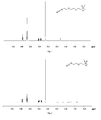
Fig. 1. 1 H NMR spectrum for the 15S s analogue
Fig. 2. 1 H NMR spectrum for the 16R s analogue
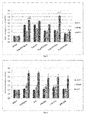
Fig. 3 . Diagram showing the values of relative expression of mRNA for the 15S s , 15R s and 16R s analogues, in comparison with the Sigma-Aldrich® sulphoraphane and the sulphoraphane synthesized in the inventors' research group, in a real-time PCR test for the detoxifying enzymes glutamate-cysteine ligase (catalytic subunit) (GCLC), glutamate-cysteine ligase (regulatory subunit) (GCLM) and quinone oxidoreductase (NQO1).
Fig. 4 . Diagram showing the values of relative expression of luciferase activity for three different concentrations (50nM, 0.5 and 5.0 M) of the 15S s , 15R s and 16R s analogues, in comparison with the Sigma-Aldrich® sulphoraphane and the sulphoraphane synthesized in our research group, in a luciferase test.

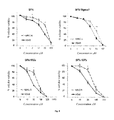
Fig. 5 . Curve of cytotoxicity of thecompounds 15S s and 15R s at four different concentrations (10, 32, 100 and 320 mM) in comparison with Sigma-Aldrich® sulphoraphane at five different concentrations (1, 3, 10, 32 and 100 mM) for the cell lines A-549 (human lung adenocarcinoma) and MRC-5 (fetal lung fibroblasts), showing IC50 for all the products in each of the cell lines used in the test, expressed as mean ± standard error (SEM) of all the tests conducted. Each diagram represents at least 3 independent experiments and both within them and for each value of IC50, the result of statistical analysis is indicated for the t-test with the p-value. The t-test indicates whether two values have a significant difference from the statistical standpoint. A p-value above 0.05 is not regarded as statistically significant and is not represented by any symbol, a p-value below 0.05 indicates statistical significance and is indicated with an asterisk (*), and then if p is below 0.01 it is indicated with two asterisks, and with three if it is below 0.001.IC50 ± SEM (µM) Compounds MRC-5 A-549 p SF 46.58 ± 2.19 19.61 ± 2.27 0.009 SF Sigma® 30.46 ± 2.02 16.47 ± 3.05 0.012 SF 1SSs 58.34 ± 6.54 22.72 ± 0.69 0.0260 SF 15Rs 67.35 ± 6.25 29.44 ± 3.89 0.0055
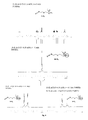
Fig. 6 .1 H NMR spectrum for the inclusion complex 16-R s-CD (D2O, 298K, 500MHz) at time zero and at forty days after formation of the complex, with enlargement of the zone of the signal from the protons of the methyl group bound to sulphinyl sulphur (2.80-2.60 ppm). - The invention will be illustrated below with some tests conducted by the inventors, which demonstrate the specificity and efficacy of the compounds described in the present invention.
- Methanesulphonyl chloride is added dropwise (1 equiv.) to a solution of the corresponding ethylene glycol (1 equiv.) and NEt3 (0.8 mol equiv.) in THF (100 mL) under an argon atmosphere and at 0°C. After 1 h at 0°C, the reaction mixture is treated with saturated solution of NH4Cl and is extracted with CH2Cl2. The organic residues are dried over anhydrous Na2SO4 with vacuum evaporation. The residue obtained is purified by column chromatography, using CH2Cl2/MeOH in 20:1 ratio as eluent.
-

- It is prepared according to the general method, from diethylene glycol (21.22 g, 18.98 mL, 200 mmol) and NEt3 (16.19 g, 22.30 mL, 160 mmol) in THF (100 mL). 12.4 g (33%) of (1) is obtained as a yellow oil.
- 1H NMR (500 MHz, CDCl3): 4.32-4.30 (m, 2H), 3.71-3.69 (m, 2H), 3.67-3.65 (m, 2H), 3.55-3.53 (m, 2H), 3.00 (s, 3H), 2.74 (s, 1H)
- 13C NMR (125 MHz, CDCl3): 72.6, 69.2, 68.8, 61.5, 37.6.
- HRMS: calculated for C5H13O5S: [M+H]+ 185.0484, found 185.0478 (-3.1 ppm).
-

- It is prepared according to the general method, from triethylene glycol (30.03 g, 26.70 mL, 200 mmol) and NEt3 (16.19 g, 22.30 mL, 160 mmol) in THF (125 mL). 13.69 g (30%) of 2 is obtained as a bluish oil.
- 1H NMR (500 MHz, CDCl3): 4.31-4.29 (m, 2H), 3.71-3.70 (m, 2H), 3.65-3.63 (m, 2H), 3.62-3.58 (m, 4H), 3.52-3.50 (m, 2H).
- 13C NMR (125 MHz, CDCl3): 72.5, 70.6, 70.2, 69.2, 68.9, 61.6, 37.6.
- HRMS: calculated for C7H17O6S: [M+H]+ 229.0746, found 229.0741 (-2.1 ppm).
- Sodium azide (1 equiv.) is added to a solution of the corresponding monomesylate (1 equiv.) in EtOH. The reaction mixture is heated under reflux for 90 minutes. At the end of this time, it is left to reach room temperature and is neutralized with saturated NaCl solution. The aqueous phase is extracted with ethyl ether and the combined organic extracts are dried over anhydrous Na2SO4, filtered, and the solvent is evaporated under vacuum. It is purified by column chromatography using EtOAc/Hex (1:1) as eluents.
-
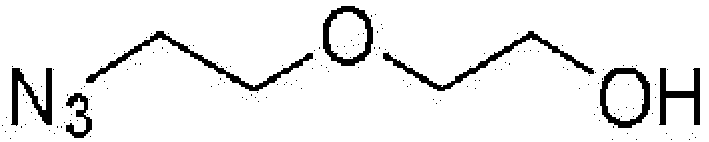
- It is prepared according to the general method, from the monomesylate 1 (11.61 g, 63.06 mmol) in EtOH (100 mL) and sodium azide (4.51 g, 69.36 mmol). The azide 3 is obtained as a yellowish liquid at a yield of 64% (5.26 g).
- 1H NMR (500 MHz, CDCl3): 3 .75-3.70 (m, 2H), 3.68-3.66 (m, 2H), 3.60-3.58 (m, 2H), 3.39 (t, J = 5.0 Hz, 2H), 2.35 (s, 1H).
- 13C NMR (125 MHz, CDCl3): 72 .4, 69.9, 61.7, 50.7.
-

- It is prepared according to the general method, from the monomesylate 2 (11.50 g, 50.38 mmol) in EtOH (100 mL) and sodium azide (3.28 g, 50.38 mmol). The azide 4 is obtained as a yellowish liquid at a yield of 66% (5.81 g).
- 1H NMR (500 MHz, CDCl3): 3.74-3.70 (m, 2H), 3.68-3.65 (m, 6H), 3.62-3.60 (m, 2H), 3.39 (t, J = 5.1 Hz, 2H), 2.36 (s, 1H).
- 13C NMR (125 MHz, CDCl3): 72.6, 70.6, 70.3, 70.0, 61.6, 50.6.
- HRMS: calculated for C6H14N3O3: [M+H]+ 176.1033; found 176.1035 (-1.2 ppm).
- Methanesulphonyl chloride (1.5 equiv.) is added dropwise to a solution of the corresponding azide (1 equiv.) and NEt3 (1.2 equiv.) in THF under an argon atmosphere and at 0°C. After 5h at room temperature, the reaction mixture is neutralized with NH4Cl, it is extracted with CH2Cl2 and is washed with saturated NaCl solution. The residue obtained by removing the solvent from the organic phase is purified by column chromatography using EtOAc/hexane 1:1 mixture.
-

- It is prepared according to the general method, from 5-azido-3-oxapentanol 3 (4.5 g, 34.30 mmol) and NEt3 (5.73 mL, 41.16 mmol) in THF (25 mL), with dropwise addition of methanesulphonyl chloride (3.98 mL, 51.45 mmol).
Compound 5 is obtained as a yellowish oil at quantitative yield. - 1H NMR (500 MHz, CDCl3): 4 .35-4.33 (m, 2H), 3.76-3.74 (m, 2H), 3.66 (t, J = 5.0 Hz, 2H), 3.37 (t, J = 5.0 Hz, 2H), 3.03 (s, 3H).
- 13C NMR (125 MHz, CDCl3): 70 .2, 69.0, 50.7, 37.6.
- HRMS: calculated for C5H12-N3O4S: [M+H]+ 210.0549, found 210.0535 (-6.4 ppm).
-

- It is prepared according to the general method, from 8-azido-3,6-dioxaoctyl-1-ol 4 (4.5 g, 25.69 mmol) and NEt3 (4.30 mL, 30.83 mmol) in THF (25 mL), by dropwise addition of methanesulphonyl chloride (2.98 mL, 38.54 mmol). Compound 6 is obtained as a yellowish liquid at quantitative yield (92%).
- 1H NMR (500 MHz, CDCl3): 4 .33-4.32 (m, 2H), 3.75-3.73 (m, 2H), 3.66-3.60 (m, 6H), 3.34 (t, J = 5.0 Hz, 2H), 3.02 (s, 3H).
- 13C NMR (125 MHz, CDCl3): 70.7, 70.6, 70.1, 69.3, 69.1, 50.7, 37.7.
- HRMS: calculated for C7H16N3O5S: [M+H]+ 254.0811, found 254.0811 (0.1 ppm).
- Methanesulphonyl chloride (2.1 equiv.) is added dropwise to a solution of the corresponding ethylene glycol (1 equiv.) and NEt3 (2.1 mol equiv.) in THF, under an argon atmosphere and at 0°C. After 1 h at 0°C, the reaction mixture is treated with saturated solution of NH4Cl and is extracted with CH2Cl2. The organic residues are dried over anhydrous Na2SO4, with vacuum evaporation.
-

- It is prepared according to the general method, from tetraethylene glycol (25.00 g, 22.32 mL, 128.7 mmol), 2.1 equiv. of NEt3 (37.67 mL, 270.3 mmol) and 2.1 equiv. of mesyl chloride (20.92 mL, 270.3 mmol) in THF (100 mL). 43.00 g of 3 is obtained as a yellow oil at a quantitative yield (95%).
- It is prepared according to a method similar to that described in example 1 for the formation of monoazides from the corresponding monomesylate.
-

- It is prepared according to the general method, from 3,6,9-trioxaundecyl dimethanesulphonate 7 (46.12 g, 131.62 mmol) and sodium azide (8.557 g, 131.62 mmol) in DMF (100 mL). 100 mL of water is added to the reaction mixture and it is extracted with CH2Cl2. The organic phase is washed with saturated NaCl solution and is evaporated under vacuum. The crude reaction product is purified by column chromatography with EtOAc/Hex 1:3 mixture, giving a yellowish liquid (30%).
- 1H NMR (500 MHz, CDCl3): 4 .39-4.37 (m, 2H), 3.78-3.76 (m, 2H), 3.68-3.65 (m, 10H), 3.39 (t, J = 5.0 Hz, 2H), 3.07 (s, 3H)
- 13C NMR (125 MHz, CDCl3): 70.9, 70.8, 70.7, 70.2, 69.4, 69.2, 50.9, 37.8.
- HRMS: calculated for C9H20N3O6S: [M+H]+ 298.1081, found 298.1073 (2.7 ppm)
- Potassium thioacetate (1.2 equiv.) is added in small portions at room temperature to a solution of the methanesulphonate of the corresponding azide derivative (1 equiv.) in DMF. The reaction mixture is stirred overnight, it is washed with water and is extracted three times with CH2Cl2. The organic residues are washed with saturated NaHCO3 solution and saturated NaCl solution, filtered and evaporated. The crude reaction product is purified by column chromatography, EtOAc/hexane 1:2.
-

- It is synthesized according to the general method from 5 (6.5 g, 31.07 mmol) in DMF (50 mL) and potassium thioacetate (4.26 g, 37.28 mmol). 4.46 g (76%) of 9 is obtained as a dark red liquid.
- 1H NMR (500 MHz, CDCl3): 3.65 (dt, J = 5.7 and 13.6 Hz, 4H), 3.39 (t, J = 5.0 Hz, 2H), 3.12 (t, J = 6.4 Hz, 2H), 2.36 (s, 3H).
- 13C NMR (125 MHz, CDCl3): 195.6, 69.9, 69.8, 50.8, 29.0.
- HRMS: calculated for C6H12N3O2S: [M+H]+ 190.0656, found 190.0650 (3.0 ppm).
-

- It is synthesized according to the general method from 6 (5.00 g, 19.74 mmol) in DMF (40 mL) and potassium thioacetate (2.71 g, 23.69 mmol). 3.80 g (83%) of 10 is obtained as a dark red liquid.
- 1H NMR (500 MHz, CDCl3): 3.65 (t, J = 5.1 Hz, 2H), 3.63-3.60 (m, 4H), 3.59 (t, J = 6.5 Hz, 2H), 3.36 (t, J = 5.1 Hz, 2H), 3.07 (t, J = 6.5 Hz, 2H), 2.31 (s, 3H).
- 13C NMR (125 MHz, CDCl3): 195.5, 70.7, 70.5, 70.2, 69.9, 50.8, 30.6, 29.0.
- HRMS: calculated for C8H16N3O3S: [M+H]+ 234.0912, found 234.0914 (0.7 ppm).
- Acetic anhydride (1 equiv.) and sulphuryl chloride (2 equiv.) are added to a solution of the corresponding thioacetate (1 equiv.) in CH2Cl2 under an argon atmosphere at - 20°C. The reaction mixture is stirred for 1h at -5°C, and at the end of this time the solvent is evaporated and the residue is dried under vacuum. The crude sulphinyl chloride obtained is put under an argon atmosphere and is used immediately for preparing the sulphinic ester.
-

- It is prepared by the usual method from a solution of 5-azido-3-oxapentyl thioacetate 9 (1.00 g, 5.28 mmol) in CH2Cl2 (5 mL), acetic anhydride (0.5 mL, 5.28 mmol) and sulphuryl chloride (0.85 mL, 10.57 mmol). Sulphinyl chloride is obtained as a dark green liquid (1.02 g) at a quantitative yield.
- 1H NMR (300 MHz, CDCl3): 4.00 (t, J = 5.6 Hz, 2H), 4.71-3.65 (m, 4H), 3.38 (t, J = 4.9 Hz).
-

- It is prepared by the usual method from a solution of 8-azido-3,6-dioxaoctyl thioacetate 10 (1.50 g, 6.43 mmol) in CH2Cl2 (10 mL), acetic anhydride (0.61 mL, 6.43 mmol) and sulphuryl chloride (1.03 mL, 12.86 mmol).
- The corresponding sulphinyl chloride (3.5 equiv.) is added to a solution of 1,2:5,6-di-O-isopropylidene- -D-glucofuranose (DAG) (1 equiv.) and diisopropyl ethylamine (DIPEA) (3.6 equiv.) in anhydrous toluene, at -78°C, under an argon atmosphere. After stirring for 2h at this same temperature, 1M HCl is added to the reaction mixture and it is extracted with CH2Cl2. the organic extracts are washed successively with saturated NaHCO3 solution and saturated NaCl solution and are dried over anhydrous Na2SO4. The solvent is evaporated under vacuum and the residue obtained is purified by column chromatography using 2-propanol/hexane (1:10) as eluent, obtaining the sulphinate of S configuration with respect to sulphur as the predominant diasteroisomer.
-

- It is synthesized according to the general method from (DAG) (0.5 g, 1.92 mmol) and DIPEA (1.20 mL) and 5-azido-3-oxapentanesulphinyl chloride 11 (6.72 mmol). The sulphinic esters are thus obtained at 97% yield. Analysis of the crude reaction product in deuterated chloroform shows that the two diasteroisomers formed are in the ratio 91:9. After purification by column chromatography, 13-S s is obtained (0.7 g, 87%) as the predominant diasteroisomer in the form of brown oil.
- 1H NMR (500 MHz, CDCl3): 5.89 (d, J = 3.7 Hz, 1H), 4.75 (d, J = 2.8 Hz, 1H), 4.62 (d, J = 3.7 Hz, 1H), 4.30-4.23 (m, 2H, H4 and H5), 4.08 (dd, J = 5.9 and 6.1 Hz, 1H), 3.99 (dd, J = 3.5 and 5.2 Hz, 1H), 3.90-3.82 (m, 2H), 3.68-3.60 (m, 2H), 3.42-3.34 (m, 2H), 3.15-3.10 (m, 1H), 2.30-2.94 (m, 1H), 1.50 (s, 3H), 1.41 (s, 3H), 1.33 (s, 3H), 1.30 (s, 3H)
- 13C NMR (125 MHz, CDCl3): 112.6, 109.4, 105.2, 83.8, 80.5, 79.8, 72.5, 70.4, 67.0, 64.5, 58.2, 50.7, 26.9, 26.8, 26.4, 25.4.
- HRMS: calculated for C16H27N3O8NaS: [M+Na]+ 444.1417, found 444.1404 (-2.8 ppm)
-

- It is synthesized according to the general method from (DAG) (663.37 mg, 2.55 mmol) and DIPEA (1.60 mL) and 8-azido-3,6-dioxaoctanesulphinyl chloride 12 (8.92 mmol). The sulphinic esters are obtained at 78% yield. Analysis of the crude reaction product in deuterated chloroform shows that the two diasteroisomers formed are in the ratio 68:32. After purification by column chromatography, 14-S s is obtained (578 mg, 54%) as the predominant diasteroisomer in the form of yellow liquid.
- 1H NMR (500 MHz, CDCl3): 5.89 (d, J = 3.7 Hz, 1H), 4.75 (d, J = 2.7 Hz, 1H), 4.61 (d, J = 3.7 Hz, 1H), 4.30-4.24 (m, 2H, H4 and H5), 4.08 (dd, J = 6.0 and 8.5 Hz, 1H), 3.99 (dd, J = 5.2 and 8.5 Hz, 1H), 3.90-3.83 (m, 2H), 3.69-3.63 (m, 6H), 3.38 (t, J = 5.0, 2H), 3.14 (ddd, J = 5.3, 8.1 and 13.5 Hz, 1H), 2.95 (ddd, J = 4.5, 5.2, and 13.5 Hz, 1H), 1.50 (s, 3H),1,42 (s, 3H), 1.33 (s, 3H), 1.31 (s, 3H).
- 13C NMR (125 MHz, CDCl3): 112.6, 109.4, 105.2, 83.8, 80.5, 79.8, 72.5, 71.0, 70.7, 70.3, 66.9, 64.6, 58.4, 50.8, 26.9, 26.8, 26.4, 25.4.
- [ ]25D: -36.1 (approx. 1.0, chloroform).
- The corresponding sulphinyl chloride (3.5 equiv.) is added to a solution of (S)-1,2:5,6-di-O-isopropylidene- -D-glucofuranose (DAG) (1 equiv.) and pyridine (3.6 equiv.) in anhydrous toluene, at -78°C and under an argon atmosphere. After stirring for 2h at this same temperature, 1M HCl is added to the reaction mixture and it is extracted with CH2Cl2. the organic extracts are washed successively with saturated NaHCO3 solution and saturated NaCl solution and are dried over anhydrous Na2SO4. The solvent is evaporated under vacuum, obtaining two sulphinate esters. After purification by column chromatography using 2-propanol/hexane (1:10) as eluent, the sulphinate of R configuration with respect to sulphur is obtained as the predominant diasteroisomer.
-

- It is synthesized according to the general method from (DAG) (663, 37 mg, 2.55 mmol) and Py (0.74 mL) and 8-azido-3,6-dioxaoctanesulphinyl chloride 10 (8.92 mmol). The sulphinic esters are obtained at 78% yield. Analysis of the crude reaction product in deuterated chloroform shows that the two diasteroisomers formed are in the ratio 65:35. After purification by column chromatography, 14-S s is obtained (577.4 mg, 54%) as the predominant diasteroisomer in the form of yellow liquid.
- 1H NMR (500 MHz, CDCl3): 5.90 (d, J = 3.5 Hz, 1H), 4.79 (d, J = 3.6 Hz, 1H), 4.73 (d, J = 1.6 Hz, 1H), 4.17-4.09 (m, 3H), 4.03-3.98 (m, 1H), 3.89-3.86 (m, 2H), 3.71-3.61 (m, 6H), 3.39 (t, J = 5.1 Hz, 2H), 3.20 (ddd, = 5.7, 7.8 and 13.5 Hz, 1H), 2.95 (dt, J = 5.0, 13.6 Hz, 1H), 1.50 (s, 3H), 1.41 (s, 3H), 1.33 (s, 3H), 1.30 (s, 3H).
- 13C NMR (125 MHz, CDCl3): 112.6, 109.6, 105.5, 83.9, 83.4, 81.0, 72.3, 70.9, 70.7, 70.3, 67.8, 64.2, 58.6, 50.9, 27.1, 26.9, 26.4, 25.5.
- HRMS: calculated for C18H32N3O9S: [M+H]+ 466.1843, found 466.1859 (-3.5 ppm).
- [ ]25D: -18.0 (approx. 1.0, chloroform).
- Methyl magnesium chloride in 1.4M THF (1.5 equiv.) is added to a solution of the corresponding sulphinate of DAG (1 equiv.) in anhydrous toluene (10 mL) at 0°C. The reaction mixture is stirred for 2h at this same temperature. At the end of this time, the mixture is neutralized with saturated aqueous solution of NH4Cl. The aqueous phase is extracted with CH2Cl2. The organic extracts are dried over Na2SO4 and are concentrated. The residue obtained is purified by column chromatography with EtOAc/MeOH 9:1 solvent mixture.
-

- It is obtained by the usual method from 1,2:5,6-di-O-isopropylidene- -D-glucofuranosyl (R)-8-azido-3,6-dioxaoctanesulphinate 14-R s (400 mg, 0.95 mmol) in anhydrous toluene and with methyl magnesium chloride (1.02 mL, 1.42 mmol). The sulphoxide (15-S s ) is obtained (150.20 mg, 72%) as a yellow liquid.
- 1H NMR (500 MHz, CDCl3): 3.92-3.88 (m, 2H), 3.67-3.63 (m, 6H), 3.36 (t, J = 5.0 Hz, 2H), 2.99 (ddd, J = 6.1, 7.4 and 13.4 Hz, 1H), 2.712 (dt, J = 4.3 and 13.5 Hz, 1H), 2.61 (s, 3H).
- 13C NMR (125 MHz, CDCl3): 70.8, 70.6, 70.2, 63.8, 55.0, 50.8, 39.4.
- HRMS: calculated for C7H16N3O3S: [M+H]+ 222.0911, found 222.0912 (-0.6 ppm).
- [ ]25D: +61.4 (approx. 1.1) chloroform.
-

- It is obtained by the usual method from (S)-(1,2:5,6-di-O-isopropylidene- -D-glucofuranosyl) 5-azido-3-oxapentanesulphinate 13-S s (470 mg, 1.12 mmol) in anhydrous toluene and with methyl magnesium chloride (1.2 mL, 1.67 mmol). The sulphoxide (16-R s) is obtained (155.0 mg, 80%) as a yellow liquid.
- 1H NMR (500 MHz, CDCl3): 3.91-3.88 (m, 2H), 3.66-3.63 (m, 2H), 3.36 (c, J = 4.9 Hz, 2H), 2.97 (ddd, J = 6.0, 7.6 and 13.5 Hz, 1H), 2.85 (dt, J = 4.3 and 13.6 Hz, 1H), 2.61 (s, 3H)
- 13C NMR (125 MHz, CDCl3): 70.2, 63.6, 54.7, 50.7, 39.3.
- HRMS: calculated for C5H12N3O2S: [M+H]+ 178.0650, found 178.0649 (-0.7 ppm).]
- [ ]25D: -89.3 (approx. 1) chloroform.
-

- It is obtained by the usual method from 1,2:5,6-di-O-isopropylidene- -D-glucofuranosyl (S)-8-azido-3,6-dioxaoctanesulphinate 14-R s (150 mg, 0.36 mmol) in anhydrous toluene (5 mL) and with methyl magnesium chloride (0.38 mL, 0.53 mmol). The sulphoxide 15-R s is obtained (60.00 mg, 75%) as a yellow liquid.
- This product has the same spectroscopic characteristics as its 15-S s enantiomer.
- HRMS: calculated for C7H16N3O3S: [M+H]+ 222.0913, found 222.0912 (0.3 ppm).
- [ ]25D: -61.2 (approx. 1.0, chloroform).
- Triphenylphosphine (1.9 equiv.) is added to a solution of the corresponding azidoalkylmethyl sulphoxide (1 equiv.) in ether. After heating for 3h under reflux, the solvent is evaporated. Carbon disulphide is added to this residue and it is heated under reflux for 1h. At the end of this time, the solvent is evaporated under vacuum. The crude product obtained is purified by column chromatography, using a mixture of solvents EtOAc/MeOH 10:1 as eluent.
-
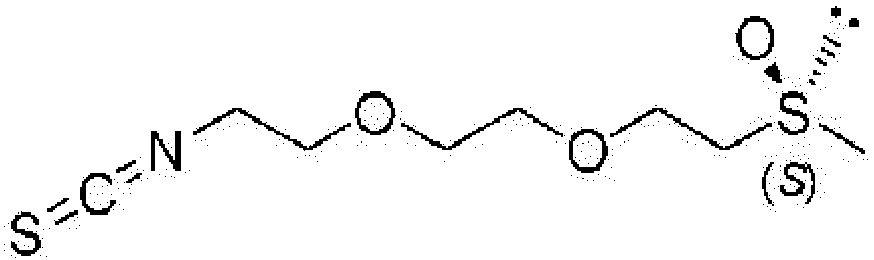
- It is prepared according to the general method, from a solution of (S)-(+)-8-azido-3,6-dioxaoctanylmethyl sulphoxide (15-S s) (78 mg, 0.35 mmol) in ether (4.0 mL), triphenylphosphine (175.66 mg, 0.67 mmol) and carbon disulphide (0.50 mL). The isothiocyanate (17-S s ) is obtained (55 mg, 66%) as a yellow liquid.
- 1H NMR (500 MHz, CDCl3): 3.94-3.92 (m, 2H), 3.70-3.65 (m, 8H), 3.02 (ddd, J = 5.8, 7.8 and 13.5 Hz, 1H), 2.89 (dt, J = 4.3 and 13.7 Hz, 1H), 2.64 (s, 3H).
- 13C NMR (125 MHz, CDCl3): 132.7, 70.8, 70.7, 69.4, 63.8, 55.0, 45.4, 39.4.
- HRMS: calculated for C8H16NO3S2: [M+H]+ 238.0571, found 238.0572 (-0.3 ppm).
- [ ]25D: +62.8 (approx. 1.0, chloroform).
-

- It is prepared according to the general method, from a solution of (R)-(-)-5-azido-3-oxapentanylmethyl sulphoxide 16-R s (115 mg, 0.65 mmol) in ether (4.6 mL), triphenylphosphine (325.24 mg, 1.24 mmol) and carbon disulphide (0.93 mL). The isothiocyanate (18-R s) is obtained (102 mg, 82%) as a yellow liquid.
- 1H NMR (500 MHz, CDCl3): 3.96-3.89 (m, 2H), 3.70-3.61 (m, 4H), 3.00 (ddd, J = 5.2, 8.4 and 13.5 Hz, 1H), 2.86 (ddd, J = 3.9, 4.7 and 13.5 Hz, 1H), 2.63 (s, 3H).
Fig. 2 . - 13C NMR (125 MHz, CDCl3): 133.5, 69.4, 63.7, 54.7, 45.3, 39.5.
- HRMS: calculated for C6H12NO2S2: [M+H]+ 194.0309, found 194.0310 (0.3 ppm).
- [ ]25D: -98.5 (approx. 1.0, chloroform).
-

- It is prepared according to the general method, from a solution of (R)-(-)-8-azido-3,6-dioxaoctanylmethyl sulphoxide 15-R s (43 mg, 0.19 mmol) in ether (4.0 mL), triphenylphosphine (96.84 mg, 0.37 mmol) and carbon disulphide (0.27 mL). The isothiocyanate 17-R s is obtained (33 mg, 73%) as a yellow liquid.
- This product has the same spectroscopic characteristics as its 17S s enantiomer.
- HRMS: calculated for C8H16NO3S2: [M+H]+ 238.0567, found 238.0572 (-1.9 ppm).
- [ ]25D: -62.5 (approx. 1.0, chloroform).
- The biological activity of the products prepared in step 6' and 6" (6"c) was determined by two separate tests:
- 1) Luciferase Test (Gould S.J.; Subramani S. Axial. Biochem. 1998, 1, 5-13). This is a recombinant method that is used for measuring transcriptional activity of a gene indirectly by measuring the light emitted by luciferin in the presence of ATP. We may thus relate the light emitted directly to the functioning of the Nrf2 transcription factor.
- The genes that code for luciferase are inserted into immortal cells of human keratinocytes (HaCaT cells). These transfected cells that contain the luciferase gene under the control of a promoter of interest emit light as a result of reaction of the enzyme luciferase with luciferin, which is measured with a luminometer, relating said emission to the antioxidant activity of the sulphoraphane molecule and analogues thereof.
- This test uses HaCaT cells transfected with a plasmid ("reporter gene") that contains a 31-bp fragment of the rat promoter Nqo1 that includes ARE (pGL3-rNQ01 ARE) (Favreau, L. V.; Pickett, C. B. J. Biol. Chem. 1995, 270, 24468), and the countercurrent SV40 promoter of the luciferase gene.
- Once the transfection mixture has been added to the cells, after 24h they are incubated with fresh culture medium that contains various concentrations of sulphoraphane and its analogues (50nm, 0.5µM, 5µM, 50µM, 500µM) or DMSO as negative control.
- Next, the luciferase activity is determined with the MicroLumatPlus LB96V luminometer (EG&G Berthold), expressing the results as activation of X times in comparison with the cells treated with DMSO. The results correlate with the activity of the Nrf2 transcription factor (
Fig. 3 ). The concentrations of 50 and 500 µM proved toxic for the cells (data not included in the figure). - 2) Quantitative real-time PCR ((qRT)-PCR): cells of the HaCaT line are treated with the sulphoraphane analogues for 24h. At the end of this time, the cells are submitted to a lysis process for extracting the mRNA. This mRNA is transcribed into cDNA, which is used in PCR.
- With this method, regulation of the endogenous genes that are the target of Nrf2 is quantified at the mRNA level. Concretely, expression of the genes that code for GCLc, GCLm and NQO1 is quantified (
Fig. 4 ). - The inclusion complexes were prepared by physical mixing of host and guest, and both confirmation of formation of the complex and its stoichiometry, association constant (Kas ) and degree of degradation were determined by NMR spectroscopy.
- Once the cyclodextrin-sulphoraphane complex (CD-SFN) was formed, 1:1 stoichiometry of the inclusion complex was confirmed by Job's continuous variation method (Job, P. Annali di Chimica. 1928, 9, 113-203), using, as already mentioned, 1H spectroscopy as the method of evaluation.
- The association constants of the complex formed by inclusion of the compound 16-R s in -cyclodextrins (16-R S- CD) were measured by experiments for evaluation by 1H NMR in D2O. The association constants (Kas , M-1) at 298 K were determined experimentally by measuring the changes in chemical shift ( , ppm) of the 1H NMR signals using fixed solutions of the analogues versus increasing concentrations of the CDs. In a typical evaluation experiment, a 4.16 mM solution of the analogue in D2O was prepared, a 500-µL aliquot was transferred to the NMR tube and the initial spectrum was recorded. A solution of CD was prepared (26.50 mM), adding 10-µL aliquots to the NMR tube so that the concentration of the analogue was kept constant. The amounts of CD added were increased until there was complete complexation of the sulphoraphane analogue, recording the 1H NMR spectra after each addition. Mathematical processing of the curves of the variations of chemical shift of the signals from the protons of the analogue ( ) versus the increasing values of concentration of CD using a least-squares method of iterative adjustment allowed the values of Kas to be determined.
- For investigating the stability of the analogues complexed with CD, proton nuclear magnetic resonance was also employed for verifying the state of the sulphoraphane analogues in aqueous solution with the passage of time at room temperature in the presence and in the absence of cyclodextrins.
- In all cases, the signal from the protons of the methyl group bound to the sulphinyl sulphur was taken as the reference for observing the process of degradation that the product undergoes. Checks were made at time zero and at forty days for all the sulphoraphanes (
Fig. 6 ).
Claims (34)
- A compound of general formula (I):
 R is a linear, branched, cyclic, heterocyclic, aromatic cyclic, aromatic heterocyclic, saturated, or unsaturated chain or an NR1R2, where R1 and R2 are selected independently from the group consisting of H, linear, branched, cyclic, heterocyclic, aromatic cyclic, aromatic heterocyclic, saturated and unsaturated chain;X and Y are selected from an oxygen atom and an electron pair, in such a way that if X is an oxygen atom then Y is an electron pair, or vice versa;X1 is selected from the group comprising oxygen, sulphur, NR3 and +NR4R5, where R3, R4 and R5 are selected independently from the group consisting of H, linear, branched, cyclic, saturated and unsaturated chain;n and m denote a natural integer greater than or equal to 0;p is a natural integer greater than or equal to 1; andZ is sulphur or selenium.
 - Compound according to claim 1, in which X is an oxygen atom when Y is an electron pair, of general formula (Ia):

- Compound according to claim 1, in which X is an electron pair when Y is an oxygen atom, of general formula (Ib):


- Compound according to any one of claims 1 to 3, where X1 is oxygen and Z is sulphur.
- Compound according to any one of claims 1 to 4, where R is selected from a saturated linear alkyl chain and a branched alkyl chain.
- Compound according to claim 5, where R is a methyl group.
- Compound according to any one of claims 1 to 6, where the value of n is equal to the value of m.
- Compound according to the preceding claim, where n and m are equal to 1.
- Compound according to either of claims 7 and 8, where p is between 1 and 3 inclusive.
- A method of obtaining a compound of formula (I) as described in any of the preceding claims, characterized in that it comprises the following steps:(1) obtaining a compound of structure (V):

 (2) reacting the compound of formula (V) obtained in the preceding step with potassium thioacetate, in an organic solvent, to give the compound of general formula (VI):
 (3) reacting the compound obtained in step (2) with sulphuryl chloride and with acetic anhydride, in an organic solvent, at low temperature to give the sulphinyl chloride of structure VII:
 (4) reacting the compound obtained in step (3) with a chiral secondary alcohol derived from carbohydrates R'OH, in an organic solvent at low temperature and in the presence of a sterically hindered base or of a base that is not sterically hindered, to produce a compound of structure (VIII) or of structure (VIIIa), respectively:
 (5) reacting the compound (VIII) or compound (VIIIa), obtained in the preceding step (4), with a compound selected from the group consisting of an organometallic compound of formula R6M, a Grignard reagent R6MgX2, and an R1R2NM, where R6 is selected from the group consisting of linear, branched, cyclic, heterocyclic, aromatic cyclic, aromatic heterocyclic, saturated and unsaturated chain;
R1 and R2 have the same meaning as defined for general formula (I); X2 is a halogen atom and M is a metal atom in an organic solvent at low temperature to obtain a product of formula (IX) or formula (IXa), respectively: (6) transforming the azide group of the compound of formula (IX) or (IXa) from the preceding step into a group ZCN, in such a way that:(6') in the case when Z is sulphur in general formula (I), said transformation comprises reacting the compound IX or the compound IXa obtained in step (5) with a triarylphosphine in an organic solvent, heating, and in a second step with carbon disulphide, to obtain the product of formula (X) or (Xa), respectively:
 (6") in the case when Z is selenium in general formula I, said transformation comprises(6"a) reacting the azide of compound (IX) or (IXa) with a reducing agent, to obtain a product of formula (XI) or formula (XIa) respectively:
 (6"b) reacting the compound obtained in step (6"a) of formula XI or XIa, with a formyl-group transfer agent, to give the compound of formula XII or XIIa respectively:
 (6"c) transforming the formamide obtained in step (6"b) of formula XII or XIIa, into an isoselenocyanate of formula XIII or XIIIa, with thiophosgene and selenium, in the presence of a base and in an organic solvent:
- Method according to the preceding claim, where the triarylphosphine is triphenylphosphine.
- Method according to either of claims 10 or 11, where step (1) is carried out as follows:(1a) transforming one of the hydroxyls of the compound of formula (II):

 (1b) reacting the compound obtained in step (1a) with sodium azide, in an organic solvent, to give the compound of general formula (IV):
 (1c) transforming the second hydroxyl of the compound of formula (II) that is still present in the compound obtained in step (1b) into a good leaving group, Y1, to give the compound of structure (V)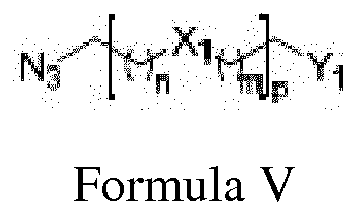
- Method according to either of claims 10 or 11, where step (1) is carried out as follows:(1'a) transforming the two hydroxyls of the compound of formula (II) into two good leaving groups, Y1, to give a compound of structure (IIIa):
 (1'b) substituting one of the leaving groups Y1 of the compound obtained in step (1'a) with an azide function with sodium azide, with an organic solvent, to give the compound of general formula (V).
 - Method according to any one of claims 10 to 13, where the chiral secondary alcohol derived from carbohydrates is derived from glucofuranose.
- Method according to any one of claims 10 to 14, where Y1 is a sulphonate.
- Method according to the preceding claim, where Y1 is mesylate or triflate.
- Method according to any one of claims 10 to 16, where R'OH is diacetone-D-glucose.
- Method according to any one of claims 10 to 17, where R is methyl.
- Method according to any one of claims 10 to 18, where the sterically hindered base is a trialkylamine, preferably selected from the group comprising triethylamine, diisopropylethylamine (DIPEA), collidine and dimethylaniline; and the base that is not sterically hindered is an aromatic amine, preferably selected from the group comprising pyridine, dimethylaminopyridine (DMAP) and imidazole.
- Method according to the preceding claim, where the sterically hindered base is triethylamine, and the base that is not sterically hindered is pyridine.
- A composition that comprises in its formulation at least one compound as described in any one of claims 1 to 9.
- Composition according to the preceding claim, where the compound is encapsulated in a cyclodextrin.
- Composition according to either of claims 21 or 22, that is selected from nutritional composition, homeopathic composition, dietetic composition, phytotherapeutic composition, pharmaceutical composition and cosmetic composition.
- Composition according to the preceding claim, wherein the pharmaceutical composition further comprises at least one additive or pharmaceutically acceptable vehicle.
- Composition according to the preceding claim, which further comprises another active ingredient.
- Compound according to any one of claims 1 to 9, or of the composition described in any one of claims 21 to 25 for use in medicine.
- Compound or composition according to the preceding claim, for preventing and treating diseases and disorders that involve an oxidative process.
- Compound or composition according to claim 26, for preventing and treating diseases and disorders associated with activation of the NRf2 transcription factor.
- Compound or composition according to any one of claims 26 to 28, for preventing and treating cancer, selected from the group comprising cancer of the breast, skin, gastrointestinal tract, respiratory tract, colon, stomach, oesophagus, lung, oral cavity, pharynx, endometrium and pancreas; and preferably for pancreatic, colon and/or gastric cancer caused by the action of Helicobacter pylori.
- Compound or composition according to any one of claims 26 to 28, for preventing and treating atopic diseases, preferably selected from the group comprising atopic rhinitis, conjunctivitis, dermatitis and asthma.
- Compound or composition according to any one of claims 26 to 28, for use as an antimicrobial; preferably for bacteria selected from the group comprising Gram-positive bacteria, Gram-negative bacteria and yeasts.
- Compound or composition according to any one of claims 26 to 28, for use as a pharmaceutical composition selected from a diuretic, laxative, or anti-anaemic composition, composition protecting against age-related macular degeneration, protecting against respiratory inflammation caused by asthma, protecting against allergic rhinitis, protecting against chronic obstructive pulmonary disease and protecting against Parkinson's disease and degeneration caused by Reactive Oxygen Species.
- Compound or composition according to any one of claims 26 to 28, for use in the prevention and treatment of a disease selected from the group comprising cardiovascular disease, diabetes, preferably insulin-resistant, cerebral thrombosis, obesity, diverticulosis and cataracts.
- Compound or composition according to any one of claims 26 to 28, for use for improving regeneration in patients with acute or chronic hepatic damage, and/or for contributing to good functioning of the immune system.
Applications Claiming Priority (2)
| Application Number | Priority Date | Filing Date | Title |
|---|---|---|---|
| ES201230356A ES2425294B1 (en) | 2012-03-09 | 2012-03-09 | Compounds derived from sulforaphane, method of obtaining and its medical, food and cosmetic use |
| PCT/ES2013/070134 WO2013132124A1 (en) | 2012-03-09 | 2013-03-06 | Sulforaphane-derived compounds, production method thereof and the medical, food and cosmetic use of same |
Publications (3)
| Publication Number | Publication Date |
|---|---|
| EP2842940A1 true EP2842940A1 (en) | 2015-03-04 |
| EP2842940A4 EP2842940A4 (en) | 2015-11-18 |
| EP2842940B1 EP2842940B1 (en) | 2018-04-25 |
Family
ID=49115979
Family Applications (1)
| Application Number | Title | Priority Date | Filing Date |
|---|---|---|---|
| EP13757087.5A Active EP2842940B1 (en) | 2012-03-09 | 2013-03-06 | Sulforaphane-derived compounds, production method thereof and the medical, food and cosmetic use of same |
Country Status (8)
| Country | Link |
|---|---|
| US (1) | US9884816B2 (en) |
| EP (1) | EP2842940B1 (en) |
| JP (1) | JP6181087B2 (en) |
| CN (1) | CN104284885B (en) |
| AU (1) | AU2013229355B2 (en) |
| CA (1) | CA2866740C (en) |
| ES (1) | ES2425294B1 (en) |
| WO (1) | WO2013132124A1 (en) |
Cited By (1)
| Publication number | Priority date | Publication date | Assignee | Title |
|---|---|---|---|---|
| WO2018108780A1 (en) | 2016-12-12 | 2018-06-21 | Bracco Imaging Spa | Dimeric contrast agents |
Families Citing this family (3)
| Publication number | Priority date | Publication date | Assignee | Title |
|---|---|---|---|---|
| CN108689898B (en) * | 2017-04-12 | 2020-03-24 | 深圳福山生物科技有限公司 | A kind of selenium-containing compound and use thereof |
| KR102940072B1 (en) * | 2022-01-10 | 2026-03-17 | 주식회사 엘지화학 | Manufacturing method of cyclic sulfonic acid ester derivative compound |
| CN114748464A (en) * | 2022-03-23 | 2022-07-15 | 赣州华汉生物科技有限公司 | Application of sulforaphane in preparation of medicine for treating rhinitis |
Family Cites Families (11)
| Publication number | Priority date | Publication date | Assignee | Title |
|---|---|---|---|---|
| US2847441A (en) * | 1955-04-15 | 1958-08-12 | Rohm & Haas | Aliphatic poly (oxymethylisothiocyanates) and methods for making them |
| US3198821A (en) * | 1962-04-27 | 1965-08-03 | Union Carbide Corp | Aryl |
| US5411986A (en) * | 1993-03-12 | 1995-05-02 | The Johns Hopkins University | Chemoprotective isothiocyanates |
| JP2000178108A (en) * | 1998-12-15 | 2000-06-27 | Rengo Co Ltd | Isothiocyanate-based antimicrobial agent |
| JP2006301959A (en) | 2005-04-20 | 2006-11-02 | Just Syst Corp | Document processing apparatus, document processing method, document processing program, and computer-readable recording medium |
| WO2008082692A2 (en) | 2006-07-06 | 2008-07-10 | University Of Medicine And Dentistry Of New Jersey | Isothiocyanate compounds, pharmaceutical compositions, and uses thereof |
| JP2008115133A (en) * | 2006-11-07 | 2008-05-22 | Kinjirushi Kk | Atopic disease inhibiting composition |
| EP2120969A4 (en) * | 2007-01-23 | 2010-06-02 | Pharmagra Labs Inc | Stabilized sulforaphane |
| CN102249968B (en) * | 2011-06-17 | 2013-07-17 | 常州大学 | Synthetic method for sulforaphane |
| CN102423492A (en) * | 2011-12-31 | 2012-04-25 | 肖广惠 | Sulforaphane inclusion compound and preparation method thereof |
| CN102775336B (en) * | 2012-08-20 | 2014-01-08 | 常州大学 | Sulforaphane derivatives and their preparation and use |
-
2012
- 2012-03-09 ES ES201230356A patent/ES2425294B1/en active Active
-
2013
- 2013-03-06 US US14/383,780 patent/US9884816B2/en active Active
- 2013-03-06 AU AU2013229355A patent/AU2013229355B2/en active Active
- 2013-03-06 EP EP13757087.5A patent/EP2842940B1/en active Active
- 2013-03-06 JP JP2014560416A patent/JP6181087B2/en active Active
- 2013-03-06 CN CN201380013103.5A patent/CN104284885B/en active Active
- 2013-03-06 CA CA2866740A patent/CA2866740C/en active Active
- 2013-03-06 WO PCT/ES2013/070134 patent/WO2013132124A1/en not_active Ceased
Cited By (2)
| Publication number | Priority date | Publication date | Assignee | Title |
|---|---|---|---|---|
| WO2018108780A1 (en) | 2016-12-12 | 2018-06-21 | Bracco Imaging Spa | Dimeric contrast agents |
| US10793533B2 (en) | 2016-12-12 | 2020-10-06 | Bracco Imaging S.P.A. | Dimeric contrast agents |
Also Published As
| Publication number | Publication date |
|---|---|
| AU2013229355B2 (en) | 2017-02-23 |
| US9884816B2 (en) | 2018-02-06 |
| EP2842940B1 (en) | 2018-04-25 |
| ES2425294A1 (en) | 2013-10-14 |
| JP6181087B2 (en) | 2017-08-16 |
| CA2866740A1 (en) | 2013-09-12 |
| US20150110863A1 (en) | 2015-04-23 |
| CN104284885B (en) | 2018-03-27 |
| EP2842940A4 (en) | 2015-11-18 |
| CA2866740C (en) | 2021-07-13 |
| AU2013229355A1 (en) | 2014-09-25 |
| JP2015514688A (en) | 2015-05-21 |
| WO2013132124A1 (en) | 2013-09-12 |
| ES2425294B1 (en) | 2014-09-02 |
| CN104284885A (en) | 2015-01-14 |
Similar Documents
| Publication | Publication Date | Title |
|---|---|---|
| Chipoline et al. | Molecular mechanism of action of new 1, 4-naphthoquinones tethered to 1, 2, 3-1H-triazoles with cytotoxic and selective effect against oral squamous cell carcinoma | |
| EP2842940B1 (en) | Sulforaphane-derived compounds, production method thereof and the medical, food and cosmetic use of same | |
| CN113698401B (en) | β-elemene macrocyclic derivatives and their preparation methods and applications | |
| TWI754676B (en) | Bryostatin compounds and methods of preparing the same | |
| Xiao et al. | Synthesis, antiproliferative and anti-MDR activities of lathyrane diterpene derivatives based on configuration inversion strategy | |
| US20250197416A1 (en) | Parthenolide derivatives and use thereof | |
| Huang et al. | Cerium (IV) ammonium nitrate (CAN)-mediated regioselective synthesis and anticancer activity of 6-substituted 5, 8-dimethoxy-1, 4-naphthoquinone | |
| EP4210709B1 (en) | 2',3'-diacetyluridine substituted with acetoacetyl at the 5' position | |
| ES2225214T3 (en) | NEW COMPOUNDS OF XANTONA, ITS PREPARATION AND USE AS A MEDICINAL PRODUCT. | |
| CN114478561B (en) | Epalrestat lycorine conjugate and preparation method and application thereof | |
| CN107216283A (en) | A kind of beta-elemene derivatives containing dihydropyridine structure and its production and use | |
| AU2024270034A1 (en) | Deuterated camptothecin compound, and preparation therefor and use thereof | |
| CN110627615B (en) | Beta-elemene oxide and its preparation method and use | |
| EP4534542A1 (en) | Thiosugar based isothiocyanates and uses thereof | |
| CN115160399B (en) | Soap-skin acid compound, preparation method and medical application thereof | |
| US20200071351A1 (en) | Taccalonolide microtubule stabilizers | |
| KR102162351B1 (en) | Drug-conjugated compound and uses thereof | |
| CN119591586A (en) | PPD ring-opening derivative and preparation method and application thereof | |
| WO2025042896A1 (en) | DNA TOPOISOMERASE IIβ INHIBITORS | |
| CN109810119A (en) | A class of diterpenoid derivatives, preparation method and use thereof | |
| CN120398825A (en) | A rosmarinic acid PROTACs and its preparation method and application | |
| HK40097085A (en) | 2',3'-diacetyluridine substituted with acetoacetyl at the 5' position | |
| HK40097085B (en) | 2',3'-diacetyluridine substituted with acetoacetyl at the 5' position | |
| HK40029607B (en) | Tricyclic compounds as cyp1 inhibitors |
Legal Events
| Date | Code | Title | Description |
|---|---|---|---|
| PUAI | Public reference made under article 153(3) epc to a published international application that has entered the european phase |
Free format text: ORIGINAL CODE: 0009012 |
|
| 17P | Request for examination filed |
Effective date: 20140925 |
|
| AK | Designated contracting states |
Kind code of ref document: A1 Designated state(s): AL AT BE BG CH CY CZ DE DK EE ES FI FR GB GR HR HU IE IS IT LI LT LU LV MC MK MT NL NO PL PT RO RS SE SI SK SM TR |
|
| AX | Request for extension of the european patent |
Extension state: BA ME |
|
| DAX | Request for extension of the european patent (deleted) | ||
| RIC1 | Information provided on ipc code assigned before grant |
Ipc: C07C 331/20 20060101AFI20151008BHEP Ipc: A61K 31/26 20060101ALI20151008BHEP |
|
| RA4 | Supplementary search report drawn up and despatched (corrected) |
Effective date: 20151016 |
|
| GRAP | Despatch of communication of intention to grant a patent |
Free format text: ORIGINAL CODE: EPIDOSNIGR1 |
|
| STAA | Information on the status of an ep patent application or granted ep patent |
Free format text: STATUS: GRANT OF PATENT IS INTENDED |
|
| INTG | Intention to grant announced |
Effective date: 20180129 |
|
| GRAS | Grant fee paid |
Free format text: ORIGINAL CODE: EPIDOSNIGR3 |
|
| GRAJ | Information related to disapproval of communication of intention to grant by the applicant or resumption of examination proceedings by the epo deleted |
Free format text: ORIGINAL CODE: EPIDOSDIGR1 |
|
| GRAL | Information related to payment of fee for publishing/printing deleted |
Free format text: ORIGINAL CODE: EPIDOSDIGR3 |
|
| STAA | Information on the status of an ep patent application or granted ep patent |
Free format text: STATUS: REQUEST FOR EXAMINATION WAS MADE |
|
| GRAA | (expected) grant |
Free format text: ORIGINAL CODE: 0009210 |
|
| GRAR | Information related to intention to grant a patent recorded |
Free format text: ORIGINAL CODE: EPIDOSNIGR71 |
|
| STAA | Information on the status of an ep patent application or granted ep patent |
Free format text: STATUS: THE PATENT HAS BEEN GRANTED |
|
| INTC | Intention to grant announced (deleted) | ||
| AK | Designated contracting states |
Kind code of ref document: B1 Designated state(s): AL AT BE BG CH CY CZ DE DK EE ES FI FR GB GR HR HU IE IS IT LI LT LU LV MC MK MT NL NO PL PT RO RS SE SI SK SM TR |
|
| INTG | Intention to grant announced |
Effective date: 20180316 |
|
| REG | Reference to a national code |
Ref country code: GB Ref legal event code: FG4D |
|
| REG | Reference to a national code |
Ref country code: CH Ref legal event code: EP |
|
| REG | Reference to a national code |
Ref country code: AT Ref legal event code: REF Ref document number: 992719 Country of ref document: AT Kind code of ref document: T Effective date: 20180515 |
|
| REG | Reference to a national code |
Ref country code: IE Ref legal event code: FG4D |
|
| REG | Reference to a national code |
Ref country code: DE Ref legal event code: R096 Ref document number: 602013036509 Country of ref document: DE |
|
| REG | Reference to a national code |
Ref country code: CH Ref legal event code: NV Representative=s name: MICHELI AND CIE SA, CH |
|
| REG | Reference to a national code |
Ref country code: NL Ref legal event code: MP Effective date: 20180425 |
|
| REG | Reference to a national code |
Ref country code: LT Ref legal event code: MG4D |
|
| PG25 | Lapsed in a contracting state [announced via postgrant information from national office to epo] |
Ref country code: NL Free format text: LAPSE BECAUSE OF FAILURE TO SUBMIT A TRANSLATION OF THE DESCRIPTION OR TO PAY THE FEE WITHIN THE PRESCRIBED TIME-LIMIT Effective date: 20180425 |
|
| PG25 | Lapsed in a contracting state [announced via postgrant information from national office to epo] |
Ref country code: NO Free format text: LAPSE BECAUSE OF FAILURE TO SUBMIT A TRANSLATION OF THE DESCRIPTION OR TO PAY THE FEE WITHIN THE PRESCRIBED TIME-LIMIT Effective date: 20180725 Ref country code: LT Free format text: LAPSE BECAUSE OF FAILURE TO SUBMIT A TRANSLATION OF THE DESCRIPTION OR TO PAY THE FEE WITHIN THE PRESCRIBED TIME-LIMIT Effective date: 20180425 Ref country code: FI Free format text: LAPSE BECAUSE OF FAILURE TO SUBMIT A TRANSLATION OF THE DESCRIPTION OR TO PAY THE FEE WITHIN THE PRESCRIBED TIME-LIMIT Effective date: 20180425 Ref country code: SE Free format text: LAPSE BECAUSE OF FAILURE TO SUBMIT A TRANSLATION OF THE DESCRIPTION OR TO PAY THE FEE WITHIN THE PRESCRIBED TIME-LIMIT Effective date: 20180425 Ref country code: PL Free format text: LAPSE BECAUSE OF FAILURE TO SUBMIT A TRANSLATION OF THE DESCRIPTION OR TO PAY THE FEE WITHIN THE PRESCRIBED TIME-LIMIT Effective date: 20180425 Ref country code: ES Free format text: LAPSE BECAUSE OF FAILURE TO SUBMIT A TRANSLATION OF THE DESCRIPTION OR TO PAY THE FEE WITHIN THE PRESCRIBED TIME-LIMIT Effective date: 20180425 Ref country code: BG Free format text: LAPSE BECAUSE OF FAILURE TO SUBMIT A TRANSLATION OF THE DESCRIPTION OR TO PAY THE FEE WITHIN THE PRESCRIBED TIME-LIMIT Effective date: 20180725 |
|
| PG25 | Lapsed in a contracting state [announced via postgrant information from national office to epo] |
Ref country code: LV Free format text: LAPSE BECAUSE OF FAILURE TO SUBMIT A TRANSLATION OF THE DESCRIPTION OR TO PAY THE FEE WITHIN THE PRESCRIBED TIME-LIMIT Effective date: 20180425 Ref country code: RS Free format text: LAPSE BECAUSE OF FAILURE TO SUBMIT A TRANSLATION OF THE DESCRIPTION OR TO PAY THE FEE WITHIN THE PRESCRIBED TIME-LIMIT Effective date: 20180425 Ref country code: GR Free format text: LAPSE BECAUSE OF FAILURE TO SUBMIT A TRANSLATION OF THE DESCRIPTION OR TO PAY THE FEE WITHIN THE PRESCRIBED TIME-LIMIT Effective date: 20180726 Ref country code: HR Free format text: LAPSE BECAUSE OF FAILURE TO SUBMIT A TRANSLATION OF THE DESCRIPTION OR TO PAY THE FEE WITHIN THE PRESCRIBED TIME-LIMIT Effective date: 20180425 |
|
| REG | Reference to a national code |
Ref country code: AT Ref legal event code: MK05 Ref document number: 992719 Country of ref document: AT Kind code of ref document: T Effective date: 20180425 |
|
| PG25 | Lapsed in a contracting state [announced via postgrant information from national office to epo] |
Ref country code: PT Free format text: LAPSE BECAUSE OF FAILURE TO SUBMIT A TRANSLATION OF THE DESCRIPTION OR TO PAY THE FEE WITHIN THE PRESCRIBED TIME-LIMIT Effective date: 20180827 |
|
| REG | Reference to a national code |
Ref country code: DE Ref legal event code: R097 Ref document number: 602013036509 Country of ref document: DE |
|
| PG25 | Lapsed in a contracting state [announced via postgrant information from national office to epo] |
Ref country code: DK Free format text: LAPSE BECAUSE OF FAILURE TO SUBMIT A TRANSLATION OF THE DESCRIPTION OR TO PAY THE FEE WITHIN THE PRESCRIBED TIME-LIMIT Effective date: 20180425 Ref country code: AT Free format text: LAPSE BECAUSE OF FAILURE TO SUBMIT A TRANSLATION OF THE DESCRIPTION OR TO PAY THE FEE WITHIN THE PRESCRIBED TIME-LIMIT Effective date: 20180425 Ref country code: EE Free format text: LAPSE BECAUSE OF FAILURE TO SUBMIT A TRANSLATION OF THE DESCRIPTION OR TO PAY THE FEE WITHIN THE PRESCRIBED TIME-LIMIT Effective date: 20180425 Ref country code: CZ Free format text: LAPSE BECAUSE OF FAILURE TO SUBMIT A TRANSLATION OF THE DESCRIPTION OR TO PAY THE FEE WITHIN THE PRESCRIBED TIME-LIMIT Effective date: 20180425 Ref country code: RO Free format text: LAPSE BECAUSE OF FAILURE TO SUBMIT A TRANSLATION OF THE DESCRIPTION OR TO PAY THE FEE WITHIN THE PRESCRIBED TIME-LIMIT Effective date: 20180425 Ref country code: SK Free format text: LAPSE BECAUSE OF FAILURE TO SUBMIT A TRANSLATION OF THE DESCRIPTION OR TO PAY THE FEE WITHIN THE PRESCRIBED TIME-LIMIT Effective date: 20180425 |
|
| PG25 | Lapsed in a contracting state [announced via postgrant information from national office to epo] |
Ref country code: IT Free format text: LAPSE BECAUSE OF FAILURE TO SUBMIT A TRANSLATION OF THE DESCRIPTION OR TO PAY THE FEE WITHIN THE PRESCRIBED TIME-LIMIT Effective date: 20180425 Ref country code: SM Free format text: LAPSE BECAUSE OF FAILURE TO SUBMIT A TRANSLATION OF THE DESCRIPTION OR TO PAY THE FEE WITHIN THE PRESCRIBED TIME-LIMIT Effective date: 20180425 |
|
| PLBE | No opposition filed within time limit |
Free format text: ORIGINAL CODE: 0009261 |
|
| STAA | Information on the status of an ep patent application or granted ep patent |
Free format text: STATUS: NO OPPOSITION FILED WITHIN TIME LIMIT |
|
| 26N | No opposition filed |
Effective date: 20190128 |
|
| PG25 | Lapsed in a contracting state [announced via postgrant information from national office to epo] |
Ref country code: SI Free format text: LAPSE BECAUSE OF FAILURE TO SUBMIT A TRANSLATION OF THE DESCRIPTION OR TO PAY THE FEE WITHIN THE PRESCRIBED TIME-LIMIT Effective date: 20180425 |
|
| PG25 | Lapsed in a contracting state [announced via postgrant information from national office to epo] |
Ref country code: MC Free format text: LAPSE BECAUSE OF FAILURE TO SUBMIT A TRANSLATION OF THE DESCRIPTION OR TO PAY THE FEE WITHIN THE PRESCRIBED TIME-LIMIT Effective date: 20180425 |
|
| PG25 | Lapsed in a contracting state [announced via postgrant information from national office to epo] |
Ref country code: LU Free format text: LAPSE BECAUSE OF NON-PAYMENT OF DUE FEES Effective date: 20190306 Ref country code: AL Free format text: LAPSE BECAUSE OF FAILURE TO SUBMIT A TRANSLATION OF THE DESCRIPTION OR TO PAY THE FEE WITHIN THE PRESCRIBED TIME-LIMIT Effective date: 20180425 |
|
| PG25 | Lapsed in a contracting state [announced via postgrant information from national office to epo] |
Ref country code: IE Free format text: LAPSE BECAUSE OF NON-PAYMENT OF DUE FEES Effective date: 20190306 |
|
| PG25 | Lapsed in a contracting state [announced via postgrant information from national office to epo] |
Ref country code: TR Free format text: LAPSE BECAUSE OF FAILURE TO SUBMIT A TRANSLATION OF THE DESCRIPTION OR TO PAY THE FEE WITHIN THE PRESCRIBED TIME-LIMIT Effective date: 20180425 |
|
| PG25 | Lapsed in a contracting state [announced via postgrant information from national office to epo] |
Ref country code: MT Free format text: LAPSE BECAUSE OF NON-PAYMENT OF DUE FEES Effective date: 20190306 |
|
| PG25 | Lapsed in a contracting state [announced via postgrant information from national office to epo] |
Ref country code: CY Free format text: LAPSE BECAUSE OF FAILURE TO SUBMIT A TRANSLATION OF THE DESCRIPTION OR TO PAY THE FEE WITHIN THE PRESCRIBED TIME-LIMIT Effective date: 20180425 |
|
| PG25 | Lapsed in a contracting state [announced via postgrant information from national office to epo] |
Ref country code: IS Free format text: LAPSE BECAUSE OF FAILURE TO SUBMIT A TRANSLATION OF THE DESCRIPTION OR TO PAY THE FEE WITHIN THE PRESCRIBED TIME-LIMIT Effective date: 20180825 |
|
| PG25 | Lapsed in a contracting state [announced via postgrant information from national office to epo] |
Ref country code: HU Free format text: LAPSE BECAUSE OF FAILURE TO SUBMIT A TRANSLATION OF THE DESCRIPTION OR TO PAY THE FEE WITHIN THE PRESCRIBED TIME-LIMIT; INVALID AB INITIO Effective date: 20130306 |
|
| PG25 | Lapsed in a contracting state [announced via postgrant information from national office to epo] |
Ref country code: MK Free format text: LAPSE BECAUSE OF FAILURE TO SUBMIT A TRANSLATION OF THE DESCRIPTION OR TO PAY THE FEE WITHIN THE PRESCRIBED TIME-LIMIT Effective date: 20180425 |
|
| PGFP | Annual fee paid to national office [announced via postgrant information from national office to epo] |
Ref country code: DE Payment date: 20250305 Year of fee payment: 13 |
|
| PGFP | Annual fee paid to national office [announced via postgrant information from national office to epo] |
Ref country code: BE Payment date: 20250303 Year of fee payment: 13 |
|
| PGFP | Annual fee paid to national office [announced via postgrant information from national office to epo] |
Ref country code: FR Payment date: 20250312 Year of fee payment: 13 |
|
| PGFP | Annual fee paid to national office [announced via postgrant information from national office to epo] |
Ref country code: GB Payment date: 20250103 Year of fee payment: 13 |
|
| PGFP | Annual fee paid to national office [announced via postgrant information from national office to epo] |
Ref country code: CH Payment date: 20250416 Year of fee payment: 13 |