EP2838556B1 - Plant profilin polypeptides for use in non-specific allergy immunotherapy - Google Patents
Plant profilin polypeptides for use in non-specific allergy immunotherapy Download PDFInfo
- Publication number
- EP2838556B1 EP2838556B1 EP13716305.1A EP13716305A EP2838556B1 EP 2838556 B1 EP2838556 B1 EP 2838556B1 EP 13716305 A EP13716305 A EP 13716305A EP 2838556 B1 EP2838556 B1 EP 2838556B1
- Authority
- EP
- European Patent Office
- Prior art keywords
- profilin
- polypeptide
- seq
- amino acid
- allergen
- Prior art date
- Legal status (The legal status is an assumption and is not a legal conclusion. Google has not performed a legal analysis and makes no representation as to the accuracy of the status listed.)
- Not-in-force
Links
Images


Classifications
-
- C—CHEMISTRY; METALLURGY
- C07—ORGANIC CHEMISTRY
- C07K—PEPTIDES
- C07K14/00—Peptides having more than 20 amino acids; Gastrins; Somatostatins; Melanotropins; Derivatives thereof
- C07K14/415—Peptides having more than 20 amino acids; Gastrins; Somatostatins; Melanotropins; Derivatives thereof from plants
-
- A—HUMAN NECESSITIES
- A61—MEDICAL OR VETERINARY SCIENCE; HYGIENE
- A61K—PREPARATIONS FOR MEDICAL, DENTAL OR TOILETRY PURPOSES
- A61K39/00—Medicinal preparations containing antigens or antibodies
- A61K39/35—Allergens
-
- A—HUMAN NECESSITIES
- A61—MEDICAL OR VETERINARY SCIENCE; HYGIENE
- A61K—PREPARATIONS FOR MEDICAL, DENTAL OR TOILETRY PURPOSES
- A61K39/00—Medicinal preparations containing antigens or antibodies
- A61K39/35—Allergens
- A61K39/36—Allergens from pollen
-
- A—HUMAN NECESSITIES
- A61—MEDICAL OR VETERINARY SCIENCE; HYGIENE
- A61P—SPECIFIC THERAPEUTIC ACTIVITY OF CHEMICAL COMPOUNDS OR MEDICINAL PREPARATIONS
- A61P37/00—Drugs for immunological or allergic disorders
- A61P37/02—Immunomodulators
Definitions
- T cells like Treg cells, and likely also Th-2 cells, are important for achieving this bystander tolerance.
- co-localization of antigen-presenting cells (APCs), Treg cells and Th-2 cells in the draining lymph nodes may be important.
- Tolerogenic APCs and production of regulatory cytokines in epithelial tissue may also contribute to tolerance induction.
- the individual to be treated is, at least not when administering the first dose of the polypeptide, neither allergic nor sensitized to the profilin of the profilin-containing plant material and/or to the polypeptide.
- said hypersensitivity immune response may not be caused by a profilin of said profilin-containing plant material.
- the amino acid sequence of the profilin of the profilin-containing plant material and the amino acid sequence of the polypeptide being administered have at least 60% identity and/or similarity.
- the invention relates to a polypeptide for use in the treatment or prevention, such as by immunotherapy, of a hypersensitivity immune response in an individual to a non-profilin allergen of a profilin-containing plant material, wherein
- a polypeptide suitable for use in treating, via bystander tolerance, a hypersensitivity immune response caused by a non-profilin allergen of a profilin-containing plant material may be obtained by isolating an immunogenic polypeptide from said profilin-containing plant material or recombinantly producing said immunogenic polypeptide, wherein said immunogenic polypeptide has been identified in and optionally isolated from an extract made by suspending the profilin-containing plant material in an aqueous solution having pH in the range of 6-8 for a period ranging from 1 to 30 minutes.
- the extract also contains a non-profilin allergen of said profilin-containing plant material, i.e. a non-profilin allergen co-extracted with the immunogenic polypeptide.
- protein protein
- polypeptide amino acid sequence
- amino acid sequence amino acid sequence
- conventional one-letter and three-letter codes for amino acid residues are used herein.
- the three-letter codes for amino acids are defined in conformity with the IUPAC-IUB Joint Commission on Biochemical Nomenclature (JCBN).
- an allergen shall be interpreted as one or more allergen(s).
- bystander suppression or “bystander tolerance” is generally meant to encompass the ability to suppress an immune reaction in an individual towards one antigen (A) by treatment of the individual with another unrelated antigen (B).
- Immunotherapy is meant to encompass therapy, wherein the therapeutically active agent (herein the polypeptide) is an antigen (antigenic protein) or an immunogenic peptide.
- Immunotherapy usually encompass repeatedly administration of a sufficient dose of the antigen, usually in microgram quantities, over a prolonged period of time, usually for months or for years, wherein the antigen or immunogenic peptide is administered daily, several times a week, weekly, bi-weekly, or monthly.
- an individual is meant to designate a mammal having an adaptive immune system, such as a human, a domestic animal such as a dog, a cat, a horse or cattle.
- an individual in need of thereof is meant to encompass an individual having a hypersensitivity immune response, an individual sensitized to an allergen as well as an individual at risk of being sensitized to an allergen and at risk of developing a hypersensitivity immune response.
- the individual may present clinically symptoms of a hypersensitivity immune response or the individual may only be sensitized to an allergen and not yet presenting clinically symptoms of a hypersensitivity immune response.
- An individual in risk of being sensitized to an allergen may be identified due to atopic diseases in the family.
- prophylactic treatment is meant to encompass treatment, such as by immunotherapy, of an individual with the aim to induce a response which will partly or completely prevent the individual from developing a hypersensitivity immune response.
- Prophylactic treatment such as prophylactic immunotherapy, is therefore initiated before the individual becomes sensitized to an allergen. This may be realized by initiating immunotherapy before the individual has raised detectable serum IgE antibodies capable of binding specifically to the sensitizing allergen or before any other biochemical marker indicative of a hypersensitivity immune response can be detected in biological samples isolated from the individual.
- prophylactic immunotherapy shall also designate immunotherapy initiated before the individual has evolved clinical symptoms of the disease, such as symptoms of allergic rhinitis, allergic asthma or atopic dermatitis.
- a therapeutically effective amount is meant to designate an amount effective to treat, such as an amount sufficient to achieve the desirable effect.
- a therapeutically effective amount is the accumulated dose of an unrelated antigen administered during a course of immunotherapy in order to achieve the intended efficacy or the maximal dose tolerated within a give period.
- the total dose may be divided into single doses administered daily, twice a week or more, weekly, every second or fourth week or monthly depending on the route of administration.
- the total dose may be administered in different concentrations. It is expected that a single dose is in the microgram range, such as in the range of 5 to 500 microgram dependent on the antigen.
- adjuvant refers to a substance that enhances the immune response to an antigen. Depending on the nature of the adjuvant, it can promote either a cell-mediated immune response, humoral immune response or a mixture of the two.
- Typical examples of diseases mediated by a type 1 hypersensitivity immune reaction are, but not limited to, allergic diseases like atopic dermatitis, allergic conjunctivitis, allergic rhinitis, allergic asthma, anaphylaxis, food allergy and hay fever.
- An example of a disease mediated by a type 4 hypersensitivity immune reaction is contact dermatitis.
- the polypeptide may be taken up by an antigen presenting cell and in the absence of "danger signals" as observed with allergens, the default immunological event taking place at mucosal surfaces under physiological conditions will lead to the phenomen termed "oral tolerance" that is a normal feature of the mucosal immune system, as it can be generated through oral (including peroral), nasal, airway and sublingual administration of an antigen.
- a polypeptide of the invention is preferably administered to a mucosa of the airways, oral cavity and gastrointestinal tract.
- the polypeptide is administered by inhalation, nasal administration, buccal administration (administration to cheeks or mouth cavity), oral administration (administration to the gastro-intestinal tract), such as preferably by sublingual administration.
- the administration to a mucosa of the oral cavity may be performed by topically delivering the antigen at the surface of an epithelia of the oral cavity from where the antigen is absorbed into the mucosa and sub mucosa.
- the polypeptide may be administered repeatedly in sufficient doses, usually in single doses of microgram quantities, over a prolonged period of time, usually for weeks, months or for years before the effect is achieved.
- the polypeptide is administered daily, weekly, biweekly, or monthly - dependent on the route of administration, formulation and/or the specific polypeptide. It is expected that the polypeptide should be administered, continuously or interrupted by one or more periods of no administration, during a period of a least 4 weeks to about 4-6 months, but that administration must be continued for several months or years.
- T-cell tolerance Tolerance in sensitized allergic patients is usually linked to IgG4 production and production of the cytokines IL-10 and IL-4. However, it is believed that direct examination of T-cell responses towards the tolerogenic antigen may result in Treg cells producing IL-10 and/or TGF-b, while complete non-responsiveness or Th1/Th2 responses should be observed in the placebo group.
- co-exposure is meant that the polypeptide is presented/made available to the same organ as targeted by the non-profilin allergen during natural exposure to the non-profilin-containing plant material, such as presented/made available to the same target organ within a period at least coinciding partly or entirely with the individual's exposure to said non-profilin allergen.
- the target organ of an aero allergen is the respiratory tract
- the target organ of a food allergen is the gastro-intestinal tract or oral cavity
- aero allergens, food allergens and contact allergens target the skin target organ of an aero allergen.
- means for ensuring co-presence/co-exposure of the polypeptide and the non-profilin allergen at the taget organ in a period partly or entirely overlapping with the period of allergen exposure should be provided.
- co-exposure may be provided by selecting as the "tolerance-inducing antigen” an antigen naturally exposed to the same target organ as the allergen triggering the hypersensitivity immune response.
- the "tolerance-inducing antigen” inherently reaches the same target organ as the "triggering" non-profilin allergen upon the natural exposure to the profilin-containing plant material.
- the bystander tolerance is achieved by administering a polypeptide, such as the profilin Phl p 12, to an individual in need of being treated for a hypersensitivity immune response caused by a non-profilin allergen of a profilin-containing plant material. It is considered that bystander tolerance is, at least, achieved where the polypeptide has an amino acid sequence having at least 60%, such as at least 65%, 70%, 75%, 80%, 85%, 90% or 95% similarity and/or identity to the amino acid sequence of the profilin of the profilin-containing plant material. That is to say that the polypeptide need not be identical to the profilin of the profilin-containing plant material as long as a certain identity and/or similarity exists between the polypeptide as administered and the profilin as naturally exposed to.
- a polypeptide such as the profilin Phl p 12
- the polypeptide of the invention may also be administered to the target organ subject to the natural exposure of a profilin-containing plant material, such as administered to the respiratory tract, gastro-intestinal tract, or skin within a period at least coinciding partly or entirely with the individual's natural exposure to said profilin-containing plant material.
- a profilin-containing plant material such as administered to the respiratory tract, gastro-intestinal tract, or skin within a period at least coinciding partly or entirely with the individual's natural exposure to said profilin-containing plant material.
- the polypeptide is administered to an epithelia/mucosa of the respiratory tract (preferably nasal administration), oral cavity (preferably sublingual administration) or gastro-intestinal tract with the aim of achieving oral tolerance to that polypeptide.
- the same polypeptide or alternatively a modified polypeptide thereof is administered to the target organ subject to the natural exposure to the profilin-containing plant material simultaneously, contemporaneously, separately or sequentially, in either order, to the period of natural exposure to the profilin-containing plant material.
- the polypeptide is repeatedly administered (e.g.sublingually), such as daily or weekly administrered in a period ranging from 4 weeks to 12 months or more, and the same polypeptide or a modified polypeptide thereof (variant thereof) is administered to the gastrointestinal tract, such as by ingestion or oral administration, in a period entirely or partly overlapping with the period of the natural exposure.
- the invididual in need of the present treatment is preferably not sensitized to a profilin of said profilin-containing plant material. That is to say that the hypersensitivity immune response is preferably not caused by a profilin of said profilin-containing plant material.
- the individual is preferably not sensitized to the polypeptide.
- the individual is not, at least not before administering the first dose, sensitized to a profilin of said profilin-containing plant material and/or said polypeptide, such as neither sensitized, at least not before administering the first dose, to a profilin of said profilin-containing plant material nor to said polypeptide.
- the presence of specific IgE antibodies toward the profilin and/or the polypeptide in an individual may be tested by well known methods in the art, such as by use of the RAST test that is a radioimmunoassay test to detect specific IgE antibodies to suspected or known allergens.
- the suspected allergen is bound to an insoluble material and the patient's serum or other body fluids containing IgE (e.g. saliva) is added. If the serum/body fluids contain antibodies to the allergen, those antibodies will bind or otherwise associate to the allergen.
- Radiolabeled anti-human IgE antibody is added where it binds or otherwise associates to those IgE antibodies already bound to the insoluble material. The unbound anti-human IgE antibodies are washed away.
- the profilin and/or the polypeptide may not induce a hypersensitivity immune reaction in the individual in need of treatment.
- the profilin and/or the polypeptide does not initiate, at least not before administering the first dose of polypeptide, an immediate skin reaction and/or delayed skin reaction in the individual in need of treatment upon conducting skin prick testing with various concentrations of the profilin/polypeptide.
- profilin and/or polypeptide induces histamine release in an in-vitro basophil/mast cell assay using blood from the individual to be treated.
- the profilin and/or the polypeptide does not bind to or otherwise associate with, at least not in detectable levels, to IgG antibodies, e.g. rabbit anti IgG antibodies, raised after immunization of an animal, such as a rabbit, with one or more or of the non-profilin allergen(s) of the profilin-containing material or with an aqueous extract of the profilin-containing material.
- IgG antibodies e.g. rabbit anti IgG antibodies, raised after immunization of an animal, such as a rabbit, with one or more or of the non-profilin allergen(s) of the profilin-containing material or with an aqueous extract of the profilin-containing material.
- the present invention also relates to "prophylactic treatment" that is initiated before the individual has raised detectable serum IgE antibodies to a non-profilin allergen of the profilin-containing material or initiated before any other biochemical marker indicative of a hypersensitivity immune response can be detected in biological samples isolated from the individual.
- prophylactic immunotherapy may also include treatment initiated before the individual has developed clinical symptoms of the disease, such as symptoms of allergic rhinitis or allergic asthma.
- the polypeptide of the invention may be used in the treatment of a hypersensitivity immune response.
- the dosage regimen of relevance may be one usually applied in the field of allergen specific immunotherapy, for example, in terms of selecting doses, number of doses per day, duration of treatment and frequency of administration.
- the polypeptide be administered frequently during a longer period before the desirable effect is achieved, such as administered daily to the mucosa of the oral cavity (e.g. sublingual mucosa) for a period of at least 2-6 months.
- the first dose may be administered before the allergen season.
- the treatment is initiated by an up-dosing phase where the polypeptide is administered in increasing doses during one day or with days or weeks between until a maintenance dose is achieved.
- the polypeptide is preferably the only therapeutically active ingredient being administered.
- the polypeptide should be administered in the absence of allergens to avoid competing immunological mechanisms, production of danger signals and/or inflammation.
- the non-profilin allergen to which the individual has specific IgE antibodies shall not be co-administered with the polypeptide, at least not within the period of establishing oral tolerance to the polypeptide.
- the polypeptide is not administered together with a modulator of the Notch signalling pathway either as a combined preparation for simultaneous, contemporaneous, separate or sequential use for modulation of the immune system as described in the patent application WO 2004/082710 .
- a polypeptide for use in the present invention may be the profilin (Phl p 12) of the plant species Phleum Pratense, which exists in various isoforms such as those having an amino acid sequence of SEQ ID NOs: 1-10, optionally wherein methionine is not present in position 1.
- this profilin is inherently presented concomitantly with a non-profilin allergen, such as Phl p 1, 5 or 6, when the individual is exposed to grass pollen of the plant order Poales during the grass pollen season.
- profilin Phl p 12 may replace Phl p 12 as a usable bystander antigen in suppressing a hypersensitivity immune response caused by a non-profilin allergen of grass pollen.
- profilins homologous to Phl p 12 such as the profilin of birch tree pollen, Bet v 2, or the profilin of olive tree pollen, Ole e 2, may be used in suppressing a hypersensitivity immune response caused by a non-profilin allergen of grass pollen of the plant order Poales.
- the treatment of an individual with the profilin Bet v 2 may lead to a tolerance response which may become activated by exposure to the homologous polypeptide Phl p 12 or Ole e 2 following exposure to grass or olive tree pollen, respectively, leading to concomitant down-regulation of a hypersensitivity immune response caused by a non-profilin allergen of birch tree pollen and/or grass pollen and/or olive tree pollen.
- a polypeptide for use in the present invention has, consists of, consists essentially of, comprises an amino acid sequence having at least 60% identity and/or similarity, such as of at least 70%, 75, 80, 85, 90, 95 and 98% identity and/or similarity, to an amino acid sequence shown in SEQ ID NOs: 1, 2, 3, 4, 5, 6, 7, 8, 9 or 10, optionally without methionine at position 1 (N-terminal end).
- Typical examples on polypeptides having an amino acid sequence of at least 60% identity and/or similarity to the amino acid sequence shown in SEQ ID NOs: 1, 2, 3, 4, 5, 6, 7, 8, 9 or 10 are profilins of other profilin-containing plant materials.
- profilins of various plant species such as at least 60% identity between the amino acid sequences of SEQ ID NO: 1 and the profilins shown in Table 4.
- the percentage identity within the group of grasses and grains order Poales, e.g.
- profilins of trees has high identity to profilin Phl p 12, such as within 70% to 82% (Order Fagales, e.g. genus Betula (birch), genus Corylus (hazel); order Arecales, e.g. genus Elaeis (palm tree); order Malvales, e.g.
- genus Gossypium (cotton tree); order Malpighiales, e.g. genus Hevea (latex tree), order Mercuriales, e.g. genus Ricinus; order Lamiales, e.g. genus Olea (olive tree), genus Populus (poplar tree), order Myrtales, e.g. genus Sonneratia.
- Profilins of weed pollen has a percentage identity within 75 to 81% (order Asterales, e.g. genus Ambrosia (short ragweed), genus Artemisia of genus Helianthus (sunflower).
- Phl p 12 fruits, nuts and legumes of the order Apiales, Fabales, Rosales, Solanales and Vitales has a high percentage identity to Phl p 12, such as within 70% to 82% (order Apiales, e.g. genus Apium (celery), genus Daucus (carrot), genus Petroselinum (parsley); order Fabales, e.g. genus Arachis (peanut); order Rosales, e.g.
- genus Glycine (soya bean), genus Fragaria (strawberry), genus Humulus, genus Malus (apple), genus Parietaria, genus Prunus (peach, apricot, cherry, almond), genus Pyrus (pear); order Solanales, e.g. genus Capsicum (chili pepper), genus Nicotiana (tobacco), genus Lycopersicon (tomato), genus Solanum (potato), order Vitales, e.g. genus Vitis (grape).
- Brassicales e.g. genus Arabidopsis, Brassica (rape), order Caryoplyllales, e.g. genus Chenopodium, order Sapindales, e.g. genus Citrus (orange), genus Litchi; order Curcubitales, e.g. genus Cucumis (cucumber, melon).
- profilin-containing plant materials having at least 80% identity to SEQ ID NO: 1 are from a plant genus selected from Amaranthus, Ambrosia, Brassica, Chenopodium, Corylus, Cynodon, Elaeis, Helianthus, Hevea, Hordeum, Litchi, Mercurialis, Nicotiana, Olea, Oryza, Phleum, Phoenix, Solanum, Sonneratia, Sorghum, Triticum and Zea.
- profilin-containing plant materials having at least 70% identity to SEQ ID NO: 1 are from a plant genus selected from Amaranthus, Ambrosia, Ananas, Apium, Arabidopsis, Arachis, Artemisia, Betula, Brassica, Capsicum, Caryota, Chenopodium, Citrus, Corylus, Cucumis, Cynodon, Elaeis, Fragaria, Glycine, Helianthus, Hevea, Hordeum, Humulus, Litchi, Malus, Mercurialis, Musa, Nicotiana, Olea, Oryza, Parieraria, Petroselinum, Phaseolus, Phleum, Phoenix, Picea, Pinus, Plantago, Populus, Prunus, Pyrus, Ricinus, Salsola, Solanum, Sonneratia, Sorghum, Triticum, Vitis and Zea.
- a plant genus selected from Amaranthus, Ambrosia, Anana
- the hypersensitivity immune response is triggered by a non-profilin allergen of a profilin-containing plant material that is either of the same plant species or of another plant species, plant genus, plant order or plant class as the profilin-containing plant material from which the profilin molecule is derived. Therefore, a hypersensitivity immune response is triggered by a non-profilin allergen of a profilin-containing plant material of a plant class selected from the group comprising Plantae Pinopsida, Plantae Monocots and Plantae Magnoliopsida, e.g. of a plant order, plant family, plant genus or plant species shown in Tables 1, 2 and 3.
- Typical interesting examples of a profilin-containing plant material are of a plant order selected from the group comprising Pinales, Arecales, Asparagales, Poales, Zingiberales Apiales, Asterales, Brassicalis, Curcurbitales, Ericales, Fabales, Fagales, Gentianales, Lamiales, Laurales, Malvales, Malpighiales, Myrtales, Proteales, Rosales, Sapindales, Solanales and Vitales, preferably Pinales, Poales, Arecales, Apiales, Asterales, Brassicalis, Caryophyllales, Fabales, Fagales, Lamiales, Malphighialis, Proteales, Rosales, Sapindales and Solanales, more preferably, Pinales, Arecales, Poales, Asterales, Brassicalis, Caryophyllales, Fagales, Lamiales, Rosales and solanales, most preferably Poales, Asterales, Fagales and Lamialis, even more preferably
- a profilin-containing plant material is of a plant family selected from the group comprising Cupressaceae, Arecaceae, Asparagaceae, Iridaceae, Bromeliaceae, Poaceae, Musaceae, Zingiberaceae, Apiaceae, Araliaceae, Asteraceae, Brassicaceae, Amaranthaceae, Caryophyllaceae, Polygonaceae, Cucurbitaceae, Actinidiaceae, Lecythidaceae, Theaceae, Fabaceae, Betulaceae, Fagaceae, Juglandaceae, Myricaceae, Nothofagaceae, Ticodendraceae, Apocynaceae, Rubiaceae, Oleaceae, Pedaliacae, Plantaginaceae, Lauraceae, Malvaceae, Euphorbiaceae, Lythraceae, Platanaceae, Cannabaceae, Rosaceae, Rosa
- a profilin-containing plant material is of a plant genus selected from the group comprising Chamaecyparis, Cryptomeria, Cupressus, Juniperus, Phoenix, Asparagus, Crocus, Ananas, Anthoxanthum, Cynodon, Dactylis, Festuca, Holcus, Hordeum, Lolium, Oryza, Paspalum, Phalaris, Phleum, Poa, Secale, Sorghum, Triticum, Zea, Musa, Apium, Daucus, Ambrosia, Artemisia, Helianthus, Lactuca, Arabidopsis, Brassica, Sinapis, Amaranthus, Beta, Chenopodium, Fagopyrum, Salsola, Cucumis, Actinidia, Bertholletia, Arachis, Glycine, Lens, Lupinus, Phaseolus, Pisum, Vigna, Alnus, Betula, Carpinus, Carya, Castanea, Cory
- a profilin-containing plant material contains a non-profilin allergen selected from the group comprising Cha o 1, Cha o 2, Cry j 1, Cry j 2, Cup a 1, Cup s 1, Cup s 3, Jun a 1, Jun a 2, Jun a 3, Jun o 4, Jun s 1, Jun v 1, Jun v 3, Ana c 2, Ant o 1, Aspa o 1, Cro s 1, Cro s 2, Cyn d 1, Cyn d 7, Cyn d 15, Cyn d 22w, Cyn d 23, Cyn d 24, Dac g 1, Dac g 2, Dac g 3, Dac g 4, Dac g 5, Fes p 4, Hol l 1, Hol l 5, Hor v 1, Hor v 5, Hor v 12, Hor v 15, Hor v 16, Hor v 17, Hor v 21, Lol p 1, Lol p 2, Lol p 3, Lol p 4, Lol p 5, Lol p 11, Mus a 2, Mus a 3, Mus a 4, Mus a 5, Ory s
- the non-profilin allergen preferably is a major allergen, such as selected from the group comprising Cha o 1, Cry j 1, Cry j 2, Cup a 1, Cup s 1, Jun a 1, Jun s 1, Jun v 1, Ana c 1, Ant o 1, Aspa o 1, Cro s 1, Cyn d 1, Dac g 1, Dac g 5, Fes p 4, Hol l 1, Hol l 5, Hor v 1, Hor v 5, Hor v 12, Hor v 15, Hor v 16, Hor v 17, Hor v 21, Lol p 1, Lol p 5, Mus a 1, Ory s 1, Pas n 1, Pha a 1, Pha a 5, Phl p 1, Phl p 5, Phl p 6, Pho d 2, Poa p 1, Poa p 5, Sec c 1, Sec c 5, Sor h 1, Tri a 12, Zea m 1, Zea m 12, Zea m 14, Zea m 25, Act c 5, Act d 1, Act d 2, Aln g 1, Aln g 4,
- the profilin-containing plant material is pollen, such as grass, grain, tree or weed pollen, but may also be food or a food ingredient, like a cereal, a nut, a fruit or a vegetable.
- the non-profilin allergen is from a pollen of a plant genus selected from the group comprising Cryptomeria, Anthoxanthum, Cynodon, Dactylis, Festuca, Holcus, Hordeum, Lolium, Oryza, Paspalum, Phalaris, Phleum, Poa, Secale, Sorghum, Triticum, Zea, Ambrosia, Artemisia, Alnus, Betula, Carpinus, Carya, Castanea, Corylus, Fagus, Juglans, Ostrya, Quercus, Fraxinus, Ligustrum, Olea, Salsola, Plantago, Platanus, Humulus and Parietaria, such as a non-profilin allergen selected from the group comprising Cry j 1, Cry j 2, Ant o 1, Cyn d 1, Cyn d 7, Cyn d 15, Cyn d 22w, Cyn d
- the non-profilin allergen is from a food or food ingredient of a plant genus selected from the group comprising Hordeum, Oryza, Secale, Triticum, Zea, Apium, Daucus, Petroselinum, Helianthus, Lactuca, Arabidopsis, Brassica, Sinapsis, Cucumis, Fagopyrum, Actinidia, Betholletim, Glycine, Lens, Lupinus, Phaseolus, Juglans, Fragaria, Malus, Morus, Pyrus, Rubus, Ziziphus, Anacardium, Citrus, Mangifera, Litchi, Pistacia, Capsicum Lycopersicon, Nicotiana, Solanaum and Vitis.
- a plant genus selected from the group comprising Hordeum, Oryza, Secale, Triticum, Zea, Apium, Daucus, Petroselinum, Helianthus, Lactuca, Arabidopsis, Brassica, Sinapsis, Cucum
- grass pollen are from the order Poales, such as particularly from the plant family Poaceae, such as particularly from a plant genus of Anthoxanthum, Cynodon, Dactylis, Festuca, Holcus, Hordeum, Lolium, Oryza, Paspalum, Phalaris, Phleum, Poa, Secale, Sorghum, Triticum and Zea.
- weed pollen derives from the plant order Asterales, such as of the family Asteraceae, such as of the genus Ambrosia and Artemisia.
- tree pollen from the plant order Fagales (such as the families Betulaceae (Betula, Alnus, Carpinus, Corylus, Ostrya), Fagaceae ( Fagus, Quercus, Castanea ) and Juglandaceae ( Juglans and Carya); from the plant order Lamiales (such as the family Oleacea, such as from the genus Olea); from the plant order Pinales (such as the family Cupressaceae, such as from the genus Juniperus ) .
- Food or food ingredients derives typically from the plant order Apiales (such as from the family Apiaceae, such as from the genus Apium and Daucus); Fabales (such as the families Fabaceae commonly known as the legume, pea or bean family), including among others Glycine max (soybean) and Arachis hypogaea (peanut); Rosales (such as the family Rosaceae including among others apples, apricots, plums, cherries, peaches, pears, raspberries, and strawberries); Poales (such as the family Poaceae which among others includes barley, maize, millet, rice, and wheat).
- Apiales such as from the family Apiaceae, such as from the genus Apium and Daucus
- Fabales such as the families Fabaceae commonly known as the legume, pea or bean family), including among others Glycine max (soybean) and Arachis hypogaea (peanut)
- Rosales such as the
- the profilin-containing plant material may derive from the plant genus Hevea (latex family), which is relevant in the treatment of a hypersensitivity immune response to a non-profilin allergen of latex or any latex-containing material.
- Hevea latex family
- any polypeptide having an amino acid sequence having at least 60% identity and/or similarity, such as at least 65%, 70%, 75%, 80%, 85%, 90% or 95% identity and/or similarity to the amino acid sequence of SEQ ID NO: 1 is usable for the treatment of a hypersensitivity immune response caused by a non-profilin allergen of a profilin-containing material mentioned in Tables 1, 2, or 3.
- the polypeptide as used in the treatment phase (as used as a tolerance-inducing antigen) has an amino acid sequence having at least 60% identity to the amino acid sequence of the profilin present in the profilin-containing material to which the individual is exposed and which contains the non-profilin allergen causing the hypersensitivity immune response.
- a polypeptide of the invention may also have an amino acid sequence having at least 60% identity and/or similarity, such as at least 65%, 70%, 75%, 80%, 85%, 90% identity and/or similarity to the amino acid sequence of the profilin to which the individual is exposed upon being challenged to the non-profilin allergen of the profilin-containg plant material.
- the profilin-containing plant material is from a plant family selected from the group comprising of Poaceae, Asteraceae, Betulaceae, Fagaceae, Juglandaceae, Oleacea, Apiaceae, Rosaceae and Euphorbiaceae or a variant thereof, preferably wherein the variant and the profilin has an amino acid sequence having at least 60% identity to the amino acid sequence of the profilin of the profilin-containing plant material.
- the polypeptide is a profilin of a plant species of a plant family selected from the group comprising Poaceae, Asteraceae, Betulaceae, Fagaceae, Juglandaceae, Oleacea, Apiaceae, Rosaceae and Euphorbiaceae or a variant thereof, preferably wherein the variant and the profilin have an amino acid sequence having at least 60% identity to the amino acid sequence of the profilin of the profilin-containing plant material and preferably wherein the hypersensitivity immune response is caused by a non-profilin allergen of a profilin-containing plant material of a plant species of a plant family selected from the group comprising Poaceae, Asteraceae, Betulaceae, Fagaceae, Juglandaceae, Oleacea, Apiaceae, Rosaceae and Euphorbiaceae.
- the polypeptide is a profilin of a plant species of a plant genus selected from the group comprising of Anthoxanthum, Cynodon, Dactylis, Festuca, Holcus, Hordeum, Lolium, Oryza, Paspalum, Phalaris, Phleum, Poa, Secale, Sorghum, Triticum, Zea, Apium, Daucus, Ambrosia, Artemisia, Arachis, Glycine, Alnus, Betula, Corylus, Fagus, Quercus, Olea, Plantago, Malus, Parietaria, Prunus, Lycopersicon and Solanum or a variant thereof, preferably wherein the variant and the profilin have an amino acid sequence having at least 60% identity to the amino acid sequence of the profilin of the profilin-containing plant material and preferably wherein the hypersensitivity immune response is caused by a non-profilin allergen of a profilin-
- the polypeptide has an amino acid sequence selected from the group comprising of SEQ ID NOs: 11 to 43, which are exemplary amino acid sequences of profilins of the order Poales (SEQ ID NO: 11-15, 40), the order Lamiales (SEQ ID NO: 16), the order Fagales (SEQ ID NO: 17), the order Fagales (SEQ ID NO:17-18), the order Fabales (SEQ ID NO:19-20), the order Asterales (SEQ ID NO: 21-23), the order Malpighiales (SEQ ID NO: 24), the order Rosales (SEQ ID NO: 25-23), the order Asterales (SEQ ID NO: 21-23), the order Asterales (SEQ ID NO: 24-31), the order Arecales (SEQ NO: 32), the order Caryophyllales (SEQ ID NO: 33-35), the order Apiales (SEQ ID NO: 36-37), the order Cucurbitales (SEQ ID NO: 38), the order So
- the SEQ ID NOs: 1-42 have a methionine as the first amino acid at the N-terminal end (position 1), which may be removed by enzymatic degradation in a host cell producing the sequences by recombinant techniques. Therefore, it should be understood that, in any of the amino acid sequences mentioned herein (SEQ ID NOs: 1-42), the methionine group in position 1 is not present. Thus, in some embodiments, the amino acid sequences of SEQ ID NOs: 1-42 do not contain methionine in position 1.
- a polypeptide may also be selected from known profilins, such as profilins selected from the group comprising Cry j profilin, Pho d 2, Ana c 1 ,Cyn d 12, Tri a 12, Mus a 1, Api g 4, Dau c 4, Amb a 8, Art v 4, Hel a 2, Ara t 8, Sin a 4, Ama r 2, Beta v 2, Che e 2, Sal k 4, Act d 9, Cuc m 2, Ara h 5, Gly m 3, Bet v 2, Cor a 2, Ole e 2, Hev b 8, Mer a 12, Pla a 3, Fra a 4, Mal d 4, Par j 3, Pru av 4, Pru du 4, Pru p 4, Pyr c 4, Cit s 2, Lit c 1, Cap a 2, Lyc e 1 or a variant thereof.
- profilins selected from the group comprising Cry j profilin, Pho d 2, Ana c 1 ,Cyn d 12, Tri a 12, Mus a 1, Api g 4, Dau
- the polypeptide has a high similarity to any of the profilins shown in SEQs 1 to 42, such that at least 60%, such as at least 65%, 70%, 75%, 80%, 85%, 90% and 95% of the amino acids sequence overlap with the amino acid sequence of a profilin selected from the group of SEQ ID NOs: 1-42.
- the polypeptide may be used in its naturally occurring form including or excluding various isoforms, it may be extracted/isolated from a profilin-containing plant material or it may be reproduced by use of biological methods (e.g. recombinant techniques) or synthetic methods as well known in the art.
- variant refers to polypeptides which contain modifications/mutations compared to the amino acid sequence of the "parent polypeptide” which is considered to be a natural occurring profilin from a profilin-containing plant material mentioned herein or at least a polypeptide having/comprising an amino acid sequence of SEQ ID NO: 1 or alternatively SEQ ID NOs: 2-42.
- the present invention encompasses the use of polypeptide variants and derivatives of any amino acid sequence of a polypeptide as defined herein, particularly those of SEQ ID NOs: 1-10 or those of SEQ ID NOs: 11-42 as defined below.
- the variant polypeptides of the invention may have modifications/mutations such as insertions, substitutions, deletions, duplications, insertion-deletions, frame shifts, transversions, truncations, and/or inversions at one or more locations in the parent polypeptide, such as where one amino acid or several amino acids, such as 2, 3, 4, 5, 6, 7, 8, 9, 10, 15, 20, 25, 30, 35, 40, 45 or 50 amino acids of the parent polypeptide have been subject to substitution, deletion, duplication, insertion-deletion, frame shift, transversions, truncations, and/or inversions, preferably wherein the number of amino acids in the amino acid sequence of the variant polypeptide is in the range of 50% to 150%, such as in the range of 75% to 125% of the number of amino acids of the parent polypeptide.
- Native profilins usually contain an amino acid chain length of about 120 to 170 amino acids, typically about 130 to 135 amino acids. The molecular weight is typically about 14-16 kDa. It is considered that a polypeptide (parent as well as a variant thereof) has an amino acid chain length ranging between 65 and 195 amino acids, such as between 70 and 190; 75 and 185; 80 and 180; 85 and 175; 90 and 170; 95 and 165; 100 and 160; 105 and 155; 110 and 150; 115 and 145; 120 and 140 amino acids.
- exemplary variant polypeptides may be substitution variants, deletion variants, duplication variants, insertion variants, insertion-deletion variants, frame shift variants, transversion variants, truncation variants, and/or inversion variants or any other suitable variants, preferably wherein the number of amino acids in the amino acid sequence of the variant polypeptide is in the range of 50% to 150%, such as in the range of 55% to 145%, 60% to 140%, 65% to 135%, 70% to 130%, 75% to 125%, 80% to 120%, 85% to 115% or 90% to 110% or 95%-105% compared to the number of amino acids of the parent polypeptide.
- the variant polypeptide may be a polypeptide having a certain percent identity and/or similarity, e.g., 60%, 65%, 66%, 68%, 70%, 72%, 74%, 76%, 78%, 80%, 85%, 90%, 91%, 92%, 93%, 94%, 95%, 96%, 97%, 98%, or 99% of amino acid sequence identity with SEQ ID NO: 1 or alternatively SEQ ID NOs: 2-42.
- Sequence alignment is a way of arranging the sequences of DNA, RNA, or protein whereby the sequences may be compared. It is thus possible to identify regions of identity, similarity or homology.
- the identity, similarity or homology may be a consequence of functional, structural, or evolutionary relationships between the sequences or it may be a coincidence.
- the commercially available computer programs for determining sequence identity use complex comparison algorithms to align two or more sequences that best reflect the evolutionary events that might have led to the difference(s) between the two or more sequences. Therefore, these algorithms operate with a scoring system rewarding alignment of identical or similar amino acids and penalizing the insertion of gaps, gap extensions and alignment of non-similar amino acids.
- the scoring system of the comparison algorithms includes: i) assignment of a penalty score each time a gap is inserted (gap penalty score), ii) assignment of a penalty score each time an existing gap is extended with an extra position (extension penalty score), iii) assignment of high scores upon alignment of identical amino acids, and iv) assignment of variable scores upon alignment of non-identical amino acids
- the scores given for alignment of non-identical amino acids are assigned according to a scoring matrix also called a substitution matrix.
- the scores provided in such substitution matrices reflect the fact that the likelihood of one amino acid being substituted with another during evolution varies and depends on the physical/chemical nature of the amino acid to be substituted. For example, the likelihood of a polar amino acid being substituted with another polar amino acid is higher compared to being substituted with a hydrophobic amino acid. Therefore, the scoring matrix will assign the highest score for identical amino acids, lower score for non-identical but similar amino acids and even lower score for non-identical and non-similar amino acids. Programs can be found on hhttp ⁇ :ncbi.nlm.nih.gov.
- sequence similarity and sequence identity are calculated across the full-length amino acid sequence or for nucleic acid to a corresponding polynucleotide which encodes the respective full-length amino acid sequence.
- sequence identity and similarity may be determined by comparing two aligned amino acid sequences over a comparison window, preferably comparing full-length amino acid sequences, where the variant polypeptide may comprise additions or deletions (e.g., gaps or overhangs) as compared to the parent polypeptide for optimal alignment of the two sequences.
- the percentage identity is calculated by determining the number of positions at which the identical amino acid residue occurs in both sequences to yield the number of matched positions, dividing the number of matched positions by the total number of amino acids in the window of comparison and multiplying the result by 100 to yield the percentage of sequence identity.
- Optimal alignment of sequences for comparison may be conducted by computerized implementations of algorithms (GAP, BESTFIT, BLAST, PASTA, and TFASTA or by inspection. Given that two sequences have been identified for comparison, GAP and BESTFIT are preferably employed to determine their optimal alignment. Typically, the default values of 5.00 for gap weight and 0.30 for gap weight length are used.
- substitution variant When the modification/mutation is a substitution (substitution variant), the substitution may be conservative (within same set or subset) or they may be non-conservative (between sets or subsets). The substitutions may produce a silent change and result in a functionally equivalent polypeptide. Deliberate amino acid substitutions may be made on the basis of similarity, i.e. like-for-like substitution such as basic for basic, acidic for acidic, polar for polar etc.
- Non-conservative substitution may also occur, i.e. from one set or subset of residues to another or alternatively involving the inclusion of unnatural amino acids such as ornithine (hereinafter referred to as Z), diaminobutyric acid ornithine (hereinafter referred to as B), norleucine ornithine (hereinafter referred to as 0), pyriylalanine, thienylalanine, naphthylalanine and phenylglycine.
- Z ornithine
- B diaminobutyric acid ornithine
- 0 norleucine ornithine
- a polypeptide according to the invention has at least 60%, preferably at least 65%, 70%, 75% sequence identity to SEQ ID NO: 1 and at least 80%, preferably 85%, 90%, more preferred at least 95% sequence identity to SEQ ID NO: 43.
- a variant polypeptide of the invention includes variants wherein one and up to 25 amino acids has/have been added or deleted with respect to SEQ ID NO: 1.
- the variant polypeptide of the invention has the amino acid sequence of SEQ ID NO: 1, wherein any number in the range of 1 and 25 amino acids has been substituted.
- the variant polypeptide of the invention has the amino acid sequence of SEQ ID NO: 1, wherein any number in the range of 1 and 12 amino acids has been substituted.
- the variant polypeptide of the invention has the amino acid sequence of SEQ ID NO: 1, wherein any number in the range of 3 and 9 amino acids has been substituted.
- At least two, such as at least three, such as at least five amino acids of SEQ ID NO: 1 have been substituted.
- the variant polypeptide of the invention has at least 60%, preferably at least 65% or 70% and more preferred at least 75%, 80%, 85% and 90% sequence identity to SEQ ID NO: 1 and comprises the amino acids corresponding to K87 and G113 of SEQ ID NO: 1.
- An advantage of such variants is that the actin binding site may be used in the purification of the variant polypeptide.
- the variant polypeptide of the invention has at least 60%, preferably at least 65% or 70% and more preferred at least 75%, 80%, 85% and 90% sequence identity to SEQ ID NO: 1 and comprises the amino acids corresponding to W3, Y6, I25, G27, W33, A34, Y125 and L126 of SEQ ID NO: 1.
- the variant polypeptide of the invention has at least 60%, preferably at least 65% or 70% and more preferred at least 75%, 80%, 85% and 90% sequence identity to SEQ ID NO: 1 and comprises the amino acids corresponding to A23, A24, E46, G64, G69 and T97 of SEQ ID NO: 1.
- the variant polypeptide of the invention has at least 60%, preferably at least 65% or 70% and more preferred at least 75%, 80%, 85% and 90% sequence identity to SEQ ID NO: 1 and comprises an amino acid selected from A, G or S (tiny amino acids) in a position corresponding to position 13 and/or 115 of SEQ ID NO: 1.
- a preferred variant polypeptide of the invention comprises A in a position corresponding to position 13 and/or 115 of SEQ ID NO: 1.
- Another preferred variant polypeptide of the invention comprises S in a position corresponding to position 13 and/or 115 of SEQ ID NO: 1.
- the variant polypeptide of the invention has at least 60%, preferably at least 65% or 70% and more preferred at least 75%, 80%, 85% and 90% sequence identity to SEQ ID NO: 1 and has all cysteine residues of the parent polypeptide substituted with one of the other tiny amino acids A, G or S.
- a preferred variant polypeptide of the invention has at least 60%, preferably at least 65% or 70% and more preferred at least 75%, 80%, 85% and 90% sequence identity to SEQ ID NO: 1 and comprises the amino acids corresponding to W3 and W33 of SEQ ID NO: 1.
- the presense of tryptophan is important as such polypeptides may have fluorescence, making the analytical work easier.
- amino acid variation constitutes a typical example of amino acids which may substitute an amino acid of the parent polypeptide (SEQ ID NO: 1) in order to make a variant thereof.
- a variant is provided of a polypeptide of SEQ ID NO: 1 or alternatively SEQ ID NOs: 2-10 wherein at least 1, 2 or all of the cysteine residues have been substituted by an amino acid selected from A, G or S.
- this variant polypeptide has an amino acid sequence of SEQ ID NO: 1, but where the amino acid cysteine in position 13 and/or 115 has been substituted by an amino acid selected from the group comprising A (alanine), G (glycine) and S (serine), so as to produce the variants C13A, C115A, C13G, C115G, C13S, C115S and mixtures thereof, such as C13A and C115S.
- a typical example of such a variant has an amino acid sequence of SEQ ID NO: 44 (two cysteines substitutes by serine, i.e. C13S, C115S) or 45 (two cysteines substitutes by alanine, i.e. C13A, C115A), preferably wherein methionine is not present in position 1, or at least only present in 5% of the polypeptides produced recombinantly.
- polypeptides of SEQ ID NOs: 44 and 45 are stable, in particularly with respect to auto oxidation and aggregation.
- polypeptides may bind human actin to a lesser extent than native Phl p 12.
- the tertiary structure of the polypeptide having SEQ ID NO: 45 was more stable than the polypeptide having SEQ ID NO: 44.
- substitution with alanine for cysteine stabilizes the molecular structure more than substitution with serine.
- cysteine-substitution variant of SEQ ID NOs: 44 and 45 in addition to be used in non-specific immunotherapy (bystander tolerance) also can be used in specific allergen immunotherapy, wherein the hypersensitivity immune response is caused by an allergenic profilin of a profilin-containing plant material or an allergen cross-reacting with IgE antibodies specific to said profilin.
- the individual is usually sensitized to the profilin.
- polypeptide of the invention may possess immunogenic properties and may be recognized by the individual's immune system as foreign.
- a polypeptide of the invention is an immunogenic polypeptide. It may induce specific IgG antibodies IgM or IgA antibodies capable of binding to, complexing to or otherwise associating to the polypeptide.
- a profilin is usually characterized by the ability to bind poly-L-proline.
- this property is advantageously used in the purification/isolation of profilins from profilin-containing materials in that an extract thereof, e.g. an aqueous extract thereof, is added to poly-L-Pro affinity chromatographic bead, such as poly-L-proline immobilized on agarose beads.
- the association is strong, and typically at least 6 M urea is required to elute the bound profilin from the column.
- a profilin is eluted from the column with 6-8 M urea, renatured by dialysis against a low ionic strength buffer without urea and, optionally further separated from other components of the extract by cation/anion exchange chromatography and/or gel filtration (Amnuaycheewa and Gonzalez de Mejia, 2010 and Vidali et al, 1995). Same method may be used in purifying a polypeptide of the invention produced by recombinant techniques.
- a profilin may further be characterized by its ability to bind an actin.
- Profilin binds to monomeric actin (G-actin) thereby occupying an actin-actin contact site, the effect being the sequestration of G-actin from the monomeric actin pool and the subsequent prevention of polymerization of actin (to form F-actin).
- G-actin monomeric actin
- actin will polymerize to a certain extent, which may be estimated by the law of mass action.
- a polypeptide to associate with actin such as a human or plant actin
- actin such as a human or plant actin
- G-actin preferably fluorescence labelled
- the polypeptide may be bound to poly-L-proline sepharose beads and incubated with G-actin, and the concentration of not bound G-actin may be determined in the supernatant.
- a polypeptide of the invention preferably binds to or associates with a plant actin, but not with a human actin.
- a polypeptide for use in the present invention including a variant polypeptide may be produced by recombinant DNA techniques according to known methods in the art.
- host cells may be used any genetically modified cell that comprises either a nucleotide sequence encoding a polypeptide of the invention or an expression vector, such as a genetically modified cell of an eukaryotic (such as yeast Pichia ) or non-eucaryotic cell (such as E. coli ).
- the host cell is a bacterial cell, preferably E. coli.
- An advantage of using bacterial cells is that bacterial cells do not produce profilins natively. Profilin is thus heterologous to bacterial cells. In particular, it is heterologous to E. coli. Thus purification/isolation of the recombinant polypeptide is not complicated by interfering native proteins.
- Exemplary E. coli strains suitable for producing the polypeptide of the invention are BL21(DE3), BL21(DE3)plysS or Rosetta(DE3)plysS (all commercially available from NOVAGEN) or BL21(DE3)gold (commercially available from Agilent Technologies).
- the polypeptide is isolated by separating the cell(s) from the broth during or after fermentation so that the polypeptide remains in the broth.
- the polypeptide may be further purified from the broth such that it is substantially free from other components of the culture medium in which it was produced by any suitable methods, preferably chromatographic methods (e.g. affinity chromatography, size exclusion chromatography, anion or cation exchange chromatography, optionally combined with dialysis).
- a method for screening for a polypeptide (e.g.profilin) suitable for being used in the present invention entails:
- the profilin or a variant as defined herein may be produced by recombinant techniques well known in the art.
- Obtaining a polypeptide (e.g. profilin) usable in the present invention may entail:
- a polypeptide suitable for use in treating via bystander tolerance a hypersensitivity immune response caused by a non-profilin allergen of a profilin-containing plant material can be obtained by isolating an immunogenic polypeptide from said profilin-containing plant material or recombinant producing said immunogenic polypeptide, wherein
- a polypeptide of the invention e.g. a profilin
- a non-profilin allergen of the profilin-containing plant material when extracting the profilin-containing plant material in an aqueous solution having pH in the range of 6-8 for a period ranging from 1 to 30 minutes.
- the polypeptide of the invention e.g.
- a profilin is obtainable by a method comprising isolating a profilin from said profilin-containing plant material or recombinantly producing said profilin, wherein said profilin has been identified in an extract made by suspending the profilin-containing plant material in an aqueous solution having pH in the range of 6-8 for a period ranging from 1 to 30 minutes.
- the extraction may be carried out under conditions simulating the physiological conditions of the target organ, such as at physiological conditions present in the nasal fluid.
- the extraction solution is substantially an aqueous solution having pH in the range of 5.5 - 8.5, such as in the range of 6-8, preferably about pH 7 and the osmolality preferably corresponds to that of a solution of 0.90% w/v of NaCl having about 300 mOsm/L.
- the extraction temperature is preferably in the range of 2°C to 40°C.
- the aqueous solution preferably comprises at least 60% of water, such as preferably at least 70, 75, 80, 85, 90 and 95% of water.
- the aqueous solution may contain non-aqueous water-miscible liquids, such as lower alkanols (e.g., having 1 to 6 carbon atoms; such as, ethanol, propanol), arylalkanols (e.g., having 5 to 10 carbon atoms in the rings; such as, benzyl alcohol), polyols (e.g., having 2 to 6 carbon atoms; such as glycerol, propylene glycol, or sorbitol), n-methylpyrrolidone, polyalkylene glycols (e.g., polyethylene glycol, propylene glycol, and the like), polyglycerin, triacetin, dimethyl acetimide and dimethyl sulfoxide.
- lower alkanols e.g., having 1 to 6 carbon atoms; such as, ethanol, propanol
- arylalkanols e.g., having 5 to 10 carbon atoms in the
- the aqueous solution may be buffered, such as by the addition of a buffering agent/system like ascorbic acid, citric acid, phosphate buffer vehicle systems, TRIS (tris(hydroxymethyl)aminomethane), ammonium carbonate and wherein the desired pH is optionally achieved by adding a few drops of HCl or NaOH.
- a buffering agent/system like ascorbic acid, citric acid, phosphate buffer vehicle systems, TRIS (tris(hydroxymethyl)aminomethane), ammonium carbonate and wherein the desired pH is optionally achieved by adding a few drops of HCl or NaOH.
- the aqueous solution may comprise a buffering agent, such as ascorbic acid, citric acid, phosphate buffer vehicle systems, TRIS, ammonium carbonate/ammonium hydrogen carbonate buffering system.
- isotonic vehicles may be added to the aqueous solution, such as to achieve an osmolality corresponding to that of the physiological conditions of the target organ.
- the aqueous solution may further comprise an osmolality providing agent such as boric acid, sodium chloride, potassium chloride, sodium citrate, sodium acetate, and the like.
- the ionic strength is in the range of 10 mM to 1000 mM, such as preferably in the range of 20 to 800 mM, such as 20 mM to 500 mM, such as such as 50 mM to 500 mM, such as 20 mM to 400 mM, such as 50 mM to 400 mM, such as 20 mM to 300 mM, such as 50 mM to 300 mM. More preferably the ionic strength is in the range of 150 to 180 mM, such as about 160 to 170 mM.
- the osmolality is in the range of 50 to 600 mOsm/L, such as in the range of 50 to 500 mOsm/L, such as in the range of 100 to 400 mOsm/L, such as about 300 mOsm/L.
- the viscosity may be adjusted by adding gelling agents, such as alkyl cellulose materials (e.g. carboxymethyl cellulose, carboxyethyl cellulose, hydroxypropylmethylcellulose, hydroxypropylethylcellulose, etc.), carbopol, polyvinyl alcohol, polyvinyl pyrrolidone and isopropyl myristate.
- alkyl cellulose materials e.g. carboxymethyl cellulose, carboxyethyl cellulose, hydroxypropylmethylcellulose, hydroxypropylethylcellulose, etc.
- carbopol e.g. carboxymethyl cellulose, carboxyethyl cellulose, hydroxypropylmethylcellulose, hydroxypropylethylcellulose, etc.
- carbopol e.g. carboxymethyl cellulose, carboxyethyl cellulose, hydroxypropylmethylcellulose, hydroxypropylethylcellulose, etc.
- carbopol e.g. carboxymethyl cellulose, carboxyethyl
- a typical example of a buffered aqueous solution is PBS buffer having pH of 7.2 and ionic strength ( ⁇ ) of 165.8 mM ( ⁇ 0.17 M) and which consists of sodium chloride (NaCl) in an amount of 8 g/L (137 mM), potassium chloride (KCl) in an amount of 0.2 g/L (2.7 mM), dinatrium hydrogen phosphate (Na 2 HPO 4 , 2H 2 O) in an amount of 1.44 g/L (8.2 mM), potassium dihydrogen phosphate in an amount of 0.2 g/L (1.5 mM), the resulting pH is 7.2 and the resulting total ionic strength ( ⁇ ) is 165.8 mM ( ⁇ 0.17 M).
- a profilin capable of being co-extracted with a non-profilin allergen within a short time period of extraction is usable as the polypeptide of the invention, since this indicates that the polypeptide may co-elute with the non-profilin allergen at the target organ.
- the profilin-containing plant material may reside only shortly in the epithelia/mucosa of the target organ in a short period of time before being cleared away by physiological processes, it is considered even more predictive to apply an extraction time shorter than 30 minutes, such as less than 20 minutes, more preferably less than 15, 10, 8, 7, 6, 5, 3 and 2 minutes.
- the extraction may be carried out at temperatures in the range of 15 to 45°C, more preferably in the range of 18-37°C, such as at a physiological temperature or lower, such as at room temperature.
- the extraction may be carried out at lower temperatures, such as under 10°C, such as about 3-5°C.
- the extract is screened for content of a non-profilin-allergen and a profilin by methods well known in the art.
- several extracts having different lengths of extraction time such as 2, 5, 10 and 20 minutes
- several samples are taken out from the same extraction solution at different time points (such as 2, 5, 10 and 20 minutes)
- those samples are subjected to immunochemical methods like CIE (Crossed Immune Electrophoresis), RIE (Rocket immune electrophoresis), SDS Page (sodium dodecyl sulfate polyacrylamide gel electrophoresis), ELISA (Enzyme-linked immunosorbent assay) and/or MS (Mass Spectrometry).
- CIE Cross Immune Electrophoresis
- RIE Rocket immune electrophoresis
- SDS Page sodium dodecyl sulfate polyacrylamide gel electrophoresis
- ELISA Enzyme-linked immunosorbent assay
- MS Mass Spectrometry
- the profilin may be recognized by its ability to bind actin and/or PLP.
- Immunogenic profilins may be found by performing CIE with polyclonal antibodies raised in rabbits against a purified extract of the profilin-containing plant material.
- CIE may be made using polyclonal antibodies raised against a known profilin mentioned herein, such as Phl p 12, (SEQ ID NOs: 1-10), so as to identify immunogenic polypeptides reacting with antibodies specific to the known profilin, and thus an immunogenic polypeptide qualifying as a polypeptide with immunological cross-reactivity to the known profilin.
- Allergens may be detected by performing CIE with serum from an individual allergic/sensitized to a non-profilin allergen of said profilin-containing plant material.
- a polypeptide of the invention is able to bind to antibodies raised against a profilin selected from Cry j profilin, Pho d 2, Ana c 1 ,Cyn d 12, Tri a 12, Mus a 1, Api g 4, Dau c 4, Amb a 8, Art v 4, Hel a 2, Ara t 8, Sin a 4, Ama r 2, Beta v 2, Che e 2, Sal k 4, Act d 9, Cuc m 2, Ara h 5, Gly m 3, Bet v 2, Cor a 2, Ole e 2, Hev b 8, Mer a 12, Pla a 3, Fra a 4, Mal d 4, Par j 3, Pru av 4, Pru du 4, Pru p 4, Pyr c 4, Cit s 2, Lit c 1, Cap a 2 and Lyc e 1, such as raised against a polypeptide having SEQ ID NO: 1 or alternatively SEQ ID NOs: 2-42.
- the antibodies may be polyclonal or monoclonal and are typically raised in rabbits.
- the profilin may be further characterized either directly in the same extract or after isolation and optionally purification according to methods well known in the art.
- the profilin may be isolated by use of poly-L-proline, e.g. a poly-L-Pro affinity chromatographic bead, such as poly-L-proline immobilized on agarose beads or by other chromatographic methods known in the art among others size-exclusion chromatography, reverse phase chromatography, anion/cation exchange chromatography or combinations thereof.
- poly-L-proline e.g. a poly-L-Pro affinity chromatographic bead, such as poly-L-proline immobilized on agarose beads or by other chromatographic methods known in the art among others size-exclusion chromatography, reverse phase chromatography, anion/cation exchange chromatography or combinations thereof.
- the profilin may further be analyzed to elucidate the amino acid sequence by methods known in the art, such as amino acid sequencing and/or by mass spectrometry, optionally following digesting the polypeptide by proteolytic enzymes like trypsin.
- the amino acid sequence may be modified to obtain a variant thereof (a polypeptide variant as described above), such as a cysteine-replacement variant thereof, and producing the variant or the original (natural one) profilin by recombinant techniques well known in the art.
- the polypeptide exhibits poor stability to the gastric juice
- the polypeptide is preferably administered in a form avoiding the contact with the gastric juice, such as in a form preventing the degradation of the unrelated antigen in the gastric juice. This may be accomplished by incorporating the unrelated antigen in pharmaceutical formulations resistant to the gastric juice or by incorporating other pharmaceutical delivery techniques able to avoid the degradation of proteins in the gastric fluid.
- the polypeptide of the invention may be formulated together with therapeutically inactive ingredients and/or immune-modifying agents like adjuvants.
- the formulation is a solid dosage form, such as a fast-disintegrating tablet or a liquid including a solution, a suspension, a dispersion, a gelled liquid.
- the formulation is an emulsion or a redissolvable powder, granulate or lyophilisate, which can be dissolved to form a liquid before being administered.
- Excipients for use in formulations are well-known to the person skilled in the art and include solvents, emulsifiers, wetting agents, plasticizers, colouring substances, fillers, preservatives, viscosity adjusting agents, buffering agents, pH adjusting agents, isotonicity adjusting agents, mucoadhesive substances, and the like. Examples of formulation strategies are well-known to the person skilled in the art.
- the adjuvant may be any conventional adjuvant, including oxygen-containing metal salts, e.g. aluminium hydroxide, chitosan, heat-labile enterotoxin (LT), cholera toxin (CT), cholera toxin B subunit (CTB), polymerised liposomes, mutant toxins, e.g. LTK63 and LTR72, microcapsules, interleukins (e.g.
- oxygen-containing metal salts e.g. aluminium hydroxide, chitosan, heat-labile enterotoxin (LT), cholera toxin (CT), cholera toxin B subunit (CTB), polymerised liposomes, mutant toxins, e.g. LTK63 and LTR72, microcapsules, interleukins (e.g.
- durum x Secale cereale 96.00% 6.00E-70 Q9XF10 F2EK80_HORVD Hordeum vulgare var. distichum (Two-rowed barley) 95.00% 8.00E-69 B4FTX3 A4GFC3_OLEEU Olea europaea (Common olive) 94.00% 3.00E-67 P49233 A4KA43_CORAV Corylus avellana (European hazel) (Corylus maxima) 94.00% 2.00E-68 A1KXK1 A4KA51_OLEEU Olea europaea (Common olive) 94.00% 2.00E-68 D6BRE6 A4GFC0_OLEEU Olea europaea (Common olive) 93.00% 3.00E-67 022655 A4GFB8_OLEEU Olea europaea (Common olive) 90.00% 3.00E-64 Q9SNW5 F2CT70_HORVD Hordeum vulgar
- distichum (Two-rowed barley) 84.00% 3.00E-62 Q9FE63 G7KQH7_MEDTR Medicago truncatula (Barrel medic) (Medicago tribuloides) 84.00% 2.00E-61 ABIJB6 A4KA54_OLEEU Olea europaea (Common olive) 83.00% 5.00E-60 Q84V37 A4KA60_MAIZE Zea mays (Maize) 83.00% 5.00E-61 P49231 A4KA61_MAIZE Zea mays (Maize) 83.00% 5.00E-60 Q9XF40 B6T6Y5_MAIZE Zea mays (Maize) 83.00% 6.00E-62 A4GCS1 E2GJB9_WHEAT Triticum aestivum (Wheat) 83.00% 7.00E-62 G9B5Q0 G9I6G5_9POAL Triticum turgidum subsp
- durum x Secale cereale 83.00% 3.00E-62 B3H795 PROF_CYNDA Cynodon dactylon (Bermuda grass) (Panicum dactylon) 83.00% 1.00E-62 A8PUB8 PROF1_HORVU Hordeum vulgare (Barley) 83.00% 5.00E-61 Q29PL9 PROF1_MAIZE Zea mays (Maize) 83.00% 5.00E-63 B4JC19 PROF2_MAIZE Zea mays (Maize) 83.00% 6.00E-62 C5P4B7 Q38HU3_SOLTU Solanum tuberosum (Potato) 83.00% 1.00E-61 B8RIF3 Q38M47_SOLTU Solanum tuberosum (Potato) 83.00% 3.00E-62 A8IJ96 A4KA57_MAIZE Zea mays (Maize) 82.00% 5.00E-61 A4GFC4
- japonica Rice 80.00% 3.00E-60 A4GE44 B7SA43_BRANI Brassica nigra (Black mustard) (Sinapis nigra) 80.00% 2.00E-60 A4GE47 C3W2Q7_AMARE Amaranthus retroflexus (Redroot amaranth) (Redroot pigweed) 80.00% 9.00E-58 A4GDT9 D7L6H0_ARALL Arabidopsis lyrata subsp. lyrata (Lyre-leaved rock-cress) 80.00% 3.00E-61 A4GCR5 D7MCM9_ARALL Arabidopsis lyrata subsp.
- pekinensis Choinese cabbage
- Brassica pekinensis 79.00% 7.00E-60
- A4KA45 A9PHX4_POPTR Populus trichocarpa (Western balsam poplar) (Populus balsamifera subsp.
- cantalupensis (Netted muskmelon) (Cucumis melo var. reticulatus) 77.00% 2.00E-58 A5DT33 Q84RR5_MALDO Malus domestica (Apple) (Pyrus malus) 77.00% 2.00E-57 B8RIF7 Q84RR6_MALDO Malus domestica (Apple) (Pyrus malus) 77.00% 2.00E-58 G8BA18 Q84RR7_MALDO Malus domestica (Apple) (Pyrus malus) 77.00% 5.00E-59 C5FGJ6 Q9AXH4_CORAV Corylus avellana (European hazel) (Corylus maxima) 77.00% 3.00E-59 Q86RQ5 Q9AXH5_CORAV Corylus avellana (European hazel) (Corylus maxima) 77.00% 6.00E-59 A4KA36 A1Z292_COCNU Cocos nucifera (Coco
- cantalupensis (Netted muskmelon) (Cucumis melo var. reticulatus) 76.00% 1.00E-57 A4HK30 Q9XF10_9ASPA Phalaenopsis hybrid cultivar 76.00% 2.00E-55 P35079 A1BQK7_CUCSA Cucumis sativus (Cucumber) 75.00% 5.00E-18 A4KA52 A1Z293_ROYRE Roystonea regia (Cuban royal palm) 75.00% 3.00E-56 A4GE50 B6CQU8_9ROSA Prunus dulcis x Prunus persica 75.00% 9.00E-57 A4GCR3 C0Z3G0_ARATH Arabidopsis thaliana (Mouse-ear cress) 75.00% 9.00E-55 A9XNK0 PROF_PRUDU Prunus dulcis (Almond) (Prunus amygdalus) 75.00% 9.00E-57 B0W2U6
- mice are treated daily by sublingual administration with a polypeptide of the invention for a period (typically two weeks) so as to induce tolerance against the polypeptide. Subsequently, the mice are sensitized to an antigen by i.p.
- mice are also challenged to the sensitizing antigen by intranasal administration to induce allergic inflammation in the respiratory tract.
- the mice are sacrified and blood, bronchoalveolar fluid (BAL) and spleen are collected for analysis.
- BAL bronchoalveolar fluid
- Bystander suppression is then determined by comparing the fraction of eosinophils in the BAL fluid of mice exposed to both the tolerance-inducing antigen and the sensitizing antigen with the fraction of eosinophils of mice only exposed to the sensitizing antigen.
- spleen and/or cervical lymph node cells are isolated, cultured and stimulated with the sensitizing allergen.
- the cell proliferation or cytokine output (IL-5, IL-13) is measured and bystander suppression is determined by comparing the cell proliferation or cytokine output in samples taken from mice exposed to both the tolerance-inducing antigen and the sensitizing antigen with the cell proliferation or cytokine output of samples of mice only exposed to the sensitizing antigen.
- Examples 3 ( Figs 6 and 7 ) and 9 ( Figs 27 and 28 ) refer to the investigation of bystander suppression in a therapeutic treatment model with sensitized mice.
- the experimental set-up is slightly different to the prophylactic model in that the mice are initially sensitized by i.p. administration with the sensitizing allergen and the mice are subsequently treated with the tolerance-inducing antigen (polypeptide for SLIT). All subsequent steps are similar to the prophylactic model.
- mice data on bystander suppression is given below, (P) refers to the prophylactic model and (T) to the therapeutic model: Example Polypeptide for SLIT treatment (tolerance - inducing antigen) Antigen for sensitization by i.p.
- Phl p 12 was isolated from aqueous extracts of pollen of Phleum pratense by use of PLP agarose or it was produced recombinantly based on the amino acid sequence SEQ ID NO: 1.
- mice Female, 6-10 week-old BALB/cJ mice were bred in-house and maintained on a defined diet not containing components cross reacting with rabbit antisera to Phleum pratense (Phl p). Each experimental group consisted of 7-8 animals.
- mice were treated 5 days a week by sublingual immunotherapy (SLIT) with 50 or 200 ⁇ g Phl p 12 for 2 weeks (treatment phase), followed by two weekly i.p. injections of either a mix of 10 ⁇ g OVA and 10 ⁇ g Phl p 12 or 10 ⁇ g OVA alone adsorbed to aluminium hydroxide (exposure phase to sensitize the mice). Subsequently, the mice were challenged intranasally with 50 ⁇ g of OVA for four days (induction of hypersensitivity immune response such as astma). The mice were sacrificed one day after the last challenge and blood, bronchoalveolar fluid (BAL) and spleens were collected for analysis.
- BAL bronchoalveolar fluid
- T-cell Proliferation Assay Spleens were teased into single cell suspension and washed three times in medium. Cells were counted and 3 x 10 5 cells were added to each well of a 96 well flat-bottomed culture plate and stimulated by 0, 5, 25 and 125 ⁇ g/mL OVA. The cells were cultured for 6 days at 37°C and 5% CO 2 . Proliferation was measured by adding 0.5 ⁇ Ci of 3H-thymidine to each well for the last 18 hours of the culture period, followed by harvesting of the cells and counting the incorporated radiolabel.
- non-sensitized mice treated by a polypeptide of the invention e.g. profilin Phl p 12
- a polypeptide of the invention e.g. profilin Phl p 12
- OVA non-profilin allergen
- a hypersensitivity immune response e.g. asthma
- OVA non-profilin allergen
- Figure 1 shows that Phl p 12-treated mice displayed a reduced fraction of eosinophils in BAL fluid compared to buffer-treated mice, but only when the mice were exposed/sensitized to both OVA and Phl p 12 and not only OVA.
- Figure 2 indicates the same findings as in Figure 1 , but with respect to in vitro proliferation of spleen cells; OVA-specific in vitro proliferation of spleen cells is down-regulated in Phl p 12-treated mice, but only in mice co-exposed/co-sensitized to both Phl p 12 and OVA and not only to OVA.
- Phl p 12 was obtained as in Example 1 and similar animals were used. Naive mice were treated by sublingual immunotherapy (SLIT) with 50 or 100 ⁇ g Phl p 12 for 2 weeks (treatment phase) followed by three weekly i.p. injections of either 8 ⁇ g Phl p extract or 8 ⁇ g Phl p extract depleted for Phl p 12, both adsorbed to aluminium hydroxide (exposure phase to sensitize the mice). Subsequently, the mice were challenged intranasally with the either 80 ⁇ g Phl p extract or the same dose of extract depleted for Phl p 12 (induction of hypersensitivity immune response such as astma). The mice were sacrificed one day after the last challenge and blood, bronchoalveolar fluid (BAL) and cervical lymph nodes were collected for analysis.
- BAL bronchoalveolar fluid
- T-cell Proliferation Assay Same procedure as presented in Example 1, but where cells were counted and adjusted to 1.67 x 10 6 cells/mL and 3 x 10 5 cells were added to each well of a 96 well flat-bottomed culture plate and the cells were stimulated by 0, 5 and 40 ⁇ g/mL Phl p extract. Cell culture supernatants for cytokine analysis were harvested on day 5.
- non-sensitized mice treated by a polypeptide of the invention e.g. profilin Phl p 12
- a polypeptide of the invention e.g. profilin Phl p 12
- non-profilin allergens of pollen of Phleum pratense e.g. allergens Phl p 1, Phl p 5, Phl p 6
- a hypersensitivity immune response e.g. asthma
- those non-profilin allergens e.g. could a hypersensitivity immune response as induced by non-profilin allergens of pollen of Phleum pratense be supressed/prevented via bystander tolerance achieved by administering an unrelated antigen; profilin Phl p 12.
- Phl p 12-treated mice have a reduced number of eosinophils in the BAL fluid compared to buffer-treated mice and that this effect is only achieved when the mice are exposed to both the non-profilin allergens and Phl p 12 (Phl p extract containing Phl p 12), but not when mice were exposed to Phl p extract depleted from Phl p 12. These results were confirmed by in vitro stimulation of cervical lymph node cells. Although the differences were not significant, Figures 4 and 5 show that proliferation and the production of the Th2 associated cytokine IL-5, respectively, are down-regulated in Phl p 12-treated mice in the same way as described above.
- Phl p 12 was obtained as in Example 1 and similar animals were used. Mice were sensitized by two weekly i.p. injection of 10 ⁇ g OVA adsorbed to aluminium hydroxide (sensitization phase). Following this, the mice were SLIT treated with 0, 50 or 150 ⁇ g Phl p 12 for 6 weeks (treatment phase) and subsequently they were intranasally challenged for 4 days with 40 ⁇ g OVA together with 40 ⁇ g Phl p or with OVA alone (exposure phase). The mice were sacrificed one day after the last challenge and blood, bronchoalveolar fluid (BAL), spleen and cervical lymph nodes were collected for analysis.
- BAL bronchoalveolar fluid
- Phl p 12 treated OVA-sensitized mice could be prevented from developing or suppressing clinical and immunological signs of allergic asthma upon exposure to the "triggering" allergen OVA.
- the fraction of eosinophils in the BAL fluid was significantly decreased in Phl p 12-treated OVA-sensitized mice compared to buffer-treated OVA-sensitized mice upon being exposed to the non-profilin allergen (OVA) intranasally (exposure to the airways).
- OVA non-profilin allergen
- Phl p 12 was obtained as described above and Bet v 2 was isolated from pollen extract of Betula verrucosa.
- mice (same type as in Example 1) were treated 5 days a week by sublingual immunotherapy (SLIT) with 75 ⁇ g Phl p 12 for 2 weeks (treatment phase), followed by two weekly i.p. injections of either a mix of 10 ⁇ g OVA and 10 ⁇ g Bet v 2 or 10 ⁇ g OVA alone adsorbed to aluminium hydroxide (exposure phase to sensitize the mice). Subsequently, the mice were challenged intranasally with 40 ⁇ g of OVA for 4 days (induction of hypersensitivity immune response such as astma). The mice were sacrificed one day after the last challenge and blood, bronchoalveolar fluid (BAL) and spleen were collected for analysis.
- BAL bronchoalveolar fluid
- T-cell Activation Assay Spleens were teased into single cell suspension and washed three times in medium. Cells were counted and 3 x 10 5 cells were added to each well of a 96 well flat-bottomed culture plate and stimulated by 0, 5, 25 and 125 ⁇ g/mL OVA. The cells were cultured for 5 days at 37 °C and 5% CO2. Cell culture supernatants for cytokine analysis were harvested on day 5.
- non-sensitized mice treated by a polypeptide of the invention e.g. Profilin Phl p 12
- a polypeptide of the invention e.g. Profilin Phl p 12
- OVA non-profilin allergen
- OVA hypersensitivity immune response
- Example 1 it was tested if co-exposure to OVA and Bet v 2 (profilin having about 78% amino acid sequence identity to Phl p 12) could replace the co-exposure to OVA and Phl p 12, so as to investigate whether profilin of another profilin-containing plant material can reactivate Treg cells that are specific to Phl p 12 to produce non-specific regulatory cytokines and thus suppress an allergic response caused by OVA.
- 5 ml of slurry is taken out after 20 sec, transferred to a column with a bed filter and dragged through the filter with a syringe.
- the syringe is immediately transferred to a filter unit and the extract is pushed through the combined filters into a labelled test tube.
- the tube is stored in an ice bath until the sample is pipetted in aliquots for further analysis and frozen.
- 5.2 ml of the suspension is taken out at time points 40 sec, 60 sec, 2 min, 5 min, 10 min and 20 min.Apples were squeezed and the resulting juice was analyzed immediately by CIE/RIE.
- Samples are analysed for the content of non-profilin allergens and profilin by use of one more of the methods CIE (Crossed Immune Electrophoresis), RIE (Rocket immune electrophoresis), SDS Page (sodium dodecyl sulfate polyacrylamide gel electrophoresis), ELISA (Enzyme-linked immunosorbent assay) and/or MS (Mass Spectrometry).
- CIE Cross Immune Electrophoresis
- RIE Rocket immune electrophoresis
- SDS Page sodium dodecyl sulfate polyacrylamide gel electrophoresis
- ELISA Enzyme-linked immunosorbent assay
- MS Mass Spectrometry
- Polypeptides recognized by the antibodies are seen as blue sharp bands on the CIE plate.
- bands can be cut out from the CIE plate and analysed by Mass Spectrometry and/or other immunochemical methods and/or amino acid analysis.
- Agarose gel plates containing the relevant polyclonal antibodies are made on glass plates. Wells are punched out about 1.5 cm from the lower edge of the plate, the plates are placed in electrophoresis apparatus, extraction samples are added and electrophoresis continued overnight at voltage 2 V/cm. Plates are washed/pressed and stained with Coomassie Brilliant Blue staining solution as described above for CIE.
- sodium dodecyl sulfate polyacrylamide gel electrophoresis may be used in accordance to methods known in the art.
- the gel may be stained (most commonly with Coomassie Brilliant Blue R-250 or silver stain), allowing visualization of the separated proteins, or processed further (e.g. Western blot). After staining, different proteins will appear as distinct bands within the gel.
- a molecular weight size marker of known molecular weight may be added in a separate lane in the gel, in order to calibrate the gel and determine the approximate molecular mass of unknown proteins by comparing the distance travelled relative to the marker.
- Monoclonal antibodies are obtained by immunizing rabbits repeatedly with a single polypeptide with no content of isomers at days 0, 2, 4, 6, 10, 14 and 18 and blood is collected at days 8, 12, 16, 20 and 24.
- the IgG fraction is obtained after precipitation with ammonium sulfate ( ⁇ 1.75 M (NH 4 ) 2 SO 4 ) and washed in 1.75M (NH 4 ) 2 SO 4 .
- Purified further by dialysis against purified water and acetate buffer pH 5.0. Stored at +5°C in 0.9% NaCl with 0.09% NaN 3 and protease inhibitor (Trasylol) for preservation.
- Phl p 12 Plates were coated with 2.5 ug/ml of monoclonal antibodies (mAb) of Pho d 2 (profilin of date palm) overnight at 4°C. After saturation for 30 minutes at room temperature, purified nPhl p 12 (reference standard) and extraction samples were diluted in order to obtain the full sigmoid curves (serial dilution 1/3, 8 points) and were incubated for 1 hour at room temperature. After washing, bound Phl p 12 was detected by incubation with rabbit polyclonal anti-Pho d 2 at dilutionl/4,000 for 1 hour at room temperature.
- mAb monoclonal antibodies
- Phl p 5 Plates were coated with mAbs against Phl p 5 and Lol p 5 overnight at 4°C, saturated and dried. On the day of the quantification, the plates were rehydrated and extraction samples were diluted accordingly in order to obtain the full sigmoid curves (serial dilution 1/3) and were incubated in the plates for 1h at RT. After washes, bound Phl p 5 was detected after incubation for 1 hour at RT with a Rabbit polyclonal directed against a mix of grass pollen at 1/10,000.
- Phl p 1 Plates were coated with 2.5ug/ml mAb Phl p 1, 5ug/ml mAb Phl p 1 and 5ug/ml mAb Phl p 1 overnight at 4°C. After saturation for 30 minutes at RT, extraction samples were diluted accordingly in order to obtain the full sigmoid curves (Serial dilution 1/3) and were incubated in the plates for 1 hour at RT. After washes, bound Phl p 1 was detected by incubation with a Rabbit polyclonal anti- P . pratense antibody at 1/10,000 for 1 hour at RT.
- Buffers/solutions for reduction, alkylation and digestion of the sample Sample buffer: 8 M urea in 0.4 M NH 4 HCO 3 DTT (45 mM): Make it fresh from the frozen stock 1.0 M: 45 ⁇ l 1 M DTT + 955 ⁇ l water
- Enzymatic digestion with trypsin in solution for mass spectrometry Dilute the dried sample in 5 ⁇ l of water, add 15 ⁇ l of sample buffer (8 M Urea in 0.4 M NH 4 HCO 3 ), add 5 ⁇ l 45 mM DTT, incubate at 56°C for 15 min, cool it to room temperature, add 5 ⁇ l of 100 mM Iodoacetamide, incubate in the dark in room temperature for 15 min, add 90 ⁇ l of water to lower the concentration of urea ⁇ 1-2 M, add 1 ⁇ g trypsin, incubate at 37°C over night.
- Reverse phase chromatography (Ultimate 3000 HPLC, Dionex) was performed using a C18 pre- and analytical column. The eluting peptides were sprayed directly into an ESI-QTOF mass spectrometer (MaXis, Bruker).
- the peptides were eluted with an acetonitrile gradient at a flow rate of 2 ⁇ l/min using solvent A: 0.05% v/v formic acid and solvent B: 80% v/v acetonitrile/0.04% v/v formic acid and the gradient: 4-50% B in 200 minutes; 50-80% B in10 minutes; 100% B in 10 min, 4% B in 5 min.
- Spectra were acquired in the mass range 50-2599 m/z and a spectra rate of 1.5 Hz.
- the instrument was tuned and calibrated using ESI-L Low concentration Tunning Mix from Agilent Technology.
- defatted pollen may be used instead of raw pollen in screening for co-extracted profilin and non-profilin allergens of a profilin-containing plant material.
- Bet v 2 profilin
- Bet v 1 the major allergen from birch pollen as early as 1 minute after start of extraction.
- Results concerning extraction of defatted pollen of Ambrosia Artemisiifolia are shown in Figure 22 showing RIE of 20 sec, 60 sec, 2 min, 5 min, 10 min and 20 min extracts using polyclonal antibodies against purified Amb a 8 (profilin) (A) and Amb a 1 (major allergen) (B). Results indicate that Amb a 8 is co-extracted with the major allergen Amb a 1 as early as 1 minute after start of extraction.
- a variant polypeptide was produced having the variations C13A and C115A compared to SEQ ID NO: 1. Full sequence is given in SEQ ID NO: 44.
- Plasmid p-RSETB (commercially available from Invitrogen - Life Technologies); E . coli strain: BL21(DE3), available from NOVAGEN; Lysis buffer: 10 mM phosphate buffer, 30 mM NaCl, 10 mM EDTA, 1 mM benzamidin, 10 ⁇ g/ml SBTI (Soy Bean Trypsin Inhibitor), 3 mM PMSF (phenylmethanesulfonylfluoride), and 0.02w/w% sodium azide; LB medium: 1% tryptone, 0.5% yeast extract, 0.5% NaCl, pH 7.0; Column equilibration buffer: PBS pH 7.2; PLP-Sepharose column: The column was prepared following the manufacturer's instructions of the CNBr-activated-Sepharose 4B (GE-Healthcare, ref. 17-0430-01), and using poly-L-Proline (Sigma, ref.P2129) as the ligand; Superdex75 column
- a cDNA of SEQ ID NO: 46 encoding a polypeptide of SEQ ID NO: 44 was synthesized and the codon was optimized based on the E . coli preference (selection of nucleotides corresponding to tRNAs most regularly and abundantly present in E . coli ); the cDNA was introduced into the NdeI/PstI-cut plasmidp-RSETB, which is IPTG (isopropyl-beta-D-thiogalactopyranoside)-inducible; the plasmid was transformed into the BL21 (DE3) E .
- the E.coli culture was maintained in an ice water bath for at least 5 minutes before harvesting by centrifugation (e.g.
- the recombinant polypeptide was purified in two chromatographic steps by: affinity chromatography on PLP-Sepharose column equilibrated with column equilibration buffer; elution with 6M urea that must be eliminated immediately by dialysis through dialysis membrane to PBS (the column equilibration buffer), and then size exclusion chromatography on Superdex75 column equilibrated with column equilibration buffer in order to obtain the monomeric recombinant polypeptide product which consists of about 99% protein
- the identity of the recombinant polypeptide was determined by SDS-PAGE (reduced and non reduced; silver and Coomassie staining), N-terminal sequencing and amino acid analysis as well as MS analyisis (to analyze for impurities and confirm its identity by fingerprinting).
- the recombinant polypeptide produced was confirmed to have the amino acid sequence of SEQ ID NO: 44.
- the N-terminal Methionine appeared to be eliminated in about 95% of the polypeptide product produced. Only about 5% of the polypeptide produced seemed still to carry the N-terminal Methionine.
- CD circular dichroism
- the polypeptide having the substitutions C13A and C115A surprisingly showed a higher folding stability than the parent peptide (50% of the polypeptide of SEQ ID NO: 44 had unfolded at about 61°C whereas 50% of the polypeptide of SEQ ID NO: 1 had unfolded at about 51°C).
- a variant polypeptide was produced having the variations C13S and C115S compared to SEQ ID NO: 1. Full sequence is given in SEQ ID NO: 45.
- This polypeptide variant was produced as described in example A, except the cDNA used had SEQ ID NO: 47 encoding the polypeptide of SEQ ID NO: 45.
- the recombinant polypeptide produced was confirmed to have the amino acid sequence of SEQ ID NO: 45.
- the N-terminal Methionine appeared to be eliminated in about 95% of the polypeptide product produced. Only about 5% of the polypeptide produced seemed still to carry the N-terminal Methionine.
- the polypeptide having the substitutions C13S and C115S showed about the same folding stability as the parent peptide (50% of the polypeptide of SEQ ID NO: 45 had unfolded at about 51°C).
- Example 2 Methods and materials are similar to Example 2. Mice are treated sublingually with Ole e 2 and mice are subsequently sensitized to grass pollen allergens (Phl p 12 extract) The results ( Figures 29 and 30 ) show that a hypersensitivity immune response caused by grass allergens can be suppressed in naive mice treated sublingually with the profilin Ole e 2.
- mice are treated sublingually with Phl p 12 and mice are subsequently sensitized to OVA, OVA under co-exposure to Phl p 12 or to OVA under co-exposure to Bet v 2.
- PBMCs were isolated from individuals allergic to allergens of grass pollen of Phleum pratense (individuals having IgE reactivity to pollen extracts of Phleum pratense ) .
- Phl p 12 reactive T-cell lines were then established by incubation for two weeks followed by re-stimulation of freshly isolated PBMCs with recombinant wild type (wt) Phl p 12 (SEQ ID NO: 1).
- Established T-cell lines were subsequently stimulated with (a) recombinant wt Phlp 12, (b) natural purified Phl p 12, (c) recombinant Ole e 2 (a profilin homologue of Phl p 12) found in pollen of olive trees (SEQ ID NO: 16), and (d) growth medium as a control.
- the magnitude of T-cell activation in response to stimulation with the grass and olive profilins was measured by H 3 incorporation.
- Figures A and B represent T-cell lines established from PBMCs from two different individuals, respectively.
Landscapes
- Health & Medical Sciences (AREA)
- Life Sciences & Earth Sciences (AREA)
- Chemical & Material Sciences (AREA)
- Medicinal Chemistry (AREA)
- General Health & Medical Sciences (AREA)
- Immunology (AREA)
- Organic Chemistry (AREA)
- Public Health (AREA)
- Veterinary Medicine (AREA)
- Pharmacology & Pharmacy (AREA)
- Animal Behavior & Ethology (AREA)
- Epidemiology (AREA)
- Mycology (AREA)
- Microbiology (AREA)
- Genetics & Genomics (AREA)
- Molecular Biology (AREA)
- Proteomics, Peptides & Aminoacids (AREA)
- Biophysics (AREA)
- Biochemistry (AREA)
- Botany (AREA)
- Gastroenterology & Hepatology (AREA)
- General Chemical & Material Sciences (AREA)
- Chemical Kinetics & Catalysis (AREA)
- Nuclear Medicine, Radiotherapy & Molecular Imaging (AREA)
- Engineering & Computer Science (AREA)
- Bioinformatics & Cheminformatics (AREA)
- Peptides Or Proteins (AREA)
- Medicines Containing Antibodies Or Antigens For Use As Internal Diagnostic Agents (AREA)
- Medicines That Contain Protein Lipid Enzymes And Other Medicines (AREA)
- Preparation Of Compounds By Using Micro-Organisms (AREA)
Description
- The invention is in the field of medical science and immunology, more specifically in the field of allergy, immunotherapy and bystander tolerance.
- Allergen-specific immunotherapy (SIT) is a hyposensitizing immunotherapy introduced in clinical medicine almost a century ago for the treatment of a
type 1 hypersensitivity immune response. The hyposensitizing immunotherapy consists in repeatedly administration of the specific allergen(s) to which the individual(s) is/are sensitized to or administration of a cross-reacting allergen thereof, usually either by subcutaneous administration or by sublingual administration. The repeated administration is usually conducted daily, weekly or monthly during a longer period, usually more than one year, so as to achieve a sort of immunological tolerance towards the specific allergen with subsequent disappearance of allergic symptoms (Allergens and Allergen Immunotherapy 4th Ed, 2008, Ed by R Lockey and D Ledford, Informa healthcare). Hyposensitizing immunotherapy is typically associated with the generation of specific IgG4 antibodies and reduced levels of specific IgE. - However, one challenge encountered with SIT is that the specific allergen needs to be identified and that the risk of eliciting serious adverse effects may limit general application of SIT in the treatment of a hypersensitivity immune response.
- Therefore, there is a need of improving the treatment of a hypersensitivity immune response.
- The concept of treating an individual with one antigen in the suppression of a hypersensitivity immune response caused by another un-related antigen was demonstrated more than 20 years ago. Miller et al (1991) showed that peripheral tolerance to an antigen (MBP) (myelin basic protein) could be achieved in naïve rats treated repeatedly by intra-gastric administration of OVA. However, tolerance to MBP was only achieved if rats were co-exposed to both MPB and OVA at the time of challenging rats to MBP to develop EAE. The concept has been further investigated by Dahlman-Hoglund et al (1995) and Millington et al (2004) who showed that naïve rats fed with a first antigen could be prevented from developing a hypersensitivity immune response triggered by a second antigen if the rats were exposed to both the first antigen and the second antigen at the time of challenging the animal to the second antigen. Oliveira CR et al (2005) have suggested that bystander effect may be an interesting mechanism to control sensitization to a new allergen in individuals already sensitized to one allergen.
- Profilins are naturally occurring polypeptides typically consisting of 125-135 amino acids and found ubiquitous in organisms from yeast to man (Santos and Van Ree 2011). They are present in high concentrations in the cytoplasm of cells from vertebrates, plants, etc. and specifically bind actin, poly-L-proline (PLP) and phoshatidylinositol-4.5-biphosphate (PIP2). Profilins can be divided into four different classes depending on their source a) plant, b) mammals, c) viruses, d) other eukaryotes. Between the different classes, the amino acid sequence homology is low (∼30%), but within-class homology is much higher, such as about 50 to 90% (Thorn et al, 1997).
- Some plant profilins are identified as allergens (Martinez A et al, 2002), but the prevalence of allergic patients sensitive to plant profilins are low, though variable. For example, about 5-15% of patients allergic to allergens of grass pollen were found to be allergic to a profilin of grass pollen, whereas about 24% of patients allergic to pollen of olive trees have IgE recognizing a profilin of olive pollen (Ole e 2).
- In contrast to specific allergen immunotherapy, the present invention relates to non-specific immunotherapy for the treatment/prevention of a hypersensitivity immune response caused by a non-profilin allergen of a profilin-containing plant material.
- The present inventors have provided evidence that a hypersensitivity immune response, such as asthma, triggered by exposure to a non-profillin allergen of a profilin-containing plant matererial can be suppressed via bystander tolerance in naïve mice as well as in sensitized mice treated by sublingual administration of a profilin of the profilin-containing plant material. Additionally, it was demonstrated that the same treatment may also suppress a hypersensitive immune response caused by another profilin-containing plant material, thus indicating that the creation of bystander tolerance to one profilin polypeptide may be reactivated by another profilin polypeptide so as to produce an immunological event that in turn down-regulates a hypersensitivity immune response. In accordance with previous studies of bystander tolerance, suppression could only be demonstrated where mice at the time of exposure to the non-profilin allergen were also co-exposed to the polypeptide/profilin.
- Thus, the data provided herein indicates that a hypersensitivity immune response caused by a first antigen can be suppressed by treating an individual with a second and different antigen provided that the individual is exposed to both the first and second antigen or an alternative second antigen, when the individual is exposed to the "disease triggering" first antigen.
- It has been recognized that repeated administration of a tolerance-inducing antigen to an individual will lead to attenuation of an immune response caused by an offensive and different antigen, such as an allergen, provided that the two antigens are both present at the time the individual is exposed to the offensive antigen. It is envisaged that the individual is made tolerant to the tolerance-inducing antigen and when an allergen-source material like pollen comes in contact with the airway mucosa of that individual, the allergen and the tolerance-inducing antigen become released at the same time and location and that the tolerance-inducing antigen will activate the previously induced immunological tolerance response which, in turn, will down-regulate the hypersensitivity immune response towards the nearby released allergens.
- Thus, the present therapy comprises the administration of a first antigen to which the individual becomes tolerant and upon being exposed to an allergen source material containing both the allergen triggering the hypersensisitivity immune response and the tolerance-inducing antigen, the hypersensitivity immune response that is otherwise expected to occur will be suppressed either entirely or party.
- It is believed that T cells like Treg cells, and likely also Th-2 cells, are important for achieving this bystander tolerance. For example co-localization of antigen-presenting cells (APCs), Treg cells and Th-2 cells in the draining lymph nodes may be important. Tolerogenic APCs and production of regulatory cytokines in epithelial tissue may also contribute to tolerance induction.
- It has now been recognized that a polypeptide having an amino acid sequence having at least 60% identity and/or similarity to profilin of the plant species Phleum pratense may be used in immunotherapy for the suppression of a hypersensivity immune response caused by a non-profilin allergen of a profilin-containing plant material.
- Accordingly, a first aspect of the invention relates to a polypeptide for use in the treatment or prevention, such as by immunotherapy, of a hypersensitivity immune response in an individual to a non-profilin allergen of a profilin-containing plant material, wherein
- said polypeptide has/consists of, consists essentially of/comprises an amino sequence having at least 60% identity to the amino acid sequence of SEQ ID NO: 1.
- Preferably, the individual to be treated is, at least not when administering the first dose of the polypeptide, neither allergic nor sensitized to the profilin of the profilin-containing plant material and/or to the polypeptide. Thus, said hypersensitivity immune response may not be caused by a profilin of said profilin-containing plant material. It is also envisaged that the amino acid sequence of the profilin of the profilin-containing plant material and the amino acid sequence of the polypeptide being administered have at least 60% identity and/or similarity.
- Therefore, in one subaspect, the invention relates to a polypeptide for use in the treatment or prevention, such as by immunotherapy, of a hypersensitivity immune response in an individual to a non-profilin allergen of a profilin-containing plant material, wherein
- said polypeptide has/ consists of, consists essentially of/comprises an amino sequence having at least 60% identity to the amino acid sequence of SEQ ID NO: 1;
- said individual is, at least not when administering the first dose of the polypeptide, not sensitized to the profilin of the profilin-containing plant material and preferably not sensitized to the polypeptide either;
- preferably the amino acid sequence of the profilin of the profilin-containing plant material has at least 60% identity and/or similarity to the amino acid sequence of said polypeptide.
- The invention thus enables a method for treatment or prevention, such as by immunotherapy, of a hypersensitivity immune response in an individual to a non-profilin allergen of a profilin-containing plant material comprising administering a therapeutically effective amount of a polypeptide having/ consisting of, consisting essentially of/comprising an amino acid sequence having at least 60% identity to the amino acid sequence of SEQ ID NO: 1; wherein preferably
- said individual is not sensitized to a profilin of said profilin-containing plant material and/or said polypeptide; and preferably wherein the polypeptide has an amino acid sequence having at least 60% similarity or identity to the amino acid sequence of the profilin of the profilin-containing plant material.
- The invention also enables the use of a polypeptide for the manufacturing of a medicament for the treatment or prevention, such as by immunotherapy, of a hypersensitivity immune response in an individual to a non-profilin allergen of a profilin-containing plant material, wherein
- said polypeptide has/ consists of, consists essentially of/comprises an amino sequence having at least 60% identity to the amino acid sequence of SEQ ID NO: 1; and preferably
- said individual is not sensitized to a profilin of said profilin-containing plant material and/or said polypeptide; and preferably wherein the polypeptide has an amino acid sequence having at least 60% similarity or identity to the amino acid sequence of the profilin of the profilin-containing plant material.
- The amino acid sequence of SEQ ID NO: 1 is one of the biological isomers of the
profilin Phl p 12 found in grass pollen of the species Phleum pratense. Other biological isomers having an amino acid sequence with at least 95%, such as about 98%, identity or similarity to SEQ ID NO: 1 is reported herein as SEQ ID NOs: 2-10. - A second aspect of the invention relates to a cysteine substitution variant of a polypeptide of the present invention, such as to a polypeptide having an amino acid sequence of SEQ ID NOs: 1, 2, 3, 4, 5, 6, 7, 8, 9 or 10, wherein 1 or 2 cysteine residue(s) is/are substituted by an amino acid selected from A, G and/or S, such as to a polypeptide having an amino acid sequence of SEQ ID NOs: 1, 2, 3, 4, 5, 6, 7, 8, 9 or 10, where the amino acid cysteine in
position 13 and/or 115 has been substituted by an amino acid selected from the group comprising A (alanine), G (glycine) and S (serine), such as a polypeptide having an amino acid sequence of SEQ ID NOs: 44 or 45. Notably, theSEQ ID NOs 1 to 10 and 44 and 45 have a methionine as the first amino acid at the N-terminal end (position 1), which may be removed by enzymatic degradation in a host cell producing the sequences by recombinant techniques. Therefore, it should be understood that the cysteine substitution variant has an amino acid sequence of SEQ ID NO: 44 and 45, but where the methionine group inposition 1 is not present. Thus, in some embodiments, the amino acid sequence of SEQ ID NOs: 44 and/or 45 does not contain methionine inposition 1. Furthermore, a second aspect thereof also relates to an isolated nucleic acid encoding the protein of SEQ ID NOs: 44 or 45, such as an isolated nucleic acid according having the nucleotide sequence of SEQ ID NOs: 46 or 47. - Obtaining a polypeptide suitable for use in treating, via bystander tolerance, a hypersensitivity immune response caused by a non-profilin allergen of a profilin-containing plant material, may entail isolating an immunogenic polypeptide from said profilin-containing plant material or recombinant producing said immunogenic polypeptide, wherein said immunogenic polypeptide has been identified in and optionally isolated from an extract made by suspending the profilin-containing plant material in an aqueous solution having pH in the range of 6-8 for a period ranging from 1 to 30 minutes. Preferably, the extract also contains a non-profilin allergen of said profilin-containing plant material, i.e. a non-profilin allergen co-extracted with the immunogenic polypeptide.
- A polypeptide suitable for use in treating, via bystander tolerance, a hypersensitivity immune response caused by a non-profilin allergen of a profilin-containing plant material, may be obtained by isolating an immunogenic polypeptide from said profilin-containing plant material or recombinantly producing said immunogenic polypeptide, wherein said immunogenic polypeptide has been identified in and optionally isolated from an extract made by suspending the profilin-containing plant material in an aqueous solution having pH in the range of 6-8 for a period ranging from 1 to 30 minutes. Preferably, the extract also contains a non-profilin allergen of said profilin-containing plant material, i.e. a non-profilin allergen co-extracted with the immunogenic polypeptide.
- Further embodiments of the invention and alternative wording of the invention are presented below:
- A polypeptide for use of the invention in the treatment or prevention of a hypersensitivity immune response in an individual caused by a non-profilin allergen of a profilin-containing plant material, wherein said polypeptide is a profilin of a profilin-containing plant material of a plant order selected from the group consisting of Pinales, Arecales, Asparagales, Poales, Zingiberales, Apiales, Asterales, Brassicalis, Curcurbitales, Ericales, Fabales, Fagales, Gentianales, Lamiales, Laurales, Malvales, Malpighiales, Myrtales, Proteales, Rosales, Sapindales, Solanales and Vitales or said polypeptide is a variant of said profilin; and
- wherein said hypersensitivity immune response is caused by a non-profilin allergen of a profilin-containing plant from a plant order selected from the group consisting of Pinales, Arecales, Asparagales, Poales, Zingiberales, Apiales, Asterales, Brassicalis, Curcurbitales, Ericales, Fabales, Fagales, Gentianales, Lamiales, Laurales, Malvales, Malpighiales, Myrtales, Proteales, Rosales, Sapindales, Solanales and Vitales.
- A polypeptide for use of the invention in the treatment or prevention of a hypersensitivity immune response in an individual caused by a non-profilin allergen of a profilin-containing plant material, wherein said polypeptide is a profilin of a profilin-containing plant material of a plant family selected from the group consisting of Cupressaceae, Arecaceae, Asparagaceae, Iridaceae, Bromeliaceae, Poaceae, Musaceae, Zingiberaceae, Apiaceae, Araliaceae, Asteraceae, Brassicaceae, Amaranthaceae, Caryophyllaceae, Polygonaceae, Cucurbitaceae, Actinidiaceae, Lecythidaceae, Theaceae, Fabaceae, Betulaceae, Fagaceae, Juglandaceae, Myricaceae, Nothofagaceae, Ticodendraceae, Apocynaceae, Rubiaceae, Oleaceae, Pedaliacae, Plantaginaceae, Lauraceae, Malvaceae, Euphorbiaceae, Lythraceae, Platanaceae, Cannabaceae, Rosaceae, Ulmaceae, Urticaceae, Anacardiaceae, Rutaceae, Sapindaceae, Solanaceae and Vitaceae or said polypeptide is a variant of said profilin; and
- wherein said hypersensitivity immune response is caused by a non-profilin allergen of a profilin-containing plant from a plant family selected from the group consisting of Cupressaceae, Arecaceae, Asparagaceae, Iridaceae, Bromeliaceae, Poaceae, Musaceae, Zingiberaceae, Apiaceae, Araliaceae, Asteraceae, Brassicaceae, Amaranthaceae, Caryophyllaceae, Polygonaceae, Cucurbitaceae, Actinidiaceae, Lecythidaceae, Theaceae, Fabaceae, Betulaceae, Fagaceae, Juglandaceae, Myricaceae, Nothofagaceae, Ticodendraceae, Apocynaceae, Rubiaceae, Oleaceae, Pedaliacae, Plantaginaceae, Lauraceae, Malvaceae, Euphorbiaceae, Lythraceae, Platanaceae, Cannabaceae, Rosaceae, Ulmaceae, Urticaceae, Anacardiaceae, Rutaceae, Sapindaceae, Solanaceae and Vitaceae.
- A polypeptide for use of the invention in the treatment or prevention of a hypersensitivity immune response in an individual caused by a non-profilin allergen of a profilin-containing plant material, wherein said polypeptide is a profilin of a profilin-containing plant material from a genus selected from the group consisting of Chamaecyparis, Cryptomeria, Cupressus, Juniperus, Phoenix, Asparagus, Crocus, Ananas, Anthoxanthum, Cynodon, Dactylis, Festuca, Holcus, Hordeum, Lolium, Oryza, Paspalum, Phalaris, Phleum, Poa, Secale, Sorghum, Triticum, Zea, Musa, Apium, Daucus, Ambrosia, Artemisia, Helianthus, Lactuca, Arabidopsis, Brassica, Sinapis, Amaranthus, Beta, Chenopodium, Fagopyrum, Salsola, Cucumis, Actinidia, Bertholletia, Arachis, Glycine, Lens, Lupinus, Phaseolus, Pisum, Vigna, Alnus, Betula, Carpinus, Carya, Castanea, Corylus, Fagus, Juglans, Ostrya, Quercus, Catharanthus, Coffea, Fraxinus, Ligustrum, Olea, Plantago, Sesamum, Syringa, Persea, Gossypium, Hevea, Manihot, Mercurialis, Popolus, Ricinus, Sonneratia, Platanus, Fragaria, Humulus, Malus, Morus, Parietaria, Prunus, Pyrus, Rubus, Ziziphus, Anacardium, Citrus, Litchi, Mangifera, Pistacia, Capsicum, Lycopersicon, Solanum and Vitis or said polypeptide is a variant of said profilin; and
- wherein said hypersensitivity immune response is caused by a non-profilin allergen of a profilin-containing plant from a genus selected from the group consisting of Chamaecyparis, Cryptomeria, Cupressus, Juniperus, Phoenix, Asparagus, Crocus, Ananas, Anthoxanthum, Cynodon, Dactylis, Festuca, Holcus, Hordeum, Lolium, Oryza, Paspalum, Phalaris, Phleum, Poa, Secale, Sorghum, Triticum, Zea, Musa, Apium, Daucus, Ambrosia, Artemisia, Helianthus, Lactuca, Arabidopsis, Brassica, Sinapis, Amaranthus, Beta, Chenopodium, Fagopyrum, Salsola, Cucumis, Actinidia, Bertholletia, Arachis, Glycine, Lens, Lupinus, Phaseolus, Pisum, Vigna, Alnus, Betula, Carpinus, Carya, Castanea, Corylus, Fagus, Juglans, Ostrya, Quercus, Catharanthus, Coffea, Fraxinus, Ligustrum, Olea, Plantago, Sesamum, Syringa, Persea, Gossypium, Hevea, Manihot, Mercurialis, Popolus, Ricinus, Sonneratia, Platanus, Fragaria, Humulus, Malus, Morus, Parietaria, Prunus, Pyrus, Rubus, Ziziphus, Anacardium, Citrus, Litchi, Mangifera, Pistacia, Capsicum, Lycopersicon, Solanum and Vitis.
- A polypeptide for use of the invention in the treatment or prevention of a hypersensitivity immune response in an individual caused by a non-profilin allergen of a profilin-containing plant material, wherein said polypeptide is a profilin of a profilin-containing plant material from a genus selected from the group consisting of Chamaecyparis, Cryptomeria, Cupressus, Juniperus, Phoenix, Asparagus, Crocus, Ananas, Anthoxanthum, Cynodon, Dactylis, Festuca, Holcus, Hordeum, Lolium, Oryza, Paspalum, Phalaris, Phleum, Poa, Secale, Sorghum, Triticum, Zea, Musa, Apium, Daucus, Ambrosia, Artemisia, Helianthus, Lactuca, Arabidopsis, Brassica, Sinapis, Amaranthus, Beta, Chenopodium, Fagopyrum, Salsola, Cucumis, Actinidia, Bertholletia, Arachis, Glycine, Lens, Lupinus, Phaseolus, Pisum, Vigna, Alnus, Betula, Carpinus, Carya, Castanea, Corylus, Fagus, Juglans, Ostrya, Quercus, Catharanthus, Coffea, Fraxinus, Ligustrum, Olea, Plantago, Sesamum, Syringa, Persea, Gossypium, Hevea, Manihot, Mercurialis, Popolus, Ricinus, Sonneratia, Platanus, Fragaria, Humulus, Malus, Morus, Parietaria, Prunus, Pyrus, Rubus, Ziziphus, Anacardium, Citrus, Litchi, Mangifera, Pistacia, Capsicum, Lycopersicon, Solanum and Vitis or said polypeptide is a variant of said profilin; and
- wherein said non-profilin allergen is selected from the group consisting of Cha o 1, Cha o 2, Cry j 1, Cry j 2, Cup a 1, Cup s 1, Cup s 3, Jun a 1, Jun a 2, Jun a 3, Jun o 4, Jun s 1, Jun v 1, Jun v 3, Ana c 2, Ant o 1, Aspa o 1, Cro s 1, Cro s 2, Cyn d 1, Cyn d 7, Cyn d 15, Cyn d 22w, Cyn d 23, Cyn d 24, Dac g 1, Dac g 2, Dac g 3, Dac g 4, Dac g 5, Fes p 4, Hol l 1, Hol l 5, Hor v 1, Hor v 5, Hor v 12, Hor v 15, Hor v 16, Hor v 17, Hor v 21, Lol p 1, Lol p 2, Lol p 3, Lol p 4, Lol p 5, Lol p 11, Mus a 2, Mus a 3, Mus a 4, Mus a 5, Ory s 1, Ory s 12, Pas n 1, Pha a 1, Pha a 5, Phl p 1, Phl p 2, Phl p 4, Phl p 5, Phl p 6, Phl p 7, Phl p 11, Phl p 12, Phl p 13, Pho d 2, Poa p 1, Poa p 5, Sec c 1, Sec c 5, Sec c 20, Sor h 1, Tri a 14, Tri a 15, Tri a 18, Tri a 19, Tri a 21, Tri a 25, Tri a 26, Tri a 27, Tri a 28, Tri a 29, Tri a 30, Tri a 31, Tri a 32, Tri a 33, Tri a 34, Tri a 35, Tri a 36, Tri a 37, Zea m 1, Zea m 12, Zea m 14, Zea m 25, Act c 5, Act c 8, Act c 10, Act d 1, Act d 2, Act d 3, Act d 4, Act d 5, Act d 6, Act d 7, Act d 8, Act d 10, Act d 11, Aln g 1, Aln g 4, Amb a 1, Amb a 2, Amb a 3, Amb a 4, Amb a 5, Amb a 6, Amb a 7, Amb a 9, Amb a 10, Amb p 5, Amb t 5, Ana o 1, Ana o 2, Ana o 3, Api g 1, Api g 2, Api g 3, Api g 5, Api g 6, Ara h 1, Ara h 2, Ara h 3, Ara h 4, Ara h 6, Ara h 7, Ara h 9, Ara h 10, Ara h 11, Art v 1, Art v 2, Art v 3, Art v 5, Art v 6, Ber e 1, Ber e 2, Beta v 1, Bet v 1, Bet v 3, Bet v 4, Bet v 6, Bet v 7, Bra j 1, Bra n 1, Bra o 3, Bra r 1, Bra r 2, Cap a 1w, Car b 1, Car i 1, Car i 4, Cas s 1, Cas s 5, Cas s 8, Cas s 9, Cat r 1, Che a 1, Che a 3, Cit l 3, Cit r 3, Cit s 1, Cit s 3, Cof a 1, Cor a 1, Cor a 8, Cor a 9, Cor a 10, Cor a 11, Cor a 12, Cor a 13, Cor a 14, Cuc m 1, Cuc m 3, Dau c 1, Fag e 2, Fag t 2, Fag s 1, Fra a 1, Fra a 3, Fra e 1, Gly m 1, Gly m 2, Gly m 4, Gly m 5, Gly m 6, Hel a 1, Hel a 3, Hev b 1, Hev b 2, Hev b 3, Hev b 4, Hev b 5, Hev b 6, Hev b 7, Hev b 9, Hev b 10, Hev b 11, Hev b 12, Hev b 13, Hev b 14, Hum j 1, Jug n 1, Jug n 2, Jug r 1, Jug r 2, Jug r 3, Jug r 4, Lac s 1, Len c 1, Len c 2, Len c 3, Lig v 1, Lup an 1, Lyc e 2, Lyc e 3, Lyc e 4, Mal d 1, Mal d 2, Mal d 3, Man e 5, Mer a 1, Mor n 3, Ole e 1, Ole e 3, Ole e 4, Ole e 5, Ole e 6, Ole e 7, Ole e 8, Ole e 9, Ole e 10, Ole e 11, Ost c 1, Par j 1, Par j 2, Par j 4, Par o 1, Pers a 1, Pha v 3, Pis v 1, Pis v 2, Pis v 3, Pis v 4, Pis v 5, Pis s 1, Pis s 2, Pla l 1, Pla a 1, Pla a 2, Pla or 1, Pla or 2, Pla or 3, Pru ar 1, Pru ar 3, Pru av 1, Pru av 2, Pru av 3, Pru d 3, Pru du 3, Pru du 5, Pru du 6, Pru p 1, Pru p 2, Pru p 3, Pyr c 1, Pyr c 3, Pyr c 5, Que a 1, Ric c 1, Rub i 1, Rub i 3, Sal k 1, Sal k 2, Sal k 3, Sal k 5, Ses i 1, Ses i 2, Ses i 3, Ses i 4, Ses i 5, Ses i 6, Ses i 7, Sin a 1, Sin a 2, Sin a 3, Sola t 1, Sola t 2, Sola t 3, Sola t 4, Syr v 1, Syr v 3, Vig r 1, Vit v 1 and Ziz m 1.
- A polypeptide for use of the invention in the treatment or prevention of a hypersensitivity immune response in an individual caused by a non-profilin allergen of a profilin-containing plant material, wherein said polypeptide is a plant profilin selected from the group consisting of Cry j profilin,
Pho d 2,Ana c 1,Cyn d 12, Tri a 12, Mus a 1, Api g 4, Dau c 4, Amb a 8, Art v 4, Hel a 2, Ara t 8, Sin a 4,Ama r 2,Beta v 2,Che e 2, Sal k 4, Act d 9,Cuc m 2,Ara h 5, Gly m 3,Bet v 2, Cor a 2,Ole e 2, Hev b 8, Mer a 12, Pla a 3, Fra a 4, Mal d 4, Par j 3, Pru av 4, Pru du 4, Pru p 4, Pyr c 4,Cit s 2,Lit c 1, Cap a 2 andLyc e 1 or said polypeptide is a variant of said profilin; and- wherein said hypersensitivity immune response is caused by a non-profilin allergen of a profilin-containing plant is from a genus selected from the group consisting of Chamaecyparis, Cryptomeria, Cupressus, Juniperus, Phoenix, Asparagus, Crocus, Ananas, Anthoxanthum, Cynodon, Dactylis, Festuca, Holcus, Hordeum, Lolium, Oryza, Paspalum, Phalaris, Phleum, Poa, Secale, Sorghum, Triticum, Zea, Musa, Apium, Daucus, Ambrosia, Artemisia, Helianthus, Lactuca, Arabidopsis, Brassica, Sinapis, Amaranthus, Beta, Chenopodium, Fagopyrum, Salsola, Cucumis, Actinidia, Bertholletia, Arachis, Glycine, Lens, Lupinus, Phaseolus, Pisum, Vigna, Alnus, Betula, Carpinus, Carya, Castanea, Corylus, Fagus, Juglans, Ostrya, Quercus, Catharanthus, Coffea, Fraxinus, Ligustrum, Olea, Plantago, Sesamum, Syringa, Persea, Gossypium, Hevea, Manihot, Mercurialis, Popolus, Ricinus, Sonneratia, Platanus, Fragaria, Humulus, Malus, Morus, Parietaria, Prunus, Pyrus, Rubus, Ziziphus, Anacardium, Citrus, Litchi, Mangifera, Pistacia, Capsicum, Lycopersicon, Solanum and Vitis.
- A polypeptide for use of the invention in the treatment or prevention of a hypersensitivity immune response in an individual caused by a non-profilin allergen of a profilin-containing plant material, wherein said polypeptide is a plant profilin selected from the group consisting of Cry j profilin,
Pho d 2,Ana c 1,Cyn d 12, Tri a 12, Mus a 1, Api g 4, Dau c 4, Amb a 8, Art v 4, Hel a 2, Ara t 8, Sin a 4,Ama r 2,Beta v 2,Che e 2, Sal k 4, Act d 9,Cuc m 2,Ara h 5, Gly m 3,Bet v 2, Cor a 2,Ole e 2, Hev b 8, Mer a 12, Pla a 3, Fra a 4, Mal d 4, Par j 3, Pru av 4, Pru du 4, Pru p 4, Pyr c 4,Cit s 2,Lit c 1, Cap a2and Lyc e 1 or said polypeptide is a variant of said profilin; and
wherein said hypersensitivity immune response is caused by a non-profilin allergen selected from the group consisting of Cha o 1, Cha o 2, Cry j 1, Cry j 2, Cup a 1, Cup s 1, Cup s 3, Jun a 1, Jun a 2, Jun a 3, Jun o 4, Jun s 1, Jun v 1, Jun v 3, Ana c 2, Ant o 1, Aspa o 1, Cro s 1, Cro s 2, Cyn d 1, Cyn d 7, Cyn d 15, Cyn d 22w, Cyn d 23, Cyn d 24, Dac g 1, Dac g 2, Dac g 3, Dac g 4, Dac g 5, Fes p 4, Hol l 1, Hol l 5, Hor v 1, Hor v 5, Hor v 12, Hor v 15, Hor v 16, Hor v 17, Hor v 21, Lol p 1, Lol p 2, Lol p 3, Lol p 4, Lol p 5, Lol p 11, Mus a 2, Mus a 3, Mus a 4, Mus a 5, Ory s 1, Ory s 12, Pas n 1, Pha a 1, Pha a 5, Phl p 1, Phl p 2, Phl p 4, Phl p 5, Phl p 6, Phl p 7, Phl p 11, Phl p 12, Phl p 13, Pho d 2, Poa p 1, Poa p 5, Sec c 1, Sec c 5, Sec c 20, Sor h 1, Tri a 14, Tri a 15, Tri a 18, Tri a 19, Tri a 21, Tri a 25, Tri a 26, Tri a 27, Tri a 28, Tri a 29, Tri a 30, Tri a 31, Tri a 32, Tri a 33, Tri a 34, Tri a 35, Tri a 36, Tri a 37, Zea m 1, Zea m 12, Zea m 14, Zea m 25, Act c 5, Act c 8, Act c 10, Act d 1, Act d 2, Act d 3, Act d 4, Act d 5, Act d 6, Act d 7, Act d 8, Act d 10, Act d 11, Aln g 1, Aln g 4, Amb a a 1, Amb a 2, Amb a 3, Amb a 4, Amb a 5, Amb a 6, Amb a 7, Amb a 9, Amb a 10, Amb p 5, Amb t 5, Ana o 1, Ana o 2, Ana o 3, Api g 1, Api g 2, Api g 3, Api g 5, Api g 6, Ara h 1, Ara h 2, Ara h 3, Ara h 4, Ara h 6, Ara h 7, Ara h 9, Ara h 10, Ara h 11, Art v 1, Art v 2, Art v 3, Art v 5, Art v 6, Ber e 1, Ber e 2, Beta v 1, Bet v 1, Bet v 3, Bet v 4, Bet v 6, Bet v 7, Bra j 1, Bra n 1, Bra o 3, Bra r 1, Bra r 2, Cap a 1w, Car b 1, Car i 1, Car i 4, Cas s 1, Cas s 5, Cas s 8, Cas s 9, Cat r 1, Che a 1, Che a 3, Cit l 3, Cit r 3, Cit s 1, Cit s 3, Cof a 1, Cor a 1, Cor a 8, Cor a 9, Cor a 10, Cor a 11, Cor a 12, Cor a 13, Cor a 14, Cuc m 1, Cuc m 3, Dau c 1, Fag e 2, Fag t 2, Fag s 1, Fra a 1, Fra a 3, Fra e 1, Gly m 1, Gly m 2, Gly m 4, Gly m 5, Gly m 6, Hel a 1, Hel a 3, Hev b 1, Hev b 2, Hev b 3, Hev b 4, Hev b 5, Hev b 6, Hev b 7, Hev b 9, Hev b 10, Hev b 11, Hev b 12, Hev b 13, Hev b 14, Hum j 1, Jug n 1, Jug n 2, Jug r 1, Jug r 2, Jug r 3, Jug r 4, Lac s 1, Len c 1, Len c 2, Len c 3, Lig v 1, Lup an 1, Lyc e 2, Lyc e 3, Lyc e 4, Mal d 1, Mal d 2, Mal d 3, Man e 5, Mer a 1, Mor n 3, Ole e 1, Ole e 3, Ole e 4, Ole e 5, Ole e 6, Ole e 7, Ole e 8, Ole e 9, Ole e 10, Ole e 11, Ost c 1, Par j 1, Par j 2, Par j 4, Par o 1, Pers a 1, Pha v 3, Pis v 1, Pis v 2, Pis v 3, Pis v 4, Pis v 5, Pis s 1, Pis s 2, Pla l 1, Pla a 1, Pla a 2, Pla or 1, Pla or 2, Pla or 3, Pru ar 1, Pru ar 3, Pru av 1, Pru av 2, Pru av 3, Pru d 3, Pru du 3, Pru du 5, Pru du 6, Pru p 1, Pru p 2, Pru p 3, Pyr c 1, Pyr c 3, Pyr c 5, Que a 1, Ric c 1, Rub i 1, Rub i 3, Sal k 1, Sal k 2, Sal k 3, Sal k 5, Ses i 1, Ses i 2, Ses i 3, Ses i 4, Ses i 5, Ses i 6, Ses i 7, Sin a 1, Sin a 2, Sin a 3, Sola t 1, Sola t 2, Sola t 3, Sola t 4, Syr v 1, Syr v 3, Vig r 1, Vit v 1 and Ziz m 1. -
-
Figure 1 . Shows percentage of eosinophils isolated from BAL fluid of mice treated withPhl p 12 and challenged to OVA +Phl p 12 or OVA alone. -
Figure 2 . Same experiment as inFigure 1 , but results shown with respect to in-vitro spleen cell proliferation upon addition of OVA. -
Figure 3 . Shows percentage of eosinophils isolated from BAL fluid of mice treated withPhl p 12 and challenged to Phl p extract containingPhl p 12 or Phl p extract depleted forPhl p 12. -
Figure 4 . Same experiment as inFigure 3 , but results shown with respect to in-vitro stimulation of cervical lymph node cells upon addition of Phl p extract. -
Figure 5 . Same experiment as inFigure 3 , but results shown with respect to levels of cytokine IL-5 in cervical lymph node cells upon addition of Phl p extract. -
Figure 6 . Shows percentage of eosinophils isolated from BAL fluid of mice sensitized to OVA, then treated withPhl p 12 and subsequently challenged to OVA +Phl p 12 or OVA alone. -
Figure 7 . Same experiment as inFigure 6 , but results shown with respect to in-vitro spleen cell proliferation upon addition of OVA. -
Figure 8 . Shows levels of cytokine IL-5 in spleen cell culture, wherein spleen cells are isolated from mice treated withPhl p 12, sensitized to OVA and co-exposed to OVA +Bet v 2. -
Figure 9 . Same experiment as inFigure 8 , but results shown with respect to levels of cytokine IL-13. -
Figure 10 . CIE diagram of extracts obtained at 20 sec (A), 60 sec (B) and at 2 min (C) extraction of raw pollen of Phleum pratense. -
Figure 11 . CIE diagram of extracts obtained at 5 min (A), 10 min (B) and 20 min (C) extraction of raw pollen of Phleum pratense. -
Figure 12 . RIE diagram of extracts obtained at 20 sec, 60 sec, 2 min, 5 min, 10 min and 20 min extraction of raw pollen of Phleum pratense: A)Phl p 12, B) Phl p 5), C)Phl p 1. -
Figure 13 . Amounts ofPhl p 12,Phl p 1 andPhl p 5 released after 20 sec, 60 sec, 2 min, 5 min, 10 min and 20 min extraction of raw pollen of Phleum pratense and analysed by use of ELISA. -
Figure 14 . CIE diagram of extracts obtained at 20 sec (A) and 60 sec (B) and 2 min (C) extraction of defatted pollen of Phleum pratense. -
Figure 15 . CIE of extracts obtained at 5 min (A), 10 min (B) and 20 min (C) extraction of defatted pollen of Phleum pratense. -
Figure 16 . RIE of extracts obtained at 20 sec, 60 sec, 2 min, 5 min, 10 min and 20 min extraction of defatted pollen (Phleum pratense) A)Phl p 12, B) Phl p 5), C)Phl p 1. -
Figure 17 . Amounts ofPhl p 12,Phl p 1 andPhl p 5 released at 20s, 60s, 2 min, 5 min, 10min and at 20 min extraction of defatted pollen of Phleum pratense and analysed by ELISA. -
Figure 18 . SDS PAGE of extracts obtained at 20 sec, 40 sec, 60 sec, 2, 5, 10 and 20 min extraction of A) raw and B) defatted pollen of Phleum pratense, respectively. -
Figure 19 . CIE of extracts obtained at 20 sec, 60 sec and 2 min extraction of defatted pollen of Betula verrucosa. -
Figure 20 . CIE of extracts obtained at 5 (A), 10 (B) and 20 (B) min extraction of defatted pollen of Betula verrucosa. -
Figure 21 . RIE of extracts obtained at 20 sec, 60 sec, 2 min, 5 min, 10 min and 20 min extraction of defatted pollen of Betula verrucosa A) Bet v 2 (profilin) and B) Bet v 1 (major allergen). -
Figure 22 . RIE of extracts obtained at 20 sec, 60 sec, 2 min, 5 min, 10 min and 20 min extraction of defatted pollen of Ambrosia artemisiifolia A) Amb a 8 (profilin) and B) Amb a 1 (major allergen). -
Figure 23 . RIE of extracts of pollen of Ambrosia artemisiifolia (A), Betula verrucosa (B), Corylus avellana (C), and Phleum pratense (E) Artemisia vulgaris (F), Cryptomeria japonica (G), Humulus japonicus (I), and extracts of mite bodies of Dermatophagoides pteronyssinus (D), extract of cat dander (H) and extract of Malus domesticus (apples) (freshly made) (J) where the plates are treated with polyclonal IgG antibodies raised against theprofilin Bet v 2. -
Figure 24 . RIE of same extracts asfigure 23 , but RIE performed with polyclonal IgG antibodies raised against theprofilin Phl p 2. -
Figure 25 . Shows in-vitro spleen cell proliferation upon stimulation with Bet v extract of spleen cells isolated from naïve mice SLIT treated withPhl p 12 and subsequently sensitized to bet v extract. -
Figure 26 . Same experiment as referred to inFigure 25 , but shows the result of in-vitro stimulation of cervical lymph node cells upon stimulation with Bet v extract. -
Figure 27 . Shows in-vitro spleen cell proliferation upon stimulation with Bet v extract of spleen cells isolated from from mice sensitized to bet v extract and subsequently SLIT treated withPhl p 12. -
Figure 28 . Same experiment as referred to inFigure 27 , but shows result of in-vitro stimulation of cervical lymph node cells upon stimulation with Bet v extract. -
Figure 29 . Shows levels of cytokine IL-5 released from in-vitro spleen cell proliferation upon stimulation with Phl p extract of spleen cells isolated from naïve mice SLIT treated withOle e 2 and subsequently sensitized to Phl p extract. -
Figure 30 . Same experiment as referred to inFigure 29 , but shows result of cytokine IL-5 release from in-vitro stimulation of cervical lymph node cells. -
Figure 31 . Shows in-vitro spleen cell proliferation upon stimulation with OVA of spleen cells isolated from naïve mice SLIT treated withPhl p 12 and subsequently sensitized to OVA. -
Figure 32 . Shows T-cell activation induced by profilin molecules evaluated by H3-thymidine incorporation (counts per minute, CPM, X-axis). A and B are T-cell lines established from two grass allergic patients. a:rPhl p 12, b:nPhl p 12, g:rOle e 2, d: medium control. Error bars indicate standard deviations of four replicates. - The following terms and phrases shall have the following meaning;
- The term "a" or "an" refers to an indefinite number and shall not only be interpreted as "one" but also be interpreted in the meaning "some" or "several".
- The terms "protein", "polypeptide" and "amino acid sequence" are used interchangeably herein. The conventional one-letter and three-letter codes for amino acid residues are used herein. The three-letter codes for amino acids are defined in conformity with the IUPAC-IUB Joint Commission on Biochemical Nomenclature (JCBN).
- The term "variant" or "variants" refers to polypeptides which contain modifications/mutations compared to the "parent sequence". The term "variant" may be used interchangeably with the term "mutant".
- The term "parent sequence" or "parent polypeptide" is meant to define a polypeptide on which any of the variant polypeptides are based. Unless otherwise mentioned, SEQ ID NO: 1 or alternatively SEQ ID NOs: 2-42, or alternatively any profilin mentioned in Tables 1 to 4, is to be considered the parent sequence. It should be understood that SEQ ID NOs: 1-42 are shown with a methionine in
position 1, which in some embodiments may not be present as methionine may be removed enzymatically, either naturally by the host cell under recombinant production or ex-vivo. It should also be understood that the methionine may not be completely removed, such that about 2%-10% of recombinantly produced polypeptides contain methionine inposition 1. A "parent nucleic acid" means a nucleic acid sequence encoding the parent polypeptide. - The term "sequence identity" is meant to define the fraction of amino acids that is the same between a pair of sequences upon alignment of the sequences. Sequence alignments and comparisons can be conducted by eye, but usually they are conducted with the aid of readily available sequence comparison computer programs and the output is a percentage identity calculated by the computer program.
- The term "sequence similarity" is meant to define the fraction of amino acids which is the same or homologous between a pair of sequences upon alignment of the sequences. Most often a computer program is used for the calculation and the output is a score which is calculated using some similarity matrix forming part of the computer program.
- The phrase "an allergen" shall be interpreted as one or more allergen(s).
- The term "allergen" is meant to designate a proteineaous substance capable of eliciting a hypersensitivity immune response in an individual, such as in an animal, such as in a human. The allergen may be a sensitizing allergen or a cross-reacting allergen.
- The term "sensitizing allergen" is meant to designate a proteineaous substance capable of triggering the immune system to produce IgE antibodies in an individual.
- The term "cross-reacting allergen" defines a proteineaous substance that can be recognized by IgE antibodies originally created against a sensitizing allergen. That is to say that a cross-reacting allergen is an allergen capable of eliciting a hypersensitivity immune response when recognized and bound to cross-reactive IgE antibodies induced by a sensitizing allergen. For example the
allergen Mal d 1, found in apples, is a protein homologous to Betv 1, found in birch tree pollen, and is able to elicit a hypersensitivity immune response in an individual sensitized to Betv 1 allergen due to its ability to trigger cross-binding and induce mast cell granulation in mast cells loaded withIgE anti-Bet v 1. - The term "major allergen" shall mean an allergen that causes sensitization in more than 50% of an average population (randomly selected) of patients having a hypersensitivity immune response triggered by exposure to an allergen source material comprising said allergen.
- The term "minor allergen" shall mean an allergen that causes sensitization in less than 50% of an average population (randomly selected) of patients having a hypersensitivity immune response triggered by exposure to an allergen source material comprising said allergen.
- The term "bystander suppression" or "bystander tolerance" is generally meant to encompass the ability to suppress an immune reaction in an individual towards one antigen (A) by treatment of the individual with another unrelated antigen (B).
- The term "immunotherapy" is meant to encompass therapy, wherein the therapeutically active agent (herein the polypeptide) is an antigen (antigenic protein) or an immunogenic peptide. Immunotherapy usually encompass repeatedly administration of a sufficient dose of the antigen, usually in microgram quantities, over a prolonged period of time, usually for months or for years, wherein the antigen or immunogenic peptide is administered daily, several times a week, weekly, bi-weekly, or monthly.
- The term "an individual" is meant to designate a mammal having an adaptive immune system, such as a human, a domestic animal such as a dog, a cat, a horse or cattle.
- The phrase "an individual in need of thereof" is meant to encompass an individual having a hypersensitivity immune response, an individual sensitized to an allergen as well as an individual at risk of being sensitized to an allergen and at risk of developing a hypersensitivity immune response. The individual may present clinically symptoms of a hypersensitivity immune response or the individual may only be sensitized to an allergen and not yet presenting clinically symptoms of a hypersensitivity immune response. An individual in risk of being sensitized to an allergen may be identified due to atopic diseases in the family.
- The phrase "prophylactic treatment" is meant to encompass treatment, such as by immunotherapy, of an individual with the aim to induce a response which will partly or completely prevent the individual from developing a hypersensitivity immune response. Prophylactic treatment, such as prophylactic immunotherapy, is therefore initiated before the individual becomes sensitized to an allergen. This may be realized by initiating immunotherapy before the individual has raised detectable serum IgE antibodies capable of binding specifically to the sensitizing allergen or before any other biochemical marker indicative of a hypersensitivity immune response can be detected in biological samples isolated from the individual. Furthermore, prophylactic immunotherapy shall also designate immunotherapy initiated before the individual has evolved clinical symptoms of the disease, such as symptoms of allergic rhinitis, allergic asthma or atopic dermatitis.
- The term "treatment" refers to any type of treatment or prevention that conveys a benefit to a subject afflicted with or at risk of developing a hypersensitivity immune response to an allergen of interest, including improvement in the condition of the subject (e.g. in one or more symptoms), delay in the onset of symptoms, slowing the progression of symptoms, or induce disease modification etc. As used herein, "treatment" is not necessarily meant to imply cure or complete abolition of symptoms, but refers to any type of treatment that imparts a benefit to a patient.
- The phrase "therapeutically effective amount" is meant to designate an amount effective to treat, such as an amount sufficient to achieve the desirable effect. For example, a therapeutically effective amount is the accumulated dose of an unrelated antigen administered during a course of immunotherapy in order to achieve the intended efficacy or the maximal dose tolerated within a give period. The total dose may be divided into single doses administered daily, twice a week or more, weekly, every second or fourth week or monthly depending on the route of administration. The total dose may be administered in different concentrations. It is expected that a single dose is in the microgram range, such as in the range of 5 to 500 microgram dependent on the antigen.
- The phrase "sensitized to an allergen" is generally meant to encompass that the individual has been exposed to an allergen in a manner that the individual's adaptive immune system displays memory to the allergen, such as has raised detectable IgE antibodies against the allergen or that T-cells stimulated in-vitro are able to proliferate under the presence of the sensitizing allergen.
- The term "adjuvant" refers to a substance that enhances the immune response to an antigen. Depending on the nature of the adjuvant, it can promote either a cell-mediated immune response, humoral immune response or a mixture of the two.
- It should be understood that a polypeptide of the invention is for use in the treatment/prevention of a hypersensitivity immune response.A hypersensitivity immune response of the present invention is considered to be associated with an allergic disease/allergic immune response, such as typically a
type 1 or a type 4 hypersensitivity immune response or mixes thereof, such as typically an immune response usually associated with the production of IgE antibodies, such as IgE mediated allergy. Typical examples of diseases mediated by a hypersensitivity immune response are, but not limited to, allergic diseases like atopic dermatitis, urticaria, contact dermatitis, allergic conjunctivitis, allergic rhinitis, allergic asthma, anapylaxis, food allergy and drug allergy. Typical examples of diseases mediated by atype 1 hypersensitivity immune reaction are, but not limited to, allergic diseases like atopic dermatitis, allergic conjunctivitis, allergic rhinitis, allergic asthma, anaphylaxis, food allergy and hay fever. An example of a disease mediated by a type 4 hypersensitivity immune reaction is contact dermatitis. - The polypeptide may be administered by any route of administration, but preferably administered to a mucosa or epithelia, e.g. administered to a mucosa and/or epithelia of the respiratory tract, gastroinstestinal tract and oral cavity. In principle, the administration to skin, such as by subcutaneous administration, epicutaneous administration or transdermal administration, is within the scope of administering a polypeptide of the invention and may be used in some embodiments. However, in other embodiments of the invention, the polypeptide is preferably not administered topically to skin, by transdermal means or by injection, such as subcutaneously and epicutaneously.
- Following administration of the polypeptide to an epithelia and/or mucosa, the polypeptide may be taken up by an antigen presenting cell and in the absence of "danger signals" as observed with allergens, the default immunological event taking place at mucosal surfaces under physiological conditions will lead to the phenomen termed "oral tolerance" that is a normal feature of the mucosal immune system, as it can be generated through oral (including peroral), nasal, airway and sublingual administration of an antigen.
- The mechanisms behind the induction of oral tolerance are still not completely understood, exept that it is widely acknowledged that orally administered antigens result in the generation of antigen-specific regulatory T-cells following presentation of the antigen by gutassociated APCs. Such presentation would preferentially induce T-cells that secrete regulatory cytokines such as TGF-beta and IL-10. These antigen-specific regulatory cells may migrate to lymphoid organs, suppressing immune responses by inhibiting the generation of effector cells, and to target organs, suppressing disease by releasing antigen-non-specific cytokines. It has recently been suggested that generation of regulatory cells in the mucosal immune system is mediated by a specialized subset of dendritic cells expressing the surface marker CD103. Oral administration of antigen has also been suggested to induce unresponsiveness of T-cell function primarily via anergy or deletion. It is considered that the mechanisms, induction of Treg cells, anergy and deletion may not exclude each other and that they may overlap considerably.
- Thus, it should be understood that administering an antigen to the oral mucosa to an individual that is preferably not pre-sensitized to the antigen may induce antigen-specific Treg cells that become activated upon the following exposure to the antigen and start production of non-specific regulatory cytokines, and if the antigen is co-exposed with an allergen, the non-specific regulatory cytokines may suppress immune response towards other specificities that are ongoing in the microenvironment, such as a hypersensitivity immune response.
- Thus, in order to induce oral tolerance, it should be understood that a polypeptide of the invention, is preferably administered to a mucosa of the airways, oral cavity and gastrointestinal tract. Thus, in preferred embodiments of the invention, the polypeptide is administered by inhalation, nasal administration, buccal administration (administration to cheeks or mouth cavity), oral administration (administration to the gastro-intestinal tract), such as preferably by sublingual administration. It is anticipated that the administration to a mucosa of the oral cavity may be performed by topically delivering the antigen at the surface of an epithelia of the oral cavity from where the antigen is absorbed into the mucosa and sub mucosa. For example, the antigen is administered to the epithelia of the sublingual part, including the floor of the mouth, from where the antigen is absorbed into the mucosa and sub mucosa. By buccal administration, it is the intention to apply a suitable pharmaceutical formulation of the polypeptide on a epithelia of the oral cavity, such as on a epithelia located at the lower or upper surface of the tongue, at the gum or at the cheeks, so as to allow the polypeptide to be absorbed into the mucosa and submucosa and wherein it is not the intention to deliver the polypeptide to the gastro-intestinal tract. Thus, in more preferable embodiments of the invention, the antigen is administered to the epithelia and/or mucosa of the oral cavity, such as by sublingual administration, preferably wherein the individual is instructed not to swallow before a period of at least 1 minute after the administration, such as more preferably after 2 minutes, 3 minutes, 4 minutes, or 5 minutes of administration of the polypeptide.
- The polypeptide may be administered repeatedly in sufficient doses, usually in single doses of microgram quantities, over a prolonged period of time, usually for weeks, months or for years before the effect is achieved. Usually, the polypeptide is administered daily, weekly, biweekly, or monthly - dependent on the route of administration, formulation and/or the specific polypeptide. It is expected that the polypeptide should be administered, continuously or interrupted by one or more periods of no administration, during a period of a least 4 weeks to about 4-6 months, but that administration must be continued for several months or years.
- Notably, it should be understood that achievement of bystander tolerance most likely requires that oral tolerance and/or specific Treg cells is/are created. Oral tolerance will, at least, be created by administering the polypeptide to an oral mucosa. However, biomarkers showing that oral tolerance (T-cell tolerance) has been achieved are not easily identified. Tolerance in sensitized allergic patients is usually linked to IgG4 production and production of the cytokines IL-10 and IL-4. However, it is believed that direct examination of T-cell responses towards the tolerogenic antigen may result in Treg cells producing IL-10 and/or TGF-b, while complete non-responsiveness or Th1/Th2 responses should be observed in the placebo group. To further substantiate this, in-vitro studies of simultaneous stimulation of Treg cells with the tolerogenic polypeptide and a test antigen, e.g. an allergen, should lead to suppression of the test antigen antigen-specific T-cell response. As an alternative, simultaneous skin challenge with the tolerogenic polypeptide and a test antigen like tetanus toxoid (TT) might mimic the in vitro stimulation and include all the immunological elements of an in vivo situation. In this situation, the lack of a delayed type hypersensitivity response towards TT in the presence of the tolerogenic antigen would be expected in the actively treated group while TT stimulation without the tolerogenic antigen should lead to a skin response.
- Furthermore, achievement of bystander tolerance also requires that the same polypeptide, or alternatively a modification of the polypeptide, is present together with the non-profilin allergen at the target organ (e.g. respiratory tract) that is subject to the exposure of the profilin-containing plant material. Therefore, in addition to administering the polypeptide with the aim of achieving oral tolerance, means for providing co-exposure of the polypeptide or a modified polypeptide thereof and the non-profilin allergen are also essential for achieving bystander tolerance.
- By the term "co-exposure" is meant that the polypeptide is presented/made available to the same organ as targeted by the non-profilin allergen during natural exposure to the non-profilin-containing plant material, such as presented/made available to the same target organ within a period at least coinciding partly or entirely with the individual's exposure to said non-profilin allergen. Typically, the target organ of an aero allergen is the respiratory tract, the target organ of a food allergen is the gastro-intestinal tract or oral cavity and aero allergens, food allergens and contact allergens target the skin.
- Thus, in addition to administering the polypeptide repeatedly to the respiratory tract, gastroinstestinal tract and/or oral cavity (so as to achieve oral tolerance/Treg cells induction), means for ensuring co-presence/co-exposure of the polypeptide and the non-profilin allergen at the taget organ in a period partly or entirely overlapping with the period of allergen exposure should be provided.
- The present inventors have now found that co-exposure may be provided by selecting as the "tolerance-inducing antigen" an antigen naturally exposed to the same target organ as the allergen triggering the hypersensitivity immune response. As such the "tolerance-inducing antigen" inherently reaches the same target organ as the "triggering" non-profilin allergen upon the natural exposure to the profilin-containing plant material. Advantageously, there is no need of providing additional means for ensuring co-exposure to the triggering allergen (non-profilin allergen) and the "tolerance-inducing antigen" (polypeptide).
- According to the present invention, the bystander tolerance is achieved by administering a polypeptide, such as the
profilin Phl p 12, to an individual in need of being treated for a hypersensitivity immune response caused by a non-profilin allergen of a profilin-containing plant material. It is considered that bystander tolerance is, at least, achieved where the polypeptide has an amino acid sequence having at least 60%, such as at least 65%, 70%, 75%, 80%, 85%, 90% or 95% similarity and/or identity to the amino acid sequence of the profilin of the profilin-containing plant material. That is to say that the polypeptide need not be identical to the profilin of the profilin-containing plant material as long as a certain identity and/or similarity exists between the polypeptide as administered and the profilin as naturally exposed to. - However, where the polypeptide of the invention for some reasons does not provide sufficient bystander tolerance of a hypersensitivity immune response, the polypeptide may also be administered to the target organ subject to the natural exposure of a profilin-containing plant material, such as administered to the respiratory tract, gastro-intestinal tract, or skin within a period at least coinciding partly or entirely with the individual's natural exposure to said profilin-containing plant material.
- The phrase "the polypeptide" is also administered to the target organ subject to the natural exposure of a profilin-containing plant material within a period at least coinciding partly or entirely with the individual's natural exposure to said profilin-containing plant material" is meant to designate that the polypeptide is administered to the target organ at least during the entire period of allergen exposure or it may be administered in a part of that period including a period before start of the natural exposure.
- It is envisaged that in some embodiments of the invention, the polypeptide is administered to an epithelia/mucosa of the respiratory tract (preferably nasal administration), oral cavity (preferably sublingual administration) or gastro-intestinal tract with the aim of achieving oral tolerance to that polypeptide. In addition, and preferably after oral tolerance has been achieved to the polypeptide, the same polypeptide or alternatively a modified polypeptide thereof, is administered to the target organ subject to the natural exposure to the profilin-containing plant material simultaneously, contemporaneously, separately or sequentially, in either order, to the period of natural exposure to the profilin-containing plant material.
- For example, wherein the target organ is the respiratory tract, as is most relevant for aero allergens (pollen), the polypeptide is repeatedly administered to the oral cavity (e.g.sublingually) daily or weekly in a period ranging from 4 weeks to 12 months or more (so as to achieve oral tolerance/Treg cells), and the same polypeptide or a modified polypeptide thereof is administered to the respiratory tract, such as by nasal administration or by inhalation, in a period entirely or partly overlapping with the period of the natural exposure.
- Likewise, where the target organ is the gastro-intestinal tract, as is most relevant for food allergens, the polypeptide is repeatedly administered (e.g.sublingually), such as daily or weekly administrered in a period ranging from 4 weeks to 12 months or more, and the same polypeptide or a modified polypeptide thereof (variant thereof) is administered to the gastrointestinal tract, such as by ingestion or oral administration, in a period entirely or partly overlapping with the period of the natural exposure.
- As it is expected that oral tolerance induction is facilitated by the lack of allergic sensitization towards the polypeptide, the invididual in need of the present treatment is preferably not sensitized to a profilin of said profilin-containing plant material. That is to say that the hypersensitivity immune response is preferably not caused by a profilin of said profilin-containing plant material. Moreover, where the polypeptide is not identical to the profilin of the profilin-containing plant material, the individual is preferably not sensitized to the polypeptide.
- Thus, in preferred embodiments of the invention, the individual is not, at least not before administering the first dose, sensitized to a profilin of said profilin-containing plant material and/or said polypeptide, such as neither sensitized, at least not before administering the first dose, to a profilin of said profilin-containing plant material nor to said polypeptide.
- Thus, it may be determined whether the profilin of the profilin-containing plant material and/or said polypeptide binds to or otherwise associates with IgE antibodies (e.g. serum IgE antibodies) obtained from the individual to be treated. Several assays can be applied for this purpose, each having various limits of detection and quantification. Therefore, it may be understood that the profilin of the profilin-containing plant material and/or said polypeptide does not bind to or otherwise associate with IgE antibodies (e.g. serum IgE antibodies) in detectable levels and/or quantifiable levels.
- The presence of specific IgE antibodies toward the profilin and/or the polypeptide in an individual may be tested by well known methods in the art, such as by use of the RAST test that is a radioimmunoassay test to detect specific IgE antibodies to suspected or known allergens. In those tests, the suspected allergen is bound to an insoluble material and the patient's serum or other body fluids containing IgE (e.g. saliva) is added. If the serum/body fluids contain antibodies to the allergen, those antibodies will bind or otherwise associate to the allergen. Radiolabeled anti-human IgE antibody is added where it binds or otherwise associates to those IgE antibodies already bound to the insoluble material. The unbound anti-human IgE antibodies are washed away. The amount of radioactivity is proportional to the serum IgE for the allergen. In recent years, a more superior test named "ImmunoCAP Specific IgE blood test" is applied for the same purpose, which in the literature may also be described as: CAP RAST, CAP FEIA (fluorenzymeimmunoassay), and Pharmacia CAP. The quantitative detection limit of such tests may be as low as about 0.1 kU/l. For use in the context of the present invention, the quantitative detection limit may be below 1 kU/l, such as below 0.5 kU/l, such as below 0.3 kU/l where the ImmunoCAP® Specific IgE blood test or a comparable test is used.
- Obviously, the profilin and/or the polypeptide may not induce a hypersensitivity immune reaction in the individual in need of treatment. For example, the profilin and/or the polypeptide does not initiate, at least not before administering the first dose of polypeptide, an immediate skin reaction and/or delayed skin reaction in the individual in need of treatment upon conducting skin prick testing with various concentrations of the profilin/polypeptide.
- Alternatively, it can be ascertained whether the profilin and/or polypeptide induces histamine release in an in-vitro basophil/mast cell assay using blood from the individual to be treated.
- Still more alternatively, it may be ascertained that the profilin and/or the polypeptide does not bind to or otherwise associate with, at least not in detectable levels, to IgG antibodies, e.g. rabbit anti IgG antibodies, raised after immunization of an animal, such as a rabbit, with one or more or of the non-profilin allergen(s) of the profilin-containing material or with an aqueous extract of the profilin-containing material.
- It should be understood that an individual in need of the present treatment, may be an individual already sensitized to a non-profilin allergen of a profilin-containing material. Such an individual may present clinically symptoms of a hypersensitivity immune response or the individual may only be sensitized to the non-profilin allergen and not yet presenting clinically symptoms of a hypersensitivity immune response. Furthermore, it should be understood that an individual may benefit from this treatment even when not sensitized to the non-profilin allergen. Such an individual may be an individual in risk of being sensitized to a non-profilin allergen, such as in risk of developing a hypersensitivity immune response to the non-profilin allergen. An individual in risk of being sensitized to an allergen may be identified due to family histories of atopic diseases.
- Thus, the present invention also relates to "prophylactic treatment" that is initiated before the individual has raised detectable serum IgE antibodies to a non-profilin allergen of the profilin-containing material or initiated before any other biochemical marker indicative of a hypersensitivity immune response can be detected in biological samples isolated from the individual. Furthermore, prophylactic immunotherapy may also include treatment initiated before the individual has developed clinical symptoms of the disease, such as symptoms of allergic rhinitis or allergic asthma.
- As mentioned, the polypeptide of the invention may be used in the treatment of a hypersensitivity immune response. The dosage regimen of relevance may be one usually applied in the field of allergen specific immunotherapy, for example, in terms of selecting doses, number of doses per day, duration of treatment and frequency of administration. Thus, it may be envisaged that the polypeptide be administered frequently during a longer period before the desirable effect is achieved, such as administered daily to the mucosa of the oral cavity (e.g. sublingual mucosa) for a period of at least 2-6 months. It is also envisaged that where the hypersensitivity immune response is caused by a seasonal allergen, the first dose may be administered before the allergen season. It is also envisaged that the treatment is initiated by an up-dosing phase where the polypeptide is administered in increasing doses during one day or with days or weeks between until a maintenance dose is achieved.
- It should be understood that the polypeptide is preferably the only therapeutically active ingredient being administered. In particular, it is emphasized that the polypeptide should be administered in the absence of allergens to avoid competing immunological mechanisms, production of danger signals and/or inflammation. Thus, the non-profilin allergen to which the individual has specific IgE antibodies shall not be co-administered with the polypeptide, at least not within the period of establishing oral tolerance to the polypeptide. It should also be understood that the polypeptide is not administered together with a modulator of the Notch signalling pathway either as a combined preparation for simultaneous, contemporaneous, separate or sequential use for modulation of the immune system as described in the patent application
WO 2004/082710 . - A polypeptide for use in the present invention may be the profilin (Phl p 12) of the plant species Phleum Pratense, which exists in various isoforms such as those having an amino acid sequence of SEQ ID NOs: 1-10, optionally wherein methionine is not present in
position 1. Notably, this profilin is inherently presented concomitantly with a non-profilin allergen, such asPhl p - It should be understood that polypeptides even differing from the amino acid sequence of
profilin Phl p 12 may replacePhl p 12 as a usable bystander antigen in suppressing a hypersensitivity immune response caused by a non-profilin allergen of grass pollen. For example, profilins homologous toPhl p 12, such as the profilin of birch tree pollen,Bet v 2, or the profilin of olive tree pollen,Ole e 2, may be used in suppressing a hypersensitivity immune response caused by a non-profilin allergen of grass pollen of the plant order Poales. It is also envisaged that due to high molecular similarity, such as at least 60% identity between amino acid sequences ofPhl p 12 andBet v 2 orOle e 2, there is established sufficient immunological cross-reactivity betweenPhl p 12 andBet v 2 orOle e 2 so that treatment withPhl p 12 leads to a tolerance response which may become activated by the homologouspolypeptide Bet v 2 orOle e 2 following exposure to birch tree pollen or olive tree pollen, leading to concomitant down-regulation of a hypersensitivity immune response caused by a non-profilin allergen of birch and/or grass pollen. Likewise, the treatment of an individual with theprofilin Bet v 2 may lead to a tolerance response which may become activated by exposure to the homologouspolypeptide Phl p 12 orOle e 2 following exposure to grass or olive tree pollen, respectively, leading to concomitant down-regulation of a hypersensitivity immune response caused by a non-profilin allergen of birch tree pollen and/or grass pollen and/or olive tree pollen. - Therefore, a polypeptide for use in the present invention has, consists of, consists essentially of, comprises an amino acid sequence having at least 60% identity and/or similarity, such as of at least 70%, 75, 80, 85, 90, 95 and 98% identity and/or similarity, to an amino acid sequence shown in SEQ ID NOs: 1, 2, 3, 4, 5, 6, 7, 8, 9 or 10, optionally without methionine at position 1 (N-terminal end).
- Typical examples on polypeptides having an amino acid sequence of at least 60% identity and/or similarity to the amino acid sequence shown in SEQ ID NOs: 1, 2, 3, 4, 5, 6, 7, 8, 9 or 10 are profilins of other profilin-containing plant materials.
- Tables 1-4 show exemplary profilins of a profilin-containing plant material (as identified by their UniProt Number, extracted from http\:uniprot.org and their percentage identity to Phl p 12 (SEQ ID NO: 1) wherein the percent identity in amino acid sequence has been determined using BLAST Alignment (Database= UniProtKB, Treshold=10, Matrix=auto, Filtering = None, Gapped=500, Hits=500). There is a notably high degree of identity between profilins of various plant species, such as at least 60% identity between the amino acid sequences of SEQ ID NO: 1 and the profilins shown in Table 4. In particular, the percentage identity within the group of grasses and grains (order Poales, e.g. genus Cynodon (Bermuda grass), Hordeum (barley), Oryza (rice), Phleum Pratense (Timoty grass), Sorghum (grass), Triticum (durum or wheat) and Zea (Mais) belonging to the plant class Monocots are high, such as above 80%. Furthermore, profilins of trees (tree pollen) has high identity to profilin
Phl p 12, such as within 70% to 82% (Order Fagales, e.g. genus Betula (birch), genus Corylus (hazel); order Arecales, e.g. genus Elaeis (palm tree); order Malvales, e.g. genus Gossypium (cotton tree); order Malpighiales, e.g. genus Hevea (latex tree), order Mercuriales, e.g. genus Ricinus; order Lamiales, e.g. genus Olea (olive tree), genus Populus (poplar tree), order Myrtales, e.g. genus Sonneratia. Profilins of weed pollen has a percentage identity within 75 to 81% (order Asterales, e.g. genus Ambrosia (short ragweed), genus Artemisia of genus Helianthus (sunflower). - Also fruits, nuts and legumes of the order Apiales, Fabales, Rosales, Solanales and Vitales has a high percentage identity to
Phl p 12, such as within 70% to 82% (order Apiales, e.g. genus Apium (celery), genus Daucus (carrot), genus Petroselinum (parsley); order Fabales, e.g. genus Arachis (peanut); order Rosales, e.g. genus Glycine (soya bean), genus Fragaria (strawberry), genus Humulus, genus Malus (apple), genus Parietaria, genus Prunus (peach, apricot, cherry, almond), genus Pyrus (pear); order Solanales, e.g. genus Capsicum (chili pepper), genus Nicotiana (tobacco), genus Lycopersicon (tomato), genus Solanum (potato), order Vitales, e.g. genus Vitis (grape). - Other interesting profilins are of the order Brassicales, e.g. genus Arabidopsis, Brassica (rape), order Caryoplyllales, e.g. genus Chenopodium, order Sapindales, e.g. genus Citrus (orange), genus Litchi; order Curcubitales, e.g. genus Cucumis (cucumber, melon).
- Thus, typical examples on profilin-containing plant materials having at least 80% identity to SEQ ID NO: 1 are from a plant genus selected from Amaranthus, Ambrosia, Brassica, Chenopodium, Corylus, Cynodon, Elaeis, Helianthus, Hevea, Hordeum, Litchi, Mercurialis, Nicotiana, Olea, Oryza, Phleum, Phoenix, Solanum, Sonneratia, Sorghum, Triticum and Zea.
- Typical examples on profilin-containing plant materials having at least 70% identity to SEQ ID NO: 1 are from a plant genus selected from Amaranthus, Ambrosia, Ananas, Apium, Arabidopsis, Arachis, Artemisia, Betula, Brassica, Capsicum, Caryota, Chenopodium, Citrus, Corylus, Cucumis, Cynodon, Elaeis, Fragaria, Glycine, Helianthus, Hevea, Hordeum, Humulus, Litchi, Malus, Mercurialis, Musa, Nicotiana, Olea, Oryza, Parieraria, Petroselinum, Phaseolus, Phleum, Phoenix, Picea, Pinus, Plantago, Populus, Prunus, Pyrus, Ricinus, Salsola, Solanum, Sonneratia, Sorghum, Triticum, Vitis and Zea.
- Thus, there seems to be a high conservation in the amino acid sequences of profilins of plant species of the plant classes Plantae Pinopsida (previously known as Coniferopsida), Plantae Monocots (also known as monocotyledons and previously named Liliopsida) and Plantae Magnoliopsida.
- Therefore, a polypeptide for use in the present invention may be a profilin of a profilin-containing plant material of a plant class selected from the group comprising Plantae Pinopsida, Plantae Monocots and Plantae Magnoliopsida, e.g. of a plant order, plant family, plant genus or plant species shown in Tables 1, 2 and 3. As described further below, a polypeptide of the invention may in addition to the natural occurring ones be a variant of a natural occurring profilin.
- In accordance with the bystander tolerance concept of the present invention, it follows that the hypersensitivity immune response is triggered by a non-profilin allergen of a profilin-containing plant material that is either of the same plant species or of another plant species, plant genus, plant order or plant class as the profilin-containing plant material from which the profilin molecule is derived. Therefore, a hypersensitivity immune response is triggered by a non-profilin allergen of a profilin-containing plant material of a plant class selected from the group comprising Plantae Pinopsida, Plantae Monocots and Plantae Magnoliopsida, e.g. of a plant order, plant family, plant genus or plant species shown in Tables 1, 2 and 3.
- Typical interesting examples of a profilin-containing plant material are of a plant order selected from the group comprising Pinales, Arecales, Asparagales, Poales, Zingiberales Apiales, Asterales, Brassicalis, Curcurbitales, Ericales, Fabales, Fagales, Gentianales, Lamiales, Laurales, Malvales, Malpighiales, Myrtales, Proteales, Rosales, Sapindales, Solanales and Vitales, preferably Pinales, Poales, Arecales, Apiales, Asterales, Brassicalis, Caryophyllales, Fabales, Fagales, Lamiales, Malphighialis, Proteales, Rosales, Sapindales and Solanales, more preferably, Pinales, Arecales, Poales, Asterales, Brassicalis, Caryophyllales, Fagales, Lamiales, Rosales and solanales, most preferably Poales, Asterales, Fagales and Lamialis, even more preferably Poales.
- More specifically, a profilin-containing plant material is of a plant family selected from the group comprising Cupressaceae, Arecaceae, Asparagaceae, Iridaceae, Bromeliaceae, Poaceae, Musaceae, Zingiberaceae, Apiaceae, Araliaceae, Asteraceae, Brassicaceae, Amaranthaceae, Caryophyllaceae, Polygonaceae, Cucurbitaceae, Actinidiaceae, Lecythidaceae, Theaceae, Fabaceae, Betulaceae, Fagaceae, Juglandaceae, Myricaceae, Nothofagaceae, Ticodendraceae, Apocynaceae, Rubiaceae, Oleaceae, Pedaliacae, Plantaginaceae, Lauraceae, Malvaceae, Euphorbiaceae, Lythraceae, Platanaceae, Cannabaceae, Rosaceae, Ulmaceae, Urticaceae, Anacardiaceae, Rutaceae, Sapindaceae, Solanaceae, Vitaceae, preferably Cupressaceae, Arecaceae, Bromeliaceae, Poaceae, Apiaceae, Asteraceae, Brassicaceae, Amaranthaceae, Caryophyllaceae, Fabaceae, Betulaceae, Fagaceae, Oleaceae, Euphorbiaceae, Platanaceae, Cannabaceae, Rosaceae and Solanaceae, most preferably Poaceae, Asteraceae, Betulaceae and Oleaceae.
- Even more specifically, a profilin-containing plant material is of a plant genus selected from the group comprising Chamaecyparis, Cryptomeria, Cupressus, Juniperus, Phoenix, Asparagus, Crocus, Ananas, Anthoxanthum, Cynodon, Dactylis, Festuca, Holcus, Hordeum, Lolium, Oryza, Paspalum, Phalaris, Phleum, Poa, Secale, Sorghum, Triticum, Zea, Musa, Apium, Daucus, Ambrosia, Artemisia, Helianthus, Lactuca, Arabidopsis, Brassica, Sinapis, Amaranthus, Beta, Chenopodium, Fagopyrum, Salsola, Cucumis, Actinidia, Bertholletia, Arachis, Glycine, Lens, Lupinus, Phaseolus, Pisum, Vigna, Alnus, Betula, Carpinus, Carya, Castanea, Corylus, Fagus, Juglans, Ostrya, Quercus, Catharanthus, Coffea, Fraxinus, Ligustrum, Olea, Plantago, Sesamum, Syringa, Persea, Gossypium, Hevea, Manihot, Mercurialis, Popolus, Ricinus, Sonneratia, Platanus, Fragaria, Humulus, Malus, Morus, Parietaria, Prunus, Pyrus, Rubus, Ziziphus, Anacardium, Citrus, Litchi, Mangifera, Pistacia, Capsicum, Lycopersicon, Solanum and Vitis, more preferably Cryptomeria, Ananas, Anthoxanthum, Cynodon, Dactylis, Festuca, Holcus, Hordeum, Lolium, Oryza, Paspalum, Phalaris, Phleum, Poa, Secale, Sorghum, Triticum, Zea, Apium, Daucus, Ambrosia, Artemisia, Helianthus, Chenopodium, Salsola, Arachis, Glycine, Alnus, Betula, Carpinus, Carya, Castanea, Corylus, Fagus, Juglans, Ostrya, Quercus, Fraxinus, Olea, Plantago, Hevea, Mercurialis, Platanus, Humulus, Malus, Parietaria, Prunus, Pyrus, Rubus, Capsicum, Lycopersicon and Solanum, even more preferably Cryptomeria, Anthoxanthum, Cynodon, Dactylis, Festuca, Holcus, Hordeum, Lolium, Oryza, Phleum, Poa, Secale, Sorghum, Triticum, Zea, Ambrosia, Artemisia, Helianthus, Chenopodium, Salsola, Betula, Corylus, Olea, Parietaria and Solanum.
- Still more specifically, a profilin-containing plant material contains a non-profilin allergen selected from the group comprising Cha o 1, Cha o 2, Cry j 1, Cry j 2, Cup a 1, Cup s 1, Cup s 3, Jun a 1, Jun a 2, Jun a 3, Jun o 4, Jun s 1, Jun v 1, Jun v 3, Ana c 2, Ant o 1, Aspa o 1, Cro s 1, Cro s 2, Cyn d 1, Cyn d 7, Cyn d 15, Cyn d 22w, Cyn d 23, Cyn d 24, Dac g 1, Dac g 2, Dac g 3, Dac g 4, Dac g 5, Fes p 4, Hol l 1, Hol l 5, Hor v 1, Hor v 5, Hor v 12, Hor v 15, Hor v 16, Hor v 17, Hor v 21, Lol p 1, Lol p 2, Lol p 3, Lol p 4, Lol p 5, Lol p 11, Mus a 2, Mus a 3, Mus a 4, Mus a 5, Ory s 1, Ory s 12, Pas n 1, Pha a 1, Pha a 5, Phl p 1, Phl p 2, Phl p 4, Phl p 5, Phl p 6, Phl p 7, Phl p 11, Phl p 13, Pho d 2, Poa p 1, Poa p 5, Sec c 1, Sec c 5, Sec c 20, Sor h 1, Tri a 14, Tri a 15, Tri a 18, Tri a 19, Tri a 21, Tri a 25, Tri a 26, Tri a 27, Tri a 28, Tri a 29, Tri a 30, Tri a 31, Tri a 32, Tri a 33, Tri a 34, Tri a 35, Tri a 36, Tri a 37, Zea m 1, Zea m 12, Zea m 14, Zea m 25, Act c 5, Act c 8, Act c 10, Act d 1, Act d 2, Act d 3, Act d 4, Act d 5, Act d 6, Act d 7, Act d 8, Act d 10, Act d 11, Aln g 1, Aln g 4, Amb a 1, Amb a 2, Amb a 3, Amb a 4, Amb a 5, Amb a 6, Amb a 7, Amb a 9, Amb a 10, Amb p 5, Amb t 5, Ana o 1, Ana o 2, Ana o 3, Api g 1, Api g 2, Api g 3, Api g 5, Api g 6, Ara h 1, Ara h 2, Ara h 3, Ara h 4, Ara h 6, Ara h 7, Ara h 9, Ara h 10, Ara h 11, Art v 1, Art v 2, Art v 3, Art v 5, Art v 6, Ber e 1, Ber e 2, Beta v 1, Bet v 1, Bet v 3, Bet v 4, Bet v 6, Bet v 7, Bra j 1, Bra n 1, Bra o 3, Bra r 1, Bra r 2, Cap a 1 w, Car b 1, Car i 1, Car i 4, Cas s 1, Cas s 5, Cas s 8, Cas s 9, Cat r 1, Che a 1, Che a 3, Cit l 3, Cit r 3, Cit s 1, Cit s 3, Cof a 1, Cor a 1, Cor a 8, Cor a 9, Cor a 10, Cor a 11, Cor a 12, Cor a 13, Cor a 14, Cuc m 1, Cuc m 3, Dau c 1, Fag e 2, Fag t 2, Fag s 1, Fra a 1, Fra a 3, Fra e 1, Gly m 1, Gly m 2, Gly m 4, Gly m 5, Gly m 6, Hel a 1, Hel a 3, Hev b 1, Hev b 2, Hev b 3, Hev b 4, Hev b 5, Hev b 6, Hev b 7, Hev b 9, Hev b 10, Hev b 11, Hev b 12, Hev b 13, Hev b 14, Hum j 1, Jug n 1, Jug n 2, Jug r 1, Jug r 2, Jug r 3, Jug r 4, Lac s 1, Len c 1, Len c 2, Len c 3, Lig v 1, Lup an 1, Lyc e 2, Lyc e 3, Lyc e 4, Mal d 1, Mal d 2, Mal d 3, Man e 5, Mer a 1, Mor n 3, Ole e 1, Ole e 3, Ole e 4, Ole e 5, Ole e 6, Ole e 7, Ole e 8, Ole e 9, Ole e 10, Ole e 11, Ost c 1, Par j 1, Par j 2, Par j 4, Par o 1, Pers a 1, Pha v 3, Pis v 1, Pis v 2, Pis v 3, Pis v 4, Pis v 5, Pis s 1, Pis s 2, Pla l 1, Pla a 1, Pla a 2, Pla or 1, Pla or 2, Pla or 3, Pru ar 1, Pru ar 3, Pru av 1, Pru av 2, Pru av 3, Pru d 3, Pru du 3, Pru du 5, Pru du 6, Pru p 1, Pru p 2, Pru p 3, Pyr c 1, Pyr c 3, Pyr c 5, Que a 1, Ric c 1, Rub i 1, Rub i 3, Sal k 1, Sal k 2, Sal k 3, Sal k 5, Ses i 1, Ses i 2, Ses i 3, Ses i 4, Ses i 5, Ses i 6, Ses i 7, Sin a 1, Sin a 2, Sin a 3, Sola t 1, Sola t 2, Sola t 3, Sola t 4, Syr v 1, Syr v 3, Vig r 1, Vit v 1 and Ziz m 1.
- The non-profilin allergen preferably is a major allergen, such as selected from the group comprising Cha o 1, Cry j 1, Cry j 2, Cup a 1, Cup s 1, Jun a 1, Jun s 1, Jun v 1, Ana c 1, Ant o 1, Aspa o 1, Cro s 1, Cyn d 1, Dac g 1, Dac g 5, Fes p 4, Hol l 1, Hol l 5, Hor v 1, Hor v 5, Hor v 12, Hor v 15, Hor v 16, Hor v 17, Hor v 21, Lol p 1, Lol p 5, Mus a 1, Ory s 1, Pas n 1, Pha a 1, Pha a 5, Phl p 1, Phl p 5, Phl p 6, Pho d 2, Poa p 1, Poa p 5, Sec c 1, Sec c 5, Sor h 1, Tri a 12, Zea m 1, Zea m 12, Zea m 14, Zea m 25, Act c 5, Act d 1, Act d 2, Aln g 1, Aln g 4, Ama r 2, Amb a 1, Amb a 2, Amb p 5, Amb t 5, Ana o 1, Ana o 2, Api g 1, Api g 5, Ara h 1, Art v 1, Ber e 1, Beta v 1, Bet v 1, Bra j 1, Bra n 1, Bra o 3, Bra r 1, Cap a 1w, Cap a 2, Car b 1, Car i 1, Cas s 1, Cat r 1, Che a 1, Cit l 3, Cit r 3, Cit s 1, Cof a 1, Cor a 1, Cor a 2, Cuc m 1, Dau c 1, Fag e 2, Fag t 2, Fag s 1, Fra a 1, Fra e 1, Gly m 1, Gly m 2, Hel a 1, Hel a 3, Hev b 1, Hum j 1, Jug n 1, Jug r 1, Lac s 1, Len c 1, Lig v 1, Lit c 1, Lup an 1, Lyc e 1, Lyc e 2, Mal d 1, Ole e 1, Ole e 2, Ost c 1, Par j 1, Par o 1, Pers a 1, Pha v 3, Pis v 1, Pis s 1, Pla l 1, Pla a 1, Pla a 2, Pla or 1, Pla or 2, Pru ar 1, Pru av 1, Pru p 1, Pyr c 1, Que a 1, Ric c 1, Rub i 1, Sal k 1, Ses i 1, Sin a 1, Sola t 1, Syr v 1, Vig r 1, Vit v 1 and Ziz m 1, such as preferably Cry j 1, Cry j 2, Cyn d 1, Dac g 1, Dac g 5, Fes p 4, Hol l 1, Hol l 5, Hor v 1, Hor v 5, Hor v 12, Hor v 15, Hor v 16, Hor v 17, Hor v 21, Lol p 1, Lol p 5, Ory s 1, Pas n 1, Pha a 1, Pha a 5, Phl p 1, Phl p 5, Phl p 6, Poa p 1, Poa p 5, Sec c 1, Sec c 5, Sor h 1, Tri a 12, Zea m 1, Zea m 12, Zea m 14, Zea m 25, Aln g 1, Aln g 4, Amb a 1, Amb a 2, Amb p 5, Amb t 5, Api g 1, Api g 5, Ara h 1, Art v 1, Bet v 1, Bra j 1, Bra n 1, Bra o 3, Bra r 1, Cap a 1w, Cap a 2, Car b 1, Car i 1, Cas s 1, Cat r 1, Che a 1, Cor a 1, Cor a 2, Cuc m 1, Dau c 1, Gly m 1, Gly m 2, Hel a 1, Hel a 3, Hev b 1, Hum j 1, Lit c 1, Lyc e 1, Lyc e 2, Mal d 1, Ole e 1, Ole e 2, Par j 1, Par o 1, Pla l 1, Pla a 1, Pla a 2, Pla or 1, Pla or 2, Pru ar 1, Pru av 1, Pru p 1, Pyr c 1, Que a 1, Ric c 1, Rub i 1, Sal k 1, Sin a 1 and Sola t 1.
- Typically, the profilin-containing plant material is pollen, such as grass, grain, tree or weed pollen, but may also be food or a food ingredient, like a cereal, a nut, a fruit or a vegetable.
- In some preferable embodiments of the invention, the non-profilin allergen is from a pollen of a plant genus selected from the group comprising Cryptomeria, Anthoxanthum, Cynodon, Dactylis, Festuca, Holcus, Hordeum, Lolium, Oryza, Paspalum, Phalaris, Phleum, Poa, Secale, Sorghum, Triticum, Zea, Ambrosia, Artemisia, Alnus, Betula, Carpinus, Carya, Castanea, Corylus, Fagus, Juglans, Ostrya, Quercus, Fraxinus, Ligustrum, Olea, Salsola, Plantago, Platanus, Humulus and Parietaria, such as a non-profilin allergen selected from the group comprising Cry j 1, Cry j 2, Ant o 1, Cyn d 1, Cyn d 7, Cyn d 15, Cyn d 22w, Cyn d 23, Cyn d 2, Dac g 1, Dac g 2, Dac g 3, Dac g 4, Dac g 5, Fes p 4; Hol l 1, Hol l 5, Hor v 1, Hor v 5, Lol p 1, Lol p 2, Lol p 3, Lol p 4, Lol p 5, Lol p 11, Ory s 1, Pas n 1, Pha a 1, Pha a 5, Phl p 1, Phl p 2, Phl p 4, Phl p 5, Phl p 6, Phl p 7, Phl p 11, Phl p 13, Poa p 1, Poa p 5, Sec c 1, Sec c 5, Sor h 1, Tri a 15, Tri a 21, Tri a 27, Tri a 28, Tri a 29, Tri a 30, Tri a 31, Tri a 32, Tri a 33, Tri a 34, Tri a 35, Zea m 1, Zea m 12, Amb a 1, Amb a 2, Amb a 3, Amb a 4, Amb a 5, Amb a 6, Amb a 7, Amb a 9, Amb a 10, Amb p 5, Amb t 5, Art v 1, Art v 2, Art v 3, Art v 5, Art v 6, Sal k 1, Sal k 2, Sal k 3, Sal k 5, Aln g 1, Aln g 4, Bet v 1, Bet v 3, Bet v 4, Bet v 6, Bet v 7, Car b 1, Car i 1, Car i 4, Cas s 1, Cas s 5, Cas s 8, Cas s 9, Cor a 10, Fag e 2, Fag t 2, Fag s 1, Jug n 1, Jug n 2, Jug r 1, Jug r 2, Jug r 3, Jug r 4, Ost c 1, Que a 1, Fra e 1, Lig v 1, Ole e 1, Ole e 3, Ole e 4, Ole e 5, Ole e 6, Ole e 7, Ole e 8, Ole e 9, Ole e 10 and Ole e 11, Pla l 1, Pla a 1, Pla a 2, Pla a 3, Pla or 1, Pla or 2, Hum j 1; Par j 1, Par j 2, Par j 4 and Par o 1.
- In other preferable embodiments of the invention, the non-profilin allergen is from a food or food ingredient of a plant genus selected from the group comprising Hordeum, Oryza, Secale, Triticum, Zea, Apium, Daucus, Petroselinum, Helianthus, Lactuca, Arabidopsis, Brassica, Sinapsis, Cucumis, Fagopyrum, Actinidia, Betholletim, Glycine, Lens, Lupinus, Phaseolus, Juglans, Fragaria, Malus, Morus, Pyrus, Rubus, Ziziphus, Anacardium, Citrus, Mangifera, Litchi, Pistacia, Capsicum Lycopersicon, Nicotiana, Solanaum and Vitis. More specifically, the profilin-containing plant material contains a non-profilin allergen selected from the group comprising Hor v 12, Hor v 15, Hor v 16, Hor v 17, Hor v 21, Ory s 12, Sec c 20, Tri a 12, Tri a 14, Tri a 18, Tri a 19, Tri a 21, Tri a 25, Tri a 26, Tri a 36, Zea m 14, Zea m 25, Api g 1, Api g 2, Api g 3, Api g 4, Api g 5, Api g 6, Dau c 1, Dau c 4, Hel a 3, Lac s 1, Bra j 1, Bra n 1, Bra o 3, Bra r 1, Bra r 2, Sin a 1, Sin a 2, Sin a 3, Sin a 4, Cuc m 1, Cuc m 2, Cuc m 3, Fag e 2, Act c 5, Act c 8, Act c 10, Act d 1, Act d 2, Act d 3, Act d 4, Act d 5, Act d 6, Act d 7, Act d 8, Act d 9, Act d 10, Act d 11, Ber e 1, Ber e 2, Ara h 1, Ara h 2, Ara h 3, Ara h 4, Ara h 5, Ara h 6, Ara h 7, Ara h 8, Ara h 9, Ara h 10, Ara h 11, Gly m 1, Gly m 2, Gly m 3, Gly m 4, Gly m 5, Gly m 6s Len c 1, Len c 2, Len c 3s Lup an 1 Pha v 3, Pis v 1, Pis v 2, Pis v 3, Pis v 4, Pis v 5, Pis s 1, Pis s 2, Vig r 1, Vig r 6, Cor a 1, Cor a 2, Cor a 8, Cor a 9, Cor a 11, Cor a 12, Cor a 13 and Cor a 14, Jug n 1 and Jug n 2, Jug r 1, Jug r 2, Jug r 3, Jug r 4, Pru du 3, Pru du 4, Pru du 5, Pru du 6, Fra a 1, Fra a 3, Fra a 4, Mal d 1, Mal d 2, Mal d 3, Mal d 4, Mor n 3, Pru ar 1, Pru ar 3, Pru av 1, Pru av 2, Pru av 3, Pru av 4, Pru d 3, Pru p 1, Pru p 2, Pru p 3, Pru p 4, Pyr c 1, Pyr c 3, Pyr c 4, Pyr c 5, Rub i 1, Rub i 3, Ziz m 1, Ana o 1, Ana o 2, Ana o 3, Cit l 3, Cit r 3, Cit s 1, Cit s 2, Cit s 3, Lit c 1, Man e 5, Pis v 1, Pis v 2, Pis v 3, Pis v 4, Pis v 5, Cap a 1w, Cap a 2, Lyc e 1, Lyc e 2, Lyc e 3, Lyc e 4, Sola t 1, Sola t 2, Sola t 3, Sola t 4 and Vit v 1.
- Typical examples of grass pollen are from the order Poales, such as particularly from the plant family Poaceae, such as particularly from a plant genus of Anthoxanthum, Cynodon, Dactylis, Festuca, Holcus, Hordeum, Lolium, Oryza, Paspalum, Phalaris, Phleum, Poa, Secale, Sorghum, Triticum and Zea. Typically, weed pollen derives from the plant order Asterales, such as of the family Asteraceae, such as of the genus Ambrosia and Artemisia. Typically, tree pollen from the plant order Fagales (such as the families Betulaceae (Betula, Alnus, Carpinus, Corylus, Ostrya), Fagaceae (Fagus, Quercus, Castanea) and Juglandaceae (Juglans and Carya); from the plant order Lamiales (such as the family Oleacea, such as from the genus Olea); from the plant order Pinales (such as the family Cupressaceae, such as from the genus Juniperus).
- Food or food ingredients derives typically from the plant order Apiales (such as from the family Apiaceae, such as from the genus Apium and Daucus); Fabales (such as the families Fabaceae commonly known as the legume, pea or bean family), including among others Glycine max (soybean) and Arachis hypogaea (peanut); Rosales (such as the family Rosaceae including among others apples, apricots, plums, cherries, peaches, pears, raspberries, and strawberries); Poales (such as the family Poaceae which among others includes barley, maize, millet, rice, and wheat).
- Moreover, the profilin-containing plant material may derive from the plant genus Hevea (latex family), which is relevant in the treatment of a hypersensitivity immune response to a non-profilin allergen of latex or any latex-containing material.
- As should be understood, it is considered that any polypeptide having an amino acid sequence having at least 60% identity and/or similarity, such as at least 65%, 70%, 75%, 80%, 85%, 90% or 95% identity and/or similarity to the amino acid sequence of SEQ ID NO: 1 is usable for the treatment of a hypersensitivity immune response caused by a non-profilin allergen of a profilin-containing material mentioned in Tables 1, 2, or 3. However, to ensure immunological cross-reactivity at the time of exposure to the profilin-containing plant material, it is desirable that the polypeptide as used in the treatment phase (as used as a tolerance-inducing antigen) has an amino acid sequence having at least 60% identity to the amino acid sequence of the profilin present in the profilin-containing material to which the individual is exposed and which contains the non-profilin allergen causing the hypersensitivity immune response. Thus, a polypeptide of the invention may also have an amino acid sequence having at least 60% identity and/or similarity, such as at least 65%, 70%, 75%, 80%, 85%, 90% identity and/or similarity to the amino acid sequence of the profilin to which the individual is exposed upon being challenged to the non-profilin allergen of the profilin-containg plant material.
- Thus, in preferred embodiments of the invention, the profilin-containing plant material is from a plant family selected from the group comprising of Poaceae, Asteraceae, Betulaceae, Fagaceae, Juglandaceae, Oleacea, Apiaceae, Rosaceae and Euphorbiaceae or a variant thereof, preferably wherein the variant and the profilin has an amino acid sequence having at least 60% identity to the amino acid sequence of the profilin of the profilin-containing plant material.
- Thus, the polypeptide is a profilin of a plant species of a plant family selected from the group comprising Poaceae, Asteraceae, Betulaceae, Fagaceae, Juglandaceae, Oleacea, Apiaceae, Rosaceae and Euphorbiaceae or a variant thereof, preferably wherein the variant and the profilin have an amino acid sequence having at least 60% identity to the amino acid sequence of the profilin of the profilin-containing plant material and preferably wherein the hypersensitivity immune response is caused by a non-profilin allergen of a profilin-containing plant material of a plant species of a plant family selected from the group comprising Poaceae, Asteraceae, Betulaceae, Fagaceae, Juglandaceae, Oleacea, Apiaceae, Rosaceae and Euphorbiaceae.
- More particularly, in preferred embodiments of the invention, the polypeptide is a profilin of a plant species of a plant genus selected from the group comprising of Anthoxanthum, Cynodon, Dactylis, Festuca, Holcus, Hordeum, Lolium, Oryza, Paspalum, Phalaris, Phleum, Poa, Secale, Sorghum, Triticum, Zea, Apium, Daucus, Ambrosia, Artemisia, Arachis, Glycine, Alnus, Betula, Corylus, Fagus, Quercus, Olea, Plantago, Malus, Parietaria, Prunus, Lycopersicon and Solanum or a variant thereof, preferably wherein the variant and the profilin have an amino acid sequence having at least 60% identity to the amino acid sequence of the profilin of the profilin-containing plant material and preferably wherein the hypersensitivity immune response is caused by a non-profilin allergen of a profilin-containing plant material of a plant species of a plant genus selected from the group comprising of Anthoxanthum, Cynodon, Dactylis, Festuca, Holcus, Hordeum, Lolium, Oryza, Paspalum, Phalaris, Phleum, Poa, Secale, Sorghum, Triticum, Zea, Apium, Daucus, Ambrosia, Artemisia, Arachis, Glycine, Alnus, Betula, Corylus, Fagus, Quercus, Olea, Plantago, Malus, Parietaria, Prunus, Lycopersicon and Solanum.
- Even more particularly, in preferred embodiments of the invention, the polypeptide has an amino acid sequence selected from the group comprising of SEQ ID NOs: 11 to 43, which are exemplary amino acid sequences of profilins of the order Poales (SEQ ID NO: 11-15, 40), the order Lamiales (SEQ ID NO: 16), the order Fagales (SEQ ID NO: 17), the order Fagales (SEQ ID NO:17-18), the order Fabales (SEQ ID NO:19-20), the order Asterales (SEQ ID NO: 21-23), the order Malpighiales (SEQ ID NO: 24), the order Rosales (SEQ ID NO: 25-23), the order Asterales (SEQ ID NO: 21-23), the order Asterales (SEQ ID NO: 24-31), the order Arecales (SEQ NO: 32), the order Caryophyllales (SEQ ID NO: 33-35), the order Apiales (SEQ ID NO: 36-37), the order Cucurbitales (SEQ ID NO: 38), the order Solanales (SEQ ID NO: 39), the order Asparagales (SEQ ID NO: 41), the order Zingiberales (SEQ ID NO: 42) or the polypeptide is a variant of said profilin, as further defined below.
- Notably, the SEQ ID NOs: 1-42 have a methionine as the first amino acid at the N-terminal end (position 1), which may be removed by enzymatic degradation in a host cell producing the sequences by recombinant techniques. Therefore, it should be understood that, in any of the amino acid sequences mentioned herein (SEQ ID NOs: 1-42), the methionine group in
position 1 is not present. Thus, in some embodiments, the amino acid sequences of SEQ ID NOs: 1-42 do not contain methionine inposition 1. - A polypeptide may also be selected from known profilins, such as profilins selected from the group comprising Cry j profilin,
Pho d 2,Ana c 1 ,Cyn d 12, Tri a 12, Mus a 1, Api g 4, Dau c 4, Amb a 8, Art v 4, Hel a 2, Ara t 8, Sin a 4,Ama r 2,Beta v 2,Che e 2, Sal k 4, Act d 9,Cuc m 2,Ara h 5, Gly m 3,Bet v 2, Cor a 2,Ole e 2, Hev b 8, Mer a 12, Pla a 3, Fra a 4, Mal d 4, Par j 3, Pru av 4, Pru du 4, Pru p 4, Pyr c 4,Cit s 2,Lit c 1, Cap a 2,Lyc e 1 or a variant thereof. - Moreover, in preferred embodiments of the invention, the polypeptide has a high similarity to any of the profilins shown in
SEQs 1 to 42, such that at least 60%, such as at least 65%, 70%, 75%, 80%, 85%, 90% and 95% of the amino acids sequence overlap with the amino acid sequence of a profilin selected from the group of SEQ ID NOs: 1-42. - The polypeptide may be used in its naturally occurring form including or excluding various isoforms, it may be extracted/isolated from a profilin-containing plant material or it may be reproduced by use of biological methods (e.g. recombinant techniques) or synthetic methods as well known in the art.
- Therefore, in some embodiments, a polypeptide used in the present invention is in a purified form and/or isolated form, whereas in other embodiments, a polypeptide of the invention may be a variant of a natural occurring profilin from a profilin-containing plant material mentioned herein. For example, the parent polypeptide (the natural occurring polypeptide) may be modified for reasons of improper solubility, bioavailability, safety, toxicology, or stability, such as by any chemical and/or biological method.
- Typical examples of chemical modifications are N- or O-linked glycosylation or derivatizing of the N-terminus or of thiol groups. Typical examples of biological modifications are post-translational modifications, such as for example; glycosylation, acetylation, alkylation (methylation, ethylation), biotinylation, glutamylation, glycylation, isoprenylation, lipoylation, phosphopantetheinylation, phosphorylation, sulfation, selenation and C-terminal amidation. The polypeptide may also be modified by treatment with formaldehyde or glutaraldehyde.
- It should generally be understood that the term "variant" or "variants" refers to polypeptides which contain modifications/mutations compared to the amino acid sequence of the "parent polypeptide" which is considered to be a natural occurring profilin from a profilin-containing plant material mentioned herein or at least a polypeptide having/comprising an amino acid sequence of SEQ ID NO: 1 or alternatively SEQ ID NOs: 2-42.
- Thus, the present invention encompasses the use of polypeptide variants and derivatives of any amino acid sequence of a polypeptide as defined herein, particularly those of SEQ ID NOs: 1-10 or those of SEQ ID NOs: 11-42 as defined below.
- The variant polypeptides of the invention may have modifications/mutations such as insertions, substitutions, deletions, duplications, insertion-deletions, frame shifts, transversions, truncations, and/or inversions at one or more locations in the parent polypeptide, such as where one amino acid or several amino acids, such as 2, 3, 4, 5, 6, 7, 8, 9, 10, 15, 20, 25, 30, 35, 40, 45 or 50 amino acids of the parent polypeptide have been subject to substitution, deletion, duplication, insertion-deletion, frame shift, transversions, truncations, and/or inversions, preferably wherein the number of amino acids in the amino acid sequence of the variant polypeptide is in the range of 50% to 150%, such as in the range of 75% to 125% of the number of amino acids of the parent polypeptide.
- Native profilins usually contain an amino acid chain length of about 120 to 170 amino acids, typically about 130 to 135 amino acids. The molecular weight is typically about 14-16 kDa. It is considered that a polypeptide (parent as well as a variant thereof) has an amino acid chain length ranging between 65 and 195 amino acids, such as between 70 and 190; 75 and 185; 80 and 180; 85 and 175; 90 and 170; 95 and 165; 100 and 160; 105 and 155; 110 and 150; 115 and 145; 120 and 140 amino acids.
- Thus, exemplary variant polypeptides may be substitution variants, deletion variants, duplication variants, insertion variants, insertion-deletion variants, frame shift variants, transversion variants, truncation variants, and/or inversion variants or any other suitable variants, preferably wherein the number of amino acids in the amino acid sequence of the variant polypeptide is in the range of 50% to 150%, such as in the range of 55% to 145%, 60% to 140%, 65% to 135%, 70% to 130%, 75% to 125%, 80% to 120%, 85% to 115% or 90% to 110% or 95%-105% compared to the number of amino acids of the parent polypeptide.
- The variant polypeptide may be a polypeptide having a certain percent identity and/or similarity, e.g., 60%, 65%, 66%, 68%, 70%, 72%, 74%, 76%, 78%, 80%, 85%, 90%, 91%, 92%, 93%, 94%, 95%, 96%, 97%, 98%, or 99% of amino acid sequence identity with SEQ ID NO: 1 or alternatively SEQ ID NOs: 2-42.
- Sequence alignment is a way of arranging the sequences of DNA, RNA, or protein whereby the sequences may be compared. It is thus possible to identify regions of identity, similarity or homology. The identity, similarity or homology may be a consequence of functional, structural, or evolutionary relationships between the sequences or it may be a coincidence.
- The commercially available computer programs for determining sequence identity use complex comparison algorithms to align two or more sequences that best reflect the evolutionary events that might have led to the difference(s) between the two or more sequences. Therefore, these algorithms operate with a scoring system rewarding alignment of identical or similar amino acids and penalizing the insertion of gaps, gap extensions and alignment of non-similar amino acids. The scoring system of the comparison algorithms includes: i) assignment of a penalty score each time a gap is inserted (gap penalty score), ii) assignment of a penalty score each time an existing gap is extended with an extra position (extension penalty score), iii) assignment of high scores upon alignment of identical amino acids, and iv) assignment of variable scores upon alignment of non-identical amino acids
- Most alignment programs allow the gap penalties to be modified. However, it is preferred to use the default values when using such software for sequence comparisons. The scores given for alignment of non-identical amino acids are assigned according to a scoring matrix also called a substitution matrix. The scores provided in such substitution matrices reflect the fact that the likelihood of one amino acid being substituted with another during evolution varies and depends on the physical/chemical nature of the amino acid to be substituted. For example, the likelihood of a polar amino acid being substituted with another polar amino acid is higher compared to being substituted with a hydrophobic amino acid. Therefore, the scoring matrix will assign the highest score for identical amino acids, lower score for non-identical but similar amino acids and even lower score for non-identical and non-similar amino acids. Programs can be found on hhttp\:ncbi.nlm.nih.gov.
- Once the software has produced an alignment, it is possible to calculate sequence similarity and sequence identity. The software typically does this as part of the sequence comparison and generates a numerical result. When comparing sequences by eye, a Venn diagram may be used. The diagram illustrates which amino acids belong to which set or subset thus having one or more similar properties (structural or chemical). Preferably, the amino acid identity and similarity are calculated across the full-length amino acid sequence or for nucleic acid to a corresponding polynucleotide which encodes the respective full-length amino acid sequence.
- For example, sequence identity and similarity may be determined by comparing two aligned amino acid sequences over a comparison window, preferably comparing full-length amino acid sequences, where the variant polypeptide may comprise additions or deletions (e.g., gaps or overhangs) as compared to the parent polypeptide for optimal alignment of the two sequences. The percentage identity is calculated by determining the number of positions at which the identical amino acid residue occurs in both sequences to yield the number of matched positions, dividing the number of matched positions by the total number of amino acids in the window of comparison and multiplying the result by 100 to yield the percentage of sequence identity. Optimal alignment of sequences for comparison may be conducted by computerized implementations of algorithms (GAP, BESTFIT, BLAST, PASTA, and TFASTA or by inspection. Given that two sequences have been identified for comparison, GAP and BESTFIT are preferably employed to determine their optimal alignment. Typically, the default values of 5.00 for gap weight and 0.30 for gap weight length are used.
- When the modification/mutation is a substitution (substitution variant), the substitution may be conservative (within same set or subset) or they may be non-conservative (between sets or subsets). The substitutions may produce a silent change and result in a functionally equivalent polypeptide. Deliberate amino acid substitutions may be made on the basis of similarity, i.e. like-for-like substitution such as basic for basic, acidic for acidic, polar for polar etc.
- Non-conservative substitution may also occur, i.e. from one set or subset of residues to another or alternatively involving the inclusion of unnatural amino acids such as ornithine (hereinafter referred to as Z), diaminobutyric acid ornithine (hereinafter referred to as B), norleucine ornithine (hereinafter referred to as 0), pyriylalanine, thienylalanine, naphthylalanine and phenylglycine.
- Concerning conservative and similar substitutions, a table based on the Venn diagram is found in Table 6 which groups the amino acids according to their similarity in structural and functional characteristics into sets (Polar/hydrophobic/small) and subsets (aromatic/aliphatic/charge/tiny or not). Substitutions are considered conservative if the change is between amino acids of the same set and similar if the change is between amino acids of the same subset (but not same set) as specified in Table 7. Whether the substitution needs to be within a set or only within a subset in order to be a conservative or similar substitution depends on the location in the protein structure. It depends on whether the specific amino acid is in a region or position of particular importance or not, e.g. folding, binding site, active site. The skilled person would consider using the substitution guidances as shown in Table 7 as a first choice and to apply the guidance provided by Table 8 in a further attempt.
- In the following, position(s) and substitutions are listed with reference to SEQ ID NO: 1 unless otherwise stated. Equivalent positions in another sequence may be found by aligning this sequence with SEQ ID NO: 1 to find an alignment with the highest percent identity and thereafter determining which amino acid aligns to and/or corresponds with an amino acid of a specific position of SEQ ID NO: 1. Such alignment and use of one sequence as a first reference is simply a matter of routine for one of ordinary skill in the art and should not limit the scope of the invention.
- We have found that the known plant profilins have a high degree of sequence identity within positions corresponding to positions 71-127 of SEQ ID NO: 1. For ease of reference, this part sequence is referred to as SEQ ID NO: 43. Accordingly, a polypeptide according to the invention has at least 60%, preferably at least 65%, 70%, 75% sequence identity to SEQ ID NO: 1 and at least 80%, preferably 85%, 90%, more preferred at least 95% sequence identity to SEQ ID NO: 43.
- In one embodiment, a variant polypeptide of the invention includes variants wherein one and up to 25 amino acids has/have been added or deleted with respect to SEQ ID NO: 1.
- In some embodiments, the variant polypeptide of the invention has the amino acid sequence of SEQ ID NO: 1, wherein any number in the range of 1 and 25 amino acids has been substituted.
- In some embodiments, the variant polypeptide of the invention has the amino acid sequence of SEQ ID NO: 1, wherein any number in the range of 1 and 12 amino acids has been substituted.
- In some embodiments, the variant polypeptide of the invention has the amino acid sequence of SEQ ID NO: 1, wherein any number in the range of 3 and 9 amino acids has been substituted.
- In further embodiments thereof, at least two, such as at least three, such as at least five amino acids of SEQ ID NO: 1 have been substituted.
- Profilins from three distinct sources (plant, mammal, lower eucaryote) have been analyzed and compared in the article "the crystal structure of a major allergen from plants" by Thorn et al. (1997), 18 amino acids were identified which are conserved in 80% of the 35 profilin sequences analysed. With reference to SEQ ID NO: 1, amino acids K87 and G113 are involved in actin binding, amino acids W3, Y6, I25, G27, W33, A34, Y125 and L126 are involved in Poly-L-Prolin (PLP) binding, and amino acids A23, A24, E46, G64, G69 and T97 are involved in fold conservation.
- Accordingly, in one embodiment of the invention, the variant polypeptide of the invention has at least 60%, preferably at least 65% or 70% and more preferred at least 75%, 80%, 85% and 90% sequence identity to SEQ ID NO: 1 and comprises the amino acids corresponding to K87 and G113 of SEQ ID NO: 1. An advantage of such variants is that the actin binding site may be used in the purification of the variant polypeptide.
- In another embodiment, the variant polypeptide of the invention has at least 60%, preferably at least 65% or 70% and more preferred at least 75%, 80%, 85% and 90% sequence identity to SEQ ID NO: 1 and comprises the amino acids corresponding to W3, Y6, I25, G27, W33, A34, Y125 and L126 of SEQ ID NO: 1. An advantage of such variants is that the PLP binding site may be used in the purification of the variant polypeptide.
- In yet another embodiment, the variant polypeptide of the invention has at least 60%, preferably at least 65% or 70% and more preferred at least 75%, 80%, 85% and 90% sequence identity to SEQ ID NO: 1 and comprises the amino acids corresponding to A23, A24, E46, G64, G69 and T97 of SEQ ID NO: 1. An advantage of such variants is that the folding is conserved.
- In one embodiment of the invention, the variant polypeptide of the invention has at least 60%, preferably at least 65% or 70% and more preferred at least 75%, 80%, 85% and 90% sequence identity to SEQ ID NO: 1 and comprises an amino acid selected from A, G or S (tiny amino acids) in a position corresponding to position 13 and/or 115 of SEQ ID NO: 1. A preferred variant polypeptide of the invention comprises A in a position corresponding to position 13 and/or 115 of SEQ ID NO: 1. Another preferred variant polypeptide of the invention comprises S in a position corresponding to position 13 and/or 115 of SEQ ID NO: 1.
- In another embodiment of the invention, the variant polypeptide of the invention has at least 60%, preferably at least 65% or 70% and more preferred at least 75%, 80%, 85% and 90% sequence identity to SEQ ID NO: 1 and has all cysteine residues of the parent polypeptide substituted with one of the other tiny amino acids A, G or S.
- It is known that substitution of tryptophan (W) often has great influence on the protein. Accordingly, a preferred variant polypeptide of the invention has at least 60%, preferably at least 65% or 70% and more preferred at least 75%, 80%, 85% and 90% sequence identity to SEQ ID NO: 1 and comprises the amino acids corresponding to W3 and W33 of SEQ ID NO: 1. Notably, the presense of tryptophan is important as such polypeptides may have fluorescence, making the analytical work easier.
- When aligning the sequences SEQ ID NOs: 1-42 of the invention using for example the BLAST program, some specific conservative substitutions among the various profilins can be observed. Typical examples on positions with reference to SEQ ID NO: 1 that may be subjected to amino acids variation are shown in Table 5. Thus, any amino acid mentioned in the column "amino acid variation" constitutes a typical example of amino acids which may substitute an amino acid of the parent polypeptide (SEQ ID NO: 1) in order to make a variant thereof.
- A second aspect of the invention relates to a polypeptide having an amino acid sequence of SEQ ID NOs: 1, 2, 3, 4, 5, 6, 7, 8, 9 or 10, wherein 1 or 2 cysteine residue(s) is/are substituted by an amino acid selected from A, G or S, either the same amino acid replacing both cysteines or different ones. Such variants may be less susceptible to oxidation and thus less prone to dimerization, polymerization or to form aggregates. Such polypeptides may be produced recombinantly or alternatively synthesized.
- In particular, a variant is provided of a polypeptide of SEQ ID NO: 1 or alternatively SEQ ID NOs: 2-10 wherein at least 1, 2 or all of the cysteine residues have been substituted by an amino acid selected from A, G or S. In particular, this variant polypeptide has an amino acid sequence of SEQ ID NO: 1, but where the amino acid cysteine in
position 13 and/or 115 has been substituted by an amino acid selected from the group comprising A (alanine), G (glycine) and S (serine), so as to produce the variants C13A, C115A, C13G, C115G, C13S, C115S and mixtures thereof, such as C13A and C115S. A typical example of such a variant has an amino acid sequence of SEQ ID NO: 44 (two cysteines substitutes by serine, i.e. C13S, C115S) or 45 (two cysteines substitutes by alanine, i.e. C13A, C115A), preferably wherein methionine is not present inposition 1, or at least only present in 5% of the polypeptides produced recombinantly. - Advantageously, such polypeptides of SEQ ID NOs: 44 and 45 are stable, in particularly with respect to auto oxidation and aggregation. In addition, such polypeptides may bind human actin to a lesser extent than
native Phl p 12. - Furthermore, the tertiary structure of the polypeptide having SEQ ID NO: 45 was more stable than the polypeptide having SEQ ID NO: 44. Thus, substitution with alanine for cysteine stabilizes the molecular structure more than substitution with serine.
- It is envisaged that the cysteine-substitution variant of SEQ ID NOs: 44 and 45 in addition to be used in non-specific immunotherapy (bystander tolerance) also can be used in specific allergen immunotherapy, wherein the hypersensitivity immune response is caused by an allergenic profilin of a profilin-containing plant material or an allergen cross-reacting with IgE antibodies specific to said profilin. Notably, in such embodiments, the individual is usually sensitized to the profilin.
- As a proteinaceous antigen, the polypeptide may possess immunogenic properties and may be recognized by the individual's immune system as foreign. Thus, a polypeptide of the invention is an immunogenic polypeptide. It may induce specific IgG antibodies IgM or IgA antibodies capable of binding to, complexing to or otherwise associating to the polypeptide.
- A profilin is usually characterized by the ability to bind poly-L-proline. For example, this property is advantageously used in the purification/isolation of profilins from profilin-containing materials in that an extract thereof, e.g. an aqueous extract thereof, is added to poly-L-Pro affinity chromatographic bead, such as poly-L-proline immobilized on agarose beads. The association is strong, and typically at least 6 M urea is required to elute the bound profilin from the column. Typically, a profilin is eluted from the column with 6-8 M urea, renatured by dialysis against a low ionic strength buffer without urea and, optionally further separated from other components of the extract by cation/anion exchange chromatography and/or gel filtration (Amnuaycheewa and Gonzalez de Mejia, 2010 and Vidali et al, 1995). Same method may be used in purifying a polypeptide of the invention produced by recombinant techniques.
- A profilin may further be characterized by its ability to bind an actin. Profilin binds to monomeric actin (G-actin) thereby occupying an actin-actin contact site, the effect being the sequestration of G-actin from the monomeric actin pool and the subsequent prevention of polymerization of actin (to form F-actin). Thus, in a mixture of actin, profilin, and nucleotides (ADP and ATP), actin will polymerize to a certain extent, which may be estimated by the law of mass action. The ability of a polypeptide to associate with actin, such as a human or plant actin, may be tested by studying the incorporation of G-actin (preferably fluorescence labelled) in the polypeptide in the presence of the F-actin in that the F-actin pool and G-actin pool can be separated by centrifugation. Commercial kits for testing actin binding are available from Cytoskeleton Inc. Alternatively, the polypeptide may be bound to poly-L-proline sepharose beads and incubated with G-actin, and the concentration of not bound G-actin may be determined in the supernatant. Further details on actin binding assays can be found in the scientific papers of Lu and Pollard (2001) and Fechheimer and Zigmond (1993).A polypeptide of the invention preferably binds to or associates with a plant actin, but not with a human actin.
- A polypeptide for use in the present invention including a variant polypeptide may be produced by recombinant DNA techniques according to known methods in the art. As host cells may be used any genetically modified cell that comprises either a nucleotide sequence encoding a polypeptide of the invention or an expression vector, such as a genetically modified cell of an eukaryotic (such as yeast Pichia) or non-eucaryotic cell (such as E. coli). In one embodiment the host cell is a bacterial cell, preferably E. coli. An advantage of using bacterial cells is that bacterial cells do not produce profilins natively. Profilin is thus heterologous to bacterial cells. In particular, it is heterologous to E. coli. Thus purification/isolation of the recombinant polypeptide is not complicated by interfering native proteins.
- Exemplary E. coli strains suitable for producing the polypeptide of the invention are BL21(DE3), BL21(DE3)plysS or Rosetta(DE3)plysS (all commercially available from NOVAGEN) or BL21(DE3)gold (commercially available from Agilent Technologies).
- Having produced the polypeptide in a host cell using the appropriate plasmids and cDNA, the polypeptide is isolated by separating the cell(s) from the broth during or after fermentation so that the polypeptide remains in the broth. The polypeptide may be further purified from the broth such that it is substantially free from other components of the culture medium in which it was produced by any suitable methods, preferably chromatographic methods (e.g. affinity chromatography, size exclusion chromatography, anion or cation exchange chromatography, optionally combined with dialysis).
- To detect polypeptides, which most likely will be present at the target organ concomitantly with the non-profilin allergen a method for screening for a polypeptide (e.g.profilin) suitable for being used in the present invention entails:
- i) extracting a profilin-containing plant material in an aqueous solution having pH in the range of 6-8 for a period ranging from 1 to 30 minutes; ii) screening the extract for content of an non-profilin allergen and a profilin; iii) optionally isolating the profilin; and iv) optionally identifying the profilin; wherein when the extract contains both an non-profilin allergen and a profilin, said profilin may be selected as the polypeptide for use according to the present invention.
- Having identified the profilin, the profilin or a variant as defined herein may be produced by recombinant techniques well known in the art.
- Obtaining a polypeptide (e.g. profilin) usable in the present invention may entail:
- i) extracting a profilin-containing plant material in an aqueous solution having pH in the range of 6-8 for a period ranging from 1 to 30 minutes; ii) screening the extract for content of an non-profilin allergen and a profilin; iii) identifying the profilin, optionally wherein the profilin is isolated; and vi) optionally producing the polypeptide or a variant thereof by recombinant techniques, wherein when the extract contains both an non-profilin allergen and a profilin, said profilin may be selected as the polypeptide for use according to the present invention and said profilin may be further modified to obtain a variant thereof.
- A method for obtaining a polypeptide (e.g. a profilin), suitable for use in treating via bystander tolerance a hypersensitivity immune response caused by a non-profilin allergen of a profilin-containing plant comprises isolating an immunogenic polypeptide from said profilin-containing plant material or recombinant producing said immunogenic polypeptide, wherein
- said immunogenic polypeptide has been identified in and optionally isolated from an extract made by suspending the profilin-containing plant material in an aqueous solution having pH in the range of 6-8 for a period ranging from 1 to 30 minutes. Preferably, the extract also contains a non-profilin allergen of said profilin-containing plant material, i.e. a non-profilin allergen co-extracted with the immunogenic polypeptide.
- A polypeptide (e.g. a profilin), suitable for use in treating via bystander tolerance a hypersensitivity immune response caused by a non-profilin allergen of a profilin-containing plant material can be obtained by isolating an immunogenic polypeptide from said profilin-containing plant material or recombinant producing said immunogenic polypeptide, wherein
- said immunogenic polypeptide has been identified in and optionally isolated from an extract made by suspending the profilin-containing plant material in an aqueous solution having pH in the range of 6-8 for a period ranging from 1 to 30 minutes. Preferably, the extract also contains a non-profilin allergen of said profilin-containing plant material, i.e. a non-profilin allergen co-extracted with the immunogenic polypeptide.
- That is to say that a polypeptide of the invention (e.g. a profilin) is co-extractable with a non-profilin allergen of the profilin-containing plant material when extracting the profilin-containing plant material in an aqueous solution having pH in the range of 6-8 for a period ranging from 1 to 30 minutes. Furthermore, it is emphasized that the polypeptide of the invention (e.g. a profilin) is obtainable by a method comprising isolating a profilin from said profilin-containing plant material or recombinantly producing said profilin, wherein said profilin has been identified in an extract made by suspending the profilin-containing plant material in an aqueous solution having pH in the range of 6-8 for a period ranging from 1 to 30 minutes.
- The extraction may be carried out under conditions simulating the physiological conditions of the target organ, such as at physiological conditions present in the nasal fluid. Thus, the extraction solution is substantially an aqueous solution having pH in the range of 5.5 - 8.5, such as in the range of 6-8, preferably about pH 7 and the osmolality preferably corresponds to that of a solution of 0.90% w/v of NaCl having about 300 mOsm/L. The extraction temperature is preferably in the range of 2°C to 40°C. The aqueous solution preferably comprises at least 60% of water, such as preferably at least 70, 75, 80, 85, 90 and 95% of water. In addition, the aqueous solution may contain non-aqueous water-miscible liquids, such as lower alkanols (e.g., having 1 to 6 carbon atoms; such as, ethanol, propanol), arylalkanols (e.g., having 5 to 10 carbon atoms in the rings; such as, benzyl alcohol), polyols (e.g., having 2 to 6 carbon atoms; such as glycerol, propylene glycol, or sorbitol), n-methylpyrrolidone, polyalkylene glycols (e.g., polyethylene glycol, propylene glycol, and the like), polyglycerin, triacetin, dimethyl acetimide and dimethyl sulfoxide.
- To control the pH, the aqueous solution may be buffered, such as by the addition of a buffering agent/system like ascorbic acid, citric acid, phosphate buffer vehicle systems, TRIS (tris(hydroxymethyl)aminomethane), ammonium carbonate and wherein the desired pH is optionally achieved by adding a few drops of HCl or NaOH. Thus, the aqueous solution may comprise a buffering agent, such as ascorbic acid, citric acid, phosphate buffer vehicle systems, TRIS, ammonium carbonate/ammonium hydrogen carbonate buffering system.
- To control the osmolality/ionic strength, isotonic vehicles may be added to the aqueous solution, such as to achieve an osmolality corresponding to that of the physiological conditions of the target organ. Thus, the aqueous solution may further comprise an osmolality providing agent such as boric acid, sodium chloride, potassium chloride, sodium citrate, sodium acetate, and the like. Typically, the ionic strength is in the range of 10 mM to 1000 mM, such as preferably in the range of 20 to 800 mM, such as 20 mM to 500 mM, such as such as 50 mM to 500 mM, such as 20 mM to 400 mM, such as 50 mM to 400 mM, such as 20 mM to 300 mM, such as 50 mM to 300 mM. More preferably the ionic strength is in the range of 150 to 180 mM, such as about 160 to 170 mM. Preferably, the osmolality is in the range of 50 to 600 mOsm/L, such as in the range of 50 to 500 mOsm/L, such as in the range of 100 to 400 mOsm/L, such as about 300 mOsm/L.
- Furthermore, the viscosity may be adjusted by adding gelling agents, such as alkyl cellulose materials (e.g. carboxymethyl cellulose, carboxyethyl cellulose, hydroxypropylmethylcellulose, hydroxypropylethylcellulose, etc.), carbopol, polyvinyl alcohol, polyvinyl pyrrolidone and isopropyl myristate.
- A typical example of a buffered aqueous solution is PBS buffer having pH of 7.2 and ionic strength (µ) of 165.8 mM (≈ 0.17 M) and which consists of sodium chloride (NaCl) in an amount of 8 g/L (137 mM), potassium chloride (KCl) in an amount of 0.2 g/L (2.7 mM), dinatrium hydrogen phosphate (Na2HPO4, 2H2O) in an amount of 1.44 g/L (8.2 mM), potassium dihydrogen phosphate in an amount of 0.2 g/L (1.5 mM), the resulting pH is 7.2 and the resulting total ionic strength (µ) is 165.8 mM (≈ 0.17 M).
- It is considered likely that a profilin capable of being co-extracted with a non-profilin allergen within a short time period of extraction is usable as the polypeptide of the invention, since this indicates that the polypeptide may co-elute with the non-profilin allergen at the target organ. As the profilin-containing plant material may reside only shortly in the epithelia/mucosa of the target organ in a short period of time before being cleared away by physiological processes, it is considered even more predictive to apply an extraction time shorter than 30 minutes, such as less than 20 minutes, more preferably less than 15, 10, 8, 7, 6, 5, 3 and 2 minutes. Moreover, the extraction may be carried out at temperatures in the range of 15 to 45°C, more preferably in the range of 18-37°C, such as at a physiological temperature or lower, such as at room temperature. However, if faced with stability problems, the extraction may be carried out at lower temperatures, such as under 10°C, such as about 3-5°C.
- Having completed the extraction, the extract is screened for content of a non-profilin-allergen and a profilin by methods well known in the art. Typically, several extracts having different lengths of extraction time (such as 2, 5, 10 and 20 minutes) are produced or alternatively several samples are taken out from the same extraction solution at different time points (such as 2, 5, 10 and 20 minutes), and those samples are subjected to immunochemical methods like CIE (Crossed Immune Electrophoresis), RIE (Rocket immune electrophoresis), SDS Page (sodium dodecyl sulfate polyacrylamide gel electrophoresis), ELISA (Enzyme-linked immunosorbent assay) and/or MS (Mass Spectrometry).
- Furthermore, the profilin may be recognized by its ability to bind actin and/or PLP. Immunogenic profilins may be found by performing CIE with polyclonal antibodies raised in rabbits against a purified extract of the profilin-containing plant material. Also, CIE may be made using polyclonal antibodies raised against a known profilin mentioned herein, such as
Phl p 12, (SEQ ID NOs: 1-10), so as to identify immunogenic polypeptides reacting with antibodies specific to the known profilin, and thus an immunogenic polypeptide qualifying as a polypeptide with immunological cross-reactivity to the known profilin. Allergens may be detected by performing CIE with serum from an individual allergic/sensitized to a non-profilin allergen of said profilin-containing plant material. Detailed describtions and protocols of CIE methods and other immunochemical methods can be found in chapter 13 (Immuno-electrophoresis for the characterisation of allergen extracts, authors Gitte Nordskov Hansen and Jørgen Nedergaard Larsen) of the book Allergy Methods and Protocols (Methods in Molecular Medicine) by Penny Lympany (2008); ISBN: 9780896038967. - Thus, a polypeptide of the invention is able to bind to antibodies raised against a profilin selected from Cry j profilin,
Pho d 2,Ana c 1 ,Cyn d 12, Tri a 12, Mus a 1, Api g 4, Dau c 4, Amb a 8, Art v 4, Hel a 2, Ara t 8, Sin a 4,Ama r 2,Beta v 2,Che e 2, Sal k 4, Act d 9,Cuc m 2,Ara h 5, Gly m 3,Bet v 2, Cor a 2,Ole e 2, Hev b 8, Mer a 12, Pla a 3, Fra a 4, Mal d 4, Par j 3, Pru av 4, Pru du 4, Pru p 4, Pyr c 4,Cit s 2,Lit c 1, Cap a 2 andLyc e 1, such as raised against a polypeptide having SEQ ID NO: 1 or alternatively SEQ ID NOs: 2-42. The antibodies may be polyclonal or monoclonal and are typically raised in rabbits. - Having identified a profilin which is co-extractable with a non-profilin allergen, such as preferably a major allergen that is not profilin, the profilin may be further characterized either directly in the same extract or after isolation and optionally purification according to methods well known in the art.
- For example, the profilin may be isolated by use of poly-L-proline, e.g. a poly-L-Pro affinity chromatographic bead, such as poly-L-proline immobilized on agarose beads or by other chromatographic methods known in the art among others size-exclusion chromatography, reverse phase chromatography, anion/cation exchange chromatography or combinations thereof.
- Having isolated the profilin, it may further be analyzed to elucidate the amino acid sequence by methods known in the art, such as amino acid sequencing and/or by mass spectrometry, optionally following digesting the polypeptide by proteolytic enzymes like trypsin.
- Finally, having identified the naturally occurring profilin, the amino acid sequence may be modified to obtain a variant thereof (a polypeptide variant as described above), such as a cysteine-replacement variant thereof, and producing the variant or the original (natural one) profilin by recombinant techniques well known in the art.
- Where the polypeptide exhibits poor stability to the gastric juice, the polypeptide is preferably administered in a form avoiding the contact with the gastric juice, such as in a form preventing the degradation of the unrelated antigen in the gastric juice. This may be accomplished by incorporating the unrelated antigen in pharmaceutical formulations resistant to the gastric juice or by incorporating other pharmaceutical delivery techniques able to avoid the degradation of proteins in the gastric fluid.
- The polypeptide of the invention may be formulated together with therapeutically inactive ingredients and/or immune-modifying agents like adjuvants. Typically, the formulation is a solid dosage form, such as a fast-disintegrating tablet or a liquid including a solution, a suspension, a dispersion, a gelled liquid. Alternatively, the formulation is an emulsion or a redissolvable powder, granulate or lyophilisate, which can be dissolved to form a liquid before being administered.
- Excipients for use in formulations are well-known to the person skilled in the art and include solvents, emulsifiers, wetting agents, plasticizers, colouring substances, fillers, preservatives, viscosity adjusting agents, buffering agents, pH adjusting agents, isotonicity adjusting agents, mucoadhesive substances, and the like. Examples of formulation strategies are well-known to the person skilled in the art.
- The adjuvant may be any conventional adjuvant, including oxygen-containing metal salts, e.g. aluminium hydroxide, chitosan, heat-labile enterotoxin (LT), cholera toxin (CT), cholera toxin B subunit (CTB), polymerised liposomes, mutant toxins, e.g. LTK63 and LTR72, microcapsules, interleukins (e.g. IL-1 BETA, IL-2, IL-7, IL-12, INFGAMMA), GM-CSF, MDF derivatives, CpG oligonucleotides, LPS, MPL, phosphophazenes, Adju-Phos(R), glucan, antigen formulation, liposomes, DDE, DHEA, DMPC, DMPG, DOC/Alum Complex, Freund's incomplete adjuvant, ISCOMs(R), LT Oral Adjuvant, muramyl dipeptide, monophosphoryl lipid A, muramyl thpeptide, and phospatidylethanolamine.
- Embodiments of the invention, which may be combined in any order:
- A polypeptide for use in the treatment of a hypersensitivity immune response in an individual caused by a non-profilin allergen of a profilin-containing plant material, wherein said polypeptide has/consists of/consists essentially of/comprises an amino sequence having at least 60% identity to the amino acid sequence of SEQ ID NO: 1 , wherein methionine is optionally not present in the amino acid sequence at the N-terminal end, and:
- wherein said polypeptide alternatively has/consists of/consists essentially of /comprises an amino sequence having at least 60% identity (such as at least 65% ,70%, 75%, 80%, 85%, 90% or 95% identity) to the amino acid sequence of SEQ ID NOs: 2-10.
- wherein the polypeptide has an amino acid sequence having at least 60% identity (such as at least 65% ,70%, 75%, 80%, 85%, 90% or 95% identity) to the amino acid sequence of the profilin of the profilin-containing plant material.
- wherein the polypeptide is a profilin of a profilin-containing plant material of a plant class selected from the group consisting of Plantae Pinopsida, Plantae Monocots and Plantae Magnoliopsida or is a variant of said profilin.
- wherein the hypersensitivity immune response is caused by a non-profilin allergen of a profilin-containing plant material of a plant class selected from the group consisting of Plantae Pinopsida, Plantae Monocots and Plantae Magnoliopsida.
- wherein the polypeptide is a profilin of a profilin-containing plant material of a plant order selected from the group consisting of Pinales, Arecales, Asparagales, Poales, Zingiberales Apiales, Asterales, Brassicalis, Curcurbitales, Ericales, Fabales, Fagales, Gentianales, Lamiales, Laurales, Malvales, Malpighiales, Myrtales, Proteales, Rosales, Sapindales, Solanales and Vitales or is a variant of said profilin.
- wherein the hypersensitivity immune response is caused by a non-profilin allergen of a profilin-containing plant material of a plant order selected from the group consisting of Pinales, Arecales, Asparagales, Poales, Zingiberales, Apiales, Asterales, Brassicalis, Curcurbitales, Ericales, Fabales, Fagales, Gentianales, Lamiales, Laurales, Malvales, Malpighiales, Myrtales, Proteales, Rosales, Sapindales, Solanales and Vitales.
- wherein the polypeptide is a profilin of a profilin-containing plant material of a plant family selected from the group consisting of Cupressaceae, Arecaceae, Asparagaceae, Iridaceae, Bromeliaceae, Poaceae, Musaceae, Zingiberaceae, Apiaceae, Araliaceae, Asteraceae, Brassicaceae, Amaranthaceae, Caryophyllaceae, Polygonaceae, Cucurbitaceae, Actinidiaceae, Lecythidaceae, Theaceae, Fabaceae, Betulaceae, Fagaceae, Juglandaceae, Myricaceae, Nothofagaceae, Ticodendraceae, Apocynaceae, Rubiaceae, Oleaceae, Pedaliacae, Plantaginaceae, Lauraceae, Malvaceae, Euphorbiaceae, Lythraceae, Platanaceae, Cannabaceae, Rosaceae, Ulmaceae, Urticaceae, Anacardiaceae, Rutaceae, Sapindaceae, Solanaceae and Vitaceae or is a variant of said profilin.
- wherein the hypersensitivity immune response is caused by a non-profilin allergen of a profilin-containing plant material of a plant family selected from the group consisting of Cupressaceae, Arecaceae, Asparagaceae, Iridaceae, Bromeliaceae, Poaceae, Musaceae, Zingiberaceae, Apiaceae, Araliaceae, Asteraceae, Brassicaceae, Amaranthaceae, Caryophyllaceae, Polygonaceae, Cucurbitaceae, Actinidiaceae, Lecythidaceae, Theaceae, Fabaceae, Betulaceae, Fagaceae, Juglandaceae, Myricaceae, Nothofagaceae, Ticodendraceae, Apocynaceae, Rubiaceae, Oleaceae, Pedaliacae, Plantaginaceae, Lauraceae, Malvaceae, Euphorbiaceae, Lythraceae, Platanaceae, Cannabaceae, Rosaceae, Ulmaceae, Urticaceae, Anacardiaceae, Rutaceae, Sapindaceae, Solanaceae and Vitaceae.
- wherein the polypeptide is a profilin of a profilin-containing plant material of a plant genus selected from the group consisting of Chamaecyparis, Cryptomeria, Cupressus, Juniperus, Phoenix, Asparagus, Crocus, Ananas, Anthoxanthum, Cynodon, Dactylis, Festuca, Holcus, Hordeum, Lolium, Oryza, Paspalum, Phalaris, Phleum, Poa, Secale, Sorghum, Triticum, Zea, Musa, Apium, Daucus, Ambrosia, Artemisia, Helianthus, Lactuca, Arabidopsis, Brassica, Sinapis, Amaranthus, Beta, Chenopodium, Fagopyrum, Salsola, Cucumis, Actinidia, Bertholletia, Arachis, Glycine, Lens, Lupinus, Phaseolus, Pisum, Vigna, Alnus, Betula, Carpinus, Carya, Castanea, Corylus, Fagus, Juglans, Ostrya, Quercus, Catharanthus, Coffea, Fraxinus, Ligustrum, Olea, Plantago, Sesamum, Syringa, Persea, Gossypium, Hevea, Manihot, Mercurialis, Popolus, Ricinus, Sonneratia, Platanus, Fragaria, Humulus, Malus, Morus, Parietaria, Prunus, Pyrus, Rubus, Ziziphus, Anacardium, Citrus, Litchi, Mangifera, Pistacia, Capsicum, Lycopersicon, Solanum and Vitis or is a variant of said profilin.
- wherein the hypersensitivity immune response is caused by a non-profilin allergen of a profilin-containing plant material of a plant genus selected from the group consisting of Chamaecyparis, Cryptomeria, Cupressus, Juniperus, Phoenix, Asparagus, Crocus, Ananas, Anthoxanthum, Cynodon, Dactylis, Festuca, Holcus, Hordeum, Lolium, Oryza, Paspalum, Phalaris, Phleum, Poa, Secale, Sorghum, Triticum, Zea, Musa, Apium, Daucus, Ambrosia, Artemisia, Helianthus, Lactuca, Arabidopsis, Brassica, Sinapis, Amaranthus, Beta, Chenopodium, Fagopyrum, Salsola, Cucumis, Actinidia, Bertholletia, Arachis, Glycine, Lens, Lupinus, Phaseolus, Pisum, Vigna, Alnus, Betula, Carpinus, Carya, Castanea, Corylus, Fagus, Juglans, Ostrya, Quercus, Catharanthus, Coffea, Fraxinus, Ligustrum, Olea, Plantago, Sesamum, Syringa, Persea, Gossypium, Hevea, Manihot, Mercurialis, Popolus, Ricinus, Sonneratia, Platanus, Fragaria, Humulus, Malus, Morus, Parietaria, Prunus, Pyrus, Rubus, Ziziphus, Anacardium, Citrus, Litchi, Mangifera, Pistacia, Capsicum, Lycopersicon, Solanum and Vitis.wherein the polypeptide is a profilin having an amino acid sequence selected from the group consisting of SEQ ID NOs: 1-42 or a variant of said profilin.
- wherein the amino acid sequences of SEQ ID NOs: 1-42 do not contain methionine in
position 1 at the N-terminal end. - wherein the polypeptide is a profilin selected from the group consisting of Cry j profilin,
Pho d 2,Ana c 1,Cyn d 12, Tri a 12, Mus a 1, Api g 4, Dau c 4, Amb a 8, Art v 4, Hel a 2, Ara t 8, Sin a 4,Ama r 2,Beta v 2,Che e 2, Sal k 4, Act d 9,Cuc m 2,Ara h 5, Gly m 3,Bet v 2, Cor a 2,Ole e 2 , Hev b 8, Mer a 12, Pla a 3, Fra a 4, Mal d 4, Par j 3, Pru av 4, Pru du 4, Pru p 4, Pyr c 4,Cit s 2,Lit c 1, Cap a 2 andLyc e 1 or a variant of said profilin. - wherein the hypersensitivity immune response is caused by a non-profilin allergen selected from the group consisting of Cha o 1, Cha o 2, Cry j 1, Cry j 2, Cup a 1, Cup s 1, Cup s 3, Jun a 1, Jun a 2, Jun a 3, Jun o 4, Jun s 1, Jun v 1, Jun v 3, Ana c 2, Ant o 1, Aspa o 1, Cro s 1, Cro s 2, Cyn d 1, Cyn d 7, Cyn d 15, Cyn d 22w, Cyn d 23, Cyn d 24, Dac g 1, Dac g 2, Dac g 3, Dac g 4, Dac g 5, Fes p 4, Hol l 1, Hol l 5, Hor v 1, Hor v 5, Hor v 12, Hor v 15, Hor v 16, Hor v 17, Hor v 21, Lol p 1, Lol p 2, Lol p 3, Lol p 4, Lol p 5, Lol p 11, Mus a 2, Mus a 3, Mus a 4, Mus a 5, Ory s 1, Ory s 12, Pas n 1, Pha a 1, Pha a 5, Phl p 1, Phl p 2, Phl p 4, Phl p 5, Phl p 6, Phl p 7, Phl p 11, Phl p 13, Pho d 2, Poa p 1, Poa p 5, Sec c 1, Sec c 5, Sec c 20, Sor h 1, Tri a 14, Tri a 15, Tri a 18, Tri a 19, Tri a 21, Tri a 25, Tri a 26, Tri a 27, Tri a 28, Tri a 29, Tri a 30, Tri a 31, Tri a 32, Tri a 33, Tri a 34, Tri a 35, Tri a 36, Tri a 37, Zea m 1, Zea m 12, Zea m 14, Zea m 25, Act c 5, Act c 8, Act c 10, Act d 1, Act d 2, Act d 3, Act d 4, Act d 5, Act d 6, Act d 7, Act d 8, Act d 10, Act d 11, Aln g 1, Aln g 4, Amb a 1, Amb a 2, Amb a 3, Amb a 4, Amb a 5, Amb a 6, Amb a 7, Amb a 9, Amb a 10, Amb p 5, Amb t 5, Ana o 1, Ana o 2, Ana o 3, Api g 1, Api g 2, Api g 3, Api g 5, Api g 6, Ara h 1, Ara h 2, Ara h 3, Ara h 4, Ara h 6, Ara h 7, Ara h 9, Ara h 10, Ara h 11, Art v 1, Art v 2, Art v 3, Art v 5, Art v 6, Ber e 1, Ber e 2, Beta v 1, Bet v 1, Bet v 3, Bet v 4, Bet v 6, Bet v 7, Bra j 1, Bra n 1, Bra o 3, Bra r 1, Bra r 2, Cap a lw, Car b 1, Car i 1, Car i 4, Cas s 1, Cas s 5, Cas s 8, Cas s 9, Cat r 1, Che a 1, Che a 3, Cit l 3, Cit r 3, Cit s 1, Cit s 3, Cof a 1, Cor a 1, Cor a 8, Cor a 9, Cor a 10, Cor a 11, Cor a 12, Cor a 13, Cor a 14, Cuc m 1, Cuc m 3, Dau c 1, Fag e 2, Fag t 2, Fag s 1, Fra a 1, Fra a 3, Fra e 1, Gly m 1, Gly m 2, Gly m 4, Gly m 5, Gly m 6, Hel a 1, Hel a 3, Hev b 1, Hev b 2, Hev b 3, Hev b 4, Hev b 5, Hev b 6, Hev b 7, Hev b 9, Hev b 10, Hev b 11, Hev b 12, Hev b 13, Hev b 14, Hum j 1, Jug n 1, Jug n 2, Jug r 1, Jug r 2, Jug r 3, Jug r 4, Lac s 1, Len c 1, Len c 2, Len c 3, Lig v 1, Lup an 1, Lyc e 2, Lyc e 3, Lyc e 4, Mal d 1, Mal d 2, Mal d 3, Man e 5, Mer a 1, Mor n 3, Ole e 1, Ole e 3, Ole e 4, Ole e 5, Ole e 6, Ole e 7, Ole e 8, Ole e 9, Ole e 10, Ole e 11, Ost c 1, Par j 1, Par j 2, Par j 4, Par o 1, Pers a 1, Pha v 3, Pis v 1, Pis v 2, Pis v 3, Pis v 4, Pis v 5, Pis s 1, Pis s 2, Pla l 1, Pla a 1, Pla a 2, Pla or 1, Pla or 2, Pla or 3, Pru ar 1, Pru ar 3, Pru av 1, Pru av 2, Pru av 3, Pru d 3, Pru du 3, Pru du 5, Pru du 6, Pru p 1, Pru p 2, Pru p 3, Pyr c 1, Pyr c 3, Pyr c 5, Que a 1, Ric c 1, Rub i 1, Rub i 3, Sal k 1, Sal k 2, Sal k 3, Sal k 5, Ses i 1, Ses i 2, Ses i 3, Ses i 4, Ses i 5, Ses i 6, Ses i 7, Sin a 1, Sin a 2, Sin a 3, Sola t 1, Sola t 2, Sola t 3, Sola t 4, Syr v 1, Syr v 3, Vig r 1, Vit v 1 and Ziz m 1.
- wherein the profilin variant has insertions, substitutions, deletions, duplications, insertion-deletions, frame shifts, transversions, truncations, and/or inversions at one or more locations in comparison to a naturally occurring profilin of any one of the preceeding embodiments.
- wherein the profilin variant is made from said naturally occurring profilin by subjecting 1, 2, 3, 4, 5, 6, 7, 8, 9, 10, 15, 20, 25, 30, 35, 40, 45 or 50 amino acids of the naturally occurring profilin of any one of the preceeding embodiments to substitution, deletion, duplication, insertion-deletion, frame shift, transversions, truncations, and/or inversions.
- wherein the profilin variant of any one of the embodiments mentioned herein has an amino acid sequence having at least 60% sequence identity, such as at least 70%, 75%, 80% ,85%, 90% or 95% sequence identity with SEQ ID NO: 1 or alternatively SEQ ID NOs: 2-42.
- wherein the polypeptide or the variant thereof (profilin variant) comprises an amino acid sequence of SEQ ID NO: 43.
- wherein the polypeptide or the variant thereof (profiling variant) comprises an amino acid sequence of SEQ ID NO: 43 and has at least 60% sequence identity, such as at least 70%, 75%, 80% ,85%, 90% or 95% sequence identity, to SEQ ID NO: 1.
- wherein the variant is a variant of SEQ ID NOs: 1-42 or any other naturally occurring profilin mentioned herein, wherein 1 and up to 25 amino acids are added or deleted in comparison to the parent amino acid sequence of SEQ ID NOs: 1-42 or said naturally occurring profilin.
- wherein the variant is a variant of SEQ ID NOs: 1-42 or any other naturally occurring profilin mentioned herein, wherein 1 and up to 25 amino acids are substituted with another amino acid in comparison to the parent amino acid sequence of SEQ ID NOs: 1-42 or said naturally occurring profilin.
- wherein the variant has at least 60% sequence identity, such as at least 70%, 75%, 80% ,85%, 90% or 95% sequence identity, to SEQ ID NO: 1 and comprises the amino acids corresponding to K87 and G113 of SEQ ID NO: 1.
- wherein the variant has at least 60% sequence identity, such as at least 70%, 75%, 80% ,85%, 90% or 95% sequence identity to SEQ ID NO: 1 and comprises the amino acids corresponding to W3, Y6, 125, G27, W33, A34, Y125 and L126 of SEQ ID NO: 1.
- wherein the variant polypeptide has at least 60% sequence identity, such as at least 70%, 75%, 80% ,85%, 90% or 95% sequence identity, to SEQ ID NO: 1 and comprises the amino acids corresponding to A23, A24, E46, G64, G69 and T97 of SEQ ID NO: 1.
- wherein the variant polypeptide has at least 60% sequence identity, such as at least 70%, 75%, 80% ,85%, 90% or 95% sequence identity, to SEQ ID NO: 1 and comprises an amino acid selected from A, G or S in a position corresponding to position 13 and/or 115 of SEQ ID NO: 1.
- wherein the variant polypeptide has at least 60% sequence identity, such as at least 70%, 75%, 80% ,85%, 90% or 95% sequence identity, to SEQ ID NO: 1 and has all cysteine residues of the parent polypeptide substituted with an amino acid selected from A, G and/or S.
- wherein the polypeptide or the variant thereof has an amino acid chain length ranging between 65 and 195 amino acids.
- wherein the number of amino acids in the amino acid sequence of the variant is in the range of 50% to 150% compared to the number of amino acids of the parent amino acid sequence of SEQ ID NOs: 1-42 or a naturally occurring profilin mentioned herein.
- wherein the polypeptide or the variant thereof is modified by glycosylation, acetylation, alkylation, biotinylation, glutamylation, glycylation, isoprenylation, lipoylation, phosphopantetheinylation, phosphorylation, sulfation, selenation, C-terminal amidation and thiol group derivatizing.
- wherein the polypeptide or the variant thereof is an immunogenic polypeptide.
- wherein the polypeptide or the variant thereof binds to or complexes with poly-L-proline.
- wherein the polypeptide or the variant thereof binds or complexes to actin.
- wherein the polypeptide or the variant thereof does not bind to or does not complex with human actin.
- wherein the polypeptide is co-extractable with a non-profilin allergen of the profilin-containing plant material when extracting the profilin-containing plant material in an aqueous solution having pH in the range of 6-8 for a period ranging from 1 to 30 minutes.
- wherein the polypeptide is obtainable by a method comprising isolating a profilin from said profilin-containing plant material or recombinantly producing said profilin, wherein said profilin has been identified in an extract made by suspending the profilin-containing plant material in an aqueous solution having pH in the range of 6-8 for a period ranging from 1 to 30 minutes.
- wherein the hypersensitivity immune response is a
type 1 hypersensitivity immune response. - wherein the hypersensitivity immune response is selected from the group consisting of atopic dermatitis, urticaria, contact dermatitis, allergic conjunctivitis, allergic rhinitis, allergic asthma, anaphylaxis and food allergy.
- wherein the polypeptide is administered to a mucosa or epithelia selected from the group consisting of a mucosa or epithelia of the respiratory tract, gastroinstestinal tract and oral cavity.
- wherein the polypeptide is administered by inhalation, nasal administration, buccal administration, oral administration, sublingual administration.
- wherein the first dose of said polypeptide is administered by inhalation, nasal administration, buccal administration, oral administration, sublingual administration.
- wherein the polypeptide is administered by inhalation, nasal administration, buccal administration, oral administration, sublingual administration in a period sufficient to establish oral tolerance to said polypeptide.
- wherein the polypeptide is additionally administered to the target organ subject to the natural exposure of a profilin-containing plant material, wherein the target organ is selected from the group consisting of the respiratory tract, gastro-intestinal tract and skin, within a period at least coinciding partly or entirely with the individual's natural exposure to said profilin-containing plant material.
- wherein the polypeptide is administered by sublingual administration in a period sufficient to establish oral tolerance to said polypeptide and wherein the polypeptide or a variant thereof subsequently is administered to the nasal cavity, gastro-intestinal tract and/or skin in a period simultaneously, contemporaneously, separately or sequentially, in either order, to the period of exposure to the profilin-containing plant material.
- wherein the hypersensitivity immune response is not caused by a profilin of said profilin-containing plant material.
- wherein the individual is, at least not before administering the first dose of said polypeptide, sensitized to a profilin of said profilin-containing plant material and/or said polypeptide
- wherein the individual is, at least not before administering the first dose of said polypeptide, neither sensitized to a profilin of said profilin-containing plant material nor to said polypeptide.
- wherein the polypeptide or the profilin of the profilin-containing plant material does not induce a hypersensitivity immune response in the individual, at least not before administering the first dose of polypeptide
- wherein the polypeptide or the profilin of the profilin-containing plant material does not induce, at least not before administering the first dose of polypeptide, an immediate skin reaction and/or delayed skin reaction in the individual upon conducting skin prick testing with various concentrations of the profilin of the profilin-containing plant material and/or said polypeptide.
- wherein the polypeptide or the profilin of the profilin-containing plant material does not induce, at least not before administering the first dose of polypeptide, histamine release in an in-vitro basophil/mast cell assay using blood from the individual to be treated.
- wherein the individual has been exposed to a profilin-containing plant material previous to administering the first dose of said polypeptide.
- wherein the individual is not sensitized to a non-profilin allergen of the profilin-containing plant material, at least not before administration of the first dose of said polypeptide.
- wherein the individual does not have detectable serum IgE antibodies capable of binding to or otherwise associate with a non-profilin allergen of the profilin-containing material, at least not before administering the first dose of said polypeptide.
- wherein the individual does not have clinical symptoms of a hypersensitivity immune response when exposed to a profilin-containing plant material, at least not before administering the first dose of said polypeptide.
- wherein the polypeptide is the only polypeptide administered.
- wherein the polypeptide is not co-administered with a non-profilin allergen.
- A polypeptide having an amino acid sequence of SEQ ID NOs: 1, 2, 3, 4, 5, 6, 7, 8, 9 or 10, wherein 1 or 2 cysteine residue(s) is/are substituted by an amino acid selected from A (alanine), G (glycine) and S (serine).
- A polypeptide having an amino acid sequence of SEQ ID NOs: 1, 2, 3, 4, 5, 6, 7, 8, 9 or 10, where the amino acid cysteine in
position 13 and/or 115 has been substituted by an amino acid selected from the group comprising A, G and/or S. - A polypeptide having an amino acid sequence of SEQ ID NOs: 44 or 45, optionally wherein the amino acid sequence does not contain methionine in
position 1. - An isolated nucleic acid encoding the protein of SEQ ID NOs: 44 or 45.
- wherein the isolated nucleic acid has SEQ ID NOs: 46 or 47.
-
Table 1 Plantae Pinopsida Order [Family] Genus Species [profilin name] Pinales [Cupressaceae and Pinaceae] Chamaecyparis, Cryptomeria, Cupressus, Juniperus Picea Pinus Chamaecyparis obtusa (Japanese cypress), Cryptomeria japonica (Japanese Cedar) [Cry j profilin), Cupressus arizonica (Cypress), Cupressus sempervirens (Common cypress), Juniperus ashei (Mountain cedar), Juniperus oxycedrus (Prickly juniper), Juniperus sabinoides (Mountain cedar) and Juniperus virginiana (Eastern red cedar), Picea sitchencis (Pine), Pinus sylvestris (Pine) Table 2 Plantae Monocots Order [Family] Genus Species [profilin name] Arecales [Arecaceae] Elais, Phoenix Elais guineensis (Palm tree); Phoenix dactylifera (date palm) [Pho d 2] Asparagales [Asparaqaceae and Iridaceae] Asparagus Asparagus officinalis (Asparagus) Crocus Crocus sativus (Saffron crocus) [Cro s 2] Poales [ Bromeliaceae, and Poaceae] Ananas, Anthoxanthum, Cynodon, Dactylis, Festuca, Holcus, Hordeum, Lolium, Oryza, Paspalum, Ananas comosus (Pineapple) [Ana c 1], Anthoxanthum odoratum (Sweet vernal grass), Cynodon dactylon (Bermuda grass) [Cyn d 12], Dactylis glomerata (Orchard grass), Festuca pratensis (Meadow fescue), Holcus lanatus (Velvet grass), Hordeum vulgare (Barley), Lolium perenne (Rye grass), Oryza sativa (Rice), Paspalum notatum (Bahia grass), Phalaris aquatica (Canary grass), Phalaris, Phleum, Poa, Secale, Phleum pratense (Timothy) [Phl p 12], Poa pratensis (Kentucky blue grass), Secale cereale (Rye), Sorghum, Triticum, Zea Sorghum halepense (Johnson grass), Triticum aestivum (Wheat) [Tri a 12], Zea mays (Maize) Zingiberales [ Musaceae a and Zingiberaceae ) Musa Musa acuminata (Banana)[Mus a 1], Musa x paradisiaca (Banana)[Mus xp 1], Table 3 Plantae Magnoliopsida Order [Family] Plant Genus Plant Species [profilin name] Apiales [Apiaceae and Araliaceae] Apium, Daucus Apium graveolens (Celery) [Api g 4], Daucus carota (Carrot) [Dau c 4], Petroselinum crispum (Parsley) Asterales [Asteraceae] Ambrosia, Artemisia, Helianthus, Lactuca Ambrosia artemisiifolia (Short ragweed) [Amb a 8], Ambrosia psilostachya (Western ragweed), Artemisia vulgaris (Mugwort) [Art v 4], Ambrosia trifida (Giant ragweed), Helianthus annuus (Sunflower) [Hel a 2], Lactuca sativa (Cultivated lettuce) Brassicalis [Brassicaceae, may include the Cleomaceae, and Caricaceae Arabidopsis, Brassica, Sinapsis Arabidopsis Lyrata, Arabidopsis thaliana [Ara t 8], Brassica juncea (Oriental mustard), Brassica napus (Rape seed), Brassica oleracea (Cabbage and others), Brassica rapa (Turnip) and Sinapis alba (Yellow mustard) [Sin a 4] Caryophyllales [Amaranthaceae, Caryophyllaceae and Polygonaceae] Amaranthus, Beta, Chenopodium, Fagopyrum Salsola Amaranthus retroflexus (Redroot pigweed) [Ama r 2], Beta vulgaris (Sugar beet) [Beta v 2], Chenopodium album (Pigweed) [Che e 2], Fagopyrum esculentum (Common buckwheat), Fagopyrum tataricum (Tartarian buckwheat), Salsola kali (Russian thistle) [Sal k 4] Curcurbitales [Cucurbitaceae] Cucumis Cucumis melo (Musk melon) [Cuc m 2] Order Ericales [Actinidiaceae, Lecythidaceae, and Theaceae] Actinidia, Betholletia Actinidia chinensis (Gold Kiwi fruit), Actinidia deliciosa (Kiwi fruit) [Act d 9], Bertholletia excelsa (Brazil nut) Fabales [Fabaceae, Arachis, Glycine, Lens, Arachis hypogaea (Peanut) [Ara h 5], Quillajaceae, Polygalaceae, and Surianaceae] Lupinus, Phaseolus Glycine max (Soybean) [Gly m 3], Lens culinaris (Lentil), Lupinus angustifolius (Narrow-leaved blue lupin), Phaseolus vulgaris (Green bean, French bean), Pisum sativum (Pea), Vigna radiata (Mung bean) Fagales [Betulaceae, Fagaceae, Juglandaceae, Myricaceae, Nothofagaceae and Ticodendraceae] Alnus, Betula, Carpinus, Carya, Castanea, Corylus, Fagus, Juglans, Ostrya Quercus Alnus glutinosa (Alder), Betula verrucosa (Birch) [Bet v 2], Carpinus betulus (Hornbeam), Carya illinoinensis (Pecan), Castanea sativa (Chestnut), Corylus avellana (Hazel) [Cor a 2], Fagus sylvatica (European beech), Juglans nigra (Black walnut), Juglans regia (English walnut), Ostrya carpinifolia (European hophornbeam), Quercus alba (White oak) Gentianales [ Apocynaceae and Rubiaceae ] Catharanthus, Coffea Catharanthus roseus (Rosy periwinkle), Coffee arabica (Arabian coffee) Lamiales [Oleaceae, Pedaliacae and Plantaginaceae] Fraxinus, Ligustrum, Olea, Plantago, Sesamum Syringa, Fraxinus excelsior (Ash), Ligustrum vulgare (Privet), Olea europea (Olive) [Ole e 2], Plantago lanceolata (English plantain), Sesamum indicum (Sesame), Syringa vulgaris (Lilac) Laurales [Lauraceae] Persea Persea americana (Avocado) Malvales [Malvaceae] Gossypium Gossypium arboretum, Gossypium barbadense, Gossypium darwinii, Gossypium herbaceum, Gossypium hirsutism, Gossypium raimondii Malpighiales [Euphorbiaceae] Hevea, Manihot, Mercurialis, Popolus, Ricinus Hevea brasiliensis (Para rubber tree (latex) [Hev b 8], Manihot esculenta (Cassava, manioc), Mercurialis annua (Annual mercury) [Mer a 1], Popolus trichocarpa (Poplar) Ricinus communis (Castor bean) Myrtales [ Lythraceae] Sonneratia Sonneratia alba, Sonneratia caseolaris Proteales [Platanaceae] Platanus Platanus orientalis (Oriental plane), Platanus acerifolia (London plane tree)[Pla a 3] Rosales [ Cannabaceae, Rosaceae, Ulmaceae and Fragaria, Humulus,Malus, Morus, Parietaria, Prunus, Fragaria ananassa (Strawberry) [Fra a 4], Humulus japonicus (Japanese hop), Malus domestica (Apple) [Mal d Urticaceae ] Pyrus, Rubus, Ziziphus 4], Morus nigra (Mulberry), Parietaria judaica (Pellitory-of-the-Wall) [Par j 3], Parietaria officinalis (Pellitory), Prunus armeniaca (Apricot), Prunus avium (Sweet cherry) [Pru av 4], Prunus domestica (European plum), Prunus dulcis (Almond) [Pru du 4], Prunus persica (Peach) [Pru p 4], Pyrus communis (Pear) [Pyr c 4], Rubus idaeus (Red raspberry), Ziziphus mauritiana (Chinese date) Sapindales [Anacardiaceae, Rutaceae and Sapindaceae] Anacardium, Citrus, Litchi, Mangifera, Pistacia Anacardium occidentale (Cashew), Citrus limon (Lemon), Citrus reticulata (Tangerine), Citrus sinensis (Sweet orange) [Cit s 2], Litchi chinensis (Litchi) [Lit c 1], Mangifera indica, Pistacia vera (Pistachio) Solanales [Solanaceae] Capsicum, Lycopersicon, Solanum Capsicum annuum (Bell pepper) [Cap a 2], Lycopersicon esculentum (Tomato) [Lyc e 1], Nicotiana tabacum (Common tobacco), Solanum tuberosum (Potato) Order Vitales, [Vitaceae] Vitis Vitis vinifera (Grape) Table 4 Entry Entry name Plant Identity E-value Q68HB4 PROF2_PHLPR Phleum pratense (Common timothy) 100.00% 3.00E-72 F4Q4X7 PROF1_PHLPR Phleum pratense (Common timothy) 99.00% 1.00E-71 F0ZIL9 PROF3 PHLPR Phleum pratense (Common timothy) 97.00% 2.00E-70 B7SA43 A4KA31_PHLPR Phleum pratense (Common timothy) 96.00% 1.00E-69 B6EF35 A4KA32_PHLPR Phleum pratense (Common timothy) 96.00% 3.00E-70 A8IJA8 A4KA33_PHLPR Phleum pratense (Common timothy) 96.00% 2.00E-70 Q5VMJ3 A4KA34_PHLPR Phleum pratense (Common timothy) 96.00% 3.00E-70 P83647 A4KA36_PHLPR Phleum pratense (Common timothy) 96.00% 7.00E-70 Q84WD4 A4KA37_PHLPR Phleum pratense (Common timothy) 96.00% 1.00E-69 D0PRB5 A4KA38_PHLPR Phleum pratense (Common timothy) 96.00% 2.00E-69 A4KA61 A4KA49_OLEEU Olea europaea (Common olive) 96.00% 1.OOE-69 A4KA54 A4KA50_OLEEU Olea europaea (Common olive) 96.00% 6.00E-70 Q9M7M8 A4KA52_OLEEU Olea europaea (Common olive) 96.00% 1.OOE-69 Q2PQ57 A4KA53_OLEEU Olea europaea (Common olive) 96.00% 6.00E-70 G9B5Q4 G9I6G4_9POAL Triticum turgidum subsp. durum x Secale cereale 96.00% 6.00E-70 Q9XF10 F2EK80_HORVD Hordeum vulgare var. distichum (Two-rowed barley) 95.00% 8.00E-69 B4FTX3 A4GFC3_OLEEU Olea europaea (Common olive) 94.00% 3.00E-67 P49233 A4KA43_CORAV Corylus avellana (European hazel) (Corylus maxima) 94.00% 2.00E-68 A1KXK1 A4KA51_OLEEU Olea europaea (Common olive) 94.00% 2.00E-68 D6BRE6 A4GFC0_OLEEU Olea europaea (Common olive) 93.00% 3.00E-67 022655 A4GFB8_OLEEU Olea europaea (Common olive) 90.00% 3.00E-64 Q9SNW5 F2CT70_HORVD Hordeum vulgare var. distichum (Two-rowed barley) 90.00% 6.00E-66 A4KA37 A2Z5Y9_ORYSI Oryza sativa subsp. indica (Rice) 89.00% 4.00E-65 A4KA31 A3C3I5_ORYSJ Oryza sativa subsp. japonica (Rice) 89.00% 4.00E-65 F5HFQ1 PROFA_ORYSJ Oryza sativa subsp. japonica (Rice) 89.00% 4.00E-65 Q5EF31 C5XJ77_SORBI Sorghum bicolor (Sorghum) (Sorghum vulgare) 87.00% 1.00E-64 Q9ST98 C5Z1D7_SORBI Sorghum bicolor (Sorghum) (Sorghum vulgare) 87.00% 4.00E-65 A4GDU2 B4FCP0_MAIZE Zea mays (Maize) 86.00% 7.00E-63 B0D663 Q6RG01_CAPAN Capsicum annuum (Bell pepper) 86.00% 2.00E-19 A8IJ92 A4KA58 MAIZE Zea mays (Maize) 85.00% 2.00E-62 C6SVT2 A5HNY4_MAIZE Zea mays (Maize) 85.00% 3.00E-62 Q93YI9 B6T699_MAIZE Zea mays (Maize) 85.00% 7.00E-63 A1BQK7 PROF3_MAIZE Zea mays (Maize) 85.00% 7.00E-63 A8IJA4 A4KA55_MAIZE Zea mays (Maize) 84.00% 2.00E-62 A8IJA0 A4KA56_MAIZE Zea mays (Maize) 84.00% 6.00E-62 P0C0Y3 A4KA59_MAIZE Zea mays (Maize) 84.00% 4.00E-62 Q3BCT0 B6TEN9_MAIZE Zea mays (Maize) 84.00% 7.00E-62 Q9XG85 F2E5Q1_HORVD Hordeum vulgare var. distichum (Two-rowed barley) 84.00% 3.00E-62 Q9FE63 G7KQH7_MEDTR Medicago truncatula (Barrel medic) (Medicago tribuloides) 84.00% 2.00E-61 ABIJB6 A4KA54_OLEEU Olea europaea (Common olive) 83.00% 5.00E-60 Q84V37 A4KA60_MAIZE Zea mays (Maize) 83.00% 5.00E-61 P49231 A4KA61_MAIZE Zea mays (Maize) 83.00% 5.00E-60 Q9XF40 B6T6Y5_MAIZE Zea mays (Maize) 83.00% 6.00E-62 A4GCS1 E2GJB9_WHEAT Triticum aestivum (Wheat) 83.00% 7.00E-62 G9B5Q0 G9I6G5_9POAL Triticum turgidum subsp. durum x Secale cereale 83.00% 3.00E-62 B3H795 PROF_CYNDA Cynodon dactylon (Bermuda grass) (Panicum dactylon) 83.00% 1.00E-62 A8PUB8 PROF1_HORVU Hordeum vulgare (Barley) 83.00% 5.00E-61 Q29PL9 PROF1_MAIZE Zea mays (Maize) 83.00% 5.00E-63 B4JC19 PROF2_MAIZE Zea mays (Maize) 83.00% 6.00E-62 C5P4B7 Q38HU3_SOLTU Solanum tuberosum (Potato) 83.00% 1.00E-61 B8RIF3 Q38M47_SOLTU Solanum tuberosum (Potato) 83.00% 3.00E-62 A8IJ96 A4KA57_MAIZE Zea mays (Maize) 82.00% 5.00E-61 A4GFC4 A4ZX86_BRACM Brassica campestris (Field mustard) 82.00% 3.00E-61 D3K177 A5H0M3_NICBE Nicotiana benthamiana 82.00% 1.00E-46 Q41344 A8IJ88_RAPSA Raphanus sativus (Radish) 82.00% 2.00E-61 081982 A8IJB2_BRAJU Brassica juncea var. multiceps 82.00% 2.00E-61 A4GD57 C0PNL3_MAIZE Zea mays (Maize) 82.00% 4.00E-62 A9XNJ7 PROF_HELAN Helianthus annuus (Common sunflower) 82.00% 3.00E-59 A9XNJ5 PROF_MERAN Mercurialis annua (Annual mercury) 82.00% 1.00E-61 Q4Q5N1 Q9SMC0_TOBAC Nicotiana tabacum (Common tobacco) 82.00% 1.00E-60 024650 A0MEN1_ARATH Arabidopsis thaliana (Mouse-ear cress) 81.00% 1.00E-61 A4KA32 A1KXK0_ELAGV Elaeis guineensis var. tenera (Oil palm) 81.00% 9.00E-60 G9I6G4 A1KXK1_ELAGV Elaeis guineensis var. tenera (Oil palm) 81.00% 5.00E-60 Q8L5D8 A4KA44_CORAV Corylus avellana (European hazel) (Corylus maxima) 81.00% 8.00E-59 A5A5J9 B7FGT8_MEDTR Medicago truncatula (Barrel medic) (Medicago tribuloides) 81.00% 1.00E-59 024171 C5Z4B6_SORBI Sorghum bicolor (Sorghum) (Sorghum vulgare) 81.00% 5.00E-59 A4GDS0 DOPRB5_WHEAT Triticum aestivum (Wheat) 81.00% 3.00E-60 G7L7E2 PROF_BRANA Brassica napus (Rape) 81.00% 2.00E-60 B4NZS9 PROF1_SOLLC Solanum lycopersicum (Tomato) (Lycopersicon esculentum) 81.00% 3.00E-59 B4I1N3 PROF1_TOBAC Nicotiana tabacum (Common tobacco) 81.00% 2.00E-59 C3YHE9 PROF3_AMBAR Ambrosia artemisiifolia (Short ragweed) 81.00% 2.00E-59 Q94KS3 PROF3_ARATH Arabidopsis thaliana (Mouse-ear cress) 81.00% 1.00E-60 C1BUS4 PROF3_HEVBR Hevea brasiliensis (Para rubber tree) (Siphonia brasiliensis) 81.00% 1.00E-62 A5J297 PROF4_ARATH Arabidopsis thaliana (Mouse-ear cress) 81.00% 1.00E-61 D3BLB6 Q1PF40_ARATH Arabidopsis thaliana (Mouse-ear cress) 81.00% 1.00E-61 F8QBC0 Q29PU0_ARATH Arabidopsis thaliana (Mouse-ear cress) 81.00% 1.00E-60 A4KA34 A1KXJ9_ELAGV Elaeis guineensis var. tenera (Oil palm) 80.00% 6.00E-59 B6T699 A4GDQ6_OLEEU Olea europaea (Common olive) 80.00% 8.00E-59 Q38M47 A4GDR8_OLEEU Olea europaea (Common olive) 80.00% 5.00E-59 A9PHX4 A4GFC4_OLEEU Olea europaea (Common olive) 80.00% 9.00E-60 B7E355 A4KA39_CORAV Corylus avellana (European hazel) (Corylus maxima) 80.00% 2.00E-58 P49232 A4KA40_CORAV Corylus avellana (European hazel) (Corylus maxima) 80.00% 2.00E-58 B6T7X9 A4KA45_CORAV Corylus avellana (European hazel) (Corylus maxima) 80.00% 6.00E-59 Q9AXH4 A8IJ92_BRAOC Brassica oleracea var. capitata (Cabbage) 80.00% 7.00E-60 Q5EEP6 A8IJ96_BRARA Brassica rapa (Turnip) 80.00% 7.00E-60 G7L7D9 A8IJA0_BRAOA Brassica oleracea var. alboglabra (Chinese kale) (Brassica alboglabra) 80.00% 7.00E-60 B4FV68 A8IJA8_BRARC Brassica rapa var. purpuraria 80.00% 2.00E-60 Q64LH2 A8IJB6_BRANA Brassica napus (Rape) 80.00% 7.00E-60 Q5EEP8 A9XNJ4_9MYRT Sonneratia alba 80.00% 1.00E-26 A4KA44 A9XNJ5_9MYRT Sonneratia caseolaris 80.00% 1.00E-26 A4GDQ6 A9XNJ6_9MYRT Sonneratia ovata 80.00% 1.00E-26 Q9M7M9 A9XNJ7_9MYRT Sonneratia apetala 80.00% 1.00E-26 A4GDQ9 B4FTX3_MAIZE Zea mays (Maize) 80.00% 2.00E-60 A4GDR7 B6EF35_WHEAT Triticum aestivum (Wheat) 80.00% 2.00E-60 Q5EEP7 B6T7X9_MAIZE Zea mays (Maize) 80.00% 5.00E-60 C9E9Z7 B7E355_ORYSJ Oryza sativa subsp. japonica (Rice) 80.00% 3.00E-60 A4GE44 B7SA43_BRANI Brassica nigra (Black mustard) (Sinapis nigra) 80.00% 2.00E-60 A4GE47 C3W2Q7_AMARE Amaranthus retroflexus (Redroot amaranth) (Redroot pigweed) 80.00% 9.00E-58 A4GDT9 D7L6H0_ARALL Arabidopsis lyrata subsp. lyrata (Lyre-leaved rock-cress) 80.00% 3.00E-61 A4GCR5 D7MCM9_ARALL Arabidopsis lyrata subsp. lyrata (Lyre-leaved rock-cress) 80.00% 2.00E-60 G9B5S5 PROF_CHEAL Chenopodium album (Lamb's-quarters) 80.00% 9.00E-60 A9XNJ6 PROF_LITCN Litchi chinensis (Lychee) 80.00% 5.00E-60 P25843 PROF1_OLEEU Olea europaea (Common olive) 80.00% 1.00E-58 E2APZ9 PROF1_WHEAT Triticum aestivum (Wheat) 80.00% 4.00E-60 B4MUZ7 PROF2_AMBAR Ambrosia artemisiifolia (Short ragweed) 80.00% 3.00E-59 F4PC86 PROF2_SOLLC Solanum lycopersicum (Tomato) (Lycopersicon esculentum) 80.00% 6.00E-59 Q6QEJ7 PROF2_TOBAC Nicotiana tabacum (Common tobacco) 80.00% 1.00E-58 E9H2U7 PROF2_WHEAT Triticum aestivum (Wheat) 80.00% 5.00E-60 E7A2J9 PROF4_MAIZE Zea mays (Maize) 80.00% 2.00E-60 P68696 PROFX_ORYSI Oryza sativa subsp. indica (Rice) 80.00% 3.00E-60 D3B642 PROFX_ORYSJ Oryza sativa subsp. japonica (Rice) 80.00% 3.00E-60 Q013H6 Q2LD52_CINCA Cinnamomum camphora (Camphor tree) (Laurus camphora) 80.00% 1.00E-60 HOEVP8 Q2PQ57_LITCN Litchi chinensis (Lychee) 80.00% 7.00E-60 B9W8I5 Q84WD4_ARATH Arabidopsis thaliana (Mouse-ear cress) 80.00% 3.00E-60 C3Z897 Q8L5D8_PHODC Phoenix dactylifera (Date palm) 80.00% 5.00E-60 A3LQH2 Q8VWR0_SOLLC Solanum lycopersicum (Tomato) (Lycopersicon esculentum) 80.00% 2.00E-59 G2Q4F1 Q9ZTM2_PETHY Petunia hybrida (Petunia) 80.00% 2.00E-53 F2EK80 A4GCR3_0LEEU Olea europaea (Common olive) 79.00% 7.00E-58 A4KA43 A4GCR6_OLEEU Olea europaea (Common olive) 79.00% 1.00E-57 C5Z1D7 A4GD52_0LEEU Olea europaea (Common olive) 79.00% 2.00E-58 A3C3I5 A4GD53_OLEEU Olea europaea (Common olive) 79.00% 7.00E-58 A2Z5Y9 A4GD54_OLEEU Olea europaea (Common olive) 79.00% 4.00E-58 P35081 A4GD57_OLEEU Olea europaea (Common olive) 79.00% 7.00E-58 B4FCP0 A4GDQ8_OLEEU Olea europaea (Common olive) 79.00% 1.00E-57 Q9M7N0 A4GDQ9_OLEEU Olea europaea (Common olive) 79.00% 2.00E-58 A4KA55 A4GDR4_OLEEU Olea europaea (Common olive) 79.00% 1.00E-57 A5HNY4 A4GDR7_OLEEU Olea europaea (Common olive) 79.00% 3.00E-58 C0PNL3 A4GDSO_OLEEU Olea europaea (Common olive) 79.00% 2.00E-57 A4KA59 A4GDS6_OLEEU Olea europaea (Common olive) 79.00% 3.00E-58 P35082 A4GDS7_OLEEU Olea europaea (Common olive) 79.00% 5.00E-58 B6T6Y5 A4GDS9_OLEEU Olea europaea (Common olive) 79.00% 3.00E-57 E2GJB9 A4GDT1_OLEEU Olea europaea (Common olive) 79.00% 2.00E-58 A0MEN1 A4GDU2_OLEEU Olea europaea (Common olive) 79.00% 2.00E-58 ABIJB2 A4GDU5_OLEEU Olea europaea (Common olive) 79.00% 1.00E-57 P52184 A4GE42_OLEEU Olea europaea (Common olive) 79.00% 1.00E-57 A4KA60 A4GE44_OLEEU Olea europaea (Common olive) 79.00% 4.00E-58 Q38904 A4GE47_OLEEU Olea europaea (Common olive) 79.00% 1.00E-57 Q2LD52 A4GE50_OLEEU Olea europaea (Common olive) 79.00% 3.00E-58 Q29PU0 A4GE53_OLEEU Olea europaea (Common olive) 79.00% 3.00E-58 A5ASF9 A4GE54_OLEEU Olea europaea (Common olive) 79.00% 1.00E-57 Q9SNW7 A4GE55_OLEEU Olea europaea (Common olive) 79.00% 2.00E-58 Q9FUB8 A4GFB7_OLEEU Olea europaea (Common olive) 79.00% 6.00E-59 B9RKF5 A4GFC2_OLEEU Olea europaea (Common olive) 79.00% 2.00E-60 D7MCM9 A4K9Z8_BETPN Betula pendula (European white birch) (Betula verrucosa) 79.00% 1.00E-58 Q941H7 A4KA41_CORAV Corylus avellana (European hazel) (Corylus maxima) 79.00% 2.00E-59 A1KXK0 A5A5J7_OLEEU Olea europaea (Common olive) 79.00% 2.00E-57 B7FGT8 A5A5J9_OLEEU Olea europaea (Common olive) 79.00% 4.00E-58 B6CQV0 A5AQ89_VITVI Vitis vinifera (Grape) 79.00% 2.00E-58 Q64LH0 A5ASF9_VITVI Vitis vinifera (Grape) 79.00% 1.00E-60 P41372 A5BLM8_VITVI Vitis vinifera (Grape) 79.00% 2.00E-58 B9RKF4 A8IJA4_BRARP Brassica rapa subsp. pekinensis (Chinese cabbage) (Brassica pekinensis) 79.00% 7.00E-60 A4KA45 A9PHX4_POPTR Populus trichocarpa (Western balsam poplar) (Populus balsamifera subsp. trichocarpa) 79.00% 2.00E-60 P49234 A9XNJ8_9MYRT Sonneratia alba 79.00% 2.00E-25 Q9ST99 A9XNJ9_9MYRT Sonneratia caseolaris 79.00% 1.00E-25 A4K9Z8 A9XNK0_9MYRT Sonneratia ovata 79.00% 1.00E-25 Q5FX67 B9RKF5_RICCO Ricinus communis (Castor bean) 79.00% 2.00E-60 A9P8K3 C6SVT2_SOYBN Glycine max (Soybean) (Glycine hispida) 79.00% 2.00E-59 A4GDT5 D3K177_ARAHY Arachis hypogaea (Peanut) 79.00% 2.00E-59 A4GE48 D6BRE6_9ROSI Jatropha curcas 79.00% 2.00E-60 A4GDU3 E4MXD3_THEHA Thellungiella halophila (Salt cress) 79.00% 5.00E-58 Q8H2C7 G7L7D9_MEDTR Medicago truncatula (Barrel medic) (Medicago tribuloides) 79.00% 3.00E-59 Q8H123 G7L7E2_MEDTR Medicago truncatula (Barrel medic) (Medicago tribuloides) 79.00% 6.00E-35 G9B5S6 PROF_CAPAN Capsicum annuum (Bell pepper) 79.00% 4.00E-58 Q3LVF0 PROF_FRAAN Fragaria ananassa (Strawberry) 79.00% 9.00E-60 P26199 PROF1 AMBAR Ambrosia artemisiifolia (Short ragweed) 79.00% 2.00E-58 E0VF14 PROF1_LILLO Lilium longiflorum (Trumpet lily) 79.00% 1.00E-60 B3N5A1 PROF1 PHAVU Phaseolus vulgaris (Kidney bean) (French bean) 79.00% 9.00E-60 Q3YMV5 PROF1_RICCO Ricinus communis (Castor bean) 79.00% 2.00E-60 D3B3P0 PROF2_HEVBR Hevea brasiliensis (Para rubber tree) (Siphonia brasiliensis) 79.00% 2.00E-59 D3TQD6 PROF2_OLEEU Olea europaea (Common olive) 79.00% 7.00E-58 P26200 PROF3_TOBAC Nicotiana tabacum (Common tobacco) 79.00% 2.00E-57 E9C081 PROF3_WHEAT Triticum aestivum (Wheat) 79.00% 1.00E-58 C5MCP8 Q2KN24_AMBAR Ambrosia artemisiifolia (Short ragweed) 79.00% 6.00E-57 A4KA51 A4GCR5_OLEEU Olea europaea (Common olive) 78.00% 3.00E-57 A4GFC3 A4GCR7_OLEEU Olea europaea (Common olive) 78.00% 2.00E-57 A4GFC0 A4GCR8_OLEEU Olea europaea (Common olive) 78.00% 2.00E-57 F2CT70 A4GCS1_OLEEU Olea europaea (Common olive) 78.00% 6.00E-57 C5XJ77 A4GD55_OLEEU Olea europaea (Common olive) 78.00% 6.00E-57 A4GFB8 A4GD56_OLEEU Olea europaea (Common olive) 78.00% 3.00E-57 004725 A4GDR1_OLEEU Olea europaea (Common olive) 78.00% 2.00E-57 F2E5Q1 A4GDR6_OLEEU Olea europaea (Common olive) 78.00% 4.00E-57 G9I6G5 A4GDR9_OLEEU Olea europaea (Common olive) 78.00% 2.00E-57 A4KA56 A4GDT0_OLEEU Olea europaea (Common olive) 78.00% 9.00E-58 B6TEN9 A4GDT3_OLEEU Olea europaea (Common olive) 78.00% 6.00E-57 049894 A4GDT5_OLEEU Olea europaea (Common olive) 78.00% 2.00E-57 Q38905 A4GDT9_OLEEU Olea europaea (Common olive) 78.00% 3.00E-57 Q1PF40 A4GDU0_OLEEU Olea europaea (Common olive) 78.00% 6.00E-57 A8IJ88 A4GDU6_OLEEU Olea europaea (Common olive) 78.00% 6.00E-57 D7L6H0 A4GE38_OLEEU Olea europaea (Common olive) 78.00% 9.00E-58 A4ZX86 A4GE39_OLEEU Olea europaea (Common olive) 78.00% 1.00E-57 A4KA57 A4GE45_OLEEU Olea europaea (Common olive) 78.00% 2.00E-57 Q9SMC0 A4GE48_OLEEU Olea europaea (Common olive) 78.00% 3.00E-57 082572 A4GFB9_OLEEU Olea europaea (Common olive) 78.00% 2.00E-59 Q9LEI8 A7XZJ9_OLEEU Olea europaea (Common olive) 78.00% 8.00E-56 Q9XF38 A9P7F0_GOSHI Gossypium hirsutum (Upland cotton) (Gossypium mexicanum) 78.00% 2.00E-58 Q3BCS8 A9PBI2_POPTR Populus trichocarpa (Western balsam poplar) (Populus balsamifera subsp. trichocarpa) 78.00% 2.00E-59 Q9XF41 B0B0M7_MALDO Malus domestica (Apple) (Pyrus malus) 78.00% 9.00E-60 A4GD52 B4FV68_MAIZE Zea mays (Maize) 78.00% 3.00E-59 A4GDS6 B6CQV0_9ROSA Prunus dulcis x Prunus persica 78.00% 1.00E-59 Q5EEP5 B7VFP6_MALDO Malus domestica (Apple) (Pyrus malus) 78.00% 2.00E-48 A4GDS7 B9RKF4_RICCO Ricinus communis (Castor bean) 78.00% 3.00E-59 024170 B9RQD3_RICCO Ricinus communis (Castor bean) 78.00% 1.00E-58 A5A5J7 C9E9Z7_9MAGN Akebia trifoliata 78.00% 4.00E-58 A4GCR7 D3U1G2_GOSRA Gossypium raimondii (New World cotton) 78.00% 2.00E-58 Q27HX6 D3U1G3_GOSAR Gossypium arboreum (Tree cotton) (Gossypium nanking) 78.00% 2.00E-58 B6CQU8 E6Y2MO_SINAL Sinapis alba (White mustard) (Brassica hirta) 78.00% 6.00E-57 D7MCM8 F4YF99_CAMSI Camellia sinensis (Tea) 78.00% 5.00E-58 G9B5S9 PROF_BETPN Betula pendula (European white birch) (Betula verrucosa) 78.00% 1.00E-57 A9UR87 PROF1_HEVBR Hevea brasiliensis (Para rubber tree) (Siphonia brasiliensis) 78.00% 7.00E-58 B4KGG2 PROF2_LILLO Lilium lonqiflorum (Trumpet lily) 78.00% 2.00E-57 F8QWX6 PROF3_OLEEU Olea europaea (Common olive) 78.00% 2.00E-57 B3RIX1 PROF5_MAIZE Zea mays (Maize) 78.00% 3.00E-59 B8RIF9 QOPPS3_SOYBN Glycine max (Soybean) (Glycine hispida) 78.00% 2.00E-58 F8P9Y4 Q2KN23_AMBAR Ambrosia artemisiifolia (Short ragweed) 78.00% 4.00E-56 E9D690 Q2XPH2_MANIN Mangifera indica (Mango) 78.00% 5.00E-58 G0N7P8 Q5EEP5_PETCR Petroselinum crispum (Parsley) (Petroselinum hortense) 78.00% 5.00E-58 F9X7B2 Q5EEP7_PETCR Petroselinum crispum (Parsley) (Petroselinum hortense) 78.00% 4.00E-58 C7Z4J3 Q5XXQ5_ARAHY Arachis hypogaea (Peanut) 78.00% 2.00E-55 F0ZJC6 Q64LH3_HUMSC Humulus scandens (Hop) (Humulopsis scandens) 78.00% 1.00E-60 Q9FUD1 A4GD50_OLEEU Olea europaea (Common olive) 77.00% 4.00E-57 P35083 A4GD58_OLEEU Olea europaea (Common olive) 77.00% 2.00E-56 A4KA58 A4GDR3_OLEEU Olea europaea (Common olive) 77.00% 2.00E-56 Q38HU3 A4GDT4_OLEEU Olea europaea (Common olive) 77.00% 2.00E-56 G7KQH7 A4GDU3_OLEEU Olea europaea (Common olive) 77.00% 7.00E-57 Q64LH3 A4GE49_OLEEU Olea europaea (Common olive) 77.00% 3.00E-56 A4GFB9 A7XZJ7_SOYBN Glycine max (Soybean) (Glycine hispida) 77.00% 2.00E-58 Q84RR7 A8VT60_AMAVI Amaranthus viridis (Slender amaranth) 77.00% 2.00E-57 Q9AXH5 A9P8N4_POPTR Populus trichocarpa (Western balsam poplar) (Populus balsamifera subsp. trichocarpa) 77.00% 4.00E-57 024169 B0B0N5_MALDO Malus domestica (Apple) (Pyrus malus) 77.00% 2.00E-57 B9RQD3 B0B0N6_MALDO Malus domestica (Apple) (Pyrus malus) 77.00% 1.00E-56 A4GE53 B6CAT2_GERHY Gerbera hybrida (Daisy) 77.00% 5.00E-58 A4GD54 B7VFP4_MALDO Malus domestica (Apple) (Pyrus malus) 77.00% 5.00E-58 Q84RR5 C6JT04_9MYRT Sonneratia alba 77.00% 1.00E-29 A4GE45 D3GC01_9ROSI Jatropha curcas 77.00% 2.00E-58 A4GDS9 D7L6H1_ARALL Arabidopsis lyrata subsp. lyrata (Lyre-leaved rock-cress) 77.00% 3.00E-54 E6Y2M0 E0XJL2_GOSHI Gossypium hirsutum (Upland cotton) (Gossypium mexicanum) 77.00% 4.00E-58 G9B5V1 G9B5U3_GOSRA Gossypium raimondii (New World cotton) 77.00% 5.00E-37 G9B5U3 G9B5U8_GOSAR Gossypium arboreum (Tree cotton) (Gossypium nanking) 77.00% 5.00E-37 G9B617 G9B5U9_GOSHE Gossypium herbaceum (Levant cotton) (Arabian cotton) 77.00% 5.00E-37 G9B615 G9B5V0_GOSHE Gossypium herbaceum subsp. africanum 77.00% 5.00E-37 G9B613 G9B5V1_GOSBA Gossypium barbadense (Sea-island cotton) (egyptian cotton) 77.00% 5.00E-37 G9B612 G9B5V2_GOSDA Gossypium darwinii (Darwin's cotton) 77.00% 5.00E-37 G9B611 G9B5V4_GOSHI Gossypium hirsutum (Upland cotton) (Gossypium mexicanum) 77.00% 5.00E-37 G9B5P7 PROF_ANACO Ananas comosus (Pineapple) (Ananas ananas) 77.00% 7.00E-58 E1ZQQ4 PROF_CROSA Crocus sativus (Saffron) 77.00% 2.00E-57 C0Z2Z0 PROF_CUCME Cucumis melo (Muskmelon) 77.00% 7.00E-58 A9XNJ9 PROF_PRUPE Prunus persica (Peach) (Amygdalus persica) 77.00% 5.00E-59 A9XNJ8 PROF_PYRCO Pyrus communis (Pear) (Pyrus domestica) 77.00% 6.00E-59 D8U668 PROF1_ARATH Arabidopsis thaliana (Mouse-ear cress) 77.00% 9.00E-55 A1YQX7 PROF1_ARTVU Artemisia vulgaris (Mugwort) 77.00% 7.00E-55 C1BP76 PROF1_MALDO Malus domestica (Apple) (Pyrus malus) 77.00% 4.00E-58 B4LR73 PROF1_SOYBN Glycine max (Soybean) (Glycine hispida) 77.00% 3.00E-58 D5ABJ3 PROF2_MALDO Malus domestica (Apple) (Pyrus malus) 77.00% 1.00E-58 D3TKT4 PROF2_PARJU Parietaria judaica (Pellitory-of-the-wall) (Parietaria diffusa) 77.00% 4.00E-55 Q8T938 PROF2_SOYBN Glycine max (Soybean) (Glycine hispida) 77.00% 5.00E-58 C1DYP0 PROF3_MALDO Malus domestica (Apple) (Pyrus malus) 77.00% 2.00E-57 Q95VF7 PROF4_HEVBR Hevea brasiliensis (Para rubber tree) (Siphonia brasiliensis) 77.00% 1.00E-58 B3MMQ1 PROF5_HEVBR Hevea brasiliensis (Para rubber tree) (Siphonia brasiliensis) 77.00% 7.00E-60 F4RL03 Q27HX6_MANIN Mangifera indica (Mango) 77.00% 3.00E-57 D2D5E4 Q3BCS2_MALDO Malus domestica (Apple) (Pyrus malus) 77.00% 2.00E-57 B2ZRT3 Q3BCS4_MALDO Malus domestica (Apple) (Pyrus malus) 77.00% 5.00E-59 B4G6L5 Q3BCS6_MALDO Malus domestica (Apple) (Pyrus malus) 77.00% 3.00E-59 A7XZK1 Q3BCS8_MALDO Malus domestica (Apple) (Pyrus malus) 77.00% 6.00E-59 F1LBX8 Q3BCT0_MALDO Malus domestica (Apple) (Pyrus malus) 77.00% 4.00E-58 Q6CPT8 Q5XWE1_CITLA Citrullus lanatus (Watermelon) (Citrullus vulgaris) 77.00% 8.00E-59 E4V5P8 Q84MM5_CUCMN Cucumis melo var. cantalupensis (Netted muskmelon) (Cucumis melo var. reticulatus) 77.00% 2.00E-58 A5DT33 Q84RR5_MALDO Malus domestica (Apple) (Pyrus malus) 77.00% 2.00E-57 B8RIF7 Q84RR6_MALDO Malus domestica (Apple) (Pyrus malus) 77.00% 2.00E-58 G8BA18 Q84RR7_MALDO Malus domestica (Apple) (Pyrus malus) 77.00% 5.00E-59 C5FGJ6 Q9AXH4_CORAV Corylus avellana (European hazel) (Corylus maxima) 77.00% 3.00E-59 Q86RQ5 Q9AXH5_CORAV Corylus avellana (European hazel) (Corylus maxima) 77.00% 6.00E-59 A4KA36 A1Z292_COCNU Cocos nucifera (Coconut) 76.00% 2.00E-57 A4KA49 A1Z294_CARMI Caryota mitis (Burmese fishtail palm) 76.00% 3.00E-57 A7XZJ7 B3TLV2_ELAGV Elaeis guineensis var. tenera (Oil palm) 76.00% 3.00E-57 Q2XPH2 B8BG75_ORYSI Oryza sativa subsp. indica (Rice) 76.00% 9.00E-52 B0B0N5 C6JWH0_SALKA Salsola kali (Russian thistle) 76.00% 3.00E-55 A4GD56 D7MCM8_ARALL Arabidopsis lyrata subsp. lyrata (Lyre-leaved rock-cress) 76.00% 4.00E-55 A1Z294 D7MLU1_ARALL Arabidopsis lyrata subsp. lyrata (Lyre-leaved rock-cress) 76.00% 7.00E-55 A9P8N4 D7TBE7_VITVI Vitis vinifera (Grape) 76.00% 7.00E-57 A7XZJ9 F2EGC6 HORVD Hordeum vulgare var. distichum (Two-rowed barley) 76.00% 1.00E-56 G9B603 PROF_APIGR Apium graveolens (Celery) 76.00% 2.00E-58 G9B5Z9 PROF ARAHY Arachis hypogaea (Peanut) 76.00% 9.00E-57 C6JT04 PROF_DAUCA Daucus carota (Carrot) 76.00% 8.00E-59 A9XNJ4 PROF_MUSAC Musa acuminata (Banana) (Musa cavendishii) 76.00% 2.00E-55 B8RIF1 PROF1_PARJU Parietaria judaica (Pellitory-of-the-wall) (Parietaria diffusa) 76.00% 5.00E-56 P19984 PROF3_LILLO Lilium longiflorum (Trumpet lily) 76.00% 5.00E-56 Q5KNQ6 PROF6_HEVBR Hevea brasiliensis (Para rubber tree) (Siphonia brasiliensis) 76.00% 3.00E-59 D2DSN5 Q5EEP6_PETCR Petroselinum crispum (Parsley) (Petroselinum hortense) 76.00% 3.00E-59 E9E950 Q5EEP8_PETCR Petroselinum crispum (Parsley) 76.00% 8.00E-59 (Petroselinum hortense) P53696 Q7E369 CUCMN Cucumis melo var. cantalupensis (Netted muskmelon) (Cucumis melo var. reticulatus) 76.00% 1.00E-57 A4HK30 Q9XF10_9ASPA Phalaenopsis hybrid cultivar 76.00% 2.00E-55 P35079 A1BQK7_CUCSA Cucumis sativus (Cucumber) 75.00% 5.00E-18 A4KA52 A1Z293_ROYRE Roystonea regia (Cuban royal palm) 75.00% 3.00E-56 A4GE50 B6CQU8_9ROSA Prunus dulcis x Prunus persica 75.00% 9.00E-57 A4GCR3 C0Z3G0_ARATH Arabidopsis thaliana (Mouse-ear cress) 75.00% 9.00E-55 A9XNK0 PROF_PRUDU Prunus dulcis (Almond) (Prunus amygdalus) 75.00% 9.00E-57 B0W2U6 PROF2 ARATH Arabidopsis thaliana (Mouse-ear cress) 75.00% 9.00E-55 Q6RG01 PROF2 ARTVU Artemisia vulgaris (Mugwort) 75.00% 1.00E-53 P39825 Q5EEP4 PETCR Petroselinum crispum (parsley) (Petroselinum hortense) 75.00% 5.00E-55 E7D158 Q64LH4_HUMSC Humulus scandens (Hop) (Humulopsis scandens) 75.00% 2.00E-57 A7S5R6 Q8GT40_PRUPE Prunus persica (Peach) (Amygdalus persica) 75.00% 7.00E-57 Q93YG7 A9P8K3 POPTR Populus trichocarpa (Western balsam poplar) (Populus balsamifera subsp. trichocarpa) 74.00% 2.00E-57 A4GDT1 B4FK52_MAIZE Zea mays (Maize) 74.00% 6.00E-35 E0XJL2 B6TJ90 MAIZE Zea mays (Maize) 74.00% 2.00E-36 B7VFP5 PROF_PRUAV Prunus avium (Cherry) 74.00% 4.00E-56 P18322 PROF5_ARATH Arabidopsis thaliana (Mouse-ear cress) 74.00% 6.00E-53 A1KYY2 Q7X9Q0_CUCME Cucumis melo (Muskmelon) 74.00% 2.00E-55 A1KXJ2 Q7Y253_GOSHI Gossypium hirsutum (Upland cotton) (Gossypium mexicanum) 74.00% 2.00E-56 Q5A786 Q8H123_ARATH Arabidopsis thaliana (Mouse-ear cress) 74.00% 6.00E-53 C4YDM2 Q8H2C7_ARATH Arabidopsis thaliana (Mouse-ear cress) 74.00% 6.00E-53 F1A3K2 Q8LCJ1_ARATH Arabidopsis thaliana (Mouse-ear cress) 74.00% 4.00E-54 Q8GT39 A8VT57_AMAVI Amaranthus viridis (Slender amaranth) 73.00% 3.00E-54 Q3BCS4 A9NMR7_PICSI Picea sitchensis (Sitka spruce) (Pinus sitchensis) 73.00% 3.00E-51 P22271 PROF1_CITSI Citrus sinensis (Sweet orange) (Citrus aurantium var. sinensis) 73.00% 1.00E-54 D3U1G3 B3H795_ARATH Arabidopsis thaliana (Mouse-ear cress) 72.00% 9.00E-31 F4YF99 B8RIF1_PINSY Pinus sylvestris (Scots pine) 72.00% 2.00E-20 E4MXD3 B8RIF3_PINSY Pinus sylvestris (Scots pine) 72.00% 8.00E-14 B6CAT2 B8RIF9_PINSY Pinus sylvestris (Scots pine) 72.00% 6.00E-16 A4GD53 C0Z2Z0_ARATH Arabidopsis thaliana (Mouse-ear cress) 72.00% 9.00E-31 A4GE54 C5J3U0_CHEAL Chenopodium album (Lamb's-quarters) 72.00% 3.00E-50 A4GD55 E2D0Y9_SALKA Salsola kali (Russian thistle) 72.00% 4.00E-52 D2XTC1 Q3LVF0_TAROF Taraxacum officinale (Common dandelion) (Leontodon taraxacum) 72.00% 1.00E-26 065810 B7VFP5_MALDO Malus domestica (Apple) (Pyrus malus) 70.00% 2.00E-26 A4S1F7 Q1EMQ3_PLAMJ Plantago major (Common plantain) 70.00% 6.00E-53 C5Z4B6 A9NNS7_PICSI Picea sitchensis (Sitka spruce) (Pinus sitchensis) 68.00% 6.00E-51 A4GDR8 A9P2A1_PICSI Picea sitchensis (Sitka spruce) (Pinus sitchensis) 68.00% 2.00E-50 B3TLV2 D5ABJ3_PICSI Picea sitchensis (Sitka spruce) (Pinus sitchensis) 67.00% 3.00E-19 Q9STB6 A5AW47_VITVI Vitis vinifera (Grape) 65.00% 2.00E-24 Table 5 Position Amino acids variation Position Amino acids variation 5 T or A 59 HorYorTorForS 8 D or Y or N 63 T or I 9 D or E 65 M or L 12 M or C or L 66 F or L or I or H or Y 14 E or D 67 V or I or L 15 I or V 68 A or G 16 E or D 69 G or A or T or S or P 18 H or L or Q or N 70 A or T 19 HQ 81 A or R or V 20 LH 83 I or T 21 AorSorTorG 89 A or S or T or P 22 S or A 92 I or V 23 A or T 94 L or I or V 26 F or L or I or V or A 98 G or N 28 H or Q 99 Q or M 29 D or G or A 100 A or S 31 TorAorS 101 LorM 32 V or T or A 102 V or I 37 AorTorPorS 103 L or I or V 38 D or A or T or N 105 I or V 41 Q or S or E or A or L 107 D or E 43 K or A or G 110 M or L 44 PorTorA 116 N or S or D 45 E or A or N 117 M or L 46 E or D 118 V or I 47 I or M or V 119 V or I 48 TorAorS 120 E or G 49 GorNorA 121 R or K 50 I or V 127 V or L or M 51 M or I 128 E or K 52 K or N 131 M or L or Q or F 55 D or A Table 6 SET SUB-SET Hydrophobic FWYHKMILVTAGC Aromatic FWYH Aliphatic ILV Polar WYHKREDCSTNQ Charged HKRED Positively charged HKR Nagatively charged ED Small VCAGSPTND Tiny AGCS Table 7 His (H) aromatic, polar, hydrophilic, charged (+) (Arg, Lys) Thr (T) polar, hydrophilic, neutral, small Ser, Cys Ile (I) aliphatic, hydrophobic, neutral Leu, Val Val (V) aliphatic, hydrophobic, neutral Leu, Ile Lys (K) polar, hydrophilic, charqed(+) Arg Trp (W) aromatic, polar, hydrophobic, neutral Tyr, Phe Leu (L) aliphatic, hydrophobic, neutral Ile, Val Tyr (Y) aromatic, polar, hydrophobic Trp, Phe Table 8 Amino acid codes Properties (physical, chemical, structural) Suitable conservative substitutions Ala (A) aliphatic, hydrophobic, neutral, small - Met (M) hydrophobic, neutral - Cys (C) polar, hydrophobic, neutral, small Ser, Thr Asn (N) polar, hydrophilic, neutral, small Gln Asp (D) polar, hydrophilic, charged (-) Glu Pro (P) hydrophobic, neutral, small (Thr) Glu (E) polar, hydrophilic, charged (-) Asp Gln (Q) polar, hydrophilic, neutral Asn Phe (F) aromatic, hydrophobic, neutral Tyr, Trp Arg (R) polar, hydrophilic, charged (+) Lys Gly (G) aliphatic, hydrophobic, neutral, small - Ser (S) polar, hydrophilic, neutral, small Thr, Cys His (H) aromatic, polar, hydrophilic, charged (+) (Arg, Lys) Thr (T) polar, hydrophilic, neutral, small Ser, Cys Ile (I) aliphatic, hydrophobic, neutral Leu, Val Val (V) aliphatic, hydrophobic, neutral Leu, Ile Lys (K) polar, hydrophilic, charqed(+) Arg Trp (W) aromatic, polar, hydrophobic, neutral Tyr, Phe Leu (L) aliphatic, hydrophobic, neutral Ile, Val Tyr (Y) aromatic, polar, hydrophobic Trp, Phe -
- SEQ ID NO: 1: >sp|024650|PROF2_PHLPR Profilin-2/4 OS=Phleum pratense GN=PRO2 PE=1 SV=1

- SEQ ID NO: 2: >sp|024282|PROF3_PHLPR Profilin-3 OS=Phleum pratense GN=PRO3 PE=1 SV=1

- SEQ ID NO: 3: >sp|P35079|PROF1_PHLPR Profilin-1 OS=Phleum pratense GN=PRO1 PE=1 SV=1

- SEQ ID NO: 4: >tr|A4KA31|A4KA31_PHLPR Profilin OS=Phleum pratense PE=2 SV=1

- SEQ ID NO: 5: >tr|A4KA32|A4KA32_PHLPR Profilin OS=Phleum pratense PE=2 SV=1

- SEQ ID NO: 6: >tr|A4KA33|A4KA33_PHLPR Profilin OS=Phleum pratense PE=2 SV=1

- SEQ ID NO: 7: >tr|A4KA34|A4KA34_PHLPR Profilin OS=Phleum pratense PE=2 SV=1

- SEQ ID NO: 8: >tr|A4KA36|A4KA36_PHLPR Profilin OS=Phleum pratense PE=2 SV=1

- SEQ ID NO: 9: >tr|A4KA37|A4KA37_PHLPR Profilin OS=Phleum pratense PE=2 SV=1

- SEQ ID NO: 10: >tr|A4KA38|A4KA38_PHLPR Profilin OS=Phleum pratense PE=2 SV=1

- SEQ ID NO: 11: Tri a 12.0101 (4 isoforms in allergen.org) (Wheat, (Poales) >sp|P49232|PROF1_WHEAT Profilin-1 (Fragment) OS=Triticum aestivum GN=PRO1 PE=2 SV=1

- SEQ ID NO: 12: Hor v 12.0101 (Barley (Poales)) >sp|P52184|PROF1_HORVU Profilin-1 OS=Hordeum vulgare GN=PRO1 PE=2 SV=1

- SEQ ID NO: 13: Ory s 12.0101 (Rice(Poales)) >sp|Q9FUD1|PROFA_ORYSJ Profilin-A OS=Oryza sativa subsp. japonica GN=Os10g0323600 PE=2 SV=1

- SEQ ID NO: 14: Zea m 12.0101 (Maize(Poales))) >sp|P35081|PROF1_MAIZE Profilin-1 OS=Zea mays GN=PRO1 PE=1 SV=1

- SEQ ID NO: 15: Cyn d 12.0101 (Bermuda grass(Poales)) >sp|004725|PROF_CYNDA Profilin OS=Cynodon dactylon GN=PRO1 PE=1 SV=1

- SEQ ID NO: 16: Ole e 2.0101 (Olive (Lamiales) >sp|024169|PROF1-OLEEU Profilin-1 OS=Olea europaea GN=PRO1 PE=1 SV=1

- SEQ ID NO: 17: Cor a 2.0101 (European hazel (Fagales)) >tr|Q9AXH5|Q9AXH5_CORAV Profilin OS=Corylus avellana PE=2 SV=1

- SEQ ID NO: 18: Bet v 2.0101 (Fagales) >sp|P25816|PROF_BETPN Profilin OS=Betula pendula GN=BETVII PE=1 SV=1

- SEQ ID NO: 19: Ara h 5.0101(peanut (Fabales) >sp|Q9SQI9|PROF_ARAHY Profilin OS=Arachis hypogaea PE=1 SV=1

- SEQ ID NO: 20: Gly m 3.0101 (soya bean (Fabales) >sp|065809|PROF1_SOYBN Profilin-1 OS=Glycine max GN=PRO1 PE=1 SV=1

- SEQ ID NO: 21: Amb a 8.0101 (ragweed -short (Asterales)) >tr|Q2KN24|Q2KN24_AMBAR Profilin OS=Ambrosia artemisiifolia PE=2 SV=1

- SEQ ID NO: 22: Hel a 2.0101 (sunflower (Asterales)) >sp|081982|PROF_HELAN Profilin OS=Helianthus annuus PE=1 SV=1

- SEQ ID NO: 23: Art v 4.0101 (Asterales)) >sp|Q8H2C9|PROF1_ARTVU Profilin-1 OS=Artemisia vulgaris PE=1 SV=3

- SEQ ID NO: 24: Hev b 8.0101 (Malpighiales) >sp|065812|PROF1_HEVBR Profilin-1 OS=Hevea brasiliensis PE=1 SV=1

- SEQ ID NO: 25: Fra a 4 (Rosales)) >sp|P0C0Y3|PROF_FRAAN Profilin OS=Fragaria ananassa PE=1 SV=1

- SEQ ID NO: 26: Mal d 4.0101 (Rosales)) >sp|Q9XF42|PROF3_MALDO Profilin-3 OS=Malus domestica PE=1 SV=1

- SEQ ID NO: 27: Pru av 4.0101 (Cherry (Rosales)) >sp|Q9XF39|PROF_PRUAV Profilin OS=Prunus avium PE=1 SV=1

- SEQ ID NO: 28: Pru du 4.0101 (almond (Rosales)) >sp|Q8GSL5|PROF_PRUDU Profilin OS=Prunus dulcis PE=1 SV=1

- SEQ ID NO: 29: Pru p 4.0101 (peach, (Rosales)) >tr|Q8GT40|Q8GT40_PRUPE Profilin OS=Prunus persica PE=2 SV=1

- SEQ ID NO: 30: Pyr c 4.0101 (pear (Rosales)) >sp|Q9XF38|PROF_PYRCO Profilin OS=Pyrus communis PE=1 SV=1

- SEQ ID NO: 31: Par j 3.0101) >sp|Q9XG85|PROF1_PARJU Profilin-1 OS=Parietaria judaica GN=PRO1 PE=1 SV=1

- SEQ ID NO: 32: Pho d 2.0101 (date palm (Arecales)) >tr|Q8L5D8|Q8L5D8_PHODC Profilin OS=Phoenix dactylifera GN=pro PE=2 SV=1

- SEQ ID NO: 33: Che a 2.0101 (Caryophyllales) >sp|Q84V37|PROF_CHEAL Profilin OS=Chenopodium album PE=1 SV=1

- SEQ ID NO: 34: Sal k 4.0101 (Caryophyllales) >tr|C6JWH0|C6JWH0_SALKA Profilin (Fragment) OS=Salsola kali PE=2 SV=1

- SEQ ID NO: 35: Ama r 2.0101 (redroot pigweed (Caryophyllales)) >tr|C3W2Q7|C3W2Q7_AMARE Profilin (Fragment) OS=Amaranthus retroflexus PE=2 SV=1

- SEQ ID NO: 36: Dau c 4.0101 (Carrot, (Apiales) >sp|Q8SAE6|PROF_DAUCA Profilin OS=Daucus carota PE=1 SV=1

- SEQ ID NO: 37: Api g 4.0101 (Celery, (Apiales)) >sp|Q9XF37|PROF_APIGR Profilin OS=Apium graveolens PE=1 SV=1

- SEQ ID NO: 38: Cuc m 2.0101 (musk melon, Cucurbitales) >sp|Q5FX67|PROF_CUCME Profilin OS=Cucumis melo PE=1 SV=1

- SEQ ID NO: 39: Cap a 2.0101 (bell peber, Solanales) >sp|Q93YI9|PROF_CAPAN Profilin OS=Capsicum annuum PE=1 SV=1

- SEQ ID NO: 40: Ana c 1.0101 (pineapple, Poales) >sp|Q94JN2|PROF_ANACO Profilin OS=Ananas comosus PE=1 SV=1

- SEQ ID NO: 41:
Cro s 2. (Asparagales)) >sp|Q5EF31|PROF_CROSA Profilin OS=Crocus sativus PE=1 SV=1
- SEQ ID NO: 42: Mus a 1.0101 (Banana (Zingiberales)) >sp|Q94N3|PROF_MUSAC Profilin OS=Musa acuminata PE=1 SV=1

- SEQ ID NO: 43: Recombinant (positions 71-127 of SEQ ID NO: 1) YMVIQGEPGAVIRGKKGAGGITIKKTGQALVVGIYDEPMTPGQCNMVVERLGDYLV
- SEQ ID NO: 44: Recombinant (seq ID no 1 with substitutions C13S and C115S)

- SEQ ID NO: 45: Recombinant (seq ID no 1 with substitutions C13A and C115A)

- SEQ ID NO: 46: Nucleotides sequence to produce SEQ ID NO 44: > V1rPhl p 12_ALK_IP1002

- SEQ ID NO: 47: Nucleotides sequence to produce SEQ ID NO: 45: > V2rPhl p 12_ALK_IP1003


-
- Amnuaycheewa P and Gonzalez de Mejia E. Purification, characterisation, and quantification of the soy allergen profilin (Gly m 3) in soy products, Food Chemistry 119, 1671-1680, 2010.
- Dahlmann-Hoglund et al. Bystander suppression of the immune response to human serum albumin in rats, Immunology 86, 128-133, 1995.
- Fechheimer M and Zigmond S. H., Focusing on Unpolymerized Actin, The Journal of Cell Biology, Volume 123,
- Lockey R and Ledford D. Allergens and Allergen Immunotherapy 4th Ed, 2008, Ed by R Lockey and D Ledford, Informa healthcare).
- Lu J and Pollard T, Profilin Binding to Poly-L-Proline and Actin Monomers along with Ability to Catalyze Actin Nucleotide Exchange Is Required for Viability of Fission Yeast, Molecular Biology of the Cell, Vol. 12, 1161-1175, 2001.
- Martinez A et al, The allergenic relevance of profilin (Ole e 2) from Olea europaea pollen, Allergy, 57, suppl. 71, 17-23, 2002.
- Miller et al. Antigen-driven Bystander Suppression after Oral Administration of Antigens, J. Exp. Med. 174, 791-798, 1991.
- Millington et al. Induction of Bystander Suppression by Feeding Antigen Occurs despite Normal Clonal Expansion of the Bystander T Cell Population. Immunology, 173: 6059-6064, 2004.
- Oliveira CR et al. Bystander effect in synergi to anergy in oral tolerance of Blomia Tropcalis/Ovalbumin Murine Co-Immunization model. J Clin Immunol, 25, 153-161, 2005.
- Santos A and Van Ree R, Profilins: Mimickers of Allergy or Relevant Allergens?, Int Arch Allergy Immunol, 155, 191-204, 2011.
- Thorn et al, Crystal structure of a major allergen from plants, Structure, .
- Vidali L, H. E. Perez, V. V. Lopez, R. Noguez, F. Zamudio and F. Sanchez, Purification, Characterization, and cDNA Cloning of Profilin from Phaseolus vulgaris, Plant Physiology, vol. 108, no. 1, 115-123, 1995.
- Examples 1 (
Figs 1 and 2 ), 2 (Figs 3, 4, and 5 ), 4 (Figs 8 and 9 ), 8 (Figs 25 and 26 ), 10 (Figs 29 and 30 ) and 11 (Fig 31 ) refer to the investigation of bystander suppression in a prophylactic treatment model with un-sensitized mice. In short, the mice are treated daily by sublingual administration with a polypeptide of the invention for a period (typically two weeks) so as to induce tolerance against the polypeptide. Subsequently, the mice are sensitized to an antigen by i.p. administration to induce a hypersensitivity immune response and, optionally, the mice are also challenged to the sensitizing antigen by intranasal administration to induce allergic inflammation in the respiratory tract. Finally, the mice are sacrified and blood, bronchoalveolar fluid (BAL) and spleen are collected for analysis. Bystander suppression is then determined by comparing the fraction of eosinophils in the BAL fluid of mice exposed to both the tolerance-inducing antigen and the sensitizing antigen with the fraction of eosinophils of mice only exposed to the sensitizing antigen. Alternatively, or additionally, spleen and/or cervical lymph node cells are isolated, cultured and stimulated with the sensitizing allergen. The cell proliferation or cytokine output (IL-5, IL-13) is measured and bystander suppression is determined by comparing the cell proliferation or cytokine output in samples taken from mice exposed to both the tolerance-inducing antigen and the sensitizing antigen with the cell proliferation or cytokine output of samples of mice only exposed to the sensitizing antigen. - Examples 3 (
Figs 6 and7 ) and 9 (Figs 27 and 28 ) refer to the investigation of bystander suppression in a therapeutic treatment model with sensitized mice. In short, the experimental set-up is slightly different to the prophylactic model in that the mice are initially sensitized by i.p. administration with the sensitizing allergen and the mice are subsequently treated with the tolerance-inducing antigen (polypeptide for SLIT). All subsequent steps are similar to the prophylactic model. - An overview of the examples referring to mice data on bystander suppression is given below, (P) refers to the prophylactic model and (T) to the therapeutic model:
Example Polypeptide for SLIT treatment (tolerance - inducing antigen) Antigen for sensitization by i.p. administration Antigen for nasal challenge 1 (P) Phl p 12OVA OVA OVA + Phl p 122 (P) Phl p 12Phl p extract (without and with Phl p 12) Phl p extract with Phl p 12) 3 (T) Phl p 12OVA OVA Phl p 12 4 (P) Phl p 12OVA OVA OVA + Bet v2 8 (P) Phl p 12Bet v extract Bet v extract 9 (T) Phl p 12Bet v extract Bet v extract 10 (P) Ole e 2Phl p extract None 11 (P) Phl p 12OVA + Phl p 12None OVA + Bet v 2OVA - Bystander suppression of a hypersensitivity immune response (asthma) caused by OVA antigen in Phl p 12-treated naïve mice.
- Methods:
Phl p 12 was isolated from aqueous extracts of pollen of Phleum pratense by use of PLP agarose or it was produced recombinantly based on the amino acid sequence SEQ ID NO: 1. - Animals: Female, 6-10 week-old BALB/cJ mice were bred in-house and maintained on a defined diet not containing components cross reacting with rabbit antisera to Phleum pratense (Phl p). Each experimental group consisted of 7-8 animals.
- Animal Experiments: Naive mice were treated 5 days a week by sublingual immunotherapy (SLIT) with 50 or 200
µg Phl p 12 for 2 weeks (treatment phase), followed by two weekly i.p. injections of either a mix of 10 µg OVA and 10µg Phl p - Differential Counting of BAL Fluid: The BAL fluid was centrifuged and the supernatant was removed. The pellet was re-suspended in PBS and the fraction of eosinophils was determined by an automated cell counter (Sysmex).
- T-cell Proliferation Assay: Spleens were teased into single cell suspension and washed three times in medium. Cells were counted and 3 x 10⁵ cells were added to each well of a 96 well flat-bottomed culture plate and stimulated by 0, 5, 25 and 125 µg/mL OVA. The cells were cultured for 6 days at 37°C and 5% CO2. Proliferation was measured by adding 0.5 µCi of 3H-thymidine to each well for the last 18 hours of the culture period, followed by harvesting of the cells and counting the incorporated radiolabel.
- In this experiment, it was examined whether non-sensitized mice treated by a polypeptide of the invention (e.g. Profilin Phl p 12) could be prevented from developing a hypersensitivity immune response induced by a non-profilin allergen (OVA) or at least could suppress a hypersensitivity immune response (e.g. asthma) induced by a non-profilin allergen (OVA), e.g. could a hypersensitivity immune response as induced by OVA be supressed/prevented via bystander suppression achieved by administering an unrelated antigen; profilin
Phl p 12.Figure 1 shows that Phl p 12-treated mice displayed a reduced fraction of eosinophils in BAL fluid compared to buffer-treated mice, but only when the mice were exposed/sensitized to both OVA andPhl p 12 and not only OVA.Figure 2 indicates the same findings as inFigure 1 , but with respect to in vitro proliferation of spleen cells; OVA-specific in vitro proliferation of spleen cells is down-regulated in Phl p 12-treated mice, but only in mice co-exposed/co-sensitized to bothPhl p 12 and OVA and not only to OVA. - Bystander suppression of a hypersensitivity immune response (asthma) caused by non-profilin allergens of pollens of Phleum pratense by treatment of naïve mice with
Phl p 12. - Animal Experiments:
Phl p 12 was obtained as in Example 1 and similar animals were used. Naive mice were treated by sublingual immunotherapy (SLIT) with 50 or 100µg Phl p 12 for 2 weeks (treatment phase) followed by three weekly i.p. injections of either 8 µg Phl p extract or 8 µg Phl p extract depleted forPhl p 12, both adsorbed to aluminium hydroxide (exposure phase to sensitize the mice). Subsequently, the mice were challenged intranasally with the either 80 µg Phl p extract or the same dose of extract depleted for Phl p 12 (induction of hypersensitivity immune response such as astma). The mice were sacrificed one day after the last challenge and blood, bronchoalveolar fluid (BAL) and cervical lymph nodes were collected for analysis. - Differential Counting of BAL Fluid: Same procedure as presented in Example 1.
- T-cell Proliferation Assay: Same procedure as presented in Example 1, but where cells were counted and adjusted to 1.67 x 10⁶ cells/mL and 3 x 10⁵ cells were added to each well of a 96 well flat-bottomed culture plate and the cells were stimulated by 0, 5 and 40 µg/mL Phl p extract. Cell culture supernatants for cytokine analysis were harvested on
day 5. - In this experiment, it was examined whether non-sensitized mice treated by a polypeptide of the invention (e.g. Profilin Phl p 12) could be prevented from developing a hypersensitivity immune response induced by non-profilin allergens of pollen of Phleum pratense (e.g.
allergens Phl p 1,Phl p 5, Phl p 6) or at least could suppress a hypersensitivity immune response (e.g. asthma) induced by those non-profilin allergens, e.g. could a hypersensitivity immune response as induced by non-profilin allergens of pollen of Phleum pratense be supressed/prevented via bystander tolerance achieved by administering an unrelated antigen; profilinPhl p 12. This was done by SLIT treatment of naïve mice withPhl p 12 or buffer. After the SLIT treatment, allergic asthma was induced by IP sensitization (Phl p extract with and without Phl p 12) followed by intranasal challenge with grass pollen extract of Phleum pratense (Phl p extract containing at least theallergens Phl p Figure 3 , Phl p 12-treated mice have a reduced number of eosinophils in the BAL fluid compared to buffer-treated mice and that this effect is only achieved when the mice are exposed to both the non-profilin allergens and Phl p 12 (Phl p extract containing Phl p 12), but not when mice were exposed to Phl p extract depleted fromPhl p 12. These results were confirmed by in vitro stimulation of cervical lymph node cells. Although the differences were not significant,Figures 4 and 5 show that proliferation and the production of the Th2 associated cytokine IL-5, respectively, are down-regulated in Phl p 12-treated mice in the same way as described above. - Bystander suppression of a hypersensitivity immune response (asthma) in Phl p 12-treated OVA-sensitized mice.
- Animal Experiments:
Phl p 12 was obtained as in Example 1 and similar animals were used. Mice were sensitized by two weekly i.p. injection of 10 µg OVA adsorbed to aluminium hydroxide (sensitization phase). Following this, the mice were SLIT treated with 0, 50 or 150µg Phl p 12 for 6 weeks (treatment phase) and subsequently they were intranasally challenged for 4 days with 40 µg OVA together with 40 µg Phl p or with OVA alone (exposure phase). The mice were sacrificed one day after the last challenge and blood, bronchoalveolar fluid (BAL), spleen and cervical lymph nodes were collected for analysis. - Differential Counting of BAL Fluid: Same procedure as presented in Example 1
- T-cell Proliferation Assay: Same procedure as presented in Example 1.
- In this set of experiments, it was investigated whether
Phl p 12 treated OVA-sensitized mice could be prevented from developing or suppressing clinical and immunological signs of allergic asthma upon exposure to the "triggering" allergen OVA. As shown inFigure 6 , the fraction of eosinophils in the BAL fluid was significantly decreased in Phl p 12-treated OVA-sensitized mice compared to buffer-treated OVA-sensitized mice upon being exposed to the non-profilin allergen (OVA) intranasally (exposure to the airways). Notably, this down-regulation of eosinophils could not be observed if the mice were exposed to OVA only, i.e. without the co-exposure ofPhl p 12. Furthermore, as seen inFigure 7 , OVA-specific in vitro proliferation of spleen cells is down-regulated in Phl p 12-treated mice, but only in mice co-exposed/co-sensitized to bothPhl p 12 and OVA, and not only to OVA. - Bystander suppression of a hypersensitivity immune response (asthma) caused by a non-profilin allergen (OVA) by treating naïve mice with
Phl p 12 and exposing the mice to OVA and a differentprofilin Bet v 2. - Methods:
Phl p 12 was obtained as described above andBet v 2 was isolated from pollen extract of Betula verrucosa. - Animal Experiments: Naive mice (same type as in Example 1) were treated 5 days a week by sublingual immunotherapy (SLIT) with 75
µg Phl p 12 for 2 weeks (treatment phase), followed by two weekly i.p. injections of either a mix of 10 µg OVA and 10µg Bet v - T-cell Activation Assay: Spleens were teased into single cell suspension and washed three times in medium. Cells were counted and 3 x 10⁵ cells were added to each well of a 96 well flat-bottomed culture plate and stimulated by 0, 5, 25 and 125 µg/mL OVA. The cells were cultured for 5 days at 37 °C and 5% CO2. Cell culture supernatants for cytokine analysis were harvested on
day 5. - In this experiment, it was examined whether non-sensitized mice treated by a polypeptide of the invention (e.g. Profilin Phl p 12) could be prevented from developing a hypersensitivity immune response induced by a non-profilin allergen (OVA) or at least could suppress a hypersensitivity immune response (e.g. asthma) induced by a non-profilin allergen (OVA). Furthermore, and in addition to Example 1, it was tested if co-exposure to OVA and Bet v 2 (profilin having about 78% amino acid sequence identity to Phl p 12) could replace the co-exposure to OVA and
Phl p 12, so as to investigate whether profilin of another profilin-containing plant material can reactivate Treg cells that are specific toPhl p 12 to produce non-specific regulatory cytokines and thus suppress an allergic response caused by OVA. - As shown in
Figures 8 and 9 , treatment withPhl p 12 is able to down-regulate the production of the Th2-associated cytokines IL-5 and IL-13, respectively, compared to buffer treated mice. However, this down-regulation was only observed when the mice were co-exposed to Betv 2 together with OVA at the time of sensitization and intranasal challenge. Thus, data indicates that a hypersensitivity immune response caused by allergens of another profilin-containing plant material than (Phl p containing Phl p 12) could be prevented upon exposing the mice to both the triggering allergen (OVA) andBet v 2 in mice treated withPhl p 12. - Screening for co-extracted polypeptides and non-profilin allergens in profilin-containing plant materials.
-
• Raw grass pollen of the species Phleum pratense (frozen just after harvest), defatted pollen of the species Phleum pratense, Betula verrucosa, Ambrosia artemisiifolia, Corylus avellana, Artemisia vulgaris, Cryptomeria japonica, Humulus japonicas, cat dander, mite bodies and feces of Dermatophagoides pteronyssinus and apples.
• Glass bottles (100 ml) for extraction
• PD-10 columns with PE bed support combined with 10 ml syringe with silicone tubing.
• Filter units (Millex 5 µm + Millex 0.8µm)
• Test tubes
• Ice bath, pipettes, sample rotator, measuring cylinder, stop watch
• PBS buffer, pH 7.2 containing the following salts:Salt Mw (g/mol) Conc. g/L Conc. mM Sodium chloride NaCl 58.44 8.0 137 Potassium chloride KCl 74.55 0.2 2.7 Na-phosphate Na2HPO4, 2H2O 175.98 1.44 8.2 K-phosphate KH2PO4 136.09 0.2 1.5 Phosphate conc.: 8.2 + 1.5 = 9.7 mM phosphate NaCl: µ = ½ * (137 * 12 + 137 * 12) = 137 mM KCl: µ = ½ * (2.7 * 12 + 2.7 * 12) = 2.7 mM Na2HPO4: µ = ½ * ((8.2 * 2 * 12) + (8.2 * 22)) = 24.6 mM KH2PO4: µ = ½ * ((1.5 * 12) + (1.5 * 12)) = 1.5 mM Total ionic strength: µ = 165.8 mM ≈ 0.17 M - 5.0 g of pollen/mite bodies/mite feces/cat dander are weighed into a glass bottle and 50 ml of PBS is added and the bottle is immediately rotated, first 5 minutes by hand and thereafter rotated in a sample rotator during the entire extraction.
- 5 ml of slurry is taken out after 20 sec, transferred to a column with a bed filter and dragged through the filter with a syringe. The syringe is immediately transferred to a filter unit and the extract is pushed through the combined filters into a labelled test tube. The tube is stored in an ice bath until the sample is pipetted in aliquots for further analysis and frozen. 5.2 ml of the suspension is taken out at
time points 40 sec, 60 sec, 2 min, 5 min, 10 min and 20 min.Apples were squeezed and the resulting juice was analyzed immediately by CIE/RIE. - Samples are analysed for the content of non-profilin allergens and profilin by use of one more of the methods CIE (Crossed Immune Electrophoresis), RIE (Rocket immune electrophoresis), SDS Page (sodium dodecyl sulfate polyacrylamide gel electrophoresis), ELISA (Enzyme-linked immunosorbent assay) and/or MS (Mass Spectrometry).
-
- Electrophoresis apparatus (2 buffer vessels, 2 electrodes, cooled surface, chamber)
- Glass plates (std. sizes, e.g. 5x5, 5x7, 10x7 cm)
- Buffer for electrode vessels and agarose gel (ionic strength 0.02, pH 8.6) 5.5-diethylbarbituric acid (Veronal) 112.1 g; Tris (Sigma 7-9) 221.5 g; Calcium lactate (purum) 2.7 g;
Purified water ad 5 L. Dilute 1+4 before use. - Agarose plates:_1% (w/v) Litex Agarose type HSA (Mr = -0.13) is made using the "Buffer for agarose gel", the agarose is heated under stirring and boiled for two minutes and kept fluid in a water bath at 56°C. Then apply gel to plates (about 5 ml).
- Staining solution: Coomassie Brilliant Blue R-250 5 g, Ethanol 96% 450 ml,
purified water 500 ml, Glacialacidic acid 50 ml. Dissolve overnight by stirring and filtrate. - Destaining solution: Ethanol 96% 450 ml,
purified water 500 ml, Glacialacidic acid 50 ml. - Polyclonal Rabbit antibodies; Rabbits are immunized repeatedly with the polypeptide, e.g. aqueous extract containing the profilin of the profilin-containing plant material such as
native Phl p 12, atdays days - Procedure: Wells are punched out in the agarose gel plates and the extraction sample is added. Electrophoresis is performed for 25-30 minutes in an apparatus operated at 15°C and at 10 V/cm. Gel is removed and agarose gel mixed thoroughly with polyclonal antibodies is poured onto the cathodic side and the anodic side. Perform electrophoresis overnight at voltage 2 V/cm. Then wells are washed with distilled water and with 0.1 M NaCl for 15-30 minutes and plates are then dried in a stream of hot air. Plates are stained for app. 5 minutes in Commassie Brilliant Blue staining solution, then washed in distilled water for a few seconds, destained and finally dried in hot air.
- Polypeptides recognized by the antibodies are seen as blue sharp bands on the CIE plate. To further identify the polypeptides, bands can be cut out from the CIE plate and analysed by Mass Spectrometry and/or other immunochemical methods and/or amino acid analysis.
- Agarose gel plates containing the relevant polyclonal antibodies are made on glass plates. Wells are punched out about 1.5 cm from the lower edge of the plate, the plates are placed in electrophoresis apparatus, extraction samples are added and electrophoresis continued overnight at voltage 2 V/cm. Plates are washed/pressed and stained with Coomassie Brilliant Blue staining solution as described above for CIE.
-
- Materials: Sample Buffer (4X) NuPage®; Invitrogen NP0007,
NuPAGE® 10% Bis-Tris SDS-PAGE; Invitrogen NP0302, NuPAGE® MES SDS Running Buffer(20X); Invitrogen NP0002-02,Marker: SeeBlue® Plus2Prestained Standard; Invitrogen LC5925 - SDS PAGE (reduced or non-reduced conditions) was performed in accordance with NuPAGE® Technical Guide General information and protocols for using the NuPAGE® electrophoresis system Rev. date: 29 October 2010 Manual part no. IM-1001.
- Alternatively, sodium dodecyl sulfate polyacrylamide gel electrophoresis may be used in accordance to methods known in the art.
- Following electrophoresis, the gel may be stained (most commonly with Coomassie Brilliant Blue R-250 or silver stain), allowing visualization of the separated proteins, or processed further (e.g. Western blot). After staining, different proteins will appear as distinct bands within the gel. A molecular weight size marker of known molecular weight may be added in a separate lane in the gel, in order to calibrate the gel and determine the approximate molecular mass of unknown proteins by comparing the distance travelled relative to the marker.
- Materials: Monoclonal antibodies (mAb) are obtained by immunizing rabbits repeatedly with a single polypeptide with no content of isomers at
days days - Determination of single antigens: Phl p 12: Plates were coated with 2.5 ug/ml of monoclonal antibodies (mAb) of Pho d 2 (profilin of date palm) overnight at 4°C. After saturation for 30 minutes at room temperature, purified nPhl p 12 (reference standard) and extraction samples were diluted in order to obtain the full sigmoid curves (
serial dilution 1/3, 8 points) and were incubated for 1 hour at room temperature. After washing, boundPhl p 12 was detected by incubation with rabbit polyclonalanti-Pho d 2 at dilutionl/4,000 for 1 hour at room temperature. After washes, peroxidase-conjugated Goat polyclonal anti Rabbit IgG antibody was added for 1 hour at RT and the signal was then revealed by adding OPD together with H2O2. After 30 minutes the reaction was stopped with 2N HCl and the plates were read at 490 nm. - Determination of single antigens: Phl p 5: Plates were coated with mAbs against
Phl p 5 andLol p 5 overnight at 4°C, saturated and dried. On the day of the quantification, the plates were rehydrated and extraction samples were diluted accordingly in order to obtain the full sigmoid curves (serial dilution 1/3) and were incubated in the plates for 1h at RT. After washes, boundPhl p 5 was detected after incubation for 1 hour at RT with a Rabbit polyclonal directed against a mix of grass pollen at 1/10,000. After washes, peroxidase-conjugated Goat polyclonal anti Rabbit IgG antibody was added for 1 hour at RT and the signal was then revealed by adding OPD together with H2O2. After 30 minutes, the reaction was stopped with 2N HCl and the plates were read at 490 nm. - Determination of single antigens: Phl p 1: Plates were coated with 2.5ug/ml
mAb Phl p 1, 5ug/mlmAb Phl p 1 and 5ug/mlmAb Phl p 1 overnight at 4°C. After saturation for 30 minutes at RT, extraction samples were diluted accordingly in order to obtain the full sigmoid curves (Serial dilution 1/3) and were incubated in the plates for 1 hour at RT. After washes, boundPhl p 1 was detected by incubation with a Rabbit polyclonal anti-P. pratense antibody at 1/10,000 for 1 hour at RT. After washes, peroxidase-conjugated Goat polyclonal anti Rabbit Ig antibody was added for 1 hour at RT and the signal was then revealed by adding OPD together with H2O2. After 30 minutes, the reaction was stopped with 2N HCl and the plates were read at 490 nm. - Buffers/solutions for reduction, alkylation and digestion of the sample:
Sample buffer: 8 M urea in 0.4 M NH4HCO3 DTT (45 mM): Make it fresh from the frozen stock 1.0 M: 45 µl 1 M DTT + 955 µl water Iodoacetamide (IAA): Make fresh solution, Iodoacetamid 100 mM,Trypsin: Sigma T6567, Dissolve one vial in 20 µl of 1 mM HCl. This results in a solution containing 1 µg/µl trypsin. After reconstitution in 1 mM HCl frozen aliquots can be stored for up to 4 weeks. - Enzymatic digestion with trypsin in solution for mass spectrometry: Dilute the dried sample in 5 µl of water, add 15 µl of sample buffer (8 M Urea in 0.4 M NH4HCO3), add 5 µl 45 mM DTT, incubate at 56°C for 15 min, cool it to room temperature, add 5 µl of 100 mM Iodoacetamide, incubate in the dark in room temperature for 15 min, add 90 µl of water to lower the concentration of urea <1-2 M, add 1 µg trypsin, incubate at 37°C over night.
- Chromatography: Reverse phase chromatography (
Ultimate 3000 HPLC, Dionex) was performed using a C18 pre- and analytical column. The eluting peptides were sprayed directly into an ESI-QTOF mass spectrometer (MaXis, Bruker). After washing the trap column with 0.05% v/v formic acid for 5 min with a flow rate of 30 µl/min, the peptides were eluted with an acetonitrile gradient at a flow rate of 2 µl/min using solvent A: 0.05% v/v formic acid and solvent B: 80% v/v acetonitrile/0.04% v/v formic acid and the gradient: 4-50% B in 200 minutes; 50-80% B in10 minutes; 100% B in 10 min, 4% B in 5 min. - Spectra were acquired in the mass range 50-2599 m/z and a spectra rate of 1.5 Hz. The instrument was tuned and calibrated using ESI-L Low concentration Tunning Mix from Agilent Technology.
- Data acquisition and instrument control were carried out with Bruker Compass HyStar 3.2. Data processing was performed using DataAnalysis 4.0 (Bruker). Protein identification was performed using the program Biotools3.2 (Bruker) and two different data bases, i.e. Swiss prot and NCBInr. The MS/MS data sets for the tryptic digest were analysed using the following parameters;
peptide tolerance 10 ppm and fragment tolerance 0.05 Da. - Procedure: The extraction samples were all evaporated (50 µl) and re-suspended in 5 µl of water. The sample is then reduced, alkylated and digested with trypsin. Resulting peptides are separated and identified by reversed phase chromatography followed by MS/MS.
- Results concerning extraction of raw pollen of Phleum pratense are shown in:
-
Figure 10 (CIE of 20 sec, 60 sec and 2 min extracts using polyclonal antibodies raised against extract of pollen of Phleum pratense) -
Figure 11 (CIE of 5, 10 and 20 min extracts using polyclonal antibodies raised against extract of pollen of Phleum pratense) -
Figure 12 (RIE of 20 sec, 60 sec, 2 min, 5 min, 10 min and 20 min extracts using polyclonal antibodies against purified Phl p 12 (A), Phl p 5 (B) and Phl p 1 (C)) -
Figure 13 (Amounts ofPhl p 12,Phl p 1 andPhl p 5 released after 20 sec, 60 sec, 2 min, 5 min, 10 min and 20 min extraction time and analysed by use of ELISA). - All results indicate that the
profilin Phl p 12 is indeed co-extracted with the major allergens of Phleum pratense (Phl p 1 and Phl p 5) within the same time window and even within the first 10 minutes of extraction, thus indicating that the profilin will be presented to the target organ within the same time window as the major allergens causing the hypersensitivity immune response upon the individuals exposure to a profilin-containing plant material. Extracts were also analysed by Mass Spectrometry analysis and it could be demonstrated thatPhl p 12 was co-extracted with a number of proteins, among others, theallergens Phl p - Results concerning extraction of defatted pollen of Phleum pratense are shown in Figures:
-
Figure 14 (CIE of 20 sec, 60 sec and 2 min extracts using polyclonal antibodies raised against extract of pollen of Phleum pratense) -
Figure 15 (CIE of 5, 10 and 20 min extracts using polyclonal antibodies raised against extract of pollen of Phleum pratense) -
Figure 16 (RIE of 20 sec, 60 sec, 2 min, 5 min, 10 min and 20 min extracts using polyclonal antibodies against purified Phl p 12 (A), Phl p 5 (B) and Phl p 1 (C)) -
Figure 17 (Amounts ofPhl p 12,Phl p 1 andPhl p 5 released after 20 sec, 60 sec, 2 min, 5 min, 10 min and 20 min extraction time, analysed by ELISA by use of monoclonal antibodies raised in rabbit against purifiedPhl p 12,Phl p 1 and Phl p 5) -
Figure 18 (SDS page of extracts of A) raw and B) defatted pollen, extracts obtained at 20 sec, 40 sec, 60 sec, 2 min, 5 min, 10 min and 20 min extraction are shown from left to right) - All results indicate that defatted pollen may be used instead of raw pollen in screening for co-extracted profilin and non-profilin allergens of a profilin-containing plant material.
- Results concerning extraction of defatted pollen of Betula Verrucosa are shown in Figures:
-
Figure 19 (CIE of 20 sec, 60 sec and 2 min extracts using polyclonal antibodies raised against extract of pollen of Betula Verrucosa); -
Figure 20 (CIE of 5, 10 and 20 min extracts using polyclonal antibodies raised against extract of pollen of Betula Verrucosa) -
Figure 21 (RIE of 20 sec, 60 sec, 2 min, 5 min, 10 min and 20 min extracts using polyclonal antibodies against purified Bet v 2 (profilin) (A) and Bet v 1 (major allergen)(B) - Results indicate that Bet v 2 (profilin) is co-extracted with the major allergen (Bet v 1) from birch pollen as early as 1 minute after start of extraction.
- Results concerning extraction of defatted pollen of Ambrosia Artemisiifolia are shown in
Figure 22 showing RIE of 20 sec, 60 sec, 2 min, 5 min, 10 min and 20 min extracts using polyclonal antibodies against purified Amb a 8 (profilin) (A) and Amb a 1 (major allergen) (B). Results indicate that Amb a 8 is co-extracted with the major allergen Amb a 1 as early as 1 minute after start of extraction. - The ability of various plant profilins to recognize antibodies raised against the
profilins Bet v 2 andPhl p 12 was studied by RIE using extracts of pollen of Ambrosia artemisiifolia, Betula verrucosa, Corylus avellana, Phleum pratense, Artemisia vulgaris, Cryptomeria japonica, Humulus japonicas, cat dander, mite bodies and freshly made apple juice and polyclonal rabbit antibodies raised against purifiedPhl p 12 andBet v 2, respectively. - Results (
Figures 23 and 24 ) indicate that plant profilins of other species than Phleum pratense and Betula Verrucosa are able to bind to IgG antibodies specific toPhl p 12 andBet v 2, thus indicating that the treatment of an individual withPhl p 12 orBet v 2 may suppress a hypersensitivity immune response caused by a non-profilin allergen of a profilin-containing material that does not containPhl p 12 orBet v 1, but at least profilin of the genus Ambrosia, Corylus, Cryptomeria, Humulus and Malus. - In the present example, a variant polypeptide was produced having the variations C13A and C115A compared to SEQ ID NO: 1. Full sequence is given in SEQ ID NO: 44.
- Materials: Plasmid: p-RSETB (commercially available from Invitrogen - Life Technologies); E. coli strain: BL21(DE3), available from NOVAGEN; Lysis buffer: 10 mM phosphate buffer, 30 mM NaCl, 10 mM EDTA, 1 mM benzamidin, 10 µg/ml SBTI (Soy Bean Trypsin Inhibitor), 3 mM PMSF (phenylmethanesulfonylfluoride), and 0.02w/w% sodium azide; LB medium: 1% tryptone, 0.5% yeast extract, 0.5% NaCl, pH 7.0; Column equilibration buffer: PBS pH 7.2; PLP-Sepharose column: The column was prepared following the manufacturer's instructions of the CNBr-activated-Sepharose 4B (GE-Healthcare, ref. 17-0430-01), and using poly-L-Proline (Sigma, ref.P2129) as the ligand; Superdex75 column: prepacked column from GE-Healthcare; Dialysis membrane: 3,500 Da MWCO membrane.
- Procedure: A cDNA of SEQ ID NO: 46 encoding a polypeptide of SEQ ID NO: 44 was synthesized and the codon was optimized based on the E. coli preference (selection of nucleotides corresponding to tRNAs most regularly and abundantly present in E. coli); the cDNA was introduced into the NdeI/PstI-cut plasmidp-RSETB, which is IPTG (isopropyl-beta-D-thiogalactopyranoside)-inducible; the plasmid was transformed into the BL21 (DE3) E. coli strain; the freshly transformed cells were grown at 37°C in 1 L of LB medium containing ampicillin in culture flasks shaken at 250 rpm, until an OD600 of 0.6 was reached, and then induced at 18°C; the cell culture was induced by adding IPTG to a concentration of 0.3 mM and left for about 16 hours at 18°C (alternatively, the induction can be performed at higher temperatures, e.g. 37°C, inducing during 3-4 hours, starting at an OD600 of 0.4); the E.coli culture was maintained in an ice water bath for at least 5 minutes before harvesting by centrifugation (e.g. 12,000 rpm at 4°C for 20 min); the thus pelleted, induced cells were resuspended in 50 ml lysis buffer and then broken by sonication; the soluble fraction containing the soluble cytoplasmic product was collected by centrifugation (12,000 rpm at 4°C for 20 min) and the supernatant was clarified and then dialysed against PBS (pH 7.2).
- The recombinant polypeptide was purified in two chromatographic steps by: affinity chromatography on PLP-Sepharose column equilibrated with column equilibration buffer; elution with 6M urea that must be eliminated immediately by dialysis through dialysis membrane to PBS (the column equilibration buffer), and then size exclusion chromatography on Superdex75 column equilibrated with column equilibration buffer in order to obtain the monomeric recombinant polypeptide product which consists of about 99% protein
- The identity of the recombinant polypeptide was determined by SDS-PAGE (reduced and non reduced; silver and Coomassie staining), N-terminal sequencing and amino acid analysis as well as MS analyisis (to analyze for impurities and confirm its identity by fingerprinting).
- The recombinant polypeptide produced was confirmed to have the amino acid sequence of SEQ ID NO: 44. The N-terminal Methionine appeared to be eliminated in about 95% of the polypeptide product produced. Only about 5% of the polypeptide produced seemed still to carry the N-terminal Methionine.
- The polypeptide was then subjected to circular dichroism (CD) analysis in order to explore the folding of the recombinant protein. The method will be able to verify that the majority of the protein is correctly folded. The CD spectra (260 to 184 nm) were determined on an OLIS DSM-10 spectropolariometer using square 0.1 cm light path length cuvettes at 15°C. All spectra were obtained in 10 mM sodium phosphate buffer pH 7.2 and each sample was scanned five times. The raw data spectra was corrected for buffer absorption and all spectra were normalized to CD_signal_λ260 = 0. The raw data (mDeg) was converted to Δε (ellipticity) values using the following equations (mDeg = 32980*ΔA; Δε = ΔA/(c*l)), where "c" is the molar concentrations of the sample and "l" is the light path length in cm.
- In addition to the 15°C experiments, a heating experiment was also performed with the sample scanned at different temperatures with 5°C-intervals from 15 to 90°C. This analysis was performed in order to investigate the stability/unfolding of the protein
- The polypeptide having the substitutions C13A and C115A surprisingly showed a higher folding stability than the parent peptide (50% of the polypeptide of SEQ ID NO: 44 had unfolded at about 61°C whereas 50% of the polypeptide of SEQ ID NO: 1 had unfolded at about 51°C).
- In the present example, a variant polypeptide was produced having the variations C13S and C115S compared to SEQ ID NO: 1. Full sequence is given in SEQ ID NO: 45.
- This polypeptide variant was produced as described in example A, except the cDNA used had SEQ ID NO: 47 encoding the polypeptide of SEQ ID NO: 45.
- The recombinant polypeptide produced was confirmed to have the amino acid sequence of SEQ ID NO: 45. The N-terminal Methionine appeared to be eliminated in about 95% of the polypeptide product produced. Only about 5% of the polypeptide produced seemed still to carry the N-terminal Methionine.
- The polypeptide having the substitutions C13S and C115S showed about the same folding stability as the parent peptide (50% of the polypeptide of SEQ ID NO: 45 had unfolded at about 51°C).
- The melting point of
nPhl 12,rPhlp 12 and the two variants V1 (C13S and C115S) and V2 (C13A and C115A), respectively, were also determined. It was found that the melting point of the alanine variant (V2) was significantly higher (61°C) than the melting point of nPhl 12 (54°C), rPhlp 12 (58°C) and the variant V1 (51°C), respectively. - Bystander suppression of a hypersensitivity immune response (asthma) caused by Bet v extract (pollen extract of Betula Verrucosa) in naïve mice treated by
Phl p 12. - Methods and materials are the same as in Example 1, except that Phl p extract is replaced with Bet v extract. Further, the depletion of
Phl p 12 is not included in this study. - The results (
Figures 25 and 26 ) indicate that a hypersensitivity immune response caused by birch allergens is suppressed in naïve mice treated sublingually with theprofilin Phl p 12. - Bystander suppression of a hypersensitivity immune response (asthma) caused by Bet v extract (pollen extract of Betula Verrucosa) in sensitized mice treated by
Phl p 12. - Methods and materials are the same as in Examples 3 and 8. Mice are sensitized to Bet v extract (birch allergens) deleped for the
profilin Bet v 2 instead of OVA and subsequently treated withPhl p 12. - The results (
Figures 27 and 28 ) indicate that a hypersensitivity immune response caused by birch allergens can be suppressed in sensitized mice treated sublingually with theprofilin Phl p 12. - Bystander suppression of a hypersensitivity immune response caused by Phl p extract (pollen extract of Phleum Pratense) in naivemice treated by recombinantly produced Ole e 2 (profilin of olive tree pollen)
- Methods and materials are similar to Example 2. Mice are treated sublingually with
Ole e 2 and mice are subsequently sensitized to grass pollen allergens (Phl p 12 extract) The results (Figures 29 and 30 ) show that a hypersensitivity immune response caused by grass allergens can be suppressed in naive mice treated sublingually with theprofilin Ole e 2. - Bystander suppression of a hypersensitivity immune response caused by OVA (co-exposure with either
Phl p 12 or Bet v 2) in naïve mice treated byPhl p 12. - Methods and materials are similar to Example 1. Mice are treated sublingually with
Phl p 12 and mice are subsequently sensitized to OVA, OVA under co-exposure toPhl p 12 or to OVA under co-exposure to Betv 2. - The result (
Figure 31 ) indicates that a hypersensitivity immune response caused by OVA is suppressed in naive mice treated sublingually with theprofilin Phl p 12, when the mice are also co-exposed toPhl p 12 orBet v 2. The result also shows that tolerance to one profilin (Phl p 12) is sufficient to suppress an immune response to an unrelated antigen (OVA), even where co-exposure is provided by another profilin molecule than Phl p 12 (here Bet v 2). - Investigation of T-cell recognition of various profilins in Phl p 12-specific T-cell lines established from PBMC's of grass allergic individuals.
- PBMCs were isolated from individuals allergic to allergens of grass pollen of Phleum pratense (individuals having IgE reactivity to pollen extracts of Phleum pratense).
-
Phl p 12 reactive T-cell lines were then established by incubation for two weeks followed by re-stimulation of freshly isolated PBMCs with recombinant wild type (wt) Phl p 12 (SEQ ID NO: 1). Established T-cell lines were subsequently stimulated with (a)recombinant wt Phlp 12, (b) natural purifiedPhl p 12, (c) recombinant Ole e 2 (a profilin homologue of Phl p 12) found in pollen of olive trees (SEQ ID NO: 16), and (d) growth medium as a control. The magnitude of T-cell activation in response to stimulation with the grass and olive profilins was measured by H3 incorporation. Figures A and B represent T-cell lines established from PBMCs from two different individuals, respectively. - The data shows (
Figure 32 ) that the human T-cells from grass allergic individuals, as expected, become activated following exposure to the cognate antigen (Phl p 12) but also become activated following exposure to the homologousprotein Ole e 2. This clearly demonstrates the possibility of extensive immunological cross-reactivity at the T-cell level between homologous but non-identical proteins from phylogenetically distant species. Furthermore, this finding forms the essential basis for the selection of proteins and protein variants with immune-modulatory potential towards various and distant species, which in turn allows for the development of novel therapies for atopic diseases, including, allergy and asthma, with much broader, less species-restricted indications. -
- <110> ALK-Abelló A/S
- <120> PLANT PROFILIN POLYPEPTIDES FOR USE IN NON-SPECIFIC ALLERGY IMMUNOTHERAPY
- <130> 19190PCT00
- <160> 47
- <170> PatentIn version 3.5
- <210> 1
<211> 131
<212> PRT
<213> Phleum pratense - <400> 1

- <210> 2
<211> 131
<212> PRT
<213> Phleum pratense - <400> 2

- <210> 3
<211> 131
<212> PRT
<213> Phleum pratense - <400> 3


- <210> 4
<211> 131
<212> PRT
<213> Phleum pratense - <400> 4

- <210> 5
<211> 131
<212> PRT
<213> Phleum pratense - <400> 5

- <210> 6
<211> 131
<212> PRT
<213> Phleum pratense - <400> 6


- <210> 7
<211> 131
<212> PRT
<213> Phleum pratense - <400> 7

- <210> 8
<211> 131
<212> PRT
<213> Phleum pratense - <400> 8

- <210> 9
<211> 131
<212> PRT
<213> Phleum pratense - <400> 9


- <210> 10
<211> 131
<212> PRT
<213> Phleum pratense - <400> 10

- <210> 11
<211> 138
<212> PRT
<213> Triticum aestivum - <400> 11

- <210> 12
<211> 131
<212> PRT
<213> Hordeum vulgare - <400> 12


- <210> 13
<211> 131
<212> PRT
<213> Oryza sativa subsp. japonica - <400> 13


- <210> 14
<211> 131
<212> PRT
<213> Zea mays - <400> 14

- <210> 15
<211> 131
<212> PRT
<213> Cynodon dactylon - <400> 15


- <210> 16
<211> 134
<212> PRT
<213> Olea europaea - <400> 16


- <210> 17
<211> 131
<212> PRT
<213> Corylus avellana - <400> 17

- <210> 18
<211> 133
<212> PRT
<213> Betula pendula - <400> 18


- <210> 19
<211> 131
<212> PRT
<213> Arachis hypogaea - <400> 19

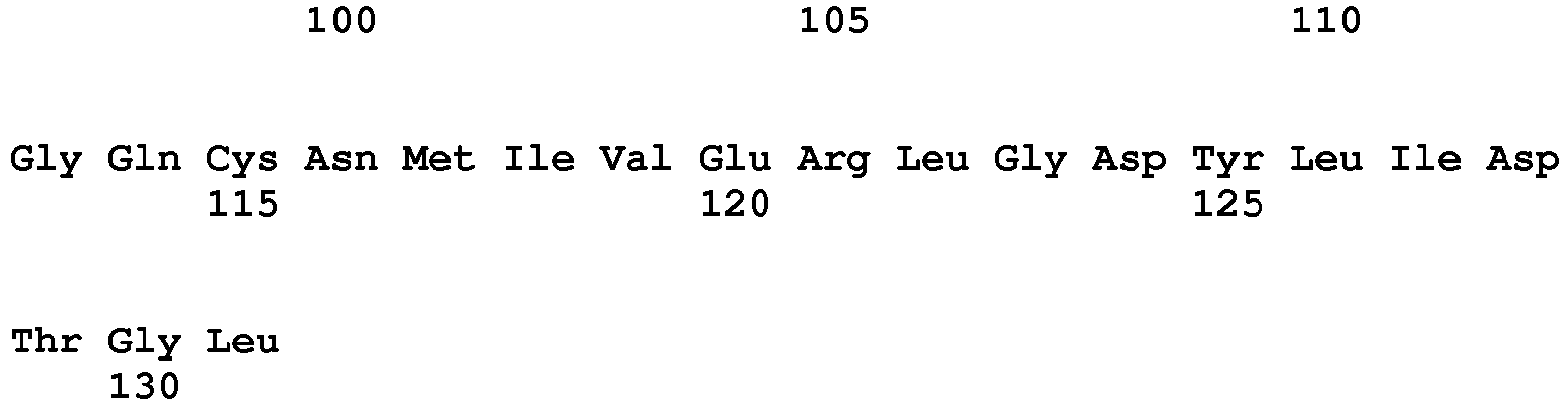
- <210> 20
<211> 131
<212> PRT
<213> Glycine max - <400> 20

- <210> 21
<211> 133
<212> PRT
<213> Ambrosia artemisiifolia - <400> 21


- <210> 22
<211> 133
<212> PRT
<213> Helianthus annuus - <400> 22


- <210> 23
<211> 133
<212> PRT
<213> Artemisia vulgaris - <400> 23

- <210> 24
<211> 131
<212> PRT
<213> Hevea brasiliensis - <400> 24

- <210> 25
<211> 131
<212> PRT
<213> Fragaria ananassa - <400> 25


- <210> 26
<211> 131
<212> PRT
<213> Malus domestica - <400> 26

- <210> 27
<211> 131
<212> PRT
<213> Prunus avium - <400> 27

- <210> 28
<211> 131
<212> PRT
<213> Prunus dulcis - <400> 28


- <210> 29
<211> 131
<212> PRT
<213> Prunus persica - <400> 29

- <210> 30
<211> 131
<212> PRT
<213> Pyrus communis - <400> 30

- <210> 31
<211> 132
<212> PRT
<213> Parietaria judaica - <400> 31


- <210> 32
<211> 131
<212> PRT
<213> Phoenix dactylifera - <400> 32


- <210> 33
<211> 131
<212> PRT
<213> Chenopodium album - <400> 33

- <210> 34
<211> 133
<212> PRT
<213> Salsola kali - <400> 34


- <210> 35
<211> 133
<212> PRT
<213> Amaranthus retroflexus - <400> 35
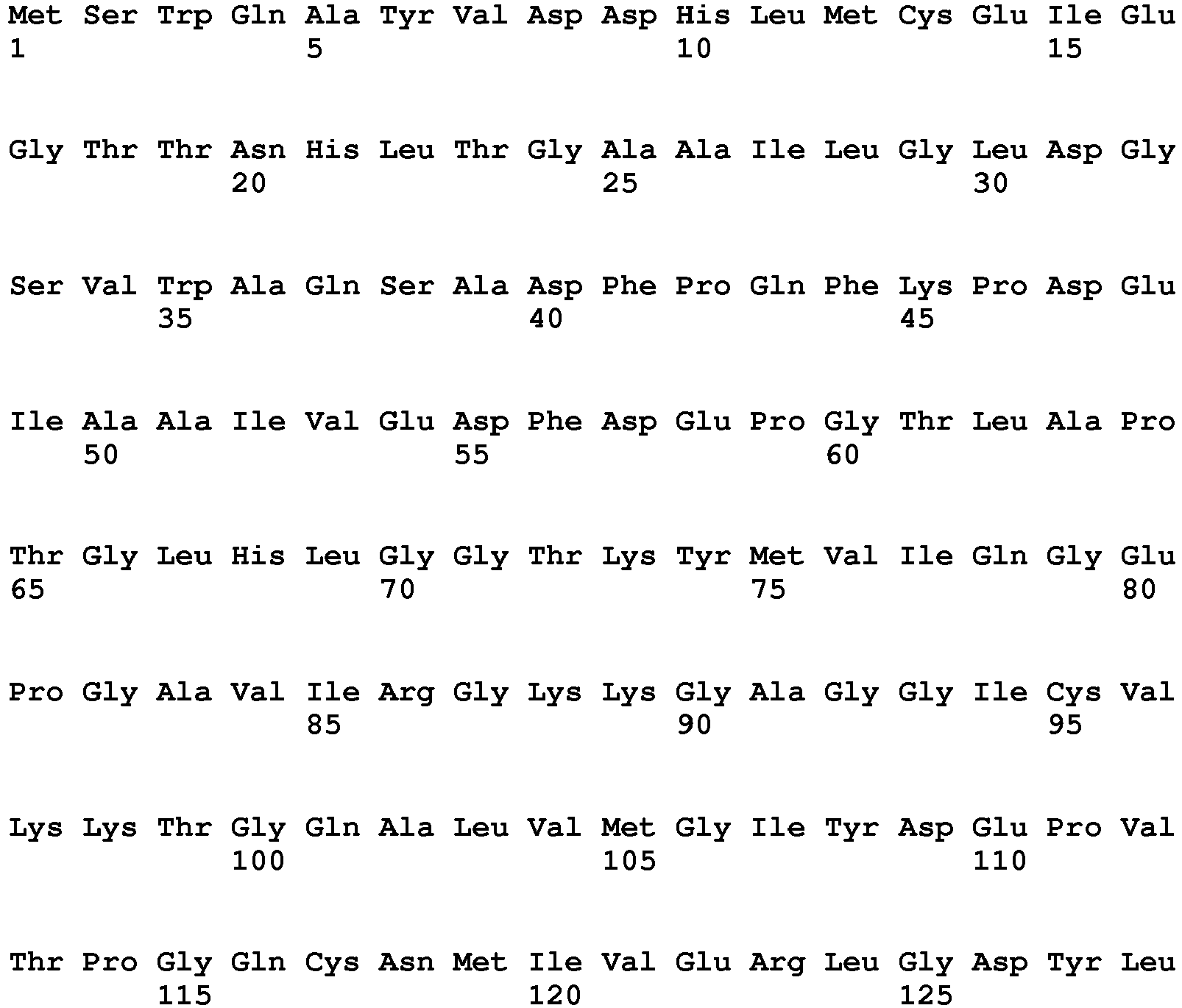

- <210> 36
<211> 134
<212> PRT
<213> Daucus carota - <400> 36

- <210> 37
<211> 134
<212> PRT
<213> Apium graveolens - <400> 37


- <210> 38
<211> 131
<212> PRT
<213> Cucumis melo - <400> 38


- <210> 39
<211> 131
<212> PRT
<213> Capsicum annuum - <400> 39
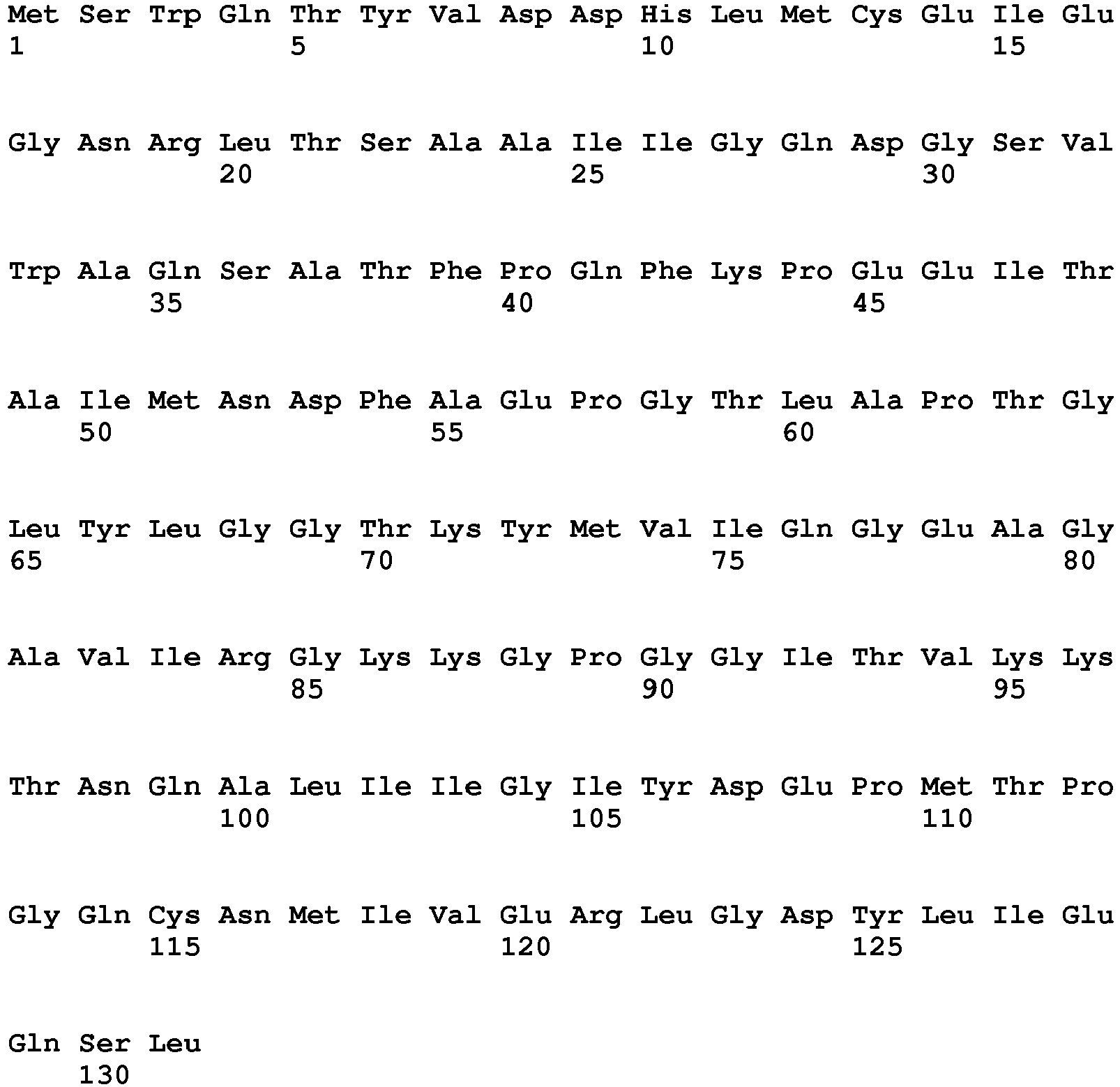
- <210> 40
<211> 131
<212> PRT
<213> Ananas comosus - <400> 40


- <210> 41
<211> 131
<212> PRT
<213> Crocus sativus - <400> 41


- <210> 42
<211> 131
<212> PRT
<213> Musa acuminata - <400> 42

- <210> 43
<211> 56
<212> PRT
<213> Phleum pratense - <220>
<221> MISC_FEATURE
<222> (1)..(56)
<223> Amino acids 71-127 of SEQ ID NO: 1 - <400> 43

- <210> 44
<211> 131
<212> PRT
<213> Artificial seqeunce - <220>
<223> SEQ ID NO: 1 with substitutions C13S and C115S - <400> 44


- <210> 45
<211> 131
<212> PRT
<213> Artificial sequence - <220>
<223> SEQ ID NO: 1 with substitutions C13A and C115A - <400> 45

- <210> 46
<211> 396
<212> DNA
<213> Artificial sequence - <220>
<223> DNA encoding SEQ ID NO: 44 - <400> 46

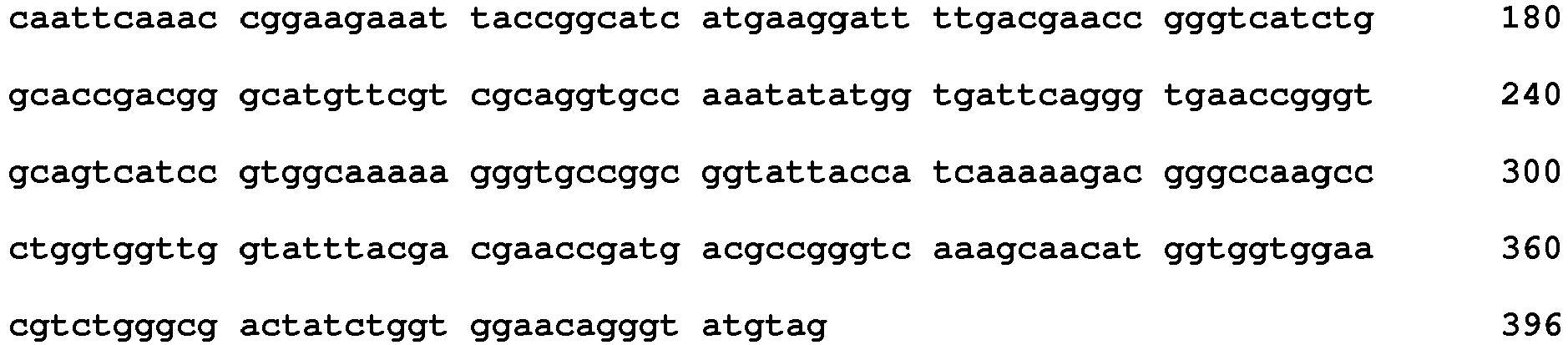
- <210> 47
<211> 326
<212> DNA
<213> Artificial sequence - <220>
<223> DNA encoding SEQ ID NO: 45 - <400> 47
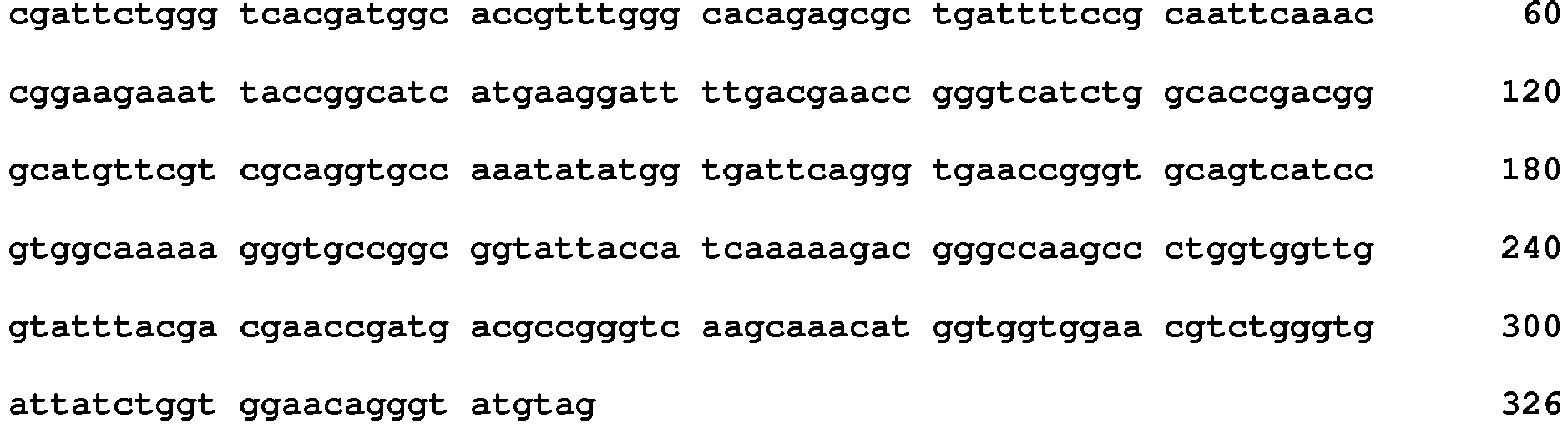
Claims (20)
- A polypeptide for use in the treatment of a hypersensitivity immune response in an individual, wherein the hypersensitivity immune response is caused by a non-profilin allergen of a profilin-containing plant material, wherein said polypeptide comprises an amino acid sequence having at least 60% identity with SEQ ID NO: 1.
- The polypeptide for the use according to claim 1, wherein the polypeptide comprises an amino acid sequence having at least 75% identity with SEQ ID NO: 1.
- The polypeptide for the use according to claim 1, wherein a part of the polypeptide has an amino acid sequence having at least 80% identity with SEQ ID NO: 43.
- The polypeptide for the use according to any one of the preceding claims, wherein the polypeptide is a profilin having an amino acid sequence selected from the group consisting of SEQ ID NOs: 1-42 or a variant of said profilin, wherein the variant comprises an amino acid selected from A (alanine), G (glycine) or S (serine) in position 13 and/or in position 115 of SEQ ID NO: 1.
- The polypeptide for the use according to claim 4, wherein the amino acid sequences of SEQ ID NOs: 1-42 is without methionine in the N-terminal end.
- The polypeptide for the use according to any one of the preceding claims, wherein the profilin-containing plant material is of a plant order selected from the group consisting of Poales, Asterales, Fagales and Lamiales.
- The polypeptide for the use according to any one of the preceding claims, wherein the profilin-containing plant material is pollen.
- The polypeptide for the use according to claim 7, wherein the profilin-containing plant material is pollen of a plant genus selected from the group consisting of Anthoxanthum, Cynodon, Dactylis, Festuca, Holcus, Hordeum, Lolium, Oryza, Paspalum, Phalaris, Phleum, Poa, Secale, Sorghum, Triticum and Zea.
- The polypeptide for the use according to claim 7, wherein the profilin-containing plant material is pollen of a plant genus selected from the group consisting of Ambrosia and Artemisia.
- The polypeptide for the use according to claim 7, wherein the profilin-containing plant material is pollen of a plant genus selected from the group consisting of Betula, Alnus, Carpinus, Corylus, Ostrya, Fagus, Quercus, Castanea, Juglans and Carya.
- The polypeptide for the use according to claim 7, wherein the profilin-containing plant material is pollen of the plant genus Olea.
- The polypeptide for the use according to any one of the preceding claims, wherein the individual is not sensitized to the profilin of the profilin-containing plant material before administering the first dose of the polypeptide.
- The polypeptide for the use according to any one of the preceding claims, wherein the polypeptide is not co-administered with a non-profilin allergen.
- The polypeptide for the use according to any one of the preceding claims, wherein the polypeptide is administered by the sublingual route.
- The polypeptide for the use according to any one of the preceding claims, wherein the hypersensitivity immune response is associated with an allergic immune response.
- A polypeptide having an amino acid sequence of SEQ ID NOs: 1, 2, 3, 4, 5, 6, 7, 8, 9 or 10, wherein 1 or 2 cysteine residue(s) is/are substituted by an amino acid selected from A (alanine), G (glycine) and/or S (serine).
- The polypeptide according to claim 16, wherein the polypeptide has an amino acid sequence of SEQ ID NOs: 44 or 45.
- The polypeptide according to any one of claims 16 and 17, wherein the amino acid sequence does not contain methionine in position 1.
- An isolated nucleic acid encoding the protein of SEQ ID NOs: 44 or 45.
- The isolated nucleic acid according to claim 19 having SEQ ID NOs: 46 or 47.
Priority Applications (1)
| Application Number | Priority Date | Filing Date | Title |
|---|---|---|---|
| EP13716305.1A EP2838556B1 (en) | 2012-04-16 | 2013-04-16 | Plant profilin polypeptides for use in non-specific allergy immunotherapy |
Applications Claiming Priority (4)
| Application Number | Priority Date | Filing Date | Title |
|---|---|---|---|
| US201261624998P | 2012-04-16 | 2012-04-16 | |
| EP12164272 | 2012-04-16 | ||
| PCT/EP2013/057886 WO2013156467A1 (en) | 2012-04-16 | 2013-04-16 | Plant profilin polypeptides for use in non-specific allergy immunotherapy |
| EP13716305.1A EP2838556B1 (en) | 2012-04-16 | 2013-04-16 | Plant profilin polypeptides for use in non-specific allergy immunotherapy |
Publications (2)
| Publication Number | Publication Date |
|---|---|
| EP2838556A1 EP2838556A1 (en) | 2015-02-25 |
| EP2838556B1 true EP2838556B1 (en) | 2017-02-01 |
Family
ID=49382953
Family Applications (1)
| Application Number | Title | Priority Date | Filing Date |
|---|---|---|---|
| EP13716305.1A Not-in-force EP2838556B1 (en) | 2012-04-16 | 2013-04-16 | Plant profilin polypeptides for use in non-specific allergy immunotherapy |
Country Status (9)
| Country | Link |
|---|---|
| US (1) | US20150126459A1 (en) |
| EP (1) | EP2838556B1 (en) |
| JP (1) | JP2015514126A (en) |
| AU (1) | AU2013248275B2 (en) |
| CA (1) | CA2870399A1 (en) |
| DK (1) | DK2838556T3 (en) |
| EA (1) | EA029009B1 (en) |
| ES (1) | ES2623050T3 (en) |
| WO (1) | WO2013156467A1 (en) |
Families Citing this family (5)
| Publication number | Priority date | Publication date | Assignee | Title |
|---|---|---|---|---|
| CN104203277A (en) | 2012-02-07 | 2014-12-10 | 拉霍拉敏感及免疫学研究所 | Timothy grass allergens and methods and uses for modulating an immune response |
| EP2952200A1 (en) | 2014-06-04 | 2015-12-09 | Alk-Abelló A/S | Allergen for prophylactic treatment of allergy |
| WO2017179025A1 (en) * | 2016-04-15 | 2017-10-19 | Alk-Abelló A/S | Epitope polypeptides of ragweed pollen allergens |
| WO2021113136A1 (en) | 2019-12-06 | 2021-06-10 | Dr. Mary Morris & Associates, Llc | Methods and compositions for the treatment and prevention of type 1 diabetes |
| WO2025102125A1 (en) * | 2023-11-17 | 2025-05-22 | Queensland University Of Technology | Modified grass pollen allergens |
Family Cites Families (9)
| Publication number | Priority date | Publication date | Assignee | Title |
|---|---|---|---|---|
| ES2125202B1 (en) * | 1997-06-24 | 2000-03-16 | Bial Ind Farmaceutica S A | RECOMBINANT DNA CODING FOR ALLERGEN EPITHOPES PROFILINE USEFUL FOR DIAGNOSIS AND TREATMENT OF ALLERGIES. |
| US8246945B2 (en) * | 2000-04-06 | 2012-08-21 | University Of Arkansas | Methods and reagents for decreasing clinical reaction to allergy |
| JP2005505495A (en) * | 2001-02-28 | 2005-02-24 | インヴァレックス, インコーポレイテッド | Composition of multimeric profilin for diagnosis and treatment of allergies |
| ATE474593T1 (en) * | 2003-03-21 | 2010-08-15 | Celldex Therapeutics Ltd | TREATMENT OF ALLERGIC DISEASES USING A MODULATOR OF THE NOTCH SIGNALING PATHWAY |
| AT501101B1 (en) * | 2004-12-02 | 2008-01-15 | Biomay Ag | PROTEIN ALLERGEN DERIVATIVE |
| ES2378870T5 (en) * | 2008-08-15 | 2016-02-03 | Circassia Limited | Vaccine comprising Amb to 1 peptides for use in the treatment of ragweed allergy |
| JP5805363B2 (en) * | 2009-06-26 | 2015-11-04 | 和興フィルタテクノロジー株式会社 | Soluble aggregate, immune tolerance inducer and method for producing the same |
| US20120100163A1 (en) * | 2010-10-15 | 2012-04-26 | Alk-Abello A/S | Suppression of a type 1 hypersensitivity immune response with an unrelated antigen |
| US20140010845A1 (en) * | 2010-10-15 | 2014-01-09 | Alk-Abello A/S | Suppression of a hypersensitivity immune response with unrelated antigen derived from allergen source material |
-
2013
- 2013-04-16 CA CA 2870399 patent/CA2870399A1/en not_active Abandoned
- 2013-04-16 DK DK13716305.1T patent/DK2838556T3/en active
- 2013-04-16 EA EA201491886A patent/EA029009B1/en not_active IP Right Cessation
- 2013-04-16 AU AU2013248275A patent/AU2013248275B2/en not_active Ceased
- 2013-04-16 US US14/391,777 patent/US20150126459A1/en not_active Abandoned
- 2013-04-16 ES ES13716305.1T patent/ES2623050T3/en active Active
- 2013-04-16 JP JP2015504985A patent/JP2015514126A/en active Pending
- 2013-04-16 EP EP13716305.1A patent/EP2838556B1/en not_active Not-in-force
- 2013-04-16 WO PCT/EP2013/057886 patent/WO2013156467A1/en not_active Ceased
Non-Patent Citations (1)
| Title |
|---|
| SONG-JUNG PARK ET AL: "Successful Treatment of Two Dogs with Allergic Dermatitis by Anti-Allergic Peptides (MS-antigen TM )", J. VET. MED. SCI, 1 January 2002 (2002-01-01), pages 63 - 65, XP055186648, Retrieved from the Internet <URL:https://www.jstage.jst.go.jp/article/jvms/64/1/64_1_63/_pdf> [retrieved on 20150429] * |
Also Published As
| Publication number | Publication date |
|---|---|
| ES2623050T3 (en) | 2017-07-10 |
| EA029009B1 (en) | 2018-01-31 |
| EA201491886A1 (en) | 2015-03-31 |
| WO2013156467A1 (en) | 2013-10-24 |
| CA2870399A1 (en) | 2013-10-24 |
| DK2838556T3 (en) | 2017-04-10 |
| US20150126459A1 (en) | 2015-05-07 |
| JP2015514126A (en) | 2015-05-18 |
| HK1205949A1 (en) | 2015-12-31 |
| AU2013248275B2 (en) | 2017-03-30 |
| EP2838556A1 (en) | 2015-02-25 |
| AU2013248275A1 (en) | 2014-10-16 |
Similar Documents
| Publication | Publication Date | Title |
|---|---|---|
| KR101699554B1 (en) | Peptides for vaccine | |
| JP5807994B2 (en) | Nucleic acids for allergy treatment | |
| AU2007257308B2 (en) | Vaccine carrier | |
| AU2013216993B2 (en) | Timothy Grass allergens and methods and uses for immune response modulation | |
| AU2016247077B2 (en) | Recombinant der p 2 expressed in pichia pastoris as a "natural-like" allergen for immunotherapy and diagnostic purposes | |
| AU2014276484B2 (en) | Contiguous overlapping peptides for treatment of house dust mites allergy | |
| BR112013031505B1 (en) | POLYPEPTIDE, USE OF A POLYPEPTIDE, VACCINE FORMULATION AND USE OF A VACCINE FORMULATION | |
| AU2013248275B2 (en) | Plant profilin polypeptides for use in non-specific allergy immunotherapy | |
| AU2012244811B2 (en) | Hypoallergen | |
| KR20120120965A (en) | Peptides for vaccine against birch allergy | |
| ES2463828T3 (en) | Hypoallergenic hybrid polypeptides for allergy treatment | |
| WO2013171268A1 (en) | Allergen variants | |
| Class et al. | Patent application title: PLANT PROFILIN POLYPEPTIDES FOR USE IN NON-SPECIFIC ALLERGY IMMUNOTHERAPY Inventors: Kaare Lund (Virum, DK) Jens Brimnes (Herlev, DK) Helene Henmar (Kokkedal, DK) Hans-Henrik Ipsen (Hillerod, DK) Lise Lund Maerkedahl (Fredensborg, DK) Gitte Nordskov Hansen (Fredensborg, DK) Rafael Ignacio Monsalve Clemente (Madrid, ES) | |
| HK1205949B (en) | Plant profilin polypeptides for use in non-specific allergy immunotherapy | |
| JP2017079742A (en) | Nucleic acids for treatment of allergies | |
| WO2015131053A1 (en) | Polypeptides derived from phl p and methods and uses thereof for immune response modulation | |
| US20160287696A1 (en) | Pan pollen immunogens and methods and uses for immune response modulation | |
| AU2013222053B2 (en) | Vaccine carrier |
Legal Events
| Date | Code | Title | Description |
|---|---|---|---|
| TPAC | Observations filed by third parties |
Free format text: ORIGINAL CODE: EPIDOSNTIPA |
|
| PUAI | Public reference made under article 153(3) epc to a published international application that has entered the european phase |
Free format text: ORIGINAL CODE: 0009012 |
|
| 17P | Request for examination filed |
Effective date: 20141117 |
|
| AK | Designated contracting states |
Kind code of ref document: A1 Designated state(s): AL AT BE BG CH CY CZ DE DK EE ES FI FR GB GR HR HU IE IS IT LI LT LU LV MC MK MT NL NO PL PT RO RS SE SI SK SM TR |
|
| AX | Request for extension of the european patent |
Extension state: BA ME |
|
| DAX | Request for extension of the european patent (deleted) | ||
| 17Q | First examination report despatched |
Effective date: 20150825 |
|
| REG | Reference to a national code |
Ref country code: HK Ref legal event code: DE Ref document number: 1205949 Country of ref document: HK |
|
| GRAP | Despatch of communication of intention to grant a patent |
Free format text: ORIGINAL CODE: EPIDOSNIGR1 |
|
| INTG | Intention to grant announced |
Effective date: 20160610 |
|
| GRAJ | Information related to disapproval of communication of intention to grant by the applicant or resumption of examination proceedings by the epo deleted |
Free format text: ORIGINAL CODE: EPIDOSDIGR1 |
|
| INTC | Intention to grant announced (deleted) | ||
| GRAP | Despatch of communication of intention to grant a patent |
Free format text: ORIGINAL CODE: EPIDOSNIGR1 |
|
| STAA | Information on the status of an ep patent application or granted ep patent |
Free format text: STATUS: GRANT OF PATENT IS INTENDED |
|
| GRAS | Grant fee paid |
Free format text: ORIGINAL CODE: EPIDOSNIGR3 |
|
| INTG | Intention to grant announced |
Effective date: 20161125 |
|
| GRAA | (expected) grant |
Free format text: ORIGINAL CODE: 0009210 |
|
| STAA | Information on the status of an ep patent application or granted ep patent |
Free format text: STATUS: THE PATENT HAS BEEN GRANTED |
|
| AK | Designated contracting states |
Kind code of ref document: B1 Designated state(s): AL AT BE BG CH CY CZ DE DK EE ES FI FR GB GR HR HU IE IS IT LI LT LU LV MC MK MT NL NO PL PT RO RS SE SI SK SM TR |
|
| REG | Reference to a national code |
Ref country code: GB Ref legal event code: FG4D |
|
| REG | Reference to a national code |
Ref country code: CH Ref legal event code: EP Ref country code: AT Ref legal event code: REF Ref document number: 864990 Country of ref document: AT Kind code of ref document: T Effective date: 20170215 |
|
| REG | Reference to a national code |
Ref country code: IE Ref legal event code: FG4D |
|
| REG | Reference to a national code |
Ref country code: DE Ref legal event code: R096 Ref document number: 602013016998 Country of ref document: DE |
|
| REG | Reference to a national code |
Ref country code: FR Ref legal event code: PLFP Year of fee payment: 5 |
|
| REG | Reference to a national code |
Ref country code: DK Ref legal event code: T3 Effective date: 20170403 |
|
| REG | Reference to a national code |
Ref country code: NL Ref legal event code: MP Effective date: 20170201 |
|
| REG | Reference to a national code |
Ref country code: LT Ref legal event code: MG4D |
|
| REG | Reference to a national code |
Ref country code: AT Ref legal event code: MK05 Ref document number: 864990 Country of ref document: AT Kind code of ref document: T Effective date: 20170201 |
|
| REG | Reference to a national code |
Ref country code: ES Ref legal event code: FG2A Ref document number: 2623050 Country of ref document: ES Kind code of ref document: T3 Effective date: 20170710 |
|
| PG25 | Lapsed in a contracting state [announced via postgrant information from national office to epo] |
Ref country code: NO Free format text: LAPSE BECAUSE OF FAILURE TO SUBMIT A TRANSLATION OF THE DESCRIPTION OR TO PAY THE FEE WITHIN THE PRESCRIBED TIME-LIMIT Effective date: 20170501 Ref country code: IS Free format text: LAPSE BECAUSE OF FAILURE TO SUBMIT A TRANSLATION OF THE DESCRIPTION OR TO PAY THE FEE WITHIN THE PRESCRIBED TIME-LIMIT Effective date: 20170601 Ref country code: HR Free format text: LAPSE BECAUSE OF FAILURE TO SUBMIT A TRANSLATION OF THE DESCRIPTION OR TO PAY THE FEE WITHIN THE PRESCRIBED TIME-LIMIT Effective date: 20170201 Ref country code: FI Free format text: LAPSE BECAUSE OF FAILURE TO SUBMIT A TRANSLATION OF THE DESCRIPTION OR TO PAY THE FEE WITHIN THE PRESCRIBED TIME-LIMIT Effective date: 20170201 Ref country code: GR Free format text: LAPSE BECAUSE OF FAILURE TO SUBMIT A TRANSLATION OF THE DESCRIPTION OR TO PAY THE FEE WITHIN THE PRESCRIBED TIME-LIMIT Effective date: 20170502 Ref country code: LT Free format text: LAPSE BECAUSE OF FAILURE TO SUBMIT A TRANSLATION OF THE DESCRIPTION OR TO PAY THE FEE WITHIN THE PRESCRIBED TIME-LIMIT Effective date: 20170201 |
|
| PG25 | Lapsed in a contracting state [announced via postgrant information from national office to epo] |
Ref country code: RS Free format text: LAPSE BECAUSE OF FAILURE TO SUBMIT A TRANSLATION OF THE DESCRIPTION OR TO PAY THE FEE WITHIN THE PRESCRIBED TIME-LIMIT Effective date: 20170201 Ref country code: AT Free format text: LAPSE BECAUSE OF FAILURE TO SUBMIT A TRANSLATION OF THE DESCRIPTION OR TO PAY THE FEE WITHIN THE PRESCRIBED TIME-LIMIT Effective date: 20170201 Ref country code: LV Free format text: LAPSE BECAUSE OF FAILURE TO SUBMIT A TRANSLATION OF THE DESCRIPTION OR TO PAY THE FEE WITHIN THE PRESCRIBED TIME-LIMIT Effective date: 20170201 Ref country code: SE Free format text: LAPSE BECAUSE OF FAILURE TO SUBMIT A TRANSLATION OF THE DESCRIPTION OR TO PAY THE FEE WITHIN THE PRESCRIBED TIME-LIMIT Effective date: 20170201 Ref country code: PT Free format text: LAPSE BECAUSE OF FAILURE TO SUBMIT A TRANSLATION OF THE DESCRIPTION OR TO PAY THE FEE WITHIN THE PRESCRIBED TIME-LIMIT Effective date: 20170601 Ref country code: PL Free format text: LAPSE BECAUSE OF FAILURE TO SUBMIT A TRANSLATION OF THE DESCRIPTION OR TO PAY THE FEE WITHIN THE PRESCRIBED TIME-LIMIT Effective date: 20170201 Ref country code: BG Free format text: LAPSE BECAUSE OF FAILURE TO SUBMIT A TRANSLATION OF THE DESCRIPTION OR TO PAY THE FEE WITHIN THE PRESCRIBED TIME-LIMIT Effective date: 20170501 Ref country code: NL Free format text: LAPSE BECAUSE OF FAILURE TO SUBMIT A TRANSLATION OF THE DESCRIPTION OR TO PAY THE FEE WITHIN THE PRESCRIBED TIME-LIMIT Effective date: 20170201 |
|
| PG25 | Lapsed in a contracting state [announced via postgrant information from national office to epo] |
Ref country code: CZ Free format text: LAPSE BECAUSE OF FAILURE TO SUBMIT A TRANSLATION OF THE DESCRIPTION OR TO PAY THE FEE WITHIN THE PRESCRIBED TIME-LIMIT Effective date: 20170201 Ref country code: RO Free format text: LAPSE BECAUSE OF FAILURE TO SUBMIT A TRANSLATION OF THE DESCRIPTION OR TO PAY THE FEE WITHIN THE PRESCRIBED TIME-LIMIT Effective date: 20170201 Ref country code: EE Free format text: LAPSE BECAUSE OF FAILURE TO SUBMIT A TRANSLATION OF THE DESCRIPTION OR TO PAY THE FEE WITHIN THE PRESCRIBED TIME-LIMIT Effective date: 20170201 Ref country code: SK Free format text: LAPSE BECAUSE OF FAILURE TO SUBMIT A TRANSLATION OF THE DESCRIPTION OR TO PAY THE FEE WITHIN THE PRESCRIBED TIME-LIMIT Effective date: 20170201 |
|
| REG | Reference to a national code |
Ref country code: DE Ref legal event code: R097 Ref document number: 602013016998 Country of ref document: DE |
|
| PG25 | Lapsed in a contracting state [announced via postgrant information from national office to epo] |
Ref country code: SM Free format text: LAPSE BECAUSE OF FAILURE TO SUBMIT A TRANSLATION OF THE DESCRIPTION OR TO PAY THE FEE WITHIN THE PRESCRIBED TIME-LIMIT Effective date: 20170201 |
|
| REG | Reference to a national code |
Ref country code: CH Ref legal event code: PL |
|
| PLBE | No opposition filed within time limit |
Free format text: ORIGINAL CODE: 0009261 |
|
| STAA | Information on the status of an ep patent application or granted ep patent |
Free format text: STATUS: NO OPPOSITION FILED WITHIN TIME LIMIT |
|
| 26N | No opposition filed |
Effective date: 20171103 |
|
| REG | Reference to a national code |
Ref country code: IE Ref legal event code: MM4A |
|
| PG25 | Lapsed in a contracting state [announced via postgrant information from national office to epo] |
Ref country code: MC Free format text: LAPSE BECAUSE OF FAILURE TO SUBMIT A TRANSLATION OF THE DESCRIPTION OR TO PAY THE FEE WITHIN THE PRESCRIBED TIME-LIMIT Effective date: 20170201 |
|
| PG25 | Lapsed in a contracting state [announced via postgrant information from national office to epo] |
Ref country code: CH Free format text: LAPSE BECAUSE OF NON-PAYMENT OF DUE FEES Effective date: 20170430 Ref country code: LI Free format text: LAPSE BECAUSE OF NON-PAYMENT OF DUE FEES Effective date: 20170430 Ref country code: SI Free format text: LAPSE BECAUSE OF FAILURE TO SUBMIT A TRANSLATION OF THE DESCRIPTION OR TO PAY THE FEE WITHIN THE PRESCRIBED TIME-LIMIT Effective date: 20170201 Ref country code: LU Free format text: LAPSE BECAUSE OF NON-PAYMENT OF DUE FEES Effective date: 20170416 |
|
| REG | Reference to a national code |
Ref country code: BE Ref legal event code: MM Effective date: 20170430 |
|
| REG | Reference to a national code |
Ref country code: FR Ref legal event code: PLFP Year of fee payment: 6 |
|
| REG | Reference to a national code |
Ref country code: HK Ref legal event code: GR Ref document number: 1205949 Country of ref document: HK |
|
| PG25 | Lapsed in a contracting state [announced via postgrant information from national office to epo] |
Ref country code: IE Free format text: LAPSE BECAUSE OF NON-PAYMENT OF DUE FEES Effective date: 20170416 |
|
| PGFP | Annual fee paid to national office [announced via postgrant information from national office to epo] |
Ref country code: GB Payment date: 20180329 Year of fee payment: 6 |
|
| PG25 | Lapsed in a contracting state [announced via postgrant information from national office to epo] |
Ref country code: BE Free format text: LAPSE BECAUSE OF NON-PAYMENT OF DUE FEES Effective date: 20170430 |
|
| PGFP | Annual fee paid to national office [announced via postgrant information from national office to epo] |
Ref country code: FR Payment date: 20180326 Year of fee payment: 6 |
|
| PGFP | Annual fee paid to national office [announced via postgrant information from national office to epo] |
Ref country code: DE Payment date: 20180404 Year of fee payment: 6 Ref country code: DK Payment date: 20180410 Year of fee payment: 6 Ref country code: ES Payment date: 20180503 Year of fee payment: 6 |
|
| PGFP | Annual fee paid to national office [announced via postgrant information from national office to epo] |
Ref country code: IT Payment date: 20180420 Year of fee payment: 6 |
|
| PG25 | Lapsed in a contracting state [announced via postgrant information from national office to epo] |
Ref country code: MT Free format text: LAPSE BECAUSE OF NON-PAYMENT OF DUE FEES Effective date: 20170416 |
|
| PG25 | Lapsed in a contracting state [announced via postgrant information from national office to epo] |
Ref country code: HU Free format text: LAPSE BECAUSE OF FAILURE TO SUBMIT A TRANSLATION OF THE DESCRIPTION OR TO PAY THE FEE WITHIN THE PRESCRIBED TIME-LIMIT; INVALID AB INITIO Effective date: 20130416 |
|
| PG25 | Lapsed in a contracting state [announced via postgrant information from national office to epo] |
Ref country code: CY Free format text: LAPSE BECAUSE OF FAILURE TO SUBMIT A TRANSLATION OF THE DESCRIPTION OR TO PAY THE FEE WITHIN THE PRESCRIBED TIME-LIMIT Effective date: 20170201 |
|
| REG | Reference to a national code |
Ref country code: DE Ref legal event code: R119 Ref document number: 602013016998 Country of ref document: DE |
|
| PG25 | Lapsed in a contracting state [announced via postgrant information from national office to epo] |
Ref country code: MK Free format text: LAPSE BECAUSE OF FAILURE TO SUBMIT A TRANSLATION OF THE DESCRIPTION OR TO PAY THE FEE WITHIN THE PRESCRIBED TIME-LIMIT Effective date: 20170201 |
|
| REG | Reference to a national code |
Ref country code: DK Ref legal event code: EBP Effective date: 20190430 |
|
| GBPC | Gb: european patent ceased through non-payment of renewal fee |
Effective date: 20190416 |
|
| PG25 | Lapsed in a contracting state [announced via postgrant information from national office to epo] |
Ref country code: GB Free format text: LAPSE BECAUSE OF NON-PAYMENT OF DUE FEES Effective date: 20190416 Ref country code: DE Free format text: LAPSE BECAUSE OF NON-PAYMENT OF DUE FEES Effective date: 20191101 |
|
| PG25 | Lapsed in a contracting state [announced via postgrant information from national office to epo] |
Ref country code: FR Free format text: LAPSE BECAUSE OF NON-PAYMENT OF DUE FEES Effective date: 20190430 |
|
| PG25 | Lapsed in a contracting state [announced via postgrant information from national office to epo] |
Ref country code: TR Free format text: LAPSE BECAUSE OF FAILURE TO SUBMIT A TRANSLATION OF THE DESCRIPTION OR TO PAY THE FEE WITHIN THE PRESCRIBED TIME-LIMIT Effective date: 20170201 |
|
| PG25 | Lapsed in a contracting state [announced via postgrant information from national office to epo] |
Ref country code: IT Free format text: LAPSE BECAUSE OF NON-PAYMENT OF DUE FEES Effective date: 20190416 Ref country code: DK Free format text: LAPSE BECAUSE OF NON-PAYMENT OF DUE FEES Effective date: 20190430 |
|
| PG25 | Lapsed in a contracting state [announced via postgrant information from national office to epo] |
Ref country code: AL Free format text: LAPSE BECAUSE OF FAILURE TO SUBMIT A TRANSLATION OF THE DESCRIPTION OR TO PAY THE FEE WITHIN THE PRESCRIBED TIME-LIMIT Effective date: 20170201 |
|
| REG | Reference to a national code |
Ref country code: ES Ref legal event code: FD2A Effective date: 20200831 |
|
| PG25 | Lapsed in a contracting state [announced via postgrant information from national office to epo] |
Ref country code: ES Free format text: LAPSE BECAUSE OF NON-PAYMENT OF DUE FEES Effective date: 20190417 |