EP2836615B1 - High strength interstitial free low density steel and method for producing said steel - Google Patents
High strength interstitial free low density steel and method for producing said steel Download PDFInfo
- Publication number
- EP2836615B1 EP2836615B1 EP13717748.1A EP13717748A EP2836615B1 EP 2836615 B1 EP2836615 B1 EP 2836615B1 EP 13717748 A EP13717748 A EP 13717748A EP 2836615 B1 EP2836615 B1 EP 2836615B1
- Authority
- EP
- European Patent Office
- Prior art keywords
- steel
- strip
- hot
- minimum
- cold
- Prior art date
- Legal status (The legal status is an assumption and is not a legal conclusion. Google has not performed a legal analysis and makes no representation as to the accuracy of the status listed.)
- Active
Links
Images

Classifications
-
- C—CHEMISTRY; METALLURGY
- C22—METALLURGY; FERROUS OR NON-FERROUS ALLOYS; TREATMENT OF ALLOYS OR NON-FERROUS METALS
- C22C—ALLOYS
- C22C38/00—Ferrous alloys, e.g. steel alloys
- C22C38/14—Ferrous alloys, e.g. steel alloys containing titanium or zirconium
-
- B—PERFORMING OPERATIONS; TRANSPORTING
- B21—MECHANICAL METAL-WORKING WITHOUT ESSENTIALLY REMOVING MATERIAL; PUNCHING METAL
- B21B—ROLLING OF METAL
- B21B1/00—Metal-rolling methods or mills for making semi-finished products of solid or profiled cross-section; Sequence of operations in milling trains; Layout of rolling-mill plant, e.g. grouping of stands; Succession of passes or of sectional pass alternations
- B21B1/46—Metal-rolling methods or mills for making semi-finished products of solid or profiled cross-section; Sequence of operations in milling trains; Layout of rolling-mill plant, e.g. grouping of stands; Succession of passes or of sectional pass alternations for rolling metal immediately subsequent to continuous casting
- B21B1/463—Metal-rolling methods or mills for making semi-finished products of solid or profiled cross-section; Sequence of operations in milling trains; Layout of rolling-mill plant, e.g. grouping of stands; Succession of passes or of sectional pass alternations for rolling metal immediately subsequent to continuous casting in a continuous process, i.e. the cast not being cut before rolling
-
- B—PERFORMING OPERATIONS; TRANSPORTING
- B21—MECHANICAL METAL-WORKING WITHOUT ESSENTIALLY REMOVING MATERIAL; PUNCHING METAL
- B21B—ROLLING OF METAL
- B21B15/00—Arrangements for performing additional metal-working operations specially combined with or arranged in, or specially adapted for use in connection with, metal-rolling mills
-
- B—PERFORMING OPERATIONS; TRANSPORTING
- B21—MECHANICAL METAL-WORKING WITHOUT ESSENTIALLY REMOVING MATERIAL; PUNCHING METAL
- B21B—ROLLING OF METAL
- B21B3/00—Rolling materials of special alloys so far as the composition of the alloy requires or permits special rolling methods or sequences ; Rolling of aluminium, copper, zinc or other non-ferrous metals
- B21B3/02—Rolling special iron alloys, e.g. stainless steel
-
- B—PERFORMING OPERATIONS; TRANSPORTING
- B21—MECHANICAL METAL-WORKING WITHOUT ESSENTIALLY REMOVING MATERIAL; PUNCHING METAL
- B21B—ROLLING OF METAL
- B21B45/00—Devices for surface or other treatment of work, specially combined with or arranged in, or specially adapted for use in connection with, metal-rolling mills
- B21B45/004—Heating the product
-
- B—PERFORMING OPERATIONS; TRANSPORTING
- B22—CASTING; POWDER METALLURGY
- B22D—CASTING OF METALS; CASTING OF OTHER SUBSTANCES BY THE SAME PROCESSES OR DEVICES
- B22D11/00—Continuous casting of metals, i.e. casting in indefinite lengths
- B22D11/001—Continuous casting of metals, i.e. casting in indefinite lengths of specific alloys
-
- C—CHEMISTRY; METALLURGY
- C21—METALLURGY OF IRON
- C21D—MODIFYING THE PHYSICAL STRUCTURE OF FERROUS METALS; GENERAL DEVICES FOR HEAT TREATMENT OF FERROUS OR NON-FERROUS METALS OR ALLOYS; MAKING METAL MALLEABLE, e.g. BY DECARBURISATION OR TEMPERING
- C21D8/00—Modifying the physical properties of ferrous metals or ferrous alloys by deformation combined with, or followed by, heat treatment
- C21D8/02—Modifying the physical properties of ferrous metals or ferrous alloys by deformation combined with, or followed by, heat treatment during manufacturing of plates or strips
- C21D8/0221—Modifying the physical properties of ferrous metals or ferrous alloys by deformation combined with, or followed by, heat treatment during manufacturing of plates or strips characterised by the working steps
- C21D8/0226—Hot rolling
-
- C—CHEMISTRY; METALLURGY
- C21—METALLURGY OF IRON
- C21D—MODIFYING THE PHYSICAL STRUCTURE OF FERROUS METALS; GENERAL DEVICES FOR HEAT TREATMENT OF FERROUS OR NON-FERROUS METALS OR ALLOYS; MAKING METAL MALLEABLE, e.g. BY DECARBURISATION OR TEMPERING
- C21D8/00—Modifying the physical properties of ferrous metals or ferrous alloys by deformation combined with, or followed by, heat treatment
- C21D8/02—Modifying the physical properties of ferrous metals or ferrous alloys by deformation combined with, or followed by, heat treatment during manufacturing of plates or strips
- C21D8/0221—Modifying the physical properties of ferrous metals or ferrous alloys by deformation combined with, or followed by, heat treatment during manufacturing of plates or strips characterised by the working steps
- C21D8/0236—Cold rolling
-
- C—CHEMISTRY; METALLURGY
- C21—METALLURGY OF IRON
- C21D—MODIFYING THE PHYSICAL STRUCTURE OF FERROUS METALS; GENERAL DEVICES FOR HEAT TREATMENT OF FERROUS OR NON-FERROUS METALS OR ALLOYS; MAKING METAL MALLEABLE, e.g. BY DECARBURISATION OR TEMPERING
- C21D8/00—Modifying the physical properties of ferrous metals or ferrous alloys by deformation combined with, or followed by, heat treatment
- C21D8/02—Modifying the physical properties of ferrous metals or ferrous alloys by deformation combined with, or followed by, heat treatment during manufacturing of plates or strips
- C21D8/0247—Modifying the physical properties of ferrous metals or ferrous alloys by deformation combined with, or followed by, heat treatment during manufacturing of plates or strips characterised by the heat treatment
-
- C—CHEMISTRY; METALLURGY
- C21—METALLURGY OF IRON
- C21D—MODIFYING THE PHYSICAL STRUCTURE OF FERROUS METALS; GENERAL DEVICES FOR HEAT TREATMENT OF FERROUS OR NON-FERROUS METALS OR ALLOYS; MAKING METAL MALLEABLE, e.g. BY DECARBURISATION OR TEMPERING
- C21D8/00—Modifying the physical properties of ferrous metals or ferrous alloys by deformation combined with, or followed by, heat treatment
- C21D8/02—Modifying the physical properties of ferrous metals or ferrous alloys by deformation combined with, or followed by, heat treatment during manufacturing of plates or strips
- C21D8/0247—Modifying the physical properties of ferrous metals or ferrous alloys by deformation combined with, or followed by, heat treatment during manufacturing of plates or strips characterised by the heat treatment
- C21D8/0263—Modifying the physical properties of ferrous metals or ferrous alloys by deformation combined with, or followed by, heat treatment during manufacturing of plates or strips characterised by the heat treatment following hot rolling
-
- C—CHEMISTRY; METALLURGY
- C21—METALLURGY OF IRON
- C21D—MODIFYING THE PHYSICAL STRUCTURE OF FERROUS METALS; GENERAL DEVICES FOR HEAT TREATMENT OF FERROUS OR NON-FERROUS METALS OR ALLOYS; MAKING METAL MALLEABLE, e.g. BY DECARBURISATION OR TEMPERING
- C21D8/00—Modifying the physical properties of ferrous metals or ferrous alloys by deformation combined with, or followed by, heat treatment
- C21D8/02—Modifying the physical properties of ferrous metals or ferrous alloys by deformation combined with, or followed by, heat treatment during manufacturing of plates or strips
- C21D8/0247—Modifying the physical properties of ferrous metals or ferrous alloys by deformation combined with, or followed by, heat treatment during manufacturing of plates or strips characterised by the heat treatment
- C21D8/0273—Final recrystallisation annealing
-
- C—CHEMISTRY; METALLURGY
- C21—METALLURGY OF IRON
- C21D—MODIFYING THE PHYSICAL STRUCTURE OF FERROUS METALS; GENERAL DEVICES FOR HEAT TREATMENT OF FERROUS OR NON-FERROUS METALS OR ALLOYS; MAKING METAL MALLEABLE, e.g. BY DECARBURISATION OR TEMPERING
- C21D9/00—Heat treatment, e.g. annealing, hardening, quenching or tempering, adapted for particular articles; Furnaces therefor
- C21D9/46—Heat treatment, e.g. annealing, hardening, quenching or tempering, adapted for particular articles; Furnaces therefor for sheet metals
-
- C—CHEMISTRY; METALLURGY
- C22—METALLURGY; FERROUS OR NON-FERROUS ALLOYS; TREATMENT OF ALLOYS OR NON-FERROUS METALS
- C22C—ALLOYS
- C22C38/00—Ferrous alloys, e.g. steel alloys
- C22C38/001—Ferrous alloys, e.g. steel alloys containing N
-
- C—CHEMISTRY; METALLURGY
- C22—METALLURGY; FERROUS OR NON-FERROUS ALLOYS; TREATMENT OF ALLOYS OR NON-FERROUS METALS
- C22C—ALLOYS
- C22C38/00—Ferrous alloys, e.g. steel alloys
- C22C38/002—Ferrous alloys, e.g. steel alloys containing In, Mg, or other elements not provided for in one single group C22C38/001 - C22C38/60
-
- C—CHEMISTRY; METALLURGY
- C22—METALLURGY; FERROUS OR NON-FERROUS ALLOYS; TREATMENT OF ALLOYS OR NON-FERROUS METALS
- C22C—ALLOYS
- C22C38/00—Ferrous alloys, e.g. steel alloys
- C22C38/004—Very low carbon steels, i.e. having a carbon content of less than 0,01%
-
- C—CHEMISTRY; METALLURGY
- C22—METALLURGY; FERROUS OR NON-FERROUS ALLOYS; TREATMENT OF ALLOYS OR NON-FERROUS METALS
- C22C—ALLOYS
- C22C38/00—Ferrous alloys, e.g. steel alloys
- C22C38/02—Ferrous alloys, e.g. steel alloys containing silicon
-
- C—CHEMISTRY; METALLURGY
- C22—METALLURGY; FERROUS OR NON-FERROUS ALLOYS; TREATMENT OF ALLOYS OR NON-FERROUS METALS
- C22C—ALLOYS
- C22C38/00—Ferrous alloys, e.g. steel alloys
- C22C38/04—Ferrous alloys, e.g. steel alloys containing manganese
-
- C—CHEMISTRY; METALLURGY
- C22—METALLURGY; FERROUS OR NON-FERROUS ALLOYS; TREATMENT OF ALLOYS OR NON-FERROUS METALS
- C22C—ALLOYS
- C22C38/00—Ferrous alloys, e.g. steel alloys
- C22C38/06—Ferrous alloys, e.g. steel alloys containing aluminium
-
- C—CHEMISTRY; METALLURGY
- C22—METALLURGY; FERROUS OR NON-FERROUS ALLOYS; TREATMENT OF ALLOYS OR NON-FERROUS METALS
- C22C—ALLOYS
- C22C38/00—Ferrous alloys, e.g. steel alloys
- C22C38/12—Ferrous alloys, e.g. steel alloys containing tungsten, tantalum, molybdenum, vanadium, or niobium
-
- C—CHEMISTRY; METALLURGY
- C23—COATING METALLIC MATERIAL; COATING MATERIAL WITH METALLIC MATERIAL; CHEMICAL SURFACE TREATMENT; DIFFUSION TREATMENT OF METALLIC MATERIAL; COATING BY VACUUM EVAPORATION, BY SPUTTERING, BY ION IMPLANTATION OR BY CHEMICAL VAPOUR DEPOSITION, IN GENERAL; INHIBITING CORROSION OF METALLIC MATERIAL OR INCRUSTATION IN GENERAL
- C23C—COATING METALLIC MATERIAL; COATING MATERIAL WITH METALLIC MATERIAL; SURFACE TREATMENT OF METALLIC MATERIAL BY DIFFUSION INTO THE SURFACE, BY CHEMICAL CONVERSION OR SUBSTITUTION; COATING BY VACUUM EVAPORATION, BY SPUTTERING, BY ION IMPLANTATION OR BY CHEMICAL VAPOUR DEPOSITION, IN GENERAL
- C23C2/00—Hot-dipping or immersion processes for applying the coating material in the molten state without affecting the shape; Apparatus therefor
- C23C2/02—Pretreatment of the material to be coated, e.g. for coating on selected surface areas
-
- C—CHEMISTRY; METALLURGY
- C23—COATING METALLIC MATERIAL; COATING MATERIAL WITH METALLIC MATERIAL; CHEMICAL SURFACE TREATMENT; DIFFUSION TREATMENT OF METALLIC MATERIAL; COATING BY VACUUM EVAPORATION, BY SPUTTERING, BY ION IMPLANTATION OR BY CHEMICAL VAPOUR DEPOSITION, IN GENERAL; INHIBITING CORROSION OF METALLIC MATERIAL OR INCRUSTATION IN GENERAL
- C23C—COATING METALLIC MATERIAL; COATING MATERIAL WITH METALLIC MATERIAL; SURFACE TREATMENT OF METALLIC MATERIAL BY DIFFUSION INTO THE SURFACE, BY CHEMICAL CONVERSION OR SUBSTITUTION; COATING BY VACUUM EVAPORATION, BY SPUTTERING, BY ION IMPLANTATION OR BY CHEMICAL VAPOUR DEPOSITION, IN GENERAL
- C23C2/00—Hot-dipping or immersion processes for applying the coating material in the molten state without affecting the shape; Apparatus therefor
- C23C2/02—Pretreatment of the material to be coated, e.g. for coating on selected surface areas
- C23C2/022—Pretreatment of the material to be coated, e.g. for coating on selected surface areas by heating
-
- C—CHEMISTRY; METALLURGY
- C23—COATING METALLIC MATERIAL; COATING MATERIAL WITH METALLIC MATERIAL; CHEMICAL SURFACE TREATMENT; DIFFUSION TREATMENT OF METALLIC MATERIAL; COATING BY VACUUM EVAPORATION, BY SPUTTERING, BY ION IMPLANTATION OR BY CHEMICAL VAPOUR DEPOSITION, IN GENERAL; INHIBITING CORROSION OF METALLIC MATERIAL OR INCRUSTATION IN GENERAL
- C23C—COATING METALLIC MATERIAL; COATING MATERIAL WITH METALLIC MATERIAL; SURFACE TREATMENT OF METALLIC MATERIAL BY DIFFUSION INTO THE SURFACE, BY CHEMICAL CONVERSION OR SUBSTITUTION; COATING BY VACUUM EVAPORATION, BY SPUTTERING, BY ION IMPLANTATION OR BY CHEMICAL VAPOUR DEPOSITION, IN GENERAL
- C23C2/00—Hot-dipping or immersion processes for applying the coating material in the molten state without affecting the shape; Apparatus therefor
- C23C2/02—Pretreatment of the material to be coated, e.g. for coating on selected surface areas
- C23C2/024—Pretreatment of the material to be coated, e.g. for coating on selected surface areas by cleaning or etching
-
- C—CHEMISTRY; METALLURGY
- C25—ELECTROLYTIC OR ELECTROPHORETIC PROCESSES; APPARATUS THEREFOR
- C25D—PROCESSES FOR THE ELECTROLYTIC OR ELECTROPHORETIC PRODUCTION OF COATINGS; ELECTROFORMING; APPARATUS THEREFOR
- C25D5/00—Electroplating characterised by the process; Pretreatment or after-treatment of workpieces
- C25D5/34—Pretreatment of metallic surfaces to be electroplated
- C25D5/36—Pretreatment of metallic surfaces to be electroplated of iron or steel
-
- B—PERFORMING OPERATIONS; TRANSPORTING
- B21—MECHANICAL METAL-WORKING WITHOUT ESSENTIALLY REMOVING MATERIAL; PUNCHING METAL
- B21B—ROLLING OF METAL
- B21B15/00—Arrangements for performing additional metal-working operations specially combined with or arranged in, or specially adapted for use in connection with, metal-rolling mills
- B21B2015/0057—Coiling the rolled product
-
- C—CHEMISTRY; METALLURGY
- C21—METALLURGY OF IRON
- C21D—MODIFYING THE PHYSICAL STRUCTURE OF FERROUS METALS; GENERAL DEVICES FOR HEAT TREATMENT OF FERROUS OR NON-FERROUS METALS OR ALLOYS; MAKING METAL MALLEABLE, e.g. BY DECARBURISATION OR TEMPERING
- C21D2211/00—Microstructure comprising significant phases
- C21D2211/005—Ferrite
-
- Y—GENERAL TAGGING OF NEW TECHNOLOGICAL DEVELOPMENTS; GENERAL TAGGING OF CROSS-SECTIONAL TECHNOLOGIES SPANNING OVER SEVERAL SECTIONS OF THE IPC; TECHNICAL SUBJECTS COVERED BY FORMER USPC CROSS-REFERENCE ART COLLECTIONS [XRACs] AND DIGESTS
- Y10—TECHNICAL SUBJECTS COVERED BY FORMER USPC
- Y10T—TECHNICAL SUBJECTS COVERED BY FORMER US CLASSIFICATION
- Y10T29/00—Metal working
- Y10T29/49—Method of mechanical manufacture
- Y10T29/4998—Combined manufacture including applying or shaping of fluent material
- Y10T29/49988—Metal casting
- Y10T29/49991—Combined with rolling
Definitions
- the invention relates to a high strength interstitial free low density steel and method for producing said steel.
- an interstitial free ferritic steel strip or sheet comprising, in weight percent
- C_total is the total carbon content in the steel.
- the steel according to the invention has a tailored chemical composition so as to eliminate the carbon in solid solution (C_solute) and the nitrogen in solid solution.
- This steel with no carbon or nitrogen in solid solution is called interstitial-free steel.
- This interstitial-free steel is strain ageing resistant, does not form so-called Lüders lines during forming the sheet into a car component and has high formability.
- 93, 91 and 51 are the atomic masses of Nb, Zr and V respectively, and 12 is the atomic mass of C.
- the ratio 12/93, 12/91 and 12/51 is used to calculate how much carbon is consumed by Nb, Zr or V as a carbide and therefore the ratio of (e.g.) 12/93*Nb must be read as (12/93)*Nb.
- Figure 1 shows an example of the calculation on the basis of prior art steel CA from JP2005-120399 .
- Titanium as an alloying element or as an inevitable impurity, will first form TiN. If there is excess nitrogen, then the remaining nitrogen will be bound to aluminium. If there is excess titanium, then the remaining titanium will form Ti 4 C 2 S 2 . After forming TiN and Ti 4 C 2 S 2 , the remaining Ti will form TiC.
- the factor Minimum[X,Y] calculates how much carbon is consumed by the formation of Ti 4 C 2 S 2 after all free nitrogen was bound to TiN. If the calculation results in a negative value for Y, then the factor is to be set to zero.
- the factor Maximum[Z,0] calculates how much carbon is consumed by the formation of TiC.
- the solute carbon By adding no or only small amounts of titanium and/or a specified amount of Nb, the solute carbon will be eliminated.
- JP2005-120399 discloses a steel having 0.0015% C, 0.05% Si, 0.45% Mn, 0.008% P, 7.5% Al and 0.005%N, the remainder being iron and inevitable impurities.
- Figure 1 shows the calculation of C_solute according to the invention of this steel which is found to be 0.0015, because no carbon binding elements like Nb, Zr or V are present. C_solute is therefore not equal or smaller than zero, but instead it is larger than zero.
- Minimum[X,Y] and Maximum [Z,0] yield a value of zero in both cases.
- the total carbon (C_total) is at most 0.005%, and preferably at most 0.004% and even more preferably at most 0.003%.
- the lower the total carbon the smaller the amount of carbide forming elements needed.
- a lower C_total becomes increasingly difficult to achieve, so there is a balance between the costs to reduce the carbon content to a lower value and the amount of expensive carbide forming elements that need to be added to eliminate the carbon in solid solution.
- Nitrogen in particularly free nitrogen (i.e. nitrogen in solid solution), is not desirable but unavoidable in steel making. It should therefore be kept as low as possible to reduce the amount of nitrogen binding elements needed to make the steel matrix free of free nitrogen and to reduce the amount of nitrides in the matrix as the shape of some nitrides, particularly titanium nitrides, is perceived to be undesirable. Consequently the inventors found that a maximum value of 50 ppm is preferable.
- the nitrogen content is at most 40 ppm, and more preferably the nitrogen content is at most 30 ppm.
- Ti is beneficial for binding nitrogen, but not strictly necessary. Titanium, whether as an alloying element or as an inevitable impurity, will first form TiN. If there is excess nitrogen, then the remaining nitrogen will be bound to aluminium. However, the large amount of aluminium in the steel can also ensure that all nitrogen is bound. This means that the matrix is substantially free of nitrogen in solid solution. TiN are cubic hard precipitates and may form crack initiations. Consequently, it is preferable that the amount of titanium is kept as low as possible to prevent the undesirable effects of TiN-precipitates. Up to 0.08% Ti can be added to the steel, to bind nitrogen into TiN and to control the amount of solute carbon.
- the titanium content is 0.019% or lower, e.g. at most 0.018% or 0.015% or even at most 0.012%.
- a low titanium content is preferable. If the amount of titanium is not enough to bind all nitrogen, then the aluminium in the steel will take over and bind the nitrogen as aluminium-nitride.
- Boron is added to high strength interstitial steels to reduce cold working embrittlement and/or to contribute to the strength.
- composition of the ferritic steel according to the invention has a base composition of,
- the manganese content is at least 0.1%.
- the aluminium content is at least 6 % and/or at most 9%, preferably at most 8.5%.
- the aluminium content is at least 6.5 % and/or at most 8.0%.
- the silicon content is at most 0.05%.
- silicon can segregate on the steel surface to form nanometer-sized oxides. Because these oxides show poor wettability by liquid zinc, uncoated (bare) spots are sometimes found on the surfaces of such steels after they are hot-dip galvanized. Consequently, for instance for these applications the silicon content is preferably limited to at most 0.05%.
- the steel is preferably calcium treated.
- the chemical composition may therefore also contain calcium in an amount consistent with a calcium treatment.
- the amount of carbon in solid solution is controlled by the addition of microalloying elements (Ti, Nb, V, Zr) in combination with excellent control of the total carbon content in the steel.
- Ti or Nb should be strictly controlled. Too much titanium or niobium will increase costs and too low titanium or niobium can not bind all nitrogen and carbon into nitride and carbide.
- titanium is added as an alloying element, a suitable minimum value for the titanium content is 0.005%.
- a suitable minimum value for Nb is 0.004%.
- V and Zr suitable minimum values are 0.002% and 0.004% respectively.
- a method for producing an interstitial free ferritic steel strip comprising the steps of:
- the coiling temperature is at least 600°C and/or the hot rolling finishing temperature is at least 900°C.
- This hot-rolled strip can be subsequently further processed in a process comprising the steps of:
- the hot-rolled strip is usually pickled and cleaned prior to the cold-rolling step.
- the peak metal temperature in the continuous annealing process is at least 750°C, preferably at least 800°C.
- the cold rolling reduction is at least 50%.
- the thickness cold-rolled strip is between 0.4 and 2 mm.
- the steels were produced by casting a slab and reheating the slab at a temperature of at most 1250°C. This temperature is the maximum temperature, because at higher reheating temperatures excessive grain growth may occur.
- the finishing temperature during hot rolling was 900°C, coiling temperature 700°C, followed by pickling and cold rolling (67%) and continuous annealing at a peak metal temperature of 800°C and hot-dip-galvanising.
- NA natural ageing
- steel YLD MPa
- UTS MPa
- A80 %
- NA Density (kg/m 3 ) 1 410 530 25 - 7110 2 345 465 31 - 7210 3 420 530 22 - 7110 4 351 470 30 - 7210 5 408 518 23 - 7160 6 349 468 29 - 7210 7 291 396 36 - 7850 8 359 475 29 + 7210
Landscapes
- Chemical & Material Sciences (AREA)
- Engineering & Computer Science (AREA)
- Mechanical Engineering (AREA)
- Materials Engineering (AREA)
- Metallurgy (AREA)
- Organic Chemistry (AREA)
- Physics & Mathematics (AREA)
- Thermal Sciences (AREA)
- Crystallography & Structural Chemistry (AREA)
- Chemical Kinetics & Catalysis (AREA)
- Electrochemistry (AREA)
- Heat Treatment Of Sheet Steel (AREA)
- Continuous Casting (AREA)
- Electroplating Methods And Accessories (AREA)
- Coating With Molten Metal (AREA)
Description
- The invention relates to a high strength interstitial free low density steel and method for producing said steel.
- In the continuing efforts to reduce the carbon emissions of vehicles the steel industry, together with the car manufacturers, continue to strive for steels which allow weight reduction without affecting the processability of the steels and the safety of the passengers. To meet future CO2-emissio requirements, the fuel consumption of automobiles has to be reduced. One way towards this reduction is to lower the weight of the car body. A steel with a low density and high strength can contribute to this. At the same thickness, the use of a low density steel reduces the weight of car components. A problem with known high strength steels is that their high strength compromises the formability of the material during forming of the sheet into a car component.
- Ordinary high strength steels, for example dual phase steels, allow use of thinner sheets and therefore weight reduction. However, a thinner part will have a negative effect on other properties such as stiffness, crash - and dent resistance. These negative effects can only be solved by increasing the steel thickness, thus negating the effect of the downgauging, or by changing the geometry of the component which is also undesirable.
- It is an object of this invention to provide a low density steel with a high strength in the finished component combined with excellent formability.
- It is also an object of this invention to provide a high strength steel with excellent surface quality after forming.
- One or more of these objects can be reached by providing an interstitial free ferritic steel strip or sheet comprising, in weight percent,
- at most 0.005 % C_total;
- up to 0.2% Si;
- up to 1.0 % Mn;
- from 6 to up to 9 % Al;
- up to 0.010% N;
- up to 0.080 % Ti
- up to 0.080 % Nb;
- up to 0.1 % Zr;
- up to 0.1 % V;
- up to 0.01 % S;
- up to 0.1 % P;
- up to 0.01 % B
- remainder iron and inevitable impurities;
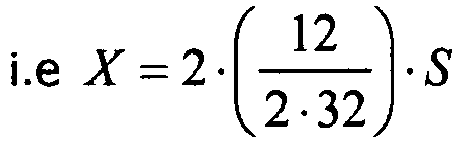
- X = 2*12/(2*32)*S;
- Y = 2*12/(4*48)*(Ti-48/14*N);
- Z = 12/48*(Ti -48/14*N - 4*48/(2*32)*S);
- Minimum[X,Y] = lower value of X and Y and Minimum[X,Y] = zero if Y is negative;
- Maximum[Z,0] = higher value of zero and Z;
- All compositional percentages are in weight percent, unless otherwise indicated. C_total is the total carbon content in the steel. The steel according to the invention has a tailored chemical composition so as to eliminate the carbon in solid solution (C_solute) and the nitrogen in solid solution. This steel with no carbon or nitrogen in solid solution is called interstitial-free steel. This interstitial-free steel is strain ageing resistant, does not form so-called Lüders lines during forming the sheet into a car component and has high formability. The case where C_solute is negative indicates that there is an excess of carbon binding elements, and that in effect the amount of free carbon in solid solution (=C_solute) is zero.
- For the sake of avoiding any unclarity the following should be noted:



- 93, 91 and 51 are the atomic masses of Nb, Zr and V respectively, and 12 is the atomic mass of C. The
ratio 12/93, 12/91 and 12/51 is used to calculate how much carbon is consumed by Nb, Zr or V as a carbide and therefore the ratio of (e.g.) 12/93*Nb must be read as (12/93)*Nb.Figure 1 shows an example of the calculation on the basis of prior art steel CA fromJP2005-120399 - Titanium, as an alloying element or as an inevitable impurity, will first form TiN. If there is excess nitrogen, then the remaining nitrogen will be bound to aluminium. If there is excess titanium, then the remaining titanium will form Ti4C2S2. After forming TiN and Ti4C2S2, the remaining Ti will form TiC. The factor Minimum[X,Y] calculates how much carbon is consumed by the formation of Ti4C2S2 after all free nitrogen was bound to TiN. If the calculation results in a negative value for Y, then the factor is to be set to zero. The factor Maximum[Z,0] calculates how much carbon is consumed by the formation of TiC.
- If there is no titanium at all, no TiN or Ti4C2S2 or TiC will be formed and then Minimum[X,Y] and Maximum[Z,0] amount to zero.
- The other three factors account for the formation of NbC, ZrC and VC, and thereby together with the factors Minimum[X,Y] and Maximum[Z,0] determine the amount of solute carbon in the steel.
- By adding no or only small amounts of titanium and/or a specified amount of Nb, the solute carbon will be eliminated.
- The inventors found that to make interstitial-free steel, all carbon and nitrogen should be bounded to carbide and nitride forming elements.
-
JP2005-120399 Figure 1 shows the calculation of C_solute according to the invention of this steel which is found to be 0.0015, because no carbon binding elements like Nb, Zr or V are present. C_solute is therefore not equal or smaller than zero, but instead it is larger than zero. Minimum[X,Y] and Maximum [Z,0] yield a value of zero in both cases. - The total carbon (C_total) is at most 0.005%, and preferably at most 0.004% and even more preferably at most 0.003%. The lower the total carbon, the smaller the amount of carbide forming elements needed. However a lower C_total becomes increasingly difficult to achieve, so there is a balance between the costs to reduce the carbon content to a lower value and the amount of expensive carbide forming elements that need to be added to eliminate the carbon in solid solution.
- Nitrogen, in particularly free nitrogen (i.e. nitrogen in solid solution), is not desirable but unavoidable in steel making. It should therefore be kept as low as possible to reduce the amount of nitrogen binding elements needed to make the steel matrix free of free nitrogen and to reduce the amount of nitrides in the matrix as the shape of some nitrides, particularly titanium nitrides, is perceived to be undesirable. Consequently the inventors found that a maximum value of 50 ppm is preferable. Preferably the nitrogen content is at most 40 ppm, and more preferably the nitrogen content is at most 30 ppm.
- The addition of Ti is beneficial for binding nitrogen, but not strictly necessary. Titanium, whether as an alloying element or as an inevitable impurity, will first form TiN. If there is excess nitrogen, then the remaining nitrogen will be bound to aluminium. However, the large amount of aluminium in the steel can also ensure that all nitrogen is bound. This means that the matrix is substantially free of nitrogen in solid solution. TiN are cubic hard precipitates and may form crack initiations. Consequently, it is preferable that the amount of titanium is kept as low as possible to prevent the undesirable effects of TiN-precipitates. Up to 0.08% Ti can be added to the steel, to bind nitrogen into TiN and to control the amount of solute carbon.
- In an embodiment, the titanium content is 0.019% or lower, e.g. at most 0.018% or 0.015% or even at most 0.012%. As described hereinabove, it may be preferable for some applications to limit the amount of TiN-precipitates. Particularly, but not solely, in combination with a low nitrogen content a low titanium content is preferable. If the amount of titanium is not enough to bind all nitrogen, then the aluminium in the steel will take over and bind the nitrogen as aluminium-nitride.
- Boron is added to high strength interstitial steels to reduce cold working embrittlement and/or to contribute to the strength.
- According to an embodiment the composition of the ferritic steel according to the invention has a base composition of,
- up to 0.2 % Si;
- up to 1.0 % Mn;
- from 6 to up to 9 % Al;
- up to 0.010% N;
- up to 0.08 % Nb;
- up to 0.1 % Zr;
- up to 0.1 % V;
- up to 0.01 % S;
- up to 0.1 % P;
- up to 0.01 % B;
- remainder iron and inevitable impurities;
- In this embodiment no titanium is added as an alloying element to the steel and any titanium present in trace amounts is an inevitable impurity as a result of the steelmaking process. This embodiment covers the case where the amount of TiN-particles is to be kept at a minimum.
- In an embodiment of the invention the manganese content is at least 0.1%. In another embodiment the aluminium content is at least 6 % and/or at most 9%, preferably at most 8.5%. Preferably the aluminium content is at least 6.5 % and/or at most 8.0%.
- In an embodiment of the invention the silicon content is at most 0.05%. During the annealing process silicon can segregate on the steel surface to form nanometer-sized oxides. Because these oxides show poor wettability by liquid zinc, uncoated (bare) spots are sometimes found on the surfaces of such steels after they are hot-dip galvanized. Consequently, for instance for these applications the silicon content is preferably limited to at most 0.05%.
- Steel according to any one of the preceding claims wherein the specific density of the steel is between 6800 and 7300 kg/m3. As a result of the aluminium additions the specific density of the steel is reduced.
- The steel is preferably calcium treated. The chemical composition may therefore also contain calcium in an amount consistent with a calcium treatment.
- In the steels according to the invention the amount of carbon in solid solution is controlled by the addition of microalloying elements (Ti, Nb, V, Zr) in combination with excellent control of the total carbon content in the steel.
- The amount of Ti or Nb should be strictly controlled. Too much titanium or niobium will increase costs and too low titanium or niobium can not bind all nitrogen and carbon into nitride and carbide.
- If titanium is added as an alloying element, a suitable minimum value for the titanium content is 0.005%. A suitable minimum value for Nb is 0.004%. For V and Zr suitable minimum values are 0.002% and 0.004% respectively.
- According to a second aspect, a method for producing an interstitial free ferritic steel strip is provided comprising the steps of:
- providing a steel slab or thick strip by:
- o continuous casting, or
- o by thin slab casting, or
- o by belt casting, or
- o by strip casting;
- optionally followed by reheating the steel slab or strip at a reheating temperature of at most 1250°C;
- hot rolling the slab or thick strip and finishing the hot-rolling process at a hot rolling finishing temperature of at least 850°C;
- coiling the hot-rolled strip at a coiling temperature of between 500 and 750°C.
- In preferable embodiment the coiling temperature is at least 600°C and/or the hot rolling finishing temperature is at least 900°C.
- This hot-rolled strip can be subsequently further processed in a process comprising the steps of:
- cold-rolling the hot-rolled strip at a cold-rolling reduction of from 40 to 90% to produce a cold-rolled strip;
- annealing the cold-rolled strip in a continuous annealing process at a peak metal temperature of between 700 and 900°C or in a batch annealing process at a top temperature between 650 and 800°C;
- optionally galvanising the annealed strip in a hot-dip galvanising or electro-galvanising or a heat-to-coat process.
- The hot-rolled strip is usually pickled and cleaned prior to the cold-rolling step. In an embodiment the peak metal temperature in the continuous annealing process is at least 750°C, preferably at least 800°C.
- In an embodiment the cold rolling reduction is at least 50%.
- In an embodiment the thickness cold-rolled strip is between 0.4 and 2 mm.
- The invention is now further explained by means of the following, non-limiting examples.
- Steels were produced and processed into cold-rolled steel sheets having a thickness of 1 mm. The hot rolled strip had a thickness of 3.0 mm. The chemical composition of the steels is given in Table 1.
Table 1 - Chemical composition in 1/1000 wt.% (except Al in wt.%) (I = invention, R = reference) (tr = trace, inevitable impurity, C_solute=carbon in solid solution). Steel C Al Mn Si P N Ti Nb Zr V S B C_solute 1 2.5 8.0 220 10 1 4 45 tr tr tr 4 1.5 0.000 I 2 3 7.0 220 10 1 3 15 25 tr tr 4 tr 0.000 I 3 3 8.0 210 10 1 3 12 25 tr tr 4 1.5 0.000 I 4 3 7.0 220 10 1 3 tr 30 tr tr 4 1.5 0.000 I 5 4 7.5 200 10 1 4 15 tr tr 20 4 tr 0.000 I 6 4 7.0 210 10 1 3 15 tr 30 tr 4 tr 0.000 I 7 4 0.05 700 220 90 3 45 tr tr tr 5 tr 0.000 R 8 10 7.0 200 10 1 3 15 25 tr tr 5 1.5 6.2 R - The steels were produced by casting a slab and reheating the slab at a temperature of at most 1250°C. This temperature is the maximum temperature, because at higher reheating temperatures excessive grain growth may occur. The finishing temperature during hot rolling was 900°C, coiling temperature 700°C, followed by pickling and cold rolling (67%) and continuous annealing at a peak metal temperature of 800°C and hot-dip-galvanising.
Table 2 - Mechanical properties (NA= natural ageing) steel YLD (MPa) UTS (MPa) A80 (%) NA Density (kg/m3) 1 410 530 25 - 7110 2 345 465 31 - 7210 3 420 530 22 - 7110 4 351 470 30 - 7210 5 408 518 23 - 7160 6 349 468 29 - 7210 7 291 396 36 - 7850 8 359 475 29 + 7210


Claims (15)
- Interstitial free ferritic steel strip or sheet comprising, in weight percent,• at most 0.005 % C_total;• up to 0.2 % Si;• up to 1.0 % Mn;• from 6 to up to 9 % Al;• up to 0.010% N;• up to 0.080 % Ti• up to 0.080 % Nb;• up to 0.1 % Zr;• up to 0.1 % V;• up to 0.01 % S;• up to 0.1 % P;• up to 0.01 % B• remainder iron and inevitable impurities;wherein


 Minimum[X,Y] = lower value of X and Y and Minimum[X,Y] = zero if Y is negative;Maximum[Z,0] = higher value of zero and Z;
- Steel according to claim 1 comprising, at most 0.019% titanium.
- Steel according to claim 1, wherein the steel comprises titanium only as an inevitable impurity.
- Steel according to any one of the preceding claims, wherein Al is at least 6.5 % and/or at most 8.5%.
- Steel according to any one of the preceding claims, wherein N is at most 0.004% (40 ppm), preferably at most 0.003% (30 ppm).
- Steel according to any one of the preceding claims, wherein Mn is at least 0.1% and/or Si is at most 0.05%.
- Steel according to any one of the preceding claims, wherein the specific density of the steel is between 6800 and 7300 kg/m3.
- Steel according to any one of the preceding claims, wherein the steel is a cold-rolled steel sheet.
- Method for producing a ferritic steel strip comprising the steps of:• providing a steel slab or thick strip, optionally calcium treated, by:▪ continuous casting, or▪ by thin slab casting, or▪ by belt casting, or▪ by strip casting;the steel comprising, in weight percent,▪ at most 0.005 % C_total;▪ up to 0.2 % Si;▪ up to 1.0 % Mn;▪ from 6 to up to 9 % Al;▪ up to 0.010% N;▪ up to 0.080 % Ti▪ up to 0.080 % Nb;▪ up to 0.1 % Zr;▪ up to 0.1 % V;▪ up to 0.01 % S;▪ u p to 0.1 % P;▪ up to 0.01 % B▪ remainder iron and inevitable impurities;wherein


 Minimum[X,Y] = lower value of X and Y and Minimum[X,Y] = zero if Y is negative;Maximum[Z,0] = higher value of zero and Z;and wherein C_solute is equal to or smaller than zero;
 • optionally followed by reheating the steel slab or strip at a reheating temperature of at most 1250°C;• hot rolling the slab or thick strip and finishing the hot-rolling process at a hot rolling finishing temperature of at least 850°C;• coiling the hot-rolled strip at a coiling temperature of between 600 and 750°C.
 - Method according to claim 9 wherein the steel comprises at most 0.019% titanium.
- Method according to claim 9, wherein the steel comprises titanium only as an inevitable impurity.
- Method according to any one of claims 9 to 11, wherein the hot-rolled strip is reheated in:• a continuous annealing step, optionally followed by hot-dip galvanising followed by fast cooling, or• a heat-to-coat step, followed by hot-dip galvanising and fast cooling.
- Method according to any one of claims 9 to 11 comprising• cold-rolling the hot-rolled ferritic steel strip of claim 9 or 10 at a cold-rolling reduction of from 40 to 90% to produce a cold-rolled strip;• annealing the cold-rolled strip in a continuous annealing process with a peak metal temperature of between 700 and 900°C or in a batch annealing process at a top temperature between 650 and 800°C;• optionally galvanising the annealed strip in a hot-dip galvanising or electro-galvanising or a heat-to-coat process.
- Method according to claim 13, wherein the peak metal temperature in the continuous annealing process is at least 750°C, preferably at least 800°C.
- Method according to any one of claims 9 to 14, wherein the cold rolling reduction is at least 50%, and/or the thickness of the cold-rolled strip is between 0.4 and 2 mm.
Priority Applications (1)
| Application Number | Priority Date | Filing Date | Title |
|---|---|---|---|
| EP13717748.1A EP2836615B1 (en) | 2012-04-11 | 2013-04-10 | High strength interstitial free low density steel and method for producing said steel |
Applications Claiming Priority (3)
| Application Number | Priority Date | Filing Date | Title |
|---|---|---|---|
| EP12163765 | 2012-04-11 | ||
| EP13717748.1A EP2836615B1 (en) | 2012-04-11 | 2013-04-10 | High strength interstitial free low density steel and method for producing said steel |
| PCT/EP2013/057492 WO2013153114A1 (en) | 2012-04-11 | 2013-04-10 | High strength interstitial free low density steel and method for producing said steel |
Publications (2)
| Publication Number | Publication Date |
|---|---|
| EP2836615A1 EP2836615A1 (en) | 2015-02-18 |
| EP2836615B1 true EP2836615B1 (en) | 2016-04-06 |
Family
ID=48143272
Family Applications (1)
| Application Number | Title | Priority Date | Filing Date |
|---|---|---|---|
| EP13717748.1A Active EP2836615B1 (en) | 2012-04-11 | 2013-04-10 | High strength interstitial free low density steel and method for producing said steel |
Country Status (6)
| Country | Link |
|---|---|
| US (1) | US9777350B2 (en) |
| EP (1) | EP2836615B1 (en) |
| JP (1) | JP2015515547A (en) |
| KR (1) | KR20150002641A (en) |
| CN (1) | CN104220609B (en) |
| WO (1) | WO2013153114A1 (en) |
Families Citing this family (5)
| Publication number | Priority date | Publication date | Assignee | Title |
|---|---|---|---|---|
| CN105088073B (en) | 2015-08-28 | 2017-10-31 | 宝山钢铁股份有限公司 | 600MPa grades of high-elongation hot-dip aluminizing zincs of yield strength and color coated steel sheet and its manufacture method |
| CN105063484B (en) | 2015-08-28 | 2017-10-31 | 宝山钢铁股份有限公司 | High-elongation hot-dip aluminum-zinc and color-coated steel plate with yield strength of 500MPa and manufacturing method thereof |
| CN109332615A (en) * | 2017-09-27 | 2019-02-15 | 江苏沙钢集团有限公司 | A kind of hot-dip galvanized steel sheet/strip and production method thereof |
| US11852256B2 (en) | 2020-03-11 | 2023-12-26 | Ockerman Automation Consulting, Inc. | Flush-mount valve |
| CN112410680A (en) * | 2020-11-19 | 2021-02-26 | 北京交通大学 | Ultra-high-strength low-density steel and preparation method thereof |
Family Cites Families (14)
| Publication number | Priority date | Publication date | Assignee | Title |
|---|---|---|---|---|
| JP2536255B2 (en) | 1990-08-04 | 1996-09-18 | 日本鋼管株式会社 | Damping alloy |
| JPH04232229A (en) | 1990-12-28 | 1992-08-20 | Nkk Corp | Vibration-damping steel pipes for piping such as water supply and drainage pipes |
| KR0121737B1 (en) | 1992-08-31 | 1997-12-04 | 다나까 미노루 | Cold rolled sheet and hot-galvanized, cold-rolled sheet, both excellent in bake hardening, cold nonaging and forming |
| US5595706A (en) | 1994-12-29 | 1997-01-21 | Philip Morris Incorporated | Aluminum containing iron-base alloys useful as electrical resistance heating elements |
| DE19634524A1 (en) | 1996-08-27 | 1998-04-09 | Krupp Ag Hoesch Krupp | Lightweight steel and its use for vehicle parts and facade cladding |
| JP2001271148A (en) | 2000-03-27 | 2001-10-02 | Nisshin Steel Co Ltd | High Al steel sheet with excellent high temperature oxidation resistance |
| JP4471688B2 (en) * | 2003-06-18 | 2010-06-02 | 新日本製鐵株式会社 | High strength low specific gravity steel plate excellent in ductility and method for producing the same |
| CN1238548C (en) * | 2003-09-23 | 2006-01-25 | 东北大学 | Production method of yield strongth 460 MPa grade low alloy high strength structure steel plate |
| JP4084733B2 (en) * | 2003-10-14 | 2008-04-30 | 新日本製鐵株式会社 | High strength low specific gravity steel plate excellent in ductility and method for producing the same |
| JP5062985B2 (en) | 2004-10-21 | 2012-10-31 | 新日鉄マテリアルズ株式会社 | High Al content steel plate with excellent workability and method for producing the same |
| JP4299774B2 (en) | 2004-12-22 | 2009-07-22 | 新日本製鐵株式会社 | High strength low specific gravity steel sheet with excellent ductility and fatigue characteristics and method for producing the same |
| JP4797807B2 (en) * | 2006-05-30 | 2011-10-19 | Jfeスチール株式会社 | High-rigidity low-density steel plate and manufacturing method thereof |
| EP1995336A1 (en) * | 2007-05-16 | 2008-11-26 | ArcelorMittal France | Low-density steel with good suitability for stamping |
| JP6342336B2 (en) | 2012-02-20 | 2018-06-13 | タタ、スティール、ネダーランド、テクノロジー、ベスローテン、フェンノートシャップTata Steel Nederland Technology Bv | High strength bake hardenable low density steel and method for producing the same |
-
2013
- 2013-04-10 WO PCT/EP2013/057492 patent/WO2013153114A1/en not_active Ceased
- 2013-04-10 JP JP2015504942A patent/JP2015515547A/en active Pending
- 2013-04-10 CN CN201380019217.0A patent/CN104220609B/en not_active Expired - Fee Related
- 2013-04-10 EP EP13717748.1A patent/EP2836615B1/en active Active
- 2013-04-10 US US14/387,290 patent/US9777350B2/en not_active Expired - Fee Related
- 2013-04-10 KR KR1020147027743A patent/KR20150002641A/en not_active Ceased
Also Published As
| Publication number | Publication date |
|---|---|
| EP2836615A1 (en) | 2015-02-18 |
| CN104220609B (en) | 2016-08-17 |
| JP2015515547A (en) | 2015-05-28 |
| US9777350B2 (en) | 2017-10-03 |
| WO2013153114A1 (en) | 2013-10-17 |
| US20150047752A1 (en) | 2015-02-19 |
| KR20150002641A (en) | 2015-01-07 |
| CN104220609A (en) | 2014-12-17 |
Similar Documents
| Publication | Publication Date | Title |
|---|---|---|
| CN112840047B (en) | Hot dip galvanized steel sheet and method for producing same | |
| EP3372703B1 (en) | Ultra-high strength steel plate having excellent formability and hole-expandability, and method for manufacturing same | |
| EP1979500B9 (en) | High manganese steel strips with excellent coatability and superior surface property, coated steel strips using steel strips and method for manufacturing the steel strips | |
| KR101402365B1 (en) | Cold-rolled steel sheet having excellent slow-aging property and high curability in baking, and method for producing same | |
| EP2847362B1 (en) | Automotive chassis part made from high strength formable hot rolled steel sheet | |
| EP3473742B1 (en) | Ultrahigh-strength high-ductility steel sheet having excellent yield strength, and manufacturing method therefor | |
| EP2778247A1 (en) | Steel sheet for hot press forming, hot press forming member, and manufacturing method thereof | |
| EP3464661B1 (en) | Method for the manufacture of twip steel sheet having an austenitic matrix | |
| EP2767604A1 (en) | High-strength cold-rolled steel plate having excellent deep drawability and in-coil material uniformity, and method for manufacturing same | |
| WO2021193310A1 (en) | High-strength hot-rolled steel sheet and method for producing same | |
| KR20200075337A (en) | High strength steel sheet having excellent ductility and workability, and method for manufacturing the same | |
| US9777350B2 (en) | High strength interstitial free low density steel and method for producing said steel | |
| EP1937853B1 (en) | Bake-hardenable cold rolled steel sheet with superior strength and aging resistance method for manufacturing the cold rolled steel sheet | |
| EP3498877B1 (en) | High strength steel sheet having excellent formability and manufacturing method thereof | |
| EP2954074B1 (en) | A high-strength hot-rolled steel strip or sheet with excellent formability and fatigue performance and a method of manufacturing said steel strip or sheet | |
| EP2527481B1 (en) | Quenched steel sheet having excellent hot press formability, and method for manufacturing same | |
| KR102485003B1 (en) | High strength plated steel sheet having excellent formability and surface property, and manufacturing method for the same | |
| EP0996750B1 (en) | Method of manufacturing cold rolled steel sheet excellent in resistance to natural aging and panel properties | |
| EP2817428B2 (en) | High strength bake-hardenable low density steel and method for producing said steel | |
| JP4561200B2 (en) | High-strength cold-rolled steel sheet with excellent secondary work brittleness resistance and manufacturing method thereof | |
| EP3305933B1 (en) | High-strength thin steel sheet with excellent drawability and bake hardenability, and method for manufacturing same | |
| KR102468036B1 (en) | High-strength hot-dip galvanized steel sheet with excellent formability and process for producing same | |
| KR20240152339A (en) | High-strength steel plate and its manufacturing method | |
| JP3150188B2 (en) | Method for manufacturing high-strength cold-rolled steel sheet with excellent deep drawability | |
| JPH10130737A (en) | Method for producing cold-rolled steel sheet having high ductility and galvannealed steel sheet |
Legal Events
| Date | Code | Title | Description |
|---|---|---|---|
| PUAI | Public reference made under article 153(3) epc to a published international application that has entered the european phase |
Free format text: ORIGINAL CODE: 0009012 |
|
| 17P | Request for examination filed |
Effective date: 20141111 |
|
| AK | Designated contracting states |
Kind code of ref document: A1 Designated state(s): AL AT BE BG CH CY CZ DE DK EE ES FI FR GB GR HR HU IE IS IT LI LT LU LV MC MK MT NL NO PL PT RO RS SE SI SK SM TR |
|
| AX | Request for extension of the european patent |
Extension state: BA ME |
|
| DAX | Request for extension of the european patent (deleted) | ||
| REG | Reference to a national code |
Ref country code: DE Ref legal event code: R079 Ref document number: 602013006283 Country of ref document: DE Free format text: PREVIOUS MAIN CLASS: C21D0009460000 Ipc: B22D0011000000 |
|
| RIC1 | Information provided on ipc code assigned before grant |
Ipc: B21B 45/00 20060101ALI20151029BHEP Ipc: B21B 15/00 20060101ALI20151029BHEP Ipc: B21B 3/02 20060101ALI20151029BHEP Ipc: C21D 9/46 20060101ALI20151029BHEP Ipc: C23C 2/02 20060101ALI20151029BHEP Ipc: C22C 38/06 20060101ALI20151029BHEP Ipc: B21B 1/46 20060101ALI20151029BHEP Ipc: C25D 5/36 20060101ALI20151029BHEP Ipc: C22C 38/02 20060101ALI20151029BHEP Ipc: C22C 38/04 20060101ALI20151029BHEP Ipc: C22C 38/12 20060101ALI20151029BHEP Ipc: B22D 11/00 20060101AFI20151029BHEP Ipc: C21D 8/02 20060101ALI20151029BHEP Ipc: C22C 38/14 20060101ALI20151029BHEP Ipc: C22C 38/00 20060101ALI20151029BHEP |
|
| GRAP | Despatch of communication of intention to grant a patent |
Free format text: ORIGINAL CODE: EPIDOSNIGR1 |
|
| INTG | Intention to grant announced |
Effective date: 20151217 |
|
| GRAS | Grant fee paid |
Free format text: ORIGINAL CODE: EPIDOSNIGR3 |
|
| GRAA | (expected) grant |
Free format text: ORIGINAL CODE: 0009210 |
|
| AK | Designated contracting states |
Kind code of ref document: B1 Designated state(s): AL AT BE BG CH CY CZ DE DK EE ES FI FR GB GR HR HU IE IS IT LI LT LU LV MC MK MT NL NO PL PT RO RS SE SI SK SM TR |
|
| REG | Reference to a national code |
Ref country code: GB Ref legal event code: FG4D |
|
| REG | Reference to a national code |
Ref country code: AT Ref legal event code: REF Ref document number: 787184 Country of ref document: AT Kind code of ref document: T Effective date: 20160415 Ref country code: CH Ref legal event code: EP |
|
| REG | Reference to a national code |
Ref country code: FR Ref legal event code: PLFP Year of fee payment: 4 |
|
| REG | Reference to a national code |
Ref country code: IE Ref legal event code: FG4D |
|
| REG | Reference to a national code |
Ref country code: DE Ref legal event code: R096 Ref document number: 602013006283 Country of ref document: DE |
|
| REG | Reference to a national code |
Ref country code: LT Ref legal event code: MG4D Ref country code: NL Ref legal event code: MP Effective date: 20160406 |
|
| PG25 | Lapsed in a contracting state [announced via postgrant information from national office to epo] |
Ref country code: NL Free format text: LAPSE BECAUSE OF FAILURE TO SUBMIT A TRANSLATION OF THE DESCRIPTION OR TO PAY THE FEE WITHIN THE PRESCRIBED TIME-LIMIT Effective date: 20160406 |
|
| PG25 | Lapsed in a contracting state [announced via postgrant information from national office to epo] |
Ref country code: NO Free format text: LAPSE BECAUSE OF FAILURE TO SUBMIT A TRANSLATION OF THE DESCRIPTION OR TO PAY THE FEE WITHIN THE PRESCRIBED TIME-LIMIT Effective date: 20160706 Ref country code: IS Free format text: LAPSE BECAUSE OF FAILURE TO SUBMIT A TRANSLATION OF THE DESCRIPTION OR TO PAY THE FEE WITHIN THE PRESCRIBED TIME-LIMIT Effective date: 20160806 Ref country code: LT Free format text: LAPSE BECAUSE OF FAILURE TO SUBMIT A TRANSLATION OF THE DESCRIPTION OR TO PAY THE FEE WITHIN THE PRESCRIBED TIME-LIMIT Effective date: 20160406 Ref country code: PL Free format text: LAPSE BECAUSE OF FAILURE TO SUBMIT A TRANSLATION OF THE DESCRIPTION OR TO PAY THE FEE WITHIN THE PRESCRIBED TIME-LIMIT Effective date: 20160406 Ref country code: FI Free format text: LAPSE BECAUSE OF FAILURE TO SUBMIT A TRANSLATION OF THE DESCRIPTION OR TO PAY THE FEE WITHIN THE PRESCRIBED TIME-LIMIT Effective date: 20160406 |
|
| PG25 | Lapsed in a contracting state [announced via postgrant information from national office to epo] |
Ref country code: LV Free format text: LAPSE BECAUSE OF FAILURE TO SUBMIT A TRANSLATION OF THE DESCRIPTION OR TO PAY THE FEE WITHIN THE PRESCRIBED TIME-LIMIT Effective date: 20160406 Ref country code: SE Free format text: LAPSE BECAUSE OF FAILURE TO SUBMIT A TRANSLATION OF THE DESCRIPTION OR TO PAY THE FEE WITHIN THE PRESCRIBED TIME-LIMIT Effective date: 20160406 Ref country code: RS Free format text: LAPSE BECAUSE OF FAILURE TO SUBMIT A TRANSLATION OF THE DESCRIPTION OR TO PAY THE FEE WITHIN THE PRESCRIBED TIME-LIMIT Effective date: 20160406 Ref country code: GR Free format text: LAPSE BECAUSE OF FAILURE TO SUBMIT A TRANSLATION OF THE DESCRIPTION OR TO PAY THE FEE WITHIN THE PRESCRIBED TIME-LIMIT Effective date: 20160707 Ref country code: HR Free format text: LAPSE BECAUSE OF FAILURE TO SUBMIT A TRANSLATION OF THE DESCRIPTION OR TO PAY THE FEE WITHIN THE PRESCRIBED TIME-LIMIT Effective date: 20160406 Ref country code: PT Free format text: LAPSE BECAUSE OF FAILURE TO SUBMIT A TRANSLATION OF THE DESCRIPTION OR TO PAY THE FEE WITHIN THE PRESCRIBED TIME-LIMIT Effective date: 20160808 Ref country code: ES Free format text: LAPSE BECAUSE OF FAILURE TO SUBMIT A TRANSLATION OF THE DESCRIPTION OR TO PAY THE FEE WITHIN THE PRESCRIBED TIME-LIMIT Effective date: 20160406 |
|
| REG | Reference to a national code |
Ref country code: CH Ref legal event code: PL |
|
| PG25 | Lapsed in a contracting state [announced via postgrant information from national office to epo] |
Ref country code: IT Free format text: LAPSE BECAUSE OF FAILURE TO SUBMIT A TRANSLATION OF THE DESCRIPTION OR TO PAY THE FEE WITHIN THE PRESCRIBED TIME-LIMIT Effective date: 20160406 |
|
| REG | Reference to a national code |
Ref country code: DE Ref legal event code: R097 Ref document number: 602013006283 Country of ref document: DE |
|
| REG | Reference to a national code |
Ref country code: IE Ref legal event code: MM4A |
|
| PG25 | Lapsed in a contracting state [announced via postgrant information from national office to epo] |
Ref country code: SK Free format text: LAPSE BECAUSE OF FAILURE TO SUBMIT A TRANSLATION OF THE DESCRIPTION OR TO PAY THE FEE WITHIN THE PRESCRIBED TIME-LIMIT Effective date: 20160406 Ref country code: MC Free format text: LAPSE BECAUSE OF FAILURE TO SUBMIT A TRANSLATION OF THE DESCRIPTION OR TO PAY THE FEE WITHIN THE PRESCRIBED TIME-LIMIT Effective date: 20160406 Ref country code: CZ Free format text: LAPSE BECAUSE OF FAILURE TO SUBMIT A TRANSLATION OF THE DESCRIPTION OR TO PAY THE FEE WITHIN THE PRESCRIBED TIME-LIMIT Effective date: 20160406 Ref country code: LI Free format text: LAPSE BECAUSE OF NON-PAYMENT OF DUE FEES Effective date: 20160430 Ref country code: CH Free format text: LAPSE BECAUSE OF NON-PAYMENT OF DUE FEES Effective date: 20160430 Ref country code: DK Free format text: LAPSE BECAUSE OF FAILURE TO SUBMIT A TRANSLATION OF THE DESCRIPTION OR TO PAY THE FEE WITHIN THE PRESCRIBED TIME-LIMIT Effective date: 20160406 Ref country code: RO Free format text: LAPSE BECAUSE OF FAILURE TO SUBMIT A TRANSLATION OF THE DESCRIPTION OR TO PAY THE FEE WITHIN THE PRESCRIBED TIME-LIMIT Effective date: 20160406 Ref country code: EE Free format text: LAPSE BECAUSE OF FAILURE TO SUBMIT A TRANSLATION OF THE DESCRIPTION OR TO PAY THE FEE WITHIN THE PRESCRIBED TIME-LIMIT Effective date: 20160406 |
|
| PLBE | No opposition filed within time limit |
Free format text: ORIGINAL CODE: 0009261 |
|
| STAA | Information on the status of an ep patent application or granted ep patent |
Free format text: STATUS: NO OPPOSITION FILED WITHIN TIME LIMIT |
|
| PG25 | Lapsed in a contracting state [announced via postgrant information from national office to epo] |
Ref country code: SM Free format text: LAPSE BECAUSE OF FAILURE TO SUBMIT A TRANSLATION OF THE DESCRIPTION OR TO PAY THE FEE WITHIN THE PRESCRIBED TIME-LIMIT Effective date: 20160406 |
|
| 26N | No opposition filed |
Effective date: 20170110 |
|
| REG | Reference to a national code |
Ref country code: FR Ref legal event code: PLFP Year of fee payment: 5 |
|
| PG25 | Lapsed in a contracting state [announced via postgrant information from national office to epo] |
Ref country code: IE Free format text: LAPSE BECAUSE OF NON-PAYMENT OF DUE FEES Effective date: 20160410 Ref country code: SI Free format text: LAPSE BECAUSE OF FAILURE TO SUBMIT A TRANSLATION OF THE DESCRIPTION OR TO PAY THE FEE WITHIN THE PRESCRIBED TIME-LIMIT Effective date: 20160406 |
|
| REG | Reference to a national code |
Ref country code: AT Ref legal event code: UEP Ref document number: 787184 Country of ref document: AT Kind code of ref document: T Effective date: 20160406 |
|
| REG | Reference to a national code |
Ref country code: FR Ref legal event code: PLFP Year of fee payment: 6 |
|
| PG25 | Lapsed in a contracting state [announced via postgrant information from national office to epo] |
Ref country code: HU Free format text: LAPSE BECAUSE OF FAILURE TO SUBMIT A TRANSLATION OF THE DESCRIPTION OR TO PAY THE FEE WITHIN THE PRESCRIBED TIME-LIMIT; INVALID AB INITIO Effective date: 20130410 |
|
| PG25 | Lapsed in a contracting state [announced via postgrant information from national office to epo] |
Ref country code: MK Free format text: LAPSE BECAUSE OF FAILURE TO SUBMIT A TRANSLATION OF THE DESCRIPTION OR TO PAY THE FEE WITHIN THE PRESCRIBED TIME-LIMIT Effective date: 20160406 Ref country code: CY Free format text: LAPSE BECAUSE OF FAILURE TO SUBMIT A TRANSLATION OF THE DESCRIPTION OR TO PAY THE FEE WITHIN THE PRESCRIBED TIME-LIMIT Effective date: 20160406 Ref country code: LU Free format text: LAPSE BECAUSE OF NON-PAYMENT OF DUE FEES Effective date: 20160410 Ref country code: MT Free format text: LAPSE BECAUSE OF NON-PAYMENT OF DUE FEES Effective date: 20160430 |
|
| PG25 | Lapsed in a contracting state [announced via postgrant information from national office to epo] |
Ref country code: BG Free format text: LAPSE BECAUSE OF FAILURE TO SUBMIT A TRANSLATION OF THE DESCRIPTION OR TO PAY THE FEE WITHIN THE PRESCRIBED TIME-LIMIT Effective date: 20160406 |
|
| PG25 | Lapsed in a contracting state [announced via postgrant information from national office to epo] |
Ref country code: TR Free format text: LAPSE BECAUSE OF FAILURE TO SUBMIT A TRANSLATION OF THE DESCRIPTION OR TO PAY THE FEE WITHIN THE PRESCRIBED TIME-LIMIT Effective date: 20160406 Ref country code: AL Free format text: LAPSE BECAUSE OF FAILURE TO SUBMIT A TRANSLATION OF THE DESCRIPTION OR TO PAY THE FEE WITHIN THE PRESCRIBED TIME-LIMIT Effective date: 20160406 |
|
| PGFP | Annual fee paid to national office [announced via postgrant information from national office to epo] |
Ref country code: GB Payment date: 20190523 Year of fee payment: 7 |
|
| PGFP | Annual fee paid to national office [announced via postgrant information from national office to epo] |
Ref country code: DE Payment date: 20200429 Year of fee payment: 8 |
|
| PGFP | Annual fee paid to national office [announced via postgrant information from national office to epo] |
Ref country code: BE Payment date: 20200427 Year of fee payment: 8 |
|
| PGFP | Annual fee paid to national office [announced via postgrant information from national office to epo] |
Ref country code: AT Payment date: 20200319 Year of fee payment: 8 |
|
| GBPC | Gb: european patent ceased through non-payment of renewal fee |
Effective date: 20200410 |
|
| PG25 | Lapsed in a contracting state [announced via postgrant information from national office to epo] |
Ref country code: GB Free format text: LAPSE BECAUSE OF NON-PAYMENT OF DUE FEES Effective date: 20200410 |
|
| REG | Reference to a national code |
Ref country code: DE Ref legal event code: R119 Ref document number: 602013006283 Country of ref document: DE |
|
| REG | Reference to a national code |
Ref country code: AT Ref legal event code: MM01 Ref document number: 787184 Country of ref document: AT Kind code of ref document: T Effective date: 20210410 |
|
| REG | Reference to a national code |
Ref country code: BE Ref legal event code: MM Effective date: 20210430 |
|
| PG25 | Lapsed in a contracting state [announced via postgrant information from national office to epo] |
Ref country code: AT Free format text: LAPSE BECAUSE OF NON-PAYMENT OF DUE FEES Effective date: 20210410 Ref country code: DE Free format text: LAPSE BECAUSE OF NON-PAYMENT OF DUE FEES Effective date: 20211103 |
|
| PG25 | Lapsed in a contracting state [announced via postgrant information from national office to epo] |
Ref country code: BE Free format text: LAPSE BECAUSE OF NON-PAYMENT OF DUE FEES Effective date: 20210430 |
|
| P01 | Opt-out of the competence of the unified patent court (upc) registered |
Effective date: 20230517 |
|
| PGFP | Annual fee paid to national office [announced via postgrant information from national office to epo] |
Ref country code: FR Payment date: 20260427 Year of fee payment: 14 |