EP2836200B1 - Reverse thermal hydrogel preparations for use in the treatment of disorders of the urothelium - Google Patents
Reverse thermal hydrogel preparations for use in the treatment of disorders of the urothelium Download PDFInfo
- Publication number
- EP2836200B1 EP2836200B1 EP13775035.2A EP13775035A EP2836200B1 EP 2836200 B1 EP2836200 B1 EP 2836200B1 EP 13775035 A EP13775035 A EP 13775035A EP 2836200 B1 EP2836200 B1 EP 2836200B1
- Authority
- EP
- European Patent Office
- Prior art keywords
- bladder
- botulinum toxin
- poloxamer
- acid
- composition
- Prior art date
- Legal status (The legal status is an assumption and is not a legal conclusion. Google has not performed a legal analysis and makes no representation as to the accuracy of the status listed.)
- Active
Links
Images
Classifications
-
- A—HUMAN NECESSITIES
- A61—MEDICAL OR VETERINARY SCIENCE; HYGIENE
- A61K—PREPARATIONS FOR MEDICAL, DENTAL OR TOILETRY PURPOSES
- A61K38/00—Medicinal preparations containing peptides
- A61K38/16—Peptides having more than 20 amino acids; Gastrins; Somatostatins; Melanotropins; Derivatives thereof
- A61K38/43—Enzymes; Proenzymes; Derivatives thereof
- A61K38/46—Hydrolases (3)
- A61K38/48—Hydrolases (3) acting on peptide bonds (3.4)
- A61K38/4886—Metalloendopeptidases (3.4.24), e.g. collagenase
- A61K38/4893—Botulinum neurotoxin (3.4.24.69)
-
- A—HUMAN NECESSITIES
- A61—MEDICAL OR VETERINARY SCIENCE; HYGIENE
- A61K—PREPARATIONS FOR MEDICAL, DENTAL OR TOILETRY PURPOSES
- A61K47/00—Medicinal preparations characterised by the non-active ingredients used, e.g. carriers or inert additives; Targeting or modifying agents chemically bound to the active ingredient
- A61K47/06—Organic compounds, e.g. natural or synthetic hydrocarbons, polyolefins, mineral oil, petrolatum or ozokerite
- A61K47/08—Organic compounds, e.g. natural or synthetic hydrocarbons, polyolefins, mineral oil, petrolatum or ozokerite containing oxygen, e.g. ethers, acetals, ketones, quinones, aldehydes, peroxides
- A61K47/10—Alcohols; Phenols; Salts thereof, e.g. glycerol; Polyethylene glycols [PEG]; Poloxamers; PEG/POE alkyl ethers
-
- A—HUMAN NECESSITIES
- A61—MEDICAL OR VETERINARY SCIENCE; HYGIENE
- A61K—PREPARATIONS FOR MEDICAL, DENTAL OR TOILETRY PURPOSES
- A61K47/00—Medicinal preparations characterised by the non-active ingredients used, e.g. carriers or inert additives; Targeting or modifying agents chemically bound to the active ingredient
- A61K47/30—Macromolecular organic or inorganic compounds, e.g. inorganic polyphosphates
- A61K47/32—Macromolecular compounds obtained by reactions only involving carbon-to-carbon unsaturated bonds, e.g. carbomers, poly(meth)acrylates, or polyvinyl pyrrolidone
-
- A—HUMAN NECESSITIES
- A61—MEDICAL OR VETERINARY SCIENCE; HYGIENE
- A61K—PREPARATIONS FOR MEDICAL, DENTAL OR TOILETRY PURPOSES
- A61K47/00—Medicinal preparations characterised by the non-active ingredients used, e.g. carriers or inert additives; Targeting or modifying agents chemically bound to the active ingredient
- A61K47/30—Macromolecular organic or inorganic compounds, e.g. inorganic polyphosphates
- A61K47/36—Polysaccharides; Derivatives thereof, e.g. gums, starch, alginate, dextrin, hyaluronic acid, chitosan, inulin, agar or pectin
- A61K47/38—Cellulose; Derivatives thereof
-
- A—HUMAN NECESSITIES
- A61—MEDICAL OR VETERINARY SCIENCE; HYGIENE
- A61K—PREPARATIONS FOR MEDICAL, DENTAL OR TOILETRY PURPOSES
- A61K9/00—Medicinal preparations characterised by special physical form
- A61K9/0012—Galenical forms characterised by the site of application
- A61K9/0019—Injectable compositions; Intramuscular, intravenous, arterial, subcutaneous administration; Compositions to be administered through the skin in an invasive manner
-
- A—HUMAN NECESSITIES
- A61—MEDICAL OR VETERINARY SCIENCE; HYGIENE
- A61K—PREPARATIONS FOR MEDICAL, DENTAL OR TOILETRY PURPOSES
- A61K9/00—Medicinal preparations characterised by special physical form
- A61K9/0012—Galenical forms characterised by the site of application
- A61K9/0034—Urogenital system, e.g. vagina, uterus, cervix, penis, scrotum, urethra, bladder; Personal lubricants
-
- A—HUMAN NECESSITIES
- A61—MEDICAL OR VETERINARY SCIENCE; HYGIENE
- A61P—SPECIFIC THERAPEUTIC ACTIVITY OF CHEMICAL COMPOUNDS OR MEDICINAL PREPARATIONS
- A61P13/00—Drugs for disorders of the urinary system
- A61P13/10—Drugs for disorders of the urinary system of the bladder
-
- A—HUMAN NECESSITIES
- A61—MEDICAL OR VETERINARY SCIENCE; HYGIENE
- A61P—SPECIFIC THERAPEUTIC ACTIVITY OF CHEMICAL COMPOUNDS OR MEDICINAL PREPARATIONS
- A61P21/00—Drugs for disorders of the muscular or neuromuscular system
Definitions
- This invention relates in general to preparations for use in the treatment of bladder disorders that result from dysfunction of the urothelium. It relates in particular to preparations that incorporate an active ingredient such as botulinum toxin in a reverse thermal hydrogel.
- Urinary Incontinence affect 200 million people worldwide.
- the United States National Institutes of Health has estimated that as many as 25 million adult Americans have experienced or will experience transient or chronic UI.
- the National Association of Continence estimates that 75-80% of these sufferers are women, 9-13 million of whom have bothersome to severe symptoms. It has been estimated that one in four women over the age of 18 experiences episodes of involuntary leakage of urine.
- One-third of men and women aged 30-70 have experienced loss of bladder control at some point in their adult lives and may be still living with the symptoms.
- OAB Overactive bladder
- Interstitial Cystitis a chronic inflammation of the bladder that causes chronic pain and discomfort, which affects an estimated 4 million people in the U.S. alone.
- U.S. Pat. No. 8277822 discloses a composition and method for treatment of pathologies characterized by bladder spasms such as overactive bladder, interstitial cystitis, stress incontinence, urge incontinence, and neurogenic bladder in which the composition is administered by infusion into the bladder.
- a liquid, semi-solid, or solid composition comprising botulinum toxin is spread on the outer surface of a balloon.
- the balloon is then introduced into the bladder via an endoscopic or cystoscopic apparatus or via a catheter and inflated until it contacts the inner wall of the bladder, thereby depositing the composition on the inner wall of the bladder.
- U.S. Pat. Appl. Pub. No. 2009/0214685 discloses a sustained release poloxamer composition containing botulinum toxin.
- the botulinum toxin is incorporated into a thermoreversible thermoplastic poloxamer composition which is introduced via injection into the bladder as a liquid, and gels after administration to provide a sustained release delivery system.
- thermoreversible poloxamer compositions in particular, the temperature-dependent viscosity
- the compositions disclosed in '685 provide only a limited range of viscosities for both the liquid and the gel state of the composition, probably due to the need for sufficiently low viscosity to enable withdrawal of the formulation into a syringe and injection into the patient.
- '685 does not provide any teaching regarding the mucoadhesiveness of the compositions disclosed therein.
- compositions for delivery of therapeutic agents such as botulinum toxin for treatment of bladder disorders in which the viscosity is sufficiently low at low temperature to permit administration by direct instillation into the bladder onto the urothelium rather than by intramuscular injection, but that have a mucoadhesiveness sufficiently high that the composition remains attached to the bladder wall long enough for sustained-release delivery of the therapeutic agent with an enhanced efficacy.
- compositions disclosed herein for use in treatments of bladder disorders and urothelium dysfunction are designed to meet this long-felt need.
- mucoadhesive, bioerodible, biocompatible thermoreversible hydrogel compositions comprising a therapeutically active agent are disclosed that after insertion into a body cavity, solidify and form a drug reservoir inside the cavity.
- the compositions and means for delivering them produce complete contact with and coverage of the bladder wall, thereby providing drug delivery to the entire bladder, in contrast to delivery induced by local injections. They additionally produce a high topical drug concentration in the cavity walls but low systemic exposure.
- the invention herein disclosed provides increased bioavailability enhanced efficacy and reduced toxicity.
- the invention is directed to a biocompatible mucoadhesive thermoreversible hydrogel composition incorporating botulinum toxin and comprising at least one reverse thermal gelation agent which is a poloxamer, and at least one component selected from the group consisting of mucoadhesive enhancers and thickening compounds, selected from the group consisting of polycarbophil, polyacrylic acids, crosslinked acrylic acid, polymethacrylates, divinyl glycol, polyethylene glycol (PEG), polyethylene oxide, vinylpyrrolidone/vinyl acetate copolymer, cellulose, microcrystalline cellulose, cellulose derivatives, gelatin, starch, starch derivatives, gums, dicalcium phosphate, lactose, sucrose, polyvinylpyrolidone (PVP), polyvinyl alcohols (PVA), partially hydrolysed polyvinyl acetate (PVAc), polysaccharides, waxes, fats, fatty acid derivatives, hyaluronic acid, chito
- thermoreversible hydrogel compositions suitable for maintaining and/or enhancing the efficacy of a pharmaceutically active agent in a sustained-release treatment of a bladder disorder, by obtaining a biocompatible mucoadhesive thermoreversible hydrogel; and, incorporating said pharmaceutically active agent for treatment of a bladder disorder into said biocompatible mucoadhesive thermoreversible hydrogel.
- thermoreversible hydrogel composition for use in treating a bladder disorder, wherein the treatment comprises applying to a bladder cavity a biocompatible mucoadhesive thermoreversible hydrogel into which a pharmaceutically active agent for treating said bladder disorder has been incorporated, wherein said application does not comprise any step of injecting a pharmaceutically active agent into a wall of said bladder.
- the pharmaceutically active ingredient for treatment of a bladder disorder incorporated into the biocompatible mucoadhesive thermoreversible hydrogel is selected from the group consisting anticholinergic agents, antimuscarinic agents, and beta-3 agonists.
- the pharmaceutically active agent for treatment of a bladder disorder is selected from the group consisting of oxybutynin, tolterodine, fesoterodine fumarate, solifenacin, pentosan polysulfate, amitriptyline, heparin-binding epidermal growth factor (HB-EGF), all-trans-retinoic acid (ATRA), derivatives of antiproliferative factor (APF), cannabinoid-2 receptor blockers, memantine, N-methyl-D-aspartate (NMDA)-receptor blockers, Parthenolide, inhibitors of NF- ⁇ B, calcium glycerophosphate, Metamucil, and Chondroitin sulfate.
- a pharmaceutically active ingredient for treatment of a bladder disorder is incorporated into the biocompatible mucoadhesive thermoreversible hydrogel, wherein said disorder is characterized by bladder spasms.
- said disorder is selected from the group consisting of urinary incontinence due to unstable bladder or unstable detrusor sphincter; voiding complications due to detrusor overactivity or a hypertrophied bladder neck; neurogenic bladder dysfunction secondary to conditions such as Parkinson's disease, spinal cord injury, stroke or multiple sclerosis; and bladder pathologies characterized by a spasm reflex, overactive bladder, interstitial cystitis, stress incontinence, urge incontinence, or neurogenic bladder.
- the pharmaceutically active agent for treatment of a bladder disorder incorporated into said biocompatible mucoadhesive thermoreversible hydrogel may be incorporated into the biocompatible mucoadhesive thermoreversible hydrogel immediately prior to administration of said pharmaceutically active agent.
- a composition for treatment of neurological pathologies of the skeletal, cardiac, or smooth muscles of a biocompatible mucoadhesive thermoreversible hydrogel composition into which a pharmaceutically active agent for treatment of a neurological pathology of the skeletal, cardiac, or smooth muscles, has been incorporated.
- said treatment comprises applying said composition to said muscle and/or tissue surrounding said muscle by means other than intramuscular injection.
- said pathology is Irritable Bowel Syndrome.
- compositions disclosed herein can be used in treating a neurological pathology of the skeletal, cardiac, or smooth muscles, by applying to said muscles and/or the tissue surrounding them a biocompatible mucoadhesive thermoreversible hydrogel into which a pharmaceutically active agent for treating said neurological pathology has been incorporated, wherein said application does not comprise any step of injecting intramuscularly said pharmaceutically active agent,
- said pathology is Irritable Bowel Syndrome.
- the biocompatible mucoadhesive thermoreversible hydrogel comprises at least one reverse thermal gelation agent and at least one component selected from the group consisting of mucoadhesive enhancers and thickening compounds.
- the reverse thermal gelation agent is a Poloxamer.
- said reverse thermal gelation agent comprises a Poloxamer selected from the group consisting of Poloxamer 407, Poloxamer 188, and Poloxamer 338.
- the reverse thermal gelation agent may comprise a pH-controlled gelation agent selected from the group consisting of cellulose, acetophthalate, and carbomers.
- said component selected from the group consisting of mucoadhesive enhancers and thickening compounds is selected from the group consisting of polycarbophil; polyacrylic acids; crosslinked acrylic acid; polymethacrylates; divinyl glycol; polyethylene glycol (PEG); polyethylene oxide; vinylpyrrolidone/vinyl acetate copolymer; cellulose; microcrystalline cellulose; cellulose derivatives; gelatin; starch; starch derivatives; gums; dicalcium phosphate; lactose; sucrose; polyvinylpyrrolidone (PVP); polyvinyl alcohols (PVA); partially hydrolysed polyvinyl acetate (PVAc); polysaccharides; waxes; fats; fatty acid derivatives; hyaluronic acid; chitosan; ⁇ -carrageenan; carbomers; Eudragit; and any combination thereof.
- Non-limiting examples of cellulose derivatives that are suitable for use in the mucoadhesive enhancer / thickening compound component include methylcellulose, ethylcellulose, HPMC, methoxy-substituted HPMC with any possible degree of methoxy substitution (from 0 to 3), hydroxy-propylcellulose (HPC), other hydroxyalkylcelluloses, hydroxyalkylmethylcelluloses, low-substituted hydroxypropylcellulose (L-HPC), hydroxypropymethylcellulose acetate succinate (HPMCAS), carboxymethylcelluloses and salts thereof.
- Non-limiting examples of starch derivatives that are suitable for use in the mucoadhesive enhancer / thickening compound component include mono- and diphosphate ester starches.
- Non-limiting examples of gums that are suitable for use in the mucoadhesive enhancer / thickening compound component include guar gum, locust beam gum, xanthan gum, and any combination thereof.
- Non-limiting examples of polysaccharides that are suitable for use in the mucoadhesive enhancer / thickening compound component include alginic acid, alginates, alginate esters, and galactomannans.
- said biocompatible mucoadhesive thermoreversible hydrogel comprises at least one component selected from the group consisting of mucosal tissue permeability enhancers; fatty acids; nonionic surfactants; essential oils, terpenes, and terpenoids; oxazolidinones (in some embodiments of the invention, said oxazolidinone is 4-decyloxazolidin-2-one); cyclodextrin; pH modifiers/stabilizers; plasticizers; and swellable excipients.
- the nonionic surfactant is selected from the group consisting of polyoxyethylene-2-oleyl ether and polyoxyethylene-2-stearyl ether.
- said fatty acid is selected from the group consisting of lauric acid, myristic acid, oleic acid, and capric acid.
- said essential oils, terpenes, and terpenoids are selected from the group consisting of eucalyptus oil, chenopodium oil, ylang-ylang oil and menthol.
- Non-limiting examples of suitable mucosal tissue permeability enhancers include dimethylsulfoxide (DMSO); laurocapran; dimethylformamide (DMF); dimethylacetamide (DMAC); urea; n-methyl-2-pyrrolidone; other pyrrolidones; arginine; polyarginine; ethanol; nonionic surfactants (in some embodiments of the invention, the nonionic surfactant is a polysorbate); anionic surfactants; and glycols.
- suitable glycols include diethylene glycol and tetraethyleneglycol.
- said pH modifier/stabilizer is selected from the group consisting of acids, bases and buffers.
- suitable pH modifiers/stabilizers include adipic acid, malic acid, L-arginine, ascorbic acid, aspartic acid, benzenesulphonic acid, benzoic acid, succinic acid, citric acid, ethanesulphonic acid, 2-hydroxyethanesulphonic acid, fumaric acid, gluconic acid, glucuronic acid, glutamic acid, maleic acid, malonic acid, methanesulphonic acid, toluenesulphonic acid, trometamol, tartaric acid, tartaric acid, and salts thereof, preferably sodium or potassium salts.
- said plasticizer is selected from the group consisting of citric acid derivatives (in some embodiments, the citric acid derivative is selected from the group consisting of triethyl citrate, tributyl citrate, and acetyl triethyl citrate), phthalic acid derivatives (in some embodiments, the phthalic acid derivative is selected from the group consisting of dimethyl phthalate, diethyl phthalate, and dibutyl phthalate), benzoic acid and benzoic esters, other aromatic carboxylic esters, trimellithic esters, aliphatic dicarboxylic esters, dialkyladipates, sebacic esters (in some embodiments, diethyl sebacate), tartaric esters, glycerol monoacetate, glycerol diacetate, glycerol triacetate, polyols, glycerol, 1,2-propanediol, polyethylene glycol of a predetermined chain length, fatty acids and
- said swellable excipient is selected from the group consisting of polyvinylpyrrolidones, crospovidones, crosslinked sodium carboxymethylcellulose, crosslinked sodium carboxymethylstarch, polyethylene oxides, polymethyacrylates, low-substituted hydroxypropylmethylcellulose (L-HPC), cellulose acetate, ethylcellulose, polymethacrylates, high-molecular weight polyethylene oxides, xanthan gum, copolymers of vinylpyrrolidone and vinyl acetate, polyvinylpyrrolidones, crospovidones, crosslinked sodium carboxymethylcellulose, poly(hydroxyalkyl methacrylate), alginates and galactomannans and mixtures thereof.
- said biocompatible mucoadhesive thermoreversible hydrogel comprises Poloxamer ; at least one substance selected from the group consisting of carboxymethylcellulose (CMC) and hydroxypropylmethylcellulose (HPMC); and the balance water.
- Poloxamer at least one substance selected from the group consisting of carboxymethylcellulose (CMC) and hydroxypropylmethylcellulose (HPMC); and the balance water.
- said biocompatible mucoadhesive thermoreversible hydrogel comprises Poloxamer ; at least one substance selected from the group consisting of CMC and HPMC; polyethylene glycol; and the balance water.
- said biocompatible mucoadhesive thermoreversible hydrogel comprises between 20% and 30% Poloxamer between 0.05% and 0.5% HPMC; between 0.1% and 2.5% PEG; and the balance water.
- said biocompatible mucoadhesive thermoreversible hydrogel comprises between 20% and 30% Poloxamer; between 0.1% and 0.3% HPMC; between 0.1% and 1.8% PEG; and the balance water.
- said biocompatible mucoadhesive thermoreversible hydrogel comprises 27% Poloxamer 407; 0.2% HPMC; 1% PEG; and the balance water.
- said biocompatible mucoadhesive thermoreversible hydrogel comprises 20% Poloxamer 407; 0.2% sodium carboxymethylcellulose; 0.5% polyethylene glycol MW 20,000; citric acid - citrate buffer (50 mmol L -1 , pH 5.2); and the balance water.
- said biocompatible mucoadhesive thermoreversible hydrogel comprises between 20% and 30% Poloxamer 407; between 0.05% and 0.8% CMC; between 0.1% and 2.5% PEG; and the balance water.
- said biocompatible mucoadhesive thermoreversible hydrogel comprises between 20% and 30% Poloxamer 407; between 10% and 20% Poloxamer 188; between 0.05% and 2% CMC; between 0.1% and 2.5% PEG; and the balance water.
- said biocompatible mucoadhesive thermoreversible hydrogel comprises 20% Poloxamer 407; 16% Poloxamer 188; 0.2% sodium carboxymethylcellulose; 1% polyethylene glycol MW 3000; and the balance water.
- said biocompatible mucoadhesive thermoreversible hydrogel comprises between 20% and 30% Poloxamer 407; between 10% and 20% Poloxamer 188; between 0.05% and 0.8% ⁇ -carrageenan; between 0.1% and 2.5% PEG; and the balance water.
- said biocompatible mucoadhesive thermoreversible hydrogel comprises 20% Poloxamer 407; 10% Poloxamer 188; 0.3% ⁇ -carrageenan; 1% PEG-400;and the balance water.
- said biocompatible mucoadhesive thermoreversible hydrogel comprises PEG
- said PEG comprises a PEG chosen from the group consisting of PEG-400, PEG-3000, and PEG-20000.
- the pharmaceutically active ingredient incorporated into the biocompatible mucoadhesive thermoreversible is botulinum toxin.
- said pharmaceutically active agent is selected from the group consisting of botulinum toxin A, botulinum toxin B, botulinum toxin C 1 , botulinum toxin D, botulinum toxin E, botulinum toxin F and botulinum toxin G.
- said biocompatible mucoadhesive thermoreversible hydrogel comprises 0.2 - 20 U/kg body weight of botulinum toxin.
- said biocompatible mucoadhesive thermoreversible hydrogel is characterized by a viscosity of less than 200 Pa ⁇ s at at at least one predetermined temperature between 10 °C and 33 °C and a viscosity greater than 3000 Pa ⁇ s at 37 °C.
- said biocompatible mucoadhesive thermoreversible hydrogel is characterized by an instillation temperature of between 20 °C and 42 °C.
- said biocompatible mucoadhesive thermoreversible hydrogel is characterized by an instillation temperature of between 4 °C and 60 °C.
- said biocompatible mucoadhesive thermoreversible hydrogel is characterized by a gel point below 33 °C.
- any step that recites a hydrogel is considered to be reciting a hydrogel as defined in any of the above.
- thermoreversible hydrogel compositions for sustained-release application of therapeutic agents.
- the hydrogel compositions disclosed comprise, in some embodiments, a Poloxamer (a triblock copolymer made up of a chain of polyoxypropylene flanked by two chains of polyoxyethylene), hydroxypropylmethylcellulose (HPMC), and polyethylene glycol (PEG).
- HPMC concentration is much lower (generally less than 0.5% w/w) than is found in typical hydrophilic thermoreversible hydrogels.
- compositions disclosed in '069 and '284 have sufficiently low viscosities at low temperatures that they can be administered into a body cavity but are gels at body temperature. Furthermore, they have a sufficiently high mucoadhesiveness that they remain attached to the interior of the body cavity long enough (weeks in some embodiments) to be able to provide sustained-release delivery of a therapeutic agent incorporated therein.
- Polyxamer refers to an ethylene oxide - propylene oxide triblock copolymer.
- HPMC hydroxypropylmethylcellulose
- CMC carboxylmethylcellulose
- PEG polyethylene glycol
- hydrogels provide a means for maintaining and/or enhancing the potency and/or efficacy of Botulinum toxin (A, B, C 1 , D, E, F and G) and equivalent neurotoxins or other therapeutic agents for treatment of bladder disorders (non-limiting examples include anticholinergic and antimuscarinic drugs such as oxybutynin, tolterodine, fesoterodine fumarate, solifenacin, and beta-3 agonists such as mirabegron) during sustained-release delivery.
- Botulinum toxin A, B, C 1 , D, E, F and G
- equivalent neurotoxins or other therapeutic agents for treatment of bladder disorders non-limiting examples include anticholinergic and antimuscarinic drugs such as oxybutynin, tolterodine, fesoterodine fumarate, solifenacin, and beta-3 agonists such as mirabegron
- the hydrogel compositions increase the treatment efficacy of, and enhance the therapeutic effect of, these therapeutic agents.
- the additional efficacy is particularly useful in treatment of disorders characterized by bladder spasms, non-limiting examples of which include urinary incontinence due to unstable bladder or unstable detrusor sphincter; voiding complications due to detrusor overactivity or a hypertrophied bladder neck; neurogenic bladder dysfunction secondary to conditions such as Parkinson's disease, spinal cord injury, stroke or multiple sclerosis; and bladder pathologies characterized by a spasm reflex, overactive bladder, interstitial cystitis, stress incontinence, urge incontinence, or neurogenic bladder.
- the hydrogel into which one or more therapeutic agents is incorporated is used in a system in which it is applied to the bladder cavity without involving injection to the bladder wall.
- the system comprises a mucoadhesive, bioerodible, biocompatible hydrogel with reverse thermal gelation properties that can be supplied with the active pharmaceutical agent already incorporated, or with the active pharmaceutical agent supplied separately and incorporated into the hydrogel immediately before treatment (e.g. at the patient's bedside).
- the system loaded with the pharmaceutical agent is inserted into the bladder cavity by a catheter without involving injection to the bladder wall. In the bladder, the system solidifies, stabilizes the pharmaceutical agent and forms a reservoir inside the bladder.
- the pharmaceutical agent is delivered to the bladder walls via direct contact with the mucoadhesive reservoir or by dissolution or erosion of the system providing a uniform total tissue contact/coverage (as opposed to delivery by local injection).
- the resulting topical concentration of the pharmaceutical agent can be controlled by altering the concentration of the pharmaceutical agent within the system or by controlling the release kinetics.
- Non-limiting examples of how the release kinetics can be controlled include control of the amount of pharmaceutical agent released per unit time and control of exposure time by appropriately setting the concentrations of the components of the gel in order to achieve specific desired properties such as dissolution rate and mucoadhesiveness.
- the invention herein disclosed is more conveniently and comfortably used than compositions and methods known in the prior art, it provides improved patient compliance and comfort.
- the resulting topical drug concentration can be controlled by altering the hydrogel composition thus controlling the drug release kinetics, both control of drug quantity released per unit time and control of the total exposure time.
- the hydrogel composition is eroded and excreted from the bladder by natural urination processes.
- the biocompatible thermoreversible hydrogel comprises at least one thermal gelation agent which is a Poloxamer, at least one mucoadhesive agent, and water.
- the thermal gelation agent is a poloxamer (ethylene oxide - propylene oxide triblock copolymer) selected from the group consisting of Poloxamer 407, Poloxamer 188, and Poloxamer 338
- the mucoadhesive polymer comprises at least one component selected from the group consisting of carboxymethylcellulose (CMC), hydroxypropylmethylcellulose (HPMC), and ⁇ -carrageenan.
- the hydrogel comprises between 0.05% and 0.5% CMC/HPMC component; in the most preferred, it comprises between 0.1% and 0.3% CMC/HPMC component.
- the hydrogel additionally comprises polyethylene glycol (PEG).
- PEG polyethylene glycol
- the hydrogel comprises PEG, it comprises no more than 2.5% PEG.
- the hydrogel comprises PEG, it comprises no more than 1.8% PEG.
- a therapeutically effective amount of botulinum toxin is incorporated into a thermoreversible hydrogel composition comprising 20 - 30% poloxamer; 0.1 - 0.3% HPMC; 0.1% - 1.8% PEG; and the balance water.
- a therapeutically effective amount of botulinum toxin is incorporated into a thermoreversible hydrogel composition comprising 20 - 30% poloxamer; 0.05 - 0.5% HPMC; 0.1 - 2.5% PEG; and the balance water.
- said therapeutically effective amount of botulinum toxin is incorporated into a thermoreversible hydrogel composition comprising 27% Poloxamer 407; 0.2% HPMC; 1% PEG; and the balance water.
- said therapeutically effective amount of botulinum toxin is incorporated into a thermoreversible hydrogel composition comprising 20% Poloxamer 407; 0.2% sodium carboxymethylcellulose; 0.5% polyethylene glycol MW 20,000; citric acid - citrate buffer (50 mmol L -1 , pH 5.2); and the balance water.
- said therapeutically effective amount of botulinum toxin is incorporated into a thermoreversible hydrogel composition comprising between 20% and 30% Poloxamer 407; between 0.05% and 0.8% CMC; between 0.1% and 2.5% PEG; and the balance water.
- said therapeutically effective amount of botulinum toxin is incorporated into a thermoreversible hydrogel composition comprising between 20% and 30% Poloxamer 407; between 10% and 20% Poloxamer 188; between 0.05% and 2% CMC; between 0.1% and 2.5% PEG; and the balance water.
- a therapeutically effective amount of botulinum toxin is incorporated into a thermoreversible hydrogel composition comprising 20% Poloxamer 407; 16% Poloxamer 188; 0.2% sodium carboxymethylcellulose; 1% polyethylene glycol MW 3000; and the balance water.
- a therapeutically effective amount of botulinum toxin is incorporated into a thermoreversible hydrogel composition comprising between 20% and 30% Poloxamer 407; between 10% and 20% Poloxamer 188; between 0.05% and 0.8% ⁇ -carrageenan; between 0.1% and 2.5% PEG; and the balance water.
- a therapeutically effective amount of botulinum toxin is incorporated into a thermoreversible hydrogel composition comprising 20% Poloxamer 407; 10% Poloxamer 188; 0.3% ⁇ -carrageenan; 1% PEG-400; and the balance water.
- a therapeutically effective amount of botulinum toxin is incorporated into any of the thermoreversible hydrogel compositions disclosed in '069 or '284 .
- a therapeutically effective amount of a pharmaceutically active agent other than botulinum toxin is incorporated into one of the thermoreversible hydrogel compositions disclosed above, in '069, or in '284 .
- said PEG comprises PEG-400. In other embodiments, said PEG comprises PEG-3000. In yet other embodiments, said PEG comprises PEG-20000.
- the hydrogel composition disclosed herein may additionally comprises components selected from the group consisting of aliginates, pH-controlled gelation agents such as cellulose, acetophathalate and carbomers, and any combination thereof.
- the hydrogel composition additionally comprises at least one component selected from mucoadhesive enhancers and thickening compounds.
- the hydrogel composition comprises at least one component selected from adhesive and thickening compounds selected from the group consisting of polycarbophil; polyacrylic acids; crosslinked acrylic acid; polymethacrylates; divinyl glycol; polyethylene glycol (PEG); polyethylene oxide; vinylpyrrolidone/vinyl acetate copolymer; cellulose; microcrystalline cellulose; cellulose derivatives such as ethylcellulose, methoxy-substituted HPMC with any possible degree of methoxy substitution (from 0 to 3), hydroxy-propylcellulose (HPC), other hydroxyalkylcelluloses, hydroxyalkylmethylcelluloses, low-substituted hydroxypropylcellulose (L-HPC), hydroxypropymethylcellulose acetate succinate (HPMCAS), carboxymethylcelluloses and salts thereof; gelatin; starch or starch
- the hydrogel composition additionally comprises one or more of: mucosal tissue permeability enhancers such as dimethylsulfoxide (DMSO); laurocapran; dimethylformamide (DMF); dimethylacetamide (DMAC); urea; n-methyl-2-pyrrolidone or other pyrrolidones; glycols such as diethylene glycol and tetraethyleneglycol; fatty acids such as lauric acid, myristic acid, oleic acid, and capric acid; nonionic surfactants such as polyoxyethylene-2-oleyl ether and polyoxyethylene-2-stearyl ether; essential oils, terpenes and terpenoids as eucalyptus oil, chenopodium oil, ylang-ylang oil and menthol; and oxazolidinones such as 4-decyloxazolidin-2-one; cyclodextrin, arginine, polyarginine, ethanol; any combination thereof.
- the hydrogel composition additionally comprises at least one bonding agent.
- the bonding agent is selected from the group consisting of polycarbophil, cellulose, microcrystalline cellulose, cellulose derivatives, low substituted hydroxypropylcellulose (L-HPC), dicalcium phosphate, lactose, PVP and sucrose, ethylcellulose, hydroxypropymethylcellulose acetate succinate (HPMCAS), PVP, vinylpyrrolidone/vinyl acetate copolymer, polyethylene glycol, polyethylene oxide, polymethacrylates, polyvinyl alcohols (PVA), partially hydrolysed polyvinyl acetate (PVAc), polysaccharides, fats and fatty acid derivatives and any combination thereof.
- PVA polyvinyl alcohols
- PVAc partially hydrolysed polyvinyl acetate
- the hydrogel additionally comprises a pH modifier/stabilizer.
- the pH-modifying substance is selected from the group consisting of acids, bases and buffers.
- the pH-modifying substance is selected from the group consisting of adipic acid, malic acid, L-arginine, ascorbic acid, aspartic acid, benzenesulphonic acid, benzoic acid, succinic acid, citric acid, ethanesulphonic acid, 2-hydroxyethanesulphonic acid, fumaric acid, gluconic acid, glucuronic acid, glutamic acid, maleic acid, malonic acid, methanesulphonic acid, toluenesulphonic acid, trometamol, tartaric acid, tartaric acid, and salts thereof.
- the pH-modifying agent comprises a salt
- the salt is selected from the group comprising sodium and potassium salts.
- the hydrogel additionally comprises at least one matrix-forming polymer.
- the at least one matrix-forming polymer is selected from the group consisting of hydroxyethylmethylcelluloses, hydroxypropylcelluloses (HPC), hydroxyethylcelluloses, methylcelluloses (MC), ethylcelluloses, alkylcelluloses, hydroxy-alkylcelluloses hydroxyalkylmethylcelluloses, sodium carboxymethylcelluloses (NaCMC), alginates, galactomannans, xanthans, polyethylene oxides, polyacrylic acids, polymethacrylic acids, polymethacrylic acid derivatives, polyvinyl alcohols (PVA), partially hydrolysed polyvinyl acetate (PVAc), polyvinylpyrrolidone (PVP), agar, pectin, gum arabic, tragacanth, gelatin, starch, starch derivatives and any combination thereof.
- HPC hydroxypropylcelluloses
- MC methylcelluloses
- the hydrogel additionally comprises at least one component selected from the group consisting of poly(propylene oxide) (PPO), poly(lactide-co-glycolic acid) (PLGA), poly(N-isopropylacrylamide) (PNIPAM), poly(propylene fumarate) (PPF), polyurethane (PU), poly(organophosphazene) (POP), Poloxamers of the type (poly(ethylene oxide)/poly(propylene oxide)/poly(ethylene oxide) (PEO-PPO-PEO), stearic acid, poly(acrylic acid), glyceryl stearate, cetearyl alcohol, sodium stearoyl lactylate, hydroxy-lanolin, and any combination thereof.
- PPO poly(propylene oxide)
- PLGA poly(lactide-co-glycolic acid)
- PNIPAM poly(N-isopropylacrylamide)
- PPF poly(propylene fumarate)
- PU polyurethan
- the hydrogel additionally comprises a plasticizer.
- the plasticizer is selected from the group consisting of citric acid derivatives, most prefereably triethyl citrate, tributyl citrate, or acetyl triethyl citrate; phthalic acid derivatives, most preferably dimethyl phthalate, diethyl phthalate, or dibutyl phthalate; benzoic acid and benzoic esters, other aromatic carboxylic esters, trimellithic esters, aliphatic dicarboxylic esters, dialkyladipates, sebacic esters, most preferably diethyl sebacate, tartaric esters, glycerol monoacetate, glycerol diacetate, glycerol triacetate, polyols, glycerol, 1,2-propanediol, polyethylene glycol of a predetermined chain length, fatty acids and derivatives thereof, glycerol monostearates, ace
- the hydrogel additionally comprises a swellable excipient.
- the swellable excipient is selected from the group consisting of polyvinylpyrrolidones, crospovidones, crosslinked sodium carboxymethylcellulose, crosslinked sodium carboxymethylstarch, polyethylene oxides, polymethyacrylates, low-substituted hydroxypropylmethylcellulose (L-HPC), cellulose acetate, ethylcellulose and polymethacrylates, high-molecular weight polyethylene oxides, xanthan gum, copolymers of vinylpyrrolidone and vinyl acetate, polyvinylpyrrolidones, crospovidones, crosslinked sodium carboxymethylcellulose, poly(hydroxyalkyl methacrylate), alginates and galactomannans and mixtures thereof.
- One of the critical properties of the hydrogel compositions of the present invention is their low viscosity (typically 200 Pa ⁇ s) at relatively low temperature.
- the specific temperature at which this low viscosity is achieved will depend on the particular conditions of use of the composition. Under typical conditions of use, a composition will be selected in which the viscosity reaches this low value at a temperature of between 10 °C and 33 °C.
- the compositions herein disclosed have typical viscosities of around 3000 Pa ⁇ s at body temperature, and hence will gel within the body cavity into which they are instilled.
- hydrogels into which pharmaceutically active agents have been incorporated in compositions applicable to bladder dysfunctions relate to the uses of hydrogels into which pharmaceutically active agents have been incorporated in compositions applicable to bladder dysfunctions. It is further within the present disclosure the use of the same hydrogels into which botulinum toxin has been incorporated in treatments for neurological pathologies of the skeletal, cardiac, or smooth muscles, such as Irritable Bowel Syndrome.
- these hydrogel compositions are useful in treatments in which time-released application of botulinum toxin is desired without the intramuscular injection of the botulinum toxin.
- the low viscosity of these compositions at low temperatures makes it possible to introduce them in the liquid form (e.g. via syringe or enema), and their high viscosity at body temperature ensures that they will gel in situ, enabling time-released application of the active ingredient botulinum toxin).
- compositions disclosed herein are useful for treatment of neurological pathologies of the skeletal, cardiac, or smooth muscles, such as Irritable Bowel Syndrome by applying to said muscles and/or the tissue surrounding them a biocompatible mucoadhesive thermoreversible hydrogel into which a pharmaceutically active agent for treating said neurological pathology has been incorporated; (e.g. via syringe or enema), without any step of injecting intramuscularly said pharmaceutically active agent.
- Gel A refers to a thermoreversible hydrogel composition
- a thermoreversible hydrogel composition comprising 27% Poloxamer 407, 0.2% hydroxypropylmethylcellulose (HPMC), 1% polyethylene glycol MW 400 (PEG-400), and water to 100%;
- Gel B refers to a thermoreversible hydrogel composition
- Gel C refers to a thermoreversible hydrogel composition
- Gel D refers to a thermoreversible hydrogel composition
- BTX botulinum toxin
- BTX The activity of BTX was determined using single intramuscular (IM) administration of test items to mice (Hsd:ICRFemale), similar to the method disclosed in Aoki, K. R., "A Comparison of the Safety Margins of Botulinum Neurotoxin Serotypes A, B, and F in Mice", Toxicol. 2001, 39, 1815-1820 .
- IM intramuscular
- Test animals were injected at a dose of about 20 U/kg body weight at a dose volume of 10 ⁇ l per animal to the right hind limb.
- a Digit Abduction Assay was used to determine the local muscle weakening efficacy 48 hours after dosing.
- the DAS scoring was carried out by briefly suspending the animal by its tail to elicit a characteristic startle-response, namely causing the animal to extend its hind-limbs and abduct its respective hind digits.
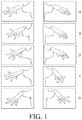
- FIG. 1 depicts schematically the 5-point scale used to score the relative extent of BTX-A induced muscular paresis. According to this scale, a score of 0 represents a normal response, while a score of 4 represents the maximal reduction in digit abduction.
- PE-50 polyethylene tubing
- the bladder was drained and instilled with gel or saline with and without BTX (1ml, 20u/ml Allergan).
- the animal was anesthetized and the bladder was examined by data requisition POWER LAB via millar transducer inserted into the bladder dome. After recovery from anesthesia the animal was gently restrained and the suprapubic catheter was connected to infusion pump (0.08 ml/min continuously) and pressure transducer for recording of intravesical pressure and for saline infusion into the bladder in order to elicit repetitive voiding. The amplitude and the inter-contraction interval of reflex bladder contractions were recorded. Each treatment group comprised 2-4 animals.
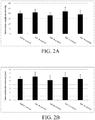
- FIG. 2 presents graphs summarizing the amplitude ( FIG. 2A ) and inter-contraction interval ( FIG. 2B ) of rat bladder in control experiments in which the rats were treated with saline or a gel formulation not containing any therapeutic agent. Similar results were obtained for all treatments, suggestion that the gel formulations without BTX have no effect on the bladder.
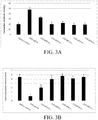
- FIG. 3 presents graphs of contraction amplitude ( FIG. 3A ) and inter-contraction interval ( FIG. 3B ) following induction of bladder hyperactivity by intraperitoneal injection of cyclophosphamide (CYP).
- CYP cyclophosphamide
- the bladder hyperactivity is characterized by an increase in contraction amplitude and decrease in inter contraction interval.
- Rats that were administered with BTX reconstituted in saline or in gel formulations were shown to suppress the cyclophosphamide effect by decrease of contraction amplitude and increase of inter-contraction intervals.
- treatment by BTX incorporated into any one of the four gel formulations tested has a greater effect than treatment with BTX reconstituted in saline.
Landscapes
- Health & Medical Sciences (AREA)
- Chemical & Material Sciences (AREA)
- Life Sciences & Earth Sciences (AREA)
- Pharmacology & Pharmacy (AREA)
- Veterinary Medicine (AREA)
- Public Health (AREA)
- General Health & Medical Sciences (AREA)
- Animal Behavior & Ethology (AREA)
- Medicinal Chemistry (AREA)
- Epidemiology (AREA)
- Engineering & Computer Science (AREA)
- Chemical Kinetics & Catalysis (AREA)
- General Chemical & Material Sciences (AREA)
- Bioinformatics & Cheminformatics (AREA)
- Inorganic Chemistry (AREA)
- Urology & Nephrology (AREA)
- Nuclear Medicine, Radiotherapy & Molecular Imaging (AREA)
- Organic Chemistry (AREA)
- Immunology (AREA)
- Dermatology (AREA)
- Oil, Petroleum & Natural Gas (AREA)
- Gastroenterology & Hepatology (AREA)
- Proteomics, Peptides & Aminoacids (AREA)
- Gynecology & Obstetrics (AREA)
- Reproductive Health (AREA)
- Neurology (AREA)
- Orthopedic Medicine & Surgery (AREA)
- Physical Education & Sports Medicine (AREA)
- Medicinal Preparation (AREA)
- Medicines That Contain Protein Lipid Enzymes And Other Medicines (AREA)
Description
- This invention relates in general to preparations for use in the treatment of bladder disorders that result from dysfunction of the urothelium. It relates in particular to preparations that incorporate an active ingredient such as botulinum toxin in a reverse thermal hydrogel.
- Disorders of the urothelium that result in Urinary Incontinence (UI) affect 200 million people worldwide. The United States National Institutes of Health has estimated that as many as 25 million adult Americans have experienced or will experience transient or chronic UI. The National Association of Continence estimates that 75-80% of these sufferers are women, 9-13 million of whom have bothersome to severe symptoms. It has been estimated that one in four women over the age of 18 experiences episodes of involuntary leakage of urine. One-third of men and women aged 30-70 have experienced loss of bladder control at some point in their adult lives and may be still living with the symptoms. Of men and women ages 30-70 who awaken during the night to use the bathroom, more than one-third get up twice or more per night to urinate, fitting the clinical diagnosis of nocturia. Of these adults, one in eight report they sometimes lose urine on the way to the bathroom. Overactive bladder (OAB) is especially common in older adults. It affects an estimated 1 in 11 adults in the United States. Currently available treatment options for OAB include bladder training; pelvic floor exercises; administration of drugs such as anti-cholinergics, capsaicin, and intravesical botulinum toxin injections; and, in severe cases, bladder augmentation surgery.
- Another common disorder of the urothelium is Interstitial Cystitis, a chronic inflammation of the bladder that causes chronic pain and discomfort, which affects an estimated 4 million people in the U.S. alone.
- The main shortcoming of the orally-administered drugs in current use is their high adverse event rate resulting in patients' intolerability. Alternative routes of administration with lower adverse event rates, such as transdermal and via suppository, have been developed. Bladder instillation of antimuscarines also has a lower adverse event rate than oral administration, but suffers from the disadvantage that it requires recurring catheterization due to the relatively short half-life of the antimuscarines, thus reducing compliance.
- Another approach that has been developed recently is the use of intravesical administration of botulinum toxin. Despite the promising results of this therapeutic approach, numerous drawbacks remain. For example, the cystoscopic injection requires technical proficiency and a physician's authorization; administration of an anesthetic is required; botulinum toxin affects only the tissue at the location where it has been injected; and the treatment may lead to temporary urinary retention and consequently may require self-catheterization.
-
U.S. Pat. No. 8277822 discloses a composition and method for treatment of pathologies characterized by bladder spasms such as overactive bladder, interstitial cystitis, stress incontinence, urge incontinence, and neurogenic bladder in which the composition is administered by infusion into the bladder. According to the method disclosed therein, a liquid, semi-solid, or solid composition comprising botulinum toxin is spread on the outer surface of a balloon. The balloon is then introduced into the bladder via an endoscopic or cystoscopic apparatus or via a catheter and inflated until it contacts the inner wall of the bladder, thereby depositing the composition on the inner wall of the bladder. -
U.S. Pat. Appl. Pub. No. 2009/0214685 (henceforth '685) discloses a sustained release poloxamer composition containing botulinum toxin. The botulinum toxin is incorporated into a thermoreversible thermoplastic poloxamer composition which is introduced via injection into the bladder as a liquid, and gels after administration to provide a sustained release delivery system. Even though the relevant physical properties of thermoreversible poloxamer compositions, in particular, the temperature-dependent viscosity, tend to be quite sensitive functions of the poloxamer composition, the compositions disclosed in '685 provide only a limited range of viscosities for both the liquid and the gel state of the composition, probably due to the need for sufficiently low viscosity to enable withdrawal of the formulation into a syringe and injection into the patient. Furthermore, '685 does not provide any teaching regarding the mucoadhesiveness of the compositions disclosed therein. - There thus remains a long-felt need for compositions for delivery of therapeutic agents such as botulinum toxin for treatment of bladder disorders in which the viscosity is sufficiently low at low temperature to permit administration by direct instillation into the bladder onto the urothelium rather than by intramuscular injection, but that have a mucoadhesiveness sufficiently high that the composition remains attached to the bladder wall long enough for sustained-release delivery of the therapeutic agent with an enhanced efficacy.
- The compositions disclosed herein, for use in treatments of bladder disorders and urothelium dysfunction are designed to meet this long-felt need. In particular, mucoadhesive, bioerodible, biocompatible thermoreversible hydrogel compositions comprising a therapeutically active agent are disclosed that after insertion into a body cavity, solidify and form a drug reservoir inside the cavity. The compositions and means for delivering them produce complete contact with and coverage of the bladder wall, thereby providing drug delivery to the entire bladder, in contrast to delivery induced by local injections. They additionally produce a high topical drug concentration in the cavity walls but low systemic exposure. By these means the invention herein disclosed provides increased bioavailability enhanced efficacy and reduced toxicity.
- The invention is directed to a biocompatible mucoadhesive thermoreversible hydrogel composition incorporating botulinum toxin and comprising at least one reverse thermal gelation agent which is a poloxamer, and at least one component selected from the group consisting of mucoadhesive enhancers and thickening compounds, selected from the group consisting of polycarbophil, polyacrylic acids, crosslinked acrylic acid, polymethacrylates, divinyl glycol, polyethylene glycol (PEG), polyethylene oxide, vinylpyrrolidone/vinyl acetate copolymer, cellulose, microcrystalline cellulose, cellulose derivatives, gelatin, starch, starch derivatives, gums, dicalcium phosphate, lactose, sucrose, polyvinylpyrolidone (PVP), polyvinyl alcohols (PVA), partially hydrolysed polyvinyl acetate (PVAc), polysaccharides, waxes, fats, fatty acid derivatives, hyaluronic acid, chitosan, K-carrageenan, carbomers, Eudragit, and any combination thereof for use in the treatment of a bladder disorder, wherein the bladder disorder is characterized by bladder spasms, wherein the treatment comprises applying the composition to a bladder cavity, and wherein the application does not comprise any step of injecting botulinum toxin into a wall of said bladder.
- Further embodiments of the invention are specified in the claims.
- Aspects and embodiments disclosed herein which do not fall within the scope of the claims do not form part of the invention.
- Disclosed herein are thermoreversible hydrogel compositions suitable for maintaining and/or enhancing the efficacy of a pharmaceutically active agent in a sustained-release treatment of a bladder disorder, by obtaining a biocompatible mucoadhesive thermoreversible hydrogel; and, incorporating said pharmaceutically active agent for treatment of a bladder disorder into said biocompatible mucoadhesive thermoreversible hydrogel.
- Disclosed herein is a thermoreversible hydrogel composition for use in treating a bladder disorder, wherein the treatment comprises applying to a bladder cavity a biocompatible mucoadhesive thermoreversible hydrogel into which a pharmaceutically active agent for treating said bladder disorder has been incorporated, wherein said application does not comprise any step of injecting a pharmaceutically active agent into a wall of said bladder.
- The pharmaceutically active ingredient for treatment of a bladder disorder incorporated into the biocompatible mucoadhesive thermoreversible hydrogel, is selected from the group consisting anticholinergic agents, antimuscarinic agents, and beta-3 agonists. The pharmaceutically active agent for treatment of a bladder disorder is selected from the group consisting of oxybutynin, tolterodine, fesoterodine fumarate, solifenacin, pentosan polysulfate, amitriptyline, heparin-binding epidermal growth factor (HB-EGF), all-trans-retinoic acid (ATRA), derivatives of antiproliferative factor (APF), cannabinoid-2 receptor blockers, memantine, N-methyl-D-aspartate (NMDA)-receptor blockers, Parthenolide, inhibitors of NF-κB, calcium glycerophosphate, Metamucil, and Chondroitin sulfate.
- In the embodiments of the invention, a pharmaceutically active ingredient for treatment of a bladder disorder is incorporated into the biocompatible mucoadhesive thermoreversible hydrogel, wherein said disorder is characterized by bladder spasms. In some embodiments of the invention, said disorder is selected from the group consisting of urinary incontinence due to unstable bladder or unstable detrusor sphincter; voiding complications due to detrusor overactivity or a hypertrophied bladder neck; neurogenic bladder dysfunction secondary to conditions such as Parkinson's disease, spinal cord injury, stroke or multiple sclerosis; and bladder pathologies characterized by a spasm reflex, overactive bladder, interstitial cystitis, stress incontinence, urge incontinence, or neurogenic bladder.
- The pharmaceutically active agent for treatment of a bladder disorder incorporated into said biocompatible mucoadhesive thermoreversible hydrogel may be incorporated into the biocompatible mucoadhesive thermoreversible hydrogel immediately prior to administration of said pharmaceutically active agent.
- Further disclosed herein is the use, in a composition for treatment of neurological pathologies of the skeletal, cardiac, or smooth muscles, of a biocompatible mucoadhesive thermoreversible hydrogel composition into which a pharmaceutically active agent for treatment of a neurological pathology of the skeletal, cardiac, or smooth muscles, has been incorporated. As disclosed herein said treatment comprises applying said composition to said muscle and/or tissue surrounding said muscle by means other than intramuscular injection. As disclosed herein, said pathology is Irritable Bowel Syndrome.
- As such, the compositions disclosed herein can be used in treating a neurological pathology of the skeletal, cardiac, or smooth muscles, by applying to said muscles and/or the tissue surrounding them a biocompatible mucoadhesive thermoreversible hydrogel into which a pharmaceutically active agent for treating said neurological pathology has been incorporated, wherein said application does not comprise any step of injecting intramuscularly said pharmaceutically active agent, As disclosed herein, said pathology is Irritable Bowel Syndrome.
- In some embodiments the biocompatible mucoadhesive thermoreversible hydrogel comprises at least one reverse thermal gelation agent and at least one component selected from the group consisting of mucoadhesive enhancers and thickening compounds.
- The reverse thermal gelation agent is a Poloxamer. In some embodiments of the invention, said reverse thermal gelation agent comprises a Poloxamer selected from the group consisting of Poloxamer 407, Poloxamer 188, and Poloxamer 338. The reverse thermal gelation agent may comprise a pH-controlled gelation agent selected from the group consisting of cellulose, acetophthalate, and carbomers.
- In the embodiments of the invention, said component selected from the group consisting of mucoadhesive enhancers and thickening compounds is selected from the group consisting of polycarbophil; polyacrylic acids; crosslinked acrylic acid; polymethacrylates; divinyl glycol; polyethylene glycol (PEG); polyethylene oxide; vinylpyrrolidone/vinyl acetate copolymer; cellulose; microcrystalline cellulose; cellulose derivatives; gelatin; starch; starch derivatives; gums; dicalcium phosphate; lactose; sucrose; polyvinylpyrrolidone (PVP); polyvinyl alcohols (PVA); partially hydrolysed polyvinyl acetate (PVAc); polysaccharides; waxes; fats; fatty acid derivatives; hyaluronic acid; chitosan; κ-carrageenan; carbomers; Eudragit; and any combination thereof.
- Non-limiting examples of cellulose derivatives that are suitable for use in the mucoadhesive enhancer / thickening compound component include methylcellulose, ethylcellulose, HPMC, methoxy-substituted HPMC with any possible degree of methoxy substitution (from 0 to 3), hydroxy-propylcellulose (HPC), other hydroxyalkylcelluloses, hydroxyalkylmethylcelluloses, low-substituted hydroxypropylcellulose (L-HPC), hydroxypropymethylcellulose acetate succinate (HPMCAS), carboxymethylcelluloses and salts thereof. Non-limiting examples of starch derivatives that are suitable for use in the mucoadhesive enhancer / thickening compound component include mono- and diphosphate ester starches. Non-limiting examples of gums that are suitable for use in the mucoadhesive enhancer / thickening compound component include guar gum, locust beam gum, xanthan gum, and any combination thereof. Non-limiting examples of polysaccharides that are suitable for use in the mucoadhesive enhancer / thickening compound component include alginic acid, alginates, alginate esters, and galactomannans.
- In some embodiments of the invention, said biocompatible mucoadhesive thermoreversible hydrogel comprises at least one component selected from the group consisting of mucosal tissue permeability enhancers; fatty acids; nonionic surfactants; essential oils, terpenes, and terpenoids; oxazolidinones (in some embodiments of the invention, said oxazolidinone is 4-decyloxazolidin-2-one); cyclodextrin; pH modifiers/stabilizers; plasticizers; and swellable excipients. In some embodiments of the invention, the nonionic surfactant is selected from the group consisting of polyoxyethylene-2-oleyl ether and polyoxyethylene-2-stearyl ether. In some embodiments of the invention, said fatty acid is selected from the group consisting of lauric acid, myristic acid, oleic acid, and capric acid. In some embodiments of the invention, said essential oils, terpenes, and terpenoids are selected from the group consisting of eucalyptus oil, chenopodium oil, ylang-ylang oil and menthol.
- Non-limiting examples of suitable mucosal tissue permeability enhancers include dimethylsulfoxide (DMSO); laurocapran; dimethylformamide (DMF); dimethylacetamide (DMAC); urea; n-methyl-2-pyrrolidone; other pyrrolidones; arginine; polyarginine; ethanol; nonionic surfactants (in some embodiments of the invention, the nonionic surfactant is a polysorbate); anionic surfactants; and glycols. Non-limiting examples of suitable glycols include diethylene glycol and tetraethyleneglycol.
- In some embodiments of the invention, said pH modifier/stabilizer is selected from the group consisting of acids, bases and buffers. Non-limiting examples of suitable pH modifiers/stabilizers include adipic acid, malic acid, L-arginine, ascorbic acid, aspartic acid, benzenesulphonic acid, benzoic acid, succinic acid, citric acid, ethanesulphonic acid, 2-hydroxyethanesulphonic acid, fumaric acid, gluconic acid, glucuronic acid, glutamic acid, maleic acid, malonic acid, methanesulphonic acid, toluenesulphonic acid, trometamol, tartaric acid, tartaric acid, and salts thereof, preferably sodium or potassium salts.
- In some embodiments of the invention, said plasticizer is selected from the group consisting of citric acid derivatives (in some embodiments, the citric acid derivative is selected from the group consisting of triethyl citrate, tributyl citrate, and acetyl triethyl citrate), phthalic acid derivatives (in some embodiments, the phthalic acid derivative is selected from the group consisting of dimethyl phthalate, diethyl phthalate, and dibutyl phthalate), benzoic acid and benzoic esters, other aromatic carboxylic esters, trimellithic esters, aliphatic dicarboxylic esters, dialkyladipates, sebacic esters (in some embodiments, diethyl sebacate), tartaric esters, glycerol monoacetate, glycerol diacetate, glycerol triacetate, polyols, glycerol, 1,2-propanediol, polyethylene glycol of a predetermined chain length, fatty acids and derivatives thereof, glycerol monostearates, acetylated fatty acid glycerides, castor oil and other natural oils and their derivatives, miglyol, fatty acid alcohols, cetyl alcohol, cetylstearyl alcohol and any combination thereof.
- In some embodiments of the invention, said swellable excipient is selected from the group consisting of polyvinylpyrrolidones, crospovidones, crosslinked sodium carboxymethylcellulose, crosslinked sodium carboxymethylstarch, polyethylene oxides, polymethyacrylates, low-substituted hydroxypropylmethylcellulose (L-HPC), cellulose acetate, ethylcellulose, polymethacrylates, high-molecular weight polyethylene oxides, xanthan gum, copolymers of vinylpyrrolidone and vinyl acetate, polyvinylpyrrolidones, crospovidones, crosslinked sodium carboxymethylcellulose, poly(hydroxyalkyl methacrylate), alginates and galactomannans and mixtures thereof.
- In some embodiments of the invention, said biocompatible mucoadhesive thermoreversible hydrogel comprises Poloxamer ; at least one substance selected from the group consisting of carboxymethylcellulose (CMC) and hydroxypropylmethylcellulose (HPMC); and the balance water.
- In some embodiments of the invention, said biocompatible mucoadhesive thermoreversible hydrogel comprises Poloxamer ; at least one substance selected from the group consisting of CMC and HPMC; polyethylene glycol; and the balance water.
- In some embodiments of the invention, said biocompatible mucoadhesive thermoreversible hydrogel comprises between 20% and 30% Poloxamer between 0.05% and 0.5% HPMC; between 0.1% and 2.5% PEG; and the balance water.
- In some embodiments of the invention, said biocompatible mucoadhesive thermoreversible hydrogel comprises between 20% and 30% Poloxamer; between 0.1% and 0.3% HPMC; between 0.1% and 1.8% PEG; and the balance water.
- In some embodiments of the invention, said biocompatible mucoadhesive thermoreversible hydrogel comprises 27% Poloxamer 407; 0.2% HPMC; 1% PEG; and the balance water.
- In some embodiments of the invention, said biocompatible mucoadhesive thermoreversible hydrogel comprises 20% Poloxamer 407; 0.2% sodium carboxymethylcellulose; 0.5% polyethylene glycol MW 20,000; citric acid - citrate buffer (50 mmol L-1, pH 5.2); and the balance water.
- In some embodiments of the invention, said biocompatible mucoadhesive thermoreversible hydrogel comprises between 20% and 30% Poloxamer 407; between 0.05% and 0.8% CMC; between 0.1% and 2.5% PEG; and the balance water.
- In some embodiments of the invention, said biocompatible mucoadhesive thermoreversible hydrogel comprises between 20% and 30% Poloxamer 407; between 10% and 20% Poloxamer 188; between 0.05% and 2% CMC; between 0.1% and 2.5% PEG; and the balance water.
- In some embodiments of the invention, said biocompatible mucoadhesive thermoreversible hydrogel comprises 20% Poloxamer 407; 16% Poloxamer 188; 0.2% sodium carboxymethylcellulose; 1% polyethylene glycol MW 3000; and the balance water.
- In some embodiments of the invention, said biocompatible mucoadhesive thermoreversible hydrogel comprises between 20% and 30% Poloxamer 407; between 10% and 20% Poloxamer 188; between 0.05% and 0.8% κ-carrageenan; between 0.1% and 2.5% PEG; and the balance water.
- In some embodiments of the invention, said biocompatible mucoadhesive thermoreversible hydrogel comprises 20% Poloxamer 407; 10% Poloxamer 188; 0.3% κ-carrageenan; 1% PEG-400;and the balance water.
- In some embodiments of the invention in which said biocompatible mucoadhesive thermoreversible hydrogel comprises PEG, said PEG comprises a PEG chosen from the group consisting of PEG-400, PEG-3000, and PEG-20000.
- In the embodiments of the invention, the pharmaceutically active ingredient incorporated into the biocompatible mucoadhesive thermoreversible is botulinum toxin. In some embodiments of the invention, said pharmaceutically active agent is selected from the group consisting of botulinum toxin A, botulinum toxin B, botulinum toxin C1, botulinum toxin D, botulinum toxin E, botulinum toxin F and botulinum toxin G. In some embodiments of the invention, said biocompatible mucoadhesive thermoreversible hydrogel comprises 0.2 - 20 U/kg body weight of botulinum toxin.
- In some embodiments of the invention, said biocompatible mucoadhesive thermoreversible hydrogel is characterized by a viscosity of less than 200 Pa·s at at at least one predetermined temperature between 10 °C and 33 °C and a viscosity greater than 3000 Pa·s at 37 °C.
- In some embodiments of the invention, said biocompatible mucoadhesive thermoreversible hydrogel is characterized by an instillation temperature of between 20 °C and 42 °C.
- In some embodiments of the invention, said biocompatible mucoadhesive thermoreversible hydrogel is characterized by an instillation temperature of between 4 °C and 60 °C.
- In some embodiments of the invention, said biocompatible mucoadhesive thermoreversible hydrogel is characterized by a gel point below 33 °C.
- It is within the present disclosure that any step that recites a hydrogel (e.g., "obtaining a biocompatable mucoadhesive thermoreversible hydrogel," "incorporating into a biocompatible mucoadhesive thermoreversible hyrogel," etc.), is considered to be reciting a hydrogel as defined in any of the above.
- The invention disclosed herein will now be described with reference to the drawings, wherein:
-
FIG. 1 presents a schematic illustration of the muscular paresis grading scale; -
FIG. 2 presents graphs showing the amplitude and inter-contraction interval of bladder contractions in a control group of rats following treatment with saline or one of four thermoreversible hydrogel formulations; and, -
FIG. 3 presents graphs showing the contraction amplitude and inter-contraction intervals of bladder hyperactivity (chronic bladder cystitis) induced by intraperitoneal injection of cyclophosphamide in rats, showing suppression of bladder hyperactivity by treatment with botulinum toxin, and the improved suppression of bladder hyperactivity when the botulinum toxin is administered within a thermoreversible hydrogel according to several non-limiting embodiments of the invention disclosed herein. - In the following description, various aspects of the invention will be described. For the purposes of explanation, specific details are set forth in order to provide a thorough understanding of the invention. It will be apparent to one skilled in the art that there are other embodiments of the invention that differ in details without affecting the essential nature thereof. Therefore the invention is not limited by that which is illustrated in the figures and described in the specification, but only as indicated in the accompanying claims, with the proper scope determined only by the broadest interpretation of said claims.
- International (PCT) patent applications
PCT/IL2011/000069 PCT/IL2012/000284 - Unless otherwise stated, all concentrations are given as percentage w/w.
- As used herein, the term "Poloxamer" refers to an ethylene oxide - propylene oxide triblock copolymer.
- As used herein, the term "HPMC" refers to hydroxypropylmethylcellulose.
- As used herein, the term "CMC" refers to carboxylmethylcellulose.
- As used herein, the term "PEG" refers to polyethylene glycol.
- The inventors of the present compositions have discovered, surprisingly, that these hydrogels provide a means for maintaining and/or enhancing the potency and/or efficacy of Botulinum toxin (A, B, C1, D, E, F and G) and equivalent neurotoxins or other therapeutic agents for treatment of bladder disorders (non-limiting examples include anticholinergic and antimuscarinic drugs such as oxybutynin, tolterodine, fesoterodine fumarate, solifenacin, and beta-3 agonists such as mirabegron) during sustained-release delivery. Relative to the methods known in the art for introduction of such therapeutic agents into the bladder, the hydrogel compositions increase the treatment efficacy of, and enhance the therapeutic effect of, these therapeutic agents. The additional efficacy is particularly useful in treatment of disorders characterized by bladder spasms, non-limiting examples of which include urinary incontinence due to unstable bladder or unstable detrusor sphincter; voiding complications due to detrusor overactivity or a hypertrophied bladder neck; neurogenic bladder dysfunction secondary to conditions such as Parkinson's disease, spinal cord injury, stroke or multiple sclerosis; and bladder pathologies characterized by a spasm reflex, overactive bladder, interstitial cystitis, stress incontinence, urge incontinence, or neurogenic bladder.
- In a preferred embodiment, the hydrogel into which one or more therapeutic agents is incorporated is used in a system in which it is applied to the bladder cavity without involving injection to the bladder wall. The system comprises a mucoadhesive, bioerodible, biocompatible hydrogel with reverse thermal gelation properties that can be supplied with the active pharmaceutical agent already incorporated, or with the active pharmaceutical agent supplied separately and incorporated into the hydrogel immediately before treatment (e.g. at the patient's bedside). The system loaded with the pharmaceutical agent is inserted into the bladder cavity by a catheter without involving injection to the bladder wall. In the bladder, the system solidifies, stabilizes the pharmaceutical agent and forms a reservoir inside the bladder. The pharmaceutical agent is delivered to the bladder walls via direct contact with the mucoadhesive reservoir or by dissolution or erosion of the system providing a uniform total tissue contact/coverage (as opposed to delivery by local injection). The resulting topical concentration of the pharmaceutical agent can be controlled by altering the concentration of the pharmaceutical agent within the system or by controlling the release kinetics. Non-limiting examples of how the release kinetics can be controlled include control of the amount of pharmaceutical agent released per unit time and control of exposure time by appropriately setting the concentrations of the components of the gel in order to achieve specific desired properties such as dissolution rate and mucoadhesiveness.
- Because the invention herein disclosed is more conveniently and comfortably used than compositions and methods known in the prior art, it provides improved patient compliance and comfort. The resulting topical drug concentration can be controlled by altering the hydrogel composition thus controlling the drug release kinetics, both control of drug quantity released per unit time and control of the total exposure time. The hydrogel composition is eroded and excreted from the bladder by natural urination processes.
- In preferred embodiments of the invention, the biocompatible thermoreversible hydrogel comprises at least one thermal gelation agent which is a Poloxamer, at least one mucoadhesive agent, and water. In more preferred embodiments of the invention, the thermal gelation agent is a poloxamer (ethylene oxide - propylene oxide triblock copolymer) selected from the group consisting of Poloxamer 407, Poloxamer 188, and Poloxamer 338, and the mucoadhesive polymer comprises at least one component selected from the group consisting of carboxymethylcellulose (CMC), hydroxypropylmethylcellulose (HPMC), and κ-carrageenan. In yet more preferred embodiments of the invention, the hydrogel comprises between 0.05% and 0.5% CMC/HPMC component; in the most preferred, it comprises between 0.1% and 0.3% CMC/HPMC component. In some embodiments of the invention, the hydrogel additionally comprises polyethylene glycol (PEG). In preferred embodiments in which the hydrogel comprises PEG, it comprises no more than 2.5% PEG. In more preferred embodiments in which the hydrogel comprises PEG, it comprises no more than 1.8% PEG.
- In some preferred embodiments of the invention, a therapeutically effective amount of botulinum toxin is incorporated into a thermoreversible hydrogel composition comprising 20 - 30% poloxamer; 0.1 - 0.3% HPMC; 0.1% - 1.8% PEG; and the balance water. In other preferred embodiments of the invention, a therapeutically effective amount of botulinum toxin is incorporated into a thermoreversible hydrogel composition comprising 20 - 30% poloxamer; 0.05 - 0.5% HPMC; 0.1 - 2.5% PEG; and the balance water. In other preferred embodiments of the invention, said therapeutically effective amount of botulinum toxin is incorporated into a thermoreversible hydrogel composition comprising 27% Poloxamer 407; 0.2% HPMC; 1% PEG; and the balance water. In other preferred embodiments of the invention, said therapeutically effective amount of botulinum toxin is incorporated into a thermoreversible hydrogel composition comprising 20% Poloxamer 407; 0.2% sodium carboxymethylcellulose; 0.5% polyethylene glycol MW 20,000; citric acid - citrate buffer (50 mmol L-1, pH 5.2); and the balance water.
- In other preferred embodiments of the invention, said therapeutically effective amount of botulinum toxin is incorporated into a thermoreversible hydrogel composition comprising between 20% and 30% Poloxamer 407; between 0.05% and 0.8% CMC; between 0.1% and 2.5% PEG; and the balance water. In other preferred embodiments of the invention, said therapeutically effective amount of botulinum toxin is incorporated into a thermoreversible hydrogel composition comprising between 20% and 30% Poloxamer 407; between 10% and 20% Poloxamer 188; between 0.05% and 2% CMC; between 0.1% and 2.5% PEG; and the balance water.
- In other preferred embodiments of the invention, a therapeutically effective amount of botulinum toxin is incorporated into a thermoreversible hydrogel composition comprising 20% Poloxamer 407; 16% Poloxamer 188; 0.2% sodium carboxymethylcellulose; 1% polyethylene glycol MW 3000; and the balance water.
- In some preferred embodiments of the invention, a therapeutically effective amount of botulinum toxin is incorporated into a thermoreversible hydrogel composition comprising between 20% and 30% Poloxamer 407; between 10% and 20% Poloxamer 188; between 0.05% and 0.8% κ-carrageenan; between 0.1% and 2.5% PEG; and the balance water. In other preferred embodiments of the invention, a therapeutically effective amount of botulinum toxin is incorporated into a thermoreversible hydrogel composition comprising 20% Poloxamer 407; 10% Poloxamer 188; 0.3% κ-carrageenan; 1% PEG-400; and the balance water.
- In yet other preferred embodiments of the invention, a therapeutically effective amount of botulinum toxin is incorporated into any of the thermoreversible hydrogel compositions disclosed in '069 or '284. As disclosed herein, a therapeutically effective amount of a pharmaceutically active agent other than botulinum toxin is incorporated into one of the thermoreversible hydrogel compositions disclosed above, in '069, or in '284.
- In some embodiments of the invention in which said biocompatible mucoadhesive thermoreversible hydrogel comprises PEG, said PEG comprises PEG-400. In other embodiments, said PEG comprises PEG-3000. In yet other embodiments, said PEG comprises PEG-20000.
- The hydrogel composition disclosed herein may additionally comprises components selected from the group consisting of aliginates, pH-controlled gelation agents such as cellulose, acetophathalate and carbomers, and any combination thereof.
- In the embodiments of the invention, the hydrogel composition additionally comprises at least one component selected from mucoadhesive enhancers and thickening compounds. In the embodiments of the invention, the hydrogel composition comprises at least one component selected from adhesive and thickening compounds selected from the group consisting of polycarbophil; polyacrylic acids; crosslinked acrylic acid; polymethacrylates; divinyl glycol; polyethylene glycol (PEG); polyethylene oxide; vinylpyrrolidone/vinyl acetate copolymer; cellulose; microcrystalline cellulose; cellulose derivatives such as ethylcellulose, methoxy-substituted HPMC with any possible degree of methoxy substitution (from 0 to 3), hydroxy-propylcellulose (HPC), other hydroxyalkylcelluloses, hydroxyalkylmethylcelluloses, low-substituted hydroxypropylcellulose (L-HPC), hydroxypropymethylcellulose acetate succinate (HPMCAS), carboxymethylcelluloses and salts thereof; gelatin; starch or starch derivatives including mono- and diphosphate ester starch with any desired possible degree of substitution; gums such as guar gum, locust beam gum and xanthan gum or any combination thereof; polycarbophil; dicalcium phosphate; lactose; sucrose; polyvinylpyrrolidone (PVP); polyvinyl alcohols (PVA); partially hydrolysed polyvinyl acetate (PVAc); polysaccharides such as alginic acid, alginates, or galactomannans; waxes; fats; fatty acid derivatives; hyaluronic acid; chitosan; κ-carrageenan; carbomers; Eudragit; and any combination thereof.
- In some embodiments of the invention, the hydrogel composition additionally comprises one or more of: mucosal tissue permeability enhancers such as dimethylsulfoxide (DMSO); laurocapran; dimethylformamide (DMF); dimethylacetamide (DMAC); urea; n-methyl-2-pyrrolidone or other pyrrolidones; glycols such as diethylene glycol and tetraethyleneglycol; fatty acids such as lauric acid, myristic acid, oleic acid, and capric acid; nonionic surfactants such as polyoxyethylene-2-oleyl ether and polyoxyethylene-2-stearyl ether; essential oils, terpenes and terpenoids as eucalyptus oil, chenopodium oil, ylang-ylang oil and menthol; and oxazolidinones such as 4-decyloxazolidin-2-one; cyclodextrin, arginine, polyarginine, ethanol; any combination thereof.
- In some embodiments of the invention, the hydrogel composition additionally comprises at least one bonding agent. In preferred embodiments, the bonding agent is selected from the group consisting of polycarbophil, cellulose, microcrystalline cellulose, cellulose derivatives, low substituted hydroxypropylcellulose (L-HPC), dicalcium phosphate, lactose, PVP and sucrose, ethylcellulose, hydroxypropymethylcellulose acetate succinate (HPMCAS), PVP, vinylpyrrolidone/vinyl acetate copolymer, polyethylene glycol, polyethylene oxide, polymethacrylates, polyvinyl alcohols (PVA), partially hydrolysed polyvinyl acetate (PVAc), polysaccharides, fats and fatty acid derivatives and any combination thereof.
- In some embodiments of the invention, the hydrogel additionally comprises a pH modifier/stabilizer. In preferred embodiments, the pH-modifying substance is selected from the group consisting of acids, bases and buffers. In more preferred embodiments, the pH-modifying substance is selected from the group consisting of adipic acid, malic acid, L-arginine, ascorbic acid, aspartic acid, benzenesulphonic acid, benzoic acid, succinic acid, citric acid, ethanesulphonic acid, 2-hydroxyethanesulphonic acid, fumaric acid, gluconic acid, glucuronic acid, glutamic acid, maleic acid, malonic acid, methanesulphonic acid, toluenesulphonic acid, trometamol, tartaric acid, tartaric acid, and salts thereof. In more preferred embodiments in which the pH-modifying agent comprises a salt, the salt is selected from the group comprising sodium and potassium salts.
- In some embodiments of the invention, the hydrogel additionally comprises at least one matrix-forming polymer. In preferred embodiments, the at least one matrix-forming polymer is selected from the group consisting of hydroxyethylmethylcelluloses, hydroxypropylcelluloses (HPC), hydroxyethylcelluloses, methylcelluloses (MC), ethylcelluloses, alkylcelluloses, hydroxy-alkylcelluloses hydroxyalkylmethylcelluloses, sodium carboxymethylcelluloses (NaCMC), alginates, galactomannans, xanthans, polyethylene oxides, polyacrylic acids, polymethacrylic acids, polymethacrylic acid derivatives, polyvinyl alcohols (PVA), partially hydrolysed polyvinyl acetate (PVAc), polyvinylpyrrolidone (PVP), agar, pectin, gum arabic, tragacanth, gelatin, starch, starch derivatives and any combination thereof.
- In some embodiments of the invention, the hydrogel additionally comprises at least one component selected from the group consisting of poly(propylene oxide) (PPO), poly(lactide-co-glycolic acid) (PLGA), poly(N-isopropylacrylamide) (PNIPAM), poly(propylene fumarate) (PPF), polyurethane (PU), poly(organophosphazene) (POP), Poloxamers of the type (poly(ethylene oxide)/poly(propylene oxide)/poly(ethylene oxide) (PEO-PPO-PEO), stearic acid, poly(acrylic acid), glyceryl stearate, cetearyl alcohol, sodium stearoyl lactylate, hydroxy-lanolin, and any combination thereof.
- In some embodiments of the invention, the hydrogel additionally comprises a plasticizer. In preferred embodiments, the plasticizer is selected from the group consisting of citric acid derivatives, most prefereably triethyl citrate, tributyl citrate, or acetyl triethyl citrate; phthalic acid derivatives, most preferably dimethyl phthalate, diethyl phthalate, or dibutyl phthalate; benzoic acid and benzoic esters, other aromatic carboxylic esters, trimellithic esters, aliphatic dicarboxylic esters, dialkyladipates, sebacic esters, most preferably diethyl sebacate, tartaric esters, glycerol monoacetate, glycerol diacetate, glycerol triacetate, polyols, glycerol, 1,2-propanediol, polyethylene glycol of a predetermined chain length, fatty acids and derivatives thereof, glycerol monostearates, acetylated fatty acid glycerides, castor oil and other natural oils and their derivatives, miglyol, fatty acid alcohols, cetyl alcohol, cetylstearyl alcohol or any combination thereof.
- In some embodiments of the invention, the hydrogel additionally comprises a swellable excipient. In preferred embodiments, the swellable excipient is selected from the group consisting of polyvinylpyrrolidones, crospovidones, crosslinked sodium carboxymethylcellulose, crosslinked sodium carboxymethylstarch, polyethylene oxides, polymethyacrylates, low-substituted hydroxypropylmethylcellulose (L-HPC), cellulose acetate, ethylcellulose and polymethacrylates, high-molecular weight polyethylene oxides, xanthan gum, copolymers of vinylpyrrolidone and vinyl acetate, polyvinylpyrrolidones, crospovidones, crosslinked sodium carboxymethylcellulose, poly(hydroxyalkyl methacrylate), alginates and galactomannans and mixtures thereof.
- One of the critical properties of the hydrogel compositions of the present invention is their low viscosity (typically 200 Pa·s) at relatively low temperature. The specific temperature at which this low viscosity is achieved will depend on the particular conditions of use of the composition. Under typical conditions of use, a composition will be selected in which the viscosity reaches this low value at a temperature of between 10 °C and 33 °C. The compositions herein disclosed have typical viscosities of around 3000 Pa·s at body temperature, and hence will gel within the body cavity into which they are instilled.
- The embodiments described in detail above, relate to the uses of hydrogels into which pharmaceutically active agents have been incorporated in compositions applicable to bladder dysfunctions. It is further within the present disclosure the use of the same hydrogels into which botulinum toxin has been incorporated in treatments for neurological pathologies of the skeletal, cardiac, or smooth muscles, such as Irritable Bowel Syndrome. In particular, these hydrogel compositions are useful in treatments in which time-released application of botulinum toxin is desired without the intramuscular injection of the botulinum toxin. As described above, the low viscosity of these compositions at low temperatures makes it possible to introduce them in the liquid form (e.g. via syringe or enema), and their high viscosity at body temperature ensures that they will gel in situ, enabling time-released application of the active ingredient botulinum toxin).
- It is also within the present disclosure that the compositions disclosed herein are useful for treatment of neurological pathologies of the skeletal, cardiac, or smooth muscles, such as Irritable Bowel Syndrome by applying to said muscles and/or the tissue surrounding them a biocompatible mucoadhesive thermoreversible hydrogel into which a pharmaceutically active agent for treating said neurological pathology has been incorporated; (e.g. via syringe or enema), without any step of injecting intramuscularly said pharmaceutically active agent.
- The following examples are provided to illustrate various non-limiting embodiments of the invention herein disclosed. Results are presented for the use of the following four typical non-limiting hydrogel compositions (concentrations are given as percent w/w) as matrices for the delivery of a pharmaceutically active agent:
- "Gel A" refers to a thermoreversible hydrogel composition comprising 27% Poloxamer 407, 0.2% hydroxypropylmethylcellulose (HPMC), 1% polyethylene glycol MW 400 (PEG-400), and water to 100%;
- "Gel B" refers to a thermoreversible hydrogel composition comprising 20% Poloxamer 407, 0.2% sodium carboxymethylcellulose, 0.5% polyethylene glycol MW 20,000, citric acid - citrate buffer (50 mmol L-1, pH 5.2), and water to 100%;
- "Gel C" refers to a thermoreversible hydrogel composition comprising 20% Poloxamer 407, 16% Poloxamer 188, 0.2%; sodium carboxymethylcellulose, 1% polyethylene glycol MW 3000, and water to 100%; and,
- "Gel D" refers to a thermoreversible hydrogel composition comprising 20% Poloxamer 407; 10% Poloxamer 188; 0.3% κ-carrageenan; 1% PEG-400; and water to 100%.
- Prior to testing the efficacy of botulinum toxin (BTX) incorporated into Gel A as a treatment for bladder disorders characterized by bladder spasms, the activity of BTX in the gel and following release from the gel was confirmed.
- The activity of BTX was determined using single intramuscular (IM) administration of test items to mice (Hsd:ICRFemale), similar to the method disclosed in Aoki, K. R., "A Comparison of the Safety Margins of Botulinum Neurotoxin Serotypes A, B, and F in Mice", Toxicol. 2001, 39, 1815-1820. The effect of commercially available BTX-A solubilized in saline or gels, or released from gels by saline on the local muscle weakening was compared (saline injection served as negative control). Test animals were injected at a dose of about 20 U/kg body weight at a dose volume of 10 µl per animal to the right hind limb. A Digit Abduction Assay (DAS) was used to determine the local muscle weakening efficacy 48 hours after dosing. The DAS scoring was carried out by briefly suspending the animal by its tail to elicit a characteristic startle-response, namely causing the animal to extend its hind-limbs and abduct its respective hind digits. Reference is now made to
FIG. 1 , which depicts schematically the 5-point scale used to score the relative extent of BTX-A induced muscular paresis. According to this scale, a score of 0 represents a normal response, while a score of 4 represents the maximal reduction in digit abduction. The left column inFIG. 1 illustrates the scale for an untreated left hind leg, and the right column illustrates the scale for a treated right hind leg. The results are summarized in Table 1.TABLE 1 Test results of BTX activity following intramuscular injection Group (n=10) Right hind leg (treated) Left hind leg (untreated) Average score SD Average score SD Saline-control 0 0 0 0 BTX in saline 2.5 0.97 0 0 BTX in Gel A 2.3 1.06 0 0 BTX release from Gel A 2.3 1.06 0 0 BTX release from Gel A 2.3 1.25 0 0 BTX release from Gel A, pH adjusted to 5.2 3 1.05 0 0 - The results demonstrate that the activity of BTX injected in Gel A or released from Gel A is similar to that of BTX in saline. A slight increase in the activity was observed for BTX release from Gel A that was pH adjusted (With HCl) to 5.2 (within the test SD). Low pH is known in the literature to promote BTX stability. Hence BTX administered to the bladder in Gel A (or similar gel formulations) is expected to preserve its biological activity within the gel and following its release from the gel. Moreover the gel is expected to increase BTX stability within the bladder by preserving its three dimensional structure and adjusting its surrounding conditions (as pH) in order to ensure its maximal stability during instillation.
- The enhanced effect of BTX following mixing with TheraCoat systems for treatment of bladder disorders was demonstrated in a bladder cystitis rat model. The testing method is described in Chuang, Y.C.; Yoshimura, N.; Huang, C.C.; Wua, M. "Intravesical Botulinum Toxin A Administration Inhibits COX-2 and EP4 Expression and Suppresses Bladder Hyperactivity in Cyclophosphamide-Induced Cystitis in Rats," Eur. Urol. 2008, 56, 159-167. Chronic cystitis was induced by intraperitoneal injection of cyclophosphamide (75 mg/kg was injected on day 1, 4 and 7). On day two, polyethylene tubing (PE-50) was inserted into the rat bladder through the urethra. The bladder was drained and instilled with gel or saline with and without BTX (1ml, 20u/ml Allergan). On
day 8 the animal was anesthetized and the bladder was examined by data requisition POWER LAB via millar transducer inserted into the bladder dome. After recovery from anesthesia the animal was gently restrained and the suprapubic catheter was connected to infusion pump (0.08 ml/min continuously) and pressure transducer for recording of intravesical pressure and for saline infusion into the bladder in order to elicit repetitive voiding. The amplitude and the inter-contraction interval of reflex bladder contractions were recorded. Each treatment group comprised 2-4 animals. - Reference is now made to
FIG. 2 , which presents graphs summarizing the amplitude (FIG. 2A ) and inter-contraction interval (FIG. 2B ) of rat bladder in control experiments in which the rats were treated with saline or a gel formulation not containing any therapeutic agent. Similar results were obtained for all treatments, suggestion that the gel formulations without BTX have no effect on the bladder. Reference is now made toFIG. 3 , which presents graphs of contraction amplitude (FIG. 3A ) and inter-contraction interval (FIG. 3B ) following induction of bladder hyperactivity by intraperitoneal injection of cyclophosphamide (CYP). The bladder hyperactivity, as shown by a comparison of results for rats treated with CYP and saline to those for the control group treated by saline alone, is characterized by an increase in contraction amplitude and decrease in inter contraction interval. Rats that were administered with BTX reconstituted in saline or in gel formulations were shown to suppress the cyclophosphamide effect by decrease of contraction amplitude and increase of inter-contraction intervals. As shown in the figure, treatment by BTX incorporated into any one of the four gel formulations tested has a greater effect than treatment with BTX reconstituted in saline.
Claims (5)
- A biocompatible mucoadhesive thermoreversible hydrogel composition incorporating botulinum toxin and comprising at least one reverse thermal gelation agent which is a poloxamer, and at least one component selected from the group consisting of mucoadhesive enhancers and thickening compounds, selected from the group consisting of polycarbophil, polyacrylic acids, crosslinked acrylic acid, polymethacrylates, divinyl glycol, polyethylene glycol (PEG), polyethylene oxide, vinylpyrrolidone/vinyl acetate copolymer, cellulose, microcrystalline cellulose, cellulose derivatives, gelatin, starch, starch derivatives, gums, dicalcium phosphate, lactose, sucrose, polyvinylpyrolidone (PVP), polyvinyl alcohols (PVA), partially hydrolysed polyvinyl acetate (PVAc), polysaccharides, waxes, fats, fatty acid derivatives, hyaluronic acid, chitosan, κ-carrageenan, carbomers, Eudragit, and any combination thereof for use in the treatment of a bladder disorder, wherein the bladder disorder is characterized by bladder spasms, wherein the treatment comprises applying the composition to a bladder cavity, and wherein the application does not comprise any step of injecting botulinum toxin into a wall of said bladder.
- The biocompatible mucoadhesive thermoreversible hydrogel composition for the use according to claim 1, wherein said reverse thermal gelation agent comprises a poloxamer selected from the group consisting of Poloxamer 407, Poloxamer 188, and Poloxamer 338.
- The biocompatible mucoadhesive thermoreversible hydrogel composition for use according to any preceding claim, wherein said composition comprises 27% (w/w) Poloxamer 407; 0.2% (w/w) HPMC; 1% (w/w) PEG-400; and the balance water.
- The composition for use according to any preceding claim, wherein the botulinum toxin is selected from botulinum toxin A, botulinum toxin B, botulinum toxin C1, botulinum toxin D, botulinum toxin E, botulinum toxin F and botulinum toxin G.
- The composition for use according to any preceding claim, wherein the disorder is selected from the group consisting of urinary incontinence due to unstable bladder or unstable detrusor sphincter; voiding complications due to detrusor overactivity or a hypertrophied bladder neck; neurogenic bladder dysfunction secondary to conditions such as Parkinson's disease, spinal cord injury, stroke or multiple sclerosis; and bladder pathologies characterized by a spasm reflex, overactive bladder, interstitial cystitis, stress incontinence, urge incontinence or neurogenic bladder.
Applications Claiming Priority (2)
| Application Number | Priority Date | Filing Date | Title |
|---|---|---|---|
| US201261621525P | 2012-04-08 | 2012-04-08 | |
| PCT/IL2013/050314 WO2013153550A2 (en) | 2012-04-08 | 2013-04-08 | Reverse thermal hydrogel preparations for use in the treatment of disorders of the urothelium |
Publications (3)
| Publication Number | Publication Date |
|---|---|
| EP2836200A2 EP2836200A2 (en) | 2015-02-18 |
| EP2836200A4 EP2836200A4 (en) | 2015-09-02 |
| EP2836200B1 true EP2836200B1 (en) | 2020-07-15 |
Family
ID=49328256
Family Applications (1)
| Application Number | Title | Priority Date | Filing Date |
|---|---|---|---|
| EP13775035.2A Active EP2836200B1 (en) | 2012-04-08 | 2013-04-08 | Reverse thermal hydrogel preparations for use in the treatment of disorders of the urothelium |
Country Status (7)
| Country | Link |
|---|---|
| EP (1) | EP2836200B1 (en) |
| CN (1) | CN104379127A (en) |
| DK (1) | DK2836200T3 (en) |
| ES (1) | ES2821098T3 (en) |
| IL (1) | IL236000B (en) |
| RU (1) | RU2635466C2 (en) |
| WO (1) | WO2013153550A2 (en) |
Families Citing this family (31)
| Publication number | Priority date | Publication date | Assignee | Title |
|---|---|---|---|---|
| CA2807552A1 (en) | 2010-08-06 | 2012-02-09 | Moderna Therapeutics, Inc. | Engineered nucleic acids and methods of use thereof |
| ES3005233T3 (en) | 2010-10-01 | 2025-03-14 | Modernatx Inc | Modified nucleosides, nucleotides, and nucleic acids, and uses thereof |
| JP2014511687A (en) | 2011-03-31 | 2014-05-19 | モデルナ セラピューティクス インコーポレイテッド | Engineered nucleic acid delivery and formulation |
| US9464124B2 (en) | 2011-09-12 | 2016-10-11 | Moderna Therapeutics, Inc. | Engineered nucleic acids and methods of use thereof |
| EP2763701B1 (en) | 2011-10-03 | 2018-12-19 | Moderna Therapeutics, Inc. | Modified nucleosides, nucleotides, and nucleic acids, and uses thereof |
| JP2015501844A (en) | 2011-12-16 | 2015-01-19 | モデルナ セラピューティクス インコーポレイテッドModerna Therapeutics,Inc. | Modified nucleosides, nucleotides and nucleic acid compositions |
| WO2013151663A1 (en) | 2012-04-02 | 2013-10-10 | modeRNA Therapeutics | Modified polynucleotides for the production of membrane proteins |
| US9283287B2 (en) | 2012-04-02 | 2016-03-15 | Moderna Therapeutics, Inc. | Modified polynucleotides for the production of nuclear proteins |
| US9254311B2 (en) | 2012-04-02 | 2016-02-09 | Moderna Therapeutics, Inc. | Modified polynucleotides for the production of proteins |
| US9572897B2 (en) | 2012-04-02 | 2017-02-21 | Modernatx, Inc. | Modified polynucleotides for the production of cytoplasmic and cytoskeletal proteins |
| ES2921623T3 (en) | 2012-11-26 | 2022-08-30 | Modernatx Inc | terminally modified RNA |
| US10258698B2 (en) | 2013-03-14 | 2019-04-16 | Modernatx, Inc. | Formulation and delivery of modified nucleoside, nucleotide, and nucleic acid compositions |
| US8980864B2 (en) | 2013-03-15 | 2015-03-17 | Moderna Therapeutics, Inc. | Compositions and methods of altering cholesterol levels |
| KR20160067219A (en) | 2013-10-03 | 2016-06-13 | 모더나 세라퓨틱스, 인코포레이티드 | Polynucleotides encoding low density lipoprotein receptor |
| CN105934258A (en) * | 2014-01-20 | 2016-09-07 | 佰欧泰克股份公司 | Method of making a hydrogel, hydrogel and formulation for carriers and/or substitute of connective tissues obtained using such method |
| CN105012961B (en) * | 2014-04-17 | 2020-07-21 | 燃点(南京)生物医药科技有限公司 | Stable pharmaceutical composition and preparation method thereof |
| CA2947006A1 (en) * | 2014-04-30 | 2015-11-05 | Eric A. Forssen | Formulations of biologics for intravesical instillation |
| KR20220048046A (en) * | 2014-07-31 | 2022-04-19 | 알러간, 인코포레이티드 | Formulations of biologics for intravesical instillation |
| WO2018078620A1 (en) * | 2016-10-25 | 2018-05-03 | Urogen Pharma Ltd. | Immunomodulating treatments of body cavities |
| WO2018183624A1 (en) | 2017-03-29 | 2018-10-04 | The Regents Of The University Of Colorado, A Body Corporate | Reverse thermal gels and their use as vascular embolic repair agents |
| EP3400950B1 (en) * | 2017-05-12 | 2019-11-13 | Farco-Pharma GmbH | Bladder instillation composition containing chondoitin sulfate (20 mg/ml), hyaluronic acid (16 mg/ml) and phosphate buffer (ph 6,1 to 7,9) with an improved storage stability for the treatment of cystitis |
| WO2019046311A1 (en) | 2017-08-28 | 2019-03-07 | Revance Therapeutics, Inc. | Transmucosal botulinum toxin compositions, kits, and methods for treating bladder disorders |
| EP3470054B1 (en) * | 2017-10-11 | 2023-09-20 | Hugel Inc. | Microstructure formulation techniques for botulinum toxin |
| US10525111B2 (en) | 2017-10-12 | 2020-01-07 | Hugel, Inc. | Microstructure formulation techniques for botulinum toxin |
| US10792400B2 (en) | 2017-10-12 | 2020-10-06 | Hugel Inc. | Microstructure formulation techniques for botulinum toxin |
| CN111110683B (en) * | 2018-10-31 | 2023-08-15 | 广东东阳光药业股份有限公司 | A kind of solifenacin taste-masking composition and preparation method thereof |
| US20220211615A1 (en) * | 2019-04-30 | 2022-07-07 | Trigone Pharma Ltd. | Formulations and methods for drug instillation into the bladder and treatment of bladder ailments |
| WO2023062638A1 (en) * | 2021-10-17 | 2023-04-20 | Trigone Pharma Ltd. | Compositions and methods for drug instillation into the urinary bladder |
| KR20240113968A (en) * | 2021-12-08 | 2024-07-23 | 더 존스 홉킨스 유니버시티 | Hypotonic gel-forming formulation with enhanced rheological properties |
| KR102887901B1 (en) * | 2022-11-09 | 2025-11-18 | 원광대학교산학협력단 | Thermo sensitive hydrogel composition for treatment, improvement and prevention of periodontal disease and method for preparing same |
| IT202300004218A1 (en) * | 2023-03-07 | 2024-09-07 | Delim Cosmetics & Pharma S R L | THERMOREVERSIBLE AND MUCOADHESIVE COMPOSITIONS |
Family Cites Families (16)
| Publication number | Priority date | Publication date | Assignee | Title |
|---|---|---|---|---|
| US3069411A (en) * | 1960-04-14 | 1962-12-18 | Penick & Ford Ltd Inc | Modification of starch with phosphates and amides |
| DE69841291D1 (en) * | 1997-07-15 | 2009-12-31 | Univ Colorado | Use of botulinum toxin for the treatment of renal bladder voiding disorder |
| MY130475A (en) * | 2000-08-25 | 2007-06-29 | Contura As | Polyacrylamide hydrogel and its use as an endoprosthesis |
| US20040009212A1 (en) * | 2002-01-30 | 2004-01-15 | Pharma Power Biotec Co. Ltd. | Mucoadhesive thermoresponsive medicament-carrier composition |
| CA2530407A1 (en) * | 2003-07-23 | 2005-02-03 | The Regents Of The University Of California | Penetration enhancer combinations for transdermal delivery |
| EP1663216B1 (en) * | 2003-08-29 | 2011-11-02 | Veloxis Pharmaceuticals A/S | Modified release compositions comprising tacrolimus |
| GB0328060D0 (en) * | 2003-12-04 | 2004-01-07 | Sod Conseils Rech Applic | Botulinum toxin treatment |
| WO2006065234A1 (en) * | 2004-12-10 | 2006-06-22 | University Of Pittsburgh | Use of lipid and hydrogel vehicles for treatment and drug delivery |
| WO2006092799A1 (en) * | 2005-03-02 | 2006-09-08 | Polyrizon Ltd. | Method for removal of toxins from mucosal membranes |
| EP1893174A2 (en) * | 2005-05-10 | 2008-03-05 | Cytophil, Inc. | Injectable hydrogels and methods of making and using same |
| WO2008030638A2 (en) * | 2006-05-16 | 2008-03-13 | Mayo Foundation For Medical Education And Research | Use of dmso and botulinum toxin therapy for urinary incontinence and related disorders |
| US9107815B2 (en) * | 2008-02-22 | 2015-08-18 | Allergan, Inc. | Sustained release poloxamer containing pharmaceutical compositions |
| US8318817B2 (en) * | 2008-07-21 | 2012-11-27 | Otonomy, Inc. | Controlled release antimicrobial compositions and methods for the treatment of otic disorders |
| WO2011018800A2 (en) * | 2009-08-13 | 2011-02-17 | Fdc Limited | A novel in-situ gel forming solution for ocular drug delivery |
| EP2525777B1 (en) * | 2010-01-20 | 2019-05-29 | UroGen Pharma Ltd. | Material and method for treating internal cavities |
| EP2734187B1 (en) * | 2011-07-20 | 2018-09-05 | UroGen Pharma Ltd. | Materials and method for treating internal body cavities |
-
2013
- 2013-04-08 DK DK13775035.2T patent/DK2836200T3/en active
- 2013-04-08 RU RU2014144727A patent/RU2635466C2/en active
- 2013-04-08 EP EP13775035.2A patent/EP2836200B1/en active Active
- 2013-04-08 WO PCT/IL2013/050314 patent/WO2013153550A2/en not_active Ceased
- 2013-04-08 CN CN201380030155.3A patent/CN104379127A/en active Pending
- 2013-04-08 ES ES13775035T patent/ES2821098T3/en active Active
-
2014
- 2014-11-30 IL IL236000A patent/IL236000B/en unknown
Non-Patent Citations (1)
| Title |
|---|
| None * |
Also Published As
| Publication number | Publication date |
|---|---|
| EP2836200A2 (en) | 2015-02-18 |
| RU2635466C2 (en) | 2017-11-13 |
| WO2013153550A2 (en) | 2013-10-17 |
| WO2013153550A3 (en) | 2013-12-27 |
| ES2821098T3 (en) | 2021-04-23 |
| CN104379127A (en) | 2015-02-25 |
| IL236000B (en) | 2022-02-01 |
| IL236000A0 (en) | 2015-01-29 |
| RU2014144727A (en) | 2016-05-27 |
| EP2836200A4 (en) | 2015-09-02 |
| DK2836200T3 (en) | 2020-09-21 |
Similar Documents
| Publication | Publication Date | Title |
|---|---|---|
| EP2836200A2 (en) | Reverse thermal hydrogel preparations for use in the treatment of disorders of the urothelium | |
| US12268745B2 (en) | Material and method for treating internal cavities | |
| US10039832B2 (en) | Material and method for treating internal cavities | |
| EP2734187B1 (en) | Materials and method for treating internal body cavities | |
| US8980290B2 (en) | Transdermal compositions for anticholinergic agents | |
| JP2022123073A (en) | Methods of treating or reducing EFP | |
| RU2518745C2 (en) | Octreotide delivery from dry dosage forms | |
| KR19990082429A (en) | Colon Delivery of Nicotine to Treat Enteric Disease | |
| CN101031283B (en) | Pharmaceutical compositions for drug delivery | |
| US7960335B2 (en) | Octreotide implant having a release agent and uses thereof | |
| KR20020073498A (en) | Prostaglandin compositions and methods of treatment for male erectile dysfunction | |
| EP4259093B1 (en) | Material and method for treating cancer | |
| JP2001513551A (en) | Treatment of urinary incontinence | |
| JP6818019B2 (en) | Injectable pharmaceutical composition of lefamulin | |
| US20230218657A1 (en) | Compositions, their uses in therapy and methods thereof | |
| ES2970294T3 (en) | Treatment of uremic pruritus | |
| US20250143933A1 (en) | Endoscopic, percutaneous and other methods for dissolution of pancreatic necrosis | |
| CN101002788A (en) | Nasal use gel containing active component of methyl astragaloside | |
| TW202247844A (en) | Use of pyrrolopyrimidine compound | |
| JP4393552B2 (en) | Lotion containing a pyridonecarboxylic acid derivative | |
| WO1998016252A1 (en) | New pharmaceutical parenteral formulation of a thrombin inhibitor | |
| EP3737378B1 (en) | Palonosetron eye drops for the treatment or prevention of nausea and vomiting | |
| JP6154718B2 (en) | Lower urinary tract disease treatment | |
| KR101010411B1 (en) | Temperature-sensitive liquid suppository composition for rectal administration of ondansetron | |
| JP2024525239A (en) | Pharmaceutical Compositions Containing Compound SMTP-7 |
Legal Events
| Date | Code | Title | Description |
|---|---|---|---|
| PUAI | Public reference made under article 153(3) epc to a published international application that has entered the european phase |
Free format text: ORIGINAL CODE: 0009012 |
|
| 17P | Request for examination filed |
Effective date: 20141110 |
|
| AK | Designated contracting states |
Kind code of ref document: A2 Designated state(s): AL AT BE BG CH CY CZ DE DK EE ES FI FR GB GR HR HU IE IS IT LI LT LU LV MC MK MT NL NO PL PT RO RS SE SI SK SM TR |
|
| AX | Request for extension of the european patent |
Extension state: BA ME |
|
| DAX | Request for extension of the european patent (deleted) | ||
| A4 | Supplementary search report drawn up and despatched |
Effective date: 20150804 |
|
| RIC1 | Information provided on ipc code assigned before grant |
Ipc: A61K 47/32 20060101ALI20150729BHEP Ipc: A61K 38/48 20060101ALI20150729BHEP Ipc: A61K 47/38 20060101ALI20150729BHEP Ipc: A61K 47/10 20060101ALI20150729BHEP Ipc: A61K 9/00 20060101AFI20150729BHEP Ipc: A61P 21/00 20060101ALI20150729BHEP |
|
| RAP1 | Party data changed (applicant data changed or rights of an application transferred) |
Owner name: UROGEN PHARMA LTD. |
|
| STAA | Information on the status of an ep patent application or granted ep patent |
Free format text: STATUS: EXAMINATION IS IN PROGRESS |
|
| 17Q | First examination report despatched |
Effective date: 20170419 |
|
| GRAP | Despatch of communication of intention to grant a patent |
Free format text: ORIGINAL CODE: EPIDOSNIGR1 |
|
| STAA | Information on the status of an ep patent application or granted ep patent |
Free format text: STATUS: GRANT OF PATENT IS INTENDED |
|
| INTG | Intention to grant announced |
Effective date: 20200207 |
|
| GRAS | Grant fee paid |
Free format text: ORIGINAL CODE: EPIDOSNIGR3 |
|
| GRAA | (expected) grant |
Free format text: ORIGINAL CODE: 0009210 |
|
| STAA | Information on the status of an ep patent application or granted ep patent |
Free format text: STATUS: THE PATENT HAS BEEN GRANTED |
|
| AK | Designated contracting states |
Kind code of ref document: B1 Designated state(s): AL AT BE BG CH CY CZ DE DK EE ES FI FR GB GR HR HU IE IS IT LI LT LU LV MC MK MT NL NO PL PT RO RS SE SI SK SM TR |
|
| REG | Reference to a national code |
Ref country code: CH Ref legal event code: EP Ref country code: GB Ref legal event code: FG4D |
|
| REG | Reference to a national code |
Ref country code: DE Ref legal event code: R096 Ref document number: 602013070731 Country of ref document: DE |
|
| REG | Reference to a national code |
Ref country code: IE Ref legal event code: FG4D |
|
| REG | Reference to a national code |
Ref country code: AT Ref legal event code: REF Ref document number: 1290183 Country of ref document: AT Kind code of ref document: T Effective date: 20200815 |
|
| REG | Reference to a national code |
Ref country code: DK Ref legal event code: T3 Effective date: 20200916 |
|
| REG | Reference to a national code |
Ref country code: NL Ref legal event code: FP |
|
| REG | Reference to a national code |
Ref country code: LT Ref legal event code: MG4D |
|
| REG | Reference to a national code |
Ref country code: AT Ref legal event code: MK05 Ref document number: 1290183 Country of ref document: AT Kind code of ref document: T Effective date: 20200715 |
|
| PG25 | Lapsed in a contracting state [announced via postgrant information from national office to epo] |
Ref country code: AT Free format text: LAPSE BECAUSE OF FAILURE TO SUBMIT A TRANSLATION OF THE DESCRIPTION OR TO PAY THE FEE WITHIN THE PRESCRIBED TIME-LIMIT Effective date: 20200715 Ref country code: SE Free format text: LAPSE BECAUSE OF FAILURE TO SUBMIT A TRANSLATION OF THE DESCRIPTION OR TO PAY THE FEE WITHIN THE PRESCRIBED TIME-LIMIT Effective date: 20200715 Ref country code: LT Free format text: LAPSE BECAUSE OF FAILURE TO SUBMIT A TRANSLATION OF THE DESCRIPTION OR TO PAY THE FEE WITHIN THE PRESCRIBED TIME-LIMIT Effective date: 20200715 Ref country code: BG Free format text: LAPSE BECAUSE OF FAILURE TO SUBMIT A TRANSLATION OF THE DESCRIPTION OR TO PAY THE FEE WITHIN THE PRESCRIBED TIME-LIMIT Effective date: 20201015 Ref country code: PT Free format text: LAPSE BECAUSE OF FAILURE TO SUBMIT A TRANSLATION OF THE DESCRIPTION OR TO PAY THE FEE WITHIN THE PRESCRIBED TIME-LIMIT Effective date: 20201116 Ref country code: HR Free format text: LAPSE BECAUSE OF FAILURE TO SUBMIT A TRANSLATION OF THE DESCRIPTION OR TO PAY THE FEE WITHIN THE PRESCRIBED TIME-LIMIT Effective date: 20200715 Ref country code: FI Free format text: LAPSE BECAUSE OF FAILURE TO SUBMIT A TRANSLATION OF THE DESCRIPTION OR TO PAY THE FEE WITHIN THE PRESCRIBED TIME-LIMIT Effective date: 20200715 Ref country code: GR Free format text: LAPSE BECAUSE OF FAILURE TO SUBMIT A TRANSLATION OF THE DESCRIPTION OR TO PAY THE FEE WITHIN THE PRESCRIBED TIME-LIMIT Effective date: 20201016 Ref country code: NO Free format text: LAPSE BECAUSE OF FAILURE TO SUBMIT A TRANSLATION OF THE DESCRIPTION OR TO PAY THE FEE WITHIN THE PRESCRIBED TIME-LIMIT Effective date: 20201015 |
|
| PG25 | Lapsed in a contracting state [announced via postgrant information from national office to epo] |
Ref country code: LV Free format text: LAPSE BECAUSE OF FAILURE TO SUBMIT A TRANSLATION OF THE DESCRIPTION OR TO PAY THE FEE WITHIN THE PRESCRIBED TIME-LIMIT Effective date: 20200715 Ref country code: RS Free format text: LAPSE BECAUSE OF FAILURE TO SUBMIT A TRANSLATION OF THE DESCRIPTION OR TO PAY THE FEE WITHIN THE PRESCRIBED TIME-LIMIT Effective date: 20200715 Ref country code: PL Free format text: LAPSE BECAUSE OF FAILURE TO SUBMIT A TRANSLATION OF THE DESCRIPTION OR TO PAY THE FEE WITHIN THE PRESCRIBED TIME-LIMIT Effective date: 20200715 Ref country code: IS Free format text: LAPSE BECAUSE OF FAILURE TO SUBMIT A TRANSLATION OF THE DESCRIPTION OR TO PAY THE FEE WITHIN THE PRESCRIBED TIME-LIMIT Effective date: 20201115 |
|
| REG | Reference to a national code |
Ref country code: DE Ref legal event code: R097 Ref document number: 602013070731 Country of ref document: DE |
|
| REG | Reference to a national code |
Ref country code: ES Ref legal event code: FG2A Ref document number: 2821098 Country of ref document: ES Kind code of ref document: T3 Effective date: 20210423 |
|
| PG25 | Lapsed in a contracting state [announced via postgrant information from national office to epo] |
Ref country code: RO Free format text: LAPSE BECAUSE OF FAILURE TO SUBMIT A TRANSLATION OF THE DESCRIPTION OR TO PAY THE FEE WITHIN THE PRESCRIBED TIME-LIMIT Effective date: 20200715 Ref country code: SM Free format text: LAPSE BECAUSE OF FAILURE TO SUBMIT A TRANSLATION OF THE DESCRIPTION OR TO PAY THE FEE WITHIN THE PRESCRIBED TIME-LIMIT Effective date: 20200715 Ref country code: EE Free format text: LAPSE BECAUSE OF FAILURE TO SUBMIT A TRANSLATION OF THE DESCRIPTION OR TO PAY THE FEE WITHIN THE PRESCRIBED TIME-LIMIT Effective date: 20200715 Ref country code: CZ Free format text: LAPSE BECAUSE OF FAILURE TO SUBMIT A TRANSLATION OF THE DESCRIPTION OR TO PAY THE FEE WITHIN THE PRESCRIBED TIME-LIMIT Effective date: 20200715 |
|
| PLBE | No opposition filed within time limit |
Free format text: ORIGINAL CODE: 0009261 |
|
| STAA | Information on the status of an ep patent application or granted ep patent |
Free format text: STATUS: NO OPPOSITION FILED WITHIN TIME LIMIT |
|
| PG25 | Lapsed in a contracting state [announced via postgrant information from national office to epo] |
Ref country code: AL Free format text: LAPSE BECAUSE OF FAILURE TO SUBMIT A TRANSLATION OF THE DESCRIPTION OR TO PAY THE FEE WITHIN THE PRESCRIBED TIME-LIMIT Effective date: 20200715 |
|
| 26N | No opposition filed |
Effective date: 20210416 |
|
| PG25 | Lapsed in a contracting state [announced via postgrant information from national office to epo] |
Ref country code: SK Free format text: LAPSE BECAUSE OF FAILURE TO SUBMIT A TRANSLATION OF THE DESCRIPTION OR TO PAY THE FEE WITHIN THE PRESCRIBED TIME-LIMIT Effective date: 20200715 |
|
| PG25 | Lapsed in a contracting state [announced via postgrant information from national office to epo] |
Ref country code: SI Free format text: LAPSE BECAUSE OF FAILURE TO SUBMIT A TRANSLATION OF THE DESCRIPTION OR TO PAY THE FEE WITHIN THE PRESCRIBED TIME-LIMIT Effective date: 20200715 |
|
| PG25 | Lapsed in a contracting state [announced via postgrant information from national office to epo] |
Ref country code: MC Free format text: LAPSE BECAUSE OF FAILURE TO SUBMIT A TRANSLATION OF THE DESCRIPTION OR TO PAY THE FEE WITHIN THE PRESCRIBED TIME-LIMIT Effective date: 20200715 |
|
| PG25 | Lapsed in a contracting state [announced via postgrant information from national office to epo] |
Ref country code: LU Free format text: LAPSE BECAUSE OF NON-PAYMENT OF DUE FEES Effective date: 20210408 |
|
| REG | Reference to a national code |
Ref country code: BE Ref legal event code: MM Effective date: 20210430 |
|
| PG25 | Lapsed in a contracting state [announced via postgrant information from national office to epo] |
Ref country code: LI Free format text: LAPSE BECAUSE OF NON-PAYMENT OF DUE FEES Effective date: 20210430 Ref country code: CH Free format text: LAPSE BECAUSE OF NON-PAYMENT OF DUE FEES Effective date: 20210430 |
|
| PG25 | Lapsed in a contracting state [announced via postgrant information from national office to epo] |
Ref country code: IE Free format text: LAPSE BECAUSE OF NON-PAYMENT OF DUE FEES Effective date: 20210408 |
|
| PG25 | Lapsed in a contracting state [announced via postgrant information from national office to epo] |
Ref country code: IS Free format text: LAPSE BECAUSE OF FAILURE TO SUBMIT A TRANSLATION OF THE DESCRIPTION OR TO PAY THE FEE WITHIN THE PRESCRIBED TIME-LIMIT Effective date: 20201115 |
|
| PGFP | Annual fee paid to national office [announced via postgrant information from national office to epo] |
Ref country code: NL Payment date: 20220420 Year of fee payment: 10 |
|
| PG25 | Lapsed in a contracting state [announced via postgrant information from national office to epo] |
Ref country code: BE Free format text: LAPSE BECAUSE OF NON-PAYMENT OF DUE FEES Effective date: 20210430 |
|
| PGFP | Annual fee paid to national office [announced via postgrant information from national office to epo] |
Ref country code: ES Payment date: 20220629 Year of fee payment: 10 Ref country code: DK Payment date: 20220422 Year of fee payment: 10 |
|
| PG25 | Lapsed in a contracting state [announced via postgrant information from national office to epo] |
Ref country code: HU Free format text: LAPSE BECAUSE OF FAILURE TO SUBMIT A TRANSLATION OF THE DESCRIPTION OR TO PAY THE FEE WITHIN THE PRESCRIBED TIME-LIMIT; INVALID AB INITIO Effective date: 20130408 |
|
| P01 | Opt-out of the competence of the unified patent court (upc) registered |
Effective date: 20230331 |
|
| PG25 | Lapsed in a contracting state [announced via postgrant information from national office to epo] |
Ref country code: CY Free format text: LAPSE BECAUSE OF FAILURE TO SUBMIT A TRANSLATION OF THE DESCRIPTION OR TO PAY THE FEE WITHIN THE PRESCRIBED TIME-LIMIT Effective date: 20200715 |
|
| REG | Reference to a national code |
Ref country code: DK Ref legal event code: EBP Effective date: 20230430 |
|
| REG | Reference to a national code |
Ref country code: NL Ref legal event code: MM Effective date: 20230501 |
|
| PG25 | Lapsed in a contracting state [announced via postgrant information from national office to epo] |
Ref country code: NL Free format text: LAPSE BECAUSE OF NON-PAYMENT OF DUE FEES Effective date: 20230501 |
|
| PG25 | Lapsed in a contracting state [announced via postgrant information from national office to epo] |
Ref country code: MK Free format text: LAPSE BECAUSE OF FAILURE TO SUBMIT A TRANSLATION OF THE DESCRIPTION OR TO PAY THE FEE WITHIN THE PRESCRIBED TIME-LIMIT Effective date: 20200715 Ref country code: DK Free format text: LAPSE BECAUSE OF NON-PAYMENT OF DUE FEES Effective date: 20230430 |
|
| REG | Reference to a national code |
Ref country code: ES Ref legal event code: FD2A Effective date: 20240531 |
|
| PG25 | Lapsed in a contracting state [announced via postgrant information from national office to epo] |
Ref country code: ES Free format text: LAPSE BECAUSE OF NON-PAYMENT OF DUE FEES Effective date: 20230409 |
|
| PG25 | Lapsed in a contracting state [announced via postgrant information from national office to epo] |
Ref country code: ES Free format text: LAPSE BECAUSE OF NON-PAYMENT OF DUE FEES Effective date: 20230409 |
|
| PGFP | Annual fee paid to national office [announced via postgrant information from national office to epo] |
Ref country code: IT Payment date: 20240424 Year of fee payment: 12 |
|
| PG25 | Lapsed in a contracting state [announced via postgrant information from national office to epo] |
Ref country code: MT Free format text: LAPSE BECAUSE OF FAILURE TO SUBMIT A TRANSLATION OF THE DESCRIPTION OR TO PAY THE FEE WITHIN THE PRESCRIBED TIME-LIMIT Effective date: 20200715 |
|
| PGFP | Annual fee paid to national office [announced via postgrant information from national office to epo] |
Ref country code: DE Payment date: 20250422 Year of fee payment: 13 |
|
| PGFP | Annual fee paid to national office [announced via postgrant information from national office to epo] |
Ref country code: GB Payment date: 20250423 Year of fee payment: 13 |
|
| PGFP | Annual fee paid to national office [announced via postgrant information from national office to epo] |
Ref country code: FR Payment date: 20250425 Year of fee payment: 13 |
|
| PG25 | Lapsed in a contracting state [announced via postgrant information from national office to epo] |
Ref country code: TR Free format text: LAPSE BECAUSE OF FAILURE TO SUBMIT A TRANSLATION OF THE DESCRIPTION OR TO PAY THE FEE WITHIN THE PRESCRIBED TIME-LIMIT Effective date: 20200715 |
|
| PG25 | Lapsed in a contracting state [announced via postgrant information from national office to epo] |
Ref country code: IT Free format text: LAPSE BECAUSE OF NON-PAYMENT OF DUE FEES Effective date: 20250408 |