EP2827626A1 - Mobile station and wireless base station - Google Patents
Mobile station and wireless base station Download PDFInfo
- Publication number
- EP2827626A1 EP2827626A1 EP13760413.8A EP13760413A EP2827626A1 EP 2827626 A1 EP2827626 A1 EP 2827626A1 EP 13760413 A EP13760413 A EP 13760413A EP 2827626 A1 EP2827626 A1 EP 2827626A1
- Authority
- EP
- European Patent Office
- Prior art keywords
- pdcp
- pdu
- hfn
- base station
- radio base
- Prior art date
- Legal status (The legal status is an assumption and is not a legal conclusion. Google has not performed a legal analysis and makes no representation as to the accuracy of the status listed.)
- Withdrawn
Links
Images



Classifications
-
- H—ELECTRICITY
- H04—ELECTRIC COMMUNICATION TECHNIQUE
- H04B—TRANSMISSION
- H04B7/00—Radio transmission systems, i.e. using radiation field
- H04B7/14—Relay systems
- H04B7/15—Active relay systems
- H04B7/155—Ground-based stations
-
- H—ELECTRICITY
- H04—ELECTRIC COMMUNICATION TECHNIQUE
- H04W—WIRELESS COMMUNICATION NETWORKS
- H04W12/00—Security arrangements; Authentication; Protecting privacy or anonymity
- H04W12/02—Protecting privacy or anonymity, e.g. protecting personally identifiable information [PII]
-
- H—ELECTRICITY
- H04—ELECTRIC COMMUNICATION TECHNIQUE
- H04W—WIRELESS COMMUNICATION NETWORKS
- H04W12/00—Security arrangements; Authentication; Protecting privacy or anonymity
- H04W12/03—Protecting confidentiality, e.g. by encryption
- H04W12/037—Protecting confidentiality, e.g. by encryption of the control plane, e.g. signalling traffic
-
- H—ELECTRICITY
- H04—ELECTRIC COMMUNICATION TECHNIQUE
- H04W—WIRELESS COMMUNICATION NETWORKS
- H04W12/00—Security arrangements; Authentication; Protecting privacy or anonymity
- H04W12/10—Integrity
-
- H—ELECTRICITY
- H04—ELECTRIC COMMUNICATION TECHNIQUE
- H04W—WIRELESS COMMUNICATION NETWORKS
- H04W36/00—Hand-off or reselection arrangements
- H04W36/0005—Control or signalling for completing the hand-off
- H04W36/0011—Control or signalling for completing the hand-off for data sessions of end-to-end connection
- H04W36/0033—Control or signalling for completing the hand-off for data sessions of end-to-end connection with transfer of context information
-
- H—ELECTRICITY
- H04—ELECTRIC COMMUNICATION TECHNIQUE
- H04W—WIRELESS COMMUNICATION NETWORKS
- H04W76/00—Connection management
- H04W76/10—Connection setup
- H04W76/19—Connection re-establishment
-
- H—ELECTRICITY
- H04—ELECTRIC COMMUNICATION TECHNIQUE
- H04W—WIRELESS COMMUNICATION NETWORKS
- H04W80/00—Wireless network protocols or protocol adaptations to wireless operation
- H04W80/02—Data link layer protocols
Definitions
- the present invention relates to a mobile station and a radio base station.
- a PDCP Packet Data Convergence Protocol layer is provided in mobile stations UE and radio base stations eNB.
- the PDCP layer on a transmitting side is configured to perform ciphering processing and tampering detection processing on PDCP-SDUs (Service Data Units) received from a RRC (Radio Resource Control) layer by using COUNT values, and to transmit PDCP-PDUs (Protocol Data Units) given PDCP-SNs (Sequence Numbers) as headers to a RLC (Radio Link Control) layer.
- PDCP-SDUs Service Data Units
- RRC Radio Resource Control
- the COUNT value is composed by an HFN (Hyper Frame Number) and a PDCP-SN.
- the PDCP-SN has 12 bits (or 7 bits), and is configured to be incremented every time a PDCP-PDU is generated and transmitted to the RLC layer.
- the HFN has 20 bits (or 25 bits) and is configured to be incremented every time a cycle of the PDCP-SNs completes.
- the PDCP layer on the receiving side is configured to perform the deciphering processing and tampering detection processing by using the COUNT values.
- the PDCP layer on the receiving side is configured to discard a received PDCP-PDU if the PDCP-SN given as the header to the PDCP-PDU is out of a receive window.
- the PDCP layer on the receiving side is configured to, if the PDCP-SN given as the header to a received PDCP-PDU is within the receive window, perform the deciphering processing and tampering detection processing on the PDCP-PDU by using the aforementioned COUNT value and update the receive window.
- the PDCP layer on the transmitting side is configured to retransmit PDCP-PDUs ( Fig. 8 , PDCP-PDUs #2-#8) to the mobile station UE after completion of the handover procedure or the reconnection procedure as illustrated in Fig. 8 .
- the PDCP-PDUs retransmitted herein are PDCP-PDUs multiplexed on an RLC-PDU for which the successful delivery has not been confirmed in the RLC layer, and all the following PDCP-PDUs.
- the PDCP layer on the receiving side is configured to update the receive window according to a result of the receipt of the RLC-PDU on which the PDCP-PDUs are multiplexed, as illustrated in Figs. 7 and 8 .
- the present inventor has found that the current PDCP layer in LTE-Advanced has the following problem.
- the PDCP layer on the receiving side fails in the deciphering processing on the PDCP-PDUs due to a mismatch between the HFN used in the PDCP layer on the transmitting side and the HFN used in the PDCP layer on the receiving side.
- the present invention has been made in view of the problem described above and an objective thereof is to provide a mobile station and a radio base station capable of preventing a mismatch between an HFN used in the PDCP layer on the transmitting side and an HFN used in the PDCP layer on the receiving side, and thereby to avoid a decrease in the throughput due to a failure in deciphering processing on the PDCP-PDUs in the PDCP layer on the receiving side.
- a first feature of the present invention is a mobile station including: a receiver unit configured to receive a PDCP-PDU with a PDCP-SN added as a header at a PDCP layer from a radio base station; and a transmitter unit configured to transmit the PDCP-PDU at the PDCP layer to the radio base station.
- the receiver unit is configured to, if the PDCP-SN added as the header to the received PDCP-PDU exists in a receive window, perform deciphering processing on the PDCP-PDU by using a COUNT value composed by an HFN and the PDCP-SN, and the transmitter unit is configured to, if a predetermined trigger is detected, send the radio base station the HFN or the COUNT value most recently used in the deciphering processing on the PDCP-PDU.
- a second feature of the present invention is a mobile station including: a receiver unit configured to receive a PDCP-PDU with a PDCP-SN added as a header at a PDCP layer from a radio base station; and a transmitter unit configured to transmit the PDCP-PDU at the PDCP layer to the radio base station.
- the receiver unit is configured to, if the PDCP-SN added as the header to the received PDCP-PDU exists in a receive window, perform deciphering processing on the PDCP-PDU by using a COUNT value composed by an HFN and the PDCP-SN.
- the receiver unit is configured to, if the PDCP-SN added as the header to the received PDCP-PDU exists in a receive window, perform deciphering processing on the PDCP-PDU by using a COUNT value composed by an HFN and the PDCP-SN, and the transmitter unit is configured to, if a predetermined trigger is detected, send the radio base station the HFN or the COUNT value to be used in the deciphering processing on the next PDCP-PDU.
- a third feature of the present invention is a mobile station including: a receiver unit configured to receive a PDCP-PDU with a PDCP-SN added as a header at a PDCP layer from a radio base station; and a transmitter unit configured to transmit the PDCP-PDU at the PDCP layer to the radio base station.
- the receiver unit is configured to, if the PDCP-SN added as the header to the received PDCP-PDU exists in a receive window, perform deciphering processing on the PDCP-PDU by using a COUNT value composed by an HFN and the PDCP-SN.
- the receiver unit is configured to, if the PDCP-SN added as the header to the received PDCP-PDU exists in a receive window, perform deciphering processing on the PDCP-PDU by using a COUNT value composed by an HFN and the PDCP-SN, and the transmitter unit is configured to, if a predetermined trigger is detected, send the radio base station the HFN or the COUNT value to be used in the deciphering processing on the PDCP-PDU with the PDCP-SN assigned to a lower edge or upper edge of the receive window.
- a fourth feature of the present invention is a radio base station including: a receiver unit configured to receive a PDCP-PDU with a PDCP-SN added as a header at a PDCP layer from a mobile station; and a transmitter unit configured to transmit the PDCP-PDU at the PDCP layer to the mobile station.
- the receiver unit is configured to, if the PDCP-SN added as the header to the received PDCP-PDU exists in a receive window, perform deciphering processing on the PDCP-PDU by using a COUNT value composed by an HFN and the PDCP-SN, and the transmitter unit is configured to, if a predetermined trigger is detected, send the mobile station the HFN or the COUNT value most recently used in the deciphering processing on the PDCP-PDU.
- a fifth feature of the present invention is a radio base station including: a receiver unit configured to receive a PDCP-PDU with a PDCP-SN added as a header at a PDCP layer from a mobile station; and a transmitter unit configured to transmit the PDCP-PDU at the PDCP layer to the mobile station.
- the receiver unit is configured to, if the PDCP-SN given as the header to the received PDCP-PDU exists in a receive window, perform deciphering processing on the PDCP-PDU by using a COUNT value composed by an HFN and the PDCP-SN, and the transmitter unit is configured to, if a predetermined trigger is detected, send the mobile station the HFN or the COUNT value to be used in the deciphering processing on the next PDCP-PDU.
- a sixth feature of the present invention is a radio base station including: a receiver unit configured to receive a PDCP-PDU with a PDCP-SN added as a header at a PDCP layer from a mobile station; and a transmitter unit configured to transmit the PDCP-PDU at the PDCP layer to the mobile station.
- the receiver unit is configured to, if the PDCP-SN given as the header to the received PDCP-PDU exists in a receive window, perform deciphering processing on the PDCP-PDU by using a COUNT value composed by an HFN and the PDCP-SN, and the transmitter unit is configured to, if a predetermined trigger is detected, send the mobile station the HFN or the COUNT value to be used in the deciphering processing on the PDCP-PDU with the PDCP-SN assigned to a lower edge or upper edge of the receive window.
- a mobile communication system according to a first embodiment of the present invention is described in reference to Figs. 1 to 4 .
- An LTE-Advanced mobile communication system is explained as an example of a mobile communication system according to this embodiment.
- the present invention is not limited to such mobile communication system, but is applicable to any other types of mobile communication systems.
- a mobile station UE and a radio base station eNB are each provided with a physical (PHY) layer, a MAC (Media Access Control) layer, an RLC layer, a PDCP layer and an RRC layer.
- PHY physical
- MAC Media Access Control
- RLC Radio Link Control
- PDCP Packet Control
- RRC Radio Resource Control
- the mobile station UE includes a receiver unit 11, a manager unit 12, and a transmitter unit 13.
- the receiver unit 11 is configured to receive PDCP-PDUs (downlink data) at the PDCP layer from the radio base station eNB, where each PDCP-PDU is given a PDCP-SN as the header.
- PDCP-PDUs downlink data
- the manager unit 12 is configured to manage a receive window. To be more specific, the manager unit 12 is configured to manage the PDCP-SNs assigned to upper and lower edges of the receive window.
- the manager unit 12 is configured to manage at least one of the HFN most recently used in the deciphering processing on a PDCP-PDU, the HFN to be used in the deciphering processing on the next PDCP-PDU, and the HFN to be used in the deciphering processing on the PDCP-PDU with the PDCP-SN assigned to the lower edge (or upper edge) of the receive window.
- the transmitter unit 13 is configured to transmit PDCP-PDUs at the PDCP layer to the radio base station eNB.
- the receiver unit 11 is configured to, if the PDCP-SN given as the header to the PDCP-PDU received by the receiver unit 11 exists in the receive window managed by the manager unit 12, perform the deciphering processing on the next PDCP-PDU by using the COUNT value composed by the PDCP-SN and the HFN managed by the manager unit 12 as the HFN to be used in the deciphering processing on the next PDCP-PDU.
- the transmitter unit 13 is configured to, if an HFN report trigger (predetermined trigger) is detected, send the radio base station eNB the HFN or the COUNT value most recently used in the deciphering processing on the PDCP-PDU.
- the transmitter unit 13 may be configured to, if the HFN report trigger is detected, send the radio base station eNB the HFN or the COUNT value to be used in the deciphering processing on the next PDCP-PDU.
- the transmitter unit 13 may be configured to, if the HFN report trigger is detected, send the radio base station eNB the HFN or the COUNT value to be used in the deciphering processing on the PDCP-PDU with the PDCP-SN assigned to the lower edge (or upper edge) of the receive window.
- the transmitter unit 13 may be configured to transmit at least one of the aforementioned HFNs or COUNT values to the radio base station eNB by way of a "PDCP Status Report", dedicated PDCP signaling or the like.
- the transmitter unit 13 may be configured to transmit at least one of the aforementioned HFNs or COUNT values to the radio base station eNB at another layer such as the RRC layer, the RLC layer, the MAC layer or the physical layer.
- the transmitter unit 13 may be configured to judge that the HFN report trigger is detected when regular timing arrives, and to transmit at least one of the aforementioned HFNs or COUNT values to the radio base station eNB.
- the transmitter unit 13 may be configured to judge that the HFN report trigger is detected when the transmitter unit 13 is requested from the radio base station eNB, and to transmit at least one of the aforementioned HFNs or COUNT values to the radio base station eNB.
- the transmitter unit 13 may be configured to judge that the HFN report trigger is detected when the handover procedure or the reconnection procedure is activated, and to transmit at least one of the aforementioned HFNs or COUNT values to the radio base station eNB.
- the transmitter unit 13 may be configured to judge that the HFN report trigger is detected when the regular timing arrives while a "ProhibitTimer" is not running (or is expired), and to transmit at least one of the aforementioned HFNs or COUNT values to the radio base station eNB.
- the transmitter unit 13 may be configured to judge that the HFN report trigger is detected when the transmitter unit 13 is requested from the radio base station eNB while the "ProhibitTimer" is not running (or is expired), and to transmit at least one of the aforementioned HFNs or COUNT values to the radio base station eNB.
- the transmitter unit 13 may be configured to judge that the HFN report trigger is detected when the handover procedure or the reconnection procedure is activated while the "ProhibitTimer" is not running (or is expired), and to transmit at least one of the aforementioned HFNs or COUNT values to the radio base station eNB.
- the "ProhibitTimer” may be configured to be set by the radio base station eNB.
- step S101 the mobile station UE judges whether the HFN report trigger is detected or not.
- step S102 the mobile station UE transmits at least one of the aforementioned HFNs or COUNT values to the radio base station eNB.
- the mobile station UE is configured to, when detecting the HFN report trigger, send the radio base station eNB at least one of the HFN (or the COUNT value) most recently used in the deciphering processing on the PDCP-PDU, the HFN (or the COUNT value) to be used in the deciphering processing on the next PDCP-PDU, and the HFN (or the COUNT value) to be used in the deciphering processing on the PDCP-PDU with the PDCP-SN assigned to the lower edge (or upper edge) of the receive window.
- the radio base station eNB at least one of the HFN (or the COUNT value) most recently used in the deciphering processing on the PDCP-PDU, the HFN (or the COUNT value) to be used in the deciphering processing on the next PDCP-PDU, and the HFN (or the COUNT value) to be used in the deciphering processing on the PDCP-PDU with the PDCP-SN assigned to the lower edge (
- a radio base station eNB may have the same function as that of the mobile station UE in the first embodiment.
- the radio base station eNB is configured to, when detecting the HFN report trigger, send the mobile station UE at least one of the HFN (or the COUNT value) most recently used in the deciphering processing on the PDCP-PDU, the HFN (or the COUNT value) to be used in the deciphering processing on the next PDCP-PDU, and the HFN (or the COUNT value) to be used in the deciphering processing on the PDCP-PDU with the PDCP-SN assigned to the lower edge (or upper edge) of the receive window.
- the HFN or the COUNT value
- a first feature of this embodiment is a mobile station UE including: a receiver unit 11 configured to receive a PDCP-PDU with a PDCP-SN added as a header at a PDCP layer from a radio base station eNB; and a transmitter unit 13 configured to transmit a PDCP-PDU at the PDCP layer to the radio base station eNB.
- the receiver unit 11 is configured to, if the PDCP-SN added as the header to the received PDCP-PDU exists in a receive window, perform deciphering processing on the PDCP-PDU by using a COUNT value composed by an HFN and the PDCP-SN.
- the transmitter unit 13 is configured to, if an HFN report trigger (predetermined trigger) is detected, send the radio base station eNB the HFN or the COUNT value most recently used in the deciphering processing on the PDCP-PDU.
- a second feature of this embodiment is a mobile station UE including: a receiver unit 11 configured to receive a PDCP-PDU with a PDCP-SN added as a header at a PDCP layer from a radio base station eNB; and a transmitter unit 13 configured to transmit a PDCP-PDU at the PDCP layer to the radio base station eNB.
- the receiver unit 11 is configured to, if the PDCP-SN added as the header to the received PDCP-PDU exists in a receive window, perform deciphering processing on the PDCP-PDU by using a COUNT value composed by an HFN and the PDCP-SN.
- the transmitter unit 13 is configured to, if an HFN report trigger is detected, send the radio base station eNB the HFN or the COUNT value to be used in the deciphering processing on the next PDCP-PDU.
- a third feature of this embodiment is a mobile station UE including: a receiver unit 11 configured to receive a PDCP-PDU with a PDCP-SN added as a header at a PDCP layer from a radio base station eNB; and a transmitter unit 13 configured to transmit a PDCP-PDU at the PDCP layer to the radio base station eNB.
- the receiver unit 11 is configured to, if the PDCP-SN added as the header to the received PDCP-PDU exists in a receive window, perform deciphering processing on the PDCP-PDU by using a COUNT value composed by an HFN and the PDCP-SN.
- the transmitter unit 13 is configured to, if an HFN report trigger is detected, send the radio base station eNB the HFN or the COUNT value to be used in the deciphering processing on a PDCP-PDU with a PDCP-SN assigned to a lower edge or an upper edge of the receive window.
- a fourth feature of this embodiment is a radio base station eNB including: a receiver unit 11 configured to receive a PDCP-PDU with a PDCP-SN added as a header at a PDCP layer from a mobile station UE; and a transmitter unit 13 configured to transmit a PDCP-PDU at the PDCP layer to the mobile station UE.
- the receiver unit 11 is configured to, if the PDCP-SN added as the header to the received PDCP-PDU exists in a receive window, perform deciphering processing on the PDCP-PDU by using a COUNT value composed by an HFN and the PDCP-SN.
- the transmitter unit 13 is configured to, if an HFN report trigger is detected, send the mobile station UE the HFN or the COUNT value most recently used in the deciphering processing on the PDCP-PDU.
- a fifth feature of this embodiment is a radio base station eNB including: a receiver unit 11 configured to receive a PDCP-PDU with a PDCP-SN added as a header at a PDCP layer from a mobile station UE; and a transmitter unit 13 configured to transmit a PDCP-PDU at the PDCP layer to the mobile station UE.
- the receiver unit 11 is configured to, if the PDCP-SN added as the header to the received PDCP-PDU exists in a receive window, perform deciphering processing on the PDCP-PDU by using a COUNT value composed by an HFN and the PDCP-SN.
- the transmitter unit 13 is configured to, if an HFN report trigger is detected, send the mobile station UE the HFN or the COUNT value to be used in the deciphering processing on the next PDCP-PDU.
- a sixth feature of this embodiment is a radio base station eNB including: a receiver unit 11 configured to receive a PDCP-PDU with a PDCP-SN added as a header at a PDCP layer from a mobile station UE; and a transmitter unit 13 configured to transmit a PDCP-PDU at the PDCP layer to the mobile station UE.
- the receiver unit 11 is configured to, if the PDCP-SN added as the header to the received PDCP-PDU exists in a receive window, perform deciphering processing on the PDCP-PDU by using a COUNT value composed by an HFN and the PDCP-SN.
- the transmitter unit 13 is configured to, if an HFN report trigger is detected, send the mobile station UE the HFN or the COUNT value to be used in the deciphering processing on a PDCP-PDU with a PDCP-SN assigned to a lower edge or an upper edge of the receive window.
- the foregoing operations of the mobile station UE and the radio base station eNB may be implemented by hardware, may be implemented by a software module executed by a processor, or may be implemented in combination of the two.
- the software module may be provided in a storage medium in any format, such as a RAM (Random Access Memory), a flash memory, a ROM (Read Only Memory), an EPROM (Erasable Programmable ROM), an EEPROM (Electronically Erasable and Programmable ROM), a register, a hard disk, a removable disk, or a CD-ROM.
- RAM Random Access Memory
- flash memory a ROM (Read Only Memory)
- EPROM Erasable Programmable ROM
- EEPROM Electrically Erasable and Programmable ROM
- register a hard disk, a removable disk, or a CD-ROM.
- the storage medium is connected to a processor so that the processor can read and write information from and to the storage medium.
- the storage medium may be integrated in a processor.
- the storage medium and the processor may be provided inside an ASIC. Such an ASIC may be provided in the mobile station UE or the radio base station eNB. Otherwise, the storage medium and the processor may be provided as discrete components inside the mobile station UE or the radio base station eNB.
- a mobile station and a radio base station each capable of preventing a mismatch between an HFN used in the PDCP layer on a transmitting side and an HFN used in the PDCP layer on a receiving side, and thereby avoiding a decrease in the throughput due to a failure in deciphering processing on PDCP-PDUs in the PDCP layer on the receiving side.
Landscapes
- Engineering & Computer Science (AREA)
- Computer Networks & Wireless Communication (AREA)
- Signal Processing (AREA)
- Computer Security & Cryptography (AREA)
- Mobile Radio Communication Systems (AREA)
Abstract
Description
- The present invention relates to a mobile station and a radio base station.
- In LTE (Long Term Evolution)-Advanced, a PDCP (Packet Data Convergence Protocol) layer is provided in mobile stations UE and radio base stations eNB.
- The PDCP layer on a transmitting side is configured to perform ciphering processing and tampering detection processing on PDCP-SDUs (Service Data Units) received from a RRC (Radio Resource Control) layer by using COUNT values, and to transmit PDCP-PDUs (Protocol Data Units) given PDCP-SNs (Sequence Numbers) as headers to a RLC (Radio Link Control) layer.
- In this respect, as illustrated in
Fig. 5 , the COUNT value is composed by an HFN (Hyper Frame Number) and a PDCP-SN. - Here, the PDCP-SN has 12 bits (or 7 bits), and is configured to be incremented every time a PDCP-PDU is generated and transmitted to the RLC layer. Meanwhile, the HFN has 20 bits (or 25 bits) and is configured to be incremented every time a cycle of the PDCP-SNs completes.
- On the other hand, the PDCP layer on the receiving side is configured to perform the deciphering processing and tampering detection processing by using the COUNT values.
- Specifically, as illustrated in
Fig. 6 , the PDCP layer on the receiving side is configured to discard a received PDCP-PDU if the PDCP-SN given as the header to the PDCP-PDU is out of a receive window. - On the other hand, the PDCP layer on the receiving side is configured to, if the PDCP-SN given as the header to a received PDCP-PDU is within the receive window, perform the deciphering processing and tampering detection processing on the PDCP-PDU by using the aforementioned COUNT value and update the receive window.
- Moreover, if a handover procedure or a reconnection procedure is activated as illustrated in
Fig. 7 , the PDCP layer on the transmitting side is configured to retransmit PDCP-PDUs (Fig. 8 , PDCP-PDUs #2-#8) to the mobile station UE after completion of the handover procedure or the reconnection procedure as illustrated inFig. 8 . Note that the PDCP-PDUs retransmitted herein are PDCP-PDUs multiplexed on an RLC-PDU for which the successful delivery has not been confirmed in the RLC layer, and all the following PDCP-PDUs. - On the other hand, the PDCP layer on the receiving side is configured to update the receive window according to a result of the receipt of the RLC-PDU on which the PDCP-PDUs are multiplexed, as illustrated in
Figs. 7 and 8 . -
- Non-patent document 1: 3GPP TS36.322
- Non-patent document 2: 3GPP TS36.323
- The present inventor, however, has found that the current PDCP layer in LTE-Advanced has the following problem.
- For example, as illustrated in
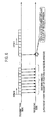
Fig. 9 , in the case where the handover procedure or the reconnection procedure is activated, the PDCP layer on the transmitting side transmits 4096 PDCP-PDUs ciphered by using the COUNT value with "HFN=0" while multiplexing the 4096 PDCP-PDUs on a single RLC-PDU. If detecting a success in receipt of the RLC-PDU, the PDCP layer on the receiving side updates the receive window from "HFN:0, PDCP-SN:0 to 2047" to "HFN:1, PDCP-SN:0 to 2047." - Thereafter, when the handover procedure or the reconnection procedure is completed, the PDCP layer on the transmitting side performs ciphering processing using the COUNT value composed by "HFN=0" on the PDCP-PDUs multiplexed on the RLC-PDU for which the successful delivery has not been confirmed in the RLC layer, and all the following PDCP-PDUs, and then transmits the ciphered PDCP-PDUs. In this case, however, the PDCP layer on the receiving side fails in the deciphering processing on the PDCP-PDUs due to a mismatch between the HFN used in the PDCP layer on the transmitting side and the HFN used in the PDCP layer on the receiving side.
- The present invention has been made in view of the problem described above and an objective thereof is to provide a mobile station and a radio base station capable of preventing a mismatch between an HFN used in the PDCP layer on the transmitting side and an HFN used in the PDCP layer on the receiving side, and thereby to avoid a decrease in the throughput due to a failure in deciphering processing on the PDCP-PDUs in the PDCP layer on the receiving side.
- A first feature of the present invention is a mobile station including: a receiver unit configured to receive a PDCP-PDU with a PDCP-SN added as a header at a PDCP layer from a radio base station; and a transmitter unit configured to transmit the PDCP-PDU at the PDCP layer to the radio base station. The receiver unit is configured to, if the PDCP-SN added as the header to the received PDCP-PDU exists in a receive window, perform deciphering processing on the PDCP-PDU by using a COUNT value composed by an HFN and the PDCP-SN, and the transmitter unit is configured to, if a predetermined trigger is detected, send the radio base station the HFN or the COUNT value most recently used in the deciphering processing on the PDCP-PDU.
- A second feature of the present invention is a mobile station including: a receiver unit configured to receive a PDCP-PDU with a PDCP-SN added as a header at a PDCP layer from a radio base station; and a transmitter unit configured to transmit the PDCP-PDU at the PDCP layer to the radio base station. The receiver unit is configured to, if the PDCP-SN added as the header to the received PDCP-PDU exists in a receive window, perform deciphering processing on the PDCP-PDU by using a COUNT value composed by an HFN and the PDCP-SN. The receiver unit is configured to, if the PDCP-SN added as the header to the received PDCP-PDU exists in a receive window, perform deciphering processing on the PDCP-PDU by using a COUNT value composed by an HFN and the PDCP-SN, and the transmitter unit is configured to, if a predetermined trigger is detected, send the radio base station the HFN or the COUNT value to be used in the deciphering processing on the next PDCP-PDU.
- A third feature of the present invention is a mobile station including: a receiver unit configured to receive a PDCP-PDU with a PDCP-SN added as a header at a PDCP layer from a radio base station; and a transmitter unit configured to transmit the PDCP-PDU at the PDCP layer to the radio base station. The receiver unit is configured to, if the PDCP-SN added as the header to the received PDCP-PDU exists in a receive window, perform deciphering processing on the PDCP-PDU by using a COUNT value composed by an HFN and the PDCP-SN. The receiver unit is configured to, if the PDCP-SN added as the header to the received PDCP-PDU exists in a receive window, perform deciphering processing on the PDCP-PDU by using a COUNT value composed by an HFN and the PDCP-SN, and the transmitter unit is configured to, if a predetermined trigger is detected, send the radio base station the HFN or the COUNT value to be used in the deciphering processing on the PDCP-PDU with the PDCP-SN assigned to a lower edge or upper edge of the receive window.
- A fourth feature of the present invention is a radio base station including: a receiver unit configured to receive a PDCP-PDU with a PDCP-SN added as a header at a PDCP layer from a mobile station; and a transmitter unit configured to transmit the PDCP-PDU at the PDCP layer to the mobile station. The receiver unit is configured to, if the PDCP-SN added as the header to the received PDCP-PDU exists in a receive window, perform deciphering processing on the PDCP-PDU by using a COUNT value composed by an HFN and the PDCP-SN, and the transmitter unit is configured to, if a predetermined trigger is detected, send the mobile station the HFN or the COUNT value most recently used in the deciphering processing on the PDCP-PDU.
- A fifth feature of the present invention is a radio base station including: a receiver unit configured to receive a PDCP-PDU with a PDCP-SN added as a header at a PDCP layer from a mobile station; and a transmitter unit configured to transmit the PDCP-PDU at the PDCP layer to the mobile station. The receiver unit is configured to, if the PDCP-SN given as the header to the received PDCP-PDU exists in a receive window, perform deciphering processing on the PDCP-PDU by using a COUNT value composed by an HFN and the PDCP-SN, and the transmitter unit is configured to, if a predetermined trigger is detected, send the mobile station the HFN or the COUNT value to be used in the deciphering processing on the next PDCP-PDU.
- A sixth feature of the present invention is a radio base station including: a receiver unit configured to receive a PDCP-PDU with a PDCP-SN added as a header at a PDCP layer from a mobile station; and a transmitter unit configured to transmit the PDCP-PDU at the PDCP layer to the mobile station. The receiver unit is configured to, if the PDCP-SN given as the header to the received PDCP-PDU exists in a receive window, perform deciphering processing on the PDCP-PDU by using a COUNT value composed by an HFN and the PDCP-SN, and the transmitter unit is configured to, if a predetermined trigger is detected, send the mobile station the HFN or the COUNT value to be used in the deciphering processing on the PDCP-PDU with the PDCP-SN assigned to a lower edge or upper edge of the receive window.
-
- [
Fig. 1] Fig. 1 is a diagram illustrating protocol stacks in a mobile station and a radio base station constituting a mobile communication system according to a first embodiment of the present invention. - [
Fig. 2] Fig. 2 is a functional block diagram of the mobile station according to the first embodiment of the present invention. - [
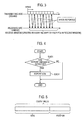
Fig. 3] Fig. 3 is a diagram for explaining an operation of the mobile communication system according to the first embodiment of the present invention. - [
Fig. 4] Fig. 4 is a flowchart illustrating an operation of the mobile station according to the first embodiment of the present invention. - [
Fig. 5] Fig. 5 is a diagram for explaining a conventional mobile communication system. - [
Fig. 6] Fig. 6 is a diagram for explaining the conventional mobile communication system. - [
Fig. 7] Fig. 7 is a diagram for explaining the conventional mobile communication system. - [
Fig. 8] Fig. 8 is a diagram for explaining the conventional mobile communication system. - [
Fig. 9] Fig. 9 is a diagram for explaining the conventional mobile communication system. - [
Fig. 10] Fig. 10 is a diagram for explaining the conventional mobile communication system. - A mobile communication system according to a first embodiment of the present invention is described in reference to
Figs. 1 to 4 . - An LTE-Advanced mobile communication system is explained as an example of a mobile communication system according to this embodiment. However, the present invention is not limited to such mobile communication system, but is applicable to any other types of mobile communication systems.
- As illustrated in
Fig. 1 , a mobile station UE and a radio base station eNB according to this embodiment are each provided with a physical (PHY) layer, a MAC (Media Access Control) layer, an RLC layer, a PDCP layer and an RRC layer. - As illustrated in
Fig. 2 , the mobile station UE according to this embodiment includes areceiver unit 11, amanager unit 12, and atransmitter unit 13. - The
receiver unit 11 is configured to receive PDCP-PDUs (downlink data) at the PDCP layer from the radio base station eNB, where each PDCP-PDU is given a PDCP-SN as the header. - The
manager unit 12 is configured to manage a receive window. To be more specific, themanager unit 12 is configured to manage the PDCP-SNs assigned to upper and lower edges of the receive window. - Moreover, the
manager unit 12 is configured to manage at least one of the HFN most recently used in the deciphering processing on a PDCP-PDU, the HFN to be used in the deciphering processing on the next PDCP-PDU, and the HFN to be used in the deciphering processing on the PDCP-PDU with the PDCP-SN assigned to the lower edge (or upper edge) of the receive window. - The
transmitter unit 13 is configured to transmit PDCP-PDUs at the PDCP layer to the radio base station eNB. - Here, the
receiver unit 11 is configured to, if the PDCP-SN given as the header to the PDCP-PDU received by thereceiver unit 11 exists in the receive window managed by themanager unit 12, perform the deciphering processing on the next PDCP-PDU by using the COUNT value composed by the PDCP-SN and the HFN managed by themanager unit 12 as the HFN to be used in the deciphering processing on the next PDCP-PDU. - Moreover, the
transmitter unit 13 is configured to, if an HFN report trigger (predetermined trigger) is detected, send the radio base station eNB the HFN or the COUNT value most recently used in the deciphering processing on the PDCP-PDU. - Instead, the
transmitter unit 13 may be configured to, if the HFN report trigger is detected, send the radio base station eNB the HFN or the COUNT value to be used in the deciphering processing on the next PDCP-PDU. - Alternatively, the
transmitter unit 13 may be configured to, if the HFN report trigger is detected, send the radio base station eNB the HFN or the COUNT value to be used in the deciphering processing on the PDCP-PDU with the PDCP-SN assigned to the lower edge (or upper edge) of the receive window. - Here, the
transmitter unit 13 may be configured to transmit at least one of the aforementioned HFNs or COUNT values to the radio base station eNB by way of a "PDCP Status Report", dedicated PDCP signaling or the like. - Instead, the
transmitter unit 13 may be configured to transmit at least one of the aforementioned HFNs or COUNT values to the radio base station eNB at another layer such as the RRC layer, the RLC layer, the MAC layer or the physical layer. - Additionally, as illustrated in
Fig. 3 , thetransmitter unit 13 may be configured to judge that the HFN report trigger is detected when regular timing arrives, and to transmit at least one of the aforementioned HFNs or COUNT values to the radio base station eNB. - Instead, the
transmitter unit 13 may be configured to judge that the HFN report trigger is detected when thetransmitter unit 13 is requested from the radio base station eNB, and to transmit at least one of the aforementioned HFNs or COUNT values to the radio base station eNB. - Alternatively, the
transmitter unit 13 may be configured to judge that the HFN report trigger is detected when the handover procedure or the reconnection procedure is activated, and to transmit at least one of the aforementioned HFNs or COUNT values to the radio base station eNB. - Or else, the
transmitter unit 13 may be configured to judge that the HFN report trigger is detected when the regular timing arrives while a "ProhibitTimer" is not running (or is expired), and to transmit at least one of the aforementioned HFNs or COUNT values to the radio base station eNB. - Instead, the
transmitter unit 13 may be configured to judge that the HFN report trigger is detected when thetransmitter unit 13 is requested from the radio base station eNB while the "ProhibitTimer" is not running (or is expired), and to transmit at least one of the aforementioned HFNs or COUNT values to the radio base station eNB. - Otherwise, the
transmitter unit 13 may be configured to judge that the HFN report trigger is detected when the handover procedure or the reconnection procedure is activated while the "ProhibitTimer" is not running (or is expired), and to transmit at least one of the aforementioned HFNs or COUNT values to the radio base station eNB. - Here, the "ProhibitTimer" may be configured to be set by the radio base station eNB.
- Hereinafter, an operation of the mobile station UE according to this embodiment is described in reference to
Fig. 4 . - As illustrated in
Fig. 4 , in step S101, the mobile station UE judges whether the HFN report trigger is detected or not. - This operation proceeds to step S102 if "YES," or the operation ends if "NO."
- In step S102, the mobile station UE transmits at least one of the aforementioned HFNs or COUNT values to the radio base station eNB.
- In the invention according to this embodiment, the mobile station UE is configured to, when detecting the HFN report trigger, send the radio base station eNB at least one of the HFN (or the COUNT value) most recently used in the deciphering processing on the PDCP-PDU, the HFN (or the COUNT value) to be used in the deciphering processing on the next PDCP-PDU, and the HFN (or the COUNT value) to be used in the deciphering processing on the PDCP-PDU with the PDCP-SN assigned to the lower edge (or upper edge) of the receive window. This enables avoidance of a situation where a mismatch occurs between the HFN used in the PDCP layer of the radio base station eNB (transmitting side) and the HFN used in the PDCP layer of the mobile station UE (receiving side).
- It should be noted that a radio base station eNB may have the same function as that of the mobile station UE in the first embodiment.
- In the invention according to this embodiment, the radio base station eNB is configured to, when detecting the HFN report trigger, send the mobile station UE at least one of the HFN (or the COUNT value) most recently used in the deciphering processing on the PDCP-PDU, the HFN (or the COUNT value) to be used in the deciphering processing on the next PDCP-PDU, and the HFN (or the COUNT value) to be used in the deciphering processing on the PDCP-PDU with the PDCP-SN assigned to the lower edge (or upper edge) of the receive window. This enables avoidance of a situation where a mismatch occurs between the HFN used in the PDCP layer of the mobile station UE (transmitting side) and the HFN used in the PDCP layer of the radio base station eNB (receiving side).
- The foregoing features of this embodiment can be expressed as follows.
- A first feature of this embodiment is a mobile station UE including: a
receiver unit 11 configured to receive a PDCP-PDU with a PDCP-SN added as a header at a PDCP layer from a radio base station eNB; and atransmitter unit 13 configured to transmit a PDCP-PDU at the PDCP layer to the radio base station eNB. Thereceiver unit 11 is configured to, if the PDCP-SN added as the header to the received PDCP-PDU exists in a receive window, perform deciphering processing on the PDCP-PDU by using a COUNT value composed by an HFN and the PDCP-SN. Thetransmitter unit 13 is configured to, if an HFN report trigger (predetermined trigger) is detected, send the radio base station eNB the HFN or the COUNT value most recently used in the deciphering processing on the PDCP-PDU. - A second feature of this embodiment is a mobile station UE including: a
receiver unit 11 configured to receive a PDCP-PDU with a PDCP-SN added as a header at a PDCP layer from a radio base station eNB; and atransmitter unit 13 configured to transmit a PDCP-PDU at the PDCP layer to the radio base station eNB. Thereceiver unit 11 is configured to, if the PDCP-SN added as the header to the received PDCP-PDU exists in a receive window, perform deciphering processing on the PDCP-PDU by using a COUNT value composed by an HFN and the PDCP-SN. Thetransmitter unit 13 is configured to, if an HFN report trigger is detected, send the radio base station eNB the HFN or the COUNT value to be used in the deciphering processing on the next PDCP-PDU. - A third feature of this embodiment is a mobile station UE including: a
receiver unit 11 configured to receive a PDCP-PDU with a PDCP-SN added as a header at a PDCP layer from a radio base station eNB; and atransmitter unit 13 configured to transmit a PDCP-PDU at the PDCP layer to the radio base station eNB. Thereceiver unit 11 is configured to, if the PDCP-SN added as the header to the received PDCP-PDU exists in a receive window, perform deciphering processing on the PDCP-PDU by using a COUNT value composed by an HFN and the PDCP-SN. Thetransmitter unit 13 is configured to, if an HFN report trigger is detected, send the radio base station eNB the HFN or the COUNT value to be used in the deciphering processing on a PDCP-PDU with a PDCP-SN assigned to a lower edge or an upper edge of the receive window. - A fourth feature of this embodiment is a radio base station eNB including: a
receiver unit 11 configured to receive a PDCP-PDU with a PDCP-SN added as a header at a PDCP layer from a mobile station UE; and atransmitter unit 13 configured to transmit a PDCP-PDU at the PDCP layer to the mobile station UE. Thereceiver unit 11 is configured to, if the PDCP-SN added as the header to the received PDCP-PDU exists in a receive window, perform deciphering processing on the PDCP-PDU by using a COUNT value composed by an HFN and the PDCP-SN. Thetransmitter unit 13 is configured to, if an HFN report trigger is detected, send the mobile station UE the HFN or the COUNT value most recently used in the deciphering processing on the PDCP-PDU. - A fifth feature of this embodiment is a radio base station eNB including: a
receiver unit 11 configured to receive a PDCP-PDU with a PDCP-SN added as a header at a PDCP layer from a mobile station UE; and atransmitter unit 13 configured to transmit a PDCP-PDU at the PDCP layer to the mobile station UE. Thereceiver unit 11 is configured to, if the PDCP-SN added as the header to the received PDCP-PDU exists in a receive window, perform deciphering processing on the PDCP-PDU by using a COUNT value composed by an HFN and the PDCP-SN. Thetransmitter unit 13 is configured to, if an HFN report trigger is detected, send the mobile station UE the HFN or the COUNT value to be used in the deciphering processing on the next PDCP-PDU. - A sixth feature of this embodiment is a radio base station eNB including: a
receiver unit 11 configured to receive a PDCP-PDU with a PDCP-SN added as a header at a PDCP layer from a mobile station UE; and atransmitter unit 13 configured to transmit a PDCP-PDU at the PDCP layer to the mobile station UE. Thereceiver unit 11 is configured to, if the PDCP-SN added as the header to the received PDCP-PDU exists in a receive window, perform deciphering processing on the PDCP-PDU by using a COUNT value composed by an HFN and the PDCP-SN. Thetransmitter unit 13 is configured to, if an HFN report trigger is detected, send the mobile station UE the HFN or the COUNT value to be used in the deciphering processing on a PDCP-PDU with a PDCP-SN assigned to a lower edge or an upper edge of the receive window. - It should be noted that the foregoing operations of the mobile station UE and the radio base station eNB may be implemented by hardware, may be implemented by a software module executed by a processor, or may be implemented in combination of the two.
- The software module may be provided in a storage medium in any format, such as a RAM (Random Access Memory), a flash memory, a ROM (Read Only Memory), an EPROM (Erasable Programmable ROM), an EEPROM (Electronically Erasable and Programmable ROM), a register, a hard disk, a removable disk, or a CD-ROM.
- The storage medium is connected to a processor so that the processor can read and write information from and to the storage medium. Instead, the storage medium may be integrated in a processor. The storage medium and the processor may be provided inside an ASIC. Such an ASIC may be provided in the mobile station UE or the radio base station eNB. Otherwise, the storage medium and the processor may be provided as discrete components inside the mobile station UE or the radio base station eNB.
- Hereinabove, the present invention has been described in detail by use of the foregoing embodiments. However, it is apparent to those skilled in the art that the present invention should not be limited to the embodiments described in the specification. The present invention can be implemented as an altered or modified embodiment without departing from the spirit and scope of the present invention, which are determined by the description of the scope of claims. Therefore, the description of the specification is intended for illustrative explanation only and does not impose any limited interpretation on the present invention.
- Note that the entire content of Japanese Patent Application No.
2012-055767 (filed on March 13, 2012 - As described above, according to the present invention, it is possible to provide a mobile station and a radio base station each capable of preventing a mismatch between an HFN used in the PDCP layer on a transmitting side and an HFN used in the PDCP layer on a receiving side, and thereby avoiding a decrease in the throughput due to a failure in deciphering processing on PDCP-PDUs in the PDCP layer on the receiving side.
-
- UE
- mobile station
- eNB
- radio base station
- 11
- receiver unit
- 12
- manager unit
- 13
- transmitter unit
Claims (6)
- A mobile station comprising:a receiver unit configured to receive a PDCP (Packet Data Convergence Protocol)-PDU with a PDCP-SN added as a header at a PDCP layer from a radio base station; anda transmitter unit configured to transmit the PDCP-PDU at the PDCP layer to the radio base station, whereinthe receiver unit is configured to, if the PDCP-SN added as the header to the received PDCP-PDU exists in a receive window, perform deciphering processing on the PDCP-PDU by using a COUNT value composed by an HFN (Hyper Frame Number) and the PDCP-SN, andthe transmitter unit is configured to, if a predetermined trigger is detected, send the radio base station the HFN or the COUNT value most recently used in the deciphering processing on the PDCP-PDU.
- A mobile station comprising:a receiver unit configured to receive a PDCP (Packet Data Convergence Protocol)-PDU with a PDCP-SN added as a header at a PDCP layer from a radio base station; anda transmitter unit configured to transmit the PDCP-PDU at the PDCP layer to the radio base station, whereinthe receiver unit is configured to, if the PDCP-SN added as the header to the received PDCP-PDU exists in a receive window, perform deciphering processing on the PDCP-PDU by using a COUNT value composed by an HFN (Hyper Frame Number) and the PDCP-SN, andthe transmitter unit is configured to, if a predetermined trigger is detected, send the radio base station the HFN or the COUNT value to be used in the deciphering processing on the next PDCP-PDU.
- A mobile station comprising:a receiver unit configured to receive a PDCP (Packet Data Convergence Protocol)-PDU with a PDCP-SN added as a header at a PDCP layer from a radio base station; anda transmitter unit configured to transmit the PDCP-PDU at the PDCP layer to the radio base station, whereinthe receiver unit is configured to, if the PDCP-SN added as the header to the received PDCP-PDU exists in a receive window, perform deciphering processing on the PDCP-PDU by using a COUNT value composed by an HFN (Hyper Frame Number) and the PDCP-SN, andthe transmitter unit is configured to, if a predetermined trigger is detected, send the radio base station the HFN or the COUNT value to be used in the deciphering processing on the PDCP-PDU with the PDCP-SN assigned to a lower edge or upper edge of the receive window.
- A radio base station comprising:a receiver unit configured to receive a PDCP (Packet Data Convergence Protocol)-PDU with a PDCP-SN added as a header at a PDCP layer from a mobile station; anda transmitter unit configured to transmit the PDCP-PDU at the PDCP layer to the mobile station, whereinthe receiver unit is configured to, if the PDCP-SN added as the header to the received PDCP-PDU exists in a receive window, perform deciphering processing on the PDCP-PDU by using a COUNT value composed by an HFN (Hyper Frame Number) and the PDCP-SN, andthe transmitter unit is configured to, if a predetermined trigger is detected, send the mobile station the HFN or the COUNT value most recently used in the deciphering processing on the PDCP-PDU.
- A radio base station comprising:a receiver unit configured to receive a PDCP (Packet Data Convergence Protocol)-PDU with a PDCP-SN added as a header at a PDCP layer from a mobile station; anda transmitter unit configured to transmit the PDCP-PDU at the PDCP layer to the mobile station, whereinthe receiver unit is configured to, if the PDCP-SN given as the header to the received PDCP-PDU exists in a receive window, perform deciphering processing on the PDCP-PDU by using a COUNT value composed by an HFN (Hyper Frame Number) and the PDCP-SN, andthe transmitter unit is configured to, if a predetermined trigger is detected, send the mobile station the HFN or the COUNT value to be used in the deciphering processing on the next PDCP-PDU.
- A radio base station comprising:a receiver unit configured to receive a PDCP (Packet Data Convergence Protocol)-PDU with a PDCP-SN added as a header at a PDCP layer from a mobile station; anda transmitter unit configured to transmit the PDCP-PDU at the PDCP layer to the mobile station, whereinthe receiver unit is configured to, if the PDCP-SN given as the header to the received PDCP-PDU exists in a receive window, perform deciphering processing on the PDCP-PDU by using a COUNT value composed by an HFN (Hyper Frame Number) and the PDCP-SN, andthe transmitter unit is configured to, if a predetermined trigger is detected, send the mobile station the HFN or the COUNT value to be used in the deciphering processing on the PDCP-PDU with the PDCP-SN assigned to a lower edge or upper edge of the receive window.
Priority Applications (1)
| Application Number | Priority Date | Filing Date | Title |
|---|---|---|---|
| EP19174414.3A EP3544328B1 (en) | 2012-03-13 | 2013-03-13 | Mobile station and radio base station |
Applications Claiming Priority (2)
| Application Number | Priority Date | Filing Date | Title |
|---|---|---|---|
| JP2012055767A JP6001886B2 (en) | 2012-03-13 | 2012-03-13 | Mobile station and radio base station |
| PCT/JP2013/056977 WO2013137303A1 (en) | 2012-03-13 | 2013-03-13 | Mobile station and wireless base station |
Related Child Applications (1)
| Application Number | Title | Priority Date | Filing Date |
|---|---|---|---|
| EP19174414.3A Division EP3544328B1 (en) | 2012-03-13 | 2013-03-13 | Mobile station and radio base station |
Publications (2)
| Publication Number | Publication Date |
|---|---|
| EP2827626A1 true EP2827626A1 (en) | 2015-01-21 |
| EP2827626A4 EP2827626A4 (en) | 2015-10-28 |
Family
ID=49161208
Family Applications (2)
| Application Number | Title | Priority Date | Filing Date |
|---|---|---|---|
| EP13760413.8A Withdrawn EP2827626A4 (en) | 2012-03-13 | 2013-03-13 | MOBILE STATION AND WIRELESS BASE STATION |
| EP19174414.3A Active EP3544328B1 (en) | 2012-03-13 | 2013-03-13 | Mobile station and radio base station |
Family Applications After (1)
| Application Number | Title | Priority Date | Filing Date |
|---|---|---|---|
| EP19174414.3A Active EP3544328B1 (en) | 2012-03-13 | 2013-03-13 | Mobile station and radio base station |
Country Status (5)
| Country | Link |
|---|---|
| US (1) | US9485005B2 (en) |
| EP (2) | EP2827626A4 (en) |
| JP (1) | JP6001886B2 (en) |
| ES (1) | ES2927329T3 (en) |
| WO (1) | WO2013137303A1 (en) |
Cited By (1)
| Publication number | Priority date | Publication date | Assignee | Title |
|---|---|---|---|---|
| EP3065456A4 (en) * | 2013-10-31 | 2016-10-26 | Ntt Docomo Inc | USER EQUIPMENT AND METHOD |
Families Citing this family (4)
| Publication number | Priority date | Publication date | Assignee | Title |
|---|---|---|---|---|
| US10470141B2 (en) * | 2015-02-26 | 2019-11-05 | Telefonaktiebolaget Lm Ericsson (Publ) | Handling of hyper frame number de-synchronization incidents |
| EP3326408B1 (en) * | 2015-07-22 | 2020-04-01 | Intel IP Corporation | Convergence layer for 5g communication systems |
| US20180234839A1 (en) | 2017-02-13 | 2018-08-16 | Futurewei Technologies, Inc. | System and Method for User Equipment Identification and Communications |
| KR102794834B1 (en) | 2017-02-24 | 2025-04-14 | 삼성전자주식회사 | Apparatus and method for transmitting of data between base stations in wireless communication system |
Family Cites Families (9)
| Publication number | Priority date | Publication date | Assignee | Title |
|---|---|---|---|---|
| EP3160174B1 (en) * | 2007-09-28 | 2018-12-26 | Interdigital Patent Holdings, Inc. | Operation of control protocol data units in packet data convergence protocol |
| KR20090043465A (en) * | 2007-10-29 | 2009-05-06 | 엘지전자 주식회사 | Error solving method according to radio bearer type |
| US8208498B2 (en) * | 2007-10-30 | 2012-06-26 | Qualcomm Incorporated | Methods and systems for HFN handling at inter-base station handover in mobile communication networks |
| US20090168723A1 (en) | 2007-11-27 | 2009-07-02 | Qualcomm Incorporated | Method and apparatus for handling out-of-order packets during handover in a wireless communication system |
| CN101981962B (en) * | 2008-03-31 | 2013-07-24 | 日本电气株式会社 | Concealment processing device, concealment processing method, and concealment processing program |
| US8743905B2 (en) * | 2008-12-22 | 2014-06-03 | Qualcomm Incorporated | Method and apparatus for bundling and ciphering data |
| JP2011061364A (en) * | 2009-09-08 | 2011-03-24 | Panasonic Corp | Transmission device and transmission method |
| US8379855B2 (en) * | 2010-06-03 | 2013-02-19 | Nokia Corporation | Ciphering in a packet-switched telecommunications system |
| JP5286549B2 (en) | 2011-12-22 | 2013-09-11 | 株式会社ソフイア | Game machine |
-
2012
- 2012-03-13 JP JP2012055767A patent/JP6001886B2/en active Active
-
2013
- 2013-03-13 US US14/384,512 patent/US9485005B2/en active Active
- 2013-03-13 EP EP13760413.8A patent/EP2827626A4/en not_active Withdrawn
- 2013-03-13 WO PCT/JP2013/056977 patent/WO2013137303A1/en not_active Ceased
- 2013-03-13 ES ES19174414T patent/ES2927329T3/en active Active
- 2013-03-13 EP EP19174414.3A patent/EP3544328B1/en active Active
Cited By (1)
| Publication number | Priority date | Publication date | Assignee | Title |
|---|---|---|---|---|
| EP3065456A4 (en) * | 2013-10-31 | 2016-10-26 | Ntt Docomo Inc | USER EQUIPMENT AND METHOD |
Also Published As
| Publication number | Publication date |
|---|---|
| EP2827626A4 (en) | 2015-10-28 |
| EP3544328B1 (en) | 2022-08-17 |
| JP2013191972A (en) | 2013-09-26 |
| EP3544328A1 (en) | 2019-09-25 |
| US9485005B2 (en) | 2016-11-01 |
| JP6001886B2 (en) | 2016-10-05 |
| US20150036593A1 (en) | 2015-02-05 |
| ES2927329T3 (en) | 2022-11-04 |
| WO2013137303A1 (en) | 2013-09-19 |
Similar Documents
| Publication | Publication Date | Title |
|---|---|---|
| US10805430B2 (en) | Evolved data compression scheme signaling | |
| US10397754B2 (en) | Packet data convergence protocol reordering with enhanced component carriers | |
| US9532268B2 (en) | Methods and apparatus for synchronizing a user equipment with an HFN offset | |
| US20170041766A1 (en) | Media access control segmentation and packet data convergence protocol delivery notification with enhanced component carriers | |
| US20160308776A1 (en) | Enhancements for pdcp layer | |
| EP3065456A1 (en) | User equipment and method | |
| KR20090027157A (en) | Method for transmitting status report of pdcp layer in mobile telecommunications system and receiver of mobile telecommunications | |
| US8811425B2 (en) | Mobile communication method, radio base station, and mobile station | |
| EP2086272A1 (en) | Mobile communication system and method for transmitting PDCP status report thereof | |
| TWI706652B (en) | Device and method of handling buffer status reporting for packet duplication | |
| KR20200034738A (en) | Radio link control unacknowledged mode reception techniques | |
| US20100110984A1 (en) | Retransmission request transmission method, transmitting- side apparatus and receiving-side apparatus | |
| EP3544328B1 (en) | Mobile station and radio base station | |
| US20150304903A1 (en) | Mobile communication method and mobile station | |
| US20120300614A1 (en) | Method and apparatus for error correction ciphering in mobile communication system | |
| US9825806B2 (en) | Mobile communication method and mobile station | |
| CN104620624A (en) | Mobile communication system, radio base station and mobile station | |
| US20140024344A1 (en) | Mobile communication method, radio base station, mobile management node, and mobile station | |
| JP6141604B2 (en) | Mobile station and radio base station | |
| WO2013168752A1 (en) | Mobile station and wireless base station | |
| US20150373720A1 (en) | Mobile station and mobile communication system | |
| JP2017153143A (en) | Mobile station and radio base station | |
| WO2014132921A1 (en) | Wireless base station | |
| WO2013168751A1 (en) | Mobile station and wireless base station |
Legal Events
| Date | Code | Title | Description |
|---|---|---|---|
| PUAI | Public reference made under article 153(3) epc to a published international application that has entered the european phase |
Free format text: ORIGINAL CODE: 0009012 |
|
| 17P | Request for examination filed |
Effective date: 20141001 |
|
| AK | Designated contracting states |
Kind code of ref document: A1 Designated state(s): AL AT BE BG CH CY CZ DE DK EE ES FI FR GB GR HR HU IE IS IT LI LT LU LV MC MK MT NL NO PL PT RO RS SE SI SK SM TR |
|
| AX | Request for extension of the european patent |
Extension state: BA ME |
|
| DAX | Request for extension of the european patent (deleted) | ||
| RA4 | Supplementary search report drawn up and despatched (corrected) |
Effective date: 20150928 |
|
| RIC1 | Information provided on ipc code assigned before grant |
Ipc: H04W 12/10 20090101ALI20150922BHEP Ipc: H04W 36/00 20090101ALI20150922BHEP Ipc: H04W 80/02 20090101ALI20150922BHEP Ipc: H04W 12/02 20090101AFI20150922BHEP Ipc: H04B 7/155 20060101ALI20150922BHEP Ipc: H04W 76/02 20090101ALI20150922BHEP |
|
| STAA | Information on the status of an ep patent application or granted ep patent |
Free format text: STATUS: EXAMINATION IS IN PROGRESS |
|
| RIC1 | Information provided on ipc code assigned before grant |
Ipc: H04W 80/02 20090101ALI20181221BHEP Ipc: H04W 12/02 20090101AFI20181221BHEP Ipc: H04B 7/155 20060101ALI20181221BHEP Ipc: H04W 76/19 20180101ALI20181221BHEP Ipc: H04W 12/10 20090101ALI20181221BHEP Ipc: H04W 36/00 20090101ALI20181221BHEP |
|
| 17Q | First examination report despatched |
Effective date: 20190108 |
|
| RIC1 | Information provided on ipc code assigned before grant |
Ipc: H04W 80/02 20090101ALI20181221BHEP Ipc: H04W 76/19 20180101ALI20181221BHEP Ipc: H04W 12/10 20090101ALI20181221BHEP Ipc: H04W 12/02 20090101AFI20181221BHEP Ipc: H04B 7/155 20060101ALI20181221BHEP Ipc: H04W 36/00 20090101ALI20181221BHEP |
|
| STAA | Information on the status of an ep patent application or granted ep patent |
Free format text: STATUS: THE APPLICATION HAS BEEN WITHDRAWN |
|
| 18W | Application withdrawn |
Effective date: 20190516 |