EP2823883A1 - Coating with photochromic properties, method for producing said coating and use thereof applicable to optical articles and glazed surfaces - Google Patents
Coating with photochromic properties, method for producing said coating and use thereof applicable to optical articles and glazed surfaces Download PDFInfo
- Publication number
- EP2823883A1 EP2823883A1 EP13758269.8A EP13758269A EP2823883A1 EP 2823883 A1 EP2823883 A1 EP 2823883A1 EP 13758269 A EP13758269 A EP 13758269A EP 2823883 A1 EP2823883 A1 EP 2823883A1
- Authority
- EP
- European Patent Office
- Prior art keywords
- photochromic
- capsules
- coating
- nanocapsules
- cortex
- Prior art date
- Legal status (The legal status is an assumption and is not a legal conclusion. Google has not performed a legal analysis and makes no representation as to the accuracy of the status listed.)
- Granted
Links
Images



Classifications
-
- G—PHYSICS
- G02—OPTICS
- G02B—OPTICAL ELEMENTS, SYSTEMS OR APPARATUS
- G02B1/00—Optical elements characterised by the material of which they are made; Optical coatings for optical elements
- G02B1/10—Optical coatings produced by application to, or surface treatment of, optical elements
-
- B—PERFORMING OPERATIONS; TRANSPORTING
- B01—PHYSICAL OR CHEMICAL PROCESSES OR APPARATUS IN GENERAL
- B01J—CHEMICAL OR PHYSICAL PROCESSES, e.g. CATALYSIS OR COLLOID CHEMISTRY; THEIR RELEVANT APPARATUS
- B01J13/00—Colloid chemistry, e.g. the production of colloidal materials or their solutions, not otherwise provided for; Making microcapsules or microballoons
- B01J13/02—Making microcapsules or microballoons
- B01J13/06—Making microcapsules or microballoons by phase separation
- B01J13/14—Polymerisation; cross-linking
- B01J13/16—Interfacial polymerisation
-
- B—PERFORMING OPERATIONS; TRANSPORTING
- B05—SPRAYING OR ATOMISING IN GENERAL; APPLYING FLUENT MATERIALS TO SURFACES, IN GENERAL
- B05D—PROCESSES FOR APPLYING FLUENT MATERIALS TO SURFACES, IN GENERAL
- B05D5/00—Processes for applying liquids or other fluent materials to surfaces to obtain special surface effects, finishes or structures
- B05D5/06—Processes for applying liquids or other fluent materials to surfaces to obtain special surface effects, finishes or structures to obtain multicolour or other optical effects
-
- C—CHEMISTRY; METALLURGY
- C09—DYES; PAINTS; POLISHES; NATURAL RESINS; ADHESIVES; COMPOSITIONS NOT OTHERWISE PROVIDED FOR; APPLICATIONS OF MATERIALS NOT OTHERWISE PROVIDED FOR
- C09B—ORGANIC DYES OR CLOSELY-RELATED COMPOUNDS FOR PRODUCING DYES, e.g. PIGMENTS; MORDANTS; LAKES
- C09B23/00—Methine or polymethine dyes, e.g. cyanine dyes
- C09B23/0066—Methine or polymethine dyes, e.g. cyanine dyes the polymethine chain being part of a carbocyclic ring,(e.g. benzene, naphtalene, cyclohexene, cyclobutenene-quadratic acid)
-
- G—PHYSICS
- G02—OPTICS
- G02B—OPTICAL ELEMENTS, SYSTEMS OR APPARATUS
- G02B1/00—Optical elements characterised by the material of which they are made; Optical coatings for optical elements
- G02B1/04—Optical elements characterised by the material of which they are made; Optical coatings for optical elements made of organic materials, e.g. plastics
-
- G—PHYSICS
- G02—OPTICS
- G02B—OPTICAL ELEMENTS, SYSTEMS OR APPARATUS
- G02B5/00—Optical elements other than lenses
- G02B5/20—Filters
- G02B5/206—Filters comprising particles embedded in a solid matrix
-
- G—PHYSICS
- G02—OPTICS
- G02B—OPTICAL ELEMENTS, SYSTEMS OR APPARATUS
- G02B5/00—Optical elements other than lenses
- G02B5/20—Filters
- G02B5/22—Absorbing filters
- G02B5/23—Photochromic filters
-
- G—PHYSICS
- G03—PHOTOGRAPHY; CINEMATOGRAPHY; ANALOGOUS TECHNIQUES USING WAVES OTHER THAN OPTICAL WAVES; ELECTROGRAPHY; HOLOGRAPHY
- G03C—PHOTOSENSITIVE MATERIALS FOR PHOTOGRAPHIC PURPOSES; PHOTOGRAPHIC PROCESSES, e.g. CINE, X-RAY, COLOUR, STEREO-PHOTOGRAPHIC PROCESSES; AUXILIARY PROCESSES IN PHOTOGRAPHY
- G03C1/00—Photosensitive materials
- G03C1/002—Photosensitive materials containing microcapsules
-
- G—PHYSICS
- G03—PHOTOGRAPHY; CINEMATOGRAPHY; ANALOGOUS TECHNIQUES USING WAVES OTHER THAN OPTICAL WAVES; ELECTROGRAPHY; HOLOGRAPHY
- G03C—PHOTOSENSITIVE MATERIALS FOR PHOTOGRAPHIC PURPOSES; PHOTOGRAPHIC PROCESSES, e.g. CINE, X-RAY, COLOUR, STEREO-PHOTOGRAPHIC PROCESSES; AUXILIARY PROCESSES IN PHOTOGRAPHY
- G03C1/00—Photosensitive materials
- G03C1/72—Photosensitive compositions not covered by the groups G03C1/005 - G03C1/705
- G03C1/73—Photosensitive compositions not covered by the groups G03C1/005 - G03C1/705 containing organic compounds
Definitions
- the present invention relates, in a first aspect, to a coating with photochromic properties, applicable to optical articles and transparent, translucent or reflective glazed surfaces; however, this is not a limitation of the material and the coating described may also be applied on metallic surfaces, for example.
- the coating is formed by a polymeric matrix within which hollow micro- or nanocapsules which contain solutions of one or various photochromes are dispersed.
- the cortex of the capsule isolates and protects the solution of the photochromes, in such a way that when the encapsulated material is included in any other medium (for example, a rigid matrix), the photoactivity characteristic of the photochromes in solution is maintained.
- the cortex acts like a compatibilizing agent which facilitates the dispersion of the encapsulated photochromic material in any polymeric matrix.
- the invention is applicable to any type or combination of photochromic compounds within any solid matrix without affecting the optical and interconversion properties of the photochromes used.
- the invention describes a method for producing said coating.
- the invention proposes the use, under specific conditions, of said coating on a rigid polymeric, metallic, glass surface, etc.
- Photochromic compounds are systems which, by stimulation with electromagnetic radiation, interconvert between two states (A and B) which have different colors. Once the irradiation by light is interrupted, the photoinduced state B may be thermally cooled down and return at the initial state A (B ⁇ A). Furthermore, the interconversion B ⁇ A may be induced by photochemical means, irradiating at a wavelength different from that used for the interconversion A ⁇ B.
- the A ⁇ B interconversion velocities (direct process) and B ⁇ A (reverse process) vary according to the wavelengths used, the temperature, the intrinsic properties of the photochromic compounds (i.e. structure, interconversion mechanism) and obviously, of the medium where the molecules of the photochromic material are dissolved/dispersed. Generally, the photoinduced processes (direct or reverse) are the fastest and their velocity is less affected by these experimental parameters. On the other hand, when the reverse process is carried out thermally, the velocity thereof depends to a large degree on the temperature and the medium.
- the interconversion between the two states thereof requires a geometric and significant conformational change at the molecular level. Said interconversions are generally fast in solution, where the molecules have a large degree of movement.
- the interconversion velocity, and very particularly for the reverse thermal process B ⁇ A is greatly affected when these compounds are dispersed directly on a solid environment. This is a significant problem since for many uses, these compounds are used in a solid state. For example, in many cases, they are used as coatings, and therefore they need to be deposited on a rigid polymeric, metallic, glass surface, etc. It is evident that the direct deposition of the material on a surface would have the main disadvantage of being overly exposed to external factors.
- the photochromic system has characteristic optical properties, once it is deposited on a surface in crystalline form or dispersed in a polymer, its properties may be significantly changed. Firstly, the absence of solvent directly influences the energy of the absorption bands, altering, in effect, the absorption spectrums of the states of the photochromic system (and thus, the color thereof).
- This invention describes a new methodology by means of which photochromes may be introduced into solid matrices, preserving the behavior and the interconversion kinetics thereof which are demonstrated in solution.
- the approach which is used consists of the formation of core-shell capsules, the core of which is formed by a solution of the photochrome of interest in a liquid solvent and is protected from the outside by a solid and impermeable cortex which has mechanical and structural resistance.
- This allows said capsules to be able to be included in rigid polymeric matrices without the optical and interconversion properties of the photochrome content being affected.
- the cortex of the capsules acts as a protective layer against reactive substances which put at risk the preservation of the photochromic activity, contributing to the increase in stability and thus, the durability of the system.
- the present invention provides a coating with photochromic properties applicable to optical articles and glazed surfaces, formed by the combination of the following three elements:
- the invention comprises capsules which encapsulate one or more different photochromic systems in such a way that said photochromic systems absorb at different wavelengths.
- said capsules may have a micrometric size of between 1 and 10000 micrometers or be nanometric with a size of between 20 and 1000 nanometers.
- the cortex of the capsule is chosen from among an organic, inorganic or hybrid material and in particular may be polyamide or melamine and formaldehyde.
- the invention proposes a method for producing a coating with photochromic properties applicable to optical articles and glazed surfaces, which comprises:
- the invention provides the use of one or more photochromic compounds in solution and encapsulated according to that which has been previously explained for forming coatings suited for surfaces of optical articles and glazed surfaces, temporary staining, etc.
- micro/nanocapsules synthesized using different methodologies and which contain different solvents and photochromes.
- This first example consists of encapsulating solutions of photochromic compounds inside polyamide capsules.
- the formation of the polyamide capsules takes place in situ by means of an interfacial polycondensation by means of a methodology which has been derived from the proposal of H. Misawa et al for the synthesis of impermeable microcapsules ( Laser Manipulation and Ablation of a Single Microcapsule in Water, H. Misawa, N. Kitamura, H. Masuhara, J. Am. Chem. Soc. 1991, 113, 7859-7863 ).
- the monomers which are used in this type of polymerization process are acyl di- or trichlorides (dissolved generally in organic solvents) and polyamines (di- or triamines dissolved in aqueous phase).
- the first step in the synthesis process of the capsules consists of forming an emulsion obtained by mixing and stirring vigorously an organic solution of the acyl chloride of interest with an aqueous phase which contains a stabilizer (PVA, PVP, etc.). This leads to the formation of small micro- and nano droplets of the organic phase dispersed in the aqueous main phase, the size of which depends on the stirring velocity, the nature and concentration of the stabilizer, the type of organic solvent and the initial ratio between the organic phase and the aqueous phase.
- PVA stabilizer
- the amine of interest is added, which quickly induces the beginning of the interfacial polycondensation process where chemically interlinked polyamide chains are formed around the droplets of the emulsion and trap the organic phase used inside them.
- This gives rise to the formation of capsules with organic solvent inside, the micro- and nanometric size of which is determined by that of the droplets of the initial emulsion.
- the photochrome is dissolved in the initial organic solution, the latter remains encapsulated together with the solvent inside the polyamide capsules once the polycondensation reaction has finished (3-24 hours).
- terc phthaloyl chloride and diethylenetriamine has been used as monomers
- PVP polyvinylpyrrolidone
- PVA hydrolyzed polyvinyl alcohol
- Tween 20 ® has been used as stabilizers.
- Table 1 Photochromic systems and solvents encapsulated in polyamide capsules and maximum wavelengths of absorption of the photoinduced (B) states of the photochromes.
- the size of the polyamide capsules prepared has been adjusted by means of the controlled variation of the following experimental conditions: stirring velocity during the emulsification process (600-1500 rpm), nature of the stabilizer (PVA, PVP, Tween 20) and concentration of the stabilizer (PVA: 0.2-0.4%, PVP: 0.4-25%, Tween 20 ® : 1-10%). Varying these parameters has enabled three families of polyamide capsules of different sizes to be prepared, just as it has been determined by means of the electronic and optical microscopy measurements:
- the structure of the polyamide capsules prepared has also been analyzed by means of microscopy measurements. As it is observed in Figures 1-3 , these measurements allow it to be established that the capsules obtained have an outer cortex and an internal cavity, within which the photochrome solutions are expected to be encapsulated. In fact, said capsules have the color typical of the solutions of the photochrome used in each case, which gives a first indication that their encapsulation has been produced in a satisfactory manner. On the other hand, the capsules are a dry solid which does not show a loss of solvent when they are subjected to a vacuum, nor do they leave a color stain (due to the photochrome) when they are deposited on a surface.
- the optical behavior thereof was studied for the purpose of establishing whether the encapsulated photochromic compounds had the same photoactivity as in solution.
- the photochromic behavior of the capsules was compared with the photochromic behavior of the solutions of the same material and of the photochromic behavior of the rigid polymeric layers (of polystyrene (PS), polyvinyl acetate (PVAc) and polyvinyl alcohol (PVA)) wherein the photochromic compound is dispersed.
- PS polystyrene
- PVAc polyvinyl acetate
- PVA polyvinyl alcohol
- the measuring of this parameter was carried out by means of transition absorption spectroscopy which allows the state B of the photochrome to be generated by irradiating the material with a short monochromatic pulse of laser light and subsequently, monitoring the kinetics of the thermal interconversion process B ⁇ A by means of absorbance measurements.
- Said absorbance measurements may be carried out both at the maximum absorbance of B (for which a deterioration of the signal is observed as B is transformed into A) as well as at the maximum absorbance of A (for which an increase of the signal is observed as B is transformed into A). In either of the two cases, the analysis of the temporal profiles of the change in absorbance measured allows the velocity of the process B ⁇ A to be established.
- Table 2 and Figure 4 show the results obtained in the kinetic measurements of the process B ⁇ A for the following photochromic systems: Photorome I, Photorome III or Disperse Red 13.
- Table 2 Half-life times of the B ⁇ A process of various encapsulated photochromes or dispersions in polymeric matrices at room temperature. In the case of the encapsulated samples, the photochromes are dissolved in toluene or chloroform inside the capsules.
- the second example which is described in this patent application consists of the encapsulation of photochromic solutions inside melamine and formaldehyde capsules. Again, these capsules are prepared by means of interfacial polymerization of the corresponding monomers (melamine and formaldehyde), adapting the methodology for the synthesis of impermeable microcapsules developed by S. J. Pastine et al. ( Chemicals on Demand with Phototriggerable Microcapsules, S. J. Pastine, D. Okawa, A. Zettl, J. M. J. Fréchet, J. Am. Chem. Soc. 2009, 131, 13586-13587 ).
- the synthesis of the capsules starts with the formation of an emulsion which is created when homogenizing (by means of sonication or vigorous magnetic stirring) a mixture formed by an aqueous phase which contains formaldehyde (37% w/w) and an organic phase (typically toluene) which contains the photochrome of interest and the stabilizer (PVP or SDS).
- an aqueous melamine solution is added and the pH is adjusted until it reaches an acid medium which facilitates the polycondensation reaction and the formation of the melamine-formaldehyde chemically cross-linked polymer around the micro and nano droplets of organic solvent.
- an aqueous melamine solution is added and the pH is adjusted until it reaches an acid medium which facilitates the polycondensation reaction and the formation of the melamine-formaldehyde chemically cross-linked polymer around the micro and nano droplets of organic solvent.
Landscapes
- Physics & Mathematics (AREA)
- Chemical & Material Sciences (AREA)
- General Physics & Mathematics (AREA)
- Organic Chemistry (AREA)
- Optics & Photonics (AREA)
- Engineering & Computer Science (AREA)
- Materials Engineering (AREA)
- Chemical Kinetics & Catalysis (AREA)
- Dispersion Chemistry (AREA)
- Eyeglasses (AREA)
- Optical Filters (AREA)
- Manufacturing Of Micro-Capsules (AREA)
- Compositions Of Macromolecular Compounds (AREA)
- Paints Or Removers (AREA)
- Non-Silver Salt Photosensitive Materials And Non-Silver Salt Photography (AREA)
Abstract
Description
- The present invention relates, in a first aspect, to a coating with photochromic properties, applicable to optical articles and transparent, translucent or reflective glazed surfaces; however, this is not a limitation of the material and the coating described may also be applied on metallic surfaces, for example. The coating is formed by a polymeric matrix within which hollow micro- or nanocapsules which contain solutions of one or various photochromes are dispersed. The cortex of the capsule isolates and protects the solution of the photochromes, in such a way that when the encapsulated material is included in any other medium (for example, a rigid matrix), the photoactivity characteristic of the photochromes in solution is maintained. Furthermore, the cortex acts like a compatibilizing agent which facilitates the dispersion of the encapsulated photochromic material in any polymeric matrix.
- The invention is applicable to any type or combination of photochromic compounds within any solid matrix without affecting the optical and interconversion properties of the photochromes used.
- In a second aspect, the invention describes a method for producing said coating.
- And in a third aspect, the invention proposes the use, under specific conditions, of said coating on a rigid polymeric, metallic, glass surface, etc.
- Photochromic compounds are systems which, by stimulation with electromagnetic radiation, interconvert between two states (A and B) which have different colors. Once the irradiation by light is interrupted, the photoinduced state B may be thermally cooled down and return at the initial state A (B → A). Furthermore, the interconversion B → A may be induced by photochemical means, irradiating at a wavelength different from that used for the interconversion A → B. The A → B interconversion velocities (direct process) and B → A (reverse process) vary according to the wavelengths used, the temperature, the intrinsic properties of the photochromic compounds (i.e. structure, interconversion mechanism) and obviously, of the medium where the molecules of the photochromic material are dissolved/dispersed. Generally, the photoinduced processes (direct or reverse) are the fastest and their velocity is less affected by these experimental parameters. On the other hand, when the reverse process is carried out thermally, the velocity thereof depends to a large degree on the temperature and the medium.
- The two states of each photochromic compound absorb on specific areas of the electromagnetic spectrum. The variety of photochromic compounds available on the market allows different regions of this spectrum to be covered in the area of UV-Vis. From among the most common photochromes, the following types of molecules and the corresponding interconversion mechanisms may be highlighted:
- Spirooxazines which pass from a closed state to an open state by means of breaking/forming a C-O bond;
- Azobenzenes which pass from a state with a trans configuration of the N=N bond to a state with a cis configuration;
- Chromenes which pass from a closed state to an open state.
- For all of these photochromic systems, the interconversion between the two states thereof requires a geometric and significant conformational change at the molecular level. Said interconversions are generally fast in solution, where the molecules have a large degree of movement. On the other hand, the interconversion velocity, and very particularly for the reverse thermal process B → A, is greatly affected when these compounds are dispersed directly on a solid environment. This is a significant problem since for many uses, these compounds are used in a solid state. For example, in many cases, they are used as coatings, and therefore they need to be deposited on a rigid polymeric, metallic, glass surface, etc. It is evident that the direct deposition of the material on a surface would have the main disadvantage of being overly exposed to external factors. Mechanical actions or chemical attacks (solvents, acids-bases, reagents) would cause a rapid degradation of the coating. On the other hand, although in solution the photochromic system has characteristic optical properties, once it is deposited on a surface in crystalline form or dispersed in a polymer, its properties may be significantly changed. Firstly, the absence of solvent directly influences the energy of the absorption bands, altering, in effect, the absorption spectrums of the states of the photochromic system (and thus, the color thereof). Secondly, the absence of solvents and the presence of steric impediment due to the polymeric chains located around the photochromic molecule or other photochromic molecules in the crystalline phase alter the interconversion kinetics, significantly reducing the velocity even, in some cases, losing the reversibility of the process. This consequence could be very negative in those systems which require a quick recovery to the initial state of the photochromic material. Therefore, it is important to obtain a system which at the same time allows: a) the photochrome to be chemically and physically protected from the outside environment and b) the optical and interconversion properties of the same to be maintained once deposited on a surface. In order to obtain this system, it is necessary for the photochromic molecules on the solid layer to be in a micro/nano environment which allows them to be protected and to preserve their photoactivity.
- In order to achieve this result, various approaches have been tried:
- 1. One of the methods used the most during recent years consists of dispersing the photochromic material of interest in nanostructured porous materials such as zeolites, mesoporous silica sheets or mesoporous silica particles (e.g.
DE102006033906 ,EP1849844 ). The presence of cavities of nanometric scale in these materials allows the photochrome molecules to disperse evenly inside the pores of the matrix. This gives a certain degree of physical protection to the photochromes when the porous-photochrome matrix system is used as a coating. Furthermore, the pores guarantee the photochromic molecules a sufficient free volume around them so that they can maintain the interconversion kinetics observed in solution. In spite of this, the presence of pores in contact with the outside would not prevent the possibility of solvents and/or other chemical agents entering inside and degrading the photochromic material. Furthermore, so that the photochromic molecules enter the pores and interact with the porous matrix, the two components must have a certain compatibility, which limits the use of this methodology for some types of systems. - 2. For the purpose of having micro and/or nano cavities whereon the photochromic molecules disperse such that these molecules have the desired mobility, it has been proposed to include photochromes inside of dendrimers or hyper-branched polymers (e.g.
WO2009072988 ). At temperatures higher than 10° C and thanks to the high flexibility of the side branches of these polymeric systems, the included photochrome molecules have suitable mobility to maintain their photoactivity to a large extent. In the case of dendrimers, these are formed by a solid cortex and a flexible core with internal cavities where small amounts of solvent and photochromic molecules with a certain affinity for the functional groups present inside them may be included. On the other hand, the hyper-branched polymers are globular polymers of amphiphilic nature. Their apolar outside allows them to interact with apolar matrices and their polar core is a carrier of organic polar additives (in this case, the photochromes). The photochromic molecules are physically included in the system by means of coprecipitation such that they are distributed in a homogenous manner in the matrix of interest without modifying the properties thereof. - 3. Instead of creating a micro/nano environment for the photochromic material which guarantees the preservation of the photochromic activity observed in solution, in other studies, attention has been centered on developing new photochromes with special interconversion mechanisms. In particular, molecules have been designed for which the conversion between the two states of the system does not require large conformational changes, such that the kinetics of this process is only very slightly affected by the encapsulation thereof in the rigid matrices (A fast molecule that colors only under UV Light, Y. Kishimoto, J. Abe, J. Am. Chem. Soc. 2009, 131, 4227-4229). These molecules, based on bisimidazol systems, undergo a photoinduced homolythic breaking a C-N bond to pass from one state to another, giving rise to the formation of two free radicals which quickly recombine to return to the initial system independently from the medium. However, only a very limited number of the molecules have these properties, which limits their use based on the necessary requirements in each case (i.e. change of desired color).
- 4. Instead of creating a free volume where the photochrome may have high mobility, another strategy developed during recent years consists of introducing the photochromic molecules in a medium of low rigidity where they can move easily. For example, this may be achieved by means of including the photochromic compounds in polymeric matrices with a low glass transition temperature (Tg), such that they have a viscous liquid behavior at room temperature. As a consequence of this, the photochromic molecules have sufficient freedom of movement to maintain to a large extent their interconversion kinetics. However, said polymeric matrices of low Tg have poor mechanical properties, which is why their use is not feasible as a coating in the majority of uses. In order to overcome this drawback, it is proposed to cover said matrices with other more mechanically resistant materials. For example, an approach of this type consists of covalently joining the photochromic molecules of interest to oligomers of low Tg, which are wound in a spontaneous manner around the photochrome and subsequently are dispersed in a rigid polymeric matrix. In this way, the nanometric environment of the photochromic molecules is sufficiently flexible so as to allow the rapid interconversion thereof between the two states, at the same time that the outer polymer of high Tg provides the desired mechanical and structural properties to the material (e.g.
WO2006024099 ,US2009093601 ,US574654 ,WO2009121148 andWO2009146509 ). In the systems cited in the technical literature, an oligomer-photochrome ratio around 1/1 is used and in a rather low proportion with respect to the total mass of the rigid polymeric matrix to minimize the changes to the mechanical properties of said matrix. - 5. An approach closely related to the previous methodology has been developed and patented by Koninklijke Philip Electronics NV (
WO 04/001555 US4367170 ). In this case, the core is formed by a resinous organic material in which the photochromic compound is dispersed; regarding the cortex, this is formed by a suitable inorganic material. As in the preceding methodology, the cortex protects the core from external factors and allows the capsule-photochrome system to be included in rigid polymeric matrices for an possible use as a coating. In both cases, a problem which may be encountered in this type of approaches is the difficulty to dissolve some types of photochromes in organic resins or in polymers of low Tg. - This invention describes a new methodology by means of which photochromes may be introduced into solid matrices, preserving the behavior and the interconversion kinetics thereof which are demonstrated in solution. The approach which is used consists of the formation of core-shell capsules, the core of which is formed by a solution of the photochrome of interest in a liquid solvent and is protected from the outside by a solid and impermeable cortex which has mechanical and structural resistance. This allows said capsules to be able to be included in rigid polymeric matrices without the optical and interconversion properties of the photochrome content being affected. Furthermore, the cortex of the capsules acts as a protective layer against reactive substances which put at risk the preservation of the photochromic activity, contributing to the increase in stability and thus, the durability of the system.
- The present inventors have not found previous examples online with this approach. Moreover, although examples of encapsulation of pigments in capsules with solvents are described, in no case do the encapsulated substances have photochromic activity (e.g.
US4517141 andUS4428978 ). Furthermore, when they found patents which described the encapsulation of photochromic systems, the family of capsules is not specified and only very specific uses for inks are described (e.g.US5807625 andUS5017225 ). Lastly, the technology claimed is more universal and more adaptable to the different uses with respect to the existing technologies. - The present invention provides a coating with photochromic properties applicable to optical articles and glazed surfaces, formed by the combination of the following three elements:
- (1) a polymeric matrix (advantageously rigid) deposited on the surface of interest;
- (2) hollow and sealed micro- and/or nanocapsules dispersed within said matrix; and
- (3) solutions of photochromic compounds (chosen from a group comprising spirooxazine, azobenzenes or chromenes) in a non-reactive liquid solvent (with the photochromic compound and with the capsule wall), which are encapsulated inside said micro- or nanocapsules.
- The invention comprises capsules which encapsulate one or more different photochromic systems in such a way that said photochromic systems absorb at different wavelengths. Likewise, said capsules may have a micrometric size of between 1 and 10000 micrometers or be nanometric with a size of between 20 and 1000 nanometers.
- The cortex of the capsule is chosen from among an organic, inorganic or hybrid material and in particular may be polyamide or melamine and formaldehyde.
- As it has been indicated, in a second aspect, the invention proposes a method for producing a coating with photochromic properties applicable to optical articles and glazed surfaces, which comprises:
- the encapsulation of photochromic compounds in hollow and sealed micro- and/or nanocapsules, in solution in a liquid solvent that does not react with the photochromic compound and with the wall or cortex of the capsule of polymeric nature,
- the dispersion of said capsules in a polymeric matrix deposited on a surface of interest to be covered.
- Lastly, the invention provides the use of one or more photochromic compounds in solution and encapsulated according to that which has been previously explained for forming coatings suited for surfaces of optical articles and glazed surfaces, temporary staining, etc.
- The most innovative aspects which may be highlighted regarding that which is proposed by this invention may be summarized as follows:
- 1. The optical and interconversion properties of the photochrome encapsulated in the manner described and dispersed in a solid polymeric matrix are maintained identical to those observed in solution.
- 2. The micro/nano encapsulation technology developed allows photochromic coatings to be prepared, dispersing the capsules in a polymeric matrix or simply depositing the capsules on the surface of interest.
- 3. In any photochromic coating, additional protective layers are not required since the cortex itself of the capsule acts as a protective agent. In this way, the durability of the photochromic activity is increased and the cost of the photochromic coating can be reduced.
- 4. The technology developed allows a) the solubility of the photochrome and b) its compatibility with the polymeric matrix, with which it is desired to prepare the photochromic coating, to be simultaneously improved.
In relation to the universality of the proposed methodology and the advantages derived from the use thereof, the following may be highlighted: - 5. Different methodologies have been developed and different chemical compounds have been used to form the capsules and in all the cases, the encapsulated photochromes maintain the properties observed in solution. Furthermore, in all of these methodologies, the inclusion of the photochrome in the core of the capsule is relatively simple as much as it is direct and does not require intermediate swelling processes. In fact, in one single step, the cortex of the capsules is formed and the solution of the photochromes is trapped inside thereof.
- 6. It has been observed that the technology developed allows, once the capsules containing the photochromic solutions have been obtained, the dispersion of said capsules in any polymeric matrix (rigid or otherwise) which may be organic, inorganic or hybrid, offering the possibility of being able to use this type of material as a coating for any type of use.
- 7. The technology developed allows capsules with a core which can be formed by any solvent (organic or inorganic) or by a mixture of solvents to be created. The possibility to be able to choose the solvent allows the number of photochromic systems capable of being encapsulated to be increased. In this way, photochromic molecules of different types can be dissolved in the suitable solvent in such a way that the solubility thereof can be increased, the absorption spectrum of the two species (A and B) can be adjusted or, in the event that the use so requires, the material can be used at different temperature ranges.
- 8. Using the technology developed, capsules of any size can be synthesized at micro- and nanometric ranges. This is an important factor when transparent coatings are prepared, since reducing the size of the capsules minimizes the dispersion of the visible light and therefore the capsules may end up being imperceptible in the medium in which they are dispersed.
- 9. It has been shown that the cortex of the capsules may be of any nature, including organic, inorganic or hybrid type materials. This allows the size and the mechanical and optical properties of the capsules to be adjusted to the required values, as well as having systems which show a good compatibility with the polymeric matrix in which they will eventually be dispersed.
- 10. It has been shown that the encapsulation of any type of photochrome can be carried out. Therefore, photochromes which absorb at any range (wavelength) of the UV-Vis spectrum may be encapsulated. Furthermore, the same technology may be used for encapsulating two or more photochromic systems which absorb at different wavelengths, increasing the color combinations and thus the number of uses of the photochromic coating developed.
- 11. The encapsulation of the photochromes in solution allows their optical and interconversion properties to be maintained, independently from the interconversion mechanism involved in the photochromic activity thereof.
- 12. This methodology allows capsules containing photochromic solutions of any scale to be synthesized: from a laboratory scale to an industrial scale.
-
-
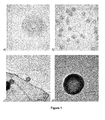
Figure 1 shows transmission electron microscopy (TEM) images of polyamide capsules of nanometric dimensions (diameters between 20-1000 nm) prepared using (a, b) PVP (25% w/w) or (c, d) Tween 20® (1% w/w) as a stabilizer (bar = (a) 20 nm, (b) 200 nm, (c) 500 nm, (d) 100 nm). -
Figure 2 shows optical microscopy images of polyamide microcapsules (diameters between 1-100 µm) prepared using PVP (20% w/w) as a stabilizer (bar = (a) 50 µm, (b) 50 µm, (c) 100 µm, (d) 200 µm, (e) 50 µm, (f) 50 µm). -
Figure 3 shows optical microscopy images of polyamide microcapsules (diameters between 1-1000 µm) prepared using (a, b) PVA (0.4% w/w) or (c, d) PVP (5% w/w) as a stabilizer (bar = (a) 200 µm, (b) 200 µm, (c) 200 µm, (d) 200 µm, (e) 50 µm, (f) 200 µm). -
Figure 4 shows the transition absorption spectroscopy measurements carried out to characterize the kinetics of the interconversion process B → A of different photochromes (Photorome I, Photorome III and Disperse Red 13) in: (a) rigid polymeric matrices of PVA and PVAc in which these photochromes have been directly dispersed; (b) polyamide capsules in which these photochromes have been encapsulated in solution. -
Figure 5 shows the transmission electron microscopy (TEM) images of melamine-formaldehyde capsules of nanometric dimensions (diameters between 20-1000 nm) prepared using SDS (1% w/w) as a stabilizer (bar = (a) 200 nm, (b) 200 nm, (c) 200 nm, (d) 200 nm, (e) 100 nm, (f) 200 nm). -
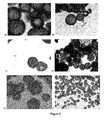
Figure 6 shows (a, b) TEM microscopy and (c, d) optical microscopy images of melamine-formaldehyde microcapsules (diameters between 1-100 µm) prepared using (a, b) PVP (25% w/w), (c) PVP (8% w/w) or (d) PVP (20% w/w) as a stabilizer (bar = (a) 2 µm, (b) 5 µm, (c) 4 µm, (d) 100 µm). -
Figure 7 shows optical microscopy images of melamine-formaldehyde microcapsules (diameters between 100-1000 µm) prepared using (a) PVP (2% w/w) as a stabilizer or (b, c) without a stabilizer (bar = (a) 100 µm, (b) 100 &µm, (c) 200 µm). - Below a number of examples of micro- and nano encapsulation of photochromic compounds dissolved in solvents and their use to form rigid coatings, as proposed by this invention, will be described in detail. These examples are only some of those carried out in the development of the present invention and the are used to intent to show that: (a) the technology described allows the photochromic compounds to be encapsulated inside micro- and nanocapsules with rigid cortex and which contain liquid solvent; (b) the encapsulated photochromic compounds maintain the optical and interconversion properties which they have when they are found in solution; (c) the optical and interconversion properties of the encapsulated photochromes are maintained when the capsules are dispersed inside a rigid polymeric matrix or directly deposited on a surface; and (d) the process may be considered universal and may be applied to the encapsulation of different types of photochromes and using different solvents, as well as to different types of cortexes of the capsules and rigid external matrices.
- This first example consists of encapsulating solutions of photochromic compounds inside polyamide capsules. The formation of the polyamide capsules takes place in situ by means of an interfacial polycondensation by means of a methodology which has been derived from the proposal of H. Misawa et al for the synthesis of impermeable microcapsules (Laser Manipulation and Ablation of a Single Microcapsule in Water, H. Misawa, N. Kitamura, H. Masuhara, J. Am. Chem. Soc. 1991, 113, 7859-7863). The monomers which are used in this type of polymerization process are acyl di- or trichlorides (dissolved generally in organic solvents) and polyamines (di- or triamines dissolved in aqueous phase). The first step in the synthesis process of the capsules consists of forming an emulsion obtained by mixing and stirring vigorously an organic solution of the acyl chloride of interest with an aqueous phase which contains a stabilizer (PVA, PVP, etc.). This leads to the formation of small micro- and nano droplets of the organic phase dispersed in the aqueous main phase, the size of which depends on the stirring velocity, the nature and concentration of the stabilizer, the type of organic solvent and the initial ratio between the organic phase and the aqueous phase. Then, the amine of interest is added, which quickly induces the beginning of the interfacial polycondensation process where chemically interlinked polyamide chains are formed around the droplets of the emulsion and trap the organic phase used inside them. This gives rise to the formation of capsules with organic solvent inside, the micro- and nanometric size of which is determined by that of the droplets of the initial emulsion. Furthermore, if the photochrome is dissolved in the initial organic solution, the latter remains encapsulated together with the solvent inside the polyamide capsules once the polycondensation reaction has finished (3-24 hours). In the case of this specific example described here, terc phthaloyl chloride and diethylenetriamine has been used as monomers, and PVP (polyvinylpyrrolidone), PVA (hydrolyzed polyvinyl alcohol) or
Tween 20® has been used as stabilizers. - On the other hand and in order to demonstrate that the encapsulation process developed can be applied in a general manner to various types of photochromes which absorb at different regions of the UV-Vis spectrum (λmax) and which interconvert by means of different mechanisms, the encapsulation of various types of commercial photochromes in polyamide capsules has been carried out. It should be pointed out that as a function of the type of photochrome encapsulated, the solvent forming the core of the capsule has been varied, thus demonstrating the universality of the method developed in which reference is made to the encapsulated solvent, which in this case, must be non-miscible with water (Table 1).
Table 1: Photochromic systems and solvents encapsulated in polyamide capsules and maximum wavelengths of absorption of the photoinduced (B) states of the photochromes. Commercial name Interconversion mechanism Solvents λmax (nm) Photorome I Closed-opened Toluene or CHCl3 605 Photorome III Closed-opened Toluene 590 Disperse Red 13Trans- cis Toluene 490 - The size of the polyamide capsules prepared has been adjusted by means of the controlled variation of the following experimental conditions: stirring velocity during the emulsification process (600-1500 rpm), nature of the stabilizer (PVA, PVP, Tween 20) and concentration of the stabilizer (PVA: 0.2-0.4%, PVP: 0.4-25%, Tween 20®: 1-10%). Varying these parameters has enabled three families of polyamide capsules of different sizes to be prepared, just as it has been determined by means of the electronic and optical microscopy measurements:
- Nanocapsules with diameter between 20-1000 nm (
Figure 1 ), - Small microcapsules with diameter between 1-100 µm (
Figure 2 ), - Large microcapsules with diameter between 100-1000 µm (
Figure 3 ) - The structure of the polyamide capsules prepared has also been analyzed by means of microscopy measurements. As it is observed in
Figures 1-3 , these measurements allow it to be established that the capsules obtained have an outer cortex and an internal cavity, within which the photochrome solutions are expected to be encapsulated. In fact, said capsules have the color typical of the solutions of the photochrome used in each case, which gives a first indication that their encapsulation has been produced in a satisfactory manner. On the other hand, the capsules are a dry solid which does not show a loss of solvent when they are subjected to a vacuum, nor do they leave a color stain (due to the photochrome) when they are deposited on a surface. However, when compression force was applied to the capsules of that type with larger dimensions (100-1000 µm), it was possible to observe in real time by means of optical microscopy the breaking of the capsules and the release of their internal content in the form of solution of the color expected for the photochrome. This demonstrates the encapsulation of the photochromic compound in the form of a solution inside the polyamide capsules. - In turn, relative density measurements have confirmed the presence of the different solvents in the capsules prepared. For example, the capsules containing toluene inside them (d = 0.865 g/mL) remain suspended in the upper part of the system when dispersed in the aqueous phase (d = 1 g/mL), while they are displaced to the lower part of the vessel when dispersed in acetone (d = 0.791 g/mL). In turn, the capsules containing chloroform (d = 1.483 g/mL) are deposited on the bottom of the vessel both in the aqueous phase as well as in acetone.
- Lastly, the presence of solvent in the capsules prepared by means of proton nuclear magnetic resonance measurements has also been demonstrated. In fact, said measurements have allowed it to be proven that the solvent (toluene or chloroform) is maintained inside the capsules for weeks both if they are preserved in the open air or in an aqueous dispersion. This confirms the impermeability of the cortex of the polyamide capsules and the stability of the system prepared over time.
- Once the properties of the capsules (size, impermeability, solvent content, etc.) were characterized, the optical behavior thereof was studied for the purpose of establishing whether the encapsulated photochromic compounds had the same photoactivity as in solution. To this end, the photochromic behavior of the capsules was compared with the photochromic behavior of the solutions of the same material and of the photochromic behavior of the rigid polymeric layers (of polystyrene (PS), polyvinyl acetate (PVAc) and polyvinyl alcohol (PVA)) wherein the photochromic compound is dispersed. Said study was centered on the determination of the thermal interconversion velocity B → A of the system, since the latter is the experimental parameter which is most sensitive to the properties of the environment of the photochrome. The measuring of this parameter was carried out by means of transition absorption spectroscopy which allows the state B of the photochrome to be generated by irradiating the material with a short monochromatic pulse of laser light and subsequently, monitoring the kinetics of the thermal interconversion process B → A by means of absorbance measurements. Said absorbance measurements, may be carried out both at the maximum absorbance of B (for which a deterioration of the signal is observed as B is transformed into A) as well as at the maximum absorbance of A (for which an increase of the signal is observed as B is transformed into A). In either of the two cases, the analysis of the temporal profiles of the change in absorbance measured allows the velocity of the process B → A to be established. In this case, our attention is centered in particular on determining the half-life time of the process (t1/2), which consists of the time required for the initial concentration of B to decay by 50%. Said parameter and the kinetic profile of the process B → A have been determined for the following samples at ambient temperature.
- Polymeric layers of PS, PVAc and PVA containing the photochromes of interest in their inside and which have been deposited by drop-casting on a glass surface,
- Polyamide capsules of various sizes containing the photochromes of interest and which have been deposited directly by drop-casting on a glass surface.
- Table 2 and
Figure 4 show the results obtained in the kinetic measurements of the process B → A for the following photochromic systems: Photorome I, Photorome III or DisperseRed 13.Table 2: Half-life times of the B → A process of various encapsulated photochromes or dispersions in polymeric matrices at room temperature. In the case of the encapsulated samples, the photochromes are dissolved in toluene or chloroform inside the capsules. Photochrome Sample t1/2 (s) Photorome I Dispersion in PVA > 74 Photorome I Dispersion in PS 46 Photorome I Dispersion in PVAc 21 Photorome I In capsules of 20-1000 nm (toluene) 0.92 Photorome I In capsules of 1-100 µm (toluene) 0.83 Photorome I In capsules of 100-1000 µm (chloroform) 0.71 Photorome III Dispersion in PVA > 74 Photorome III Dispersion in PVAc 47 Photorome III In capsules of 20-1000 nm (toluene) 2.50 Photorome III In capsules of 1-100 µm (toluene) 2.29 Photorome III In capsules of 100-1000 µm (toluene) 2.26 Disperse Red 13Dispersion in PVAc 31 Disperse Red 13In capsules of 100-1000 µm (toluene) 0.20 - From the graphics depicted in
Figure 4 and from the t½ values shown in Table 2, it can be concluded that, independently from the chosen photochromic compound, its thermal reversion kinetics B → A is much more rapid inside the capsules than when the photochrome is dispersed directly in a rigid polymeric matrix. In fact, the behavior measured for the encapsulated systems is very similar to that described in the bibliography for these same photochromes in solution e.g. t½ = 1.4 s for Photorome I in ethanol solutions at room temperature (Oxidation of photochromic spirooxazines by coinage metal cations. Part I. Reaction with AgNO3: formation and characterization of silver particles, P. Uznanski, C. Amiens, B. Donnadieu, Y. Coppel, B. Chaudret, New J. Chem. 2001, 25, 1486-1494). Furthermore, said behavior is practically independent from the solvent introduced inside the capsules and from the size of said capsules within therange 20 nm - 1000 µm. This shows one of the mains contributions of this invention: the optical and interconversion properties of any photochromic system may be maintained if said system is encapsulated in the form of a solution within micro and nanocapsules. - The second example which is described in this patent application consists of the encapsulation of photochromic solutions inside melamine and formaldehyde capsules. Again, these capsules are prepared by means of interfacial polymerization of the corresponding monomers (melamine and formaldehyde), adapting the methodology for the synthesis of impermeable microcapsules developed by S. J. Pastine et al. (Chemicals on Demand with Phototriggerable Microcapsules, S. J. Pastine, D. Okawa, A. Zettl, J. M. J. Fréchet, J. Am. Chem. Soc. 2009, 131, 13586-13587). As in the previous example, the synthesis of the capsules starts with the formation of an emulsion which is created when homogenizing (by means of sonication or vigorous magnetic stirring) a mixture formed by an aqueous phase which contains formaldehyde (37% w/w) and an organic phase (typically toluene) which contains the photochrome of interest and the stabilizer (PVP or SDS). Once the emulsion has been prepared, an aqueous melamine solution is added and the pH is adjusted until it reaches an acid medium which facilitates the polycondensation reaction and the formation of the melamine-formaldehyde chemically cross-linked polymer around the micro and nano droplets of organic solvent. In this way, hollow micro and nanocapsules are obtained with solvent inside thereof after about 2 hours, which will contain photochromic compounds if the latter have been initially dissolved in the organic phase.
- By varying the experimental parameters, it has been possible to prepare three families of capsules with different sizes containing photochromic solutions inside them, as it has been determined by means of electronic and optical microscopy measurements:
- Nanocapsules, with a diameter between 20-1000 nm (
Figure 5 ), - Small microcapsules, with a diameter between 1-100 µm (
Figure 6 ), - Large microcapsules, with a diameter between 100-1000 µm (
Figure 7 ). - Solutions of one single photochrome (Photorome I, see Table 1) have been introduced in said capsules, given that in the previous example, the universality of the methodology proposed here has already been demonstrated for any type of photochrome, independently from the optical properties and interconversion mechanism between the two states thereof. The properties of the resulting capsules have been studied in a form similar to that which has been carried out in said previous example. Thus, on the one hand, electronic and optical microscopy measurements have allowed the core-shell type structure of these capsules to be established which consist of a melamine-formaldehyde cortex and a hollow internal cavity (see
Figures 5-7 ). On the other hand, the presence of solvent inside the capsules has been demonstrated by means of compressing and breaking of the larger capsules, relative density measurements and proton nuclear magnetic resonance measurements. - The thermal reversion kinetics B → A of the photochromic solutions of Photorome I inside the melamine-formaldehyde capsules has been characterized by means of transition absorption spectroscopy measurements. In this case, our attention has not been centered on researching the dependence of the photochromic behavior on the size of the capsules, since this aspect has been studied extensively in the previous example. However, it is intended to compare the behavior of the photochromic coatings, prepared on the basis of capsules, with those in which the photochromes are directly dispersed without encapsulation. For this purpose, measurements of three different systems have been made:
- PVA polymeric layers containing Photorome I photochrome dispersed directly inside and which have been deposited by drop-casting on a glass surface,
- Melamine-formaldehyde capsules, 1-1000 µm in size, containing solutions of Photorome I in toluene and which have been deposited directly by drop-casting on a glass surface,
- PVA polymeric layers containing melamine-formaldehyde capsules, 1-1000 µm in size, inside of which solutions of Photorome I in toluene are found and which have been deposited directly by drop-casting on a glass surface.
- The half-life times measured for these three systems are shown on Table 3. The following conclusions can be inferred from these data:
- The thermal reversion kinetics B → A of the Photorome I photochrome is much more rapid inside the melamine-formaldehyde capsules than when it is dispersed directly in a rigid environment such as the PVA polymeric layer, which demonstrates the advantageous aspect of the encapsulation;
- The thermal reversion kinetics B → A of the Photorome I photochrome is similar both inside the melamine-formaldehyde capsules as well as inside polyamide capsules (see Table 2), which indicates the generality of the methodology which is proposed in this patent in relation to the material with which the cortex of the capsules is prepared;
- The thermal reversion kinetics B → A of the Photorome I photochrome inside melamine-formaldehyde capsules is independent from the medium in which said capsules are found, whether directly deposited on glass or dispersed inside a rigid PVA matrix;
- The dispersion of the capsules prepared inside the rigid polymeric matrices allows photochromic coatings with suitable mechanical properties to be obtained and the photoactivity of which reproduces the photoactivity observed for the photochrome in solution, i.e. they maintain rapid B → A interconversion velocities.
- In conclusion, it may be affirmed that different families of micro and nanocapsules which contain inside them different types of photochromic compounds and solvents have been developed. As this invention claims, subsequent studies of transition absorption spectroscopy have demonstrated that the encapsulated photochromes interconvert with a kinetics similar to that observed for the same photochrome in solution, confirming that the encapsulation of these compounds allows their properties to be preserved without them being affected by the presence of a rigid external matrix in which the photochrome capsules are dispersed. This behavior has been observed for various types of capsules (size, material of the cortex), photochromes, solvents and rigid matrices, which demonstrates the universality of the methodology proposed in this invention. This allows the preparation of all types of photochromic coatings based on the encapsulation of solutions of the systems of interest and their subsequent dispersion in rigid polymeric matrices.
| Sample | t½ (s) |
| Photochrome dispersed in PVA | > 74 |
| Photochrome in melamine-formaldehyde capsules | 2.22 |
| Photochrome in melamine-formaldehyde capsules dispersed in PVA | 2.30 |
Claims (15)
- Coating with photochromic properties applicable to optical articles and glazed surfaces, said coating being formed by a polymeric matrix deposited on a surface of interest, in which photochromic compounds are included, characterized in that said photochromic compounds are encapsulated inside hollow and sealed micro and/or nanocapsules, dissolved in a liquid solvent that does not react with the wall or cortex of the capsule, said micro and/or nanocapsules being dispersed inside said polymeric matrix.
- Coating according to Claim 1, characterized in that the photochromic compounds are chosen from a group comprising spirooxazine, azobenzenes or chromenes.
- Coating according to Claim 1, characterized in that it comprises capsules which encapsulate one or more different photochromic systems, such that said systems absorb at different wavelengths.
- Coating according to Claim 1, characterized in that said cortex is chosen from an organic, inorganic or hybrid material.
- Coating according to Claim 4, characterized in that said cortex is made of polyamide or melamine and formaldehyde.
- Coating according to Claim 1, characterized in that the polymeric matrix inside which the capsules are dispersed with photochromic solutions may be organic, inorganic or hybrid and from a group comprising polyvinyl alcohol, polyvinyl acetate or polystyrene.
- Coating according to Claim 1, characterized in that the capsules are of a micrometric size of between 1 and 10000 micrometers.
- Coating according to Claim 1, characterized in that the capsules are of a nanometric size of between 20 and 1000 nanometers.
- Method for producing a coating with photochromic properties applicable to optical articles and glazed surfaces, characterized in that it comprises the encapsulation of photochromic compounds in hollow and sealed micro and/or nanocapsules in solution in a liquid solvent that does not react with the photochromic compound and with the wall or cortex of the capsule, proceeding with the dispersion of said capsules in a polymeric matrix deposited on a surface of interest.
- Use of one or more photochromic compounds according to Claims 1 to 8, dissolved in a non-reactive liquid solvent and encapsulated inside hollow and sealed micro and/or nanocapsules and subsequently dispersed inside a polymeric matrix to cover surfaces of optical articles, glazed surfaces, in particular for temporary staining.
- Use according to Claim 10, characterized in that said microcapsules are of a size between 1 and 10000 micrometers.
- Use according to Claim 10, characterized in that said nanocapsules are of a size between 20 and 1000 nanometers.
- Use according to Claim 10, characterized in that said optical article is a lens.
- Use according to Claim 10, characterized in that said glazed surface is transparent or translucent.
- Use according to Claim 10, characterized in that said glazed surface is reflective and suited for being used as a mirror.
Applications Claiming Priority (2)
| Application Number | Priority Date | Filing Date | Title |
|---|---|---|---|
| ES201200238 | 2012-03-08 | ||
| PCT/ES2013/070132 WO2013132123A1 (en) | 2012-03-08 | 2013-03-05 | Coating with photochromic properties, method for producing said coating and use thereof applicable to optical articles and glazed surfaces |
Publications (3)
| Publication Number | Publication Date |
|---|---|
| EP2823883A1 true EP2823883A1 (en) | 2015-01-14 |
| EP2823883A4 EP2823883A4 (en) | 2015-03-04 |
| EP2823883B1 EP2823883B1 (en) | 2018-09-19 |
Family
ID=49115978
Family Applications (1)
| Application Number | Title | Priority Date | Filing Date |
|---|---|---|---|
| EP13758269.8A Active EP2823883B1 (en) | 2012-03-08 | 2013-03-05 | Coating with photochromic properties, method for producing said coating and use thereof applicable to optical articles and glazed surfaces |
Country Status (8)
| Country | Link |
|---|---|
| US (1) | US9885808B2 (en) |
| EP (1) | EP2823883B1 (en) |
| JP (1) | JP6151725B2 (en) |
| KR (1) | KR20140145140A (en) |
| CN (1) | CN104394980B (en) |
| ES (1) | ES2692949T3 (en) |
| IL (1) | IL234381B (en) |
| WO (1) | WO2013132123A1 (en) |
Families Citing this family (10)
| Publication number | Priority date | Publication date | Assignee | Title |
|---|---|---|---|---|
| WO2011017049A1 (en) | 2009-07-27 | 2011-02-10 | Cardiac Pacemakers, Inc. | Medical device for treating heart failure through blood volume redistribution |
| TWI585196B (en) | 2014-12-31 | 2017-06-01 | 聖高拜塑膠製品公司 | Solar control films, an assembly comprising the same and methods for producing the same |
| US10017690B2 (en) * | 2015-05-28 | 2018-07-10 | Xerox Corporation | Photochromatic composition for 3D printing |
| WO2017050631A1 (en) | 2015-09-23 | 2017-03-30 | Koninklijke Philips N.V. | Display device and driving method |
| US10227527B2 (en) * | 2015-12-14 | 2019-03-12 | Indizen Optical Technologies of America, LLC | Nanoemulsion optical materials |
| WO2018102266A1 (en) * | 2016-12-02 | 2018-06-07 | 3M Innovative Properties Company | Photochromic articles containing a porous material with a photochromic dye and fluid, methods of making and using |
| WO2019117305A1 (en) * | 2017-12-15 | 2019-06-20 | Mitsui Chemicals, Inc. | Polymerizable composition for optical materials and application of same |
| CN109880509A (en) * | 2019-01-29 | 2019-06-14 | 张家港康得新光电材料有限公司 | Aqueous allochroic paint and its painting membrane product |
| CN115011327B (en) * | 2022-06-07 | 2023-07-18 | 江南大学 | Packaged photochromic microsphere and preparation method and application thereof |
| US20250153471A1 (en) * | 2023-11-14 | 2025-05-15 | Dupont Electronics, Inc. | Multilayer films, polyimide films and coverlay packages |
Family Cites Families (47)
| Publication number | Priority date | Publication date | Assignee | Title |
|---|---|---|---|---|
| US574654A (en) | 1897-01-05 | Telephone-receiver | ||
| GB969754A (en) | 1959-07-14 | 1964-09-16 | Ncr Co | Transparent optical viewing device |
| US4367170A (en) | 1975-01-24 | 1983-01-04 | American Optical Corporation | Stabilized photochromic materials |
| DE3020148A1 (en) | 1980-05-28 | 1981-12-03 | Bayer Ag, 5090 Leverkusen | CONCENTRATED MICROCAPSULE SUSPENSIONS FOR REACTION COPY PAPERS |
| US4517141A (en) | 1982-06-30 | 1985-05-14 | Bayer Aktiengesellschaft | Production of microcapsules having walls of polyaddition products of water-insoluble polyamines with water-soluble polyisocyanate adducts |
| JPS61236531A (en) * | 1985-04-12 | 1986-10-21 | Kureha Chem Ind Co Ltd | Dimming material |
| WO1989005335A1 (en) | 1987-12-02 | 1989-06-15 | Japan Capsular Products Inc | Microencapsulated photochromic material, process for its preparation, and water-base ink composition prepared therefrom |
| US5807625A (en) | 1988-01-12 | 1998-09-15 | Sicpa Holding S.A. | Security document with reversibly photochromic printing inks |
| JPH0351195A (en) * | 1989-07-19 | 1991-03-05 | Brother Ind Ltd | Recording material containing photochromic dye |
| JPH03137634A (en) * | 1989-10-24 | 1991-06-12 | Dainippon Ink & Chem Inc | Photochromic material, optical recording medium using the same and light shielding material |
| US5221288A (en) | 1990-10-09 | 1993-06-22 | Matsui Shikiso Chemical Co., Ltd. | Thermochromic dyeing method and cellulose product dyed thereby |
| JPH04209692A (en) * | 1990-12-03 | 1992-07-31 | Asahi Glass Co Ltd | Photochromic material |
| GB2270321A (en) * | 1992-09-02 | 1994-03-09 | Matsui Shikiso Kagaku Kogyosho | A microencapsulated photochromic composition for textile printing paste use |
| JP3537476B2 (en) * | 1994-01-28 | 2004-06-14 | 旭電化工業株式会社 | Photochromic composition |
| JPH07245734A (en) | 1994-03-03 | 1995-09-19 | Pioneer Electron Corp | Magnified observation device and concave mirror |
| JP3790567B2 (en) * | 1994-09-30 | 2006-06-28 | 武田薬品工業株式会社 | Sustained release agent |
| US6117455A (en) | 1994-09-30 | 2000-09-12 | Takeda Chemical Industries, Ltd. | Sustained-release microcapsule of amorphous water-soluble pharmaceutical active agent |
| JPH08209119A (en) | 1995-02-08 | 1996-08-13 | Asahi Denka Kogyo Kk | Photochromic composition |
| JPH0931453A (en) * | 1995-07-18 | 1997-02-04 | Fuji Photo Film Co Ltd | Microcapsule and element using the same |
| JPH09183969A (en) | 1995-10-30 | 1997-07-15 | Fuji Photo Film Co Ltd | Photosensitive composition and element made by using it |
| JPH09241626A (en) | 1996-03-08 | 1997-09-16 | Fuji Photo Film Co Ltd | Photosensitive composition and element using photochromic compound |
| FR2755856B1 (en) | 1996-11-21 | 1999-01-29 | Merck Clevenot Laboratoires | MICROCAPSULES OF CHINA OR CHINA DERIVATIVES CONTAINING A HYDROPHOBIC SUBSTANCE, IN PARTICULAR A SUN FILTER AND PROCESS FOR PREPARING SUCH MICROCAPSULES |
| AR012448A1 (en) | 1997-04-18 | 2000-10-18 | Ipsen Pharma Biotech | COMPOSITION IN THE FORM OF MICROCAPSULES OR IMPLANTS COMPRISING A BIODEGRADABLE CONTAINER, POLYMER OR CO-POLYMER, OR A MIXTURE OF SUCH EXCIPIENTS, AND AN ACTIVE SUBSTANCE OR MIXTURE OF ACTIVE SUBSTANCES, PROCEDURE FOR THE PREPARATION OF A SUBSTANCE IN A SUBSTANCE |
| FR2806005B1 (en) * | 2000-03-10 | 2002-06-14 | Univ Claude Bernard Lyon | PROCESS FOR THE PREPARATION OF COLLOIDAL PARTICLES IN THE FORM OF NANOCAPSULES |
| US20030030040A1 (en) * | 2001-08-08 | 2003-02-13 | Luthern John Joseph | Reversibly variable photochromic color composition for articles composed of synthetic resin |
| KR100482654B1 (en) * | 2001-09-18 | 2005-04-13 | 한국화학연구원 | Photochromic nanocapsule and preparation method thereof |
| AU2003278862A1 (en) | 2002-06-25 | 2004-01-06 | International Business Machines Corporation | Method and system for monitoring performance of application in a distributed environment |
| JP4312043B2 (en) * | 2003-04-28 | 2009-08-12 | 株式会社リコー | Image display medium and image forming method |
| JP4475891B2 (en) * | 2003-06-20 | 2010-06-09 | ホソカワミクロン株式会社 | Method for producing transpulmonary preparation |
| FR2864900B1 (en) * | 2004-01-09 | 2007-10-12 | Oreal | AQUEOUS DISPERSION OF NANOCAPSULES WITH OILY HEART |
| JP2006026457A (en) * | 2004-07-12 | 2006-02-02 | Konica Minolta Medical & Graphic Inc | Microcapsule having wall material consisting of metallocene wax and method for manufacturing the microcapsule |
| CN101087862B (en) | 2004-09-02 | 2011-10-26 | 澳大利亚聚合物有限公司 | Photochromic compounds comprising polymer substituents and methods of preparation and use thereof |
| DE102006033906A1 (en) | 2005-07-19 | 2007-02-01 | Innovent E.V. Technologieentwicklung | Switchable photochromic substrate, e.g. for glass pane, has photochromic nano-layer containing organic photo-actively switchable pigments |
| JP4476201B2 (en) * | 2005-09-13 | 2010-06-09 | 株式会社リコー | Image display medium and image forming method |
| GB2431159B (en) * | 2005-10-12 | 2010-09-15 | Fikri Mehmet | A thermochromic and/or photochromic composition |
| ATE539130T1 (en) | 2006-04-26 | 2012-01-15 | Innovent E V Technologieentwicklung | MODIFIED POLYMERIC PLASTIC, METHOD FOR THE PRODUCTION AND USE THEREOF |
| JP5019826B2 (en) | 2006-07-28 | 2012-09-05 | 第一稀元素化学工業株式会社 | Zirconia sol and method for producing the same |
| US7541119B2 (en) * | 2007-06-13 | 2009-06-02 | Xerox Corporation | Inkless reimageable printing paper and method |
| JP2009120536A (en) | 2007-11-15 | 2009-06-04 | Tokuyama Corp | Chromene compounds |
| WO2009072988A1 (en) | 2007-12-07 | 2009-06-11 | Polycore Optical Pte Ltd | Encapsulated photochromic dyes |
| JP2009144011A (en) * | 2007-12-12 | 2009-07-02 | Panasonic Electric Works Co Ltd | Antistatic film forming resin composition, antistatic substrate, liquid crystal device |
| CN101225296A (en) * | 2008-02-01 | 2008-07-23 | 北京服装学院 | Preparation method of photochromic microcapsules |
| WO2009121148A1 (en) | 2008-04-03 | 2009-10-08 | Advanced Polymerik Pty Ltd | Dye comprising functional substituent |
| KR101313856B1 (en) | 2008-05-09 | 2013-09-30 | 가부시끼가이샤 도꾸야마 | Chromene compound |
| WO2009146509A1 (en) | 2008-06-05 | 2009-12-10 | Advanced Polymerik Pty Ltd | Photochromic polymer and composition comprising photochromic polymer |
| JP2010079176A (en) * | 2008-09-29 | 2010-04-08 | Sanyo Electric Co Ltd | Optical lens |
| US8236466B2 (en) | 2009-10-01 | 2012-08-07 | Xerox Corporation | Photochromic materials incorporated in polymer backbone |
-
2013
- 2013-03-05 CN CN201380024399.0A patent/CN104394980B/en active Active
- 2013-03-05 ES ES13758269.8T patent/ES2692949T3/en active Active
- 2013-03-05 US US14/382,826 patent/US9885808B2/en active Active
- 2013-03-05 EP EP13758269.8A patent/EP2823883B1/en active Active
- 2013-03-05 JP JP2014560415A patent/JP6151725B2/en active Active
- 2013-03-05 WO PCT/ES2013/070132 patent/WO2013132123A1/en not_active Ceased
- 2013-03-05 KR KR1020147027447A patent/KR20140145140A/en not_active Ceased
-
2014
- 2014-08-31 IL IL234381A patent/IL234381B/en active IP Right Grant
Also Published As
| Publication number | Publication date |
|---|---|
| WO2013132123A1 (en) | 2013-09-12 |
| JP6151725B2 (en) | 2017-06-21 |
| CN104394980B (en) | 2018-10-09 |
| CN104394980A (en) | 2015-03-04 |
| EP2823883A4 (en) | 2015-03-04 |
| JP2015513597A (en) | 2015-05-14 |
| IL234381B (en) | 2018-01-31 |
| US9885808B2 (en) | 2018-02-06 |
| EP2823883B1 (en) | 2018-09-19 |
| ES2692949T3 (en) | 2018-12-05 |
| US20150024126A1 (en) | 2015-01-22 |
| KR20140145140A (en) | 2014-12-22 |
Similar Documents
| Publication | Publication Date | Title |
|---|---|---|
| US9885808B2 (en) | Coating with photochromic properties, method for producing said coating and use thereof applicable to optical articles and glazed surfaces | |
| Choi et al. | Thermo‐responsive microcapsules with tunable molecular permeability for controlled encapsulation and release | |
| Tao et al. | Self‐assembly, optical behavior, and permeability of a novel capsule based on an azo dye and polyelectrolytes | |
| Caruso et al. | Core− shell particles and hollow shells containing metallo-supramolecular components | |
| Dai et al. | Novel capsules with high stability and controlled permeability by hierarchic templating | |
| Guo et al. | Janus photonic microspheres with bridged lamellar structures via droplet‐confined block copolymer co‐assembly | |
| Bédard et al. | Optically driven encapsulation using novel polymeric hollow shells containing an azobenzene polymer | |
| Zhai et al. | pH-gated porosity transitions of polyelectrolyte multilayers in confined geometries and their application as tunable Bragg reflectors | |
| Shchukin et al. | Photoinduced reduction of silver inside microscale polyelectrolyte capsules | |
| CA3008601C (en) | Nanoemulsion optical materials | |
| Luo et al. | Near‐infrared light responsive multi‐compartmental hydrogel particles synthesized through droplets assembly induced by superhydrophobic surface | |
| Werner et al. | Dynamic microcapsules with rapid and reversible permeability switching | |
| JP7770652B2 (en) | Photoinduced thermochromic or thermoluminescent compositions | |
| Ibarz et al. | Resealing of polyelectrolyte capsules after core removal | |
| CN108350294B (en) | Core-Shell Particle-Based Safe Pigment and Method of Making | |
| Chen et al. | Functional polymeric micromaterials based on aggregation‐induced emission luminogens | |
| Liu et al. | PMMA@ SCNC composite microspheres prepared from pickering emulsion template as curcumin delivery carriers | |
| Nagare et al. | A review of thermochromic materials for coating applications: production, protection, and degradation of organic thermochromic materials | |
| Yamaguchi et al. | Efficient negative photochromism by the photoinduced migration of photochromic merocyanine/spiropyran in the solid state | |
| Wenderoth et al. | Supraparticles with a Mechanically Triggerable Color‐Change‐Effect to Equip Coatings with the Ability to Report Damage | |
| Feng et al. | Solution-processed structural colors and their applications | |
| Mocanu et al. | Optical Properties of the Self‐Assembling Polymeric Colloidal Systems | |
| Chen et al. | Rewritable polymer materials for ultraviolet laser based on photochromic microcapsules | |
| Gao et al. | A general template for synthesis of hollow microsphere with well‐defined structure | |
| Nagare | Photodegradation and Microencapsulation of Organic Thermochromic Material for Application as Building Coating Envelope |
Legal Events
| Date | Code | Title | Description |
|---|---|---|---|
| PUAI | Public reference made under article 153(3) epc to a published international application that has entered the european phase |
Free format text: ORIGINAL CODE: 0009012 |
|
| 17P | Request for examination filed |
Effective date: 20140924 |
|
| AK | Designated contracting states |
Kind code of ref document: A1 Designated state(s): AL AT BE BG CH CY CZ DE DK EE ES FI FR GB GR HR HU IE IS IT LI LT LU LV MC MK MT NL NO PL PT RO RS SE SI SK SM TR |
|
| AX | Request for extension of the european patent |
Extension state: BA ME |
|
| A4 | Supplementary search report drawn up and despatched |
Effective date: 20150203 |
|
| RIC1 | Information provided on ipc code assigned before grant |
Ipc: G02B 5/23 20060101ALI20150128BHEP Ipc: G03C 1/73 20060101ALI20150128BHEP Ipc: G03C 1/00 20060101ALI20150128BHEP Ipc: B01J 13/16 20060101AFI20150128BHEP |
|
| DAX | Request for extension of the european patent (deleted) | ||
| 17Q | First examination report despatched |
Effective date: 20151014 |
|
| STAA | Information on the status of an ep patent application or granted ep patent |
Free format text: STATUS: EXAMINATION IS IN PROGRESS |
|
| GRAP | Despatch of communication of intention to grant a patent |
Free format text: ORIGINAL CODE: EPIDOSNIGR1 |
|
| STAA | Information on the status of an ep patent application or granted ep patent |
Free format text: STATUS: GRANT OF PATENT IS INTENDED |
|
| INTG | Intention to grant announced |
Effective date: 20180702 |
|
| GRAS | Grant fee paid |
Free format text: ORIGINAL CODE: EPIDOSNIGR3 |
|
| GRAA | (expected) grant |
Free format text: ORIGINAL CODE: 0009210 |
|
| STAA | Information on the status of an ep patent application or granted ep patent |
Free format text: STATUS: THE PATENT HAS BEEN GRANTED |
|
| AK | Designated contracting states |
Kind code of ref document: B1 Designated state(s): AL AT BE BG CH CY CZ DE DK EE ES FI FR GB GR HR HU IE IS IT LI LT LU LV MC MK MT NL NO PL PT RO RS SE SI SK SM TR |
|
| REG | Reference to a national code |
Ref country code: GB Ref legal event code: FG4D |
|
| REG | Reference to a national code |
Ref country code: CH Ref legal event code: EP |
|
| REG | Reference to a national code |
Ref country code: AT Ref legal event code: REF Ref document number: 1042602 Country of ref document: AT Kind code of ref document: T Effective date: 20181015 |
|
| REG | Reference to a national code |
Ref country code: IE Ref legal event code: FG4D |
|
| REG | Reference to a national code |
Ref country code: DE Ref legal event code: R096 Ref document number: 602013043908 Country of ref document: DE |
|
| REG | Reference to a national code |
Ref country code: ES Ref legal event code: FG2A Ref document number: 2692949 Country of ref document: ES Kind code of ref document: T3 Effective date: 20181205 |
|
| REG | Reference to a national code |
Ref country code: NL Ref legal event code: MP Effective date: 20180919 |
|
| PG25 | Lapsed in a contracting state [announced via postgrant information from national office to epo] |
Ref country code: SE Free format text: LAPSE BECAUSE OF FAILURE TO SUBMIT A TRANSLATION OF THE DESCRIPTION OR TO PAY THE FEE WITHIN THE PRESCRIBED TIME-LIMIT Effective date: 20180919 Ref country code: BG Free format text: LAPSE BECAUSE OF FAILURE TO SUBMIT A TRANSLATION OF THE DESCRIPTION OR TO PAY THE FEE WITHIN THE PRESCRIBED TIME-LIMIT Effective date: 20181219 Ref country code: RS Free format text: LAPSE BECAUSE OF FAILURE TO SUBMIT A TRANSLATION OF THE DESCRIPTION OR TO PAY THE FEE WITHIN THE PRESCRIBED TIME-LIMIT Effective date: 20180919 Ref country code: LT Free format text: LAPSE BECAUSE OF FAILURE TO SUBMIT A TRANSLATION OF THE DESCRIPTION OR TO PAY THE FEE WITHIN THE PRESCRIBED TIME-LIMIT Effective date: 20180919 Ref country code: NO Free format text: LAPSE BECAUSE OF FAILURE TO SUBMIT A TRANSLATION OF THE DESCRIPTION OR TO PAY THE FEE WITHIN THE PRESCRIBED TIME-LIMIT Effective date: 20181219 Ref country code: FI Free format text: LAPSE BECAUSE OF FAILURE TO SUBMIT A TRANSLATION OF THE DESCRIPTION OR TO PAY THE FEE WITHIN THE PRESCRIBED TIME-LIMIT Effective date: 20180919 Ref country code: GR Free format text: LAPSE BECAUSE OF FAILURE TO SUBMIT A TRANSLATION OF THE DESCRIPTION OR TO PAY THE FEE WITHIN THE PRESCRIBED TIME-LIMIT Effective date: 20181220 |
|
| REG | Reference to a national code |
Ref country code: LT Ref legal event code: MG4D |
|
| PG25 | Lapsed in a contracting state [announced via postgrant information from national office to epo] |
Ref country code: LV Free format text: LAPSE BECAUSE OF FAILURE TO SUBMIT A TRANSLATION OF THE DESCRIPTION OR TO PAY THE FEE WITHIN THE PRESCRIBED TIME-LIMIT Effective date: 20180919 Ref country code: HR Free format text: LAPSE BECAUSE OF FAILURE TO SUBMIT A TRANSLATION OF THE DESCRIPTION OR TO PAY THE FEE WITHIN THE PRESCRIBED TIME-LIMIT Effective date: 20180919 Ref country code: AL Free format text: LAPSE BECAUSE OF FAILURE TO SUBMIT A TRANSLATION OF THE DESCRIPTION OR TO PAY THE FEE WITHIN THE PRESCRIBED TIME-LIMIT Effective date: 20180919 |
|
| REG | Reference to a national code |
Ref country code: AT Ref legal event code: MK05 Ref document number: 1042602 Country of ref document: AT Kind code of ref document: T Effective date: 20180919 |
|
| PG25 | Lapsed in a contracting state [announced via postgrant information from national office to epo] |
Ref country code: RO Free format text: LAPSE BECAUSE OF FAILURE TO SUBMIT A TRANSLATION OF THE DESCRIPTION OR TO PAY THE FEE WITHIN THE PRESCRIBED TIME-LIMIT Effective date: 20180919 Ref country code: PL Free format text: LAPSE BECAUSE OF FAILURE TO SUBMIT A TRANSLATION OF THE DESCRIPTION OR TO PAY THE FEE WITHIN THE PRESCRIBED TIME-LIMIT Effective date: 20180919 Ref country code: IS Free format text: LAPSE BECAUSE OF FAILURE TO SUBMIT A TRANSLATION OF THE DESCRIPTION OR TO PAY THE FEE WITHIN THE PRESCRIBED TIME-LIMIT Effective date: 20190119 Ref country code: NL Free format text: LAPSE BECAUSE OF FAILURE TO SUBMIT A TRANSLATION OF THE DESCRIPTION OR TO PAY THE FEE WITHIN THE PRESCRIBED TIME-LIMIT Effective date: 20180919 Ref country code: CZ Free format text: LAPSE BECAUSE OF FAILURE TO SUBMIT A TRANSLATION OF THE DESCRIPTION OR TO PAY THE FEE WITHIN THE PRESCRIBED TIME-LIMIT Effective date: 20180919 Ref country code: AT Free format text: LAPSE BECAUSE OF FAILURE TO SUBMIT A TRANSLATION OF THE DESCRIPTION OR TO PAY THE FEE WITHIN THE PRESCRIBED TIME-LIMIT Effective date: 20180919 Ref country code: EE Free format text: LAPSE BECAUSE OF FAILURE TO SUBMIT A TRANSLATION OF THE DESCRIPTION OR TO PAY THE FEE WITHIN THE PRESCRIBED TIME-LIMIT Effective date: 20180919 |
|
| PG25 | Lapsed in a contracting state [announced via postgrant information from national office to epo] |
Ref country code: SM Free format text: LAPSE BECAUSE OF FAILURE TO SUBMIT A TRANSLATION OF THE DESCRIPTION OR TO PAY THE FEE WITHIN THE PRESCRIBED TIME-LIMIT Effective date: 20180919 Ref country code: SK Free format text: LAPSE BECAUSE OF FAILURE TO SUBMIT A TRANSLATION OF THE DESCRIPTION OR TO PAY THE FEE WITHIN THE PRESCRIBED TIME-LIMIT Effective date: 20180919 Ref country code: PT Free format text: LAPSE BECAUSE OF FAILURE TO SUBMIT A TRANSLATION OF THE DESCRIPTION OR TO PAY THE FEE WITHIN THE PRESCRIBED TIME-LIMIT Effective date: 20190119 |
|
| REG | Reference to a national code |
Ref country code: DE Ref legal event code: R097 Ref document number: 602013043908 Country of ref document: DE |
|
| PLBE | No opposition filed within time limit |
Free format text: ORIGINAL CODE: 0009261 |
|
| STAA | Information on the status of an ep patent application or granted ep patent |
Free format text: STATUS: NO OPPOSITION FILED WITHIN TIME LIMIT |
|
| PG25 | Lapsed in a contracting state [announced via postgrant information from national office to epo] |
Ref country code: DK Free format text: LAPSE BECAUSE OF FAILURE TO SUBMIT A TRANSLATION OF THE DESCRIPTION OR TO PAY THE FEE WITHIN THE PRESCRIBED TIME-LIMIT Effective date: 20180919 |
|
| 26N | No opposition filed |
Effective date: 20190620 |
|
| PG25 | Lapsed in a contracting state [announced via postgrant information from national office to epo] |
Ref country code: SI Free format text: LAPSE BECAUSE OF FAILURE TO SUBMIT A TRANSLATION OF THE DESCRIPTION OR TO PAY THE FEE WITHIN THE PRESCRIBED TIME-LIMIT Effective date: 20180919 Ref country code: MC Free format text: LAPSE BECAUSE OF FAILURE TO SUBMIT A TRANSLATION OF THE DESCRIPTION OR TO PAY THE FEE WITHIN THE PRESCRIBED TIME-LIMIT Effective date: 20180919 |
|
| REG | Reference to a national code |
Ref country code: CH Ref legal event code: PL |
|
| PG25 | Lapsed in a contracting state [announced via postgrant information from national office to epo] |
Ref country code: LU Free format text: LAPSE BECAUSE OF NON-PAYMENT OF DUE FEES Effective date: 20190305 |
|
| REG | Reference to a national code |
Ref country code: BE Ref legal event code: MM Effective date: 20190331 |
|
| PG25 | Lapsed in a contracting state [announced via postgrant information from national office to epo] |
Ref country code: CH Free format text: LAPSE BECAUSE OF NON-PAYMENT OF DUE FEES Effective date: 20190331 Ref country code: IE Free format text: LAPSE BECAUSE OF NON-PAYMENT OF DUE FEES Effective date: 20190305 Ref country code: LI Free format text: LAPSE BECAUSE OF NON-PAYMENT OF DUE FEES Effective date: 20190331 |
|
| PG25 | Lapsed in a contracting state [announced via postgrant information from national office to epo] |
Ref country code: BE Free format text: LAPSE BECAUSE OF NON-PAYMENT OF DUE FEES Effective date: 20190331 |
|
| PG25 | Lapsed in a contracting state [announced via postgrant information from national office to epo] |
Ref country code: TR Free format text: LAPSE BECAUSE OF FAILURE TO SUBMIT A TRANSLATION OF THE DESCRIPTION OR TO PAY THE FEE WITHIN THE PRESCRIBED TIME-LIMIT Effective date: 20180919 |
|
| PG25 | Lapsed in a contracting state [announced via postgrant information from national office to epo] |
Ref country code: MT Free format text: LAPSE BECAUSE OF NON-PAYMENT OF DUE FEES Effective date: 20190305 |
|
| PG25 | Lapsed in a contracting state [announced via postgrant information from national office to epo] |
Ref country code: CY Free format text: LAPSE BECAUSE OF FAILURE TO SUBMIT A TRANSLATION OF THE DESCRIPTION OR TO PAY THE FEE WITHIN THE PRESCRIBED TIME-LIMIT Effective date: 20180919 |
|
| PG25 | Lapsed in a contracting state [announced via postgrant information from national office to epo] |
Ref country code: HU Free format text: LAPSE BECAUSE OF FAILURE TO SUBMIT A TRANSLATION OF THE DESCRIPTION OR TO PAY THE FEE WITHIN THE PRESCRIBED TIME-LIMIT; INVALID AB INITIO Effective date: 20130305 |
|
| PG25 | Lapsed in a contracting state [announced via postgrant information from national office to epo] |
Ref country code: MK Free format text: LAPSE BECAUSE OF FAILURE TO SUBMIT A TRANSLATION OF THE DESCRIPTION OR TO PAY THE FEE WITHIN THE PRESCRIBED TIME-LIMIT Effective date: 20180919 |
|
| PGFP | Annual fee paid to national office [announced via postgrant information from national office to epo] |
Ref country code: ES Payment date: 20250401 Year of fee payment: 13 |
|
| PGFP | Annual fee paid to national office [announced via postgrant information from national office to epo] |
Ref country code: GB Payment date: 20260327 Year of fee payment: 14 |
|
| PGFP | Annual fee paid to national office [announced via postgrant information from national office to epo] |
Ref country code: DE Payment date: 20260327 Year of fee payment: 14 |
|
| PGFP | Annual fee paid to national office [announced via postgrant information from national office to epo] |
Ref country code: IT Payment date: 20260319 Year of fee payment: 14 |
|
| PGFP | Annual fee paid to national office [announced via postgrant information from national office to epo] |
Ref country code: FR Payment date: 20260325 Year of fee payment: 14 |