EP2823822A1 - A Bifidobacterium strain - Google Patents
A Bifidobacterium strain Download PDFInfo
- Publication number
- EP2823822A1 EP2823822A1 EP14180970.7A EP14180970A EP2823822A1 EP 2823822 A1 EP2823822 A1 EP 2823822A1 EP 14180970 A EP14180970 A EP 14180970A EP 2823822 A1 EP2823822 A1 EP 2823822A1
- Authority
- EP
- European Patent Office
- Prior art keywords
- foodstuff
- formulation
- cells
- strain
- bifidobacterium
- Prior art date
- Legal status (The legal status is an assumption and is not a legal conclusion. Google has not performed a legal analysis and makes no representation as to the accuracy of the status listed.)
- Granted
Links
Images






Classifications
-
- C—CHEMISTRY; METALLURGY
- C12—BIOCHEMISTRY; BEER; SPIRITS; WINE; VINEGAR; MICROBIOLOGY; ENZYMOLOGY; MUTATION OR GENETIC ENGINEERING
- C12N—MICROORGANISMS OR ENZYMES; COMPOSITIONS THEREOF; PROPAGATING, PRESERVING, OR MAINTAINING MICROORGANISMS; MUTATION OR GENETIC ENGINEERING; CULTURE MEDIA
- C12N1/00—Microorganisms; Compositions thereof; Processes of propagating, maintaining or preserving microorganisms or compositions thereof; Processes of preparing or isolating a composition containing a microorganism; Culture media therefor
- C12N1/20—Bacteria; Culture media therefor
-
- A—HUMAN NECESSITIES
- A23—FOODS OR FOODSTUFFS; TREATMENT THEREOF, NOT COVERED BY OTHER CLASSES
- A23C—DAIRY PRODUCTS, e.g. MILK, BUTTER OR CHEESE; MILK OR CHEESE SUBSTITUTES; PREPARATION THEREOF
- A23C9/00—Milk preparations; Milk powder or milk powder preparations
- A23C9/12—Fermented milk preparations; Treatment using microorganisms or enzymes
- A23C9/123—Fermented milk preparations; Treatment using microorganisms or enzymes using only microorganisms of the genus lactobacteriaceae; Yoghurt
- A23C9/1234—Fermented milk preparations; Treatment using microorganisms or enzymes using only microorganisms of the genus lactobacteriaceae; Yoghurt characterised by using a Lactobacillus sp. other than Lactobacillus Bulgaricus, including Bificlobacterium sp.
-
- A—HUMAN NECESSITIES
- A23—FOODS OR FOODSTUFFS; TREATMENT THEREOF, NOT COVERED BY OTHER CLASSES
- A23K—FODDER
- A23K10/00—Animal feeding-stuffs
- A23K10/10—Animal feeding-stuffs obtained by microbiological or biochemical processes
- A23K10/16—Addition of microorganisms or extracts thereof, e.g. single-cell proteins, to feeding-stuff compositions
- A23K10/18—Addition of microorganisms or extracts thereof, e.g. single-cell proteins, to feeding-stuff compositions of live microorganisms
-
- A—HUMAN NECESSITIES
- A23—FOODS OR FOODSTUFFS; TREATMENT THEREOF, NOT COVERED BY OTHER CLASSES
- A23K—FODDER
- A23K50/00—Feeding-stuffs specially adapted for particular animals
- A23K50/40—Feeding-stuffs specially adapted for particular animals for carnivorous animals, e.g. cats or dogs
-
- A—HUMAN NECESSITIES
- A23—FOODS OR FOODSTUFFS; TREATMENT THEREOF, NOT COVERED BY OTHER CLASSES
- A23K—FODDER
- A23K50/00—Feeding-stuffs specially adapted for particular animals
- A23K50/40—Feeding-stuffs specially adapted for particular animals for carnivorous animals, e.g. cats or dogs
- A23K50/48—Moist feed
-
- A—HUMAN NECESSITIES
- A23—FOODS OR FOODSTUFFS; TREATMENT THEREOF, NOT COVERED BY OTHER CLASSES
- A23L—FOODS, FOODSTUFFS OR NON-ALCOHOLIC BEVERAGES, NOT OTHERWISE PROVIDED FOR; PREPARATION OR TREATMENT THEREOF
- A23L33/00—Modifying nutritive qualities of foods; Dietetic products; Preparation or treatment thereof
- A23L33/10—Modifying nutritive qualities of foods; Dietetic products; Preparation or treatment thereof using additives
- A23L33/135—Bacteria or derivatives thereof, e.g. probiotics
-
- A—HUMAN NECESSITIES
- A61—MEDICAL OR VETERINARY SCIENCE; HYGIENE
- A61K—PREPARATIONS FOR MEDICAL, DENTAL OR TOILETRY PURPOSES
- A61K35/00—Medicinal preparations containing materials or reaction products thereof with undetermined constitution
- A61K35/66—Microorganisms or materials therefrom
- A61K35/74—Bacteria
- A61K35/741—Probiotics
- A61K35/744—Lactic acid bacteria, e.g. enterococci, pediococci, lactococci, streptococci or leuconostocs
- A61K35/745—Bifidobacteria
-
- A—HUMAN NECESSITIES
- A61—MEDICAL OR VETERINARY SCIENCE; HYGIENE
- A61P—SPECIFIC THERAPEUTIC ACTIVITY OF CHEMICAL COMPOUNDS OR MEDICINAL PREPARATIONS
- A61P1/00—Drugs for disorders of the alimentary tract or the digestive system
-
- A—HUMAN NECESSITIES
- A61—MEDICAL OR VETERINARY SCIENCE; HYGIENE
- A61P—SPECIFIC THERAPEUTIC ACTIVITY OF CHEMICAL COMPOUNDS OR MEDICINAL PREPARATIONS
- A61P1/00—Drugs for disorders of the alimentary tract or the digestive system
- A61P1/12—Antidiarrhoeals
-
- A—HUMAN NECESSITIES
- A61—MEDICAL OR VETERINARY SCIENCE; HYGIENE
- A61P—SPECIFIC THERAPEUTIC ACTIVITY OF CHEMICAL COMPOUNDS OR MEDICINAL PREPARATIONS
- A61P29/00—Non-central analgesic, antipyretic or antiinflammatory agents, e.g. antirheumatic agents; Non-steroidal antiinflammatory drugs [NSAID]
-
- A—HUMAN NECESSITIES
- A61—MEDICAL OR VETERINARY SCIENCE; HYGIENE
- A61P—SPECIFIC THERAPEUTIC ACTIVITY OF CHEMICAL COMPOUNDS OR MEDICINAL PREPARATIONS
- A61P37/00—Drugs for immunological or allergic disorders
-
- A—HUMAN NECESSITIES
- A61—MEDICAL OR VETERINARY SCIENCE; HYGIENE
- A61P—SPECIFIC THERAPEUTIC ACTIVITY OF CHEMICAL COMPOUNDS OR MEDICINAL PREPARATIONS
- A61P37/00—Drugs for immunological or allergic disorders
- A61P37/02—Immunomodulators
-
- A—HUMAN NECESSITIES
- A61—MEDICAL OR VETERINARY SCIENCE; HYGIENE
- A61P—SPECIFIC THERAPEUTIC ACTIVITY OF CHEMICAL COMPOUNDS OR MEDICINAL PREPARATIONS
- A61P37/00—Drugs for immunological or allergic disorders
- A61P37/02—Immunomodulators
- A61P37/04—Immunostimulants
-
- C—CHEMISTRY; METALLURGY
- C12—BIOCHEMISTRY; BEER; SPIRITS; WINE; VINEGAR; MICROBIOLOGY; ENZYMOLOGY; MUTATION OR GENETIC ENGINEERING
- C12N—MICROORGANISMS OR ENZYMES; COMPOSITIONS THEREOF; PROPAGATING, PRESERVING, OR MAINTAINING MICROORGANISMS; MUTATION OR GENETIC ENGINEERING; CULTURE MEDIA
- C12N1/00—Microorganisms; Compositions thereof; Processes of propagating, maintaining or preserving microorganisms or compositions thereof; Processes of preparing or isolating a composition containing a microorganism; Culture media therefor
- C12N1/20—Bacteria; Culture media therefor
- C12N1/205—Bacterial isolates
-
- A—HUMAN NECESSITIES
- A23—FOODS OR FOODSTUFFS; TREATMENT THEREOF, NOT COVERED BY OTHER CLASSES
- A23V—INDEXING SCHEME RELATING TO FOODS, FOODSTUFFS OR NON-ALCOHOLIC BEVERAGES AND LACTIC OR PROPIONIC ACID BACTERIA USED IN FOODSTUFFS OR FOOD PREPARATION
- A23V2002/00—Food compositions, function of food ingredients or processes for food or foodstuffs
-
- A—HUMAN NECESSITIES
- A23—FOODS OR FOODSTUFFS; TREATMENT THEREOF, NOT COVERED BY OTHER CLASSES
- A23V—INDEXING SCHEME RELATING TO FOODS, FOODSTUFFS OR NON-ALCOHOLIC BEVERAGES AND LACTIC OR PROPIONIC ACID BACTERIA USED IN FOODSTUFFS OR FOOD PREPARATION
- A23V2400/00—Lactic or propionic acid bacteria
- A23V2400/51—Bifidobacterium
- A23V2400/533—Longum
-
- C—CHEMISTRY; METALLURGY
- C12—BIOCHEMISTRY; BEER; SPIRITS; WINE; VINEGAR; MICROBIOLOGY; ENZYMOLOGY; MUTATION OR GENETIC ENGINEERING
- C12R—INDEXING SCHEME ASSOCIATED WITH SUBCLASSES C12C - C12Q, RELATING TO MICROORGANISMS
- C12R2001/00—Microorganisms ; Processes using microorganisms
- C12R2001/01—Bacteria or Actinomycetales ; using bacteria or Actinomycetales
Definitions
- the invention relates to a Bifidobacterium strain and its use as a probiotic bacteria in particular as an immunomodulatory biotherapeutic agent.
- the defense mechanisms to protect the human gastrointestinal tract from colonization by intestinal bacteria are highly complex and involve both immunological and non-immunological aspects (1).
- Innate defense mechanisms include the low pH of the stomach, bile salts, peristalsis, mucin layers and anti-microbial compounds such as lysozyme (2).
- Immunological mechanisms include specialized lymphoid aggregates, underlying M cells, called peyers patches which are distributed throughout the small intestine and colon (3). Luminal antigens presented at these sites result in stimulation of appropriate T and B cell subsets with establishment of cytokine networks and secretion of antibodies into the gastrointestinal tract (4).
- antigen presentation may occur via epithelial cells to intraepithelial lymphocytes and to the underlying lamina limba immune cells (5). Therefore, the host invests substantially in immunological defense of the gastrointestinal tract.
- the gastrointestinal mucosa is the largest surface at which the host interacts with the external environment, specific control mechanisms must be in place to regulate immune responsiveness to the 100 tons of food which is handled by the gastrointestinal tract over an average lifetime.
- the gut is colonized by over 500 species of bacteria numbering 10 11 -10 12 /g in the colon.
- these control mechanisms must be capable of distinguishing non-pathogenic adherent bacteria from invasive pathogens, which would cause significant damage to the host.
- the intestinal flora contributes to defense of the host by competing with newly ingested potentially pathogenic micro-organisms.
- probiotic bacteria are more effective when derived from the species, or closely related species, intended to be treated. Therefore, there is a need for probiotic strains derived from companion animals to be used for companion animals that are different to those derived from humans.
- WO 01/90311 discloses probiotic micro-organisms isolated from faecal samples obtained from cats having probiotic activity. However, these bacteria were obtained from faecal samples, and may not form part of the natural intestinal microflora present in the upper portion of the GI tract
- the Bifidobacterium strain may be in the form of viable cells, the Bifidobacterium strain may be in the form of non-viable cells.
- the Bifidobacterium may be isolated from colonic biopsy tissue from a feline subject.
- the Bifidobacterium strain may be significantly immunomodulatory following oral consumption.
- the invention also provides a formulation which comprises a Bifidobacterium strain as described herein.
- the formulation may further comprise a probiotic material.
- the formulation may further comprise a prebiotic material.
- the formulation may further comprise an ingestable carrier.
- the ingestible carrier may be a pharmaceutically acceptable carrier such as a capsule, tablet or powder.
- the ingestible carrier may be a food product such as an oil suspension, a milk based suspension, cheese, a cocoa butter based composition, a gravy and/or a yoghurt based composition.
- the invention further provides a foodstuff which comprises a Bifidobacterium strain or a formulation as described herein.
- the foodstuff may be a dry foodstuff.
- the foodstuff may be a wet foodstuff.
- the foodstuff may further comprise a probiotic material.
- the foodstuff may further comprise a prebiotic material.
- the foodstuff may be a companion animal food.
- the invention also provides a Bifidobacterium strain, or a formulation, or a foodstuff as described herein for use as a medicament.
- the invention also provides a Bifidobacterium strain, or a formulation, or a foodstuff as described herein for use in the prophylaxis and/or treatment of undesirable inflammatory activity.
- the invention also provides a Bifidobacterium strain, or a formulation, or a foodstuff as described herein for use in the prophylaxis and/or treatment of undesirable gastrointestinal inflammatory activity.
- the invention also provides a Bifidobacterium strain, or a formulation, or a foodstuff as described herein for use in the prophylaxis and/or treatment of auto-immune disorders due to undesirable inflammatory activity.
- the invention also provides a Bifidobacterium strain, or a formulation, or a foodstuff as described herein for use in the prophylaxis and/or treatment of diarrhoeal disease due to undesirable inflammatory activity.
- the invention also provides a Bifidobacterium strain, or a formulation, or a foodstuff as described herein for use in the regulation of or improvement of the immune system of companion animals.
- the invention also provides a Bifidobacterium strain, or a formulation, or a foodstuff as described herein for use in the prophylaxis and/or treatment of autoimmune disease in companion animals.
- the invention also provides a Bifidobacterium strain, or a formulation, or a foodstuff as described herein for use in the prophylaxis and/or treatment of inflammation in companion animals.
- the strain may be obtainable by isolation from resected and washed feline gastrointestinal tract.
- the mutant may be a genetically modified mutant.
- the variant may be a naturally occurring variant of Bifidobacterium.
- the strain may be a probiotic. It may be in the form of a biologically pure culture.
- Bifidobacterium strains may be in the form of viable cells. Alternatively Bifidobacterium strains may be in the form of non-viable cells.
- probiotic bacteria may be in the form of viable cells. However, it may also be extended to non-viable cells such as killed cultures or compositions containing beneficial factors expressed by the probiotic bacteria. This may include thermally killed micro-organisms or micro-organisms killed by exposure to altered pH or subjection to pressure. With non-viable cells product preparation may be simpler, cells may be incorporated easily into pharmaceuticals and storage requirements are much less limited than viable cells. Lactobacillus casei YIT 9018 offers an example of the effective use of heat killed cells as a method for the treatment and/or prevention of tumour growth as described in US Patent No. US4347240 .
- the formulation may include another probiotic material, the formulation may include a prebiotic material.
- Bifidobacterium are commensal microorganisms. They have been isolated from the microbial flora within the human gastrointestinal tract. The immune system within the gastrointestinal tract cannot have a pronounced reaction to members of this flora, as the resulting inflammatory activity would also destroy host cells and tissue function. Therefore, some mechanism(s) exist whereby the immune system can recognize commensal non-pathogenic members of the gastrointestinal flora as being different to pathogenic organisms. This ensures that damage to host tissues is restricted and a defensive barrier is still maintained.
- mutant, variant and genetically modified mutant include a strain of Bifidobacteria whose genetic and/or phenotypic properties are altered compared to the parent strain.
- Naturally occurring variant of Bifidobacterium longum includes the spontaneous alterations of targeted properties selectively isolated.
- Deliberate alteration of parent strain properties is accomplished by conventional ( in vitro ) genetic manipulation technologies, such as gene disruption, conjugative transfer, etc.
- Genetic modification includes introduction of exogenous and/or endogenous DNA sequences into the genome of a Bifidobacteria strain, for example by insertion into the genome of the bacterial strain by vectors, including plasmid DNA, or bacteriophages.
- Natural or induced mutations include at least single base alterations such as deletion, insertion, transversion or other DNA modifications which may result in alteration of the amino acid sequence encoded by the DNA sequence.
- mutant, variant and genetically modified mutant also include a strain of Bifidobacteria that has undergone genetic alterations that accumulate in a genome at a rate which is consistent in nature for all micro-organisms and/or genetic alterations which occur through spontaneous mutation and/or acquisition of genes and/or loss of genes which is not achieved by deliberate ( in vitro ) manipulation of the genome but is achieved through the natural selection of variants and/or mutants that provide a selective advantage to support the survival of the bacterium when exposed to environmental pressures such as antibiotics.
- a mutant can be created by the deliberate ( in vitro ) insertion of specific genes into the genome which do not fundamentally alter the biochemical functionality of the organism but whose products can be used for identification or selection of the bacterium, for example antibiotic resistance.
- mutant or variant strains of Bifidobacteria can be identified by DNA sequence homology analysis with the parent strain. Strains of Bifidobacteria having a close sequence identity with the parent strain are considered to be mutant or variant strains. A Bifidobacteria strain with a sequence identity (homology) of 96% or more, such as 97% or more, or 98% or more, or 99% or more with the parent DNA sequence may be considered to be a mutant or variant. Sequence homology may be determined using on-line homology algorithm "BLAST" program, publicly available at http://www.ncb.nlm.nih,gov/BLAST/.
- Mutants of the parent strain also include derived Bifidobacteria strains having at least 85% sequence homology, such as at least 90% sequence homology, or at least 95% sequence homology to the 16s - 23s intergenic spacer polynucleotide sequence of the parent strain. These mutants may further comprise DNA mutations in other DNA sequences in the bacterial genome.
- a deposit of Bifidobacterium longum strain AH121A was made at the National Collections of Industrial and Marine Bacteria Limited (NCIMB) Ferguson Building, Craibstone Estate, Bucksbum, Aberdeen, AB21 9YA, Scotland, UK on November 5, 2009 and accorded the accession number NCIMB 41675.
- NCIMB National Collections of Industrial and Marine Bacteria Limited
- the Bifidobacterium longum may be a genetically modified mutant or it may be a naturally occurring variant thereof
- the Bifidobacterium longum is in the form of viable cells.
- the Bifidobacterium longum may be in the form of non-viable cells.
- “companion animal” means a domestic animal.
- “companion animal” means a domestic feline (cat), canine (dog), rabbit, ferret, horse, cow, or the like. More preferably, “companion animal” means a domestic feline.
- the first aspect of the present invention comprises a strain of lactic acid bacteria of the genus Bifidobacteria obtainable by isolation from resected and washed feline gastrointestinal tract having probiotic activity in animals.
- Probiotics are microorganisms, either viable or dead, processed compositions of micro-organisms, their constituents such as proteins or carbohydrates, or purified fractions of bacterial ferments that beneficially affect a host.
- the general use of probiotic bacteria is in the form of viable cells. However, it can be extended to non- viable cells such as killed cultures or compositions containing beneficial factors expressed by the probiotic bacteria. This may include thermally killed micro-organisms, or micro-organisms killed by exposure to altered pH or subjected to pressure.
- probiotics is further intended to include the metabolites generated by the micro-organisms of the present invention during fermentation, if they are not separately indicated. These metabolites may be released to the medium of fermentation, or they may be stored within the micro-organism.
- probiotic also includes bacteria, bacterial homogenates, bacterial proteins, bacterial extracts, bacterial ferment supernatants, and mixtures thereof, which perform beneficial functions to the host animal when given at a therapeutic dose.
- lactic acid bacteria of the genus Bifidobacteria obtainable by isolation directly from resected and washed GI tract of mammals are adherent to the GI tract following feeding of viable bacterial cells, and are also significantly immunomodulatory when fed to animals in viable, non-viable or fractionated form.
- Bifidobacteria obtainable by isolation from resected and washed GI tract closely associate with the gut mucosal tissues. Without further being bound by theory, this is believed to result in the probiotic Bifidobacteria of the present invention generating alternative host responses that result in its probiotic action.
- probiotic bacteria obtainable by isolation from resected and washed GI tract can modulate the host's immune system via direct interaction with the mucosal epithelium, and the host's immune cells.
- This immunomodulation in conjunction with the traditional mechanism of action associated with probiotic bacteria, i.e. the prevention of pathogen adherence to the gut by occlusion and competition for nutrients, results in the Bifidobacteria of the present invention being highly efficacious as a probiotic organism.
- the Bifidobacterium of the present invention obtainable by isolation from resected and washed feline GI tract, has in vitro anti-microbial activity against a number of pathogenic bacterial strains/species. Without being bound by theory, it is believed that this in vitro anti-microbial activity is indicative of potential probiotic activity in vivo in animals, preferably companion animals such as felines.
- the lactic acid bacteria of the present invention preferably have in vitro anti-microbial activity against Salmonella typhimurium, Listeria monocytogenes, Listeria innocua or Eschericia coli, more preferably a mixture of these strains, more preferably still, all of these strains.
- the anti -microbial activity of the lactic acid bacteria of the present invention may be the result of a number of different actions by the lactic acid bacteria herein. It has previously been suggested in the art that several strains of bacteria isolated from faecal samples exert their probiotic effect in the GI tract following oral consumption by preventing the attachment of pathogenic organisms to the gut mucosa by occlusion. This requires oral consumption of "live" or viable bacterial cells in order for a colony of bacteria to be established in the gut.
- the Bifidobacteria of the present invention obtainable by isolation from resected and washed feline GI tract, whilst exerting some probiotic effect due to occlusion if given in a viable form, may deliver a substantial probiotic effect in either the viable or non-viable form due to the production during fermentation in vitro of a substance or substances that either inhibit the growth of or kill pathogenic microorganisms, and/or alter the host animal's immune competence.
- This form of probiotic activity is desirable, as the bacteria of the present invention can be given as either viable or non-viable cultures or purified fermentation products and still deliver a beneficial therapeutic effect to the host animal.
- the lactic acid bacteria of the present invention are able to maintain viability following transit through the GI tract. This is desirable in order for live cultures of the bacteria to be taken orally, and for colonisation to occur in the intestines and bowel following transit through the oesophagus and stomach. Colonisation of the intestine and bowel by the lactic acid bacteria of the present invention is desirable for long-term probiotic benefits to be delivered to the host. Oral dosing of non-viable cells or purified isolates thereof induces temporary benefits, but as the bacteria are not viable, they are not able to grow, and continuously deliver a probiotic effect in situ. As a result this may require the host to be dosed regularly in order to maintain the health benefits.
- the lactic acid bacteria of the present invention maintain viability after suspension in a media having a pH of 2.5 for 1 hour.
- “maintain viability” means that at least 25% of the bacteria initially suspended in the test media are viable using the plate count method known to those skilled in the art.
- “maintain viability” means that at least 50% of the bacteria initially suspended are viable. It is desirable for the lactic acid bacteria of the present invention to maintain viability following exposure to low pH as this mimics the exposure to gastric juices in the stomach and upper intestine in vivo following oral consumption in animals.
- the strain of lactic acid bacteria of the genus Bifidobacteria obtainable by isolation from resected and washed feline gastrointestinal tract can be used to deliver probiotic benefit following oral consumption in animals, preferably companion animals or humans. This probiotic benefit generally maintains and improves the overall health of the animal.
- Non-limiting elements of animal health and physiology that benefit, either in therapeutically relieving the symptoms of, or disease prevention by prophylaxis include inflammatory disorders, immunodeficiency, inflammatory bowel disease, irritable bowel syndrome, cancer (particularly those of the gastrointestinal and immune systems), diarrhoeal disease, antibiotic associated diarrhoea, appendicitis, autoimmune disorders, multiple sclerosis, Alzheimer's disease, amyloidosis, rheumatoid arthritis, arthritis, joint mobility, diabetes mellitus, insulin resistance, bacterial infections, viral infections, fungal infections, periodontal disease, urogenital disease, surgical associated trauma, surgical- induced metastatic disease, sepsis, weight loss, weight gain, excessive adipose tissue accumulation, anorexia, fever control, cachexia, wound healing, ulcers, gut barrier infection, allergy, asthma, respiratory disorders, circulatory disorders, coronary heart disease, anaemia, disorders of the blood coagulation system, renal disease, disorders of the central nervous system,
- inflammatory disorders including autoimmune disease and inflammation may be detected and monitored using in vivo immune function tests such as lymphocyte blastogenesis, natural killer cell activity, antibody response to vaccines, delayed-type hypersensitivity, and mixtures thereof.
- in vivo immune function tests such as lymphocyte blastogenesis, natural killer cell activity, antibody response to vaccines, delayed-type hypersensitivity, and mixtures thereof.
- ameliorating the effects of age may be determined using dual x-ray absorptometry or CT scan for measuring body composition, including body fat mass, fat- free mass and bone mineral content.
- this method may be used to determine anatomy changes such as weight loss or bone density in subjects following infection.
- the Bifidobacteria of the present invention may also be used in a method for reducing stress levels in companion animals.
- Concentrations of blood stress hormones including epinephrine, norepinephrine, dopamine, Cortisol, C-reactive protein and other acute phase proteins may be measured to determine stress levels and their reduction or maintenance. These hormones are recognized biomarkers of stress and can be readily measured using techniques known to those skilled in the art. Additionally, direct measure of adrenal size as an in vivo marker of activity of the hypothalamus-pituitary-adrenal axis may be measured by CT imaging.
- maintenance or improvement of the health of the skin and/or coat system of companion animals, including atopic disease of the skin may be measured using skin and coat assessments conducted by two trained individuals.
- criteria examined during such assessments include: a) Shedding index: A shedding index is assigned to each test subject by collecting hair produced during a standardized brushing session. The hair is retained and weighed, and control and test subjects compared.
- Subjective skin/coat evaluations Trained panelists subjectively evaluate skin and coat condition by assessing shedding, dander, shine, uniformity, softness and density.
- Skin functional assessment The barrier function of the skin may be assessed by wiping the skin surface with an acetone-soaked gauze.
- TEWL transepidermal water loss
- redness (erythema) scores are obtained using the previously described camera and lighting system. TEWL readings and redness scores are obtained immediately before and after disruption, and at five and 24-hour endpoints to assess the protective and healing properties of skin.
- the treatment of gastrointestinal infection in companion animals may comprise improving microbial ecology of companion animals.
- Improving the microbial ecology of companion animals preferably comprises reducing the levels of pathogenic bacteria in the faeces of companion animals.
- the levels of pathogenic bacteria present in the faeces of companion animals may be enumerated using the standard plate count method known to those skilled in the art.
- the pathogenic bacteria are selected from the group consisting of Clostridia, Escherichia, Salmonella, bacteriodes and mixtures thereof.
- suitable strains of pathogenic bacteria include C. perfringens, C. difficile, Eschericia coli, Salmonella typhimurium and mixtures thereof.
- the method of use of the bacteria of the present invention may also include the treatment, either prophylactic or therapeutic of the urinary tract of mammals, preferably companion animals.
- urinary tract treatment include treatment or prevention of urinary tract infections, treatment or prevention of kidney disease, including urinary tract stones, treatment or prevention of bladder infections and the like.
- the Bifidobacteria bacteria of the present invention are useful in preventing these ailments as a result of their ability to degrade oxalic acid, as demonstrated in vitro.
- Oxalic acid is a by-product of urinary metabolism that can form insoluble precipitates that result in kidney, bladder and other urinary tract infections.
- the bacteria of the present invention may treat and prevent infections and other ailments of the urinary tract.
- Oxalic acid degradation may be measured in vitro using the Oxalic acid test kit cat # 755699 commercially available from Boehringer Mannheirn/R-Biopharm.
- the Bifidobacteria of the present invention may be used in a method for improving or maintaining the health of companion animals comprising improving fibre digestion. Improving fibre digestion is desirable as it promotes the growth of said probiotic bacteria, as well as beneficial endogenous microflora, which aid in the suppression of some potentially pathogenic bacteria. In addition, a decrease in the amount of toxic metabolites and detrimental enzymes that result from colonic fermentation has been documented in humans (6). Fibre digestion may be determined using the method described in Vickers et al. (7), with the exception that instead of inoculating using diluted fecal samples each experiment used pure cultures of the bacterial strains of interest.
- the feline probiotic strains of the present invention may be used to reduce the odor of the feces and urine and concomitantly in the litterbox by reducing the production of compounds in the feces and urine that cause odor.
- odor- causing compounds include ammonia, indoles, phenols, amines, branched chain fatty acids, and volatile sulphur-containing compounds.
- the method of use of the lactic acid bacteria of the present invention typically involves oral consumption by the animal.
- Oral consumption may take place as part of the normal dietary intake, or as a supplement thereto.
- the oral consumption typically occurs at least once a month, preferably at least once a week, more preferably at least once per day.
- the lactic acid bacteria of the present invention may be given to the companion animal in a therapeutically effective amount to maintain or improve the health of the animal, preferably a companion animal.
- the term "therapeutically effective amount” with reference to the lactic acid bacteria means that amount of the bacteria sufficient to provide the desired effect or benefit to a host animal in need of treatment, yet low enough to avoid adverse effects such as toxicity, irritation, or allergic response, commensurate with a reasonable benefit/risk ratio when used in the manner of the present invention.
- the specific "therapeutically effective amount” will vary with such factors as the particular condition being treated, the physical condition of the user, the duration of the treatment, the nature of concurrent therapy (if any), the specific dosage form to be used, the carrier employed, the solubility of the dose form, and the particular dosing regimen.
- the lactic acid bacteria are given to the companion animal at a dose of from 1.0E+04 to 1.0E+14 CFU per day, more preferably from 1.0E+06 to 1.0E+12 CFU per day.
- the composition preferably may contain at least 0.001% of from 1.0E+04 to 1.0E+12 CFU/g of the lactic acid bacteria of the genus Bifidobacteria obtainable by isolation from resected and washed feline GI tract.
- the lactic acid bacteria can be given to the animal in either viable form, or as killed cells, or distillates, isolates or other fractions of the fermentation products of the lactic acid bacteria of the present invention, or any mixture thereof.
- the lactic acid bacteria, or a purified or isolated fraction thereof are used to prepare a composition intended to maintain or improve the health of an animal.
- the composition may be part of the normal dietary intake, or a supplement.
- the composition may be in the form of a dried animal food such as biscuits or kibbles, a processed grain feed, a wet animal food, yoghurts, gravies, chews, treats and the like.
- compositions may comprise further components.
- Other components are beneficial for inclusion in the compositions used herein, but are optional for purposes of the invention.
- food compositions are preferably nutritionally balanced.
- the food compositions may comprise, on a dry matter basis, from about 20% to about 50% crude protein, preferably from about 22% to about 40% crude protein, by weight of the food composition.
- the crude protein material may comprise any material having a protein content of at least about 15% by weight, non-limiting examples of which include vegetable proteins such as soybean, cotton seed, and peanut, animal proteins such as casein, albumin, and meat tissue.
- meat tissue useful herein include fresh meat, and dried or rendered meals such as fish meal, poultry meal, meat meal, bone meal and the like.
- suitable crude protein sources include wheat gluten or com gluten, and proteins extracted from microbial sources such as yeast.
- the food compositions may comprise, on a dry matter basis, from about 5% to about 35% fat, preferably from about 10% to about 30% fat, by weight of the food composition.
- food compositions comprising the lactic acid bacteria of the present invention may also comprise from about 4% to about 25% total dietary fibre.
- the compositions may also comprise a multiple starch source as described in WO99/51108 .
- compositions of the present invention may further comprise a source of carbohydrate.
- Grains or cereals such as rice, corn, milo, sorghum, barley, alfalfa, wheat, and the like are illustrative sources.
- the compositions may also contain other materials such as dried whey and other dairy by products.
- compositions comprising the bacteria of the present invention may also comprise a prebiotic.
- "Probiotic” includes substances or compounds that are fermented by the intestinal flora of the companion animal and hence promote the growth or development of lactic acid bacteria in the gastro-intestinal tract of the companion animal at the expense of pathogenic bacteria. The result of this fermentation is a release of fatty acids, in particular short-chain fatty acids in the colon. This has the effect of reducing the pH value in the colon.
- suitable prebiotics include oligosaccharides, such as inulin and its hydrolysis products commonly known as fructooligosaccharides, galacto- oligosaccarides, xylo-oligosaccharides or oligo derivatives of starch.
- the prebiotics may be provided in any suitable form.
- the prebiotic may be provided in the form of plant material which contains the fiber. Suitable plant materials include asparagus, artichokes, onions, wheat or chicory, or residues of these plant materials.
- the prebiotic fiber may be provided as an inulin extract, for example extracts from chicory are suitable. Suitable inulin extracts may be obtained from Orafti SA of Tirlemont 3300, Belgium under the trade mark "Raftiline".
- the inulin may be provided in the form of Raftiline (g) ST which is a fine white powder which contains about 90 to about 94% by weight of inulin, up to about 4% by weight of glucose and fructose, and about 4 to 9% by weight of sucrose.
- the fiber may be in the form of a fructooligosaccharide such as obtained from Orafti SA of Tirlemont 3300, Belgium under the trade mark "Raftilose”.
- the inulin may be provided in the form of Raftilose (g) P95.
- the fructooligosaccharides may be obtained by hydrolyzing inulin, by enzymatic methods, or by using micro-organisms.
- a suitable process is extrusion cooking, although baking and other suitable processes may be used.
- the dried companion animal food is usually provided in the form of a kibble.
- the prebiotic may be admixed with the other ingredients of the dried companion animal food prior to processing.
- a suitable process is described in European patent application No 0850569 . If a probiotic micro-organism is used, the organism is best coated onto or filled into the dried companion animal food.
- EP 0 862 863 European patent publication Number
- Typical wet food compositions may comprise from about 5% to about 15% protein, from about 1% to about 10% fat, and from about 1% to about 7% fibre.
- Non-limiting ingredients that may be used in wet food compositions include chicken, turkey, beef, whitefish, chicken broth, turkey broth, beef broth, chicken liver, brewers rice, com grits, fish meal, egg, beet pulp, chloride, flax meal, lamb, beef byproducts, chicken by-products and mixtures thereof.
- supplement compositions such as biscuits, chews, and other treats may comprise, on a dry matter basis, from about 20% to about 60% protein, or from about 22% to about 40% protein, by weight of the supplement composition.
- the supplement compositions may comprise, on a dry matter basis, from about 5% to about 35% fat, or from about 10% to about 30% fat, by weight of the supplement composition.
- Food and supplement compositions intended for use by felines or felines are commonly known in the art.
- the companion animal foods may contain other active agents such as long chain fatty acids and zinc.
- Suitable long chain fatty acids include alpha-linoleic acid, gamma linolenic acid, linoleic acid, eicosapentanoic acid, and docosahexanoic acid.
- Fish oils are a suitable source of eicosapentanoic acids and docosahexanoic acid.
- Borage oil, blackcurrent seed oil and evening primrose oil are suitable sources of gamma linolenic acid.
- Safflower oils, sunflower oils, com oils and soy bean oils are suitable sources of linoleic acid. These oils may also be used in the coating substrates referred to above.
- Zinc may be provided in various suitable forms, for example as zinc sulfate or zinc oxide. Further, many ingredients commonly used in companion animal foods are sources of fatty acids and zinc. It has been observed that the combination of chicory, as a source of prebiotic, with a linoleic-acid rich oil, such as soy bean oil, provides unexpected benefits, suggestive of a synergistic effect.
- the composition preferably comprises at least 10% of a broth, or stock, non-limiting examples of which include vegetable beef, chicken or ham stock.
- Typical gravy compositions may comprise from about 0.5% to about 5% crude protein, from about 2% to about 5% crude fat, and from about 1% to about 5% fibre.
- supplements suitable for use herein include powders, oil suspensions, milk-based suspensions, cheeses, cocoa-butter-based compositions and pills or capsules.
- suitable binding agents are required to maintain the pill in a solid, pressed form.
- suitable binding agents include the natural gums such as xanthan gum, pectins, lecithins, alginates and others known to those skilled in the art.
- the composition is in the form of a capsule, the composition is preferably encapsulated using technologies known to those skilled in the art.
- Non-limiting examples of suitable encapsulation materials include polyvinyl alcohol (PVA), polyvinylpyrrolidone (PVP), alginates, and gelatin.
- Yoghurt-based compositions may comprise from about 1% to about 5% protein, from about 10% to about 20% carbohydrate, from about 1% to about 5% fibre, from about 1% to about 5% fat and from about 50% to about 90% liquid carrier such as milk.
- Bifidobacterium longum strain AH121a was isolated from feline bowel tissue.
- Feline intestinal samples were obtained from healthy cats presenting at the local veterinarians for owner initiated and approved euthanasia. All animals were healthy and disease-free. The colon, mid-colon, caecum and ileum of each cat were dissected in order to expose the mucosa.
- IGS intergenic spacer
- IGS R 5'-CTGGTGCCAAGGCATCCA-3' (SEQ ID NO. 4) which resulted in the identification of SEQ ID NO. 2.
- the cycling conditions were 94°C for 3 min (1 cycle), 94°C for 30 sec, 53°C for 30 sec, 72°C for 30 sec (28 cycles).
- the PCR reaction contained 4 ⁇ l (50ng) of DNA, PCR mix (XNAT2 kit), 0.4 ⁇ M IGS L and R primer (MWG Biotech, Germany). The PCR reactions were performed on an Eppendorf thermocycler.
- PCR products (10 ⁇ l) were run alongside a molecular weight marker (100 bp Ladder, Roche) on a 2 % agarose EtBr stained gel in TAE, to determine the IGS profile.
- PCR products of Bifidobacterium (single band) were purified using the Promega Wizard PCR purification kit.
- the purified PCR products were sequenced using the primer sequences (above) for the intergenic spacer region. Sequence data was then searched against the NCBI nucleotide database to determine the identity of the strain by nucleotide homology.
- the resultant DNA sequence data was subjected to the NCBI standard nucteotide-to-nucleotide homology BLAST search engine (http://www.ncbi.nlm.nih.gov/BLAST/). The nearest match to the sequence was identified and then the sequences were aligned for comparison using DNASTAR MegAlign software.
- the sequences (SEQ ID NO. 1 [IGS forward sequence] and SEQ ID NO. 2 [IGS reverse sequence]) obtained can be viewed in the sequence listing. Searching the NCIMB database revealed that AH121A has a unique IGS (SEQ ID NO. 1 [forward sequence] and SEQ ID NO. 2 [reverse sequence]) sequence with its closest sequence homology to a Bifidobacterium longum.
- a Congo red agar screen was used to phenotypically screen for EPS expressing bactetial strains. Briefly, 10ml Modified Rogosa broth media (+ 0.05% cysteine) was inoculated aseptically with a freshly grown colony of the bacterial strain and incubated anaerobically at 37°C until turbid (about 16 to about 24 hours). The broth cultures were aseptically streaked onto Congo Red Agar plates and incubated anaerobically at 37°C for 48 hours. It is believed that EPS produced as a by-product of the growth and/or metabolism of certain strains prevents the uptake of the Congo red stain resulting in a cream/white colony morphology. Stains that produce less EPS take up the Congo red stain easily, resulting in a pink/red colony morphology. Strains that do not produce an EPS stain red and look almost transparent in the red agar background.
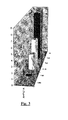
- FIG. 1 the colony morphology for B. log AH121A is convex, mucoid, bright white colonies.
- feline bacterial isolate AHF121A To determine the resistance of feline bacterial isolate AHF121A to various concentrations of porcine bile and to assess the survival of feline bacterial isolate AHF121A at pH 2.5 for 6 hours and subsequent bile resistance using various concentrations of bile.
- test strain was AHF121A Bifidobacterium longum Resistance to bile is examined using MRS/RCA agar plates supplemented with porcine bile (0.3, 0.5, 1.0, 2.0, 5.0, 7.5 and 10%). The survival of the strains at pH 2.5 is monitored at intervals of -5, 5, 30, 60, 120, 180 and 360 min using the plate count method. The bile resistance is examined after challenging the strains at pH 2.5 for 6h.
- feline bile resistance The procedure for the determination of feline bile resistance is outlined below.
- Synthetic feline bile plates of various concentrations were prepared by making a 45% stock solution of synthetic bile, heat treating the bile stock at at 80°C for 10 min to kill any vegetative cells.
- Bile plates were made fresh daily, but can be stored for up to one week.
- the CFU/g of each freeze-dried test stain was quantified via the spread plating technique.
- Test strains were spotted on porcine bile plates by resuspending 10 CFU/ml of freeze-dried strains into 10 ml sterile PBS, dividing the porcine bile plates into 1 ⁇ 4, and spoting 4 strains (10 ⁇ L) /plate.
- the plates were dried on the bench for 30 min (or until the spot had dried into the agar) and incubated under under appropriate conditions.
- Enumeration of freeze-dried powders was carried out using the spread plate technique.
- the Media was acidified by adding 6 M HCl to 100 ml broth adjust to pH 2.5. The volume required to make adjustment was recorded and using sterile techniques the pH of 4 x 100 ml MRS broth (remaining broth) was adjusted using the same volume of acid.
- the CFU/g of each freeze-dried test stain was quantified using the spread plate technique
- PBMCs Peripheral blood mononuclear cells
- BD Vacutainer CPT tubes BD catalog 362761
- PBMCs were washed and resuspended in Dulbecco's Modified Eagle Medium- Glutamax TM (Glutamax (Glutamine substitute) + pyruvate + 4.5 g/l glucose (Gibco catalog 10569-010) 10% fetal bovine serum (Sigma catalog F4135), and 1% penicillin/streptomycin (Sigma catalog P0781).
- Dulbecco's Modified Eagle Medium- Glutamax TM Glutamax (Glutamine substitute) + pyruvate + 4.5 g/l glucose (Gibco catalog 10569-010) 10% fetal bovine serum (Sigma catalog F4135), and 1% penicillin/streptomycin (Sigma catalog P0781).
- PBMCs were incubated (2 x 10 5 cells per well) in flat-bottomed 96-well plates and 20 ⁇ L of a bacterial suspension (at a concentration of 1 x 10 7 CFU/mL) was added. PBMCs were co-incubated with bacteria for 48 hours at 37°C / 5% CO 2 in an incubator. After the 2 day incubation period, the plates were centrifuge at 300 x g, and the supernatants were removed and stored frozen at -80°C until analysis.
- Interleukin-10 IL-10
- Interleukin-12p70 IL-12p70
- Bacteria were prepared for co-culture experiments in two formats. (a) Freshly grown bacteria were grown in Difco MRS media and harvested just after entering into stationary phase. All cells were grown under anaerobic conditions at 37°C. (b) Bacteria were grown under anaerobic conditions at 37°C in Difco MRS media and harvested just after entering into station phase. Freeze dried powders were generated for each of these bacteria and stored at -80°C in pre-aliquoted 100mg vials. Immediately prior to their use, one aliquot of each strain was removed from the freezer and allowed to reach room temperature. Each strain was washed 3 times in 10ml ringers followed by centrifugation. A fresh vial was used on each occasion.
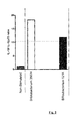
- Fig. 2 illustrates the effect of strain 121A on IL-10:IL-12 induction. Both freshly grown and freeze-dried cultures exhibited a similar effect.
- PBMCs Human peripheral blood mononuclear cells
- monocytes neutrophils, dendritic cells, B cells and T cells
- B cells dendritic cells
- T cells T cells
- IL-10 is a very important cytokine for controlling aberrant pro-inflammatory immune responses.
- IL-10 knock-out animals develop colitis and gastrointestinal tumours while regulatory cells within the immune system secrete and utilize IL-10 in order to control potentially damaging immune responses.
- enhanced secretion of this cytokine would be protective against inappropriate inflammatory activity and excessive immune responses to pathogens.
- IL-10 secretion from in vitro cultured peripheral blood mononuclear cells was determined 48 hours after co-incubation with each bacterial strain.
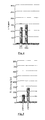
- the strains induced IL-10 secretion with similar IL-10 levels being noted for AHF121A and 35624.( Figs 4 to 6 ).
- Example 6 Bif. AH121a has immunomodulatory activity when co - incubated with human immune system cells in vitro, different to that of Bif. AH35624 .
- Bifidobacterium longum infantis strain UCC35624 (B624) and Bifidobacterium longum strain 121a is assayed using a PBMC cytokine induction assay.
- Bacteria are prepared for co-culture experiments in the following formats. Bacteria are grown under anaerobic conditions at 37°C in Difco MRS Media and harvested just after entering into station phase. Freeze dried powders are generated for each of these bacteria and stored at -80°C in pre-aliquoted 100mg vials. Immediately prior to their use, one aliquot of each strain is removed from the freezer and allowed to reach room temperature. Each strain is washed 3 times in 10ml ringers followed by centrifugation. A fresh vial is used on each occasion.
- Direct microscopic counts are performed using a Petroff-Hausser counting chamber as per the manufacturer's instructions and washed cells normalized by cell number before addition to the PBMC assay.
- Bacteria (20 ⁇ l in phosphate buffered saline (PBS)) are added to each well of PBMCs to give the total number of bacteria as indicated for each experiment.
- PBS phosphate buffered saline
- PBMC perinheral blood mononuclear cell
- PBMCs Peripheral blood mononuclear cells
- BD Vacutainer CPT tubes BD catalog 362761
- PBMCs Peripheral blood mononuclear cells
- BD catalog 362761 BD Vacutainer CPT tubes
- PBMCs are washed and resuspended in Dulbecco's Modified Eagle Medium- Glutamax TM (Glutamax (Glutamine substitute) + pyruvate + 4.5 g/l glucose (Gibco catalog 10569-010) 10% fetal bovine serum (Sigma catalog F4135), and 1% penicillin/streptomycin (Sigma catalog P0781).
- Dulbecco's Modified Eagle Medium- Glutamax TM Glutamax (Glutamine substitute) + pyruvate + 4.5 g/l glucose (Gibco catalog 10569-010) 10% fetal bovine serum (Sigma catalog F4135), and 1% penicillin/streptomycin (S
- PBMCs are incubated (2 x 10 5 cells per well) in flat-bottomed 96-well plates and 20 ⁇ L of a bacterial suspension (with concentration ranges between 1 x 10 6-8 CFU/mL) added. Up to 6 different amounts of bacteria are tested: 2.5E+08, 1.0E+08, 5.0E+07, 2.5E+07, 1.0E+07, and 1.0E+06. A no-bacteria control also is run. All assays are done in triplicate. After a 2-day incubation at 37°C, the plates were spun at 300 x g, and the supernatants were removed and stored frozen at -80°C until analysis.
- PBMCs are co-incubated with bacteria for 48 hours at 37°C / 5% CO 2 in an incubator.
- Cytokines in the culture supernatants are assayed using a 96-well assay kit from Meso Scale Discovery (Gaithersburg, MD; catalog K15008B-1).
- Human Interleukin I beta (II-1 ⁇ ), Human Interleukin 6 (II- ⁇ ), Human Interleukin 8 (II-8) Human Interleukin 10 (II-10), Human Interleukin 12p70 (II12p70), Human Interferon-gamma (IFN- ⁇ ), Human Tumor Necrosis Factor alpha (TNF ⁇ ) and Human G-CSF are quantitated and reported as picograms per millilitre (pg/mL). Each sample is assayed in 3-5 replicates (A to E).
- Bifidobacterium longum infantis strain UCC35624 (B624) and Bifidobacterium longum strain 121a are assayed for immuno-modulation using a PBMC cytokine induction assay, to generate extended dose response curves with up to 6 different amounts of bacteria tested: 2.5E+08, 1.0E+08, 5.0E+07, 2.5E+07, 1.0E+07, and 1.0E+06.
- Supernatants are assayed for a range of cytokines, including IL-1 ⁇ , -6, -8, -10 and -12, TNF- ⁇ , IFN- ⁇ and G-CSF. Cytokine measurement is represented as the average (+/- SEM) from up to 5 individual donors (A to E).
- strain 121a exhibited a very similar pattern for the induction of most cytokines including IL-10, but quite a different pattern and increased production of IL-6 and IL-8.
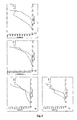
- IL-10 Incubation with 121a induces a dose-responsive increase in the anti-inflammatory cytokine IL-10 in PBMC after in vitro stimulation ( Fig. 7 ). Induction of IL-10 is qualitatively and quantitatively similar to incubation with 35624. Maximal induction of IL-10 does not appear to be met with up to 1.0 x 10 9 bacteria per well.
- IL-1 ⁇ Incubation with 121a induces a dose-responsive increase in the pro-inflammatory cytokine IL-1 ⁇ in PBMC after in vitro stimulation ( Fig. 8 ). Induction of IL-1 ⁇ is qualitatively and quantitatively similar to incubation with 35624. Maximal induction of IL-1 ⁇ does not appear to be met with up to 1.0 x 10 9 bacteria per well.
- IL-6 Incubation with 121a induces a dose-responsive increase in the cytokine IL-6 in PBMC after in vitro stimulation ( Fig. 9 ). Quantitatively the pattern is different with 121a as compared with 35624; with higher levels of IL-6 measured with 121a especially at lower doses of bacteria per well.
- IL-8 Incubation with 121a induces a dose-responsive increase in the cytokine IL-8 in PBMC after in vitro stimulation ( Fig. 10 ). Quantitatively the pattern is different with 121a as compared with 35624; with higher levels of IL-8 measured with 121a across all doses of bacteria per well.
- IL-12 Incubation with 121a induces a dose-responsive increase in the pro-inflammatory cytokine IL-12 in PBMC after in vitro stimulation ( Fig. 11 ).
- the pattern of modulation of IL- 12 is bellshaped with 121a and with 35624, rising to peak levels and then decreasing with higher bacterial concentrations. Quantitatively the pattern is somewhat variable for IL-12, but on balance similar with 121a as compared with 35624.
- TNF- ⁇ Incubation with 121a induces a dose-responsive increase in the pro-inflammatory cytokine TNF- ⁇ in PBMC after in vitro stimulation ( Fig. 12 ). Induction of TNF- ⁇ is qualitatively and quantitatively similar to incubation with 35624 for 3 of 5 replicates, with higher levels of TNF- ⁇ found in 2 of 5 replicates (See C & E). Maximal induction of IL-10 appears to be met with up to 1.0 x 10 8 bacteria per well.
- INF- ⁇ Incubation with 121a induces a dose-responsive increase in the pro-inflammatory cytokine INF- ⁇ in PBMC after in vitro stimulation ( Fig. 13 ). Quantitatively the pattern is somewhat variable for INF- ⁇ , but on balance similar with 121a as compared with 35624.
- G-CSF Incubation with 121a induces a dose-responsive increase in the cytokine G-CSF in PBMC after in vitro stimulation ( Fig. 14 ). Induction of G-CSF is qualitatively and quantitatively similar to incubation with 35624.
- the immune response is a tightly regulated process which normally results in protection from infection and tolerance of innocuous environmental antigens.
- the activated immune response results in a chronic pro-inflammatory state characterized by activation of the innate immune response and expansion of polarized T cell subsets.
- the treatment of inflammatory disease is focussed on the suppression of key inflammatory mediators or inflammatory cell populations.
- these approaches only provide a temporary suppression of disease symptoms.
- Successful long-term treatment or prevention can only be provided by enhancement of the regulatory cellular processes which protect against damaging pro-inflammatory responses.
- Bifidobacterium AHF121A is a probiotic microbe that selectively stimulates IL-10 secretion from the innate immune system (i.e. dendritic cells) and induces polarization of Foxp-3 positive regulatory T cells in vitro.
- IL-10 secretion and regulatory T cells are potent suppressors of aberrant inflammatory responses.
- T reg T regulatory
- T R 1 cells allergen-specific IL-10 producing T regs
- T R 1 cells are the dominant T-cell subset in healthy individuals [11, 12].
- Repeated exposure of non-allergic healthy beekeepers to bee venom antigens during the bee keeping season represents a valuable in vivo model to ascertain mechanisms of immune tolerance to venom antigens [13].
- venom antigen-specific T H 1 and T H 2 cells switch toward IL-10- secreting T R 1 cells. This occurs in parallel to the suppression of cutaneous late-phase responses to allergens and inhibition of allergen-specific T H 1 and T H 2 cells. The response is observed as long as venom exposure persists and returns to initial levels within 2 to 3 months after the end of the bee keeping season.
- T reg function in vivo Various strategies, which are designed to enhance T reg function in vivo are currently under investigation. These include the adoptive transfer of inducible or constitutive T reg cells and their induction by specific adjuvants or immunomodulators. These approaches are attractive compared to conventional treatments, as the antigen-specific suppressor capacity of T reg cells does not result in general immunosuppression and may actually lead to long-lasting antigen-specific regulation in vivo . Moreover, individual patient-specific treatments are possible with limited side effects.
- TNF- ⁇ tumor necrosis factor- ⁇
- T reg cells can be effective at suppressing ongoing disease, although those T reg cells do not necessarily need to recognize exactly the same autoantigen as the autoaggressive effector T cells [20].
- Possibilities of adoptive transfer of T reg cells or small molecular compounds that induce T reg cells in the tissue are being investigated [19], but no double-blind, placebo-controlled studies have been reported so far.
- allergen-SIT is the only antigen-specific approach that induces T reg cell production and activation in humans.
- microbes which are currently being examined include Bifidobacteria, Lactobacilli, non-pathogenic E. coli and Bacteroides strains [26-31].
- the protective effects associated with these microbes are probably mediated by multiple mechanisms involving epithelial cells, dendritic cells and T cells.
- a common feature of these microbes, which is being increasingly reported is their ability to induce T reg cells.
- T reg cells are derived from the thymus but may also be induced in peripheral organs, including the gut mucosa [35, 36].
- CD103+ dendritic cells within the mucosa are largely responsible for the conversion of T reg cells via TGF- ⁇ and retinoic acid dependent processes [37, 38].
- the conversion is likely driven by gastrointestinal specific environmental factors associated with the presence of large numbers of commensal organisms. However, it is unlikely that all commensal microbes are equally effective at inducing T reg cells in vivo.
- polysaccharide A derived from Bacteroides fragilis promotes an appropriate T H 1/T H 2 balance in germ-free mice following presentation by mucosal dendritic cells and protects against colitis in an animal model via IL-10 secreting CD4 + T cells [29, 40].
- the continued identification of new microbial compounds which induce tolerogenic dendritic cells and T reg activity will undoubtedly lead to novel therapeutic molecules for assessment in clinical studies.
- iDCs Human monocytes were isolated from blood using a combination of Ficoll density centrifugation and cell separation using CD14-specific antibody coated magnetic microbeads (MiltentyiBiotec). The purity of isolated CD14+ cell fraction was greater than 90% in all experiments.
- iDCs immature DC
- the purified CD 14+ cells were cultured for 5 days in the presence of IL-4 (R&D systems) and GM-CFS (R&D systems) to differentiate into myeloid dendritic cells. At day 6 the cells were left unstimulated (iDCs) or were stimulated with LPS (1 mg/mL) 5x10⁵ MDDCs were stimulated with or bacterial cells for 24 hours.
- PBMCs were isolated by centrifugation of buffy coats on Lymphoprep gradients.
- CD4+ T cells were separated using negative selection affinity columns (R&D Systems), according to the manufacturer's instructions. After separation, the T cells were washed and resuspended in RPMI 1640culture medium supplemented with 10% heat-inactivated foetal bovine serum, 100 IU/mL penicillin, 100 ⁇ g/mL streptomycin, and 2 mmol/L L-glutamine.
- Purified CD4+ Tcells (1 x 10 6 /mL) were stimulated by the combination of immobilized anti-CD3 (1 ⁇ g/mL) and soluble anti-CD28 (5 ⁇ g/mL) mAbs (Pharmingen). Subsequently, purified CD4+ T cells were incubated with the above DCs. After 48 h of CD4+ T cells were permeabilised and stained for CD25 and Foxp-3. Cells were assessed using flow cytometry.
- results show that AHF121A stimulated dendritic cells drive the polarisation and/or expansion of the regulatory T cell subset which expresses CD25 and Foxp-3.
- cytokines released can have an impact on T cell polarization. Therefore, we analyzed the production of IL-12p70, and IL-10 by MoDCs after 24 h treatment with bacteria, as above. LPS was a strong inducer of all of the tested cytokines, while the AHF121A elicited a differential cytokine release ( Fig. 15 ). AHF121A induced lower levels of IL-10 when compared to LPS but did not induce a detectable level of IL-12p70. Thus AHF121A was displaying a reduced inflammatory potential
- the difference in cytokine production reflects different T cell polarizing ability
- Cytokine release by DCs is important to drive the polarization of T cells towards Th1, Th2, Th17 or T regulatory cells.
- MDDCs generated by AHF121A have the potential to induce Foxp3+ Tregs.
- DCs were incubated with AHF121A for 5 days and then cocultured with highly purified allogeneic naive CD4+ T cells.
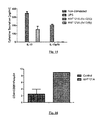
- the CD4+Foxp3+ Treg population was then analyzed by FACS. The results show that AHF121A stimulated dendritic cells drive the polarisation and /or expansion of the regulatory T cell subset which expresses CD25 and Foxp-3. ( Fig. 16 )
- AHF121A generated tolerogenic DCs, which, in turn, induced generation of CD4+Foxp3+ Tregs.
- MDDCs cultured with AHF121A could convert CD4+CD25- T cells into CD4+CD25-Foxp3+ T cells .
- AHF121A exerted potent immunomodulatory effects by up-regulating or potentiating the generation of Tregs by MDDCs in vitro.
- the results present evidence of the generation of C+CD25-Foxp3+ Tregs in response to AHF121A in vitro, an effect that may be therapeutically useful for the modulation of inflammatory immune disorders in vivo. ( Fig. 16 )
- T regulatory cells 32, 41, 42.
- Bifidobacterium AH1206 was shown to mediate the potent activation of the T regulatory cells in 3 different animal models.
- consumption of Bifidobacterium AH1206 protected against eosinophil recruitment to the lung and blocked the induction of serum IgE.
- T regulatory cells play an important role in regulating allergen-specific inflammatory responses (39).
- Multiple studies in animal models indicate CD4 CD25 Foxp3 cells are recruited into both lungs and draining lymph nodes and can suppress allergen-induced airway eosinophillia, mucous hypersecretion and airway hyperresponsiveness (43-48).
- wet companion animal food compositions comprising the probiotic Bifidobacteria longum of the present invention.
- yoghurt supplement compositions comprising the probiotic Bifidobacteria longum of the present invention.
Landscapes
- Health & Medical Sciences (AREA)
- Life Sciences & Earth Sciences (AREA)
- Chemical & Material Sciences (AREA)
- Engineering & Computer Science (AREA)
- Organic Chemistry (AREA)
- Bioinformatics & Cheminformatics (AREA)
- Medicinal Chemistry (AREA)
- General Health & Medical Sciences (AREA)
- Polymers & Plastics (AREA)
- Microbiology (AREA)
- Veterinary Medicine (AREA)
- Pharmacology & Pharmacy (AREA)
- Animal Behavior & Ethology (AREA)
- Public Health (AREA)
- Zoology (AREA)
- Nuclear Medicine, Radiotherapy & Molecular Imaging (AREA)
- General Chemical & Material Sciences (AREA)
- Chemical Kinetics & Catalysis (AREA)
- Immunology (AREA)
- Food Science & Technology (AREA)
- Biotechnology (AREA)
- Wood Science & Technology (AREA)
- Genetics & Genomics (AREA)
- Biomedical Technology (AREA)
- Biochemistry (AREA)
- Animal Husbandry (AREA)
- Mycology (AREA)
- Tropical Medicine & Parasitology (AREA)
- Virology (AREA)
- Molecular Biology (AREA)
- General Engineering & Computer Science (AREA)
- Birds (AREA)
- Rheumatology (AREA)
- Physiology (AREA)
- Epidemiology (AREA)
- Pain & Pain Management (AREA)
- Nutrition Science (AREA)
- Medicines Containing Material From Animals Or Micro-Organisms (AREA)
- Coloring Foods And Improving Nutritive Qualities (AREA)
- Micro-Organisms Or Cultivation Processes Thereof (AREA)
Abstract
Description
- The invention relates to a Bifidobacterium strain and its use as a probiotic bacteria in particular as an immunomodulatory biotherapeutic agent.
- The defense mechanisms to protect the human gastrointestinal tract from colonization by intestinal bacteria are highly complex and involve both immunological and non-immunological aspects (1). Innate defense mechanisms include the low pH of the stomach, bile salts, peristalsis, mucin layers and anti-microbial compounds such as lysozyme (2). Immunological mechanisms include specialized lymphoid aggregates, underlying M cells, called peyers patches which are distributed throughout the small intestine and colon (3). Luminal antigens presented at these sites result in stimulation of appropriate T and B cell subsets with establishment of cytokine networks and secretion of antibodies into the gastrointestinal tract (4). In addition, antigen presentation may occur via epithelial cells to intraepithelial lymphocytes and to the underlying lamina propria immune cells (5). Therefore, the host invests substantially in immunological defense of the gastrointestinal tract. However, as the gastrointestinal mucosa is the largest surface at which the host interacts with the external environment, specific control mechanisms must be in place to regulate immune responsiveness to the 100 tons of food which is handled by the gastrointestinal tract over an average lifetime. Furthermore, the gut is colonized by over 500 species of bacteria numbering 1011-1012/g in the colon. Thus, these control mechanisms must be capable of distinguishing non-pathogenic adherent bacteria from invasive pathogens, which would cause significant damage to the host. In fact, the intestinal flora contributes to defense of the host by competing with newly ingested potentially pathogenic micro-organisms.
- It is believed by some that probiotic bacteria are more effective when derived from the species, or closely related species, intended to be treated. Therefore, there is a need for probiotic strains derived from companion animals to be used for companion animals that are different to those derived from humans.
-
WO 01/90311 - Consequently, there is a need to provide strains of bacteria obtainable by isolation from the natural intestinal microflora present in the upper portion of the GI tract that are particularly adapted for cats, and have been selected for their probiotic properties and ability to survive processing, and to incorporate these strains into compositions that are suitable for their use.
- According to the invention, there is provided an isolated strain of Bifidobacterium NCIMB 41675.
- The Bifidobacterium strain may be in the form of viable cells, the Bifidobacterium strain may be in the form of non-viable cells.
- The Bifidobacterium may be isolated from colonic biopsy tissue from a feline subject.
- The Bifidobacterium strain may be significantly immunomodulatory following oral consumption.
- The invention also provides a formulation which comprises a Bifidobacterium strain as described herein.
- The formulation may further comprise a probiotic material. The formulation may further comprise a prebiotic material. The formulation may further comprise an ingestable carrier. The ingestible carrier may be a pharmaceutically acceptable carrier such as a capsule, tablet or powder. The ingestible carrier may be a food product such as an oil suspension, a milk based suspension, cheese, a cocoa butter based composition, a gravy and/or a yoghurt based composition.
- The invention further provides a foodstuff which comprises a Bifidobacterium strain or a formulation as described herein.
- The foodstuff may be a dry foodstuff. The foodstuff may be a wet foodstuff. The foodstuff may further comprise a probiotic material. The foodstuff may further comprise a prebiotic material. The foodstuff may be a companion animal food.
- The invention also provides a Bifidobacterium strain, or a formulation, or a foodstuff as described herein for use as a medicament.
- The invention also provides a Bifidobacterium strain, or a formulation, or a foodstuff as described herein for use in the prophylaxis and/or treatment of undesirable inflammatory activity.
- The invention also provides a Bifidobacterium strain, or a formulation, or a foodstuff as described herein for use in the prophylaxis and/or treatment of undesirable gastrointestinal inflammatory activity.
- The invention also provides a Bifidobacterium strain, or a formulation, or a foodstuff as described herein for use in the prophylaxis and/or treatment of auto-immune disorders due to undesirable inflammatory activity.
- The invention also provides a Bifidobacterium strain, or a formulation, or a foodstuff as described herein for use in the prophylaxis and/or treatment of diarrhoeal disease due to undesirable inflammatory activity.
- The invention also provides a Bifidobacterium strain, or a formulation, or a foodstuff as described herein for use in the regulation of or improvement of the immune system of companion animals.
- The invention also provides a Bifidobacterium strain, or a formulation, or a foodstuff as described herein for use in the prophylaxis and/or treatment of autoimmune disease in companion animals. The invention also provides a Bifidobacterium strain, or a formulation, or a foodstuff as described herein for use in the prophylaxis and/or treatment of inflammation in companion animals.
- We describe a Bifidobacterium strain AH121A (NCIMB 41675) or mutants or variants thereof.
- The strain may be obtainable by isolation from resected and washed feline gastrointestinal tract.
- The mutant may be a genetically modified mutant. The variant may be a naturally occurring variant of Bifidobacterium.
- The strain may be a probiotic. It may be in the form of a biologically pure culture.
- Also described is an isolated strain of Bifidobacterium NCIMB 41675.
- Bifidobacterium strains may be in the form of viable cells. Alternatively Bifidobacterium strains may be in the form of non-viable cells.
- The general use of probiotic bacteria may be in the form of viable cells. However, it may also be extended to non-viable cells such as killed cultures or compositions containing beneficial factors expressed by the probiotic bacteria. This may include thermally killed micro-organisms or micro-organisms killed by exposure to altered pH or subjection to pressure. With non-viable cells product preparation may be simpler, cells may be incorporated easily into pharmaceuticals and storage requirements are much less limited than viable cells. Lactobacillus casei YIT 9018 offers an example of the effective use of heat killed cells as a method for the treatment and/or prevention of tumour growth as described in US Patent No.
US4347240 . - We also describe uses of the bacteria obtainable by isolation from resected and washed feline gastrointestinal tract for maintaining and improving companion animal health, and compositions comprising the lactic acid bacteria.
- We describe a formulation which comprises the Bifidobacterium strain described herein, the formulation may include another probiotic material, the formulation may include a prebiotic material.
- Bifidobacterium are commensal microorganisms. They have been isolated from the microbial flora within the human gastrointestinal tract. The immune system within the gastrointestinal tract cannot have a pronounced reaction to members of this flora, as the resulting inflammatory activity would also destroy host cells and tissue function. Therefore, some mechanism(s) exist whereby the immune system can recognize commensal non-pathogenic members of the gastrointestinal flora as being different to pathogenic organisms. This ensures that damage to host tissues is restricted and a defensive barrier is still maintained.
- Throughout the specification the terms mutant, variant and genetically modified mutant include a strain of Bifidobacteria whose genetic and/or phenotypic properties are altered compared to the parent strain. Naturally occurring variant of Bifidobacterium longum includes the spontaneous alterations of targeted properties selectively isolated. Deliberate alteration of parent strain properties is accomplished by conventional (in vitro) genetic manipulation technologies, such as gene disruption, conjugative transfer, etc. Genetic modification includes introduction of exogenous and/or endogenous DNA sequences into the genome of a Bifidobacteria strain, for example by insertion into the genome of the bacterial strain by vectors, including plasmid DNA, or bacteriophages.
- Natural or induced mutations include at least single base alterations such as deletion, insertion, transversion or other DNA modifications which may result in alteration of the amino acid sequence encoded by the DNA sequence.
- The terms mutant, variant and genetically modified mutant also include a strain of Bifidobacteria that has undergone genetic alterations that accumulate in a genome at a rate which is consistent in nature for all micro-organisms and/or genetic alterations which occur through spontaneous mutation and/or acquisition of genes and/or loss of genes which is not achieved by deliberate (in vitro) manipulation of the genome but is achieved through the natural selection of variants and/or mutants that provide a selective advantage to support the survival of the bacterium when exposed to environmental pressures such as antibiotics. A mutant can be created by the deliberate (in vitro) insertion of specific genes into the genome which do not fundamentally alter the biochemical functionality of the organism but whose products can be used for identification or selection of the bacterium, for example antibiotic resistance.
- A person skilled in the art would appreciate that mutant or variant strains of Bifidobacteria can be identified by DNA sequence homology analysis with the parent strain. Strains of Bifidobacteria having a close sequence identity with the parent strain are considered to be mutant or variant strains. A Bifidobacteria strain with a sequence identity (homology) of 96% or more, such as 97% or more, or 98% or more, or 99% or more with the parent DNA sequence may be considered to be a mutant or variant. Sequence homology may be determined using on-line homology algorithm "BLAST" program, publicly available at http://www.ncb.nlm.nih,gov/BLAST/.
- Mutants of the parent strain also include derived Bifidobacteria strains having at least 85% sequence homology, such as at least 90% sequence homology, or at least 95% sequence homology to the 16s - 23s intergenic spacer polynucleotide sequence of the parent strain. These mutants may further comprise DNA mutations in other DNA sequences in the bacterial genome.
- The invention will be more clearly understood from the following description thereof given by way of example only with reference to the accompanying drawings in which;-
-
Fig. 1 is a photograph of B. longum AH121A grown on a Congo Red Agar plate; -
Fig. 2 is a bar chart illustrating the IL-10:IL-12p70 ratio for PBMCs stimulated withBifidobacterium longum strain 121A (Bifidobacterium 121A); -
Fig 3 is a plot illustrating the survival ofstrain 121A in a low pH environment. Strains were challenged at pH2.5 for 6 hours and their survival assessed using plate counts; -
Figs 4 to 6 are plots of cytokine secretions from in vitro cultured peripheral blood mononuclear cells (PBMCs); -
Fig. 7A to E are line graphs showing the induction profile of IL-10 in PBMC after in vitro stimulation with increasing concentrations of 121A andBif 35624; -
Fig. 8A to D are line graphs showing the induction profile of IL-1β in PBMC after in vitro stimulation with increasing concentrations of 121A andBif 35624; -
Fig. 9A to D are line graphs showing the induction profile of IL-6 in PBMC after in vitro stimulation with increasing concentrations of 121A andBif 35624; -
Fig. 10A to D are line graphs showing the induction profile of IL-8 in PBMC after in vitro stimulation with increasing concentrations of 121A and Bif. 35624; -
Fig. 11A to D are line graphs showing the induction profile of IL-12 p70 in PBMC after in vitro stimulation with increasing concentrations of 121A and Bif. 35624; -
Fig. 12A to E are line graphs showing the induction profile of TNF-α in PMBC after in vitro stimulation with increasing concentrations of 121A and Bif. 35624; -
Fig. 13A to C are line graphs showing the induction profile of IFN-γ in PMBC after in vitro stimulation with increasing concentrations of 121 A and Bif. 35624; -
Fig. 14A to D are line graphs showing the inductions profile of G-CSF in PBMC after in vitro stimulation with increasing concentrations of 121A and Bif. 35624; -
Fig. 15 is a bar chart showing the effect of 121A on the secretion of IL-10 and IL-12 p70 by human myeloid-type dendritic cells; and -
Fig. 16 is a bar chart showing the effect of 121A on human naive CD4+ Tcells. - A deposit of Bifidobacterium longum strain AH121A was made at the National Collections of Industrial and Marine Bacteria Limited (NCIMB) Ferguson Building, Craibstone Estate, Bucksbum, Aberdeen, AB21 9YA, Scotland, UK on November 5, 2009 and accorded the accession number NCIMB 41675.
- A deposit of Bifidobacterium
longum strain UCC 35624 was made at the National Collections of Industrial and Marine Bacteria Limited (NCIMB) Ferguson Building, Craibstone Estate, Bucksbum, Aberdeen, AB21 9YA, Scotland, UK on January 13, 1999, and accorded the accession number NCIMB 41003. - The Bifidobacterium longum may be a genetically modified mutant or it may be a naturally occurring variant thereof
- Preferably the Bifidobacterium longum is in the form of viable cells.
- Alternatively the Bifidobacterium longum may be in the form of non-viable cells.
- As used herein, "companion animal" means a domestic animal. Preferably, "companion animal" means a domestic feline (cat), canine (dog), rabbit, ferret, horse, cow, or the like. More preferably, "companion animal" means a domestic feline.
- The first aspect of the present invention comprises a strain of lactic acid bacteria of the genus Bifidobacteria obtainable by isolation from resected and washed feline gastrointestinal tract having probiotic activity in animals. Probiotics are microorganisms, either viable or dead, processed compositions of micro-organisms, their constituents such as proteins or carbohydrates, or purified fractions of bacterial ferments that beneficially affect a host. The general use of probiotic bacteria is in the form of viable cells. However, it can be extended to non- viable cells such as killed cultures or compositions containing beneficial factors expressed by the probiotic bacteria. This may include thermally killed micro-organisms, or micro-organisms killed by exposure to altered pH or subjected to pressure. For the purpose of the present invention, "probiotics" is further intended to include the metabolites generated by the micro-organisms of the present invention during fermentation, if they are not separately indicated. These metabolites may be released to the medium of fermentation, or they may be stored within the micro-organism. As used herein "probiotic" also includes bacteria, bacterial homogenates, bacterial proteins, bacterial extracts, bacterial ferment supernatants, and mixtures thereof, which perform beneficial functions to the host animal when given at a therapeutic dose.
- It has been found that lactic acid bacteria of the genus Bifidobacteria obtainable by isolation directly from resected and washed GI tract of mammals are adherent to the GI tract following feeding of viable bacterial cells, and are also significantly immunomodulatory when fed to animals in viable, non-viable or fractionated form. Without being bound by theory, it is believed that Bifidobacteria obtainable by isolation from resected and washed GI tract closely associate with the gut mucosal tissues. Without further being bound by theory, this is believed to result in the probiotic Bifidobacteria of the present invention generating alternative host responses that result in its probiotic action. It has been found that probiotic bacteria obtainable by isolation from resected and washed GI tract can modulate the host's immune system via direct interaction with the mucosal epithelium, and the host's immune cells. This immunomodulation, in conjunction with the traditional mechanism of action associated with probiotic bacteria, i.e. the prevention of pathogen adherence to the gut by occlusion and competition for nutrients, results in the Bifidobacteria of the present invention being highly efficacious as a probiotic organism.
- The Bifidobacterium of the present invention, obtainable by isolation from resected and washed feline GI tract, has in vitro anti-microbial activity against a number of pathogenic bacterial strains/species. Without being bound by theory, it is believed that this in vitro anti-microbial activity is indicative of potential probiotic activity in vivo in animals, preferably companion animals such as felines. The lactic acid bacteria of the present invention preferably have in vitro anti-microbial activity against Salmonella typhimurium, Listeria monocytogenes, Listeria innocua or Eschericia coli, more preferably a mixture of these strains, more preferably still, all of these strains.
- Without being bound by theory, it is believed that the anti -microbial activity of the lactic acid bacteria of the present invention may be the result of a number of different actions by the lactic acid bacteria herein. It has previously been suggested in the art that several strains of bacteria isolated from faecal samples exert their probiotic effect in the GI tract following oral consumption by preventing the attachment of pathogenic organisms to the gut mucosa by occlusion. This requires oral consumption of "live" or viable bacterial cells in order for a colony of bacteria to be established in the gut. However, it is believed that the Bifidobacteria of the present invention, obtainable by isolation from resected and washed feline GI tract, whilst exerting some probiotic effect due to occlusion if given in a viable form, may deliver a substantial probiotic effect in either the viable or non-viable form due to the production during fermentation in vitro of a substance or substances that either inhibit the growth of or kill pathogenic microorganisms, and/or alter the host animal's immune competence. This form of probiotic activity is desirable, as the bacteria of the present invention can be given as either viable or non-viable cultures or purified fermentation products and still deliver a beneficial therapeutic effect to the host animal.
- Preferably, the lactic acid bacteria of the present invention are able to maintain viability following transit through the GI tract. This is desirable in order for live cultures of the bacteria to be taken orally, and for colonisation to occur in the intestines and bowel following transit through the oesophagus and stomach. Colonisation of the intestine and bowel by the lactic acid bacteria of the present invention is desirable for long-term probiotic benefits to be delivered to the host. Oral dosing of non-viable cells or purified isolates thereof induces temporary benefits, but as the bacteria are not viable, they are not able to grow, and continuously deliver a probiotic effect in situ. As a result this may require the host to be dosed regularly in order to maintain the health benefits. In contrast, viable cells that are able to survive gastric transit in the viable form, and subsequently colonise by adhering to and proliferating on the gut mucosa are able to deliver probiotic effects continuously in situ. Therefore, it is preferable that the lactic acid bacteria of the present invention maintain viability after suspension in a media having a pH of 2.5 for 1 hour. As used herein, "maintain viability" means that at least 25% of the bacteria initially suspended in the test media are viable using the plate count method known to those skilled in the art. Preferably, "maintain viability" means that at least 50% of the bacteria initially suspended are viable. It is desirable for the lactic acid bacteria of the present invention to maintain viability following exposure to low pH as this mimics the exposure to gastric juices in the stomach and upper intestine in vivo following oral consumption in animals.
- The strain of lactic acid bacteria of the genus Bifidobacteria obtainable by isolation from resected and washed feline gastrointestinal tract can be used to deliver probiotic benefit following oral consumption in animals, preferably companion animals or humans. This probiotic benefit generally maintains and improves the overall health of the animal. Non-limiting elements of animal health and physiology that benefit, either in therapeutically relieving the symptoms of, or disease prevention by prophylaxis include inflammatory disorders, immunodeficiency, inflammatory bowel disease, irritable bowel syndrome, cancer (particularly those of the gastrointestinal and immune systems), diarrhoeal disease, antibiotic associated diarrhoea, appendicitis, autoimmune disorders, multiple sclerosis, Alzheimer's disease, amyloidosis, rheumatoid arthritis, arthritis, joint mobility, diabetes mellitus, insulin resistance, bacterial infections, viral infections, fungal infections, periodontal disease, urogenital disease, surgical associated trauma, surgical- induced metastatic disease, sepsis, weight loss, weight gain, excessive adipose tissue accumulation, anorexia, fever control, cachexia, wound healing, ulcers, gut barrier infection, allergy, asthma, respiratory disorders, circulatory disorders, coronary heart disease, anaemia, disorders of the blood coagulation system, renal disease, disorders of the central nervous system, hepatic disease, ischaemia, nutritional disorders, osteoporosis, endocrine disorders, and epidermal disorders, Preferred are treatment of the gastrointestinal tract, including treatment or prevention of diarrhoea; immune system regulation, preferably the treatment or prevention of autoimmune disease and inflammation; maintaining or improving the health of the skin and/or coat system, preferably treating or preventing atopic disease of the skin; ameliorating or reducing the effects of aging, including mental awareness and activity levels; preventing disorders associated with the hypothalamus-pituitary-adrenal axis, and improving joint health whereby improving mobility.
- The treatment of the disorders disclosed above may be measured using techniques known to those skilled in the art. For example, inflammatory disorders including autoimmune disease and inflammation may be detected and monitored using in vivo immune function tests such as lymphocyte blastogenesis, natural killer cell activity, antibody response to vaccines, delayed-type hypersensitivity, and mixtures thereof. Such methods are briefly described herein, but well known to those skilled in the art.
- 1. Lymphocyte blastogenesis: This assay measures the proliferative response in vitro of lymphocytes isolated from fresh whole blood of test and control animals to various mitogens and is a measure of overall T- and B-cell function. Briefly, peripheral blood mononucleocytes (PBMC) are isolated from whole blood by Ficoll-Hypaque density centrifugation methods known to those skilled in the art. The isolated PBMCs are washed twice in RPMI 1640 cell media supplemented with HEPES, L-glutamine and penicillin/streptomycin. The washed cells are resuspended in RPMI 1640, counted, and the cell density adjusted appropriately. The 2x10⁵ cells are exposed to a range of concentrations (0.1µg/ml to 100µg/ml) of various mitogens, some examples of which include pokeweed mitogen (Gibco), phytohaemagglutinin (Gibco) and conconavalin A (Sigma) in triplicate for 72 hours at 37°C and 5% CO2 with 10% foetal bovine serum (Sigma). At 54 hours the cells are pulsed with 1µCi H-thymidine, and the cells harvested and scintillation counts read on a TopCount NXT at 72 hours.
- 2. Natural killer cell activity: As described in
US 6,310,090 , this assay measures the in vitro effector activity of natural killer cells isolated from fresh whole blood of test and control animals. Natural killer cells are a component of the innate immune function of a mammal. Feline thyroid adenocarcinoma cells were used as target cells in assessing NK cell cytotoxic activity. This cell line was previously shown to be susceptible to killing by feline NK cell. Target cells were cultured in a T75 flask with 20 niL minimum essential medium (MEM; Sigma Chem. Co., St. Louis, Mo.) supplemented with 10% fetal calf serum (FCS), 100 U/mL of penicillin and 100 µg/mL of streptomycin. When confluent, target cells were trypsinized, washed 3 times and resuspended to 5x10⁵ cells/mL in complete medium (RPMI- 1640+ 10% FCS+100 U/mL of penicillin+100 µg/mL of streptomycin). Triplicate 100µL aliquots of the target cells were pipetted into 96-well U-bottom plates (Costar, Cambridge, Mass.) and incubated for 8 hours to allow cell adherence. Lymphocytes (effector cells; 100µL) isolated by Ficoll- Hypaque separation (as described above) were then added to the target cells to provide an effector/target cell (E: T) ratio of 10:1. After 10 hours of incubation at 37°C, 20µl of a substrate containing 5 . µg of 3-(4,5-dimethylthiazol-2-yl)-2,5- diphenyltetrazolium bromide (MTT) was added. The mixture was incubated for 4 hours at 37°C. after which the unmetabolized MTT was removed by aspiration. The form crystals were dissolved by adding 200µL of 95% ethanol. Optical density was measured at 570 nm using a microptate reader. The percentage of NK cell-specific lysis was calculated as follows: Specific Cytotoxicity (%) = 100 x {1 - [(OD of target cells and effector cells - OD of effector cells)/(OD of target cells)]} - 3. Antibody response to vaccines: The test subjects are given an array (up to 5) of vaccines after at least 12 weeks of probiotic or control feeding. The vaccines may be a mixture of novel and redundant vaccines. Non-limiting examples of vaccine arrays that may be used include mixtures of vaccines prepared by Fort Dodge Animal Health. Non-limiting examples of vaccines suitable for use herein include Feline distemper, adenovirus, coronavirus, parainfluenza and parvovirus. The test subject's vaccine history will determine the vaccines to be used. The specific antibodies to the vaccines given are measured in blood for 3 weeks and the length and strength of response in control and probiotic feeding groups compared. 4. Delayed-type hypersensitivity: An in vivo, non-invasive method of assessing immune system status. This test comprises an intradermal injection of the polyclonal mitogen Phytohemmaglutinin (PHA) in combination with sheep red blood cells a multivalent vaccine, histamine (100µL of 0.0275 g/L Histamine Phosphate; Greer, Lenoir, NC) or PBS (100µL of Phosphate Buffered Saline, 8.5 g/L; Sigma). The immune response to the antigen is recorded as skinfold thickness using calipers at time intervals of 0, 24, 48 and 72 hours post-injection. An increase in skinfold thickness is indicative of a greater hypersensitivity response that should be decreased by treatment with the bacteria of the present invention.
- Additional methods for determining the effect of the Bifidobacteria bacteria of the present invention are described in
US 6,133,323 andUS 6,310,090 . - Furthermore, ameliorating the effects of age may be determined using dual x-ray absorptometry or CT scan for measuring body composition, including body fat mass, fat- free mass and bone mineral content. Similarly, this method may be used to determine anatomy changes such as weight loss or bone density in subjects following infection.
- The Bifidobacteria of the present invention may also be used in a method for reducing stress levels in companion animals. Concentrations of blood stress hormones including epinephrine, norepinephrine, dopamine, Cortisol, C-reactive protein and other acute phase proteins may be measured to determine stress levels and their reduction or maintenance. These hormones are recognized biomarkers of stress and can be readily measured using techniques known to those skilled in the art. Additionally, direct measure of adrenal size as an in vivo marker of activity of the hypothalamus-pituitary-adrenal axis may be measured by CT imaging.
- Further still, maintenance or improvement of the health of the skin and/or coat system of companion animals, including atopic disease of the skin, may be measured using skin and coat assessments conducted by two trained individuals. Examples of criteria examined during such assessments include: a) Shedding index: A shedding index is assigned to each test subject by collecting hair produced during a standardized brushing session. The hair is retained and weighed, and control and test subjects compared. b) Subjective skin/coat evaluations: Trained panelists subjectively evaluate skin and coat condition by assessing shedding, dander, shine, uniformity, softness and density. c) Skin functional assessment: The barrier function of the skin may be assessed by wiping the skin surface with an acetone-soaked gauze. This technique effectively disrupts the skin barrier by removing single cell layers and associated lipid fractions of the stratum corneum. Barrier disruption is quantified by measuring the increase in transepidermal water loss (TEWL) and the degree of redness of the insulted site using methods known to those skilled in the art. Redness (erythema) scores are obtained using the previously described camera and lighting system. TEWL readings and redness scores are obtained immediately before and after disruption, and at five and 24-hour endpoints to assess the protective and healing properties of skin.
- Furthermore, the treatment of gastrointestinal infection in companion animals may comprise improving microbial ecology of companion animals. Improving the microbial ecology of companion animals preferably comprises reducing the levels of pathogenic bacteria in the faeces of companion animals. The levels of pathogenic bacteria present in the faeces of companion animals may be enumerated using the standard plate count method known to those skilled in the art. More preferably, the pathogenic bacteria are selected from the group consisting of Clostridia, Escherichia, Salmonella, bacteriodes and mixtures thereof. Non-limiting examples of suitable strains of pathogenic bacteria include C. perfringens, C. difficile, Eschericia coli, Salmonella typhimurium and mixtures thereof.
- The method of use of the bacteria of the present invention may also include the treatment, either prophylactic or therapeutic of the urinary tract of mammals, preferably companion animals. Non-limiting examples of urinary tract treatment include treatment or prevention of urinary tract infections, treatment or prevention of kidney disease, including urinary tract stones, treatment or prevention of bladder infections and the like. Without being bound by theory, it is believed that the Bifidobacteria bacteria of the present invention are useful in preventing these ailments as a result of their ability to degrade oxalic acid, as demonstrated in vitro. Oxalic acid is a by-product of urinary metabolism that can form insoluble precipitates that result in kidney, bladder and other urinary tract infections. By degrading oxalic acid, and therefore potentially preventing its precipitation and build up in the urinary tract, the bacteria of the present invention may treat and prevent infections and other ailments of the urinary tract. Oxalic acid degradation may be measured in vitro using the Oxalic acid test kit cat # 755699 commercially available from Boehringer Mannheirn/R-Biopharm.
- The Bifidobacteria of the present invention may be used in a method for improving or maintaining the health of companion animals comprising improving fibre digestion. Improving fibre digestion is desirable as it promotes the growth of said probiotic bacteria, as well as beneficial endogenous microflora, which aid in the suppression of some potentially pathogenic bacteria. In addition, a decrease in the amount of toxic metabolites and detrimental enzymes that result from colonic fermentation has been documented in humans (6). Fibre digestion may be determined using the method described in Vickers et al. (7), with the exception that instead of inoculating using diluted fecal samples each experiment used pure cultures of the bacterial strains of interest.
- The feline probiotic strains of the present invention may be used to reduce the odor of the feces and urine and concomitantly in the litterbox by reducing the production of compounds in the feces and urine that cause odor. Non-limiting examples of odor- causing compounds include ammonia, indoles, phenols, amines, branched chain fatty acids, and volatile sulphur-containing compounds. Without wishing to be bound by theory it is believed that reducing the levels of these compounds in the feces or urine of a companion animal reduces the odor associated with the feces or urine. Furthermore, for companion animals that use a litter box, there is a concomitant decrease in litter box odor.
- The method of use of the lactic acid bacteria of the present invention typically involves oral consumption by the animal. Oral consumption may take place as part of the normal dietary intake, or as a supplement thereto. The oral consumption typically occurs at least once a month, preferably at least once a week, more preferably at least once per day. The lactic acid bacteria of the present invention may be given to the companion animal in a therapeutically effective amount to maintain or improve the health of the animal, preferably a companion animal. As used herein, the term "therapeutically effective amount" with reference to the lactic acid bacteria, means that amount of the bacteria sufficient to provide the desired effect or benefit to a host animal in need of treatment, yet low enough to avoid adverse effects such as toxicity, irritation, or allergic response, commensurate with a reasonable benefit/risk ratio when used in the manner of the present invention. The specific "therapeutically effective amount" will vary with such factors as the particular condition being treated, the physical condition of the user, the duration of the treatment, the nature of concurrent therapy (if any), the specific dosage form to be used, the carrier employed, the solubility of the dose form, and the particular dosing regimen.
- Preferably, the lactic acid bacteria are given to the companion animal at a dose of from 1.0E+04 to 1.0E+14 CFU per day, more preferably from 1.0E+06 to 1.0E+12 CFU per day. The composition preferably may contain at least 0.001% of from 1.0E+04 to 1.0E+12 CFU/g of the lactic acid bacteria of the genus Bifidobacteria obtainable by isolation from resected and washed feline GI tract. The lactic acid bacteria can be given to the animal in either viable form, or as killed cells, or distillates, isolates or other fractions of the fermentation products of the lactic acid bacteria of the present invention, or any mixture thereof.
- Preferably, the lactic acid bacteria, or a purified or isolated fraction thereof, are used to prepare a composition intended to maintain or improve the health of an animal. As indicated above, the composition may be part of the normal dietary intake, or a supplement. Where the composition comprises part of the normal dietary intake, the composition may be in the form of a dried animal food such as biscuits or kibbles, a processed grain feed, a wet animal food, yoghurts, gravies, chews, treats and the like.
- Such compositions may comprise further components. Other components are beneficial for inclusion in the compositions used herein, but are optional for purposes of the invention. For example, food compositions are preferably nutritionally balanced. In one embodiment, the food compositions may comprise, on a dry matter basis, from about 20% to about 50% crude protein, preferably from about 22% to about 40% crude protein, by weight of the food composition. The crude protein material may comprise any material having a protein content of at least about 15% by weight, non-limiting examples of which include vegetable proteins such as soybean, cotton seed, and peanut, animal proteins such as casein, albumin, and meat tissue. Non-limiting examples of meat tissue useful herein include fresh meat, and dried or rendered meals such as fish meal, poultry meal, meat meal, bone meal and the like. Other types of suitable crude protein sources include wheat gluten or com gluten, and proteins extracted from microbial sources such as yeast.
- Furthermore, the food compositions may comprise, on a dry matter basis, from about 5% to about 35% fat, preferably from about 10% to about 30% fat, by weight of the food composition. Further still, food compositions comprising the lactic acid bacteria of the present invention may also comprise from about 4% to about 25% total dietary fibre. The compositions may also comprise a multiple starch source as described in
WO99/51108 - The compositions of the present invention may further comprise a source of carbohydrate. Grains or cereals such as rice, corn, milo, sorghum, barley, alfalfa, wheat, and the like are illustrative sources. In addition, the compositions may also contain other materials such as dried whey and other dairy by products.
- The compositions comprising the bacteria of the present invention may also comprise a prebiotic. "Probiotic" includes substances or compounds that are fermented by the intestinal flora of the companion animal and hence promote the growth or development of lactic acid bacteria in the gastro-intestinal tract of the companion animal at the expense of pathogenic bacteria. The result of this fermentation is a release of fatty acids, in particular short-chain fatty acids in the colon. This has the effect of reducing the pH value in the colon. Non-limiting examples of suitable prebiotics include oligosaccharides, such as inulin and its hydrolysis products commonly known as fructooligosaccharides, galacto- oligosaccarides, xylo-oligosaccharides or oligo derivatives of starch. The prebiotics may be provided in any suitable form. For example, the prebiotic may be provided in the form of plant material which contains the fiber. Suitable plant materials include asparagus, artichokes, onions, wheat or chicory, or residues of these plant materials. Alternatively, the prebiotic fiber may be provided as an inulin extract, for example extracts from chicory are suitable. Suitable inulin extracts may be obtained from Orafti SA of Tirlemont 3300, Belgium under the trade mark "Raftiline". For example, the inulin may be provided in the form of Raftiline (g) ST which is a fine white powder which contains about 90 to about 94% by weight of inulin, up to about 4% by weight of glucose and fructose, and about 4 to 9% by weight of sucrose. Alternatively, the fiber may be in the form of a fructooligosaccharide such as obtained from Orafti SA of Tirlemont 3300, Belgium under the trade mark "Raftilose". For example, the inulin may be provided in the form of Raftilose (g) P95. Otherwise, the fructooligosaccharides may be obtained by hydrolyzing inulin, by enzymatic methods, or by using micro-organisms.
- For dried companion animal foods a suitable process is extrusion cooking, although baking and other suitable processes may be used. When extrusion cooked, the dried companion animal food is usually provided in the form of a kibble. If a prebiotic is used, the prebiotic may be admixed with the other ingredients of the dried companion animal food prior to processing. A suitable process is described in European patent application No
0850569 . If a probiotic micro-organism is used, the organism is best coated onto or filled into the dried companion animal food. A suitable process is described in European patentpublication Number EP 0 862 863 . - For wet foods, the processes described in
US patents 4,781,939 and5,132,137 may be used to produce simulated meat products. Other procedures for producing chunk type products may also be used; for example cooking in a steam oven. Alternatively, loaf type products may be produced by emulsifying a suitable meat material to produce a meat emulsion, adding a suitable gelling agent, and heating the meat emulsion prior to filling into cans or other containers. Typical wet food compositions may comprise from about 5% to about 15% protein, from about 1% to about 10% fat, and from about 1% to about 7% fibre. Non-limiting ingredients that may be used in wet food compositions include chicken, turkey, beef, whitefish, chicken broth, turkey broth, beef broth, chicken liver, brewers rice, com grits, fish meal, egg, beet pulp, chloride, flax meal, lamb, beef byproducts, chicken by-products and mixtures thereof. In another embodiment, supplement compositions such as biscuits, chews, and other treats may comprise, on a dry matter basis, from about 20% to about 60% protein, or from about 22% to about 40% protein, by weight of the supplement composition. As another example, the supplement compositions may comprise, on a dry matter basis, from about 5% to about 35% fat, or from about 10% to about 30% fat, by weight of the supplement composition. Food and supplement compositions intended for use by felines or felines are commonly known in the art. - The companion animal foods may contain other active agents such as long chain fatty acids and zinc. Suitable long chain fatty acids include alpha-linoleic acid, gamma linolenic acid, linoleic acid, eicosapentanoic acid, and docosahexanoic acid. Fish oils are a suitable source of eicosapentanoic acids and docosahexanoic acid.
- Borage oil, blackcurrent seed oil and evening primrose oil are suitable sources of gamma linolenic acid. Safflower oils, sunflower oils, com oils and soy bean oils are suitable sources of linoleic acid. These oils may also be used in the coating substrates referred to above. Zinc may be provided in various suitable forms, for example as zinc sulfate or zinc oxide. Further, many ingredients commonly used in companion animal foods are sources of fatty acids and zinc. It has been observed that the combination of chicory, as a source of prebiotic, with a linoleic-acid rich oil, such as soy bean oil, provides unexpected benefits, suggestive of a synergistic effect.
- Where the composition is in the form of a gravy, the composition preferably comprises at least 10% of a broth, or stock, non-limiting examples of which include vegetable beef, chicken or ham stock. Typical gravy compositions may comprise from about 0.5% to about 5% crude protein, from about 2% to about 5% crude fat, and from about 1% to about 5% fibre.
- Further non-limiting examples of supplements suitable for use herein include powders, oil suspensions, milk-based suspensions, cheeses, cocoa-butter-based compositions and pills or capsules. Where the composition is in the form of a pill, suitable binding agents are required to maintain the pill in a solid, pressed form. Non- limiting examples of suitable binding agents include the natural gums such as xanthan gum, pectins, lecithins, alginates and others known to those skilled in the art. Where the composition is in the form of a capsule, the composition is preferably encapsulated using technologies known to those skilled in the art. Non-limiting examples of suitable encapsulation materials include polyvinyl alcohol (PVA), polyvinylpyrrolidone (PVP), alginates, and gelatin. Yoghurt-based compositions may comprise from about 1% to about 5% protein, from about 10% to about 20% carbohydrate, from about 1% to about 5% fibre, from about 1% to about 5% fat and from about 50% to about 90% liquid carrier such as milk.
- The following examples are provided to illustrate the invention and are not intended to limit the scope thereof in any manner.
- Bifidobacterium longum strain AH121a was isolated from feline bowel tissue.
- Feline intestinal samples were obtained from healthy cats presenting at the local veterinarians for owner initiated and approved euthanasia. All animals were healthy and disease-free. The colon, mid-colon, caecum and ileum of each cat were dissected in order to expose the mucosa.
- Supernatants were removed following agitation of the mucosal tissue (vortexed for 1 minute) and following mechanical homogenisation of the tissue. Each supernatant was plated on de Mann Rogosa Sharpe (MRS) agar. These were incubated anaerobically, using the Anerocult GasPak system, for 48 hours at 37°C. Isolated colonies from the plates were re-streaked onto either MRS and again grown anaerobically under the same conditions. Isolated colonies were re-streaked a further 4 times in order to purify a single strain. Colony morphology and microscopic appearance were assessed. Suitable isolates were tested for Gram reaction and catalase activity. Identification of gram positive, catalase negative rods was performed using API testing (
API 5 OCHL, BioMerieux). Harvested cells were washed twice with 0.05M phosphate buffer (pH 6.5) and cysteine- HCl (500 mg/L) followed by sonication. Centrifugation removed cellular debris. Supernatants were incubated with NaF (6 mg/ml) and Na iodoacetate (10 mg/ml) for 30 minutes at 37°C. The reaction was stopped by incubation with hydroxylamine HCl (pH6.5) for 10 minutes at room temperature. Colour development was monitored following the addition of HCl (4M), FeCl3.6H2O (5% (w/v) in 0.1M HCl) and fructose-6- phosphate (Na salt). Formation of acetyl phosphate from fructose-6-phosphate was evidenced by the reddish colour formed by the ferric chelate of its hydroxymate. - 16s intergenic spacer (IGS) sequencing was performed to identify the species of Bifidobacteria isolated. Briefly, DNA was isolated from AH121A using 100 µl of Extraction Solution and 25 µl of Tissue Preparation solution (Sigma, XNAT2 Kit). The samples were incubated for 5 minutes room temperature, followed by 2hrs at 95°C. then 100 µl of Neutralization Solution (XNAT2 kit) was added. Genomic DNA solution was quantified using a Nanodrop spectrophotometer and stored at 4°C, PCR was performed using the IGS primers, IGS L: 5'-GCTGGATCACCTCCTTTCT-3' (SEQ ID NO. 3) which resulted in the identification of SEQ ID NO. 1 and IGS R: 5'-CTGGTGCCAAGGCATCCA-3' (SEQ ID NO. 4) which resulted in the identification of SEQ ID NO. 2. The cycling conditions were 94°C for 3 min (1 cycle), 94°C for 30 sec, 53°C for 30 sec, 72°C for 30 sec (28 cycles). The PCR reaction contained 4 µl (50ng) of DNA, PCR mix (XNAT2 kit), 0.4 µM IGS L and R primer (MWG Biotech, Germany). The PCR reactions were performed on an Eppendorf thermocycler. The PCR products (10 µl) were run alongside a molecular weight marker (100 bp Ladder, Roche) on a 2 % agarose EtBr stained gel in TAE, to determine the IGS profile. PCR products of Bifidobacterium (single band) were purified using the Promega Wizard PCR purification kit. The purified PCR products were sequenced using the primer sequences (above) for the intergenic spacer region. Sequence data was then searched against the NCBI nucleotide database to determine the identity of the strain by nucleotide homology. The resultant DNA sequence data was subjected to the NCBI standard nucteotide-to-nucleotide homology BLAST search engine (http://www.ncbi.nlm.nih.gov/BLAST/). The nearest match to the sequence was identified and then the sequences were aligned for comparison using DNASTAR MegAlign software. The sequences (SEQ ID NO. 1 [IGS forward sequence] and SEQ ID NO. 2 [IGS reverse sequence]) obtained can be viewed in the sequence listing. Searching the NCIMB database revealed that AH121A has a unique IGS (SEQ ID NO. 1 [forward sequence] and SEQ ID NO. 2 [reverse sequence]) sequence with its closest sequence homology to a Bifidobacterium longum.
- A Congo red agar screen was used to phenotypically screen for EPS expressing bactetial strains. Briefly, 10ml Modified Rogosa broth media (+ 0.05% cysteine) was inoculated aseptically with a freshly grown colony of the bacterial strain and incubated anaerobically at 37°C until turbid (about 16 to about 24 hours). The broth cultures were aseptically streaked onto Congo Red Agar plates and incubated anaerobically at 37°C for 48 hours. It is believed that EPS produced as a by-product of the growth and/or metabolism of certain strains prevents the uptake of the Congo red stain resulting in a cream/white colony morphology. Stains that produce less EPS take up the Congo red stain easily, resulting in a pink/red colony morphology. Strains that do not produce an EPS stain red and look almost transparent in the red agar background.
- Referring to
Fig. 1 the colony morphology for B. log AH121A is convex, mucoid, bright white colonies. - To determine the resistance of feline bacterial isolate AHF121A to various concentrations of porcine bile and to assess the survival of feline bacterial isolate AHF121A at pH 2.5 for 6 hours and subsequent bile resistance using various concentrations of bile.
- The test strain was AHF121A Bifidobacterium longum Resistance to bile is examined using MRS/RCA agar plates supplemented with porcine bile (0.3, 0.5, 1.0, 2.0, 5.0, 7.5 and 10%). The survival of the strains at pH 2.5 is monitored at intervals of -5, 5, 30, 60, 120, 180 and 360 min using the plate count method. The bile resistance is examined after challenging the strains at pH 2.5 for 6h.
- The procedure for the determination of feline bile resistance is outlined below.
- An assessment of the survival rate of freeze dried bacteria in the presence of various concentrations of feline bile, ranging from 0.3 % to 10 %, was carried out.
- Synthetic feline bile plates of various concentrations were prepared by making a 45% stock solution of synthetic bile, heat treating the bile stock at at 80°C for 10 min to kill any vegetative cells.
- The various concentrations of bile used were:
- 2% = 6.67 ml bile stock + 143.33 appropriate agar
- 1% = 3.33 ml bile stock + 146.67 ml agar
- 0.5% = 1.67 ml bile stock + 148.33 ml agar
- For each dilution, unwanted molten agar was removed after autoclaving and replaced with the appropriate volume of bile stock.
- Bile plates were made fresh daily, but can be stored for up to one week.
- The CFU/g of each freeze-dried test stain was quantified via the spread plating technique.
- 9
- Test strains were spotted on porcine bile plates by resuspending 10 CFU/ml of freeze-dried strains into 10 ml sterile PBS, dividing the porcine bile plates into ¼, and
spoting 4 strains (10 µL) /plate. - The plates were dried on the bench for 30 min (or until the spot had dried into the agar) and incubated under under appropriate conditions.
- The procedure to assess the survival rates of bacterial strains in a low pH environment (pH 2.5) is outlined below.
- Enumeration of freeze-dried powders was carried out using the spread plate technique. The Media was acidified by adding 6 M HCl to 100 ml broth adjust to pH 2.5. The volume required to make adjustment was recorded and using sterile techniques the pH of 4 x 100 ml MRS broth (remaining broth) was adjusted using the same volume of acid. The CFU/g of each freeze-dried test stain was quantified using the spread plate technique
- 109 CFU/ml of freeze dried bacteria were resuspended into acidified media and incubated under appropriate anaerobic conditions. Survival was measured by removing aliquots at 5, 30, 60, 120, 180, 240 and 360 min and determining the CFU/ml using the spread plate technique.
-
Table 1. Growth of bacterial isolates in the presence of feline bile % (w/v) Porcine bile Strain 0.0 0.5 1.0 2.0 AHF121A +++ +++ +++ ++ +++ = very good growth ∼100%
++ = good growth ∼66% -
- ∘ Table 1 demonstrates the effect of feline bile on the growth of the strain. The feline bacterial strain was able to tolerate ≤ 2% feline bile concentrations.
- ∘
Figure 3 shows acid tolerance at pH 2.5. - Peripheral blood mononuclear cells (PBMCs) were isolated from healthy human peripheral blood using BD Vacutainer CPT tubes (BD catalog 362761), as per the manufacturer's instructions. PBMCs were washed and resuspended in Dulbecco's Modified Eagle Medium- Glutamax ™ (Glutamax (Glutamine substitute) + pyruvate + 4.5 g/l glucose (Gibco catalog 10569-010) 10% fetal bovine serum (Sigma catalog F4135), and 1% penicillin/streptomycin (Sigma catalog P0781). PBMCs were incubated (2 x 10⁵ cells per well) in flat-bottomed 96-well plates and 20µL of a bacterial suspension (at a concentration of 1 x 10⁷ CFU/mL) was added. PBMCs were co-incubated with bacteria for 48 hours at 37°C / 5% CO2 in an incubator. After the 2 day incubation period, the plates were centrifuge at 300 x g, and the supernatants were removed and stored frozen at -80°C until analysis. Interleukin-10 (IL-10) and Interleukin-12p70 (IL-12p70) levels in the culture supernatants were quantified using a 96-well assay kit from Meso Scale Discovery (Gaithersburg, MD; catalog K15008B-1)
- Bacteria were prepared for co-culture experiments in two formats. (a) Freshly grown bacteria were grown in Difco MRS media and harvested just after entering into stationary phase. All cells were grown under anaerobic conditions at 37°C. (b) Bacteria were grown under anaerobic conditions at 37°C in Difco MRS media and harvested just after entering into station phase. Freeze dried powders were generated for each of these bacteria and stored at -80°C in pre-aliquoted 100mg vials. Immediately prior to their use, one aliquot of each strain was removed from the freezer and allowed to reach room temperature. Each strain was washed 3 times in 10ml ringers followed by centrifugation. A fresh vial was used on each occasion. Growth curves (OD vs number of live cells) were constructed for each growth condition, and washed cells were normalized by cell number before addition to the PBMCs. A no-bacteria control was also included in all experiments. All assays were done in triplicate.
-
Fig. 2 illustrates the effect ofstrain 121A on IL-10:IL-12 induction. Both freshly grown and freeze-dried cultures exhibited a similar effect. - The appropriate immune response to microbes in an important determinant of overall host health. Excessive responses can lead to inflammatory diseases (e.g. colitis) while inadequate resposes lead to pathogen persistence and dissemination. The immunological assays described herein are well described in the literature as useful methods for the determination of host immunological activity in response to encounter with specific microbes.
- Human peripheral blood mononuclear cells (PBMCs - contains monocytes, dendritic cells, B cells and T cells) were obtained from healthy volunteers and stimulated in vitro with each bacterial strain. Culture supernatants were then removed and cytokine levels quantified.
- IL-10 is a very important cytokine for controlling aberrant pro-inflammatory immune responses. IL-10 knock-out animals develop colitis and gastrointestinal tumours while regulatory cells within the immune system secrete and utilize IL-10 in order to control potentially damaging immune responses. Thus, enhanced secretion of this cytokine would be protective against inappropriate inflammatory activity and excessive immune responses to pathogens.
- IL-10 secretion from in vitro cultured peripheral blood mononuclear cells (PBMCs) was determined 48 hours after co-incubation with each bacterial strain. The strains induced IL-10 secretion with similar IL-10 levels being noted for AHF121A and 35624.(
Figs 4 to 6 ). - Bifidobacterium longum infantis strain UCC35624 (B624) and Bifidobacterium longum strain 121a is assayed using a PBMC cytokine induction assay. Bacteria are prepared for co-culture experiments in the following formats. Bacteria are grown under anaerobic conditions at 37°C in Difco MRS Media and harvested just after entering into station phase. Freeze dried powders are generated for each of these bacteria and stored at -80°C in pre-aliquoted 100mg vials. Immediately prior to their use, one aliquot of each strain is removed from the freezer and allowed to reach room temperature. Each strain is washed 3 times in 10ml ringers followed by centrifugation. A fresh vial is used on each occasion.
- Direct microscopic counts are performed using a Petroff-Hausser counting chamber as per the manufacturer's instructions and washed cells normalized by cell number before addition to the PBMC assay. Bacteria (20 µl in phosphate buffered saline (PBS)) are added to each well of PBMCs to give the total number of bacteria as indicated for each experiment.
- Peripheral blood mononuclear cells (PBMCs) are isolated from healthy human peripheral blood using BD Vacutainer CPT tubes (BD catalog 362761), as per the manufacturer's instructions. PBMCs are washed and resuspended in Dulbecco's Modified Eagle Medium- Glutamax TM (Glutamax (Glutamine substitute) + pyruvate + 4.5 g/l glucose (Gibco catalog 10569-010) 10% fetal bovine serum (Sigma catalog F4135), and 1% penicillin/streptomycin (Sigma catalog P0781). PBMCs are incubated (2 x 10⁵ cells per well) in flat-bottomed 96-well plates and 20µL of a bacterial suspension (with concentration ranges between 1 x 10 6-8 CFU/mL) added. Up to 6 different amounts of bacteria are tested: 2.5E+08, 1.0E+08, 5.0E+07, 2.5E+07, 1.0E+07, and 1.0E+06. A no-bacteria control also is run. All assays are done in triplicate. After a 2-day incubation at 37°C, the plates were spun at 300 x g, and the supernatants were removed and stored frozen at -80°C until analysis. PBMCs are co-incubated with bacteria for 48 hours at 37°C / 5% CO2 in an incubator. Cytokines in the culture supernatants are assayed using a 96-well assay kit from Meso Scale Discovery (Gaithersburg, MD; catalog K15008B-1). Human Interleukin I beta (II-1β), Human Interleukin 6 (II-β), Human Interleukin 8 (II-8) Human Interleukin 10 (II-10), Human Interleukin 12p70 (II12p70), Human Interferon-gamma (IFN-γ), Human Tumor Necrosis Factor alpha (TNFα) and Human G-CSF are quantitated and reported as picograms per millilitre (pg/mL). Each sample is assayed in 3-5 replicates (A to E).
- Bifidobacterium longum infantis strain UCC35624 (B624) and Bifidobacterium longum strain 121a are assayed for immuno-modulation using a PBMC cytokine induction assay, to generate extended dose response curves with up to 6 different amounts of bacteria tested: 2.5E+08, 1.0E+08, 5.0E+07, 2.5E+07, 1.0E+07, and 1.0E+06. Supernatants are assayed for a range of cytokines, including IL-1β, -6, -8, -10 and -12, TNF-α, IFN-γ and G-CSF. Cytokine measurement is represented as the average (+/- SEM) from up to 5 individual donors (A to E).
- By comparison with 35624, strain 121a exhibited a very similar pattern for the induction of most cytokines including IL-10, but quite a different pattern and increased production of IL-6 and IL-8.
- IL-10: Incubation with 121a induces a dose-responsive increase in the anti-inflammatory cytokine IL-10 in PBMC after in vitro stimulation (
Fig. 7 ). Induction of IL-10 is qualitatively and quantitatively similar to incubation with 35624. Maximal induction of IL-10 does not appear to be met with up to 1.0 x 10⁹ bacteria per well. - IL-1β: Incubation with 121a induces a dose-responsive increase in the pro-inflammatory cytokine IL-1β in PBMC after in vitro stimulation (
Fig. 8 ). Induction of IL-1β is qualitatively and quantitatively similar to incubation with 35624. Maximal induction of IL-1β does not appear to be met with up to 1.0 x 10⁹ bacteria per well. - IL-6: Incubation with 121a induces a dose-responsive increase in the cytokine IL-6 in PBMC after in vitro stimulation (
Fig. 9 ). Quantitatively the pattern is different with 121a as compared with 35624; with higher levels of IL-6 measured with 121a especially at lower doses of bacteria per well. - IL-8: Incubation with 121a induces a dose-responsive increase in the cytokine IL-8 in PBMC after in vitro stimulation (
Fig. 10 ). Quantitatively the pattern is different with 121a as compared with 35624; with higher levels of IL-8 measured with 121a across all doses of bacteria per well. - IL-12: Incubation with 121a induces a dose-responsive increase in the pro-inflammatory cytokine IL-12 in PBMC after in vitro stimulation (
Fig. 11 ). The pattern of modulation of IL- 12 is bellshaped with 121a and with 35624, rising to peak levels and then decreasing with higher bacterial concentrations. Quantitatively the pattern is somewhat variable for IL-12, but on balance similar with 121a as compared with 35624. - TNF-α: Incubation with 121a induces a dose-responsive increase in the pro-inflammatory cytokine TNF-α in PBMC after in vitro stimulation (
Fig. 12 ). Induction of TNF-α is qualitatively and quantitatively similar to incubation with 35624 for 3 of 5 replicates, with higher levels of TNF-α found in 2 of 5 replicates (See C & E). Maximal induction of IL-10 appears to be met with up to 1.0 x 10⁸ bacteria per well. - INF-γ Incubation with 121a induces a dose-responsive increase in the pro-inflammatory cytokine INF-γ in PBMC after in vitro stimulation (
Fig. 13 ). Quantitatively the pattern is somewhat variable for INF-γ, but on balance similar with 121a as compared with 35624. - G-CSF: Incubation with 121a induces a dose-responsive increase in the cytokine G-CSF in PBMC after in vitro stimulation (
Fig. 14 ). Induction of G-CSF is qualitatively and quantitatively similar to incubation with 35624. - The immune response is a tightly regulated process which normally results in protection from infection and tolerance of innocuous environmental antigens. However, in inflammatory disease, the activated immune response results in a chronic pro-inflammatory state characterized by activation of the innate immune response and expansion of polarized T cell subsets. Currently, the treatment of inflammatory disease is focussed on the suppression of key inflammatory mediators or inflammatory cell populations. However, these approaches only provide a temporary suppression of disease symptoms. Successful long-term treatment or prevention can only be provided by enhancement of the regulatory cellular processes which protect against damaging pro-inflammatory responses. Bifidobacterium AHF121A is a probiotic microbe that selectively stimulates IL-10 secretion from the innate immune system (i.e. dendritic cells) and induces polarization of Foxp-3 positive regulatory T cells in vitro. In vivo, IL-10 secretion and regulatory T cells are potent suppressors of aberrant inflammatory responses.
- The fundamental role for T regulatory (Treg) cells in maintaining immune tolerance has been demonstrated in a wide range of animal models, in which the adoptive transfer or deliberate expansion of Treg cells was shown to prevent or cure several T-cell-mediated diseases, including allergy, asthmatic lung inflammation, autoimmune diseases and allograft rejection, by restoring immune tolerance to allergens, self antigens or alloantigens [8]. Multiple molecular mechanisms for Treg mediated immunosuppression have been described with secretion of IL-10 being of particular importance [9]. Absence or defective function of Ireg cells has also been correlated with hyper IgE syndrome, hypereosinophilia and autoimmunity in humans, whereas their presence has been associated with immune tolerance [10]. Studies on the mechanisms by which immune responses to non-pathogenic environmental antigens lead to either allergy or non-harmful immunity have demonstrated that allergen-specific IL-10 producing Tregs (
T R1 cells) are the dominant T-cell subset in healthy individuals [11, 12]. Repeated exposure of non-allergic healthy beekeepers to bee venom antigens during the bee keeping season represents a valuable in vivo model to ascertain mechanisms of immune tolerance to venom antigens [13]. After multiple bee stings, venom antigen-specific T H1 andT H2 cells switch toward IL-10- secretingT R1 cells. This occurs in parallel to the suppression of cutaneous late-phase responses to allergens and inhibition of allergen-specific T H1 andT H2 cells. The response is observed as long as venom exposure persists and returns to initial levels within 2 to 3 months after the end of the bee keeping season. - Various strategies, which are designed to enhance Treg function in vivo are currently under investigation. These include the adoptive transfer of inducible or constitutive Treg cells and their induction by specific adjuvants or immunomodulators. These approaches are attractive compared to conventional treatments, as the antigen-specific suppressor capacity of Treg cells does not result in general immunosuppression and may actually lead to long-lasting antigen-specific regulation in vivo. Moreover, individual patient-specific treatments are possible with limited side effects. Many immunomodulators that have been developed or are under development, such as rapamycin, the CD80/CD86:CD28 co-stimulation blocker abatacept (Orencia; Bristol-myers Squibb), non-mitogenic anti-CD3 monoclonal antibodies, T-cell depletion and anti-tumour necrosis factor-α (TNF-α) mAbs display direct or indirect effects on Treg cells, which may enhance or suppress their function [14-18]. There is a selective advantage to expand a population of Treg cells that can target the organ (or the lymph nodes that drain the organ) by recognition of an allergen or an autoantigen expressed in inflamed organs in mouse models [19]. Thus, transfer of organ-specific Treg cells can be effective at suppressing ongoing disease, although those Treg cells do not necessarily need to recognize exactly the same autoantigen as the autoaggressive effector T cells [20]. This has implications for therapeutic strategies aimed at targeting the Treg-cell arm of immune tolerance against allergens, autoantigens or transplantation antigens. Possibilities of adoptive transfer of Treg cells or small molecular compounds that induce Treg cells in the tissue are being investigated [19], but no double-blind, placebo-controlled studies have been reported so far. To date, allergen-SIT is the only antigen-specific approach that induces Treg cell production and activation in humans. Allergen-SIT induces Treg and IL-10-secreting TR1-like cells and treatment with glucocorticoids and β2 adrenergic agonists seems to promote the number and activity of these cells [21-23]. The essential transcriptional elements regulating expression of the Foxp3 promoter have been recently reported and these will provide new targets for the development of novel therapeutics [24, 25].
- Interest in the deliberate administration of microbes or microbial metabolites for the treatment of aberrant inflammatory activity is gaining momentum. The typical microbes which are currently being examined include Bifidobacteria, Lactobacilli, non-pathogenic E. coli and Bacteroides strains [26-31]. The protective effects associated with these microbes are probably mediated by multiple mechanisms involving epithelial cells, dendritic cells and T cells. However, a common feature of these microbes, which is being increasingly reported is their ability to induce Treg cells. For example, encounters with a mixture of commensal microbes (
VSL# 3 probiotic cocktail) within the murine gut, have been shown to drive the development of mucosal Treg cells which is associated with attenuation of inflammation in a murine model of colitis [32]. In addition, the consumption of a Bifidobacterium infantis strain promotes Treg cell conversion and protects against LPS-induced NF-κB activation in vivo while Lactobacillus reuteri induces Treg cells which protect against an allergic airway response in mice [33, 34]. Treg cells are derived from the thymus but may also be induced in peripheral organs, including the gut mucosa [35, 36]. CD103+ dendritic cells within the mucosa are largely responsible for the conversion of Treg cells via TGF-β and retinoic acid dependent processes [37, 38]. The conversion is likely driven by gastrointestinal specific environmental factors associated with the presence of large numbers of commensal organisms. However, it is unlikely that all commensal microbes are equally effective at inducing Treg cells in vivo. A recent study, comparing multiple commensal organisms (Bifidobacterium longum AH1206, Bifidobacterium breve AH1205 & Lactobacillus salivarius AH102), has shown that Bifidobacterium longum AH1206 induced Treg cells and was also able to protect against eosinophil recruitment to the lung and blocked induction of serum IgE in murine models [39]. The other bacterial strains did not effectively induce Treg cells and were not able to protect against allergic inflammation in the same models. Therefore, the induction of Treg cells may be a critical characteristic of a healthy microbiota which is protective against the development of aberrant immunological reactivity to potential allergens. In addition to using live microbes for the treatment of allergy, another exciting approach is to identify the microbial factor(s) responsible for the beneficial effect and to use these isolated factor(s) alone. For example, polysaccharide A derived from Bacteroides fragilis promotes anappropriate T H1/T H2 balance in germ-free mice following presentation by mucosal dendritic cells and protects against colitis in an animal model via IL-10 secreting CD4+ T cells [29, 40]. The continued identification of new microbial compounds which induce tolerogenic dendritic cells and Treg activity will undoubtedly lead to novel therapeutic molecules for assessment in clinical studies. - Human monocytes were isolated from blood using a combination of Ficoll density centrifugation and cell separation using CD14-specific antibody coated magnetic microbeads (MiltentyiBiotec). The purity of isolated CD14+ cell fraction was greater than 90% in all experiments. To generate immature DC (iDCs), the purified
CD 14+ cells were cultured for 5 days in the presence of IL-4 (R&D systems) and GM-CFS (R&D systems) to differentiate into myeloid dendritic cells. Atday 6 the cells were left unstimulated (iDCs) or were stimulated with LPS (1 mg/mL) 5x10⁵ MDDCs were stimulated with or bacterial cells for 24 hours. B longum AHF121A strain s (10:1 bacteria to DC ratio (5x10⁶), 1:1 bacteria to DC ratio (5x10⁵) for 24 hours. As anticipated, as a consequence of the application of antibiotics, no bacterial growth was observed during this period. At this time supernatants were isolated and analysed for IL-10 and IL-12p70 levels using the Luminex multiplex platform. - PBMCs were isolated by centrifugation of buffy coats on Lymphoprep gradients. CD4+ T cells were separated using negative selection affinity columns (R&D Systems), according to the manufacturer's instructions. After separation, the T cells were washed and resuspended in RPMI 1640culture medium supplemented with 10% heat-inactivated foetal bovine serum, 100 IU/mL penicillin, 100 µg/mL streptomycin, and 2 mmol/L L-glutamine. Purified CD4+ Tcells (1 x 10⁶/mL) were stimulated by the combination of immobilized anti-CD3 (1 µg/mL) and soluble anti-CD28 (5 µg/mL) mAbs (Pharmingen). Subsequently, purified CD4+ T cells were incubated with the above DCs. After 48 h of CD4+ T cells were permeabilised and stained for CD25 and Foxp-3. Cells were assessed using flow cytometry.
- The results show that AHF121A stimulated dendritic cells drive the polarisation and/or expansion of the regulatory T cell subset which expresses CD25 and Foxp-3.
- The type of cytokines released can have an impact on T cell polarization. Therefore, we analyzed the production of IL-12p70, and IL-10 by MoDCs after 24 h treatment with bacteria, as above. LPS was a strong inducer of all of the tested cytokines, while the AHF121A elicited a differential cytokine release (
Fig. 15 ). AHF121A induced lower levels of IL-10 when compared to LPS but did not induce a detectable level of IL-12p70. Thus AHF121A was displaying a reduced inflammatory potential - Cytokine release by DCs is important to drive the polarization of T cells towards Th1, Th2, Th17 or T regulatory cells. Given the differences observed in cytokine production we further tested whether MDDCs generated by AHF121A have the potential to induce Foxp3+ Tregs. DCs were incubated with AHF121A for 5 days and then cocultured with highly purified allogeneic naive CD4+ T cells. The CD4+Foxp3+ Treg population was then analyzed by FACS. The results show that AHF121A stimulated dendritic cells drive the polarisation and /or expansion of the regulatory T cell subset which expresses CD25 and Foxp-3. (
Fig. 16 ) - We postulate that AHF121A generated tolerogenic DCs, which, in turn, induced generation of CD4+Foxp3+ Tregs. Indeed, we demonstrated that MDDCs cultured with AHF121A could convert CD4+CD25- T cells into CD4+CD25-Foxp3+ T cells .In summary AHF121A exerted potent immunomodulatory effects by up-regulating or potentiating the generation of Tregs by MDDCs in vitro. The results present evidence of the generation of C+CD25-Foxp3+ Tregs in response to AHF121A in vitro, an effect that may be therapeutically useful for the modulation of inflammatory immune disorders in vivo. (
Fig. 16 ) - It has been shown previously that some probiotics (i.e. L.casei and reuteri) can induce the development of T regulatory cells (32, 41, 42). Bifidobacterium AH1206 was shown to mediate the potent activation of the T regulatory cells in 3 different animal models. In addition, consumption of Bifidobacterium AH1206 protected against eosinophil recruitment to the lung and blocked the induction of serum IgE. Here it is postulated that that T regulatory cells play an important role in regulating allergen-specific inflammatory responses (39). Multiple studies in animal models indicate CD4 CD25 Foxp3 cells are recruited into both lungs and draining lymph nodes and can suppress allergen-induced airway eosinophillia, mucous hypersecretion and airway hyperresponsiveness (43-48).
- Numerous human and animal studies now indicate that IBD results from a loss of tolerance to commensal bacteria; The Round and Mazmanian study (49) show that PSA directs the development of Tregs during protection and cure of experimental colitis. These findings are consistent with studies that show inducible IL-10 production by Foxp3+ T cells is important for mediating tolerance at mucosal surfaces and preventing intestinal inflammation (49, 50).
- The following are examples of dried kibble compositions comprising the probiotic Bifidobacteria of the present invention.
Ingredient Percentage on a Weight Basis Ex. 1 Ex. 2 Ex. 3 Ex. 4 Cereal grains To 100 To 100 To 100 To 100 Poultry by-product meal 43.5 40 45 35 Poultry fat 1.28 1.02 1.16 1.35 Egg product 2.4 2.1 2.5 2.2 Chicken Liver meal 1.0 1.0 1.0 1.0 Brewer's dried yeast 1.0 1.0 1.0 1.0 Monosodium phosphate 1.0 1.0 1.0 1.0 Calcium carbonate 0.8 0.8 0.8 0.8 Potassium chloride 0.6 0.6 0.6 0.6 Vitamins 0.4 0.4 0.4 0.4 Choline chloride 0.3 0.3 0.3 0.3 Minerals 0.3 0.3 0.3 0.3 DL-Methionine 0.1 0.1 0.1 0.1 Sodium Chloride 0.03 0.03 0.03 0.03 Probiotic (1 x 10¹⁰ cfu/g NCIMB 41675 in sunflower oil) 1 0.5 - 0.6 Probiotic (1 x 10¹⁰ cfu/g NCIMB 41675 in sunflower oil) - 0.5 1 0.4 - The following are examples of wet companion animal food compositions comprising the probiotic Bifidobacteria longum of the present invention.
Ingredient Percentage on a Weight Basis Ex. 5 Ex. 6 Ex. 7 Water To 38 To 47 To 50 Poultry Liver To 25 To 20 To 15 Poultry Products 25 20 20 Brewers Rice 5 7 10 Egg Product 3 2.5 1.5 Poultry Fat 2.9 3.0 3.2 Chicken Stock 0.6 0.7 0.9 Taurine 0.1 0.1 0.1 Vitamins 0.05 0.1 0.1 Minerals 0.05 0.1 0.1 Probiotic (1 x 10¹⁰ cfu/g NCIMB 41675) 4 5 6 - The following are examples of yoghurt supplement compositions comprising the probiotic Bifidobacteria longum of the present invention.
Ingredient Percentage on a Weight Basis Ex. 8 Ex. 9 Ex. 10 Milk 38 42 48 Sugar 12 12 10 Modified Starch 1.0 0.8 0.8 Prebiotic 0.25 0.3 0.5 Probiotic (1 x 10¹⁰ cfu/g NCIMB 41675) 4 5 6 - While particular embodiments of the present invention have been illustrated and described, it would be obvious to those skilled in the art that various other changes and modifications can be made without departing from the spirit and scope of the invention. It is therefore intended to cover in the appended claims all such changes and modifications that are within the scope of this invention.
-
- 1. McCracken V.J. and Gaskins H.R. Probiotics and the immune system. In: Probiotics a critical review, Tannock, GW (ed), Horizon Scientific Press, UK. 1999, p.85-113.
- 2. Savage D.C. Interaction between the host and its microbes. In: Microbial Ecology of the Gut, Clark and Bauchop (eds), Academic Press, London. 1977, p.277-310.
- 3. Kagnoff M.F. Immunology of the intestinal tract. Gastroenterol. 1993; 105 (5): 1275-80.
- 4. Lamm M.E. Interaction of antigens and antibodies at mucosal surfaces. Ann. Rev. Microbiol. 1997; 51: 311-40.
- 5. Raychaudhuri S., Rock KL. Fully mobilizing host defense: building berter vaccines. Nat biolechnol., 1998; 16: 1025-31.
- 6. Tomomatsu, H. Health effects of oligosaccharides (1994) Food Technol. 48: 61-65.
- 7. Vickers et al., Comparison of fermentation of selected fructooligosaccharides and other fibre substrates by feline colonic microflora (2001) Am. J. Vet. Res. 61(4): 609-615.
- 8. Sakaguchi S, Yamaguchi T, Nomura T, Ono M. Regulatory T cells and immune tolerance. Cell 2008;133:775-87.
- 9. Taylor A, Akdis M, Joss A, Akkoç T, Wenig R, Colonna M, Daigle I, Flory E, Blaser K, Akdis CA. IL-10 inhibits CD28 and ICOS costimulations of T cells via .
- 10. Chatila TA. Role of regulatory T cells in human diseases. J Allergy Clin Immunol 2005;116:949-59.
- 11. Akdis M. Healthy immune response to allergens: T regulatory cells and more. .
- 12. Akdis M, Verhagen J, Taylor A, Karamloo F, Karagiannidis C, Crameri R, Thunberg S, Deniz G, Valenta R, Fiebig H, Kegel C, Disch R, Schmidt-Weber CB, Blaser K, Akdis CA. Immune responses in healthy and allergic Individuals are characterized by a fine balance between allergen-specific T regulatory 1 and .
- 13. Meiler F, Zumkehr J, Klunker S, Rückert B, Akdis CA, Akdis M. In vivo switch to IL-10-secreting T regulatory cells in high dose allergen exposure. J Exp Med 2008;205;2887-98.
- 14. Hendrikx TK, Velthuis JH, Klepper M, van Gurp E, Geel A, Schoordijk W, Baan CC, Weimar W. Monotherapy rapamycin allows an increase of CD4(+) CD25(bright+) FoxP3(+) T cells in renal recipients. Transpl Int 2009;22:884-91.
- 15. Kremer JM, Dougados M, Emery P, Durez P, Sibilia J, Shergy W, Steinfeld S, Tindall E, Becker JC, Li T, Nuamah IF, Aranda R, Moreland LW. Treatment of rheumatoid arthritis with the selective costimulation modulator abatacept: twelve□month results of a phase iib, double-blind, randomized, placebo-controlled trial. Arthritis Rheum 2005;52:2263-71.
- 16. Utset TO, Auger JA, Peace D, Zivin RA, Xu D, Jolliffe L, Alegre ML, Bluestone JA, Clark MR. Modified anti-CD3 therapy in psoriatic arthritis: a phase I/II clinical trial. J Rheumatol 2002;29:1907-13.
- 17. Isaacs JD, Greer S, Sharma S, Symmons D, Smith M, Johnston J, Waldmann H, Hale G, Hazleman BL. Morbidity and mortality in rheumatoid arthritis patients with prolonged and profound therapy-induced lymphopenia. .
- 18. Ehrenstein MR, Evans JG, Singh A, Moore S, Warnes G, Isenberg DA, Mauri C. Compromised function of regulatory T cells in rheumatoid arthritis and reversal by anti-TNF-α therapy. .
- 19. O'Connor RA, Anderton SM. Multi-faceted control of autoaggression: Foxp3+ regulatory T cells in murine models of organ-specific autoimmune disease. Cell Immunol 2008;251:8-18.
- 20. Roncarolo MG, Battaglia M. Regulatory T-cell immunotherapy for tolerance to self antigens and alloantigens in humans. Nature Rev Immunol 2007;7:585-98.
- 21. Peek EJ, Richards DF, Faith A, Lavender P, Lee TH, Corrigan CJ, Hawrylowicz CM. Interleukin-10-secreting "regulatory" T cells induced by glucocorticoids and beta2□agonists. Am J Respir Cell Mol Biol 2005;33:105-11.
- 22. Karagiannidis C, Akdis M, Holopainen P, Woolley NJ, Hense G, Rückert B, Mantel PY, Menz G, Akdis CA, Blaser K, Schmidt-Weber CB. Glucocorticoids upregulate FOXP3 expression and regulatory T cells in asthma. J .
- 23. Akdis M, Akdis CA. Mechanisms of allergenspecific immunotherapy. J Allergy Clin Immunol 2007;119:780-91.
- 24. Klunker S, Chong MM, Mantel PY, Palomares O, Bassin C, Ziegler M, Rückert B, Meiler F, Akdis M, Littman DR, Akdis CA. Transcription factors RUNX1 and RUNX3 in the induction and suppressive function of Foxp3+ inducible regulatory T cells. J Exp Med 2009;206:2701-15.
- 25. Mantel PY, Kuipers H, Boyman O, Rhyner C, Ouaked N, Rückert B, Karagiannidis C, Lambrecht BN, Hendriks RW, Crameri R, Akdis CA, Blaser K, Schmidt-Weber CB. GATA3-driven Th2 responses inhibit TGF-β 1-induced FOXP3 expression and the formation of regulatory T cells. PLoS Biol 2007;5:e329.
- 26. van der Kleij H, O'Mahony C, Shanahan F, O'Mahony L, Bienenstock J. Protective effects of Lactobacillus reuteri and Bifidobacterium infantis in murine models for colitis do not involve the vagus nerve. Am J Physiol Regul Integr Comp Physio12008;295:1131-7.
- 27. Sheil B, McCarthy J, O'Mahony L, Bennett MW, Ryan P, Fitzgibbon JJ, Kiely B, Collins JK, Shanahan F. Is the mucosal route of administration essential for probiotic function? Subcutaneous administration is associated with attenuation of murine colitis and arthritis. .
- 28. McCarthy J, O'Mahony L, O'Callaghan L, Sheil B, Vaughan EE, Fitzsimons N, Fitzgibbon J, O'Sullivan GC, Kiely B, Collins JK, Shanahan F. Double blind, placebo controlled trial of two probiotic strains in .
- 29. O'Mahony L, Feeney M, O'Halloran S, Murphy L, Kiely B, Fitzgibbon J, Lee G, O'Sullivan G, Shanahan F, Collins JK. Probiotic impact on microbial flora, inflammation and tumour development in IL-10 knockout mice. .
- 30. Mazmanian SK, Round JL, Kasper DL. A microbial symbiosis factor prevents intestinal inflammatory disease. Nature 2008;453:620-5.
- 31. Grabig A, Paclik D, Guzy C, Dankof A, Baumgart DC, Erckenbrecht J, Raupach B, Sonnenborn U, Eckert J, Schumann RR, Wiedenmann B, Dignass AU, Sturm A. Escherichia coli strain Nissle 1917 ameliorates experimental colitis via toll-like receptor 2-and toll-like receptor 4-dependent pathways. Infect .
- 32. Di Giacinto C, Marinaro M, Sanchez M, Strober W, Boirivant M. Probiotics Ameliorate Recurrent Th1-Mediated Murine Colitis by Inducing IL-10 and IL-10-Dependent TGF-β Bearing Regulatory Cells. J Immunol 2005;174:3237-46.
- 33. O'Mahony C, Scully P, O'Mahony D, Murphy S, O'Brien F, Lyons A, Sherlock G, MacSharry J, Kiely B, Shanahan F, O'Mahony L. Commensal-Induced Regulatory T Cells Mediate Protection against Pathogen-Stimulated NF-κB Activation. PLOS Pathogens 2008; 4:e1000112.
- 34. Karimi K, Inman MD, Bienenstock J, Forsythe P. Lactobacillus reuteri-induced regulatory T cells protect against an allergic airway response in mice. Am J Respir Crit Care Med 2009;179:186-93.
- 35. Karim M, Kingsley CI, Bushell AR, Sawitzki BS, Wood KJ. Alloantigen-induced CD25+CD4+ regulatory T cells can develop in vivo from CD25-CD4+ precursors in a thymus-independent process. .
- 36. Chen W, Jin W, Hardegen N, Lei KJ, Li L, Marinos N, McGrady G, Wahl SM. Conversion of peripheral CD4+CD25- naive T cells to CD4+CD25+ regulatory T cells by TGF-β induction of transcription factor Foxp3. J Exp Med 2003;198:1875-86.
- 37. Coombes JL, Siddiqui KR, Arancibia-Cárcamo CV, Hall J, Sun CM, Belkaid Y, Powrie F. A functionally specialized population of mucosal CD103+ DCs induces Foxp3+ regulatory T cells via a TGF-β and retinoic acid-dependent mechanism. J Exp Med 2007;204:1757-64.
- 38. Sun CM, Hall JA, Blank RB, Bouladoux N, Oukka M, Mora JR, Belkaid Y. Small intestine lamina propria dendritic cells promote de novo generation of Foxp3 T reg cells via retinoic acid. J Exp Med 2007;204:1775-85.
- 39. Lyons A, O'Mahony D, O'Brien F, MacSharry J, Sheil B, Ceddia M, Russell WM, Forsythe P, Bienenstock J. Kiely B, Shanahan F, O'Mahony L. Bacterial strain-specific induction of Foxp3+ T regulatory cells is protective in murine allergy models. Clin Exp Allergy 2009; in press.
- 40. Mazmanian SK, Liu CH, Tzianabos AO, Kasper DL. An immunomodulatory molecule of symbiotic bacteria directs maturation of the host immune system. Cell 2005;122:107-18.
- 41. Foligne B, Zoumpopoulou G, Dewulf J, Ben Younes A, Chareyre F, et al. (2007) A key role of dendritic cells in probiotic functionality. PLoS ONE 2: e313.
- 42. Smits HH, Engering A, van der Kleij D, de Jong EC, Schipper K, et al. (2005) Selective probiotic bacteria induce IL-10-producing regulatory T cells in vitro by modulating dendritic cell function through dendritic cell-specific intercellular adhesion molecule 3-grabbing nonintegrin. J Allergy Clin Immunol 115: 1260-1267.
- 43. Zuany-Amorim C, Sawicka E, Manlius C et al. Suppression of airway eosinophilia by killed mycobacterium vaccae induced allergen-specific regulatory T-cells. Nat Med 2002; 8:625-9.
- 44. Leech MD, Benson RA, De Vries A, Fitch PM, Howie SE. Resolution of Der pl-induc allergic airway inflammation is dependent on CD4+ CD25+ Foxp3+ regulatory cells. J Immunol 2007; 179:7050-8.
- 45. McGlade JP, Gorman S, Zosky GR et al. Suppression of the asthmatic phenotype by ultraviolet b-induced, antigen-specific regulatory cells. Clin Exp Allergy 2007; 37:1267-76.
- 46. Strickland DH, Stumbles PA, Zosky GR et al. Reversal of airway hyperresponsiveness by induction of airway mucosal CD4+CD25+ regulatory Tcells. .
- 47. Wu K, Bi Y, Sun K, Xia J, Wang Y, Wang C. Suppression of allergic inflammation by allergen-DNA-modified dendritic cells depends on the induction of Foxp3+ regulatory T cells. Scand J Immunol 2008; 67:140-51.
- 48. Boudousquié C, Pellaton C, Barbier N, Spertini F. CD4+ CD25+ T cell depletion impairs tolerance induction in a murine model of asthma. Clin Exp Allergy 2009; 39:1415-26.
- 49. Round JL, Mazmanian SK. Inducible Foxp3+ regulatory T-cell development by a commensal bacterium of the intestinal microbiota. Proc Natl Acad Sci U S A. 2010 .
- 50. Rubtsov YP, et al. Regulatory T cell-derived interleukin-10 limits inflammation at environmental interfaces. Immunity. 2008;28:546-558.


Claims (25)
- An isolated strain of Bifidobacterium NCIMB 41675.
- A Bifidobacterium strain as claimed in claim 1 in the form of viable cells.
- A Bifidobacterium strain as claimed in claim 1 in the form of non-viable cells.
- A Bifidobacterium strain as claimed in any one of claim 1 to 3 wherein the Bifidobacterium is isolated from colonic biopsy tissue from a feline subject.
- A Bifidobacterium strain as claimed in any one of claims 1 to 4 wherein the strain is significantly immunomodulatory following oral consumption.
- A formulation which comprises a Bifidobacterium strain as claimed in any of claims 1 to 5.
- A formulation as claimed in claim 6 which further comprises a probiotic material.
- A formulation as claimed in any of claims 6 or 7 which further comprises a prebiotic material.
- A formulation as claimed in any one of claims 6 to 8 further comprising an ingestable carrier.
- A formulation as claimed in claim 9 wherein the ingestible carrier is a pharmaceutically acceptable carrier such as a capsule, tablet or powder.
- A formulation as claimed in claim 9 wherein the ingestible carrier is a food product such as an oil suspension, a milk based suspension, cheese, a cocoa butter based composition, a gravy and/or a yoghurt based composition.
- A foodstuff which comprises a Bifidobacterium strain as claimed in any one of claims 1 to 5 or a formulation as claimed in any one of claims 6 to 11.
- A foodstuff as claimed in claim 12 wherein the foodstuff is a dry foodstuff.
- A foodstuff as claimed in claim 12 wherein the foodstuff is a wet foodstuff.
- A foodstuff as claimed in any one of claims 12 to 14 which further comprises a probiotic material.
- A foodstuff as claimed in any one of claims 12 to 15 which further comprises a prebiotic material.
- A food stuff as claimed in any one of claims 12 to 16 wherein the foodstuff is a companion animal food.
- A Bifidobacterium strain as claimed in any one of claims 1 to 5 or a formulation as claimed in any one of claims 6 to 11 or a foodstuff as claimed in any one of claims 12 to 17 for use as a medicament.
- A Bifidobacterium strain as claimed in any one of claims 1 to 5 or a formulation as claimed in any one of claims 6 to 11 or a foodstuff as claimed in any one of claims 12 to 17 for use in the prophylaxis and/or treatment of undesirable inflammatory activity.
- A Bifidobacterium strain as claimed in any one of claims 1 to 5 or a formulation as claimed in any one of claims 6 to 11 or a foodstuff as claimed in any one of claims 12 to 17 for use in the prophylaxis and/or treatment of undesirable gastrointestinal inflammatory activity.
- A Bifidobacterium strain as claimed in any one of claims 1 to 5 or a formulation as claimed in any one of claims 6 to 11 or a foodstuff as claimed in any one of claims 12 to 17 for use in the prophylaxis and/or treatment of auto-immune disorders due to undesirable inflammatory activity.
- A Bifidobacterium strain as claimed in any one of claims 1 to 5 or a formulation as claimed in any one of claims 6 to 11 or a foodstuff as claimed in any one of claims 12 to 17 for use in the prophylaxis and/or treatment of diarrhoeal disease due to undesirable inflammatory activity.
- A Bifidobacterium strain as claimed in any one of claims 1 to 5 or a formulation as claimed in any one of claims 6 to 11 or a foodstuff as claimed in any one of claims 12 to 17 for use in the regulation of or improvement of the immune system of companion animals.
- A Bifidobacterium strain as claimed in any one of claims 1 to 5 or a formulation as claimed in any one of claims 6 to 11 or a foodstuff as claimed in any one of claims 12 to 17 for use in the prophylaxis and/or treatment of autoimmune disease in companion animals.
- A Bifidobacterium strain as claimed in any one of claims 1 to 5 or a formulation as claimed in any one of claims 6 to 11 or a foodstuff as claimed in any one of claims 12 to 17 for use in the prophylaxis and/or treatment of inflammation in companion animals.
Applications Claiming Priority (3)
| Application Number | Priority Date | Filing Date | Title |
|---|---|---|---|
| US12/616,752 US9771624B2 (en) | 2008-11-11 | 2009-11-11 | Bifidobacterium longum |
| IE20100290 | 2010-05-11 | ||
| EP10779341A EP2498790A1 (en) | 2009-11-11 | 2010-11-11 | A bifidobacterium strain |
Related Parent Applications (1)
| Application Number | Title | Priority Date | Filing Date |
|---|---|---|---|
| EP10779341A Division EP2498790A1 (en) | 2009-11-11 | 2010-11-11 | A bifidobacterium strain |
Publications (2)
| Publication Number | Publication Date |
|---|---|
| EP2823822A1 true EP2823822A1 (en) | 2015-01-14 |
| EP2823822B1 EP2823822B1 (en) | 2016-10-12 |
Family
ID=43478228
Family Applications (2)
| Application Number | Title | Priority Date | Filing Date |
|---|---|---|---|
| EP10779341A Withdrawn EP2498790A1 (en) | 2009-11-11 | 2010-11-11 | A bifidobacterium strain |
| EP14180970.7A Not-in-force EP2823822B1 (en) | 2009-11-11 | 2010-11-11 | A Bifidobacterium strain |
Family Applications Before (1)
| Application Number | Title | Priority Date | Filing Date |
|---|---|---|---|
| EP10779341A Withdrawn EP2498790A1 (en) | 2009-11-11 | 2010-11-11 | A bifidobacterium strain |
Country Status (11)
| Country | Link |
|---|---|
| EP (2) | EP2498790A1 (en) |
| JP (1) | JP5600179B2 (en) |
| CN (1) | CN103037875B (en) |
| AU (1) | AU2010317423C1 (en) |
| BR (1) | BR112012010923B1 (en) |
| CA (1) | CA2779597C (en) |
| ES (1) | ES2610829T3 (en) |
| MX (1) | MX2012005449A (en) |
| PL (1) | PL2823822T3 (en) |
| RU (1) | RU2557310C2 (en) |
| WO (1) | WO2011058536A1 (en) |
Cited By (13)
| Publication number | Priority date | Publication date | Assignee | Title |
|---|---|---|---|---|
| EP2575835B1 (en) | 2010-06-04 | 2016-10-19 | The University of Tokyo | Composition for inducing proliferation or accumulation of regulatory t cells |
| US10342832B2 (en) | 2011-12-01 | 2019-07-09 | The University Of Tokyo | Human-derived bacteria that induce proliferation or accumulation of |
| US10369175B2 (en) | 2000-07-25 | 2019-08-06 | Crestovo Holdings Llc | Probiotic recolonisation therapy |
| US10463702B2 (en) | 2010-08-04 | 2019-11-05 | Crestovo Holdings Llc | Compositions for fecal floral transplantation and methods for making and using them and devices for delivering them |
| WO2020052869A1 (en) | 2018-09-10 | 2020-03-19 | Lactobio Aps | Method for reducing the transfer of pathogenic microorganisms |
| WO2020098988A1 (en) | 2019-01-04 | 2020-05-22 | Lactobio Aps | Strains, composition and method of use |
| WO2020127637A1 (en) | 2018-12-21 | 2020-06-25 | Lactobio Aps | Topical composition comprising viable microorganisms |
| WO2020234382A1 (en) | 2019-05-20 | 2020-11-26 | Lactobio Aps | Composition for treatment, alleviation or prophylaxis of acne |
| WO2020249734A1 (en) | 2019-06-13 | 2020-12-17 | Lactobio Aps | A gel composition comprising viable microorganisms |
| WO2022148699A1 (en) | 2021-01-05 | 2022-07-14 | Lactobio A/S | Strains, compositions and methods of use |
| WO2022148700A1 (en) | 2021-01-05 | 2022-07-14 | Lactobio A/S | Strains, compositions and methods of use |
| WO2024245585A1 (en) | 2023-05-30 | 2024-12-05 | L'oréal | Topical formulation comprising deliquescent substance |
| WO2025036982A1 (en) | 2023-08-16 | 2025-02-20 | L'oréal | New container, method and delivery system stabilizing topical formulations |
Families Citing this family (20)
| Publication number | Priority date | Publication date | Assignee | Title |
|---|---|---|---|---|
| JP6234331B2 (en) * | 2014-06-13 | 2017-11-22 | 森永乳業株式会社 | Schizophrenia treatment |
| CN114366759A (en) | 2015-05-22 | 2022-04-19 | 亚利桑那大学董事会 | Methods for treating autism spectrum disorders and related symptoms |
| US20170360848A1 (en) | 2016-06-15 | 2017-12-21 | Arizona Board Of Regents On Behalf Of Arizona State University | Methods for treating autism spectrum disorder and associated symptoms |
| WO2018071537A1 (en) | 2016-10-11 | 2018-04-19 | Crestovo Holdings Llc | Compositions and methods for treating multiple sclerosis and related disorders |
| WO2018071536A1 (en) | 2016-10-11 | 2018-04-19 | Crestovo Holdings Llc | Compositions and methods for treating primary sclerosing cholangitis and related disorders |
| CN107334786B (en) * | 2016-12-29 | 2018-08-28 | 哈尔滨学院 | Bifidobacteria viable bacteria capsule and its application in preparing prevention premature ovarian failure drug |
| ES2834950T3 (en) * | 2017-02-28 | 2021-06-21 | Prec Group Limited | Bifidobacterium longum capable of beneficially modulating the immune response to respiratory virus infection |
| EP3589726A1 (en) | 2017-02-28 | 2020-01-08 | Alimentary Health Limited | Bifidobacterium longum able to beneficially modulate immune response to respiratory virus infection |
| WO2018187464A1 (en) | 2017-04-05 | 2018-10-11 | Crestovo Holdings Llc | Compositions and methods for treating diverticulitis and related disorders |
| EP3606541A1 (en) | 2017-04-05 | 2020-02-12 | Crestovo Holdings LLC | Compositions and methods for treating parkinson's disease (pd) and related disorders |
| CN110996917A (en) | 2017-05-26 | 2020-04-10 | 克雷斯顿沃控股公司 | Lyophilized compositions comprising fecal microbe-based therapeutic agents and methods of making and using same |
| KR20200038506A (en) | 2017-08-07 | 2020-04-13 | 핀치 테라퓨틱스, 인코포레이티드 | Compositions and methods for maintaining and restoring healthy intestinal barrier |
| EP3745872B1 (en) * | 2018-01-29 | 2021-09-15 | PrecisionBiotics Group Limited | A combination product for prophylaxis and treatment of irritable bowel syndrome |
| US11166990B2 (en) | 2018-07-13 | 2021-11-09 | Finch Therapeutics Holdings Llc | Methods and compositions for treating ulcerative colitis |
| CN113164527A (en) | 2018-09-27 | 2021-07-23 | 芬奇治疗控股有限责任公司 | Compositions and methods for treating epilepsy and related disorders |
| WO2021016081A1 (en) | 2019-07-19 | 2021-01-28 | Finch Therapeutics Holdings Llc. | Methods and products for treatment of gastrointestinal disorders |
| JP7013419B2 (en) * | 2019-08-07 | 2022-02-15 | 日清食品ホールディングス株式会社 | Bifidobacterium with low inflammatory cytokine production-inducing activity but high anti-inflammatory cytokine production-inducing activity |
| EP4117697A1 (en) | 2020-03-13 | 2023-01-18 | PrecisionBiotics Group Limited | Bifidobacterium longum |
| CN113209139B (en) * | 2020-08-31 | 2022-09-23 | 内蒙古蒙牛乳业(集团)股份有限公司 | Application of bifidobacterium lactis MN-Gup in improving obesity and characteristic intestinal flora thereof |
| CN112111424B (en) * | 2020-09-03 | 2022-07-22 | 江南大学 | Bifidobacterium breve capable of relieving rheumatoid arthritis and application thereof |
Citations (11)
| Publication number | Priority date | Publication date | Assignee | Title |
|---|---|---|---|---|
| US4347240A (en) | 1979-02-27 | 1982-08-31 | Kabushiki Kaisha Yakult Honsha | Antitumor agent containing Lactobacillus casei YIT 9018 |
| US4781939A (en) | 1986-10-28 | 1988-11-01 | Nestec, S.A. | Layered meat emulsion product and method of producing same |
| US5132137A (en) | 1989-10-04 | 1992-07-21 | Effem Gmbh | Process for the production of a lumpy meat emulsion product |
| EP0850569A1 (en) | 1996-12-24 | 1998-07-01 | Societe Des Produits Nestle S.A. | Gelatinized cereal product containing oligosaccharide |
| EP0862863A2 (en) | 1997-01-09 | 1998-09-09 | Societe Des Produits Nestle S.A. | Cereal product containing probiotics |
| WO1999051108A1 (en) | 1998-04-06 | 1999-10-14 | The Iams Company | Composition for improving glucose and insulin metabolism in companion animals |
| US6133323A (en) | 1997-04-09 | 2000-10-17 | The Iams Company | Process for enhancing immune response in animals using β-carotene as a dietary supplement |
| US6310090B1 (en) | 1999-05-27 | 2001-10-30 | The Iams Company | Process and product for enhancing immune response in companion animals using a combination of antioxidants |
| WO2001090311A1 (en) | 2000-05-25 | 2001-11-29 | Societe Des Produits Nestle S.A. | Novel probiotics for pet food applications |
| US20040265279A1 (en) * | 2003-05-08 | 2004-12-30 | Timothy Dinan | Probiotics in the treatment of atypical depression and other disorders characterized by hypothalamic pitiuitary-adrenal axis over-activity |
| WO2010055499A2 (en) * | 2008-11-11 | 2010-05-20 | Alimentary Health Limited | Bifidobacterium longum |
Family Cites Families (6)
| Publication number | Priority date | Publication date | Assignee | Title |
|---|---|---|---|---|
| ID29150A (en) * | 1999-01-15 | 2001-08-02 | Entpr Ireland Cs | USE OF LACTOBACILLUS SALIVARIUS |
| EP1227152A1 (en) * | 2001-01-30 | 2002-07-31 | Société des Produits Nestlé S.A. | Bacterial strain and genome of bifidobacterium |
| US8877178B2 (en) * | 2003-12-19 | 2014-11-04 | The Iams Company | Methods of use of probiotic bifidobacteria for companion animals |
| AU2007216461B2 (en) * | 2006-02-15 | 2012-08-30 | Société des Produits Nestlé S.A. | Use of bifidobacterium longum for the prevention and treatment of inflammation |
| NZ580006A (en) * | 2007-03-28 | 2012-03-30 | Alimentary Health Ltd | Probiotic bifidobacterium strain 41387 |
| US8557233B2 (en) * | 2007-03-28 | 2013-10-15 | Alimentary Heath Limited | Probiotic bifidobacterium strains |
-
2010
- 2010-11-11 RU RU2012116029/10A patent/RU2557310C2/en active
- 2010-11-11 AU AU2010317423A patent/AU2010317423C1/en active Active
- 2010-11-11 CA CA2779597A patent/CA2779597C/en active Active
- 2010-11-11 JP JP2012537479A patent/JP5600179B2/en not_active Expired - Fee Related
- 2010-11-11 BR BR112012010923-5A patent/BR112012010923B1/en active IP Right Grant
- 2010-11-11 WO PCT/IE2010/000067 patent/WO2011058536A1/en not_active Ceased
- 2010-11-11 EP EP10779341A patent/EP2498790A1/en not_active Withdrawn
- 2010-11-11 CN CN201080051602.XA patent/CN103037875B/en active Active
- 2010-11-11 ES ES14180970.7T patent/ES2610829T3/en active Active
- 2010-11-11 PL PL14180970T patent/PL2823822T3/en unknown
- 2010-11-11 MX MX2012005449A patent/MX2012005449A/en active IP Right Grant
- 2010-11-11 EP EP14180970.7A patent/EP2823822B1/en not_active Not-in-force
Patent Citations (11)
| Publication number | Priority date | Publication date | Assignee | Title |
|---|---|---|---|---|
| US4347240A (en) | 1979-02-27 | 1982-08-31 | Kabushiki Kaisha Yakult Honsha | Antitumor agent containing Lactobacillus casei YIT 9018 |
| US4781939A (en) | 1986-10-28 | 1988-11-01 | Nestec, S.A. | Layered meat emulsion product and method of producing same |
| US5132137A (en) | 1989-10-04 | 1992-07-21 | Effem Gmbh | Process for the production of a lumpy meat emulsion product |
| EP0850569A1 (en) | 1996-12-24 | 1998-07-01 | Societe Des Produits Nestle S.A. | Gelatinized cereal product containing oligosaccharide |
| EP0862863A2 (en) | 1997-01-09 | 1998-09-09 | Societe Des Produits Nestle S.A. | Cereal product containing probiotics |
| US6133323A (en) | 1997-04-09 | 2000-10-17 | The Iams Company | Process for enhancing immune response in animals using β-carotene as a dietary supplement |
| WO1999051108A1 (en) | 1998-04-06 | 1999-10-14 | The Iams Company | Composition for improving glucose and insulin metabolism in companion animals |
| US6310090B1 (en) | 1999-05-27 | 2001-10-30 | The Iams Company | Process and product for enhancing immune response in companion animals using a combination of antioxidants |
| WO2001090311A1 (en) | 2000-05-25 | 2001-11-29 | Societe Des Produits Nestle S.A. | Novel probiotics for pet food applications |
| US20040265279A1 (en) * | 2003-05-08 | 2004-12-30 | Timothy Dinan | Probiotics in the treatment of atypical depression and other disorders characterized by hypothalamic pitiuitary-adrenal axis over-activity |
| WO2010055499A2 (en) * | 2008-11-11 | 2010-05-20 | Alimentary Health Limited | Bifidobacterium longum |
Non-Patent Citations (52)
| Title |
|---|
| AKDIS M.: "Healthy immune response to allergens: T regulatory cells and more", CURR OPIN IMMUNOL, vol. 18, 2006, pages 738 - 44, XP025078996, DOI: doi:10.1016/j.coi.2006.06.003 |
| AKDIS M; AKDIS CA: "Mechanisms of allergenspecific immunotherapy", J ALLERGY CLIN LMMUNOL, vol. 119, 2007, pages 780 - 91 |
| AKDIS M; VERHAGEN J; TAYLOR A; KARAMLOO F; KARAGIANNIDIS C; CRAMERI R; THUNBERG S; DENIZ G; VALENTA R; FIEBIG H: "Immune responses in healthy and allergic Individuals are characterized by a fine balance between allergen-specific T regulatory 1 and T helper 2 cells", J EXP MED, vol. 199, 2004, pages 1567 - 75, XP055120575, DOI: doi:10.1084/jem.20032058 |
| BOUDOUSQUIÉ C; PELLATON C; BARBIER N; SPERTINI F: "CD4+ CD25+ T cell depletion impairs tolerance induction in a murine model of asthma", CLIN EXP ALLERGY, vol. 39, 2009, pages 1415 - 26 |
| CHATILA TA.: "Role of regulatory T cells in human diseases", J ALLERGY CLIN IMMUNOL, vol. 116, 2005, pages 949 - 59, XP005156072, DOI: doi:10.1016/j.jaci.2005.08.047 |
| CHEN W; JIN W; HARDEGEN N; LEI KJ; LI L; MARINOS N; MCGRADY G; WAHL SM: "Conversion of peripheral CD4+CD25- naive T cells to CD4+CD25+ regulatory T cells by TGF-? induction of transcription factor Foxp3", J EXP MED, vol. 198, 2003, pages 1875 - 86, XP003010702, DOI: doi:10.1084/jem.20030152 |
| COOMBES JL; SIDDIQUI KR; ARANCIBIA-CÁRCAMO CV; HALL J; SUN CM; BELKAID Y; POWRIE F: "A functionally specialized population of mucosal CD103+ DCs induces Foxp3+ regulatory T cells via a TGF-? and retinoic acid-dependent mechanism", J EXP MED, vol. 204, 2007, pages 1757 - 64, XP055049227, DOI: doi:10.1084/jem.20070590 |
| DI GIACINTO C; MARINARO M; SANCHEZ M; STROBER W; BOIRIVANT M: "Probiotics Ameliorate Recurrent Thl-Mediated Murine Colitis by Inducing IL-10 and IL-10-Dependent TGF-p . Bearing Regulatory Cells", J IMMUNOL, vol. 174, 2005, pages 3237 - 46 |
| EHRENSTEIN MR; EVANS JG; SINGH A; MOORE S; WARNES G; ISENBERG DA; MAURI C: "Compromised function of regulatory T cells in rheumatoid arthritis and reversal by anti-TNF-a therapy", J EXP MED, vol. 200, 2004, pages 277 - 85, XP002486681, DOI: doi:10.1084/jem.20040165 |
| FOLIGNE B; ZOUMPOPOULOU G; DEWULF J; BEN YOUNES A; CHAREYRE F ET AL.: "A key role of dendritic cells in probiotic functionality", PLOS ONE, vol. 2, 2007, pages E313 |
| GRABIG A; PACLIK D; GUZY C; DANKOF A; BAUMGART DC; ERCKENBRECHT J; RAUPACH B; SONNENBOM U; ECKERT J; SCHUMANN RR: "Escherichia coli strain Nissle 1917 ameliorates experimental colitis via toll-like receptor 2-and toll-like receptor 4-dependent pathways", INFECT IMMUN, vol. 74, 2006, pages 4075 - 82 |
| HENDRIKX TK; VELTHUIS JH; KLEPPER M; VAN GURP E; GEEL A; SCHOORDIJK W; BAAN CC; WEIMAR W: "Monotherapy rapamycin allows an increase of CD4(+) CD25(bright+) FoxP3(+) T cells in renal recipients", TRANSPL INT, vol. 22, 2009, pages 884 - 91 |
| IMAOKA AKEMI ET AL: "Anti-inflammatory activity of probiotic Bifidobacterium: enhancement of IL-10 production in peripheral blood mononuclear cells from ulcerative colitis patients and inhibition of IL-8 secretion in HT-29 cells", WORLD JOURNAL OF GASTROENTEROLOGY : WJG 28 APR 2008,, vol. 14, no. 16, 28 April 2008 (2008-04-28), pages 2511 - 2516, XP009117210 * |
| ISAACS JD; GREER S; SHARMA S; SYMMONS D; SMITH M; JOHNSTON J; WALDMANN H; HALE G; HAZLEMAN BL: "Morbidity and mortality in rheumatoid arthritis patients with prolonged and profound therapy-induced lymphopenia", ARTHRITIS RHEUM, vol. 44, 2001, pages 1998 - 2008 |
| KAGNOFF M.F.: "Immunology of the intestinal tract", GASTROENTEROL., vol. 105, no. 5, 1993, pages 1275 - 80 |
| KARAGIANNIDIS C; AKDIS M; HOLOPAINEN P; WOOLLEY NJ; HENSE G; RÜCKERT B; MANTEL PY; MENZ G; AKDIS CA; BLASER K: "Glucocorticoids upregulate FOXP3 expression and regulatory T cells in asthma", J ALLERGY CLIN IMMUNOL, vol. 114, 2004, pages 1425 - 33, XP004666390, DOI: doi:10.1016/j.jaci.2004.07.014 |
| KARIM M; KINGSLEY CI; BUSHELL AR; SAWITZKI BS; WOOD KJ: "Alloantigen-induced CD25+CD4+ regulatory T cells can develop in vivo from CD25-CD4+ precursors in a thymus-independent process", J IMMUNOL, vol. 172, 2004, pages 923 - 8 |
| KARIMI K; INMAN MD; BIENENSTOCK J; FORSYTHE P: "Lactobacillus reuteri-induced regulatory T cells protect against an allergic airway response in mice", AM J RESPIR CRIT CARE MED, vol. 179, 2009, pages 186 - 93, XP055005126, DOI: doi:10.1164/rccm.200806-951OC |
| KLUNKER S; CHONG MM; MANTEL PY; PALOMARES O; BASSIN C; ZIEGLER M; RUCKERT B; MEILER F; AKDIS M; LITTMAN DR: "Transcription factors RUNXI and RUNX3 in the induction and suppressive function of Foxp3+ inducible regulatory T cells", J EXP MED, vol. 206, 2009, pages 2701 - 15 |
| KREMER JM; DOUGADOS M; EMERY P; DUREZ P; SIBILIA J; SHERGY W; STEINFELD S; TINDALL E; BECKER JC; LI T: "Treatment of rheumatoid arthritis with the selective costimulation modulator abatacept: twelveQmonth results of a phase iib, double-blind, randomized, placebo-controlled trial", ARTHRITIS RHEUM, vol. 52, 2005, pages 2263 - 71 |
| LAMM M.E.: "Interaction of antigens and antibodies at mucosal surfaces.", ANN. REV. MICROBIOL., vol. 51, 1997, pages 311 - 40 |
| LEECH MD; BENSON RA; DE VRIES A; FITCH PM; HOWIE SE: "Resolution of Der pl-induced allergic airway inflammation is dependent on CD4+ CD25+ Foxp3+ regulatory cells", J IMMUNOL, vol. 179, 2007, pages 7050 - 8 |
| LYONS A; O'MAHONY D; O'BRIEN F; MACSHARRY J; SHEIL B; CEDDIA M; RUSSELL WM; FORSYTHE P; BIENENSTOCK J; KIELY B: "Bacterial strain-specific induction of Foxp3+ T regulatory cells is protective in murine allergy models", CLIN EXP ALLERGY, 2009 |
| MANTEL PY; KUIPERS H; BOYMAN O; RHYNER C; OUAKED N; RÜCKERT B; KARAGIANNIDIS C; LAMBRECHT BN; HENDRIKS RW; CRAMERI R: "GATA3-driven Th2 responses inhibit TGF-P 1-induced FOXP3 expression and the formation of regulatory T cells", PLOS BIOL, vol. 5, 2007, pages E329 |
| MAZMANIAN SK; LIU CH; TZIANABOS AO; KASPER DL: "An immunomodulatory molecule of symbiotic bacteria directs maturation of the host immune system", CELL, vol. 122, 2005, pages 107 - 18 |
| MAZMANIAN SK; ROUND JL; KASPER DL: "A microbial symbiosis factor prevents intestinal inflammatory disease", NATURE, vol. 453, 2008, pages 620 - 5, XP002560841, DOI: doi:10.1038/nature07008 |
| MCCARTHY J; O'MAHONY L; O'CALLAGHAN L; SHEIL B; VAUGHAN EE; FITZSIMONS N; FITZGIBBON J; O'SULLIVAN GC; KIELY B; COLLINS JK: "Double blind, placebo controlled trial of two probiotic strains in interleukin 10 knockout mice and mechanistic link with cytokine balance", GUT, vol. 52, 2003, pages 975 - 80, XP002296949, DOI: doi:10.1136/gut.52.7.975 |
| MCCRACKEN V.J.; GASKINS H.R.: "Probiotics a critical review", 1999, HORIZON SCIENTIFIC PRESS, article "Probiotics and the immune system", pages: 85 - 113 |
| MCGLADE JP; GORMAN S; ZOSKY GR ET AL.: "Suppression of the asthmatic phenotype by ultraviolet b-induced, antigen-specific regulatory cells", CLIN EXP ALLERGY, vol. 37, 2007, pages 1267 - 76 |
| MEDINA M ET AL: "Differential immunomodulatory properties of Bifidobacterium logum strains: relevance to probiotic selection and clinical applications", CLINICAL AND EXPERIMENTAL IMMUNOLOGY, vol. 150, no. 3, December 2007 (2007-12-01), pages 531 - 538, XP002618656, ISSN: 0009-9104 * |
| MEILER F; ZUMKEHR J; KLUNKER S; RÜCKERT B; AKDIS CA; AKDIS M.: "In vivo switch to IL-10-secreting T regulatory cells in high dose allergen exposure", J EXP MED, vol. 205, 2008, pages 2887 - 98, XP002532116, DOI: doi:10.1084/JEM.20080193 |
| O'CONNOR RA; ANDERTON SM: "Multi-faceted control of autoaggression: Foxp3+ regulatory T cells in murine models of organ-specific autoinunune disease", CELL IMMUNOL, vol. 251, 2008, pages 8 - 18, XP022701469, DOI: doi:10.1016/j.cellimm.2008.02.001 |
| O'MAHONY C; SCULLY P; O'MAHONY D; MURPHY S; O'BRIEN F; LYONS A; SHERLOCK G; MACSHARRY J; KIELY B; SHANAHAN F: "Commensal-Induced Regulatory T Cells Mediate Protection against Pathogen-Stimulated NF- B Activation", PLOS PATHOGENS, vol. 4, 2008, pages E1000112 |
| O'MAHONY L; FEENEY M; O'HALLORAN S; MURPHY L; KIELY B; FITZGIBBON J; LEE G; O'SULLIVAN G; SHANAHAN F; COLLINS JK: "Probiotic impact on microbial flora, inflammation and tumour development in IL-10 knockout mice", ALIMENT PHARMACOL THER, vol. 15, 2001, pages 1219 - 25, XP002212988, DOI: doi:10.1046/j.1365-2036.2001.01027.x |
| PEEK EJ; RICHARDS DF; FAITH A; LAVENDER P; LEE TH; CORRIGAN CJ; HAWRYLOWICZ CM: "Interleukin-10-secreting ''regulatory'' T cells induced by glucocorticoids and beta2?agonists", AM J RESPIR CELL MOL BIOL, vol. 33, 2005, pages 105 - 11, XP009061407, DOI: doi:10.1165/rcmb.2005-0100OC |
| RAYCHAUDHURI S.; ROCK KL.: "Fully mobilizing host defense: building better vaccines", NAT BIOTECHNOL., vol. 16, 1998, pages 1025 - 31 |
| RONCAROLO MG; BATTAGLIA M: "Regulatory T-cell immunotherapy for tolerance to self antigens and alloantigens in humans", NATURE REV IMMUNOL, vol. 7, 2007, pages 585 - 98, XP002469607, DOI: doi:10.1038/nri2138 |
| ROUND JL; MAZMANIAN SK: "Inducible Foxp3+ regulatory T-cell development by a commensal bacterium of the intestinal microbiota", PROC NATL ACAD SCI U S A., vol. 107, no. 27, 6 July 2010 (2010-07-06), pages 12204 - 9, XP055088747, DOI: doi:10.1073/pnas.0909122107 |
| RUBTSOV YP ET AL.: "Regulatory T cell-derived interleukin-10 limits inflammation at environmental interfaces", IMMUNITY, vol. 28, 2008, pages 546 - 558, XP009145192 |
| SAKAGUCHI S; YAMAGUCHI T; NOMURA T; ONO M: "Regulatory T cells and immune tolerance", CELL, vol. 133, 2008, pages 775 - 87 |
| SAVAGE D.C.: "Microbial Ecology of the Gut", 1977, ACADEMIC PRESS, article "Interaction between the host and its microbes", pages: 277 - 310 |
| SHEIL B; MCCARTHY J; Q'MAHANY L; BENNETT MW; RYAN P; FITZGIBBON JJ; KIELY B; COLLINS JK; SHANAHAN F: "Is the mucosal route of administration essential for probiotic function? Subcutaneous administration is associated with attenuation of murine colitis and arthritis", GUT, vol. 53, 2004, pages 694 - 700, XP009031213, DOI: doi:10.1136/gut.2003.027789 |
| SMITS HH; ENGERING A; VAN DER KLEIJ D; DE JONG EC; SCHIPPER K ET AL.: "Selective probiotic bacteria induce IL-10-producing regulatory T cells in vitro by modulating dendritic cell function through dendritic cell-specific intercellular adhesion molecule 3-grabbing nonintegrin", J ALLERGY CLIN IMMUNOL, vol. 115, 2005, pages 1260 - 1267, XP004919073, DOI: doi:10.1016/j.jaci.2005.03.036 |
| STRICKLAND DH; STUMBLES PA; ZOSKY GR ET AL.: "Reversal of airway hyperresponsiveness by induction of airway mucosal CD4+CD25+ regulatory Tcell", J EXP MED, vol. 203, 2006, pages 2649 - 60 |
| SUN CM; HALL JA; BLANK RB; BOULADOUX N; OUKKA M; MOM JR; BELKAID Y: "Small intestine lamina propria dendritic cells promote de novo generation of Foxp3 T reg cells via retinoic acid", J EXP MED, vol. 204, 2007, pages 1775 - 85 |
| TAYLOR A; AKDIS M; JOSS A; AKKOÇ T; WENIG R; COLONNA M; DAIGLE 1; FLORY E; BLASER K; AKDIS CA: "IL-10 inhibits CD28 and ICOS costimulations of T cells via src homology 2 domain-containing protein tyrosine phosphatase 1", J ALLERGY CLIN IMMUNOL, vol. 120, 2007, pages 76 - 83, XP022187025, DOI: doi:10.1016/j.jaci.2007.04.004 |
| TOMOMATSU, H.: "Health effects of oligosaccharides", FOOD TECHNOL., vol. 48, 1994, pages 61 - 65, XP000476592 |
| UTSET TO; AUGER JA; PEACE D; ZIVIN RA; XU D; JOLLIFFE L; ALEGRE ML; BLUESTONE JA; CLARK MR: "Modified anti-CD3 therapy in psoriatic arthritis: a phase I/II clinical trial.", J RHEUMATOL, vol. 29, 2002, pages 1907 - 13, XP008112452 |
| VAN DER KLEIJ H; O'MAHONY C; SHANAHAN F; O'MAHONY L; BIENENSTOCK J: "Protective effects of Lactobacillus reuteri and Bifidobacterium infantis in murine models for colitis do not involve the vagus nerve", AM J PHYSIOL REGUL INTEGR COMP PHYSIOL, vol. 295, 2008, pages 1131 - 7 |
| VICKERS: "Comparison of fermentation of selected fructooligosaccharides and other fibre substrates by feline colonic microflora", AM J VET. RES., vol. 61, no. 4, 2001, pages 609 - 615 |
| WU K; BI Y; SUN K; XIA J; WANG Y; WANG C: "Suppression of allergic inflammation by allergen-DNA-modified dendritic cells depends on the induction of Foxp3+ regulatory T cells", SCAND J IMMUNOL, vol. 67, 2008, pages 140 - 51 |
| ZUANY-AMORIM C; SAWICKA E; MANLIUS C ET AL.: "Suppression of airway eosinophilia by killed mycobacterium vaccae induced allergen-specific regulatory T-cells", NAT MED, vol. 8, 2002, pages 625 - 9, XP002532118, DOI: doi:10.1038/nm0602-625 |
Cited By (27)
| Publication number | Priority date | Publication date | Assignee | Title |
|---|---|---|---|---|
| US10369175B2 (en) | 2000-07-25 | 2019-08-06 | Crestovo Holdings Llc | Probiotic recolonisation therapy |
| EP2575835B1 (en) | 2010-06-04 | 2016-10-19 | The University of Tokyo | Composition for inducing proliferation or accumulation of regulatory t cells |
| US10322150B2 (en) | 2010-06-04 | 2019-06-18 | The University Of Tokyo | Composition for inducing proliferation or accumulation of regulatory T cells |
| US10328108B2 (en) | 2010-06-04 | 2019-06-25 | The University Of Tokyo | Composition for inducing proliferation or accumulation of regulatory T cells |
| US12409196B2 (en) | 2010-06-04 | 2025-09-09 | The University Of Tokyo | Composition for inducing proliferation or accumulation of regulatory T cells |
| US10555978B2 (en) | 2010-06-04 | 2020-02-11 | The University Of Tokyo | Composition for inducing proliferation or accumulation of regulatory T cells |
| US10588925B2 (en) | 2010-06-04 | 2020-03-17 | The University Of Tokyo | Composition for inducing proliferation or accumulation of regulatory T cells |
| US12214003B2 (en) | 2010-06-04 | 2025-02-04 | The University Of Tokyo | Composition for inducing proliferation or accumulation of regulatory T cells |
| US11090343B2 (en) | 2010-06-04 | 2021-08-17 | The University Of Tokyo | Composition for inducing proliferation or accumulation of regulatory T cells |
| US10463702B2 (en) | 2010-08-04 | 2019-11-05 | Crestovo Holdings Llc | Compositions for fecal floral transplantation and methods for making and using them and devices for delivering them |
| US10835559B2 (en) | 2011-12-01 | 2020-11-17 | The University Of Tokyo | Human-derived bacteria that induce proliferation or accumulation of regulatory T cells |
| US11547732B2 (en) | 2011-12-01 | 2023-01-10 | The University Of Tokyo | Human-derived bacteria that induce proliferation or accumulation of regulatory T cells |
| US12502411B2 (en) | 2011-12-01 | 2025-12-23 | The University Of Tokyo | Proliferation or accumulation of regulatory T cells |
| US10342832B2 (en) | 2011-12-01 | 2019-07-09 | The University Of Tokyo | Human-derived bacteria that induce proliferation or accumulation of |
| US10624933B2 (en) | 2011-12-01 | 2020-04-21 | The University Of Tokyo | Human-derived bacteria that induce proliferation or accumulation of regulatory T cells |
| WO2020052869A1 (en) | 2018-09-10 | 2020-03-19 | Lactobio Aps | Method for reducing the transfer of pathogenic microorganisms |
| US12150968B2 (en) | 2018-09-10 | 2024-11-26 | L'oreal S.A. | Method for reducing the transfer of pathogenic microorganisms |
| WO2020127637A1 (en) | 2018-12-21 | 2020-06-25 | Lactobio Aps | Topical composition comprising viable microorganisms |
| US12128077B2 (en) | 2019-01-04 | 2024-10-29 | L'oreal S.A. | Strains, composition and method of use |
| WO2020098988A1 (en) | 2019-01-04 | 2020-05-22 | Lactobio Aps | Strains, composition and method of use |
| WO2020234382A1 (en) | 2019-05-20 | 2020-11-26 | Lactobio Aps | Composition for treatment, alleviation or prophylaxis of acne |
| WO2020249734A1 (en) | 2019-06-13 | 2020-12-17 | Lactobio Aps | A gel composition comprising viable microorganisms |
| WO2022148700A1 (en) | 2021-01-05 | 2022-07-14 | Lactobio A/S | Strains, compositions and methods of use |
| WO2022148699A1 (en) | 2021-01-05 | 2022-07-14 | Lactobio A/S | Strains, compositions and methods of use |
| EP4768035A2 (en) | 2021-01-05 | 2026-07-01 | L'oreal | STRAINS, COMPOSITIONS AND METHODS FOR USE |
| WO2024245585A1 (en) | 2023-05-30 | 2024-12-05 | L'oréal | Topical formulation comprising deliquescent substance |
| WO2025036982A1 (en) | 2023-08-16 | 2025-02-20 | L'oréal | New container, method and delivery system stabilizing topical formulations |
Also Published As
| Publication number | Publication date |
|---|---|
| AU2010317423A1 (en) | 2012-05-31 |
| ES2610829T3 (en) | 2017-05-03 |
| CA2779597C (en) | 2018-03-27 |
| BR112012010923B1 (en) | 2021-03-23 |
| BR112012010923A2 (en) | 2018-03-06 |
| EP2498790A1 (en) | 2012-09-19 |
| EP2823822B1 (en) | 2016-10-12 |
| CA2779597A1 (en) | 2011-05-19 |
| PL2823822T3 (en) | 2017-09-29 |
| JP5600179B2 (en) | 2014-10-01 |
| MX2012005449A (en) | 2012-09-07 |
| AU2010317423B2 (en) | 2014-07-10 |
| RU2557310C2 (en) | 2015-07-20 |
| CN103037875B (en) | 2014-11-05 |
| WO2011058536A1 (en) | 2011-05-19 |
| CN103037875A (en) | 2013-04-10 |
| JP2013509204A (en) | 2013-03-14 |
| AU2010317423C1 (en) | 2015-01-22 |
| RU2012116029A (en) | 2013-12-20 |
Similar Documents
| Publication | Publication Date | Title |
|---|---|---|
| EP2823822B1 (en) | A Bifidobacterium strain | |
| EP1885383B1 (en) | Feline probiotic bifidobacteria | |
| US9192177B2 (en) | Feline probiotic Lactobacilli | |
| EP1718154B1 (en) | Canine probiotic lactobacilli | |
| US9259019B2 (en) | Bifidobacteriumstrain | |
| AU2011202947B2 (en) | Feline probiotic lactobacilli |
Legal Events
| Date | Code | Title | Description |
|---|---|---|---|
| 17P | Request for examination filed |
Effective date: 20140814 |
|
| AC | Divisional application: reference to earlier application |
Ref document number: 2498790 Country of ref document: EP Kind code of ref document: P |
|
| AK | Designated contracting states |
Kind code of ref document: A1 Designated state(s): AL AT BE BG CH CY CZ DE DK EE ES FI FR GB GR HR HU IE IS IT LI LT LU LV MC MK MT NL NO PL PT RO RS SE SI SK SM TR |
|
| PUAI | Public reference made under article 153(3) epc to a published international application that has entered the european phase |
Free format text: ORIGINAL CODE: 0009012 |
|
| R17P | Request for examination filed (corrected) |
Effective date: 20150714 |
|
| RBV | Designated contracting states (corrected) |
Designated state(s): AL AT BE BG CH CY CZ DE DK EE ES FI FR GB GR HR HU IE IS IT LI LT LU LV MC MK MT NL NO PL PT RO RS SE SI SK SM TR |
|
| RAP1 | Party data changed (applicant data changed or rights of an application transferred) |
Owner name: ALIMENTARY HEALTH LIMITED Owner name: IAMS EUROPE B.V. |
|
| 17Q | First examination report despatched |
Effective date: 20151202 |
|
| GRAP | Despatch of communication of intention to grant a patent |
Free format text: ORIGINAL CODE: EPIDOSNIGR1 |
|
| INTG | Intention to grant announced |
Effective date: 20160504 |
|
| RIN1 | Information on inventor provided before grant (corrected) |
Inventor name: O'MAHONY, LIAM Inventor name: KIELY, BARRY |
|
| GRAS | Grant fee paid |
Free format text: ORIGINAL CODE: EPIDOSNIGR3 |
|
| GRAA | (expected) grant |
Free format text: ORIGINAL CODE: 0009210 |
|
| AC | Divisional application: reference to earlier application |
Ref document number: 2498790 Country of ref document: EP Kind code of ref document: P |
|
| AK | Designated contracting states |
Kind code of ref document: B1 Designated state(s): AL AT BE BG CH CY CZ DE DK EE ES FI FR GB GR HR HU IE IS IT LI LT LU LV MC MK MT NL NO PL PT RO RS SE SI SK SM TR |
|
| REG | Reference to a national code |
Ref country code: GB Ref legal event code: FG4D |
|
| REG | Reference to a national code |
Ref country code: CH Ref legal event code: EP |
|
| REG | Reference to a national code |
Ref country code: AT Ref legal event code: REF Ref document number: 835858 Country of ref document: AT Kind code of ref document: T Effective date: 20161015 |
|
| REG | Reference to a national code |
Ref country code: IE Ref legal event code: FG4D |
|
| REG | Reference to a national code |
Ref country code: FR Ref legal event code: PLFP Year of fee payment: 7 |
|
| REG | Reference to a national code |
Ref country code: DE Ref legal event code: R096 Ref document number: 602010037249 Country of ref document: DE |
|
| REG | Reference to a national code |
Ref country code: NL Ref legal event code: FP |
|
| REG | Reference to a national code |
Ref country code: LT Ref legal event code: MG4D |
|
| PG25 | Lapsed in a contracting state [announced via postgrant information from national office to epo] |
Ref country code: BE Free format text: LAPSE BECAUSE OF NON-PAYMENT OF DUE FEES Effective date: 20161130 Ref country code: LV Free format text: LAPSE BECAUSE OF FAILURE TO SUBMIT A TRANSLATION OF THE DESCRIPTION OR TO PAY THE FEE WITHIN THE PRESCRIBED TIME-LIMIT Effective date: 20161012 |
|
| REG | Reference to a national code |
Ref country code: AT Ref legal event code: MK05 Ref document number: 835858 Country of ref document: AT Kind code of ref document: T Effective date: 20161012 |
|
| PG25 | Lapsed in a contracting state [announced via postgrant information from national office to epo] |
Ref country code: NO Free format text: LAPSE BECAUSE OF FAILURE TO SUBMIT A TRANSLATION OF THE DESCRIPTION OR TO PAY THE FEE WITHIN THE PRESCRIBED TIME-LIMIT Effective date: 20170112 Ref country code: SE Free format text: LAPSE BECAUSE OF FAILURE TO SUBMIT A TRANSLATION OF THE DESCRIPTION OR TO PAY THE FEE WITHIN THE PRESCRIBED TIME-LIMIT Effective date: 20161012 Ref country code: LT Free format text: LAPSE BECAUSE OF FAILURE TO SUBMIT A TRANSLATION OF THE DESCRIPTION OR TO PAY THE FEE WITHIN THE PRESCRIBED TIME-LIMIT Effective date: 20161012 Ref country code: GR Free format text: LAPSE BECAUSE OF FAILURE TO SUBMIT A TRANSLATION OF THE DESCRIPTION OR TO PAY THE FEE WITHIN THE PRESCRIBED TIME-LIMIT Effective date: 20170113 |
|
| REG | Reference to a national code |
Ref country code: ES Ref legal event code: FG2A Ref document number: 2610829 Country of ref document: ES Kind code of ref document: T3 Effective date: 20170503 |
|
| PG25 | Lapsed in a contracting state [announced via postgrant information from national office to epo] |
Ref country code: FI Free format text: LAPSE BECAUSE OF FAILURE TO SUBMIT A TRANSLATION OF THE DESCRIPTION OR TO PAY THE FEE WITHIN THE PRESCRIBED TIME-LIMIT Effective date: 20161012 Ref country code: PT Free format text: LAPSE BECAUSE OF FAILURE TO SUBMIT A TRANSLATION OF THE DESCRIPTION OR TO PAY THE FEE WITHIN THE PRESCRIBED TIME-LIMIT Effective date: 20170213 Ref country code: RS Free format text: LAPSE BECAUSE OF FAILURE TO SUBMIT A TRANSLATION OF THE DESCRIPTION OR TO PAY THE FEE WITHIN THE PRESCRIBED TIME-LIMIT Effective date: 20161012 Ref country code: HR Free format text: LAPSE BECAUSE OF FAILURE TO SUBMIT A TRANSLATION OF THE DESCRIPTION OR TO PAY THE FEE WITHIN THE PRESCRIBED TIME-LIMIT Effective date: 20161012 Ref country code: IS Free format text: LAPSE BECAUSE OF FAILURE TO SUBMIT A TRANSLATION OF THE DESCRIPTION OR TO PAY THE FEE WITHIN THE PRESCRIBED TIME-LIMIT Effective date: 20170212 Ref country code: AT Free format text: LAPSE BECAUSE OF FAILURE TO SUBMIT A TRANSLATION OF THE DESCRIPTION OR TO PAY THE FEE WITHIN THE PRESCRIBED TIME-LIMIT Effective date: 20161012 Ref country code: BE Free format text: LAPSE BECAUSE OF FAILURE TO SUBMIT A TRANSLATION OF THE DESCRIPTION OR TO PAY THE FEE WITHIN THE PRESCRIBED TIME-LIMIT Effective date: 20161012 |
|
| REG | Reference to a national code |
Ref country code: CH Ref legal event code: PL |
|
| REG | Reference to a national code |
Ref country code: DE Ref legal event code: R097 Ref document number: 602010037249 Country of ref document: DE |
|
| PG25 | Lapsed in a contracting state [announced via postgrant information from national office to epo] |
Ref country code: RO Free format text: LAPSE BECAUSE OF FAILURE TO SUBMIT A TRANSLATION OF THE DESCRIPTION OR TO PAY THE FEE WITHIN THE PRESCRIBED TIME-LIMIT Effective date: 20161012 Ref country code: DK Free format text: LAPSE BECAUSE OF FAILURE TO SUBMIT A TRANSLATION OF THE DESCRIPTION OR TO PAY THE FEE WITHIN THE PRESCRIBED TIME-LIMIT Effective date: 20161012 Ref country code: CH Free format text: LAPSE BECAUSE OF NON-PAYMENT OF DUE FEES Effective date: 20161130 Ref country code: EE Free format text: LAPSE BECAUSE OF FAILURE TO SUBMIT A TRANSLATION OF THE DESCRIPTION OR TO PAY THE FEE WITHIN THE PRESCRIBED TIME-LIMIT Effective date: 20161012 Ref country code: MC Free format text: LAPSE BECAUSE OF FAILURE TO SUBMIT A TRANSLATION OF THE DESCRIPTION OR TO PAY THE FEE WITHIN THE PRESCRIBED TIME-LIMIT Effective date: 20161012 Ref country code: SK Free format text: LAPSE BECAUSE OF FAILURE TO SUBMIT A TRANSLATION OF THE DESCRIPTION OR TO PAY THE FEE WITHIN THE PRESCRIBED TIME-LIMIT Effective date: 20161012 Ref country code: LI Free format text: LAPSE BECAUSE OF NON-PAYMENT OF DUE FEES Effective date: 20161130 Ref country code: CZ Free format text: LAPSE BECAUSE OF FAILURE TO SUBMIT A TRANSLATION OF THE DESCRIPTION OR TO PAY THE FEE WITHIN THE PRESCRIBED TIME-LIMIT Effective date: 20161012 |
|
| PLBE | No opposition filed within time limit |
Free format text: ORIGINAL CODE: 0009261 |
|
| STAA | Information on the status of an ep patent application or granted ep patent |
Free format text: STATUS: NO OPPOSITION FILED WITHIN TIME LIMIT |
|
| REG | Reference to a national code |
Ref country code: IE Ref legal event code: MM4A |
|
| PG25 | Lapsed in a contracting state [announced via postgrant information from national office to epo] |
Ref country code: SM Free format text: LAPSE BECAUSE OF FAILURE TO SUBMIT A TRANSLATION OF THE DESCRIPTION OR TO PAY THE FEE WITHIN THE PRESCRIBED TIME-LIMIT Effective date: 20161012 Ref country code: BG Free format text: LAPSE BECAUSE OF FAILURE TO SUBMIT A TRANSLATION OF THE DESCRIPTION OR TO PAY THE FEE WITHIN THE PRESCRIBED TIME-LIMIT Effective date: 20170112 |
|
| 26N | No opposition filed |
Effective date: 20170713 |
|
| PG25 | Lapsed in a contracting state [announced via postgrant information from national office to epo] |
Ref country code: LU Free format text: LAPSE BECAUSE OF NON-PAYMENT OF DUE FEES Effective date: 20161130 |
|
| REG | Reference to a national code |
Ref country code: FR Ref legal event code: PLFP Year of fee payment: 8 |
|
| PG25 | Lapsed in a contracting state [announced via postgrant information from national office to epo] |
Ref country code: SI Free format text: LAPSE BECAUSE OF FAILURE TO SUBMIT A TRANSLATION OF THE DESCRIPTION OR TO PAY THE FEE WITHIN THE PRESCRIBED TIME-LIMIT Effective date: 20161012 Ref country code: IE Free format text: LAPSE BECAUSE OF NON-PAYMENT OF DUE FEES Effective date: 20161111 |
|
| PG25 | Lapsed in a contracting state [announced via postgrant information from national office to epo] |
Ref country code: HU Free format text: LAPSE BECAUSE OF FAILURE TO SUBMIT A TRANSLATION OF THE DESCRIPTION OR TO PAY THE FEE WITHIN THE PRESCRIBED TIME-LIMIT; INVALID AB INITIO Effective date: 20101111 |
|
| PG25 | Lapsed in a contracting state [announced via postgrant information from national office to epo] |
Ref country code: CY Free format text: LAPSE BECAUSE OF FAILURE TO SUBMIT A TRANSLATION OF THE DESCRIPTION OR TO PAY THE FEE WITHIN THE PRESCRIBED TIME-LIMIT Effective date: 20161012 Ref country code: MK Free format text: LAPSE BECAUSE OF FAILURE TO SUBMIT A TRANSLATION OF THE DESCRIPTION OR TO PAY THE FEE WITHIN THE PRESCRIBED TIME-LIMIT Effective date: 20161012 |
|
| PG25 | Lapsed in a contracting state [announced via postgrant information from national office to epo] |
Ref country code: MT Free format text: LAPSE BECAUSE OF NON-PAYMENT OF DUE FEES Effective date: 20161111 |
|
| PG25 | Lapsed in a contracting state [announced via postgrant information from national office to epo] |
Ref country code: TR Free format text: LAPSE BECAUSE OF FAILURE TO SUBMIT A TRANSLATION OF THE DESCRIPTION OR TO PAY THE FEE WITHIN THE PRESCRIBED TIME-LIMIT Effective date: 20161012 |
|
| PG25 | Lapsed in a contracting state [announced via postgrant information from national office to epo] |
Ref country code: AL Free format text: LAPSE BECAUSE OF FAILURE TO SUBMIT A TRANSLATION OF THE DESCRIPTION OR TO PAY THE FEE WITHIN THE PRESCRIBED TIME-LIMIT Effective date: 20161012 |
|
| PGFP | Annual fee paid to national office [announced via postgrant information from national office to epo] |
Ref country code: NL Payment date: 20201125 Year of fee payment: 11 |
|
| PGFP | Annual fee paid to national office [announced via postgrant information from national office to epo] |
Ref country code: IT Payment date: 20201124 Year of fee payment: 11 Ref country code: FR Payment date: 20201120 Year of fee payment: 11 Ref country code: GB Payment date: 20201120 Year of fee payment: 11 Ref country code: DE Payment date: 20201119 Year of fee payment: 11 |
|
| PGFP | Annual fee paid to national office [announced via postgrant information from national office to epo] |
Ref country code: PL Payment date: 20201029 Year of fee payment: 11 |
|
| PGFP | Annual fee paid to national office [announced via postgrant information from national office to epo] |
Ref country code: ES Payment date: 20210122 Year of fee payment: 11 |
|
| REG | Reference to a national code |
Ref country code: DE Ref legal event code: R119 Ref document number: 602010037249 Country of ref document: DE |
|
| REG | Reference to a national code |
Ref country code: NL Ref legal event code: MM Effective date: 20211201 |
|
| GBPC | Gb: european patent ceased through non-payment of renewal fee |
Effective date: 20211111 |
|
| PG25 | Lapsed in a contracting state [announced via postgrant information from national office to epo] |
Ref country code: NL Free format text: LAPSE BECAUSE OF NON-PAYMENT OF DUE FEES Effective date: 20211201 |
|
| PG25 | Lapsed in a contracting state [announced via postgrant information from national office to epo] |
Ref country code: GB Free format text: LAPSE BECAUSE OF NON-PAYMENT OF DUE FEES Effective date: 20211111 Ref country code: DE Free format text: LAPSE BECAUSE OF NON-PAYMENT OF DUE FEES Effective date: 20220601 |
|
| PG25 | Lapsed in a contracting state [announced via postgrant information from national office to epo] |
Ref country code: FR Free format text: LAPSE BECAUSE OF NON-PAYMENT OF DUE FEES Effective date: 20211130 |
|
| PG25 | Lapsed in a contracting state [announced via postgrant information from national office to epo] |
Ref country code: IT Free format text: LAPSE BECAUSE OF NON-PAYMENT OF DUE FEES Effective date: 20211111 |
|
| REG | Reference to a national code |
Ref country code: ES Ref legal event code: FD2A Effective date: 20230216 |
|
| PG25 | Lapsed in a contracting state [announced via postgrant information from national office to epo] |
Ref country code: ES Free format text: LAPSE BECAUSE OF NON-PAYMENT OF DUE FEES Effective date: 20211112 |
|
| PG25 | Lapsed in a contracting state [announced via postgrant information from national office to epo] |
Ref country code: PL Free format text: LAPSE BECAUSE OF NON-PAYMENT OF DUE FEES Effective date: 20211111 |