EP2823314B1 - Prediction of outcome in patients with chronic obstructive pulmonary disease - Google Patents
Prediction of outcome in patients with chronic obstructive pulmonary disease Download PDFInfo
- Publication number
- EP2823314B1 EP2823314B1 EP13707113.0A EP13707113A EP2823314B1 EP 2823314 B1 EP2823314 B1 EP 2823314B1 EP 13707113 A EP13707113 A EP 13707113A EP 2823314 B1 EP2823314 B1 EP 2823314B1
- Authority
- EP
- European Patent Office
- Prior art keywords
- preferred
- bode
- patients
- copd
- parameter
- Prior art date
- Legal status (The legal status is an assumption and is not a legal conclusion. Google has not performed a legal analysis and makes no representation as to the accuracy of the status listed.)
- Revoked
Links
Images


Classifications
-
- G—PHYSICS
- G01—MEASURING; TESTING
- G01N—INVESTIGATING OR ANALYSING MATERIALS BY DETERMINING THEIR CHEMICAL OR PHYSICAL PROPERTIES
- G01N33/00—Investigating or analysing materials by specific methods not covered by groups G01N1/00 - G01N31/00
- G01N33/48—Biological material, e.g. blood, urine; Haemocytometers
- G01N33/50—Chemical analysis of biological material, e.g. blood, urine; Testing involving biospecific ligand binding methods; Immunological testing
- G01N33/74—Chemical analysis of biological material, e.g. blood, urine; Testing involving biospecific ligand binding methods; Immunological testing involving hormones or other non-cytokine intercellular protein regulatory factors such as growth factors, including receptors to hormones and growth factors
-
- G—PHYSICS
- G01—MEASURING; TESTING
- G01N—INVESTIGATING OR ANALYSING MATERIALS BY DETERMINING THEIR CHEMICAL OR PHYSICAL PROPERTIES
- G01N33/00—Investigating or analysing materials by specific methods not covered by groups G01N1/00 - G01N31/00
- G01N33/48—Biological material, e.g. blood, urine; Haemocytometers
- G01N33/50—Chemical analysis of biological material, e.g. blood, urine; Testing involving biospecific ligand binding methods; Immunological testing
- G01N33/68—Chemical analysis of biological material, e.g. blood, urine; Testing involving biospecific ligand binding methods; Immunological testing involving proteins, peptides or amino acids
-
- G—PHYSICS
- G01—MEASURING; TESTING
- G01N—INVESTIGATING OR ANALYSING MATERIALS BY DETERMINING THEIR CHEMICAL OR PHYSICAL PROPERTIES
- G01N33/00—Investigating or analysing materials by specific methods not covered by groups G01N1/00 - G01N31/00
- G01N33/48—Biological material, e.g. blood, urine; Haemocytometers
- G01N33/50—Chemical analysis of biological material, e.g. blood, urine; Testing involving biospecific ligand binding methods; Immunological testing
- G01N33/68—Chemical analysis of biological material, e.g. blood, urine; Testing involving biospecific ligand binding methods; Immunological testing involving proteins, peptides or amino acids
- G01N33/6884—Chemical analysis of biological material, e.g. blood, urine; Testing involving biospecific ligand binding methods; Immunological testing involving proteins, peptides or amino acids from lung
-
- G—PHYSICS
- G01—MEASURING; TESTING
- G01N—INVESTIGATING OR ANALYSING MATERIALS BY DETERMINING THEIR CHEMICAL OR PHYSICAL PROPERTIES
- G01N33/00—Investigating or analysing materials by specific methods not covered by groups G01N1/00 - G01N31/00
- G01N33/48—Biological material, e.g. blood, urine; Haemocytometers
- G01N33/50—Chemical analysis of biological material, e.g. blood, urine; Testing involving biospecific ligand binding methods; Immunological testing
- G01N33/68—Chemical analysis of biological material, e.g. blood, urine; Testing involving biospecific ligand binding methods; Immunological testing involving proteins, peptides or amino acids
- G01N33/6893—Chemical analysis of biological material, e.g. blood, urine; Testing involving biospecific ligand binding methods; Immunological testing involving proteins, peptides or amino acids related to diseases not provided for elsewhere
-
- G—PHYSICS
- G01—MEASURING; TESTING
- G01N—INVESTIGATING OR ANALYSING MATERIALS BY DETERMINING THEIR CHEMICAL OR PHYSICAL PROPERTIES
- G01N2333/00—Assays involving biological materials from specific organisms or of a specific nature
- G01N2333/435—Assays involving biological materials from specific organisms or of a specific nature from animals; from humans
- G01N2333/575—Hormones
- G01N2333/58—Atrial natriuretic factor complex; Atriopeptin; Atrial natriuretic peptide [ANP]; Brain natriuretic peptide [BNP, proBNP]; Cardionatrin; Cardiodilatin
-
- G—PHYSICS
- G01—MEASURING; TESTING
- G01N—INVESTIGATING OR ANALYSING MATERIALS BY DETERMINING THEIR CHEMICAL OR PHYSICAL PROPERTIES
- G01N2333/00—Assays involving biological materials from specific organisms or of a specific nature
- G01N2333/435—Assays involving biological materials from specific organisms or of a specific nature from animals; from humans
- G01N2333/575—Hormones
- G01N2333/585—Calcitonins
-
- G—PHYSICS
- G01—MEASURING; TESTING
- G01N—INVESTIGATING OR ANALYSING MATERIALS BY DETERMINING THEIR CHEMICAL OR PHYSICAL PROPERTIES
- G01N2800/00—Detection or diagnosis of diseases
- G01N2800/12—Pulmonary diseases
- G01N2800/122—Chronic or obstructive airway disorders, e.g. asthma COPD
-
- G—PHYSICS
- G01—MEASURING; TESTING
- G01N—INVESTIGATING OR ANALYSING MATERIALS BY DETERMINING THEIR CHEMICAL OR PHYSICAL PROPERTIES
- G01N2800/00—Detection or diagnosis of diseases
- G01N2800/50—Determining the risk of developing a disease
-
- G—PHYSICS
- G01—MEASURING; TESTING
- G01N—INVESTIGATING OR ANALYSING MATERIALS BY DETERMINING THEIR CHEMICAL OR PHYSICAL PROPERTIES
- G01N2800/00—Detection or diagnosis of diseases
- G01N2800/52—Predicting or monitoring the response to treatment, e.g. for selection of therapy based on assay results in personalised medicine; Prognosis
Definitions
- the present invention is in the field of clinical diagnostics. Particularly, the present invention relates to the determination of the level of biomarkers in a sample derived from a bodily fluid of a patient with COPD.
- COPD Chronic obstructive pulmonary disease
- FEV 1 /FVC forced expiratory volume in one second/ forced vital capacity
- Respiration 73:311-317 Although of epidemiological interest, the predictive value of clinical parameters vary in the different studies and the majority of them do not allow precise individual risk-assessment ( Antonelli Incalzi et al. 1997. Eur Respir J 10:2794-2800 ; Yohannes et al. 2005. Age Ageing 34:491-496 ; Almagro et al. 2006. Respiration 73:311-317 ).
- COPD assessment The goals of COPD assessment are to determine the severity of the disease, its impact on patient's health status, and the risk of future events (exacerbations, hospital admission, death) in order to guide therapy.
- the degree of airflow limitation is assessed using spirometry (pulmonary function tests):
- the volume in a one-second forced exhalation is called the forced expiratory volume in one second (FEV 1 ), measured in liters.
- the total exhaled breath is called the forced vital capacity (FVC), also measured in liters.
- FVC forced vital capacity
- FEV 1 is at least 70% of FVC.
- the GOLD (Global Initiative for Chronic Obstructive Lung Disease) COPD classification system is then used to describe the severity of the obstruction or airflow limitation. The worse a person's airflow limitation is, the lower their FEV 1 . As COPD progresses, FEV 1 tends to decline.
- GOLD COPD staging uses four categories of severity for COPD, based on the value of FEV 1 which is summarized in Table 1.
- the BODE index (body-mass index (B), the degree of airflow obstruction (O), measured by lung function testing and dyspnea (D), and exercise capacity (E), measured by the six-minute-walk test), has been recently established and was shown to be a tool for the prognosis of mortality ( Celli et al. 2004. N Engl J Med; 350:1005-1012 ) and hospitalization for COPD ( Ong et al. 2005. Chest 128:3810-3816 ) in patients with COPD.
- 6MWT 6-minute walk test
- a primary object of the present invention is the provision of a method which allows an easy and reliable prognosis and/or risk assessment and/or monitoring of therapy and/or management of patients with COPD.
- a further object is to provide a method which allows a prognosis and/or risk assessment and/or monitoring of therapy and/or management of patients with COPD with minimum inconvenience for said patient.
- a still further object is to provide a method wherein at least part of the conventional determination of the BODE-index parameters can be replaced, preferably thus reducing the burden on the patient.
- Subject of the invention is a method for the prognosis and/or risk assessment and/or monitoring of therapy and/or management of patients with COPD the method comprising the steps of:
- the method of the invention thus combines the determination of at least one specifically selected biomarker (step ii) in a bodily fluid of a patient with the determination of at most three of the four BODE index parameters (step iii) and correlates the biomarker level with the at most three determined BODE index values for the prognosis and/or risk assessment and/or monitoring of therapy and/or management of patients with COPD.
- the model including a biomarker was significantly better than the model using the BODE-index parameters alone, and the prediction of death within two years was similar or even better when a biomarker was combined with at most three of the BODE index parameters, especially the index parameters BOD or BD, omitting the index parameters E and/or O.
- Subject of the invention is a method for the prognosis and/or risk assessment and/or monitoring of therapy and/or management of patients with COPD the method comprising the steps of:
- the term "parameter” is used in the present invention as a characteristic, a feature or a measurable factor that can help in defining a particular system, e.g. a biomarker (for example copeptin or PCT), a descriptive variable (for example age, gender, BMI) or a clinical variable (for example FEV 1 ).
- a biomarker for example copeptin or PCT
- a descriptive variable for example age, gender, BMI
- a clinical variable for example FEV 1
- said level of said at least one biomarker or fragments thereof of at least 12 amino acids in length is used in combination with either the BODE-index parameters body-mass index (BMI, parameter B), degree of airflow obstruction (FEV 1 , parameter O), and dyspnea (parameter D) or the BODE-index parameters body-mass index (BMI, parameter B) and dyspnea (parameter D).
- the level of at least one biomarker selected from the group consisting of proADM, pro-natriuretic peptides, proAVP and PCT or fragments thereof of at least 12 amino acids in length and said two or three BODE-index parameters can be combined as continuous or categorical variables.
- the level of at least one biomarker selected from the group consisting of proADM, pro-natriuretic peptides, proAVP and PCT or fragments thereof of at least 12 amino acids in length and said two or three BODE-index parameters can be combined in a score.
- the biomarker levels can be dichotomized or categorized by using one or more cut-off values to form a binary or categorical variable. The respective variable or score can then be added to a score, e.g. retrieved from the index parameters BOD or BD, to a combined score.
- the level of at least one biomarker selected from the group consisting of proADM, pro-natriuretic peptides, proAVP and PCT or fragments thereof of at least 12 amino acids in length and said two or three BODE-index parameters are differently weighted.
- the prognosis and/or risk assessment relates to the risk of mortality and patients are stratified into potential survivors and potential non-survivors.
- the prognosis and/or risk assessment relates to the risk assessment of mortality within 5 years, more preferred within 4 years, even more preferred within 3 years, even more preferred within 2 years, even more preferred within 1 year, most preferred within 6 months.
- the prognosis and/or risk assessment relates to the risk of the occurrence of acute exacerbations and patients are stratified into either a group of patients likely getting an acute exacerbation or into a group of patients which do not likely get an acute exacerbation.
- the prognosis and/or risk assessment relates to the risk assessment of getting an acute exacerbation within 2 years, more preferred within 1 year, even more preferred within 6 months, even more preferred within 3 months, even more preferred within 90 days, even more preferred within 1 month, even more preferred within 30 days, even more preferred within 14 days, most preferred within 7 days.
- COPD chronic obstructive pulmonary disease
- a patient diagnosed with COPD may be in the stable or unstable (acute exacerbated) state of the disease.
- Acute exacerbation of COPD is defined as "an event in the natural course of the disease characterized by a change in the patient's baseline dyspnea, cough, and/or sputum that is beyond normal day-to-day variations, is acute in onset, and may warrant a change in regular medication in a patient with underlying COPD" ( Rabe et al. 2007. Am J Respir Crit Care Med 176:532-555 ).
- Severity of COPD is graded according to GOLD criteria, using the postbronchodilator FEV 1 % predicted.
- An FEV 1 between 50 and 80% of the predicted value defines a moderate COPD (GOLD II), an FEV 1 between 30% and 50% a severe COPD (GOLD III), and an FEV 1 below 30% a very severe COPD (GOLD IV), see Table 1.
- the volume in a one-second forced exhalation is called the forced expiratory volume in one second (FEV 1 ), measured in liters.
- the BODE is a multidimensional index designed to assess clinical risk in people with COPD ( Celli et al. 2004. N Engl J Med 350:1005-1012 ). It combines four variables into a single score: (B) body mass index, (O) airflow obstruction measured by the forced expiratory volume in one second (FEV 1 ), (D) dyspnea measured by the modified Medical Research Council (MRC) scale, and (E) exercise capacity measured by the 6-minute walk distance (6MWD). Each component is graded and a score out of 10 is obtained (Table 2), with higher scores indicating greater risk.
- the BODE index reflects the impact of both pulmonary and extrapulmonary factors on prognosis and survival in COPD.
- the term "prognosis” denotes a prediction of how a subject's (e.g. a patient's) medical condition will progress. This may include an estimation of the chance of recovery or the chance of an adverse outcome for said subject.
- risk assessment denotes an assignment of a probability to experience certain adverse events to an individual.
- the individual may preferably be accounted to a certain risk category, wherein categories comprise for instance high risk versus low risk, or risk categories based on numeral values, such as risk category 1, 2, 3, etc.
- therapy monitoring in the context of the present invention refers to the control and/or adjustment of a therapeutic treatment of said patient.
- patient management in the context of the present invention refers to:
- correlating refers to comparing the presence or level of the marker(s) in a patient to its presence or amount in persons known to suffer from, or known to be at risk of, a given condition.
- a marker level in a patient sample can be compared to a level known to be associated with a specific diagnosis.
- the sample's marker level is said to have been correlated with a diagnosis; that is, the skilled artisan can use the marker level to determine whether the patient suffers from a specific type of a disease, and respond accordingly.
- the sample's marker level can be compared to a marker level known to be associated with a good outcome (e.g. the absence of disease etc.).
- a panel of marker levels is correlated to a global probability or a particular outcome.
- Threshold levels can be obtained for instance from a Kaplan-Meier analysis, where the occurrence of a disease or the probability of a serious condition and/or death is correlated with the e.g. quartiles of the respective markers in the population. According to this analysis, subjects with marker levels above the 75th percentile have a significantly increased risk for getting the diseases according to the invention. This result is further supported by Cox regression analysis with adjustment for classical risk factors. The highest quartile versus all other subjects is highly significantly associated with increased risk for getting a disease or the probability of a serious condition and/or death according to the invention. Other preferred cut-off values are for instance the 90th, 95th or 99th percentile of a reference population.
- NRI Net Reclassifi-cation Index
- IDI Integrated Discrimination Index
- fragment refers to smaller proteins or peptides derivable from larger proteins or peptides, which hence comprise a partial sequence of the larger protein or peptide. Said fragments are derivable from the larger proteins or peptides by saponification of one or more of its peptide bonds.
- fragments of the marker peptides proADM, pro-natriuretic peptide, proAVP, and PCT preferably relate to fragments of at least 12 amino acids in length. Such fragments are preferably detectable with immunological assays as described herein.
- Pro-natriuretic peptides are selected from the group consisting of pro-atrial natriuretic peptide (proANP) and pro-brain natriuretic peptide (proBNP) or fragments thereof of at least 12 amino acids in length.
- proANP pro-atrial natriuretic peptide
- proBNP pro-brain natriuretic peptide
- the sequence of the 153 amino acid pre-proANP is shown in SEQ ID NO: 1.
- proANP SEQ ID NO:2
- This prohormone is cleaved into the mature 28 amino acid peptide ANP, also known as ANP (1-28) or ⁇ -ANP, and the amino terminal proANP fragment (1-98) (NT-proANP, SEQ ID NO:3).
- MR-proANP Mid-regional proANP
- NT-proANP is defined as NT-proANP or any fragments thereof comprising at least amino acid residues 53-90 (SEQ ID NO:4) of proANP.
- the level of the proANP precursor fragment, MR-proANP is determined.
- the amino acid sequence of the precursor peptide of Adrenomedullin (pre-pro-Adrenomedullin) is given in SEQ ID NO:5.
- Pro-Adrenomedullin relates to amino acid residues 22 to 185 of the sequence of pre-pro-Adrenomedullin.
- the amino acid sequence of pro-Adrenomedullin (proADM) is given in SEQ ID NO:6.
- MR-pro-Adrenomedullin relates to amino acid residues 45-92 of pre-proADM.
- the amino acid sequence of MR-proADM is provided in SEQ ID NO:7.
- the level of the proADM precursor fragment, MR-proADM is determined.
- the sequence of the 164 amino acid precursor peptide of Vasopressin (pre-pro-Vasopressin) is given in SEQ ID NO:8.
- Pro-Vasopressin relates to the amino acid residues 19 to 164 of the sequence of pre-pro-Vasopressin.
- the amino acid sequence of pro-Vasopressin is given in SEQ ID NO:9.
- Pro-Vasopressin is cleaved into mature Vasopressin, Neurophysin II and C-terminal proVasopressin (CT-proAVP or Copeptin).
- Copeptin relates to amino acid residues 126 to 164 of pre-pro-Vasopressin.
- the amino acid sequence of Copeptin is provided in SEQ ID NO: 10.
- Neurophysin II comprises the amino acid residues 32 to 124 of pre-pro-Vasopressin and its sequence is shown in SEQ ID NO: 11.
- the level of the proAVP precursor fragment, Copeptin is determined.
- Procalcitonin is a precursor of calcitonin and katacalcin.
- the amino acid sequence of PCT 1-116 is given in SEQ ID NO: 12.
- the sequence of the 134 amino acid precursor peptide of brain natriuretic peptide is given in SEQ ID NO: 13.
- Pro-BNP relates to amino acid residues 27 to 134 of pre-pro-BNP.
- the sequence of pro-BNP is shown in SEQ ID NO:14.
- Pro-BNP is cleaved into N-terminal pro-BNP (NT-pro-BNP) and mature BNP.
- NT-pro-BNP comprises the amino acid residues 27 to 102 and its sequence is shown in SEQ ID NO:15.
- the SEQ ID NO:16 shows the sequence of BNP comprising the amino acid residues 103 to 134 of the pre-pro-BNP peptide.
- the level of the proBNP precursor fragments, NT-proBNP or BNP is determined.
- the level of PCT consisting of amino acids 1 to 116 or 2 to 116 or 3 to 116 is determined.
- cut-offs values can be defined for the biomarkers when used as categorized variables. For example, two different cut-off values resulting in a score of 0, 2 or 4 can be defined for the respective biomarker.
- the cut-off values for MR-proADM are between 0.5 and 2 nmol/L, more preferred between 0.5 and 1 nmol/L, most preferred between 0.5 and 0.8 nmol/L. In an especially preferred embodiment of the invention the cut-off values are 0.5 and 0.8 nmol/L.
- the cut-off values for MR-proANP are between 50 and 250 pmol/L, more preferred between 50 and 200 pmol/L, most preferred between 50 and 140 pmol/L. In an especially preferred embodiment of the invention the cut-off values are 50 and 140 pmol/L.
- the cut-off values for Copeptin are between 2 and 30 pmol/L, more preferred between 2 and 20 pmol/L, most preferred between 2 and 14 pmol/L. In an especially preferred embodiment of the invention the cut-off values are 2 and 14 pmol/L.
- the cut-off values for PCT are between 0.07 and 0.5 ng/mL, more preferred between 0.07 and 0.25 ng/mL, even more preferred between 0.07 and 0.2 ng/mL, most preferred between 0.07 and 0.1 ng/mL.
- the cut-off values are 0.07 and 0.1 ng/mL.
- cut-off values might be different in other assays, if these have been calibrated differently from the assay systems used in the present invention. Therefore the above mentioned cut-off values shall apply for such differently calibrated assays accordingly, taking into account the differences in calibration.
- One possibility of quantifying the difference in calibration is a method comparison analysis (correlation) of the assay in question (e.g. a PCT assay) with the respective biomarker assay used in the present invention (e.g. BRAHMS KRYPTOR PCT sensitive) by measuring the respective biomarker (e.g. PCT) in samples using both methods.
- score in the context of the present invention refers to a rating, expressed numerically, based on the specific achievement or the degree to which certain qualities or conditions (e.g. the level of biomarker or said BODE-index parameters) are present in said patient.
- level in the context of the present invention relates to the concentration (preferably expressed as weight/volume; w/v) of marker peptides taken from a sample of a patient.
- an “assay” or “diagnostic assay” can be of any type applied in the field of diagnostics. Such an assay may be based on the binding of an analyte to be detected to one or more capture probes with a certain affinity. Concerning the interaction between capture molecules and target molecules or molecules of interest, the affinity constant is preferably greater than 10 8 M -1 .
- Capture molecules are molecules which may be used to bind target molecules or molecules of interest, i.e. analytes (e.g. in the context of the present invention the cardiovascular peptide(s)), from a sample. Capture molecules must thus be shaped adequately, both spatially and in terms of surface features, such as surface charge, hydrophobicity, hydrophilicity, presence or absence of Lewis donors and/or acceptors, to specifically bind the target molecules or molecules of interest.
- the binding may for instance be mediated by ionic, van-der-Waals, pi-pi, sigma-pi, hydrophobic or hydrogen bond interactions or a combination of two or more of the aforementioned interactions between the capture molecules and the target molecules or molecules of interest.
- capture molecules may for instance be selected from the group comprising a nucleic acid molecule, a carbohydrate molecule, a PNA molecule, a protein, an antibody, a peptide or a glycoprotein.
- the capture molecules are antibodies, including fragments thereof with sufficient affinity to a target or molecule of interest, and including recombinant antibodies or recombinant antibody fragments, as well as chemically and/or biochemically modified derivatives of said antibodies or fragments derived from the variant chain with a length of at least 12 amino acids thereof.
- the preferred detection methods comprise immunoassays in various formats such as for instance radioimmunoassay (RIA), chemiluminescence- and fluorescence- immunoassays, Enzyme-linked immunoassays (ELISA), Luminex-based bead arrays, protein microarray assays, and rapid test formats such as for instance immunochromatographic strip tests.
- RIA radioimmunoassay
- ELISA Enzyme-linked immunoassays
- Luminex-based bead arrays Luminex-based bead arrays
- protein microarray assays protein microarray assays
- rapid test formats such as for instance immunochromatographic strip tests.
- the assays can be homogenous or heterogeneous assays, competitive and non-competitive assays.
- the assay is in the form of a sandwich assay, which is a non-competitive immunoassay, wherein the molecule to be detected and/or quantified is bound to a first antibody and to a second antibody.
- the first antibody may be bound to a solid phase, e.g. a bead, a surface of a well or other container, a chip or a strip
- the second antibody is an antibody which is labeled, e.g. with a dye, with a radioisotope, or a reactive or catalytically active moiety.
- the amount of labeled antibody bound to the analyte is then measured by an appropriate method.
- the general composition and procedures involved with "sandwich assays" are well-established and known to the skilled person ( The Immunoassay Handbook, Ed. David Wild, Elsevier LTD, Oxford; 3rd ed. (May 2045), ISBN-13: 978-0080445267 ; Hultschig C et al., Curr Opin Chem Biol. 2006 Feb;10(1):4-10. PMID: 16376134 ).
- the assay comprises two capture molecules, preferably antibodies, which are both present as dispersions in a liquid reaction mixture, wherein a first labelling component is attached to the first capture molecule, wherein said first labelling component is part of a labelling system based on fluorescence- or chemiluminescence-quenching or amplification, and a second labelling component of said marking system is attached to the second capture molecule, so that upon binding of both capture molecules to the analyte a measurable signal is generated that allows for the detection of the formed sandwich complexes in the solution comprising the sample.
- a first labelling component is attached to the first capture molecule
- said first labelling component is part of a labelling system based on fluorescence- or chemiluminescence-quenching or amplification
- a second labelling component of said marking system is attached to the second capture molecule, so that upon binding of both capture molecules to the analyte a measurable signal is generated that allows for the detection of the formed sandwich complexes in the
- said labelling system comprises rare earth cryptates or rare earth chelates in combination with a fluorescence dye or chemiluminescence dye, in particular a dye of the cyanine type.
- fluorescence based assays comprise the use of dyes, which may for instance be selected from the group comprising FAM (5-or 6-carboxyfluorescein), VIC, NED, Fluorescein, Fluoresceinisothiocyanate (FITC), IRD-700/800, Cyanine dyes, such as CY3, CY5, CY3.5, CY5.5, Cy7, Xanthen, 6-Carboxy-2',4',7',4,7-hexachlorofluorescein (HEX), TET, 6-Carboxy-4',5'-dichloro-2',7'-dimethoxyfluorescein (JOE), N,N,N' ,N' -Tetramethyl-6-carboxyrhodamine (TAMRA),
- FAM fluorescence based
- chemiluminescence based assays comprise the use of dyes, based on the physical principles described for chemiluminescent materials in Kirk-Othmer, Encyclopedia of chemical technology, 4th ed., executive editor, J. I. Kroschwitz; editor, M. Howe-Grant, John
- chemiluminescent dyes are acridiniumesters.
- test samples refers to a sample of bodily fluid obtained for the purpose of diagnosis, prognosis, or evaluation of a subject of interest, such as a patient.
- Preferred test samples include blood, serum, plasma, cerebrospinal fluid, urine, saliva, sputum, and pleural effusions.
- one of skill in the art would realize that some test samples would be more readily analyzed following a fractionation or purification procedure, for example, separation of whole blood into serum or plasma components.
- the sample is selected from the group comprising a blood sample, a serum sample, a plasma sample, a cerebrospinal fluid sample, a saliva sample and a urine sample or an extract of any of the aforementioned samples.
- the sample is a blood sample, most preferably a serum sample or a plasma sample.
- MR-proANP was detected using a novel fully automated sandwich immunoassay system on the B.R.A.H.M.S KRYPTOR (B.R.A.H.M.S GmbH, Hennigsdorf/ Berlin, Germany).
- This random access analyzer employs the sensitive Time Resolved Amplified Cryptate Emission (TRACE) technology, based on a non-radioactive-transfer between 2 fluorophores, europium cryptate and XL665.
- TRACE Time Resolved Amplified Cryptate Emission
- the automated assay is based essentially on the sandwich chemiluminescence assay which is described in detail elsewhere ( Morgenthaler et al. 2004. Clin Chem 50:234-6 ), and which was used in other studies ( Khan et al. 2008.
- MR-proADM is detected using a novel fully automated sandwich immunoassay system on the B.R.A.H.M.S KRYPTOR (B.R.A.H.M.S GmbH, Hennigsdorf/ Berlin, Germany) ( Caruhel et al. 2009. Clin Biochem 42:725-8 ) .
- This random access analyzer employs the sensitive Time Resolved Amplified Cryptate Emission (TRACE) technology, based on a non-radioactive-transfer between 2 fluorophores, europium cryptate and XL665.
- TRACE Time Resolved Amplified Cryptate Emission
- This automated assay is based essentially on the sandwich chemiluminescence assay which is described in detail elsewhere ( Morgenthaler et al.
- Copeptin levels were measured with a chemiluminescence sandwich immunoassay with a lower detection limit of 1.7 pmol/L ( Morgenthaler et al. 2006. Clin Chem 52:112-9 ). In 359 healthy individuals (153 men and 206 women) median Copeptin levels were 4.2 pmol/L ranging from 1.0-13.8 pmol/L. Median concentrations of Copeptin differed significantly between male and female. There was no correlation between Copeptin levels and age. The inter laboratory CV was ⁇ 20% and the intra assay CV was ⁇ 10% for samples > 2.25 pmol/L.
- PCT was measured using an ultrasensitive commercially available test system with a functional assay sensitivity of 0.007 ng/mL as described in Morgenthaler et al. ( Morgenthaler et al. 2002. Clin Chem 48:788-790 ).
- Descriptive analyses were performed to summarize the baseline characteristics of the study population. Descriptive statistics given for continuous variables are median (range), for categorical variables we report n (percent). Box-and-whisker plots of single marker values were used to summarize the distribution of marker values between survivors and non-survivors. For prediction of death within 2 years Cox regression models were used. To illustrate the ability of the different markers for mortality prediction, we calculated Kaplan-Meier survival curves and stratified patients by marker quartiles or combined score tertiles. In addition, time-dependent receiver operating characteristics (ROC) plots were performed. A receiver operating characteristic is a graphical plot of the sensitivity vs . (1 - specificity), for the outcome (death) as its cut-off is varied.
- ROC receiver operating characteristics
- Sensitivity the proportion of actual positives which are correctly identified as such by a biomarker
- specificity proportion of negatives which are correctly identified
- the overall prognostic accuracy of the marker peptides was assessed using uni- and multivariate Cox regression analyses (Tables 4 and 5).
- the biomarkers were combined with the BODE-index parameters as continuous variables (Table 4) and categorized variables (Table 5).
- Table 4 the biomarkers as categorized variables
- two different cut-offs resulting in a Score of 0, 2 or 4 were defined for each biomarker: 0.5 and 0.8 nmol/L for MR-proADM, 50 and 140 pmol/L for MR-proANP, 2 and 14 pmol/L for Copeptin and 0.07 and 0.1 ng/mL for PCT.
- the respective biomarker score was then added to the score retrieved from the index parameters BODE, BOD or BD to a combined score.
- the ROC curves for the biomarker MR-proADM as categorized variable combined with the BODE-, BOD- and BD-index, respectively, are shown in Figures 13 to 15 .
- the ROC curves for the biomarker MR-proANP as categorized variable combined with the BODE-, BOD- and BD-index, respectively, are shown in Figures 16 to 18 .
- the ROC curves for the biomarker Copeptin as categorized variable combined with the BODE-, BOD- and BD-index, respectively, are shown in Figures 19 to 21 and for the biomarker PCT as categorized variable combined with the BODE-, BOD- and BD-index, respectively, in Figures 22 to 24 .
- Kaplan-Meier survival curves were calculated for the combination of marker peptides with the index parameter BODE, BOD or BD ( Figures 25 to 36 ), dividing the patients into risk groups depending on the respective score.
- Figure 25 shows the Kaplan-Meier survival curve for the combination of MR-proADM and the index parameters BODE.
- the possible score was between 0 and 13 (according to the scoring of BODE in Table 2 plus a score of 0, 2 or 4 for MR-proADM using the cut-off values 0.5 and 0.8 nmol/L as indicated in Table 5).
- Figure 27 shows the Kaplan-Meier survival curve for the combination of MR-proADM and the index parameters BD.
- the possible score (according to the scoring of BD in Table 2 plus a score of 0, 2 or 4 for MR-proADM using the cut-off values 0.5 and 0.8 nmol/L as indicated in Table 5) was between 0 and 8.
- Low mortality rates were observed when the patients had a score between 0 and 2 (3.0%), whereas intermediate mortality rates (8.3%) where observed when the score was between 3 and 4, and high mortality rates (18.0%) where observed at a score of 5 to 8.
Landscapes
- Life Sciences & Earth Sciences (AREA)
- Health & Medical Sciences (AREA)
- Engineering & Computer Science (AREA)
- Molecular Biology (AREA)
- Chemical & Material Sciences (AREA)
- Biomedical Technology (AREA)
- Urology & Nephrology (AREA)
- Hematology (AREA)
- Immunology (AREA)
- Biotechnology (AREA)
- Analytical Chemistry (AREA)
- Cell Biology (AREA)
- Pathology (AREA)
- Food Science & Technology (AREA)
- Medicinal Chemistry (AREA)
- Physics & Mathematics (AREA)
- Microbiology (AREA)
- Biochemistry (AREA)
- General Health & Medical Sciences (AREA)
- General Physics & Mathematics (AREA)
- Proteomics, Peptides & Aminoacids (AREA)
- Endocrinology (AREA)
- Investigating Or Analysing Biological Materials (AREA)
Description
- The present invention is in the field of clinical diagnostics. Particularly, the present invention relates to the determination of the level of biomarkers in a sample derived from a bodily fluid of a patient with COPD.
- Chronic obstructive pulmonary disease (COPD), a common preventable and treatable disease, is characterized by persistent airflow limitation that is usually progressive and associated with an enhanced chronic inflammatory response in the airways and the lung to noxious particles or gases. Symptoms of COPD include dyspnea, chronic cough and chronic sputum production. Spirometry is required to make a clinical diagnosis of COPD. The presence of a post-bronchodilator FEV1/FVC (forced expiratory volume in one second/ forced vital capacity) < 0.70 confirms the presence of persistent airflow limitation and thus COPD.
- The prevalence of clinically relevant COPD is about 4-6% in the European adult population with estimated numbers of COPD patients of 3.0 million in the UK, 2.7 million in Germany and 2.6 million in France. In the United States COPD affects approximately 16 million adults. Moreover, COPD is one of the fastest growing causes of morbidity and mortality (Pauwels and Rabe 2004. Lancet 364: 613-620 ; Sullivan et al. 2000. Chest 117:5S-9S ; Lopez et al. 2006. Lancet 367:1747-1757). It is the fifth leading cause of death worldwide and further increases in its prevalence and mortality are expected in the coming decades (Pauwels and Rabe 2004. Lancet 364:613-620).
Exacerbations of chronic obstructive pulmonary disease (episodes of acute worsening of symptoms) are responsible for more than 2.4% of all acute medical admissions and constitute the most important direct healthcare costs associated with COPD (Donaldson et al. 2006. Thorax 61:164-168 : Halbert et al. 2006. Eur Respir J 28:523-532 : Lindenauer et al. 2006. Ann Intern Med 144:894-903). In the USA, the mean cost of hospital admission by COPD in a cohort of patients with severe COPD was estimated to be US$ 7,100 (Halbert et al. 2006. Eur Respir J 28:523-532 ; Connors et al. 1998. Am J Respir Crit Care Med 154:959-967). Exacerbations are now recognized as important events in the natural course of disease progression (Celli et al. 2007. Eur Respir J 29:1224-1238 ) . Several clinical characteristics have been extensively validated as prognostic factors of morbidity and mortality in AECOPD (Connors et al. 1998. Am J Respir Crit Care Med 154:959-967 ; Antonelli Incalzi et al. 1997. Eur Respir J 10:2794-2800 ; Fuso et al. 1995. Am J Med 98:272-277 ; Gunen et al. 2005. Eur Respir J 26:234-24 ; Almagro et al. 2006. Respiration 73:311-317).
Although of epidemiological interest, the predictive value of clinical parameters vary in the different studies and the majority of them do not allow precise individual risk-assessment ( Antonelli Incalzi et al. 1997. Eur Respir J 10:2794-2800 ; Yohannes et al. 2005. Age Ageing 34:491-496 ; Almagro et al. 2006. Respiration 73:311-317). - The goals of COPD assessment are to determine the severity of the disease, its impact on patient's health status, and the risk of future events (exacerbations, hospital admission, death) in order to guide therapy.
- The degree of airflow limitation is assessed using spirometry (pulmonary function tests): The volume in a one-second forced exhalation is called the forced expiratory volume in one second (FEV1), measured in liters. The total exhaled breath is called the forced vital capacity (FVC), also measured in liters. In people with normal lung function, FEV1 is at least 70% of FVC. The GOLD (Global Initiative for Chronic Obstructive Lung Disease) COPD classification system is then used to describe the severity of the obstruction or airflow limitation. The worse a person's airflow limitation is, the lower their FEV1. As COPD progresses, FEV1 tends to decline. GOLD COPD staging uses four categories of severity for COPD, based on the value of FEV1 which is summarized in Table 1.
- The BODE index (body-mass index (B), the degree of airflow obstruction (O), measured by lung function testing and dyspnea (D), and exercise capacity (E), measured by the six-minute-walk test), has been recently established and was shown to be a tool for the prognosis of mortality (Celli et al. 2004. N Engl J Med; 350:1005-1012) and hospitalization for COPD (Ong et al. 2005. Chest 128:3810-3816) in patients with COPD. However, the determination of this index is cumbersome, as it requires a 6-minute walk test (6MWT) in stable state of the disease and is also not suitable for acute exacerbations. Thus, there has been increasing interest in using other parameters, including pulmonary biomarkers to monitor disease severity in patients with COPD (Barnes et al. 2006. Am J Respir Crit Care Med 174:6-14). Several circulating biomarkers, including TNF-α, IL-6, C-reactive protein, endothelin-1 and procalcitonin are increased during exacerbations, potentially reflecting spillover of local airway inflammation into the circulation (Hurst et al. 2006. Am J Respir Crit Care Med 174:867-874 ; Pinto-Plata et al. 2007. Chest 131:37-43 ; Roland et al. 2001. Thorax 56:30-35 ; Stolz et al. 2007. Chest 131:9-19).
- Systemic markers have also recently gained general interest as means of determining disease severity and prognosis in stable COPD (Dahl et al. 2007. Am J Respir Crit Care Med 175:250- 255 ; de Torres et al. 2006. Eur Respir J 27:902-907 ; Man et al. 2006. Thorax 61:849-853). However, there is still scarce information about how current biomarkers relate to significant clinical outcomes, particularly survival, during and outside AECOPD and whether any systemic biomarker is able to replace the BODE index in regard to prognosis in stable COPD (Barnes et al. 2006. Am J Respir Crit Care Med 174:6-14 Franciosi et al. 2006. Respir Res 7:74 ; Bhowmik et al. 2000. Thorax 55:114-120 ; Wedzicha et al. 2000. Thromb Haemost 84:210-215 ; Dev et al. 1998. Respir Med 92:664-667).
- It has recently been shown that the biomarkers copeptin, mid-regional pro-adrenomedullin (MR-proADM) and mid-regional pro-atrial natriuretic peptide (MR-proANP) might be helpful in the prognosis of patients with severe exacerbations of COPD requiring hospitalization (Stolz et al. 2007. Chest 131:1058-1067 ; Stolz et al. 2008. Chest 134:263-272 ; Bernasconi et al. 2011. Chest 140:91-99). Several studies reporting different biomarkers and their significance for COPD have been published (Lacoma et al. 2009. Eur Respir Rev 18(112): 96-104 ; Chi et al. 2012. Lung 190:271-276 ; Gemici et al. 2008. Adv Ther 25(7): 674-680). However, the prognostic value of such biomarkers in stable conditions is still unknown and a risk stratification strategy for ambulatory patients is missing.
- A primary object of the present invention is the provision of a method which allows an easy and reliable prognosis and/or risk assessment and/or monitoring of therapy and/or management of patients with COPD.
A further object is to provide a method which allows a prognosis and/or risk assessment and/or monitoring of therapy and/or management of patients with COPD with minimum inconvenience for said patient
A still further object is to provide a method wherein at least part of the conventional determination of the BODE-index parameters can be replaced, preferably thus reducing the burden on the patient. - Subject of the invention is a method for the prognosis and/or risk assessment and/or monitoring of therapy and/or management of patients with COPD the method comprising the steps of:
- i) providing a sample of a bodily fluid from said patient,
- ii) determining in said sample the level of at least one biomarker, selected from the group consisting of pro-adrenomedullin (proADM), pro-natriuretic peptide, pro-Vasopressin (proAVP) and Procalcitonin (PCT) or fragments thereof of at least 12 amino acids in length,
- iii) determining the BODE-index parameters according to one of the following steps:
- iii-a) determining the BODE-index parameters body-mass index (BMI, parameter B), degree of airflow obstruction (FEV1, parameter O), and dyspnea (parameter D), omitting the BODE-index parameter exercise capacity (parameter E);
- iii-b) determining the BODE-index parameters body-mass index (BMI, parameter B) and dyspnea (parameter D), omitting the BODE-index parameters exercise capacity (parameter E) and degree of airflow obstruction (FEV1, parameter O);
- iv) correlating said level of said at least one biomarker, determined in step ii), in combination with said BODE-index parameters determined in step iii-a) or in step iii-b) to the prognosis and/or risk assessment and/or monitoring of therapy and/or management of patients with COPD.
- Preferred method variants are described in the dependent claims.
- The method of the invention thus combines the determination of at least one specifically selected biomarker (step ii) in a bodily fluid of a patient with the determination of at most three of the four BODE index parameters (step iii) and correlates the biomarker level with the at most three determined BODE index values for the prognosis and/or risk assessment and/or monitoring of therapy and/or management of patients with COPD. As could be shown, the model including a biomarker was significantly better than the model using the BODE-index parameters alone, and the prediction of death within two years was similar or even better when a biomarker was combined with at most three of the BODE index parameters, especially the index parameters BOD or BD, omitting the index parameters E and/or O.
-
-
Fig. 1 : Box-and-whisker plot of MR-proADM values for the prediction of death in patients with COPD within 2 years. -
Fig. 2 : Box-and-whisker plot of MR-proANP values for the prediction of death in patients with COPD within 2 years. -
Fig. 3 : Box-and-whisker plot of Copeptin values for the prediction of death in patients with COPD within 2 years. -
Fig. 4 : Box-and-whisker plot of PCT values for the prediction of death in patients with COPD within 2 years. -
Fig. 5 : ROC plot for MR-proADM for the prediction of death in patients with COPD within 2 years (AUC = 0.632). -
Fig. 6 : ROC plot for MR-proANP for the prediction of death in patients with COPD within 2 years (AUC = 0.611). -
Fig. 7 : ROC plot for Copeptin for the prediction of death in patients with COPD within 2 years (AUC = 0.605). -
Fig. 8 : ROC plot for PCT for the prediction of death in patients with COPD within 2 years (AUC = 0.604). -
Fig. 9 : Kaplan-Meier survival curves (death within 2 years) by quartiles of MR-proADM for patients with COPD. -
Fig. 10 : Kaplan-Meier survival curves (death within 2 years) by quartiles of MR-proANP for patients with COPD. -
Fig. 11 : Kaplan-Meier survival curves (death within 2 years) by quartiles of Copeptin for patients with COPD. -
Fig. 12 : Kaplan-Meier survival curves (death within 2 years) by quartiles of PCT for patients with COPD. -
Fig. 13 : ROC plot for MR-proADM in combination with BODE for the prediction of death in patients with COPD within 2 years (AUC = 0.750). -
Fig. 14 : ROC plot for MR-proADM in combination with BOD for the prediction of death in patients with COPD within 2 years (AUC = 0.743). -
Fig. 15 : ROC plot for MR-proADM in combination with BD for the prediction of death in patients with COPD within 2 years (AUC = 0.756). -
Fig. 16 : ROC plot for MR-proANP in combination with BODE for the prediction of death in patients with COPD within 2 years (AUC = 0.736). -
Fig. 17 : ROC plot for MR-proANP in combination with BOD for the prediction of death in patients with COPD within 2 years (AUC = 0.727). -
Fig. 18 : ROC plot for MR-proANP in combination with BD for the prediction of death in patients with COPD within 2 years (AUC = 0.741). -
Fig. 19 : ROC plot for Copeptin in combination with BODE for the prediction of death in patients with COPD within 2 years (AUC = 0.710). -
Fig. 20 : ROC plot for Copeptin in combination with BOD for the prediction of death in patients with COPD within 2 years (AUC = 0.703). -
Fig. 21 : ROC plot for Copeptin in combination with BD for the prediction of death in patients with COPD within 2 years (AUC = 0.724). -
Fig. 22 : ROC plot for PCT in combination with BODE for the prediction of death in patients with COPD within 2 years (AUC = 0.698). -
Fig. 23 : ROC plot for PCT in combination with BOD for the prediction of death in patients with COPD within 2 years (AUC = 0.678). -
Fig. 24 : ROC plot for PCT in combination with BD for the prediction of death in patients with COPD within 2 years (AUC = 0.706). -
Fig. 25 : Kaplan-Meier survival curves (death within 2 years) for the combination of BODE and MR-proADM (applied as categorical variable using cut-offs and subsequent scoring as indicated in table 5) by dividing the patients with COPD into risk groups depending on the combined score. -
Fig. 26 : Kaplan-Meier survival curves (death within 2 years) for the combination of BOD and MR-proADM (applied as categorical variable using cut-offs and subsequent scoring as indicated in table 5) by dividing the patients with COPD into risk groups depending on the combined score. -
Fig. 27 : Kaplan-Meier survival curves (death within 2 years) for the combination of BD and MR-proADM (applied as categorical variable using cut-offs and subsequent scoring as indicated in table 5) by dividing the patients with COPD into risk groups depending on the combined score. -
Fig. 28 : Kaplan-Meier survival curves (death within 2 years) for the combination of BODE and MR-proANP (applied as categorical variable using cut-offs and subsequent scoring as indicated in table 5) by dividing the patients with COPD into risk groups depending on the combined score. -
Fig. 29 : Kaplan-Meier survival curves (death within 2 years) for the combination of BOD and MR-proANP (applied as categorical variable using cut-offs and subsequent scoring as indicated in table 5) by dividing the patients with COPD into risk groups depending on the combined score. -
Fig. 30 : Kaplan-Meier survival curves (death within 2 years) for the combination of BD and MR-proANP (applied as categorical variable using cut-offs and subsequent scoring as indicated in table 5) by dividing the patients with COPD into risk groups depending on the combined score. -
Fig. 31 : Kaplan-Meier survival curves (death within 2 years) for the combination of BODE and Copeptin (applied as categorical variable using cut-offs and subsequent scoring as indicated in table 5) by dividing the patients with COPD into risk groups depending on the combined score. -
Fig. 32 : Kaplan-Meier survival curves (death within 2 years) for the combination of BOD and Copeptin (applied as categorical variable using cut-offs and subsequent scoring as indicated in table 5) by dividing the patients with COPD into risk groups depending on the combined score. -
Fig. 33 : Kaplan-Meier survival curves (death within 2 years) for the combination of BD and Copeptin (applied as categorical variable using cut-offs and subsequent scoring as indicated in table 5) by dividing the patients with COPD into risk groups depending on the combined score. -
Fig. 34 : Kaplan-Meier survival curves (death within 2 years) for the combination of BODE and PCT (applied as categorical variable using cut-offs and subsequent scoring as indicated in table 5) by dividing the patients with COPD into risk groups depending on the combined score. -
Fig. 35 : Kaplan-Meier survival curves (death within 2 years) for the combination of BOD and PCT (applied as categorical variable using cut-offs and subsequent scoring as indicated in table 5) by dividing the patients with COPD into risk groups depending on the combined score. -
Fig. 36 : Kaplan-Meier survival curves (death within 2 years) for the combination of BD and PCT (applied as categorical variable using cut-offs and subsequent scoring as indicated in table 5) by dividing the patients with COPD into risk groups depending on the combined score. - Subject of the invention is a method for the prognosis and/or risk assessment and/or monitoring of therapy and/or management of patients with COPD the method comprising the steps of:
- i) providing a sample of a bodily fluid from said patient,
- ii) determining in said sample the level of at least one biomarker, selected from the group consisting of pro-adrenomedullin (proADM), pro-natriuretic peptide, pro-Vasopressin (proAVP) and Procalcitonin (PCT) or fragments thereof of at least 12 amino acids in length,
- iii) determining the BODE-index parameters according to one of the following steps:
- iii-a) determining the BODE-index parameters body-mass index (BMI, parameter B), degree of airflow obstruction (FEV1, parameter O), and dyspnea (parameter D), omitting the BODE-index parameter exercise capacity (parameter E);
- iii-b) determining the BODE-index parameters body-mass index (BMI, parameter B) and dyspnea (parameter D), omitting the BODE-index parameters exercise capacity (parameter E) and degree of airflow obstruction (FEV1, parameter O);
- iv) correlating said level of said at least one biomarker determined in step ii), in combination with said BODE-index parameters determined in step iii-a) or in step iii-b) to the prognosis and/or risk assessment and/or monitoring of therapy and/or management of patients with COPD.
- The term "combination" is defined as a possible selection of a certain number of parameters and the arrangement of these parameters into specified groups using a mathematical algorithm.
- The term "parameter" is used in the present invention as a characteristic, a feature or a measurable factor that can help in defining a particular system, e.g. a biomarker (for example copeptin or PCT), a descriptive variable (for example age, gender, BMI) or a clinical variable (for example FEV1).
- According to the invention, said level of said at least one biomarker or fragments thereof of at least 12 amino acids in length is used in combination with either the BODE-index parameters body-mass index (BMI, parameter B), degree of airflow obstruction (FEV1, parameter O), and dyspnea (parameter D) or the BODE-index parameters body-mass index (BMI, parameter B) and dyspnea (parameter D).
- In a preferred embodiment, the level of at least one biomarker, selected from the group consisting of proADM, pro-natriuretic peptides, proAVP and PCT or fragments thereof of at least 12 amino acids in length and said two or three BODE-index parameters can be combined as continuous or categorical variables.
- In a preferred embodiment the level of at least one biomarker, selected from the group consisting of proADM, pro-natriuretic peptides, proAVP and PCT or fragments thereof of at least 12 amino acids in length and said two or three BODE-index parameters can be combined in a score. For example, the biomarker levels can be dichotomized or categorized by using one or more cut-off values to form a binary or categorical variable. The respective variable or score can then be added to a score, e.g. retrieved from the index parameters BOD or BD, to a combined score.
- In a particular embodiment of the inventive methods the level of at least one biomarker, selected from the group consisting of proADM, pro-natriuretic peptides, proAVP and PCT or fragments thereof of at least 12 amino acids in length and said two or three BODE-index parameters are differently weighted.
- In another preferred embodiment the prognosis and/or risk assessment relates to the risk of mortality and patients are stratified into potential survivors and potential non-survivors.
- In an especially preferred embodiment the prognosis and/or risk assessment relates to the risk assessment of mortality within 5 years, more preferred within 4 years, even more preferred within 3 years, even more preferred within 2 years, even more preferred within 1 year, most preferred within 6 months.
- In another preferred embodiment the prognosis and/or risk assessment relates to the risk of the occurrence of acute exacerbations and patients are stratified into either a group of patients likely getting an acute exacerbation or into a group of patients which do not likely get an acute exacerbation.
- In an especially preferred embodiment the prognosis and/or risk assessment relates to the risk assessment of getting an acute exacerbation within 2 years, more preferred within 1 year, even more preferred within 6 months, even more preferred within 3 months, even more preferred within 90 days, even more preferred within 1 month, even more preferred within 30 days, even more preferred within 14 days, most preferred within 7 days.
- Chronic obstructive pulmonary disease (COPD) is diagnosed according to the GOLD guidelines (FEV1/FVC ratio below 70% and an absolute reduction of FEV1 below 80% of the predicted value).
- According to the present invention a patient diagnosed with COPD may be in the stable or unstable (acute exacerbated) state of the disease.
- Acute exacerbation of COPD is defined as "an event in the natural course of the disease characterized by a change in the patient's baseline dyspnea, cough, and/or sputum that is beyond normal day-to-day variations, is acute in onset, and may warrant a change in regular medication in a patient with underlying COPD" (Rabe et al. 2007. Am J Respir Crit Care Med 176:532-555).
- Severity of COPD is graded according to GOLD criteria, using the postbronchodilator FEV1 % predicted. An FEV1 between 50 and 80% of the predicted value defines a moderate COPD (GOLD II), an FEV1 between 30% and 50% a severe COPD (GOLD III), and an FEV1 below 30% a very severe COPD (GOLD IV), see Table 1. The volume in a one-second forced exhalation is called the forced expiratory volume in one second (FEV1), measured in liters.
- The BODE is a multidimensional index designed to assess clinical risk in people with COPD (Celli et al. 2004. N Engl J Med 350:1005-1012). It combines four variables into a single score: (B) body mass index, (O) airflow obstruction measured by the forced expiratory volume in one second (FEV1), (D) dyspnea measured by the modified Medical Research Council (MRC) scale, and (E) exercise capacity measured by the 6-minute walk distance (6MWD). Each component is graded and a score out of 10 is obtained (Table 2), with higher scores indicating greater risk. The BODE index reflects the impact of both pulmonary and extrapulmonary factors on prognosis and survival in COPD.
- In the present invention, the term "prognosis" denotes a prediction of how a subject's (e.g. a patient's) medical condition will progress. This may include an estimation of the chance of recovery or the chance of an adverse outcome for said subject.
- In the present invention, the term "risk assessment" denotes an assignment of a probability to experience certain adverse events to an individual. Hereby, the individual may preferably be accounted to a certain risk category, wherein categories comprise for instance high risk versus low risk, or risk categories based on numeral values, such as
risk category - The term "therapy monitoring" in the context of the present invention refers to the control and/or adjustment of a therapeutic treatment of said patient.
- The term "patient management" in the context of the present invention refers to:
- the decision for admission to hospital or intensive care unit,
- the decision for relocation of the patient to a specialized hospital or a specialized hospital unit,
- the evaluation for an early discharge from the intensive care unit or hospital,
- the allocation of resources (e.g. physician and/or nursing staff, diagnostics, therapeutics),
- the decision on therapeutic treatment.
- The term "correlating", as used herein in reference to the use of diagnostic and prognostic marker(s), refers to comparing the presence or level of the marker(s) in a patient to its presence or amount in persons known to suffer from, or known to be at risk of, a given condition. A marker level in a patient sample can be compared to a level known to be associated with a specific diagnosis. The sample's marker level is said to have been correlated with a diagnosis; that is, the skilled artisan can use the marker level to determine whether the patient suffers from a specific type of a disease, and respond accordingly. Alternatively, the sample's marker level can be compared to a marker level known to be associated with a good outcome (e.g. the absence of disease etc.). In preferred embodiments, a panel of marker levels is correlated to a global probability or a particular outcome.
- Threshold levels can be obtained for instance from a Kaplan-Meier analysis, where the occurrence of a disease or the probability of a serious condition and/or death is correlated with the e.g. quartiles of the respective markers in the population. According to this analysis, subjects with marker levels above the 75th percentile have a significantly increased risk for getting the diseases according to the invention. This result is further supported by Cox regression analysis with adjustment for classical risk factors. The highest quartile versus all other subjects is highly significantly associated with increased risk for getting a disease or the probability of a serious condition and/or death according to the invention. Other preferred cut-off values are for instance the 90th, 95th or 99th percentile of a reference population. By using a higher percentile than the 75th percentile, one reduces the number of false positive subjects identified, but one might miss to identify subjects, who are at moderate, albeit still increased risk. Thus, one might adapt the cut-off value depending on whether it is considered more appropriate to identify most of the subjects at risk at the expense of also identifying "false positives", or whether it is considered more appropriate to identify mainly the subjects at high risk at the expense of missing several subjects at moderate risk.
- Other mathematical possibilities to calculate an individual's risk by using the individual's marker level value and other prognostic laboratory and clinical parameters are for instance the NRI (Net Reclassifi-cation Index) or the IDI (Integrated Discrimination Index). The indices can be calculated according to Pencina (Pencina MJ, et al.: Evaluating the added predictive ability of a new marker: from area under the ROC curve to reclassification and beyond. Stat Med. 2008;27:157-172).
- As mentioned herein in the context of marker peptides and precursors thereof the term "fragment" refers to smaller proteins or peptides derivable from larger proteins or peptides, which hence comprise a partial sequence of the larger protein or peptide. Said fragments are derivable from the larger proteins or peptides by saponification of one or more of its peptide bonds. "Fragments" of the marker peptides proADM, pro-natriuretic peptide, proAVP, and PCT preferably relate to fragments of at least 12 amino acids in length. Such fragments are preferably detectable with immunological assays as described herein.
- Pro-natriuretic peptides are selected from the group consisting of pro-atrial natriuretic peptide (proANP) and pro-brain natriuretic peptide (proBNP) or fragments thereof of at least 12 amino acids in length.
- The sequence of the 153 amino acid pre-proANP is shown in SEQ ID NO: 1. Upon cleavage of an N-terminal signal peptide (25 amino acids) and the two C-terminal amino acids, proANP (SEQ ID NO:2) is released. This prohormone is cleaved into the mature 28 amino acid peptide ANP, also known as ANP (1-28) or α-ANP, and the amino terminal proANP fragment (1-98) (NT-proANP, SEQ ID NO:3). Mid-regional proANP (MR-proANP) is defined as NT-proANP or any fragments thereof comprising at least amino acid residues 53-90 (SEQ ID NO:4) of proANP.
- In a preferred embodiment of the method according to the invention the level of the proANP precursor fragment, MR-proANP, is determined.
- The amino acid sequence of the precursor peptide of Adrenomedullin (pre-pro-Adrenomedullin) is given in SEQ ID NO:5. Pro-Adrenomedullin relates to
amino acid residues 22 to 185 of the sequence of pre-pro-Adrenomedullin. The amino acid sequence of pro-Adrenomedullin (proADM) is given in SEQ ID NO:6. MR-pro-Adrenomedullin (MR-proADM) relates to amino acid residues 45-92 of pre-proADM. The amino acid sequence of MR-proADM is provided in SEQ ID NO:7. - In another preferred embodiment of the method according to the invention the level of the proADM precursor fragment, MR-proADM, is determined.
- The sequence of the 164 amino acid precursor peptide of Vasopressin (pre-pro-Vasopressin) is given in SEQ ID NO:8. Pro-Vasopressin relates to the amino acid residues 19 to 164 of the sequence of pre-pro-Vasopressin. The amino acid sequence of pro-Vasopressin is given in SEQ ID NO:9. Pro-Vasopressin is cleaved into mature Vasopressin, Neurophysin II and C-terminal proVasopressin (CT-proAVP or Copeptin). Copeptin relates to
amino acid residues 126 to 164 of pre-pro-Vasopressin. The amino acid sequence of Copeptin is provided in SEQ ID NO: 10. Neurophysin II comprises the amino acid residues 32 to 124 of pre-pro-Vasopressin and its sequence is shown in SEQ ID NO: 11. - In another preferred embodiment of the method according to the invention the level of the proAVP precursor fragment, Copeptin, is determined.
- Procalcitonin is a precursor of calcitonin and katacalcin. The amino acid sequence of PCT 1-116 is given in SEQ ID NO: 12.
- The sequence of the 134 amino acid precursor peptide of brain natriuretic peptide (pre-pro-BNP) is given in SEQ ID NO: 13. Pro-BNP relates to amino acid residues 27 to 134 of pre-pro-BNP. The sequence of pro-BNP is shown in SEQ ID NO:14. Pro-BNP is cleaved into N-terminal pro-BNP (NT-pro-BNP) and mature BNP. NT-pro-BNP comprises the amino acid residues 27 to 102 and its sequence is shown in SEQ ID NO:15. The SEQ ID NO:16 shows the sequence of BNP comprising the amino acid residues 103 to 134 of the pre-pro-BNP peptide.
- In a preferred embodiment of the method according to the invention the level of the proBNP precursor fragments, NT-proBNP or BNP, is determined.
- In another preferred embodiment of the method according to the invention the level of PCT consisting of
amino acids 1 to 116 or 2 to 116 or 3 to 116 is determined. - In another preferred embodiment of the invention cut-offs values can be defined for the biomarkers when used as categorized variables. For example, two different cut-off values resulting in a score of 0, 2 or 4 can be defined for the respective biomarker.
- Preferably the cut-off values for MR-proADM are between 0.5 and 2 nmol/L, more preferred between 0.5 and 1 nmol/L, most preferred between 0.5 and 0.8 nmol/L. In an especially preferred embodiment of the invention the cut-off values are 0.5 and 0.8 nmol/L.
- Preferably the cut-off values for MR-proANP are between 50 and 250 pmol/L, more preferred between 50 and 200 pmol/L, most preferred between 50 and 140 pmol/L. In an especially preferred embodiment of the invention the cut-off values are 50 and 140 pmol/L.
- Preferably the cut-off values for Copeptin are between 2 and 30 pmol/L, more preferred between 2 and 20 pmol/L, most preferred between 2 and 14 pmol/L. In an especially preferred embodiment of the invention the cut-off values are 2 and 14 pmol/L.
- Preferably the cut-off values for PCT are between 0.07 and 0.5 ng/mL, more preferred between 0.07 and 0.25 ng/mL, even more preferred between 0.07 and 0.2 ng/mL, most preferred between 0.07 and 0.1 ng/mL. In an especially preferred embodiment of the invention the cut-off values are 0.07 and 0.1 ng/mL.
- The above mentioned cut-off values might be different in other assays, if these have been calibrated differently from the assay systems used in the present invention. Therefore the above mentioned cut-off values shall apply for such differently calibrated assays accordingly, taking into account the differences in calibration. One possibility of quantifying the difference in calibration is a method comparison analysis (correlation) of the assay in question (e.g. a PCT assay) with the respective biomarker assay used in the present invention (e.g. BRAHMS KRYPTOR PCT sensitive) by measuring the respective biomarker (e.g. PCT) in samples using both methods. Another possibility is to determine with the assay in question, given this test has sufficient analytical sensitivity, the median biomarker level of a representative normal population, compare results with the median biomarker levels as described in the literature (e.g. in
EP 09011073.5 for PCT - The term "score" in the context of the present invention refers to a rating, expressed numerically, based on the specific achievement or the degree to which certain qualities or conditions (e.g. the level of biomarker or said BODE-index parameters) are present in said patient.
- The term "level" in the context of the present invention relates to the concentration (preferably expressed as weight/volume; w/v) of marker peptides taken from a sample of a patient.
- As mentioned herein, an "assay" or "diagnostic assay" can be of any type applied in the field of diagnostics. Such an assay may be based on the binding of an analyte to be detected to one or more capture probes with a certain affinity. Concerning the interaction between capture molecules and target molecules or molecules of interest, the affinity constant is preferably greater than 108 M-1.
- In the context of the present invention, "capture molecules" are molecules which may be used to bind target molecules or molecules of interest, i.e. analytes (e.g. in the context of the present invention the cardiovascular peptide(s)), from a sample. Capture molecules must thus be shaped adequately, both spatially and in terms of surface features, such as surface charge, hydrophobicity, hydrophilicity, presence or absence of Lewis donors and/or acceptors, to specifically bind the target molecules or molecules of interest. Hereby, the binding may for instance be mediated by ionic, van-der-Waals, pi-pi, sigma-pi, hydrophobic or hydrogen bond interactions or a combination of two or more of the aforementioned interactions between the capture molecules and the target molecules or molecules of interest. In the context of the present invention, capture molecules may for instance be selected from the group comprising a nucleic acid molecule, a carbohydrate molecule, a PNA molecule, a protein, an antibody, a peptide or a glycoprotein. Preferably, the capture molecules are antibodies, including fragments thereof with sufficient affinity to a target or molecule of interest, and including recombinant antibodies or recombinant antibody fragments, as well as chemically and/or biochemically modified derivatives of said antibodies or fragments derived from the variant chain with a length of at least 12 amino acids thereof.
- The preferred detection methods comprise immunoassays in various formats such as for instance radioimmunoassay (RIA), chemiluminescence- and fluorescence- immunoassays, Enzyme-linked immunoassays (ELISA), Luminex-based bead arrays, protein microarray assays, and rapid test formats such as for instance immunochromatographic strip tests.
- The assays can be homogenous or heterogeneous assays, competitive and non-competitive assays. In a particularly preferred embodiment, the assay is in the form of a sandwich assay, which is a non-competitive immunoassay, wherein the molecule to be detected and/or quantified is bound to a first antibody and to a second antibody. The first antibody may be bound to a solid phase, e.g. a bead, a surface of a well or other container, a chip or a strip, and the second antibody is an antibody which is labeled, e.g. with a dye, with a radioisotope, or a reactive or catalytically active moiety. The amount of labeled antibody bound to the analyte is then measured by an appropriate method. The general composition and procedures involved with "sandwich assays" are well-established and known to the skilled person ( The Immunoassay Handbook, Ed. David Wild, Elsevier LTD, Oxford; 3rd ed. (May 2045), ISBN-13: 978-0080445267 ; Hultschig C et al., Curr Opin Chem Biol. 2006 Feb;10(1):4-10. PMID: 16376134). In a particularly preferred embodiment the assay comprises two capture molecules, preferably antibodies, which are both present as dispersions in a liquid reaction mixture, wherein a first labelling component is attached to the first capture molecule, wherein said first labelling component is part of a labelling system based on fluorescence- or chemiluminescence-quenching or amplification, and a second labelling component of said marking system is attached to the second capture molecule, so that upon binding of both capture molecules to the analyte a measurable signal is generated that allows for the detection of the formed sandwich complexes in the solution comprising the sample.
- Even more preferred, said labelling system comprises rare earth cryptates or rare earth chelates in combination with a fluorescence dye or chemiluminescence dye, in particular a dye of the cyanine type. In the context of the present invention, fluorescence based assays comprise the use of dyes, which may for instance be selected from the group comprising FAM (5-or 6-carboxyfluorescein), VIC, NED, Fluorescein, Fluoresceinisothiocyanate (FITC), IRD-700/800, Cyanine dyes, such as CY3, CY5, CY3.5, CY5.5, Cy7, Xanthen, 6-Carboxy-2',4',7',4,7-hexachlorofluorescein (HEX), TET, 6-Carboxy-4',5'-dichloro-2',7'-dimethoxyfluorescein (JOE), N,N,N' ,N' -Tetramethyl-6-carboxyrhodamine (TAMRA), 6-Carboxy-X-rhodamine (ROX), 5-Carboxyrhodamine-6G (R6G5), 6-carboxyrhodamine-6G (RG6), Rhodamine, Rhodamine Green, Rhodamine Red,
Rhodamine 110, BODIPY dyes, such as BODIPY TMR, Oregon Green, Coumarines such as Umbelliferone, Benzimides, such as Hoechst 33258; Phenanthridines, such as Texas Red, Yakima Yellow, Alexa Fluor, PET, Ethidiumbromide, Acridinium dyes, Carbazol dyes, Phenoxazine dyes, Porphyrine dyes, Polymethin dyes, and the like. - In the context of the present invention, chemiluminescence based assays comprise the use of dyes, based on the physical principles described for chemiluminescent materials in Kirk-Othmer, Encyclopedia of chemical technology, 4th ed., executive editor, J. I. Kroschwitz; editor, M. Howe-Grant, John
- Wiley & Sons, 1993, vol.15, p. 518-562, including citations on pages 551-562. Preferred chemiluminescent dyes are acridiniumesters.
- The term "sample" as used herein refers to a sample of bodily fluid obtained for the purpose of diagnosis, prognosis, or evaluation of a subject of interest, such as a patient. Preferred test samples include blood, serum, plasma, cerebrospinal fluid, urine, saliva, sputum, and pleural effusions. In addition, one of skill in the art would realize that some test samples would be more readily analyzed following a fractionation or purification procedure, for example, separation of whole blood into serum or plasma components.
- Thus, in a preferred embodiment of the invention the sample is selected from the group comprising a blood sample, a serum sample, a plasma sample, a cerebrospinal fluid sample, a saliva sample and a urine sample or an extract of any of the aforementioned samples. Preferably, the sample is a blood sample, most preferably a serum sample or a plasma sample.
- MR-proANP was detected using a novel fully automated sandwich immunoassay system on the B.R.A.H.M.S KRYPTOR (B.R.A.H.M.S GmbH, Hennigsdorf/ Berlin, Germany). This random access analyzer employs the sensitive Time Resolved Amplified Cryptate Emission (TRACE) technology, based on a non-radioactive-transfer between 2 fluorophores, europium cryptate and XL665. The automated assay is based essentially on the sandwich chemiluminescence assay which is described in detail elsewhere (Morgenthaler et al. 2004. Clin Chem 50:234-6), and which was used in other studies (Khan et al. 2008. J Am Coll Cardiol 51:1857-64 ; Gegenhuber et al. 2006. Clin Chem 52: 827-31). For MR-proANP detection, 14µl of patients' serum were incubated for 14 min. The measuring range was 0-10000 pmol/L, the limit of detection 2.1 pmol/L, and the limit of quantification 4.5 pmol/L. The intra assay CV was 1.2 % and the inter laboratory CV 5.4 %. This assay uses the same antibody pair as the reference assay (Morgenthaler et al. 2004. Clin Chem 50: 234-6), and the correlation between the two assay systems was r=0.99.
- MR-proADM is detected using a novel fully automated sandwich immunoassay system on the B.R.A.H.M.S KRYPTOR (B.R.A.H.M.S GmbH, Hennigsdorf/ Berlin, Germany) (Caruhel et al. 2009. Clin Biochem 42:725-8 ). This random access analyzer employs the sensitive Time Resolved Amplified Cryptate Emission (TRACE) technology, based on a non-radioactive-transfer between 2 fluorophores, europium cryptate and XL665. This automated assay is based essentially on the sandwich chemiluminescence assay which is described in detail elsewhere (Morgenthaler et al. 2005 Clin Chem 51:1823-9), and which was used in other studies (Khan et al. 2007. J Am Coll Cardiol 49: 1525-32 ; Gegenhuber et al. 2007. J Card Fail 13:42-9). For MR-proADM detection, 26 µl serum is incubated for 29 min. The measuring range was 0-100 nmol/L, the limit of detection and limit of quantification were 0.05 and 0.23 nmol/L, respectively. The intra assay CV is 1.9 % and the inter laboratory CV is 9.8 %. This assay uses the same antibody pair as described in detail elsewhere (Morgenthaler et al. 2005. Clin Chem 51: 1823-9), and the correlation between the two assay systems is r=0.99.
- Copeptin levels were measured with a chemiluminescence sandwich immunoassay with a lower detection limit of 1.7 pmol/L (Morgenthaler et al. 2006. Clin Chem 52:112-9). In 359 healthy individuals (153 men and 206 women) median Copeptin levels were 4.2 pmol/L ranging from 1.0-13.8 pmol/L. Median concentrations of Copeptin differed significantly between male and female. There was no correlation between Copeptin levels and age. The inter laboratory CV was <20% and the intra assay CV was <10% for samples > 2.25 pmol/L.
- PCT was measured using an ultrasensitive commercially available test system with a functional assay sensitivity of 0.007 ng/mL as described in Morgenthaler et al. (Morgenthaler et al. 2002. Clin Chem 48:788-790).
- Descriptive analyses were performed to summarize the baseline characteristics of the study population. Descriptive statistics given for continuous variables are median (range), for categorical variables we report n (percent). Box-and-whisker plots of single marker values were used to summarize the distribution of marker values between survivors and non-survivors. For prediction of death within 2 years Cox regression models were used. To illustrate the ability of the different markers for mortality prediction, we calculated Kaplan-Meier survival curves and stratified patients by marker quartiles or combined score tertiles. In addition, time-dependent receiver operating characteristics (ROC) plots were performed. A receiver operating characteristic is a graphical plot of the sensitivity vs. (1 - specificity), for the outcome (death) as its cut-off is varied. Sensitivity (the proportion of actual positives which are correctly identified as such by a biomarker) and specificity (proportion of negatives which are correctly identified) were calculated for selected cut-offs. Biomarkers were combined with BODE-index parameters by categorization of the biomarkers and allocation of weights to the different categories.
- A total of 548 patients were included into the study. Median age was 67 years (range 40 - 88). 166 patients (30.3 %) were female. 43 (7.8%) of these patients died within 2 years. Baseline characteristics of the study population are presented in Table 3.
- Box-and-whisker plots of single marker values for the prediction of death within 2 years are shown in
Figures 1 to 4 . MR-proADM, MR-proANP, Copeptin and PCT concentrations were significantly higher in non-survivors than in survivors, respectively (Kruskal-Wallis test, p < 0.001 for all four marker peptides). Receiver operating characteristics (ROC) for the single markers are shown inFigures 5 to 8 . To illustrate the prognostic value of the marker peptides, Kaplan-Meier survival curves were calculated for each single marker, dividing the patients into quartiles depending on the respective marker concentrations (Figures 9 to 12 ). As shown inFigures 9 to 12 , higher mortality rates within 2 years were observed, when MR-proADM, MR-proANP, Copeptin and PCT concentrations, respectively, were in the fourth compared to the first to third quartile. - The overall prognostic accuracy of the marker peptides was assessed using uni- and multivariate Cox regression analyses (Tables 4 and 5). In multivariate models, the biomarkers were combined with the BODE-index parameters as continuous variables (Table 4) and categorized variables (Table 5). When using the biomarkers as categorized variables, two different cut-offs resulting in a Score of 0, 2 or 4 were defined for each biomarker: 0.5 and 0.8 nmol/L for MR-proADM, 50 and 140 pmol/L for MR-proANP, 2 and 14 pmol/L for Copeptin and 0.07 and 0.1 ng/mL for PCT. The respective biomarker score was then added to the score retrieved from the index parameters BODE, BOD or BD to a combined score.
- The ROC curves for the biomarker MR-proADM as categorized variable combined with the BODE-, BOD- and BD-index, respectively, are shown in
Figures 13 to 15 . The ROC curves for the biomarker MR-proANP as categorized variable combined with the BODE-, BOD- and BD-index, respectively, are shown inFigures 16 to 18 . The ROC curves for the biomarker Copeptin as categorized variable combined with the BODE-, BOD- and BD-index, respectively, are shown inFigures 19 to 21 and for the biomarker PCT as categorized variable combined with the BODE-, BOD- and BD-index, respectively, inFigures 22 to 24 . - These results show that a model including a biomarker (as continuous or categorical variable) was significantly better than the model using the BODE-index parameters alone. Surprisingly, the prediction of death within two years was similar or even better when a biomarker was combined with the index parameters BOD or BD, omitting the index parameters E and/or O. In other words a score using a biomarker in combination with the easily assessable parameters BMI (B) and dyspnea (D), omitting the parameters E (6 minute walking test) and O (degree of airflow obstruction) that are difficult and complex to determine, gives similar or even better results compared to a score using a biomarker in combination with the complete BODE-index.
- Kaplan-Meier survival curves were calculated for the combination of marker peptides with the index parameter BODE, BOD or BD (
Figures 25 to 36 ), dividing the patients into risk groups depending on the respective score. For exampleFigure 25 shows the Kaplan-Meier survival curve for the combination of MR-proADM and the index parameters BODE. The possible score was between 0 and 13 (according to the scoring of BODE in Table 2 plus a score of 0, 2 or 4 for MR-proADM using the cut-off values 0.5 and 0.8 nmol/L as indicated in Table 5). Low mortality rates were observed when the patients had a score between 0 and 3 (2.5%), whereas intermediate mortality rates (6.8%) where observed when the score was between 4 and 6, and high mortality rates (15.8%) where observed at a score of 7 to 13.Figure 27 shows the Kaplan-Meier survival curve for the combination of MR-proADM and the index parameters BD. The possible score (according to the scoring of BD in Table 2 plus a score of 0, 2 or 4 for MR-proADM using the cut-off values 0.5 and 0.8 nmol/L as indicated in Table 5) was between 0 and 8. Low mortality rates were observed when the patients had a score between 0 and 2 (3.0%), whereas intermediate mortality rates (8.3%) where observed when the score was between 3 and 4, and high mortality rates (18.0%) where observed at a score of 5 to 8. - In addition, this finding is emphasized by the following analysis and findings:
- Additional 45 patients with a missing 6-minute walking test (index parameter E) were included into the study. 11 of these patients died within a follow-up period of 2 years. The mortality rate for these patients is 24.4% and more than 3-times higher than the mortality rate for the initially analyzed 548 patients where all index parameters (including E) were available. It was therefore hypothesized that the 6-minute walking test in these 45 patients was not missing at random but could rather not be performed due to the poor constitution of the patients. The missing variable E was replaced by the maximum number of 3 points (see Table 2) and the 45 patients were included into the model (Table 6). Again, the model including a biomarker was significantly better than the model using the BODE-index parameters alone, and the prediction of death within two years was similar or even better when a biomarker was combined with the index parameters BOD or BD, omitting the index parameters E and/or O.
-
- <110> B.R.A.H.M.S. GmbH
- <120> Prediction of outcome in patients with chronic obstructive pulmonary disease
- <130> B.P 882 WO
- <150>
EP 12001590.4
<151> 2012-03-08 - <160> 16
- <170> PatentIn version 3.3
- <210> 1
<211> 153
<212> PRT
<213> Homo sapiens - <400> 1

- <210> 2
<211> 126
<212> PRT
<213> Homo sapiens - <400> 2

- <210> 3
<211> 98
<212> PRT
<213> Homo sapiens - <400> 3

- <210> 4
<211> 38
<212> PRT
<213> Homo sapiens - <400> 4
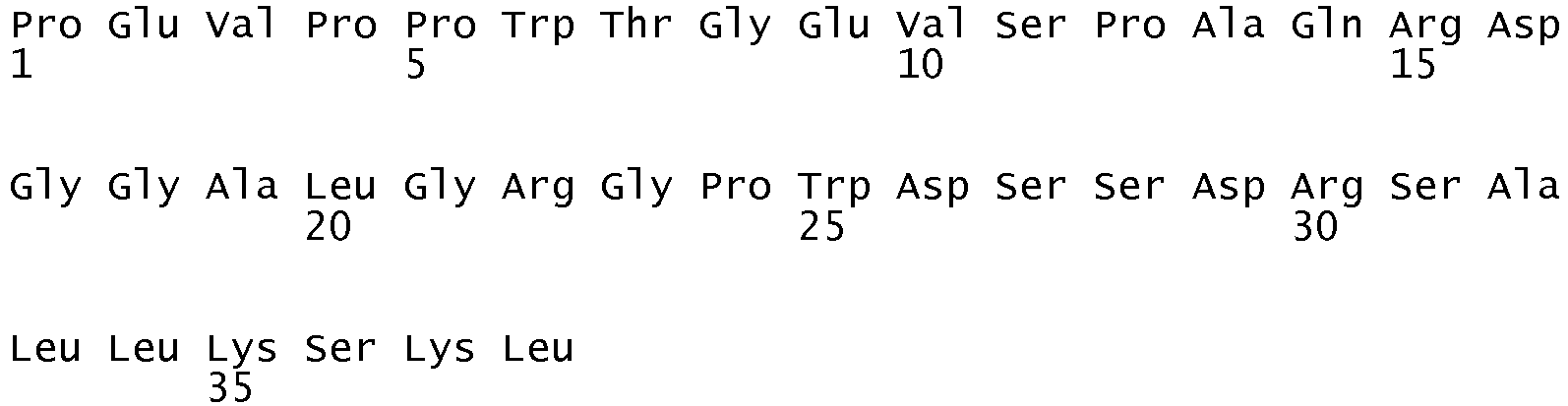
- <210> 5
<211> 185
<212> PRT
<213> Homo sapiens - <400> 5

- <210> 6
<211> 164
<212> PRT
<213> Homo sapiens - <400> 6
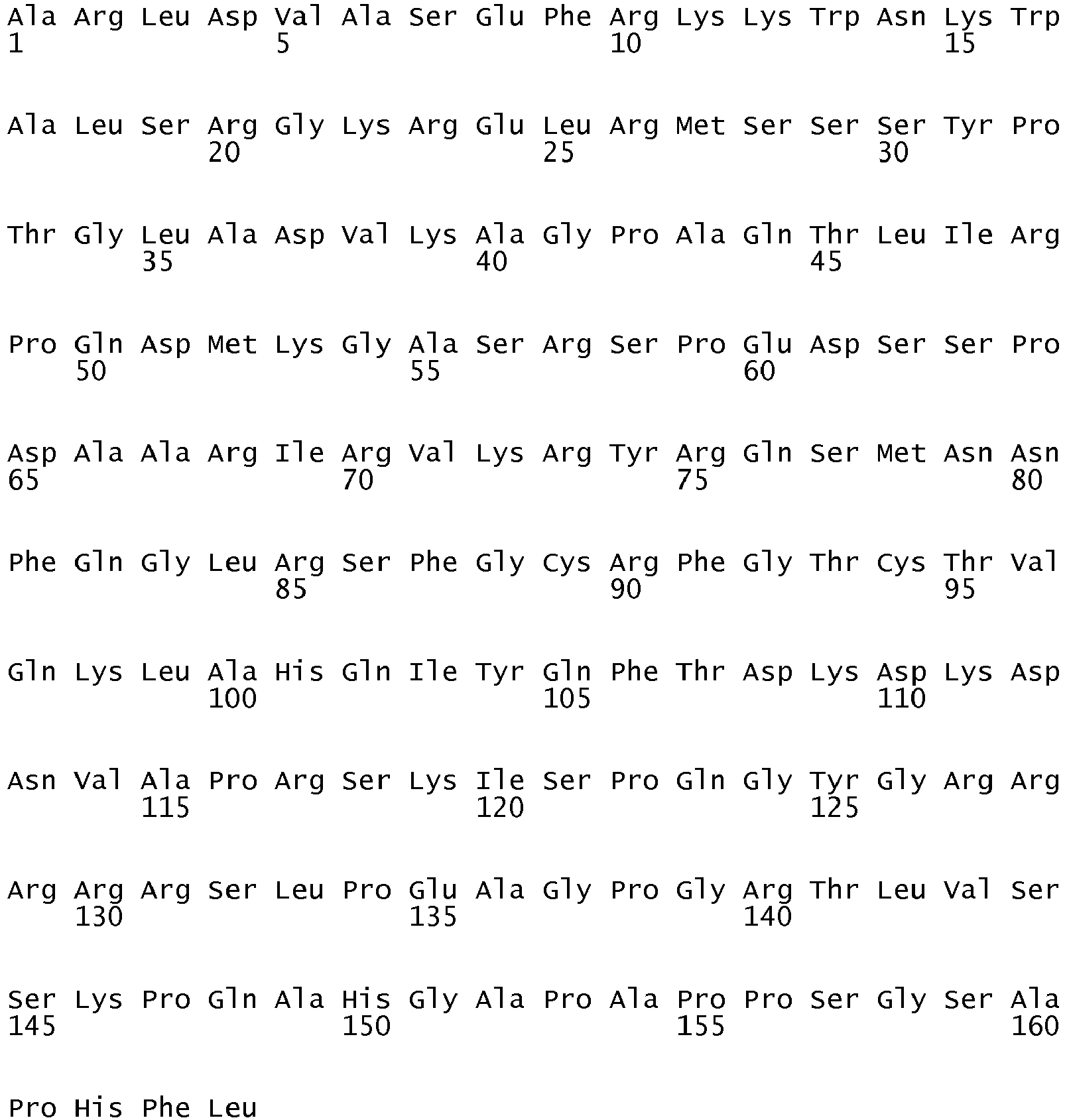
- <210> 7
<211> 48
<212> PRT
<213> Homo sapiens - <400> 7

- <210> 8
<211> 164
<212> PRT
<213> Homo sapiens - <400> 8

- <210> 9
<211> 145
<212> PRT
<213> Homo sapiens - <400> 9

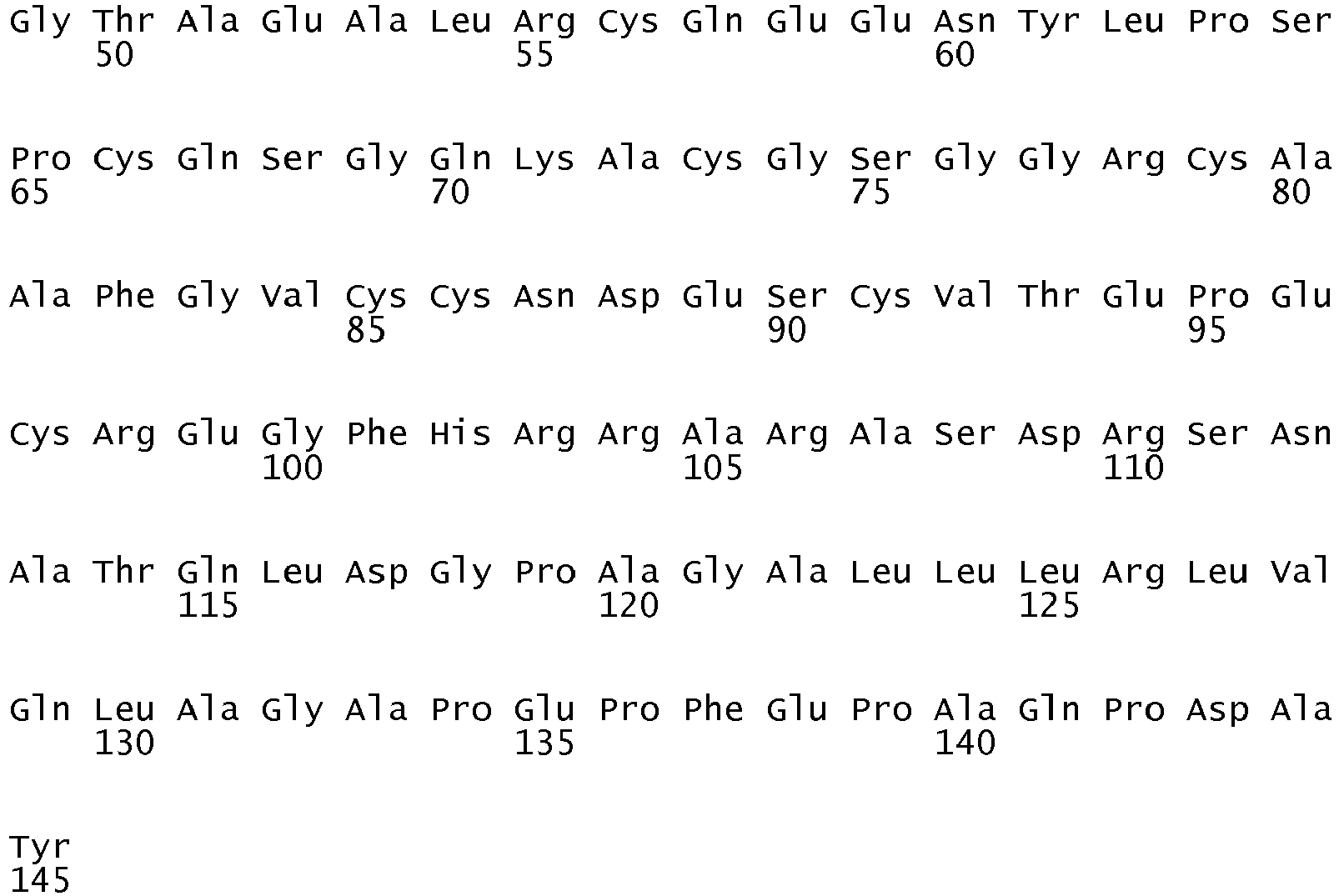
- <210> 10
<211> 39
<212> PRT
<213> Homo sapiens - <400> 10

- <210> 11
<211> 93
<212> PRT
<213> Homo sapiens - <400> 11


- <210> 12
<211> 116
<212> PRT
<213> Homo sapiens - <400> 12

- <210> 13
<211> 134
<212> PRT
<213> Homo sapiens - <400> 13


- <210> 14
<211> 108
<212> PRT
<213> Homo sapiens - <400> 14

- <210> 15
<211> 76
<212> PRT
<213> Homo sapiens - <400> 15


- <210> 16
<211> 32
<212> PRT
<213> Homo sapiens - <400> 16

| Stage | FEV1 | ||
| GOLD 1 | Mild | FEV1 ≥ 80% predicted | At this stage, the patient is probably unaware that lung function is starting to decline. |
| | Moderate | ≤50% FEV1 <80% predicted | Symptoms during this stage progress, with shortness of breath developing upon exertion. |
| | Severe | ≤30% FEV1 <50% predicted | Shortness of breath becomes worse at this stage and COPD exacerbations are common. |
| | Very Severe | FEV1 <30% predicted | Quality of life at this stage is gravely impaired. COPD exacerbations can be life threatening. |
| Variable | Points on BODE-index | |||
| 0 | 1 | 2 | 3 | |
| FEV1 (% of predicted) | ≥65 | 50-64 | 36-49 | ≤35 |
| Distance walked in 6 min | ≥350 | 250-349 | 150-249 | ≤149 |
| MMRC dyspnea scale | 0-2 | 3 | 4 | 5 |
| Body-mass index (kg.m-2) | >21 | ≤21 | ||
| Survivors (n=505) | Non-Survivors (n=43) | p | |
| Age | 66.4 (60 - 73) | 69.1 (62 - 77) | > 0.05 |
| Gender (female) | 149 (29.5 %) | 17 (39.5 %) | > 0.05 |
| BMI | 26.2 (22.7 - 28.8) | 24.0 (19.4 - 27.1) | < 0.05 |
| BODE-index | 3 (1 - 4) | 5 (2 - 7) | <0.001 |
| No. exacerbations (per year) | 0.7 (0 -1.7) | 0.0 (0 - 2.3) | > 0.05 |
| MR/proADM (nmol/L) | 0.6 (0.5 - 0.8) | 0.8 (0.5 - 1.2) | <0.01 |
| MR-proANP (pmol/L) | 80.7 (52.0 - 135.9) | 141.7 (62.3 - 197.8) | < 0.05 |
| Copeptin (pmol/L) | 8.6 (2.4 - 14.5) | 11.1 (6.1 - 28.8) | < 0.05 |
| PCT (ng/mL) | 0.08 (0.07 - 0.1) | 0.09 (0.07 - 0.1) | < 0.05 |
| Univariate Model | Model χ2 | p-value | C-index |
| PCT | 4.04 | <0.05 | 0.604 |
| Copeptin | 9.58 | <0.01 | 0.605 |
| MR-proANP | 10.9 | <0.001 | 0.611 |
| MR-proADM | 16.41 | <0.001 | 0.632 |
| BODE | 21.87 | <0.001 | 0.678 |
| BOD | 15.91 | <0.001 | 0.654 |
| BD | 24.15 | <0.001 | 0.683 |
| Multivariate Model | Model χ2 | p-value | C-index |
| PCT, BODE | 26.67 | <0.001 | 0.698 |
| PCT, BOD | 20.63 | <0.001 | 0.678 |
| PCT, BD | 26.97 | <0.001 | 0.706 |
| Copeptin, BODE | 29.65 | <0.001 | 0.71 |
| Copeptin, BOD | 25.12 | <0.001 | 0.703 |
| Copeptin, BD | 32.65 | <0.001 | 0.724 |
| MR-proANP, BODE | 33.71 | <0.001 | 0.736 |
| MR-proANP, BOD | 29.91 | <0.001 | 0.727 |
| MR-proANP, BD | 36.54 | <0.001 | 0.741 |
| MR-proADM, BODE | 35.28 | <0.001 | 0.75 |
| MR-proADM, BOD | 31.84 | <0.001 | 0.743 |
| MR-proADM, BD | 37.47 | <0.001 | 0.756 |
| Multivariate Model | Model χ2 | p-value | C-index |
| PCT, BODE (*) | 33.51 | <0.001 | 0.727 |
| PCT, BOD (*) | 26.48 | <0.001 | 0.713 |
| PCT, BD (*) | 29.18 | <0.001 | 0.726 |
| Copeptin, BODE (**) | 23.37 | <0.001 | 0.687 |
| Copeptin, BOD (**) | 17.81 | <0.001 | 0.673 |
| Copeptin, BD (**) | 22.1 | <0.001 | 0.686 |
| MR-proANP, BODE (∼) | 32.29 | <0.001 | 0.739 |
| MR-proANP, BOD (∼) | 27.73 | <0.001 | 0.727 |
| MR-proANP, BD (∼) | 31.32 | <0.001 | 0.728 |
| MR-proADM, BODE (#) | 27.89 | <0.001 | 0.721 |
| MR-proADM, BOD (#) | 33.43 | <0.001 | 0.706 |
| MR-proADM, BD (#) | 25.38 | <0.001 | 0.715 |
| Biomarker Cut-offs in this model: * PCT: ≤ 0.07 ng/ >0.07 ng/mL and ≤ 0.1 ng/ > 0.1 ng/ ** Copeptin: ≤ 2 pmol/ >2 pmol/L and ≤ 14 pmol/ > 14 pmol/ ∼ MR-proANP: ≤50 pmol/ >50 pmol/L and ≤ 140 pmol/ > 140 pmol/ # MR-proADM: ≤0.5 nmol/ >0.5 nmol/L and ≤ 0.8 nmol/ > 0.8 nmol/ |
| Univariate Model | Model χ2 | p-value | C-index |
| PCT | 10.78 | 0.0010 | 0.621 |
| Copeptin | 13.64 | 0.0002 | 0.627 |
| MR-proANP | 20.84 | <0.0001 | 0.650 |
| MR-proADM | 26.71 | <0.0001 | 0.661 |
| BODE | 42.69 | <0.001 | 0.718 |
| BOD | 31.95 | <0.0001 | 0.693 |
| BD | 45.06 | <0.0001 | 0.723 |
| Multivariate Model | Model χ2 | p-value | C-index |
| PCT, BODE | 53.05 | <0.001 | 0.739 |
| PCT, BOD | 43.24 | <0.0001 | 0.726 |
| PCT, BD | 52.15 | <0.0001 | 0.748 |
| Copeptin, BODE | 53.93 | <0.001 | 0.751 |
| Copeptin, BOD | 45.26 | <0.0001 | 0.740 |
| Copeptin, BD | 56.44 | <0.0001 | 0.764 |
| MR-proANP, BODE | 62.04 | <0.001 | 0.772 |
| MR-proANP, BOD | 57.12 | <0.0001 | 0.766 |
| MR-proANP, BD | 66.07 | <0.0001 | 0.782 |
| MR-proADM, BODE | 62.44 | <0.001 | 0.778 |
| MR-proADM, BOD | 56.4 | <0.0001 | 0.774 |
| MR-proADM, BD | 65.15 | <0.0001 | 0.789 |
Claims (15)
- A method for the prognosis and/or risk assessment and/or monitoring of therapy and/or management of patients with COPD the method comprising the steps of:i) providing a sample of a bodily fluid from said patient,ii) determining in said sample the level of at least one biomarker, selected from the group consisting of pro-adrenomedullin (proADM), pro-natriuretic peptide, pro-Vasopressin (proAVP) and Procalcitonin (PCT) or fragments thereof of at least 12 amino acids in length,iii) determining the BODE-index parameters according to one of the following steps:iii-a) determining the BODE-index parameters body-mass index (BMI, parameter B), degree of airflow obstruction (FEV1, parameter O), and dyspnea (parameter D), omitting the BODE-index parameter exercise capacity (parameter E);iii-b) determining the BODE-index parameters body-mass index (BMI, parameter B) and dyspnea (parameter D), omitting the BODE-index parameters exercise capacity (parameter E) and degree of airflow obstruction (FEV1, parameter O);iv) correlating said level of said at least one biomarker determined in step ii), in combination with said BODE-index parameters determined in step iii-a) or in step iii-b) to the prognosis and/or risk assessment and/or monitoring of therapy and/or management of patients with COPD.
- The method according to claim 1, wherein said level of said at least one biomarker or fragments thereof of at least 12 amino acids in length is combined as a continuous or categorical variable with said two or three BODE-index parameters.
- The method of claims 1 to 2, wherein said level of said at least one biomarker or fragments thereof of at least 12 amino acids in length and said two or three BODE-index parameters are combined in a score.
- The method of claims 1 to 3, wherein the level of said at least one biomarker or fragments thereof of at least 12 amino acids in length and said two or three BODE-index parameters are differently weighted.
- The method of claim 1 to 4, wherein the patient diagnosed with COPD may be in the stable or unstable (acute exacerbated) state of the disease.
- The method according to claims 1 to 5, wherein the prognosis and/or risk assessment relates to the risk assessment of mortality and patients are stratified into potential survivors and potential non-survivors.
- The method of claim 6, wherein the prognosis and/or risk assessment relates to the risk assessment of mortality within 5 years, more preferred within 4 years, even more preferred within 3 years, even more preferred within 2 years, even more preferred within 1 year, most preferred within 6 months.
- The method according to claims 1 to 5, wherein the prognosis and/or risk assessment relates to the risk of getting an acute exacerbation and patients are stratified into either a group of patients likely getting an acute exacerbation or into a group of patients which do not likely get an acute exacerbation.
- The method of claim 8, wherein the prognosis and/or risk assessment relates to the risk assessment of getting an acute exacerbation within 2 years, more preferred within 1 year, even more preferred within 6 months, even more preferred within 3 months, even more preferred within 90 days, even more preferred within 1 month, even more preferred within 30 days, even more preferred within 14 days, most preferred within 7 days.
- The method according to claims 1 to 8, wherein the sample is selected from the group comprising a blood sample, a serum sample, a plasma sample, a cerebrospinal fluid sample, a saliva sample and a urine sample or an extract of any of the aforementioned samples.
- The method according to any of the preceding claims, wherein the level of a precursor fragment, selected from the group consisting of MR-proADM, NT-proBNP, BNP, MR-proANP, Copeptin, PCT 1-116, PCT 2-116 or PCT 3-116, is determined.
- The method according to claim 11, wherein the cut-off values of MR-proADM are between 0.5 and 2 nmol/L, more preferred between 0.5 and 1 nmol/L, most preferred between 0.5 and 0.8 nmol/L.
- The method according to claim 11, wherein the cut-off values for MR-proANP are between 50 and 250 pmol/L, more preferred between 50 and 200 pmol/L, most preferred between 50 and 140 pmol/L.
- The method according to claim 11, wherein the cut-off values for Copeptin are between 2 and 30 pmol/L, more preferred between 2 and 20 pmol/L, most preferred between 2 and 14 pmol/L.
- The method according to claim 11, wherein the cut-off values for PCT are between 0.07 and 0.5 ng/mL, more preferred between 0.07 and 0.25 ng/mL, even more preferred between 0.07 and 0.2 ng/mL, most preferred between 0.07 and 0.1 ng/mL.
Priority Applications (2)
| Application Number | Priority Date | Filing Date | Title |
|---|---|---|---|
| EP13707113.0A EP2823314B1 (en) | 2012-03-08 | 2013-02-26 | Prediction of outcome in patients with chronic obstructive pulmonary disease |
| EP17000604.3A EP3232201A1 (en) | 2012-03-08 | 2013-02-26 | Prediction of outcome in patients with chronic obstructive pulmonary disease |
Applications Claiming Priority (3)
| Application Number | Priority Date | Filing Date | Title |
|---|---|---|---|
| EP12001590.4A EP2637023A1 (en) | 2012-03-08 | 2012-03-08 | Prediction of outcome in patients with chronic obstructive pulmonary disease |
| EP13707113.0A EP2823314B1 (en) | 2012-03-08 | 2013-02-26 | Prediction of outcome in patients with chronic obstructive pulmonary disease |
| PCT/EP2013/000558 WO2013131621A1 (en) | 2012-03-08 | 2013-02-26 | Prediction of outcome in patients with chronic obstructive pulmonary disease |
Related Child Applications (1)
| Application Number | Title | Priority Date | Filing Date |
|---|---|---|---|
| EP17000604.3A Division EP3232201A1 (en) | 2012-03-08 | 2013-02-26 | Prediction of outcome in patients with chronic obstructive pulmonary disease |
Publications (2)
| Publication Number | Publication Date |
|---|---|
| EP2823314A1 EP2823314A1 (en) | 2015-01-14 |
| EP2823314B1 true EP2823314B1 (en) | 2017-04-12 |
Family
ID=47780019
Family Applications (3)
| Application Number | Title | Priority Date | Filing Date |
|---|---|---|---|
| EP12001590.4A Withdrawn EP2637023A1 (en) | 2012-03-08 | 2012-03-08 | Prediction of outcome in patients with chronic obstructive pulmonary disease |
| EP13707113.0A Revoked EP2823314B1 (en) | 2012-03-08 | 2013-02-26 | Prediction of outcome in patients with chronic obstructive pulmonary disease |
| EP17000604.3A Pending EP3232201A1 (en) | 2012-03-08 | 2013-02-26 | Prediction of outcome in patients with chronic obstructive pulmonary disease |
Family Applications Before (1)
| Application Number | Title | Priority Date | Filing Date |
|---|---|---|---|
| EP12001590.4A Withdrawn EP2637023A1 (en) | 2012-03-08 | 2012-03-08 | Prediction of outcome in patients with chronic obstructive pulmonary disease |
Family Applications After (1)
| Application Number | Title | Priority Date | Filing Date |
|---|---|---|---|
| EP17000604.3A Pending EP3232201A1 (en) | 2012-03-08 | 2013-02-26 | Prediction of outcome in patients with chronic obstructive pulmonary disease |
Country Status (11)
| Country | Link |
|---|---|
| US (1) | US20150080246A1 (en) |
| EP (3) | EP2637023A1 (en) |
| JP (1) | JP6117251B2 (en) |
| CN (1) | CN104126125B (en) |
| BR (1) | BR112014019349A8 (en) |
| DK (1) | DK2823314T3 (en) |
| ES (1) | ES2631653T3 (en) |
| IN (1) | IN2014DN07813A (en) |
| RU (1) | RU2688168C2 (en) |
| WO (1) | WO2013131621A1 (en) |
| ZA (1) | ZA201405610B (en) |
Families Citing this family (24)
| Publication number | Priority date | Publication date | Assignee | Title |
|---|---|---|---|---|
| CA2863819C (en) | 2012-02-09 | 2021-11-23 | Memed Diagnostics Ltd. | Signatures and determinants for diagnosing infections and methods of use thereof |
| EP2637023A1 (en) | 2012-03-08 | 2013-09-11 | B.R.A.H.M.S GmbH | Prediction of outcome in patients with chronic obstructive pulmonary disease |
| US10303846B2 (en) | 2014-08-14 | 2019-05-28 | Memed Diagnostics Ltd. | Computational analysis of biological data using manifold and a hyperplane |
| EP3217874B1 (en) * | 2014-11-12 | 2022-03-09 | Koninklijke Philips N.V. | Apparatus and method for assessing the severity of chronic obstructive pulmonary disease, copd, in a subject |
| US20170269081A1 (en) | 2014-12-11 | 2017-09-21 | Memed Diagnostics Ltd. | Marker combinations for diagnosing infections and methods of use thereof |
| EP3298402A1 (en) | 2015-05-18 | 2018-03-28 | The University of British Columbia | Methods and systems of detecting plasma protein biomarkers for diagnosing acute exacerbation of copd |
| WO2017149548A1 (en) | 2016-03-03 | 2017-09-08 | Memed Diagnostics Ltd. | Rna determinants for distinguishing between bacterial and viral infections |
| CN107229813A (en) * | 2016-03-24 | 2017-10-03 | 深圳中迈数字医疗技术有限公司 | Implement the determination methods and system of monitoring |
| US11340223B2 (en) | 2016-07-10 | 2022-05-24 | Memed Diagnostics Ltd. | Early diagnosis of infections |
| CA3027341A1 (en) | 2016-07-10 | 2018-01-18 | Memed Diagnostics Ltd. | Protein signatures for distinguishing between bacterial and viral infections |
| US11353456B2 (en) * | 2016-09-29 | 2022-06-07 | Memed Diagnostics Ltd. | Methods of risk assessment and disease classification for appendicitis |
| EP3519833B1 (en) | 2016-09-29 | 2024-08-14 | MeMed Diagnostics Ltd. | Methods of prognosis and treatment |
| EP4220175A1 (en) * | 2017-02-02 | 2023-08-02 | B.R.A.H.M.S GmbH | Proadm as marker indicating an adverse event |
| EP3610260A4 (en) * | 2017-04-12 | 2021-01-06 | ProterixBio, Inc. | Biomarker combinations for monitoring chronic obstructive pulmonary disease and/or associated mechanisms |
| CN107267658B (en) * | 2017-08-21 | 2018-11-02 | 常州市第二人民医院 | COPD diagnosis molecular markers |
| EP4027145A1 (en) * | 2017-09-13 | 2022-07-13 | B.R.A.H.M.S GmbH | Pro-adm for therapy monitoring of intensive care unit patients |
| EP3682246A1 (en) * | 2017-09-13 | 2020-07-22 | B.R.A.H.M.S GmbH | Method for guidance of fluid therapy based on proadrenomedullin |
| EP3682236A1 (en) * | 2017-09-13 | 2020-07-22 | B.R.A.H.M.S GmbH | Proadrenomedullin as indicator for renal replacement therapy in critically ill patients |
| EP3502706A1 (en) * | 2017-12-20 | 2019-06-26 | B.R.A.H.M.S GmbH | Workflow for risk assessment and patient management using procalcitonin and midregional-proadrenomedullin |
| CN108424969B (en) * | 2018-06-06 | 2022-07-15 | 深圳市颐康生物科技有限公司 | Biomarker, method for diagnosing or predicting death risk |
| CN109218131B (en) * | 2018-09-03 | 2022-03-29 | 平安医疗健康管理股份有限公司 | Network monitoring method and device, computer equipment and storage medium |
| CN113439214A (en) * | 2019-02-21 | 2021-09-24 | 勃拉姆斯有限公司 | Method for diagnosing MACCE in patients who have undergone gastrointestinal surgery |
| FR3094491B1 (en) * | 2019-03-28 | 2024-07-19 | Rheonova | In vitro method for diagnosis, stratification, prognosis and/or monitoring of lung disease and/or respiratory disease |
| CN110850006B (en) * | 2019-12-20 | 2020-11-20 | 河南中医药大学 | A kind of chronic obstructive pulmonary disease diagnostic reagent and kit |
Citations (1)
| Publication number | Priority date | Publication date | Assignee | Title |
|---|---|---|---|---|
| WO2013131621A1 (en) | 2012-03-08 | 2013-09-12 | B.R.A.H.M.S. Gmbh | Prediction of outcome in patients with chronic obstructive pulmonary disease |
Family Cites Families (11)
| Publication number | Priority date | Publication date | Assignee | Title |
|---|---|---|---|---|
| US7713705B2 (en) * | 2002-12-24 | 2010-05-11 | Biosite, Inc. | Markers for differential diagnosis and methods of use thereof |
| HUE025058T2 (en) * | 2006-05-02 | 2016-01-28 | Critical Care Diagnostics Inc | Differential diagnosis between pulmonary and cardiovascular disease |
| DE102006046996A1 (en) * | 2006-10-01 | 2008-04-03 | Brahms Aktiengesellschaft | Diagnosis process for respiratory infections involves using procalcitonin as marker for assessing patient risk level |
| DE102006053442A1 (en) * | 2006-11-12 | 2008-05-15 | Brahms Aktiengesellschaft | Diagnosis and risk stratification of infections and chronic diseases of the respiratory and lungs by means of proVasopressin, in particular copeptin or neurophysin II |
| DE102006060112A1 (en) * | 2006-12-20 | 2008-06-26 | Brahms Aktiengesellschaft | Diagnosis and risk stratification using the new marker CT-proADM |
| US8815519B2 (en) * | 2006-12-22 | 2014-08-26 | Hvidovre Hospital | Method for predicting cancer and other diseases |
| DE102007021443A1 (en) * | 2007-05-08 | 2008-11-13 | Brahms Aktiengesellschaft | Diagnosis and risk stratification using NT-proET-1 |
| DK2660599T3 (en) * | 2008-04-18 | 2014-12-08 | Critical Care Diagnostics Inc | PREDICTION OF RISK OF MAJOR ADVERSE HEART EVENTS |
| EP2347266B9 (en) * | 2008-11-11 | 2014-02-12 | B.R.A.H.M.S GmbH | Prognosis and risk assessment in patients suffering from heart failure by determining the level of adm |
| GB0911007D0 (en) * | 2009-06-25 | 2009-08-12 | Univ Hospital Of North Staffordshire | Analyzer apparatus and methods for lung disease |
| CN102253220B (en) * | 2011-06-07 | 2014-04-09 | 复旦大学附属中山医院 | Kit used for diagnosing acute exacerbation period of chronic obstructive pulmonary disease |
-
2012
- 2012-03-08 EP EP12001590.4A patent/EP2637023A1/en not_active Withdrawn
-
2013
- 2013-02-26 IN IN7813DEN2014 patent/IN2014DN07813A/en unknown
- 2013-02-26 EP EP13707113.0A patent/EP2823314B1/en not_active Revoked
- 2013-02-26 EP EP17000604.3A patent/EP3232201A1/en active Pending
- 2013-02-26 US US14/383,744 patent/US20150080246A1/en not_active Abandoned
- 2013-02-26 DK DK13707113.0T patent/DK2823314T3/en active
- 2013-02-26 RU RU2014140608A patent/RU2688168C2/en active
- 2013-02-26 BR BR112014019349A patent/BR112014019349A8/en not_active Application Discontinuation
- 2013-02-26 CN CN201380009139.6A patent/CN104126125B/en active Active
- 2013-02-26 ES ES13707113.0T patent/ES2631653T3/en active Active
- 2013-02-26 JP JP2014560266A patent/JP6117251B2/en active Active
- 2013-02-26 WO PCT/EP2013/000558 patent/WO2013131621A1/en not_active Ceased
-
2014
- 2014-07-29 ZA ZA2014/05610A patent/ZA201405610B/en unknown
Patent Citations (1)
| Publication number | Priority date | Publication date | Assignee | Title |
|---|---|---|---|---|
| WO2013131621A1 (en) | 2012-03-08 | 2013-09-12 | B.R.A.H.M.S. Gmbh | Prediction of outcome in patients with chronic obstructive pulmonary disease |
Non-Patent Citations (10)
| Title |
|---|
| BERNASCONI M. ET AL.: "Midregional Proatrial Natriuretic Peptide Predicts Survival in Exacerbations of COPD", CHEST, vol. 140, no. 1, July 2011 (2011-07-01), pages 91 - 99, XP055452672 |
| CELLI ET AL.: "The Body-Mass Index, Airflow Obstruction, Dyspnea, and Exercise Capacity Index in Chronic Obstructive Pulmonary Disease", N ENGL J MED, vol. 350, no. 10, 4 March 2004 (2004-03-04), pages 1005 - 12, XP008140919 |
| FONAROW ET AL.: "An obesity paradox in acute heart failure: Analysis of body mass index and inhospital mortality for 108927 patients in the Acute Decompensated Heart Failure National Registry", AM HEART J, vol. 153, no. 1, 14 December 2006 (2006-12-14), pages 74 - 81, XP005750603 |
| GEMICI ET AL.: "B-Type Natriuretic Peptide Levels in Patients with COPD and Normal Right Ventricular Function", ADV. THER., vol. 257, no. 7, July 2008 (2008-07-01), pages 674 - 680, XP055033678 |
| HURST ET AL.: "Use of Plasma Biomarkers at Exacerbation of Chronic Obstructive Pulmonary Disease", AM J RESPIR CRIT CARE MED, vol. 174, 15 October 2006 (2006-10-15), pages 867 - 874, XP055452670 |
| KOUTSOKERA ET AL.: "Systemic Biomarkers in Exacerbations of COPD- the Evolving Clinical Challenge", CHEST, vol. 141, no. 2, 10 February 2012 (2012-02-10), pages 396 - 405, XP055452669 |
| LACOMA ET AL.: "Biomarkers in the management of COPD", EUR RESPIR REV, vol. 18, no. 112, 29 May 2009 (2009-05-29), pages 96 - 104, XP055033728 |
| STOLZ ET AL.: "Copeptin, C-Reactive Protein, and Procalcitonin as Prognostic Biomarkers in Acute Exacerbation of COPD", CHEST, vol. 131, no. 4, April 2007 (2007-04-01), pages 1058 - 1067, XP002488254 |
| STOLZ ET AL.: "Plasma Pro-Adrenomedullin But Not Plasma Pro- Endothelin Predicts Survival in Exacerbations of COPD", CHEST, vol. 134, no. 2, August 2008 (2008-08-01), pages 263 - 272, XP055033748 |
| TUNG ET AL.: "Amino-Terminal Pro-Brain Natriuretic Peptide for the diagnosis of Acute Heart Failure in Patients with Previous Obstructive Airway Disease", ANNALS OF EMERGENCY MEDICINE, vol. 48, no. 1, July 2006 (2006-07-01), pages 66 - 74, XP005505827 |
Also Published As
| Publication number | Publication date |
|---|---|
| EP2637023A1 (en) | 2013-09-11 |
| EP3232201A1 (en) | 2017-10-18 |
| WO2013131621A8 (en) | 2014-06-12 |
| ES2631653T3 (en) | 2017-09-01 |
| DK2823314T3 (en) | 2017-07-03 |
| CN104126125A (en) | 2014-10-29 |
| RU2014140608A (en) | 2016-04-27 |
| JP6117251B2 (en) | 2017-04-19 |
| CN104126125B (en) | 2017-03-01 |
| BR112014019349A8 (en) | 2017-07-11 |
| EP2823314A1 (en) | 2015-01-14 |
| US20150080246A1 (en) | 2015-03-19 |
| ZA201405610B (en) | 2015-12-23 |
| HK1198556A1 (en) | 2015-05-15 |
| IN2014DN07813A (en) | 2015-07-10 |
| JP2015509596A (en) | 2015-03-30 |
| BR112014019349A2 (en) | 2017-06-20 |
| RU2688168C2 (en) | 2019-05-20 |
| WO2013131621A1 (en) | 2013-09-12 |
Similar Documents
| Publication | Publication Date | Title |
|---|---|---|
| EP3232201A1 (en) | Prediction of outcome in patients with chronic obstructive pulmonary disease | |
| CN102317790B (en) | Use of ADM in the manufacture of a formulation for the evaluation of heart failure and/or shortness of breath | |
| CN102203621B (en) | Prognostic biomarkers for the development of primary chronic kidney disease | |
| JP5890427B2 (en) | Prognosis and risk assessment of patients with nonspecific symptoms | |
| CN104303061B (en) | The prognosis of adverse events in patient with doubtful chronic heart failure | |
| CN107085114B (en) | Biomarkers for Predicting Primary Adverse Events | |
| EP2470910A1 (en) | Procalcitonin for the prognosis of adverse events | |
| WO2012055849A1 (en) | Sflt1 and pulmonary complications | |
| HK1198556B (en) | Prediction of outcome in patients with chronic obstructive pulmonary disease | |
| HK1203611B (en) | Prognosis of adverse events in patients with suspected chronic heart failure | |
| HK1163813B (en) | Use of adm in manufacturing an agent for evaluating heart failure and/or shortness of breath | |
| HK1164999A (en) | Biomarker for the prediction of first adverse events |
Legal Events
| Date | Code | Title | Description |
|---|---|---|---|
| PUAI | Public reference made under article 153(3) epc to a published international application that has entered the european phase |
Free format text: ORIGINAL CODE: 0009012 |
|
| 17P | Request for examination filed |
Effective date: 20140627 |
|
| AK | Designated contracting states |
Kind code of ref document: A1 Designated state(s): AL AT BE BG CH CY CZ DE DK EE ES FI FR GB GR HR HU IE IS IT LI LT LU LV MC MK MT NL NO PL PT RO RS SE SI SK SM TR |
|
| AX | Request for extension of the european patent |
Extension state: BA ME |
|
| DAX | Request for extension of the european patent (deleted) | ||
| GRAP | Despatch of communication of intention to grant a patent |
Free format text: ORIGINAL CODE: EPIDOSNIGR1 |
|
| STAA | Information on the status of an ep patent application or granted ep patent |
Free format text: STATUS: GRANT OF PATENT IS INTENDED |
|
| INTG | Intention to grant announced |
Effective date: 20161222 |
|
| GRAS | Grant fee paid |
Free format text: ORIGINAL CODE: EPIDOSNIGR3 |
|
| GRAA | (expected) grant |
Free format text: ORIGINAL CODE: 0009210 |
|
| STAA | Information on the status of an ep patent application or granted ep patent |
Free format text: STATUS: THE PATENT HAS BEEN GRANTED |
|
| AK | Designated contracting states |
Kind code of ref document: B1 Designated state(s): AL AT BE BG CH CY CZ DE DK EE ES FI FR GB GR HR HU IE IS IT LI LT LU LV MC MK MT NL NO PL PT RO RS SE SI SK SM TR |
|
| REG | Reference to a national code |
Ref country code: GB Ref legal event code: FG4D |
|
| REG | Reference to a national code |
Ref country code: CH Ref legal event code: EP |
|
| REG | Reference to a national code |
Ref country code: IE Ref legal event code: FG4D |
|
| REG | Reference to a national code |
Ref country code: AT Ref legal event code: REF Ref document number: 884426 Country of ref document: AT Kind code of ref document: T Effective date: 20170515 Ref country code: CH Ref legal event code: NV Representative=s name: HEPP WENGER RYFFEL AG, CH |
|
| REG | Reference to a national code |
Ref country code: DE Ref legal event code: R096 Ref document number: 602013019717 Country of ref document: DE |
|
| REG | Reference to a national code |
Ref country code: DK Ref legal event code: T3 Effective date: 20170626 |
|
| REG | Reference to a national code |
Ref country code: NL Ref legal event code: MP Effective date: 20170412 |
|
| REG | Reference to a national code |
Ref country code: LT Ref legal event code: MG4D |
|
| REG | Reference to a national code |
Ref country code: ES Ref legal event code: FG2A Ref document number: 2631653 Country of ref document: ES Kind code of ref document: T3 Effective date: 20170901 |
|
| PG25 | Lapsed in a contracting state [announced via postgrant information from national office to epo] |
Ref country code: NL Free format text: LAPSE BECAUSE OF FAILURE TO SUBMIT A TRANSLATION OF THE DESCRIPTION OR TO PAY THE FEE WITHIN THE PRESCRIBED TIME-LIMIT Effective date: 20170412 |
|
| PG25 | Lapsed in a contracting state [announced via postgrant information from national office to epo] |
Ref country code: NO Free format text: LAPSE BECAUSE OF FAILURE TO SUBMIT A TRANSLATION OF THE DESCRIPTION OR TO PAY THE FEE WITHIN THE PRESCRIBED TIME-LIMIT Effective date: 20170712 Ref country code: FI Free format text: LAPSE BECAUSE OF FAILURE TO SUBMIT A TRANSLATION OF THE DESCRIPTION OR TO PAY THE FEE WITHIN THE PRESCRIBED TIME-LIMIT Effective date: 20170412 Ref country code: LT Free format text: LAPSE BECAUSE OF FAILURE TO SUBMIT A TRANSLATION OF THE DESCRIPTION OR TO PAY THE FEE WITHIN THE PRESCRIBED TIME-LIMIT Effective date: 20170412 Ref country code: GR Free format text: LAPSE BECAUSE OF FAILURE TO SUBMIT A TRANSLATION OF THE DESCRIPTION OR TO PAY THE FEE WITHIN THE PRESCRIBED TIME-LIMIT Effective date: 20170713 Ref country code: HR Free format text: LAPSE BECAUSE OF FAILURE TO SUBMIT A TRANSLATION OF THE DESCRIPTION OR TO PAY THE FEE WITHIN THE PRESCRIBED TIME-LIMIT Effective date: 20170412 |
|
| PG25 | Lapsed in a contracting state [announced via postgrant information from national office to epo] |
Ref country code: SE Free format text: LAPSE BECAUSE OF FAILURE TO SUBMIT A TRANSLATION OF THE DESCRIPTION OR TO PAY THE FEE WITHIN THE PRESCRIBED TIME-LIMIT Effective date: 20170412 Ref country code: LV Free format text: LAPSE BECAUSE OF FAILURE TO SUBMIT A TRANSLATION OF THE DESCRIPTION OR TO PAY THE FEE WITHIN THE PRESCRIBED TIME-LIMIT Effective date: 20170412 Ref country code: IS Free format text: LAPSE BECAUSE OF FAILURE TO SUBMIT A TRANSLATION OF THE DESCRIPTION OR TO PAY THE FEE WITHIN THE PRESCRIBED TIME-LIMIT Effective date: 20170812 Ref country code: RS Free format text: LAPSE BECAUSE OF FAILURE TO SUBMIT A TRANSLATION OF THE DESCRIPTION OR TO PAY THE FEE WITHIN THE PRESCRIBED TIME-LIMIT Effective date: 20170412 Ref country code: PL Free format text: LAPSE BECAUSE OF FAILURE TO SUBMIT A TRANSLATION OF THE DESCRIPTION OR TO PAY THE FEE WITHIN THE PRESCRIBED TIME-LIMIT Effective date: 20170412 Ref country code: BG Free format text: LAPSE BECAUSE OF FAILURE TO SUBMIT A TRANSLATION OF THE DESCRIPTION OR TO PAY THE FEE WITHIN THE PRESCRIBED TIME-LIMIT Effective date: 20170712 |
|
| REG | Reference to a national code |
Ref country code: FR Ref legal event code: PLFP Year of fee payment: 6 |
|
| REG | Reference to a national code |
Ref country code: DE Ref legal event code: R026 Ref document number: 602013019717 Country of ref document: DE |
|
| PLBI | Opposition filed |
Free format text: ORIGINAL CODE: 0009260 |
|
| PLAX | Notice of opposition and request to file observation + time limit sent |
Free format text: ORIGINAL CODE: EPIDOSNOBS2 |
|
| PG25 | Lapsed in a contracting state [announced via postgrant information from national office to epo] |
Ref country code: EE Free format text: LAPSE BECAUSE OF FAILURE TO SUBMIT A TRANSLATION OF THE DESCRIPTION OR TO PAY THE FEE WITHIN THE PRESCRIBED TIME-LIMIT Effective date: 20170412 Ref country code: CZ Free format text: LAPSE BECAUSE OF FAILURE TO SUBMIT A TRANSLATION OF THE DESCRIPTION OR TO PAY THE FEE WITHIN THE PRESCRIBED TIME-LIMIT Effective date: 20170412 Ref country code: SK Free format text: LAPSE BECAUSE OF FAILURE TO SUBMIT A TRANSLATION OF THE DESCRIPTION OR TO PAY THE FEE WITHIN THE PRESCRIBED TIME-LIMIT Effective date: 20170412 Ref country code: RO Free format text: LAPSE BECAUSE OF FAILURE TO SUBMIT A TRANSLATION OF THE DESCRIPTION OR TO PAY THE FEE WITHIN THE PRESCRIBED TIME-LIMIT Effective date: 20170412 |
|
| 26 | Opposition filed |
Opponent name: RADIOMETER MEDICAL APS Effective date: 20180112 |
|
| PG25 | Lapsed in a contracting state [announced via postgrant information from national office to epo] |
Ref country code: SM Free format text: LAPSE BECAUSE OF FAILURE TO SUBMIT A TRANSLATION OF THE DESCRIPTION OR TO PAY THE FEE WITHIN THE PRESCRIBED TIME-LIMIT Effective date: 20170412 |
|
| PG25 | Lapsed in a contracting state [announced via postgrant information from national office to epo] |
Ref country code: SI Free format text: LAPSE BECAUSE OF FAILURE TO SUBMIT A TRANSLATION OF THE DESCRIPTION OR TO PAY THE FEE WITHIN THE PRESCRIBED TIME-LIMIT Effective date: 20170412 |
|
| PLBB | Reply of patent proprietor to notice(s) of opposition received |
Free format text: ORIGINAL CODE: EPIDOSNOBS3 |
|
| PG25 | Lapsed in a contracting state [announced via postgrant information from national office to epo] |
Ref country code: MC Free format text: LAPSE BECAUSE OF FAILURE TO SUBMIT A TRANSLATION OF THE DESCRIPTION OR TO PAY THE FEE WITHIN THE PRESCRIBED TIME-LIMIT Effective date: 20170412 |
|
| REG | Reference to a national code |
Ref country code: IE Ref legal event code: MM4A |
|
| PG25 | Lapsed in a contracting state [announced via postgrant information from national office to epo] |
Ref country code: LU Free format text: LAPSE BECAUSE OF NON-PAYMENT OF DUE FEES Effective date: 20180226 |
|
| PG25 | Lapsed in a contracting state [announced via postgrant information from national office to epo] |
Ref country code: IE Free format text: LAPSE BECAUSE OF NON-PAYMENT OF DUE FEES Effective date: 20180226 |
|
| PLCK | Communication despatched that opposition was rejected |
Free format text: ORIGINAL CODE: EPIDOSNREJ1 |
|
| APBM | Appeal reference recorded |
Free format text: ORIGINAL CODE: EPIDOSNREFNO |
|
| APBP | Date of receipt of notice of appeal recorded |
Free format text: ORIGINAL CODE: EPIDOSNNOA2O |
|
| APAH | Appeal reference modified |
Free format text: ORIGINAL CODE: EPIDOSCREFNO |
|
| APBQ | Date of receipt of statement of grounds of appeal recorded |
Free format text: ORIGINAL CODE: EPIDOSNNOA3O |
|
| PG25 | Lapsed in a contracting state [announced via postgrant information from national office to epo] |
Ref country code: MT Free format text: LAPSE BECAUSE OF NON-PAYMENT OF DUE FEES Effective date: 20180226 |
|
| REG | Reference to a national code |
Ref country code: AT Ref legal event code: UEP Ref document number: 884426 Country of ref document: AT Kind code of ref document: T Effective date: 20170412 |
|
| PG25 | Lapsed in a contracting state [announced via postgrant information from national office to epo] |
Ref country code: PT Free format text: LAPSE BECAUSE OF FAILURE TO SUBMIT A TRANSLATION OF THE DESCRIPTION OR TO PAY THE FEE WITHIN THE PRESCRIBED TIME-LIMIT Effective date: 20170412 Ref country code: HU Free format text: LAPSE BECAUSE OF FAILURE TO SUBMIT A TRANSLATION OF THE DESCRIPTION OR TO PAY THE FEE WITHIN THE PRESCRIBED TIME-LIMIT; INVALID AB INITIO Effective date: 20130226 |
|
| PG25 | Lapsed in a contracting state [announced via postgrant information from national office to epo] |
Ref country code: CY Free format text: LAPSE BECAUSE OF FAILURE TO SUBMIT A TRANSLATION OF THE DESCRIPTION OR TO PAY THE FEE WITHIN THE PRESCRIBED TIME-LIMIT Effective date: 20170412 Ref country code: MK Free format text: LAPSE BECAUSE OF NON-PAYMENT OF DUE FEES Effective date: 20170412 |
|
| PG25 | Lapsed in a contracting state [announced via postgrant information from national office to epo] |
Ref country code: AL Free format text: LAPSE BECAUSE OF FAILURE TO SUBMIT A TRANSLATION OF THE DESCRIPTION OR TO PAY THE FEE WITHIN THE PRESCRIBED TIME-LIMIT Effective date: 20170412 |
|
| APAH | Appeal reference modified |
Free format text: ORIGINAL CODE: EPIDOSCREFNO |
|
| PLAB | Opposition data, opponent's data or that of the opponent's representative modified |
Free format text: ORIGINAL CODE: 0009299OPPO |
|
| REG | Reference to a national code |
Ref country code: DE Ref legal event code: R103 Ref document number: 602013019717 Country of ref document: DE Ref country code: DE Ref legal event code: R064 Ref document number: 602013019717 Country of ref document: DE |
|
| APBU | Appeal procedure closed |
Free format text: ORIGINAL CODE: EPIDOSNNOA9O |
|
| R26 | Opposition filed (corrected) |
Opponent name: RADIOMETER MEDICAL APS Effective date: 20180112 |
|
| PGFP | Annual fee paid to national office [announced via postgrant information from national office to epo] |
Ref country code: FR Payment date: 20230228 Year of fee payment: 11 Ref country code: ES Payment date: 20230310 Year of fee payment: 11 Ref country code: DK Payment date: 20230222 Year of fee payment: 11 Ref country code: CH Payment date: 20230307 Year of fee payment: 11 Ref country code: AT Payment date: 20230222 Year of fee payment: 11 |
|
| PGFP | Annual fee paid to national office [announced via postgrant information from national office to epo] |
Ref country code: TR Payment date: 20230204 Year of fee payment: 11 Ref country code: IT Payment date: 20230222 Year of fee payment: 11 Ref country code: GB Payment date: 20230227 Year of fee payment: 11 Ref country code: DE Payment date: 20230203 Year of fee payment: 11 Ref country code: BE Payment date: 20230227 Year of fee payment: 11 |
|
| REG | Reference to a national code |
Ref country code: DE Ref legal event code: R082 Ref document number: 602013019717 Country of ref document: DE |
|
| P01 | Opt-out of the competence of the unified patent court (upc) registered |
Effective date: 20230524 |
|
| RDAF | Communication despatched that patent is revoked |
Free format text: ORIGINAL CODE: EPIDOSNREV1 |
|
| STAA | Information on the status of an ep patent application or granted ep patent |
Free format text: STATUS: PATENT REVOKED |
|
| RDAG | Patent revoked |
Free format text: ORIGINAL CODE: 0009271 |
|
| REG | Reference to a national code |
Ref country code: CH Ref legal event code: PL |
|
| 27W | Patent revoked |
Effective date: 20230117 |
|
| GBPR | Gb: patent revoked under art. 102 of the ep convention designating the uk as contracting state |
Effective date: 20230117 |
|
| REG | Reference to a national code |
Ref country code: AT Ref legal event code: MA03 Ref document number: 884426 Country of ref document: AT Kind code of ref document: T Effective date: 20230117 |
|
| PG25 | Lapsed in a contracting state [announced via postgrant information from national office to epo] |
Ref country code: AT Free format text: LAPSE BECAUSE OF THE APPLICANT RENOUNCES Effective date: 20230117 |
|
| PG25 | Lapsed in a contracting state [announced via postgrant information from national office to epo] |
Ref country code: AT Free format text: LAPSE BECAUSE OF THE APPLICANT RENOUNCES Effective date: 20230117 |
|
| PGFP | Annual fee paid to national office [announced via postgrant information from national office to epo] |
Ref country code: ES Payment date: 20230310 Year of fee payment: 11 |
|
| PGFP | Annual fee paid to national office [announced via postgrant information from national office to epo] |
Ref country code: BE Payment date: 20230227 Year of fee payment: 11 |