EP2814982B9 - New method for prognosing the survival of patients suffering from chronic myelomonocytic leukaemia - Google Patents
New method for prognosing the survival of patients suffering from chronic myelomonocytic leukaemia Download PDFInfo
- Publication number
- EP2814982B9 EP2814982B9 EP13707823.4A EP13707823A EP2814982B9 EP 2814982 B9 EP2814982 B9 EP 2814982B9 EP 13707823 A EP13707823 A EP 13707823A EP 2814982 B9 EP2814982 B9 EP 2814982B9
- Authority
- EP
- European Patent Office
- Prior art keywords
- seq
- genes
- tkt
- gene
- g6pd
- Prior art date
- Legal status (The legal status is an assumption and is not a legal conclusion. Google has not performed a legal analysis and makes no representation as to the accuracy of the status listed.)
- Not-in-force
Links
Images



Classifications
-
- C—CHEMISTRY; METALLURGY
- C12—BIOCHEMISTRY; BEER; SPIRITS; WINE; VINEGAR; MICROBIOLOGY; ENZYMOLOGY; MUTATION OR GENETIC ENGINEERING
- C12Q—MEASURING OR TESTING PROCESSES INVOLVING ENZYMES, NUCLEIC ACIDS OR MICROORGANISMS; COMPOSITIONS OR TEST PAPERS THEREFOR; PROCESSES OF PREPARING SUCH COMPOSITIONS; CONDITION-RESPONSIVE CONTROL IN MICROBIOLOGICAL OR ENZYMOLOGICAL PROCESSES
- C12Q1/00—Measuring or testing processes involving enzymes, nucleic acids or microorganisms; Compositions therefor; Processes of preparing such compositions
- C12Q1/68—Measuring or testing processes involving enzymes, nucleic acids or microorganisms; Compositions therefor; Processes of preparing such compositions involving nucleic acids
- C12Q1/6876—Nucleic acid products used in the analysis of nucleic acids, e.g. primers or probes
- C12Q1/6883—Nucleic acid products used in the analysis of nucleic acids, e.g. primers or probes for diseases caused by alterations of genetic material
- C12Q1/6886—Nucleic acid products used in the analysis of nucleic acids, e.g. primers or probes for diseases caused by alterations of genetic material for cancer
-
- G—PHYSICS
- G01—MEASURING; TESTING
- G01N—INVESTIGATING OR ANALYSING MATERIALS BY DETERMINING THEIR CHEMICAL OR PHYSICAL PROPERTIES
- G01N33/00—Investigating or analysing materials by specific methods not covered by groups G01N1/00 - G01N31/00
- G01N33/48—Biological material, e.g. blood, urine; Haemocytometers
- G01N33/50—Chemical analysis of biological material, e.g. blood, urine; Testing involving biospecific ligand binding methods; Immunological testing
- G01N33/53—Immunoassay; Biospecific binding assay; Materials therefor
- G01N33/575—Immunoassay; Biospecific binding assay; Materials therefor for cancer
- G01N33/57505—Immunoassay; Biospecific binding assay; Materials therefor for cancer of the blood, e.g. leukaemia
-
- C—CHEMISTRY; METALLURGY
- C12—BIOCHEMISTRY; BEER; SPIRITS; WINE; VINEGAR; MICROBIOLOGY; ENZYMOLOGY; MUTATION OR GENETIC ENGINEERING
- C12Q—MEASURING OR TESTING PROCESSES INVOLVING ENZYMES, NUCLEIC ACIDS OR MICROORGANISMS; COMPOSITIONS OR TEST PAPERS THEREFOR; PROCESSES OF PREPARING SUCH COMPOSITIONS; CONDITION-RESPONSIVE CONTROL IN MICROBIOLOGICAL OR ENZYMOLOGICAL PROCESSES
- C12Q2600/00—Oligonucleotides characterized by their use
- C12Q2600/106—Pharmacogenomics, i.e. genetic variability in individual responses to drugs and drug metabolism
-
- C—CHEMISTRY; METALLURGY
- C12—BIOCHEMISTRY; BEER; SPIRITS; WINE; VINEGAR; MICROBIOLOGY; ENZYMOLOGY; MUTATION OR GENETIC ENGINEERING
- C12Q—MEASURING OR TESTING PROCESSES INVOLVING ENZYMES, NUCLEIC ACIDS OR MICROORGANISMS; COMPOSITIONS OR TEST PAPERS THEREFOR; PROCESSES OF PREPARING SUCH COMPOSITIONS; CONDITION-RESPONSIVE CONTROL IN MICROBIOLOGICAL OR ENZYMOLOGICAL PROCESSES
- C12Q2600/00—Oligonucleotides characterized by their use
- C12Q2600/118—Prognosis of disease development
-
- C—CHEMISTRY; METALLURGY
- C12—BIOCHEMISTRY; BEER; SPIRITS; WINE; VINEGAR; MICROBIOLOGY; ENZYMOLOGY; MUTATION OR GENETIC ENGINEERING
- C12Q—MEASURING OR TESTING PROCESSES INVOLVING ENZYMES, NUCLEIC ACIDS OR MICROORGANISMS; COMPOSITIONS OR TEST PAPERS THEREFOR; PROCESSES OF PREPARING SUCH COMPOSITIONS; CONDITION-RESPONSIVE CONTROL IN MICROBIOLOGICAL OR ENZYMOLOGICAL PROCESSES
- C12Q2600/00—Oligonucleotides characterized by their use
- C12Q2600/158—Expression markers
-
- G—PHYSICS
- G01—MEASURING; TESTING
- G01N—INVESTIGATING OR ANALYSING MATERIALS BY DETERMINING THEIR CHEMICAL OR PHYSICAL PROPERTIES
- G01N2800/00—Detection or diagnosis of diseases
- G01N2800/52—Predicting or monitoring the response to treatment, e.g. for selection of therapy based on assay results in personalised medicine; Prognosis
-
- G—PHYSICS
- G01—MEASURING; TESTING
- G01N—INVESTIGATING OR ANALYSING MATERIALS BY DETERMINING THEIR CHEMICAL OR PHYSICAL PROPERTIES
- G01N2800/00—Detection or diagnosis of diseases
- G01N2800/60—Complex ways of combining multiple protein biomarkers for diagnosis
Definitions
- CMML Chronic myelomonocytic leukemia
- FAB French American british
- WHO World Health Organization
- This reclassification allows considering the heterogeneity of the CMML syndrome in diagnosis and prognosis. Despite this heterogeneity, the diagnosis of CMML is definitely straightforward in the presence of a combination of persistent blood monocytosis and fewer than 20% blasts in peripheral blood and bone marrow.
- CMML cytogenetic abnormality that helps to confirm the CMML diagnosis.
- CMML is mainly characterized by a persistent peripheral monocytosis (>1 x 10 9 /l), less than 20% blasts in blood and bone marrow, and a variable degree of dysplasia in one or more myeloid lineages.
- CMML patients often showed heterogeneity in cytogenetics, and these cytogenetic markers have therefore a poor prognostic value. Major difficulties are faced in the clinical classification of this disease and the variable risk of its progression.
- TET2 mutations are linked to a poor prognosis ( Kohlmann, A. et al., Journal of Clinical Oncology ,2010 ; Tefferi A et al., Leukemia, 2009 ; Kosmider O et al., Haematologica, 2009 ).
- AML acute myeloid leukemia
- the disease is greatly heterogeneous in term of clinical course, a part of the patients displaying an indolent and stable disease, other displaying a more aggressive disease. Criteria for initiating a therapy in CMML are not well established, and depend on the physician's experience.
- GEP gene expression profiles
- the present Inventors have found 5 new strong molecular prognostic markers including the G6PD, 6PGD, TKT, CEACAM4 and ELANE genes. All are predominantly linked to a promyelocytic phenotype according to Amazonia, the public DNA microarray database. Likewise, a clear distinction between two sets of patients has been observed for the first time, depending reliably on the expression levels of each of these markers: patients having a "bad" prognosis of survival, with median time survival (MTS) of 21 months (less than two years), and patients having a "good” prognosis of survival, with MTS of 83 months (almost 4 years).
- MTS median time survival
- the present Inventors have found that the survival chances of patients suffering from chronic myelomonocytic leukaemia can be assessed on the simple analysis of the expression level in PBMC cells of a set of 5 genes or homologous thereof, and comparison with the expression level of the same genes in PBMCs of healthy patients.
- CMML chronic myelomonocytic leukaemia
- a method for in vitro determining the prognosis of CMML in a human patient suffering thereof comprising at least the following steps:
- CMML suffering patient is a human subject showing persistent blood monocytosis and fewer than 20% blasts (myeloblasts, monoblasts and/or promonocytes) in peripheral blood and bone marrow.
- the present invention enables to "prognose” (or to "determine the prognosis” of) the future life-span of a patient suffering from CMML, i.e. to predict the outcome of said disease in terms of month-survival for said patient, said patient being treated or not against this disease.
- test sample designates any sample that may be taken from a CMML suffering patient, such as a serum sample, a plasma sample, a urine sample, a blood sample, a lymph sample, or a biopsy.
- the test sample for the determination of the gene expression levels is a peripheral blood sample comprising peripheral blood mononuclear cells (PBMC).
- PBMC samples can be obtained by a completely non-invasive harmless blood collection from the patient, followed by a classical ficoll separation as described in Cytotherapy (Janssen WE et al., 2010). More preferably, purity of the PBMC sample is up to 70%, preferably up to 80 % and more preferably up to 90% as classically obtained by Ficoll purification processes.
- expression profile may designate the expression levels of a group of at least two genes chosen in the group consisting of G6PD (SEQ ID NO:2 or 3), 6PGD (SEQ ID NO:4), TKT (SEQ ID NO:9 or 10), CEACAM4 (SEQ ID NO:11) and ELANE (SEQ ID NO:23) or homologous thereof.
- G6PD SEQ ID NO:2 or 3
- 6PGD SEQ ID NO:4
- TKT SEQ ID NO:9 or 10
- CEACAM4 SEQ ID NO:11
- ELANE SEQ ID NO:23
- the expression level of the five genes G6PD (SEQ ID NO:2 or 3), 6PGD (SEQ ID NO:4), TKT ( SEQ ID NO:9 or 10), CEACAM4 (SEQ ID NO:11) and ELANE (SEQ ID NO:23) is measured, and the expression profile of the invention therefore consists of the expression level of these five genes.
- a sixth gene can also be used in the method of the invention.
- This sixth gene is the LYZ gene of SEQ ID NO:1. Also disclosed is the expression level of at least four, preferably five, and more preferably six of the genes chosen in the group consisting of LYZ (SEQ ID NO:1), G6PD (SEQ ID NO:2 or 3), 6PGD (SEQ ID NO:4), TKT (SEQ ID NO:9 or 10), CEACAM4 (SEQ ID NO:11) and ELANE (SEQ ID NO:23) or homologous thereof is measured in the method of the invention.
- the expression level of the six genes LYZ (SEQ ID NO:1, G6PD (SEQ ID NO:2 or 3), 6PGD (SEQ ID NO:4), TKT (SEQ ID NO:9 or 10), CEACAM4 (SEQ ID NO:11) and ELANE (SEQ ID NO:23) is measured, and the expression profile consists of the expression level of these genes.
- sequence similarity in all its grammatical forms, refers to the degree of identity or correspondence between nucleic acid sequences.
- two nucleic acid sequences are "homologous" when at least about 80%, alternatively at least about 81%, alternatively at least about 82%, alternatively at least about 83%, alternatively at least about 84%, alternatively at least about 85%, alternatively at least about 86%, alternatively at least about 87%, alternatively at least about 88%, alternatively at least about 89%, alternatively at least about 90%, alternatively at least about 91%, alternatively at least about 92%, alternatively at least about 93%, alternatively at least about 94%, alternatively at least about 95%, alternatively at least about 96%, alternatively at least about 97%, alternatively at least about 98%, alternatively at least about 99% of the nucleic acids are similar.
- the similar or homologous nucleic acid are similar.
- each gene expression level may be measured by any technology known by a man skilled in the art.
- each gene expression level may be measured at the genomic and/or nucleic and/ or proteic level.
- measuring the expression levels of the said genes is performed by measuring the amount of nucleic acid transcripts of each gene.
- the amount of nucleic acid transcripts of each gene can be measured by any technology known by a man skilled in the art.
- the measure can be carried out directly on extracted messenger RNA (mRNA) sample, or on retrotranscribed complementary DNA (cDNA) prepared from extracted mRNA by technologies well-known in the art.
- the amount of nucleic acid transcript may be measured using any technology known by a man skilled in the art, including microarrays, quantitative PCR, DNA chips, hybridization wit labelled probes, or flow lateral dipstick (Surasilp T et al., Mol Cell Probes. 2011).
- the expression levels are determined using quantitative PCR. Quantitative or real-time, PCR is a well-known and easily available technology for those skilled in the art and does therefore not need a precise description.
- the measuring level is preferably performed by including an invariant endogenous reference gene (such as the RPS19 gene), in the RNA / DNA detection assay to correct for sample to sample variations in PCR (or hybridization) efficiency and errors in sample quantification.
- an invariant endogenous reference gene such as the RPS19 gene
- the expression levels of the said genes are determined by the use of nucleic microarrays.
- a "nucleic microarray” consists of different nucleic acid probes that are attached to a substrate, which can be a microchip, a glass slide or a microsphere-sized bead.
- a microchip may be constituted of polymers, plastics, resins, polysaccharides, silica or silica-based materials, carbon, metals, inorganic glasses, or nitrocellulose.
- Probes can be nucleic acids such as cDNAs ("cDNA microarray”) or oligonucleotides (“oligonucleotide microarray”), and the oligonucleotides may be about 25 to about 60 base pairs or less in length.
- a target nucleic sample can be labelled, contacted with the microarray in hybridization conditions, leading to the formation of complexes between target nucleic acids that are complementary to probe sequences attached to the microarray surface. The presence of labelled hybridized complexes can then be detected.
- Many variants of the microarray hybridization technology are available to the man skilled in the art.
- the nucleic acid microarray is an oligonucleotide microarray comprising or consisting of 5 oligonucleotides specific for the 5 genes G6PD (SEQ ID NO:2 or 3), 6PGD (SEQ ID NO:4), TKT (SEQ ID NO:9 or 10), CEACAM4 (SEQ ID NO:11) and ELANE (SEQ ID NO:23) (see Table 1 below).
- the microarray also comprises the LYZ gene of SEQ ID NO:1.
- the oligonucleotides are about 50 bases in length. It is acknowledged that the nucleic acid microarray, or oligonucleotide microarray encompass the microarrays specific for the homologous genes as defined below.
- Suitable oligonucleotides may be designed, based on the genomic sequence of each gene (see Genbank accession numbers), using any method of microarray oligonucleotide design known in the art.
- any available software developed for the design of microarray oligonucleotides may be used, such as, for instance, the OligoArray software (available at http://berry.engin.umich.edu/oligoarray/), the GoArrays software (available at http://www.isima.fr/bioinfo/goarrays/), the Array Designer software (available at http://www.premierbiosoft.com/dnamicroarray/index.html), the Primer3 software (available at http://frodo.wi.mit.edu/primer3/primer3_code.html), or the Promide software (available at http://oligos.molgen.mpg.de/).
- measuring the expression levels of the said gene is performed by measuring the respective levels of the encoded proteins of the said genes, for example by employing antibody-based detection methods such as immunohistochemistry or western blot analysis, proteic microarray, flow cytometry or flow lateral dipstick ( Surasilp T et al., Mol Cell Probes. 2011 ).
- Said encoded proteins are namely: SEQ ID NO: 12 for the LYZ protein, SEQ ID NO:13 or 14 for the G6PD protein, SEQ ID NO:15 for the 6PGD protein, SEQ ID NO:24 for the ELANE protein, SEQ ID NO:20 or 21 for the TKT protein and SEQ ID NO:22 for the CEACAM4 protein.
- antibodies, aptamers, or affibodies microarrays are mainly used, most of the time antibodies microarrays (Hall et al, 2007).
- the antibodies, aptamers, or affibodies are attached to various supports using various attachment methods, using a contact or non-contact spotter (Hall et al, 2007).
- suitable supports include glass and silicon microscope slides, nitrocellulose, microwells (for instance made of a silicon elastomer) (Hall et al, 2007).
- a coating is generally added. Examples of coatings for random attachment (i.e.
- resulting in a random orientation of attached proteins to the support include aldehyde- and epoxy-derivatized coatings for random attachment through amines, and nitrocellulose, gel pads or poly-L-lysine coatings (Hall et al, 2007).
- coatings for non random attachment include nickel coating fro use with His6-tag proteins, and streptavidin coating for use with biotinylated proteins (Hall et al, 2007).
- two main technologies can be used: 1) direct labelling, single capture assays and 2) dual-antibody sandwich immunoassays (Kingsmore, 2006).
- proteins contains in one or more samples are labelled with distinct labels (generally fluorescent or radioisotope labels), hybridized to the microarray, and labelled hybridized proteins are directly detected (Kingsmore, 2006).
- label generally fluorescent or radioisotope labels
- dual-antibody sandwich immunoassays the sample is hybridized to the microarray, and a secondary tagged antibody is added.
- a third labelled (generally fluorescent or radioisotope label) antibody specific for the tag of the secondary antibody is then used for detection (Kingsmore, 2006).
- Further details concerning antibodies microarrays may be found in Haab, 2005 and Eckel-Passow et al, 2005. Examples of commercial antibody microarrays include those commercialized by Clontech Laboratories, Invitrogen, Eurogentec, Kinexus etc...
- the determination of the survival prognostic according to the method of the invention is carried out thanks to the comparison of the expression profile of the above-mentioned genes with at least one reference profile.
- a reference profile is, in the context of the present invention, obtained from a "control sample", i.e. from a test sample obtained from a human subject who is known to be healthy.
- said reference profile has been obtained from several healthy subjects (for example from at least 5 healthy subjects) by measuring the expression level of each gene and by calculating a mean thereof.
- the terms "a control sample of a known healthy human subject” therefore mean "at least one control sample of at least one known healthy human subject”.
- the comparison of a tested sample with a control sample (or of a tested expression profile to a reference expression profile) can be done using statistical models or machine learning methods which aim is to predict a clinical response (e.g.: 0 if bad prognosis, 1 if good prognosis) based on a combination of the explanatory variables (the genes).
- Statistical models such as logistic regression and fisher linear discriminant analysis are particularly relevant to predict outcome.
- Other discriminating algorithms include kNN (k nearest neighbour), decision trees, SVM (support vector machine), NN (neural networks) and forest.
- the PLS regression, MIPP, sparse linear discrimination and PAM are particularly relevant to give prediction in the case of pangenomic analysis with small reference samples.
- cross validation methods such as leave-one-out should be applied to the models.
- the comparison step of the method of the invention can be for example performed by calculating the ratio between the expression level of each gene in the tested sample and in the control reference sample.
- G6PD SEQ ID NO:2 or 3
- 6PGD SEQ ID NO:4
- TKT SEQ ID NO:9 or 10
- CEACAM4 SEQ ID NO:11
- ELANE SEQ ID NO:23
- long-term survival refers to survival of at least 70 months, preferably 75 months and more preferably 80 months after the sample collection has been performed, the patient being treated or not.
- the term “higher expression level” means that the expression level of a gene in said test sample is strictly superior to the one in said control sample, because said gene is up-regulated in said test sample.
- the term “higher” corresponds to a ratio [expression level in said test sample / expression level in said control sample] which is superior to 1 for said gene.
- G6PD SEQ ID NO:2 or 3
- 6PGD SEQ ID NO:4
- LILRB1 SEQ ID NO:5 or 6 or 7 or 8
- TKT SEQ ID NO:9 or 10
- CEACAM4 SEQ ID NO:11
- ELANE ELANE
- G6PD SEQ ID NO:2 or 3
- 6PGD SEQ ID NO:4
- TKT SEQ ID NO:9 or 10
- CEACAM4 SEQ ID NO:11
- ELANE ELANE
- G6PD SEQ ID NO:2 or 3
- 6PGD SEQ ID NO:4
- TKT SEQ ID NO:9 or 10
- CEACAM4 SEQ ID NO:11
- ELANE ELANE
- Kits according to the present invention are defined in the appended claim 6.
- the application also describes a kit for in vitro determining the prognosis of chronic myelomonocytic leukaemia in a human patient suffering thereof, comprising:
- the kit can also comprise a reagent capable of specifically detecting the expression level of the LYZ gene of SEQ ID NO:1.
- reagent capable of specifically detecting the expression level of is meant a reagent specifically intented for the specific determination of said expression levels, either on the transcription (RNA) or on the translation (proteic) levels.
- This definition excludes generic reagents useful for the determination of the expression level of any gene, such as taq polymerase or an amplification buffer, although such reagents may also be included in a kit according to the invention.
- the reagent(s) for specifically detecting the expression level of the genes comprising, or consisting of, the 6 genes from Table 1 or homologous thereof, preferably include specific amplification primers and/or probes for the specific quantitative amplification of transcripts of genes of Table 1, and/or a nucleic microarray for the detection of genes of Table 1.
- the determination of the expression levels may thus be performed using quantitative PCR and/or a nucleic microarray, preferably an oligonucleotide microarray.
- the instructions for the determination of the survival of CMML suffering patients preferably include at least one reference expression profile, or at least one reference sample for obtaining a reference expression profile.
- the determination of the patient survival is carried out by comparison with the test sample and the reference sample as described above.
- the application is also directed to a nucleic acid microarray comprising or consisting of nucleic acids specific for the 6 genes from Table 1 or homologous thereof.
- Said nucleic acid microarray may comprise additional nucleic acids specific for genes other genes.
- said microarray consists of nucleic acids specific for the 6 genes of Table 1 above.
- said nucleic acid microarray is therefore an oligonucleotide microarray comprising or consisting of oligonucleotides specific for the 6 genes from Table 1.
- nucleic acid microarrays All the embodiments concerning nucleic acid microarrays and methods of preparing them have been developed above de facto apply to the nucleic acid microarray of the invention.
- the present application also relates to a mRNA prognostic signature for predicting outcome of a patient suffering from chronic myelomonocytic leukaemia, independently from other factors, comprising one or more up-regulated mRNAs of the genes chosen in the group consisting of: the LYZ (SEQ ID NO:1), G6PD (SEQ ID NO:2 or 3), 6PGD (SEQ ID NO:4), TKT (SEQ ID NO:9 or 10), CEACAM4 (SEQ ID NO:11) and ELANE (SEQ ID NO:23) genes or homologous thereof, as compared with mRNA of same genes expressed in normal cells.
- the LYZ SEQ ID NO:1
- G6PD SEQ ID NO:2 or 3
- 6PGD SEQ ID NO:4
- TKT SEQ ID NO:9 or 10
- CEACAM4 SEQ ID NO:11
- ELANE SEQ ID NO:23
- the expression level of at least three, preferably four, more preferably five genes chosen in the group consisting of the ELANE (SEQ ID NO:23), G6PD (SEQ ID NO:2 or 3), 6PGD (SEQ ID NO:4), TKT (SEQ ID NO:9 or 10) and CEACAM4 (SEQ ID NO:11) genes or homologous thereof is measured in the method of the application.
- said expression levels of said genes are measured in PBMC cells, obtained either from the patient, or from a reference healthy human subject.
- the present application also relates to a method for determining if patients suffering from chronic myelomonocytic leukaemia will have a short-term survival or a long-term survival comprising the steps of:
- This method enables for example to identify and select the patients belonging to each group (short- or long-term survival patient groups) which can be used in particular clinical trials. It can advantageously be used as pharmacogenomic information in companion diagnostic tests. These pharmacogenomic biomarkers can help differentiate patient into responder and non responder groups, which can help estimate drug effectiveness, avoid toxicity and adverse effects, increase drug safety and adjust drug dosage and are therefore encouraged by several health authorities.
- the method of the invention enables for example to select those requiring an aggressive treatment (such as bone marrow transplant) from those requiring "only" supportive care (administration of blood product support and/or hematopoietic growth factors).
- short-term survival patient groups will be preferentially included in clinical trials involving bone marrow transplantation (stem cell transplantation), or aggressive chemotherapy, for example with hypomethylating agents such as 5-azacytidine, decitabine, or lenalidomide.
- said predictive model is reduced to practice by calculating an index as follows: First, the expression levels of each of the five genes are measured in a patient sample and are compared to the reference expression. A ratio is calculated, leading to the calculation of a "fold change". This fold change is compared to cut-off values, and patients are then dichotomised (+1 or -1 for gene value under or below the significant cut-off) for each significant gene and pondered by the beta-coefficient of each genes (which have been calculated from Kaplan-Me ⁇ er analysis).
- the expression level of all the five genes ELANE (SEQ ID NO:23), G6PD (SEQ ID NO:2 or 3), 6PGD (SEQ ID NO:4), TKT (SEQ ID NO:9 or 10) and CEACAM4 (SEQ ID NO:11) is measured.
- said predictive model comprises:
- index I is calculated as follows:
- the calculated index I is then compared to the value 1 so as to determine if said patient will have long- or short-term survival:
- CMML Chronic myelomonocytic leukaemia
- FAB French American British
- MDS/MPN myelodysplastic/myeloproliferative neoplasm
- CMML CMML ⁇ CMML ⁇ CMML ⁇ CMML ⁇ CMML ⁇ CMML ⁇ CMML ⁇ CMML ⁇ CMML ⁇ CMML ⁇ CMML ⁇ CMML ⁇ CMML ⁇ ⁇ CMML ⁇ ⁇ ⁇ ⁇ ⁇ ⁇ ⁇ ⁇ ⁇ ⁇ ⁇ ⁇ ⁇ ⁇ ⁇ ⁇ ⁇ ⁇ ⁇ ⁇ ⁇ ⁇ ⁇ ⁇ ⁇ ⁇ ⁇ ⁇ ⁇ ⁇ ⁇ ⁇ ⁇ ⁇ ⁇ ⁇ ⁇ ⁇ ⁇ ⁇ ⁇ ⁇ ⁇ ⁇ ⁇ ⁇ ⁇ ⁇ ⁇ ⁇ ⁇ ⁇ ⁇ ⁇ ⁇ ⁇ ⁇ ⁇ ⁇ ⁇ ⁇ ⁇ ⁇ ⁇ ⁇ ⁇ ⁇ ⁇ ⁇ ⁇ ⁇ ⁇ ⁇ ⁇ ⁇ ⁇ ⁇ ⁇ ⁇ ⁇ ⁇ ⁇ ⁇ ⁇ ⁇ ⁇ ⁇ ⁇ ⁇ ⁇
- RAS and TET2 are the most frequently affected genes. Twenty two per cent of patients exhibit point mutations of RAS genes ( NRAS , KRAS ) at diagnosis or during the disease course and as many as 50% present TET2 mutations (Ricci et al ., 2010; Kosmider et al ., 2009). With respect to clinical data, Kosmider et al. suggest that the prevalence of TET2 mutations is higher in CMML than in any other myeloid disease and is associated with a trend to a lower overall survival rate.
- NGS next-generation sequencing
- GEP gene expression profiling
- CMML diagnosis was defined according to the World Health Organization (WHO) criteria, as previously published (Reiter et al ., 2009; Orazi & Germing, 2008; Vardiman et al ., 2002).
- WHO World Health Organization
- the patients signed informed consent to participation in the study in accordance with the Declaration of Helsinki.
- the study was approved by the ethic board of Nimes University.
- PBMCs were collected in the Centre Hospitalier Universitaire (CHU) of Nimes from 32 patients who were newly diagnosed. All samples in this study were obtained from untreated patients at the time of diagnosis. For 14 patients, paired material at presentation and at different periods of follow-up was also available for gene expression analyses.
- AML samples include 4 de novo and 12 secondary AML (transformed CMML). Control samples of PBMC obtained from three healthy donors were used as reference.
- Genes were selected from transcriptomic data established by SAGE methodology from acute myeloid leukaemia models, normal polymorphonuclear and monocytic cells (Piquemal et al ., 2002; Bertrand et al ., 2004; Quere et al ., 2007; Rivals et al ., 2007). Differential gene expression analyses were performed as previously described (Piquemal et al ., 2002).
- SAGE libraries data are available at GEO (http://www.ncbi.nlm.nih.gov/geo/) under accession number GSM32698: untreated U937 cell line; GSM32699: differentiated U937 cell line; GSM151619: untreated NB4 cell line; GSM151622: differentiated NB4 cell line.
- the SAGE libraries were described in Rivals et al and Bertrand et al for normal monocytes and granulocytes, respectively (Rivals et al ., 2007; Bertrand et al ., 2004).
- 92 transcripts showing significant variation following myeloid cell differentiation and 1 calibration marker were selected for high-throughput real-time polymerase chain reaction (PCR) analysis.
- the listing of the 93 genes is provided in supplementary data. They correspond to transcripts over-expressed in leukaemia differentiated cells, cell cycle genes and transcripts already known as cancer-related genes (Piquemal et al ., 2002; Quowski et al ., 2007).
- MILE Microarray Innovations in Leukaemia
- All samples were obtained from untreated patients at the time of diagnosis. These data are publicly available via GEO under accession number GSE13204. Information on survival and clinical parameters were provided by Pr Mills's group.
- the index was calculated by the sum of the dichotomised value pondered by the beta-coefficient of each gene (Kassambara et al ., 2011). Statistical comparisons were done with Mann-Whitney, Chi-square, or unpaired or paired Student's t tests.
- the networks were generated through the use of Ingenuity Pathways Analysis (Ingenuity ® Systems, www.ingenuity.com). A data set containing gene identifiers and corresponding expression values was uploaded into the application. Each gene identifier was mapped to its corresponding gene object in the Ingenuity Pathways Knowledge Base. These genes, called focus genes, were overlaid onto a global molecular network developed from information contained in the Ingenuity Pathways Knowledge Base. Networks of these focus genes were then algorithmically generated based on their connectivity.
- Gene expression data were extracted from the Oncomine Cancer Microarray database (http://www.oncomine.org) (Rhodes et al ., 2004) and the Amazonia database (http://amazonia.montp.inserm.fr) (Le Carrour et al ., 2010).
- CMML patients A total of 32 CMML patients including 21 males (66%) and 11 females (34%) were studied. Their main clinical and haematological characteristics are shown in Table I. We had same proportions of different clinical parameters as previously described (Such et al ., 2011). Median age was 76 years (range 45-86). According to FAB criteria, 15 patients (47%) had MD-CMML and 17 patients (53%) had MP-CMML. According to WHO classification, 27 patients (90%) were diagnosed as having CMML-1 and 3 patients (10%) as having CMML-2. Karyotype was normal in 20 patients (63%) and abnormal in 4 patients (13%); data were not available for 8 patients (25%).
- OS curve was plotted ( Fig 2 ). Patients were distributed between two groups: good (dotted grey) and poor survival (black) with 50% of patients in each group. As shown in figure 2 , OS was significantly increased in patients with low survival index score. The 10-year OS was 94% in the good prognosis group versus 19% in the poor prognosis group.
- TKT was found to be over-expressed in leukaemia, lymphoma, myeloma and expressed in 10/13 solid tumours.
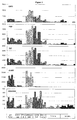
- Amazonia, TKT, G6PD, PGD, ELANE and CEACAM4 displayed a myeloid phenotype and were expressed in normal bone marrow ( Fig 3 ).
- ELANE shows a promyelocytic restricted pattern, as TKT, G6PD, PGD and CEACAM4 are also expressed in immature and differentiated granulocytes and in monocyte populations.
- GEP allowed for detecting new biologically and prognostically relevant subtypes despite the genetic heterogeneity of the disease (Moreaux et al ., 2011; Wouters et al ., 2009; Bresolin et al ., 2010).
- the objective of our study was to select genetic markers which could be proposed as new tool for prognosis in CMML.
- CMML complementary metal-oxide-semiconductorone
- microfluldic low density arrays we profiled a series of 32 untreated CMML patients at diagnosis.
- CEACAM4 a carcinoembryonic antigen (CEA) family member, is uniquely expressed on primary human granulocytes (Schmitter et al ., 2007). CEACAM proteins are well-known markers associated with progression of colorectal tumours.
- TKT was the more frequently involved as it was found to be over-expressed in leukaemia, lymphoma, myeloma and major solid tumours.
- the molecular markers identified in the present study could facilitate the identification of key pathways and abnormal cell subtypes involved in CMML.
- CMML complex metal-oxide-semiconductor
- all of them displayed a myeloid phenotype as they are mainly expressed in immature and differentiated granulocytes.
- ELANE shows the more restricted phenotype as it's exclusively expressed in promyelocytic cells.
- Droin et al. (2010) explored the cellular heterogeneity of the leukaemia clone and underlined the presence of immature dysplastic granulocytes in the peripheral blood.
- Table I Clinical, haematological and molecular features of the 32 CMML patients Peripheral Blood Bone Marrow Treatment at sampling Progression after sampling Time to progression (months) N° sex / age (years) WBC (G / l) Monocytes (G / l) Blasts (%) Monocytes (%) Karyotype Chemo. Transfu.
Landscapes
- Health & Medical Sciences (AREA)
- Life Sciences & Earth Sciences (AREA)
- Chemical & Material Sciences (AREA)
- Immunology (AREA)
- Engineering & Computer Science (AREA)
- Organic Chemistry (AREA)
- Proteomics, Peptides & Aminoacids (AREA)
- Pathology (AREA)
- Analytical Chemistry (AREA)
- Molecular Biology (AREA)
- Wood Science & Technology (AREA)
- Genetics & Genomics (AREA)
- Zoology (AREA)
- Physics & Mathematics (AREA)
- Biotechnology (AREA)
- Hematology (AREA)
- Biochemistry (AREA)
- General Health & Medical Sciences (AREA)
- Microbiology (AREA)
- Urology & Nephrology (AREA)
- Biomedical Technology (AREA)
- Hospice & Palliative Care (AREA)
- Oncology (AREA)
- Biophysics (AREA)
- Bioinformatics & Cheminformatics (AREA)
- General Engineering & Computer Science (AREA)
- General Physics & Mathematics (AREA)
- Food Science & Technology (AREA)
- Cell Biology (AREA)
- Medicinal Chemistry (AREA)
- Measuring Or Testing Involving Enzymes Or Micro-Organisms (AREA)
Description
- Chronic myelomonocytic leukemia (CMML) is a clonal hematopoietic stem cell disorder frequently seen in the ederly people. First considered as a myelodysplasic disorder in the French American british (FAB), CMML was reclassified by the World Health Organization (WHO) as myelodysplasic/myeloproliferative entity. This reclassification allows considering the heterogeneity of the CMML syndrome in diagnosis and prognosis. Despite this heterogeneity, the diagnosis of CMML is definitely straightforward in the presence of a combination of persistent blood monocytosis and fewer than 20% blasts in peripheral blood and bone marrow. According to WHO criteria, blasts include myeloblasts, monoblasts and promonocytes. The myeloid compartment is frequently associated with cytogenetic abnormality that helps to confirm the CMML diagnosis. Thus, CMML is mainly characterized by a persistent peripheral monocytosis (>1 x 10⁹/l), less than 20% blasts in blood and bone marrow, and a variable degree of dysplasia in one or more myeloid lineages. However CMML patients often showed heterogeneity in cytogenetics, and these cytogenetic markers have therefore a poor prognostic value. Major difficulties are faced in the clinical classification of this disease and the variable risk of its progression.
- Molecular studies based on mutation identification may provide promising insights in the diagnosis and prognosis process. Twenty two percent of patients exhibit point mutations of RAS genes (RAS, KRAS) at diagnosis or during the disease course and as many as 50% present TET2 mutations (Ricci, C. et al., Clinical Cancer Research ,2010). More recently, by applying next-generation sequencing (NGS) technology to characterize molecular mutations, Kohlmann et al. detected at least one aberration in 72.8% of CMML cases, including in the ten-eleven translocation 2 (TET2) gene. According to them, patients carrying these mutations present a better outcome contrary to Kosmider et al. where TET2 mutations are linked to a poor prognosis (Kohlmann, A. et al., Journal of Clinical Oncology ,2010; Tefferi A et al., Leukemia, 2009; Kosmider O et al., Haematologica, 2009). In absence of major prognostic markers, the physicians face major problems in evaluating the variable risk of progression of this disease to acute myeloid leukemia (AML): the disease is greatly heterogeneous in term of clinical course, a part of the patients displaying an indolent and stable disease, other displaying a more aggressive disease. Criteria for initiating a therapy in CMML are not well established, and depend on the physician's experience.
- There is therefore a need of a rapid and reliable prognostic method enabling to predict the survival chances of a patient suffering from CMML and/or the suitability of said patient for a drug trial.
- Analysis of gene expression profiles (GEP) is very promising in the medical field. It helps the discovery of new tools for applied therapy, notably new prognostic and diagnostic markers, and highlights evaluation criteria for treatments and disease follow-up. However, despite the highly documented data concerning acute leukemia, slight information till now is known about myelodysplastic syndromes, and particularly about CMML.
- As shown in the herein presented results, the present Inventors have found 5 new strong molecular prognostic markers including the G6PD, 6PGD, TKT, CEACAM4 and ELANE genes. All are predominantly linked to a promyelocytic phenotype according to Amazonia, the public DNA microarray database. Likewise, a clear distinction between two sets of patients has been observed for the first time, depending reliably on the expression levels of each of these markers: patients having a "bad" prognosis of survival, with median time survival (MTS) of 21 months (less than two years), and patients having a "good" prognosis of survival, with MTS of 83 months (almost 4 years).
- This represents an important and medically useful discovery as it will enable to determine prior to the treatment which patients will fail therapeutic treatment, thus saving them from up to a year of an expensive treatment with significant side effects.
-
-
Fig. 1 . Supervised clustering of CMML samples using 28 significantly expressed genes (FDR<5%). Red and green indicate over and under-expressed genes, respectively. Each row represents a single gene probe (28 genes) and each column represents a distinct CMML sample (32 samples). Samples were clustered into 2 subtypes, A and B. Subtypes A and B group 13 and 19 CMML patients, respectively. -
Fig. 2 . Kaplan-Meïer estimates of overall survival (OS). The index computation based on the expression data of the 5 selected genes (TKT, G6PD, ELANE, PGD and CEACAM4) allowed the discrimination between two distinct groups of patients. Patients were equally distributed (N=16 in each group). We characterize a good survival group (dotted grey) with a low index score and 94% probability of survival (15/16), and a poor survival group (black) with a high index score and 19% probability of survival (3/16). A P-value of 0.007 was obtained. -
Fig. 3 . Microarray expression of selected genes. Expression histograms of five specific genes TKT, G6PD, PGD, ELANE and CEACAM4 in various normal haematological tissues. Histograms were obtained from the Amazonia website from the HG-U133 Plus 2.0; Affymetrix (Santa Clara, CA) oligonucleotide microarray datasets. -
Fig. 4 . Kaplan-Meïer estimates of overall survival (OS). A) The index computation based on the expression data of the 5 selected genes (TKT, G6PD, ELANE, PGD and CEACAM4) in the new cohort of 21 CMML samples allowed the discrimination between two distinct groups of patients. We characterized a good survival group (green) with a low index score and 56% probability of survival (5/9), and a poor survival group (red) with a high index score and 25% probability of survival (3/12). A P-value of 0.03 was obtained. B) The index computation based on the expression data of the 5 selected genes (TKT, G6PD, ELANE, PGD and CEACAM4) in both mixed cohorts of 53 CMML samples allowed the discrimination between two distinct groups of patients. We characterized a good survival group (green) with a low index score and 80% probability of survival (20/25), and a poor survival group (red) with a high index score and 21% probability of survival (6/28). A P-value of 0.002 was obtained. - Interestingly, the present Inventors have found that the survival chances of patients suffering from chronic myelomonocytic leukaemia can be assessed on the simple analysis of the expression level in PBMC cells of a set of 5 genes or homologous thereof, and comparison with the expression level of the same genes in PBMCs of healthy patients.
- The present invention is defined in the appended claims 1 to 10.
- Also disclosed is a method for in vitro determining the prognosis of chronic myelomonocytic leukaemia (CMML) in a human patient suffering thereof, comprising at least the following steps:
- a) measuring in a test sample of said patient the expression levels of at least two genes chosen in the group consisting of: G6PD (SEQ ID NO:2 or 3), 6PGD (SEQ ID NO:4), TKT (SEQ ID NO:9 or 10), CEACAM4 (SEQ ID NO:11) and ELANE (SEQ ID NO:23) or homologous thereof,
- b) comparing said expression levels to the expression level of said at least two genes in at least one control sample obtained from at least one known healthy human subject,
- c) predicting the outcome of the chronic myelomonocytic leukaemia in said patient and/or the suitability of said patient for a drug trial.
- Also disclosed is a method for in vitro determining the prognosis of CMML in a human patient suffering thereof, comprising at least the following steps:
- a) obtaining a test sample from said human patient,
- b) measuring the expression profile comprising at least two genes chosen in the group consisting of: G6PD (SEQ ID NO:2 or 3), 6PGD (SEQ ID NO:4), TKT (SEQ ID NO:9 or 10), CEACAM4 (SEQ ID NO:11) and ELANE (SEQ ID NO:23) or homologous thereof in said test sample,
- c) comparing said expression profile with at least one reference profile,
- c) predicting the outcome of CMML in said patient.
- According to the invention, a "CMML suffering patient" is a human subject showing persistent blood monocytosis and fewer than 20% blasts (myeloblasts, monoblasts and/or promonocytes) in peripheral blood and bone marrow.
- The present invention enables to "prognose" (or to "determine the prognosis" of) the future life-span of a patient suffering from CMML, i.e. to predict the outcome of said disease in terms of month-survival for said patient, said patient being treated or not against this disease.
- The term "test sample" designates any sample that may be taken from a CMML suffering patient, such as a serum sample, a plasma sample, a urine sample, a blood sample, a lymph sample, or a biopsy. The test sample for the determination of the gene expression levels is a peripheral blood sample comprising peripheral blood mononuclear cells (PBMC). Such PBMC samples can be obtained by a completely non-invasive harmless blood collection from the patient, followed by a classical ficoll separation as described in Cytotherapy (Janssen WE et al., 2010). More preferably, purity of the PBMC sample is up to 70%, preferably up to 80 % and more preferably up to 90% as classically obtained by Ficoll purification processes.
- The term "expression profile" may designate the expression levels of a group of at least two genes chosen in the group consisting of G6PD (SEQ ID NO:2 or 3), 6PGD (SEQ ID NO:4), TKT (SEQ ID NO:9 or 10), CEACAM4 (SEQ ID NO:11) and ELANE (SEQ ID NO:23) or homologous thereof.
- Also disclosed is the expression level of at least three, preferably four, and more preferably five of the genes chosen in the group consisting of G6PD (SEQ ID NO:2 or 3), 6PGD (SEQ ID NO:4), TKT (SEQ ID NO:9 or 10), CEACAM4 (SEQ ID NO:11) and ELANE (SEQ ID NO:23) or homologous thereof is measured in the method of the invention. The expression level of the five genes G6PD (SEQ ID NO:2 or 3), 6PGD (SEQ ID NO:4), TKT (SEQ ID NO:9 or 10), CEACAM4 (SEQ ID NO:11) and ELANE (SEQ ID NO:23) is measured, and the expression profile of the invention therefore consists of the expression level of these five genes.
- A sixth gene can also be used in the method of the invention. This sixth gene is the LYZ gene of SEQ ID NO:1. Also disclosed is the expression level of at least four, preferably five, and more preferably six of the genes chosen in the group consisting of LYZ (SEQ ID NO:1), G6PD (SEQ ID NO:2 or 3), 6PGD (SEQ ID NO:4), TKT (SEQ ID NO:9 or 10), CEACAM4 (SEQ ID NO:11) and ELANE (SEQ ID NO:23) or homologous thereof is measured in the method of the invention. In a more preferred embodiment, the expression level of the six genes LYZ (SEQ ID NO:1, G6PD (SEQ ID NO:2 or 3), 6PGD (SEQ ID NO:4), TKT (SEQ ID NO:9 or 10), CEACAM4 (SEQ ID NO:11) and ELANE (SEQ ID NO:23) is measured, and the expression profile consists of the expression level of these genes.
- The 6 genes that were determined by the Inventors to be able to discriminate between patients having a bad or a long survival are listed in the following table 1:
Table 1 Symbole Accession number NCBI Encoded protein Lysozyme C (enzyme EC 3.2.1.17) LYZ NM_000239.2 (SEQ ID NO:1) Muramidase N-acetylmuramide glycanhydrolase NP_000230.1 (SEQ ID NO:12) G6PD NM_000402.3 isoform A (SEQ ID NO:2) Glucose-6-phosphate dehydrogenase (enzyme EC 1.1.1.49) NM_001042351.1 isoform B (SEQ ID NO:3) Isoform A: NP_000393.4 (SEQ ID NO:13) Isoform B : NP_001035810.1 (SEQ ID NO:14) 6PGD (or PGD) NM_002631.2 (SEQ ID NO:4) Phosphogluconate dehydrogenase (PGDH) 6 phosphogluconate dehydrogenase decarboxylating (6PGD) EC 1.1.1.44 NP_002622.2 (SEQ ID NO:15) ELANE NM 001972.2 (SEQ ID NO:23) neutrophil-expressed Elastase NP_001963.1 (SEQ ID NO:24) TKT NM_001064.3 (SEQ ID NO:9) Transketolase humaine NM_001135055.2 (SEQ ID NO:10) NP_001055.1 : variant 1 (SEQ ID NO:20) NP_001128527.1 : variant (SEQ ID NO:21) CEACAM4 NM_001817.2 (SEQ ID NO:11) Homo sapiens carcinoembryonic antigen-related cell adhesion molecule 4 NP_001808.2 (SEQ ID NO:22) - The term "homologous" refers to sequences that have sequence similarity. The term "sequence similarity", in all its grammatical forms, refers to the degree of identity or correspondence between nucleic acid sequences. In the context of the invention, two nucleic acid sequences are "homologous" when at least about 80%, alternatively at least about 81%, alternatively at least about 82%, alternatively at least about 83%, alternatively at least about 84%, alternatively at least about 85%, alternatively at least about 86%, alternatively at least about 87%, alternatively at least about 88%, alternatively at least about 89%, alternatively at least about 90%, alternatively at least about 91%, alternatively at least about 92%, alternatively at least about 93%, alternatively at least about 94%, alternatively at least about 95%, alternatively at least about 96%, alternatively at least about 97%, alternatively at least about 98%, alternatively at least about 99% of the nucleic acids are similar. Preferably the similar or homologous nucleic acid sequences are identified by alignment using, for example, the algorithm of Needleman-Wunsch.
- The expression levels (or expression profile) may be determined by any technology known by a man skilled in the art. In particular, each gene expression level may be measured at the genomic and/or nucleic and/ or proteic level.
- In a preferred embodiment, measuring the expression levels of the said genes (or the expression profile) is performed by measuring the amount of nucleic acid transcripts of each gene. The amount of nucleic acid transcripts of each gene can be measured by any technology known by a man skilled in the art. In particular, the measure can be carried out directly on extracted messenger RNA (mRNA) sample, or on retrotranscribed complementary DNA (cDNA) prepared from extracted mRNA by technologies well-known in the art. From the mRNA or cDNA sample, the amount of nucleic acid transcript may be measured using any technology known by a man skilled in the art, including microarrays, quantitative PCR, DNA chips, hybridization wit labelled probes, or flow lateral dipstick (Surasilp T et al., Mol Cell Probes. 2011). In a preferred embodiment, the expression levels are determined using quantitative PCR. Quantitative or real-time, PCR is a well-known and easily available technology for those skilled in the art and does therefore not need a precise description.
- In this case, the measuring level is preferably performed by including an invariant endogenous reference gene (such as the RPS19 gene), in the RNA / DNA detection assay to correct for sample to sample variations in PCR (or hybridization) efficiency and errors in sample quantification.
- In another preferred embodiment, the expression levels of the said genes are determined by the use of nucleic microarrays.
- According to the invention, a "nucleic microarray" consists of different nucleic acid probes that are attached to a substrate, which can be a microchip, a glass slide or a microsphere-sized bead. A microchip may be constituted of polymers, plastics, resins, polysaccharides, silica or silica-based materials, carbon, metals, inorganic glasses, or nitrocellulose. Probes can be nucleic acids such as cDNAs ("cDNA microarray") or oligonucleotides ("oligonucleotide microarray"), and the oligonucleotides may be about 25 to about 60 base pairs or less in length.
- To determine the expression levels of define gene in a target nucleic sample, said sample can be labelled, contacted with the microarray in hybridization conditions, leading to the formation of complexes between target nucleic acids that are complementary to probe sequences attached to the microarray surface. The presence of labelled hybridized complexes can then be detected. Many variants of the microarray hybridization technology are available to the man skilled in the art.
- The nucleic acid microarray is an oligonucleotide microarray comprising or consisting of 5 oligonucleotides specific for the 5 genes G6PD (SEQ ID NO:2 or 3), 6PGD (SEQ ID NO:4), TKT (SEQ ID NO:9 or 10), CEACAM4 (SEQ ID NO:11) and ELANE (SEQ ID NO:23) (see Table 1 below). Preferably, the microarray also comprises the LYZ gene of SEQ ID NO:1.
- Preferably, the oligonucleotides are about 50 bases in length. It is acknowledged that the nucleic acid microarray, or oligonucleotide microarray encompass the microarrays specific for the homologous genes as defined below.
- Suitable oligonucleotides may be designed, based on the genomic sequence of each gene (see Genbank accession numbers), using any method of microarray oligonucleotide design known in the art. In particular, any available software developed for the design of microarray oligonucleotides may be used, such as, for instance, the OligoArray software (available at http://berry.engin.umich.edu/oligoarray/), the GoArrays software (available at http://www.isima.fr/bioinfo/goarrays/), the Array Designer software (available at http://www.premierbiosoft.com/dnamicroarray/index.html), the Primer3 software (available at http://frodo.wi.mit.edu/primer3/primer3_code.html), or the Promide software (available at http://oligos.molgen.mpg.de/).
- In another preferred embodiment, measuring the expression levels of the said gene is performed by measuring the respective levels of the encoded proteins of the said genes, for example by employing antibody-based detection methods such as immunohistochemistry or western blot analysis, proteic microarray, flow cytometry or flow lateral dipstick (Surasilp T et al., Mol Cell Probes. 2011).
- Said encoded proteins are namely: SEQ ID NO: 12 for the LYZ protein, SEQ ID NO:13 or 14 for the G6PD protein, SEQ ID NO:15 for the 6PGD protein, SEQ ID NO:24 for the ELANE protein, SEQ ID NO:20 or 21 for the TKT protein and SEQ ID NO:22 for the CEACAM4 protein.
- For expression profiling experiments, antibodies, aptamers, or affibodies microarrays are mainly used, most of the time antibodies microarrays (Hall et al, 2007). The antibodies, aptamers, or affibodies are attached to various supports using various attachment methods, using a contact or non-contact spotter (Hall et al, 2007). Examples of suitable supports include glass and silicon microscope slides, nitrocellulose, microwells (for instance made of a silicon elastomer) (Hall et al, 2007). For glass and silicon microscope slides, a coating is generally added. Examples of coatings for random attachment (i.e. resulting in a random orientation of attached proteins to the support) include aldehyde- and epoxy-derivatized coatings for random attachment through amines, and nitrocellulose, gel pads or poly-L-lysine coatings (Hall et al, 2007). Examples of coatings for non random attachment (i.e. resulting in a uniform orientation of attached proteins to the support) include nickel coating fro use with His6-tag proteins, and streptavidin coating for use with biotinylated proteins (Hall et al, 2007). For detection, two main technologies can be used: 1) direct labelling, single capture assays and 2) dual-antibody sandwich immunoassays (Kingsmore, 2006). In direct labelling, single capture assays, proteins contains in one or more samples are labelled with distinct labels (generally fluorescent or radioisotope labels), hybridized to the microarray, and labelled hybridized proteins are directly detected (Kingsmore, 2006). In dual-antibody sandwich immunoassays, the sample is hybridized to the microarray, and a secondary tagged antibody is added. A third labelled (generally fluorescent or radioisotope label) antibody specific for the tag of the secondary antibody is then used for detection (Kingsmore, 2006). Further details concerning antibodies microarrays may be found in Haab, 2005 and Eckel-Passow et al, 2005. Examples of commercial antibody microarrays include those commercialized by Clontech Laboratories, Invitrogen, Eurogentec, Kinexus etc...
- The determination of the survival prognostic according to the method of the invention is carried out thanks to the comparison of the expression profile of the above-mentioned genes with at least one reference profile.
- A reference profile is, in the context of the present invention, obtained from a "control sample", i.e. from a test sample obtained from a human subject who is known to be healthy. Preferably, said reference profile has been obtained from several healthy subjects (for example from at least 5 healthy subjects) by measuring the expression level of each gene and by calculating a mean thereof. As used herein, the terms "a control sample of a known healthy human subject" therefore mean "at least one control sample of at least one known healthy human subject".
- The comparison of a tested sample with a control sample (or of a tested expression profile to a reference expression profile) can be done using statistical models or machine learning methods which aim is to predict a clinical response (e.g.: 0 if bad prognosis, 1 if good prognosis) based on a combination of the explanatory variables (the genes). Statistical models such as logistic regression and fisher linear discriminant analysis are particularly relevant to predict outcome. Other discriminating algorithms include kNN (k nearest neighbour), decision trees, SVM (support vector machine), NN (neural networks) and forest. The PLS regression, MIPP, sparse linear discrimination and PAM (predictive analysis of microarrays) are particularly relevant to give prediction in the case of pangenomic analysis with small reference samples. To ensure that the predictor is robust, cross validation methods such as leave-one-out should be applied to the models.
- The comparison step of the method of the invention can be for example performed by calculating the ratio between the expression level of each gene in the tested sample and in the control reference sample.
- Higher expression level of at least two, preferably three, more preferably four genes and even more preferably five genes chosen in the group consisting of: G6PD (SEQ ID NO:2 or 3), 6PGD (SEQ ID NO:4), TKT (SEQ ID NO:9 or 10), CEACAM4 (SEQ ID NO:11) and ELANE (SEQ ID NO:23) or homologous thereof in said test sample, as compared to said control sample, indicates a long-term survival of said human patient.
- As mentioned herein, the term "long-term survival" refers to survival of at least 70 months, preferably 75 months and more preferably 80 months after the sample collection has been performed, the patient being treated or not.
- As used herein, the term "higher expression level" means that the expression level of a gene in said test sample is strictly superior to the one in said control sample, because said gene is up-regulated in said test sample. In other words, the term "higher" corresponds to a ratio [expression level in said test sample / expression level in said control sample] which is superior to 1 for said gene.
- More precisely, if the ratio [expression level in said test sample / expression level in said control sample] is:
- superior to 1,05, preferably to 1,1, more preferably to 1,14 for the LIZ gene;
- superior to 1,05, preferably to 1,1, more preferably to 1,14 for the ELANE gene;
- superior to 1,05, preferably to 1,1, more preferably to 1,15 for the G6PD gene;
- superior to 1,1, preferably to 1,5, more preferably to 1,22 for the 6PGD gene;
- superior to 1,1, preferably to 1,5, more preferably to 1,20 for the TKT gene; and/or
- superior to 1,25, preferably to 1,3, more preferably to 1,34 for the CEACAM4 gene,
- The expression levels of the five genes G6PD (SEQ ID NO:2 or 3), 6PGD (SEQ ID NO:4), LILRB1 (SEQ ID NO:5 or 6 or 7 or 8), TKT (SEQ ID NO:9 or 10), CEACAM4 (SEQ ID NO:11) and ELANE (SEQ ID NO:23) are measured.
- If the expression levels of the five genes G6PD (SEQ ID NO:2 or 3), 6PGD (SEQ ID NO:4), TKT (SEQ ID NO:9 or 10), CEACAM4 (SEQ ID NO:11) and ELANE (SEQ ID NO:23) are higher in said test sample obtained from the patient, than those of the control sample, then said patient will live longer than 70 months, preferably 75 months and more preferably 80 months.
- More precisely, if the ratio [expression level in said test sample / expression level in said control sample] is:
- superior to 1,05, preferably to 1,1, more preferably to 1,15 for the G6PD gene;
- superior to 1,05, preferably to 1,1, more preferably to 1,14 for the ELANE gene;
- superior to 1,1, preferably to 1,5, more preferably to 1,22 for the 6PGD gene;
- superior to 1,1, preferably to 1,5, more preferably to 1,20 for the TKT gene;
- superior to 1,25, preferably to 1,3, more preferably to 1,34 for the CEACAM4 gene; and
- inferior to 0,75, preferably to 0,7, and more preferably to 0,66 for the LILRB1 gene,
- On the contrary, and as shown in the results below, if the expression levels of at least one of the five genes G6PD (SEQ ID NO:2 or 3), 6PGD (SEQ ID NO:4), TKT (SEQ ID NO:9 or 10), CEACAM4 (SEQ ID NO:11) and ELANE (SEQ ID NO:23) are lower in said test sample obtained from the patient, than those of the control sample, then said patient will have a short-term survival, i.e., will live no more than 28 months, preferably 25 months and more preferably 21 months after the sample collection has been performed.
- More precisely, if the expression levels of the five genes G6PD (SEQ ID NO:2 or 3), 6PGD (SEQ ID NO:4), TKT (SEQ ID NO:9 or 10), CEACAM4 (SEQ ID NO:11) and ELANE (SEQ ID NO:23) are lower in said test sample obtained from the patient, than those of the control sample, then said patient will have a short-term survival, i.e., will live no more than 28 months, preferably 25 months and more preferably 21 months after the sample collection has been performed.
- In a more particular embodiment, if the ratio [expression level in said test sample / expression level in said control sample] is
- inferior to 1,14, preferably to 1,1, more preferably to 1,05 for the LIZ gene; and/or
- inferior to 1,14, preferably to 1,1, more preferably to 1,05 for the ELANE gene; and/or
- inferior to 1,15, preferably to 1,1, more preferably to 1,05 for the G6PD gene; and/or
- inferior to 1,22, preferably to 1,5, more preferably to 1,1 for the 6PGD gene; and/or
- inferior to 1,2, preferably to 1,5, more preferably to 1,1 for the TKT gene; and/or
- inferior to 1,34, preferably to 1,3, more preferably to 1,25 for the CEACAM4 gene;
- In an even more preferred embodiment, if the ratio [expression level in said test sample / expression level in said control sample] is
- inferior to 1,14, preferably to 1,1, more preferably to 1,05 for the ELANE gene; and
- inferior to 1,15, preferably to 1,1, more preferably to 1,05 for the G6PD gene; and
- inferior to 1,22, preferably to 1,5, more preferably to 1,1 for the 6PGD gene; and
- inferior to 1,2, preferably to 1,5, more preferably to 1,1 for the TKT gene; and
- inferior to 1,34, preferably to 1,3, more preferably to 1,25 for the CEACAM4 gene;
- Kits according to the present invention are defined in the appended claim 6.
- The application also describes a kit for in vitro determining the prognosis of chronic myelomonocytic leukaemia in a human patient suffering thereof, comprising:
- a) A reagent capable of specifically detecting the expression level of at least two genes chosen in the group consisting of: G6PD (SEQ ID NO:2 or 3), 6PGD (SEQ ID NO:4), ELANE (SEQ ID NO:23), TKT (SEQ ID NO:9 or 10) and CEACAM4 (SEQ ID NO:11), and
- b) Instructions for using said kit for determining the prognosis of chronic myelomonocytic leukaemia in said human patient.
- The kit can also comprise a reagent capable of specifically detecting the expression level of the LYZ gene of SEQ ID NO:1.
- By "reagent capable of specifically detecting the expression level of" is meant a reagent specifically intented for the specific determination of said expression levels, either on the transcription (RNA) or on the translation (proteic) levels. This definition excludes generic reagents useful for the determination of the expression level of any gene, such as taq polymerase or an amplification buffer, although such reagents may also be included in a kit according to the invention.
- In any kit for the in vitro prognosis of the survival of CMML suffering patients, the reagent(s) for specifically detecting the expression level of the genes comprising, or consisting of, the 6 genes from Table 1 or homologous thereof, preferably include specific amplification primers and/or probes for the specific quantitative amplification of transcripts of genes of Table 1, and/or a nucleic microarray for the detection of genes of Table 1. The determination of the expression levels may thus be performed using quantitative PCR and/or a nucleic microarray, preferably an oligonucleotide microarray.
- In addition, the instructions for the determination of the survival of CMML suffering patients preferably include at least one reference expression profile, or at least one reference sample for obtaining a reference expression profile. Preferably, the determination of the patient survival is carried out by comparison with the test sample and the reference sample as described above.
- The application is also directed to a nucleic acid microarray comprising or consisting of nucleic acids specific for the 6 genes from Table 1 or homologous thereof. Said nucleic acid microarray may comprise additional nucleic acids specific for genes other genes. Advantageously, said microarray consists of nucleic acids specific for the 6 genes of Table 1 above. In a preferred embodiment, said nucleic acid microarray is therefore an oligonucleotide microarray comprising or consisting of oligonucleotides specific for the 6 genes from Table 1.
- As mentioned above, the man skilled in the art perfectly knows how to design "oligonucleotides specific for a gene" in view of its gene accession number.
- All the embodiments concerning nucleic acid microarrays and methods of preparing them have been developed above de facto apply to the nucleic acid microarray of the invention.
- The present application also relates to a mRNA prognostic signature for predicting outcome of a patient suffering from chronic myelomonocytic leukaemia, independently from other factors, comprising one or more up-regulated mRNAs of the genes chosen in the group consisting of: the LYZ (SEQ ID NO:1), G6PD (SEQ ID NO:2 or 3), 6PGD (SEQ ID NO:4), TKT (SEQ ID NO:9 or 10), CEACAM4 (SEQ ID NO:11) and ELANE (SEQ ID NO:23) genes or homologous thereof, as compared with mRNA of same genes expressed in normal cells.
- The expression level of at least three, preferably four, more preferably five genes chosen in the group consisting of the ELANE (SEQ ID NO:23), G6PD (SEQ ID NO:2 or 3), 6PGD (SEQ ID NO:4), TKT (SEQ ID NO:9 or 10) and CEACAM4 (SEQ ID NO:11) genes or homologous thereof is measured in the method of the application.
- All the embodiments concerning said genes and methods of assessing there expression level that have been developed above de facto apply to said mRNA prognostic signature.
- Preferably, said expression levels of said genes are measured in PBMC cells, obtained either from the patient, or from a reference healthy human subject.
- The present application also relates to a method for determining if patients suffering from chronic myelomonocytic leukaemia will have a short-term survival or a long-term survival comprising the steps of:
- a) obtaining a test sample from said human patient,
- b) determining the expression level of the at least two genes chosen in the group consisting of: the LYZ (SEQ ID NO:1), G6PD (SEQ ID NO:2 or 3), 6PGD (SEQ ID NO:4), TKT (SEQ ID NO:9 or 10), CEACAM4 (SEQ ID NO:11) and ELANE (SEQ ID NO:23) genes or homologous thereof in said test sample, and
- c) applying a predictive model for determining if said patient will have a short-term survival or a long-term survival.
- This method enables for example to identify and select the patients belonging to each group (short- or long-term survival patient groups) which can be used in particular clinical trials. It can advantageously be used as pharmacogenomic information in companion diagnostic tests. These pharmacogenomic biomarkers can help differentiate patient into responder and non responder groups, which can help estimate drug effectiveness, avoid toxicity and adverse effects, increase drug safety and adjust drug dosage and are therefore encouraged by several health Authorities.
- As a matter of fact, labelling drug has become more difficult within the last 10 years. During the 3 last months Avastin® (Roche Pharmaceutical) has been recalled for breast cancer application and Aflibercept (Sanofi-Aventis) fell in late clinical trials Phase III for lung cancer application. Therefore drug approval agencies, including FDA and EMEA, are encouraging greater use of biomarker and diagnostic in drug development and prescribing decision. This encouragement and guidance has taken several forms (1), (2), including the last Guidance for Industry Clinical Pharmacogenomics: premarketing Evaluation in early Phase Clinical Studies (3) issued in February 2011. Proof of concept of the use in clinical studies as well as in prescribing decision of such biomarkers has been achieved for Big Pharma like Genetech Roche with Trastuzumab (Her2), a molecule labelled and associated with Companion Diagnostic. About 10% of labels for drugs approved by the FDA now contain pharmacogenomic information. Such pharmacogenomic biomarkers can thus help to increase the chance to be approved by health Authorities. More conclusively, both FDA and EMEA now require that biomarker testing be performed prior to prescribing certain drugs.
- For patient suffering from chronic myelomonocytic leukaemia, the method of the invention enables for example to select those requiring an aggressive treatment (such as bone marrow transplant) from those requiring "only" supportive care (administration of blood product support and/or hematopoietic growth factors).
- More precisely, it is considered that short-term survival patient groups will be preferentially included in clinical trials involving bone marrow transplantation (stem cell transplantation), or aggressive chemotherapy, for example with hypomethylating agents such as 5-azacytidine, decitabine, or lenalidomide.
- On the contrary, long-term survival patient groups will be preferentially included in clinical trials involving iron uptake, or red blood cell transfusion (optionally with a chelation therapy to avoid iron overload).
- In a preferred embodiment, said predictive model is reduced to practice by calculating an index as follows:
First, the expression levels of each of the five genes are measured in a patient sample and are compared to the reference expression. A ratio is calculated, leading to the calculation of a "fold change". This fold change is compared to cut-off values, and patients are then dichotomised (+1 or -1 for gene value under or below the significant cut-off) for each significant gene and pondered by the beta-coefficient of each genes (which have been calculated from Kaplan-Meïer analysis). - In a preferred embodiment, the following cut-offs values and Beta-coefficients are used:
Gene name Fold change Cut-off Dichotomisation : D = Beta-coefficient (β) ELANE b 3.40 +1 if b > 3.40 ; -1 if b ≤ 3.40 2.01784191521554 G6PD c 1.15 +1 if c > 1.15 ; -1 if c ≤ 1.15 1.28224877578792 TKT d 1.2 +1 if d > 1.2 ; -1 if d ≤ 1.2 1.35358578043486 PGD e 1.22 +1 if e > 1.22 ; -1 if e ≤ 1.22 1.71153730912409 CEACAM4 f 1.34 +1 if f > 1.34 ; -1 if f ≤ 1.34 2.0942792881 - Then, for each patient, the index was calculated by the sum of the dichotomised value pondered by the beta-coefficient of each gene:

- If the calculated index I is superior to 1, then short-term survival is to be prognosed for said patient.
- If the calculated index I is inferior or equal to 1, then long-term survival is to be prognosed for said patient.
- Preferably, in this aspect of the invention, the expression level of all the five genes ELANE (SEQ ID NO:23), G6PD (SEQ ID NO:2 or 3), 6PGD (SEQ ID NO:4), TKT (SEQ ID NO:9 or 10) and CEACAM4 (SEQ ID NO:11) is measured.
- More preferably, said predictive model comprises:
- i) calculating the ratio between the expression level of the said genes in said test sample and the expression level of the same genes in a control sample of a known healthy human subject,
- ii) comparing said ratio with cut-offs values for each gene and determining the dichotomisation factors for each gene,
- iii) pondering said dichotomisation factors by predetermined beta-coefticient for each genes, and
- iv) calculating an index I which is the sum of said dichotomised factors pondered by said beta-coefficients of said genes for said patient:
- In other words, said index I is calculated as follows:
- I= DLYZ x βLYZ + DLILRB1 x βLILRB1 + DG6PD x βG6PD + DTKT x βTKT + DPGD x βPGD + DCEACAM4 x βCEACAM4, D being the dichotomisation factor of each gene and β the β coefficient of each gene.
- The calculated index I is then compared to the value 1 so as to determine if said patient will have long- or short-term survival:
- If the calculated index I is superior to 1, then short-term survival is to be prognosed for said patient.
- If the calculated index I is inferior or equal to 1, then long-term survival is to be prognosed for said patient.
- Having generally described this invention, a further understanding of characteristics and advantages of the invention can be obtained by reference to certain specific examples and figures which are provided herein for purposes of illustration only and are not intended to be limiting unless otherwise specified.
- Chronic myelomonocytic leukaemia (CMML) is a clonal hematopoietic stem cell disorder frequently seen in the elderly. First considered as a myelodysplastic disease in the French American British (FAB) classification (Bennett et al., 1994), CMML was reclassified by the World Health Organization (WHO) as a myelodysplastic/myeloproliferative neoplasm (MDS/MPN) (Jaffe et al., 2001). This reclassification underlines the heterogeneity of CMML in diagnosis and prognosis. Despite of this heterogeneity, the diagnosis of CMML is definitely straightforward in the presence of a combination of persistent blood monocytosis, fewer than 20% blasts in peripheral blood and bone marrow, absence of BCR-ABL1 fusion gene and dysplasia in one or more cell lines (Vardiman et al., 2002; Orazi & Germing, 2008). According to WHO criteria, blasts include myeloblasts, monoblasts and promonocytes. The myeloid compartment is frequently associated with cytogenetic abnormalities that help to confirm the CMML diagnosis, but none are specific (Reiter et al., 2009).
- In order to characterize factors predicting the course of the disease, recent data based on mutation identification have been reported, among them RAS and TET2 are the most frequently affected genes. Twenty two per cent of patients exhibit point mutations of RAS genes (NRAS, KRAS) at diagnosis or during the disease course and as many as 50% present TET2 mutations (Ricci et al., 2010; Kosmider et al., 2009). With respect to clinical data, Kosmider et al. suggest that the prevalence of TET2 mutations is higher in CMML than in any other myeloid disease and is associated with a trend to a lower overall survival rate. On the other hand, by applying next-generation sequencing (NGS) technology, two recent reports detected frequent aberrations in the TET2 gene in CMML cases and related it to better outcome (Kohlmann et al., 2010; Grossmann et al., 2011).
- Currently, no reliable molecular prognostic markers are available with an easy technology in CMML in spite of the recent WHO reclassification. The difficulty of the clinical classification and the variable risk of progression to acute myeloid leukemia (AML) remain the major problems for physicians.
- In light of these issues, we have chosen to perform gene expression profiling (GEP) as molecular studies in CMML using this approach, have not been extensively explored (Theilgaard-Monch et al., 2011). The aim of our study was to identify molecular predictors, from 32 CMML peripheral blood mononuclear cells (PBMC), associated with better survival and to validate its performance in an independent test set of 21 CMML samples. The present work shows that GEP has a prognosis potential in CMML and could help improving the classification of the disease.
- CMML diagnosis was defined according to the World Health Organization (WHO) criteria, as previously published (Reiter et al., 2009; Orazi & Germing, 2008; Vardiman et al., 2002). The patients signed informed consent to participation in the study in accordance with the Declaration of Helsinki. The study was approved by the ethic board of Nimes University. PBMCs were collected in the Centre Hospitalier Universitaire (CHU) of Nimes from 32 patients who were newly diagnosed. All samples in this study were obtained from untreated patients at the time of diagnosis. For 14 patients, paired material at presentation and at different periods of follow-up was also available for gene expression analyses. Sixteen blood samples of acute myeloid leukaemia (AML) and two samples of proliferative and differentiated U937 leukaemia cells, cultured as previously described (Piquemal et al., 2002), were also included in the analyses. AML samples include 4 de novo and 12 secondary AML (transformed CMML). Control samples of PBMC obtained from three healthy donors were used as reference.
- Genes were selected from transcriptomic data established by SAGE methodology from acute myeloid leukaemia models, normal polymorphonuclear and monocytic cells (Piquemal et al., 2002; Bertrand et al., 2004; Quere et al., 2007; Rivals et al., 2007). Differential gene expression analyses were performed as previously described (Piquemal et al., 2002). SAGE libraries data are available at GEO (http://www.ncbi.nlm.nih.gov/geo/) under accession number GSM32698: untreated U937 cell line; GSM32699: differentiated U937 cell line; GSM151619: untreated NB4 cell line; GSM151622: differentiated NB4 cell line. The SAGE libraries were described in Rivals et al and Bertrand et al for normal monocytes and granulocytes, respectively (Rivals et al., 2007; Bertrand et al., 2004). By mining the SAGE data, 92 transcripts showing significant variation following myeloid cell differentiation and 1 calibration marker (RPS19) were selected for high-throughput real-time polymerase chain reaction (PCR) analysis. The listing of the 93 genes is provided in supplementary data. They correspond to transcripts over-expressed in leukaemia differentiated cells, cell cycle genes and transcripts already known as cancer-related genes (Piquemal et al., 2002; Quéré et al., 2007). We used also Affymetrix data of 21 CMML samples from the Microarray Innovations in Leukaemia (MILE) study (Haferlach et al., 2010). All samples were obtained from untreated patients at the time of diagnosis. These data are publicly available via GEO under accession number GSE13204. Information on survival and clinical parameters were provided by Pr Mills's group.
- RNA was extracted with RNeasy Qiagen kit. RNA quality was monitored and quantified using the 2100-Bioanalyzer (Agilent Technologies, Waldronn, Germany). Reverse transcription was performed with random primers (High-capacity cDNA Archive kit; Applied Biosystems, Courtaboeuf, France) using 1 µg total RNA. PCR analyses were performed on microfluidic cards with 100ng of cDNA, using the TaqMan® Gene Expression Assays and the ABI7900HT system (Université de Limoges Q-PCR facility). Analysis of the relative quantity gene expression (RQ) data was performed using the 2-ΔΔCt method (Livak & Schmittgen, 2001). Transcriptional modulation (log10 RQ) was calculated using data from normal PBMCs as reference. Data were collected and analysed with Sequence Detector Software (SDS2.2; Applied Biosystems). Similar results were obtained from relative quantity gene expression comparisons using the 3 calibrator genes. For the final normalization, RPS19 was selected. The accuracy of the technology was validated by testing the reliability of SAGE and the high-throughput real-time PCR. Among the differentially expressed markers selected from the SAGE data (P ≤ .01), 95% displayed significant modulation when tested on microfluidic cards. Standard error (SE) was measured using U937 samples already tested in a separate study. Paired samples from 26 patients were tested to evaluate the reproducibility of our method. In the unsupervised hierarchical cluster, each sample and its duplicate came out together in the same subtype.
- Genes with no measured expression in all samples were discarded. A total of 93 genes were selected for unsupervised analysis. Hierarchical clusters were performed with the Cluster and Treeview softwares from Eisen et al (Eisen et al., 1998). Gene expression data was analysed with SAM (Significance Analysis of Microarrays) software with a 1000-permutations adjustment (Cui & Churchill, 2003). For each selected gene, the patients' samples were ordered by low to high expression values. For each increasing signal position in this scale, the overall survival difference between patients having a lower or equal versus a higher signal was assessed using a log-rank test with the Maxstat package used in R software (http://cran.r-project.org/). Overall survival of subgroups of patients was compared with the log-rank test and survival curves computed with the Kaplan-Meïer method (R software; survival package). Benjamini and Hochberg Multiple Testing correction was used to select the strongest genes associated with the overall survival (Camargo et al., 2008). At rank one, this within-probe adjustment is realized by multiplying the maximum P-value by the number of calculated positions. Genes with P value >.05 were discarded (Carlin & Chib, 1995). For the index computation, first patients were dichotomised (+1 or -1 for gene value under or below the significant cut-off) for each significant gene and pondered by the beta-coefficient (issued from Kaplan-Meïer analysis). Then, for each patient, the index was calculated by the sum of the dichotomised value pondered by the beta-coefficient of each gene (Kassambara et al., 2011). Statistical comparisons were done with Mann-Whitney, Chi-square, or unpaired or paired Student's t tests.
- The networks were generated through the use of Ingenuity Pathways Analysis (Ingenuity® Systems, www.ingenuity.com). A data set containing gene identifiers and corresponding expression values was uploaded into the application. Each gene identifier was mapped to its corresponding gene object in the Ingenuity Pathways Knowledge Base. These genes, called focus genes, were overlaid onto a global molecular network developed from information contained in the Ingenuity Pathways Knowledge Base. Networks of these focus genes were then algorithmically generated based on their connectivity. Gene expression data were extracted from the Oncomine Cancer Microarray database (http://www.oncomine.org) (Rhodes et al., 2004) and the Amazonia database (http://amazonia.montp.inserm.fr) (Le Carrour et al., 2010).
- A total of 32 CMML patients including 21 males (66%) and 11 females (34%) were studied. Their main clinical and haematological characteristics are shown in Table I. We had same proportions of different clinical parameters as previously described (Such et al., 2011). Median age was 76 years (range 45-86). According to FAB criteria, 15 patients (47%) had MD-CMML and 17 patients (53%) had MP-CMML. According to WHO classification, 27 patients (90%) were diagnosed as having CMML-1 and 3 patients (10%) as having CMML-2. Karyotype was normal in 20 patients (63%) and abnormal in 4 patients (13%); data were not available for 8 patients (25%). Among cytogenetic aberrations, we find one patient with trisomy 8, one patient with monosomy 7, one patient with loss of the Y chromosome and one patient with other anomalies. Five patients developed acute myeloid leukaemia of which three showed an abnormal karyotype. There were no significant differences in blast proportion in patients' bone marrow.
- We undertook a comparison study of gene expression variation between different clinical samples. Gene expression data were generated from PBMC cDNA obtained for 32 CMML patients and their paired samples, 4 de novo AML patients and 2 samples of proliferative or differentiated U937 cells using microfluidic low density arrays. Using an unsupervised hierarchical clustering approach, two main groups of samples were defined: G1 and G2 . De novo and secondary AML and U937 samples came out together in the G1 group, while all CMML samples clustered in the G2 group, which was subdivided into two subgroups: G2A and G2B. In order to select genes which could highly discriminate between the identified subgroups, we employed a supervised approach using Significance Analysis of Microarrays (SAM) tool. Twenty-eight genes passed SAM analysis with a false discovery rate (FDR) <5%. These genes were selected as a 'predictor set' for survival. They enabled the characterization of two categories of patients with different gene signatures (
Fig 1 ). We next investigated which of them are known to interact biologically by carrying out pathway analysis using the Ingenuity Pathway Analysis (IPA) tool. Twenty-two genes mapped to genetic networks and two networks were found to be highly significant (51 and 18 as respective scores). They were mainly associated with cell cycle, DNA replication, and cellular growth and proliferation. - In order to stringently identify a gene signature predictive of survival, we aimed to construct a 'prognosis index' which can separate categories of patients with different survival. To do so, overall survival (OS) curves were plotted for each gene in the 'predictor set' and P-values were corrected by Benjamini and Hochberg multiple testing correction. Five genes showed a significant bad prognostic value: G6PD; Glucose-6-phosphate dehydrogenase, PGD; 6-phosphogluconate dehydrogenase; TKT; Transketolase, ELANE; Neutrophil elastase and CEACAM4; Carcinoembryonic antigen-related cell adhesion molecule 4. We computed the 'prognosis index' by combining the prognostic information of the five selected genes as described in materials and methods. OS curve was plotted (
Fig 2 ). Patients were distributed between two groups: good (dotted grey) and poor survival (black) with 50% of patients in each group. As shown infigure 2 , OS was significantly increased in patients with low survival index score. The 10-year OS was 94% in the good prognosis group versus 19% in the poor prognosis group. - We compared the expression of our 5 genes in a panel of 16 cancer types to their normal counterparts using the Oncomine Cancer Microarray database, a publicly available gene expression data (Table II). Interestingly, the 5 genes are expressed at least in 1/3 haematological cancers and 4/13 solid tumours. TKT was found to be over-expressed in leukaemia, lymphoma, myeloma and expressed in 10/13 solid tumours. When comparing their expression profiles in various normal haematological tissues using the public microarray database Amazonia, TKT, G6PD, PGD, ELANE and CEACAM4 displayed a myeloid phenotype and were expressed in normal bone marrow (
Fig 3 ). ELANE shows a promyelocytic restricted pattern, as TKT, G6PD, PGD and CEACAM4 are also expressed in immature and differentiated granulocytes and in monocyte populations. - We investigated association of the index survival groups obtained with clinical and biological characteristics. We observed no specific pattern with age, gender and cytogenetic abnormalities. As shown in table III, there were neither association with FAB, WHO and IPSS (International Prognosis Scoring System) classification systems. Anyhow, with respect to clinical data, no significant prognostic difference was detectable for MD-CMML and MP-CMML categories (P=.39, data not shown). Yet, due the limited number of CMML-2 compared to CMML-1 cases, we did not separate the cohort into these two categories in subsequent analyses.
- With regard to treatment and AML transformation, 76% of treated patients were found in the group of worse survival. This correlated with progression, as all AML-transformed patients were also included in this category. This observation could suggest a more aggressive disease that progresses over time.
- Assuming that our 'prognosis index' is able to discriminate between different clinical samples, we sought to demonstrate its robustness and prognostic independence in a new cohort of 21 CMML patients that were included in the MILE study (Haferlach et al., 2010). Briefly, this cohort consists of 15 patients (71%) with normal karyotype and 6 patients (29%) with abnormal karyotype. Median age was 74,7 years. IPSS varied between favourable (11 patients, 52%) and intermediate-1 (9 patients, 48%). 4 patients (19%) evolved to AML. We performed an index based survival analysis using the new cohort. Contrary to our gene expression data obtained from TaqMan low density arrays, we used here HG-U133Plus2.0; Affymetrix data. Despite that, we successfully identified two categories of patients with significant outcomes (P=.03) (
Fig. 4A ). Samples were equally distributed in each group. Similarly, we observed no specific correlation between the obtained classification of samples and other clinical and biological characteristics. When adding the two cohorts together (53 patients in total) (Fig. 4B ), the statistical prognostic value was yet increased (P=.002). These results shows that our five gene based 'prognosis index' could be adapted to other cohorts of CMML with distinct types of gene expression data. It could be a powerful tool to predict clinical outcome and to discover novel subclasses for this malignancy. - In haematological malignancies, GEP allowed for detecting new biologically and prognostically relevant subtypes despite the genetic heterogeneity of the disease (Moreaux et al., 2011; Wouters et al., 2009; Bresolin et al., 2010). The objective of our study was to select genetic markers which could be proposed as new tool for prognosis in CMML. Using microfluldic low density arrays, we profiled a series of 32 untreated CMML patients at diagnosis. By supervised analysis, we identified 28 out of the 93 selected genes. We then established a five-gene prognostic index potentially more easily applicable in daily clinical practice. Using this index, we classified patients, independently from classical prognostic features, in two groups with different clinical outcome: a good class with 10-year OS of 94%, and a poor class with 10-year OS of 19%. Importantly, the strength and prognostic independent value of our survival index was successfully checked on a validation cohort of 21 CMML patients with data obtained from Affymetrix microarrays. All together, we demonstrated the usefulness of GEP prognostic in CMML regardless of the quantitative gene expression method.
- The significant networks we identified as related to cell cycle, DNA replication, and cellular growth and proliferation corroborated with published data. Alterations in biological processes that contribute to an adaptation of tumour cells and an increase of their aggressiveness were also observed. Among our prognostic predictors, we found G6PD, TKT and PGD which displays a significant function in glycolysis by regulating the pentose phosphate pathway. They favour the production of ribose which is essential for RNA and DNA synthesis in rapidly growing cells. Deregulation of this metabolic pathway radically alters G6PD, TKT and PGD genes promoting tumour cell proliferation and poor prognosis; hence their elevated levels of expression and activity in breast, colon and various other types of cancer (Baba et al., 1989; Toyokuni et al., 1995; Furuta et al., 2010). CEACAM4, a carcinoembryonic antigen (CEA) family member, is uniquely expressed on primary human granulocytes (Schmitter et al., 2007). CEACAM proteins are well-known markers associated with progression of colorectal tumours. Interestingly, the Oncomine Cancer Microarray database confirms that four out of our five outcome predictors are over expressed in haematological cancers and solid tumours. TKT was the more frequently involved as it was found to be over-expressed in leukaemia, lymphoma, myeloma and major solid tumours.
- In the same way, the molecular markers identified in the present study could facilitate the identification of key pathways and abnormal cell subtypes involved in CMML. When comparing expression profiles of the five genes in various haematological tissues, all of them displayed a myeloid phenotype as they are mainly expressed in immature and differentiated granulocytes. ELANE shows the more restricted phenotype as it's exclusively expressed in promyelocytic cells. Recently, Droin et al. (2010) explored the cellular heterogeneity of the leukaemia clone and underlined the presence of immature dysplastic granulocytes in the peripheral blood. These cells, clearly distinct from CD14+ monocytes, belong to the tumoral population and highly express CEBPE and GFI1, two transcription factors involved in the myeloid lineage that controls ELANE gene expression, one of the detected molecular markers. It's not clear if this granulocytic immature population is present in all CMML patients but in the present study, it's noteworthy that high expression levels of promyelocytic and immature granulocyte markers with cell cycle characteristics correlate with a poor prognostic. It would be interesting to determine if the molecular predictors correlate with the presence of distinct leukemia cell populations in the peripheral blood with specific proliferative status.
- In conclusion, we have developed, and validated in two independent series of samples, a five-gene index associated with survival. The heterogeneity of the disease reflected by the current classification system doesn't sufficiently contribute to stratify high risk patients. As already described from microarray data analysis of myelodysplastic syndromes (Mills et al., 2009), our data demonstrated the prognostic potential of GEP in CMML and revealed the heterogeneity of this disorder that would be essential for therapeutic proposals. Indeed, the poor survival profile seems to correlate with a more aggressive disease as the group included most of patients receiving a treatment and those presenting a high risk of AML transformation. Conversely, the fact that the favourable group is mainly characterised by the absence of treatment, could reflect a more indolent form. Furthermore, a better understanding of the implication of these genes in CMML and their power in respect to prognosis could be of clinical interest for physicians.
Table I: Clinical, haematological and molecular features of the 32 CMML patients Peripheral Blood Bone Marrow Treatment at sampling Progression after sampling Time to progression (months) N° sex/age (years) WBC (G/l) Monocytes (G/l) Blasts (%) Monocytes (%) Karyotype Chemo. Transfu. CSF 1 M/.83 17,4 1,65 ND ND ND no no no no 2 M/45 30,0 3,9 7 14 45 XY, -7 no yes yes AML 4 13 3 M/66 11,8 1,9 1 4 46 XY no no no no 4 F/84 2,8 1,1 3 6 ND no yes no no 5 M/82 12,9 2,7 1 12 ND no yes no no 6 M/62 6,2 1,9 1 1 46 XY no yes no no 7 M/68 18,3 6,6 3 25 46 XY yes yes no no 8 M/85 13,3 6,7 11 28 ND no no no no 9 M/62 10,3 3,4 4 15 46 XY yes yes no AML1 48 10 M/73 7,0 2,2 2 6 46 XY no yes no no 11 M/73 4,6 1,4 4 18 ND no yes no no 12 M/73 4,2 0,9 3 14 45 X, -Y no no no no 13 M/68 23,3 4,1 2 8 46 XY no no no no 14 F/83 12,1 2,1 0 10 46 XX no no no no 15 M/80 9,4 2,5 ND ND ND no no no no 16 M/81 4,0 1,0 2 6 46 XY no no no no 17 F/85 6,6 1,8 1 7 ND no yes yes no 18 M/69 37,8 6,4 1 5 46 XY no yes no no 19 M/80 10,5 3,0 2 7 46 XY no yes no AML 4 8 20 M/55 19,0 1,7 1 4 46 XY no no no no 21 M/57 5,9 2,9 2 9 46 XY no no no no 22 F/79 30,6 2,8 1 1 46 XX no no no no 23 F/86 4,4 1,2 2 29 46 XX yes no yes no 24 M/76 15,8 3,8 11 10 46 XY no yes no no 25 F/65 11,1 2,2 1 10 46 XX no no no no 26 F/82 6,6 1,4 1 9 46 XX no no no no 27 M/80 73,1 13,2 2 11 46 XY, t(13;22), del(13) yes yes no AML 4 32 28 M/81 5,4 1,6 1 11 46 XY no yes no no 29 F/73 9,9 1,9 5 3 ND yes yes no no 30 F/79 6,9 1,7 4 14 47 XX, +8 yes yes no AML 4 17 31 F/76 13,7 4,5 1 6 46 XX no no no no 32 F/75 6,9 2,1 8 12 46 XX no no no no 

-
- Baba M et al., Int. J. Cancer 1989; 43(5):892-5
- Benjamini Y, 1995, Journal of the royal statistical society B57, 289-300
- Bennett, J.M., (1994) British Journal of Haematology, 87, 746-754.
- Bertrand G et al. J Immunol Methods. 2004 ; 292(1-2):43-58.
- Bonafoux B and Commes T, Methods Mol Biol. 2009; 496:299-311
- Bresolin, S., (2010) Journal of Clinical Oncology, 28, 1919 -1927.
- Camargo A et al., Source Code Biol Med, 2008; 3:15
- Carlin & Chib (1995) Journal of the Royal Statistical Society, Series B57, 473-184.
- Cui X, et Churchill GA, Genome Biol. 2003;4(4):210
- Droin, N., (2010). Blood, 115, 78-88.
- Eckel-Passow JE et al. Cancer Res. 2005 Apr 15;65(8):2985-9
- Eisen MB, et al. Proc Natl Acad Sci USA. 1998;95:14863-14868
- Furuta E et al.,Biochimica et Biophysica Acta, 2010 ; 1805(2):141-52
- Grossmann, V., (2011). Leukemia, 25, 877-879.
- Haab BB. Mol Cell Proteomics. 2005 Apr;4(4):377-83
- Haferlach, T., (2010). Journal of Clinical Oncology, 28, 2529 -2537.
- Hall DA et al. Mech Ageing Dev. 2007 Jan;128(1):161-7
- Jaffe, E.S., (2001) Lyon: IARC Press .
- Janssen WE et al Cytotherapy, 2010; 12(3):418-24
- Kassambara, A. (2011) Haematologica, DOI: 10.3324/haematol.2011.046821.
- Kingsmore SF. Nat Rev Drug Discov. 2006 Apr;5(4):310-20
- Kohlmann, A. et al., Jornal of Clinical Oncology, 2010; 28(24):3858-65
- Kosmider O et al., Haematologica, 2009 ; 94(12):1676-81
- Le Carrour, T., (2010) The Open Bioinformatics Journal, 4, 5-10.
- Lee HS et al., Life Sciences, 2007; 80(7):690-8
- Lee, HJ et al., Gastroenterology, 2010 ;139(1):213-25.
- Livak KJ & Schmittgen TD. Methods. 2001; 25(4):402-8
- Mills, K.I., (2009) Blood, 114, 1063 -1072.
- Moreaux, J., (2011). Haematologica, 96, 574-582.
- Orazi, A. & Germing, U. Leukemia, 2008; 22(7):1308-19
- Piquemal et al, Genomics 2002 ; 80(3):361-71
- Quere R et al. Blood 2007; 109(10):4450-60
- Reiter, A., (2009) Haematologica, 94, 1634-1638.
- Rhodes, D.R., (2004) Neoplasia (New York, N.Y.), 6, 1-6.
- Ricci, C. et al., Clinical Cancer Research, 2010; 16(8):2246-56
- Rivals, E., (2007). Nucleic Acids Research, 35, e108-e108.
- Schmitter, T., (2007) Infection and Immunity, 75, 4116-4126.
- Such, E., et al. (2011). Haematologica, 96, 375-383.
- Surasilp T et al., Mol Cell Probes. 2011
- Tefferi A et al., Leukemia, 2009; 23(5):900-4
- Theilgaard-Monch, K., (2011). Leukemia, 25, 909-920.
- Toyokuni S et al., FEBS Letters 1995; 358(1):1-3
- Vardiman, J.W., (2002). Blood, 100, 2292-2302.
- Wouters, B.J., (2009). Blood, 113, 291 -298.
-
- <110> CENTRE HOSPITALIER UNIVERSITAIRE NIMES
SKULDTECH - <120> NEW METHOD FOR PROGNOSING THE SURVIVAL OF PATIENTS SUFFERING FROM CHRONIC MYELOMONOCYTIC LEUKEMIA
- <130> 362440D29460
- <150>
EP 12305187.2
<151> 2012-02-17 - <160> 24
- <170> PatentIn version 3.5
- <210> 1
<211> 1516
<212> DNA
<213> homo sapiens - <220>
<221> misc_feature
<223> mRNA LYZ human - <400> 1


- <210> 2
<211> 2395
<212> DNA
<213> homo sapiens - <220>
<221> misc_feature
<223> G6PD mRNA human isoform A - <400> 2


- <210> 3
<211> 2270
<212> DNA
<213> homo sapiens - <220>
<221> misc_feature
<223> G6PD mRNA human isoform B - <400> 3


- <210> 4
<211> 1937
<212> DNA
<213> homo sapiens - <220>
<221> misc_feature
<223> mRNA 6PGD - <400> 4


- <210> 5
<211> 2971
<212> DNA
<213> homo sapiens - <220>
<221> misc_feature
<223> mRNA LILRB1 human, isoform 1 - <400> 5


- <210> 6
<211> 2802
<212> DNA
<213> homo sapiens - <220>
<221> misc_feature
<223> mRNA LILRB1 human, isoform 2 - <400> 6


- <210> 7
<211> 2859
<212> DNA
<213> homo sapiens - <220>
<221> misc_feature
<223> mRNA LILRB1 human, isoform 3 - <400> 7


- <210> 8
<211> 2859
<212> DNA
<213> homo sapiens - <220>
<221> misc_feature
<223> mRNA LILRB1 human, isoform 4 - <400> 8
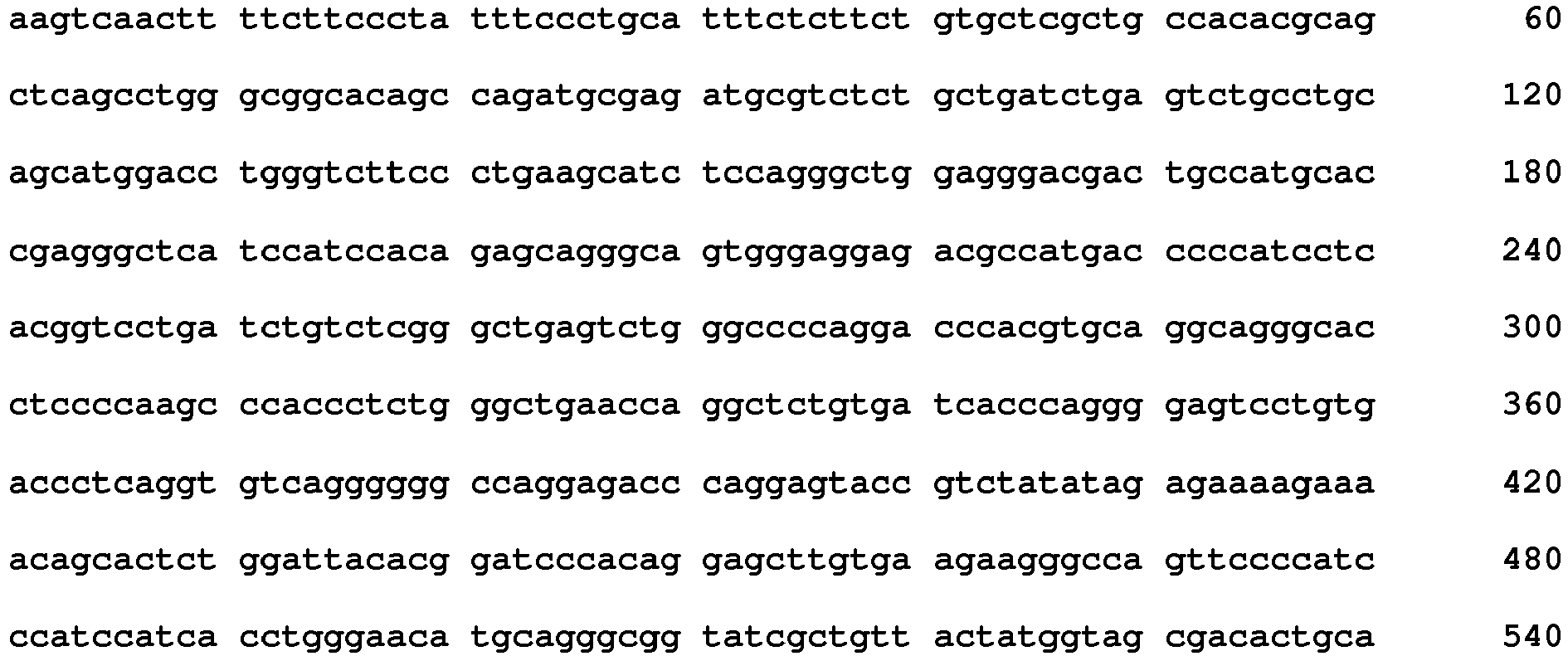


- <210> 9
<211> 2179
<212> DNA
<213> homo sapiens - <220>
<221> misc_feature
<223> mRNA of TKT, variant 1 - <400> 9


- <210> 10
<211> 2957
<212> DNA
<213> homo sapiens - <220>
<221> misc_feature
<223> Variant 2 de TKT - <400> 10


- <210> 11
<211> 1205
<212> DNA
<213> homo sapiens - <220>
<221> misc_feature
<223> mRNA of CEACAM4 - <400> 11


- <210> 12
<211> 148
<212> PRT
<213> homo sapiens - <220>
<221> misc_feature
<223> protein Lysozyme - <400> 12


- <210> 13
<211> 545
<212> PRT
<213> homo sapiens - <220>
<221> misc_feature
<223> isoform A, protein G6PD - <400> 13

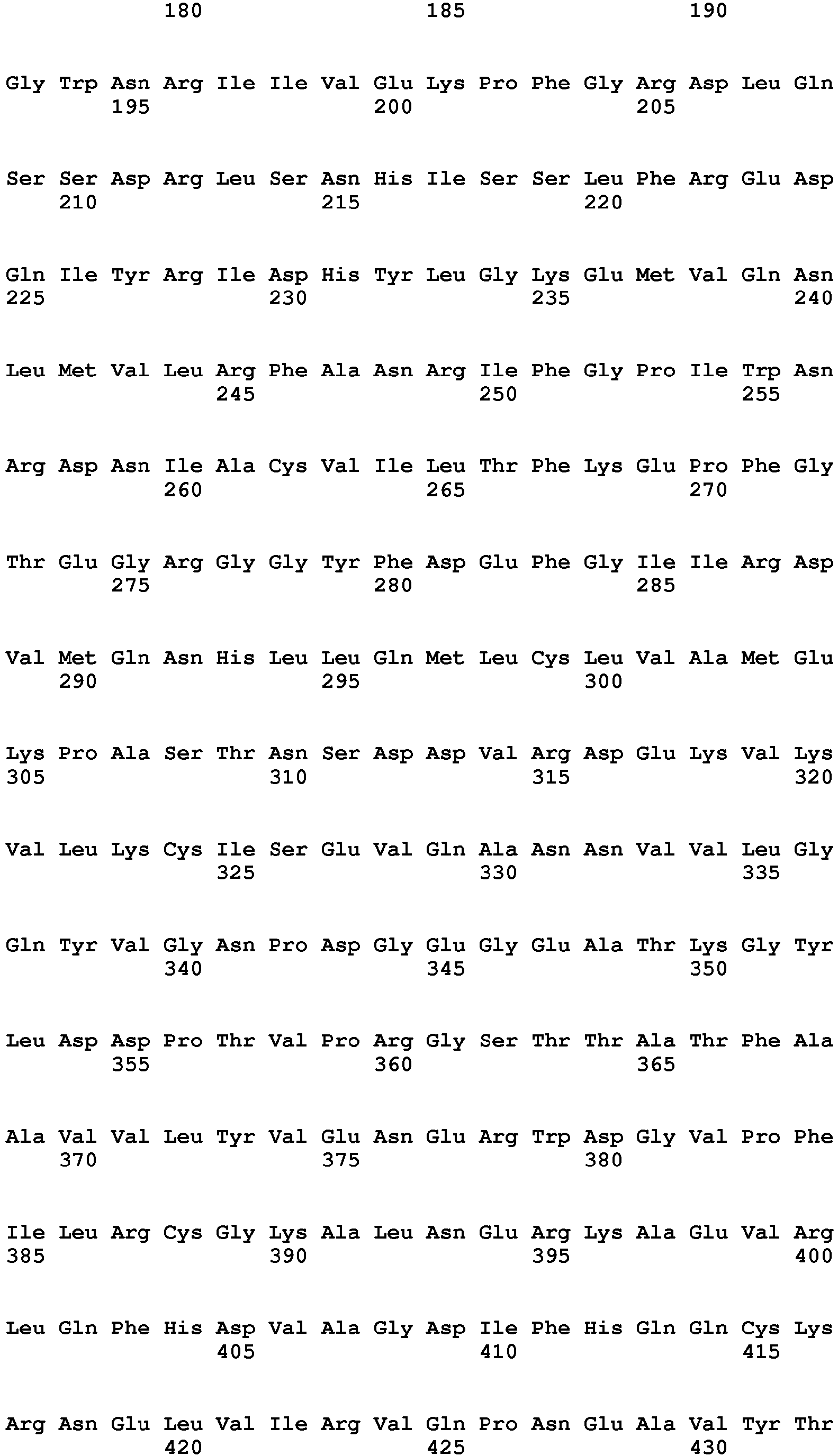

- <210> 14
<211> 515
<212> PRT
<213> homo sapiens - <220>
<221> misc_feature
<223> isoform B, protein G6PD human - <400> 14


- <210> 15
<211> 483
<212> PRT
<213> homo sapiens - <220>
<221> misc_feature
<223> Protein 6PGD - <400> 15


- <210> 16
<211> 650
<212> PRT
<213> homo sapiens - <220>
<221> misc_feature
<223> Protein LILRB1, isoform 1 - <400> 16


- <210> 17
<211> 652
<212> PRT
<213> homo sapiens - <220>
<221> misc_feature
<223> Protein LILRB1, isoform 2 - <400> 17


- <210> 18
<211> 651
<212> PRT
<213> homo sapiens - <220>
<221> misc_feature
<223> Protein LILRB1, isoform 3 - <400> 18


- <210> 19
<211> 651
<212> PRT
<213> homo sapiens - <220>
<221> misc_feature
<223> Protein LILRB1, isoform 4 - <400> 19


- <210> 20
<211> 623
<212> PRT
<213> homo sapiens - <220>
<221> misc_feature
<223> Variant 1 de TKT - <400> 20


- <210> 21
<211> 623
<212> PRT
<213> homo sapiens - <220>
<221> misc_feature
<223> Variant 2 de TKT - <400> 21


- <210> 22
<211> 244
<212> PRT
<213> homo sapiens - <220>
<221> misc_feature
<223> CEACAM4 - <400> 22


- <210> 23
<211> 938
<212> DNA
<213> homo sapiens - <220>
<221> misc_feature
<223> ELANE - <400> 23


- <210> 24
<211> 267
<212> PRT
<213> homo sapiens - <220>
<221> misc_feature
<223> ELANE - <400> 24


Claims (10)
- A method for in vitro determining the prognosis of chronic myelomonocytic leukaemia in a human patient suffering thereof, comprising the following steps:a) measuring the expression level of the five genes G6PD (SEQ ID NO:2 or 3), 6PGD (SEQ ID NO:4), TKT (SEQ ID NO:9 or 10), CEACAM4 (SEQ ID NO:11) and ELANE (SEQ ID NO:23), in a test sample which is a sample of peripheral blood mononuclear cells (PBMC) of said human patient,b) comparing said expression levels to the expression level of said at least five genes in a control sample of a known healthy human subject,c) predicting the outcome of the chronic myelomonocytic leukaemia in said patient.
- The method according to claim 1, wherein higher expression level of at least the G6PD (SEQ ID NO:2 or 3), 6PGD (SEQ ID NO:4), TKT (SEQ ID NO:9 or 10), CEACAM4 (SEQ ID NO:11) and ELANE (SEQ ID NO:23) genes in said test sample, as compared to said control sample, indicates a long-term survival of said human patient.
- The method according to claim 1, wherein lower expression level of at least the G6PD (SEQ ID NO:2 or 3), 6PGD (SEQ ID NO:4), TKT (SEQ ID NO:9 or 10), CEACAM4 (SEQ ID NO:11) and ELANE (SEQ ID NO:23) genes, indicates a short-term survival of said human patient.
- The method according to any one of claims 1 to 3, wherein step a) comprises measuring the levels of the RNA transcripts or the cDNA of the said genes by employing nucleic acid based detection methods such as microarrays, quantitative PCR, DNA chips, hybridization with labelled probes, or flow lateral dipstick.
- The method according to any one of claims 1 to 3, wherein step a) comprises measuring the levels of the respective proteins of the said genes by employing antibody-based detection methods such as immunohistochemistry or western blot analysis.
- A kit for determining the prognosis of chronic myelomonocytic leukaemia in a human patient suffering thereof, comprising specific amplification primers and/or probes for the specific quantitative amplification of transcripts to specifically detect the level of expression of at least the five genes: G6PD (SEQ ID NO:2 or 3), 6PGD (SEQ ID NO:4), TKT (SEQ ID NO:9 or 10) CEACAM4 (SEQ ID NO:11), and ELANE (SEQ ID NO:23).
- A method for determining if patients suffering from chronic myelomonocytic leukaemia suffering will have a short-term survival or a long-term survival, comprising the steps of:a) obtaining a test sample from said human patient,b) determining the expression level of the five genes G6PD (SEQ ID NO:2 or 3), 6GPD (SEQ ID NO:4), TKT (SEQ ID NO:9 or 10), CEACAM4 (SEQ ID NO:11) and ELANE (SEQ ID NO:23) in said test sample, which is a sample of peripheral blood mononuclear cells (PBMC) of said patient,c) applying a predictive model for determining if said patient will have short-term survival or long-term survival.
- Method according to claim 7, wherein said predictive model comprises:i) calculating the ratio between the expression level of the said genes in said test sample and the expression level of the same genes in a control sample of a known healthy human subject,ii) comparing said ratio with cut-offs values for each gene and determining the dichotomisation factors for each gene,iii) pondering said dichotomisation factors by predetermined beta-coefficient for each genes, andiv) calculating an index I which is the sum of said dichotomised factors pondered by said beta-coefficients of said genes for said patient.
- Method according to claim 8, wherein said cut-offs values are as follows:
Gene name Cut-offs ELANE 3.40 G6PD 1.15 TKT 1.2 PGD 1.22 CEACAM4 1.34 Gene name Fold change Dichotomisation factor : D = ELANE b +1 if b >3.40; -1 if b ≤ 3.40 G6PD c +1 if c > 1.15 ; -1 if c ≤ 1.15 TKT d +1 if d > 1.2 ; -1 if d ≤ 1.2 PGD e +1 if e > 1.22 ; -1 if e ≤ 1.22 CEACAM4 f +1 if f > 1.34 ; -1 if f ≤ 1.34 - Method according to claims 8 or 9, wherein said beta-coefficients are as follows:
Gene name Beta-coefficient (β) ELANE 2.01784191521554 G6PD 1.28224877578792 TKT 1.35358578043486 PGD 1.71153730912409 CEACAM4 2.0942792881
Priority Applications (1)
| Application Number | Priority Date | Filing Date | Title |
|---|---|---|---|
| EP13707823.4A EP2814982B9 (en) | 2012-02-17 | 2013-02-18 | New method for prognosing the survival of patients suffering from chronic myelomonocytic leukaemia |
Applications Claiming Priority (3)
| Application Number | Priority Date | Filing Date | Title |
|---|---|---|---|
| EP12305187 | 2012-02-17 | ||
| EP13707823.4A EP2814982B9 (en) | 2012-02-17 | 2013-02-18 | New method for prognosing the survival of patients suffering from chronic myelomonocytic leukaemia |
| PCT/EP2013/053204 WO2013121048A1 (en) | 2012-02-17 | 2013-02-18 | New method for prognosing the survival of patients suffering from chronic myelomonocytic leukaemia |
Publications (3)
| Publication Number | Publication Date |
|---|---|
| EP2814982A1 EP2814982A1 (en) | 2014-12-24 |
| EP2814982B1 EP2814982B1 (en) | 2016-10-05 |
| EP2814982B9 true EP2814982B9 (en) | 2017-02-22 |
Family
ID=47833031
Family Applications (1)
| Application Number | Title | Priority Date | Filing Date |
|---|---|---|---|
| EP13707823.4A Not-in-force EP2814982B9 (en) | 2012-02-17 | 2013-02-18 | New method for prognosing the survival of patients suffering from chronic myelomonocytic leukaemia |
Country Status (4)
| Country | Link |
|---|---|
| US (1) | US20160017429A1 (en) |
| EP (1) | EP2814982B9 (en) |
| CA (1) | CA2864773A1 (en) |
| WO (1) | WO2013121048A1 (en) |
-
2013
- 2013-02-18 US US14/378,727 patent/US20160017429A1/en not_active Abandoned
- 2013-02-18 WO PCT/EP2013/053204 patent/WO2013121048A1/en not_active Ceased
- 2013-02-18 EP EP13707823.4A patent/EP2814982B9/en not_active Not-in-force
- 2013-02-18 CA CA2864773A patent/CA2864773A1/en not_active Abandoned
Also Published As
| Publication number | Publication date |
|---|---|
| EP2814982A1 (en) | 2014-12-24 |
| WO2013121048A1 (en) | 2013-08-22 |
| US20160017429A1 (en) | 2016-01-21 |
| EP2814982B1 (en) | 2016-10-05 |
| CA2864773A1 (en) | 2013-08-22 |
Similar Documents
| Publication | Publication Date | Title |
|---|---|---|
| AU2011302004B2 (en) | Molecular diagnostic test for cancer | |
| CN103717755A (en) | Predicting response to anti-cd20 therapy in dlbcl patients | |
| US20220186317A1 (en) | Predicting breast cancer recurrence | |
| EP3090265B1 (en) | Prostate cancer gene profiles and methods of using the same | |
| JP2009528825A (en) | Molecular analysis to predict recurrence of Dukes B colorectal cancer | |
| WO2014071279A2 (en) | Gene fusions and alternatively spliced junctions associated with breast cancer | |
| US20150344962A1 (en) | Methods for evaluating breast cancer prognosis | |
| EP3009842B1 (en) | Method for supporting diagnosis of risk of colorectal cancer recurrence, program and computer system | |
| KR101847815B1 (en) | A method for classification of subtype of triple-negative breast cancer | |
| CN116121390A (en) | Markers of cancer prognosis and suitability for immunotherapy and their applications | |
| US8530155B2 (en) | Methods for diagnosis of common acute lymphoblastic leukemia by determining the level of gene expression | |
| CN101120255A (en) | Pharmacogenomic markers for solid tumor prognosis | |
| EP2138589A1 (en) | Molecular signature of liver tumor grade and use to evaluate prognosis and therapeutic regimen | |
| EP2814982B1 (en) | New method for prognosing the survival of patients suffering from chronic myelomonocytic leukaemia | |
| WO2007137366A1 (en) | Diagnostic and prognostic indicators of cancer | |
| Bou Samra et al. | New prognostic markers, determined using gene expression analyses, reveal two distinct subtypes of chronic myelomonocytic leukaemia patients | |
| KR20090025898A (en) | Markers, Kits, Microarrays, and Methods for Predicting Lung Cancer Recurrence Risk in Lung Cancer Patients | |
| WO2011035249A2 (en) | Methods for detecting thrombocytosis using biomarkers | |
| EP3252165A1 (en) | Method for the prognosis of multiple myeloma | |
| CN116783309A (en) | Methods for detecting and predicting cancer and/or CIN3 | |
| EP2607494A1 (en) | Biomarkers for lung cancer risk assessment | |
| JP6757560B2 (en) | Methods, programs and computer systems to assist in diagnosing the risk of recurrence of colorectal cancer | |
| CN120989238A (en) | System and method for detecting applicability of nasopharyngeal carcinoma immunotherapy | |
| CN119546782A (en) | Detection methods for high-risk nasopharyngeal cancer | |
| HK1238718A1 (en) | Prostate cancer gene profiles and methods of using the same |
Legal Events
| Date | Code | Title | Description |
|---|---|---|---|
| PUAI | Public reference made under article 153(3) epc to a published international application that has entered the european phase |
Free format text: ORIGINAL CODE: 0009012 |
|
| 17P | Request for examination filed |
Effective date: 20140916 |
|
| AK | Designated contracting states |
Kind code of ref document: A1 Designated state(s): AL AT BE BG CH CY CZ DE DK EE ES FI FR GB GR HR HU IE IS IT LI LT LU LV MC MK MT NL NO PL PT RO RS SE SI SK SM TR |
|
| AX | Request for extension of the european patent |
Extension state: BA ME |
|
| DAX | Request for extension of the european patent (deleted) | ||
| 17Q | First examination report despatched |
Effective date: 20150616 |
|
| GRAP | Despatch of communication of intention to grant a patent |
Free format text: ORIGINAL CODE: EPIDOSNIGR1 |
|
| INTG | Intention to grant announced |
Effective date: 20151204 |
|
| GRAS | Grant fee paid |
Free format text: ORIGINAL CODE: EPIDOSNIGR3 |
|
| GRAP | Despatch of communication of intention to grant a patent |
Free format text: ORIGINAL CODE: EPIDOSNIGR1 |
|
| INTG | Intention to grant announced |
Effective date: 20160512 |
|
| GRAS | Grant fee paid |
Free format text: ORIGINAL CODE: EPIDOSNIGR3 |
|
| GRAA | (expected) grant |
Free format text: ORIGINAL CODE: 0009210 |
|
| AK | Designated contracting states |
Kind code of ref document: B1 Designated state(s): AL AT BE BG CH CY CZ DE DK EE ES FI FR GB GR HR HU IE IS IT LI LT LU LV MC MK MT NL NO PL PT RO RS SE SI SK SM TR |
|
| REG | Reference to a national code |
Ref country code: GB Ref legal event code: FG4D |
|
| REG | Reference to a national code |
Ref country code: CH Ref legal event code: EP |
|
| REG | Reference to a national code |
Ref country code: AT Ref legal event code: REF Ref document number: 834730 Country of ref document: AT Kind code of ref document: T Effective date: 20161015 |
|
| REG | Reference to a national code |
Ref country code: IE Ref legal event code: FG4D |
|
| REG | Reference to a national code |
Ref country code: DE Ref legal event code: R096 Ref document number: 602013012392 Country of ref document: DE |
|
| REG | Reference to a national code |
Ref country code: CH Ref legal event code: NV Representative=s name: MICHELI AND CIE SA, CH |
|
| REG | Reference to a national code |
Ref country code: NL Ref legal event code: MP Effective date: 20161005 |
|
| REG | Reference to a national code |
Ref country code: FR Ref legal event code: PLFP Year of fee payment: 5 |
|
| REG | Reference to a national code |
Ref country code: LT Ref legal event code: MG4D |
|
| PG25 | Lapsed in a contracting state [announced via postgrant information from national office to epo] |
Ref country code: LV Free format text: LAPSE BECAUSE OF FAILURE TO SUBMIT A TRANSLATION OF THE DESCRIPTION OR TO PAY THE FEE WITHIN THE PRESCRIBED TIME-LIMIT Effective date: 20161005 |
|
| REG | Reference to a national code |
Ref country code: AT Ref legal event code: MK05 Ref document number: 834730 Country of ref document: AT Kind code of ref document: T Effective date: 20161005 |
|
| PG25 | Lapsed in a contracting state [announced via postgrant information from national office to epo] |
Ref country code: NO Free format text: LAPSE BECAUSE OF FAILURE TO SUBMIT A TRANSLATION OF THE DESCRIPTION OR TO PAY THE FEE WITHIN THE PRESCRIBED TIME-LIMIT Effective date: 20170105 Ref country code: GR Free format text: LAPSE BECAUSE OF FAILURE TO SUBMIT A TRANSLATION OF THE DESCRIPTION OR TO PAY THE FEE WITHIN THE PRESCRIBED TIME-LIMIT Effective date: 20170106 Ref country code: SE Free format text: LAPSE BECAUSE OF FAILURE TO SUBMIT A TRANSLATION OF THE DESCRIPTION OR TO PAY THE FEE WITHIN THE PRESCRIBED TIME-LIMIT Effective date: 20161005 Ref country code: LT Free format text: LAPSE BECAUSE OF FAILURE TO SUBMIT A TRANSLATION OF THE DESCRIPTION OR TO PAY THE FEE WITHIN THE PRESCRIBED TIME-LIMIT Effective date: 20161005 |
|
| PG25 | Lapsed in a contracting state [announced via postgrant information from national office to epo] |
Ref country code: HR Free format text: LAPSE BECAUSE OF FAILURE TO SUBMIT A TRANSLATION OF THE DESCRIPTION OR TO PAY THE FEE WITHIN THE PRESCRIBED TIME-LIMIT Effective date: 20161005 Ref country code: NL Free format text: LAPSE BECAUSE OF FAILURE TO SUBMIT A TRANSLATION OF THE DESCRIPTION OR TO PAY THE FEE WITHIN THE PRESCRIBED TIME-LIMIT Effective date: 20161005 Ref country code: PL Free format text: LAPSE BECAUSE OF FAILURE TO SUBMIT A TRANSLATION OF THE DESCRIPTION OR TO PAY THE FEE WITHIN THE PRESCRIBED TIME-LIMIT Effective date: 20161005 Ref country code: FI Free format text: LAPSE BECAUSE OF FAILURE TO SUBMIT A TRANSLATION OF THE DESCRIPTION OR TO PAY THE FEE WITHIN THE PRESCRIBED TIME-LIMIT Effective date: 20161005 Ref country code: IS Free format text: LAPSE BECAUSE OF FAILURE TO SUBMIT A TRANSLATION OF THE DESCRIPTION OR TO PAY THE FEE WITHIN THE PRESCRIBED TIME-LIMIT Effective date: 20170205 Ref country code: AT Free format text: LAPSE BECAUSE OF FAILURE TO SUBMIT A TRANSLATION OF THE DESCRIPTION OR TO PAY THE FEE WITHIN THE PRESCRIBED TIME-LIMIT Effective date: 20161005 Ref country code: ES Free format text: LAPSE BECAUSE OF FAILURE TO SUBMIT A TRANSLATION OF THE DESCRIPTION OR TO PAY THE FEE WITHIN THE PRESCRIBED TIME-LIMIT Effective date: 20161005 Ref country code: RS Free format text: LAPSE BECAUSE OF FAILURE TO SUBMIT A TRANSLATION OF THE DESCRIPTION OR TO PAY THE FEE WITHIN THE PRESCRIBED TIME-LIMIT Effective date: 20161005 Ref country code: BE Free format text: LAPSE BECAUSE OF FAILURE TO SUBMIT A TRANSLATION OF THE DESCRIPTION OR TO PAY THE FEE WITHIN THE PRESCRIBED TIME-LIMIT Effective date: 20161005 Ref country code: PT Free format text: LAPSE BECAUSE OF FAILURE TO SUBMIT A TRANSLATION OF THE DESCRIPTION OR TO PAY THE FEE WITHIN THE PRESCRIBED TIME-LIMIT Effective date: 20170206 |
|
| REG | Reference to a national code |
Ref country code: DE Ref legal event code: R097 Ref document number: 602013012392 Country of ref document: DE |
|
| PG25 | Lapsed in a contracting state [announced via postgrant information from national office to epo] |
Ref country code: EE Free format text: LAPSE BECAUSE OF FAILURE TO SUBMIT A TRANSLATION OF THE DESCRIPTION OR TO PAY THE FEE WITHIN THE PRESCRIBED TIME-LIMIT Effective date: 20161005 Ref country code: DK Free format text: LAPSE BECAUSE OF FAILURE TO SUBMIT A TRANSLATION OF THE DESCRIPTION OR TO PAY THE FEE WITHIN THE PRESCRIBED TIME-LIMIT Effective date: 20161005 Ref country code: CZ Free format text: LAPSE BECAUSE OF FAILURE TO SUBMIT A TRANSLATION OF THE DESCRIPTION OR TO PAY THE FEE WITHIN THE PRESCRIBED TIME-LIMIT Effective date: 20161005 Ref country code: RO Free format text: LAPSE BECAUSE OF FAILURE TO SUBMIT A TRANSLATION OF THE DESCRIPTION OR TO PAY THE FEE WITHIN THE PRESCRIBED TIME-LIMIT Effective date: 20161005 Ref country code: SK Free format text: LAPSE BECAUSE OF FAILURE TO SUBMIT A TRANSLATION OF THE DESCRIPTION OR TO PAY THE FEE WITHIN THE PRESCRIBED TIME-LIMIT Effective date: 20161005 |
|
| PLBE | No opposition filed within time limit |
Free format text: ORIGINAL CODE: 0009261 |
|
| STAA | Information on the status of an ep patent application or granted ep patent |
Free format text: STATUS: NO OPPOSITION FILED WITHIN TIME LIMIT |
|
| PG25 | Lapsed in a contracting state [announced via postgrant information from national office to epo] |
Ref country code: BG Free format text: LAPSE BECAUSE OF FAILURE TO SUBMIT A TRANSLATION OF THE DESCRIPTION OR TO PAY THE FEE WITHIN THE PRESCRIBED TIME-LIMIT Effective date: 20170105 Ref country code: SM Free format text: LAPSE BECAUSE OF FAILURE TO SUBMIT A TRANSLATION OF THE DESCRIPTION OR TO PAY THE FEE WITHIN THE PRESCRIBED TIME-LIMIT Effective date: 20161005 Ref country code: IT Free format text: LAPSE BECAUSE OF FAILURE TO SUBMIT A TRANSLATION OF THE DESCRIPTION OR TO PAY THE FEE WITHIN THE PRESCRIBED TIME-LIMIT Effective date: 20161005 |
|
| 26N | No opposition filed |
Effective date: 20170706 |
|
| PG25 | Lapsed in a contracting state [announced via postgrant information from national office to epo] |
Ref country code: SI Free format text: LAPSE BECAUSE OF FAILURE TO SUBMIT A TRANSLATION OF THE DESCRIPTION OR TO PAY THE FEE WITHIN THE PRESCRIBED TIME-LIMIT Effective date: 20161005 |
|
| REG | Reference to a national code |
Ref country code: FR Ref legal event code: PLFP Year of fee payment: 6 |
|
| PG25 | Lapsed in a contracting state [announced via postgrant information from national office to epo] |
Ref country code: MT Free format text: LAPSE BECAUSE OF NON-PAYMENT OF DUE FEES Effective date: 20170218 |
|
| PGFP | Annual fee paid to national office [announced via postgrant information from national office to epo] |
Ref country code: LU Payment date: 20190116 Year of fee payment: 7 |
|
| PGFP | Annual fee paid to national office [announced via postgrant information from national office to epo] |
Ref country code: MC Payment date: 20190122 Year of fee payment: 7 Ref country code: CH Payment date: 20190218 Year of fee payment: 7 Ref country code: GB Payment date: 20190215 Year of fee payment: 7 Ref country code: DE Payment date: 20190211 Year of fee payment: 7 Ref country code: IE Payment date: 20190118 Year of fee payment: 7 |
|
| PG25 | Lapsed in a contracting state [announced via postgrant information from national office to epo] |
Ref country code: HU Free format text: LAPSE BECAUSE OF FAILURE TO SUBMIT A TRANSLATION OF THE DESCRIPTION OR TO PAY THE FEE WITHIN THE PRESCRIBED TIME-LIMIT; INVALID AB INITIO Effective date: 20130218 |
|
| PG25 | Lapsed in a contracting state [announced via postgrant information from national office to epo] |
Ref country code: CY Free format text: LAPSE BECAUSE OF FAILURE TO SUBMIT A TRANSLATION OF THE DESCRIPTION OR TO PAY THE FEE WITHIN THE PRESCRIBED TIME-LIMIT Effective date: 20161005 |
|
| PG25 | Lapsed in a contracting state [announced via postgrant information from national office to epo] |
Ref country code: MK Free format text: LAPSE BECAUSE OF FAILURE TO SUBMIT A TRANSLATION OF THE DESCRIPTION OR TO PAY THE FEE WITHIN THE PRESCRIBED TIME-LIMIT Effective date: 20161005 |
|
| PG25 | Lapsed in a contracting state [announced via postgrant information from national office to epo] |
Ref country code: TR Free format text: LAPSE BECAUSE OF FAILURE TO SUBMIT A TRANSLATION OF THE DESCRIPTION OR TO PAY THE FEE WITHIN THE PRESCRIBED TIME-LIMIT Effective date: 20161005 |
|
| PG25 | Lapsed in a contracting state [announced via postgrant information from national office to epo] |
Ref country code: AL Free format text: LAPSE BECAUSE OF FAILURE TO SUBMIT A TRANSLATION OF THE DESCRIPTION OR TO PAY THE FEE WITHIN THE PRESCRIBED TIME-LIMIT Effective date: 20161005 |
|
| REG | Reference to a national code |
Ref country code: DE Ref legal event code: R119 Ref document number: 602013012392 Country of ref document: DE |
|
| REG | Reference to a national code |
Ref country code: CH Ref legal event code: PL |
|
| GBPC | Gb: european patent ceased through non-payment of renewal fee |
Effective date: 20200218 |
|
| PG25 | Lapsed in a contracting state [announced via postgrant information from national office to epo] |
Ref country code: LU Free format text: LAPSE BECAUSE OF NON-PAYMENT OF DUE FEES Effective date: 20200218 Ref country code: MC Free format text: LAPSE BECAUSE OF NON-PAYMENT OF DUE FEES Effective date: 20200302 |
|
| PG25 | Lapsed in a contracting state [announced via postgrant information from national office to epo] |
Ref country code: LI Free format text: LAPSE BECAUSE OF NON-PAYMENT OF DUE FEES Effective date: 20200229 Ref country code: CH Free format text: LAPSE BECAUSE OF NON-PAYMENT OF DUE FEES Effective date: 20200229 |
|
| PG25 | Lapsed in a contracting state [announced via postgrant information from national office to epo] |
Ref country code: DE Free format text: LAPSE BECAUSE OF NON-PAYMENT OF DUE FEES Effective date: 20200901 Ref country code: IE Free format text: LAPSE BECAUSE OF NON-PAYMENT OF DUE FEES Effective date: 20200218 Ref country code: GB Free format text: LAPSE BECAUSE OF NON-PAYMENT OF DUE FEES Effective date: 20200218 |
|
| PGFP | Annual fee paid to national office [announced via postgrant information from national office to epo] |
Ref country code: FR Payment date: 20240112 Year of fee payment: 12 |
|
| PG25 | Lapsed in a contracting state [announced via postgrant information from national office to epo] |
Ref country code: FR Free format text: LAPSE BECAUSE OF NON-PAYMENT OF DUE FEES Effective date: 20250228 |