EP2813237A1 - Pharmaceutical composition for preventing or treating diabetes containing tenc1 expression or activity suppressor - Google Patents
Pharmaceutical composition for preventing or treating diabetes containing tenc1 expression or activity suppressor Download PDFInfo
- Publication number
- EP2813237A1 EP2813237A1 EP13743511.1A EP13743511A EP2813237A1 EP 2813237 A1 EP2813237 A1 EP 2813237A1 EP 13743511 A EP13743511 A EP 13743511A EP 2813237 A1 EP2813237 A1 EP 2813237A1
- Authority
- EP
- European Patent Office
- Prior art keywords
- tenc1
- irs
- diabetes
- activity
- expression
- Prior art date
- Legal status (The legal status is an assumption and is not a legal conclusion. Google has not performed a legal analysis and makes no representation as to the accuracy of the status listed.)
- Withdrawn
Links
Images







Classifications
-
- A—HUMAN NECESSITIES
- A61—MEDICAL OR VETERINARY SCIENCE; HYGIENE
- A61K—PREPARATIONS FOR MEDICAL, DENTAL OR TOILETRY PURPOSES
- A61K31/00—Medicinal preparations containing organic active ingredients
- A61K31/70—Carbohydrates; Sugars; Derivatives thereof
- A61K31/7088—Compounds having three or more nucleosides or nucleotides
- A61K31/713—Double-stranded nucleic acids or oligonucleotides
-
- A—HUMAN NECESSITIES
- A61—MEDICAL OR VETERINARY SCIENCE; HYGIENE
- A61K—PREPARATIONS FOR MEDICAL, DENTAL OR TOILETRY PURPOSES
- A61K38/00—Medicinal preparations containing peptides
- A61K38/16—Peptides having more than 20 amino acids; Gastrins; Somatostatins; Melanotropins; Derivatives thereof
- A61K38/17—Peptides having more than 20 amino acids; Gastrins; Somatostatins; Melanotropins; Derivatives thereof from animals; from humans
-
- A—HUMAN NECESSITIES
- A61—MEDICAL OR VETERINARY SCIENCE; HYGIENE
- A61K—PREPARATIONS FOR MEDICAL, DENTAL OR TOILETRY PURPOSES
- A61K31/00—Medicinal preparations containing organic active ingredients
- A61K31/185—Acids; Anhydrides, halides or salts thereof, e.g. sulfur acids, imidic, hydrazonic or hydroximic acids
- A61K31/19—Carboxylic acids, e.g. valproic acid
-
- A—HUMAN NECESSITIES
- A61—MEDICAL OR VETERINARY SCIENCE; HYGIENE
- A61K—PREPARATIONS FOR MEDICAL, DENTAL OR TOILETRY PURPOSES
- A61K31/00—Medicinal preparations containing organic active ingredients
- A61K31/70—Carbohydrates; Sugars; Derivatives thereof
- A61K31/7088—Compounds having three or more nucleosides or nucleotides
- A61K31/7105—Natural ribonucleic acids, i.e. containing only riboses attached to adenine, guanine, cytosine or uracil and having 3'-5' phosphodiester links
-
- A—HUMAN NECESSITIES
- A61—MEDICAL OR VETERINARY SCIENCE; HYGIENE
- A61K—PREPARATIONS FOR MEDICAL, DENTAL OR TOILETRY PURPOSES
- A61K38/00—Medicinal preparations containing peptides
- A61K38/16—Peptides having more than 20 amino acids; Gastrins; Somatostatins; Melanotropins; Derivatives thereof
-
- A—HUMAN NECESSITIES
- A61—MEDICAL OR VETERINARY SCIENCE; HYGIENE
- A61P—SPECIFIC THERAPEUTIC ACTIVITY OF CHEMICAL COMPOUNDS OR MEDICINAL PREPARATIONS
- A61P13/00—Drugs for disorders of the urinary system
- A61P13/12—Drugs for disorders of the urinary system of the kidneys
-
- A—HUMAN NECESSITIES
- A61—MEDICAL OR VETERINARY SCIENCE; HYGIENE
- A61P—SPECIFIC THERAPEUTIC ACTIVITY OF CHEMICAL COMPOUNDS OR MEDICINAL PREPARATIONS
- A61P15/00—Drugs for genital or sexual disorders; Contraceptives
-
- A—HUMAN NECESSITIES
- A61—MEDICAL OR VETERINARY SCIENCE; HYGIENE
- A61P—SPECIFIC THERAPEUTIC ACTIVITY OF CHEMICAL COMPOUNDS OR MEDICINAL PREPARATIONS
- A61P17/00—Drugs for dermatological disorders
-
- A—HUMAN NECESSITIES
- A61—MEDICAL OR VETERINARY SCIENCE; HYGIENE
- A61P—SPECIFIC THERAPEUTIC ACTIVITY OF CHEMICAL COMPOUNDS OR MEDICINAL PREPARATIONS
- A61P19/00—Drugs for skeletal disorders
- A61P19/08—Drugs for skeletal disorders for bone diseases, e.g. rachitism, Paget's disease
- A61P19/10—Drugs for skeletal disorders for bone diseases, e.g. rachitism, Paget's disease for osteoporosis
-
- A—HUMAN NECESSITIES
- A61—MEDICAL OR VETERINARY SCIENCE; HYGIENE
- A61P—SPECIFIC THERAPEUTIC ACTIVITY OF CHEMICAL COMPOUNDS OR MEDICINAL PREPARATIONS
- A61P21/00—Drugs for disorders of the muscular or neuromuscular system
-
- A—HUMAN NECESSITIES
- A61—MEDICAL OR VETERINARY SCIENCE; HYGIENE
- A61P—SPECIFIC THERAPEUTIC ACTIVITY OF CHEMICAL COMPOUNDS OR MEDICINAL PREPARATIONS
- A61P21/00—Drugs for disorders of the muscular or neuromuscular system
- A61P21/02—Muscle relaxants, e.g. for tetanus or cramps
-
- A—HUMAN NECESSITIES
- A61—MEDICAL OR VETERINARY SCIENCE; HYGIENE
- A61P—SPECIFIC THERAPEUTIC ACTIVITY OF CHEMICAL COMPOUNDS OR MEDICINAL PREPARATIONS
- A61P25/00—Drugs for disorders of the nervous system
-
- A—HUMAN NECESSITIES
- A61—MEDICAL OR VETERINARY SCIENCE; HYGIENE
- A61P—SPECIFIC THERAPEUTIC ACTIVITY OF CHEMICAL COMPOUNDS OR MEDICINAL PREPARATIONS
- A61P27/00—Drugs for disorders of the senses
- A61P27/02—Ophthalmic agents
-
- A—HUMAN NECESSITIES
- A61—MEDICAL OR VETERINARY SCIENCE; HYGIENE
- A61P—SPECIFIC THERAPEUTIC ACTIVITY OF CHEMICAL COMPOUNDS OR MEDICINAL PREPARATIONS
- A61P27/00—Drugs for disorders of the senses
- A61P27/02—Ophthalmic agents
- A61P27/12—Ophthalmic agents for cataracts
-
- A—HUMAN NECESSITIES
- A61—MEDICAL OR VETERINARY SCIENCE; HYGIENE
- A61P—SPECIFIC THERAPEUTIC ACTIVITY OF CHEMICAL COMPOUNDS OR MEDICINAL PREPARATIONS
- A61P3/00—Drugs for disorders of the metabolism
- A61P3/08—Drugs for disorders of the metabolism for glucose homeostasis
- A61P3/10—Drugs for disorders of the metabolism for glucose homeostasis for hyperglycaemia, e.g. antidiabetics
-
- A—HUMAN NECESSITIES
- A61—MEDICAL OR VETERINARY SCIENCE; HYGIENE
- A61P—SPECIFIC THERAPEUTIC ACTIVITY OF CHEMICAL COMPOUNDS OR MEDICINAL PREPARATIONS
- A61P35/00—Antineoplastic agents
-
- A—HUMAN NECESSITIES
- A61—MEDICAL OR VETERINARY SCIENCE; HYGIENE
- A61P—SPECIFIC THERAPEUTIC ACTIVITY OF CHEMICAL COMPOUNDS OR MEDICINAL PREPARATIONS
- A61P43/00—Drugs for specific purposes, not provided for in groups A61P1/00-A61P41/00
-
- A—HUMAN NECESSITIES
- A61—MEDICAL OR VETERINARY SCIENCE; HYGIENE
- A61P—SPECIFIC THERAPEUTIC ACTIVITY OF CHEMICAL COMPOUNDS OR MEDICINAL PREPARATIONS
- A61P9/00—Drugs for disorders of the cardiovascular system
-
- A—HUMAN NECESSITIES
- A61—MEDICAL OR VETERINARY SCIENCE; HYGIENE
- A61P—SPECIFIC THERAPEUTIC ACTIVITY OF CHEMICAL COMPOUNDS OR MEDICINAL PREPARATIONS
- A61P9/00—Drugs for disorders of the cardiovascular system
- A61P9/10—Drugs for disorders of the cardiovascular system for treating ischaemic or atherosclerotic diseases, e.g. antianginal drugs, coronary vasodilators, drugs for myocardial infarction, retinopathy, cerebrovascula insufficiency, renal arteriosclerosis
-
- A—HUMAN NECESSITIES
- A61—MEDICAL OR VETERINARY SCIENCE; HYGIENE
- A61P—SPECIFIC THERAPEUTIC ACTIVITY OF CHEMICAL COMPOUNDS OR MEDICINAL PREPARATIONS
- A61P9/00—Drugs for disorders of the cardiovascular system
- A61P9/12—Antihypertensives
-
- C—CHEMISTRY; METALLURGY
- C12—BIOCHEMISTRY; BEER; SPIRITS; WINE; VINEGAR; MICROBIOLOGY; ENZYMOLOGY; MUTATION OR GENETIC ENGINEERING
- C12N—MICROORGANISMS OR ENZYMES; COMPOSITIONS THEREOF; PROPAGATING, PRESERVING, OR MAINTAINING MICROORGANISMS; MUTATION OR GENETIC ENGINEERING; CULTURE MEDIA
- C12N15/00—Mutation or genetic engineering; DNA or RNA concerning genetic engineering, vectors, e.g. plasmids, or their isolation, preparation or purification; Use of hosts therefor
- C12N15/09—Recombinant DNA-technology
- C12N15/11—DNA or RNA fragments; Modified forms thereof; Non-coding nucleic acids having a biological activity
- C12N15/113—Non-coding nucleic acids modulating the expression of genes, e.g. antisense oligonucleotides; Antisense DNA or RNA; Triplex- forming oligonucleotides; Catalytic nucleic acids, e.g. ribozymes; Nucleic acids used in co-suppression or gene silencing
- C12N15/1137—Non-coding nucleic acids modulating the expression of genes, e.g. antisense oligonucleotides; Antisense DNA or RNA; Triplex- forming oligonucleotides; Catalytic nucleic acids, e.g. ribozymes; Nucleic acids used in co-suppression or gene silencing against enzymes
-
- C—CHEMISTRY; METALLURGY
- C12—BIOCHEMISTRY; BEER; SPIRITS; WINE; VINEGAR; MICROBIOLOGY; ENZYMOLOGY; MUTATION OR GENETIC ENGINEERING
- C12Q—MEASURING OR TESTING PROCESSES INVOLVING ENZYMES, NUCLEIC ACIDS OR MICROORGANISMS; COMPOSITIONS OR TEST PAPERS THEREFOR; PROCESSES OF PREPARING SUCH COMPOSITIONS; CONDITION-RESPONSIVE CONTROL IN MICROBIOLOGICAL OR ENZYMOLOGICAL PROCESSES
- C12Q1/00—Measuring or testing processes involving enzymes, nucleic acids or microorganisms; Compositions therefor; Processes of preparing such compositions
- C12Q1/34—Measuring or testing processes involving enzymes, nucleic acids or microorganisms; Compositions therefor; Processes of preparing such compositions involving hydrolase
- C12Q1/42—Measuring or testing processes involving enzymes, nucleic acids or microorganisms; Compositions therefor; Processes of preparing such compositions involving hydrolase involving phosphatase
-
- G—PHYSICS
- G01—MEASURING; TESTING
- G01N—INVESTIGATING OR ANALYSING MATERIALS BY DETERMINING THEIR CHEMICAL OR PHYSICAL PROPERTIES
- G01N33/00—Investigating or analysing materials by specific methods not covered by groups G01N1/00 - G01N31/00
- G01N33/48—Biological material, e.g. blood, urine; Haemocytometers
- G01N33/50—Chemical analysis of biological material, e.g. blood, urine; Testing involving biospecific ligand binding methods; Immunological testing
- G01N33/5005—Chemical analysis of biological material, e.g. blood, urine; Testing involving biospecific ligand binding methods; Immunological testing involving human or animal cells
- G01N33/5008—Chemical analysis of biological material, e.g. blood, urine; Testing involving biospecific ligand binding methods; Immunological testing involving human or animal cells for testing or evaluating the effect of chemical or biological compounds, e.g. drugs, cosmetics
- G01N33/502—Chemical analysis of biological material, e.g. blood, urine; Testing involving biospecific ligand binding methods; Immunological testing involving human or animal cells for testing or evaluating the effect of chemical or biological compounds, e.g. drugs, cosmetics for testing non-proliferative effects
- G01N33/5023—Chemical analysis of biological material, e.g. blood, urine; Testing involving biospecific ligand binding methods; Immunological testing involving human or animal cells for testing or evaluating the effect of chemical or biological compounds, e.g. drugs, cosmetics for testing non-proliferative effects on expression patterns
-
- A—HUMAN NECESSITIES
- A61—MEDICAL OR VETERINARY SCIENCE; HYGIENE
- A61K—PREPARATIONS FOR MEDICAL, DENTAL OR TOILETRY PURPOSES
- A61K38/00—Medicinal preparations containing peptides
-
- C—CHEMISTRY; METALLURGY
- C12—BIOCHEMISTRY; BEER; SPIRITS; WINE; VINEGAR; MICROBIOLOGY; ENZYMOLOGY; MUTATION OR GENETIC ENGINEERING
- C12N—MICROORGANISMS OR ENZYMES; COMPOSITIONS THEREOF; PROPAGATING, PRESERVING, OR MAINTAINING MICROORGANISMS; MUTATION OR GENETIC ENGINEERING; CULTURE MEDIA
- C12N2310/00—Structure or type of the nucleic acid
- C12N2310/10—Type of nucleic acid
- C12N2310/14—Type of nucleic acid interfering nucleic acids [NA]
-
- C—CHEMISTRY; METALLURGY
- C12—BIOCHEMISTRY; BEER; SPIRITS; WINE; VINEGAR; MICROBIOLOGY; ENZYMOLOGY; MUTATION OR GENETIC ENGINEERING
- C12Y—ENZYMES
- C12Y301/00—Hydrolases acting on ester bonds (3.1)
- C12Y301/03—Phosphoric monoester hydrolases (3.1.3)
-
- G—PHYSICS
- G01—MEASURING; TESTING
- G01N—INVESTIGATING OR ANALYSING MATERIALS BY DETERMINING THEIR CHEMICAL OR PHYSICAL PROPERTIES
- G01N2333/00—Assays involving biological materials from specific organisms or of a specific nature
- G01N2333/90—Enzymes; Proenzymes
- G01N2333/914—Hydrolases (3)
- G01N2333/916—Hydrolases (3) acting on ester bonds (3.1), e.g. phosphatases (3.1.3), phospholipases C or phospholipases D (3.1.4)
-
- G—PHYSICS
- G01—MEASURING; TESTING
- G01N—INVESTIGATING OR ANALYSING MATERIALS BY DETERMINING THEIR CHEMICAL OR PHYSICAL PROPERTIES
- G01N2500/00—Screening for compounds of potential therapeutic value
- G01N2500/04—Screening involving studying the effect of compounds C directly on molecule A (e.g. C are potential ligands for a receptor A, or potential substrates for an enzyme A)
-
- G—PHYSICS
- G01—MEASURING; TESTING
- G01N—INVESTIGATING OR ANALYSING MATERIALS BY DETERMINING THEIR CHEMICAL OR PHYSICAL PROPERTIES
- G01N2500/00—Screening for compounds of potential therapeutic value
- G01N2500/10—Screening for compounds of potential therapeutic value involving cells
-
- G—PHYSICS
- G01—MEASURING; TESTING
- G01N—INVESTIGATING OR ANALYSING MATERIALS BY DETERMINING THEIR CHEMICAL OR PHYSICAL PROPERTIES
- G01N2800/00—Detection or diagnosis of diseases
- G01N2800/04—Endocrine or metabolic disorders
- G01N2800/042—Disorders of carbohydrate metabolism, e.g. diabetes, glucose metabolism
Definitions
- the present invention relates to a pharmaceutical composition for preventing or treating diabetes or complications of diabetes which contains an inhibitor of expression or activity of TENC1 (Tensin like C1 domain containing phosphatase) as an active ingredient, and more specifically, to a pharmaceutical composition for preventing or treating diabetes or complications of diabetes which suppresses phosphorylation of IRS-1 (insulin receptor substrate-1) or degradation of IRS-1 due to a PTPase activity of TENC1.
- TENC1 Teensin like C1 domain containing phosphatase
- Diabetes mellitus is a type of metabolic disease that causes an insufficient secretducy amount of insulin or a dysfunction thereof, and is characterized by hyperglycemia (having a high blood glucose level). Hyperglycemia causes several symptoms and signs, and glucose to be excreted in urine. In addition, as time passes, vascular disorders and dysfunctions in nerves, kidneys, retinas, and the like are caused, which results in death.
- Type 1 diabetes is called "juvenile diabetes” and occurs when no insulin is produced.
- Type 2 diabetes is caused by a relative lack of insulin and is characterized by insulin resistance (cells do not process glucose efficiently due to a degradation in a function of insulin that lowers a blood glucose level).
- Type 2 diabetes is thought to mainly result from environmental factors such as a high-calorie, a high-fat, and a high-protein diet present in a westernized diet, lack of exercise, and stress. Besides the environmental factors, diabetes may be caused by a defect of a specific gene, pancreatic surgery, infection, or drugs.
- the insulin resistance which is a feature of type 2 of diabetes, is caused by a defect of insulin secretion itself and decrease in insulin signaling. Accordingly, recently, a method of treating diabetes by increasing insulin signaling has been newly proposed. For this purpose, a method of suppressing expression of proteins such as PTP1B (protein tyrosine phosphatase 1B) that inhibits a function of an insulin receptor is under development.
- PTP1B protein tyrosine phosphatase 1B
- a problem in insulin signaling is generally caused by degradation of a function (a decrease in the amount of protein and tyrosine phosphorylation of IRS-1) of IRS-1 (insulin receptor substrate-1) rather than a functional degradation of the insulin receptor.
- a protein capable of regulating the function of IRS-1 is important since it can be a target for treating diabetes and complications associated with diabetes.
- a protein that directly influences as PTPase (protein tyrosine phosphate) of IRS-1 in association with diabetes has not been reported yet.
- PTPase protein tyrosine phosphate
- a protein capable of regulating a decrease in the amount of protein and phosphorylation of IRS-1 can be an effective target of a therapeutic agent for diabetes or complications of diabetes. Therefore, discovering such a target protein and development of a therapeutic agent for diabetes or complications of diabetes using the same are necessary.
- the present invention provides a pharmaceutical composition for preventing or treating diabetes or complications of diabetes which contains an inhibitor of expression or activity of TENC1 (Tensin like C1 domain containing phosphatase) as an active ingredient.
- the present invention provides a method of screening an inhibitor of expression or activity of TENC1. The method includes culturing cells expressing TENC1 (Tensin like C1 domain containing phosphatase) along with a test substance or no test substance, and measuring the degree of expression or activity of TENC1 in the cells
- a pharmaceutical composition for preventing or treating diabetes or complications of diabetes which contains an inhibitor of expression or activity of TENC1 (Tensin like C1 domain containing phosphatase) as an active ingredient.
- TENC1 Teensin like C1 domain containing phosphatase
- the expression inhibitor may be si6 or si7 which is siRNA.
- the activity inhibitor may be ursolic acid.
- the TENC1 may include an amino acid sequence of SEQ ID NO. 1.
- the TENC1 may have a PTPase (protein tyrosine phosphate) activity.
- PTPase protein tyrosine phosphate
- the TENC1 may use IRS-1 (insulin receptor substrate-1) as a substrate.
- the complications of diabetes may be selected from the group consisting of muscular atrophy, diabetic retinopathy, diabetic cataracts, diabetic nephropathy, diabetic neuropathy, heart disease, cancer, osteoporosis, renal disease, sexual dysfunction, skin disease, hypertension, arteriosclerosis, stroke, or atherosclerosis.
- the composition may suppress IRS-1 degradability and/or dephosphorylation of TENC1.
- a method of screening an inhibitor of expression or activity of TENC1 to treat or prevent diabetes or complications of diabetes including:
- the test substance may be selected from the group consisting of a chemical substance, a microbial culture solution or extract, a nucleic acid, an antibody, an aptamer, and a natural extract.
- the measuring of the degree of expression of TENC1 may be performed by RT-PCR (real time-polymerase chain reaction) or Western blotting processes.
- a PTPase activity of TENC1 or a degree of binding of TENC1 and IRS-1 may be measured.
- the present invention has verified that a PTPase activity of TENC1 suppresses phosphorylation of IRS-1 or directly degrades IRS-1 so that a glucose absorption decrease and muscular atrophy are caused, thereby proposing a new target for treating diabetes. Therefore, according to the present invention, a pharmaceutical composition, for preventing or treating diabetes or complications of diabetes containing an inhibitor of expression or activity of TENC1 as an active ingredient, suppresses dephosphorylation and degradation of IRS-1 caused by TENC1 and is able to effectively prevent a glucose absorption decrease and muscular atrophy due to a decrease of IRS-1. Therefore, the composition is expected to be widely applied to prevent and/or treat diabetes or complications of diabetes. Also, when a method of screening an inhibitor of expression or activity of TENC1 according to the present invention is used, the development of an agent that activates an IRS-1 mechanism and effectively prevents and/or treats diabetes or complications of diabetes can be expected.
- the inventors studied a target protein that may be effectively used to treat diabetes by regulating functional degradation of IRS-1 (insulin receptor substrate-1), and thereby the present invention was completed.
- a protein such as PTP1B protein tyrosine phosphatase 1B
- PTP1B protein tyrosine phosphatase 1B
- its role in glucose absorption was identified, but no effect was identified in a muscle mass decrease that is generally caused along with diabetes. Therefore, in order to screen a target of a therapeutic agent that may treat diabetes and the muscular atrophy that occurs with diabetes, the inventors analyzed a protein that is expressed more in a muscle of a diabetes-induced mouse than in a normal mouse, and thus, TENC1 protein (SEQ ID NO. 1) was screened.
- An example of the present invention verified that TENC1 suppresses phosphorylation of IRS-1, and at the same time, suppresses a function of IRS by degrading IRS-1 (refer to FIGS. 4 to 10 ).
- Another example verified that TENC1 suppresses the function of IRS-1 so that muscular atrophy is caused (refer to FIGS. 11 to 13 ).
- Still another example of the present invention verified that an IRS-1 sub-signal increase and muscular atrophy caused by diabetes may be suppressed by suppressing TENC1 expression (refer to FIG. 15 ).
- Still another example of the present invention verified that dephosphorylation of IRS-1 and degradation of IRS-1 may be inhibited by suppressing TENC1 activity (refer to FIG. 16 ).
- the present invention provides a pharmaceutical composition for preventing or treating diabetes or complications of diabetes which contains an inhibitor of expression or activity of TENC1 (Tensin like C1 domain containing phosphatase) as an active ingredient.
- TENC1 Teensin like C1 domain containing phosphatase
- diabetes examples include muscular atrophy, diabetic retinopathy, diabetic cataracts, diabetic nephropathy, diabetic neuropathy, heart disease, cancer, osteoporosis, renal disease, sexual dysfunction, skin disease, hypertension, arteriosclerosis, stroke, atherosclerosis, and the like, but the complications are not limited thereto, as long as it can be caused by diabetes.
- the present invention provides a method of screening an inhibitor of expression or activity of TENC1 that may be used to prevent or treat diabetes or complications of diabetes.
- the method includes culturing cells expressing TENC1 (Tensin like C1 domain containing phosphatase) along with a test substance or no test substance, and measuring a degree of expression or activity of TENC1 in the cells.
- a method of measuring the degree of expression of TENC1 includes RT-PCR, Western blotting, or the like, but the method is not limited thereto, as long as it measures an amount of mRNA or protein.
- a method of measuring the degree of activity of TENC1 measures a PTPase activity of TENC1 or a degree of binding of TENC1 and IRS-1.
- test substance may be selected from the group consisting of a chemical substance, a microbial culture solution or extract, a nucleic acid, an antibody, an aptamer, and a natural extract, but the substance is not limited thereto.
- the pharmaceutical composition of the present invention may include a pharmaceutically acceptable carrier.
- the pharmaceutically acceptable carrier may include a normal saline, a polyethylene glycol, ethanol, a vegetable oil, isopropyl myristate, or the like, but the carrier is not limited thereto.
- Another aspect of the present invention provides a method of treating diabetes by administering a pharmaceutically effective dose of the pharmaceutical composition containing an inhibitor of expression or activity of TENC1as an active ingredient to a subject.
- subject in the present invention refers to a target needing treatment of diseases, and more specifically, mammals such as humans or non-human apes, mice, rats, dogs, cats, horses, and cows. Also, in the present invention, it is apparent to those skilled in the art that a range of the pharmaceutically effective dose is variously adjusted depending on a patient's body weight, age, gender, health condition, diet, administration time, administration method, excretion rate, severity of the disease, and the like.
- a preferred dosage of the pharmaceutical composition of the present invention varies depending on patient's condition, body weight, degree of the disease, drug form, administration route, and duration, but it may be appropriately selected by those skilled in the art. However, administration is performed for a day, preferably, 0.001 to 100 mg/body weight (kg), and more preferably, 0.01 to 30 mg/body weight (kg). Administration may be performed once a day or may be divided into several times.
- the inhibitor of expression or activity of TENC1 of the present invention may be included in an amount of 0.0001 to 10 wt%, and preferably, 0.001 to 1 wt%, with respect to a total weight of a total composition.
- the pharmaceutical composition of the present invention may be administered to mammals such as a rat, mouse, livestock, and human via various routes.
- the administration method is not limited, and administration may be performed, for example, by oral, rectal, or intravenous, intramuscular, subcutaneous, intrauterine subdural, or intracerebroventricular injections.
- a protein having an SH2 (Src homology 2) domain is known to be important in delivering a signal from a receptor. Therefore, in order to screen a novel protein associated with diabetes, the inventors performed screening of a protein, which has an SH2 domain and is expressed more than in a normal mouse, from a muscle of a 10-week-old male db/db mouse from which a leptin receptor is removed to induce obesity and diabetes, by quantitative real-time PCR.
- reverse primer 5'-GCTGATTGAAGTTTTCATAGGAGTC-3' SEQ ID NO.
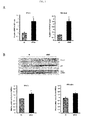
- FIG. 1 it was confirmed that mRNA of TENC1 significantly increased more than three times in a skeletal muscle of the db/db mouse ( FIG. 1A ), and an amount of a protein of TENC1also increased ( FIG. 1B ). It was well-known that type 2 diabetes causes sarcopenia. Based on the above result, it was confirmed that TENC1 was associated with pathological symptoms expressed in association with type 2 diabetes.
- Example 2 Determine influence of TENC1 on insulin mechanism
- TENC1 In most type 2 diabetes patients, a function of insulin that lowers a blood glucose level decreases, and thereby cells are unable to effectively process the glucose. In order to determine an influence of TENC1 on an insulin mechanism, TENC1 was overexpressed in HEK293 cell lines in which expression of TENC1 is low, and then phosphorylation of proteins associated with the insulin mechanism was determined by Western blotting. The result was shown in FIG. 2 .
- Akt protein kinase B
- ERK1/2 extracellular signal-regulated kinase
- TENC1 suppressed phosphorylation of IRS-1 by about 50% but had no influence on phosphorylation of the insulin receptor.
- a phosphorylation inhibitory ability of TENC1 is caused by an activity of protein tyrosine phosphatase (PTPase)
- PTPase protein tyrosine phosphatase
- a TENC1 CS variant in which a cysteine at amino acid position 231 was substituted for a serine was prepared.
- the TENC1 CS variant is a mutant that more reliably binds to the substrate than normal TENC1 but has no catalytic action.
- phosphorylation of IRS-1 was determined using the same method as described above. The result was shown in FIG. 3B .
- TENC1 CS variant was more reliably bound to IRS-1 than TENC1 WT.
- FIG. 5 it was confirmed that, when the vanadate was not treated, TENC1 WT was bound to IRS-1, but when the vanadate was treated, binding with IRS-1 decreased. Based on the above result, it was confirmed that IRS-1 was bound to the PTPase domain of TENC1 in competition with the vanadate. Therefore, it was confirmed that IRS-1 was directly bound to the PTPase domain as a substrate of TENC1.
- TENC1 was separated from HEK293 cell lines using a Flag immunoprecipitation / Flag peptide elution system. Then, the PTPase activity of the separated TENC1 was measured over time, using peptides having phosphotyrosine. The PTPase activity was analyzed by a malachite green assay method. As a control group, PTEN (a phosphatase and tensin homolog) or the TENC1 CS variant was used. The result was shown in FIG. 6 .
- TENC1 As illustrated in FIGS. 6A and 6B , it was confirmed that the PTPase activity of TENC1 was similar to that of PTEN, and there was no PTPase activity in the TENC1 CS variant. Based on the above result, it was confirmed that TENC1 was bound to IRS-1 through the PTPase activity to suppress phosphorylation. Also, the above result means that TENC1 suppresses phosphorylation of IRS-1 to influence the onset of diabetes.
- TENC1 was overexpressed in L6 myotube (muscle cell) that plays a main role in IRS-1, using an adenovirus.
- the quantitative PCR was performed and it was confirmed that TENC1 mRNA was increased eightfold to tenfold in the myotube.
- phosphorylation of proteins associated with IRS-1 was determined. The result was shown in FIG. 7 .
- FIG. 7 it was confirmed that phosphorylation of Akt, S6K1, and ERK1/2 regulated by IRS-1 was suppressed in the cells in which TENC1 was overexpressed ( FIGS. 7A and 7B ). However, it was confirmed that an amount of protein of IRS-1 also decreased ( FIG. 7C ).
- IRS-1 forward primer SEQ ID NO. 6
- SEQ ID NO. 7 reverse primer
- MG132 which is an inhibitor of a protein-degrading enzyme (proteasome) was treated. The result was shown in FIG. 9 .
- FIG. 9 it was confirmed that, when the insulin was not treated ( FIG. 9A ) and when the insulin was treated ( FIG. 9B ), the decreased amount of IRS-1 was restored if MG132 was treated, and in the cells in which the amount of IRS-1 was restored by treating MG132, there was no difference of serine phosphorylation of IRS-1, but phosphorylation of IRS-1 was suppressed. Based on the above result, it was confirmed that TENC1 degrades IRS-1 or suppresses phosphorylation thereof to influence the mechanism of IRS-1.
- Example 5 Determine associative relation between TENC1 and muscular atrophy
- Mammalian cells include three types of FoxO (Forkhead Box O) proteins: FoxO1, FoxO3, and FoxO4. Among them, phosphorylation of FoxO1 and FoxO3 is essential for muscular atrophy caused by the glucocorticoid. In particular, activated FoxO3 stimulates expression of genes that play an important role in muscular atrophy, that is, various atrogenes, to cause the muscular atrophy. Therefore, it was determined whether TENC1 influences phosphorylation of FoxO1 and FoxO3 by Western blotting. The result was shown in FIG. 13 .
- Example 6 Determine muscular atrophy caused by TENC1
- TENC1 causes muscular atrophy in vivo
- TENC1 to which YFP (yellow fluorescent protein) is bound was injected into a tibialis anterior muscle of the mouse by electroporation. Then, a size change of a myofiber was measured using the YFP. The result was shown in FIG. 14 .
- CSA cross-sectional area
- si6 and si7 which are siRNA binding specifically to TENC1 were used. It was determined, when an amount of TENC1 decreased, IRS-1 degradation caused by a glucocorticoid is restored to prevent muscular atrophy of the myotube.
- siRNA was introduced into L6 myotube using a DeliverX Plus siRNA transfection kit (Panomics). The result was shown in FIG. 15 .
- FIG. 15 it was confirmed that, when siRNA was used to inhibit expression of TENC1, an MYH decrease caused by the glucocorticoid was effectively suppressed ( FIG. 15C ). However, it was understood that si7 strongly inhibits expression of TENC1 to cause muscle hypertrophy through activation of sub-proteins of IRS-1 ( FIGS. 15A and 15B ). In addition, it was confirmed that stimulation of MuRF1 and IRS-1 degradation ( FIG. 15D ) caused by the glucocorticoid were restored ( FIG. 15B ), and muscular atrophy was suppressed ( FIG. 15F ).
- ursolic acid suppresses muscular atrophy and causes muscle hypertrophy.
- a target or an operating mechanism thereof has not been clearly identified yet.
- the inventors determined whether ursolic acid is able to regulate an activity by targeting TENC1 through the following experiment.
- TENC1 proteins that were separated using the same method as in Example 3 were incubated along with 20 ⁇ M of ursolic acid and then a change in the PTPase activity was measured by the malachite green assay (in this case, the vanadate was used as a control group). As a result, it was confirmed that the PTPase activity of TENC1 was inhibited by 60% or more ( FIG. 16A ).
- ursolic acid was added to the myotube (muscle cell) in which TENC1 was overexpressed, and then a degree of degradation of IRS-1 protein was determined by Western blotting. As a result, when a concentration of ursolic acid increases, IRS-1 is restored to a level similar to a control group (cells in which TENC1 was not overexpressed). Therefore, it was confirmed that IRS-1 degradation caused by the activity of TENC1 was suppressed by ursolic acid ( FIG. 16C ).
- an activity inhibitor of TENC1 such as ursolic acid inhibits dephosphorylation of IRS-1 and degradation of IRS-1 caused by the activity of TENC1. Therefore, it was confirmed that a decrease in glucose absorption, muscular atrophy, and the like caused by a decrease of IRS-1 may be effectively prevented. As a result, it is understood that the activity inhibitor of TENC1 may be effectively used to treat or prevent diabetes.
- the inhibitor of expression or activity of TENC1 of the present invention suppresses dephosphorylation and degradation of IRS-1 caused by TENC1 and is able to prevent a glucose absorption decrease and muscular atrophy caused by a decrease of IRS-1, so it can be developed as an agent that prevents and/or treat diabetes or complications of diabetes.
- the method of screening proposed in the present invention provides TENC1 as a new target compound to overcome a limitation of an existing therapeutic agent. Therefore, the present invention can be usefully used to develop an agent having a new mechanism for preventing and/or treating diabetes or complications of diabetes.
Landscapes
- Health & Medical Sciences (AREA)
- Life Sciences & Earth Sciences (AREA)
- Chemical & Material Sciences (AREA)
- Engineering & Computer Science (AREA)
- General Health & Medical Sciences (AREA)
- Medicinal Chemistry (AREA)
- Organic Chemistry (AREA)
- Bioinformatics & Cheminformatics (AREA)
- Veterinary Medicine (AREA)
- Public Health (AREA)
- Animal Behavior & Ethology (AREA)
- Pharmacology & Pharmacy (AREA)
- Molecular Biology (AREA)
- General Chemical & Material Sciences (AREA)
- Chemical Kinetics & Catalysis (AREA)
- Nuclear Medicine, Radiotherapy & Molecular Imaging (AREA)
- Biomedical Technology (AREA)
- Biochemistry (AREA)
- Immunology (AREA)
- Genetics & Genomics (AREA)
- Epidemiology (AREA)
- Zoology (AREA)
- Biotechnology (AREA)
- Wood Science & Technology (AREA)
- Microbiology (AREA)
- Urology & Nephrology (AREA)
- Physics & Mathematics (AREA)
- General Engineering & Computer Science (AREA)
- Proteomics, Peptides & Aminoacids (AREA)
- Hematology (AREA)
- Physical Education & Sports Medicine (AREA)
- Analytical Chemistry (AREA)
- Biophysics (AREA)
- Orthopedic Medicine & Surgery (AREA)
- Ophthalmology & Optometry (AREA)
- Cardiology (AREA)
- Neurology (AREA)
- Diabetes (AREA)
- Heart & Thoracic Surgery (AREA)
- Pathology (AREA)
Abstract
Description
- The present invention relates to a pharmaceutical composition for preventing or treating diabetes or complications of diabetes which contains an inhibitor of expression or activity of TENC1 (Tensin like C1 domain containing phosphatase) as an active ingredient, and more specifically, to a pharmaceutical composition for preventing or treating diabetes or complications of diabetes which suppresses phosphorylation of IRS-1 (insulin receptor substrate-1) or degradation of IRS-1 due to a PTPase activity of TENC1.
- Diabetes mellitus is a type of metabolic disease that causes an insufficient secretionary amount of insulin or a dysfunction thereof, and is characterized by hyperglycemia (having a high blood glucose level). Hyperglycemia causes several symptoms and signs, and glucose to be excreted in urine. In addition, as time passes, vascular disorders and dysfunctions in nerves, kidneys, retinas, and the like are caused, which results in death.
- There are two types of diabetes:
type 1 andtype 2.Type 1 diabetes is called "juvenile diabetes" and occurs when no insulin is produced.Type 2 diabetes is caused by a relative lack of insulin and is characterized by insulin resistance (cells do not process glucose efficiently due to a degradation in a function of insulin that lowers a blood glucose level).Type 2 diabetes is thought to mainly result from environmental factors such as a high-calorie, a high-fat, and a high-protein diet present in a westernized diet, lack of exercise, and stress. Besides the environmental factors, diabetes may be caused by a defect of a specific gene, pancreatic surgery, infection, or drugs. - Recently, due to a westernized diet, stress, lack of exercise, and the like, chronic and life-style related adult diseases such as arteriosclerosis, hypertension, and diabetes have been increasing. In particular, in Korea, the prevalence of diabetes is consistently increasing: less than 1% of the population in the 1970s, about 3% in the late 1980s, and 5 to 8% in the 1990s. Accordingly, up to now, various types of therapeutic agents for diabetes have been developed but a satisfactory treating method or medicine has not been developed yet.
- The insulin resistance, which is a feature of
type 2 of diabetes, is caused by a defect of insulin secretion itself and decrease in insulin signaling. Accordingly, recently, a method of treating diabetes by increasing insulin signaling has been newly proposed. For this purpose, a method of suppressing expression of proteins such as PTP1B (protein tyrosine phosphatase 1B) that inhibits a function of an insulin receptor is under development. However, intype 2 diabetes, a problem in insulin signaling is generally caused by degradation of a function (a decrease in the amount of protein and tyrosine phosphorylation of IRS-1) of IRS-1 (insulin receptor substrate-1) rather than a functional degradation of the insulin receptor. Accordingly, a protein capable of regulating the function of IRS-1 is important since it can be a target for treating diabetes and complications associated with diabetes. However, a protein that directly influences as PTPase (protein tyrosine phosphate) of IRS-1 in association with diabetes has not been reported yet. A case in which such PTPase regulates both an amount of protein and phosphorylation of IRS-1 has not been reported yet. - In this way, a protein capable of regulating a decrease in the amount of protein and phosphorylation of IRS-1 can be an effective target of a therapeutic agent for diabetes or complications of diabetes. Therefore, discovering such a target protein and development of a therapeutic agent for diabetes or complications of diabetes using the same are necessary.
- In view of the above-described problems in the related art, the present invention provides a pharmaceutical composition for preventing or treating diabetes or complications of diabetes which contains an inhibitor of expression or activity of TENC1 (Tensin like C1 domain containing phosphatase) as an active ingredient. In addition, the present invention provides a method of screening an inhibitor of expression or activity of TENC1. The method includes culturing cells expressing TENC1 (Tensin like C1 domain containing phosphatase) along with a test substance or no test substance, and measuring the degree of expression or activity of TENC1 in the cells
- However, the scope of the present invention is not limited to the above-described objects, and other unmentioned objects may be clearly understood by those skilled in the art from the following descriptions.
- According to an aspect of the present invention, there is provided a pharmaceutical composition for preventing or treating diabetes or complications of diabetes which contains an inhibitor of expression or activity of TENC1 (Tensin like C1 domain containing phosphatase) as an active ingredient.
- The expression inhibitor may be si6 or si7 which is siRNA.
- The activity inhibitor may be ursolic acid.
- The TENC1 may include an amino acid sequence of SEQ ID NO. 1.
- The TENC1 may have a PTPase (protein tyrosine phosphate) activity.
- The TENC1 may use IRS-1 (insulin receptor substrate-1) as a substrate.
- The complications of diabetes may be selected from the group consisting of muscular atrophy, diabetic retinopathy, diabetic cataracts, diabetic nephropathy, diabetic neuropathy, heart disease, cancer, osteoporosis, renal disease, sexual dysfunction, skin disease, hypertension, arteriosclerosis, stroke, or atherosclerosis.
- The composition may suppress IRS-1 degradability and/or dephosphorylation of TENC1.
- According to another aspect of the present invention, there is provided a method of screening an inhibitor of expression or activity of TENC1 to treat or prevent diabetes or complications of diabetes, the method including:
- culturing cells expressing TENC1 (tensin like C1 domain containing phosphatase) along with a test substance or no test substance; and
- measuring the degree of expression or activity of TENC1 in the cells.
- The test substance may be selected from the group consisting of a chemical substance, a microbial culture solution or extract, a nucleic acid, an antibody, an aptamer, and a natural extract.
- The measuring of the degree of expression of TENC1 may be performed by RT-PCR (real time-polymerase chain reaction) or Western blotting processes.
- In the measuring of degree of the activity of TENC1, a PTPase activity of TENC1 or a degree of binding of TENC1 and IRS-1 may be measured.
- The present invention has verified that a PTPase activity of TENC1 suppresses phosphorylation of IRS-1 or directly degrades IRS-1 so that a glucose absorption decrease and muscular atrophy are caused, thereby proposing a new target for treating diabetes. Therefore, according to the present invention, a pharmaceutical composition, for preventing or treating diabetes or complications of diabetes containing an inhibitor of expression or activity of TENC1 as an active ingredient, suppresses dephosphorylation and degradation of IRS-1 caused by TENC1 and is able to effectively prevent a glucose absorption decrease and muscular atrophy due to a decrease of IRS-1. Therefore, the composition is expected to be widely applied to prevent and/or treat diabetes or complications of diabetes. Also, when a method of screening an inhibitor of expression or activity of TENC1 according to the present invention is used, the development of an agent that activates an IRS-1 mechanism and effectively prevents and/or treats diabetes or complications of diabetes can be expected.
-
-
FIG. 1 is a diagram illustrating the result obtained by determining an increase of TENC1 expression in a db/db mouse. -
FIG. 2 is a diagram illustrating the result obtained by measuring an ability of TENC1 to suppress phosphorylation of Akt and ERK1/2. -
FIG. 3 is a diagram illustrating the result obtained by measuring an ability of TENC1 to suppress phosphorylation of an insulin receptor and IRS-1. -
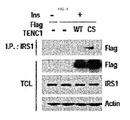
FIG. 4 is a diagram illustrating the result obtained by determining the binding of TENC1 and IRS-1. -
FIG. 5 is a diagram illustrating the results obtained by determining the binding of IRS-1 and a PTPase domain of TENC1. -
FIG. 6 is a diagram illustrating the result obtained by measuring a PTPase enzyme activity of TENC1. -
FIG. 7 is a diagram illustrating the result obtained by measuring phosphorylation of proteins associated with IRS-1 in a muscle when TENC1 is expressed. -
FIG. 8 is a diagram illustrating the result obtained by measuring an amount of mRNA of IRS-1 when TENC1 is expressed. -
FIG. 9 is a diagram illustrating the result obtained by measuring serine phosphorylation of IRS-1 when TENC1 is expressed. -
FIG. 10 is a diagram illustrating the result obtained by determining an influence of a PTPase activity of TENC1 on IRS-1 degradation. -
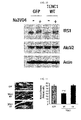
FIG. 11 is a diagram illustrating the result obtained by determining an ability to cause muscular atrophy in vitro dependent on an enzyme activity of TENC1. -
FIG. 12 is a diagram illustrating the result obtained by measuring an ability of TENC1 to decrease MYH. -
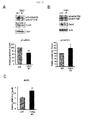
FIG. 13 is a diagram illustrating the result obtained by determining an influence of TENC1 on phosphorylation of FoxO protein. -
FIG. 14 is a diagram illustrating the result obtained by determining an ability to cause muscular atrophy in vivo dependent on an enzyme activity of TENC1. -
FIG. 15 is a diagram illustrating that suppression of TENC1 expression causes muscle hypertrophy and suppression of IRS-1 degradation inhibits muscular atrophy. -
FIG. 16 is a diagram illustrating the result confirming that activity suppression of TENC1 inhibits dephosphorylation and degradation of IRS-1. - The inventors studied a target protein that may be effectively used to treat diabetes by regulating functional degradation of IRS-1 (insulin receptor substrate-1), and thereby the present invention was completed.
- Since a protein such as PTP1B (protein tyrosine phosphatase 1B) that has recently entered the spotlight as a target for treating diabetes acts in an insulin receptor, its role in glucose absorption was identified, but no effect was identified in a muscle mass decrease that is generally caused along with diabetes. Therefore, in order to screen a target of a therapeutic agent that may treat diabetes and the muscular atrophy that occurs with diabetes, the inventors analyzed a protein that is expressed more in a muscle of a diabetes-induced mouse than in a normal mouse, and thus, TENC1 protein (SEQ ID NO. 1) was screened.
- An example of the present invention verified that TENC1 suppresses phosphorylation of IRS-1, and at the same time, suppresses a function of IRS by degrading IRS-1 (refer to
FIGS. 4 to 10 ). Another example verified that TENC1 suppresses the function of IRS-1 so that muscular atrophy is caused (refer toFIGS. 11 to 13 ). Still another example of the present invention verified that an IRS-1 sub-signal increase and muscular atrophy caused by diabetes may be suppressed by suppressing TENC1 expression (refer toFIG. 15 ). - Still another example of the present invention verified that dephosphorylation of IRS-1 and degradation of IRS-1 may be inhibited by suppressing TENC1 activity (refer to
FIG. 16 ). - Based on the above results, it was confirmed that TENC1 can be used as a target protein for treating diabetes or complications of diabetes and an inhibitor of expression or activity of TENC1 may be used as an effective agent for treating or preventing diabetes or complications of diabetes. Accordingly, the present invention provides a pharmaceutical composition for preventing or treating diabetes or complications of diabetes which contains an inhibitor of expression or activity of TENC1 (Tensin like C1 domain containing phosphatase) as an active ingredient. Examples of the complications of diabetes include muscular atrophy, diabetic retinopathy, diabetic cataracts, diabetic nephropathy, diabetic neuropathy, heart disease, cancer, osteoporosis, renal disease, sexual dysfunction, skin disease, hypertension, arteriosclerosis, stroke, atherosclerosis, and the like, but the complications are not limited thereto, as long as it can be caused by diabetes.
- Also, the present invention provides a method of screening an inhibitor of expression or activity of TENC1 that may be used to prevent or treat diabetes or complications of diabetes. The method includes culturing cells expressing TENC1 (Tensin like C1 domain containing phosphatase) along with a test substance or no test substance, and measuring a degree of expression or activity of TENC1 in the cells. A method of measuring the degree of expression of TENC1 includes RT-PCR, Western blotting, or the like, but the method is not limited thereto, as long as it measures an amount of mRNA or protein. Also, a method of measuring the degree of activity of TENC1 measures a PTPase activity of TENC1 or a degree of binding of TENC1 and IRS-1. However, the method is not limited thereto. The test substance may be selected from the group consisting of a chemical substance, a microbial culture solution or extract, a nucleic acid, an antibody, an aptamer, and a natural extract, but the substance is not limited thereto.
- The pharmaceutical composition of the present invention may include a pharmaceutically acceptable carrier. The pharmaceutically acceptable carrier may include a normal saline, a polyethylene glycol, ethanol, a vegetable oil, isopropyl myristate, or the like, but the carrier is not limited thereto.
- Another aspect of the present invention provides a method of treating diabetes by administering a pharmaceutically effective dose of the pharmaceutical composition containing an inhibitor of expression or activity of TENC1as an active ingredient to a subject. The term "subject" in the present invention refers to a target needing treatment of diseases, and more specifically, mammals such as humans or non-human apes, mice, rats, dogs, cats, horses, and cows. Also, in the present invention, it is apparent to those skilled in the art that a range of the pharmaceutically effective dose is variously adjusted depending on a patient's body weight, age, gender, health condition, diet, administration time, administration method, excretion rate, severity of the disease, and the like.
- A preferred dosage of the pharmaceutical composition of the present invention varies depending on patient's condition, body weight, degree of the disease, drug form, administration route, and duration, but it may be appropriately selected by those skilled in the art. However, administration is performed for a day, preferably, 0.001 to 100 mg/body weight (kg), and more preferably, 0.01 to 30 mg/body weight (kg). Administration may be performed once a day or may be divided into several times. The inhibitor of expression or activity of TENC1 of the present invention may be included in an amount of 0.0001 to 10 wt%, and preferably, 0.001 to 1 wt%, with respect to a total weight of a total composition.
- The pharmaceutical composition of the present invention may be administered to mammals such as a rat, mouse, livestock, and human via various routes. The administration method is not limited, and administration may be performed, for example, by oral, rectal, or intravenous, intramuscular, subcutaneous, intrauterine subdural, or intracerebroventricular injections.
- Hereinafter, exemplary examples of the present invention will be described for promoting an understanding of the invention. However, the following examples are provided to easily understand the present invention and the scope of the present invention is not limited to the following examples.
- A protein having an SH2 (Src homology 2) domain is known to be important in delivering a signal from a receptor. Therefore, in order to screen a novel protein associated with diabetes, the inventors performed screening of a protein, which has an SH2 domain and is expressed more than in a normal mouse, from a muscle of a 10-week-old male db/db mouse from which a leptin receptor is removed to induce obesity and diabetes, by quantitative real-time PCR. In order to perform PCR, forward primer 5'-CTCAGTGGAGTTTGTTTTCTCCTC-3' (SEQ ID NO. 2) of TENC1, reverse primer 5'-GCTGATTGAAGTTTTCATAGGAGTC-3' (SEQ ID NO. 3) of TENC1, p85a forward primer 5'-GGCGATTACACTCTTACACTAAGGA -3' (SEQ ID NO. 4), and p85a reverse primer 5'-GAGTTGAAGGTTAATGGATCAGAGA-3' (SEQ ID NO. 5) were used. The result was shown in
FIG. 1 . - As illustrated in
FIG. 1 , it was confirmed that mRNA of TENC1 significantly increased more than three times in a skeletal muscle of the db/db mouse (FIG. 1A ), and an amount of a protein of TENC1also increased (FIG. 1B ). It was well-known thattype 2 diabetes causes sarcopenia. Based on the above result, it was confirmed that TENC1 was associated with pathological symptoms expressed in association withtype 2 diabetes. - In
most type 2 diabetes patients, a function of insulin that lowers a blood glucose level decreases, and thereby cells are unable to effectively process the glucose. In order to determine an influence of TENC1 on an insulin mechanism, TENC1 was overexpressed in HEK293 cell lines in which expression of TENC1 is low, and then phosphorylation of proteins associated with the insulin mechanism was determined by Western blotting. The result was shown inFIG. 2 . - As illustrated in
FIG. 2 , it was confirmed that phosphorylation of Akt (protein kinase B) T308 and ERK1/2 (extracellular signal-regulated kinase) stimulated by the insulin was suppressed byTENC 1. - Since phosphorylation of Akt and ERK1/2 is caused by tyrosine phosphorylation of the insulin receptor and IRS-1 (insulin receptor substrate-1), it was determined whether phosphorylation of the insulin receptor and IRS-1 was suppressed by TENC1 using the same method as described above. The result was shown in
FIG. 3 . - As illustrated in
FIG. 3A , it was confirmed that TENC1 suppressed phosphorylation of IRS-1 by about 50% but had no influence on phosphorylation of the insulin receptor. In addition, in order to determine whether a phosphorylation inhibitory ability of TENC1 is caused by an activity of protein tyrosine phosphatase (PTPase), a TENC1 CS variant in which a cysteine at amino acid position 231 was substituted for a serine was prepared. The TENC1 CS variant is a mutant that more reliably binds to the substrate than normal TENC1 but has no catalytic action. Using the TENC1 CS variant, phosphorylation of IRS-1 was determined using the same method as described above. The result was shown inFIG. 3B . - As illustrated in
FIG. 3B , it was confirmed that phosphorylation of IRS-1 was restored again when the TENC1 CS is used. Based on the above results, it was confirmed that TENC1 suppressed phosphorylation of IRS-1, suppressed phosphorylation of Akt and ERK1/2, and thereby suppressed the insulin mechanism. - In order to determine a mechanism of TENC1 that suppresses phosphorylation of IRS-1, immunoprecipitation was performed using IRS-1. In a control experiment, vanadate, which is an analogue of phosphotyrosine and binds to a PTPase domain to inhibit the PTPase activity, was used. The result was shown in
FIGS. 4 and5 . - As illustrated in
FIG. 4 , it was confirmed that the TENC1 CS variant was more reliably bound to IRS-1 than TENC1 WT. Also, as illustrated inFIG. 5 , it was confirmed that, when the vanadate was not treated, TENC1 WT was bound to IRS-1, but when the vanadate was treated, binding with IRS-1 decreased. Based on the above result, it was confirmed that IRS-1 was bound to the PTPase domain of TENC1 in competition with the vanadate. Therefore, it was confirmed that IRS-1 was directly bound to the PTPase domain as a substrate of TENC1. - In addition, in order to measure the PTPase activity of TENC1, first, TENC1 was separated from HEK293 cell lines using a Flag immunoprecipitation / Flag peptide elution system. Then, the PTPase activity of the separated TENC1 was measured over time, using peptides having phosphotyrosine. The PTPase activity was analyzed by a malachite green assay method. As a control group, PTEN (a phosphatase and tensin homolog) or the TENC1 CS variant was used. The result was shown in
FIG. 6 . - As illustrated in
FIGS. 6A and 6B , it was confirmed that the PTPase activity of TENC1 was similar to that of PTEN, and there was no PTPase activity in the TENC1 CS variant. Based on the above result, it was confirmed that TENC1 was bound to IRS-1 through the PTPase activity to suppress phosphorylation. Also, the above result means that TENC1 suppresses phosphorylation of IRS-1 to influence the onset of diabetes. - In order to know a physiological function of TENC1, TENC1 was overexpressed in L6 myotube (muscle cell) that plays a main role in IRS-1, using an adenovirus. Using the same method as in Example 1, the quantitative PCR was performed and it was confirmed that TENC1 mRNA was increased eightfold to tenfold in the myotube. Then, using the same method as in Example 2, phosphorylation of proteins associated with IRS-1 was determined. The result was shown in
FIG. 7 . - As illustrated in
FIG. 7 , it was confirmed that phosphorylation of Akt, S6K1, and ERK1/2 regulated by IRS-1 was suppressed in the cells in which TENC1 was overexpressed (FIGS. 7A and 7B ). However, it was confirmed that an amount of protein of IRS-1 also decreased (FIG. 7C ). - In order to determine whether an amount of IRS-1 is decreased due to suppressed gene expression, an mRNA amount of IRS-1 was quantified using IRS-1 forward primer (SEQ ID NO. 6) and reverse primer (SEQ ID NO. 7) by quantitative PCR. The result was shown in
FIG. 8 . - As illustrated in
FIG. 8 , it was confirmed that the amount of mRNA of IRS-1 was not decreased. Based on the above result, it was confirmed that a decrease in the amount of protein of IRS-1 had occurred not because of gene expression in a transcription phase but because of a phase after transcription. - Accordingly, in order to determine the reason for the decrease of IRS-1, it was determined whether TENC1 influences a ubiquitin proteasome pathway or serine phosphorylation of IRS-1 by Western blotting. In order to determine whether TENC1 influences a protein-degrading mechanism, MG132, which is an inhibitor of a protein-degrading enzyme (proteasome), was treated. The result was shown in
FIG. 9 . - As illustrated in
FIG. 9 , it was confirmed that, when the insulin was not treated (FIG. 9A ) and when the insulin was treated (FIG. 9B ), the decreased amount of IRS-1 was restored if MG132 was treated, and in the cells in which the amount of IRS-1 was restored by treating MG132, there was no difference of serine phosphorylation of IRS-1, but phosphorylation of IRS-1 was suppressed. Based on the above result, it was confirmed that TENC1 degrades IRS-1 or suppresses phosphorylation thereof to influence the mechanism of IRS-1. - In order to determine whether the PTPase activity of TENC1 influences degradation of IRS-1, vanadate was treated to determine whether degradation of IRS-1 is suppressed by Western blotting. The result was shown in
FIG. 10 . - As illustrated in
FIG. 10 , it was confirmed that, when the vanadate was treated, degradation of IRS-1 was suppressed. It was understood that an activity of TENC1 was directly involved in IRS-1 degradation. - An increase in a protein amount of IRS-2 and a decrease in PI3K/Akt/mTORC1 signal transduction due to a decrease in an amount of protein of IRS-1 are observed in muscular atrophy caused by glucocorticoid and muscular atrophy of acute diabetes caused by streptozotocin (STZ). Therefore, in order to determine whether TENC1 causes atrophy of a myotube, the experiment was prepared such that green fluorescent protein (GFP) was expressed in the myotube using adenovirus, TENC1 WT or TENC1 CS was overexpressed, and a diameter of the myotube was measured using fluorescent light. The result was shown in
FIG. 11 . - As illustrated in
FIG. 11 , it was confirmed that sizes of the cells in which TENC1 was overexpressed decreased by about 40%, compared to the cells in which TENC1 CS was overexpressed. The above result means that TENC1 is associated with muscular atrophy caused by diabetes. - It was known that the ubiquitin proteasome pathway in the muscular atrophy degrades myofibrillar proteins such as a myosin heavy chain (MYH) which is a main component of skeletal muscle. Therefore, an experiment was performed to determine whether TENC1 influences the ubiquitin proteasome pathway to decrease MYH. The result was shown in
FIG. 12 . - As illustrated in
FIG. 12 , it was confirmed that TENC1 degraded MYH according to an activity of PTPase by Western blotting. Based on the above result, it was confirmed that TENC1 degraded IRS-1 to suppress an Akt/S6K1 mechanism so that the muscular atrophy may be caused. - Mammalian cells include three types of FoxO (Forkhead Box O) proteins: FoxO1, FoxO3, and FoxO4. Among them, phosphorylation of FoxO1 and FoxO3 is essential for muscular atrophy caused by the glucocorticoid. In particular, activated FoxO3 stimulates expression of genes that play an important role in muscular atrophy, that is, various atrogenes, to cause the muscular atrophy. Therefore, it was determined whether TENC1 influences phosphorylation of FoxO1 and FoxO3 by Western blotting. The result was shown in
FIG. 13 . - As illustrated in
FIG. 13 , in the myotube (FIG. 13A ) in which TENC1 was overexpressed, phosphorylation of FoxO1/3a decreased. In the myotube (FIG. 13B ) in which TENC1 CS was overexpressed, an amount of protein of FoxO1 decreased and an amount of phosphorylated FoxO1/3a relatively increased. In addition, expression of MuRF1 (muscle RING finger 1) regulated by FoxO proteins increased in the myotube in which TENC1 was overexpressed (FIG. 13C ). Based on the above result, it was confirmed that TENC1 degraded IRS-1 to activate FoxO proteins so that atrophy of the myotube may be caused. - In order to determine whether TENC1 causes muscular atrophy in vivo, TENC1 to which YFP (yellow fluorescent protein) is bound was injected into a tibialis anterior muscle of the mouse by electroporation. Then, a size change of a myofiber was measured using the YFP. The result was shown in
FIG. 14 . - As illustrated in
FIGS. 14A, 14B, and 14C , it was confirmed that a cross-sectional area (CSA) of the muscle into which TENC1 was injected decreased by about 25% after 12 days. However, it was confirmed that TENC1 CS did not cause muscular atrophy. Based on the above result, it was confirmed that TENC1 may cause muscular atrophy in vivo due to the PTPase activity. - In order to determine whether TENC1 may be used as a target for treating diabetes, si6 and si7, which are siRNA binding specifically to TENC1, were used. It was determined, when an amount of TENC1 decreased, IRS-1 degradation caused by a glucocorticoid is restored to prevent muscular atrophy of the myotube. siRNA was introduced into L6 myotube using a DeliverX Plus siRNA transfection kit (Panomics). The result was shown in
FIG. 15 . - As illustrated in
FIG. 15 , it was confirmed that, when siRNA was used to inhibit expression of TENC1, an MYH decrease caused by the glucocorticoid was effectively suppressed (FIG. 15C ). However, it was understood that si7 strongly inhibits expression of TENC1 to cause muscle hypertrophy through activation of sub-proteins of IRS-1 (FIGS. 15A and 15B ). In addition, it was confirmed that stimulation of MuRF1 and IRS-1 degradation (FIG. 15D ) caused by the glucocorticoid were restored (FIG. 15B ), and muscular atrophy was suppressed (FIG. 15F ). - It was reported that ursolic acid suppresses muscular atrophy and causes muscle hypertrophy. However, a target or an operating mechanism thereof has not been clearly identified yet.
- Therefore, the inventors determined whether ursolic acid is able to regulate an activity by targeting TENC1 through the following experiment.
- Specifically, TENC1 proteins that were separated using the same method as in Example 3 were incubated along with 20µM of ursolic acid and then a change in the PTPase activity was measured by the malachite green assay (in this case, the vanadate was used as a control group). As a result, it was confirmed that the PTPase activity of TENC1 was inhibited by 60% or more (
FIG. 16A ). - In addition, using the same method as in Example 2, when the cells (HEK293 cell lines) in which TENC1 and IRS-1 were overexpressed were cultured along with a test substance, tyrosine phosphorylation of IRS-1 increased and thereby it was confirmed that dephosphorylation of IRS-1 caused by TENC1 was inhibited at a cellular level (
FIG. 16B ). - In addition, ursolic acid was added to the myotube (muscle cell) in which TENC1 was overexpressed, and then a degree of degradation of IRS-1 protein was determined by Western blotting. As a result, when a concentration of ursolic acid increases, IRS-1 is restored to a level similar to a control group (cells in which TENC1 was not overexpressed). Therefore, it was confirmed that IRS-1 degradation caused by the activity of TENC1 was suppressed by ursolic acid (
FIG. 16C ). - Based on the above results, an activity inhibitor of TENC1 such as ursolic acid inhibits dephosphorylation of IRS-1 and degradation of IRS-1 caused by the activity of TENC1. Therefore, it was confirmed that a decrease in glucose absorption, muscular atrophy, and the like caused by a decrease of IRS-1 may be effectively prevented. As a result, it is understood that the activity inhibitor of TENC1 may be effectively used to treat or prevent diabetes.
- The inhibitor of expression or activity of TENC1 of the present invention suppresses dephosphorylation and degradation of IRS-1 caused by TENC1 and is able to prevent a glucose absorption decrease and muscular atrophy caused by a decrease of IRS-1, so it can be developed as an agent that prevents and/or treat diabetes or complications of diabetes. In addition, the method of screening proposed in the present invention provides TENC1 as a new target compound to overcome a limitation of an existing therapeutic agent. Therefore, the present invention can be usefully used to develop an agent having a new mechanism for preventing and/or treating diabetes or complications of diabetes.
- The above description of the invention is only exemplary, and it will be understood by those skilled in the art that various modifications can be made without departing from the scope of the present invention and without changing essential features. Therefore, the above-described examples should be considered in a descriptive sense only and not for purposes of limitation.


Claims (13)
- A pharmaceutical composition for preventing or treating diabetes or complications of diabetes, comprising:an inhibitor of expression or activity of TENC1 (Tensin like C1 domain containing phosphatase) as an active ingredient.
- The composition of claim 1,
wherein the expression inhibitor is si6 including a sequence of SEQ ID NO. 8 or si7 including a sequence of SEQ ID NO. 9. - The composition of claim 1,
wherein the activity inhibitor includes ursolic acid. - The composition of claim 1,
wherein the TENC1 includes an amino acid sequence of SEQ ID NO. 1. - The composition of claim 1,
wherein the TENC1 includes a PTPase (protein tyrosine phosphate) activity. - The composition of claim 1,
wherein the TENC1 uses IRS-1 (insulin receptor substrate-1) as a substrate. - The composition of claim 1,
wherein the complications of diabetes are selected from the group consisting of muscular atrophy, diabetic retinopathy, diabetic cataract, diabetic nephropathy, diabetic neuropathy, heart disease, cancer, osteoporosis, renal disease, sexual dysfunction, skin disease, hypertension, arteriosclerosis, stroke, and atherosclerosis. - The composition of claim 1,
wherein the pharmaceutical composition suppresses, degradation of IRS-1 by TENC1. - The composition of claim 1,
wherein the pharmaceutical composition suppresses IRS-1 dephosphorylation of TENC1. - A method of screening an inhibitor of expression or activity of TENC1 to treat or prevent diabetes or complications of diabetes, comprising:culturing cells expressing TENC1 (tensin like C1 domain containing phosphatase) along with a test substance or no test substance; andmeasuring a degree of expression or activity of the TENC1 in the cells.
- The method of claim 10,
wherein the test substance is selected from the group consisting of a chemical substance, a microbial culture solution or extract, a nucleic acid, an antibody, an aptamer, and a natural extract. - The method of claim 10,
wherein the measuring of the degree of expression of the TENC1 is performed by RT-PCR or Western blotting. - The method of claim 10,
wherein, in the measuring of the degree of activity of the TENC1, a PTPase activity of TENC1 or a degree of binding of TENC1 and IRS-1 are measured.
Applications Claiming Priority (2)
| Application Number | Priority Date | Filing Date | Title |
|---|---|---|---|
| KR20120009249 | 2012-01-30 | ||
| PCT/KR2013/000288 WO2013115504A1 (en) | 2012-01-30 | 2013-01-14 | Pharmaceutical composition for preventing or treating diabetes containing tenc1 expression or activity suppressor |
Publications (2)
| Publication Number | Publication Date |
|---|---|
| EP2813237A1 true EP2813237A1 (en) | 2014-12-17 |
| EP2813237A4 EP2813237A4 (en) | 2015-08-12 |
Family
ID=49214545
Family Applications (1)
| Application Number | Title | Priority Date | Filing Date |
|---|---|---|---|
| EP13743511.1A Withdrawn EP2813237A4 (en) | 2012-01-30 | 2013-01-14 | PHARMACEUTICAL COMPOSITION FOR PREVENTING OR TREATING DIABETES CONTAINING A SUPPRESSOR OF THE EXPRESSION OR ACTIVITY OF TENC1 |
Country Status (6)
| Country | Link |
|---|---|
| US (1) | US9402856B2 (en) |
| EP (1) | EP2813237A4 (en) |
| JP (1) | JP5891315B2 (en) |
| KR (1) | KR101460430B1 (en) |
| CN (1) | CN104066437B (en) |
| WO (1) | WO2013115504A1 (en) |
Families Citing this family (2)
| Publication number | Priority date | Publication date | Assignee | Title |
|---|---|---|---|---|
| KR101760565B1 (en) * | 2015-06-10 | 2017-07-31 | 포항공과대학교 산학협력단 | Pharmaceutical composition for preventing or treating diabetic muscle atrophy comprising the activity inhibitor of tenc1 |
| US20160361288A1 (en) * | 2015-06-10 | 2016-12-15 | Postech Academy-Industry Foundation | Pharmaceutical compositions for preventing or treating diabetic nephropathy comprising the activity inhibitor of tenc1 |
Family Cites Families (8)
| Publication number | Priority date | Publication date | Assignee | Title |
|---|---|---|---|---|
| US7927795B2 (en) * | 2003-06-09 | 2011-04-19 | Board Of Trustees Of The University Of Arkansas | Gene expression profiling in primary ovarian serous papillary tumors and normal ovarian epithelium |
| CN1993135A (en) | 2004-07-29 | 2007-07-04 | 密执安州大学 | Insulin secretion by anthocyanins and anthocyanins |
| JP4975444B2 (en) * | 2004-11-09 | 2012-07-11 | 株式会社リバース・プロテオミクス研究所 | Drug discovery target protein and target gene, and screening method |
| WO2009031842A1 (en) * | 2007-09-04 | 2009-03-12 | Korea University Industrial & Academic Collaborative Foundation | Use of trim72 as a target for muscle and heart enhancer |
| CN101444518A (en) | 2008-12-24 | 2009-06-03 | 宜春学院 | Use of ursolic acid in preparing immunomodulator |
| KR101166219B1 (en) * | 2009-06-17 | 2012-07-17 | 전북대학교산학협력단 | Antidiabetic composition comprising dihydroavenanthramide D |
| CN101732323B (en) | 2009-12-10 | 2011-10-05 | 武汉大学 | Application of low-dose ursolic acid as medicament for treating diabetic early nephropathy |
| EP2571354B1 (en) * | 2010-05-20 | 2020-07-08 | University of Iowa Research Foundation | Ursolic acid for inhibiting muscle atrophy |
-
2013
- 2013-01-14 EP EP13743511.1A patent/EP2813237A4/en not_active Withdrawn
- 2013-01-14 US US14/374,086 patent/US9402856B2/en not_active Expired - Fee Related
- 2013-01-14 WO PCT/KR2013/000288 patent/WO2013115504A1/en not_active Ceased
- 2013-01-14 KR KR1020130004101A patent/KR101460430B1/en not_active Expired - Fee Related
- 2013-01-14 CN CN201380006963.6A patent/CN104066437B/en not_active Expired - Fee Related
- 2013-01-14 JP JP2014553245A patent/JP5891315B2/en not_active Expired - Fee Related
Also Published As
| Publication number | Publication date |
|---|---|
| CN104066437A (en) | 2014-09-24 |
| KR101460430B1 (en) | 2014-11-13 |
| US9402856B2 (en) | 2016-08-02 |
| US20150038551A1 (en) | 2015-02-05 |
| KR20130088054A (en) | 2013-08-07 |
| WO2013115504A1 (en) | 2013-08-08 |
| JP2015505534A (en) | 2015-02-23 |
| CN104066437B (en) | 2017-02-08 |
| EP2813237A4 (en) | 2015-08-12 |
| JP5891315B2 (en) | 2016-03-22 |
Similar Documents
| Publication | Publication Date | Title |
|---|---|---|
| Wang et al. | TRPA1 inhibition ameliorates pressure overload-induced cardiac hypertrophy and fibrosis in mice | |
| Sandri et al. | Signalling pathways regulating muscle mass in ageing skeletal muscle. The role of the IGF1-Akt-mTOR-FoxO pathway | |
| Reed et al. | Inhibition of FoxO transcriptional activity prevents muscle fiber atrophy during cachexia and induces hypertrophy | |
| Forini et al. | Triiodothyronine prevents cardiac ischemia/reperfusion mitochondrial impairment and cell loss by regulating miR30a/p53 axis | |
| Senf et al. | Hsp70 overexpression inhibits NF-κB and Foxo3a transcriptional activities and prevents skeletal muscle atrophy | |
| Li et al. | Blocking lysophosphatidic acid receptor 1 signaling inhibits diabetic nephropathy in db/db mice | |
| EP2854865B1 (en) | Methods of treating a metabolic syndrome by modulating heat shock protein (hsp) 90-beta | |
| Spruiell et al. | Role of pregnane X receptor in obesity and glucose homeostasis in male mice | |
| Fu et al. | Gut hormone GIP induces inflammation and insulin resistance in the hypothalamus | |
| KR20210082548A (en) | Use of myostatin inhibitors and combination therapies | |
| Zychowska et al. | Spinal CCL1/CCR8 signaling interplay as a potential therapeutic target–evidence from a mouse diabetic neuropathy model | |
| Mamet et al. | Single intrathecal administration of the transcription factor decoy AYX1 prevents acute and chronic pain after incisional, inflammatory, or neuropathic injury | |
| Lightell Jr et al. | Upregulation of miR-221 and-222 in response to increased extracellular signal-regulated kinases 1/2 activity exacerbates neointimal hyperplasia in diabetes mellitus | |
| Giusto et al. | Skeletal muscle myopenia in mice model of bile duct ligation and carbon tetrachloride‐induced liver cirrhosis | |
| EP2976094B1 (en) | Methods of treating metabolic disorders | |
| Goodman et al. | Insights into the role and regulation of TCTP in skeletal muscle | |
| US20130028912A1 (en) | Tweak/fn14 system regulates skeletal muscle atrophy and regeneration | |
| US9402856B2 (en) | Pharmaceutical composition for preventing or treating diabetes containing TENC1 expression or activity suppressor | |
| US8372817B2 (en) | Small interfering RNA for gene knockdown of the subcutaneous N-methyl-D-aspartate receptor NR1 subunit, and it's application on pharmaceutics | |
| Li et al. | Participation of hindbrain AMP-activated protein kinase in glucoprivic feeding | |
| CN107115529B (en) | Application of Kindlin-2 protein as a target in the preparation of drugs for the treatment of diabetes | |
| US20100112600A1 (en) | Methods and compositions for modulating synapse formation | |
| Du et al. | Protective effects of IFN-γ on the kidney of type-2 diabetic KKAy mice | |
| CN119770660B (en) | PAPSS1 agonist and application of endogenous protein sulfation modified up-regulator in preparation and screening of medicines for treating ischemic diseases | |
| Grunberger et al. | Tyrosine kinase inhibitors |
Legal Events
| Date | Code | Title | Description |
|---|---|---|---|
| PUAI | Public reference made under article 153(3) epc to a published international application that has entered the european phase |
Free format text: ORIGINAL CODE: 0009012 |
|
| 17P | Request for examination filed |
Effective date: 20140709 |
|
| AK | Designated contracting states |
Kind code of ref document: A1 Designated state(s): AL AT BE BG CH CY CZ DE DK EE ES FI FR GB GR HR HU IE IS IT LI LT LU LV MC MK MT NL NO PL PT RO RS SE SI SK SM TR |
|
| AX | Request for extension of the european patent |
Extension state: BA ME |
|
| DAX | Request for extension of the european patent (deleted) | ||
| RA4 | Supplementary search report drawn up and despatched (corrected) |
Effective date: 20150709 |
|
| RIC1 | Information provided on ipc code assigned before grant |
Ipc: A61K 31/7105 20060101ALI20150703BHEP Ipc: A61K 38/16 20060101ALI20150703BHEP Ipc: A61K 38/17 20060101AFI20150703BHEP Ipc: A61P 3/10 20060101ALI20150703BHEP |
|
| GRAP | Despatch of communication of intention to grant a patent |
Free format text: ORIGINAL CODE: EPIDOSNIGR1 |
|
| INTG | Intention to grant announced |
Effective date: 20170331 |
|
| RIC1 | Information provided on ipc code assigned before grant |
Ipc: A61K 38/17 20060101AFI20170317BHEP Ipc: A61P 3/10 20060101ALI20170317BHEP Ipc: A61K 31/7105 20060101ALI20170317BHEP Ipc: C12Q 1/42 20060101ALI20170317BHEP Ipc: A61K 38/16 20060101ALI20170317BHEP |
|
| RIN1 | Information on inventor provided before grant (corrected) |
Inventor name: RYU, SUNG HO Inventor name: JEONG, HEE YOON Inventor name: KOH, A RA Inventor name: SUH, PANN GHILL Inventor name: YANG, YONG RYOUL Inventor name: LEE, MI NAM |
|
| STAA | Information on the status of an ep patent application or granted ep patent |
Free format text: STATUS: THE APPLICATION IS DEEMED TO BE WITHDRAWN |
|
| 18D | Application deemed to be withdrawn |
Effective date: 20170811 |