EP2813216A1 - Stabilized amorphous ticagrelor - Google Patents
Stabilized amorphous ticagrelor Download PDFInfo
- Publication number
- EP2813216A1 EP2813216A1 EP13002963.0A EP13002963A EP2813216A1 EP 2813216 A1 EP2813216 A1 EP 2813216A1 EP 13002963 A EP13002963 A EP 13002963A EP 2813216 A1 EP2813216 A1 EP 2813216A1
- Authority
- EP
- European Patent Office
- Prior art keywords
- ticagrelor
- solid solution
- cellulose
- pharmaceutical composition
- solid
- Prior art date
- Legal status (The legal status is an assumption and is not a legal conclusion. Google has not performed a legal analysis and makes no representation as to the accuracy of the status listed.)
- Withdrawn
Links
Images

Classifications
-
- A—HUMAN NECESSITIES
- A61—MEDICAL OR VETERINARY SCIENCE; HYGIENE
- A61K—PREPARATIONS FOR MEDICAL, DENTAL OR TOILETRY PURPOSES
- A61K9/00—Medicinal preparations characterised by special physical form
- A61K9/14—Particulate form, e.g. powders, Processes for size reducing of pure drugs or the resulting products, Pure drug nanoparticles
- A61K9/141—Intimate drug-carrier mixtures characterised by the carrier, e.g. ordered mixtures, adsorbates, solid solutions, eutectica, co-dried, co-solubilised, co-kneaded, co-milled, co-ground products, co-precipitates, co-evaporates, co-extrudates, co-melts; Drug nanoparticles with adsorbed surface modifiers
- A61K9/146—Intimate drug-carrier mixtures characterised by the carrier, e.g. ordered mixtures, adsorbates, solid solutions, eutectica, co-dried, co-solubilised, co-kneaded, co-milled, co-ground products, co-precipitates, co-evaporates, co-extrudates, co-melts; Drug nanoparticles with adsorbed surface modifiers with organic macromolecular compounds
-
- A—HUMAN NECESSITIES
- A61—MEDICAL OR VETERINARY SCIENCE; HYGIENE
- A61K—PREPARATIONS FOR MEDICAL, DENTAL OR TOILETRY PURPOSES
- A61K31/00—Medicinal preparations containing organic active ingredients
- A61K31/33—Heterocyclic compounds
- A61K31/395—Heterocyclic compounds having nitrogen as a ring hetero atom, e.g. guanethidine or rifamycins
- A61K31/495—Heterocyclic compounds having nitrogen as a ring hetero atom, e.g. guanethidine or rifamycins having six-membered rings with two or more nitrogen atoms as the only ring heteroatoms, e.g. piperazine or tetrazines
- A61K31/505—Pyrimidines; Hydrogenated pyrimidines, e.g. trimethoprim
- A61K31/519—Pyrimidines; Hydrogenated pyrimidines, e.g. trimethoprim ortho- or peri-condensed with heterocyclic rings
-
- A—HUMAN NECESSITIES
- A61—MEDICAL OR VETERINARY SCIENCE; HYGIENE
- A61K—PREPARATIONS FOR MEDICAL, DENTAL OR TOILETRY PURPOSES
- A61K9/00—Medicinal preparations characterised by special physical form
- A61K9/14—Particulate form, e.g. powders, Processes for size reducing of pure drugs or the resulting products, Pure drug nanoparticles
- A61K9/16—Agglomerates; Granulates; Microbeadlets ; Microspheres; Pellets; Solid products obtained by spray drying, spray freeze drying, spray congealing,(multiple) emulsion solvent evaporation or extraction
- A61K9/1605—Excipients; Inactive ingredients
- A61K9/1611—Inorganic compounds
-
- A—HUMAN NECESSITIES
- A61—MEDICAL OR VETERINARY SCIENCE; HYGIENE
- A61K—PREPARATIONS FOR MEDICAL, DENTAL OR TOILETRY PURPOSES
- A61K9/00—Medicinal preparations characterised by special physical form
- A61K9/14—Particulate form, e.g. powders, Processes for size reducing of pure drugs or the resulting products, Pure drug nanoparticles
- A61K9/16—Agglomerates; Granulates; Microbeadlets ; Microspheres; Pellets; Solid products obtained by spray drying, spray freeze drying, spray congealing,(multiple) emulsion solvent evaporation or extraction
- A61K9/1605—Excipients; Inactive ingredients
- A61K9/1629—Organic macromolecular compounds
- A61K9/1635—Organic macromolecular compounds obtained by reactions only involving carbon-to-carbon unsaturated bonds, e.g. polyvinyl pyrrolidone, poly(meth)acrylates
-
- A—HUMAN NECESSITIES
- A61—MEDICAL OR VETERINARY SCIENCE; HYGIENE
- A61K—PREPARATIONS FOR MEDICAL, DENTAL OR TOILETRY PURPOSES
- A61K9/00—Medicinal preparations characterised by special physical form
- A61K9/14—Particulate form, e.g. powders, Processes for size reducing of pure drugs or the resulting products, Pure drug nanoparticles
- A61K9/16—Agglomerates; Granulates; Microbeadlets ; Microspheres; Pellets; Solid products obtained by spray drying, spray freeze drying, spray congealing,(multiple) emulsion solvent evaporation or extraction
- A61K9/1605—Excipients; Inactive ingredients
- A61K9/1629—Organic macromolecular compounds
- A61K9/1641—Organic macromolecular compounds obtained otherwise than by reactions only involving carbon-to-carbon unsaturated bonds, e.g. polyethylene glycol, poloxamers
-
- A—HUMAN NECESSITIES
- A61—MEDICAL OR VETERINARY SCIENCE; HYGIENE
- A61K—PREPARATIONS FOR MEDICAL, DENTAL OR TOILETRY PURPOSES
- A61K9/00—Medicinal preparations characterised by special physical form
- A61K9/14—Particulate form, e.g. powders, Processes for size reducing of pure drugs or the resulting products, Pure drug nanoparticles
- A61K9/16—Agglomerates; Granulates; Microbeadlets ; Microspheres; Pellets; Solid products obtained by spray drying, spray freeze drying, spray congealing,(multiple) emulsion solvent evaporation or extraction
- A61K9/1605—Excipients; Inactive ingredients
- A61K9/1629—Organic macromolecular compounds
- A61K9/1652—Polysaccharides, e.g. alginate, cellulose derivatives; Cyclodextrin
Definitions
- the present invention relates to novel stabilized amorphous forms of ticagrelor (I), methods of preparation as well as their use in pharmaceutical compositions.
- Ticagrelor was specifically described in WO 00/34283 displaying also process and use thereof. As described in WO2001092262 , Ticagrelor can exist in several different substantially crystalline forms referred to hereafter as polymorphic forms I, II, III and IV. Also amorphous form of ticagrelor was described therein, as well as process of preparation individual forms and use thereof in pharmaceutical formulation. For preparation of pharmaceutical composition however, predominantly crystalline forms of Ticagrelor are used because of lower stability and usually higher content of impurities present in amorphous form.
- ticagrelor can form a lot of co-crystals with various coformers such as malonic acid, succinic acid, decanoic acid, salicylic acid, gentisic acid, glutaric acid, vanillin acid etc.
- Patent applications WO 2008/024044 and WO 2008/024045 relate to pharmaceuticals formulations with ticagrelor. There are shown compositions with crystalline form II and III and one or more fillers, one or more binders, one or more lubricants and optionally one or more disintegrants.
- ticagrelor is known to be pharmaceutically active ingredient exhibiting only low solubility, low permeability, and is categorised as a class IV compound under the Biopharmaceutical Classification System (BCS), there is still significant problem to design pharmaceutical composition.
- BCS Biopharmaceutical Classification System
- APIs such as Ticagrelor are typically subjected to salt or co-crystal formation so as to improve their solubility and hence bioavailability.
- One way to increase solubility of ticagrelor is to prepare it in amorphous form.
- the present invention relates to the solid state structures of (1 S ,2 S ,3 R ,5 S )-3-[7-[(1 R ,2 S )-2-(3,4-Difluoro-phenyl)-cyclopropylaminoj-5-(propylthio)-3H-[1,2,3]triazolo[4,5-d]pyrimidin-3-yl]-5-(2-hydroxyethoxy)-cyclopentane-1,2-diol (hereafter referred to as Ticagrelor) in the form of a stable amorph and their preparation and use of the same in pharmaceutical formulations.
- Crystalline solid is characterized by its long-range order.
- amorphous solids lack the long-range order.
- the molecular arrangement in the amorphous solid may be represented by a frozen liquid with the rheological properties of a solid.
- amorphous solids typically exhibit higher solubility then crystalline form. In order to increase solubility of a crystalline solid, it is thus beneficial to prepare active pharmaceutical ingredient in an amorphous form.
- a crystalline material is heated until its melting point is reached (Tm), the material is transformed from solid to liquid state. This is reversible, so upon cooling, the molten liquid rearranges back to crystal lattice. If, however, the liquid is cooled sufficiently fast below its melting point, crystallization may be prevented forming a super-cooled liquid.
- Tg glass transition temperature
- the molecules are kinetically frozen and the super-cooled liquid solidifies into a glass.
- molecules in a super-cooled liquid state have much higher mobility as in a glassy state as described in Remington: The Science and Practice of Pharmacy, Pharmaceutical Press, 21nd editi on.
- the glass transition temperature of active pharmaceutical ingredient is at least 20°C higher, more preferably at least 30 °C higher and most preferably at least 40 °C higher than the actual storage conditions.
- Ticagrelor is characterized by its low solubility under the Biopharmaceutics Classification System (BCS). Therefore, there exists a clear need to increase solubility of ticagrelor.
- BCS Biopharmaceutics Classification System
- One way to increase solubility of ticagrelor is to prepare it in an amorphous form.
- Amorphous ticagrelor has relatively low glass transition temperature (Tg), which is about 46 °C. Therefore, the amorphous form undergoes recrystallization upon storage conditions. It is therefore highly beneficial to stabilize amorphous form of ticagrelor by Tg increase in order to prevent recrystallization.
- Tg glass transition temperature
- Amorphous form of ticagrelor can be stabilized by mixing ticagrelor with a second component.
- second component There are a number of different second components that can be used to stabilize ticagrelor.
- all second components used to stabilize ticagrelor have a common characteristic which is that they decrease mobility of ticagrelor molecules and thus prevent recrystallization.
- Suitable polymers used to stabilize amorphous ticagrelor may be selected from, but not restricted to water soluble as well as water insoluble polymers.
- Typical water soluble polymers suitable to stabilize amorphous ticagrelor are povidone, copovidone, hypromellose, hydroxypropylcellulose, polyvinyl caprolactam-polyvinyl acetate-polyethylene glycol graft copolymer (SoluplusTM), polyvinyl alcohol and similar.
- Typical water insoluble polymers suitable to stabilize amorphous ticagrelor are methylcellulose, ethylcellulose, polymethacrylates, hypromellose phthalate, hypromellose acetate succinate, cellulose acetate phthalate, carboxymethyl ethyl cellulose and crospovidone.
- the API should be immobilised by interaction with polymer for i.e. via hydrogen bonding.
- Soluplus and PVP K30 polymers have amide structure, which provides hydrogen bond acceptors for the API molecule. Therefore, glass solutions of Ticagrelor are thermodynamically stabilised as their compositions are similar to those of liquid solutions. The total interactions between the API and polymer are stronger than the self-assembly of the API molecules. As a result Ticagrelor molecules do mix completely as one single phase of free molecules dispersed in the polymer-molecularly dispersed within polymer matrix. This results in a single homogeneous amorphous phase of solid solutions.
- Second type of a second component to stabilize amorphous ticagrelor are high surface area inorganic oxides.
- Suitable high surface area inorganic oxides used to stabilize amorphous ticagrelor may be selected from, but not restricted to silicon dioxide, titanium dioxide, zinc oxides, calcium silicate, aluminum oxide, magnesium aluminum silicate, bentonite, attapulgite, kaolin, zeolite and other molecular sieves.
- Third type of a second component to stabilize amorphous ticagrelor are carbohydrates.
- Suitable carbohydrates used to stabilize amorphous ticagrelor may be selected from, but not restricted to lactose, raffinose, sucrose, trehalose, maltose, dextran, maltodextrin and alpha, beta and gamma types of cyclodextrins.
- solvent processes One possible process is the so-called solvent processes. What is common to all solvent processes is that the active ingredient is dissolved in a solvent or in any mixture thereof. Solvents can be water or any organic solvents. Some examples of possible organic solvents are methanol, ethanol, ethyl acetate, isopropanol, acetone, dichloromethane, tetrahydrofuran etc.
- a second component to stabilize ticagrelor is added forming either solution or suspension. The solvent is then quickly removed and a super-cooled glassy solid remains.
- composition of ticagrelor in stabilized amorphous form may be selected from, but not restricted to removal of a solvent in a rotary evaporator, fluid bed granulation, spray drying, electrospinning, freeze drying and similar.
- the second possible process is the process without the use of a solvent.
- ticagrelor is mixed directly with the second component to stabilize amorphous form and melted in order to form a melt.
- the melt is heated to approximately 20-40 °C above the Tg of the melted system in order to decrease the viscosity of a system to such a degree that it is possible to process the system.
- the melt is subsequently cooled in order to form a super-cooled glassy solid.
- Some concrete examples of this process may be selected from, but not restricted to hot melt extrusion, hot melt granulation in a high shear mixer, solvent-free melt granulation in a fluid bed granulator and the like.
- the API should be immobilised by interaction with polymer for i.e. via hydrogen bonding.
- Soluplus and PVP K30 polymers have amide structure, which provides hydrogen bond acceptors for the API molecule. Therefore, glass solutions of Ticagrelor are thermodynamically stabilised as their compositions are similar to those of liquid solutions. The total interactions between the API and polymer are stronger than the self-assembly of the API molecules. As a result Ticagrelor molecules do mix completely as one single phase of free molecules dispersed in the polymer-molecularly dispersed within polymer matrix. This results in a single homogeneous amorphous phase of solid solutions.
- the invention relates to a solid pharmaceutical composition
- ticagrelor and at least one second component used to stabilize amorphous ticagrelor.
- the composition comprising ticagrelor and at least one second component used to stabilize amorphous ticagrelor typically comprises at least one filler.
- Water-soluble fillers are generally preferred. Suitable fillers comprising ticagrelor composition may be selected from, but not restricted to monosaccharides, oligosaccharides and sugar alcohols like glucose, fructose, saccharose, lactose monohydrate, lactose anhydrous, raffinose, isomalt, trehalose, dextrates, mannitol, erythritol, sorbitol, maltitol, xylitol and lactitol, compressible sugar, dibasic calcium phosphate dihydrate and mixtures thereof.
- Preferred fillers are lactose, mannitol, xylitol.
- the composition comprising ticagrelor and at least one second component used to stabilize amorphous ticagrelor typically comprises binder.
- Suitable binders may include povidone, copovidone, cellulose powder, crystalline cellulose, microcrystalline cellulose, siliconized microcrystalline cellulose, cellulose derivatives such as hydroxymethylcellulose, hydroxyethylcellulose, hydroxypropylcellulose and hydroxypropylmethylcellulose, maltose, starch, pregelatinized starch, polymethacrylates and mixtures thereof. Hydroxypropylcellulose and maltose are particularly preferred.
- the composition comprising ticagrelor preferably comprises 0.5 to 30 wt.-% of binder, more preferably 1 to 7 wt.-% of binder, most preferably 2 to 4 wt.-% of binder.
- the composition comprising ticagrelor and at least one second component used to stabilize amorphous ticagrelor may optionally comprise surfactants.
- Suitable surfactants may be selected from anionic, cationic, ampholytic and non-ionic surfactants such as sodium lauryl sulfate, cetrimide, N-dodecyl-N,N-dimethylbetaine, polysorbates (such as Tweens ® ), poloxamers and mixtures thereof. Preferred is sodium lauryl sulfate.
- the composition comprising ticagrelor preferably comprises 0.1 to 4.0 wt.-% of surfactant, most preferably 0.5 to 2.0 wt.-% of surfactant.
- the composition comprising ticagrelor and at least one second component used to stabilize amorphous ticagrelor typically comprises lubricant and/or glidant.
- Suitable lubricants and/or glidants may be selected from magnesium stearate, hydrogenated vegetable oil, hydrogenated castor oil, talc, sodium stearyl fumarate, colloidal silicon dioxide, magnesium trisilicate and mixtures thereof. Stearic acid, magnesium stearate and sodium stearyl fumarate and colloidal silicon dioxide are particularly preferred.
- the tablet and/or capsule comprising ticagrelor and at least one second component used to stabilize amorphous ticagrelor can optionally be coated by any conventional coating.
- Suitable coating agent may be selected from methylcellulose, hydroxypropylmethyl cellulose, hydroxypropylcellulose, acrylic polymers, ethylcellulose, cellulose acetate phthalate, polyvinyl acetate phthalate, hydroxypropyl methylcellulose phthalate, polyvinylalcohol, sodium carboxymethylcellulose, cellulose acetate, cellulose acetate phthalate, gelatin, methacrylic acid copolymer, polyethylene glycol, shellac, sucrose, titanium dioxide and carnauba wax.
- Preferred are polyethylene glycol, hydroxypropylmethyl cellulose and polyvinylalcohol.
- DSC curves were measured with a Pyris 1 (Perkin Elmer) device.
- the sample charge was 3-4 mg, heating rate 10 °C/min.
- Nitrogen was used as a carrier gas (20 ml/min).
- Ticagrelor and either povidone or soluplus are dissolved in ethanol.
- Solution is electrospun in order to obtain amorphous ticagrelor together with a second component in order to stabilize amorphous ticagrelor.
- Electrospun material is subsequently mixed with either mannitol or lactose and magnesium stearate or sodium stearyl fumarate and encapsulated into a hard gelatine capsule.
- Ticagrelor and either povidone or soluplus are dissolved in ethanol.
- Solution is electrospun in order to obtain amorphous ticagrelor together with a second component in order to stabilize amorphous ticagrelor.
- Electrospun material is inserted into a standard hard gelatine capsule of size 0 elongated.
- Ticagrelor and either povidone or silicon dioxide or hypromellose or soluplus or hypromellose acetate succinate or methacrylic acid copolymer type A or maltodextrin or beta cyclodextrin are mixed with methanol or methanol/water mixture in order to get a solution or a suspension.
- Solution or suspension is spray dried in order to obtain amorphous ticagrelor together with a second component in order to stabilize amorphous ticagrelor.
- Spray dried material is subsequently mixed with mannitol and either magnesium stearate or sodium stearyl fumarate and encapsulated into a hard gelatine capsule.
- the products were characterized by XRPD and DSC analysis.
- XRPD X-ray powder diffraction
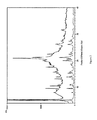
- the solid solution comprising the HPC polymer in 1:1 ratio showed a crystalline pattern corresponding to the Form I of Ticagrelor as demonstrated in Figure 2 .
- Tg 116°C the highest glass transition temperature was observed for the PVP K30 (1:2) solid solution ( Figure 3 ).
- Ticagrelor is a crystalline drug with a melting point at about 46 °C
- PVP K30 is amorphous solid with Tg value of 167 °C. Therefore the observed single Tg value of 116 °C for this solid matrix is the indication that the solid solution is consisted of only one phase.
- DSC thermograms displayed a single Tg for all compounds confirming that extrusion resulted in a one phase amorphous products.
- the Tg values obtained from the melt extruded samples were similar to those of the quick and slow evaporation products.
- the highest Tg value of the Ticagrelor/PVP K30 (1:2 w/w) melt extrudate was found to be around 2 C lower than that of obtained by the quick evaporation technique.
Landscapes
- Health & Medical Sciences (AREA)
- Bioinformatics & Cheminformatics (AREA)
- Engineering & Computer Science (AREA)
- Chemical & Material Sciences (AREA)
- Animal Behavior & Ethology (AREA)
- Life Sciences & Earth Sciences (AREA)
- Epidemiology (AREA)
- General Health & Medical Sciences (AREA)
- Public Health (AREA)
- Veterinary Medicine (AREA)
- Pharmacology & Pharmacy (AREA)
- Medicinal Chemistry (AREA)
- Inorganic Chemistry (AREA)
- Medicinal Preparation (AREA)
Abstract
Solid solution of ticagrelor molecularly dispersed within a polymer matrix formed by an ionic polymer in its solid state, characterized in that the ionic polymer is selected from hydroxypropyl methyl cellulose, polyvinylpyrrolidone or polyvinyl caprolactam-polyvinyl acetate-polyethyleneglycol.
Description
- The present invention relates to novel stabilized amorphous forms of ticagrelor (I), methods of preparation as well as their use in pharmaceutical compositions.
- The compound (1S,2S,3R,5S)-3-[7-[(1R,2S)-2-(3,4-Difluorophenyl)cyclopropylamino]-5-(propylthio)-3H-[1,2,3]triazolo[4,5-d]pyrimidin-3-yl]-5-(2-hydroxyethoxy)cyclopentane-1,2-diol (ticagrelor) of formula I

- Ticagrelor was specifically described in
WO 00/34283 WO2001092262 , Ticagrelor can exist in several different substantially crystalline forms referred to hereafter as polymorphic forms I, II, III and IV. Also amorphous form of ticagrelor was described therein, as well as process of preparation individual forms and use thereof in pharmaceutical formulation. For preparation of pharmaceutical composition however, predominantly crystalline forms of Ticagrelor are used because of lower stability and usually higher content of impurities present in amorphous form. - It was found in
WO2011067571 that ticagrelor can form a lot of co-crystals with various coformers such as malonic acid, succinic acid, decanoic acid, salicylic acid, gentisic acid, glutaric acid, vanillin acid etc. - Patent applications
WO 2008/024044 andWO 2008/024045 relate to pharmaceuticals formulations with ticagrelor. There are shown compositions with crystalline form II and III and one or more fillers, one or more binders, one or more lubricants and optionally one or more disintegrants. - To pharmaceutical dosage form comprising ticagrelor as pharmaceutically active ingredient, to certain particles of ticagrelor and to processes of preparing the same relates
WO2011076749 . - As ticagrelor is known to be pharmaceutically active ingredient exhibiting only low solubility, low permeability, and is categorised as a class IV compound under the Biopharmaceutical Classification System (BCS), there is still significant problem to design pharmaceutical composition.
- APIs such as Ticagrelor are typically subjected to salt or co-crystal formation so as to improve their solubility and hence bioavailability. One way to increase solubility of ticagrelor is to prepare it in amorphous form.
- The present invention relates to the solid state structures of (1S,2S,3R,5S)-3-[7-[(1R,2S)-2-(3,4-Difluoro-phenyl)-cyclopropylaminoj-5-(propylthio)-3H-[1,2,3]triazolo[4,5-d]pyrimidin-3-yl]-5-(2-hydroxyethoxy)-cyclopentane-1,2-diol (hereafter referred to as Ticagrelor) in the form of a stable amorph and their preparation and use of the same in pharmaceutical formulations.
- Crystalline solid is characterized by its long-range order. On the other hand, amorphous solids lack the long-range order. The molecular arrangement in the amorphous solid may be represented by a frozen liquid with the rheological properties of a solid.
- As is known in the art, because of the lack of a long-range order and usually high surface area, amorphous solids typically exhibit higher solubility then crystalline form. In order to increase solubility of a crystalline solid, it is thus beneficial to prepare active pharmaceutical ingredient in an amorphous form.
- If a crystalline material is heated until its melting point is reached (Tm), the material is transformed from solid to liquid state. This is reversible, so upon cooling, the molten liquid rearranges back to crystal lattice. If, however, the liquid is cooled sufficiently fast below its melting point, crystallization may be prevented forming a super-cooled liquid. In the super-cooled liquid is cooled enough to reach glass transition temperature (Tg), the molecules are kinetically frozen and the super-cooled liquid solidifies into a glass. In general, molecules in a super-cooled liquid state have much higher mobility as in a glassy state as described in Remington: The Science and Practice of Pharmacy, Pharmaceutical Press, 21nd edition.
- Since the molecules even in a glassy state have some mobility, it is known in the art that it is beneficial that the glass transition temperature of active pharmaceutical ingredient is at least 20°C higher, more preferably at least 30 °C higher and most preferably at least 40 °C higher than the actual storage conditions.
- Ticagrelor is characterized by its low solubility under the Biopharmaceutics Classification System (BCS). Therefore, there exists a clear need to increase solubility of ticagrelor. One way to increase solubility of ticagrelor is to prepare it in an amorphous form.
- Amorphous ticagrelor has relatively low glass transition temperature (Tg), which is about 46 °C. Therefore, the amorphous form undergoes recrystallization upon storage conditions. It is therefore highly beneficial to stabilize amorphous form of ticagrelor by Tg increase in order to prevent recrystallization.
- Amorphous form of ticagrelor can be stabilized by mixing ticagrelor with a second component. There are a number of different second components that can be used to stabilize ticagrelor. In general, all second components used to stabilize ticagrelor have a common characteristic which is that they decrease mobility of ticagrelor molecules and thus prevent recrystallization.
- One type of a second component used to stabilize amorphous ticagrelor are polymers. Suitable polymers used to stabilize amorphous ticagrelor may be selected from, but not restricted to water soluble as well as water insoluble polymers. Typical water soluble polymers suitable to stabilize amorphous ticagrelor are povidone, copovidone, hypromellose, hydroxypropylcellulose, polyvinyl caprolactam-polyvinyl acetate-polyethylene glycol graft copolymer (Soluplus™), polyvinyl alcohol and similar. Typical water insoluble polymers suitable to stabilize amorphous ticagrelor are methylcellulose, ethylcellulose, polymethacrylates, hypromellose phthalate, hypromellose acetate succinate, cellulose acetate phthalate, carboxymethyl ethyl cellulose and crospovidone.
- The API should be immobilised by interaction with polymer for i.e. via hydrogen bonding. Soluplus and PVP K30 polymers have amide structure, which provides hydrogen bond acceptors for the API molecule. Therefore, glass solutions of Ticagrelor are thermodynamically stabilised as their compositions are similar to those of liquid solutions. The total interactions between the API and polymer are stronger than the self-assembly of the API molecules. As a result Ticagrelor molecules do mix completely as one single phase of free molecules dispersed in the polymer-molecularly dispersed within polymer matrix. This results in a single homogeneous amorphous phase of solid solutions.
- Second type of a second component to stabilize amorphous ticagrelor are high surface area inorganic oxides. Suitable high surface area inorganic oxides used to stabilize amorphous ticagrelor may be selected from, but not restricted to silicon dioxide, titanium dioxide, zinc oxides, calcium silicate, aluminum oxide, magnesium aluminum silicate, bentonite, attapulgite, kaolin, zeolite and other molecular sieves.
- Third type of a second component to stabilize amorphous ticagrelor are carbohydrates. Suitable carbohydrates used to stabilize amorphous ticagrelor may be selected from, but not restricted to lactose, raffinose, sucrose, trehalose, maltose, dextran, maltodextrin and alpha, beta and gamma types of cyclodextrins.
- There exist a number of possible processes to prepare a stabilized amorphous form of ticagrelor.
- One possible process is the so-called solvent processes. What is common to all solvent processes is that the active ingredient is dissolved in a solvent or in any mixture thereof. Solvents can be water or any organic solvents. Some examples of possible organic solvents are methanol, ethanol, ethyl acetate, isopropanol, acetone, dichloromethane, tetrahydrofuran etc. In the next step, a second component to stabilize ticagrelor is added forming either solution or suspension. The solvent is then quickly removed and a super-cooled glassy solid remains. Some concrete solvent processes used to prepare composition of ticagrelor in stabilized amorphous form may be selected from, but not restricted to removal of a solvent in a rotary evaporator, fluid bed granulation, spray drying, electrospinning, freeze drying and similar.
- The second possible process is the process without the use of a solvent. In this process, ticagrelor is mixed directly with the second component to stabilize amorphous form and melted in order to form a melt. In general, the melt is heated to approximately 20-40 °C above the Tg of the melted system in order to decrease the viscosity of a system to such a degree that it is possible to process the system. The melt is subsequently cooled in order to form a super-cooled glassy solid. Some concrete examples of this process may be selected from, but not restricted to hot melt extrusion, hot melt granulation in a high shear mixer, solvent-free melt granulation in a fluid bed granulator and the like.
- The API should be immobilised by interaction with polymer for i.e. via hydrogen bonding. Soluplus and PVP K30 polymers have amide structure, which provides hydrogen bond acceptors for the API molecule. Therefore, glass solutions of Ticagrelor are thermodynamically stabilised as their compositions are similar to those of liquid solutions. The total interactions between the API and polymer are stronger than the self-assembly of the API molecules. As a result Ticagrelor molecules do mix completely as one single phase of free molecules dispersed in the polymer-molecularly dispersed within polymer matrix. This results in a single homogeneous amorphous phase of solid solutions.
- The invention relates to a solid pharmaceutical composition comprising ticagrelor and at least one second component used to stabilize amorphous ticagrelor.
- The composition comprising ticagrelor and at least one second component used to stabilize amorphous ticagrelor typically comprises at least one filler. Water-soluble fillers are generally preferred. Suitable fillers comprising ticagrelor composition may be selected from, but not restricted to monosaccharides, oligosaccharides and sugar alcohols like glucose, fructose, saccharose, lactose monohydrate, lactose anhydrous, raffinose, isomalt, trehalose, dextrates, mannitol, erythritol, sorbitol, maltitol, xylitol and lactitol, compressible sugar, dibasic calcium phosphate dihydrate and mixtures thereof. Preferred fillers are lactose, mannitol, xylitol.
- The composition comprising ticagrelor and at least one second component used to stabilize amorphous ticagrelor typically comprises binder. Suitable binders may include povidone, copovidone, cellulose powder, crystalline cellulose, microcrystalline cellulose, siliconized microcrystalline cellulose, cellulose derivatives such as hydroxymethylcellulose, hydroxyethylcellulose, hydroxypropylcellulose and hydroxypropylmethylcellulose, maltose, starch, pregelatinized starch, polymethacrylates and mixtures thereof. Hydroxypropylcellulose and maltose are particularly preferred. The composition comprising ticagrelor preferably comprises 0.5 to 30 wt.-% of binder, more preferably 1 to 7 wt.-% of binder, most preferably 2 to 4 wt.-% of binder.
- The composition comprising ticagrelor and at least one second component used to stabilize amorphous ticagrelor may optionally comprise surfactants. Suitable surfactants may be selected from anionic, cationic, ampholytic and non-ionic surfactants such as sodium lauryl sulfate, cetrimide, N-dodecyl-N,N-dimethylbetaine, polysorbates (such as Tweens®), poloxamers and mixtures thereof. Preferred is sodium lauryl sulfate. The composition comprising ticagrelor preferably comprises 0.1 to 4.0 wt.-% of surfactant, most preferably 0.5 to 2.0 wt.-% of surfactant.
- The composition comprising ticagrelor and at least one second component used to stabilize amorphous ticagrelor typically comprises lubricant and/or glidant. Suitable lubricants and/or glidants may be selected from magnesium stearate, hydrogenated vegetable oil, hydrogenated castor oil, talc, sodium stearyl fumarate, colloidal silicon dioxide, magnesium trisilicate and mixtures thereof. Stearic acid, magnesium stearate and sodium stearyl fumarate and colloidal silicon dioxide are particularly preferred.
- The tablet and/or capsule comprising ticagrelor and at least one second component used to stabilize amorphous ticagrelor can optionally be coated by any conventional coating. Suitable coating agent may be selected from methylcellulose, hydroxypropylmethyl cellulose, hydroxypropylcellulose, acrylic polymers, ethylcellulose, cellulose acetate phthalate, polyvinyl acetate phthalate, hydroxypropyl methylcellulose phthalate, polyvinylalcohol, sodium carboxymethylcellulose, cellulose acetate, cellulose acetate phthalate, gelatin, methacrylic acid copolymer, polyethylene glycol, shellac, sucrose, titanium dioxide and carnauba wax. Preferred are polyethylene glycol, hydroxypropylmethyl cellulose and polyvinylalcohol.
-
-
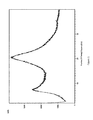
Figure 1 shows a powder X-ray diffraction pattern of Ticagrelor/HPMC (1:2) solid solution. -
Figure 2 shows a powder X-ray diffraction patterns of Ticagrelor/HPC (1:1) (top) and Ticagrelor (bottom). -
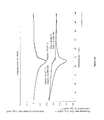
Figure 3 shows modulated DSC heat flow thermograms of Ticagrelor (a) and of solid solution of Ticagrelor/PVP K30 (1:2) (b). -
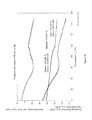
Figure 4 shows XRPD data Ticagrelor/HPC (1:2) before and after stress testing (before-medium line, after 6 days- top, after 4 weeks -bottom (re-crystallization to form I-Ticagrelor/HPC (1:2)). - DSC curves were measured with a Pyris 1 (Perkin Elmer) device. The sample charge was 3-4 mg,
heating rate 10 °C/min. Nitrogen was used as a carrier gas (20 ml/min). -
1A 1B 1C 1D Ticagrelor 90.00 90.00 90.00 90.00 Povidone 90.00 180.00 Soluplus 90.00 180.00 Mannitol 117.00 27.00 Lactose monohydrate 27.00 117.00 Magnesium stearate 3.00 3.00 Sodium stearyl fumarate 3.00 3.00 Total (mg) 300.00 300.00 300.00 300.00 - Ticagrelor and either povidone or soluplus are dissolved in ethanol. Solution is electrospun in order to obtain amorphous ticagrelor together with a second component in order to stabilize amorphous ticagrelor. Electrospun material is subsequently mixed with either mannitol or lactose and magnesium stearate or sodium stearyl fumarate and encapsulated into a hard gelatine capsule.
-
2A 2B 2C Ticagrelor 90.00 90.00 90.00 Povidone 150.00 Soluplus 225.00 150.00 Total(mg) 240.00 315.00 240.00 - Ticagrelor and either povidone or soluplus are dissolved in ethanol. Solution is electrospun in order to obtain amorphous ticagrelor together with a second component in order to stabilize amorphous ticagrelor. Electrospun material is inserted into a standard hard gelatine capsule of
size 0 elongated. - Ticagrelor and either povidone or silicon dioxide or hypromellose or soluplus or hypromellose acetate succinate or methacrylic acid copolymer type A or maltodextrin or beta cyclodextrin are mixed with methanol or methanol/water mixture in order to get a solution or a suspension. Solution or suspension is spray dried in order to obtain amorphous ticagrelor together with a second component in order to stabilize amorphous ticagrelor. Spray dried material is subsequently mixed with mannitol and either magnesium stearate or sodium stearyl fumarate and encapsulated into a hard gelatine capsule.
3A 3B 3C 3D 3E 3F 3G 3H Ticagrelor 90.00 90.00 90.00 90.00 90.00 90.00 90.00 90.00 Povidone 180.00 Silicon dioxide 180.00 Hypromellose 180.00 Soluplus 180.00 Hypromellose acetate succinate 180.00 Methacrylic acid copolymer type A 180.00 Maltodextrin 180.00 Beta cyclodextrin 180.00 Mannitol 127.00 127.00 127.00 127.00 127.00 127.00 127.00 127.00 Magnesium stearate 3.00 3.00 3.00 3.00 Sodium stearyl fumarate 3.00 3.00 3.00 3.00 Total(mg) 400.00 400.00 400.00 400.00 400.00 400.00 400.00 400.00 -
- a) API and polymer (HPMC 6cP, PVP K30 and Soluplus) (1:1 w/w, 100 mg) were dissolved in 2.5 ml of DCM(75%) : methanol. The solvent mixture was removed under reduced pressure yielding the glass solution.
- b) API and polymer (HPMC 6cP, HPC, PVP and Soluplus) (1:2 w/w, 100 mg) were dissolved in 4 ml of DCM(75%): methanol. The solvent mixture was removed under reduced pressure, yielding the glass solution.
- In the case of slow evaporation the solvent was allowed to evaporate at the RT overnight.
- The products were characterized by XRPD and DSC analysis.
- In X-ray powder diffraction (XRPD) analysis, the peak patterns for the glass solutions displayed two broad peaks (amorphous halo) as shown in
Fig. 1 as a representative example. - However, the solid solution comprising the HPC polymer in 1:1 ratio showed a crystalline pattern corresponding to the Form I of Ticagrelor as demonstrated in
Figure 2 . - In differential scanning calorimetry (DCS) measurements, the solid solutions exhibited a single glass transition temperature (Tg) indicating complete miscibility between the API and polymer. In all cases the Tg values were higher for solid solution of 1:2 ratio than those for 1:1 ratio. Therefore, the 1:2 API to polymer ratio was able to form more physically stable solid solutions. It is known that the physical stability of the solid solution is increased with a higher glass transition temperature (Hancock and Zografi, 1997).
- Comparing all recorded Tg values, the highest glass transition temperature (Tg 116°C) was observed for the PVP K30 (1:2) solid solution (
Figure 3 ). The highest glass transition temperature for HPMC (1:2) solid solution was observed Tg 72 °C and for Soluplus (1:2) solid solution Tg was 64 °C. - Ticagrelor is a crystalline drug with a melting point at about 46 °C, while PVP K30 is amorphous solid with Tg value of 167 °C. Therefore the observed single Tg value of 116 °C for this solid matrix is the indication that the solid solution is consisted of only one phase.
- Stress tests of the products were carried out at controlled temperature (50 °C) for 6 days and then further for 4 weeks without measuring the relative humidity. The changes in amorphous solid solution samples were analyzed by XRPD.
- From the XRPD results it was found out that the only re-crystallisation of amorphous API to Form I was observed with HPC polymer in 1:2 ratio. The XRPD data before and after stress testing are displayed in
Fig. 4 . The rest of the glass solutions remained in amorphous form after 4 weeks of stability testing. - All solid solutions were prepared at an API/polymer ratio of 1:1 and 1:2.5 (w/w) respectively, using the hot melting extrusion technique. Ticagrelor and polymer blends were extruded using a twin-screw extruder with a temperature cascade rising to 160 °C.
- Melt extrusion resulted in amorphous solid solutions as assessed by XRPD and DSC for all three polymers (PVP K30, Soluplus, HPMC) in ratios from 1:1 to 1:2.5 ratio respectively.
- DSC thermograms displayed a single Tg for all compounds confirming that extrusion resulted in a one phase amorphous products. The Tg values obtained from the melt extruded samples were similar to those of the quick and slow evaporation products. The highest Tg value of the Ticagrelor/PVP K30 (1:2 w/w) melt extrudate was found to be around 2C lower than that of obtained by the quick evaporation technique.

- XRPD spectra of all solid solutions exhibited also evidence of amorphous solid solutions (amorphous halo). The data are consistent with the XRPD results of the solid solutions prepared by quick and slow evaporation technique.
Claims (15)
- Solid solution of ticagrelor molecularly dispersed within a polymer matrix formed by an ionic polymer in its solid state, characterized in that the ionic polymer is selected from hydroxypropyl methyl cellulose, polyvinylpyrrolidone or polyvinyl caprolactam-polyvinyl acetate-polyethyleneglycol.
- Amorphous solid solution of ticagrelor molecularly dispersed within hydroxylpropyl methyl cellulose, having an X-ray diffraction pattern as shown in Fig. 1.
- Amorphous solid solution of ticagrelor according to claim 1, characterized in that it is a single-phase with a glass transition temperature (Tg) of more than 50°C.
- Amorphous solid solution of ticagrelor molecularly dispersed within polyvinylpyrrolidone, characterized in that it is a single-phase with a glass transition temperature (Tg) of more than 50°C.
- Amorphous solid solution of ticagrelor molecularly dispersed within polyvinyl caprolactam-polyvinyl acetate-polyethyleneglycol, characterized in that it is a single-phase with a glass transition temperature (Tg) of more than 50°C.
- A solid solution according to any of the preceding claims, wherein the ratio of the amount by weight of ticagrelor within the solid solution to the amount by weight of the ionic polymer is from 1:1 to 1:2.5.
- A process for the preparation of amorphous solid solution of ticagrelor according to claim 1 using a solvent comprising quick or slow evaporation, characterized in that the solvent is a mixture of DCM and methanol.
- A solid pharmaceutical composition comprising solid solution of ticagrelor molecularly dispersed within a polymer matrix formed by an ionic polymer in its solid state, wherein the ionic polymer is selected from hydroxypropyl methyl cellulose, polyvinylpyrrolidone or polyvinyl caprolactam-polyvinyl acetate-polyethyleneglycol, characterized in that it further comprises at least one filler, at least one binder, optionally a surfactant, at least one lubricant and/or glidant, and optionally is coated.
- The solid pharmaceutical composition according to claim 8, characterized in that the filler is selected from glucose, fructose, saccharose, lactose monohydrate, lactose anhydrous, raffinose, isomalt, trehalose, dextrates, mannitol, erythritol, sorbitol, maltitol, xylitol and lactitol, compressible sugar, dibasic calcium phosphate dihydrate and mixtures thereof, wherein preferred fillers are lactose, mannitol and xylitol.
- The solid pharmaceutical composition according to claim 8, characterized in that the binder is selected from povidone, copovidone, cellulose powder, crystalline cellulose, microcrystalline cellulose, siliconized microcrystalline cellulose, cellulose derivatives such as hydroxymethylcellulose, hydroxyethylcellulose, hydroxypropylcellulose and hydroxypropylmethylcellulose, maltose, starch, pregelatinized starch, polymethacrylates and mixtures thereof, wherein hydroxypropylcellulose and maltose are particularly preferred.
- The solid pharmaceutical composition according to claim 8, characterized in that it optionally comprises at least one surfactant selected from sodium lauryl sulfate, cetrimide, N-dodecyl-N,N-dimethylbetaine, polysorbates, poloxamers and mixtures thereof, wherein preferred is sodium lauryl sulfate.
- The solid pharmaceutical composition according to claim 8, characterized in that the lubricant and/or glidant is selected from stearic acid, magnesium stearate, hydrogenated vegetable oil, hydrogenated castor oil, talc, sodium stearyl fumarate, colloidal silicon dioxide, magnesium trisilicate and mixtures thereof, wherein stearic acid, magnesium stearate, sodium stearyl fumarate and colloidal silicon dioxide are particularly preferred.
- The solid pharmaceutical composition according to claim 8, coated using a coating agent selected from methylcellulose, hydroxypropyl methylcellulose, hydroxypropylcellulose, acrylic polymers, ethylcellulose, cellulose acetate phthalate, polyvinyl acetate phthalate, hydroxypropyl methylcellulose phthalate, polyvinylalcohol, sodium carboxymethylcellulose, cellulose acetate, cellulose acetate phthalate, gelatin, methacrylic acid copolymer, polyethylene glycol, shellac, sucrose, titanium dioxide and carnauba wax, wherein preferred are polyethylene glycol, hydroxypropyl methylcellulose and polyvinylalcohol.
- The solid pharmaceutical composition comprising solid solution of ticagrelor molecularly dispersed within polyvinylpyrrolidone, wherein the ratio of the amount by weight of ticagrelor within the solid solution to the amount by weight of the ionic polymer therein is from 1:1 to 1:2.5, characterized in that mannitol and magnesium stearate are used as filler and lubricant, resp.
- The solid pharmaceutical composition comprising solid solution of ticagrelor molecularly dispersed within hydroxylpropyl methyl cellulose, wherein the ratio of the amount by weight of ticagrelor within the solid solution to the amount by weight of the ionic polymer therein is from 1:1 to 1:2.5, characterized in that mannitol and magnesium stearate are used as filler and lubricant, resp.
Priority Applications (2)
| Application Number | Priority Date | Filing Date | Title |
|---|---|---|---|
| EP13002963.0A EP2813216A1 (en) | 2013-06-10 | 2013-06-10 | Stabilized amorphous ticagrelor |
| PCT/EP2014/001034 WO2014170026A1 (en) | 2013-04-18 | 2014-04-17 | Stabilized amorphous ticagrelor |
Applications Claiming Priority (1)
| Application Number | Priority Date | Filing Date | Title |
|---|---|---|---|
| EP13002963.0A EP2813216A1 (en) | 2013-06-10 | 2013-06-10 | Stabilized amorphous ticagrelor |
Publications (1)
| Publication Number | Publication Date |
|---|---|
| EP2813216A1 true EP2813216A1 (en) | 2014-12-17 |
Family
ID=48578768
Family Applications (1)
| Application Number | Title | Priority Date | Filing Date |
|---|---|---|---|
| EP13002963.0A Withdrawn EP2813216A1 (en) | 2013-04-18 | 2013-06-10 | Stabilized amorphous ticagrelor |
Country Status (1)
| Country | Link |
|---|---|
| EP (1) | EP2813216A1 (en) |
Citations (6)
| Publication number | Priority date | Publication date | Assignee | Title |
|---|---|---|---|---|
| WO2000034283A1 (en) | 1998-12-04 | 2000-06-15 | Astrazeneca Ab | Novel triazolo(4,5-d)pyrimidine compounds |
| WO2001092262A1 (en) | 2000-06-02 | 2001-12-06 | Astrazeneca Ab | New crystalline and amorphous form of a triazolo(4,5-d)pyrimidine compound |
| WO2008024044A1 (en) | 2006-08-21 | 2008-02-28 | Astrazeneca Ab | Compositions, suitable for oral administration, comprising a triazolo [4, 5] pyrimidin derivate |
| WO2008024045A1 (en) | 2006-08-21 | 2008-02-28 | Astrazeneca Ab | Compositions, suitable for oral administration, comprising a triazolo [4, 5-d]pyrimidin derivate |
| WO2011067571A1 (en) | 2009-12-03 | 2011-06-09 | Astrazeneca Ab | Co - crystals of a triazolo [4,5 - d] pyrimidine platelet aggregation inhibitor |
| WO2011076749A2 (en) | 2009-12-23 | 2011-06-30 | Ratiopharm Gmbh | Solid pharmaceutical dosage form |
-
2013
- 2013-06-10 EP EP13002963.0A patent/EP2813216A1/en not_active Withdrawn
Patent Citations (6)
| Publication number | Priority date | Publication date | Assignee | Title |
|---|---|---|---|---|
| WO2000034283A1 (en) | 1998-12-04 | 2000-06-15 | Astrazeneca Ab | Novel triazolo(4,5-d)pyrimidine compounds |
| WO2001092262A1 (en) | 2000-06-02 | 2001-12-06 | Astrazeneca Ab | New crystalline and amorphous form of a triazolo(4,5-d)pyrimidine compound |
| WO2008024044A1 (en) | 2006-08-21 | 2008-02-28 | Astrazeneca Ab | Compositions, suitable for oral administration, comprising a triazolo [4, 5] pyrimidin derivate |
| WO2008024045A1 (en) | 2006-08-21 | 2008-02-28 | Astrazeneca Ab | Compositions, suitable for oral administration, comprising a triazolo [4, 5-d]pyrimidin derivate |
| WO2011067571A1 (en) | 2009-12-03 | 2011-06-09 | Astrazeneca Ab | Co - crystals of a triazolo [4,5 - d] pyrimidine platelet aggregation inhibitor |
| WO2011076749A2 (en) | 2009-12-23 | 2011-06-30 | Ratiopharm Gmbh | Solid pharmaceutical dosage form |
Non-Patent Citations (2)
| Title |
|---|
| "Remington: The Science and Practice of Pharmacy", PHARMACEUTICAL PRESS |
| DR SHAUKAT ET AL: "Pharma Ingredients & Services. Welcome to more opportunities. Excipients Custom Synthesis | | Active Ingredients Soluplus - The Solid Solution Opening New Doors in Solubilization", INTERNET ARTICLE, 28 July 2011 (2011-07-28), XP055100216, Retrieved from the Internet <URL:http://www.pharma-ingredients.basf.com/Documents/ENP/Brochure/EN/RZ_BASF_Broschure_Soluplus.pdf> [retrieved on 20140204] * |
Similar Documents
| Publication | Publication Date | Title |
|---|---|---|
| WO2014170026A1 (en) | Stabilized amorphous ticagrelor | |
| EP2305263B1 (en) | Stabilized amorphous forms of imatinib mesylate | |
| US20130344146A1 (en) | Dry formulations of aripiprazole | |
| HRP20020777A2 (en) | Hydrophilic molecular disperse solutions of carvedilol | |
| JP4875001B2 (en) | Wet granulation pharmaceutical composition of aripiprazole | |
| EA031607B1 (en) | Pharmaceutical composition | |
| US9724335B2 (en) | Solid dispersions of insoluble drug and preparation method thereof | |
| US20180008624A1 (en) | Pharmaceutical Compositions Comprising Ledipasvir And Sofosbuvir | |
| EP3250188B1 (en) | Pharmaceutical composition comprising aprepitant and method for the preparation thereof | |
| WO2016169534A1 (en) | Solid forms of amorphous empagliflozin | |
| WO2018229785A1 (en) | Pharmaceutical compositions of ticagrelor | |
| EP2813216A1 (en) | Stabilized amorphous ticagrelor | |
| WO2007074477A2 (en) | Metaxalone polymorphs | |
| EP2832723B1 (en) | Stabilised amorphous forms of Saxagliptin | |
| US20200093804A1 (en) | Pharmaceutical composition of everolimus | |
| CZ26356U1 (en) | Stabilized composition containing amorphous ticagrelor | |
| EP4393476A1 (en) | A tablet formulation comprising selexipag | |
| EP4393475A1 (en) | Formulations comprising selexipag | |
| EP4616904A2 (en) | A formulation comprising selexipag | |
| WO2024144726A1 (en) | Formulations comprising selexipag | |
| WO2024144679A2 (en) | A tablet formulation comprising selexi̇pag | |
| US20110263701A1 (en) | Gabapentin enacarbil compositions | |
| EP4442252A1 (en) | A tablet formulation of a solid dispersion comprising empagliflozin | |
| HK1150764B (en) | Stabilized amorphous forms of imatinib mesylate | |
| WO2017020878A1 (en) | Solid forms of amorphous dolutegravir |
Legal Events
| Date | Code | Title | Description |
|---|---|---|---|
| 17P | Request for examination filed |
Effective date: 20130610 |
|
| AK | Designated contracting states |
Kind code of ref document: A1 Designated state(s): AL AT BE BG CH CY CZ DE DK EE ES FI FR GB GR HR HU IE IS IT LI LT LU LV MC MK MT NL NO PL PT RO RS SE SI SK SM TR |
|
| AX | Request for extension of the european patent |
Extension state: BA ME |
|
| PUAI | Public reference made under article 153(3) epc to a published international application that has entered the european phase |
Free format text: ORIGINAL CODE: 0009012 |
|
| STAA | Information on the status of an ep patent application or granted ep patent |
Free format text: STATUS: THE APPLICATION IS DEEMED TO BE WITHDRAWN |
|
| 18D | Application deemed to be withdrawn |
Effective date: 20150618 |