EP2811788A1 - Mobile phone performing power adjustment and power adjustment method thereof - Google Patents
Mobile phone performing power adjustment and power adjustment method thereof Download PDFInfo
- Publication number
- EP2811788A1 EP2811788A1 EP12867575.8A EP12867575A EP2811788A1 EP 2811788 A1 EP2811788 A1 EP 2811788A1 EP 12867575 A EP12867575 A EP 12867575A EP 2811788 A1 EP2811788 A1 EP 2811788A1
- Authority
- EP
- European Patent Office
- Prior art keywords
- output power
- rfpa
- power
- received
- maximum
- Prior art date
- Legal status (The legal status is an assumption and is not a legal conclusion. Google has not performed a legal analysis and makes no representation as to the accuracy of the status listed.)
- Granted
Links
Images
Classifications
-
- H—ELECTRICITY
- H04—ELECTRIC COMMUNICATION TECHNIQUE
- H04W—WIRELESS COMMUNICATION NETWORKS
- H04W52/00—Power management, e.g. Transmission Power Control [TPC] or power classes
- H04W52/02—Power saving arrangements
- H04W52/0209—Power saving arrangements in terminal devices
- H04W52/0251—Power saving arrangements in terminal devices using monitoring of local events, e.g. events related to user activity
- H04W52/0254—Power saving arrangements in terminal devices using monitoring of local events, e.g. events related to user activity detecting a user operation or a tactile contact or a motion of the device
-
- H—ELECTRICITY
- H04—ELECTRIC COMMUNICATION TECHNIQUE
- H04W—WIRELESS COMMUNICATION NETWORKS
- H04W52/00—Power management, e.g. Transmission Power Control [TPC] or power classes
- H04W52/04—Transmission power control [TPC]
- H04W52/06—TPC algorithms
- H04W52/14—Separate analysis of uplink or downlink
- H04W52/146—Uplink power control
-
- H—ELECTRICITY
- H04—ELECTRIC COMMUNICATION TECHNIQUE
- H04W—WIRELESS COMMUNICATION NETWORKS
- H04W52/00—Power management, e.g. Transmission Power Control [TPC] or power classes
- H04W52/04—Transmission power control [TPC]
- H04W52/18—TPC being performed according to specific parameters
- H04W52/24—TPC being performed according to specific parameters using SIR [Signal to Interference Ratio] or other wireless path parameters
- H04W52/247—TPC being performed according to specific parameters using SIR [Signal to Interference Ratio] or other wireless path parameters where the output power of a terminal is based on a path parameter sent by another terminal
-
- H—ELECTRICITY
- H04—ELECTRIC COMMUNICATION TECHNIQUE
- H04W—WIRELESS COMMUNICATION NETWORKS
- H04W52/00—Power management, e.g. Transmission Power Control [TPC] or power classes
- H04W52/04—Transmission power control [TPC]
- H04W52/18—TPC being performed according to specific parameters
- H04W52/28—TPC being performed according to specific parameters using user profile, e.g. mobile speed, priority or network state, e.g. standby, idle or non-transmission
- H04W52/283—Power depending on the position of the mobile
-
- H—ELECTRICITY
- H04—ELECTRIC COMMUNICATION TECHNIQUE
- H04W—WIRELESS COMMUNICATION NETWORKS
- H04W52/00—Power management, e.g. Transmission Power Control [TPC] or power classes
- H04W52/04—Transmission power control [TPC]
- H04W52/30—Transmission power control [TPC] using constraints in the total amount of available transmission power
- H04W52/36—Transmission power control [TPC] using constraints in the total amount of available transmission power with a discrete range or set of values, e.g. step size, ramping or offsets
- H04W52/367—Power values between minimum and maximum limits, e.g. dynamic range
-
- Y—GENERAL TAGGING OF NEW TECHNOLOGICAL DEVELOPMENTS; GENERAL TAGGING OF CROSS-SECTIONAL TECHNOLOGIES SPANNING OVER SEVERAL SECTIONS OF THE IPC; TECHNICAL SUBJECTS COVERED BY FORMER USPC CROSS-REFERENCE ART COLLECTIONS [XRACs] AND DIGESTS
- Y02—TECHNOLOGIES OR APPLICATIONS FOR MITIGATION OR ADAPTATION AGAINST CLIMATE CHANGE
- Y02D—CLIMATE CHANGE MITIGATION TECHNOLOGIES IN INFORMATION AND COMMUNICATION TECHNOLOGIES [ICT], I.E. INFORMATION AND COMMUNICATION TECHNOLOGIES AIMING AT THE REDUCTION OF THEIR OWN ENERGY USE
- Y02D30/00—Reducing energy consumption in communication networks
- Y02D30/70—Reducing energy consumption in communication networks in wireless communication networks
Definitions
- the present disclosure generally relates to the technical field of communication, and more particularly to a power-adjustable mobile phone and a power adjustment method thereof.
- SAR specific absorption rate
- the SAR refers to the electromagnetic power absorbed or dissipated by per unit mass of human tissues, and has a unit of watts per kilogram (W/Kg).
- Mobile phones radiate a great amount of electromagnetic waves to the outside during use, and the mobile phone are generally putted beside his/her ear during a phone call, therefore the long-term use of the mobile phones will cause brain dysfunction and influence human health. Thus, it is necessary for the mobile phones to pass an SAR test before shipment.
- the SAR test tests the SAR mainly by disposing the mobile phone at 2 to 3 centimeters away from a human face.
- Table 1 Radiation power of the antenna Maximum output power of RFPA DAC value of RFPA SAR Data 28.2 dBm 33 dBm 580 1.2 W/Kg Standard 28 dBm 33 ⁇ 2 dBm ⁇ 1023 1.0 W/Kg
- the radiation power of the antenna using the GSM850 frequency band is 28.2 dBm, and the standard value is specified to be higher than 28 dBm.
- the standard value of the SAR is 1.0W/Kg, but the SAR of the GSM850 has reached 1.2 W/Kg.
- the radiation power of the antenna of a mobile phone is directly related to the SAR.
- RFPA radio frequency power amplifier
- a resulting problem is that: if the maximum output power of the RFPA is reduced, the radiation power of the antenna will be reduced simultaneously. If the maximum output power of the RFPA is reduced to 32 dBm, then the radiation power of the antenna will be reduced by about 1 dBm simultaneously. Consequently, the radiation power of the antenna cannot meet the standard when it is tested in a free space.
- the SAR when the radiation power of the antenna is adjusted to meet the standard, i.e., higher than 28 dBm, during related tests on the mobile phone, the SAR will be found to reach 1.2W/Kg, which is out of the limit, in the SAR test. In this case, the antenna radiation power test and the SAR test cannot meet the standard simultaneously by directly reducing the output power of the RFPA.
- the main technical problem to be solved by the present disclosure is to provide a power-adjustable mobile phone and a power adjustment method thereof that allow the mobile phone to meet the requirements of the SAR test and the antenna radiation power test simultaneously.
- one technical solution of the present disclosure is to provide a method for adjusting the power of a mobile phone, and the method comprises the following steps of: a. determining whether a maximum power transmission instruction from a base station is received before establishing a phone call; b. determining whether an interrupt signal emitted by a range sensor is received after it is determined that the maximum power transmission instruction from the base station is received, wherein the range sensor emits the interrupt signal when a distance between the mobile phone and a human face is within a predetermined distance range of 0 to 3 centimeters; c.
- a radio frequency power amplifier RFPA
- RFPA radio frequency power amplifier
- the step b further comprises: controlling the RFPA to output the RF signal with a power required for a normal phone call after it is determined that the maximum power transmission instruction from the base station is not received.
- one technical solution of the present disclosure is to provide a method for adjusting the power of a mobile phone, and the method comprises the following steps of: a. determining whether a maximum power transmission instruction from a base station is received before establishing a phone call; b. determining whether an interrupt signal emitted by a range sensor is received after it is determined that the maximum power transmission instruction from the base station is received, wherein the range sensor emits the interrupt signal when a distance between the mobile phone and a human face is within a predetermined distance range; c.
- RFPA radio frequency power amplifier
- the step b further comprises: controlling the RFPA to output the RF signal with a power required for a normal phone call after it is determined that the maximum power transmission instruction from the base station is not received.
- the predetermined distance range is between 0 and 3 centimeters.
- the first output power is 33 dBm, and the second output power is 32 dBm.
- the first output power of the RFPA is set to be 33 dBm by setting a DAC parameter of the RFPA to be 580, and the second output power of the RFPA is set to be 32 dBm by setting a DAC parameter of the RFPA to be 560 in the step c.
- a mobile phone which comprises: a radio frequency power amplifier (RFPA), being configured to output a radio frequency (RF) signal; a range sensor, being configured to emit an interrupt signal when a distance between the mobile phone and a human face is within a predetermined distance range; and a baseband-signal processing chip connected to the range sensor and the RFPA respectively, being configured to determine whether a maximum power transmission instruction from a base station is received before establishing a phone call, determine whether the interrupt signal emitted by the range sensor is received after it is determined that the maximum power transmission instruction from the base station is received, set a maximum output power of the RFPA to be a first output power when it is determined that the interrupt signal is not received, set the maximum output power of the RFPA to be a second output power when it is determined that the interrupt signal is received, and control the RFPA to output the RF signal with the maximum output power, wherein the first output power is higher than the second output power.
- RFPA radio frequency power amplifier
- RF radio frequency
- the baseband-signal processing chip controls the RFPA to output the RF signal with a power required for a normal phone call after it is determined that the maximum power transmission instruction from the base station is not received.
- the predetermined distance range is between 0 and 3 centimeters.
- the first output power is 33 dBm, and the second output power is 32 dBm.
- the baseband-signal processing chip sets the first output power of the RFPA to be 33 dBm by setting a DAC parameter of the RFPA to be 580, and sets the second output power of the RFPA to be 32 dBm by setting a DAC parameter of the RFPA to be 560.
- the present disclosure determines whether the current test is a SAR test or an antenna radiation power test by determining whether the interrupt signal of the range sensor is received; if the interrupt signal of the range sensor is not received, then the current test is determined as the antenna radiation power test and the RFPA is controlled to output the RF signal with the first output power as the maximum output power to ensure that the mobile phone passes the antenna radiation power test; and if the interrupt signal of the range sensor is received, then the current test is determined as the SAR test, and the RFPA is controlled to output the RF signal with the second output power that is smaller than the first output power as the maximum output power to ensure that the mobile phone passes the SAR test. In this way, the mobile phone can meet the requirements of the SAR test and the antenna radiation power test simultaneously.
- FIG. 1 is a schematic view for illustrating a circuit structure of a mobile phone according to a first embodiment of the present disclosure.
- the mobile phone of the present disclosure comprises a radio frequency power amplifier (RFPA) 201, a range sensor 202 and a baseband-signal processing chip 203.
- the baseband-signal processing chip 203 is connected with the RFPA 201 to set a maximum power output value of the RFPA 201; and the baseband-signal processing chip 203 is also connected with the range sensor 202 to obtain a interrupt signal generated by the range sensor 202.
- RFPA radio frequency power amplifier
- two DAC parameters are set by using the baseband-signal processing chip 203 so as to control the maximum output power of the RFPA 201.
- the DAC parameters are setting parameters of the RFPA 201, and are used to set the maximum output power of the RFPA 201.
- the baseband-signal processing chip 203 sets the maximum output power of the RFPA 201 to be the first output power 33 dBm by setting a DAC parameter of the RFPA 201 to be 580, and sets the maximum output power of the RFPA 201 to be the second output power 32 dBm by setting a DAC parameter of the RFPA 201 to be 560.
- the range sensor 202 is used to detect whether the mobile phone is close to the human face so as to emit an interrupt signal to the baseband-signal processing chip 203 when it is determined that the mobile phone is close to the human face, to make the baseband-signal processing chip 203 set the RFPA 201 to output the RF signal with a smaller maximum output power.
- the SAR test and the antenna radiation power test must be performed with the maximum output power of the radio frequency.
- the base station will transmit a maximum power transmission instruction to the mobile phone, to instruct the mobile phone to output the RF signal with the maximum output power (i.e., 33 ⁇ 2 dBm). If the maximum power transmission instruction from the base station is not received, it means that the aforesaid tests are not being performed. Then, the baseband-signal processing chip 203 controls the RFPA 201 to output the RF signal with a power required for a normal phone call.
- the baseband-signal processing chip 203 When the baseband-signal processing chip 203 receives the maximum power transmission instruction, the baseband-signal processing chip 203 further determines whether the interrupt signal of the range sensor 202 is received. The mobile phone does not need to be put close to the human face during the antenna radiation power test, so that the current test can be determined as the antenna radiation power test if no interrupt signal is received. Thus, the baseband-signal processing chip 203 adopts the first DAC parameter 580 to control the maximum output power of the RFPA 201 to be the first output power of 33 dBm. In this case, the radiation power of the antenna will reach 28.2 dBm and meet the standard.
- the SAR test needs to put the mobile phone close to the human face so that the range sensor 202 can generate the interrupt signal.
- the second DAC parameter 560 is adopted to control the second output power of the RFPA 201 to be 32 dBm.
- the maximum output power is reduced by 1 dBm because the RFPA 201 adopts the second output power 32dBm as the maximum output power, and thereby the SAR will be reduced from 1.2 W/Kg to about 0.9 W/Kg and meet the standard.
- a method for adjusting the power of the mobile phone of the present disclosure will be described in more detail hereinafter with reference to FIG. 2 .
- FIG. 2 is a flowchart diagram of the method for adjusting the power of the mobile phone according to the first embodiment of the present disclosure. As shown in FIG. 2 , the method for adjusting the power of the mobile phone of the present disclosure comprises following steps of:
- the first output power can be set to be 33 dBm
- the second output power can be set to be 32 dBm in the aforesaid step 104 and step 105.
- the first output power of the RFPA 201 is set to be 33 dBm by setting a DAC parameter of the RFPA 201 to be 580
- the second output power of the RFPA 201 is set to be 32 dBm by setting a DAC parameter of the RFPA 201 to be 560.
- All of the aforesaid steps 101 to 106 are executed by the baseband-signal processing chip 203.
- the aforesaid specific values e.g., the DAC parameters, the standard value of the antenna radiation power, the first output power, the second output power, the standard value of the electromagnetic wave
- the aforesaid specific values can be adjusted according to practical needs.
- the conception of the present disclosure has been specifically described by merely taking a specific embodiment as an example, so the aforesaid specific values are not limited to what described above without departing from the conception of the present disclosure.
- the present disclosure determines whether the current test is the SAR test or the antenna radiation power test by determining whether the interrupt signal of the range sensor 202 is received. If the interrupt signal of the range sensor 202 is not received, then the current test is determined as the antenna radiation power test, and the RFPA 201 is controlled to output the RF signal with the first output power as the maximum output power to ensure that the mobile phone passes the antenna radiation power test. If the interrupt signal of the range sensor 202 is received, then the current test is determined as the SAR test, and the RFPA 201 is controlled to output the RF signal with the second output power that is smaller than the first output power as the maximum output power to ensure that the mobile phone passes the SAR test. In this way, the mobile phone can meet the requirements of the SAR test and the antenna radiation power test simultaneously.
Landscapes
- Engineering & Computer Science (AREA)
- Computer Networks & Wireless Communication (AREA)
- Signal Processing (AREA)
- Mobile Radio Communication Systems (AREA)
- Telephone Function (AREA)
- Transmitters (AREA)
Abstract
Description
- The present disclosure generally relates to the technical field of communication, and more particularly to a power-adjustable mobile phone and a power adjustment method thereof.
- Various organs of a human body are lossy dielectrics, so that electromagnetic field in human body will generate currents that absorb and dissipate electromagnetic energy. This physical process is usually represented as the specific absorption rate (SAR) in the biological dosimetry.
- The SAR refers to the electromagnetic power absorbed or dissipated by per unit mass of human tissues, and has a unit of watts per kilogram (W/Kg).
- Mobile phones radiate a great amount of electromagnetic waves to the outside during use, and the mobile phone are generally putted beside his/her ear during a phone call, therefore the long-term use of the mobile phones will cause brain dysfunction and influence human health. Thus, it is necessary for the mobile phones to pass an SAR test before shipment.
- Currently, the SAR test tests the SAR mainly by disposing the mobile phone at 2 to 3 centimeters away from a human face.
- Various data of the current antenna using a GSM850 frequency band will be described with reference to table 1:
Table 1 Radiation power of the antenna Maximum output power of RFPA DAC value of RFPA SAR Data 28.2 dBm 33 dBm 580 1.2 W/Kg Standard 28 dBm 33±2 dBm <1023 1.0 W/Kg - As shown in table 1, the radiation power of the antenna using the GSM850 frequency band is 28.2 dBm, and the standard value is specified to be higher than 28 dBm. The standard value of the SAR is 1.0W/Kg, but the SAR of the GSM850 has reached 1.2 W/Kg.
- The radiation power of the antenna of a mobile phone is directly related to the SAR. The higher the radiation power of the antenna is, the greater the SAR will be. Therefore, one of the approaches to reduce the SAR is to reduce the radiation power of the antenna. Therefore, the SAR can be reduced by directly reducing the output power of the radio frequency power amplifier (RFPA) so as to reduce the radiation power of the antenna.
- However, a resulting problem is that: if the maximum output power of the RFPA is reduced, the radiation power of the antenna will be reduced simultaneously. If the maximum output power of the RFPA is reduced to 32 dBm, then the radiation power of the antenna will be reduced by about 1 dBm simultaneously. Consequently, the radiation power of the antenna cannot meet the standard when it is tested in a free space.
- Thus, when the radiation power of the antenna is adjusted to meet the standard, i.e., higher than 28 dBm, during related tests on the mobile phone, the SAR will be found to reach 1.2W/Kg, which is out of the limit, in the SAR test. In this case, the antenna radiation power test and the SAR test cannot meet the standard simultaneously by directly reducing the output power of the RFPA.
- The main technical problem to be solved by the present disclosure is to provide a power-adjustable mobile phone and a power adjustment method thereof that allow the mobile phone to meet the requirements of the SAR test and the antenna radiation power test simultaneously.
- To solve the aforesaid technical problem, one technical solution of the present disclosure is to provide a method for adjusting the power of a mobile phone, and the method comprises the following steps of: a. determining whether a maximum power transmission instruction from a base station is received before establishing a phone call; b. determining whether an interrupt signal emitted by a range sensor is received after it is determined that the maximum power transmission instruction from the base station is received, wherein the range sensor emits the interrupt signal when a distance between the mobile phone and a human face is within a predetermined distance range of 0 to 3 centimeters; c. setting a maximum output power of a radio frequency power amplifier (RFPA) to be a first output power when it is determined that the interrupt signal is not received, and setting the maximum output power of the RFPA to be a second output power when it is determined that the interrupt signal is received, wherein the first output power is larger than the second output power, the first output power is 33 dBm, and the second output power is 32 dBm; and d. controlling the RFPA to output a radio frequency (RF) signal with the maximum output power.
- The step b further comprises: controlling the RFPA to output the RF signal with a power required for a normal phone call after it is determined that the maximum power transmission instruction from the base station is not received.
- To solve the aforesaid technical problem, one technical solution of the present disclosure is to provide a method for adjusting the power of a mobile phone, and the method comprises the following steps of: a. determining whether a maximum power transmission instruction from a base station is received before establishing a phone call; b. determining whether an interrupt signal emitted by a range sensor is received after it is determined that the maximum power transmission instruction from the base station is received, wherein the range sensor emits the interrupt signal when a distance between the mobile phone and a human face is within a predetermined distance range; c. setting a maximum output power of a radio frequency power amplifier (RFPA) to be a first output power when it is determined that the interrupt signal is not received, and setting the maximum output power of the RFPA to be a second output power when it is determined that the interrupt signal is received, wherein the first output power is larger than the second output power; and d. controlling the RFPA to output a radio frequency (RF) signal with the maximum output power.
- The step b further comprises: controlling the RFPA to output the RF signal with a power required for a normal phone call after it is determined that the maximum power transmission instruction from the base station is not received.
- The predetermined distance range is between 0 and 3 centimeters.
- The first output power is 33 dBm, and the second output power is 32 dBm.
- The first output power of the RFPA is set to be 33 dBm by setting a DAC parameter of the RFPA to be 580, and the second output power of the RFPA is set to be 32 dBm by setting a DAC parameter of the RFPA to be 560 in the step c.
- To solve the aforesaid technical problem, one technical solution of the present disclosure is to provide a mobile phone which comprises: a radio frequency power amplifier (RFPA), being configured to output a radio frequency (RF) signal; a range sensor, being configured to emit an interrupt signal when a distance between the mobile phone and a human face is within a predetermined distance range; and a baseband-signal processing chip connected to the range sensor and the RFPA respectively, being configured to determine whether a maximum power transmission instruction from a base station is received before establishing a phone call, determine whether the interrupt signal emitted by the range sensor is received after it is determined that the maximum power transmission instruction from the base station is received, set a maximum output power of the RFPA to be a first output power when it is determined that the interrupt signal is not received, set the maximum output power of the RFPA to be a second output power when it is determined that the interrupt signal is received, and control the RFPA to output the RF signal with the maximum output power, wherein the first output power is higher than the second output power.
- The baseband-signal processing chip controls the RFPA to output the RF signal with a power required for a normal phone call after it is determined that the maximum power transmission instruction from the base station is not received.
- The predetermined distance range is between 0 and 3 centimeters.
- The first output power is 33 dBm, and the second output power is 32 dBm.
- The baseband-signal processing chip sets the first output power of the RFPA to be 33 dBm by setting a DAC parameter of the RFPA to be 580, and sets the second output power of the RFPA to be 32 dBm by setting a DAC parameter of the RFPA to be 560.
- As compared to the prior art, the benefits of the present disclosure are that: the present disclosure determines whether the current test is a SAR test or an antenna radiation power test by determining whether the interrupt signal of the range sensor is received; if the interrupt signal of the range sensor is not received, then the current test is determined as the antenna radiation power test and the RFPA is controlled to output the RF signal with the first output power as the maximum output power to ensure that the mobile phone passes the antenna radiation power test; and if the interrupt signal of the range sensor is received, then the current test is determined as the SAR test, and the RFPA is controlled to output the RF signal with the second output power that is smaller than the first output power as the maximum output power to ensure that the mobile phone passes the SAR test. In this way, the mobile phone can meet the requirements of the SAR test and the antenna radiation power test simultaneously.
-
-
FIG. 1 is a schematic view illustrating the circuit structure of a mobile phone according to a first embodiment of the present disclosure; and -
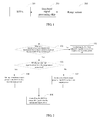
FIG. 2 is a flowchart diagram of a method for adjusting the power of the mobile phone according to the first embodiment of the present disclosure. - The present disclosure will be detailed hereinafter with reference to the attached drawings and embodiments.
- Referring to
FIG. 1 firstly,FIG. 1 is a schematic view for illustrating a circuit structure of a mobile phone according to a first embodiment of the present disclosure. As shown inFIG. 1 , the mobile phone of the present disclosure comprises a radio frequency power amplifier (RFPA) 201, arange sensor 202 and a baseband-signal processing chip 203. The baseband-signal processing chip 203 is connected with theRFPA 201 to set a maximum power output value of theRFPA 201; and the baseband-signal processing chip 203 is also connected with therange sensor 202 to obtain a interrupt signal generated by therange sensor 202. - In the present disclosure, two DAC parameters are set by using the baseband-
signal processing chip 203 so as to control the maximum output power of theRFPA 201. The DAC parameters are setting parameters of theRFPA 201, and are used to set the maximum output power of theRFPA 201. In the present disclosure, the baseband-signal processing chip 203 sets the maximum output power of theRFPA 201 to be the first output power 33 dBm by setting a DAC parameter of theRFPA 201 to be 580, and sets the maximum output power of theRFPA 201 to be the second output power 32 dBm by setting a DAC parameter of theRFPA 201 to be 560. - During the SAR test, the mobile phone needs to be put close to a human face. Thus, the
range sensor 202 is used to detect whether the mobile phone is close to the human face so as to emit an interrupt signal to the baseband-signal processing chip 203 when it is determined that the mobile phone is close to the human face, to make the baseband-signal processing chip 203 set theRFPA 201 to output the RF signal with a smaller maximum output power. - Furthermore, the SAR test and the antenna radiation power test must be performed with the maximum output power of the radio frequency. Thus, during the aforesaid tests, once a phone call is established, the base station will transmit a maximum power transmission instruction to the mobile phone, to instruct the mobile phone to output the RF signal with the maximum output power (i.e., 33±2 dBm). If the maximum power transmission instruction from the base station is not received, it means that the aforesaid tests are not being performed. Then, the baseband-
signal processing chip 203 controls theRFPA 201 to output the RF signal with a power required for a normal phone call. - When the baseband-
signal processing chip 203 receives the maximum power transmission instruction, the baseband-signal processing chip 203 further determines whether the interrupt signal of therange sensor 202 is received. The mobile phone does not need to be put close to the human face during the antenna radiation power test, so that the current test can be determined as the antenna radiation power test if no interrupt signal is received. Thus, the baseband-signal processing chip 203 adopts the first DAC parameter 580 to control the maximum output power of theRFPA 201 to be the first output power of 33 dBm. In this case, the radiation power of the antenna will reach 28.2 dBm and meet the standard. - When the baseband-
signal processing chip 203 receives the interrupt signal of therange sensor 202, the SAR test needs to put the mobile phone close to the human face so that therange sensor 202 can generate the interrupt signal. In this case, it can be determined that the currently performed test is the SAR test. Thus, the second DAC parameter 560 is adopted to control the second output power of theRFPA 201 to be 32 dBm. As a result, during the SAR test, the maximum output power is reduced by 1 dBm because theRFPA 201 adopts the second output power 32dBm as the maximum output power, and thereby the SAR will be reduced from 1.2 W/Kg to about 0.9 W/Kg and meet the standard. - A method for adjusting the power of the mobile phone of the present disclosure will be described in more detail hereinafter with reference to
FIG. 2 . - Referring to
FIG. 1 and FIG. 2 together,FIG. 2 is a flowchart diagram of the method for adjusting the power of the mobile phone according to the first embodiment of the present disclosure. As shown inFIG. 2 , the method for adjusting the power of the mobile phone of the present disclosure comprises following steps of: - Step 101: determining whether a maximum power transmission instruction from a base station is received before establishing a phone call. If the result of the determination is "Yes",
step 103 is executed, and otherwise,step 102 is executed. - Step 102: controlling the
RFPA 201 to output RF signals with a power required for a normal phone call. - Step 103: determining whether an interrupt signal emitted from the
range sensor 202 is received. If the result of the determination is "Yes",step 104 is executed, and otherwise,step 105 is executed. Therange sensor 202 emits the interrupt signal when a distance between the mobile phone and a human face is within a predetermined distance range. The predetermined distance can be set on therange sensor 202 according to practical needs, and preferably ranges between 0 and 3 centimeters depending on practical applications. - Step 104: setting the maximum output power of the
RFPA 201 to be a second output power. - Step 105: setting the maximum output power of the
RFPA 201 to be a first output power, wherein the first output power is larger than the second output power. - Step 106: controlling the
RFPA 201 to output the RF signals with the maximum output power. - As mentioned above, the first output power can be set to be 33 dBm, and the second output power can be set to be 32 dBm in the
aforesaid step 104 andstep 105. The first output power of theRFPA 201 is set to be 33 dBm by setting a DAC parameter of theRFPA 201 to be 580, and the second output power of theRFPA 201 is set to be 32 dBm by setting a DAC parameter of theRFPA 201 to be 560. - All of the
aforesaid steps 101 to 106 are executed by the baseband-signal processing chip 203. - It shall be noted that, the aforesaid specific values (e.g., the DAC parameters, the standard value of the antenna radiation power, the first output power, the second output power, the standard value of the electromagnetic wave) can be adjusted according to practical needs. The conception of the present disclosure has been specifically described by merely taking a specific embodiment as an example, so the aforesaid specific values are not limited to what described above without departing from the conception of the present disclosure.
- Thus, the present disclosure determines whether the current test is the SAR test or the antenna radiation power test by determining whether the interrupt signal of the
range sensor 202 is received. If the interrupt signal of therange sensor 202 is not received, then the current test is determined as the antenna radiation power test, and theRFPA 201 is controlled to output the RF signal with the first output power as the maximum output power to ensure that the mobile phone passes the antenna radiation power test. If the interrupt signal of therange sensor 202 is received, then the current test is determined as the SAR test, and theRFPA 201 is controlled to output the RF signal with the second output power that is smaller than the first output power as the maximum output power to ensure that the mobile phone passes the SAR test. In this way, the mobile phone can meet the requirements of the SAR test and the antenna radiation power test simultaneously. - What described above are only the embodiments of the present disclosure, but are not intended to limit the scope of the present disclosure. Any equivalent structures or equivalent process flow modifications that are made according to the specification and the attached drawings of the present disclosure, or any direct or indirect applications of the present disclosure in other related technical fields shall all be covered within the scope of the present disclosure.
Claims (12)
- A method for adjusting a power of a mobile phone, comprising following steps of:a. determining whether a maximum power transmission instruction from a base station is received before establishing a phone call;b. determining whether an interrupt signal emitted from a range sensor is received after it is determined that the maximum power transmission instruction from the base station is received, wherein the range sensor emits the interrupt signal when a distance between the mobile phone and a human face is within a predetermined distance range of 0 to 3 centimeters;c. setting a maximum output power of a radio frequency power amplifier (RFPA) to be a first output power when it is determined that the interrupt signal is not received, and setting the maximum output power of the RFPA to be a second output power when it is determined that the interrupt signal is received, wherein the first output power is larger than the second output power, the first output power is 33 dBm, and the second output power is 32 dBm; andd. controlling the RFPA to output radio frequency (RF) signals with the maximum output power.
- The method of claim 1, wherein the step b further comprises:controlling the RFPA to output the radio frequency signals with a power required for a normal phone call after it is determined that the maximum power transmission instruction from the base station is not received.
- A method for adjusting a power of a mobile phone, comprising the following steps of:a. determining whether a maximum power transmission instruction from a base station is received before establishing a phone call;b. determining whether an interrupt signal emitted from a range sensor is received after it is determined that the maximum power transmission instruction from the base station is received, wherein the range sensor emits the interrupt signal when a distance between the mobile phone and a human face is within a predetermined distance range;c. setting a maximum output power of a radio frequency power amplifier (RFPA) to be a first output power when it is determined that the interrupt signal is not received, and setting the maximum output power of the RFPA to be a second output power when it is determined that the interrupt signal is received, wherein the first output power is larger than the second output power; andd. controlling the RFPA to output radio frequency (RF) signals with the maximum output power.
- The method of claim 3, wherein the step b further comprises:controlling the RFPA to output the radio frequency signals with a power required for a normal phone call after it is determined that the maximum power transmission instruction from the base station is not received.
- The method of claim 3, wherein the predetermined distance range is between 0 and 3 centimeters.
- The method of claim 3, wherein the first output power is 33 dBm, and the second output power is 32 dBm.
- The method of claim 6, wherein the first output power of the RFPA is set to be 33 dBm by setting a DAC parameter of the RFPA to be 580, and the second output power of the RFPA is set to be 32 dBm by setting a DAC parameter of the RFPA to be 560 in the step c.
- A power-adjustable mobile phone, comprising:a radio frequency power amplifier (RFPA), being configured to output a radio frequency (RF) signal;a range sensor, being configured to emit an interrupt signal when a distance between the mobile phone and a human face is within a predetermined distance range; anda baseband-signal processing chip connected to the range sensor and the RFPA respectively, the baseband-signal processing chip being configured to determine whether a maximum power transmission instruction from a base station is received before establishing a phone call, determine whether an interrupt signal emitted from the range sensor is received after it is determined that the maximum power transmission instruction from the base station is received, set a maximum output power of the RFPA to be a first output power when it is determined that the interrupt signal is not received, set the maximum output power of the RFPA to be a second output power when it is determined that the interrupt signal is received, and control the RFPA to output RF signals with the maximum output power, wherein the first output power is higher than the second output power.
- The mobile phone of claim 8, wherein the baseband-signal processing chip controls the RFPA to output the RF signals with a power required for a normal phone call after it is determined that the maximum power transmission instruction from the base station is not received.
- The mobile phone of claim 8, wherein the predetermined distance range is between 0 and 3 centimeters.
- The mobile phone of claim 8, wherein the first output power is 33 dBm, and the second output power is 32 dBm.
- The mobile phone of claim 11, wherein the baseband-signal processing chip sets the first output power of the RFPA to be 33 dBm by setting a DAC parameter of the RFPA to be 580, and sets the second output power of the RFPA to be 32 dBm by setting a DAC parameter of the RFPA to be 560.
Applications Claiming Priority (2)
| Application Number | Priority Date | Filing Date | Title |
|---|---|---|---|
| CN201210022704.XA CN102595571B (en) | 2012-02-01 | 2012-02-01 | Mobile phone and power adjustment method thereof |
| PCT/CN2012/087407 WO2013113239A1 (en) | 2012-02-01 | 2012-12-25 | Mobile phone performing power adjustment and power adjustment method thereof |
Publications (3)
| Publication Number | Publication Date |
|---|---|
| EP2811788A1 true EP2811788A1 (en) | 2014-12-10 |
| EP2811788A4 EP2811788A4 (en) | 2015-09-30 |
| EP2811788B1 EP2811788B1 (en) | 2016-11-30 |
Family
ID=46483660
Family Applications (1)
| Application Number | Title | Priority Date | Filing Date |
|---|---|---|---|
| EP12867575.8A Not-in-force EP2811788B1 (en) | 2012-02-01 | 2012-12-25 | Mobile phone performing power adjustment and power adjustment method thereof |
Country Status (5)
| Country | Link |
|---|---|
| US (1) | US9241313B2 (en) |
| EP (1) | EP2811788B1 (en) |
| CN (1) | CN102595571B (en) |
| ES (1) | ES2613870T3 (en) |
| WO (1) | WO2013113239A1 (en) |
Families Citing this family (7)
| Publication number | Priority date | Publication date | Assignee | Title |
|---|---|---|---|---|
| CN102595571B (en) * | 2012-02-01 | 2015-07-01 | 惠州Tcl移动通信有限公司 | Mobile phone and power adjustment method thereof |
| CN106161757A (en) * | 2015-04-22 | 2016-11-23 | 中兴通讯股份有限公司 | A kind of terminal and the method preventing terminal maloperation |
| CN107534475B (en) * | 2015-09-29 | 2021-01-05 | 华为技术有限公司 | Method for controlling transmitting power of wireless communication terminal and wireless communication terminal |
| CN106094984B (en) * | 2016-05-31 | 2019-03-19 | 合肥联宝信息技术有限公司 | A kind of distance sensing device and smart machine of smart machine |
| CN107395885A (en) * | 2017-07-20 | 2017-11-24 | 合肥顺顺信息咨询有限公司 | A kind of cell phone system of Intelligent adjustment cellular signal strength |
| US11428780B2 (en) * | 2019-10-04 | 2022-08-30 | Qualcomm Incorporated | Near field user detection using a radar signal analysis associated with a user equipment |
| CN112040537B (en) * | 2020-08-19 | 2023-02-17 | Oppo(重庆)智能科技有限公司 | SAR fallback method, terminal device and computer readable storage medium |
Family Cites Families (9)
| Publication number | Priority date | Publication date | Assignee | Title |
|---|---|---|---|---|
| US7146139B2 (en) * | 2001-09-28 | 2006-12-05 | Siemens Communications, Inc. | System and method for reducing SAR values |
| KR100744811B1 (en) * | 2005-08-19 | 2007-08-01 | 엘지전자 주식회사 | Apparatus and method for controlling output power of mobile terminal |
| US8195220B2 (en) * | 2008-02-01 | 2012-06-05 | Lg Electronics Inc. | User interface for mobile devices |
| US8417296B2 (en) * | 2008-06-05 | 2013-04-09 | Apple Inc. | Electronic device with proximity-based radio power control |
| US20100317302A1 (en) * | 2009-06-12 | 2010-12-16 | Novatel Wireless | System and method for controlling rf explosure levels |
| US8437793B2 (en) * | 2009-11-24 | 2013-05-07 | Apple Inc. | Wireless transmitter calibration using absolute power requests |
| CN101895977A (en) * | 2010-07-19 | 2010-11-24 | 华为终端有限公司 | Method and terminal for transmitting signals of control terminal |
| KR101722237B1 (en) * | 2010-09-28 | 2017-03-31 | 삼성전자주식회사 | Device and method for controlling power in mobile telephone |
| CN102595571B (en) * | 2012-02-01 | 2015-07-01 | 惠州Tcl移动通信有限公司 | Mobile phone and power adjustment method thereof |
-
2012
- 2012-02-01 CN CN201210022704.XA patent/CN102595571B/en not_active Expired - Fee Related
- 2012-12-25 WO PCT/CN2012/087407 patent/WO2013113239A1/en not_active Ceased
- 2012-12-25 ES ES12867575.8T patent/ES2613870T3/en active Active
- 2012-12-25 EP EP12867575.8A patent/EP2811788B1/en not_active Not-in-force
- 2012-12-25 US US14/363,003 patent/US9241313B2/en not_active Expired - Fee Related
Also Published As
| Publication number | Publication date |
|---|---|
| CN102595571A (en) | 2012-07-18 |
| ES2613870T3 (en) | 2017-05-26 |
| EP2811788A4 (en) | 2015-09-30 |
| US9241313B2 (en) | 2016-01-19 |
| EP2811788B1 (en) | 2016-11-30 |
| CN102595571B (en) | 2015-07-01 |
| US20140342784A1 (en) | 2014-11-20 |
| WO2013113239A1 (en) | 2013-08-08 |
Similar Documents
| Publication | Publication Date | Title |
|---|---|---|
| US9241313B2 (en) | Mobile phone performing power adjustment and power adjustment method thereof | |
| US11368920B2 (en) | Method and apparatus for dynamically adjusting SAR value, mobile terminal, and computer storage medium | |
| US10291309B2 (en) | Robust uplink beam management | |
| EP3836704A1 (en) | Resource allocation method, terminal, network device and computer storage medium | |
| EP2375571B1 (en) | User equipment apparatus for simultaneously transmitting signals via a plurality of wireless communication chips to which different wireless communication schemes are applied and method for controlling transmission power thereof | |
| US20120282912A1 (en) | Low radiation wireless communicator | |
| EP3282811B1 (en) | Transmission power adjustment method and apparatus | |
| US10574280B2 (en) | Passive intermodulation suppression method and passive intermodulation suppression system | |
| EP4351017A1 (en) | Control method and apparatus for terminal antenna | |
| CN106452490A (en) | Method and apparatus for adjusting radiation | |
| CN103179653A (en) | Method and device for adjusting antenna transmitting power and mobile terminal | |
| US10651552B2 (en) | Enable a radiating element based on an orientation signal | |
| US12375191B2 (en) | Radio frequency handset calibration based on antenna gain | |
| JP2008522562A (en) | Laminated structure for wireless communication devices | |
| CN112867129A (en) | Power headroom reporting and sending method and device | |
| CN110474167B (en) | Electromagnetic wave control method and device | |
| CN1711701B (en) | Method for compensating transmission power and communication terminal equipment implementing the method | |
| JP2006524963A (en) | Method and apparatus for increasing the effective radiation output from a subscriber unit | |
| WO2023061001A1 (en) | Radio-frequency circuit, terminal device control method, terminal device, and storage medium | |
| JPS5992629A (en) | portable radio telephone equipment | |
| KR20110111228A (en) | A terminal device for simultaneously transmitting signals in a plurality of wireless communication chips to which different wireless communication methods are applied, and a transmission power control method thereof | |
| CN111064485A (en) | Control method of electromagnetic wave absorption ratio and electronic equipment | |
| CN114025415B (en) | SAR reduction method and terminal equipment | |
| CN108306696B (en) | Electronic device and method for improving antenna radiation index | |
| US20240275419A1 (en) | Radio frequency module, communication device and communication method |
Legal Events
| Date | Code | Title | Description |
|---|---|---|---|
| PUAI | Public reference made under article 153(3) epc to a published international application that has entered the european phase |
Free format text: ORIGINAL CODE: 0009012 |
|
| 17P | Request for examination filed |
Effective date: 20140623 |
|
| AK | Designated contracting states |
Kind code of ref document: A1 Designated state(s): AL AT BE BG CH CY CZ DE DK EE ES FI FR GB GR HR HU IE IS IT LI LT LU LV MC MK MT NL NO PL PT RO RS SE SI SK SM TR |
|
| AX | Request for extension of the european patent |
Extension state: BA ME |
|
| DAX | Request for extension of the european patent (deleted) | ||
| REG | Reference to a national code |
Ref country code: DE Ref legal event code: R079 Ref document number: 602012026192 Country of ref document: DE Free format text: PREVIOUS MAIN CLASS: H04W0052020000 Ipc: H04W0052360000 |
|
| RA4 | Supplementary search report drawn up and despatched (corrected) |
Effective date: 20150827 |
|
| RIC1 | Information provided on ipc code assigned before grant |
Ipc: H04W 52/36 20090101AFI20150821BHEP |
|
| GRAP | Despatch of communication of intention to grant a patent |
Free format text: ORIGINAL CODE: EPIDOSNIGR1 |
|
| INTG | Intention to grant announced |
Effective date: 20160728 |
|
| GRAS | Grant fee paid |
Free format text: ORIGINAL CODE: EPIDOSNIGR3 |
|
| GRAA | (expected) grant |
Free format text: ORIGINAL CODE: 0009210 |
|
| AK | Designated contracting states |
Kind code of ref document: B1 Designated state(s): AL AT BE BG CH CY CZ DE DK EE ES FI FR GB GR HR HU IE IS IT LI LT LU LV MC MK MT NL NO PL PT RO RS SE SI SK SM TR |
|
| REG | Reference to a national code |
Ref country code: CH Ref legal event code: EP Ref country code: GB Ref legal event code: FG4D |
|
| REG | Reference to a national code |
Ref country code: FR Ref legal event code: PLFP Year of fee payment: 5 Ref country code: AT Ref legal event code: REF Ref document number: 850839 Country of ref document: AT Kind code of ref document: T Effective date: 20161215 |
|
| REG | Reference to a national code |
Ref country code: IE Ref legal event code: FG4D |
|
| REG | Reference to a national code |
Ref country code: DE Ref legal event code: R096 Ref document number: 602012026192 Country of ref document: DE |
|
| PG25 | Lapsed in a contracting state [announced via postgrant information from national office to epo] |
Ref country code: LV Free format text: LAPSE BECAUSE OF FAILURE TO SUBMIT A TRANSLATION OF THE DESCRIPTION OR TO PAY THE FEE WITHIN THE PRESCRIBED TIME-LIMIT Effective date: 20161130 |
|
| REG | Reference to a national code |
Ref country code: LT Ref legal event code: MG4D |
|
| REG | Reference to a national code |
Ref country code: NL Ref legal event code: MP Effective date: 20161130 |
|
| REG | Reference to a national code |
Ref country code: AT Ref legal event code: MK05 Ref document number: 850839 Country of ref document: AT Kind code of ref document: T Effective date: 20161130 |
|
| PG25 | Lapsed in a contracting state [announced via postgrant information from national office to epo] |
Ref country code: NO Free format text: LAPSE BECAUSE OF FAILURE TO SUBMIT A TRANSLATION OF THE DESCRIPTION OR TO PAY THE FEE WITHIN THE PRESCRIBED TIME-LIMIT Effective date: 20170228 Ref country code: LT Free format text: LAPSE BECAUSE OF FAILURE TO SUBMIT A TRANSLATION OF THE DESCRIPTION OR TO PAY THE FEE WITHIN THE PRESCRIBED TIME-LIMIT Effective date: 20161130 Ref country code: SE Free format text: LAPSE BECAUSE OF FAILURE TO SUBMIT A TRANSLATION OF THE DESCRIPTION OR TO PAY THE FEE WITHIN THE PRESCRIBED TIME-LIMIT Effective date: 20161130 Ref country code: GR Free format text: LAPSE BECAUSE OF FAILURE TO SUBMIT A TRANSLATION OF THE DESCRIPTION OR TO PAY THE FEE WITHIN THE PRESCRIBED TIME-LIMIT Effective date: 20170301 |
|
| REG | Reference to a national code |
Ref country code: ES Ref legal event code: FG2A Ref document number: 2613870 Country of ref document: ES Kind code of ref document: T3 Effective date: 20170526 |
|
| PG25 | Lapsed in a contracting state [announced via postgrant information from national office to epo] |
Ref country code: PL Free format text: LAPSE BECAUSE OF FAILURE TO SUBMIT A TRANSLATION OF THE DESCRIPTION OR TO PAY THE FEE WITHIN THE PRESCRIBED TIME-LIMIT Effective date: 20161130 Ref country code: FI Free format text: LAPSE BECAUSE OF FAILURE TO SUBMIT A TRANSLATION OF THE DESCRIPTION OR TO PAY THE FEE WITHIN THE PRESCRIBED TIME-LIMIT Effective date: 20161130 Ref country code: HR Free format text: LAPSE BECAUSE OF FAILURE TO SUBMIT A TRANSLATION OF THE DESCRIPTION OR TO PAY THE FEE WITHIN THE PRESCRIBED TIME-LIMIT Effective date: 20161130 Ref country code: BE Free format text: LAPSE BECAUSE OF NON-PAYMENT OF DUE FEES Effective date: 20161231 Ref country code: AT Free format text: LAPSE BECAUSE OF FAILURE TO SUBMIT A TRANSLATION OF THE DESCRIPTION OR TO PAY THE FEE WITHIN THE PRESCRIBED TIME-LIMIT Effective date: 20161130 Ref country code: PT Free format text: LAPSE BECAUSE OF FAILURE TO SUBMIT A TRANSLATION OF THE DESCRIPTION OR TO PAY THE FEE WITHIN THE PRESCRIBED TIME-LIMIT Effective date: 20170330 Ref country code: RS Free format text: LAPSE BECAUSE OF FAILURE TO SUBMIT A TRANSLATION OF THE DESCRIPTION OR TO PAY THE FEE WITHIN THE PRESCRIBED TIME-LIMIT Effective date: 20161130 |
|
| PG25 | Lapsed in a contracting state [announced via postgrant information from national office to epo] |
Ref country code: NL Free format text: LAPSE BECAUSE OF FAILURE TO SUBMIT A TRANSLATION OF THE DESCRIPTION OR TO PAY THE FEE WITHIN THE PRESCRIBED TIME-LIMIT Effective date: 20161130 |
|
| PG25 | Lapsed in a contracting state [announced via postgrant information from national office to epo] |
Ref country code: SK Free format text: LAPSE BECAUSE OF FAILURE TO SUBMIT A TRANSLATION OF THE DESCRIPTION OR TO PAY THE FEE WITHIN THE PRESCRIBED TIME-LIMIT Effective date: 20161130 Ref country code: CZ Free format text: LAPSE BECAUSE OF FAILURE TO SUBMIT A TRANSLATION OF THE DESCRIPTION OR TO PAY THE FEE WITHIN THE PRESCRIBED TIME-LIMIT Effective date: 20161130 Ref country code: RO Free format text: LAPSE BECAUSE OF FAILURE TO SUBMIT A TRANSLATION OF THE DESCRIPTION OR TO PAY THE FEE WITHIN THE PRESCRIBED TIME-LIMIT Effective date: 20161130 Ref country code: EE Free format text: LAPSE BECAUSE OF FAILURE TO SUBMIT A TRANSLATION OF THE DESCRIPTION OR TO PAY THE FEE WITHIN THE PRESCRIBED TIME-LIMIT Effective date: 20161130 Ref country code: DK Free format text: LAPSE BECAUSE OF FAILURE TO SUBMIT A TRANSLATION OF THE DESCRIPTION OR TO PAY THE FEE WITHIN THE PRESCRIBED TIME-LIMIT Effective date: 20161130 |
|
| REG | Reference to a national code |
Ref country code: CH Ref legal event code: PL |
|
| PG25 | Lapsed in a contracting state [announced via postgrant information from national office to epo] |
Ref country code: BG Free format text: LAPSE BECAUSE OF FAILURE TO SUBMIT A TRANSLATION OF THE DESCRIPTION OR TO PAY THE FEE WITHIN THE PRESCRIBED TIME-LIMIT Effective date: 20170228 Ref country code: SM Free format text: LAPSE BECAUSE OF FAILURE TO SUBMIT A TRANSLATION OF THE DESCRIPTION OR TO PAY THE FEE WITHIN THE PRESCRIBED TIME-LIMIT Effective date: 20161130 Ref country code: BE Free format text: LAPSE BECAUSE OF FAILURE TO SUBMIT A TRANSLATION OF THE DESCRIPTION OR TO PAY THE FEE WITHIN THE PRESCRIBED TIME-LIMIT Effective date: 20161130 |
|
| REG | Reference to a national code |
Ref country code: DE Ref legal event code: R097 Ref document number: 602012026192 Country of ref document: DE |
|
| PG25 | Lapsed in a contracting state [announced via postgrant information from national office to epo] |
Ref country code: MC Free format text: LAPSE BECAUSE OF FAILURE TO SUBMIT A TRANSLATION OF THE DESCRIPTION OR TO PAY THE FEE WITHIN THE PRESCRIBED TIME-LIMIT Effective date: 20161130 |
|
| REG | Reference to a national code |
Ref country code: IE Ref legal event code: MM4A |
|
| PLBE | No opposition filed within time limit |
Free format text: ORIGINAL CODE: 0009261 |
|
| STAA | Information on the status of an ep patent application or granted ep patent |
Free format text: STATUS: NO OPPOSITION FILED WITHIN TIME LIMIT |
|
| PG25 | Lapsed in a contracting state [announced via postgrant information from national office to epo] |
Ref country code: CH Free format text: LAPSE BECAUSE OF NON-PAYMENT OF DUE FEES Effective date: 20161231 Ref country code: LI Free format text: LAPSE BECAUSE OF NON-PAYMENT OF DUE FEES Effective date: 20161231 Ref country code: LU Free format text: LAPSE BECAUSE OF NON-PAYMENT OF DUE FEES Effective date: 20161225 |
|
| 26N | No opposition filed |
Effective date: 20170831 |
|
| REG | Reference to a national code |
Ref country code: FR Ref legal event code: PLFP Year of fee payment: 6 |
|
| PG25 | Lapsed in a contracting state [announced via postgrant information from national office to epo] |
Ref country code: IE Free format text: LAPSE BECAUSE OF NON-PAYMENT OF DUE FEES Effective date: 20161225 Ref country code: SI Free format text: LAPSE BECAUSE OF FAILURE TO SUBMIT A TRANSLATION OF THE DESCRIPTION OR TO PAY THE FEE WITHIN THE PRESCRIBED TIME-LIMIT Effective date: 20161130 |
|
| PG25 | Lapsed in a contracting state [announced via postgrant information from national office to epo] |
Ref country code: HU Free format text: LAPSE BECAUSE OF FAILURE TO SUBMIT A TRANSLATION OF THE DESCRIPTION OR TO PAY THE FEE WITHIN THE PRESCRIBED TIME-LIMIT; INVALID AB INITIO Effective date: 20121225 |
|
| PG25 | Lapsed in a contracting state [announced via postgrant information from national office to epo] |
Ref country code: CY Free format text: LAPSE BECAUSE OF FAILURE TO SUBMIT A TRANSLATION OF THE DESCRIPTION OR TO PAY THE FEE WITHIN THE PRESCRIBED TIME-LIMIT Effective date: 20161130 Ref country code: MK Free format text: LAPSE BECAUSE OF FAILURE TO SUBMIT A TRANSLATION OF THE DESCRIPTION OR TO PAY THE FEE WITHIN THE PRESCRIBED TIME-LIMIT Effective date: 20161130 Ref country code: IS Free format text: LAPSE BECAUSE OF FAILURE TO SUBMIT A TRANSLATION OF THE DESCRIPTION OR TO PAY THE FEE WITHIN THE PRESCRIBED TIME-LIMIT Effective date: 20161130 |
|
| PG25 | Lapsed in a contracting state [announced via postgrant information from national office to epo] |
Ref country code: MT Free format text: LAPSE BECAUSE OF NON-PAYMENT OF DUE FEES Effective date: 20161225 |
|
| PG25 | Lapsed in a contracting state [announced via postgrant information from national office to epo] |
Ref country code: TR Free format text: LAPSE BECAUSE OF FAILURE TO SUBMIT A TRANSLATION OF THE DESCRIPTION OR TO PAY THE FEE WITHIN THE PRESCRIBED TIME-LIMIT Effective date: 20161130 |
|
| PG25 | Lapsed in a contracting state [announced via postgrant information from national office to epo] |
Ref country code: AL Free format text: LAPSE BECAUSE OF FAILURE TO SUBMIT A TRANSLATION OF THE DESCRIPTION OR TO PAY THE FEE WITHIN THE PRESCRIBED TIME-LIMIT Effective date: 20161130 |
|
| PGFP | Annual fee paid to national office [announced via postgrant information from national office to epo] |
Ref country code: FR Payment date: 20201223 Year of fee payment: 9 Ref country code: DE Payment date: 20201211 Year of fee payment: 9 Ref country code: GB Payment date: 20201223 Year of fee payment: 9 |
|
| PGFP | Annual fee paid to national office [announced via postgrant information from national office to epo] |
Ref country code: IT Payment date: 20201224 Year of fee payment: 9 |
|
| PGFP | Annual fee paid to national office [announced via postgrant information from national office to epo] |
Ref country code: ES Payment date: 20210223 Year of fee payment: 9 |
|
| REG | Reference to a national code |
Ref country code: DE Ref legal event code: R119 Ref document number: 602012026192 Country of ref document: DE |
|
| GBPC | Gb: european patent ceased through non-payment of renewal fee |
Effective date: 20211225 |
|
| PG25 | Lapsed in a contracting state [announced via postgrant information from national office to epo] |
Ref country code: GB Free format text: LAPSE BECAUSE OF NON-PAYMENT OF DUE FEES Effective date: 20211225 Ref country code: DE Free format text: LAPSE BECAUSE OF NON-PAYMENT OF DUE FEES Effective date: 20220701 |
|
| PG25 | Lapsed in a contracting state [announced via postgrant information from national office to epo] |
Ref country code: FR Free format text: LAPSE BECAUSE OF NON-PAYMENT OF DUE FEES Effective date: 20211231 |
|
| PG25 | Lapsed in a contracting state [announced via postgrant information from national office to epo] |
Ref country code: IT Free format text: LAPSE BECAUSE OF NON-PAYMENT OF DUE FEES Effective date: 20211225 |
|
| REG | Reference to a national code |
Ref country code: ES Ref legal event code: FD2A Effective date: 20230331 |
|
| PG25 | Lapsed in a contracting state [announced via postgrant information from national office to epo] |
Ref country code: ES Free format text: LAPSE BECAUSE OF NON-PAYMENT OF DUE FEES Effective date: 20211226 |