EP2806884B1 - Therapeutic use of activators of zinc finger protein gli3 - Google Patents
Therapeutic use of activators of zinc finger protein gli3 Download PDFInfo
- Publication number
- EP2806884B1 EP2806884B1 EP13702948.4A EP13702948A EP2806884B1 EP 2806884 B1 EP2806884 B1 EP 2806884B1 EP 13702948 A EP13702948 A EP 13702948A EP 2806884 B1 EP2806884 B1 EP 2806884B1
- Authority
- EP
- European Patent Office
- Prior art keywords
- mice
- gli3
- smo
- artificial sequence
- hepatocytes
- Prior art date
- Legal status (The legal status is an assumption and is not a legal conclusion. Google has not performed a legal analysis and makes no representation as to the accuracy of the status listed.)
- Active
Links
- 102100035559 Transcriptional activator GLI3 Human genes 0.000 title claims description 50
- 239000012190 activator Substances 0.000 title claims description 33
- 108010088656 Zinc Finger Protein Gli3 Proteins 0.000 title claims description 6
- 230000001225 therapeutic effect Effects 0.000 title description 6
- 239000004055 small Interfering RNA Substances 0.000 claims description 50
- 108020004459 Small interfering RNA Proteins 0.000 claims description 48
- 101100204372 Mus musculus Sufu gene Proteins 0.000 claims description 17
- 201000010065 polycystic ovary syndrome Diseases 0.000 claims description 16
- 108090000031 Hedgehog Proteins Proteins 0.000 claims description 8
- 102000003693 Hedgehog Proteins Human genes 0.000 claims description 8
- 108091027967 Small hairpin RNA Proteins 0.000 claims description 8
- 239000000074 antisense oligonucleotide Substances 0.000 claims description 7
- 238000012230 antisense oligonucleotides Methods 0.000 claims description 7
- 230000008410 smoothened signaling pathway Effects 0.000 claims description 7
- 230000002401 inhibitory effect Effects 0.000 claims description 5
- 125000000008 (C1-C10) alkyl group Chemical group 0.000 claims description 4
- 108010065129 Patched-1 Receptor Proteins 0.000 claims description 4
- 229910052739 hydrogen Inorganic materials 0.000 claims description 4
- 125000001997 phenyl group Chemical group [H]C1=C([H])C([H])=C(*)C([H])=C1[H] 0.000 claims description 4
- 101000898034 Homo sapiens Hepatocyte growth factor Proteins 0.000 claims description 3
- 101001076408 Homo sapiens Interleukin-6 Proteins 0.000 claims description 3
- 101000868152 Homo sapiens Son of sevenless homolog 1 Proteins 0.000 claims description 3
- 108091034117 Oligonucleotide Proteins 0.000 claims description 3
- 241000051107 Paraechinus aethiopicus Species 0.000 claims description 3
- 108010071083 Patched-2 Receptor Proteins 0.000 claims description 3
- FCEHBMOGCRZNNI-UHFFFAOYSA-N 1-benzothiophene Chemical group C1=CC=C2SC=CC2=C1 FCEHBMOGCRZNNI-UHFFFAOYSA-N 0.000 claims description 2
- VFSUUTYAEQOIMW-UHFFFAOYSA-N 3-chloro-n-[4-(methylamino)cyclohexyl]-n-[(3-pyridin-4-ylphenyl)methyl]-1-benzothiophene-2-carboxamide Chemical compound C1CC(NC)CCC1N(C(=O)C1=C(C2=CC=CC=C2S1)Cl)CC1=CC=CC(C=2C=CN=CC=2)=C1 VFSUUTYAEQOIMW-UHFFFAOYSA-N 0.000 claims description 2
- UFHFLCQGNIYNRP-UHFFFAOYSA-N Hydrogen Chemical compound [H][H] UFHFLCQGNIYNRP-UHFFFAOYSA-N 0.000 claims description 2
- YTPLMLYBLZKORZ-UHFFFAOYSA-N Thiophene Chemical group C=1C=CSC=1 YTPLMLYBLZKORZ-UHFFFAOYSA-N 0.000 claims description 2
- 229910052736 halogen Inorganic materials 0.000 claims description 2
- 239000001257 hydrogen Substances 0.000 claims description 2
- 229930192474 thiophene Natural products 0.000 claims description 2
- 239000002924 silencing RNA Substances 0.000 claims 2
- 102100028680 Protein patched homolog 1 Human genes 0.000 claims 1
- 102100036894 Protein patched homolog 2 Human genes 0.000 claims 1
- 210000003494 hepatocyte Anatomy 0.000 description 65
- 108020004414 DNA Proteins 0.000 description 52
- 101001074042 Homo sapiens Transcriptional activator GLI3 Proteins 0.000 description 44
- 241000699670 Mus sp. Species 0.000 description 41
- 230000014509 gene expression Effects 0.000 description 31
- 230000011664 signaling Effects 0.000 description 25
- 108010016200 Zinc Finger Protein GLI1 Proteins 0.000 description 23
- 102100035535 Zinc finger protein GLI1 Human genes 0.000 description 19
- 210000004185 liver Anatomy 0.000 description 19
- 108091032973 (ribonucleotides)n+m Proteins 0.000 description 16
- 108010088665 Zinc Finger Protein Gli2 Proteins 0.000 description 16
- 102100035558 Zinc finger protein GLI2 Human genes 0.000 description 16
- 230000030279 gene silencing Effects 0.000 description 15
- 206010019708 Hepatic steatosis Diseases 0.000 description 14
- NPGIHFRTRXVWOY-UHFFFAOYSA-N Oil red O Chemical compound Cc1ccc(C)c(c1)N=Nc1cc(C)c(cc1C)N=Nc1c(O)ccc2ccccc12 NPGIHFRTRXVWOY-UHFFFAOYSA-N 0.000 description 14
- 230000003828 downregulation Effects 0.000 description 14
- 230000009459 hedgehog signaling Effects 0.000 description 13
- IAZDPXIOMUYVGZ-UHFFFAOYSA-N Dimethylsulphoxide Chemical compound CS(C)=O IAZDPXIOMUYVGZ-UHFFFAOYSA-N 0.000 description 12
- 101000599951 Homo sapiens Insulin-like growth factor I Proteins 0.000 description 12
- 102100037852 Insulin-like growth factor I Human genes 0.000 description 12
- 108090000623 proteins and genes Proteins 0.000 description 12
- 241000289669 Erinaceus europaeus Species 0.000 description 11
- 101001081567 Homo sapiens Insulin-like growth factor-binding protein 1 Proteins 0.000 description 11
- 102100027636 Insulin-like growth factor-binding protein 1 Human genes 0.000 description 11
- 210000004027 cell Anatomy 0.000 description 11
- 230000000694 effects Effects 0.000 description 11
- 230000003520 lipogenic effect Effects 0.000 description 11
- 230000004913 activation Effects 0.000 description 10
- 108020004999 messenger RNA Proteins 0.000 description 10
- 238000010186 staining Methods 0.000 description 10
- 238000011813 knockout mouse model Methods 0.000 description 9
- 150000002632 lipids Chemical class 0.000 description 9
- 210000002966 serum Anatomy 0.000 description 9
- 208000024891 symptom Diseases 0.000 description 9
- 238000001890 transfection Methods 0.000 description 9
- 241001529936 Murinae Species 0.000 description 8
- 108010016731 PPAR gamma Proteins 0.000 description 8
- 102100038825 Peroxisome proliferator-activated receptor gamma Human genes 0.000 description 8
- 238000011161 development Methods 0.000 description 8
- 230000018109 developmental process Effects 0.000 description 8
- 239000003814 drug Substances 0.000 description 8
- 230000005764 inhibitory process Effects 0.000 description 8
- 208000008338 non-alcoholic fatty liver disease Diseases 0.000 description 8
- QASFUMOKHFSJGL-LAFRSMQTSA-N Cyclopamine Chemical compound C1C=C2C[C@@H](O)CC[C@]2(C)[C@@H](CC2=C3C)[C@@H]1[C@@H]2CC[C@@]13O[C@@H]2C[C@H](C)CN[C@H]2[C@H]1C QASFUMOKHFSJGL-LAFRSMQTSA-N 0.000 description 7
- 241000699666 Mus <mouse, genus> Species 0.000 description 7
- 102000049867 Steroidogenic acute regulatory protein Human genes 0.000 description 7
- 108010018411 Steroidogenic acute regulatory protein Proteins 0.000 description 7
- 238000002679 ablation Methods 0.000 description 7
- QASFUMOKHFSJGL-UHFFFAOYSA-N cyclopamine Natural products C1C=C2CC(O)CCC2(C)C(CC2=C3C)C1C2CCC13OC2CC(C)CNC2C1C QASFUMOKHFSJGL-UHFFFAOYSA-N 0.000 description 7
- 201000010099 disease Diseases 0.000 description 7
- 208000037265 diseases, disorders, signs and symptoms Diseases 0.000 description 7
- 150000007523 nucleic acids Chemical class 0.000 description 7
- 108020000948 Antisense Oligonucleotides Proteins 0.000 description 6
- 102000040945 Transcription factor Human genes 0.000 description 6
- 108091023040 Transcription factor Proteins 0.000 description 6
- 235000019197 fats Nutrition 0.000 description 6
- 239000003112 inhibitor Substances 0.000 description 6
- 239000000126 substance Substances 0.000 description 6
- 102000004190 Enzymes Human genes 0.000 description 5
- 108090000790 Enzymes Proteins 0.000 description 5
- RJKFOVLPORLFTN-LEKSSAKUSA-N Progesterone Chemical compound C1CC2=CC(=O)CC[C@]2(C)[C@@H]2[C@@H]1[C@@H]1CC[C@H](C(=O)C)[C@@]1(C)CC2 RJKFOVLPORLFTN-LEKSSAKUSA-N 0.000 description 5
- 230000003213 activating effect Effects 0.000 description 5
- 239000000556 agonist Substances 0.000 description 5
- 238000004458 analytical method Methods 0.000 description 5
- 150000001875 compounds Chemical class 0.000 description 5
- 229940088598 enzyme Drugs 0.000 description 5
- 239000008194 pharmaceutical composition Substances 0.000 description 5
- 229940124597 therapeutic agent Drugs 0.000 description 5
- 230000003827 upregulation Effects 0.000 description 5
- 241001465754 Metazoa Species 0.000 description 4
- 108091028043 Nucleic acid sequence Proteins 0.000 description 4
- 238000011529 RT qPCR Methods 0.000 description 4
- 102000001854 Steroid 17-alpha-Hydroxylase Human genes 0.000 description 4
- 108010015330 Steroid 17-alpha-Hydroxylase Proteins 0.000 description 4
- 238000009825 accumulation Methods 0.000 description 4
- 239000003795 chemical substances by application Substances 0.000 description 4
- 230000003247 decreasing effect Effects 0.000 description 4
- 229960003722 doxycycline Drugs 0.000 description 4
- XQTWDDCIUJNLTR-CVHRZJFOSA-N doxycycline monohydrate Chemical compound O.O=C1C2=C(O)C=CC=C2[C@H](C)[C@@H]2C1=C(O)[C@]1(O)C(=O)C(C(N)=O)=C(O)[C@@H](N(C)C)[C@@H]1[C@H]2O XQTWDDCIUJNLTR-CVHRZJFOSA-N 0.000 description 4
- 230000013020 embryo development Effects 0.000 description 4
- 210000000981 epithelium Anatomy 0.000 description 4
- 238000002474 experimental method Methods 0.000 description 4
- 230000006698 induction Effects 0.000 description 4
- 210000001596 intra-abdominal fat Anatomy 0.000 description 4
- 238000000034 method Methods 0.000 description 4
- 230000007935 neutral effect Effects 0.000 description 4
- 206010053219 non-alcoholic steatohepatitis Diseases 0.000 description 4
- 210000001672 ovary Anatomy 0.000 description 4
- 238000011002 quantification Methods 0.000 description 4
- 102000009878 3-Hydroxysteroid Dehydrogenases Human genes 0.000 description 3
- 101150088871 ELOVL6 gene Proteins 0.000 description 3
- 101150003888 FASN gene Proteins 0.000 description 3
- 206010016654 Fibrosis Diseases 0.000 description 3
- 102000004195 Isomerases Human genes 0.000 description 3
- 108090000769 Isomerases Proteins 0.000 description 3
- 206010028980 Neoplasm Diseases 0.000 description 3
- 102000012850 Patched-1 Receptor Human genes 0.000 description 3
- 102100038831 Peroxisome proliferator-activated receptor alpha Human genes 0.000 description 3
- 101000744001 Ruminococcus gnavus (strain ATCC 29149 / VPI C7-9) 3beta-hydroxysteroid dehydrogenase Proteins 0.000 description 3
- FAPWRFPIFSIZLT-UHFFFAOYSA-M Sodium chloride Chemical compound [Na+].[Cl-] FAPWRFPIFSIZLT-UHFFFAOYSA-M 0.000 description 3
- 210000000577 adipose tissue Anatomy 0.000 description 3
- 230000037396 body weight Effects 0.000 description 3
- 230000000295 complement effect Effects 0.000 description 3
- LOKCTEFSRHRXRJ-UHFFFAOYSA-I dipotassium trisodium dihydrogen phosphate hydrogen phosphate dichloride Chemical compound P(=O)(O)(O)[O-].[K+].P(=O)(O)([O-])[O-].[Na+].[Na+].[Cl-].[K+].[Cl-].[Na+] LOKCTEFSRHRXRJ-UHFFFAOYSA-I 0.000 description 3
- 230000001605 fetal effect Effects 0.000 description 3
- 230000002440 hepatic effect Effects 0.000 description 3
- 210000004024 hepatic stellate cell Anatomy 0.000 description 3
- 230000001939 inductive effect Effects 0.000 description 3
- 239000003446 ligand Substances 0.000 description 3
- 238000010172 mouse model Methods 0.000 description 3
- VOFUROIFQGPCGE-UHFFFAOYSA-N nile red Chemical compound C1=CC=C2C3=NC4=CC=C(N(CC)CC)C=C4OC3=CC(=O)C2=C1 VOFUROIFQGPCGE-UHFFFAOYSA-N 0.000 description 3
- 108091008725 peroxisome proliferator-activated receptors alpha Proteins 0.000 description 3
- 239000002953 phosphate buffered saline Substances 0.000 description 3
- 239000002243 precursor Substances 0.000 description 3
- 102000004169 proteins and genes Human genes 0.000 description 3
- 230000002829 reductive effect Effects 0.000 description 3
- 102100022089 Acyl-[acyl-carrier-protein] hydrolase Human genes 0.000 description 2
- CIWBSHSKHKDKBQ-JLAZNSOCSA-N Ascorbic acid Chemical compound OC[C@H](O)[C@H]1OC(=O)C(O)=C1O CIWBSHSKHKDKBQ-JLAZNSOCSA-N 0.000 description 2
- 108010051219 Cre recombinase Proteins 0.000 description 2
- 102100039249 Elongation of very long chain fatty acids protein 6 Human genes 0.000 description 2
- 108050007786 Elongation of very long chain fatty acids protein 6 Proteins 0.000 description 2
- 108010011459 Exenatide Proteins 0.000 description 2
- 108010039731 Fatty Acid Synthases Proteins 0.000 description 2
- 241000027355 Ferocactus setispinus Species 0.000 description 2
- 208000009774 Follicular Cyst Diseases 0.000 description 2
- DHMQDGOQFOQNFH-UHFFFAOYSA-N Glycine Chemical compound NCC(O)=O DHMQDGOQFOQNFH-UHFFFAOYSA-N 0.000 description 2
- 102100021866 Hepatocyte growth factor Human genes 0.000 description 2
- 101000819074 Homo sapiens Transcription factor GATA-4 Proteins 0.000 description 2
- 101150009635 IGFBP3 gene Proteins 0.000 description 2
- 102000004372 Insulin-like growth factor binding protein 2 Human genes 0.000 description 2
- 102000004374 Insulin-like growth factor binding protein 3 Human genes 0.000 description 2
- 102000016267 Leptin Human genes 0.000 description 2
- 108010092277 Leptin Proteins 0.000 description 2
- 241000699660 Mus musculus Species 0.000 description 2
- SEBFKMXJBCUCAI-UHFFFAOYSA-N NSC 227190 Natural products C1=C(O)C(OC)=CC(C2C(OC3=CC=C(C=C3O2)C2C(C(=O)C3=C(O)C=C(O)C=C3O2)O)CO)=C1 SEBFKMXJBCUCAI-UHFFFAOYSA-N 0.000 description 2
- 108700026244 Open Reading Frames Proteins 0.000 description 2
- 102000000017 Patched Receptors Human genes 0.000 description 2
- 108010069873 Patched Receptors Proteins 0.000 description 2
- 102000007497 Patched-2 Receptor Human genes 0.000 description 2
- 108091093037 Peptide nucleic acid Proteins 0.000 description 2
- WCUXLLCKKVVCTQ-UHFFFAOYSA-M Potassium chloride Chemical compound [Cl-].[K+] WCUXLLCKKVVCTQ-UHFFFAOYSA-M 0.000 description 2
- YASAKCUCGLMORW-UHFFFAOYSA-N Rosiglitazone Chemical compound C=1C=CC=NC=1N(C)CCOC(C=C1)=CC=C1CC1SC(=O)NC1=O YASAKCUCGLMORW-UHFFFAOYSA-N 0.000 description 2
- 108010074436 Sterol Regulatory Element Binding Protein 1 Proteins 0.000 description 2
- 102100026839 Sterol regulatory element-binding protein 1 Human genes 0.000 description 2
- 102100021380 Transcription factor GATA-4 Human genes 0.000 description 2
- 102000027677 Transcription factor GLI3 Human genes 0.000 description 2
- 108091009419 Transcription factor GLI3 Proteins 0.000 description 2
- JLCPHMBAVCMARE-UHFFFAOYSA-N [3-[[3-[[3-[[3-[[3-[[3-[[3-[[3-[[3-[[3-[[3-[[5-(2-amino-6-oxo-1H-purin-9-yl)-3-[[3-[[3-[[3-[[3-[[3-[[5-(2-amino-6-oxo-1H-purin-9-yl)-3-[[5-(2-amino-6-oxo-1H-purin-9-yl)-3-hydroxyoxolan-2-yl]methoxy-hydroxyphosphoryl]oxyoxolan-2-yl]methoxy-hydroxyphosphoryl]oxy-5-(5-methyl-2,4-dioxopyrimidin-1-yl)oxolan-2-yl]methoxy-hydroxyphosphoryl]oxy-5-(6-aminopurin-9-yl)oxolan-2-yl]methoxy-hydroxyphosphoryl]oxy-5-(6-aminopurin-9-yl)oxolan-2-yl]methoxy-hydroxyphosphoryl]oxy-5-(6-aminopurin-9-yl)oxolan-2-yl]methoxy-hydroxyphosphoryl]oxy-5-(6-aminopurin-9-yl)oxolan-2-yl]methoxy-hydroxyphosphoryl]oxyoxolan-2-yl]methoxy-hydroxyphosphoryl]oxy-5-(5-methyl-2,4-dioxopyrimidin-1-yl)oxolan-2-yl]methoxy-hydroxyphosphoryl]oxy-5-(4-amino-2-oxopyrimidin-1-yl)oxolan-2-yl]methoxy-hydroxyphosphoryl]oxy-5-(5-methyl-2,4-dioxopyrimidin-1-yl)oxolan-2-yl]methoxy-hydroxyphosphoryl]oxy-5-(5-methyl-2,4-dioxopyrimidin-1-yl)oxolan-2-yl]methoxy-hydroxyphosphoryl]oxy-5-(6-aminopurin-9-yl)oxolan-2-yl]methoxy-hydroxyphosphoryl]oxy-5-(6-aminopurin-9-yl)oxolan-2-yl]methoxy-hydroxyphosphoryl]oxy-5-(4-amino-2-oxopyrimidin-1-yl)oxolan-2-yl]methoxy-hydroxyphosphoryl]oxy-5-(4-amino-2-oxopyrimidin-1-yl)oxolan-2-yl]methoxy-hydroxyphosphoryl]oxy-5-(4-amino-2-oxopyrimidin-1-yl)oxolan-2-yl]methoxy-hydroxyphosphoryl]oxy-5-(6-aminopurin-9-yl)oxolan-2-yl]methoxy-hydroxyphosphoryl]oxy-5-(4-amino-2-oxopyrimidin-1-yl)oxolan-2-yl]methyl [5-(6-aminopurin-9-yl)-2-(hydroxymethyl)oxolan-3-yl] hydrogen phosphate Polymers Cc1cn(C2CC(OP(O)(=O)OCC3OC(CC3OP(O)(=O)OCC3OC(CC3O)n3cnc4c3nc(N)[nH]c4=O)n3cnc4c3nc(N)[nH]c4=O)C(COP(O)(=O)OC3CC(OC3COP(O)(=O)OC3CC(OC3COP(O)(=O)OC3CC(OC3COP(O)(=O)OC3CC(OC3COP(O)(=O)OC3CC(OC3COP(O)(=O)OC3CC(OC3COP(O)(=O)OC3CC(OC3COP(O)(=O)OC3CC(OC3COP(O)(=O)OC3CC(OC3COP(O)(=O)OC3CC(OC3COP(O)(=O)OC3CC(OC3COP(O)(=O)OC3CC(OC3COP(O)(=O)OC3CC(OC3COP(O)(=O)OC3CC(OC3COP(O)(=O)OC3CC(OC3COP(O)(=O)OC3CC(OC3COP(O)(=O)OC3CC(OC3CO)n3cnc4c(N)ncnc34)n3ccc(N)nc3=O)n3cnc4c(N)ncnc34)n3ccc(N)nc3=O)n3ccc(N)nc3=O)n3ccc(N)nc3=O)n3cnc4c(N)ncnc34)n3cnc4c(N)ncnc34)n3cc(C)c(=O)[nH]c3=O)n3cc(C)c(=O)[nH]c3=O)n3ccc(N)nc3=O)n3cc(C)c(=O)[nH]c3=O)n3cnc4c3nc(N)[nH]c4=O)n3cnc4c(N)ncnc34)n3cnc4c(N)ncnc34)n3cnc4c(N)ncnc34)n3cnc4c(N)ncnc34)O2)c(=O)[nH]c1=O JLCPHMBAVCMARE-UHFFFAOYSA-N 0.000 description 2
- 238000007792 addition Methods 0.000 description 2
- AEMFNILZOJDQLW-QAGGRKNESA-N androst-4-ene-3,17-dione Chemical compound O=C1CC[C@]2(C)[C@H]3CC[C@](C)(C(CC4)=O)[C@@H]4[C@@H]3CCC2=C1 AEMFNILZOJDQLW-QAGGRKNESA-N 0.000 description 2
- 229960005471 androstenedione Drugs 0.000 description 2
- AEMFNILZOJDQLW-UHFFFAOYSA-N androstenedione Natural products O=C1CCC2(C)C3CCC(C)(C(CC4)=O)C4C3CCC2=C1 AEMFNILZOJDQLW-UHFFFAOYSA-N 0.000 description 2
- 230000003510 anti-fibrotic effect Effects 0.000 description 2
- 239000003963 antioxidant agent Substances 0.000 description 2
- 235000006708 antioxidants Nutrition 0.000 description 2
- 230000015572 biosynthetic process Effects 0.000 description 2
- 210000004556 brain Anatomy 0.000 description 2
- 201000011510 cancer Diseases 0.000 description 2
- 230000007882 cirrhosis Effects 0.000 description 2
- 208000019425 cirrhosis of liver Diseases 0.000 description 2
- OPTASPLRGRRNAP-UHFFFAOYSA-N cytosine Chemical compound NC=1C=CNC(=O)N=1 OPTASPLRGRRNAP-UHFFFAOYSA-N 0.000 description 2
- CZWCKYRVOZZJNM-USOAJAOKSA-N dehydroepiandrosterone sulfate Chemical compound C1[C@@H](OS(O)(=O)=O)CC[C@]2(C)[C@H]3CC[C@](C)(C(CC4)=O)[C@@H]4[C@@H]3CC=C21 CZWCKYRVOZZJNM-USOAJAOKSA-N 0.000 description 2
- 230000008021 deposition Effects 0.000 description 2
- 229940079593 drug Drugs 0.000 description 2
- 239000003937 drug carrier Substances 0.000 description 2
- 229960001519 exenatide Drugs 0.000 description 2
- RWSXRVCMGQZWBV-WDSKDSINSA-N glutathione Chemical compound OC(=O)[C@@H](N)CCC(=O)N[C@@H](CS)C(=O)NCC(O)=O RWSXRVCMGQZWBV-WDSKDSINSA-N 0.000 description 2
- 239000001963 growth medium Substances 0.000 description 2
- UYTPUPDQBNUYGX-UHFFFAOYSA-N guanine Chemical compound O=C1NC(N)=NC2=C1N=CN2 UYTPUPDQBNUYGX-UHFFFAOYSA-N 0.000 description 2
- 101150071737 igfbp2 gene Proteins 0.000 description 2
- 208000000509 infertility Diseases 0.000 description 2
- 230000036512 infertility Effects 0.000 description 2
- 231100000535 infertility Toxicity 0.000 description 2
- 208000021267 infertility disease Diseases 0.000 description 2
- 238000007689 inspection Methods 0.000 description 2
- 229940039781 leptin Drugs 0.000 description 2
- NRYBAZVQPHGZNS-ZSOCWYAHSA-N leptin Chemical compound O=C([C@H](CO)NC(=O)[C@H](CC(C)C)NC(=O)[C@H](CC(O)=O)NC(=O)[C@H](CC(C)C)NC(=O)[C@H](CCC(N)=O)NC(=O)[C@H](CC=1C2=CC=CC=C2NC=1)NC(=O)[C@H](CC(C)C)NC(=O)[C@@H](NC(=O)[C@H](CC(O)=O)NC(=O)[C@H](CCC(N)=O)NC(=O)[C@H](CC(C)C)NC(=O)[C@H](CO)NC(=O)CNC(=O)[C@H](CCC(N)=O)NC(=O)[C@@H](N)CC(C)C)CCSC)N1CCC[C@H]1C(=O)NCC(=O)N[C@@H](CS)C(O)=O NRYBAZVQPHGZNS-ZSOCWYAHSA-N 0.000 description 2
- 230000003859 lipid peroxidation Effects 0.000 description 2
- 230000004132 lipogenesis Effects 0.000 description 2
- 210000005229 liver cell Anatomy 0.000 description 2
- 230000031142 liver development Effects 0.000 description 2
- 210000004072 lung Anatomy 0.000 description 2
- 230000007246 mechanism Effects 0.000 description 2
- 239000002609 medium Substances 0.000 description 2
- 230000005644 metestrus Effects 0.000 description 2
- 125000000956 methoxy group Chemical group [H]C([H])([H])O* 0.000 description 2
- 125000002496 methyl group Chemical group [H]C([H])([H])* 0.000 description 2
- 238000012986 modification Methods 0.000 description 2
- 230000004048 modification Effects 0.000 description 2
- 102000039446 nucleic acids Human genes 0.000 description 2
- 108020004707 nucleic acids Proteins 0.000 description 2
- 210000000056 organ Anatomy 0.000 description 2
- HYAFETHFCAUJAY-UHFFFAOYSA-N pioglitazone Chemical compound N1=CC(CC)=CC=C1CCOC(C=C1)=CC=C1CC1C(=O)NC(=O)S1 HYAFETHFCAUJAY-UHFFFAOYSA-N 0.000 description 2
- 238000003753 real-time PCR Methods 0.000 description 2
- 102000005962 receptors Human genes 0.000 description 2
- 108020003175 receptors Proteins 0.000 description 2
- 230000001105 regulatory effect Effects 0.000 description 2
- 238000003757 reverse transcription PCR Methods 0.000 description 2
- 239000012679 serum free medium Substances 0.000 description 2
- 230000006807 siRNA silencing Effects 0.000 description 2
- SEBFKMXJBCUCAI-HKTJVKLFSA-N silibinin Chemical compound C1=C(O)C(OC)=CC([C@@H]2[C@H](OC3=CC=C(C=C3O2)[C@@H]2[C@H](C(=O)C3=C(O)C=C(O)C=C3O2)O)CO)=C1 SEBFKMXJBCUCAI-HKTJVKLFSA-N 0.000 description 2
- 210000003491 skin Anatomy 0.000 description 2
- 239000011780 sodium chloride Substances 0.000 description 2
- 235000002639 sodium chloride Nutrition 0.000 description 2
- 230000007863 steatosis Effects 0.000 description 2
- 231100000240 steatosis hepatitis Toxicity 0.000 description 2
- 239000003270 steroid hormone Substances 0.000 description 2
- RWQNBRDOKXIBIV-UHFFFAOYSA-N thymine Chemical compound CC1=CNC(=O)NC1=O RWQNBRDOKXIBIV-UHFFFAOYSA-N 0.000 description 2
- 210000001519 tissue Anatomy 0.000 description 2
- 238000013518 transcription Methods 0.000 description 2
- 230000035897 transcription Effects 0.000 description 2
- 230000009261 transgenic effect Effects 0.000 description 2
- 238000011830 transgenic mouse model Methods 0.000 description 2
- 239000003981 vehicle Substances 0.000 description 2
- XLYOFNOQVPJJNP-UHFFFAOYSA-N water Substances O XLYOFNOQVPJJNP-UHFFFAOYSA-N 0.000 description 2
- RZPAXNJLEKLXNO-QUOSNDFLSA-N (22S)-22-hydroxycholesterol Chemical compound C1C=C2C[C@@H](O)CC[C@]2(C)[C@@H]2[C@@H]1[C@@H]1CC[C@H]([C@H](C)[C@@H](O)CCC(C)C)[C@@]1(C)CC2 RZPAXNJLEKLXNO-QUOSNDFLSA-N 0.000 description 1
- GJJVAFUKOBZPCB-ZGRPYONQSA-N (r)-3,4-dihydro-2-methyl-2-(4,8,12-trimethyl-3,7,11-tridecatrienyl)-2h-1-benzopyran-6-ol Chemical class OC1=CC=C2OC(CC/C=C(C)/CC/C=C(C)/CCC=C(C)C)(C)CCC2=C1 GJJVAFUKOBZPCB-ZGRPYONQSA-N 0.000 description 1
- MCKLJFJEQRYRQT-APGJSSKUSA-N 20-hydroxycholesterol Chemical compound C1C=C2C[C@@H](O)CC[C@]2(C)[C@@H]2[C@@H]1[C@@H]1CC[C@H]([C@@](C)(O)CCCC(C)C)[C@@]1(C)CC2 MCKLJFJEQRYRQT-APGJSSKUSA-N 0.000 description 1
- VURMGNDSRHGHQN-UHFFFAOYSA-N 3-chloro-1-benzothiophene Chemical class C1=CC=C2C(Cl)=CSC2=C1 VURMGNDSRHGHQN-UHFFFAOYSA-N 0.000 description 1
- VFSUUTYAEQOIMW-YHBQERECSA-N 3-chloro-N-[trans-4-(methylamino)cyclohexyl]-N-[3-(pyridin-4-yl)benzyl]-1-benzothiophene-2-carboxamide Chemical compound C1C[C@@H](NC)CC[C@@H]1N(C(=O)C1=C(C2=CC=CC=C2S1)Cl)CC1=CC=CC(C=2C=CN=CC=2)=C1 VFSUUTYAEQOIMW-YHBQERECSA-N 0.000 description 1
- SEBRPHZZSLCDRQ-UHFFFAOYSA-N 3-methyl-1-benzothiophene Chemical class C1=CC=C2C(C)=CSC2=C1 SEBRPHZZSLCDRQ-UHFFFAOYSA-N 0.000 description 1
- FWBHETKCLVMNFS-UHFFFAOYSA-N 4',6-Diamino-2-phenylindol Chemical compound C1=CC(C(=N)N)=CC=C1C1=CC2=CC=C(C(N)=N)C=C2N1 FWBHETKCLVMNFS-UHFFFAOYSA-N 0.000 description 1
- CYDQOEWLBCCFJZ-UHFFFAOYSA-N 4-(4-fluorophenyl)oxane-4-carboxylic acid Chemical compound C=1C=C(F)C=CC=1C1(C(=O)O)CCOCC1 CYDQOEWLBCCFJZ-UHFFFAOYSA-N 0.000 description 1
- 101150101112 7 gene Proteins 0.000 description 1
- 102000007469 Actins Human genes 0.000 description 1
- 108010085238 Actins Proteins 0.000 description 1
- 229930024421 Adenine Natural products 0.000 description 1
- GFFGJBXGBJISGV-UHFFFAOYSA-N Adenine Chemical compound NC1=NC=NC2=C1N=CN2 GFFGJBXGBJISGV-UHFFFAOYSA-N 0.000 description 1
- 108700028369 Alleles Proteins 0.000 description 1
- 229940123208 Biguanide Drugs 0.000 description 1
- 206010004664 Biliary fibrosis Diseases 0.000 description 1
- 108091003079 Bovine Serum Albumin Proteins 0.000 description 1
- 101150051357 CYP17A1 gene Proteins 0.000 description 1
- UXVMQQNJUSDDNG-UHFFFAOYSA-L Calcium chloride Chemical compound [Cl-].[Cl-].[Ca+2] UXVMQQNJUSDDNG-UHFFFAOYSA-L 0.000 description 1
- 102000012422 Collagen Type I Human genes 0.000 description 1
- 108010022452 Collagen Type I Proteins 0.000 description 1
- 102000029816 Collagenase Human genes 0.000 description 1
- 108060005980 Collagenase Proteins 0.000 description 1
- 108090000695 Cytokines Proteins 0.000 description 1
- 102000004127 Cytokines Human genes 0.000 description 1
- 208000020401 Depressive disease Diseases 0.000 description 1
- 241000255581 Drosophila <fruit fly, genus> Species 0.000 description 1
- 101000606317 Drosophila melanogaster Protein patched Proteins 0.000 description 1
- HTQBXNHDCUEHJF-XWLPCZSASA-N Exenatide Chemical compound C([C@@H](C(=O)N[C@@H]([C@@H](C)CC)C(=O)N[C@@H](CCC(O)=O)C(=O)N[C@@H](CC=1C2=CC=CC=C2NC=1)C(=O)N[C@@H](CC(C)C)C(=O)N[C@@H](CCCCN)C(=O)N[C@@H](CC(N)=O)C(=O)NCC(=O)NCC(=O)N1[C@@H](CCC1)C(=O)N[C@@H](CO)C(=O)N[C@@H](CO)C(=O)NCC(=O)N[C@@H](C)C(=O)N1[C@@H](CCC1)C(=O)N1[C@@H](CCC1)C(=O)N1[C@@H](CCC1)C(=O)N[C@@H](CO)C(N)=O)NC(=O)[C@H](CC(C)C)NC(=O)[C@H](CCCNC(N)=N)NC(=O)[C@@H](NC(=O)[C@H](C)NC(=O)[C@H](CCC(O)=O)NC(=O)[C@H](CCC(O)=O)NC(=O)[C@H](CCC(O)=O)NC(=O)[C@H](CCSC)NC(=O)[C@H](CCC(N)=O)NC(=O)[C@H](CCCCN)NC(=O)[C@H](CO)NC(=O)[C@H](CC(C)C)NC(=O)[C@H](CC(O)=O)NC(=O)[C@H](CO)NC(=O)[C@@H](NC(=O)[C@H](CC=1C=CC=CC=1)NC(=O)[C@@H](NC(=O)CNC(=O)[C@H](CCC(O)=O)NC(=O)CNC(=O)[C@@H](N)CC=1NC=NC=1)[C@@H](C)O)[C@@H](C)O)C(C)C)C1=CC=CC=C1 HTQBXNHDCUEHJF-XWLPCZSASA-N 0.000 description 1
- 208000004930 Fatty Liver Diseases 0.000 description 1
- 102000007446 Glucagon-Like Peptide-1 Receptor Human genes 0.000 description 1
- 108010086246 Glucagon-Like Peptide-1 Receptor Proteins 0.000 description 1
- 108010024636 Glutathione Proteins 0.000 description 1
- 239000004471 Glycine Substances 0.000 description 1
- 229940121710 HMGCoA reductase inhibitor Drugs 0.000 description 1
- 101001044940 Homo sapiens Insulin-like growth factor-binding protein 2 Proteins 0.000 description 1
- 101001044927 Homo sapiens Insulin-like growth factor-binding protein 3 Proteins 0.000 description 1
- 101150088952 IGF1 gene Proteins 0.000 description 1
- 101150000070 Igfbp1 gene Proteins 0.000 description 1
- 206010061218 Inflammation Diseases 0.000 description 1
- 229940122355 Insulin sensitizer Drugs 0.000 description 1
- 102000004375 Insulin-like growth factor-binding protein 1 Human genes 0.000 description 1
- 102100022710 Insulin-like growth factor-binding protein 2 Human genes 0.000 description 1
- 102100022708 Insulin-like growth factor-binding protein 3 Human genes 0.000 description 1
- 102100034343 Integrase Human genes 0.000 description 1
- 206010049287 Lipodystrophy acquired Diseases 0.000 description 1
- SIKWOTFNWURSAY-UHFFFAOYSA-N Lipstatin Natural products CCCCCCC1C(CC(CC=CCC=CCCCCC)C(=O)OC(CC(C)C)NC=O)OC1=O SIKWOTFNWURSAY-UHFFFAOYSA-N 0.000 description 1
- 241000124008 Mammalia Species 0.000 description 1
- 102100025169 Max-binding protein MNT Human genes 0.000 description 1
- YJPIGAIKUZMOQA-UHFFFAOYSA-N Melatonin Natural products COC1=CC=C2N(C(C)=O)C=C(CCN)C2=C1 YJPIGAIKUZMOQA-UHFFFAOYSA-N 0.000 description 1
- 101000930477 Mus musculus Albumin Proteins 0.000 description 1
- 101100286588 Mus musculus Igfl gene Proteins 0.000 description 1
- AHLBNYSZXLDEJQ-UHFFFAOYSA-N N-formyl-L-leucylester Natural products CCCCCCCCCCCC(OC(=O)C(CC(C)C)NC=O)CC1OC(=O)C1CCCCCC AHLBNYSZXLDEJQ-UHFFFAOYSA-N 0.000 description 1
- 101150009533 NR1D2 gene Proteins 0.000 description 1
- 102000019280 Pancreatic lipases Human genes 0.000 description 1
- 108050006759 Pancreatic lipases Proteins 0.000 description 1
- 229930040373 Paraformaldehyde Natural products 0.000 description 1
- 102100038824 Peroxisome proliferator-activated receptor delta Human genes 0.000 description 1
- ORNBQBCIOKFOEO-YQUGOWONSA-N Pregnenolone Natural products O=C(C)[C@@H]1[C@@]2(C)[C@H]([C@H]3[C@@H]([C@]4(C)C(=CC3)C[C@@H](O)CC4)CC2)CC1 ORNBQBCIOKFOEO-YQUGOWONSA-N 0.000 description 1
- 101710158727 Protein smoothened Proteins 0.000 description 1
- 238000012228 RNA interference-mediated gene silencing Methods 0.000 description 1
- 108010092799 RNA-directed DNA polymerase Proteins 0.000 description 1
- CGNLCCVKSWNSDG-UHFFFAOYSA-N SYBR Green I Chemical compound CN(C)CCCN(CCC)C1=CC(C=C2N(C3=CC=CC=C3S2)C)=C2C=CC=CC2=[N+]1C1=CC=CC=C1 CGNLCCVKSWNSDG-UHFFFAOYSA-N 0.000 description 1
- 102000034755 Sex Hormone-Binding Globulin Human genes 0.000 description 1
- 108010089417 Sex Hormone-Binding Globulin Proteins 0.000 description 1
- VMHLLURERBWHNL-UHFFFAOYSA-M Sodium acetate Chemical compound [Na+].CC([O-])=O VMHLLURERBWHNL-UHFFFAOYSA-M 0.000 description 1
- 101150044214 Srebf1 gene Proteins 0.000 description 1
- QLYKJCMUNUWAGO-GAJHUEQPSA-N Taranabant Chemical compound N([C@@H](C)[C@@H](CC=1C=CC(Cl)=CC=1)C=1C=C(C=CC=1)C#N)C(=O)C(C)(C)OC1=CC=C(C(F)(F)F)C=N1 QLYKJCMUNUWAGO-GAJHUEQPSA-N 0.000 description 1
- 229940123464 Thiazolidinedione Drugs 0.000 description 1
- 208000026062 Tissue disease Diseases 0.000 description 1
- 241000251539 Vertebrata <Metazoa> Species 0.000 description 1
- 229930003316 Vitamin D Natural products 0.000 description 1
- QYSXJUFSXHHAJI-XFEUOLMDSA-N Vitamin D3 Natural products C1(/[C@@H]2CC[C@@H]([C@]2(CCC1)C)[C@H](C)CCCC(C)C)=C/C=C1\C[C@@H](O)CCC1=C QYSXJUFSXHHAJI-XFEUOLMDSA-N 0.000 description 1
- 229960000643 adenine Drugs 0.000 description 1
- 230000001476 alcoholic effect Effects 0.000 description 1
- 102000013529 alpha-Fetoproteins Human genes 0.000 description 1
- 108010026331 alpha-Fetoproteins Proteins 0.000 description 1
- 239000003098 androgen Substances 0.000 description 1
- 229940030486 androgens Drugs 0.000 description 1
- 238000010171 animal model Methods 0.000 description 1
- 229940127003 anti-diabetic drug Drugs 0.000 description 1
- 229940121363 anti-inflammatory agent Drugs 0.000 description 1
- 239000002260 anti-inflammatory agent Substances 0.000 description 1
- 239000003472 antidiabetic agent Substances 0.000 description 1
- 229960005070 ascorbic acid Drugs 0.000 description 1
- 235000010323 ascorbic acid Nutrition 0.000 description 1
- 239000011668 ascorbic acid Substances 0.000 description 1
- 150000004283 biguanides Chemical class 0.000 description 1
- 210000000013 bile duct Anatomy 0.000 description 1
- 230000033228 biological regulation Effects 0.000 description 1
- 238000000339 bright-field microscopy Methods 0.000 description 1
- 239000006172 buffering agent Substances 0.000 description 1
- 239000001110 calcium chloride Substances 0.000 description 1
- 229910001628 calcium chloride Inorganic materials 0.000 description 1
- 235000011148 calcium chloride Nutrition 0.000 description 1
- 229930003827 cannabinoid Natural products 0.000 description 1
- 239000003557 cannabinoid Substances 0.000 description 1
- 150000001720 carbohydrates Chemical class 0.000 description 1
- 239000006285 cell suspension Substances 0.000 description 1
- JUFFVKRROAPVBI-PVOYSMBESA-N chembl1210015 Chemical compound C([C@@H](C(=O)N[C@@H]([C@@H](C)CC)C(=O)N[C@@H](CCC(O)=O)C(=O)N[C@@H](CC=1C2=CC=CC=C2NC=1)C(=O)N[C@@H](CC(C)C)C(=O)N[C@@H](CCCCN)C(=O)N[C@@H](CC(=O)N[C@H]1[C@@H]([C@@H](O)[C@H](O[C@H]2[C@@H]([C@@H](O)[C@@H](O)[C@@H](CO[C@]3(O[C@@H](C[C@H](O)[C@H](O)CO)[C@H](NC(C)=O)[C@@H](O)C3)C(O)=O)O2)O)[C@@H](CO)O1)NC(C)=O)C(=O)NCC(=O)NCC(=O)N1[C@@H](CCC1)C(=O)N[C@@H](CO)C(=O)N[C@@H](CO)C(=O)NCC(=O)N[C@@H](C)C(=O)N1[C@@H](CCC1)C(=O)N1[C@@H](CCC1)C(=O)N1[C@@H](CCC1)C(=O)N[C@@H](CO)C(N)=O)NC(=O)[C@H](CC(C)C)NC(=O)[C@H](CCCNC(N)=N)NC(=O)[C@@H](NC(=O)[C@H](C)NC(=O)[C@H](CCC(O)=O)NC(=O)[C@H](CCC(O)=O)NC(=O)[C@H](CCC(O)=O)NC(=O)[C@H](CCSC)NC(=O)[C@H](CCC(N)=O)NC(=O)[C@H](CCCCN)NC(=O)[C@H](CO)NC(=O)[C@H](CC(C)C)NC(=O)[C@H](CC(O)=O)NC(=O)[C@H](CO)NC(=O)[C@@H](NC(=O)[C@H](CC=1C=CC=CC=1)NC(=O)[C@@H](NC(=O)CNC(=O)[C@H](CCC(O)=O)NC(=O)CNC(=O)[C@@H](N)CC=1NC=NC=1)[C@@H](C)O)[C@@H](C)O)C(C)C)C1=CC=CC=C1 JUFFVKRROAPVBI-PVOYSMBESA-N 0.000 description 1
- 238000006243 chemical reaction Methods 0.000 description 1
- 208000006990 cholangiocarcinoma Diseases 0.000 description 1
- 150000001841 cholesterols Chemical class 0.000 description 1
- 229940096422 collagen type i Drugs 0.000 description 1
- 229960002424 collagenase Drugs 0.000 description 1
- 239000002299 complementary DNA Substances 0.000 description 1
- 238000012790 confirmation Methods 0.000 description 1
- 230000006552 constitutive activation Effects 0.000 description 1
- 210000004087 cornea Anatomy 0.000 description 1
- 210000004246 corpus luteum Anatomy 0.000 description 1
- 239000002537 cosmetic Substances 0.000 description 1
- 210000000695 crystalline len Anatomy 0.000 description 1
- 229940104302 cytosine Drugs 0.000 description 1
- 238000012217 deletion Methods 0.000 description 1
- 230000037430 deletion Effects 0.000 description 1
- 238000001212 derivatisation Methods 0.000 description 1
- 230000009547 development abnormality Effects 0.000 description 1
- UREBDLICKHMUKA-CXSFZGCWSA-N dexamethasone Chemical compound C1CC2=CC(=O)C=C[C@]2(C)[C@]2(F)[C@@H]1[C@@H]1C[C@@H](C)[C@@](C(=O)CO)(O)[C@@]1(C)C[C@@H]2O UREBDLICKHMUKA-CXSFZGCWSA-N 0.000 description 1
- 229960003957 dexamethasone Drugs 0.000 description 1
- 206010012601 diabetes mellitus Diseases 0.000 description 1
- 238000001085 differential centrifugation Methods 0.000 description 1
- 239000002552 dosage form Substances 0.000 description 1
- 239000003651 drinking water Substances 0.000 description 1
- 235000020188 drinking water Nutrition 0.000 description 1
- 239000000839 emulsion Substances 0.000 description 1
- 239000003623 enhancer Substances 0.000 description 1
- YQGOJNYOYNNSMM-UHFFFAOYSA-N eosin Chemical compound [Na+].OC(=O)C1=CC=CC=C1C1=C2C=C(Br)C(=O)C(Br)=C2OC2=C(Br)C(O)=C(Br)C=C21 YQGOJNYOYNNSMM-UHFFFAOYSA-N 0.000 description 1
- 230000007705 epithelial mesenchymal transition Effects 0.000 description 1
- 125000001495 ethyl group Chemical group [H]C([H])([H])C([H])([H])* 0.000 description 1
- 208000010706 fatty liver disease Diseases 0.000 description 1
- 239000012894 fetal calf serum Substances 0.000 description 1
- 229940125753 fibrate Drugs 0.000 description 1
- 230000004761 fibrosis Effects 0.000 description 1
- 239000007850 fluorescent dye Substances 0.000 description 1
- 239000012737 fresh medium Substances 0.000 description 1
- 210000001035 gastrointestinal tract Anatomy 0.000 description 1
- 230000009368 gene silencing by RNA Effects 0.000 description 1
- 210000004907 gland Anatomy 0.000 description 1
- 229960003180 glutathione Drugs 0.000 description 1
- 230000012010 growth Effects 0.000 description 1
- 230000036541 health Effects 0.000 description 1
- 230000009716 hepatic expression Effects 0.000 description 1
- 230000010224 hepatic metabolism Effects 0.000 description 1
- 206010073071 hepatocellular carcinoma Diseases 0.000 description 1
- 231100000844 hepatocellular carcinoma Toxicity 0.000 description 1
- 230000002443 hepatoprotective effect Effects 0.000 description 1
- 230000003054 hormonal effect Effects 0.000 description 1
- 239000002471 hydroxymethylglutaryl coenzyme A reductase inhibitor Substances 0.000 description 1
- 238000000338 in vitro Methods 0.000 description 1
- 238000011534 incubation Methods 0.000 description 1
- 230000004054 inflammatory process Effects 0.000 description 1
- 238000002347 injection Methods 0.000 description 1
- 239000007924 injection Substances 0.000 description 1
- 230000003993 interaction Effects 0.000 description 1
- 230000035990 intercellular signaling Effects 0.000 description 1
- 238000001990 intravenous administration Methods 0.000 description 1
- 238000002955 isolation Methods 0.000 description 1
- 230000004322 lipid homeostasis Effects 0.000 description 1
- 208000006132 lipodystrophy Diseases 0.000 description 1
- OQMAKWGYQLJJIA-CUOOPAIESA-N lipstatin Chemical compound CCCCCC[C@H]1[C@H](C[C@H](C\C=C/C\C=C/CCCCC)OC(=O)[C@H](CC(C)C)NC=O)OC1=O OQMAKWGYQLJJIA-CUOOPAIESA-N 0.000 description 1
- 239000007788 liquid Substances 0.000 description 1
- 210000005228 liver tissue Anatomy 0.000 description 1
- 230000004807 localization Effects 0.000 description 1
- 210000005075 mammary gland Anatomy 0.000 description 1
- 229960003987 melatonin Drugs 0.000 description 1
- DRLFMBDRBRZALE-UHFFFAOYSA-N melatonin Chemical compound COC1=CC=C2NC=C(CCNC(C)=O)C2=C1 DRLFMBDRBRZALE-UHFFFAOYSA-N 0.000 description 1
- 208000030159 metabolic disease Diseases 0.000 description 1
- XZWYZXLIPXDOLR-UHFFFAOYSA-N metformin Chemical compound CN(C)C(=N)NC(N)=N XZWYZXLIPXDOLR-UHFFFAOYSA-N 0.000 description 1
- 229960003105 metformin Drugs 0.000 description 1
- 239000000203 mixture Substances 0.000 description 1
- 125000004573 morpholin-4-yl group Chemical group N1(CCOCC1)* 0.000 description 1
- 210000004400 mucous membrane Anatomy 0.000 description 1
- 238000010606 normalization Methods 0.000 description 1
- 239000002773 nucleotide Substances 0.000 description 1
- 125000003729 nucleotide group Chemical group 0.000 description 1
- 239000003921 oil Substances 0.000 description 1
- 235000020660 omega-3 fatty acid Nutrition 0.000 description 1
- 229940012843 omega-3 fatty acid Drugs 0.000 description 1
- 239000006014 omega-3 oil Substances 0.000 description 1
- AHLBNYSZXLDEJQ-FWEHEUNISA-N orlistat Chemical compound CCCCCCCCCCC[C@H](OC(=O)[C@H](CC(C)C)NC=O)C[C@@H]1OC(=O)[C@H]1CCCCCC AHLBNYSZXLDEJQ-FWEHEUNISA-N 0.000 description 1
- 229960001243 orlistat Drugs 0.000 description 1
- 230000002138 osteoinductive effect Effects 0.000 description 1
- 230000002018 overexpression Effects 0.000 description 1
- 229940116369 pancreatic lipase Drugs 0.000 description 1
- 229920002866 paraformaldehyde Polymers 0.000 description 1
- 210000004738 parenchymal cell Anatomy 0.000 description 1
- 230000036961 partial effect Effects 0.000 description 1
- 230000008506 pathogenesis Effects 0.000 description 1
- 230000007918 pathogenicity Effects 0.000 description 1
- 230000037361 pathway Effects 0.000 description 1
- 230000010412 perfusion Effects 0.000 description 1
- 230000003239 periodontal effect Effects 0.000 description 1
- 108091008765 peroxisome proliferator-activated receptors β/δ Proteins 0.000 description 1
- 150000008300 phosphoramidites Chemical class 0.000 description 1
- 125000005642 phosphothioate group Chemical group 0.000 description 1
- 230000004962 physiological condition Effects 0.000 description 1
- 229960005095 pioglitazone Drugs 0.000 description 1
- 229920000642 polymer Polymers 0.000 description 1
- 235000020777 polyunsaturated fatty acids Nutrition 0.000 description 1
- 239000001103 potassium chloride Substances 0.000 description 1
- 235000011164 potassium chloride Nutrition 0.000 description 1
- 229960000249 pregnenolone Drugs 0.000 description 1
- ORNBQBCIOKFOEO-QGVNFLHTSA-N pregnenolone Chemical compound C1C=C2C[C@@H](O)CC[C@]2(C)[C@@H]2[C@@H]1[C@@H]1CC[C@H](C(=O)C)[C@@]1(C)CC2 ORNBQBCIOKFOEO-QGVNFLHTSA-N 0.000 description 1
- 238000002360 preparation method Methods 0.000 description 1
- 229960003387 progesterone Drugs 0.000 description 1
- 239000000186 progesterone Substances 0.000 description 1
- 230000001737 promoting effect Effects 0.000 description 1
- 210000002307 prostate Anatomy 0.000 description 1
- 230000008844 regulatory mechanism Effects 0.000 description 1
- 238000011160 research Methods 0.000 description 1
- 230000004043 responsiveness Effects 0.000 description 1
- 230000002441 reversible effect Effects 0.000 description 1
- 238000012552 review Methods 0.000 description 1
- 229920002477 rna polymer Polymers 0.000 description 1
- 229960004586 rosiglitazone Drugs 0.000 description 1
- 230000001568 sexual effect Effects 0.000 description 1
- 229950000628 silibinin Drugs 0.000 description 1
- 235000014899 silybin Nutrition 0.000 description 1
- 229960004245 silymarin Drugs 0.000 description 1
- 235000017700 silymarin Nutrition 0.000 description 1
- 150000003384 small molecules Chemical class 0.000 description 1
- 239000001632 sodium acetate Substances 0.000 description 1
- 235000017281 sodium acetate Nutrition 0.000 description 1
- 239000001540 sodium lactate Substances 0.000 description 1
- 229940005581 sodium lactate Drugs 0.000 description 1
- 235000011088 sodium lactate Nutrition 0.000 description 1
- 239000000243 solution Substances 0.000 description 1
- 239000011550 stock solution Substances 0.000 description 1
- 238000007920 subcutaneous administration Methods 0.000 description 1
- 210000004003 subcutaneous fat Anatomy 0.000 description 1
- 230000004083 survival effect Effects 0.000 description 1
- 239000000725 suspension Substances 0.000 description 1
- 230000001360 synchronised effect Effects 0.000 description 1
- 238000003786 synthesis reaction Methods 0.000 description 1
- 239000008399 tap water Substances 0.000 description 1
- 235000020679 tap water Nutrition 0.000 description 1
- 229950005022 taranabant Drugs 0.000 description 1
- 238000012360 testing method Methods 0.000 description 1
- 150000001467 thiazolidinediones Chemical class 0.000 description 1
- 229940113082 thymine Drugs 0.000 description 1
- 229930003799 tocopherol Natural products 0.000 description 1
- 239000011732 tocopherol Substances 0.000 description 1
- 125000002640 tocopherol group Chemical class 0.000 description 1
- 235000019149 tocopherols Nutrition 0.000 description 1
- 229930003802 tocotrienol Natural products 0.000 description 1
- 239000011731 tocotrienol Substances 0.000 description 1
- 229940068778 tocotrienols Drugs 0.000 description 1
- 235000019148 tocotrienols Nutrition 0.000 description 1
- 108091006106 transcriptional activators Proteins 0.000 description 1
- 230000002103 transcriptional effect Effects 0.000 description 1
- 108091006107 transcriptional repressors Proteins 0.000 description 1
- 238000012301 transgenic model Methods 0.000 description 1
- 238000013519 translation Methods 0.000 description 1
- 238000011823 triple-transgenic mouse model Methods 0.000 description 1
- 229960001641 troglitazone Drugs 0.000 description 1
- GXPHKUHSUJUWKP-UHFFFAOYSA-N troglitazone Chemical compound C1CC=2C(C)=C(O)C(C)=C(C)C=2OC1(C)COC(C=C1)=CC=C1CC1SC(=O)NC1=O GXPHKUHSUJUWKP-UHFFFAOYSA-N 0.000 description 1
- GXPHKUHSUJUWKP-NTKDMRAZSA-N troglitazone Natural products C([C@@]1(OC=2C(C)=C(C(=C(C)C=2CC1)O)C)C)OC(C=C1)=CC=C1C[C@H]1SC(=O)NC1=O GXPHKUHSUJUWKP-NTKDMRAZSA-N 0.000 description 1
- 235000019166 vitamin D Nutrition 0.000 description 1
- 239000011710 vitamin D Substances 0.000 description 1
- 150000003710 vitamin D derivatives Chemical class 0.000 description 1
- 229940046008 vitamin d Drugs 0.000 description 1
- 235000019786 weight gain Nutrition 0.000 description 1
- 239000012224 working solution Substances 0.000 description 1
Images









Classifications
-
- C—CHEMISTRY; METALLURGY
- C12—BIOCHEMISTRY; BEER; SPIRITS; WINE; VINEGAR; MICROBIOLOGY; ENZYMOLOGY; MUTATION OR GENETIC ENGINEERING
- C12N—MICROORGANISMS OR ENZYMES; COMPOSITIONS THEREOF; PROPAGATING, PRESERVING, OR MAINTAINING MICROORGANISMS; MUTATION OR GENETIC ENGINEERING; CULTURE MEDIA
- C12N15/00—Mutation or genetic engineering; DNA or RNA concerning genetic engineering, vectors, e.g. plasmids, or their isolation, preparation or purification; Use of hosts therefor
- C12N15/09—Recombinant DNA-technology
- C12N15/11—DNA or RNA fragments; Modified forms thereof; Non-coding nucleic acids having a biological activity
- C12N15/113—Non-coding nucleic acids modulating the expression of genes, e.g. antisense oligonucleotides; Antisense DNA or RNA; Triplex- forming oligonucleotides; Catalytic nucleic acids, e.g. ribozymes; Nucleic acids used in co-suppression or gene silencing
- C12N15/1136—Non-coding nucleic acids modulating the expression of genes, e.g. antisense oligonucleotides; Antisense DNA or RNA; Triplex- forming oligonucleotides; Catalytic nucleic acids, e.g. ribozymes; Nucleic acids used in co-suppression or gene silencing against growth factors, growth regulators, cytokines, lymphokines or hormones
-
- A—HUMAN NECESSITIES
- A23—FOODS OR FOODSTUFFS; TREATMENT THEREOF, NOT COVERED BY OTHER CLASSES
- A23L—FOODS, FOODSTUFFS OR NON-ALCOHOLIC BEVERAGES, NOT OTHERWISE PROVIDED FOR; PREPARATION OR TREATMENT THEREOF
- A23L33/00—Modifying nutritive qualities of foods; Dietetic products; Preparation or treatment thereof
- A23L33/10—Modifying nutritive qualities of foods; Dietetic products; Preparation or treatment thereof using additives
- A23L33/13—Nucleic acids or derivatives thereof
-
- A—HUMAN NECESSITIES
- A61—MEDICAL OR VETERINARY SCIENCE; HYGIENE
- A61K—PREPARATIONS FOR MEDICAL, DENTAL OR TOILETRY PURPOSES
- A61K31/00—Medicinal preparations containing organic active ingredients
- A61K31/33—Heterocyclic compounds
- A61K31/38—Heterocyclic compounds having sulfur as a ring hetero atom
- A61K31/381—Heterocyclic compounds having sulfur as a ring hetero atom having five-membered rings
-
- A—HUMAN NECESSITIES
- A61—MEDICAL OR VETERINARY SCIENCE; HYGIENE
- A61K—PREPARATIONS FOR MEDICAL, DENTAL OR TOILETRY PURPOSES
- A61K31/00—Medicinal preparations containing organic active ingredients
- A61K31/33—Heterocyclic compounds
- A61K31/395—Heterocyclic compounds having nitrogen as a ring hetero atom, e.g. guanethidine or rifamycins
- A61K31/435—Heterocyclic compounds having nitrogen as a ring hetero atom, e.g. guanethidine or rifamycins having six-membered rings with one nitrogen as the only ring hetero atom
- A61K31/44—Non condensed pyridines; Hydrogenated derivatives thereof
- A61K31/4427—Non condensed pyridines; Hydrogenated derivatives thereof containing further heterocyclic ring systems
- A61K31/4436—Non condensed pyridines; Hydrogenated derivatives thereof containing further heterocyclic ring systems containing a heterocyclic ring having sulfur as a ring hetero atom
-
- A—HUMAN NECESSITIES
- A61—MEDICAL OR VETERINARY SCIENCE; HYGIENE
- A61K—PREPARATIONS FOR MEDICAL, DENTAL OR TOILETRY PURPOSES
- A61K38/00—Medicinal preparations containing peptides
- A61K38/16—Peptides having more than 20 amino acids; Gastrins; Somatostatins; Melanotropins; Derivatives thereof
- A61K38/17—Peptides having more than 20 amino acids; Gastrins; Somatostatins; Melanotropins; Derivatives thereof from animals; from humans
- A61K38/1703—Peptides having more than 20 amino acids; Gastrins; Somatostatins; Melanotropins; Derivatives thereof from animals; from humans from vertebrates
- A61K38/1709—Peptides having more than 20 amino acids; Gastrins; Somatostatins; Melanotropins; Derivatives thereof from animals; from humans from vertebrates from mammals
-
- A—HUMAN NECESSITIES
- A61—MEDICAL OR VETERINARY SCIENCE; HYGIENE
- A61K—PREPARATIONS FOR MEDICAL, DENTAL OR TOILETRY PURPOSES
- A61K38/00—Medicinal preparations containing peptides
- A61K38/16—Peptides having more than 20 amino acids; Gastrins; Somatostatins; Melanotropins; Derivatives thereof
- A61K38/17—Peptides having more than 20 amino acids; Gastrins; Somatostatins; Melanotropins; Derivatives thereof from animals; from humans
- A61K38/22—Hormones
-
- A—HUMAN NECESSITIES
- A61—MEDICAL OR VETERINARY SCIENCE; HYGIENE
- A61K—PREPARATIONS FOR MEDICAL, DENTAL OR TOILETRY PURPOSES
- A61K38/00—Medicinal preparations containing peptides
- A61K38/16—Peptides having more than 20 amino acids; Gastrins; Somatostatins; Melanotropins; Derivatives thereof
- A61K38/17—Peptides having more than 20 amino acids; Gastrins; Somatostatins; Melanotropins; Derivatives thereof from animals; from humans
- A61K38/22—Hormones
- A61K38/2264—Obesity-gene products, e.g. leptin
-
- A—HUMAN NECESSITIES
- A61—MEDICAL OR VETERINARY SCIENCE; HYGIENE
- A61K—PREPARATIONS FOR MEDICAL, DENTAL OR TOILETRY PURPOSES
- A61K45/00—Medicinal preparations containing active ingredients not provided for in groups A61K31/00 - A61K41/00
- A61K45/06—Mixtures of active ingredients without chemical characterisation, e.g. antiphlogistics and cardiaca
-
- A—HUMAN NECESSITIES
- A61—MEDICAL OR VETERINARY SCIENCE; HYGIENE
- A61P—SPECIFIC THERAPEUTIC ACTIVITY OF CHEMICAL COMPOUNDS OR MEDICINAL PREPARATIONS
- A61P1/00—Drugs for disorders of the alimentary tract or the digestive system
- A61P1/16—Drugs for disorders of the alimentary tract or the digestive system for liver or gallbladder disorders, e.g. hepatoprotective agents, cholagogues, litholytics
-
- C—CHEMISTRY; METALLURGY
- C12—BIOCHEMISTRY; BEER; SPIRITS; WINE; VINEGAR; MICROBIOLOGY; ENZYMOLOGY; MUTATION OR GENETIC ENGINEERING
- C12N—MICROORGANISMS OR ENZYMES; COMPOSITIONS THEREOF; PROPAGATING, PRESERVING, OR MAINTAINING MICROORGANISMS; MUTATION OR GENETIC ENGINEERING; CULTURE MEDIA
- C12N15/00—Mutation or genetic engineering; DNA or RNA concerning genetic engineering, vectors, e.g. plasmids, or their isolation, preparation or purification; Use of hosts therefor
- C12N15/09—Recombinant DNA-technology
- C12N15/11—DNA or RNA fragments; Modified forms thereof; Non-coding nucleic acids having a biological activity
- C12N15/113—Non-coding nucleic acids modulating the expression of genes, e.g. antisense oligonucleotides; Antisense DNA or RNA; Triplex- forming oligonucleotides; Catalytic nucleic acids, e.g. ribozymes; Nucleic acids used in co-suppression or gene silencing
- C12N15/1135—Non-coding nucleic acids modulating the expression of genes, e.g. antisense oligonucleotides; Antisense DNA or RNA; Triplex- forming oligonucleotides; Catalytic nucleic acids, e.g. ribozymes; Nucleic acids used in co-suppression or gene silencing against oncogenes or tumor suppressor genes
-
- C—CHEMISTRY; METALLURGY
- C12—BIOCHEMISTRY; BEER; SPIRITS; WINE; VINEGAR; MICROBIOLOGY; ENZYMOLOGY; MUTATION OR GENETIC ENGINEERING
- C12N—MICROORGANISMS OR ENZYMES; COMPOSITIONS THEREOF; PROPAGATING, PRESERVING, OR MAINTAINING MICROORGANISMS; MUTATION OR GENETIC ENGINEERING; CULTURE MEDIA
- C12N15/00—Mutation or genetic engineering; DNA or RNA concerning genetic engineering, vectors, e.g. plasmids, or their isolation, preparation or purification; Use of hosts therefor
- C12N15/09—Recombinant DNA-technology
- C12N15/11—DNA or RNA fragments; Modified forms thereof; Non-coding nucleic acids having a biological activity
- C12N15/113—Non-coding nucleic acids modulating the expression of genes, e.g. antisense oligonucleotides; Antisense DNA or RNA; Triplex- forming oligonucleotides; Catalytic nucleic acids, e.g. ribozymes; Nucleic acids used in co-suppression or gene silencing
- C12N15/1138—Non-coding nucleic acids modulating the expression of genes, e.g. antisense oligonucleotides; Antisense DNA or RNA; Triplex- forming oligonucleotides; Catalytic nucleic acids, e.g. ribozymes; Nucleic acids used in co-suppression or gene silencing against receptors or cell surface proteins
-
- A—HUMAN NECESSITIES
- A23—FOODS OR FOODSTUFFS; TREATMENT THEREOF, NOT COVERED BY OTHER CLASSES
- A23V—INDEXING SCHEME RELATING TO FOODS, FOODSTUFFS OR NON-ALCOHOLIC BEVERAGES AND LACTIC OR PROPIONIC ACID BACTERIA USED IN FOODSTUFFS OR FOOD PREPARATION
- A23V2002/00—Food compositions, function of food ingredients or processes for food or foodstuffs
-
- C—CHEMISTRY; METALLURGY
- C12—BIOCHEMISTRY; BEER; SPIRITS; WINE; VINEGAR; MICROBIOLOGY; ENZYMOLOGY; MUTATION OR GENETIC ENGINEERING
- C12N—MICROORGANISMS OR ENZYMES; COMPOSITIONS THEREOF; PROPAGATING, PRESERVING, OR MAINTAINING MICROORGANISMS; MUTATION OR GENETIC ENGINEERING; CULTURE MEDIA
- C12N2310/00—Structure or type of the nucleic acid
- C12N2310/10—Type of nucleic acid
- C12N2310/11—Antisense
-
- C—CHEMISTRY; METALLURGY
- C12—BIOCHEMISTRY; BEER; SPIRITS; WINE; VINEGAR; MICROBIOLOGY; ENZYMOLOGY; MUTATION OR GENETIC ENGINEERING
- C12N—MICROORGANISMS OR ENZYMES; COMPOSITIONS THEREOF; PROPAGATING, PRESERVING, OR MAINTAINING MICROORGANISMS; MUTATION OR GENETIC ENGINEERING; CULTURE MEDIA
- C12N2310/00—Structure or type of the nucleic acid
- C12N2310/10—Type of nucleic acid
- C12N2310/14—Type of nucleic acid interfering nucleic acids [NA]
-
- C—CHEMISTRY; METALLURGY
- C12—BIOCHEMISTRY; BEER; SPIRITS; WINE; VINEGAR; MICROBIOLOGY; ENZYMOLOGY; MUTATION OR GENETIC ENGINEERING
- C12N—MICROORGANISMS OR ENZYMES; COMPOSITIONS THEREOF; PROPAGATING, PRESERVING, OR MAINTAINING MICROORGANISMS; MUTATION OR GENETIC ENGINEERING; CULTURE MEDIA
- C12N2320/00—Applications; Uses
- C12N2320/30—Special therapeutic applications
Definitions
- the present invention relates to the therapeutic use of activators of the zinc finger protein GLI3 in Polycystic ovary syndrome.
- the hedgehog signaling pathway is a key regulator in embryonic development.
- the pathway includes the intercellular signaling molecule "Hedgehog" (Hh) that was first identified in Drosophila, where Hh is involved in establishing the basis of the fly body plan.
- Hh intercellular signaling molecule
- Sonic hedgehog Shh
- Indian hedgehog Ihh
- Desert hedgehog Dhh
- Shh signaling is the best studied mechanism and is crucial during vertebrate embryonic development.
- Shh is known to bind on the Patched-1 (Ptch1) receptor on its target cell. In the absence of Shh, Ptch1 inhibits the protein Smoothened (Smo) by transporting a small molecule inhibitor of Smo, probably vitamin D or a related precursor.
- GLI2 and GLI3 are truncated to their repressor forms, while GLI1 is completely degraded.
- the truncation of GLI2 and GLI3 is initiated by a complex of proteins including Supressor of fused (SuFu).
- Supressor of fused Supressor of fused
- Shh binding the transport activity of Ptch1 is switched from the Smo inhibitor to oxysterols, thereby allowing oxysterols to accumulate around Smo.
- Smo is activated leading to an activation cascade for all three members of the GLI family which then exist in their untruncated, activating form.
- the activated GLI molecules accumulate in the nucleus and control transcription of hedgehog target genes.
- Disrupted hedgehog signaling in embryonic development leads to severe developmental abnormalities, particularly in the brain, skeleton, musculature, gastrointestinal tract and lungs. Strongly activated hedgehog signaling has been described in cancers of various organs, like brain, lung, mammary gland, prostate and skin.
- Hh signaling in different cells is involved in the development of a variety of diseases. It is described that Hh signaling regulates epithelial-mesenchymal transition in cholangiocytes of the adult bile duct during biliary fibrosis ( Omenetti 2009, Greenbaum 2008 ). Further, activation of Hh signaling has been described to be therapeutically useful in the treatment of depression ( US2006078499A1 ). Activators of Hh signalling were described for therapeutic application to epithelial tissues.
- tissue disorders as well as surgical or cosmetic applications of tissues like skin, cornea, lens and other ocular tissue, mucosal membranes and periodontal epithelium should be mentioned ( US7,115,653 , WO 0174344 A2 , EP 1671634 A1 ).
- Hh signaling is required for the activation of hepatic stellate cells (HSC) and that Hh signaling is relevant for the survival of hepatic precursor cells (HPC).
- HSC hepatic stellate cells
- HPC hepatic precursor cells
- Omenetti 2008 summarizes the role of Hh signaling during liver development, inflammation and cancer. According to Omenetti 2008, the role of Hh signaling in liver development is not fully understood, whereas in the adult liver the expression of Hh ligands as well as a responsiveness to Hh ligands was observed in HSC and liver epithelial progenitors. Constitutive activation of Hh signalling has been observed in both hepatocellular carcinoma and cholangiocarcinoma. According to Omenetti 2008, it is believed that mature hepatocytes are not Hh-responsive.
- Hh signalling in non-alcoholic fatty liver disease was examined in several studies. Syn 2009 studied Hh signaling in the pathogenesis of NAFLD, non-alcoholic steatohepatitis (NASH) and cirrhosis of the liver. Syn 2009 observed low expression of Shh and GLI2 in NAFLD-patients and increased expression thereof in NASH and cirrhosis. In summary, it is suggested that activation of Hh signaling in HPC is associated with disease pathogenicity.
- Trappoliere 2005 give an overview on strategies for treatment of fatty liver diseases. Current methods of treatment include
- PCOS polycystic ovary syndrome
- the object is solved by providing an activator of the zinc finger protein GLI3 for use in the treatment of polycystic ovary syndrome (PCOS).
- PCOS polycystic ovary syndrome
- the invention is based on the surprising observation that disruption of or down-regulation of Hh signaling via Smo in hepatocytes results in an increased expression of lipogenic transcription factors and in the development of symptoms of Polycystic ovary syndrome (PCOS).
- PCOS Polycystic ovary syndrome
- the disease treated with an activator of GLI3 is Polycystic ovary syndrome (PCOS).
- PCOS Polycystic ovary syndrome
- the development of the aforementioned different diseases involves a reduced Hh signaling in hepatocytes.
- the activator of GLI3 is administered to hepatocytes. By this, side effects caused by hedgehog activation in other cells than hepatocytes are minimized.
- An activator of GLI3 for use according to the invention is selected from
- activators of the hedgehog signaling pathway means agents that upon administration lead to activation of the transcription of hedgehog target genes.
- Preferred activators of the hedgehog signaling pathway are selected from hedgehog ligands, activators of Smoothened (Smo) and inhibitors of the interaction between Patched (Ptch-1 and/or Ptch-2) and Smo (resulting in Smo inhibition).
- Particularly preferred activators of Hh signaling are selected from the proteins Sonic hedgehog (Shh), Indian Hedgehog (Ihh), Desert hedgehog (Dhh) and Smoothened agonist (SAG).
- a particularly preferred activator of GLI3 is SAG.
- leptin is only used in combination with at least one further activator of GLI3.
- Activators of GLI3 as used according to the invention are preferably selected from oxysteroles, antisense oligonucleotides (preferably with a length of 15-50 nucleic acids) or small interfering RNA (siRNA) or small hairpin RNA (shRNA) (both siRNA and shRNA preferably with a length of 19-30 bp).
- siRNA small interfering RNA
- shRNA small hairpin RNA
- Antisense oligonucleotides as used according to the invention are single strands of DNA or RNA that are complementary to a nucleic acid sequence (DNA or RNA) in order to inhibit expression of a gene or translation of RNA.
- the term "antisense oligonucleotides” includes DNA or RNA polymers and other linear polymers comprising the bases adenine, cytosine, thymine and guanine and/or other, optionally modified, nucleobases.
- Antisense oligonucleotides include nucleotides with a modified backbone or modified 3' or 5' terminus.
- Preferred modifications are backbone modifications with phosphothioate, phosphoramidite or O-methyl-derivatization, peptide nucleic acids (PNA), locked nucleic acids (LNA), morpholino oligonucleotides, or mixed-backbone oligonucleotides.
- PNA peptide nucleic acids
- LNA locked nucleic acids
- morpholino oligonucleotides or mixed-backbone oligonucleotides.
- Oxysteroles as used according to the invention are oxidized derivatives of cholesterol.
- Preferred oxysteroles are osteoinductive oxysteroles, preferably 20(S)-hydroxycholesterol, 22(S)-hydroxycholesterol.
- the activator of GLI3 is siRNA or shRNA (preferably siRNA) that inhibits expression of suppressors of the hedgehog signaling pathway.
- siRNA or shRNA used according to this aspect of the invention inhibits expression of Sufu, Patched-1, Patched-2 or HGF; particularly preferred Sufu.
- Preferred GLI3 activating siRNA comprises a nucleic acid sequence according to the following sequences, which represents double stranded siRNA inhibiting Sufu:
- antisense oligonucleotides, siRNA or shRNA as used according to the invention comprise a nucleic acid sequence that is complementary to a partial sequence of the gene to be inhibited. Therefore, preferred antisense oligonucleotides, siRNA or shRNA comprise a nucleic acid sequence that is complementary to a part of the nucleic sequence of Sufu, Patched-1, Patched-2 or HGF; particularly preferred Sufu.
- Preferred activators of GLI3 as used according to the invention are agents activating hedgehog signaling that are disclosed in Brunton 2009, US 7115653 , WO 01074344 A2 , WO 2000041545 A2 , WO 03027234 A2 , US 2006078499 A1 and EP 1671634 A1 .
- Preferred compounds disclosed by Brunton 2009 that are used according to the invention are compounds according to the following formula (1)
- the compound according to formula (1) exhibits a structure according to formula (2) or (3), wherein in formula (2) R3 and R4 are independently from each other selected from H and F:
- Particularly preferred compounds according to formula (1) are the following compounds (i) to (iv):
- the therapeutic application of activators of GLI3 according to the invention can be performed by applying the activator of GLI3 alone or in combination with at least one further therapeutic agent, preferably a therapeutic agent that is known to be effective in the treatment of PCOS.
- Suitable pharmaceutical compositions include various dosage forms and are preferred for oral, inhalational or parenteral, particularly preferably suitable for intravenous administration.
- the parenteral pharmaceutical composition is in a form which is suitable for injection.
- Particularly preferred pharmaceutical compositions comprise a solution, emulsion or suspension of the activator of GLI3 in the pharmaceutically acceptable carrier.
- Pharmaceutically acceptable carriers are preferably sterile liquids, especially water, buffered water, 0.4% saline, 0.3% glycine and the like.
- the pharmaceutical compositions may be sterilized by conventional, well known techniques.
- the compositions preferably contain pharmaceutically acceptable auxiliary substances, such as those that are required to assure physiological conditions and/or that increase the stability of the contained activator of GLI3 and the additional therapeutic agent.
- Preferred auxiliary substances are agents for adjusting the pH and buffering agents, preferably selected from sodium acetate, sodium chloride, potassium chloride, calcium chloride and sodium lactate.
- the pharmaceutical composition comprises a pharmaceutically effective amount of the activator of GLI3 and the at least one additional therapeutic agent.
- Preferred additional therapeutic agents are selected from
- Reference example 1 Disruption of hedgehog signaling in hepatocytes by hepatocyte-specific ablation of Smoothened (Smo) leads to development of Steatosis hepatis
- SLC-mice For studying the influence of hedgehog signaling on liver metabolism in adult mice a conditional hepatocyte-specific knock-out of Smoothened (Smo) was generated in a triple transgenic mouse model (herein referred to as "SLC-mice"). SLC-mice were generated by crossing double transgenic LC-1-Cre mice Smo flox/flox mice. When maintained in the absence of doxycycline, the transgenic SLC-mice developed without phenotype.
- mice were maintained in a pathogen-free facility in a 12:12 h LD cycle according to the German guidelines for the care and safe use of experimental animals. Animals had free access to regular chow (sniff® M-Z V1124-0 composed of 22.0 % protein, 50.1% carbohydrate, 4.5% fat; usable energy: 13.7 kJ/g; ssniff Spezialdi decisiven GmbH, Soest, Germany) and tap water throughout life. Before sacrifice (between 9 and 11am), mice were starved for 24 h and re-fed with regular chow for 12 h, in order to obtain a synchronized feeding state.
- regular chow sniff® M-Z V1124-0 composed of 22.0 % protein, 50.1% carbohydrate, 4.5% fat; usable energy: 13.7 kJ/g; ssniff Spezialdi decisiven GmbH, Soest, Germany
- Liver sections Liver sections. Liver samples taken were shock-frozen and stored at -80°C. For quantitative and qualitative lipid analysis frozen sections were cut at 6 ⁇ m and stained with Oil red O as described before (Nunnari et al., 1989).
- SAC-mice a second transgenic model that uses a different mechanism for hepatocyte specific ablation of Smo.
- SAC-mice were generated by crossing Smo flox/flox -mice (Smo tm2Amc /J mice) with transgenic mice expressing the Cre-recombinase open reading frame (ORF) under the control of both, mouse albumin regulatory elements and ⁇ -fetoprotein enhancers (so-called AlfpCre transgenic mice).
- the F1 generation was backcrossed to generate homozygous Smo flox/flox alleles. Cre-recombinase expression starts already in the fetal state thereby leading to ablation of Smo in the fetal state. All features described for SLC-KO mice were found similar in male and female SAC-KO mice, although they were induced earlier ( Fig. 2a,b ). In particular hepatic steatosis and lipodystrophy were pronounced. It was observed that some SAC-mice develop first signs of non-alcoholic statohepatitis (NASH) at an age of 4-5 months.
- NASH non-alcoholic statohepatitis
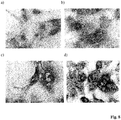
- hepatocytes were cultured in vitro in the presence of the Smo inhibitor cyclopamine.
- Cyclopamine Experiments. Cyclopamine (Sigma) was dissolved in DMSO (10 mM). Mouse and human hepatocytes were incubated for 72 h in the presence of 10 ⁇ M Cyclopamine. Control cultures were incubated with culture medium containing vehicle (0.1% DMSO).
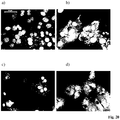
- lipid staining Fluorescent staining of neutral lipids in hepatocytes was performed using Nile red (Biomol). Hepatocytes were fixed with 4% buffered paraformaldehyde for 10 min. For Nile red staining, a 200 nM working solution in phosphate-buffered saline (PBS) was prepared from a 1 mM stock solution in DMSO and was added directly to the fixed cells. After 20 min of incubation at room temperature cells were washed in PBS. Nuclei were counterstained with DAPI (Sigma).
- PBS phosphate-buffered saline
- Reference example 2 Hepatocyte-specific knock-out of Smo is associated with downregulation of GLI3 and induction of lipogenesis
- hepatocyte-specific Smo knock-out The influence of the hepatocyte-specific Smo knock-out on the relative expression of several transcription factors was determined by quantitative RT-PCR in isolated hepatocytes from WT and KO SLC-mice ( Fig. 3 ).
- hepatocytes Isolation and cultivation of primary hepatocytes.
- Primary hepatocytes from SLC mice were isolated by collagenase perfusion of the liver. Cell suspension was carefully cleared from non-parenchymal cells by differential centrifugation. Finally, hepatocytes were suspended in Williams Medium E containing 10% fetal calf serum and further additions as described (Klingmüller et al., 2006), and were plated onto 6-well or 12-well plates precoated with collagen type I (Klingmüller et al., 2006; Gebhardt et al., 1982). After 4 h, serum-free medium was used throughout cultivation. Cryopreserved human hepatocytes were purchased from TebuBio (Offenbach, Germany).
- RNA preparation and quantitative real-time PCR qRT PCR.
- Total RNA from hepatocytes, liver tissue and other organs was extracted using TRIzol (Peqlab, Er Weg).
- Total RNA from adipose tissue was extracted using the RNeasy Lipid Tissue mini Kit (Quiagen, Hilden).
- RNA was reverse transcribed using oligo(dt) primers and IM Promm II reverse transcriptase (Promega).
- the resulting cDNA samples were then quantified for each test gene using target gene-specific primers designed using the online tools Universal ProbeLibrary Probe-Finder software, Perl Primer and Primer 3.
- the levels of all mRNA transcripts were determined in duplicate by qRT-PCR using the Light Cycler R 2.0 Instrument and the LightCycler ® FastStart DNA Master PLUS SYBR Green I (Roche). Using the standard curve method, the absolute quantitation of specific PCR products for each primer set was generated. For normalization, ⁇ -actin was amplified from each sample.
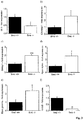
- GLI3 is significantly downregulated upon inhibition of hedgehog signaling via Smo. Further it could be shown that the expression of activators of lipogenesis, namely Chrebp1, Srebpl, PPAR- ⁇ and PPAR- ⁇ , was significantly upregulated. To the contrary, the expression of Nrld2, a regulatory molecule involved in lipid homeostasis, is downregulated.
- Reference example 3 Silencing of GLI family members in hepatocytes using siRNA
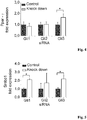
- murine hepatocytes were isolated and cultured for 72h upon transfection with siRNA silencing either GLI1, GLI2 or GLI3.
- GLI1-, GLI2- and GLI3-specific siRNAs and respective scrambled control siRNAs were purchased from Invitrogen. The following double stranded siRNAs were used for inhibition of GLI1, GLI2 and GLI3: Table 3 SEQ ID No. GLI1 UGGAGAACCUUAGGCUGGAUCAGCU 1 AGCUGAUCCAGCCUAAGGUUCUCCA 2 GLI2 CCACAACCACAACGUUGCUCAGACA 3 UGUCUGAGCAAGCUUGUGGUUGUGG 4 GLI3 UAGCAAGGCCAUCUUGGUCUUCAGG 5 CCUGAAGACCAAGAUGGCCUUGCUA 6
- Freshly isolated hepatocytes were seeded at a density of 100.000 cells per well of 12-well plates in normal culture medium containing 10% FCS. After 4 h, serum-free medium was used and chemically synthesized siRNAs (10 nmol for GLI2 and GLI3, 50 nM for GLI1) were transfected with Interferin from Peqlab (Er GmbH) according to the manufacturer's instructions. Twenty-four hours after transfection, the medium was changed and fresh medium without siRNA was added. Changes in gene expression were analyzed by qRT PCR at different time points up to 72 h post-transfection as indicated in figure legends using primers as described above in Example 2 and the following additional primers: Table 4 SEQ ID No.
- hedgehog signaling in hepatocytes appears to be an important regulatory mechanism preventing early stages of hepatic steatosis.
- Disruption of hedgehog signaling in hepatocytes leads to downregulation of GLI3, which - either by being directly silenced, e.g. by siRNA or downregulated by inhibited hedgehog signaling in Smo knock-out mice - was shown to be associated with gene expression patterns and phenotypes of hepatic steatosis.
- Sufu is a known inhibitor of hedgehog signalling.
- the transfection of hepatocytes with siRNA and real time PCR was performed as described in Example 3.
- the following additional primers were used: Table 5 SEQ ID No. Sufu fw cttccagtcagagaacacct 43 rev ttgggctgaatgtaactc 44 Ihh fw gctcacccccaactacaatc 27 rev gcggccctcatagtgtaaag 28 GLI2 fw actttctccacaccctgctg 21 rev ggctgcgaggctaaagagtc 22 GATA4 fw ggaagacaccccaatctcg 17 rev catggccccacaattgac 18
- Example 5 Increased fat deposits upon hepatocyte-specific knock-out of Smo
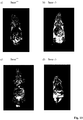
- the phenotype observed in SAC-mice indicates a crucial role of hedgehog signaling in hepatocytes for regulation of accumulation and localization of body fat. It is likely that the fat accumulation is supported by increased serum levels of dihydroepiandrosterone (DHEA, Fig. 17 ).
- DHEA dihydroepiandrosterone
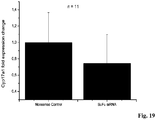
- hepatocellular overexpression of steroid 17-alpha-monooxygenase (Cyp17A1) could be reversed ( Fig. 19 ).
- Example 6 Symptoms similar to PCOS in homozygous female SAC-mice are associated with infertility of said mice
- Liver cells were analyzed by quantitative Real time PCR using a protocol according to Example 3 with the following primers: Table 6 SEQ ID No. Cyp17A1 fw catcccacacaaggctaaca 11 rev cagtgcccagagattgatga 12 STAR fw ttgggcatactcaacaacca 41 rev acttcgtccccgttctcc 42 Hsd3 ⁇ fw tggacaaagtattccgaccag 25 rev aggcctccaataggttctg 26 Shgb fw tctcccttggggctttac 39 rev tcccaacttcacctctcctg 40
- livers of homozygous SAC-mice overexpress steroid 17-alpha-monooxygenase (Cyp17A1) and steroidogenic acute regulatory protein (StAR) and show decreased expression of 3- ⁇ -hydroxysteroid dehydrogenase/ ⁇ -5-4 isomerase (Hsd3 ⁇ , Fig. 16 ), all of which are enzyme involved in synthesis of steroid hormones as depicted in the scheme in Fig. 18 .
- DHEA dihydroepiandrosterone
- IGF1 and IGFBP1 are surrogate markers in mouse serum of hepatic hedgehog activity and reflect the activity status of the transcription factor Gli3
- mice 22A, C and female mice 22B, D mice.
- IGF1 and IGFBP1 are known effects on body size and can at least partially explain why mice with hepatocyte-specific knockout of Smo have a smaller size and lower body weight (see example 1).
- serum levels of both proteins can be used as surrogate markers for the activity of hepatic hedgehog signalling.
Landscapes
- Health & Medical Sciences (AREA)
- Life Sciences & Earth Sciences (AREA)
- Engineering & Computer Science (AREA)
- Chemical & Material Sciences (AREA)
- Genetics & Genomics (AREA)
- General Health & Medical Sciences (AREA)
- Bioinformatics & Cheminformatics (AREA)
- Zoology (AREA)
- Biomedical Technology (AREA)
- Veterinary Medicine (AREA)
- Pharmacology & Pharmacy (AREA)
- Animal Behavior & Ethology (AREA)
- Public Health (AREA)
- Medicinal Chemistry (AREA)
- Epidemiology (AREA)
- Molecular Biology (AREA)
- Organic Chemistry (AREA)
- General Engineering & Computer Science (AREA)
- Biotechnology (AREA)
- Wood Science & Technology (AREA)
- Gastroenterology & Hepatology (AREA)
- Biochemistry (AREA)
- Immunology (AREA)
- Proteomics, Peptides & Aminoacids (AREA)
- Endocrinology (AREA)
- Microbiology (AREA)
- Biophysics (AREA)
- Physics & Mathematics (AREA)
- Plant Pathology (AREA)
- Obesity (AREA)
- Marine Sciences & Fisheries (AREA)
- Nutrition Science (AREA)
- Oncology (AREA)
- Polymers & Plastics (AREA)
- Food Science & Technology (AREA)
- Mycology (AREA)
- Nuclear Medicine, Radiotherapy & Molecular Imaging (AREA)
- Chemical Kinetics & Catalysis (AREA)
- General Chemical & Material Sciences (AREA)
- Pharmaceuticals Containing Other Organic And Inorganic Compounds (AREA)
Description
- The present invention relates to the therapeutic use of activators of the zinc finger protein GLI3 in Polycystic ovary syndrome.
- The hedgehog signaling pathway is a key regulator in embryonic development. The pathway includes the intercellular signaling molecule "Hedgehog" (Hh) that was first identified in Drosophila, where Hh is involved in establishing the basis of the fly body plan. In mammals three Hedgehog homologues exist, Sonic hedgehog (Shh), Indian hedgehog (Ihh) and Desert hedgehog (Dhh). Shh signaling is the best studied mechanism and is crucial during vertebrate embryonic development. Shh is known to bind on the Patched-1 (Ptch1) receptor on its target cell. In the absence of Shh, Ptch1 inhibits the protein Smoothened (Smo) by transporting a small molecule inhibitor of Smo, probably vitamin D or a related precursor. When Smo is inhibited, two members of the transcription factors of the GLI family, namely GLI2 and GLI3 are truncated to their repressor forms, while GLI1 is completely degraded. The truncation of GLI2 and GLI3 is initiated by a complex of proteins including Supressor of fused (SuFu). Upon Shh binding, the transport activity of Ptch1 is switched from the Smo inhibitor to oxysterols, thereby allowing oxysterols to accumulate around Smo. Thus, Smo is activated leading to an activation cascade for all three members of the GLI family which then exist in their untruncated, activating form. The activated GLI molecules accumulate in the nucleus and control transcription of hedgehog target genes.
- Disrupted hedgehog signaling in embryonic development leads to severe developmental abnormalities, particularly in the brain, skeleton, musculature, gastrointestinal tract and lungs. Strongly activated hedgehog signaling has been described in cancers of various organs, like brain, lung, mammary gland, prostate and skin.
- Several activators of Hh signaling have been described. Brunton 2009 discloses Hh-agonists according to following formula (1)

- Apart from being involved in embryonic development and cancer development it is suggested that Hh signaling in different cells is involved in the development of a variety of diseases. It is described that Hh signaling regulates epithelial-mesenchymal transition in cholangiocytes of the adult bile duct during biliary fibrosis (Omenetti 2009, Greenbaum 2008). Further, activation of Hh signaling has been described to be therapeutically useful in the treatment of depression (
US2006078499A1 ). Activators of Hh signalling were described for therapeutic application to epithelial tissues. Here, treatment of tissue disorders as well as surgical or cosmetic applications of tissues like skin, cornea, lens and other ocular tissue, mucosal membranes and periodontal epithelium should be mentioned (US7,115,653 ,WO 0174344 A2 EP 1671634 A1 ). - The role of hedgehog signaling in liver cells recently got into focus of research. Sicklick 2005 and Sicklick 2006 proposed that Hh signaling is required for the activation of hepatic stellate cells (HSC) and that Hh signaling is relevant for the survival of hepatic precursor cells (HPC). The review article by Omenetti 2008 summarizes the role of Hh signaling during liver development, inflammation and cancer. According to Omenetti 2008, the role of Hh signaling in liver development is not fully understood, whereas in the adult liver the expression of Hh ligands as well as a responsiveness to Hh ligands was observed in HSC and liver epithelial progenitors. Constitutive activation of Hh signalling has been observed in both hepatocellular carcinoma and cholangiocarcinoma. According to Omenetti 2008, it is believed that mature hepatocytes are not Hh-responsive.
- The role of Hh signalling in non-alcoholic fatty liver disease (NAFLD) was examined in several studies. Syn 2009 studied Hh signaling in the pathogenesis of NAFLD, non-alcoholic steatohepatitis (NASH) and cirrhosis of the liver. Syn 2009 observed low expression of Shh and GLI2 in NAFLD-patients and increased expression thereof in NASH and cirrhosis. In summary, it is suggested that activation of Hh signaling in HPC is associated with disease pathogenicity.
- Trappoliere 2005 give an overview on strategies for treatment of fatty liver diseases. Current methods of treatment include
- treating the underlying cause or predisposition (weight, metabolism disorders, diabetes),
- modulation of cytokine levels involved in the disease,
- inhibition of lipid peroxidation and progression of fibrosis (e. g. by administration of antioxidants or antifibrotic substances).
- It is the object of the invention to provide medicaments for the treatment of polycystic ovary syndrome (PCOS).
- The object is solved by providing an activator of the zinc finger protein GLI3 for use in the treatment of polycystic ovary syndrome (PCOS).
- The invention is based on the surprising observation that disruption of or down-regulation of Hh signaling via Smo in hepatocytes results in an increased expression of lipogenic transcription factors and in the development of symptoms of Polycystic ovary syndrome (PCOS).
- In experiments performed with a mouse model comprising an inducible knock-out of Smo in hepatocytes, the inventors observed massive Steatosis hepatis about 3 to 5 weeks after disruption of Hh signaling. It was observed that deletion or inhibition of Smo-signaling resulted in a selective down-regulation of GLI3 which is associated with an induction of lipogenic transcription factors. Massive visceral fat deposits were observed in the affected animals that were associated with increased serum levels of dihydroepiandrosteron (DHEA). Female mice with conditional Smo knock-out in hepatocytes were infertile with symptoms similar to PCOS. Based on these observations the inventors developed a therapeutic concept to treat diseases that are associated with reduced Hh signaling in hepatocytes by administering an activator of GLI3.
- According to the invention the disease treated with an activator of GLI3 is Polycystic ovary syndrome (PCOS).
- The development of the aforementioned different diseases involves a reduced Hh signaling in hepatocytes. In a preferred aspect of the invention the activator of GLI3 is administered to hepatocytes. By this, side effects caused by hedgehog activation in other cells than hepatocytes are minimized.
- An activator of GLI3 for use according to the invention is selected from
- activators of the hedgehog signaling pathway.
- The term "activators of the hedgehog signaling pathway" (herein also referred to as "hedgehog agonist") means agents that upon administration lead to activation of the transcription of hedgehog target genes. Preferred activators of the hedgehog signaling pathway are selected from hedgehog ligands, activators of Smoothened (Smo) and inhibitors of the interaction between Patched (Ptch-1 and/or Ptch-2) and Smo (resulting in Smo inhibition). Particularly preferred activators of Hh signaling are selected from the proteins Sonic hedgehog (Shh), Indian Hedgehog (Ihh), Desert hedgehog (Dhh) and Smoothened agonist (SAG). A particularly preferred activator of GLI3 is SAG.
- One direct activator of GLI3 is leptin. In a particularly preferred aspect of the invention, leptin is only used in combination with at least one further activator of GLI3.
- Activators of GLI3 as used according to the invention are preferably selected from oxysteroles, antisense oligonucleotides (preferably with a length of 15-50 nucleic acids) or small interfering RNA (siRNA) or small hairpin RNA (shRNA) (both siRNA and shRNA preferably with a length of 19-30 bp).
- Antisense oligonucleotides as used according to the invention are single strands of DNA or RNA that are complementary to a nucleic acid sequence (DNA or RNA) in order to inhibit expression of a gene or translation of RNA. The term "antisense oligonucleotides" includes DNA or RNA polymers and other linear polymers comprising the bases adenine, cytosine, thymine and guanine and/or other, optionally modified, nucleobases. Antisense oligonucleotides include nucleotides with a modified backbone or modified 3' or 5' terminus. Preferred modifications are backbone modifications with phosphothioate, phosphoramidite or O-methyl-derivatization, peptide nucleic acids (PNA), locked nucleic acids (LNA), morpholino oligonucleotides, or mixed-backbone oligonucleotides.
- Oxysteroles as used according to the invention are oxidized derivatives of cholesterol. Preferred oxysteroles are osteoinductive oxysteroles, preferably 20(S)-hydroxycholesterol, 22(S)-hydroxycholesterol.
- In a preferred aspect of the invention the activator of GLI3 is siRNA or shRNA (preferably siRNA) that inhibits expression of suppressors of the hedgehog signaling pathway. Preferred siRNA or shRNA used according to this aspect of the invention inhibits expression of Sufu, Patched-1, Patched-2 or HGF; particularly preferred Sufu. Preferred GLI3 activating siRNA comprises a nucleic acid sequence according to the following sequences, which represents double stranded siRNA inhibiting Sufu:
- SEQ ID No. 7 CCCUUGGACUAUGUUAGCAUGUACA,
- SEQ ID No. 8 UGUACAUGCUAACAUAGUCCAAGGG .
- Preferably antisense oligonucleotides, siRNA or shRNA as used according to the invention comprise a nucleic acid sequence that is complementary to a partial sequence of the gene to be inhibited. Therefore, preferred antisense oligonucleotides, siRNA or shRNA comprise a nucleic acid sequence that is complementary to a part of the nucleic sequence of Sufu, Patched-1, Patched-2 or HGF; particularly preferred Sufu.
- Preferred activators of GLI3 as used according to the invention are agents activating hedgehog signaling that are disclosed in
Brunton 2009, US 7115653 ,WO 01074344 A2 WO 2000041545 A2 ,WO 03027234 A2 US 2006078499 A1 andEP 1671634 A1 . - Preferred compounds disclosed by Brunton 2009 that are used according to the invention are compounds according to the following formula (1)

- wherein X is selected from thiophenes or benzothiophenes, preferably 3-chlorobenzothiophenes, 3-flourobenzothiophenes or 3-methylbenzothiophenes, according to one of the following formulae:

- wherein Y is selected from 4- or 6-alkoxy (preferably methoxy), 4- or 6-alkyl (preferably methyl) or 4- or 6-halogen (preferably F);
- wherein Z has the structure -(CH2)n-NR1R2,
∘ wherein R1 and R2 are selected from hydrogen and C1 to C10-alkyl, preferably wherein one of the rests R1 and R2 is C1 to C10-alkyl, preferably the C1 to C10-alkyl rest is selected from Methyl and Ethyl, and wherein n is selected from 0, 1 and 2, particularly preferred the rest Z is -NH-Et, -NH-Me, and -CH2-NH-Me; and - wherein Ar is selected from phenyl or substituted phenyl, preferably Ar is selected from one of the following formulae:
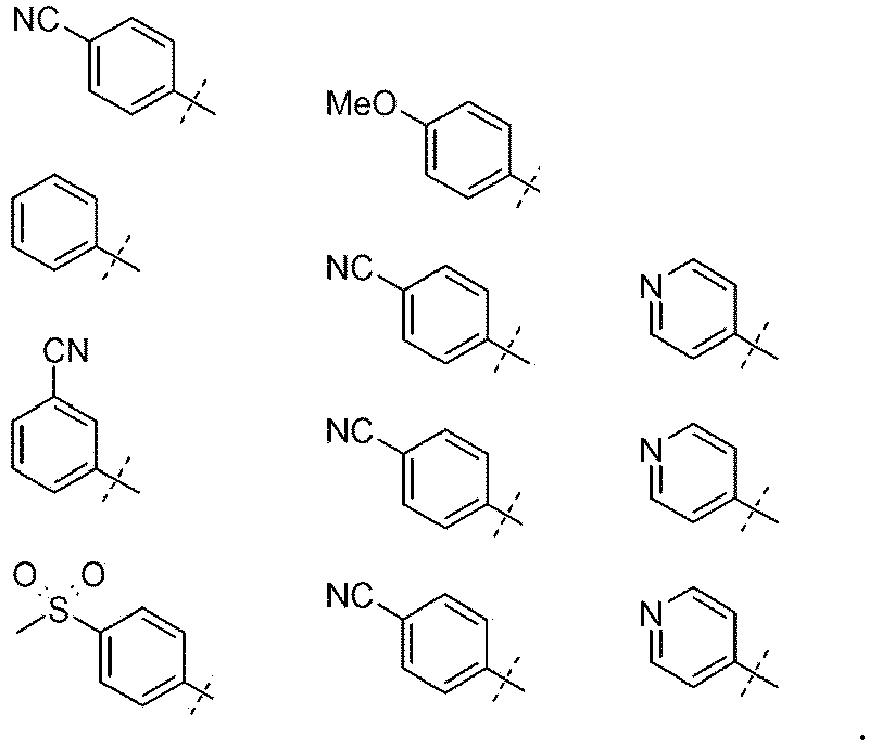
- Preferably the compound according to formula (1) exhibits a structure according to formula (2) or (3), wherein in formula (2) R3 and R4 are independently from each other selected from H and F:

- Particularly preferred compounds according to formula (1) are the following compounds (i) to (iv):


- A particularly preferred activator of GLI3 is the following substance (21k)


- The therapeutic application of activators of GLI3 according to the invention can be performed by applying the activator of GLI3 alone or in combination with at least one further therapeutic agent, preferably a therapeutic agent that is known to be effective in the treatment of PCOS.
- Suitable pharmaceutical compositions include various dosage forms and are preferred for oral, inhalational or parenteral, particularly preferably suitable for intravenous administration. Preferably, the parenteral pharmaceutical composition is in a form which is suitable for injection. Particularly preferred pharmaceutical compositions comprise a solution, emulsion or suspension of the activator of GLI3 in the pharmaceutically acceptable carrier.
- Pharmaceutically acceptable carriers are preferably sterile liquids, especially water, buffered water, 0.4% saline, 0.3% glycine and the like. The pharmaceutical compositions may be sterilized by conventional, well known techniques. The compositions preferably contain pharmaceutically acceptable auxiliary substances, such as those that are required to assure physiological conditions and/or that increase the stability of the contained activator of GLI3 and the additional therapeutic agent. Preferred auxiliary substances are agents for adjusting the pH and buffering agents, preferably selected from sodium acetate, sodium chloride, potassium chloride, calcium chloride and sodium lactate.
- The pharmaceutical composition comprises a pharmaceutically effective amount of the activator of GLI3 and the at least one additional therapeutic agent.
- Preferred additional therapeutic agents are selected from
- antidiabetic drugs and insulin sensitizers, preferably selected from biguanides (preferably metformin), agonists of the peroxisome-proliferator activated receptor-γ (preferably thiazolidinediones, in particular selected from pioglitazone, troglitazone and rosiglitazone), agonists of the peroxisome-proliferator activated receptor-δ (preferably GW501516), agonists of the glucagon-like peptide-1 receptor (preferably selected from exendin-4 and exenatide) and cannabinoid type I receptor blockers (preferably selected from rimonabanant, taranabant and otenabarant);
- weight reducing drugs, preferably inhibitors of pancreatic lipase (preferably selected from tetrahydrolipstatin and lipstatin),
- lipid-lowering drugs, preferably statins and fibrates;
- substances inhibiting the lipid peroxidation, preferably antioxidants (preferably selected from ascorbic acid, glutathione, melatonin, tocopherols and tocotrienols), polyunsaturated fatty acids, omega-3 fatty acids;
- antifibrotic substances;
- hepatoprotective agents, preferably selected from flavonolignans (preferably silibinin or silymarin);
- anti-inflammatory agents.
- The invention is further illustrated by the following figures and examples without being limited to these.
-
Fig. 1 (Reference) Development of hepatic steatosis upon hepatocyte-specific ablation of Smoothened (Smo) in an inducible murine Smo-/- model. a) Oil red O staining image of liver sections from WT (left) and KO (right) SLC mice. b) Quantification of Oil red O stained area (n=7-10). c) and d) Cultured hepatocytes of c) WT and d) KO SLC mice stained with Oil red O. -
Fig. 2 (Reference) Development of hepatic steatosis upon hepatocyte-specific ablation of Smoothened (Smo) in fetal stage. a) Oil red O staining image of liver sections from WT (left) and KO (right) SAC mice. b) Quantification of Oil red O stained area (n= 5-7). -
Fig. 3 (Reference) Hepatocyte specific knockout of Smo is associated with a) downregulation of transcription factor GLI3; upregulation of lipogenic transcription factors: b) Chrebp1, c) Srebpl, d) peroxisome proliferator-activated receptor-α (PPAR-α), e) PPAR-γ ; and downregulation of f) Nrld2. -
Fig. 4 - 7 (Reference): Silencing of GLI family members in murine hepatoctes using siRNA. C57Bl/6-N hepatocytes were transfected with siRNA against GLI1, GLI2 and GLI3 (open bars) or nonsense RNA (control, black bars). mRNA levels of the indicated genes were quantified by RT-PCR. Only loss of GLI3 is associated with increased levels of lipogenic transcription factors peroxisome proliferator-activated receptor-γ (PPAR-γ,Fig. 4 ) and sterol regulatory element-binding protein 1 (SREBP1,Fig. 5 ) and lipogenic enzymes ELOVL fatty acid elongase 6 (Elovl6,Fig. 6 ) and fatty acid synthase (Fasn,Fig. 7 ). -
Fig. 8 (Reference) Staining of neutral lipids by Oil red O in cultured hepatocytes transfected with a) mock, b) GLI1 siRNA, c) GLI2 siRNA and d) GLI3 siRNA determined after 72h. -
Fig. 9 (Reference) Silencing of Sufu in hepatocytes by siRNA transfection leads to decreased expression of genes associated with hedgehog-signaling. -
Fig. 10 (Reference) Silencing of Sufu in hepatocytes by siRNA transfection leads to decreased expression of lipogenic transcription factors PPAR-γ and Srebpl and increased expression of GATA4. -
Fig. 11 (Reference) GLI expression in a) murine model of hepatic steatosis (ob/ob mice) and b) in an inducible murine Smo-/- model five weeks after induction of Smo knock-out. -
Fig. 12 (Reference) Increased visceral fat deposition in Smo-/- mice. -
Fig. 13 (Reference) MRT Images of wild type (Smo+/+) and knock-out mice (Smo-/-). Pictured are a), b) female, and c), d) male mice. White areas indicate body fat. -
Fig. 14 Infertility of female Smo knock-out mice is associated with symptoms similar to PCOS. Wild type mice (Smo+/+) show a normal cycle of the vaginal epithelium, while knock-out mice (Smo-/-) constantly show a somewhat disturbed epithelium best resembling the metestrus phase. (Hematoxilin & eosin staining). -
Fig. 15 Histology of ovary of wild type mice (+/+ mice) presenting normal yellow bodies (corpi luteum; stars) and Smo knock-out mice (-/- mice) lacking yellow bodies, but demonstrating many follicular cysts. Left pictures indicate a histological section of the ovary (stars indicate the corpus luteum), the right pictures depict intersticial gland cells. Bottom graph: comparison of the number of yellow bodies (corpi luteum) per ovary in wild type and Smo knockout mice. -
Fig. 16 Hepatocyte-specific knockout of Smo is associated with hepatocellular a) upregulation of steroid 17-alpha-monooxygenase (Cyp17A1); b) upregulation of steroidogenic acute regulatory protein (STAR); c) downregulation of 3-β-hydroxysteroid dehydrogenase/Δ-5-4 isomerase (Hsd3β) and d) comparable levels of sex hormone-binding globulin (Shgb). -
Fig. 17 Hepatocyte-specific knockout of Smo in 12 week old female mice (-/- mice) is associated with significantly increseased serum levels of dihydroepiandrosterone-sulfate (DHEAS). -
Fig. 18 Schematic reaction table for biosynthesis of steroid hormones (androgens) in Smo-/- mice. In Smo-/- mice steroidogenic acute regulatory protein (STAR) and steroid 17-alpha-monooxygenase (Cyp17A1) are upregulated and 3-β-hydroxysteroid dehydrogenase/Δ-5-4 isomerase (Hsd3β) is downregulated (seeFig. 16 ). The bold arrow illustrates the predominated synthetic route leading to dihydroepiandrosterone-sulfate (DHEAS) in homozygous Smo knock-out mice (-/- mice). -
Fig. 19 Silencing of Sufu in hepatocytes by siRNA transfection leads to decreased expression of Cyp17a1. -
Fig. 20 (Reference) Influence of cyclopamine on accumulation of neutral lipids in cultured mouse and human hepatocytes. Mouse (a and b) and human (c and d) hepatocytes were cultured in the absence (a, c; vehicle only) or presence (b, d) of 10 µM cyclopamine (in 0.1% DMSO). After 72 h cultures were fixed and stained with Nile red. Bar represents 50 µm. -
Fig. 21 (Reference) Hepatic expression levels of IGF signalling components. A,B: Igfl, C,D: Igfbpl, E,F: Igfbp2 and G,H: Igfbp3 in isolated hepatocytes of 12 weeks old male SAC-WT (n=7) and SAC-KO (n=7) (A,C,E,G) and female SAC-WT (n=7) and SAC-KO (n=5) (B,D,F,H). Data represent relative means ± SEM; *, p<0,05. -
Fig. 22 (Reference) Serum levels of circulating IGF1 (A,B) and IGFBP1 (C,D) A,C: male SAC-WT(n=9) and SAC-KO (n=8) mice and B,D: female SAC-WT (n=11) and SAC-KO (n=13) mice. Data presented as means ± SEM; *, p<0,05. -
Fig. 23 (Reference) Effect of silencing of Gli family members in murine hepatocytes using siRNA on expression levels of (A) IGF1, and (B) IGFBP1. Transfection was performed as inFig. 4 . Data represent relative means ± SEM; *, p<0,05. -
Fig. 24 (Reference) Effect of silencing of Patched (Ptch1) in murine hepatocytes using siRNA on expression levels of (A) Ptch1 and Ptch2, (B) the three Gli factors, (C) IGF1, and (D) IGFBP1. Data represent relative means ± SEM; *, p<0,05. - For studying the influence of hedgehog signaling on liver metabolism in adult mice a conditional hepatocyte-specific knock-out of Smoothened (Smo) was generated in a triple transgenic mouse model (herein referred to as "SLC-mice"). SLC-mice were generated by crossing double transgenic LC-1-Cre mice Smoflox/flox mice. When maintained in the absence of doxycycline, the transgenic SLC-mice developed without phenotype. Addition of 2 mg/ml doxycycline to the drinking water resulted in efficient and uniform loss of Smo in hepatocytes within less than 10 days (herein referred to as "SLC-KO mice" whereas mice that did not receive doxycycline are referred to as "SLC-WT mice").
- Animal Care. Mice were maintained in a pathogen-free facility in a 12:12 h LD cycle according to the German guidelines for the care and safe use of experimental animals. Animals had free access to regular chow (sniff® M-Z V1124-0 composed of 22.0 % protein, 50.1% carbohydrate, 4.5% fat; usable energy: 13.7 kJ/g; ssniff Spezialdiäten GmbH, Soest, Germany) and tap water throughout life. Before sacrifice (between 9 and 11am), mice were starved for 24 h and re-fed with regular chow for 12 h, in order to obtain a synchronized feeding state.
- After induction of Smo knock-out at the age of 8 weeks (circumventing disturbance by hormonal changes during puberty) SLC-mice soon impressed by slower body weight gain and retarded growth which continued for at least 5 weeks. At sacrifice after this period the liver weight/body weight ratio was lower in male and female KO mice than in respective non-induced (WT) control mice (data not shown). Histological inspection of liver sections by Oil red O staining revealed pronounced steatosis upon ablation of Smo (
Fig. 1 a and b). - Liver sections. Liver samples taken were shock-frozen and stored at -80°C. For quantitative and qualitative lipid analysis frozen sections were cut at 6 µm and stained with Oil red O as described before (Nunnari et al., 1989).
- Oil red O quantification. Oil red O staining of cryostat sections was assessed by bright-field microscopy. Digital images were taken from three contiguous microscopic fields per section covering the entire parenchyma between large vessels. Using UTHSCA Image Tool 3.0 software (University of Texas Health Science Center, San Antonio) the images were transformed to a binary format after appropriate thresholding. The same threshold was applied to all images from all sections. The area fraction, defined as (pixels over Oil red O)/(total pixels per image) x 100, was determined for sections from n=10 and n=7 animals for SLC-WT and SLC-KO groups, respectively. Values are presented as area fraction percentage.
- Cells from Smo KO mice (bottom row) show larger lipid droplets compared to WT hepatocytes (top row).
- As demonstrated by staining with Oil red O hepatic steatosis in Smo knock-out mice was of the mixed macro- and microvesicular type (Fig. Id). It was most prominent in the midzonal to periportal zone, but occasionally covered the entire parenchyma. In contrast, respective WT livers showed normal undisturbed parenchyma with rare, if any, microvesicular lipid droplets (
Fig. 1c ). Quantification of oil red O stained area revealed a 7-fold increase in SLC-KO mice (Fig. 1b ). Inspection at earlier time points revealed the gradual aggravation of liver steatosis during the knockout-period starting 10 to 14 days after doxycycline. - Gene expression of members of the GLI-family was analyzed in livers of WT and KO-SLC mice (
Fig. 11b ). A significant downregulation of GLI1 and GLI3 was observed that is in accordance with observations in livers from other murine models of hepatic steatosis, such as ob/ob mice (Fig. 11a ). - The analyses were performed by quantitative Real time PCR as described in detail in Example 3 using the following primers:
Table 1 SEQ ID No. GLI1 fw cagggaagagagcagactgac 19 rev cgctgctgcaagaggact 20 GLI2 fw actttctccacaccctgctg 21 rev ggctgcgaggctaaagagtc 22 GLI3 fw ctggcttgattgttcacgag 23 rev cagccctcatgctcacagac 24 - In order to make sure that hepatocyte-specific ablation of Smo is the sole cause for the observed phenotypic features, a second transgenic model (herein referred to as "SAC-mice") was generated that uses a different mechanism for hepatocyte specific ablation of Smo. SAC-mice were generated by crossing Smoflox/flox-mice (Smotm2Amc/J mice) with transgenic mice expressing the Cre-recombinase open reading frame (ORF) under the control of both, mouse albumin regulatory elements and α-fetoprotein enhancers (so-called AlfpCre transgenic mice). The F1 generation was backcrossed to generate homozygous Smoflox/flox alleles. Cre-recombinase expression starts already in the fetal state thereby leading to ablation of Smo in the fetal state. All features described for SLC-KO mice were found similar in male and female SAC-KO mice, although they were induced earlier (
Fig. 2a,b ). In particular hepatic steatosis and lipodystrophy were pronounced. It was observed that some SAC-mice develop first signs of non-alcoholic statohepatitis (NASH) at an age of 4-5 months. - To demonstrate, that inhibition of Smo by an inhibitory molecule causes the same symptoms, hepatocytes were cultured in vitro in the presence of the Smo inhibitor cyclopamine.
- Cyclopamine Experiments. Cyclopamine (Sigma) was dissolved in DMSO (10 mM). Mouse and human hepatocytes were incubated for 72 h in the presence of 10 µM Cyclopamine. Control cultures were incubated with culture medium containing vehicle (0.1% DMSO).
- Additional lipid staining. Fluorescent staining of neutral lipids in hepatocytes was performed using Nile red (Biomol). Hepatocytes were fixed with 4% buffered paraformaldehyde for 10 min. For Nile red staining, a 200 nM working solution in phosphate-buffered saline (PBS) was prepared from a 1 mM stock solution in DMSO and was added directly to the fixed cells. After 20 min of incubation at room temperature cells were washed in PBS. Nuclei were counterstained with DAPI (Sigma).
- It could be shown, that in murine and human hepatocytes inhibition of Smo by cyclopamine resulted in marked steatosis (
Fig. 20b and d ). - The influence of the hepatocyte-specific Smo knock-out on the relative expression of several transcription factors was determined by quantitative RT-PCR in isolated hepatocytes from WT and KO SLC-mice (
Fig. 3 ). - Isolation and cultivation of primary hepatocytes. Primary hepatocytes from SLC mice were isolated by collagenase perfusion of the liver. Cell suspension was carefully cleared from non-parenchymal cells by differential centrifugation. Finally, hepatocytes were suspended in Williams Medium E containing 10% fetal calf serum and further additions as described (Klingmüller et al., 2006), and were plated onto 6-well or 12-well plates precoated with collagen type I (Klingmüller et al., 2006; Gebhardt et al., 1982). After 4 h, serum-free medium was used throughout cultivation. Cryopreserved human hepatocytes were purchased from TebuBio (Offenbach, Germany). They were thawed according to existent protocols (Klingmüller et al., 2006) and cultured in 6-well plates at the same cell density as mouse hepatocytes. Culture conditions were the same as described above for mouse hepatocytes except for the omission of dexamethasone after 4 h.
- RNA preparation and quantitative real-time PCR (qRT PCR). Total RNA from hepatocytes, liver tissue and other organs was extracted using TRIzol (Peqlab, Erlangen). Total RNA from adipose tissue was extracted using the RNeasy Lipid Tissue mini Kit (Quiagen, Hilden). RNA was reverse transcribed using oligo(dt) primers and IM Promm II reverse transcriptase (Promega). The resulting cDNA samples were then quantified for each test gene using target gene-specific primers designed using the online tools Universal ProbeLibrary Probe-Finder software, Perl Primer and Primer 3.
- The following primers were used for real time PCR:
Table 2 SEQ ID No. GLI3 fw ctggcttgattgttcacgag 23 rev cagccctcatgctcacagac 24 Chrebp1 fw acatcagcgctttgaccag 9 rev taaaggtcggatgaggat 10 Srebp1 fw aagcgctaccggtcttctatc 37 rev tgtgcacttcgtagggtcag 38 Ppar-α fw cgtacggcaatggctttatc 31 rev tcatctggatggttgctctg 32 Ppar-γ fw atggaagaccactcgcattc 33 rev gctttatccccacagactcg 34 Nr1d2 fw acagaaatagttacctgtgcaacact 29 rev gacttgctcataggacacacca 30 - The levels of all mRNA transcripts were determined in duplicate by qRT-PCR using the Light CyclerR 2.0 Instrument and the LightCycler ® FastStart DNA Master PLUS SYBR Green I (Roche). Using the standard curve method, the absolute quantitation of specific PCR products for each primer set was generated. For normalization, β-actin was amplified from each sample.
- It could be demonstrated that GLI3 is significantly downregulated upon inhibition of hedgehog signaling via Smo. Further it could be shown that the expression of activators of lipogenesis, namely Chrebp1, Srebpl, PPAR-α and PPAR-γ, was significantly upregulated. To the contrary, the expression of Nrld2, a regulatory molecule involved in lipid homeostasis, is downregulated.
- To analyze the role of GLI family members in C57B1/6-N hepatocytes on gene expression, murine hepatocytes were isolated and cultured for 72h upon transfection with siRNA silencing either GLI1, GLI2 or GLI3.
- RNA interference. GLI1-, GLI2- and GLI3-specific siRNAs and respective scrambled control siRNAs were purchased from Invitrogen. The following double stranded siRNAs were used for inhibition of GLI1, GLI2 and GLI3:
Table 3 SEQ ID No. GLI1 UGGAGAACCUUAGGCUGGAUCAGCU 1 AGCUGAUCCAGCCUAAGGUUCUCCA 2 GLI2 CCACAACCACAACGUUGCUCAGACA 3 UGUCUGAGCAAGCUUGUGGUUGUGG 4 GLI3 UAGCAAGGCCAUCUUGGUCUUCAGG 5 CCUGAAGACCAAGAUGGCCUUGCUA 6 - Freshly isolated hepatocytes were seeded at a density of 100.000 cells per well of 12-well plates in normal culture medium containing 10% FCS. After 4 h, serum-free medium was used and chemically synthesized siRNAs (10 nmol for GLI2 and GLI3, 50 nM for GLI1) were transfected with Interferin from Peqlab (Erlangen) according to the manufacturer's instructions. Twenty-four hours after transfection, the medium was changed and fresh medium without siRNA was added. Changes in gene expression were analyzed by qRT PCR at different time points up to 72 h post-transfection as indicated in figure legends using primers as described above in Example 2 and the following additional primers:
Table 4 SEQ ID No. Elovl6 fw tctgggcttatgcatttgtg 13 rev acaggagcacagtgatgtgg 14 Fasn fw tagagggagccagagagacg 15 rev ttggcccagaactcctgtag 16 - It was demonstrated that silencing of GLI3 and not GLI1 or GLI2 is associated with significantly increased expression of lipogenic transcription factors PPAR-γ (
Fig. 4 ), and Srebpl (Fig. 5 ). Accordingly, an increased expression of lipogenic enzymes ELOVL fatty acid elongase 6 (Elovl6,Fig. 6 ) and fatty acid synthase (Fasn,Fig. 7 ) was observed. - Oil red O staining of neutral lipid oils of C57B1/6-N hepatocytes cultured upon siRNA transfection showed that silencing of GLI3 (
Fig. 8d ) lead to pronounced accumulation of fat droplets. On the contrary neither GLI1 siRNA (Fig. 8b ) nor GLI2 siRNA (Fig. 8c ) was capable of mediating this effect. Hepatocytes transfected with GLI1 or GLI2 siRNA showed a comparable phenotype as wild type hepatocytes (Fig. 8a ). - The experiments demonstrate that downregulation of GLI3 but not downregulation of GLI1 or GLI2 is capable of promoting gene expression patterns associated with the development of hepatic steatosis.
- Taken together, the data indicate that hedgehog signaling in hepatocytes appears to be an important regulatory mechanism preventing early stages of hepatic steatosis. Disruption of hedgehog signaling in hepatocytes leads to downregulation of GLI3, which - either by being directly silenced, e.g. by siRNA or downregulated by inhibited hedgehog signaling in Smo knock-out mice - was shown to be associated with gene expression patterns and phenotypes of hepatic steatosis.
- To demonstrate that not only downregulation of GLI3 is associated with symptoms of hepatic steatosis but also activation of GLI3 is capable of ameliorating disease symptoms, murine C57BL/6-N hepatocytes were transfected with siRNA silencing Sufu according to the following nucleic acid sequences:
- SEQ ID No. 7 CCCUUGGACUAUGUUAGCAUGUACA,
- SEQ ID No. 8 UGUACAUGCUAACAUAGUCCAAGGG .
- Sufu is a known inhibitor of hedgehog signalling. The transfection of hepatocytes with siRNA and real time PCR was performed as described in Example 3. The following additional primers were used:
Table 5 SEQ ID No. Sufu fw cttccagtcagagaacacct 43 rev ttgggctgaatgtaactc 44 Ihh fw gctcacccccaactacaatc 27 rev gcggccctcatagtgtaaag 28 GLI2 fw actttctccacaccctgctg 21 rev ggctgcgaggctaaagagtc 22 GATA4 fw ggaagacaccccaatctcg 17 rev catggccccacaattgac 18 - Successful silencing of Sufu was associated with increased expression of hedgehog related genes, such as Indian hedgehog (IHH), GLI2 and GLI3 (
Fig. 9 ). Thereby it was demonstrated that silencing of Sufu in hepatocytes is indeed capable of activating GLI3. - Further, it was shown that hepatocellular expression of lipogenic transcription factors PPAR-γ and Srebpl was reduced (
Fig. 10 ). Thereby it is demonstrated that activation of GLI3 by inhibiting Sufu is sufficient to downregulate expression of lipogenic transcription factors and enzyme associated with hepatic steatosis. - Apart from signs of hepatic steatosis SAC-mice as described in example 1 showed massively increased fat deposition. As shown in the experiments described in examples 1 - 3 disruption of hedgehog signaling is associated with enhanced expression of lipogenic enzymes.
- A detailed analysis of the fat depots of Smo knock-out mice revealed significant increases of subcutaneous and especially visceral fat deposits. Whereas the relative fat mass of subcutaneous fat doubles upon Smo knock-out, the relative mass of visceral fat is about 3.5 times as much as observed for wild type mice (
Fig. 12 ,Fig. 13 ). - The phenotype observed in SAC-mice indicates a crucial role of hedgehog signaling in hepatocytes for regulation of accumulation and localization of body fat. It is likely that the fat accumulation is supported by increased serum levels of dihydroepiandrosterone (DHEA,
Fig. 17 ). By activating GLI3 through downregulation of Sufu, hepatocellular overexpression of steroid 17-alpha-monooxygenase (Cyp17A1) could be reversed (Fig. 19 ). - It was surprisingly found, that female SAC-mice with a homozygous Smo knock-out failed to reproduce and appeared to be infertile. Whereas heterozygous and Smo +/+ mice undergo a regular sexual cycle, homozygous SAC-mice do not and remain in the metestrus phase (
Fig. 14 ). - A histological analysis of the ovary revealed that homozygous SAC-mice completely fail to form yellow bodies (corpi luteum) (
Fig. 15 ). Instead, they frequently contain follicular cysts. These symptoms equal the symptoms described for polycystic ovary syndrome (PCOS). - Liver cells were analyzed by quantitative Real time PCR using a protocol according to Example 3 with the following primers:
Table 6 SEQ ID No. Cyp17A1 fw catcccacacaaggctaaca 11 rev cagtgcccagagattgatga 12 STAR fw ttgggcatactcaacaacca 41 rev acttcgtccccgttctcc 42 Hsd3β fw tggacaaagtattccgaccag 25 rev aggcctccaataggttctg 26 Shgb fw tctcccttggggctttac 39 rev tcccaacttcacctctcctg 40 - It was demonstrated that livers of homozygous SAC-mice overexpress steroid 17-alpha-monooxygenase (Cyp17A1) and steroidogenic acute regulatory protein (StAR) and show decreased expression of 3-β-hydroxysteroid dehydrogenase/Δ-5-4 isomerase (Hsd3β,
Fig. 16 ), all of which are enzyme involved in synthesis of steroid hormones as depicted in the scheme inFig. 18 . - By inhibition of Hsd3β, precursors of androstenedione (like progesterone, pregnenolone) cannot be converted to androstenedione which leads to increased levels of dihydroepiandrosterone (DHEA) that is further converted in the liver to its sulphated version DHEA-S (scheme in
Fig. 18 ). Homozygous SAC-mice show significantly elevated levels of DHEA-S in serum (Fig. 17 ). - Since the activity status of hedgehog signalling in liver cannot be detected by non-invasive techniques, we were interested in finding suitable surrogate markers that can be measured in the serum.
- By measuring the mRNA levels of IGF1 and IGFBP1 in the livers of SAC-mice (described in examples 1, 5, and 6) at the age of 12 month, a significant downregulation of IGF1 mRNA was found in males (
Fig. 21 A) and females (Fig. 21 B) . In contrast, mRNA for IGFBP1 was upregulated significantly in males (Fig. 21 C) and females (Fig. 21 D) . The mRNA levels of IGFBP2 an IGFBP3 were not changed in mouse livers of both genders (Fig. 21E-H ). Accordingly, the serum levels of IGF1 protein and IGFBP1 protein were down- and upregulated, respectively, in male (Fig. 22A, C ) and female (Fig. 22B, D ) mice. These results fit with the known effects of IGF1 and IGFBP1 on body size and can at least partially explain why mice with hepatocyte-specific knockout of Smo have a smaller size and lower body weight (see example 1). Furthermore, they clearly show that the serum levels of both proteins can be used as surrogate markers for the activity of hepatic hedgehog signalling. - Detailed analysis of the influence of silencing of Gli family members in hepatocytes using siRNA (see example 3) revealed that Gli3 siRNA downregulates IGF1 mRNA (
Fig. 23 A) and upregulated IGFBP1 mRNA (Fig. 23 B) . These results are compatible with the known fact that Gli3 may have both, activator and repressor activities at the transcriptional level. Thus, Gli3 seems to act as a direct transcriptional activator of IGF1, while is seems to act as an indirect transcriptional repressor of IGFBP1 in hepatocytes. - An independent confirmation of these findings is provided by the activation of hedgehog signalling in cultured hepatocytes due to silencing of the hedgehog receptor Ptch1 by siRNA. Silencing of Ptch1 but not Ptch2 by Ptch1 siRNA within 48 h is shown in
Fig. 24A indicating specificity of this knockdown. Ptch1 siRNA lead to the upregulation of the expression of all three Gli factors (Fig. 24 B) as well as to upregulation of IGF1 mRNA (Fig. 24C ), and downregulation of IGFBP1 mRNA (Fig. 24D ).Table 7 Gene Sequence SEQ ID No. Igf1 fw tggatgctcttcagttcgtg 45 rev gcaacactcatccacaatgc 46 Igfbp1 fw ctgccaaactgcaacaagaa 47 rev tccatgggtagacacaccag 48 Igfbp2 fw cggggccccctggaacatc 49 rev ggtattggggttcacacacc 50 Igfbp3 fw aatgtgctgagtcccagagg 51 rev ggagcatctactggctctgc 52 Ptch1 fw cctcctttacggtggacaaac 53 rev atcaactcctcctgccaatg 54 Ptch2 fw cttctcccacaagttcatgc 55 rev cgatgtcattgttctggtagtcg 56 -
- Brunton et al. 2009 Biorg. Med Chem Lett 19: 4308-4311
- Gebhardt et al. 1982 Eur. J. Cell Biol. 29: 68-76
- Greenbaum LE, J Clin Invest 2008 (118) 10: 3263-3265
- Klingmüller et al. 2006 Syst. Biol. 153: 433-47
- Nunnari et al. 1989 Exp. Mol. Pathol. 51 : 1-8
- Omenetti at al. (Am J Physiol Gastrointest Liver Physiol 2008 (294), S. G595-G598
- Omenetti A et al., Hepatology 2009 (50) 2: 518-527
- Sicklick JK et al. (Lab Invest 2005 (85), S. 1368-1380
- Sicklick JK et al. Am J Physiol Gastrointest Liver Physiol 2006 (290), S. 859-870
- Syn WK et al., Gastroenterology 2009 (137): 1478-1488
- Trappoliere M et al. (Eur Rev Med Pharmacol Sci 2005 (9), S. 299-304)
-
- <110> Universität Leipzig
- <120> Therapeutic use of activators of zinc finger protein GLI3
- <130> 00401P0045GBWO
- <150>
GB 1201298.5
<151> 26.01.2012 - <160> 44
- <170> PatentIn version 3.5
- <210> 1
<211> 25
<212> RNA
<213> Artificial Sequence - <220>
<223> siRNA - <400> 1
uggagaaccu uaggcuggau cagcu 25 - <210> 2
<211> 25
<212> RNA
<213> Artificial Sequence - <220>
<223> siRNA - <400> 2
agcugaucca gccuaagguu cucca 25 - <210> 3
<211> 25
<212> RNA
<213> Artificial Sequence - <220>
<223> siRNA - <400> 3
ccacaaccac aacguugcuc agaca 25 - <210> 4
<211> 25
<212> RNA
<213> Artificial Sequence - <220>
<223> siRNA - <400> 4
ugucugagca agcuuguggu ugugg 25 - <210> 5
<211> 25
<212> RNA
<213> Artificial Sequence - <220>
<223> siRNA - <400> 5
uagcaaggcc aucuuggucu ucagg 25 - <210> 6
<211> 25
<212> RNA
<213> Artificial Sequence - <220>
<223> siRNA - <400> 6
ccugaagacc aagauggccu ugcua 25 - <210> 7
<211> 25
<212> RNA
<213> Artificial Sequence - <220>
<223> siRNA - <400> 7
cccuuggacu auguuagcau guaca 25 - <210> 8
<211> 25
<212> RNA
<213> Artificial Sequence - <220>
<223> siRNA - <400> 8
uguacaugcu aacauagucc aaggg 25 - <210> 9
<211> 19
<212> DNA
<213> Artificial Sequence - <220>
<223> Primer - <400> 9
acatcagcgc tttgaccag 19 - <210> 10
<211> 18
<212> DNA
<213> Artificial Sequence - <220>
<223> Primer - <400> 10
taaaggtcgg atgaggat 18 - <210> 11
<211> 20
<212> DNA
<213> Artificial Sequence - <220>
<223> Primer - <400> 11
catcccacac aaggctaaca 20 - <210> 12
<211> 20
<212> DNA
<213> Artificial Sequence - <220>
<223> Primer - <400> 12
cagtgcccag agattgatga 20 - <210> 13
<211> 20
<212> DNA
<213> Artificial Sequence - <220>
<223> Primer - <400> 13
tctgggctta tgcatttgtg 20 - <210> 14
<211> 20
<212> DNA
<213> Artificial Sequence - <220>
<223> Primer - <400> 14
acaggagcac agtgatgtgg 20 - <210> 15
<211> 20
<212> DNA
<213> Artificial Sequence - <220>
<223> Primer - <400> 15
tagagggagc cagagagacg 20 - <210> 16
<211> 20
<212> DNA
<213> Artificial Sequence - <220>
<223> Primer - <400> 16
ttggcccaga actcctgtag 20 - <210> 17
<211> 19
<212> DNA
<213> Artificial Sequence - <220>
<223> Primer - <400> 17
ggaagacacc ccaatctcg 19 - <210> 18
<211> 18
<212> DNA
<213> Artificial Sequence - <220>
<223> Primer - <400> 18
catggcccca caattgac 18 - <210> 19
<211> 21
<212> DNA
<213> Artificial Sequence - <220>
<223> Primer - <400> 19
cagggaagag agcagactga c 21 - <210> 20
<211> 18
<212> DNA
<213> Artificial Sequence - <220>
<223> Primer - <400> 20
cgctgctgca agaggact 18 - <210> 21
<211> 20
<212> DNA
<213> Artificial Sequence - <220>
<223> Primer - <400> 21
actttctcca caccctgctg 20 - <210> 22
<211> 20
<212> DNA
<213> Artificial Sequence - <220>
<223> Primer - <400> 22
ggctgcgagg ctaaagagtc 20 - <210> 23
<211> 20
<212> DNA
<213> Artificial Sequence - <220>
<223> Primer - <400> 23
ctggcttgat tgttcacgag 20 - <210> 24
<211> 20
<212> DNA
<213> Artificial Sequence - <220>
<223> Primer - <400> 24
cagccctcat gctcacagac 20 - <210> 25
<211> 21
<212> DNA
<213> Artificial Sequence - <220>
<223> Primer - <400> 25
tggacaaagt attccgacca g 21 - <210> 26
<211> 19
<212> DNA
<213> Artificial Sequence - <220>
<223> Primer - <400> 26
aggcctccaa taggttctg 19 - <210> 27
<211> 20
<212> DNA
<213> Artificial Sequence - <220>
<223> Primer - <400> 27
gctcaccccc aactacaatc 20 - <210> 28
<211> 20
<212> DNA
<213> Artificial Sequence - <220>
<223> Primer - <400> 28
gcggccctca tagtgtaaag 20 - <210> 29
<211> 26
<212> DNA
<213> Artificial Sequence - <220>
<223> Primer - <400> 29
acagaaatag ttacctgtgc aacact 26 - <210> 30
<211> 22
<212> DNA
<213> Artificial Sequence - <220>
<223> Primer - <400> 30
gacttgctca taggacacac ca 22 - <210> 31
<211> 20
<212> DNA
<213> Artificial Sequence - <220>
<223> Primer - <400> 31
cgtacggcaa tggctttatc 20 - <210> 32
<211> 20
<212> DNA
<213> Artificial Sequence - <220>
<223> Primer - <400> 32
tcatctggat ggttgctctg 20 - <210> 33
<211> 20
<212> DNA
<213> Artificial Sequence - <220>
<223> Primer - <400> 33
atggaagacc actcgcattc 20 - <210> 34
<211> 20
<212> DNA
<213> Artificial Sequence - <220>
<223> Primer - <400> 34
gctttatccc cacagactcg 20 - <210> 35
<211> 18
<212> DNA
<213> Artificial Sequence - <220>
<223> Primer - <400> 35
gcaagctcgt gctctggt 18 - <210> 36
<211> 20
<212> DNA
<213> Artificial Sequence - <220>
<223> Primer - <400> 36
gggcatgtag acagcacaca 20 - <210> 37
<211> 21
<212> DNA
<213> Artificial Sequence - <220>
<223> Primer - <400> 37
aagcgctacc ggtcttctat c 21 - <210> 38
<211> 20
<212> DNA
<213> Artificial Sequence - <220>
<223> Primer - <400> 38
tgtgcacttc gtagggtcag 20 - <210> 39
<211> 18
<212> DNA
<213> Artificial Sequence - <220>
<223> Primer - <400> 39
tctcccttgg ggctttac 18 - <210> 40
<211> 20
<212> DNA
<213> Artificial Sequence - <220>
<223> Primer - <400> 40
tcccaacttc acctctcctg 20 - <210> 41
<211> 20
<212> DNA
<213> Artificial Sequence - <220>
<223> Primer - <400> 41
ttgggcatac tcaacaacca 20 - <210> 42
<211> 18
<212> DNA
<213> Artificial Sequence - <220>
<223> Primer - <400> 42
acttcgtccc cgttctcc 18 - <210> 43
<211> 20
<212> DNA
<213> Artificial Sequence - <220>
<223> Primer - <400> 43
cttccagtca gagaacacct 20 - <210> 44
<211> 18
<212> DNA
<213> Artificial Sequence - <220>
<223> Primer - <400> 44
ttgggctgaa tgtaactc 18 - <210> 45
<211> 20
<212> DNA
<213> Artificial Sequence - <220>
<223> Primer - <400> 45
tggatgctct tcagttcgtg 20 - <210> 46
<211> 20
<212> DNA
<213> Artificial Sequence - <220>
<223> Primer - <400> 46
gcaacactca tccacaatgc 20 - <210> 47
<211> 20
<212> DNA
<213> Artificial Sequence - <220>
<223> Primer - <400> 47
ctgccaaact gcaacaagaa 20 - <210> 48
<211> 20
<212> DNA
<213> Artificial Sequence - <220>
<223> Primer - <400> 48
tccatgggtaga cacaccag 20 - <210> 49
<211> 19
<212> DNA
<213> Artificial Sequence - <220>
<223> Primer - <400> 49
cggggccccc tggaacatc 19 - <210> 50
<211> 20
<212> DNA
<213> Artificial Sequence - <220>
<223> Primer - <400> 50
ggtattgggg ttcacacacc 20 - <210> 51
<211> 20
<212> DNA
<213> Artificial Sequence - <220>
<223> Primer - <400> 51
aatgtgctga gtcccagagg 20 - <210> 52
<211> 20
<212> DNA
<213> Artificial Sequence - <220>
<223> Primer - <400> 52
ggagcatcta ctggctctgc 20 - <210> 53
<211> 21
<212> DNA
<213> Artificial Sequence - <220>
<223> Primer - <400> 53
cctcctttac ggtggacaaa c 21 - <210> 54
<211> 20
<212> DNA
<213> Artificial Sequence - <220>
<223> Primer - <400> 54
atcaactcct cctgccaatg 20 - <210> 55
<211> 20
<212> DNA
<213> Artificial Sequence - <220>
<223> Primer - <400> 55
cttctcccac aagttcatgc 20 - <210> 56
<211> 23
<212> DNA
<213> Artificial Sequence - <220>
<223> Primer - <400> 56
cgatgtcatt gttctggtag tcg 23
Claims (2)
- Activator of the zinc finger protein GLI3 selected from activators of the hedgehog signaling pathway for use in the treatment of polycystic ovary syndrome.
- Activator of the zinc finger protein GLI3 for use according to claim 1, wherein the activator of the hedgehog signaling pathway is selected from:- oxysteroles,- antisense oligonucleotide, siRNA or shRNA,- Sonic hedgehog (Shh), Indian Hedgehog (Ihh), Desert hedgehog (Dhh), Smoothened agonist (SAG),- compounds according to the following formula (1)
 wherein X is selected from thiophenes or benzothiophenes,wherein Y is selected from 4- or 6-alkoxy, 4- or 6-alkyl or 4- or 6-halogen;wherein Z has the structure -(CH2)n-NR1R2,wherein R1 and R2 are selected from hydrogen and C1 to C10-alkyl, andwherein n is selected from 0, 1 and 2;wherein Ar is selected from phenyl or substituted phenyl, and- siRNA inhibiting Patched-1, Patched-2, Sufu or HGF.
Priority Applications (2)
| Application Number | Priority Date | Filing Date | Title |
|---|---|---|---|
| PL13702948T PL2806884T3 (en) | 2012-01-26 | 2013-01-25 | Therapeutic use of activators of zinc finger protein gli3 |
| SI201331688T SI2806884T1 (en) | 2012-01-26 | 2013-01-25 | Therapeutic use of activators of zinc finger protein gli3 |
Applications Claiming Priority (2)
| Application Number | Priority Date | Filing Date | Title |
|---|---|---|---|
| GBGB1201298.5A GB201201298D0 (en) | 2012-01-26 | 2012-01-26 | Therapeutic use of activators of zinc finger protein gli3 |
| PCT/EP2013/051425 WO2013110749A1 (en) | 2012-01-26 | 2013-01-25 | Therapeutic use of activators of zinc finger protein gli3 |
Publications (2)
| Publication Number | Publication Date |
|---|---|
| EP2806884A1 EP2806884A1 (en) | 2014-12-03 |
| EP2806884B1 true EP2806884B1 (en) | 2020-01-15 |
Family
ID=45840975
Family Applications (1)
| Application Number | Title | Priority Date | Filing Date |
|---|---|---|---|
| EP13702948.4A Active EP2806884B1 (en) | 2012-01-26 | 2013-01-25 | Therapeutic use of activators of zinc finger protein gli3 |
Country Status (6)
| Country | Link |
|---|---|
| US (1) | US9540648B2 (en) |
| EP (1) | EP2806884B1 (en) |
| GB (1) | GB201201298D0 (en) |
| PL (1) | PL2806884T3 (en) |
| SI (1) | SI2806884T1 (en) |
| WO (1) | WO2013110749A1 (en) |
Families Citing this family (2)
| Publication number | Priority date | Publication date | Assignee | Title |
|---|---|---|---|---|
| US9192609B2 (en) | 2013-04-17 | 2015-11-24 | Hedgepath Pharmaceuticals, Inc. | Treatment and prognostic monitoring of proliferation disorders using hedgehog pathway inhibitors |
| CN116585327A (en) * | 2023-03-23 | 2023-08-15 | 中国药科大学 | Application of cyclopamine or its derivatives in the preparation of treatment and/or prevention of non-alcoholic fatty liver disease |
Family Cites Families (12)
| Publication number | Priority date | Publication date | Assignee | Title |
|---|---|---|---|---|
| US6291516B1 (en) | 1999-01-13 | 2001-09-18 | Curis, Inc. | Regulators of the hedgehog pathway, compositions and uses related thereto |
| EP1645275A1 (en) | 2000-03-30 | 2006-04-12 | Curis, Inc. | Small organic molecule regulators of cell proliferation |
| US6683108B1 (en) | 2000-03-30 | 2004-01-27 | Curis, Inc. | Agonists of hedgehog signaling pathways and uses related thereto |
| US6683192B2 (en) | 2000-03-30 | 2004-01-27 | Curis, Inc. | Small organic molecule regulators of cell proliferation |
| WO2001074344A2 (en) | 2000-03-30 | 2001-10-11 | Curis, Inc. | Small organic molecule regulators of cell proliferation |
| US7115653B2 (en) | 2000-03-30 | 2006-10-03 | Curis, Inc. | Small organic molecule regulators of cell proliferation |
| US20050070578A1 (en) | 2000-03-30 | 2005-03-31 | Baxter Anthony David | Small organic molecule regulators of cell proliferation |
| US8852937B2 (en) | 2000-03-30 | 2014-10-07 | Curis, Inc. | Small organic molecule regulators of cell proliferation |
| US6613798B1 (en) | 2000-03-30 | 2003-09-02 | Curis, Inc. | Small organic molecule regulators of cell proliferation |
| US20060078499A1 (en) | 2003-12-01 | 2006-04-13 | Rene Hen | Use of hedgehog agonist to treat depression |
| US8501686B2 (en) | 2008-06-05 | 2013-08-06 | University Of Michigan | Method of treating fatty liver diseases and conditions in non-lipodystrophic subjects |
| WO2011109711A1 (en) * | 2010-03-05 | 2011-09-09 | Duke University | Glucocorticoid drugs as smoothened agonists |
-
2012
- 2012-01-26 GB GBGB1201298.5A patent/GB201201298D0/en not_active Ceased
-
2013
- 2013-01-25 WO PCT/EP2013/051425 patent/WO2013110749A1/en not_active Ceased
- 2013-01-25 EP EP13702948.4A patent/EP2806884B1/en active Active
- 2013-01-25 PL PL13702948T patent/PL2806884T3/en unknown
- 2013-01-25 SI SI201331688T patent/SI2806884T1/en unknown
- 2013-01-25 US US14/374,887 patent/US9540648B2/en not_active Expired - Fee Related
Non-Patent Citations (2)
| Title |
|---|
| FERNANDO F. MIGONE ET AL: "Dominant activation of the hedgehog signaling pathway alters development of the female reproductive tract", GENESIS: THE JOURNAL OF GENETICS AND DEVELOPMENT, vol. 50, no. 1, 17 January 2012 (2012-01-17), US, pages 28 - 40, XP055244658, ISSN: 1526-954X, DOI: 10.1002/dvg.20786 * |
| HANY LASHEN: "Use of LHRH agonists in polycystic ovary syndrome", REVIEWS IN GYNAECOLOGICAL PRACTICE, vol. 3, no. 3, 1 September 2003 (2003-09-01), pages 127 - 131, XP055244695, ISSN: 1471-7697, DOI: 10.1016/S1471-7697(03)00063-7 * |
Also Published As
| Publication number | Publication date |
|---|---|
| US9540648B2 (en) | 2017-01-10 |
| US20140336111A1 (en) | 2014-11-13 |
| EP2806884A1 (en) | 2014-12-03 |
| SI2806884T1 (en) | 2020-07-31 |
| WO2013110749A1 (en) | 2013-08-01 |
| PL2806884T3 (en) | 2020-07-27 |
| GB201201298D0 (en) | 2012-03-07 |
Similar Documents
| Publication | Publication Date | Title |
|---|---|---|
| Syn et al. | Hedgehog-mediated epithelial-to-mesenchymal transition and fibrogenic repair in nonalcoholic fatty liver disease | |
| Alejandro et al. | Maternal diet–induced microRNAs and mTOR underlie β cell dysfunction in offspring | |
| Wu et al. | Insulin-like growth factor-independent effects of growth hormone on growth plate chondrogenesis and longitudinal bone growth | |
| Gong et al. | Epigenetic regulation of microRNAs controlling CLDN14 expression as a mechanism for renal calcium handling | |
| JP6138110B2 (en) | Drugs for the treatment of liver regeneration and liver failure | |
| Kimura et al. | Protective effects of the SGLT2 inhibitor luseogliflozin on pancreatic β‐cells in db/db mice: the earlier and longer, the better | |
| US20180312839A1 (en) | Methods and compositions for increasing smn expression | |
| Lai et al. | Liver-directed microRNA-7a depletion induces nonalcoholic fatty liver disease by stabilizing YY1-mediated lipogenic pathways in zebrafish | |
| Tybl et al. | Overexpression of the IGF2-mRNA binding protein p62 in transgenic mice induces a steatotic phenotype | |
| US9988626B2 (en) | Neurocalcin delta inhibitors and therapeutic and non-therapeutic uses thereof | |
| Musso et al. | New pharmacologic agents that target inflammation and fibrosis in nonalcoholic steatohepatitis–related kidney disease | |
| Zhou et al. | MicroRNA-26b-5p targets DAPK1 to reduce intestinal ischemia/reperfusion injury via inhibition of intestinal mucosal cell apoptosis | |
| Yang et al. | MiR-373 exacerbates renal injury and fibrosis via NF-κB/MatrixMetalloproteinase-9 signaling by targeting Sirtuin1 | |
| US9885043B2 (en) | Methods for inducing cardiomyocyte proliferation | |
| Ariyama et al. | The role of CHOP messenger RNA expression in the link between oxidative stress and apoptosis | |
| Maeda et al. | Partial rescue of postnatal growth plate abnormalities in Ihh mutants by expression of a constitutively active PTH/PTHrP receptor | |
| US9540648B2 (en) | Therapeutic use of activators of zinc finger protein GL13 | |
| US20210222168A1 (en) | Methods for reactivating genes on the inactive x chromosome | |
| JP2021534799A (en) | How to Target Kits Using Splice Switching Oligonucleotides to Induce Mast Cell Apoptosis | |
| WO2022026648A1 (en) | Inhibition of incexact1 to treat heart disease | |
| WO2017209270A1 (en) | Activated t cell- and/or b cell-selective cell death inducer or cell death promoter comprising as active ingredient 25-hydroxycholesterol or cholesterol analogous thereto | |
| Butchart et al. | Expression patterns of regulatory RNAs, including lncRNAs and tRNAs, during postnatal growth of normal and dystrophic (mdx) mouse muscles, and their response to taurine treatment | |
| KR20210025170A (en) | Composition for treating bladder cancer comprising a methylation inhibitor of SHH gene | |
| Kamel et al. | Morpholino-mediated knockdown in primary chondrocytes implicates Hoxc8 in regulation of cell cycle progression | |
| WO2018057624A1 (en) | Methods and compositions for stimulation and enhancement of regeneration of tissues |
Legal Events
| Date | Code | Title | Description |
|---|---|---|---|
| PUAI | Public reference made under article 153(3) epc to a published international application that has entered the european phase |
Free format text: ORIGINAL CODE: 0009012 |
|
| 17P | Request for examination filed |
Effective date: 20140822 |
|
| AK | Designated contracting states |
Kind code of ref document: A1 Designated state(s): AL AT BE BG CH CY CZ DE DK EE ES FI FR GB GR HR HU IE IS IT LI LT LU LV MC MK MT NL NO PL PT RO RS SE SI SK SM TR |
|
| DAX | Request for extension of the european patent (deleted) | ||
| 17Q | First examination report despatched |
Effective date: 20160203 |
|
| STAA | Information on the status of an ep patent application or granted ep patent |
Free format text: STATUS: EXAMINATION IS IN PROGRESS |
|
| GRAP | Despatch of communication of intention to grant a patent |
Free format text: ORIGINAL CODE: EPIDOSNIGR1 |
|
| STAA | Information on the status of an ep patent application or granted ep patent |
Free format text: STATUS: GRANT OF PATENT IS INTENDED |
|
| INTG | Intention to grant announced |
Effective date: 20190301 |
|
| GRAJ | Information related to disapproval of communication of intention to grant by the applicant or resumption of examination proceedings by the epo deleted |
Free format text: ORIGINAL CODE: EPIDOSDIGR1 |
|
| STAA | Information on the status of an ep patent application or granted ep patent |
Free format text: STATUS: EXAMINATION IS IN PROGRESS |
|
| GRAP | Despatch of communication of intention to grant a patent |
Free format text: ORIGINAL CODE: EPIDOSNIGR1 |
|
| STAA | Information on the status of an ep patent application or granted ep patent |
Free format text: STATUS: GRANT OF PATENT IS INTENDED |
|
| INTC | Intention to grant announced (deleted) | ||
| INTG | Intention to grant announced |
Effective date: 20190726 |
|
| GRAS | Grant fee paid |
Free format text: ORIGINAL CODE: EPIDOSNIGR3 |
|
| GRAA | (expected) grant |
Free format text: ORIGINAL CODE: 0009210 |
|
| STAA | Information on the status of an ep patent application or granted ep patent |
Free format text: STATUS: THE PATENT HAS BEEN GRANTED |
|
| AK | Designated contracting states |
Kind code of ref document: B1 Designated state(s): AL AT BE BG CH CY CZ DE DK EE ES FI FR GB GR HR HU IE IS IT LI LT LU LV MC MK MT NL NO PL PT RO RS SE SI SK SM TR |
|
| REG | Reference to a national code |
Ref country code: CH Ref legal event code: EP Ref country code: GB Ref legal event code: FG4D |
|
| REG | Reference to a national code |
Ref country code: IE Ref legal event code: FG4D |
|
| REG | Reference to a national code |
Ref country code: DE Ref legal event code: R096 Ref document number: 602013065081 Country of ref document: DE |
|
| REG | Reference to a national code |
Ref country code: AT Ref legal event code: REF Ref document number: 1224569 Country of ref document: AT Kind code of ref document: T Effective date: 20200215 |
|
| REG | Reference to a national code |
Ref country code: NL Ref legal event code: MP Effective date: 20200115 |
|
| REG | Reference to a national code |
Ref country code: LT Ref legal event code: MG4D |
|
| PG25 | Lapsed in a contracting state [announced via postgrant information from national office to epo] |
Ref country code: NL Free format text: LAPSE BECAUSE OF FAILURE TO SUBMIT A TRANSLATION OF THE DESCRIPTION OR TO PAY THE FEE WITHIN THE PRESCRIBED TIME-LIMIT Effective date: 20200115 Ref country code: FI Free format text: LAPSE BECAUSE OF FAILURE TO SUBMIT A TRANSLATION OF THE DESCRIPTION OR TO PAY THE FEE WITHIN THE PRESCRIBED TIME-LIMIT Effective date: 20200115 Ref country code: RS Free format text: LAPSE BECAUSE OF FAILURE TO SUBMIT A TRANSLATION OF THE DESCRIPTION OR TO PAY THE FEE WITHIN THE PRESCRIBED TIME-LIMIT Effective date: 20200115 Ref country code: NO Free format text: LAPSE BECAUSE OF FAILURE TO SUBMIT A TRANSLATION OF THE DESCRIPTION OR TO PAY THE FEE WITHIN THE PRESCRIBED TIME-LIMIT Effective date: 20200415 Ref country code: PT Free format text: LAPSE BECAUSE OF FAILURE TO SUBMIT A TRANSLATION OF THE DESCRIPTION OR TO PAY THE FEE WITHIN THE PRESCRIBED TIME-LIMIT Effective date: 20200607 |
|
| PG25 | Lapsed in a contracting state [announced via postgrant information from national office to epo] |
Ref country code: LV Free format text: LAPSE BECAUSE OF FAILURE TO SUBMIT A TRANSLATION OF THE DESCRIPTION OR TO PAY THE FEE WITHIN THE PRESCRIBED TIME-LIMIT Effective date: 20200115 Ref country code: SE Free format text: LAPSE BECAUSE OF FAILURE TO SUBMIT A TRANSLATION OF THE DESCRIPTION OR TO PAY THE FEE WITHIN THE PRESCRIBED TIME-LIMIT Effective date: 20200115 Ref country code: BG Free format text: LAPSE BECAUSE OF FAILURE TO SUBMIT A TRANSLATION OF THE DESCRIPTION OR TO PAY THE FEE WITHIN THE PRESCRIBED TIME-LIMIT Effective date: 20200415 Ref country code: GR Free format text: LAPSE BECAUSE OF FAILURE TO SUBMIT A TRANSLATION OF THE DESCRIPTION OR TO PAY THE FEE WITHIN THE PRESCRIBED TIME-LIMIT Effective date: 20200416 Ref country code: IS Free format text: LAPSE BECAUSE OF FAILURE TO SUBMIT A TRANSLATION OF THE DESCRIPTION OR TO PAY THE FEE WITHIN THE PRESCRIBED TIME-LIMIT Effective date: 20200515 Ref country code: HR Free format text: LAPSE BECAUSE OF FAILURE TO SUBMIT A TRANSLATION OF THE DESCRIPTION OR TO PAY THE FEE WITHIN THE PRESCRIBED TIME-LIMIT Effective date: 20200115 |
|
| REG | Reference to a national code |
Ref country code: BE Ref legal event code: MM Effective date: 20200131 |
|
| REG | Reference to a national code |
Ref country code: DE Ref legal event code: R097 Ref document number: 602013065081 Country of ref document: DE |
|
| PG25 | Lapsed in a contracting state [announced via postgrant information from national office to epo] |
Ref country code: SM Free format text: LAPSE BECAUSE OF FAILURE TO SUBMIT A TRANSLATION OF THE DESCRIPTION OR TO PAY THE FEE WITHIN THE PRESCRIBED TIME-LIMIT Effective date: 20200115 Ref country code: LU Free format text: LAPSE BECAUSE OF NON-PAYMENT OF DUE FEES Effective date: 20200125 Ref country code: MC Free format text: LAPSE BECAUSE OF FAILURE TO SUBMIT A TRANSLATION OF THE DESCRIPTION OR TO PAY THE FEE WITHIN THE PRESCRIBED TIME-LIMIT Effective date: 20200115 Ref country code: SK Free format text: LAPSE BECAUSE OF FAILURE TO SUBMIT A TRANSLATION OF THE DESCRIPTION OR TO PAY THE FEE WITHIN THE PRESCRIBED TIME-LIMIT Effective date: 20200115 Ref country code: ES Free format text: LAPSE BECAUSE OF FAILURE TO SUBMIT A TRANSLATION OF THE DESCRIPTION OR TO PAY THE FEE WITHIN THE PRESCRIBED TIME-LIMIT Effective date: 20200115 Ref country code: DK Free format text: LAPSE BECAUSE OF FAILURE TO SUBMIT A TRANSLATION OF THE DESCRIPTION OR TO PAY THE FEE WITHIN THE PRESCRIBED TIME-LIMIT Effective date: 20200115 Ref country code: LT Free format text: LAPSE BECAUSE OF FAILURE TO SUBMIT A TRANSLATION OF THE DESCRIPTION OR TO PAY THE FEE WITHIN THE PRESCRIBED TIME-LIMIT Effective date: 20200115 Ref country code: EE Free format text: LAPSE BECAUSE OF FAILURE TO SUBMIT A TRANSLATION OF THE DESCRIPTION OR TO PAY THE FEE WITHIN THE PRESCRIBED TIME-LIMIT Effective date: 20200115 Ref country code: RO Free format text: LAPSE BECAUSE OF FAILURE TO SUBMIT A TRANSLATION OF THE DESCRIPTION OR TO PAY THE FEE WITHIN THE PRESCRIBED TIME-LIMIT Effective date: 20200115 |
|
| REG | Reference to a national code |
Ref country code: AT Ref legal event code: MK05 Ref document number: 1224569 Country of ref document: AT Kind code of ref document: T Effective date: 20200115 |
|
| PLBE | No opposition filed within time limit |
Free format text: ORIGINAL CODE: 0009261 |
|
| STAA | Information on the status of an ep patent application or granted ep patent |
Free format text: STATUS: NO OPPOSITION FILED WITHIN TIME LIMIT |
|
| PG25 | Lapsed in a contracting state [announced via postgrant information from national office to epo] |
Ref country code: BE Free format text: LAPSE BECAUSE OF NON-PAYMENT OF DUE FEES Effective date: 20200131 |
|
| 26N | No opposition filed |
Effective date: 20201016 |
|
| PG25 | Lapsed in a contracting state [announced via postgrant information from national office to epo] |
Ref country code: AT Free format text: LAPSE BECAUSE OF FAILURE TO SUBMIT A TRANSLATION OF THE DESCRIPTION OR TO PAY THE FEE WITHIN THE PRESCRIBED TIME-LIMIT Effective date: 20200115 Ref country code: FR Free format text: LAPSE BECAUSE OF NON-PAYMENT OF DUE FEES Effective date: 20200315 Ref country code: IT Free format text: LAPSE BECAUSE OF FAILURE TO SUBMIT A TRANSLATION OF THE DESCRIPTION OR TO PAY THE FEE WITHIN THE PRESCRIBED TIME-LIMIT Effective date: 20200115 Ref country code: IE Free format text: LAPSE BECAUSE OF NON-PAYMENT OF DUE FEES Effective date: 20200125 |
|
| GBPC | Gb: european patent ceased through non-payment of renewal fee |
Effective date: 20200415 |
|
| PG25 | Lapsed in a contracting state [announced via postgrant information from national office to epo] |
Ref country code: GB Free format text: LAPSE BECAUSE OF NON-PAYMENT OF DUE FEES Effective date: 20200415 |
|
| PGFP | Annual fee paid to national office [announced via postgrant information from national office to epo] |
Ref country code: CH Payment date: 20210114 Year of fee payment: 9 Ref country code: CZ Payment date: 20210122 Year of fee payment: 9 |
|
| PGFP | Annual fee paid to national office [announced via postgrant information from national office to epo] |
Ref country code: PL Payment date: 20210107 Year of fee payment: 9 Ref country code: DE Payment date: 20201120 Year of fee payment: 9 Ref country code: SI Payment date: 20210112 Year of fee payment: 9 |
|
| PG25 | Lapsed in a contracting state [announced via postgrant information from national office to epo] |
Ref country code: TR Free format text: LAPSE BECAUSE OF FAILURE TO SUBMIT A TRANSLATION OF THE DESCRIPTION OR TO PAY THE FEE WITHIN THE PRESCRIBED TIME-LIMIT Effective date: 20200115 Ref country code: MT Free format text: LAPSE BECAUSE OF FAILURE TO SUBMIT A TRANSLATION OF THE DESCRIPTION OR TO PAY THE FEE WITHIN THE PRESCRIBED TIME-LIMIT Effective date: 20200115 Ref country code: CY Free format text: LAPSE BECAUSE OF FAILURE TO SUBMIT A TRANSLATION OF THE DESCRIPTION OR TO PAY THE FEE WITHIN THE PRESCRIBED TIME-LIMIT Effective date: 20200115 |
|
| PG25 | Lapsed in a contracting state [announced via postgrant information from national office to epo] |
Ref country code: MK Free format text: LAPSE BECAUSE OF FAILURE TO SUBMIT A TRANSLATION OF THE DESCRIPTION OR TO PAY THE FEE WITHIN THE PRESCRIBED TIME-LIMIT Effective date: 20200115 Ref country code: AL Free format text: LAPSE BECAUSE OF FAILURE TO SUBMIT A TRANSLATION OF THE DESCRIPTION OR TO PAY THE FEE WITHIN THE PRESCRIBED TIME-LIMIT Effective date: 20200115 |
|
| REG | Reference to a national code |
Ref country code: DE Ref legal event code: R119 Ref document number: 602013065081 Country of ref document: DE |
|
| REG | Reference to a national code |
Ref country code: CH Ref legal event code: PL |
|
| PG25 | Lapsed in a contracting state [announced via postgrant information from national office to epo] |
Ref country code: DE Free format text: LAPSE BECAUSE OF NON-PAYMENT OF DUE FEES Effective date: 20220802 Ref country code: CZ Free format text: LAPSE BECAUSE OF NON-PAYMENT OF DUE FEES Effective date: 20220125 |
|
| PG25 | Lapsed in a contracting state [announced via postgrant information from national office to epo] |
Ref country code: SI Free format text: LAPSE BECAUSE OF NON-PAYMENT OF DUE FEES Effective date: 20220126 |
|
| REG | Reference to a national code |
Ref country code: SI Ref legal event code: KO00 Effective date: 20221003 |
|
| PG25 | Lapsed in a contracting state [announced via postgrant information from national office to epo] |
Ref country code: LI Free format text: LAPSE BECAUSE OF NON-PAYMENT OF DUE FEES Effective date: 20220131 Ref country code: CH Free format text: LAPSE BECAUSE OF NON-PAYMENT OF DUE FEES Effective date: 20220131 |
|
| PG25 | Lapsed in a contracting state [announced via postgrant information from national office to epo] |
Ref country code: PL Free format text: LAPSE BECAUSE OF NON-PAYMENT OF DUE FEES Effective date: 20220125 |