EP2804868B1 - Pyran-spirocyclic piperidine amides as modulators of ion channels - Google Patents
Pyran-spirocyclic piperidine amides as modulators of ion channels Download PDFInfo
- Publication number
- EP2804868B1 EP2804868B1 EP13700841.3A EP13700841A EP2804868B1 EP 2804868 B1 EP2804868 B1 EP 2804868B1 EP 13700841 A EP13700841 A EP 13700841A EP 2804868 B1 EP2804868 B1 EP 2804868B1
- Authority
- EP
- European Patent Office
- Prior art keywords
- cis
- azaspiro
- oxa
- phenyl
- ethoxy
- Prior art date
- Legal status (The legal status is an assumption and is not a legal conclusion. Google has not performed a legal analysis and makes no representation as to the accuracy of the status listed.)
- Active
Links
- 0 C=*N1CCOCC1 Chemical compound C=*N1CCOCC1 0.000 description 78
- OJCWMGWIZSNPSP-UHFFFAOYSA-N CC(C)Oc(c(C)c1)ccc1C(N(CC1)CCC1(C1)OC(c2cccnc2)=CC1O)=O Chemical compound CC(C)Oc(c(C)c1)ccc1C(N(CC1)CCC1(C1)OC(c2cccnc2)=CC1O)=O OJCWMGWIZSNPSP-UHFFFAOYSA-N 0.000 description 2
- VAAMUBZHTITKLQ-UHFFFAOYSA-N CC(C)(c(ccc(C)c1)c1OC)O Chemical compound CC(C)(c(ccc(C)c1)c1OC)O VAAMUBZHTITKLQ-UHFFFAOYSA-N 0.000 description 1
- RQTXFJRQIMKNMP-UHFFFAOYSA-N CC(C)OC1C=CC(C)=CC1OC Chemical compound CC(C)OC1C=CC(C)=CC1OC RQTXFJRQIMKNMP-UHFFFAOYSA-N 0.000 description 1
- JLQMPBYKWPYNQO-UHFFFAOYSA-N CC(C)Oc(c(C)c1)ccc1C(N(CC1)CCC1(C1)OC(c2cncc(F)c2)=CC1=O)=O Chemical compound CC(C)Oc(c(C)c1)ccc1C(N(CC1)CCC1(C1)OC(c2cncc(F)c2)=CC1=O)=O JLQMPBYKWPYNQO-UHFFFAOYSA-N 0.000 description 1
- GHKMFCYODRVNNC-UHFFFAOYSA-N CC(C)Oc(c(C)c1)ccc1C(N(CC1)CCC1(CC(C1)O)OC1c1cccnc1)=O Chemical compound CC(C)Oc(c(C)c1)ccc1C(N(CC1)CCC1(CC(C1)O)OC1c1cccnc1)=O GHKMFCYODRVNNC-UHFFFAOYSA-N 0.000 description 1
- RKDQHZMFDAKFJO-UHFFFAOYSA-N CC(C)Oc(c(C)c1)ccc1C(N(CC1)CCC1=O)=O Chemical compound CC(C)Oc(c(C)c1)ccc1C(N(CC1)CCC1=O)=O RKDQHZMFDAKFJO-UHFFFAOYSA-N 0.000 description 1
- ZHAORHHJNHQMBN-UHFFFAOYSA-N CC(C)Oc(c(OC)c1)ccc1C(N)=O Chemical compound CC(C)Oc(c(OC)c1)ccc1C(N)=O ZHAORHHJNHQMBN-UHFFFAOYSA-N 0.000 description 1
- AODFNOCVLVNATH-UHFFFAOYSA-N CC(C)Oc(cc1)c(C)cc1C(C(CCC1)CCC1(CC(C1)O)OC1C1=CC=C(C)CC1)=O Chemical compound CC(C)Oc(cc1)c(C)cc1C(C(CCC1)CCC1(CC(C1)O)OC1C1=CC=C(C)CC1)=O AODFNOCVLVNATH-UHFFFAOYSA-N 0.000 description 1
- IDKWRNRKJALTHG-UHFFFAOYSA-N CC(C)Oc(cc1)c(C)cc1C(N(CC1)CCC1(C1)OC(c2cc([F]C)cnc2)=CC1O)=O Chemical compound CC(C)Oc(cc1)c(C)cc1C(N(CC1)CCC1(C1)OC(c2cc([F]C)cnc2)=CC1O)=O IDKWRNRKJALTHG-UHFFFAOYSA-N 0.000 description 1
- DZPNABVYGJAIPV-UHFFFAOYSA-N CC(C)Oc(ccc(C(OC)=O)c1)c1OC Chemical compound CC(C)Oc(ccc(C(OC)=O)c1)c1OC DZPNABVYGJAIPV-UHFFFAOYSA-N 0.000 description 1
- RIKOKDPXTXDREL-UHFFFAOYSA-N CC1C2C(CCC3)C3C(C)C12 Chemical compound CC1C2C(CCC3)C3C(C)C12 RIKOKDPXTXDREL-UHFFFAOYSA-N 0.000 description 1
- QAUASRFOELYQQX-UHFFFAOYSA-N CCC(C)(c(cc1)ccc1C(CC(CC1)CCC1(CC(C1)OCC)OC1c1ccccc1)=O)F Chemical compound CCC(C)(c(cc1)ccc1C(CC(CC1)CCC1(CC(C1)OCC)OC1c1ccccc1)=O)F QAUASRFOELYQQX-UHFFFAOYSA-N 0.000 description 1
- JOVZCRLMMXEBDS-UHFFFAOYSA-N CCC(C=C=C)(F)F Chemical compound CCC(C=C=C)(F)F JOVZCRLMMXEBDS-UHFFFAOYSA-N 0.000 description 1
- RQXNXTVPQCUTFP-UHFFFAOYSA-N CCC(CC1)CC1[IH+] Chemical compound CCC(CC1)CC1[IH+] RQXNXTVPQCUTFP-UHFFFAOYSA-N 0.000 description 1
- JRZNJDARFWJHAP-UHFFFAOYSA-N CCCCCCCCC(C)C(N)OC Chemical compound CCCCCCCCC(C)C(N)OC JRZNJDARFWJHAP-UHFFFAOYSA-N 0.000 description 1
- YAGFEVPBUINWNC-UHFFFAOYSA-N CCNC(c(cc1C)ccc1OC(C)C)=O Chemical compound CCNC(c(cc1C)ccc1OC(C)C)=O YAGFEVPBUINWNC-UHFFFAOYSA-N 0.000 description 1
- PQVYEJNITDKYKQ-UHFFFAOYSA-N CCOC(C1)CC(CC2)(CCC2C(c(c(C)c2)ccc2C(C(C)=O)=O)=O)OC1c1ccccc1 Chemical compound CCOC(C1)CC(CC2)(CCC2C(c(c(C)c2)ccc2C(C(C)=O)=O)=O)OC1c1ccccc1 PQVYEJNITDKYKQ-UHFFFAOYSA-N 0.000 description 1
- QQQAXWCCYHIYQL-UHFFFAOYSA-N CCOC(C1)CC(CC2)(CCC2C(c(cc2C)ccc2OC)=O)OC1c1ccccc1 Chemical compound CCOC(C1)CC(CC2)(CCC2C(c(cc2C)ccc2OC)=O)OC1c1ccccc1 QQQAXWCCYHIYQL-UHFFFAOYSA-N 0.000 description 1
- FMAKPMLIMIWVJA-UHFFFAOYSA-N CCOC(C1)CC(CC2)(CCC2C(c(cc2OC)ccc2OCC(C)(C)F)=O)OC1c1ccccc1 Chemical compound CCOC(C1)CC(CC2)(CCC2C(c(cc2OC)ccc2OCC(C)(C)F)=O)OC1c1ccccc1 FMAKPMLIMIWVJA-UHFFFAOYSA-N 0.000 description 1
- IXJRGHQMVHXZEU-UHFFFAOYSA-N CCOC(C1)CC(CC2)(CCC2C(c(cccc2)c2N2CCOCCC2)=O)OC1c1ccccc1 Chemical compound CCOC(C1)CC(CC2)(CCC2C(c(cccc2)c2N2CCOCCC2)=O)OC1c1ccccc1 IXJRGHQMVHXZEU-UHFFFAOYSA-N 0.000 description 1
- IDOHVURHTKDCFK-UHFFFAOYSA-N CCOC(C1)CC(CC2)(CCN2C(c2ccc(CN3CCOCC3)cc2)=O)[O](C)C1c1ccccc1 Chemical compound CCOC(C1)CC(CC2)(CCN2C(c2ccc(CN3CCOCC3)cc2)=O)[O](C)C1c1ccccc1 IDOHVURHTKDCFK-UHFFFAOYSA-N 0.000 description 1
- QOFRRWWZQIIACS-UHFFFAOYSA-N CCOc1ccc(C)cc1OC Chemical compound CCOc1ccc(C)cc1OC QOFRRWWZQIIACS-UHFFFAOYSA-N 0.000 description 1
- OZTKJFPGZCYDAF-UHFFFAOYSA-O CC[NH2+]CC(C)CC1C(C)C1 Chemical compound CC[NH2+]CC(C)CC1C(C)C1 OZTKJFPGZCYDAF-UHFFFAOYSA-O 0.000 description 1
- UNWROOUQCGFPLT-UHFFFAOYSA-N C[NH+2]CC1CCC1 Chemical compound C[NH+2]CC1CCC1 UNWROOUQCGFPLT-UHFFFAOYSA-N 0.000 description 1
- WGAOCAVXFHOOFZ-UHFFFAOYSA-N Cc(cc(cc1)SC)c1N1CCOCC1 Chemical compound Cc(cc(cc1)SC)c1N1CCOCC1 WGAOCAVXFHOOFZ-UHFFFAOYSA-N 0.000 description 1
- UJCFZCTTZWHRNL-UHFFFAOYSA-N Cc(cc1)cc(C)c1OC Chemical compound Cc(cc1)cc(C)c1OC UJCFZCTTZWHRNL-UHFFFAOYSA-N 0.000 description 1
- GWLOGZRVYXAHRE-UHFFFAOYSA-N Cc(cc1)ccc1S(NC)(=O)=O Chemical compound Cc(cc1)ccc1S(NC)(=O)=O GWLOGZRVYXAHRE-UHFFFAOYSA-N 0.000 description 1
- HWRPGNXTCRPZGX-UHFFFAOYSA-N Cc(cc1)cnc1N1CCOCC1 Chemical compound Cc(cc1)cnc1N1CCOCC1 HWRPGNXTCRPZGX-UHFFFAOYSA-N 0.000 description 1
- AZCFOXWQHJQSHT-UHFFFAOYSA-N Cc(cc1OC)ccc1OC(F)F Chemical compound Cc(cc1OC)ccc1OC(F)F AZCFOXWQHJQSHT-UHFFFAOYSA-N 0.000 description 1
- NMUOGZLHVSTHDZ-UHFFFAOYSA-N Cc(cc1OC)ccc1OCCO Chemical compound Cc(cc1OC)ccc1OCCO NMUOGZLHVSTHDZ-UHFFFAOYSA-N 0.000 description 1
- PFOLETXOIBPWPK-UHFFFAOYSA-N Cc(nc1)ccc1N1CCCC1 Chemical compound Cc(nc1)ccc1N1CCCC1 PFOLETXOIBPWPK-UHFFFAOYSA-N 0.000 description 1
- BPTMRGYABARXHK-UHFFFAOYSA-N Cc1c(C(F)F)cccc1 Chemical compound Cc1c(C(F)F)cccc1 BPTMRGYABARXHK-UHFFFAOYSA-N 0.000 description 1
- BLMBNEVGYRXFNA-UHFFFAOYSA-N Cc1c(C)c(OC)ccc1 Chemical compound Cc1c(C)c(OC)ccc1 BLMBNEVGYRXFNA-UHFFFAOYSA-N 0.000 description 1
- BIDSWBVPZVMUTI-UHFFFAOYSA-N Cc1c[n](cc(C)cc2)c2n1 Chemical compound Cc1c[n](cc(C)cc2)c2n1 BIDSWBVPZVMUTI-UHFFFAOYSA-N 0.000 description 1
- QPDRZNBSRWKRPI-UHFFFAOYSA-N Cc1c[n](cc(cc2)Cl)c2n1 Chemical compound Cc1c[n](cc(cc2)Cl)c2n1 QPDRZNBSRWKRPI-UHFFFAOYSA-N 0.000 description 1
- AVZWCCJQQCROGD-UHFFFAOYSA-N Cc1cc(-c2ccccc2)n[n]1C Chemical compound Cc1cc(-c2ccccc2)n[n]1C AVZWCCJQQCROGD-UHFFFAOYSA-N 0.000 description 1
- CKQXPRSCSFUGRC-UHFFFAOYSA-N Cc1cc(F)c[n]c1 Chemical compound Cc1cc(F)c[n]c1 CKQXPRSCSFUGRC-UHFFFAOYSA-N 0.000 description 1
- YAJNGMJBXSZXQO-UHFFFAOYSA-N Cc1cc(F)cc(F)c1OC Chemical compound Cc1cc(F)cc(F)c1OC YAJNGMJBXSZXQO-UHFFFAOYSA-N 0.000 description 1
- SJZAUIVYZWPNAS-UHFFFAOYSA-N Cc1cc(OC)c(C)cc1 Chemical compound Cc1cc(OC)c(C)cc1 SJZAUIVYZWPNAS-UHFFFAOYSA-N 0.000 description 1
- SVTJBXUMPHKUDA-UHFFFAOYSA-N Cc1cc(OC)ccc1[Sc] Chemical compound Cc1cc(OC)ccc1[Sc] SVTJBXUMPHKUDA-UHFFFAOYSA-N 0.000 description 1
- DTBDAFLSBDGPEA-UHFFFAOYSA-N Cc1cc2ccccc2nc1 Chemical compound Cc1cc2ccccc2nc1 DTBDAFLSBDGPEA-UHFFFAOYSA-N 0.000 description 1
- ZBCOTWQYKCHKQK-UHFFFAOYSA-N Cc1ccc(C(F)(F)F)cn1 Chemical compound Cc1ccc(C(F)(F)F)cn1 ZBCOTWQYKCHKQK-UHFFFAOYSA-N 0.000 description 1
- CQLOYHZZZCWHSG-UHFFFAOYSA-N Cc1cccc2c1nccn2 Chemical compound Cc1cccc2c1nccn2 CQLOYHZZZCWHSG-UHFFFAOYSA-N 0.000 description 1
- CTQNGGLPUBDAKN-UHFFFAOYSA-N Cc1ccccc1C Chemical compound Cc1ccccc1C CTQNGGLPUBDAKN-UHFFFAOYSA-N 0.000 description 1
- BSKHPKMHTQYZBB-UHFFFAOYSA-N Cc1ccccn1 Chemical compound Cc1ccccn1 BSKHPKMHTQYZBB-UHFFFAOYSA-N 0.000 description 1
- FKNQCJSGGFJEIZ-UHFFFAOYSA-N Cc1ccncc1 Chemical compound Cc1ccncc1 FKNQCJSGGFJEIZ-UHFFFAOYSA-N 0.000 description 1
- NRZJXHGQGKQDDF-UHFFFAOYSA-N Cc1nc(Br)cc(Br)c1O Chemical compound Cc1nc(Br)cc(Br)c1O NRZJXHGQGKQDDF-UHFFFAOYSA-N 0.000 description 1
- AQSRRZGQRFFFGS-UHFFFAOYSA-N Cc1ncccc1O Chemical compound Cc1ncccc1O AQSRRZGQRFFFGS-UHFFFAOYSA-N 0.000 description 1
- XQIVQOJVDFRVER-UHFFFAOYSA-N O=C1C=C(c2cccnc2)OC2(CCNCC2)C1 Chemical compound O=C1C=C(c2cccnc2)OC2(CCNCC2)C1 XQIVQOJVDFRVER-UHFFFAOYSA-N 0.000 description 1
Classifications
-
- C—CHEMISTRY; METALLURGY
- C07—ORGANIC CHEMISTRY
- C07D—HETEROCYCLIC COMPOUNDS
- C07D491/00—Heterocyclic compounds containing in the condensed ring system both one or more rings having oxygen atoms as the only ring hetero atoms and one or more rings having nitrogen atoms as the only ring hetero atoms, not provided for by groups C07D451/00 - C07D459/00, C07D463/00, C07D477/00 or C07D489/00
- C07D491/02—Heterocyclic compounds containing in the condensed ring system both one or more rings having oxygen atoms as the only ring hetero atoms and one or more rings having nitrogen atoms as the only ring hetero atoms, not provided for by groups C07D451/00 - C07D459/00, C07D463/00, C07D477/00 or C07D489/00 in which the condensed system contains two hetero rings
- C07D491/10—Spiro-condensed systems
- C07D491/107—Spiro-condensed systems with only one oxygen atom as ring hetero atom in the oxygen-containing ring
-
- A—HUMAN NECESSITIES
- A61—MEDICAL OR VETERINARY SCIENCE; HYGIENE
- A61P—SPECIFIC THERAPEUTIC ACTIVITY OF CHEMICAL COMPOUNDS OR MEDICINAL PREPARATIONS
- A61P1/00—Drugs for disorders of the alimentary tract or the digestive system
- A61P1/12—Antidiarrhoeals
-
- A—HUMAN NECESSITIES
- A61—MEDICAL OR VETERINARY SCIENCE; HYGIENE
- A61P—SPECIFIC THERAPEUTIC ACTIVITY OF CHEMICAL COMPOUNDS OR MEDICINAL PREPARATIONS
- A61P13/00—Drugs for disorders of the urinary system
- A61P13/10—Drugs for disorders of the urinary system of the bladder
-
- A—HUMAN NECESSITIES
- A61—MEDICAL OR VETERINARY SCIENCE; HYGIENE
- A61P—SPECIFIC THERAPEUTIC ACTIVITY OF CHEMICAL COMPOUNDS OR MEDICINAL PREPARATIONS
- A61P19/00—Drugs for skeletal disorders
- A61P19/02—Drugs for skeletal disorders for joint disorders, e.g. arthritis, arthrosis
-
- A—HUMAN NECESSITIES
- A61—MEDICAL OR VETERINARY SCIENCE; HYGIENE
- A61P—SPECIFIC THERAPEUTIC ACTIVITY OF CHEMICAL COMPOUNDS OR MEDICINAL PREPARATIONS
- A61P21/00—Drugs for disorders of the muscular or neuromuscular system
- A61P21/02—Muscle relaxants, e.g. for tetanus or cramps
-
- A—HUMAN NECESSITIES
- A61—MEDICAL OR VETERINARY SCIENCE; HYGIENE
- A61P—SPECIFIC THERAPEUTIC ACTIVITY OF CHEMICAL COMPOUNDS OR MEDICINAL PREPARATIONS
- A61P25/00—Drugs for disorders of the nervous system
-
- A—HUMAN NECESSITIES
- A61—MEDICAL OR VETERINARY SCIENCE; HYGIENE
- A61P—SPECIFIC THERAPEUTIC ACTIVITY OF CHEMICAL COMPOUNDS OR MEDICINAL PREPARATIONS
- A61P25/00—Drugs for disorders of the nervous system
- A61P25/02—Drugs for disorders of the nervous system for peripheral neuropathies
-
- A—HUMAN NECESSITIES
- A61—MEDICAL OR VETERINARY SCIENCE; HYGIENE
- A61P—SPECIFIC THERAPEUTIC ACTIVITY OF CHEMICAL COMPOUNDS OR MEDICINAL PREPARATIONS
- A61P25/00—Drugs for disorders of the nervous system
- A61P25/04—Centrally acting analgesics, e.g. opioids
-
- A—HUMAN NECESSITIES
- A61—MEDICAL OR VETERINARY SCIENCE; HYGIENE
- A61P—SPECIFIC THERAPEUTIC ACTIVITY OF CHEMICAL COMPOUNDS OR MEDICINAL PREPARATIONS
- A61P25/00—Drugs for disorders of the nervous system
- A61P25/06—Antimigraine agents
-
- A—HUMAN NECESSITIES
- A61—MEDICAL OR VETERINARY SCIENCE; HYGIENE
- A61P—SPECIFIC THERAPEUTIC ACTIVITY OF CHEMICAL COMPOUNDS OR MEDICINAL PREPARATIONS
- A61P25/00—Drugs for disorders of the nervous system
- A61P25/08—Antiepileptics; Anticonvulsants
-
- A—HUMAN NECESSITIES
- A61—MEDICAL OR VETERINARY SCIENCE; HYGIENE
- A61P—SPECIFIC THERAPEUTIC ACTIVITY OF CHEMICAL COMPOUNDS OR MEDICINAL PREPARATIONS
- A61P25/00—Drugs for disorders of the nervous system
- A61P25/18—Antipsychotics, i.e. neuroleptics; Drugs for mania or schizophrenia
-
- A—HUMAN NECESSITIES
- A61—MEDICAL OR VETERINARY SCIENCE; HYGIENE
- A61P—SPECIFIC THERAPEUTIC ACTIVITY OF CHEMICAL COMPOUNDS OR MEDICINAL PREPARATIONS
- A61P25/00—Drugs for disorders of the nervous system
- A61P25/22—Anxiolytics
-
- A—HUMAN NECESSITIES
- A61—MEDICAL OR VETERINARY SCIENCE; HYGIENE
- A61P—SPECIFIC THERAPEUTIC ACTIVITY OF CHEMICAL COMPOUNDS OR MEDICINAL PREPARATIONS
- A61P25/00—Drugs for disorders of the nervous system
- A61P25/24—Antidepressants
-
- A—HUMAN NECESSITIES
- A61—MEDICAL OR VETERINARY SCIENCE; HYGIENE
- A61P—SPECIFIC THERAPEUTIC ACTIVITY OF CHEMICAL COMPOUNDS OR MEDICINAL PREPARATIONS
- A61P25/00—Drugs for disorders of the nervous system
- A61P25/28—Drugs for disorders of the nervous system for treating neurodegenerative disorders of the central nervous system, e.g. nootropic agents, cognition enhancers, drugs for treating Alzheimer's disease or other forms of dementia
-
- A—HUMAN NECESSITIES
- A61—MEDICAL OR VETERINARY SCIENCE; HYGIENE
- A61P—SPECIFIC THERAPEUTIC ACTIVITY OF CHEMICAL COMPOUNDS OR MEDICINAL PREPARATIONS
- A61P43/00—Drugs for specific purposes, not provided for in groups A61P1/00-A61P41/00
-
- A—HUMAN NECESSITIES
- A61—MEDICAL OR VETERINARY SCIENCE; HYGIENE
- A61P—SPECIFIC THERAPEUTIC ACTIVITY OF CHEMICAL COMPOUNDS OR MEDICINAL PREPARATIONS
- A61P9/00—Drugs for disorders of the cardiovascular system
- A61P9/06—Antiarrhythmics
-
- A—HUMAN NECESSITIES
- A61—MEDICAL OR VETERINARY SCIENCE; HYGIENE
- A61P—SPECIFIC THERAPEUTIC ACTIVITY OF CHEMICAL COMPOUNDS OR MEDICINAL PREPARATIONS
- A61P9/00—Drugs for disorders of the cardiovascular system
- A61P9/10—Drugs for disorders of the cardiovascular system for treating ischaemic or atherosclerotic diseases, e.g. antianginal drugs, coronary vasodilators, drugs for myocardial infarction, retinopathy, cerebrovascula insufficiency, renal arteriosclerosis
-
- A—HUMAN NECESSITIES
- A61—MEDICAL OR VETERINARY SCIENCE; HYGIENE
- A61P—SPECIFIC THERAPEUTIC ACTIVITY OF CHEMICAL COMPOUNDS OR MEDICINAL PREPARATIONS
- A61P9/00—Drugs for disorders of the cardiovascular system
- A61P9/12—Antihypertensives
Definitions
- the invention relates to compounds useful as inhibitors of ion channels.
- the invention also provides pharmaceutically acceptable compositions comprising the compounds of the invention and using the compositions in the treatment of various disorders.
- Pain is a protective mechanism that allows healthy animals to avoid tissue damage and to prevent further damage to injured tissue. Nonetheless there are many conditions where pain persists beyond its usefulness, or where patients would benefit from inhibition of pain. Voltage-gated sodium channels are believed to play a critical role in pain signaling. This belief is based on the known roles of these channels in normal physiology, pathological states arising from mutations in sodium channel genes, preclinical work in animal models of disease, and the clinical usefulness of known sodium channel modulating agents ( Cummins, T. R., Sheets, P. L., and Waxman, S. G., The roles of sodium channels in nociception: Implications for mechanisms of pain.
- NaV's Voltage-gated sodium channels
- NaV's are key biological mediators of electrical signaling.
- NaV's are the primary mediators of the rapid upstroke of the action potential of many excitable cell types (e.g. neurons, skeletal myocytes, cardiac myocytes), and thus are critical for the initiation of signaling in those cells ( Hille, Bertil, Ion Channels of Excitable Membranes, Third ed. (Sinauer Associates, Inc., Sunderland, MA, 2001 )).
- antagonists that reduce NaV currents can prevent or reduce neural signaling.
- NaV channels are considered likely targets in pathologic states where reduced excitability is predicted to alleviate the clinical symptoms, such as pain, epilepsy, and some cardiac arrhythmias ( Chahine, M., Chatelier, A., Babich, O., and Krupp, J. J., Voltage-gated sodium channels in neurological disorders. CNS Neurol Disord Drug Targets 7 (2), 144 (2008 )).
- the NaV's form a subfamily of the voltage-gated ion channel super-family and comprises 9 isoforms, designated NaV 1.1 - NaV 1.9.
- the tissue localizations of the nine isoforms vary greatly.
- NaV 1.4 is the primary sodium channel of skeletal muscle
- NaV 1.5 is primary sodium channel of cardiac myocytes.
- NaV's 1.7, 1.8 and 1.9 are primarily localized to the peripheral nervous system, while NaV's 1.1, 1.2, 1.3, and 1.6 are neuronal channels found in both the central and peripheral nervous systems.
- the functional behaviors of the nine isoforms are similar but distinct in the specifics of their voltage-dependent and kinetic behavior ( Catterall, W. A., Goldin, A. L., and Waxman, S. G., International Union of Pharmacology. XLVII. Nomenclature and structure-function relationships of voltage-gated sodium channels. Pharmacol Rev 57 (4), 397 (2005 )).
- NaV channels have been identified as the primary target for some clinically useful pharmaceutical agents that reduce pain ( Cummins, T. R., Sheets, P. L., and Waxman, S. G., The roles of sodium channels in nociception: Implications for mechanisms of pain. Pain 131 (3), 243 (2007 )).
- the local anesthetic drugs such as lidocaine block pain by inhibiting NaV channels. These compounds provide excellent local pain reduction but suffer the drawback of abolishing normal acute pain and sensory inputs. Systemic administration of these compounds results in dose limiting side effects that are generally ascribed to block of neural channels in the CNS (nausea, sedation, confusion, ataxia).
- Antagonists that specifically block only the isoform(s) critical for nocioception are expected to have increased efficacy since the reduction of adverse effects caused by block of off-target channels should enable higher dosing and thus more complete block of target channels isoforms.
- NaV 1.3 is normally found in the pain sensing neurons of the dorsal root ganglia (DRG) only early in development and is lost soon after birth both in humans and in rodents. Nonetheless, nerve damaging injuries have been found to result in a return of the NaV 1.3 channels to DRG neurons and this may contribute to the abnormal pain signaling in various chronic pain conditions resulting from nerve damage (neuropathic pain). These data have led to the suggestion that pharmaceutical block of NaV 1.3 could be an effective treatment for neuropathic pain.
- DRG dorsal root ganglia
- NaV 1.7, 1.8, and 1.9 are highly expressed in DRG neurons, including the neurons whose axons make up the C-fibers and A ⁇ nerve fibers that are believed to carry most pain signals from the nocioceptive terminals to the central nervous system.
- NaV 1.7 expression increases after nerve injury and may contribute to neuropathic pain states.
- the localization of NaV 1.7, 1.8, and 1.9 in nocioceptors led to the hypothesis that reducing the sodium currents through these channels might alleviate pain. Indeed, specific interventions that reduce the levels of these channels have proven effective in animal models of pain.
- NaV 1.9 global knock out mice have decreased sensitivity to inflammation induced pain, despite normal acute, and neuropathic pain behaviors ( Amaya, F. et al., The voltage-gated sodium channel Na(v) 1.9 is an effector of peripheral inflammatory pain hypersensitivity. J Neurosci 26 (50), 12852 (2006 ); Priest, B. T. et al., Contribution of the tetrodotoxin-resistant voltage-gated sodium channel NaV1.9 to sensory transmission and nociceptive behavior. Proc Natl Acad Sci US A 102 (26), 9382 (2005 )). Spinal knockdown of NaV 1.9 had no apparent effect on pain behavior in rats ( Porreca, F.
- NaV 1.1 and NaV 1.2 mutations result in various forms of epilepsy ( Fujiwara, T., Clinical spectrum of mutations in SCN1A gene: severe myoclonic epilepsy in infancy and related epilepsies.
- NaV 1.5 mutations result in cardiac abnormalities like Brugada Syndrome and long QT syndrome ( Bennett, P. B., Yazawa, K., Makita, N., and George, A. L., Jr., Molecular mechanism for an inherited cardiac arrhythmia.
- NaV 1.7 null mutations in human patients were recently described by several groups ( Ahmad, S. et al., A stop codon mutation in SCN9A causes lack of pain sensation. Hum Mol Genet 16 (17), 2114 (2007 ); Cox, J. J. et al., An SCN9A channelopathy causes congenital inability to experience pain. Nature 444 (7121), 894 (2006 ); Goldberg, Y. P. et al., Loss-of-function mutations in the NaV 1.7 gene underlie congenital indifference to pain in multiple human populations. Clin Genet 71 (4), 311 (2007 )). In all cases patients exhibit congenital indifference to pain. These patients report no pain under any circumstances.
- WO-2010/002483 discloses optionally condensed dihydropyridine, dihydropyrimidine and dihydropyrane derivatives and their use in the treatment of various disease states, including cardiovascular diseases and diabetes.
- WO-2012/125613 discloses spirocyclic morpholine compounds.
- These compounds and pharmaceutically acceptable compositions are useful for treating or lessening the severity of a variety of diseases, disorders, or conditions, including, but not limited to, acute, chronic, neuropathic, or inflammatory pain, arthritis, migraine, cluster headaches, trigeminal neuralgia, herpetic neuralgia, general neuralgias, epilepsy or epilepsy conditions, neurodegenerative disorders, psychiatric disorders such as anxiety and depression, myotonia, arrhythmia, movement disorders, neuroendocrine disorders, ataxia, multiple sclerosis, irritable bowel syndrome, incontinence, visceral pain, osteoarthritis pain, postherpetic neuralgia, diabetic neuropathy, radicular pain, sciatica, back pain, head or neck pain, severe or intractable pain, nociceptive pain, breakthrough pain, postsurgical pain, or cancer pain.
- diseases, disorders, or conditions including, but not limited to, acute, chronic, neuropathic, or inflammatory pain, arthritis, migraine, cluster headaches, trige
- the invention provides compounds of formula I : or a pharmaceutically acceptable salt thereof, wherein, independently for each occurrence:
- compounds of the invention can optionally be substituted with one or more substituents, such as are illustrated generally above, or as exemplified by particular classes, subclasses, and species of the invention.
- substituents such as are illustrated generally above, or as exemplified by particular classes, subclasses, and species of the invention.
- the phrase "optionally substituted” is used interchangeably with the phrase “substituted or unsubstituted.”
- the variables R 1 -R 9 in formula I encompass specific groups, such as, for example, alkyl and aryl. Unless otherwise noted, each of the specific groups for the variables R 1 -R 8 can be optionally substituted with one or more substituents of halo, cyano, oxoalkoxy, hydroxy, amino, nitro, aryl, haloalkyl, and alkyl.
- an alkyl group can be optionally substituted with one or more of halo, cyano, oxoalkoxy, hydroxy, amino, nitro, aryl, haloalkyl, and alkyl.
- an aryl group can be optionally substituted with one or more of halo, cyano, alkoxy, hydroxy, nitro, haloalkyl, and alkyl.
- stable refers to compounds that are not substantially altered when subjected to conditions to allow for their production, detection, and preferably their recovery, purification, and use for one or more of the purposes disclosed herein.
- a stable compound or chemically feasible compound is one that is not substantially altered when kept at a temperature of 40°C or less, in the absence of moisture or other chemically reactive conditions, for at least a week.
- substituted refers to the replacement of hydrogen radicals in a given structure with the radical of a specified substituent.
- Specific substituents are described above in the definitions and below in the description of compounds and examples thereof.
- an optionally substituted group can have a substituent at each substitutable position of the group, and when more than one position in any given structure can be substituted with more than one substituent selected from a specified group, the substituent can be either the same or different at every position.
- a ring substituent such as a heterocycloalkyl
- substituents envisioned by this invention are those combinations that result in the formation of stable or chemically feasible compounds.
- aliphatic refers to zero or any integer number that is equal or less than the number following the phrase.
- up to 3 means any one of 0, 1, 2, and 3.
- aliphatic means a straight-chain (i.e., unbranched) or branched, substituted or unsubstituted hydrocarbon chain that is completely saturated or that contains one or more units of unsaturation.
- aliphatic groups contain 1-20 aliphatic carbon atoms. In some embodiments, aliphatic groups contain 1-10 aliphatic carbon atoms. In other embodiments, aliphatic groups contain 1-8 aliphatic carbon atoms.
- aliphatic groups contain 1-6 aliphatic carbon atoms, and in yet other embodiments aliphatic groups contain 1-4 aliphatic carbon atoms.
- Suitable aliphatic groups include, but are not limited to, linear or branched, substituted or unsubstituted alkyl, alkenyl, alkynyl groups.
- the term "cycloaliphatic" or “cycloalkyl” mean a monocyclic hydrocarbon, bicyclic, or tricyclic hydrocarbon that is completely saturated or that contains one or more units of unsaturation, but which is not aromatic and has a single point of attachment to the rest of the molecule.
- cycloaliphatic refers to a monocyclic C 3 -C 8 hydrocarbon or bicyclic C 8 -C 12 hydrocarbon that is completely saturated or that contains one or more units of unsaturation, but which is not aromatic, that has a single point of attachment to the rest of the molecule wherein any individual ring in said bicyclic ring system has 3-7 members.
- electronegative group means an atom or a group that is electronegative relative to hydrogen. See, e.g., " Advanced Organic Chemistry: Reactions, Mechanisms, and Structure," Jerry March, 4th Ed., John Wiley & Sons (1992), e.g., pp. 14-16, 18-19 , etc. Exemplary such substituents include halo such as Cl, Br, or F, CN, COOH, CF 3 , etc.
- heterocycle means non-aromatic, monocyclic, bicyclic, or tricyclic ring systems in which one or more ring atoms in one or more ring members is an independently selected heteroatom.
- Heterocyclic ring can be saturated or can contain one or more unsaturated bonds.
- the "heterocycle”, “heterocyclyl”, “heterocycloaliphatic”, “heterocycloalkyl”or “heterocyclic” group has three to fourteen ring members in which one or more ring members is a heteroatom independently selected from oxygen, sulfur, nitrogen, or phosphorus, and each ring in the ring system contains 3 to 7 ring members.
- heteroatom means oxygen, sulfur, nitrogen, phosphorus, or silicon (including, any oxidized form of nitrogen, sulfur, phosphorus, or silicon; the quaternized form of any basic nitrogen or; a substitutable nitrogen of a heterocyclic ring, for example N (as in 3,4-dihydro-2 H -pyrrolyl), NH (as in pyrrolidinyl) or NR + (as in N-substituted pyrrolidinyl)).
- unsaturated means that a moiety has one or more units of unsaturation but is not aromatic.
- alkoxy refers to an alkyl group, as previously defined, attached to the principal carbon chain through an oxygen (“alkoxy”) or sulfur (“thioalkyl”) atom.
- aryl used alone or as part of a larger moiety as in “aralkyl”, “aralkoxy”, or “aryloxyalkyl”, refers to monocyclic, bicyclic, and tricyclic ring systems having a total of five to fourteen ring carbon atoms, wherein at least one ring in the system is aromatic and wherein each ring in the system contains 3 to 7 ring carbon atoms.
- aryl may be used interchangeably with the term “aryl ring”.
- heteroaryl used alone or as part of a larger moiety as in “heteroaralkyl” or “heteroarylalkoxy”, refers to monocyclic, bicyclic, and tricyclic ring systems having a total of five to fourteen ring members, wherein at least one ring in the system is aromatic, at least one ring in the system contains one or more heteroatoms, and wherein each ring in the system contains 3 to 7 ring members.
- heteroaryl may be used interchangeably with the term “heteroaryl ring” or the term “heteroaromatic”.
- alkylidene chain refers to a straight or branched carbon chain that may be fully saturated or have one or more units of unsaturation and has two points of attachment to the rest of the molecule.
- structures depicted herein are also meant to include all isomeric (e.g., enantiomeric, diastereomeric, and geometric (or conformational)) forms of the structure; for example, the R and S configurations for each asymmetric center, (Z) and (E) double bond isomers, and (Z) and (E) conformational isomers. Therefore, single stereochemical isomers as well as enantiomeric, diastereomeric, and geometric (or conformational) mixtures of the present compounds are within the scope of the invention.
- structures depicted herein are also meant to include compounds that differ only in the presence of one or more isotopically enriched atoms.
- compounds of formula I wherein one or more hydrogen atoms are replaced by deuterium or tritium, or one or more carbon atoms are replaced by a 13 C- or 14 C-enriched carbon are within the scope of this invention.
- Such compounds are useful, for example, as analytical tools, probes in biological assays, or sodium channel blockers with improved therapeutic profile.
- a line transversing a ring and bonded to an R group such as in means that the R group can be bonded to any carbon, or if applicable, heteroatom such as N, of that ring as valency allows.
- -CH 2 CH 2 CH 2 SH is within the definition of C1-C6 alkyl wherein up to two CH 2 units may be replaced by S because the CH 2 unit of the terminal methyl group has been replaced by S.
- the invention features a compound of formula I and the attendant definitions, wherein R 1 is optionally substituted C3-C8 cycloalkyl, aryl, heteroaryl, or C1-C6 alkyl. In another embodiment, R 1 is optionally substituted phenyl, pyridyl, thiazole, or pyrazole, CH 2 CH 3 , or
- the invention features a compound of formula I and the attendant definitions, wherein R 2 is C1-C6 alkyl, C1-C6 fluoroalkyl, CF 3 , C1-C6 alkoxy, or a straight chain, branched, or cyclic (C1-C8)-R 9 wherein up to two CH 2 units may be replaced with O, CO, S, SO, SO 2 , N, or NR 8 .
- R 2 is CH 2 CH 3 , OCH 3 , OCH 2 CH 3 , OCH 2 CH 2 CH 3 , OCH 2 CH 2 F, OCH 2 CH 2 OCH 3 , OCH 2 Ph, or OCH(CH 3 ) 2 .
- the invention features a compound of formula I and the attendant definitions, wherein n is 1 or 2. In another embodiment, n is 1. In another embodiment, o is 0 or 1. In another embodiment, o is 0.
- the invention features a compound of formula I and the attendant definitions, wherein R 1 and R 2 are cis to each other. In another embodiment, R 1 and R 2 are trans to each other.
- the invention features a compound of formula I and the attendant definitions, wherein A is wherein:
- R 4 is H, C1-C6 alkyl, C1-C6 alkoxy, heterocycloalkyl, halo, CHF 2 , CF 3 , OCHF 2 , or a straight chain, branched, or cyclic (C1-C8)-R 9 wherein up to three CH 2 units may be replaced with O, CO, S, SO, SO 2 , N, CF 2 , or NR 8 .
- R 4 is H, CH 3 , OCH 3 , OCH 2 CH 3 , F, Cl, OCHF 2 , CHF 2 , CF 3 , CH 2 OCH 3 , OCH(CH 3 ) 2 , CH 2 OCH 3 , or
- R 5 is H, C1-C6 alkyl, C1-C6 alkoxy, halo, CF 3 , CN, OCHF 2 , or a straight chain, branched, or cyclic (C1-C8)-R 9 wherein up to three CH 2 units may be replaced with O, CO, S, SO, SO 2 , N, or NR 8 .
- R 5 is H, CH 3 , OCH 3 , OCH(CH 3 ) 2 , F, Cl, CF 3 , CN, or CH 2 OH.
- R 6 is H, C1-C6 alkyl, C1-C6 alkoxy, C3-C8 cycloalkyl, halo, CF 3 , SO 2 R 8 , SO 2 N(R 8 ) 2 , R 9 , or a straight chain, branched, or cyclic (C1-C8)-R 9 , wherein up to three CH 2 units may be replaced with O, S, SO, SO 2 , N, or NR 8 .
- R 6 is H, F, Cl, CH 3 , CF 3 , CH 2 CH 3 , OCH 3 , OCH 2 CF 3 , OCH 2 CH 3 , OCH 2 CH 2 CH 3 , OCH 2 CH 2 CH(CH 3 ) 2 , OtBu, tBu, OCH(CH 3 ) 2 , OCH 2 CH(CH 3 ) 2 , OCH(CH 3 )CH 2 CH 3 , CH(OH)CH(CH 3 ) 2 , C(OH)(CH 3 )CH 2 CH 3 , OCH 2 C(CH 3 ) 2 OH, C(CH 3 ) 2 OH, CH 2 C(CH 3 ) 2 OH OCH 2 CH 2 OCH 3 , OCH 2 CH 2 OH, OCH 2 CH 2 OH, OCH 2 CH 2 CH 2 OH, SO 2 CH 3 , SO 2 CF 3 , SO 2 CH(CH 3 ) 2 , SO 2 CH 2 CH 3 , CH 2 OCH 2 CF 3 , CH 2 OCH
- the invention features a compound of formula I and the attendant definitions, wherein A is heteroaryl or heterocyclic.
- A is a monocyclic heteroaryl comprising 1 to 3 heteroatoms independently selected from N, O, or S.
- A is a bicyclic heteroaryl comprising from 1 to 3 heteroatoms independently selected from N, O, or S.
- A is wherein:
- R 4 is H, C1-C6 alkoxy, C1-C6 fluoroalkoxy, heterocycloalkyl, or N(R 8 ) 2 .
- R 4 is H, OCH 3 , OCH 2 CH 3 , OCH 2 CF 3 , N(CH 3 ) 2 , NH(CH 2 CH(CH 3 ) 2 ), or
- R 5 is H, C1-C6 alkyl, or C1-C6 alkoxy, halo, heterocycloalkyl, or N(R 8 ) 2 .
- R 5 is H, CH 3 , OCH 3 , Cl, tBu, N(CH 3 ) 2 , or
- R 6 is H, CN, C1-C6 alkoxy, C1-C6 fluoroalkoxy, CF 3 , or heterocycloalkyl. In another embodiment, R 6 is H, CN, OCH 3 , OCH 2 CH 3 , OCH(CH 3 ) 2 , CF 3 , OCH 2 CF 3 ,
- A is selected from the following:
- the invention features a compound of formula IA: wherein:
- the invention features a compound of formula IA and the attendant definitions, wherein R 1 is selected from phenyl thiazole, pyridine, or pyrazole. In another embodiment, R 1 is
- the invention features a compound of formula IA and the attendant definitions, wherein R 2 is C1-C6 alkoxy.
- R 2 is selected from OCH 3 , OCH 2 CH 3 , OCH 2 CH 2 CH 3 , OCH 2 CH 2 F, OCH 2 CH 2 OCH 3 , or OCH(CH 3 ) 2 .
- the invention features a compound of formula IA and the attendant definitions, wherein R 5 is selected from H, C1-C6 alkyl, C1-C6 fluoroalkyl, C1-C6 alkoxy, C1-C6 fluoroalkoxy, halo, or a straight chain, branched, or cyclic (C1-C8)-R 9 wherein up to three CH 2 units may be replaced with O, CO, S, SO, SO 2 , N, CF 2 , or NR 8 .
- R 5 is H, CH 3 , OCH 3 , CF 3 , OCHF 2 , F, Cl, CN, or CH 2 OH.
- the invention features a compound of formula IA and the attendant definitions, wherein R 6 is H, C1-C6 alkyl, C1-C6 fluoroalkyl, C1-C6 alkoxy, Cl-C6 fluoroalkoxy, halo, heterocycloalkyl, or a straight chain, branched, or cyclic (C1-C8)-R 9 wherein up to three CH 2 units may be replaced with O, CO, S, SO, SO 2 , N, CF 2 , or NR 8 .
- R 6 is H, Cl CH 2 CH 3 , tBu, OtBu, OCH 3 , OCH(CH 3 ) 2 , OCH 2 CH 2 (CH 3 ) 2 , OCH 2 CH 3 , OCH 2 CH 2 CH 3 , OCH 2 CH 2 CH(CH 3 ) 2 , OCH 2 CF(CH 3 ) 2 , CH 2 OCH 2 CH 2 CF 3 , OCH 2 CH 2 OH, CH 2 CH 2 CH 2 OH, OCHF 2 , OCH 2 CH 2 OCH 3 , OCH(CH 3 )CH 2 CH 3 , OCH 2 C(CH 3 ) 2 OH, C(CH 3 ) 2 OH, CH 2 C(CH 3 ) 2 OH, CH 2 C(CH 3 ) 2 OH,
- the moiety is selected from: or
- the invention features a compound of formula I and the attendant definitions, wherein the compound is selected from the following table: 1 cis 2 cis 3 cis 4 cis 5 cis 6 cis 7 cis 8 cis 9 cis 10 cis 11 cis 12 cis 13 cis 14 cis 15 cis 16 cis 17 cis 18 cis 19 cis 20 cis 21 cis 22 cis 23 cis 24 cis 25 cis 26 cis 27 cis 28 cis 29 cis 30 cis 31 cis 32 cis 33 cis 34 cis 35 cis 36 cis 37 cis 38 cis 39 cis 40 cis 41 cis 42 cis 43 cis 44 cis 45 cis 46 cis 47 cis 48 cis 49 cis 50 cis 51 cis 52 cis 53 cis 54 cis 55 cis 56 cis
- the invention features a pharmaceutical composition
- a pharmaceutical composition comprising a compound of the invention and a pharmaceutically acceptable carrier.
- the claimed compounds can be used in a method of inhibiting a voltage-gated sodium ion channel in a patient or a biological sample by administering to the patient, or contacting the biological sample, with a compound or composition of the invention.
- the voltage-gated sodium ion channel is NaV 1.7.
- the claimed compounds can be used in a method of treating or lessening the severity in a subject of acute, chronic, neuropathic, or inflammatory pain, arthritis, migraine, cluster headaches, trigeminal neuralgia, herpatic neuralgia, general neuralgias, epilepsy or epilepsy conditions, neurodegenerative disorders, psychiatric disorders, anxiety, depression, dipolar disorder, myotonia, arrhythmia, movement disorders, neuroendocrine disorders, ataxia, multiple sclerosis, irritable bowel syndrome, incontinence, visceral pain, osteoarthritis pain, postherpetic neuralgia, diabetic neuropathy, radicular pain, sciatica, back pain, head or neck pain, severe or intractable pain, nociceptive pain, breakthrough pain, postsurgical pain, cancer pain, stroke, cerebral ischemia, traumatic brain injury, amyotrophic lateral sclerosis, stress- or exercise induced angina, palpitations, hypertension, migraine, or abormal gastro-intestin
- the claimed compounds can be used in amethod for treating or lessening the severity of femur cancer pain; non-malignant chronic bone pain; rheumatoid arthritis; osteoarthritis; spinal stenosis; neuropathic low back pain; neuropathic low back pain; myofascial pain syndrome; fibromyalgia; temporomandibular joint pain; chronic visceral pain, abdominal pain; pancreatic; IBS pain; chronic and acute headache pain; migraine; tension headache, including, cluster headaches; chronic and acute neuropathic pain, post-herpatic neuralgia; diabetic neuropathy; HIV-associated neuropathy; trigeminal neuralgia; Charcot-Marie Tooth neuropathy; hereditary sensory neuropathies; peripheral nerve injury; painful neuromas; ectopic proximal and distal discharges; radiculopathy; chemotherapy induced neuropathic pain; radiotherapy-induced neuropathic pain; post-mastectomy pain; central pain; spinal cord injury pain; post-
- compositions are provided.
- the invention provides compounds that are inhibitors of voltage-gated sodium ion channels, and thus the present compounds are useful for the treatment of diseases, disorders, and conditions including, but not limited to acute, chronic, neuropathic, or inflammatory pain, arthritis, migraine, cluster headaches, trigeminal neuralgia, herpetic neuralgia, general neuralgias, epilepsy or epilepsy conditions, neurodegenerative disorders, psychiatric disorders such as anxiety and depression, myotonia, arrhythmia, movement disorders, neuroendocrine disorders, ataxia, multiple sclerosis, irritable bowel syndrome, and incontinence.
- diseases, disorders, and conditions including, but not limited to acute, chronic, neuropathic, or inflammatory pain, arthritis, migraine, cluster headaches, trigeminal neuralgia, herpetic neuralgia, general neuralgias, epilepsy or epilepsy conditions, neurodegenerative disorders, psychiatric disorders such as anxiety and depression, myotonia, arrhythmia, movement disorders,
- compositions comprising any of the compounds as described herein, and optionally comprise a pharmaceutically acceptable carrier, adjuvant or vehicle.
- these compositions optionally further comprise one or more additional therapeutic agents.
- a pharmaceutically acceptable derivative includes, but is not limited to, pharmaceutically acceptable salts, esters, salts of such esters, or any other adduct or derivative which upon administration to a subject in need is capable of providing, directly or indirectly, a compound as otherwise described herein, or a metabolite or residue thereof.
- the term “pharmaceutically acceptable salt” refers to those salts which are, within the scope of sound medical judgement, suitable for use in contact with the tissues of humans and lower animals without undue toxicity, irritation, allergic response and the like, and are commensurate with a reasonable benefit/risk ratio.
- a “pharmaceutically acceptable salt” means any non-toxic salt or salt of an ester of a compound of this invention that, upon administration to a recipient, is capable of providing, either directly or indirectly, a compound of this invention or an inhibitorily active metabolite or residue thereof.
- the term “inhibitorily active metabolite or residue thereof” means that a metabolite or residue thereof is also an inhibitor of a voltage-gated sodium ion channel.
- Pharmaceutically acceptable salts are well known in the art. For example, S. M. Berge, et al. describe pharmaceutically acceptable salts in detail in J. Pharmaceutical Sciences, 1977, 66, 1-19 .
- Pharmaceutically acceptable salts of the compounds of this invention include those derived from suitable inorganic and organic acids and bases.
- Examples of pharmaceutically acceptable, nontoxic acid addition salts are salts of an amino group formed with inorganic acids such as hydrochloric acid, hydrobromic acid, phosphoric acid, sulfuric acid and perchloric acid or with organic acids such as acetic acid, oxalic acid, maleic acid, tartaric acid, citric acid, succinic acid or malonic acid or by using other methods used in the art such as ion exchange.
- salts include adipate, alginate, ascorbate, aspartate, benzenesulfonate, benzoate, bisulfate, borate, butyrate, camphorate, camphorsulfonate, citrate, cyclopentanepropionate, digluconate, dodecylsulfate, ethanesulfonate, formate, fumarate, glucoheptonate, glycerophosphate, gluconate, hemisulfate, heptanoate, hexanoate, hydroiodide, 2-hydroxy-ethanesulfonate, lactobionate, lactate, laurate, lauryl sulfate, malate, maleate, malonate, methanesulfonate, 2-naphthalenesulfonate, nicotinate, nitrate, oleate, oxalate, palmitate, pamoate, pectinate,
- Salts derived from appropriate bases include alkali metal, alkaline earth metal, ammonium and N + (C 1-4 lkyl) 4 salts.
- This invention also envisions the quaternization of any basic nitrogen-containing groups of the compounds disclosed herein. Water or oil-soluble or dispersable products may be obtained by such quaternization.
- Representative alkali or alkaline earth metal salts include sodium, lithium, potassium, calcium, magnesium, and the like.
- Further pharmaceutically acceptable salts include, when appropriate, nontoxic ammonium, quaternary ammonium, and amine cations formed using counterions such as halide, hydroxide, carboxylate, sulfate, phosphate, nitrate, loweralkyl sulfonate and aryl sulfonate.
- the pharmaceutically acceptable compositions of the invention additionally comprise a pharmaceutically acceptable carrier, adjuvant, or vehicle, which, as used herein, includes any and all solvents, diluents, or other liquid vehicle, dispersion or suspension aids, surface active agents, isotonic agents, thickening or emulsifying agents, preservatives, solid binders, lubricants and the like, as suited to the particular dosage form desired.
- a pharmaceutically acceptable carrier, adjuvant, or vehicle which, as used herein, includes any and all solvents, diluents, or other liquid vehicle, dispersion or suspension aids, surface active agents, isotonic agents, thickening or emulsifying agents, preservatives, solid binders, lubricants and the like, as suited to the particular dosage form desired.
- Remington's Pharmaceutical Sciences, Sixteenth Edition, E. W. Martin (Mack Publishing Co., Easton, Pa., 1980 ) discloses various carriers used in formulating pharmaceutically acceptable compositions
- any conventional carrier medium is incompatible with the compounds of the invention, such as by producing any undesirable biological effect or otherwise interacting in a deleterious manner with any other component(s) of the pharmaceutically acceptable composition, its use is contemplated to be within the scope of this invention.
- materials which can serve as pharmaceutically acceptable carriers include, but are not limited to, ion exchangers, alumina, aluminum stearate, lecithin, serum proteins, such as human serum albumin, buffer substances such as phosphates, glycine, sorbic acid, or potassium sorbate, partial glyceride mixtures of saturated vegetable fatty acids, water, salts or electrolytes, such as protamine sulfate, disodium hydrogen phosphate, potassium hydrogen phosphate, sodium chloride, zinc salts, colloidal silica, magnesium trisilicate, polyvinyl pyrrolidone, polyacrylates, waxes, polyethylene-polyoxypropylene-block polymers, wool fat, sugars such as lactose, glucose and sucrose; starches such as corn starch and potato starch; cellulose and its derivatives such as sodium carboxymethyl cellulose, ethyl cellulose and cellulose acetate; powdered tragacanth; malt; gelatin; talc
- the claimed compounds can be used in a method for the treatment or lessening the severity of acute, chronic, neuropathic, or inflammatory pain, arthritis, migraine, cluster headaches, trigeminal neuralgia, herpetic neuralgia, general neuralgias, epilepsy or epilepsy conditions, neurodegenerative disorders, psychiatric disorders such as anxiety and depression, dipolar disorder, myotonia, arrhythmia, movement disorders, neuroendocrine disorders, ataxia, multiple sclerosis, irritable bowel syndrome, incontinence, visceral pain, osteoarthritis pain, postherpetic neuralgia, diabetic neuropathy, radicular pain, sciatica, back pain, head or neck pain, severe or intractable pain, nociceptive pain, breakthrough pain, postsurgical pain, or cancer pain by administering an effective amount of a compound, or a pharmaceutically acceptable composition comprising a compound to a subject in need thereof.
- the claimed compounds can be used in a method of treatment or lessening the severity of stroke, cerebral ischemia, traumatic brain injury, amyotrophic lateral sclerosis, stress- or exercise induced angina, palpitations, hypertension, migraine, or abormal gastro-intestinal motility by administering an effective amount of a compound, or a pharmaceutically acceptable composition comprising a compound to a subject in need thereof.
- the claimed compounds can be used in a method for the treatment or lessening the severity of acute, chronic, neuropathic, or inflammatory pain by administering an effective amount of a compound or a pharmaceutically acceptable composition to a subject in need thereof.
- the claimed compounds can be used in a method for the treatment or lessening the severity of radicular pain, sciatica, back pain, head pain, or neck by administering an effective amount of a compound or a pharmaceutically acceptable composition to a subject in need thereof.
- the claimed compounds can be used in a method for the treatment or lessening the severity of severe or intractable pain, acute pain, postsurgical pain, back pain, tinnitis or cancer pain by administering an effective amount of a compound or a pharmaceutically acceptable composition to a subject in need thereof.
- the claimed compounds can be used in a method for the treatment or lessening the severity of femur cancer pain; non-malignant chronic bone pain; rheumatoid arthritis; osteoarthritis; spinal stenosis; neuropathic low back pain; neuropathic low back pain; myofascial pain syndrome; fibromyalgia; temporomandibular joint pain; chronic visceral pain, including, abdominal; pancreatic; IBS pain; chronic and acute headache pain; migraine; tension headache, including, cluster headaches; chronic and acute neuropathic pain, including, post-herpetic neuralgia; diabetic neuropathy; HIV- associated neuropathy; trigeminal neuralgia; Charcot-Marie Tooth neuropathy; hereditary sensory neuropathies; peripheral nerve injury; painful neuromas; ectopic proximal and distal discharges; radiculopathy; chemotherapy induced neuropathic pain; radiotherapy-induced neuropathic pain; post-mastectomy pain; central pain; spinal cord
- an "effective amount" of the compound or pharmaceutically acceptable composition is that amount effective for treating or lessening the severity of one or more of acute, chronic, neuropathic, or inflammatory pain, arthritis, migraine, cluster headaches, trigeminal neuralgia, herpetic neuralgia, general neuralgias, epilepsy or epilepsy conditions, neurodegenerative disorders, psychiatric disorders such as anxiety and depression, myotonia, arrhythmia, movement disorders, neuroendocrine disorders, ataxia, multiple sclerosis, irritable bowel syndrome, incontinence, visceral pain, osteoarthritis pain, postherpetic neuralgia, diabetic neuropathy, radicular pain, sciatica, back pain, head or neck pain, severe or intractable pain, nociceptive pain, breakthrough pain, postsurgical pain, tinnitis or cancer pain.
- the compounds and compositions may be administered using any amount and any route of administration effective for treating or lessening the severity of one or more of acute, chronic, neuropathic, or inflammatory pain, arthritis, migraine, cluster headaches, trigeminal neuralgia, herpetic neuralgia, general neuralgias, epilepsy or epilepsy conditions, neurodegenerative disorders, psychiatric disorders such as anxiety and depression, myotonia, arrhythmia, movement disorders, neuroendocrine disorders, ataxia, multiple sclerosis, irritable bowel syndrome, incontinence, visceral pain, osteoarthritis pain, postherpetic neuralgia, diabetic neuropathy, radicular pain, sciatica, back pain, head or neck pain, severe or intractable pain, nociceptive pain, breakthrough pain, postsurgical pain, tinnitis or cancer pain.
- trigeminal neuralgia such as anxiety and depression, myotonia, arrhythmia, movement disorders, neuroendocrine disorders, ataxia, multiple
- the exact amount required will vary from subject to subject, depending on the species, age, and general condition of the subject, the severity of the infection, the particular agent, its mode of administration, and the like.
- the compounds of the invention are preferably formulated in dosage unit form for ease of administration and uniformity of dosage.
- dosage unit form refers to a physically discrete unit of agent appropriate for the subject to be treated. It will be understood, however, that the total daily usage of the compounds and compositions of the invention will be decided by the attending physician within the scope of sound medical judgment.
- the specific effective dose level for any particular subject or organism will depend upon a variety of factors including the disorder being treated and the severity of the disorder; the activity of the specific compound employed; the specific composition employed; the age, body weight, general health, sex and diet of the subject; the time of administration, route of administration, and rate of excretion of the specific compound employed; the duration of the treatment; drugs used in combination or coincidental with the specific compound employed, and like factors well known in the medical arts.
- subject or "patient”, as used herein, means an animal, preferably a mammal, and most preferably a human.
- compositions of this invention can be administered to humans and other animals orally, rectally, parenterally, intracisternally, intravaginally, intraperitoneally, topically (as by powders, ointments, or drops), bucally, as an oral or nasal spray, or the like, depending on the severity of the infection being treated.
- the compounds of the invention may be administered orally or parenterally at dosage levels of about 0.01 mg/kg to about 50 mg/kg and preferably from about 1 mg/kg to about 25 mg/kg, of subject body weight per day, one or more times a day, to obtain the desired therapeutic effect.
- Liquid dosage forms for oral administration include, but are not limited to, pharmaceutically acceptable emulsions, microemulsions, solutions, suspensions, syrups and elixirs.
- the liquid dosage forms may contain inert diluents commonly used in the art such as, for example, water or other solvents, solubilizing agents and emulsifiers such as ethyl alcohol, isopropyl alcohol, ethyl carbonate, ethyl acetate, benzyl alcohol, benzyl benzoate, propylene glycol, 1,3-butylene glycol, dimethylformamide, oils (in particular, cottonseed, groundnut, corn, germ, olive, castor, and sesame oils), glycerol, tetrahydrofurfuryl alcohol, polyethylene glycols and fatty acid esters of sorbitan, and mixtures thereof.
- the oral compositions can also include adjuvants such as, for example, water or other solvents, solubil
- sterile injectable aqueous or oleaginous suspensions may be formulated according to the known art using suitable dispersing or wetting agents and suspending agents.
- the sterile injectable preparation may also be a sterile injectable solution, suspension or emulsion in a nontoxic parenterally acceptable diluent or solvent, for example, as a solution in 1,3-butanediol.
- acceptable vehicles and solvents that may be employed are water, Ringer's solution, U.S.P. and isotonic sodium chloride solution.
- sterile, fixed oils are conventionally employed as a solvent or suspending medium.
- any bland fixed oil can be employed including synthetic mono- or diglycerides.
- fatty acids such as oleic acid are used in the preparation of injectables.
- the injectable formulations can be sterilized, for example, by filtration through a bacterial-retaining filter, or by incorporating sterilizing agents in the form of sterile solid compositions which can be dissolved or dispersed in sterile water or other sterile injectable medium prior to use.
- the rate of compound release can be controlled.
- biodegradable polymers include poly(orthoesters) and poly(anhydrides).
- Depot injectable formulations are also prepared by entrapping the compound in liposomes or microemulsions that are compatible with body tissues.
- compositions for rectal or vaginal administration are preferably suppositories which can be prepared by mixing the compounds of this invention with suitable non-irritating excipients or carriers such as cocoa butter, polyethylene glycol or a suppository wax which are solid at ambient temperature but liquid at body temperature and therefore melt in the rectum or vaginal cavity and release the active compound.
- suitable non-irritating excipients or carriers such as cocoa butter, polyethylene glycol or a suppository wax which are solid at ambient temperature but liquid at body temperature and therefore melt in the rectum or vaginal cavity and release the active compound.
- Solid dosage forms for oral administration include capsules, tablets, pills, powders, and granules.
- the active compound is mixed with at least one inert, pharmaceutically acceptable excipient or carrier such as sodium citrate or dicalcium phosphate and/or a) fillers or extenders such as starches, lactose, sucrose, glucose, mannitol, and silicic acid, b) binders such as, for example, carboxymethylcellulose, alginates, gelatin, polyvinylpyrrolidinone, sucrose, and acacia, c) humectants such as glycerol, d) disintegrating agents such as agar--agar, calcium carbonate, potato or tapioca starch, alginic acid, certain silicates, and sodium carbonate, e) solution retarding agents such as paraffin, f) absorption accelerators such as quaternary ammonium compounds, g) wetting agents such as, for example, cetyl alcohol and g
- Solid compositions of a similar type may also be employed as fillers in soft and hard-filled gelatin capsules using such excipients as lactose or milk sugar as well as high molecular weight polyethylene glycols and the like.
- the solid dosage forms of tablets, dragees, capsules, pills, and granules can be prepared with coatings and shells such as enteric coatings and other coatings well known in the pharmaceutical formulating art. They may optionally contain opacifying agents and can also be of a composition that they release the active ingredient(s) only, or preferentially, in a certain part of the intestinal tract, optionally, in a delayed manner. Examples of embedding compositions that can be used include polymeric substances and waxes. Solid compositions of a similar type may also be employed as fillers in soft and hard-filled gelatin capsules using such excipients as lactose or milk sugar as well as high molecular weight polethylene glycols and the like.
- the active compounds can also be in microencapsulated form with one or more excipients as noted above.
- the solid dosage forms of tablets, dragees, capsules, pills, and granules can be prepared with coatings and shells such as enteric coatings, release controlling coatings and other coatings well known in the pharmaceutical formulating art.
- the active compound may be admixed with at least one inert diluent such as sucrose, lactose or starch.
- Such dosage forms may also comprise, as is normal practice, additional substances other than inert diluents, e.g., tableting lubricants and other tableting aids such a magnesium stearate and microcrystalline cellulose.
- the dosage forms may also comprise buffering agents. They may optionally contain opacifying agents and can also be of a composition that they release the active ingredient(s) only, or preferentially, in a certain part of the intestinal tract, optionally, in a delayed manner.
- buffering agents include polymeric substances and waxes.
- Dosage forms for topical or transdermal administration of a compound of this invention include ointments, pastes, creams, lotions, gels, powders, solutions, sprays, inhalants or patches.
- the active component is admixed under sterile conditions with a pharmaceutically acceptable carrier and any needed preservatives or buffers as may be required.
- Ophthalmic formulation, eardrops, and eye drops are also contemplated as being within the scope of this invention.
- the invention contemplates the use of transdermal patches, which have the added advantage of providing controlled delivery of a compound to the body.
- Such dosage forms are prepared by dissolving or dispensing the compound in the proper medium.
- Absorption enhancers can also be used to increase the flux of the compound across the skin. The rate can be controlled by either providing a rate controlling membrane or by dispersing the compound in a polymer matrix or gel.
- the compounds of the invention are useful as inhibitors of voltage-gated sodium ion channels.
- the compounds and compositions of the invention are inhibitors of one or more of NaV1.1, NaV1.2, NaV1.3, NaV1.4, NaV1.5, NaV1.6, NaV1.7, NaV1.8, or NaV1.9, and thus, without wishing to be bound by any particular theory, the compounds and compositions are particularly useful for treating or lessening the severity of a disease, condition, or disorder where activation or hyperactivity of one or more of NaV1.1, NaV1.2, NaV1.3, NaV1.4, NaV1.5, NaV1.6, NaV1.7, NaV1.8, or NaV1.9 is implicated in the disease, condition, or disorder.
- NaV1.1, NaV1.2, NaV1.3, NaV1.4, NaV1.5, NaV1.6, NaV1.7, NaV1.8, or NaV1.9 When activation or hyperactivity of NaV1.1, NaV1.2, NaV1.3, NaV1.4, NaV1.5, NaV1.6, NaV1.7, NaV1.8, or NaV1.9 is implicated in a particular disease, condition, or disorder, the disease, condition, or disorder may also be referred to as a "NaV1.1, NaV.2, NaV.3, NaV.4, NaV.5, NaV.6, NaV.7, NaV1.8 or NaV1.9-mediated disease, condition or disorder".
- the claimed compounds can be used in a method for treating or lessening the severity of a disease, condition, or disorder where activation or hyperactivity of one or more of NaV1.1, NaV1.2, NaV1.3, NaV1.4, NaV1.5, NaV1.6, NaV1.7, NaV1.8, or NaV1.9 is implicated in the disease state.
- the activity of a compound utilized in this invention as an inhibitor of NaV1.1, NaV1.2, NaV1.3, NaV1.4, NaV1.5, NaV1.6, NaV1.7, NaV1.8, or NaV1.9 may be assayed according to methods described generally in the Examples herein, or according to methods available to one of ordinary skill in the art.
- compounds of the invention are useful as inhibitors of NaV1.7 and/or NaV1.8.
- the compounds and pharmaceutically acceptable compositions of the invention can be employed in combination therapies, that is, the compounds and pharmaceutically acceptable compositions can be administered concurrently with, prior to, or subsequent to, one or more other desired therapeutics or medical procedures.
- the particular combination of therapies (therapeutics or procedures) to employ in a combination regimen will take into account compatibility of the desired therapeutics and/or procedures and the desired therapeutic effect to be achieved.
- the therapies employed may achieve a desired effect for the same disorder (for example, an inventive compound may be administered concurrently with another agent used to treat the same disorder), or they may achieve different effects (e.g., control of any adverse effects).
- additional therapeutic agents that are normally administered to treat or prevent a particular disease, or condition, are known as "appropriate for the disease, or condition, being treated".
- exemplary additional therapeutic agents include, but are not limited to: nonopioid analgesics (indoles such as Etodolac, Indomethacin, Sulindac, Tolmetin; naphthylalkanones such sa Nabumetone; oxicams such as Piroxicam; para-aminophenol derivatives, such as Acetaminophen; propionic acids such as Fenoprofen, Flurbiprofen, Ibuprofen, Ketoprofen, Naproxen, Naproxen sodium, Oxaprozin; salicylates such as Asprin, Choline magnesium trisalicylate, Diflunisal; fenamates such as meclofenamic acid, Mefenamic acid; and pyrazoles such as Phenylbutazone); or opioid (narcotic)
- nondrug analgesic approaches may be utilized in conjunction with administration of one or more compounds of the invention.
- anesthesiologic intraspinal infusion, neural blocade
- neurosurgical neurolysis of CNS pathways
- neurostimulatory transcutaneous electrical nerve stimulation, dorsal column stimulation
- physiatric physical therapy, orthotic devices, diathermy
- psychologic psychologic
- additional appropriate therapeutic agents are selected from the following:
- the amount of additional therapeutic agent present in the compositions of this invention will be no more than the amount that would normally be administered in a composition comprising that therapeutic agent as the only active agent.
- the amount of additional therapeutic agent in the presently disclosed compositions will range from about 50% to 100% of the amount normally present in a composition comprising that agent as the only therapeutically active agent.
- the invention in another aspect, includes a composition for coating an implantable device comprising a compound of the invention as described generally above, and in classes and subclasses herein, and a carrier suitable for coating said implantable device.
- the invention includes an implantable device coated with a composition comprising a compound of the invention as described generally above, and in classes and subclasses herein, and a carrier suitable for coating said implantable device.
- Suitable coatings and the general preparation of coated implantable devices are described in US Patents 6,099,562 ; 5,886,026 ; and 5,304,121 .
- the coatings are typically biocompatible polymeric materials such as a hydrogel polymer, polymethyldisiloxane, polycaprolactone, polyethylene glycol, polylactic acid, ethylene vinyl acetate, and mixtures thereof.
- the coatings may optionally be further covered by a suitable topcoat of fluorosilicone, polysaccarides, polyethylene glycol, phospholipids or combinations thereof to impart controlled release characteristics in the composition.
- Another aspect of the invention relates to inhibiting one or more of NaV1.1, NaV1.2, NaV1.3, NaV1.4, NaV1.5, NaV1.6, NaV1.7, NaV1.8, or NaV1.9, activity in a biological sample or a subject, by administering to the subject, or contacting said biological sample with a compound of formula I or a composition comprising said compound.
- biological sample includes, without limitation, cell cultures or extracts thereof; biopsied material obtained from a mammal or extracts thereof; and blood, saliva, urine, feces, semen, tears, or other body fluids or extracts thereof.
- Inhibition of one or more of NaV1.1, NaV1.2, NaV1.3, NaV1.4, NaV1.5, NaV1.6, NaV1.7, NaV1.8, or NaV1.9, activity in a biological sample is useful for a variety of purposes that are known to one of skill in the art. Examples of such purposes include, but are not limited to, the study of sodium ion channels in biological and pathological phenomena; and the comparative evaluation of new sodium ion channel inhibitors.
- the LC/MS eluting system was 1-99% or 10-99% acetonitrile in H 2 O with 0.035% v/v trifluoroacetic acid, 0.035% v/v formic acid, 5 mM HCl or 5 mM ammonium formate using a 3 or 15 minute linear gradient and a flow rate of 12 mL/minute.
- Silica gel chromatography was performed using silica gel-60 with a particle size of 230-400 mesh.
- Step 1 tert-butyl 8-oxo-11-oxa-3-azaspiro[5.5]undec-9-ene-3-carboxylate
- tert-Butyl 4-oxopiperidine-1-carboxylate (19.3 g, 96.7 mmol) was placed into an oven-dried flask. 2-Butanol (140 mL) was added. The light yellow solution was purged with argon for 2 min.
- (1E)-3-[tert-butyl(dimethyl)silyl]oxy-N,N-dimethyl-buta-1,3-dien-1-amine (20.0 g, 87.9 mmol) was added dropwise at room temperature (water bath) under argon gas. The solution turned dark brown. The mixture was stirred at room temperature for 3 hours. Solvent was removed under vacuum. Anhydrous diethyl ether (100 mL) was added and removed under vacuum.
- Step 2 tert-butyl 10-(4-fluorophenyl)-8-oxo-11-oxa-3-azaspiro[5.5]undecane-3-carboxylate
- TMSCl (17.1 mL, 135 mmol) was slowly added to a solution of tert-butyl 8-oxo-11-oxa-3-azaspiro[5.5]undec-9-ene-3-carboxylate (3.00 g, 11.2 mmol) in THF (10 mL). This solution was then slowly transferred to the reaction mixture at -78 °C. The resulting thick opaque white mixture was then allowed to slowly warm to room temperature and stirred overnight. To the obtained grey reaction mixture was added a saturated ammonium chloride(75 mL). The mixture was allowed to stir at room temperature for 5 minutes, and volatiles were removed under reduced pressure.
- Step 3 cis and trans tert-butyl 10-(4-fluorophenyl)-8-hydroxy-11-oxa-3-azaspiro[5.5]undecane-3-carboxylate
- the organic layer was dried over sodium sulfate, filtered and concentrated under reduced pressure.
- the crude product was purified by column chromatography (20-40% ethyl acetate/hexane) to provide tert-butyl cis -(4-fluorophenyl)-8-hydroxy-11-oxa-3-azaspiro[5.5]undecane-3-carboxylate (749 mg) and tert-butyl trans -10-(4-fluorophenyl)-8-hydroxy-11-oxa-3-azaspiro[5.5]undecane-3-carboxylate (644 mg).
- Step 4 cis -tert-butyl-8-ethoxy-10-(4-fluorophenyl)-11-oxa-3-azaspiro[5.5]undecane-3-carboxylate
- aqueous layer was extracted with additional ethyl acetate (2 ⁇ 75 mL). All organic layers were combined, dried over sodium sulfate, filtered and concentrated under reduced pressure. Purification was performed by column chromatography (10-20% ethyl acetate/hexane) to provide tert-butyl cis -8-ethoxy-10-(4-fluorophenyl)-11-oxa-3-azaspiro[5.5]undecane-3-carboxylate (510 mg).
- Step 5 cis -8-ethoxy-10-(4-fluorophenyl)-11-oxa-3-azaspiro[5.5]undecane
- Step 6 [ cis -8-ethoxy-10-(4-fluorophenyl)-11-oxa-3-azaspiro[5.5]undecan-3-yl]-[3-fluoro-4-(1-hydroxy-1-methyl-ethyl)phenyl]methanone
- reaction mixture was purified by column chromatography (0-50% EtOAc-Hex) to provide [ cis -8-ethoxy-10-(4- fluorophenyl)-11-oxa-3-azaspiro[5.5]undecan-3-yl]-[3-fluoro-4-(1-hydroxy-1-methyl-ethyl)phenyl]methanone (28.3 mg).
- Piperidin-4-one hydrochloride hydrate (29.2 g, 190 mmol) was dissolved in an aqueous solution of sodium hydroxide (95 mL of 2.0 M, 190 mmol). The resulting clear solution was then stirred under nitrogen in an ice water bath. 4-isopropoxy-3-methoxy-benzoyl chloride (43.5 g, 190 mmol) was dissolved in toluene (90 mL) to provide a final volume of 100 mL. This solution was added dropwise in 2 mL portions followed by addition of 1 mL of an aqueous sodium hydroxide (48 mL of 4.0 M, 192 mmol) solution. This process was repeated until both reagents were completely added.
- reaction mixture was allowed to stir at 0 °C for an additional 30 minutes.
- CH 2 Cl 2 250 mL
- water 200 mL
- the mixture was mixed well in a separatory funnel, and the aqueous layer was further extracted with CH 2 Cl 2 (2 ⁇ 100 mL).
- Organic layers were combined, dried over sodium sulfate, filtered and concentrated under reduced pressure to provide a dark brown oil. Purification was performed by column chromatography to provide 1-(4-isopropoxy-3-methoxy-benzoyl)piperidin-4-one (16.56 g) as a clear light brown oil that crystallized to a slightly tan white solid upon standing.
- the crude material was purified by column chromatography (30-50% ethyl acetate-Hex) to provide 3-(4-isopropoxy-3-methyl-benzoyl)-11-oxa-3-azaspiro[5.5]undec-9-en-8-one (2.65 g) as a light yellow solid.
- Step 2 10-ethyl-3-(4-isopropoxy-3-methyl-benzoyl)-11-oxa-3-azaspiro[5.5]undecan-8-one
- the crude material was purified by column chromatography (30-40% ethyl acetate-Hexane) to provide 10-ethyl-3-(4-isopropoxy-3-methyl-benzoyl)-11-oxa-3-azaspiro[5.5]undecan-8-one (191 mg).
- Step 1 3-(4-isopropoxy-3-methoxy-benzoyl)-11-oxa-3-azaspiro[5.5]undec-9-en-8-one
- Step 2 3-(4-isopropoxy-3-methoxy-benzoyl)-10-phenyl-11-oxa-3-azaspiro[5.5]undecan-8-one
- TMSCl (26.5 g, 244 mmol) was added to a solution of 3-(4-isopropoxy-3-methoxy-benzoyl)-11-oxa-3-azaspiro[5.5]undec-9-en-8-one (7.30 g, 20.3 mmol) in THF (25 mL). The above solution was added to the reaction mixture dropwise. The mixture was slowly warmed to room temperature and was stirred at room temperature overnight. The reaction was quenched with saturated NH 4 Cl solution, repartitioned between ethyl acetate and water. The aqueous layer was extracted with ethyl acetate (2x).
- Step 3 cis and trans [8-hydroxy-10-phenyl-11-oxa-3-azaspiro[5.5]undecan-3-yl]-(4-isopropoxy-3-methoxy-phenyl)methanone
- the crude material was purified by column chromatography (40-60% ethyl acetate-Hex) to provide [ cis -8-hydroxy-10-phenyl-11-oxa-3-azaspiro[5.5]undecan-3-yl]-(4-isopropoxy-3-methoxy-phenyl)methanone (1.5 g) and [ trans -8-hydroxy-10-phenyl-11-oxa-3-azaspiro[5.5]undecan-3-yl]-(4-isopropoxy-3-methoxy-phenyl)methanone (1.3 g).
- Step 4 (4-isopropoxy-3-methoxy-phenyl)-[ cis -8-methoxy-10-phenyl-11-oxa-3-azaspiro[5.5]undecan-3-yl]methanone
- Step 2 4-[4-hydroxy-1-(4-isopropoxy-3-methyl-benzoyl)-4-piperidyl]-1-(3-pyridyl)butane-1,3-dione
- the crude brown oil was purified by column chromatography (100% ethyl acetate) to provide 4-[4-hydroxy-1-(4-isopropoxy-3-methyl-benzoyl)-4-piperidyl]-1-(3-pyridyl)butane-1,3-dione (5.85 g) as a yellow foaming solid.
- Step 3 3-(4-isopropoxy-3-methyl-benzoyl)-10-(3-pyridyl)-11-oxa-3-azaspiro[5.5]undec-9-en-8-one
- Diketone Product 4-[4-hydroxy-1-(4-isopropoxy-3-methyl-benzoyl)-4-piperidyl]-1-(2-pyridyl)butane-1,3-dione 3-(4-isopropoxy-3-methyl-benzoyl)-10-(2-pyridyl)-11-oxa-3-azaspiro[5.5]undec-9-en-8-one.
- Step 4 (4-hydroxy-2-(pyridin-3-yl)-1-oxa-9-azaspiro[5.5]undec-2-en-9-yl)(4-isopropoxy-3-methylphenyl)methanone
- Diketone Product 3-(4-isopropoxy-3-methyl-benzoyl)-10-(2-pyridyl)-11-oxa-3-azaspiro[5.5]undec-9-en-8-one.
- [8-hydroxy-10-(2-pyridyl)-11-oxa-3-azaspiro [5.5]undec-9-en-3-yl]-(4-isopropoxy-3-methyl-phenyl)methanone 3-(4-isopropoxy-3-methylbenzoyl)-10-(4-pyridyl)-11-oxa-3-azaspiro[5.5]undec-9-en-8-one.
- Step 5 cis - 8 - hydroxy - 10 - (3 - pyridyl)-11-oxa - 3 - azaspiro[5 . 5]undecan - 3 - yl]-(4-isopropoxy-3-methyl-phenyl)methanone
- the concentrated filtrate was purified by column chromatography (70-100% ethyl acetate/hexane) to provide cis- 8-hydroxy-10-(3-pyridyl)-11-oxa-3-azaspiro[5.5]undecan-3-yl]-(4-isopropoxy-3-methyl-phenyl)methanone (520 mg) as a white foaming solid.
- Step 6 cis -4-(cyclopropylmethoxy)-2-(pyridin-3-yl)-1-oxa-9-azaspiro[5.5]undecan-9-yl)(4-isopropoxy-3-methylphenyl)methanone.
- Step 1 (4-isopropoxy-3-methyl-phenyl)-[8-isopropoxy-10-(3-pyridyl)-11-oxa-3-azaspiro[5.5]undec-9-en-3-yl]methanone
- Step 2 cis -(4-isopropoxy-3-methyl-phenyl)-8-isopropoxy-10-(3-pyridyl)-11-oxa-3-azaspiro[5.5]undecan-3-yl]methanone
- reaction mixture was purified by column chromatography (50-100% ethyl acetate/hexane) to provide (4-isopropoxy-3-methyl-phenyl)-[ cis -8-isopropoxy-10-(3-pyridyl)-11-oxa-3-azaspiro[5.5]undecan-3-yl]methanone (28.7 mg) as a clear colorless oil.
- Step 1 cis -8-ethoxy-10-(2-pyridyl)-11-oxa-3-azaspiro[5.5]undecane; 2,2,2-trifluoroacetic acid
- Step 2 cis -8-ethoxy-10-(2-pyridyl)-11-oxa-3-azaspiro[5.5]undecan-3-yl]-(4-isopropoxy-3-methyl-phenyl)methanone
- reaction mixture was filtered and purified by reverse phase HPLC (1-100% ACN/water) to afford cis -8-ethoxy-10-(2-pyridyl)-11-oxa-3-azaspiro[5.5]undecan-3-yl)(4-isopropoxy-3-methyl-phenyl)methanone (47 mg, 57.58%).
- ESI-MS m/z calc. 452.27, found 453.2 (M+1) + ; Retention time: 1.059 minutes (3 min run).
- Step 1 1-(1-(4-isopropoxy-3-methylbenzoyl)piperidin-4-ylidene)propan-2-one
- Step 2 4-(5-fluoropyridin-3-yl)-4-hydroxy-1-(1-(4-isopropoxy-3-methylbenzoyl)piperidin-4-ylidene)butan-2-one
- Step 1 A solution of 1-[1-(4-isopropoxy-3-methyl-benzoyl)-4-piperidylidene]propan-2-one (130 mg, 0.41 mmol) in dichloromethane (1.7 mL) was treated with diisopropylethylamine (93 ⁇ L, 0.53 mmol) at 0 °C followed by the addition of (tert-butyl(dimethyl)silyl) trifluoromethanesulfonate (114 mg, 99 ⁇ L, 0.43 mmol). The mixture was stirred at 0 °C for 30 min.
- Step 3 1-(5-fluoropyridin-3-yl)-4-(1-(4-isopropoxy-3-methylbenzoyl)piperidin-4-ylidene)butane-1,3-dione
- Step 4 2-(5-fluoropyridin-3-yl)-9-(4-isopropoxy-3-methylbenzoyl)-1-oxa-9-azaspiro[5.5]undec-2-en-4-one
- the crude product was purified on silica gel utilizing a gradient of 60-100% ethyl acetate in hexanes to yield 10-(5-fluoro-3-pyridyl)-3-(4-isopropoxy-3-methyl-benzoyl)-11-oxa-3-azaspiro[5.5]undec-9-en-8-one (92 mg).
- Step 5 (2-(5-fluoropyridin-3-yl)-4-hydroxy-1-oxa-9-azaspiro[5.5]undec-2-en-9-yl)(4-isopropoxy-3-methylphenyl)methanone
- Step 6 cis -4-ethoxy-2-(5-fluoropyridin-3-yl)-1-oxa-9-azaspiro[5.5]undecan-9-yl)(4-isopropoxy-3-methylphenyl)methanone
- the mixture was evacuated and put under a hydrogen atmosphere (balloon) and stirred for 4 h.
- the reaction mixture was evacuated and put under an inert atmosphere.
- the Pd-catalyst was removed via filtration and was washed with ethyl acetate.
- the filtrate was concentrated to dryness and dissolved in DMF (2.4 mL).
- the mixture was cooled to 0 °C and treated with 60% NaH (28 mg, 1.19 mmol) and ethyl iodide (95 ⁇ L, 1.2 mmol).
- the reaction mixture was warmed to 25 °C and stirred for 2 h.
- the reaction mixture was quenched by the addition of methanol and partitioned between water and ethyl acetate.
- Step 1 9-(4-isopropoxy-3-methylbenzoyl)-2-(pyridin-3-yl)-1-oxa-9-azaspiro[5.5]undecan - 4 - one
- Step 2 (4-ethyl-2-(pyridin-3-yl)-1-oxa-9-azaspiro[5.5]undec-4-en-9-yl)(4-isopropoxy - 3 - methylphenyl)methanone
- the mixture was extracted with ethyl acetate (3 ⁇ 100 mL) and the combined organics were washed with saturated aqueous sodium chloride, dried over sodium sulfate, filtered and concentrated under reduced pressure.
- the resultant oil was diluted with dichloromethane (2 mL) and treated with pyridine (34 ⁇ L, 0.42 mmol).
- the reaction mixture was cooled to 0 °C and treated with thionyl chloride (28 ⁇ L, 0.39 mmol) dropwise.
- the reaction mixture was stirred for 90 min, quenched with ice-cold water (5 mL), and diluted with CH 2 Cl 2 (80 mL).
- the organic layer was discarded and then the aqueous layer was made acidic with 4M aqueous hydrochloric acid.
- the aqueous layer was then extracted 3 times with ethyl acetate.
- the combined extracts were dried over sodium sulfate and then evaporated to dryness.
- the crude material was further purified on silica gel utilizing a gradient of 0-10% methanol in dichloromethane to give 4-(1-hydroxy-1-methyl-ethyl)-3-methyl-benzoic acid (1.51 g, 42%).
- 6-Bromo-2-methylpyridin-3-ol (10.5 g, 55.9 mmol) was dissolved in DMF (100 mL).
- K 2 CO 3 (19.3 g, 139.6 mmol) and 2-bromopropane (13.1 ml, 139.6 mmol) were added to the solution and the mixture was heated at 100 °C overnight.
- the mixture was poured into a mixture of water and EtOAc (200 mL). The layers were separated and the aqueous layer was extracted with EtOAc (2x). The combined organic layers were dried (Na 2 SO 4 ) and concentrated.
- 6-Bromo-3-isopropoxy-2-methylpyridine (2.00 g, 8.70 mmol), PdCl 2 (PPh 3 ) 2 (0.18 g, 0.26 mmol) and Et 3 N (1.8 ml, 13.04 mmol) were added to MeOH (5.2 mL) and acetonitrile (20 mL) in a Berghoff reactor.
- the reactor was charged with 10 bar CO (g) and was heated at 60 °C overnight. The mixture was concentrated and the residue was partitioned between DCM and water. The layers were separated and the organic layer was washed with brine and dried (Na 2 SO 4 ).
- Step 5 5 - isopropoxy - 6 - methylpicolinic acid
- Butyllithium (16 mL of 1.6 M, 26 mmol) was added drop-wise to a mixture of 4-bromo-3-methyl-benzoic acid (2.5 g, 12 mmol) and THF (63 mL) at -78 °C. The mixture was allowed to stir at -78 °C for 30 minutes before a solution of 2-isopropyldisulfanylpropane (1.7 g, 12 mmol) in THF (2 mL) was added drop-wise. The mixture was allowed to stir at -78 °C for 30 min, then 30 min at rt. The reaction mixture was then diluted with 100 mL of 1M aqueous sodium hydroxide.
- Methyl 3-formyl-4-isopropoxy-benzoate (180 mg, 0.81 mmol) was dissolved in tetrahydrofuran (4.8 mL) and LiBH 4 (35 mg, 1.6 mmol) was added. The reaction was stirred at room temperature for 30 minutes before it was quenched with methanol (3 mL). The reaction was neutralized by the addition of a saturated aqueous solution of sodium bicarbonate (3 mL) and was then extracted with ethyl acetate (3 x 10 mL).
- Step 1
- Step 2
- Step 1
- 2-Bromopropane (3.39 mL, 36.2 mmol) was added to a suspension of 4-bromo-2-methoxy-phenol (5 g, 24.1 mmol), K 2 CO 3 (6.67 g, 48.3 mmol) and DMSO (71 mL) at room temperature.
- the heterogeneous mixture was stirred at 55 °C for 2 hours, then cooled to room temperature and diluted with water.
- the reaction mixture was extracted with Et 2 O and the extract was washed successively with 10% aq. NaOH solution, water, then brine solution.
- Step 2
- tert -butyllithium (2.14 mL of 1.6 M in toluene, 3.42 mmol) was added dropwise to a solution of 4-bromo-1-isopropoxy-2-methoxybenzene (400 mg, 1.63 mmol) in THF (6 mL) at -78 °C.
- the reaction mixture was allowed to stir for 1 hour at -78°C, then added dropwise to a flask containing CO 2 (1.8 g, 40.8 mmol) (solid, dry ice) in THF (2 mL).
- the reaction mixture was allowed to stir for 30 minutes warming to room temperature. Water (20 mL) was added to the reaction mixture and the volatiles were removed in vacuo.
- Step 1
- Step 2
- the mixture was acidified with 1 N HCl to pH ⁇ 3 and extracted with ethyl acetate (3 ⁇ 50 mL). The combined organic layers were washed with brine, dried over MgSO 4 and concentrated in vacuo. The solid residue was suspended in hexanes, filtered, and the solid washed with additional hexanes. The solid was re-suspended in dichloromethane followed by hexanes. The resulting precipitate was filtered, washed with hexane and air dried to yield 4-(1-hydroxycyclopentyl)benzoic acid (1.25 g, 30%) as a white solid.
- Step 1 4- tert -Butoxy-3-methoxybenzaldehyde
- Sodium channels are voltage-dependent proteins that can be activated by inducing membrane voltage changes by applying electric fields.
- the electrical stimulation instrument and methods of use are described in Ion Channel Assay Methods PCT/US01/21652 , herein incorporated by reference and are referred to as E-VIPR.
- the instrument comprises a microtiter plate handler, an optical system for exciting the coumarin dye while simultaneously recording the coumarin and oxonol emissions, a waveform generator, a current- or voltage-controlled amplifier, and a device for inserting electrodes in well. Under integrated computer control, this instrument passes user-programmed electrical stimulus protocols to cells within the wells of the microtiter plate.
- HEK cells expressing human NaV subtype like NaV 1.7, are seeded in 384-well poly-lysine coated plates at 15,000-20,000 cells per well. Other subtypes are performed in an analogous mode in a cell line expressing the NaV of interest.
- HEK cells are grown in media (exact composition is specific to each cell type and NaV subtype) supplemented with 10% FBS (Fetal Bovine Serum, qualified; GibcoBRL #16140-071) and 1% Pen-Strep (Penicillin-Streptomycin; GibcoBRL #15140-122).
- FBS Fetal Bovine Serum, qualified; GibcoBRL #16140-071
- Pen-Strep Penicillin-Streptomycin
- GibcoBRL #15140-122 Pen-Strep
- Bath1 buffer Glucose 10mM (1.8g/L), Magnesium Chloride (Anhydrous), 1mM (0.095g/L), Calcium Chloride, 2mM (0.222g/L), HEPES 10mM (2.38g/L), Potassium Chloride, 4.5mM (0.335g/L), Sodium Chloride 160mM (9.35g/L).
- Hexyl Dye Solution Bath1 Buffer + 0.5% (3-cyclodextrin (make this prior to use, Sigma #C4767), ⁇ ⁇ M CC2-DMPE + 2.5 ⁇ M DiSBAC 6 (3).
- Pluronic F127 stock equal to volumes of CC2-DMPE + DiSBAC 6 (3).
- the order of preparation is first mix Pluronic and CC2-DMPE, then add DiSBAC 6 (3) while vortexing, then add Bath1 + ⁇ -Cyclodextrin.
- the data is further reduced by calculating the initial (R i ) and final (R f ) ratios. These are the average ratio values during part or all of the pre-stimulation period, and during sample points during the stimulation period.
- Control responses are obtained by performing assays in the presence of a compound with the desired properties (positive control), such as tetracaine, and in the absence of pharmacological agents (negative control). Responses to the negative ( N ) and positive (P) controls are calculated as above.
- Patch clamp electrophysiology was used to assess the efficacy and selectivity of sodium channel blockers in dorsal root ganglion neurons.
- Rat neurons were isolated from the dorsal root ganglions and maintained in culture for 2 to 10 days in the presence of NGF (50 ng/ml) (culture media consisted of NeurobasalA supplemented with B27, glutamine and antibiotics). Small diameter neurons (nociceptors, 8-12 ⁇ m in diameter) have been visually identified and probed with fine tip glass electrodes connected to an amplifier (Axon Instruments).
- the "voltage clamp” mode has been used to assess the compound's IC50 holding the cells at - 60 mV.
- the "current clamp” mode has been employed to test the efficacy of the compounds in blocking action potential generation in response to current injections. The results of these experiments have contributed to the definition of the efficacy profile of the compounds.
- Sodium currents were recorded using the automated patch clamp system, IonWorks (Molecular Devices Corporation, Inc.). Cells expressing Nav subtypes are harvested from tissue culture and placed in suspension at 0.5-4 million cells per mL Bath1.
- the Ion Works instrument measures changes in sodium currents in response to applied voltage clamp similarly to the traditional patch clamp assay, except in a 384-well format.
- dose-response relationships were determined in voltage clamp mode by depolarizing the cell from the experiment specific holding potential to a test potential of about 0 mV before and following addition of the test compound. The influence of the compound on currents are measured at the test potential.
- the sodium channel inhibiting properties of the compounds of the invention can also be determined by assay methods described in Williams, B. S. et al., "Characterization of a New Class of Potent Inhibitors of the Voltage-Gated Sodium Channel NaV 1.7," Biochemistry, 2007, 46, 14693-14703 .
- the exemplified compounds of Table 1 herein are active against one or more sodium channels as measured using the assays described herein above as presented in Table 3.
Landscapes
- Health & Medical Sciences (AREA)
- Chemical & Material Sciences (AREA)
- Organic Chemistry (AREA)
- Engineering & Computer Science (AREA)
- Bioinformatics & Cheminformatics (AREA)
- Veterinary Medicine (AREA)
- General Chemical & Material Sciences (AREA)
- Medicinal Chemistry (AREA)
- Nuclear Medicine, Radiotherapy & Molecular Imaging (AREA)
- Chemical Kinetics & Catalysis (AREA)
- Pharmacology & Pharmacy (AREA)
- Life Sciences & Earth Sciences (AREA)
- Animal Behavior & Ethology (AREA)
- General Health & Medical Sciences (AREA)
- Public Health (AREA)
- Neurology (AREA)
- Biomedical Technology (AREA)
- Neurosurgery (AREA)
- Pain & Pain Management (AREA)
- Cardiology (AREA)
- Heart & Thoracic Surgery (AREA)
- Psychiatry (AREA)
- Physical Education & Sports Medicine (AREA)
- Urology & Nephrology (AREA)
- Orthopedic Medicine & Surgery (AREA)
- Hospice & Palliative Care (AREA)
- Immunology (AREA)
- Rheumatology (AREA)
- Vascular Medicine (AREA)
- Pharmaceuticals Containing Other Organic And Inorganic Compounds (AREA)
- Nitrogen Condensed Heterocyclic Rings (AREA)
- Nitrogen And Oxygen Or Sulfur-Condensed Heterocyclic Ring Systems (AREA)
- Plural Heterocyclic Compounds (AREA)
Description
- The invention relates to compounds useful as inhibitors of ion channels. The invention also provides pharmaceutically acceptable compositions comprising the compounds of the invention and using the compositions in the treatment of various disorders.
- Pain is a protective mechanism that allows healthy animals to avoid tissue damage and to prevent further damage to injured tissue. Nonetheless there are many conditions where pain persists beyond its usefulness, or where patients would benefit from inhibition of pain. Voltage-gated sodium channels are believed to play a critical role in pain signaling. This belief is based on the known roles of these channels in normal physiology, pathological states arising from mutations in sodium channel genes, preclinical work in animal models of disease, and the clinical usefulness of known sodium channel modulating agents (Cummins, T. R., Sheets, P. L., and Waxman, S. G., The roles of sodium channels in nociception: Implications for mechanisms of pain. Pain 131 (3), 243 (2007); England, S., Voltage-gated sodium channels: the search for subtype-selective analgesics. Expert Opin Investig Drugs 17 (12), 1849 (2008); Krafte, D. S. and Bannon, A. W., Sodium channels and nociception: recent concepts and therapeutic opportunities. Curr Opin Pharmacol 8 (1), 50 (2008)).
- Voltage-gated sodium channels (NaV's) are key biological mediators of electrical signaling. NaV's are the primary mediators of the rapid upstroke of the action potential of many excitable cell types (e.g. neurons, skeletal myocytes, cardiac myocytes), and thus are critical for the initiation of signaling in those cells (Hille, Bertil, Ion Channels of Excitable Membranes, Third ed. (Sinauer Associates, Inc., Sunderland, MA, 2001)). Because of the role NaV's play in the initiation and propagation of neuronal signals, antagonists that reduce NaV currents can prevent or reduce neural signaling. Thus NaV channels are considered likely targets in pathologic states where reduced excitability is predicted to alleviate the clinical symptoms, such as pain, epilepsy, and some cardiac arrhythmias (Chahine, M., Chatelier, A., Babich, O., and Krupp, J. J., Voltage-gated sodium channels in neurological disorders. CNS Neurol Disord Drug Targets 7 (2), 144 (2008)).
- The NaV's form a subfamily of the voltage-gated ion channel super-family and comprises 9 isoforms, designated NaV 1.1 - NaV 1.9. The tissue localizations of the nine isoforms vary greatly. NaV 1.4 is the primary sodium channel of skeletal muscle, and NaV 1.5 is primary sodium channel of cardiac myocytes. NaV's 1.7, 1.8 and 1.9 are primarily localized to the peripheral nervous system, while NaV's 1.1, 1.2, 1.3, and 1.6 are neuronal channels found in both the central and peripheral nervous systems. The functional behaviors of the nine isoforms are similar but distinct in the specifics of their voltage-dependent and kinetic behavior (Catterall, W. A., Goldin, A. L., and Waxman, S. G., International Union of Pharmacology. XLVII. Nomenclature and structure-function relationships of voltage-gated sodium channels. Pharmacol Rev 57 (4), 397 (2005)).
- NaV channels have been identified as the primary target for some clinically useful pharmaceutical agents that reduce pain (Cummins, T. R., Sheets, P. L., and Waxman, S. G., The roles of sodium channels in nociception: Implications for mechanisms of pain. Pain 131 (3), 243 (2007)). The local anesthetic drugs such as lidocaine block pain by inhibiting NaV channels. These compounds provide excellent local pain reduction but suffer the drawback of abolishing normal acute pain and sensory inputs. Systemic administration of these compounds results in dose limiting side effects that are generally ascribed to block of neural channels in the CNS (nausea, sedation, confusion, ataxia). Cardiac side effects can also occur, and indeed these compounds are also used as class 1 anti-arrhythmics, presumably due to block of Na V1.5 channels in the heart. Other compounds that have proven effective at reducing pain have also been suggested to act by sodium channel blockade including carbamazepine, lamotragine, and tricyclic antidepressants (Soderpalm, B., Anticonvulsants: aspects of their mechanisms of action. Eur J Pain 6 Suppl A, 3 (2002); Wang, G. K., Mitchell, J., and Wang, S. Y., Block of persistent late Na+ currents by antidepressant sertraline and paroxetine. J Membr Biol 222 (2), 79 (2008)). These compounds are likewise dose limited by adverse effects similar to those seen with the local anesthetics. Antagonists that specifically block only the isoform(s) critical for nocioception are expected to have increased efficacy since the reduction of adverse effects caused by block of off-target channels should enable higher dosing and thus more complete block of target channels isoforms.
- Four NaV isoforms, NaV 1.3, 1.7, 1.8, and 1.9, have been specifically indicated as likely pain targets. NaV 1.3 is normally found in the pain sensing neurons of the dorsal root ganglia (DRG) only early in development and is lost soon after birth both in humans and in rodents. Nonetheless, nerve damaging injuries have been found to result in a return of the NaV 1.3 channels to DRG neurons and this may contribute to the abnormal pain signaling in various chronic pain conditions resulting from nerve damage (neuropathic pain). These data have led to the suggestion that pharmaceutical block of NaV 1.3 could be an effective treatment for neuropathic pain. In opposition to this idea, global genetic knockout of NaV 1.3 in mice does not prevent the development of allodynia in mouse models of neuropathic pain (Nassar, M. A. et al., Nerve injury induces robust allodynia and ectopic discharges in NaV 1.3 null mutant mice. Mol Pain 2, 33 (2006)). It remains unknown whether compensatory changes in other channels allow for normal neuropathic pain in NaV 1.3 knockout mice, though it has been reported that knockout of NaV 1.1 results in drastic upregulation of NaV 1.3. The converse effect in NaV 1.3 knockouts might explain these results.
- NaV 1.7, 1.8, and 1.9 are highly expressed in DRG neurons, including the neurons whose axons make up the C-fibers and Aδ nerve fibers that are believed to carry most pain signals from the nocioceptive terminals to the central nervous system. Like NaV 1.3, NaV 1.7 expression increases after nerve injury and may contribute to neuropathic pain states. The localization of NaV 1.7, 1.8, and 1.9 in nocioceptors led to the hypothesis that reducing the sodium currents through these channels might alleviate pain. Indeed, specific interventions that reduce the levels of these channels have proven effective in animal models of pain.
- Specific reduction of NaV 1.7 in rodents by multiple different techniques has resulted in the reduction of observable pain behaviors in model animals. Injection of a viral antisense NaV 1.7 cDNA construct greatly reduces normal pain responses due to inflammation or mechanical injury (Yeomans, D. C. et al., Decrease in inflammatory hyperalgesia by herpes vector-mediated knockdown of NaV 1.7 sodium channels in primary afferents. Hum Gene Ther 16 (2), 271 (2005)). Likewise, a genetic knockout of NaV 1.7 in a subset of nociceptor neurons reduced acute and inflammatory pain in mouse models (Nassar, M. A. et al., Nociceptor-specific gene deletion reveals a major role for NaV 1.7 (PN1) in acute and inflammatory pain. Proc Natl Acad Sci U S A 101 (34), 12706 (2004)). Global knockouts of NaV 1.7 in mice lead to animals that die on the first day after birth. These mice fail to feed and this is the presumed cause of death.
- Treatments that specifically reduce NaV 1.8 channels in rodent models effectively reduce pain sensitivity. Knockdown of NaV 1.8 in rats by intrathecal injection of antisense oligodeoxynucleotides reduces neuropathic pain behaviors, while leaving acute pain sensation intact (Lai, J. et al., Inhibition of neuropathic pain by decreased expression of the tetrodotoxin-resistant sodium channel, NaV1.8. Pain 95 (1-2), 143 (2002); Porreca, F. et al., A comparison of the potential role of the tetrodotoxin-insensitive sodium channels, PN3/SNS and NaN/SNS2, in rat models of chronic pain. Proc Natl Acad Sci USA 96 (14), 7640 (1999)). Global genetic knockout of NaV 1.8 in mice or specific destruction of NaV 1.8 expressing neurons greatly reduces perception of acute mechanical, inflammatory, and visceral pain (Akopian, A. N. et al., The tetrodotoxin-resistant sodium channel SNS has a specialized function in pain pathways. Nat Neurosci 2 (6), 541 (1999); Abrahamsen, B. et al., The cell and molecular basis of mechanical, cold, and inflammatory pain. Science 321 (5889), 702 (2008); Laird, J. M., Souslova, V., Wood, J. N., and Cervero, F., Deficits in visceral pain and referred hyperalgesia in NaV 1.8 (SNS/PN3)-null mice. J Neurosci 22 (19), 8352 (2002)). In contrast to the antisense experiments in rats, genetic knockout mice appear to develop neuropathic pain behaviors normally after nerve injury (Lai, J. et al., Inhibition of neuropathic pain by decreased expression of the tetrodotoxin-resistant sodium channel, NaV1.8. Pain 95 (1-2), 143 (2002); Akopian, A. N. et al., The tetrodotoxin-resistant sodium channel SNS has a specialized function in pain pathways. Nat Neurosci 2 (6), 541 (1999); Abrahamsen, B. et al., The cell and molecular basis of mechanical, cold, and inflammatory pain. Science 321 (5889), 702 (2008); Laird, J. M., Souslova, V., Wood, J. N., and Cervero, F., Deficits in visceral pain and referred hyperalgesia in NaV 1.8 (SNS/PN3)-null mice. J Neurosci 22 (19), 8352 (2002)).
- NaV 1.9 global knock out mice have decreased sensitivity to inflammation induced pain, despite normal acute, and neuropathic pain behaviors (Amaya, F. et al., The voltage-gated sodium channel Na(v) 1.9 is an effector of peripheral inflammatory pain hypersensitivity. J Neurosci 26 (50), 12852 (2006); Priest, B. T. et al., Contribution of the tetrodotoxin-resistant voltage-gated sodium channel NaV1.9 to sensory transmission and nociceptive behavior. Proc Natl Acad Sci US A 102 (26), 9382 (2005)). Spinal knockdown of NaV 1.9 had no apparent effect on pain behavior in rats (Porreca, F. et al., A comparison of the potential role of the tetrodotoxin-insensitive sodium channels, PN3/SNS and NaN/SNS2, in rat models of chronic pain. Proc Natl Acad Sci USA 96 (14), 7640 (1999)).
- The understanding of the role of NaV channels in human physiology and pathology has been greatly advanced by the discovery and analysis of naturally occurring human mutations. NaV 1.1 and NaV 1.2 mutations result in various forms of epilepsy (Fujiwara, T., Clinical spectrum of mutations in SCN1A gene: severe myoclonic epilepsy in infancy and related epilepsies. Epilepsy Res 70 Suppl 1, S223 (2006); George, A. L., Jr., Inherited disorders of voltage-gated sodium channels. J Clin Invest 115 (8), 1990 (2005); Misra, S. N., Kahlig, K. M., and George, A. L., Jr., Impaired NaV1.2 function and reduced cell surface expression in benign familial neonatal-infantile seizures. Epilepsia 49 (9), 1535 (2008)). Mutations of the NaV 1.4 cause muscular disorders like paramyotonia congenital (Vicart, S., Sternberg, D., Fontaine, B., and Meola, G., Human skeletal muscle sodium channelopathies. Neurol Sci 26 (4), 194 (2005)). NaV 1.5 mutations result in cardiac abnormalities like Brugada Syndrome and long QT syndrome (Bennett, P. B., Yazawa, K., Makita, N., and George, A. L., Jr., Molecular mechanism for an inherited cardiac arrhythmia. Nature 376 (6542), 683 (1995); Darbar, D. et al., Cardiac sodium channel (SCN5A) variants associated with atrial fibrillation. Circulation 117 (15), 1927 (2008); Wang, Q. et al., SCN5A mutations associated with an inherited cardiac arrhythmia, long QT syndrome. Cell 80 (5), 805 (1995)).
- Recent discoveries have demonstrated that mutations in the gene that encodes the NaV 1.7 channel (SCN9A) can cause both enhanced and reduced pain syndromes. Work by Waxman's group and others have identified at least 15 mutations that result in enhanced current through NaV 1.7 and are linked to dominant congenital pain syndromes. Mutations that lower the threshold for NaV 1.7 activation cause inherited erythromelalgia (IEM). IEM patients exhibit abnormal burning pain in their extremities. Mutations that interfere with the normal inactivation properties of NaV 1.7 lead to prolonged sodium currents and cause paroxysmal extreme pain disorder (PEPD). PEPD patients exhibit periocular, perimandibular, and rectal pain symptoms that progresses throughout life (Drenth, J. P. et al., SCN9A mutations define primary erythermalgia as a neuropathic disorder of voltage gated sodium channels. J Invest Dermatol 124 (6), 1333 (2005); Estacion, M. et al., NaV 1.7 gain-of-function mutations as a continuum: A1632E displays physiological changes associated with erythromelalgia and paroxysmal extreme pain disorder mutations and produces symptoms of both disorders. J Neurosci 28 (43), 11079 (2008)).
- NaV 1.7 null mutations in human patients were recently described by several groups (Ahmad, S. et al., A stop codon mutation in SCN9A causes lack of pain sensation. Hum Mol Genet 16 (17), 2114 (2007); Cox, J. J. et al., An SCN9A channelopathy causes congenital inability to experience pain. Nature 444 (7121), 894 (2006); Goldberg, Y. P. et al., Loss-of-function mutations in the NaV 1.7 gene underlie congenital indifference to pain in multiple human populations. Clin Genet 71 (4), 311 (2007)). In all cases patients exhibit congenital indifference to pain. These patients report no pain under any circumstances. Many of these patients suffer dire injuries early in childhood since they do not have the protective, normal pain that helps to prevent tissue damage and develop appropriate protective behaviors. Aside from the striking loss of pain sensation and reduced or absent of smell (Goldberg, Y. P. et al., Loss-of-function mutations in the NaV 1.7 gene underlie congenital indifference to pain in multiple human populations. Clin Genet 71 (4), 311 (2007)), these patients appear completely normal. Despite the normally high expression of NaV 1.7 in sympathetic neurons (Toledo-Aral, J. J. et al., Identification of PN1, a predominant voltage-dependent sodium channel expressed principally in peripheral neurons. Proc Natl Acad Sci U S A 94 (4), 1527 (1997)) and adrenal chromafin cells (Klugbauer, N., Lacinova, L., Flockerzi, V., and Hofmann, F., Structure and functional expression of a new member of the tetrodotoxin-sensitive voltage-activated sodium channel family from human neuroendocrine cells. EMBO J 14 (6), 1084 (1995)), these NaV 1.7-null patients show no sign of neuroendocrine or sympathetic nervous dysfunction.
- The gain ofNaV 1.7 function mutations that cause pain, coupled with the loss of NaV 1.7 function mutations that abolish pain, provide strong evidence that NaV 1.7 plays an important role in human pain signaling. The relative good health of NaV 1.7-null patients indicates that ablation of NaV 1.7 is well tolerated in these patients.
- Unfortunately, the efficacy of currently used sodium channel blockers for the disease states described above has been to a large extent limited by a number of side effects. These side effects include various CNS disturbances such as blurred vision, dizziness, nausea, and sedation as well more potentially life threatening cardiac arrhythmias and cardiac failure. Accordingly, there remains a need to develop additional Na channel antagonists, preferably those with higher potency and fewer side effects.
-
WO-2010/002483 discloses optionally condensed dihydropyridine, dihydropyrimidine and dihydropyrane derivatives and their use in the treatment of various disease states, including cardiovascular diseases and diabetes.WO-2012/125613 discloses spirocyclic morpholine compounds. - It has now been found that compounds of this invention, and pharmaceutically acceptable compositions thereof, are useful as inhibitors of voltage-gated sodium channels. These compounds have the general formula I:

- These compounds and pharmaceutically acceptable compositions are useful for treating or lessening the severity of a variety of diseases, disorders, or conditions, including, but not limited to, acute, chronic, neuropathic, or inflammatory pain, arthritis, migraine, cluster headaches, trigeminal neuralgia, herpetic neuralgia, general neuralgias, epilepsy or epilepsy conditions, neurodegenerative disorders, psychiatric disorders such as anxiety and depression, myotonia, arrhythmia, movement disorders, neuroendocrine disorders, ataxia, multiple sclerosis, irritable bowel syndrome, incontinence, visceral pain, osteoarthritis pain, postherpetic neuralgia, diabetic neuropathy, radicular pain, sciatica, back pain, head or neck pain, severe or intractable pain, nociceptive pain, breakthrough pain, postsurgical pain, or cancer pain.
- In one aspect, the invention provides compounds of formula I:

wherein, independently for each occurrence: - R1 is H, C1-C6 alkyl, C1-C6 fluoroalkyl, C3-C8 cycloalkyl, CF3, optionally substituted heterocycloalkyl, aryl, heteroaryl, or a straight chain, branched, or cyclic (C1-C8)-R9 wherein up to two CH2 units may be replaced with O, CO, S, SO, SO2, N, CF2, or NR8;
- R2 is C1-C6 alkyl, deuterated C1-C6 alkyl, C1-C6 alkoxy, C1-C6 fluoroalkyl, CF3, CHF2, or a straight chain, branched, or cyclic (C1-C8)-R9 wherein up to two CH2 units may be replaced with O, CO, S, SO, SO2, N, CF2, or NR8;
- R3 is C1-C6 alkyl or halo;
- R8 is H, C1-C6 alkyl, C3-C8 cycloalkyl, CF3, or a straight chain, branched, or cyclic (C1-C8)-R9 wherein up to two CH2 units may be replaced with O, CO, S, SO, SO2, N, CF2, or NR, or 2 R8 taken together with the atoms to which they are attached form a ring;
- R9 is H, CF3, CHF2, CH2F, CO2R, halo, OH, optionally substituted aryl, heteroaryl, C3-C8 cycloalkyl, heterocycloalkyl, N(R)2, NRCOR, CON(R)2, CN, or SO2R;
- R is H, C1-C6 alkyl, optionally substituted aryl, heteroaryl, C3-C8 cycloalkyl, or heterocycloalkyl;
- ring A is an optionally substituted aryl, heteroaryl or heterocyclic;
- n is an integer from 0 to 4 inclusive; and
- o is an integer from 0 to 4 inclusive.
- For purposes of this invention, the chemical elements are identified in accordance with the Periodic Table of the Elements, CAS version, Handbook of Chemistry and Physics, 75th Ed. Additionally, general principles of organic chemistry are described in "Organic Chemistry", Thomas Sorrell, University Science Books, Sausalito: 1999, and "March's Advanced Organic Chemistry", 5th Ed., Ed.: Smith, M.B. and March, J., John Wiley & Sons, New York: 2001.
- As described herein, compounds of the invention can optionally be substituted with one or more substituents, such as are illustrated generally above, or as exemplified by particular classes, subclasses, and species of the invention. The phrase "optionally substituted" is used interchangeably with the phrase "substituted or unsubstituted." As described herein, the variables R1-R9 in formula I encompass specific groups, such as, for example, alkyl and aryl. Unless otherwise noted, each of the specific groups for the variables R1-R8 can be optionally substituted with one or more substituents of halo, cyano, oxoalkoxy, hydroxy, amino, nitro, aryl, haloalkyl, and alkyl. For instance, an alkyl group can be optionally substituted with one or more of halo, cyano, oxoalkoxy, hydroxy, amino, nitro, aryl, haloalkyl, and alkyl. As an additional example, an aryl group can be optionally substituted with one or more of halo, cyano, alkoxy, hydroxy, nitro, haloalkyl, and alkyl. As one of ordinary skill in the art will recognize, combinations of substituents envisioned by this invention are those combinations that result in the formation of stable or chemically feasible compounds. The term "stable", as used herein, refers to compounds that are not substantially altered when subjected to conditions to allow for their production, detection, and preferably their recovery, purification, and use for one or more of the purposes disclosed herein. In some embodiments, a stable compound or chemically feasible compound is one that is not substantially altered when kept at a temperature of 40°C or less, in the absence of moisture or other chemically reactive conditions, for at least a week. When two alkoxy groups are bound to the same atom or adjacent atoms, the two alkoxy groups can form a ring together with the atom(s) to which they are bound.
- In general, the term "substituted," whether preceded by the term "optionally" or not, refers to the replacement of hydrogen radicals in a given structure with the radical of a specified substituent. Specific substituents are described above in the definitions and below in the description of compounds and examples thereof. Unless otherwise indicated, an optionally substituted group can have a substituent at each substitutable position of the group, and when more than one position in any given structure can be substituted with more than one substituent selected from a specified group, the substituent can be either the same or different at every position. A ring substituent, such as a heterocycloalkyl, can be bound to another ring, such as a cycloalkyl, to form a spiro-bicyclic ring system, e.g., both rings share one common atom. As one of ordinary skill in the art will recognize, combinations of substituents envisioned by this invention are those combinations that result in the formation of stable or chemically feasible compounds.
- The phrase "up to", as used herein, refers to zero or any integer number that is equal or less than the number following the phrase. For example, "up to 3" means any one of 0, 1, 2, and 3.The term "aliphatic", "aliphatic group" or "alkyl" as used herein, means a straight-chain (i.e., unbranched) or branched, substituted or unsubstituted hydrocarbon chain that is completely saturated or that contains one or more units of unsaturation. Unless otherwise specified, aliphatic groups contain 1-20 aliphatic carbon atoms. In some embodiments, aliphatic groups contain 1-10 aliphatic carbon atoms. In other embodiments, aliphatic groups contain 1-8 aliphatic carbon atoms. In still other embodiments, aliphatic groups contain 1-6 aliphatic carbon atoms, and in yet other embodiments aliphatic groups contain 1-4 aliphatic carbon atoms. Suitable aliphatic groups include, but are not limited to, linear or branched, substituted or unsubstituted alkyl, alkenyl, alkynyl groups. The term "cycloaliphatic" or "cycloalkyl" mean a monocyclic hydrocarbon, bicyclic, or tricyclic hydrocarbon that is completely saturated or that contains one or more units of unsaturation, but which is not aromatic and has a single point of attachment to the rest of the molecule. In some embodiments, "cycloaliphatic" refers to a monocyclic C3-C8 hydrocarbon or bicyclic C8-C12 hydrocarbon that is completely saturated or that contains one or more units of unsaturation, but which is not aromatic, that has a single point of attachment to the rest of the molecule wherein any individual ring in said bicyclic ring system has 3-7 members.
- The term "electron withdrawing group", as used herein means an atom or a group that is electronegative relative to hydrogen. See, e.g., "Advanced Organic Chemistry: Reactions, Mechanisms, and Structure," Jerry March, 4th Ed., John Wiley & Sons (1992), e.g., pp. 14-16, 18-19, etc. Exemplary such substituents include halo such as Cl, Br, or F, CN, COOH, CF3, etc.
- Unless otherwise specified, the term "heterocycle", "heterocyclyl", "heterocycloaliphatic", "heterocycloalkyl" or "heterocyclic" as used herein means non-aromatic, monocyclic, bicyclic, or tricyclic ring systems in which one or more ring atoms in one or more ring members is an independently selected heteroatom. Heterocyclic ring can be saturated or can contain one or more unsaturated bonds. In some embodiments, the "heterocycle", "heterocyclyl", "heterocycloaliphatic", "heterocycloalkyl"or "heterocyclic" group has three to fourteen ring members in which one or more ring members is a heteroatom independently selected from oxygen, sulfur, nitrogen, or phosphorus, and each ring in the ring system contains 3 to 7 ring members.
- The term "heteroatom" means oxygen, sulfur, nitrogen, phosphorus, or silicon (including, any oxidized form of nitrogen, sulfur, phosphorus, or silicon; the quaternized form of any basic nitrogen or; a substitutable nitrogen of a heterocyclic ring, for example N (as in 3,4-dihydro-2H-pyrrolyl), NH (as in pyrrolidinyl) or NR+ (as in N-substituted pyrrolidinyl)).
- The term "unsaturated", as used herein, means that a moiety has one or more units of unsaturation but is not aromatic.
- The term "alkoxy", or "thioalkyl", as used herein, refers to an alkyl group, as previously defined, attached to the principal carbon chain through an oxygen ("alkoxy") or sulfur ("thioalkyl") atom.
- The term "aryl" used alone or as part of a larger moiety as in "aralkyl", "aralkoxy", or "aryloxyalkyl", refers to monocyclic, bicyclic, and tricyclic ring systems having a total of five to fourteen ring carbon atoms, wherein at least one ring in the system is aromatic and wherein each ring in the system contains 3 to 7 ring carbon atoms. The term "aryl" may be used interchangeably with the term "aryl ring". The term "heteroaryl", used alone or as part of a larger moiety as in "heteroaralkyl" or "heteroarylalkoxy", refers to monocyclic, bicyclic, and tricyclic ring systems having a total of five to fourteen ring members, wherein at least one ring in the system is aromatic, at least one ring in the system contains one or more heteroatoms, and wherein each ring in the system contains 3 to 7 ring members. The term "heteroaryl" may be used interchangeably with the term "heteroaryl ring" or the term "heteroaromatic".
- The term "alkylidene chain" refers to a straight or branched carbon chain that may be fully saturated or have one or more units of unsaturation and has two points of attachment to the rest of the molecule.
- Unless otherwise stated, structures depicted herein are also meant to include all isomeric (e.g., enantiomeric, diastereomeric, and geometric (or conformational)) forms of the structure; for example, the R and S configurations for each asymmetric center, (Z) and (E) double bond isomers, and (Z) and (E) conformational isomers. Therefore, single stereochemical isomers as well as enantiomeric, diastereomeric, and geometric (or conformational) mixtures of the present compounds are within the scope of the invention.
- Unless otherwise stated, all tautomeric forms of the compounds of the invention are within the scope of the invention. Thus, included within the scope of the invention are tautomers of compounds of formula I.
- Additionally, unless otherwise stated, structures depicted herein are also meant to include compounds that differ only in the presence of one or more isotopically enriched atoms. For example, compounds of formula I, wherein one or more hydrogen atoms are replaced by deuterium or tritium, or one or more carbon atoms are replaced by a13C- or 14C-enriched carbon are within the scope of this invention. Such compounds are useful, for example, as analytical tools, probes in biological assays, or sodium channel blockers with improved therapeutic profile.
- In the formulas and drawings, a line transversing a ring and bonded to an R group such as in

- Within a definition of a term as, for example, R1, R2, R3, R4, R5, or R6 when a CH2 unit or, interchangeably, methylene unit may be replaced by O, CO, S, SO, SO2 or NR8, it is meant to include any CH2 unit, including a CH2 within a terminal methyl group. For example, -CH2CH2CH2SH is within the definition of C1-C6 alkyl wherein up to two CH2 units may be replaced by S because the CH2 unit of the terminal methyl group has been replaced by S.
- In another embodiment, the invention features a compound of formula I and the attendant definitions, wherein R1 is optionally substituted C3-C8 cycloalkyl, aryl, heteroaryl, or C1-C6 alkyl. In another embodiment, R1 is optionally substituted phenyl, pyridyl, thiazole, or pyrazole, CH2CH3,


- In another embodiment, the invention features a compound of formula I and the attendant definitions, wherein R2 is C1-C6 alkyl, C1-C6 fluoroalkyl, CF3, C1-C6 alkoxy, or a straight chain, branched, or cyclic (C1-C8)-R9 wherein up to two CH2 units may be replaced with O, CO, S, SO, SO2, N, or NR8. In another embodiment, R2 is CH2CH3, OCH3, OCH2CH3, OCH2CH2CH3, OCH2CH2F, OCH2CH2OCH3, OCH2Ph,

- In another embodiment, the invention features a compound of formula I and the attendant definitions, wherein n is 1 or 2. In another embodiment, n is 1. In another embodiment, o is 0 or 1. In another embodiment, o is 0.
- In another embodiment, the invention features a compound of formula I and the attendant definitions, wherein R1 and R2 are cis to each other. In another embodiment, R1 and R2 are trans to each other.
- In another embodiment, the invention features a compound of formula I and the attendant definitions, wherein A is

- R4
- is H, C1-C6 alkyl, C1-C6 alkoxy, C3-C8 cycloalkyl, halo, CN, OR8, SO2R8, SO2N(R8)2, CHF2, CF3, OCF3, OCHF2, R9, heterocycloalkyl, heterocycloalkoxy, aryl, heteroaryl, or a straight chain, branched, or cyclic (C1-C8)-R9 wherein up to three CH2 units may be replaced with O, CO, S, SO, SO2, N, CF2, or NR8;
- R5
- is H, C1-C6 alkyl, C1-C6 alkoxy, C3-C8 cycloalkyl, halo, CN, OR8, SO2R8, SO2N(R8)2, CHF2, CF3, OCF3, OCHF2, R9, heterocycloalkyl, heterocycloalkoxy, aryl, heteroaryl, or a straight chain, branched, or cyclic (C1-C8)-R9 wherein up to three CH2 units may be replaced with O, CO, S, SO, SO2, N, CF2, or NR8;
- R6
- is H, C1-C6 alkyl, C1-C6 alkoxy, C3-C8 cycloalkyl, halo, CN, OR8, SO2R8, SO2N(R8)2, CHF2, CF3, OCF3, OCHF2, R9, heterocycloalkyl, heterocycloalkoxy, aryl, heteroaryl, or a straight chain, branched, or cyclic (C1-C8)-R9 wherein up to three CH2 units may be replaced with O, CO, S, SO, SO2, N, CF2, or NR8; or
- In another embodiment, R4 is H, C1-C6 alkyl, C1-C6 alkoxy, heterocycloalkyl, halo, CHF2, CF3, OCHF2, or a straight chain, branched, or cyclic (C1-C8)-R9 wherein up to three CH2 units may be replaced with O, CO, S, SO, SO2, N, CF2, or NR8. In another embodiment, R4 is H, CH3, OCH3, OCH2CH3, F, Cl, OCHF2, CHF2, CF3, CH2OCH3, OCH(CH3)2, CH2OCH3, or

- In another embodiment, R5 is H, C1-C6 alkyl, C1-C6 alkoxy, halo, CF3, CN, OCHF2, or a straight chain, branched, or cyclic (C1-C8)-R9 wherein up to three CH2 units may be replaced with O, CO, S, SO, SO2, N, or NR8. In another embodiment, R5 is H, CH3, OCH3, OCH(CH3)2, F, Cl, CF3, CN, or CH2OH.
- In another embodiment, R6 is H, C1-C6 alkyl, C1-C6 alkoxy, C3-C8 cycloalkyl, halo, CF3, SO2R8, SO2N(R8)2, R9, or a straight chain, branched, or cyclic (C1-C8)-R9, wherein up to three CH2 units may be replaced with O, S, SO, SO2, N, or NR8. In another embodiment, R6 is H, F, Cl, CH3, CF3, CH2CH3, OCH3, OCH2CF3, OCH2CH3, OCH2CH2CH3, OCH2CH2CH(CH3)2, OtBu, tBu, OCH(CH3)2, OCH2CH(CH3)2, OCH(CH3)CH2CH3, CH(OH)CH(CH3)2, C(OH)(CH3)CH2CH3, OCH2C(CH3)2OH, C(CH3)2OH, CH2C(CH3)2OH OCH2CH2OCH3, OCH2CH2OH, OCH2CH2CH2OH, SO2CH3, SO2CF3, SO2CH(CH3)2, SO2CH2CH3, CH2OCH2CF3, CH2OCH2CH2CF3, OCHF2, OCH2CF(CH3)2,



- In another embodiment,


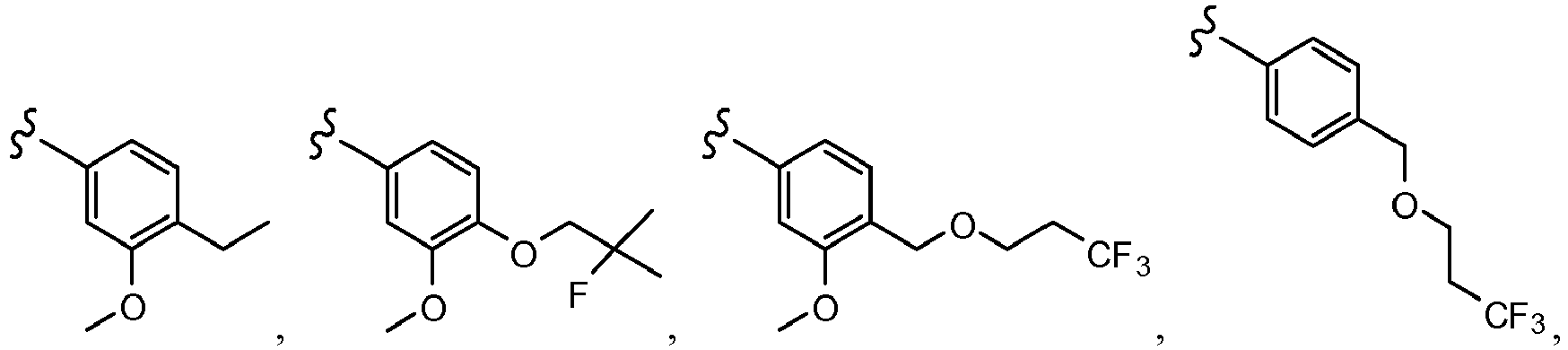


- In another embodiment, the invention features a compound of formula I and the attendant definitions, wherein A is heteroaryl or heterocyclic. In another embodiment, A is a monocyclic heteroaryl comprising 1 to 3 heteroatoms independently selected from N, O, or S. In another embodiment, A is a bicyclic heteroaryl comprising from 1 to 3 heteroatoms independently selected from N, O, or S.
- In another embodiment, A is

- R4 is H, C1-C6 alkyl, C3-C8 cycloalkyl, C1-C6 alkoxy, C1-C6 fluoroalkoxy, halo, CN, OH, OR8, N(R8)2, SO2R8, SO2N(R8)2, CHF2, CF3, R9, heterocycloalkyl, or a straight chain, branched, or cyclic (C1-C8)-R9 wherein up to three CH2 units may be replaced with O, CO, S, SO, SO2, N, CF2, or NR8;
- R5 is H, C1-C6 alkyl, C3-C8 cycloalkyl, C1-C6 alkoxy, C1-C6 fluoroalkoxy, halo, CN, OH, OR8, N(R8)2, SO2R8, SO2N(R8)2, CHF2, CF3, R9, heterocycloalkyl, or a straight chain, branched, or cyclic (C1-C8)-R9 wherein up to three CH2 units may be replaced with O, CO, S, SO, SO2, N, CF2, or NR8;
- R6 is H, C1-C6 alkyl, C3-C8 cycloalkyl, C1-C6 alkoxy, C1-C6 fluoroalkoxy, halo, CN, OH, OR8, N(R8)2, SO2R8, SO2N(R8)2, CHF2, CF3, R9, heterocycloalkyl, or a straight chain, branched, or cyclic (C1-C8)-R9 wherein up to three CH2 units may be replaced with O, CO, S, SO, SO2, N, CF2, or NR8; or
- In another embodiment, R4 is H, C1-C6 alkoxy, C1-C6 fluoroalkoxy, heterocycloalkyl, or N(R8)2. In another embodiment, R4 is H, OCH3, OCH2CH3, OCH2CF3, N(CH3)2, NH(CH2CH(CH3)2), or

- In another embodiment, R5 is H, C1-C6 alkyl, or C1-C6 alkoxy, halo, heterocycloalkyl, or N(R8)2. In another embodiment, R5 is H, CH3, OCH3, Cl, tBu, N(CH3)2, or

- In another embodiment, R6 is H, CN, C1-C6 alkoxy, C1-C6 fluoroalkoxy, CF3, or heterocycloalkyl. In another embodiment, R6 is H, CN, OCH3, OCH2CH3, OCH(CH3)2, CF3, OCH2CF3,

- In another embodiment, A is selected from the following:

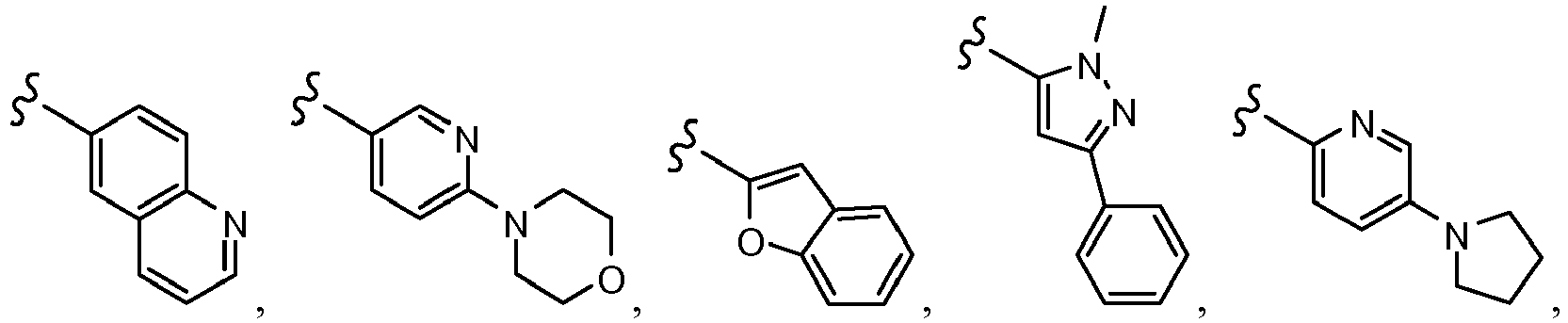


- In another embodiment, the invention features a compound of formula IA:

- R1
- is an aryl or heteroaryl;
- R2
- is C1-C6 alkoxy or C1-C6 fluoroalkoxy;
- R5
- is H, C1-C6 alkyl, C1-C6 alkoxy, C3-C8 cycloalkyl, halo, CN, OR8, SO2R8, SO2N(R8)2, CHF2, CF3, OCF3, OCHF2, R9, heterocycloalkyl, heterocycloalkoxy, aryl, heteroaryl, or a straight chain, branched, or cyclic (C1-C8)-R9 wherein up to three CH2 units may be replaced with O, CO, S, SO, SO2, N, CF2, or NR8;
- R6
- is H, C1-C6 alkyl, C1-C6 alkoxy, C3-C8 cycloalkyl, halo, CN, OR8, SO2R8, SO2N(R8)2, CHF2, CF3, OCF3, OCHF2, R9, heterocycloalkyl, heterocycloalkoxy, aryl, heteroaryl, or a straight chain, branched, or cyclic (C1-C8)-R9 wherein up to three CH2 units may be replaced with O, CO, S, SO, SO2, N, CF2, or NR8; and
- R8
- is H, C1-C6 alkyl, C3-C8 cycloalkyl, CF3, or a straight chain, branched, or cyclic (C1-C8)-R9 wherein up to two CH2 units may be replaced with O, CO, S, SO, SO2, N, CF2, or NR, or 2 R8 taken together with the atoms to which they are attached form a ring.
- In another embodiment, the invention features a compound of formula IA and the attendant definitions, wherein R1 is selected from phenyl thiazole, pyridine, or pyrazole. In another embodiment, R1 is


- In another embodiment, the invention features a compound of formula IA and the attendant definitions, wherein R2 is C1-C6 alkoxy. In another embodiment, R2 is selected from OCH3, OCH2CH3, OCH2CH2CH3, OCH2CH2F, OCH2CH2OCH3,
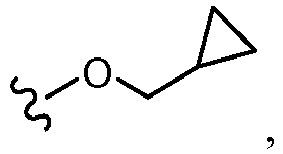
- In another embodiment, the invention features a compound of formula IA and the attendant definitions, wherein R5 is selected from H, C1-C6 alkyl, C1-C6 fluoroalkyl, C1-C6 alkoxy, C1-C6 fluoroalkoxy, halo, or a straight chain, branched, or cyclic (C1-C8)-R9 wherein up to three CH2 units may be replaced with O, CO, S, SO, SO2, N, CF2, or NR8. In another embodiment, R5 is H, CH3, OCH3, CF3, OCHF2, F, Cl, CN, or CH2OH.
- In another embodiment, the invention features a compound of formula IA and the attendant definitions, wherein R6 is H, C1-C6 alkyl, C1-C6 fluoroalkyl, C1-C6 alkoxy, Cl-C6 fluoroalkoxy, halo, heterocycloalkyl, or a straight chain, branched, or cyclic (C1-C8)-R9 wherein up to three CH2 units may be replaced with O, CO, S, SO, SO2, N, CF2, or NR8. In another embodiment, R6 is H, Cl CH2CH3, tBu, OtBu, OCH3, OCH(CH3)2, OCH2CH2(CH3)2, OCH2CH3, OCH2CH2CH3, OCH2CH2CH(CH3)2, OCH2CF(CH3)2, CH2OCH2CH2CF3, OCH2CH2OH, CH2CH2CH2OH, OCHF2, OCH2CH2OCH3, OCH(CH3)CH2CH3, OCH2C(CH3)2OH, C(CH3)2OH, CH2C(CH3)2OH,

- In another embodiment, the


- In another embodiment, the invention features a compound of formula I and the attendant definitions, wherein the compound is selected from the following table:
1 cis 2 cis 3 cis 


4 cis 5 cis 6 cis 
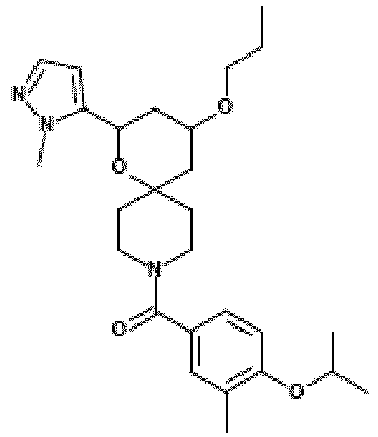

7 cis 8 cis 9 cis 
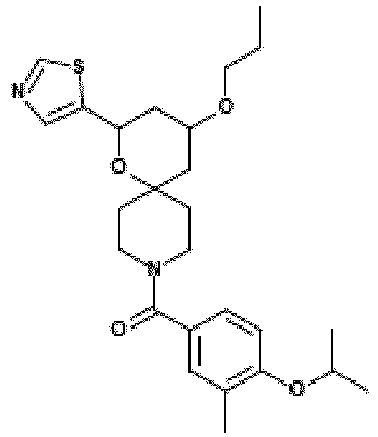

10 cis 11 cis 12 cis 


13 cis 14 cis 15 cis 

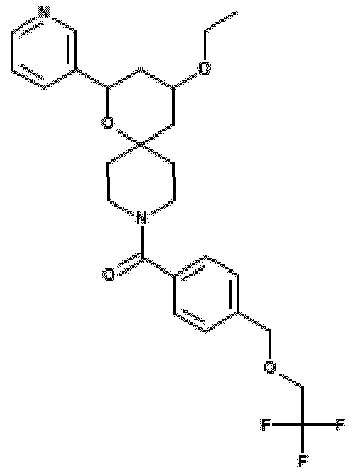
16 cis 17 cis 18 cis 


19 cis 20 cis 21 cis 

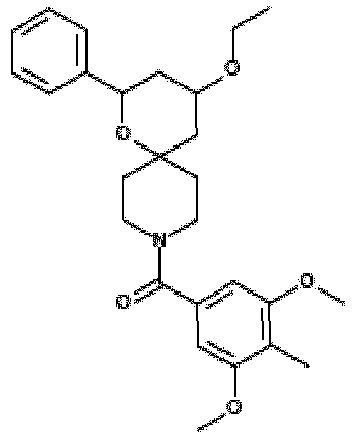
22 cis 23 cis 24 cis 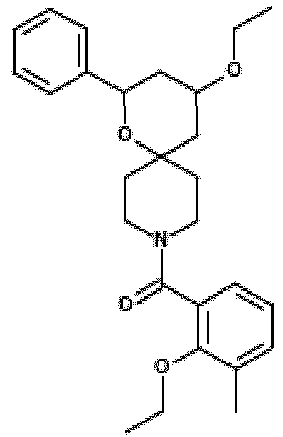


25 cis 26 cis 27 cis 


28 cis 29 cis 30 cis 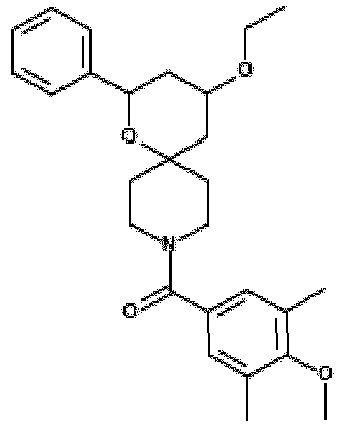


31 cis 32 cis 33 cis 


34 cis 35 cis 36 cis 


37 cis 38 cis 39 cis 


40 cis 41 cis 42 cis 


43 cis 44 cis 45 cis 


46 cis 47 cis 48 cis 
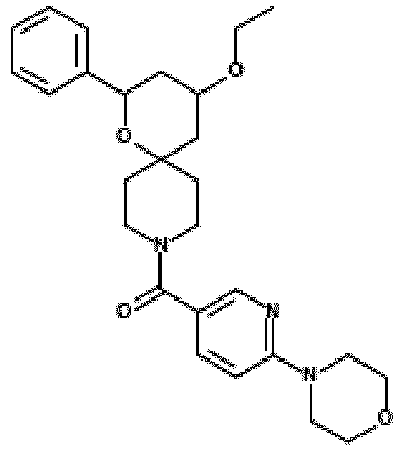

49 cis 50 cis 51 cis 


52 cis 53 cis 54 cis 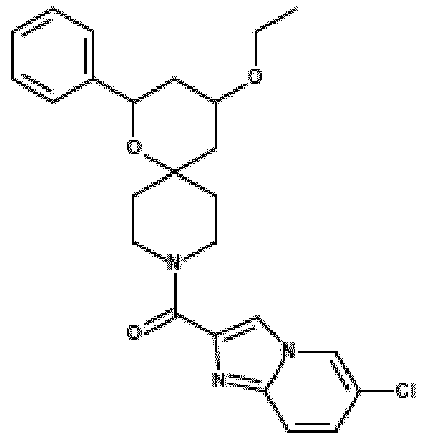


55 cis 56 cis 57 cis 


58 cis 59 cis 60 cis 


61 cis 62 bis 63 cis 

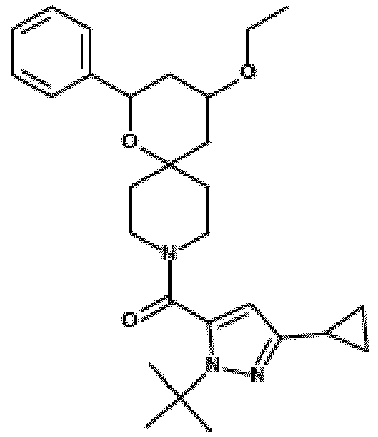
64 cis 65 cis 66 cis 


67 cis 68 cis 69 cis 


70 cis 71 cis 72 cis 


73 cis 74 cis 75 cis 


76 cis 77 cis 78 cis 


79 cis 80 cis 81 cis 


82 cis 83 cis 84 cis 


85 cis 86 cis 87 cis 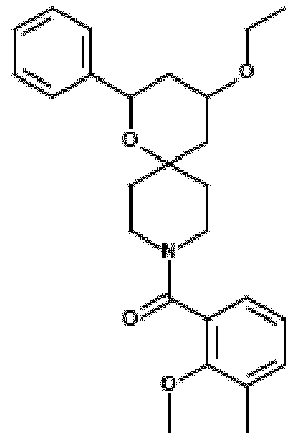


88 cis 89 cis 90 cis 


91 cis 92 cis 93 cis 


94 cis 95 cis 96 cis 


97 cis 98 cis 99 cis 


100 cis 101 cis 102 cis 


103 cis 104 cis 105 cis 


106 cis 107 cis 108 cis 


109 cis 110 cis 111 cis 


112 cis 113 cis 114 cis 


115 cis 116 cis 117 cis 


118 cis 119 cis 120 cis 


121 cis 122 cis 123 cis 


124 cis 125 cis 126 cis 


127 cis 128 cis 129 cis 


130 cis 131 cis 132 cis 


133 cis 134 cis 135 cis 

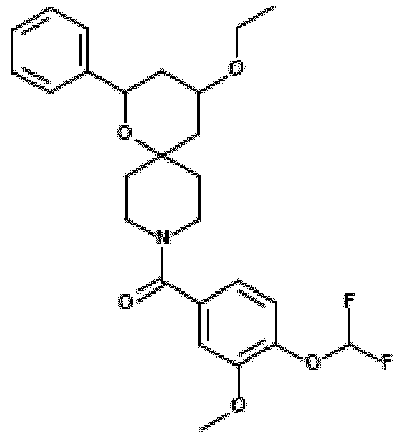
136 cis 137 cis 138 cis 


139 cis 140 cis 141 cis 


142 cis 143 cis 144 cis 


145 cis 146 cis 147 trans 


148 trans 149 cis 150 cis 


151 cis 152 trans 153 cis 


154 cis 155 cis 156 cis 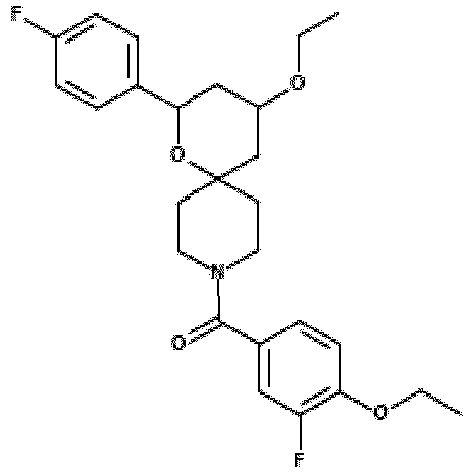
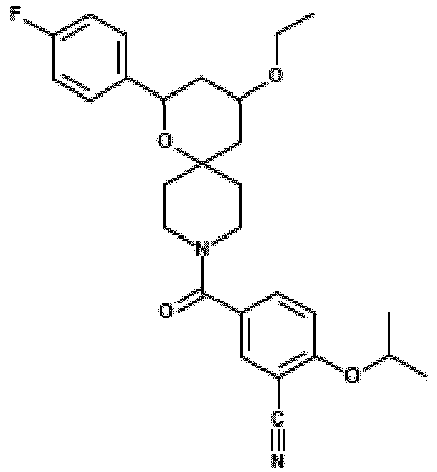

157 cis 158 cis 159 cis 
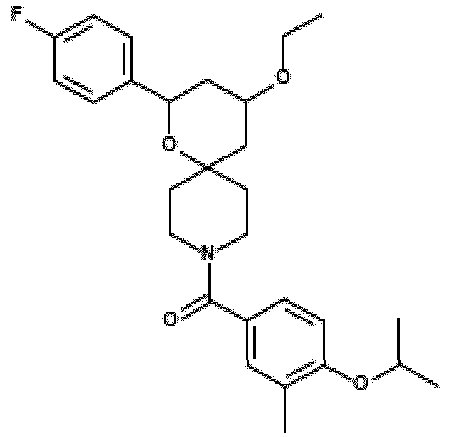

160 cis 161 cis 162 cis 


163 cis 164 trans 165 trans 
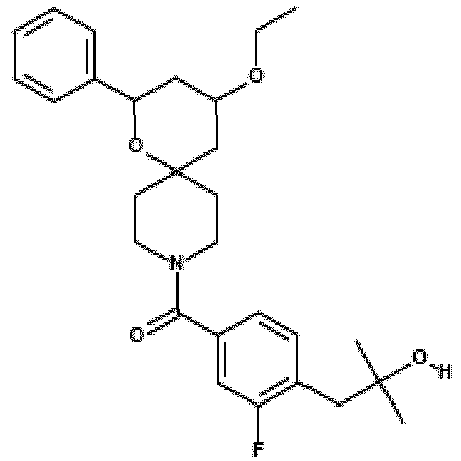

166 trans 167 cis 168 cis 


169 cis 170 cis 171 cis 


112 cis 173 cis 174 cis 


175 cis 176 cis 177 cis 


178 cis 179 cis 180 cis 


181 cis 182 cis 183 cis 


184 cis 185 cis 186 cis 


187 cis 188 cis 189 cis 
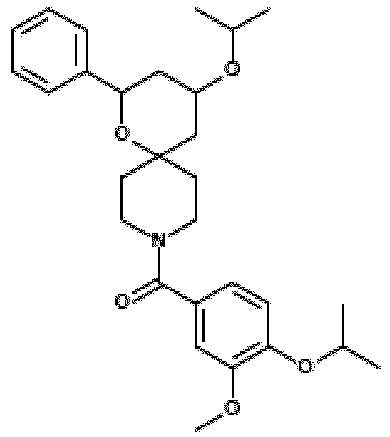

190 cis 191 cis 192 trans 

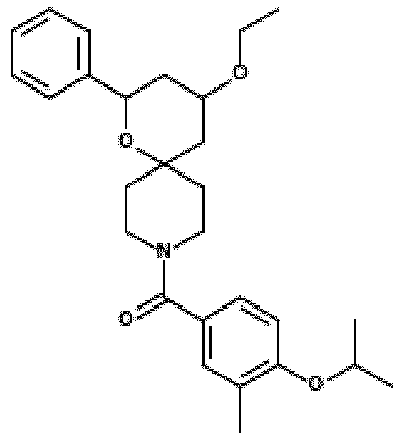
193 cis 194 cis 

- In another aspect, the invention features a pharmaceutical composition comprising a compound of the invention and a pharmaceutically acceptable carrier.
- In another aspect, the claimed compounds can be used in a method of inhibiting a voltage-gated sodium ion channel in a patient or a biological sample by administering to the patient, or contacting the biological sample, with a compound or composition of the invention. In another embodiment, the voltage-gated sodium ion channel is NaV 1.7.
- In another aspect, the claimed compounds can be used in a method of treating or lessening the severity in a subject of acute, chronic, neuropathic, or inflammatory pain, arthritis, migraine, cluster headaches, trigeminal neuralgia, herpatic neuralgia, general neuralgias, epilepsy or epilepsy conditions, neurodegenerative disorders, psychiatric disorders, anxiety, depression, dipolar disorder, myotonia, arrhythmia, movement disorders, neuroendocrine disorders, ataxia, multiple sclerosis, irritable bowel syndrome, incontinence, visceral pain, osteoarthritis pain, postherpetic neuralgia, diabetic neuropathy, radicular pain, sciatica, back pain, head or neck pain, severe or intractable pain, nociceptive pain, breakthrough pain, postsurgical pain, cancer pain, stroke, cerebral ischemia, traumatic brain injury, amyotrophic lateral sclerosis, stress- or exercise induced angina, palpitations, hypertension, migraine, or abormal gastro-intestinal motility, by administering an effective amount of a compound or composition of the invention.
- In another embodiment, the claimed compounds can be used in amethod for treating or lessening the severity of femur cancer pain; non-malignant chronic bone pain; rheumatoid arthritis; osteoarthritis; spinal stenosis; neuropathic low back pain; neuropathic low back pain; myofascial pain syndrome; fibromyalgia; temporomandibular joint pain; chronic visceral pain, abdominal pain; pancreatic; IBS pain; chronic and acute headache pain; migraine; tension headache, including, cluster headaches; chronic and acute neuropathic pain, post-herpatic neuralgia; diabetic neuropathy; HIV-associated neuropathy; trigeminal neuralgia; Charcot-Marie Tooth neuropathy; hereditary sensory neuropathies; peripheral nerve injury; painful neuromas; ectopic proximal and distal discharges; radiculopathy; chemotherapy induced neuropathic pain; radiotherapy-induced neuropathic pain; post-mastectomy pain; central pain; spinal cord injury pain; post-stroke pain; thalamic pain; complex regional pain syndrome; phantom pain; intractable pain; acute pain, acute post-operative pain; acute musculoskeletal pain; joint pain; mechanical low back pain; neck pain; tendonitis; injury/exercise pain; acute visceral pain, abdominal pain; pyelonephritis; appendicitis; cholecystitis; intestinal obstruction; hernias; chest pain, cardiac pain; pelvic pain, renal colic pain, acute obstetric pain, labor pain; cesarean section pain; acute inflammatory, burn and trauma pain; acute intermittent pain, endometriosis; acute herpes zoster pain; sickle cell anemia; acute pancreatitis; breakthrough pain; orofacial pain including sinusitis pain, dental pain; multiple sclerosis (MS) pain; pain in depression; leprosy pain; Behcet's disease pain; adiposis dolorosa; phlebitic pain; Guillain-Barre pain; painful legs and moving toes; Haglund syndrome; erythromelalgia pain; Fabry's disease pain; bladder and urogenital disease, including, urinary incontinence; hyperactivity bladder; painful bladder syndrome; interstitial cyctitis (IC); prostatitis; complex regional pain syndrome (CRPS), type I and type II; widespread pain, paroxysmal extreme pain, pruritis, tinnitis, or angina-induced pain.
- The compounds of the invention may be prepared readily using the following methods. Illustrated below in Scheme 1 through Scheme 8 are methods for preparing the compounds of the invention.


- As discussed above, the invention provides compounds that are inhibitors of voltage-gated sodium ion channels, and thus the present compounds are useful for the treatment of diseases, disorders, and conditions including, but not limited to acute, chronic, neuropathic, or inflammatory pain, arthritis, migraine, cluster headaches, trigeminal neuralgia, herpetic neuralgia, general neuralgias, epilepsy or epilepsy conditions, neurodegenerative disorders, psychiatric disorders such as anxiety and depression, myotonia, arrhythmia, movement disorders, neuroendocrine disorders, ataxia, multiple sclerosis, irritable bowel syndrome, and incontinence. Accordingly, in another aspect of the invention, pharmaceutically acceptable compositions are provided, wherein these compositions comprise any of the compounds as described herein, and optionally comprise a pharmaceutically acceptable carrier, adjuvant or vehicle. In certain embodiments, these compositions optionally further comprise one or more additional therapeutic agents.
- It will also be appreciated that certain of the compounds of invention can exist in free form for treatment, or where appropriate, as a pharmaceutically acceptable derivative thereof According to the invention, a pharmaceutically acceptable derivative includes, but is not limited to, pharmaceutically acceptable salts, esters, salts of such esters, or any other adduct or derivative which upon administration to a subject in need is capable of providing, directly or indirectly, a compound as otherwise described herein, or a metabolite or residue thereof.
- As used herein, the term "pharmaceutically acceptable salt" refers to those salts which are, within the scope of sound medical judgement, suitable for use in contact with the tissues of humans and lower animals without undue toxicity, irritation, allergic response and the like, and are commensurate with a reasonable benefit/risk ratio. A "pharmaceutically acceptable salt" means any non-toxic salt or salt of an ester of a compound of this invention that, upon administration to a recipient, is capable of providing, either directly or indirectly, a compound of this invention or an inhibitorily active metabolite or residue thereof. As used herein, the term "inhibitorily active metabolite or residue thereof" means that a metabolite or residue thereof is also an inhibitor of a voltage-gated sodium ion channel.
- Pharmaceutically acceptable salts are well known in the art. For example, S. M. Berge, et al. describe pharmaceutically acceptable salts in detail in J. Pharmaceutical Sciences, 1977, 66, 1-19. Pharmaceutically acceptable salts of the compounds of this invention include those derived from suitable inorganic and organic acids and bases. Examples of pharmaceutically acceptable, nontoxic acid addition salts are salts of an amino group formed with inorganic acids such as hydrochloric acid, hydrobromic acid, phosphoric acid, sulfuric acid and perchloric acid or with organic acids such as acetic acid, oxalic acid, maleic acid, tartaric acid, citric acid, succinic acid or malonic acid or by using other methods used in the art such as ion exchange. Other pharmaceutically acceptable salts include adipate, alginate, ascorbate, aspartate, benzenesulfonate, benzoate, bisulfate, borate, butyrate, camphorate, camphorsulfonate, citrate, cyclopentanepropionate, digluconate, dodecylsulfate, ethanesulfonate, formate, fumarate, glucoheptonate, glycerophosphate, gluconate, hemisulfate, heptanoate, hexanoate, hydroiodide, 2-hydroxy-ethanesulfonate, lactobionate, lactate, laurate, lauryl sulfate, malate, maleate, malonate, methanesulfonate, 2-naphthalenesulfonate, nicotinate, nitrate, oleate, oxalate, palmitate, pamoate, pectinate, persulfate, 3-phenylpropionate, phosphate, picrate, pivalate, propionate, stearate, succinate, sulfate, tartrate, thiocyanate, p-toluenesulfonate, undecanoate, valerate salts, and the like. Salts derived from appropriate bases include alkali metal, alkaline earth metal, ammonium and N+(C1-4lkyl)4 salts. This invention also envisions the quaternization of any basic nitrogen-containing groups of the compounds disclosed herein. Water or oil-soluble or dispersable products may be obtained by such quaternization. Representative alkali or alkaline earth metal salts include sodium, lithium, potassium, calcium, magnesium, and the like. Further pharmaceutically acceptable salts include, when appropriate, nontoxic ammonium, quaternary ammonium, and amine cations formed using counterions such as halide, hydroxide, carboxylate, sulfate, phosphate, nitrate, loweralkyl sulfonate and aryl sulfonate.
- As described above, the pharmaceutically acceptable compositions of the invention additionally comprise a pharmaceutically acceptable carrier, adjuvant, or vehicle, which, as used herein, includes any and all solvents, diluents, or other liquid vehicle, dispersion or suspension aids, surface active agents, isotonic agents, thickening or emulsifying agents, preservatives, solid binders, lubricants and the like, as suited to the particular dosage form desired. Remington's Pharmaceutical Sciences, Sixteenth Edition, E. W. Martin (Mack Publishing Co., Easton, Pa., 1980) discloses various carriers used in formulating pharmaceutically acceptable compositions and known techniques for the preparation thereof. Except insofar as any conventional carrier medium is incompatible with the compounds of the invention, such as by producing any undesirable biological effect or otherwise interacting in a deleterious manner with any other component(s) of the pharmaceutically acceptable composition, its use is contemplated to be within the scope of this invention. Some examples of materials which can serve as pharmaceutically acceptable carriers include, but are not limited to, ion exchangers, alumina, aluminum stearate, lecithin, serum proteins, such as human serum albumin, buffer substances such as phosphates, glycine, sorbic acid, or potassium sorbate, partial glyceride mixtures of saturated vegetable fatty acids, water, salts or electrolytes, such as protamine sulfate, disodium hydrogen phosphate, potassium hydrogen phosphate, sodium chloride, zinc salts, colloidal silica, magnesium trisilicate, polyvinyl pyrrolidone, polyacrylates, waxes, polyethylene-polyoxypropylene-block polymers, wool fat, sugars such as lactose, glucose and sucrose; starches such as corn starch and potato starch; cellulose and its derivatives such as sodium carboxymethyl cellulose, ethyl cellulose and cellulose acetate; powdered tragacanth; malt; gelatin; talc; excipients such as cocoa butter and suppository waxes; oils such as peanut oil, cottonseed oil; safflower oil; sesame oil; olive oil; corn oil and soybean oil; glycols; such a propylene glycol or polyethylene glycol; esters such as ethyl oleate and ethyl laurate; agar; buffering agents such as magnesium hydroxide and aluminum hydroxide; alginic acid; pyrogen-free water; isotonic saline; Ringer's solution; ethyl alcohol, and phosphate buffer solutions, as well as other non-toxic compatible lubricants such as sodium lauryl sulfate and magnesium stearate, as well as coloring agents, releasing agents, coating agents, sweetening, flavoring and perfuming agents, preservatives and antioxidants can also be present in the composition, according to the judgment of the formulator.
- In yet another aspect, the claimed compounds can be used in a method for the treatment or lessening the severity of acute, chronic, neuropathic, or inflammatory pain, arthritis, migraine, cluster headaches, trigeminal neuralgia, herpetic neuralgia, general neuralgias, epilepsy or epilepsy conditions, neurodegenerative disorders, psychiatric disorders such as anxiety and depression, dipolar disorder, myotonia, arrhythmia, movement disorders, neuroendocrine disorders, ataxia, multiple sclerosis, irritable bowel syndrome, incontinence, visceral pain, osteoarthritis pain, postherpetic neuralgia, diabetic neuropathy, radicular pain, sciatica, back pain, head or neck pain, severe or intractable pain, nociceptive pain, breakthrough pain, postsurgical pain, or cancer pain by administering an effective amount of a compound, or a pharmaceutically acceptable composition comprising a compound to a subject in need thereof.
- In certain embodiments, the claimed compounds can be used in a method of treatment or lessening the severity of stroke, cerebral ischemia, traumatic brain injury, amyotrophic lateral sclerosis, stress- or exercise induced angina, palpitations, hypertension, migraine, or abormal gastro-intestinal motility by administering an effective amount of a compound, or a pharmaceutically acceptable composition comprising a compound to a subject in need thereof.
- In certain embodiments, the claimed compounds can be used in a method for the treatment or lessening the severity of acute, chronic, neuropathic, or inflammatory pain by administering an effective amount of a compound or a pharmaceutically acceptable composition to a subject in need thereof. In certain other embodiments, the claimed compounds can be used in a method for the treatment or lessening the severity of radicular pain, sciatica, back pain, head pain, or neck by administering an effective amount of a compound or a pharmaceutically acceptable composition to a subject in need thereof. In still other embodiments, the claimed compounds can be used in a method for the treatment or lessening the severity of severe or intractable pain, acute pain, postsurgical pain, back pain, tinnitis or cancer pain by administering an effective amount of a compound or a pharmaceutically acceptable composition to a subject in need thereof.
- In certain embodiments, the claimed compounds can be used in a method for the treatment or lessening the severity of femur cancer pain; non-malignant chronic bone pain; rheumatoid arthritis; osteoarthritis; spinal stenosis; neuropathic low back pain; neuropathic low back pain; myofascial pain syndrome; fibromyalgia; temporomandibular joint pain; chronic visceral pain, including, abdominal; pancreatic; IBS pain; chronic and acute headache pain; migraine; tension headache, including, cluster headaches; chronic and acute neuropathic pain, including, post-herpetic neuralgia; diabetic neuropathy; HIV- associated neuropathy; trigeminal neuralgia; Charcot-Marie Tooth neuropathy; hereditary sensory neuropathies; peripheral nerve injury; painful neuromas; ectopic proximal and distal discharges; radiculopathy; chemotherapy induced neuropathic pain; radiotherapy-induced neuropathic pain; post-mastectomy pain; central pain; spinal cord injury pain; post-stroke pain; thalamic pain; complex regional pain syndrome; phantom pain; intractable pain; acute pain, acute post-operative pain; acute musculoskeletal pain; joint pain; mechanical low back pain; neck pain; tendonitis; injury/exercise pain; acute visceral pain, including, abdominal pain; pyelonephritis; appendicitis; cholecystitis; intestinal obstruction; hernias; etc; chest pain, including, cardiac Pain; pelvic pain, renal colic pain, acute obstetric pain, including, labor pain; cesarean section pain; acute inflammatory, burn and trauma pain; acute intermittent pain, including, endometriosis; acute herpes zoster pain; sickle cell anemia; acute pancreatitis; breakthrough pain; orofacial pain including sinusitis pain, dental pain; multiple sclerosis (MS) pain; pain in depression; leprosy pain; behcet's disease pain; adiposis dolorosa; phlebitic pain; Guillain-Barre pain; painful legs and moving toes; Haglund syndrome; erythromelalgia pain; Fabry's disease pain; bladder and urogenital disease, including, urinary incontinence; hyperactivity bladder; painful bladder syndrome; interstitial cyctitis (IC); or prostatitis; complex regional pain syndrome (CRPS), type I and type II; angina-induced pain by administering an effective amount of a compound or a pharmaceutically acceptable composition to a subject in need thereof.
- In certain embodiments of the invention an "effective amount" of the compound or pharmaceutically acceptable composition is that amount effective for treating or lessening the severity of one or more of acute, chronic, neuropathic, or inflammatory pain, arthritis, migraine, cluster headaches, trigeminal neuralgia, herpetic neuralgia, general neuralgias, epilepsy or epilepsy conditions, neurodegenerative disorders, psychiatric disorders such as anxiety and depression, myotonia, arrhythmia, movement disorders, neuroendocrine disorders, ataxia, multiple sclerosis, irritable bowel syndrome, incontinence, visceral pain, osteoarthritis pain, postherpetic neuralgia, diabetic neuropathy, radicular pain, sciatica, back pain, head or neck pain, severe or intractable pain, nociceptive pain, breakthrough pain, postsurgical pain, tinnitis or cancer pain.
- The compounds and compositions may be administered using any amount and any route of administration effective for treating or lessening the severity of one or more of acute, chronic, neuropathic, or inflammatory pain, arthritis, migraine, cluster headaches, trigeminal neuralgia, herpetic neuralgia, general neuralgias, epilepsy or epilepsy conditions, neurodegenerative disorders, psychiatric disorders such as anxiety and depression, myotonia, arrhythmia, movement disorders, neuroendocrine disorders, ataxia, multiple sclerosis, irritable bowel syndrome, incontinence, visceral pain, osteoarthritis pain, postherpetic neuralgia, diabetic neuropathy, radicular pain, sciatica, back pain, head or neck pain, severe or intractable pain, nociceptive pain, breakthrough pain, postsurgical pain, tinnitis or cancer pain. The exact amount required will vary from subject to subject, depending on the species, age, and general condition of the subject, the severity of the infection, the particular agent, its mode of administration, and the like. The compounds of the invention are preferably formulated in dosage unit form for ease of administration and uniformity of dosage. The expression "dosage unit form" as used herein refers to a physically discrete unit of agent appropriate for the subject to be treated. It will be understood, however, that the total daily usage of the compounds and compositions of the invention will be decided by the attending physician within the scope of sound medical judgment. The specific effective dose level for any particular subject or organism will depend upon a variety of factors including the disorder being treated and the severity of the disorder; the activity of the specific compound employed; the specific composition employed; the age, body weight, general health, sex and diet of the subject; the time of administration, route of administration, and rate of excretion of the specific compound employed; the duration of the treatment; drugs used in combination or coincidental with the specific compound employed, and like factors well known in the medical arts. The term "subject" or "patient", as used herein, means an animal, preferably a mammal, and most preferably a human.
- The pharmaceutically acceptable compositions of this invention can be administered to humans and other animals orally, rectally, parenterally, intracisternally, intravaginally, intraperitoneally, topically (as by powders, ointments, or drops), bucally, as an oral or nasal spray, or the like, depending on the severity of the infection being treated. In certain embodiments, the compounds of the invention may be administered orally or parenterally at dosage levels of about 0.01 mg/kg to about 50 mg/kg and preferably from about 1 mg/kg to about 25 mg/kg, of subject body weight per day, one or more times a day, to obtain the desired therapeutic effect.
- Liquid dosage forms for oral administration include, but are not limited to, pharmaceutically acceptable emulsions, microemulsions, solutions, suspensions, syrups and elixirs. In addition to the active compounds, the liquid dosage forms may contain inert diluents commonly used in the art such as, for example, water or other solvents, solubilizing agents and emulsifiers such as ethyl alcohol, isopropyl alcohol, ethyl carbonate, ethyl acetate, benzyl alcohol, benzyl benzoate, propylene glycol, 1,3-butylene glycol, dimethylformamide, oils (in particular, cottonseed, groundnut, corn, germ, olive, castor, and sesame oils), glycerol, tetrahydrofurfuryl alcohol, polyethylene glycols and fatty acid esters of sorbitan, and mixtures thereof. Besides inert diluents, the oral compositions can also include adjuvants such as wetting agents, emulsifying and suspending agents, sweetening, flavoring, and perfuming agents.
- Injectable preparations, for example, sterile injectable aqueous or oleaginous suspensions may be formulated according to the known art using suitable dispersing or wetting agents and suspending agents. The sterile injectable preparation may also be a sterile injectable solution, suspension or emulsion in a nontoxic parenterally acceptable diluent or solvent, for example, as a solution in 1,3-butanediol. Among the acceptable vehicles and solvents that may be employed are water, Ringer's solution, U.S.P. and isotonic sodium chloride solution. In addition, sterile, fixed oils are conventionally employed as a solvent or suspending medium. For this purpose any bland fixed oil can be employed including synthetic mono- or diglycerides. In addition, fatty acids such as oleic acid are used in the preparation of injectables.
- The injectable formulations can be sterilized, for example, by filtration through a bacterial-retaining filter, or by incorporating sterilizing agents in the form of sterile solid compositions which can be dissolved or dispersed in sterile water or other sterile injectable medium prior to use.
- In order to prolong the effect of a compound of the invention, it is often desirable to slow the absorption of the compound from subcutaneous or intramuscular injection. This may be accomplished by the use of a liquid suspension of crystalline or amorphous material with poor water solubility. The rate of absorption of the compound then depends upon its rate of dissolution that, in turn, may depend upon crystal size and crystalline form. Alternatively, delayed absorption of a parenterally administered compound form is accomplished by dissolving or suspending the compound in an oil vehicle. Injectable depot forms are made by forming microencapsule matrices of the compound in biodegradable polymers such as polylactide-polyglycolide. Depending upon the ratio of compound to polymer and the nature of the particular polymer employed, the rate of compound release can be controlled. Examples of other biodegradable polymers include poly(orthoesters) and poly(anhydrides). Depot injectable formulations are also prepared by entrapping the compound in liposomes or microemulsions that are compatible with body tissues.
- Compositions for rectal or vaginal administration are preferably suppositories which can be prepared by mixing the compounds of this invention with suitable non-irritating excipients or carriers such as cocoa butter, polyethylene glycol or a suppository wax which are solid at ambient temperature but liquid at body temperature and therefore melt in the rectum or vaginal cavity and release the active compound.
- Solid dosage forms for oral administration include capsules, tablets, pills, powders, and granules. In such solid dosage forms, the active compound is mixed with at least one inert, pharmaceutically acceptable excipient or carrier such as sodium citrate or dicalcium phosphate and/or a) fillers or extenders such as starches, lactose, sucrose, glucose, mannitol, and silicic acid, b) binders such as, for example, carboxymethylcellulose, alginates, gelatin, polyvinylpyrrolidinone, sucrose, and acacia, c) humectants such as glycerol, d) disintegrating agents such as agar--agar, calcium carbonate, potato or tapioca starch, alginic acid, certain silicates, and sodium carbonate, e) solution retarding agents such as paraffin, f) absorption accelerators such as quaternary ammonium compounds, g) wetting agents such as, for example, cetyl alcohol and glycerol monostearate, h) absorbents such as kaolin and bentonite clay, and i) lubricants such as talc, calcium stearate, magnesium stearate, solid polyethylene glycols, sodium lauryl sulfate, and mixtures thereof. In the case of capsules, tablets and pills, the dosage form may also comprise buffering agents.
- Solid compositions of a similar type may also be employed as fillers in soft and hard-filled gelatin capsules using such excipients as lactose or milk sugar as well as high molecular weight polyethylene glycols and the like. The solid dosage forms of tablets, dragees, capsules, pills, and granules can be prepared with coatings and shells such as enteric coatings and other coatings well known in the pharmaceutical formulating art. They may optionally contain opacifying agents and can also be of a composition that they release the active ingredient(s) only, or preferentially, in a certain part of the intestinal tract, optionally, in a delayed manner. Examples of embedding compositions that can be used include polymeric substances and waxes. Solid compositions of a similar type may also be employed as fillers in soft and hard-filled gelatin capsules using such excipients as lactose or milk sugar as well as high molecular weight polethylene glycols and the like.
- The active compounds can also be in microencapsulated form with one or more excipients as noted above. The solid dosage forms of tablets, dragees, capsules, pills, and granules can be prepared with coatings and shells such as enteric coatings, release controlling coatings and other coatings well known in the pharmaceutical formulating art. In such solid dosage forms the active compound may be admixed with at least one inert diluent such as sucrose, lactose or starch. Such dosage forms may also comprise, as is normal practice, additional substances other than inert diluents, e.g., tableting lubricants and other tableting aids such a magnesium stearate and microcrystalline cellulose. In the case of capsules, tablets and pills, the dosage forms may also comprise buffering agents. They may optionally contain opacifying agents and can also be of a composition that they release the active ingredient(s) only, or preferentially, in a certain part of the intestinal tract, optionally, in a delayed manner. Examples of embedding compositions that can be used include polymeric substances and waxes.
- Dosage forms for topical or transdermal administration of a compound of this invention include ointments, pastes, creams, lotions, gels, powders, solutions, sprays, inhalants or patches. The active component is admixed under sterile conditions with a pharmaceutically acceptable carrier and any needed preservatives or buffers as may be required. Ophthalmic formulation, eardrops, and eye drops are also contemplated as being within the scope of this invention. Additionally, the invention contemplates the use of transdermal patches, which have the added advantage of providing controlled delivery of a compound to the body. Such dosage forms are prepared by dissolving or dispensing the compound in the proper medium. Absorption enhancers can also be used to increase the flux of the compound across the skin. The rate can be controlled by either providing a rate controlling membrane or by dispersing the compound in a polymer matrix or gel.
- As described generally above, the compounds of the invention are useful as inhibitors of voltage-gated sodium ion channels. In one embodiment, the compounds and compositions of the invention are inhibitors of one or more of NaV1.1, NaV1.2, NaV1.3, NaV1.4, NaV1.5, NaV1.6, NaV1.7, NaV1.8, or NaV1.9, and thus, without wishing to be bound by any particular theory, the compounds and compositions are particularly useful for treating or lessening the severity of a disease, condition, or disorder where activation or hyperactivity of one or more of NaV1.1, NaV1.2, NaV1.3, NaV1.4, NaV1.5, NaV1.6, NaV1.7, NaV1.8, or NaV1.9 is implicated in the disease, condition, or disorder. When activation or hyperactivity of NaV1.1, NaV1.2, NaV1.3, NaV1.4, NaV1.5, NaV1.6, NaV1.7, NaV1.8, or NaV1.9 is implicated in a particular disease, condition, or disorder, the disease, condition, or disorder may also be referred to as a "NaV1.1, NaV.2, NaV.3, NaV.4, NaV.5, NaV.6, NaV.7, NaV1.8 or NaV1.9-mediated disease, condition or disorder". Accordingly, in another aspect, the claimed compounds can be used in a method for treating or lessening the severity of a disease, condition, or disorder where activation or hyperactivity of one or more of NaV1.1, NaV1.2, NaV1.3, NaV1.4, NaV1.5, NaV1.6, NaV1.7, NaV1.8, or NaV1.9 is implicated in the disease state.
- The activity of a compound utilized in this invention as an inhibitor of NaV1.1, NaV1.2, NaV1.3, NaV1.4, NaV1.5, NaV1.6, NaV1.7, NaV1.8, or NaV1.9 may be assayed according to methods described generally in the Examples herein, or according to methods available to one of ordinary skill in the art.
- In certain exemplary embodiments, compounds of the invention are useful as inhibitors of NaV1.7 and/or NaV1.8.
- It will also be appreciated that the compounds and pharmaceutically acceptable compositions of the invention can be employed in combination therapies, that is, the compounds and pharmaceutically acceptable compositions can be administered concurrently with, prior to, or subsequent to, one or more other desired therapeutics or medical procedures. The particular combination of therapies (therapeutics or procedures) to employ in a combination regimen will take into account compatibility of the desired therapeutics and/or procedures and the desired therapeutic effect to be achieved. It will also be appreciated that the therapies employed may achieve a desired effect for the same disorder (for example, an inventive compound may be administered concurrently with another agent used to treat the same disorder), or they may achieve different effects (e.g., control of any adverse effects). As used herein, additional therapeutic agents that are normally administered to treat or prevent a particular disease, or condition, are known as "appropriate for the disease, or condition, being treated". For example, exemplary additional therapeutic agents include, but are not limited to: nonopioid analgesics (indoles such as Etodolac, Indomethacin, Sulindac, Tolmetin; naphthylalkanones such sa Nabumetone; oxicams such as Piroxicam; para-aminophenol derivatives, such as Acetaminophen; propionic acids such as Fenoprofen, Flurbiprofen, Ibuprofen, Ketoprofen, Naproxen, Naproxen sodium, Oxaprozin; salicylates such as Asprin, Choline magnesium trisalicylate, Diflunisal; fenamates such as meclofenamic acid, Mefenamic acid; and pyrazoles such as Phenylbutazone); or opioid (narcotic) agonists (such as Codeine, Fentanyl, Hydromorphone, Levorphanol, Meperidine, Methadone, Morphine, Oxycodone, Oxymorphone, Propoxyphene, Buprenorphine, Butorphanol, Dezocine, Nalbuphine, and Pentazocine). Additionally, nondrug analgesic approaches may be utilized in conjunction with administration of one or more compounds of the invention. For example, anesthesiologic (intraspinal infusion, neural blocade), neurosurgical (neurolysis of CNS pathways), neurostimulatory (transcutaneous electrical nerve stimulation, dorsal column stimulation), physiatric (physical therapy, orthotic devices, diathermy), or psychologic (cognitive methods-hypnosis, biofeedback, or behavioral methods) approaches may also be utilized. Additional appropriate therapeutic agents or approaches are described generally in The Merck Manual, Seventeenth Edition, Ed. Mark H. Beers and Robert Berkow, Merck Research Laboratories, 1999, and the Food and Drug Administration website, www.fda.gov.
- In another embodiment, additional appropriate therapeutic agents are selected from the following:
- (1) an opioid analgesic, e.g. morphine, heroin, hydromorphone, oxymorphone, levorphanol, levallorphan, methadone, meperidine, fentanyl, cocaine, codeine, dihydrocodeine, oxycodone, hydrocodone, propoxyphene, nalmefene, nalorphine, naloxone, naltrexone, buprenorphine, butorphanol, nalbuphine or pentazocine;
- (2) a nonsteroidal antiinflammatory drug (NSAID), e.g. aspirin, diclofenac, diflusinal, etodolac, fenbufen, fenoprofen, flufenisal, flurbiprofen, ibuprofen, indomethacin, ketoprofen, ketorolac, meclofenamic acid, mefenamic acid, meloxicam, nabumetone, naproxen, nimesulide, nitroflurbiprofen, olsalazine, oxaprozin, phenylbutazone, piroxicam, sulfasalazine, sulindac, tolmetin or zomepirac;
- (3) a barbiturate sedative, e.g. amobarbital, aprobarbital, butabarbital, butabital, mephobarbital, metharbital, methohexital, pentobarbital, phenobartital, secobarbital, talbutal, theamylal or thiopental;
- (4) a benzodiazepine having a sedative action, e.g. chlordiazepoxide, clorazepate, diazepam, flurazepam, lorazepam, oxazepam, temazepam or triazolam;
- (5) an H1 antagonist having a sedative action, e.g. diphenhydramine, pyrilamine, promethazine, chlorpheniramine or chlorcyclizine;
- (6) a sedative such as glutethimide, meprobamate, methaqualone or dichloralphenazone;
- (7) a skeletal muscle relaxant, e.g. baclofen, carisoprodol, chlorzoxazone, cyclobenzaprine, methocarbamol or orphrenadine;
- (8) an NMDA receptor antagonist, e.g. dextromethorphan ((+)-3-hydroxy-N-methylmorphinan) or its metabolite dextrorphan ((+)-3-hydroxy-N-methylmorphinan), ketamine, memantine, pyrroloquinoline quinine, cis-4-(phosphonomethyl)-2- piperidinecarboxylic acid, budipine, EN-3231 (MorphiDex(R), a combination formulation of morphine and dextromethorphan), topiramate, neramexane or perzinfotel including an NR2B antagonist, e.g. ifenprodil, traxoprodil or (-)-(R)-6-{2-[4-(3-fluorophenyl)-4-hydroxy-1-piperidinyl]-1-hydroxyethyl-3,4-dihydro-2(1H)-quinolinone;
- (9) an alpha-adrenergic, e.g. doxazosin, tamsulosin, clonidine, guanfacine, dexmetatomidine, modafinil, or 4-amino-6,7-dimethoxy-2-(5-methane-sulfonamido-1,2,3,4-tetrahydroisoquinol-2-yl)-5-(2-pyridyl) quinazoline;
- (10) a tricyclic antidepressant, e.g. desipramine, imipramine, amitriptyline or nortriptyline;
- (11) an anticonvulsant, e.g. carbamazepine, lamotrigine, topiratmate or valproate;
- (12) a tachykinin (NK) antagonist, particularly an NK-3, NK-2 or NK-I antagonist, e.g. ([alpha]R,9R)-7-[3,5-bis(trifluoromethyl)benzyl]-8,9, 10,11 -tetrahydro-9-methyl-5-(4-methylphenyl)-7H-[1,4]diazocino[2,1-g][1,7]-naphthyridine-6-13-dione (TAK-637), 5-[[(2R,3S)-2-[(1R)-1-[3,5-bis(trifluoromethyl)phenyl]ethoxy-3-(4-fluorophenyl)-4-morpholinyl]-methyl]-1,2-dihydro-3H-1,2,4-triazol-3-one (MK-869), aprepitant, lanepitant, dapitant or 3-[[2-methoxy-5-(trifluoromethoxy)phenyl]-methylamino]-2-phenylpiperidine (2S,3S);
- (13) a muscarinic antagonist, e.g oxybutynin, tolterodine, propiverine, tropsium chloride, darifenacin, solifenacin, temiverine and ipratropium;
- (14) a COX-2 selective inhibitor, e.g. celecoxib, rofecoxib, parecoxib, valdecoxib, deracoxib, etoricoxib, or lumiracoxib;
- (15) a coal-tar analgesic, in particular paracetamol;
- (16) a neuroleptic such as droperidol, chlorpromazine, haloperidol, perphenazine, thioridazine, mesoridazine, trifluoperazine, fluphenazine, clozapine, olanzapine, risperidone, ziprasidone, quetiapine, sertindole, aripiprazole, sonepiprazole, blonanserin, iloperidone, perospirone, raclopride, zotepine, bifeprunox, asenapine, lurasidone, amisulpride, balaperidone, palindore, eplivanserin, osanetant, rimonabant, meclinertant, Miraxion(R) or sarizotan;
- (17) a vanilloid receptor agonist (e.g. resinferatoxin) or antagonist (e.g. capsazepine);
- (18) a beta-adrenergic such as propranolol;
- (19) a local anaesthetic such as mexiletine;
- (20) a corticosteroid such as dexamethasone;
- (21) a 5-HT receptor agonist or antagonist, particularly a 5-HT1 B/I D agonist such as eletriptan, sumatriptan, naratriptan, zolmitriptan or rizatriptan;
- (22) a 5-HT2A receptor antagonist such as R(+)-alpha-(2,3-dimethoxy-phenyl)-1-[2-(4-fluorophenylethyl)]-4-piperidinemethanol (MDL- 100907);
- (23) a cholinergic (nicotinic) analgesic, such as ispronicline (TC- 1734), (E)-N-methyl-4-(3-pyridinyl)-3-buten-1-amine (RJR-2403), (R)-5-(2-azetidinylmethoxy)-2-chloropyridine (ABT-594) or nicotine;
- (24) Tramadol(R);
- (25) a PDEV inhibitor, such as 5-[2-ethoxy-5-(4-methyl-1-piperazinyl-sulphonyl)phenyl]-1-methyl-3-n-propyl-1,6-dihydro-7H-pyrazolo[4,3-d]pyrimidin-7-one (sildenafil), (6R,12aR)- 2,3,6,7,12,12a-hexahydro-2-methyl-6-(3,4-methylenedioxyphenyl)-pyrazino[2',1':6,1]-pyrido[3,4-b]indole-1,4-dione (IC-351 or tadalafil), 2-[2-ethoxy-5-(4-ethyl-piperazin-1-yl-1-sulphonyl)-phenyl]-5-methyl-7-propyl-3H-imidazo[5,1-f][1,2,4]triazin-4-one (vardenafil), 5- (5-acetyl-2-butoxy-3-pyridinyl)-3-ethyl-2-(1-ethyl-3-azetidinyl)-2,6-dihydro-7//-pyrazolo[4,3-<i]pyrimidin-7-one, 5-(5-acetyl-2-propoxy-3-pyridinyl)-3-ethyl-2-(1-isopropyl-3-azetidinyl)-2,6-dihydro-7H-pyrazolo[4,3-<i]pyrimidm-7-one, 5-[2-ethoxy-5-(4-ethylpiperazin-1-ylsulphonyl)pyridin-3-yl]-3-ethyl-2-[2-methoxyethyl]-2,6-dihydro-7H-pyrazolo[4,3-d]pyrimidin-7-one, 4-[(3-chloro-4-methoxybenzyl)amino]-2-[(2S)-2-(hydroxymethyl)pyrrolidin-1-yl]-N-(pyrimidin-2-ylmethyl)pyrimidine-5-carboxamide, 3-(1-methyl-7-oxo-3-propyl-6,7-dihydro-1H-pyrazolo[4,3-d]pyrimidin-5-yl)-N-[2-(1-methylpyrrolidin-2-yl)ethyl]-4-propoxybenzenesulfonamide;
- (26) an alpha-2-delta ligand such as gabapentin, pregabalin, 3 -methyl gabapentin, (1[alpha],3[alpha],5[alpha])(3-amino-methyl-bicyclo[3.2.0]hept-3-yl)-acetic acid, (3S,5R)-3-aminomethyl- 5-methyl-heptanoic acid, (3S,5R)-3-amino-5-methyl-heptanoic acid, (3S,5R)-3-amino- 5-methyl-octanoic acid, (2S,4S)-4-(3-chlorophenoxy)proline, (2S,4S)-4-(3-fluorobenzyl)- proline, [(1R,SR,6S)-6-(aminomethyl)bicyclo[3.2.0]hept-6-yl]acetic acid, 3-(1-aminomethyl- cyclohexylmethyl)-4H-[1 ,2,4]oxadiazol-5-one, C-[1-(IH-tetrazol-5-ylmethyl)-cycloheptyl]- methylamine, (3S,4S)-(1-aminomethyl-3,4-dimethyl-cyclopentyl)-acetic acid, (3 S, 5R)- 3-aminomethyl-5-methyl-octanoic acid, (3S,5R)-3-amino-5-methyl-nonanoic acid, (3S,5R)- 3-amino-5-methyl-octanoic acid, (3R,4R,5R)-3-amino-4,5-dimethyl-heptanoic acid and (3R,4R,5R)-3-amino-4,5-dimethyl-octanoic acid;
- (27) a cannabinoid;
- (28) metabotropic glutamate subtype 1 receptor (mGluRl) antagonist;
- (29) a serotonin reuptake inhibitor such as sertraline, sertraline metabolite demethylsertraline, fluoxetine, norfluoxetine (fluoxetine desmethyl metabolite), fluvoxamine, paroxetine, citalopram, citalopram metabolite desmethylcitalopram, escitalopram, d,l-fenfluramine, femoxetine, ifoxetine, cyanodothiepin, litoxetine, dapoxetine, nefazodone, cericlamine and trazodone;
- (30) a noradrenaline (norepinephrine) reuptake inhibitor, such as maprotiline, lofepramine, mirtazepine, oxaprotiline, fezolamine, tomoxetine, mianserin, buproprion, buproprion metabolite hydroxybuproprion, nomifensine and viloxazine (Vivalan(R)), especially a selective noradrenaline reuptake inhibitor such as reboxetine, in particular (S,S)-reboxetine;
- (31) a dual serotonin-noradrenaline reuptake inhibitor, such as venlafaxine, venlafaxine metabolite O-desmethylvenlafaxine, clomipramine, clomipramine metabolite desmethylclomipramine, duloxetine, milnacipran and imipramine;
- (32) an inducible nitric oxide synthase (iNOS) inhibitor such as S-[2-[(1-iminoethyl)amino]ethyl]-L-homocysteine, S-[2-[(1-iminoethyl)-amino]ethyl]-4,4-dioxo-L-cysteine, S-[2-[(1-iminoethyl)amino]ethyl]-2-methyl-L-cysteine, (2S,5Z)-2-amino-2-methyl-7-[(1-iminoethyl)amino]-5-heptenoic acid, 2-[[(1R,3S)-3-amino-4-hydroxy-1-(5-thiazolyl)-butylJthioJ-S-chloro-S-pyridinecarbonitrile; 2-[[(1R,3S)-3-amino-4-hydroxy-1-(5-thiazolyl)butyl]thio]-4-chlorobenzonitrile, (2S,4R)-2-amino-4-[[2-chloro-5-(trifluoromethyl)phenyl]thio]-5-thiazolebutanol, 2-[[(1R,3S)-3-amino-4-hydroxy-1-(5-thiazolyl) butyl]thio]-6-(trifluoromethyl)-3 pyridinecarbonitrile, 2-[[(1R,3S)-3-amino-4-hydroxy-1 -(5-thiazolyl)butyl]thio]-5- chlorobenzonitrile, N-[4-[2-(3-chlorobenzylamino)ethyl]phenyl]thiophene-2-carboxamidine, or guanidinoethyldisulfide;
- (33) an acetylcholinesterase inhibitor such as donepezil;
- (34) a prostaglandin E2 subtype 4 (EP4) antagonist such as 7V-[({2-[4-(2-ethyl-4,6- dimethyl-1H-imidazo[4,5-c]pyridin-l-yl)phenyl]ethyl}amino)-carbonyl]-4-methylbenzenesulfonamide or 4-[(15)-1-({[5-chloro-2-(3-fluorophenoxy)pyridin-3-yl]carbonyl} amino)ethyl]benzoic acid;
- (35) a leukotriene B4 antagonist; such as 1-(3-biphenyl-4-ylmethyl-4-hydroxy-chroman-7-yl)-cyclopentanecarboxylic acid (CP- 105696), 5-[2-(2-Carboxyethyl)-3-[6-(4-methoxyphenyl)-5E- hexenyl]oxyphenoxy]-valeric acid (ONO-4057) or DPC-11870,
- (36) a 5-lipoxygenase inhibitor, such as zileuton, 6-[(3-fluoro-5-[4-methoxy-3,4,5,6- tetrahydro-2H-pyran-4-yl])phenoxy-methyl]-1-methyl-2-quinolone (ZD-2138), or 2,3,5-trimethyl-6-(3-pyridylmethyl),1,4-benzoquinone (CV-6504);
- (37) a sodium channel blocker, such as lidocaine;
- (38) a 5-HT3 antagonist, such as ondansetron; and the pharmaceutically acceptable salts and solvates thereof.
- The amount of additional therapeutic agent present in the compositions of this invention will be no more than the amount that would normally be administered in a composition comprising that therapeutic agent as the only active agent. Preferably the amount of additional therapeutic agent in the presently disclosed compositions will range from about 50% to 100% of the amount normally present in a composition comprising that agent as the only therapeutically active agent.
- The compounds of this invention or pharmaceutically acceptable compositions thereof may also be incorporated into compositions for coating an implantable medical device, such as prostheses, artificial valves, vascular grafts, stents and catheters. Accordingly, the invention, in another aspect, includes a composition for coating an implantable device comprising a compound of the invention as described generally above, and in classes and subclasses herein, and a carrier suitable for coating said implantable device. In still another aspect, the invention includes an implantable device coated with a composition comprising a compound of the invention as described generally above, and in classes and subclasses herein, and a carrier suitable for coating said implantable device. Suitable coatings and the general preparation of coated implantable devices are described in
US Patents 6,099,562 ;5,886,026 ; and5,304,121 . The coatings are typically biocompatible polymeric materials such as a hydrogel polymer, polymethyldisiloxane, polycaprolactone, polyethylene glycol, polylactic acid, ethylene vinyl acetate, and mixtures thereof. The coatings may optionally be further covered by a suitable topcoat of fluorosilicone, polysaccarides, polyethylene glycol, phospholipids or combinations thereof to impart controlled release characteristics in the composition. - Another aspect of the invention relates to inhibiting one or more of NaV1.1, NaV1.2, NaV1.3, NaV1.4, NaV1.5, NaV1.6, NaV1.7, NaV1.8, or NaV1.9, activity in a biological sample or a subject, by administering to the subject, or contacting said biological sample with a compound of formula I or a composition comprising said compound. The term "biological sample", as used herein, includes, without limitation, cell cultures or extracts thereof; biopsied material obtained from a mammal or extracts thereof; and blood, saliva, urine, feces, semen, tears, or other body fluids or extracts thereof.
- Inhibition of one or more of NaV1.1, NaV1.2, NaV1.3, NaV1.4, NaV1.5, NaV1.6, NaV1.7, NaV1.8, or NaV1.9, activity in a biological sample is useful for a variety of purposes that are known to one of skill in the art. Examples of such purposes include, but are not limited to, the study of sodium ion channels in biological and pathological phenomena; and the comparative evaluation of new sodium ion channel inhibitors.
- General methods. 1H NMR (400 MHz or 300 MHz) and 13C NMR (100 MHz) spectra were obtained as solutions in deuterioacetonitrile (CD3CN), chloroform-d (CDCl3), deuteromethanol (MeOD-d4), or dimethyl sulfoxide-D6 (DMSO). Mass spectra (MS) were obtained using an Applied Biosystems API EX LC/MS system equipped with a Phenomenex 50 x 4.60 mm luna-5µ C18 column. The LC/MS eluting system was 1-99% or 10-99% acetonitrile in H2O with 0.035% v/v trifluoroacetic acid, 0.035% v/v formic acid, 5 mM HCl or 5 mM ammonium formate using a 3 or 15 minute linear gradient and a flow rate of 12 mL/minute. Silica gel chromatography was performed using silica gel-60 with a particle size of 230-400 mesh. Pyridine, dichloromethane (CH2Cl2), tetrahydrofuran (THF), dimethylformamide (DMF), acetonitrile (ACN), methanol (MeOH), and 1,4-dioxane were from Aldrich Sure-Seal bottles kept under dry nitrogen. All reactions were stirred magnetically unless otherwise noted.
-

- tert-Butyl 4-oxopiperidine-1-carboxylate (19.3 g, 96.7 mmol) was placed into an oven-dried flask. 2-Butanol (140 mL) was added. The light yellow solution was purged with argon for 2 min. (1E)-3-[tert-butyl(dimethyl)silyl]oxy-N,N-dimethyl-buta-1,3-dien-1-amine (20.0 g, 87.9 mmol) was added dropwise at room temperature (water bath) under argon gas. The solution turned dark brown. The mixture was stirred at room temperature for 3 hours. Solvent was removed under vacuum. Anhydrous diethyl ether (100 mL) was added and removed under vacuum. The residue was dissolved in anhydrous diethyl ether (300 mL) and cooled to -78 °C. Acetyl chloride (7.50 mL, 106 mmol) was added dropwise. The mixture was stirred at -78 °C for 15 minutes. The reaction was quenched with saturated sodium bicarbonate (100 mL). Water was added. The mixture was extracted with diethyl ether (3x). The combined organic layers were washed with brine, dried over sodium sulfate, filtered and concentrated. The crude dark red oil were purified by column chromatography (20-30% ethyl acetate-Hex) to provide 17.5 grams of yellow-orange oil. It was taken up in hexanes (40 mL) at 60 °C and seeded with crystalline material. Immediately, white crystalline solids were observed. The mixture was allowed to stir while slowly cooling to room temperature overnight. Crystalline solids were collected by vacuum filtration and rinsed with hexane to provide tert-butyl 8-oxo-11-oxa-3-azaspiro[5.5]undec-9-ene-3-carboxylate (12.09 g) as a pale yellow crystalline powder. 1H NMR (400 MHz, CDCl3) δ 7.26 (d, J = 6.1 Hz, 1H), 5.42 (d, J = 6.1 Hz, 1H), 3.86 (d, J = 12.5 Hz, 2H), 3.24 - 3.08 (m, 2H), 2.52 (s, 2H), 2.12 - 2.02 (m, 2H), 1.60 - 1.49 (m, 2H), 1.46 (s, 9H). ESI-MS m/z calc. 267.15, found 268.5 (M+1)+; Retention time: 1.13 minutes (3 minute run).
- The following compound was prepared using the procedure reported above:
Product Precursor benzyl 8-oxo-11-oxa-3-azaspiro[5.5]undec-9-ene-3-carboxylate benzyl 4-oxopiperidine-1-carboxylate -

- To an oven-dried flask under argon gas was added copper iodide (1.28 g, 6.73 mmol) followed by anhydrous THF (125 mL). The suspension was cooled to -78 °C prior to the dropwise addition of (4-fluorophenyl)magnesium bromide (33.7 mL of 2 M in diethyl ether, 67.3 mmol). The resulting mixture was stirred at -78 °C for 20 minutes. HMPA (23.4 mL, 135 mmol) was added, and the reaction mixture was allowed to further stir at -78 °C for 30 minutes. In a separate flask, TMSCl (17.1 mL, 135 mmol) was slowly added to a solution of tert-butyl 8-oxo-11-oxa-3-azaspiro[5.5]undec-9-ene-3-carboxylate (3.00 g, 11.2 mmol) in THF (10 mL). This solution was then slowly transferred to the reaction mixture at -78 °C. The resulting thick opaque white mixture was then allowed to slowly warm to room temperature and stirred overnight. To the obtained grey reaction mixture was added a saturated ammonium chloride(75 mL). The mixture was allowed to stir at room temperature for 5 minutes, and volatiles were removed under reduced pressure. To the remaining 1/3 volume was mixed with ethyl acetate (100 mL) and water (25 mL). The aqueous layer was further extracted with ethyl acetate (2× 50 mL). Organic layers were combined, dried over sodium sulfate, filtered and concentrated under reduced pressure. The obtained yellow oil was purified by column chromatography (20-40% ethyl acetate/hexane) to provide tert-butyl 10-(4-fluorophenyl)-8-oxo-11-oxa-3-azaspiro[5.5]undecane-3-carboxylate (3.81 g). 1H NMR (400 MHz, CDCl3) δ 7.41 - 7.33 (m, 2H), 7.11 - 7.03 (m, 2H), 4.83 (dd, J = 11.2, 3.1 Hz, 1H), 3.87 - 3.72 (m, 2H), 3.32 (ddd, J = 13.4, 11.5, 3.3 Hz, 1H), 3.09 - 2.98 (m, 1H), 2.61 (ddd, J = 14.0, 3.1, 1.7 Hz, 1H), 2.57 - 2.47 (m, 2H), 2.39 (dd, J = 13.9, 1.8 Hz, 1H), 2.02 - 1.95 (m, 1H), 1.85 (ddd, J = 13.4, 5.8, 3.2 Hz, 1H), 1.68 (ddd, J = 13.4, 11.5, 4.8 Hz, 1H), 1.54 - 1.47 (m, 1H), 1.45 (d, J = 6.0 Hz, 9H). ESI-MS m/z calc. 363.18, found 364.0 (M+1)+; Retention time: 1.81 minutes (3 minute run).
- The following compounds were prepared using the procedure reported above:
Grignard Reagent Product phenylmagnesium bromide tert-butyl 8-oxo-10-phenyl-11-oxa-3-azaspiro [5.5]undecane-3-carboxylate (3-fluorophenyl)magnesium bromide tert-butyl 10-(3-fluorophenyl)-8-oxo-11-oxa-3-azaspiro[5.5]undecane-3-carboxylate vinylmagnesium bromide benzyl 8-oxo-10-vinyl-11-oxa-3-azaspiro [5.5]undecane-3-carboxylate -

- To a solution of tert-butyl 10-(4-fluorophenyl)-8-oxo-11-oxa-3-azaspiro[5.5]undecane-3-carboxylate (2.00 g, 5.50 mmol) in MeOH (50 mL) was added cerium trichloride (1.49 g, 6.05 mmol). The mixture was stirred for 5 minutes prior to the addition of sodium borohydride (250 mg, 6.60 mmol). The reaction mixture was allowed to stir at room temperature for 1 hour. Saturated ammonium chloride (50 mL) was added to quench the reaction. It was stirred for 5 minutes, and extracted with ethyl acetate (3 × 75 mL). The organic layer was dried over sodium sulfate, filtered and concentrated under reduced pressure. The crude product was purified by column chromatography (20-40% ethyl acetate/hexane) to provide tert-butyl cis-(4-fluorophenyl)-8-hydroxy-11-oxa-3-azaspiro[5.5]undecane-3-carboxylate (749 mg) and tert-butyl trans-10-(4-fluorophenyl)-8-hydroxy-11-oxa-3-azaspiro[5.5]undecane-3-carboxylate (644 mg). Cis-isomer: 1H NMR (400 MHz, CDCl3) δ 7.39 - 7.33 (m, 2H), 7.03 (ddd, J = 8.8, 5.8, 2.5 Hz, 2H), 4.94 (d, J = 11.5 Hz, 1H), 4.37 (dd, J = 6.1, 3.0 Hz, 1H), 3.76 (d, J = 13.9 Hz, 2H), 3.27 (ddd, J = 13.2, 10.2, 4.9 Hz, 1H), 3.10 - 2.98 (m, 1H), 2.69 (d, J = 15.7 Hz, 1H), 1.96 - 1.89 (m, 1H), 1.71 (ddd, J = 11.9, 11.0, 2.9 Hz, 2H), 1.64 - 1.55 (m, 4H), 1.55 - 1.48 (m, 1H), 1.44 (s, 9H). ESI-MS m/z calc. 365.20, found 366.3 (M+1)+; Retention time: 1.54 minutes (3 minute run). trans-isomer: 1H NMR (400 MHz, CDCl3) δ 7.38 - 7.31 (m, 2H), 7.03 (ddd, J = 10.7, 5.9, 2.5 Hz, 2H), 4.58 - 4.50 (m, 1H), 4.13 (ddd, J = 11.3, 6.8, 4.6 Hz, 1H), 3.82 - 3.72 (m, 2H), 3.26 (ddd, J = 13.3, 10.4, 4.6 Hz, 1H), 3.07 - 2.96 (m, 1H), 2.23 (ddd, J = 10.3, 4.4, 2.2 Hz, 1H), 2.12 (d, J = 14.7 Hz, 1H), 1.96 (ddd, J = 12.5, 4.6, 1.8 Hz, 1H), 1.70 - 1.58 (m, 2H), 1.55 (s, 1H), 1.49 - 1.43 (m, 9H), 1.43 - 1.27 (m, 2H). ESI-MS m/z calc. 365.20, found 366.5 (M+1)+. Retention time: 1.63 minutes (3 minute run).
- The following compounds were prepared using the procedure reported above:
Product Ketone tert-butyl cis-8-hydroxy-10-phenyl-11-oxa-3-azaspiro [5.5]undecane-3-carboxylate tert-butyl 8-oxo-10-phenyl-11-oxa-3-azaspiro [5.5]undecane-3-carboxylate tert-butyl cis-10-(3-fluorophenyl)-8-hydroxy-11-oxa-3-azaspiro[5.5]undecane-3-carboxylate tert-butyl 10-(3-fluorophenyl)-8-oxo-11-oxa-3-azaspiro[5.5]undecane-3-carboxylate -

- To a solution of tert-butyl cis-(4-fluorophenyl)-8-hydroxy-11-oxa-3-azaspiro[5.5]undecane-3-carboxylate (749 mg) in DMF (15 mL) was added sodium hydride (410 mg, 10.3 mmol) (60 wt % in mineral oil). The mixture was stirred at room temperature for 20 minutes prior to the addition of iodoethane (5 eq.). The mixture was then stirred overnight at room temperature. The reaction mixture was diluted with ethyl acetate (100 mL) and washed with water (1 × 75 mL). The aqueous layer was extracted with additional ethyl acetate (2 × 75 mL). All organic layers were combined, dried over sodium sulfate, filtered and concentrated under reduced pressure. Purification was performed by column chromatography (10-20% ethyl acetate/hexane) to provide tert-butyl cis-8-ethoxy-10-(4-fluorophenyl)-11-oxa-3-azaspiro[5.5]undecane-3-carboxylate (510 mg). 1H NMR (400 MHz, CDCl3) δ 7.37 - 7.31 (m, 2H), 7.03 (ddd, J = 10.8, 5.9, 2.5 Hz, 2H), 4.52 (dd, J = 11.8, 1.7 Hz, 1H), 3.76 (tt, J = 11.1, 4.3 Hz, 3H), 3.62 - 3.47 (m, 2H), 3.26 (ddd, J = 13.3, 10.6, 4.3 Hz, 1H), 3.08 - 2.98 (m, 1H), 2.28 (ddt, J = 12.3, 4.0, 1.9 Hz, 1H), 2.13 (d, J = 13.3 Hz, 1H), 1.97 (ddd, J = 12.6, 4.4, 1.8 Hz, 1H), 1.63 (dd, J = 10.6, 4.5 Hz, 2H), 1.50 (s, 9H), 1.50 - 1.29 (m, 3H), 1.20 (t, J = 7.0 Hz, 3H). ESI-MS m/z calc. 393.23, found 394.4 (M+1)+; Retention time: 2.03 minutes (3 minute run).
- The following compounds were prepared using the procedure reported above:
Product Alcohol Precursor tert-butyl cis-8-ethoxy-10-phenyl-11-oxa-3-azaspiro [5.5]undecane-3-carboxylate tert-butyl cis-8-hydroxy-10-phenyl-11-oxa-3-azaspiro [5.5]undecane-3-carboxylate tert-butyl cis-8-ethoxy-10-(3-fluorophenyl)-11-oxa-3-azaspiro[5.5]undecane-3-carboxylate tert-butyl cis-10-(3-fluorophenyl)-8-hydroxy-11-oxa-3-azaspiro[5.5]undecane-3-carboxylate -

- To a solution of tert-butyl cis-8-ethoxy-10-(4-fluorophenyl)-11-oxa-3-azaspiro[5.5]undecane-3-carboxylate (510 mg, 1.30 mmol) in CH2Cl2 (1 mL) was added a 1:1 solution of trifluoroacetic acid (1 mL) in CH2Cl2 (1 mL). After 1 hour, the reaction mixture was diluted with aqueous 1 N NaOH (50 mL) and extracted with ethyl acetate (2 × 50 mL). The organic layers were combined, dried over sodium sulfate, filtered and concentrated under reduced pressure to provide cis-8-ethoxy-10-(4-fluorophenyl)-11-oxa-3-azaspiro[5.5]undecane (520 mg). 1H NMR (400 MHz, CDCl3) δ 7.46 - 7.31 (m, 2H), 7.10 - 6.98 (m, 2H), 4.54 (d, J = 11.8 Hz, 1H), 3.76 (ddd, J = 15.7, 11.3, 4.4 Hz, 1H), 3.66 - 3.46 (m, 2H), 3.09 (dt, J = 13.9, 7.0 Hz, 1H), 2.99 - 2.76 (m, 3H), 2.69 - 2.21 (m, 2H), 2.17 - 2.00 (m, 2H), 1.79 - 1.64 (m, 1H), 1.64 - 1.49 (m, 1H), 1.50-1.24 (m, 2H), 1.24-1.12 (m, 3H). ESI-MS m/z calc. 293.18, found 294.5 (M+1)+; Retention time: 0.97minutes (3 minute run).
- The following compounds were prepared using the procedure reported above:
Product Precursor cis-8-ethoxy-10-phenyl-11-oxa-3-azaspiro[5.5]undecane tert-butyl cis-8-ethoxy-10-phenyl-11-oxa-3-azaspiro [5.5]undecane-3-carboxylate cis-8-ethoxy-10-(3-fluorophenyl)-11-oxa-3-azaspiro[5.5]undecane tert-butyl cis-8-ethoxy-10-(3-fluorophenyl)-11-oxa-3-azaspiro[5.5]undecane-3-carboxylate -

- To a solution of cis-8-ethoxy-10-(4-fluorophenyl)-11-oxa-3-azaspiro[5.5]undecane (75 mg, 0.26 mmol) and 3-fluoro-4-(1-hydroxy-1-methyl-ethyl)benzoic acid (56 mg, 0.28 mmol) in CH2Cl2 (1 mL) was added EDCI (54 mg, 0.28 mmol). Diisopropylethylamine (134 µL, 0.767 mmol) was added last. The reaction mixture was allowed to stir at room temperature for 1 hour. The reaction mixture was purified by column chromatography (0-50% EtOAc-Hex) to provide [cis-8-ethoxy-10-(4- fluorophenyl)-11-oxa-3-azaspiro[5.5]undecan-3-yl]-[3-fluoro-4-(1-hydroxy-1-methyl-ethyl)phenyl]methanone (28.3 mg). 1H NMR (400 MHz, CDCl3) δ 7.60 (t, J = 8.1 Hz, 1H), 7.34 (dd, J = 8.5, 5.4 Hz, 2H), 7.14 (dd, J = 8.0, 1.6 Hz, 1H), 7.11 - 7.00 (m, 3H), 4.60-4.30 (m, 2H), 3.77 (br s, 1H), 3.65 - 3.05 (m, 6H), 2.27 (br s, 2H), 2.23 - 2.07 (m, 1H), 1.64 (s, 6H), 1.62 - 1.30 (m, 5H), 1.22 (dd, J = 16.6, 9.6 Hz, 3H). ESI-MS m/z calc. 473.24, found 474.5 (M+1)+; Retention time: 1.63 minutes (3 minute run).
- The following compounds were prepared using the procedure reported above:
Product Amine Carboxylic acid (3-chloro-4-isopropoxy-phenyl)-[cis-8-ethoxy-10-phenyl-11-oxa-3-azaspiro[5.5]undecan-3-yl]-methanone cis-8-ethoxy-10-phenyl-11-oxa-3-azaspiro [5.5]undecane 3-chloro-4-isopropoxy-benzoic acid N-cyclopropyl-4-[cis-8-ethoxy-10-phenyl-11-oxa-3-azaspiro[5.5]undecane-3-carbo nyl]benzenesulfonamide cis-8-ethoxy-10-phenyl-11-oxa-3-azaspiro [5.5]undecane 4-(cyclopropylsulfamoyl) benzoic acid [cis-8-ethoxy-10-phenyl-11-oxa-3-azaspiro[5.5]undecan-3-yl]-[3-fluoro-4-(2-hydroxy-2-methyl-propyl)phenyl]-methanone cis-8-ethoxy-10-phenyl-11-oxa-3-azaspiro [5.5]undecane 3-fluoro-4-(2-hydroxy-2-methyl-propyl)benzoic acid [cis-8-ethoxy-10-phenyl-11-oxa-3-azaspiro[5.5]undecan-3-yl]-[4-(1-hydroxy-1-methyl-propyl)phenyl]-methanone cis-8-ethoxy-10-phenyl-11-oxa-3-azaspiro [5.5]undecane 4-(1-hydroxy-1-methyl-propyl)benzoic acid [cis-8-ethoxy-10-phenyl-11-oxa-3-azaspiro[5.5]undecan-3-yl]-[4-(1-hydroxycyclopentyl)phenyl]-methanone cis-8-ethoxy-10-phenyl-11-oxa-3-azaspiro [5.5]undecane 4-(1-hydroxycyclopentyl) benzoic acid [cis-8-ethoxy-10-phenyl-11-oxa-3-azaspiro[5.5]undecan-3-yl]-[4-(1-hydroxycyclobutyl)phenyl]-methanone cis-8-ethoxy-10-phenyl-11-oxa-3-azaspiro [5.5]undecane 4-(1-hydro xycyclo butyl) benzoic acid [cis-8-ethoxy-10-phenyl-11-oxa-3-azaspiro[5.5]undecan-3-yl]-[3-fluoro-4-(1-hydroxy-1-methyl-ethyl)phenyl]-methanone cis-8-ethoxy-10-phenyl-11-oxa-3-azaspiro [5.5]undecane 3-fluoro-4-(1-hydroxy-1-methyl-ethyl)benzoic acid [cis-8-ethoxy-10-phenyl-11-oxa-3-azaspiro[5.5]undecan-3-yl]-[4-(1-hydroxy-1-methyl-ethyl)-3-methoxy-phenyl]-methanone cis-8-ethoxy-10-phenyl-11-oxa-3-azaspiro[5.5]undecane 4-(1-hydroxy-1-methyl-ethyl)-3-methoxy-benzoic acid [cis-8-ethoxy-10-phenyl-11-oxa-3-azaspiro[5.5]undecan-3-yl]-[4-(1-hydroxy-1-methyl-ethyl)-3-methyl-phenyl]-methanone cis-8-ethoxy-10-phenyl-11-oxa-3-azaspiro [5.5]undecane 4-(1-hydroxy-1-methylethyl)-3-methyl-benzoic acid [cis-8-ethoxy-10-phenyl-11-oxa-3-azaspiro[5.5]undecan-3-yl]-[4-(1-hydroxy-1-methylethyl)phenyl]-methanone cis-8-ethoxy-10-phenyl-11-oxa-3-azaspiro [5.5]undecane 4-(1-hydroxy-1-methyl-ethyl)benzoic acid [cis-8-ethoxy-10-phenyl-11-oxa-3-azaspiro[5.5]undecan-3-yl]-[4-(trifluoromethylsulfonyl)phenyl]-methanone cis-8-ethoxy-10-phenyl-11-oxa-3-azaspiro [5.5]undecane 4-(trifluoromethylsulfonyl) benzoic acid [cis-8-ethoxy-10-phenyl-11-oxa-3-azaspiro[5.5]undecan-3-yl]-(4-isopropylsulfonylphenyl)-methanone cis-8-ethoxy-10-phenyl-11-oxa-3-azaspiro [5.5]undecane 4-isopropylsulfonylbenzoic acid [cis-8-ethoxy-10-phenyl-11-oxa-3-azaspiro[5.5]undecan-3-yl]-(4-ethylsulfonylphenyl)-methanone cis-8-ethoxy-10-phenyl-11-oxa-3-azaspiro [5.5]undecane 4-ethylsulfonylbenzoic acid [cis-8-ethoxy-10-phenyl-11-oxa-3-azaspiro[5.5]undecan-3-yl]-[3-(hydroxymethyl)-4-isopropoxyphenyl]-methanone cis-8-ethoxy-10-phenyl-11-oxa-3-azaspiro [5.5]undecane 3-(hydroxymethyl)-4-isopropoxy-benzoic acid [cis-8-ethoxy-10-phenyl-11-oxa-3-azaspiro[5.5]undecan-3-yl]-(3-fluoro-4-isopropoxy-phenyl)-methanone cis-8-ethoxy-10-phenyl-11-oxa-3-azaspiro [5.5]undecane 3-fluoro-4-isopropoxy-benzoic acid [cis-8-ethoxy-10-phenyl-11-oxa-3-azaspiro[5.5]undecan-3-yl]-(2-isopropoxyphenyl)-methanone cis-8-ethoxy-10-phenyl-11-oxa-3-azaspiro [5.5]undecane 2-isopropoxybenzoic acid [cis-8-ethoxy-10-phenyl-11-oxa-3-azaspiro[5.5]undecan-3-yl]-(3-isopropoxyphenyl)-methanone cis-8-ethoxy-10-phenyl-11-oxa-3-azaspiro [5.5]undecane 3-isopropoxybenzoic acid [cis-8-ethoxy-10-phenyl-11-oxa-3-azaspiro[5.5]undecan-3-yl]-(4-isopropoxyphenyl)-methanone cis-8-ethoxy-10-phenyl-11-oxa-3-azaspiro [5.5]undecane 4-isopropoxybenzoic acid [4-(difluoromethylsulfonyl)phenyl]-[cis-8-ethoxy-10-phenyl-11-oxa-3-azaspiro[5.5]undecan-3-yl]-methanone cis-8-ethoxy-10-phenyl-11-oxa-3-azaspiro [5.5]undecane 4-(difluoromethylsulfonyl) benzoic acid [trans-8-ethoxy-10-phenyl-11-oxa-3-azaspiro[5.5]undecan-3-yl]-(4-isopropoxy-3-methoxy-phenyl)-methanone (trans-8-ethoxy-10-phenyl-11-oxa-3-azaspiro [5.5]undecane 4-isopropoxy-3-methoxy-benzoic acid [trans-8-ethoxy-10-phenyl-11-oxa-3-azaspiro[5.5]undecan-3-yl]-(3-fluoro-4-isopropoxy-phenyl)-methanone trans-8-ethoxy-10-phenyl-11-oxa-3-azaspiro [5.5]undecane 3-fluoro-4-isopropoxy-benzoic acid [trans-8-ethoxy-10-phenyl-11-oxa-3-azaspiro[5.5]undecan-3-yl]-[3-fluoro-4-(2-hydroxy-2-methyl-propyl)phenyl]-methanone trans-8-ethoxy-10-phenyl-11-oxa-3-azaspiro [5.5]undecane 3-fluoro-4-(2-hydroxy-2-methyl-propyl)benzoic acid [cis-8-ethoxy-10-(4-fluorophenyl)-11-oxa-3-azaspiro[5.5]undecan-3-yl]-(4-isopropoxy-3-methoxy-phenyl)-methanone cis-8-ethoxy-10-(4-fluorophenyl)-11-oxa-3-azaspiro [5.5]undecane 4-isopropoxy-3-methoxy-benzoic acid [4-(difluoromethylsulfonyl)phenyl]-[cis-8-ethoxy-10-(4-fluorophenyl)-11-oxa-3-azaspiro [5.5]undecan-3-yl]-methanone cis-8-ethoxy-10-(4-fluorophenyl)-11-oxa-3-azaspiro [5.5]undecane 4-(difluoromethylsulfonyl) benzoic acid [cis-8-ethoxy-10-(4-fluorophenyl)-11-oxa-3-azaspiro[5.5]undecan-3-yl]-[3-fluoro-4-(2-hydroxy-2-methyl-propyl)phenyl]-methanone cis-8-ethoxy-10-(4-fluorophenyl)-11-oxa-3-azaspiro [5.5]undecane 3-fluoro-4-(2-hydroxy-2-methyl-propyl)benzoic acid [cis-8-ethoxy-10-(4-fluorophenyl)-11-oxa-3-azaspiro[5.5]undecan-3-yl]-(3-fluoro-4-isopropoxy-phenyl)-methanone cis-8-ethoxy-10-(4-fluorophenyl)-11-oxa-3-azaspiro [5.5]undecane 3-fluoro-4-isopropoxy-benzoic acid [cis-8-ethoxy-10-(4-fluorophenyl)-11-oxa-3-azaspiro[5.5]undecan-3-yl]-(4-isopropoxy-3-methyl-phenyl)-methanone cis-8-ethoxy-10-(4-fluorophenyl)-11-oxa-3-azaspiro[5.5]undecane 4-isopropoxy-3-methyl-benzoic acid N-cyclopropyl-4-[cis-8-ethoxy-10-(4-fluorophenyl)-11-oxa-3-azaspiro[5.5]undecane-3-carbonyl]benzenesulfonamide cis-8-ethoxy-10-(4-fluorophenyl)-11-oxa-3-azaspiro [5.5]undecane 4-(cyclopropylsulfamoyl) benzoic acid [cis-8-ethoxy-10-(4-fluorophenyl)-11-oxa-3-azaspiro[5.5]undecan-3-yl]-(4-ethoxy-3-methoxy-phenyl)-methanone cis-8-ethoxy-10-(4-fluorophenyl)-11-oxa-3-azaspiro [5.5]undecane 4-ethoxy-3-methoxy-benzoic acid 5-[cis-8-ethoxy-10-(4-fluorophenyl)-11-oxa-3-azaspiro[5.5]undecane-3-carbonyl]-2-isopropoxy-benzonitrile cis-8-ethoxy-10-(4-fluorophenyl)-11-oxa-3-azaspiro [5.5]undecane 3-cyano-4-isopropoxy-benzoic acid (4-ethoxy-3-ffuoro-phenyl)-[cis-8-ethoxy-10-(4-fluorophenyl)-11-oxa-3-azaspiro[5.5]undecan-3-yl]-methanone cis-8-ethoxy-10-(4-fluorophenyl)-11-oxa-3-azaspiro [5.5]undecane 4-ethoxy-3-fluoro-benzoic acid 5-[cis-8-ethoxy-10-(4-fluorophenyl)-11-oxa-3-azaspiro[5.5]undecane-3-carbonyl]-2-isopropylsulfonyl-benzo nitrile cis-8-ethoxy-10-(4-fluorophenyl)-11-oxa-3-azaspiro [5.5]undecane 3-cyano-4-isopropylsulfonyl-benzoic acid [cis-8-ethoxy-10-(3-fluorophenyl)-11-oxa-3-azaspiro[5.5]undecan-3-yl]-(4-isopropoxy-3-methoxy-phenyl)-methanone cis-8-ethoxy-10-(3-fluorophenyl)-11-oxa-3-azaspiro [5.5]undecane 4-isopropoxy-3-methoxy-benzoic acid [cis-8-ethoxy-10-(3-fluorophenyl)-11-oxa-3-azaspiro[5.5]undecan-3-yl]-(4-isopropoxy-3-methyl-phenyl)-methanone cis-8-ethoxy-10-(3-fluorophenyl)-11-oxa-3-azaspiro [5.5]undecane 4-isopropoxy-3-methyl-benzoic acid [cis-8-ethoxy-10-(3-fluorophenyl)-11-oxa-3-azaspiro[5.5]undecan-3-yl]-[3-fluoro-4-(1-hydroxy-1-methyl-ethyl)phenyl]-methanone cis-8-ethoxy-10-(3-fluorophenyl)-11-oxa-3-azaspiro [5.5]undecane 3-fluoro-4-(1-hydroxy-1-methyl-ethyl)benzoic acid [cis-8-ethoxy-10-phenyl-11-oxa-3-azaspiro[5.5]undecan-3-yl]-(4-propoxyphenyl)-methanone cis-8-ethoxy-10-phenyl-11-oxa-3-azaspiro [5.5]undecane 4-propoxybenzoic acid [cis-8-ethoxy-10-phenyl-11-oxa-3-azaspiro[5.5]undecan-3-yl]-[4-(2-methoxyethoxy)phenyl] - methanone cis-8-ethoxy-10-phenyl-11-oxa-3-azaspiro [5.5]undecane 4-(2-methoxyethoxy) benzoic acid [cis-8-ethoxy-10-phenyl-11-oxa-3-azaspiro[5.5]undecan-3-yl]-[4-(1-hydroxy-2-methyl-propyl)phenyl]-methanone cis-8-ethoxy-10-phenyl-11-oxa-3-azaspiro [5.5]undecane 4-(1-hydroxy-2-methyl-propyl)benzoic acid [cis-8-ethoxy-10-phenyl-11-oxa-3-azaspiro[5.5]undecan-3-yl]-[4-(2-hydroxy-2-methyl-propoxy)-3-methyl-phenyl]-methanone cis-8-ethoxy-10-phenyl-11-oxa-3-azaspiro [5.5]undecane 4-(2-hydroxy-2-methyl-propoxy)-3-methyl-benzoic acid [cis-8-ethoxy-10-phenyl-11-oxa-3-azaspiro[5.5]undecan-3-yl]-(3-methoxy-4-propoxy-phenyl)-methanone cis-8-ethoxy-10-phenyl-11-oxa-3-azaspiro [5.5]undecane 3-methoxy-4-propoxy-benzoic acid [cis-8-ethoxy-10-phenyl-11-oxa-3-azaspiro[5.5]undecan-3-yl]-[3-methoxy-4-[(1S)-1-methylpropoxy]phenyl]-methanone cis-8-ethoxy-10-phenyl-11-oxa-3-azaspiro [5.5]undecane 3-methoxy-4-[(1S)-1-methylpropoxy]benzoic acid [cis-8-ethoxy-10-phenyl-11-oxa-3-azaspiro[5.5]undecan-3-yl]-[3-methoxy-4-(2-methoxyethoxy)phenyl]-methanone cis-8-ethoxy-10-phenyl-11-oxa-3-azaspiro [5.5]undecane 3-methoxy-4-(2-methoxyethoxy)benzoic acid (4-tert-butoxy-3-methoxy-phenyl)-[cis-8-ethoxy-10-phenyl-11-oxa-3-azaspiro[5.5]undecan-3-yl]-methanone cis-8-ethoxy-10-phenyl-11-oxa-3-azaspiro [5.5]undecane 4-tert-butoxy-3-methoxy-benzoic acid [cis-8-ethoxy-10-phenyl-11-oxa-3-azaspiro[5.5]undecan-3-yl]-(4-isobutoxy-3-methoxy-phenyl)-methanone cis-8-ethoxy-10-phenyl-11-oxa-3-azaspiro [5.5]undecane 4-isobutoxy-3-methoxy-benzoic acid [4-(difluoromethoxy)-3-methoxy-phenyl]-[cis-8-ethoxy-10-phenyl-11-oxa-3-azaspiro[5.5]undecan-3-yl]-methanone cis-8-ethoxy-10-phenyl-11-oxa-3-azaspiro [5.5]undecane 4-(difluoromethoxy)-3-methoxy-benzoic acid [cis-8-ethoxy-10-phenyl-11-oxa-3-azaspiro[5.5]undecan-3-yl]-[4-(3-hydroxypropoxy)-3-methylphenyl]-methanone cis-8-ethoxy-10-phenyl-11-oxa-3-azaspiro [5.5]undecane 4-(3-hydroxypropoxy)-3-methyl-benzoic acid [cis-8-ethoxy-10-phenyl-11-oxa-3-azaspiro[5.5]undecan-3-yl]-[4-methoxy-3-(trifluoromethyl)phenyl] - methanone cis-8-ethoxy-10-phenyl-11-oxa-3-azaspiro[5.5]undecane 4-methoxy-3-(trifluoromethyl)benzoic acid [cis-8-ethoxy-10-phenyl-11-oxa-3-azaspiro[5.5]undecan-3-yl]-[4-(2-hydroxyethoxy)-3-methoxy-phenyl]-methanone cis-8-ethoxy-10-phenyl-11-oxa-3-azaspiro [5.5]undecane 4-(2-hydroxyethoxy)-3-methoxy-benzoic acid [cis-8-ethoxy-10-phenyl-11-oxa-3-azaspiro[5.5]undecan-3-yl]-(5-isopropoxy-6-methyl-2-pyridyl)-methanone cis-8-ethoxy-10-phenyl-11-oxa-3-azaspiro [5.5]undecane 5-isopropoxy-6-methyl-pyridine-2-carboxylic acid 4-[cis-8-ethoxy-10-phenyl-11-oxa-3-azaspiro[5.5]undecane-3-carbonyl]-N-methyl-benzenesulfonamide cis-8-ethoxy-10-phenyl-11-oxa-3-azaspiro [5.5]undecane 4-(methylsulfamoyl)benzoic acid [cis-8-ethoxy-10-phenyl-11-oxa-3-azaspiro[5.5]undecan-3-yl]-(4-isopropylsulfonyl-3-methyl-phenyl)-methanone cis-8-ethoxy-10-phenyl-11-oxa-3-azaspiro [5.5]undecane 4-isopropylsulfonyl-3-methyl-benzoic acid [cis-8-ethoxy-10-phenyl-11-oxa-3-azaspiro[5.5]undecan-3-yl]-(6-isopropoxy-3-pyridyl)-methanone cis-8-ethoxy-10-phenyl-11-oxa-3-azaspiro [5.5]undecane 6-isopropoxypyridine-3-carboxylic acid 5-[cis-8-ethoxy-10-phenyl-11-oxa-3-azaspiro[5.5]undecane-3-carbonyl]-2-isopropoxy-benzonitrile cis-8-ethoxy-10-phenyl-11-oxa-3-azaspiro [5.5]undecane 3-cyano-4-isopropoxy-benzoic acid [cis-8-ethoxy-10-phenyl-11-oxa-3-azaspiro[5.5]undecan-3-yl]-(4-ethyl-3-methoxy-phenyl)-methanone cis-8-ethoxy-10-phenyl-11-oxa-3-azaspiro [5.5]undecane 4-ethyl-3-methoxy-benzoic acid (4-cyclopropylphenyl)-[cis-8-ethoxy-10-phenyl-11-oxa-3-azaspiro [5.5]undecan-3-yl]-methanone cis-8-ethoxy-10-phenyl-11-oxa-3-azaspiro [5.5]undecane 4-cyclopropylbenzoic acid [cis-8-ethoxy-10-phenyl-11-oxa-3-azaspiro[5.5]undecan-3-yl]-(6-methyl-2-pyridyl)-methanone cis-8-ethoxy-10-phenyl-11-oxa-3-azaspiro [5.5]undecane 6-methylpyridine-2-carboxylic acid [cis-8-ethoxy-10-phenyl-11-oxa-3-azaspiro[5.5]undecan-3-yl]-(6-metho xy-2-pyridyl)-methano ne cis-8-ethoxy-10-phenyl-11-oxa-3-azaspiro [5.5]undecane 6-methoxypyridine-2-carboxylic acid [cis-8-ethoxy-10-phenyl-11-oxa-3-azaspiro[5.5]undecan-3-yl]-(2-methoxy-3-pyridyl)-methano ne cis-8-ethoxy-10-phenyl-11-oxa-3-azaspiro [5.5]undecane 2-methoxypyridine-3-carboxylic acid benzofuran-2-yl-[cis-8-ethoxy-10-phenyl-11-oxa-3-azaspiro [5.5]undecan-3-yl]-methanone cis-8-ethoxy-10-phenyl-11-oxa-3-azaspiro [5.5]undecane benzofuran-2-carboxylic acid [cis-8-ethoxy-10-phenyl-11-oxa-3-azaspiro[5.5]undecan-3-yl]-(2-methoxy-4-methyl-phenyl)-methanone cis-8-ethoxy-10-phenyl-11-oxa-3-azaspiro[5.5]undecane 2-methoxy-4-methyl-benzoic acid [cis-8-ethoxy-10-phenyl-11-oxa-3-azaspiro[5.5]undecan-3-yl]-(2-methoxy-5-methyl-phenyl)-methanone cis-8-ethoxy-10-phenyl-11-oxa-3-azaspiro [5.5]undecane 2-methoxy-5-methyl-benzoic acid [cis-8-ethoxy-10-phenyl-11-oxa-3-azaspiro[5.5]undecan-3-yl]-(3-methoxy-2-methyl-phenyl)-methanone cis-8-ethoxy-10-phenyl-11-oxa-3-azaspiro[5.5]undecane 3-methoxy-2-methyl-benzoic acid [cis-8-ethoxy-10-phenyl-11-oxa-3-azaspiro[5.5]undecan-3-yl]-(2-methoxy-6-methyl-phenyl)-methanone cis-8-ethoxy-10-phenyl-11-oxa-3-azaspiro [5.5]undecane 2-methoxy-6-methyl-benzoic acid [cis-8-ethoxy-10-phenyl-11-oxa-3-azaspiro[5.5]undecan-3-yl]-(5-fluoro-2-methoxy-phenyl)-methanone cis-8-ethoxy-10-phenyl-11-oxa-3-azaspiro [5.5]undecane 5-fluoro-2-methoxy-benzoic acid [cis-8-ethoxy-10-phenyl-11-oxa-3-azaspiro[5.5]undecan-3-yl]-(2-fluoro-5-methoxy-phenyl)-methanone cis-8-ethoxy-10-phenyl-11-oxa-3-azaspiro [5.5]undecane 2-fluoro-5-methoxy-benzoic acid [cis-8-ethoxy-10-phenyl-11-oxa-3-azaspiro[5.5]undecan-3-yl]-(2-fluoro-4-methoxy-phenyl)-methanone cis-8-ethoxy-10-phenyl-11-oxa-3-azaspiro [5.5]undecane 2-fluoro-4-methoxy-benzoic acid [cis-8-ethoxy-10-phenyl-11-oxa-3-azaspiro[5.5]undecan-3-yl]-(1-isoquinolyl)-methano ne cis-8-ethoxy-10-phenyl-11-oxa-3-azaspiro [5.5]undecane isoquinoline-1-carboxylic acid [cis-8-ethoxy-10-phenyl-11-oxa-3-azaspiro[5.5]undecan-3-yl]-(2-quinolyl)-methanone cis-8-ethoxy-10-phenyl-11-oxa-3-azaspiro [5.5]undecane quinoline-2-carboxylic acid [cis-8-ethoxy-10-phenyl-11-oxa-3-azaspiro[5.5]undecan-3-yl]-(1-methylindol-3-yl)-methanone cis-8-ethoxy-10-phenyl-11-oxa-3-azaspiro [5.5]undecane 1-methylindole-3-carboxylic acid [cis-8-ethoxy-10-phenyl-11-oxa-3-azaspiro[5.5]undecan-3-yl]-(2-methyl-5-phenyl-pyrazol-3-yl)-methanone cis-8-ethoxy-10-phenyl-11-oxa-3-azaspiro [5.5]undecane 2-methyl-5-phenyl-pyrazole-3-carboxylic acid [cis-8-ethoxy-10-phenyl-11-oxa-3-azaspiro[5.5]undecan-3-yl]-[2-(1-piperidyl)-4-pyridyl]-methanone cis-8-ethoxy-10-phenyl-11-oxa-3-azaspiro [5.5]undecane 2-(1-piperidyl)pyridine-4-carboxylic acid [cis-8-ethoxy-10-phenyl-11-oxa-3-azaspiro[5.5]undecan-3-yl]-[4-(2,2,2-trifluoroethoxy)phenyl]-methanone cis-8-ethoxy-10-phenyl-11-oxa-3-azaspiro [5.5]undecane 4-(2,2,2-trifluoroethoxy)benzoic acid [cis-8-ethoxy-10-phenyl-11-oxa-3-azaspiro[5.5]undecan-3-yl]-[6-(2,2,2-trifluoroethoxy)-3-pyridyl]-methanone cis-8-ethoxy-10-phenyl-11-oxa-3-azaspiro[5.5]undecane 6-(2,2,2-trifluoroethoxy)pyridine-3-carboxylic acid [cis-8-ethoxy-10-phenyl-11-oxa-3-azaspiro[5.5]undecan-3-yl]-(5-methyl-1-phenyl-pyrazol-4-yl)-methanone cis-8-ethoxy-10-phenyl-11-oxa-3-azaspiro [5.5]undecane 5-methyl-1-phenyl-pyrazole-4-carboxylic acid [cis-8-ethoxy-10-phenyl-11-oxa-3-azaspiro[5.5]undecan-3-yl]-(1-methyl-5-phenyl-pyrazol-3-yl)-methanone cis-8-ethoxy-10-phenyl-11-oxa-3-azaspiro [5.5]undecane 1-methyl-5-phenyl-pyrazole-3-carboxylic acid [cis-8-ethoxy-10-phenyl-11-oxa-3-azaspiro[5.5]undecan-3-yl]-[4-methoxy-2-(trifluoromethyl)phenyl] - methanone cis-8-ethoxy-10-phenyl-11-oxa-3-azaspiro [5.5]undecane 4-methoxy-2-(trifluoromethyl)benzoic acid [cis-8-ethoxy-10-phenyl-11-oxa-3-azaspiro[5.5]undecan-3-yl]-[2-methoxy-4-(trifluoromethyl)phenyl]-methanone cis-8-ethoxy-10-phenyl-11-oxa-3-azaspiro [5.5]undecane 2-methoxy-4-(trifluoromethyl)benzoic acid [cis-8-ethoxy-10-phenyl-11-oxa-3-azaspiro[5.5]undecan-3-yl]-[1-(4-fluorophenyl)-5-methyl-pyrazol-4-yl]-methanone cis-8-ethoxy-10-phenyl-11-oxa-3-azaspiro [5.5]undecane 1-(4-fluorophenyl)-5-methyl-pyrazole-4-carboxylic acid (3,5-difluoro-2-methoxy-phenyl)-[cis-8-ethoxy-10-phenyl-11-oxa-3-azaspiro[5.5]undecan-3-yl]-methanone cis-8-ethoxy-10-phenyl-11-oxa-3-azaspiro [5.5]undecane 3,5-difluoro-2-methoxy-benzoic acid (4,5-difluoro-2-methoxy-phenyl)-[cis-8-ethoxy-10-phenyl-11-oxa-3-azaspiro[5.5]undecan-3-yl]-methanone cis-8-ethoxy-10-phenyl-11-oxa-3-azaspiro [5.5]undecane 4,5-difluoro-2-methoxy-benzoic acid [cis-8-ethoxy-10-phenyl-11-oxa-3-azaspiro[5.5]undecan-3-yl]-(2-fluoro-4-methyl-phenyl)-methanone cis-8-ethoxy-10-phenyl-11-oxa-3-azaspiro[5.5]undecane 2-fluoro-4-methyl-benzoic acid [2-(difluoromethyl)phenyl]-[cis-8-ethoxy-10-phenyl-11-oxa-3-azaspiro [5.5]undecan-3-yl]-methanone cis-8-ethoxy-10-phenyl-11-oxa-3-azaspiro [5.5]undecane 2-(difluoromethyl)benzoic acid [cis-8-ethoxy-10-phenyl-11-oxa-3-azaspiro[5.5]undecan-3-yl]-(3-quinolyl)-methanone cis-8-ethoxy-10-phenyl-11-oxa-3-azaspiro [5.5]undecane quinoline-3-carboxylic acid [cis-8-ethoxy-10-phenyl-11-oxa-3-azaspiro[5.5]undecan-3-yl]-(4-methoxy-2-methyl-phenyl)-methanone cis-8-ethoxy-10-phenyl-11-oxa-3-azaspiro [5.5]undecane 4-methoxy-2-methylbenzoic acid [cis-8-ethoxy-10-phenyl-11-oxa-3-azaspiro[5.5]undecan-3-yl]-(4-morpholinophenyl)-methanone cis-8-ethoxy-10-phenyl-11-oxa-3-azaspiro [5.5]undecane 4-morpholinobenzoic acid [cis-8-ethoxy-10-phenyl-11-oxa-3-azaspiro[5.5]undecan-3-yl]-quinoxalin-5-yl--methanone cis-8-ethoxy-10-phenyl-11-oxa-3-azaspiro [5.5]undecane quinoxaline-5-carboxylic acid (4-chloro-3-ffuoro-phenyl)-[cis-8-ethoxy-10-phenyl-11-oxa-3-azaspiro [5.5]undecan-3-yl]-methanone cis-8-ethoxy-10-phenyl-11-oxa-3-azaspiro [5.5]undecane 4-chloro-3-fluoro-benzoic acid [cis-8-ethoxy-10-phenyl-11-oxa-3-azaspiro[5.5]undecan-3-yl]-(3-fluoro-2-methoxy-phenyl)-methanone cis-8-ethoxy-10-phenyl-11-oxa-3-azaspiro [5.5]undecane 3-fluoro-2-methoxy-benzoic acid [cis-8-ethoxy-10-phenyl-11-oxa-3-azaspiro[5.5]undecan-3-yl]-(1H-pyrrolo[2,3-b]pyridin-3-yl)-methanone cis-8-ethoxy-10-phenyl-11-oxa-3-azaspiro[5.5]undecane 1H-pyrrolo[2,3-b]pyridine-3-carboxylic acid [cis-8-ethoxy-10-phenyl-11-oxa-3-azaspiro[5.5]undecan-3-yl]-(3-fluoro-2-methyl-phenyl)-methanone cis-8-ethoxy-10-phenyl-11-oxa-3-azaspiro [5.5]undecane 3-fluoro-2-methyl-benzoic acid (3-chloro-4-methoxy-phenyl)-[cis-8-ethoxy-10-phenyl-11-oxa-3-azaspiro[5.5]undecan-3-yl]-methanone cis-8-ethoxy-10-phenyl-11-oxa-3-azaspiro [5.5]undecane 3-chloro-4-methoxybenzoic acid [cis-8-ethoxy-10-phenyl-11-oxa-3-azaspiro[5.5]undecan-3-yl]-(2-morpholinophenyl)-methanone cis-8-ethoxy-10-phenyl-11-oxa-3-azaspiro [5.5]undecane 2-morpholinobenzoic acid [cis-8-ethoxy-10-phenyl-11-oxa-3-azaspiro[5.5]undecan-3-yl]-(2-methoxy-3-methyl-phenyl)-methanone cis-8-ethoxy-10-phenyl-11-oxa-3-azaspiro [5.5]undecane 2-methoxy-3-methylbenzoic acid [cis-8-ethoxy-10-phenyl-11-oxa-3-azaspiro[5.5]undecan-3-yl]-[2-(methoxymethyl)phenyl]-methanone cis-8-ethoxy-10-phenyl-11-oxa-3-azaspiro [5.5]undecane 2-(methoxymethyl) benzoic acid [cis-8-ethoxy-10-phenyl-11-oxa-3-azaspiro[5.5]undecan-3-yl]-(2-fluoro-5-methyl-phenyl)-methanone cis-8-ethoxy-10-phenyl-11-oxa-3-azaspiro [5.5]undecane 2-fluoro-5-methyl-benzoic acid [2-(dimethylamino)-4-pyridyl]-[cis-8-ethoxy-10-phenyl-11-oxa-3-azaspiro[5.5]undecan-3-yl]-methanone cis-8-ethoxy-10-phenyl-11-oxa-3-azaspiro [5.5]undecane 2-(dimethylamino) pyridine-4-carboxylic acid [cis-8-ethoxy-10-phenyl-11-oxa-3-azaspiro[5.5]undecan-3-yl]-[2-(ethylamino)-3-pyridyl]-methanone cis-8-ethoxy-10-phenyl-11-oxa-3-azaspiro [5.5]undecane 2-(ethylamino)pyridine-3-carboxylic acid [cis-8-ethoxy-10-phenyl-11-oxa-3-azaspiro[5.5]undecan-3-yl]-(2-ethoxy-3-pyridyl)-methanone cis-8-ethoxy-10-phenyl-11-oxa-3-azaspiro [5.5]undecane 2-ethoxypyridine-3-carboxylic acid [cis-8-ethoxy-10-phenyl-11-oxa-3-azaspiro[5.5]undecan-3-yl]-(5-ethoxy-2-pyridyl)-methanone cis-8-ethoxy-10-phenyl-11-oxa-3-azaspiro [5.5]undecane 5-ethoxypyridine-2-carboxylic acid [cis-8-ethoxy-10-phenyl-11-oxa-3-azaspiro[5.5]undecan-3-yl]-(7-methylimidazo[1,2-a]pyridin-2-yl)-methanone cis-8-ethoxy-10-phenyl-11-oxa-3-azaspiro[5.5]undecane 7-methylimidazo[1,2-a]pyridine-2-carboxylic acid [cis-8-ethoxy-10-phenyl-11-oxa-3-azaspiro[5.5]undecan-3-yl]-(6-methylimidazo[1,2-a]pyridin-2-yl)-methanone cis-8-ethoxy-10-phenyl-11-oxa-3-azaspiro [5.5]undecane 6-methylimidazo[1,2-a]pyridine-2-carboxylic acid (2-tert-butyl-4-pyridyl)-[cis-8-ethoxy-10-phenyl-11-oxa-3-azaspiro [5.5]undecan-3-yl]-methanone cis-8-ethoxy-10-phenyl-11-oxa-3-azaspiro [5.5]undecane 2-tert-butylpyridine-4-carboxylic acid [cis-8-ethoxy-10-phenyl-11-oxa-3-azaspiro[5.5]undecan-3-yl]-[2-(isopropylamino)-3-pyridyl]-methanone cis-8-ethoxy-10-phenyl-11-oxa-3-azaspiro [5.5]undecane 2-(isopropylamino) pyridine-3-carboxylic acid [3-(difluoromethoxy)phenyl]-[cis-8-ethoxy-10-phenyl-11-oxa-3-azaspiro[5.5]undecan-3-yl]-methanone cis-8-ethoxy-10-phenyl-11-oxa-3-azaspiro [5.5]undecane 3-(difluoromethoxy) benzoic acid [2-(difluoromethoxy)phenyl]-[cis-8-ethoxy-10-phenyl-11-oxa-3-azaspiro [5.5]undecan-3-yl]-methanone cis-8-ethoxy-10-phenyl-11-oxa-3-azaspiro [5.5]undecane 2-(difluoromethoxy) benzoic acid [cis-8-ethoxy-10-phenyl-11-oxa-3-azaspiro[5.5]undecan-3-yl]-[5-(trifluoromethyl)-2-pyridyl] - methanone cis-8-ethoxy-10-phenyl-11-oxa-3-azaspiro [5.5]undecane 5-(trifluoromethyl) pyridine-2-carboxylic acid [cis-8-ethoxy-10-phenyl-11-oxa-3-azaspiro[5.5]undecan-3-yl]-(2-pyrrolidin-1-yl-3-pyridyl)-methanone cis-8-ethoxy-10-phenyl-11-oxa-3-azaspiro [5.5]undecane 2-pyrrolidin-1-ylpyridine-3-carboxylic acid [cis-8-ethoxy-10-phenyl-11-oxa-3-azaspiro[5.5]undecan-3-yl]-(6-pyrrolidin-1-yl-3-pyridyl)-methanone cis-8-ethoxy-10-phenyl-11-oxa-3-azaspiro [5.5]undecane 6-pyrrolidin-1-ylpyridine-3-carboxylic acid [cis-8-ethoxy-10-phenyl-11-oxa-3-azaspiro[5.5]undecan-3-yl]-[2-(isobutylamino)-3-pyridyl]-methanone cis-8-ethoxy-10-phenyl-11-oxa-3-azaspiro [5.5]undecane 2-(isobutylamino) pyridine-3-carboxylic acid (5-chloro-2-ethoxy-3-pyridyl)-[cis-8-ethoxy-10-phenyl-11-oxa-3-azaspiro[5.5]undecan-3-yl]-methanone cis-8-ethoxy-10-phenyl-11-oxa-3-azaspiro [5.5]undecane 5-chloro-2-ethoxy-pyridine-3-carboxylic acid [2-(dimethylamino)-3-pyridyl]-[cis-8-ethoxy-10-phenyl-11-oxa-3-azaspiro[5.5]undecan-3-yl]-methanone cis-8-ethoxy-10-phenyl-11-oxa-3-azaspiro [5.5]undecane 2-(dimethylamino) pyridine-3-carboxylic acid [cis-8-ethoxy-10-phenyl-11-oxa-3-azaspiro[5.5]undecan-3-yl]-(4-methoxy-2-quinolyl)-methanone cis-8-ethoxy-10-phenyl-11-oxa-3-azaspiro [5.5]undecane 4-methoxyquinoline-2-carboxylic acid [cis-8-ethoxy-10-phenyl-11-oxa-3-azaspiro[5.5]undecan-3-yl]-[6-(1-piperidyl)-3-pyridyl]-methanone cis-8-ethoxy-10-phenyl-11-oxa-3-azaspiro[5.5]undecane 6-(1-piperidyl)pyridine-3-carboxylic acid [cis-8-ethoxy-10-phenyl-11-oxa-3-azaspiro[5.5]undecan-3-yl]-[2-(1-piperidyl)-3-pyridyl] - methanone cis-8-ethoxy-10-phenyl-11-oxa-3-azaspiro [5.5]undecane 2-(1-piperidyl)pyridine-3-carboxylic acid (2-tert-butyl-5-cyclopropyl-pyrazol-3-yl)-[cis-8-ethoxy-10-phenyl-11-oxa-3-azaspiro[5.5]undecan-3-yl]-methanone cis-8-ethoxy-10-phenyl-11-oxa-3-azaspiro [5.5]undecane 2-tert-butyl-5-cyclopropyl-pyrazole-3-carboxylic acid [3-(difluoromethoxy)-4-methoxy-phenyl]-[cis-8-ethoxy-10-phenyl-11-oxa-3-azaspiro[5.5]undecan-3-yl]-methanone cis-8-ethoxy-10-phenyl-11-oxa-3-azaspiro [5.5]undecane 3-(difluoromethoxy)-4-methoxy-benzoic acid [cis-8-ethoxy-10-phenyl-11-oxa-3-azaspiro[5.5]undecan-3-yl]-[2-(2,2,2-trifluoroethoxy)-3-pyridyl]-methanone cis-8-ethoxy-10-phenyl-11-oxa-3-azaspiro [5.5]undecane 2-(2,2,2-trifluoroethoxy) pyridine-3-carboxylic acid [cis-8-ethoxy-10-phenyl-11-oxa-3-azaspiro[5.5]undecan-3-yl]-(3-methyl-4-morpholino-phenyl)-methanone cis-8-ethoxy-10-phenyl-11-oxa-3-azaspiro [5.5]undecane 3-methyl-4-morpholinobenzoic acid [cis-8-ethoxy-10-phenyl-11-oxa-3-azaspiro[5.5]undecan-3-yl]-[4-(morpholinomethyl)phenyl]-methanone cis-8-ethoxy-10-phenyl-11-oxa-3-azaspiro [5.5]undecane 4-(morpholinomethyl) benzoic acid [cis-8-ethoxy-10-phenyl-11-oxa-3-azaspiro[5.5]undecan-3-yl]-(3-isoquinolyl)-methanone cis-8-ethoxy-10-phenyl-11-oxa-3-azaspiro [5.5]undecane isoquinoline-3-carboxylic acid (2,6-dimethoxy-3-pyridyl)-[cis-8-ethoxy-10-phenyl-11-oxa-3-azaspiro[5.5]undecan-3-yl]-methanone cis-8-ethoxy-10-phenyl-11-oxa-3-azaspiro [5.5]undecane 2,6-dimethoxypyridine-3-carboxylic acid [cis-8-ethoxy-10-phenyl-11-oxa-3-azaspiro[5.5]undecan-3-yl]-(6-quinolyl)-methanone cis-8-ethoxy-10-phenyl-11-oxa-3-azaspiro [5.5]undecane quinoline-6-carboxylic acid (2-chloro-4-fluoro-phenyl)-[cis-8-ethoxy-10-phenyl-11-oxa-3-azaspiro [5.5]undecan-3-yl]-methanone cis-8-ethoxy-10-phenyl-11-oxa-3-azaspiro [5.5]undecane 2-chloro-4-fluoro-benzoic acid 1,3-benzothiazol-6-yl-[cis-8-ethoxy-10-phenyl-11-oxa-3-azaspiro [5.5]undecan-3-yl]-methanone cis-8-ethoxy-10-phenyl-11-oxa-3-azaspiro [5.5]undecane 1,3-benzothiazole-6-carboxylic acid [cis-8-ethoxy-10-phenyl-11-oxa-3-azaspiro[5.5]undecan-3-yl]-[5-(p-tolyl)isoxazol-3-yl]-methanone cis-8-ethoxy-10-phenyl-11-oxa-3-azaspiro [5.5]undecane 5-(p-tolyl)isoxazole-3-carboxylic acid (6-chloroimidazo[1,2-a]pyridin-2-yl)-[cis-8-ethoxy-10-phenyl-11-oxa-3-azaspiro[5.5]undecan-3-yl]-methanone cis-8-ethoxy-10-phenyl-11-oxa-3-azaspiro [5.5]undecane 6-chloroimidazo[1,2-a]pyridine-2-carboxylic acid (2-chloro-4-methylsulfonyl-phenyl)-[cis-8-ethoxy-10-phenyl-11-oxa-3-azaspiro[5.5]undecan-3-yl]-methanone cis-8-ethoxy-10-phenyl-11-oxa-3-azaspiro [5.5]undecane 2-chloro-4-methylsulfonyl-benzoic acid 6-[cis-8-ethoxy-10-phenyl-11-oxa-3-azaspiro[5.5]undecane-3-carbonyl]-2-methyl-pyridine-3-carbonitrile cis-8-ethoxy-10-phenyl-11-oxa-3-azaspiro [5.5]undecane 5-cyano-6-methylpyridine-2-carboxylic acid [4-(difluoromethoxy)phenyl]-[cis-8-ethoxy-10-phenyl-11-oxa-3-azaspiro [5.5]undecan-3-yl]-methanone cis-8-ethoxy-10-phenyl-11-oxa-3-azaspiro [5.5]undecane 4-(difluoromethoxy) benzoic acid [cis-8-ethoxy-10-phenyl-11-oxa-3-azaspiro[5.5]undecan-3-yl]-(5-pyrrolidin-1-yl-2-pyridyl)-methanone cis-8-ethoxy-10-phenyl-11-oxa-3-azaspiro [5.5]undecane 5-pyrrolidin-1-yl-pyridine-2-carboxylic acid [cis-8-ethoxy-10-phenyl-11-oxa-3-azaspiro[5.5]undecan-3-yl]-(6-morpholino-3-pyridyl)-methanone cis-8-ethoxy-10-phenyl-11-oxa-3-azaspiro [5.5]undecane 6-morpholinopyridine-3-carboxylic acid [cis-8-ethoxy-10-phenyl-11-oxa-3-azaspiro[5.5]undecan-3-yl]-[4-(2,2,2-trifluoroethoxymethyl)phenyl]-methanone cis-8-ethoxy-10-phenyl-11-oxa-3-azaspiro [5.5]undecane 4-(2,2,2-trifluoroethoxymethyl) benzoic acid [cis-8-ethoxy-10-phenyl-11-oxa-3-azaspiro[5.5]undecan-3-yl]-[4-(3,3,3-trifluoropropoxymethyl)phenyl] - methanone cis-8-ethoxy-10-phenyl-11-oxa-3-azaspiro [5.5]undecane 4-(3,3,3-trifluoropropoxymethyl) benzoic acid [cis-8-ethoxy-10-phenyl-11-oxa-3-azaspiro[5.5]undecan-3-yl]-[3-methoxy-4-(3,3,3-trifluoropropoxymethyl)phenyl] - methanone cis-8-ethoxy-10-phenyl-11-oxa-3-azaspiro [5.5]undecane 3-methoxy-4-(3,3,3-trifluoropropoxymethyl) benzoic acid [cis-8-ethoxy-10-phenyl-11-oxa-3-azaspiro[5.5]undecan-3-yl]-[4-(2-hydroxy-2-methyl-propoxy)phenyl]-methanone cis-8-ethoxy-10-phenyl-11-oxa-3-azaspiro [5.5]undecane 4-(2-hydroxy-2-methyl-propoxy)benzoic acid [cis-8-ethoxy-10-phenyl-11-oxa-3-azaspiro[5.5]undecan-3-yl]-[4-(2-fluoro-2-methyl-propoxy)-3-methoxy-phenyl]-methanone cis-8-ethoxy-10-phenyl-11-oxa-3-azaspiro [5.5]undecane 4-(2-fluoro-2-methyl-propoxy)-3-methoxy-benzoic acid 5-[cis-8-ethoxy-10-phenyl-11-oxa-3-azaspiro[5.5]undecane-3-carbonyl] -2-methoxy-benzonitrile cis-8-ethoxy-10-phenyl-11-oxa-3-azaspiro [5.5]undecane 3-cyano-4-methoxy-benzoic acid (2,4-dimethoxyphenyl)-[cis-8-ethoxy-10-phenyl-11-oxa-3-azaspiro [5.5]undecan-3-yl]-methanone cis-8-ethoxy-10-phenyl-11-oxa-3-azaspiro [5.5]undecane 2,4-dimethoxybenzoic acid 2,3-dihydrobenzofuran-7-yl-[cis-8-ethoxy-10-phenyl-11-oxa-3-azaspiro [5.5]undecan-3-yl]-methanone cis-8-ethoxy-10-phenyl-11-oxa-3-azaspiro [5.5]undecane 2,3-dihydrobenzofuran-7-carboxylic acid [cis-8-ethoxy-10-phenyl-11-oxa-3-azaspiro[5.5]undecan-3-yl]-(4-isopropoxy-3,5-dimethyl-phenyl)-methanone cis-8-ethoxy-10-phenyl-11-oxa-3-azaspiro [5.5]undecane 4-isopropoxy-3,5-dimethyl-benzoic acid [cis-8-ethoxy-10-phenyl-11-oxa-3-azaspiro[5.5]undecan-3-yl]-(4-methoxy-3,5-dimethyl-phenyl)-methanone cis-8-ethoxy-10-phenyl-11-oxa-3-azaspiro [5.5]undecane 4-methoxy-3,5-dimethyl-benzoic acid [cis-8-ethoxy-10-phenyl-11-oxa-3-azaspiro[5.5]undecan-3-yl]-(2-methoxyphenyl)-methanone cis-8-ethoxy-10-phenyl-11-oxa-3-azaspiro [5.5]undecane 2-methoxybenzoic acid chroman-8-yl-[cis-8-ethoxy-10-phenyl-11-oxa-3-azaspiro[5.5]undecan-3-yl]-methanone cis-8-ethoxy-10-phenyl-11-oxa-3-azaspiro [5.5]undecane chromane-8-carboxylic acid [cis-8-ethoxy-10-phenyl-11-oxa-3-azaspiro[5.5]undecan-3-yl]-(o-tolyl)-methanone cis-8-ethoxy-10-phenyl-11-oxa-3-azaspiro [5.5]undecane 2-methylbenzoic acid [cis-8-ethoxy-10-phenyl-11-oxa-3-azaspiro[5.5]undecan-3-yl]-(4-methoxy-3-methyl-phenyl)-methanone cis-8-ethoxy-10-phenyl-11-oxa-3-azaspiro [5.5]undecane 4-methoxy-3-methylbenzoic acid [cis-8-ethoxy-10-phenyl-11-oxa-3-azaspiro[5.5]undecan-3-yl]-(6-isopropoxy-5-methyl-3-pyridyl)-methanone cis-8-ethoxy-10-phenyl-11-oxa-3-azaspiro [5.5]undecane 6-isopropoxy-5-methyl-pyridine-3-carboxylic acid (2-ethoxy-3-methyl-phenyl)-[cis-8-ethoxy-10-phenyl-11-oxa-3-azaspiro [5.5]undecan-3-yl]-methanone cis-8-ethoxy-10-phenyl-11-oxa-3-azaspiro [5.5]undecane 2-ethoxy-3-methyl-benzoic acid (3,5-dimethoxy-4-methyl-phenyl)-[cis-8-ethoxy-10-phenyl-11-oxa-3-azaspiro[5.5]undecan-3-yl]-methanone cis-8-ethoxy-10-phenyl-11-oxa-3-azaspiro [5.5]undecane 3,5-dimethoxy-4-methyl-benzoic acid -

- To a stirring solution of 4-isopropoxy-3-methoxy-benzoic acid (40.0 g, 190.3 mmol) in anhydrous dichloromethane (400 mL) at room temperature was slowly added thionyl chloride (27.8 mL, 381 mmol). The reaction was then transferred from a room temperature water bath to an oil bath that was then warmed to 30 °C. The solution was allowed to stir overnight at 30 °C. The reaction mixture was allowed to cool to room temperature prior to the addition of additional thionyl chloride (10.0 mL, 137 mmol). The reaction was allowed to stir at 40 °C for 3 hours. After completion, the reaction mixture was concentrated under reduced pressure, azeotrophing with toluene to provide 4-isopropoxy-3-methoxy-benzoyl chloride (44.3 g) as a yellow oil. The product was used in the next step without further purification.
- The following compound was prepared using the procedure reported above:
Product Carboxylic acid 4-isopropoxy-3-methyl-benzoyl chloride 4-isopropoxy-3-methyl-benzoic acid -

- Piperidin-4-one hydrochloride hydrate (29.2 g, 190 mmol) was dissolved in an aqueous solution of sodium hydroxide (95 mL of 2.0 M, 190 mmol). The resulting clear solution was then stirred under nitrogen in an ice water bath. 4-isopropoxy-3-methoxy-benzoyl chloride (43.5 g, 190 mmol) was dissolved in toluene (90 mL) to provide a final volume of 100 mL. This solution was added dropwise in 2 mL portions followed by addition of 1 mL of an aqueous sodium hydroxide (48 mL of 4.0 M, 192 mmol) solution. This process was repeated until both reagents were completely added. When complete, the reaction mixture was allowed to stir at 0 °C for an additional 30 minutes. To the mixture was added CH2Cl2 (250 mL) followed by water (200 mL). The mixture was mixed well in a separatory funnel, and the aqueous layer was further extracted with CH2Cl2 (2× 100 mL). Organic layers were combined, dried over sodium sulfate, filtered and concentrated under reduced pressure to provide a dark brown oil. Purification was performed by column chromatography to provide 1-(4-isopropoxy-3-methoxy-benzoyl)piperidin-4-one (16.56 g) as a clear light brown oil that crystallized to a slightly tan white solid upon standing. 1H NMR (400 MHz, CDCl3) δ 7.06 (d, J = 1.9 Hz, 1H), 7.02 (dd, J = 8.2, 2.0 Hz, 1H), 6.90 (d, J = 8.3 Hz, 1H), 4.59 (dt, J = 12.2, 6.1 Hz, 1H), 3.90-3.88 (br s, 4H), 3.88 (s, 3H), 2.51 (s, 4H), 1.40 (d, J = 6.1 Hz, 6H). ESI-MS m/z calc. 291.15, found 292.0 (M+1)+; Retention time: 0.94 minutes (3 minute run).
- The following compound was prepared using the procedure reported above:
Product Acid chloride 1-(4-isopropoxy-3-methyl-benzoyl)piperidin-4-one 4-isopropoxy-3-methyl-benzoyl chloride -

- To a solution of tert-butyl 8-oxo-11-oxa-3-azaspiro[5.5]undec-9-ene-3-carboxylate (200 mg, 0.748 mmol) in CH2Cl2 (2.4 mL) was added TFA (0.6 mL, 7.8 mmol). The mixture was stirred at room temperature for 15 min. Solvent was removed. The crude material was evaporated again from toluene (2x) and dried under high vacuum overnight to provide 11-oxa-3-azaspiro[5.5]undec-9-en-8-one (300 mg). 1H NMR (400 MHz, CDCl3) δ 7.34 (d, J = 6.1 Hz, 1H), 5.57 (d, J = 6.1 Hz, 1H), 3.45 (d, J = 11.7 Hz, 2H), 3.34 (dd, J = 24.1, 12.7 Hz, 2H), 2.67 (s, 2H), 2.38 (d, J = 14.6 Hz, 2H), 1.98 (td, J = 14.8, 4.8 Hz, 2H). ESI-MS m/z calc. 167.09, found 168.2 (M+1)+; Retention time: 0.17 minutes (3 minute run).
-

- To a solution of 11-oxa-3-azaspiro[5.5]undec-9-en-8-one; 2,2,2-trifluoroacetic acid (2.42 g, 8.6 mmol) in CH2Cl2 (35 mL) was added triethylamine (10.9 mL, 78.2 mmol) followed by the addition of 4-isopropoxy-3-methyl-benzoyl chloride (1.83 g, 8.60 mmol) in CH2Cl2 (5 mL) dropwise. The mixture was stirred at room temperature overnight. The mixture was diluted with CH2Cl2, washed with water, dried over MgSO4, filtered and concentrated to dryness. The crude material was purified by column chromatography (30-50% ethyl acetate-Hex) to provide 3-(4-isopropoxy-3-methyl-benzoyl)-11-oxa-3-azaspiro[5.5]undec-9-en-8-one (2.65 g) as a light yellow solid. 1H NMR (400 MHz, CDCl3) δ 7.27 (t, J = 4.0 Hz, 1H), 7.25 - 7.17 (m, 2H), 6.81 (d, J = 8.1 Hz, 1H), 5.43 (d, J = 6.1 Hz, 1H), 4.56 (dd, J = 12.1, 6.0 Hz, 1H), 4.43 - 3.61 (m, 2H), 3.33 (s, 2H), 2.55 (s, 2H), 2.20 (s, 3H), 2.13 (d, J = 13.2 Hz, 2H), 1.61 (s, 2H), 1.35 (d, J = 6.0 Hz, 6H). ESI-MS m/z calc. 343.18, found 344.3 (M+1)+; Retention time: 1.50 minutes (3 minute run).
-

- A solution of benzyl 8-oxo-10-vinyl-11-oxa-3-azaspiro[5.5]undecane-3-carboxylate (380 mg, 1.15 mmol) in MeOH (30 mL) was purged with N2 for 2min. Palladium (10% on carbon) (50 mg, 0.047 mmol) was added. The mixture was hydrogenated at room temperature using hydrogen balloon for 24 h. Catalyst was removed via filtration. The filtrate was concentrated to dryness to provide 10-ethyl-11-oxa-3-azaspiro[5.5]undecan-8-one (243 mg) as a light yellow thick oil that was used directly in next step without further purification. ESI-MS m/z calc.197.14, found 198.2 (M+1)+; Retention time: 0.17 minutes (3 minute run).
-

- To a solution of 10-ethyl-11-oxa-3-azaspiro[5.5]undecan-8-one (208 mg, 1.05 mmol) in CH2Cl2 (5 mL) was added triethylamine (441 µL, 3.16 mmol) followed by the addition of 4-isopropoxy-3-methyl-benzoyl chloride (247 mg, 1.16 mmol) in CH2Cl2 (1 mL) dropwise. The mixture was stirred at room temperature overnight, diluted with CH2Cl2, washed with saturated sodium bicarbonate (2x), 10% citric acid (2x), brine, dried over MgSO4, filtered and concentrated to dryness. The crude material was purified by column chromatography (30-40% ethyl acetate-Hexane) to provide 10-ethyl-3-(4-isopropoxy-3-methyl-benzoyl)-11-oxa-3-azaspiro[5.5]undecan-8-one (191 mg). 1H NMR (400 MHz, CDCl3) δ 7.23 - 7.17 (m, 2H), 6.81 (d, J = 8.0 Hz, 1H), 4.56 (dt, J = 12.1, 6.1 Hz, 1H), 4.12 (d, J = 7.1 Hz, 2H), 3.69 (s, 1H), 3.49 (s, 1H), 3.06 (s, 1H), 2.37 (ddd, J = 14.0, 10.5, 8.1 Hz, 2H), 2.32 - 2.23 (m, 2H), 2.20 (d, J= 4.3 Hz, 3H), 1.93 (d, J = 13.9 Hz, 1H), 1.86-1.54 (m, 5H), 1.34 (d, J = 6.0 Hz, 6H), 1.03 (t, J = 7.4 Hz, 3H). ESI-MS m/z calc. 373.23, found 374.5 (M+1)+; Retention time: 1.78 minutes (3 minute run).
-

- A suspension of 1-(4-isopropoxy-3-methoxy-benzoyl)piperidin-4-one (12.8 g, 44.0 mmol) in 2-butanol (100 mL) was purged with argon gas for 5 minutes. (1E)-3-[tert-butyl(dimethyl)silyl]oxy-N,N-dimethyl-buta-1,3-dien-1-amine (10.0 g, 4.0 mmol) was added dropwise at room temperature under argon gas. The reaction mixture was stirred at room temperature overnight. The mixture turned to a dark brown clear solution. Solvent was removed. The residue was redissolved in THF (200 mL) and cooled to -78 °C. Acetyl chloride (3.75 mL, 52.8 mmol) was added dropwise. The mixture was stirred at -78 °C for 30 min. The reaction was quenched with saturated sodium bicarbonate (25 mL). The organic layer was separated. The aqueous layer was extracted with diethyl ether (3x). The combined organic layers were washed with brine, dried over MgSO4, filtered and concentrated. The crude material was purified by column chromatography (40-60% ethyl acetate-Hex) to provide 3-(4-isopropoxy-3-methoxy-benzoyl)-11-oxa-3-azaspiro[5.5]undec-9-en-8-one (8.5 g) as a light yellow thick oil. 1H NMR (400 MHz, CDCl3) δ 7.28 (d, J = 6.1 Hz, 1H), 6.99 (d, J = 1.9 Hz, 1H), 6.94 (dd, J = 8.2, 1.9 Hz, 1H), 6.87 (d, J = 8.3 Hz, 1H), 5.44 (d, J = 6.1 Hz, 1H), 4.57 (dt, J = 12.2, 6.1 Hz, 1H), 4.25-4.00 (m, 2H), 3.87 (s, 3H), 3.34 (s, 2H), 2.56 (s, 2H), 2.15 (d, J = 14.1 Hz, 2H), 1.62 (s, 2H), 1.39 (t, J = 5.3 Hz, 6H). ESI-MS m/z calc. 359.17, found 360.3 (M+1)+; Retention time: 1.18 minutes (3 minute run).
-

- A round bottom flask was heated with a heat-gun under vacuum followed by being flushed with Ar. The process was repeated three times. To the flask, copper iodide (2.32 g, 12.2 mmol) was placed followed by the addition of THF (5 mL). The suspension was purged with argon for 2 minutes and then cooled to -78 °C. Phenylmagnesium bromide (122 mL of 1 M, 122 mmol) in THF was added dropwise at -78 °C under argon. The mixture was stirred at - 78 °C for 20 minutes. HMPA (44.0 g, 244 mmol) was added. The mixture was stirred at -78 °C for 30 min. TMSCl (26.5 g, 244 mmol) was added to a solution of 3-(4-isopropoxy-3-methoxy-benzoyl)-11-oxa-3-azaspiro[5.5]undec-9-en-8-one (7.30 g, 20.3 mmol) in THF (25 mL). The above solution was added to the reaction mixture dropwise. The mixture was slowly warmed to room temperature and was stirred at room temperature overnight. The reaction was quenched with saturated NH4Cl solution, repartitioned between ethyl acetate and water. The aqueous layer was extracted with ethyl acetate (2x). The combined organic layers were washed with brine, dried over MgSO4, filtered and concentrated to dryness. The crude material was purified by column chromatography (40-60% ethyl acetate-Hex) to provide 3-(4-isopropoxy-3-methoxy-benzoyl)-10-phenyl-11-oxa-3-azaspiro[5.5]undecan-8-one (6 g). ESI-MS m/z calc.437.22, found 438.0 (M+1)+; Retention time: 1.69 minutes (3 minute run).
- The following compounds were prepared using the procedure reported above:
Product Ketone Precursor Grignard Reagent 3-(4-isopropoxy-3-methyl-benzoyl)-10-phenyl-11-oxa-3-azaspiro[5.5]undecan-8-one 3-(4-isopropoxy-3-methyl-benzoyl)-11-oxa-3-azaspiro[5.5]undec-9-en-8-one Phenylmagnesium bromide 10-cyclopropyl-3-(4-isopropoxy-3-methyl-benzoyl)-11-oxa-3-azaspiro[5.5]undecan-8-one 3-(4-isopropoxy-3-methyl-benzoyl)-11-oxa-3-azaspiro[5.5]undec-9-en-8-one Cyclopropylmagnesium bromide 3-(4-isopropoxy-3-methoxy-benzoyl)-10-(o-tolyl)-11-oxa-3-azaspiro[5.5]undecan-8-one 3-(4-isopropoxy-3-methoxy-benzoyl)-11-oxa-3-azaspiro[5.5]undec-9-en-8-one bromo-(o-tolyl)magnesium -

- To a solution of 3-(4-isopropoxy-3-methoxy-benzoyl)-10-phenyl-11-oxa-3-azaspiro[5.5]undecan-8-one (4.50 g, 10.3 mmol) in MeOH (110 mL) was added trichlorocerium (2.79 g, 11.3 mmol). The mixture was stirred at room temperature for 5 minutes. Sodium borohydride (467 mg, 12.4 mmol) was added. The mixture was stirred at room temperature for 20 minutes. The reaction was quenched with water and extracted with ethyl acetate (2x). The combined organic layers were washed with brine, dried over MgSO4, filtered and concentrated to dryness. The crude material was purified by column chromatography (40-60% ethyl acetate-Hex) to provide [cis-8-hydroxy-10-phenyl-11-oxa-3-azaspiro[5.5]undecan-3-yl]-(4-isopropoxy-3-methoxy-phenyl)methanone (1.5 g) and [trans-8-hydroxy-10-phenyl-11-oxa-3-azaspiro[5.5]undecan-3-yl]-(4-isopropoxy-3-methoxy-phenyl)methanone (1.3 g). cis-isomer: 1H NMR (400 MHz, CDCl3) δ 7.43 - 7.33 (m, 4H), 7.33 - 7.27 (m, 1H), 6.96 (d, J = 1.6 Hz, 1H), 6.95 - 6.90 (m, 1H), 6.86 (d, J = 8.2 Hz, 1H), 4.65 - 4.48 (m, 2H), 4.23 - 4.05 (m, 2H), 3.95-3.75 (m, 1H), 3.85 (s, 3H), 3.49 (s, 1H), 3.20 (s, 1H), 2.25 (dd, J = 20.6, 8.4 Hz, 2H), 1.98 (dd, J = 12.5, 2.9 Hz, 1H), 1.73 (s, 2H), 1.62 - 1.40 (m, 3H), 1.37 (t, J = 6.0 Hz, 6H). ESI-MS m/z calc.439.24, found 440.4 (M+1)+; Retention time: 1.49 minutes (3 minute run). trans-isomer 1H NMR (400 MHz, CDCl3) δ 7.43 - 7.38 (m, 2H), 7.39 - 7.33 (m, 2H), 7.31 - 7.24 (m, 1H), 6.96 (d, J = 1.7 Hz, 1H), 6.92 (dd, J = 8.2, 1.8 Hz, 1H), 6.85 (d, J = 8.2 Hz, 1H), 4.97 (d, J = 11.2 Hz, 1H), 4.55 (dt, J = 12.2, 6.1 Hz, 1H), 4.44 - 4.32 (m, 1H), 4.05-3.75 (m, 2H), 3.85 (s, 3H), 3.49 (s, 1H), 3.24 (s, 1H), 2.77 (dd, J = 25.2, 13.7 Hz, 1H), 1.96 (d, J = 13.4 Hz, 1H), 1.84 - 1.70 (m, 2H), 1.70 - 1.54 (m, 5H), 1.37 (d, J = 6.1 Hz, 6H). ESI-MS m/z calc.439.24, found 440.2 (M+1)+; Retention time: 1.61 minutes (3 minute run).
- The following compounds were prepared using the procedure reported above:
Product Ketone Precursor [cis-8-hydroxy-10-phenyl-11-oxa-3-azaspiro[5.5]undecan-3-yl]-(4-isopropoxy-3-methyl-phenyl)methano ne 3-(4-isopropoxy-3-methyl-benzoyl)-10-phenyl-11-oxa-3-azaspiro[5.5]undecan-8-one [trans-8-hydroxy-10-phenyl-11-oxa-3-azaspiro[5.5]undecan-3-yl]-(4-isopropoxy-3-methyl-phenyl)methano ne 3-(4-isopropoxy-3-methyl-benzoyl)-10-phenyl-11-oxa-3-azaspiro[5.5]undecan-8-one [cis-10-cyclopropyl-8-hydroxy-11-oxa-3-azaspiro[5.5]undecan-3-yl]-(4-isopropoxy-3-methyl-phenyl)methanone 10-cyclopropyl-3-(4-isopropoxy-3-methyl-benzoyl)-11-oxa-3-azaspiro[5.5]undecan-8-one [trans-10-cyclopropyl-8-hydroxy-11-oxa-3-azaspiro[5.5]undecan-3-yl]-(4-isopropoxy-3-methyl-phenyl)methanone 10-cyclopropyl-3-(4-isopropoxy-3-methyl-benzoyl)-11-oxa-3-azaspiro[5.5]undecan-8-one [cis-8-hydroxy-10-(o-tolyl)-11-oxa-3-azaspiro[5.5]undecan-3-yl]-(4-isopropoxy-3-methoxy-phenyl)methanone 3-(4-isopropoxy-3-methoxy-benzoyl)-10-(o-tolyl)-11-oxa-3-azaspiro[5.5]undecan-8-one [trans-8-hydroxy-10-(o-tolyl)-11-oxa-3-azaspiro[5.5]undecan-3-yl]-(4-isopropoxy-3-methoxy-phenyl)methanone 3-(4-isopropoxy-3-methoxy-benzoyl)-10-(o-tolyl)-11-oxa-3-azaspiro[5.5]undecan-8-one cis-(10-ethyl-8-hydroxy-11-oxa-3-azaspiro[5.5]undecan-3-yl)-(4-isopropoxy-3-methyl-phenyl)methano ne 10-ethyl-3-(4-isopropoxy-3-methyl-benzoyl)-11-oxa-3-azaspiro[5.5]undecan-8-one trans-(10-ethyl-8-hydroxy-11-oxa-3-azaspiro[5.5]undecan-3-yl)-(4-isopropoxy-3-methyl-phenyl)methano ne 10-ethyl-3-(4-isopropoxy-3-methyl-benzoyl)-11-oxa-3-azaspiro[5.5]undecan-8-one -

- To a solution of [cis-8-hydroxy-10-phenyl-11-oxa-3-azaspiro[5.5]undecan-3-yl]-(4-isopropoxy-3-methoxy-phenyl)methanone (139 mg, 0.3 mmol) in DMF (4 mL) was added sodium hydride (34 mg, 1.5 mmol). The mixture was stirred at room temperature for 30 minutes. Iodomethane (187 µL, 3.00 mmol) was added. The mixture was stirred at room temperature overnight, then repartitioned between ethyl acetate and water. The aqueous layer was extracted with ethyl acetate (2x). The combined organic layers were washed with water (3x), brine, dried over MgSO4, filtered and concentrated to dryness. The crude material was purified by column chromatography (50-60% ethyl acetate-Hex) to provide (4-isopropoxy-3-methoxy-phenyl)-[cis-8-methoxy-10-phenyl-11-oxa-3-azaspiro[5.5]undecan-3-yl]methanone (102 mg). 1H NMR (400 MHz, CDCl3) δ 7.48 - 7.33 (m, 4H), 7.33 - 7.28 (m, 1H), 7.01 - 6.90 (m, 2H), 6.86 (d, J = 8.2 Hz, 1H), 4.66 - 4.46 (m, 2H), 4.12 - 3.90 (m, 2H), 3.86 (s, 3H), 3.76 - 3.61 (m, 1H), 3.48 (s, 1H), 3.37 (d, J = 4.5 Hz, 3H), 3.21 (t, J = 11.8 Hz, 1H), 2.28 (dd, J = 39.8, 13.2 Hz, 2H), 2.00 (dd, J = 12.6, 2.7 Hz, 1H), 1.85 - 1.62 (m, 3H), 1.59 - 1.44 (m, 1H), 1.42 - 1.33 (m, 7H). ESI-MS m/z calc.453.25, found 454.5 (M+1)+; Retention time: 1.65 minutes (3 minute run).
- The following compounds were prepared using the procedure reported above:
Product Alcohol Precursor Alkyl halide (4-isopropoxy-3-methylphenyl)-[cis-8-isopropoxy-10-phenyl-11-oxa-3-azaspiro[5.5]undecan-3-yl]methanone [cis-8-hydroxy-10-phenyl-11-oxa-3-azaspiro[5.5]undecan-3-yl]-(4-isopropoxy-3-methyl-phenyl)methanone 2-iodopropane [cis-10-cyclopropyl-8-ethoxy-11-oxa-3-azaspiro[5.5]undecan-3-yl]-(4-isopropoxy-3-methyl-phenyl)methanone [cis-10-cyclopropyl-8-hydroxy-11-oxa-3-azaspiro[5.5]undecan-3-yl]-(4-isopropoxy-3-methyl-phenyl)methanone iodoethane [cis-8-ethoxy-10-phenyl-11-oxa-3-azaspiro[5.5]undecan-3-yl]-(4-isopropoxy-3-methyl-phenyl)methanone [cis-8-hydroxy-10-phenyl-11-oxa-3-azaspiro[5.5]undecan-3-yl]-(4-isopropoxy-3-methylphenyl)methanone iodoethane [trans-8-ethoxy-10-phenyl-11-oxa-3-azaspiro[5.5]undecan-3-yl]-(4-isopropoxy-3-methyl-phenyl)methanone [trans-8-hydroxy-10-phenyl-11-oxa-3-azaspiro[5.5]undecan-3-yl]-(4-isopropoxy-3-methyl-phenyl)methanone iodoethane [trans-8-ethoxy-10-(o-tolyl)-11-oxa-3-azaspiro[5.5]undecan-3-yl]-(4-isopropoxy-3-methoxy-phenyl)methanone [trans-8-hydroxy-10-(0-tolyl)-11-oxa-3-azaspiro[5.5]undecan-3-yl]-(4-isopropoxy-3-methoxy-phenyl)methanone iodoethane [cis-8-ethoxy-10-phenyl-11-oxa-3-azaspiro[5.5]undecan-3-yl]-(4-isopropoxy-3-methoxy-phenyl)methanone [cis-8-hydroxy-10-phenyl-11-oxa-3-azaspiro[5.5]undecan-3-yl]-(4-isopropoxy-3-methoxy-phenyl)methanone iodoethane (4-isopropoxy-3-methoxy-phenyl)-[cis-8-(2-methoxyethoxy)-10-phenyl-11-oxa-3-azaspiro[5.5]undecan-3-yl]methanone [cis-8-hydroxy-10-phenyl-11-oxa-3-azaspiro[5.5]undecan-3-yl]-(4-isopropoxy-3-methoxy-phenyl)methanone 1-bromo-2-methoxy-ethane (4-isopropoxy-3-methoxy-phenyl)-[cis-8-isopropoxy-10-phenyl-11-oxa-3-azaspiro[5.5]undecan-3-yl]methanone [cis-8-hydroxy-10-phenyl-11-oxa-3-azaspiro[5.5]undecan-3-yl]-(4-isopropoxy-3-methoxy-phenyl)methanone 2-iodopropane cis-(8-ethoxy-10-ethyl-11-oxa-3-azaspiro[5.5]undecan-3-yl)-(4-isopropoxy-3-methyl-phenyl)methanone cis-(10-ethyl-8-hydroxy-11-oxa-3-azaspiro[5.5]undecan-3-yl)-(4-isopropoxy-3-methylphenyl)methanone iodoethane -

- To a solution of 1-(3-pyridyl)ethanone (15.0 g, 124 mmol) in DMF (100 mL) at 0 °C was added sodium hydride (5.9 g, 149 mmol). The reaction mixture was then stirred at room temperature for 10 minutes. After cooling to 0 °C, methyl acetate (11.8 mL, 149 mmol) was slowly added dropwise. The reaction mixture was allowed to slowly warm to room temperature and stirred overnight. The reaction mixture was quenched with the addition of saturated ammonium chloride (100 mL) and acidified to pH 5 with the addition of 1 N HCl. The mixture was then extracted with ethyl acetate (2×75 mL). The organic layers were combined, dried over sodium sulfate, filtered and concentrated under reduced pressure. The 16 grams of crude product were filtered through a plug of silica gel. The filtrate was concentrated under reduced pressure. The resiude was taken up in a 1:9 solution of ethyl acetate/hexane (300 mL) at 65 °C. The resulting solution was slowly allowed to cool to warm temperature while stirring. The precipitate was collected by vacuum filtration to provide 1-(3-pyridyl)butane-1,3-dione (7.7 g) as a yellow solid.
-

- To a solution of methyl pyridine-3-carboxylate (20.0 g, 146 mmol) in THF (200 mL) was added acetone (50 mL, 681.0 mmol). Sodium methoxide (32.7 mL of 25 %w/w, 146.0 mmol) was added dropwsie at rt under N2. The mixture was stirred at rt for 72 hours, quenched with sat. NH4Cl, acidifed with 1 N HCl to pH~5. The aquesous layer was extracted with EtOAc (3x). The combined organic layers were washed with brine, dried over MgSO4, filtered and concnetrated to dryness. The crude material was purified by column chromatography (0-10% EtOAc-Hex) to provide 1-(3-pyridyl)butane-1,3-dione (7 g) as a light yellow crystalline solid. 1H NMR (400 MHz, CDCl3) δ 15.98 (s, 1H), 9.19 - 8.99 (m, 1H), 8.74 (dd, J = 4.8, 1.7 Hz, 1H), 8.34 - 8.04 (m, 1H), 7.41 (ddd, J= 8.0, 4.8, 0.8 Hz, 1H), 6.20 (s, 1H), 2.24 (s, 3H). ESI-MS m/z calc. 163.06, found 164.3 (M+1)+; Retention time: 0.32 minutes (3 min run).
- The following compounds were prepared using the procedure reported above:
Ester Product 1-(2-pyridyl)ethanone 1-(2-pyridyl)butane-1,3-dione 1-(4-pyridyl)ethanone 1-(4-pyridyl)butane-1,3-dione -

- To an oven-dried round bottom flask was added diisopropylamine (6.4 mL, 46 mmol) and THF (125 mL). It was cooled to - 78 °C, and a solution of nBuLi (18 mL of 2.5 M, 46 mmol) in hexane was added. It was stirred at 0 °C for 30 minutes and again cooled to -78 °C. 1-(3-pyridyl)butane-1,3-dione (3.40 g, 21.0 mmol) in a solution of THF (25 mL) was added dropwise. After 30 minutes at -78 °C, a solution of 1-(4-isopropoxy-3-methyl-benzoyl)piperidin-4-one (5.74 g, 20.8 mmol) in THF (25 mL) was added dropwise. The reaction mixture was allowed to slowly warm to room temperature and stirred overnight. The reaction mixture was quenched with saturated ammonium chloride (100 mL). Volatiles were removed under reduced pressure to one-third volume. It was extracted with ethyl acetate (2× 75 mL). Organic layers were combined, dried over sodium sulfate, filtered and concentrated under reduced pressure.. The crude brown oil was purified by column chromatography (100% ethyl acetate) to provide 4-[4-hydroxy-1-(4-isopropoxy-3-methyl-benzoyl)-4-piperidyl]-1-(3-pyridyl)butane-1,3-dione (5.85 g) as a yellow foaming solid. 1H NMR (400 MHz, CDCl3) δ 15.81 (s, 1H), 9.08 (d, J = 1.9 Hz, 1H), 8.76 (dd, J = 4.8, 1.5 Hz, 1H), 8.19 (dd, J = 8.0, 1.6 Hz, 1H), 7.49 - 7.42 (m, 1H), 7.24 - 7.17 (m, 2H), 6.80 (d, J = 8.2 Hz, 1H), 6.20 (s, 1H), 4.55 (m, 1H), 4.51-4.25 (br s, 1H), 3.52-3.26 (m, 4H), 2.68 (s, 2H), 2.20 (s, 3H), 1.75-1.51 (m, 4H), 1.34 (d, J = 6.0 Hz, 6H). ESI-MS m/z calc. 438.22, found 439.5 (M+1)+; Retention time: 1.37 minutes (3 min run).
- The following compounds were prepared using the procedure reported above:
Diketone Ketone Product 1-(2-pyridyl)butane-1,3-dione 1-(4-isopropoxy-3-methyl-benzoyl)piperidin-4-one 4-[4-hydroxy-1-(4-isopropoxy-3-methyl-benzoyl)-4-piperidyl]-1-(2-pyridyl)butane-1,3-dione 1-(4-pyridyl)butane-1,3-dione 1-(4-isopropoxy-3-methyl-benzoyl)piperidin-4-one 4-[4-hydroxy-1-(4-isopropoxy-3-methyl-benzoyl)-4-piperidyl]-1-(4-pyridyl)butane-1,3-dione 1-(2-pyridyl)butane-1,3-dione tert-butyl 4-oxopiperidine-1-carboxylate tert-butyl 4-[2,4-dioxo-4-(2-pyridyl)butyl]-4-hydroxy-piperidine-1-carboxylate 1-(3-pyridyl)butane-1,3-dione tert-butyl 4-oxopiperidine-1-carboxylate tert-butyl 4-[2,4-dioxo-4-(3-pyridyl)butyl]-4-hydroxy-piperidine-1-carboxylate 1-(4-pyridyl)butane-1,3-dione tert-butyl 4-oxopiperidine-1-carboxylate tert-butyl 4-[2,4-dioxo-4-(4-pyridyl)butyl]-4-hydroxy-piperidine-1-carboxylate -

- 4-[4-hydroxy-1-(4-isopropoxy-3-methyl-benzoyl)-4-piperidyl]-1-(3-pyridyl)butane-1,3-dione (4.5 g, 10.3 mmol) was dissolved in glacial acetic acid (45 mL, 791 mmol) and stirred at reflux for 2 hours. Acetic acid was removed under reduced pressure. The crude residue was purified by column chromatography (40 gram silica gel column, 40-80% ethyl acetate/hexane) to provide 3-(4-isopropoxy-3-methyl-benzoyl)-10-(3-pyridyl)-11-oxa-3-azaspiro[5.5]undec-9-en-8-one (3.75 g) as a yellow sticky foam. 1H NMR (400 MHz, CDCl3) δ = 9.04 (d, J =1.9, 1H), 8.74 (dd, J = 4.8, 1.5, 1H), 8.08 - 8.02 (m, 1H), 7.44 (dd, J = 8.0, 4.9, 1H), 7.26 - 7.21 (m, 2H), 6.82 (d, J = 8.6, 1H), 6.07 (s, 1H), 4.57 (dt, J = 12.1, 6.0, 1H), 4.5-3.75 (m, 2H), 3.44 (br s, 2H), 2.65 (s, 2H), 2.23 (br s, 2H), 2.22 (s, 3H), 1.74 (br s, 2H), 1.35 (d, J = 6.0, 6H). ESI-MS m/z calc. 420.20, found 420.8 (M+1)+; Retention time: 1.45 minutes (3 min run).
-

- To a solution of 4-[4-hydroxy-1-(4-isopropoxy-3-methyl-benzoyl)-4-piperidyl]-1-(3-pyridyl)butane-1,3-dione (1 mmol) in dichloromethane (5 mL) was added PPTS (251 mg, 1.00 mmol). The mixture was heated in microwave at 120 °C for 45 min. Water was added. The aqueous layer was extracted with dichloromethane (2x). The combined organic layers were washed with brine, dried over MgSO4, filtered and concentrated to dryness. The residue was purified by column chromatography (40-50% ethyl acetate-Hex) to provide 3-(4-isopropoxy-3-methyl-benzoyl)-10-(3-pyridyl)-11-oxa-3-azaspiro [5.5]undec-9-en-8-one.
- The following compounds were prepared using the procedure reported above:
Diketone Product 4-[4-hydroxy-1-(4-isopropoxy-3-methyl-benzoyl)-4-piperidyl]-1-(2-pyridyl)butane-1,3-dione 3-(4-isopropoxy-3-methyl-benzoyl)-10-(2-pyridyl)-11-oxa-3-azaspiro[5.5]undec-9-en-8-one. 4-[4-hydroxy-1-(4-isopropoxy-3-methyl-benzoyl)-4-piperidyl] - 1-(4-pyridyl)butane-1,3-dione 3-(4-isopropoxy-3-methylbenzoyl)-10-(4-pyridyl)-11-oxa-3-azaspiro[5.5]undec-9-en-8-one. tert-butyl 4-[2,4-dioxo-4-(2-pyridyl)butyl]-4-hydroxy-piperidine-1-carboxylate tert-butyl8-oxo-10-(2-pyridyl)-11-oxa-3-azaspiro[5.5]undec-9-ene-3-carboxylate tert-butyl 4-[2,4-dioxo-4-(3-pyridyl)butyl]-4-hydroxy-piperidine-1-carboxylate tert-butyl 8-oxo-10-(3-pyridyl)-11-oxa-3-azaspiro[5.5]undec-9-ene-3-carboxylate tert-butyl 4-[2,4-dioxo-4-(4-pyridyl)butyl]-4-hydroxy-piperidine-1-carboxylate tert-butyl 8-oxo-10-(4-pyridyl)-11-oxa-3-azaspiro[5.5]undec-9-ene-3-carboxylate -

- To a solution of 3-(4-isopropoxy-3-methyl-benzoyl)-10-(3-pyridyl)-11-oxa-3-azaspiro[5.5]undec-9-en-8-one (3.65 g, 8.68 mmol) in methanol (35 mL) was slowly added sodium borohydride (328 mg, 8.68 mmol). After 2 hours, saturated ammonium chloride (75 mL) was added. The mixture was allowed to stir for 15 minutes, and the mixture was concentrated to half volume under reduced pressure. The remaining suspension was extracted with ethyl acetate (3× 75 mL). Organic layers were combined, dried over sodium sulfate, filtered and concentrated under reduced pressure. The crude product was purified by column chromatography (70-100% ethyl acetate/hexane) to afford (4-hydroxy-2-(pyridin-3-yl)-1-oxa-9-azaspiro[5.5]undec-2-en-9-yl)(4-isopropoxy-3-methylphenyl)methanone (3.32 g). 1H NMR (400 MHz, CDCl3) δ 8.90 (d, J = 1.8 Hz, 1H), 8.57 (dd, J = 4.7, 1.3 Hz, 1H), 7.91 (d, J = 8.0 Hz, 1H), 7.31 (dd, J = 8.0, 4.8 Hz, 1H), 7.23 (dd, J = 13.9, 5.8 Hz, 2H), 6.81 (d, J = 8.1 Hz, 1H), 5.56 (d, J = 3.5 Hz, 1H), 4.56 (dt, J = 12.0, 6.0 Hz, 2H), 4.51 - 4.22 (m, 1H), 3.82 (br s, 1H), 3.39 (br s, 2H), 2.21 (s, 3H), 2.17 - 1.55 (m, 6H), 1.34 (d, J = 6.0 Hz, 6H). ESI-MS m/z calc. 422.2, found 423 (M+1)+; Retention time: 1.23 minutes (3 min run).
- The following compounds were prepared using the procedure reported above:
Diketone Product 3-(4-isopropoxy-3-methyl-benzoyl)-10-(2-pyridyl)-11-oxa-3-azaspiro[5.5]undec-9-en-8-one. [8-hydroxy-10-(2-pyridyl)-11-oxa-3-azaspiro [5.5]undec-9-en-3-yl]-(4-isopropoxy-3-methyl-phenyl)methanone 3-(4-isopropoxy-3-methylbenzoyl)-10-(4-pyridyl)-11-oxa-3-azaspiro[5.5]undec-9-en-8-one. [8-hydroxy-10-(4-pyridyl)-11-oxa-3-azaspiro[5.5]undec-9-en-3-yl]-(4-isopropoxy-3-methyl-phenyl)methanone tert-butyl 8-oxo-10-(2-pyridyl)-11-oxa-3-azaspiro[5.5]undec-9-ene-3-carboxylate tert-butyl 8-hydroxy-10-(2-pyridyl)-11-oxa-3-azaspiro[5.5]undec-9-ene-3-carboxylate tert-butyl 8-oxo-10-(3-pyridyl)-11-oxa-3-azaspiro[5.5]undec-9-ene-3-carboxylate tert-butyl 8-hydroxy-10-(3-pyridyl)-11-oxa-3-azaspiro[5.5]undec-9-ene-3-carboxylate tert-butyl 8-oxo-10-(4-pyridyl)-11-oxa-3-azaspiro[5.5]undec-9-ene-3-carboxylate tert-butyl 8-hydroxy-10-(4-pyridyl)-11-oxa-3-azaspiro[5.5]undec-9-ene-3-carboxylate -

- [8-hydroxy-10-(3-pyridyl)-11-oxa-3-azaspiro[5.5]undec-9-en-3-yl]-(4-isopropoxy-3-methyl-phenyl)methanone (1.20 g, 2.84 mmol) was dissolved in ethanol. Under nitrogen, palladium (90.7 mg, 0.09 mmol) (10 wt % on carbon, wet) was added. The reaction system was flushed with hydrogen gas, and the mixture was stirred under a balloon of hydrogen gas overnight. The reaction mixture was filtered through a pad of celite. The concentrated filtrate was purified by column chromatography (70-100% ethyl acetate/hexane) to provide cis-8-hydroxy-10-(3-pyridyl)-11-oxa-3-azaspiro[5.5]undecan-3-yl]-(4-isopropoxy-3-methyl-phenyl)methanone (520 mg) as a white foaming solid. 1H NMR (400 MHz, CDCl3) δ 8.65 (s, 1H), 8.57 (d, J = 4.2 Hz, 1H), 7.80 (d, J = 7.5 Hz, 1H), 7.37 (s, 1H), 7.19 (d, J = 8.5 Hz, 2H), 6.80 (d, J = 8.1 Hz, 1H), 4.65 (br s, 1H), 4.55 (dt, J = 12.1, 6.0 Hz, 1H), 4.40 (br s, 1H), 4.17 (br s, 1H), 3.75-3.01 (m, 3H), 2.27-2.12 (m, 2H), 2.19 (s, 3H), 2.13 - 1.93 (m, 2H), 1.84 - 1.39 (m, 4H), 1.34 (d, J = 6.0 Hz, 6H). ESI-MS m/z calc. 424.24, found 425.4 (M+1)+; Retention time: 1.13 minutes (3 min run).
- The following compounds were prepared using the procedure reported above:
Diketone Product [8-hydroxy-10-(2-pyridyl)-11-oxa-3-azaspiro[5.5]undec-9-en-3-yl]-(4-isopropoxy-3-methyl-phenyl)methanone cis-8-hydroxy-10-(2-pyridyl)-11-oxa-3-azaspiro[5.5]undecan-3-yl]-(4-isopropoxy-3-methyl-phenyl)methanone [8-hydroxy-10-(4-pyridyl)-11-oxa-3-azaspiro[5.5]undec-9-en-3-yl]-(4-isopropoxy-3-methyl-phenyl)methanone cis-8-hydroxy-10-(4-pyridyl)-11-oxa-3-azaspiro[5.5]undecan-3-yl]-(4-isopropoxy-3-methyl-phenyl)methanone tert-butyl 8-hydroxy-10-(2-pyridyl)-11-oxa-3-azaspiro[5.5]undec-9-ene-3-carboxylate cis-tert-butyl 4-hydroxy-2-(pyridin-2-yl)-1-oxa-9-azaspiro[5.5]undecane-9-carboxylate tert-butyl 8-hydroxy-10-(3-pyridyl)-11-oxa-3-azaspiro [5.5]undec-9-ene-3-carboxylate cis-tert-butyl 4-hydroxy-2-(pyridin-3-yl)-1-oxa-9-azaspiro[5.5]undecane-9-carboxylate tert-butyl 8-hydroxy-10-(4-pyridyl)-11-oxa-3-azaspiro [5.5]undec-9-ene-3-carboxylate cis-tert-butyl 4-hydroxy-2-(pyridin-4-yl)-1-oxa-9-azaspiro[5.5]undecane-9-carboxylate -

- To [cis-8-hydroxy-10-(3-pyridyl)-11-oxa-3-azaspiro[5.5]undecan-3-yl]-(4-isopropoxy-3-methyl-phenyl)methanone (80 mg) in DMF at 0 °C was added sodium hydride (5 eq., 60 wt% in mineral oil). After stirring at room temperature for 5 minutes, the cyclopropylmethyl bromide (5 eq.) was added. The reaction mixture was allowed to stir overnight at room temperature. The reaction mixture was stirred with saturated sodium bicarbonate solution (20 mL). The mixture was repartitioned between water (50 mL) and ethyl acetate (50 mL). The organic layer was dried over sodium sulfate, filtered and concentrated under reduced pressure. The crude material was purified by column chromatography to provide cis-4-(cyclopropylmethoxy)-2-(pyridin-3-yl)-1-oxa-9-azaspiro [5.5]undecan-9-yl)(4-isopropoxy-3-methylphenyl)methanone. 1H NMR (400 MHz, CDCl3) δ 8.62 (s, 1H), 8.55 (d, J = 3.9 Hz, 1H), 7.74 (d, J = 7.8 Hz, 1H), 7.30 (dd, J = 7.8, 4.8 Hz, 1H), 7.23 - 7.11 (m, 2H), 6.80 (d, J = 8.2 Hz, 1H), 4.70-4.51 (m, 1H), 4.56 (dq, J = 12.1, 6.1 Hz, 1H), 4.37 (br s, 1H), 3.82-3.00 (m, 5H), 3.34 (d, J = 6.8 Hz, 1H), 2.40-2.10 (m, 2H), 2.19 (s, 3H), 2.09 - 1.92 (m, 2H), 1.88 - 1.39 (m, 4H), 1.42 - 1.26 (m, 6H), 1.04 (td, J = 7.0, 3.5 Hz, 1H), 0.64 - 0.47 (m, 2H), 0.30 - 0.12 (m, 2H).
- The following compounds were prepared using the procedure reported above:
Diketone Alkyl bromide Product cis-8-hydroxy-10-(3-pyridyl)-11-oxa-3-azaspiro [5.5]undecan-3-yl]-(4-isopropoxy-3-methyl-phenyl)methanone 1-fluoro-2-iodo-ethane cis-4-(2-fluoroethoxy)-2-(pyridin-3-yl)-1-oxa-9-azaspiro [5.5]undecan-9-yl)(4-isopropoxy-3-methylphenyl)methanone cis-8-hydroxy-10-(3-pyridyl)-11-oxa-3-azaspiro[5.5]undecan-3-yl]-(4-isopropoxy-3-methyl-phenyl)methanone 1-bromo-2-methoxyethane cis-4-(2-methoxyethoxy)-2-(pyridin-3-yl)-1-oxa-9-azaspiro[5.5]undecan-9-yl)(4-isopropoxy-3-methylphenyl)methanone cis-tert-butyl 4-hydroxy-2-(pyridin-2-yl)-1-oxa-9-azaspiro[5.5]undecane-9-carboxylate iodoethane cis-tert-butyl 8-ethoxy-10-(2-pyridyl)-11-oxa-3-azaspiro[5.5]undecane-3-carboxylate cis-tert-butyl4-hydroxy-2-(pyridin-3-yl)-1-oxa-9-azaspiro[5.5]undecane-9-carboxylate iodoethane cis-tert-butyl 8-ethoxy-10-(3-pyridyl)-11-oxa-3-azaspiro [5.5]undecane-3-carboxylate cis-tert-butyl 4-hydroxy-2-(pyridin-4-yl)-1-oxa-9-azaspiro[5.5]undecane-9-carboxylate iodoethane cis-tert-butyl 8-ethoxy-10-(4-pyridyl)-11-oxa-3-azaspiro[5.5]undecane-3-carboxylate -

- [8-hydroxy-10-(3-pyridyl)-11-oxa-3-azaspiro[5.5]undec-9-en-3-yl]-(4-isopropoxy-3-methyl-phenyl)methanone (300 mg, 0.71 mmol) was dissolved in isopropanol (6.0 mL, 78 mmol). Pyridinium p-toluenesulfonate (178 mg, 0.71 mmol) was added, and the reaction mixture was allowed to stir at 50 °C for 1 hour. The reaction mixture was diluted with water (50 mL) and extracted with ethyl acetate (2× 50 mL). The organic layers were combined, dried over sodium sulfate, filtered and concentrated under reduced pressure. The crude product was purified by column chromatography (50-75% ethyl acetate/hexane) to provide (4-isopropoxy-3-methyl-phenyl)-[8-isopropoxy-10-(3-pyridyl)-11-oxa-3-azaspiro[5.5]undec-9-en-3-yl]methanone (173 mg) as a clear oil. 1H NMR (400 MHz, CDCl3) δ 8.90 (d, J = 1.5 Hz, 1H), 8.55 (d, J = 3.6 Hz, 1H), 7.90 (dt, J = 8.0, 1.9 Hz, 1H), 7.28 (dd, J = 7.6, 4.5 Hz, 1H), 7.26 - 7.17 (m, 2H), 6.82 (d, J = 8.2 Hz, 1H), 5.55 (d, J = 3.9 Hz, 1H), 4.71 - 4.27 (m, 2H), 4.19 (dd, J = 9.4, 5.3 Hz, 1H), 3.97 - 3.59 (m, 2H), 3.39 (br s, 2H), 2.40-2.10 (m, 1H), 2.21 (s, 3H), 2.05 - 1.84 (m, 3H), 1.83 - 1.49 (m, 2H), 1.33 (t, J = 9.8 Hz, 6H), 1.19 (dd, J = 6.1, 2.8 Hz, 6H). ESI-MS m/z calc. 464.27, found 465.5 (M+1)+; Retention time: 1.56 minutes (3 min run).
-

- To a solution of (4-isopropoxy-3-methyl-phenyl)-[8-isopropoxy-10-(3-pyridyl)-11-oxa-3-azaspiro[5.5]undec-9-en-3-yl]methanone (163 mg, 0.35 mmol) in ethanol (10 mL) under nitrogen was added palladium (37 mg, 0.035 mmol) (10 wt % on carbon, wet). The reaction was purged with hydrogen gas and allowed to stir under a ballon of hydrogen overnight. The reaction mixture was filtered through a pad of celite. The filtrate was concentrated under reduced pressure. The reaction mixture was purified by column chromatography (50-100% ethyl acetate/hexane) to provide (4-isopropoxy-3-methyl-phenyl)-[cis-8-isopropoxy-10-(3-pyridyl)-11-oxa-3-azaspiro[5.5]undecan-3-yl]methanone (28.7 mg) as a clear colorless oil. 1H NMR (400 MHz, CDCl3) δ 8.62 (s, 1H), 8.54 (d, J = 3.9 Hz, 1H), 7.73 (d, J = 7.8 Hz, 1H), 7.37 - 7.24 (m, 1H), 7.22 - 7.13 (m, 2H), 6.80 (d, J = 8.1 Hz, 1H), 4.65-4.50 (m. 1H), 4.55 (dp, J = 12.2, 6.1 Hz, 1H), 4.36 (br s, 1H), 3.85 (s, 1H), 3.76 (dt, J = 12.1, 6.1 Hz, 1H), 3.70 - 3.01 (m, 3H), 2.25 (m, 2H), 2.19 (s, 3H), 1.95 (dd, J = 12.8, 2.9 Hz, 1H), 1.84 - 1.37 (m, 5H), 1.34 (d, J = 6.0 Hz, 6H), 1.16 (dd, J = 6.0, 3.6 Hz, 6H). ESI-MS m/z calc. 466.28, found 467.6 (M+1)+; Retention time: 1.41 minutes (3 min run).
-

- To a solution of cis-tert-butyl 8-ethoxy-10-(2-pyridyl)-11-oxa-3-azaspiro[5.5]undecane-3-carboxylate (38 mg, 0.1 mmol) in dichloromethane (1 mL) was added TFA (400 µL, 5.2 mmol). The mixture was stirred at rt for 1 h. Solvent and excess TFA was removed. The crude cis-8-ethoxy-10-(2-pyridyl)-11-oxa-3-azaspiro[5.5]undecane; 2,2,2-trifluoroacetic acid was used directly in next step without further purification. ESI-MS m/z calc. 276.0, found 277.0 (M+1)+; Retention time: 0.83 minutes. (3 min run).
- The following compounds were prepared using the procedure reported above:
Protected amine Product cis-tert-butyl 8-ethoxy-10-(3-pyridyl)-11-oxa-3-azaspiro[5.5]undecane-3-carboxylate cis-8-ethoxy-10-(3-pyridyl)-11-oxa-3-azaspiro[5.5]undecane; 2,2,2-trifluoroacetic acid cis-tert-butyl 8-ethoxy-10-(4-pyridyl)-11-oxa-3-azaspiro[5.5]undecane-3-carboxylate cis-8-ethoxy-10-(4-pyridyl)-11-oxa-3-azaspiro[5.5]undecane; 2,2,2-trifluoroacetic acid -

- To a solution of cis-8-ethoxy-10-(2-pyridyl)-11-oxa-3-azaspiro[5.5]undecane; 2,2,2-trifluoroacetic acid (42 mg, 0.11 mmol) in dichloromethane (1 mL) was added triethylamine (75 µL, 0.54 mmol). 4-isopropoxy-3-methyl-benzoyl chloride (46 mg, 0.21 mmol) (~50% pure) was added. The mixture was stirred at rt for 15 min. Water was added. The aqueous layer was extracted with dichloromethane (2x). The combined organic layers were washed with water, dried over MgSO4, filtered and concentrated to dryenss. The crude material was purified by column chromatography (40-60% ethyl acetate-hex) to provide cis-8-ethoxy-10-(2-pyridyl)-11-oxa-3-azaspiro[5.5]undecan-3-yl]-(4-isopropoxy-3-methyl-phenyl)methanone (37 mg). ESI-MS m/z calc. 452.27, found 453.3 (M+1)+; Retention time: 1.38 minutes (3 min run).
- The following compound was prepared using the procedure reported above:
Amine Acyl chloride Product cis-8-ethoxy-10-(4-pyridyl)-11-oxa-3-azaspiro[5.5]undecane; 2,2,2-trifluoroacetic acid 4-isopropoxy-3-methoxy-benzoyl chloride cis-8-ethoxy-10-(2-pyridyl)-11-oxa-3-azaspiro[5.5]undecan-3-yl]-(4-isopropoxy-3-methoxy-phenyl)methanone -

- cis-8-ethoxy-10-(2-pyridyl)-11-oxa-3-azaspiro[5.5]undecane (25 mg) and the benzoic acid (1.2 eq) were combined and dissolved in DMF (300 µL). HATU (1.2 eq) was added followed by DIPEA (3.0 eq). The reaction mixtures were allowed to stir at 50 °C for 1 hour. The reaction mixtures were filtered and purified by reverse-phase HPLC: 10-99% acetonitrile/water gradient over 15 minutes. 1H NMR (400 MHz, CDCl3) δ 8.58 - 8.47 (m, 1H), 7.81 - 7.65 (m, 1H), 7.62 - 7.46 (m, 1H), 7.23 - 7.16 (m, 1H), 7.03 (m, 3H), 4.64 (dd, J = 43.1, 11.9 Hz, 1H), 4.55 - 4.36 (m, 1H), 4.04 - 3.70 (m, 4H), 3.69 - 3.56 (m, 1H), 3.55 - 3.33 (m, 2H), 3.32 - 3.00 (m, 2H), 2.58 (t, J = 13.8 Hz, 1H), 2.22 (dd, J = 74.2, 14.3 Hz, 1H), 2.05 - 1.92 (m, 1H), 1.90 - 1.51 (m, 3H), 1.50 - 1.24 (m, 2H), 1.24 - 1.12 (m, 3H).
- The following compounds were prepared using the procedure reported above:
Amine Acid Product cis-8-ethoxy-10-(3-pyridyl)-11-oxa-3-azaspiro[5.5]undecane 3-fluoro-4-isopropoxy-benzoic acid cis-8-ethoxy-10-(3-pyridyl)-11-oxa-3-azaspiro[5.5]undecan-3-yl]-(3-fluoro-4-isopropoxy-phenyl)methanone cis -8-ethoxy-10-(3-pyridyl)-11-oxa-3-azaspiro[5.5]undecane 4-(2,2,2-trifluoroethoxymethyl)benzoic acid cis -8-ethoxy-10-(3-pyridyl)-11-oxa-3-azaspiro[5.5]undecan-3-yl]-[4-(2,2,2-trifluoroethoxymethyl)phenyl]methanone cis -8-ethoxy-10-(3-pyridyl)-11-oxa-3-azaspiro[5.5]undecane 4-(diffuoromethylsulfonyl)benzoic acid cis -[4-(difluoromethylsulfonyl)phenyl]-8-ethoxy-10-(3-pyridyl)-11-oxa-3-azaspiro[5.5]undecan-3-yl]methanone cis-8-ethoxy-10-(3-pyridyl)-11-oxa-3-azaspiro[5.5]undecane 5-isopropoxy-6-methoxy-pyridine-2-carboxylic acid cis -8-ethoxy-10-(3-pyridyl)-11-oxa-3-azaspiro[5.5]undecan-3-yl]-(5-isopropoxy-6-methoxy-2-pyridyl)methanone cis -8-ethoxy-10-(3-pyridyl)-11-oxa-3-azaspiro[5.5]undecane 6-isopropoxy-5-methyl-pyridine-3-carboxylic acid cis -8-ethoxy-10-(3-pyridyl)-11-oxa-3-azaspiro[5.5]undecan-3-yl]-(6-isopropoxy-5-methyl-3-pyridyl)methanone cis -8-ethoxy-10-(2-pyridyl)-11-oxa-3-azaspiro[5.5]undecane 3-fluoro-2-methoxy-benzoic acid cis -8-ethoxy-10-(2-pyridyl)-11-oxa-3-azaspiro[5.5]undecan-3-yl]-(3-fluoro-2-methoxy-phenyl)methanone cis--8-ethoxy-10-(2-pyridyl)-11-oxa-3-azaspiro[5.5]undecane 4-(difluoromethylsulfonyl)benzoic acid cis -[4-(difluoromethylsulfonyl)phenyl]-8-ethoxy-10-(2-pyridyl)-11-oxa-3-azaspiro[5.5]undecan-3-yl]methanone -

- A solution of cis-8-ethoxy-10-(4-pyridyl)-11-oxa-3-azaspiro[5.5]undecane (50 mg, 0.18 mmol), EDCI (38 mg, 0.20 mmol) and 4-isopropoxy-3-methyl-benzoic acid (35 mg, 0.18 mmol) in dichloromethane (0.9 mL) was treated with DIPEA (94 µL, 0.54 mmol) and stirred for 16 h. The reaction mixture was filtered and purified by reverse phase HPLC (1-100% ACN/water) to afford cis-8-ethoxy-10-(2-pyridyl)-11-oxa-3-azaspiro[5.5]undecan-3-yl)(4-isopropoxy-3-methyl-phenyl)methanone (47 mg, 57.58%). ESI-MS m/z calc. 452.27, found 453.2 (M+1)+; Retention time: 1.059 minutes (3 min run).
- The following compounds were prepared using the procedure reported above:
Amine Acid Product cis-8-ethoxy-10-(3-fluorophenyl)-11-oxa-3-azaspiro[5.5]undecane 4-isopropoxy-3-methoxy-benzoic acid cis-8-ethoxy-10-(3-fluorophenyl)-11-oxa-3-azaspiro[5.5]undecan-3-yl]-(4-isopropoxy-3-methoxyphenyl)methanone cis-8-ethoxy-10-(3-fluorophenyl)-11-oxa-3-azaspiro[5.5]undecane 4-isopropoxy-3-methyl-benzoic acid cis-8-ethoxy-10-(3-fluorophenyl)-11-oxa-3-azaspiro[5.5]undecan-3-yl]-(4-isopropoxy-3-methyl-phenyl)methanone cis-8-ethoxy-10-(4-pyridyl)-11-oxa-3-azaspiro[5.5]undecane; [cis-8-ethoxy-10-(4-pyridyl)-11-oxa-3-azaspiro[5.5]undecan-3-yl]-(4-isopropoxy-3-methyl-phenyl)methanone 4-isopropoxy-3-methyl-benzoic acid cis-8-ethoxy-10-(4-pyridyl)-11-oxa-3-azaspiro[5.5]undecan-3-yl]-(4-isopropoxy-3-methyl-phenyl)methanone; [cis-8-ethoxy-10-(4-pyridyl)-11-oxa-3-azaspiro[5.5]undecan-3-yl]-(4-isopropoxy-3-methyl-phenyl)methanone cis- -(4-tert-butyl-3-methoxy-phenyl)- 8-ethoxy-10-(3-pyridyl)-11-oxa-3-azaspiro[5.5]undecan-3-yl]methanone; (8S,10S)-8-ethoxy-10-(3-pyridyl)-11-oxa-3-azaspiro[5.5]undecane 4-tert-butyl-3-methoxybenzoic acid cis-(4-tert-butyl-3-methoxyphenyl)-8-ethoxy-10-(3-pyridyl)-11-oxa-3-azaspiro[5.5]undecan-3-yl]methanone; (4-tert-butyl-3-methoxy-phenyl)-[cis-8-ethoxy-10-(3-pyridyl)-11-oxa-3-azaspiro[5.5]undecan-3-yl]methanone cis-8-ethoxy-10-(3-pyridyl)-11-oxa-3-azaspiro[5.5]undecane; [cis-8-ethoxy-10-(3-pyridyl)-11-oxa-3-azaspiro[5.5]undecan-3-yl]-(5-isopropoxy-6-methyl-2-pyridyl)methanone 5-isopropoxy-6-methyl-pyridine-2-carboxylic acid cis-8-ethoxy-10-(3-pyridyl)-11-oxa-3-azaspiro[5.5]undecan-3-yl]-(5-isopropoxy-6-methyl-2-pyridyl)methanone; [cis-8-ethoxy-10-(3-pyridyl)-11-oxa-3-azaspiro[5.5]undecan-3-yl]-(5-isopropoxy-6-methyl-2-pyridyl)methanone cis-8-ethoxy-10-(3-pyridyl)-11-oxa-3-azaspiro[5.5]undecane; [cis-8-ethoxy-10-(3-pyridyl)-11-oxa-3-azaspiro[5.5]undecan-3-yl]-(4-isopentyloxy-3-methoxy-phenyl)methanone 4-isopentyloxy-3-methoxybenzoic acid cis-8-ethoxy-10-(3-pyridyl)-11-oxa-3-azaspiro[5.5]undecan-3-yl]-(4-isopentyloxy-3-methoxy-phenyl)methanone; [cis-8-ethoxy-10-(3-pyridyl)-11-oxa-3-azaspiro[5.5]undecan-3-yl]-(4-isopentyloxy-3-methoxyphenyl)methanone cis-8-ethoxy-10-(3-pyridyl)-11-oxa-3-azaspiro[5.5]undecane; [cis-8-ethoxy-10-(3-pyridyl)-11-oxa-3-azaspiro[5.5]undecan-3-yl]-(4-ethyl-3-methoxy-phenyl)methanone 4-ethyl-3-methoxy-benzoic acid cis-8-ethoxy-10-(3-pyridyl)-11-oxa-3-azaspiro[5.5]undecan-3-yl]-(4-ethyl-3-methoxy-phenyl)methanone; [cis-8-ethoxy-10-(3-pyridyl)-11-oxa-3-azaspiro[5.5]undecan-3-yl]-(4-ethyl-3-methoxyphenyl)methanone cis-8-ethoxy-10-(3-pyridyl)-11-oxa-3-azaspiro[5.5]undecane; [cis-8-ethoxy-10-(3-pyridyl)-11-oxa-3-azaspiro[5.5]undecan-3-yl]-(4-isopropoxy-3-methyl-phenyl)methanone 4-isopropoxy-3-methyl-benzoic acid cis-8-ethoxy-10-(3-pyridyl)-11-oxa-3-azaspiro[5.5]undecan-3-yl]-(4-isopropoxy-3-methyl-phenyl)methanone; [cis-8-ethoxy-10-(3-pyridyl)-11-oxa-3-azaspiro[5.5]undecan-3-yl]-(4-isopropoxy-3-methyl-phenyl)methanone cis-8-ethoxy-10-(3-pyridyl)-11-oxa-3-azaspiro[5.5]undecane; [trans-8-ethoxy-10-(3-pyridyl)-11-oxa-3-azaspiro[5.5]undecan-3-yl]-(4-isopropoxy-3-methyl-phenyl)methanone 4-isopropoxy-3-methyl-benzoic acid cis-8-ethoxy-10-(3-pyridyl)-11-oxa-3-azaspiro[5.5]undecan-3-yl]-(4-isopropoxy-3-methyl-phenyl)methanone; [trans-8-ethoxy-10-(3-pyridyl)-11-oxa-3-azaspiro[5.5]undecan-3-yl]-(4-isopropoxy-3-methyl-phenyl)methanone -

- To an oven dried flask was placed 60% sodium hydride in mineral oil (1.5 g, 36 mmol). To the flask was added tetrahydrofuran (90 mL) under a nitrogen atmosphere. The mixture was cooled to 0 °C and a solution of 1-diethoxyphosphorylpropan-2-one (7.1 mL, 37 mmol) in tetrahydrofuran (20 mL) was added dropwise. The mixture was stirred at 25 °C for 30 min and treated with 1-(4-isopropoxy-3-methyl-benzoyl)piperidin-4-one (10 g, 36 mmol) in tetrahydrofuran (90 mL). The mixture was stirred at 25 °C for 24 h. The reaction was quenched with saturated aqueous sodium bicarbonate and extracted with ethyl acetate (3 × 200 mL). The combined organics were washed with brine, dried over magnesium sulfate and evaporated. The crude product was purified on silica gel utilizing a gradient of 0-30% ethyl acetate in hexanes to afford 1-[1-(4-isopropoxy-3-methyl-benzoyl)-4-piperidylidene]propan-2-one (10.2 g) 1H NMR (400 MHz, CDCl3) δ 7.25 - 7.17 (m, 2H), 6.81 (d, J = 8.2 Hz, 1H), 6.12 (s, 1H), 4.60 - 4.51 (m, 1H), 3.66 (br d, 4H), 2.95 (br s, 2H), 2.50-2.33 (m, 2H), 2.19 (s, 6H), 1.34 (d, J = 6.0 Hz, 6H). ESI-MS m/z calc. 315.18, found 316.0 (M+1)+; Retention time: 2.2 minutes (3 min run).
-

- Step 1: A solution of 1-[1-(4-isopropoxy-3-methyl-benzoyl)-4-piperidylidene]propan-2-one (130 mg, 0.41 mmol) in dichloromethane (1.7 mL) was treated with diisopropylethylamine (93 µL, 0.53 mmol) at 0 °C followed by the addition of (tert-butyl(dimethyl)silyl) trifluoromethanesulfonate (114 mg, 99 µL, 0.43 mmol). The mixture was stirred at 0 °C for 30 min.
- Step 2: A solution of 5-fluoronicotinaldehyde (51 mg, 0.41 mmol) in dichloromethane (1.7 mL) was cooled to -78 °C and boron trifluoride diethyl etherate (164 µL, 0.82 mmol) was added. The mixture was stirred at -78 °C for 5 min. The solution from step 1 was added. The mixture was stirred at -78 °C for 5 min, quenched with a buffer solution of pH=7. The aqueous layer was extracted with dichloromethane (3 × 50 mL). The combined organic layers were dried over magnesium sulfate, filtered, and concentrated to dryness. The crude product was purified on silica gel utilizing a gradient of 60-100% ethyl acetate in hexanes to afford 4-(5-fluoro-3-pyridyl)-4-hydroxy-1-[1-(4-isopropoxy-3-methyl-benzoyl)-4-piperidylidene]butan-2-one (105 mg). 1H NMR (400 MHz, CDCl3) δ 8.46 - 8.31 (m, 2H), 7.53 - 7.49 (m, 1H), 7.24-7.22 (m, 2H), 6.83 (d, J = 8.1 Hz, 1H), 6.09 (s, 1H), 5.26 (dd, J = 8.9, 5.9 Hz, 1H), 4.62-4.53 (m, 1H), 4.13-4.12 (m, 1H), 3.69 (br d, 4H), 3.00 (br s, 2H), 2.88 (d, J = 6.2 Hz, 2H), 2.37 (br s, 2H), 2.21 (s, 3H), 1.36 (d, J = 6.0 Hz, 6H). ESI-MS m/z calc. 440.21, found 441.4 (M+1)+; Retention time: 1.65 minutes (3 min run).
-

- A solution of 4-(5-ffuoro-3-pyridyl)-4-hydroxy-1-[1-(4-isopropoxy-3-methyl-benzoyl)-4-piperidylidene]butan-2-one (475 mg, 1.08 mmol) in dichloromethane (15 mL) was cooled to 0 °C and treated with Dess-Martin periodinane (457 mg, 1.08 mmol). The reaction mixture was stirred for 30 min and was treated with additional Dess-Martin periodinane (150 mg, 0.35 mmol). The reaction mixture was stirred for 30 min and was quenched by the addition of saturated aqueous sodium sulfite. The mixture was extracted with dichloromethane (3× 50 mL) and the combined organics were washed with saturated aqueous sodium bicarbonate, dried over sodium sulfate, filtered and concentrated under reduced pressure. The crude product was purified on silica gel utilizing a gradient of 60-100% ethyl acetate in hexanes to yield 1-(5-fluoro-3-pyridyl)-4-1-(4-isopropoxy-3-methyl-benzoyl)-4-piperidylidene]butane-1,3-dione (317 mg). 1H NMR (400 MHz, CDCl3) δ 16.25 (br s, OH), 8.81 (t, J = 1.5 Hz, 1H), 8.52 (d, J = 2.8 Hz, 1H), 7.82 (ddd, J = 9.0, 2.7, 1.8 Hz, 1H), 7.18 (dd, J = 11.4, 3.0 Hz, 2H), 6.76 (d, J = 8.1 Hz, 1H), 6.08 (s, 1H), 5.86 (s, 1H), 4.50 (m, 1H), 3.65 (br s, 4H), 3.02 (br s, 2H), 2.36 (br s, 2H), 2.14 (s, 3H), 1.28 (d, J = 6.0 Hz, 6H). ESI-MS m/z calc. 438.20, found 439.5 (M+1)+; Retention time: 2.15 minutes as a colorless oil (3 min run).
-

- A mixture of 1-(5-fluoro-3-pyridyl)-4-[1-(4-isopropoxy-3-methyl-benzoyl)-4-piperidylidene]butane-1,3-dione (100 mg, 0.23 mmol) in acetic acid (1.7 mL, 30 mmol) was heated at 120 °C for 1 h. The reaction mixture was cooled to 25 °C and repartitioned between ethyl acetate and water. The aqueous layer was separated and extracted with ethyl acetate (3 × 50 mL). The combined organics were washed with brine, dried over magnesium sulfate, and concentrated to dryness. The crude product was purified on silica gel utilizing a gradient of 60-100% ethyl acetate in hexanes to yield 10-(5-fluoro-3-pyridyl)-3-(4-isopropoxy-3-methyl-benzoyl)-11-oxa-3-azaspiro[5.5]undec-9-en-8-one (92 mg). 1H NMR (400 MHz, CDCl3) δ 8.86 (s, 1H), 8.61 (d, J = 2.7 Hz, 1H), 7.74 (ddd, J = 9.0, 2.7, 1.9 Hz, 1H), 7.28-7.24 (m, 2H), 6.84 (d, J = 9.0 Hz, 1H), 6.09 (s, 1H), 4.58 (dt, J = 12.1, 6.1 Hz, 1H), 3.42 (br s, 2H), 2.68 (s, 2H), 2.27-2.22 (m, 6H), 1.75 (m, 3H), 1.36 (d, J = 6.0 Hz, 6H). ESI-MS m/z calc. 438.20, found 439.3 (M+1)+; Retention time: 1.78 minutes (3 min run).
-

- To a solution of 10-(5-fluoro-3-pyridyl)-3-(4-isopropoxy-3-methyl-benzoyl)-11-oxa-3-azaspiro[5.5]undec-9-en-8-one (273 mg, 0.62 mmol) in methanol (7.8 mL) was slowly added sodium borohydride (25 mg, 0.65 mmol) The reaction mixture was allowed to stir for 30 minutes. A solution of saturated aqueous ammonium chloride (50 mL) was added. After brief stirring, the mixture was concentrated to half volume and was extracted with dichloromethane (3 × 75 mL). The organic layers were combined, dried over sodium sulfate, filtered, and concentrated under reduced pressure. The crude product was purified on silica gel utilizing a gradient of 60-100% ethyl acetate in hexanes to yield [10-(5-fluoro-3-pyridyl)-8-hydroxy-11-oxa-3-azaspiro[5.5]undec-9-en-3-yl]-(4-isopropoxy-3-methyl-phenyl)methanone (256 mg) as a colorless oil. ESI-MS m/z calc. 440.2, found 441.3 (M+1)+; Retention time: 1.73 minutes (3 min run).
-

- A solution of [10-(5-fluoro-3-pyridyl)-8-hydroxy-11-oxa-3-azaspiro[5.5]undec-9-en-3-yl]-(4-isopropoxy-3-methyl-phenyl)methanone (56 mg, 0.13 mmol) in ethanol (4.4 mL) was purged with nitrogen for 5 min and treated with 10% palladium on carbon (13 mg, 0.012 mmol). The mixture was evacuated and put under a hydrogen atmosphere (balloon). The reaction mixture was stirred for 12 h at 25 °C. The reaction mixture was evacuated and put under an inert atmosphere and re-charged with 10% palladium on carbon (54 mg, 0.05 mmol). The mixture was evacuated and put under a hydrogen atmosphere (balloon) and stirred for 4 h. The reaction mixture was evacuated and put under an inert atmosphere. The Pd-catalyst was removed via filtration and was washed with ethyl acetate. The filtrate was concentrated to dryness and dissolved in DMF (2.4 mL). The mixture was cooled to 0 °C and treated with 60% NaH (28 mg, 1.19 mmol) and ethyl iodide (95 µL, 1.2 mmol). The reaction mixture was warmed to 25 °C and stirred for 2 h. The reaction mixture was quenched by the addition of methanol and partitioned between water and ethyl acetate. The layers were separated and the aqueous layer was extracted with ethyl acetate (3 × 50 mL). The combined organics were washed with saturated aqueous sodium chloride, dried over sodium sulfate, filtered, and concentrated under reduced pressure. Purification by reverse phase HPLC (1-100% acetonitrile in water, no modifier) afforded cis-4-ethoxy-2-(5-fluoropyridin-3-yl)-1-oxa-9-azaspiro[5.5]undecan-9-yl)(4-isopropoxy-3-methylphenyl)methanone (68 mg) ESI-MS m/z calc. 470.26, found 471.2 (M+1)+; Retention time: 1.453 minutes (3 min run).
- The following compounds were prepared using the procedure reported above:
Alcohol Product [cis-4-hydroxy-2-(4-methylthiazol-5-yl)-1-oxa-9-azaspiro[5.5]undecan-9-yl)(4-isopropoxy-3-methylphenyl)methanone [cis-4-ethoxy-2-(4-methylthiazol-5-yl)-1-oxa-9-azaspiro[5.5]undecan-9-yl)(4-isopropoxy-3-methylphenyl)methanone [cis-8-hydroxy-10-(2-methylthiazol-5-yl)-11-oxa-3-azaspiro[5.5]undecan-3-yl]-(4-isopropoxy-3-methyl-phenyl)methanone [cis-8-ethoxy-10-(2-methylthiazol-5-yl)-11-oxa-3-azaspiro[5.5]undecan-3-yl]-(4-isopropoxy-3-methyl-phenyl)methanone [cis-8-hydroxy-10-thiazol-5-yl-11-oxa-3-azaspiro[5.5]undecan-3-yl]-(4-isopropoxy-3-methyl-phenyl)methanone (4-isopropoxy-3-methyl-phenyl)-[cis-8-propoxy-10-thiazol-5-yl-11-oxa-3-azaspiro[5.5]undecan-3-yl]methanone [cis-8-hydroxy-10-thiazol-5-yl-11-oxa-3-azaspiro[5.5]undecan-3-yl]-(4-isopropoxy-3-methyl-phenyl)methanone [cis-8-ethoxy-10-thiazol-5-yl-11-oxa-3-azaspiro[5.5]undecan-3-yl]-(4-isopropoxy-3-methyl-phenyl)methanone [cis-8-hydroxy-10-(2-methylpyrazol-3-yl)-11-oxa-3-azaspiro[5.5]undecan-3-yl]-(4-isopropoxy-3-methyl-phenyl)methanone [cis-8-ethoxy-10-(2-methylpyrazol-3-yl)-11-oxa-3-azaspiro[5.5]undecan-3-yl]-(4-isopropoxy-3-methyl-phenyl)methanone [cis-8-hydroxy-10-(2-methylpyrazol-3-yl)-11-oxa-3-azaspiro[5.5]undecan-3-yl]-(4-isopropoxy-3-methyl-phenyl)methanone (4-isopropoxy-3-methyl-phenyl)-[cis-10-(2-methylpyrazol-3-yl)-8-propoxy-11-oxa-3-azaspiro[5.5]undecan-3-yl]methanone; (4-isopropoxy-3-methyl-phenyl) [cis-8-hydroxy-10-(3-pyridyl)-11-oxa-3-azaspiro[5.5]undecan-3-yl]-(4-isopropoxy-3-methyl-phenyl)methanone; (4-isopropoxy-3-methyl-phenyl) (4-isopropoxy-3-methyl-phenyl)-[cis-8-(1,1,2,2,2-pentadeuterioethoxy)-10-(3-pyridyl)-11-oxa-3-azaspiro [5.5]undecan-3-yl]methanone [cis-8-ehydroxy-10-(5-fluoro-3-pyridyl)-11-oxa-3-azaspiro[5.5]undecan-3-yl]-(4-isopropoxy-3-methyl-phenyl)methanone [cis-8-ethoxy-10-(5-fluoro-3-pyridyl)-11-oxa-3-azaspiro [5.5]undecan-3-yl]-(4-isopropoxy-3-methyl-phenyl)methanone [cis-8-hydroxy-10-(5-methoxy-3-pyridyl)-11-oxa-3-azaspiro[5.5]undecan-3-yl]-(4-isopropoxy-3-methyl-phenyl)methanone [cis-8-ethoxy-10-(5-methoxy-3-pyridyl)-11-oxa-3-azaspiro[5.5]undecan-3-yl]-(4-isopropoxy-3-methyl-phenyl)methanone [cis-8-hydroxy-10-(5-methoxy-3-pyridyl)-11-oxa-3-azaspiro[5.5]undecan-3-yl]-(4-isopropoxy-3-methyl-phenyl)methanone (4-isopropoxy-3-methyl-phenyl)-cis-10-(5-methoxy-3-pyridyl)-8-propoxy-11-oxa-3-azaspiro[5.5]undecan-3-yl]methanone -

- A solution of [8-hydroxy-10-(3-pyridyl)-11-oxa-3-azaspiro[5.5]undecan-3-yl]-(4-isopropoxy-3-methyl-phenyl)methanone (100 mg, 0.24 mmol) in dichloromethane (3.4 mL) was cooled to 0 °C and treated with Dess-Martin periodinane (100 mg, 0.24 mmol). The reaction mixture was stirred for two hours and was quenched by the addition of saturated aqueous sodium sulfite. The mixture was extracted with dichloromethane (3 × 25 mL), and the combined organics were dried over sodium sulfate, filtered, and concentrated under reduced pressure. The crude product was purified on silica gel utilizing a gradient of 50-100% ethyl acetate in hexanes to yield 3-(4-isopropoxy-3-methyl-benzoyl)-10-(3-pyridyl)-11-oxa-3-azaspiro[5.5]undecan-8-one (84 mg) ESI-MS m/z calc. 422.22, found 423.3 (M+1)+; Retention time: 1.41 minutes (3 min run).
-

- A solution of 3-(4-isopropoxy-3-methyl-benzoyl)-10-(3-pyridyl)-11-oxa-3-azaspiro[5.5]undecan-8-one (148 mg, 0.35 mmol) in THF (1.8 mL) was cooled to 0 °C and treated with ethyl-magnesium bromide (42 µL of 1 M, 0.42 mmol). The reaction mixture was stirred for 2 h and was quenched by the addition of saturated aqueous ammonium chloride. The mixture was extracted with ethyl acetate (3 × 100 mL) and the combined organics were washed with saturated aqueous sodium chloride, dried over sodium sulfate, filtered and concentrated under reduced pressure. The resultant oil was diluted with dichloromethane (2 mL) and treated with pyridine (34 µL, 0.42 mmol). The reaction mixture was cooled to 0 °C and treated with thionyl chloride (28 µL, 0.39 mmol) dropwise. The reaction mixture was stirred for 90 min, quenched with ice-cold water (5 mL), and diluted with CH2Cl2 (80 mL). The mixture was washed with dilute HCl (5%, 2 × 15 mL), water (2 × 20 mL), and sodium bicarbonate (5%, 15mL). The organic layer was dried over sodium sulfate, filtered, and concentrated in vacuo. The crude product was purified on silica gel utilizing a gradient 50-100% ethyl acetate in hexanes to yield [8-ethyl-10-(3-pyridyl)-11-oxa-3-azaspiro[5.5]undec-7-en-3-yl]-(4-isopropoxy-3-methyl-phenyl)methanone (90 mg) ESI-MS m/z calc. 434.26, found 435.3 (M+1)+; Retention time: 1.74 minutes (3 min run).
-

- A solution of [8-ethyl-10-(3-pyridyl)-11-oxa-3-azaspiro[5.5]undec-7-en-3-yl]-(4-isopropoxy-3-methyl-phenyl)methanone (90 mg, 0.21 mmol) in EtOH (14 mL) was purged with nitrogen for 5 min and then treated with 10 % palladium on carbon (220 mg, 0.21 mmol) The mixture was evacuated and put under a hydrogen atmosphere (balloon). The reaction mixture was stirred for 4 h at 25 °C. The reaction mixture was evacuated and put under an inert atmosphere. The Pd-catalyst was removed via filtration and was washed with ethyl acetate. The filtrate was concentrated to dryness. The crude mixture was purified on silica gel utilizing a gradient of 50-100% ethyl acetate and hexanes to yield (cis-4-ethyl-2-(pyridin-3-yl)-1-oxa-9-azaspiro[5.5]undecan-9-yl)(4-isopropoxy-3-methylphenyl)methanone (17 mg) ESI-MS m/z calc. 436.27, found 437.5 (M+1)+; Retention time: 1.68 minutes (3 min run).
-

- 4-Bromo-3-methyl-benzoic acid (3.96 g, 18.4 mmol) was dissolved in tetrahydrofuran (100 mL) and the solution was cooled to -78 °C. n-Butyllithium in hexanes (16.2 mL of 2.5 M, 41 mmol) was added dropwise over 20 minutes. The reaction mixture was allowed to stir for 30 minutes at -78 °C and then acetone (1.35 mL, 18.4 mmol) was added in a drop-wise manner. The reaction mixture was allowed to stir for 30 minutes at -78 °C, and then it was allowed to warm to room temperature. The reaction mixture was then diluted with 100 mL of 1M aqueous sodium hydroxide. The organic layer was discarded and then the aqueous layer was made acidic with 4M aqueous hydrochloric acid. The aqueous layer was then extracted 3 times with ethyl acetate. The combined extracts were dried over sodium sulfate and then evaporated to dryness. The crude material was further purified on silica gel utilizing a gradient of 0-10% methanol in dichloromethane to give 4-(1-hydroxy-1-methyl-ethyl)-3-methyl-benzoic acid (1.51 g, 42%). 1H NMR (400 MHz, DMSO) δ 12.74 (s, 1H), 7.68 (dd, J = 3.9, 2.5 Hz, 2H), 7.55 (d, J = 8.7 Hz, 1H), 5.06 (s, 1H), 2.56 (s, 3H), 1.51 (s, 6H).
-

- 2-Methyl-3-pyridinol (8.3 g, 76.1 mmol) was suspended in acetonitrile (125 mL). A solution ofNBS (27.7 g, 155.6 mmol, 2.05 equiv) in acetonitrile (275 mL) was added to the suspension drop-wise over 1 hour. The mixture was heated at reflux for 1.5 h. The mixture was concentrated and the residue was purified by column chromatography (DCM) to give 4,6-dibromo-2-methylpyridin-3-ol (15.8 g, 78%) as a yellow solid. 1H NMR (300 MHz, DMSO) 2.41 (s, 3H), 7.70 (s, 1H), 9.98 (s, 1H).
-

- 4,6-Dibromo-2-methylpyridin-3-ol (15.8 g, 59.4 mmol) was dissolved in THF (200 mL). The solution was cooled to -78°C and n-BuLi (50 mL, 125 mmol, 2.5 M in hexane) was added drop-wise keeping the temperature below -78°C. The mixture was allowed to stir at that temperature for 2 h. The mixture was quenched with water (50 mL) and was neutralized with 2 N HCl. The aqueous mixture was extracted with dichloromethane (2x). The combined organic layers were dried (Na2SO4) and concentrated to give 6-bromo-2-methylpyridin-3-ol (10.5 g, 95%) as a yellow oil. 1H-NMR (300 MHz, DMSO) 2.29 (s, 3H), 7.08 (d, 1H), 7.26 (d, 1H), 10.08 (s, 1H).
-

- 6-Bromo-2-methylpyridin-3-ol (10.5 g, 55.9 mmol) was dissolved in DMF (100 mL). K2CO3 (19.3 g, 139.6 mmol) and 2-bromopropane (13.1 ml, 139.6 mmol) were added to the solution and the mixture was heated at 100 °C overnight. The mixture was poured into a mixture of water and EtOAc (200 mL). The layers were separated and the aqueous layer was extracted with EtOAc (2x). The combined organic layers were dried (Na2SO4) and concentrated. The crude oil was purified by column chromatography (0-20% ethyl acetate/heptanes) to give 6-bromo-3-isopropoxy-2-methylpyridine (10.9 g, 85) as a yellow oil. 1H-NMR (300 MHz, CDCl3) 1.42 (d, 6H), 2.48 (s, 3H), 4.65 (m, 1H), 7.20 (d, 1H), 8.04 (d, 1H).
-

- 6-Bromo-3-isopropoxy-2-methylpyridine (2.00 g, 8.70 mmol), PdCl2(PPh3)2 (0.18 g, 0.26 mmol) and Et3N (1.8 ml, 13.04 mmol) were added to MeOH (5.2 mL) and acetonitrile (20 mL) in a Berghoff reactor. The reactor was charged with 10 bar CO (g) and was heated at 60 °C overnight. The mixture was concentrated and the residue was partitioned between DCM and water. The layers were separated and the organic layer was washed with brine and dried (Na2SO4). The mixture was concentrated and purified by column chromatography to give methyl 5-isopropoxy-6-methylpicolinate (1.3 g, 71%) as a yellow oil. 1H-NMR (300 MHz, CDCl3) 1.40 (d, 6H), 2.53 (s, 3H), 3.98 (s, 3H), 4.62 (m, 1H), 7.12 (d, 1H), 7.98 (d, 1H).
-

- Methyl 5-isopropoxy-6-methylpicolinate (1.3 g, 6.22 mmol) was dissolved in THF/water 2:1 (9 mL). LiOH *H2O (0.26 g, 6.22 mmol) was added and the mixture was stirred at room temperature overnight. The mixture was poured into a mixture of water and EtOAc and the layers were separated. The aqueous layer was acidified to pH 4 with 2 N HCl and was extracted with EtOAc (2x). The combined organics were dried (Na2SO4) and concentrated to give 5-isopropoxy-6-methylpicolinic acid (860 mg, 74%) as a beige solid. 1H-NMR (300 MHz, DMSO) 1.31 (d, 6H), 4.73 (m, 1H), 7.44 (d, 1H), 7.86 (d, 1H).
-

- 4-Bromo-3-methoxy-benzoic acid (2.00 g, 8.67 mmol) was dissolved in THF (50 mL) and the solution was cooled to -78 °C. n-BuLi in hexanes (7.6 mL of 2.5 M, 19 mmol) was added dropwise over 15 minutes. The reaction mixture was allowed to stir for 30 minutes at -78 °C and then acetone (640 µL, 8.9 mmol) was added in a dropwise manner. The reaction mixture was allowed to stir for 30 minutes at -78 °C, and then it was allowed to warm to room temperature. The reaction mixture was then diluted with 100 mL of 1M aqueous sodium hydroxide. The organic layer was discarded and the aqueous layer was made acidic with 4M aqueous hydrochloric acid. The aqueous layer was then extracted 3 times with ethyl acetate. The combined extracts were dried over sodium sulfate and then evaporated to dryness. The crude material was purified by column chromatography utilizing a gradient of 0-5% methanol in dichloromethane to give 4-(2-hydroxypropan-2-yl)-3-methoxybenzoic acid (618 mg, 34%). ESI-MS m/z calc. 210.1, found 209.1 (M-1)-; Retention time: 0.68 minutes (3 min run).
-

- Butyllithium (16 mL of 1.6 M, 26 mmol) was added drop-wise to a mixture of 4-bromo-3-methyl-benzoic acid (2.5 g, 12 mmol) and THF (63 mL) at -78 °C. The mixture was allowed to stir at -78 °C for 30 minutes before a solution of 2-isopropyldisulfanylpropane (1.7 g, 12 mmol) in THF (2 mL) was added drop-wise. The mixture was allowed to stir at -78 °C for 30 min, then 30 min at rt. The reaction mixture was then diluted with 100 mL of 1M aqueous sodium hydroxide. The organic layer was discarded and the aqueous layer was made acidic with 4M aqueous hydrochloric acid. The aqueous layer was then extracted 3 times with ethyl acetate. The combined extracts were dried over sodium sulfate and then evaporated to dryness. The crude material was purified by column chromatography using a gradient of 0-5% MeOH in dichloromthane to give 4-(isopropylthio)-3-methylbenzoic acid (870 mg, 18%). MS m/z calc. 210.3, found 211.2 (M+1)+. Retention time: 2.32 minutes (3 min run).
-

- 3-Chlorobenzenecarboperoxoic acid (930 mg, 4.2 mmol) was added to a mixture of 4-(isopropylthio)-3-methylbenzoic acid (250 mg, 1.2 mmol) and dichloromethane (5.0 mL) at 25 °C. The mixture was allowed to stir at 25 °C for 2h before it was concentrated in vacuo. The white solid material was taken up in dichloromethane and was subjected to column chromatography (0-2% MeOH/dichloromethane) to give 4-isopropylsulfonyl-3-methyl-benzoic acid (90 mg, 31%) as a white solid. ESI-MS m/z calc. 242.3, found 243.2 (M+1)+. Retention time: 1.57 minutes (3 min run). 1H NMR (400 MHz, DMSO) δ 13.50 (s, 1H), 8.50 - 7.66 (m, 3H), 3.50-3.47 (m, 1H), 2.67 (s, 3H), 1.19 (d, J = 1.16 Hz, 6H).
-
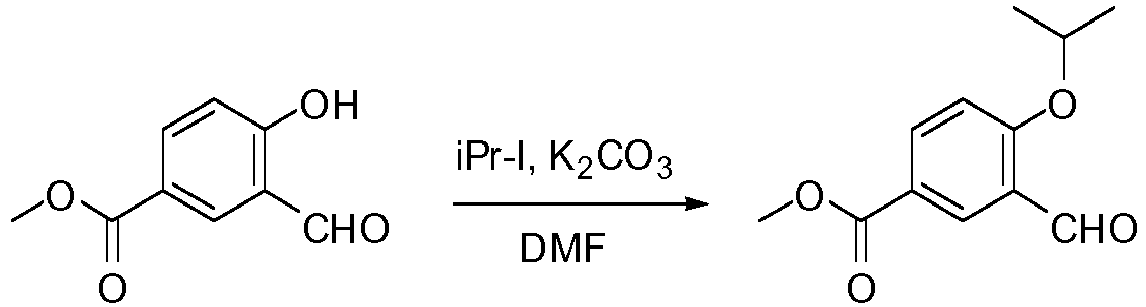
- To methyl 3-formyl-4-hydroxy-benzoate (10.0 g, 55.5 mmol), potassium carbonate (30.7 g, 222 mmol) and N,N-dimethylformamide (63 mL) was added 2-iodopropane (11.1 mL, 111 mmol). The mixture was heated at 60 °C for 18 hours. The mixture was filtered using ethyl acetate (200 mL) and the solvent was evaporated under reduced pressure. The residue was dissolved in ethyl acetate (150 mL) and was washed with water (3 x 75 mL) and a saturated aqueous solution of sodium chloride (1 x 75 mL). The organic layer was dried over sodium sulfate, filtered and the solvent was evaporated under reduced pressure to yield methyl 3-formyl-4-isopropoxy-benzoate (98%) as a yellow viscous liquid. ESI-MS m/z calc. 222.2, found 223.3 (M+1)+; Retention time: 1.51 minutes (3 min run). 1H NMR (400 MHz, DMSO) δ 10.35 (s, 1H), 8.23 (d, J = 2.3 Hz, 1H), 8.17 (dd, J = 8.8, 2.3 Hz, 1H), 7.39 (d, J = 8.9 Hz, 1H), 4.98 - 4.83 (m, 1H), 3.85 (s, 3H), 1.38 (d, J = 6.0 Hz, 6H).
-

- To a solution of the ester (from previous step) in dioxane (4 mL) was added 2 mL of sodium hydroxide solution (5N). The reaction mixture was heated at 65 °C for 4 hours. The reaction mixture was cooled to room temperature and was diluted with 20 mL of water. The water layer was extracted with 20 mL portion of ethyl acetate (2x). The organic extracts were discarded and the aqueous layer was made acidic with 1M HCl. The resulting product was then extracted into ethyl acetate, dried over MgSO4, filtered, and evaporated to dryness to yield 3-formyl-4-isopropoxy-benzoic acid (320 mg, 55% over 2 steps) as a white solid. 1H NMR (400 MHz, DMSO) δ 10.36 (s, 1H), 8.23 (d, J = 2.5 Hz, 1H), 8.15 (dd, J = 2.5, 8.9 Hz, 1H), 7.37 (d, J = 8.9 Hz, 1H), 4.96 - 4.87 (m, 1H), 1.37 (d, J = 5.6 Hz, 6H).
-
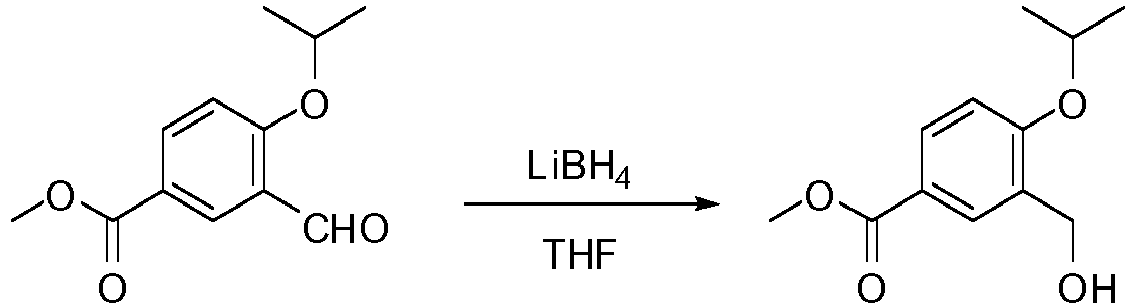
- Methyl 3-formyl-4-isopropoxy-benzoate (180 mg, 0.81 mmol) was dissolved in tetrahydrofuran (4.8 mL) and LiBH4 (35 mg, 1.6 mmol) was added. The reaction was stirred at room temperature for 30 minutes before it was quenched with methanol (3 mL). The reaction was neutralized by the addition of a saturated aqueous solution of sodium bicarbonate (3 mL) and was then extracted with ethyl acetate (3 x 10 mL). The combined organics were washed with a saturated aqueous solution of sodium chloride (1 x 10 mL), dried over sodium sulfate, filtered and the solvent was evaporated under reduced pressure to yield methyl 3-(hydroxymethyl)-4-isopropoxy-benzoate (99%) as a viscous liquid. ESI-MS m/z calc. 224.3, found 225.3 (M+1)+; Retention time: 1.26 minutes (3 min run). 1H NMR (400 MHz, DMSO) δ 8.09 (s, 1H), 7.89 (d, J = 8.6 Hz, 1H), 7.13 (d, J = 8.6 Hz, 1H), 5.25 (t, J = 5.6 Hz, 1H), 4.86 - 4.68 (m, 1H), 4.54 (d, J = 5.6 Hz, 2H), 3.87 (s, 3H), 1.35 (d, J = 6.0 Hz, 6H).
-

- To methyl 3-(hydroxymethyl)-4-isopropoxy-benzoate (180 mg, 0.80 mmol) and 1,4-dioxane (1.895 mL) was added sodium hydroxide (2.1 mL of 1.0 M, 2.1 mmol) and the mixture was heated at 80 °C for 50 minutes. The solvent was evaporated under reduced pressure. The crude mixture was dissolved in water (10 mL) and was washed with ethyl acetate (3 x 10 mL) which was discarded. The aqueous layer was acidified with hydrochloric acid. The aqueous layer was extracted with ethyl aceatate (3 x 10 mL). The combined organics were dried over sodium sulfate, filtered and the solvent was evaporated under reduced pressure to yield 3-(hydroxymethyl)-4-isopropoxy-benzoic acid (89%) as a white solid. ESI-MS m/z calc. 210.2, found 211.3 (M+1)+; Retention time: 1.01 minutes ( 3 min run).
-
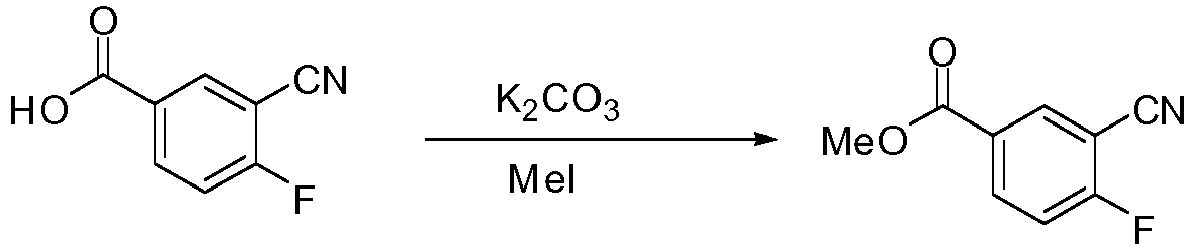
- To a 100 mL rbfwas added 3-cyano-4-fluoro-benzoic acid (2.6 g, 15.9 mmol), potassium carbonate (6.6 g, 47.6 mmol), and DMF (30 mL) and the reaction was allowed to stir for 10 minutes. Iodomethane (1.1 mL, 17.5 mmol) was added dropwise and the reaction was allowed to stir for 1h. The reaction was complete by lcms. The reaction was quenched with brine and extracted with EtOAC. The organic layer was washed with brine 3 times and the organic layer was dried over sodium sulfate and evaporated. Methyl 3-cyano-4-fluoro-benzoate (2.5 g, 62 %) was isolated as a white solid. ESI-MS m/z calc. 179.0, found 180.0 (M+1)+; Retention time: 1.15 minutes (3 min run).
-

- To a 100 mL rbfwas added methyl 3-cyano-4-fluoro-benzoate (2.5 g, 14.0 mmol) followed by DMF (20 mL). Isopropylsulfanylsodium (3.8 g, 39.7 mmol) was added and the reaction was placed in a preheated 65 °C oil bath and allowed to stir overnight. The reaction was complete by lcms. The reaction was quenched with brine and extracted 3 times with EtOAc. The aqueous layer was then treated with bleach (100 mL) and the reaction was allowed to stir for 10 minutes. 1N HCl was then added until pH 1. The reaction was then extracted with EtOAc and the organic layer was further washed with brine 3 times. The organic layer was then dried over sodium sulfate and the solvent was removed. 3-cyano-4-isopropylsulfonyl-benzoic acid (2.24 g) was isolated as a white solid. 1H NMR (400 MHz, CDCl3) δ 8.59 (d, J = 1.4 Hz, 1H), 8.47 (dd, J = 8.2, 1.7 Hz, 1H), 8.28 (d, J = 8.2 Hz, 1H), 3.64 (s, 1H), 1.39 (d, J = 6.8 Hz, 6H).
-

- To methyl 3-fluoro-4-hydroxy-benzoate (2.0 g, 11.8 mmol) in DMF (12 mL) was added K2CO3 (6.50 g, 47.04 mmol) followed by 2-iodopropane (2.35 mL, 23.5 mmol). The reaction mixture was heated at 60 °C for 1.5 hours. The reaction mixture was cooled and diluted with EtOAc, filtered and the solvent was evaporated in vacuo. The resulting residue was dissolved in EtOAc and washed sequentially with water (3 x 10 mL) and brine solution (1 x 10 mL). The organics were separated and dried over Na2SO4, filtered and concentrated in vacuo to give the desired ester. ESI-MS m/z calc. 212.2, found 213.3 (M+1)+; Retention time: 1.7 minutes (3 min run). 1H NMR (400 MHz, DMSO) δ 7.76 (ddd, J = 8.6, 2.1, 1.2 Hz, 1H), 7.69 (dd, J = 11.9, 2.1 Hz, 1H), 7.31 (t, J = 8.6 Hz, 1H), 4.79 (dt, J = 12.1, 6.0 Hz, 1H), 3.82 (s, 3H), 1.32 (d, J = 6.5 Hz, 6H).
- To the ester from above was added dioxane (31 mL) and NaOH solution (31.2 mL of 1 M, 31.2 mmol) and the reaction was heated at 80 °C for 20 minutes, then concentrated in vacuo. The crude mixture was dissolved in water and washed with EtOAc (3 x 10 mL). The layers were separated and the aqueous layer was acidified using 1 M HCl solution. The aqueous layer was extracted with EtOAc (3 x 10 mL). The organic layer was dried over Na2SO4, filtered and concentrated in vacuo to yield 3-fluoro-4-isopropoxy-benzoic acid (1.7 g, 72 %) as a white solid. ESI-MS m/z calc. 198.1, found 199.1 (M+1)+; Retention time: 1.7 minutes (3 min run). 1H NMR (400 MHz, DMSO) δ 12.90 (br s, 1H), 7.73 (ddd, J = 8.6, 2.0, 1.1 Hz, 1H), 7.65 (dd, J = 11.9, 2.1 Hz, 1H), 7.28 (t, J = 8.6 Hz, 1H), 4.77 (hept, J = 6.1 Hz, 1H), 1.32 (d, J = 6.0 Hz, 6H).
- The following compound was also prepared by the procedures described above: 4-isopropoxy-3-methylbenzoic acid
-

- 2-Bromopropane (3.39 mL, 36.2 mmol) was added to a suspension of 4-bromo-2-methoxy-phenol (5 g, 24.1 mmol), K2CO3 (6.67 g, 48.3 mmol) and DMSO (71 mL) at room temperature. The heterogeneous mixture was stirred at 55 °C for 2 hours, then cooled to room temperature and diluted with water. The reaction mixture was extracted with Et2O and the extract was washed successively with 10% aq. NaOH solution, water, then brine solution. The organics were separated and dried over sodium sulfate, filtered and concentrated in vacuo to give 4-bromo-1-isopropoxy-2-methoxy-benzene (5.83 g, 94 %) as a pale yellow oil. ESI-MS m/z calc. 244.0, found 245.0 (M+1)+; Retention time: 1.93 minutes (3 min run). 1H NMR (400 MHz, CDCl3) δ 7.03 - 6.95 (m, 2H), 6.76 (dd, J = 7.7, 1.1 Hz, 1H), 4.47 (dt, J = 12.2, 6.1 Hz, 1H), 3.84 (s, 3H), 1.35 (d, J = 6.1 Hz, 6H).
- Under an atmosphere of nitrogen, tert-butyllithium (2.14 mL of 1.6 M in toluene, 3.42 mmol) was added dropwise to a solution of 4-bromo-1-isopropoxy-2-methoxybenzene (400 mg, 1.63 mmol) in THF (6 mL) at -78 °C. The reaction mixture was allowed to stir for 1 hour at -78°C, then added dropwise to a flask containing CO2 (1.8 g, 40.8 mmol) (solid, dry ice) in THF (2 mL). The reaction mixture was allowed to stir for 30 minutes warming to room temperature. Water (20 mL) was added to the reaction mixture and the volatiles were removed in vacuo. The resultant aqueous layer was acidified with 1N HCl solution to pH 1 and was extracted with ethyl acetate (3 x 15 mL). The organics were separated and the combined organics were washed with brine solution, dried over sodium sulfate, filtered and concentrated in vacuo to give 4-isopropoxy-3-methoxy-benzoic acid (310 mg, 85 %) as a white solid. ESI-MS m/z calc. 210.1, found 211.1 (M+1)+; Retention time: 1.23 minutes (3 min run). 1H NMR (400 MHz, DMSO) δ 12.63 (s, 1H), 7.53 (dd, J = 8.4, 2.0 Hz, 1H), 7.44 (d, J = 2.0 Hz, 1H), 7.04 (d, J = 8.7 Hz, 1H), 4.67 (dt, J = 12.1, 6.0 Hz, 1H), 3.78 (s, 3H), 1.28 (d, J = 6.0 Hz, 6H).
-

- A mixture of 1-chloro-2-methyl-propan-2-ol (10 mL), 4-hydroxybenzonitrile (2 g, 16.8 mmol), K2CO3 (9.3 g, 67.3 mmol) in water (6 mL) and ethanol (60 mL) was heated at 80 °C for 16 hours. The reaction mixture was cooled and the solvent was concentrated in vacuo. The residue was diluted with ether (200 mL) and filtered and the filtrate was washed sequentially with water (50 mL) and brine solution (50 mL). The organics were separated and dried over MgSO4 and solvent was removed in vacuo to give a residue which was purified by silica gel column chromatography using (0-100%) EtOAc/DCM as eluent to give 4-(2-hydroxy-2-methyl-propoxy)benzonitrile (3.0 g, 94 %) as a yellow solid. ESI-MS m/z calc. 191.1, found 192.3 (M+1)+; Retention time: 1.05 minutes (3 min run).
- To 4-(2-hydroxy-2-methyl-propoxy)benzonitrile (1.0 g, 5.2 mmol) in ethanol (15 mL) was added NaOH solution (5 mL of 5 M, 25 mmol) and the reaction mixture was heated at 85 °C for 1 hour, concentrated in vacuo and diluted with ethyl acetate (50 mL). To the organic layer was added a mixture of brine solution (10 mL) and 6N HCl (3 mL, to adjust to pH 6). The organic layer was separated, dried over MgSO4 and concentrated in vacuo to give a yellow solid, which was triturated twice with diethyl ether to give 4-(2-hydroxy-2-methyl-propoxy)benzoic acid (0.8 g, 76 %) as a white solid. ESI-MS m/z calc. 195.1, found 196.1 (M+1)+; Retention time: 0.62 minutes (3 min run). 1H NMR (400 MHz, DMSO) δ 12.59 (s, 1H), 7.98 - 7.66 (m, 2H), 7.09 - 6.81 (m, 2H), 4.66 (d, J = 9.3 Hz, 1H), 3.77 (d, J = 7.9 Hz, 2H), 1.30 - 1.00 (s, 6H).
-

- A solution of 4-bromobenzoic acid (4.02 g, 20.0 mmol) in tetrahydrofuran (100 mL) was purged with argon for 5 min. n-Butyllithium (16.0 mL of 2.5 M in hexanes, 40 mmol) was added dropwise at -78 °C, resulting in a yellow thick syrup. The mixture was stirred at -78 °C for 30 min. Cyclopentanone (3.89 mL, 44.0 mmol) was added dropwise. The reaction was quenched immediately with saturated NH4Cl and allowed to warm to room temperature. The mixture was acidified with 1 N HCl to pH ~3 and extracted with ethyl acetate (3 × 50 mL). The combined organic layers were washed with brine, dried over MgSO4 and concentrated in vacuo. The solid residue was suspended in hexanes, filtered, and the solid washed with additional hexanes. The solid was re-suspended in dichloromethane followed by hexanes. The resulting precipitate was filtered, washed with hexane and air dried to yield 4-(1-hydroxycyclopentyl)benzoic acid (1.25 g, 30%) as a white solid. 1H NMR (400 MHz, DMSO) δ 12.78 (s, 1H), 7.88 (d, J = 8.5 Hz, 2H), 7.58 (d, J = 8.5 Hz, 2H), 4.93 (s, 1H), 1.93 - 1.71 (m, 8H).
- The following compounds were prepared by the general procedure above:
- 4-(1-hydroxycyclobutyl)benzoic acid
- 4-(2-hydroxybutan-2-yl)benzoic acid
- 3-fluoro-4-(2-hydroxypropan-2-yl)benzoic acid
-

- 4-Hydroxy-3-methoxy-benzaldehyde (500 mg, 3.29 mmol), Boc2O (1.74 g, 7.97 mmol), and Sc(OTf)3 (0.080 g, 0.16 mmol) were combined in dichloromethane (5 mL). The reaction mixture was allowed to stir at room temperature for 24 h. Water (5 mL) and dichloromethane (5 mL) were added and the two phases were separated. The aqueous layer was extracted with dichloromethane (3 x 5 mL) and the combined organics were stirred with 10% aqueous potassium hydroxide until all remaining starting material was not observed in the organic phase (TLC, 40% ethyl acetate in hexanes). The two phases were separated and the dichloromethane layer was then washed twice with a saturated aqueous solution of sodium chloride, dried over sodium sulfate, filtered, and evaporated to dryness to give 4-tert-butoxy-3-methoxybenzaldehyde (130 mg, 19%) as a yellow oil. Rf = 0.66 (SiO2, 40% ethyl acetate in hexanes); ESI-MS m/z calc. 208.1, found 209.2 (M+1)+. Retention time: 0.96 minutes (6 min run).
-

- 4-tert-Butoxy-3-methoxybenzaldehyde (130 mg, 0.62 mmol) was suspended in a mixture of dioxane (520 µL) and potassium hydroxide (6.5 mL of 0.20 M, 1.3 mmol). KMnO4 (150 mg, 0.93 mmol) was added and the reaction was stirred vigorously for 16 h. The reaction mixture was filtered and then concentrated to 3 mL. Hydrochloric acid (1M, 4 mL) was added and the resulting precipitate was filtered (after standing for 15 minutes) and washed with 1M HCl and a small amount of water to yield 4-tert-butoxy-3-methoxy-benzoic acid (68 mg, 49%) as a white solid. Rf = 0.23 (SiO2, 40% ethyl acetate in hexanes); ESI-MS m/z calc. 224.1, found 225.2 (M+1)+. Retention time: 1.66 minutes (3 min run). 1H NMR (400 MHz, DMSO) δ 12.80 (s, 1H), 7.66 - 7.41 (m, 2H), 7.09 (d, J = 8.8 Hz, 1H), 3.78 (s, 3H), 1.32 (s, 9H).
- Table 2 below recites the analytical data for the compounds of Table 1.
Table 2. Cmpd. No. LC/MS M+1 LC/RT min NMR 1 473.50 1.51 2 497.60 1.71 3 483.70 1.60 1 H NMR (400 MHz, CDCl3) δ 8.24 (s, 2H), 7.36 (s, 1 H), 7.19 (d, J = 8.6 Hz, 2H), 6.80 (d, J = 8.2 Hz, 1H), 4.55 (dt, J = 12.2, 6.0 Hz, 2H), 4.34 (s, 1H), 4.12 (q, J = 7.1 Hz, 1 H), 3.91 (s, 3H), 3.78 (s, 1 H), 3.54 (d, J = 7.1 Hz, 3H), 3.32 - 2.98 (m, 1 H), 2.32 (d, J = 11.2 Hz, 1 H), 2.20 (s, 4H), 2.05 (s, 2H), 1.70 (s, 6H), 1.40 (d, J = 11.5 Hz, 2H), 1.34 (d, J = 6.0 Hz, 6H), 1.26 (t, J = 7.1 Hz, 1 H), 1.21 (t, J = 7.0 Hz, 3H). 4 473.50 1.56 5 470.30 1.83 1 H NMR (400 MHz, CDCl3) δ 7.54 (s, 1 H), 7.20 (d, J = 8.7 Hz, 2H), 6.81 (d, J = 8.2 Hz, 1 H), 6.31 (s, 1 H), 4.73 (d, J = 10.5 Hz, 1H), 4.56 (dt, J = 12.0, 6.0 Hz, 1H), 4.07 (s, 3H), 3.73 (br s, 1 H), 3.51 - 3.38 (m, 3H), 3.30 ( br s, 1 H), 2.33 (d, J = 12.6 Hz, 1 H), 2.20 (s, 3H), 2.15 (br s, 1 H), 2.07 (dd, J = 12.8, 3.1 Hz, 1 H), 1.73 - 1.54 (m, 6H), 1.42 - 1.37 (m, 1 H), 1.35 (d, J = 6.0 Hz, 6H), 0.93 (t, J = 7.4 Hz, 3H). 6 456.50 1.67 1 H NMR (400 MHz, CDCl3) δ 7.72 (d, J = 2.1 Hz, 1 H), 7.20 (d, J = 8.3 Hz, 2H), 6.81 (d, J = 8.1 Hz, 1 H), 6.43 (d, J = 1.9 Hz, 1H), 4.78 (d, J = 10.8 Hz, 1H), 4.56 (dt, = 12.1, 6.0 Hz, 1 H), 4.22 (s, 3H), 3.76 (s, 1 H), 3.61 - 3.50 (m, 2H), 3.44 (s, 1H), 3.27 (d, J = 10.1 Hz, 1H), 2.34 (d, J = 12.9 Hz, 1H), 2.20 (s, 3H), 2.19 - 2.07 (m, 2H), 1.65 (dd, J = 22.9, 11.0 Hz, 4H), 1.44 - 1.36 (m, 1H), 1.35 (d, J = 6.0 Hz, 6H), 1.23 (t, J = 7.0 Hz, 3H). 7 437.50 1.68 8 473.50 1.73 9 458.40 0.93 10 495.50 1.32 1H NMR (400 MHz, CDCl3) δ 8.53 (dd, J = 10.2, 4.5 Hz, 1 H), 8.10 - 7.97 (m, 2H), 7.73 (q, J = 8.0 Hz, 1 H), 7.68 - 7.60 (m, 2H), 7.54 (dd, J = 22.1, 7.8 Hz, 1H), 7.22 (ddd, J = 7.5, 4.9, 1.1 Hz, 1 H), 6.21 (t, J = 53.3 Hz, 1 H), 4.77 - 4.35 (m, 2H), 3.94 - 3.70 (m, 1 H), 3.70 - 3.01 (m, 5H), 2.59 (t, J = 11.2 Hz, 1 H), 2.28 (dd, J = 65.0, 13.5 Hz, 1 H), 2.04 - 1.37 (m, 7H), 1.30 (q, J = 11.8 Hz, 1H), 1.19 (dd, J = 12.6, 6.6 Hz, 3H). 11 429.40 1.29 1H NMR (400 MHz, CDCl3) δ 8.58 - 8.47 (m, 1H), 7.78 - 7.65 (m, 1 H), 7.61 - 7.48 (m, 1 H), 7.25 - 7.16 (m, 1 H), 7.15 - 6.87 (m, 3H), 4.64 (dd, J = 43.1, 11.9 Hz, 1H), 4.55 - 4.39 (m, 1H), 3.96 (t, J = 5.4 Hz, 2H), 3.94 - 3.87 (m, 2H), 3.87 - 3.71 (m, 1 H), 3.71 - 3.56 (m, 1 H), 3.42 (dddd, J = 24.9, 16.4, 12.3, 5.5 Hz, 2H), 3.29 - 3.00 (m, 2H), 2.58 (t, J = 13.8 Hz, 1H), 2.31 (d, J = 14.5 Hz, 1H), 2.13 (d, J = 14.2 Hz, 1H), 2.08 - 1.92 (m, 1H), 1.92 - 1.73 (m, 2H), 1.68 (d, J = 12.8 Hz, 1 H), 1.64 - 1.49 (m, 1H), 1.49 - 1.24 (m, 2H), 1.24 - 1.12 (m, 3H). 12 453.80 1.34 13 470.10 1.17 14 495.40 1.12 15 492.70 1.29 16 457.70 1.29 17 471.20 1.45 18 459.70 1.60 1 H NMR (400 MHz, CDCl3) δ 8.77 (s, 1 H), 7.77 (s, 1 H), 7.26 - 7.12 (m, 2H), 6.81 (d, J = 8.1 Hz, 1H), 4.89 (s, 1 H), 4.68 - 4.48 (m, 1 H), 3.76 (s, 1 H), 3.65 - 3.46 (m, 2H), 3.76-3.24 (m, 4H), 2.42 (t, J = 22.9 Hz, 1H), 2.19 (d, J = 11.0 Hz, 4H), 2.09 - 1.80 (m, 2H), 1.84 - 1.45 (m, 4H), 1.34 (d, J = 6.0 Hz, 6H), 1.29 - 1.12 (m, 3H). 19 445.90 1.83 20 471.00 1.37 1 H NMR (400 MHz, CDCl3) δ 8.62 (s, 1 H), 8.55 (dd, J = 4.8, 1.6 Hz, 1 H), 7.74 (d, J = 7.8 Hz, 1 H), 7.31 (dd, J = 7.9, 4.8 Hz, 1 H), 7.24 - 7.15 (m, 2H), 6.80 (d, J = 8.1 Hz, 1H), 4.58 (ddd, J = 18.2, 10.2, 5.1 Hz, 3H), 4.49 (t, J = 4.2 Hz, 1 H), 4.36 (s, 1 H), 3.87 (s, 1 H), 3.75 (ddd, J = 29.2, 9.6, 5.9 Hz, 3H), 3.30 (d, J = 157.2 Hz, 2H), 2.34 (d, J = 12.1 Hz, 1H), 2.19 (s, 4H), 2.05 (dd, J = 12.8, 2.7 Hz, 1 H), 1.76 (s, 6H), 1.55 - 1.37 (m, 3H), 1.34 (d, J = 6.0 Hz, 6H). 21 454.70 2.01 1 H NMR (400 MHz, CDCl3) δ 7.43 - 7.25 (m, 5H), 6.54 (s, 2H), 4.57 (s, 1 H), 4.38 (s, 1 H), 3.80 (d, J = 14.0 Hz, 7H), 3.66 - 3.44 (m, 4H), 3.17 (s, 1 H), 2.31 (d, J = 12.3 Hz, 1 H), 2.09 (s, 3H), 2.03 - 1.97 (m, 1 H), 1.95 - 1.48 (m, 3H), 1.42 (dt, J = 21.7, 10.9 Hz, 2H), 1.20 (t, J = 7.0 Hz, 3H). 22 437.80 2.03 23 453.40 2.11 1 H NMR (400 MHz, CDCl3) δ 8.05 (s, 1 H), 7.47 (s, 1 H), 7.42 - 7.32 (m, 4H), 7.29 (ddd, J = 6.6, 3.9, 1.8 Hz, 1 H), 5.43 - 5.30 (m, 1 H), 4.56 (s, 1 H), 4.38 (s, 1 H), 3.78 (s, 1 H), 3.69 - 3.47 (m, 4H), 3.36 (s, 1 H), 3.12 (s, 1 H), 2.32 (d, J = 10.4 Hz, 2H), 2.17 (s, 7H), 2.01 (s, 2H), 1.68 (s, 6H), 1.49 - 1.38 (m, 3H), 1.36 (d, J = 6.1 Hz, 6H), 1.21 (t, J = 7.0 Hz, 3H). 24 424.50 1.96 1H NMR (400 MHz, CDCl3) δ 7.43 - 7.18 (m, 7H), 6.80 (d, J = 8.2 Hz, 1 H), 4.56 (s, 1 H), 4.36 (s, 1 H), 3.84 (s, 3H), 3.79 (d, J = 8.1 Hz, 1H), 3.68 - 3.45 (m, 3H), 2.32 (d, J = 10.8 Hz, 1 H), 2.21 (s, 3H), 2.17 (s, 1 H), 2.00 (d, J = 1.9 Hz, 1 H), 1.99 - 1.95 (m, 1 H), 1.62 (s, 4H), 1.41 (dt, J = 23.3, 11.6 Hz, 2H), 1.21 (t, J = 7.0 Hz, 3H). 25 394.19 1.83 26 436.19 1.84 27 410.19 1.77 28 438.22 1.93 29 466.25 2.12 30 422.19 1.78 31 440.22 1.78 32 435.18 1.77 1 H NMR (400 MHz, CDCl3) δ 7.66 - 7.59 (m, 2H), 7.42 - 7.27 (m, 5H), 7.02 - 6.97 (m, 1 H), 4.57 (s, 1 H), 4.37 (s, 1 H), 3.97 (s, 3H), 3.78 (s, 1 H), 3.67 - 3.42 (m, 4H), 3.38 (s, 1 H), 3.12 (s, 1 H), 2.32 (d, J = 9.9 Hz, 2H), 2.17 (s, 2H), 2.03 - 1.95 (m, 2H), 1.61 (s, 6H), 1.53 - 1.32 (m, 3H), 1.21 (t, J = 7.0 Hz, 3H). 33 483.40 1.29 1H NMR (400 MHz, CDCl3) δ 8.62 (s, 1 H), 8.55 (s, 1 H), 7.73 (d, J = 7.8 Hz, 1 H), 7.35 - 7.27 (m, 1 H), 7.22 - 7.15 (m, 2H), 6.80 (d, J = 8.2 Hz, 1H), 4.56 (td, J = 12.1, 6.1 Hz, 2H), 4.36 (s, 1 H), 3.84 (s, 1 H), 3.75 - 3.59 (m, 3H), 3.54 (t, J = 4.6 Hz, 3H), 3.38 (s, 4H), 2.33 (d, J = 12.8 Hz, 1 H), 2.19 (s, 4H), 2.05 (dd, J = 12.8, 2.8 Hz, 1 H), 1.79 (s, 5H), 1.53 - 1.37 (m, 3H), 1.34 (d, J = 6.0 Hz, 7H). 34 479.60 1.46 1 H NMR (400 MHz, CDCl3) δ 8.62 (s, 1 H), 8.55 (d, J = 3.9 Hz, 1 H), 7.74 (d, J = 7.8 Hz, 1 H), 7.30 (dd, J = 7.8, 4.8 Hz, 1H), 7.23 - 7.15 (m, 2H), 6.80 (d, J = 8.2 Hz, 1H), 4.56 (td, J = 12.1, 6.1 Hz, 2H), 4.37 (s, 1H), 3.94 - 3.40 (m, 3H), 3.34 (d, J = 6.8 Hz, 2H), 3.29 - 2.98 (m, 1 H), 2.29 (t, J = 15.8 Hz, 1 H), 2.19 (s, 4H), 2.07 - 1.97 (m, 1H), 1.70 (s, 4H), 1.44 (dd, J = 23.6, 12.0 Hz, 3H), 1.34 (d, J = 6.0 Hz, 6H), 1.05 (s, 1 H), 0.55 (dt, J = 5.2, 2.6 Hz, 2H), 0.20 (q, J = 4.8 Hz, 2H). 35 467.60 1.41 1 H NMR (400 MHz, CDCl3) δ 8.62 (s, 1 H), 8.54 (d, J = 3.9 Hz, 1 H), 7.73 (d, J = 7.7 Hz, 1 H), 7.30 (dd, J = 7.8, 4.8 Hz, 1H), 7.23 - 7.15 (m, 2H), 6.80 (d, J = 8.2 Hz, 1H), 4.56 (dq, J = 12.1, 6.1 Hz, 2H), 4.36 (s, 1H), 3.95 - 3.02 (m, 5H), 2.22 (d, J = 21.1 Hz, 5H), 1.95 (dd, J = 12.8, 2.9 Hz, 1H), 1.72 (s, 5H), 1.44 (dd, J = 23.5, 12.0 Hz, 3H), 1.34 (d, J = 6.0 Hz, 6H), 1.16 (dd, J = 6.0, 3.6 Hz, 6H). 36 453.20 1.06 37 467.40 1.17 38 454.20 0.88 39 497.10 1.10 40 439.20 1.00 41 467.40 1.16 42 500.35 1.89 43 468.32 1.24 44 536.34 2.01 45 506.30 1.95 46 492.26 1.94 47 466.32 1.35 48 450.33 1.44 49 446.26 1.86 50 420.29 1.66 51 492.19 1.68 52 454.25 1.49 53 461.28 2.09 54 437.23 1.41 55 432.23 1.88 56 431.27 1.36 57 441.28 1.89 58 431.27 1.65 59 479.31 1.34 60 479.31 1.85 61 479.24 1.93 62 476.22 1.93 63 466.34 2.15 64 464.32 1.46 65 464.32 1.42 66 461.30 1.57 67 424.29 1.29 68 459.22 2.02 69 452.30 1.48 70 450.19 1.30 71 450.19 1.33 72 449.14 1.86 73 446.13 1.88 74 446.13 1.91 75 438.19 1.37 76 437.17 1.48 77 434.16 1.33 78 434.16 1.30 79 425.17 1.72 80 425.13 1.77 81 424.15 1.30 82 424.15 1.26 83 412.27 1.97 84 424.29 1.83 85 424.29 1.95 86 465.33 1.81 87 444.24 1.95 88 412.27 1.95 89 420.26 1.44 90 428.25 1.89 1 H NMR (400 MHz, CDCl3) δ 7.43 - 7.25 (m, 5H), 7.05 (dt, J = 40.6, 21.9 Hz, 3H), 4.53 (dd, J = 51.1, 11.7 Hz, 2H), 4.01 - 3.86 (m, 3H), 3.86 - 3.64 (m, 1 H), 3.64 - 3.46 (m, 3H), 3.46 - 3.05 (m, 3H), 1.99 (dd, J = 19.7, 7.3 Hz, 1 H), 1.61 (dddd, J = 49.6, 37.9, 25.1, 13.4 Hz, 6H), 1.29 - 1.14 (m, 3H). 91 432.22 2.05 92 432.28 1.61 93 465.33 1.75 94 424.29 1.89 95 431.27 1.60 96 430.27 1.93 97 412.27 1.97 98 446.17 1.87 99 446.17 1.90 100 478.23 1.81 101 478.23 1.99 102 478.24 2.03 103 460.29 1.95 104 460.29 1.83 105 479.24 2.03 106 478.24 2.03 107 464.32 1.42 108 460.29 2.01 109 433.29 1.91 110 431.27 1.85 111 431.27 1.73 112 428.25 1.89 113 428.25 1.91 114 428.25 1.89 115 424.29 1.97 116 424.29 1.95 117 424.29 1.93 118 424.29 1.93 119 420.26 2.05 120 411.26 1.69 121 411.26 1.83 122 395.27 1.56 123 440.30 1.09 1 H NMR (400 MHz, CDCl3) δ 8.63 (d, J = 19.2 Hz, 1H), 8.55 (d, J = 4.8 Hz, 1 H), 7.76 (t, J = 9.3 Hz, 1 H), 7.46 (t, J = 9.4 Hz, 1 H), 7.37 - 7.28 (m, 1 H), 7.11 (d, J = 8.5 Hz, 1H), 4.71 - 4.37 (m, 3H), 3.88 (d, J = 17.0 Hz, 1H), 3.79 - 3.51 (m, 2H), 3.49 (s, 1H), 3.37 (dd, J = 15.1, 13.3 Hz, 4H), 3.10 (s, 1 H), 2.44 (s, 3H), 2.32 (dd, J = 35.7, 15.0 Hz, 2H), 2.23 - 2.08 (m, 1H), 2.04 (dd, J = 12.7, 2.9 Hz, 1H), 1.90 - 1.58 (m, 5H), 1.43 - 1.31 (m, 8H). 124 439.50 1.32 1 H NMR (400 MHz, CDCl3) δ 8.63 (s, 1 H), 8.55 (dd, J = 4.8, 1.4 Hz, 1 H), 7.74 (d, J = 7.8 Hz, 1 H), 7.31 (dd, J = 7.8, 4.8 Hz, 1 H), 7.23 - 7.15 (m, 2H), 6.80 (d, J = 8.1 Hz, 1H), 4.56 (td, J = 12.2, 6.1 Hz, 2H), 4.36 (s, 1H), 3.68 (s, 2H), 3.49 (s, 2H), 3.38 (s, 3H), 3.16 (d, J = 33.5 Hz, 1H), 2.34 (d, J = 12.6 Hz, 1H), 2.21 (d, J = 11.5 Hz, 4H), 2.03 (dd, J = 12.7, 2.8 Hz, 1 H), 1.70 (s, 3H), 1.58 - 1.42 (m, 1H), 1.40 - 1.22 (m, 9H). 125 420.21 3.87 126 438.20 4.03 127 463.18 3.75 128 439.17 3.67 129 500.14 3.43 130 473.12 3.03 131 453.00 3.50 132 470.18 2.77 133 478.13 3.87 134 468.19 3.23 1 H NMR (400 MHz, CDCl3) δ 7.44 - 7.32 (m, 4H), 7.32 - 7.25 (m, 1 H), 7.24 - 7.18 (m, 2H), 6.86 - 6.78 (m, 1 H), 4.56 (d, J = 11.8 Hz, 1H), 4.14 (t, J = 5.9 Hz, 2H), 3.88 (t, J = 5.9 Hz, 2H), 3.85 - 3.72 (m, 1 H), 3.66 - 3.41 (m, 3H), 3.21 (d, J = 11.8 Hz, 1H), 2.38 - 2.28 (m, 1H), 2.21 (s, 4H), 2.08 (p, J = 5.9 Hz, 2H), 2.03 - 1.88 (m, 3H), 1.71 (s, 2H), 1.44 (dq, J = 35.2, 11.7 Hz, 3H), 1.21 (t, J = 7.0 Hz, 3H). 135 476.13 3.68 136 482.22 4.01 137 482.22 3.85 1 H NMR (400 MHz, CDCl3) δ 7.42 - 7.32 (m, 4H), 7.29 (ddd, J = 6.7, 3.9, 1.7 Hz, 1 H), 6.99 (d, J = 8.1 Hz, 1 H), 6.95 (d, J = 1.9 Hz, 1 H), 6.86 (dd, J = 8.1, 1.9 Hz, 1 H), 4.56 (d, J = 11.2 Hz, 1 H), 3.88 - 3.71 (m, 4H), 3.66 - 3.37 (m, 3H), 3.21 (s, 1 H), 2.36 - 2.28 (m, 1 H), 2.24 (d, J = 13.1 Hz, 1H), 2.06 - 1.96 (m, 1H), 1.68 (d, J = 41.2 Hz, 2H), 1.59 - 1.38 (m, 3H), 1.35 (s, 9H), 1.20 (t, J = 7.0 Hz, 3H). 138 484.18 3.20 139 482.22 3.88 140 468.19 3.72 141 482.22 3.42 142 452.19 3.40 143 454.19 3.28 144 438.20 3.94 145 453.30 1.38 146 453.50 1.57 147 453.50 1.64 148 469.40 1.13 149 474.50 1.66 1H NMR (400 MHz, CDCl3) δ 7.60 (t, J = 8.1 Hz, 1H), 7.31 (td, J = 8.1, 5.9 Hz, 1H), 7.16 - 7.04 (m, 4H), 7.01 - 6.93 (m, 1 H), 4.65 - 4.33 (m, 2H), 3.80 (s, 1 H), 3.53 (d, J = 5.8 Hz, 4H), 3.19 (dd, J = 98.9, 20.9 Hz, 2H), 2.21 (d, J = 75.3 Hz, 3H), 2.03 - 1.94 (m, 1 H), 1.90 - 1.71 (m, 1H), 1.64 (s, 7H), 1.59 (s, 2H), 1.41 (dq, J = 23.7, 11.6 Hz, 3H), 1.21 (t, J = 7.0 Hz, 3H), 1.02 (s, 1H). 150 470.50 1.97 1 H NMR (400 MHz, CDCl3) δ 7.35 - 7.27 (m, 1 H), 7.22 - 7.16 (m, 2H), 7.12 (dd, J = 6.9, 5.4 Hz, 2H), 7.01 - 6.93 (m, 1 H), 6.80 (d, J = 8.1 Hz, 1 H), 4.55 (dt, J = 12.1, 6.0 Hz, 2H), 3.76 (t, J = 11.1 Hz, 1 H), 3.55 (ddq, J = 14.0, 8.9, 7.0 Hz, 3H), 3.17 (s, 1H), 2.31 (dd, J = 10.4, 2.1 Hz, 1 H), 2.19 (s, 4H), 2.04 - 1.94 (m, 1 H), 1.71 (s, 3H), 1.50 (d, J = 6.0 Hz, 1H), 1.40 (dd, J = 12.0, 5.3 Hz, 2H), 1.34 (d, J = 6.0 Hz, 7H), 1.20 (t, J = 7.0 Hz, 3H). 151 486.50 1.76 1H NMR (400 MHz, CDCl3) δ 7.31 (td, J = 8.0, 6.0 Hz, 1H), 7.16 - 7.09 (m, 2H), 7.00 - 6.90 (m, 3H), 6.86 (d, J = 8.2 Hz, 1H), 4.56 (dt, J = 12.2, 6.1 Hz, 2H), 3.86 (s, 3H), 3.77 (s, 1 H), 3.63 - 3.42 (m, 3H), 3.18 (s, 1H), 2.31 (d, J = 12.3 Hz, 1 H), 2.20 (d, J = 15.9 Hz, 1 H), 1.99 (dd, J = 12.7, 2.7 Hz, 1 H), 1.72 (s, 2H), 1.61 (s, 2H), 1.53 (d, J = 11.0 Hz, 1H), 1.44 - 1.32 (m, 8H), 1.26 - 1.16 (m, 3H). 152 482.20 2.13 153 529.08 3.64 154 460.13 3.86 155 481.10 3.92 156 472.16 3.60 157 517.12 3.44 158 470.14 4.38 159 474.11 4.04 160 488.15 3.49 161 512.08 3.74 1 H NMR (400 MHz, CDCl3) δ 8.03 (d, J = 8.3 Hz, 2H), 7.67 - 7.60 (m, 2H), 7.33 (d, J = 4.8 Hz, 2H), 7.09 - 7.00 (m, 2H), 6.20 (t, J = 53.3 Hz, 1 H), 4.51 (dd, J = 49.8, 11.6 Hz, 2H), 3.90 - 3.04 (m, 7H), 2.44 - 2.09 (m, 2H), 2.03 - 1.95 (m, 1 H), 1.70 (ddt, J = 36.4, 24.7, 12.2 Hz, 4H), 1.40 (dd, J = 23.7, 11.9 Hz, 2H), 1.22 (dd, J = 14.4, 7.6 Hz, 3H). 162 474.11 3.44 1 H NMR (400 MHz, CDCl3) δ 7.60 (t, J = 8.0 Hz, 1 H), 7.34 (dd, J = 8.6, 5.5 Hz, 2H), 7.13 (dd, J = 7.9, 1.4 Hz, 1H), 7.09 - 6.99 (m, 3H), 4.46 (d, J = 60.1 Hz, 2H), 3.76 (s, 1 H), 3.62 - 3.41 (m, 4H), 3.12 (s, 2H), 2.25 (t, J = 24.6 Hz, 2H), 2.00 (d, J = 5.2 Hz, 2H), 1.97 (dd, J = 12.4, 9.5 Hz, 3H), 1.63 (s, 7H), 1.48 - 1.32 (m, 3H), 1.21 (t, J = 7.0 Hz, 3H). 163 486.14 3.82 164 470.40 1.87 1 H NMR (400 MHz, CDCl3) δ 7.40 (d, J = 7.1 Hz, 2H), 7.35 (t, J = 7.5 Hz, 2H), 7.32 - 7.24 (m, 3H), 7.11 (dd, J = 12.5, 5.2 Hz, 2H), 4.86 (s, 1 H), 4.39 (s, 1 H), 3.83 (s, 1 H), 3.63 - 3.17 (m, 5H), 2.84 (s, 2H), 2.62 (s, 1 H), 2.08 (d, J = 13.4 Hz, 1 H), 1.89 (d, J = 14.6 Hz, 1H), 1.61 (dd, J = 41.8, 30.5 Hz, 8H), 1.24 (d, J = 14.5 Hz, 10H). 165 456.40 2.16 1 H NMR (400 MHz, CDCl3) δ 7.43 - 7.38 (m, 2H), 7.38 - 7.32 (m, 2H), 7.27 (tdd, J = 4.3, 2.9, 1.4 Hz, 1 H), 7.17 - 7.08 (m, 2H), 6.96 (t, J = 8.2 Hz, 1H), 4.87 (d, J = 11.1 Hz, 1H), 4.57 (dt, J = 12.2, 6.1 Hz, 1H), 3.86 - 3.79 (m, 1 H), 3.59 - 3.35 (m, 3H), 3.21 (s, 1 H), 2.75 (s, 1 H), 2.08 (dd, J = 13.8, 2.5 Hz, 1H), 1.88 (d, J = 14.3 Hz, 1H), 1.75 - 1.56 (m, 4H), 1.50 (t, J = 12.6 Hz, 2H), 1.37 (d, J = 6.1 Hz, 6H), 1.22 (t, J = 7.0 Hz, 3H). 166 468.20 2.03 1 H NMR (400 MHz, CDCl3) δ 7.45 - 7.38 (m, 2H), 7.38 - 7.32 (m, 2H), 7.31 - 7.23 (m, 1 H), 6.98 - 6.88 (m, 2H), 6.86 (d, J = 8.3 Hz, 1 H), 4.88 (d, J = 10.5 Hz, 1 H), 4.55 (dt, J = 12.2, 6.1 Hz, 1 H), 3.91 - 3.78 (m, 4H), 3.57 - 3.39 (m, 3H), 3.22 (s, 1H), 2.76 (s, 1H), 2.12 - 1.82 (m, 2H), 1.72 - 1.55 (m, 4H), 1.48 (d, J = 11.4 Hz, 2H), 1.37 (d, J = 6.1 Hz, 6H), 1.22 (t, J = 7.0 Hz, 3H). 167 494.20 1.82 1 H NMR (400 MHz, CDCl3) δ 8.03 (d, J = 8.3 Hz, 2H), 7.68 - 7.58 (m, 2H), 7.35 (dd, J = 9.8, 3.8 Hz, 4H), 7.29 (ddd, J = 12.7, 6.1, 3.3 Hz, 1 H), 6.21 (t, J = 53.3 Hz, 1H), 4.67 - 4.35 (m, 2H), 3.78 (ddd, J = 36.5, 16.9, 9.1 Hz, 1H), 3.65 - 3.06 (m, 5H), 2.29 (dt, J = 42.8, 14.1 Hz, 2H), 2.08 - 1.93 (m, 1 H), 1.71 (dddd, J = 42.9, 30.9, 23.5, 8.2 Hz, 3H), 1.42 (dt, J = 21.5, 10.8 Hz, 3H), 1.32 - 1.12 (m, 3H). 168 438.40 1.98 1 H NMR (400 MHz, CDCl3) δ 7.42 - 7.24 (m, 7H), 6.90 - 6.83 (m, 2H), 4.57 (dp, J = 12.0, 6.0 Hz, 2H), 4.36 (s, 1 H), 3.78 (s, 1 H), 3.67 - 3.05 (m, 5H), 2.37 - 2.07 (m, 2H), 1.99 (ddd, J = 12.6, 4.3, 1.6 Hz, 1 H), 1.62 (d, J = 62.5 Hz, 3H), 1.54 - 1.37 (m, 3H), 1.34 (d, J = 6.1 Hz, 7H), 1.20 (q, J = 6.6 Hz, 3H). 169 438.00 1.98 1H NMR (400 MHz, CDCl3) δ 7.46 - 7.32 (m, 4H), 7.28 (ddd, J = 11.7, 5.7, 3.5 Hz, 2H), 6.97 - 6.85 (m, 3H), 4.64 - 4.31 (m, 3H), 3.77 (d, J = 31.0 Hz, 1 H), 3.52 (s, 4H), 3.43 - 2.97 (m, 1H), 2.31 (s, 2H), 2.13 (d, J = 13.3 Hz, 1 H), 2.06 - 1.90 (m, 1 H), 1.90 - 1.50 (m, 3H), 1.50 - 1.34 (m, 3H), 1.33 (d, J = 6.1 Hz, 6H), 1.21 (t, J = 6.9 Hz, 3H). 170 438.40 1.95 1 H NMR (400 MHz, CDCl3) δ 7.48 - 7.33 (m, 4H), 7.33 - 7.21 (m, 3H), 7.16 (d, J = 7.4 Hz, 1H), 6.93 (ddt, J = 23.5, 19.8, 7.4 Hz, 2H), 4.65 - 4.54 (m, 1H), 4.54 - 4.38 (m, 2H), 3.90 - 3.66 (m, 1 H), 3.66 - 3.44 (m, 2H), 3.44 - 3.02 (m, 3H), 2.40 - 2.24 (m, 2H), 2.06 - 1.10 (m, 18H). 171 472.14 4.10 172 499.12 3.25 173 470.18 3.27 174 452.19 3.25 175 464.20 3.37 176 450.16 3.18 177 456.18 3.23 178 468.19 3.23 179 452.19 3.23 180 438.20 3.03 181 512.07 3.90 182 486.14 3.25 183 472.11 3.10 184 468.19 3.33 185 456.70 1.87 1 H NMR (400 MHz, CDCl3) δ 7.46 - 7.33 (m, 4H), 7.32 - 7.24 (m, 1H), 7.14 (dd, J = 16.1,5.3 Hz, 2H), 6.96 (t, J = 8.2 Hz, 1 H), 4.58 (dt, J = 12.2, 6.1 Hz, 2H), 4.47 - 4.16 (m, 1H), 3.77 (s, 2H), 3.65 - 3.36 (m, 3H), 3.20 (s, 1 H), 2.28 (dd, J = 27.2, 12.2 Hz, 2H), 1.98 (dd, J = 12.7, 2.8 Hz, 1 H), 1.67 (d, J = 39.5 Hz, 3H), 1.55 - 1.42 (m, 2H), 1.39 (dd, J = 13.6, 7.4 Hz, 6H), 1.21 (t, J = 7.0 Hz, 3H). 186 454.50 1.66 1 H NMR (400 MHz, CDCl3) δ 7.48 - 7.33 (m, 4H), 7.33 - 7.28 (m, 1 H), 7.01 - 6.90 (m, 2H), 6.86 (d, J = 8.2 Hz, 1H), 4.66 - 4.46 (m, 2H), 4.12 - 3.90 (m, 2H), 3.86 (s, 3H), 3.76 - 3.61 (m, 1 H), 3.48 (s, 1 H), 3.37 (d, J = 4.5 Hz, 3H), 3.21 (t, J = 11.8 Hz, 1 H), 2.28 (dd, J = 39.8, 13.2 Hz, 2H), 2.00 (dd, J = 12.6, 2.7 Hz, 1 H), 1.85 - 1.62 (m, 3H), 1.59 - 1.44 (m, 1H), 1.42 - 1.33 (m, 7H). 187 468.70 1.91 188 482.70 2.02 189 498.18 1.75 190 452.30 2.18 1 H NMR (400 MHz, CDCl3) δ 7.43 - 7.32 (m, 4H), 7.32 - 7.25 (m, 1 H), 7.22 - 7.15 (m, 2H), 6.80 (d, J = 8.1 Hz, 1H), 4.55 (dt, J = 12.1, 6.0 Hz, 2H), 4.26 (d, J = 36.7 Hz, 1 H), 3.78 (s, 1 H), 3.68 - 3.33 (m, 4H), 3.19 (s, 1 H), 2.32 (d, J = 12.4 Hz, 1H), 2.19 (s, 4H), 2.12 - 1.92 (m, 1 H), 1.67 (d, J = 21.8 Hz, 3H), 1.55 - 1.36 (m, 2H), 1.34 (d, J = 6.0 Hz, 6H), 1.21 (q, J = 7.1 Hz, 3H). 191 466.50 2.18 192 452.30 2.38 193 416.70 2.00 194 404.50 2.04 - Sodium channels are voltage-dependent proteins that can be activated by inducing membrane voltage changes by applying electric fields. The electrical stimulation instrument and methods of use are described in Ion Channel Assay Methods
PCT/US01/21652 , herein incorporated by reference and are referred to as E-VIPR. The instrument comprises a microtiter plate handler, an optical system for exciting the coumarin dye while simultaneously recording the coumarin and oxonol emissions, a waveform generator, a current- or voltage-controlled amplifier, and a device for inserting electrodes in well. Under integrated computer control, this instrument passes user-programmed electrical stimulus protocols to cells within the wells of the microtiter plate. - 24 hours before the assay on E-VIPR, HEK cells expressing human NaV subtype, like NaV 1.7, are seeded in 384-well poly-lysine coated plates at 15,000-20,000 cells per well. Other subtypes are performed in an analogous mode in a cell line expressing the NaV of interest. HEK cells are grown in media (exact composition is specific to each cell type and NaV subtype) supplemented with 10% FBS (Fetal Bovine Serum, qualified; GibcoBRL #16140-071) and 1% Pen-Strep (Penicillin-Streptomycin; GibcoBRL #15140-122). Cells are grown in vented cap flasks, in 90% humidity and 10% CO2, to 100% confluence. They are usually split by trypsinization 1:10 or 1:20, depending on scheduling needs, and grown for 2-3 days before the next split.
-
- Compound Plates: 384-well round bottom plate, e.g. Corning 384-well Polypropylene Round Bottom #3656
- Cell Plates: 384-well tissue culture treated plate, e.g. Greiner #781091-1B
- 10 mM DiSBAC6(3) (Aurora #00-100-010) in dry DMSO
- 10 mM CC2-DMPE (Aurora #00-100-008) in dry DMSO
- 200 mM ABSC1 in H2O
- Bath1 buffer. Glucose 10mM (1.8g/L), Magnesium Chloride (Anhydrous), 1mM (0.095g/L), Calcium Chloride, 2mM (0.222g/L), HEPES 10mM (2.38g/L), Potassium Chloride, 4.5mM (0.335g/L), Sodium Chloride 160mM (9.35g/L).
- Hexyl Dye Solution: Bath1 Buffer + 0.5% (3-cyclodextrin (make this prior to use, Sigma #C4767), δ µM CC2-DMPE + 2.5 µM DiSBAC6(3). To make the solution Add volume of 10% Pluronic F127 stock equal to volumes of CC2-DMPE + DiSBAC6(3). The order of preparation is first mix Pluronic and CC2-DMPE, then add DiSBAC6(3) while vortexing, then add Bath1 + β-Cyclodextrin.
-
- 1) Pre-spot compounds (in neat DMSO) into compound plates. Vehicle control (neat DMSO), the positive control (20mM DMSO stock tetracaine, 125 µM final in assay) and test compounds are added to each well at 160x desired final concentration in neat DMSO. Final compound plate volume will be 80 µL (80-fold intermediate dilution from 1 µL DMSO spot; 160-fold final dilution after transfer to cell plate). Final DMSO concentration for all wells in assay is 0.625%.
- 2) Prepare Hexyl Dye Solution.
- 3) Prepare cell plates. On the day of the assay, medium is aspirated and cells are washed three times with 100 µL of Bath1 Solution, maintaining 25 µL residual volume in each well.
- 4) Dispense 25 µL per well of Hexyl Dye Solution into cell plates. Incubate for 20-35 minutes at room temp or ambient conditions.
- 5) Dispense 80 µL per well of Bath1 into compound plates. Acid Yellow-17 (1 mM) is added and Potassium Chloride can be altered from 4.5 to 20 mM depending on the NaV subtype and assay sensitivity.
- 6) Wash cell plates three times with 100 µL per well of Bath1, leaving 25 µL of residual volume. Then transfer 25uL per well from Compound Plates to Cell Plates. Incubate for 20-35 minutes at room temp/ambient condition
- 7) Read Plate on E-VIPR. Use the current-controlled amplifier to deliver stimulation wave pulses for typically 9 seconds and a scan rate of 400Hz. A pre-stimulus recording is performed for 0.5seconds to obtain the un-stimulated intensities baseline. The stimulatory waveform is applied for 9 seconds followed by 0.5 seconds of post-stimulation recording to examine the relaxation to the resting state. The stimulatory waveform of the electrical stimulation is specific for each cell type and can vary the magnitude, duration and frequency of the applied current to provide an optimal assay signal.
- Data are analyzed and reported as normalized ratios of background-subtracted emission intensities measured in the 460 nm and 580 nm channels. Background intensities are then subtracted from each assay channel. Background intensities are obtained by measuring the emission intensities during the same time periods from identically treated assay wells in which there are no cells. The response as a function of time is then reported as the ratios obtained using the following formula:

- The data is further reduced by calculating the initial (Ri) and final (Rf) ratios. These are the average ratio values during part or all of the pre-stimulation period, and during sample points during the stimulation period. The response to the stimulus R= Rf/Ri is then calculated and reported as a function of time.
- Control responses are obtained by performing assays in the presence of a compound with the desired properties (positive control), such as tetracaine, and in the absence of pharmacological agents (negative control). Responses to the negative (N) and positive (P) controls are calculated as above. The compound antagonist activity A is defined as:

- Patch clamp electrophysiology was used to assess the efficacy and selectivity of sodium channel blockers in dorsal root ganglion neurons. Rat neurons were isolated from the dorsal root ganglions and maintained in culture for 2 to 10 days in the presence of NGF (50 ng/ml) (culture media consisted of NeurobasalA supplemented with B27, glutamine and antibiotics). Small diameter neurons (nociceptors, 8-12 µm in diameter) have been visually identified and probed with fine tip glass electrodes connected to an amplifier (Axon Instruments). The "voltage clamp" mode has been used to assess the compound's IC50 holding the cells at - 60 mV. In addition, the "current clamp" mode has been employed to test the efficacy of the compounds in blocking action potential generation in response to current injections. The results of these experiments have contributed to the definition of the efficacy profile of the compounds.
- Sodium currents were recorded using the automated patch clamp system, IonWorks (Molecular Devices Corporation, Inc.). Cells expressing Nav subtypes are harvested from tissue culture and placed in suspension at 0.5-4 million cells per mL Bath1. The Ion Works instrument measures changes in sodium currents in response to applied voltage clamp similarly to the traditional patch clamp assay, except in a 384-well format. Using the IonWorks, dose-response relationships were determined in voltage clamp mode by depolarizing the cell from the experiment specific holding potential to a test potential of about 0 mV before and following addition of the test compound. The influence of the compound on currents are measured at the test potential.
- The sodium channel inhibiting properties of the compounds of the invention can also be determined by assay methods described in Williams, B. S. et al., "Characterization of a New Class of Potent Inhibitors of the Voltage-Gated Sodium Channel NaV 1.7," Biochemistry, 2007, 46, 14693-14703.
- The exemplified compounds of Table 1 herein are active against one or more sodium channels as measured using the assays described herein above as presented in Table 3.

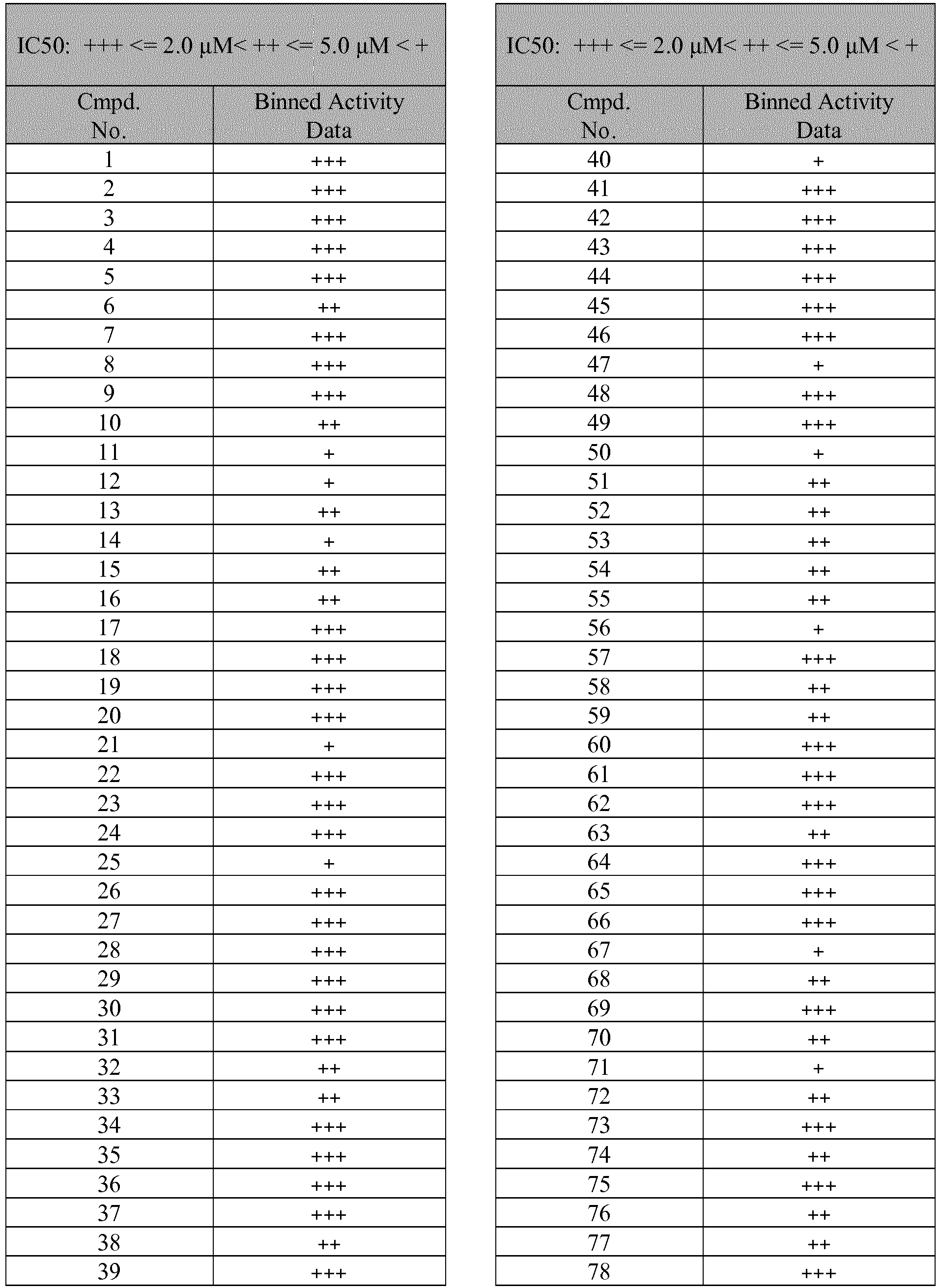


attached form an optionally substituted ring comprising up to 2 heteroatoms.
Claims (15)
- A compound of formula I:

wherein, independently for each occurrence:R1 is H, C1-C6 alkyl, C1-C6 fluoroalkyl, C3-C8 cycloalkyl, CF3, optionally substituted heterocycloalkyl, aryl, heteroaryl, or a straight chain, branched, or cyclic (C1-C8)-R9 wherein up to two CH2 units may be replaced with O, CO, S, SO, SO2, N, CF2, or NR8;R2 is C1-C6 alkyl, deuterated C1-C6 alkyl, C1-C6 alkoxy, C1-C6 fluoroalkyl, CF3, CHF2, or a straight chain, branched, or cyclic (C1-C8)-R9 wherein up to two CH2 units may be replaced with O, CO, S, SO, SO2, N, CF2, or NR8;R3 is C1-C6 alkyl or halo;R8 is H, C1-C6 alkyl, C3-C8 cycloalkyl, CF3, or a straight chain, branched, or cyclic (C1-C8)-R9 wherein up to two CH2 units may be replaced with O, CO, S, SO, SO2, N, CF2, or NR, or 2 R8 taken together with the atoms to which they are attached form a ring;R9 is H, CF3, CHF2, CH2F, CO2R, halo, OH, optionally substituted aryl, heteroaryl, C3-C8 cycloalkyl, heterocycloalkyl, N(R)2, NRCOR, CON(R)2, CN, or SO2R;R is H, C1-C6 alkyl, optionally substituted aryl, heteroaryl, C3-C8 cycloalkyl, or heterocycloalkyl;ring A is an optionally substituted aryl, heteroaryl or heterocyclic;n is an integer from 0 to 4 inclusive; ando is an integer from 0 to 4 inclusive. - The compound of claim 1, wherein R1 is optionally substituted phenyl, pyridyl, thiazole, or pyrazole, CH2CH3,


- The compound of claim 1, wherein A is
 R4 is H, C1-C6 alkyl, C1-C6 alkoxy, C3-C8 cycloalkyl, halo, CN, OR8, SO2R8, SO2N(R8)2, CHF2, CF3, OCF3, OCHF2, R9, heterocycloalkyl, heterocycloalkoxy, aryl, heteroaryl, or a straight chain, branched, or cyclic (C1-C8)-R9 wherein up to three CH2 units may be replaced with O, CO, S, SO, SO2, N, CF2, or NR8;R5 is H, C1-C6 alkyl, C1-C6 alkoxy, C3-C8 cycloalkyl, halo, CN, OR8, SO2R8, SO2N(R8)2, CHF2, CF3, OCF3, OCHF2, R9, heterocycloalkyl, heterocycloalkoxy, aryl, heteroaryl, or a straight chain, branched, or cyclic (C1-C8)-R9 wherein up to three CH2 units may be replaced with O, CO, S, SO, SO2, N, CF2, or NR8;R6 is H, C1-C6 alkyl, C1-C6 alkoxy, C3-C8 cycloalkyl, halo, CN, OR8, SO2R8, SO2N(R8)2, CHF2, CF3, OCF3, OCHF2, R9, heterocycloalkyl, heterocycloalkoxy, aryl, heteroaryl, or a straight chain, branched, or cyclic (C1-C8)-R9 wherein up to three CH2 units may be replaced with O, CO, S, SO, SO2, N, CF2, or NR8; ortwo occurrences of R4 and R5, or R5 and R6 together with the carbons to which they are attached form an optionally substituted ring comprising up to 2 heteroatoms.
 - The compound of claim 3, wherein R4 is H, CH3, OCH3, OCH2CH3, F, Cl, OCHF2, CHF2, CF3, CH2OCH3, OCH(CH3)2, CH2OCH3, or

- The compound of claim 3, wherein R5 is H, CH3, OCH3, OCH(CH3)2, F, Cl, CF3, CN, or CH2OH.
- The compound of claim 3, wherein R6 is H, F, Cl, CH3, CF3, CH2CH3, OCH3, OCH2CF3, OCH2CH3, OCH2CH2CH3, OCH2CH2CH(CH3)2, OtBu, tBu, OCH(CH3)2, OCH2CH(CH3)2, OCH(CH3)CH2CH3, CH(OH)CH(CH3)2, C(OH)(CH3)CH2CH3, OCH2C(CH3)2OH, C(CH3)2OH, CH2C(CH3)2OH OCH2CH2OCH3, OCH2CH2OH, OCH2CH2CH2OH, SO2CH3, SO2CF3, S02CH(CH3)2, SO2CH2CH3, CH2OCH2CF3, CH2OCH2CH2CF3, OCHF2, OCH2CF(CH3)2,


- The compound of claim 3, wherein





- The compound of claim 1, wherein A is heteroaryl or heterocyclic.
- The compound of claim 8, wherein A is
 R4 is H, C1-C6 alkyl, C3-C8 cycloalkyl, C1-C6 alkoxy, C1-C6 fluoroalkoxy, halo, CN, OH, OR8, N(R8)2, SO2R8, SO2N(R8)2, CHF2, CF3, R9, heterocycloalkyl, or a straight chain, is branched, or cyclic (C1-C8)-R9 wherein up to three CH2 units may be replaced with O, CO, S, SO, SO2, N, CF2, or NR8;R5 H, C1-C6 alkyl, C3-C8 cycloalkyl, C1-C6 alkoxy, C1-C6 fluoroalkoxy, halo, CN, OH, OR8, N(R8)2, SO2R8, SO2N(R8)2, CHF2, CF3, R9, heterocycloalkyl, or a straight chain, branched, or cyclic (C1-C8)-R9 wherein up to three CH2 units may be replaced with O, CO, S, SO, SO2, N, CF2, or NR8;R6 is H, C1-C6 alkyl, C3-C8 cycloalkyl, C1-C6 alkoxy, C1-C6 fluoroalkoxy, halo, CN, OH, OR8, N(R8)2, SO2R8, SO2N(R8)2, CHF2, CF3, R9, heterocycloalkyl, or a straight chain, branched, or cyclic (C1-C8)-R9 wherein up to three CH2 units may be replaced with O, CO, S, SO, SO2, N, CF2, or NR8; ortwo occurrences of R4 and R5, or R5 and R6 together with the carbons to which they are attached form an optionally substituted ring comprising up to 2 heteroatoms.
 - The compound of claim 9, wherein A is selected from the following:


- The compound of claim 1, wherein the compound has formula IA:
 R1 is an aryl or heteroaryl;R2 is C1-C6 alkoxy or C1-C6 fluoroalkoxy;R5 is H, C1-C6 alkyl, C1-C6 alkoxy, C3-C8 cycloalkyl, halo, CN, OR8, SO2R8, SO2N(R8)2, CHF2, CF3, OCF3, OCHF2, R9, heterocycloalkyl, heterocycloalkoxy, aryl, heteroaryl, or a straight chain, branched, or cyclic (C1-C8)-R9 wherein up to three CH2 units may be replaced with O, CO, S, SO, SO2, N, CF2, or NR8;R6 is H, C1-C6 alkyl, C1-C6 alkoxy, C3-C8 cycloalkyl, halo, CN, OR8, SO2R8, SO2N(R8)2, CHF2, CF3, OCF3, OCHF2, R9, heterocycloalkyl, heterocycloalkoxy, aryl, heteroaryl, or a straight chain, branched, or cyclic (C1-C8)-R9 wherein up to three CH2 units may be replaced with O, CO, S, SO, SO2, N, CF2, or NR8; andR8 is H, C1-C6 alkyl, C3-C8 cycloalkyl, CF3, or a straight chain, branched, or cyclic (C1-C8)-R9 wherein up to two CH2 units may be replaced with O, CO, S, SO, SO2, N, CF2, or NR, or 2 R8 taken together with the atoms to which they are attached form a ring.
 - The compound of claim 1, wherein the compound is selected from the following table:
1 cis 2 cis 3 cis 


4 cis 5 cis 6 cis 


7 cis 8 cis 9 cis 


10 cis 11 cis 12 cis 


13 cis 14 cis 15 cis 

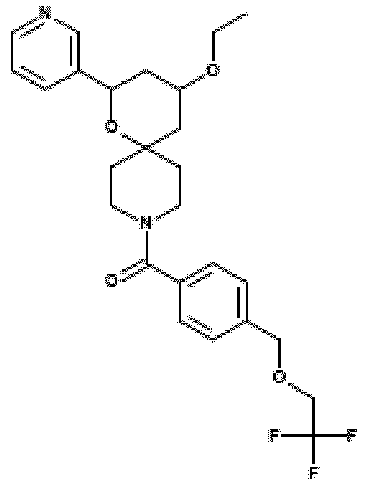
10 cis 17 cis 18 cis 


19 cis 20 cis 21 cis 


22 cis 23 cis 24 cis 


25 cis 26 cis 27 cis 


28 cis 29 cis 30 cis 


31 cis 32 cis 33 cis 


34 cis 35 cis 36 cis 


37 cis 38 cis 39 cis 


40 cis 41 cis 42 cis 
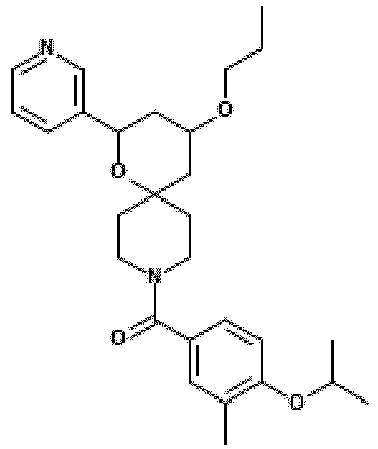

43 cis 44 cis 45 cis 


46 cis 47 cis 48 cis 


49 cis 50 cis 51 cis 


52 cis 53 cis 54 cis 


55 cis 56 cis 57 cis 


58 cis 59 cis 60 cis 


61 cis 62 cis 63 cis 


64 cis 65 cis 66 cis 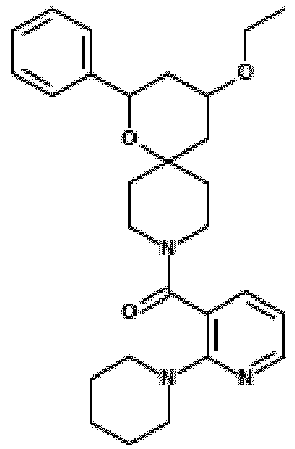


67 cis 68 cis 69 cis 

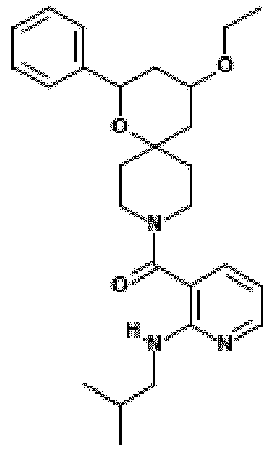
70 cis 71 cis 72 cis 


73 cis 74 cis 75 cis 


76 cis 77 cis 78 cis 


79 cis 80 cis 81 cis 


82 cis 83 cis 84 cis 
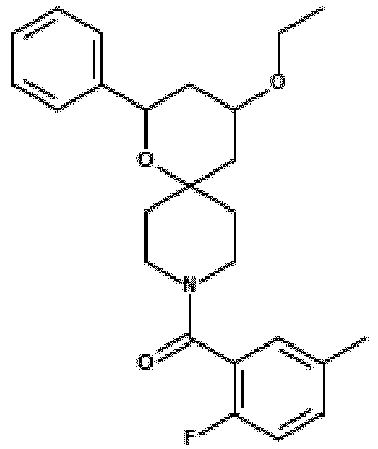
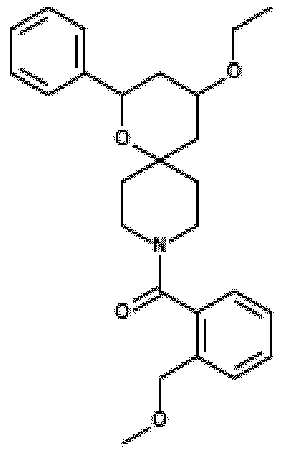
85 cis 86 cis 87 cis 


88 cis 89 cis 90 cis 


91 cis 92 cis 93 cis 


94 cis 95 cis 96 cis 


97 cis 98 cis 99 cis 


100 cis 101 cis 102 cis 


103 cis 104 cis 105 cis 


106 cis 107 cis 108 cis 


109 cis 110 cis 111 cis 


1012 cis 113 cis 114 cis 


115 cis 116 cis 117 cis 

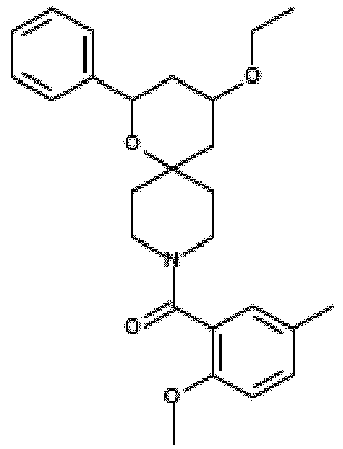
118 cis 119 cis 120 cis 


121 cis 122 cis 123 cis 


124 cis 125 cis 126 cis 


127 cis 128 cis 129 cis 


130 cis 131 cis 132 cis 


133 cis 134 cis 135 cis 

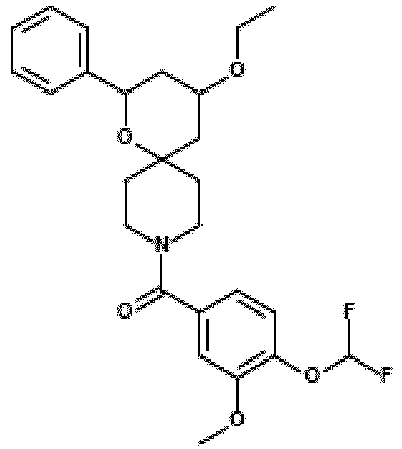
136 cis 137 cis 138 cis 


139 cis 140 cis 141 cis 


142 cis 143 cis 144 cis 


145 cis 146 cis 147 trans 


148 trans 149 cis 150 cis 


151 cis 152 trans 153 cis 

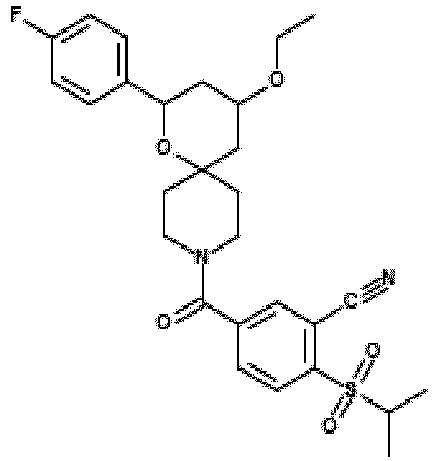
154 cis 155 cis 156 cis 


157 cis 158 cis 159 cis 


160 cis 161 cis 162 cis 


163 cis 164 trans 165 trans 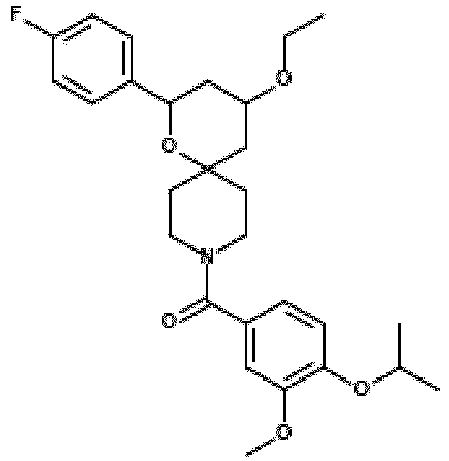


166 trans 167 cis 168 cis 


169 cis 170 cis 171 cis 


172 cis 173 cis 174 cis 

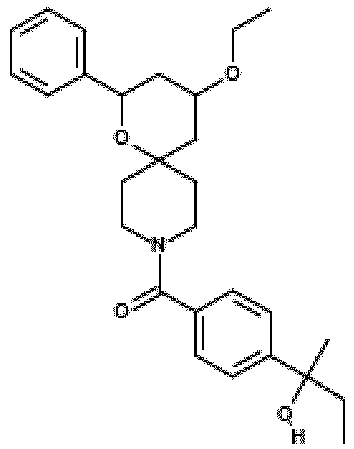
175 cis 176 cis 177 cis 


178 cis 179 cis 180 cis 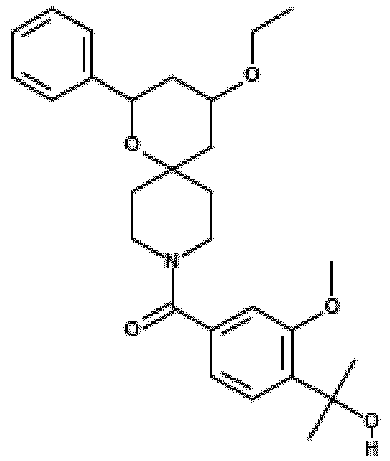
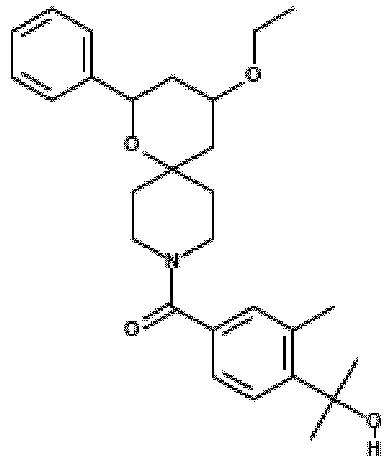

181 cis 182 cis 183 cis 


184 cis 185 cis 186 cis 


187 cis 188 cis 189 cis 


190 cis 191 cis 192 trans 


193 cis 194 cis 

- A pharmaceutical composition comprising the compound of claim 1 and a pharmaceutically acceptable carrier.
- A compound of claim 1 for use in a method of inhibiting a voltage-gated sodium ion channel in:a patient; ora biological sample;comprising administering to the patient, or contacting the biological sample, with the compound of claim 1, optionally, wherein the voltage-gated sodium ion channel is NaV 1.7.
- A compound of claim 1 for use in a method of treating or lessening the severity in a subject of acute, chronic, neuropathic, or inflammatory pain, arthritis, migraine, cluster headaches, trigeminal neuralgia, herpatic neuralgia, general neuralgias, epilepsy or epilepsy conditions, neurodegenerative disorders, psychiatric disorders, anxiety, depression, dipolar disorder, myotonia, arrhythmia, movement disorders, neuroendocrine disorders, ataxia, multiple sclerosis, irritable bowel syndrome, incontinence, visceral pain, osteoarthritis pain, postherpetic neuralgia, diabetic neuropathy, radicular pain, sciatica, back pain, head or neck pain, severe or intractable pain, nociceptive pain, breakthrough pain, postsurgical pain, cancer pain, stroke, cerebral ischemia, traumatic brain injury, amyotrophic lateral sclerosis, stress- or exercise induced angina, palpitations, hypertension, migraine, or abormal gastro-intestinal motility, comprising administering an effective amount of a compound of claim 1.
Applications Claiming Priority (2)
| Application Number | Priority Date | Filing Date | Title |
|---|---|---|---|
| US201261586875P | 2012-01-16 | 2012-01-16 | |
| PCT/US2013/021535 WO2013109521A1 (en) | 2012-01-16 | 2013-01-15 | Pyran-spirocyclic piperidine amides as modulators of ion channels |
Publications (2)
| Publication Number | Publication Date |
|---|---|
| EP2804868A1 EP2804868A1 (en) | 2014-11-26 |
| EP2804868B1 true EP2804868B1 (en) | 2017-04-12 |
Family
ID=47595110
Family Applications (1)
| Application Number | Title | Priority Date | Filing Date |
|---|---|---|---|
| EP13700841.3A Active EP2804868B1 (en) | 2012-01-16 | 2013-01-15 | Pyran-spirocyclic piperidine amides as modulators of ion channels |
Country Status (10)
| Country | Link |
|---|---|
| US (1) | US9403839B2 (en) |
| EP (1) | EP2804868B1 (en) |
| JP (1) | JP6215230B2 (en) |
| CN (1) | CN104136442B (en) |
| AU (1) | AU2013209958B2 (en) |
| CA (1) | CA2863343A1 (en) |
| ES (1) | ES2631611T3 (en) |
| MX (1) | MX2014008591A (en) |
| NZ (1) | NZ627259A (en) |
| WO (1) | WO2013109521A1 (en) |
Families Citing this family (39)
| Publication number | Priority date | Publication date | Assignee | Title |
|---|---|---|---|---|
| PE20160548A1 (en) | 2013-07-19 | 2016-05-21 | Vertex Pharma | SULFONAMIDES AS SODIUM CHANNEL MODULATORS |
| CA2931550C (en) | 2013-12-13 | 2023-09-26 | Vertex Pharmaceuticals Incorporated | Prodrugs of pyridone amides useful as modulators of sodium channels |
| BR102018007822A2 (en) | 2017-04-20 | 2018-11-06 | Gilead Sciences, Inc. | compound, methods for inhibiting pd-1, pd-11 and / or interaction of pd-1 / pd-11 and for cancer treatment, pharmaceutical composition, and kit for treating or preventing cancer or a disease or condition |
| EP3625214B1 (en) | 2017-05-16 | 2022-07-06 | Vertex Pharmaceuticals Incorporated | Deuterated pyridone amides and prodrugs thereof as modulators of sodium channels |
| CA3069720A1 (en) | 2017-07-11 | 2019-01-17 | Vertex Pharmaceuticals Incorporated | Carboxamides as modulators of sodium channels |
| CA3081424A1 (en) * | 2017-11-01 | 2019-05-09 | Bristol-Myers Squibb Company | Spirocyclic compounds as farnesoid x receptor modulators |
| CN108276307A (en) * | 2018-01-17 | 2018-07-13 | 常熟浸大科技有限公司 | The synthetic method of 3- cyano -4- oxyl benzoic ethers |
| WO2019157505A1 (en) | 2018-02-12 | 2019-08-15 | Vertex Pharmaceuticals Incorporated | A method of treating pain |
| CN110156674A (en) * | 2018-02-13 | 2019-08-23 | 中国科学院上海有机化学研究所 | A kind of spiro-compound as indoles amine -2,3- dioxygenase inhibitor |
| KR102708681B1 (en) | 2018-02-13 | 2024-09-26 | 길리애드 사이언시즈, 인코포레이티드 | Pd-1/pd-l1 inhibitors |
| EP4600247A3 (en) | 2018-04-19 | 2025-11-19 | Gilead Sciences, Inc. | Pd-1/pd-l1 inhibitors |
| SG11202100137TA (en) * | 2018-07-09 | 2021-02-25 | Lieber Institute Inc | PYRIDAZINE COMPOUNDS FOR INHIBITING Nav1.8 |
| AU2019301628C1 (en) | 2018-07-09 | 2025-02-06 | Lieber Institute, Inc. | Pyridine carboxamide compounds for inhibiting NaV1.8 |
| UA126421C2 (en) | 2018-07-13 | 2022-09-28 | Гіліад Сайєнсіз, Інк. | PD-1/PD-L1 INHIBITORS |
| US11236085B2 (en) | 2018-10-24 | 2022-02-01 | Gilead Sciences, Inc. | PD-1/PD-L1 inhibitors |
| WO2020146612A1 (en) | 2019-01-10 | 2020-07-16 | Vertex Pharmaceuticals Incorporated | Esters and carbamates as modulators of sodium channels |
| WO2020146682A1 (en) | 2019-01-10 | 2020-07-16 | Vertex Pharmaceuticals Incorporated | Carboxamides as modulators of sodium channels |
| WO2020176763A1 (en) | 2019-02-27 | 2020-09-03 | Vertex Pharmaceuticals Incorporated | Dosage form comprising prodrug of na 1.8 sodium channel inhibitor |
| WO2020219867A1 (en) | 2019-04-25 | 2020-10-29 | Vertex Pharmaceuticals Incorporated | Pyridone amide co-crystal compositions for the treatment of pain |
| MX2022006865A (en) | 2019-12-06 | 2022-07-11 | Vertex Pharma | Substituted tetrahydrofurans as modulators of sodium channels. |
| CN117794920A (en) | 2021-06-04 | 2024-03-29 | 沃泰克斯药物股份有限公司 | N-(Hydroxyalkyl(hetero)aryl)tetrahydrofurancarboxamide as a sodium channel modulator |
| KR20240031299A (en) | 2021-06-04 | 2024-03-07 | 버텍스 파마슈티칼스 인코포레이티드 | (2R,3S,4S,5R)-4-[[3-(3,4-difluoro-2-methoxy-phenyl)-4,5-dimethyl-5-(trifluoromethyl)tetrahydrofuran Solid dosage forms and dosing regimens comprising -2-carbonyl]amino]pyridine-2-carboxamide |
| AU2022283934A1 (en) | 2021-06-04 | 2023-11-30 | Vertex Pharmaceuticals Incorporated | Substituted tetrahydrofuran-2-carboxamides as modulators of sodium channels |
| CA3221938A1 (en) | 2021-06-04 | 2022-12-08 | Vertex Pharmaceuticals Incorporated | Substituted tetrahydrofuran analogs as modulators of sodium channels |
| AU2022286511A1 (en) | 2021-06-04 | 2023-11-30 | Vertex Pharmaceuticals Incorporated | Hydroxy and (halo)alkoxy substituted tetrahydrofurans as modulators of sodium channels |
| JP2024520646A (en) | 2021-06-04 | 2024-05-24 | バーテックス ファーマシューティカルズ インコーポレイテッド | N-(hydroxyalkyl(hetero)aryl)tetrahydrofurancarboxamide analogs as sodium channel modulators |
| CN119487003A (en) | 2022-04-22 | 2025-02-18 | 沃泰克斯药物股份有限公司 | Heteroaryl compounds for the treatment of pain |
| JP2025513455A (en) | 2022-04-22 | 2025-04-24 | バーテックス ファーマシューティカルズ インコーポレイテッド | Heteroaryl compounds for the treatment of pain - Patents.com |
| AU2023255771A1 (en) | 2022-04-22 | 2024-10-31 | Vertex Pharmaceuticals Incorporated | Heteroaryl compounds for the treatment of pain |
| JP2025513454A (en) | 2022-04-22 | 2025-04-24 | バーテックス ファーマシューティカルズ インコーポレイテッド | Heteroaryl compounds for the treatment of pain - Patents.com |
| WO2024123815A1 (en) | 2022-12-06 | 2024-06-13 | Vertex Pharmaceuticals Incorporated | Process for the synthesis of substituted tetrahydrofuran modulators of sodium channels |
| WO2025090465A1 (en) | 2023-10-23 | 2025-05-01 | Vertex Pharmaceuticals Incorporated | Heteroaryl compounds for the treatment of pain |
| AU2024365648A1 (en) | 2023-10-23 | 2026-04-30 | Vertex Pharmaceuticals Incorporated | Methods of preparing modulators of sodium channels and solid forms of the same for treating pain |
| WO2025090516A1 (en) | 2023-10-23 | 2025-05-01 | Vertex Pharmaceuticals Incorporated | Methods of preparing compounds for treating pain and solid forms thereof |
| AU2024367861A1 (en) | 2023-10-23 | 2026-05-07 | Vertex Pharmaceuticals Incorporated | Heteroaryl compounds for the treatment of pain |
| US20250186419A1 (en) | 2023-12-07 | 2025-06-12 | Vertex Pharmaceuticals Incorporated | Dosing regimens for treating pain |
| TW202606663A (en) | 2024-06-28 | 2026-02-16 | 美商維泰克斯製藥公司 | Heteroaryl compounds for the treatment of pain |
| WO2026013449A2 (en) | 2024-07-11 | 2026-01-15 | Sea4Us - Biotecnologia E Recursos Marinhos, Sa | Oxazolidone-derived compounds and their use in the treatment of chronic and acute pain |
| WO2026030525A1 (en) | 2024-07-31 | 2026-02-05 | Vertex Pharmaceuticals Incorporated | Zilvetrigine dosage forms and dosing regimens for treating pain |
Family Cites Families (15)
| Publication number | Priority date | Publication date | Assignee | Title |
|---|---|---|---|---|
| US121652A (en) | 1871-12-05 | Improvement in picture-frame hangers | ||
| US5304121A (en) | 1990-12-28 | 1994-04-19 | Boston Scientific Corporation | Drug delivery system making use of a hydrogel polymer coating |
| US5716981A (en) | 1993-07-19 | 1998-02-10 | Angiogenesis Technologies, Inc. | Anti-angiogenic compositions and methods of use |
| US6099562A (en) | 1996-06-13 | 2000-08-08 | Schneider (Usa) Inc. | Drug coating with topcoat |
| WO1997011940A1 (en) * | 1995-09-29 | 1997-04-03 | Eli Lilly And Company | Spiro compounds as inhibitors of fibrinogen-dependent platelet aggregation |
| EP1554260A1 (en) * | 2002-10-22 | 2005-07-20 | Glaxo Group Limited | Aryloxyalkylamine derivatives as h3 receptor ligands |
| US7576207B2 (en) * | 2006-04-06 | 2009-08-18 | Adolor Corporation | Spirocyclic heterocyclic derivatives and methods of their use |
| US20090012103A1 (en) * | 2007-07-05 | 2009-01-08 | Matthew Abelman | Substituted heterocyclic compounds |
| AU2008321142A1 (en) * | 2007-11-13 | 2009-05-22 | Vertex Pharmaceuticals Incorporated | Heterocyclic derivatives as modulators of ion channels |
| AU2008321137A1 (en) * | 2007-11-13 | 2009-05-22 | Vertex Pharmaceuticals Incorporated | 4(-3-(-2-(phenyl)morpholino)-2-oxopyrrolidin-1-yl)-n-(thiazol-2-yl)benzenesulfonamide derivati ves and related compounds as modulators of ion channels for the treatment of pain |
| CN102099356A (en) * | 2008-07-01 | 2011-06-15 | 沃泰克斯药物股份有限公司 | Heterocyclic derivatives as modulators of ion channels |
| WO2010151815A2 (en) * | 2009-06-25 | 2010-12-29 | Abbott Laboratories | 3,9-diazaspiro[5,5]undecane amides and ureas and methods of use thereof |
| WO2010151597A1 (en) * | 2009-06-26 | 2010-12-29 | Schering Corporation | Methods for using pyrrolo-benzo-1,4-diazines as sodium channel blockers |
| CN103443105A (en) * | 2011-02-18 | 2013-12-11 | 沃泰克斯药物股份有限公司 | Chroman-spirocyclic piperidine amides as modulators of ion channels |
| US8828996B2 (en) * | 2011-03-14 | 2014-09-09 | Vertex Pharmaceuticals Incorporated | Morpholine-spirocyclic piperidine amides as modulators of ion channels |
-
2013
- 2013-01-15 MX MX2014008591A patent/MX2014008591A/en unknown
- 2013-01-15 WO PCT/US2013/021535 patent/WO2013109521A1/en not_active Ceased
- 2013-01-15 EP EP13700841.3A patent/EP2804868B1/en active Active
- 2013-01-15 CN CN201380010104.4A patent/CN104136442B/en not_active Expired - Fee Related
- 2013-01-15 JP JP2014552376A patent/JP6215230B2/en active Active
- 2013-01-15 NZ NZ627259A patent/NZ627259A/en not_active IP Right Cessation
- 2013-01-15 ES ES13700841T patent/ES2631611T3/en active Active
- 2013-01-15 US US14/372,353 patent/US9403839B2/en active Active
- 2013-01-15 CA CA2863343A patent/CA2863343A1/en not_active Abandoned
- 2013-01-15 AU AU2013209958A patent/AU2013209958B2/en not_active Expired - Fee Related
Non-Patent Citations (1)
| Title |
|---|
| None * |
Also Published As
| Publication number | Publication date |
|---|---|
| JP2015505321A (en) | 2015-02-19 |
| CA2863343A1 (en) | 2013-07-25 |
| ES2631611T3 (en) | 2017-09-01 |
| CN104136442A (en) | 2014-11-05 |
| WO2013109521A1 (en) | 2013-07-25 |
| CN104136442B (en) | 2016-12-21 |
| AU2013209958B2 (en) | 2017-09-07 |
| HK1203074A1 (en) | 2015-10-16 |
| JP6215230B2 (en) | 2017-10-18 |
| MX2014008591A (en) | 2014-08-22 |
| EP2804868A1 (en) | 2014-11-26 |
| US20150005304A1 (en) | 2015-01-01 |
| NZ627259A (en) | 2016-12-23 |
| US9403839B2 (en) | 2016-08-02 |
| AU2013209958A1 (en) | 2014-08-07 |
Similar Documents
| Publication | Publication Date | Title |
|---|---|---|
| US9403839B2 (en) | Pyran-spirocyclic piperidine amides as modulators of ion channels | |
| EP2686325B1 (en) | Morpholine-spirocyclic piperidine amides as modulators of ion channels | |
| US9511067B2 (en) | Substituted spiro[piperidine-4,1'-pyrrolo[1,2-a]pyrazine]s as modulators of ion channels | |
| US10385070B2 (en) | Chroman-spirocyclic piperidine amides as modulators of ion channels | |
| US10233191B2 (en) | Fused piperidine amides as modulators of ion channels | |
| US8598164B2 (en) | Heterocyclic chromene-spirocyclic piperidine amides as modulators of ion channels | |
| WO2014022639A1 (en) | Solid forms of (4-isopropoxy-3-methoxyphenyl)(2'-methyl-6'-(trifluoromethyl)-3',4'-dihydro-2'h-spiro[piperidine-4,1'-pyrrolo[1,2-a]pyrazine]-1-yl)methanone | |
| HK1223611B (en) | Fused piperidine amides as modulators of ion channels | |
| HK1203074B (en) | Pyran-spirocyclic piperidine amides as modulators of ion channels |
Legal Events
| Date | Code | Title | Description |
|---|---|---|---|
| PUAI | Public reference made under article 153(3) epc to a published international application that has entered the european phase |
Free format text: ORIGINAL CODE: 0009012 |
|
| 17P | Request for examination filed |
Effective date: 20140711 |
|
| AK | Designated contracting states |
Kind code of ref document: A1 Designated state(s): AL AT BE BG CH CY CZ DE DK EE ES FI FR GB GR HR HU IE IS IT LI LT LU LV MC MK MT NL NO PL PT RO RS SE SI SK SM TR |
|
| DAX | Request for extension of the european patent (deleted) | ||
| RIN1 | Information on inventor provided before grant (corrected) |
Inventor name: HADIDA-RUAH, SARA, SABINA Inventor name: ARUMUGAM, VIJAYALAKSMI Inventor name: MILLER, MARK, THOMAS Inventor name: DENINNO, MICHAEL, PAUL Inventor name: ZHOU, JINGLAN Inventor name: FRIEMAN, BRYAN, A. Inventor name: UY, JOHNNY Inventor name: KALLEL, EDWARD, ADAM |
|
| 17Q | First examination report despatched |
Effective date: 20160203 |
|
| GRAP | Despatch of communication of intention to grant a patent |
Free format text: ORIGINAL CODE: EPIDOSNIGR1 |
|
| INTG | Intention to grant announced |
Effective date: 20161027 |
|
| GRAS | Grant fee paid |
Free format text: ORIGINAL CODE: EPIDOSNIGR3 |
|
| GRAA | (expected) grant |
Free format text: ORIGINAL CODE: 0009210 |
|
| AK | Designated contracting states |
Kind code of ref document: B1 Designated state(s): AL AT BE BG CH CY CZ DE DK EE ES FI FR GB GR HR HU IE IS IT LI LT LU LV MC MK MT NL NO PL PT RO RS SE SI SK SM TR |
|
| REG | Reference to a national code |
Ref country code: GB Ref legal event code: FG4D |
|
| REG | Reference to a national code |
Ref country code: CH Ref legal event code: EP |
|
| REG | Reference to a national code |
Ref country code: IE Ref legal event code: FG4D |
|
| REG | Reference to a national code |
Ref country code: AT Ref legal event code: REF Ref document number: 883753 Country of ref document: AT Kind code of ref document: T Effective date: 20170515 Ref country code: CH Ref legal event code: NV Representative=s name: E. BLUM AND CO. AG PATENT- UND MARKENANWAELTE , CH |
|
| REG | Reference to a national code |
Ref country code: DE Ref legal event code: R096 Ref document number: 602013019699 Country of ref document: DE |
|
| REG | Reference to a national code |
Ref country code: NL Ref legal event code: FP |
|
| REG | Reference to a national code |
Ref country code: LT Ref legal event code: MG4D |
|
| REG | Reference to a national code |
Ref country code: ES Ref legal event code: FG2A Ref document number: 2631611 Country of ref document: ES Kind code of ref document: T3 Effective date: 20170901 |
|
| REG | Reference to a national code |
Ref country code: AT Ref legal event code: MK05 Ref document number: 883753 Country of ref document: AT Kind code of ref document: T Effective date: 20170412 |
|
| PG25 | Lapsed in a contracting state [announced via postgrant information from national office to epo] |
Ref country code: NO Free format text: LAPSE BECAUSE OF FAILURE TO SUBMIT A TRANSLATION OF THE DESCRIPTION OR TO PAY THE FEE WITHIN THE PRESCRIBED TIME-LIMIT Effective date: 20170712 Ref country code: GR Free format text: LAPSE BECAUSE OF FAILURE TO SUBMIT A TRANSLATION OF THE DESCRIPTION OR TO PAY THE FEE WITHIN THE PRESCRIBED TIME-LIMIT Effective date: 20170713 Ref country code: HR Free format text: LAPSE BECAUSE OF FAILURE TO SUBMIT A TRANSLATION OF THE DESCRIPTION OR TO PAY THE FEE WITHIN THE PRESCRIBED TIME-LIMIT Effective date: 20170412 Ref country code: FI Free format text: LAPSE BECAUSE OF FAILURE TO SUBMIT A TRANSLATION OF THE DESCRIPTION OR TO PAY THE FEE WITHIN THE PRESCRIBED TIME-LIMIT Effective date: 20170412 Ref country code: LT Free format text: LAPSE BECAUSE OF FAILURE TO SUBMIT A TRANSLATION OF THE DESCRIPTION OR TO PAY THE FEE WITHIN THE PRESCRIBED TIME-LIMIT Effective date: 20170412 Ref country code: AT Free format text: LAPSE BECAUSE OF FAILURE TO SUBMIT A TRANSLATION OF THE DESCRIPTION OR TO PAY THE FEE WITHIN THE PRESCRIBED TIME-LIMIT Effective date: 20170412 |
|
| PG25 | Lapsed in a contracting state [announced via postgrant information from national office to epo] |
Ref country code: BG Free format text: LAPSE BECAUSE OF FAILURE TO SUBMIT A TRANSLATION OF THE DESCRIPTION OR TO PAY THE FEE WITHIN THE PRESCRIBED TIME-LIMIT Effective date: 20170712 Ref country code: SE Free format text: LAPSE BECAUSE OF FAILURE TO SUBMIT A TRANSLATION OF THE DESCRIPTION OR TO PAY THE FEE WITHIN THE PRESCRIBED TIME-LIMIT Effective date: 20170412 Ref country code: LV Free format text: LAPSE BECAUSE OF FAILURE TO SUBMIT A TRANSLATION OF THE DESCRIPTION OR TO PAY THE FEE WITHIN THE PRESCRIBED TIME-LIMIT Effective date: 20170412 Ref country code: PL Free format text: LAPSE BECAUSE OF FAILURE TO SUBMIT A TRANSLATION OF THE DESCRIPTION OR TO PAY THE FEE WITHIN THE PRESCRIBED TIME-LIMIT Effective date: 20170412 Ref country code: RS Free format text: LAPSE BECAUSE OF FAILURE TO SUBMIT A TRANSLATION OF THE DESCRIPTION OR TO PAY THE FEE WITHIN THE PRESCRIBED TIME-LIMIT Effective date: 20170412 Ref country code: IS Free format text: LAPSE BECAUSE OF FAILURE TO SUBMIT A TRANSLATION OF THE DESCRIPTION OR TO PAY THE FEE WITHIN THE PRESCRIBED TIME-LIMIT Effective date: 20170812 |
|
| REG | Reference to a national code |
Ref country code: DE Ref legal event code: R097 Ref document number: 602013019699 Country of ref document: DE |
|
| REG | Reference to a national code |
Ref country code: FR Ref legal event code: PLFP Year of fee payment: 6 |
|
| PG25 | Lapsed in a contracting state [announced via postgrant information from national office to epo] |
Ref country code: SK Free format text: LAPSE BECAUSE OF FAILURE TO SUBMIT A TRANSLATION OF THE DESCRIPTION OR TO PAY THE FEE WITHIN THE PRESCRIBED TIME-LIMIT Effective date: 20170412 Ref country code: RO Free format text: LAPSE BECAUSE OF FAILURE TO SUBMIT A TRANSLATION OF THE DESCRIPTION OR TO PAY THE FEE WITHIN THE PRESCRIBED TIME-LIMIT Effective date: 20170412 Ref country code: EE Free format text: LAPSE BECAUSE OF FAILURE TO SUBMIT A TRANSLATION OF THE DESCRIPTION OR TO PAY THE FEE WITHIN THE PRESCRIBED TIME-LIMIT Effective date: 20170412 Ref country code: CZ Free format text: LAPSE BECAUSE OF FAILURE TO SUBMIT A TRANSLATION OF THE DESCRIPTION OR TO PAY THE FEE WITHIN THE PRESCRIBED TIME-LIMIT Effective date: 20170412 Ref country code: DK Free format text: LAPSE BECAUSE OF FAILURE TO SUBMIT A TRANSLATION OF THE DESCRIPTION OR TO PAY THE FEE WITHIN THE PRESCRIBED TIME-LIMIT Effective date: 20170412 |
|
| PLBE | No opposition filed within time limit |
Free format text: ORIGINAL CODE: 0009261 |
|
| STAA | Information on the status of an ep patent application or granted ep patent |
Free format text: STATUS: NO OPPOSITION FILED WITHIN TIME LIMIT |
|
| PG25 | Lapsed in a contracting state [announced via postgrant information from national office to epo] |
Ref country code: SM Free format text: LAPSE BECAUSE OF FAILURE TO SUBMIT A TRANSLATION OF THE DESCRIPTION OR TO PAY THE FEE WITHIN THE PRESCRIBED TIME-LIMIT Effective date: 20170412 |
|
| 26N | No opposition filed |
Effective date: 20180115 |
|
| PG25 | Lapsed in a contracting state [announced via postgrant information from national office to epo] |
Ref country code: SI Free format text: LAPSE BECAUSE OF FAILURE TO SUBMIT A TRANSLATION OF THE DESCRIPTION OR TO PAY THE FEE WITHIN THE PRESCRIBED TIME-LIMIT Effective date: 20170412 |
|
| PG25 | Lapsed in a contracting state [announced via postgrant information from national office to epo] |
Ref country code: LU Free format text: LAPSE BECAUSE OF NON-PAYMENT OF DUE FEES Effective date: 20180115 |
|
| PGFP | Annual fee paid to national office [announced via postgrant information from national office to epo] |
Ref country code: NL Payment date: 20180714 Year of fee payment: 6 |
|
| REG | Reference to a national code |
Ref country code: IE Ref legal event code: MM4A |
|
| REG | Reference to a national code |
Ref country code: BE Ref legal event code: MM Effective date: 20180131 |
|
| PG25 | Lapsed in a contracting state [announced via postgrant information from national office to epo] |
Ref country code: BE Free format text: LAPSE BECAUSE OF NON-PAYMENT OF DUE FEES Effective date: 20180131 |
|
| PG25 | Lapsed in a contracting state [announced via postgrant information from national office to epo] |
Ref country code: IE Free format text: LAPSE BECAUSE OF NON-PAYMENT OF DUE FEES Effective date: 20180115 |
|
| PG25 | Lapsed in a contracting state [announced via postgrant information from national office to epo] |
Ref country code: IT Free format text: LAPSE BECAUSE OF NON-PAYMENT OF DUE FEES Effective date: 20180115 |
|
| PG25 | Lapsed in a contracting state [announced via postgrant information from national office to epo] |
Ref country code: MC Free format text: LAPSE BECAUSE OF FAILURE TO SUBMIT A TRANSLATION OF THE DESCRIPTION OR TO PAY THE FEE WITHIN THE PRESCRIBED TIME-LIMIT Effective date: 20170412 |
|
| REG | Reference to a national code |
Ref country code: ES Ref legal event code: FD2A Effective date: 20190730 |
|
| REG | Reference to a national code |
Ref country code: NL Ref legal event code: MM Effective date: 20190201 |
|
| PG25 | Lapsed in a contracting state [announced via postgrant information from national office to epo] |
Ref country code: NL Free format text: LAPSE BECAUSE OF NON-PAYMENT OF DUE FEES Effective date: 20190201 Ref country code: ES Free format text: LAPSE BECAUSE OF NON-PAYMENT OF DUE FEES Effective date: 20180116 |
|
| PG25 | Lapsed in a contracting state [announced via postgrant information from national office to epo] |
Ref country code: MT Free format text: LAPSE BECAUSE OF NON-PAYMENT OF DUE FEES Effective date: 20180115 |
|
| PG25 | Lapsed in a contracting state [announced via postgrant information from national office to epo] |
Ref country code: TR Free format text: LAPSE BECAUSE OF FAILURE TO SUBMIT A TRANSLATION OF THE DESCRIPTION OR TO PAY THE FEE WITHIN THE PRESCRIBED TIME-LIMIT Effective date: 20170412 |
|
| PG25 | Lapsed in a contracting state [announced via postgrant information from national office to epo] |
Ref country code: PT Free format text: LAPSE BECAUSE OF FAILURE TO SUBMIT A TRANSLATION OF THE DESCRIPTION OR TO PAY THE FEE WITHIN THE PRESCRIBED TIME-LIMIT Effective date: 20170412 Ref country code: HU Free format text: LAPSE BECAUSE OF FAILURE TO SUBMIT A TRANSLATION OF THE DESCRIPTION OR TO PAY THE FEE WITHIN THE PRESCRIBED TIME-LIMIT; INVALID AB INITIO Effective date: 20130115 |
|
| PG25 | Lapsed in a contracting state [announced via postgrant information from national office to epo] |
Ref country code: MK Free format text: LAPSE BECAUSE OF NON-PAYMENT OF DUE FEES Effective date: 20170412 Ref country code: CY Free format text: LAPSE BECAUSE OF FAILURE TO SUBMIT A TRANSLATION OF THE DESCRIPTION OR TO PAY THE FEE WITHIN THE PRESCRIBED TIME-LIMIT Effective date: 20170412 |
|
| PG25 | Lapsed in a contracting state [announced via postgrant information from national office to epo] |
Ref country code: AL Free format text: LAPSE BECAUSE OF FAILURE TO SUBMIT A TRANSLATION OF THE DESCRIPTION OR TO PAY THE FEE WITHIN THE PRESCRIBED TIME-LIMIT Effective date: 20170412 |
|
| PGFP | Annual fee paid to national office [announced via postgrant information from national office to epo] |
Ref country code: DE Payment date: 20240129 Year of fee payment: 12 Ref country code: CH Payment date: 20240202 Year of fee payment: 12 Ref country code: GB Payment date: 20240129 Year of fee payment: 12 |
|
| PGFP | Annual fee paid to national office [announced via postgrant information from national office to epo] |
Ref country code: FR Payment date: 20240125 Year of fee payment: 12 |
|
| REG | Reference to a national code |
Ref country code: DE Ref legal event code: R119 Ref document number: 602013019699 Country of ref document: DE |
|
| REG | Reference to a national code |
Ref country code: CH Ref legal event code: PL |
|
| GBPC | Gb: european patent ceased through non-payment of renewal fee |
Effective date: 20250115 |
|
| PG25 | Lapsed in a contracting state [announced via postgrant information from national office to epo] |
Ref country code: DE Free format text: LAPSE BECAUSE OF NON-PAYMENT OF DUE FEES Effective date: 20250801 |
|
| PG25 | Lapsed in a contracting state [announced via postgrant information from national office to epo] |
Ref country code: GB Free format text: LAPSE BECAUSE OF NON-PAYMENT OF DUE FEES Effective date: 20250115 |
|
| PG25 | Lapsed in a contracting state [announced via postgrant information from national office to epo] |
Ref country code: FR Free format text: LAPSE BECAUSE OF NON-PAYMENT OF DUE FEES Effective date: 20250131 |
|
| PG25 | Lapsed in a contracting state [announced via postgrant information from national office to epo] |
Ref country code: CH Free format text: LAPSE BECAUSE OF NON-PAYMENT OF DUE FEES Effective date: 20250131 |