EP2804618B1 - Method of treating diabetes using non-glycosylated apolipoprotein a-iv - Google Patents
Method of treating diabetes using non-glycosylated apolipoprotein a-iv Download PDFInfo
- Publication number
- EP2804618B1 EP2804618B1 EP12795976.5A EP12795976A EP2804618B1 EP 2804618 B1 EP2804618 B1 EP 2804618B1 EP 12795976 A EP12795976 A EP 12795976A EP 2804618 B1 EP2804618 B1 EP 2804618B1
- Authority
- EP
- European Patent Office
- Prior art keywords
- protein
- apoa
- biologically active
- apolipoprotein
- fragment
- Prior art date
- Legal status (The legal status is an assumption and is not a legal conclusion. Google has not performed a legal analysis and makes no representation as to the accuracy of the status listed.)
- Active
Links
Images


Classifications
-
- C—CHEMISTRY; METALLURGY
- C07—ORGANIC CHEMISTRY
- C07K—PEPTIDES
- C07K14/00—Peptides having more than 20 amino acids; Gastrins; Somatostatins; Melanotropins; Derivatives thereof
- C07K14/435—Peptides having more than 20 amino acids; Gastrins; Somatostatins; Melanotropins; Derivatives thereof from animals; from humans
- C07K14/775—Apolipopeptides
-
- A—HUMAN NECESSITIES
- A61—MEDICAL OR VETERINARY SCIENCE; HYGIENE
- A61K—PREPARATIONS FOR MEDICAL, DENTAL OR TOILETRY PURPOSES
- A61K38/00—Medicinal preparations containing peptides
- A61K38/16—Peptides having more than 20 amino acids; Gastrins; Somatostatins; Melanotropins; Derivatives thereof
-
- A—HUMAN NECESSITIES
- A61—MEDICAL OR VETERINARY SCIENCE; HYGIENE
- A61K—PREPARATIONS FOR MEDICAL, DENTAL OR TOILETRY PURPOSES
- A61K38/00—Medicinal preparations containing peptides
- A61K38/16—Peptides having more than 20 amino acids; Gastrins; Somatostatins; Melanotropins; Derivatives thereof
- A61K38/17—Peptides having more than 20 amino acids; Gastrins; Somatostatins; Melanotropins; Derivatives thereof from animals; from humans
- A61K38/1703—Peptides having more than 20 amino acids; Gastrins; Somatostatins; Melanotropins; Derivatives thereof from animals; from humans from vertebrates
- A61K38/1709—Peptides having more than 20 amino acids; Gastrins; Somatostatins; Melanotropins; Derivatives thereof from animals; from humans from vertebrates from mammals
-
- A—HUMAN NECESSITIES
- A61—MEDICAL OR VETERINARY SCIENCE; HYGIENE
- A61P—SPECIFIC THERAPEUTIC ACTIVITY OF CHEMICAL COMPOUNDS OR MEDICINAL PREPARATIONS
- A61P3/00—Drugs for disorders of the metabolism
- A61P3/08—Drugs for disorders of the metabolism for glucose homeostasis
-
- A—HUMAN NECESSITIES
- A61—MEDICAL OR VETERINARY SCIENCE; HYGIENE
- A61P—SPECIFIC THERAPEUTIC ACTIVITY OF CHEMICAL COMPOUNDS OR MEDICINAL PREPARATIONS
- A61P3/00—Drugs for disorders of the metabolism
- A61P3/08—Drugs for disorders of the metabolism for glucose homeostasis
- A61P3/10—Drugs for disorders of the metabolism for glucose homeostasis for hyperglycaemia, e.g. antidiabetics
Definitions
- the present disclosure relates to the use of non-glycosylated apolipoprotein A-IV(apoA-IV) in treating diabetes. More particularly, the present disclosure relates to the use of a non-glycosylated apoA-IV which is produced by a protein expression system in treating type two diabetes mellitus.
- Diabetes is a chronic disease characterized by high blood sugar due to the body's inability to effectively produce and/or use insulin. Diabetes can lead to a variety of physical complications, including but not limited to renal failure, blindness, nerve damage, heart disease, sleep apnea, and celiac disease.
- diabetes is the leading cause of renal failure, blindness, amputation, stroke, and heart attack.
- diabetes is the sixth leading cause of death and has been shown to reduce the life expectancy of middle-aged adults by about five to ten years.
- Type 2 diabetes mellitus also referred to as "T2DM” or “type 2 diabetes”
- Type 2 diabetes is characterized by hyperglycemia, insulin resistance, ⁇ -cell dysfunction, and dysregulated hepatic gluconeogenesis. Persons suffering from type 2 diabetes experience a loss of glucose-stimulated insulin secretion related to the impaired release of stored insulin granules from ⁇ -cells in the first phase of insulin secretion. In the second phase of insulin secretion, persons suffering from type 2 diabetes experience a gradual loss of the ability to actively synthesize insulin in response to glucose stimuli.
- type 2 diabetes The prevalence of type 2 diabetes is increasing and in 2002, type 2 diabetes resulted in greater than $130 billion in health care expenses. As such, new therapies for effectively treating type 2 diabetes are needed.
- Document WO 2009/116861 discloses a method of diagnosing pre-symptomatic metabolic syndrome in a subject, comprising measuring the gene expression of markers including Apo A-IV.
- the invention is based on the surprising discovery that the apolipoprotein A-IV (apoA-IV) protein is non-glycosylated in humans.
- apoA-IV apolipoprotein A-IV
- Weinberg and Scanu ((1983) J of Lipid Res vol. 24:52 ) reported that apoA-IV was a glycoprotein containing 6% carbohydrate by weight (mannose 1.8%, galactose 1.55%, N-acetyl glucosamine 1.55%, sialic acid 1.1%).
- apoA-IV is commonly described as a glycoprotein (see, for example, Gomaraschi et al. (2010) Biochem Biophys Res Commun. 393(1): 126-30 ).
- apoA-IV is a non-glycosylated protein.
- the invention provides a non-glycosylated apolipoprotein A-IV protein, or a biologically active analogue or fragment thereof having at least 90% identity to the apolipoprotein A-IV protein, for use in: i) a method of treating type 2 diabetes in a subject in need thereof; ii) a method of lowering blood glucose level in a subject in need thereof; or iii) a method for substantially restoring glucose tolerance in a subject in need thereof to a normal level; wherein the non-glycosylated apolipoprotein A-IV protein, or the biologically active analogue or fragment thereof, is produced using a protein expression system.
- the non-glycosylated apolipoprotein A-IV protein or biologically active analogue or fragment thereof for use according to the invention may have at least 95, or 99% identity to the apoA-IV protein.
- non-glycosylated apoA-IV is produced using an expression system which lacks the ability to glycosylate.
- a bacterial expression system such as Escherichia coli, may be used to make non-glycosylated apoA-IV.
- cell expression systems that may be used to make non-glycosylated apoA-IV include, but are not limited to, mammalian cell expression systems, yeast expression systems and baculovirus expression systems.
- a cell free expression system may be used to make non-glycosylated apoAIV protein.
- composition comprising non-glycosylated apoA-IV protein is disclosed.
- the invention provides a pharmaceutical composition comprising a non-glycosylated apoA-IV protein comprising an amino acid sequence as set forth in any one of SEQ ID NOs: 3 or 4 wherein, X 1 is G, A, or V; X 2 is E or K; X 3 is T or S; and X 4 is Q or H, and wherein the non-glycosylated apolipoprotein A-IV protein is produced using a protein expression system.
- the pharmaceutical composition comprises a pharmaceutically acceptable carrier or diluent.
- the pharmaceutical composition is selected from the group consisting of a liquid formulation, an aqueous formulation, and a lyophilized formulation.
- the non-glycosylated apolipoprotein A-IV protein, or the biologically active analogue or fragment thereof, for use in treating type 2 diabetes in a subject in need thereof comprises a recombinant amino acid sequence set forth in any one of SEQ ID NOs: 1, 3, 4 or 20-64; optionally an amino acid sequence having at least 95% identity to any one of SEQ ID NO: 1, 3, 4, or 20-64; optionally an amino acid sequence having at least 96% identity to any one of SEQ ID NO: 1,3,4, or 20-64; optionally an amino acid sequence having 97% identity to any one of SEQ ID NO: 1, 3, 4, or 20-64; optionally an amino acid sequence having 98% identity to any one of SEQ ID NO: 1,3,4, or 20-64; or optionally an amino acid sequence having 99% identity to any one of SEQ ID NO: 1,3,4, or 20-64.
- the non-glycosylated apolipoprotein A-IV protein or biologically active analogue or fragment thereof for use according to the invention may be administered a) in a dose of about 1 to about 10 ⁇ g/g; b) in a dose of about 0.25 to about 2 ⁇ g/g; or c) in a dose of about 1 ⁇ g/g.
- non-glycosylated or “unglycosylated” means a protein without observable N-linked glycosylation and/or O-linked glycosylation, within the limits of detection, for example, by isoelectric focusing, PNGase F digestion and/or MALDI analysis.
- the term “non-glycosylated” or “unglycosylated” means without observable N-linked glycosylation and without observable O-linked glycosylation.
- the term “non-glycosylated” or “unglycosylated” means without observable N-linked glycosylation.
- non-glycosylated or “unglycosylated” means without observable O-linked glycosylation.
- protein expression system refers to a cell-based or non-cell-based expression system that is used to produce a protein of interest, e.g., apoA-IV. Given that apoA-IV has been surprisingly found to lack glycosylation, expression systems that lack glycosylation machinery may be used to produce the protein for use in the treatment of type II diabetes. In one embodiment, cell-based expression systems which do glycosylate, such as mammalian cells, may be used to produce non-glycosylated apoA-IV. In one embodiment, the protein expression system used to make apoA-IV includes either a bacterial expression system, a mammalian cell expression system, a baculovirus (insect) cell expression system, or a yeast expression system.
- insect baculovirus
- recombinant host cell refers to a cell that has been transformed, or is capable of being transformed, with a nucleic acid sequence and thereby expresses a gene of interest, e.g., apoA-IV. It should be understood that such terms are intended to refer not only to the particular subject cell but to the progeny of such a cell. Because certain modifications may occur in succeeding generations due to either mutation or environmental influences, such progeny may not, in fact, be identical to the parent cell, but are still included within the scope of the term "host cell” as used herein.
- Host cells may be prokaryotic or eukaryotic cells that are capable of expressing exogenous nucleic acid sequences. Examples of host cells include bacteria such as E. coli, yeast, plant cells, Chinese hamster ovary (CHO) cells, human embryonic kidney (HEK)-293 cells and insect cells.
- isolated as it is used in reference to a protein, is a protein, polypeptide or antibody that by virtue of its origin or source of derivation: (1) is not associated with naturally associated components that accompany it in its native state; (2) is free of other proteins from the same species; (3) is expressed by a cell from a different species; or (4) does not occur in nature.
- a polypeptide that is, e.g., chemically synthesized or synthesized in a cellular system different from the cell from which it naturally originates will be “isolated” from its naturally associated components.
- a protein may also be rendered substantially free of naturally associated components by isolation, using any suitable protein purification technique.
- the apoA IV protein used in the compositions and methods of the invention is an isolated protein obtained from a recombinant host cell, e.g., a bacterial cell.
- percent identical refers to the similarity (e.g., 95%, 96%, 97%, 98%, or 99%) between at least two different sequences. This percent identity can be determined by standard alignment algorithms, for example, the Basic Local Alignment Search Tool (BLAST) described by Altshul et al. ((1990) J. Mol. Biol. 215:403-10 ); the algorithm of Needleman et al. ((1970) J. Mol. Biol. 48:444-53 ); or the algorithm of Meyers et al. ((1988) Comput. Appl. Biosci. 4:11-17 ).
- BLAST Basic Local Alignment Search Tool
- a set of parameters may be, for example, the Blosum 62 scoring matrix with a gap penalty of 12, a gap extend penalty of 4, and a frameshift gap penalty of 5.
- the percent identity between two amino acid or nucleotide sequences can also be determined using the algorithm of Meyers and Miller ((1989) CABIOS 4:11-17 ), which has been incorporated into the ALIGN program (version 2.0), using a PAM120 weight residue table, a gap length penalty of 12, and a gap penalty of 4.
- recombinant protein refers to a protein molecule that is expressed from recombinant DNA.
- a recombinant ApoA-IV protein is one that is expressed in a recombinant host cell.
- the ApoA-IV protein used in the methods and compositions of the invention is a recombinant ApoA-IV protein.
- an "effective amount” describes the amount necessary or sufficient to realize a desired biologic effect.
- the effective amount for any particular application may vary depending on a variety of factors, including but not limited to the particular composition being administered, the size of the subject, and/or the severity of the disease and/or condition being treated.
- an "effective amount” may be a dose of about 0.25 to 10 ⁇ g/g of a non-glycosylated apoA-IV or biologically active analogue thereof.
- an "effective amount" of a non-glycosylated apoA-IV or a biologically active analogue thereof may be about 1 to 10 ⁇ g/g, about 0.25 to 2 ⁇ g/g, about 1 ⁇ g/g, or 0.1 mg/kg to 25 mg/kg.
- the effective amount may be a fixed dose of about 1 to 1000 mg.
- the effective amount may be a fixed dose of about 1 to 10 mg.
- Non-glycosylated apoA-IV or a biologically active analogue is administered one time daily.
- non-glycosylated apoA-IV or a biologically active analogue thereof is administered about 2 times per day.
- non-glycosylated apoA-IV or a biologically active analogue thereof may be administered more than twice a day, for example, three times per day.
- non-glycosylated apoA-IV may be administered once every second, third, fourth, fifth or sixth day, or once weekly.
- desired biologic effect describes reducing the effects of, counteracting, and/or eliminating a disease or condition.
- desired biologic effects include, but are not limited to lowering blood glucose, improving glucose tolerance, substantially restoring glucose tolerance to a normal level, improving insulin secretion, and/or substantially restoring insulin secretion to a normal level.
- a normal level of blood glucose is from about 70 mg/dL to about 130 mg/dL before meals and less than about 180 mg/dL about one to two hours after meals, or from about 70 mg/dL to about 100 mg/dL before meals and less than about 140 mg/dL about one to two hours after meals.
- a normal level of glucose tolerance describes the ability of the subject to metabolize carbohydrates such that the level of blood glucose is from about 70 mg/dL to about 130 mg/dL before meals and less than about 180 mg/dL about one to two hours after meals, or from about 70 mg/dL to about 100 mg/dL before meals and less than about 140 mg/dL about one to two hours after meals.
- the normal level of insulin secretion is the amount required to maintain a normal level of glucose tolerance, wherein the level of insulin secretion is greater than about 1 ng/mL about fifteen hours after meals.
- a normal level of blood glucose is from about 70 mg/dl to 100 mg/dl for a morning fasting blood sugar test.
- the term “restore” describes changing the blood glucose level of a subject to a normal level.
- the term “restore” describes changing the glucose tolerance of a subject to a normal level.
- the term “restore” describes changing the insulin secretion of a subject to a normal level.
- biologically active fragment describes a fragment of non-glycosylated apoA-IV which is capable of realizing a desired biologic effect in a subject with type 2 diabetes.
- biologically active analogue describes an analogue of non-glycosylated apoA-IV which is capable of realizing a desired biologic effect in a subject with type 2 diabetes.
- a desired biological effect is to restore glucose tolerance in apoA-IV knockout mice as described in Example 2.
- Another example of a desired biological effect is to cause a statistically significant lowering of abnormal glucose levels in an animal model of type 2 diabetes, such as the mouse model described in Example 7.
- the term "obese” describes a condition in which a subject is well above a normal weight.
- the term obese describes a condition in which a subject is more than about 20% over their ideal weight and/or has a body mass index of about thirty or greater than about thirty.
- the subject being treated is obese; in another embodiment, the subject being treated is not obese; and in yet another embodiment, the subject being treated has a normal body weight.
- Embodiments of the present disclosure relate substances for use in a method for treating type 2 diabetes in a subject in need thereof and pharmaceutical compositions for the treatment of type 2 diabetes.
- the method of treating type 2 diabetes in a subject in need thereof comprises administering an effective amount of non-glycosylated apolipoprotein A-IV (hereinafter "apoA-IV") or a biologically active analogue or fragment thereof to the subject.
- apoA-IV non-glycosylated apolipoprotein A-IV
- the disclosure provides substances for use in a method of lowering blood glucose level of a subject.
- the method may be effective to lower blood glucose level of a subject by about 20 to 50%.
- the method is effective to lower the blood glucose level of a subject by about 40%.
- the method is effective to lower the blood glucose level of a subject by about 70 %.
- the method is effective to substantially restore blood glucose level to a normal level.
- the method of treating type 2 diabetes may result in a lower blood glucose level of a subject.
- the method may be effective to lower blood glucose level of a subject by about 1 mg/dl, 2 mg/dl, 3 mg/dl, 4 mg/dl, 5 mg/dl, 6 mg/dl, 7 mg/dl, 8 mg/dl, 9 mg/dl, 10 mg/dl, 11 mg/dl, 12 mg/dl, 13 mg/dl, 14 mg/dl, 15 mg/dl, 16 mg/dl, 17 mg/dl, 18 mg/dl, 19 mg/dl, 20 mg/dl, 40 mg/dl, 60 mg/dl, 80 mg/dl, 100 mg/dl, 120 mg/dl, 140 mg/dl, 160 mg/dl, 180 mg/dl, 200 mg/dl, 220 mg/dl, or 240 mg/dl, from a baseline level over the course of the dosing interval.
- the disclosure provide substances for use in a method of substantially restoring glucose tolerance of a subject to a normal level.
- the method is effective to substantially restore glucose tolerance of a subject to a normal level within about two hours after administration of a dose of non-glycosylated apoA-IV or a biologically active analogue thereof.
- the method is effective to substantially restore glucose tolerance of a subject to a normal level within about three hours or within about four hours after administration of a dose of an apoA-IV or a biologically active analogue thereof.
- the glucose tolerance of a subject is substantially restored to a normal level for about eight to twelve hours.
- the treatment is effective to substantially restore insulin secretion to a normal level.
- the treatment is effective to substantially restore insulin secretion to a normal level within about two hours after the administration of a dose of non-glycosylated apoA-IV or a biologically active analogue or fragment thereof.
- insulin secretion is substantially restored to a normal level for about eight to twelve hours.
- the treatment is effective to lower the level of C-reactive protein.
- non-glycosylated apoA-IV or a biologically active analogue thereof is administered systemically.
- Systemic administration of the non-glycosylated apoA-IV or the analogue thereof is selected from the group consisting of oral, subcutaneous, intravenous, intramuscular, and intraperitoneal administration.
- a pharmaceutical composition in another embodiment, comprises non-glycosylated apoA-IV or a biologically active analogue or fragment thereof.
- the non-glycosylated apoA-IV or analogue thereof is formulated for administration to a subject for the treatment of type 2 diabetes.
- a method for treating type 2 diabetes in a subject in need thereof may comprise administering an effective amount of the pharmaceutical composition to the subject.
- apolipoprotein A-IV refers to mammalian apoA-IV and includes full length apoA-IV and biologically active fragments of apoA-IV.
- the full-length human apoA-IV protein is a 376 amino acid protein (SEQ ID NO: 1), the amino acid sequence of which is shown in FIG. 15 and the molecular weight of which is 43.4 kDa.
- the amino acid sequence of full length mouse apoA-IV protein (SEQ ID NO. 2) is shown in FIG. 16 .
- apolipoprotein A-IV is the known analogue in which a glycine is added to N-terminus of the apoA-IV of the full length human sequence (SEQ ID NO. 3, as shown in FIG.
- apolipoprotein A-IV also includes polymorphic forms thereof, including T347S, Q360H, or E165K substitutions to the human sequence represented by SEQ ID NO. 1 or the corresponding positions of SEQ ID NO. 3. As such, "apolipoprotein A-IV” includes the protein of SEQ ID NO. 4, shown in FIG. 18 .
- human "apolipoprotein A-IV” includes variants (SEQ ID NOs: 20-64) each with a missense mutation: P393H, Q385K, Q381K, Q380H, Q377P, T367S, S353A, N352Y, V336M, D335H, G311R, V307L, R305C, R304Q, E291G, V274M, V274A, R264Q, A260T, E250K, N235S, Q231K, R220C, Q214H, E207K, T202M, R200C, D191N, D184N, P181L, A172T, R169W, A161S, R154W, T148M, S147N, A139E, N127K, S95L, R90C, T85A, Q77H, G74S, V13M, or V6M, as shown below in Table 1.
- SEQ ID NOs: 20-64 include the signal sequence.
- the substances for use described herein use a non-glycosylated ApoA-IV protein comprising an amino acid sequence selected from the group consisting of 1, 3, 4, or 20-64, or a biologically active fragment thereof.
- the substances for use described herein use a non-glycosylated ApoA-IV protein comprising an amino acid sequence having at least 95%, 96%, 97%, 98%, or 99% identity to a sequence selected from the group consisting of 1, 3, 4, or 20-64, or a biologically active fragment thereof.
- a biologically active analogue of apoA-IV has at least 90, 95, 96, 97, 98 or 99% identity to an apoA-IV.
- an apoA-IV includes full length mammalian apoA-IV (e.g., human or mammalian) (human is described in SEQ ID NO: 1), polymorphic forms thereof, the protein of SEQ ID NOS. 3 and 4, and biologically active fragments of any of the foregoing.
- Amino acid variations in the biologically active analogues preferably have conservative substitutions relative to the wild type sequences.
- a "conservative substitution" is the replacement of an amino acid with another amino acid that has the same net electronic charge and approximately the same size and shape.
- Amino acid residues with aliphatic or substituted aliphatic amino acid side chains have approximately the same size when the total number of carbon and heteroatoms in their side chains differs by no more than about four. They have approximately the same shape when the number of branches in their side chains differs by no more than one. Amino acid residues with phenyl or substituted phenyl groups in their side chains are considered to have about the same size and shape. Listed below are five groups of amino acids. Replacing an amino acid residue with another amino acid residue from the same group results in a conservative substitution:
- An apoA-IV or a biologically active analogue thereof is preferably unglycosylated.
- the preparation of recombinant unglycosylated human and mouse apoA-IV is described in Example 12.
- the polynucleotide sequence of full length wild type human apolipoprotein (SEQ ID NO. 1) is shown as SEQ ID NO. 5 in Figure 19 .
- ApoA-IV used in Examples 1-10 is unglycosylated.
- Non-glycosylated apoA-IV may be prepared according to standard methods known in the molecular biology field.
- non-glycosylated apoA-IV may be prepared via traditional molecular cloning techniques.
- the apoA-IV may be prepared according to the methods described in Tubb et al. (2009) J of Lipid Res 50:1497 , where the authors expressed recombinant apoA-IV with an affinity tag (Histidine (His) tag) in a bacterial expression system, i.e., E. coli.
- Tubb et al. describe the use of the tobacco etch virus (TEV) protease as a means for cleaving the His tag from the apoA-IV protein.
- TEV tobacco etch virus
- the apoA-IV protein may be expressed in a recombinant host cell, e.g., E. coli, using a His tag which is cleaved by the TEV protease.
- the apoA-IV protein may be expressed in a recombinant host cell, e.g., E. coli, using a glutatione S-transferase (GST) tag which is cleaved by the TEV protease.
- GST glutatione S-transferase
- the TEV protease is used to cleave an affinity tag from the apoA-IV protein.
- a bacterial host may be used to produce unglycosylated apoA-IV.
- bacterial hosts include, but are not limited to, E. coli BL-21, BL21 (DE3), BL21-AITM, BL21(DE3)pLysS, BL21(DE3)pLysE, BL21 StarTM(DE3), and BL21 StarTM (DE3)pLysS, (Invitrogen).
- Corynebacterium may also be used as a host cell for expressing apoA-IV.
- the DNA segment encoding ApoA-IV or its analogue may be incorporated in any of suitable expression vectors for transformation into the bacterial host.
- Suitable expression vectors include plasmid vectors, cosmid vectors, and phage vectors variously known to those of skill in the art, for example, as described in Sambrook, et al., Molecular Cloning Manual, 2d Edition, 1989 .
- Examples of the expression vector include pET Vectors (Invitrogen), pDEST vectors (Invitrogen), pRSET vectors (Invitrogen), and pJexpress Vector (DNA2.0 Inc.).
- E. Coli BL-21 (DE3) is transformed with pET30 expression vector which contains the gene encoding the ApoA-IV.
- eukaryotic microbes such as filamentous fungi or yeast are suitable cloning or expression hosts for apoA-IV-encoding vectors.
- Saccharomyces cerevisiae or common baker's yeast, is the most commonly used among lower eukaryotic host microorganisms.
- a number of other genera, species, and strains are commonly available and useful herein, such as Schizosaccharomyces pombe; Kluyveromyces hosts such as, e.g., K. lactis, K fragilis (ATCC 12,424), K. bulgaricus (ATCC 16,045), K. wickeramii (ATCC 24,178), K.
- waltii ATCC 56,500
- K. drosophilarum ATCC 36,906
- K. thermotolerans K. marxianus
- yarrowia EP 402,226
- Pichia pastoris EP 183,070
- Candida Trichoderma reesia
- Neurospora crassa Schwanniomyces such as Schwanniomyces occidentalis
- filamentous fungi such as, e.g., Neurospora, Penicillium, Tolypocladium, and Aspergillus hosts such as A. nidulans and A. niger.
- Suitable host cells for the expression of apoA-IV may also be derived from multicellular organisms.
- invertebrate cells include plant and insect cells.
- Numerous baculoviral strains and variants and corresponding permissive insect host cells from hosts such as Spodoptera frugiperda (caterpillar), Aedes aegypti (mosquito), Aedes albopictus (mosquito), Drosophila melanogaster (fruitfly), and Bombyx mori have been identified.
- a variety of viral strains for transfection are publicly available, e.g., the L-1 variant of Autographa califomica NPV and the Bm-5 strain of Bombyx mori NPV, and such viruses may be used as the virus herein according to the present invention, particularly for transfection of Spodoptera frugiperda cells.
- Plant cell cultures of cotton, com, potato, soybean, petunia, tomato, and tobacco can also be utilized as hosts.
- Another suitable host cell for production of apoA-IV protein is a vertebrate cell.
- useful mammalian host cell lines include, but are not limited to, monkey kidney CV1 line transformed by SV40 (COS-7, ATCC CRL 1651); human embryonic kidney line (e.g., 293 or 293 cells subcloned for growth in suspension culture, Graham et al., J. Gen Virol. 36:59 (1977 )); baby hamster kidney cells (BHK, e.g., ATCC CCL 10); Chinese hamster ovary cells/-DHFR(CHO, Urlaub et al., Proc. Natl. Acad. Sci.
- CHO Kl CHO pro3.sup.-
- CHO DG44 CHO DUXB11, Lecl3, B-Lyl
- CHO DP12 cells preferably a CHO DUX (DHFR-) or subclone thereof (herein called "CHO DUX"); C127 cells, mouse L cells; Ltk.sup.- cells; mouse sertoli cells (TM4, Mather, Biol. Reprod.
- monkey kidney cells (CV1 ATCC CCL 70); African green monkey kidney cells (VERO-76, ATCC CRL-1587); human cervical carcinoma cells (HeLa, ATCC CCL 2); canine kidney cells (MDCK, ATCC CCL 34); buffalo rat liver cells (BRL 3A, ATCC CRL 1442); human lung cells (W138, ATCC CCL 75); human liver cells (Hep G2, HB 8065); mouse myeloma cells; NS0; hybridoma cells such as mouse hybridoma cells; COS cells; mouse mammary tumor (MMT 060562, ATCC CCL51); TR1 cells ( Mather et al., Annals N.Y. Acad. Sci. 383:44-68 (1982 )); MRC 5 cells; FS4 cells; and a human hepatoma line (Hep G2).
- CV1 ATCC CCL 70 African green monkey kidney cells
- VERO-76, ATCC CRL-1587 human cervical carcinoma cells
- HeLa ATCC CCL 2
- Host cells are transformed with expression or cloning vectors for production of the apoA-IV protein, and cultured in conventional nutrient media modified as appropriate for inducing promoters, selecting transformants, or amplifying the genes encoding the desired sequences.
- ApoA-IV knockout mice used in the examples were generated according to procedures disclosed in J Lipid Res. 1997 Sep:38(9):1782-94 .
- combination therapies for treating type 2 diabetes.
- additional therapeutic agents that may be used in combination with apolipoprotein A-IV include, but are not limited to, sulfonylureas, meglitinides, biguanides, thiazolidinediones, alpha-glucosidase inhibitors, DPP-4 inhibitors, incretin mimetics, and insulin.
- An additional therapeutic agent may be administered prior to, concurrently with, or subsequent to administration of apoA-IV to the subject in need thereof.
- the effective amount or apoA-IV administered to a subject for the treatment of type 2 diabetes may, for example, be a weight-based dose (e.g., mg/kg) or, in another example, be a fixed dose (non-weight dependent). In one embodiment, about 1 to 10 mg/kg, about 0.25 to 2 mg/kg, about 1 mg/kg, or 0.1 mg/kg to 25 mg/kg of apoA-IV is administered to a subject in need thereof. In another example, the effective amount of apoA-IV administered to a subject in need thereof is a fixed dose of about 1 to 1000 mg.
- the effective amount is a fixed dose of apoA-IV administered to a subject in need thereof, is about 1 mg, 2 mg, 3 mg, 4 mg, 5 mg, 6 mg, 7 mg, 8 mg, 9 mg, 10 mg, 11, mg, 12 mg, 13 mg, 14 mg, 15 mg, 16 mg, 17 mg, 18 mg, 19 mg, 20 mg, 21 mg, 22 mg, 23 mg, 24 mg, 25 mg, 26 mg, 27 mg, 28 mg, 29 mg, 30 mg, 40 mg, 50 mg, 60 mg, 70 mg, 80 mg, 90 mg, 100 mg, 120 mg, 140 mg, 160 mg, 180 mg, 200 mg, 250 mg, 300 mg, 350 mg, 400 mg, 450 mg, 500 mg, 550 mg 600 mg, 650 mg, 700 mg, 750 mg, 800 mg, 850 mg, 900 mg, 950 mg, or 1000 mg.
- the pharmaceutical composition may further comprise a pharmaceutically acceptable carrier.
- Pharmaceutically acceptable carriers include a wide range of known diluents (i.e., solvents), fillers, extending agents, binders, suspending agents, disintegrates, surfactants, lubricants, excipients, wetting agents and the like commonly used in this field.
- the pharmaceutical composition is preferably aqueous, i.e., is a liquid formulation, and preferably comprises pyrogen free water. These carriers may be used singly or in combination according to the form of the pharmaceutical preparation.
- the resulting preparation may incorporate, if necessary, one or more solubilizing agent, buffers, preservatives, colorants, perfumes, flavorings and the like that are widely used in the field of pharmaceutical preparation.
- the non-glycosylated apoA-IV or biologically active analogue thereof may be formulated into a dosage form selected from the group consisting of tablets, capsules, granules, pills, injections, solutions, emulsions, suspensions, and syrups.
- the form and administration route for the pharmaceutical composition are not limited and can be suitably selected.
- tablets, capsules, granules, pills, syrups, solutions, emulsions, and suspensions may be administered orally.
- injections e.g.
- subcutaneous, intravenous, intramuscular, and intraperitoneal may be administered intravenously either singly or in combination with a conventional replenisher containing glucose, amino acid and/or the like, or may be singly administered intramuscularly, intracutaneously, subcutaneously and/or intraperitoneally.
- the pharmaceutical composition of the invention for treating type 2 diabetes may be prepared according to a method known in the pharmaceutical field of this kind using a pharmaceutically acceptable carrier.
- oral forms such as tablets, capsules, granules, pills and the like are prepared according to known methods using excipients such as saccharose, lactose, glucose, starch, mannitol and the like; binders such as syrup, gum arabic, sorbitol, tragacanth, methylcellulose, polyvinylpyrrolidone and the like; disintegrates such as starch, carboxymethylcellulose or the calcium salt thereof, microcrystalline cellulose, polyethylene glycol and the like; lubricants such as talc, magnesium stearate, calcium stearate, silica and the like; and wetting agents such as sodium laurate, glycerol and the like.
- Injections, solutions, emulsions, suspensions, syrups and the like may be prepared according to a known method suitably using solvents for dissolving the active ingredient, such as ethyl alcohol, isopropyl alcohol, propylene glycol, 1,3-butylene glycol, polyethylene glycol, sesame oil and the like; surfactants such as sorbitan fatty acid ester, polyoxyethylenesorbitan fatty acid ester, polyoxyethylene fatty acid ester, polyoxyethylene of hydrogenated castor oil, lecithin and the like; suspending agents such as cellulose derivatives including carboxymethylcellulose sodium, methylcellulose and the like, natural gums including tragacanth, gum arabic and the like; and preservatives such as parahydroxybenzoic acid esters, benzalkonium chloride, sorbic acid salts and the like.
- solvents for dissolving the active ingredient such as ethyl alcohol, isopropyl alcohol, propylene glycol, 1,3-butylene glyco
- the proportion of the active ingredient to be contained in the pharmaceutical composition of the invention for treating type 2 diabetes can be suitably selected from a wide range.
- the subject in need of treatment of type 2 diabetes is a mammal.
- the mammal may be selected from the group consisting of humans, non-human primates, canines, felines, murines, bovines, equines, porcines, and lagomorphs.
- the mammal is human.
- Non-glycosylated apoA-IV or a biologically active analogue thereof may be administered to a subject for the treatment of type 2 diabetes wherein the subject is obese.
- non-glycosylated apoA-IV may be administered to a subject for the treatment of type 2 diabetes wherein the subject is not obese.
- the device 1 comprises a reservoir 10 of the pharmaceutical composition previously discussed above.
- the reservoir 10 comprises a vial 12.
- the vial 12 may be formed of any material that does not inhibit the function of the pharmaceutical composition.
- the vial 12 may comprise glass and/or plastic.
- the vial 12 may comprise a pierceable septum 14 through which the pharmaceutical composition may be removed. In use, the septum 14 of the vial is pierced by the needle 22 of a syringe 20, the pharmaceutical composition is removed by the syringe 20 from the vial 12, and the pharmaceutical composition is administered via injection to a subject in need.
- mice Male apoA-IV knockout (“hereinafter "KO") mice were obtained. Wild-type (hereinafter "WT”) mice served as controls. ApoA-IV KO and WT mice were obtained from a colony kept at the University of Cincinnati (Cincinnati, OH). ApoA-IV KO and WT mice were fed a chow diet. Prior to performing the glucose tolerance tests, ApoA-IV KO mice and WT mice were fasted for five hours. In the glucose tolerance tests, the apoA-IV KO mice and WT mice were injected intraperitoneally with a dose of about 2 mg/g body weight of glucose and plasma glucose was measured at about 0, 15, 30, 60, and 120 minutes following the injection of glucose. The glucose tolerance tests were performed twice, once at three months of age and again at sixteen months of age.
- FIG. 2 shows that apoA-IV KO mice were glucose intolerant relative to the WT mice. Specifically, FIG. 2 shows that plasma glucose levels in WT mice were lower than plasma glucose levels in apoA-IV KO mice for two hours following intraperitoneal injection with glucose. While not being bound by the theory, the implication of these studies was that apoA-IV is necessary for normal glucose homeostasis (at least in males). Moreover, as shown in FIG. 3 , apoA-IV KO mice demonstrated an increased glucose intolerance when tested at sixteen months of age. Specifically, FIG. 3 shows that plasma glucose levels in apoA-IV KO mice tested at sixteen months of age were higher than the plasma glucose levels in apoA-IV KO tested at three months of age. While not being bound by the theory, the implication of these studies was that glucose tolerance of apoA-IV KO mice worsens with age.
- Female ApoA-IV wildtype and knockout mice were subjected to the same intraperitoneal glucose tolerance test as was used for the male apoA-IV KO and WT mice, as described earlier in this Example 1. The results are shown in Figure 11 .
- Female apoA-IV -/- mice when challenged intraperitoneally with glucose, have increased plasma glucose levels compared with female WT animals, but there is no statistical significant difference. On the other hand, the males have a significant difference between WT and KO animals.
- ApoA-IV male KO mice were injected intraperitoneally with doses of about 0.25, 0.5, 1, and 2 ⁇ g/g by weight of apoA-IV.
- ApoA-IV KO mice were also injected intraperitoneally with saline solution to serve as a control.
- glucose tolerance tests were conducted at three months of age as previously discussed. Specifically, glucose tolerance tests were conducted about two hours following injection with apoA-IV or saline solution. Experimental results indicated that the optimal time to restore glucose tolerance in apoA-IV KO mice was to administer apoA-IV about two hours prior to conducting glucose tolerance tests.
- FIG. 4 shows that plasma glucose levels in apoA-IV KO mice injected with apoA-IV were lower than plasma glucose levels in apoA-IV KO mice injected with saline solution. Moreover, as shown in FIG. 4
- apoA-IV apolipoprotein AI
- ApoA-I is a protein made by the small intestinal epithelial cells which also produce apoA-IV.
- ApoA-I shares many of the functions of apoA-IV.
- ApoA-IV KO mice were injected intraperitoneally with a dose of 1 ⁇ g/g by weight of apoA-I.
- ApoA-IV KO mice were also injected intraperitoneally with saline solution to serve as a control.
- glucose tolerance tests were conducted at three months of age as previously discussed. Specifically, glucose tolerance tests were conducted about two hours following injection with apoA-I or saline solution.
- phase I insulin secretion was absent in apoA-IV KO mice injected with saline solution. However, as shown in FIG. 6 , phase I insulin secretion was restored in apoA-IV KO mice when apoA-IV was injected intraperitoneally two hours prior to performing the glucose tolerance tests.
- ApoA-IV KO and WT mice were chronically fed a high-fat semi-purified, nutritionally complete experimental diets (AIN-93M) purchased from Dyets (Bethlehem, PA) for 10 weeks.
- the high-fat diets contain about 20 g of fat (i.e. about 19 g of butter fat and 1 g of soybean oil to provide essential fatty acids) per 100 g of diet.
- the apoA-IV KO and WT mice were housed in individual tub cages with corncob bedding in a temperature- (about 22 ⁇ 1 °C) and light- (about 12 h light/12 dark) controlled vivarium. Glucose tolerance tests were performed at three months of age as previously discussed.
- apoA-IV KO mice and WT mice Prior to performing the glucose tolerance tests, apoA-IV KO mice and WT mice were fasted for five hours. In the glucose tolerance tests, the apoA-IV KO mice and WT mice were injected intraperitoneally with a dose of about 2 mg/g body weight of glucose.
- FIG. 7 shows that apoA-IV KO mice displayed greater glucose intolerance relative to the WT mice. Specifically, FIG. 7 shows that plasma glucose levels in WT mice were lower than plasma glucose levels in apoA-IV KO mice for two hours following intraperitoneal injection with glucose.
- FIG. 8 shows that the administration of apoA-IV in apoA-IV KO mice significantly improved glucose tolerance. Specifically, FIG. 8 shows that plasma glucose levels in apoA-IV KO mice injected with apoA-IV were lower than plasma glucose levels in apoA-IV KO mice injected with saline solution. Although the data is not included herein, it was also discovered that the administration of apoA-IV in WT mice fed chronically a high fat diet also significantly improved glucose tolerance.
- Example 7 Restoration of Glucose Tolerance in Mice with Type 2 Diabetes
- Cg-A/J mice heterozygous KK Cg-A/J mice were obtained from Jackson Laboratories (Bar Harbor, Maine). Cg-A/J mice develop hyperglycemia, hyperinsulinemia, obesity, and glucose intolerance by eight weeks of age. The main cause of diabetes in these mice is insulin resistance produced by the polygenic interactions with the A y mutation, which encodes the agouti related protein and antagonist of the melanocortin-IV receptor. The Cg-A/J mice were fed chow diet. Additionally, there was a marked increase in blood glucose from ten to fourteen weeks of feeding the chow diet.
- mice were administered either mouse apoA-IV (about 1 ⁇ g/g body weight) or saline solution (to serve as a control) via intraperitoneal injection. Plasma glucose was then determined at about 0, 0.5, 1, 2, 3, 4, 5, 7, 11, and 24 hours.
- apoA-IV has a marked effect in lowering the blood sugar level of the Cg-A/J mice relative to the saline control. While the Cg-A/J mice injected with saline solution maintained a steady plasma glucose level throughout the 24 hour period of study, the Cg-A/J mice injected with apoA-IV experienced a decrease in plasma glucose for over 10 hours, and, during most of this period, the plasma glucose level was comparable to the C57BL/6J animals we have been studying. From this study, we conclude that the administration of apoA-IV is effective in lowering the plasma glucose in Cg-A/J mice.
- Example 8 Level of Serum Amyloid P Component in ApoA-IV KO, ApoA-I KO, and WT Mice
- SAP serum amyloid A protein component
- AP serum form of amyloid P component
- the level of plasma SAP in apoA-IV KO, apoA-I KO, and WT mice was determined in apoA-IV KO, apoA-I KO, and WT mice after 12 weeks on an atherogenic diet.
- the level of plasma SAP was determined via Western blot analysis.
- Example 9 Human ApoA-IV Lowers Blood Glucose Levels in Wild-Type Mice Undergoing Intraperitoneal Glucose Tolerance Testing
- mice Three month old wild type mice were injected intraperitoneally with doses of about 1 ⁇ g/g by weight of human apoA-IV.
- As a control another group of wild type mice was injected intraperitoneally with saline solution.
- glucose tolerance tests were conducted. Specifically, glucose tolerance tests were conducted about two hours following injection with apoA-IV or saline solution and after five hours of fasting. Tail blood was collected and measure by glucometer.
- mice Three month old female wild type mice were injected intraperitoneally with doses of about 1 ⁇ g/g by weight of mouse apoA-IV.
- As a control another group of female wild type mice were injected intraperitoneally with saline solution.
- glucose tolerance tests were conducted. Specifically, glucose tolerance tests were conducted about two hours following injection with apoA-IV or saline solution and after five hours of fasting. Tail blood was collected and measure by glucometer. Experimental Results. As shown in Figure 13 , mouse apoA-IV was effective in lowering blood glucose in wild type female mice undergoing glucose tolerance testing.
- High purity human islets were provided by University of Virginia, Axon Cells. Islets were cultured in RPMI 1640, containing 10 % FBS and 11 mM glucose at 37 °C in a humidified atmosphere of 95 % air and 5% CO 2 for 48 hours. Four Groups of 50 IEQ islets were then pre-incubated at 37 °C for 1 h in regular KRB (129mM NaCl, 4.8mM KCl, 2.5mM CaCl 2 , 1.2 mM MgSO 4 , 1.2mM KH 2 PO 4 , 5mM NaHCO 3 , 10mM HEPES and 0.2% BSA) containing 3.0 mM glucose.
- regular KRB 129mM NaCl, 4.8mM KCl, 2.5mM CaCl 2 , 1.2 mM MgSO 4 , 1.2mM KH 2 PO 4 , 5mM NaHCO 3 , 10mM HEPES and 0.2% BSA
- Islets in the first two groups were then incubated in regular KRB containing 3.0 mM glucose for an hour in the presence or absence of 10 ⁇ g/ml human A-IV and were further incubated with 20 mM glucose for an additional hour in the presence or absence of 10 ⁇ g/ml human A-IV.
- Islets in the last two groups were incubated in 30 mM KCl KRB (103.8 mM NaCl, 30 mM KCl, 2.5 mM CaCl 2 , 1.2 mM MgSO 4 , 1.2 mM KH 2 PO 4 , 5 mM NaHCO 3 , 10 mM HEPES and 0.2% BSA) plus 250 ⁇ mol/l diazoxide containing 3.0 mM glucose for an hour in the presence or absence of 10 ⁇ g/ml human A-IV and were further incubated with 20 mM glucose for an additional hour in the presence or absence of 10 ⁇ g/ml human A-IV. Media were collected at the end of each one-hour incubation. Insulin levels were measured by ELISA kit (Millipore).
- Human and mouse apoA-IV cDNA was contained in a pSP65 maintenance vector, and an Afl III restriction site was engineered immediately 5' of the coding sequence for the mature apoA-IV protein.
- the gene was excised from the maintenance vector and ligated into the pET30 expression vector.
- the construct was transfected into E. Coli BL-21 (DE3) cells and grown in Luria- Bertani cultures supplemented with kanamycin (30 ⁇ g/ml) at 37 °C. After induction of apoA-IV protein synthesis in the cells, the cells were harvested and sonicated. ApoA-IV protein from the lysate was purified by His-bind affinity column chromatography and dialysis. The resultant apoA-IV protein was diluted to a final concentration of 1.0 mg/ml in saline.
- ApoAIV variants (APOA4 gene (mRNA accession no, NM 000482.3)) SNP Pos rs ID Alleles EA Allele # AA Allele # All Allele # Avg. Sample Read Depth GVS Function Amino Acid Protein Pos. cDNA Pos.
- constructs were prespared using various signal peptides. These signal peptides (i.e. OmpA, PelB, and ENX) were each fused to the N-terminal of apoA-IV.
- the amino acid and nucleic acid sequences of each these signal sequences are provided as follows:
- the codon usage for apoA-IV was optimized. Optimization was performed using DNA2.0's algorithm (DNA2.0 Inc.) or other algorithms based on experimental data and the tRNA chargeability (amino acetylation). The apoA-IV coding sequence with optimized codons was then fused at the 5' end to the 3' end of the nucleotide sequence of a signal peptide. In addition, the codon-optimized sequence can be linked at its 3' end to a double stop codon. Constructs with the optimized codons and cloning sites are exemplified in Figures 20-23 .
- the optimized DNA sequences are described in SEQ ID NOs: 13, 15, 17, and 19, with the resulting amino acid sequences set forth in SEQ ID NOs: 12, 14, 16, and 18, respectively.
- the optimized sequences may also be used in the methods and compositions of the invention.
- the apoA-IV- constructs can then be synthesized by DNA2.0, Inc. and subcloned into a pJexpress vector (e.g., pJexpress401) using Ndel-Xhol restriction sites. These constructs can be transformed into BL21 E. coli strain (Novagen) (F - OmpT hsdS B (r B - m B - )gal dcm) and clones containing these constructs can be selected with Kanamycin.
- pJexpress vector e.g., pJexpress401
- a pre-culture in 125 ml of YES medium containing Kanamycin can be inoculated starting from one isolated colony and incubated at 37 °C with agitation at 270 rpm for about 16 hours.
- the resultant culture will then be induced with IPTG (e.g., with a final concentration of 1 mM) and incubated at 37 °C for 1 hour, 2 hours, 4 hours, or 22 hours.
- ApoA-IV protein can be isolated from periplasmic and cytoplasmic fractions of the culture prepared above. More specifically, the culture can be pelleted. The resultant culture pellet can be suspended in hypertonic TES buffer (sucrose 20%) / OD 600 / mL and incubated for 5 min at room temperature before dilution in 4 volumes of purified water at 4°C. The diluted suspension can be further incubated for 10 min on ice and centrifuged for 5 min at 13,000 rpm. The resultant supernatant is periplasmic fraction (P) and the pellet is the cytoplasmic fraction. Expression of apoA-IV can be analysed by SDS-PAGE or Western analysis. ApoA-IV in these fractions can then be purified by conventional and/or affinity chromatography, and formulated for delivery to humans for treatment of type II diabetes.
Landscapes
- Health & Medical Sciences (AREA)
- Life Sciences & Earth Sciences (AREA)
- Chemical & Material Sciences (AREA)
- Medicinal Chemistry (AREA)
- General Health & Medical Sciences (AREA)
- Gastroenterology & Hepatology (AREA)
- Proteomics, Peptides & Aminoacids (AREA)
- Organic Chemistry (AREA)
- Veterinary Medicine (AREA)
- Engineering & Computer Science (AREA)
- Bioinformatics & Cheminformatics (AREA)
- Pharmacology & Pharmacy (AREA)
- Animal Behavior & Ethology (AREA)
- Public Health (AREA)
- Diabetes (AREA)
- Zoology (AREA)
- Epidemiology (AREA)
- Immunology (AREA)
- Molecular Biology (AREA)
- Genetics & Genomics (AREA)
- Biophysics (AREA)
- Biochemistry (AREA)
- Toxicology (AREA)
- Marine Sciences & Fisheries (AREA)
- Nuclear Medicine, Radiotherapy & Molecular Imaging (AREA)
- General Chemical & Material Sciences (AREA)
- Chemical Kinetics & Catalysis (AREA)
- Obesity (AREA)
- Hematology (AREA)
- Endocrinology (AREA)
- Emergency Medicine (AREA)
- Medicines That Contain Protein Lipid Enzymes And Other Medicines (AREA)
- Peptides Or Proteins (AREA)
Description
- The present disclosure relates to the use of non-glycosylated apolipoprotein A-IV(apoA-IV) in treating diabetes. More particularly, the present disclosure relates to the use of a non-glycosylated apoA-IV which is produced by a protein expression system in treating type two diabetes mellitus.
- This application claims priority to PCT Appln. No.
PCT/US2012/021802, filed on January 19, 2012 . This application also claims priority toU.S. Provisional Patent Appln. No. 61/675692, filed on July 25, 2012 - The occurrence of diabetes is widespread, with approximately 8% of the population in the United States suffering from diabetes. Diabetes is a chronic disease characterized by high blood sugar due to the body's inability to effectively produce and/or use insulin. Diabetes can lead to a variety of physical complications, including but not limited to renal failure, blindness, nerve damage, heart disease, sleep apnea, and celiac disease. For example, in the United States, diabetes is the leading cause of renal failure, blindness, amputation, stroke, and heart attack. Also in the United States, diabetes is the sixth leading cause of death and has been shown to reduce the life expectancy of middle-aged adults by about five to ten years.
- The most common form of diabetes is
type 2 diabetes mellitus (also referred to as "T2DM" or "type 2 diabetes").Type 2 diabetes is characterized by hyperglycemia, insulin resistance, β-cell dysfunction, and dysregulated hepatic gluconeogenesis. Persons suffering fromtype 2 diabetes experience a loss of glucose-stimulated insulin secretion related to the impaired release of stored insulin granules from β-cells in the first phase of insulin secretion. In the second phase of insulin secretion, persons suffering fromtype 2 diabetes experience a gradual loss of the ability to actively synthesize insulin in response to glucose stimuli. - The prevalence of
type 2 diabetes is increasing and in 2002,type 2 diabetes resulted in greater than $130 billion in health care expenses. As such, new therapies for effectively treatingtype 2 diabetes are needed. - Document
WO 93/15198 - Document
WO 2009/116861 discloses a method of diagnosing pre-symptomatic metabolic syndrome in a subject, comprising measuring the gene expression of markers including Apo A-IV. - The invention is based on the surprising discovery that the apolipoprotein A-IV (apoA-IV) protein is non-glycosylated in humans. Prior to the present disclosure, it was known in the art that the apoA-IV protein was glycosylated. Weinberg and Scanu ((1983) J of Lipid Res vol. 24:52) reported that apoA-IV was a glycoprotein containing 6% carbohydrate by weight (mannose 1.8%, galactose 1.55%, N-acetyl glucosamine 1.55%, sialic acid 1.1%). As such, apoA-IV is commonly described as a glycoprotein (see, for example, Gomaraschi et al. (2010) Biochem Biophys Res Commun. 393(1): 126-30). In contrast, as described in Example 13 below, apoA-IV is a non-glycosylated protein.
- Thus, in one embodiment, the invention provides a non-glycosylated apolipoprotein A-IV protein, or a biologically active analogue or fragment thereof having at least 90% identity to the apolipoprotein A-IV protein, for use in: i) a method of treating
type 2 diabetes in a subject in need thereof; ii) a method of lowering blood glucose level in a subject in need thereof; or iii) a method for substantially restoring glucose tolerance in a subject in need thereof to a normal level; wherein the non-glycosylated apolipoprotein A-IV protein, or the biologically active analogue or fragment thereof, is produced using a protein expression system. The non-glycosylated apolipoprotein A-IV protein or biologically active analogue or fragment thereof for use according to the invention may have at least 95, or 99% identity to the apoA-IV protein. - In one embodiment, non-glycosylated apoA-IV is produced using an expression system which lacks the ability to glycosylate. For example, a bacterial expression system, such as Escherichia coli, may be used to make non-glycosylated apoA-IV.
- In another embodiment, cell expression systems that may be used to make non-glycosylated apoA-IV include, but are not limited to, mammalian cell expression systems, yeast expression systems and baculovirus expression systems. In another embodiment, a cell free expression system may be used to make non-glycosylated apoAIV protein.
- In another embodiment, a pharmaceutical composition comprising non-glycosylated apoA-IV protein is disclosed.
- In one embodiment, the invention provides a pharmaceutical composition comprising a non-glycosylated apoA-IV protein comprising an amino acid sequence as set forth in any one of SEQ ID NOs: 3 or 4 wherein, X1 is G, A, or V; X2 is E or K; X3 is T or S; and X4 is Q or H, and wherein the non-glycosylated apolipoprotein A-IV protein is produced using a protein expression system.
- In one embodiment, the pharmaceutical composition comprises a pharmaceutically acceptable carrier or diluent.
- In another embodiment, the pharmaceutical composition is selected from the group consisting of a liquid formulation, an aqueous formulation, and a lyophilized formulation.
- In one embodiment, the non-glycosylated apolipoprotein A-IV protein, or the biologically active analogue or fragment thereof, for use in treating
type 2 diabetes in a subject in need thereof comprises a recombinant amino acid sequence set forth in any one of SEQ ID NOs: 1, 3, 4 or 20-64; optionally an amino acid sequence having at least 95% identity to any one of SEQ ID NO: 1, 3, 4, or 20-64; optionally an amino acid sequence having at least 96% identity to any one of SEQ ID NO: 1,3,4, or 20-64; optionally an amino acid sequence having 97% identity to any one of SEQ ID NO: 1, 3, 4, or 20-64; optionally an amino acid sequence having 98% identity to any one of SEQ ID NO: 1,3,4, or 20-64; or optionally an amino acid sequence having 99% identity to any one of SEQ ID NO: 1,3,4, or 20-64. - The non-glycosylated apolipoprotein A-IV protein or biologically active analogue or fragment thereof for use according to the invention may be administered a) in a dose of about 1 to about 10 µg/g; b) in a dose of about 0.25 to about 2 µg/g; or c) in a dose of about 1 µg/g.
- These and other features and advantages of these and other various embodiments according to the present disclosure will become more apparent in view of the drawings, detailed description, and claims provided herein.
- The following detailed description of the embodiments of the present disclosure can be better understood when read in conjunction with the following drawings, where like structure is indicated with like reference numerals, and in which:
-
FIG. 1 is a side perspective view of a device having a reservoir of a pharmaceutical composition and a syringe according to an example of use of the compositions and substances of the present disclosure. -
FIG. 2 is a graph of plasma glucose (mg/dL) in male apoA-IV knockout and wild-type mice with respect to time (min) for an intraperitoneal glucose tolerance test. -
FIG. 3 is a graph of plasma glucose (mg/dL) with respect to time (min) for an intraperitoneal glucose tolerance test in apoA-IV wild-type and knockout animals at 16 months of age. -
FIG. 4 is a graph of plasma glucose (mg/dL) with respect to time (min) in male apoA-IV knockout mice following the intraperitoneal administration of recombinant apoA-IV (µg/g) or saline solution for an intraperitoneal glucose tolerance test. -
FIG. 5 is a graph of plasma glucose (mg/dL) with respect to time (min) in apoA-IV knockout mice following the intraperitoneal administration of recombinant apoA-I or saline solution for an intraperitoneal glucose tolerance test. -
FIG. 6 is a graph of insulin secretion (ng/mL) with respect to time (min) in apoA-IV knockout mice following the intraperitoneal administration of recombinant apoA-I or saline solution. -
FIG. 7 is graph of plasma glucose (mg/mL) with respect to time (min) in apoA-IV knockout and wild-type mice on a chronically high-fat diet for an intraperitoneal glucose tolerance test. -
FIG. 8 is a graph of plasma glucose (mg/mL) with respect to time (min) in apoA-IV knockout mice on a chronically high-fat diet following the intraperitoneal administration of recombinant mouse apoA-IV (1 µg/g) or saline solution for an intraperitoneal glucose tolerance test. -
FIG. 9 is a graph of plasma glucose (mg/dL) with respect to time (h) in diabetic mice following the intraperitoneal administration of recombinant mouse apoA-IV (1 µg/g) or saline solution for an intraperitoneal glucose tolerance test. -
FIG. 10 depicts the results of a Western blot analysis of the level of serum amyloid A protein component in apoA-IV knockout mice, wild-type mice, and apoA-I knockout mice. -
FIG. 11 is a graph of plasma glucose (mg/dL) in female apoA-IV knockout and wild-type mice with respect to time (min) during an intraperitoneal glucose tolerance test (IPGTT). -
FIG 12 . is a graph of plasma glucose (mg/dL) with respect to time (min) in wild type mice following the intraperitoneal administration of 1.0 µg/g human apoA-IV or saline solution during an intraperitoneal glucose tolerance test. -
FIG. 13 is a graph of plasma glucose (mg/dL) with respect to time (min) in female wild type mice following the intraperitoneal administration of 1.0 µg/g recombinant mouse apoA-IV or saline solution during an intraperitoneal glucose tolerance test. -
FIG. 14 is a bar graph showing the effect of 10 µg/g human apoA-IV on human islets depolarized by 30mM KCl and 250µM diazoxide in the presence of 3mM or 20mM glucose. -
FIG. 15 is a protein with the amino acid sequence of full length wild type human apoA-IV (SEQ ID NO. 1). -
FIG. 16 is a protein with the amino acid sequence of full length wild type mouse apoA-IV (SEQ ID NO. 2). -
FIG. 17 is a protein having the amino acid sequence of full length wild type human apoA-IV with the addition of glycine at the N-terminus (SEQ ID NO. 3). -
FIG. 18 is a protein with the amino acid sequence of human apoA-IV showing polymorphic substitutions T347S, Q360H, and/or E165K and the optional addition of glycine, alanine or valine to the N-terminus (SEQ ID NO. 4). -
FIG. 19 is a polynucleotide (SEQ ID NO. 5) encoding full length wild type human apolipoprotein A-IV. -
FIG. 20 includes the amino acid sequence and optimized nucleotide coding sequence of the Omp-Apo A-IV construct for periplasmic expression in E. coli. -
FIG. 21 includes the amino acid sequence and optimized nucleotide coding sequence of PelB-Apo A-IV construct for periplasmic expression in E. coli. -
FIG. 22 includes the amino acid sequence and optimized nucleotide coding sequence of ENX-Apo A-IV construct for periplasmic expression in E. coli. -
FIG. 23 includes the amino acid sequence and optimized nucleotide coding sequence of Apo A-IV construct for cytoplasmic expression in E. coli. -
FIGS. 24A andB show N-glycosylation prediction results for the human wild type apoA-IV (FIG 24A ) and variant P393H (FIG 24B ). -
FIGS.25A and B shows O-glycosylation prediction results for the human wild type apoA-IV (FIG. 25A ) and variant P393H (FIG. 25B ). - Skilled artisans appreciate that elements in the figures are illustrated for simplicity and clarity and are not necessarily drawn to scale. For example, the dimensions of some of the elements in the figures may be exaggerated relative to other elements, as well as conventional parts removed, to help to improve understanding of the various embodiments of the present disclosure.
- The following terms are used in the present application:
- As used herein, the term "non-glycosylated" or "unglycosylated" means a protein without observable N-linked glycosylation and/or O-linked glycosylation, within the limits of detection, for example, by isoelectric focusing, PNGase F digestion and/or MALDI analysis. In one embodiment, the term "non-glycosylated" or "unglycosylated" means without observable N-linked glycosylation and without observable O-linked glycosylation. In another embodiment, the term "non-glycosylated" or "unglycosylated" means without observable N-linked glycosylation. In another embodiment, the term "non-glycosylated" or "unglycosylated" means without observable O-linked glycosylation.
- As used herein, the term "protein expression system" refers to a cell-based or non-cell-based expression system that is used to produce a protein of interest, e.g., apoA-IV. Given that apoA-IV has been surprisingly found to lack glycosylation, expression systems that lack glycosylation machinery may be used to produce the protein for use in the treatment of type II diabetes. In one embodiment, cell-based expression systems which do glycosylate, such as mammalian cells, may be used to produce non-glycosylated apoA-IV. In one embodiment, the protein expression system used to make apoA-IV includes either a bacterial expression system, a mammalian cell expression system, a baculovirus (insect) cell expression system, or a yeast expression system.
- The term "recombinant host cell" (or simply "host cell"), as used herein, refers to a cell that has been transformed, or is capable of being transformed, with a nucleic acid sequence and thereby expresses a gene of interest, e.g., apoA-IV. It should be understood that such terms are intended to refer not only to the particular subject cell but to the progeny of such a cell. Because certain modifications may occur in succeeding generations due to either mutation or environmental influences, such progeny may not, in fact, be identical to the parent cell, but are still included within the scope of the term "host cell" as used herein. Host cells may be prokaryotic or eukaryotic cells that are capable of expressing exogenous nucleic acid sequences. Examples of host cells include bacteria such as E. coli, yeast, plant cells, Chinese hamster ovary (CHO) cells, human embryonic kidney (HEK)-293 cells and insect cells.
- The term "isolated" as it is used in reference to a protein, is a protein, polypeptide or antibody that by virtue of its origin or source of derivation: (1) is not associated with naturally associated components that accompany it in its native state; (2) is free of other proteins from the same species; (3) is expressed by a cell from a different species; or (4) does not occur in nature. Thus, a polypeptide that is, e.g., chemically synthesized or synthesized in a cellular system different from the cell from which it naturally originates will be "isolated" from its naturally associated components. A protein may also be rendered substantially free of naturally associated components by isolation, using any suitable protein purification technique. In one embodiment, the apoA IV protein used in the compositions and methods of the invention is an isolated protein obtained from a recombinant host cell, e.g., a bacterial cell.
- The phrase "percent identical" or "percent identity" refers to the similarity (e.g., 95%, 96%, 97%, 98%, or 99%) between at least two different sequences. This percent identity can be determined by standard alignment algorithms, for example, the Basic Local Alignment Search Tool (BLAST) described by Altshul et al. ((1990) J. Mol. Biol. 215:403-10); the algorithm of Needleman et al. ((1970) J. Mol. Biol. 48:444-53); or the algorithm of Meyers et al. ((1988) Comput. Appl. Biosci. 4:11-17). A set of parameters may be, for example, the Blosum 62 scoring matrix with a gap penalty of 12, a gap extend penalty of 4, and a frameshift gap penalty of 5. The percent identity between two amino acid or nucleotide sequences can also be determined using the algorithm of Meyers and Miller ((1989) CABIOS 4:11-17), which has been incorporated into the ALIGN program (version 2.0), using a PAM120 weight residue table, a gap length penalty of 12, and a gap penalty of 4.
- The term "recombinant protein" refers to a protein molecule that is expressed from recombinant DNA. For example, a recombinant ApoA-IV protein is one that is expressed in a recombinant host cell. Preferably, the ApoA-IV protein used in the methods and compositions of the invention is a recombinant ApoA-IV protein.
- As used herein, the term "effective amount" describes the amount necessary or sufficient to realize a desired biologic effect. The effective amount for any particular application may vary depending on a variety of factors, including but not limited to the particular composition being administered, the size of the subject, and/or the severity of the disease and/or condition being treated. For example, an "effective amount" may be a dose of about 0.25 to 10 µg/g of a non-glycosylated apoA-IV or biologically active analogue thereof. Alternatively, an "effective amount" of a non-glycosylated apoA-IV or a biologically active analogue thereof may be about 1 to 10 µg/g, about 0.25 to 2 µg/g, about 1 µg/g, or 0.1 mg/kg to 25 mg/kg. As another example, the effective amount may be a fixed dose of about 1 to 1000 mg. As a further example, the effective amount may be a fixed dose of about 1 to 10 mg.
- Non-glycosylated apoA-IV or a biologically active analogue is administered one time daily. Alternatively, non-glycosylated apoA-IV or a biologically active analogue thereof is administered about 2 times per day. In another alternative, non-glycosylated apoA-IV or a biologically active analogue thereof may be administered more than twice a day, for example, three times per day. In yet another alternative, non-glycosylated apoA-IV may be administered once every second, third, fourth, fifth or sixth day, or once weekly.
- As used herein, the term "desired biologic effect" describes reducing the effects of, counteracting, and/or eliminating a disease or condition. For example, in the context of
type 2 diabetes, desired biologic effects include, but are not limited to lowering blood glucose, improving glucose tolerance, substantially restoring glucose tolerance to a normal level, improving insulin secretion, and/or substantially restoring insulin secretion to a normal level. - As used herein, the term "normal level" describes a level that is substantially the same as the level in a subject who is not in need of treatment. For example, in the context of treating
type 2 diabetes, a normal level of blood glucose is from about 70 mg/dL to about 130 mg/dL before meals and less than about 180 mg/dL about one to two hours after meals, or from about 70 mg/dL to about 100 mg/dL before meals and less than about 140 mg/dL about one to two hours after meals. In another example in the context of treatingtype 2 diabetes, a normal level of glucose tolerance describes the ability of the subject to metabolize carbohydrates such that the level of blood glucose is from about 70 mg/dL to about 130 mg/dL before meals and less than about 180 mg/dL about one to two hours after meals, or from about 70 mg/dL to about 100 mg/dL before meals and less than about 140 mg/dL about one to two hours after meals. In still another example in the context of treatingtype 2 diabetes, the normal level of insulin secretion is the amount required to maintain a normal level of glucose tolerance, wherein the level of insulin secretion is greater than about 1 ng/mL about fifteen hours after meals. In a further embodiment, a normal level of blood glucose is from about 70 mg/dl to 100 mg/dl for a morning fasting blood sugar test. - In the context of blood glucose level, the term "restore" describes changing the blood glucose level of a subject to a normal level. Similarly, in the context of glucose tolerance, the term "restore" describes changing the glucose tolerance of a subject to a normal level. Also, in the context of insulin secretion, "restore" describes changing the insulin secretion of a subject to a normal level.
- In the context of non-glycosylated apoA-IV, the term "biologically active fragment" describes a fragment of non-glycosylated apoA-IV which is capable of realizing a desired biologic effect in a subject with
type 2 diabetes. The term "biologically active analogue" describes an analogue of non-glycosylated apoA-IV which is capable of realizing a desired biologic effect in a subject withtype 2 diabetes. In one example, a desired biological effect is to restore glucose tolerance in apoA-IV knockout mice as described in Example 2. Another example of a desired biological effect is to cause a statistically significant lowering of abnormal glucose levels in an animal model oftype 2 diabetes, such as the mouse model described in Example 7. - As used herein, the term "obese" describes a condition in which a subject is well above a normal weight. In one specific example, the term obese describes a condition in which a subject is more than about 20% over their ideal weight and/or has a body mass index of about thirty or greater than about thirty. In one embodiment, the subject being treated is obese; in another embodiment, the subject being treated is not obese; and in yet another embodiment, the subject being treated has a normal body weight.
- Embodiments of the present disclosure relate substances for use in a method for treating
type 2 diabetes in a subject in need thereof and pharmaceutical compositions for the treatment oftype 2 diabetes. In one particular embodiment, the method of treatingtype 2 diabetes in a subject in need thereof comprises administering an effective amount of non-glycosylated apolipoprotein A-IV (hereinafter "apoA-IV") or a biologically active analogue or fragment thereof to the subject. - In one embodiment, the disclosure provides substances for use in a method of lowering blood glucose level of a subject. For example, the method may be effective to lower blood glucose level of a subject by about 20 to 50%. In a further example, the method is effective to lower the blood glucose level of a subject by about 40%. In a further example, the method is effective to lower the blood glucose level of a subject by about 70 %. In still a further example, the method is effective to substantially restore blood glucose level to a normal level.
- The method of treating
type 2 diabetes may result in a lower blood glucose level of a subject. For example, the method may be effective to lower blood glucose level of a subject by about 1 mg/dl, 2 mg/dl, 3 mg/dl, 4 mg/dl, 5 mg/dl, 6 mg/dl, 7 mg/dl, 8 mg/dl, 9 mg/dl, 10 mg/dl, 11 mg/dl, 12 mg/dl, 13 mg/dl, 14 mg/dl, 15 mg/dl, 16 mg/dl, 17 mg/dl, 18 mg/dl, 19 mg/dl, 20 mg/dl, 40 mg/dl, 60 mg/dl, 80 mg/dl, 100 mg/dl, 120 mg/dl, 140 mg/dl, 160 mg/dl, 180 mg/dl, 200 mg/dl, 220 mg/dl, or 240 mg/dl, from a baseline level over the course of the dosing interval. - In another embodiment, the disclosure provide substances for use in a method of substantially restoring glucose tolerance of a subject to a normal level. In one particular example, the method is effective to substantially restore glucose tolerance of a subject to a normal level within about two hours after administration of a dose of non-glycosylated apoA-IV or a biologically active analogue thereof. In another example, the method is effective to substantially restore glucose tolerance of a subject to a normal level within about three hours or within about four hours after administration of a dose of an apoA-IV or a biologically active analogue thereof. In another example, the glucose tolerance of a subject is substantially restored to a normal level for about eight to twelve hours.
- In another example, the treatment is effective to substantially restore insulin secretion to a normal level. In one particular example, the treatment is effective to substantially restore insulin secretion to a normal level within about two hours after the administration of a dose of non-glycosylated apoA-IV or a biologically active analogue or fragment thereof. In another example, insulin secretion is substantially restored to a normal level for about eight to twelve hours. In still another example, the treatment is effective to lower the level of C-reactive protein.
- In one embodiment, non-glycosylated apoA-IV or a biologically active analogue thereof is administered systemically. Systemic administration of the non-glycosylated apoA-IV or the analogue thereof is selected from the group consisting of oral, subcutaneous, intravenous, intramuscular, and intraperitoneal administration.
- In another embodiment, a pharmaceutical composition is disclosed. In one particular embodiment, the pharmaceutical composition comprises non-glycosylated apoA-IV or a biologically active analogue or fragment thereof. In another embodiment, the non-glycosylated apoA-IV or analogue thereof is formulated for administration to a subject for the treatment of
type 2 diabetes. A method for treatingtype 2 diabetes in a subject in need thereof may comprise administering an effective amount of the pharmaceutical composition to the subject. - An "apolipoprotein A-IV" refers to mammalian apoA-IV and includes full length apoA-IV and biologically active fragments of apoA-IV. The full-length human apoA-IV protein is a 376 amino acid protein (SEQ ID NO: 1), the amino acid sequence of which is shown in
FIG. 15 and the molecular weight of which is 43.4 kDa. The amino acid sequence of full length mouse apoA-IV protein (SEQ ID NO. 2) is shown inFIG. 16 . Also encompassed by the term "apolipoprotein A-IV" is the known analogue in which a glycine is added to N-terminus of the apoA-IV of the full length human sequence (SEQ ID NO. 3, as shown inFIG. 17 ), and analogues thereof having conservative substitutions for the N-terminal glycine (such as alanine and valine). An "apolipoprotein A-IV" also includes polymorphic forms thereof, including T347S, Q360H, or E165K substitutions to the human sequence represented by SEQ ID NO. 1 or the corresponding positions of SEQ ID NO. 3. As such, "apolipoprotein A-IV" includes the protein of SEQ ID NO. 4, shown inFIG. 18 . In addition, human "apolipoprotein A-IV" includes variants (SEQ ID NOs: 20-64) each with a missense mutation: P393H, Q385K, Q381K, Q380H, Q377P, T367S, S353A, N352Y, V336M, D335H, G311R, V307L, R305C, R304Q, E291G, V274M, V274A, R264Q, A260T, E250K, N235S, Q231K, R220C, Q214H, E207K, T202M, R200C, D191N, D184N, P181L, A172T, R169W, A161S, R154W, T148M, S147N, A139E, N127K, S95L, R90C, T85A, Q77H, G74S, V13M, or V6M, as shown below in Table 1. SEQ ID NOs: 20-65 include the signal sequence. For example, the methods and compositions described herein include the mature forms of the proteins described in SEQ ID NOS: 20-65. - In one embodiment, the substances for use described herein use a non-glycosylated ApoA-IV protein comprising an amino acid sequence selected from the group consisting of 1, 3, 4, or 20-64, or a biologically active fragment thereof. Alternatively, the substances for use described herein use a non-glycosylated ApoA-IV protein comprising an amino acid sequence having at least 95%, 96%, 97%, 98%, or 99% identity to a sequence selected from the group consisting of 1, 3, 4, or 20-64, or a biologically active fragment thereof.
- A biologically active analogue of apoA-IV has at least 90, 95, 96, 97, 98 or 99% identity to an apoA-IV. As described in the previous paragraph, an apoA-IV includes full length mammalian apoA-IV (e.g., human or mammalian) (human is described in SEQ ID NO: 1), polymorphic forms thereof, the protein of SEQ ID NOS. 3 and 4, and biologically active fragments of any of the foregoing. Amino acid variations in the biologically active analogues preferably have conservative substitutions relative to the wild type sequences. A "conservative substitution" is the replacement of an amino acid with another amino acid that has the same net electronic charge and approximately the same size and shape. Amino acid residues with aliphatic or substituted aliphatic amino acid side chains have approximately the same size when the total number of carbon and heteroatoms in their side chains differs by no more than about four. They have approximately the same shape when the number of branches in their side chains differs by no more than one. Amino acid residues with phenyl or substituted phenyl groups in their side chains are considered to have about the same size and shape. Listed below are five groups of amino acids. Replacing an amino acid residue with another amino acid residue from the same group results in a conservative substitution:
- Group I: glycine, alanine, valine, leucine, isoleucine, serine, threonine, cysteine, and non-naturally occurring amino acids with C1-C4 aliphatic or C1-C4 hydroxyl substituted aliphatic side chains (straight chained or monobranched).
- Group II: glutamic acid, aspartic acid and non-naturally occurring amino acids with carboxylic acid substituted C1-C4 aliphatic side chains (unbranched or one branch point).
- Group III: lysine, ornithine, arginine and non-naturally occurring amino acids with amine or guanidine substituted C1-C4 aliphatic side chains (unbranched or one branch point).
- Group IV: glutamine, asparagine and non-naturally occurring amino acids with amide substituted C1-C4 aliphatic side chains (unbranched or one branch point).
- Group V: phenylalanine, phenylglycine, tyrosine and tryptophan.
- An apoA-IV or a biologically active analogue thereof is preferably unglycosylated. The preparation of recombinant unglycosylated human and mouse apoA-IV is described in Example 12. The polynucleotide sequence of full length wild type human apolipoprotein (SEQ ID NO. 1) is shown as SEQ ID NO. 5 in
Figure 19 . - ApoA-IV used in Examples 1-10 is unglycosylated. Non-glycosylated apoA-IV may be prepared according to standard methods known in the molecular biology field. For example, non-glycosylated apoA-IV may be prepared via traditional molecular cloning techniques.
- The apoA-IV may be prepared according to the methods described in Tubb et al. (2009) J of Lipid Res 50:1497, where the authors expressed recombinant apoA-IV with an affinity tag (Histidine (His) tag) in a bacterial expression system, i.e., E. coli. Tubb et al. describe the use of the tobacco etch virus (TEV) protease as a means for cleaving the His tag from the apoA-IV protein. Thus, the apoA-IV protein may be expressed in a recombinant host cell, e.g., E. coli, using a His tag which is cleaved by the TEV protease. Alternatively, the apoA-IV protein may be expressed in a recombinant host cell, e.g., E. coli, using a glutatione S-transferase (GST) tag which is cleaved by the TEV protease. In one example, the TEV protease is used to cleave an affinity tag from the apoA-IV protein.
- In one embodiment, a bacterial host may be used to produce unglycosylated apoA-IV. Examples of bacterial hosts include, but are not limited to, E. coli BL-21, BL21 (DE3), BL21-AI™, BL21(DE3)pLysS, BL21(DE3)pLysE, BL21 Star™(DE3), and BL21 Star™ (DE3)pLysS, (Invitrogen). Corynebacterium may also be used as a host cell for expressing apoA-IV. Prior to transformation into the bacterial host, the DNA segment encoding ApoA-IV or its analogue may be incorporated in any of suitable expression vectors for transformation into the bacterial host. Suitable expression vectors include plasmid vectors, cosmid vectors, and phage vectors variously known to those of skill in the art, for example, as described in Sambrook, et al., Molecular Cloning Manual, 2d Edition, 1989. Examples of the expression vector include pET Vectors (Invitrogen), pDEST vectors (Invitrogen), pRSET vectors (Invitrogen), and pJexpress Vector (DNA2.0 Inc.). In one example, E. Coli BL-21 (DE3) is transformed with pET30 expression vector which contains the gene encoding the ApoA-IV.
- In addition to prokaryotes, eukaryotic microbes such as filamentous fungi or yeast are suitable cloning or expression hosts for apoA-IV-encoding vectors. Saccharomyces cerevisiae, or common baker's yeast, is the most commonly used among lower eukaryotic host microorganisms. However, a number of other genera, species, and strains are commonly available and useful herein, such as Schizosaccharomyces pombe; Kluyveromyces hosts such as, e.g., K. lactis, K fragilis (ATCC 12,424), K. bulgaricus (ATCC 16,045), K. wickeramii (ATCC 24,178), K. waltii (ATCC 56,500), K. drosophilarum (ATCC 36,906), K. thermotolerans, and K. marxianus; yarrowia (
EP 402,226 EP 183,070 EP 244,234 - Suitable host cells for the expression of apoA-IV may also be derived from multicellular organisms. Examples of invertebrate cells include plant and insect cells. Numerous baculoviral strains and variants and corresponding permissive insect host cells from hosts such as Spodoptera frugiperda (caterpillar), Aedes aegypti (mosquito), Aedes albopictus (mosquito), Drosophila melanogaster (fruitfly), and Bombyx mori have been identified. A variety of viral strains for transfection are publicly available, e.g., the L-1 variant of Autographa califomica NPV and the Bm-5 strain of Bombyx mori NPV, and such viruses may be used as the virus herein according to the present invention, particularly for transfection of Spodoptera frugiperda cells.
- Plant cell cultures of cotton, com, potato, soybean, petunia, tomato, and tobacco can also be utilized as hosts.
- Another suitable host cell for production of apoA-IV protein is a vertebrate cell. Examples of useful mammalian host cell lines include, but are not limited to, monkey kidney CV1 line transformed by SV40 (COS-7, ATCC CRL 1651); human embryonic kidney line (e.g., 293 or 293 cells subcloned for growth in suspension culture, Graham et al., J. Gen Virol. 36:59 (1977)); baby hamster kidney cells (BHK, e.g., ATCC CCL 10); Chinese hamster ovary cells/-DHFR(CHO, Urlaub et al., Proc. Natl. Acad. Sci. USA 77:4216 (1980)), including, but not limited to CHO Kl, CHO pro3.sup.-, CHO DG44, CHO DUXB11, Lecl3, B-Lyl, and CHO DP12 cells, preferably a CHO DUX (DHFR-) or subclone thereof (herein called "CHO DUX"); C127 cells, mouse L cells; Ltk.sup.- cells; mouse sertoli cells (TM4, Mather, Biol. Reprod. 23:243-251 (1980)); monkey kidney cells (CV1 ATCC CCL 70); African green monkey kidney cells (VERO-76, ATCC CRL-1587); human cervical carcinoma cells (HeLa, ATCC CCL 2); canine kidney cells (MDCK, ATCC CCL 34); buffalo rat liver cells (BRL 3A, ATCC CRL 1442); human lung cells (W138, ATCC CCL 75); human liver cells (Hep G2, HB 8065); mouse myeloma cells; NS0; hybridoma cells such as mouse hybridoma cells; COS cells; mouse mammary tumor (MMT 060562, ATCC CCL51); TR1 cells (Mather et al., Annals N.Y. Acad. Sci. 383:44-68 (1982)); MRC 5 cells; FS4 cells; and a human hepatoma line (Hep G2).
- Host cells are transformed with expression or cloning vectors for production of the apoA-IV protein, and cultured in conventional nutrient media modified as appropriate for inducing promoters, selecting transformants, or amplifying the genes encoding the desired sequences.
- ApoA-IV knockout mice used in the examples were generated according to procedures disclosed in J Lipid Res. 1997 Sep:38(9):1782-94.
- Also included in the methods disclosed are combination therapies for treating
type 2 diabetes. Examples of additional therapeutic agents that may be used in combination with apolipoprotein A-IV include, but are not limited to, sulfonylureas, meglitinides, biguanides, thiazolidinediones, alpha-glucosidase inhibitors, DPP-4 inhibitors, incretin mimetics, and insulin. An additional therapeutic agent may be administered prior to, concurrently with, or subsequent to administration of apoA-IV to the subject in need thereof. - The effective amount or apoA-IV administered to a subject for the treatment of
type 2 diabetes may, for example, be a weight-based dose (e.g., mg/kg) or, in another example, be a fixed dose (non-weight dependent). In one embodiment, about 1 to 10 mg/kg, about 0.25 to 2 mg/kg, about 1 mg/kg, or 0.1 mg/kg to 25 mg/kg of apoA-IV is administered to a subject in need thereof. In another example, the effective amount of apoA-IV administered to a subject in need thereof is a fixed dose of about 1 to 1000 mg. In a further example, the effective amount is a fixed dose of apoA-IV administered to a subject in need thereof, is about 1 mg, 2 mg, 3 mg, 4 mg, 5 mg, 6 mg, 7 mg, 8 mg, 9 mg, 10 mg, 11, mg, 12 mg, 13 mg, 14 mg, 15 mg, 16 mg, 17 mg, 18 mg, 19 mg, 20 mg, 21 mg, 22 mg, 23 mg, 24 mg, 25 mg, 26 mg, 27 mg, 28 mg, 29 mg, 30 mg, 40 mg, 50 mg, 60 mg, 70 mg, 80 mg, 90 mg, 100 mg, 120 mg, 140 mg, 160 mg, 180 mg, 200 mg, 250 mg, 300 mg, 350 mg, 400 mg, 450 mg, 500 mg, 550mg 600 mg, 650 mg, 700 mg, 750 mg, 800 mg, 850 mg, 900 mg, 950 mg, or 1000 mg. - In one particular embodiment, the pharmaceutical composition may further comprise a pharmaceutically acceptable carrier. Pharmaceutically acceptable carriers include a wide range of known diluents (i.e., solvents), fillers, extending agents, binders, suspending agents, disintegrates, surfactants, lubricants, excipients, wetting agents and the like commonly used in this field. The pharmaceutical composition is preferably aqueous, i.e., is a liquid formulation, and preferably comprises pyrogen free water. These carriers may be used singly or in combination according to the form of the pharmaceutical preparation. The resulting preparation may incorporate, if necessary, one or more solubilizing agent, buffers, preservatives, colorants, perfumes, flavorings and the like that are widely used in the field of pharmaceutical preparation.
- The non-glycosylated apoA-IV or biologically active analogue thereof may be formulated into a dosage form selected from the group consisting of tablets, capsules, granules, pills, injections, solutions, emulsions, suspensions, and syrups. The form and administration route for the pharmaceutical composition are not limited and can be suitably selected. For example, tablets, capsules, granules, pills, syrups, solutions, emulsions, and suspensions may be administered orally. Additionally, injections (e.g. subcutaneous, intravenous, intramuscular, and intraperitoneal) may be administered intravenously either singly or in combination with a conventional replenisher containing glucose, amino acid and/or the like, or may be singly administered intramuscularly, intracutaneously, subcutaneously and/or intraperitoneally.
- The pharmaceutical composition of the invention for treating
type 2 diabetes may be prepared according to a method known in the pharmaceutical field of this kind using a pharmaceutically acceptable carrier. For example, oral forms such as tablets, capsules, granules, pills and the like are prepared according to known methods using excipients such as saccharose, lactose, glucose, starch, mannitol and the like; binders such as syrup, gum arabic, sorbitol, tragacanth, methylcellulose, polyvinylpyrrolidone and the like; disintegrates such as starch, carboxymethylcellulose or the calcium salt thereof, microcrystalline cellulose, polyethylene glycol and the like; lubricants such as talc, magnesium stearate, calcium stearate, silica and the like; and wetting agents such as sodium laurate, glycerol and the like. - Injections, solutions, emulsions, suspensions, syrups and the like may be prepared according to a known method suitably using solvents for dissolving the active ingredient, such as ethyl alcohol, isopropyl alcohol, propylene glycol, 1,3-butylene glycol, polyethylene glycol, sesame oil and the like; surfactants such as sorbitan fatty acid ester, polyoxyethylenesorbitan fatty acid ester, polyoxyethylene fatty acid ester, polyoxyethylene of hydrogenated castor oil, lecithin and the like; suspending agents such as cellulose derivatives including carboxymethylcellulose sodium, methylcellulose and the like, natural gums including tragacanth, gum arabic and the like; and preservatives such as parahydroxybenzoic acid esters, benzalkonium chloride, sorbic acid salts and the like.
- The proportion of the active ingredient to be contained in the pharmaceutical composition of the invention for treating
type 2 diabetes can be suitably selected from a wide range. - In one particular embodiment, the subject in need of treatment of
type 2 diabetes is a mammal. The mammal may be selected from the group consisting of humans, non-human primates, canines, felines, murines, bovines, equines, porcines, and lagomorphs. In one specific embodiment, the mammal is human. Non-glycosylated apoA-IV or a biologically active analogue thereof may be administered to a subject for the treatment oftype 2 diabetes wherein the subject is obese. Alternatively, non-glycosylated apoA-IV may be administered to a subject for the treatment oftype 2 diabetes wherein the subject is not obese. - Referring to
FIG. 1 , adevice 1 is disclosed. Thedevice 1 comprises areservoir 10 of the pharmaceutical composition previously discussed above. Thereservoir 10 comprises avial 12. Thevial 12 may be formed of any material that does not inhibit the function of the pharmaceutical composition. For example, thevial 12 may comprise glass and/or plastic. Additionally, thevial 12 may comprise apierceable septum 14 through which the pharmaceutical composition may be removed. In use, theseptum 14 of the vial is pierced by theneedle 22 of asyringe 20, the pharmaceutical composition is removed by thesyringe 20 from thevial 12, and the pharmaceutical composition is administered via injection to a subject in need. - The following non-limiting examples illustrate the methods of the present disclosure.
- Experimental Protocol. Male apoA-IV knockout ("hereinafter "KO") mice were obtained. Wild-type (hereinafter "WT") mice served as controls. ApoA-IV KO and WT mice were obtained from a colony kept at the University of Cincinnati (Cincinnati, OH). ApoA-IV KO and WT mice were fed a chow diet. Prior to performing the glucose tolerance tests, ApoA-IV KO mice and WT mice were fasted for five hours. In the glucose tolerance tests, the apoA-IV KO mice and WT mice were injected intraperitoneally with a dose of about 2 mg/g body weight of glucose and plasma glucose was measured at about 0, 15, 30, 60, and 120 minutes following the injection of glucose. The glucose tolerance tests were performed twice, once at three months of age and again at sixteen months of age.
- Experimental Results. As shown in
FIG. 2 , apoA-IV KO mice were glucose intolerant relative to the WT mice. Specifically,FIG. 2 shows that plasma glucose levels in WT mice were lower than plasma glucose levels in apoA-IV KO mice for two hours following intraperitoneal injection with glucose. While not being bound by the theory, the implication of these studies was that apoA-IV is necessary for normal glucose homeostasis (at least in males). Moreover, as shown inFIG. 3 , apoA-IV KO mice demonstrated an increased glucose intolerance when tested at sixteen months of age. Specifically,FIG. 3 shows that plasma glucose levels in apoA-IV KO mice tested at sixteen months of age were higher than the plasma glucose levels in apoA-IV KO tested at three months of age. While not being bound by the theory, the implication of these studies was that glucose tolerance of apoA-IV KO mice worsens with age. - Female ApoA-IV wildtype and knockout mice were subjected to the same intraperitoneal glucose tolerance test as was used for the male apoA-IV KO and WT mice, as described earlier in this Example 1. The results are shown in
Figure 11 . Female apoA-IV-/- mice, when challenged intraperitoneally with glucose, have increased plasma glucose levels compared with female WT animals, but there is no statistical significant difference. On the other hand, the males have a significant difference between WT and KO animals. - Experimental Protocol. Upon demonstrating that apoA-IV KO mice are glucose intolerant, a series of extensive studies were performed to determine whether administration of apoA-IV to apoA-IV KO mice would restore glucose tolerance to a normal level. Specifically, a series of studies were performed to determine not only the amount of apoA-IV to be administered but also the optimal time in which to administer apoA-IV prior to conducting glucose tolerance tests.
- ApoA-IV male KO mice were injected intraperitoneally with doses of about 0.25, 0.5, 1, and 2 µg/g by weight of apoA-IV. ApoA-IV KO mice were also injected intraperitoneally with saline solution to serve as a control. Following injection with mouse apoA-IV or saline solution, glucose tolerance tests were conducted at three months of age as previously discussed. Specifically, glucose tolerance tests were conducted about two hours following injection with apoA-IV or saline solution. Experimental results indicated that the optimal time to restore glucose tolerance in apoA-IV KO mice was to administer apoA-IV about two hours prior to conducting glucose tolerance tests.
- Experimental Results. As shown in
FIG. 4 , the administration of apoA-IV to apoA-IV KO mice restored glucose tolerance to a normal level. Specifically,FIG. 4 shows that plasma glucose levels in apoA-IV KO mice injected with apoA-IV were lower than plasma glucose levels in apoA-IV KO mice injected with saline solution. Moreover, as shown inFIG. 4 , plasma glucose levels in apoA-IV KO mice injected with apoA-IV were the lowest in the apoA-IV KO mice injected with the highest dosage of apoA-IV; similarly, plasma glucose levels in apoA-IV KO mice injected with apoA-IV were the highest in the apoA-IV KO mice injected with the lowest dosage of apoA-IV. Accordingly, it was discovered that the degree of improvement of glucose tolerance was dependent on the dose of apoA-IV administered, with higher doses resulting in improved glucose tolerance. - Experimental Protocol. In order to assess the specificity of apoA-IV, we administered apolipoprotein AI (hereinafter "apoA-I") to apoA-IV KO mice. ApoA-I is a protein made by the small intestinal epithelial cells which also produce apoA-IV. ApoA-I shares many of the functions of apoA-IV. ApoA-IV KO mice were injected intraperitoneally with a dose of 1 µg/g by weight of apoA-I. ApoA-IV KO mice were also injected intraperitoneally with saline solution to serve as a control. Following injection with apoA-I or saline solution, glucose tolerance tests were conducted at three months of age as previously discussed. Specifically, glucose tolerance tests were conducted about two hours following injection with apoA-I or saline solution.
- Experimental Results. As shown in
FIG. 5 , the administration of apoA-I to apoA-IV KO mice failed to restore or improve glucose tolerance. - Experimental Protocol. In order to assess the mechanism by which ApoA-IV improves glucose tolerance in apoA-IV KO mice, we measured glucose-induced insulin secretion in apoA-IV KO mice. More specifically, we measured glucose-induced insulin secretion during glucose tolerance tests at three months of age as previously discussed. In this study, apoA-IV KO mice were injected intraperitoneally with a dose of about 1 µg/g by weight of mouse apoA-IV two hours prior to conducting the glucose tolerance tests. ApoA-IV KO mice were injected with saline solution about two hours prior to conducting glucose tolerance tests to serve as a control.
- Experimental Results. As shown in
FIG. 6 , phase I insulin secretion was absent in apoA-IV KO mice injected with saline solution. However, as shown inFIG. 6 , phase I insulin secretion was restored in apoA-IV KO mice when apoA-IV was injected intraperitoneally two hours prior to performing the glucose tolerance tests. - Experimental Protocol. ApoA-IV KO and WT mice were chronically fed a high-fat semi-purified, nutritionally complete experimental diets (AIN-93M) purchased from Dyets (Bethlehem, PA) for 10 weeks. The high-fat diets contain about 20 g of fat (i.e. about 19 g of butter fat and 1 g of soybean oil to provide essential fatty acids) per 100 g of diet. The apoA-IV KO and WT mice were housed in individual tub cages with corncob bedding in a temperature- (about 22 ± 1 °C) and light- (about 12 h light/12 dark) controlled vivarium. Glucose tolerance tests were performed at three months of age as previously discussed. Prior to performing the glucose tolerance tests, apoA-IV KO mice and WT mice were fasted for five hours. In the glucose tolerance tests, the apoA-IV KO mice and WT mice were injected intraperitoneally with a dose of about 2 mg/g body weight of glucose.
- Experimental Results. As shown in
FIG. 7 , apoA-IV KO mice displayed greater glucose intolerance relative to the WT mice. Specifically,FIG. 7 shows that plasma glucose levels in WT mice were lower than plasma glucose levels in apoA-IV KO mice for two hours following intraperitoneal injection with glucose. - Experimental Protocol. A series of studies were performed related to the administration of apoA-IV to apoA-IV KO and WT mice on high-fat diets for 14 weeks at three months of age (20% by weight of fat, 19% of butter fat and 1% of safflower oil). Specifically, apoA-IV KO and WT mice were injected intraperitoneally with a dose of about 1 µg/g body weight of mouse apoA-IV. ApoA-IV KO and WT mice were also injected intraperitoneally with saline solution to serve as a control. Following injection with apoA-IV or saline solution, glucose tolerance tests were conducted. Specifically, glucose tolerance tests were conducted two hours following injection with apoA-IV or saline solution.
- Experimental Results. As shown in
FIG. 8 , the administration of apoA-IV in apoA-IV KO mice significantly improved glucose tolerance. Specifically,FIG. 8 shows that plasma glucose levels in apoA-IV KO mice injected with apoA-IV were lower than plasma glucose levels in apoA-IV KO mice injected with saline solution. Although the data is not included herein, it was also discovered that the administration of apoA-IV in WT mice fed chronically a high fat diet also significantly improved glucose tolerance. - Experimental Protocol. In order to confirm that apoA-IV is effective in promoting glucose tolerance in animals with
type 2 diabetes, heterozygous KK Cg-A/J (hereinafter "Cg-A/J") mice were obtained from Jackson Laboratories (Bar Harbor, Maine). Cg-A/J mice develop hyperglycemia, hyperinsulinemia, obesity, and glucose intolerance by eight weeks of age. The main cause of diabetes in these mice is insulin resistance produced by the polygenic interactions with the Ay mutation, which encodes the agouti related protein and antagonist of the melanocortin-IV receptor. The Cg-A/J mice were fed chow diet. Additionally, there was a marked increase in blood glucose from ten to fourteen weeks of feeding the chow diet. - At fourteen weeks of age, the Cg-A/J mice were administered either mouse apoA-IV (about 1 µg/g body weight) or saline solution (to serve as a control) via intraperitoneal injection. Plasma glucose was then determined at about 0, 0.5, 1, 2, 3, 4, 5, 7, 11, and 24 hours.
- Experimental Results. As shown in
FIG. 9 , apoA-IV has a marked effect in lowering the blood sugar level of the Cg-A/J mice relative to the saline control. While the Cg-A/J mice injected with saline solution maintained a steady plasma glucose level throughout the 24 hour period of study, the Cg-A/J mice injected with apoA-IV experienced a decrease in plasma glucose for over 10 hours, and, during most of this period, the plasma glucose level was comparable to the C57BL/6J animals we have been studying. From this study, we conclude that the administration of apoA-IV is effective in lowering the plasma glucose in Cg-A/J mice. - Experimental Protocol. A series of studies were performed in related to determining the level of serum amyloid A protein component (hereinafter "SAP") in apoA-IV KO, apoA-I KO, and WT mice on atherogenic diets. The apoA-IV KO, apoAI KO, and WT mice were obtained from the University of Cincinnati. SAP is a serum form of amyloid P component (hereinafter "AP"), a 25 kDa pentameric protein first identified as the pentagonal constituent of in vivo pathological deposits called amyloid. SAP behaves like C-reactive protein in humans. Specifically, the level of plasma SAP in apoA-IV KO, apoA-I KO, and WT mice was determined in apoA-IV KO, apoA-I KO, and WT mice after 12 weeks on an atherogenic diet. The level of plasma SAP was determined via Western blot analysis.
- Experimental Results. As shown in
FIG. 10 , the level of SAP in apoA-IV KO mice (corresponding tomouse numbers mouse numbers - For the purposes of describing and defining the present disclosure it is noted that the terms "about" and "substantially" are utilized herein to represent the inherent degree of uncertainty that may be attributed to any quantitative comparison, value, measurement, or other representation. The terms "about" and "substantially" are also utilized herein to represent the degree by which a quantitative representation may vary from a stated reference without resulting in a change in the basic function of the subject matter at issue.
- The above description and drawings are only to be considered illustrative of exemplary embodiments, which achieve the features and advantages of the present disclosure. Modification and substitutions the features and steps described can be made without departing from the scope of the present disclosure. Accordingly, the disclosure is not to be considered as being limited by the foregoing description and drawings, but is only limited by the scope of the appended claims.
- Experimental Protocol. Studies were performed to determine whether administration of human apoA-IV to wild type mice would affect blood glucose levels in mice undergoing glucose tolerance testing.
- Three month old wild type mice were injected intraperitoneally with doses of about 1 µg/g by weight of human apoA-IV. As a control, another group of wild type mice was injected intraperitoneally with saline solution. Following injection with human apoA-IV or saline solution, glucose tolerance tests were conducted. Specifically, glucose tolerance tests were conducted about two hours following injection with apoA-IV or saline solution and after five hours of fasting. Tail blood was collected and measure by glucometer.
- Experimental Results. As shown in
Figure 12 , human apoA-IV was effective in lowering blood glucose in wild type mice undergoing glucose tolerance testing. - Experimental Protocol. Studies were performed to determine whether administration of mouse apoA-IV to female wild type mice would affect blood glucose levels in mice undergoing glucose tolerance testing.
- Three month old female wild type mice were injected intraperitoneally with doses of about 1 µg/g by weight of mouse apoA-IV. As a control, another group of female wild type mice were injected intraperitoneally with saline solution. Following injection with human apoA-IV or saline solution, glucose tolerance tests were conducted. Specifically, glucose tolerance tests were conducted about two hours following injection with apoA-IV or saline solution and after five hours of fasting. Tail blood was collected and measure by glucometer.
Experimental Results. As shown inFigure 13 , mouse apoA-IV was effective in lowering blood glucose in wild type female mice undergoing glucose tolerance testing. - High purity human islets were provided by University of Virginia, Axon Cells. Islets were cultured in RPMI 1640, containing 10 % FBS and 11 mM glucose at 37 °C in a humidified atmosphere of 95 % air and 5% CO2 for 48 hours. Four Groups of 50 IEQ islets were then pre-incubated at 37 °C for 1 h in regular KRB (129mM NaCl, 4.8mM KCl, 2.5mM CaCl2, 1.2 mM MgSO4, 1.2mM KH2PO4, 5mM NaHCO3, 10mM HEPES and 0.2% BSA) containing 3.0 mM glucose. Islets in the first two groups were then incubated in regular KRB containing 3.0 mM glucose for an hour in the presence or absence of 10 µg/ml human A-IV and were further incubated with 20 mM glucose for an additional hour in the presence or absence of 10 µg/ml human A-IV. Islets in the last two groups were incubated in 30 mM KCl KRB (103.8 mM NaCl, 30 mM KCl, 2.5 mM CaCl2, 1.2 mM MgSO4, 1.2 mM KH2PO4, 5 mM NaHCO3, 10 mM HEPES and 0.2% BSA) plus 250 µmol/l diazoxide containing 3.0 mM glucose for an hour in the presence or absence of 10 µg/ml human A-IV and were further incubated with 20 mM glucose for an additional hour in the presence or absence of 10 µg/ml human A-IV. Media were collected at the end of each one-hour incubation. Insulin levels were measured by ELISA kit (Millipore).
- As can be seen from
FIG. 14 , when the human islets were maximally depolarized by 30 mM KCl plus 250 µM diazoxide, 10 µg/ml hA-IV showed a significant stimulatory effect on insulin secretion. - Human and mouse apoA-IV cDNA was contained in a pSP65 maintenance vector, and an Afl III restriction site was engineered immediately 5' of the coding sequence for the mature apoA-IV protein. The gene was excised from the maintenance vector and ligated into the pET30 expression vector. The construct was transfected into E. Coli BL-21 (DE3) cells and grown in Luria- Bertani cultures supplemented with kanamycin (30 µg/ml) at 37 °C. After induction of apoA-IV protein synthesis in the cells, the cells were harvested and sonicated. ApoA-IV protein from the lysate was purified by His-bind affinity column chromatography and dialysis. The resultant apoA-IV protein was diluted to a final concentration of 1.0 mg/ml in saline.
- Using NetNGlyc 1.0 server at www.cbs.dtu.dk/cgi-bin/webface?jobid=netNglyc, 4F9C6AD203AFBD5C, human apoA-IV and 45 missense variants were analyzed in silico. Details regarding the missense variants are provided in Table 1. The O- and N-linked glycosylation analyses are exemplified in
Figures 24 and25 by the native apoA-IV and an exemplary variant, i.e., P393H. The results show that human apoA-IV and the missense variants do not possess any N-linked or N-linked glycosylation sites. Notably, the variants described in Table 1 (represented by the amino acid sequences described in SEQ ID NOs: 20-64; SEQ ID NO 65 represents ApoAIV with the signal sequence) had glycosylation profiles identical to those presented inFigures 24 and25 . These results are unexpected in view of common knowledge in the art, e.g., Weinberg, et al., J Lipid Res. 1983, 24(1):52-9, that apoA-IV is glycosylated by mannose, galactose, N-acetyl glucosamine, and sialic acid.Table 1. ApoAIV variants (APOA4 gene (mRNA accession no, NM 000482.3)) SNP Pos rs ID Alleles EA Allele # AA Allele # All Allele # Avg. Sample Read Depth GVS Function Amino Acid Protein Pos. cDNA Pos. 11:11669 1554 unknow n A/G A=6/G= 7014 A=0/G=3 738 A=6/G=1 0752 51 utr-3 none NA NA 11:11669 1557 unknow n A/G A=0/G= 7020 A=2/G=3 736 A=2/G=1 0756 51 utr-3 none NA NA 11:11669 1562 unknow n A/G A=1/G= 7019 A=0/G=3 738 A=1/G=1 0757 51 utr-3 none NA NA 11:11669 1596 unknow n T/G T=0/G= 7020 T=1/G=3 737 T=1/G=1 0757 46 missense mutation HIS, PRO 393/397 1178 11:11669 1610 unknow n T/C T=2/C= 7016 T=0/C=3 738 T=2/C=1 0754 46 silent mutation none 388/397 1164 11:11669 1621 rs14087 8274 T/G T=0/G= 7016 T=13/G= 3725 T=13/G= 10741 47 missense mutation LYS, GLN 385/397 1153 11:11669 1628 rs14339 2864 T/C T=1/C= 7015 T=54/C= 3684 T=55/C= 10699 48 silent mutation none 382/397 1146 11:11669 1633 unknow n T/G T=0/G= 7016 T=1/G=3 737 T=1/G=1 0753 49 missense mutation LYS, GLN 381/397 1141 11:11669 1634 rs5110 A/C A=559/ C=6457 A=66/C= 3672 A=625/C =10129 49 missense mutation HIS, GLN 380/397 1140 11:11669 1644 unknow n G/T G=0/T= 7016 G=1/T=3 737 G=1/T=1 0753 52 missense mutation PRO, GLN 377/397 1130 11:11669 1645 unknow n A/G A=1/G= 7015 A=0/G=3 738 A=1/G=1 0753 52 stop-gained stop, GLN 377/397 1129 11:11669 1655 unknow n T/C T=0/C= 7016 T=1/C=3 737 T=1/C=1 0753 55 silent mutation none 373/397 1119 11:11669 1675 rs675 A/T A=1403/ T=5611 A=416/T =3322 A=1819/ T=8933 66 missense mutation SER, THR 367/397 1099 11:11669 1703 unknow n A/G A=1/G= 7011 A=0/G=3 738 A=1/G=1 0749 78 silent mutation none 357/397 1071 11:11669 1717 rs14635 3487 C/A C=3/A= 7009 C=96/A= 3642 C=99/A= 10651 83 missense mutation ALA, SER 353/397 1057 11:11669 1720 rs14757 7451 A/T A=2/T= 7010 A=1/T=3 737 A=3/T=1 0747 84 missense mutation TYR, ASN 352/397 1054 11:11669 1754 unknow n T/C T=0/C= 7012 T=1/C=3 737 T=1/C=1 0749 78 silent mutation none 340/397 1020 11:11669 1766 rs5109 A/C A=1/C= 7011 A=284/C =3454 A=285/C =10465 76 silent mutation none 336/397 1008 11:11669 1768 rs14576 1354 T/C T=8/C= 7004 T=1/C=3 737 T=9/C=1 0741 76 missense mutation MET, VAL 336/397 1006 11:11669 1771 rs14820 3811 G/C G=1/C= 7011 G=0/C=3 738 G=1/C=1 0749 75 missense mutation HIS, ASP 335/397 1003 11:11669 1843 unknow n T/C T=1/C= 7011 T=0/C=3 738 T=1/C=1 0749 60 missense mutation ARG, GLY 311/397 931 " 11:11669 1844 unknow n A/G A=2/G= 7010 A=0/G=3 738 A=2/G=1 0748 59 silent mutation none 310/397 930 11:11669 1855 rs5108 G/C G=0/C= 7012 G=4/C=3 734 G=4/C=1 0746 53 missense mutation LEU, VAL 307/397 919 11:11669 1861 rs15026 4487 A/G A=1/G= 7011 A=0/G=3 738 A=1/G=1 0749 49 missense mutation CYS, ARG 305/397 913 11:11669 1863 rs15062 4574 T/C T=1/C= 7011 T=0/C=3 738 T=1/C=1 0749 48 missense mutation GLN, ARG 304/397 911 11:11669 1886 rs5107 T/C T=0/C= 7008 T=11/C= 3727 T=11/C= 10735 41 silent mutation none 296/397 888 11:11669 1902 unknow n C/T C=2/T= 6998 C=0/T=3 736 C=2/T=1 0734 40 missense mutation GLY, GLU 291/397 872 11:11669 1928 rs5106 A/G A=2/G= 7004 A=148/G =3586 A=150/G =10590 37 silent mutation none 282/397 846 11:11669 1937 unknow n G/C G=1/C= 7011 G=1/C=3 737 G=2/C=1 0748 36 missense mutation SER, ARG 279/397 837 11:11669 1953 unknow n G/A G=0/A= 7010 G=1/A=3 733 G=1/A=1 0743 36 missense mutation ALA, VAL 274/397 821 11:11669 1954 unknow n T/C T=1/C= 7011 T=0/C=3 734 T=1/C=1 0745 36 missense mutation MET, VAL 274/397 820 11:11669 1955 rs14636 5840 A/G A=1/G= 7009 A=2/G=3 736 A=3/G=1 0745 36 silent mutation none 273/397 819 11:11669 1983 rs22380 08 T/C T=1/C= 7009 T=6/C=3 732 T=7/C=1 0741 46 missense mutation GLN, ARG 264/397 791 11:11669 1994 rs5105 A/G A=0/G= 7012 A=67/G= 3671 A=67/G= 10683 50 silent mutation none 260/397 780 11:11669 1996 rs14422 5488 T/C T=1/C= 7011 T=0/C=3 738 T=1/C=1 0749 50 missense mutation THR, ALA 260/397 778 11:11669 2026 rs12190 9576 T/C T=2/C= 7010 T=0/C=3 738 T=2/C=1 0748 70 missense mutation LYS, GLU 250/397 748 11:11669 2070 rs14872 4513 C/T C=0/T= 7012 C=2/T=3 736 C=2/T=1 0748 116 missense mutation SER, ASN 235/397 704 11:11669 2083 rs14228 3748 T/G T=0/G= 7012 T=1/G=3 737 T=1/G=1 0749 127 missense mutation LYS, GLN 231/397 691 11:11669 2116 unknow n A/G A=0/G= 7012 A=1/G=3 737 A=1/G=1 0749 160 missense mutation CYS, ARG 220/397 658 11:11669 2120 rs15121 2572 T/C T=0/C= 7012 T=1/C=3 737 T=1/C=1 0749 169 silent mutation none 218/397 654 11:11669 2132 unknow n G/C G=0/C= 7012 G=1/C=3 737 G=1/C=1 0749 189 missense mutation HIS, GLN 214/397 642 11:11669 2153 rs13920 4483 C/T C=0/T= 7014 C=1/T=3 737 C=1/T=1 0751 227 silent mutation none 207/397 621 11:11669 2155 rs14518 4607 T/C T=1/C= 7015 T=0/C=3 738 T=1/C=1 0753 230 missense mutation LYS, GLU 207/397 619 11:11669 2169 rs14762 6624 A/G A=1/G= 7019 A=1/G=3 737 A=2/G=1 0756 245 missense mutation MET, THR 202/397 605 11:11669 2176 rs14205 0734 A/G A=1/G= 7019 A=0/G=3 738 A=1/G=1 0757 251 missense mutation CYS, ARG 200/397 598 11:11669 2195 unknow n A/G A=0/G= 7020 A=1/G=3 737 A=1/G=1 0757 239 silent mutation none 193/397 579 11:11669 2203 rs14589 8188 T/C T=1/C= 7019 T=0/C=3 738 T=1/C=1 0757 228 missense mutation ASN, ASP 191/397 571 11:11669 2204 rs14552 5856 T/G T=0/G= 7020 T=9/G=3 729 T=9/G=1 0749 225 silent mutation none 190/397 570 11:11669 2224 rs14881 5297 T/C T=0/C= 7020 T=1/C=3 737 T=1/C=1 0757 185 missense mutation ASN, ASP 184/397 550 11:11669 2232 unknow n A/G A=1/G= 7019 A=0/G=3 738 A=1/G=1 0757 166 missense mutation LEU, PRO 181/397 542 11:11669 2240 unknow n T/C T=1/C= 7019 T=0/C=3 738 T=1/C=1 0757 150 silent mutation none 178/397 534 11:11669 2258 rs14345 1944 C/G C=1/G= 7019 C=0/G=3 738 C=1/G=1 0757 112 silent mutation none 172/397 516 11:11669 2260 rs14836 4897 T/C T=1/C= 7019 T=0/C=3 738 T=1/C=1 0757 107 missense mutation THR, ALA 172/397 514 11:11669 2269 rs14229 5954 A/G A=0/G= 7020 A=1/G=3 737 A=1/G=1 0757 92 missense mutation TRP, ARG 169/397 505 11:11669 2277 rs14578 6821 T/C T=1/C= 7019 T=0/C=3 738 T=1/C=1 0757 83 missense mutation LYS, ARG 166/397 497 11:11669 2291 unknow n C/T C=1/T= 7017 C=0/T=3 738 C=1/T=1 0755 65 silent mutation none 161/397 483 11:11669 2293 rs12721 043 A/C A=77/C =6941 A=9/C=3 729 A=86/C= 10670 62 missense mutation SER, ALA 161/397 481 11:11669 2294 unknow n A/G A=1/G= 7017 A=0/G=3 738 A=1/G=1 0755 61 silent mutation none 160/397 480 11:11669 2312 rs14283 5053 T/C T=2/C= 7016 T=0/C=3 736 T=2/C=1 0752 46 silent mutation none 154/397 462 11:11669 2314 rs15063 3651 A/G A=2/G= 7016 A=0/G=3 736 A=2/G=1 0752 45 missense mutation TRP, ARG 154/397 460 11:11669 2324 rs22346 68 A/G A=358/ G=6660 A=37/G= 3699 A=395/G =10359 40 silent mutation none 150/397 450 11:11669 2331 rs14933 9479 A/G A=1/G= 7015 A=0/G=3 738 A=1/G=1 0753 39 missense mutation MET, THR 148/397 443 11:11669 2334 rs5104 T/C T=6133/ C=885 T=3299/ C=439 T=9432/ C=1324 38 missense mutation ASN, SER 147/397 440 11:11669 2358 rs13976 2470 T/G T=0/G= 7012 T=1/G=3 737 T=1/G=1 0749 34 missense mutation GLU, ALA 139/397 416 11:11669 2360 rs14531 7065 A/G A=0/G= 7014 A=1/G=3 737 A=1/G=1 0751 34 silent mutation none 138/397 414 11:11669 2393 rs14761 0191 T/G T=27/G =6971 T=0/G=3 732 T=27/G= 10703 34 missense mutation LYS, ASN 127/397 381 " 11:11669 2449 rs64134 56 A/G A=1/G= 7013 A=3/G=3 731 A=4/G=1 0744 33 silent mutation none 109/397 325 11:11669 2490 rs14217 6503 A/G A=0/G= 7018 A=2/G=3 736 A=2/G=1 0754 48 missense mutation LEU, SER 95/397 284 11:11669 2506 unknow n A/G A=0/G= 7016 A=1/G=3 737 A=1/G=1 0753 64 missense mutation CYS, ARG 90/397 268 11:11669 2521 rs15115 9258 C/T C=0/T= 7016 C=2/T=3 736 C=2/T=1 0752 78 missense mutation ALA, THR 85/397 253 " 11:11669 2543 rs12721 042 A/C A=0/C= 7018 A=1/C=3 737 A=1/C=1 0755 101 missense mutation HIS, GLN 77/397 231 11:11669 2552 rs5103 G/A G=251/ A=6767 G=26/A= 3712 G=277/A =10479 116 silent mutation none 74/397 222 11:11669 2554 rs5102 T/C T=0/C= 7018 T=5/C=3 733 T=5/C=1 0751 120 missense mutation SER, GLY 74/397 220 11:11669 2558 rs5101 A/G A=7/G= 7013 A=1001/ G=2737 A=1008/ G=9750 129 silent mutation none 72/397 216 11:11669 2594 rs14070 8655 T/G T=1/G= 7019 T=0/G=3 738 T=1/G=1 0757 199 silent mutation none 60/397 180 11:11669 2600 unknow n A/G A=1/G= 7019 A=0/G=3 738 A=1/G=1 0757 207 intron none NA NA 11:11669 2625 unknow n A/G A=1/G= 7017 A=0/G=3 738 A=1/G=1 0755 219 intron none NA NA 11:11669 2634 unknow n A/G A=0/G= 7020 A=48/G= 3690 A=48/G= 10710 206 intron none NA NA 11:11669 2645 unknow n A/G A=0/G= 7020 A=1/G=3 737 A=1/G=1 0757 186 intron none NA NA 11:11669 3353 rs22390 13 T/C T=423/ C=6597 T=175/C =3563 T=598/C =10160 257 intron none NA NA 11:11669 3354 rs5093 A/G A=171/ G=6849 A=91/G= 3647 A=262/G =10496 261 intron none NA NA 11:11669 3377 unknow n C/G C=0/G= 7020 C=1/G=3 737 C=1/G=1 0757 281 silent mutation none 58/397 174 11:11669 3398 rs14591 1376 C/T C=1/T= 7019 C=0/T=3 738 C=1/T=1 0757 261 silent mutation none 51/397 153 11:11669 3416 rs13849 0533 A/G A=0/G= 7020 A=2/G=3 736 A=2/G=1 0756 229 silent mutation none 45/397 135 11:11669 3464 rs5092 T/C T =5880/ C=1140 T=3179/ C=559 T=9059/ C=1699 127 silent mutation none 29/397 87 11:11669 3536 unknow n A/G A=1/G= 7019 A=0/G=3 738 A=1/G=1 0757 37 intron none NA NA 11:11669 3871 rs12721 041 T/C T=125/ C=6887 T=14/C= 3724 T=139/C =10611 160 missense mutation MET, VAL 13/397 37 11:11669 3875 unknow n A/G A=1/G= 7011 A=0/G=3 738 A=1/G=1 0749 162 silent mutation none 11/397 33 11:11669 3892 rs14831 2574 T/C T=5/C= 7007 T=2/C=3 736 T=7/C=1 0743 168 missense mutation MET, VAL 6/397 16 11:11669 3893 unknow n A/G A=1/G= 7011 A=0/G=3 738 A=1/G=1 0749 167 silent mutation none 5/397 15 Note: the filter status is pass for all entries of Table 1. - To facilitate periplasmic expression of apoA-IV in E. coli, constructs were prespared using various signal peptides. These signal peptides (i.e. OmpA, PelB, and ENX) were each fused to the N-terminal of apoA-IV. The amino acid and nucleic acid sequences of each these signal sequences are provided as follows:
- OmpA signal peptide


- PelB signal peptide


- ENX signal peptide


- To improve protein yield in E. coli, the codon usage for apoA-IV was optimized. Optimization was performed using DNA2.0's algorithm (DNA2.0 Inc.) or other algorithms based on experimental data and the tRNA chargeability (amino acetylation). The apoA-IV coding sequence with optimized codons was then fused at the 5' end to the 3' end of the nucleotide sequence of a signal peptide. In addition, the codon-optimized sequence can be linked at its 3' end to a double stop codon. Constructs with the optimized codons and cloning sites are exemplified in
Figures 20-23 . The optimized DNA sequences are described in SEQ ID NOs: 13, 15, 17, and 19, with the resulting amino acid sequences set forth in SEQ ID NOs: 12, 14, 16, and 18, respectively. Notably, the optimized sequences (SEQ ID NOs: 12-19) may also be used in the methods and compositions of the invention. - The apoA-IV- constructs can then be synthesized by DNA2.0, Inc. and subcloned into a pJexpress vector (e.g., pJexpress401) using Ndel-Xhol restriction sites. These constructs can be transformed into BL21 E. coli strain (Novagen) (F- OmpT hsdSB(rB - mB -)gal dcm) and clones containing these constructs can be selected with Kanamycin. A pre-culture in 125 ml of YES medium containing Kanamycin (e.g., 50 µg/ml) can be inoculated starting from one isolated colony and incubated at 37 °C with agitation at 270 rpm for about 16 hours. A fresh culture in 500 ml of Kanamycin containing YES medium can be inoculated with 10 mL of the pre-culture and incubated at 37 °C with agitation at 270 rpm until the OD600 reaches 0.5 to 1.0 (optimum = 0.6). The resultant culture will then be induced with IPTG (e.g., with a final concentration of 1 mM) and incubated at 37 °C for 1 hour, 2 hours, 4 hours, or 22 hours.
- ApoA-IV protein can be isolated from periplasmic and cytoplasmic fractions of the culture prepared above. More specifically, the culture can be pelleted. The resultant culture pellet can be suspended in hypertonic TES buffer (
sucrose 20%) / OD600/ mL and incubated for 5 min at room temperature before dilution in 4 volumes of purified water at 4°C. The diluted suspension can be further incubated for 10 min on ice and centrifuged for 5 min at 13,000 rpm. The resultant supernatant is periplasmic fraction (P) and the pellet is the cytoplasmic fraction. Expression of apoA-IV can be analysed by SDS-PAGE or Western analysis. ApoA-IV in these fractions can then be purified by conventional and/or affinity chromatography, and formulated for delivery to humans for treatment of type II diabetes. -
- <110> UNIVERSITY OF CINCINNATI
- <120> METHOD OF TREATING DIABETES USING NON-GLYCOSYLATED APOLIPOPROTEIN A-IV
- <130> 120946-00320
- <140> New Application
<141> Concurrently Herewith - <150>
PCT/US2012/021802
<151> 2012-01-19 - <150> 61/675,692
<151> 2012-07-25 - <160> 65
- <170> PatentIn version 3.5
- <210> 1
<211> 376
<212> PRT
<213> Homo sapiens - <400> 1


- <210> 2
<211> 361
<212> PRT
<213> Mus musculus - <400> 2


- <210> 3
<211> 377
<212> PRT
<213> Artificial Sequence - <220>
<223> Synthetic Polypeptide - <400> 3


- <210> 4
<211> 377
<212> PRT
<213> Homo sapiens - <220>
<221> VARIANT
<222> (1)..(1)
<223> X is G, A, V or absent - <220>
<221> VARIANT
<222> (166)..(166)
<223> X is E or K - <220>
<221> VARIANT
<222> (348)..(348)
<223> X is T or S - <220>
<221> VARIANT
<222> (361)..(361)
<223> X is Q or H - <400> 4


- <210> 5
<211> 1125
<212> DNA
<213> Homo sapiens - <400> 5

- <210> 6
<211> 21
<212> PRT
<213> Artificial Sequence - <220>
<223> Synthetic peptide - <400> 6

- <210> 7
<211> 63
<212> DNA
<213> Artificial Sequence - <220>
<223> Synthetic polynucleotide - <400> 7

- <210> 8
<211> 22
<212> PRT
<213> Artificial Sequence - <220>
<223> Synthetic peptide - <400> 8

- <210> 9
<211> 66
<212> DNA
<213> Artificial Sequence - <220>
<223> Synthetic polynucleotide - <400> 9

- <210> 10
<211> 28
<212> PRT
<213> Artificial Sequence - <220>
<223> Synthetic peptide - <400> 10

- <210> 11
<211> 84
<212> DNA
<213> Artificial Sequence - <220>
<223> Synthetic polynucleotide - <400> 11

- <210> 12
<211> 397
<212> PRT
<213> Artificial Sequence - <220>
<223> Synthetic polypeptide - <400> 12


- <210> 13
<211> 1217
<212> DNA
<213> Artificial Sequence - <220>
<223> Synthetic polynucleotide - <400> 13


- <210> 14
<211> 398
<212> PRT
<213> Artificial Sequence - <220>
<223> Synthetic polypeptide - <400> 14

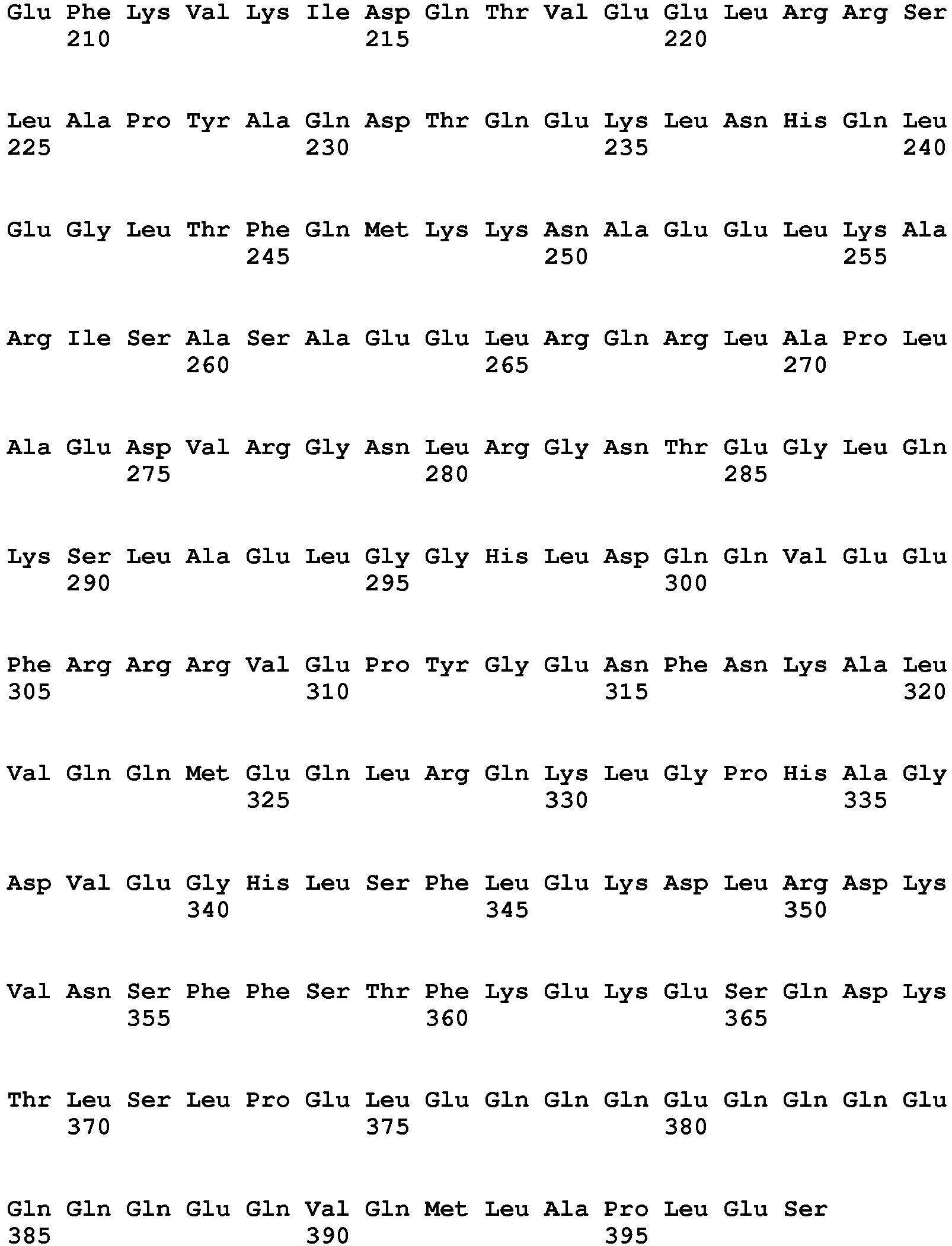
- <210> 15
<211> 1221
<212> DNA
<213> Artificial Sequence - <220>
<223> Synthetic polynucleotide - <400> 15


- <210> 16
<211> 404
<212> PRT
<213> Artificial Sequence - <220>
<223> Synthetic polypeptide - <400> 16


- <210> 17
<211> 1239
<212> DNA
<213> Artificial Sequence - <220>
<223> Synthetic polynucleotide - <400> 17

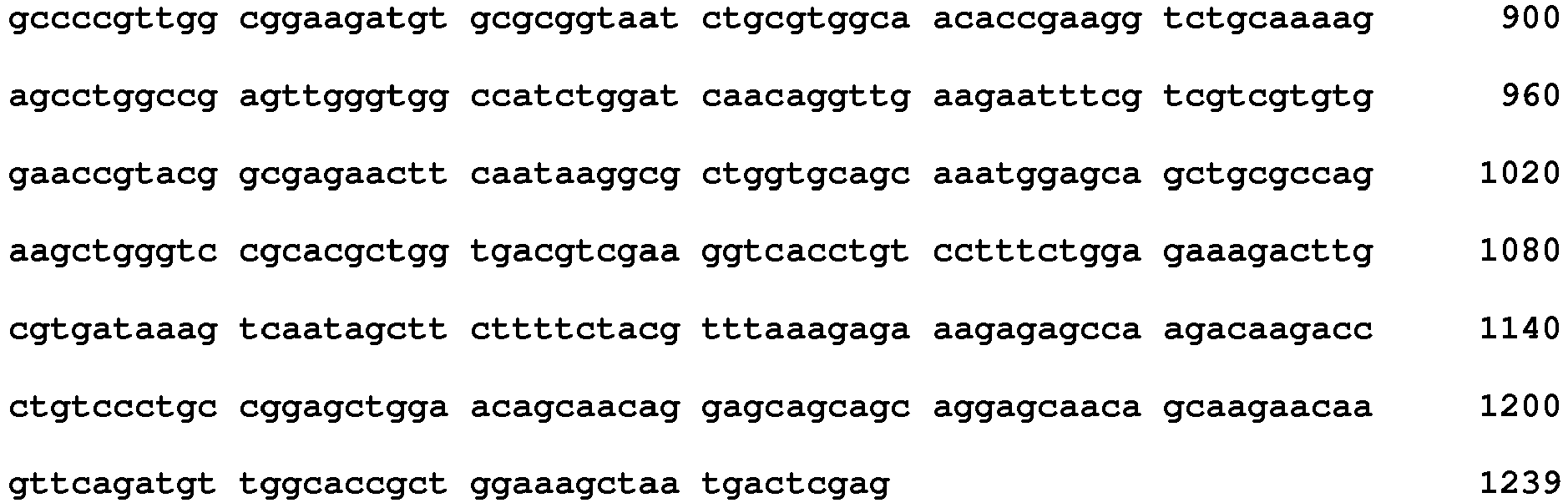
- <210> 18
<211> 377
<212> PRT
<213> Artificial Sequence - <220>
<223> Synthetic polypeptide - <400> 18


- <210> 19
<211> 1157
<212> DNA
<213> Artificial Sequence - <220>
<223> Synthetic polynucleotide - <400> 19

- <210> 20
<211> 396
<212> PRT
<213> Homo sapiens - <400> 20


- <210> 21
<211> 396
<212> PRT
<213> Homo sapiens - <400> 21


- <210> 22
<211> 396
<212> PRT
<213> Homo sapiens - <400> 22


- <210> 23
<211> 396
<212> PRT
<213> Homo sapiens - <400> 23


- <210> 24
<211> 396
<212> PRT
<213> Homo sapiens - <400> 24

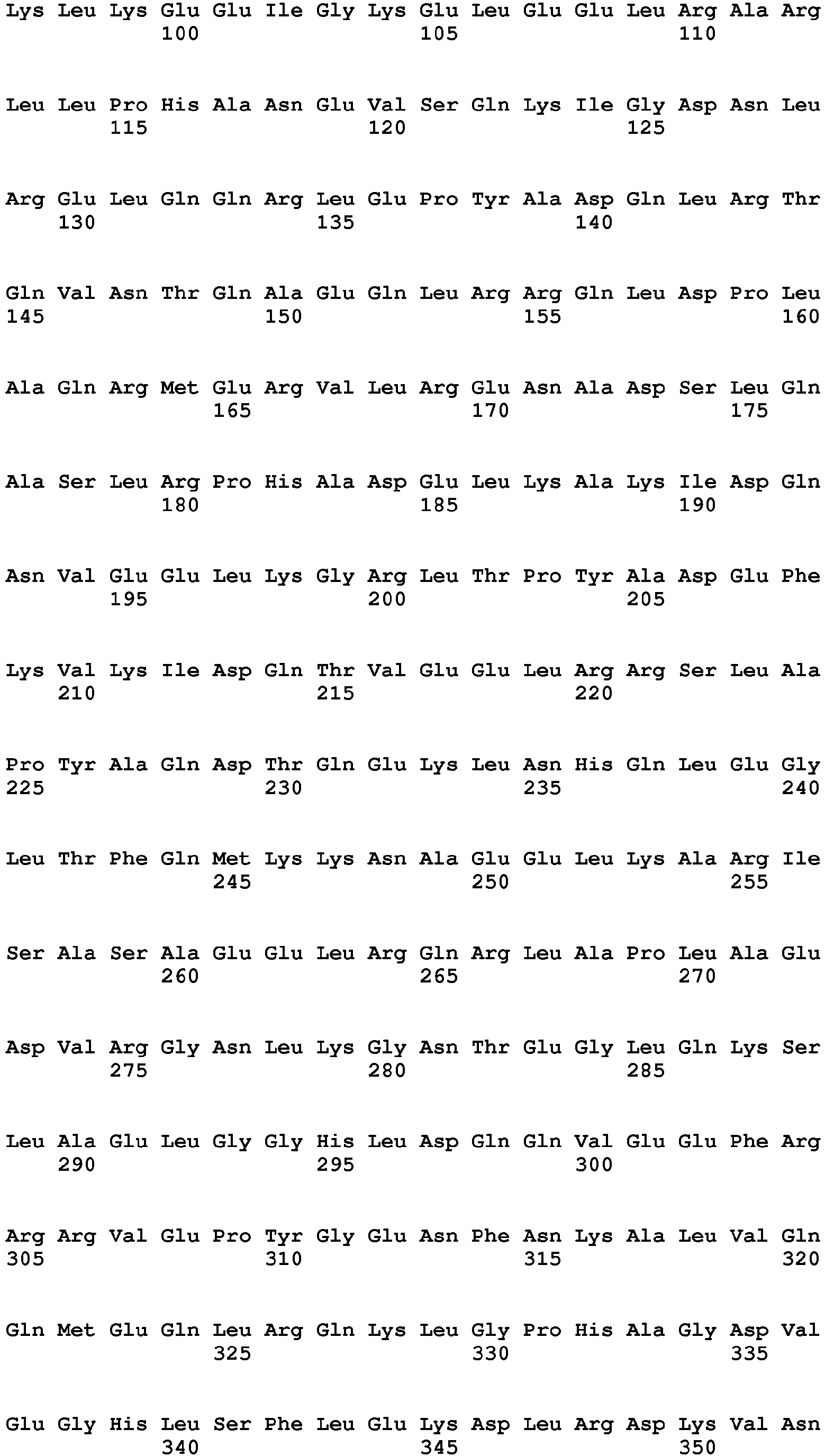

- <210> 25
<211> 396
<212> PRT
<213> Homo sapiens - <400> 25

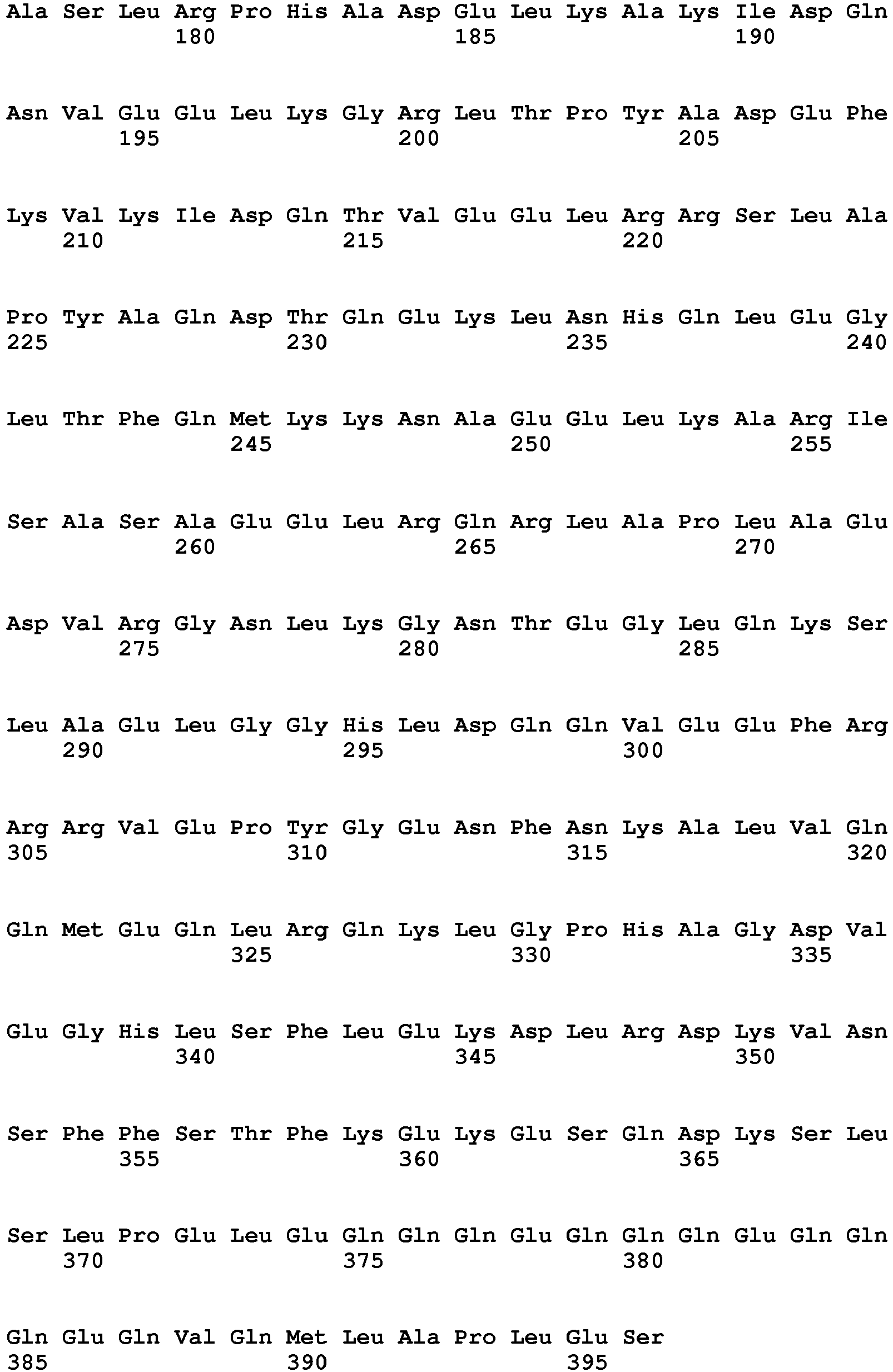
- <210> 26
<211> 396
<212> PRT
<213> Homo sapiens - <400> 26


- <210> 27
<211> 396
<212> PRT
<213> Homo sapiens - <400> 27


- <210> 28
<211> 396
<212> PRT
<213> Homo sapiens - <400> 28
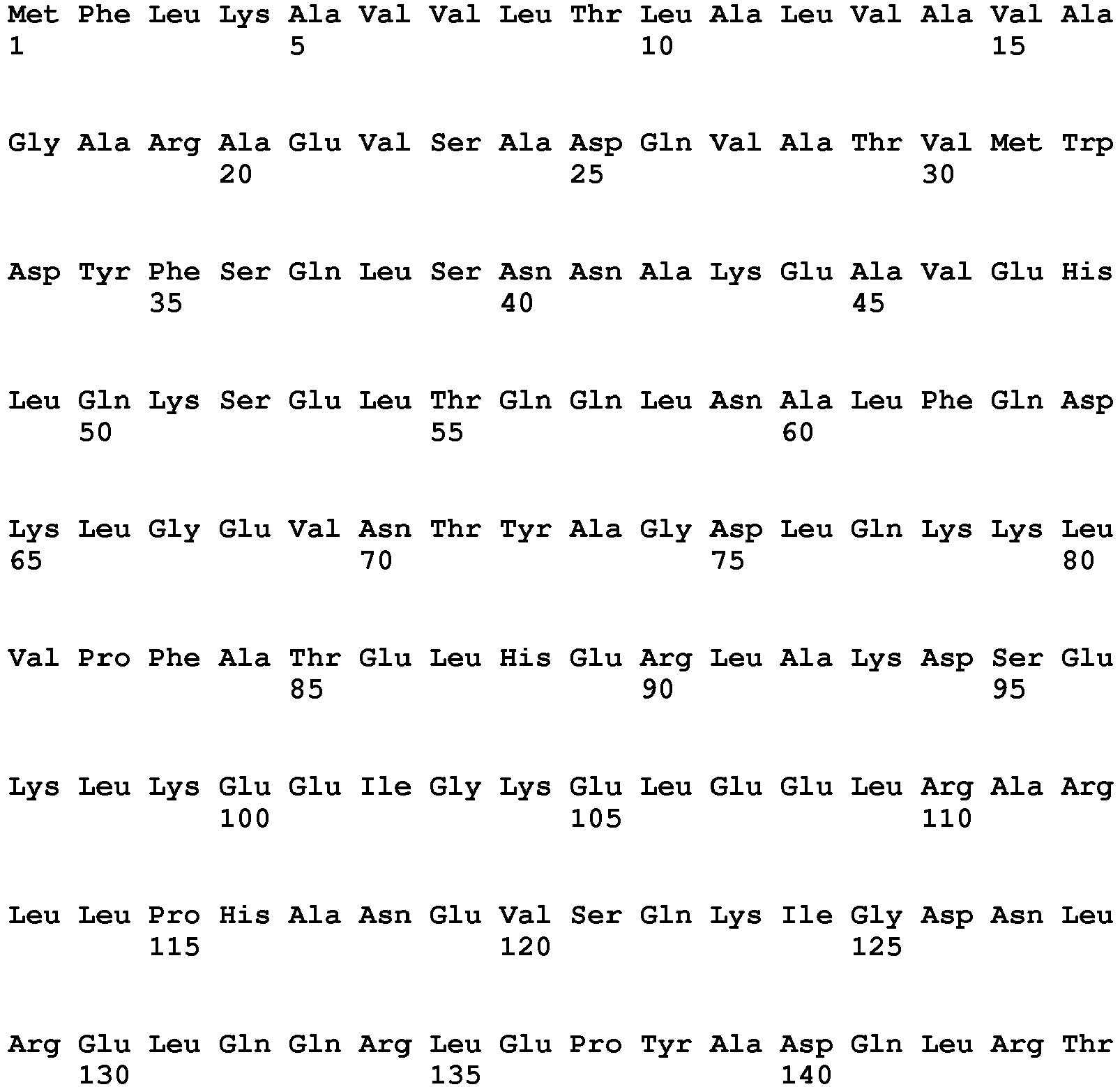
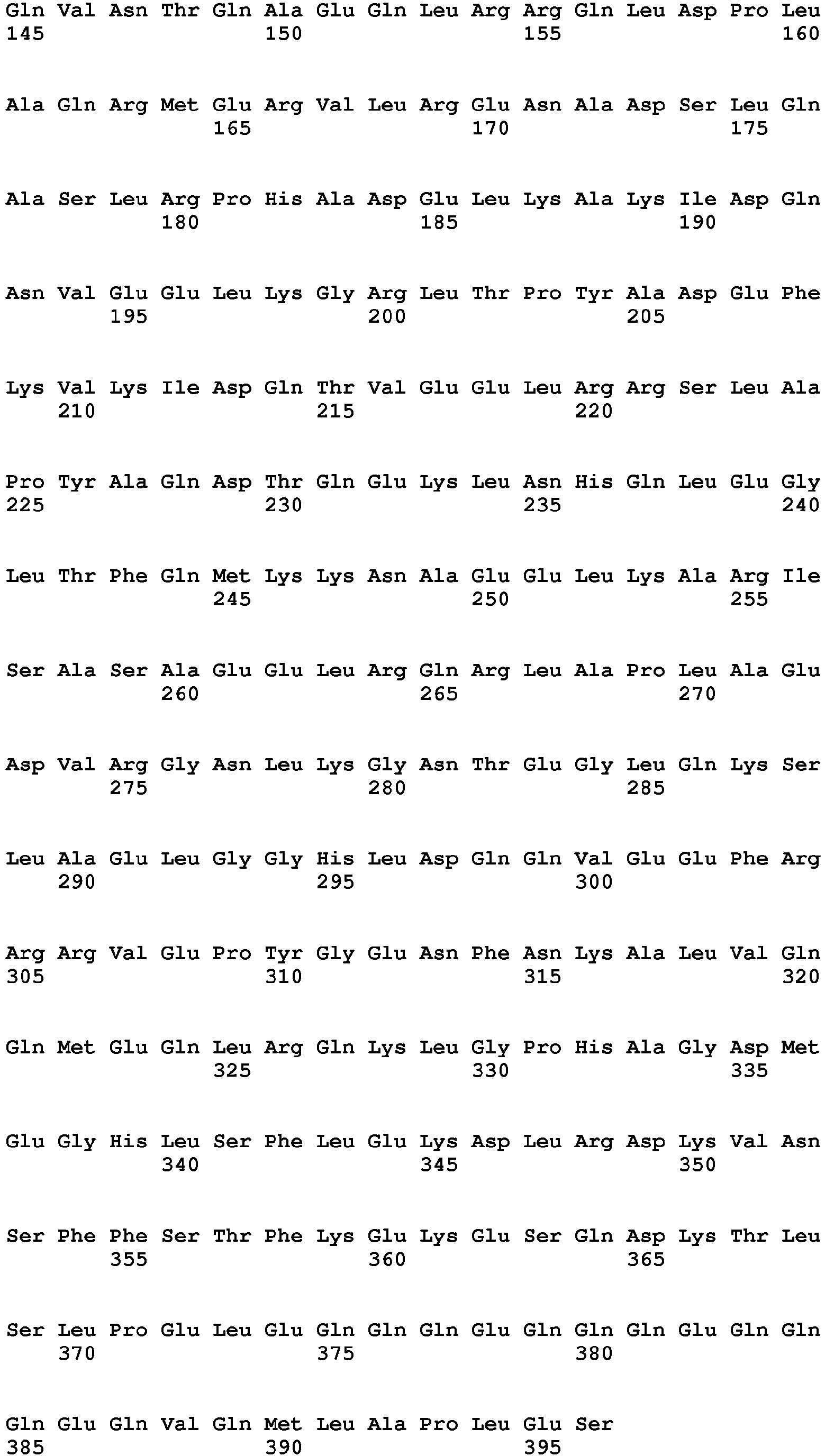
- <210> 29
<211> 396
<212> PRT
<213> Homo sapiens - <400> 29


- <210> 30
<211> 396
<212> PRT
<213> Homo sapiens - <400> 30


- <210> 31
<211> 396
<212> PRT
<213> Homo sapiens - <400> 31


- <210> 32
<211> 396
<212> PRT
<213> Homo sapiens - <400> 32


- <210> 33
<211> 396
<212> PRT
<213> Homo sapiens - <400> 33


- <210> 34
<211> 396
<212> PRT
<213> Homo sapiens - <400> 34


- <210> 35
<211> 396
<212> PRT
<213> Homo sapiens - <400> 35
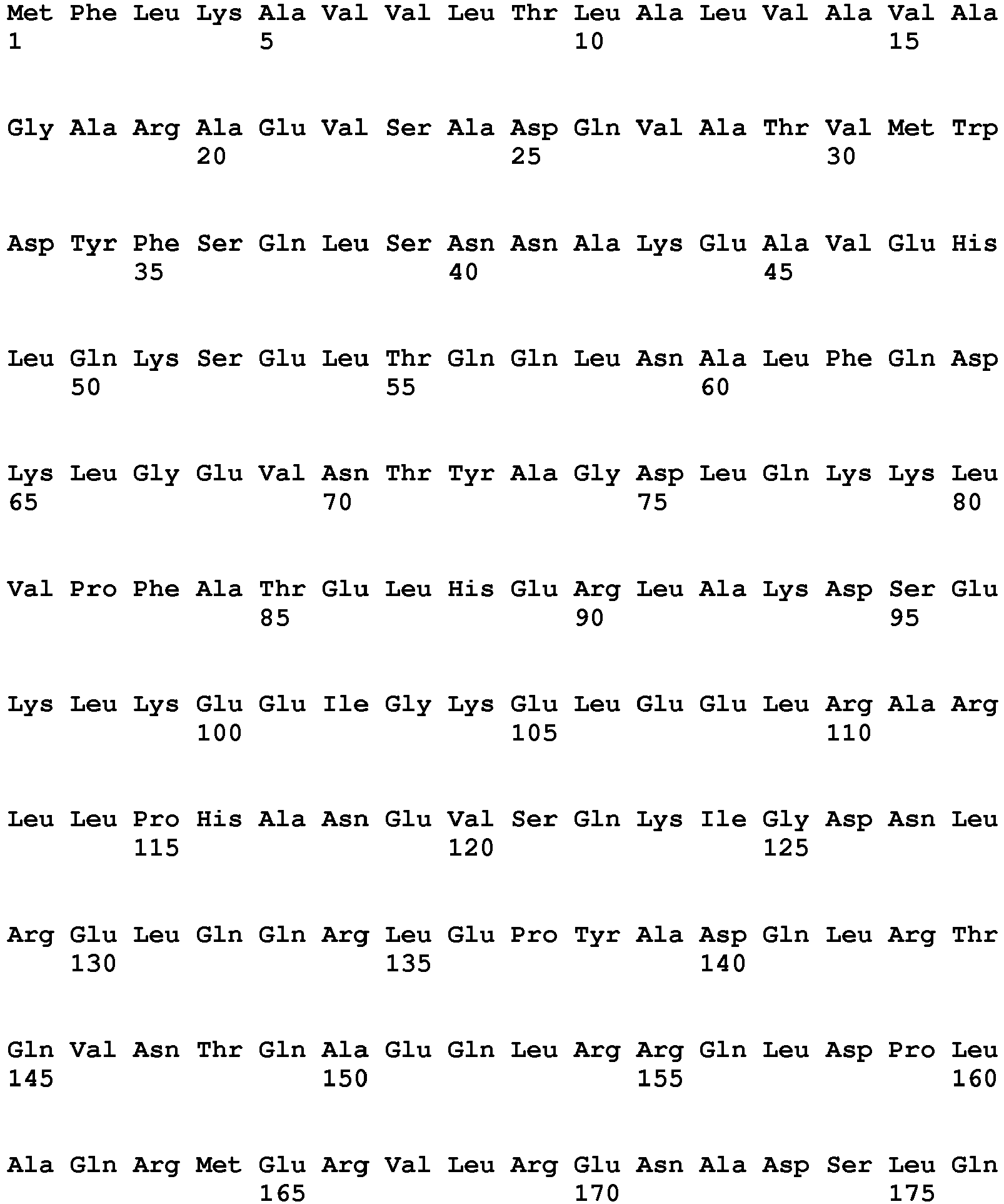

- <210> 36
<211> 396
<212> PRT
<213> Homo sapiens - <400> 36


- <210> 37
<211> 396
<212> PRT
<213> Homo sapiens - <400> 37


- <210> 38
<211> 396
<212> PRT
<213> Homo sapiens - <400> 38

- <210> 39
<211> 396
<212> PRT
<213> Homo sapiens - <400> 39


- <210> 40
<211> 396
<212> PRT
<213> Homo sapiens - <400> 40


- <210> 41
<211> 396
<212> PRT
<213> Homo sapiens - <400> 41


- <210> 42
<211> 396
<212> PRT
<213> Homo sapiens - <400> 42


- <210> 43
<211> 396
<212> PRT
<213> Homo sapiens - <400> 43


- <210> 44
<211> 396
<212> PRT
<213> Homo sapiens - <400> 44


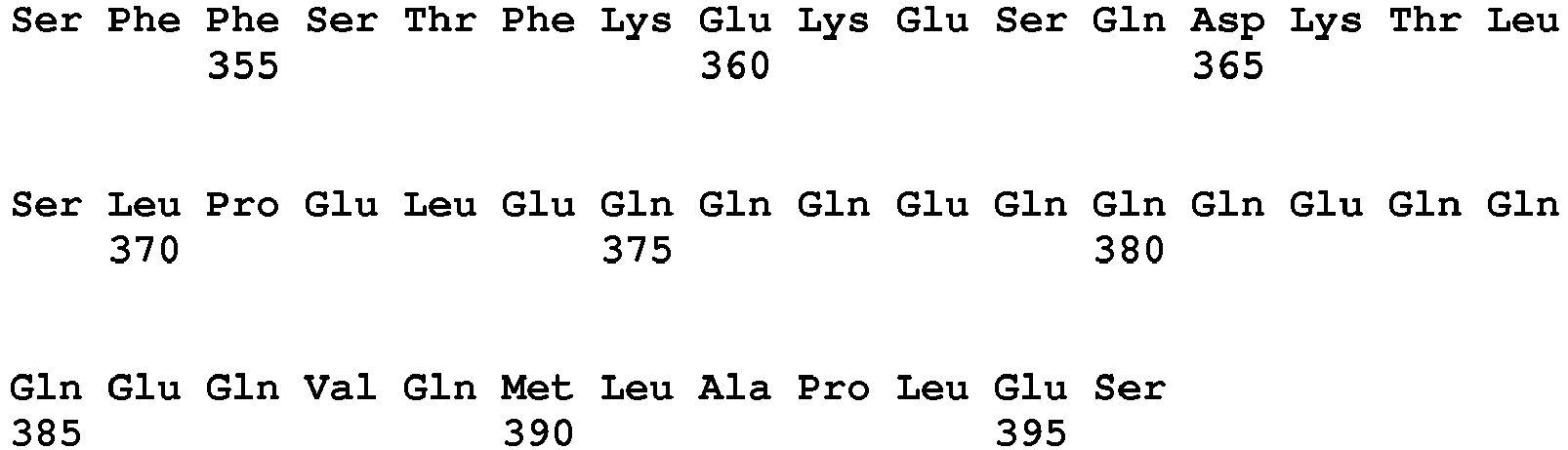
- <210> 45
<211> 396
<212> PRT
<213> Homo sapiens - <400> 45


- <210> 46
<211> 396
<212> PRT
<213> Homo sapiens - <400> 46
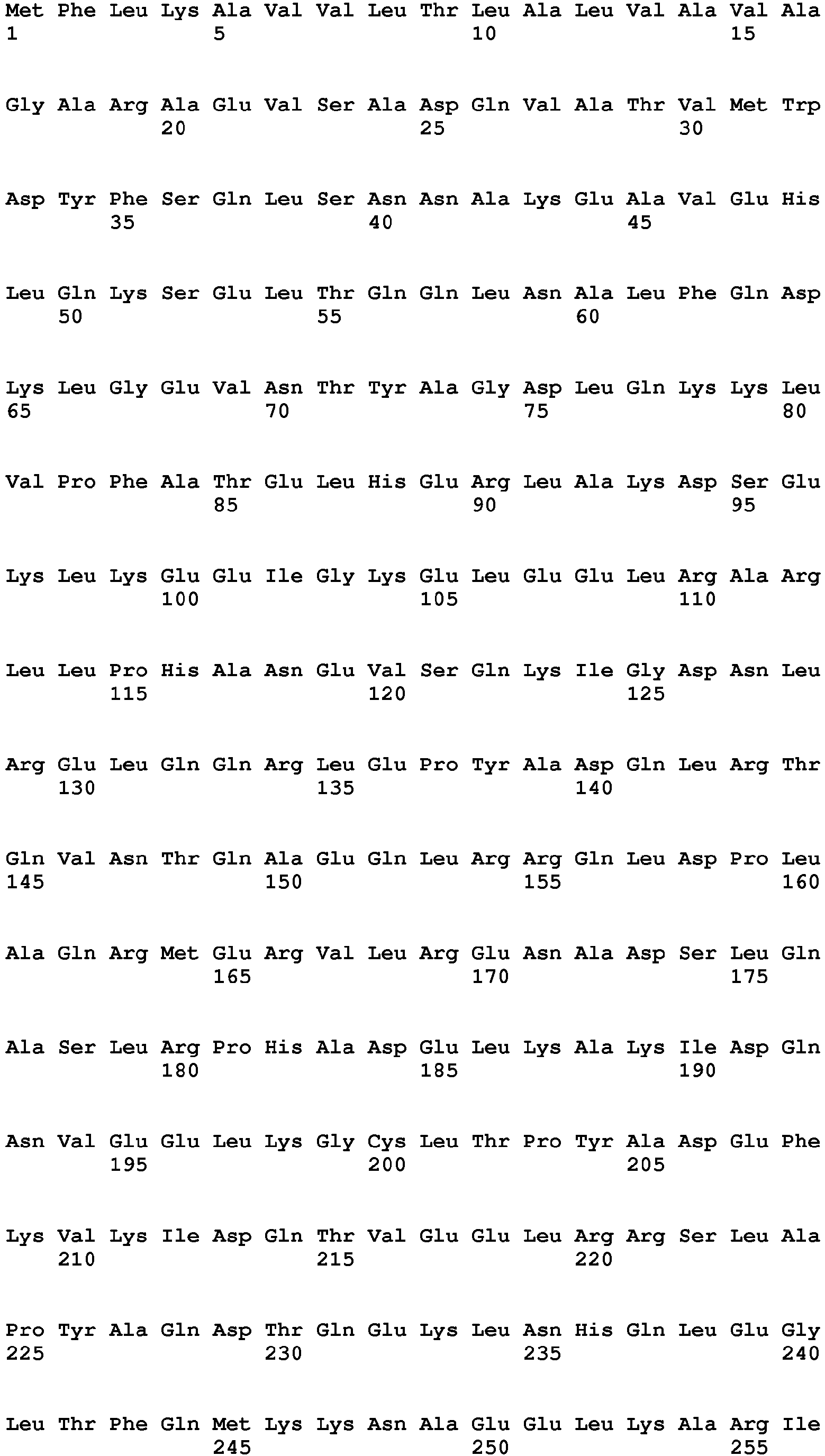

- <210> 47
<211> 396
<212> PRT
<213> Homo sapiens - <400> 47


- <210> 48
<211> 396
<212> PRT
<213> Homo sapiens - <400> 48


- <210> 49
<211> 396
<212> PRT
<213> Homo sapiens - <400> 49


- <210> 50
<211> 396
<212> PRT
<213> Homo sapiens - <400> 50


- <210> 51
<211> 396
<212> PRT
<213> Homo sapiens - <400> 51


- <210> 52
<211> 396
<212> PRT
<213> Homo sapiens - <400> 52
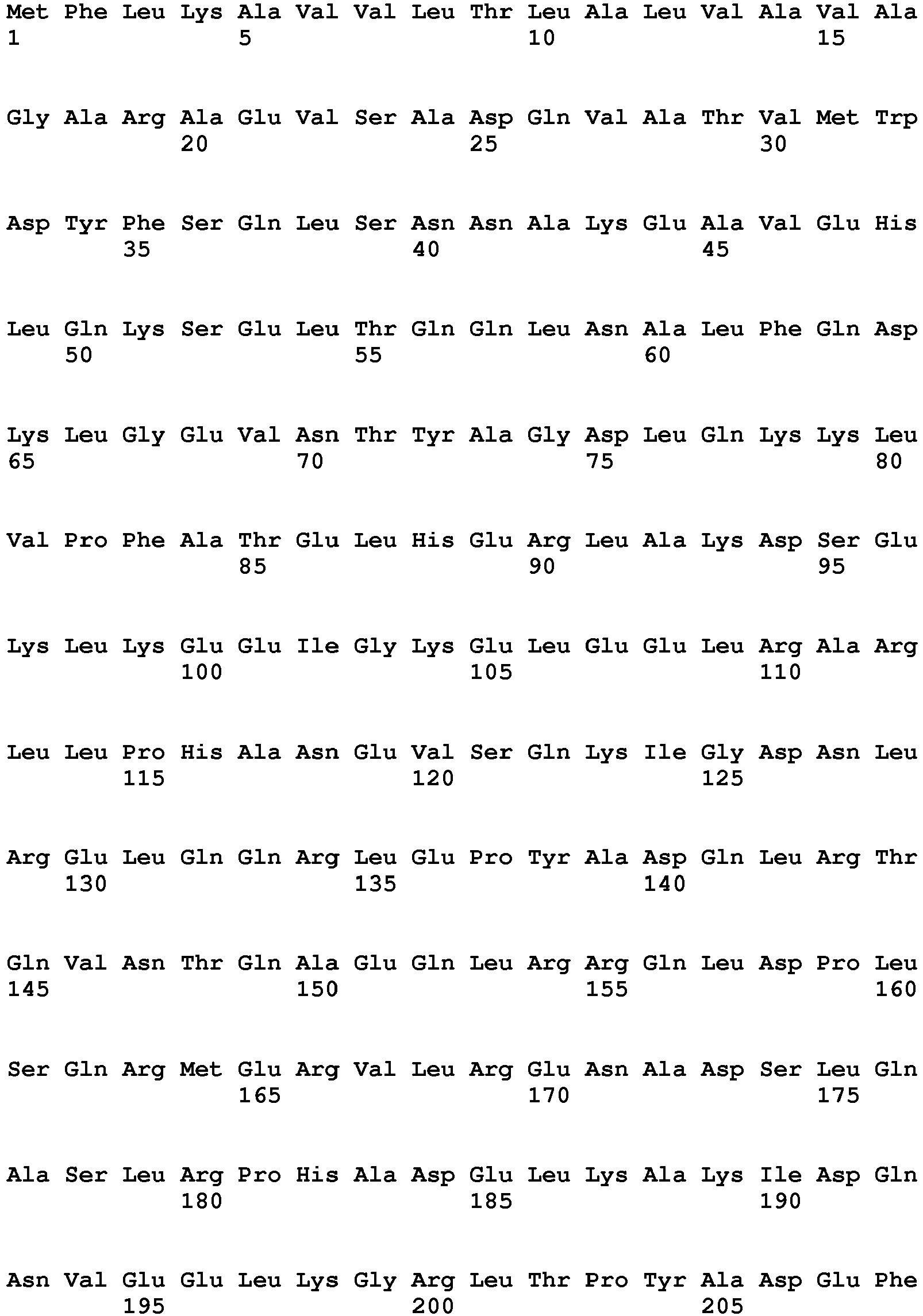

- <210> 53
<211> 396
<212> PRT
<213> Homo sapiens - <400> 53


- <210> 54
<211> 396
<212> PRT
<213> Homo sapiens - <400> 54
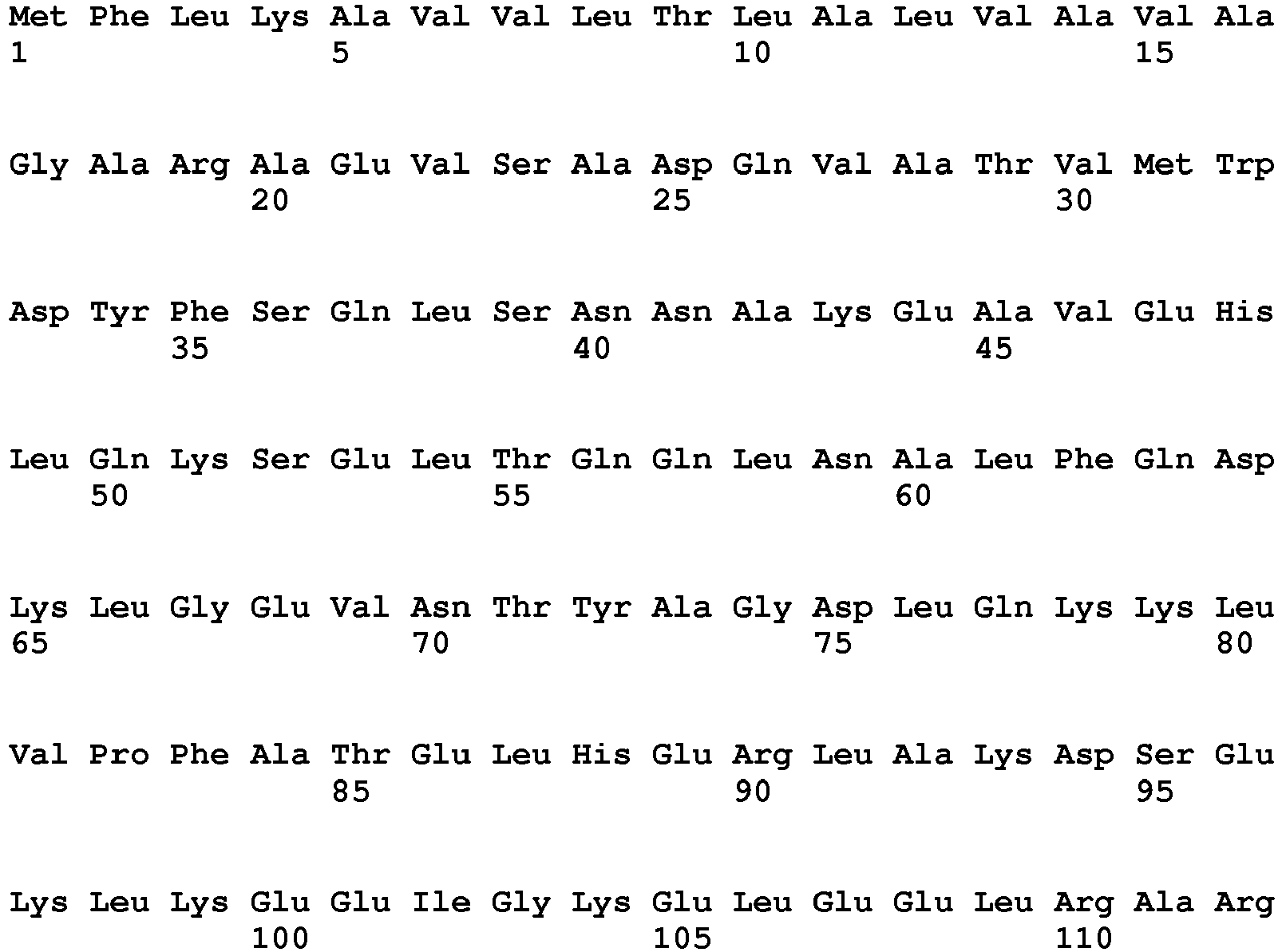


- <210> 55
<211> 396
<212> PRT
<213> Homo sapiens - <400> 55


- <210> 56
<211> 396
<212> PRT
<213> Homo sapiens - <400> 56


- <210> 57
<211> 396
<212> PRT
<213> Homo sapiens - <400> 57


- <210> 58
<211> 396
<212> PRT
<213> Homo sapiens - <400> 58


- <210> 59
<211> 396
<212> PRT
<213> Homo sapiens - <400> 59


- <210> 60
<211> 396
<212> PRT
<213> Homo sapiens - <400> 60


- <210> 61
<211> 396
<212> PRT
<213> Homo sapiens - <400> 61
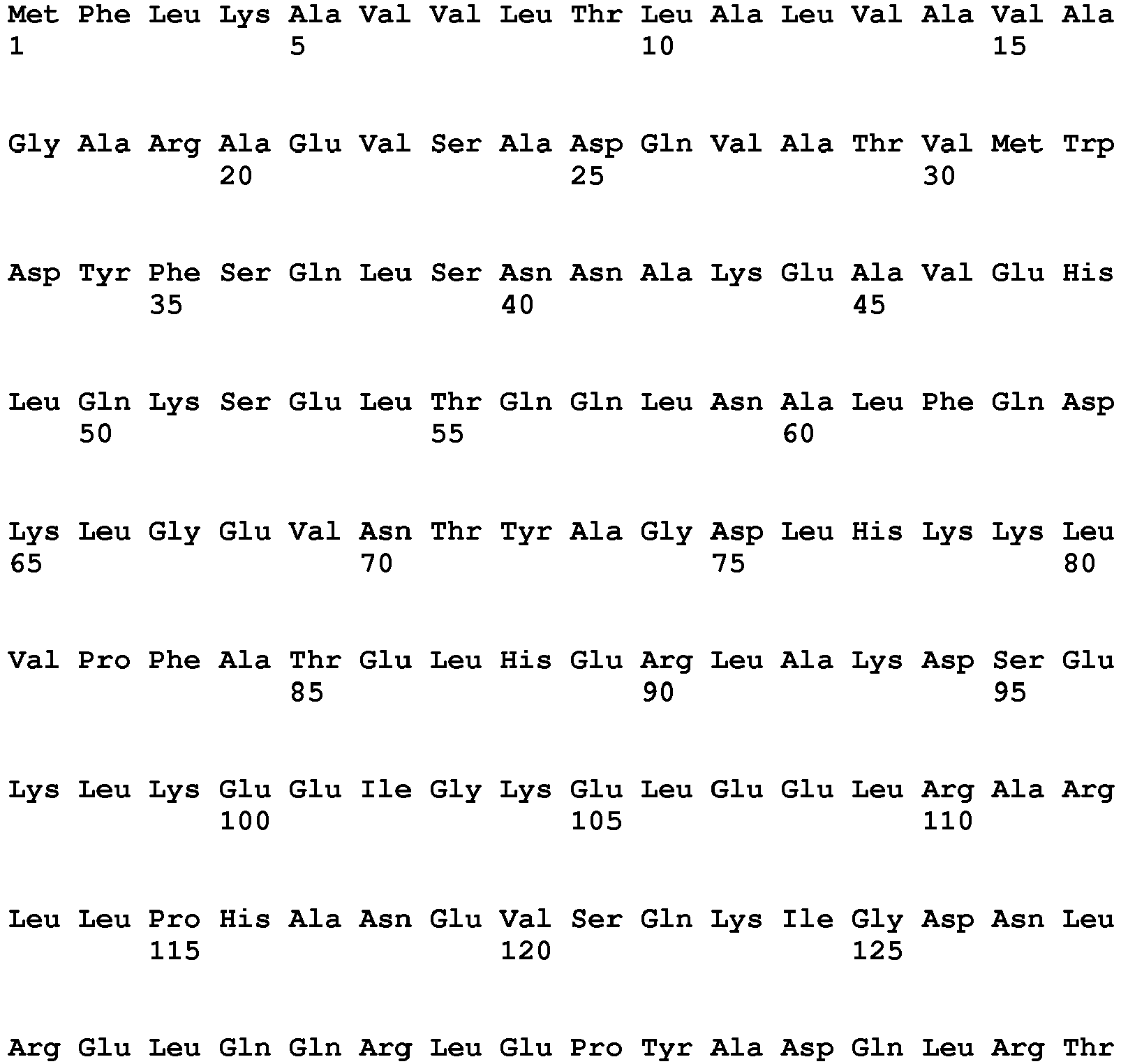


- <210> 62
<211> 396
<212> PRT
<213> Homo sapiens - <400> 62


- <210> 63
<211> 396
<212> PRT
<213> Homo sapiens - <400> 63


- <210> 64
<211> 396
<212> PRT
<213> Homo sapiens - <400> 64


- <210> 65
<211> 396
<212> PRT
<213> Homo sapiens - <400> 65


Claims (12)
- A non-glycosylated apolipoprotein A-IV protein, or a biologically active analogue or fragment thereof:a) having at least 90% identity to the apolipoprotein A-IV protein, for use in:i) a method of treating type 2 diabetes in a subject in need thereof;ii) a method of lowering blood glucose level in a subject in need thereof; oriii) a method for substantially restoring glucose tolerance in a subject in need thereof to a normal level;wherein the non-glycosylated apolipoprotein A-IV protein, or the biologically active analogue or fragment thereof, is produced using a protein expression system.
- The non-glycosylated apolipoprotein A-IV protein or biologically active analogue or fragment thereof for use according to claim 1 having at least 95% identity to the apolipoprotein A-IV protein, optionally having at least 99% identity to the apolipoprotein A-IV protein.
- The non-glycosylated apolipoprotein A-IV protein or biologically active analogue or fragment thereof for use according to claim 1 or claim 2, wherein the amino acid sequence of the non-glycosylated apolipoprotein A-IV protein is:a)
 wherein, X1 is G, A, V or absent;X2 is E or K;X3 is T or S; andX4 is Q or H,or a biologically active analogue or fragment thereof;b) a full length human apolipoprotein A-IV protein;c) EVSADQVATVMWDYFSQLSNNAKEAVEHLQKSELTQQLNALFQDKLGEVNTYAGD LQKKLVPFATELHERLAKDSEKLKEEIGKELEELRARLLPHANEVSQKIGDNLRELQ QRLEPYADQLRTQVNTQAEQLRRQLTPYAQRMERVLRENADSLQASLRPHADELK AKIDQNVEELKGRLTPYADEFKVKIDQTVEELRRSLAPYAQDTQEKLNHQLEGLTFQ MKKNAEELKARISASAEELRQRLAPLAEDVRGNLRGNTEGLQKSLAELGGHLDQQV EEFRRRVEPYGENFNKALVQQMEQLRQKLGPHAGDVEGHLSFLEKDLRDKVNSFF STFKEKESQDKTLSLPELEQQQEQQQEQQQEQVQMLAPLES (SEQ ID NO. 1), or a biologically active analogue or fragment thereof; ord) GEVSADQVATVMWDYFSQLSNNAKEAVEHLQKSELTQQLNALFQDKLGEVNTYAG DLQKKLVPFATELHERLAKDSEKLKEEIGKELEELRARLLPHANEVSQKIGDNLRELQ QRLEPYADQLRTQVNTQAEQLRRQLTPYAQRMERVLRENADSLQASLRPHADELK AKIDQNVEELKGRLTPYADEFKVKIDQTVEELRRSLAPYAQDTQEKLNHQLEGLTFQ MKKNAEELKARISASAEELRQRLAPLAEDVRGNLRGNTEGLQKSLAELGGHLDQQV EEFRRRVEPYGENFNKALVQQMEQLRQKLGPHAGDVEGHLSFLEKDLRDKVNSFF STFKEKESQDKTLSLPELEQQQEQQQEQQQEQVQMLAPLES (SEQ ID NO. 3), or a biologically active analogue or fragment thereof.
 - The non-glycosylated apolipoprotein A-IV protein, or a biologically active analogue or fragment thereof, for use according to claim 1, comprising a recombinant amino acid sequence set forth in any one of SEQ ID NOs: 1, 3, 4 or 20-64; optionally an amino acid sequence having at least 95% identity to any one of SEQ ID NO: 1, 3, 4, or 20-64; optionally an amino acid sequence having at least 96% identity to any one of SEQ ID NO: 1,3,4, or 20-64; optionally an amino acid sequence having 97% identity to any one of SEQ ID NO: 1, 3, 4, or 20-64; optionally an amino acid sequence having 98% identity to any one of SEQ ID NO: 1,3,4, or 20-64; or optionally an amino acid sequence having 99% identity to any one of SEQ ID NO: 1,3,4, or 20-64; for use in a method of treating type 2 diabetes in a subject in need thereof.
- The non-glycosylated apolipoprotein A-IV protein or biologically active analogue or fragment thereof for use according to any one of claims 1-4, wherein the subject is a human.
- The non-glycosylated apolipoprotein A-IV protein or biologically active analogue or fragment thereof for use according to any one of claims 1-5, wherein the protein expression system is:a) a bacterial expression system, optionally wherein the bacterial expression system is Escherichia coli; orb) selected from the group consisting of a mammalian expression system, a yeast expression system, a baculovirus expression system, and a cell-free expression system.
- The non-glycosylated apolipoprotein A-IV protein or biologically active analogue or fragment thereof for use according to any one of claims 1-6, wherein the non-glycosylated apolipoprotein A-IV protein is administered systemically, optionally wherein the systemic administration of the non-glycosylated apolipoprotein A-IV protein, or biologically active analogue or fragment thereof, is selected from the group consisting of oral, subcutaneous, intravenous, intramuscular, and intraperitoneal administration.
- The non-glycosylated apolipoprotein A-IV protein or biologically active analogue or fragment thereof for use according to any one of Claims 1-7, wherein the non-glycosylated apolipoprotein A-IV protein, or biologically active analogue or fragment thereof, is administereda) in a dose of about 1 to about 10 µg/g;b) in a dose of about 0.25 to about 2 µg/g; orc) in a dose of about 1 µg/g.
- The non-glycosylated apolipoprotein A-IV protein or biologically active analogue or fragment thereof for use according to any one of Claims 1-8, wherein the non-glycosylated apolipoprotein A-IV protein, or biologically active analogue or fragment thereof is administered:a) once daily; orb) about 2 times per day.
- A pharmaceutical composition comprising the non-glycosylated apolipoprotein A-IV protein, wherein the amino acid sequence of the non-glycosylated apolipoprotein A-IV protein is:a)
 wherein, X1 is G, A, or V;X2 is E or K;X3 is T or S; andX4 is Q or H;b)and wherein the non-glycosylated apolipoprotein A-IV protein is produced using a protein expression system.
- The pharmaceutical composition of claim 10, further comprising a pharmaceutically acceptable carrier or diluent.
- The pharmaceutical composition of claim 10 or claim 11, wherein the pharmaceutical composition is selected from the group consisting of a liquid formulation, an aqueous formulation, and a lyophilized formulation.
Applications Claiming Priority (3)
| Application Number | Priority Date | Filing Date | Title |
|---|---|---|---|
| PCT/US2012/021802 WO2012100010A1 (en) | 2011-01-19 | 2012-01-19 | Apolipoprotein aiv as an antidiabetic peptide |
| US201261675692P | 2012-07-25 | 2012-07-25 | |
| PCT/US2012/066314 WO2013109342A1 (en) | 2012-01-19 | 2012-11-21 | Method of treating diabetes using non-glycosylated apolipoprotein a-iv |
Publications (2)
| Publication Number | Publication Date |
|---|---|
| EP2804618A1 EP2804618A1 (en) | 2014-11-26 |
| EP2804618B1 true EP2804618B1 (en) | 2018-03-07 |
Family
ID=48799573
Family Applications (1)
| Application Number | Title | Priority Date | Filing Date |
|---|---|---|---|
| EP12795976.5A Active EP2804618B1 (en) | 2012-01-19 | 2012-11-21 | Method of treating diabetes using non-glycosylated apolipoprotein a-iv |
Country Status (13)
| Country | Link |
|---|---|
| US (1) | US9951120B2 (en) |
| EP (1) | EP2804618B1 (en) |
| JP (1) | JP6310398B2 (en) |
| KR (1) | KR20140117565A (en) |
| CN (1) | CN104066436B (en) |
| AU (1) | AU2012366182B2 (en) |
| BR (1) | BR112014017141A2 (en) |
| CA (1) | CA2860782A1 (en) |
| EA (1) | EA028230B1 (en) |
| HK (1) | HK1203823A1 (en) |
| IL (1) | IL233351A (en) |
| MX (1) | MX357071B (en) |
| WO (1) | WO2013109342A1 (en) |
Families Citing this family (8)
| Publication number | Priority date | Publication date | Assignee | Title |
|---|---|---|---|---|
| MX342020B (en) | 2011-01-19 | 2016-09-08 | Univ Cincinnati | Apolipoprotein aiv as an antidiabetic peptide. |
| HK1203823A1 (en) | 2012-01-19 | 2015-11-06 | University Of Cincinnati | Method of treating diabetes using non-glycosylated apolipoprotein a-iv |
| WO2014018763A2 (en) * | 2012-07-25 | 2014-01-30 | University Of Cincinnati | Method of treating type i diabetes using apolipoprotein aiv |
| WO2014018079A1 (en) | 2012-07-25 | 2014-01-30 | University Of Cincinnati | Method of treating hyperglycemic disorders using apoliprotein aiv |
| EP3159354B1 (en) * | 2014-06-23 | 2020-09-09 | Toagosei Co., Ltd. | Novel synthetic peptide and use thereof |
| CN112546201A (en) * | 2019-09-26 | 2021-03-26 | 中国科学院生物物理研究所 | Application of artificial lipoprotein particle apoA-IV fat body in treatment and/or prevention of diabetes |
| CN113018459A (en) * | 2021-03-09 | 2021-06-25 | 百码科技(深圳)有限公司 | Biological agent for losing weight through gene therapy and preparation method thereof |
| CN112891561A (en) * | 2021-03-09 | 2021-06-04 | 百码科技(深圳)有限公司 | Biological agent for gene therapy of fatty liver and preparation method thereof |
Family Cites Families (16)
| Publication number | Priority date | Publication date | Assignee | Title |
|---|---|---|---|---|
| US4879231A (en) | 1984-10-30 | 1989-11-07 | Phillips Petroleum Company | Transformation of yeasts of the genus pichia |
| GB8610600D0 (en) | 1986-04-30 | 1986-06-04 | Novo Industri As | Transformation of trichoderma |
| EP0402226A1 (en) | 1989-06-06 | 1990-12-12 | Institut National De La Recherche Agronomique | Transformation vectors for yeast yarrowia |
| FR2686605B1 (en) * | 1992-01-27 | 1994-03-11 | Rhone Poulenc Rorer Sa | NOVEL POLYPEPTIDES, THEIR PREPARATION AND THEIR USE. |
| AU7242394A (en) | 1993-05-28 | 1994-12-20 | Merck & Co., Inc. | Method to control appetite and treat obesity |
| US6729075B2 (en) * | 2000-10-19 | 2004-05-04 | Wenger Corporation | Audience seating system |
| NZ537006A (en) | 2002-05-17 | 2008-01-31 | Esperion Therapeutics Inc | The use of apolipoprotein A-I Milano, for the manufacture ofa composition for treating preventing or reducing ischemic reperfusion injury in a tissue or organ |
| AU2007272954A1 (en) * | 2006-07-11 | 2008-01-17 | Harkness Pharmaceuticals, Inc. | Methods of treating obesity using satiety factors |
| US20100267052A1 (en) | 2006-09-01 | 2010-10-21 | American Type Culture Collection | Compositions and methods for diagnosis and treatment of type 2 diabetes |
| EP2257814B1 (en) * | 2008-03-21 | 2012-08-29 | Podiceps B.v. | Diagnostic of pre-symptomatic metabolic syndrome |
| CN101747305B (en) | 2008-11-28 | 2014-06-18 | 中国医学科学院药物研究所 | Form V of nitrosamide compound crystal, its preparation method, its pharmaceutical composition and application |
| ES2558751T3 (en) * | 2010-08-30 | 2016-02-08 | F. Hoffmann-La Roche Ag | Alkaline food |
| MX342020B (en) | 2011-01-19 | 2016-09-08 | Univ Cincinnati | Apolipoprotein aiv as an antidiabetic peptide. |
| HK1203823A1 (en) | 2012-01-19 | 2015-11-06 | University Of Cincinnati | Method of treating diabetes using non-glycosylated apolipoprotein a-iv |
| WO2014018763A2 (en) | 2012-07-25 | 2014-01-30 | University Of Cincinnati | Method of treating type i diabetes using apolipoprotein aiv |
| WO2014018079A1 (en) | 2012-07-25 | 2014-01-30 | University Of Cincinnati | Method of treating hyperglycemic disorders using apoliprotein aiv |
-
2012
- 2012-11-21 HK HK15104317.1A patent/HK1203823A1/en unknown
- 2012-11-21 US US14/373,259 patent/US9951120B2/en active Active
- 2012-11-21 WO PCT/US2012/066314 patent/WO2013109342A1/en not_active Ceased
- 2012-11-21 KR KR1020147023031A patent/KR20140117565A/en not_active Withdrawn
- 2012-11-21 BR BR112014017141A patent/BR112014017141A2/en not_active IP Right Cessation
- 2012-11-21 CA CA2860782A patent/CA2860782A1/en not_active Abandoned
- 2012-11-21 EA EA201491369A patent/EA028230B1/en not_active IP Right Cessation
- 2012-11-21 EP EP12795976.5A patent/EP2804618B1/en active Active
- 2012-11-21 AU AU2012366182A patent/AU2012366182B2/en not_active Expired - Fee Related
- 2012-11-21 CN CN201280067554.2A patent/CN104066436B/en not_active Expired - Fee Related
- 2012-11-21 JP JP2014553292A patent/JP6310398B2/en not_active Expired - Fee Related
- 2012-11-21 MX MX2014008829A patent/MX357071B/en active IP Right Grant
-
2014
- 2014-06-24 IL IL233351A patent/IL233351A/en active IP Right Grant
Also Published As
| Publication number | Publication date |
|---|---|
| CA2860782A1 (en) | 2013-07-25 |
| BR112014017141A2 (en) | 2019-09-24 |
| AU2012366182A8 (en) | 2015-06-18 |
| IL233351A0 (en) | 2014-08-31 |
| AU2012366182B2 (en) | 2017-08-17 |
| CN104066436A (en) | 2014-09-24 |
| CN104066436B (en) | 2016-12-14 |
| US9951120B2 (en) | 2018-04-24 |
| EA201491369A1 (en) | 2015-03-31 |
| AU2012366182A1 (en) | 2014-08-07 |
| IL233351A (en) | 2016-12-29 |
| HK1203823A1 (en) | 2015-11-06 |
| KR20140117565A (en) | 2014-10-07 |
| JP2015506942A (en) | 2015-03-05 |
| JP6310398B2 (en) | 2018-04-11 |
| EP2804618A1 (en) | 2014-11-26 |
| MX357071B (en) | 2018-06-22 |
| MX2014008829A (en) | 2014-10-24 |
| WO2013109342A1 (en) | 2013-07-25 |
| US20150011469A1 (en) | 2015-01-08 |
| WO2013109342A8 (en) | 2014-09-04 |
| EA028230B1 (en) | 2017-10-31 |
Similar Documents
| Publication | Publication Date | Title |
|---|---|---|
| US9951120B2 (en) | Method of treating diabetes using non-glycosylated apolipoprotein A-IV | |
| KR102439717B1 (en) | Ornithodoros moubata complement inhibitor for use in the treatment of complement-mediated diseases in patients with c5 polymorphism | |
| EP3277304B1 (en) | Protoxin-ii variants and methods of use | |
| US9266941B2 (en) | Apolipoprotein AIV as an antidiabetic peptide | |
| KR20240137091A (en) | IgA protease cleavage fragment, fusion protein comprising IgA protease cleavage fragment and uses thereof | |
| US10232019B2 (en) | Method of treating hyperglycemic disorders using apolipoprotein AIV | |
| WO2010049103A1 (en) | Soluble truncated apom proteins and medical uses thereof | |
| CN110461353A (en) | Soluble CD24 for the treatment of systemic lupus erythematosus | |
| US9512196B2 (en) | Short-form human MD-2 as a negative regulator of toll-like receptor 4 signaling | |
| JP2009515511A (en) | Glycosylation site muteins of TLR3 and methods of use | |
| Brunner | Insight Into Ca2+ Dependent Lipid Scrambling from the Crystal Structure of a TMEM16 Family Member | |
| HK40087762A (en) | Adamts13 variant, compositions, and uses thereof |
Legal Events
| Date | Code | Title | Description |
|---|---|---|---|
| PUAI | Public reference made under article 153(3) epc to a published international application that has entered the european phase |
Free format text: ORIGINAL CODE: 0009012 |
|
| 17P | Request for examination filed |
Effective date: 20140812 |
|
| AK | Designated contracting states |
Kind code of ref document: A1 Designated state(s): AL AT BE BG CH CY CZ DE DK EE ES FI FR GB GR HR HU IE IS IT LI LT LU LV MC MK MT NL NO PL PT RO RS SE SI SK SM TR |
|
| AX | Request for extension of the european patent |
Extension state: BA ME |
|
| REG | Reference to a national code |
Ref country code: HK Ref legal event code: DE Ref document number: 1203823 Country of ref document: HK |
|
| 17Q | First examination report despatched |
Effective date: 20160128 |
|
| GRAJ | Information related to disapproval of communication of intention to grant by the applicant or resumption of examination proceedings by the epo deleted |
Free format text: ORIGINAL CODE: EPIDOSDIGR1 |
|
| GRAP | Despatch of communication of intention to grant a patent |
Free format text: ORIGINAL CODE: EPIDOSNIGR1 |
|
| GRAJ | Information related to disapproval of communication of intention to grant by the applicant or resumption of examination proceedings by the epo deleted |
Free format text: ORIGINAL CODE: EPIDOSDIGR1 |
|
| GRAC | Information related to communication of intention to grant a patent modified |
Free format text: ORIGINAL CODE: EPIDOSCIGR1 |
|
| GRAP | Despatch of communication of intention to grant a patent |
Free format text: ORIGINAL CODE: EPIDOSNIGR1 |
|
| INTG | Intention to grant announced |
Effective date: 20170124 |
|
| INTG | Intention to grant announced |
Effective date: 20170202 |
|
| INTG | Intention to grant announced |
Effective date: 20170202 |
|
| GRAJ | Information related to disapproval of communication of intention to grant by the applicant or resumption of examination proceedings by the epo deleted |
Free format text: ORIGINAL CODE: EPIDOSDIGR1 |
|
| INTC | Intention to grant announced (deleted) | ||
| GRAP | Despatch of communication of intention to grant a patent |
Free format text: ORIGINAL CODE: EPIDOSNIGR1 |
|
| INTG | Intention to grant announced |
Effective date: 20170802 |
|
| GRAS | Grant fee paid |
Free format text: ORIGINAL CODE: EPIDOSNIGR3 |
|
| GRAA | (expected) grant |
Free format text: ORIGINAL CODE: 0009210 |
|
| AK | Designated contracting states |
Kind code of ref document: B1 Designated state(s): AL AT BE BG CH CY CZ DE DK EE ES FI FR GB GR HR HU IE IS IT LI LT LU LV MC MK MT NL NO PL PT RO RS SE SI SK SM TR |
|
| AX | Request for extension of the european patent |
Extension state: BA ME |
|
| REG | Reference to a national code |
Ref country code: GB Ref legal event code: FG4D |
|
| REG | Reference to a national code |
Ref country code: CH Ref legal event code: EP Ref country code: AT Ref legal event code: REF Ref document number: 975826 Country of ref document: AT Kind code of ref document: T Effective date: 20180315 |
|
| REG | Reference to a national code |
Ref country code: IE Ref legal event code: FG4D |
|
| REG | Reference to a national code |
Ref country code: DE Ref legal event code: R096 Ref document number: 602012043792 Country of ref document: DE |
|
| REG | Reference to a national code |
Ref country code: NL Ref legal event code: MP Effective date: 20180307 |
|
| REG | Reference to a national code |
Ref country code: LT Ref legal event code: MG4D |
|
| PG25 | Lapsed in a contracting state [announced via postgrant information from national office to epo] |
Ref country code: NO Free format text: LAPSE BECAUSE OF FAILURE TO SUBMIT A TRANSLATION OF THE DESCRIPTION OR TO PAY THE FEE WITHIN THE PRESCRIBED TIME-LIMIT Effective date: 20180607 Ref country code: LT Free format text: LAPSE BECAUSE OF FAILURE TO SUBMIT A TRANSLATION OF THE DESCRIPTION OR TO PAY THE FEE WITHIN THE PRESCRIBED TIME-LIMIT Effective date: 20180307 Ref country code: CY Free format text: LAPSE BECAUSE OF FAILURE TO SUBMIT A TRANSLATION OF THE DESCRIPTION OR TO PAY THE FEE WITHIN THE PRESCRIBED TIME-LIMIT Effective date: 20180307 Ref country code: HR Free format text: LAPSE BECAUSE OF FAILURE TO SUBMIT A TRANSLATION OF THE DESCRIPTION OR TO PAY THE FEE WITHIN THE PRESCRIBED TIME-LIMIT Effective date: 20180307 Ref country code: FI Free format text: LAPSE BECAUSE OF FAILURE TO SUBMIT A TRANSLATION OF THE DESCRIPTION OR TO PAY THE FEE WITHIN THE PRESCRIBED TIME-LIMIT Effective date: 20180307 Ref country code: ES Free format text: LAPSE BECAUSE OF FAILURE TO SUBMIT A TRANSLATION OF THE DESCRIPTION OR TO PAY THE FEE WITHIN THE PRESCRIBED TIME-LIMIT Effective date: 20180307 |
|
| REG | Reference to a national code |
Ref country code: AT Ref legal event code: MK05 Ref document number: 975826 Country of ref document: AT Kind code of ref document: T Effective date: 20180307 |
|
| PG25 | Lapsed in a contracting state [announced via postgrant information from national office to epo] |
Ref country code: RS Free format text: LAPSE BECAUSE OF FAILURE TO SUBMIT A TRANSLATION OF THE DESCRIPTION OR TO PAY THE FEE WITHIN THE PRESCRIBED TIME-LIMIT Effective date: 20180307 Ref country code: BG Free format text: LAPSE BECAUSE OF FAILURE TO SUBMIT A TRANSLATION OF THE DESCRIPTION OR TO PAY THE FEE WITHIN THE PRESCRIBED TIME-LIMIT Effective date: 20180607 Ref country code: LV Free format text: LAPSE BECAUSE OF FAILURE TO SUBMIT A TRANSLATION OF THE DESCRIPTION OR TO PAY THE FEE WITHIN THE PRESCRIBED TIME-LIMIT Effective date: 20180307 Ref country code: GR Free format text: LAPSE BECAUSE OF FAILURE TO SUBMIT A TRANSLATION OF THE DESCRIPTION OR TO PAY THE FEE WITHIN THE PRESCRIBED TIME-LIMIT Effective date: 20180608 Ref country code: SE Free format text: LAPSE BECAUSE OF FAILURE TO SUBMIT A TRANSLATION OF THE DESCRIPTION OR TO PAY THE FEE WITHIN THE PRESCRIBED TIME-LIMIT Effective date: 20180307 |
|
| PG25 | Lapsed in a contracting state [announced via postgrant information from national office to epo] |
Ref country code: NL Free format text: LAPSE BECAUSE OF FAILURE TO SUBMIT A TRANSLATION OF THE DESCRIPTION OR TO PAY THE FEE WITHIN THE PRESCRIBED TIME-LIMIT Effective date: 20180307 Ref country code: AL Free format text: LAPSE BECAUSE OF FAILURE TO SUBMIT A TRANSLATION OF THE DESCRIPTION OR TO PAY THE FEE WITHIN THE PRESCRIBED TIME-LIMIT Effective date: 20180307 Ref country code: EE Free format text: LAPSE BECAUSE OF FAILURE TO SUBMIT A TRANSLATION OF THE DESCRIPTION OR TO PAY THE FEE WITHIN THE PRESCRIBED TIME-LIMIT Effective date: 20180307 Ref country code: IT Free format text: LAPSE BECAUSE OF FAILURE TO SUBMIT A TRANSLATION OF THE DESCRIPTION OR TO PAY THE FEE WITHIN THE PRESCRIBED TIME-LIMIT Effective date: 20180307 Ref country code: RO Free format text: LAPSE BECAUSE OF FAILURE TO SUBMIT A TRANSLATION OF THE DESCRIPTION OR TO PAY THE FEE WITHIN THE PRESCRIBED TIME-LIMIT Effective date: 20180307 Ref country code: PL Free format text: LAPSE BECAUSE OF FAILURE TO SUBMIT A TRANSLATION OF THE DESCRIPTION OR TO PAY THE FEE WITHIN THE PRESCRIBED TIME-LIMIT Effective date: 20180307 |
|
| PG25 | Lapsed in a contracting state [announced via postgrant information from national office to epo] |
Ref country code: SK Free format text: LAPSE BECAUSE OF FAILURE TO SUBMIT A TRANSLATION OF THE DESCRIPTION OR TO PAY THE FEE WITHIN THE PRESCRIBED TIME-LIMIT Effective date: 20180307 Ref country code: CZ Free format text: LAPSE BECAUSE OF FAILURE TO SUBMIT A TRANSLATION OF THE DESCRIPTION OR TO PAY THE FEE WITHIN THE PRESCRIBED TIME-LIMIT Effective date: 20180307 Ref country code: SM Free format text: LAPSE BECAUSE OF FAILURE TO SUBMIT A TRANSLATION OF THE DESCRIPTION OR TO PAY THE FEE WITHIN THE PRESCRIBED TIME-LIMIT Effective date: 20180307 Ref country code: AT Free format text: LAPSE BECAUSE OF FAILURE TO SUBMIT A TRANSLATION OF THE DESCRIPTION OR TO PAY THE FEE WITHIN THE PRESCRIBED TIME-LIMIT Effective date: 20180307 |
|
| REG | Reference to a national code |
Ref country code: DE Ref legal event code: R097 Ref document number: 602012043792 Country of ref document: DE |
|
| PG25 | Lapsed in a contracting state [announced via postgrant information from national office to epo] |
Ref country code: PT Free format text: LAPSE BECAUSE OF FAILURE TO SUBMIT A TRANSLATION OF THE DESCRIPTION OR TO PAY THE FEE WITHIN THE PRESCRIBED TIME-LIMIT Effective date: 20180709 |
|
| PLBE | No opposition filed within time limit |
Free format text: ORIGINAL CODE: 0009261 |
|
| STAA | Information on the status of an ep patent application or granted ep patent |
Free format text: STATUS: NO OPPOSITION FILED WITHIN TIME LIMIT |
|
| PG25 | Lapsed in a contracting state [announced via postgrant information from national office to epo] |
Ref country code: DK Free format text: LAPSE BECAUSE OF FAILURE TO SUBMIT A TRANSLATION OF THE DESCRIPTION OR TO PAY THE FEE WITHIN THE PRESCRIBED TIME-LIMIT Effective date: 20180307 |
|
| 26N | No opposition filed |
Effective date: 20181210 |
|
| PG25 | Lapsed in a contracting state [announced via postgrant information from national office to epo] |
Ref country code: SI Free format text: LAPSE BECAUSE OF FAILURE TO SUBMIT A TRANSLATION OF THE DESCRIPTION OR TO PAY THE FEE WITHIN THE PRESCRIBED TIME-LIMIT Effective date: 20180307 |
|
| REG | Reference to a national code |
Ref country code: CH Ref legal event code: PL |
|
| PG25 | Lapsed in a contracting state [announced via postgrant information from national office to epo] |
Ref country code: LU Free format text: LAPSE BECAUSE OF NON-PAYMENT OF DUE FEES Effective date: 20181121 Ref country code: MC Free format text: LAPSE BECAUSE OF FAILURE TO SUBMIT A TRANSLATION OF THE DESCRIPTION OR TO PAY THE FEE WITHIN THE PRESCRIBED TIME-LIMIT Effective date: 20180307 |
|
| REG | Reference to a national code |
Ref country code: BE Ref legal event code: MM Effective date: 20181130 |
|
| REG | Reference to a national code |
Ref country code: IE Ref legal event code: MM4A |
|
| PG25 | Lapsed in a contracting state [announced via postgrant information from national office to epo] |
Ref country code: CH Free format text: LAPSE BECAUSE OF NON-PAYMENT OF DUE FEES Effective date: 20181130 Ref country code: LI Free format text: LAPSE BECAUSE OF NON-PAYMENT OF DUE FEES Effective date: 20181130 |
|
| PG25 | Lapsed in a contracting state [announced via postgrant information from national office to epo] |
Ref country code: IE Free format text: LAPSE BECAUSE OF NON-PAYMENT OF DUE FEES Effective date: 20181121 |
|
| PG25 | Lapsed in a contracting state [announced via postgrant information from national office to epo] |
Ref country code: BE Free format text: LAPSE BECAUSE OF NON-PAYMENT OF DUE FEES Effective date: 20181130 |
|
| PG25 | Lapsed in a contracting state [announced via postgrant information from national office to epo] |
Ref country code: MT Free format text: LAPSE BECAUSE OF NON-PAYMENT OF DUE FEES Effective date: 20181121 |
|
| PG25 | Lapsed in a contracting state [announced via postgrant information from national office to epo] |
Ref country code: TR Free format text: LAPSE BECAUSE OF FAILURE TO SUBMIT A TRANSLATION OF THE DESCRIPTION OR TO PAY THE FEE WITHIN THE PRESCRIBED TIME-LIMIT Effective date: 20180307 |
|
| PG25 | Lapsed in a contracting state [announced via postgrant information from national office to epo] |
Ref country code: MK Free format text: LAPSE BECAUSE OF NON-PAYMENT OF DUE FEES Effective date: 20180307 Ref country code: HU Free format text: LAPSE BECAUSE OF FAILURE TO SUBMIT A TRANSLATION OF THE DESCRIPTION OR TO PAY THE FEE WITHIN THE PRESCRIBED TIME-LIMIT; INVALID AB INITIO Effective date: 20121121 |
|
| PG25 | Lapsed in a contracting state [announced via postgrant information from national office to epo] |
Ref country code: IS Free format text: LAPSE BECAUSE OF FAILURE TO SUBMIT A TRANSLATION OF THE DESCRIPTION OR TO PAY THE FEE WITHIN THE PRESCRIBED TIME-LIMIT Effective date: 20180707 |
|
| P01 | Opt-out of the competence of the unified patent court (upc) registered |
Effective date: 20230613 |
|
| PGFP | Annual fee paid to national office [announced via postgrant information from national office to epo] |
Ref country code: GB Payment date: 20231127 Year of fee payment: 12 |
|
| PGFP | Annual fee paid to national office [announced via postgrant information from national office to epo] |
Ref country code: FR Payment date: 20231127 Year of fee payment: 12 Ref country code: DE Payment date: 20231129 Year of fee payment: 12 |
|
| REG | Reference to a national code |
Ref country code: DE Ref legal event code: R119 Ref document number: 602012043792 Country of ref document: DE |
|
| REG | Reference to a national code |
Ref country code: HK Ref legal event code: WD Ref document number: 1203823 Country of ref document: HK |
|
| GBPC | Gb: european patent ceased through non-payment of renewal fee |
Effective date: 20241121 |
|
| PG25 | Lapsed in a contracting state [announced via postgrant information from national office to epo] |
Ref country code: DE Free format text: LAPSE BECAUSE OF NON-PAYMENT OF DUE FEES Effective date: 20250603 |
|
| PG25 | Lapsed in a contracting state [announced via postgrant information from national office to epo] |
Ref country code: GB Free format text: LAPSE BECAUSE OF NON-PAYMENT OF DUE FEES Effective date: 20241121 |
|
| PG25 | Lapsed in a contracting state [announced via postgrant information from national office to epo] |
Ref country code: FR Free format text: LAPSE BECAUSE OF NON-PAYMENT OF DUE FEES Effective date: 20241130 |