EP2803365A1 - Use of clonazepam in combination with antibiotic in the treatment of bacterially induced meningitis - Google Patents
Use of clonazepam in combination with antibiotic in the treatment of bacterially induced meningitis Download PDFInfo
- Publication number
- EP2803365A1 EP2803365A1 EP13305607.7A EP13305607A EP2803365A1 EP 2803365 A1 EP2803365 A1 EP 2803365A1 EP 13305607 A EP13305607 A EP 13305607A EP 2803365 A1 EP2803365 A1 EP 2803365A1
- Authority
- EP
- European Patent Office
- Prior art keywords
- clonazepam
- antibiotic
- salt
- meningitis
- combination
- Prior art date
- Legal status (The legal status is an assumption and is not a legal conclusion. Google has not performed a legal analysis and makes no representation as to the accuracy of the status listed.)
- Withdrawn
Links
- DGBIGWXXNGSACT-UHFFFAOYSA-N clonazepam Chemical compound C12=CC([N+](=O)[O-])=CC=C2NC(=O)CN=C1C1=CC=CC=C1Cl DGBIGWXXNGSACT-UHFFFAOYSA-N 0.000 title claims abstract description 145
- 229960003120 clonazepam Drugs 0.000 title claims abstract description 138
- 230000003115 biocidal effect Effects 0.000 title claims abstract description 58
- 201000009906 Meningitis Diseases 0.000 title claims abstract description 41
- 238000011282 treatment Methods 0.000 title claims description 27
- 239000003242 anti bacterial agent Substances 0.000 claims description 48
- 229940088710 antibiotic agent Drugs 0.000 claims description 44
- 150000003839 salts Chemical class 0.000 claims description 44
- 230000003556 anti-epileptic effect Effects 0.000 claims description 40
- 229960004755 ceftriaxone Drugs 0.000 claims description 35
- VAAUVRVFOQPIGI-SPQHTLEESA-N ceftriaxone Chemical compound S([C@@H]1[C@@H](C(N1C=1C(O)=O)=O)NC(=O)\C(=N/OC)C=2N=C(N)SC=2)CC=1CSC1=NC(=O)C(=O)NN1C VAAUVRVFOQPIGI-SPQHTLEESA-N 0.000 claims description 35
- 206010027202 Meningitis bacterial Diseases 0.000 claims description 22
- 201000009904 bacterial meningitis Diseases 0.000 claims description 22
- 230000004083 survival effect Effects 0.000 claims description 18
- 239000013066 combination product Substances 0.000 claims description 13
- 229940127555 combination product Drugs 0.000 claims description 13
- 239000003814 drug Substances 0.000 claims description 11
- 239000002671 adjuvant Substances 0.000 claims description 10
- 229930186147 Cephalosporin Natural products 0.000 claims description 8
- 229940124587 cephalosporin Drugs 0.000 claims description 8
- 150000001780 cephalosporins Chemical class 0.000 claims description 8
- 239000000825 pharmaceutical preparation Substances 0.000 claims description 8
- 229940127557 pharmaceutical product Drugs 0.000 claims description 8
- 229940126575 aminoglycoside Drugs 0.000 claims description 5
- 239000000047 product Substances 0.000 claims description 5
- 108010015899 Glycopeptides Proteins 0.000 claims description 4
- 102000002068 Glycopeptides Human genes 0.000 claims description 4
- YZBQHRLRFGPBSL-RXMQYKEDSA-N carbapenem Chemical compound C1C=CN2C(=O)C[C@H]21 YZBQHRLRFGPBSL-RXMQYKEDSA-N 0.000 claims description 4
- 150000004957 nitroimidazoles Chemical class 0.000 claims description 4
- 229940049706 benzodiazepine Drugs 0.000 abstract description 12
- -1 benzodiazepine compound Chemical class 0.000 abstract description 9
- 241000699670 Mus sp. Species 0.000 description 37
- 241000193998 Streptococcus pneumoniae Species 0.000 description 18
- 241000894006 Bacteria Species 0.000 description 17
- 230000000694 effects Effects 0.000 description 17
- 102100031274 Translocator protein Human genes 0.000 description 14
- FAPWRFPIFSIZLT-UHFFFAOYSA-M Sodium chloride Chemical compound [Na+].[Cl-] FAPWRFPIFSIZLT-UHFFFAOYSA-M 0.000 description 13
- 230000003389 potentiating effect Effects 0.000 description 13
- SVUOLADPCWQTTE-UHFFFAOYSA-N 1h-1,2-benzodiazepine Chemical compound N1N=CC=CC2=CC=CC=C12 SVUOLADPCWQTTE-UHFFFAOYSA-N 0.000 description 10
- CWRVKFFCRWGWCS-UHFFFAOYSA-N Pentrazole Chemical compound C1CCCCC2=NN=NN21 CWRVKFFCRWGWCS-UHFFFAOYSA-N 0.000 description 10
- 101710166801 Translocator protein Proteins 0.000 description 10
- 238000000034 method Methods 0.000 description 10
- 206010010904 Convulsion Diseases 0.000 description 8
- 239000011780 sodium chloride Substances 0.000 description 8
- 201000010099 disease Diseases 0.000 description 7
- 208000037265 diseases, disorders, signs and symptoms Diseases 0.000 description 7
- 238000011081 inoculation Methods 0.000 description 7
- 241000282412 Homo Species 0.000 description 6
- 238000009098 adjuvant therapy Methods 0.000 description 6
- VREFGVBLTWBCJP-UHFFFAOYSA-N alprazolam Chemical compound C12=CC(Cl)=CC=C2N2C(C)=NN=C2CN=C1C1=CC=CC=C1 VREFGVBLTWBCJP-UHFFFAOYSA-N 0.000 description 6
- 239000003795 chemical substances by application Substances 0.000 description 6
- 208000015181 infectious disease Diseases 0.000 description 6
- 238000002360 preparation method Methods 0.000 description 6
- 229940031000 streptococcus pneumoniae Drugs 0.000 description 6
- 101000845233 Homo sapiens Translocator protein Proteins 0.000 description 5
- 210000001175 cerebrospinal fluid Anatomy 0.000 description 5
- 230000001939 inductive effect Effects 0.000 description 5
- 238000007912 intraperitoneal administration Methods 0.000 description 5
- 239000003446 ligand Substances 0.000 description 5
- 238000001325 log-rank test Methods 0.000 description 5
- 229960002260 meropenem Drugs 0.000 description 5
- DMJNNHOOLUXYBV-PQTSNVLCSA-N meropenem Chemical compound C=1([C@H](C)[C@@H]2[C@H](C(N2C=1C(O)=O)=O)[C@H](O)C)S[C@@H]1CN[C@H](C(=O)N(C)C)C1 DMJNNHOOLUXYBV-PQTSNVLCSA-N 0.000 description 5
- MYPYJXKWCTUITO-UHFFFAOYSA-N vancomycin Natural products O1C(C(=C2)Cl)=CC=C2C(O)C(C(NC(C2=CC(O)=CC(O)=C2C=2C(O)=CC=C3C=2)C(O)=O)=O)NC(=O)C3NC(=O)C2NC(=O)C(CC(N)=O)NC(=O)C(NC(=O)C(CC(C)C)NC)C(O)C(C=C3Cl)=CC=C3OC3=CC2=CC1=C3OC1OC(CO)C(O)C(O)C1OC1CC(C)(N)C(O)C(C)O1 MYPYJXKWCTUITO-UHFFFAOYSA-N 0.000 description 5
- 206010061598 Immunodeficiency Diseases 0.000 description 4
- 230000000844 anti-bacterial effect Effects 0.000 description 4
- 239000000872 buffer Substances 0.000 description 4
- 150000001875 compounds Chemical class 0.000 description 4
- 239000003246 corticosteroid Substances 0.000 description 4
- AAOVKJBEBIDNHE-UHFFFAOYSA-N diazepam Chemical compound N=1CC(=O)N(C)C2=CC=C(Cl)C=C2C=1C1=CC=CC=C1 AAOVKJBEBIDNHE-UHFFFAOYSA-N 0.000 description 4
- 229960003529 diazepam Drugs 0.000 description 4
- 206010015037 epilepsy Diseases 0.000 description 4
- 230000001037 epileptic effect Effects 0.000 description 4
- 238000000338 in vitro Methods 0.000 description 4
- 239000000203 mixture Substances 0.000 description 4
- 239000000546 pharmaceutical excipient Substances 0.000 description 4
- 201000009890 sinusitis Diseases 0.000 description 4
- 101000845237 Cereibacter sphaeroides Tryptophan-rich sensory protein Proteins 0.000 description 3
- 101000845206 Homo sapiens Putative peripheral benzodiazepine receptor-related protein Proteins 0.000 description 3
- 206010061218 Inflammation Diseases 0.000 description 3
- 208000010315 Mastoiditis Diseases 0.000 description 3
- 208000005141 Otitis Diseases 0.000 description 3
- 108010059993 Vancomycin Proteins 0.000 description 3
- 239000000556 agonist Substances 0.000 description 3
- 229960004538 alprazolam Drugs 0.000 description 3
- 239000001961 anticonvulsive agent Substances 0.000 description 3
- 230000001580 bacterial effect Effects 0.000 description 3
- 230000015572 biosynthetic process Effects 0.000 description 3
- 239000008280 blood Substances 0.000 description 3
- 210000004369 blood Anatomy 0.000 description 3
- 210000004556 brain Anatomy 0.000 description 3
- 229960004261 cefotaxime Drugs 0.000 description 3
- AZZMGZXNTDTSME-JUZDKLSSSA-M cefotaxime sodium Chemical compound [Na+].N([C@@H]1C(N2C(=C(COC(C)=O)CS[C@@H]21)C([O-])=O)=O)C(=O)\C(=N/OC)C1=CSC(N)=N1 AZZMGZXNTDTSME-JUZDKLSSSA-M 0.000 description 3
- 210000003169 central nervous system Anatomy 0.000 description 3
- 229960001334 corticosteroids Drugs 0.000 description 3
- 230000034994 death Effects 0.000 description 3
- 231100000517 death Toxicity 0.000 description 3
- 229960003957 dexamethasone Drugs 0.000 description 3
- UREBDLICKHMUKA-CXSFZGCWSA-N dexamethasone Chemical compound C1CC2=CC(=O)C=C[C@]2(C)[C@]2(F)[C@@H]1[C@@H]1C[C@@H](C)[C@@](C(=O)CO)(O)[C@@]1(C)C[C@@H]2O UREBDLICKHMUKA-CXSFZGCWSA-N 0.000 description 3
- 208000019258 ear infection Diseases 0.000 description 3
- 230000004054 inflammatory process Effects 0.000 description 3
- 238000002347 injection Methods 0.000 description 3
- 239000007924 injection Substances 0.000 description 3
- 230000007246 mechanism Effects 0.000 description 3
- 210000002418 meninge Anatomy 0.000 description 3
- 229960003793 midazolam Drugs 0.000 description 3
- DDLIGBOFAVUZHB-UHFFFAOYSA-N midazolam Chemical compound C12=CC(Cl)=CC=C2N2C(C)=NC=C2CN=C1C1=CC=CC=C1F DDLIGBOFAVUZHB-UHFFFAOYSA-N 0.000 description 3
- 230000000926 neurological effect Effects 0.000 description 3
- 244000052769 pathogen Species 0.000 description 3
- 230000037361 pathway Effects 0.000 description 3
- 229940124531 pharmaceutical excipient Drugs 0.000 description 3
- 239000008055 phosphate buffer solution Substances 0.000 description 3
- 239000000243 solution Substances 0.000 description 3
- 238000003786 synthesis reaction Methods 0.000 description 3
- 238000002255 vaccination Methods 0.000 description 3
- 229960003165 vancomycin Drugs 0.000 description 3
- MYPYJXKWCTUITO-LYRMYLQWSA-N vancomycin Chemical compound O([C@@H]1[C@@H](O)[C@H](O)[C@@H](CO)O[C@H]1OC1=C2C=C3C=C1OC1=CC=C(C=C1Cl)[C@@H](O)[C@H](C(N[C@@H](CC(N)=O)C(=O)N[C@H]3C(=O)N[C@H]1C(=O)N[C@H](C(N[C@@H](C3=CC(O)=CC(O)=C3C=3C(O)=CC=C1C=3)C(O)=O)=O)[C@H](O)C1=CC=C(C(=C1)Cl)O2)=O)NC(=O)[C@@H](CC(C)C)NC)[C@H]1C[C@](C)(N)[C@H](O)[C@H](C)O1 MYPYJXKWCTUITO-LYRMYLQWSA-N 0.000 description 3
- DIWRORZWFLOCLC-HNNXBMFYSA-N (3s)-7-chloro-5-(2-chlorophenyl)-3-hydroxy-1,3-dihydro-1,4-benzodiazepin-2-one Chemical compound N([C@H](C(NC1=CC=C(Cl)C=C11)=O)O)=C1C1=CC=CC=C1Cl DIWRORZWFLOCLC-HNNXBMFYSA-N 0.000 description 2
- MMRINLZOZVAPDZ-LSGRDSQZSA-N (6r,7r)-7-[[(2z)-2-(2-amino-1,3-thiazol-4-yl)-2-methoxyiminoacetyl]amino]-3-[(1-methylpyrrolidin-1-ium-1-yl)methyl]-8-oxo-5-thia-1-azabicyclo[4.2.0]oct-2-ene-2-carboxylic acid;chloride Chemical compound Cl.S([C@@H]1[C@@H](C(N1C=1C([O-])=O)=O)NC(=O)\C(=N/OC)C=2N=C(N)SC=2)CC=1C[N+]1(C)CCCC1 MMRINLZOZVAPDZ-LSGRDSQZSA-N 0.000 description 2
- QGZKDVFQNNGYKY-UHFFFAOYSA-N Ammonia Chemical compound N QGZKDVFQNNGYKY-UHFFFAOYSA-N 0.000 description 2
- 208000031729 Bacteremia Diseases 0.000 description 2
- 208000035143 Bacterial infection Diseases 0.000 description 2
- VMIYHDSEFNYJSL-UHFFFAOYSA-N Bromazepam Chemical compound C12=CC(Br)=CC=C2NC(=O)CN=C1C1=CC=CC=N1 VMIYHDSEFNYJSL-UHFFFAOYSA-N 0.000 description 2
- 241000606768 Haemophilus influenzae Species 0.000 description 2
- JUZNIMUFDBIJCM-ANEDZVCMSA-N Invanz Chemical compound O=C([C@H]1NC[C@H](C1)SC=1[C@H](C)[C@@H]2[C@H](C(N2C=1C(O)=O)=O)[C@H](O)C)NC1=CC=CC(C(O)=O)=C1 JUZNIMUFDBIJCM-ANEDZVCMSA-N 0.000 description 2
- 208000007764 Legionnaires' Disease Diseases 0.000 description 2
- 206010027249 Meningitis meningococcal Diseases 0.000 description 2
- 206010027253 Meningitis pneumococcal Diseases 0.000 description 2
- 201000010924 Meningococcal meningitis Diseases 0.000 description 2
- 241001465754 Metazoa Species 0.000 description 2
- 241000588650 Neisseria meningitidis Species 0.000 description 2
- 208000036110 Neuroinflammatory disease Diseases 0.000 description 2
- 201000007100 Pharyngitis Diseases 0.000 description 2
- 206010035664 Pneumonia Diseases 0.000 description 2
- MWQCHHACWWAQLJ-UHFFFAOYSA-N Prazepam Chemical compound O=C1CN=C(C=2C=CC=CC=2)C2=CC(Cl)=CC=C2N1CC1CC1 MWQCHHACWWAQLJ-UHFFFAOYSA-N 0.000 description 2
- 206010037660 Pyrexia Diseases 0.000 description 2
- JUJWROOIHBZHMG-UHFFFAOYSA-N Pyridine Chemical compound C1=CC=NC=C1 JUJWROOIHBZHMG-UHFFFAOYSA-N 0.000 description 2
- 206010040047 Sepsis Diseases 0.000 description 2
- 241000295644 Staphylococcaceae Species 0.000 description 2
- QAOWNCQODCNURD-UHFFFAOYSA-N Sulfuric acid Chemical compound OS(O)(=O)=O QAOWNCQODCNURD-UHFFFAOYSA-N 0.000 description 2
- 208000003217 Tetany Diseases 0.000 description 2
- 230000004913 activation Effects 0.000 description 2
- 230000001154 acute effect Effects 0.000 description 2
- 229960000723 ampicillin Drugs 0.000 description 2
- AVKUERGKIZMTKX-NJBDSQKTSA-N ampicillin Chemical compound C1([C@@H](N)C(=O)N[C@H]2[C@H]3SC([C@@H](N3C2=O)C(O)=O)(C)C)=CC=CC=C1 AVKUERGKIZMTKX-NJBDSQKTSA-N 0.000 description 2
- 208000022362 bacterial infectious disease Diseases 0.000 description 2
- 239000003782 beta lactam antibiotic agent Substances 0.000 description 2
- 230000037396 body weight Effects 0.000 description 2
- 229960002729 bromazepam Drugs 0.000 description 2
- 229960002100 cefepime Drugs 0.000 description 2
- JQXXHWHPUNPDRT-BQVAUQFYSA-N chembl1523493 Chemical compound O([C@](C1=O)(C)O\C=C/[C@@H]([C@H]([C@@H](OC(C)=O)[C@H](C)[C@H](O)[C@H](C)[C@@H](O)[C@@H](C)/C=C\C=C(C)/C(=O)NC=2C(O)=C3C(O)=C4C)C)OC)C4=C1C3=C(O)C=2C=NN1CCN(C)CC1 JQXXHWHPUNPDRT-BQVAUQFYSA-N 0.000 description 2
- 238000006243 chemical reaction Methods 0.000 description 2
- 230000001684 chronic effect Effects 0.000 description 2
- 230000006378 damage Effects 0.000 description 2
- 239000006185 dispersion Substances 0.000 description 2
- 229940079593 drug Drugs 0.000 description 2
- 206010014665 endocarditis Diseases 0.000 description 2
- 229960002770 ertapenem Drugs 0.000 description 2
- 238000002474 experimental method Methods 0.000 description 2
- 230000009036 growth inhibition Effects 0.000 description 2
- LNEPOXFFQSENCJ-UHFFFAOYSA-N haloperidol Chemical compound C1CC(O)(C=2C=CC(Cl)=CC=2)CCN1CCCC(=O)C1=CC=C(F)C=C1 LNEPOXFFQSENCJ-UHFFFAOYSA-N 0.000 description 2
- 238000001990 intravenous administration Methods 0.000 description 2
- 230000007774 longterm Effects 0.000 description 2
- 229960004391 lorazepam Drugs 0.000 description 2
- 230000001404 mediated effect Effects 0.000 description 2
- VAOCPAMSLUNLGC-UHFFFAOYSA-N metronidazole Chemical compound CC1=NC=C([N+]([O-])=O)N1CCO VAOCPAMSLUNLGC-UHFFFAOYSA-N 0.000 description 2
- 229960000282 metronidazole Drugs 0.000 description 2
- 238000010172 mouse model Methods 0.000 description 2
- 210000001989 nasopharynx Anatomy 0.000 description 2
- 230000003959 neuroinflammation Effects 0.000 description 2
- 208000004593 pneumococcal meningitis Diseases 0.000 description 2
- FGIUAXJPYTZDNR-UHFFFAOYSA-N potassium nitrate Chemical compound [K+].[O-][N+]([O-])=O FGIUAXJPYTZDNR-UHFFFAOYSA-N 0.000 description 2
- 229960004856 prazepam Drugs 0.000 description 2
- 230000000306 recurrent effect Effects 0.000 description 2
- 230000000241 respiratory effect Effects 0.000 description 2
- 230000004044 response Effects 0.000 description 2
- 229960001225 rifampicin Drugs 0.000 description 2
- 238000007619 statistical method Methods 0.000 description 2
- UCSJYZPVAKXKNQ-HZYVHMACSA-N streptomycin Chemical compound CN[C@H]1[C@H](O)[C@@H](O)[C@H](CO)O[C@H]1O[C@@H]1[C@](C=O)(O)[C@H](C)O[C@H]1O[C@@H]1[C@@H](NC(N)=N)[C@H](O)[C@@H](NC(N)=N)[C@H](O)[C@H]1O UCSJYZPVAKXKNQ-HZYVHMACSA-N 0.000 description 2
- 239000000126 substance Substances 0.000 description 2
- 239000000725 suspension Substances 0.000 description 2
- 208000024891 symptom Diseases 0.000 description 2
- 239000003826 tablet Substances 0.000 description 2
- 238000012360 testing method Methods 0.000 description 2
- 229960005214 tetrazepam Drugs 0.000 description 2
- IQWYAQCHYZHJOS-UHFFFAOYSA-N tetrazepam Chemical compound N=1CC(=O)N(C)C2=CC=C(Cl)C=C2C=1C1=CCCCC1 IQWYAQCHYZHJOS-UHFFFAOYSA-N 0.000 description 2
- 230000001225 therapeutic effect Effects 0.000 description 2
- 238000002560 therapeutic procedure Methods 0.000 description 2
- 229940041007 third-generation cephalosporins Drugs 0.000 description 2
- XLYOFNOQVPJJNP-UHFFFAOYSA-N water Substances O XLYOFNOQVPJJNP-UHFFFAOYSA-N 0.000 description 2
- 229960001475 zolpidem Drugs 0.000 description 2
- ZAFYATHCZYHLPB-UHFFFAOYSA-N zolpidem Chemical compound N1=C2C=CC(C)=CN2C(CC(=O)N(C)C)=C1C1=CC=C(C)C=C1 ZAFYATHCZYHLPB-UHFFFAOYSA-N 0.000 description 2
- 239000002132 β-lactam antibiotic Substances 0.000 description 2
- 229940124586 β-lactam antibiotics Drugs 0.000 description 2
- PKSVTEMCGNQIMD-UHFFFAOYSA-N (2-aminophenyl)-(2-chlorophenyl)methanone Chemical compound NC1=CC=CC=C1C(=O)C1=CC=CC=C1Cl PKSVTEMCGNQIMD-UHFFFAOYSA-N 0.000 description 1
- BPLKGFZXACWQLO-UHFFFAOYSA-N (2-chlorophenyl)-(2-nitrophenyl)methanone Chemical compound [O-][N+](=O)C1=CC=CC=C1C(=O)C1=CC=CC=C1Cl BPLKGFZXACWQLO-UHFFFAOYSA-N 0.000 description 1
- CIDUJQMULVCIBT-MQDUPKMGSA-N (2r,3r,4r,5r)-2-[(1s,2s,3r,4s,6r)-4-amino-3-[[(2s,3r)-3-amino-6-(aminomethyl)-3,4-dihydro-2h-pyran-2-yl]oxy]-6-(ethylamino)-2-hydroxycyclohexyl]oxy-5-methyl-4-(methylamino)oxane-3,5-diol Chemical compound O([C@@H]1[C@@H](N)C[C@H]([C@@H]([C@H]1O)O[C@@H]1[C@@H]([C@@H](NC)[C@@](C)(O)CO1)O)NCC)[C@H]1OC(CN)=CC[C@H]1N CIDUJQMULVCIBT-MQDUPKMGSA-N 0.000 description 1
- GUJAGMICFDYKNR-UHFFFAOYSA-N 1,4-benzodiazepine Chemical class N1C=CN=CC2=CC=CC=C12 GUJAGMICFDYKNR-UHFFFAOYSA-N 0.000 description 1
- VUWXAQFLTSBUDB-UHFFFAOYSA-N 2-[2-(4-fluorophenyl)-1H-indol-3-yl]-N,N-dihexylacetamide Chemical compound N1C2=CC=CC=C2C(CC(=O)N(CCCCCC)CCCCCC)=C1C1=CC=C(F)C=C1 VUWXAQFLTSBUDB-UHFFFAOYSA-N 0.000 description 1
- JUIKUQOUMZUFQT-UHFFFAOYSA-N 2-bromoacetamide Chemical compound NC(=O)CBr JUIKUQOUMZUFQT-UHFFFAOYSA-N 0.000 description 1
- LSTRKXWIZZZYAS-UHFFFAOYSA-N 2-bromoacetyl bromide Chemical compound BrCC(Br)=O LSTRKXWIZZZYAS-UHFFFAOYSA-N 0.000 description 1
- JOIGOPQOBAXMFF-UHFFFAOYSA-N 4-chloro-3-nitro-1H-1,2-benzodiazepine Chemical compound C1=C(Cl)C([N+](=O)[O-])=NNC2=CC=CC=C21 JOIGOPQOBAXMFF-UHFFFAOYSA-N 0.000 description 1
- DXAIBZTWPCDCFJ-UHFFFAOYSA-N 5-(2-chlorophenyl)-1,3-dihydro-1,4-benzodiazepin-2-one Chemical compound ClC1=CC=CC=C1C1=NCC(=O)NC2=CC=CC=C12 DXAIBZTWPCDCFJ-UHFFFAOYSA-N 0.000 description 1
- 206010000117 Abnormal behaviour Diseases 0.000 description 1
- 206010001022 Acute psychosis Diseases 0.000 description 1
- 206010001540 Akathisia Diseases 0.000 description 1
- 208000019901 Anxiety disease Diseases 0.000 description 1
- 206010053555 Arthritis bacterial Diseases 0.000 description 1
- 206010053622 Asplenia Diseases 0.000 description 1
- 208000004429 Bacillary Dysentery Diseases 0.000 description 1
- 241000193738 Bacillus anthracis Species 0.000 description 1
- 208000003508 Botulism Diseases 0.000 description 1
- 206010006500 Brucellosis Diseases 0.000 description 1
- 206010008631 Cholera Diseases 0.000 description 1
- 208000003322 Coinfection Diseases 0.000 description 1
- 206010010071 Coma Diseases 0.000 description 1
- 206010011409 Cross infection Diseases 0.000 description 1
- 206010011878 Deafness Diseases 0.000 description 1
- 206010012428 Dermal sinus Diseases 0.000 description 1
- 206010012735 Diarrhoea Diseases 0.000 description 1
- 208000004232 Enteritis Diseases 0.000 description 1
- 241000147019 Enterobacter sp. Species 0.000 description 1
- 241000588724 Escherichia coli Species 0.000 description 1
- 241000192125 Firmicutes Species 0.000 description 1
- 206010017711 Gangrene Diseases 0.000 description 1
- 229930182566 Gentamicin Natural products 0.000 description 1
- CEAZRRDELHUEMR-URQXQFDESA-N Gentamicin Chemical compound O1[C@H](C(C)NC)CC[C@@H](N)[C@H]1O[C@H]1[C@H](O)[C@@H](O[C@@H]2[C@@H]([C@@H](NC)[C@@](C)(O)CO2)O)[C@H](N)C[C@@H]1N CEAZRRDELHUEMR-URQXQFDESA-N 0.000 description 1
- 206010019196 Head injury Diseases 0.000 description 1
- 206010019233 Headaches Diseases 0.000 description 1
- UFHFLCQGNIYNRP-UHFFFAOYSA-N Hydrogen Chemical compound [H][H] UFHFLCQGNIYNRP-UHFFFAOYSA-N 0.000 description 1
- 201000000101 Hyperekplexia Diseases 0.000 description 1
- 206010058271 Hyperexplexia Diseases 0.000 description 1
- 206010021531 Impetigo Diseases 0.000 description 1
- 208000004575 Infectious Arthritis Diseases 0.000 description 1
- 206010022998 Irritability Diseases 0.000 description 1
- PIWKPBJCKXDKJR-UHFFFAOYSA-N Isoflurane Chemical compound FC(F)OC(Cl)C(F)(F)F PIWKPBJCKXDKJR-UHFFFAOYSA-N 0.000 description 1
- 241000588754 Klebsiella sp. Species 0.000 description 1
- 206010024238 Leptospirosis Diseases 0.000 description 1
- 241000186781 Listeria Species 0.000 description 1
- 241000186779 Listeria monocytogenes Species 0.000 description 1
- 241001084338 Listeria sp. Species 0.000 description 1
- 206010024641 Listeriosis Diseases 0.000 description 1
- WHXSMMKQMYFTQS-UHFFFAOYSA-N Lithium Chemical compound [Li] WHXSMMKQMYFTQS-UHFFFAOYSA-N 0.000 description 1
- 206010026749 Mania Diseases 0.000 description 1
- 208000005377 Meningomyelocele Diseases 0.000 description 1
- 241001529936 Murinae Species 0.000 description 1
- 208000008238 Muscle Spasticity Diseases 0.000 description 1
- 206010052904 Musculoskeletal stiffness Diseases 0.000 description 1
- 229930193140 Neomycin Natural products 0.000 description 1
- 108090000189 Neuropeptides Proteins 0.000 description 1
- 206010029803 Nosocomial infection Diseases 0.000 description 1
- 206010068319 Oropharyngeal pain Diseases 0.000 description 1
- 208000006199 Parasomnias Diseases 0.000 description 1
- UOZODPSAJZTQNH-UHFFFAOYSA-N Paromomycin II Natural products NC1C(O)C(O)C(CN)OC1OC1C(O)C(OC2C(C(N)CC(N)C2O)OC2C(C(O)C(O)C(CO)O2)N)OC1CO UOZODPSAJZTQNH-UHFFFAOYSA-N 0.000 description 1
- 229930182555 Penicillin Natural products 0.000 description 1
- JGSARLDLIJGVTE-MBNYWOFBSA-N Penicillin G Chemical compound N([C@H]1[C@H]2SC([C@@H](N2C1=O)C(O)=O)(C)C)C(=O)CC1=CC=CC=C1 JGSARLDLIJGVTE-MBNYWOFBSA-N 0.000 description 1
- 206010034759 Petit mal epilepsy Diseases 0.000 description 1
- 206010035148 Plague Diseases 0.000 description 1
- 208000009362 Pneumococcal Pneumonia Diseases 0.000 description 1
- 206010035718 Pneumonia legionella Diseases 0.000 description 1
- 206010035728 Pneumonia pneumococcal Diseases 0.000 description 1
- 206010054161 Pontiac fever Diseases 0.000 description 1
- 241000589516 Pseudomonas Species 0.000 description 1
- 208000032536 Pseudomonas Infections Diseases 0.000 description 1
- 241000589774 Pseudomonas sp. Species 0.000 description 1
- 208000001431 Psychomotor Agitation Diseases 0.000 description 1
- 239000007868 Raney catalyst Substances 0.000 description 1
- NPXOKRUENSOPAO-UHFFFAOYSA-N Raney nickel Chemical compound [Al].[Ni] NPXOKRUENSOPAO-UHFFFAOYSA-N 0.000 description 1
- 229910000564 Raney nickel Inorganic materials 0.000 description 1
- 206010057190 Respiratory tract infections Diseases 0.000 description 1
- 208000005793 Restless legs syndrome Diseases 0.000 description 1
- 206010039438 Salmonella Infections Diseases 0.000 description 1
- 206010040550 Shigella infections Diseases 0.000 description 1
- 206010041349 Somnolence Diseases 0.000 description 1
- 241000193985 Streptococcus agalactiae Species 0.000 description 1
- 201000005010 Streptococcus pneumonia Diseases 0.000 description 1
- 208000010513 Stupor Diseases 0.000 description 1
- 206010043376 Tetanus Diseases 0.000 description 1
- WKDDRNSBRWANNC-UHFFFAOYSA-N Thienamycin Natural products C1C(SCCN)=C(C(O)=O)N2C(=O)C(C(O)C)C21 WKDDRNSBRWANNC-UHFFFAOYSA-N 0.000 description 1
- 206010043994 Tonic convulsion Diseases 0.000 description 1
- 208000034784 Tularaemia Diseases 0.000 description 1
- 206010046306 Upper respiratory tract infection Diseases 0.000 description 1
- 241000700605 Viruses Species 0.000 description 1
- 206010047700 Vomiting Diseases 0.000 description 1
- 206010052428 Wound Diseases 0.000 description 1
- 208000027418 Wounds and injury Diseases 0.000 description 1
- 241000607479 Yersinia pestis Species 0.000 description 1
- 230000005856 abnormality Effects 0.000 description 1
- 208000028311 absence seizure Diseases 0.000 description 1
- 239000003070 absorption delaying agent Substances 0.000 description 1
- 150000001242 acetic acid derivatives Chemical class 0.000 description 1
- 230000009471 action Effects 0.000 description 1
- 230000003213 activating effect Effects 0.000 description 1
- 230000002411 adverse Effects 0.000 description 1
- 150000001447 alkali salts Chemical class 0.000 description 1
- 229960004821 amikacin Drugs 0.000 description 1
- LKCWBDHBTVXHDL-RMDFUYIESA-N amikacin Chemical compound O([C@@H]1[C@@H](N)C[C@H]([C@@H]([C@H]1O)O[C@@H]1[C@@H]([C@@H](N)[C@H](O)[C@@H](CO)O1)O)NC(=O)[C@@H](O)CCN)[C@H]1O[C@H](CN)[C@@H](O)[C@H](O)[C@H]1O LKCWBDHBTVXHDL-RMDFUYIESA-N 0.000 description 1
- 150000001412 amines Chemical class 0.000 description 1
- 229910021529 ammonia Inorganic materials 0.000 description 1
- 229960003022 amoxicillin Drugs 0.000 description 1
- LSQZJLSUYDQPKJ-NJBDSQKTSA-N amoxicillin Chemical compound C1([C@@H](N)C(=O)N[C@H]2[C@H]3SC([C@@H](N3C2=O)C(O)=O)(C)C)=CC=C(O)C=C1 LSQZJLSUYDQPKJ-NJBDSQKTSA-N 0.000 description 1
- 206010002026 amyotrophic lateral sclerosis Diseases 0.000 description 1
- 230000001773 anti-convulsant effect Effects 0.000 description 1
- 238000013196 antibiotherapy Methods 0.000 description 1
- 229960003965 antiepileptics Drugs 0.000 description 1
- 239000003429 antifungal agent Substances 0.000 description 1
- 229940121375 antifungal agent Drugs 0.000 description 1
- 239000002249 anxiolytic agent Substances 0.000 description 1
- 230000000949 anxiolytic effect Effects 0.000 description 1
- 239000007864 aqueous solution Substances 0.000 description 1
- 230000009286 beneficial effect Effects 0.000 description 1
- 230000008901 benefit Effects 0.000 description 1
- 150000001557 benzodiazepines Chemical class 0.000 description 1
- 125000003310 benzodiazepinyl group Chemical group N1N=C(C=CC2=C1C=CC=C2)* 0.000 description 1
- 150000001558 benzoic acid derivatives Chemical class 0.000 description 1
- 206010006451 bronchitis Diseases 0.000 description 1
- 206010006514 bruxism Diseases 0.000 description 1
- 159000000007 calcium salts Chemical class 0.000 description 1
- 239000002775 capsule Substances 0.000 description 1
- 239000000969 carrier Substances 0.000 description 1
- 230000010261 cell growth Effects 0.000 description 1
- 208000020832 chronic kidney disease Diseases 0.000 description 1
- 208000022831 chronic renal failure syndrome Diseases 0.000 description 1
- 238000000576 coating method Methods 0.000 description 1
- 206010009887 colitis Diseases 0.000 description 1
- 210000003792 cranial nerve Anatomy 0.000 description 1
- 238000009109 curative therapy Methods 0.000 description 1
- 201000003146 cystitis Diseases 0.000 description 1
- 231100000433 cytotoxic Toxicity 0.000 description 1
- 230000001472 cytotoxic effect Effects 0.000 description 1
- DCRZYADKQRHHSF-UHFFFAOYSA-N daa-1106 Chemical compound COC1=CC=C(OC)C(CN(C(C)=O)C=2C(=CC=C(F)C=2)OC=2C=CC=CC=2)=C1 DCRZYADKQRHHSF-UHFFFAOYSA-N 0.000 description 1
- 229960005484 daptomycin Drugs 0.000 description 1
- DOAKLVKFURWEDJ-QCMAZARJSA-N daptomycin Chemical compound C([C@H]1C(=O)O[C@H](C)[C@@H](C(NCC(=O)N[C@@H](CCCN)C(=O)N[C@@H](CC(O)=O)C(=O)N[C@H](C)C(=O)N[C@@H](CC(O)=O)C(=O)NCC(=O)N[C@H](CO)C(=O)N[C@H](C(=O)N1)[C@H](C)CC(O)=O)=O)NC(=O)[C@H](CC(O)=O)NC(=O)[C@@H](CC(N)=O)NC(=O)[C@H](CC=1C2=CC=CC=C2NC=1)NC(=O)CCCCCCCCC)C(=O)C1=CC=CC=C1N DOAKLVKFURWEDJ-QCMAZARJSA-N 0.000 description 1
- 230000003247 decreasing effect Effects 0.000 description 1
- 230000007812 deficiency Effects 0.000 description 1
- 230000006735 deficit Effects 0.000 description 1
- 230000001627 detrimental effect Effects 0.000 description 1
- 238000011161 development Methods 0.000 description 1
- 239000012895 dilution Substances 0.000 description 1
- 238000010790 dilution Methods 0.000 description 1
- 206010013023 diphtheria Diseases 0.000 description 1
- 239000002612 dispersion medium Substances 0.000 description 1
- 231100000673 dose–response relationship Toxicity 0.000 description 1
- 239000006196 drop Substances 0.000 description 1
- 239000003937 drug carrier Substances 0.000 description 1
- 238000005538 encapsulation Methods 0.000 description 1
- 230000002708 enhancing effect Effects 0.000 description 1
- 238000011156 evaluation Methods 0.000 description 1
- 235000013305 food Nutrition 0.000 description 1
- VZCYOOQTPOCHFL-OWOJBTEDSA-L fumarate(2-) Chemical class [O-]C(=O)\C=C\C([O-])=O VZCYOOQTPOCHFL-OWOJBTEDSA-L 0.000 description 1
- NJDRXTDGYFKORP-LLVKDONJSA-N garenoxacin Chemical compound N([C@@H](C1=CC=2)C)CC1=CC=2C(C=1OC(F)F)=CC=C(C(C(C(O)=O)=C2)=O)C=1N2C1CC1 NJDRXTDGYFKORP-LLVKDONJSA-N 0.000 description 1
- 239000003168 generic drug Substances 0.000 description 1
- 229960002518 gentamicin Drugs 0.000 description 1
- 230000005182 global health Effects 0.000 description 1
- BEBCJVAWIBVWNZ-UHFFFAOYSA-N glycinamide Chemical compound NCC(N)=O BEBCJVAWIBVWNZ-UHFFFAOYSA-N 0.000 description 1
- 230000012010 growth Effects 0.000 description 1
- 229940045808 haemophilus influenzae type b Drugs 0.000 description 1
- 229960003878 haloperidol Drugs 0.000 description 1
- 231100000869 headache Toxicity 0.000 description 1
- 230000036541 health Effects 0.000 description 1
- 230000010370 hearing loss Effects 0.000 description 1
- 231100000888 hearing loss Toxicity 0.000 description 1
- 208000016354 hearing loss disease Diseases 0.000 description 1
- 208000013210 hematogenous Diseases 0.000 description 1
- 150000003840 hydrochlorides Chemical class 0.000 description 1
- 229910052739 hydrogen Inorganic materials 0.000 description 1
- 239000001257 hydrogen Substances 0.000 description 1
- 230000000147 hypnotic effect Effects 0.000 description 1
- HIFJCPQKFCZDDL-ACWOEMLNSA-N iloprost Chemical compound C1\C(=C/CCCC(O)=O)C[C@@H]2[C@@H](/C=C/[C@@H](O)C(C)CC#CC)[C@H](O)C[C@@H]21 HIFJCPQKFCZDDL-ACWOEMLNSA-N 0.000 description 1
- 229960002240 iloprost Drugs 0.000 description 1
- ZSKVGTPCRGIANV-ZXFLCMHBSA-N imipenem Chemical compound C1C(SCC\N=C\N)=C(C(O)=O)N2C(=O)[C@H]([C@H](O)C)[C@H]21 ZSKVGTPCRGIANV-ZXFLCMHBSA-N 0.000 description 1
- 229960002182 imipenem Drugs 0.000 description 1
- 238000001727 in vivo Methods 0.000 description 1
- 230000002458 infectious effect Effects 0.000 description 1
- 238000001802 infusion Methods 0.000 description 1
- 230000005764 inhibitory process Effects 0.000 description 1
- 208000014674 injury Diseases 0.000 description 1
- 238000007918 intramuscular administration Methods 0.000 description 1
- 238000007914 intraventricular administration Methods 0.000 description 1
- 229960002725 isoflurane Drugs 0.000 description 1
- 239000007951 isotonicity adjuster Substances 0.000 description 1
- 229960000318 kanamycin Drugs 0.000 description 1
- 229930027917 kanamycin Natural products 0.000 description 1
- SBUJHOSQTJFQJX-NOAMYHISSA-N kanamycin Chemical compound O[C@@H]1[C@@H](O)[C@H](O)[C@@H](CN)O[C@@H]1O[C@H]1[C@H](O)[C@@H](O[C@@H]2[C@@H]([C@@H](N)[C@H](O)[C@@H](CO)O2)O)[C@H](N)C[C@@H]1N SBUJHOSQTJFQJX-NOAMYHISSA-N 0.000 description 1
- 229930182823 kanamycin A Natural products 0.000 description 1
- 229940073092 klonopin Drugs 0.000 description 1
- 231100000518 lethal Toxicity 0.000 description 1
- 230000001665 lethal effect Effects 0.000 description 1
- 230000000670 limiting effect Effects 0.000 description 1
- 239000007788 liquid Substances 0.000 description 1
- 229960001078 lithium Drugs 0.000 description 1
- 229910052744 lithium Inorganic materials 0.000 description 1
- 208000019423 liver disease Diseases 0.000 description 1
- 239000003120 macrolide antibiotic agent Substances 0.000 description 1
- 229940041033 macrolides Drugs 0.000 description 1
- 150000002688 maleic acid derivatives Chemical class 0.000 description 1
- 239000000463 material Substances 0.000 description 1
- 239000012528 membrane Substances 0.000 description 1
- 238000010197 meta-analysis Methods 0.000 description 1
- 244000005700 microbiome Species 0.000 description 1
- 229960003702 moxifloxacin Drugs 0.000 description 1
- FABPRXSRWADJSP-MEDUHNTESA-N moxifloxacin Chemical compound COC1=C(N2C[C@H]3NCCC[C@H]3C2)C(F)=CC(C(C(C(O)=O)=C2)=O)=C1N2C1CC1 FABPRXSRWADJSP-MEDUHNTESA-N 0.000 description 1
- 239000003158 myorelaxant agent Substances 0.000 description 1
- ILZWUAWCTNWSFZ-UHFFFAOYSA-N n,n-diethyl-2-[2-(4-methoxyphenyl)-5,7-dimethylpyrazolo[1,5-a]pyrimidin-3-yl]acetamide Chemical compound N=1N2C(C)=CC(C)=NC2=C(CC(=O)N(CC)CC)C=1C1=CC=C(OC)C=C1 ILZWUAWCTNWSFZ-UHFFFAOYSA-N 0.000 description 1
- SWHNZGMQMGFQGW-MSOLQXFVSA-N n-[(2r)-3-[2-[6-[(9as)-3,4,6,7,9,9a-hexahydro-1h-pyrazino[2,1-c][1,4]oxazin-8-yl]-5-fluoro-2-methylpyrimidin-4-yl]hydrazinyl]-2-(cyclopentylmethyl)-3-oxopropyl]-n-hydroxyformamide Chemical compound C([C@@H](C(=O)NNC=1N=C(N=C(C=1F)N1C[C@H]2COCCN2CC1)C)CN(O)C=O)C1CCCC1 SWHNZGMQMGFQGW-MSOLQXFVSA-N 0.000 description 1
- 229960004927 neomycin Drugs 0.000 description 1
- 150000002823 nitrates Chemical class 0.000 description 1
- 238000006396 nitration reaction Methods 0.000 description 1
- KJONHKAYOJNZEC-UHFFFAOYSA-N nitrazepam Chemical class C12=CC([N+](=O)[O-])=CC=C2NC(=O)CN=C1C1=CC=CC=C1 KJONHKAYOJNZEC-UHFFFAOYSA-N 0.000 description 1
- 125000000449 nitro group Chemical group [O-][N+](*)=O 0.000 description 1
- 230000003287 optical effect Effects 0.000 description 1
- 229940100688 oral solution Drugs 0.000 description 1
- 239000006191 orally-disintegrating tablet Substances 0.000 description 1
- 210000000056 organ Anatomy 0.000 description 1
- LSQZJLSUYDQPKJ-UHFFFAOYSA-N p-Hydroxyampicillin Natural products O=C1N2C(C(O)=O)C(C)(C)SC2C1NC(=O)C(N)C1=CC=C(O)C=C1 LSQZJLSUYDQPKJ-UHFFFAOYSA-N 0.000 description 1
- 208000019906 panic disease Diseases 0.000 description 1
- 229960001914 paromomycin Drugs 0.000 description 1
- UOZODPSAJZTQNH-LSWIJEOBSA-N paromomycin Chemical compound N[C@@H]1[C@@H](O)[C@H](O)[C@H](CN)O[C@@H]1O[C@H]1[C@@H](O)[C@H](O[C@H]2[C@@H]([C@@H](N)C[C@@H](N)[C@@H]2O)O[C@@H]2[C@@H]([C@@H](O)[C@H](O)[C@@H](CO)O2)N)O[C@@H]1CO UOZODPSAJZTQNH-LSWIJEOBSA-N 0.000 description 1
- 230000001717 pathogenic effect Effects 0.000 description 1
- 230000000149 penetrating effect Effects 0.000 description 1
- 230000009518 penetrating injury Effects 0.000 description 1
- 229940049954 penicillin Drugs 0.000 description 1
- 230000002093 peripheral effect Effects 0.000 description 1
- 238000012809 post-inoculation Methods 0.000 description 1
- 235000010333 potassium nitrate Nutrition 0.000 description 1
- 239000004323 potassium nitrate Substances 0.000 description 1
- 159000000001 potassium salts Chemical class 0.000 description 1
- 239000000843 powder Substances 0.000 description 1
- 230000000069 prophylactic effect Effects 0.000 description 1
- UKVVPDHLUHAJNZ-PMACEKPBSA-N prostane Chemical class CCCCCCCC[C@H]1CCC[C@@H]1CCCCCCC UKVVPDHLUHAJNZ-PMACEKPBSA-N 0.000 description 1
- 230000001681 protective effect Effects 0.000 description 1
- UMJSCPRVCHMLSP-UHFFFAOYSA-N pyridine Natural products COC1=CC=CN=C1 UMJSCPRVCHMLSP-UHFFFAOYSA-N 0.000 description 1
- 230000004461 rapid eye movement Effects 0.000 description 1
- 108020003175 receptors Proteins 0.000 description 1
- 102000005962 receptors Human genes 0.000 description 1
- 230000002829 reductive effect Effects 0.000 description 1
- 208000020029 respiratory tract infectious disease Diseases 0.000 description 1
- RAPZEAPATHNIPO-UHFFFAOYSA-N risperidone Chemical compound FC1=CC=C2C(C3CCN(CC3)CCC=3C(=O)N4CCCCC4=NC=3C)=NOC2=C1 RAPZEAPATHNIPO-UHFFFAOYSA-N 0.000 description 1
- 229960001534 risperidone Drugs 0.000 description 1
- 206010039447 salmonellosis Diseases 0.000 description 1
- 239000012266 salt solution Substances 0.000 description 1
- 238000011519 second-line treatment Methods 0.000 description 1
- 201000001223 septic arthritis Diseases 0.000 description 1
- 208000013223 septicemia Diseases 0.000 description 1
- 201000005113 shigellosis Diseases 0.000 description 1
- 208000007056 sickle cell anemia Diseases 0.000 description 1
- 159000000000 sodium salts Chemical class 0.000 description 1
- 239000002904 solvent Substances 0.000 description 1
- 208000018198 spasticity Diseases 0.000 description 1
- 208000001916 spina bifida cystica Diseases 0.000 description 1
- 210000000278 spinal cord Anatomy 0.000 description 1
- 208000026843 stiff neck Diseases 0.000 description 1
- 208000022218 streptococcal pneumonia Diseases 0.000 description 1
- 229960005322 streptomycin Drugs 0.000 description 1
- 238000007920 subcutaneous administration Methods 0.000 description 1
- 239000000829 suppository Substances 0.000 description 1
- 230000001629 suppression Effects 0.000 description 1
- 238000001356 surgical procedure Methods 0.000 description 1
- 208000006379 syphilis Diseases 0.000 description 1
- 150000003892 tartrate salts Chemical class 0.000 description 1
- 229960000707 tobramycin Drugs 0.000 description 1
- NLVFBUXFDBBNBW-PBSUHMDJSA-N tobramycin Chemical compound N[C@@H]1C[C@H](O)[C@@H](CN)O[C@@H]1O[C@H]1[C@H](O)[C@@H](O[C@@H]2[C@@H]([C@@H](N)[C@H](O)[C@@H](CO)O2)O)[C@H](N)C[C@@H]1N NLVFBUXFDBBNBW-PBSUHMDJSA-N 0.000 description 1
- 230000000699 topical effect Effects 0.000 description 1
- 231100000331 toxic Toxicity 0.000 description 1
- 230000002588 toxic effect Effects 0.000 description 1
- 238000002054 transplantation Methods 0.000 description 1
- 230000008733 trauma Effects 0.000 description 1
- 201000008827 tuberculosis Diseases 0.000 description 1
- 229960005486 vaccine Drugs 0.000 description 1
- 230000000007 visual effect Effects 0.000 description 1
- 230000008673 vomiting Effects 0.000 description 1
- 235000012431 wafers Nutrition 0.000 description 1
Images




Classifications
-
- A—HUMAN NECESSITIES
- A61—MEDICAL OR VETERINARY SCIENCE; HYGIENE
- A61K—PREPARATIONS FOR MEDICAL, DENTAL OR TOILETRY PURPOSES
- A61K31/00—Medicinal preparations containing organic active ingredients
- A61K31/33—Heterocyclic compounds
- A61K31/395—Heterocyclic compounds having nitrogen as a ring hetero atom, e.g. guanethidine or rifamycins
- A61K31/55—Heterocyclic compounds having nitrogen as a ring hetero atom, e.g. guanethidine or rifamycins having seven-membered rings, e.g. azelastine, pentylenetetrazole
- A61K31/551—Heterocyclic compounds having nitrogen as a ring hetero atom, e.g. guanethidine or rifamycins having seven-membered rings, e.g. azelastine, pentylenetetrazole having two nitrogen atoms, e.g. dilazep
- A61K31/5513—1,4-Benzodiazepines, e.g. diazepam or clozapine
-
- A—HUMAN NECESSITIES
- A61—MEDICAL OR VETERINARY SCIENCE; HYGIENE
- A61K—PREPARATIONS FOR MEDICAL, DENTAL OR TOILETRY PURPOSES
- A61K31/00—Medicinal preparations containing organic active ingredients
- A61K31/33—Heterocyclic compounds
- A61K31/395—Heterocyclic compounds having nitrogen as a ring hetero atom, e.g. guanethidine or rifamycins
- A61K31/54—Heterocyclic compounds having nitrogen as a ring hetero atom, e.g. guanethidine or rifamycins having six-membered rings with at least one nitrogen and one sulfur as the ring hetero atoms, e.g. sulthiame
- A61K31/542—Heterocyclic compounds having nitrogen as a ring hetero atom, e.g. guanethidine or rifamycins having six-membered rings with at least one nitrogen and one sulfur as the ring hetero atoms, e.g. sulthiame ortho- or peri-condensed with heterocyclic ring systems
- A61K31/545—Compounds containing 5-thia-1-azabicyclo [4.2.0] octane ring systems, i.e. compounds containing a ring system of the formula:, e.g. cephalosporins, cefaclor, or cephalexine
- A61K31/546—Compounds containing 5-thia-1-azabicyclo [4.2.0] octane ring systems, i.e. compounds containing a ring system of the formula:, e.g. cephalosporins, cefaclor, or cephalexine containing further heterocyclic rings, e.g. cephalothin
-
- A—HUMAN NECESSITIES
- A61—MEDICAL OR VETERINARY SCIENCE; HYGIENE
- A61K—PREPARATIONS FOR MEDICAL, DENTAL OR TOILETRY PURPOSES
- A61K45/00—Medicinal preparations containing active ingredients not provided for in groups A61K31/00 - A61K41/00
- A61K45/06—Mixtures of active ingredients without chemical characterisation, e.g. antiphlogistics and cardiaca
-
- A—HUMAN NECESSITIES
- A61—MEDICAL OR VETERINARY SCIENCE; HYGIENE
- A61K—PREPARATIONS FOR MEDICAL, DENTAL OR TOILETRY PURPOSES
- A61K9/00—Medicinal preparations characterised by special physical form
- A61K9/0012—Galenical forms characterised by the site of application
- A61K9/0019—Injectable compositions; Intramuscular, intravenous, arterial, subcutaneous administration; Compositions to be administered through the skin in an invasive manner
-
- A—HUMAN NECESSITIES
- A61—MEDICAL OR VETERINARY SCIENCE; HYGIENE
- A61P—SPECIFIC THERAPEUTIC ACTIVITY OF CHEMICAL COMPOUNDS OR MEDICINAL PREPARATIONS
- A61P31/00—Antiinfectives, i.e. antibiotics, antiseptics, chemotherapeutics
-
- Y—GENERAL TAGGING OF NEW TECHNOLOGICAL DEVELOPMENTS; GENERAL TAGGING OF CROSS-SECTIONAL TECHNOLOGIES SPANNING OVER SEVERAL SECTIONS OF THE IPC; TECHNICAL SUBJECTS COVERED BY FORMER USPC CROSS-REFERENCE ART COLLECTIONS [XRACs] AND DIGESTS
- Y02—TECHNOLOGIES OR APPLICATIONS FOR MITIGATION OR ADAPTATION AGAINST CLIMATE CHANGE
- Y02A—TECHNOLOGIES FOR ADAPTATION TO CLIMATE CHANGE
- Y02A50/00—TECHNOLOGIES FOR ADAPTATION TO CLIMATE CHANGE in human health protection, e.g. against extreme weather
- Y02A50/30—Against vector-borne diseases, e.g. mosquito-borne, fly-borne, tick-borne or waterborne diseases whose impact is exacerbated by climate change
Definitions
- Meningitis is the inflammation of the protective membranes covering the central nervous system, known collectively as the meninges. Meningitis may develop in response to a number of causes, most prominently bacteria and viruses. This is a potentially serious condition owing to the proximity of the inflammation to the brain and spinal cord.
- Bacterial meningitis is a serious threat to global health accounting for an estimated 171,000 deaths worldwide per year. The potential for serious neurological damage or even death necessitates prompt medical attention and evaluation. Bacterial meningitis is typically treated with antibiotics (such as ceftriaxone and cefotaxime) and requires close observation.
- antibiotics such as ceftriaxone and cefotaxime
- Streptococcus pneumoniae (“pneumococcus") and Neisseria meningitidis (“meningococcus”) are the most common pathogens in patients without immune deficiency.
- Streptococcus agalactiae, Haemophilus influenza of type B and Listeria monocytogenes can also be involved.
- Streptococcus pneumoniae is the prevalent organism responsible for invasive bacterial infection in young children. Mortality in children with pneumococcal meningitis is at least twice as high as in meningococcal meningitis and the survivors have the highest incidence of sequelae. Penicillin-resistant pneumococci are often multi-resistant, therefore posing serious problems for therapy. Resistance to macrolides is also widespread, being particularly high in the Mediterranean region.
- Vaccines to protect against pneumococcus or meningococcus infections have been available for many years. Yet, prophylactic vaccination is often expensive and therefore not widespread enough, especially in developing countries.
- Curative antibiotics have been approved in Europe and in the United States, and many other are under development (for example, meropenem, ertapenem, moxifloxacine, Gemifloxacine, Garenoxacine, Daptomycine, Oritavancine, PTK 796, and GSK-1322322).
- Antibiotic-based treatments are however not as efficient as they should be to definitively eradicate bacterial meningitis, so that this disease is still a worldwide threat for the human health, notably for young children and inhabitants of developing countries: the yearly incidence of bacterial meningitis in 2010 was estimated to be 2.6-6.0 cases per 100 000 in Europe and ten times higher in less developed countries.
- prostane derivatives such as iloprost can be used as adjuvant treatment of bacterially induced meningitis (EP 0 852 497 ).
- monoclonal antibodies anti-TNF can serve as efficient agent in established bacterial meningitis infections, when administered at least five hours after the antibiotics ( EP 0 585 705 ).
- corticosteroids Adjuvant treatment with corticosteroids (usually dexamethasone) was thought to reduce rates of mortality, severe hearing loss and neurological damage in adolescents and adults from high income countries which have low rates of HIV (the likely mechanism being the suppression of overactive inflammation). Yet, their use in children from low-income countries was not supported by evidence. Even in high-income countries, the benefit of corticosteroids was only seen when they were given prior to the first dose of antibiotics. Other uses are controversial. Van de Beek et al. have recently suggested that its use - in combination with antibiotics - does not seem to significantly reduce death or neurological disability for patients suffering from acute bacterial meningitis ( Lancet Neurol. 2010). Yet dexamethasone was the only adjuvant to antibiotic treatments having been approved so far.
- the present invention concerns a combination product containing clonazepam and at least one antibiotic agent, for its use as a medicament, wherein clonazepam is present in an amount which does not induce anti-epileptic activity.
- this combination product is used for treating patients suffering from bacterially induced meningitis.
- clonazepam and said at least antibiotic agent are administered separately.
- clonazepam is administered intravenously.
- the present invention is drawn to a pharmaceutical product containing clonazepam and at least one antibiotic agent, as combination products for simultaneous, separate or sequential use over time for treating patients suffering from bacterially induced meningitis, wherein clonazepam is present in an amount which does not induce anti-epileptic activity.
- the combination or the pharmaceutical product(s) of the invention contain(s) at least one antibiotic agent chosen among: cephalosporin, aminoglycosides, carbapenem, aminopenicillin glycopeptides, and nitroimidazoles.
- said antibiotic agent is ceftriaxone.
- the present invention is drawn to clonazepam, for its use:
- clonazepam is present in an amount which does not induce anti-epileptic activity.
- the present inventors have shown that low doses of clonazepam greatly potentiate antibiotic-based treatments of bacterial meningitis in the murine Swiss model.
- Clonazepam is a benzodiazepine drug reducing neuro-inflammation, having in particular anxiolytic, anticonvulsant, muscle relaxant, and hypnotic properties. It is therefore often used as a second-line treatment of epilepsy. It is also used for the treatment of absence seizure, panic disorder, anxiety disorders, mania or acute psychosis (together with firstline drugs such as lithium, haloperidol or risperidone), or for the management of the visual effects of long term hospitalisation, e.g.
- Clonazepam is currently available as tablets and orally disintegrating tablets (wafers), oral solution (drops), as well as solution for injection or intravenous infusion.
- Clonazepam was approved in the United States as a generic drug in 1997 and is now manufactured and marketed by several companies. It is marketed under the trade name Klonopin in the United States and Rivotril in Australia, Brazil, Canada and Europe (and in countries like Malawi, Ardia, Weg and Montenegro). Other names such as Ravotril, Rivatril, Clonex, Paxam, or Kriadex are known throughout the rest of the world. Clonazepam has an unusually long half-life of 18-50 hours, making it generally considered to be among the long-acting benzodiazepines. Clonazepam is a chlorinated derivative of nitrazepam and therefore a chloro-nitrobenzodiazepine of formula I:
- Clonazepam (5-(2-chlorphenyl)-1,3-dihydro-7-nitro-2H-1,4-benzodiazepine-2-one) is synthesized by following a standard scheme of making derivatives of 1,4-benzodiazepines, with the exception that the acceptor nitro group on C7 of the benzodiazepine system is introduced at the last stage of synthesis.
- the synthesis of clonazepam begins with 2-chloro-2'-nitrobenzophenone, which is reduced to 2-chloro-2'-aminobenzophenone by hydrogen over Raney nickel.
- the amino derivative is amidated by 2-bromoacetyl bromide to give the bromacetamide and is further converted into aminoacetamide upon reaction with ammonia.
- any pharmacologically acceptable salt of clonazepam is useful in the present invention.
- examples thereof include inorganic acid salts (such as hydrochlorides or nitrates), inorganic basic salts (such as sodium salts, potassium salts or calcium salts) and organic acid salts (such as acetates, benzoates, maleates, tartrates, fumarates or mesilates).
- PBR peripheral benzodiazepin receptor receptor
- TSPO translocator protein
- Several PBR ligands have been described so far (e.g. PK11195, Ro5-4864, FGIN-1-27, DAA1106, and DPA-713, see for example James ML et al, Curr Med Chem 2006 ).
- this effect is not due to an enhancement of the antibacterial effect of the antibiotic.
- the clonazepam effect is therefore not directly acting on the infectious bacteria.
- the clonazepam effect is not linked with its anti-epileptic activity, with direct antibacterial activity, nor with direct PBR / TSPO activation.
- clonazepam (or its salt) is used in an amount "which does not induce any anti-epileptic activity".
- the suitable dose of clonazepam (or its salt) will of course depends on the host, the mode of administration and the type and severity of the condition that is to be treated. Generally, however, satisfactory results in animals are to be expected at daily doses of from 2 ⁇ g/kg to 25 ⁇ g/kg body weight, preferentially at 4 ⁇ g/kg body weight.
- the recommended clonazepam daily dose for inducing an anti-epileptic activity is reached when the plasmatic concentration thereof is comprised between 20 ng/mL and 70 ng/mL.
- the clonazepam amount "which does not induce any anti-epileptic activity" will therefore generally correspond to a daily dose which, when assessed in the plasma of the patients, is strictly inferior to 20 ng/mL.
- Clonazepam dose which does not induce any anti-epileptic activity will depend on the age of the patient.
- children matches to neonates to 15-year old children.
- adult human thus corresponds to people older than 15 years.
- the recommended clonazepam daily dose for inducing an anti-epileptic activity in adult humans is 25 ⁇ g/kg at the beginning of the treatment (then 130-166 ⁇ g/kg).
- the clonazepam amount "which does not induce any anti-epileptic activity" in adult humans will generally correspond to a daily dose which is strictly inferior to 25 ⁇ g/kg, preferably inferior to 20 ⁇ g/kg.
- the amount of clonazepam should not be too low. Typically, in mice, satisfactory effects are obtained by using at least 2 ⁇ g/kg of clonazepam. It is thought that, by analogy, the amount of clonazepam in adult humans should be superior to 0.5 ⁇ g/kg, preferably superior to 1 ⁇ g/kg so that its potentiating effect would be significant.
- the clonazepam amount "which does not induce any anti-epileptic activity" in adult humans is comprised between 0.5 ⁇ g/kg and 25 ⁇ g/kg, preferably between 1 ⁇ g/kg and 20 ⁇ g/kg.
- the recommended clonazepam daily dose for inducing an anti-epileptic activity in children is 10 ⁇ g/kg at the beginning of the treatment (then 100-200 ⁇ g/kg).
- the clonazepam amount "which does not induce any anti-epileptic activity" in children will generally correspond to a daily dose which is strictly inferior to 10 ⁇ g/kg, preferably inferior to 8 ⁇ g/kg.
- the clonazepam amount used in children should be superior to 0.2 ⁇ g/kg, preferably superior to 0.3 ⁇ g/kg so that its potentiating effect would be significant.
- the clonazepam amount "which does not induce any anti-epileptic activity" in children is comprised between 0.2 ⁇ g/kg and 10 ⁇ g/kg, preferably between 0.3 ⁇ g/kg and 8 ⁇ g/kg.
- Clonazepam dose "which does not induce any anti-epileptic activity” will also depend on the way of administration, either orally or intravenously. Yet it is thought that the clonazepam amounts "which does not induce any anti-epileptic activity” will be comprised in about the same ranges than those described above. These doses are also transposable to the clonazepam salts.
- the present Inventors have shown for the first time that clonazepam is helpful to improve the survival of a patient suffering from bacterial meningitis which is treated with antibiotic(s), and therefore, to potentiate the antibiotic treatment of bacterial meningitis.
- Bacterial meningitis is a fulminant, often fatal pyogenic infection beginning in the meninges.
- a respiratory illness or sore throat often precedes the more characteristic symptoms of fever, headache, stiff neck, and vomiting.
- Adults may become exclusively ill within 24 h, and children even sooner.
- Seizures occur in about 30% of the patients.
- Cranial nerve abnormalities and other focal deficits occur in 10 to 20% of the patients.
- changes in consciousness progress through irritability, confusion, drowsiness, stupor, and coma.
- Meningococci exist in the nasopharynx of about 5% of people and spread by respiratory droplets and close contact. Only a small fraction of carriers develop meningitis; what makes them susceptible is unknown. Meningococcal meningitis occurs most often during the first year of life. It also tends to occur in epidemics among closed populations (eg, in military barracks, college dormitories, and boarding schools). Pneumococci are the most common cause of meningitis in adults.
- alcoholics and people with chronic otitis, sinusitis, mastoiditis, CSF leaks, recurrent meningitis, pneumococcal pneumonia, sickle cell disease, or asplenia Incidence of pneumococcal meningitis is decreasing because of routine vaccination.
- Gram-negative organisms most often Escherichia coli, Klebsiella sp., or Enterobacter sp.
- Pseudomonas sp. occasionally causes meningitis in immunocompromised or colonized patients.
- Haemophilus influenzae type B meningitis now uncommon because of widespread vaccination, can occur in immunocompromised patients or after head trauma in unvaccinated people. Staphylococci can cause meningitis after penetrating head wounds or neurosurgical procedures (often as part of a mixed infection) or after bacteremia (e.g., due to endocarditis). Listeria typically cause meningitis in the very young, the very old, and patients of any age who are immunocompromised because of chronic renal failure, hepatic disorders, or corticosteroid or cytotoxic therapy after organ transplantation.
- Bacteria typically reach the meninges by hematogenous spread from sites of colonization in the nasopharynx or other foci of infection (e.g., pneumonia). Why some bacteria are more prone to colonize cerebrospinal fluid (CSF) is not clear, but binding pili and encapsulation appear to play a role. Bacteria can also enter CSF by direct extension from nearby infections (e.g., sinusitis, mastoiditis) or through exterior openings in normally closed CSF pathways (e.g., due to meningomyelocele, spinal dermal sinus, penetrating injuries, or neurosurgical procedures).
- nearby infections e.g., sinusitis, mastoiditis
- exterior openings in normally closed CSF pathways e.g., due to meningomyelocele, spinal dermal sinus, penetrating injuries, or neurosurgical procedures.
- cephalosporins e.g., ceftriaxone, cefotaxime
- Cefepime a 4th-generation cephalosporin
- vancomycin with or without rifampin
- Meropenem is also effective against Pseudomonas and many gram-negative bacteria. Ampicillin is added to get rid of Listeria sp.
- aminoglycosides are still used empirically to cover gram-negative bacteria in neonates.
- meropenem is commonly added.
- vancomycin, meropenem, plus metronidazole provide coverage against staphylococci, gram-negative bacteria, and anaerobes.
- unprovoked seizures and epilepsy can be long-term sequelae of bacterial meningitis.
- the probability of developing an unprovoked seizure or epilepsy varies according to the etiologic agent responsible for meningitis, and this probability appears to be higher for Streptococcus pneumonia ( Murthy J.M. Epilepsia 2008 ).
- anti-epileptic treatments e.g. benzodiazepine-based medicaments
- the amount of benzodiazepine in particular clonazepam
- the present invention concerns a therapeutic substance combination product containing clonazepam or a pharmaceutically salt thereof, and at least one antibiotic agent, for use as a medicament, wherein clonazepam or its salt is present in an amount which does not induce anti-epileptic activity.
- said medicament is used for treating patients suffering from bacterially induced meningitis.
- This combination product is for example a kit, containing, either in the same recipient or in two distinct recipients, clonazepam or a pharmaceutical salt thereof and at least one antibiotic.
- the present invention covers the use of clonazepam or a pharmaceutically salt thereof and at least one antibiotic agent for the preparation of a medicament, wherein clonazepam or its salt is present in an amount which does not induce anti-epileptic activity.
- said medicament is used for treating patients suffering from bacterially induced meningitis.
- the present invention also discloses a method for treating a disease, said method comprising administering to a patient in need thereof clonazepam or a pharmaceutically salt thereof and at least one antibiotic agent, wherein clonazepam or its salt is present in an amount which does not induce anti-epileptic activity.
- said disease is bacterially induced meningitis.
- the present invention discloses a pharmaceutical product containing clonazepam or a pharmaceutically salt thereof and at least one antibiotic agent, as combination products for simultaneous, separate or sequential use over time, for treating patients suffering from bacterially induced meningitis.
- clonazepam or its salt being present in a low amount, that is, in an amount which does not induce anti-epileptic activity (typically, lower than 25 ⁇ g/kg for an adult human, and lower than 10 ⁇ g/kg for a children).
- the present invention targets the use of clonazepam or a pharmaceutically salt thereof and an antibiotic agent for the preparation of a medicament intended to be simultaneously, separately or sequentially used over time for treating patients suffering from bacterially induced meningitis, clonazepam or its salt being present in a low amount, that is, in an amount which does not induce anti-epileptic activity (typically, lower than 25 ⁇ g/kg for an adult human, and lower than 10 ⁇ g/kg for a children).
- the present invention also discloses a method for treating patients suffering from bacterially induced meningitis, comprising the step of administering simultaneously, separately or sequentially over time a combination product containing at least clonazepam or a pharmaceutically salt thereof and an antibiotic agent to said patients, clonazepam or its salt being present in an amount which does not induce anti-epileptic activity (typically, lower than 25 ⁇ g/kg for an adult human, and lower than 10 ⁇ g/kg for a children).
- the different components of the treatment are administered to the patient simultaneously.
- the components can be packaged together, in the form of a mixture, or separately, then mixed extemporaneously before being administered together to the patient. More commonly, the components are administered simultaneously, but separately.
- the routes of administration of the components may be different.
- the administration can also be performed at different sites.
- the two active principles are administered sequentially or spaced apart over time, for example in the same day or at an interval ranging from several hours to several weeks, or even several months.
- clonazepam is administered orally, enterally, parenterally or intravenously. Intranasal administration is not preferred. In a more preferred embodiment, clonazepam is administered either orally, or intravenously.
- Administration means of antibiotic(s) are well-known in the art and can be performed as described in the prior art. There is indeed no need to administer clonazepam and antibiotic(s) at the same time or in the same way (e.g. orally or intravenously). Suppositories, tablets, capsules, drops, injection solutions and oral suspensions are appropriate forms for administration of antibiotics.
- intravenously it is herein meant that the administration of the combination product of the invention is performed directly into the blood circulatory system as done, for example, via venous or arterial routes.
- the combination product and the pharmaceutical product of the invention can also contain any useful physiologically tolerable pharmaceutical excipient and carriers.
- physiologically tolerable pharmaceutical excipient includes any and all solvents, buffers, salt solutions, dispersion media, coatings, antibacterial and antifungal agents, isotonic and absorption delaying agents, and the like that are physiologically compatible.
- the type of carrier can be selected based upon the intended route of administration.
- the excipient is suitable for intravenous, intraperitoneal, subcutaneous, intramuscular, topical, transdermal or oral administration.
- Physiologically tolerable pharmaceutical excipients include sterile aqueous solutions or dispersions and sterile powders for the extemporaneous preparation of sterile injectable solutions or dispersion.
- parenterally administrable compounds will be known or apparent to those skilled in the art and are described in more detail in for example, Remington's Pharmaceutical Science, 17th ed., Mack Publishing Company, Easton, Pa. (1985), and the 18th and 19th editions thereof, which are incorporated herein by reference.
- Clonazepam (or its salt) and the antibiotic(s) in the composition product of the invention are preferably formulated in an effective amount.
- An “effective amount” refers to an amount effective, at dosages and for periods of time necessary, to achieve the desired result.
- an “effective amount” refers to the amount which potentiates the antibiotic, without inducing any anti-epileptic activity, and without activating any PBR / TSPO pathway. Such amounts have been described above.
- antibiotic such "effective amount” refers to commonly used therapeutically effective amounts known in the art, for example those listed in table 1 above.
- a “therapeutically effective amount” means an amount sufficient to influence the therapeutic course of a particular disease state, here bacterially induced meningitis.
- a therapeutically effective amount is also one in which any toxic or detrimental effects of the agent(s) are outweighed by the therapeutically beneficial effects.
- the present invention concerns the clonazepam compound as described above (5-(2-chlorphenyt)-1,3-dihydro-7-nitro-2H-1,4-benzodiazepine-2-one), or a pharmaceutically salt thereof, for use as adjuvant to at least one antibiotic agent, clonazepam being present in an amount which does not induce anti-epileptic activity.
- an “adjuvant” treatment corresponds to an “additional” treatment, antibiotic(s) being always present as baseline treatment against bacterially induced meningitis.
- the present invention therefore concerns the use of the clonazepam molecule, or a pharmaceutically salt thereof, for the preparation of an adjuvant treatment to antibiotic agents.
- a method for treating a patient suffering from a bacterial infection comprising using clonazepam or a pharmaceutically salt thereof, in an amount which does not induce anti-epileptic activity, as adjuvant treatment to antibiotic agent, is also disclosed.
- All bacterially-induced disease can be targeted by this adjuvant treatment, for example sepsis, pneumonia, anthrax, brucellosis, enteritis, botulism, colitis, gangrene, tetanus, diphtheria, nosocomial infections, meningitis, diarrhea, tularemia, upper respiratory tract infections, bronchitis, leptospirosis, listeriosis, legionnaire's disease, pontiac fever, tuberculosis, septic arthritis, salmonellosis, shigellosis, septicemia, endocarditis, impetigo, cystitis, otitis, sinusitis, pharyngitis, fever, syphilis, cholera, and plague, provided that they are of bacterial origin.
- this adjuvant treatment for example sepsis, pneumonia, anthrax, brucellosis, enteritis, botulism, colitis, gangrene, tetanus, diph
- said adjuvant compound is used in the treatment of bacterially induced meningitis.
- Table 1 discloses examples of antibiotics and suitable doses that are commonly used for treating meningitis (e.g., from 10 to 50 mg/kg depending on the nature of the antibiotic). Each of the antibiotics described therein can be used in combination with clonazepam in the conditions of the invention.
- clonazepam or its salt is combined with a beta-lactam antibiotic or a combination of at least two beta-lactam antibiotics.
- clonazepam or its salt is combined with at least one antibiotic chosen among:
- Combination of at least two antibiotics chosen among the above-mentioned antibiotics can also be used in combination with clonazepam.
- clonazepam or its salt is combined with an antibiotic or a combination of at least two antibiotics of the cephalosporin family.
- clonazepam or its salt is combined with ceftriaxone or a combination of ceftriaxone with at least one antibiotic of the cephalosporin family.
- the present invention concerns the clonazepam compound as described above (5-(2-chlorphenyl)-1,3-dihydro-7-nitro-2H-1,4-benzodiazepine-2-one) or a pharmaceutically salt thereof for use for improving the survival of a patient suffering from bacterial meningitis, said patient being treated with an antibiotic or a combination of at least two antibiotics, clonazepam or its salt being used in an amount which does not induce anti-epileptic activity.
- the present invention covers the use of clonazepam or a pharmaceutically salt thereof in the preparation of a potentiator of antibiotic-based treatment, clonazepam or its salt being used in an amount which does not induce anti-epileptic activity.
- said potentiator is used for treating bacterially-induced meningitis.
- a method of using clonazepam or a pharmaceutically salt thereof as a potentiator of antibiotic-based treatment in patients in need thereof is also disclosed.
- said patients suffer from bacterially induced meningitis.
- this potentiating effect is not mediated by a direct antibacterial activity, nor by the activation of the PBR / TSPO receptors, nor by an anti-epileptic activity.
- All the above-mentioned bacterially-induced disease can be targeted by this adjuvant treatment. Yet, said compound is preferably used for treating bacterially-induced meningitis.
- the term “potentiate” means significantly increasing the effects of the antibiotic(s) administered before, simultaneously or after clonazepam.
- “potentiation” is achieved for example when, by comparing the survival rate after 9 days of mice inoculated with 1 Mc Farland bacteria, that are treated with effective amounts of either antibiotic(s) alone, or of the same antibiotic(s) plus the clonazepam, the said survival rate is enhanced by at least 20 %, and preferably at least 30 %, when the mice are treated with the antibiotic(s) and clonazepam, as compared with the survival of the mice that are treated only with the antibiotic(s).
- the combination of the antibiotic(s) with clonazepam or its salt makes it possible to enhance the efficiency of the antibiotic(s), even at high doses, or, if necessary, to reduce the doses of said antibiotic(s) and therefore to limit the adverse effects of said antibiotic(s), and/or to reduce the effects of failure and resistance.
- mice model mimicking human bacterial meningitis ( Gerber G., Acta Neuropathol. 2001 ) was implemented; Swiss male mice were used, with food and water ab libitum. Mice were anaesthetized using isoflurane.
- the Swiss mice model has been chosen for the following reasons:
- a 1/80 dilution of the prepared bacteria was then performed, so as to obtain 10 4 bacteria in 25 ⁇ L.
- 25 ⁇ L bacteria suspension were injected in the left brain hemisphere.
- 24h, 48h and 72h later, mice were treated with 4 mg/day, 0.4 mg/day and 0.4mg/day respectively of ceftriaxone.
- Clonazepam (or saline buffer, or water) was administrated 25h post inoculation, by intraperitoneal (ip) or oral (po) route. Mortality was assessed several times per day, during 9 days.
- mice were inoculated, and 24h later pentylenetetrazol (PTZ) was administrated, according to protocol adapted from ( Kosobud A.E. and Crabbe J.C., Brain Res. 1990 ):
- Antibiograms have been performed on the same Streptococcus Pneumoniae strain, on a Mueller-Hinton gelose plate of 90mm diameter (Biorad) as follows 40 ⁇ L of the prepared bacteria were added to 5mL PBS and the mix is spread on the gelose plate. The remaining liquid mix is thrown and the plate was incubated at 37°C during 15 minutes. Antibiotic paper disks of 6mm diameter (Dominique Dutscher) were then overwhelmed with 25 ⁇ L of each molecule / combination and placed on the Mueller-Hinton gelose for 24 hours. The inhibition diameter of bacterial cell growth around the disks was then measured.
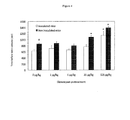
- Figure 1 shows the survival of Swiss mice inoculated with Streptococcus Pneumoniae bacteria, in which ceftriaxone was administered in combination with either NaCl or clonazepam at different doses (4, 20 and 100 ⁇ g/kg).
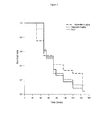
- Figure 2 shows the survival of Swiss mice inoculated with Streptococcus Pneumoniae bacteria, in which ceftriaxone was administered in combination with low doses of clonazepam (1, 2 and 4 ⁇ g/kg).
- mice Consequently, intraperitoneal administration is preferred in mice.
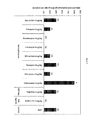
- Figure 5 discloses the growth inhibition diameter of Streptococcus Pneumoniae bacteria after treatment with ceftriaxone (CEF) alone, clonazepam (CZP) alone, or both.
- CEF ceftriaxone
- CZP clonazepam
- ceftriaxone inhibit bacterial growth in a dose-dependent manner.
- clonazepam has no intrinsic antibiotic activity for all the assessed doses. Nor is it able to potentiate the antibiotic activity of ceftriaxone in vitro (last three conditions).
- clonazepam is a high potency benzodiazepine.
- ceftriaxone was tested to determine if the observed antibiotic potentiating effect was specific to clonazepam.
- Gerber G. A mouse model of Streptococcus pneunomiae meningitis mimicking several features of human disease. Acta Neuropathol. 2001; 101; 499-508
Landscapes
- Health & Medical Sciences (AREA)
- Veterinary Medicine (AREA)
- Chemical & Material Sciences (AREA)
- Medicinal Chemistry (AREA)
- Pharmacology & Pharmacy (AREA)
- Life Sciences & Earth Sciences (AREA)
- Animal Behavior & Ethology (AREA)
- General Health & Medical Sciences (AREA)
- Public Health (AREA)
- Epidemiology (AREA)
- Dermatology (AREA)
- Communicable Diseases (AREA)
- Oncology (AREA)
- Chemical Kinetics & Catalysis (AREA)
- General Chemical & Material Sciences (AREA)
- Nuclear Medicine, Radiotherapy & Molecular Imaging (AREA)
- Organic Chemistry (AREA)
- Pharmaceuticals Containing Other Organic And Inorganic Compounds (AREA)
- Medicines That Contain Protein Lipid Enzymes And Other Medicines (AREA)
Abstract
The present invention relates to the use of a well-known benzodiazepine compound, namely clonazepam, in combination with antibiotic agents, for treating bacterially induced meningitis.
Description
- Meningitis is the inflammation of the protective membranes covering the central nervous system, known collectively as the meninges. Meningitis may develop in response to a number of causes, most prominently bacteria and viruses. This is a potentially serious condition owing to the proximity of the inflammation to the brain and spinal cord.
- Bacterial meningitis is a serious threat to global health accounting for an estimated 171,000 deaths worldwide per year. The potential for serious neurological damage or even death necessitates prompt medical attention and evaluation. Bacterial meningitis is typically treated with antibiotics (such as ceftriaxone and cefotaxime) and requires close observation.
- Numerous microorganisms may cause bacterial meningitis, but Streptococcus pneumoniae ("pneumococcus") and Neisseria meningitidis ("meningococcus") are the most common pathogens in patients without immune deficiency. Streptococcus agalactiae, Haemophilus influenza of type B and Listeria monocytogenes can also be involved.
- Streptococcus pneumoniae is the prevalent organism responsible for invasive bacterial infection in young children. Mortality in children with pneumococcal meningitis is at least twice as high as in meningococcal meningitis and the survivors have the highest incidence of sequelae. Penicillin-resistant pneumococci are often multi-resistant, therefore posing serious problems for therapy. Resistance to macrolides is also widespread, being particularly high in the Mediterranean region.
- Vaccines to protect against pneumococcus or meningococcus infections have been available for many years. Yet, prophylactic vaccination is often expensive and therefore not widespread enough, especially in developing countries.
- Efficient curative treatments are therefore still needed to get rid of this lethal disease once it is diagnosed.
- Curative antibiotics have been approved in Europe and in the United States, and many other are under development (for example, meropenem, ertapenem, moxifloxacine, Gemifloxacine, Garenoxacine, Daptomycine, Oritavancine, PTK 796, and GSK-1322322).
- Antibiotic-based treatments are however not as efficient as they should be to definitively eradicate bacterial meningitis, so that this disease is still a worldwide threat for the human health, notably for young children and inhabitants of developing countries: the yearly incidence of bacterial meningitis in 2010 was estimated to be 2.6-6.0 cases per 100 000 in Europe and ten times higher in less developed countries.
- To improve antibiotic-based treatments, several adjuvant compounds have been proposed.
- It has been shown, for example, that prostane derivatives such as iloprost can be used as adjuvant treatment of bacterially induced meningitis (
EP 0 852 497EP 0 585 705 - Adjuvant treatment with corticosteroids (usually dexamethasone) was thought to reduce rates of mortality, severe hearing loss and neurological damage in adolescents and adults from high income countries which have low rates of HIV (the likely mechanism being the suppression of overactive inflammation). Yet, their use in children from low-income countries was not supported by evidence. Even in high-income countries, the benefit of corticosteroids was only seen when they were given prior to the first dose of antibiotics. Other uses are controversial. Van de Beek et al. have recently suggested that its use - in combination with antibiotics - does not seem to significantly reduce death or neurological disability for patients suffering from acute bacterial meningitis (Lancet Neurol. 2010). Yet dexamethasone was the only adjuvant to antibiotic treatments having been approved so far.
- Finding more efficient and cheaper treatments for curing bacterial meningitis was therefore an urgent need. In this context, the present inventors have shown that low doses of clonazepam, a well-known and easily available anti-epileptic molecule, greatly enhance the efficiency of meningitis treatments in an in vivo system. Surprisingly, this curative effect is observed at a dose where no anti-epileptic effect is observed, suggesting that both mechanisms are not related.
- In a first aspect, the present invention concerns a combination product containing clonazepam and at least one antibiotic agent, for its use as a medicament, wherein clonazepam is present in an amount which does not induce anti-epileptic activity.
- In a preferred embodiment, this combination product is used for treating patients suffering from bacterially induced meningitis.
- In another preferred embodiment, clonazepam and said at least antibiotic agent are administered separately. Preferably, clonazepam is administered intravenously.
- In a second aspect, the present invention is drawn to a pharmaceutical product containing clonazepam and at least one antibiotic agent, as combination products for simultaneous, separate or sequential use over time for treating patients suffering from bacterially induced meningitis, wherein clonazepam is present in an amount which does not induce anti-epileptic activity.
- In preferred embodiments, the combination or the pharmaceutical product(s) of the invention contain(s) at least one antibiotic agent chosen among: cephalosporin, aminoglycosides, carbapenem, aminopenicillin glycopeptides, and nitroimidazoles. Preferably, said antibiotic agent is ceftriaxone.
- In a third aspect, the present invention is drawn to clonazepam, for its use:
- as adjuvant to at least one antibiotic agent, or
- to improve the survival of patient with bacterial meningitis treated with one antibiotic or a combination of at least two antibiotics.
- In this case, clonazepam is present in an amount which does not induce anti-epileptic activity.
-
-
Figure 1 discloses the Kaplan-Meier survival rate of Swiss mice inoculated with Streptococcus Pneumoniae bacteria. The antibiotic ceftriaxone 4 mg/day, 0.4 mg/day and 0.4mg/day was respectively administered intraperitoneally 24, 48 and 72 hours later ; either NaCl or clonazepam at different doses (4, 20 and 100 µg/kg) were administered intraperitoneously 25 hours after inoculation (*:p=0,04, Logrank test). -
Figure 2 discloses the Kaplan-Meier survival rate of Swiss mice inoculated with Streptococcus Pneumoniae bacteria. The antibiotic ceftriaxone 4 mg/day, 0.4 mg/day and 0.4mg/day was respectively administered intraperitoneally 24, 48 and 72 hours later ; either NaCl or clonazepam at different doses (1, 2 and 4 µg/kg) were administered intraperitoneously 25 hours after inoculation (*:p=0,045, Logrank test). -
Figure 3 discloses the Kaplan-Meier survival rate of Swiss mice inoculated with Streptococcus Pneumoniae bacteria. The antibiotic ceftriaxone 4 mg/day, 0.4 mg/day and 0.4mg/day was respectively administered intraperitoneally 24, 48 and 72 hours later ; either H2O or clonazepam at different doses (4, 20 and 100 µg/kg) were administered orally 25 hours after inoculation (*:p=0,04, Logrank test). -
Figure 4 discloses the time lapsed before tonic seizures for Streptococcus Pneumoniae inoculated mice ("inoculated") or non inoculated mice having received or not a pretreatment with increasing doses of clonazepam (1, 5, 25, 125 µg/kg) 25 hours after inoculation and being thereafter treated with increasing doses of pentylenetetrazol (PTZ) each three minutes. (*:p<0,05, Student test, between non inoculatedmice 0 µg/kg and x µg/kg, and between inoculatedmice 0 µg/kg and x µg/kg; #: p<0,05 (between non inoculated mice and inoculated mice for the 0 µg/kg condition; Mann-Whitney test). -
Figure 5 discloses the growth inhibition diameter of Streptococcus Pneumoniae bacteria after treatment with ceftriaxone (CEF) and/or clonazepam (CZP) on blood-containing gelose. -
Figure 6 discloses the Kaplan-Meier survival rate of Swiss mice inoculated with Streptococcus Pneumoniae bacteria and treated 24, 48 and 72 hours later with the antibiotic ceftriaxone 4 mg/day, 0.4 mg/day and 0.4mg/day respectively ; clonazepam (4 µg/kg) was administered intraperitoneously (ip) or orally (po) 25 hours after inoculation. -
Figure 7 discloses the Kaplan-Meier survival rate of Swiss mice inoculated with Streptococcus Pneumoniae bacteria, and treated 24, 48 and 72 hours later with the antibiotic ceftriaxone 4 mg/day, 0.4 mg/day and 0.4mg/day respectively; NaCl or alprazolam (4 µg/kg) or diazepam (4 µg/kg) was administrated intraperitoneously 25 hours after inoculation. -
Figure 8 discloses the survival rate ofSwiss mice 9 days after being inoculated with Streptococcus Pneumoniae bacteria, and subsequently treated 24, 48 and 72 hours later with the antibiotic ceftriaxone 4 mg/day, 0.4 mg/day and 0.4mg/day respectively ; either NaCl or clonazepam (4 µg/kg) or alprazolam (4 µg/kg) or prazepam (4 µg/kg ), or bromazepam (4 µg/kg) or lorazepam (4 µg/kg ), or midazolam (4 µg/kg ) or diazepam (4 µg/kg) or tetrazepam (4 µg/kg) or the benzodiazepine-like zolpidem (4 µg/kg) or the PBR agonist ligand FGIN-I-27 (1 mg/kg) was administrated 25 hours after inoculation. - The present inventors have shown that low doses of clonazepam greatly potentiate antibiotic-based treatments of bacterial meningitis in the murine Swiss model.
- Clonazepam is a benzodiazepine drug reducing neuro-inflammation, having in particular anxiolytic, anticonvulsant, muscle relaxant, and hypnotic properties. It is therefore often used as a second-line treatment of epilepsy. It is also used for the treatment of absence seizure, panic disorder, anxiety disorders, mania or acute psychosis (together with firstline drugs such as lithium, haloperidol or risperidone), or for the management of the visual effects of long term hospitalisation, e.g. hyperekplexia, parasomnia, restless legs syndrome, bruxism, rapid eye movement behavior disorder, acute and chronic akathisia induced by neuroleptics, and/or spasticity related to amyotrophic lateral sclerosis (see
US 3,121,114 or, for example, Morishita S. et al, Human psychopharmacol. 2009, Dreifuss FE et al, Neurology 1975, Riss J. et al, Acta Neurol. Scand. 2008). Clonazepam is currently available as tablets and orally disintegrating tablets (wafers), oral solution (drops), as well as solution for injection or intravenous infusion. - Clonazepam was approved in the United States as a generic drug in 1997 and is now manufactured and marketed by several companies. It is marketed under the trade name Klonopin in the United States and Rivotril in Australia, Brazil, Canada and Europe (and in countries like Serbia, Macedonia, Croatia and Montenegro). Other names such as Ravotril, Rivatril, Clonex, Paxam, or Kriadex are known throughout the rest of the world. Clonazepam has an unusually long half-life of 18-50 hours, making it generally considered to be among the long-acting benzodiazepines. Clonazepam is a chlorinated derivative of nitrazepam and therefore a chloro-nitrobenzodiazepine of formula I:

- Clonazepam (5-(2-chlorphenyl)-1,3-dihydro-7-nitro-2H-1,4-benzodiazepine-2-one) is synthesized by following a standard scheme of making derivatives of 1,4-benzodiazepines, with the exception that the acceptor nitro group on C7 of the benzodiazepine system is introduced at the last stage of synthesis. The synthesis of clonazepam begins with 2-chloro-2'-nitrobenzophenone, which is reduced to 2-chloro-2'-aminobenzophenone by hydrogen over Raney nickel. The amino derivative is amidated by 2-bromoacetyl bromide to give the bromacetamide and is further converted into aminoacetamide upon reaction with ammonia. Upon reaction of this with pyridine, it is cycled into 5-(2-chlorophenyl)-2,3-dihydro-1H-1,4-benzodiazepine-2-one. The nitration of the resulting product in mild conditions (potassium nitrate in sulfuric acid) results in clonazepam. Its synthesis is more precisely disclosed for example in
US 3,123,529 . - Any pharmacologically acceptable salt of clonazepam is useful in the present invention. Although not limited to them, examples thereof include inorganic acid salts (such as hydrochlorides or nitrates), inorganic basic salts (such as sodium salts, potassium salts or calcium salts) and organic acid salts (such as acetates, benzoates, maleates, tartrates, fumarates or mesilates).
- Like clonazepam, other benzodiazepine molecules have been shown to reduce neuroinflammation (e.g. midazolam and diazepam). This effect has been shown to be mediated by the peripheral benzodiazepin receptor PBR (also known as the "translocator protein" TSPO) (Torres S.R. et at, Eur. J. Pharmacol. 2000; Wilms H. et at, Neurobiol. Dis. 2003). Several PBR ligands have been described so far (e.g. PK11195, Ro5-4864, FGIN-1-27, DAA1106, and DPA-713, see for example James ML et al, Curr Med Chem 2006).
- Yet, the present Inventors have shown that none of the other tested benzodiazepine molecules or PBR ligands is as efficient in potentiating the curative effect of antibiotics as clonazepam does. It can be concluded that this potentiation effect is not linked to the PBR / TSPO pathway.
- Accordingly, the effect of clonazepam in combination with antibiotic treatment is thought to be highly specific of its particular chemical structure.
- Moreover, and as shown in the experimental part below, this effect is not due to an enhancement of the antibacterial effect of the antibiotic. The clonazepam effect is therefore not directly acting on the infectious bacteria.
- Finally, the present Inventors have shown that, surprisingly, the effect is observed only when clonazepam is used at a dose where no anti-epileptic effect can be obtained, suggesting that the potentiating effect is not related with its effects on epi lepsy.
- Of note, the clonazepam effect is not linked with its anti-epileptic activity, with direct antibacterial activity, nor with direct PBR / TSPO activation.
- In the context of the present invention, clonazepam (or its salt) is used in an amount "which does not induce any anti-epileptic activity". The suitable dose of clonazepam (or its salt) will of course depends on the host, the mode of administration and the type and severity of the condition that is to be treated. Generally, however, satisfactory results in animals are to be expected at daily doses of from 2 µg/kg to 25 µg/kg body weight, preferentially at 4 µg/kg body weight.
- It is noteworthy that, in humans, the recommended clonazepam daily dose for inducing an anti-epileptic activity is reached when the plasmatic concentration thereof is comprised between 20 ng/mL and 70 ng/mL. A contrario, the clonazepam amount "which does not induce any anti-epileptic activity" will therefore generally correspond to a daily dose which, when assessed in the plasma of the patients, is strictly inferior to 20 ng/mL.
- Clonazepam dose "which does not induce any anti-epileptic activity" will depend on the age of the patient. In the context of the invention, the term "children" matches to neonates to 15-year old children. The term "adult human" thus corresponds to people older than 15 years.
- It is noteworthy that the recommended clonazepam daily dose for inducing an anti-epileptic activity in adult humans is 25 µg/kg at the beginning of the treatment (then 130-166 µg/kg). A contrario, the clonazepam amount "which does not induce any anti-epileptic activity" in adult humans will generally correspond to a daily dose which is strictly inferior to 25 µg/kg, preferably inferior to 20 µg/kg.
- To show a significant potentiating effect, the amount of clonazepam should not be too low. Typically, in mice, satisfactory effects are obtained by using at least 2 µg/kg of clonazepam. It is thought that, by analogy, the amount of clonazepam in adult humans should be superior to 0.5 µg/kg, preferably superior to 1 µg/kg so that its potentiating effect would be significant.
- Thus, in a more preferred embodiment, the clonazepam amount "which does not induce any anti-epileptic activity" in adult humans is comprised between 0.5 µg/kg and 25 µg/kg, preferably between 1 µg/kg and 20 µg/kg.
- On another hand, it is noteworthy that the recommended clonazepam daily dose for inducing an anti-epileptic activity in children is 10 µg/kg at the beginning of the treatment (then 100-200 µg/kg). A contrario, the clonazepam amount "which does not induce any anti-epileptic activity" in children will generally correspond to a daily dose which is strictly inferior to 10 µg/kg, preferably inferior to 8 µg/kg.
- It is thought that the clonazepam amount used in children should be superior to 0.2 µg/kg, preferably superior to 0.3 µg/kg so that its potentiating effect would be significant.
- Thus, in a more preferred embodiment, the clonazepam amount "which does not induce any anti-epileptic activity" in children is comprised between 0.2 µg/kg and 10 µg/kg, preferably between 0.3 µg/kg and 8 µg/kg.
- Clonazepam dose "which does not induce any anti-epileptic activity" will also depend on the way of administration, either orally or intravenously. Yet it is thought that the clonazepam amounts "which does not induce any anti-epileptic activity" will be comprised in about the same ranges than those described above. These doses are also transposable to the clonazepam salts.
- The present Inventors have shown for the first time that clonazepam is helpful to improve the survival of a patient suffering from bacterial meningitis which is treated with antibiotic(s), and therefore, to potentiate the antibiotic treatment of bacterial meningitis.
- Bacterial meningitis is a fulminant, often fatal pyogenic infection beginning in the meninges. A respiratory illness or sore throat often precedes the more characteristic symptoms of fever, headache, stiff neck, and vomiting. Adults may become desperately ill within 24 h, and children even sooner. Seizures occur in about 30% of the patients. Cranial nerve abnormalities and other focal deficits occur in 10 to 20% of the patients. In patients older than two years, changes in consciousness progress through irritability, confusion, drowsiness, stupor, and coma.
- Many gram positive bacteria can cause meningitis, but the most common are Group B streptococci (during the first 2 months of life), Neisseria meningitidis (meningococci) and Streptococcus pneumoniae (pneumococci). Meningococci exist in the nasopharynx of about 5% of people and spread by respiratory droplets and close contact. Only a small fraction of carriers develop meningitis; what makes them susceptible is unknown. Meningococcal meningitis occurs most often during the first year of life. It also tends to occur in epidemics among closed populations (eg, in military barracks, college dormitories, and boarding schools). Pneumococci are the most common cause of meningitis in adults. Especially at risk are alcoholics and people with chronic otitis, sinusitis, mastoiditis, CSF leaks, recurrent meningitis, pneumococcal pneumonia, sickle cell disease, or asplenia. Incidence of pneumococcal meningitis is decreasing because of routine vaccination. Gram-negative organisms (most often Escherichia coli, Klebsiella sp., or Enterobacter sp.) can also cause meningitis in infants; in immunocompromised patients; or after CNS surgery, CNS trauma, bacteremia or hospital-acquired infections. Pseudomonas sp. occasionally causes meningitis in immunocompromised or colonized patients. Haemophilus influenzae type B meningitis, now uncommon because of widespread vaccination, can occur in immunocompromised patients or after head trauma in unvaccinated people. Staphylococci can cause meningitis after penetrating head wounds or neurosurgical procedures (often as part of a mixed infection) or after bacteremia (e.g., due to endocarditis). Listeria typically cause meningitis in the very young, the very old, and patients of any age who are immunocompromised because of chronic renal failure, hepatic disorders, or corticosteroid or cytotoxic therapy after organ transplantation.
- Bacteria typically reach the meninges by hematogenous spread from sites of colonization in the nasopharynx or other foci of infection (e.g., pneumonia). Why some bacteria are more prone to colonize cerebrospinal fluid (CSF) is not clear, but binding pili and encapsulation appear to play a role. Bacteria can also enter CSF by direct extension from nearby infections (e.g., sinusitis, mastoiditis) or through exterior openings in normally closed CSF pathways (e.g., due to meningomyelocele, spinal dermal sinus, penetrating injuries, or neurosurgical procedures).
- Meningitis treatment firstly requires antibiotics; corticosteroids are also commonly given.
- The choice of empiric antibiotics depends on the suspected pathogen and patient age. Third-generation cephalosporins (e.g., ceftriaxone, cefotaxime) are effective against pathogens common in patients of all ages. Cefepime, a 4th-generation cephalosporin, can be substituted for a 3rd-generation cephalosporin in children and can be useful against Pseudomonas infection. However, because cephalosporin-resistant pneumococci are becoming increasingly prevalent, vancomycin (with or without rifampin) is usually added. Meropenem is also effective against Pseudomonas and many gram-negative bacteria. Ampicillin is added to get rid of Listeria sp. and aminoglycosides are still used empirically to cover gram-negative bacteria in neonates. When meningitis is due to a gram-negative anaerobe (e.g., because of otitis, sinusitis, or mastoiditis), meropenem is commonly added. For meningitis patients with a recent neurosurgical procedure or with an intraventricular shunt, vancomycin, meropenem, plus metronidazole provide coverage against staphylococci, gram-negative bacteria, and anaerobes.
- Common antibiotic doses are listed in Table 1.

- As mentioned previously, unprovoked seizures and epilepsy (recurrent unprovoked seizures) can be long-term sequelae of bacterial meningitis. The probability of developing an unprovoked seizure or epilepsy varies according to the etiologic agent responsible for meningitis, and this probability appears to be higher for Streptococcus pneumonia (Murthy J.M. Epilepsia 2008). In these cases, anti-epileptic treatments (e.g. benzodiazepine-based medicaments) can be proposed. However, in these cases, the amount of benzodiazepine (in particular clonazepam) is adjusted so to induce an anti-epileptic activity so that they are not encompassed in the present invention.
- In a first aspect, the present invention concerns a therapeutic substance combination product containing clonazepam or a pharmaceutically salt thereof, and at least one antibiotic agent, for use as a medicament, wherein clonazepam or its salt is present in an amount which does not induce anti-epileptic activity. Preferably, said medicament is used for treating patients suffering from bacterially induced meningitis.
- This combination product is for example a kit, containing, either in the same recipient or in two distinct recipients, clonazepam or a pharmaceutical salt thereof and at least one antibiotic.
- In other words, the present invention covers the use of clonazepam or a pharmaceutically salt thereof and at least one antibiotic agent for the preparation of a medicament, wherein clonazepam or its salt is present in an amount which does not induce anti-epileptic activity. Preferably, said medicament is used for treating patients suffering from bacterially induced meningitis.
- The present invention also discloses a method for treating a disease, said method comprising administering to a patient in need thereof clonazepam or a pharmaceutically salt thereof and at least one antibiotic agent, wherein clonazepam or its salt is present in an amount which does not induce anti-epileptic activity. Preferably, said disease is bacterially induced meningitis.
- In a second aspect, the present invention discloses a pharmaceutical product containing clonazepam or a pharmaceutically salt thereof and at least one antibiotic agent, as combination products for simultaneous, separate or sequential use over time, for treating patients suffering from bacterially induced meningitis. In this aspect, clonazepam or its salt being present in a low amount, that is, in an amount which does not induce anti-epileptic activity (typically, lower than 25 µg/kg for an adult human, and lower than 10 µg/kg for a children).
- In other words, the present invention targets the use of clonazepam or a pharmaceutically salt thereof and an antibiotic agent for the preparation of a medicament intended to be simultaneously, separately or sequentially used over time for treating patients suffering from bacterially induced meningitis, clonazepam or its salt being present in a low amount, that is, in an amount which does not induce anti-epileptic activity (typically, lower than 25 µg/kg for an adult human, and lower than 10 µg/kg for a children).
- The present invention also discloses a method for treating patients suffering from bacterially induced meningitis, comprising the step of administering simultaneously, separately or sequentially over time a combination product containing at least clonazepam or a pharmaceutically salt thereof and an antibiotic agent to said patients, clonazepam or its salt being present in an amount which does not induce anti-epileptic activity (typically, lower than 25 µg/kg for an adult human, and lower than 10 µg/kg for a children).
- In the case of simultaneous use, the different components of the treatment (namely the clonazepam or its salt and the antibiotic or a combination of at least two antibiotics) are administered to the patient simultaneously. According to this embodiment of the present invention, the components can be packaged together, in the form of a mixture, or separately, then mixed extemporaneously before being administered together to the patient. More commonly, the components are administered simultaneously, but separately. In particular, the routes of administration of the components may be different. The administration can also be performed at different sites. In another embodiment, the two active principles are administered sequentially or spaced apart over time, for example in the same day or at an interval ranging from several hours to several weeks, or even several months.
- In a preferred embodiment, clonazepam is administered orally, enterally, parenterally or intravenously. Intranasal administration is not preferred. In a more preferred embodiment, clonazepam is administered either orally, or intravenously. Administration means of antibiotic(s) are well-known in the art and can be performed as described in the prior art. There is indeed no need to administer clonazepam and antibiotic(s) at the same time or in the same way (e.g. orally or intravenously). Suppositories, tablets, capsules, drops, injection solutions and oral suspensions are appropriate forms for administration of antibiotics.
- By "intravenously", it is herein meant that the administration of the combination product of the invention is performed directly into the blood circulatory system as done, for example, via venous or arterial routes.
- The combination product and the pharmaceutical product of the invention can also contain any useful physiologically tolerable pharmaceutical excipient and carriers.
- As used herein, "physiologically tolerable pharmaceutical excipient" includes any and all solvents, buffers, salt solutions, dispersion media, coatings, antibacterial and antifungal agents, isotonic and absorption delaying agents, and the like that are physiologically compatible. The type of carrier can be selected based upon the intended route of administration. In various embodiments, the excipient is suitable for intravenous, intraperitoneal, subcutaneous, intramuscular, topical, transdermal or oral administration. Physiologically tolerable pharmaceutical excipients include sterile aqueous solutions or dispersions and sterile powders for the extemporaneous preparation of sterile injectable solutions or dispersion. Actual methods for preparing parenterally administrable compounds will be known or apparent to those skilled in the art and are described in more detail in for example, Remington's Pharmaceutical Science, 17th ed., Mack Publishing Company, Easton, Pa. (1985), and the 18th and 19th editions thereof, which are incorporated herein by reference.
- Clonazepam (or its salt) and the antibiotic(s) in the composition product of the invention are preferably formulated in an effective amount. An "effective amount" refers to an amount effective, at dosages and for periods of time necessary, to achieve the desired result. For clonazepam, such "effective amount" refers to the amount which potentiates the antibiotic, without inducing any anti-epileptic activity, and without activating any PBR / TSPO pathway. Such amounts have been described above. For antibiotic, such "effective amount" refers to commonly used therapeutically effective amounts known in the art, for example those listed in table 1 above.
- A "therapeutically effective amount" means an amount sufficient to influence the therapeutic course of a particular disease state, here bacterially induced meningitis. A therapeutically effective amount is also one in which any toxic or detrimental effects of the agent(s) are outweighed by the therapeutically beneficial effects.
- In a third aspect, the present invention concerns the clonazepam compound as described above (5-(2-chlorphenyt)-1,3-dihydro-7-nitro-2H-1,4-benzodiazepine-2-one), or a pharmaceutically salt thereof, for use as adjuvant to at least one antibiotic agent, clonazepam being present in an amount which does not induce anti-epileptic activity.
- In the context of the invention, an "adjuvant" treatment (or "adjunctive" treatment) corresponds to an "additional" treatment, antibiotic(s) being always present as baseline treatment against bacterially induced meningitis.
- In this aspect, the present invention therefore concerns the use of the clonazepam molecule, or a pharmaceutically salt thereof, for the preparation of an adjuvant treatment to antibiotic agents.
- A method for treating a patient suffering from a bacterial infection, comprising using clonazepam or a pharmaceutically salt thereof, in an amount which does not induce anti-epileptic activity, as adjuvant treatment to antibiotic agent, is also disclosed.
- All bacterially-induced disease can be targeted by this adjuvant treatment, for example sepsis, pneumonia, anthrax, brucellosis, enteritis, botulism, colitis, gangrene, tetanus, diphtheria, nosocomial infections, meningitis, diarrhea, tularemia, upper respiratory tract infections, bronchitis, leptospirosis, listeriosis, legionnaire's disease, pontiac fever, tuberculosis, septic arthritis, salmonellosis, shigellosis, septicemia, endocarditis, impetigo, cystitis, otitis, sinusitis, pharyngitis, fever, syphilis, cholera, and plague, provided that they are of bacterial origin.
- Preferably, said adjuvant compound is used in the treatment of bacterially induced meningitis.
- Antibiotics, their action and uses are well-known many decades. Table 1 discloses examples of antibiotics and suitable doses that are commonly used for treating meningitis (e.g., from 10 to 50 mg/kg depending on the nature of the antibiotic). Each of the antibiotics described therein can be used in combination with clonazepam in the conditions of the invention.
- In a preferred embodiment of the invention, clonazepam or its salt is combined with a beta-lactam antibiotic or a combination of at least two beta-lactam antibiotics.
- In a more preferred embodiment, clonazepam or its salt is combined with at least one antibiotic chosen among:
- cephalosporin, such as ceftriaxone, cefotaxime, and cefepime,
- aminoglycosides, such as amikacin, gentamicin, kanamycin, neomycin, netilmicine, paromomycin, streptomycin, and tobramycin,
- carbapenem, such as meropenem, imipenem, ertapenem,
- aminopenicillin, such as ampicillin and amoxicillin,
- glycopeptides, such as vancomycin, and
- nitroimidazoles, such as metronidazole and rifampin.
- This exhaustive list is however not limiting and any other efficient antibiotic or combination of antibiotics can be combined with clonazepam in order to treat bacterially-induced meningitis.
- Combination of at least two antibiotics chosen among the above-mentioned antibiotics can also be used in combination with clonazepam.
- In an even more preferred embodiment, clonazepam or its salt is combined with an antibiotic or a combination of at least two antibiotics of the cephalosporin family.
- In the most preferred embodiment, clonazepam or its salt is combined with ceftriaxone or a combination of ceftriaxone with at least one antibiotic of the cephalosporin family.
- In a fourth aspect, the present invention concerns the clonazepam compound as described above (5-(2-chlorphenyl)-1,3-dihydro-7-nitro-2H-1,4-benzodiazepine-2-one) or a pharmaceutically salt thereof for use for improving the survival of a patient suffering from bacterial meningitis, said patient being treated with an antibiotic or a combination of at least two antibiotics, clonazepam or its salt being used in an amount which does not induce anti-epileptic activity.
- In this aspect, the present invention covers the use of clonazepam or a pharmaceutically salt thereof in the preparation of a potentiator of antibiotic-based treatment, clonazepam or its salt being used in an amount which does not induce anti-epileptic activity. Preferably, said potentiator is used for treating bacterially-induced meningitis.
- A method of using clonazepam or a pharmaceutically salt thereof as a potentiator of antibiotic-based treatment in patients in need thereof is also disclosed. Preferably, said patients suffer from bacterially induced meningitis.
- Importantly, this potentiating effect is not mediated by a direct antibacterial activity, nor by the activation of the PBR / TSPO receptors, nor by an anti-epileptic activity.
- All the above-mentioned bacterially-induced disease can be targeted by this adjuvant treatment. Yet, said compound is preferably used for treating bacterially-induced meningitis.
- In the context of the invention, the term "potentiate" means significantly increasing the effects of the antibiotic(s) administered before, simultaneously or after clonazepam. In the context of the invention, "potentiation" is achieved for example when, by comparing the survival rate after 9 days of mice inoculated with 1 Mc Farland bacteria, that are treated with effective amounts of either antibiotic(s) alone, or of the same antibiotic(s) plus the clonazepam, the said survival rate is enhanced by at least 20 %, and preferably at least 30 %, when the mice are treated with the antibiotic(s) and clonazepam, as compared with the survival of the mice that are treated only with the antibiotic(s).
- In particular, the combination of the antibiotic(s) with clonazepam or its salt makes it possible to enhance the efficiency of the antibiotic(s), even at high doses, or, if necessary, to reduce the doses of said antibiotic(s) and therefore to limit the adverse effects of said antibiotic(s), and/or to reduce the effects of failure and resistance.
- 200 µL of suspended 1 Mc Farland bacteria (Streptococcus Pneumoniae, CRBIP, Institut Pasteur) were seeded overnight on blood Columbia plates (BioRad). 24h later, bacteria were suspended in 5 mL phosphate buffer solution (PBS), and diluted to obtain 1
Mc Farland 600 nm optical density (3,2.107 bacteria/mL for this strain). - A mice model mimicking human bacterial meningitis (Gerber G., Acta Neuropathol. 2001) was implemented; Swiss male mice were used, with food and water ab libitum. Mice were anaesthetized using isoflurane.
- The Swiss mice model has been chosen for the following reasons:
- It is possible to induce bacterial meningitis in a direct and reproducible way (Gerber G., Acta Neuropathol. 2001).
- The induced meningitis is similar to human meningitis (Gerber G., Acta Neuropathol. 2001). In particular, the inoculated mice present several different symptoms / responses as infected humans. The data obtained with this model can therefore be transposed to human.
- Efficiency of antibiotic agents for treating bacterial meningitis is currently studied in mice (Shapiro M.A. et al, J. Antimicrob. Chemother. 2000).
- A 1/80 dilution of the prepared bacteria was then performed, so as to obtain 104 bacteria in 25 µL. 25 µL bacteria suspension were injected in the left brain hemisphere. 24h, 48h and 72h later, mice were treated with 4 mg/day, 0.4 mg/day and 0.4mg/day respectively of ceftriaxone. Clonazepam (or saline buffer, or water) was administrated 25h post inoculation, by intraperitoneal (ip) or oral (po) route. Mortality was assessed several times per day, during 9 days.
- Mice were inoculated, and 24h later pentylenetetrazol (PTZ) was administrated, according to protocol adapted from (Kosobud A.E. and Crabbe J.C., Brain Res. 1990):
- PTZ was diluted at the dose of 30 mg/kg for 100 µl in saline buffer, and PTZ and clonazepam were administrated following this protocol:
- t0-60min : intraperitoneal (ip) pretreatment with clonazepam (1, 5, 25, 125 µg/kg) or saline buffer (n=8 per treatment)
- t0 : ip administration of 60 mg/kg of PTZ
- t0+6min : ip administration of 30 mg/kg of PTZ (therefore 90 mg/kg)
- t0+9min : ip administration of 30 mg/kg of PTZ (therefore 120 mg/kg)
- t0+12min : ip administration of 30 mg/kg of PTZ (therefore 150 mg/kg)
- ... until the first seizure inducing mice tetany.
- Injections every 3 minutes were performed, until a seizure induces a general tetany of the mice. At this point, the time of the beginning of this crisis was noted (and the animal was euthanized).
- Antibiograms have been performed on the same Streptococcus Pneumoniae strain, on a Mueller-Hinton gelose plate of 90mm diameter (Biorad) as follows 40 µL of the prepared bacteria were added to 5mL PBS and the mix is spread on the gelose plate. The remaining liquid mix is thrown and the plate was incubated at 37°C during 15 minutes. Antibiotic paper disks of 6mm diameter (Dominique Dutscher) were then overwhelmed with 25 µL of each molecule / combination and placed on the Mueller-Hinton gelose for 24 hours. The inhibition diameter of bacterial cell growth around the disks was then measured.
- Ceftriaxone (3,2 - 1,6 - 0,8 - 0,4 - 0,2 - 0,1 - 0,05 µg/mL)
- Clonazepam (10 - 1 - 0,1 µg/mL)
- Ceftriaxone (0,8 - 0,2 - 0,05 µg/mL) + Clonazepam (0,1 µg/mL)
- Statistical analyses were implemented using Sigma Plot software.
-
Figure 1 shows the survival of Swiss mice inoculated with Streptococcus Pneumoniae bacteria, in which ceftriaxone was administered in combination with either NaCl or clonazepam at different doses (4, 20 and 100 µg/kg). - It has been observed that survival increase for the mice receiving the combination [ceftriaxone + clonazepam] 4 µg/kg, this increase being reproducible and significant (*:p=0,04, Logrank test). It is to be noted that clonazepam was not as efficient when administered in a superior amount (for example at 20 and 100 µg/kg).
- On another hand,
Figure 2 shows the survival of Swiss mice inoculated with Streptococcus Pneumoniae bacteria, in which ceftriaxone was administered in combination with low doses of clonazepam (1, 2 and 4 µg/kg). This data indicate that clonazepam is significantly less efficient when administered in an amount inferior to 4 µg/kg, for example at 1 or 2 µg/kg (*:p=0,045, Logrank test). - Two different administration ways were compared (oral vs intraperitoneal).
- As shown on
figure 3 , the survival rate of inoculated Swiss mice orally treated with ceftriaxone in combination clonazepam (4 µg/kg) is lower than the one obtained for mice treated with intraperitoneally-administered combination (comparefigure 1 and3 ). - This is further disclosed on
figure 6 where both curves corresponding to the same combination [clonazepam 4 µg/kg and ceftriaxone] are shown. - Consequently, intraperitoneal administration is preferred in mice.
- As shown on
Figure 4 for healthy mice (black bars), clonazepam has an anti-epileptic effect when administered in an amount which is at least of 25 µg/kg. A contrario, no effect was found for lower amounts (namely 5 and 1 µg/kg). This result confirms what was known in the literature (see for example Georgiev V.P. et al, Neuropeptides 1991). - When performed on inoculated mice, it was noticed that the epileptic threshold was lower than in healthy mice. Importantly, however, no epileptic effect is observed for clonazepam doses inferior to 5 µg/kg.
- It can be concluded from these experiments that clonazepam, at the efficient dose of 4 µg/kg, has no epileptic effect.
- In order to better understand the functional mechanism responsible for the potentiation of the antibiotic agent, it was then assessed if clonazepam could have intrinsic antibiotic effects on its own.
-
Figure 5 discloses the growth inhibition diameter of Streptococcus Pneumoniae bacteria after treatment with ceftriaxone (CEF) alone, clonazepam (CZP) alone, or both. - As expected, ceftriaxone inhibit bacterial growth in a dose-dependent manner.
- However, clonazepam has no intrinsic antibiotic activity for all the assessed doses. Nor is it able to potentiate the antibiotic activity of ceftriaxone in vitro (last three conditions).
- As disclosed above, clonazepam is a high potency benzodiazepine. The combination of ceftriaxone with other benzodiazepine was tested to determine if the observed antibiotic potentiating effect was specific to clonazepam.
- The combination of the antibiotic ceftriaxone with several known benzodiazepine molecules, namely alprazolam, prazepam, bromazepam, lorazepam, midazolam, diazepam, or tetrazepam, was therefore tested for treating Swiss mice inoculated with Streptococcus Pneumoniae bacteria.
- Also, one benzodiazepine-like agent, zolpidem, was tested (in combination with ceftriaxone).
- Finally, the PBR agonist ligand FGIN-I-27 (James M.L. et al, Curr. Med. Chem. 2006; Torres S.R. et al, Eur. J. Pharmacol. 2000) was also tested (in combination with ceftriaxone).
- Importantly, the results shown on
figures 7 and8 demonstrate that none of the tested benzodiazepine or benzodiazepine-like molecules nor the PBR agonist ligand were efficient in potentiating the antibiotic effect and enhancing the survival of the inoculated mice. - This clearly shows that the effect of clonazepam is specific and might not be related to its benzodiazepine structure.
- All the above-mentioned experiments lead to the following conclusions:
- Clonazepam is an effective adjuvant to antibiotic treatments used in bacterial meningitis, at a dose of 4 µg/kg in mice,
- Clonazepam does not potentiate the in vitro antibiotic activity of ceftriaxone, and does not show any antibiotic activity on its own.
- The efficiency of clonazepam as adjuvant is independent of its epileptic activity.
- Van de Beek et al. Adjunctive dexamethasone in bacterial meningitis: a meta-analysis of individual patient data. Lancet Neurol. 2010 Mar;9(3):254-63.
- Morishita S. et al. Clonazepam as a therapeutic adjunct to improve the management of depression: a brief review. Human psychopharmacol. 2009 Apr;24(3):191-8.
- Dreifuss FE et al, Serum clonazepam concentrations in children with absence seizures. Neurology 1975 Mar;25(3):255-8.
- Riss J. et al, Benzodiazepines in epilepsy: pharmacology and pharmacokinetics. Acta Neurol. Scand. 2008 Aug;118(2):69-86.
- Torres S.R. et al, Anti-inflammatory effects of peripheral benzodiazepine receptor ligands in two mouse models of inflammation.Eur. J. Pharmacol. 2000 Nov 17;408(2):199-211.
- Wilms H. et al, Involvement of benzodiazepine receptors in neuroinflammatory and neurodegenerative diseases: evidence from activated microglial cells in vitro. Neurobiol. Dis. 2003 Dec;14(3):417-24.
- James ML et al, Development of ligands for the peripheral benzodiazepine receptor. Curr Med Chem 2006 ; 13(17):1991-2001.
- Murthy J.M. Bacterial meningitis and epilepsy. Epilepsia 2008 Aug;49 Suppl 6:8-12.
- Gerber G., A mouse model of Streptococcus pneunomiae meningitis mimicking several features of human disease. Acta Neuropathol. 2001; 101; 499-508
- Shapiro M.A. et al, Comparative therapeutic efficacy of clinafloxacin in a pneumococcal meningitis mouse model. J. Antimicrob. Chemother. 2000 Apr;45(4):489-92.
- Kosobud A.E. and Crabbe J.C., Genetic correlations among inbred strain sensitivities to convulsions induced by 9 convulsant drugs. Brain Res. 1990 Aug 27;526(1):8-16.
- Georgiev V.P. et al, Interactions between angiotensin II, diazepam, clonazepam and di-n-propylacetate in pentylenetetrazol kindling seizures in mice. Neuropeptides 1991 Apr;18(4):187-91.
Claims (14)
- A combination product containing clonazepam or a pharmaceutically salt thereof, and at least one antibiotic agent, for use as a medicament, wherein clonazepam or its salt is present in an amount which does not induce anti-epileptic activity.
- The combination product according to claim 1, for use for treating patients suffering from bacterially induced meningitis.
- The combination product for use according to claims 1 or 2, wherein clonazepam or its salt and said at least one antibiotic agent are administered separately.
- The combination product for use according to any one of claim 1 to 3, wherein clonazepam or its salt is administered intravenously.
- The combination product for use according to any one of claim 1 to 4, wherein said at least one antibiotic agent is chosen among: cephalosporin, aminoglycosides, carbapenem, aminopenicillin glycopeptides, and nitroimidazoles.
- The combination product for use according to any one of claim 1 to 5, wherein said at least one antibiotic agent is ceftriaxone.
- Pharmaceutical product containing clonazepam or a pharmaceutically salt thereof and at least one antibiotic agent, as combination products for simultaneous, separate or sequential use over time, as a medicament for treating patients suffering from bacterially induced meningitis, wherein clonazepam or its salt is present in an amount which does not induce anti-epileptic activity.
- Pharmaceutical product according to claim 7, wherein said at least one antibiotic agent is chosen among: cephalosporin, aminoglycosides, carbapenem, aminopenicillin glycopeptides, and nitroimidazoles.
- Pharmaceutical product according to claim 7 or 8, wherein said at least one antibiotic agent is ceftriaxone.
- Pharmaceutical product according to any one of claim 7 to 9, wherein clonazepam or its salt is administered intravenously.
- Clonazepam or a pharmaceutically salt thereof, for use as adjuvant to at least one antibiotic agent, clonazepam or its salt being present in an amount which does not induce anti-epileptic activity.
- Clonazepam or a pharmaceutically salt thereof, for improving the survival of a patient suffering from bacterial meningitis, said patient being treated with an antibiotic or a combination of at least two antibiotics, clonazepam or its salt being present in an amount which does not induce anti-epileptic activity.
- Clonazepam or a pharmaceutically salt thereof according to claims 11 or 12, for use in the treatment of bacterially induced meningitis.
- Clonazepam or a pharmaceutically salt thereof for use according to any one of claims 11 to 13, wherein said at least one antibiotic agent is ceftriaxone.
Priority Applications (5)
| Application Number | Priority Date | Filing Date | Title |
|---|---|---|---|
| EP13305607.7A EP2803365A1 (en) | 2013-05-14 | 2013-05-14 | Use of clonazepam in combination with antibiotic in the treatment of bacterially induced meningitis |
| US14/890,984 US20160082016A1 (en) | 2013-05-14 | 2014-05-14 | Use of Clonazepam in Combination with Antibiotic in the Treatment of Bacterially Induced Meningitis |
| PCT/EP2014/059864 WO2014184252A1 (en) | 2013-05-14 | 2014-05-14 | Use of clonazepam in combination with antibiotic in the treatment of bacterially induced meningitis |
| EP14725098.9A EP2996723A1 (en) | 2013-05-14 | 2014-05-14 | Use of clonazepam in combination with antibiotic in the treatment of bacterially induced meningitis |
| CA2912453A CA2912453A1 (en) | 2013-05-14 | 2014-05-14 | Use of clonazepam in combination with antibiotic in the treatment of bacterially induced meningitis |
Applications Claiming Priority (1)
| Application Number | Priority Date | Filing Date | Title |
|---|---|---|---|
| EP13305607.7A EP2803365A1 (en) | 2013-05-14 | 2013-05-14 | Use of clonazepam in combination with antibiotic in the treatment of bacterially induced meningitis |
Publications (1)
| Publication Number | Publication Date |
|---|---|
| EP2803365A1 true EP2803365A1 (en) | 2014-11-19 |
Family
ID=48570031
Family Applications (2)
| Application Number | Title | Priority Date | Filing Date |
|---|---|---|---|
| EP13305607.7A Withdrawn EP2803365A1 (en) | 2013-05-14 | 2013-05-14 | Use of clonazepam in combination with antibiotic in the treatment of bacterially induced meningitis |
| EP14725098.9A Withdrawn EP2996723A1 (en) | 2013-05-14 | 2014-05-14 | Use of clonazepam in combination with antibiotic in the treatment of bacterially induced meningitis |
Family Applications After (1)
| Application Number | Title | Priority Date | Filing Date |
|---|---|---|---|
| EP14725098.9A Withdrawn EP2996723A1 (en) | 2013-05-14 | 2014-05-14 | Use of clonazepam in combination with antibiotic in the treatment of bacterially induced meningitis |
Country Status (4)
| Country | Link |
|---|---|
| US (1) | US20160082016A1 (en) |
| EP (2) | EP2803365A1 (en) |
| CA (1) | CA2912453A1 (en) |
| WO (1) | WO2014184252A1 (en) |
Citations (4)
| Publication number | Priority date | Publication date | Assignee | Title |
|---|---|---|---|---|
| US3121114A (en) | 1964-02-11 | Certificate of correction | ||
| US3123529A (en) | 1964-03-03 | -parenteral -compoiaxions -containing | ||
| EP0585705A1 (en) | 1992-08-28 | 1994-03-09 | Bayer Corporation | Use of anti-TNF to treat bacterial meningitis |
| EP0852497A1 (en) | 1995-08-11 | 1998-07-15 | Schering Aktiengesellschaft | Use of prostane derivatives and the combination thereof with antibiotics in the treatment of bacterial infections |
-
2013
- 2013-05-14 EP EP13305607.7A patent/EP2803365A1/en not_active Withdrawn
-
2014
- 2014-05-14 US US14/890,984 patent/US20160082016A1/en not_active Abandoned
- 2014-05-14 CA CA2912453A patent/CA2912453A1/en not_active Abandoned
- 2014-05-14 EP EP14725098.9A patent/EP2996723A1/en not_active Withdrawn
- 2014-05-14 WO PCT/EP2014/059864 patent/WO2014184252A1/en not_active Ceased
Patent Citations (4)
| Publication number | Priority date | Publication date | Assignee | Title |
|---|---|---|---|---|
| US3121114A (en) | 1964-02-11 | Certificate of correction | ||
| US3123529A (en) | 1964-03-03 | -parenteral -compoiaxions -containing | ||
| EP0585705A1 (en) | 1992-08-28 | 1994-03-09 | Bayer Corporation | Use of anti-TNF to treat bacterial meningitis |
| EP0852497A1 (en) | 1995-08-11 | 1998-07-15 | Schering Aktiengesellschaft | Use of prostane derivatives and the combination thereof with antibiotics in the treatment of bacterial infections |
Non-Patent Citations (31)
| Title |
|---|
| "Remington's Pharmaceutical Science", 1985, MACK PUBLISHING COMPANY |
| "REMINGTON'S PHARMACEUTICAL" |
| DIMAS ALVAREZ SUSANA ET AL: "Clinical and Electroencephalographic Assessment of Cefepime During Treatment of Nosocomial Infections in Neurological Patients", CENTRAL NERVOUS SYSTEM AGENTS IN MEDICINAL CHEMISTRY, vol. 11, no. 3, September 2011 (2011-09-01), pages 223 - 227, XP008165170, ISSN: 1871-5249 * |
| DREIFUSS FE ET AL., NEUROLOGY, 1975 |
| DREIFUSS FE ET AL.: "Serum clonazepam concentrations in children with absence seizures", NEUROLOGY, vol. 25, no. 3, March 1975 (1975-03-01), pages 255 - 8 |
| GEORGIEV V.P. ET AL., NEUROPEPTIDES, 1991 |
| GEORGIEV V.P. ET AL.: "Interactions between angiotensin , diazepam, clonazepam and di-n-propylacetate in pentylenetetrazol kindling seizures in mice", NEUROPEPTIDES, vol. 18, no. 4, April 1991 (1991-04-01), pages 187 - 91 |
| GERBER G., ACTA NEUROPATHOL., 2001 |
| GERBER G.: "A mouse model of Streptococcus pneunomiae meningitis mimicking several features of human disease", ACTA NEUROPATHOL., vol. 101, 2001, pages 499 - 508 |
| JAMES M.L. ET AL., CURR. MED. CHEM., 2006 |
| JAMES ML ET AL., CURR MED CHEM, 2006 |
| JAMES ML ET AL.: "Development of ligands for the peripheral benzodiazepine receptor", CURR MED CHEM, vol. 13, no. 17, 2006, pages 1991 - 2001 |
| KOSOBUD A.E.; CRABBE J.C., BRAIN RES., 1990 |
| KOSOBUD A.E.; CRABBE J.C.: "Genetic correlations among inbred strain sensitivities to convulsions induced by 9 convulsant drugs", BRAIN RES., vol. 526, no. 1, 27 August 1990 (1990-08-27), pages 8 - 16 |
| LANCET NEUROL., 2010 |
| MARTÍNEZ-RODRÍGUEZ J E ET AL: "Nonconvulsive status epilepticus associated with cephalosporins in patients with renal failure", AMERICAN JOURNAL OF MEDICINE, EXCERPTA MEDICA, INC, UNITED STATES, vol. 111, no. 2, 1 August 2001 (2001-08-01), pages 115 - 119, XP008165162, ISSN: 0002-9343, Retrieved from the Internet <URL:http://www.sciencedirect.com/science/journal/00029343> * |
| MORISHITA S. ET AL., HUMAN PSYCHOPHARMACOL., 2009 |
| MORISHITA S. ET AL.: "Clonazepam as a therapeutic adjunct to improve the management of depression: a brief review", HUMAN PSYCHOPHARMACOL., vol. 24, no. 3, April 2009 (2009-04-01), pages 191 - 8 |
| MURTHY J.M., EPILEPSIA, 2008 |
| MURTHY J.M.: "Bacterial meningitis and epilepsy", EPILEPSIA, vol. 49, no. 6, August 2008 (2008-08-01), pages 8 - 12 |
| RD MESSER ET AL: "Salmonella meningitis in children in Far North Queensland", JOURNAL OF PAEDIATRICS AND CHILD HEALTH, vol. 33, no. 6, 1997, pages 535 - 538, XP055082467, ISSN: 1034-4810, DOI: 10.1111/j.1440-1754.1997.tb01666.x * |
| RISS J. ET AL., ACTA NEUROL. SCAND., 2008 |
| RISS J. ET AL.: "Benzodiazepines in epilepsy: pharmacology and pharmacokinetics", ACTA NEUROL. SCAND., vol. 118, no. 2, August 2008 (2008-08-01), pages 69 - 86 |
| SHAPIRO M.A. ET AL., J. ANTIMICROB. CHEMOTHER., 2000 |
| SHAPIRO M.A. ET AL.: "Comparative therapeutic efficacy of clinafloxacin in a pneumococcal meningitis mouse model", J. ANTIMICROB. CHEMOTHER., vol. 45, no. 4, April 2000 (2000-04-01), pages 489 - 92 |
| TORRES S.R. ET AL., EUR. J. PHARMACOL., 2000 |
| TORRES S.R. ET AL.: "Anti-inflammatory effects of peripheral benzodiazepine receptor ligands in two mouse models of inflammation", EUR. J. PHARMACOL., vol. 408, no. 2, 17 November 2000 (2000-11-17), pages 199 - 211 |
| VAN DE BEEK ET AL.: "Adjunctive dexamethasone in bacterial meningitis: a meta- analysis of individual patient data", LANCET NEUROL., vol. 9, no. 3, March 2010 (2010-03-01), pages 254 - 63 |
| WILMS H. ET AL., NEUROBIOL. DIS., 2003 |
| WILMS H. ET AL.: "Involvement of benzodiazepine receptors in neuroinflammatory and neurodegenerative diseases: evidence from activated microglial cells in vitro", NEUROBIOL. DIS., vol. 14, no. 3, December 2003 (2003-12-01), pages 417 - 24 |
| ZOONS E ET AL.: "Seizures in adults with bacterial meningitis", NEUROLOGY, vol. 70, no. 22 part 2, 27 February 2008 (2008-02-27), pages 2109 - 2115, XP008165214, ISSN: 0028-3878, DOI: 10.1212/01.wnl.0000288178.91614.5d pubmed:18305232 * |
Also Published As
| Publication number | Publication date |
|---|---|
| EP2996723A1 (en) | 2016-03-23 |
| WO2014184252A1 (en) | 2014-11-20 |
| CA2912453A1 (en) | 2014-11-20 |
| US20160082016A1 (en) | 2016-03-24 |
Similar Documents
| Publication | Publication Date | Title |
|---|---|---|
| JP7245289B2 (en) | Methods of treating bacterial infections | |
| Loho et al. | Colistin: an antibiotic and its role in multiresistant Gram-negative infections | |
| North et al. | Levofloxacin, a second‐generation fluoroquinolone | |
| Kropp et al. | Antibacterial activity of imipenem: the first thienamycin antibiotic | |
| Baldwin et al. | Meropenem: a review of its use in the treatment of serious bacterial infections | |
| Zhanel et al. | New lipoglycopeptides: a comparative review of dalbavancin, oritavancin and telavancin | |
| Durante-Mangoni et al. | Do we still need the aminoglycosides? | |
| Perry et al. | Cefdinir: a review of its use in the management of mild-to-moderate bacterial infections | |
| PERKINS et al. | Experiences with cephalothin | |
| Guay | Oritavancin and tigecycline: investigational antimicrobials for multidrug‐resistant bacteria | |
| WO2008137917A1 (en) | Method of treating bacterial infections with antibacterial formulations | |
| Patil et al. | Bactericidal and bacteriostatic | |
| OLSON et al. | Successful treatment of gram-negative bacillary meningitis with moxalactam | |
| NEU | Amoxicillin | |
| Haria et al. | Trovafloxacin | |
| Waters | New treatments for emerging cystic fibrosis pathogens other than Pseudomonas | |
| Fortner et al. | Piperacillin sodium: antibacterial spectrum, pharmacokinetics, clinical efficacy, and adverse reactions | |
| CN110402139A (en) | The method for treating bacterium infection | |
| Ahmed | Polymyxins:“last resort” for MDR and/or XDR gram-negative infections | |
| Douidar et al. | Potential role of fluoroquinolones in pediatric infections | |
| US20160082016A1 (en) | Use of Clonazepam in Combination with Antibiotic in the Treatment of Bacterially Induced Meningitis | |
| Chugh et al. | Cefpodoxime: pharmacokinetics and therapeutic uses | |
| Beeuwkes et al. | A combination of amoxicillin and clavulanic acid in the treatment of respiratory tract infections caused by amoxicillin-resistant Haemophilus influenzae | |
| Bassaris et al. | A randomised, multinational study with sequential therapy comparing ciprofloxacin twice daily and ofloxacin once daily | |
| US20110281839A1 (en) | Combination therapy for the treatment of bacterial infections |
Legal Events
| Date | Code | Title | Description |
|---|---|---|---|
| PUAI | Public reference made under article 153(3) epc to a published international application that has entered the european phase |
Free format text: ORIGINAL CODE: 0009012 |
|
| 17P | Request for examination filed |
Effective date: 20130514 |
|
| AK | Designated contracting states |
Kind code of ref document: A1 Designated state(s): AL AT BE BG CH CY CZ DE DK EE ES FI FR GB GR HR HU IE IS IT LI LT LU LV MC MK MT NL NO PL PT RO RS SE SI SK SM TR |
|
| AX | Request for extension of the european patent |
Extension state: BA ME |
|
| STAA | Information on the status of an ep patent application or granted ep patent |
Free format text: STATUS: THE APPLICATION IS DEEMED TO BE WITHDRAWN |
|
| 18D | Application deemed to be withdrawn |
Effective date: 20150520 |