EP2796875B1 - Inhibitors of proteins specific for the secretome of a chondrocyte for use in the treatment of breast cancer metastasis - Google Patents
Inhibitors of proteins specific for the secretome of a chondrocyte for use in the treatment of breast cancer metastasis Download PDFInfo
- Publication number
- EP2796875B1 EP2796875B1 EP13164922.0A EP13164922A EP2796875B1 EP 2796875 B1 EP2796875 B1 EP 2796875B1 EP 13164922 A EP13164922 A EP 13164922A EP 2796875 B1 EP2796875 B1 EP 2796875B1
- Authority
- EP
- European Patent Office
- Prior art keywords
- breast cancer
- peptide
- metastases
- secretome
- seq
- Prior art date
- Legal status (The legal status is an assumption and is not a legal conclusion. Google has not performed a legal analysis and makes no representation as to the accuracy of the status listed.)
- Active
Links
Images




Classifications
-
- G—PHYSICS
- G01—MEASURING; TESTING
- G01N—INVESTIGATING OR ANALYSING MATERIALS BY DETERMINING THEIR CHEMICAL OR PHYSICAL PROPERTIES
- G01N33/00—Investigating or analysing materials by specific methods not covered by groups G01N1/00 - G01N31/00
- G01N33/48—Biological material, e.g. blood, urine; Haemocytometers
- G01N33/50—Chemical analysis of biological material, e.g. blood, urine; Testing involving biospecific ligand binding methods; Immunological testing
- G01N33/53—Immunoassay; Biospecific binding assay; Materials therefor
- G01N33/575—Immunoassay; Biospecific binding assay; Materials therefor for cancer
- G01N33/57515—Immunoassay; Biospecific binding assay; Materials therefor for cancer of the breast
-
- A—HUMAN NECESSITIES
- A61—MEDICAL OR VETERINARY SCIENCE; HYGIENE
- A61K—PREPARATIONS FOR MEDICAL, DENTAL OR TOILETRY PURPOSES
- A61K38/00—Medicinal preparations containing peptides
- A61K38/04—Peptides having up to 20 amino acids in a fully defined sequence; Derivatives thereof
- A61K38/10—Peptides having 12 to 20 amino acids
-
- C—CHEMISTRY; METALLURGY
- C07—ORGANIC CHEMISTRY
- C07K—PEPTIDES
- C07K7/00—Peptides having 5 to 20 amino acids in a fully defined sequence; Derivatives thereof
- C07K7/04—Linear peptides containing only normal peptide links
- C07K7/08—Linear peptides containing only normal peptide links having 12 to 20 amino acids
-
- G—PHYSICS
- G01—MEASURING; TESTING
- G01N—INVESTIGATING OR ANALYSING MATERIALS BY DETERMINING THEIR CHEMICAL OR PHYSICAL PROPERTIES
- G01N33/00—Investigating or analysing materials by specific methods not covered by groups G01N1/00 - G01N31/00
- G01N33/48—Biological material, e.g. blood, urine; Haemocytometers
- G01N33/50—Chemical analysis of biological material, e.g. blood, urine; Testing involving biospecific ligand binding methods; Immunological testing
- G01N33/53—Immunoassay; Biospecific binding assay; Materials therefor
- G01N33/575—Immunoassay; Biospecific binding assay; Materials therefor for cancer
-
- G—PHYSICS
- G01—MEASURING; TESTING
- G01N—INVESTIGATING OR ANALYSING MATERIALS BY DETERMINING THEIR CHEMICAL OR PHYSICAL PROPERTIES
- G01N33/00—Investigating or analysing materials by specific methods not covered by groups G01N1/00 - G01N31/00
- G01N33/48—Biological material, e.g. blood, urine; Haemocytometers
- G01N33/50—Chemical analysis of biological material, e.g. blood, urine; Testing involving biospecific ligand binding methods; Immunological testing
- G01N33/68—Chemical analysis of biological material, e.g. blood, urine; Testing involving biospecific ligand binding methods; Immunological testing involving proteins, peptides or amino acids
-
- A—HUMAN NECESSITIES
- A61—MEDICAL OR VETERINARY SCIENCE; HYGIENE
- A61K—PREPARATIONS FOR MEDICAL, DENTAL OR TOILETRY PURPOSES
- A61K38/00—Medicinal preparations containing peptides
-
- G—PHYSICS
- G01—MEASURING; TESTING
- G01N—INVESTIGATING OR ANALYSING MATERIALS BY DETERMINING THEIR CHEMICAL OR PHYSICAL PROPERTIES
- G01N2333/00—Assays involving biological materials from specific organisms or of a specific nature
- G01N2333/435—Assays involving biological materials from specific organisms or of a specific nature from animals; from humans
- G01N2333/52—Assays involving cytokines
- G01N2333/521—Chemokines
- G01N2333/522—Alpha-chemokines, e.g. NAP-2, ENA-78, GRO-alpha/MGSA/NAP-3, GRO-beta/MIP-2alpha, GRO-gamma/MIP-2beta, IP-10, GCP-2, MIG, PBSF, PF-4 or KC
-
- G—PHYSICS
- G01—MEASURING; TESTING
- G01N—INVESTIGATING OR ANALYSING MATERIALS BY DETERMINING THEIR CHEMICAL OR PHYSICAL PROPERTIES
- G01N2333/00—Assays involving biological materials from specific organisms or of a specific nature
- G01N2333/435—Assays involving biological materials from specific organisms or of a specific nature from animals; from humans
- G01N2333/52—Assays involving cytokines
- G01N2333/54—Interleukins [IL]
- G01N2333/5412—IL-6
-
- G—PHYSICS
- G01—MEASURING; TESTING
- G01N—INVESTIGATING OR ANALYSING MATERIALS BY DETERMINING THEIR CHEMICAL OR PHYSICAL PROPERTIES
- G01N2333/00—Assays involving biological materials from specific organisms or of a specific nature
- G01N2333/435—Assays involving biological materials from specific organisms or of a specific nature from animals; from humans
- G01N2333/52—Assays involving cytokines
- G01N2333/54—Interleukins [IL]
- G01N2333/5418—IL-7
-
- G—PHYSICS
- G01—MEASURING; TESTING
- G01N—INVESTIGATING OR ANALYSING MATERIALS BY DETERMINING THEIR CHEMICAL OR PHYSICAL PROPERTIES
- G01N2333/00—Assays involving biological materials from specific organisms or of a specific nature
- G01N2333/435—Assays involving biological materials from specific organisms or of a specific nature from animals; from humans
- G01N2333/52—Assays involving cytokines
- G01N2333/54—Interleukins [IL]
- G01N2333/5421—IL-8
-
- G—PHYSICS
- G01—MEASURING; TESTING
- G01N—INVESTIGATING OR ANALYSING MATERIALS BY DETERMINING THEIR CHEMICAL OR PHYSICAL PROPERTIES
- G01N2333/00—Assays involving biological materials from specific organisms or of a specific nature
- G01N2333/435—Assays involving biological materials from specific organisms or of a specific nature from animals; from humans
- G01N2333/52—Assays involving cytokines
- G01N2333/54—Interleukins [IL]
- G01N2333/5428—IL-10
-
- G—PHYSICS
- G01—MEASURING; TESTING
- G01N—INVESTIGATING OR ANALYSING MATERIALS BY DETERMINING THEIR CHEMICAL OR PHYSICAL PROPERTIES
- G01N2500/00—Screening for compounds of potential therapeutic value
- G01N2500/04—Screening involving studying the effect of compounds C directly on molecule A (e.g. C are potential ligands for a receptor A, or potential substrates for an enzyme A)
Definitions
- the present invention relates to the use of a peptide that is specific for the secretome of a chondrocyte for the prevention and/or treatment of breast cancer, and breast cancer metastases.
- the use of a peptide of this invention can lead to a decrease of the migration and/or a re-differentiation of a breast cancer cell and/or a reduction of the number and/or size of breast cancer metastases.
- the present invention further relates to an in vitro method for detecting breast cancer metastasis, comprising the step of detecting at least CXCL5 that is specific for the secretome of a chondrocyte, and to methods for treating and/or preventing breast cancer metastasis in a patient in need thereof, comprising the step of administering an effective amount of the peptide of this invention that is specific for the secretome of a chondrocyte to said patient in need thereof.
- the secretome is defined as the bulk of peptides, proteins, growth factors, cytokines and other active substances produced and secreted by cells. Secretomics has thus been especially important in the discovery of biomarkers for cancer.
- Cancer cell line supernatants are cancer cell line supernatants and proximal biological fluids, the fluids in contact with a tumor.
- Cancer cell line supernatant is an attractive source of secreted proteins, but it is unclear whether a cell line secretome is a good representation of an actual tumor in its specific microenvironment and a standardized cell line is not illustrative of the heterogeneity of a real tumor ( Karagiannis, George S.; Pavlou, Maria P.; Diamandis, Eleftherios P. (2010). "Cancer secretomics reveal pathophysiological pathways in cancer molecular oncology". Molecular Oncology 4 (6): 496-510 ).
- Metastasis the major cause of death for cancer patients, is a complex and multistep process in which secondary cancers are formed in other nonadjacent organs.
- the development of metastasis includes several steps that consist of cellular transformation and abnormal growth, new blood or lymphatic vessels formation, dissemination of tumor cells into the circulation, attachment to the target organs and growth in target sites.
- the migratory and invasive ability of cancer cells is required in many of these steps, and is therefore associated with metastasis.
- chondrocytes secrete proteins, and thus have a secretome.
- ECM extracellular matrix
- ECM extracellular matrix
- EGF-78 epithelial-derived neutrophil-activating peptide
- MIP-1 ⁇ macrophage inflammatory proteins
- EGF- ⁇ epidermal growth factor
- TGF- ⁇ transforming growth factor beta
- TIMP2 tissue inhibitors of metalloproteinases
- CXCL5 is a small cytokine belonging to the CXC chemokine family that is also known as epithelial-derived neutrophil-activating peptide 78 (ENA-78). It is produced following stimulation of cells with the inflammatory cytokines interleukin-1 or tumor necrosis factor-alpha. CXCL5 is usually associated with bacterial induced inflammation. The gene for CXCL5 is encoded on four exons and is located on human chromosome 4 amongst several other CXC chemokine genes. CXCL5 has been implicated in connective tissue remodeling.
- US 20080206766 relates to compositions and methods for the detecting, treating, and empirically investigating cellular proliferation disorders and cellular motility disorders.
- the present invention provides compositions and methods for using CXCL chemokines (e.g., CXCL1, CXCL5, CXCL6, CXCL12), CXCL receptors (e.g., CXCR1, CXCR2, CXCR4, CXCR7), and/or pathway related compounds (e.g., NF-kappaB, ERK 1/2, ELK-1) in the diagnosis, treatment, and empirical investigation of prostate disorders (e.g., prostate cancer, benign prostatic hypertrophy, prostatitis).
- CXCL chemokines e.g., CXCL1, CXCL5, CXCL6, CXCL12
- CXCL receptors e.g., CXCR1, CXCR2, CXCR4, CXCR7
- pathway related compounds e.g., NF-kappaB, ERK 1/2, ELK-
- US2010004304 describes that chronic inflammation is an important risk factor for the development of cancer.
- the proinflammatory cytokine IL-6 is implicated in cancer because it is important for the activation of STAT, a key regulator of cancer growth, survival, metastasis, immune evasion and angiogenesis.
- Increased IL-6 and Stat-3 exists in vitro in pancreatic cancer, malignant melanoma, papillary thyroid cancer, breast cancer, colon cancer, and prostate cancer cells with high basal expression of Toll-like receptor 3 (TLR3) and Wnt5a.
- TLR3 Toll-like receptor 3
- IL6/STAT3 activation mediated by overexpressed TLR3 signaling, appears important in the tumor growth process, it may increase Wnt5a signaling, and be associated with increased cellular growth and migration.
- metastasis of a tumor is the dominant contributor to fatality.
- bone and lung are the primary sites of metastasis. Therefore, the discovery of molecules for therapeutic targets that are unique to the bone or lung environment are critical for the development of new and more efficient treatment regimens.
- the object of the present invention is solved by providing a peptide comprising the amino acid sequence selected from ALWPPNLHAWVP (SEQ ID NO: 1) and AHSVSNSDVLGI (SEQ ID NO: 2) for use in the prevention and/or treatment of a disease, wherein said disease is selected from breast cancer, and breast cancer metastases.
- ligand in context of the present disclosure shall be understood in the broadest sense, and specifically shall include compounds that target the cellular/biological/molecular function of the proteins.
- ligand also includes any kind of molecule binding to the proteins of interest, and thereby modulating the proteins stability and/or function, such as, for example inhibiting a signaling pathway of at least one protein that is specific for the secretome of a chondrocyte, such as, for example, the PI3K/AKT pathway in case of CXCL5 signaling.
- ENA-78 also referred to as CXCL5 is usually associated with bacterial induced inflammation.
- this molecule is also secreted by chondrocytes that can produce hyaline cartilage, and that the inhibition of ENA-78 using, for example, both purified monoclonal antibody and peptides obtained through phage display screening can inhibit the migration of cancer cells induced by the cartilage secretome.
- the mature chondrocyte secretome provides a preferable environment for breast cancer metastasis formation, through secretion of chemotatic and mitogenic signals. Migration of MDA-MB-231 cells could be inhibited with monoclonal antibodies (mAb) and proliferation of MCF7A cell could be abrogated by PI3K inhibitor (see examples).
- Hsu et al. in: Hsu YL, Hou MF, Kuo PL, Huang YF, Tsai EM.
- Breast tumor-associated osteoblast-derived CXCL5 increases cancer progression by ERK/MSK1/Elk-1/Snail signaling pathway.
- Oncogene. 2012 Oct 8 describe a study that analyzes the soluble factors secreted by breast tumor-associated osteoblasts (TAOBs), which are described to be responsible for promoting cancer progression. They showed that the addition of CXCL5 did not increase cell proliferation in either MCF-7 or MDA-MB-231 cancer cells, but did enhance the migration and invasiveness of MCF-7 and MDA-MB-231 as well as 4T1 cancer cell lines.
- TAOBs breast tumor-associated osteoblasts
- mice by CXCL5 increased the metastasis of 4T1 cells.
- Tumor nodules in various organs (livers, lungs and intestines) of the CXCL5-treated mice were both more numerous and larger than those found in the control group of mice.
- treatment of mice by anti-CXCL5 monoclonal antibody inhibited the metastasis of 4T1 cells in 62.5% (5 of 8) of the mice, in comparison with 100% (8 of 8) of the control mice.
- the tumor nodules in various organs (livers, lungs and intestines) of the CXCL5 antibody-treated mice were far fewer than those found in the control group mice.
- CXCL5 may be a major factor enhancing the metastatic ability of breast cancer cells, and that anti-CXCL5 strategies may be used to target metastasis in breast cancer.
- Hsu et al. showed that tumor nodules in livers, lungs and intestines of the CXCL5 antibody-treated mice were far fewer than those found in the control group mice, nevertheless, no effect could be seen in ribs (i.e. bones).
- the cancer cell line 4T1 Pulaski and Ostrand-Rosenberg (in: Mouse 4T1 breast tumor model. Curr Protoc Immunol. 2001 May; Chapter 20:Unit 20.2 ) describe the 4T1 mammary carcinoma as a transplantable tumor cell line that is highly tumorigenic and invasive and, unlike most tumor models, can spontaneously metastasize from the primary tumor in the mammary gland to multiple distant sites including lymph nodes, blood, liver, lung, brain, and bone.
- the progressive spread of 4T1 metastases to the draining lymph nodes and other organs is very similar to that of human mammary cancer. Nevertheless, Hsu et al. did not show bone metastases in the mouse model.
- the present invention is based on the surprising finding that the chondrocyte secretome possesses molecules that induce breast cancer cell migration and metastasis. Chondrocytes are markedly different from osteoblasts, and are a critical component of the cartilage and bone environment and play a role in the renewal and repair of fractures. Thus, the present approach represents a hitherto unknown niche in bone for tumor metastasis.
- a small molecular drug is a low molecular weight (with a maximum weight of approx. of 800 Daltons) organic compound.
- the upper molecular weight limit for a small molecule is approximately 800 Daltons which allows for the possibility to rapidly diffuse across cell membranes so that they can reach intracellular sites of action.
- this molecular weight cutoff is a necessary but insufficient condition for oral bioavailability.
- Preferred is a lower maximum molecular weight of 500 Daltons based on the observation that clinical attrition rates are significantly reduced if the molecular weight is kept below this 500 Dalton limit.
- the term "protein that is specific for the secretome of a chondrocyte” relates to secreted molecules that are either uniquely and/or predominantly (i.e. in higher amounts than in other cells) secreted by chondrocytes, when compared with osteoblasts (OBs), osteoclasts (OCs), and/or bone marrow derived stromal cells (BMCs).
- OBs osteoblasts
- OCs osteoclasts
- BMCs bone marrow derived stromal cells
- uniquely secreted are at least GCP-2, GRO-a, MIP3a, CXCL5, NAP-2, IL-7, and IL-10, and predominantly secreted are at least IL-8 and IL-6.
- Modification can be effected by a variety of methods known in the art, which include without limitation the introduction of novel side chains or the exchange of functional groups like, for example, introduction of halogens, in particular F, Cl or Br, the introduction of lower alkyl groups, preferably having one to five carbon atoms like, for example, methyl, ethyl, n-propyl, isopropyl, n-butyl, isobutyl, tert-butyl, n-pentyl or iso-pentyl groups, lower alkenyl groups, preferably having two to five carbon atoms, lower alkynyl groups, preferably having two to five carbon atoms or through the introduction of, for example, a group selected from the group consisting of NH2, NO2, OH, SH, NH, CN, aryl, heteroaryl, COH or COOH group.
- a method that can encompass a step of detecting and/or measuring the sensitivity to an anti-breast cancer treatment using a protein that is specific for the secretome of a chondrocyte in the absence and presence of the peptide according to the present disclosure (see also below in the context of diagnosis).
- the results of such a detection and/or measurement can be used either in order to adjust an already begun anti-cancer treatment using a peptide according to the present disclosure, e.g. by increasing or decreasing the dosage, and/or to determine, whether a resistance against a peptide according to the present disclosure has already developed or will develop.
- inhibitor includes any molecule interfering with the expression and/or function of the above proteins. Preferred are, for example RNAi, based molecules to target protein expression, or molecules binding to the proteins and thereby inhibiting their biological function(s).
- the latter can be antibodies targeting the proteins, peptides or small molecules, preferably as described and/or screened herein. Specifically preferred are all kinds of cytokine and/or chemokine inhibitors.
- the peptide for use according to the present disclosure can be admixed with suitable auxiliary substances and/or additives.
- suitable auxiliary substances and/or additives comprise pharmacological acceptable substances, which increase the stability, solubility, biocompatibility, or biological half-life of the interacting compound or comprise substances or materials, which have to be included for certain routs of application like, for example, intravenous solution, tablets, injectables, sprays, band-aids or pills.
- Carriers, excipients and strategies to formulate a pharmaceutical composition for example to be administered systemically or topically, by any conventional route, in particular enterally, e.g. orally, e.g. in the form of tablets or capsules, parenterally, e.g. in the form of injectable solutions or suspensions, topically, e.g. in the form of lotions, gels, ointments or creams, or in nasal or a suppository form are well known to the person of skill and described in the respective literature.
- Administration of an agent can be accomplished by any method which allows the agent to reach the target cells, such as metastatic breast cancer cells. These methods include, e.g., injection, deposition, implantation, suppositories, oral ingestion, inhalation, topical administration, or any other method of administration where access to the target cells by the agent is obtained. Injections can be, e.g., intravenous, intradermal, subcutaneous, intramuscular or intraperitoneal.
- Implantation includes inserting implantable drug delivery systems, e.g., microspheres, hydrogels, polymeric reservoirs, cholesterol matrices, polymeric systems, e.g., matrix erosion and/or diffusion systems and non-polymeric systems, e.g., compressed, fused or partially fused pellets.
- Suppositories include glycerin suppositories.
- Oral ingestion doses can be enterically coated.
- Inhalation includes administering the agent with an aerosol in an inhalator, either alone or attached to a carrier that can be absorbed.
- the agent can be suspended in liquid, e.g., in dissolved or colloidal form.
- the liquid can be a solvent, partial solvent or non-solvent. In many cases, water or an organic liquid can be used.
- a peptide for use according to the present invention wherein said breast cancer metastases to be prevented and/or treated is breast cancer-derived bone metastases, and/or breast cancer-derived lung metastases.
- a peptide for use according to the present disclosure wherein said peptide is part of a fusion protein, is part of a carrier molecule that optionally comprises at least one anticancer agent, such as, for example, a chemotherapeutic, peptide, small molecule drug, and/or radionucleotide that is conjugated to said peptide, and/or is part of a diagnostic agent that optionally comprises at least one detectable moiety.
- an anticancer agent such as, for example, a chemotherapeutic, peptide, small molecule drug, and/or radionucleotide that is conjugated to said peptide
- diagnostic agent that optionally comprises at least one detectable moiety.
- a peptide comprising the amino acid sequence selected from ALWPPNLHAWVP (SEQ ID NO: 1) and AHSVSNSDVLGI (SEQ ID NO: 2) that is coupled or conjugated to a chemotherapeutic substance, such as, for example, at least one anticancer agent, such as, for example, a cytotoxic moiety.
- a chemotherapeutic substance such as, for example, at least one anticancer agent, such as, for example, a cytotoxic moiety.
- peptide for use according to the present invention wherein said peptide is administered in combination with other ligands, and/or chemotherapeutically active substances, such as anti-cancer chemotherapeutics as described above.
- Yet another aspect of the present invention relates to the use of a peptide comprising the amino acid sequence selected from ALWPPNLHAWVP (SEQ ID NO: 1) and AHSVSNSDVLGI (SEQ ID NO: 2) for the in vitro diagnosis of breast cancer, and/or breast cancer metastases.
- a peptide for the in vitro diagnosis of breast cancer, and/or breast cancer metastases according to the present invention, wherein said peptide is part of a diagnostic agent that optionally comprises at least one detectable moiety.
- a peptide comprising the amino acid sequence selected from ALWPPNLHAWVP (SEQ ID NO: 1) and AHSVSNSDVLGI (SEQ ID NO: 2) that is coupled or conjugated to a chemotherapeutic substance, such as, for example, at least one anticancer agent, such as, for example, a cytotoxic moiety.
- the linker can be one that is cleaved by cathepsins and specifically cathepsin-K, or one that is cleaved by MMP-9 and/or MMP-2.
- an active agent such as a peptide according to the present disclosure is administered in the form of a pharmaceutical composition.
- said patient is a human being or a domesticated animal. Treating is meant to include, e.g., preventing, treating, reducing the symptoms of, or curing the disease or condition.
- an "effective amount” is an amount of the peptide as mentioned above that decreases the migration and/or a re-differentiation of a breast cancer cell and/or a reduction of the number and/or size of breast cancer metastases, and thus alleviates symptoms as found for the disease. Alleviating is meant to include, e.g., preventing, treating, reducing the symptoms of, or curing the disease or condition.
- a method according to the present disclosure wherein said administering of said peptide decreases the migration and/or a re-differentiation of a breast cancer cell and/or reduces the number and/or size of breast cancer metastases.
- said breast cancer metastases to be treated are bone and/or lung metastases.
- Another aspect of the present disclosure is based on the fact that bone matrix remodeling occurs throughout the lifetime of an individual.
- the remodeling of long bone occurs via a process involving endochondral ossification, wherein the formation of a cartilage callus is a necessary first step.
- Such cartilaginous environment is also associated with healing of microfractures.
- long bones constitute the primary targets of breast cancer metastasis. Chondrocytes and their activities during the formation of cartilage play an essential role in this process.
- Yet another aspect of the present invention relates to an in vitro method for detecting breast cancer metastasis, comprising the step of detecting at least CXCL5 that is specific for the secretome of a chondrocyte in a biological sample provided from a subject having primary breast cancer; wherein the presence of said CXCL5 that is specific for the secretome of a chondrocyte is indicative for breast cancer metastasis and/or an increased risk for breast cancer metastasis, wherein said metastases preferably are bone and/or lung metastases.
- detecting comprises detecting of a binding of a peptide comprising the amino acid sequence selected from ALWPPNLHAWVP (SEQ ID NO: 1) and AHSVSNSDVLGI (SEQ ID NO: 2) according to the present invention.
- said detecting comprises detecting of a binding of a peptide, wherein said peptide is coupled to a detectable moiety.
- Suitable markers or labels that can be attached to the peptide are known to someone of skill in the art and comprise, for example, fluorescence or radioactive markers.
- the binding of the two components can, however, also be measured by the change of an electrochemical parameter of the binding compound or of the protein, e.g. a change of the redox properties of either the marker or the binding compound, upon binding. Suitable methods of detecting such changes comprise, for example, potentiometric methods. Further methods for detecting and/or measuring the binding of the two components to each other are known in the art and can without limitation also be used to measure the binding of the potential interacting compound to the peptide of this disclosure.
- results of such a detection and/or measurement can also be used either in order to adjust an already begun anti-cancer treatment using a peptide or a pharmaceutical composition according to the present disclosure, e.g. by increasing or decreasing the dosage, and/or to determine, whether a resistance against a peptide according to the present disclosure has already developed or will develop.
- Methods to detect binding are well known to the person of skill and may comprise methods involving cell sorting, marker antibody-based assays, gel analyses, protein or nucleic acid based blots, rtPCR, and/or chip analyses.
- a method according to the present invention wherein said sample is selected from a blood, plasma, urine, a sample comprising chondrocytes, and a tissue sample, such as, for example, a biopsy comprising breast, bone, cartilage, lung, liver, brain or tumor tissue.
- diagnostic kits that can be designed that include diagnostic tools, which are cells and/or animals, such as a chondrocyte in a non-human transgenic mammal.
- diagnostic tools are cells and/or animals, such as a chondrocyte in a non-human transgenic mammal.
- Preferred is a transgenic mouse, rat, pig, monkey, goat, cow or sheep. Methods to produce these non-human transgenic mammals are well known to the person of skill in the art.
- a diagnostic tool in accordance with the present disclosure can be part of a kit, optionally comprising additional compounds and instructions for performing the methods as described herein.
- CXCL5 proteins of the secretome of chondrocytes as well, such as, for example GCP-2, MIP-3a, NAP-2, IL-6, IL-7, IL-8, IL-10, GRO, and/or GRO-a.
- cytokine pattern was identified for cytokines that are specific (unique) (in bold) for the secretome of chondocytes according to the following table 1 (see also Figure 1 ). Predominant cytokines as identified are indicated in italics.
- POS positive control
- NEG negative control
- BMC Bone marrow derived stromal cells Name Chondrocytes Norm BMC Osteoblasts Osteoclasts POS 1 1 1 1 NEG 0,066679 0,017539 0,027469 0,020553 IL2 0,06822 0,029074 0,027572 0,022438 MCP-1 1,217602 0,3431 0,339299 0,963559 TNF-a 0,083163 0,046156 0,036696 0,034415 IL3 0,109001 0,057641 0,053618 0,059465 MCP-2 0,114293 0,040159 0,044784 0,077262 TNF-b 0,080495 0,055858 0,039132 0,036499 IL4 0,065596 0,026211 0,027045 0,020462 MCP-3 0,069777 0,041931 0,036496 0,02842 EGF 0,173708 0,145263 0,124084 0,10602 IL5 0,070889 0,028318 0,027409
- cytokines that are specific (unique) (in bold) for the secretome of chondocytes according to the following table 2.
- Predominant cytokines as identified are indicated in italics, (see also Figure 1 ). Abbr. see Table 1.
- chondrocytes uniquely secreted are at least GCP-2, GRO-a, MIP3a, CXCL5, NAP-2, IL-7, and IL-10, and predominantly secreted are at least IL-8 and IL-6.
- chondrocyte conditioned medium promotes mitogentic signalling through PI3K/AKT pathway in MCF7A cells.
- chondrocyte conditioned medium exclusively induces proliferation in MCF7A and can be inhibited by LY-294002 (PI3K inhibitor).
- LY-294002 PI3K inhibitor
- a Western blot showed the activation of AKT and the ERK1/2 pathway in MCF7A upon treatment with AC CM.
- the inhibition of AC CM induced proliferation in MCF7A through PI3K are examples of AC CM.
Landscapes
- Health & Medical Sciences (AREA)
- Life Sciences & Earth Sciences (AREA)
- Engineering & Computer Science (AREA)
- Chemical & Material Sciences (AREA)
- Immunology (AREA)
- Molecular Biology (AREA)
- Biomedical Technology (AREA)
- Hematology (AREA)
- Urology & Nephrology (AREA)
- Medicinal Chemistry (AREA)
- General Health & Medical Sciences (AREA)
- Biochemistry (AREA)
- Proteomics, Peptides & Aminoacids (AREA)
- General Physics & Mathematics (AREA)
- Biotechnology (AREA)
- Analytical Chemistry (AREA)
- Food Science & Technology (AREA)
- Microbiology (AREA)
- Cell Biology (AREA)
- Pathology (AREA)
- Physics & Mathematics (AREA)
- Organic Chemistry (AREA)
- Epidemiology (AREA)
- Pharmacology & Pharmacy (AREA)
- Bioinformatics & Cheminformatics (AREA)
- Animal Behavior & Ethology (AREA)
- Public Health (AREA)
- Veterinary Medicine (AREA)
- Gastroenterology & Hepatology (AREA)
- Genetics & Genomics (AREA)
- Biophysics (AREA)
- Medicines That Contain Protein Lipid Enzymes And Other Medicines (AREA)
- Pharmaceuticals Containing Other Organic And Inorganic Compounds (AREA)
- Hospice & Palliative Care (AREA)
- Oncology (AREA)
- Peptides Or Proteins (AREA)
- Investigating Or Analysing Biological Materials (AREA)
Description
- The present invention relates to the use of a peptide that is specific for the secretome of a chondrocyte for the prevention and/or treatment of breast cancer, and breast cancer metastases. The use of a peptide of this invention can lead to a decrease of the migration and/or a re-differentiation of a breast cancer cell and/or a reduction of the number and/or size of breast cancer metastases. The present invention further relates to an in vitro method for detecting breast cancer metastasis, comprising the step of detecting at least CXCL5 that is specific for the secretome of a chondrocyte, and to methods for treating and/or preventing breast cancer metastasis in a patient in need thereof, comprising the step of administering an effective amount of the peptide of this invention that is specific for the secretome of a chondrocyte to said patient in need thereof.
- Secreted proteins are involved in a variety of physiological processes, including cell signaling and matrix remodeling, but are also integral to invasion and metastasis of malignant cells (Pavlou, Maria P.; Diamandis, Eleftherios P. (2010). "The cancer cell secretome: A good source for discovering biomarkers?". Journal of Proteomics 73 (10): 1896-906.).
- The secretome is defined as the bulk of peptides, proteins, growth factors, cytokines and other active substances produced and secreted by cells. Secretomics has thus been especially important in the discovery of biomarkers for cancer.
- The two main biological sources for cancer secretomics are cancer cell line supernatants and proximal biological fluids, the fluids in contact with a tumor. Cancer cell line supernatant is an attractive source of secreted proteins, but it is unclear whether a cell line secretome is a good representation of an actual tumor in its specific microenvironment and a standardized cell line is not illustrative of the heterogeneity of a real tumor (Karagiannis, George S.; Pavlou, Maria P.; Diamandis, Eleftherios P. (2010). "Cancer secretomics reveal pathophysiological pathways in cancer molecular oncology". Molecular Oncology 4 (6): 496-510). Using secretomic analysis of prostate cell lines, one study was able to discover multiple proteins found in higher levels in the serum of cancer patients than in healthy controls (Makridakis, Manousos; Vlahou, Antonia (2010). "Secretome proteomics for discovery of cancer biomarkers". Journal of Proteomics 73 (12): 2291-305.).
- There is also a great need for biomarkers for the detection of breast cancer - currently biomarkers only exist for monitoring later stages of cancer. Secretomic analysis of breast cancer cell lines led to the discovery of the protein ALCAM as a new biomarker with promising diagnostic potential (Makridakis, Manousos; Vlahou, Antonia (2010). "Secretome proteomics for discovery of cancer biomarkers". Journal of Proteomics 73 (12): 2291-305).
- Metastasis, the major cause of death for cancer patients, is a complex and multistep process in which secondary cancers are formed in other nonadjacent organs. The development of metastasis includes several steps that consist of cellular transformation and abnormal growth, new blood or lymphatic vessels formation, dissemination of tumor cells into the circulation, attachment to the target organs and growth in target sites. The migratory and invasive ability of cancer cells is required in many of these steps, and is therefore associated with metastasis.
- In addition to cancerous cells, also "normal" cells, such as, for example, chondrocytes secrete proteins, and thus have a secretome. In cartilage, the majority of the substances secreted by chondrocytes in vivo are extracellular matrix (ECM) components, especially collagen type II and aggrecan. However, there are numbers of other factors that are secreted as well, like epithelial-derived neutrophil-activating peptide (ENA-78), macrophage inflammatory proteins (MIP-1β), epidermal growth factor (EGF), transforming growth factor beta (TGF-β) and tissue inhibitors of metalloproteinases (TIMP1 and TIMP 2) (Polacek M, Bruun JA, Johansen O, Martinez I. Comparative analyses of the secretome from de-differentiated and re-differentiated adult articular chondrocytes. Cartilage 2010; and De Ceuninck F, Dassencourt L, Anract P. The inflammatory side of human chondrocytes unveiled by antibody microarrays. Biochem Biophys Res Commun 2004; 323(3):960-969).
- CXCL5 is a small cytokine belonging to the CXC chemokine family that is also known as epithelial-derived neutrophil-activating peptide 78 (ENA-78). It is produced following stimulation of cells with the inflammatory cytokines interleukin-1 or tumor necrosis factor-alpha. CXCL5 is usually associated with bacterial induced inflammation. The gene for CXCL5 is encoded on four exons and is located on
human chromosome 4 amongst several other CXC chemokine genes. CXCL5 has been implicated in connective tissue remodeling. - Kuo et al. (in: Kuo PL, Chen YH, Chen TC, Shen KH, Hsu YL CXCL5/ENA78 increased cell migration and epithelial-to-mesenchymal transition of hormone-independent prostate cancer by early growth response-1/snail signaling pathway. J Cell Physiol. 2011 May;226(5):1224-31) describe the analysis of CXCL5/ENA78, which is highly expressed in androgen-independent prostate cancers, and is responsible for cell migration and epithelial-to-mesenchymal transition in two androgen-independent prostate cancer cell lines. Inducement of PC-3 and suggest that inhibition of CXCL5/ENA78-mediated ERK/Egr-1/Snail signaling would be an attractive therapeutic target for androgen-independent prostate cancer.
-
US 20080206766 relates to compositions and methods for the detecting, treating, and empirically investigating cellular proliferation disorders and cellular motility disorders. In particular, the present invention provides compositions and methods for using CXCL chemokines (e.g., CXCL1, CXCL5, CXCL6, CXCL12), CXCL receptors (e.g., CXCR1, CXCR2, CXCR4, CXCR7), and/or pathway related compounds (e.g., NF-kappaB,ERK 1/2, ELK-1) in the diagnosis, treatment, and empirical investigation of prostate disorders (e.g., prostate cancer, benign prostatic hypertrophy, prostatitis). -
US2010004304 describes that chronic inflammation is an important risk factor for the development of cancer. The proinflammatory cytokine IL-6 is implicated in cancer because it is important for the activation of STAT, a key regulator of cancer growth, survival, metastasis, immune evasion and angiogenesis. Increased IL-6 and Stat-3 exists in vitro in pancreatic cancer, malignant melanoma, papillary thyroid cancer, breast cancer, colon cancer, and prostate cancer cells with high basal expression of Toll-like receptor 3 (TLR3) and Wnt5a. IL6/STAT3 activation, mediated by overexpressed TLR3 signaling, appears important in the tumor growth process, it may increase Wnt5a signaling, and be associated with increased cellular growth and migration. Using a novel inhibitor of pathologic TLR3 signaling (5-phenylmethimazole [C10]) they demonstrated decreases in these markers plus suppression of cell growth and migration in human pancreatic cancer, malignant melanoma, papillary thyroid cancer, breast cancer, colon cancer, and prostate cancer cells. - The metastasis of a tumor is the dominant contributor to fatality. In breast and prostate cancer, bone and lung are the primary sites of metastasis. Therefore, the discovery of molecules for therapeutic targets that are unique to the bone or lung environment are critical for the development of new and more efficient treatment regimens.
- It is therefore an object of the present invention, to provide new and effective targets and therapeutics based on secretomics for the diagnosis, prevention and/or treatment of metastases of breast cancer ("secondary breast cancer") according to the appended set of claims. Other objects and advantages will become apparent to the person of skill upon studying the following description and the examples of the invention.
- According to a first aspect thereof, the object of the present invention is solved by providing a peptide comprising the amino acid sequence selected from ALWPPNLHAWVP (SEQ ID NO: 1) and AHSVSNSDVLGI (SEQ ID NO: 2) for use in the prevention and/or treatment of a disease, wherein said disease is selected from breast cancer, and breast cancer metastases.
- The term "ligand" in context of the present disclosure shall be understood in the broadest sense, and specifically shall include compounds that target the cellular/biological/molecular function of the proteins. Of course the term "ligand" also includes any kind of molecule binding to the proteins of interest, and thereby modulating the proteins stability and/or function, such as, for example inhibiting a signaling pathway of at least one protein that is specific for the secretome of a chondrocyte, such as, for example, the PI3K/AKT pathway in case of CXCL5 signaling.
- ENA-78 also referred to as CXCL5 is usually associated with bacterial induced inflammation. In the context of the present invention, it was found that this molecule is also secreted by chondrocytes that can produce hyaline cartilage, and that the inhibition of ENA-78 using, for example, both purified monoclonal antibody and peptides obtained through phage display screening can inhibit the migration of cancer cells induced by the cartilage secretome. Thus, the mature chondrocyte secretome provides a preferable environment for breast cancer metastasis formation, through secretion of chemotatic and mitogenic signals. Migration of MDA-MB-231 cells could be inhibited with monoclonal antibodies (mAb) and proliferation of MCF7A cell could be abrogated by PI3K inhibitor (see examples).
- Hsu et al. (in: Hsu YL, Hou MF, Kuo PL, Huang YF, Tsai EM. Breast tumor-associated osteoblast-derived CXCL5 increases cancer progression by ERK/MSK1/Elk-1/Snail signaling pathway. Oncogene. 2012 Oct 8) describe a study that analyzes the soluble factors secreted by breast tumor-associated osteoblasts (TAOBs), which are described to be responsible for promoting cancer progression. They showed that the addition of CXCL5 did not increase cell proliferation in either MCF-7 or MDA-MB-231 cancer cells, but did enhance the migration and invasiveness of MCF-7 and MDA-MB-231 as well as 4T1 cancer cell lines. Treatment of mice by CXCL5 (0.5 mg/kg) increased the metastasis of 4T1 cells. Tumor nodules in various organs (livers, lungs and intestines) of the CXCL5-treated mice were both more numerous and larger than those found in the control group of mice. Finally, treatment of mice by anti-CXCL5 monoclonal antibody inhibited the metastasis of 4T1 cells in 62.5% (5 of 8) of the mice, in comparison with 100% (8 of 8) of the control mice. The tumor nodules in various organs (livers, lungs and intestines) of the CXCL5 antibody-treated mice were far fewer than those found in the control group mice. The authors conclude that CXCL5 may be a major factor enhancing the metastatic ability of breast cancer cells, and that anti-CXCL5 strategies may be used to target metastasis in breast cancer.
- Hsu et al. showed that tumor nodules in livers, lungs and intestines of the CXCL5 antibody-treated mice were far fewer than those found in the control group mice, nevertheless, no effect could be seen in ribs (i.e. bones). Furthermore, regarding the cancer cell line 4T1, Pulaski and Ostrand-Rosenberg (in: Mouse 4T1 breast tumor model. Curr Protoc Immunol. 2001 May; Chapter 20:Unit 20.2) describe the 4T1 mammary carcinoma as a transplantable tumor cell line that is highly tumorigenic and invasive and, unlike most tumor models, can spontaneously metastasize from the primary tumor in the mammary gland to multiple distant sites including lymph nodes, blood, liver, lung, brain, and bone. Thus, the progressive spread of 4T1 metastases to the draining lymph nodes and other organs is very similar to that of human mammary cancer. Nevertheless, Hsu et al. did not show bone metastases in the mouse model.
- In contrast to Hsu et al., the present invention is based on the surprising finding that the chondrocyte secretome possesses molecules that induce breast cancer cell migration and metastasis. Chondrocytes are markedly different from osteoblasts, and are a critical component of the cartilage and bone environment and play a role in the renewal and repair of fractures. Thus, the present approach represents a hitherto unknown niche in bone for tumor metastasis.
- In the context of the present disclosure, a small molecular drug is a low molecular weight (with a maximum weight of approx. of 800 Daltons) organic compound. The upper molecular weight limit for a small molecule is approximately 800 Daltons which allows for the possibility to rapidly diffuse across cell membranes so that they can reach intracellular sites of action. In addition, this molecular weight cutoff is a necessary but insufficient condition for oral bioavailability. Preferred is a lower maximum molecular weight of 500 Daltons based on the observation that clinical attrition rates are significantly reduced if the molecular weight is kept below this 500 Dalton limit.
- In the context of the present disclosure, the term "protein that is specific for the secretome of a chondrocyte" relates to secreted molecules that are either uniquely and/or predominantly (i.e. in higher amounts than in other cells) secreted by chondrocytes, when compared with osteoblasts (OBs), osteoclasts (OCs), and/or bone marrow derived stromal cells (BMCs). As examples, for chondrocytes, uniquely secreted are at least GCP-2, GRO-a, MIP3a, CXCL5, NAP-2, IL-7, and IL-10, and predominantly secreted are at least IL-8 and IL-6.
- Further disclosed is a peptide that is modified. Modification can be effected by a variety of methods known in the art, which include without limitation the introduction of novel side chains or the exchange of functional groups like, for example, introduction of halogens, in particular F, Cl or Br, the introduction of lower alkyl groups, preferably having one to five carbon atoms like, for example, methyl, ethyl, n-propyl, isopropyl, n-butyl, isobutyl, tert-butyl, n-pentyl or iso-pentyl groups, lower alkenyl groups, preferably having two to five carbon atoms, lower alkynyl groups, preferably having two to five carbon atoms or through the introduction of, for example, a group selected from the group consisting of NH2, NO2, OH, SH, NH, CN, aryl, heteroaryl, COH or COOH group.
- Further disclosed is a method that can encompass a step of detecting and/or measuring the sensitivity to an anti-breast cancer treatment using a protein that is specific for the secretome of a chondrocyte in the absence and presence of the peptide according to the present disclosure (see also below in the context of diagnosis). The results of such a detection and/or measurement can be used either in order to adjust an already begun anti-cancer treatment using a peptide according to the present disclosure, e.g. by increasing or decreasing the dosage, and/or to determine, whether a resistance against a peptide according to the present disclosure has already developed or will develop.
- The term "inhibitor" includes any molecule interfering with the expression and/or function of the above proteins. Preferred are, for example RNAi, based molecules to target protein expression, or molecules binding to the proteins and thereby inhibiting their biological function(s). The latter can be antibodies targeting the proteins, peptides or small molecules, preferably as described and/or screened herein. Specifically preferred are all kinds of cytokine and/or chemokine inhibitors.
- Further disclosed is that the peptide for use according to the present disclosure can be admixed with suitable auxiliary substances and/or additives. Such substances comprise pharmacological acceptable substances, which increase the stability, solubility, biocompatibility, or biological half-life of the interacting compound or comprise substances or materials, which have to be included for certain routs of application like, for example, intravenous solution, tablets, injectables, sprays, band-aids or pills.
- Carriers, excipients and strategies to formulate a pharmaceutical composition, for example to be administered systemically or topically, by any conventional route, in particular enterally, e.g. orally, e.g. in the form of tablets or capsules, parenterally, e.g. in the form of injectable solutions or suspensions, topically, e.g. in the form of lotions, gels, ointments or creams, or in nasal or a suppository form are well known to the person of skill and described in the respective literature.
- Administration of an agent, e.g., a compound can be accomplished by any method which allows the agent to reach the target cells, such as metastatic breast cancer cells. These methods include, e.g., injection, deposition, implantation, suppositories, oral ingestion, inhalation, topical administration, or any other method of administration where access to the target cells by the agent is obtained. Injections can be, e.g., intravenous, intradermal, subcutaneous, intramuscular or intraperitoneal. Implantation includes inserting implantable drug delivery systems, e.g., microspheres, hydrogels, polymeric reservoirs, cholesterol matrices, polymeric systems, e.g., matrix erosion and/or diffusion systems and non-polymeric systems, e.g., compressed, fused or partially fused pellets. Suppositories include glycerin suppositories. Oral ingestion doses can be enterically coated. Inhalation includes administering the agent with an aerosol in an inhalator, either alone or attached to a carrier that can be absorbed. The agent can be suspended in liquid, e.g., in dissolved or colloidal form. The liquid can be a solvent, partial solvent or non-solvent. In many cases, water or an organic liquid can be used.
- Preferred is a peptide for use according to the present invention, wherein said breast cancer metastases to be prevented and/or treated is breast cancer-derived bone metastases, and/or breast cancer-derived lung metastases.
- Further disclosed is a peptide for use according to the present disclosure, wherein said peptide is part of a fusion protein, is part of a carrier molecule that optionally comprises at least one anticancer agent, such as, for example, a chemotherapeutic, peptide, small molecule drug, and/or radionucleotide that is conjugated to said peptide, and/or is part of a diagnostic agent that optionally comprises at least one detectable moiety. Disclosed is a peptide comprising the amino acid sequence selected from ALWPPNLHAWVP (SEQ ID NO: 1) and AHSVSNSDVLGI (SEQ ID NO: 2) that is coupled or conjugated to a chemotherapeutic substance, such as, for example, at least one anticancer agent, such as, for example, a cytotoxic moiety.
- Further preferred is the peptide for use according to the present invention, wherein said peptide is administered in combination with other ligands, and/or chemotherapeutically active substances, such as anti-cancer chemotherapeutics as described above.
- Yet another aspect of the present invention then relates to the use of a peptide comprising the amino acid sequence selected from ALWPPNLHAWVP (SEQ ID NO: 1) and AHSVSNSDVLGI (SEQ ID NO: 2) for the in vitro diagnosis of breast cancer, and/or breast cancer metastases.
- Preferred is the use of a peptide for the in vitro diagnosis of breast cancer, and/or breast cancer metastases according to the present invention, wherein said peptide is part of a diagnostic agent that optionally comprises at least one detectable moiety.
- Further disclosed is a peptide comprising the amino acid sequence selected from ALWPPNLHAWVP (SEQ ID NO: 1) and AHSVSNSDVLGI (SEQ ID NO: 2) that is coupled or conjugated to a chemotherapeutic substance, such as, for example, at least one anticancer agent, such as, for example, a cytotoxic moiety. The linker can be one that is cleaved by cathepsins and specifically cathepsin-K, or one that is cleaved by MMP-9 and/or MMP-2.
- Preferably, an active agent such as a peptide according to the present disclosure is administered in the form of a pharmaceutical composition. Preferably, said patient is a human being or a domesticated animal. Treating is meant to include, e.g., preventing, treating, reducing the symptoms of, or curing the disease or condition.
- An "effective amount" is an amount of the peptide as mentioned above that decreases the migration and/or a re-differentiation of a breast cancer cell and/or a reduction of the number and/or size of breast cancer metastases, and thus alleviates symptoms as found for the disease. Alleviating is meant to include, e.g., preventing, treating, reducing the symptoms of, or curing the disease or condition. Thus, preferred is a method according to the present disclosure, wherein said administering of said peptide decreases the migration and/or a re-differentiation of a breast cancer cell and/or reduces the number and/or size of breast cancer metastases. Preferably, said breast cancer metastases to be treated are bone and/or lung metastases. Another aspect of the present disclosure is based on the fact that bone matrix remodeling occurs throughout the lifetime of an individual. The remodeling of long bone occurs via a process involving endochondral ossification, wherein the formation of a cartilage callus is a necessary first step. Such cartilaginous environment is also associated with healing of microfractures. Furthermore, long bones constitute the primary targets of breast cancer metastasis. Chondrocytes and their activities during the formation of cartilage play an essential role in this process.
- Interestingly, Ulici et al. (in: Ulici V, Hoenselaar KD, Gillespie JR, Beier F. The PI3K pathway regulates endochondral bone growth through control of hypertrophic chondrocyte differentiation. BMC Dev Biol. 2008 ) describe an essential role of PI3K signaling in chondrocyte differentiation and as a consequence of this, in the endochondral bone growth process.
- Yet another aspect of the present invention then relates to an in vitro method for detecting breast cancer metastasis, comprising the step of detecting at least CXCL5 that is specific for the secretome of a chondrocyte in a biological sample provided from a subject having primary breast cancer; wherein the presence of said CXCL5 that is specific for the secretome of a chondrocyte is indicative for breast cancer metastasis and/or an increased risk for breast cancer metastasis, wherein said metastases preferably are bone and/or lung metastases.
- Preferred is a method according to the present invention, wherein said detecting comprises detecting of a binding of a peptide comprising the amino acid sequence selected from ALWPPNLHAWVP (SEQ ID NO: 1) and AHSVSNSDVLGI (SEQ ID NO: 2) according to the present invention.
- Further provided is a method according to the present disclosure, wherein said detecting comprises detecting of a binding of a peptide, wherein said peptide is coupled to a detectable moiety. Suitable markers or labels that can be attached to the peptide are known to someone of skill in the art and comprise, for example, fluorescence or radioactive markers. The binding of the two components can, however, also be measured by the change of an electrochemical parameter of the binding compound or of the protein, e.g. a change of the redox properties of either the marker or the binding compound, upon binding. Suitable methods of detecting such changes comprise, for example, potentiometric methods. Further methods for detecting and/or measuring the binding of the two components to each other are known in the art and can without limitation also be used to measure the binding of the potential interacting compound to the peptide of this disclosure.
- The results of such a detection and/or measurement can also be used either in order to adjust an already begun anti-cancer treatment using a peptide or a pharmaceutical composition according to the present disclosure, e.g. by increasing or decreasing the dosage, and/or to determine, whether a resistance against a peptide according to the present disclosure has already developed or will develop.
- Methods to detect binding are well known to the person of skill and may comprise methods involving cell sorting, marker antibody-based assays, gel analyses, protein or nucleic acid based blots, rtPCR, and/or chip analyses.
- Preferred is a method according to the present invention, wherein said sample is selected from a blood, plasma, urine, a sample comprising chondrocytes, and a tissue sample, such as, for example, a biopsy comprising breast, bone, cartilage, lung, liver, brain or tumor tissue.
- Further disclosed are diagnostic kits that can be designed that include diagnostic tools, which are cells and/or animals, such as a chondrocyte in a non-human transgenic mammal. Preferred is a transgenic mouse, rat, pig, monkey, goat, cow or sheep. Methods to produce these non-human transgenic mammals are well known to the person of skill in the art. A diagnostic tool in accordance with the present disclosure can be part of a kit, optionally comprising additional compounds and instructions for performing the methods as described herein.
- The following figures, sequences, and examples merely serve to illustrate the invention and should not be construed to restrict the scope of the invention to the particular embodiments of the invention described in the examples.
-
-
Figure 1 : Analysis of the secretome of chondrocytes for cytokines and chemokines (see also tables and 1 and 2). -
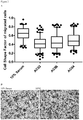
Figure 2 : The chondrocyte secretome induces morphological changes in migrating MBA-MB-231 cells. A) cell shape factors of three samples of chondrocytes (AC) after the addition of chondrocyte-conditioned medium. B) Photograph of the morphological changes of sample AC03. -
Figure 3 : The Inhibition of CXCL5/ENA-78 in chondrocyte secretome reverse (rescues) morphology of MDA-MB-231 cells. A) reduction of migration of chondrocytes (AC) after the addition of an inhibitor of CXCL5/ENA-78. B) Photograph of the morphological changes of sample AC03. -
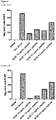
Figure 4 : Inhibition of CXCL5/ENA-78 in chondrocyte secretome reduces migration of MDA-MB-231 cells. A) Effect of peptide 001417C; B) Effect ofpeptide 001418C. -
Figure 5 : Chondrocyte-conditioned medium promotes mitogentic signaling through PI3K/AKT pathway in MCF7A - Western blot showing activation of AKT and ERK1/2 pathway in MCF7A upon treatment with chondrocyte-conditioned medium (AC CM). -
Figure 6 : Inhibition of AC CM induced proliferation in MCF7A using PI3K inhibitors. - The present methods have been performed with CXCL5 as an example, but can be used for other proteins of the secretome of chondrocytes as well, such as, for example GCP-2, MIP-3a, NAP-2, IL-6, IL-7, IL-8, IL-10, GRO, and/or GRO-a.
- Cell differentiation: Primary human monocytes, articular chondrocytes, and adipose tissue derived stromal cells were isolated from healthy donors and differentiated into osteoclasts (OC), articular chondrocytes (AC) and osteoblasts (OB) respectively. Cell lines: MDA-MB-231 (MDA), a metastatic, and MCF7A, an epithelial like breast cancer cell line, were used in this study.
- Serum free conditioned media: After differentiation, cells were washed 2 times with PBS and incubated with DMEM for 24 hours. After 24 hours, conditioned media was harvested and passed through a 0.45 µm filter.
- Migration: MDA-MB-231 cells were serum-starved for 24 hours before testing of the migration. Migration media was plated in the bottom of the well and a transwell insert (8 µm pores) was placed on top. 25.000 cells were seed on top of the filter. After 15 hours, the filters were washed and non-migrated cells were removed. Migrated cells were stained with H&E and counted under a microscope. Numbers were obtained as the average number of 5 random fields per filter.
- MTT: Proliferation was measured using MTT assay. Cells were seeded in a 96 well plate. After one day, the medium was changed to the appropriate medium. At the time for analysis, 5 µL MTT (10 µg/mL) was added to each well and incubated for 4 hours. Afterwards, the solution was removed, and DMSO was added. The absorbance was measured at 550 nm.
- Cell shape: Cell shape was analyzed using the program imageJ.
- Antibody array: The detection of proteins in the secretome was done using commercially available membrane antibody arrays from RayBiotech. CM was incubated with antibody arrays against chemokines and cytokines and detected using chemiluminescence.
- Phage display: 12 amino acid binding peptides towards CXCL5 were identified using a commercial phage display system from New England Biosystems.
- Intracellular Ca2+ imaging was done using Fura-2. Cells were incubated with Fura-2 and the ratio between fluorescence intensities at 340nm and 380nm was measured and plotted.
- Using the above methods, first, a cytokine pattern was identified for cytokines that are specific (unique) (in bold) for the secretome of chondocytes according to the following table 1 (see also
Figure 1 ). Predominant cytokines as identified are indicated in italics. POS = positive control; NEG = negative control, BMC = Bone marrow derived stromal cellsName Chondrocytes Norm BMC Osteoblasts Osteoclasts POS 1 1 1 1 NEG 0,066679 0,017539 0,027469 0,020553 IL2 0,06822 0,029074 0,027572 0,022438 MCP-1 1,217602 0,3431 0,339299 0,963559 TNF-a 0,083163 0,046156 0,036696 0,034415 IL3 0,109001 0,057641 0,053618 0,059465 MCP-2 0,114293 0,040159 0,044784 0,077262 TNF-b 0,080495 0,055858 0,039132 0,036499 IL4 0,065596 0,026211 0,027045 0,020462 MCP-3 0,069777 0,041931 0,036496 0,02842 EGF 0,173708 0,145263 0,124084 0,10602 IL5 0,070889 0,028318 0,027409 0,020449 M-CSF 0,094147 0,054951 0,043839 0,053754 IGF-1 0,069955 0,046404 0,039877 0,030477 ENA-78 0,580272 0,039544 0,033606 0,026904 IL6 4,458285 0,312157 0,210344 0,028285 MDC 0,06951 0,044773 0,032661 0,077925 Angiogenin 0,130348 0,049213 0,128664 0,053362 G-CSF 0,073201 0,030328 0,026645 0,020192 IL7 0,674108 0,054183 0,044566 0,021315 MIG 0,066486 0,038226 0,031662 0,025064 Oncastatin M 0,122209 0,078958 0,094876 0,068533 GM-CSF 0,122743 0,085959 0,062287 0,063404 IL8 1,971182 0,056809 0,067922 0,778721 MIP-1d 0,066842 0,031235 0,027645 0,024996 Thrombopoietin 0,075069 0,040592 0,036405 0,027825 GRO 3,603709 0,069439 0,333483 0,847619 IL-10 0,193054 0,033493 0,030371 0,062822 RANTES 0,11883 0,08383 0,064541 0,066543 VEGF 0,067953 0,045875 0,035369 0,025091 GRO-a 2,552966 0,037847 0,0522 0,114478 IL12 p40p70 0,067642 0,042385 0,032334 0,033116 SCF 0,073957 0,045659 0,038223 0,0334 PDGF BB 0,065285 0,055458 0,045311 0,06404 1-309 0,093258 0,046966 0,043567 0,038475 IL13 0,065819 0,026038 0,026463 0,020016 SDF-1 0,068709 0,049419 0,046384 0,040627 Leptin 0,092324 0,052001 0,040222 0,037338 IL1a 0,064796 0,031397 0,031443 0,024549 IL15 0,075558 0,036248 0,031916 0,021626 TARC 0,070533 0,059218 0,04433 0,037474 IL-1b 0,062973 0,034325 0,034879 0,028596 INF-g 0,067375 0,039403 0,035133 0,027364 TGF-b1 0,072089 0,054443 0,04144 0,034063 - Second, a chemokine pattern was identified for cytokines that are specific (unique) (in bold) for the secretome of chondocytes according to the following table 2. Predominant cytokines as identified are indicated in italics, (see also
Figure 1 ). Abbr. see Table 1.Name Chondrocytes Norm BMC Osteoblasts Osteoclasts POS 1 1 1 1 NEG 0,02855 0,01466 0,02252 0,02853 Eotaxin-3 0,03941 0,03665 0,05101 0,05389 MCP2 0,034 0,02502 0,02885 0,04779 PARC 0,02727 0,02446 0,02918 0,03463 Fractalkine 0,03062 0,02841 0,03547 0,03988 MCP-3 0,032 0,02357 0,02709 0,03633 Rantes 0,05469 0,04292 0,05864 0,06533 GCP-2 0,376229 0,032181 0,046655 0,044334 MCP-4 0,04013 0,0235 0,02659 0,0353 SDF-1 a 0,04002 0,02583 0,04274 0,0375 GRO 2,08272 0,03558 1,16742 0,45779 MDC 0,04859 0,03593 0,04364 0,0737 SDF-1 b 0,03548 0,03057 0,04493 0,04088 BLC 0,02893 0,0263 0,0345 0,03796 GRO a 1,657005 0,026569 0,118857 0,047771 MIG 0,03617 0,02547 0,0331 0,0362 TARC 0,03788 0,02988 0,03977 0,04457 CCL28 0,02845 0,02467 0,02448 0,03463 HCC-4 0,03687 0,02371 0,03106 0,03831 MIP-1 a 0,03908 0,03419 0,04794 0,08943 TECK 0,02784 0,02461 0,03232 0,03341 Ckb8-1 0,04352 0,03516 0,04026 0,04801 1-309 0,06397 0,04242 0,04853 0,0584 MIP-1b 0,09124 0,0734 0,10668 0,67802 CTSCK 0,05321 0,04033 0,05319 0,06158 I-TAC 0,03436 0,03131 0,03593 0,04165 MIP-1g 0,03116 0,02555 0,02649 0,04729 CXCL16 0,03417 0,02506 0,0304 0,09064 IL8 1,830818 0,041717 0,522773 0,649224 MIP-3a 0,452969 0,022053 0,024229 0,029753 ENA-78 0,511243 0,023615 0,029447 0,03794 IP-10 0,08671 0,04606 0,05728 0,06331 MIP-3b 0,04593 0,02595 0,02763 0,03415 Eotaxin 0,02944 0,02283 0,03761 0,03288 Lymphatactin 0,0355 0,03193 0,04076 0,03973 MPIF-1 0,02872 0,0238 0,02756 0,03984 Eotaxin-2 0,03329 0,02705 0,03645 0,05566 MCP-1 0,94123 0,72813 1,17109 1,49859 NAP-2 0,300804 0,038889 0,065753 0,080037 - As can be seen examples, for chondrocytes, uniquely secreted are at least GCP-2, GRO-a, MIP3a, CXCL5, NAP-2, IL-7, and IL-10, and predominantly secreted are at least IL-8 and IL-6.
- Then, also using the above methods, the migration of MDA-MB231 breast cancer cells in the presence of the chondrocyte secretome has been severely inhibited by blocking the signaling of ENA-78 (CXCL5) using monoclonal antibody to ENA-78 and peptides identified through phage display that have high binding affinity to ENA-78.
- Furthermore, using phage display, two peptides that recognize recombinant human CXCL5/ENA-78 were identified:
- Peptide 1 (001418C, preferred peptide): H-Pro-Val-Trp-Ala-his-leu-Asn-Pro-Pro-Trp-Leu-Ala-NH2 (ALWPPNLHAWVP, SEQ ID NO: 1);
- Peptide 2 (001417C, more preferred peptide): H-Ile-Gly-Lys-Val-Asp-Ser-Asn-Ser-Val-Ser-His-Ala-NH2 (AHSVSNSDVLGI, SEQ ID NO: 2).
- Finally, it was found that chondrocyte conditioned medium promotes mitogentic signalling through PI3K/AKT pathway in MCF7A cells. As shown in
Figures 5 and6 , chondrocyte conditioned medium exclusively induces proliferation in MCF7A and can be inhibited by LY-294002 (PI3K inhibitor). A Western blot showed the activation of AKT and the ERK1/2 pathway in MCF7A upon treatment with AC CM. Finally, the inhibition of AC CM induced proliferation in MCF7A through PI3K. -
- <110> Albert-Ludwigs-Universität Freiburg
- <120> Inhibitors of proteins specific for the secretome of a chondrocyte for use in the treatment of breast cancer metastasis
- <130> U30501EP
- <160> 2
- <170> PatentIn version 3.5
- <210> 1
<211> 12
<212> PRT
<213> artificial peptide - <220>
<223> peptide identified using phage display - <400> 1

- <210> 2
<211> 12
<212> PRT
<213> artificial peptide - <220>
<223> peptide identified using phage display - <400> 2

Claims (8)
- A peptide comprising the amino acid sequence selected from ALWPPNLHAWVP (SEQ ID NO: 1) and AHSVSNSDVLGI (SEQ ID NO: 2) for use in the prevention and/or treatment of a disease, wherein said disease is selected from breast cancer, and breast cancer metastases.
- The peptide for use according to claim 1, wherein said breast cancer metastases is breast cancer-derived bone metastases and/or breast cancer-derived lung metastases.
- The peptide for use according to claim 1 or 2, wherein said peptide is administered in combination with other ligands, and/or chemotherapeutically active substances, such as anti-cancer chemotherapeutics.
- Use of a peptide comprising the amino acid sequence selected from ALWPPNLHAWVP (SEQ ID NO: 1) and AHSVSNSDVLGI (SEQ ID NO: 2) for the in vitro diagnosis of breast cancer, and/or breast cancer metastases.
- The use according to claim 4, wherein said peptide is part of a diagnostic agent that optionally comprises at least one detectable moiety.
- An in vitro method for detecting breast cancer metastasis, comprising the step of detecting at least CXCL5 that is specific for the secretome of a chondrocyte in a biological sample provided from a subject having primary breast cancer; wherein the presence of said CXCL5 that is specific for the secretome of a chondrocyte is indicative for breast cancer metastasis and/or an increased risk for breast cancer metastasis, wherein said metastases preferably are bone and/or lung metastases.
- The method according to claim 6, wherein said detecting comprises detecting of a binding of a peptide comprising the amino acid sequence selected from ALWPPNLHAWVP (SEQ ID NO: 1) and AHSVSNSDVLGI (SEQ ID NO: 2).
- The method according to claim 6 or 7, wherein said sample is selected from a blood, plasma, urine, a sample comprising chondrocytes, and a tissue sample, such as, for example, a biopsy comprising breast, prostate, bone, cartilage, lung, liver, brain or tumor tissue.
Priority Applications (5)
| Application Number | Priority Date | Filing Date | Title |
|---|---|---|---|
| EP13164922.0A EP2796875B8 (en) | 2013-04-23 | 2013-04-23 | Inhibitors of proteins specific for the secretome of a chondrocyte for use in the treatment of breast cancer metastasis |
| PCT/EP2014/058264 WO2014173967A1 (en) | 2013-04-23 | 2014-04-23 | Inhibitors of proteins specific for the secretome of a chondrocyte for use in the treatment of breast cancer metastasis |
| US14/786,099 US10495642B2 (en) | 2013-04-23 | 2014-04-23 | Inhibitors of proteins specific for the secretome of a chondrocyte for use in the treatment of breast cancer metastasis |
| HK15104132.4A HK1203623B (en) | 2015-04-29 | Inhibitors of proteins specific for the secretome of a chondrocyte for use in the treatment of breast cancer metastasis | |
| US16/654,326 US20200103409A1 (en) | 2013-04-23 | 2019-10-16 | Inhibitors of proteins specific for the secretome of a chondrocyte for use in the treatment of breast cancer metastasis |
Applications Claiming Priority (1)
| Application Number | Priority Date | Filing Date | Title |
|---|---|---|---|
| EP13164922.0A EP2796875B8 (en) | 2013-04-23 | 2013-04-23 | Inhibitors of proteins specific for the secretome of a chondrocyte for use in the treatment of breast cancer metastasis |
Publications (3)
| Publication Number | Publication Date |
|---|---|
| EP2796875A1 EP2796875A1 (en) | 2014-10-29 |
| EP2796875B1 true EP2796875B1 (en) | 2019-03-27 |
| EP2796875B8 EP2796875B8 (en) | 2020-11-25 |
Family
ID=48143183
Family Applications (1)
| Application Number | Title | Priority Date | Filing Date |
|---|---|---|---|
| EP13164922.0A Active EP2796875B8 (en) | 2013-04-23 | 2013-04-23 | Inhibitors of proteins specific for the secretome of a chondrocyte for use in the treatment of breast cancer metastasis |
Country Status (3)
| Country | Link |
|---|---|
| US (2) | US10495642B2 (en) |
| EP (1) | EP2796875B8 (en) |
| WO (1) | WO2014173967A1 (en) |
Families Citing this family (4)
| Publication number | Priority date | Publication date | Assignee | Title |
|---|---|---|---|---|
| WO2018073248A1 (en) | 2016-10-17 | 2018-04-26 | Icm (Institut Du Cerveau Et De La Moelle Épinière) | Prognosis of demyelinating diseases patients and treatment thereof |
| JP7690737B2 (en) * | 2021-01-20 | 2025-06-11 | 株式会社リジェネシスサイエンス | Method for producing mature chondrocytes |
| CN116426532B (en) * | 2023-06-08 | 2023-09-12 | 时夕(广州)生物科技有限公司 | Targeting aptamer and application thereof |
| WO2025206342A1 (en) * | 2024-03-29 | 2025-10-02 | 学校法人順天堂 | Agent for suppressing tissue stem cell aging |
Citations (1)
| Publication number | Priority date | Publication date | Assignee | Title |
|---|---|---|---|---|
| US20120172235A1 (en) * | 2009-08-12 | 2012-07-05 | Medical Research Council | Peptide libraries |
Family Cites Families (7)
| Publication number | Priority date | Publication date | Assignee | Title |
|---|---|---|---|---|
| US6410268B1 (en) * | 1996-03-18 | 2002-06-25 | Human Genome Sciences, Inc. | Polynucleotides encoding chemokine alpha-3 |
| US6645491B1 (en) * | 1999-02-03 | 2003-11-11 | Schering Corporation | Method for treating inflammatory conditions using an antibody to MIP-3α |
| US20100004304A1 (en) | 2004-03-16 | 2010-01-07 | Kohn Leonard D | Methods and compositions for the treatment of malignant melanoma, breast, prostate, colon, papillary thyroid and pancreatic cancer |
| US20070105133A1 (en) * | 2005-06-13 | 2007-05-10 | The Regents Of The University Of Michigan | Compositions and methods for treating and diagnosing cancer |
| US7598028B2 (en) | 2006-11-28 | 2009-10-06 | The Regents Of The University Of Michigan | Compositions and methods for detecting and treating prostate disorders |
| CL2008001071A1 (en) * | 2007-04-17 | 2009-05-22 | Smithkline Beecham Corp | Method to obtain penta-specific antibody against human il-8 / cxcl8, gro-alpha / cxcl1, gro-beta / cxcl2), gro-gamma / cxcl3 and ena-78 / cxcl5; penta-specific antibody; production process of the same; vector, hybridoma or cella that comprises it; pharmaceutical composition; use to treat copd, other diseases. |
| WO2009026117A2 (en) * | 2007-08-16 | 2009-02-26 | Glaxo Group Limited | Novel compounds |
-
2013
- 2013-04-23 EP EP13164922.0A patent/EP2796875B8/en active Active
-
2014
- 2014-04-23 WO PCT/EP2014/058264 patent/WO2014173967A1/en not_active Ceased
- 2014-04-23 US US14/786,099 patent/US10495642B2/en not_active Expired - Fee Related
-
2019
- 2019-10-16 US US16/654,326 patent/US20200103409A1/en not_active Abandoned
Patent Citations (1)
| Publication number | Priority date | Publication date | Assignee | Title |
|---|---|---|---|---|
| US20120172235A1 (en) * | 2009-08-12 | 2012-07-05 | Medical Research Council | Peptide libraries |
Also Published As
| Publication number | Publication date |
|---|---|
| EP2796875B8 (en) | 2020-11-25 |
| HK1203623A1 (en) | 2015-10-30 |
| US20200103409A1 (en) | 2020-04-02 |
| US20160069882A1 (en) | 2016-03-10 |
| EP2796875A1 (en) | 2014-10-29 |
| US10495642B2 (en) | 2019-12-03 |
| WO2014173967A1 (en) | 2014-10-30 |
Similar Documents
| Publication | Publication Date | Title |
|---|---|---|
| Zhang et al. | CCL8 secreted by tumor-associated macrophages promotes invasion and stemness of glioblastoma cells via ERK1/2 signaling | |
| Zhao et al. | Chitinase-3 like-protein-1 promotes glioma progression via the NF-κB signaling pathway and tumor microenvironment reprogramming | |
| Jurcak et al. | Signaling in the microenvironment of pancreatic cancer: Transmitting along the nerve | |
| Rivas-Fuentes et al. | Role of chemokines in non-small cell lung cancer: angiogenesis and inflammation | |
| Bhattacharyya et al. | Tenascin-C drives persistence of organ fibrosis | |
| Zhuo et al. | The CXCL12–CXCR4 chemokine pathway: a novel axis regulates lymphangiogenesis | |
| CN108078991B (en) | Application of Aurora kinase inhibitor in preparation of tumor microenvironment inhibition drug | |
| Wang et al. | Hypoxia-induced myeloid derived growth factor promotes hepatocellular carcinoma progression through remodeling tumor microenvironment | |
| Cai et al. | Monocyte chemotactic protein 1 promotes lung cancer–induced bone resorptive lesions in vivo | |
| US20200103409A1 (en) | Inhibitors of proteins specific for the secretome of a chondrocyte for use in the treatment of breast cancer metastasis | |
| Jia et al. | CCN: core regulatory proteins in the microenvironment that affect the metastasis of hepatocellular carcinoma? | |
| Meng et al. | Effects of VEGFR1+ hematopoietic progenitor cells on pre-metastatic niche formation and in vivo metastasis of breast cancer cells | |
| Ziaee et al. | Prostate cancer metastasis: roles of recruitment and reprogramming, cell signal network and three-dimensional growth characteristics | |
| Leanderson et al. | S100A9 as a pharmacological target molecule in inflammation and cancer | |
| CN116859048A (en) | Tumor marker transmembrane protein SLC31A1 and application thereof | |
| Wang et al. | CXCL1 gene silencing inhibits HGC803 cell migration and invasion and acts as an independent prognostic factor for poor survival in gastric cancer | |
| El Haddaoui et al. | Rintatolimod: a potential treatment in patients with pancreatic cancer expressing Toll-like receptor 3 | |
| US20110104741A1 (en) | Screening Method for Inhibitors of Cancer Cell Invasion and Screening System Thereof | |
| AU2025201983A1 (en) | Biologic for the treatment of cancer | |
| Bielawska et al. | Cytotoxic efficacy of a novel dinuclear platinum (II) complex in human breast cancer cells | |
| HK1203623B (en) | Inhibitors of proteins specific for the secretome of a chondrocyte for use in the treatment of breast cancer metastasis | |
| Scherzad et al. | Wound fluid enhances cancer cell proliferation via activation of STAT3 signal pathway in vitro | |
| De Wever et al. | Priming and potentiation of DNA damage response by fibronectin in human colon cancer cells and tumor-derived myofibroblasts | |
| WO2009157627A1 (en) | Screening method for inhibitors of cancer cell invasion and screening system thereof | |
| Sangar et al. | Quantitative proteomic analysis reveals effects of EGFR on invasion-promoting proteins secreted by glioblastoma cells |
Legal Events
| Date | Code | Title | Description |
|---|---|---|---|
| PUAI | Public reference made under article 153(3) epc to a published international application that has entered the european phase |
Free format text: ORIGINAL CODE: 0009012 |
|
| 17P | Request for examination filed |
Effective date: 20130423 |
|
| AK | Designated contracting states |
Kind code of ref document: A1 Designated state(s): AL AT BE BG CH CY CZ DE DK EE ES FI FR GB GR HR HU IE IS IT LI LT LU LV MC MK MT NL NO PL PT RO RS SE SI SK SM TR |
|
| AX | Request for extension of the european patent |
Extension state: BA ME |
|
| R17P | Request for examination filed (corrected) |
Effective date: 20150428 |
|
| RBV | Designated contracting states (corrected) |
Designated state(s): AL AT BE BG CH CY CZ DE DK EE ES FI FR GB GR HR HU IE IS IT LI LT LU LV MC MK MT NL NO PL PT RO RS SE SI SK SM TR |
|
| REG | Reference to a national code |
Ref country code: HK Ref legal event code: DE Ref document number: 1203623 Country of ref document: HK |
|
| 17Q | First examination report despatched |
Effective date: 20160712 |
|
| STAA | Information on the status of an ep patent application or granted ep patent |
Free format text: STATUS: EXAMINATION IS IN PROGRESS |
|
| GRAP | Despatch of communication of intention to grant a patent |
Free format text: ORIGINAL CODE: EPIDOSNIGR1 |
|
| STAA | Information on the status of an ep patent application or granted ep patent |
Free format text: STATUS: GRANT OF PATENT IS INTENDED |
|
| INTG | Intention to grant announced |
Effective date: 20181018 |
|
| GRAS | Grant fee paid |
Free format text: ORIGINAL CODE: EPIDOSNIGR3 |
|
| GRAA | (expected) grant |
Free format text: ORIGINAL CODE: 0009210 |
|
| STAA | Information on the status of an ep patent application or granted ep patent |
Free format text: STATUS: THE PATENT HAS BEEN GRANTED |
|
| AK | Designated contracting states |
Kind code of ref document: B1 Designated state(s): AL AT BE BG CH CY CZ DE DK EE ES FI FR GB GR HR HU IE IS IT LI LT LU LV MC MK MT NL NO PL PT RO RS SE SI SK SM TR |
|
| REG | Reference to a national code |
Ref country code: GB Ref legal event code: FG4D |
|
| REG | Reference to a national code |
Ref country code: CH Ref legal event code: EP |
|
| REG | Reference to a national code |
Ref country code: AT Ref legal event code: REF Ref document number: 1113725 Country of ref document: AT Kind code of ref document: T Effective date: 20190415 |
|
| REG | Reference to a national code |
Ref country code: IE Ref legal event code: FG4D |
|
| REG | Reference to a national code |
Ref country code: DE Ref legal event code: R096 Ref document number: 602013052821 Country of ref document: DE |
|
| PG25 | Lapsed in a contracting state [announced via postgrant information from national office to epo] |
Ref country code: SE Free format text: LAPSE BECAUSE OF FAILURE TO SUBMIT A TRANSLATION OF THE DESCRIPTION OR TO PAY THE FEE WITHIN THE PRESCRIBED TIME-LIMIT Effective date: 20190327 Ref country code: NO Free format text: LAPSE BECAUSE OF FAILURE TO SUBMIT A TRANSLATION OF THE DESCRIPTION OR TO PAY THE FEE WITHIN THE PRESCRIBED TIME-LIMIT Effective date: 20190627 Ref country code: FI Free format text: LAPSE BECAUSE OF FAILURE TO SUBMIT A TRANSLATION OF THE DESCRIPTION OR TO PAY THE FEE WITHIN THE PRESCRIBED TIME-LIMIT Effective date: 20190327 Ref country code: LT Free format text: LAPSE BECAUSE OF FAILURE TO SUBMIT A TRANSLATION OF THE DESCRIPTION OR TO PAY THE FEE WITHIN THE PRESCRIBED TIME-LIMIT Effective date: 20190327 |
|
| REG | Reference to a national code |
Ref country code: NL Ref legal event code: MP Effective date: 20190327 |
|
| PG25 | Lapsed in a contracting state [announced via postgrant information from national office to epo] |
Ref country code: GR Free format text: LAPSE BECAUSE OF FAILURE TO SUBMIT A TRANSLATION OF THE DESCRIPTION OR TO PAY THE FEE WITHIN THE PRESCRIBED TIME-LIMIT Effective date: 20190628 Ref country code: BG Free format text: LAPSE BECAUSE OF FAILURE TO SUBMIT A TRANSLATION OF THE DESCRIPTION OR TO PAY THE FEE WITHIN THE PRESCRIBED TIME-LIMIT Effective date: 20190627 Ref country code: RS Free format text: LAPSE BECAUSE OF FAILURE TO SUBMIT A TRANSLATION OF THE DESCRIPTION OR TO PAY THE FEE WITHIN THE PRESCRIBED TIME-LIMIT Effective date: 20190327 Ref country code: NL Free format text: LAPSE BECAUSE OF FAILURE TO SUBMIT A TRANSLATION OF THE DESCRIPTION OR TO PAY THE FEE WITHIN THE PRESCRIBED TIME-LIMIT Effective date: 20190327 Ref country code: HR Free format text: LAPSE BECAUSE OF FAILURE TO SUBMIT A TRANSLATION OF THE DESCRIPTION OR TO PAY THE FEE WITHIN THE PRESCRIBED TIME-LIMIT Effective date: 20190327 Ref country code: LV Free format text: LAPSE BECAUSE OF FAILURE TO SUBMIT A TRANSLATION OF THE DESCRIPTION OR TO PAY THE FEE WITHIN THE PRESCRIBED TIME-LIMIT Effective date: 20190327 |
|
| REG | Reference to a national code |
Ref country code: AT Ref legal event code: MK05 Ref document number: 1113725 Country of ref document: AT Kind code of ref document: T Effective date: 20190327 |
|
| PG25 | Lapsed in a contracting state [announced via postgrant information from national office to epo] |
Ref country code: SK Free format text: LAPSE BECAUSE OF FAILURE TO SUBMIT A TRANSLATION OF THE DESCRIPTION OR TO PAY THE FEE WITHIN THE PRESCRIBED TIME-LIMIT Effective date: 20190327 Ref country code: IT Free format text: LAPSE BECAUSE OF FAILURE TO SUBMIT A TRANSLATION OF THE DESCRIPTION OR TO PAY THE FEE WITHIN THE PRESCRIBED TIME-LIMIT Effective date: 20190327 Ref country code: RO Free format text: LAPSE BECAUSE OF FAILURE TO SUBMIT A TRANSLATION OF THE DESCRIPTION OR TO PAY THE FEE WITHIN THE PRESCRIBED TIME-LIMIT Effective date: 20190327 Ref country code: EE Free format text: LAPSE BECAUSE OF FAILURE TO SUBMIT A TRANSLATION OF THE DESCRIPTION OR TO PAY THE FEE WITHIN THE PRESCRIBED TIME-LIMIT Effective date: 20190327 Ref country code: AL Free format text: LAPSE BECAUSE OF FAILURE TO SUBMIT A TRANSLATION OF THE DESCRIPTION OR TO PAY THE FEE WITHIN THE PRESCRIBED TIME-LIMIT Effective date: 20190327 Ref country code: PT Free format text: LAPSE BECAUSE OF FAILURE TO SUBMIT A TRANSLATION OF THE DESCRIPTION OR TO PAY THE FEE WITHIN THE PRESCRIBED TIME-LIMIT Effective date: 20190727 Ref country code: CZ Free format text: LAPSE BECAUSE OF FAILURE TO SUBMIT A TRANSLATION OF THE DESCRIPTION OR TO PAY THE FEE WITHIN THE PRESCRIBED TIME-LIMIT Effective date: 20190327 Ref country code: ES Free format text: LAPSE BECAUSE OF FAILURE TO SUBMIT A TRANSLATION OF THE DESCRIPTION OR TO PAY THE FEE WITHIN THE PRESCRIBED TIME-LIMIT Effective date: 20190327 |
|
| PG25 | Lapsed in a contracting state [announced via postgrant information from national office to epo] |
Ref country code: PL Free format text: LAPSE BECAUSE OF FAILURE TO SUBMIT A TRANSLATION OF THE DESCRIPTION OR TO PAY THE FEE WITHIN THE PRESCRIBED TIME-LIMIT Effective date: 20190327 Ref country code: SM Free format text: LAPSE BECAUSE OF FAILURE TO SUBMIT A TRANSLATION OF THE DESCRIPTION OR TO PAY THE FEE WITHIN THE PRESCRIBED TIME-LIMIT Effective date: 20190327 |
|
| REG | Reference to a national code |
Ref country code: BE Ref legal event code: MM Effective date: 20190430 |
|
| PG25 | Lapsed in a contracting state [announced via postgrant information from national office to epo] |
Ref country code: AT Free format text: LAPSE BECAUSE OF FAILURE TO SUBMIT A TRANSLATION OF THE DESCRIPTION OR TO PAY THE FEE WITHIN THE PRESCRIBED TIME-LIMIT Effective date: 20190327 Ref country code: IS Free format text: LAPSE BECAUSE OF FAILURE TO SUBMIT A TRANSLATION OF THE DESCRIPTION OR TO PAY THE FEE WITHIN THE PRESCRIBED TIME-LIMIT Effective date: 20190727 Ref country code: LU Free format text: LAPSE BECAUSE OF NON-PAYMENT OF DUE FEES Effective date: 20190423 |
|
| REG | Reference to a national code |
Ref country code: DE Ref legal event code: R097 Ref document number: 602013052821 Country of ref document: DE |
|
| PG25 | Lapsed in a contracting state [announced via postgrant information from national office to epo] |
Ref country code: DK Free format text: LAPSE BECAUSE OF FAILURE TO SUBMIT A TRANSLATION OF THE DESCRIPTION OR TO PAY THE FEE WITHIN THE PRESCRIBED TIME-LIMIT Effective date: 20190327 Ref country code: MC Free format text: LAPSE BECAUSE OF FAILURE TO SUBMIT A TRANSLATION OF THE DESCRIPTION OR TO PAY THE FEE WITHIN THE PRESCRIBED TIME-LIMIT Effective date: 20190327 |
|
| PLBE | No opposition filed within time limit |
Free format text: ORIGINAL CODE: 0009261 |
|
| STAA | Information on the status of an ep patent application or granted ep patent |
Free format text: STATUS: NO OPPOSITION FILED WITHIN TIME LIMIT |
|
| PG25 | Lapsed in a contracting state [announced via postgrant information from national office to epo] |
Ref country code: BE Free format text: LAPSE BECAUSE OF NON-PAYMENT OF DUE FEES Effective date: 20190430 Ref country code: SI Free format text: LAPSE BECAUSE OF FAILURE TO SUBMIT A TRANSLATION OF THE DESCRIPTION OR TO PAY THE FEE WITHIN THE PRESCRIBED TIME-LIMIT Effective date: 20190327 |
|
| 26N | No opposition filed |
Effective date: 20200103 |
|
| PG25 | Lapsed in a contracting state [announced via postgrant information from national office to epo] |
Ref country code: TR Free format text: LAPSE BECAUSE OF FAILURE TO SUBMIT A TRANSLATION OF THE DESCRIPTION OR TO PAY THE FEE WITHIN THE PRESCRIBED TIME-LIMIT Effective date: 20190327 |
|
| PG25 | Lapsed in a contracting state [announced via postgrant information from national office to epo] |
Ref country code: IE Free format text: LAPSE BECAUSE OF NON-PAYMENT OF DUE FEES Effective date: 20190423 |
|
| REG | Reference to a national code |
Ref country code: CH Ref legal event code: PK Free format text: BERICHTIGUNG B8 |
|
| PLAA | Information modified related to event that no opposition was filed |
Free format text: ORIGINAL CODE: 0009299DELT |
|
| PLBE | No opposition filed within time limit |
Free format text: ORIGINAL CODE: 0009261 |
|
| REG | Reference to a national code |
Ref country code: CH Ref legal event code: PK Free format text: TITEL |
|
| R26N | No opposition filed (corrected) |
Effective date: 20200103 |
|
| REG | Reference to a national code |
Ref country code: CH Ref legal event code: PK Free format text: BERICHTIGUNG B8 |
|
| PG25 | Lapsed in a contracting state [announced via postgrant information from national office to epo] |
Ref country code: CY Free format text: LAPSE BECAUSE OF FAILURE TO SUBMIT A TRANSLATION OF THE DESCRIPTION OR TO PAY THE FEE WITHIN THE PRESCRIBED TIME-LIMIT Effective date: 20190327 |
|
| PG25 | Lapsed in a contracting state [announced via postgrant information from national office to epo] |
Ref country code: MT Free format text: LAPSE BECAUSE OF FAILURE TO SUBMIT A TRANSLATION OF THE DESCRIPTION OR TO PAY THE FEE WITHIN THE PRESCRIBED TIME-LIMIT Effective date: 20190327 Ref country code: HU Free format text: LAPSE BECAUSE OF FAILURE TO SUBMIT A TRANSLATION OF THE DESCRIPTION OR TO PAY THE FEE WITHIN THE PRESCRIBED TIME-LIMIT; INVALID AB INITIO Effective date: 20130423 |
|
| PG25 | Lapsed in a contracting state [announced via postgrant information from national office to epo] |
Ref country code: MK Free format text: LAPSE BECAUSE OF FAILURE TO SUBMIT A TRANSLATION OF THE DESCRIPTION OR TO PAY THE FEE WITHIN THE PRESCRIBED TIME-LIMIT Effective date: 20190327 |
|
| PGFP | Annual fee paid to national office [announced via postgrant information from national office to epo] |
Ref country code: DE Payment date: 20220419 Year of fee payment: 10 |
|
| PGFP | Annual fee paid to national office [announced via postgrant information from national office to epo] |
Ref country code: FR Payment date: 20230417 Year of fee payment: 11 Ref country code: CH Payment date: 20230502 Year of fee payment: 11 |
|
| PGFP | Annual fee paid to national office [announced via postgrant information from national office to epo] |
Ref country code: GB Payment date: 20230420 Year of fee payment: 11 |
|
| REG | Reference to a national code |
Ref country code: DE Ref legal event code: R119 Ref document number: 602013052821 Country of ref document: DE |
|
| PG25 | Lapsed in a contracting state [announced via postgrant information from national office to epo] |
Ref country code: DE Free format text: LAPSE BECAUSE OF NON-PAYMENT OF DUE FEES Effective date: 20231103 |
|
| REG | Reference to a national code |
Ref country code: CH Ref legal event code: PL |
|
| GBPC | Gb: european patent ceased through non-payment of renewal fee |
Effective date: 20240423 |
|
| PG25 | Lapsed in a contracting state [announced via postgrant information from national office to epo] |
Ref country code: GB Free format text: LAPSE BECAUSE OF NON-PAYMENT OF DUE FEES Effective date: 20240423 |
|
| PG25 | Lapsed in a contracting state [announced via postgrant information from national office to epo] |
Ref country code: FR Free format text: LAPSE BECAUSE OF NON-PAYMENT OF DUE FEES Effective date: 20240430 |
|
| PG25 | Lapsed in a contracting state [announced via postgrant information from national office to epo] |
Ref country code: GB Free format text: LAPSE BECAUSE OF NON-PAYMENT OF DUE FEES Effective date: 20240423 Ref country code: FR Free format text: LAPSE BECAUSE OF NON-PAYMENT OF DUE FEES Effective date: 20240430 Ref country code: CH Free format text: LAPSE BECAUSE OF NON-PAYMENT OF DUE FEES Effective date: 20240430 |