EP2796151A1 - Ceria nanocomplex, pharmaceutical composition comprising said ceria nanocomplex, and method for preparing same - Google Patents
Ceria nanocomplex, pharmaceutical composition comprising said ceria nanocomplex, and method for preparing same Download PDFInfo
- Publication number
- EP2796151A1 EP2796151A1 EP13776300.9A EP13776300A EP2796151A1 EP 2796151 A1 EP2796151 A1 EP 2796151A1 EP 13776300 A EP13776300 A EP 13776300A EP 2796151 A1 EP2796151 A1 EP 2796151A1
- Authority
- EP
- European Patent Office
- Prior art keywords
- ceria
- cerium
- surfactant
- iii
- acid
- Prior art date
- Legal status (The legal status is an assumption and is not a legal conclusion. Google has not performed a legal analysis and makes no representation as to the accuracy of the status listed.)
- Withdrawn
Links
Images




Classifications
-
- A—HUMAN NECESSITIES
- A61—MEDICAL OR VETERINARY SCIENCE; HYGIENE
- A61K—PREPARATIONS FOR MEDICAL, DENTAL OR TOILETRY PURPOSES
- A61K33/00—Medicinal preparations containing inorganic active ingredients
- A61K33/24—Heavy metals; Compounds thereof
- A61K33/244—Lanthanides; Compounds thereof
-
- A—HUMAN NECESSITIES
- A61—MEDICAL OR VETERINARY SCIENCE; HYGIENE
- A61K—PREPARATIONS FOR MEDICAL, DENTAL OR TOILETRY PURPOSES
- A61K47/00—Medicinal preparations characterised by the non-active ingredients used, e.g. carriers or inert additives; Targeting or modifying agents chemically bound to the active ingredient
- A61K47/50—Medicinal preparations characterised by the non-active ingredients used, e.g. carriers or inert additives; Targeting or modifying agents chemically bound to the active ingredient the non-active ingredient being chemically bound to the active ingredient, e.g. polymer-drug conjugates
-
- A—HUMAN NECESSITIES
- A61—MEDICAL OR VETERINARY SCIENCE; HYGIENE
- A61K—PREPARATIONS FOR MEDICAL, DENTAL OR TOILETRY PURPOSES
- A61K47/00—Medicinal preparations characterised by the non-active ingredients used, e.g. carriers or inert additives; Targeting or modifying agents chemically bound to the active ingredient
- A61K47/06—Organic compounds, e.g. natural or synthetic hydrocarbons, polyolefins, mineral oil, petrolatum or ozokerite
- A61K47/24—Organic compounds, e.g. natural or synthetic hydrocarbons, polyolefins, mineral oil, petrolatum or ozokerite containing atoms other than carbon, hydrogen, oxygen, halogen, nitrogen or sulfur, e.g. cyclomethicone or phospholipids
-
- A—HUMAN NECESSITIES
- A61—MEDICAL OR VETERINARY SCIENCE; HYGIENE
- A61K—PREPARATIONS FOR MEDICAL, DENTAL OR TOILETRY PURPOSES
- A61K9/00—Medicinal preparations characterised by special physical form
- A61K9/14—Particulate form, e.g. powders, Processes for size reducing of pure drugs or the resulting products, Pure drug nanoparticles
-
- A—HUMAN NECESSITIES
- A61—MEDICAL OR VETERINARY SCIENCE; HYGIENE
- A61K—PREPARATIONS FOR MEDICAL, DENTAL OR TOILETRY PURPOSES
- A61K9/00—Medicinal preparations characterised by special physical form
- A61K9/14—Particulate form, e.g. powders, Processes for size reducing of pure drugs or the resulting products, Pure drug nanoparticles
- A61K9/16—Agglomerates; Granulates; Microbeadlets ; Microspheres; Pellets; Solid products obtained by spray drying, spray freeze drying, spray congealing,(multiple) emulsion solvent evaporation or extraction
-
- A—HUMAN NECESSITIES
- A61—MEDICAL OR VETERINARY SCIENCE; HYGIENE
- A61K—PREPARATIONS FOR MEDICAL, DENTAL OR TOILETRY PURPOSES
- A61K9/00—Medicinal preparations characterised by special physical form
- A61K9/48—Preparations in capsules, e.g. of gelatin, of chocolate
- A61K9/4816—Wall or shell material
-
- A—HUMAN NECESSITIES
- A61—MEDICAL OR VETERINARY SCIENCE; HYGIENE
- A61P—SPECIFIC THERAPEUTIC ACTIVITY OF CHEMICAL COMPOUNDS OR MEDICINAL PREPARATIONS
- A61P9/00—Drugs for disorders of the cardiovascular system
- A61P9/10—Drugs for disorders of the cardiovascular system for treating ischaemic or atherosclerotic diseases, e.g. antianginal drugs, coronary vasodilators, drugs for myocardial infarction, retinopathy, cerebrovascula insufficiency, renal arteriosclerosis
-
- A—HUMAN NECESSITIES
- A61—MEDICAL OR VETERINARY SCIENCE; HYGIENE
- A61K—PREPARATIONS FOR MEDICAL, DENTAL OR TOILETRY PURPOSES
- A61K9/00—Medicinal preparations characterised by special physical form
- A61K9/48—Preparations in capsules, e.g. of gelatin, of chocolate
- A61K9/50—Microcapsules having a gas, liquid or semi-solid filling; Solid microparticles or pellets surrounded by a distinct coating layer, e.g. coated microspheres, coated drug crystals
- A61K9/51—Nanocapsules; Nanoparticles
- A61K9/5107—Excipients; Inactive ingredients
- A61K9/513—Organic macromolecular compounds; Dendrimers
- A61K9/5146—Organic macromolecular compounds; Dendrimers obtained otherwise than by reactions only involving carbon-to-carbon unsaturated bonds, e.g. polyethylene glycol, polyamines, polyanhydrides
Definitions
- the present invention relates to ceria nanocomposite, pharmaceutical composition comprising, and method for preparing the same. More particularly, the present invention is directed to a ceria nanocomposite comprising a ceria nanoparticle, wherein the ceria nanoparticle is encapsulated with a surfactant and the surfactant is encapsulated with polyethylene glycol-phospholipid, a pharmaceutical composition for preventing or treating ischemic stroke comprising thereof, and method for preparing the same.
- ROS reactive oxygen species
- O 2 •- superoxide anion
- H 2 O 2 hydrogen peroxide
- HO •- hydroxyl radical
- Ceria nanoparticles have been known to exhibit free radical scavenging activity by reversibly binding oxygen and shifting between Ce 3+ (reduced) and Ce 4+ (oxidized) at the particle surface ( Celardo, I., Pedersen, J. Z., Traversa, E. & Ghibelli, L. Pharmacological potential of cerium oxide nanoparticles. Nanoscale 3, 1411-1420, 2011 ).
- ceria nanoparticles exhibit superoxide dismutase-mimetic activity (when cerium is oxidized to Ce 4+ ) and catalase-mimetic activity (when cerium is reduced to Ce 3+ ) to protect cells against two dominant ROS, superoxide anion (O 2 •- ) and hydrogen peroxide (H 2 O 2 ) ( Heckert, E. G., Karakoti, A. S., Seal, S. & Self, W. T. The role of cerium redox state in the SOD mimetic activity of nanoceria. Biomaterials 29, 2705-2709, 2008 ; Korsvik, C., Patil, S., Seal, S. & Self, W. T. Superoxide dismutase mimetic properties exhibited by vacancy engineered ceria nanoparticles. Chem. Commun. 1056-1058, 2007 ).
- PCT/US2006/024963 discloses cerium oxide nanoparticles for use in therapeutic composition, and describes that the therapeutic compositions may be used for treating stroke. However, PCT/US2006/024963 does not describe any example that cerium oxide nanoparticles were applied to treat stroke.
- Estevez et al. discloses that ceria nanoparticle may be used for treatment of stroke ( A Y Estevez, S Pritchard, K Harper, J W Aston, A Lynch, J J Lucky, J S Ludington, P Chatani, W P Mosenthal, J Cnati, S Andreescu, J S Erlichman, "Neuroprotective mechanisms of cerium oxide nanoparticles in a mouse hippocampal brain slice model of ischemia", FREE RADICAL BIOLOGY AND MEDICINE, Volume: 51, Issue: 6, Pages: 1155-1163, 2011 ).
- Estevez et al. does not disclose ceria nanocomposites, but only ceria nanoparticles.
- ceria nanocomposite prepared by encapsulating ceria nanoparticles with a surfactant such as oleylamine and capping them with PEG-phospholipid, easily penetrate cell membranes without toxicity and effectively diffuse into cytoplasm, and thus have completed the present invention.
- the present inventors have revealed that the ceria nanocomposite of the present invention is effective to treat and prevent ischemic stroke, and accordingly have invented a pharmaceutical composition for treating or preventing ischemic stroke, which comprises the ceria nanocomposite.
- the primary object of the present invention is to provide a ceria nanocomposite comprising a ceria nanoparticle, wherein the ceria nanoparticle is encapsulated with a surfactant and the surfactant is encapsulated with polyethylene glycol-phospholipid.
- Another object of the present invention is to provide a pharmaceutical composition for treating or preventing ischemic stroke, comprising a ceria nanocomposite which comprises a ceria nanoparticle, wherein the ceria nanoparticle is enclosed with a surfactant and the surfactant is capped with polyethylene glycol-phospholipid.
- Yet another object of the present invention is to provide method for preparing of ceria nanocomposite (i) reacting a cerium precursor with a surfactant in a first organic solvent to form a cerium-surfactant complex; adding water to the cerium-surfactant complex solution of the step (i), while heating the solution, to form a cerium nanoparticle enclosed with the surfactant; and (iii) encapsulating the surfactant-capped ceria nanoparticle with polyethylene glycol-lipid in a second organic solvent.
- the primary object of present invention can be accomplished by providing a ceria nanocomposite comprising a ceria nanoparticle, wherein the ceria nanoparticle is encapsulated with a surfactant and the surfactant is encapsulated with polyethylene glycol-phospholipid.
- phospholipid refers to an amphipathic molecule that includes a lipid region and hydrophilic region having phosphrus.
- the hydrophilic region may be phosphatidylserine, phosphatidylethanolamine, phosphatidylcholine or phosphatidylinositol.
- polyethylene glycol refers to a polymeric compound that has a molecular weight of about 100 Da to about 10,000 Da according to the number of ethylene oxide in the polymer chain.
- PEG-phospholipid is a compound of the following chemical formula I.
- R is C 15 -C 25 linear alkyl
- M + is NH 4+ or Na +
- n is an integer of 35 to 55.
- the ceria nanocomposite of the present invention has a structure that a hydrophilic region of the surfactant chemically or physically binds to the surface of the ceria nanoparticle and two strands of alkyl (R) at the phospholipid region of the PEG-phospholipid encapsulate the lipophilic region of the surfactant.
- a size of the ceria nanoparticle is preferably 3 nm - 20 nm, and a size of the ceria nanocomposite is preferably 15 nm - 100 nm.
- the surfactant may be C 8 -C 25 alkyl trimethyl ammonium salt ((CH 3 ) 3 RNX, R is C 8 ⁇ C 25 , X is Br, Cl, I) such as cetyltrimethylammonium bromide (CTAB), octyltrimethylammonium bromide (OCTAB) or dodecyltrimethylammonium bromide (DTAB); C 6 -C 20 alkylamine such as oleylamine, octylamine, hexadecylamine or octadecylamine; (poly(ethylene oxide))-(poly(propylene oxide))-(poly(ethylene oxide)) (PEO-PPO-PEO)-based poly(alkylene oxide) triblock copolymer such as (ethylene oxide) 20 (propylene oxide) 70 (ethylene oxide) 20 ; or alkali salts of C 12 -C
- Another object of the present invention is achieved by providing a pharmaceutical composition for treating or preventing ischemic stroke, comprising a ceria nanocomposite which comprises a ceria nanoparticle, wherein said ceria nanoparticle is enclosed with a surfactant and said surfactant is capped with polyethylene glycol-phospholipid.
- a size of the ceria nanoparticle is preferably 3 nm - 20 nm, and a size of the ceria nanocomposite is preferably 15 nm - 100 nm.
- the surfactant may be C 8 -C 25 alkyl trimethyl ammonium salt ((CH 3 ) 3 RNX, R is C 8 - C 25 , X is Br, Cl, I) such as cetyltrimethylammonium bromide (CTAB), octyltrimethylammonium bromide (OCTAB) or dodecyltrimethylammonium bromide (DTAB); C 6 -C 20 alkylamine such as oleylamine, octylamine, hexadecylamine or octadecylamine; (poly(ethylene oxide))-(poly(propylene oxide))-(poly(ethylene oxide)) (PEO-PPO-PEO)-based poly(alkylene oxide) triblock copolymer such as (ethylene oxide) 20 (propylene oxide) 70 (ethylene oxide) 20 ; or alkali salts of C 12 -
- the pharmaceutical composition comprising the ceria nanocomposite of present invention
- the ceria nanocomposite is preferably contained by 0.5 mg - 0.7 mg per 1 kg of subject to be administered.
- administration routes of the pharmaceutical composition for preventing or treating ischemic stroke of the present invent may be oral, nasal, intravenous, rectum, intraperitoneal, hypodermic, or intradermal.
- Yet another object of the present invention can be achieved by providing a method for preparing a ceria nanocomposite, comprising: (i) reacting a cerium precursor with a surfactant in a first organic solvent to form a cerium-surfactant complex; (ii) adding water to said cerium-surfactant complex solution of the step (i), while heating said solution, to form a cerium nanoparticle enclosed with said surfactant; and (iii) encapsulating said surfactant-capped ceria nanoparticle with polyethylene glycol-lipid in a second organic solvent.
- the first organic solvent may be aromatic compounds such as xylene, toluene, mesitylene, etc.; ether compouds such as octyl ether, butyl ether, hexyl ether, decyl ether, etc.; heterocyclic compounds such as pyridine, etc.; dimethylsulfoxide (DMSO), dimethylformamide (DMF); alchols such as octanol, decanol, etc.; hydrocarbons such as decane, dodecane, tetradecane, hexadecane, etc.
- aromatic compounds such as xylene, toluene, mesitylene, etc.
- ether compouds such as octyl ether, butyl ether, hexyl ether, decyl ether, etc.
- heterocyclic compounds such as pyridine, etc.
- the cerium precursor may be selected from cerium (III) acetate hydrate, cerium (III) acetylacetonate hydrate, cerium (III) carbonate hydrate, cerium (IV) hydroxide, cerium (III) fluoride, cerium (IV) fluoride, cerium (III) chloride, cerium (III) chloride heptahydrate, cerium (III) bromide, cerium (III) iodide, cerium (III) nitrate hydrate, cerium (III) oxalate hydrate, cerium (III) sulfate, cerium (III) sulfate hydrate or cerium (IV) sulfate.
- the surfactant may be C 8 -C 25 alkyl trimethyl ammonium salt ((CH 3 ) 3 RNX, R is C 8 ⁇ C 25 , X is Br, Cl, I) such as cetyltrimethylammonium bromide (CTAB), octyltrimethylammonium bromide (OCTAB) or dodecyltrimethylammonium bromide (DTAB); C 6 -C 20 alkylamine such as oleylamine, octylamine, hexadecylamine or octadecylamine; (poly(ethylene oxide))-(poly(propylene oxide))-(poly(ethylene oxide)) (PEO-PPO-PEO)-based poly(alkylene oxide) triblock copolymer such as (ethylene oxide) 20 (propylene oxide) 70 (ethylene oxide) 20 ; or alkali salts of C 12 -C 18 fatty acid including unsaturated fatty acids (oleic acid
- a heating temperature of the step (ii) is 80°C to 90°C, and a heating time of the step (ii) is 30 min to 3hr.
- the second organic solvent of the step (iii) may be chloroform, dichloromethane, pentane, hexane, heptane, cyclohexane, ethyl acetate, tetrahydrofuran, diethyl ether or trichloroethylene.
- the ceria nanocomposite prepared in the step (iii) is preferably a size of 15 nm to 100 nm.
- the ceria nanocomposite of the present invention may efficiently reach efficiently into the cytoplasm through cellular membranes. Therefore, the ceria nanocomposite of the present invention exhibits efficient treatment effects on the region where ischemic stroke has occurred.
- Ethanol 100 ml was added to the mixture to precipitate the ceria nanoparticles.
- the precipitate was washed with ethanol and acetone by centrifugation, and the resulting ceria nanoparticles were well dispersed in organic solvents such as n-hexane and chloroform.
- TEM Transmission electron microscope
- SAED selected area electron diffraction
- XRD X-ray diffraction
- Fig. 1d revealed the cubic fluorite structure (JCPDS card no. 34-0394).
- the particle size estimated by the Scherrer formula was 3.3 nm, which matched very well with that measured by TEM.
- XPS X-ray photoelectron spectroscopy
- the phospholipid-PEG capped nanoparticles showed excellent colloidal stability in phosphate-buffered saline (PBS), and their hydrodynamic diameters were maintained at 18 nm for several weeks ( Fig. 2 ).
- the autocatalytic activity assay was assessed by treating various concentration of hydrogen peroxide solution (H 2 O 2 ) (0 M, 0.1 M, 0.5 M, and 1 M) into 5 mM ceria nanoparticle suspensions. Color changes from the suspensions were monitore, and UV/Vis absorbances were measured after the addition of hydrogen peroxide solution ( Fig.3 ). As a control, a nanoparticles suspension without hydrogen peroxide was used. When hydrogen peroxide solutions of various concentrations were added to PBS solutions with 5 mM ceria nanoparticles, reversible autocatalytic activity persisted even after 3 weeks.
- H 2 O 2 hydrogen peroxide solution
- Focal cerebral ischemia-perfusion was induced by using a minor modification of the endovascular internal carotid artery (ICA) suture method developed by Longa et al. After inhalation anesthesia using 3% isoflurane in 30% oxygen and 70% air, the left common carotid artery (CCA) was exposed at its bifurcation by a midline cervical incision. The external carotid artery (ECA), the ICA, and the CCA were ligated with a 5-0 silk suture. The CCA was then transected, and a 5-0 nylon monofilament suture (with its tip rounded by heating) was inserted into the CCA.
- ICA endovascular internal carotid artery
- the suture was advanced into the ICA for a distance of 20 mm.
- the suture was secured in place with a ligature, and the wound was closed.
- the monofilament was removed 60 minutes after occlusion.
- Rectal temperature was maintained at 37 ⁇ 0.5°C by using a thermistor-controlled heating blanket.
- ceria nanoparticles 0.1, 0.3, 0.5, 0.7, 1.0, 1.5 mg/kg
- PBS phosphate-buffered saline
- Low-dose ceria nanoparticles did not decrease infarct volumes, whereas ceria nanoparticles with concentrations of 0.5 and 0.7 mg/kg considerably reduced infarct volumes up to 50% of those of the control group ( p ⁇ 0.05).
- higher dose of ceria nanoparticles 1.0 and 1.5 mg/kg failed to show protective effect from stroke.
- TUNEL terminal deoxynucleotidyl transferase-mediated dUTP-biotin nick end labeling
- Example 5 Induction of cellular ROS production with tBHP and cell viability assay.
- CHO-K1 cells in the 96-well plates were washed with phosphate buffered saline (PBS) 2 times, and 1mM tert-butyl hydroperoxide (tBHP) solutions were added and, then, were incubated for 1 hour. After washing with phosphate buffered saline (PBS), ceria nanoparticles (0.125, 0.25 mM) were added into each well. 6 hours after treatment of the ceria nanoparticles, MTT (3-[4,5-dimethylthialzol-2-yl]-2,5-diphenyltetrazolium bromide) assay (Sigma) was performed.
- PBS phosphate buffered saline
- tBHP tert-butyl hydroperoxide
- MTT (3-[4,5-dimethylthialzol-2-yl]-2,5-diphenyltetrazolium bromide) assay (Sigma) was used.
- CHO-K1 cells were initially seeded in triplicate to 96-well plates at a density of 25,000 cells per well and were grown in culture medium for 24 hr at 37 °C.
- CHO-K1 cells were washed with phosphate buffered saline (PBS) 2 times, and the various concentrations of ceria nanoparticles (0.125, 0.25, 0.5 mM) were added into each well. 6 hours after treatment of the ceria nanoparticles, the cells in the 96-well plates were assayed for viability.
- PBS phosphate buffered saline
- the concentration of the ceria nanoparticles in liver was much higher than those in blood and other internal organs ( FIG. 7a ). Meanwhile, the concentration in non-ischemic brain was very low, which was strikingly increased 6 or 24 hours after ischemia (p ⁇ 0.05), and even higher than those in kidney and heart. Then, it was sought to track the ceria nanoparticles microscopically using Rhodamine B Isothiocyanate (RITC)-conjugated ceria nanoparticles and fluorescence microscopic analysis. As shown in Fig. 7b , positively-stained cells were identified to a great extent in the ischemic hemisphere, but scarce in the non-ischemic hemisphere.
- HEt hydroethidine
- HEt solution 100 ⁇ l, 20 mg/ml in dimethylsulfoxide; Sigma, St. Louis, MO, USA
- the rats were sacrificed via decaptitation, and the brains were extracted at 24 hours after the induction of focal ischemia-reperfusion. After the centrifugation of hemisphere homogenates, 50 ⁇ g of the protein was separated on a 10% sodium dodecyl sulfate-polyacrylamide gel and transferred to nitrocellulose membranes. Theses membranes were incubated in blocking buffer (5% skim milk in 50 mM Tris pH 7.5, 0.15 mM NaCl, 0.05% Tween-20) and the blots were probed with antibodies recognizing phospho-P53, cleaved caspase-3, and gelsolin (Cell Signaling Tech., Danvers, MA). Immunoreactivity was visualized by enhanced chemiluminescence, and the relative densities were determined by comparison of the measured values with the mean values of the control group.
- blocking buffer 5% skim milk in 50 mM Tris pH 7.5, 0.15 mM NaCl, 0.05% Tween-20
- pro-apoptotic proteins such as phospho-P53, cleaved caspase-3 and gelsolin decreased in the ceria-nanoparticle-injected group ( p ⁇ 0.05; Fig. 8d and Fig. 8e ).
- the ROS production and apoptosis are closely related since they are occurred in the same place, mitochondria.
Landscapes
- Health & Medical Sciences (AREA)
- Chemical & Material Sciences (AREA)
- Life Sciences & Earth Sciences (AREA)
- Medicinal Chemistry (AREA)
- Veterinary Medicine (AREA)
- Public Health (AREA)
- General Health & Medical Sciences (AREA)
- Pharmacology & Pharmacy (AREA)
- Animal Behavior & Ethology (AREA)
- Epidemiology (AREA)
- Engineering & Computer Science (AREA)
- Bioinformatics & Cheminformatics (AREA)
- Inorganic Chemistry (AREA)
- Chemical Kinetics & Catalysis (AREA)
- General Chemical & Material Sciences (AREA)
- Oil, Petroleum & Natural Gas (AREA)
- Molecular Biology (AREA)
- Biophysics (AREA)
- Urology & Nephrology (AREA)
- Vascular Medicine (AREA)
- Cardiology (AREA)
- Heart & Thoracic Surgery (AREA)
- Nuclear Medicine, Radiotherapy & Molecular Imaging (AREA)
- Organic Chemistry (AREA)
- Medicinal Preparation (AREA)
- Pharmaceuticals Containing Other Organic And Inorganic Compounds (AREA)
Abstract
The present invention relates to ceria nanocomposite, pharmaceutical composition comprising the ceria nanocomposite, and method for preparing same. More particularly, the present invention is directed to a ceria nanocomposite comprising a ceria nanoparticle, wherein the ceria nanoparticle is encapsulated with a surfactant and the surfactant is encapsulated with polyethylene glycol-phospholipid, pharmaceutical composition for preventing or treating ischemic stroke comprising thereof and method for preparing the same.
Description
- The present invention relates to ceria nanocomposite, pharmaceutical composition comprising, and method for preparing the same. More particularly, the present invention is directed to a ceria nanocomposite comprising a ceria nanoparticle, wherein the ceria nanoparticle is encapsulated with a surfactant and the surfactant is encapsulated with polyethylene glycol-phospholipid, a pharmaceutical composition for preventing or treating ischemic stroke comprising thereof, and method for preparing the same.
- Ischemic stroke is the leading cause of adult disability in US and the second leading cause of death worldwide. Reactive oxygen species (ROS) such as superoxide anion (O2 •-), hydrogen peroxide (H2O2), and hydroxyl radical (HO•-) are generated and accumulate during the ischemic periods, and induce oxidative damages, which is one of the most critical mechanisms responsible for ischemic stroke damage. However, there has been no proven neuroprotective therapy for ischemic stroke in clinical practice.
- Ceria nanoparticles have been known to exhibit free radical scavenging activity by reversibly binding oxygen and shifting between Ce3+ (reduced) and Ce4+ (oxidized) at the particle surface (Celardo, I., Pedersen, J. Z., Traversa, E. & Ghibelli, L. Pharmacological potential of cerium oxide nanoparticles. Nanoscale 3, 1411-1420, 2011).
- Recently, it was reported that ceria nanoparticles exhibit superoxide dismutase-mimetic activity (when cerium is oxidized to Ce4+) and catalase-mimetic activity (when cerium is reduced to Ce3+) to protect cells against two dominant ROS, superoxide anion (O2 •-) and hydrogen peroxide (H2O2) (Heckert, E. G., Karakoti, A. S., Seal, S. & Self, W. T. The role of cerium redox state in the SOD mimetic activity of nanoceria. Biomaterials 29, 2705-2709, 2008; Korsvik, C., Patil, S., Seal, S. & Self, W. T. Superoxide dismutase mimetic properties exhibited by vacancy engineered ceria nanoparticles. Chem. Commun. 1056-1058, 2007).
-
PCT/US2006/024963 discloses cerium oxide nanoparticles for use in therapeutic composition, and describes that the therapeutic compositions may be used for treating stroke. However,PCT/US2006/024963 does not describe any example that cerium oxide nanoparticles were applied to treat stroke. - Estevez et al. discloses that ceria nanoparticle may be used for treatment of stroke (A Y Estevez, S Pritchard, K Harper, J W Aston, A Lynch, J J Lucky, J S Ludington, P Chatani, W P Mosenthal, J C Leiter, S Andreescu, J S Erlichman, "Neuroprotective mechanisms of cerium oxide nanoparticles in a mouse hippocampal brain slice model of ischemia", FREE RADICAL BIOLOGY AND MEDICINE, Volume: 51, Issue: 6, Pages: 1155-1163, 2011).
- However, Estevez et al. does not disclose ceria nanocomposites, but only ceria nanoparticles.
- The present inventors have paid attention to the fact that ceria nanocomposite prepared by encapsulating ceria nanoparticles with a surfactant such as oleylamine and capping them with PEG-phospholipid, easily penetrate cell membranes without toxicity and effectively diffuse into cytoplasm, and thus have completed the present invention.
- In addition, the present inventors have revealed that the ceria nanocomposite of the present invention is effective to treat and prevent ischemic stroke, and accordingly have invented a pharmaceutical composition for treating or preventing ischemic stroke, which comprises the ceria nanocomposite.
- The primary object of the present invention is to provide a ceria nanocomposite comprising a ceria nanoparticle, wherein the ceria nanoparticle is encapsulated with a surfactant and the surfactant is encapsulated with polyethylene glycol-phospholipid.
- Another object of the present invention is to provide a pharmaceutical composition for treating or preventing ischemic stroke, comprising a ceria nanocomposite which comprises a ceria nanoparticle, wherein the ceria nanoparticle is enclosed with a surfactant and the surfactant is capped with polyethylene glycol-phospholipid.
- Yet another object of the present invention is to provide method for preparing of ceria nanocomposite (i) reacting a cerium precursor with a surfactant in a first organic solvent to form a cerium-surfactant complex; adding water to the cerium-surfactant complex solution of the step (i), while heating the solution, to form a cerium nanoparticle enclosed with the surfactant; and (iii) encapsulating the surfactant-capped ceria nanoparticle with polyethylene glycol-lipid in a second organic solvent.
- The primary object of present invention can be accomplished by providing a ceria nanocomposite comprising a ceria nanoparticle, wherein the ceria nanoparticle is encapsulated with a surfactant and the surfactant is encapsulated with polyethylene glycol-phospholipid.
- As used herein, the term "phospholipid" refers to an amphipathic molecule that includes a lipid region and hydrophilic region having phosphrus. Preferably the hydrophilic region may be phosphatidylserine, phosphatidylethanolamine, phosphatidylcholine or phosphatidylinositol.
- As used herein, the term "polyethylene glycol (PEG)" refers to a polymeric compound that has a molecular weight of about 100 Da to about 10,000 Da according to the number of ethylene oxide in the polymer chain.
- As used herein, the term "PEG-phospholipid" is a compound of the following chemical formula I.

- In the chemical formula I, R is C15-C25 linear alkyl, M+ is NH4+ or Na+, and n is an integer of 35 to 55.
- The ceria nanocomposite of the present invention has a structure that a hydrophilic region of the surfactant chemically or physically binds to the surface of the ceria nanoparticle and two strands of alkyl (R) at the phospholipid region of the PEG-phospholipid encapsulate the lipophilic region of the surfactant.
- In the ceria nanocomposite of present invention, a size of the ceria nanoparticle is preferably 3 nm - 20 nm, and a size of the ceria nanocomposite is preferably 15 nm - 100 nm.
- In addition, in the ceria nanocomposite of the present invention, the surfactant may be C8-C25 alkyl trimethyl ammonium salt ((CH3)3RNX, R is C8 ∼ C25, X is Br, Cl, I) such as cetyltrimethylammonium bromide (CTAB), octyltrimethylammonium bromide (OCTAB) or dodecyltrimethylammonium bromide (DTAB); C6-C20 alkylamine such as oleylamine, octylamine, hexadecylamine or octadecylamine; (poly(ethylene oxide))-(poly(propylene oxide))-(poly(ethylene oxide)) (PEO-PPO-PEO)-based poly(alkylene oxide) triblock copolymer such as (ethylene oxide)20(propylene oxide)70(ethylene oxide)20 ; or alkali salts of C12-C18 fatty acid including unsaturated fatty acids (oleic acid (C18), linoleic acid (C18)) and saturated fatty acids (lauric acid (C12), myristic acid (C14), palmitic acid (C16), stearic acid (C18).
- Another object of the present invention is achieved by providing a pharmaceutical composition for treating or preventing ischemic stroke, comprising a ceria nanocomposite which comprises a ceria nanoparticle, wherein said ceria nanoparticle is enclosed with a surfactant and said surfactant is capped with polyethylene glycol-phospholipid.
- In the pharmaceutical composition comprising the ceria nanocomposite of present invention, a size of the ceria nanoparticle is preferably 3 nm - 20 nm, and a size of the ceria nanocomposite is preferably 15 nm - 100 nm.
- In the pharmaceutical composition comprising the ceria nanocomposite of present invention, the surfactant may be C8-C25 alkyl trimethyl ammonium salt ((CH3)3RNX, R is C8 - C25, X is Br, Cl, I) such as cetyltrimethylammonium bromide (CTAB), octyltrimethylammonium bromide (OCTAB) or dodecyltrimethylammonium bromide (DTAB); C6-C20 alkylamine such as oleylamine, octylamine, hexadecylamine or octadecylamine; (poly(ethylene oxide))-(poly(propylene oxide))-(poly(ethylene oxide)) (PEO-PPO-PEO)-based poly(alkylene oxide) triblock copolymer such as (ethylene oxide)20(propylene oxide)70(ethylene oxide)20 ; or alkali salts of C12-C18 fatty acid including unsaturated fatty acids (oleic acid (C18), linoleic acid (C18)) and saturated fatty acids (lauric acid (C12), myristic acid (C14), palmitic acid (C16), stearic acid (C18).
- In addition, the pharmaceutical composition comprising the ceria nanocomposite of present invention, the ceria nanocomposite is preferably contained by 0.5 mg - 0.7 mg per 1 kg of subject to be administered.
- Further, administration routes of the pharmaceutical composition for preventing or treating ischemic stroke of the present invent may be oral, nasal, intravenous, rectum, intraperitoneal, hypodermic, or intradermal.
- Yet another object of the present invention can be achieved by providing a method for preparing a ceria nanocomposite, comprising: (i) reacting a cerium precursor with a surfactant in a first organic solvent to form a cerium-surfactant complex; (ii) adding water to said cerium-surfactant complex solution of the step (i), while heating said solution, to form a cerium nanoparticle enclosed with said surfactant; and (iii) encapsulating said surfactant-capped ceria nanoparticle with polyethylene glycol-lipid in a second organic solvent.
- The first organic solvent may be aromatic compounds such as xylene, toluene, mesitylene, etc.; ether compouds such as octyl ether, butyl ether, hexyl ether, decyl ether, etc.; heterocyclic compounds such as pyridine, etc.; dimethylsulfoxide (DMSO), dimethylformamide (DMF); alchols such as octanol, decanol, etc.; hydrocarbons such as decane, dodecane, tetradecane, hexadecane, etc.
- The cerium precursor may be selected from cerium (III) acetate hydrate, cerium (III) acetylacetonate hydrate, cerium (III) carbonate hydrate, cerium (IV) hydroxide, cerium (III) fluoride, cerium (IV) fluoride, cerium (III) chloride, cerium (III) chloride heptahydrate, cerium (III) bromide, cerium (III) iodide, cerium (III) nitrate hydrate, cerium (III) oxalate hydrate, cerium (III) sulfate, cerium (III) sulfate hydrate or cerium (IV) sulfate.
- The surfactant may be C8-C25 alkyl trimethyl ammonium salt ((CH3)3RNX, R is C8 ∼ C25, X is Br, Cl, I) such as cetyltrimethylammonium bromide (CTAB), octyltrimethylammonium bromide (OCTAB) or dodecyltrimethylammonium bromide (DTAB); C6-C20 alkylamine such as oleylamine, octylamine, hexadecylamine or octadecylamine; (poly(ethylene oxide))-(poly(propylene oxide))-(poly(ethylene oxide)) (PEO-PPO-PEO)-based poly(alkylene oxide) triblock copolymer such as (ethylene oxide)20(propylene oxide)70(ethylene oxide)20 ; or alkali salts of C12-C18 fatty acid including unsaturated fatty acids (oleic acid (C18), linoleic acid (C18)) and saturated fatty acids (lauric acid (C12), myristic acid (C14), palmitic acid (C16), stearic acid (C18).
- It is preferable that a heating temperature of the step (ii) is 80°C to 90°C, and a heating time of the step (ii) is 30 min to 3hr.
- The second organic solvent of the step (iii) may be chloroform, dichloromethane, pentane, hexane, heptane, cyclohexane, ethyl acetate, tetrahydrofuran, diethyl ether or trichloroethylene.
- The ceria nanocomposite prepared in the step (iii) is preferably a size of 15 nm to 100 nm.
- The ceria nanocomposite of the present invention may efficiently reach efficiently into the cytoplasm through cellular membranes. Therefore, the ceria nanocomposite of the present invention exhibits efficient treatment effects on the region where ischemic stroke has occurred.
-
-
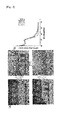
Fig. 1 shows the characteristics of the ceria nanoparticles prepared in Example 1 of the present invention. -
Fig. 2 shows the hydrodynamic size distribution of the ceria nanoparticles encapsulated with PEG-phospholipid of Example 2 (Fig. 2a ), and an image of aqueous solution in which the nanoparticles are dispersed (Fig. 2b ). -
Fig. 3 shows the color change of the ceria nanoparticles-dispersed solution, the color change after addition of hydrogen peroxide solution to the solution, and the UV/Vis absorption of the ceria nanoparticles prepared in Example 3 of the present invention. -
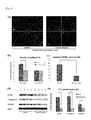
Fig. 4 shows the infarct area and the ischemic cell death in the focal ischemia-reperfusion model of Example 4 of the present invention. -
Fig. 5 shows the change of cell viability according to the concentration of the added ceria nanoparticle under the oxidative damage of cells in Example 5 of the present invention. -
Fig. 6 shows fluorescence microscopy images of the CHO-K1 cells incubated with ceria nanoparticles conjugated with fluorescent rhodamine dye, in Example 5 of the present invention. -
Fig. 7 shows the biodistribution of the ceria nanoparticles in Example 6 of the present invention. -
Fig. 8 shows ROS-scavenging and apoptosis-decreasing effects in Example 7 of the present invention. - Hereinafter, the present invention will be described in greater detail with reference to the following examples and drawings. The examples and drawings are given only for illustration of the present invention and not to be limiting the present invention.
- 1 mmol (0.43g) of cerium(III) acetate and 12 mmol (3.25g) of oleylamine (C18 contents: about 80%-90%, Acros Organics) were added to 15 ml of xylene (98.5%, Aldrich). The resulting solution was stirred for 2 hr at room temperature and heated to 90°C under vacuum. 1 mL of deionized (DI) water was injected into the solution under a vigorous stirring at 90°C, and the observed color change to off-white demonstrated that the reaction has been occurred. The resulting mixture was aged at 90°C for 3 hr to give a light yellow colloidal solution, and cooled down to room temperature. Ethanol (100 ml) was added to the mixture to precipitate the ceria nanoparticles. The precipitate was washed with ethanol and acetone by centrifugation, and the resulting ceria nanoparticles were well dispersed in organic solvents such as n-hexane and chloroform.
- Transmission electron microscope (TEM) image revealed discrete and uniform 3 nm-sized ceria nanoparticles (
Fig. 1a ). High-resolution TEM image showed that they exhibited a cross-lattice pattern, demonstrating the highly crystalline nature despite of the low reaction temperature (Fig. 1b ). The selected area electron diffraction (SAED) pattern (Fig. 1c ) and X-ray diffraction (XRD) pattern (Fig. 1d ) revealed the cubic fluorite structure (JCPDS card no. 34-0394). The particle size estimated by the Scherrer formula was 3.3 nm, which matched very well with that measured by TEM. In contrast to the white color of pure ceria nanoparticles, as-prepared nanoparticles exhibited yellowish color because they are composed of not only cerium (IV) oxide but also cerium (III) oxide. X-ray photoelectron spectroscopy (XPS) analysis were used to identify valence state of Ce3+ (peaks at 885.0 and 903.5 eV) and Ce4+ (peaks at 882.1, 888.1, 898.0, 900.9, 906.4, and 916.40 eV), and confirmed the mixed valence state as shown inFig. 1e . - In order to prepare biocompatible ceria nanoparticle, PEG processes were performed. 5 ml of ceria nanoparticles in CHCl3 (10 mg/ml) was mixed with 5 ml of CHCl3 solution containing 50 mg of 1,2-distearoyl-sn-glycero-3-phosphoethanolamine-N-[methoxy(polyethylene glycol)-2000] in the ratio of 1:1. Solvents were evaporated by rotary evaporator and, then incubated at 80°C in vacuum for 1 hr. The addition of 5 ml water resulted in a clear and light-yellowish suspension. After filtration, excess mPEG-2000 PE was removed by ultracentrifugation. The purified phospholipid-PEG capped ceria nanoparticles were dispersed in distilled water.
- The phospholipid-PEG capped nanoparticles showed excellent colloidal stability in phosphate-buffered saline (PBS), and their hydrodynamic diameters were maintained at 18 nm for several weeks (
Fig. 2 ). - The autocatalytic activity assay was assessed by treating various concentration of hydrogen peroxide solution (H2O2) (0 M, 0.1 M, 0.5 M, and 1 M) into 5 mM ceria nanoparticle suspensions. Color changes from the suspensions were monitore, and UV/Vis absorbances were measured after the addition of hydrogen peroxide solution (
Fig.3 ). As a control, a nanoparticles suspension without hydrogen peroxide was used. When hydrogen peroxide solutions of various concentrations were added to PBS solutions with 5 mM ceria nanoparticles, reversible autocatalytic activity persisted even after 3 weeks. - Focal cerebral ischemia-perfusion was induced by using a minor modification of the endovascular internal carotid artery (ICA) suture method developed by Longa et al. After inhalation anesthesia using 3% isoflurane in 30% oxygen and 70% air, the left common carotid artery (CCA) was exposed at its bifurcation by a midline cervical incision. The external carotid artery (ECA), the ICA, and the CCA were ligated with a 5-0 silk suture. The CCA was then transected, and a 5-0 nylon monofilament suture (with its tip rounded by heating) was inserted into the CCA. To occlude the origins of the MCA and proximal anterior cerebral artery, the suture was advanced into the ICA for a distance of 20 mm. The suture was secured in place with a ligature, and the wound was closed. The monofilament was removed 60 minutes after occlusion. Rectal temperature was maintained at 37±0.5°C by using a thermistor-controlled heating blanket.
- Immediately after reperfusion, various doses of ceria nanoparticle (0.1, 0.3, 0.5, 0.7, 1.0, 1.5 mg/kg) or phosphate-buffered saline (PBS) were intravenously injected and, then, optimal doses were detected by comparing brain infarct volumes in rats (
Fig. 4a, 4b ). Low-dose ceria nanoparticles (0.1 and 0.3 mg/kg) did not decrease infarct volumes, whereas ceria nanoparticles with concentrations of 0.5 and 0.7 mg/kg considerably reduced infarct volumes up to 50% of those of the control group (p<0.05). However, higher dose of ceria nanoparticles (1.0 and 1.5 mg/kg) failed to show protective effect from stroke. To support these findings, microscopic analysis of cell death in the brain slices with frozen section was performed by using terminal deoxynucleotidyl transferase-mediated dUTP-biotin nick end labeling (TUNEL) (Fig. 4c ). In the quantitative analysis, the number of TUNEL-positive cells were remarkably decreased in the ceria-injected group (0.5 mg/kg) (p<0.05;Fig. 4d ). Thus, it can be understood that optimal dose of ceria nanoparticles (0.5 to 0.7 mg/kg) has powerful neuroprotective effects in rodent stroke model. - CHO-K1 cells in the 96-well plates were washed with phosphate buffered saline (PBS) 2 times, and 1mM tert-butyl hydroperoxide (tBHP) solutions were added and, then, were incubated for 1 hour. After washing with phosphate buffered saline (PBS), ceria nanoparticles (0.125, 0.25 mM) were added into each well. 6 hours after treatment of the ceria nanoparticles, MTT (3-[4,5-dimethylthialzol-2-yl]-2,5-diphenyltetrazolium bromide) assay (Sigma) was performed.
- To examine the cell viability, MTT (3-[4,5-dimethylthialzol-2-yl]-2,5-diphenyltetrazolium bromide) assay (Sigma) was used. CHO-K1 cells were initially seeded in triplicate to 96-well plates at a density of 25,000 cells per well and were grown in culture medium for 24 hr at 37 °C. CHO-K1 cells were washed with phosphate buffered saline (PBS) 2 times, and the various concentrations of ceria nanoparticles (0.125, 0.25, 0.5 mM) were added into each well. 6 hours after treatment of the ceria nanoparticles, the cells in the 96-well plates were assayed for viability. 20 µl of a 5mg/ml solution of MTT was added to each well, and they were incubated for 2hr at 37°C in a humidified 5% CO2 atmosphere. The supernatant was aspirated and the cells dissolved in 200 µl of DMSO. After shaking for 30 minutes, the absorbance at 540nm was measured using a 96-well plate reader.
- In the MTT assay, 1 M tBHP significantly increased cell death as compared with control (83%, p<0.05;
Fig. 5 ), but addition of 0.125 mM of ceria nanoparticles reversed the cell viability (113%, p<0.05). It was also found that ceria nanoparticles were mostly detected in the intracellular spaces shown by fluorescence imaging with Rhodamine dye (Fig. 6 ). It can be understood that nanoparticles smaller than 50 nm, coated with lipophilic polymers, are efficiently diffused trough cellular membranes and located throughout the cytoplasm. These results demonstrate that the ceria nanoparticles introduced into the cells have protective effects for ROS-induced cell death in vitro. - 6 to 24 hours after infusion of the ceria nanoparticle, the rats with focal cerebral ischemia were decapitated to rapidly harvest the brain and other organs. Post-mortem samples were obtained to determine the ceria concentration in brain, heart, kidney, liver, and blood by inductively coupled plasma-mass spectrometry (ICP-MS).
- The concentration of the ceria nanoparticles in liver was much higher than those in blood and other internal organs (
Fig. 7a ). Meanwhile, the concentration in non-ischemic brain was very low, which was strikingly increased 6 or 24 hours after ischemia (p<0.05), and even higher than those in kidney and heart. Then, it was sought to track the ceria nanoparticles microscopically using Rhodamine B Isothiocyanate (RITC)-conjugated ceria nanoparticles and fluorescence microscopic analysis. As shown inFig. 7b , positively-stained cells were identified to a great extent in the ischemic hemisphere, but scarce in the non-ischemic hemisphere. When a computerized visual augmentation with 3-dimensional reconstruction on the fluorescence signals was conducted, it was found that the signals of ceria nanoparticles were greatly increased in the peri-infarct area in the ischemic hemisphere (Fig. 7c ). It was, therefore, demonstrated that intravenously-injected ceria nanoparticles do not sufficiently permeate to the normal brain tissue, but do to the ischemic brain tissue. In fact, it was shown that ceria nanoparticle do not permeate to the normal brain since the diameter of the nanoparticles is larger than the pore size of blood-brain barrier. However, brain ischemia leads to extensive breakage of blood-brain barrier, which may facilitate the pass of ceria nanoparticles to the brain. - The production of ROS in cerebral ischemia was investigated using hydroethidine (HEt). HEt solution (100 µl, 20 mg/ml in dimethylsulfoxide; Sigma, St. Louis, MO, USA) was administered to male Sprague-Dawley rats (Koatech, Seoul, Republic of Korea) 15 min before ischemia induction. The rats were killed at 4 hours after the ischemia induction by transcardial perfusion. Fluorescence was assessed microscopically at excitation = 355 nm and emission >415 nm for HEt detection or at excitation = 510-550 nm and emission >580 nm for oxidized HEt detection. To evaluate pro-apoptotic proteins, the rats were sacrificed via decaptitation, and the brains were extracted at 24 hours after the induction of focal ischemia-reperfusion. After the centrifugation of hemisphere homogenates, 50 µg of the protein was separated on a 10% sodium dodecyl sulfate-polyacrylamide gel and transferred to nitrocellulose membranes. Theses membranes were incubated in blocking buffer (5% skim milk in 50 mM Tris pH 7.5, 0.15 mM NaCl, 0.05% Tween-20) and the blots were probed with antibodies recognizing phospho-P53, cleaved caspase-3, and gelsolin (Cell Signaling Tech., Danvers, MA). Immunoreactivity was visualized by enhanced chemiluminescence, and the relative densities were determined by comparison of the measured values with the mean values of the control group.
- After stroke, the signals of oxidized hydroethidine (detector of ROS) were decreased in ceria-injected group compared with the control (p<0.05;
Fig. 8a and Fig. 8b ). This result indicates that the ceria nanoparticles properly performed its role as an antioxidant after ischemia. To investigate the effects of ceria nanoparticles for apoptosis after stroke, apoptotic TUNEL-positive cells (subgroup of TUNEL-positive cells according to the morphologic criteria) were analyzed. The number of apoptotic cells in ceria-nanoparticle-injected group was lower than in the control group (p<0.05;Fig. 8c ), and pro-apoptotic proteins such as phospho-P53, cleaved caspase-3 and gelsolin decreased in the ceria-nanoparticle-injected group (p<0.05;Fig. 8d and Fig. 8e ). The ROS production and apoptosis are closely related since they are occurred in the same place, mitochondria.
Claims (30)
- A ceria nanocomposite comprising a ceria nanoparticle, wherein said ceria nanoparticle is encapsulated with a surfactant and said surfactant is encapsulated with polyethylene glycol-phospholipid.
- The ceria nanocomposite of Claim 1, wherein a size of said ceria nanoparticle is 3 nm to 20 nm.
- The ceria nanocomposite of Claim 1, wherein a size of said ceria nanocomposite is 15 nm to 100 nm.
- The ceria nanocomposite of Claim 1, wherein said surfactant is selected from the group consisted of alkyltrimethylammonium ((CH3)3RNX, where R is C8-C25 and X is Br, Cl or I), C6-C20 alkylamine, poly(alkylene oxide) triblock copolymer and C12-C18 fatty acid.
- The ceria nanocomposite of Claim 4, wherein said alkyltrimethylammonium is selected from the group consisting of cetyltrimethylammonium bromide, octyltrimethylammonium bromide and dodecyltrimethylammonium bromide.
- The ceria nanocomposite of Claim 4, wherein said C6-C20 alkyl amine is selected from the group consisting of oleylamine, octylamine, hexadecylamine and octadecylamine.
- The ceria nanocomposite of Claim 4, wherein said poly(alkylene oxide) triblock copolymer is (ethylene oxide)20(propylene oxide)70(ethylene oxide)20.
- The ceria nanocomposite of Claim 4, wherein said C12-C18 fatty acid is selected from the group consisting of oleic acid, linoleic acid, lauric acid, myristic acid, palmitic acid and stearic acid.
- A pharmaceutical composition for treating or preventing ischemic stroke, comprising a ceria nanocomposite which comprises a ceria nanoparticle, wherein said ceria nanoparticle is enclosed with a surfactant and said surfactant is capped with polyethylene glycol-phospholipid.
- The pharmaceutical composition of Claim 9, wherein a size of said ceria nanoparticle is 3 nm to 20 nm.
- The pharmaceutical composition of Claim 9, wherein a size of said ceria nanocomposite is 15 nm to 100 nm.
- The pharmaceutical composition of Claim 9, wherein said surfactant is selected from the group consisted of alkyltrimethylammonium ((CH3)3RNX, where R is C8-C25 and X is Br, Cl or I), C6-C20 alkylamine, poly(alkylene oxide) triblock copolymer and C12-C18 fatty acid.
- The pharmaceutical composition of Claim 12, wherein said alkyltrimethylammonium is selected from the group consisting of cetyltrimethylammonium bromide, octyltrimethylammonium bromide and dodecyltrimethylammonium bromide.
- The pharmaceutical composition of Claim 12, wherein said C6-C20 alkyl amine is selected from the group consisting of oleylamine, octylamine, hexadecylamine and octadecylamine.
- The pharmaceutical composition of Claim 12, wherein said poly(alkylene oxide) triblock copolymer is (ethylene oxide)20(propylene oxide)70(ethylene oxide)20.
- The pharmaceutical composition of Claim 12, wherein said C12-C18 fatty acid is selected from the group consisting of oleic acid, linoleic acid, lauric acid, myristic acid, palmitic acid and stearic acid.
- The pharmaceutical composition of Claim 9, wherein the contents of said ceria nanocomposite is 0.5 mg/kg - 0.7 mg/kg.
- The pharmaceutical composition of Claim 9, wherein an administration route of said pharmaceutical composition is selected from the group consisting of oral, nasal, intravenous, rectal, intraperitoneal, subcutaneous and intracutaneous administrations.
- A method for preparing a ceria nanocomposite, comprising:(i) reacting a cerium precursor with a surfactant in a first organic solvent to form a cerium-surfactant complex;(ii) adding water to said cerium-surfactant complex solution of the step (i), while heating said solution, to form a cerium nanoparticle enclosed with said surfactant; and(iii) encapsulating said surfactant-capped ceria nanoparticle with polyethylene glycol-lipid in a second organic solvent.
- The method of Claim 19, wherein said first solvent is selected from the group consisting of xylene, toluene, mesitylene, octyl ether, butyl ether, hexyl ether, decyl ether, pyridine, dimethyl sulfoxide, dimethylformamide, octanol, decanol, octane, decane, dodecane, tetradecane and hexadecane.
- The method of Claim 19, wherein said cerium precursor is selected from the group consisting of cerium (III) acetate hydrate, cerium (III) acetylacetonate hydrate, cerium (III) carbonate hydrate, cerium (IV) hydroxide, cerium (III) fluoride, cerium (IV) fluoride, cerium (III) chloride, cerium (III) chloride heptahydrate, cerium (III) bromide, cerium (III) iodide, cerium (III) nitrate hydrate, cerium (III) oxalate hydrate, cerium (III) sulfate, cerium (III) sulfate hydrate and cerium (IV) sulfate.
- The method of Claim 19, wherein said said surfactant is selected from the group consisted of alkyltrimethylammonium ((CH3)3RNX, where R is C8-C25 and X is Br, Cl or I), C6-C20 alkylamine, poly(alkylene oxide) triblock copolymer and C12-C18 fatty acid.
- The method of Claim 22, wherein said alkyltrimethylammonium is selected from the group consisting of cetyltrimethylammonium bromide, octyltrimethylammonium bromide and dodecyltrimethylammonium bromide.
- The method of Claim 22, wherein said C6-C20 alkyl amine is selected from the group consisting of oleylamine, octylamine, hexadecylamine and octadecylamine.
- The method of Claim 22, wherein said poly(alkylene oxide) triblock copolymer is (ethylene oxide)20(propylene oxide)70(ethylene oxide)20.
- The method of Claim 22, wherein said C12-C18 fatty acid is selected from the group consisting of oleic acid, linoleic acid, lauric acid, myristic acid, palmitic acid and stearic acid.
- The method of Claim 19, wherein a heating temperature of the step (ii) is 80°C - 90°C.
- The method of Claim 19, wherein a heating time of the step (ii) is 30 min - 3 hr.
- The method of Claim 19, wherein said second organic solvent is selected from the group consisting of chloroform, dichloromethane, pentane, hexane, cyclohexane, ethyl acetate, tetrahydrofuran, diethyl ether and trichloroethylene.
- The method of Claim 19, wherein a size of said polyethylene glycol-capped ceria nanoparticle is 15 nm - 100 nm.
Applications Claiming Priority (2)
| Application Number | Priority Date | Filing Date | Title |
|---|---|---|---|
| KR1020120036880A KR20130114469A (en) | 2012-04-09 | 2012-04-09 | Ceria nanocomposite, pharmaceutical formulation comprising the same, and process for preparing the sames |
| PCT/KR2013/002665 WO2013154290A1 (en) | 2012-04-09 | 2013-04-01 | Ceria nanocomplex, pharmaceutical composition comprising said ceria nanocomplex, and method for preparing same |
Publications (1)
| Publication Number | Publication Date |
|---|---|
| EP2796151A1 true EP2796151A1 (en) | 2014-10-29 |
Family
ID=49327820
Family Applications (1)
| Application Number | Title | Priority Date | Filing Date |
|---|---|---|---|
| EP13776300.9A Withdrawn EP2796151A1 (en) | 2012-04-09 | 2013-04-01 | Ceria nanocomplex, pharmaceutical composition comprising said ceria nanocomplex, and method for preparing same |
Country Status (5)
| Country | Link |
|---|---|
| US (1) | US20150079162A1 (en) |
| EP (1) | EP2796151A1 (en) |
| JP (1) | JP2015518480A (en) |
| KR (1) | KR20130114469A (en) |
| WO (1) | WO2013154290A1 (en) |
Families Citing this family (13)
| Publication number | Priority date | Publication date | Assignee | Title |
|---|---|---|---|---|
| CN111518535A (en) | 2015-04-09 | 2020-08-11 | 沙特阿拉伯石油公司 | Capsule-type nano-composition for improving hydrocarbon recovery and preparation method thereof |
| KR102377432B1 (en) | 2015-07-14 | 2022-03-23 | 한국생명공학연구원 | Levan-Ceria Nanoparticle Complex |
| US10125307B2 (en) | 2016-01-13 | 2018-11-13 | Saudi Arabian Oil Company | Stabilization of petroleum surfactants for enhancing oil recovery |
| KR101696903B1 (en) * | 2016-04-20 | 2017-01-17 | 서울대학교병원 | Pharmaceutical composition for treating intracerebral hemorrhage comprising ceria nanocomposite |
| WO2017183746A1 (en) * | 2016-04-20 | 2017-10-26 | 서울대학교병원 | Pharmaceutical composition for treatment of atraumatic intracerebral hemorrhage, comprising ceria nanocomposite |
| US11123301B2 (en) | 2016-10-21 | 2021-09-21 | Cenyx Biotech Inc. | Ceria nanocomposite comprising ceria nanoparticle for treating subarachnoid hemorrhage, method for preparing same, and pharmaceutical composition |
| US11246944B2 (en) | 2016-12-29 | 2022-02-15 | Cenyx Biotech Inc. | Ceria nanocomposite for biomedical treatment and pharmaceutical composition containing same |
| WO2018235976A1 (en) * | 2017-06-22 | 2018-12-27 | 서울대학교산학협력단 | Synthesis of ceria-zirconia solid solution nanoparticles and ceria-zirconia nanocomposite, and application thereof as sepsis therapeutic agent |
| KR102383967B1 (en) * | 2018-03-28 | 2022-04-07 | 서울대학교산학협력단 | Ceria nanoparticles structure and method of forming the same |
| KR102138978B1 (en) * | 2018-11-06 | 2020-07-28 | 서울대학교산학협력단 | Nanoparticle structure and method of forming the same |
| US12291461B2 (en) | 2019-12-26 | 2025-05-06 | Toray Industries, Inc. | Cerium oxide nanoparticle, dispersion body, oxidant, antioxidant, and method of producing cerium oxide nanoparticle |
| KR102383969B1 (en) * | 2020-08-28 | 2022-04-08 | 서울대학교산학협력단 | Ceria nanoparticles structure and method of forming the same |
| CN113876803B (en) * | 2021-10-14 | 2022-08-09 | 浙江大学 | ROS (reactive oxygen species) -responsive nano assembly diagnosis and treatment agent as well as preparation method and application thereof |
Family Cites Families (2)
| Publication number | Priority date | Publication date | Assignee | Title |
|---|---|---|---|---|
| US7534453B1 (en) * | 2002-09-05 | 2009-05-19 | University Of Central Florida Research Foundation, Inc. | Cerium oxide nanoparticles and use in enhancing cell survivability |
| US8840868B2 (en) * | 2009-02-04 | 2014-09-23 | The Regents Of The University Of Colorado, A Body Corporate | Non-invasive detection of complement-mediated inflammation using CR2-targeted nanoparticles |
-
2012
- 2012-04-09 KR KR1020120036880A patent/KR20130114469A/en not_active Ceased
-
2013
- 2013-04-01 WO PCT/KR2013/002665 patent/WO2013154290A1/en not_active Ceased
- 2013-04-01 EP EP13776300.9A patent/EP2796151A1/en not_active Withdrawn
- 2013-04-01 US US14/391,255 patent/US20150079162A1/en not_active Abandoned
- 2013-04-01 JP JP2015505635A patent/JP2015518480A/en active Pending
Non-Patent Citations (1)
| Title |
|---|
| See references of WO2013154290A1 * |
Also Published As
| Publication number | Publication date |
|---|---|
| KR20130114469A (en) | 2013-10-17 |
| JP2015518480A (en) | 2015-07-02 |
| WO2013154290A1 (en) | 2013-10-17 |
| US20150079162A1 (en) | 2015-03-19 |
Similar Documents
| Publication | Publication Date | Title |
|---|---|---|
| US20150079162A1 (en) | Ceria nanocomplex, pharmaceutical composition comprising said ceria nanocomplex, and method for preparing same | |
| US12605336B2 (en) | Fusogenic liposome-coated porous silicon nanoparticles | |
| Shu et al. | Fabrication of a hyaluronic acid conjugated metal organic framework for targeted drug delivery and magnetic resonance imaging | |
| Patil et al. | A Comprehensive Review on Metal-Organic Frameworks for Stimuli-responsive-based Drug Delivery: Recent Advances and Future Trends. | |
| Zheng et al. | Coordination bonding based pH-responsive drug delivery systems | |
| Zhang et al. | Post-insertion of poloxamer 188 strengthened liposomal membrane and reduced drug irritancy and in vivo precipitation, superior to PEGylation | |
| US11957757B2 (en) | Method for preparing stabilized metal ion ligand nanocomplex and compositions thereof | |
| Li et al. | Ti3C2Tx MXene quantum dots coated hollow manganese dioxide nanoparticles for tumor combination therapy and magnetic resonance imaging | |
| Handa et al. | Polycaprolactone based nano-carrier for co-administration of moxifloxacin and rutin and its In-vitro evaluation for sepsis | |
| US11123301B2 (en) | Ceria nanocomposite comprising ceria nanoparticle for treating subarachnoid hemorrhage, method for preparing same, and pharmaceutical composition | |
| KR20190126092A (en) | Photoreactive Quantum Dot Drug Delivery System | |
| JP7678434B2 (en) | Biocompatible oil-based magnetic fluid and manufacturing method | |
| Choi et al. | Enabling nanohybrid drug discovery through the soft chemistry telescope | |
| Yuan et al. | A facile supramolecular approach to fabricate multifunctional upconversion nanoparticles as a versatile platform for drug loading, in vivo delivery and tumor imaging | |
| US20200155453A1 (en) | Methods for Producing Carboxylate Ligand Modified Ferric Iron Hydroxide Colloids and Related Compositions and Uses | |
| US20060182710A1 (en) | Amphiphilic block copolymer and pharmaceutical formulation comprising the same | |
| ES2768798T3 (en) | Anti-tumor composition based on hyaluronic acid and inorganic nanoparticles, method of preparing it and using it | |
| US20240252482A1 (en) | Composition containing antitumor drug, and preparation method thereof and use thereof | |
| Gong et al. | ZIF-8-based core/shell nanocarriers for relieving multidrug resistance in cancer therapy | |
| CN118265543A (en) | Formulated and/or co-formulated nanocarrier compositions containing immunogenic cell death (ICD) inducing prodrugs useful for treating cancer and methods thereof | |
| SAMADDAR et al. | SURAJ KUMAR SHAH¹, PRIYA RAY2 | |
| KR20230074003A (en) | Magnetic nano particle for magnetic hyperthermia treatment | |
| Chen et al. | Anti-cancer Nanotechnology | |
| Amin | Development of novel combined nano delivery system to improve cellular uptake of weakly basic anticancer drugs and cell imaging | |
| Angelova et al. | Preparation and characterization of nanostructured ferric hydroxyphosphate adjuvants |
Legal Events
| Date | Code | Title | Description |
|---|---|---|---|
| PUAI | Public reference made under article 153(3) epc to a published international application that has entered the european phase |
Free format text: ORIGINAL CODE: 0009012 |
|
| 17P | Request for examination filed |
Effective date: 20140721 |
|
| AK | Designated contracting states |
Kind code of ref document: A1 Designated state(s): AL AT BE BG CH CY CZ DE DK EE ES FI FR GB GR HR HU IE IS IT LI LT LU LV MC MK MT NL NO PL PT RO RS SE SI SK SM TR |
|
| DAX | Request for extension of the european patent (deleted) | ||
| STAA | Information on the status of an ep patent application or granted ep patent |
Free format text: STATUS: THE APPLICATION IS DEEMED TO BE WITHDRAWN |
|
| 18D | Application deemed to be withdrawn |
Effective date: 20151103 |