EP2788498B1 - A method for assaying the activity of spermidine/spermine n1-acetyltrasferase - Google Patents
A method for assaying the activity of spermidine/spermine n1-acetyltrasferase Download PDFInfo
- Publication number
- EP2788498B1 EP2788498B1 EP12850541.9A EP12850541A EP2788498B1 EP 2788498 B1 EP2788498 B1 EP 2788498B1 EP 12850541 A EP12850541 A EP 12850541A EP 2788498 B1 EP2788498 B1 EP 2788498B1
- Authority
- EP
- European Patent Office
- Prior art keywords
- ssat
- mammal
- rimantadine
- activity
- spermidine
- Prior art date
- Legal status (The legal status is an assumption and is not a legal conclusion. Google has not performed a legal analysis and makes no representation as to the accuracy of the status listed.)
- Active
Links
Images








Classifications
-
- C—CHEMISTRY; METALLURGY
- C12—BIOCHEMISTRY; BEER; SPIRITS; WINE; VINEGAR; MICROBIOLOGY; ENZYMOLOGY; MUTATION OR GENETIC ENGINEERING
- C12Q—MEASURING OR TESTING PROCESSES INVOLVING ENZYMES, NUCLEIC ACIDS OR MICROORGANISMS; COMPOSITIONS OR TEST PAPERS THEREFOR; PROCESSES OF PREPARING SUCH COMPOSITIONS; CONDITION-RESPONSIVE CONTROL IN MICROBIOLOGICAL OR ENZYMOLOGICAL PROCESSES
- C12Q1/00—Measuring or testing processes involving enzymes, nucleic acids or microorganisms; Compositions therefor; Processes of preparing such compositions
- C12Q1/48—Measuring or testing processes involving enzymes, nucleic acids or microorganisms; Compositions therefor; Processes of preparing such compositions involving transferase
-
- G—PHYSICS
- G01—MEASURING; TESTING
- G01N—INVESTIGATING OR ANALYSING MATERIALS BY DETERMINING THEIR CHEMICAL OR PHYSICAL PROPERTIES
- G01N33/00—Investigating or analysing materials by specific methods not covered by groups G01N1/00 - G01N31/00
- G01N33/48—Biological material, e.g. blood, urine; Haemocytometers
- G01N33/50—Chemical analysis of biological material, e.g. blood, urine; Testing involving biospecific ligand binding methods; Immunological testing
- G01N33/53—Immunoassay; Biospecific binding assay; Materials therefor
- G01N33/575—Immunoassay; Biospecific binding assay; Materials therefor for cancer
- G01N33/57557—Immunoassay; Biospecific binding assay; Materials therefor for cancer of other specific parts of the body, e.g. brain
Definitions
- SSAT is ubiquitously distributed in mammalian tissues and plays a role in catabolism and elimination of polyamines from cells.
- SSAT is an inducible enzyme that catalyzes the transfer of an acetyl group from an acetyl-coenzyme A to the aminopropyl moiety of the polyamines. This action by SSAT facilitates polyamine degradation, excretion, and cycling and/or intracellular cycling. In this manner SSAT participates in the maintenance of polyamine homeostasis in mammalian cells. However, in normal or uninduced mammalian tissues SSAT is present at very low levels.
- Induction of SSAT expression can be caused by different drugs, growth factors, polyamines, polyamine analogues, toxic substances, hormones and physiological stimuli. Although all of the aforementioned compounds could cause induction of SSAT expression, induction occurs at different times for each individual compound.
- the regulation of SSAT expression occurs at the levels of transcription, mRNA stability, mRNA translation and protein stability. Induction or over-expression of SSAT is usually required for there to be sufficient SSAT enzyme present in cells or 100,000 xg supernatant before in-vitro experiments can be successfully undertaken.
- SSAT is an acetylating enzyme specifically for substrates including spermine and spermidine or its analogues
- SSAT activity SSAT enzyme kinetics and assay methodology for non-spermine/spermidine substrates of SSAT has not been understood.
- Current methods exist to quantify SSAT activity. However these techniques are dependent on highly skilled personnel and complicated experimental methods. More specifically, there has been a need for assay methodology which quantifies the activity of SSAT through detection of acetylated forms of non-spermine/spermidine substrates of SSAT that may be used to detect various pathological conditions.
- a method for determining the activity of spermine/spermidine N 1 -acetyltransferase (SSAT) in a mammal comprising the step of assaying a sample derived from the mammal for the level of an acetylated form of a non-spermine/spermidine, or analogues thereof, SSAT substrate in the sample.
- SSAT spermine/spermidine N 1 -acetyltransferase
- the SSAT substrate is rimantadine and the acetylated form of the SSAT substrate is acetyl-rimantadine.
- the method may include incubating the SSAT substrate with mammalian tissue or cells at a specific SSAT substrate dosage level in the range of 1-10 mg/kg or, alternatively, at 3-6 mg/kg. Samples to be assayed may be urine, blood and/or saliva samples from the mammal, which may be collected at 2-24 hours following substrate incubation and, alternatively, at 2-4 hours following incubation.
- the SSAT substrate is tocainide and the acetylated form of an SSAT substrate is acetyl-tocainide.
- the method may include incubating the SSAT substrate with mammalian tissue or cells at a specific SSAT substrate dosage level in the range of 1-10 mg/kg or, alternatively, at 3-6 mg/kg. Samples to be assayed may be urine, blood and/or saliva samples from the mammal which may be collected at 2-24 hours following substrate incubation and, alternatively, at 2-4 hours following incubation.
- SSAT activity is detected in hepatocytes and the method comprises the steps of:
- the drug may be rimantadine present in the range of 0-220 ⁇ M.
- the step of correlating the presence of the acetylated metabolite in the sample comprises correlating the amount of acetylated metabolite to a standard curve to determine the level of SSAT activity in the mammal.
- the SSAT substrate is rimantadine and the acetylated form of the SSAT substrate is acetylated-rimantadine.
- the method comprises the steps of:
- the cell culture may be a mammal cell culture and the test sample may be a hepatocyte.
- the step of contacting the test sample obtained from the cell culture with the drug may include incubating the sample with the substrate for about 24 hours.
- SSAT activity is detected in a mammal.
- the method comprises the steps of:
- the biological fluids may be, but are not limited to, blood, saliva and urine.
- SSAT activity is detected in a mammal.
- the method comprises the steps of:
- the biological fluids may be, but are not limited, to blood, saliva and urine.
- the relative level of the non-spermine/spermidine substrate in the sample may be correlated to a standard curve representing known activity levels and may be assayed by a variety of techniques including but not limited to gas chromatography, radio-labelling, high pressure liquid chromatography (HPLC), thin layer chromatography; mass spectroscopy may be coupled with chromatography and affinity chromatography with specific antibody or antibodies.
- a standard curve representing known activity levels
- HPLC high pressure liquid chromatography
- mass spectroscopy may be coupled with chromatography and affinity chromatography with specific antibody or antibodies.
- the assay method disclosed herein may be used to correlate SSAT activity to a pathological condition in the mammal including but not limited to lung cancer, gastric carcinoma, ovarian cancer, acute myelocytic leukemia, lymphoma, breast cancer, renal cancer, colorectal cancer and/or prostate cancer.
- SSAT spermidine/spermine N 1 -acetyltransferase
- SSAT is an important enzyme in polyamine metabolism. SSAT is highly regulated and its role in regulating neoplastic growth, obesity, stress response and oxygen homeostasis has been proposed. SSAT utilizes N'-acetylspermine as a substrate in forming N 1 , N 12 -diacetylspermine. In vivo , SSAT is a cytosolic enzyme and N 1 -acetylspermine is the preferred substrate compared with spermine, although the Km value for spermine is actually lower than that for N'-acetylspermine.
- NATs arylamine N-acetyltransferases
- SSAT SSAT
- NATs arylamine N-acetyltransferases
- Rat and human primary hepatocytes in vitro assays have also been described in studies on SSAT and NAT activities. Since intact primary hepatocytes possess all of the required native drug metabolism co-factors, the use of an intact primary hepatocyte assay often offers a higher level of in vitro versus in vivo correlation of drug metabolism compared with alternative in vitro models based on microsome or subcellular cytosolic enzyme fractions.
- a pilot experiment was initially performed to screen for the suitable testing ranges of substrate concentrations, and to determine the concentrations that would result in significant cytotoxicity (relative viability ⁇ 50%). Based on these preliminary results, a confirmatory experiment was performed with the adjusted substrate concentrations. Data generated from substrate concentrations that resulted in significant cytotoxicity were excluded from enzyme kinetic analysis. Refer to the table below for the testing concentrations. Metabolites collected from the incubation reactions were measured by LC/ MS/MS analysis.
- the substrates were accurately weighed, dissolved and further diluted with the appropriate solvent (10% dimethyl sulfoxide in distilled water ( pilot ) or 100% dimethyl sulfoxide ( confirmatory ) for tocainide; and deionized water for amantadine, rimantadine and spermidine) into a series of solutions at 100X of their testing concentrations outlined in the table above.
- the appropriate solvent 10% dimethyl sulfoxide in distilled water ( pilot ) or 100% dimethyl sulfoxide ( confirmatory ) for tocainide; and deionized water for amantadine, rimantadine and spermidine
- cryopreserved primary rat hepatocytes were thawed in a water bath at 37°C and re-suspended in pre-warmed InVitroGROTM CP Rat Medium. The viability of hepatocytes was confirmed to be above 70% based on Trypan Blue exclusion. Hepatocyte concentrations were adjusted by addition with InVitroGROTM CP Rat Medium to achieve the target plating concentration of 0.70 x 10 6 cells/mL.
- hepatocytes were plated (0.5 mL/well) in 24-well CellAffix culture plates and the plates were placed in an incubator maintained at 37°C with a highly humidified atmosphere of 95% air and 5% carbon for 4 hours to allow hepatocyte attachment before dosing with the selective substrate solutions.
- the culture medium was aspirated from each well, and replaced with pre-warmed InVitroGROTM HI Rat Medium (added with Torpedo antibiotic mix in the confirmatory experiment) and the substrate solution at the appropriate concentration.
- the treated cells were returned to incubation for 24 hours.
- the medium from each well was collected into 1.7-mL vials containing ice-cold methanol and stored at nominal -80°C (-72°C to -88°C) prior to LC/MS/MS analysis. Hepatocytes remaining in the wells were subjected to MTT assay to evaluate the cytotoxic potential of the substrates at the testing concentrations.
- Stability controls were tested to monitor any non-enzymatic N-acetylation of the substrates under the experimental conditions employed.
- a set of stability controls consisting of only the substrate solutions at the testing concentrations in the InVitroGROTM HI Rat Medium without hepatocytes was incubated for 24 hours under the same conditions as the hepatocyte samples.
- stability control samples were collected for LC/MS/MS analysis following the same procedures for the hepatocyte samples.
- Calibration standards and quality control samples The reference standard stock solution was diluted and added with aliquots of an assay matrix of methanol to blank incubation reaction buffer (1:1 v/v) and the internal standard to afford a series of calibration standards and quality control samples for LC/MS/MS analysis.
- MassLynxTM v4.1 and Microsoft Excel 2007 were used for data analysis.
- Analytical data were printed on hardcopy and processed according to BRIVAL Standard Operating Procedures. Electronic data backup was performed via BRIPHARM Windows Server 2008 following BRIVAL Standard Operating Procedures.
- Metabolite formation from different testing substrate concentrations after incubation was measured by LC/MS/MS and the resulting data constructed into Lineweaver-Burk plots of the double reciprocal of reaction velocity against substrate concentrations to estimate the Km and Vmax values of SSAT-mediated N-acetylation of each substrate tested.
- the Km value of spermidine acetylation estimated from the confirmatory experiment was 287 ⁇ M, which is comparable to the literature reference of 267 ⁇ 46 ⁇ M derived from SSAT in cytosolic liver fraction of transgenic mice. Vmax cannot be compared to the literature as the values were presented in different units. From all stability controls, only negligible amounts of N-acetyl metabolites were observed, indicating that non-enzymatic N-acetylation was generally absent under the experimental conditions employed.
- Vmax values of the substrates tested, in the descending order were 0.617 pmol/min/million cells for tocanide, 0.364 pmol/min/million cells for rimantadine, and 0.00197 pmol/min/million cells for amantadine.
- the cytotoxic potential of the substrates to rat hepatocytes was evaluated by MTT cytotoxicity assays.
- the assays were performed in both the pilot and the confirmatory experiments. Results from the pilot experiments are summarized in Figures 6 and 12 .
- Significant cytotoxicity (relative viability ⁇ 50%) was observed following treatments with higher concentrations of amantadine and rimantadine.
- Substrate concentrations that resulted in extensive cytotoxicity were observed to be approximately 1170 ⁇ M for amantadine and 280 ⁇ M for rimantadine. No cytotoxicity was observed from tocainide. Based on these results, the testing concentrations were adjusted accordingly for the subsequent confirmatory experiments.
- MTT assay results from the confirmatory experiment are presented in Figures 7 and 13 .
- the substrate concentrations resulting in extensive cytotoxicity were observed to be approximately 1140 ⁇ M for amantadine and 220 ⁇ M for rimantadine, confirming the initial findings from the pilot experiment. No cytotoxicity was observed from tocainide and spermidine at the testing range. Data generated from substrate concentrations that resulted in significant cytotoxicity were excluded from enzyme kinetic analysis.
- the enzyme kinetic parameters (Km and Vmax) of spermidine/spermine N1-acetyltransferase (SSAT) to mediate N-acetylation of amantadine, rimantadine, tocainide and spermidine were characterized.
- spermidine acetylation was observed to have the lowest Km value and the highest Vmax value at 287 ⁇ M and 7.21 pmol/min/million cells, respectively. Therefore, it has the highest relative maximum reaction rate.
- the Km values for the other substrates tested, in the ascending order, were 1659 ⁇ M for amantadine; 1835 ⁇ M for rimantadine; and 5033 ⁇ M for tocainide.
- Vmax values of the other substrates tested, in the descending order were 0.617 pmol/min/million cells for tocanide, 0.364 pmol/min/million cells for rimantadine, and 0.00197 pmol/min/million cells for amantadine.
- determining the activity of spermine/spermidine N 1 -acetyltransferase (SSAT) in a mammal by assaying a sample derived from the mammal for the level of an acetylated form of a non-spermine/spermidine SSAT substrate in the sample may be used to correlate SSAT activity to a pathological condition in the mammal as shown in Figure 22 .
- SSAT spermine/spermidine N 1 -acetyltransferase
Landscapes
- Life Sciences & Earth Sciences (AREA)
- Health & Medical Sciences (AREA)
- Chemical & Material Sciences (AREA)
- Engineering & Computer Science (AREA)
- Immunology (AREA)
- Organic Chemistry (AREA)
- Molecular Biology (AREA)
- Zoology (AREA)
- Wood Science & Technology (AREA)
- Proteomics, Peptides & Aminoacids (AREA)
- Physics & Mathematics (AREA)
- Biotechnology (AREA)
- General Health & Medical Sciences (AREA)
- Biochemistry (AREA)
- Microbiology (AREA)
- Analytical Chemistry (AREA)
- Urology & Nephrology (AREA)
- Hematology (AREA)
- Biomedical Technology (AREA)
- Genetics & Genomics (AREA)
- General Engineering & Computer Science (AREA)
- Bioinformatics & Cheminformatics (AREA)
- Biophysics (AREA)
- Pathology (AREA)
- Cell Biology (AREA)
- Medicinal Chemistry (AREA)
- General Physics & Mathematics (AREA)
- Food Science & Technology (AREA)
- Measuring Or Testing Involving Enzymes Or Micro-Organisms (AREA)
Description
- United States Patent Number
6,811,967 which issued to Sitar et al. on November 4, 2004 , and the full disclosure of which is incorporated herein by reference, discloses a method for assaying activity of the enzyme spermidine/spermine N1-acetyltransferase (SSAT) using SSAT substrates by detecting acetylated forms of the SSAT substrates. The SSAT substrates may include amantadine wherein metabolism of amantadine occurs in part by the action of the inducible enzyme SSAT to produce the acetylated metabolite N-acetylamantadine. Disclosed also is the correlation of SSAT activity to pathological conditions. - SSAT is ubiquitously distributed in mammalian tissues and plays a role in catabolism and elimination of polyamines from cells. SSAT is an inducible enzyme that catalyzes the transfer of an acetyl group from an acetyl-coenzyme A to the aminopropyl moiety of the polyamines. This action by SSAT facilitates polyamine degradation, excretion, and cycling and/or intracellular cycling. In this manner SSAT participates in the maintenance of polyamine homeostasis in mammalian cells. However, in normal or uninduced mammalian tissues SSAT is present at very low levels.
- Induction of SSAT expression can be caused by different drugs, growth factors, polyamines, polyamine analogues, toxic substances, hormones and physiological stimuli. Although all of the aforementioned compounds could cause induction of SSAT expression, induction occurs at different times for each individual compound. The regulation of SSAT expression occurs at the levels of transcription, mRNA stability, mRNA translation and protein stability. Induction or over-expression of SSAT is usually required for there to be sufficient SSAT enzyme present in cells or 100,000 xg supernatant before in-vitro experiments can be successfully undertaken.
- While current literature teaches that SSAT is an acetylating enzyme specifically for substrates including spermine and spermidine or its analogues, SSAT activity, SSAT enzyme kinetics and assay methodology for non-spermine/spermidine substrates of SSAT has not been understood. Current methods exist to quantify SSAT activity. However these techniques are dependent on highly skilled personnel and complicated experimental methods. More specifically, there has been a need for assay methodology which quantifies the activity of SSAT through detection of acetylated forms of non-spermine/spermidine substrates of SSAT that may be used to detect various pathological conditions.
- There is provided a method for determining the activity of spermine/spermidine N1-acetyltransferase (SSAT) in a mammal comprising the step of assaying a sample derived from the mammal for the level of an acetylated form of a non-spermine/spermidine, or analogues thereof, SSAT substrate in the sample.
- In an embodiment of the method the SSAT substrate is rimantadine and the acetylated form of the SSAT substrate is acetyl-rimantadine. The method may include incubating the SSAT substrate with mammalian tissue or cells at a specific SSAT substrate dosage level in the range of 1-10 mg/kg or, alternatively, at 3-6 mg/kg. Samples to be assayed may be urine, blood and/or saliva samples from the mammal, which may be collected at 2-24 hours following substrate incubation and, alternatively, at 2-4 hours following incubation.
- In a further embodiment of the method the SSAT substrate is tocainide and the acetylated form of an SSAT substrate is acetyl-tocainide. The method may include incubating the SSAT substrate with mammalian tissue or cells at a specific SSAT substrate dosage level in the range of 1-10 mg/kg or, alternatively, at 3-6 mg/kg. Samples to be assayed may be urine, blood and/or saliva samples from the mammal which may be collected at 2-24 hours following substrate incubation and, alternatively, at 2-4 hours following incubation.
- Also provided is a method in which SSAT activity is detected in hepatocytes and the method comprises the steps of:
- a. obtaining a hepatocyte and incubating the hepatocyte in a suitable culture; and
- b. incubating the hepatocyte with an non-spermine/spermidine SSAT substrate;
- c. detecting an acetylated metabolite in a sample obtained from the culture; and
- d. correlating the presence of the acetylated metabolite to SSAT activity, wherein the presence of the acetylated metabolite in the sample is indicative of SSAT activity in a mammal.
- The drug may be rimantadine present in the range of 0-220 µM. The step of correlating the presence of the acetylated metabolite in the sample comprises correlating the amount of acetylated metabolite to a standard curve to determine the level of SSAT activity in the mammal.
- Also provided is a method in which SSAT activity is assayed in mammal cells. The SSAT substrate is rimantadine and the acetylated form of the SSAT substrate is acetylated-rimantadine. The method comprises the steps of:
- a. contacting a test sample obtained from the cell culture with a rimantadine;
- b. measuring the amount of the acetylated metabolite produced; and
- c. correlating the amount of an acetylated metabolite produced to a level of SSAT activity.
- The cell culture may be a mammal cell culture and the test sample may be a hepatocyte. The step of contacting the test sample obtained from the cell culture with the drug may include incubating the sample with the substrate for about 24 hours.
- In an embodiment of the method, SSAT activity is detected in a mammal. The method comprises the steps of:
- a. taking a biological sample collected from the mammals
- b. detecting an acetylated metabolite of rimantadine in the biological sample which has been obtained from a mammal to which rimantadine has been introduced; and
- c. correlating the presence of acetylated metabolite to SSAT activity, wherein the presence of the acetylated metabolite in the samples is an indicative of SSAT activity in the mammal.
- The biological fluids may be, but are not limited to, blood, saliva and urine.
- In an embodiment of the method, SSAT activity is detected in a mammal. The method comprises the steps of:
- a. taking a biological sample collected from the mammals
- b. detecting an acetylated metabolite of rimantadine in the biological sample which has been obtained from a mammal to which rimantadine has been introduced; and
- c. correlating the presence of acetylated metabolite to SSAT activity, where in the presence of the acetylated metabolite level in the sample is an indicative of cancer cells in the mammal.
- The biological fluids may be, but are not limited, to blood, saliva and urine.
- In embodiments of the method, the relative level of the non-spermine/spermidine substrate in the sample may be correlated to a standard curve representing known activity levels and may be assayed by a variety of techniques including but not limited to gas chromatography, radio-labelling, high pressure liquid chromatography (HPLC), thin layer chromatography; mass spectroscopy may be coupled with chromatography and affinity chromatography with specific antibody or antibodies.
- The assay method disclosed herein may be used to correlate SSAT activity to a pathological condition in the mammal including but not limited to lung cancer, gastric carcinoma, ovarian cancer, acute myelocytic leukemia, lymphoma, breast cancer, renal cancer, colorectal cancer and/or prostate cancer.
- The invention will be more readily understood from the following description of the embodiments thereof given, by way of example only, with reference to the accompanying Figures, in which:
-
Figure 1 is a table which shows the parameters (Km and Vmax) of the SSAT-mediated N-acetylation of amantadine, rimantadine, tocainide and spermidine in plateable cryopreserved primary rat hepatocytes; -
Figure 2 is a table which shows the enzyme kinetic data of amantadine N-acetylation by SSAT; -
Figure 3 is a table which shows the enzyme kinetic data of rimantadine N-acetylation by SSAT; -
Figure 4 is a table which shows the enzyme kinetic data of tocainide N-acetylation by SSAT; -
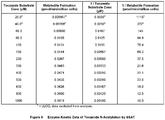
Figure 5 is a table which shows the enzyme kinetic data of spermidine N-acetylation by SSAT; -
Figure 6 is a table which shows on (dimethyl-2-thiazolyl)-2,5-diphenyl-2H-tetrazolium bromide or MTT assays from a pilot experiment; -
Figure 7 is a table which shows MTT assay results from a confirmatory experiment; -
Figure 8 shows metabolite formation and a Lineweaver-Burk Plot of N-acetylation of amantadine by SSAT; -
Figure 9 shows metabolite formation and a Lineweaver-Burk Plot of N-acetylation of rimantadine by SSAT; -
Figure 10 shows metabolite formation and a Lineweaver-Burk Plot of N-acetylation of tocainide by SSAT; -
Figure 11 shows metabolite formation and a Lineweaver-Burk Plot of N-acetylation of spermidine by SSAT; -
Figure 12 shows the results of an MTT assay from the pilot experiment; -
Figure 13 shows the results of an MTT assay from the confirmatory experiment; -
Figure 14 shows a representative LC/MS/MS assay calibration standard curve for the quantitation of N-acetyl amantadine in incubation samples; -
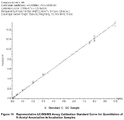
Figure 15 shows a representative LC/MS/MS assay calibration standard curve for the quantitation of N-acetyl rimantadine in incubation samples; -
Figure 16 shows a representative LC/MS/MS assay calibration standard curve for the quantitation of N-acetyl tocainide in incubation samples; -
Figure 17 shows a representative LC/MS/MS assay calibration standard curve for the quantitation of N-acetyl spermidine in incubation samples; -
Figure 18 shows a representative LC/MS/MS chromatogram of N-acetyl amantadine in incubation samples; -
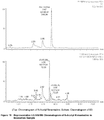
Figure 19 shows a representative LC/MS/MS chromatogram of N-acetyl rimantadine in incubation samples; -
Figure 20 shows a representative LC/MS/MS chromatogram of N-acetyl tocainide in incubation samples; -
Figure 21 shows a representative LC/MS/MS chromatogram of N-acetyl spermidine in incubation samples; and -
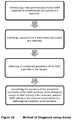
Figure 22 is a flow chart which shows a diagnostic method using a method for assaying SSAT as disclosed herein. - A method for assaying spermidine/spermine N1-acetyltransferase (SSAT) activity in vitro and in vivo models is described herein.
- SSAT is an important enzyme in polyamine metabolism. SSAT is highly regulated and its role in regulating neoplastic growth, obesity, stress response and oxygen homeostasis has been proposed. SSAT utilizes N'-acetylspermine as a substrate in forming N1, N12-diacetylspermine. In vivo, SSAT is a cytosolic enzyme and N1-acetylspermine is the preferred substrate compared with spermine, although the Km value for spermine is actually lower than that for N'-acetylspermine. In addition to SSAT, arylamine N-acetyltransferases (NATs) are also cytosolic enzymes important in the N-acetylation of drugs and xenobiotics containing aromatic amine and hydrazine groups. In humans, two functional NAT isoforms (NAT1 and NAT2) and over 25 alleles of the two NAT isoforms have been identified.
- In vitro and in vivo assays for evaluating SSAT activity based on liver homogenate derived from CD2F1 transgenic mice over-expressing SSAT have been published. Likewise, in vitro assays of NAT1 and NAT2 activities have also been described based on the use of human liver cytosol and human recombinant NAT1 and NAT2 isozymes. In both in vitro SSAT and NAT assays, acetyl-coenzyme A (co-factor) is required to provide activated acetyl group acetylation activity.
- Rat and human primary hepatocytes in vitro assays have also been described in studies on SSAT and NAT activities. Since intact primary hepatocytes possess all of the required native drug metabolism co-factors, the use of an intact primary hepatocyte assay often offers a higher level of in vitro versus in vivo correlation of drug metabolism compared with alternative in vitro models based on microsome or subcellular cytosolic enzyme fractions.
- The following plateable primary cryopreserved rat hepatocytes were used in this study:
Identity: Cryopreserved Female Sprague-Dawley Rat Hepatocyte BRIVAL Reference No: STM-1351 (TSY) Supplier: Celsis Lot No.: ASM Identity: Cryopreserved Female Sprague-Dawley Rat Hepatocyte BRIVAL Reference No: STM-1352 (TSY) and STM-1407 (TSY) Supplier: Celsis Lot No.: SKN - Both lots were used in the pilot experiment. The confirmatory experiment was performed only with lot SKN.
- A pilot experiment was initially performed to screen for the suitable testing ranges of substrate concentrations, and to determine the concentrations that would result in significant cytotoxicity (relative viability < 50%). Based on these preliminary results, a confirmatory experiment was performed with the adjusted substrate concentrations. Data generated from substrate concentrations that resulted in significant cytotoxicity were excluded from enzyme kinetic analysis. Refer to the table below for the testing concentrations. Metabolites collected from the incubation reactions were measured by LC/ MS/MS analysis.
Substrate Experiment Testing Concentrations (µM) Amantadine Pilot 0, 53.4, 106.8, 186.9, 267, 400.5, 5354, 801, 1068, 1602, 2136 Confirmatory 0, 106.8, 160.2, 213.6, 267, 400.5, 534, 667.5, 801, 934.5, 1068, 1335 Rimantadine Pilot 0, 20, 40, 100, 200, 400, 600, 800 Confirmatory 0, 20, 40, 60, 80, 100, 120, 150, 180, 200, 250, 300 Tocainide Pilot 0, 10, 20, 50, 100, 200, 300, 400 Confirmatory 0, 20, 40, 60, 80, 100, 150, 200, 300, 400, 500, 600, 800, 1000 Spermidine1 Confirmatory 0, 11, 22, 33, 55, 110, 165, 220, 275, 330, 440, 550 1 Not tested in pilot experiment. - In general, the experimental procedures for the pilot and the confirmatory experiments were the same.
- The substrates were accurately weighed, dissolved and further diluted with the appropriate solvent (10% dimethyl sulfoxide in distilled water (pilot) or 100% dimethyl sulfoxide (confirmatory) for tocainide; and deionized water for amantadine, rimantadine and spermidine) into a series of solutions at 100X of their testing concentrations outlined in the table above.
- Both lots of female rat hepatocytes (Lots ASM and SKN; corresponding to BRIVAL ID: STM-1351 (TSY) and STM-1352 (TSY), respectively) were used in the pilot experiment. The confirmatory experiment was performed with lot SKN only (corresponding to BRIVAL ID: STM-1407 (TSY)). The preparation procedures outlined below were performed for both the pilot and the confirmatory experiments.
- Immediately before use, cryopreserved primary rat hepatocytes were thawed in a water bath at 37°C and re-suspended in pre-warmed InVitroGRO™ CP Rat Medium. The viability of hepatocytes was confirmed to be above 70% based on Trypan Blue exclusion. Hepatocyte concentrations were adjusted by addition with InVitroGRO™ CP Rat Medium to achieve the target plating concentration of 0.70 x 10⁶ cells/mL. Aliquots of hepatocytes were plated (0.5 mL/well) in 24-well CellAffix culture plates and the plates were placed in an incubator maintained at 37°C with a highly humidified atmosphere of 95% air and 5% carbon for 4 hours to allow hepatocyte attachment before dosing with the selective substrate solutions.
- Following cell attachment, the culture medium was aspirated from each well, and replaced with pre-warmed InVitroGRO™ HI Rat Medium (added with Torpedo antibiotic mix in the confirmatory experiment) and the substrate solution at the appropriate concentration. The treated cells were returned to incubation for 24 hours. Upon completion of incubation, the medium from each well was collected into 1.7-mL vials containing ice-cold methanol and stored at nominal -80°C (-72°C to -88°C) prior to LC/MS/MS analysis. Hepatocytes remaining in the wells were subjected to MTT assay to evaluate the cytotoxic potential of the substrates at the testing concentrations.
- Upon collection of the reaction medium, an aliquot of 0.5 mg/mL MTT in KHB was added immediately to the remaining hepatocytes in each well and then incubated for approximately 30 minutes. Following incubation, the medium was replaced with dimethyl sulfoxide (DMSO) to dissolve the formazan. An aliquot from each well was measured for absorbance at 540 nm on a 96-well flat bottom plate with a microplate reader and DMSO for background absorbance correction.
- Stability controls were tested to monitor any non-enzymatic N-acetylation of the substrates under the experimental conditions employed. In parallel to the hepatocyte samples, a set of stability controls consisting of only the substrate solutions at the testing concentrations in the InVitroGRO™ HI Rat Medium without hepatocytes was incubated for 24 hours under the same conditions as the hepatocyte samples. Upon completion of incubation, stability control samples were collected for LC/MS/MS analysis following the same procedures for the hepatocyte samples.
- Four LC/MS/MS assays were employed to individually quantitate the four metabolites in the incubation samples.
- Refer to the table below for the reference standard used for the assay of each metabolite. Reference standard stock solutions were used for the preparation of calibration standards and quality control samples.
Metabolite Assay Reference Standard* N-acetyl amantadine N-acetyl amantadine N-acetyl rimantadine Rimantadine N-acetyl tocainide Tocainide N-acetyl spermidine Spermidine *Reference standards of some of the metabolites are not commercially available; hence, their corresponding substrates were used as the reference standards to calibrate for the assay of the metabolites in the incubation samples. - Deuterated N-acetyl-d3 amantadine was added as an internal standard for all the assays.
- In general, assays of the different metabolites shared the same sample preparation procedures described below:
- Calibration standards and quality control samples: The reference standard stock solution was diluted and added with aliquots of an assay matrix of methanol to blank incubation reaction buffer (1:1 v/v) and the internal standard to afford a series of calibration standards and quality control samples for LC/MS/MS analysis.
- Incubation samples: The supernatant of each thawed incubation sample was added with an aliquot of the assay matrix and an aliquot of the internal standard prior to LC/MS/MS analysis.
- Exceptions: Thawed incubation samples for assays of N-acetyl tocainide and N-acetyl spermidine were acidified with formic acid (final formic acid at 0.5% v/v) prior to further preparation as described above. In addition, an acidified assay matrix was used for preparations of calibration standards, quality control samples, and incubation samples. This was to minimize potential metabolite binding to the preparation containers.
- Calibration standards, quality control samples and incubation samples for quantitation of N-acetyl spermidine were diluted 10X with 0.1% formic acid in diH2O prior to addition of the internal standard and LC/MS/MS analysis.
-
Instrument: Waters Acquity™ UPLC system and Micromass™ Ultima Acquisition software: MassLynx v4.1 Mobile Phase A: 0.1% formic acid in diH2O Mobile Phase B: 0.1% formic acid in methanol Column: Synergi™ 4µ Hydro-RP (BRIVAL ID: LC-270) Injection volume: 10 µL MS mode: ESI positive MRM mode -
Instrument: Waters Acquity™ UPLC system and Micromass™ Ultima Acquisition software: MassLynx™ v4.1 Mobile Phase A: 5 mM ammonium formate and 0.1% formic acid in diH2O Mobile Phase B: 5 mM ammonium formate and 0.1% formic acid in ACN:diH2O (9:1 v/v) Column: Kinex™ 2.6µ HILIC (BRIVAL ID: LC-309) Injection volume: 1 µL MS mode: ESI positive MRM mode - MassLynx™ v4.1 and Microsoft Excel 2007 were used for data analysis.
- Analytical data were printed on hardcopy and processed according to BRIVAL Standard Operating Procedures. Electronic data backup was performed via BRIPHARM Windows Server 2008 following BRIVAL Standard Operating Procedures.
- All experimental raw data, related documentation, and the study report will be archived at BRIVAL's archives (103-8898 Heather Street, Vancouver, BC, Canada) following procedures described in BRIVAL Standard Operating Procedures for a period of at least five years.
- A summary of the relative enzyme kinetic parameters (Km and Vmax) of the SSAT-mediated N-acetylation of amantadine, rimantadine, tocainide and spermidine in plateable cryopreserved primary rat hepatocytes is shown in
Figure 1 . Enzyme kinetics was evaluated based on the enzymatic conversion of the substrate at a range of testing concentrations into their N-acetylated metabolites over a 24-hour incubation reaction time course. Metabolite formation from different testing substrate concentrations after incubation was measured by LC/MS/MS and the resulting data constructed into Lineweaver-Burk plots of the double reciprocal of reaction velocity against substrate concentrations to estimate the Km and Vmax values of SSAT-mediated N-acetylation of each substrate tested. - The Km value of spermidine acetylation estimated from the confirmatory experiment was 287 µM, which is comparable to the literature reference of 267 ± 46 µM derived from SSAT in cytosolic liver fraction of transgenic mice. Vmax cannot be compared to the literature as the values were presented in different units. From all stability controls, only negligible amounts of N-acetyl metabolites were observed, indicating that non-enzymatic N-acetylation was generally absent under the experimental conditions employed.
- Results for each of the substrates from the confirmatory experiments are summarized in
Figures 2 to 5 . Their plots of metabolite formation against substrate concentrations, as well as the corresponding Lineweaver-Burk plots, are shown inFigures 1 to 4 . Spermidine acetylation was observed to have the lowest Km value and the highest Vmax value at 287 µM and 7.21 pmol/min/million cells, respectively. Therefore, among all substrates tested, it has the highest relative maximum reaction rate. The Km values for the other substrates tested, in the ascending order, were 1659 µM for amantadine; 1835 µM for rimantadine; and 5033 µM for tocainide. The Vmax values of the substrates tested, in the descending order (corresponding to descending order of relative maximum reaction rate), were 0.617 pmol/min/million cells for tocanide, 0.364 pmol/min/million cells for rimantadine, and 0.00197 pmol/min/million cells for amantadine. - The cytotoxic potential of the substrates to rat hepatocytes was evaluated by MTT cytotoxicity assays. The assays were performed in both the pilot and the confirmatory experiments. Results from the pilot experiments are summarized in
Figures 6 and12 . Significant cytotoxicity (relative viability < 50%) was observed following treatments with higher concentrations of amantadine and rimantadine. Substrate concentrations that resulted in extensive cytotoxicity were observed to be approximately 1170 µM for amantadine and 280 µM for rimantadine. No cytotoxicity was observed from tocainide. Based on these results, the testing concentrations were adjusted accordingly for the subsequent confirmatory experiments. - MTT assay results from the confirmatory experiment are presented in
Figures 7 and13 . The substrate concentrations resulting in extensive cytotoxicity were observed to be approximately 1140 µM for amantadine and 220 µM for rimantadine, confirming the initial findings from the pilot experiment. No cytotoxicity was observed from tocainide and spermidine at the testing range. Data generated from substrate concentrations that resulted in significant cytotoxicity were excluded from enzyme kinetic analysis. - Results from all calibration standards and quality control samples met the general batch acceptance criteria as per BRIVAL SOP-GP-011(v7.0) and SOP-QA-025 (v1.0), established in accordance with FDA Bioanalytical Method Validation Guidelines. See, for example, "Guidance for Industry: Bioanalytical Method Validation" U.S. Department of Health and Human Services, FDA, CDER and CVM, May 2001, the full disclosure of which is incorporated herein by reference. All assays were quantitated with an internal standard approach, except for N-acetyl tocainide which was quantitated without the use of the internal standard. Representative calibration curves and LC/MS/MS chromatograms are presented in
Figure 7 to Figure 14 . - The enzyme kinetic parameters (Km and Vmax) of spermidine/spermine N1-acetyltransferase (SSAT) to mediate N-acetylation of amantadine, rimantadine, tocainide and spermidine were characterized. Among the substrates tested, spermidine acetylation was observed to have the lowest Km value and the highest Vmax value at 287 µM and 7.21 pmol/min/million cells, respectively. Therefore, it has the highest relative maximum reaction rate. The Km values for the other substrates tested, in the ascending order, were 1659 µM for amantadine; 1835 µM for rimantadine; and 5033 µM for tocainide. The Vmax values of the other substrates tested, in the descending order (corresponding to descending order of relative maximum reaction rate), were 0.617 pmol/min/million cells for tocanide, 0.364 pmol/min/million cells for rimantadine, and 0.00197 pmol/min/million cells for amantadine.
- It is concluded that determining the activity of spermine/spermidine N1-acetyltransferase (SSAT) in a mammal by assaying a sample derived from the mammal for the level of an acetylated form of a non-spermine/spermidine SSAT substrate in the sample may be used to correlate SSAT activity to a pathological condition in the mammal as shown in
Figure 22 . - It will be understood by a person skilled in the art that many of the details provided above are by way of example only, and are not intended to limit the scope of the invention which is to be determined with reference to the following claims.
Claims (12)
- A method for determining activity of spermine/spermidine N1-acetyltransferase (SSAT) in a mammal comprises the steps of:taking a biological sample collected from the mammal to which rimantadine has been introduced;detecting an acetylated metabolite of rimantadine in the biological sample; andcorrelating a presence of the acetylated metabolite of rimantadine in the biological sample to SSAT activity in the mammal.
- A method for determining activity of spermine/spermidine N1-acetyltransferase (SSAT) in a mammal comprises the steps of:taking a cell obtained from the mammal and incubating the cell in a suitable cell culture;introducing rimantadine to the cell culture;detecting a presence of an acetylated metabolite of the rimantadine in the cell culture; andcorrelating the presence of the acetylated metabolite of the rimantadine in the cell culture to SSAT activity in the mammal.
- The method as claimed in claim 2 wherein the step of detecting a presence of an acetylated metabolite of the rimantadine in the cell culture includes:obtaining a sample from the cell culture after introducing the rimantadine to the cell culture; andmeasuring an amount of an acetylated metabolite of the rimantadine in the sample.
- The method as claimed in claim 2 wherein the cell from the mammal is a hepatocyte.
- Use of the method of claim 1 or 2 as a diagnostic tool wherein SSAT activity in the mammal is correlated to a pathological condition.
- Use of the method of claim 1 or 2 as a diagnostic tool wherein SSAT activity in the mammal is correlated to cancer.
- A method for determining activity of spermine/spermidine N1-acetyltransferase (SSAT) in a mammal comprises the steps of:taking a biological sample collected from the mammal to which tocainide has been introduced;detecting an acetylated metabolite of tocainide in the biological sample; andcorrelating a presence of the acetylated metabolite of tocainide in the biological sample to SSAT activity in the mammal.
- A method for determining activity of spermine/spermidine N1-acetyltransferase (SSAT) in a mammal comprises the steps of:taking a cell obtained from the mammal and incubating the cell in a suitable cell culture;introducing tocainide to the cell culture;detecting a presence of an acetylated metabolite of the tocainide in the cell culture; andcorrelating the presence of the acetylated metabolite of the tocainide in the cell culture to SSAT activity in the mammal.
- The method as claimed in claim 8 wherein the step of detecting a presence of an acetylated metabolite of the tocainide in the cell culture includes:obtaining a sample from the cell culture after introducing the tocainide to the cell culture; andmeasuring an amount of an acetylated metabolite of the tocainide in the sample.
- The method as claimed in claim 8 wherein the cell from the mammal is a hepatocyte.
- Use of the method of claim 7 or 8 as a diagnostic tool wherein SSAT activity in the mammal is correlated to a pathological condition.
- Use of the method of claim 7 or 8 as a diagnostic tool wherein SSAT activity in the mammal is correlated to cancer.
Applications Claiming Priority (2)
| Application Number | Priority Date | Filing Date | Title |
|---|---|---|---|
| US201161560700P | 2011-11-16 | 2011-11-16 | |
| PCT/CA2012/050828 WO2013071450A1 (en) | 2011-11-16 | 2012-11-16 | A method for assaying the activity of spermidine/spermine n1-acetyltrasferase |
Publications (3)
| Publication Number | Publication Date |
|---|---|
| EP2788498A1 EP2788498A1 (en) | 2014-10-15 |
| EP2788498A4 EP2788498A4 (en) | 2015-06-17 |
| EP2788498B1 true EP2788498B1 (en) | 2020-04-08 |
Family
ID=48428908
Family Applications (1)
| Application Number | Title | Priority Date | Filing Date |
|---|---|---|---|
| EP12850541.9A Active EP2788498B1 (en) | 2011-11-16 | 2012-11-16 | A method for assaying the activity of spermidine/spermine n1-acetyltrasferase |
Country Status (5)
| Country | Link |
|---|---|
| US (3) | US20140315217A1 (en) |
| EP (1) | EP2788498B1 (en) |
| CN (1) | CN103975074B (en) |
| CA (1) | CA2856029C (en) |
| WO (1) | WO2013071450A1 (en) |
Families Citing this family (5)
| Publication number | Priority date | Publication date | Assignee | Title |
|---|---|---|---|---|
| CN103608358A (en) * | 2011-05-10 | 2014-02-26 | 百奥马克科技有限公司 | Monoclonal antibody for acetylamantadine |
| EP2928458A4 (en) * | 2012-11-14 | 2016-09-07 | Biomark Technologies Inc | Spermidine/spermine n'-acetyltransferase substrates as anti-cancer drug compounds |
| CA2959556A1 (en) * | 2013-08-29 | 2015-03-05 | Biomark Technologies Inc. | An immunological assay to detect and quantify acetylamantadine |
| CN106198965A (en) * | 2016-08-31 | 2016-12-07 | 辽宁迈迪生物科技股份有限公司 | A kind of vitro detection test kit detecting SSAT content and detection method thereof |
| CN112462064A (en) * | 2020-10-09 | 2021-03-09 | 吉林大学第一医院 | Application of marker or specific recognition reagent thereof in preparation of kit for diagnosing gastric cancer and diagnostic kit |
Family Cites Families (1)
| Publication number | Priority date | Publication date | Assignee | Title |
|---|---|---|---|---|
| ATE412064T1 (en) * | 2001-03-02 | 2008-11-15 | Univ Manitoba | METHOD FOR STUDYING THE ACTIVITY OF SPERMIDINE/SPERMINE N1-ACETYLTRANSFERASE (SSAT), WHERE THE SUBSTRATE IS AMANTADINE |
-
2012
- 2012-11-16 EP EP12850541.9A patent/EP2788498B1/en active Active
- 2012-11-16 US US14/358,695 patent/US20140315217A1/en not_active Abandoned
- 2012-11-16 WO PCT/CA2012/050828 patent/WO2013071450A1/en not_active Ceased
- 2012-11-16 CN CN201280056582.4A patent/CN103975074B/en active Active
- 2012-11-16 CA CA2856029A patent/CA2856029C/en active Active
-
2021
- 2021-08-19 US US17/406,956 patent/US11441168B2/en active Active
-
2022
- 2022-08-25 US US17/895,690 patent/US11999990B2/en active Active
Non-Patent Citations (1)
| Title |
|---|
| None * |
Also Published As
| Publication number | Publication date |
|---|---|
| CN103975074B (en) | 2017-06-30 |
| US20140315217A1 (en) | 2014-10-23 |
| EP2788498A1 (en) | 2014-10-15 |
| CA2856029A1 (en) | 2013-05-23 |
| WO2013071450A1 (en) | 2013-05-23 |
| CN103975074A (en) | 2014-08-06 |
| WO2013071450A9 (en) | 2013-07-04 |
| US11999990B2 (en) | 2024-06-04 |
| US20220033875A1 (en) | 2022-02-03 |
| CA2856029C (en) | 2021-05-25 |
| US20230069827A1 (en) | 2023-03-09 |
| US11441168B2 (en) | 2022-09-13 |
| EP2788498A4 (en) | 2015-06-17 |
Similar Documents
| Publication | Publication Date | Title |
|---|---|---|
| US11999990B2 (en) | Method for assaying the activity of spermidine/spermine N1-acetyltransferase | |
| Yang et al. | Divergent camptothecin biosynthetic pathway in Ophiorrhiza pumila | |
| Majed et al. | Advances in techniques for phosphorus analysis in biological sources | |
| Paget et al. | The effects of oxygen on fermentation in Giardia lamblia | |
| Liu et al. | The bHLH-zip transcription factor SREBP regulates triterpenoid and lipid metabolisms in the medicinal fungus Ganoderma lingzhi | |
| Chung et al. | Effects of berberine on arylamine N-acetyltransferase activity and 2-aminofluorene-DNA adduct formation in human leukemia cells | |
| Tchaparian et al. | Identification of transcriptional networks responding to pyrroloquinoline quinone dietary supplementation and their influence on thioredoxin expression, and the JAK/STAT and MAPK pathways | |
| Demirbas et al. | The ability of an LC-MS/MS-based erythrocyte GALT enzyme assay to predict the phenotype in subjects with GALT deficiency | |
| Han et al. | Spermidine regulates mitochondrial function by enhancing eIF5A hypusination and contributes to reactive oxygen species production and ganoderic acid biosynthesis in Ganoderma lucidum | |
| James et al. | Binding of N-acetylbenzidine and N, N′-diacetylbenzidine to hepatic DNA of rat and hamster in vivo and in vitro | |
| Liu et al. | Determination of polyamines in human urine by precolumn derivatization with benzoyl chloride and high-performance liquid chromatography coupled with Q-time-of-flight mass spectrometry | |
| EP1414991B1 (en) | Method for assaying amantadine acetylating activity of spermidine/spermine n1- acetyltransferase (ssat) | |
| Sun et al. | Regulatory mechanisms of dopamine metabolism in a marine Meyerozyma guilliermondii GXDK6 under NaCl stress as revealed by integrative multi-omics analysis | |
| WO2016196329A1 (en) | Urine metabolite profiles identify kidney allograft status | |
| EP2586874B1 (en) | Method for screening for s1p lyase inhibitor using cultured cell | |
| Kobayashi et al. | A radioenzymatic assay for plasma normetanephrine in man and patients with pheochromocytoma | |
| Lanphier et al. | NAT1 and NAT2 Enzyme Activity Drive Interindividual Variability in Sulfamethoxazole N-Acetylation | |
| Mossmann et al. | Elevated arginine levels in liver tumors promote metabolic reprogramming and tumor growth | |
| WO2018148589A1 (en) | Liquid biopsies for detection of prostate cancer | |
| US20250314656A1 (en) | Genetically encoded fluorescent indicator of d-2-hydroxyglutarate | |
| US20250250608A1 (en) | Methods and compositions for assaying beta-hexosaminidase enzymatic activity via mass spectrometry | |
| Honeker et al. | Drought induces soil microbial stress responses and emissions of volatile organic compounds in an artificial tropical rainforest | |
| Rossner et al. | Genetic Toxicology and Carcinogenesis | |
| Li et al. | K6 Atypical Ubiquitin Chain Regulates Intracellular Serine Homeostasis Through Tor1-Npr1-Par32-Gnp1 Signaling Axis | |
| Wang | Retrospective Analysis of Adenosine Monophosphate (AMP) in Gastric Cancer Pathophysiological Roles |
Legal Events
| Date | Code | Title | Description |
|---|---|---|---|
| PUAI | Public reference made under article 153(3) epc to a published international application that has entered the european phase |
Free format text: ORIGINAL CODE: 0009012 |
|
| 17P | Request for examination filed |
Effective date: 20140611 |
|
| AK | Designated contracting states |
Kind code of ref document: A1 Designated state(s): AL AT BE BG CH CY CZ DE DK EE ES FI FR GB GR HR HU IE IS IT LI LT LU LV MC MK MT NL NO PL PT RO RS SE SI SK SM TR |
|
| DAX | Request for extension of the european patent (deleted) | ||
| RA4 | Supplementary search report drawn up and despatched (corrected) |
Effective date: 20150519 |
|
| RIC1 | Information provided on ipc code assigned before grant |
Ipc: G01N 33/574 20060101ALI20150512BHEP Ipc: C12Q 1/48 20060101AFI20150512BHEP |
|
| 17Q | First examination report despatched |
Effective date: 20160607 |
|
| STAA | Information on the status of an ep patent application or granted ep patent |
Free format text: STATUS: EXAMINATION IS IN PROGRESS |
|
| GRAP | Despatch of communication of intention to grant a patent |
Free format text: ORIGINAL CODE: EPIDOSNIGR1 |
|
| STAA | Information on the status of an ep patent application or granted ep patent |
Free format text: STATUS: GRANT OF PATENT IS INTENDED |
|
| INTG | Intention to grant announced |
Effective date: 20190415 |
|
| GRAJ | Information related to disapproval of communication of intention to grant by the applicant or resumption of examination proceedings by the epo deleted |
Free format text: ORIGINAL CODE: EPIDOSDIGR1 |
|
| STAA | Information on the status of an ep patent application or granted ep patent |
Free format text: STATUS: EXAMINATION IS IN PROGRESS |
|
| GRAP | Despatch of communication of intention to grant a patent |
Free format text: ORIGINAL CODE: EPIDOSNIGR1 |
|
| STAA | Information on the status of an ep patent application or granted ep patent |
Free format text: STATUS: GRANT OF PATENT IS INTENDED |
|
| INTC | Intention to grant announced (deleted) | ||
| INTG | Intention to grant announced |
Effective date: 20190925 |
|
| GRAS | Grant fee paid |
Free format text: ORIGINAL CODE: EPIDOSNIGR3 |
|
| GRAJ | Information related to disapproval of communication of intention to grant by the applicant or resumption of examination proceedings by the epo deleted |
Free format text: ORIGINAL CODE: EPIDOSDIGR1 |
|
| GRAL | Information related to payment of fee for publishing/printing deleted |
Free format text: ORIGINAL CODE: EPIDOSDIGR3 |
|
| STAA | Information on the status of an ep patent application or granted ep patent |
Free format text: STATUS: EXAMINATION IS IN PROGRESS |
|
| GRAR | Information related to intention to grant a patent recorded |
Free format text: ORIGINAL CODE: EPIDOSNIGR71 |
|
| STAA | Information on the status of an ep patent application or granted ep patent |
Free format text: STATUS: GRANT OF PATENT IS INTENDED |
|
| GRAA | (expected) grant |
Free format text: ORIGINAL CODE: 0009210 |
|
| STAA | Information on the status of an ep patent application or granted ep patent |
Free format text: STATUS: THE PATENT HAS BEEN GRANTED |
|
| INTC | Intention to grant announced (deleted) | ||
| AK | Designated contracting states |
Kind code of ref document: B1 Designated state(s): AL AT BE BG CH CY CZ DE DK EE ES FI FR GB GR HR HU IE IS IT LI LT LU LV MC MK MT NL NO PL PT RO RS SE SI SK SM TR |
|
| INTG | Intention to grant announced |
Effective date: 20200303 |
|
| REG | Reference to a national code |
Ref country code: GB Ref legal event code: FG4D |
|
| REG | Reference to a national code |
Ref country code: CH Ref legal event code: EP Ref country code: AT Ref legal event code: REF Ref document number: 1254433 Country of ref document: AT Kind code of ref document: T Effective date: 20200415 |
|
| REG | Reference to a national code |
Ref country code: DE Ref legal event code: R096 Ref document number: 602012069195 Country of ref document: DE |
|
| REG | Reference to a national code |
Ref country code: IE Ref legal event code: FG4D |
|
| REG | Reference to a national code |
Ref country code: NL Ref legal event code: MP Effective date: 20200408 |
|
| REG | Reference to a national code |
Ref country code: LT Ref legal event code: MG4D |
|
| PG25 | Lapsed in a contracting state [announced via postgrant information from national office to epo] |
Ref country code: SE Free format text: LAPSE BECAUSE OF FAILURE TO SUBMIT A TRANSLATION OF THE DESCRIPTION OR TO PAY THE FEE WITHIN THE PRESCRIBED TIME-LIMIT Effective date: 20200408 Ref country code: NL Free format text: LAPSE BECAUSE OF FAILURE TO SUBMIT A TRANSLATION OF THE DESCRIPTION OR TO PAY THE FEE WITHIN THE PRESCRIBED TIME-LIMIT Effective date: 20200408 Ref country code: LT Free format text: LAPSE BECAUSE OF FAILURE TO SUBMIT A TRANSLATION OF THE DESCRIPTION OR TO PAY THE FEE WITHIN THE PRESCRIBED TIME-LIMIT Effective date: 20200408 Ref country code: FI Free format text: LAPSE BECAUSE OF FAILURE TO SUBMIT A TRANSLATION OF THE DESCRIPTION OR TO PAY THE FEE WITHIN THE PRESCRIBED TIME-LIMIT Effective date: 20200408 Ref country code: PT Free format text: LAPSE BECAUSE OF FAILURE TO SUBMIT A TRANSLATION OF THE DESCRIPTION OR TO PAY THE FEE WITHIN THE PRESCRIBED TIME-LIMIT Effective date: 20200817 Ref country code: NO Free format text: LAPSE BECAUSE OF FAILURE TO SUBMIT A TRANSLATION OF THE DESCRIPTION OR TO PAY THE FEE WITHIN THE PRESCRIBED TIME-LIMIT Effective date: 20200708 Ref country code: GR Free format text: LAPSE BECAUSE OF FAILURE TO SUBMIT A TRANSLATION OF THE DESCRIPTION OR TO PAY THE FEE WITHIN THE PRESCRIBED TIME-LIMIT Effective date: 20200709 Ref country code: IS Free format text: LAPSE BECAUSE OF FAILURE TO SUBMIT A TRANSLATION OF THE DESCRIPTION OR TO PAY THE FEE WITHIN THE PRESCRIBED TIME-LIMIT Effective date: 20200808 |
|
| REG | Reference to a national code |
Ref country code: AT Ref legal event code: MK05 Ref document number: 1254433 Country of ref document: AT Kind code of ref document: T Effective date: 20200408 |
|
| PG25 | Lapsed in a contracting state [announced via postgrant information from national office to epo] |
Ref country code: BG Free format text: LAPSE BECAUSE OF FAILURE TO SUBMIT A TRANSLATION OF THE DESCRIPTION OR TO PAY THE FEE WITHIN THE PRESCRIBED TIME-LIMIT Effective date: 20200708 Ref country code: HR Free format text: LAPSE BECAUSE OF FAILURE TO SUBMIT A TRANSLATION OF THE DESCRIPTION OR TO PAY THE FEE WITHIN THE PRESCRIBED TIME-LIMIT Effective date: 20200408 Ref country code: RS Free format text: LAPSE BECAUSE OF FAILURE TO SUBMIT A TRANSLATION OF THE DESCRIPTION OR TO PAY THE FEE WITHIN THE PRESCRIBED TIME-LIMIT Effective date: 20200408 Ref country code: LV Free format text: LAPSE BECAUSE OF FAILURE TO SUBMIT A TRANSLATION OF THE DESCRIPTION OR TO PAY THE FEE WITHIN THE PRESCRIBED TIME-LIMIT Effective date: 20200408 |
|
| PG25 | Lapsed in a contracting state [announced via postgrant information from national office to epo] |
Ref country code: AL Free format text: LAPSE BECAUSE OF FAILURE TO SUBMIT A TRANSLATION OF THE DESCRIPTION OR TO PAY THE FEE WITHIN THE PRESCRIBED TIME-LIMIT Effective date: 20200408 |
|
| REG | Reference to a national code |
Ref country code: DE Ref legal event code: R097 Ref document number: 602012069195 Country of ref document: DE |
|
| PG25 | Lapsed in a contracting state [announced via postgrant information from national office to epo] |
Ref country code: RO Free format text: LAPSE BECAUSE OF FAILURE TO SUBMIT A TRANSLATION OF THE DESCRIPTION OR TO PAY THE FEE WITHIN THE PRESCRIBED TIME-LIMIT Effective date: 20200408 Ref country code: IT Free format text: LAPSE BECAUSE OF FAILURE TO SUBMIT A TRANSLATION OF THE DESCRIPTION OR TO PAY THE FEE WITHIN THE PRESCRIBED TIME-LIMIT Effective date: 20200408 Ref country code: SM Free format text: LAPSE BECAUSE OF FAILURE TO SUBMIT A TRANSLATION OF THE DESCRIPTION OR TO PAY THE FEE WITHIN THE PRESCRIBED TIME-LIMIT Effective date: 20200408 Ref country code: ES Free format text: LAPSE BECAUSE OF FAILURE TO SUBMIT A TRANSLATION OF THE DESCRIPTION OR TO PAY THE FEE WITHIN THE PRESCRIBED TIME-LIMIT Effective date: 20200408 Ref country code: CZ Free format text: LAPSE BECAUSE OF FAILURE TO SUBMIT A TRANSLATION OF THE DESCRIPTION OR TO PAY THE FEE WITHIN THE PRESCRIBED TIME-LIMIT Effective date: 20200408 Ref country code: DK Free format text: LAPSE BECAUSE OF FAILURE TO SUBMIT A TRANSLATION OF THE DESCRIPTION OR TO PAY THE FEE WITHIN THE PRESCRIBED TIME-LIMIT Effective date: 20200408 Ref country code: AT Free format text: LAPSE BECAUSE OF FAILURE TO SUBMIT A TRANSLATION OF THE DESCRIPTION OR TO PAY THE FEE WITHIN THE PRESCRIBED TIME-LIMIT Effective date: 20200408 Ref country code: EE Free format text: LAPSE BECAUSE OF FAILURE TO SUBMIT A TRANSLATION OF THE DESCRIPTION OR TO PAY THE FEE WITHIN THE PRESCRIBED TIME-LIMIT Effective date: 20200408 |
|
| PLBE | No opposition filed within time limit |
Free format text: ORIGINAL CODE: 0009261 |
|
| STAA | Information on the status of an ep patent application or granted ep patent |
Free format text: STATUS: NO OPPOSITION FILED WITHIN TIME LIMIT |
|
| PG25 | Lapsed in a contracting state [announced via postgrant information from national office to epo] |
Ref country code: SK Free format text: LAPSE BECAUSE OF FAILURE TO SUBMIT A TRANSLATION OF THE DESCRIPTION OR TO PAY THE FEE WITHIN THE PRESCRIBED TIME-LIMIT Effective date: 20200408 Ref country code: PL Free format text: LAPSE BECAUSE OF FAILURE TO SUBMIT A TRANSLATION OF THE DESCRIPTION OR TO PAY THE FEE WITHIN THE PRESCRIBED TIME-LIMIT Effective date: 20200408 |
|
| 26N | No opposition filed |
Effective date: 20210112 |
|
| PG25 | Lapsed in a contracting state [announced via postgrant information from national office to epo] |
Ref country code: SI Free format text: LAPSE BECAUSE OF FAILURE TO SUBMIT A TRANSLATION OF THE DESCRIPTION OR TO PAY THE FEE WITHIN THE PRESCRIBED TIME-LIMIT Effective date: 20200408 |
|
| PG25 | Lapsed in a contracting state [announced via postgrant information from national office to epo] |
Ref country code: MC Free format text: LAPSE BECAUSE OF FAILURE TO SUBMIT A TRANSLATION OF THE DESCRIPTION OR TO PAY THE FEE WITHIN THE PRESCRIBED TIME-LIMIT Effective date: 20200408 |
|
| REG | Reference to a national code |
Ref country code: CH Ref legal event code: PL |
|
| PG25 | Lapsed in a contracting state [announced via postgrant information from national office to epo] |
Ref country code: LU Free format text: LAPSE BECAUSE OF NON-PAYMENT OF DUE FEES Effective date: 20201116 |
|
| REG | Reference to a national code |
Ref country code: BE Ref legal event code: MM Effective date: 20201130 |
|
| PG25 | Lapsed in a contracting state [announced via postgrant information from national office to epo] |
Ref country code: LI Free format text: LAPSE BECAUSE OF NON-PAYMENT OF DUE FEES Effective date: 20201130 Ref country code: CH Free format text: LAPSE BECAUSE OF NON-PAYMENT OF DUE FEES Effective date: 20201130 |
|
| PG25 | Lapsed in a contracting state [announced via postgrant information from national office to epo] |
Ref country code: IE Free format text: LAPSE BECAUSE OF NON-PAYMENT OF DUE FEES Effective date: 20201116 |
|
| PG25 | Lapsed in a contracting state [announced via postgrant information from national office to epo] |
Ref country code: TR Free format text: LAPSE BECAUSE OF FAILURE TO SUBMIT A TRANSLATION OF THE DESCRIPTION OR TO PAY THE FEE WITHIN THE PRESCRIBED TIME-LIMIT Effective date: 20200408 Ref country code: MT Free format text: LAPSE BECAUSE OF FAILURE TO SUBMIT A TRANSLATION OF THE DESCRIPTION OR TO PAY THE FEE WITHIN THE PRESCRIBED TIME-LIMIT Effective date: 20200408 Ref country code: CY Free format text: LAPSE BECAUSE OF FAILURE TO SUBMIT A TRANSLATION OF THE DESCRIPTION OR TO PAY THE FEE WITHIN THE PRESCRIBED TIME-LIMIT Effective date: 20200408 |
|
| PG25 | Lapsed in a contracting state [announced via postgrant information from national office to epo] |
Ref country code: MK Free format text: LAPSE BECAUSE OF FAILURE TO SUBMIT A TRANSLATION OF THE DESCRIPTION OR TO PAY THE FEE WITHIN THE PRESCRIBED TIME-LIMIT Effective date: 20200408 |
|
| PG25 | Lapsed in a contracting state [announced via postgrant information from national office to epo] |
Ref country code: BE Free format text: LAPSE BECAUSE OF NON-PAYMENT OF DUE FEES Effective date: 20201130 |
|
| P01 | Opt-out of the competence of the unified patent court (upc) registered |
Effective date: 20230623 |
|
| PGFP | Annual fee paid to national office [announced via postgrant information from national office to epo] |
Ref country code: DE Payment date: 20241014 Year of fee payment: 13 |
|
| PGFP | Annual fee paid to national office [announced via postgrant information from national office to epo] |
Ref country code: GB Payment date: 20241007 Year of fee payment: 13 |
|
| PGFP | Annual fee paid to national office [announced via postgrant information from national office to epo] |
Ref country code: FR Payment date: 20241008 Year of fee payment: 13 |